

BUDAPEST PHOTOGRAPHY
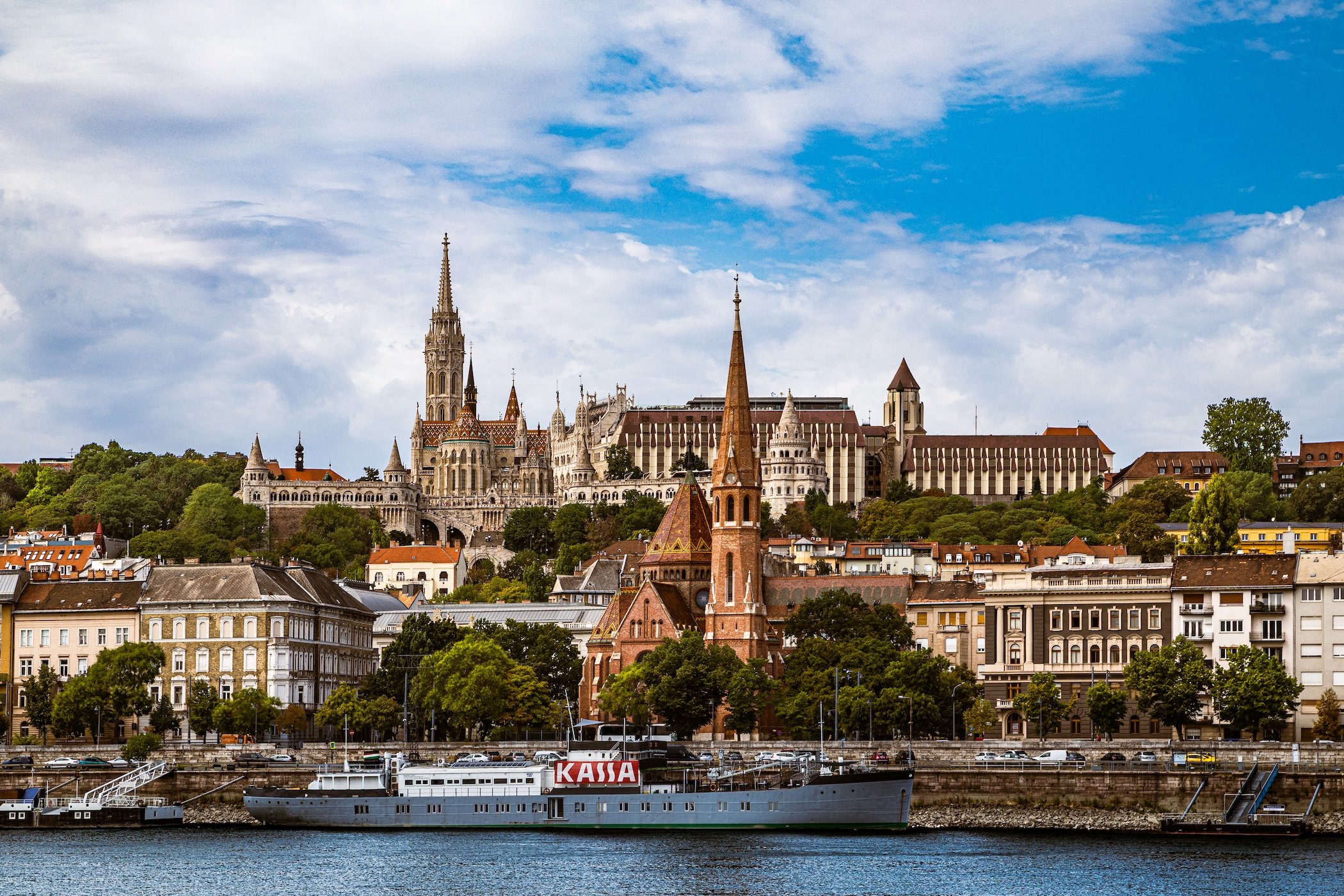
Budapest is a visually rich city - with elements of its diverse history embedded across the city. It’s also a city in transition - with vestiges of neglect as a background for a newfound sense of revitalization, renovation and rejuvenation.
Photographed Districts
-
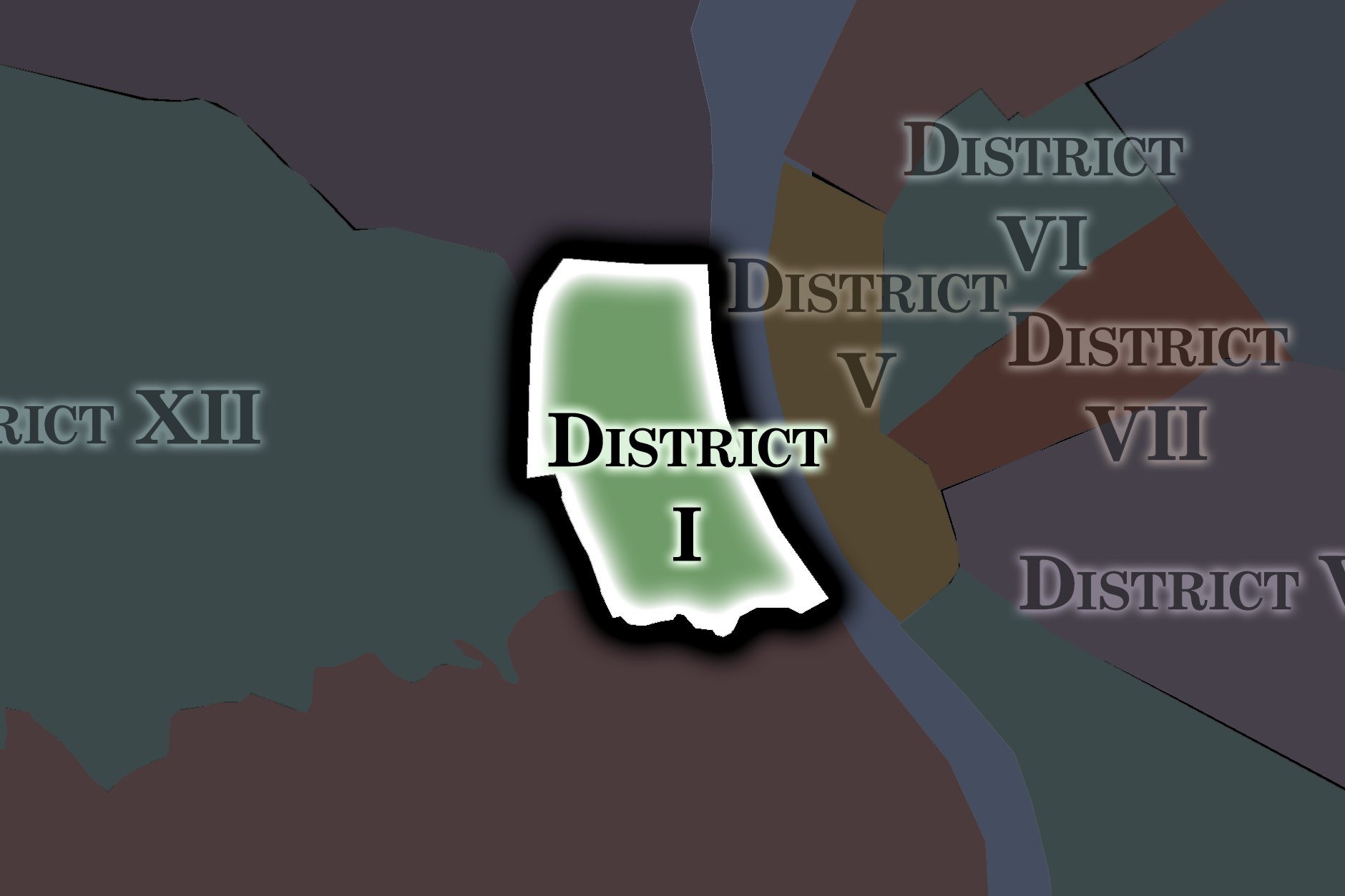
District I - Castle District
Arriving soon
-
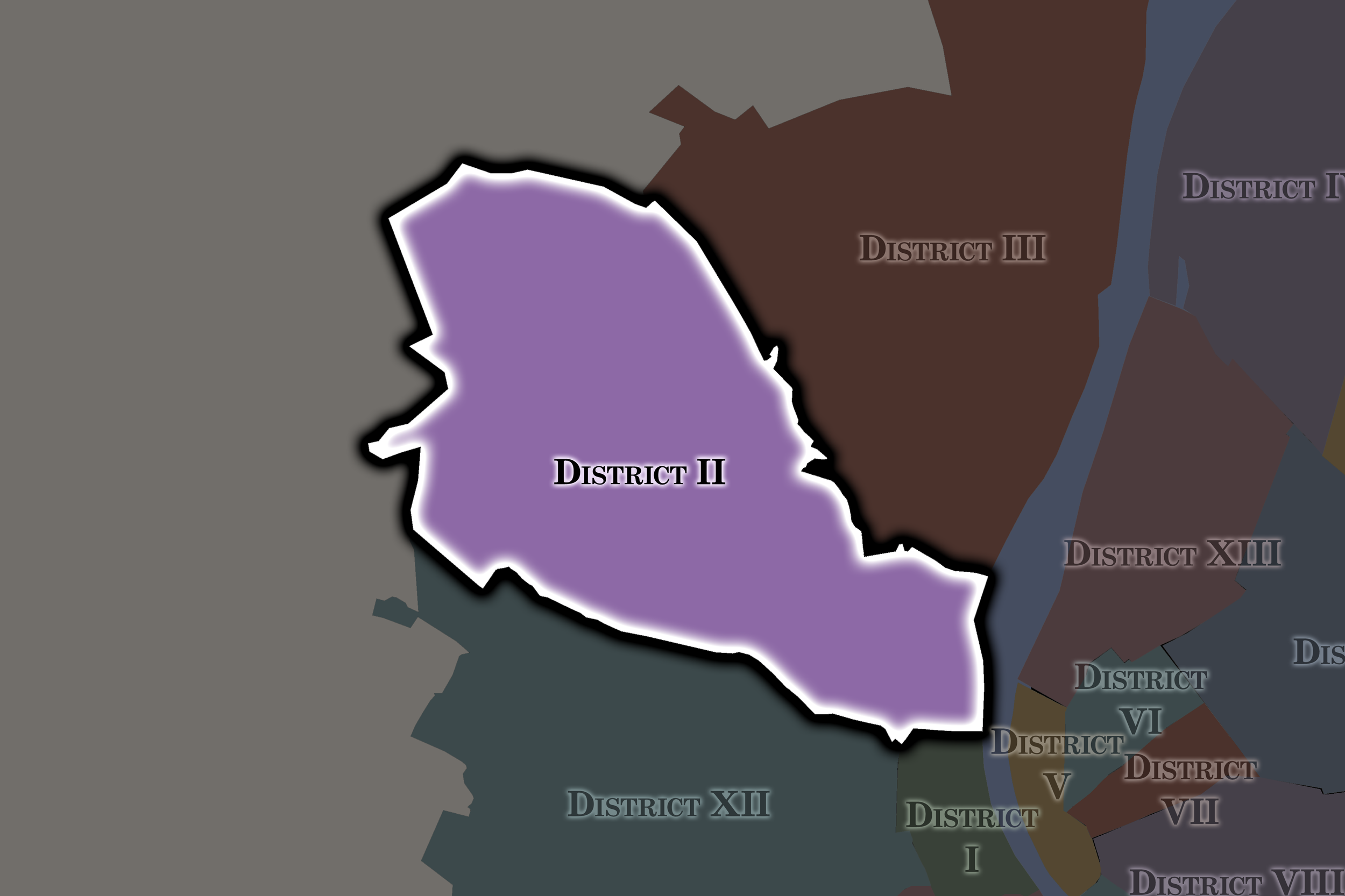
District II - Rose Hill
Arriving soon
-
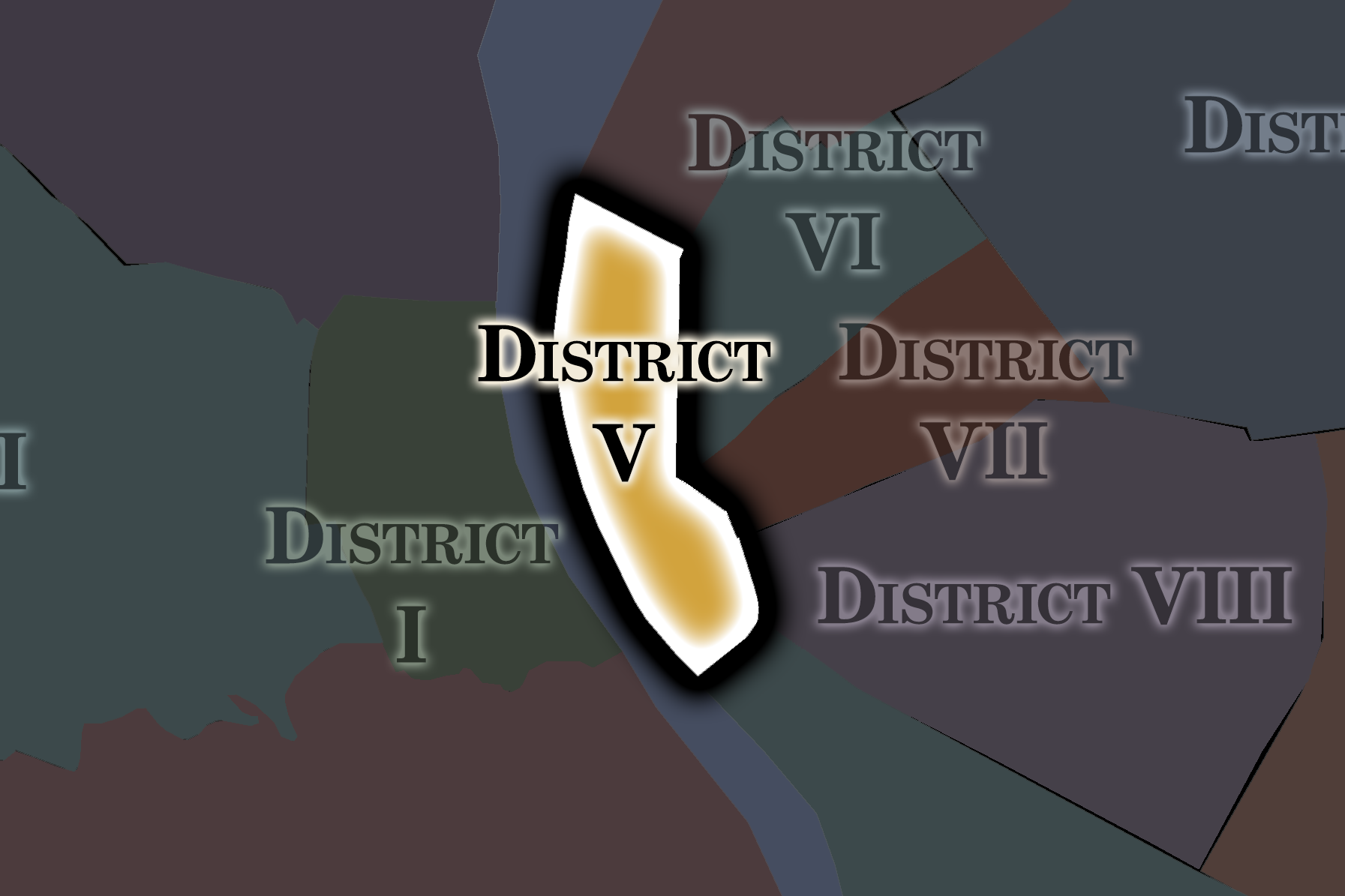
District V - Inner City / Downtown
-
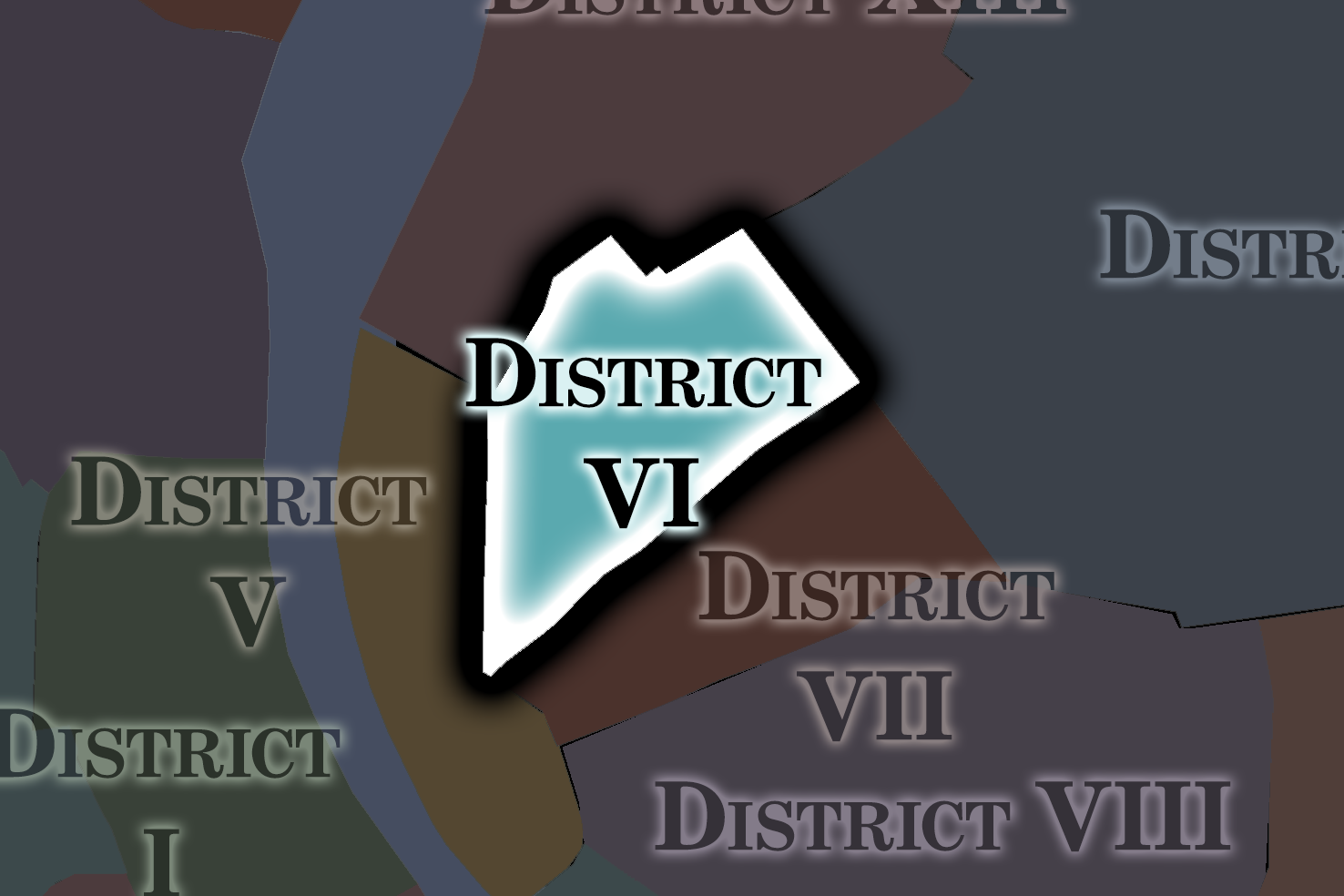
District VI - Theresa Town
-
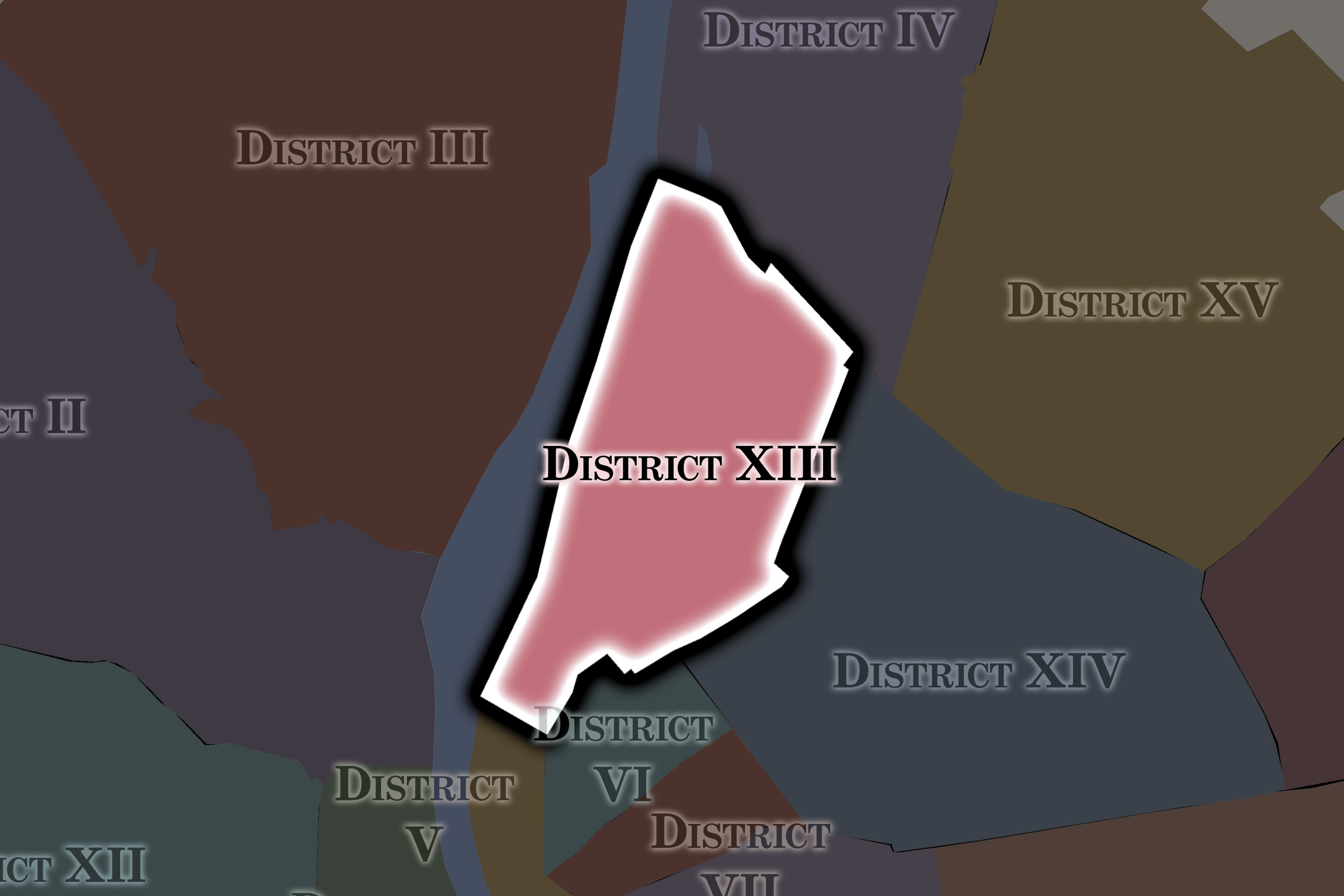
District XIII - Angel's Field
-
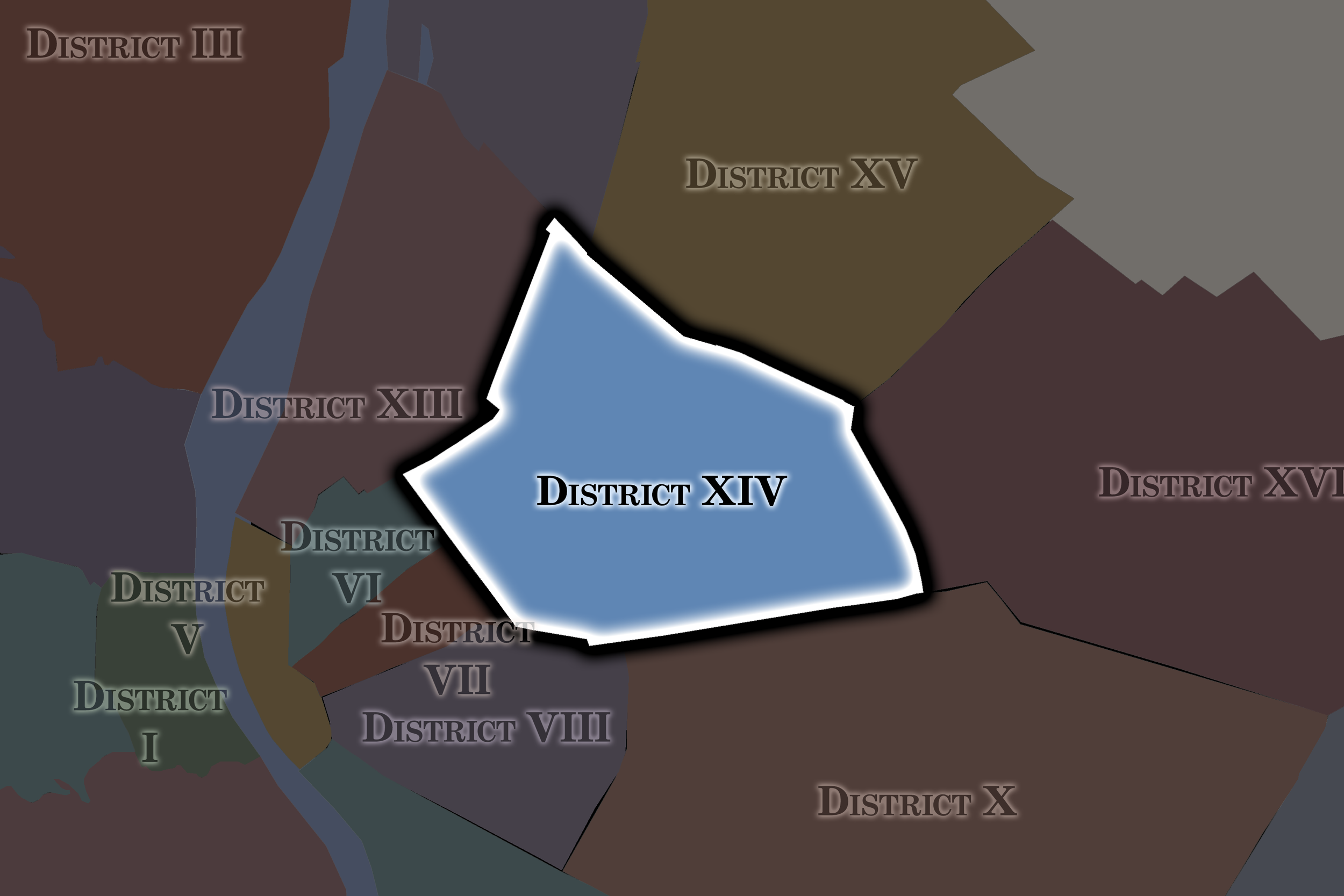
District XIV - The Nook
Arriving soon
District I - Várkerület
Visual Identity - Arriving Soon
Through The Lens - Arriving Soon
District I Photo Gallery - Arriving Soon
District I Video - Arriving Soon
District II - Rózsadomb
Visual Identity - Arriving Soon
Through The Lens - Arriving Soon
District II Photo Gallery - Arriving Soon
District II Video - Arriving Soon
District V - Belváros-Lipótváros
Visual Identity
-
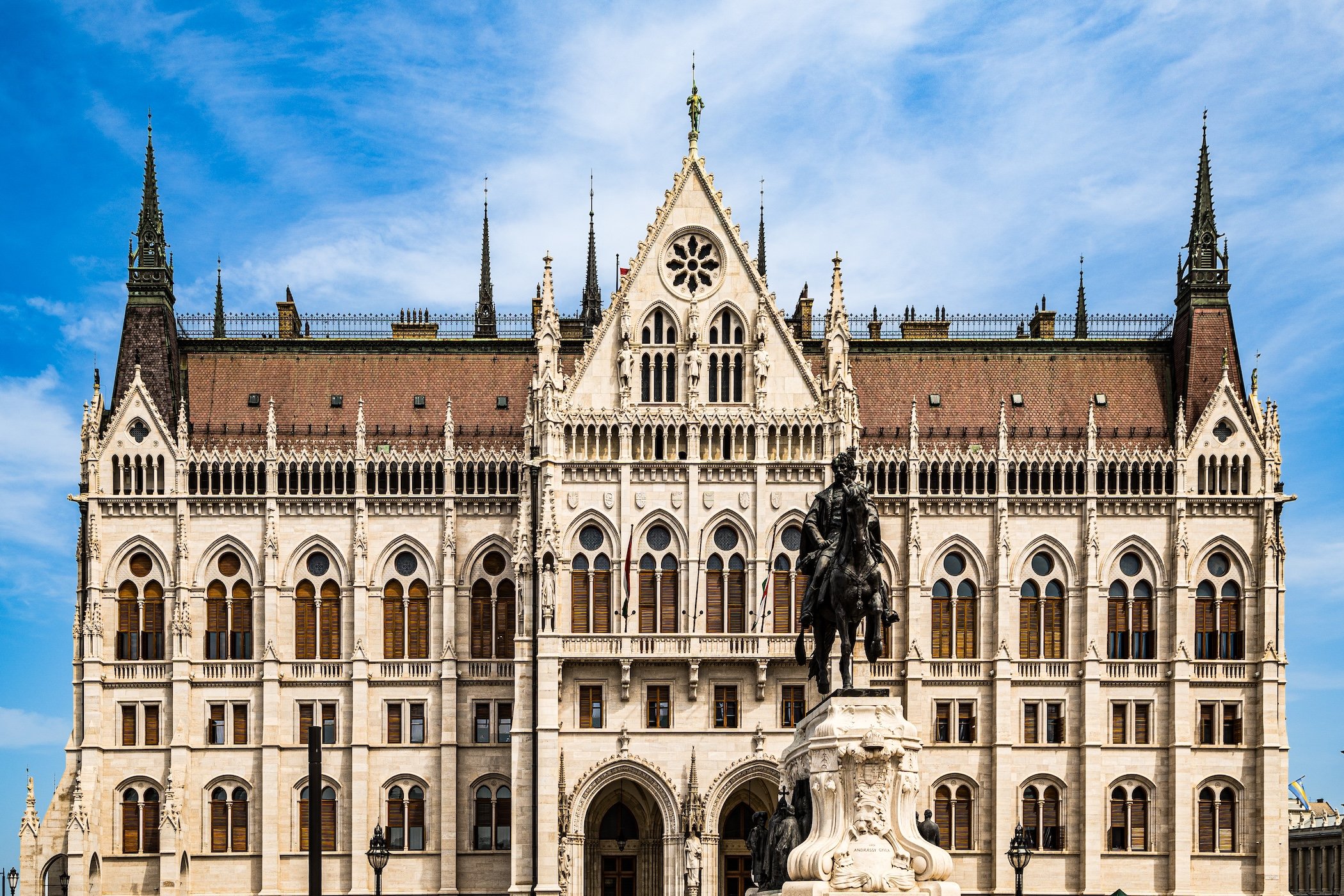
District V presented Budapest at its most ceremonial and monumental, but the photographs resist becoming a simple collection of monuments. Parliament dominates the visual narrative, yet it appears among richly ornamented apartment and institutional buildings, statues, transit infrastructure, river views, storefront details, architectural fragments, and the ordinary wear of the surrounding streets. Limestone, stucco, carved figures, cornices and towers create a dense architectural vocabulary even before the Parliament complex takes command of the skyline.
The Danube introduces another scale entirely. Across open water, Buda becomes a layered panorama of hills, towers and historic roofs; along the Pest bank, monumental façades become part of a longer urban procession. The bright blue sky and hard August light emphasized warm stone and red roofs, while occasional black-and-white frames stripped those buildings back to geometry, mass and ornament. District V emerged as both grand and inhabited: the civic face of Budapest surrounded by tram wires, cafés, weathered doors, street furniture and the persistent texture of daily use.
Through The Lens
-
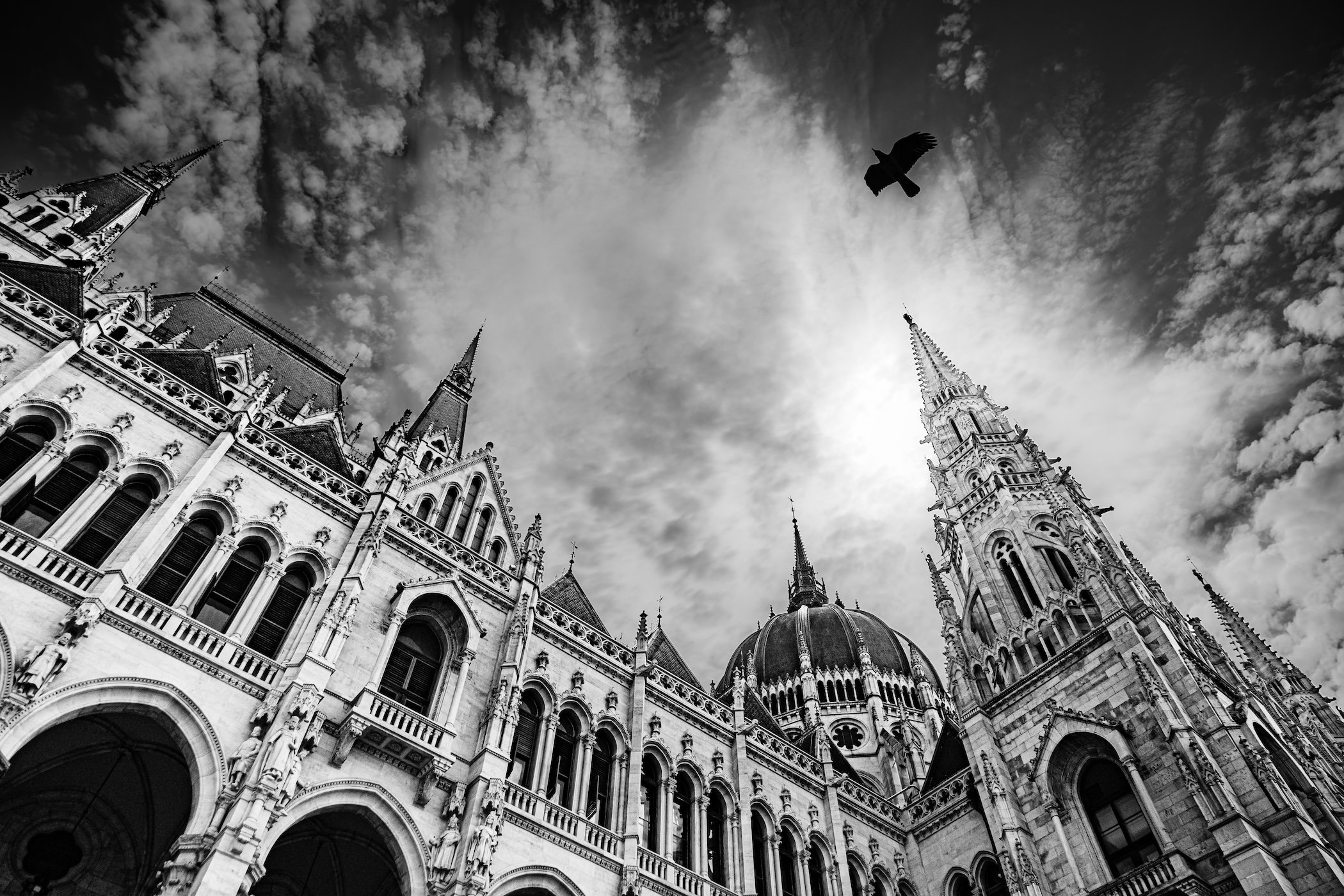
District V repeatedly encouraged the camera to shift between architectural study and urban spectacle. At street level, façades offered endless opportunities for tight studies of arches, statuary, windows, carved stone and ornamental entrances. Looking upward exaggerated the verticality of already imposing buildings, while oblique angles allowed cornices and rooflines to cut sharply through the brilliant sky. Black and white proved particularly effective where ornament, shadow and repetition mattered more than color.
Parliament demanded a different visual language. Wide views established its relationship with the Danube and Buda beyond; closer compositions isolated towers, arcades and the dome; low viewpoints transformed the building into silhouette against the sun. Yellow trams provided sudden flashes of modern Budapest against the historic masonry, while the river created breathing room after the tightly enclosed streets. The strongest photographs therefore came from oscillating between scale and detail—between the building that defines the skyline and the small architectural fragments that reveal how richly constructed the surrounding city actually is.
The Danube introduces another scale entirely. Across open water, Buda becomes a layered panorama of hills, towers and historic roofs; along the Pest bank, monumental façades become part of a longer urban procession. The bright blue sky and hard August light emphasized warm stone and red roofs, while occasional black-and-white frames stripped those buildings back to geometry, mass and ornament. District V emerged as both grand and inhabited: the civic face of Budapest surrounded by tram wires, cafés, weathered doors, street furniture and the persistent texture of daily use.
District V Video
District VI - Terézváros
Visual Identity
-
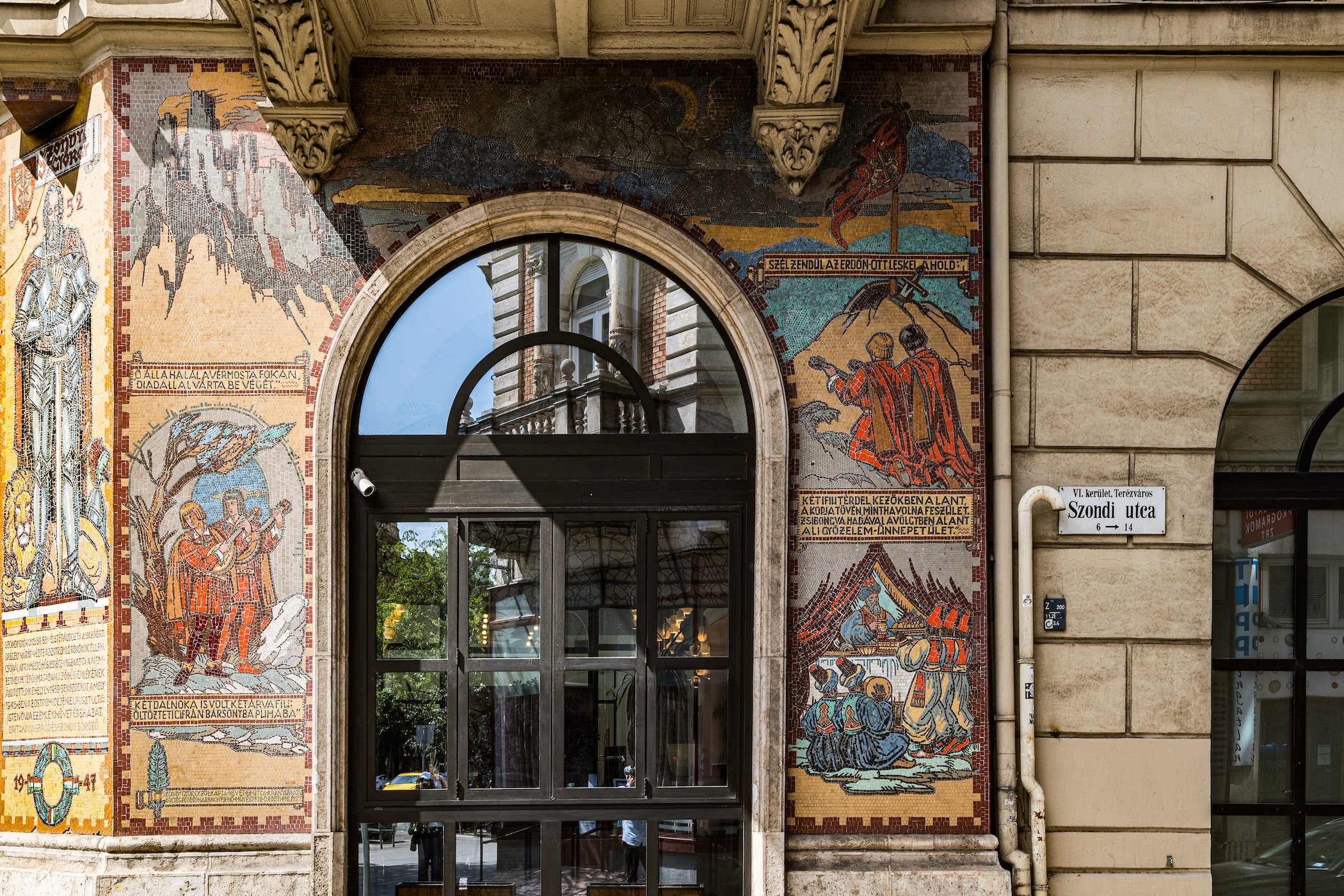
The visual identity of this first Terézváros encounter was built upon architectural abundance without architectural uniformity. Nearly every block offered another variation on the late nineteenth- and early twentieth-century apartment city: projecting bays, sculpted portals, domes, balconies, pilasters, patterned brick, elaborate window surrounds and rooflines that rarely repeated exactly. Narrow streets compressed those façades together until individual buildings became parts of larger walls of architecture, while small courtyards and passages occasionally opened unexpected spaces within the dense street grid.
But age and ornament were only half the story. Graffiti, stickers, weathering, patched masonry, exposed brick and deteriorated doorways continually interrupted the elegance. Modern glass façades and more severe twentieth-century buildings appeared beside historic neighbors without dissolving into them. Street signs, plaques, shopfronts, utility fixtures and bits of public art added still smaller layers. The result was not a pristine historic district but a visibly lived, contested and evolving one, where beauty frequently derived from the collision between refinement and wear.
Through The Lens
-
Terézváros constantly pulled the camera upward and inward. Narrow streets created powerful converging lines, allowing façades on opposite sides to frame slivers of sky or funnel the eye toward distant intersections. Looking nearly straight upward transformed cornices, balconies and rooflines into abstract patterns; shooting along the block compressed building after building into dense architectural sequences. Vertical compositions worked especially well for towers, narrow passages, signs and ornament, while wider frames revealed just how closely the historic buildings press against one another.
Color became an important part of the photographic experience. Warm ochres, creams, reds and browns were intensified by the hard August sun and contrasted dramatically with the blue sky. Green trees and occasional contemporary glass surfaces provided additional counterpoints. Black and white, meanwhile, emphasized texture—the cracked surfaces, carved stone, shadowed passages and accumulated wear of the architecture. The most revealing photographs were often not the formally grandest ones, but the frames where multiple Budapest realities collided: a pristine façade above graffiti, a historic wall beside a modern insertion, sunlight striking ornament just beyond a crumbling corner. The district rewarded precisely the kind of close observation in which contradiction becomes composition.
District VI Video
District XIII - Angyalföld
Visual Identity
-
The photographed portion of District XIII was dominated by stately boulevard architecture and façade ornament. Compared with the narrow architectural canyons of District VI, these buildings were encountered with more distance around them, allowing entire elevations, rooflines and corner compositions to register at once. Pale stone and stucco façades rose against intense blue sky, while balconies, sculpted figures and elaborate cornices gave individual buildings distinctive silhouettes.
A recurring feature was the presence of the human figure within the architecture itself. Statues and ornamental faces emerged from façades, turning buildings into something closer to sculptural compositions than simple enclosures. Painted historical imagery added another kind of surface narrative. Yet the sequence never became uniformly historic: more modern buildings inserted glass, cleaner geometries and heavier masses into the streetscape. The visual identity captured here was therefore one of continuity repeatedly interrupted, with the older metropolitan boulevard providing the dominant rhythm while later Budapest continued to write over and alongside it.
Through The Lens
-
District XIII benefited from the greater viewing distance of the boulevard. Where Terézváros often required steep upward angles and fragmented compositions, the north side of Szent István körút could be photographed as a series of complete façades. Horizontal frames emphasized repetition across windows and floors; corner buildings invited diagonal compositions; and vertical studies isolated towers, domes and sculptural roof details against the sky.
The afternoon sun was particularly important. Warm light struck the façades strongly enough to reveal relief and ornament while the deep blue sky separated pale rooflines with almost graphic clarity. Trees occasionally softened the masonry or created natural frames, while traffic and street infrastructure reminded the camera that these were active urban buildings rather than architectural specimens. The contrast between older façades and occasional modern interventions became especially useful photographically: instead of disrupting the visual record, those differences demonstrated exactly what made Budapest compelling on this first day—the city’s willingness to allow radically different eras to remain visible within the same frame.
District XIII Video
District XIV - Zugló
Visual Identity - Arriving Soon
Through The Lens - Arriving Soon
District XIV Photo Gallery - Arriving Soon
District XIV Video - Arriving Soon
Explore Budapest
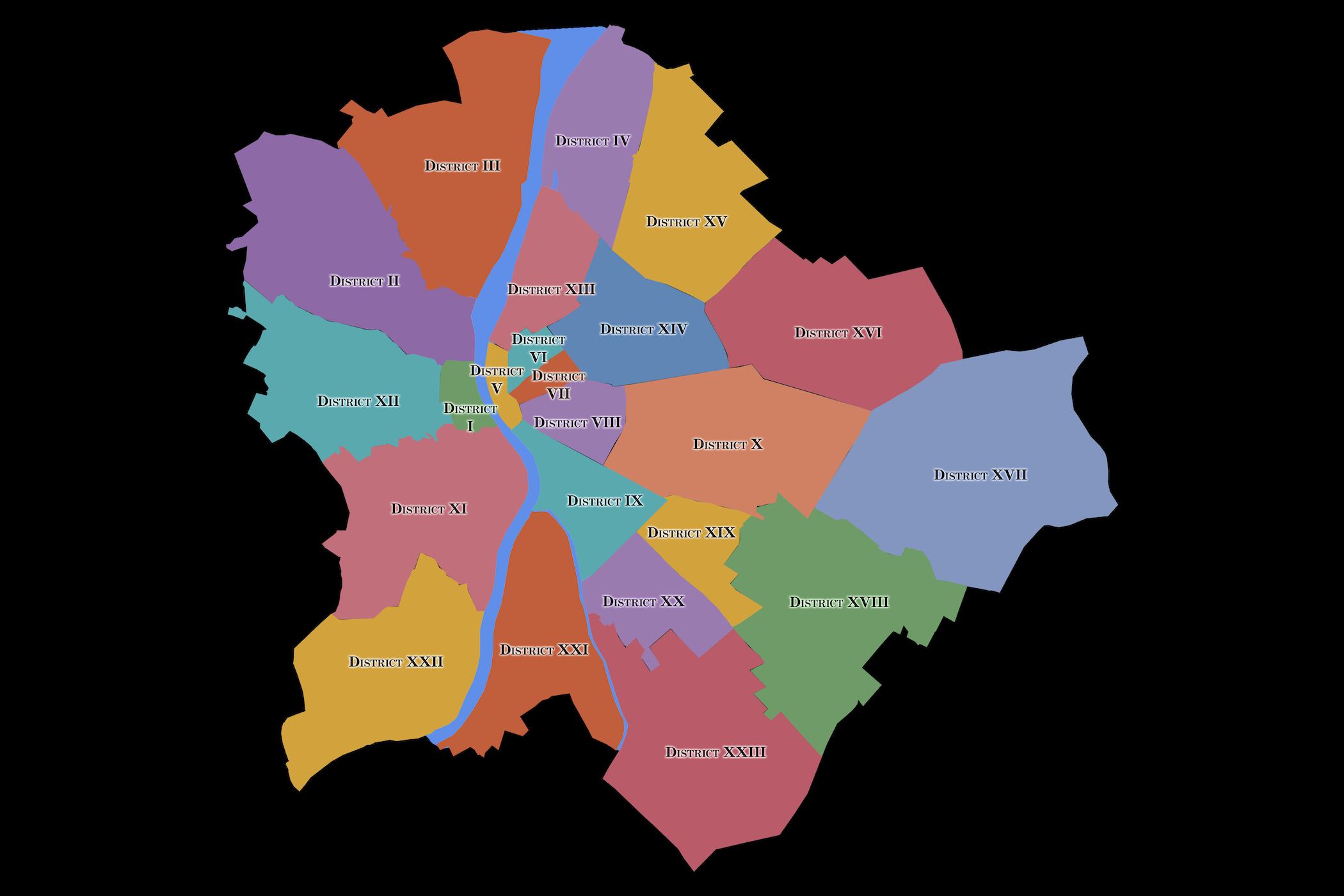
Explore Worldwide
-

Explore cities through their geography, history, neighborhoods, photography, and the observations gathered by CityNeighborhoods along the way.
-

Discover significant places beyond the city scale—from historic landmarks and cultural sites to landscapes, monuments, and destinations worthy of deeper exploration.
-

Explore CityNeighborhoods by country, bringing together its cities, featured sites, smaller destinations, and journeys across the wider landscape.
-

Follow the themes that cross borders and connect places—revealing shared histories, contrasting identities, recurring patterns, and unexpected relationships across the world.
-

Go behind the exploration through essays on photography, walking, observation, mapping, and the ideas and methods that shape CityNeighborhoods Worldwide.