
17e - BATIGNOLLES-MONCEAU
Arrondissements
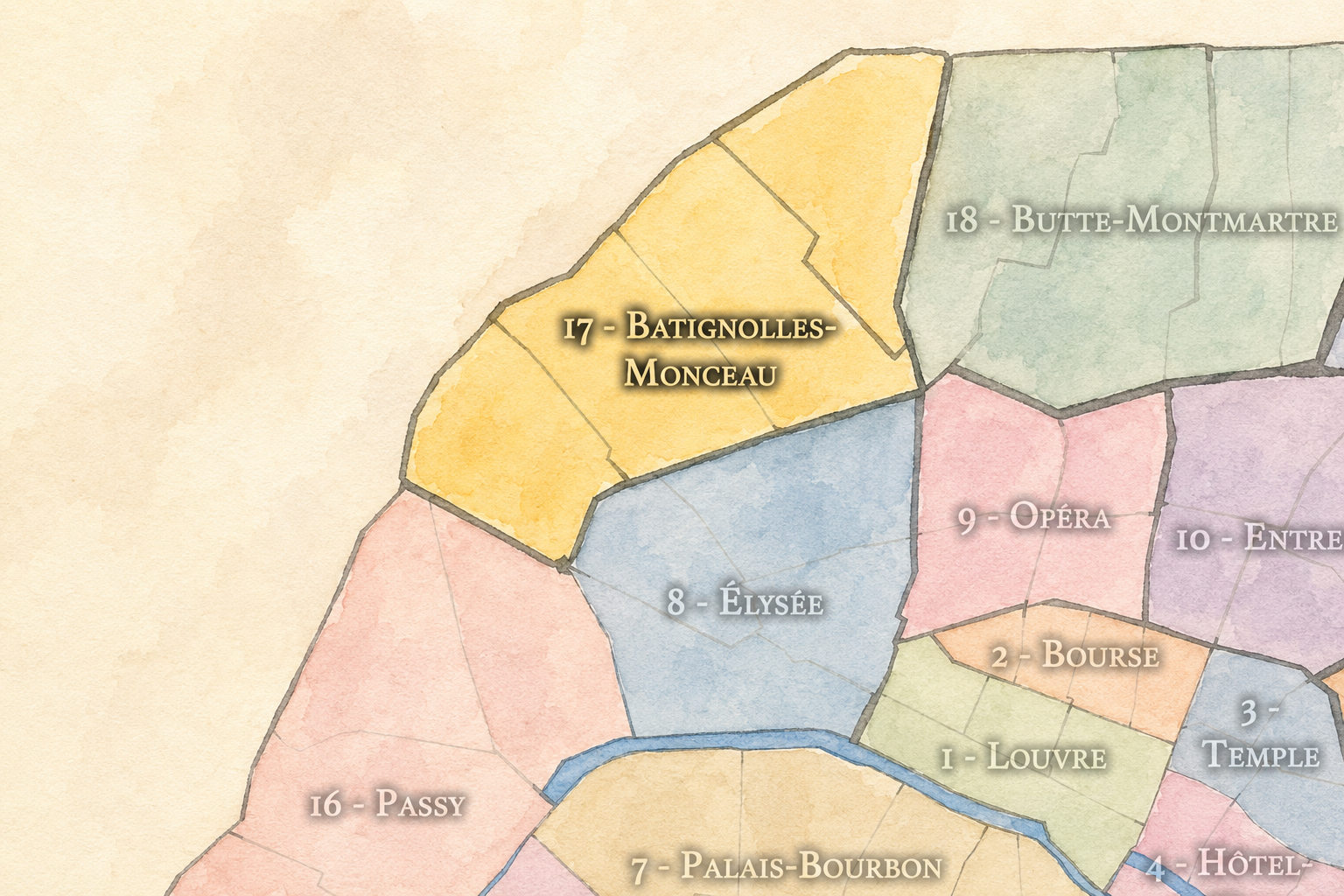
Welcome to the 17th - Batignolles-Monceau neighborhood page! Here at CityNeighborhoods Paris, we explore 17th - Batignolles-Monceau as an arrondissement, one of 20 primary civic districts in Paris — the broad organizing layers that contain administrative quarters, neighborhood councils, cultural neighborhoods, histories, monuments, and lived local identities. The 17th Arrondissement - Batignolles-Monceau brings together the elegance of Monceau, the village-like character of Batignolles, and the more urban northern edges near Épinettes and Porte de Clichy. It is a district of contrasts, where bourgeois avenues, rail-side renewal, markets, and neighborhood squares coexist. Part of an ongoing project to walk and photograph every neighborhood in Paris, this page explores 17th - Batignolles-Monceau through maps, district identity, history, and photography.
Part of an ongoing project to walk and photograph every neighborhood in Paris, this page explores the 17th - Batignolles-Monceau through maps, district identity, history, and photography.
The Map
Geographic Setting
18e - Batignolles-Monceau Neighborhood Maps
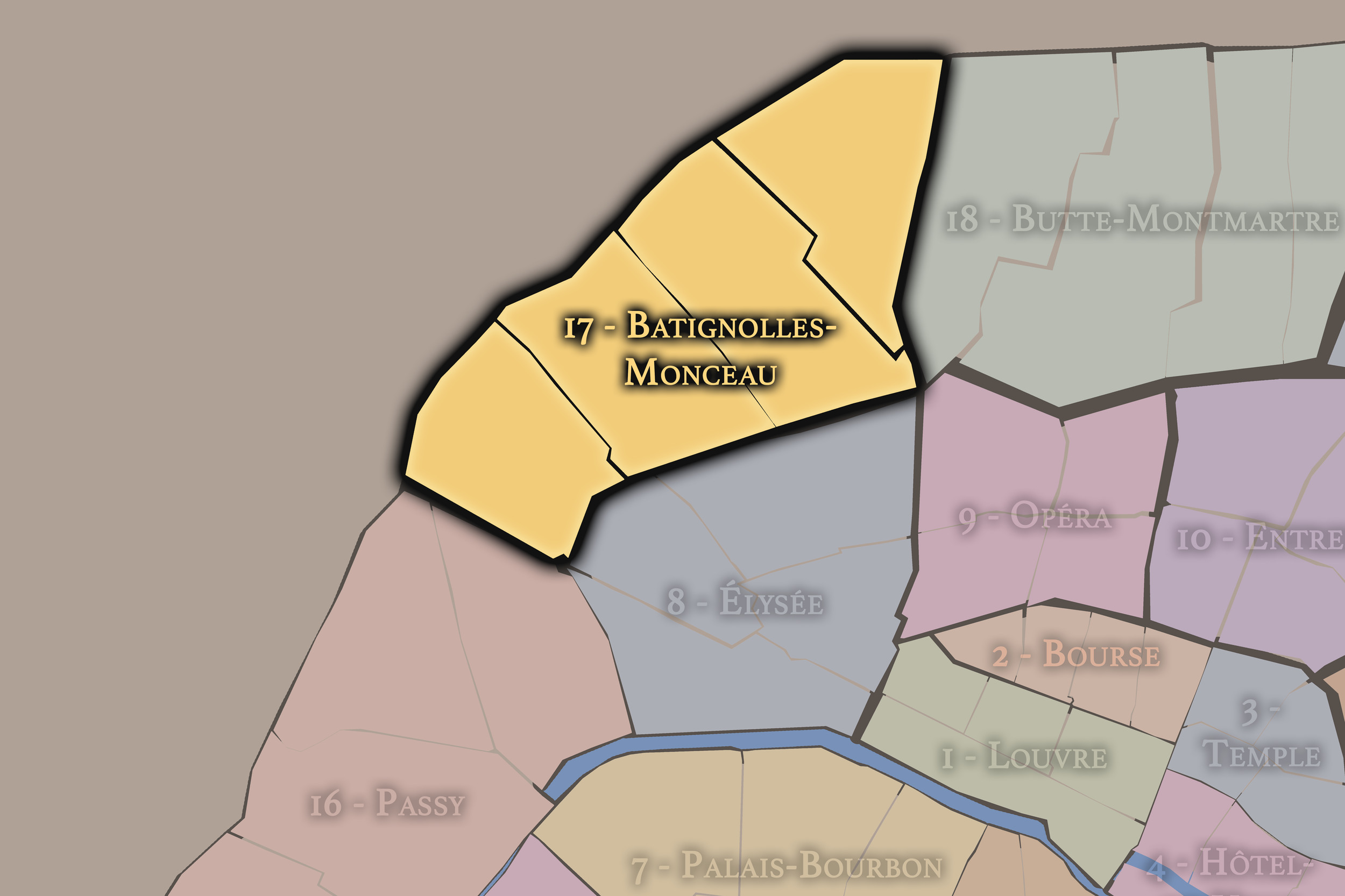
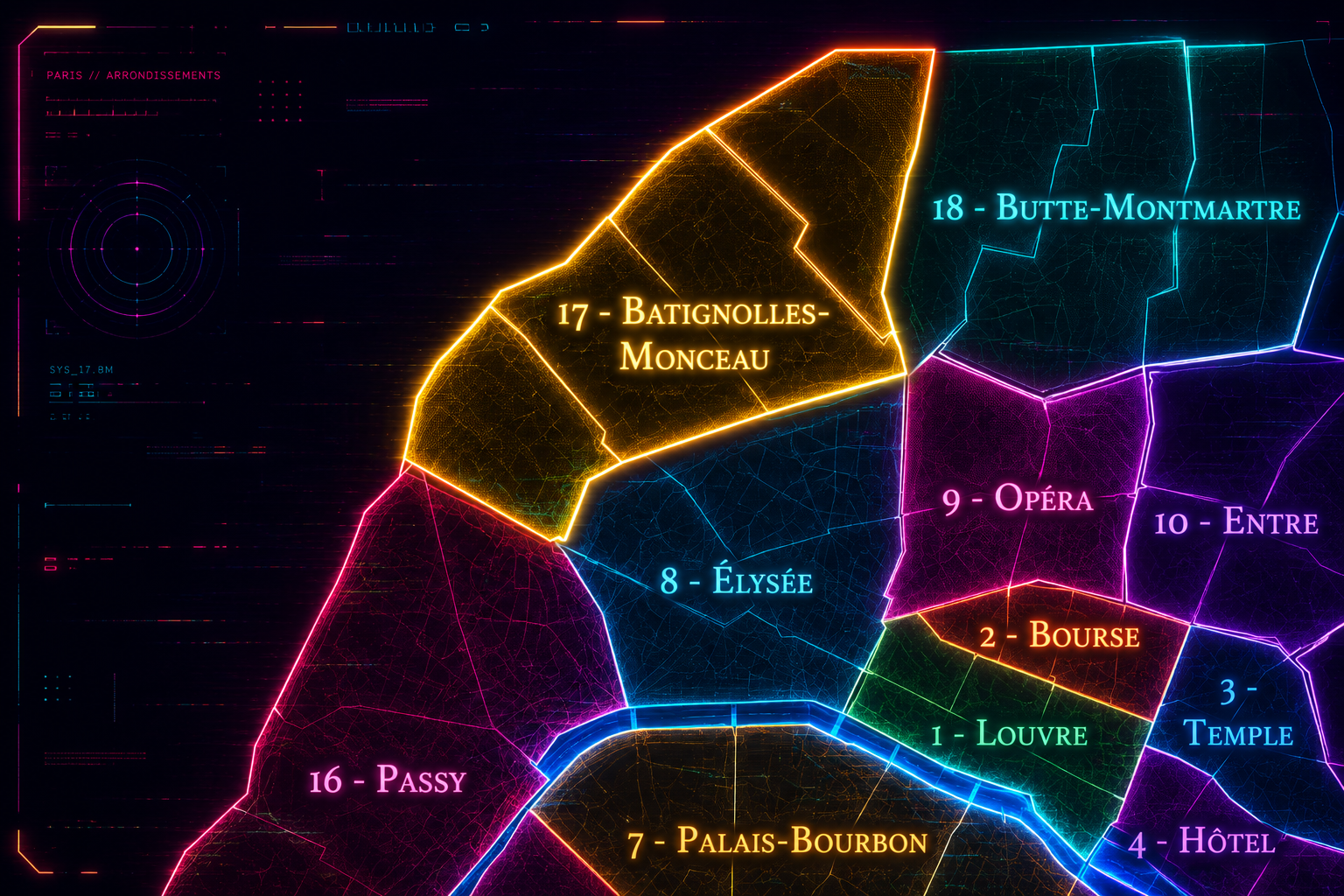
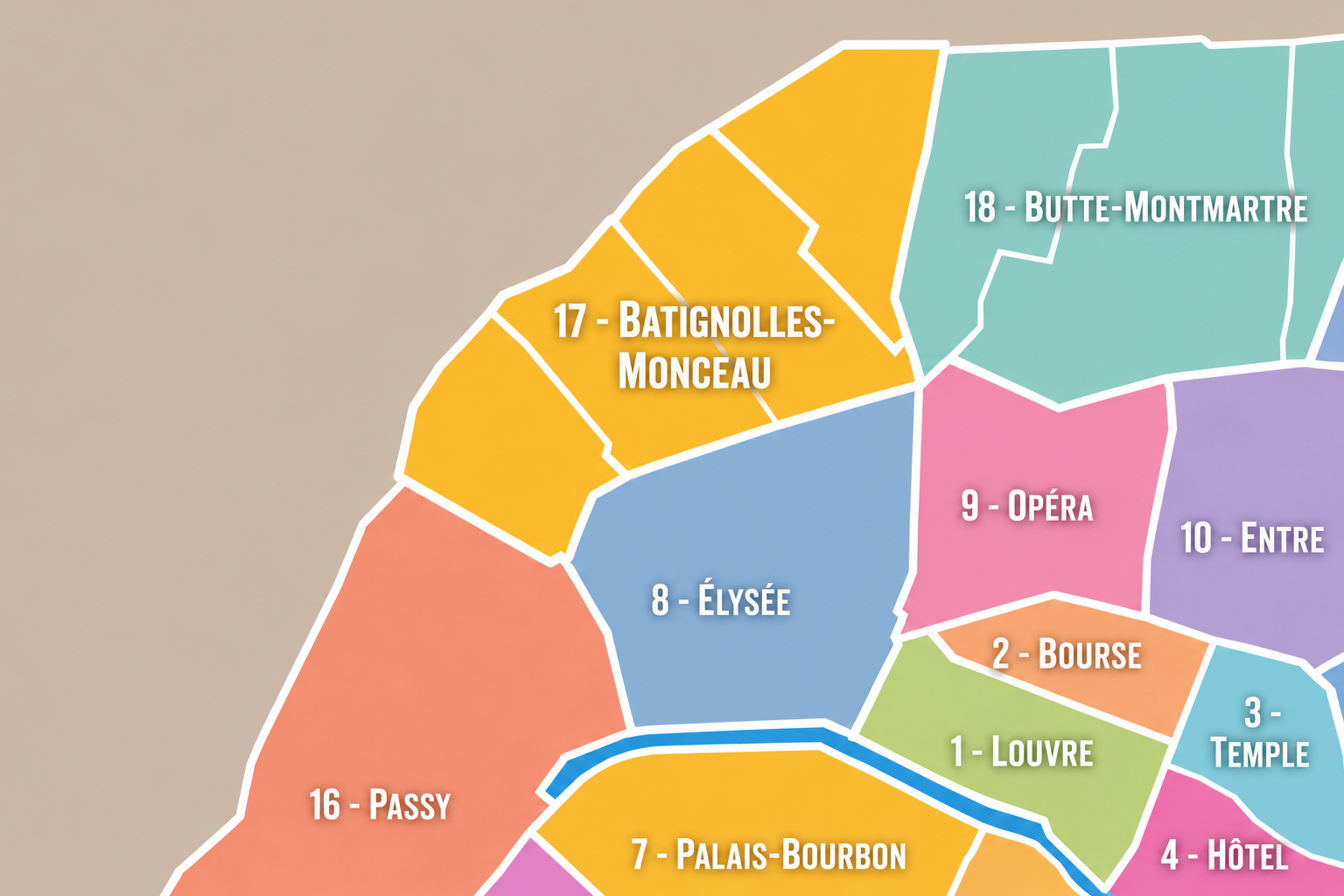
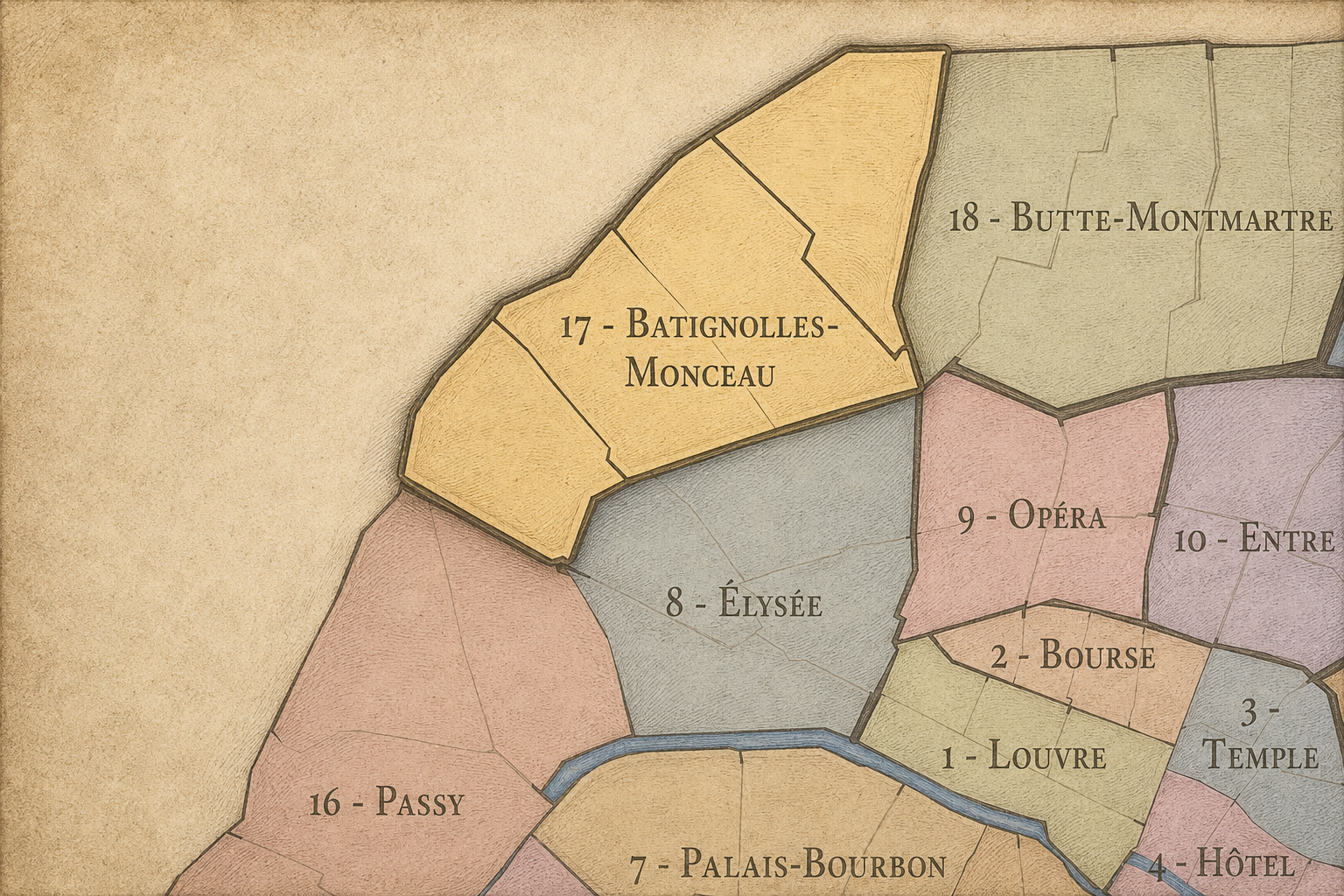
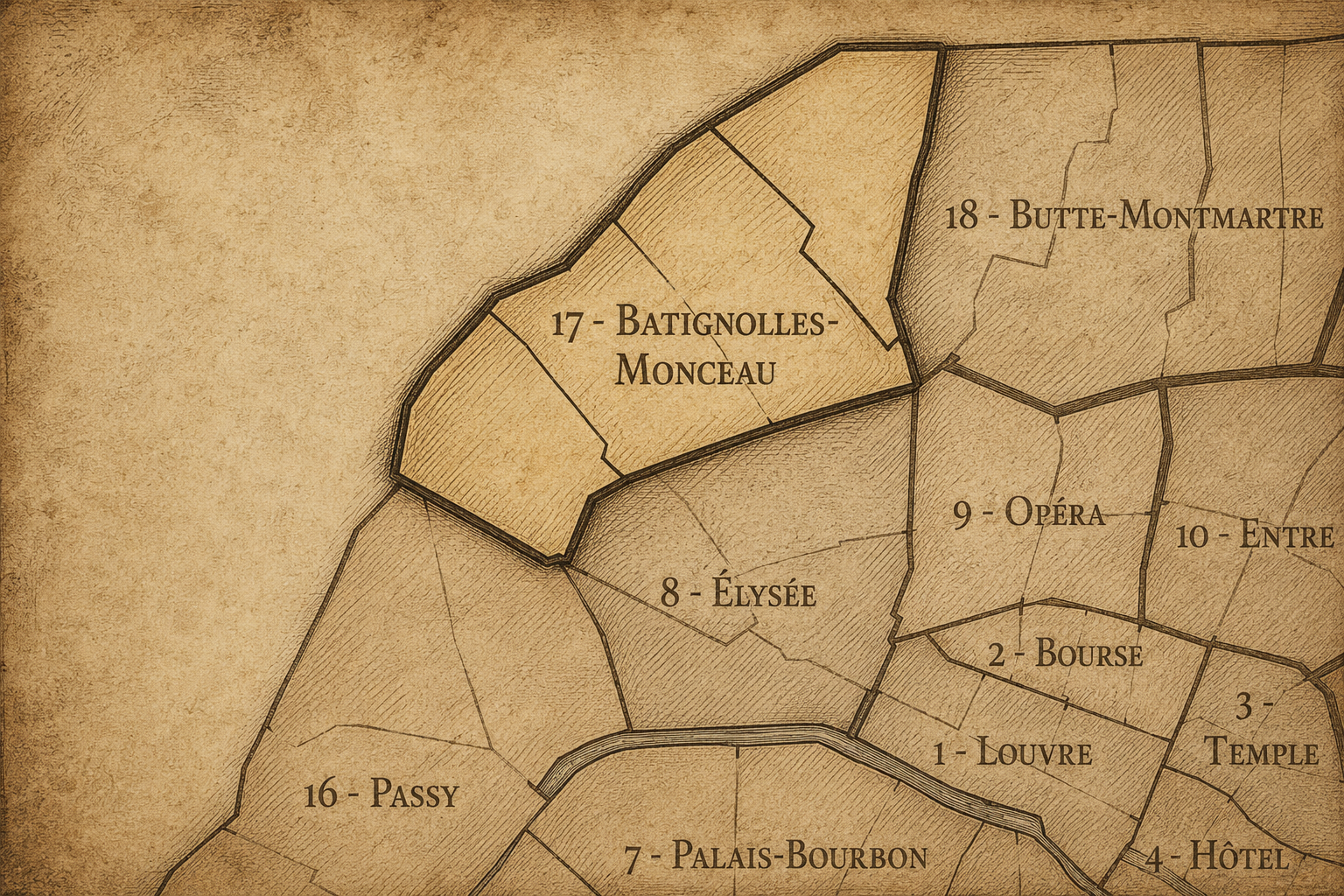
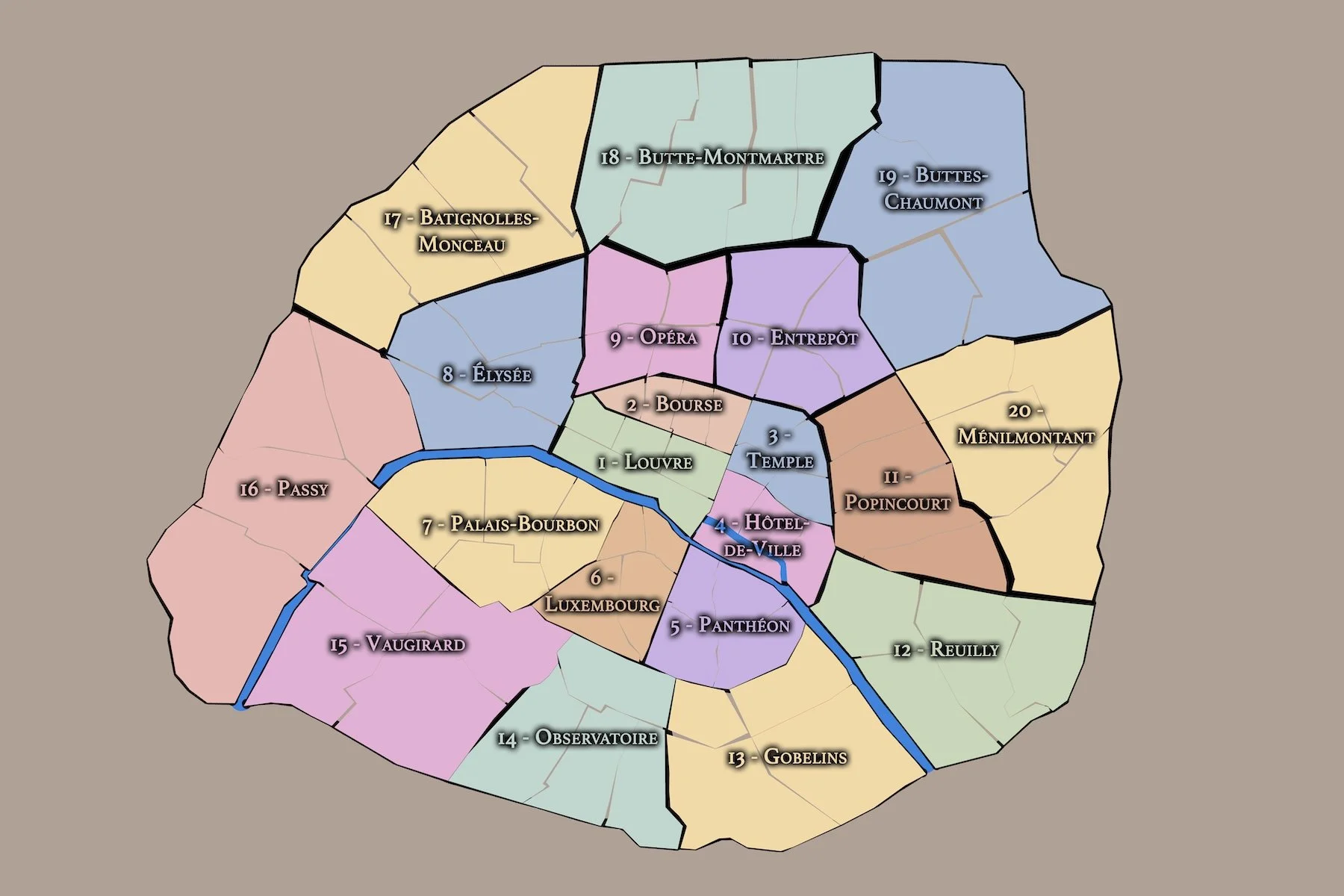
The 17th arrondissement occupies the northwestern edge of Paris, where the city stretches between the grand western avenues of the 8th and 16th, the slopes and popular districts leading toward the 18th, and the suburban boundary beyond the périphérique. It is bordered by the 8th arrondissement to the south, the 16th to the southwest, the 18th to the east and northeast, and the suburban communes of Neuilly-sur-Seine, Levallois-Perret, Clichy, and Saint-Ouen beyond the city limits. Its geography places it between prestige western Paris, working and residential northern Paris, and the outer urban ring.
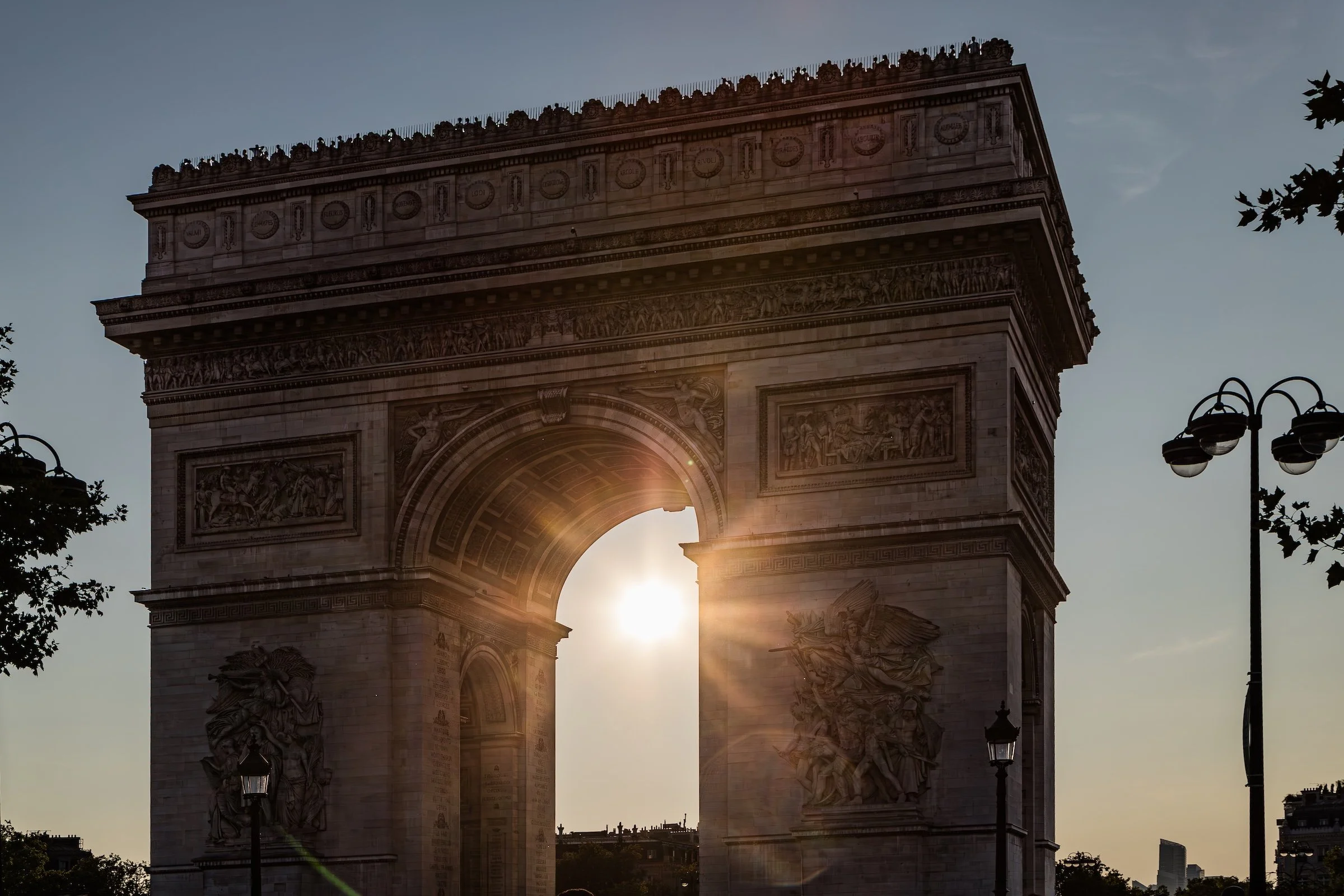
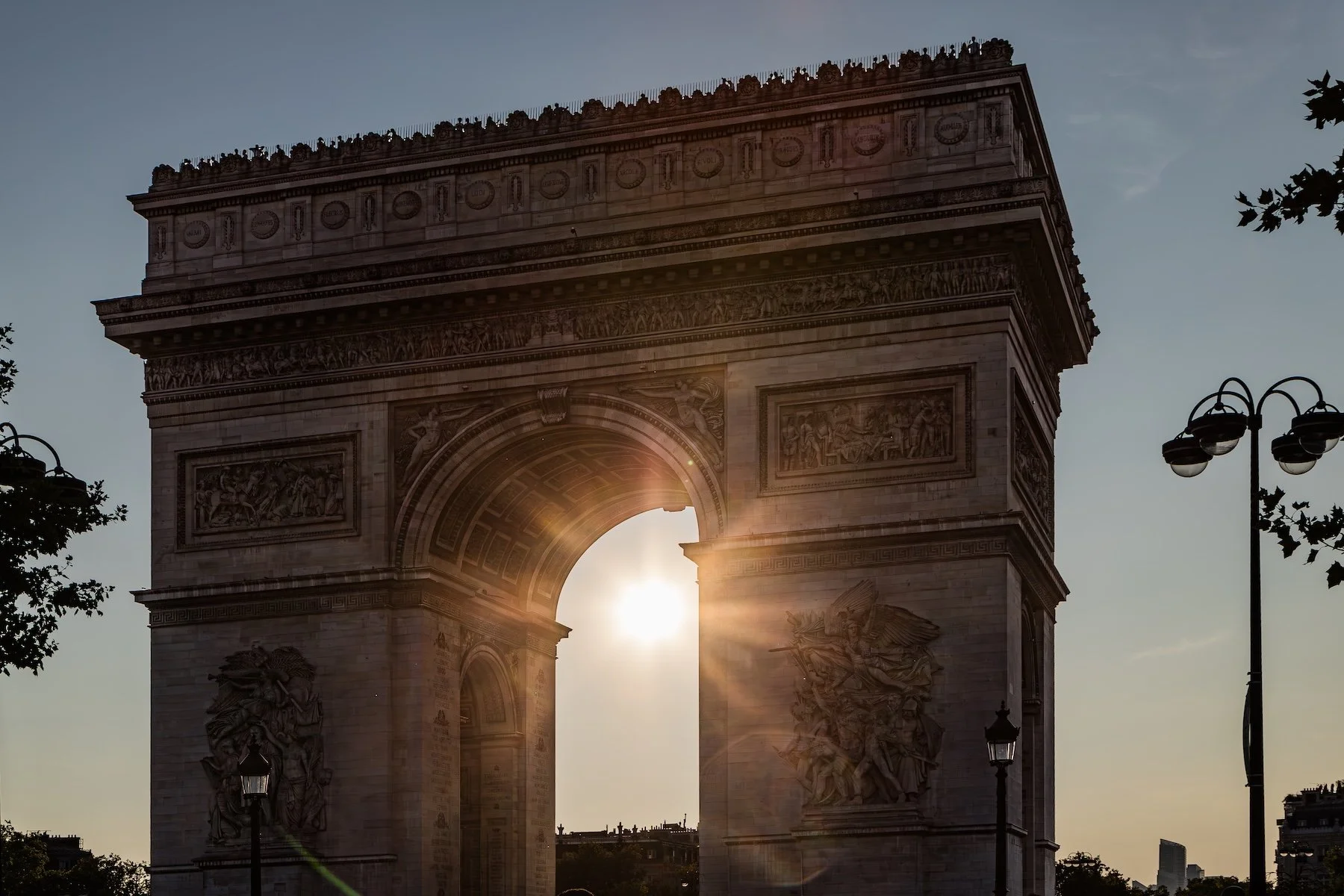
The arrondissement is shaped by contrasts of scale and atmosphere. In the southwest, around Ternes and the approaches to the Arc de Triomphe, the 17th feels connected to the grand avenues, bourgeois apartment buildings, offices, hotels, and formal western expansion of Paris. In the southeast, around Monceau and Plaine-de-Monceaux, it becomes elegant, residential, and Haussmannian, with broad streets and proximity to Parc Monceau. Farther north and east, around Batignolles and Épinettes, the arrondissement shifts toward a more village-like, working, artistic, and contemporary neighborhood identity, with markets, cafés, workshops, rail-edge redevelopment, and the newer urban landscape of Clichy-Batignolles.
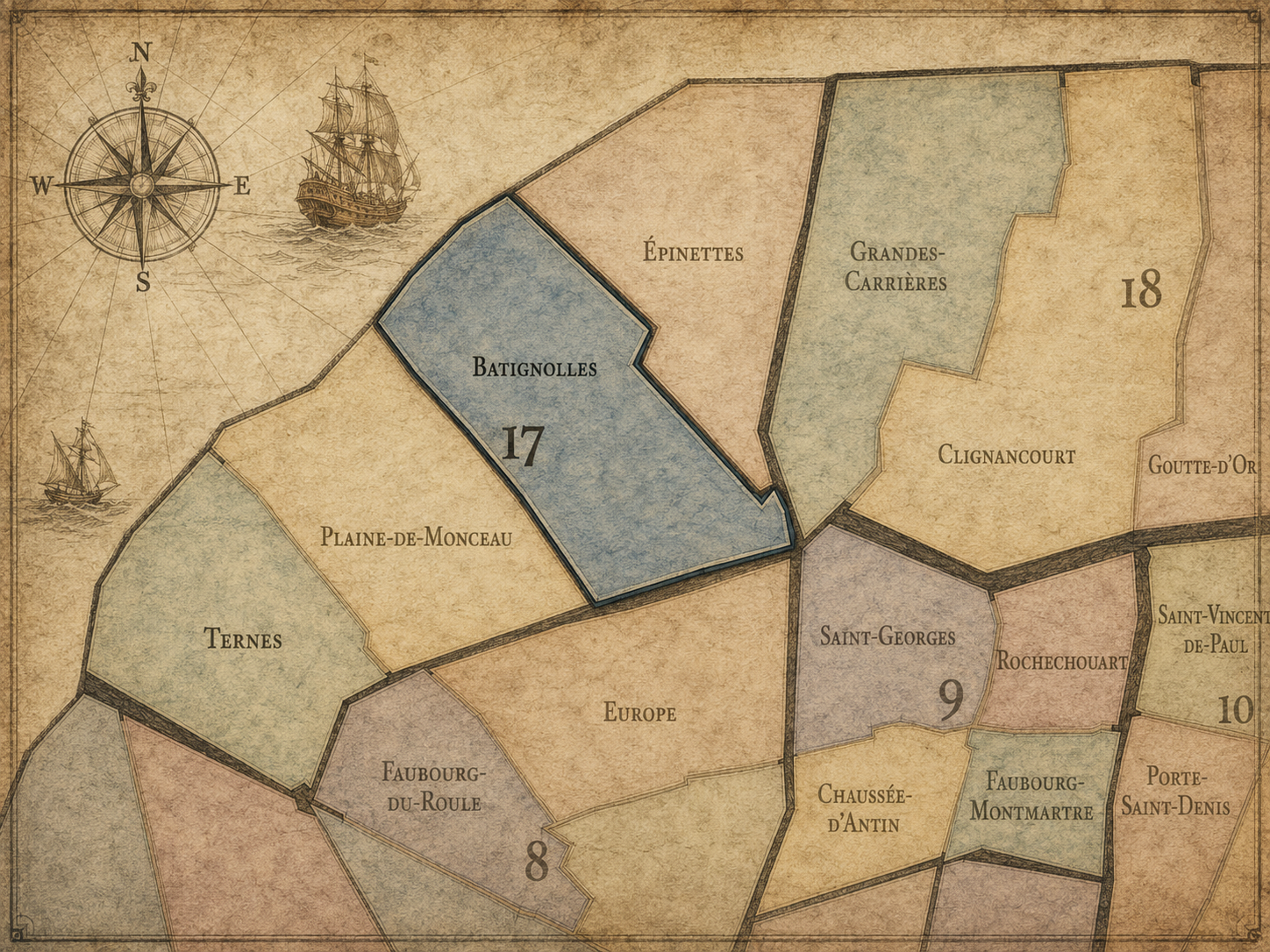
The 17th arrondissement is divided into four administrative quarters: Ternes, Plaine-de-Monceaux, Batignolles, and Épinettes. Together, they form one of Paris’s clearest districts of transition. Ternes connects the arrondissement to the western prestige of the Étoile and the old routes beyond the city. Plaine-de-Monceaux preserves a highly structured residential and bourgeois identity near Parc Monceau. Batignolles carries the memory of a former village, artistic circles, neighborhood streets, and contemporary redevelopment. Épinettes gives the arrondissement a more working-class, northern, and rail-adjacent history.
The 17th is therefore a district of edges within edges: between center and suburb, bourgeois west and popular north, old village and modern redevelopment, grand avenue and neighborhood square. Its identity depends on that variety. It is not one unified image of Paris, but a series of adjacent Parisian worlds held together by the arrondissement frame.
Arrondissement Identity
Etymology and Origins
The 17th arrondissement’s administrative name, Batignolles-Monceau, joins two important historic identities within the district. Batignolles refers to the former village of Batignolles, a settlement outside old Paris that developed before being incorporated into the capital. The name evokes a neighborhood history of local streets, modest houses, cafés, artists, workshops, and a village-like atmosphere that still shapes the northern and central parts of the arrondissement.
Monceau refers to the Monceau area and the plain around it, historically associated with estates, aristocratic development, and later the elegant urban fabric near Parc Monceau. The name brings a different identity into the arrondissement: more formal, more residential, more tied to western Paris and the urban expansion of the 19th century. By combining Batignolles and Monceau, the arrondissement name preserves the tension that defines the 17th: local village memory beside refined western development.
The deeper origins of the arrondissement lie in the lands beyond the older city boundary. Before the 17th became part of Paris, this area contained villages, roads, fields, quarries, estates, small industries, and routes leading toward the northwestern suburbs. Batignolles, Monceau, Ternes, and Épinettes each carried local identities before being absorbed into the capital. The arrondissement’s name therefore does not point to a single monument. It points to incorporation: the joining of former local places into the expanding city.
Civic Framework
The 17th arrondissement is one of the twenty municipal arrondissements of Paris and remains a distinct local civic unit with its own mairie. Its civic identity is shaped by its large residential population, its position along the northwestern boundary of Paris, its relationship to major avenues and former village centers, and its ongoing redevelopment along former rail and industrial lands.
The arrondissement’s four administrative quarters — Ternes, Plaine-de-Monceaux, Batignolles, and Épinettes — provide its official internal structure. These quarters are especially important because the 17th is often understood through partial shorthand: Batignolles, Monceau, Ternes, Clichy-Batignolles, Porte de Clichy, or the edge of the Étoile. The official quarters help clarify the arrondissement’s internal variety, from the western bourgeois districts to the northern working and redeveloping neighborhoods.
For this project, the 17th is treated as both an official geographic layer and a cultural-historical district. Its civic framework helps distinguish the arrondissement from the ceremonial and commercial identity of the 8e to the south, the residential prestige of the 16e to the southwest, the Montmartre and popular northern identity of the 18e to the east, and the suburban municipalities beyond the périphérique. The 17th is northwestern Paris as transition: residential, varied, outward-facing, and built from several absorbed local histories.
Parisian Identity
The 17th arrondissement holds a distinctive place in Paris because it combines several identities that are often kept separate in the city’s imagination. It is partly western and bourgeois, partly northern and popular, partly village-like, partly Haussmannian, partly residential, and increasingly contemporary through new redevelopment. It does not have the single iconic symbol of the 7th, 8th, or 9th. Its Parisian identity is more subtle: a study in gradation.
Around Ternes and Plaine-de-Monceaux, the 17th belongs to the world of broad avenues, elegant apartment buildings, offices, schools, shops, and proximity to the Arc de Triomphe and Parc Monceau. This is a formal and residential Paris, tied to the expansion of the 19th-century city and to the social geography of the west. Around Batignolles, however, the arrondissement becomes more intimate and neighborhood-centered, with a reputation for cafés, markets, families, artists, restaurants, and a gentler village feeling. Around Épinettes and the northern edge, it carries a more working and transitional identity, shaped by rail infrastructure, industrial memory, and proximity to Clichy and Saint-Ouen.
The 17th therefore represents Paris as a city of borders and blends. It is not as polished as the 8th, not as exclusive as the 16th, not as bohemian as Montmartre, and not as industrial in image as parts of the 18th or 19th. It sits between those worlds, translating them into residential streets, local squares, new parks, family neighborhoods, and evolving urban edges.
Neighborhood Distinction
The 17th arrondissement is distinguished by its internal contrasts. Few arrondissements change character so clearly from one quarter to another. In the southwest, it feels connected to the grand western city. In the southeast, it becomes ordered, elegant, and Monceau-adjacent. In the center and north, it becomes Batignolles: smaller-scaled, social, local, and increasingly fashionable. In the northeast, it becomes Épinettes: denser, more historically working-class, and tied to the city’s boundary and infrastructure.
Its four administrative quarters express this variety. Ternes gives the arrondissement its western gateway identity, with major avenues, shops, offices, hotels, and proximity to the Étoile. Plaine-de-Monceaux gives it a refined residential and Haussmannian identity, shaped by the planned urban growth around Parc Monceau. Batignolles preserves the memory of a former village and gives the arrondissement much of its contemporary neighborhood appeal. Épinettes carries a more modest and industrial history, shaped by workers, railways, small streets, and later redevelopment along the northern edge.
The arrondissement’s distinction also lies in how it absorbs change. The 17th has been annexed, built out, bourgeoisified, industrialized in parts, redeveloped, and reimagined. Clichy-Batignolles and Parc Martin Luther King show the 17th as a site of contemporary planning, while older quarters retain their inherited scale and identity. The 17th is Paris in transition without losing its local anchors.
Neighborhood Connections
Every neighborhood belongs to a wider Parisian fabric.
-
Batignolles
-
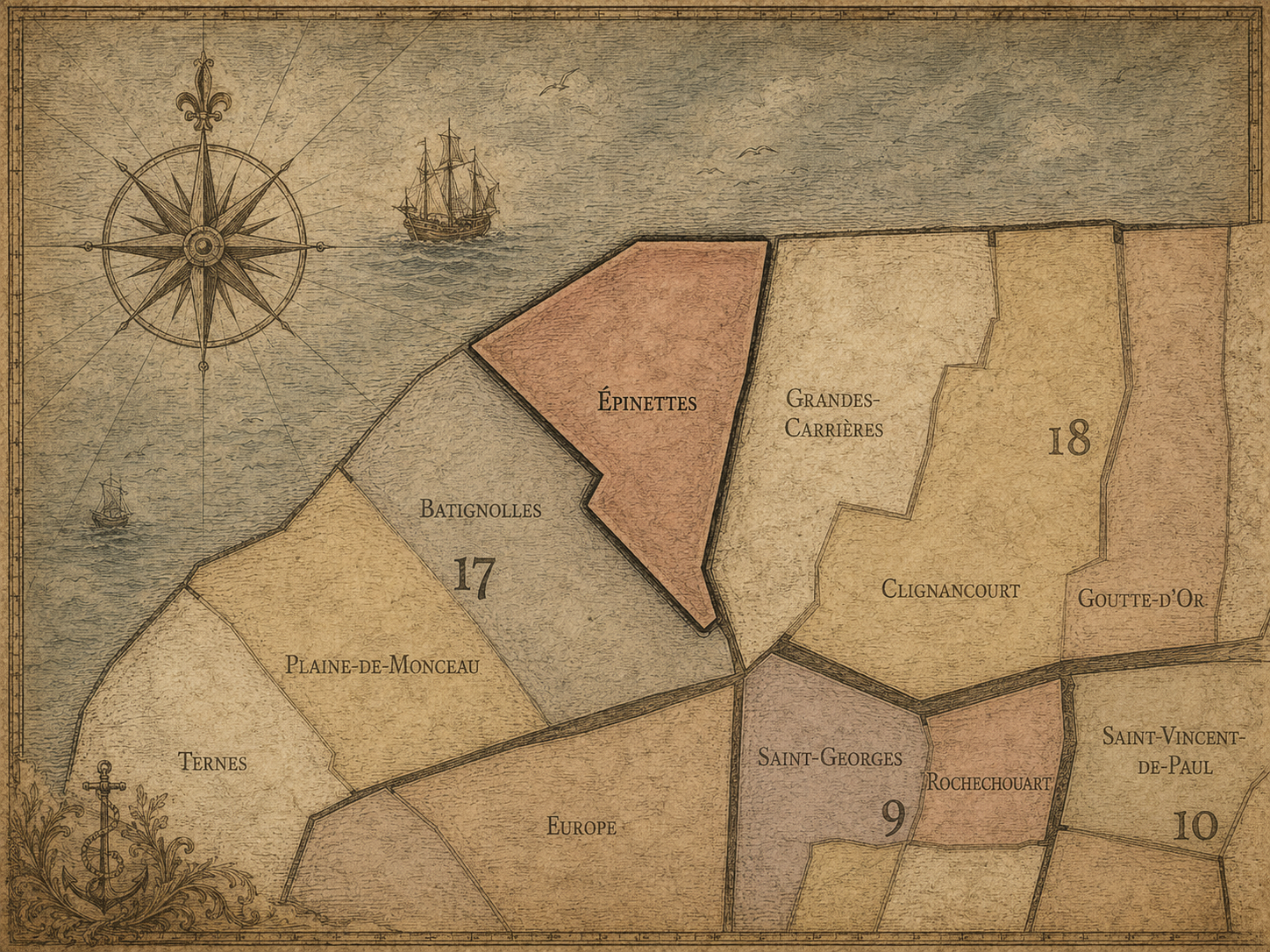
Épinettes
-
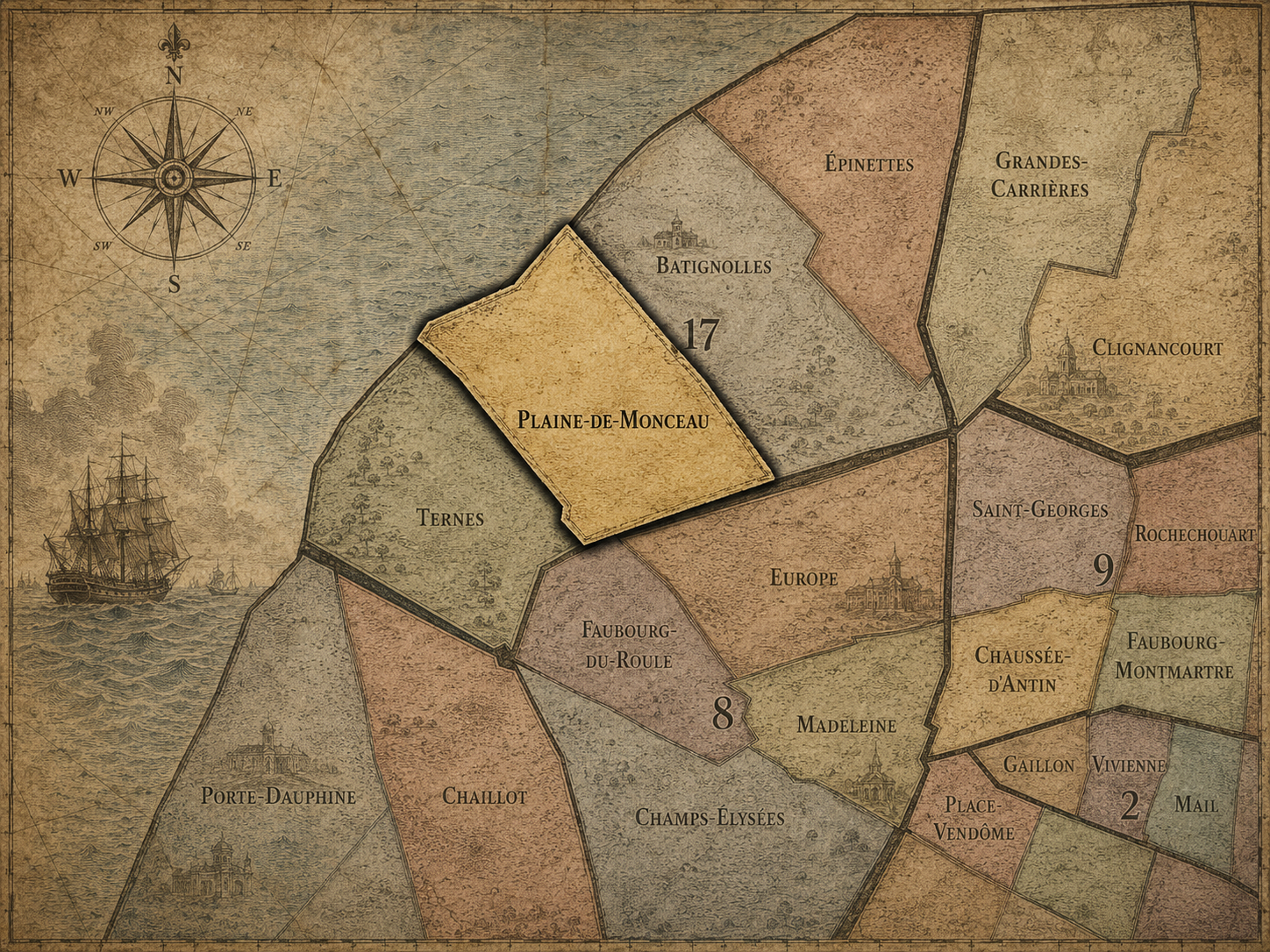
Plaine-de-Monceau
-
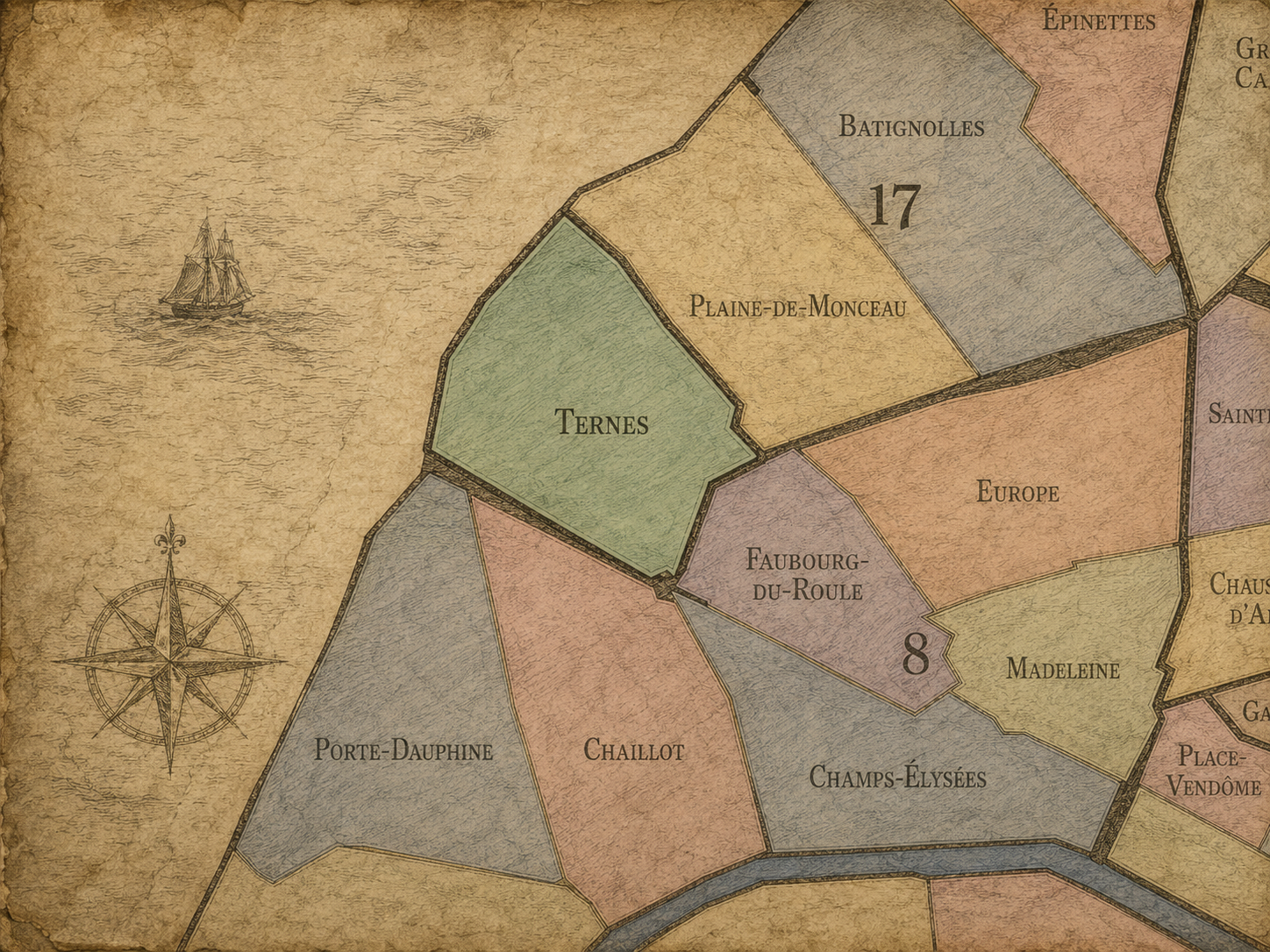
Ternes
-
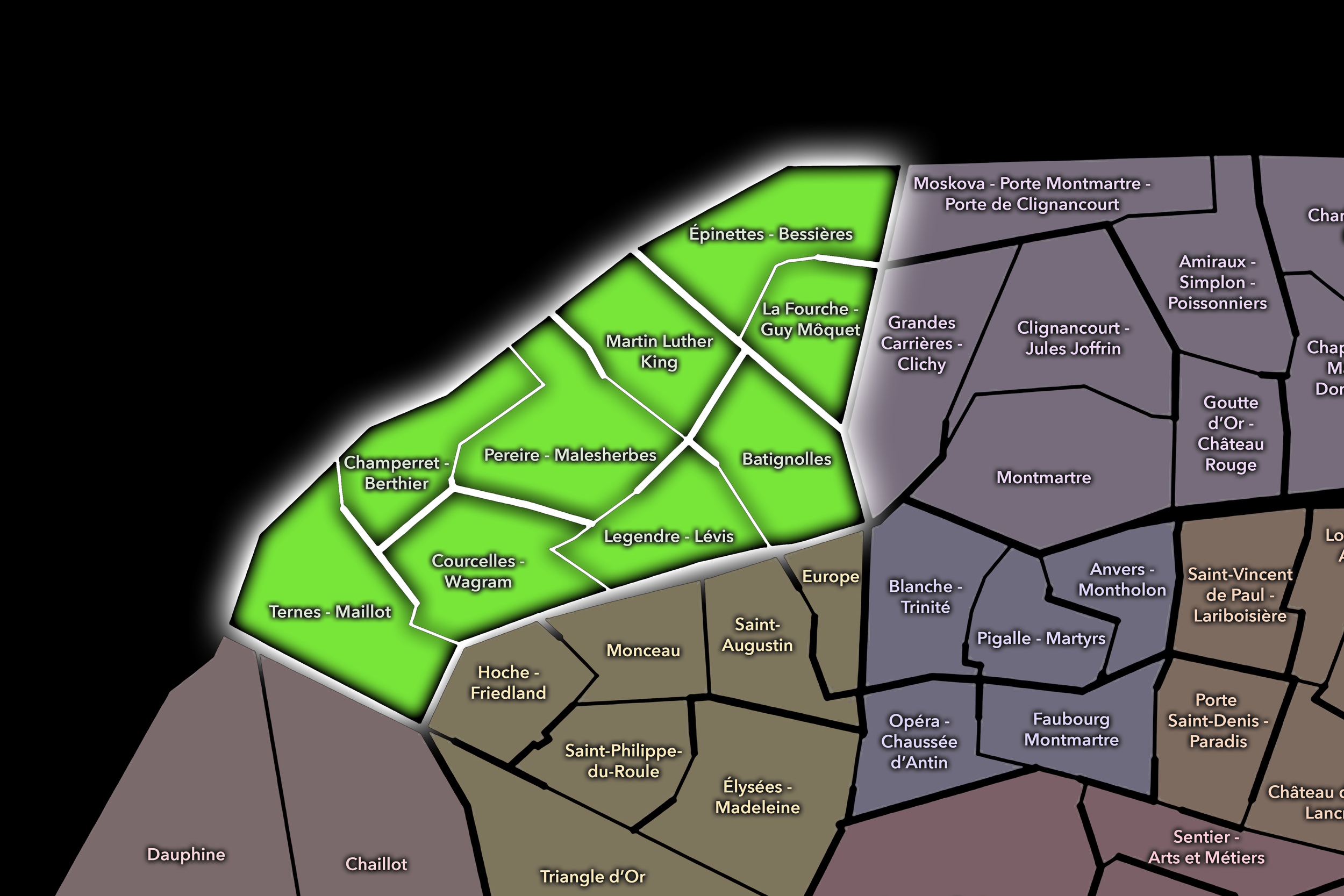
17e — Batignolles-Monceau
-
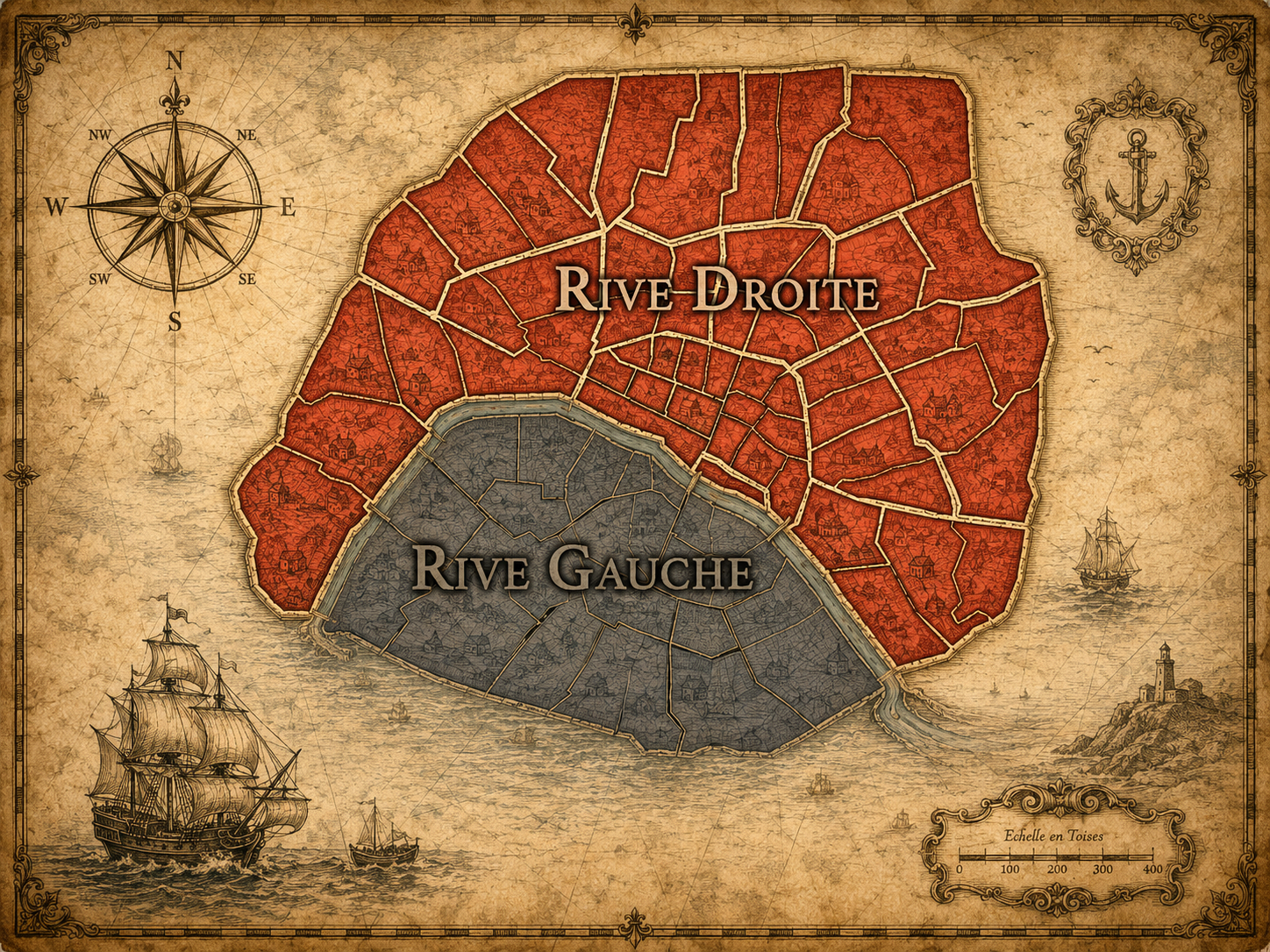
Rive Droite
The History
Origins
The origins of the 17e arrondissement lie in the lands northwest of old Paris, beyond the historic city boundary. Before incorporation into the capital, this area consisted of local settlements, fields, roads, estates, small industries, quarries, and routes leading toward Clichy, Saint-Ouen, Neuilly, and the western and northern outskirts.
Batignolles, Monceau, Ternes, and Épinettes each developed with their own local identities. These places were not originally parts of one unified Parisian district. They were edge settlements and suburban landscapes shaped by proximity to Paris but also by their relationship to the countryside, roads, and surrounding communes.
This origin as a patchwork of localities is central to the 17e. The arrondissement was not born from a single medieval parish, royal monument, or ceremonial plan. It emerged from the absorption of several distinct western and northern places into the expanding city. Its identity remains composite because its origins were composite.
16th–17th Century
During the 16th and 17th centuries, the future 17e arrondissement remained outside the dense urban core of Paris. Much of the area was still open land, with fields, roads, estates, and scattered settlement. Its relationship to the city was defined by approach rather than centrality: it was land one passed through on the way to and from the northwestern edges of Paris.
The Monceau area began to take on greater importance through estates and elite interest in land beyond the crowded center. Ternes and Batignolles retained more local and peripheral identities, while Épinettes remained part of the broader northern edge landscape. The area’s future diversity was already implied in these different patterns of use: estate, road, field, settlement, and edge.
By the end of the 17th century, the territory of the future arrondissement remained only partially urbanized. Yet its position made it increasingly relevant to the expansion of Paris. The city was growing outward, and the lands that would become the 17e stood in the path of that growth.
18th Century
In the 18th century, the future 17e arrondissement became more closely tied to the social and territorial expansion of Paris. The Monceau area acquired increasing prestige through estates, gardens, and elite development, while the Batignolles and Ternes areas continued to grow as suburban localities connected to the capital by roads and commerce.
The contrast between Monceau and Batignolles became more pronounced. Monceau moved toward refinement and planned landscape, eventually associated with the park and with elite western urban development. Batignolles retained a more modest and local character, with a village identity that would become central to the arrondissement’s later reputation. Épinettes remained more peripheral and working in character, tied to the northern edge and to less formal patterns of settlement.
By the end of the 18th century, the future 17e had become a territory of differentiated growth. It was still outside Paris in the full administrative sense, but its localities were increasingly shaped by the capital’s expansion, by social distinction, and by the growing relationship between city and suburb.
19th Century
The 19th century transformed the future 17e arrondissement into part of modern Paris. The annexation of surrounding territories brought Batignolles, Monceau, Ternes, and Épinettes into the capital’s administrative structure, creating the modern arrondissement and formalizing a geography that had previously consisted of distinct localities and suburban edges.
Urban development accelerated. Plaine-de-Monceaux became one of the elegant residential landscapes of western Paris, shaped by broad streets, high-quality apartment buildings, private mansions, and the attraction of Parc Monceau. Ternes became increasingly connected to the grand avenues and commercial expansion near the Étoile. Batignolles grew as a village-like but urbanizing district, attracting residents, artists, and local businesses. Épinettes became denser and more working-class, influenced by rail, industry, and the northern boundary of the city.
The railway also played a major role in reshaping the arrondissement. Rail corridors and associated infrastructure cut through or bordered parts of the 17e, helping define its working and transitional northern landscapes while also separating neighborhoods and influencing patterns of development.
By the end of the 19th century, the 17e had become a deeply varied arrondissement: bourgeois in the southwest and southeast, local and artistic around Batignolles, more working and industrial toward Épinettes, and increasingly integrated into the modern city.
Early–Mid 20th Century
In the early and mid 20th century, the 17e arrondissement continued to reflect its internal social and geographic contrasts. Plaine-de-Monceaux and Ternes remained associated with bourgeois residence, offices, schools, and western Parisian prestige. Batignolles retained a neighborhood identity with cafés, markets, local streets, and artistic memory. Épinettes remained more modest, working, and closely tied to the rail and boundary landscapes of northern Paris.
The arrondissement’s residential role became increasingly important. Apartment buildings, shops, churches, schools, and local institutions supported a large and varied population. The 17e was neither a tourist district nor an industrial district alone; it was a mixed residential arrondissement in which class, architecture, and neighborhood atmosphere changed significantly from quarter to quarter.
During the wars, occupation, and reconstruction years, the arrondissement experienced the broader pressures of 20th-century Paris while maintaining its distinct internal geography. The western portions continued to project stability and respectability, while the northern sections reflected the denser and more working character of the city’s edge.
The early and mid 20th century therefore preserved the 17e as a district of contrasts: refined and ordinary, local and metropolitan, western and northern, inherited and changing.
Late 20th Century
The late 20th century brought gradual but important changes to the 17e arrondissement. Batignolles became increasingly valued for its village-like atmosphere, local commerce, and residential appeal. What had once been a more modest and somewhat peripheral neighborhood gained new desirability as Parisians sought lively, walkable districts outside the most expensive central core.
Plaine-de-Monceaux and Ternes retained their established residential and commercial prestige, while offices, services, and professional uses continued to shape parts of the arrondissement. Épinettes began to experience new pressures as industrial and rail-adjacent land became subject to urban change, reinvestment, and redevelopment possibilities.
The arrondissement’s northern edge, long shaped by rail infrastructure and boundary conditions, became increasingly important in discussions of urban renewal. The future transformation of the Clichy-Batignolles area began to suggest a new chapter for the 17e: one in which former rail and industrial land could become parks, housing, offices, public buildings, and new streets.
By the end of the 20th century, the 17e was no longer simply a stable western residential arrondissement. It was becoming a district where inherited social geography and contemporary redevelopment would increasingly meet.
21st Century
In the 21st century, the 17e arrondissement has become one of the key examples of contemporary urban transformation in Paris. The Clichy-Batignolles development, with Parc Martin Luther King and surrounding new housing, offices, public facilities, and infrastructure, has redefined a major portion of the arrondissement’s northern and central edge. Former rail land has been converted into a new urban district, continuing the broader Parisian pattern of transforming infrastructure into livable city fabric.
Batignolles has also become one of the city’s most desirable neighborhood identities, associated with cafés, restaurants, families, local shops, markets, and a village-like atmosphere within the larger city. This desirability has brought new energy, but also pressures of rising property values, gentrification, and changing commercial life.
The older contrasts of the arrondissement remain visible. Ternes and Plaine-de-Monceaux continue to express western residential and commercial prestige. Épinettes remains more mixed, dense, and historically working in character, even as redevelopment and reinvestment alter its social landscape. The 17e today is therefore not one story, but several: established bourgeois Paris, local Batignolles, changing Épinettes, and new eco-planned urban fabric at Clichy-Batignolles.
Contemporary 17e is Paris negotiating its edge. It must balance local neighborhood life with redevelopment, heritage with density, green space with construction, and social diversity with rising desirability. Its strength lies in the fact that it has always been composite; it can absorb change without needing to become a single uniform district.
Spirit and Legacy
The 17e arrondissement is Paris as transition, incorporation, and neighborhood variation. Its legacy is built from former localities rather than one dominant monument: Batignolles, Monceau, Ternes, and Épinettes each preserve a different way the city expanded northwest.
Batignolles gives the arrondissement its village memory and contemporary warmth. Monceau gives it elegance and western residential prestige. Ternes gives it the energy of approaches and avenues near the Étoile. Épinettes gives it the history of workers, rail edges, and northern Paris. Together, they form a district that refuses a single identity.
The name Batignolles-Monceau captures the arrondissement’s essential duality: local and refined, modest and bourgeois, village-like and metropolitan, old edge and new city. The 17e is not Paris at its most iconic, but Paris at its most gradated. It shows how the capital absorbs its edges, preserves their names, reshapes their streets, and turns former villages, plains, and working districts into a complex urban whole.
The Photography
Visual Identity
The visual identity of each Paris district begins with its position in the city’s layered geography. Before the photographs arrive, the maps establish a first way of seeing: where the district sits, what civic layer it belongs to, which boundaries define it, and how it connects to the surrounding fabric of Paris. In CityNeighborhoods Paris, cartography is not merely orientation; it is part of the visual language of the project.
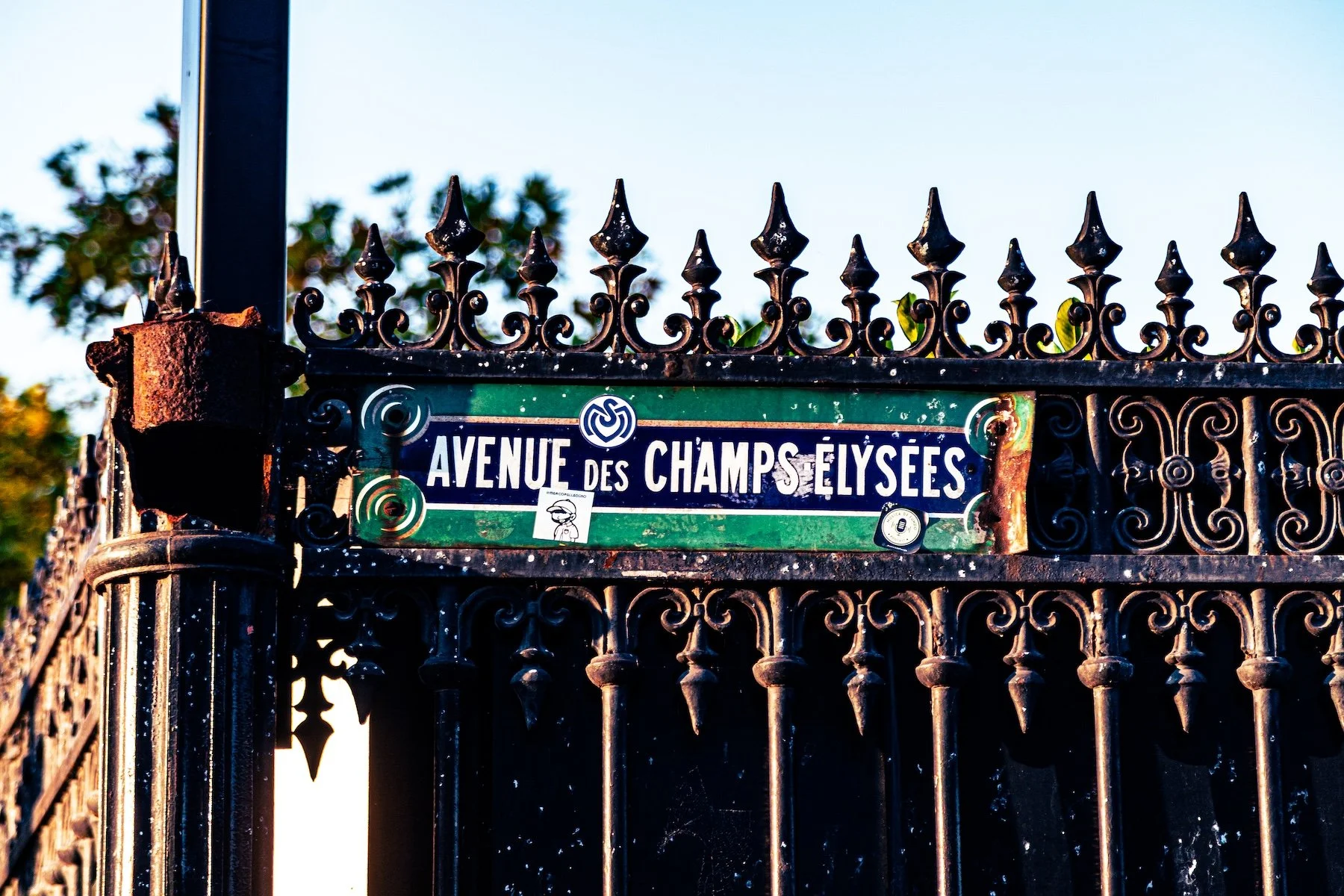
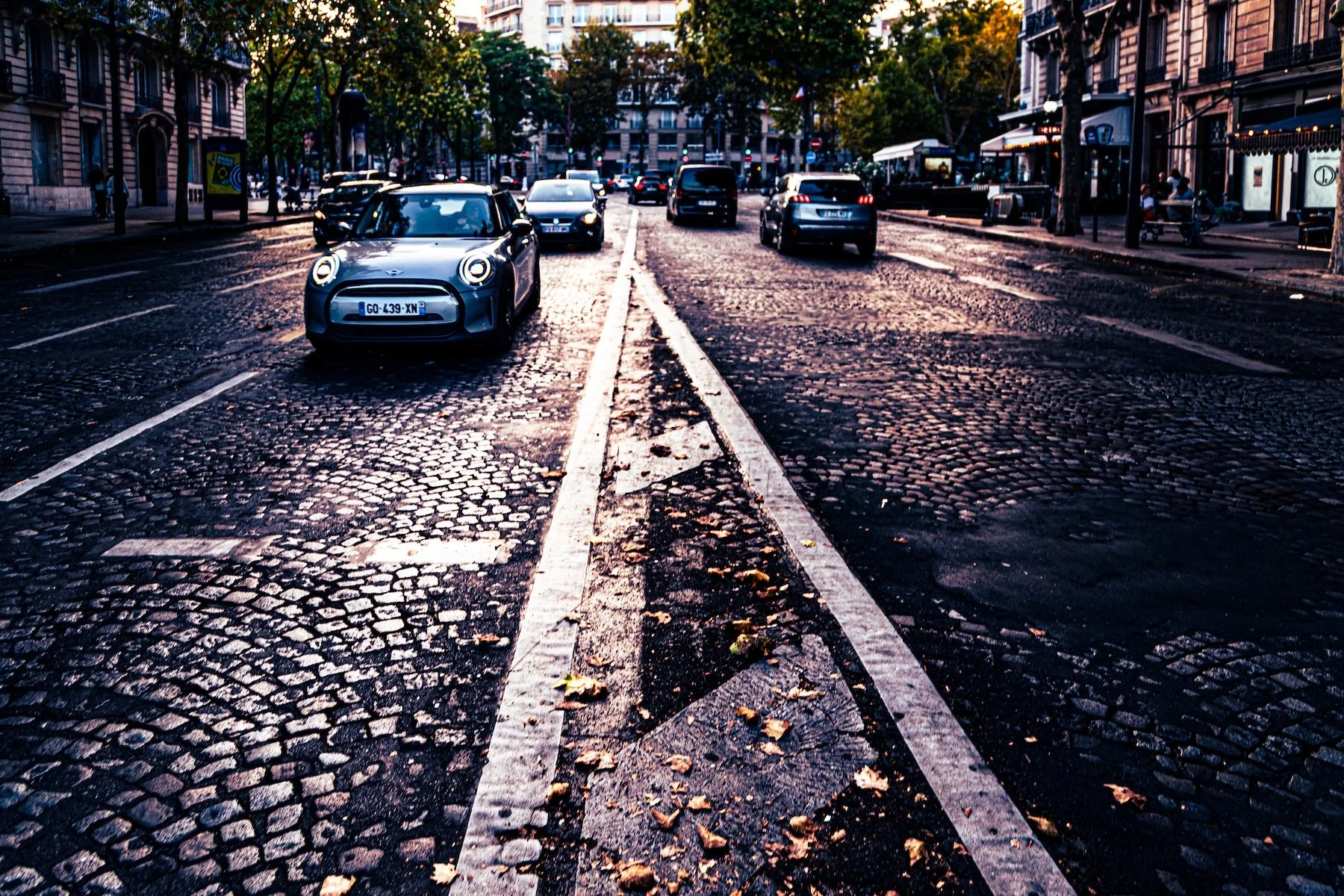
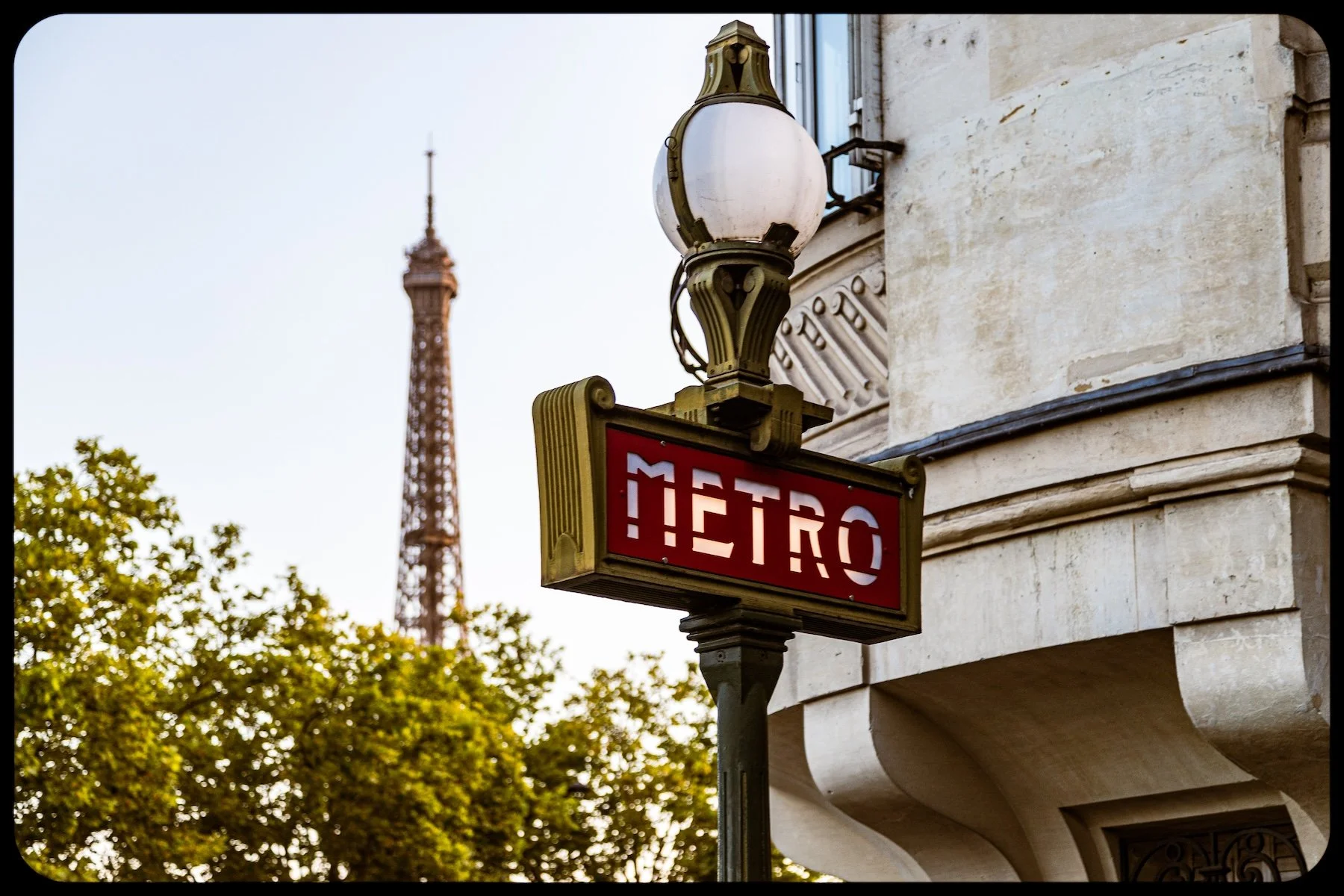
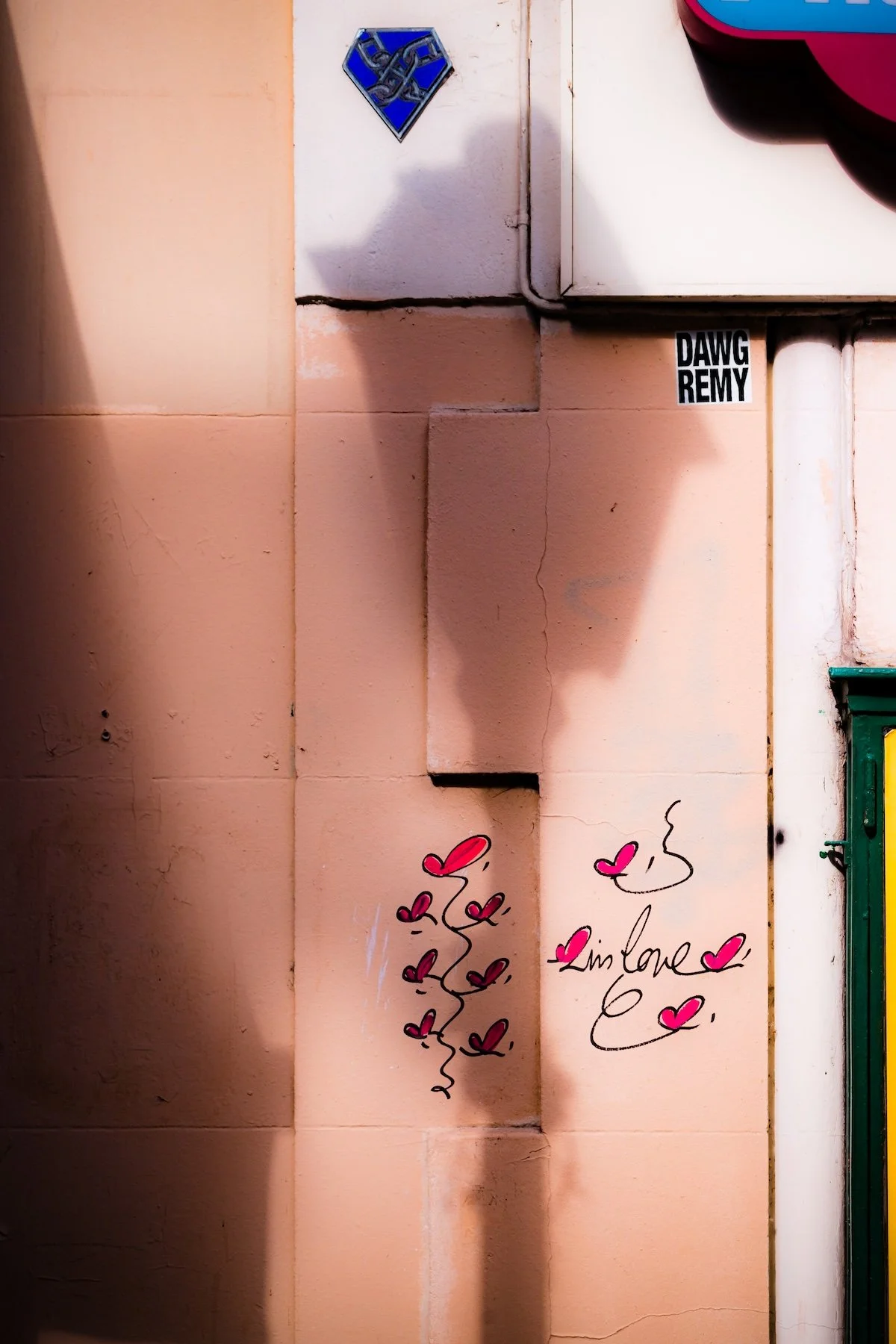
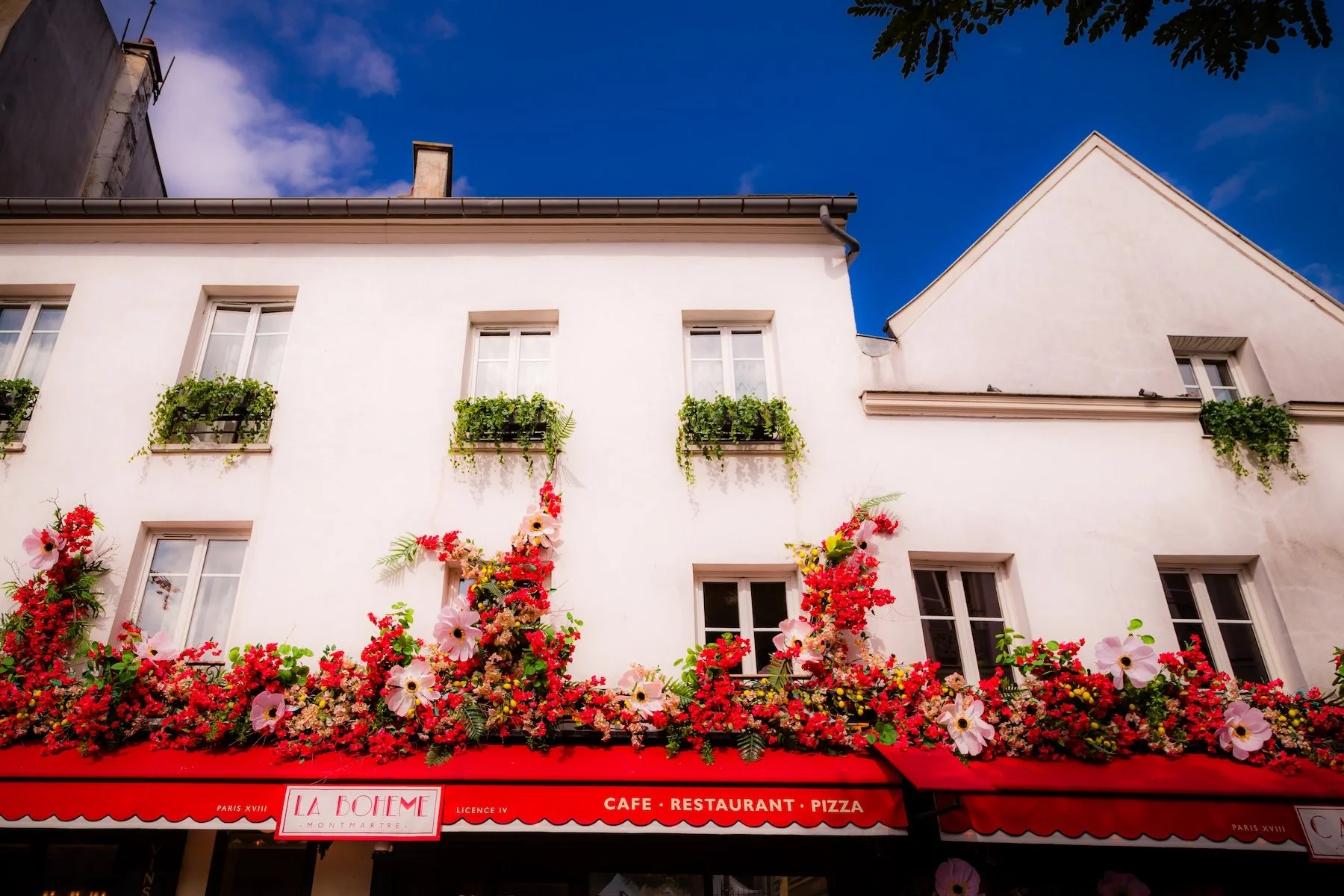
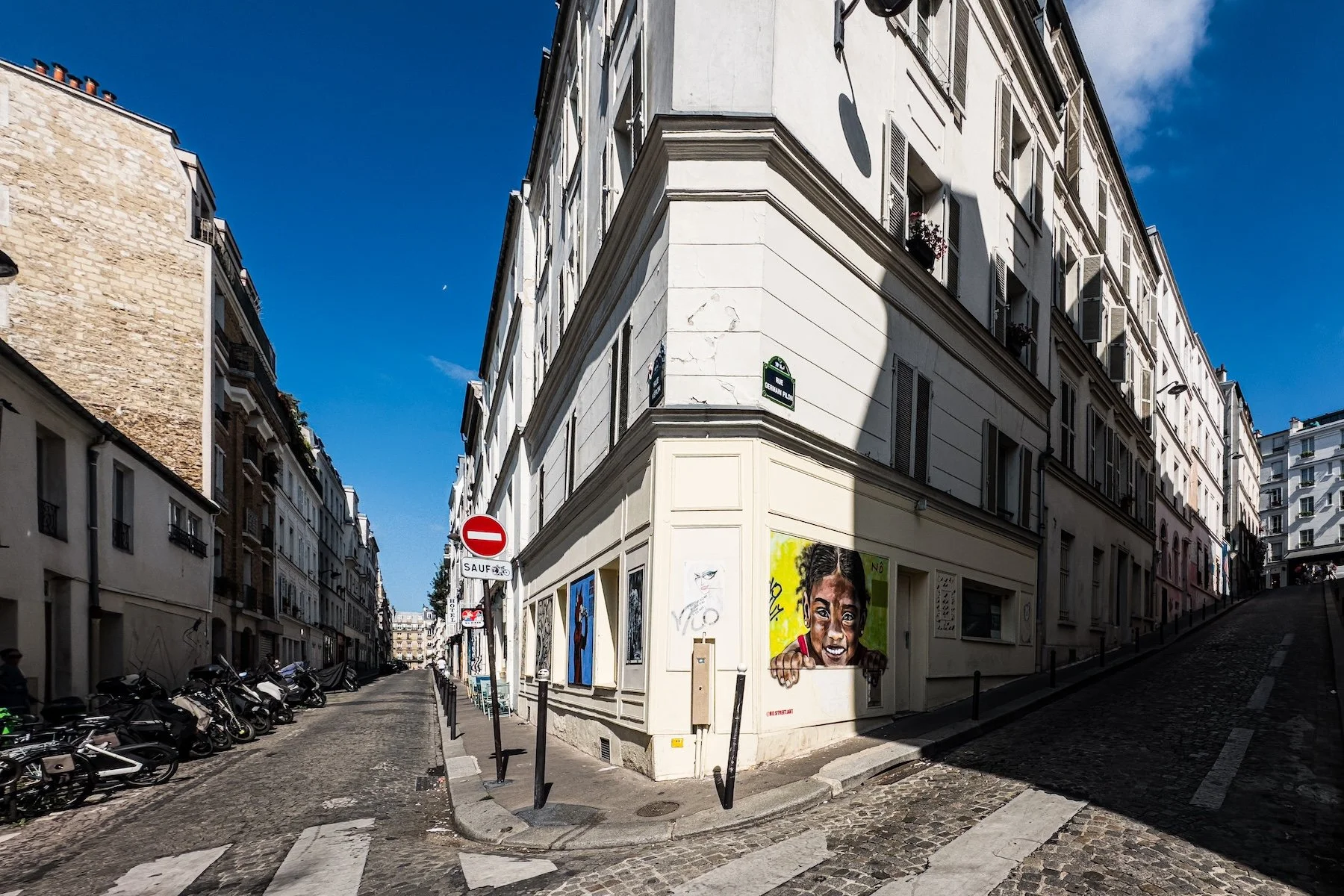
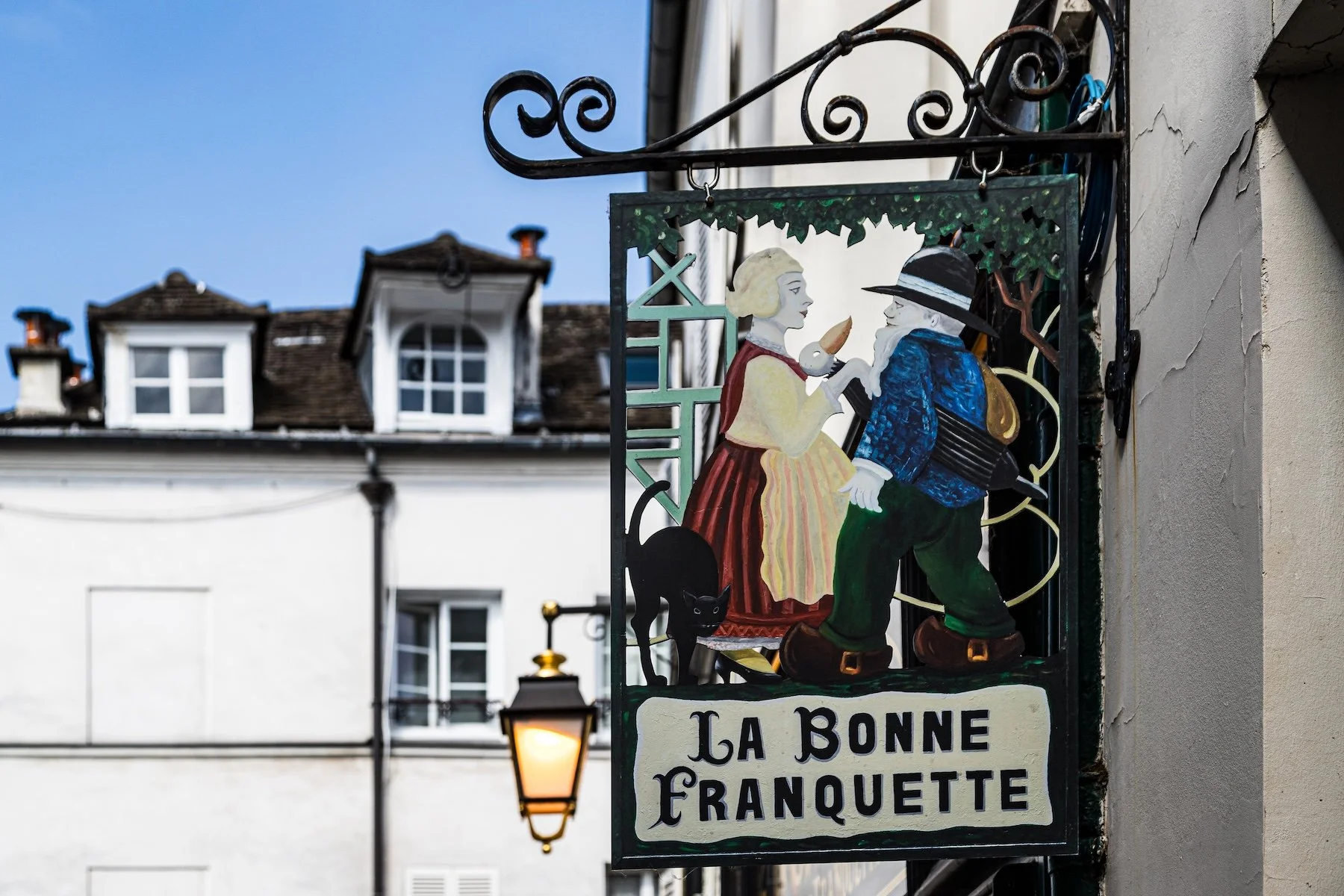
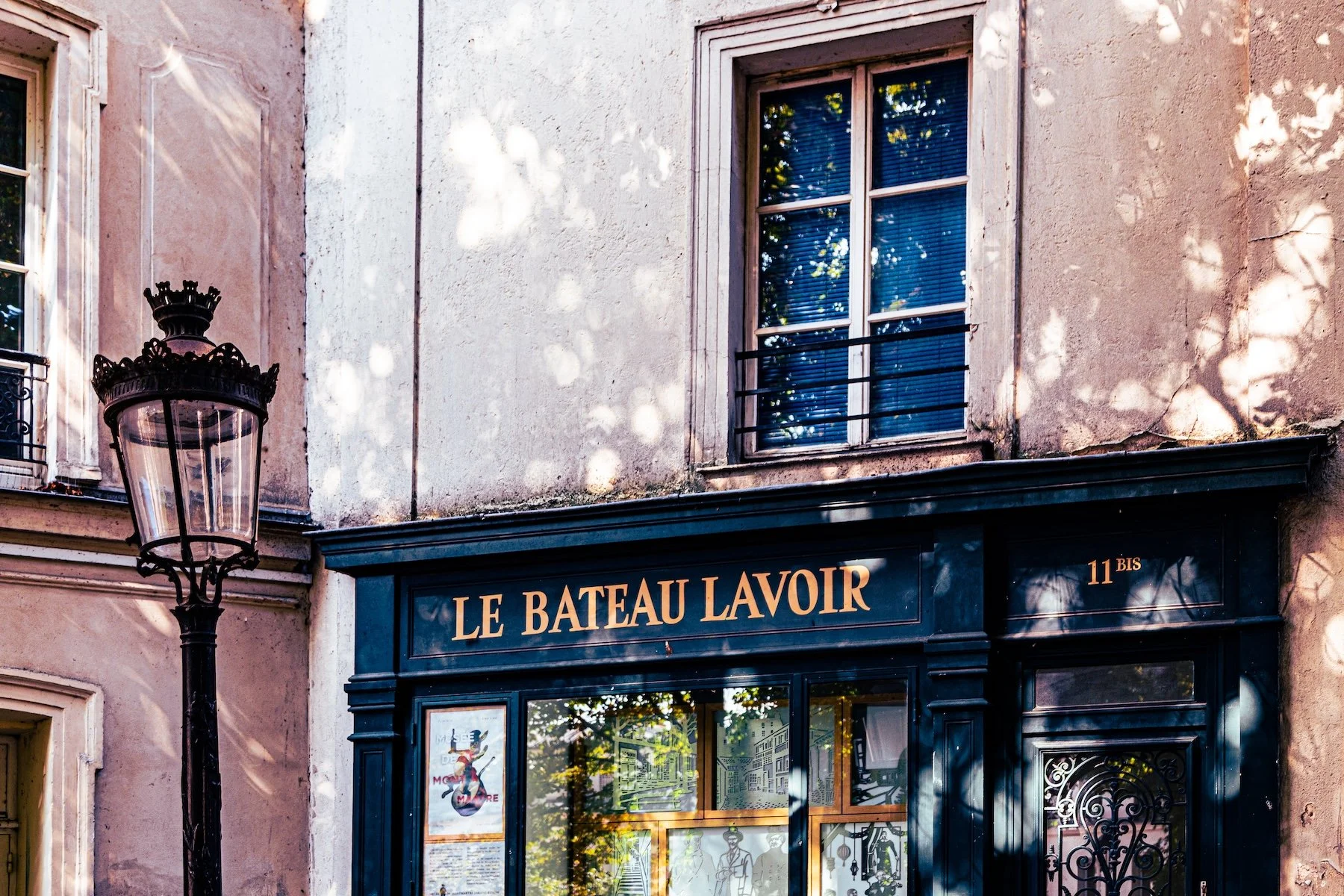
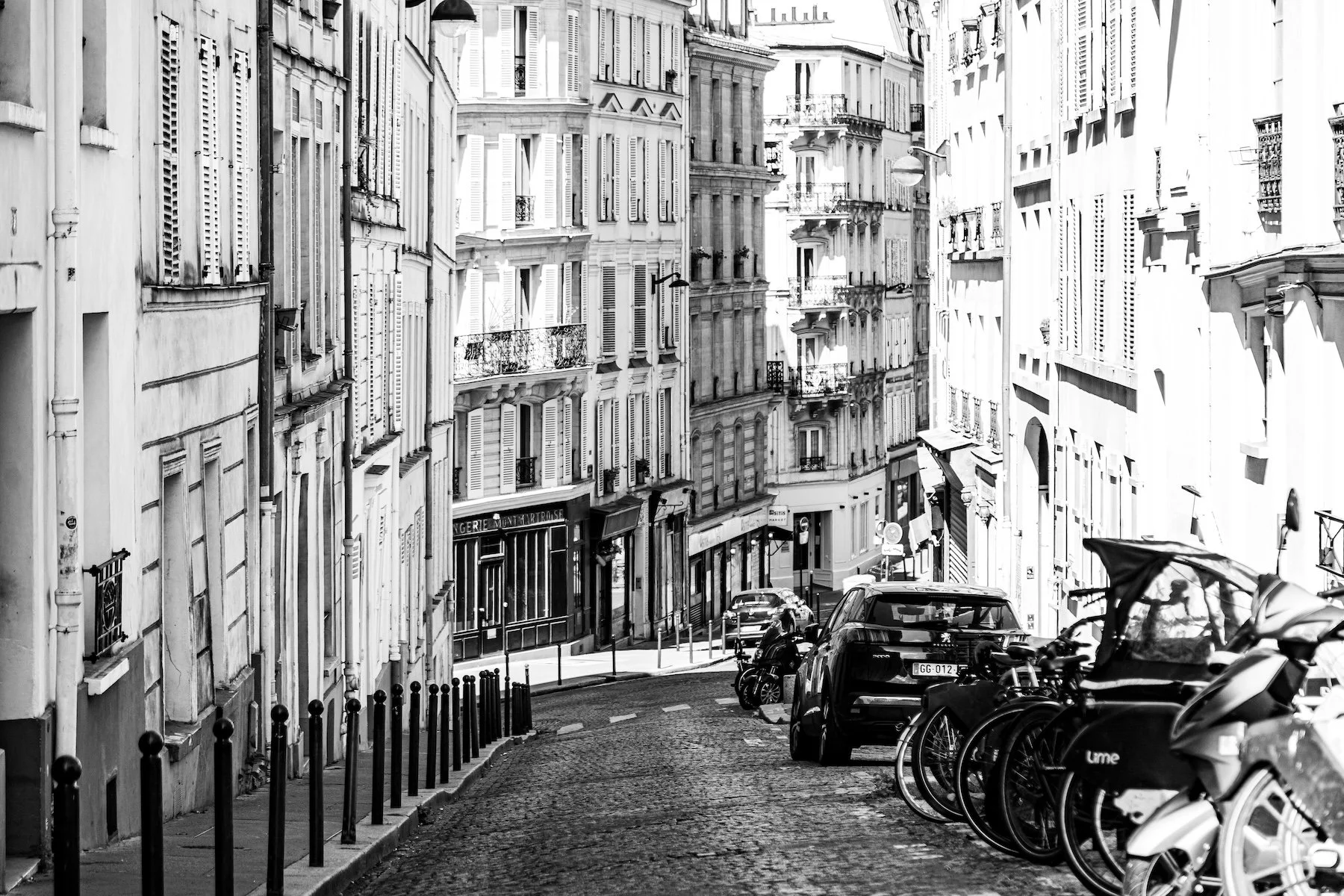
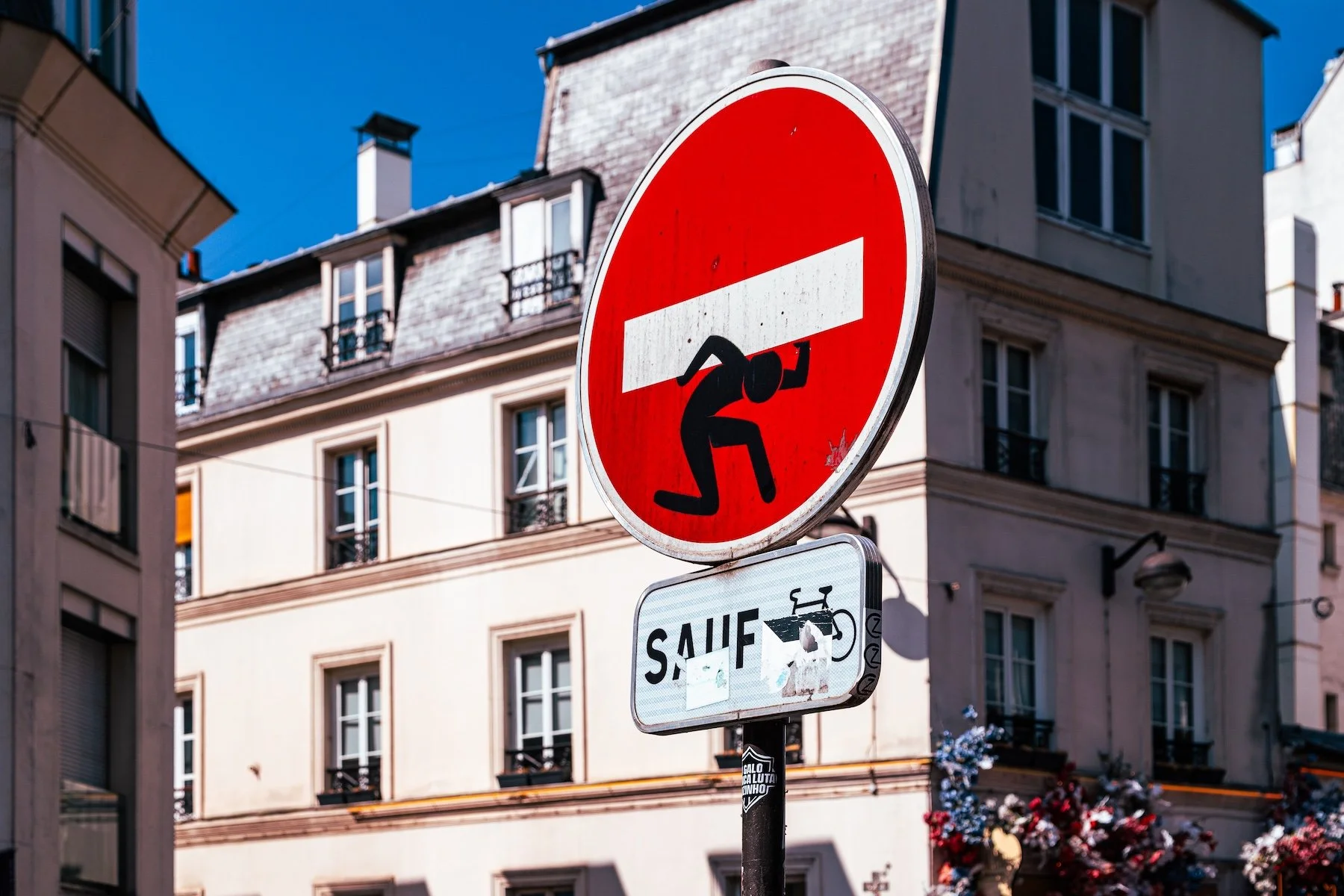
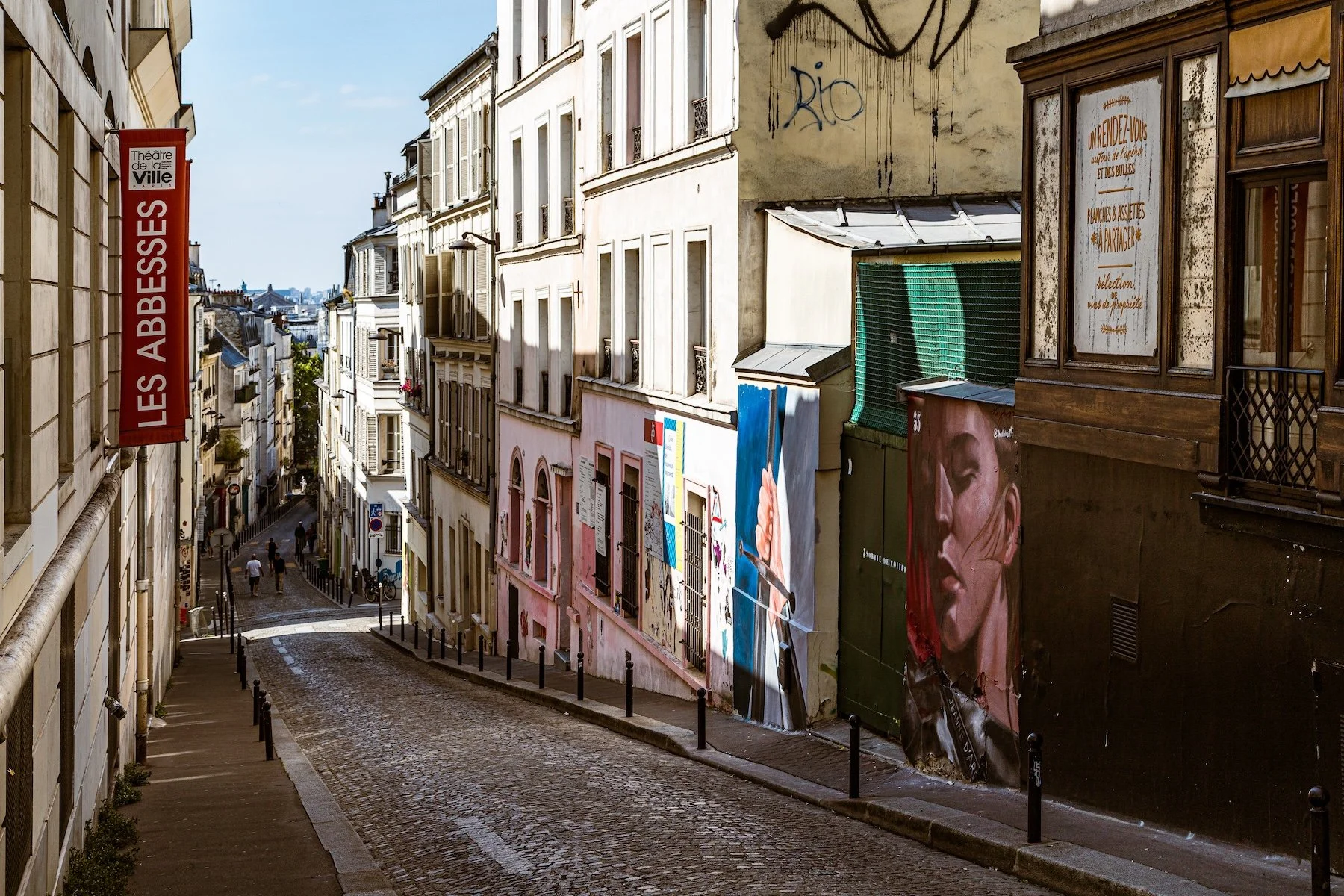
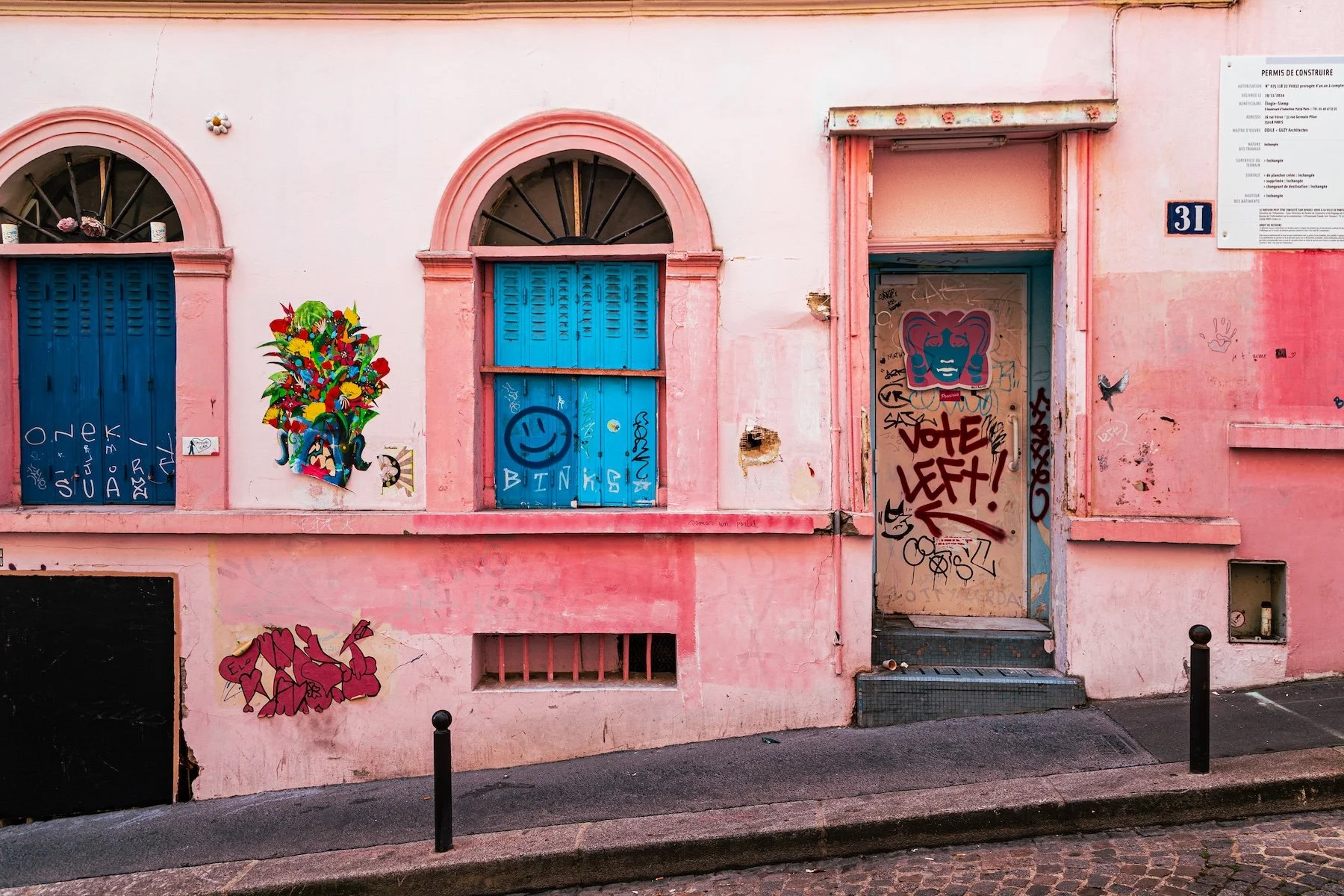
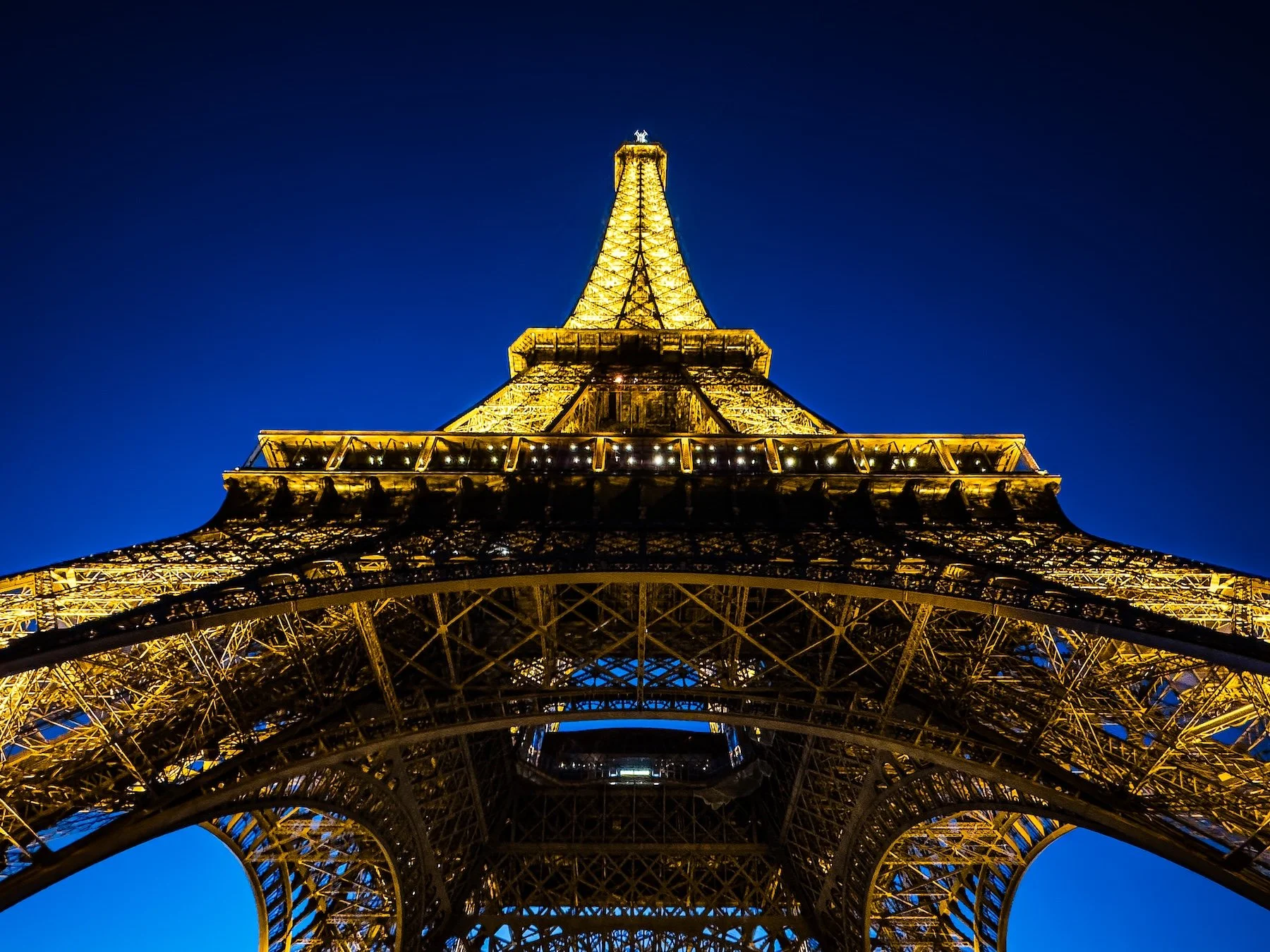
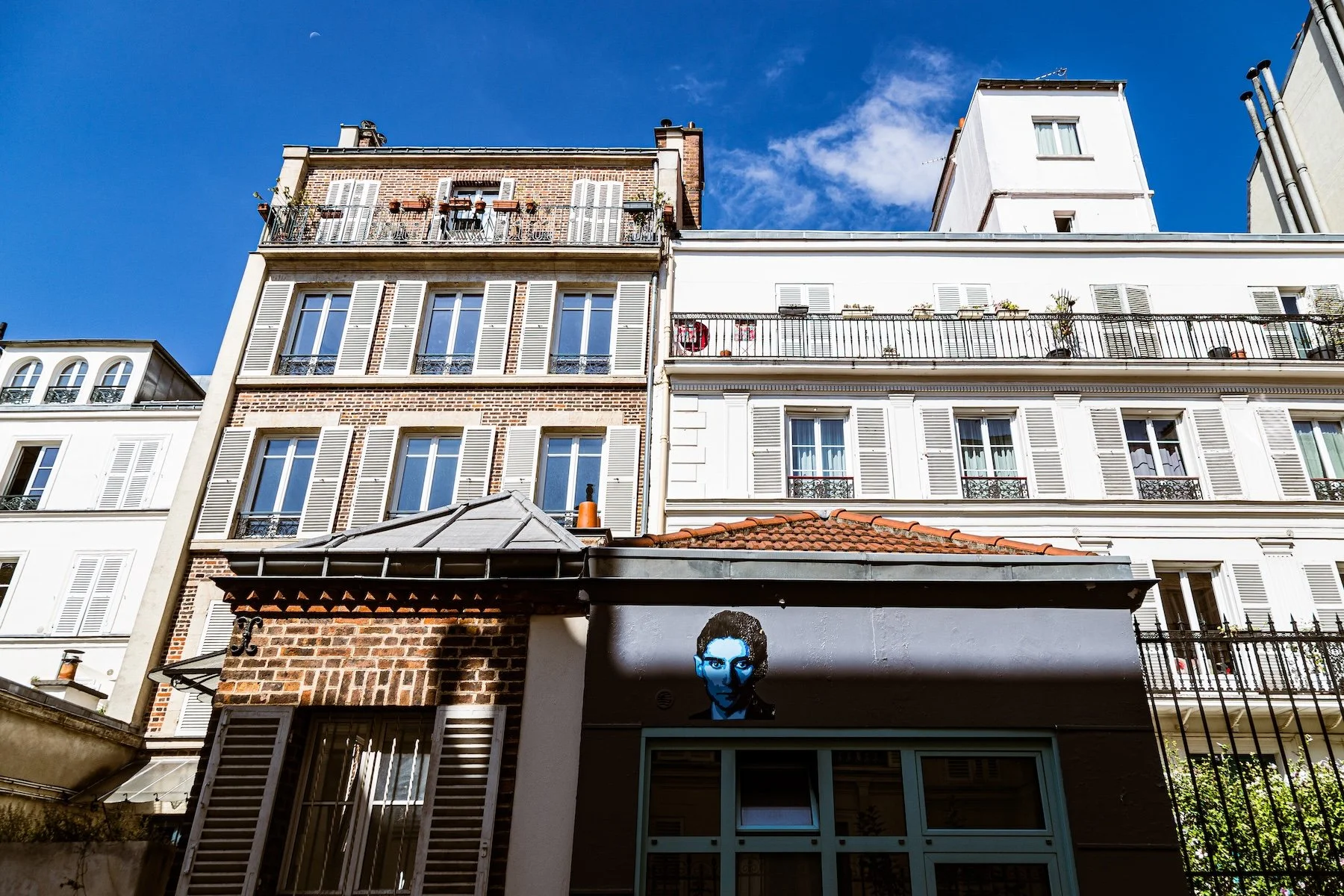
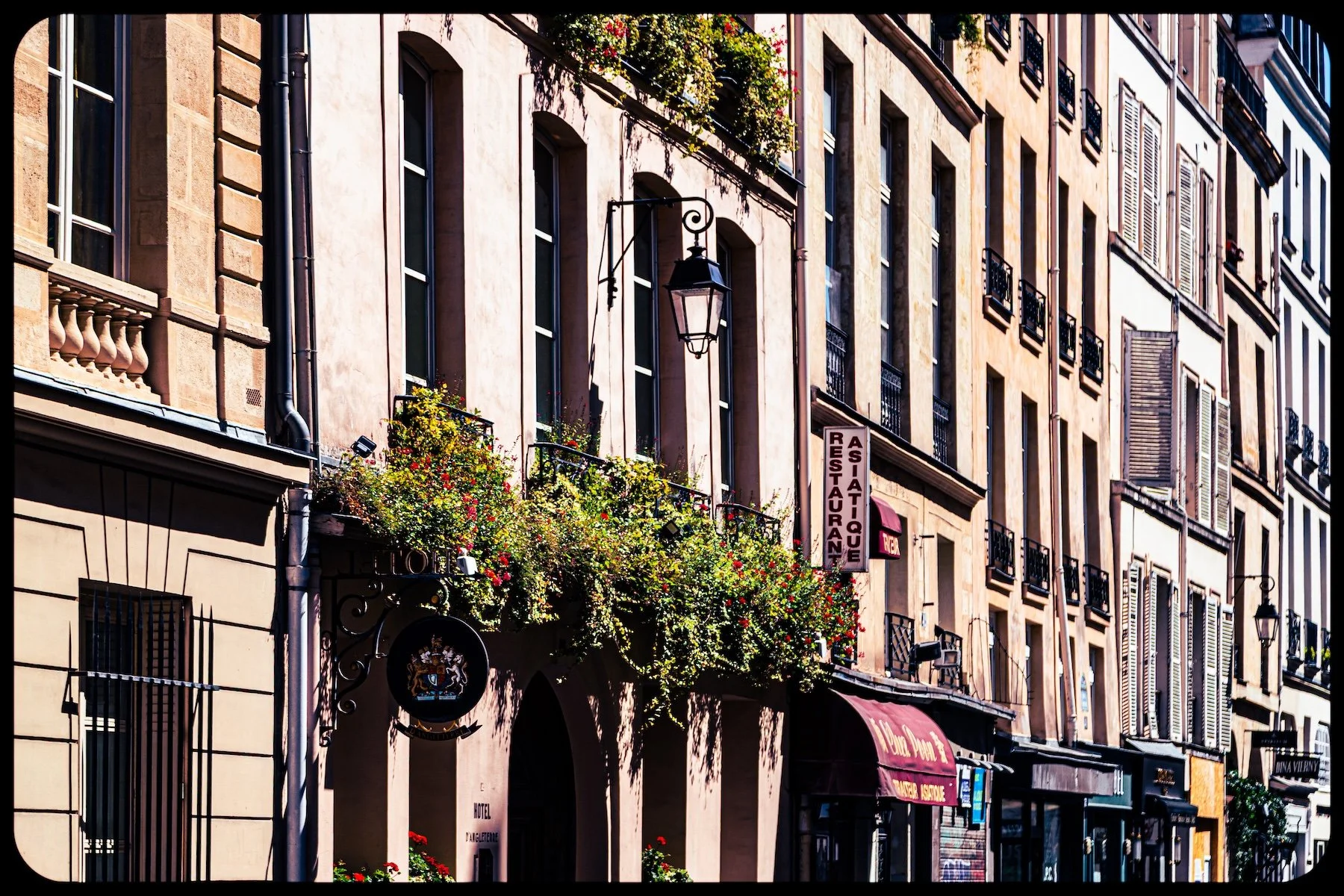
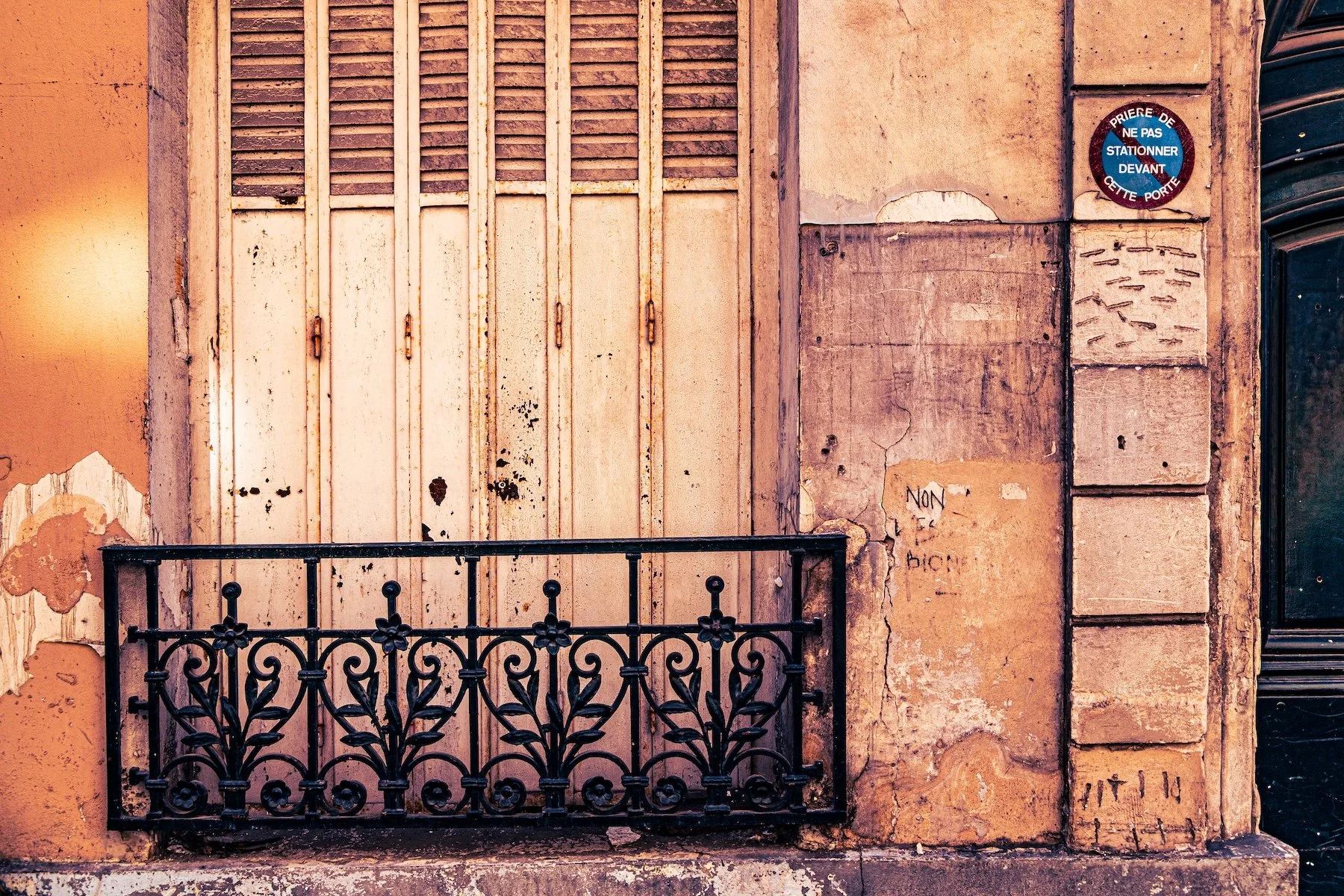
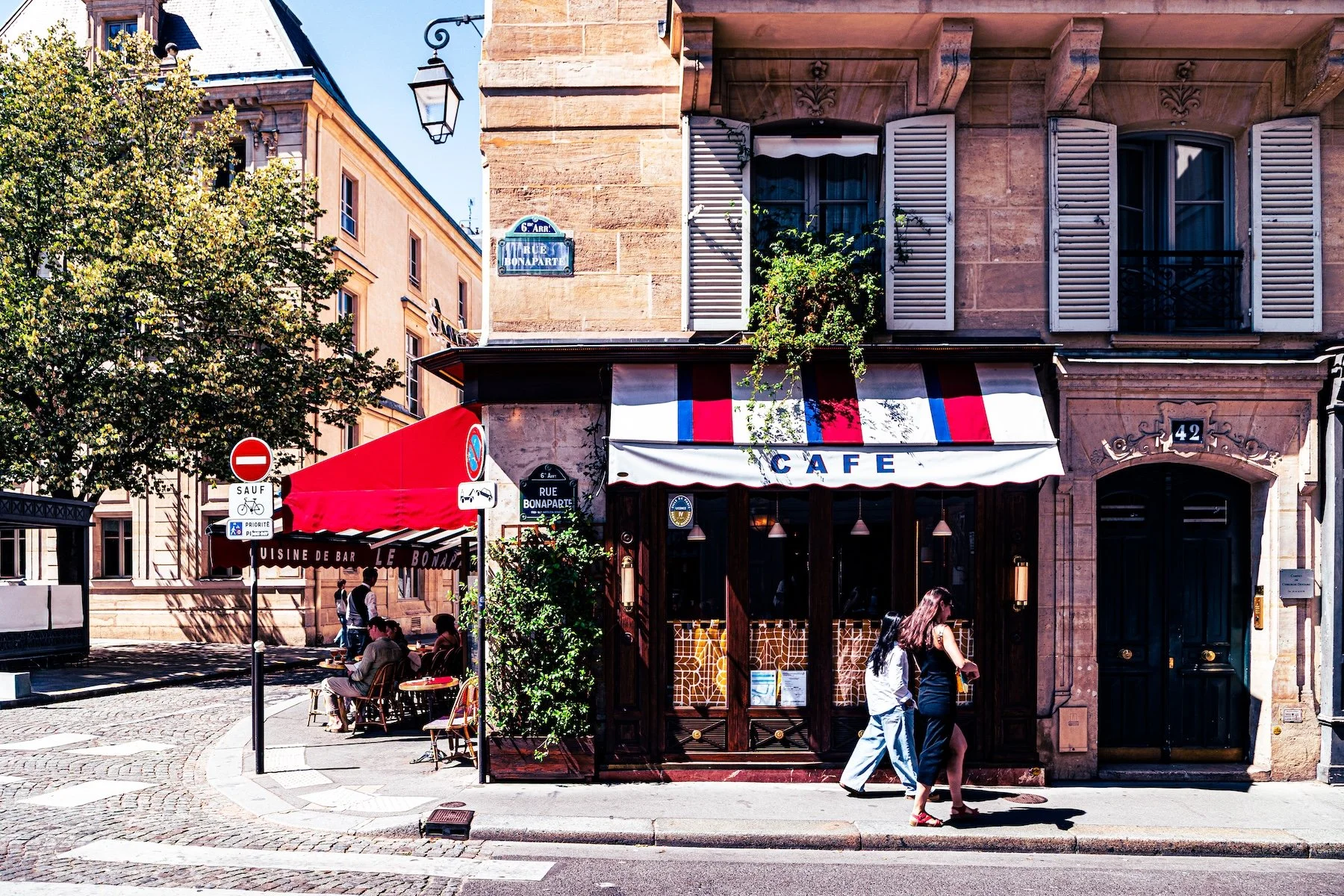
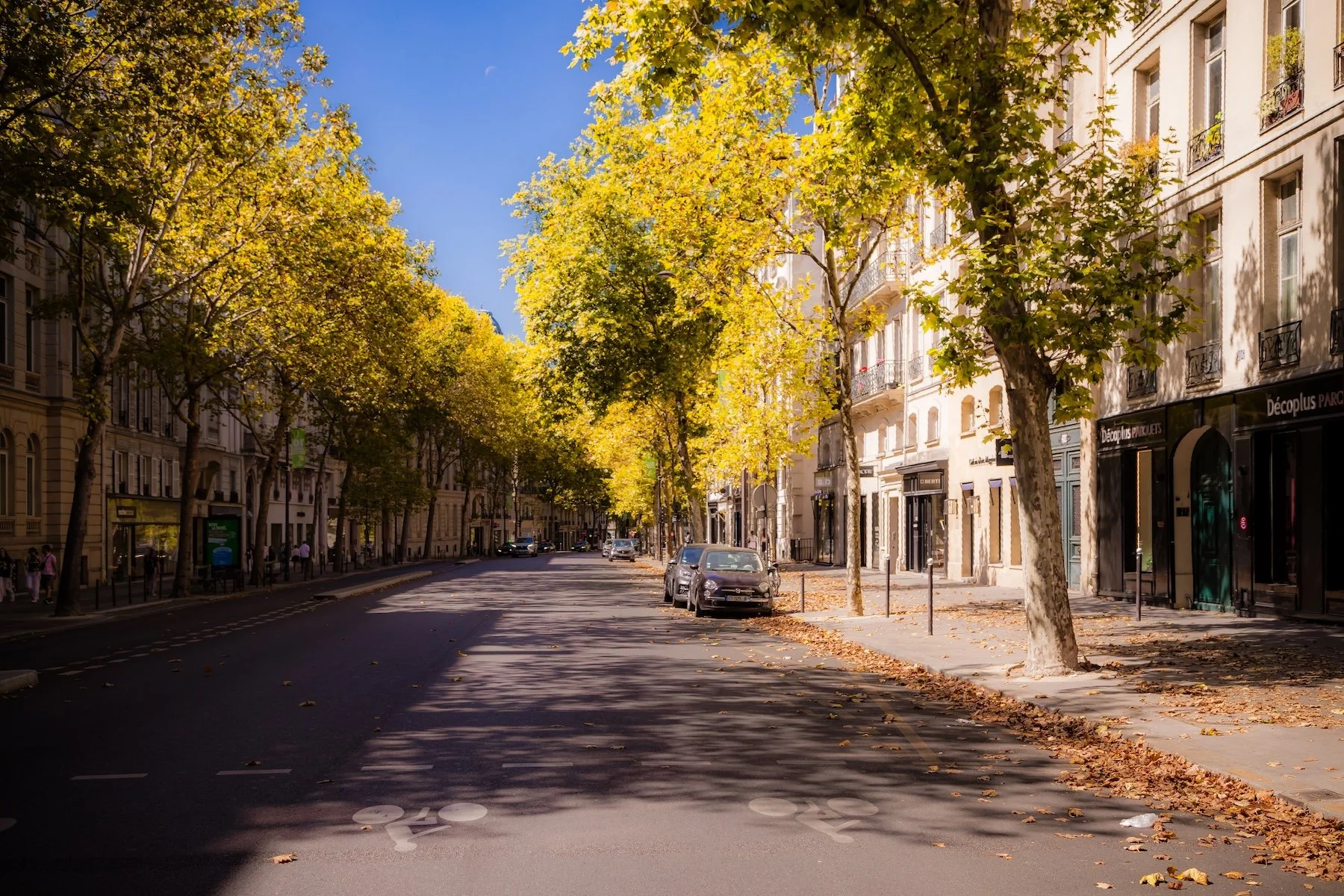
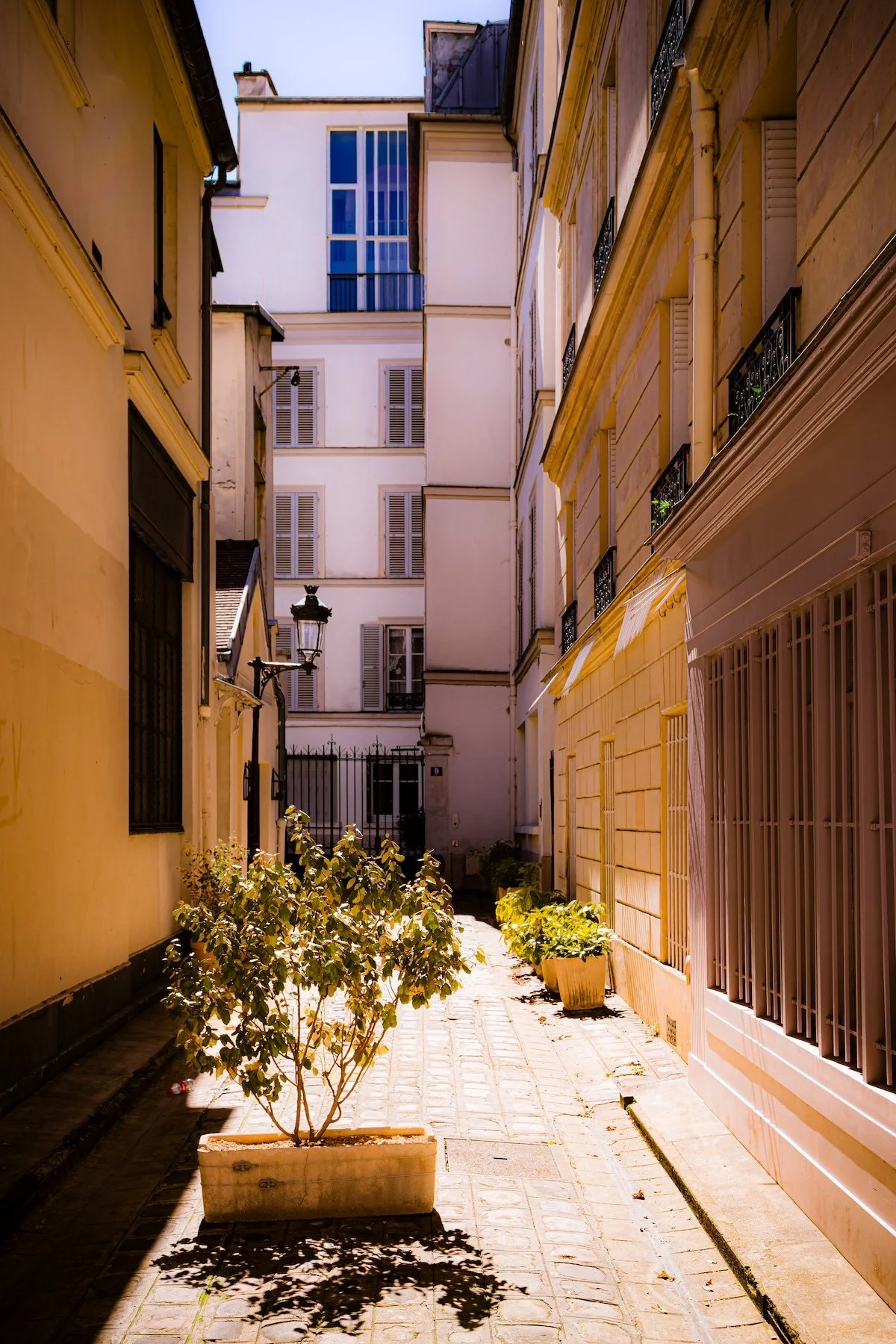
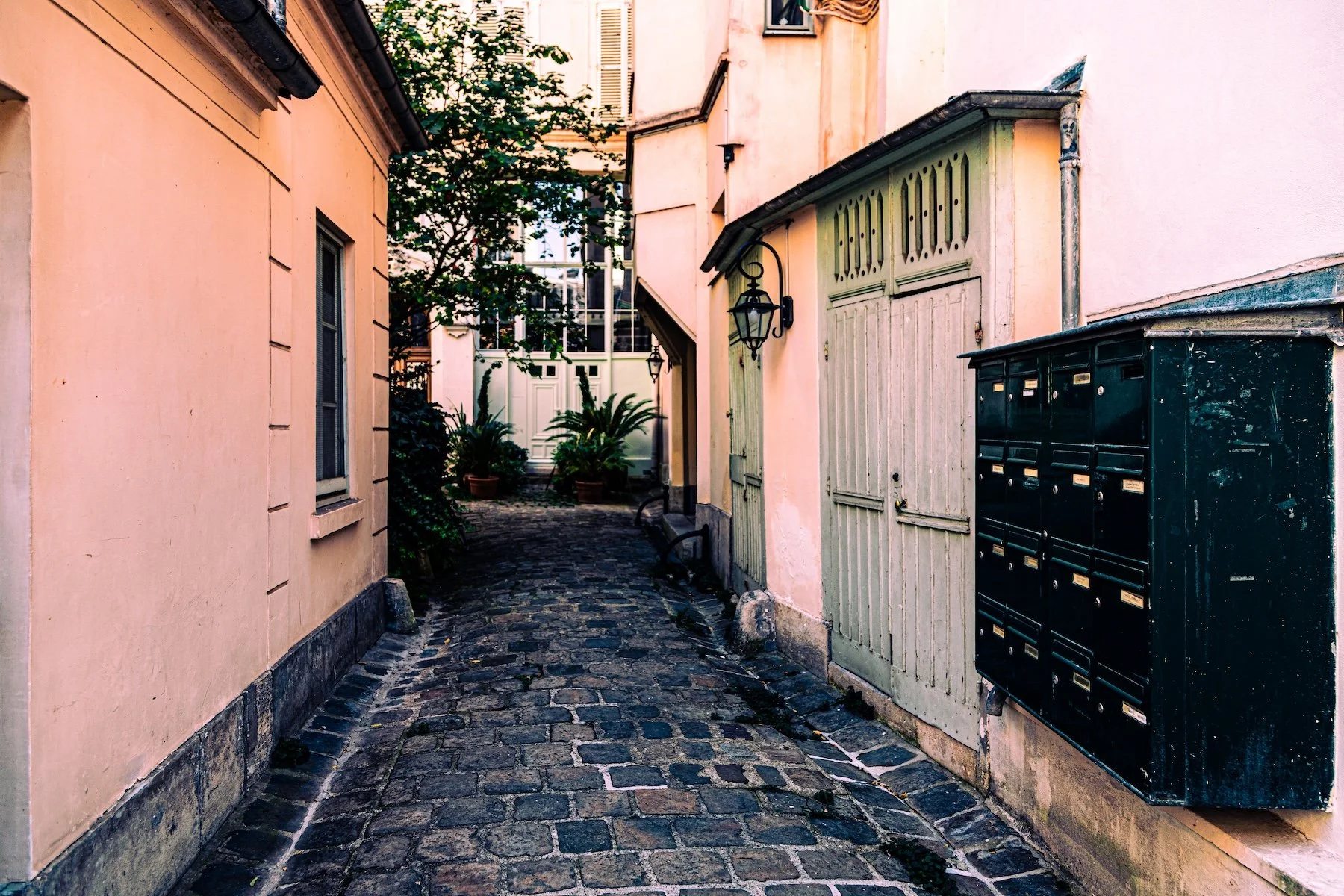
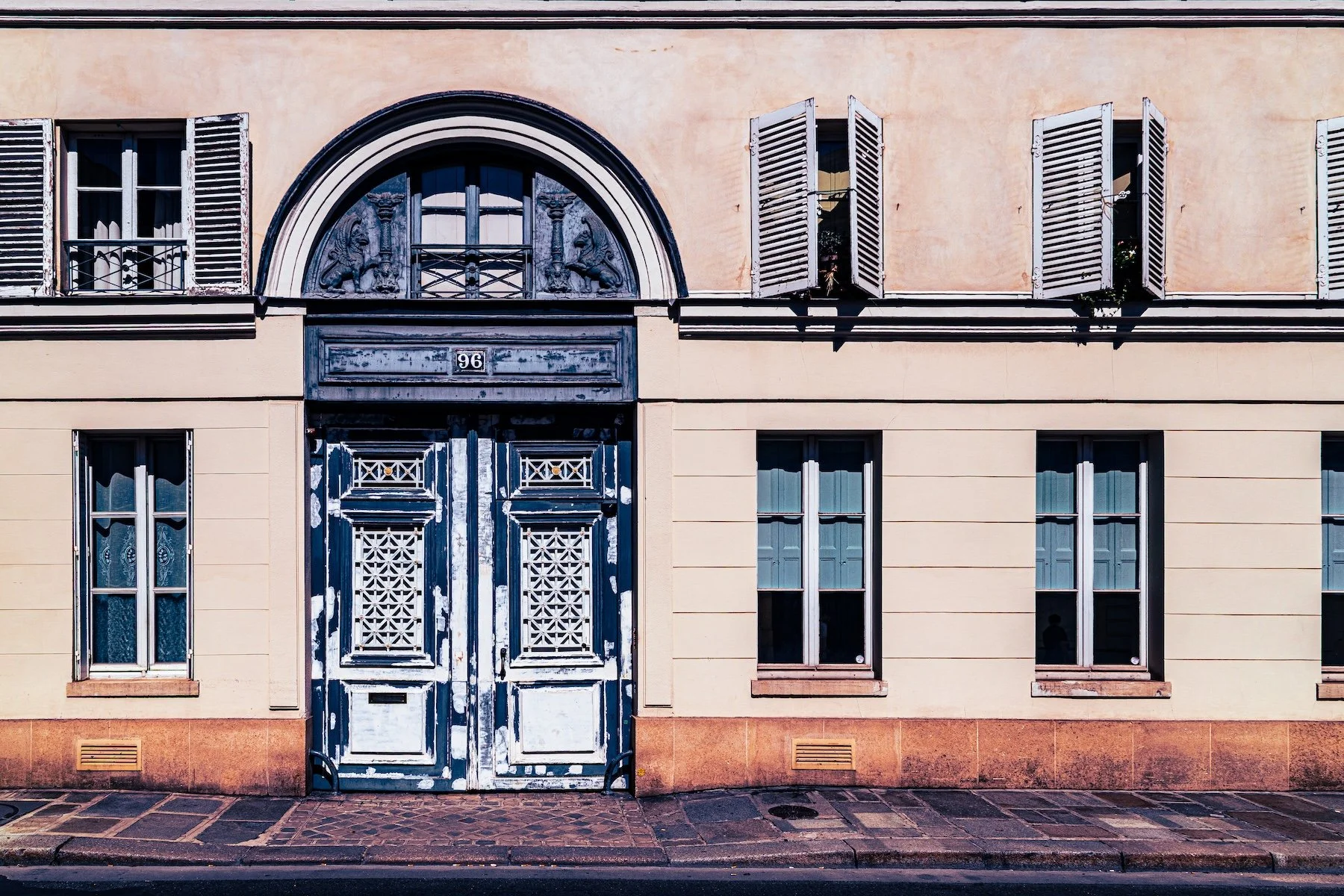
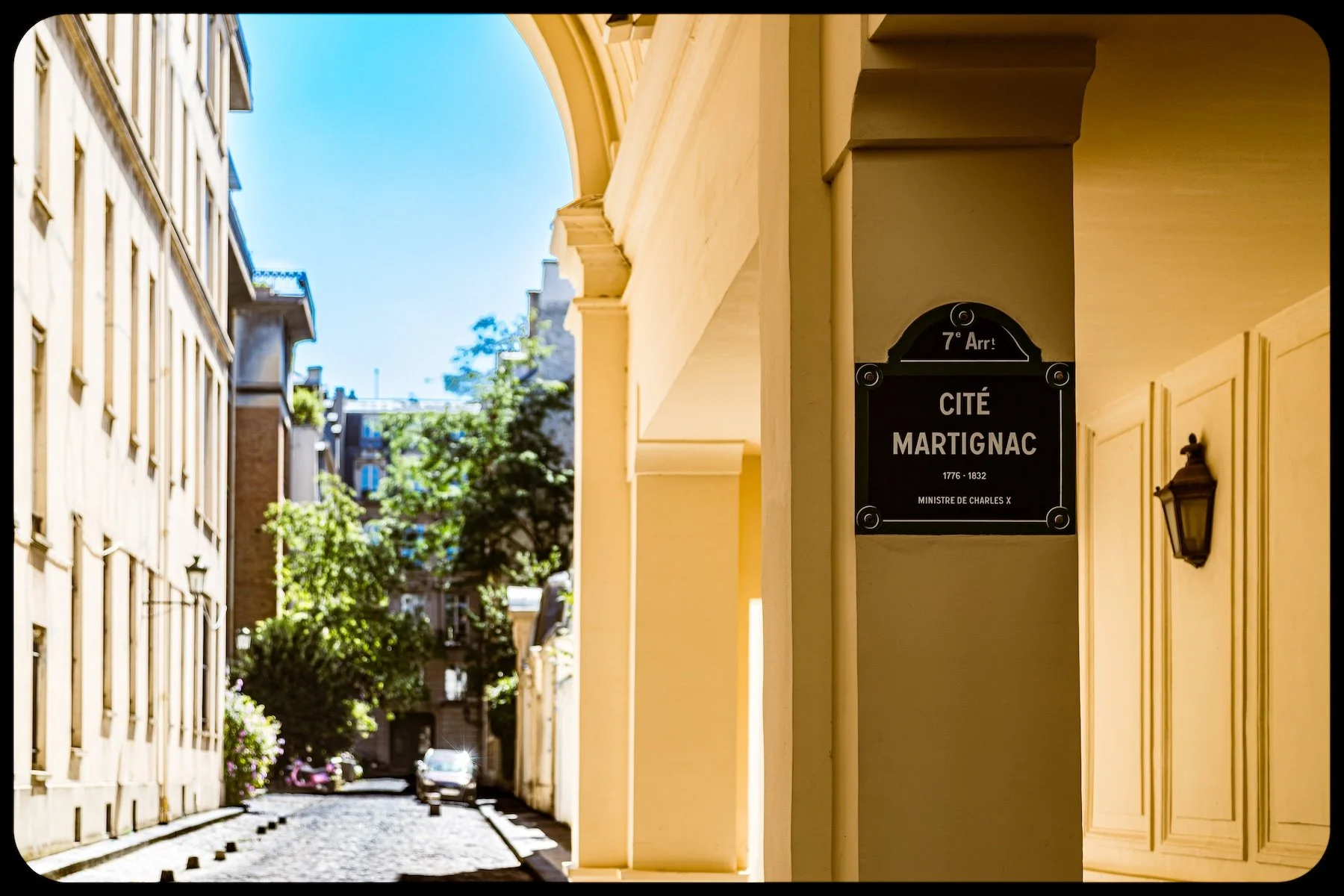
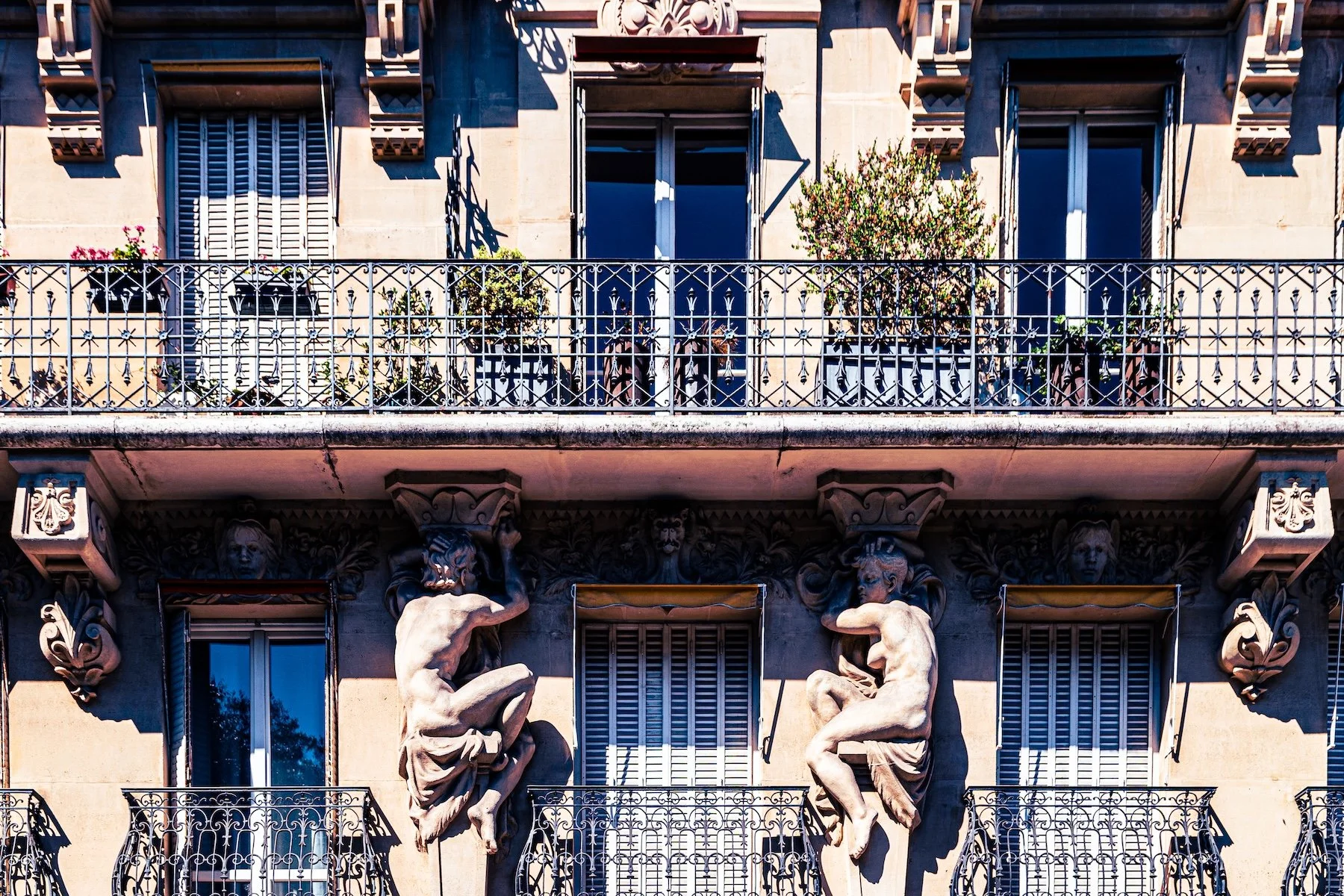
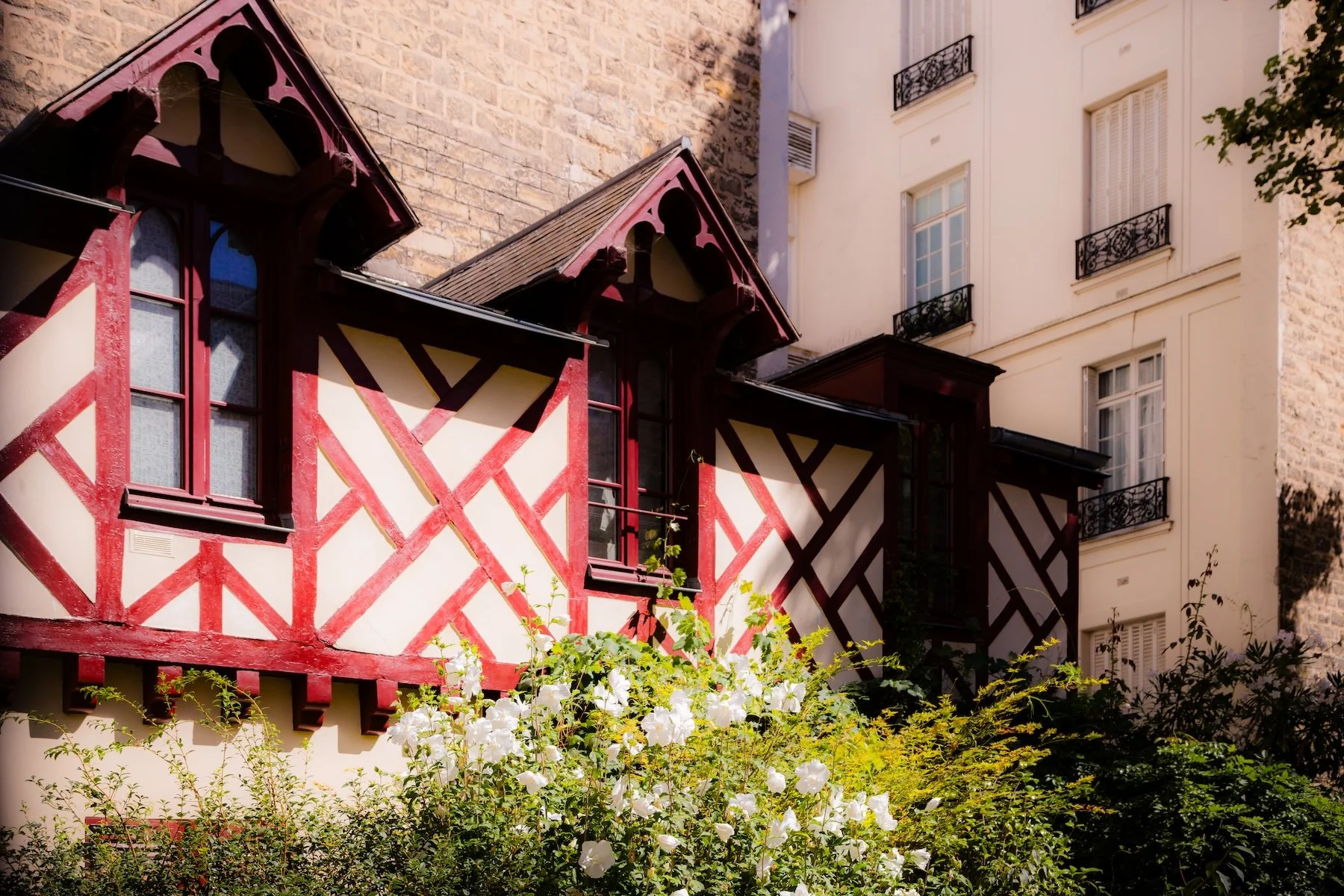
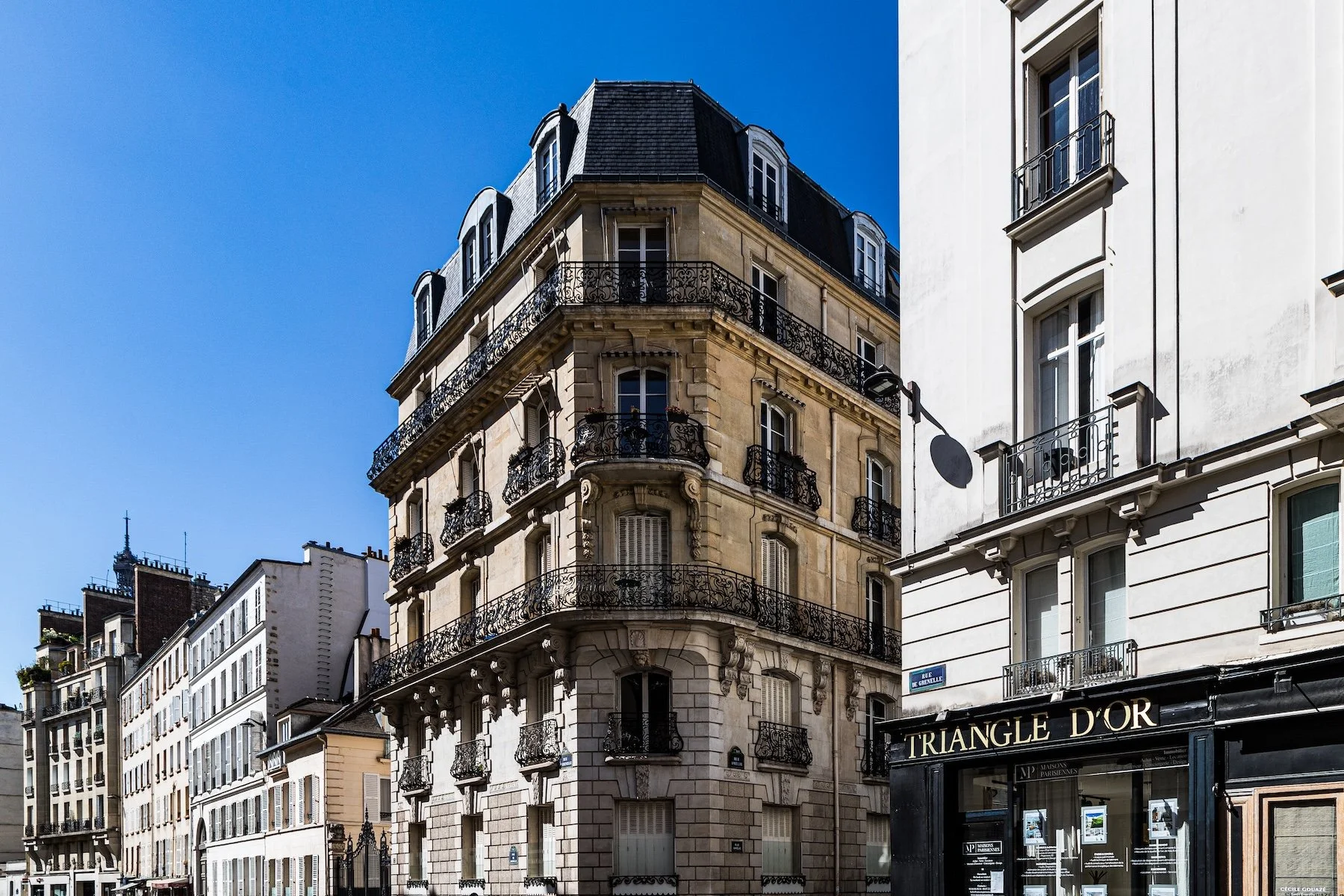
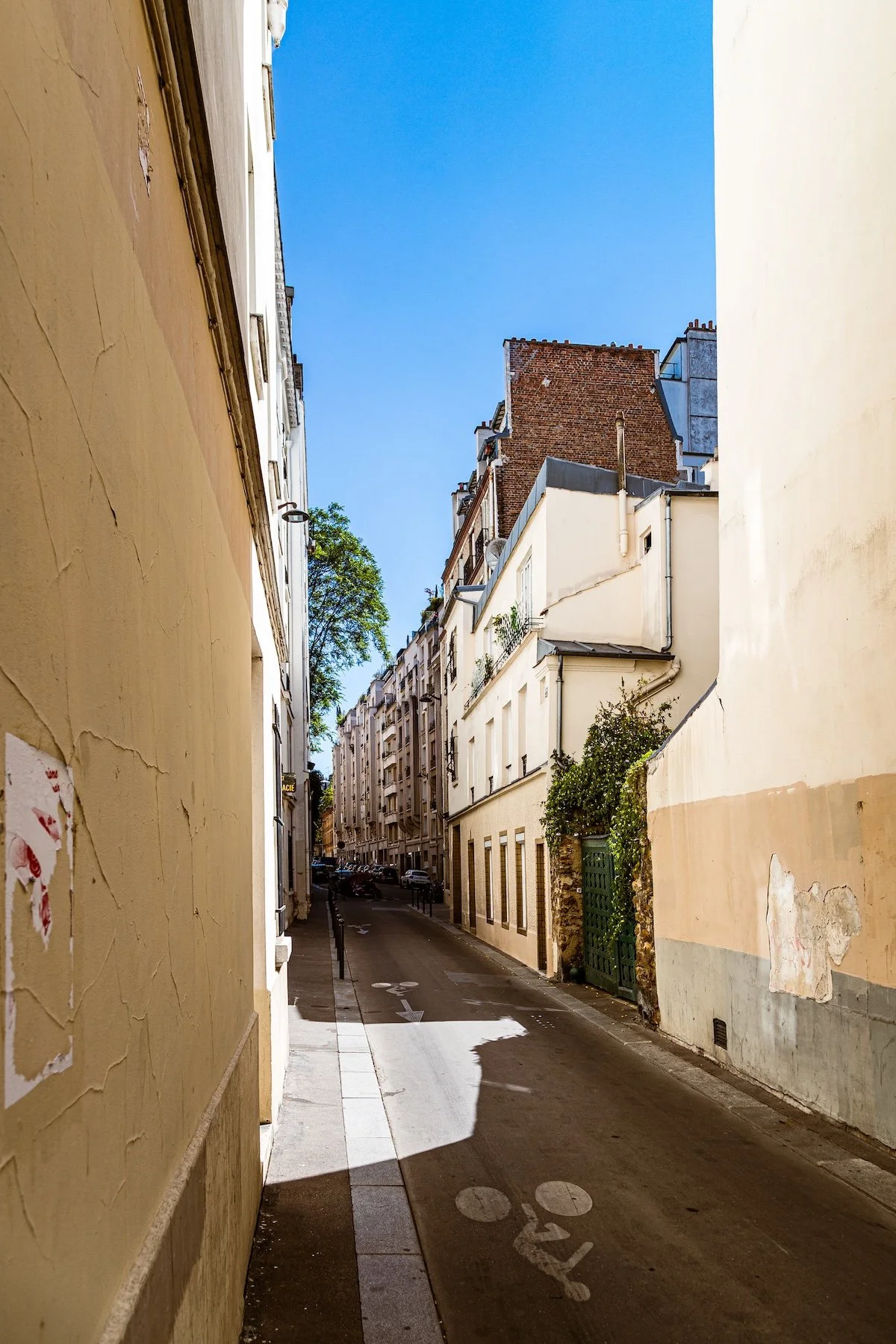
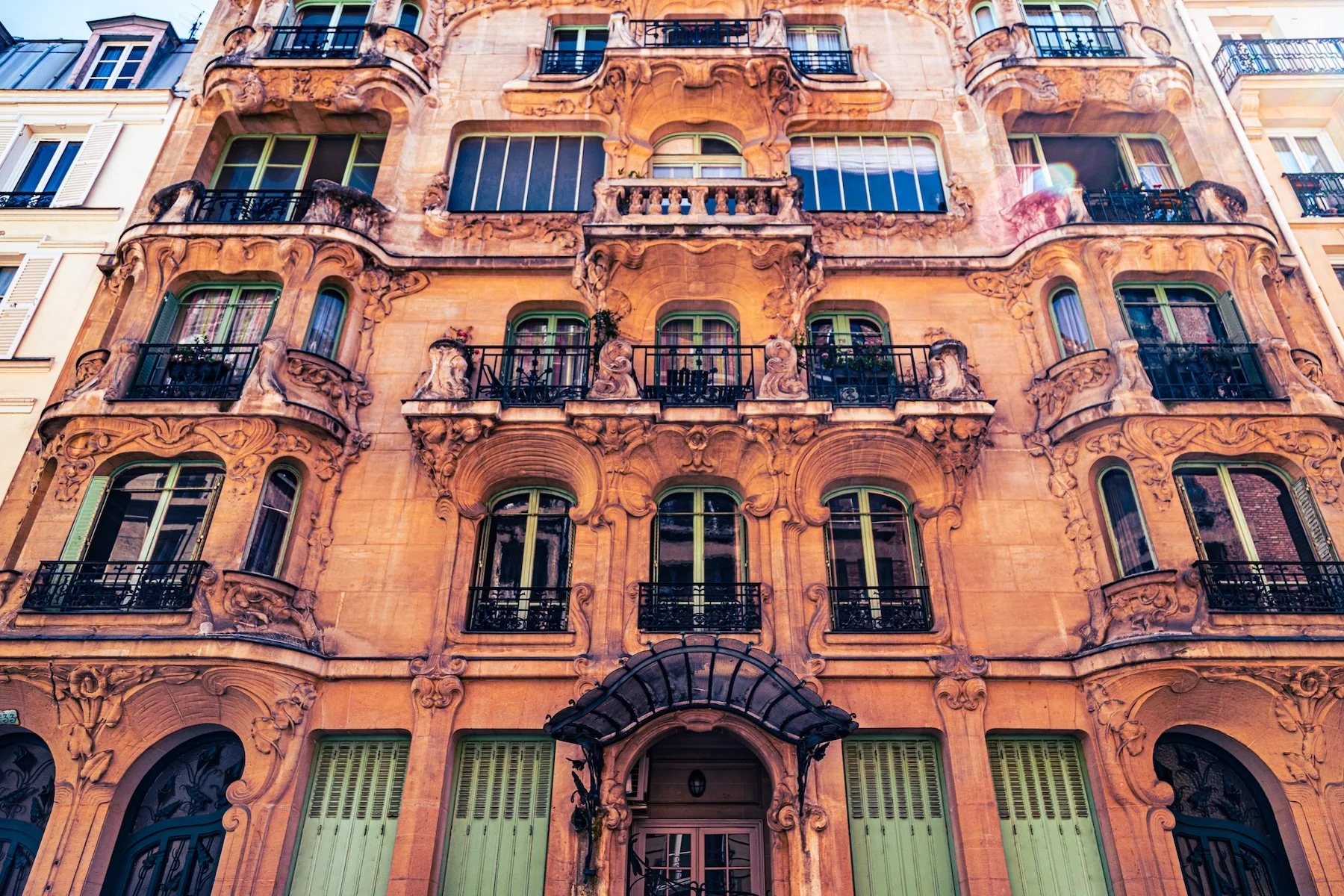
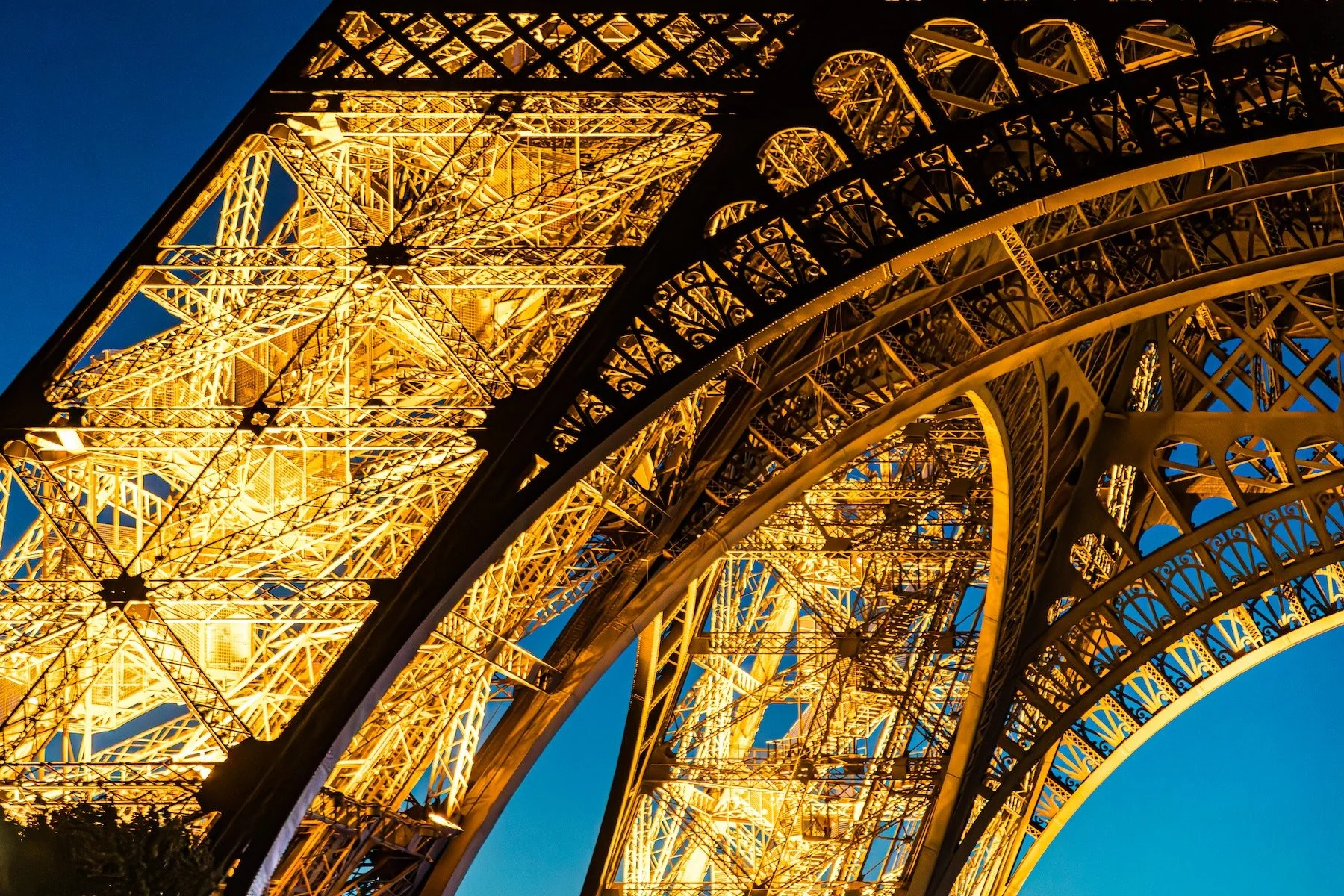
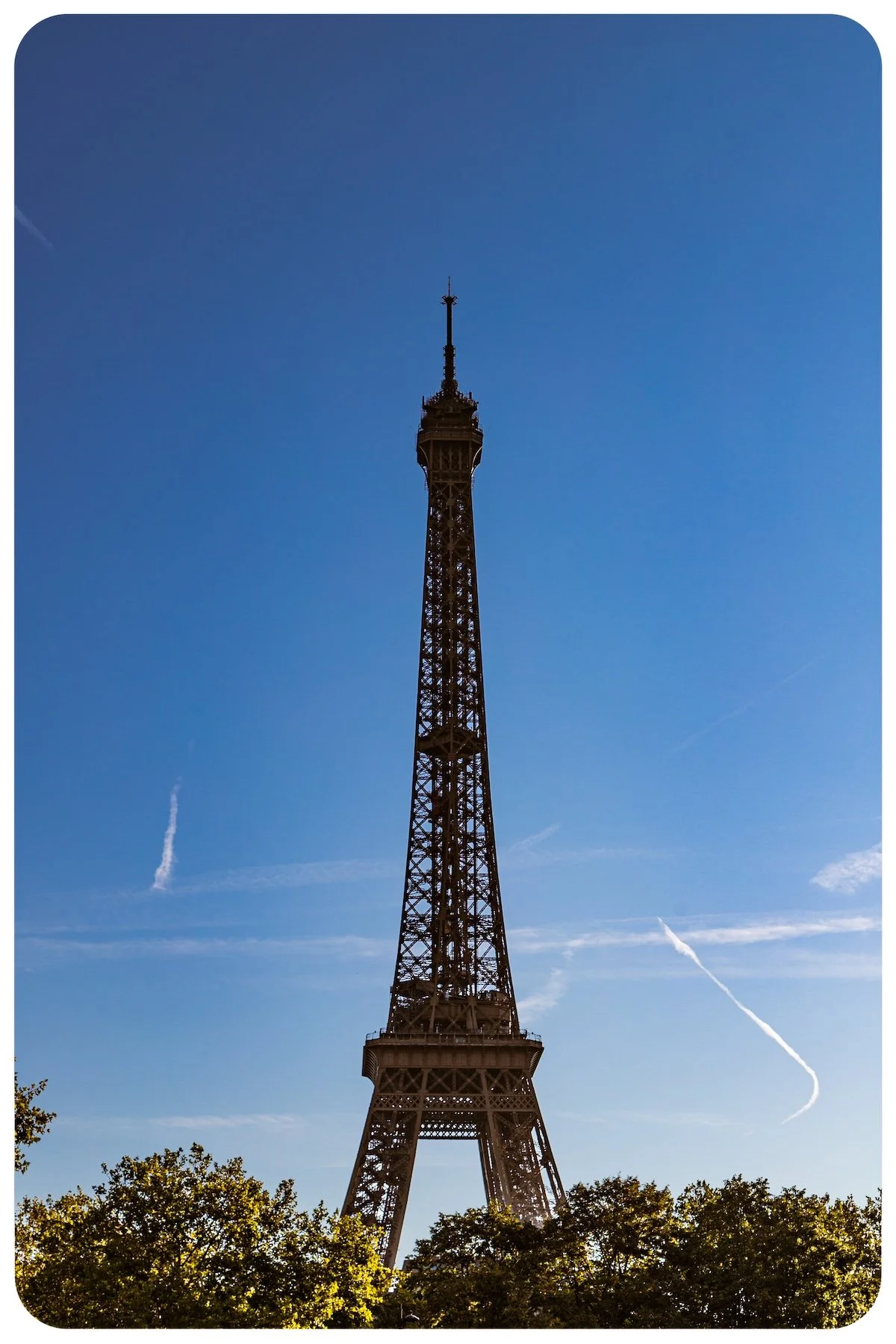
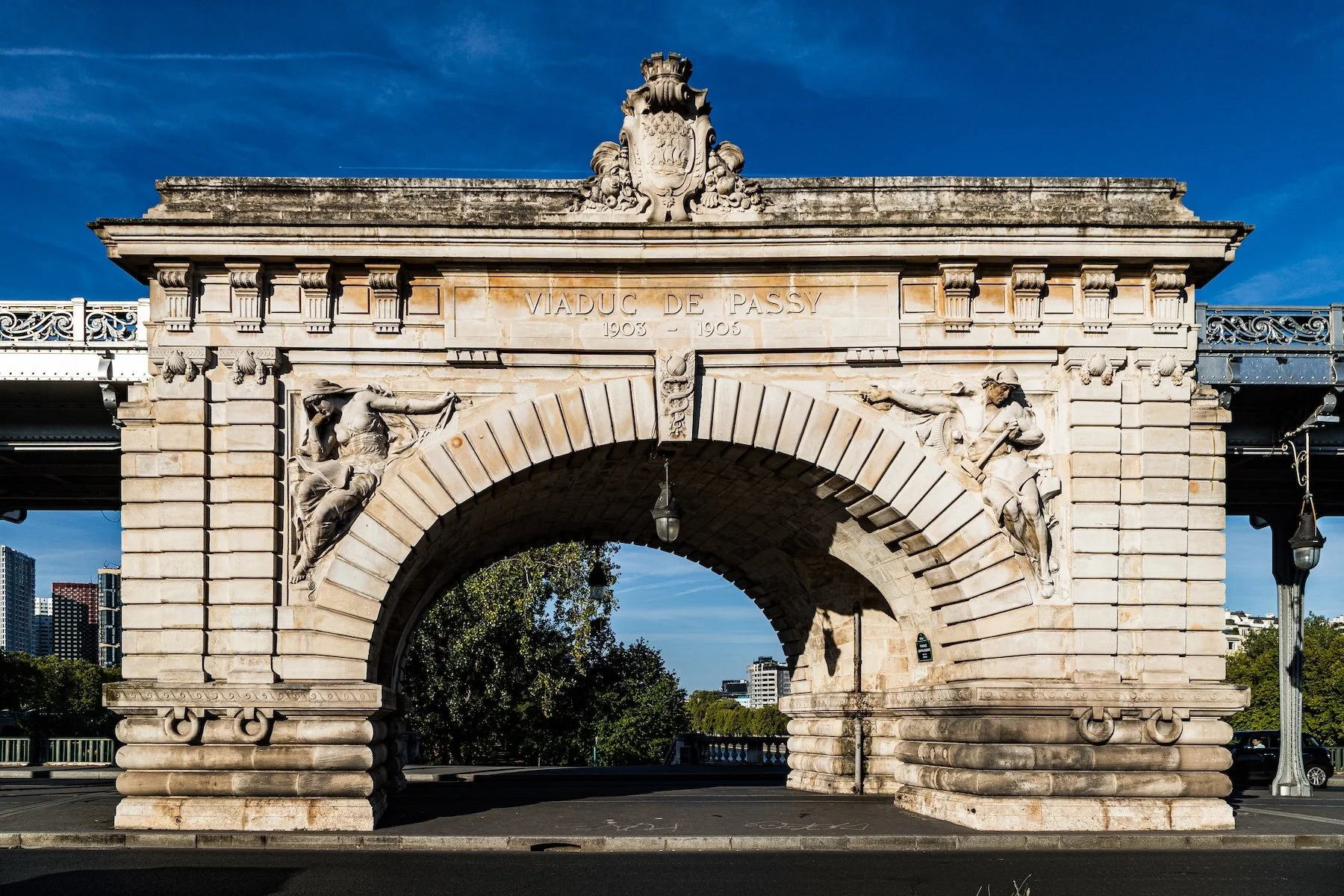
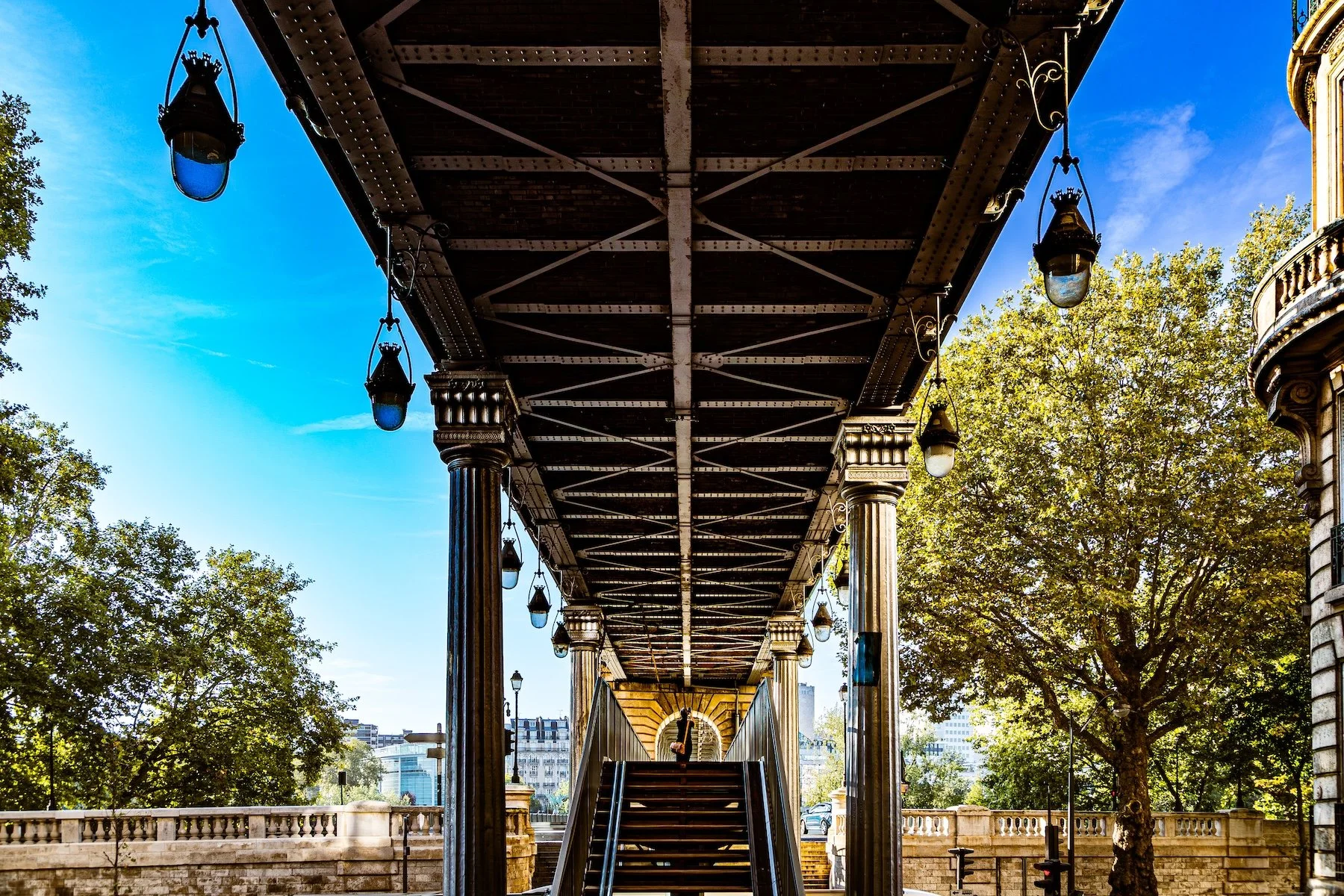
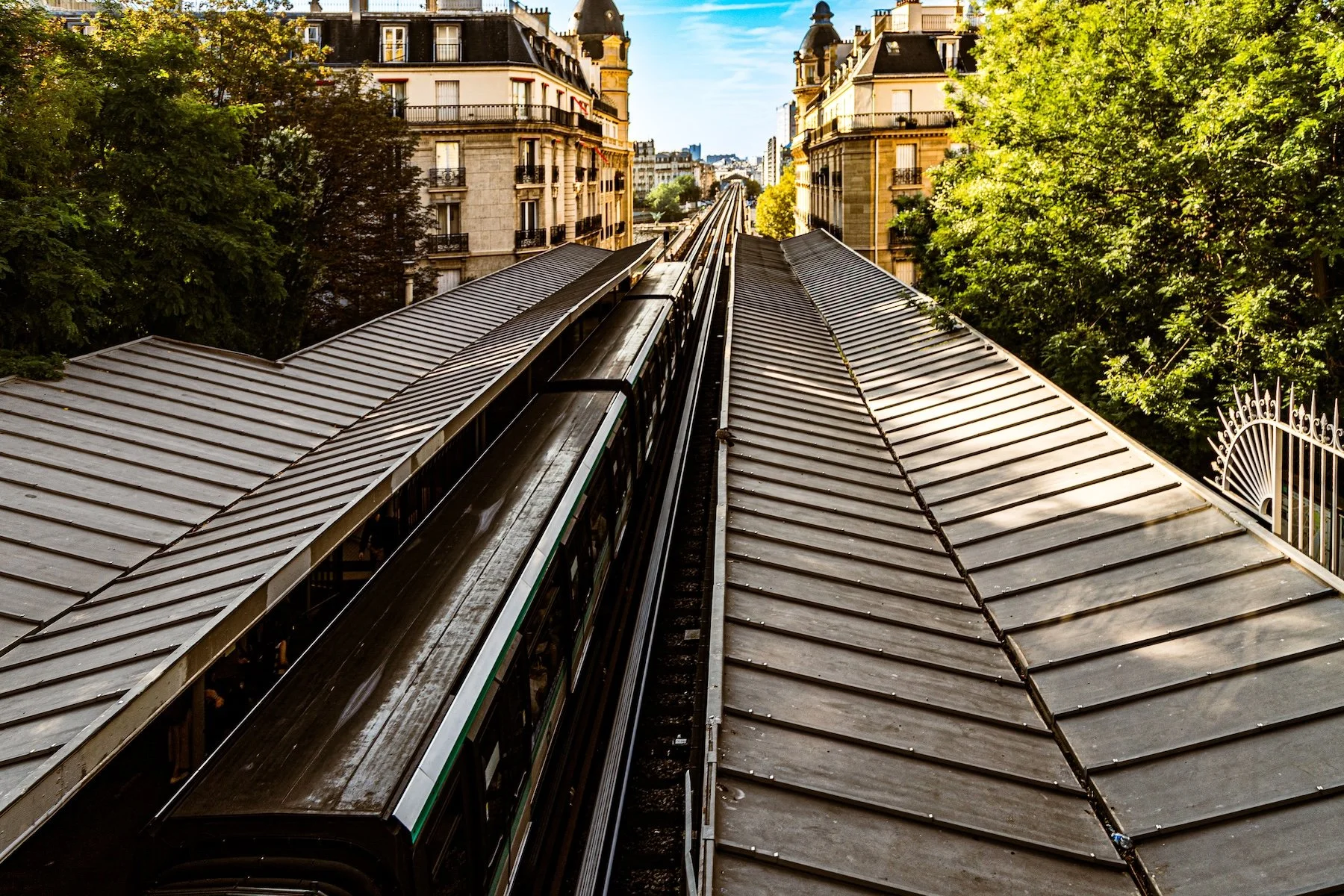
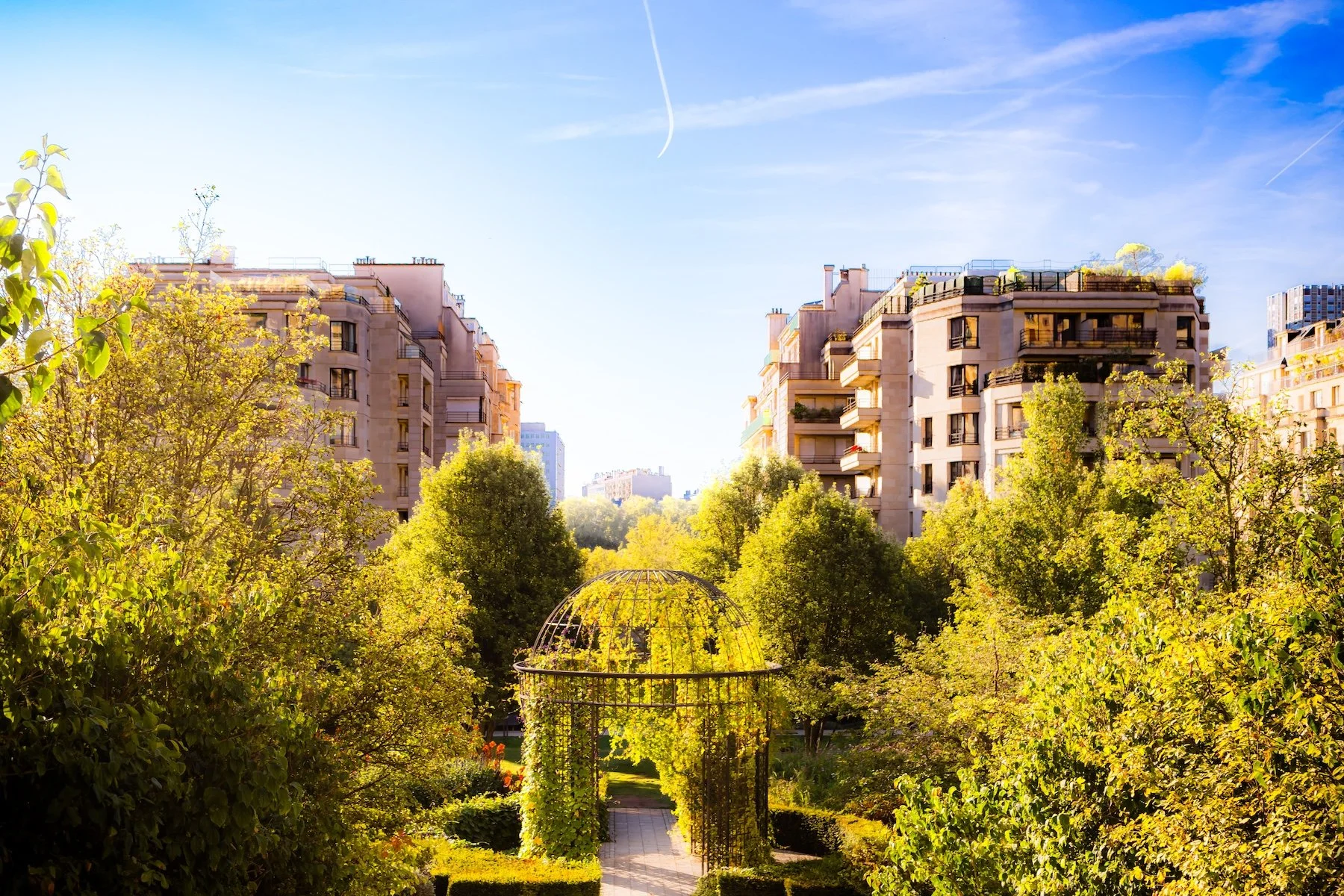
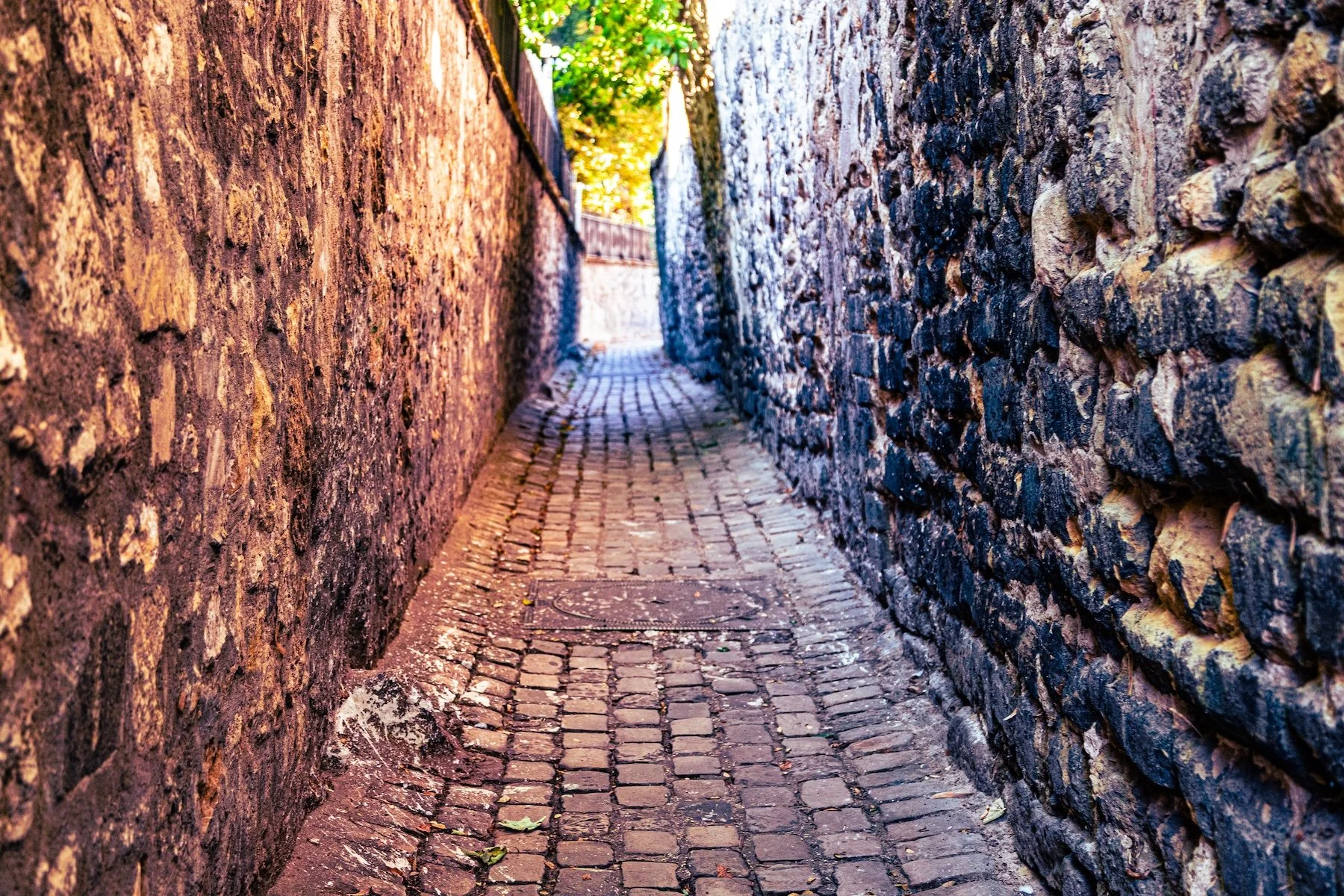
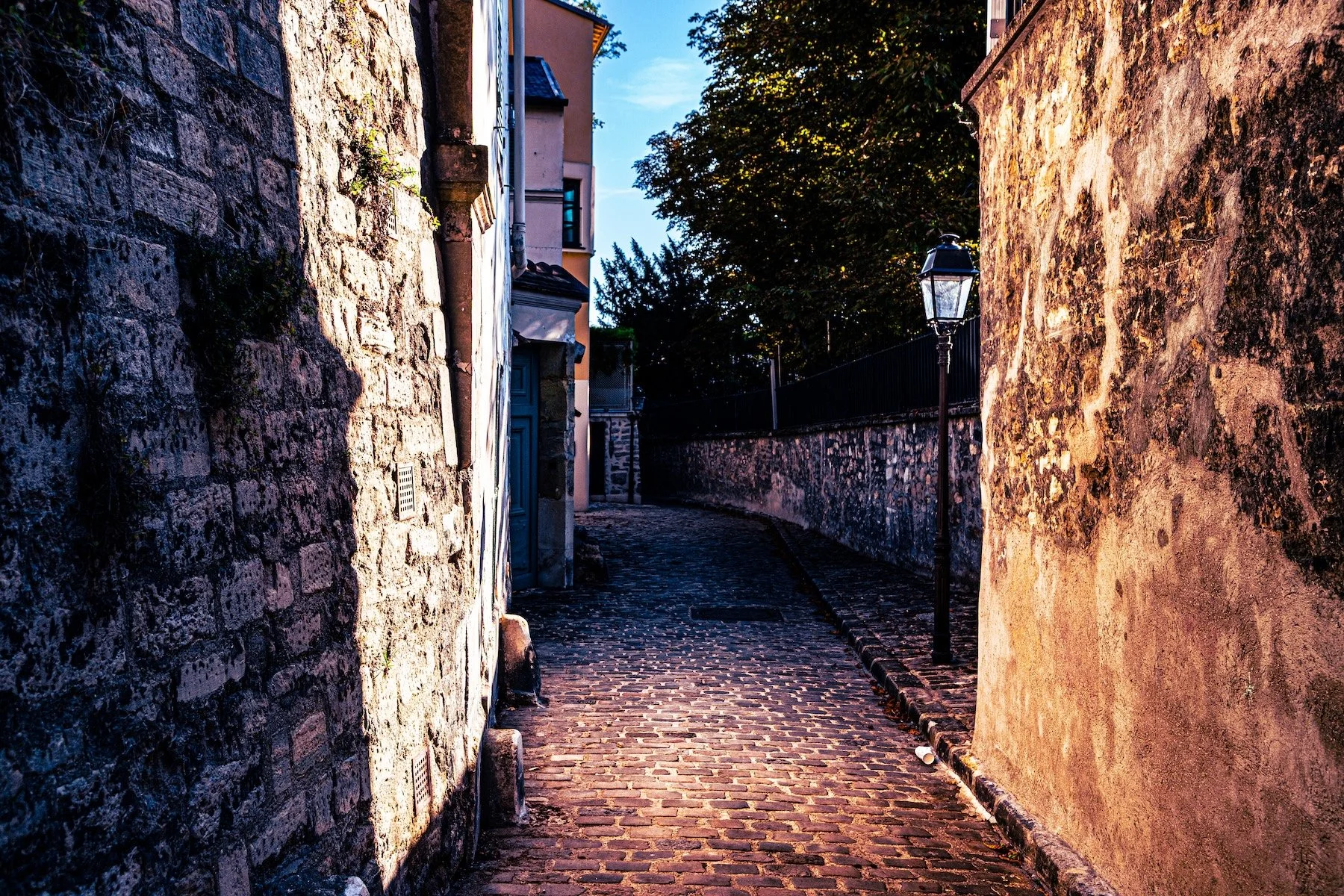
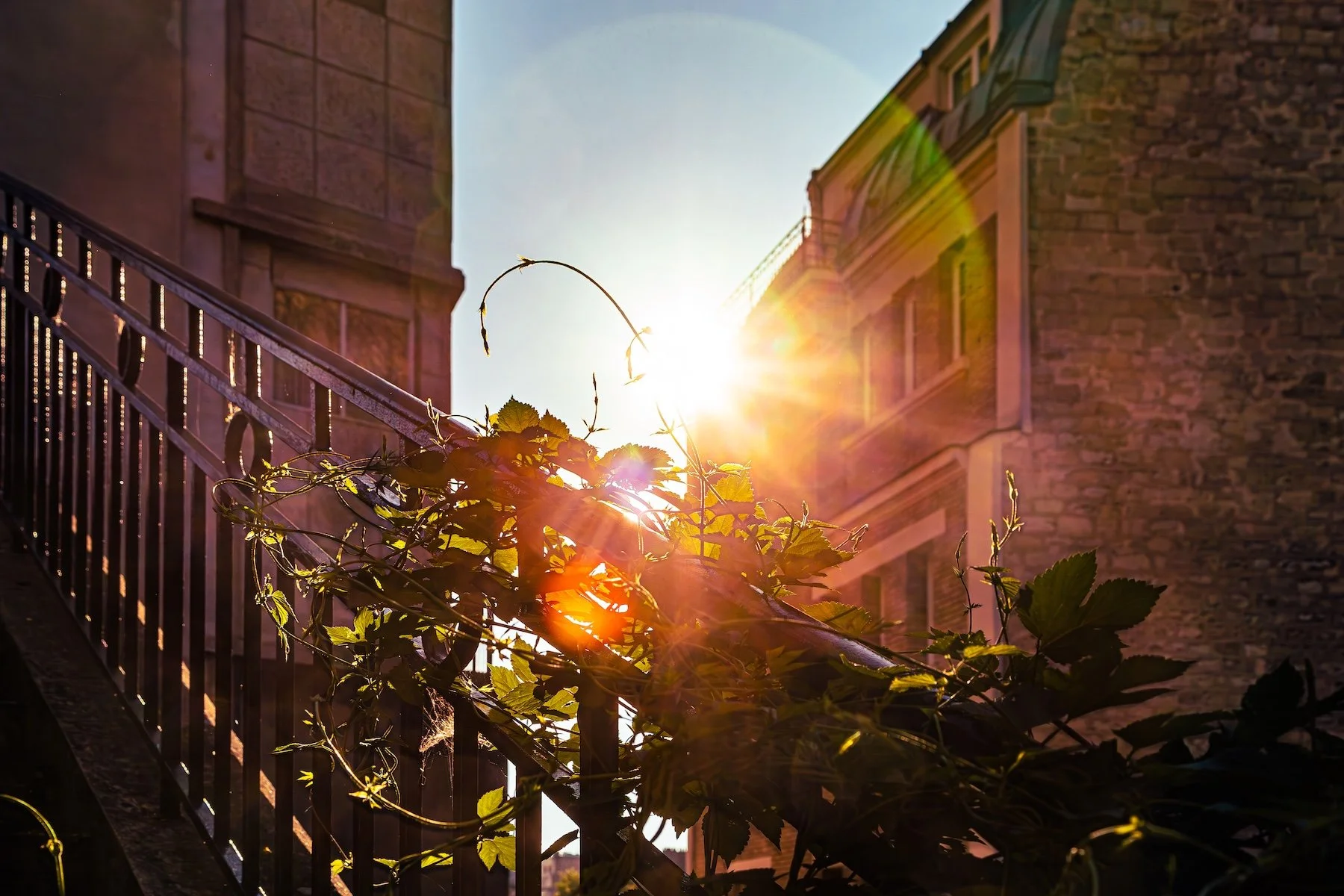
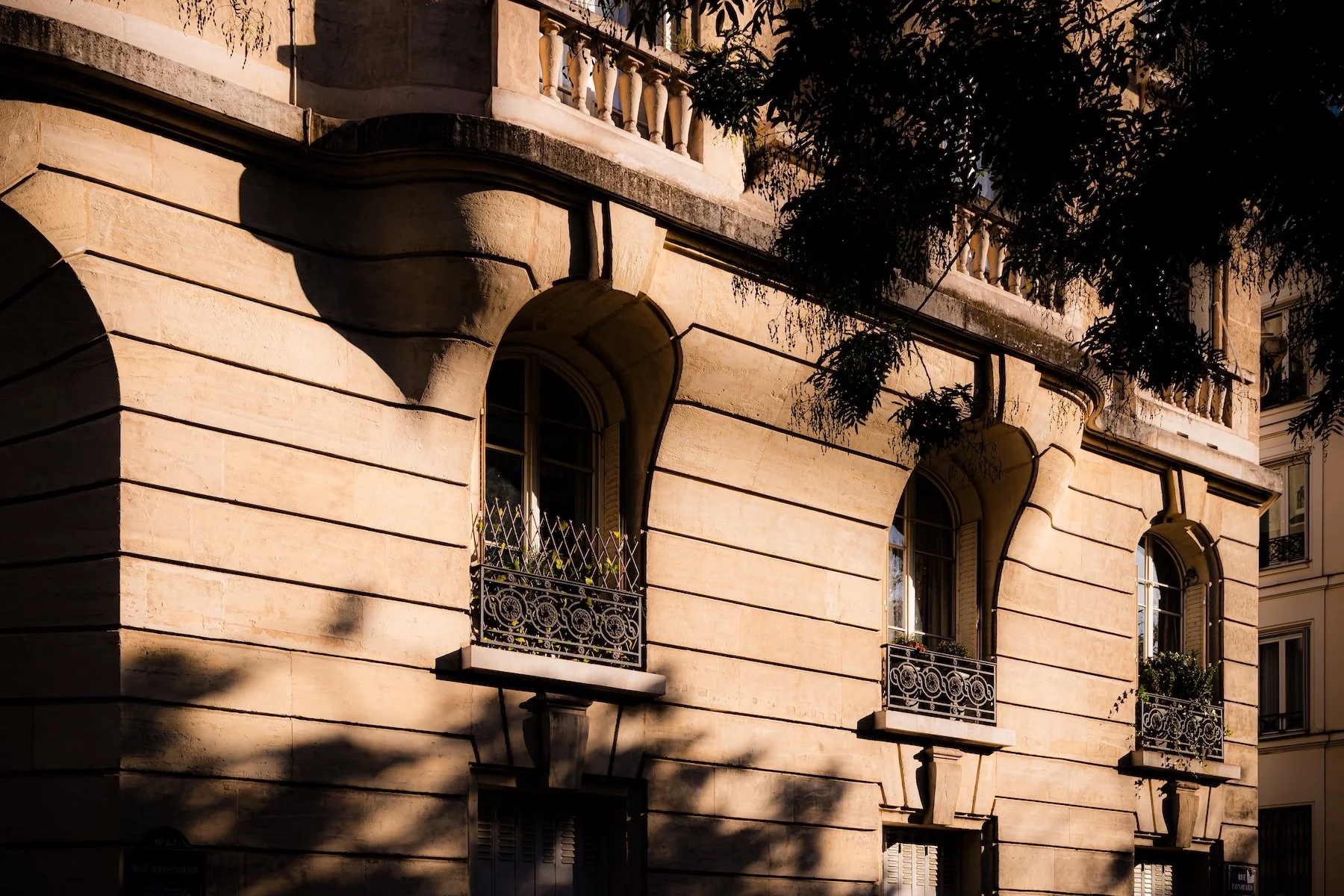
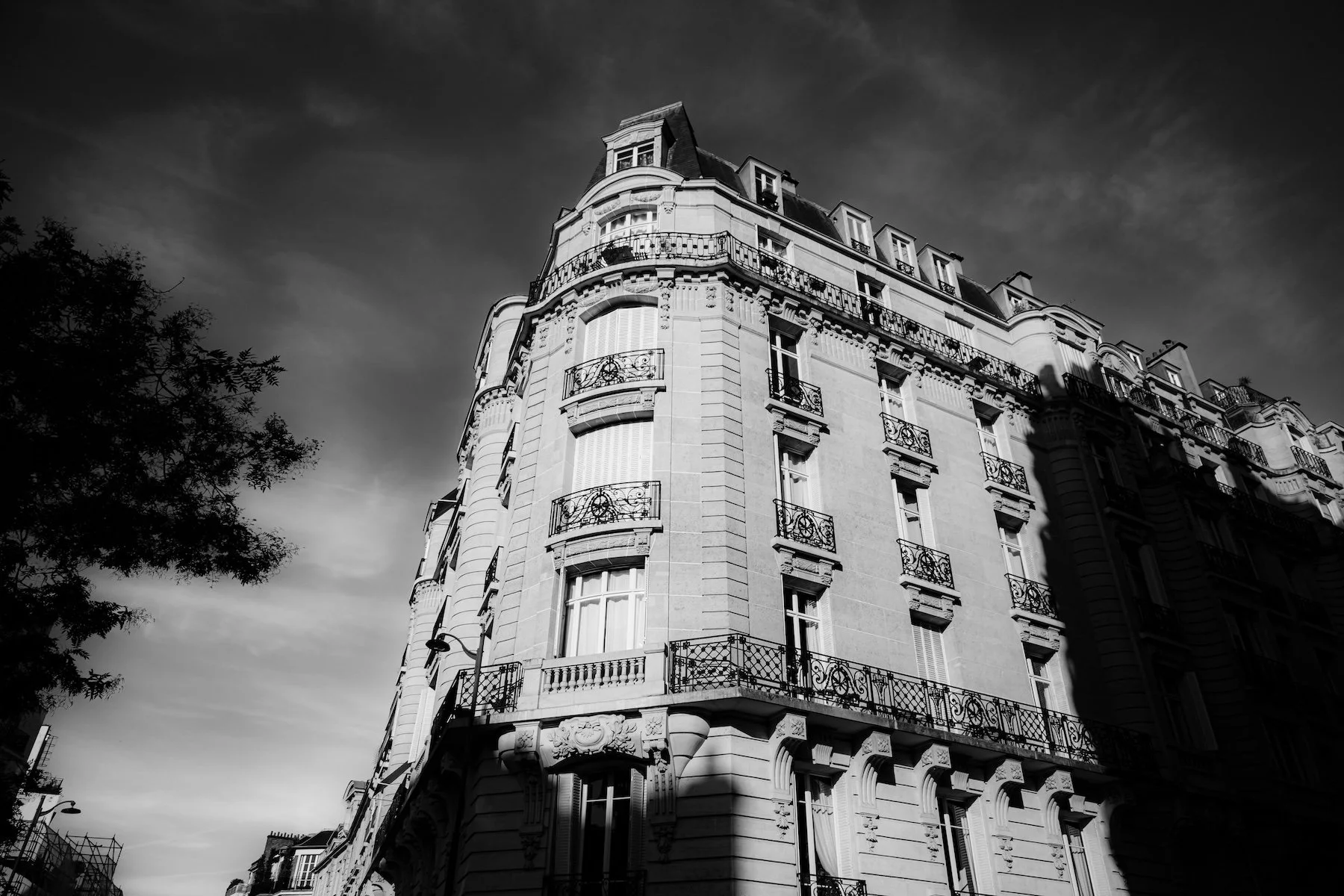
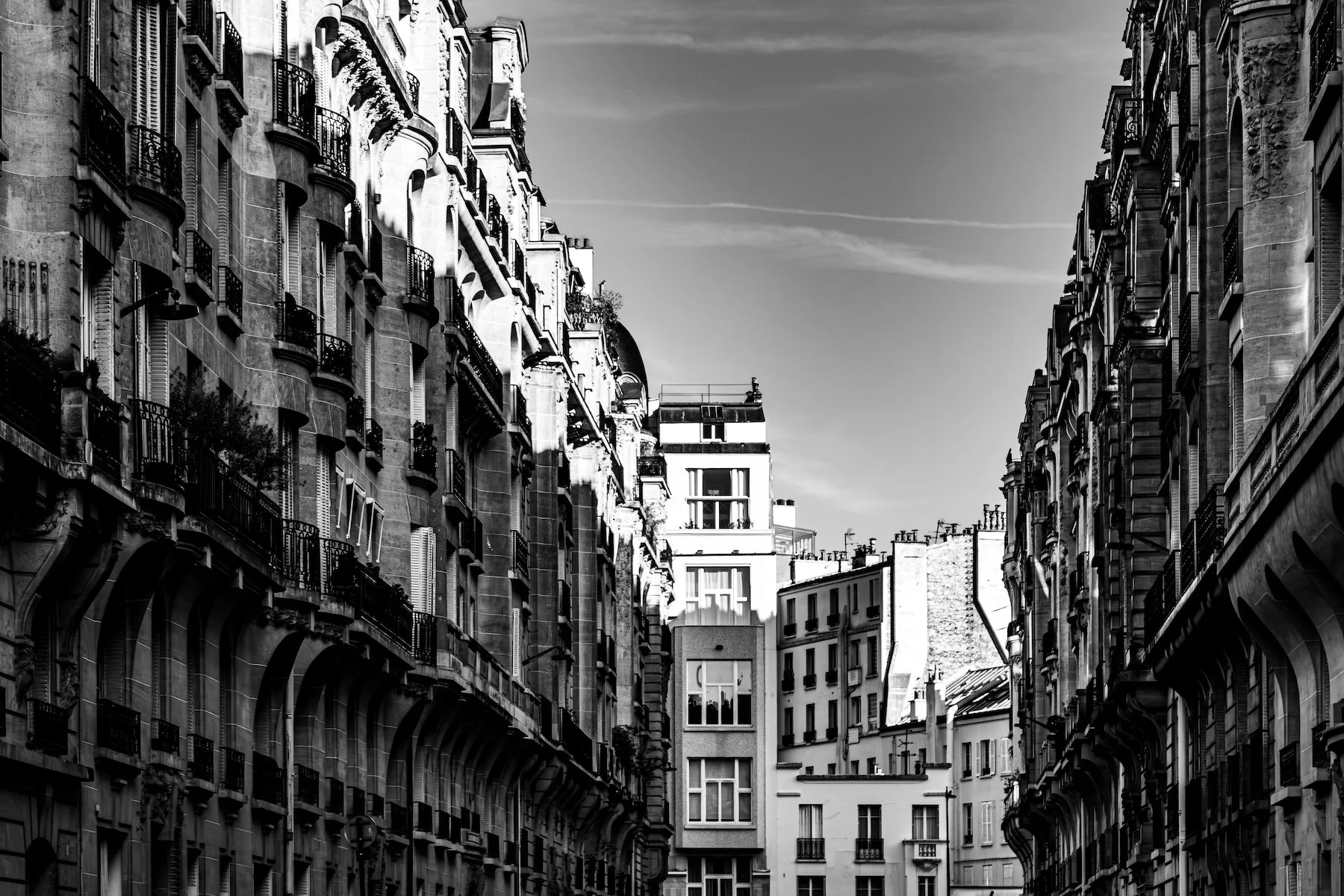
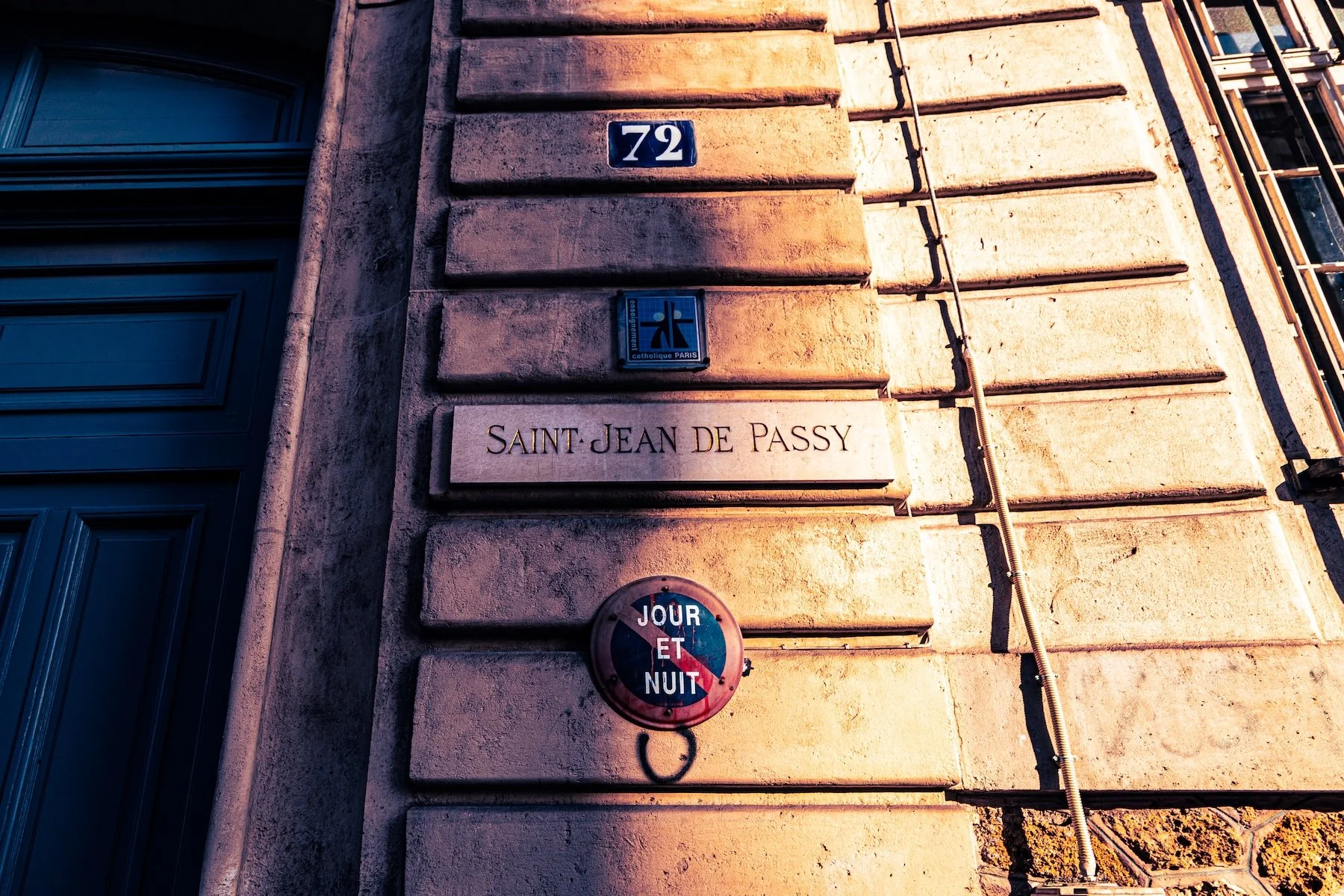
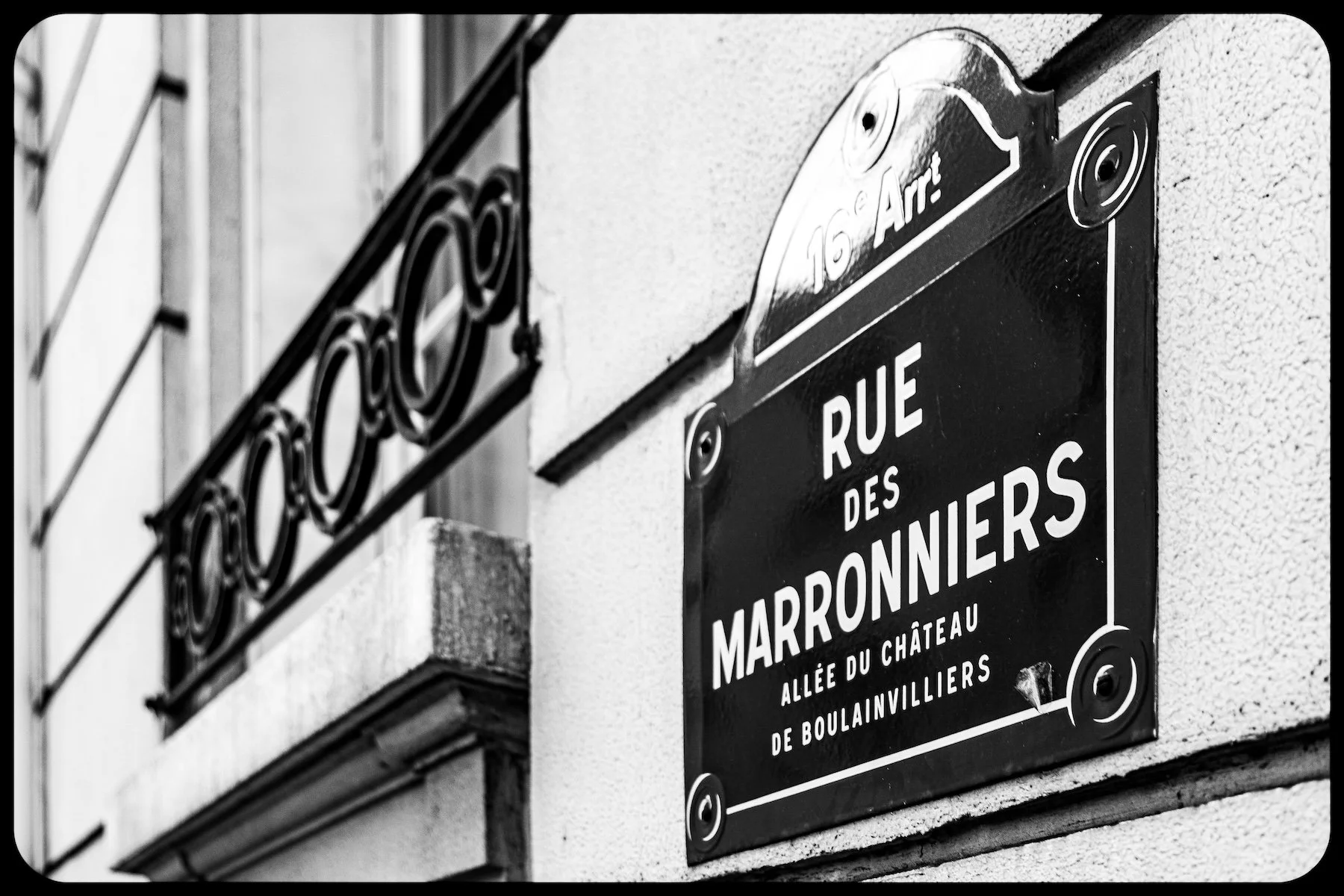
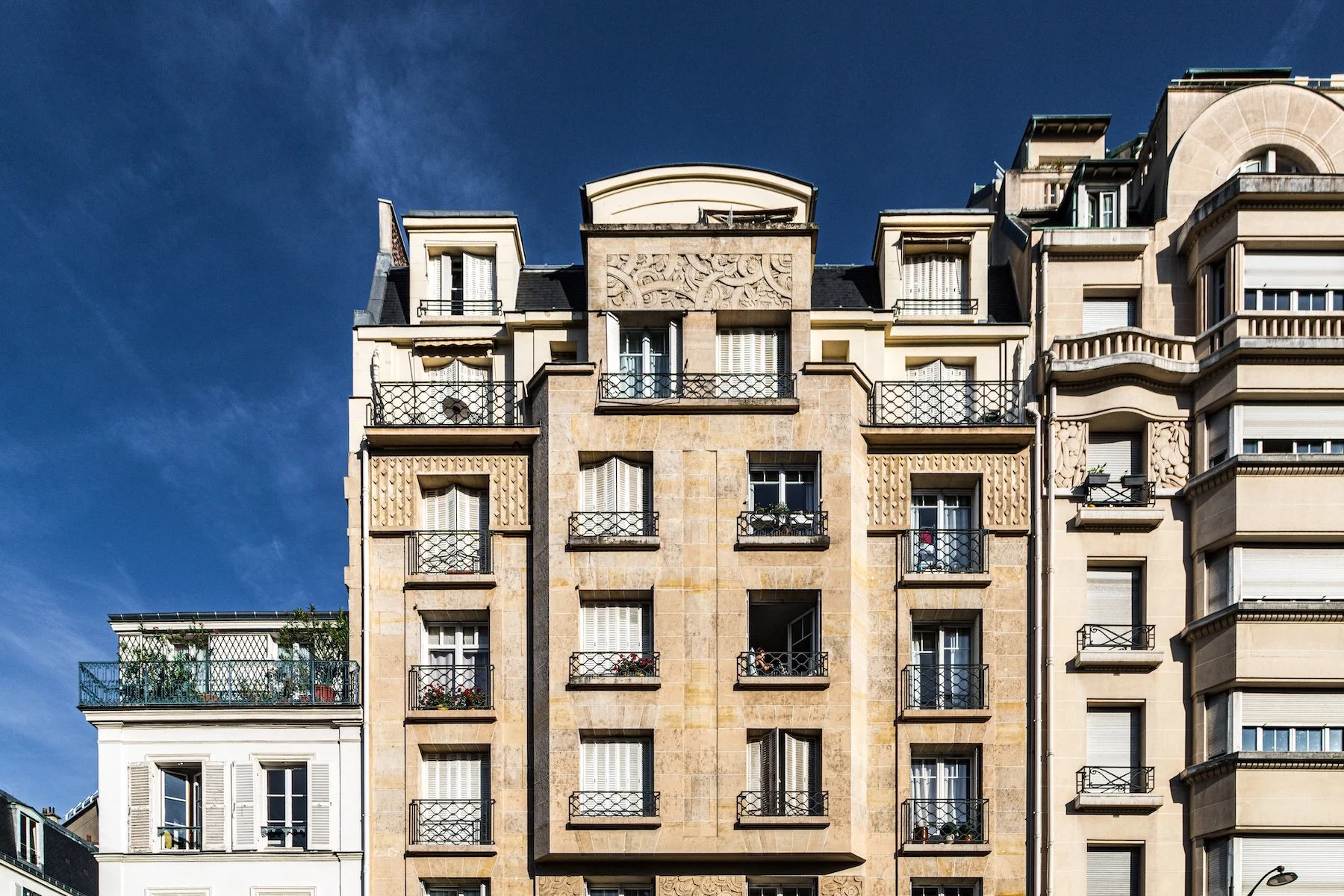
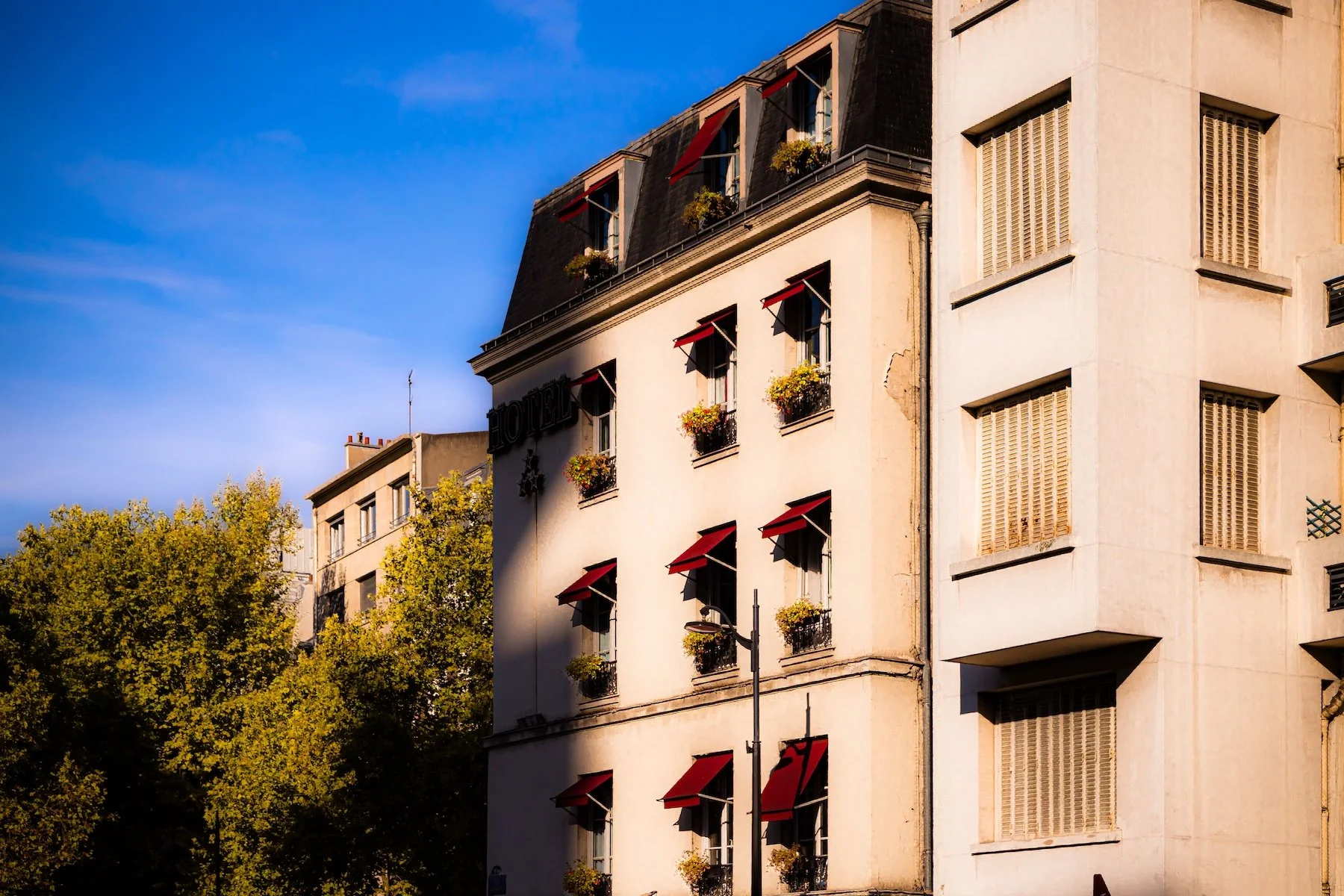
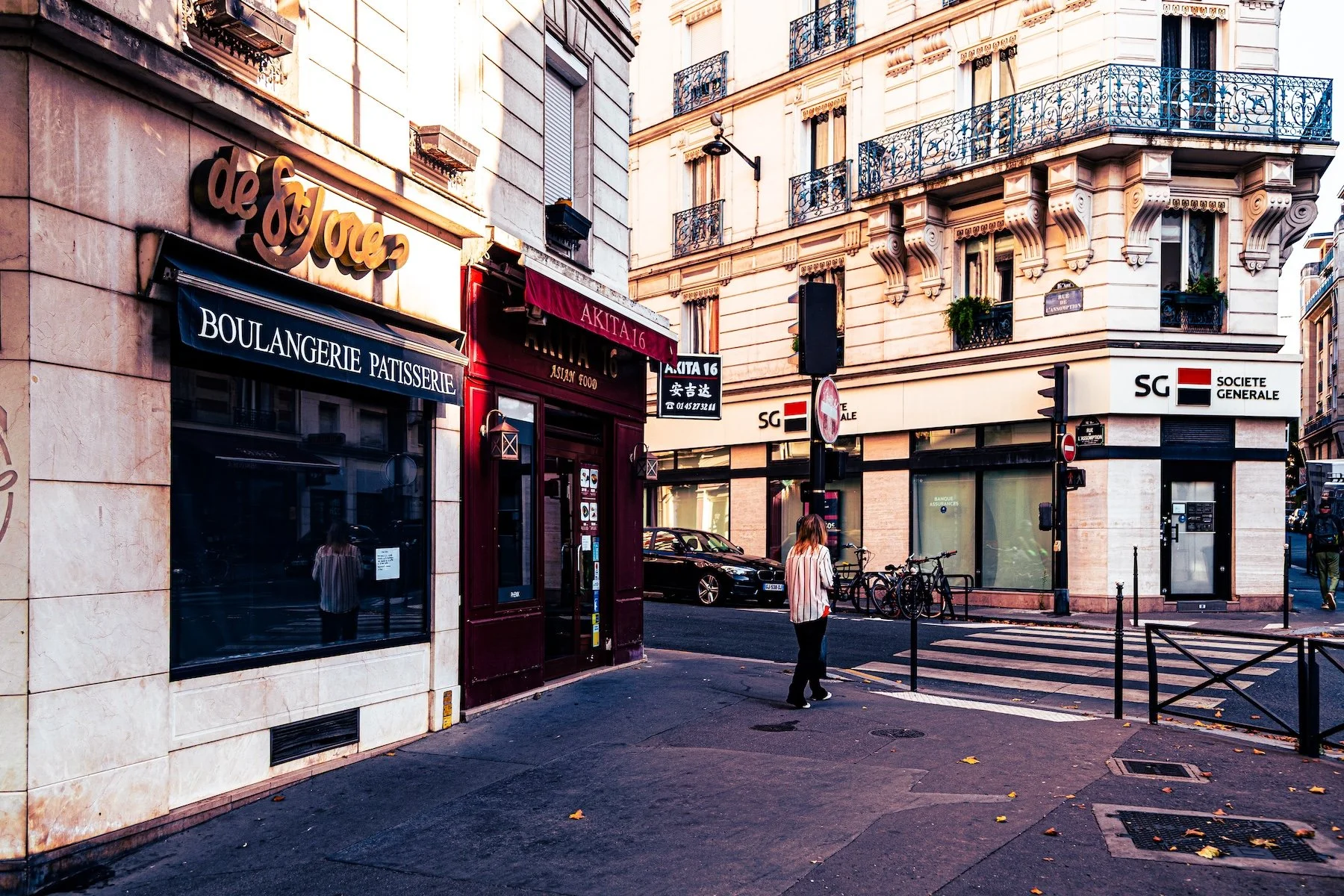
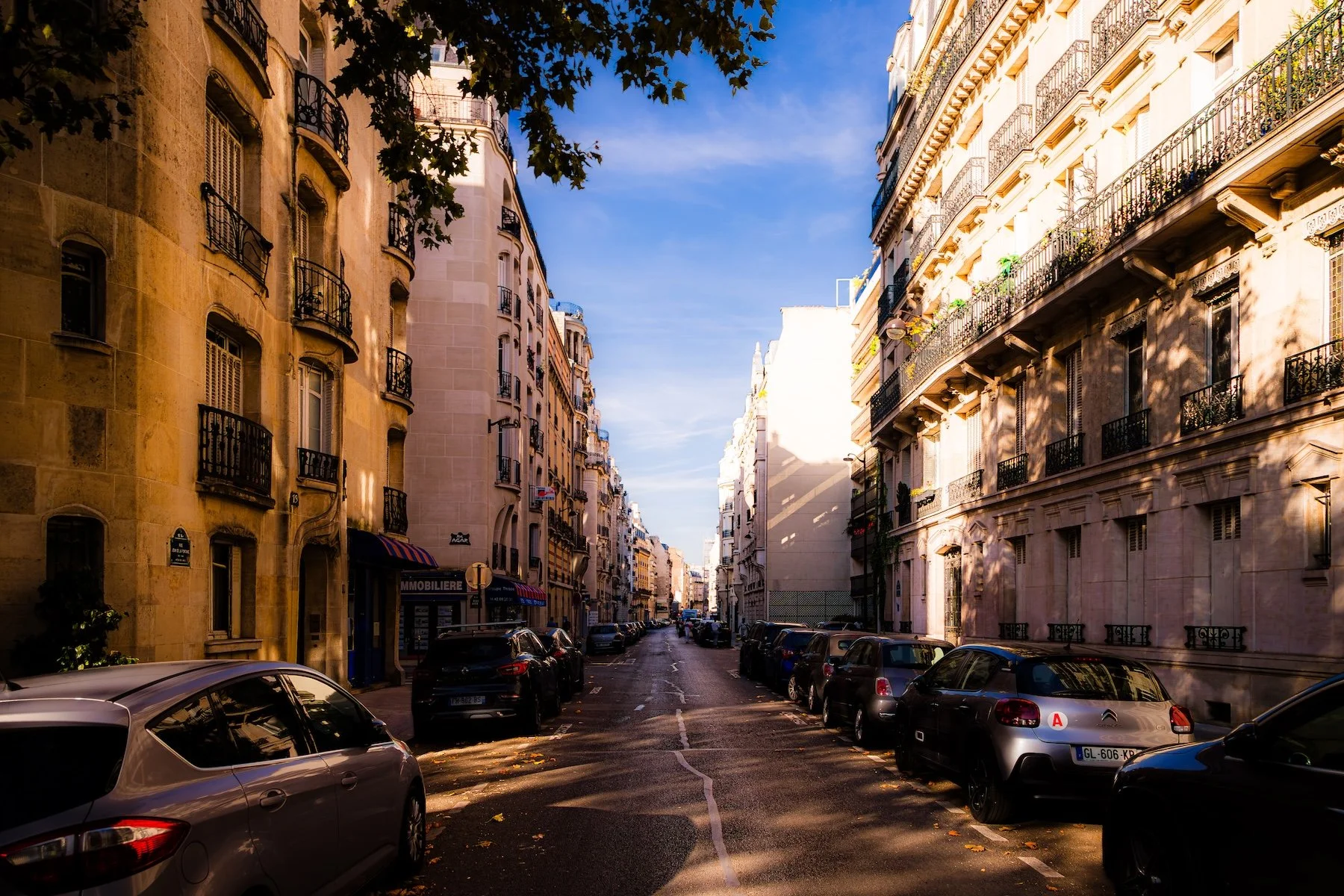
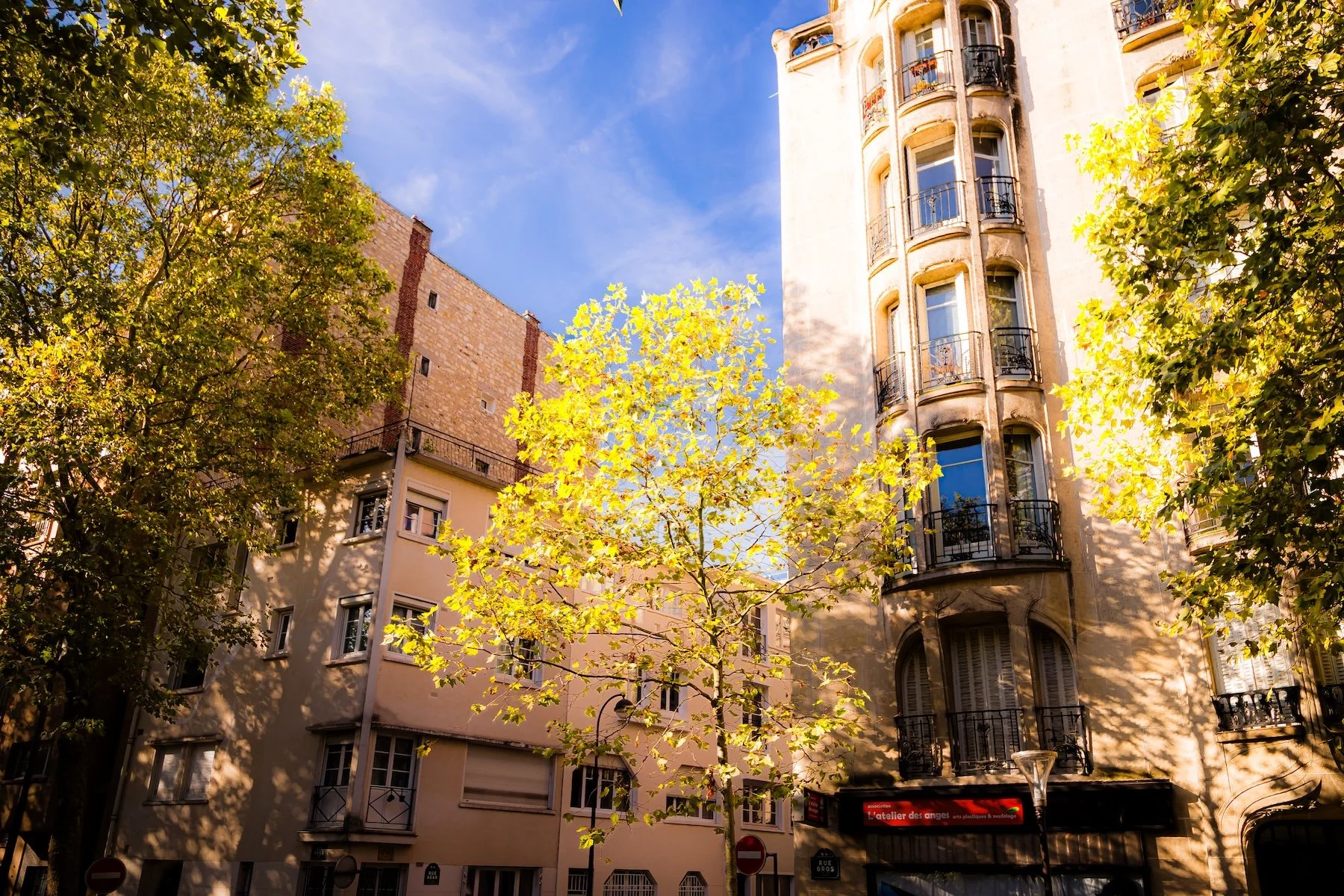
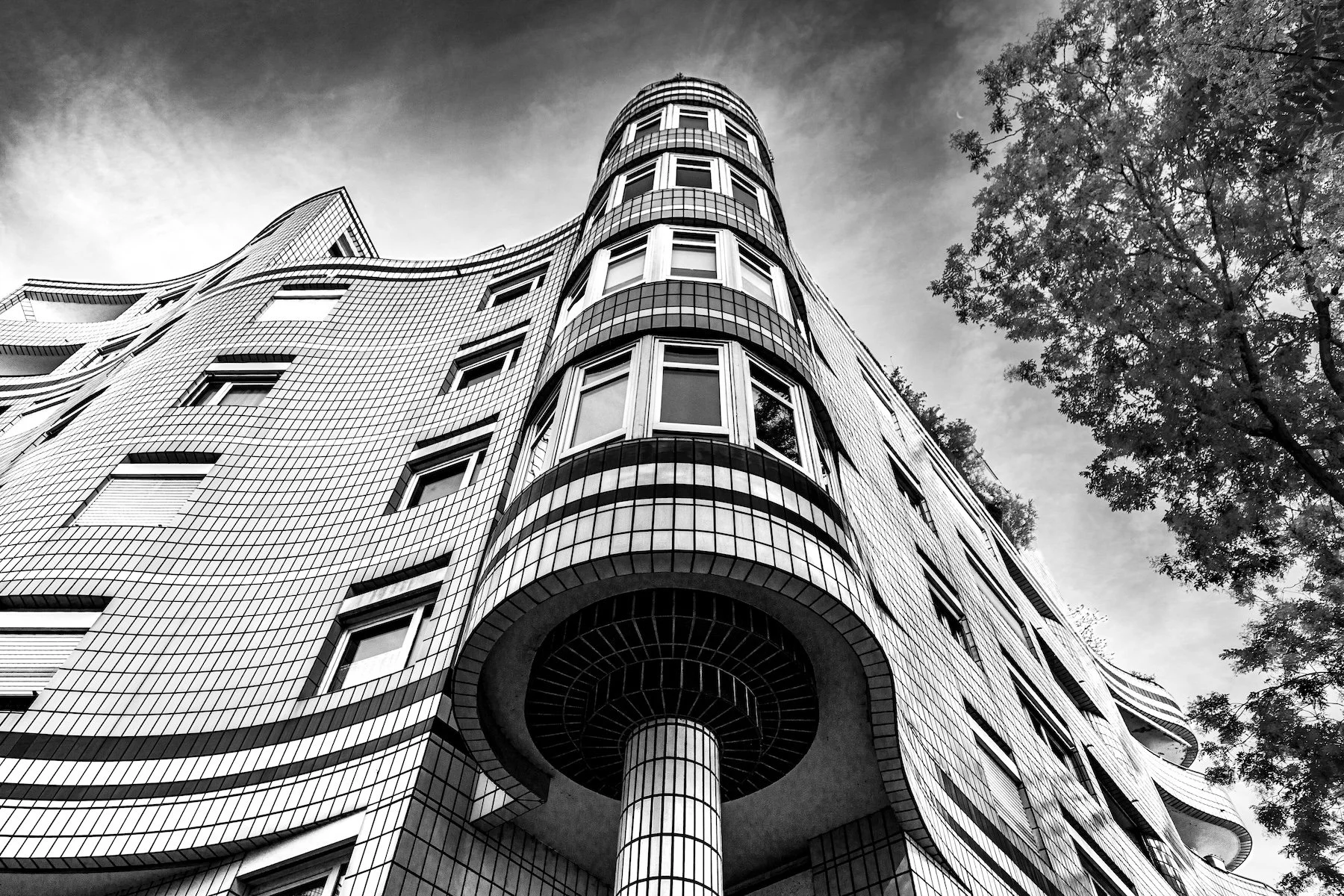
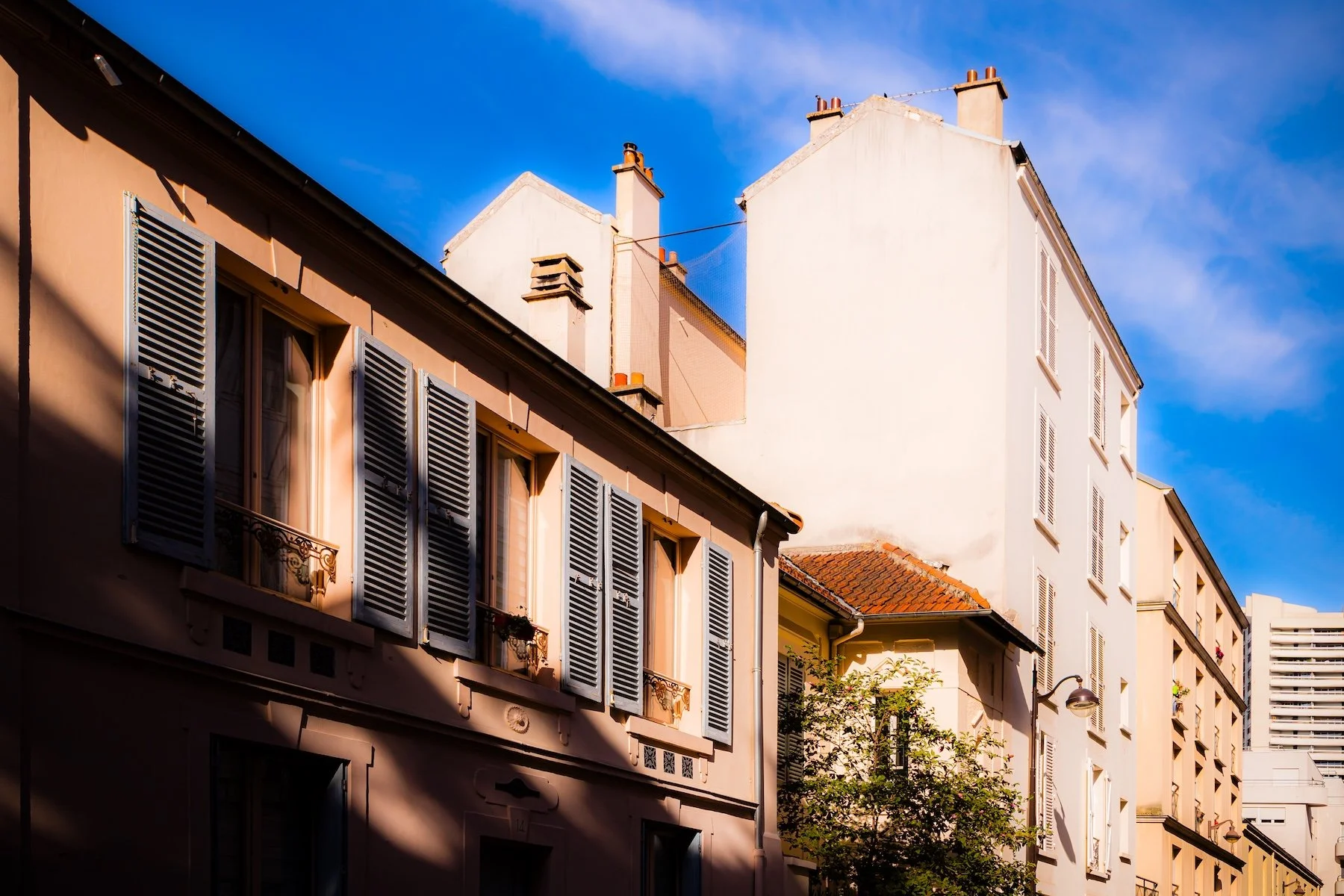
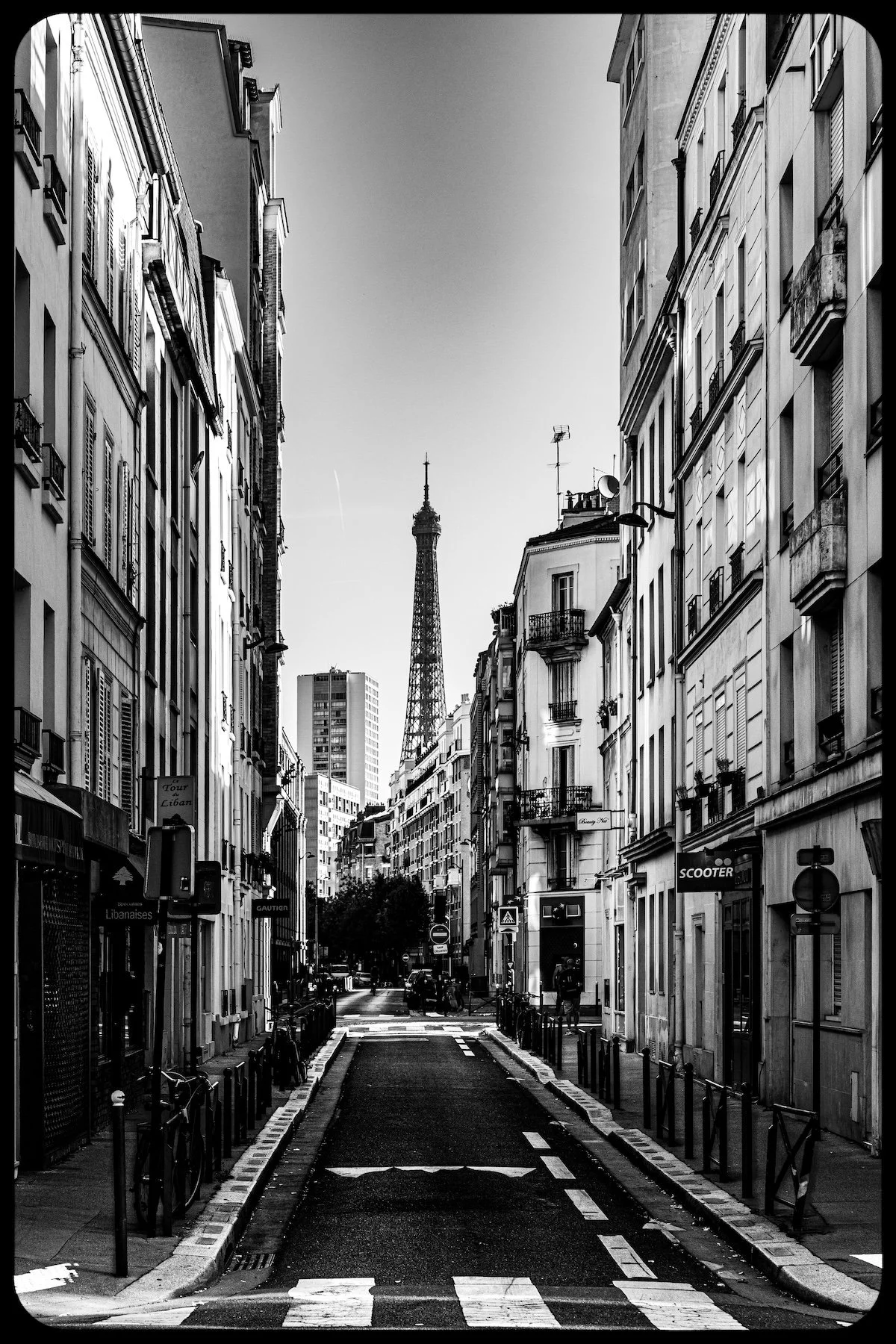
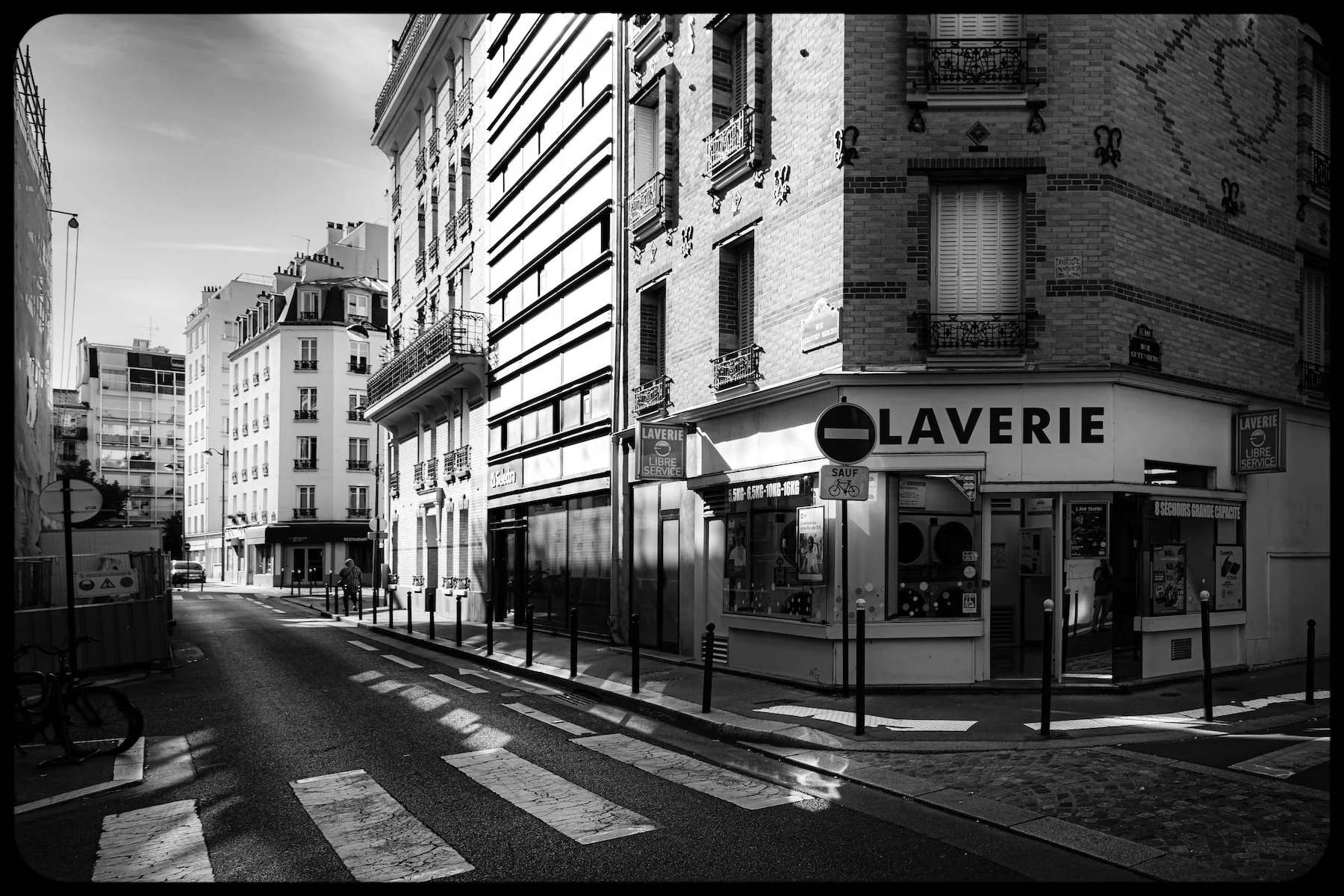
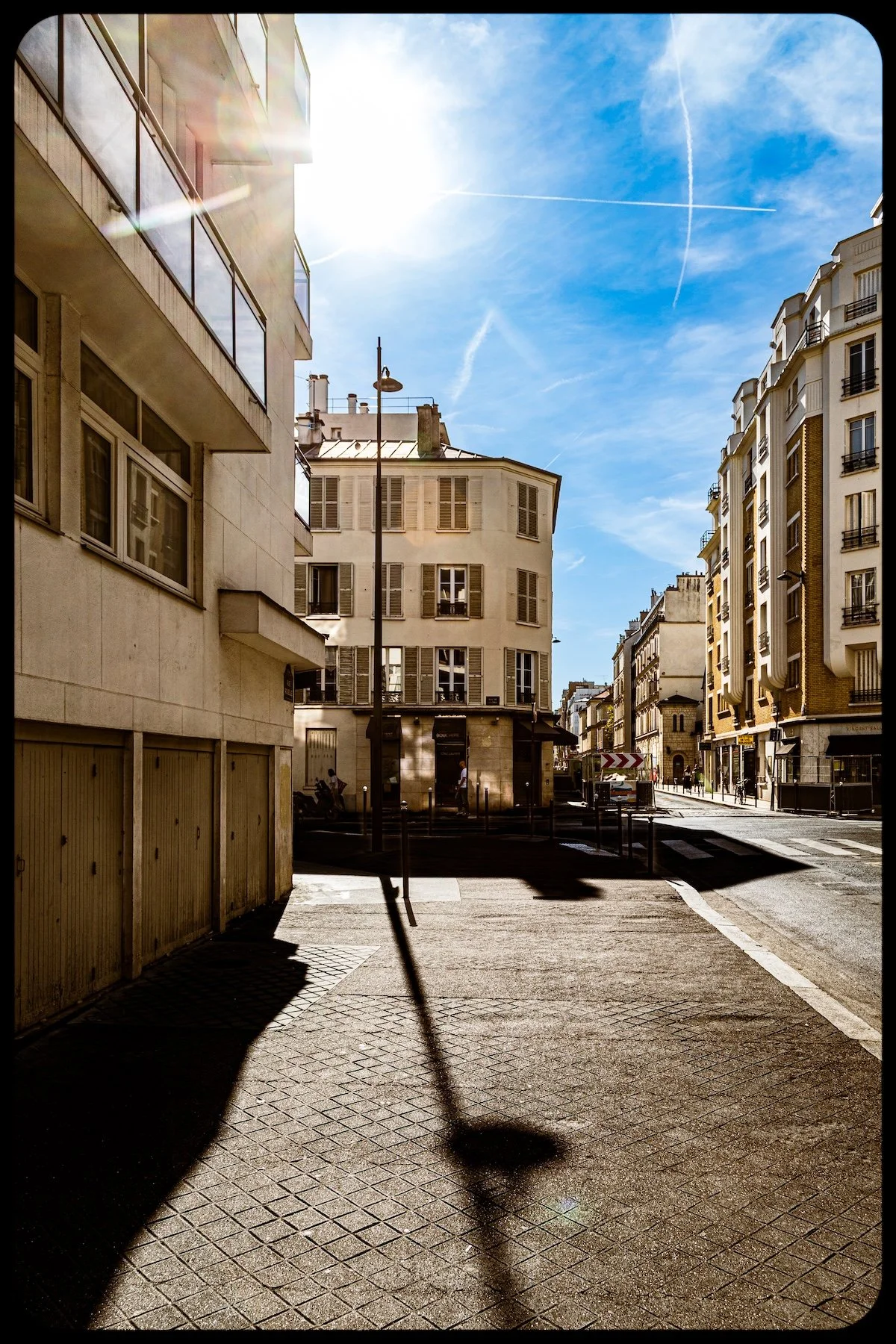
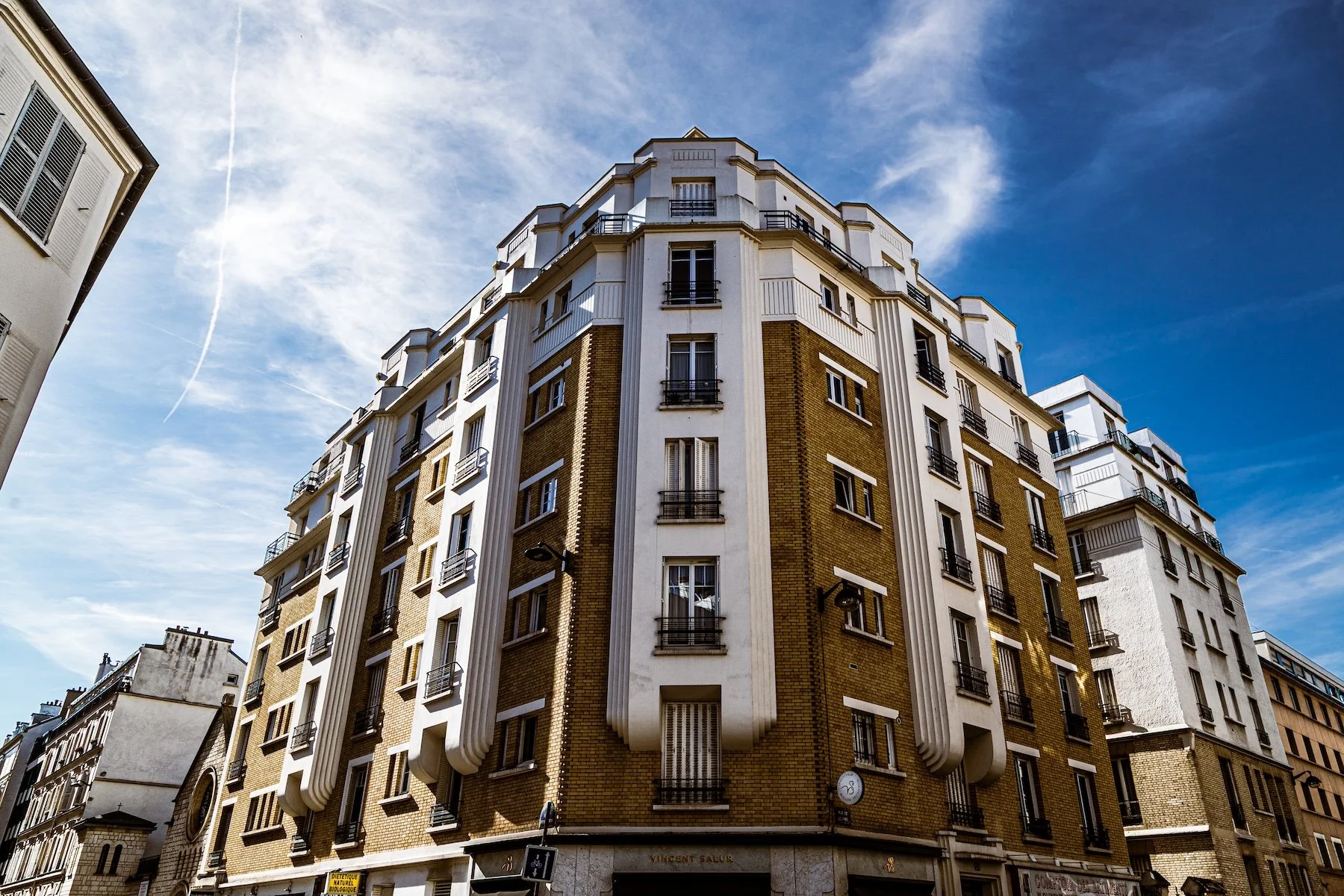
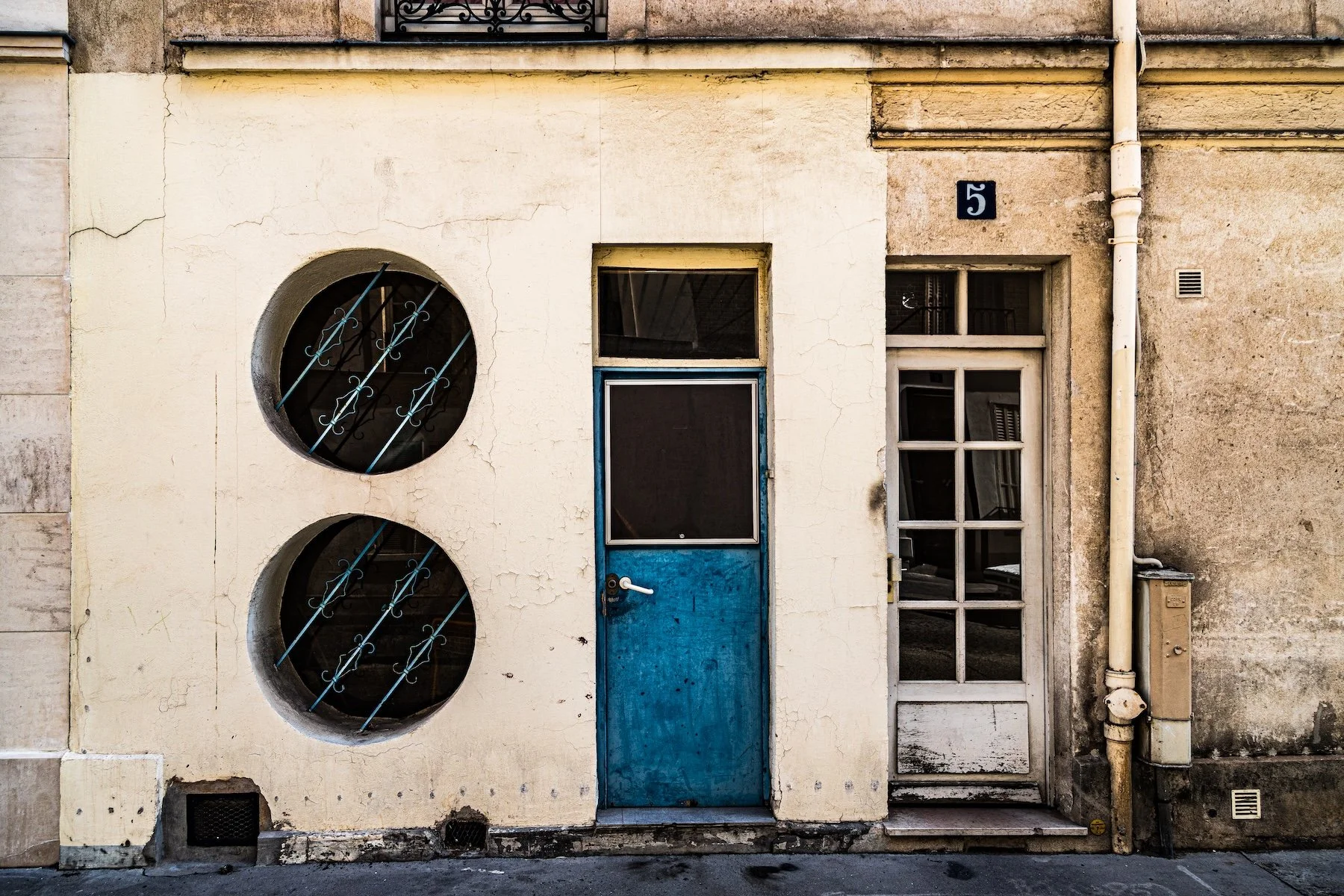
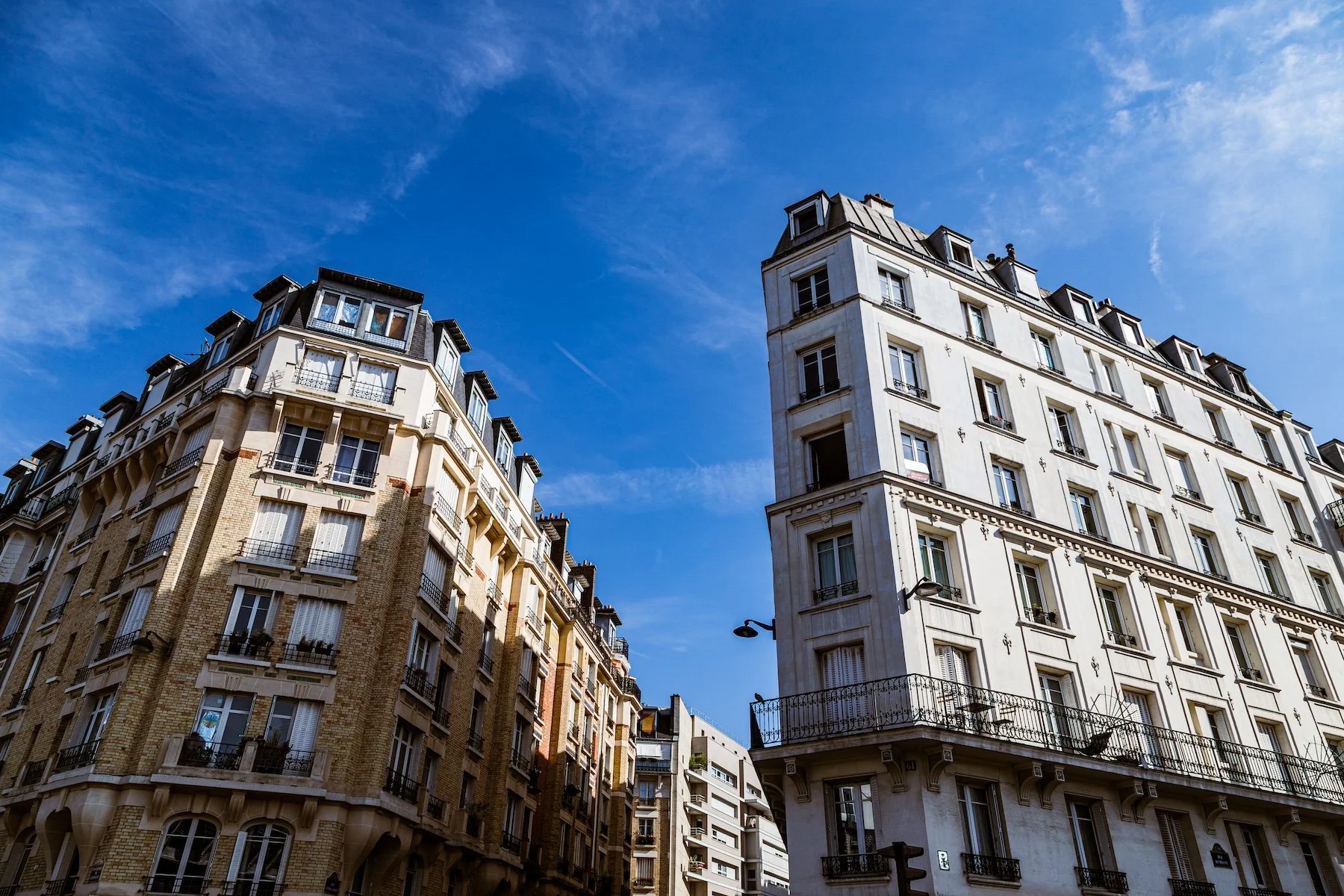
As the photographic archive grows, this section will continue to develop through images gathered on foot. Streets, façades, monuments, markets, parks, river edges, passages, signs, textures, and everyday details will gradually reveal how each district presents itself visually. The goal is not only to show what a place looks like, but to trace how its identity becomes visible through form, atmosphere, memory, and use.
Through The Lens
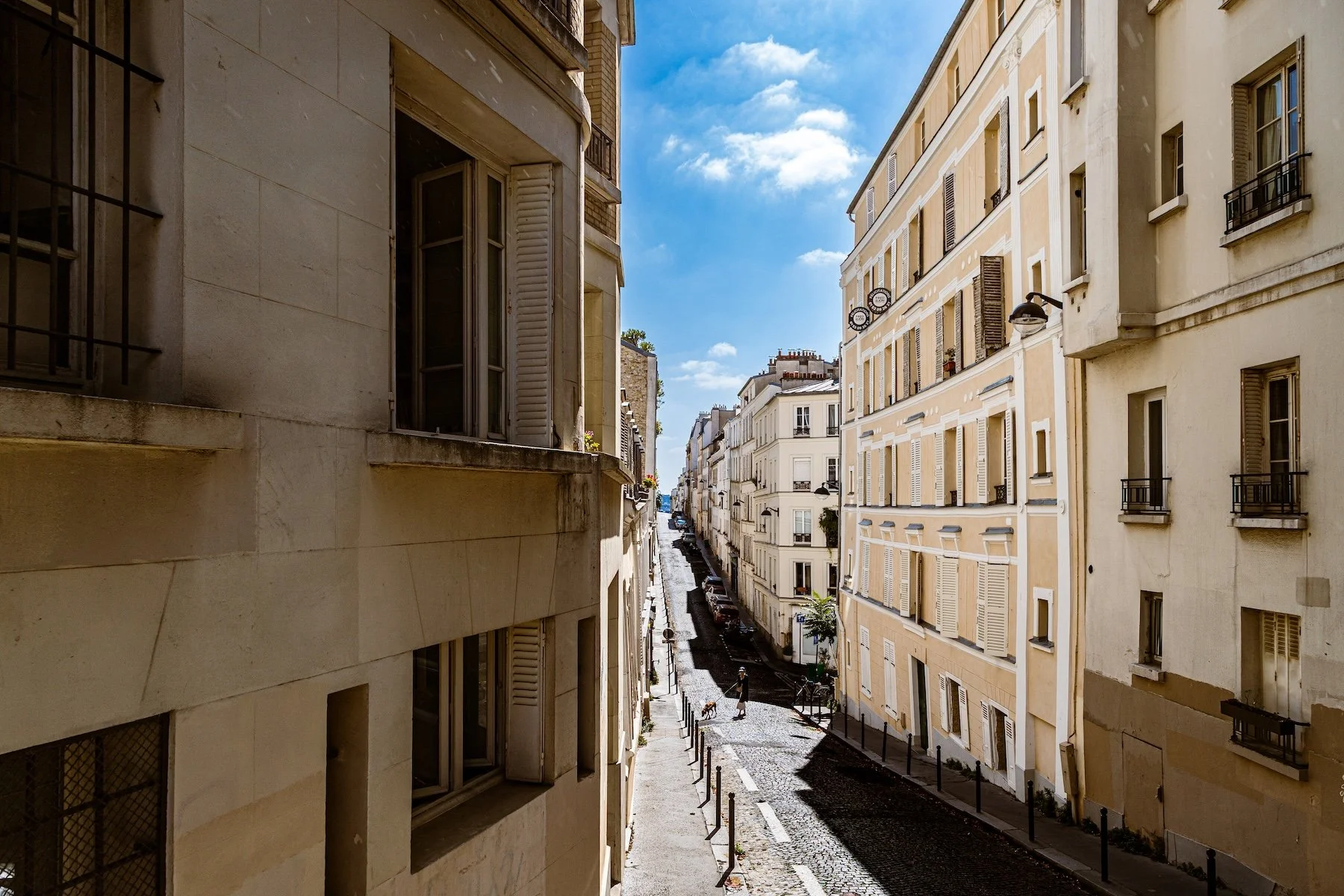
CityNeighborhoods Paris is built from walking, looking, and returning. Each district is approached through photography as a way of paying attention: to the obvious landmarks and the quieter details, to historic structures and ordinary streets, to the moments where civic geography becomes lived experience. The camera becomes a tool for noticing how Paris changes from one district to the next, and how each place holds its own relationship to the larger city.
As photographs are processed and added, this section will become a more specific visual record of the district. Future updates may include dated field notes, galleries, and reflections from individual walks. For now, the page remains part of the larger CityNeighborhoods effort to document every Paris neighborhood through maps, history, identity, and photography — one district, one walk, and one visual encounter at a time.
If you visit Paris, these ideas can help inspire your own photography.
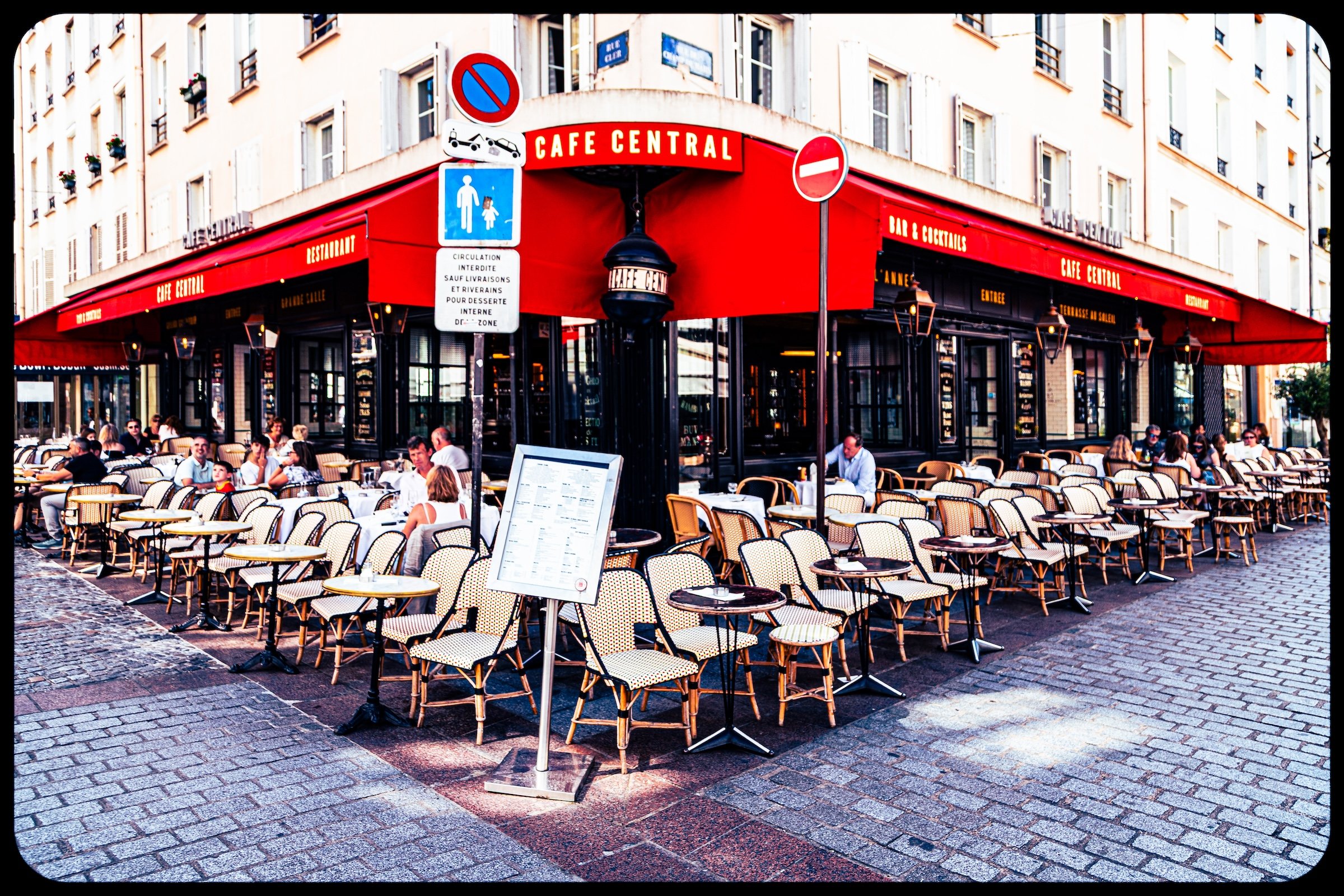
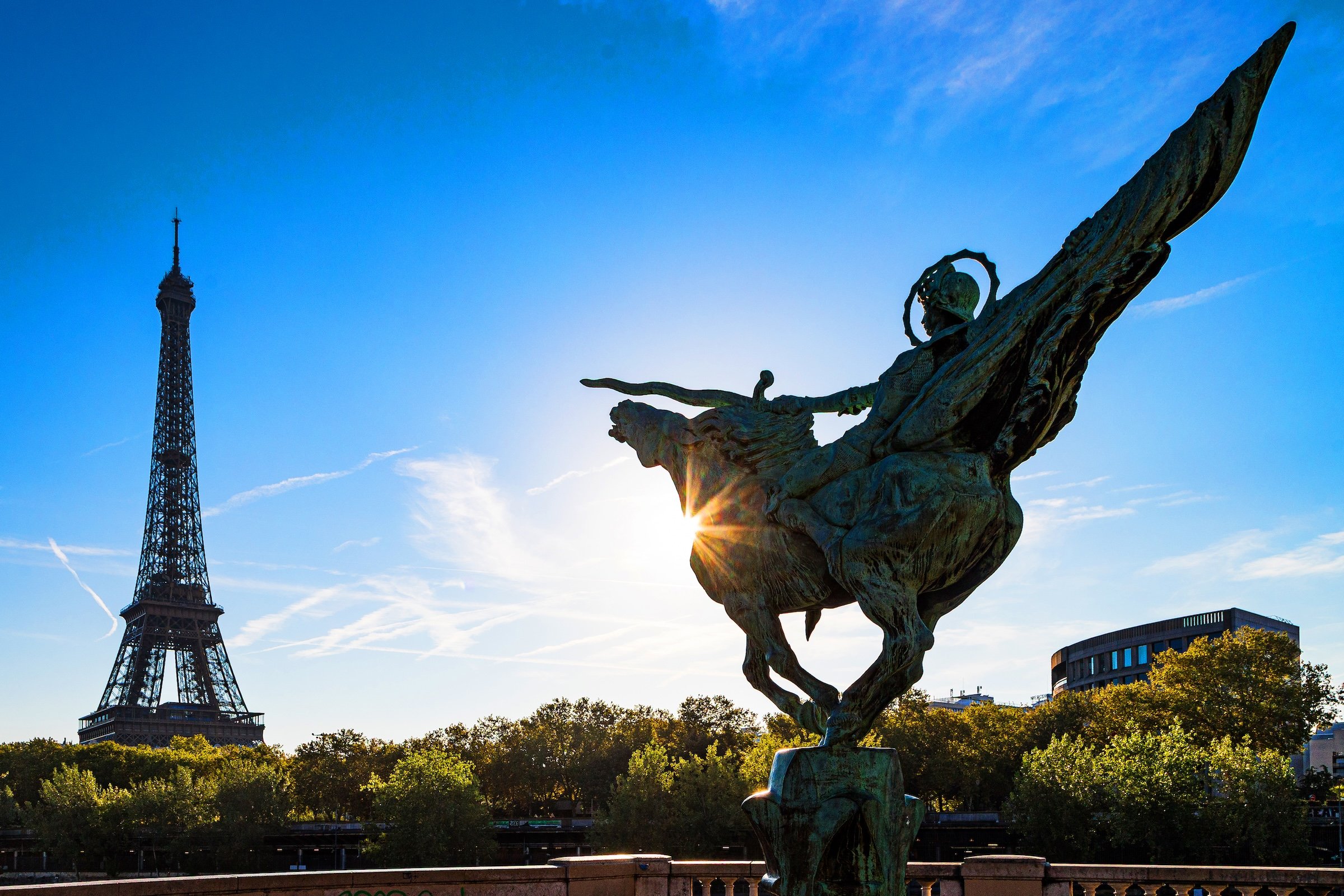
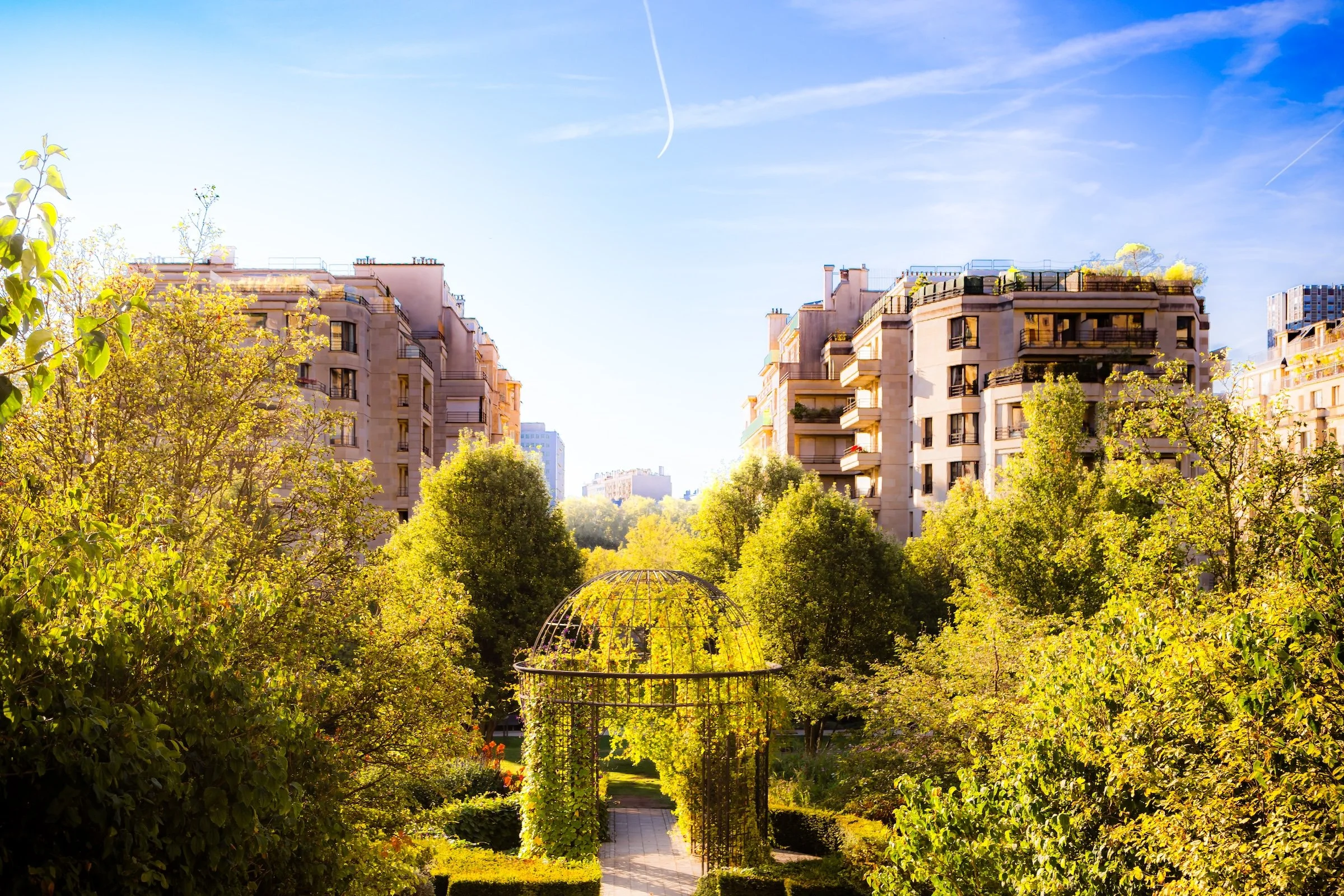
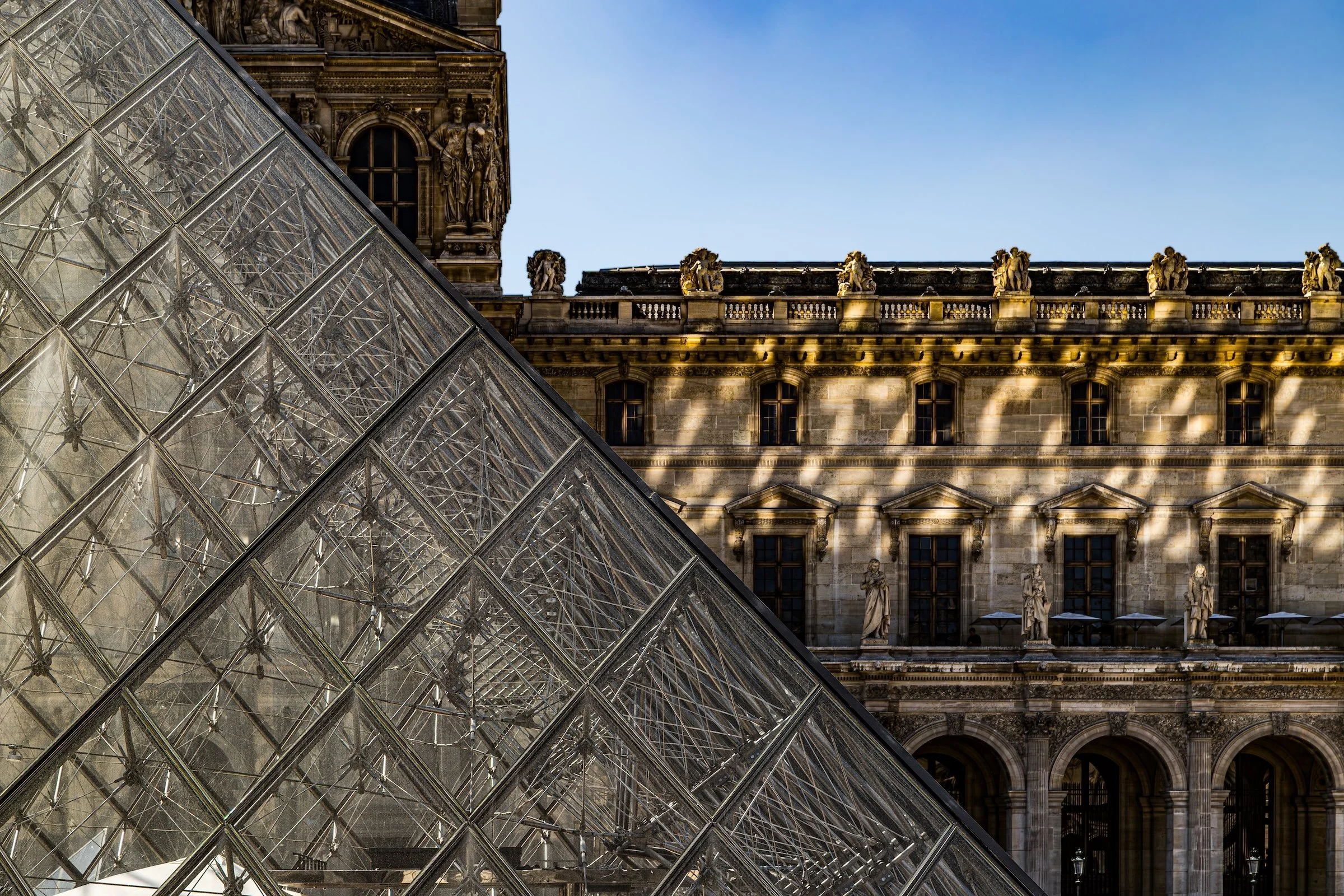
Paris: J’Espere, Je Rêve, Je Vive
Paris Photo Gallery
Paris Flâneur Notes
Flâneur Notes document the walks, photographs, light, and street-level observations behind this neighborhood entry. Learn more about the Spirit of the Flâneur.
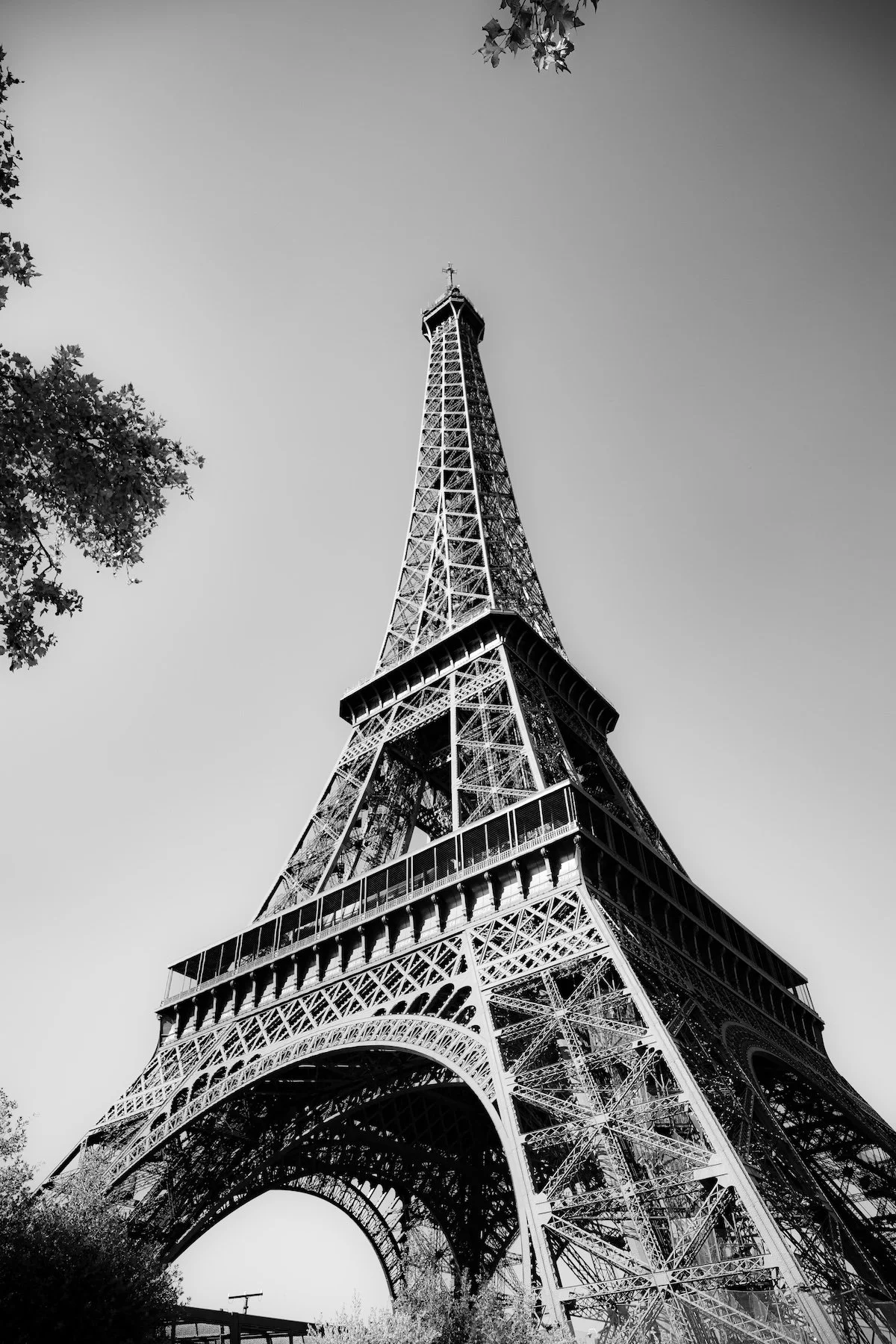
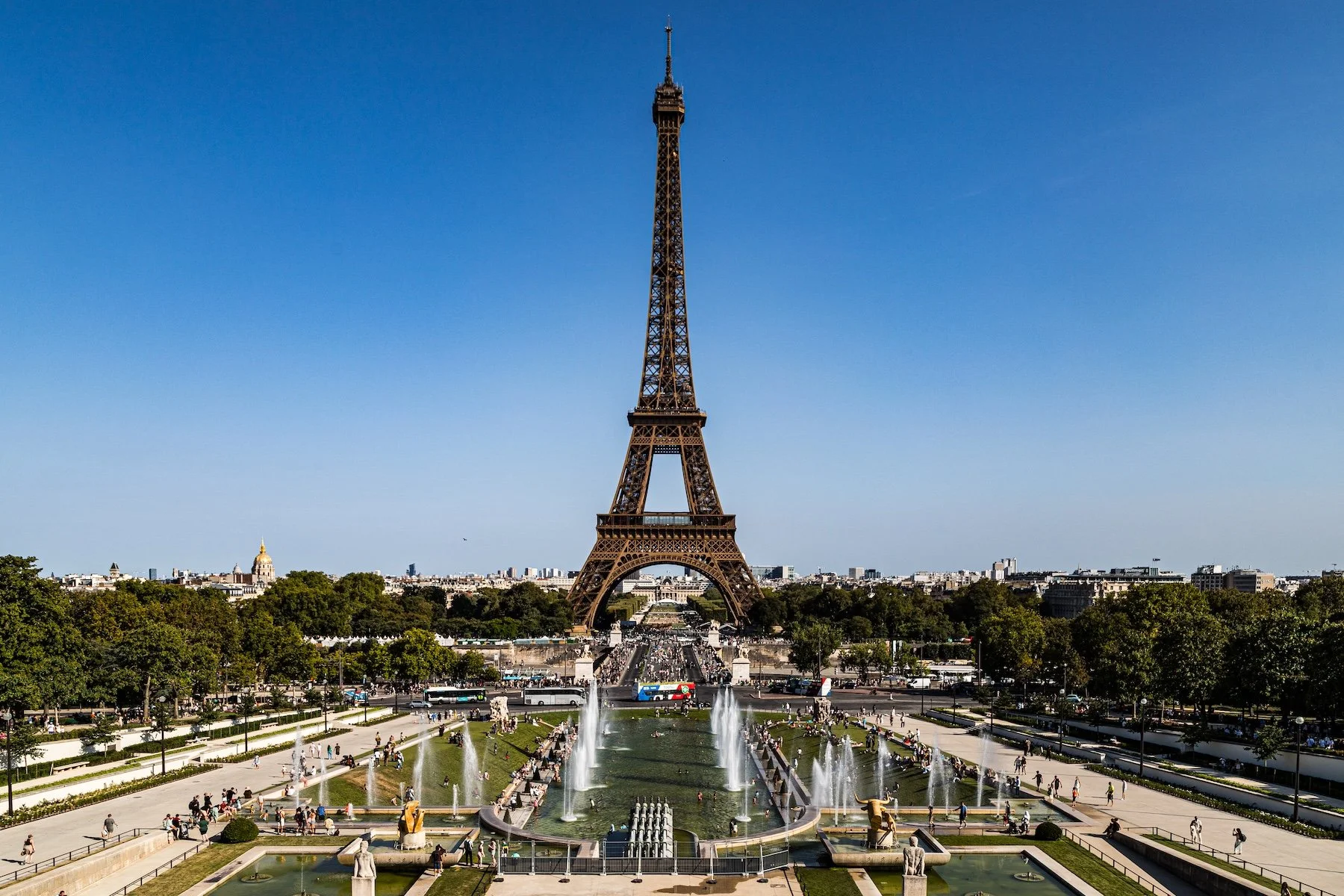
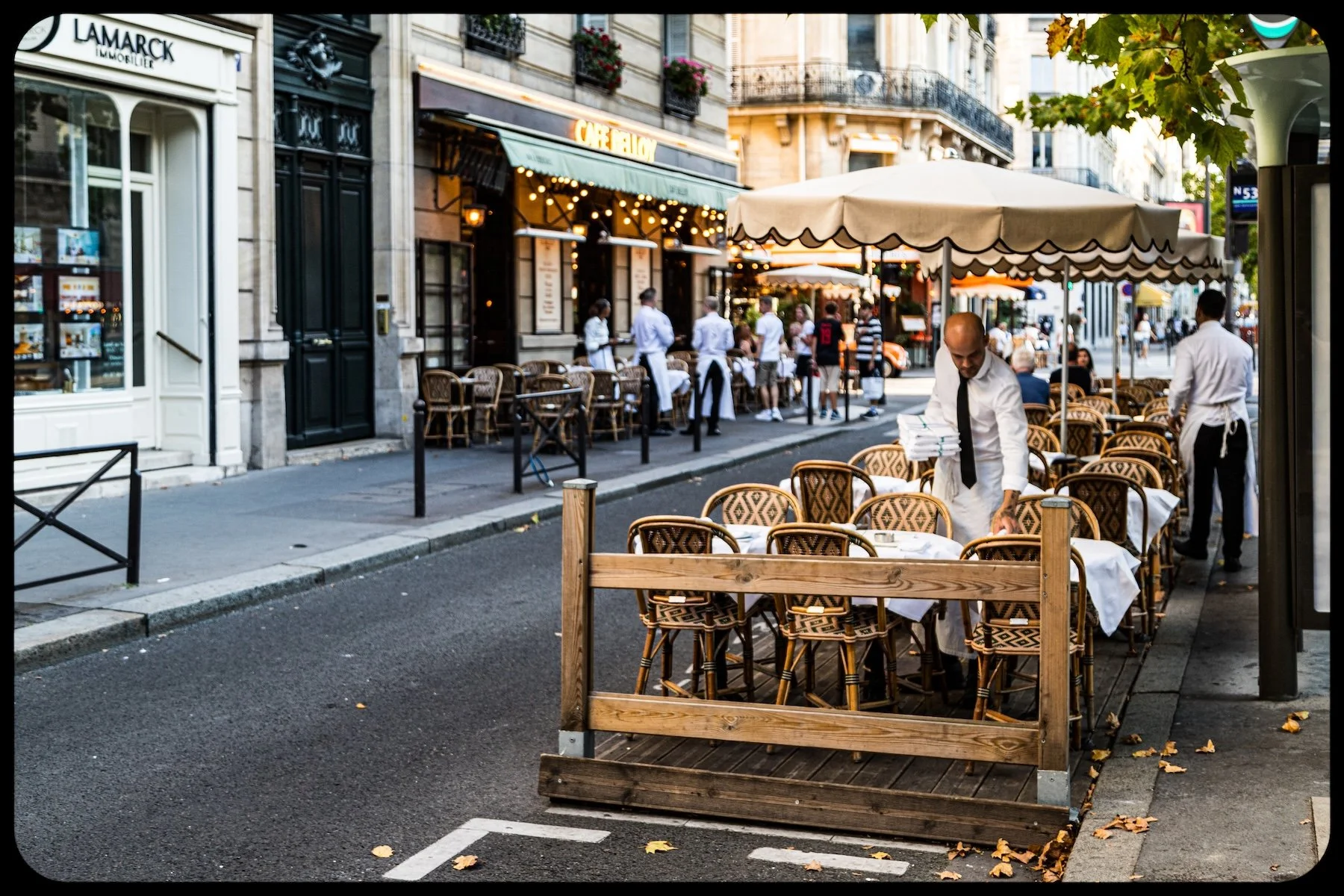



Explore Paris
-

The twenty arrondissements form the civic spiral of Paris, organizing the city into its broad local districts of government, identity, and daily life.
-

Each arrondissement is divided into four official administrative quarters, giving Paris a more precise civic and geographic framework.
-

The conseils de quartier bring participation to street level, giving residents a voice in neighborhood needs, public space, and local civic life.
-

Les Deux Rives trace Paris through the Seine’s two banks, revealing how the Rive Droite and Rive Gauche shaped the city’s civic power, commerce, learning, art, and cultural identity.
-

Cultural neighborhoods reveal the Paris people recognize through history, cafés, architecture, memory, atmosphere, and local belonging.