
5e - VAL-DE-GRÂCE
Quartiers Administratifs
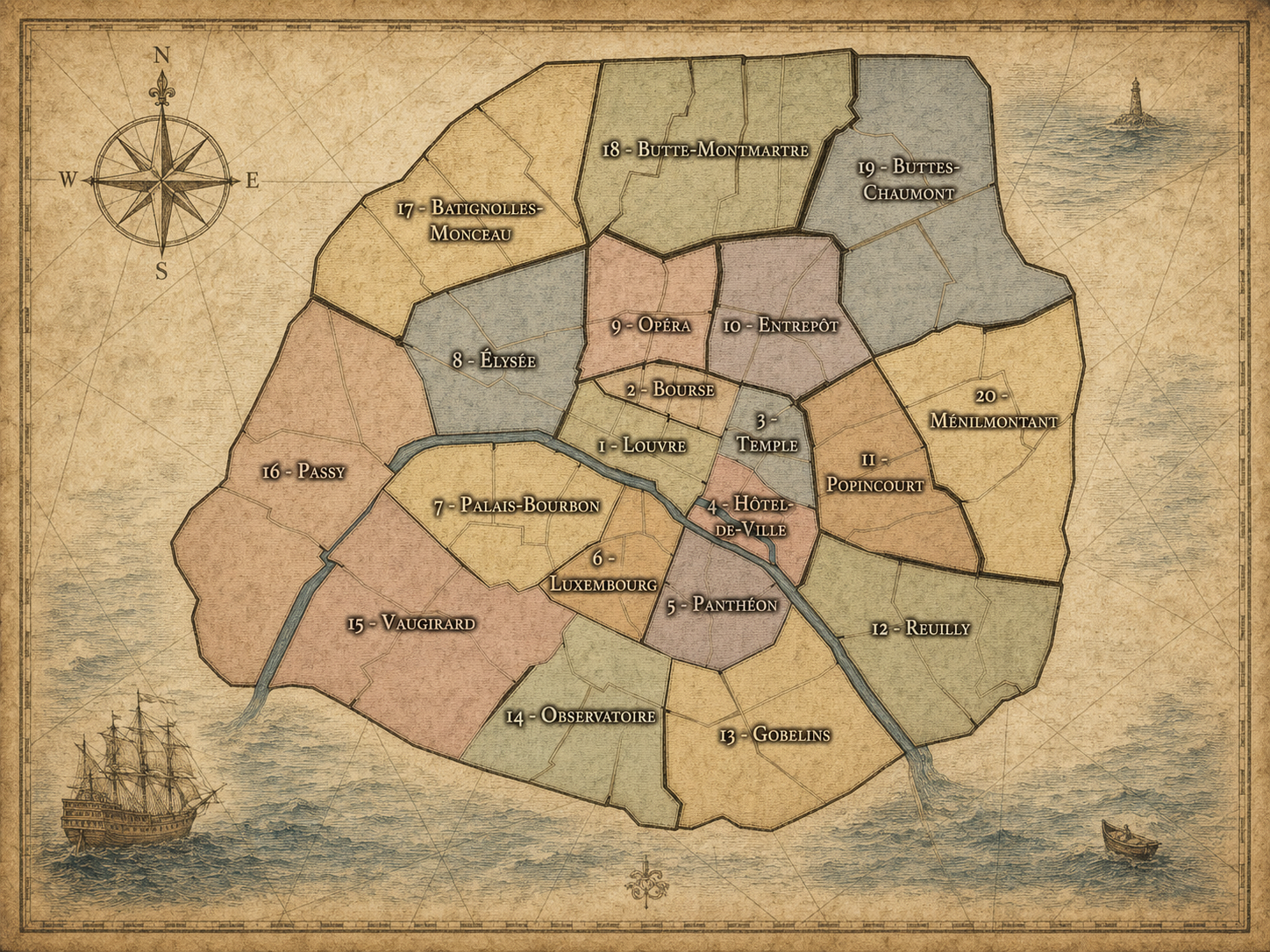
Welcome to the Val-de-Grâce neighborhood page! Val-de-Grâce is a quartier administratif — the 19th administrative quarter — one of 80 such districts across Paris. As a quartier administratif of the 5e Arrondissement - Panthéon, Val-de-Grâce belongs to a formal layer of Parisian geography and rises around its monumental church and former abbey, extending toward Port-Royal, the Observatoire edge, and the quieter institutional streets of the southern Latin Quarter.
Place de la Contrescarpe, then south along the cobblestones of Rue Mouffetard was the start for my tour through Val-de-Grâce. An early highlight was the Passage des Postes - one of the settings of Les Misérables. From there, I headed northward along the quiet, pastoral Rue Lhomond. My time in Val-de-Grâce ended at Place de l'Estrapade - the location of two notable settings from Emily In Paris: Emily's apartment, and Gabriel's Restaurant.
Part of an ongoing project to walk and photograph every neighborhood in Paris, this page explores 5e Val-de-Grâce through maps, district identity, history, and photography.
The Map
Geographic Setting
Val-de-Grâce Neighborhood Maps
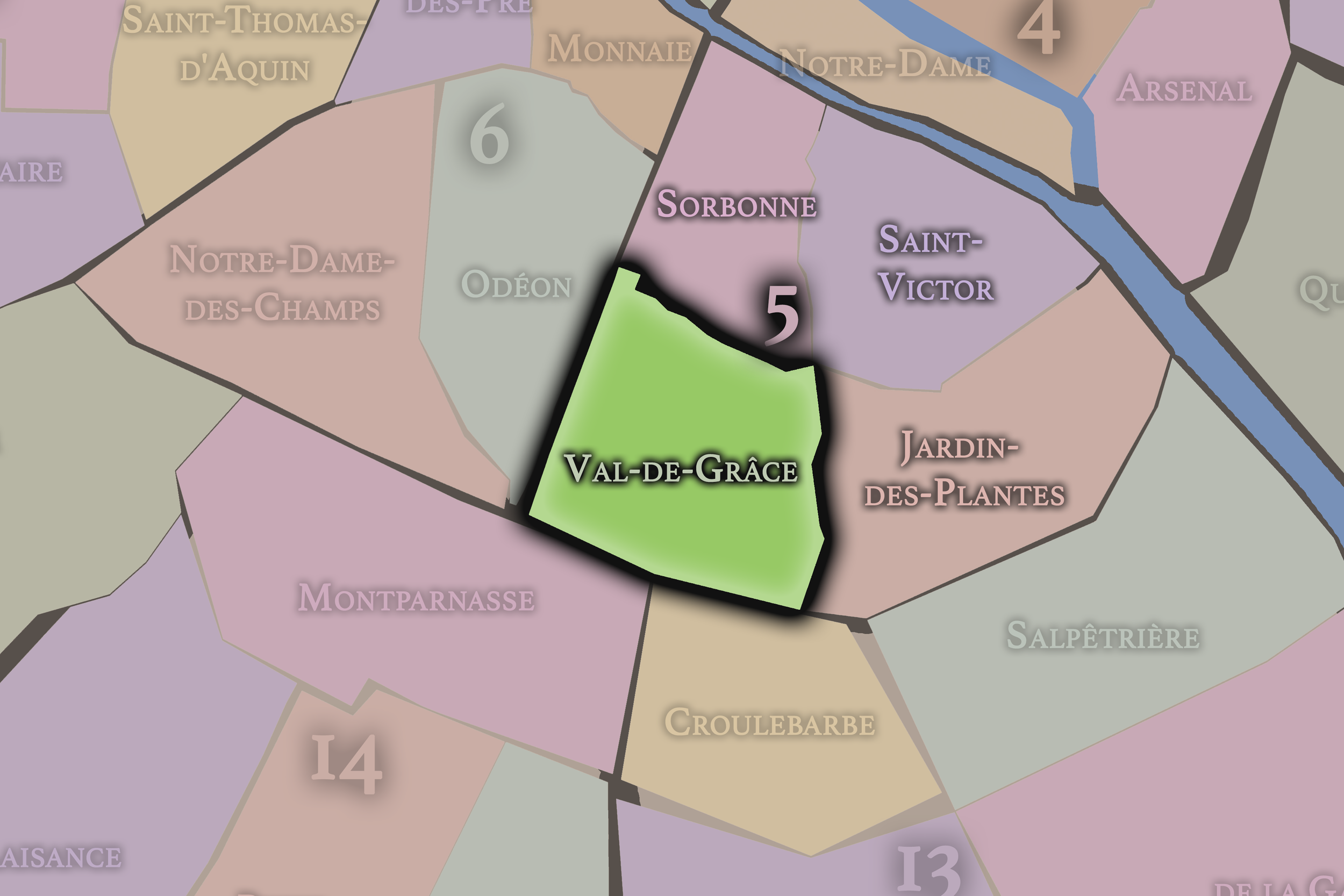
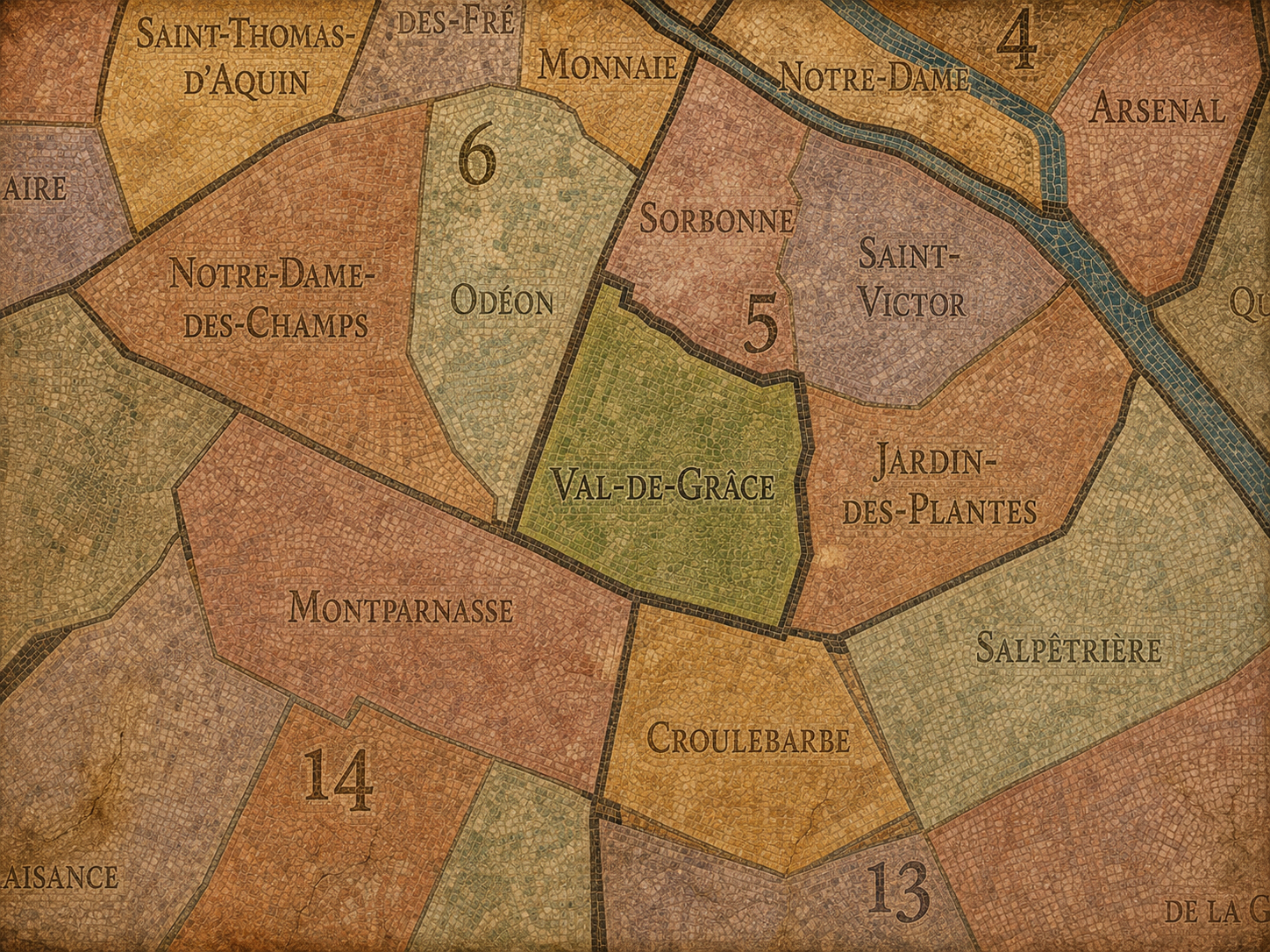
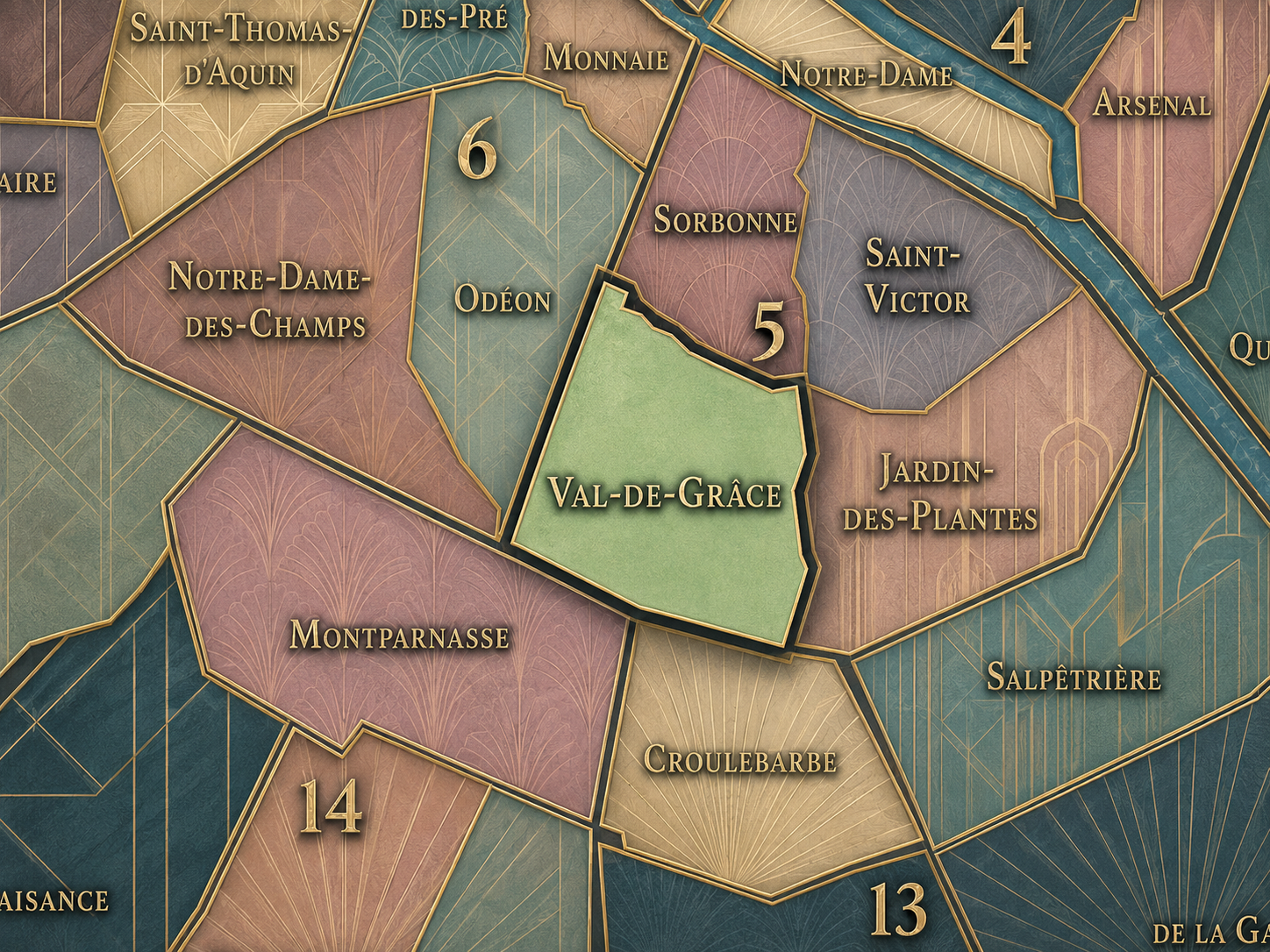
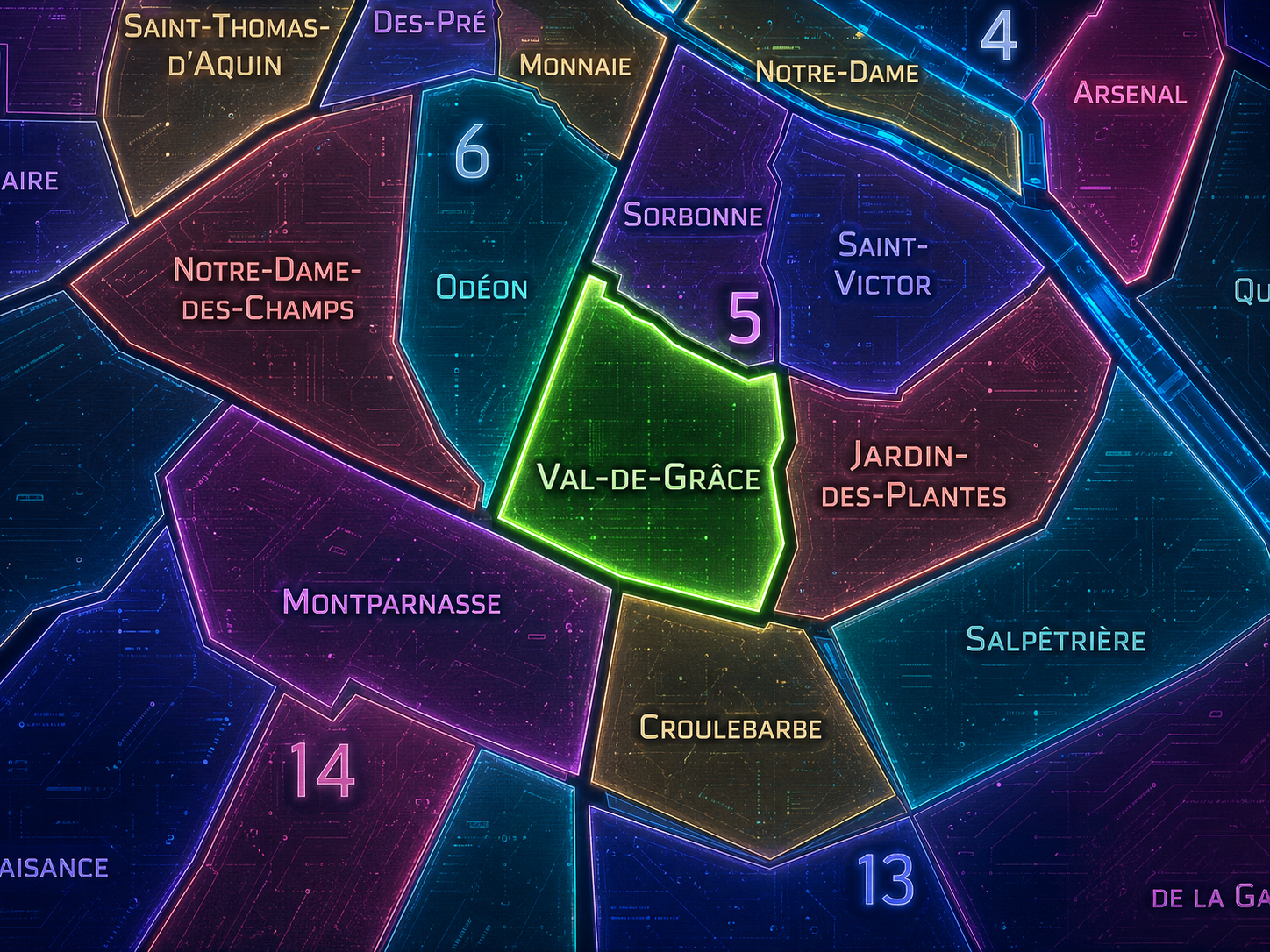
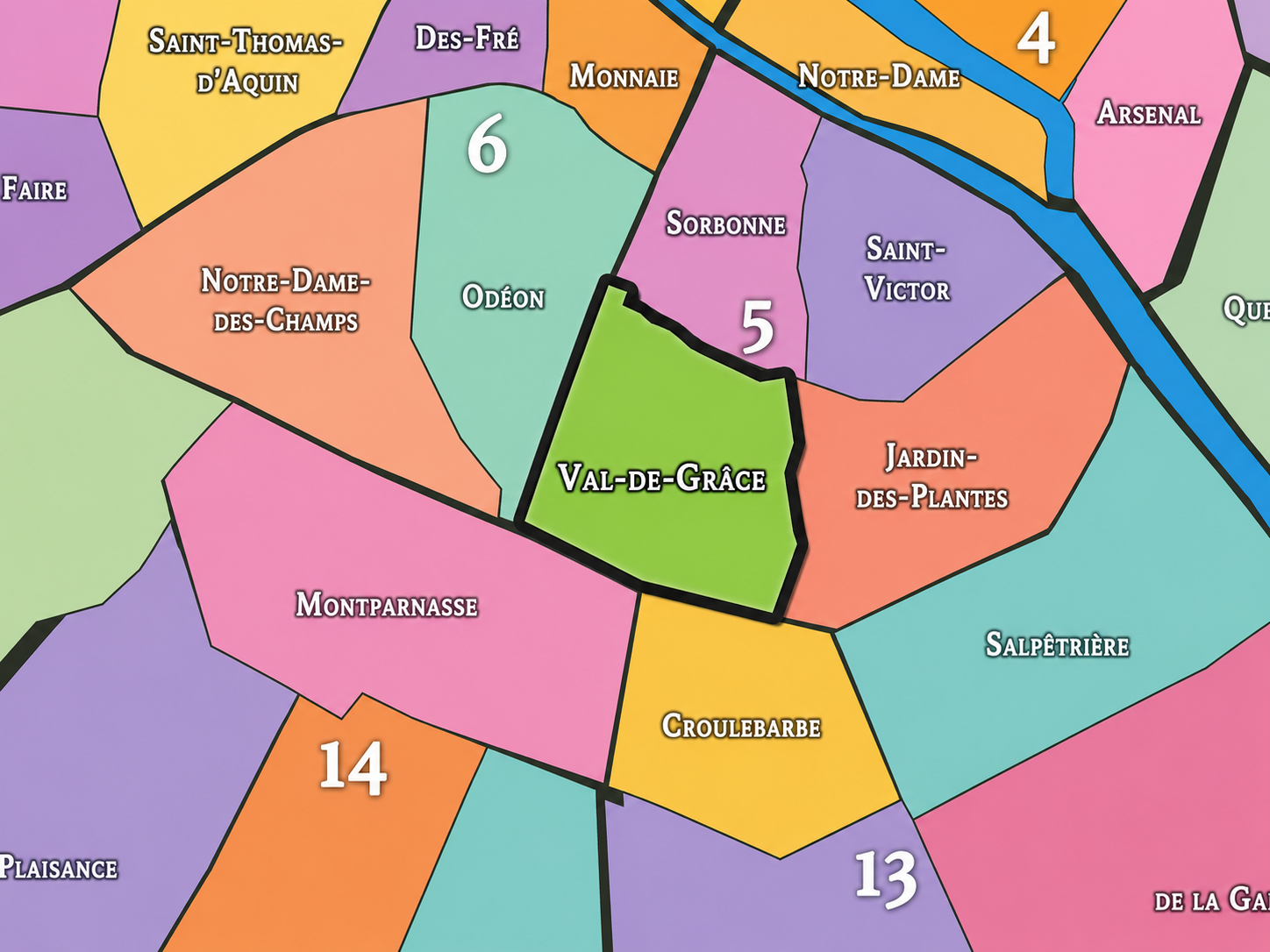
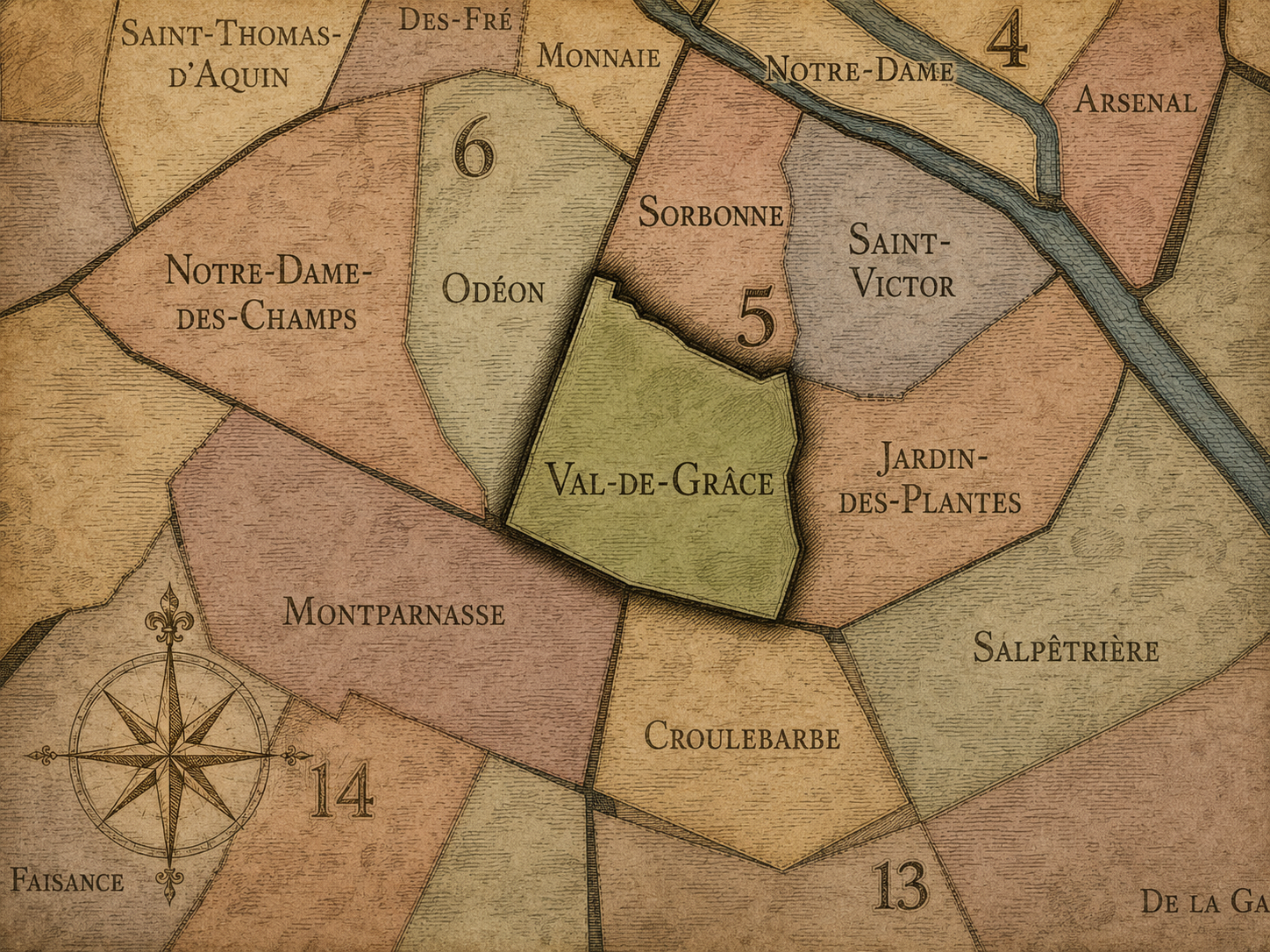
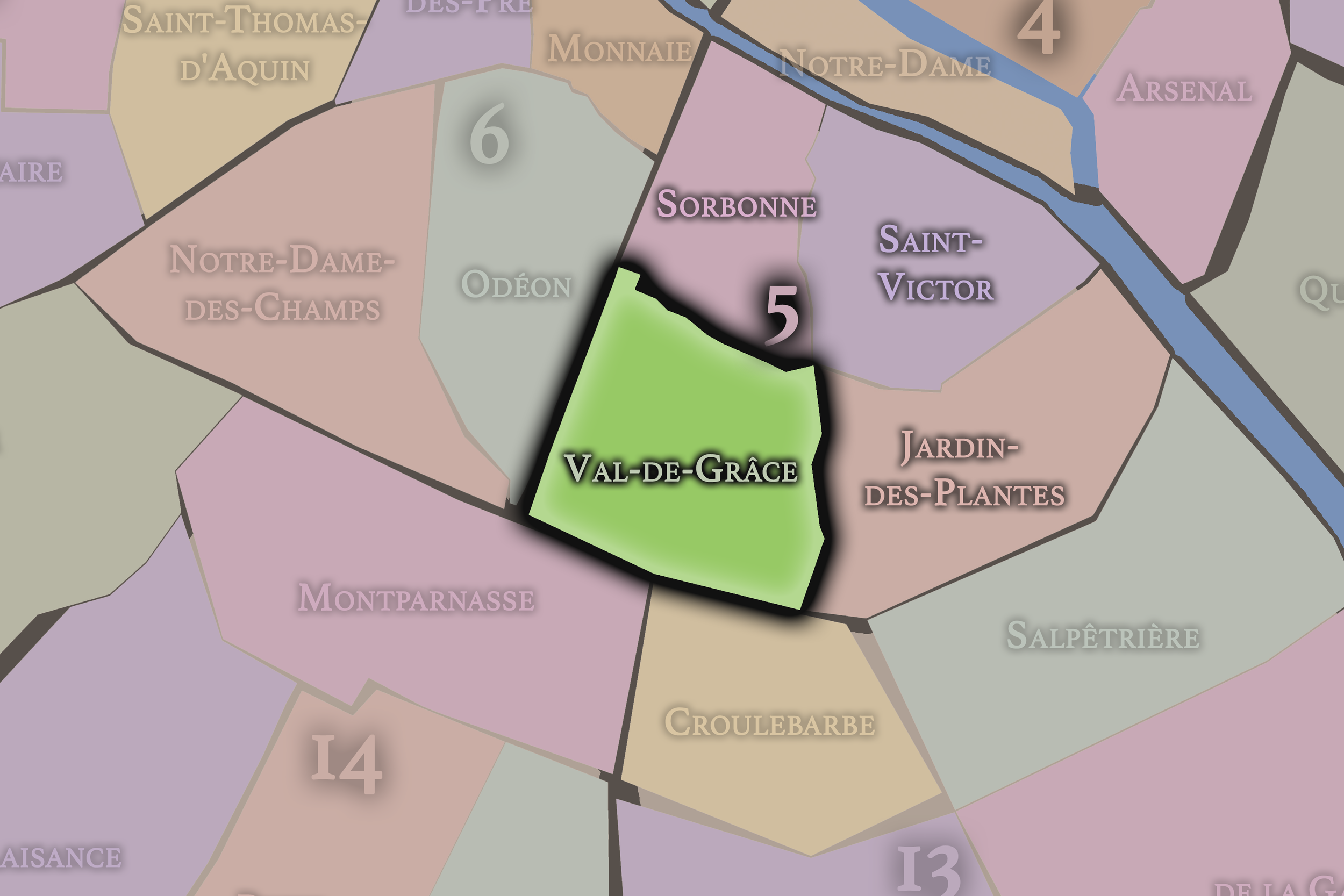
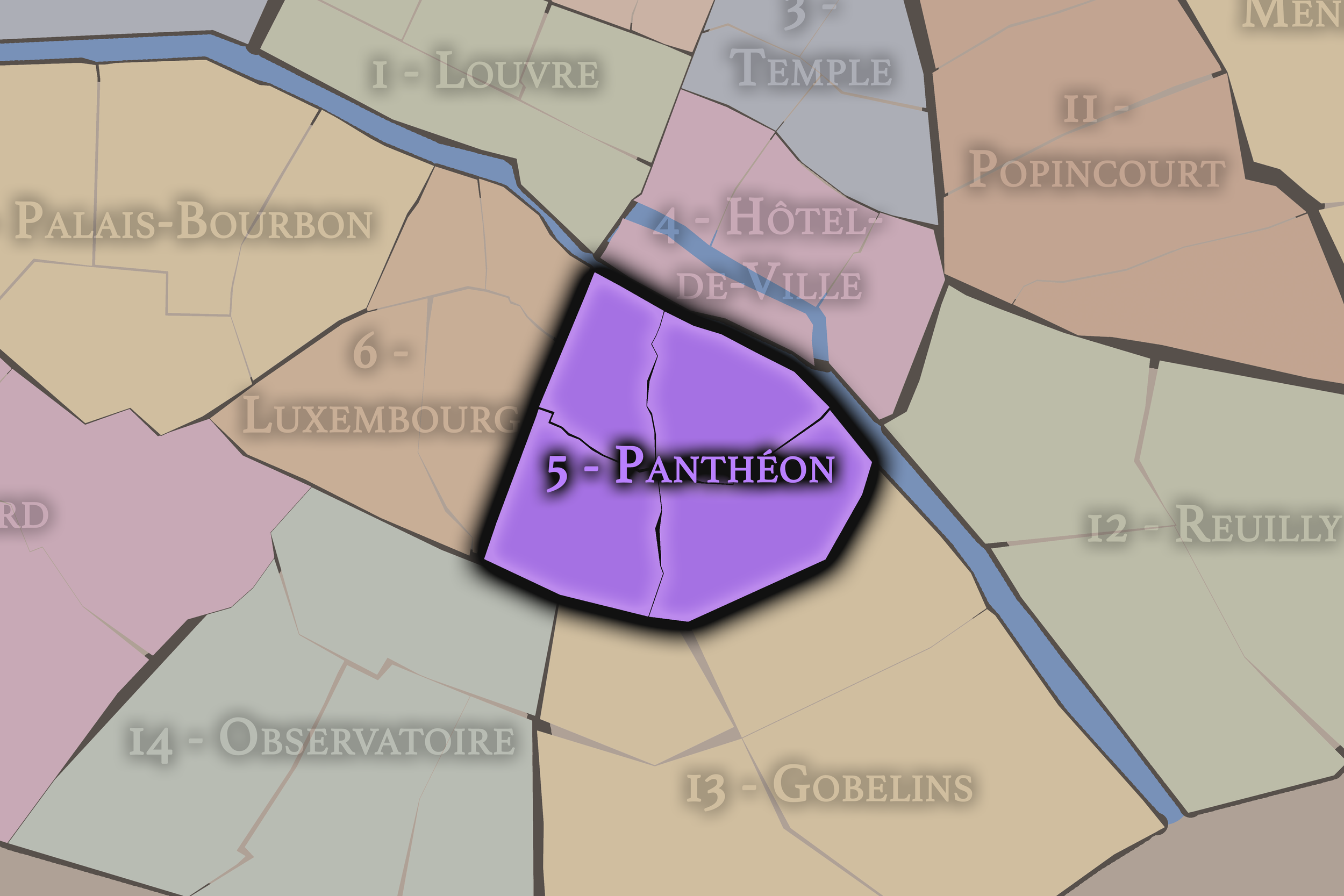
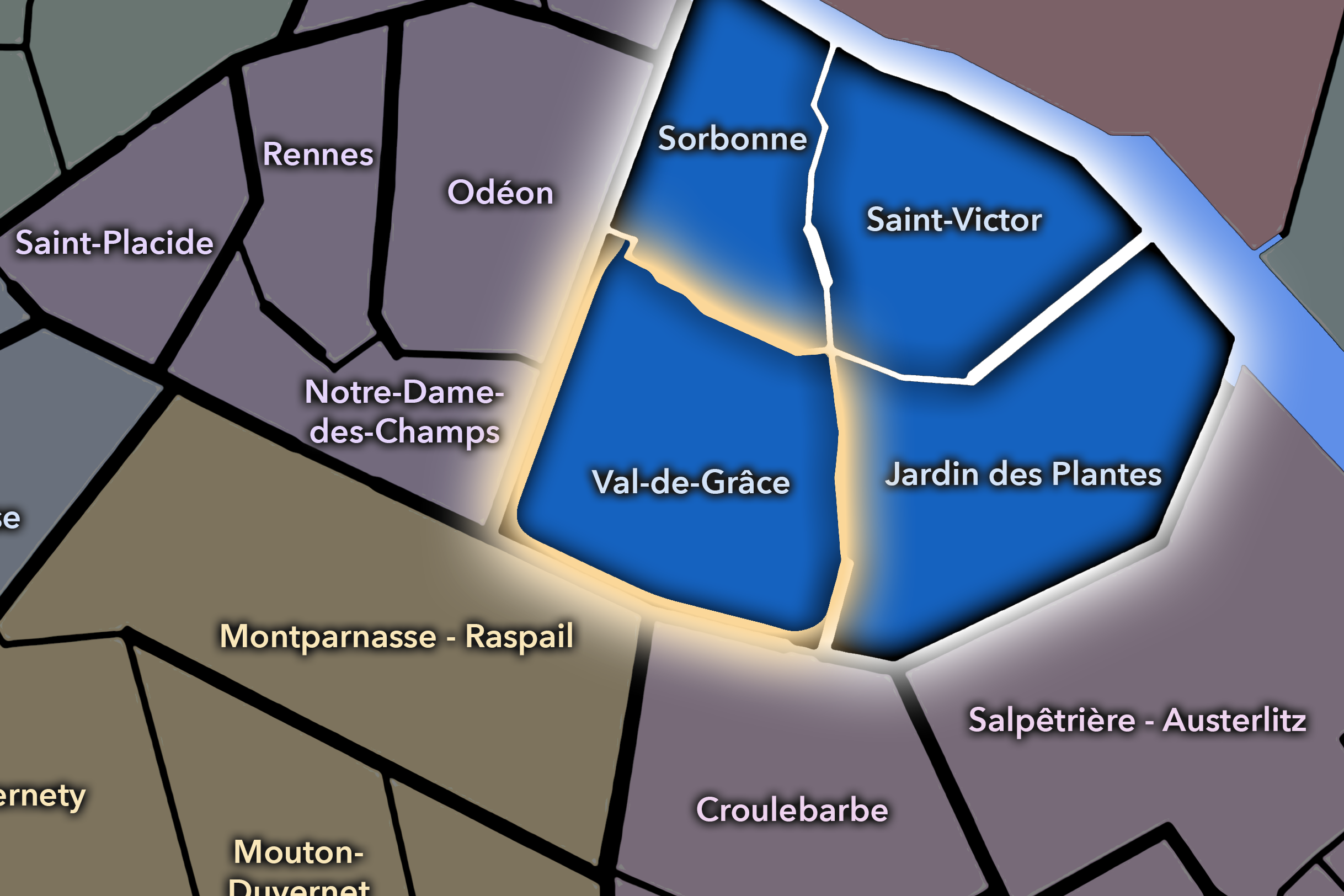
Val-de-Grâce occupies the southwestern portion of the 5th arrondissement, where the Latin Quarter slopes toward Port-Royal, the Luxembourg edge, the 6th arrondissement, and the northern approaches to the 13th and 14th. It lies south of Sorbonne, west of Jardin-des-Plantes, and below the older academic heights of the Montagne Sainte-Geneviève, forming one of the quieter and more residential sections of the 5th arrondissement. Its geography is shaped by institutions, hospitals, schools, convent memory, gardened courtyards, and the broad southern streets that lead the Left Bank away from its medieval core.
The quarter’s defining landmarks include the former Abbey of Val-de-Grâce, the church and dome of Val-de-Grâce, the historic military medical complex, the Institut Curie, the Observatoire corridor nearby, Rue Saint-Jacques, Boulevard de Port-Royal, Rue d’Ulm, Rue Claude-Bernard, Rue Gay-Lussac, and the streets that connect the Panthéon and Luxembourg landscapes to the southern Left Bank. District references commonly identify Val-de-Grâce as the 19th administrative quarter of Paris, located in the 5th arrondissement and bordered by Jardin-des-Plantes to the east, the 13th and 14th to the south, the 6th to the west, and Sorbonne to the north.
Unlike Sorbonne, whose identity is publicly academic and symbolic, or Jardin-des-Plantes, whose character is scientific, botanical, and museum-centered, Val-de-Grâce feels more inward. It is a quarter of enclosure, care, study, residence, and institutional continuity. Its streets do not announce themselves with the same tourist magnetism as the cathedral-facing Left Bank or the Panthéon heights, but they carry a powerful history of devotion, medicine, research, and quiet urban life.
Administrative Quarter Identity
Etymology and Origins
The name Val-de-Grâce means “Valley of Grace,” and it comes from the Abbey of Val-de-Grâce, the royal Benedictine foundation associated with Anne of Austria. The name is devotional and topographical at once: a valley, or place set slightly apart from the busier heights of the city, transformed by religious meaning into a landscape of grace. It is one of the most beautiful administrative quarter names in Paris because it carries both softness and institutional weight.
The name’s history is tied to a royal vow and its fulfillment. The City of Paris describes Val-de-Grâce through the story of a queen’s promise, connecting the site to Anne of Austria and to the birth of the future Louis XIV after many years without an heir. This royal and religious origin gave the place an identity rooted in gratitude, dynastic continuity, and sacred architecture.
Over time, however, the meaning of Val-de-Grâce changed. A royal abbey became a military medical institution. A place of prayer became a place of care, instruction, surgery, and research. The name still speaks of grace, but the quarter’s later history gives that grace a more human and corporeal meaning: bodies wounded, treated, studied, healed, and remembered.
Civic Framework
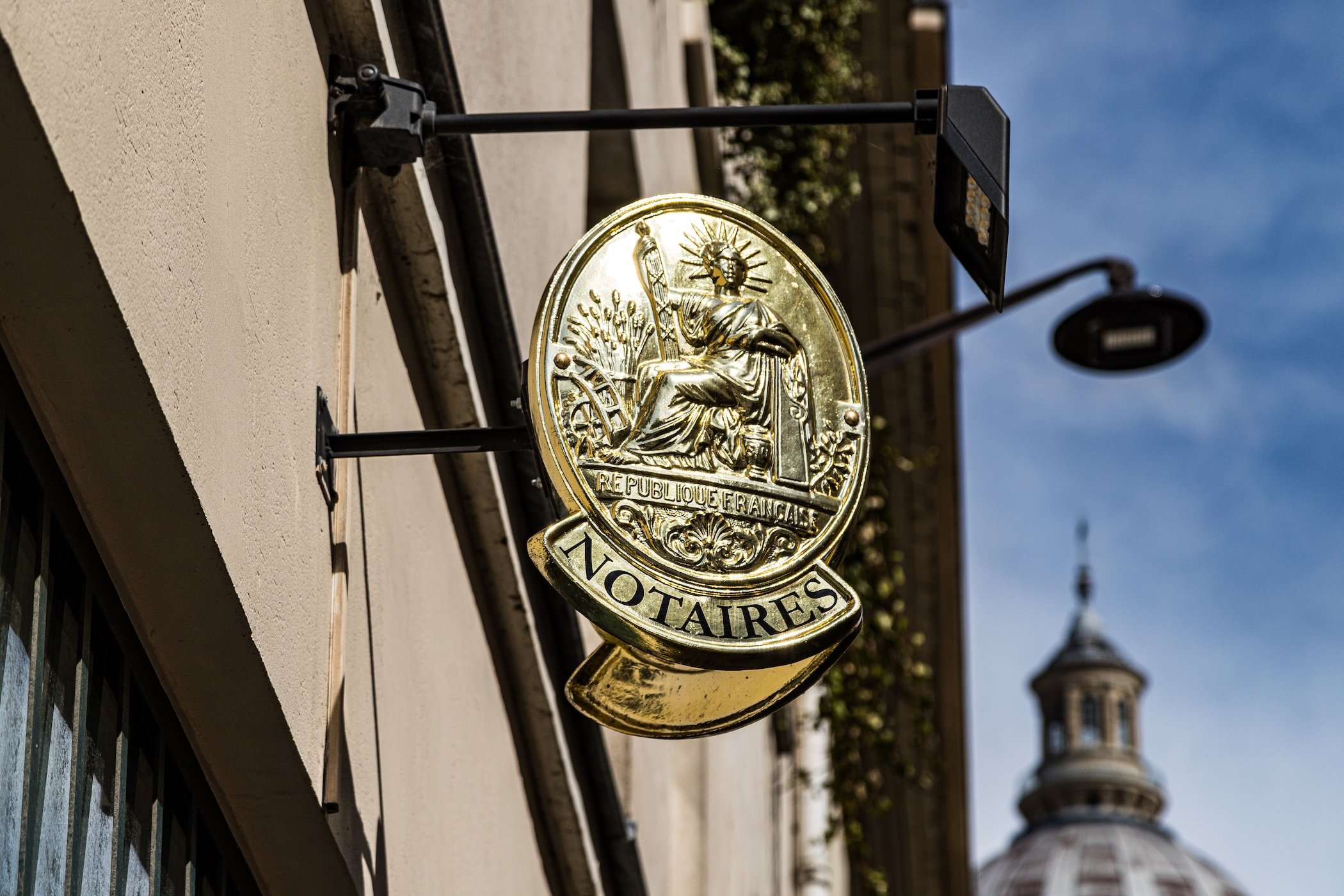
Within the official geography of Paris, Val-de-Grâce is one of the four administrative quarters of the 5th arrondissement, alongside Saint-Victor, Jardin-des-Plantes, and Sorbonne. It is traditionally counted as the 19th administrative quarter of Paris, giving formal civic shape to the southwestern sector of the arrondissement.
As an administrative quarter, Val-de-Grâce clarifies an area that might otherwise be described through adjacent or overlapping names: Port-Royal, Luxembourg, the southern Latin Quarter, Rue d’Ulm, the Panthéon edge, or the hospital district. The official quarter name gathers these identities into one civic unit anchored by the former abbey and medical complex.
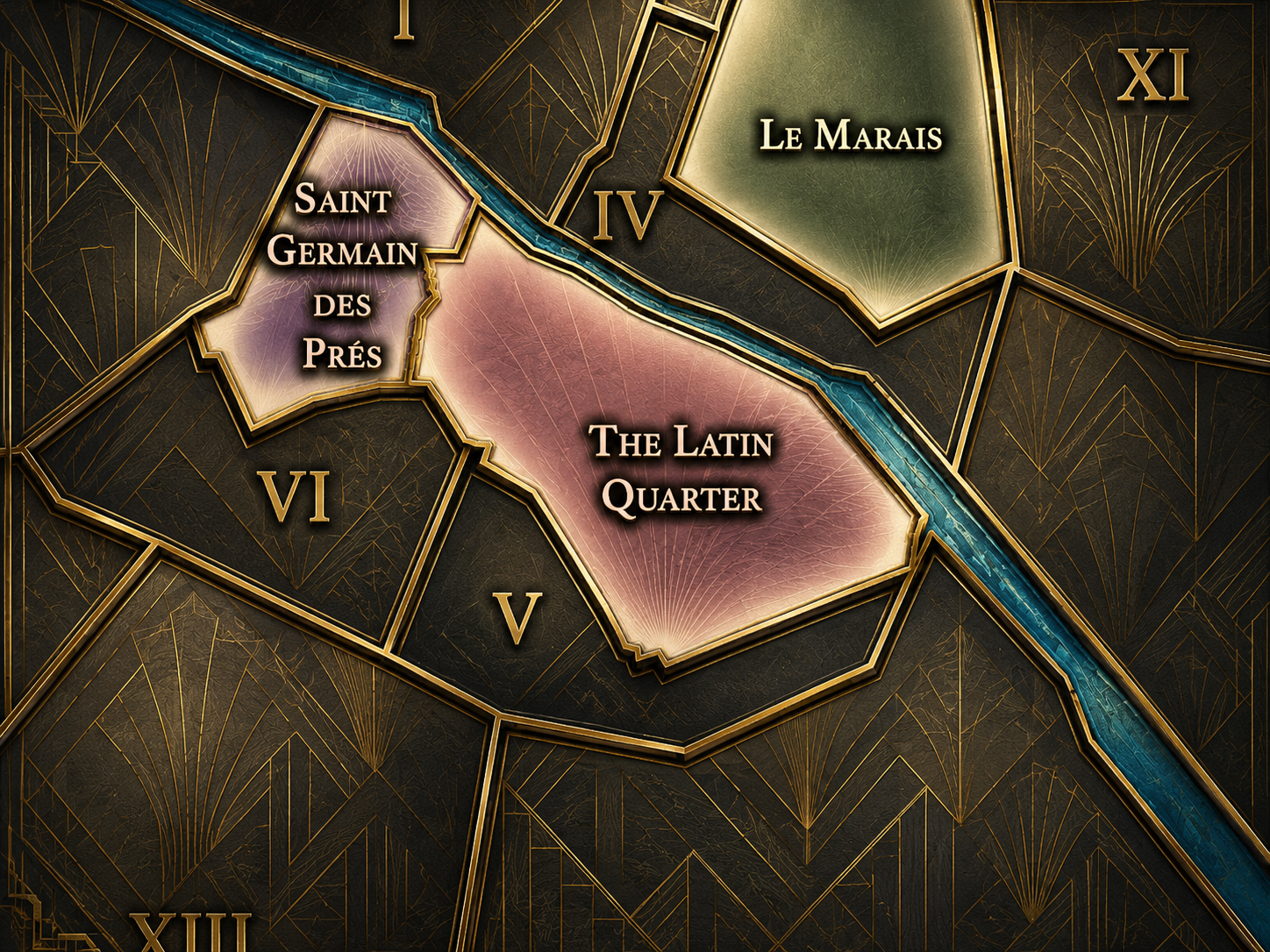
This civic frame is especially useful because Val-de-Grâce belongs to the Latin Quarter but does not behave like its most iconic core. It is scholarly, but not simply Sorbonne. It is institutional, but not purely governmental. It is medical, but also residential and monastic in memory. The administrative quarter helps reveal a quieter dimension of the 5th arrondissement: the Left Bank as a landscape of care, research, and enclosed institutions.
Neighborhood Distinction
Val-de-Grâce differs from the other quarters of the 5th arrondissement through its conventual, medical, residential, and institutional character. Sorbonne is the classic academic heart of the Latin Quarter, dense with university memory, schools, churches, bookshops, and intellectual symbolism. Saint-Victor carries the memory of a vanished abbey, the eastern Left Bank, the riverfront, and modern university expansion. Jardin-des-Plantes is shaped by natural history, gardens, museums, and the public study of life.
Val-de-Grâce is more internal. Its identity is not built around a bustling market, a riverfront axis, a cathedral view, or a great public square. It is shaped by the dome and former abbey, by medical training, by research institutions, by quiet residential streets, and by the southern movement of the Latin Quarter toward Port-Royal and the Observatoire. It is a quarter where Paris becomes less performative and more reflective.
It should also be distinguished from Port-Royal, a nearby cultural and historical name that often overlaps the area in everyday orientation. Port-Royal evokes the boulevard, the RER station, the hospital landscape, and the religious-intellectual memory of Port-Royal more broadly. Val-de-Grâce, as an administrative quarter, is more specific: it names the district through the former abbey and its transformation into one of Paris’s great medical-military institutions.
Parisian Identity
Val-de-Grâce expresses Paris as a city of care and enclosure. It is one of the quarters where the capital’s intellectual life meets the body most directly: medicine, research, surgery, military health, cancer treatment, maternity, recovery, and the long civic obligation to preserve life. The quarter is not merely a backdrop to institutions; its identity has been shaped by the work those institutions performed.
That gives Val-de-Grâce a solemn but generous Parisian character. The church and former abbey preserve royal and religious memory, while the medical complex carries the history of state service, military care, and scientific training. Nearby institutions such as the Institut Curie extend the quarter’s association with research and healing into the modern era; district references identify the Institut Curie as one of the important research centers in the area.
Val-de-Grâce also has a distinct atmosphere within the Latin Quarter. It is learned, but less noisy; historic, but less theatrical; beautiful, but not overly staged. Its identity comes from gravity. Here, Paris is not only a city of ideas, monuments, or pleasures. It is a city that studies suffering, treats injury, and converts faith into service.
Neighborhood Connections
Every neighborhood belongs to a wider Parisian fabric.
-
5e - Panthéon
-
Val-de-Grâce
-
Rive Gauche
-
Latin Quarter
The History
Origins
The origins of Val-de-Grâce lie in the religious and semi-rural landscape south of the medieval Latin Quarter. Before this area became fully absorbed into the urban fabric of Paris, it sat beyond the densest scholarly and commercial core of the Left Bank, in a quieter zone of convents, gardens, roads, and institutional lands. Its relative remove from the city’s busiest streets made it suitable for religious enclosure.
The defining origin came in the 17th century with the establishment and development of the Abbey of Val-de-Grâce. Anne of Austria, after the birth of the future Louis XIV, supported the construction of a new church and abbey as the fulfillment of a vow. The story bound the site to dynastic memory and royal piety, giving the quarter a foundational identity unlike the more university-centered neighborhoods to the north.
From the beginning, then, Val-de-Grâce was shaped by a relationship between seclusion and public meaning. A convent is enclosed, but a royal vow is public. A church serves worship, but its dome becomes an urban landmark. The quarter’s later history would continue this pattern: institutions set apart from ordinary street life, yet carrying major civic importance.
16th–17th Century
In the 16th century, the future Val-de-Grâce quarter belonged to the southern fringe of the Latin Quarter, a landscape less densely urbanized than the streets around the Sorbonne and the Seine. Religious houses, gardens, schools, and roads structured the area, while the city’s intellectual and ecclesiastical life continued to expand along the Left Bank.
The 17th century transformed the quarter through the foundation and construction of Val-de-Grâce. Anne of Austria’s patronage gave the site royal significance, and the church became one of the major architectural monuments of the Left Bank. Its dome, classical composition, and devotional purpose gave physical form to the queen’s vow and to the Catholic royal culture of the period.
This was a decisive moment in the quarter’s identity. Val-de-Grâce became a landscape of royal piety rather than ordinary parish life. Its architecture and origin story distinguished it from the older academic and monastic institutions nearby. The quarter emerged as a place where personal devotion, dynastic hope, and public architecture converged.
18th Century
In the 18th century, Val-de-Grâce remained strongly associated with religious enclosure and royal memory. The abbey and church continued to mark the southern Left Bank with a sense of devotion, discipline, and aristocratic-Catholic identity. The surrounding area developed gradually, but the institutional presence of the abbey preserved a quieter and more enclosed character than the busier student and commercial streets to the north.
Yet the century also brought changing attitudes toward religious institutions, property, and public life. As Enlightenment thought and state reform reshaped France, convents and abbeys increasingly came under pressure from new political and social ideas. Val-de-Grâce’s royal and religious identity made it especially vulnerable to the transformations that would follow the Revolution.
The French Revolution marked the great rupture. The abbey was suppressed, religious property was reorganized, and the site began its conversion away from monastic life. Napoleon.org notes that Val-de-Grâce was deconsecrated in 1790, handed over to the army by decree in 1793, and transformed by the Convention in 1795 into a military training hospital.
19th Century
The 19th century redefined Val-de-Grâce as a medical and military institution. What had been a royal abbey became a hospital and training center for military medicine, transforming the quarter’s identity from prayer and enclosure to care, discipline, instruction, and treatment. The continuity of the buildings made the rupture especially powerful: the architectural shell of devotion now served the body in another way.
This transformation was not merely functional. It gave the quarter a new civic meaning. Military medicine connected Val-de-Grâce to the state, to war, to the education of physicians, and to the treatment of injury. The former abbey became part of a national system of service and care, carrying forward the seriousness of the site while redirecting its purpose.
The surrounding quarter also became more urban during the 19th century, with streets, schools, institutions, hospitals, residences, and the broader growth of the southern Latin Quarter reshaping the area around the former abbey. Val-de-Grâce remained quieter than the Sorbonne core, but its institutional importance grew. It became one of the places where the Left Bank’s intellectual landscape met the practical sciences of medicine.
Early–Mid 20th Century
In the early and mid 20th century, Val-de-Grâce became one of the major medical-military landscapes of Paris. Its hospital and training functions connected the quarter to the great conflicts and medical challenges of the century, especially the First World War. The City of Paris notes that during the early 20th century, and particularly during the First World War, Val-de-Grâce was one of the major centers for the treatment and reconstruction of severe facial injuries, the so-called gueules cassées of the war.
This history gives the quarter profound emotional weight. Val-de-Grâce was not only a hospital in the administrative sense. It was a place where war’s violence entered the city through wounded bodies, surgery, recovery, and rehabilitation. The former royal abbey became a place of suffering and repair, giving the name “Valley of Grace” a new and deeply human resonance.
During the Second World War, occupation, liberation, and postwar recovery, the quarter’s medical and institutional role continued to matter. Its streets remained quieter than the more famous Latin Quarter scenes nearby, but behind institutional walls, the work of care, training, and research continued. Val-de-Grâce’s identity during this period was defined by seriousness, service, and continuity under pressure.
Late 20th Century
In the late 20th century, Val-de-Grâce remained associated with military medicine, medical education, and the institutional life of the southern 5th arrondissement. The former abbey complex, hospital functions, museum collections, and nearby research institutions gave the quarter an identity distinct from both the student-centered Sorbonne and the natural-history landscape of Jardin-des-Plantes.
The district also became part of a changing Left Bank. As Paris modernized and central neighborhoods became more expensive and professionally oriented, Val-de-Grâce retained a quieter, more residential, and more institutional atmosphere. Its streets, schools, hospitals, and research centers gave it a working seriousness that contrasted with the more touristic parts of the Latin Quarter.
This period also brought increasing heritage awareness. The church, former abbey, cloisters, and medical museum allowed the quarter’s layered past to be interpreted not only as religious history or military history, but as a sequence of transformations. Val-de-Grâce became a place where architecture, medicine, monarchy, revolution, and war could be read together.
21st Century
In the 21st century, Val-de-Grâce remains one of the most historically and institutionally distinctive quarters of the 5th arrondissement, though its military medical functions have changed. The hospital’s historic role is no longer the same as it was at its height, but the site’s memory remains powerful through its architecture, museum collections, and association with military medicine. The City of Paris still presents Val-de-Grâce through the layered story of royal vow, medical service, and wartime care.
The quarter today is also shaped by the broader medical and research identity of the surrounding area. The Institut Curie and nearby institutions extend Val-de-Grâce’s association with science and healing into contemporary Paris. Residential streets, schools, embassies, clinics, churches, and university-adjacent buildings give the quarter a calm but serious urban texture.
For CityNeighborhoods: Paris, Val-de-Grâce is essential because it shows how an administrative quarter can carry a moral history. Its identity is not only geographic or architectural. It is devotional, medical, military, scientific, and human. It is a place where Paris has prayed, studied, treated, and remembered.
Spirit and Legacy
Val-de-Grâce is the quarter where grace becomes service. Its spirit is quiet, solemn, and deeply humane. It begins with a royal vow, passes through convent walls, survives revolutionary rupture, and becomes a landscape of military medicine, surgery, research, and care. Few quarters in Paris carry such a strong transformation from sacred enclosure to public responsibility.
Its legacy is written in both architecture and bodies. The church dome preserves the memory of Anne of Austria and the old religious foundation. The hospital and medical history preserve the memory of wounded soldiers, physicians, nurses, researchers, students, and patients. The surrounding streets preserve the atmosphere of a Left Bank quarter whose importance is often hidden behind walls.
To walk Val-de-Grâce is to encounter Paris not as spectacle, but as duty. It reminds us that neighborhoods are not only formed by markets, monuments, cafés, or crowds. They are also formed by vows, injuries, institutions, recoveries, and the quiet work of care. In Val-de-Grâce, the city’s history becomes intimate — not because it is small, but because it is human.
The Photography
Visual Identity
-
Val-de-Grâce’s broader visual identity is tied to institutional Paris, the Left Bank, historic medical and religious associations, and the quieter streets south of the Panthéon. It is not as immediately theatrical as the surrounding monumental quarters, but it belongs to the same dense historical landscape of the 5th arrondissement.
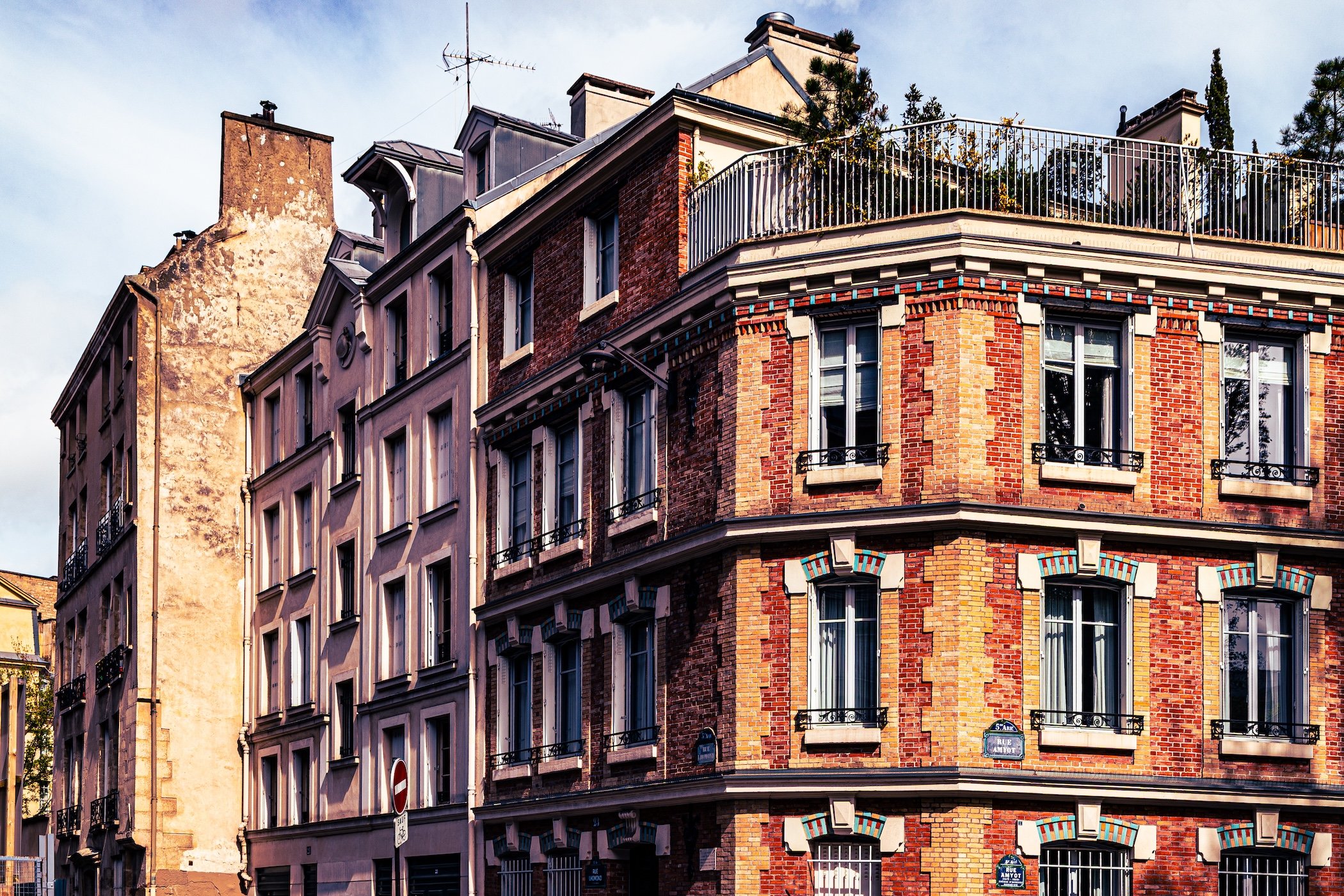
On August 16, however, Val-de-Grâce was only briefly glimpsed. The photographs and impressions suggest a transitional encounter rather than a full visual portrait. Its identity in this record is one of adjacency: near the Panthéon, near the academic city, and still awaiting a deeper walked exploration.
-
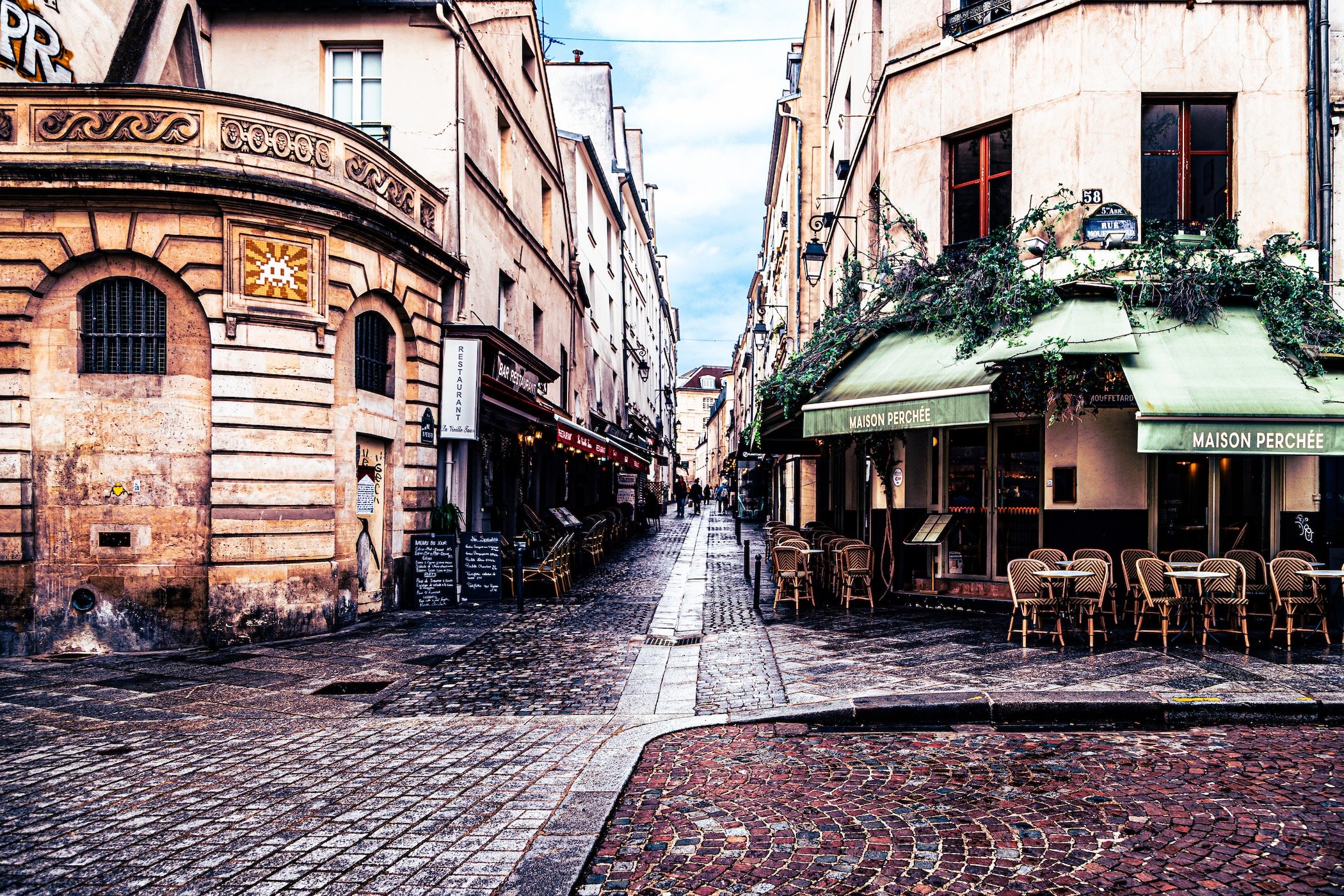
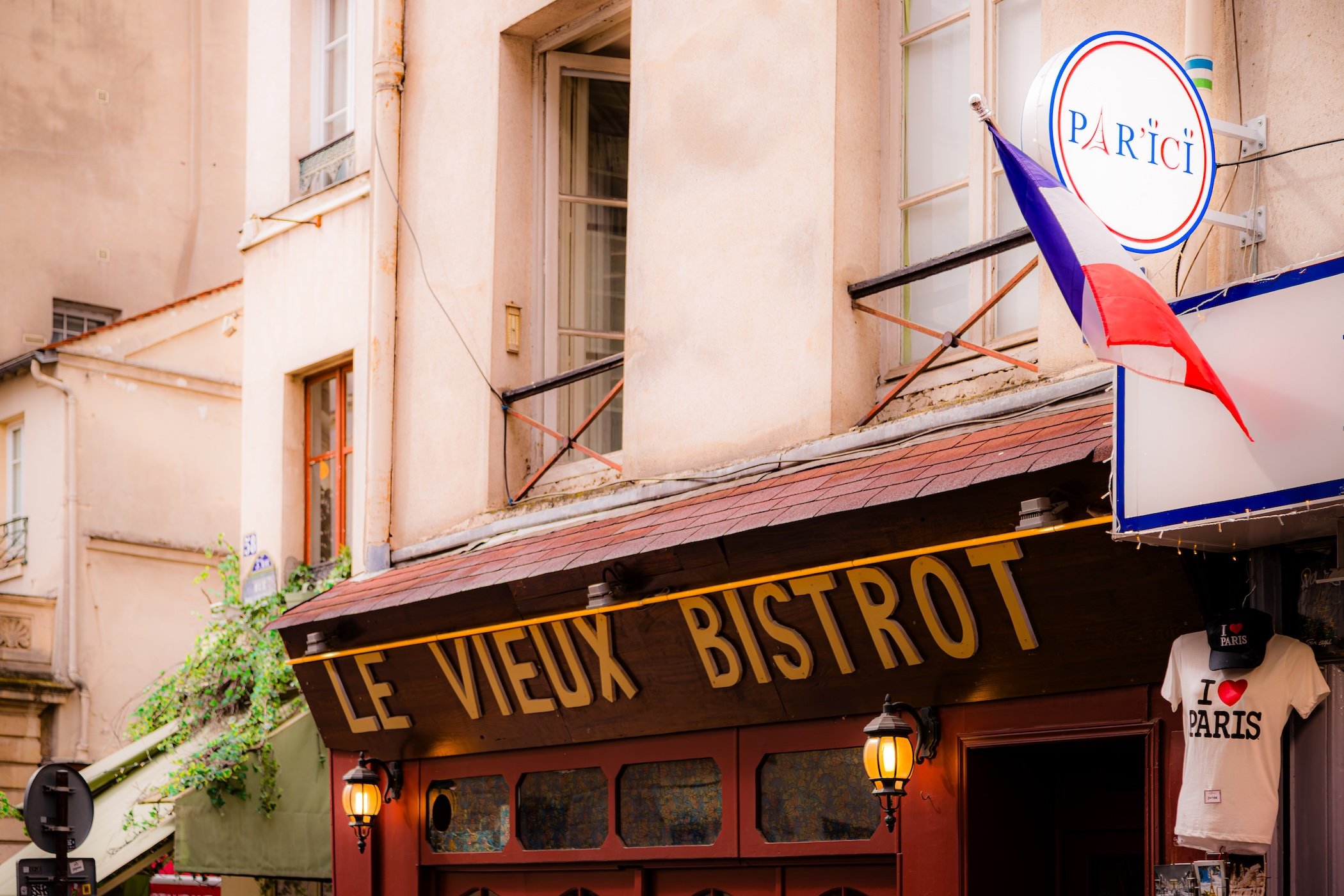
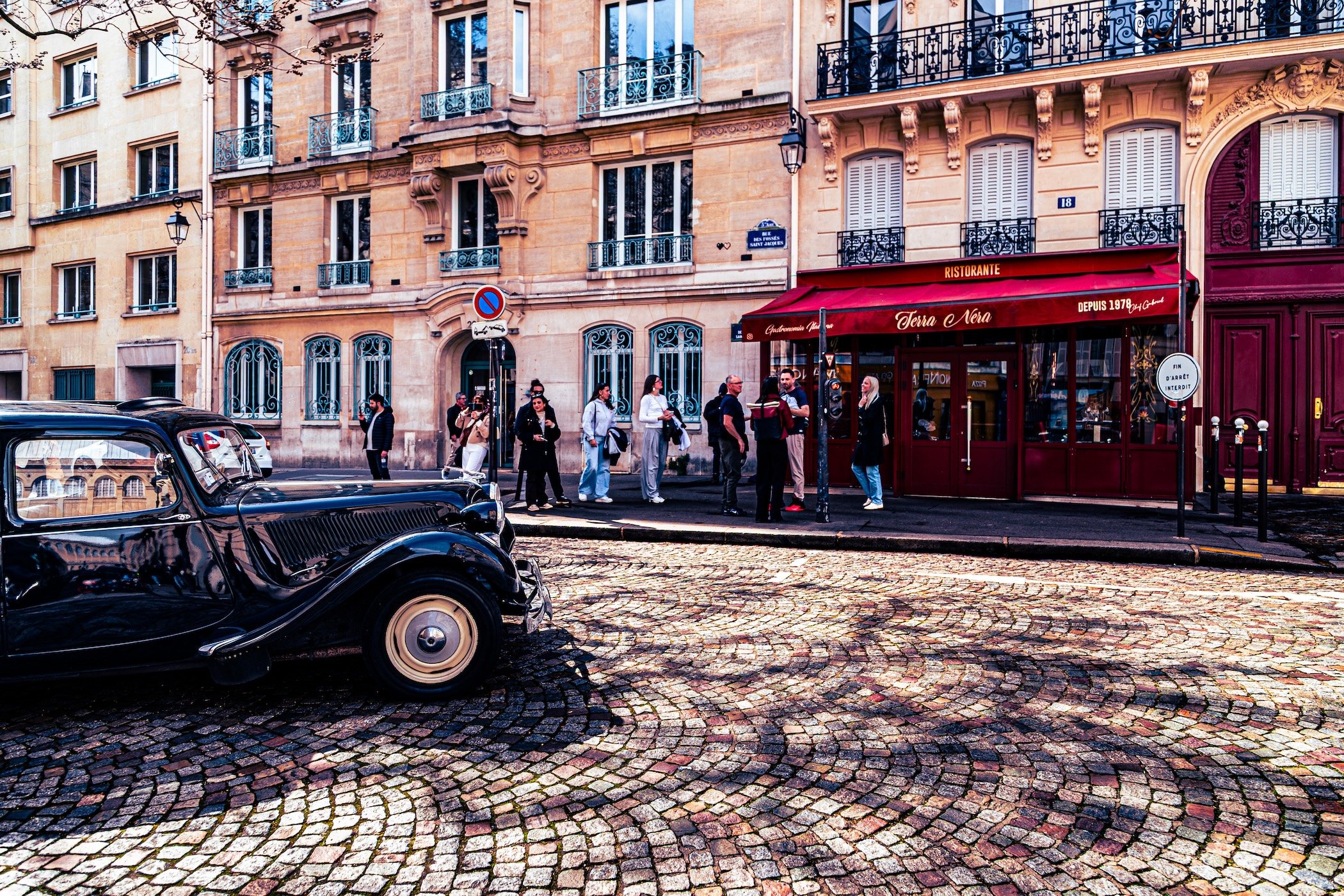
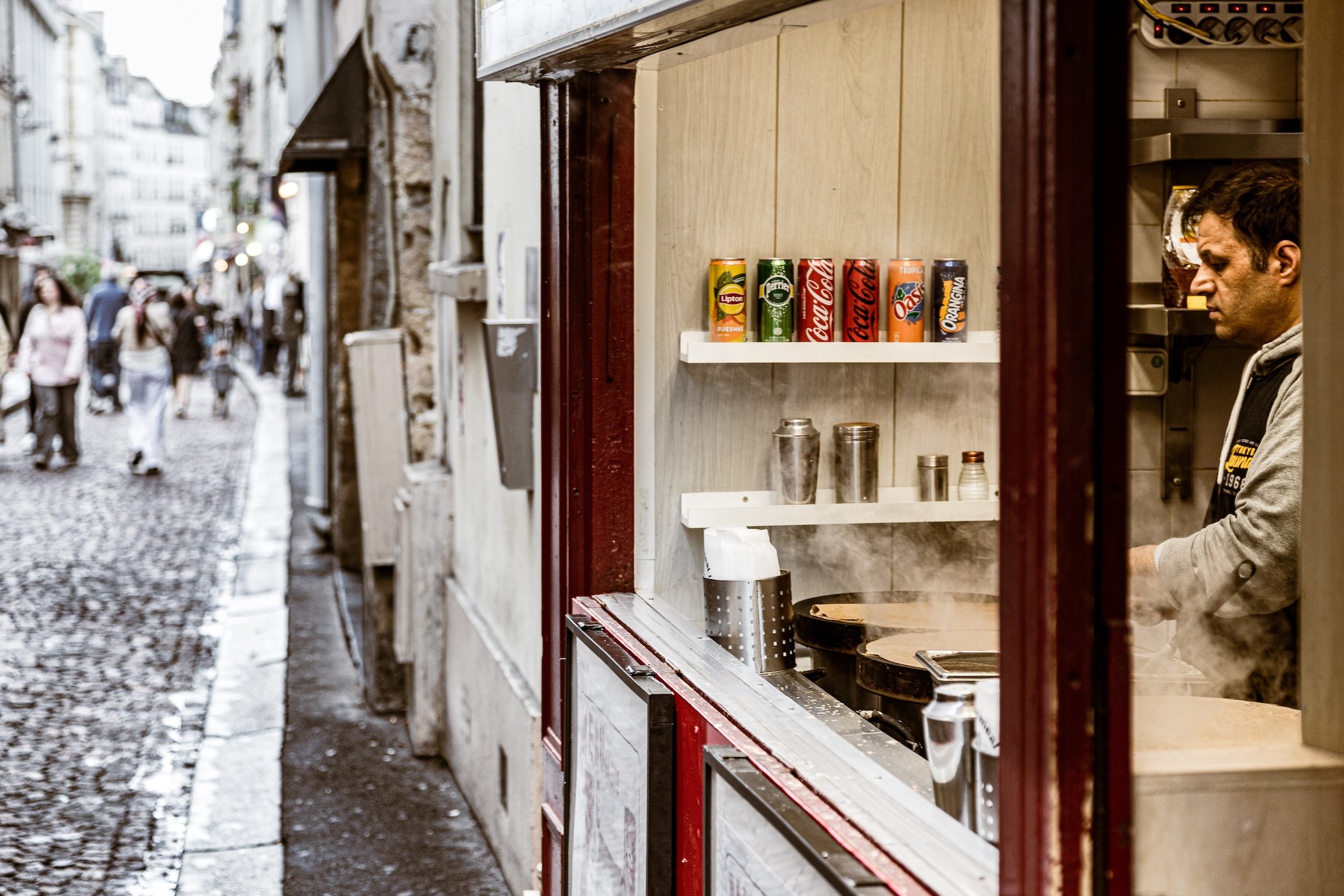
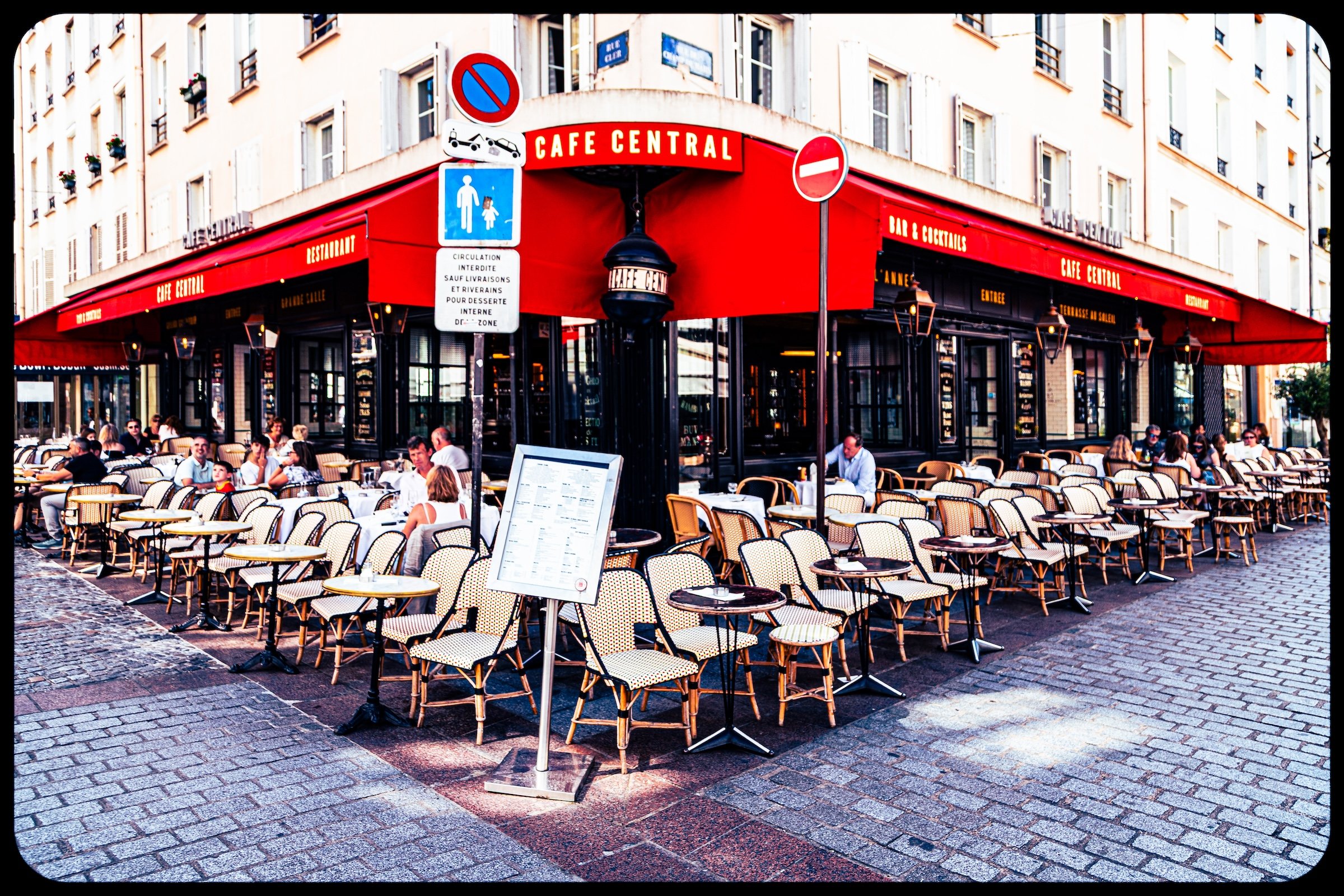
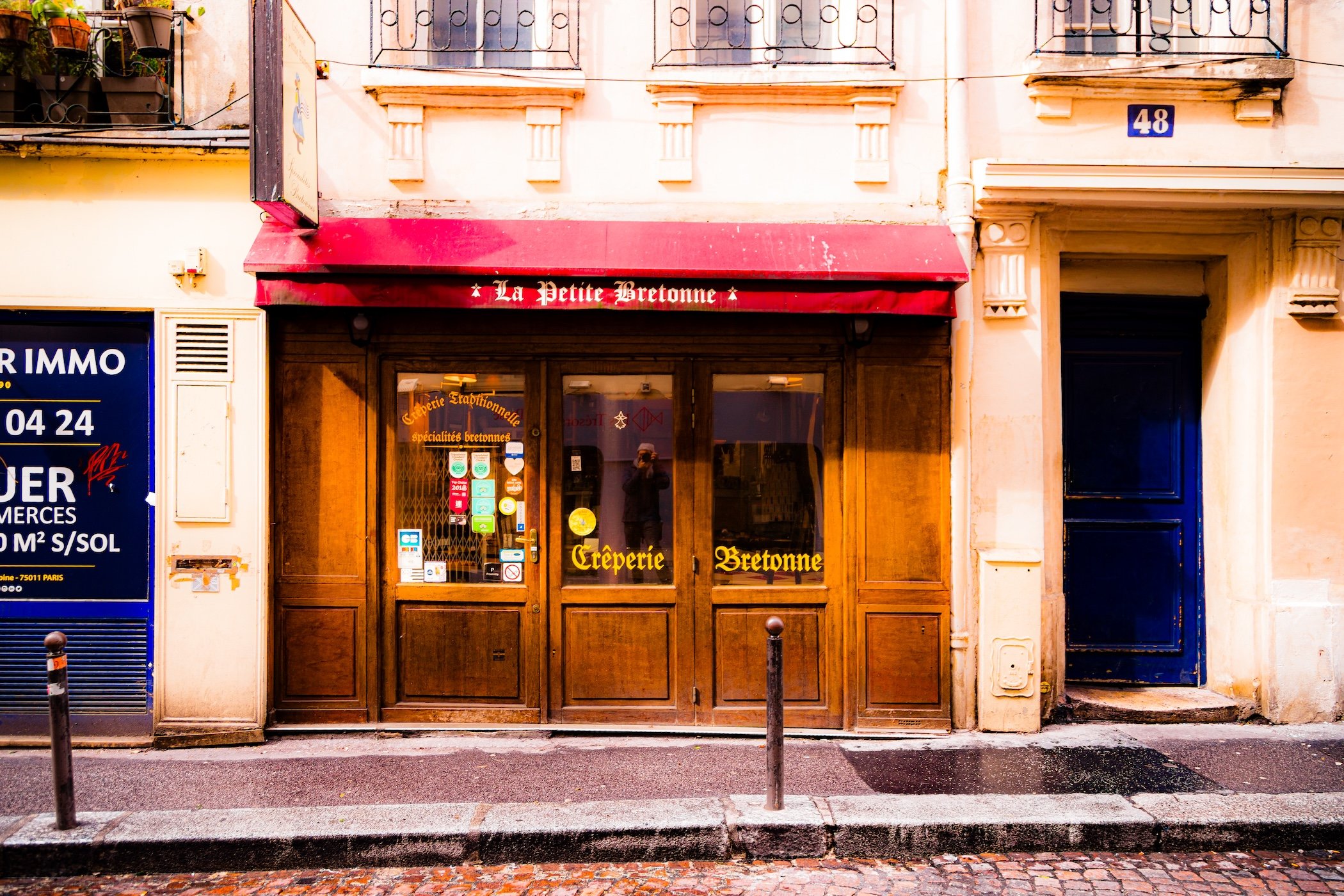
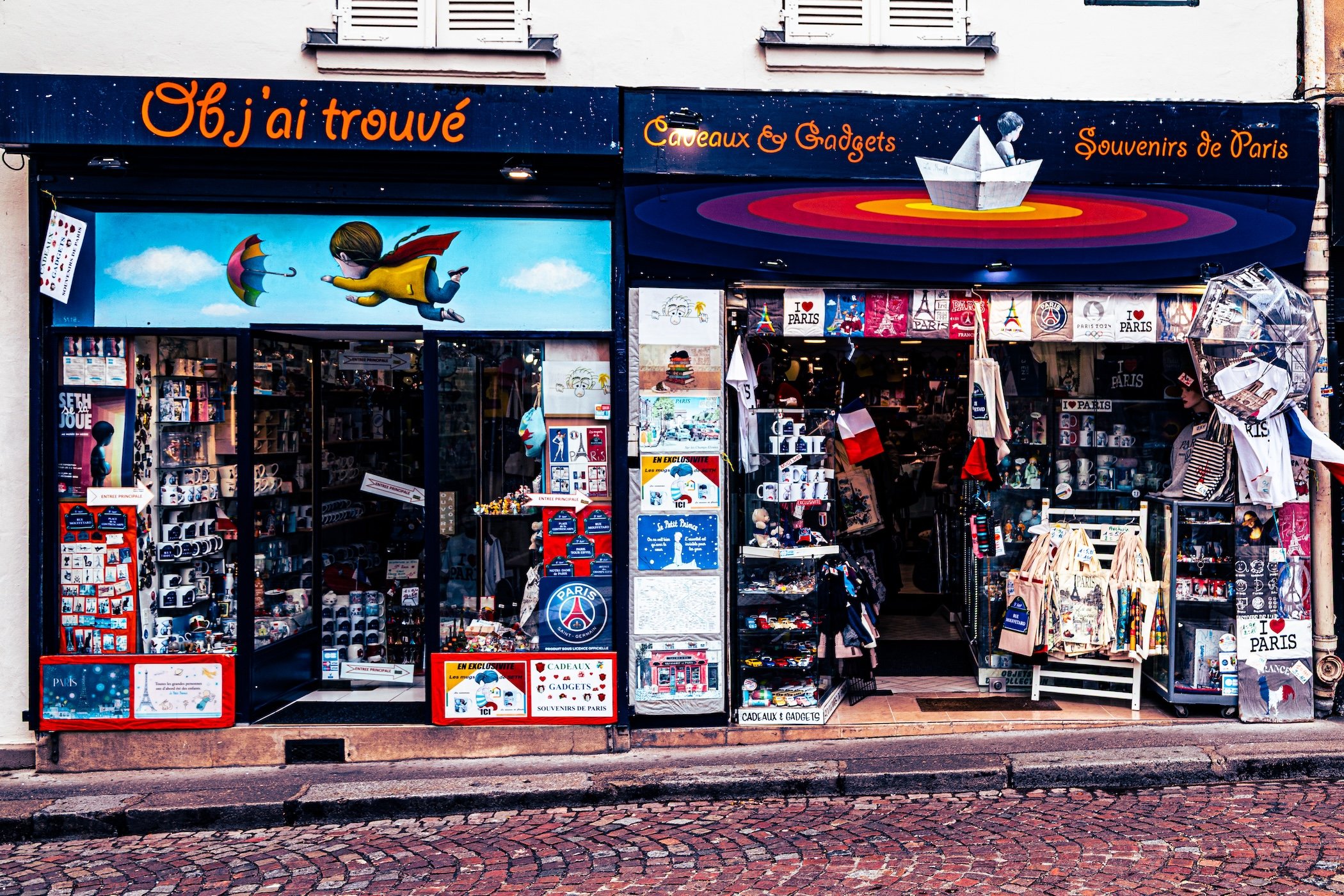
Val-de-Grâce revealed a visual identity built from contrasts between animation and seclusion. Around Place de la Contrescarpe and Rue Mouffetard, the neighborhood remained closely tied to the life of the street: cobblestones, café terraces, painted shopfronts, projecting signs, awnings, and narrow façades created a dense, human-scaled environment. The commercial energy felt deeply embedded within the older street form, allowing contemporary businesses to inhabit a setting that still carried the irregularity and intimacy of historic Paris.
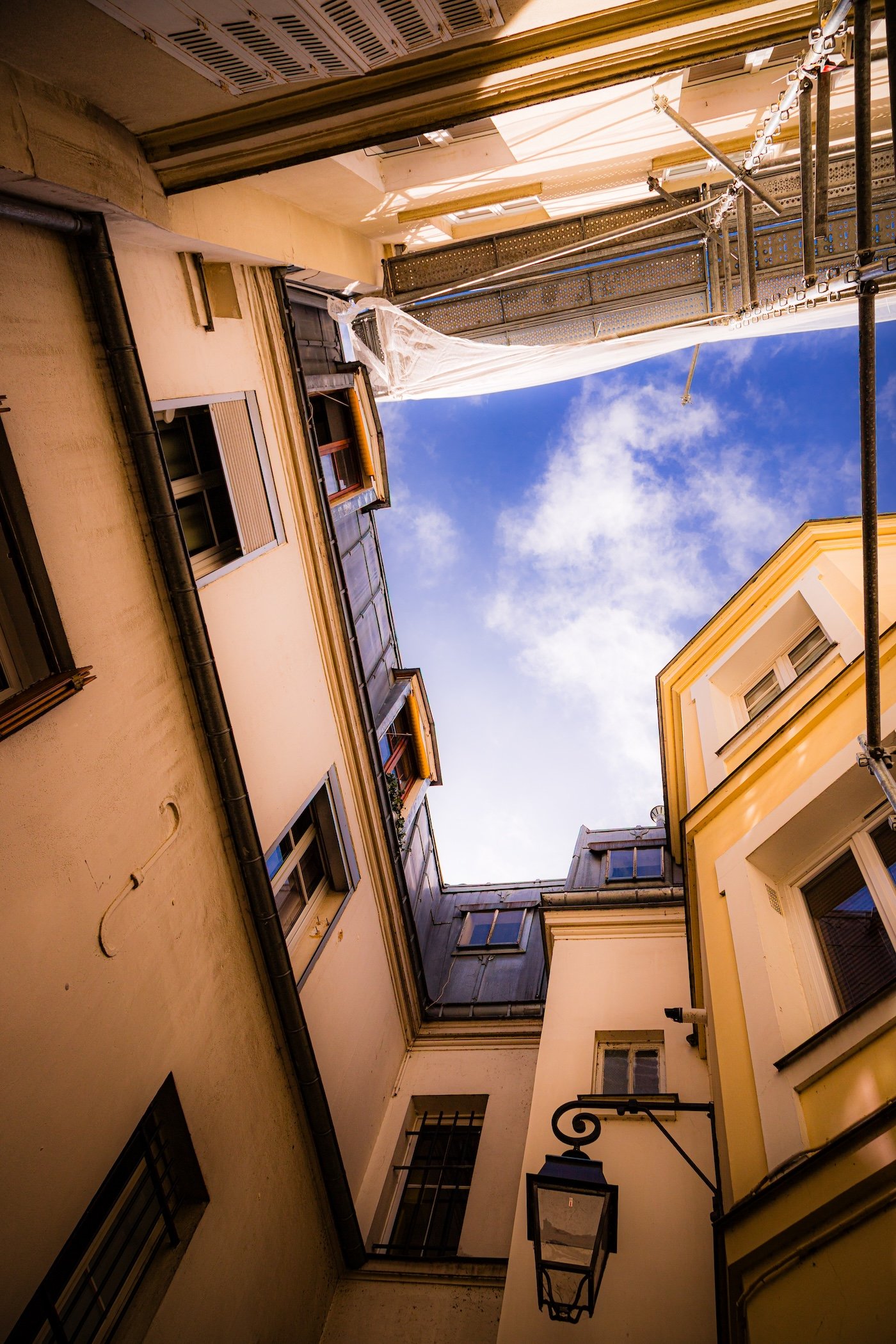
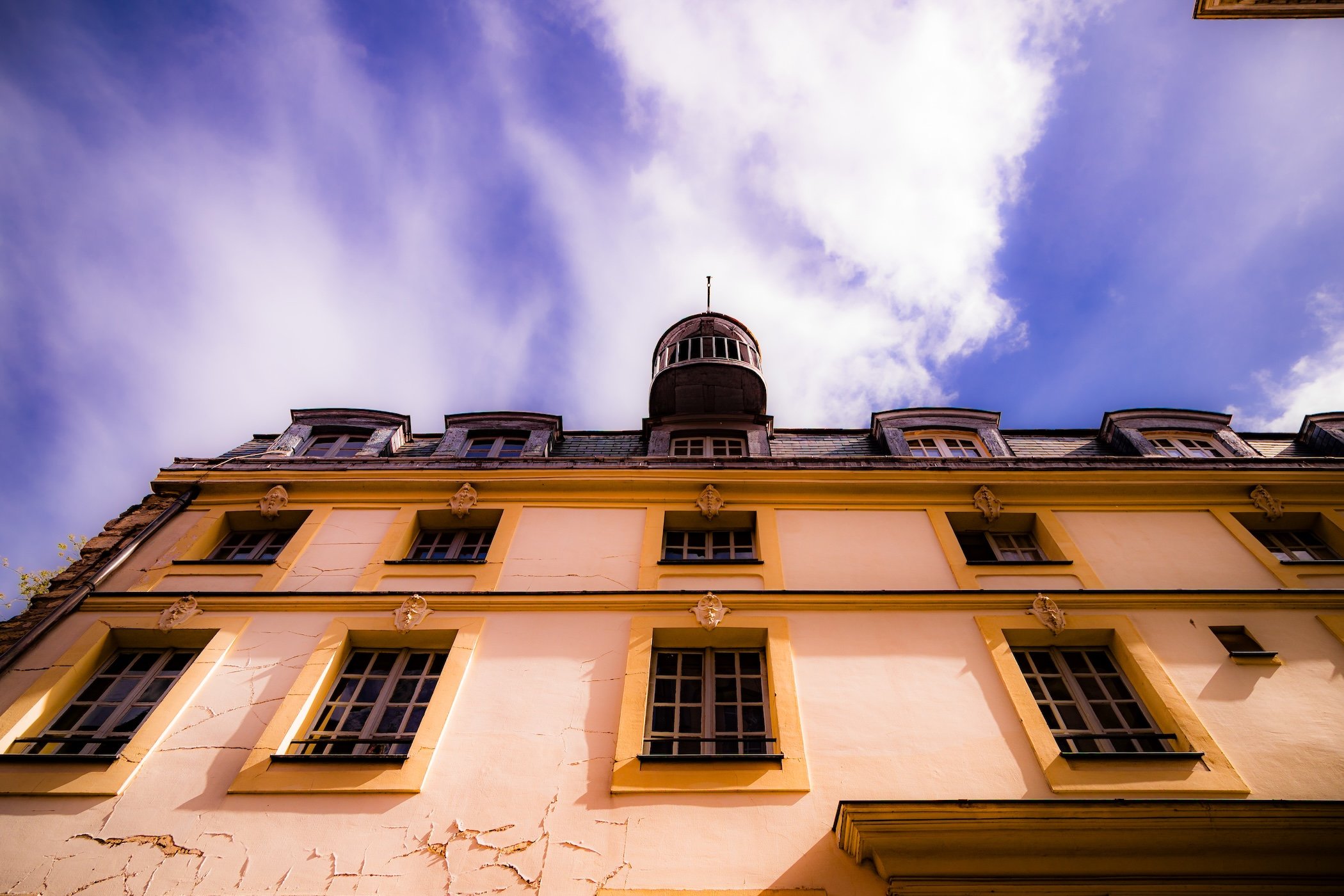
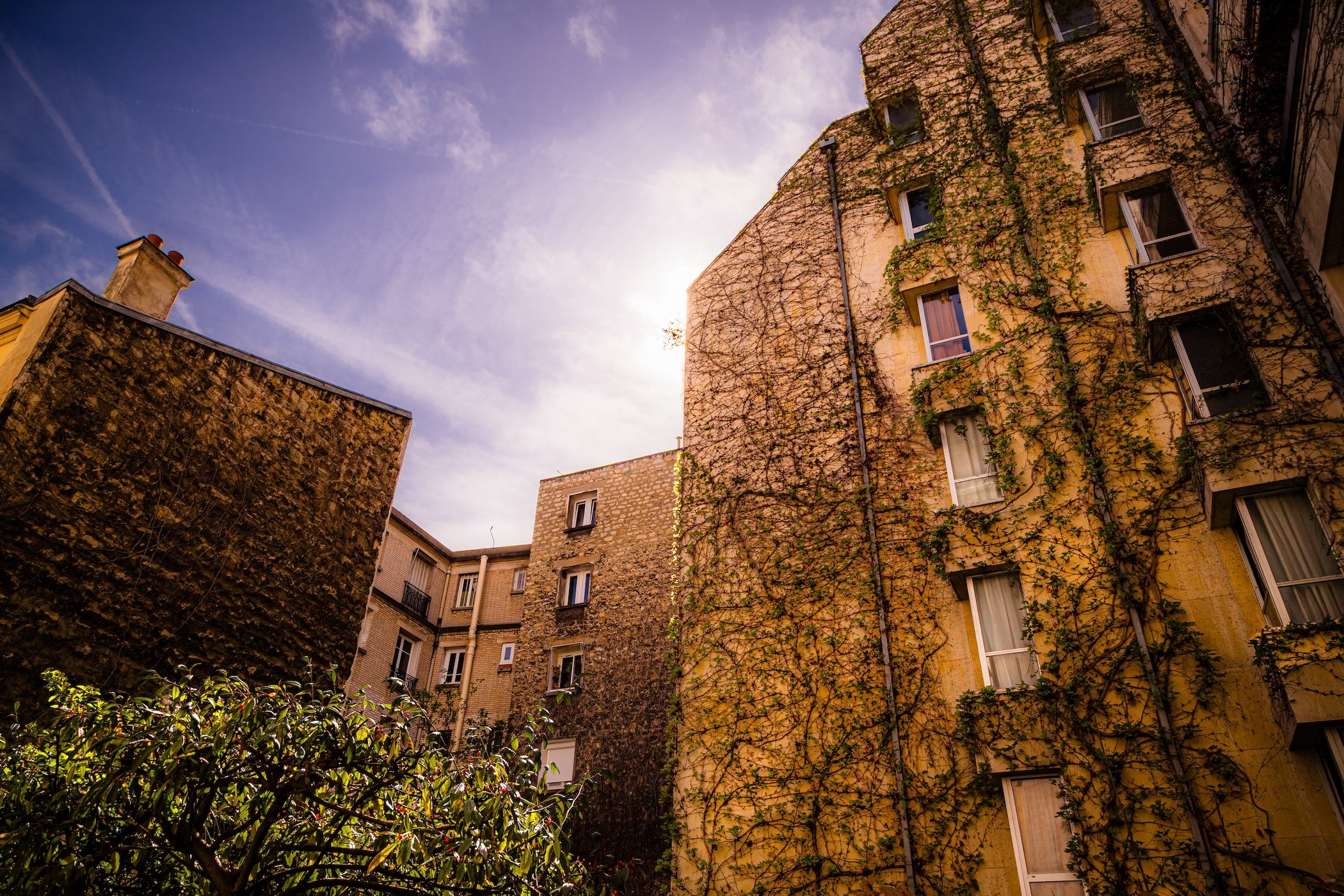
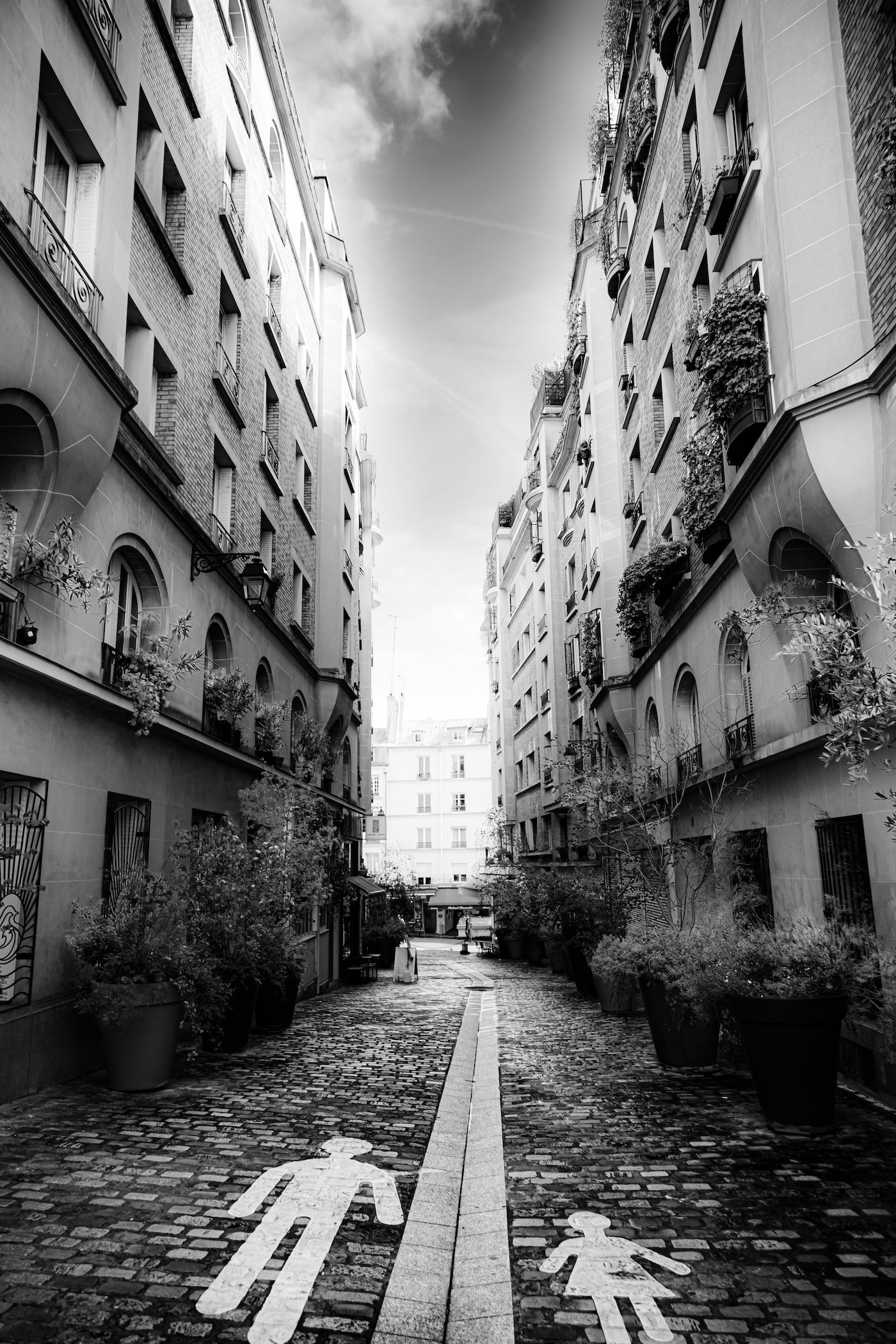
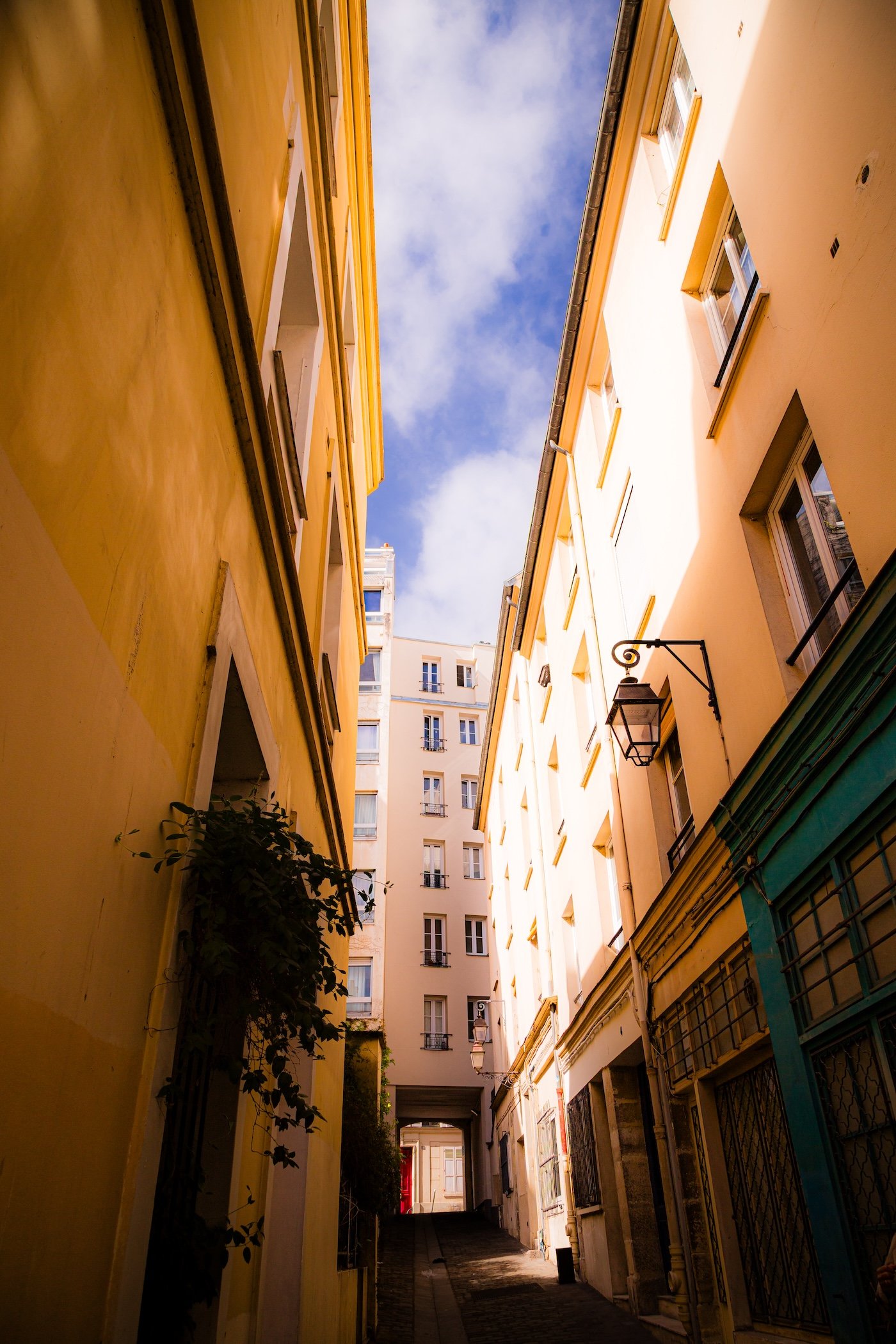
Passage des Postes introduced a more concealed and almost secretive character. Enclosed between stone walls and ivy-covered façades, the passage felt separated from the surrounding city despite lying only moments from Rue Mouffetard. Its weathered masonry, irregular windows, climbing vines, and sharply framed sky gave it the atmosphere of an architectural vestige—an especially fitting setting for a place connected to the imagined Paris of Les Misérables.
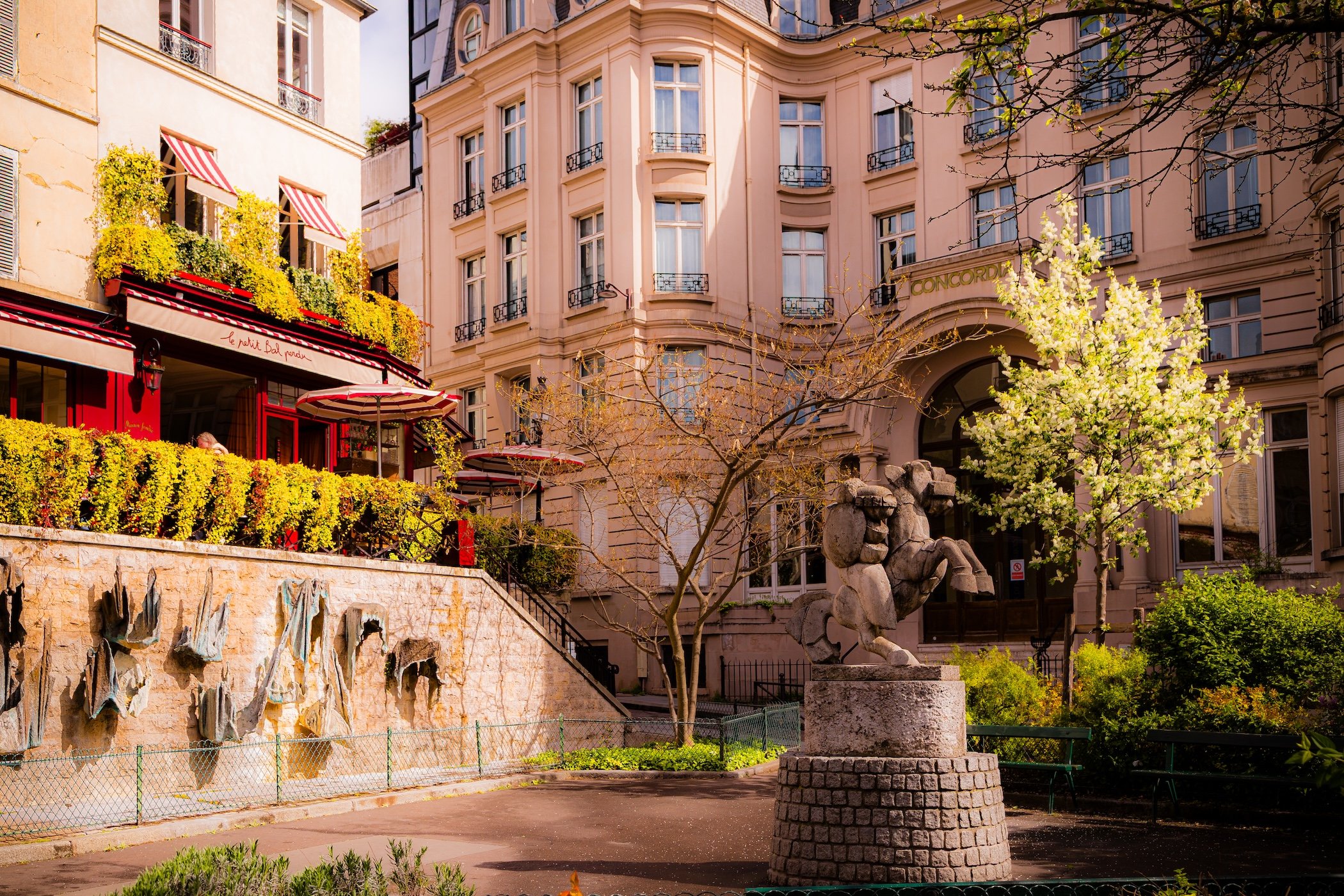
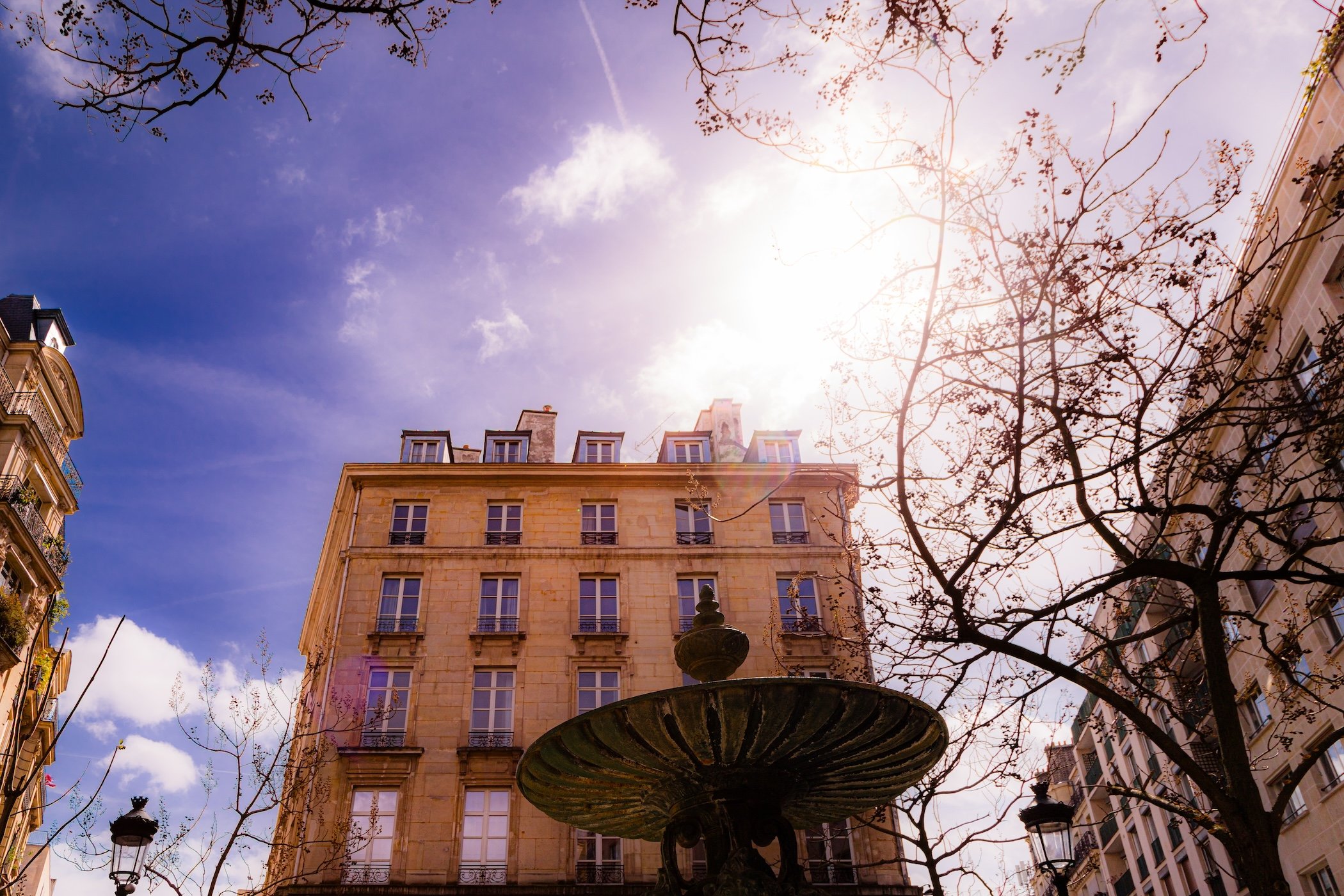
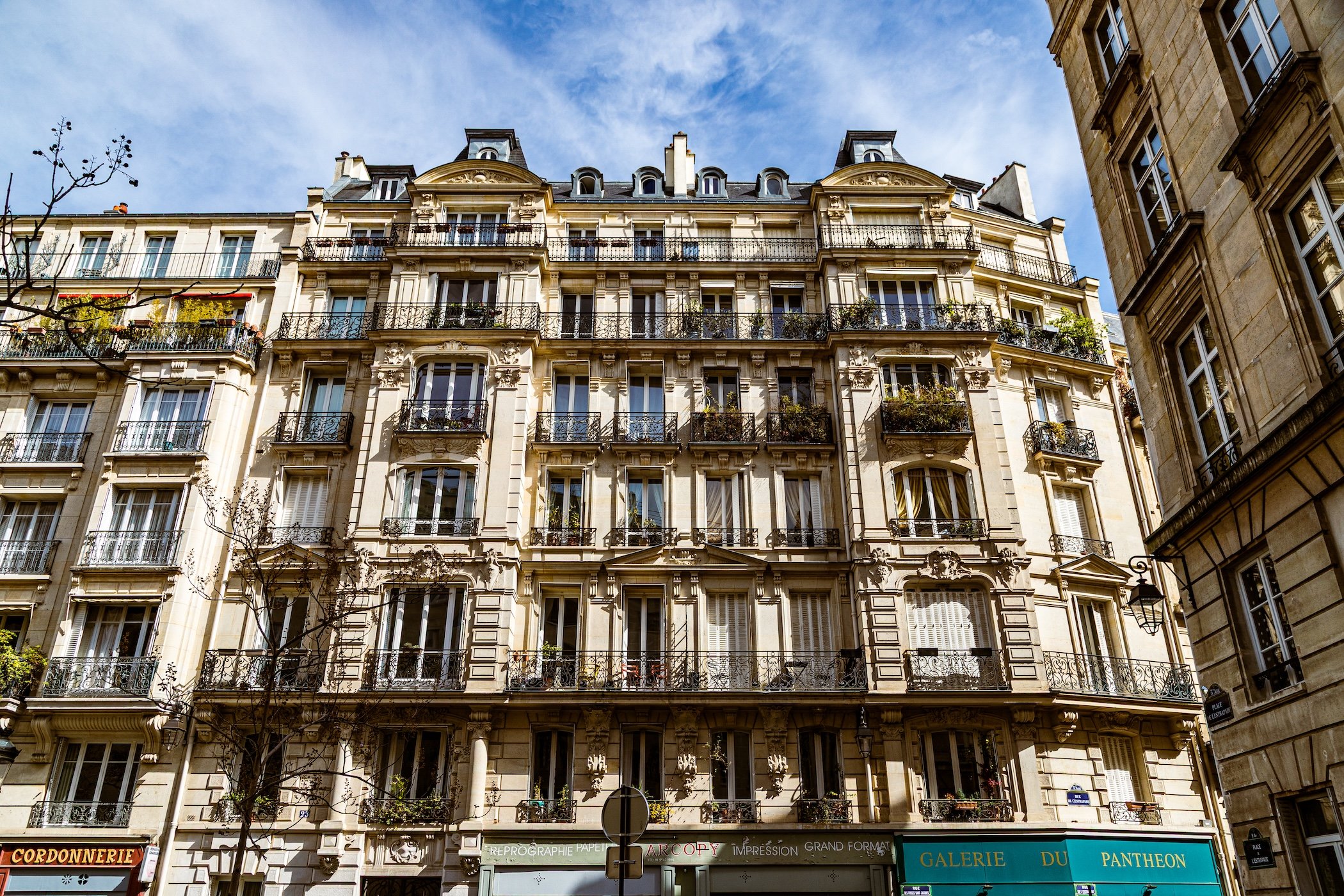
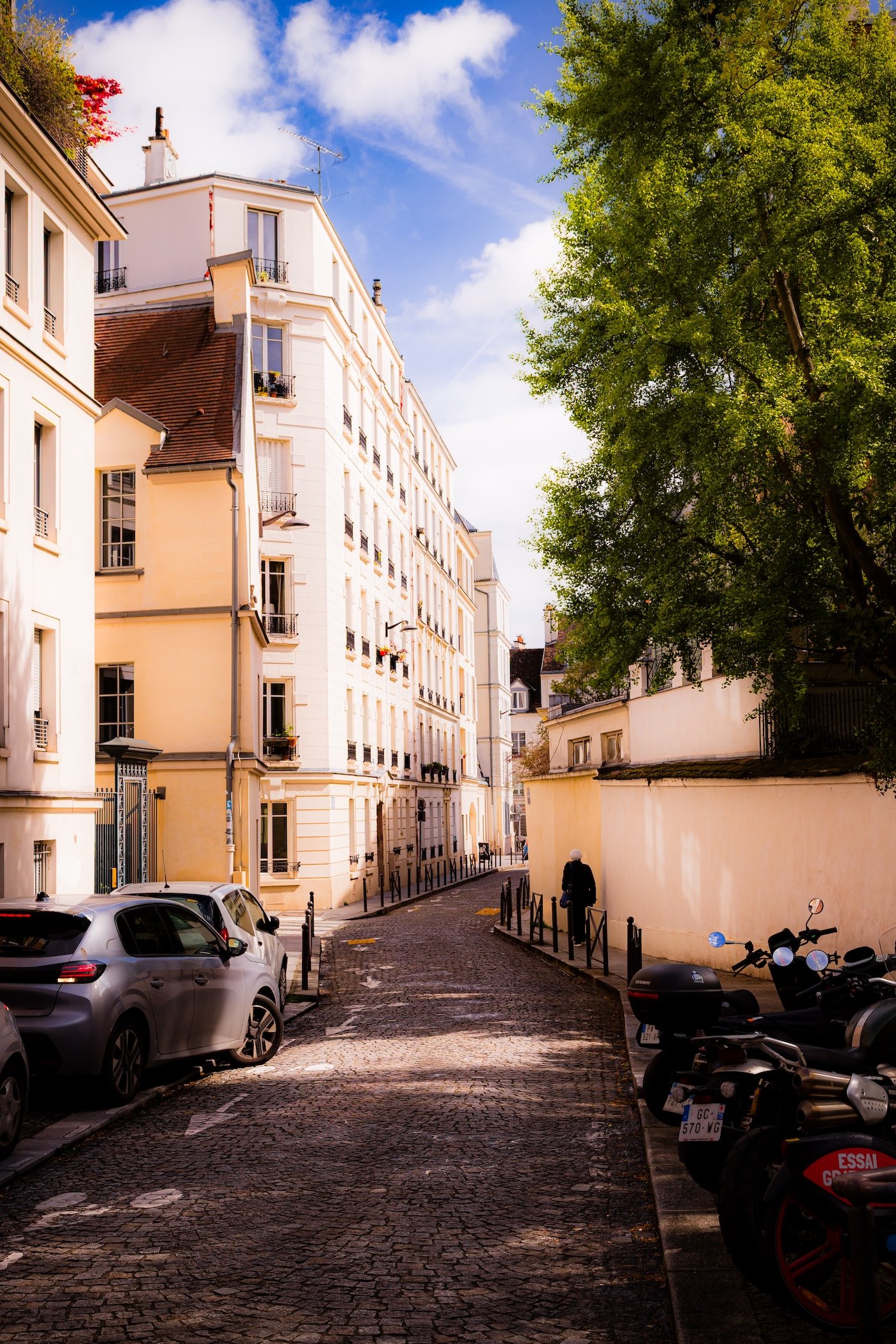
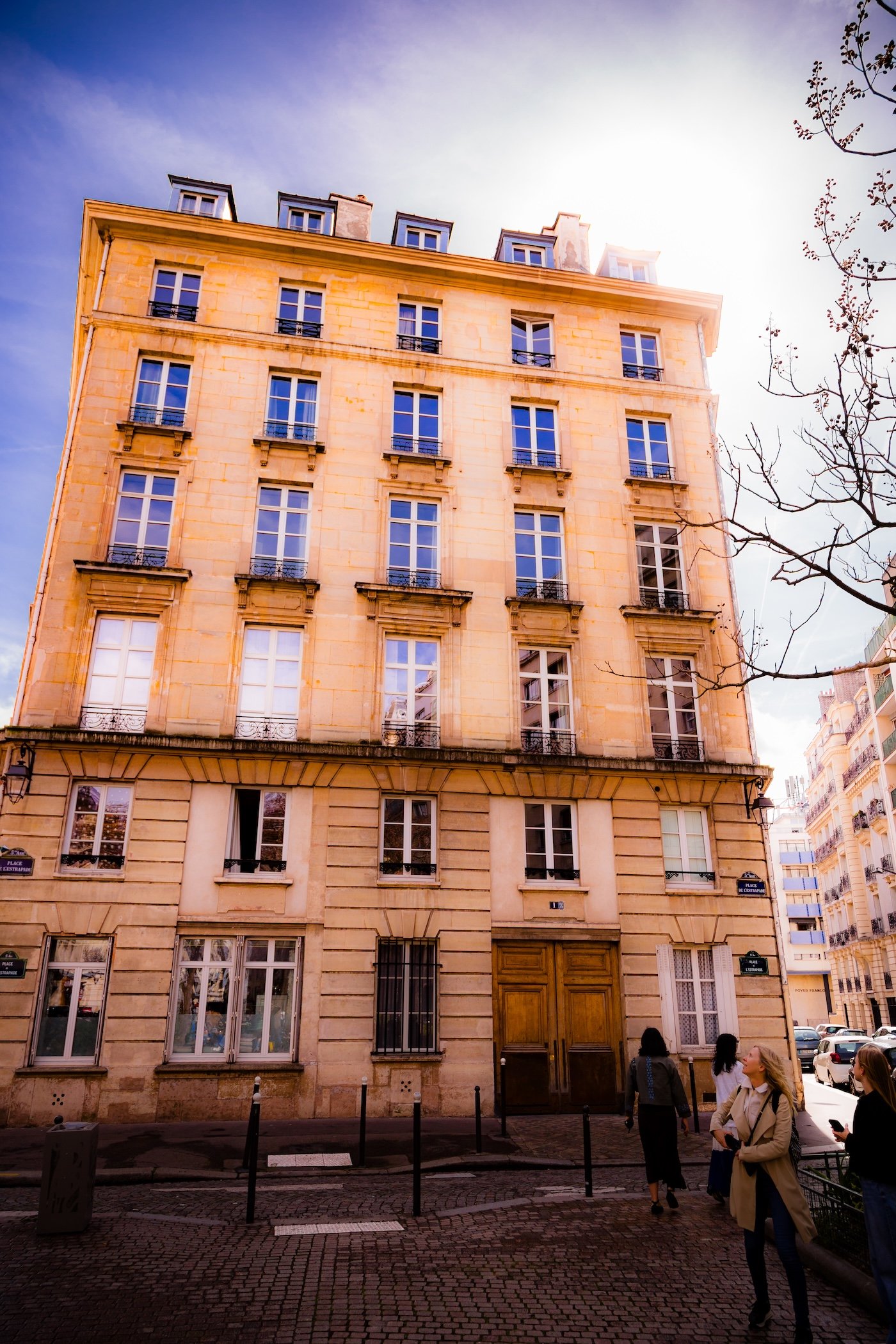
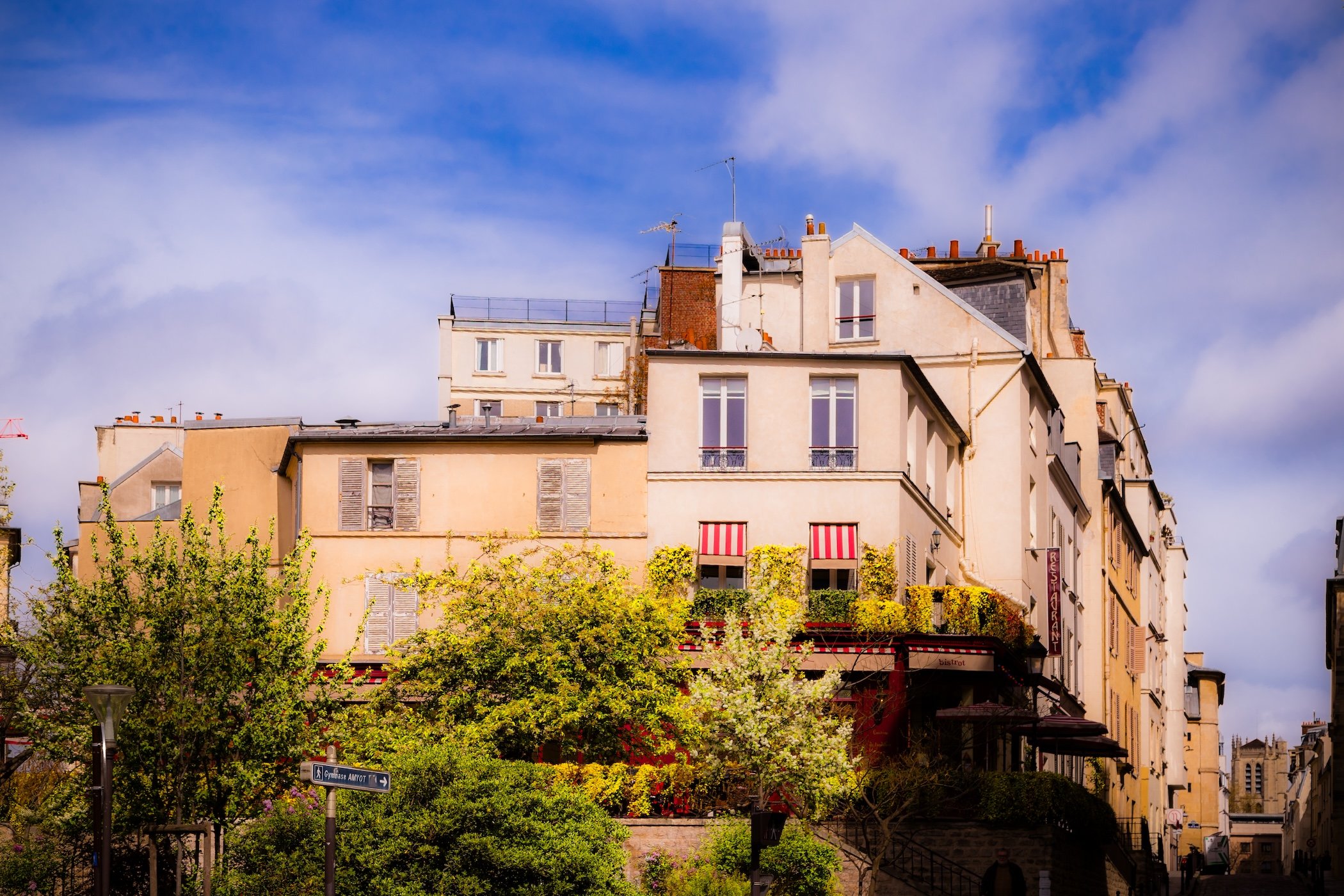
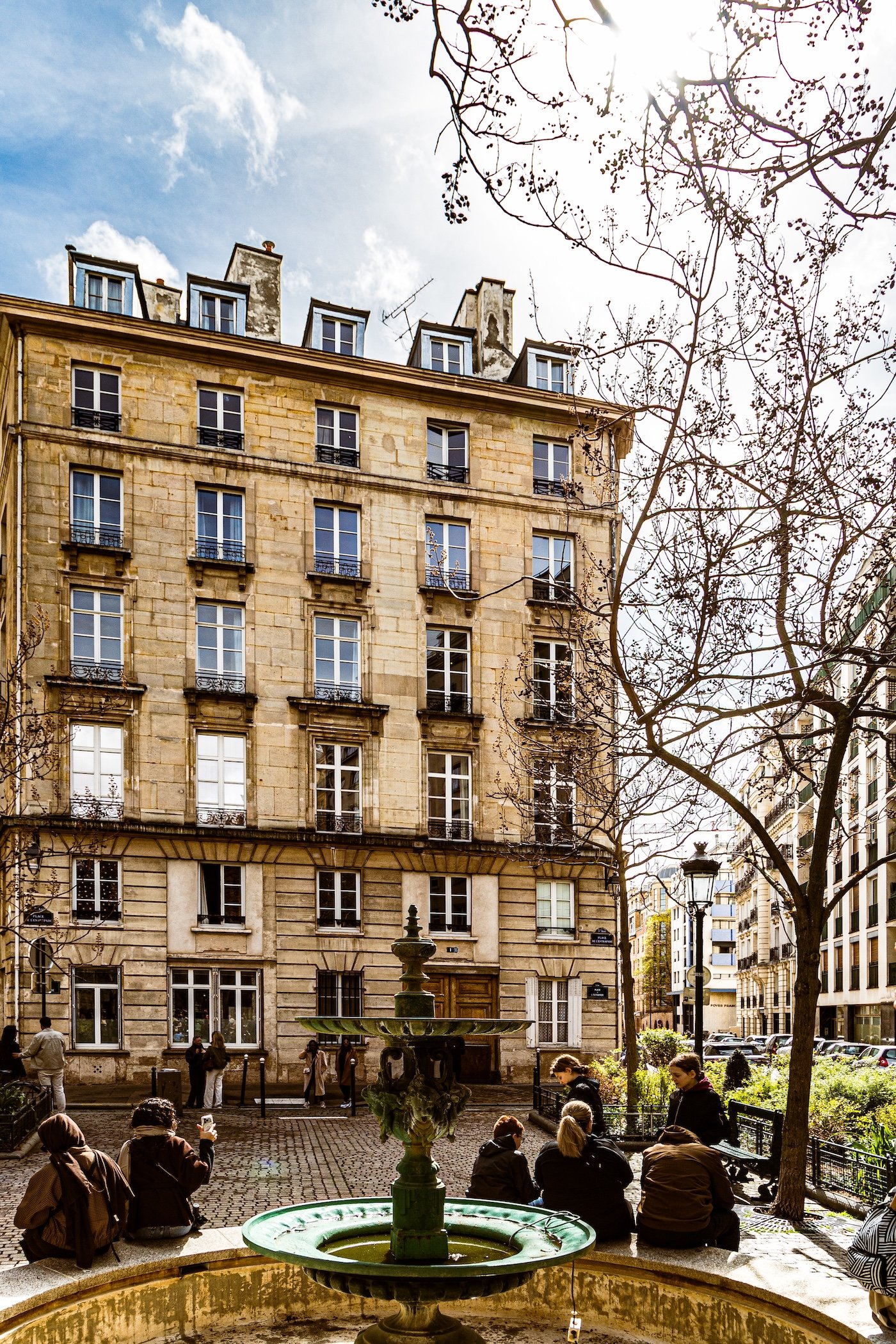
Farther north, Rue Lhomond brought another transformation. The streets became quieter and more pastoral, shaped by long institutional walls, restrained façades, planted courtyards, mature trees, and narrow lanes opening unexpectedly toward sunlight. Place de l’Estrapade completed the progression with a more polished urban elegance: a central fountain, spring foliage, warm façades, cobbled approaches, and cafés gathered around an intimate square. Across the visit, Val-de-Grâce appeared as a neighborhood of layered enclosures—commercial street, hidden passage, quiet institutional quarter, and picturesque square—each revealing a different form of old Paris.
Through The Lens
-
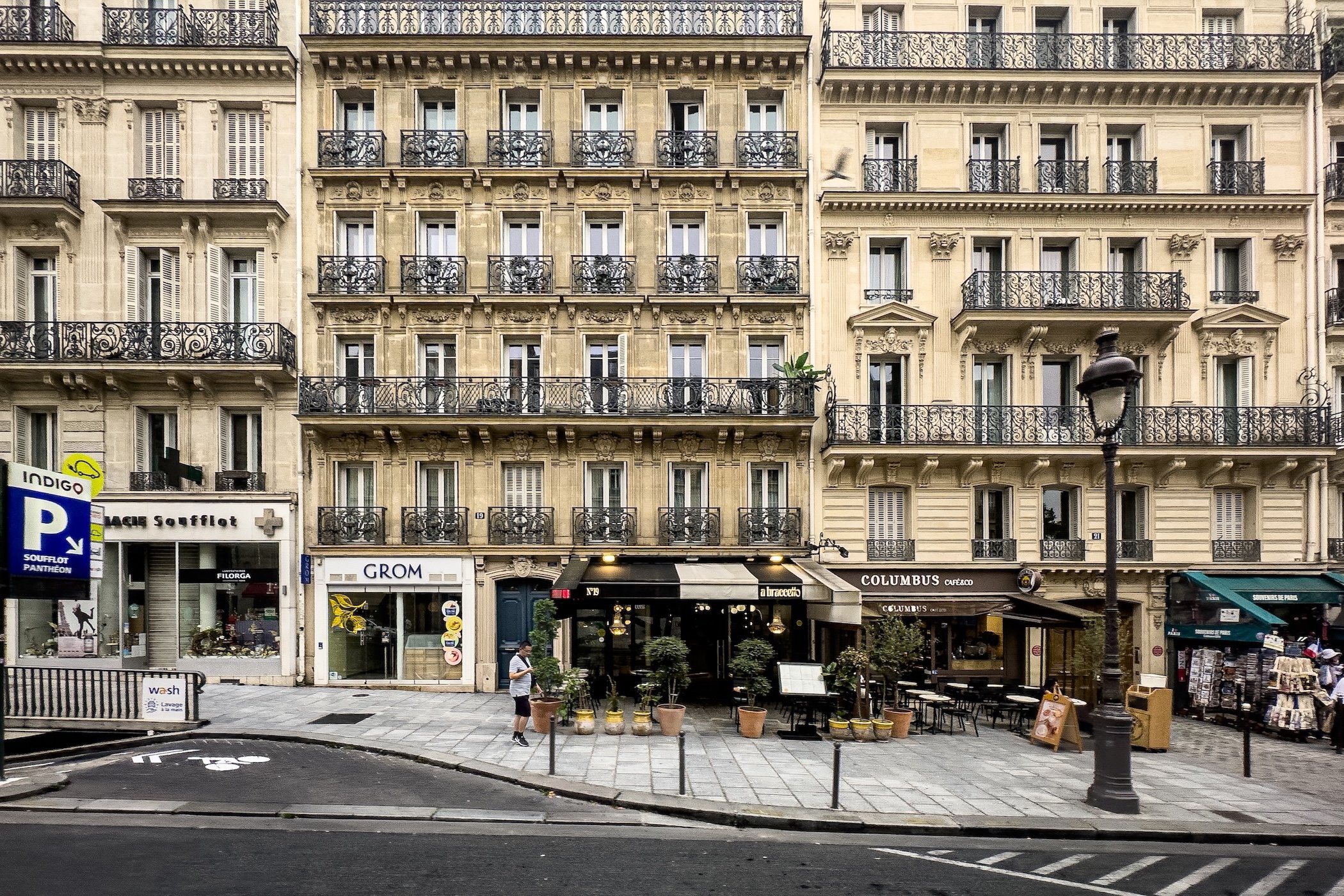
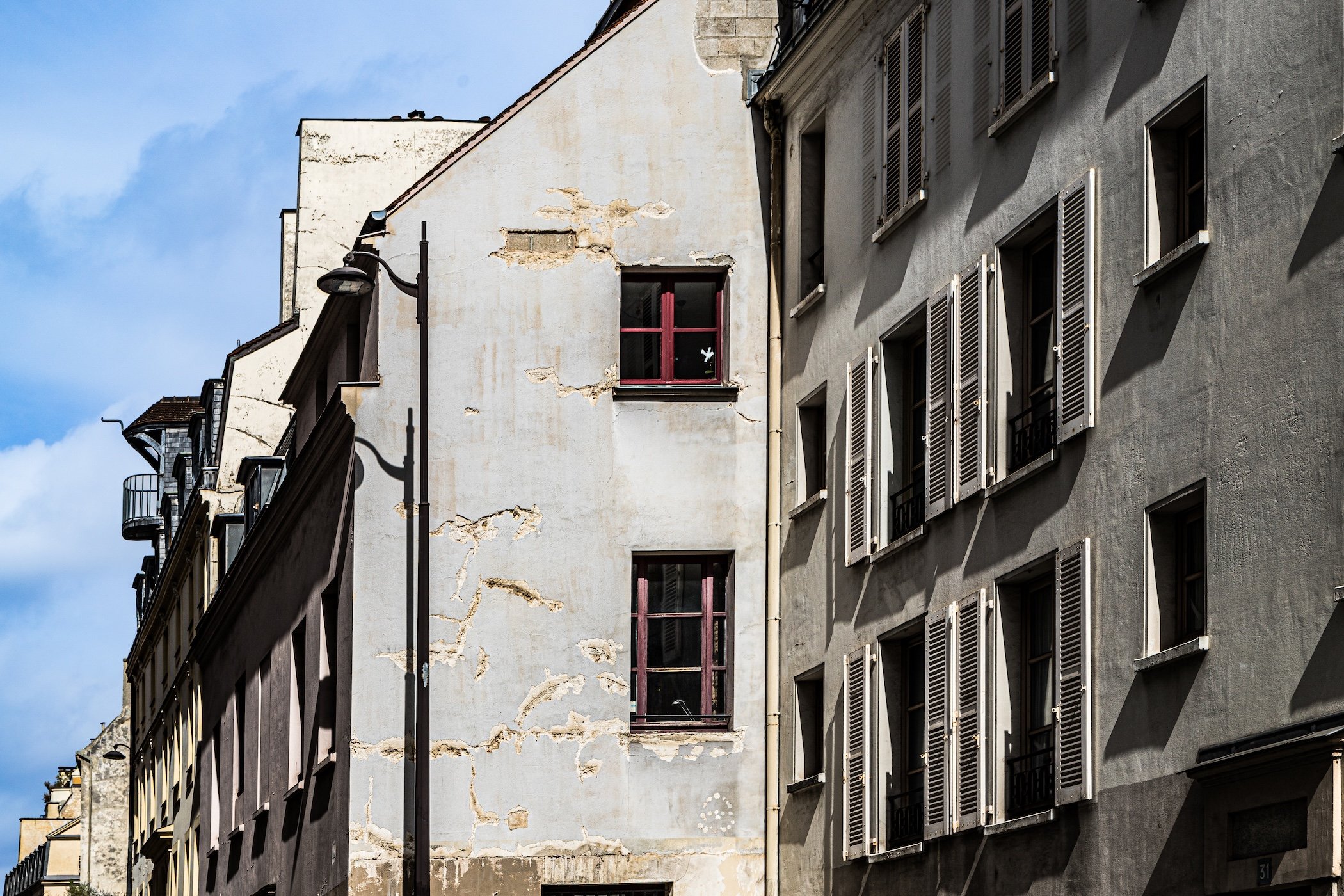
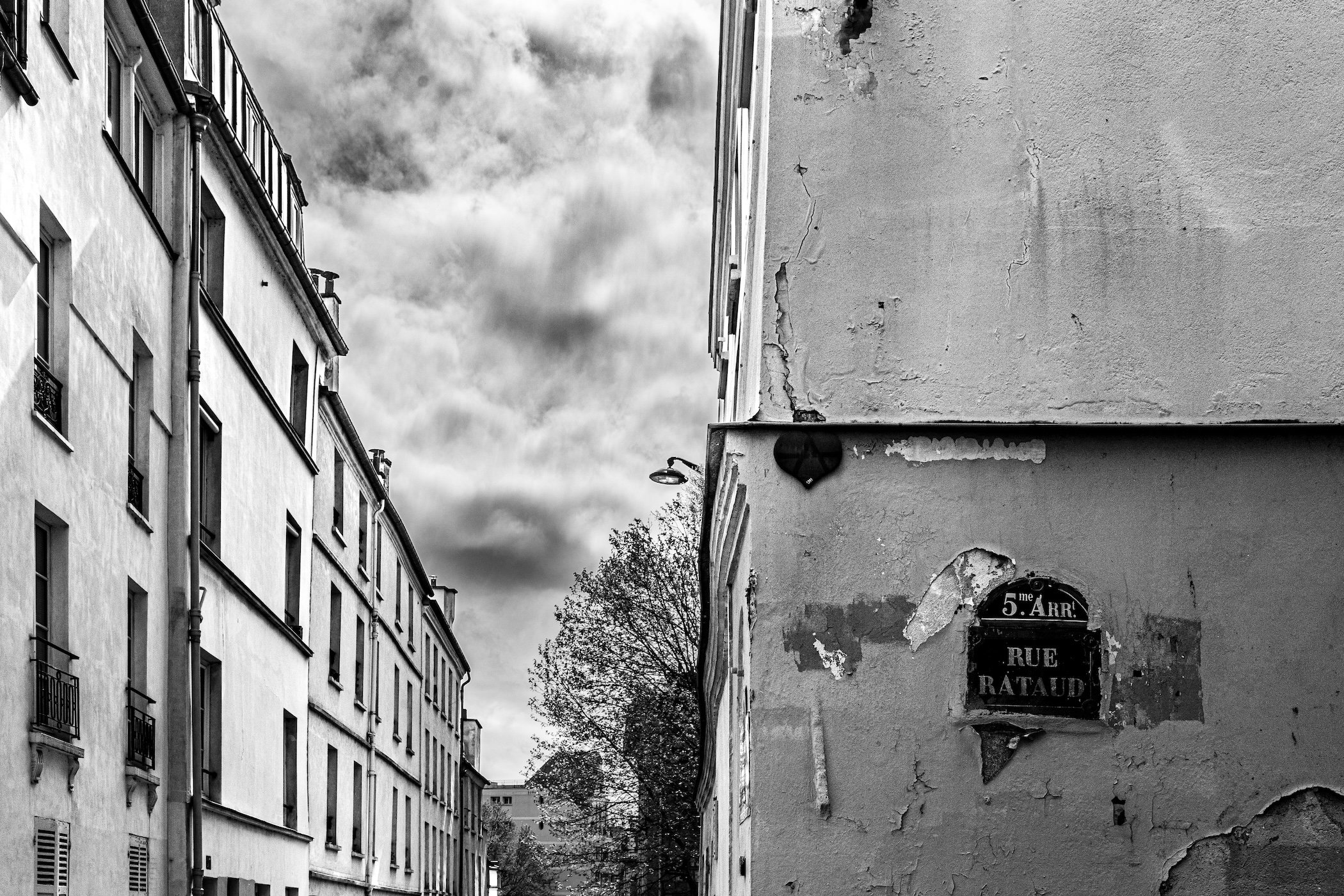
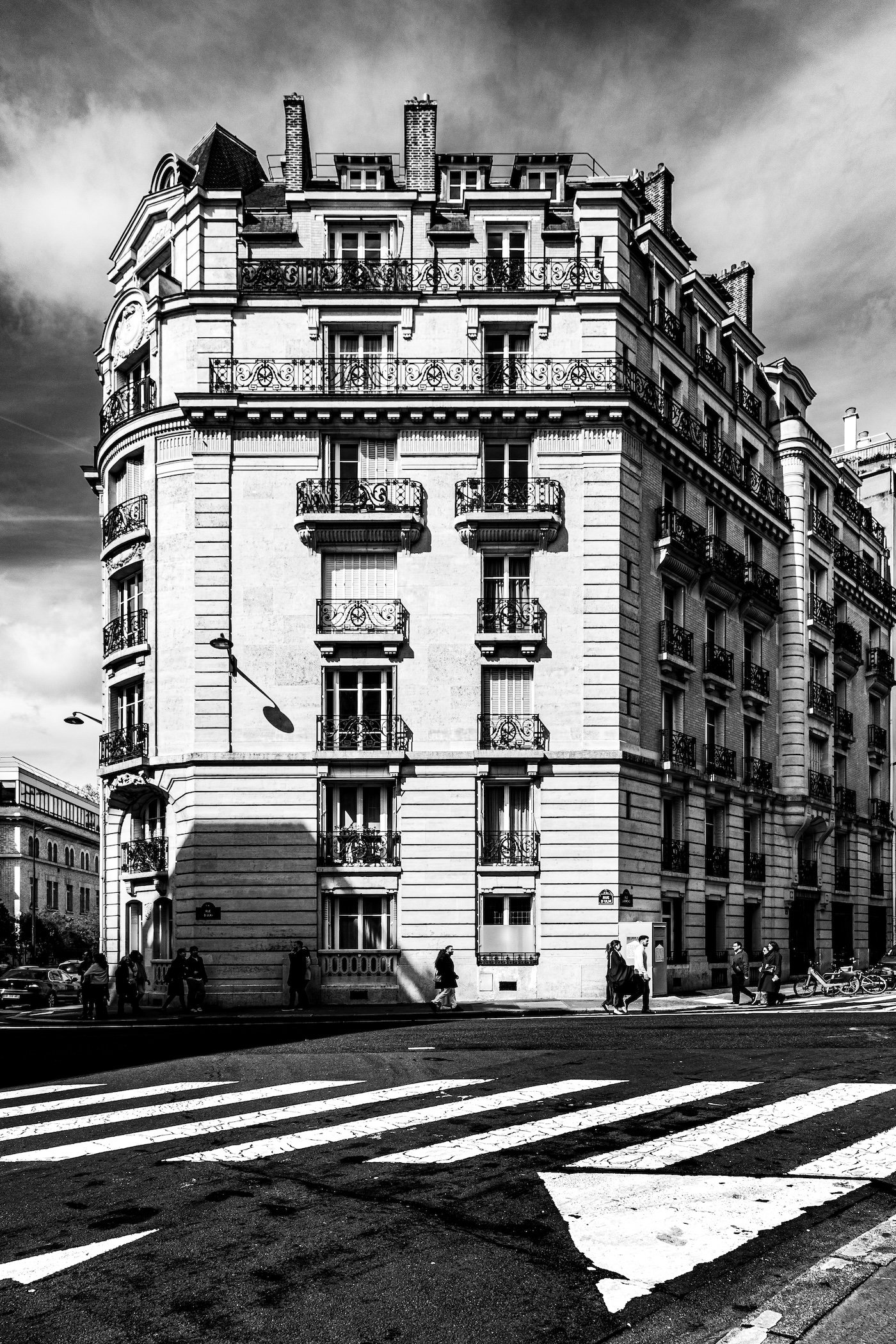
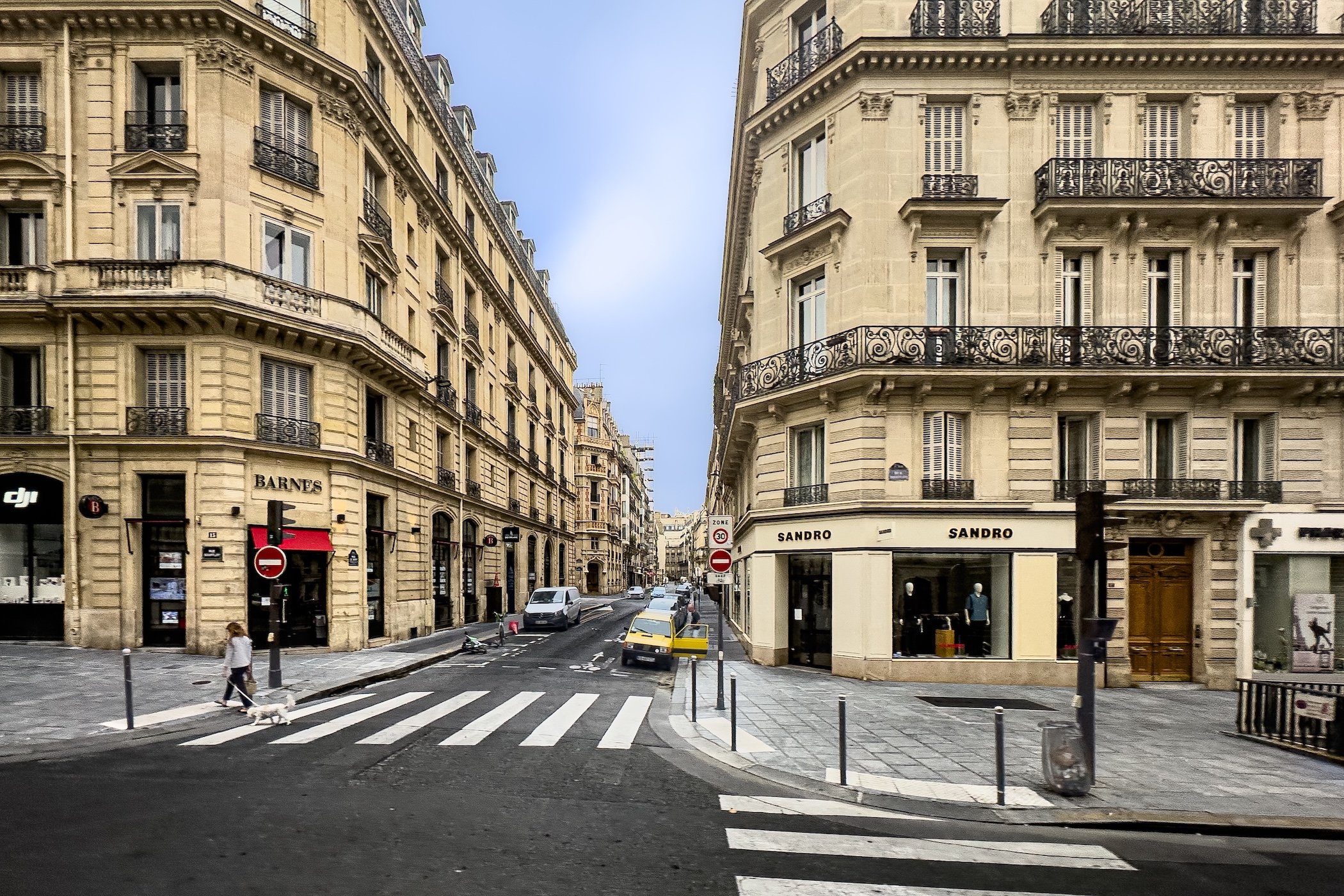
The Val-de-Grâce images are spare by necessity. They preserve a passing impression: façades, street alignment, and the transitional space around Rue Soufflot. Through the lens, the quarter remains almost unresolved — a brief note in the day’s larger movement through the 5th arrondissement.
-
Through the lens, Val-de-Grâce unfolded through a continual alternation between close observation and upward-looking architectural views. Along Rue Mouffetard, the camera concentrated on storefronts, café fronts, display windows, signs, awnings, and the narrowing perspective of cobbled streets. These images establish the neighborhood at pedestrian level, where history is encountered not through isolated monuments but through the accumulation of façades, thresholds, and ordinary commercial details.
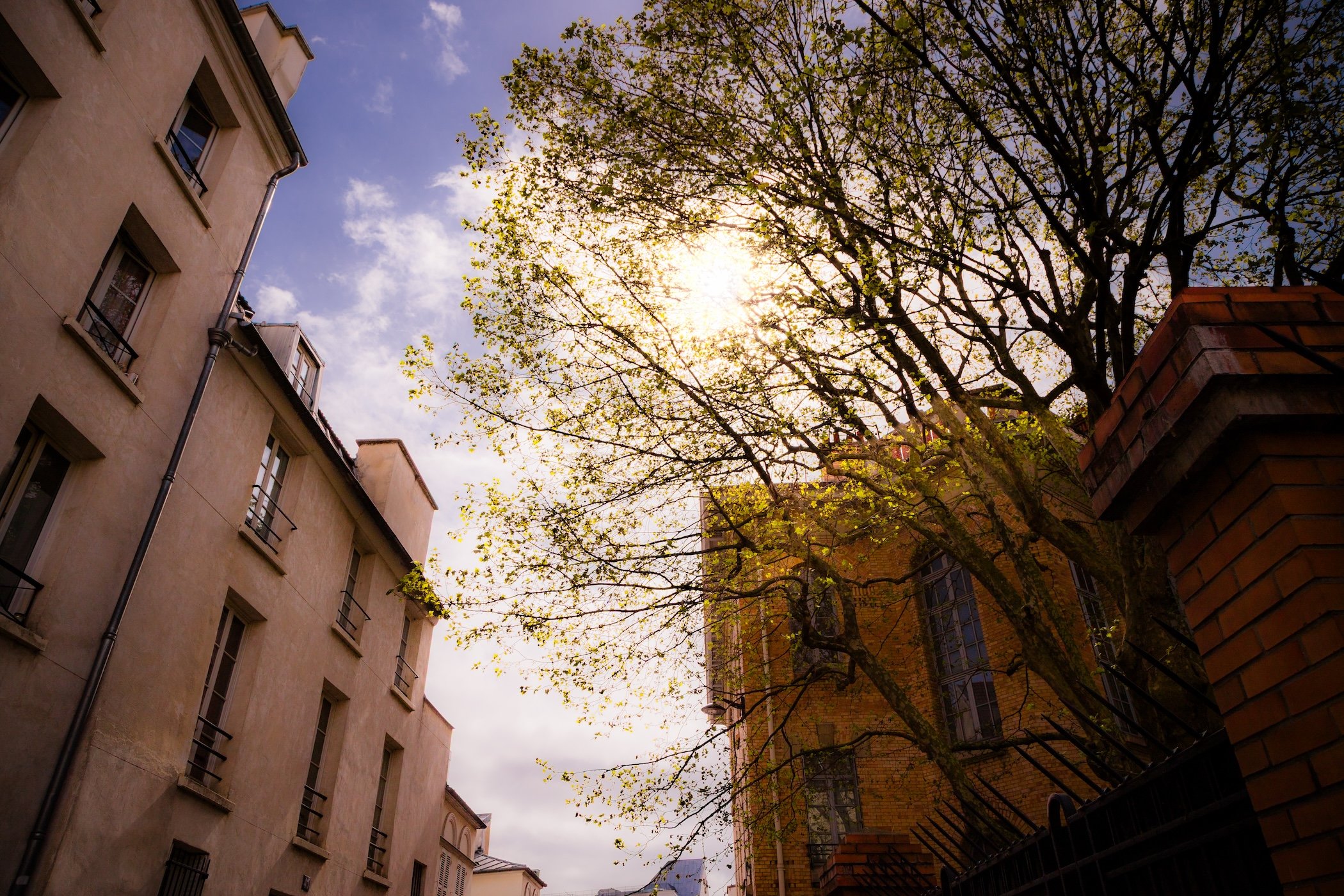
Passage des Postes encouraged a more dramatic approach. Wide-angle compositions looked upward through the enclosed space, allowing ivy-covered walls and irregular masonry to converge around a luminous field of sky. Sunlight caught the upper façades while the lower passage remained partly shadowed, intensifying the sense of entering a place hidden within the surrounding blocks. The strongest image preserves the architecture as the primary subject, using the concealed sun and brilliant cloud as atmosphere rather than allowing the flare itself to dominate.
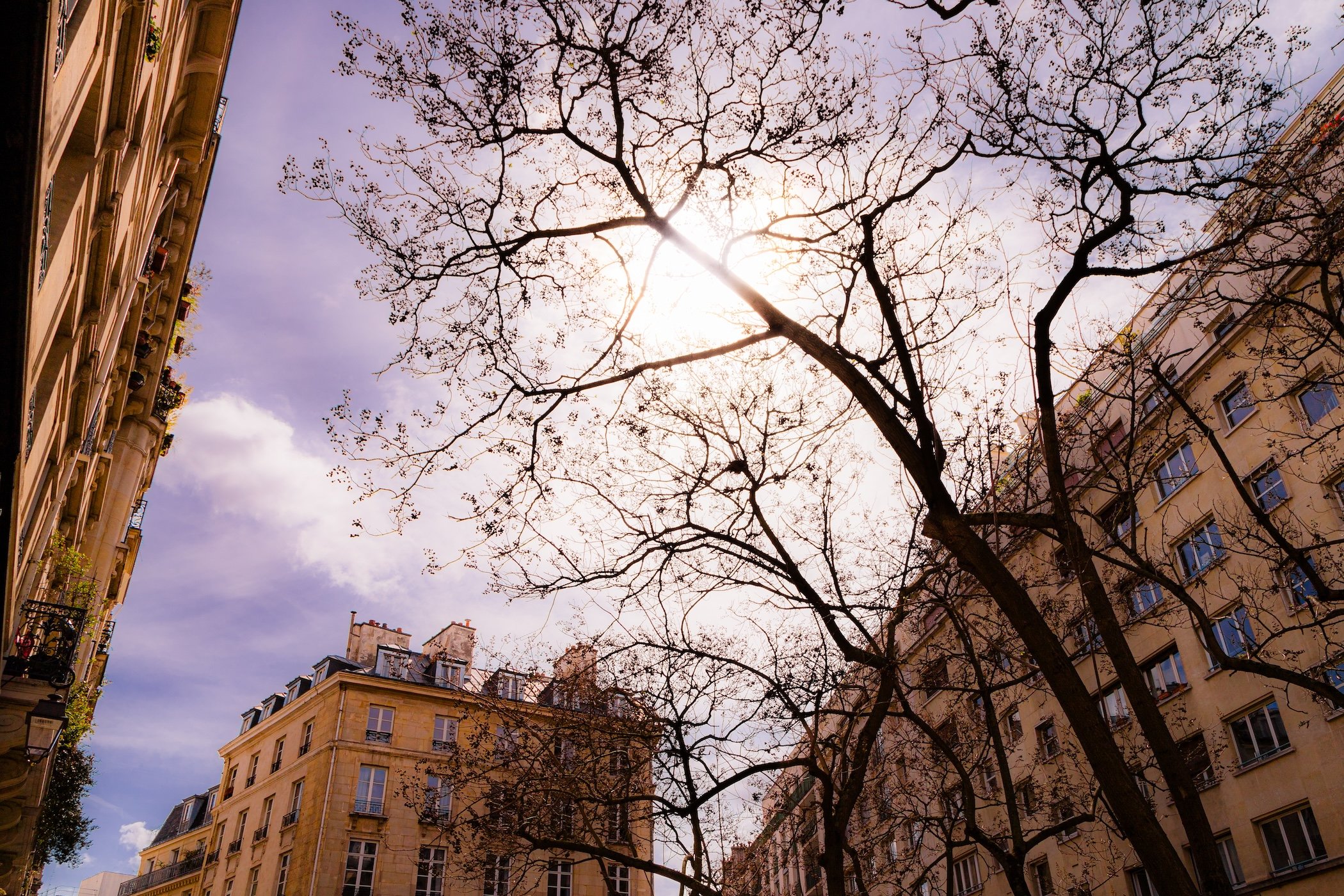
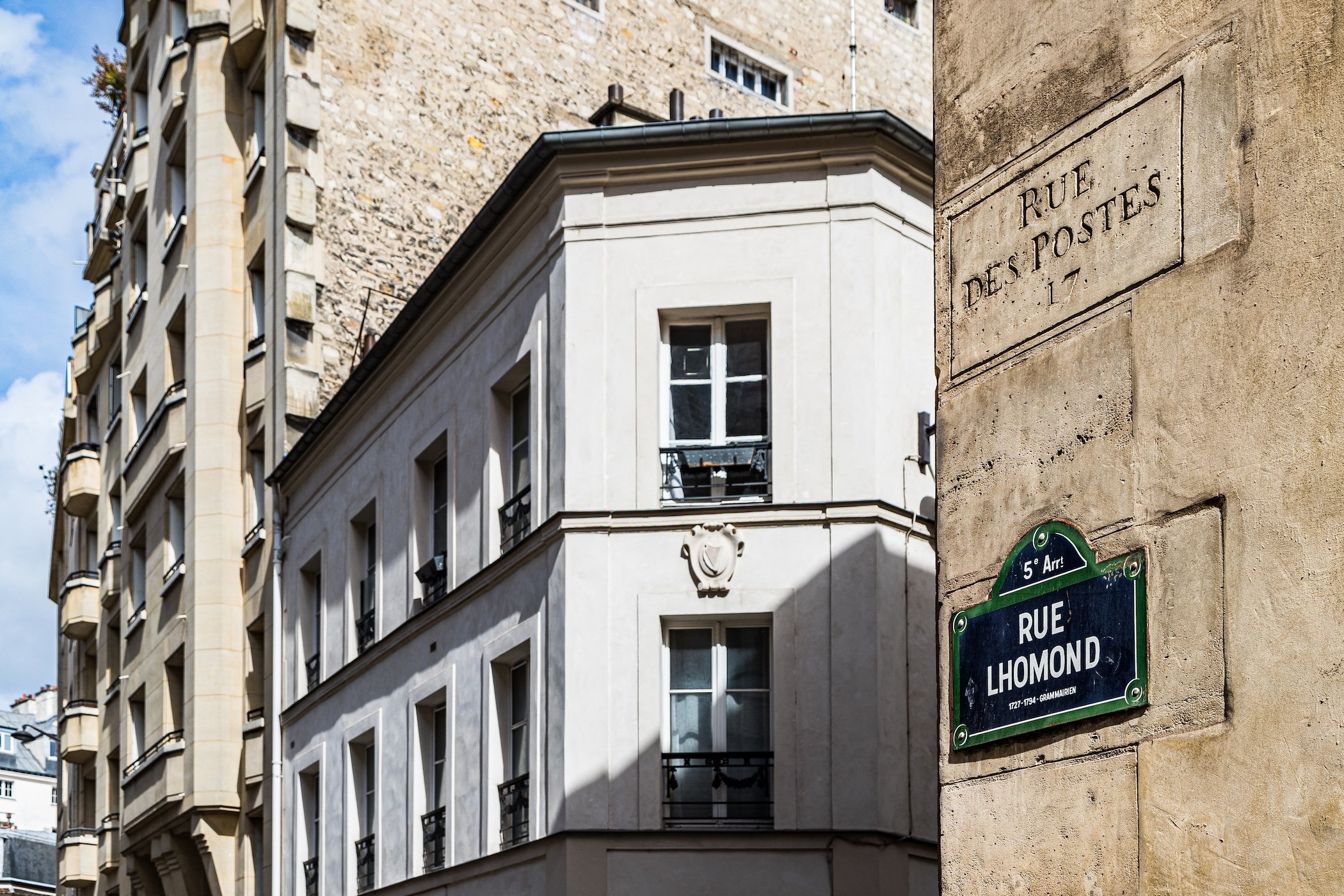
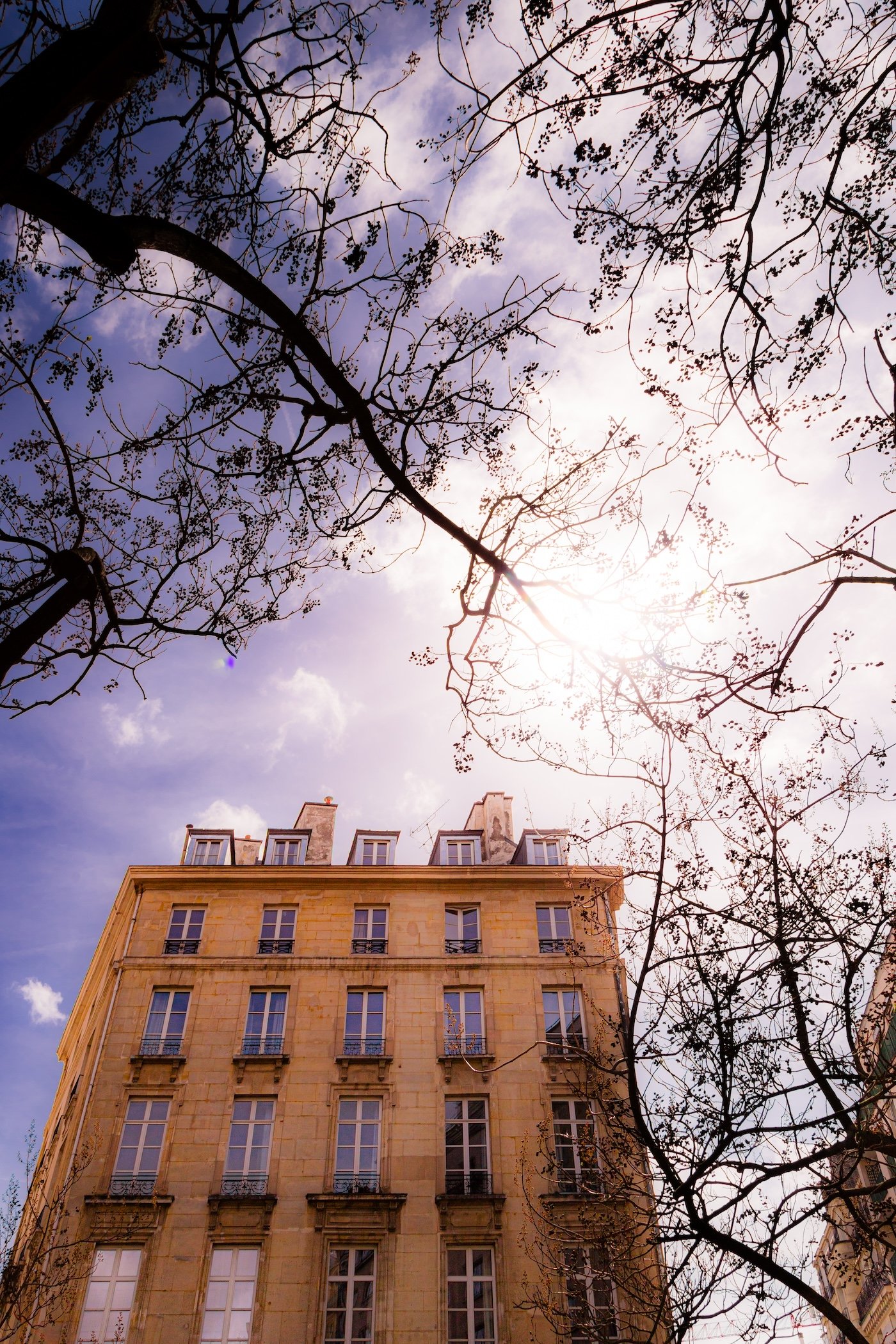
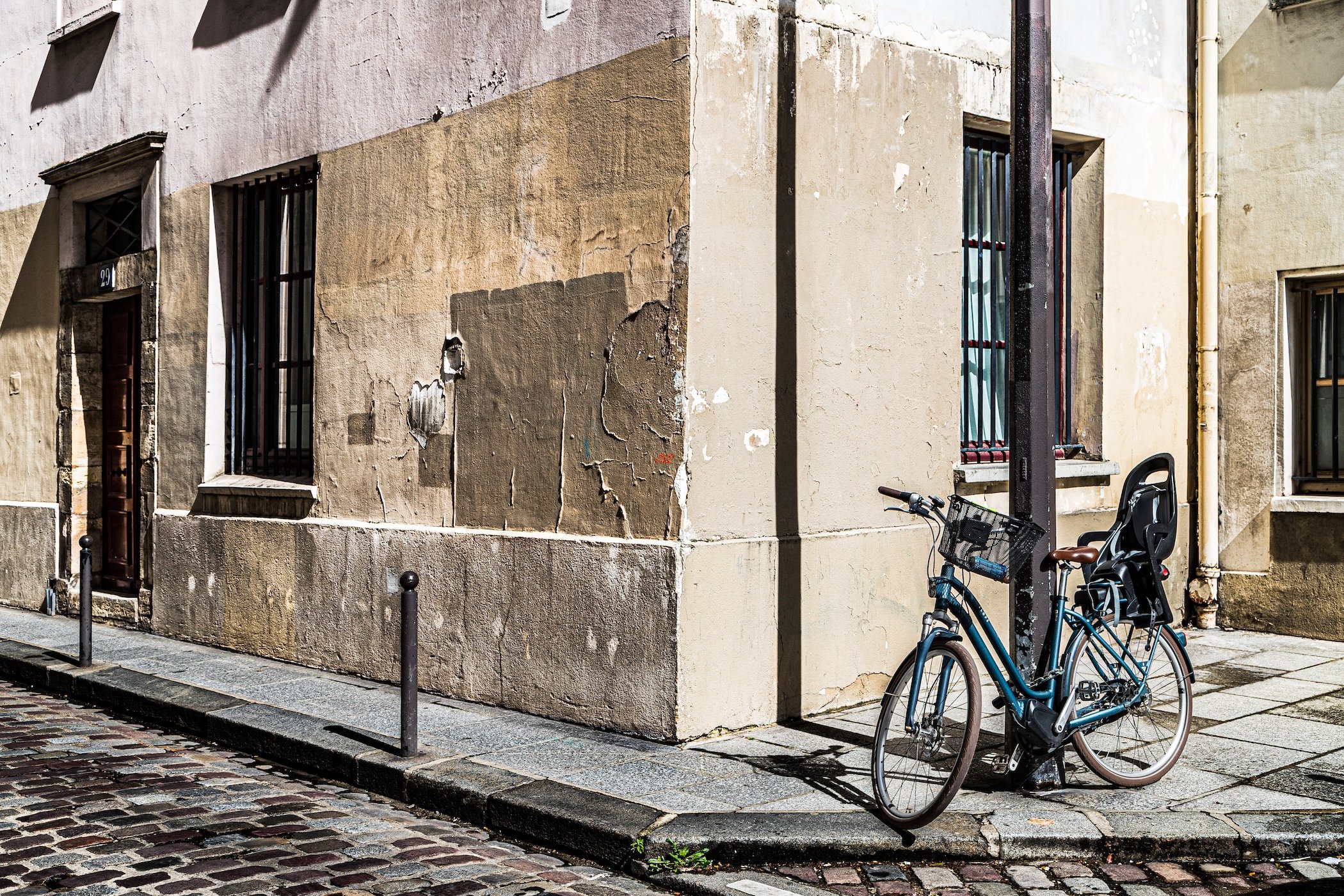
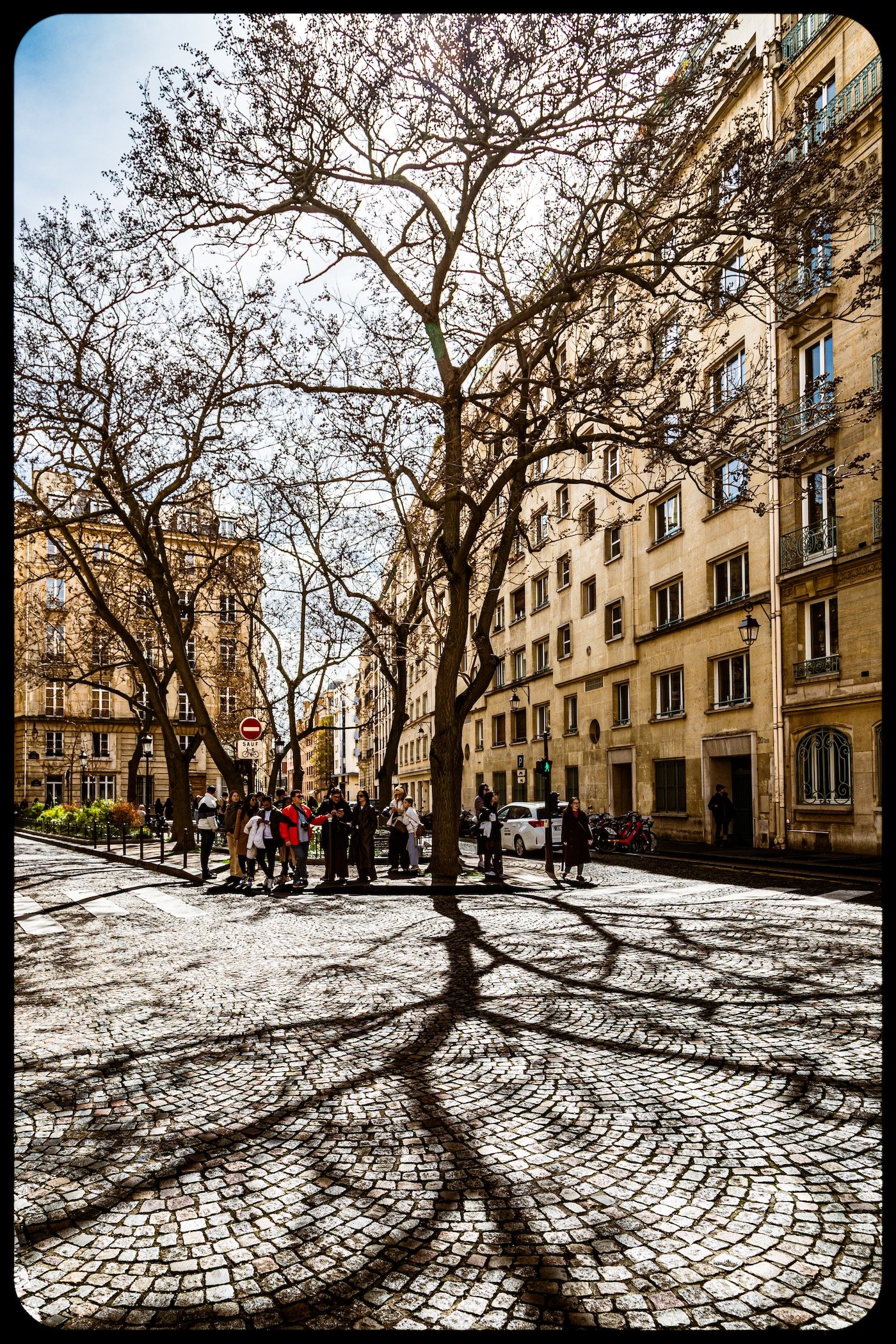
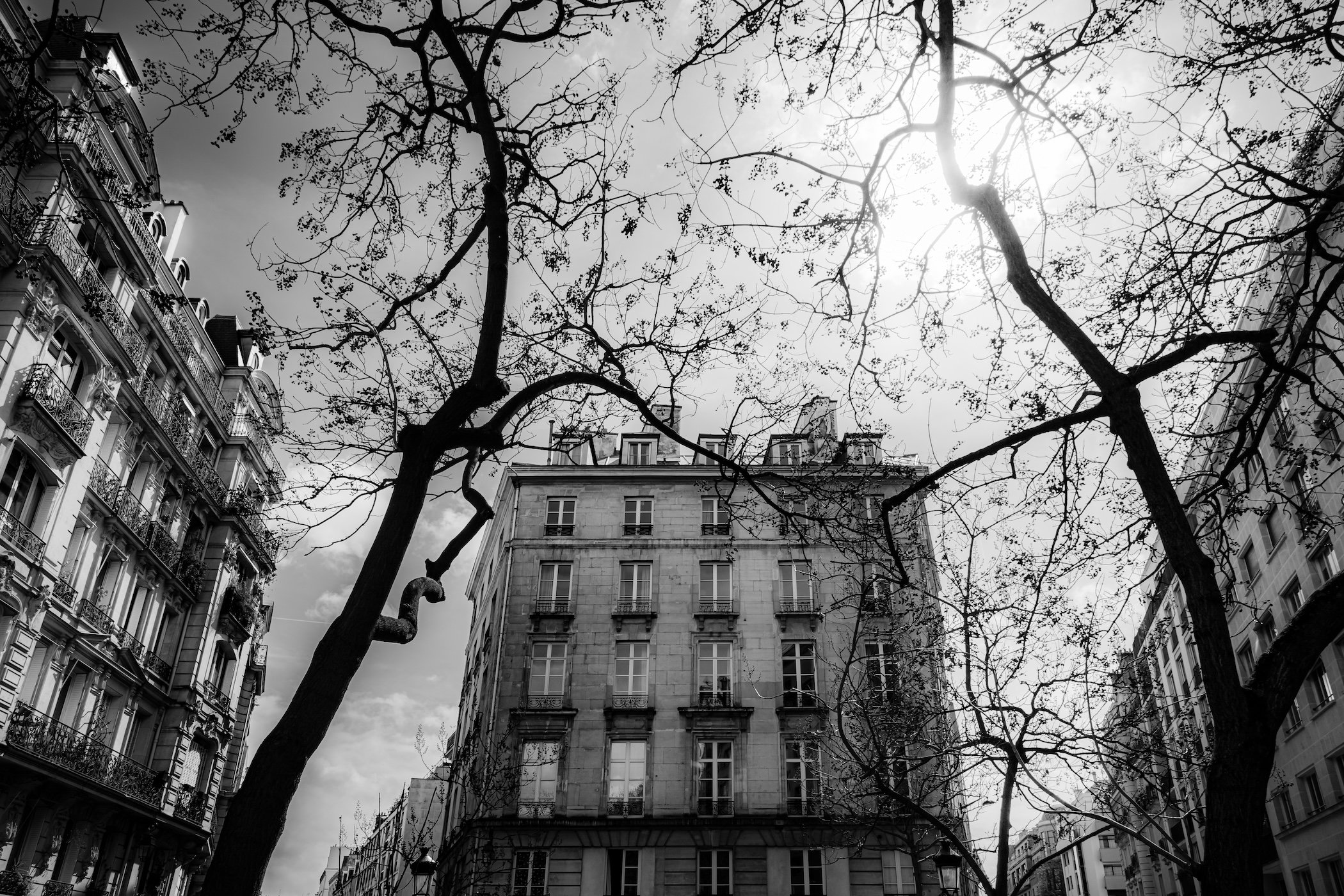
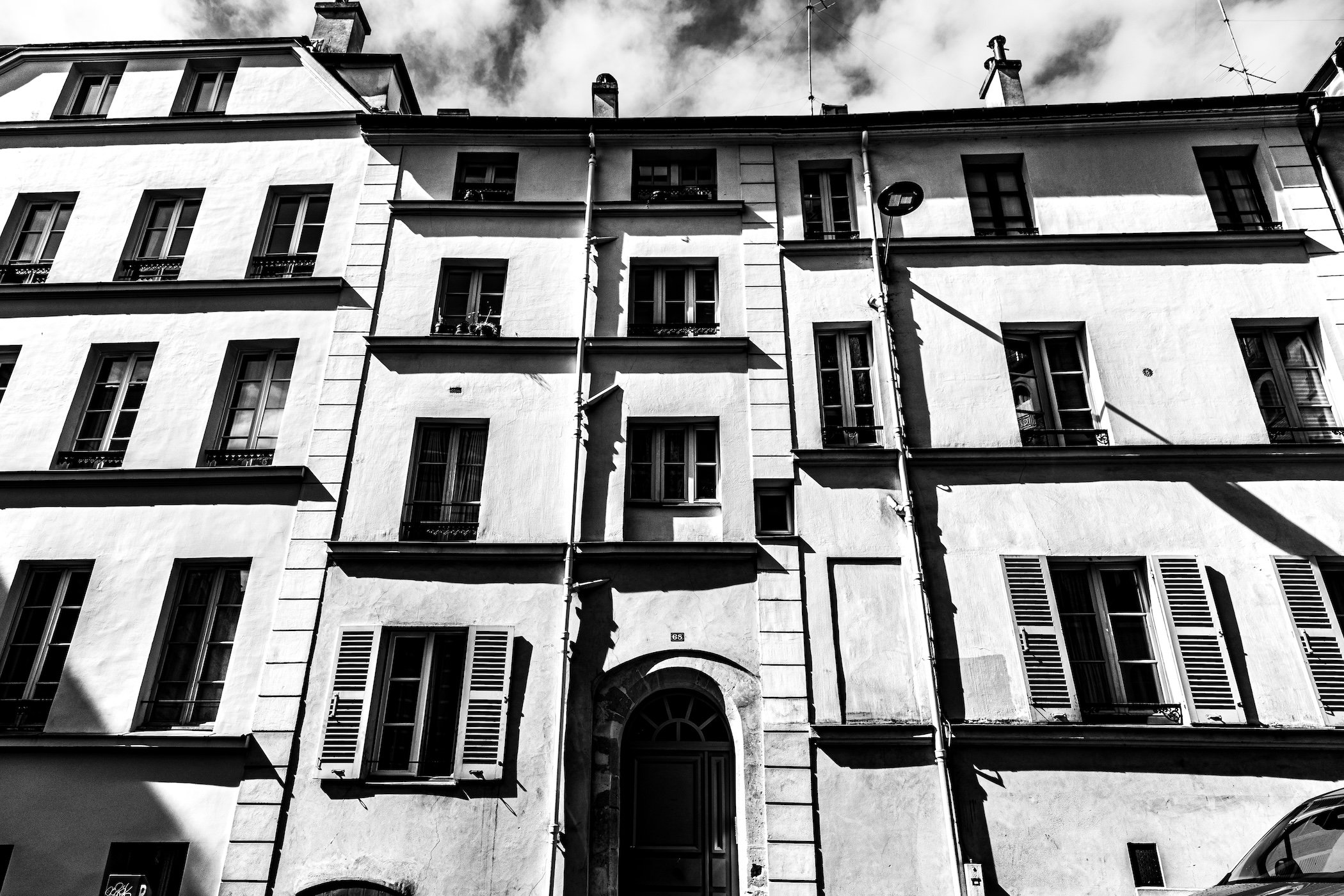
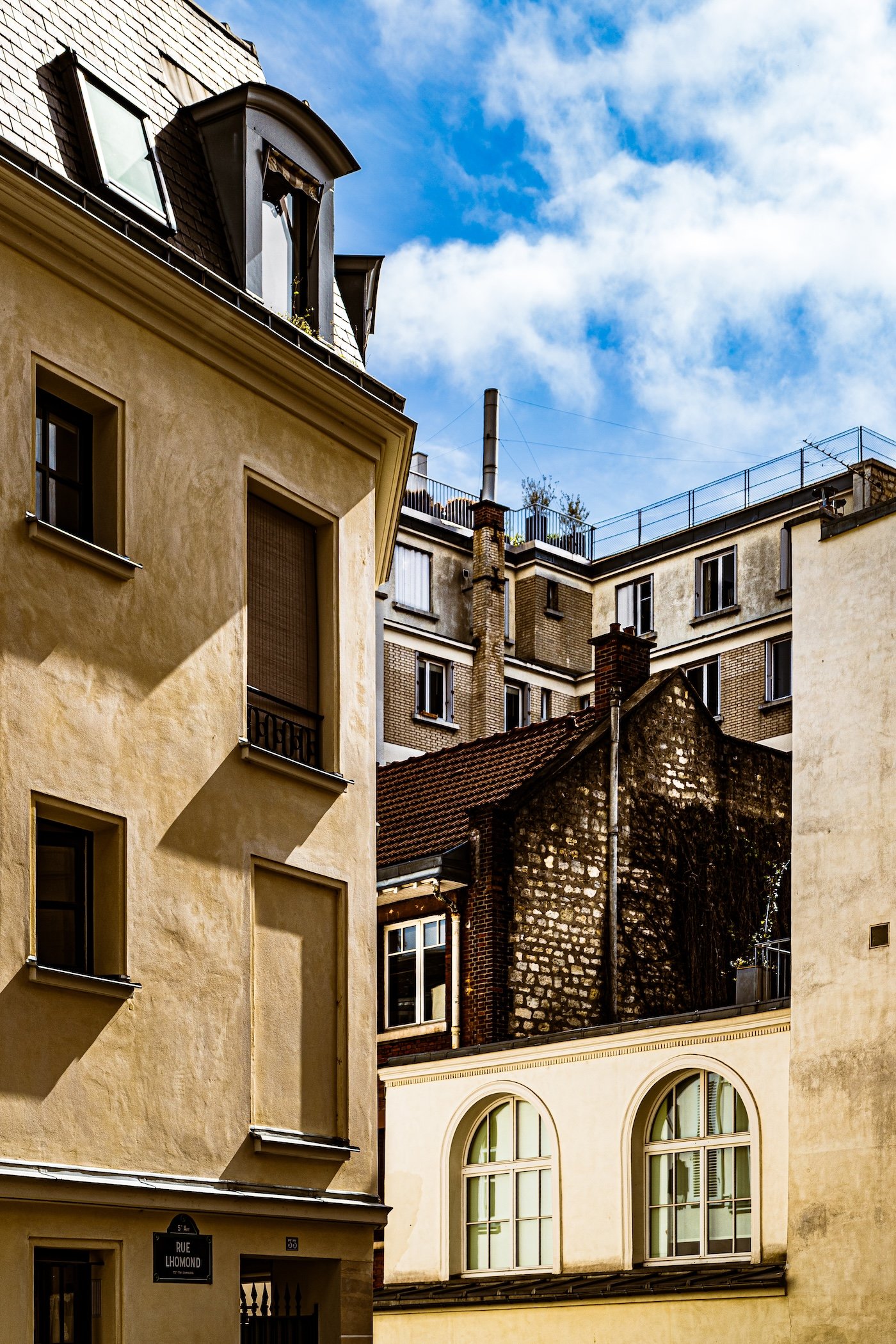
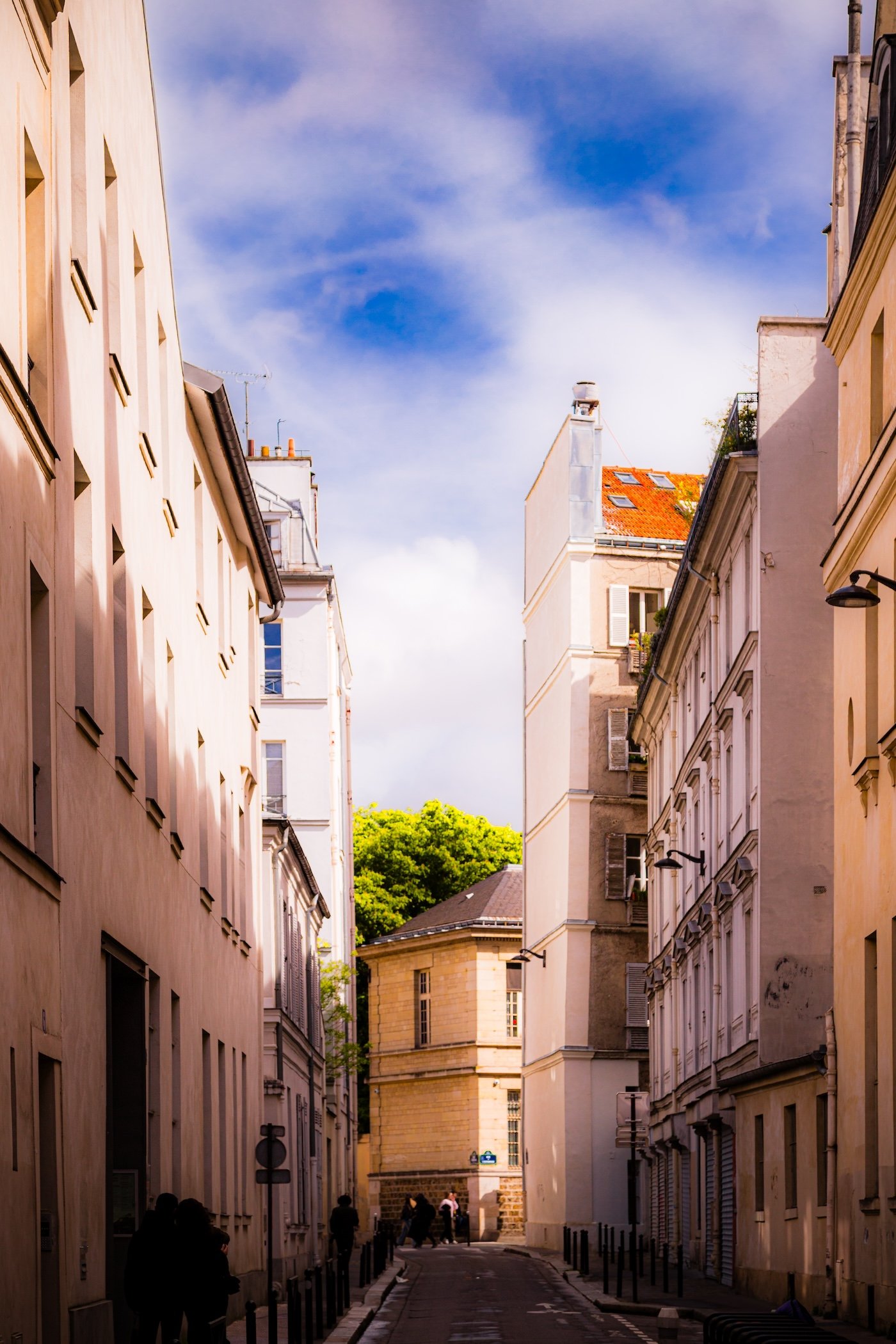
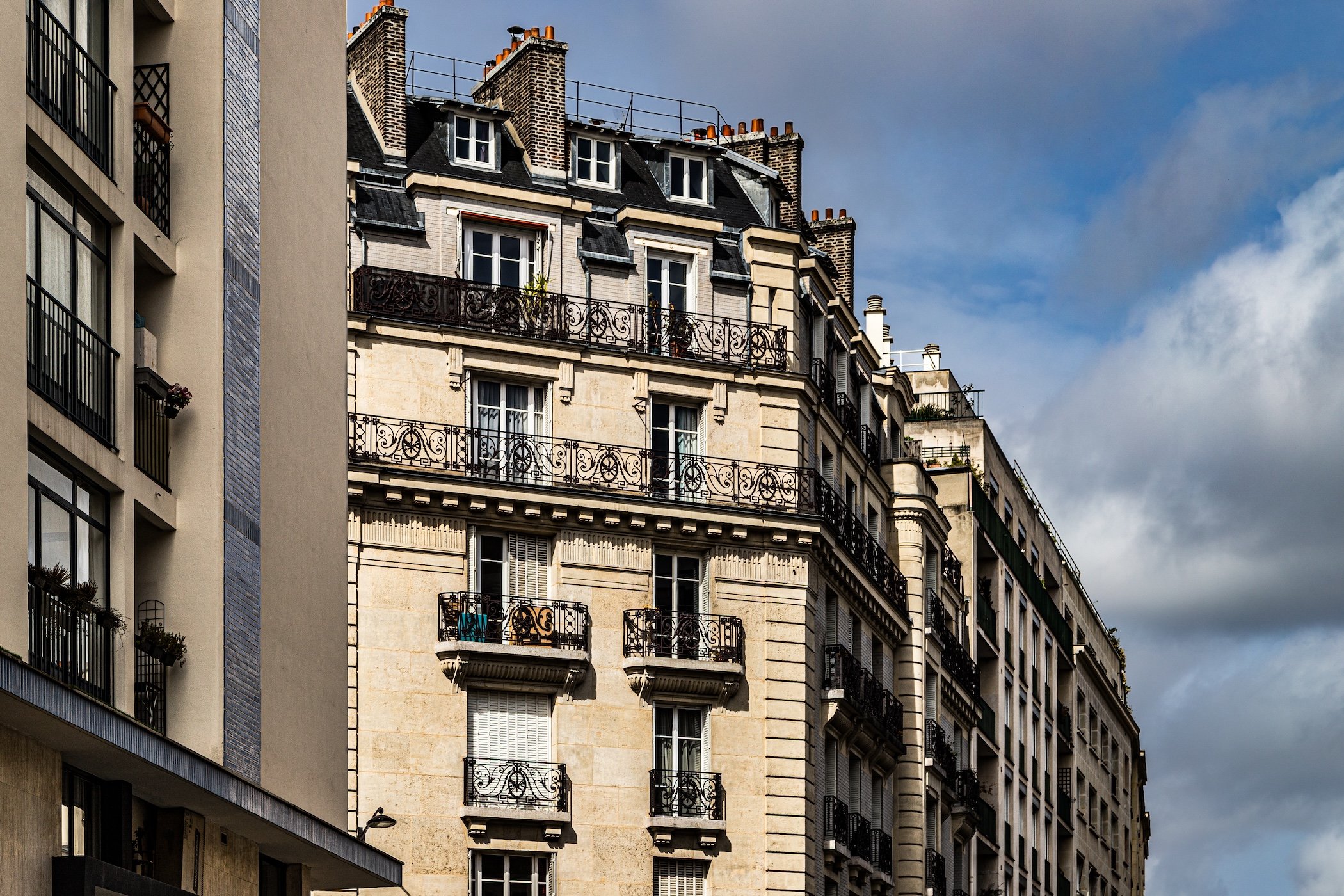
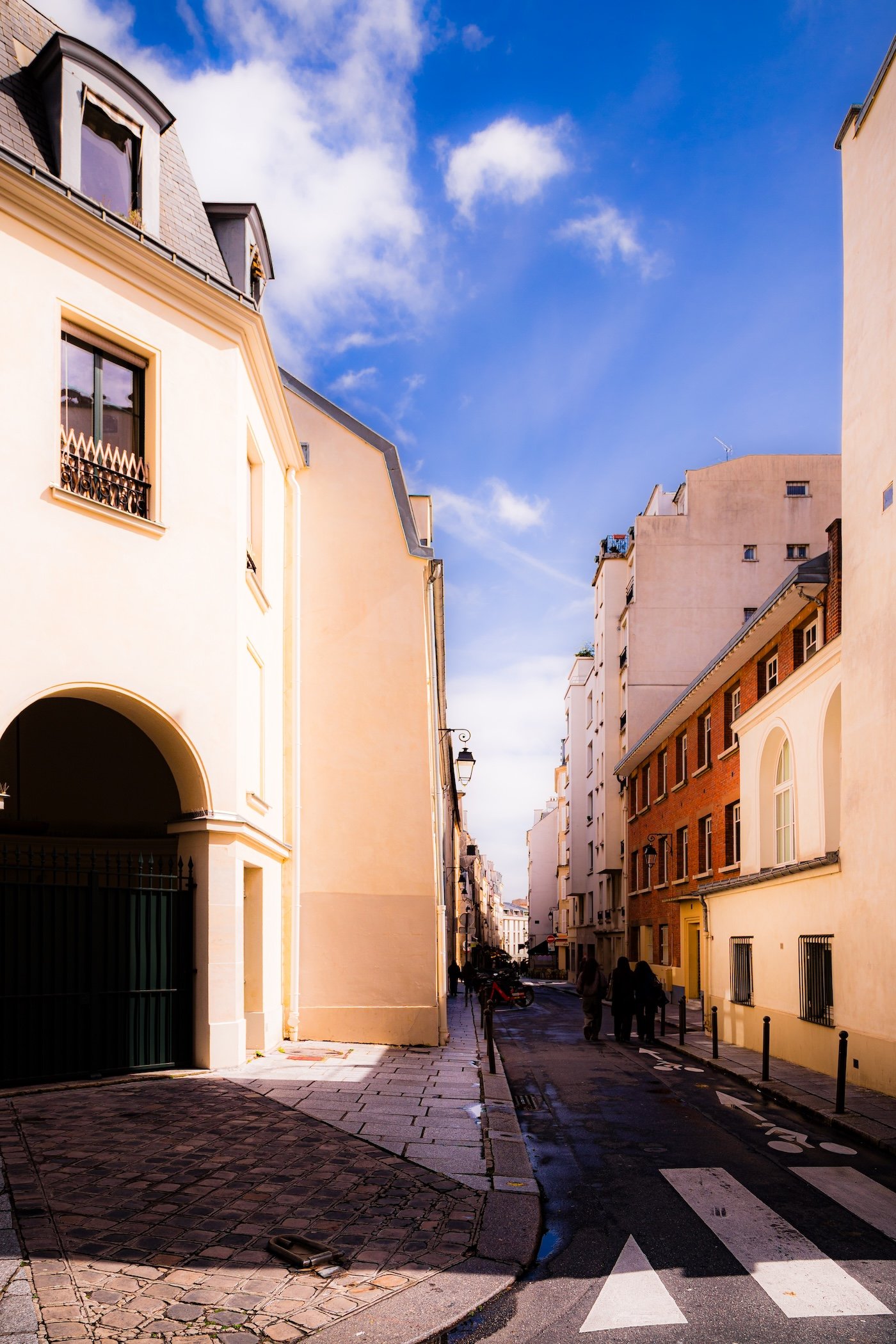
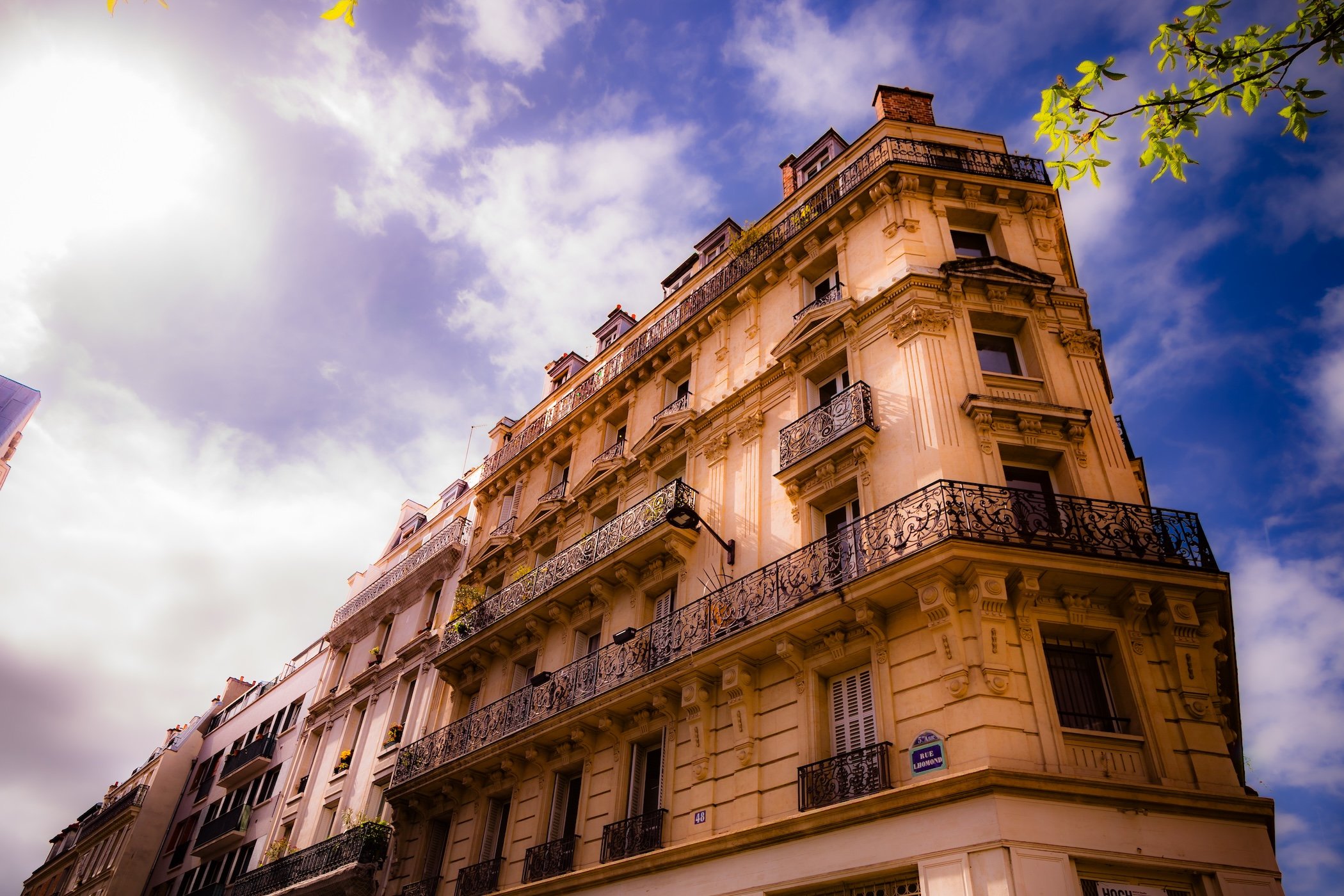
Along Rue Lhomond and the quieter adjoining streets, color and black-and-white served complementary purposes. Color emphasized warm stone, greenery, pale façades, and the brilliant blue and violet tones of the spring sky. Black-and-white isolated geometry, worn surfaces, windows, bicycles, blank walls, and the compressed depth of narrow passages. At Place de l’Estrapade, the lens opened again toward trees, fountain, surrounding architecture, and the recognizably cinematic storefronts at the edge of the square. The resulting sequence moves from street detail to hidden enclosure, then toward architectural quiet and a final burst of spring light.
If you visit Paris, these ideas can help inspire your own photography.
Paris: J’Espere, Je Rêve, Je Vive
Val-de-Grâce Photo Gallery
Val-de-Grâce Flâneur Notes
-
10:26 AM
Conditions: 22°C (72°F) | Humidity: 71%.
Val-de-Grâce was glimpsed briefly along Rue Soufflot, with only a few blocks of passage before the route moved onward. The encounter was minimal, but the quarter appeared through proximity to the Panthéon and the formal geometry of the streets around it. It felt like a district touched at its edge rather than entered.
Other neighborhoods visited:
-
10:54-12:16 AM
Conditions: Rain - 11°C (52°F) | Humidity: 66%
My walk through Val-de-Grâce began at Place de la Contrescarpe before continuing south along the cobblestones of Rue Mouffetard. The opening stretch was lively and closely textured, lined with cafés, restaurants, shops, painted façades, and projecting signs. The street carried the historic ambiance of the Latin Quarter without feeling suspended in the past; its older architecture remained occupied by the commerce and movement of contemporary Paris.
An early highlight was Passage des Postes. Entering the passage felt like stepping behind the visible city and into one of its architectural remnants. Stone walls, enclosed perspectives, irregular façades, and climbing vines gave the space an almost medieval quality, while the buildings rose around a narrow opening of brilliant sky. Knowing that the passage had served as one of the settings associated with Les Misérables added another layer to the encounter. It was easy to understand why such a place could sustain an imagined Paris of concealment, pursuit, and survival.
From there, I turned northward along Rue Lhomond. The atmosphere changed noticeably. The commercial density of Rue Mouffetard receded, replaced by quieter façades, long walls, planted spaces, and streets that felt unexpectedly pastoral. There was a slower rhythm here, with sunlight entering through trees and between buildings, revealing courtyards, narrow openings, and architectural details that might easily be missed when moving too quickly.
The walk ended at Place de l’Estrapade, where the neighborhood opened into an elegant square centered on its fountain and framed by spring foliage. Here the fictional associations shifted from nineteenth-century literature to contemporary television. Emily’s apartment and the restaurant used as Gabriel’s workplace in Emily in Paris stood within an actual neighborhood setting of cobbles, cafés, trees, and surrounding residences. The contrast was fitting: a route that had passed through one imagined version of Paris concluded within another.
Yet the strongest impression remained the real neighborhood beneath those narratives. Val-de-Grâce moved from the lively historic commerce of Rue Mouffetard into hidden passages, quiet institutional streets, and a gracious residential square. Literature and television provided recognizable points of connection, but the pleasure of the walk came from discovering how much atmosphere existed between them.
Other neighborhoods visited:
Explore Paris
-

The twenty arrondissements form the civic spiral of Paris, organizing the city into its broad local districts of government, identity, and daily life.
-

Each arrondissement is divided into four official administrative quarters, giving Paris a more precise civic and geographic framework.
-

The conseils de quartier bring participation to street level, giving residents a voice in neighborhood needs, public space, and local civic life.
-

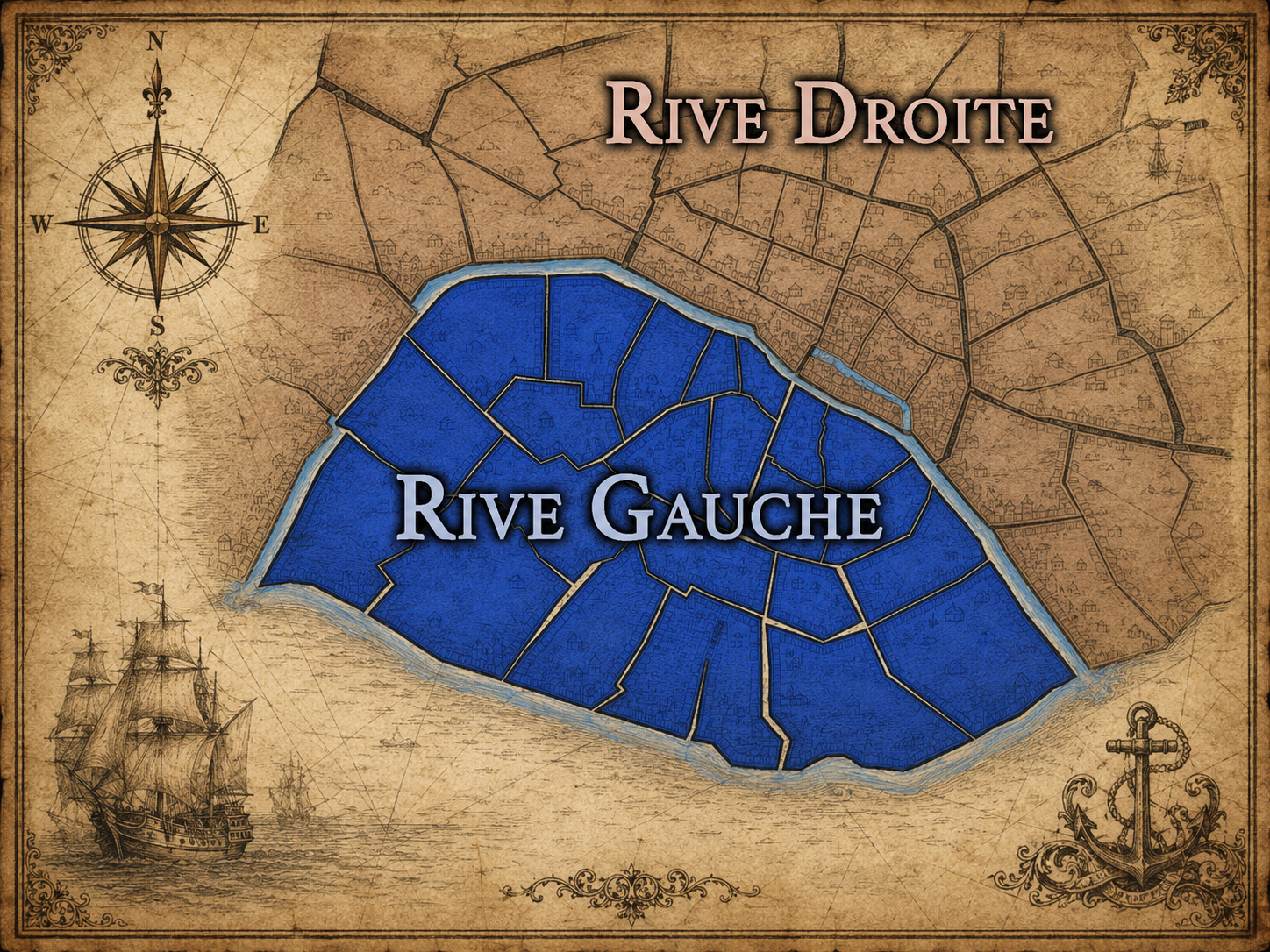
Les Deux Rives trace Paris through the Seine’s two banks, revealing how the Rive Droite and Rive Gauche shaped the city’s civic power, commerce, learning, art, and cultural identity.
-

Cultural neighborhoods reveal the Paris people recognize through history, cafés, architecture, memory, atmosphere, and local belonging.