
7e - PALAIS-BOURBON
Les Conseils de Quartier
In the 7e, the conseils de quartier bring local scale to one of Paris’s most monumental arrondissements, from the Eiffel Tower, Champ-de-Mars, and Les Invalides to quieter residential, diplomatic, and institutional streets. Part of an ongoing project to walk and photograph every neighborhood in Paris, this page explores the conseils de quartier of 7e Palais-Bourbon through maps, local identity, civic geography, and photography.
Explore This Page
Explore the Conseils de Quartier of the 7e — Palais-Bourbon.

Overview
Geographic Setting
The Conseils de Quartier of the 7e organize local civic life across one of Paris’s most ceremonial and institutionally dense Left Bank districts. Stretching from the Seine to the southern avenues around École Militaire and Ségur, the 7e gathers together national monuments, ministries, embassies, museums, aristocratic streets, residential enclaves, religious institutions, schools, gardens, and some of the most visited public spaces in France. Its geography is broad and stately, but also highly varied: riverfront promenades, monumental lawns, quiet side streets, ministry corridors, museum districts, neighborhood shopping streets, and the village-like texture of Gros Caillou all sit within the same arrondissement.
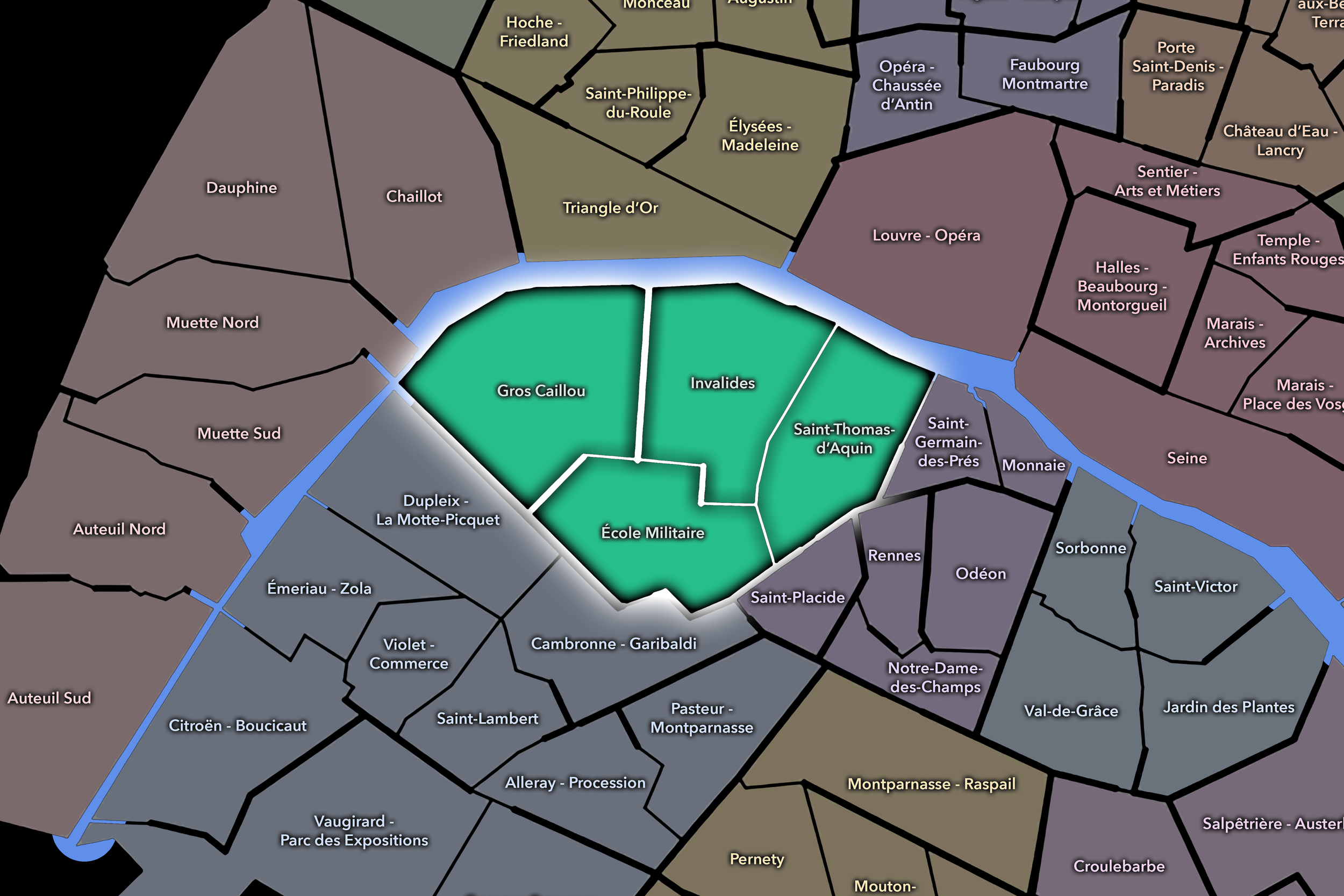
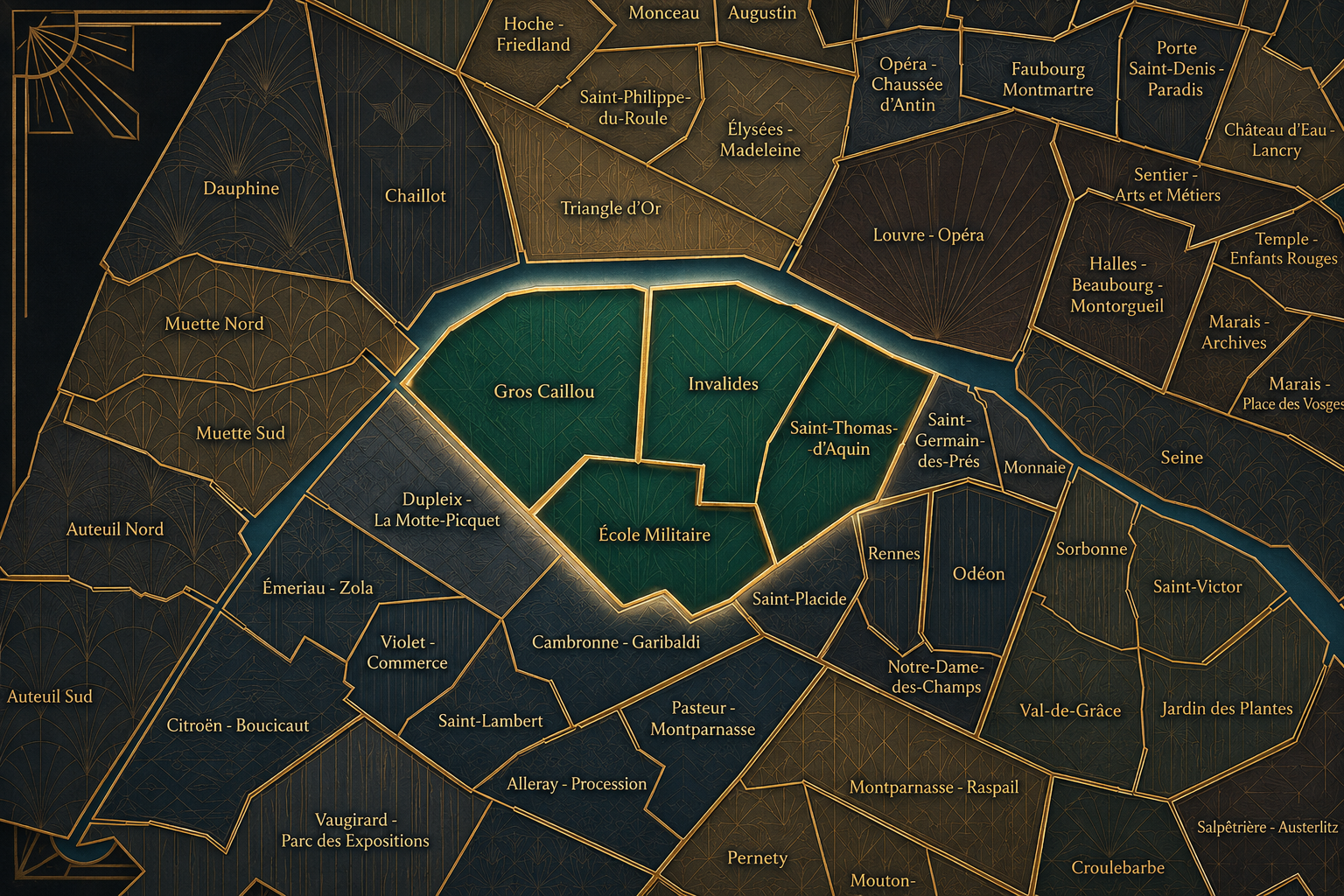
The 7e’s Conseil de Quartier structure divides this landscape into four local civic territories: Gros Caillou, Invalides, Saint Thomas d’Aquin, and École Militaire. These four councils correspond closely to the arrondissement’s four official Administrative Quarters, giving the 7e a clear relationship between its historic administrative geography and its contemporary participatory framework. Rather than multiplying the arrondissement into many smaller micro-districts, the CdQ structure reinforces the four-part logic already embedded in the 7e’s official neighborhood map.
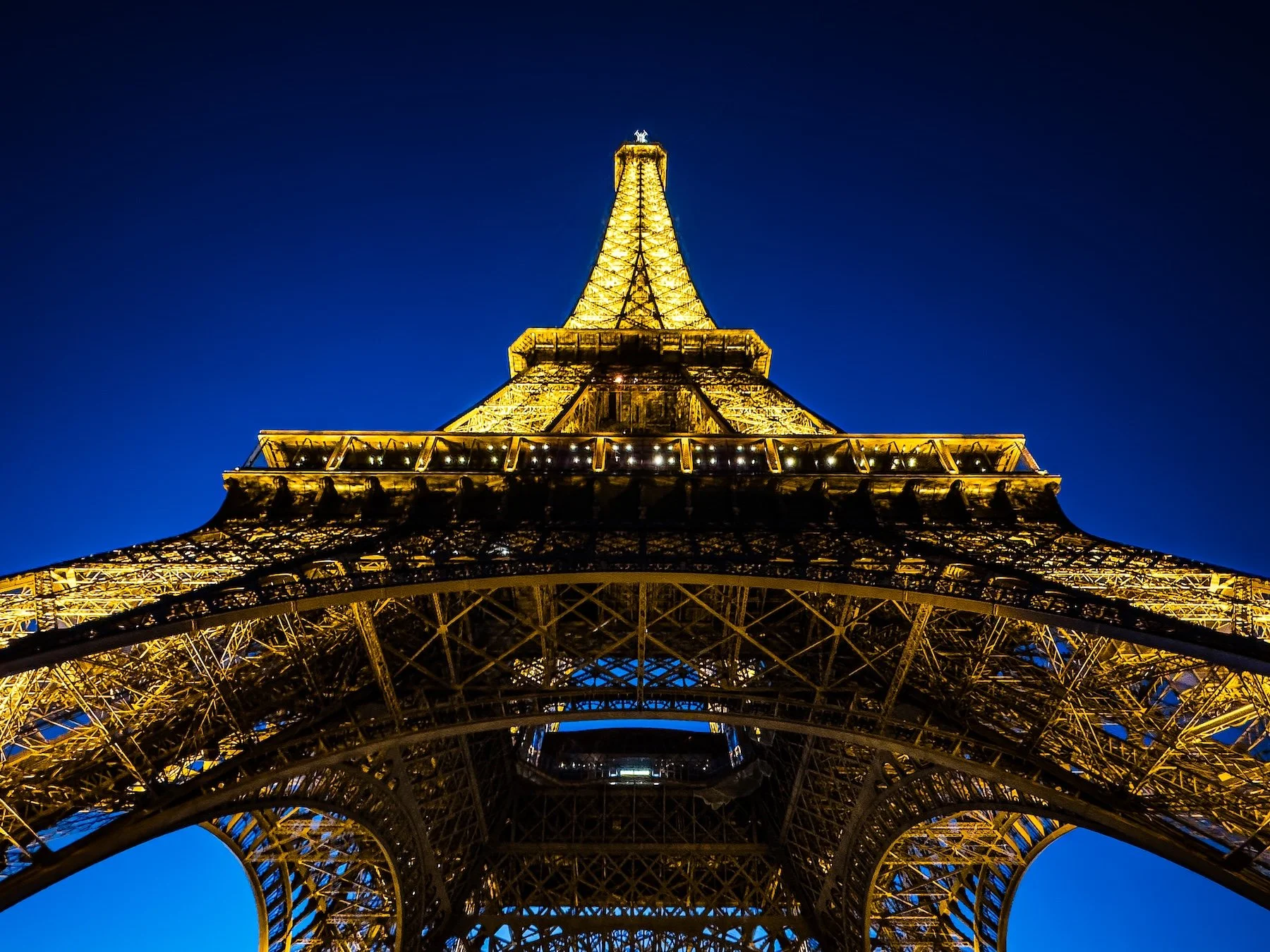
Together, these four CdQs reveal the arrondissement’s internal contrasts. Gros Caillou gathers much of the Eiffel Tower / Champ de Mars landscape together with the residential streets and commercial life nearby. Invalides gives civic form to the monumental and institutional heart of the arrondissement, shaped by Les Invalides, ministries, museums, and broad public spaces. Saint Thomas d’Aquin frames the more aristocratic, religious, cultural, and residential western Saint-Germain edge, while École Militaire connects the southern side of the arrondissement to military history, neighborhood avenues, schools, transit corridors, and the quieter streets below the Champ de Mars.
Civic Framework
The 7e’s Conseils de Quartier provide a neighborhood-level civic structure for an arrondissement whose public identity often exceeds its local scale. The district is known internationally through the Eiffel Tower, Les Invalides, the Musée d’Orsay, the Assemblée nationale, the Champ de Mars, the Musée Rodin, and the riverfront, but its civic life also depends on residents, schools, local businesses, religious institutions, public gardens, markets, museums, ministries, and everyday street use. The CdQs help translate this monumental arrondissement into smaller civic territories where local concerns can be more precisely understood.
Because the 7e’s four CdQs closely mirror its four Administrative Quarters, the arrondissement’s participatory geography is especially legible. Gros Caillou, Invalides, Saint Thomas d’Aquin, and École Militaire each carry a distinct urban function, but together they form a stable civic framework rather than a heavily subdivided micro-geography. This makes the 7e closer to the 5e than to arrondissements such as the 6e or 19e, where the CdQ layer adds more granular divisions beyond the older administrative grid.
As a civic framework, the 7e’s CdQs help manage the tensions of a district where national symbolism, global tourism, diplomatic life, museum visitation, and residential routines intersect. Local civic concerns may gather around pedestrian circulation near major monuments, security and access around institutions, the upkeep of parks and squares, the balance between visitor flows and neighborhood livability, commercial activity near Rue Cler and other local corridors, and the preservation of a district whose built environment is both highly protected and continually used.
Local Expression
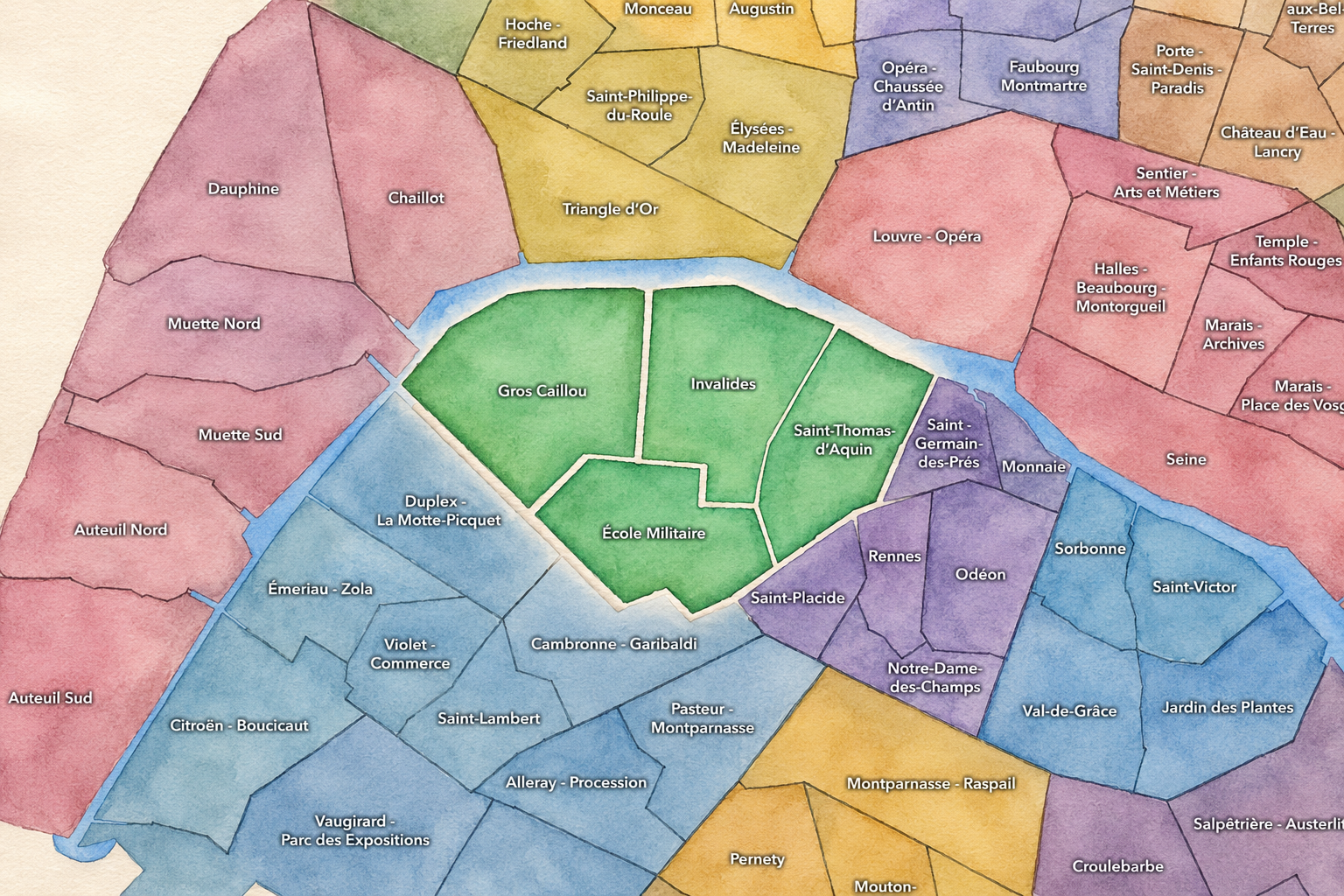
Viewed through its Conseils de Quartier, the 7e becomes less a single arrondissement of monuments and more a set of four local civic landscapes. Gros Caillou expresses the most visitor-facing and neighborhood-commercial side of the arrondissement, where the Eiffel Tower, Champ de Mars, Rue Saint-Dominique, Rue Cler, hotels, cafés, and residential streets create a dense overlap of tourism and daily life. Invalides carries the arrondissement’s ceremonial and institutional weight, linking military memory, museums, ministries, grand avenues, and public lawns into one of Paris’s most formal civic environments.
Saint Thomas d’Aquin gives the 7e a quieter and more refined expression, shaped by churches, museums, schools, embassies, aristocratic townhouses, galleries, and residential streets near the western edge of Saint-Germain-des-Prés. École Militaire, meanwhile, brings together military history, southern residential corridors, neighborhood services, broad avenues, and the more practical urban fabric around La Motte-Picquet, Ségur, and Cambronne-adjacent streets.
The value of the CdQ layer in the 7e is that it makes visible the local life beneath the arrondissement’s symbolic image. Through its four councils, the 7e can be read not only as the Paris of monuments and ministries, but as a lived civic territory: school streets, market blocks, museum entrances, security perimeters, garden paths, residential courtyards, restaurant corridors, and neighborhood concerns woven through one of the most recognizable urban landscapes in the world.
Les Conseils de Quartier
École Militaire
Civic Profile
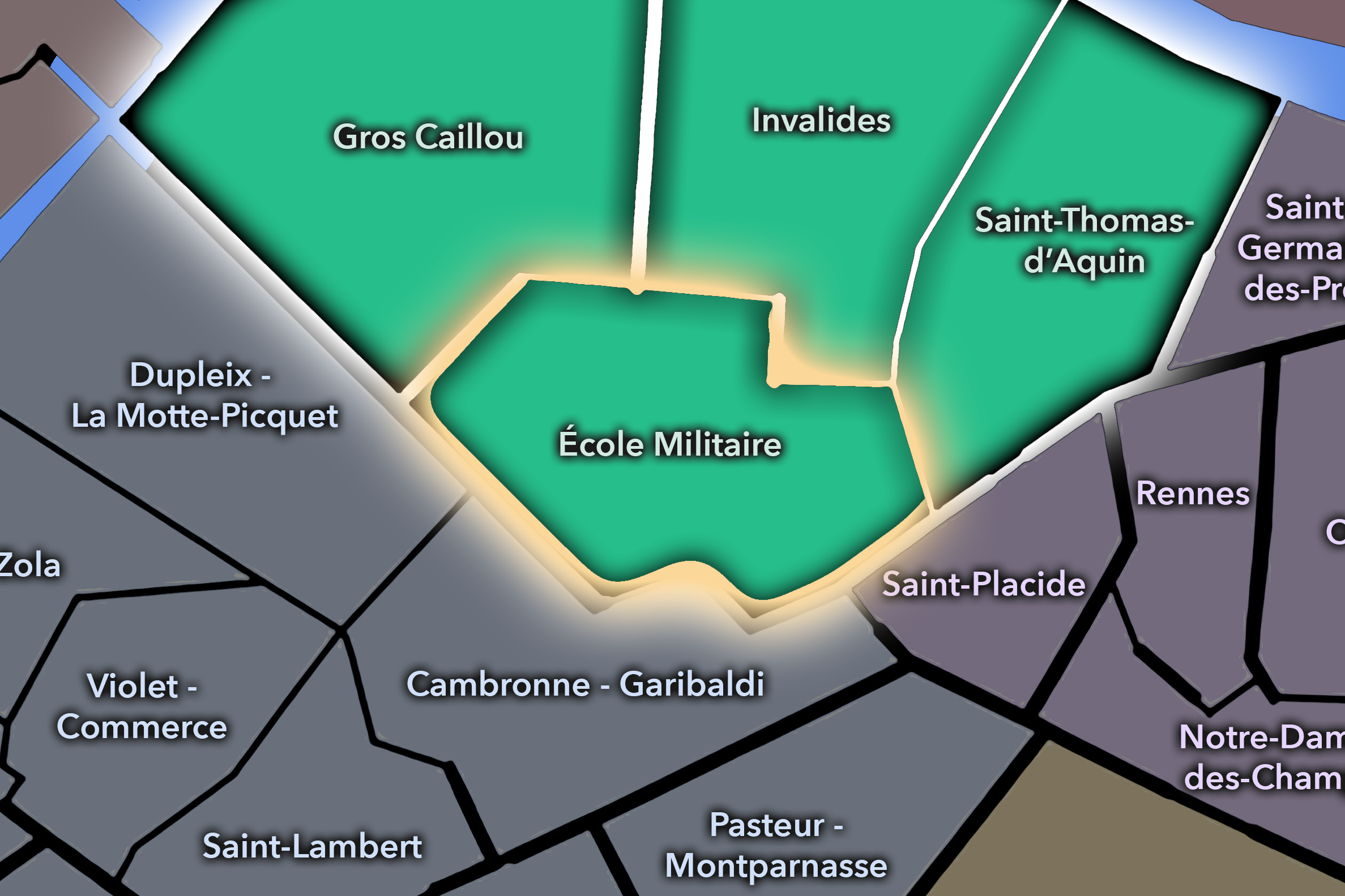
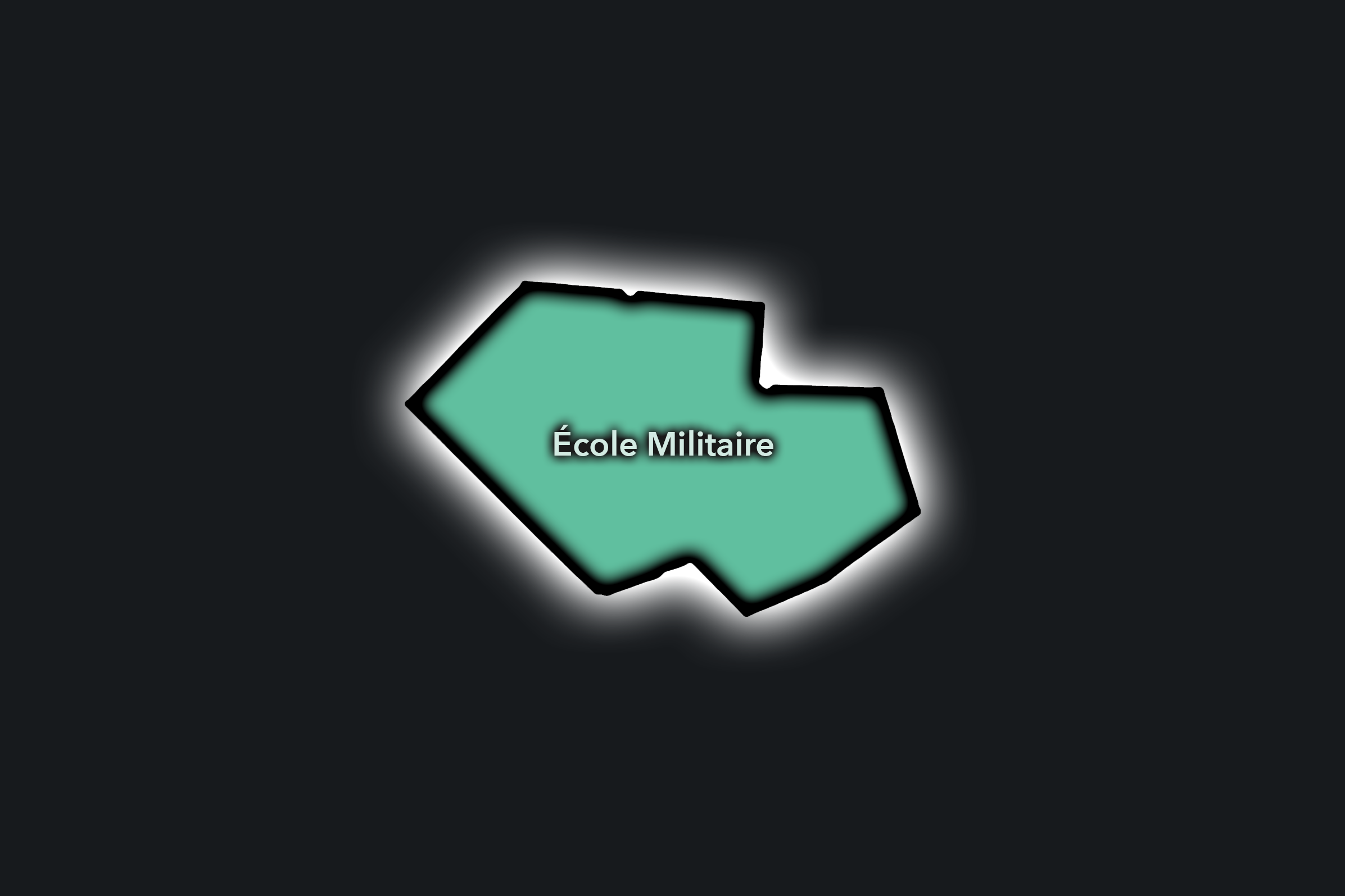
The École Militaire Conseil de Quartier organizes the southern side of the 7e, where the formal military landscape below the Champ de Mars meets UNESCO, broad avenues, residential streets, schools, cafés, and the transition toward Ségur, Duroc, and the edge of the 15e. The district takes its name from the École Militaire, founded under Louis XV, and sources commonly place the neighborhood at the southern end of the Champ de Mars, opposite the Eiffel Tower.
On the ground, École Militaire feels quieter and more residential than the Eiffel-facing north of Gros Caillou, but it remains strongly shaped by major institutions and formal urban space. The presence of the École Militaire, UNESCO, Avenue de Lowendal, Avenue de Ségur, schools, embassies, and residential side streets gives the area a civic rhythm of official buildings, family routines, local cafés, and broad avenues. Its civic themes center on institutional access, traffic and pedestrian comfort around large avenues, school and residential life, preservation of formal streetscapes, and the connection between neighborhood use and major public landscapes like the Champ de Mars.
École Militaire: At a Glance
A curated list for you.
-

Major Streets
Avenue de la Motte-Picquet
Avenue de Lowendal
Avenue de Ségur
Avenue de Suffren
Rue Cler nearby
-

Public Spaces & Landmarks
Champ de Mars southern edge
UNESCO Headquarters
Place de Fontenoy
Avenue de Breteuil nearby
-

Transit Access
Ségur
Cambronne nearby
Saint-François-Xavier nearby
La Motte-Picquet - Grenelle nearby
École Militaire
-

Shopping & Dining
Rue Cler nearby
Avenue de la Motte-Picquet cafés
Zia
Le Florimond
Kozy Bosquet nearby
-

Hotels & Attractions
UNESCO / Place de Fontenoy
Eiffel Tower walking approach
Avenue de Breteuil / Invalides vista nearby
7e / 15e border hotel corridors
Gros Caillou
Civic Profile
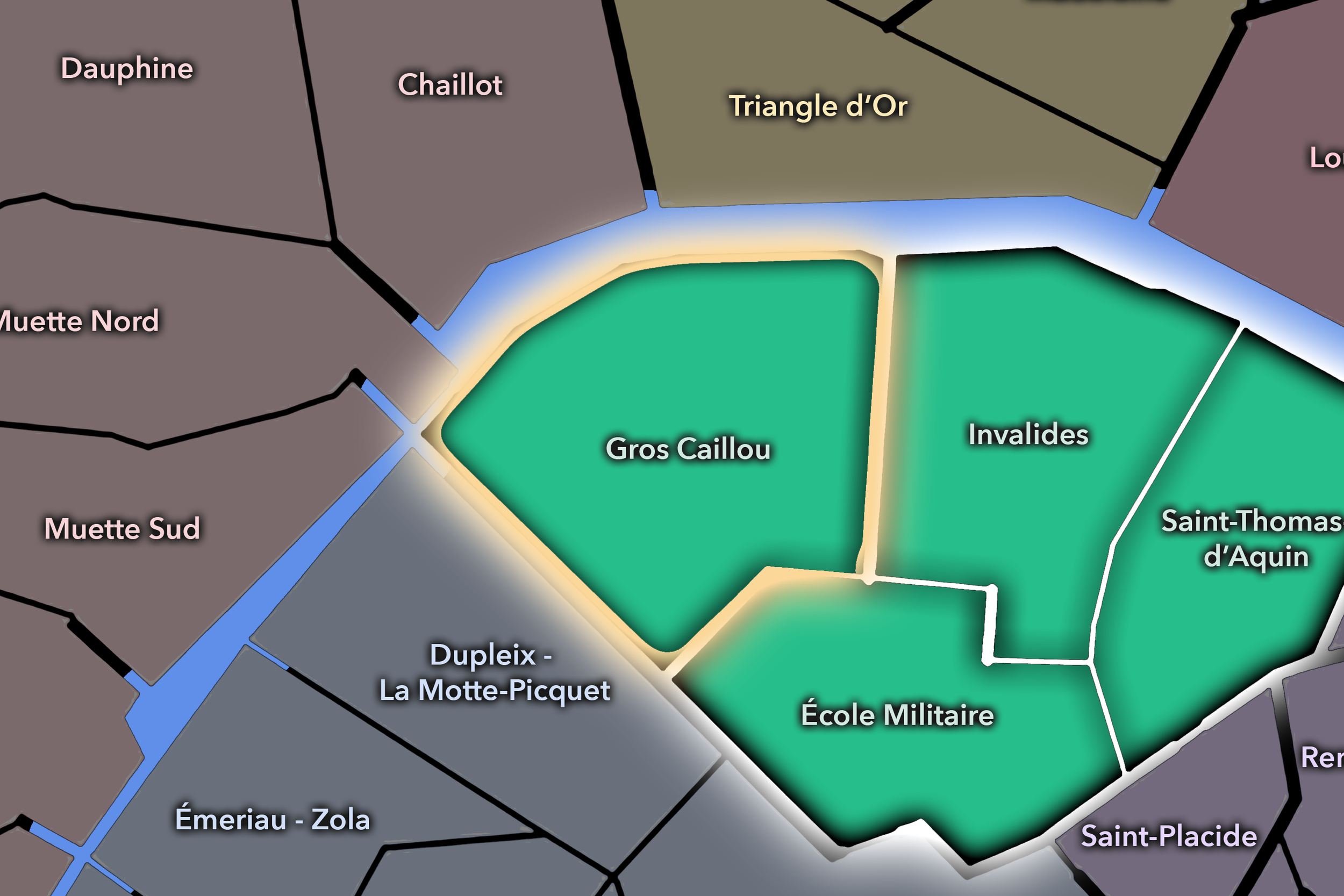
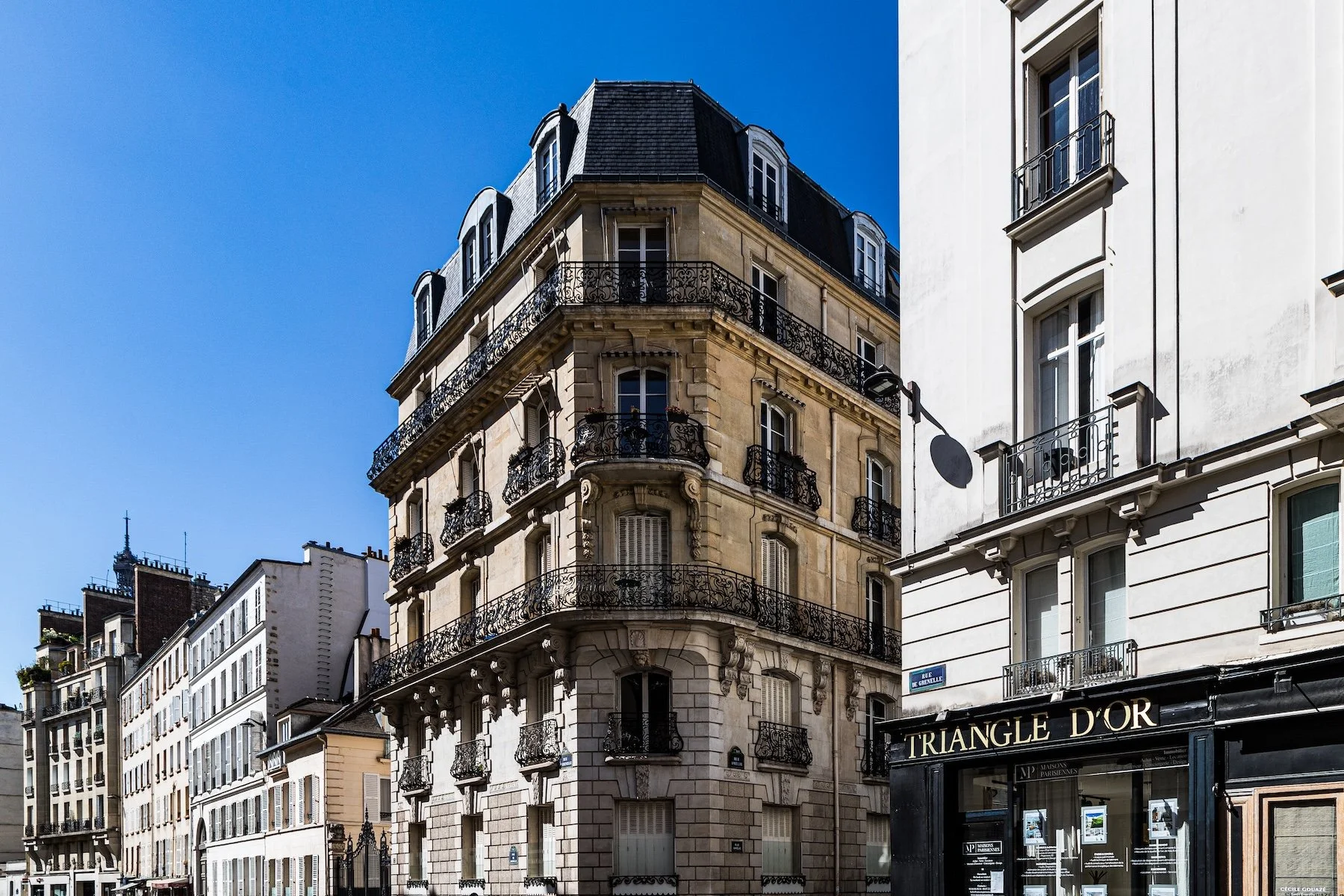
The Gros Caillou Conseil de Quartier gives civic form to the 7e’s most internationally visible neighborhood landscape, where the Eiffel Tower, Champ de Mars, Seine-facing streets, Rue Cler, and the residential-commercial fabric around Rue Saint-Dominique all overlap. As a civic territory, it must hold together two very different scales of Paris: the global symbolic presence of the tower and the local routines of schools, cafés, market streets, apartment blocks, hotels, libraries, and neighborhood services. Sources describing Gros Caillou often note its position between the Champ de Mars, Invalides, and the Seine, as well as the importance of Rue Cler and Rue de Grenelle as local market streets.
On the ground, Gros Caillou feels both monumental and village-like. The Eiffel Tower and Champ de Mars bring immense visitor pressure, while the surrounding streets retain a more residential Left Bank rhythm: bakeries, cafés, schools, small hotels, local food shops, and quieter side streets just beyond the main tourist paths. Its civic themes center on pedestrian circulation, public-space management around the tower and park, market-street vitality, security and crowding, residential livability, and the challenge of keeping one of the world’s most visited landscapes connected to everyday neighborhood life.
Gros Caillou: At a Glance
A curated list for you.
-
Major Streets
Rue Saint-Dominique
Rue Cler
Avenue de la Bourdonnais
Quai Branly
Avenue Bosquet
-
Public Spaces & Landmarks
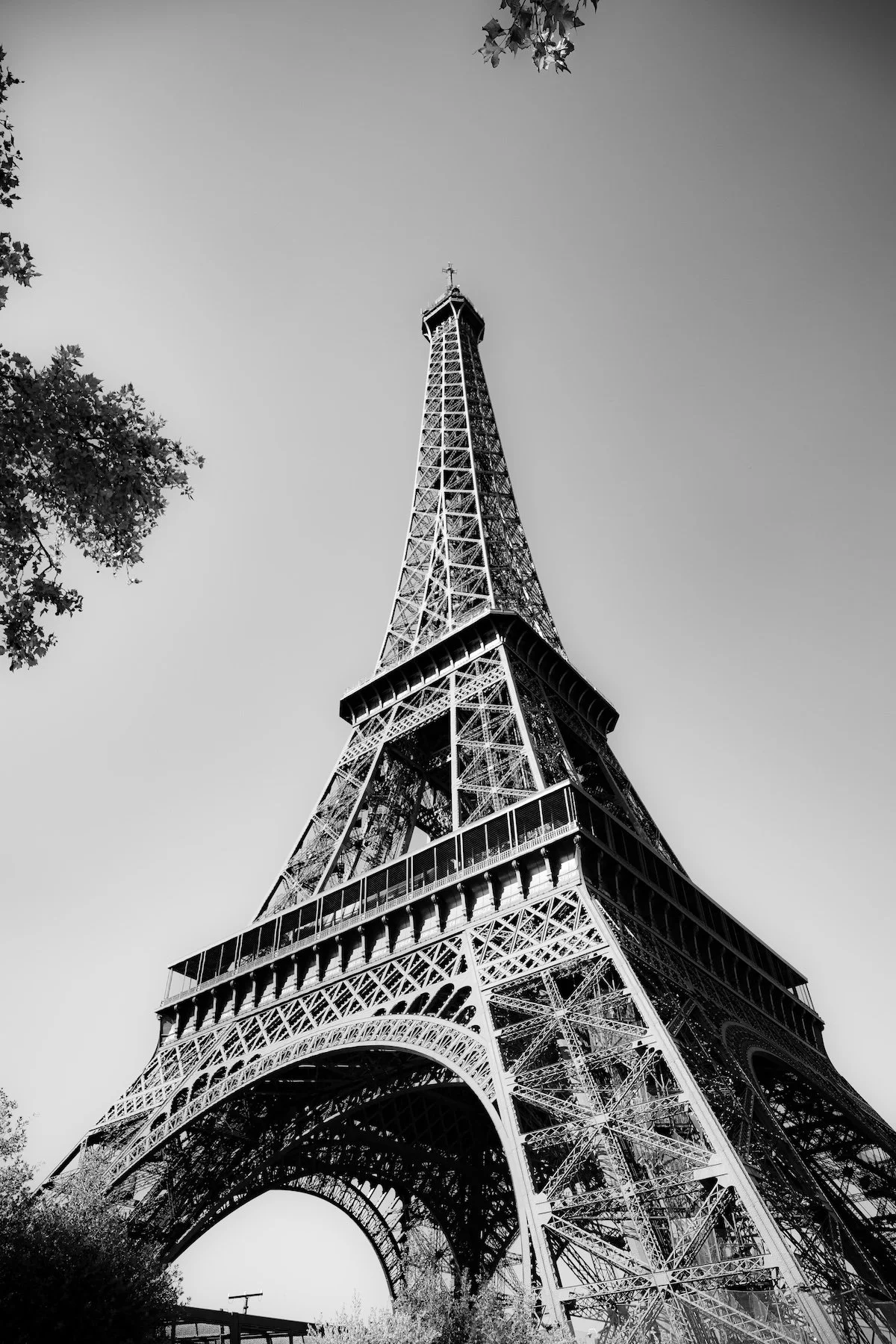
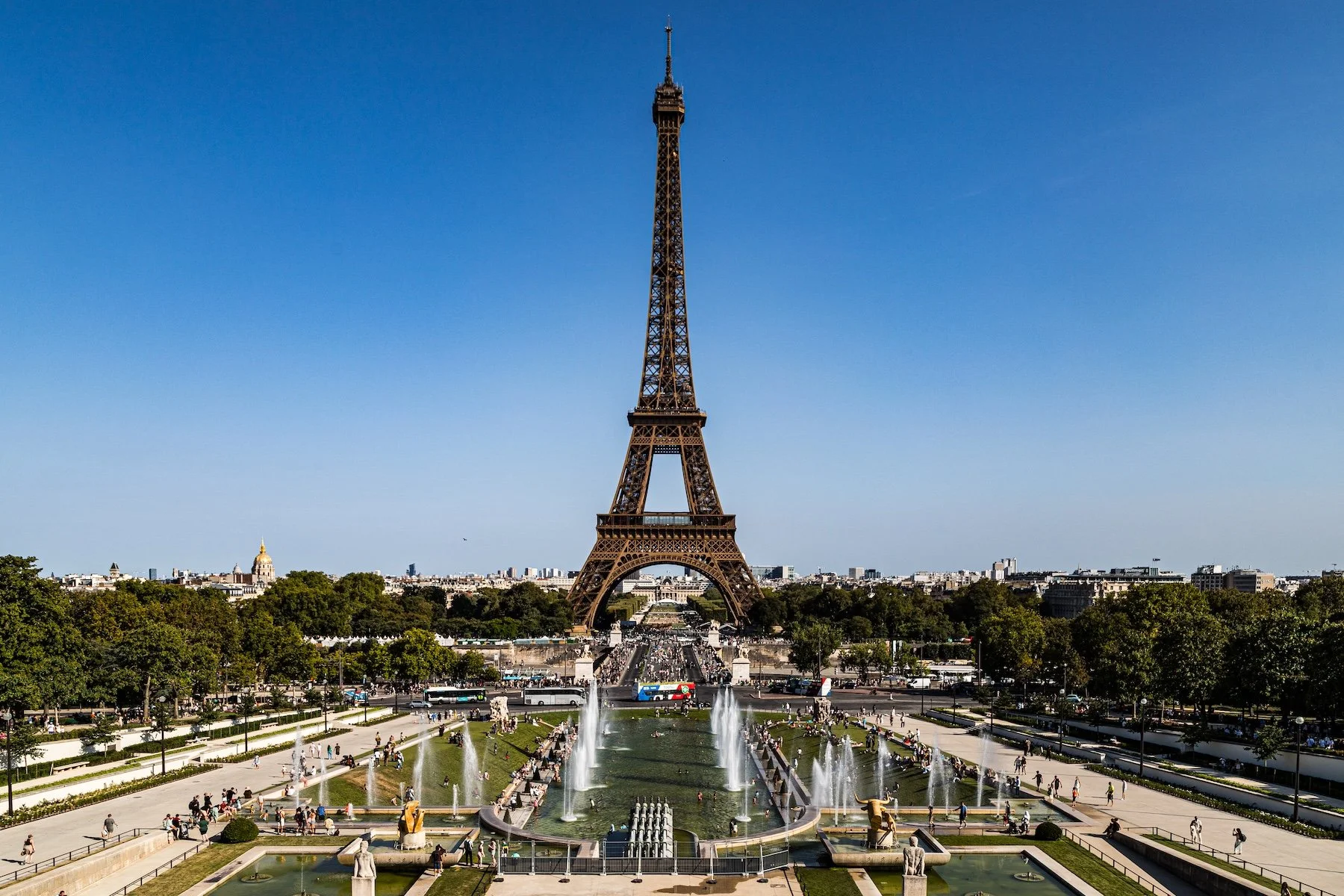
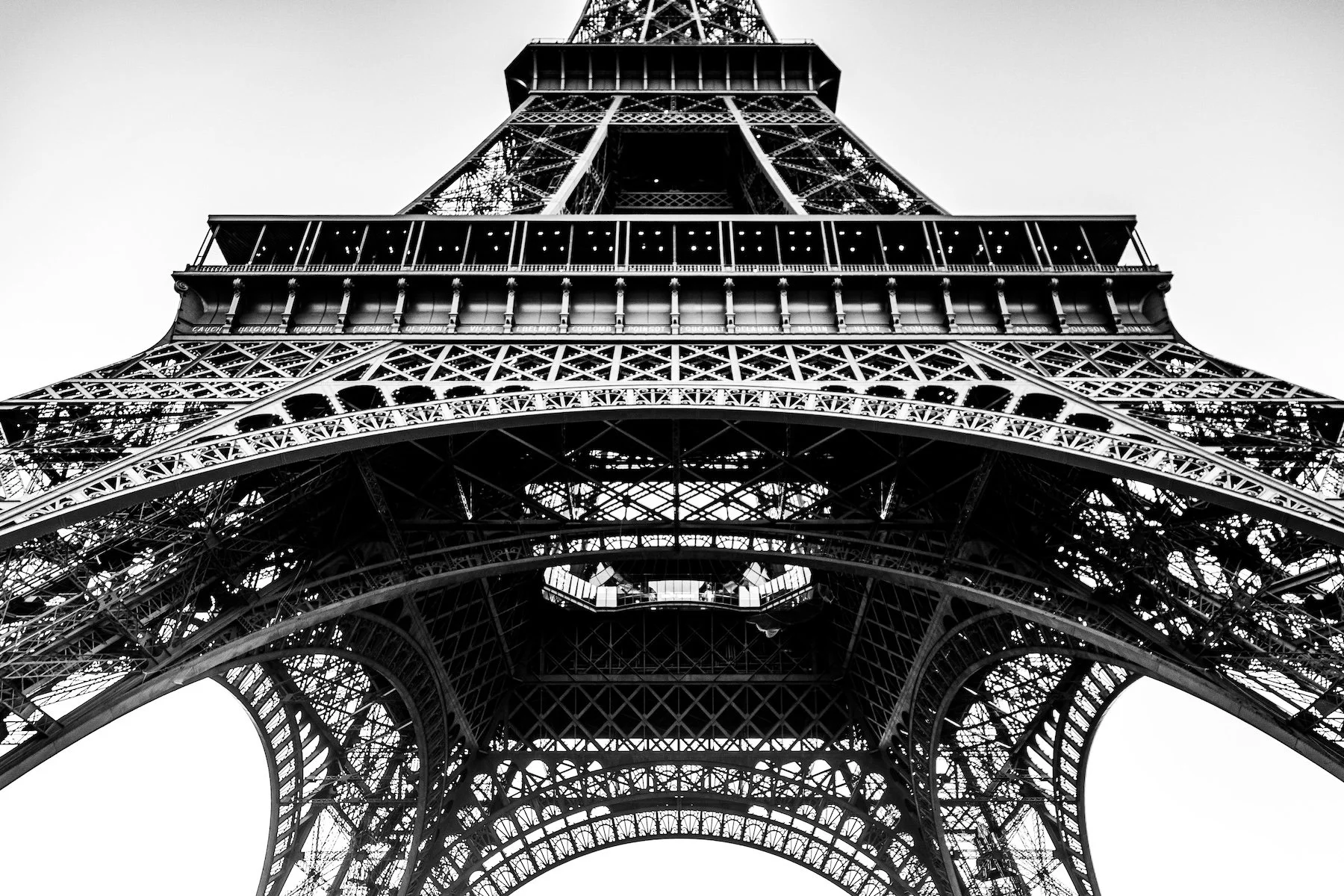
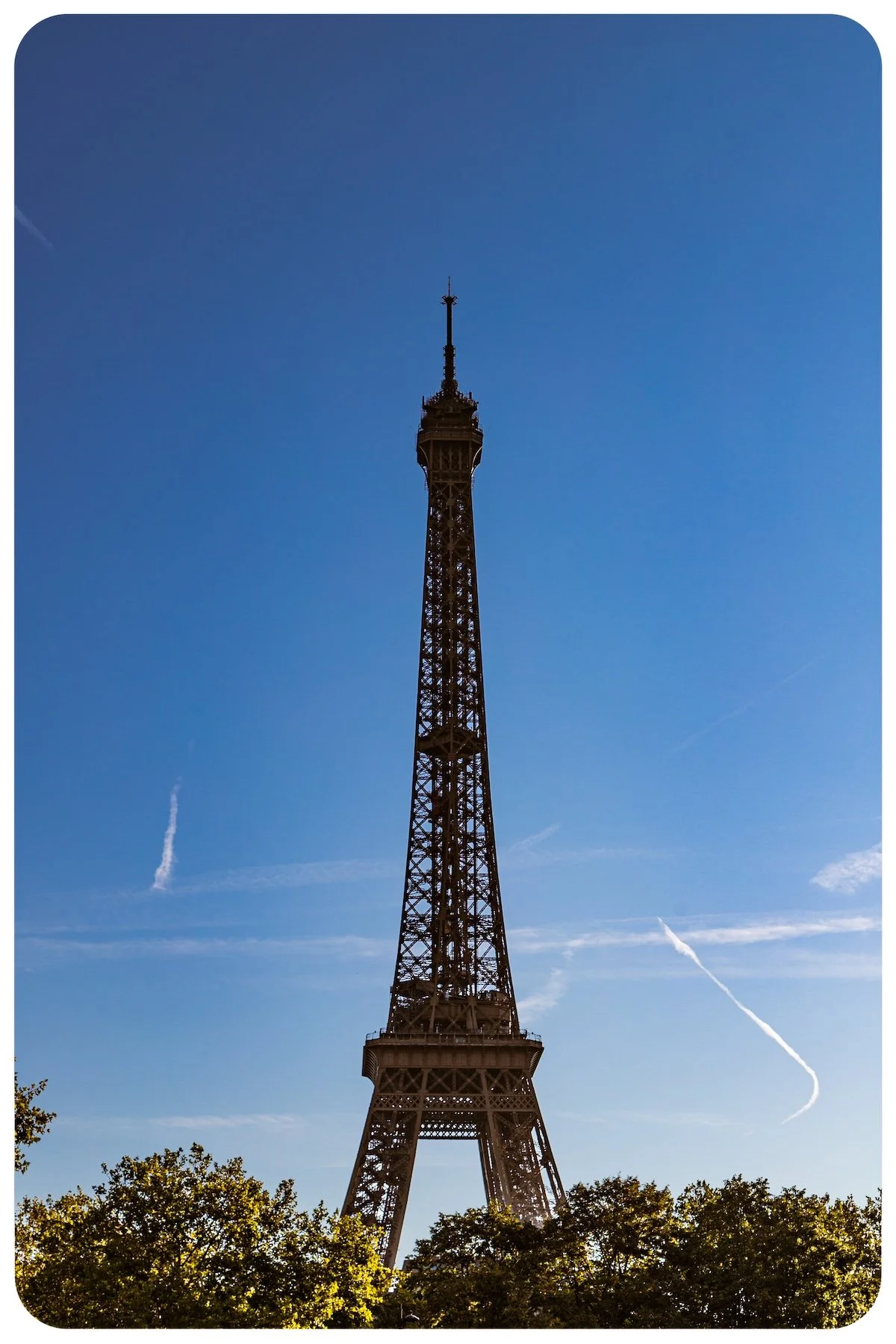
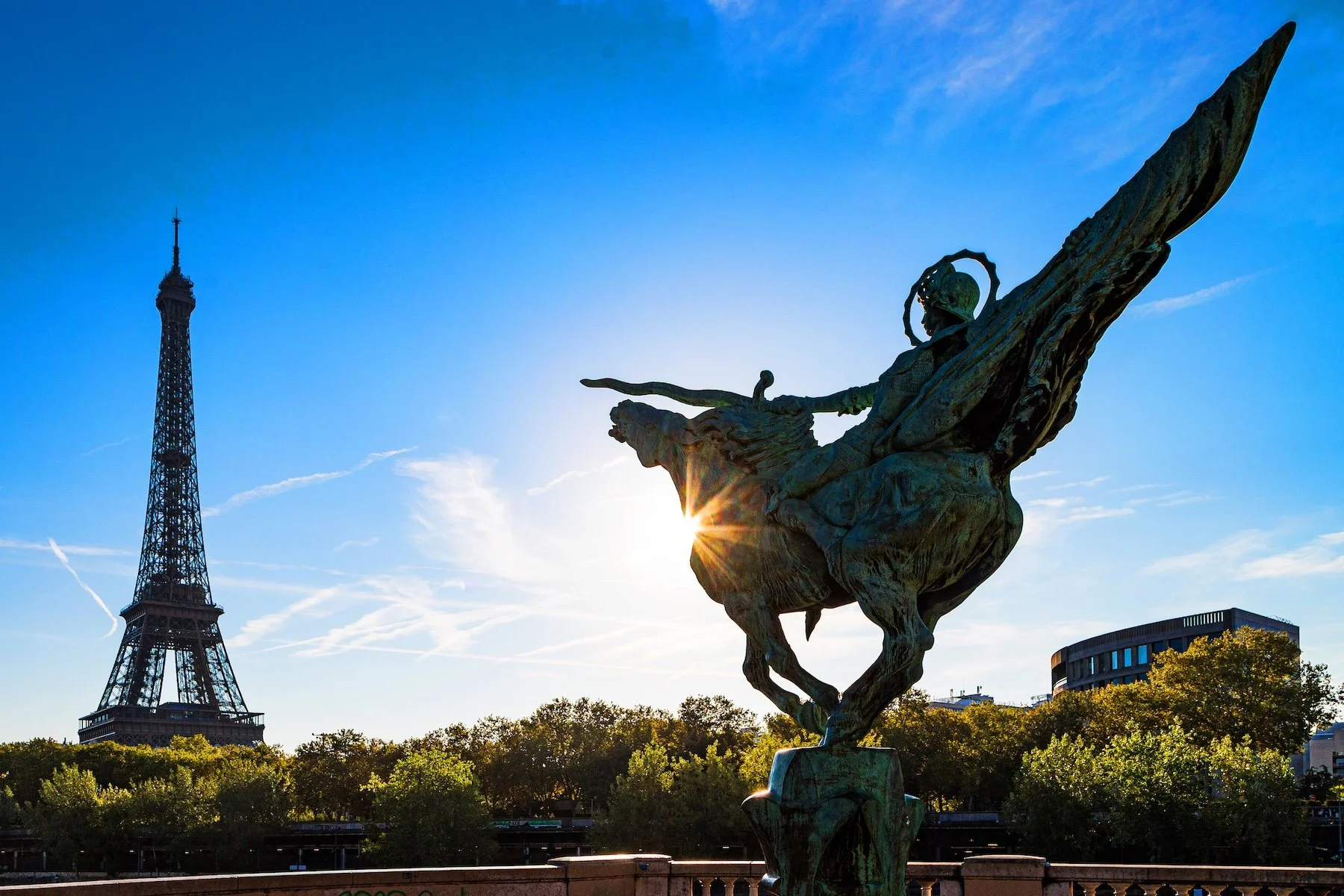
Eiffel Tower
Champ de Mars
Église Saint-Pierre-du-Gros-Caillou
American Library in Paris
Seine riverfront
-
Transit Access
École Militaire
La Tour-Maubourg
Pont de l’Alma
Alma - Marceau nearby
Invalides nearby
-
Shopping & Dining
Rue Cler market street
Rue Saint-Dominique cafés and shops
La Fontaine de Mars
Les Cocottes Tour Eiffel
Café Constant
-
Hotels & Attractions
Eiffel Tower visitor district
Champ de Mars walking route
Musée du Quai Branly - Jacques Chirac nearby
Seine / Pont de l’Alma access
Rue Cler neighborhood hotel corridor
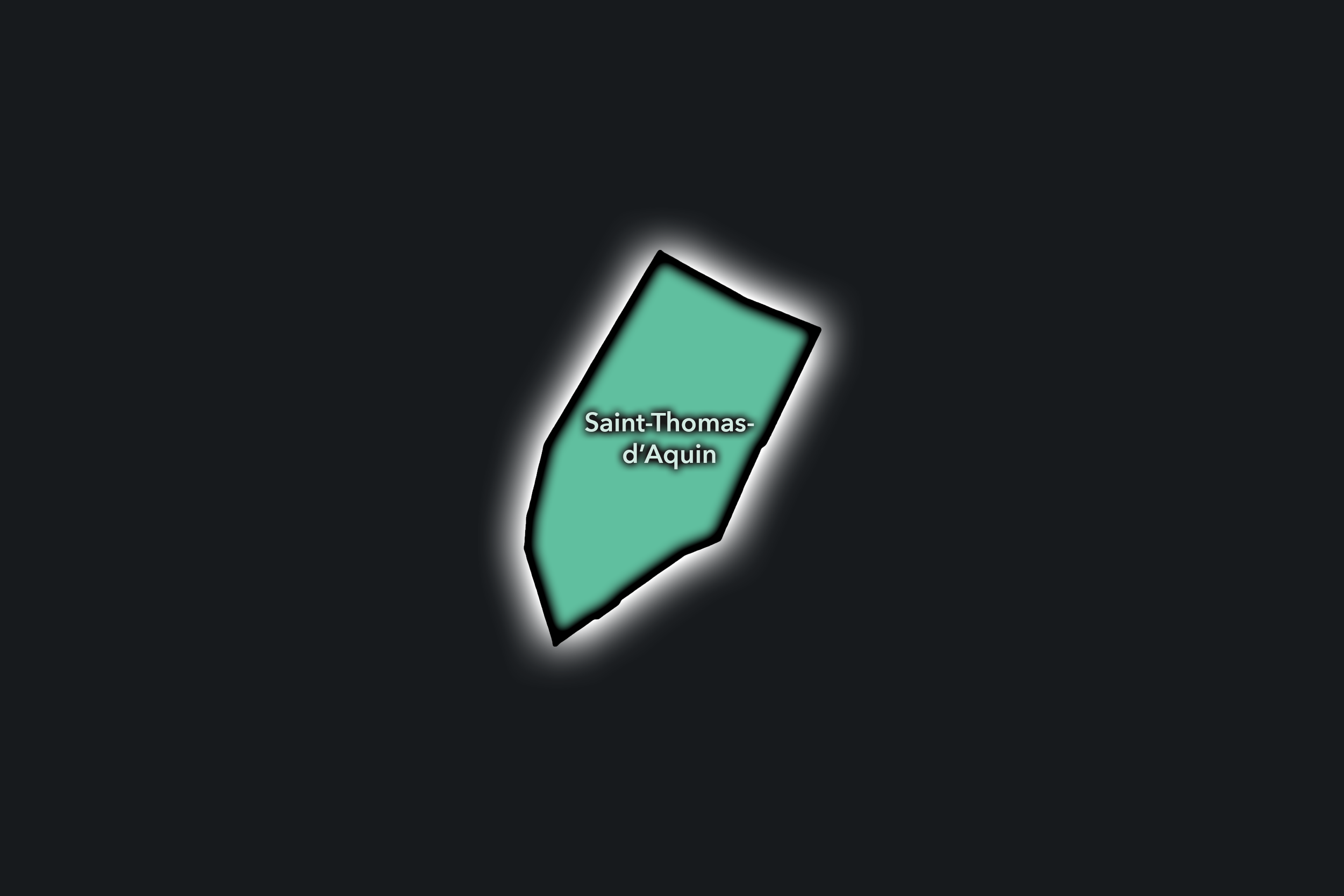
Invalides
Civic Profile
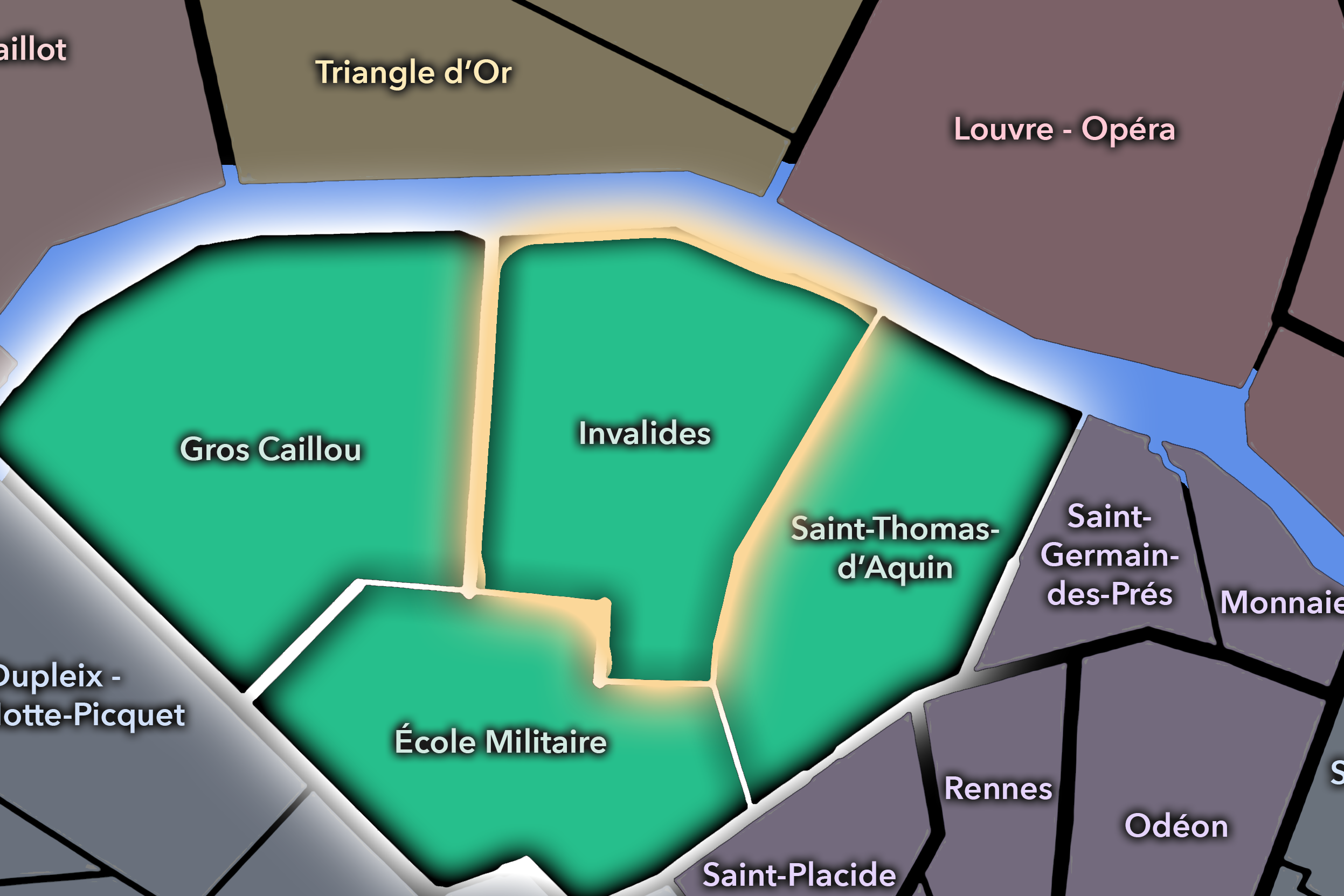
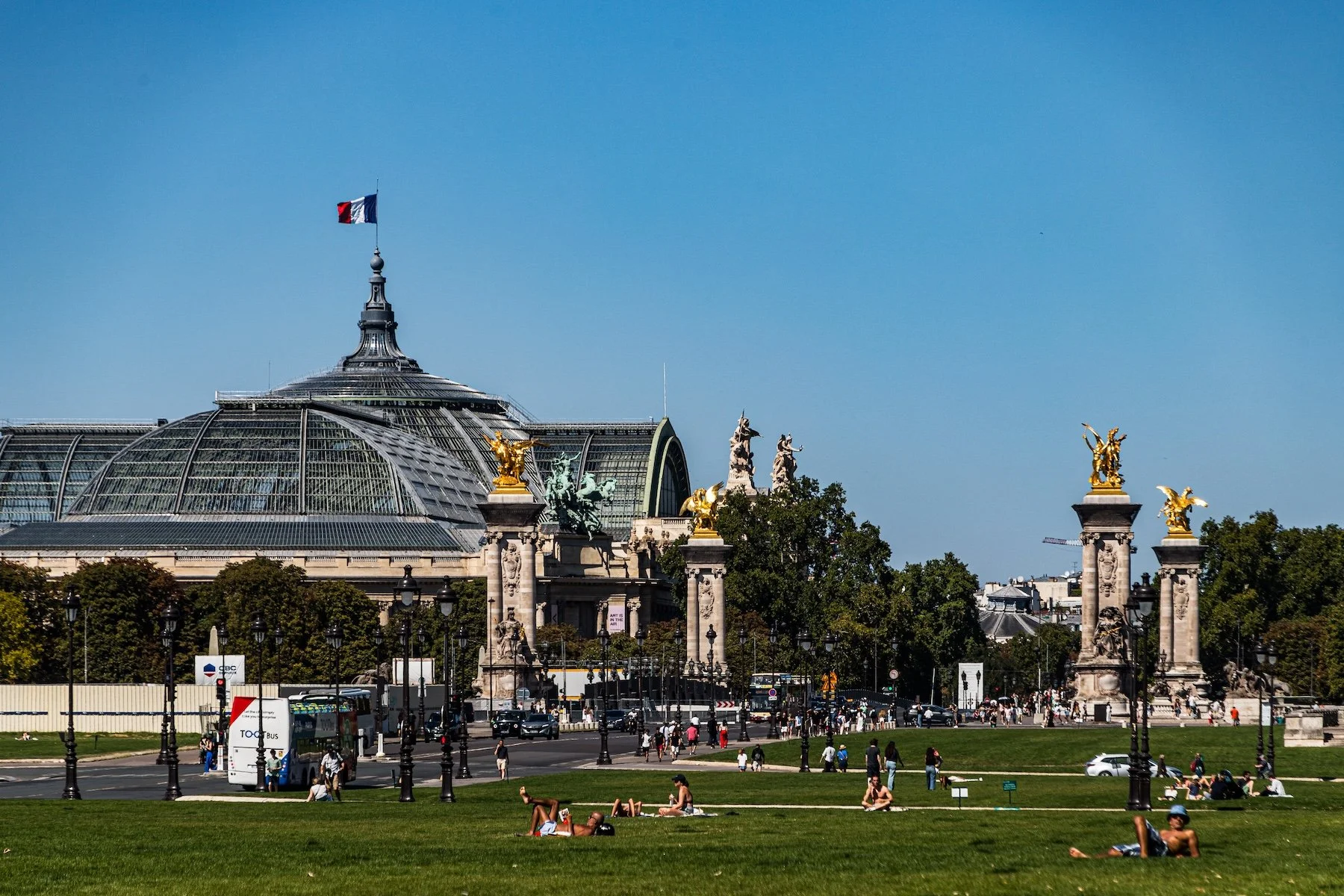
The Invalides Conseil de Quartier gathers the ceremonial and institutional heart of the 7e into a local civic frame. Centered around the Hôtel des Invalides, the Esplanade des Invalides, ministries, museums, broad avenues, formal lawns, and river-facing approaches, this CdQ is shaped by national memory and everyday use at the same time. The Invalides complex includes the Musée de l’Armée, military and memorial spaces, the Dôme des Invalides, and the tomb of Napoleon, making it one of the district’s most significant landmark environments.
On the ground, Invalides feels spacious, formal, and institutionally anchored. Its broad lawns and monumental buildings create a sense of ceremonial Paris, but the surrounding streets also contain schools, offices, residences, cafés, embassies, and practical routes between the Seine, Rue de Grenelle, Boulevard des Invalides, and the rest of the arrondissement. Its civic themes center on access to major public spaces, museum and ceremony traffic, security around official institutions, preservation of historic landscapes, pedestrian comfort, and the balance between national symbolism and local neighborhood use.
Invalides: At a Glance
A curated list for you.
-
Major Streets
Rue de Grenelle
Boulevard des Invalides
Avenue de Tourville
Rue de Varenne
Quai d’Orsay
-
Public Spaces & Landmarks
Hôtel des Invalides
Esplanade des Invalides
Musée de l’Armée
Dôme des Invalides
Musée Rodin nearby
-
Transit Access
Invalides
La Tour-Maubourg
Varenne
Saint-François-Xavier
Assemblée Nationale nearby
-
Shopping & Dining
Rue de Grenelle cafés and shops
Rue Saint-Dominique nearby
L’Arpège
Auguste
Le Recrutement Café nearby
-
Hotels & Attractions
Les Invalides visitor circuit
Musée Rodin gardens nearby
Esplanade des Invalides
Seine / Pont Alexandre III approach
Rue de Grenelle hotel and institution corridor
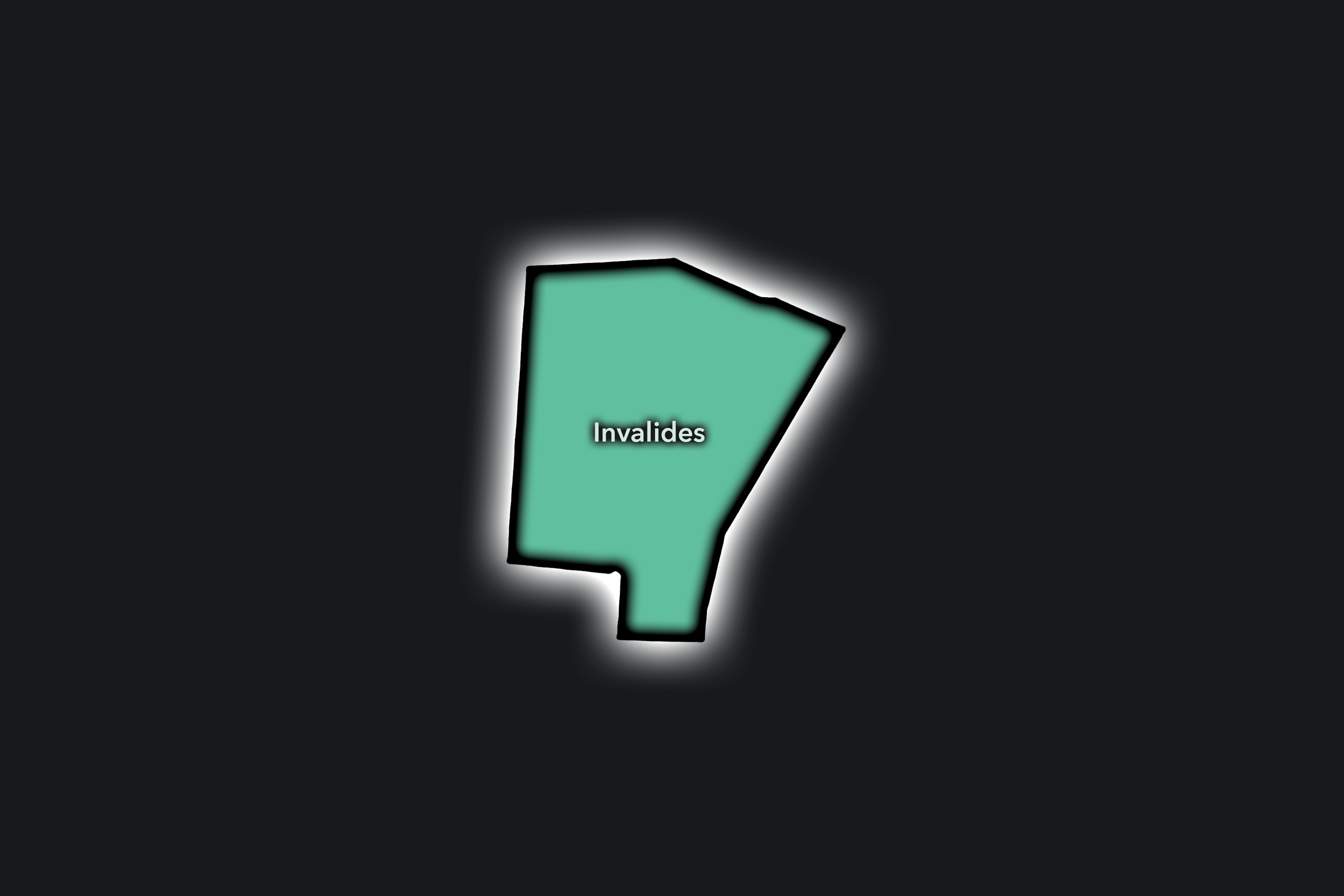
Saint Thomas d’Aquin
Civic Profile
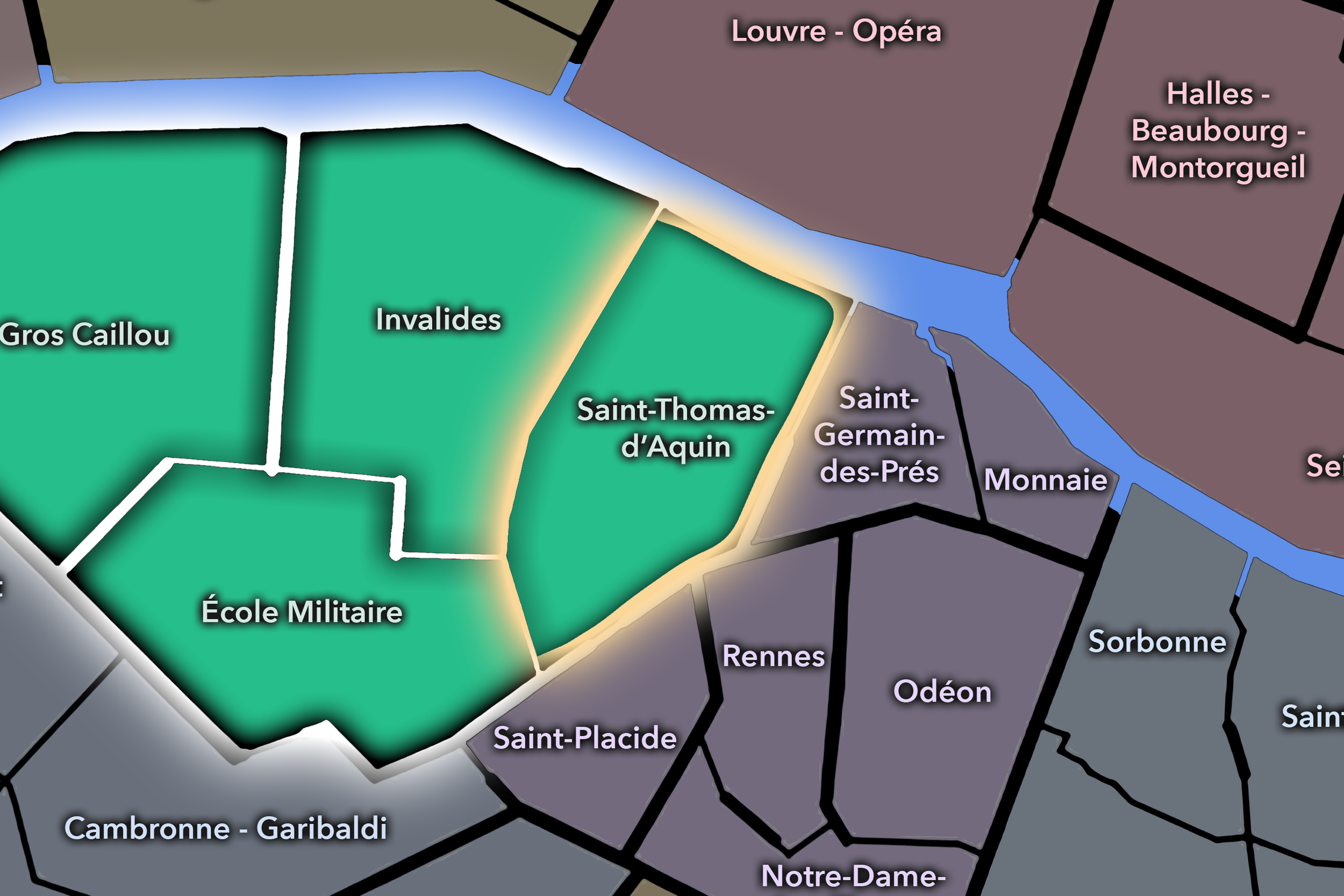
The Saint Thomas d’Aquin Conseil de Quartier gives civic shape to the 7e’s refined western Saint-Germain edge, where museums, ministries, churches, embassies, galleries, schools, residential streets, and major shopping routes converge. It is less dominated by one monumental public space than by an accumulation of institutions and elegant streets: Rue du Bac, Rue de Varenne, Boulevard Saint-Germain, Rue de Grenelle, and the cultural landscape around the Musée d’Orsay, Musée Maillol, and the Hôtel Matignon. As a civic territory, it reflects the quieter but highly influential side of the 7e: official, residential, cultural, and commercial at once.
On the ground, Saint Thomas d’Aquin feels polished, institutional, and deeply Left Bank. The district moves between art museums, religious buildings, government offices, luxury shops, cafés, schools, and residential courtyards, with Rue du Bac acting as one of its strongest local-commercial spines. Its civic themes center on preserving residential quality of life within a district of embassies and ministries, managing museum and shopping traffic, maintaining pedestrian comfort on historic streets, supporting neighborhood commerce, and balancing institutional security with public access.
Saint Thomas d’Aquin: At a Glance
A curated list for you.
-
Major Streets
Rue du Bac
Boulevard Saint-Germain
Rue de Varenne
Rue de Grenelle
Rue de Bellechasse
-
Public Spaces & Landmarks
Musée d’Orsay
Église Saint-Thomas-d’Aquin
Hôtel Matignon
Musée Maillol
Basilique Sainte-Clotilde nearby
-
Transit Access
Rue du Bac
Solférino
Sèvres - Babylone
Assemblée Nationale nearby
Musée d’Orsay RER
-
Shopping & Dining
Rue du Bac shops and cafés
La Grande Épicerie / Le Bon Marché nearby
Pâtisserie des Rêves / Rue du Bac sweets corridor
Les Antiquaires
Coutume Café nearby
-
Hotels & Attractions
Musée d’Orsay visitor district
Rue du Bac shopping route
Hôtel Matignon / official Paris setting
Saint-Germain-des-Prés nearby
Le Bon Marché / Sèvres-Babylone nearby
The Photography
Visual Identity
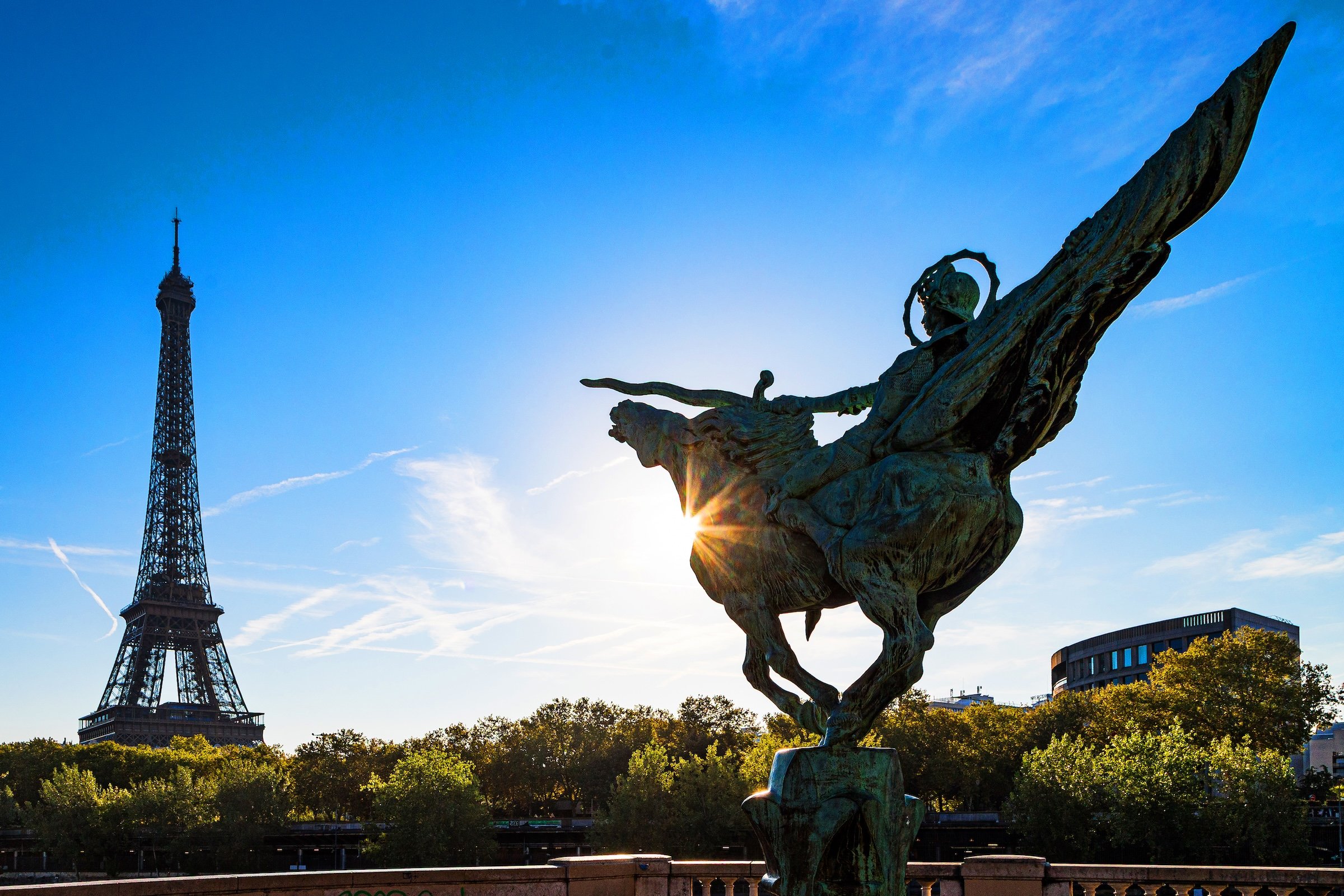
The visual identity of each Paris district begins with its position in the city’s layered geography. Before the photographs arrive, the maps establish a first way of seeing: where the district sits, what civic layer it belongs to, which boundaries define it, and how it connects to the surrounding fabric of Paris. In CityNeighborhoods Paris, cartography is not merely orientation; it is part of the visual language of the project.
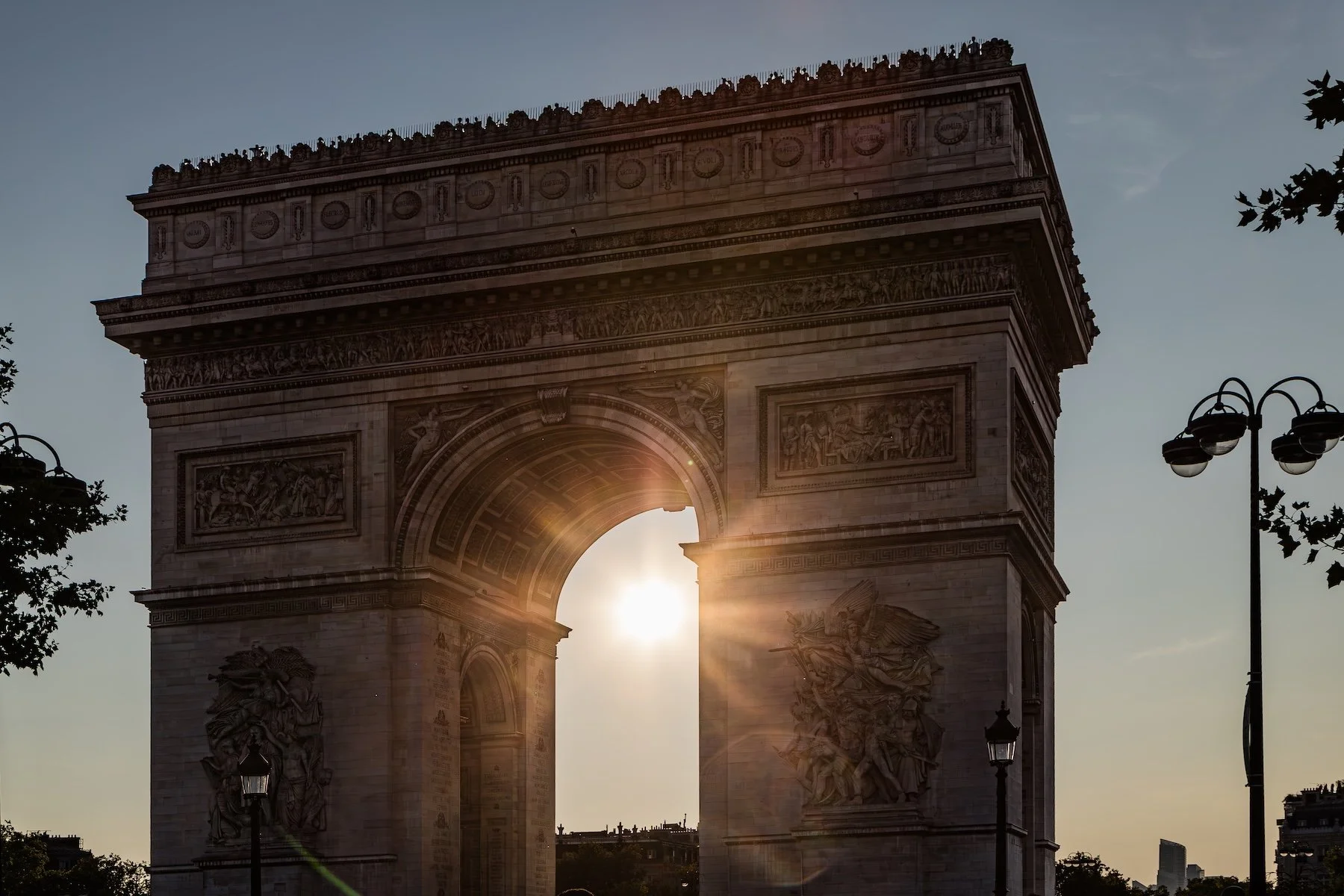
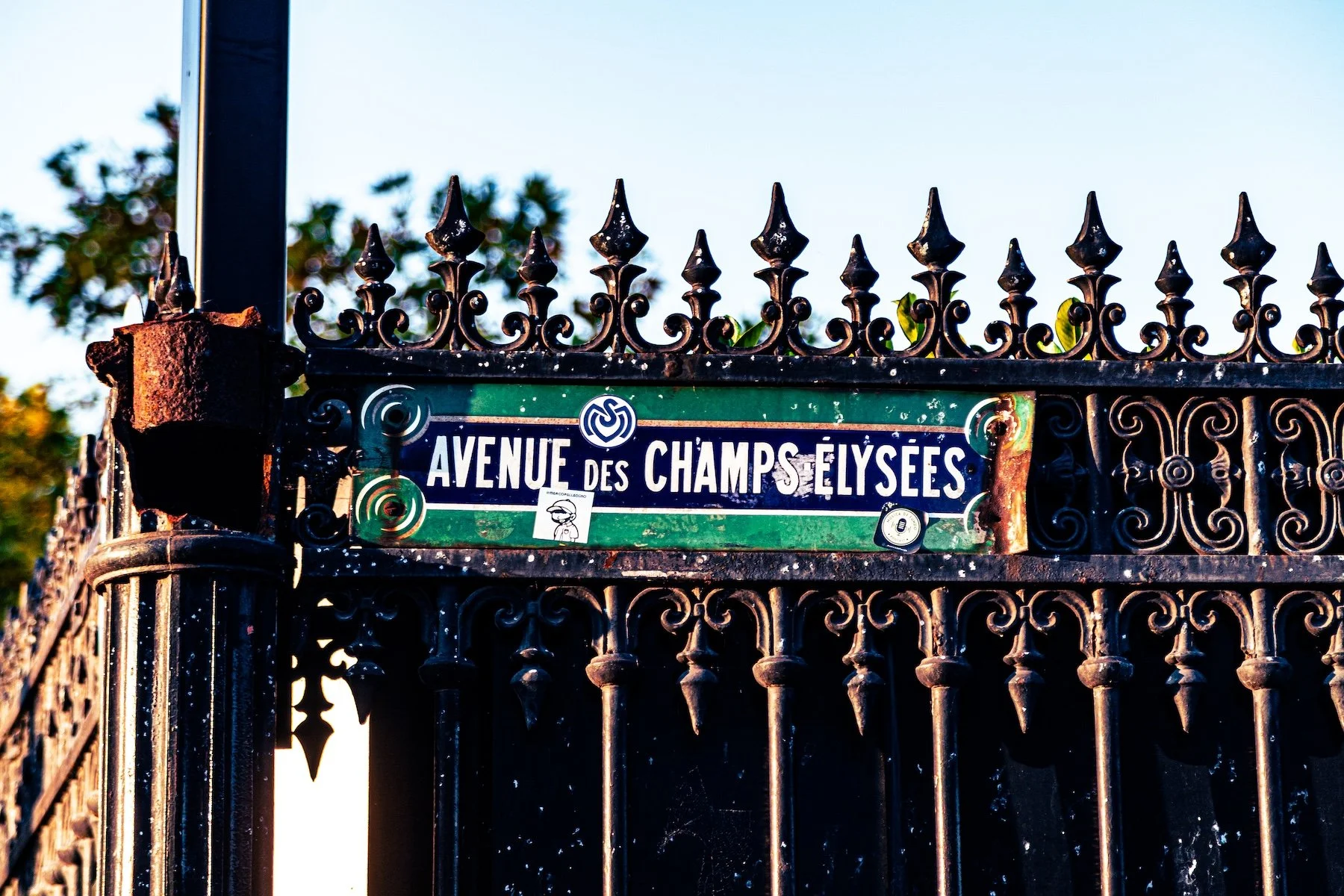
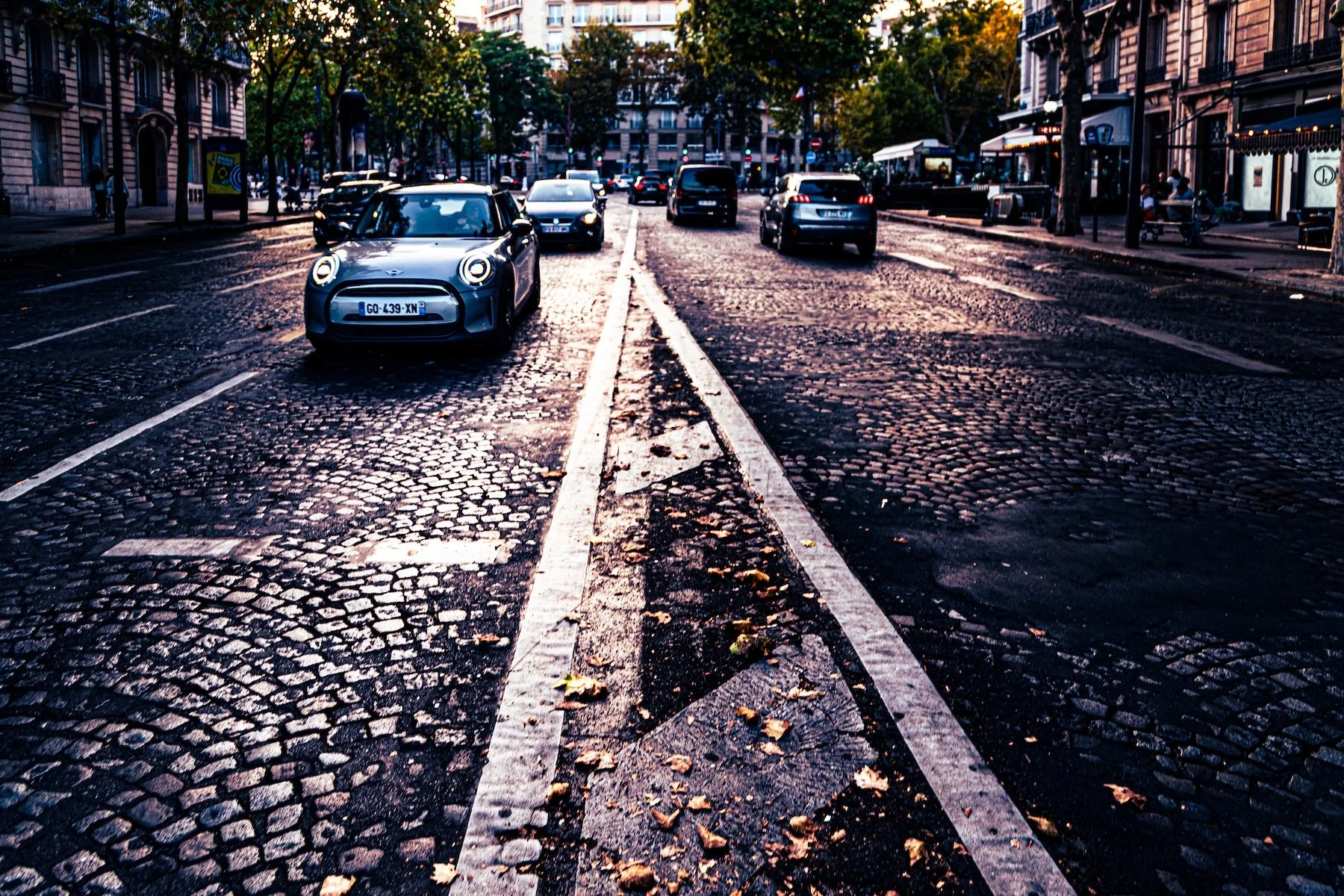
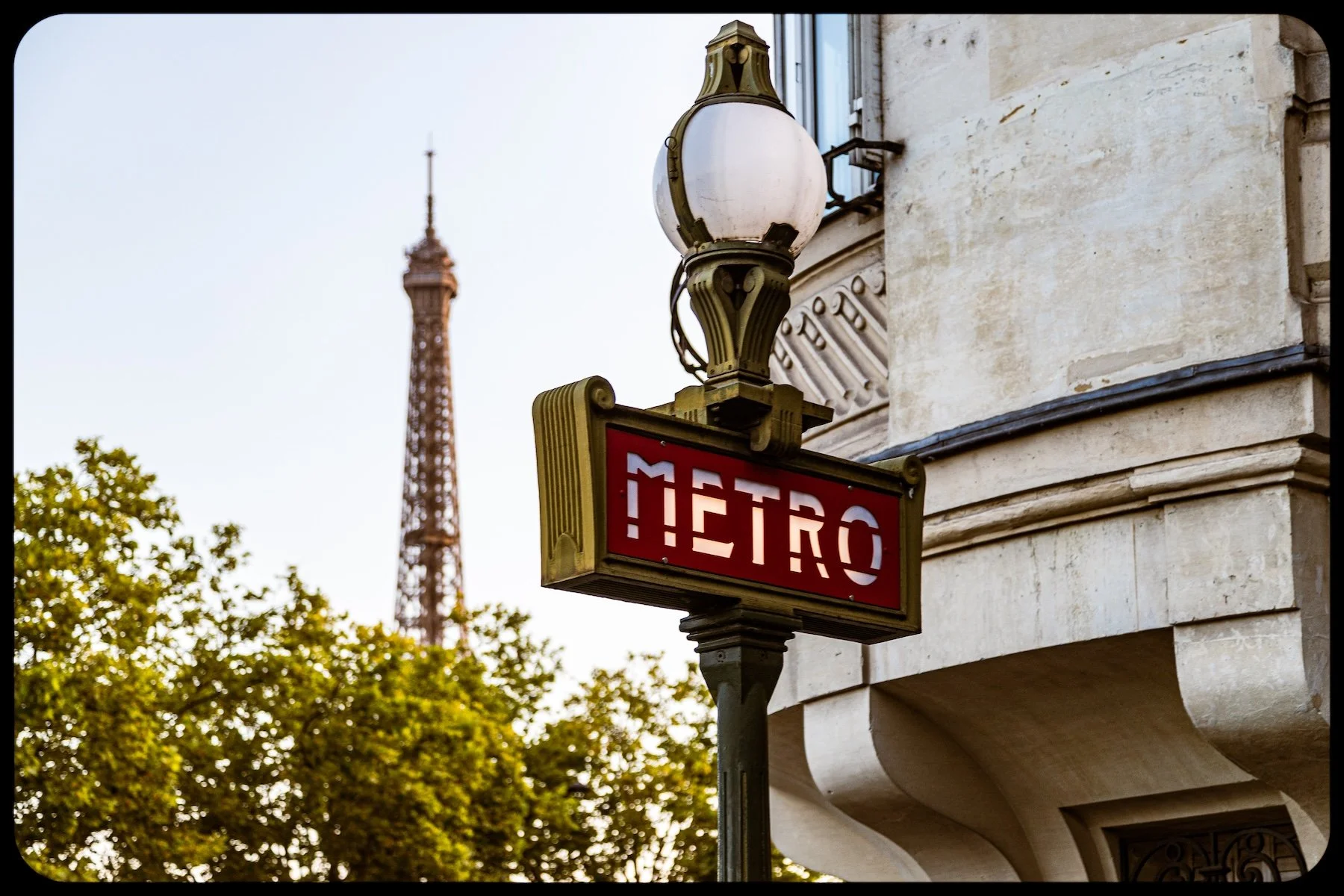
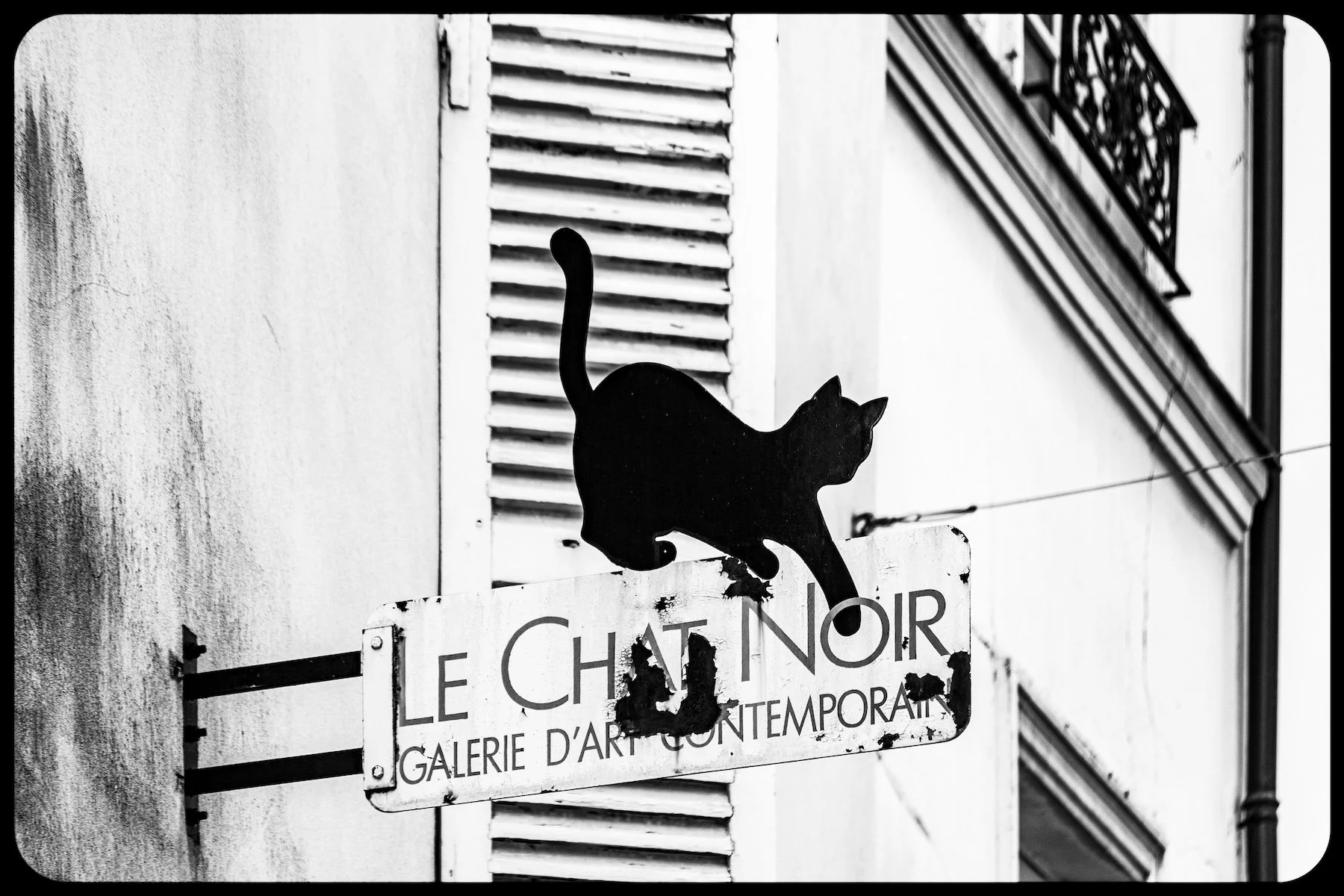
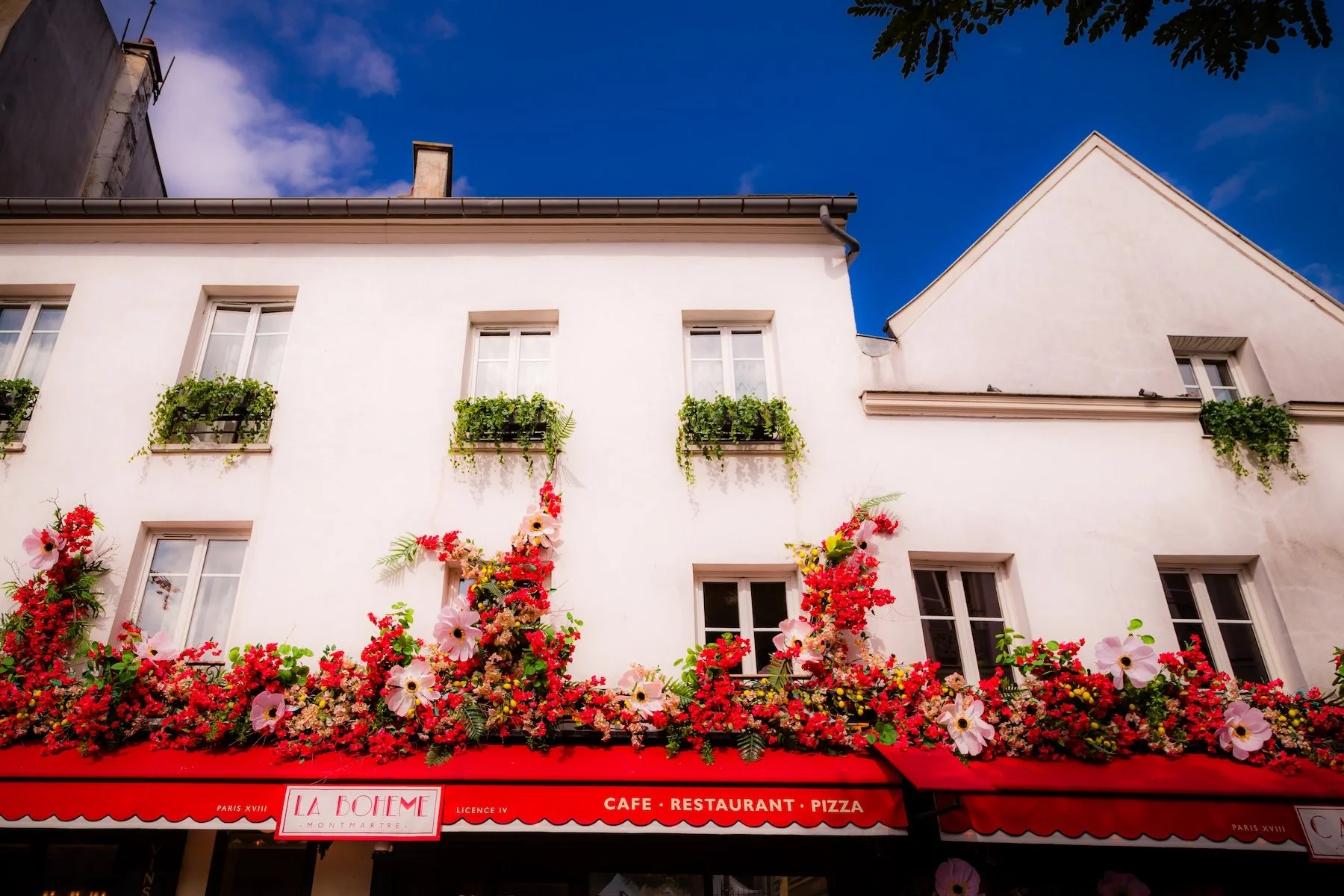
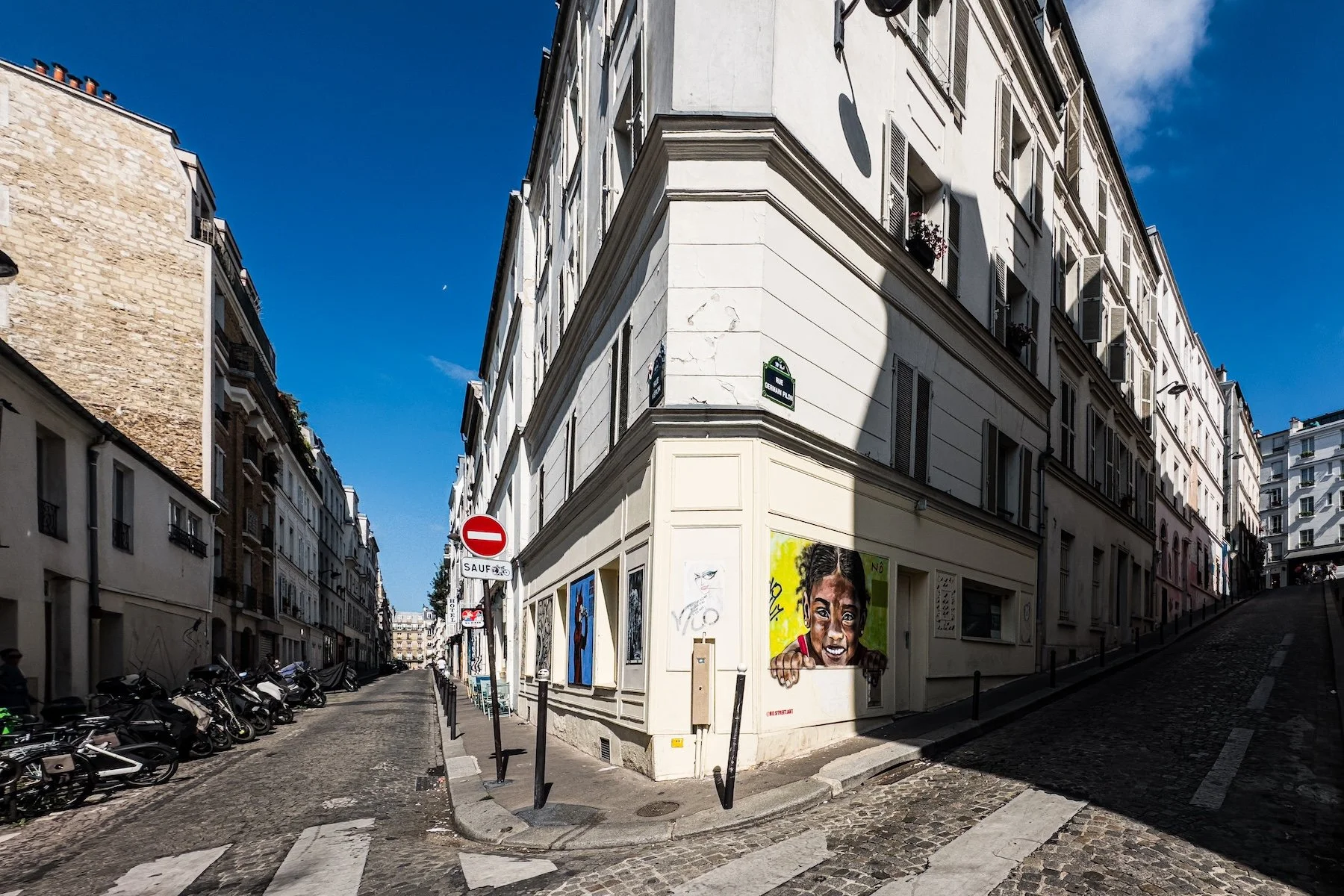
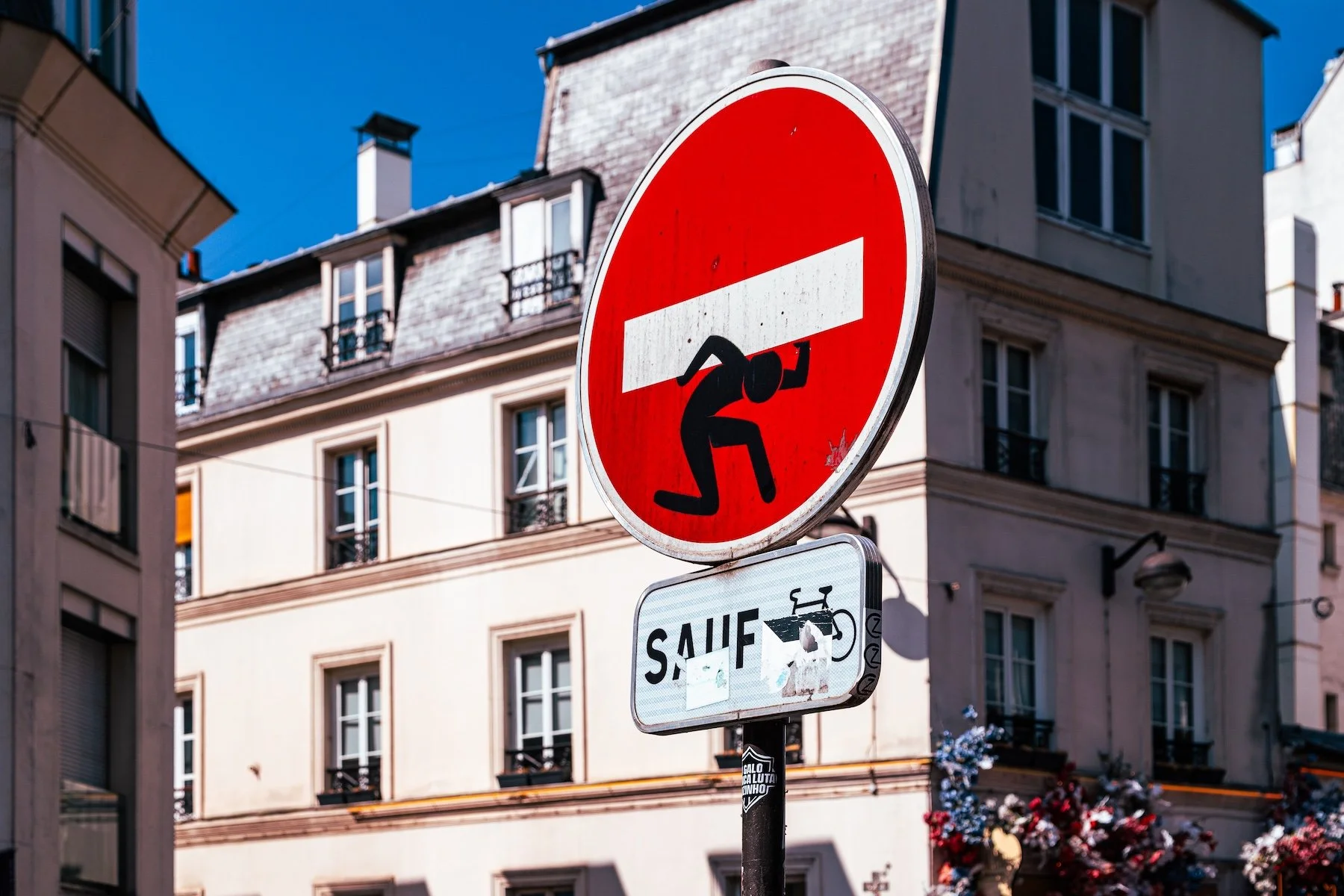
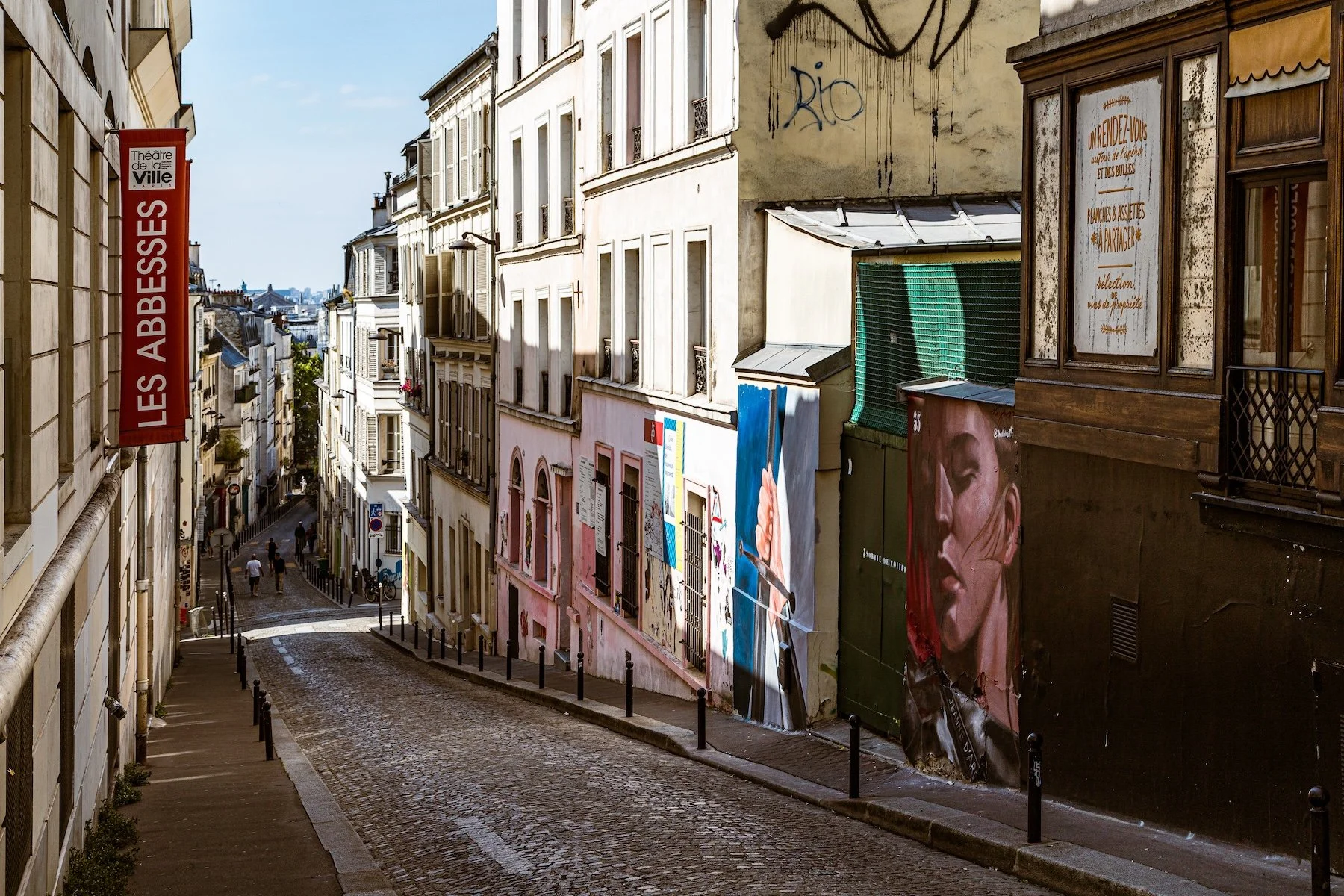
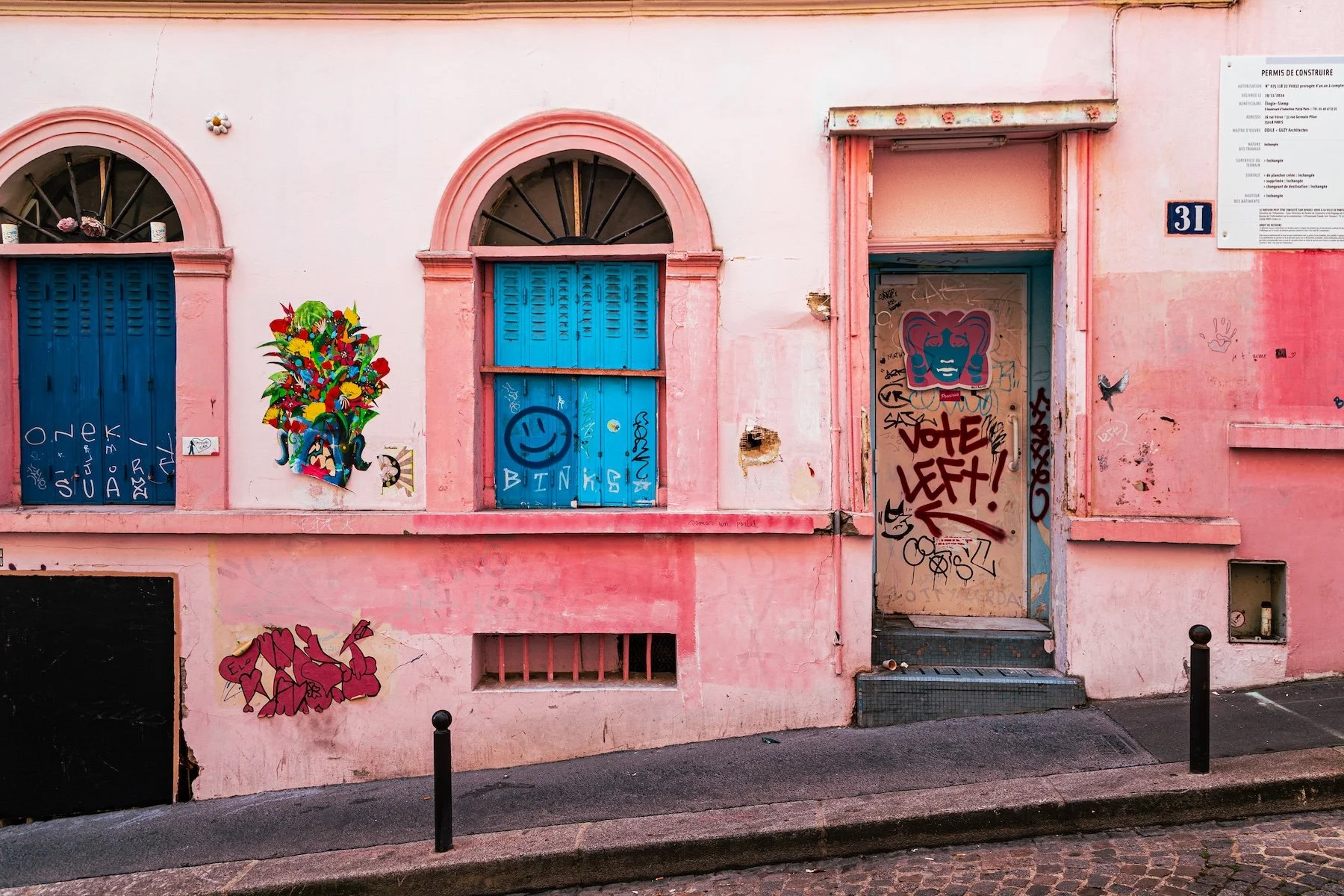
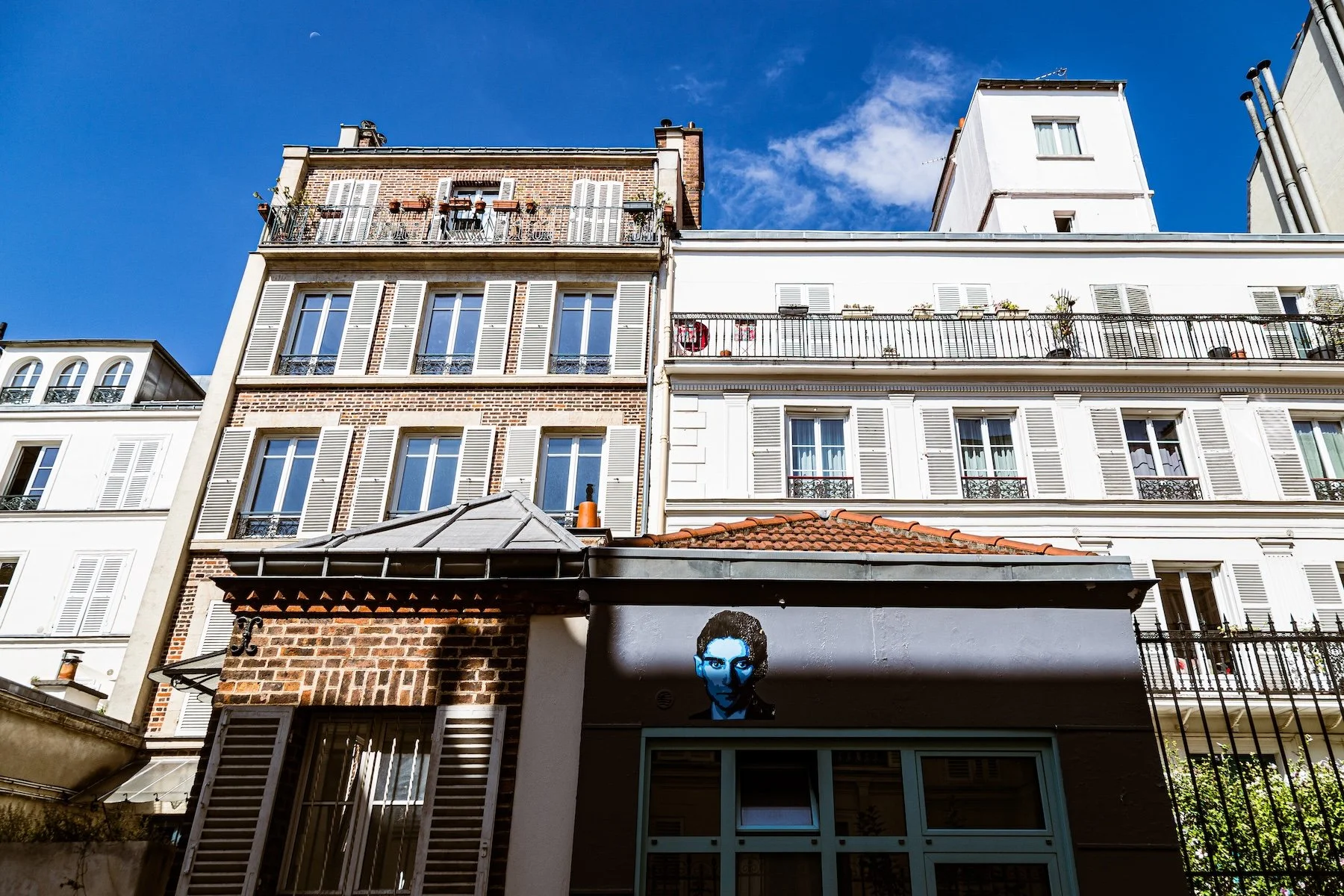
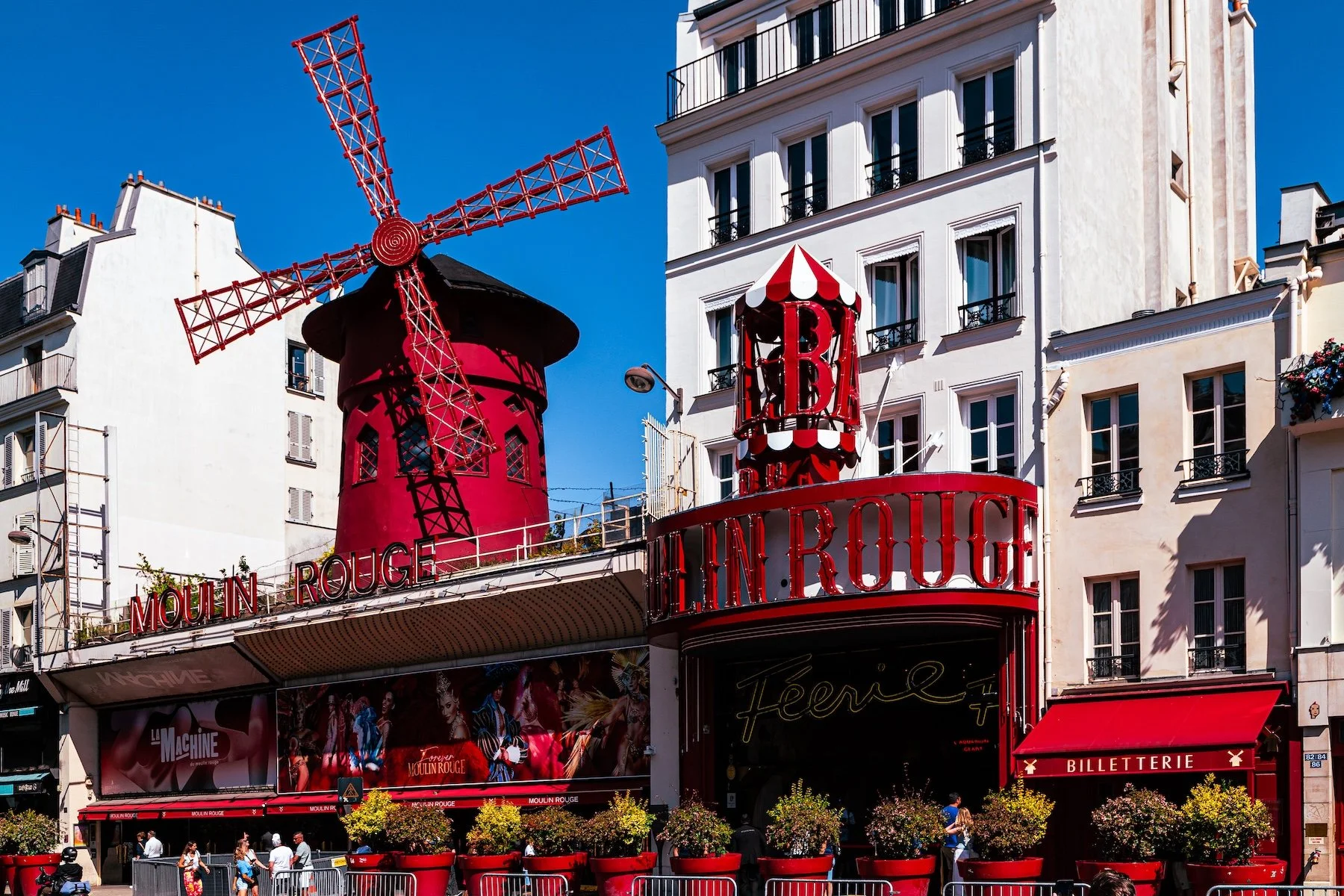
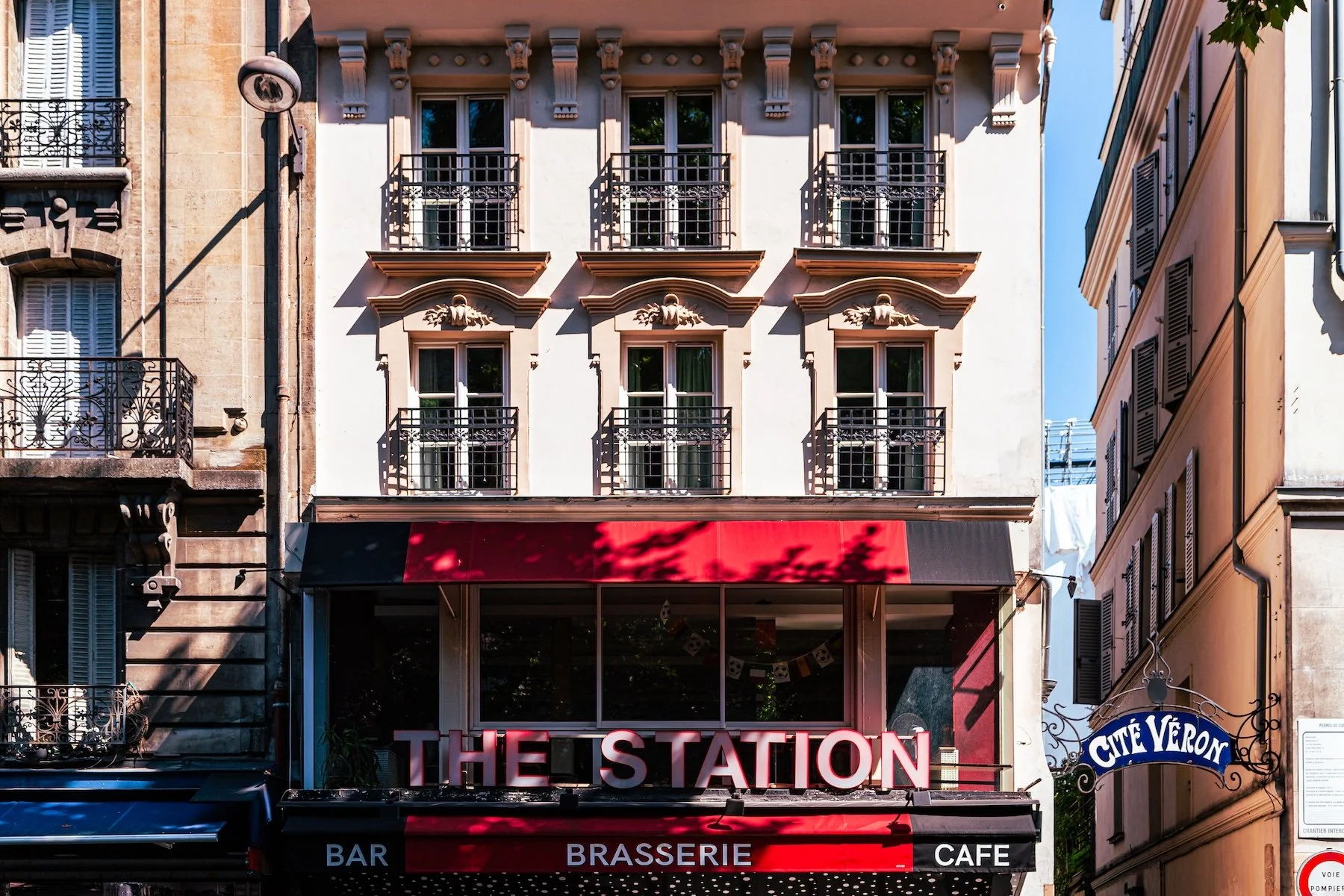
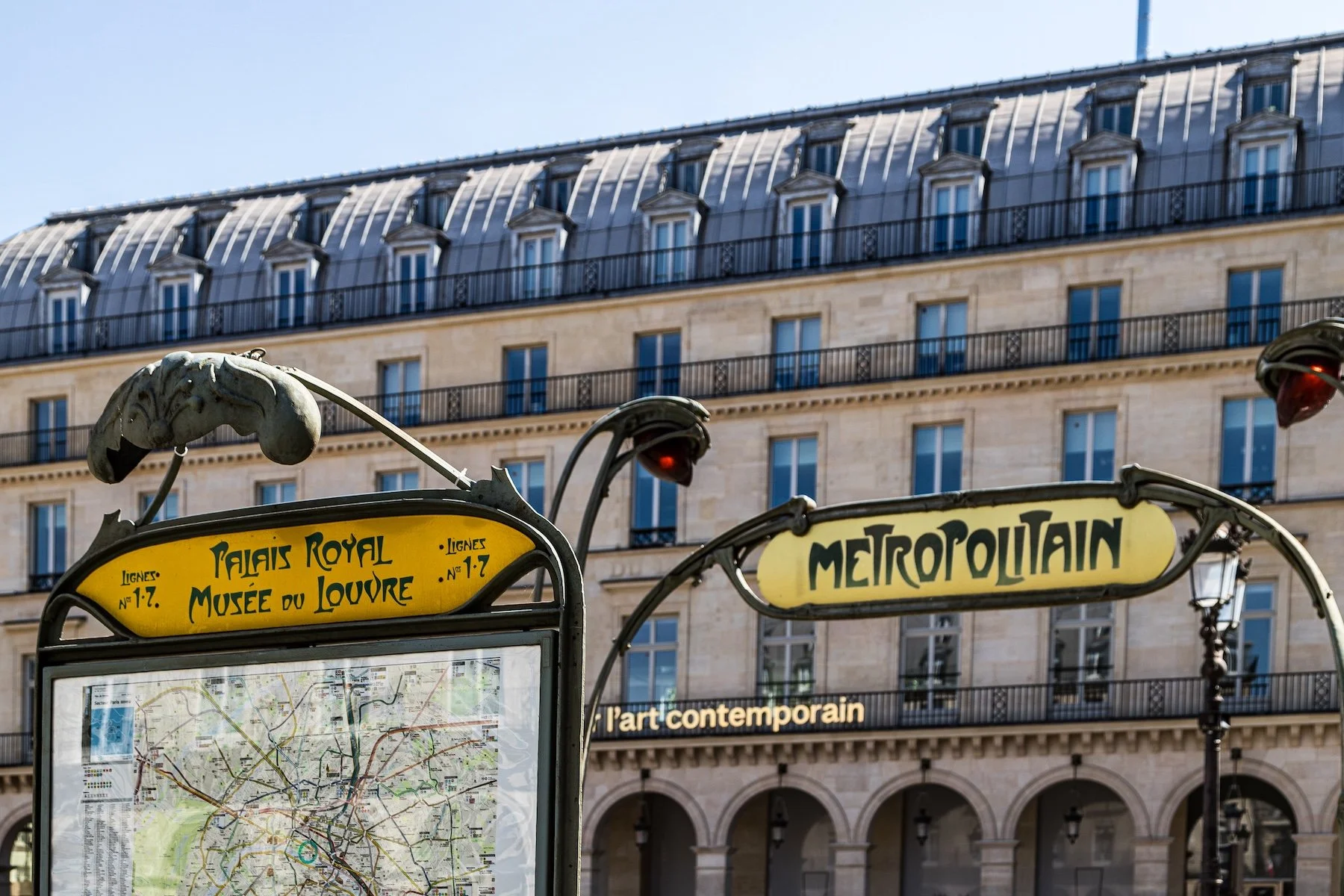
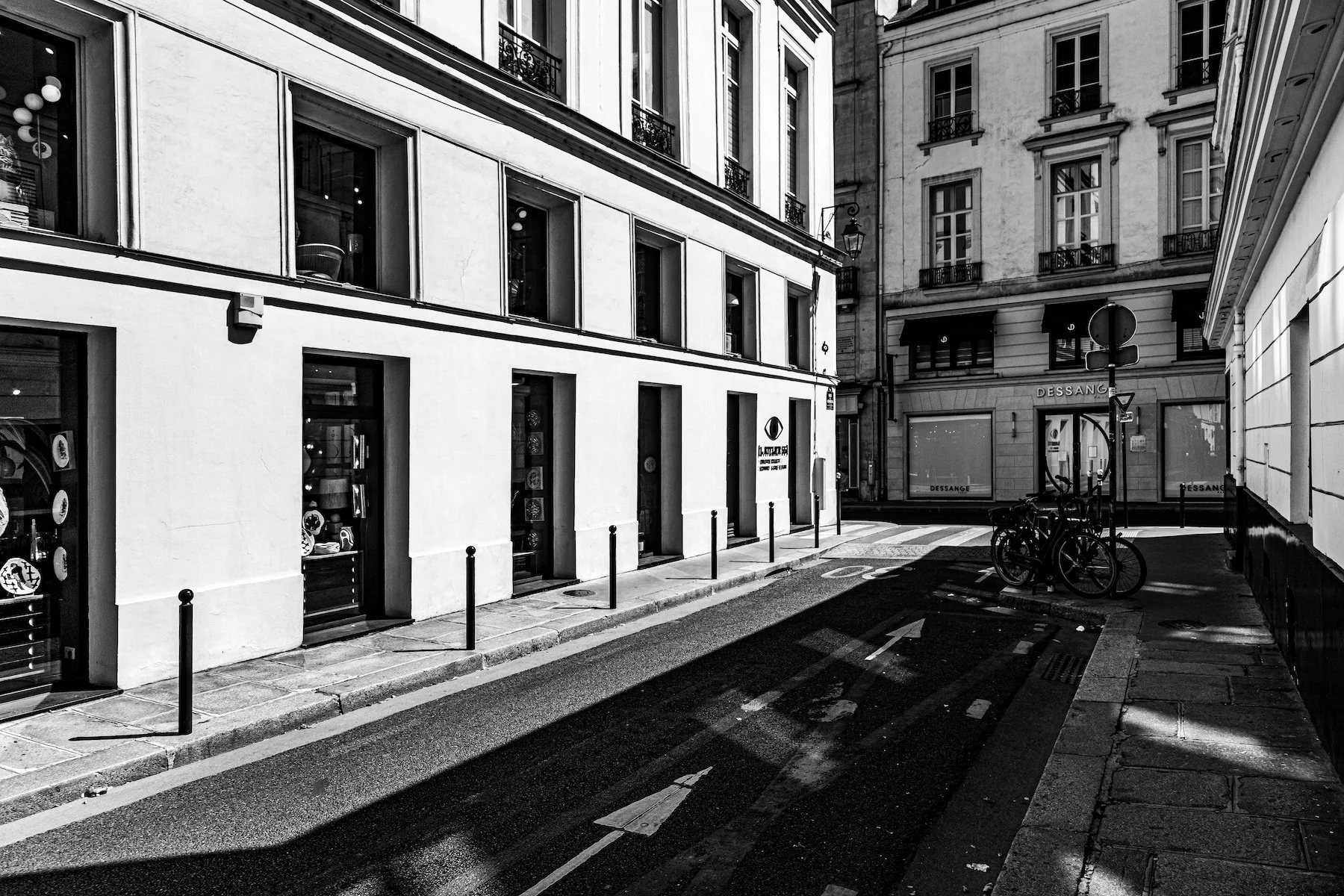
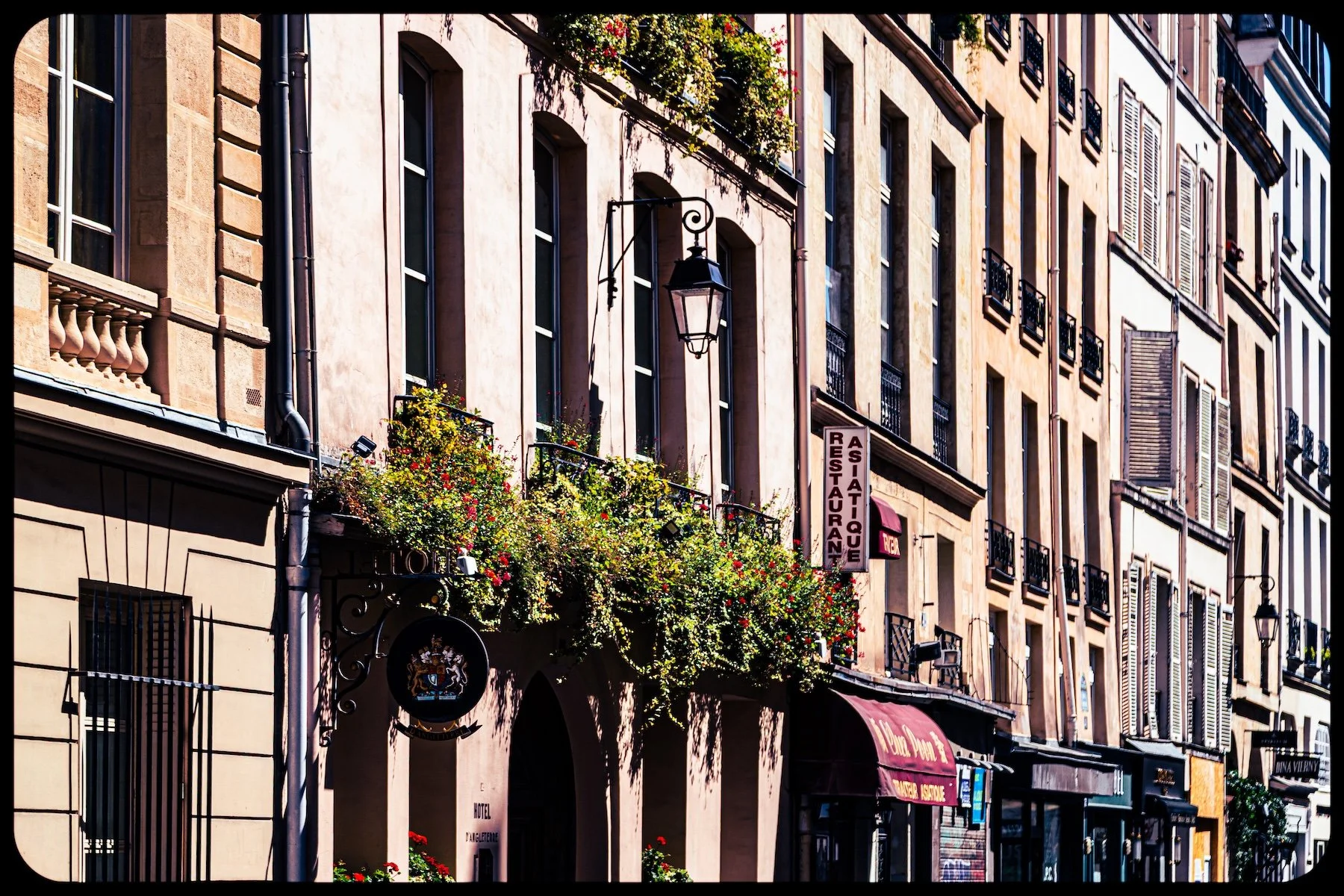
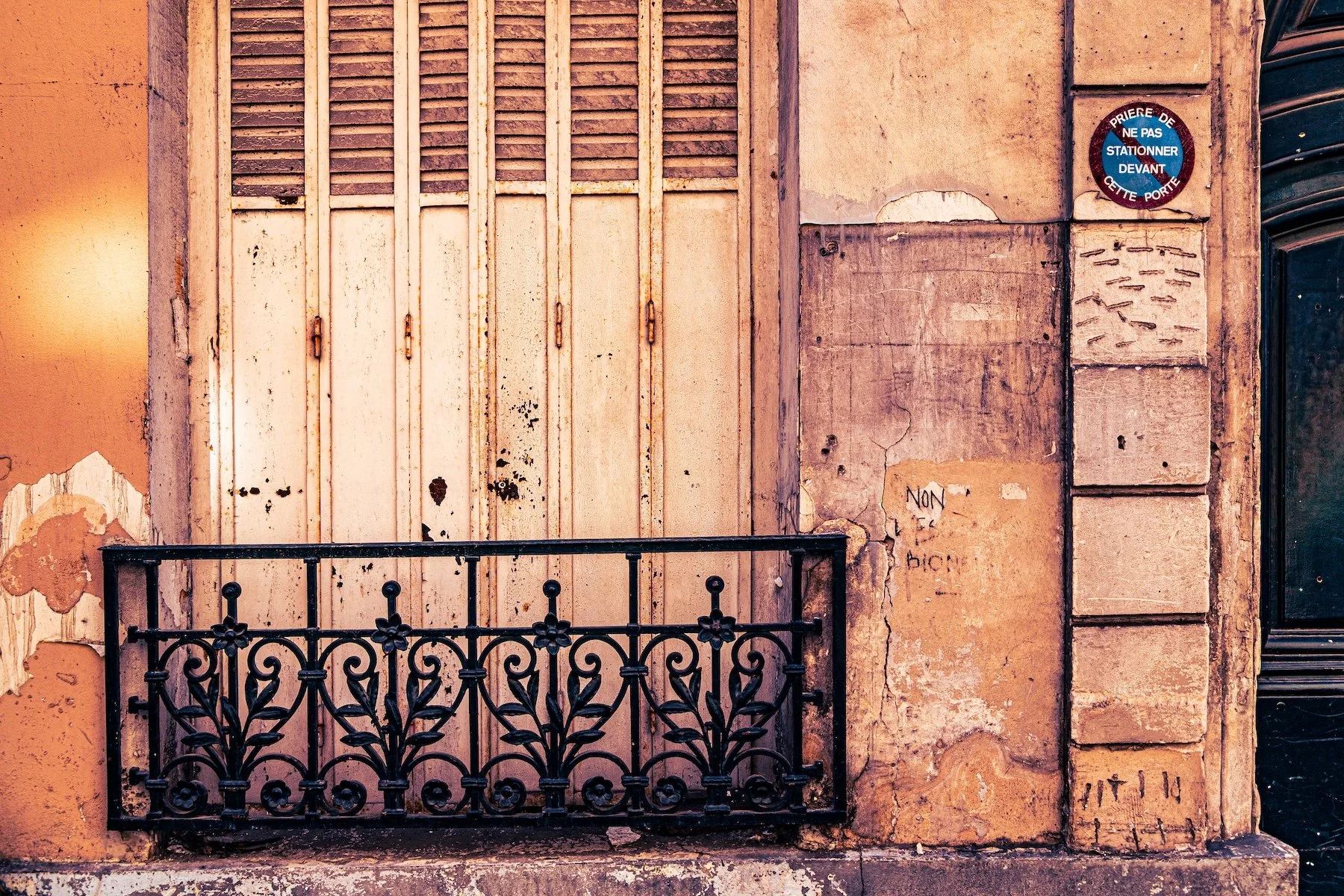
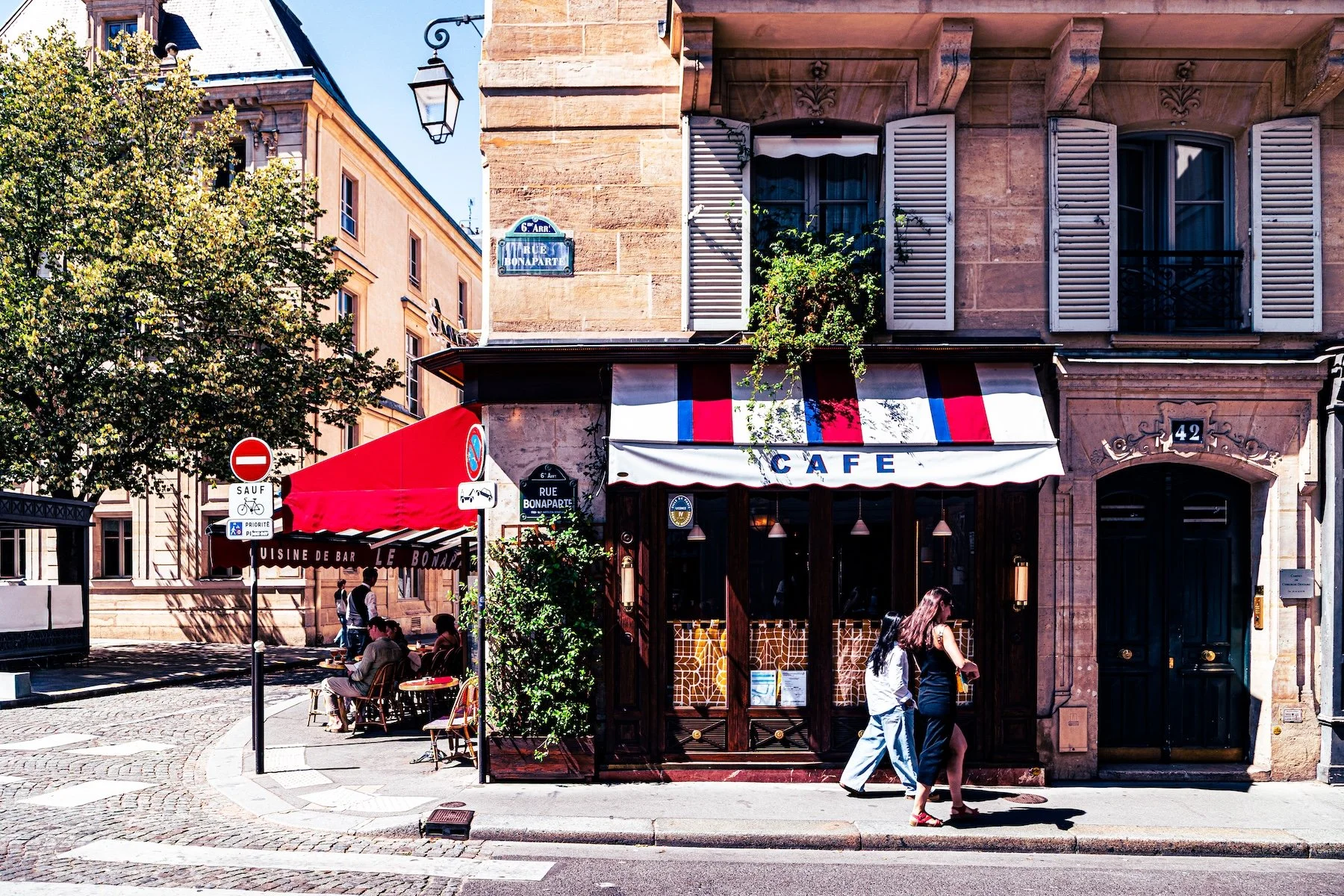
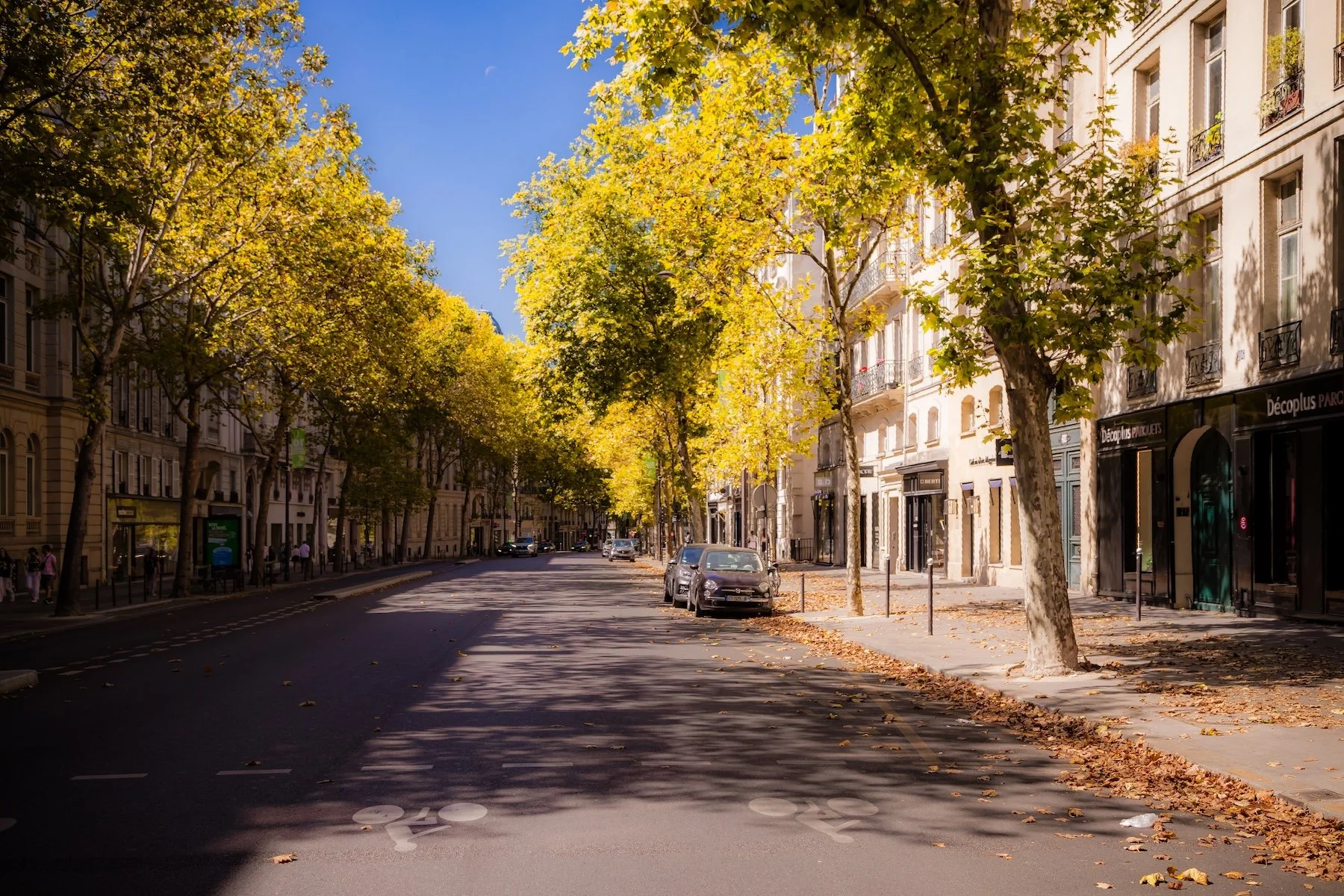
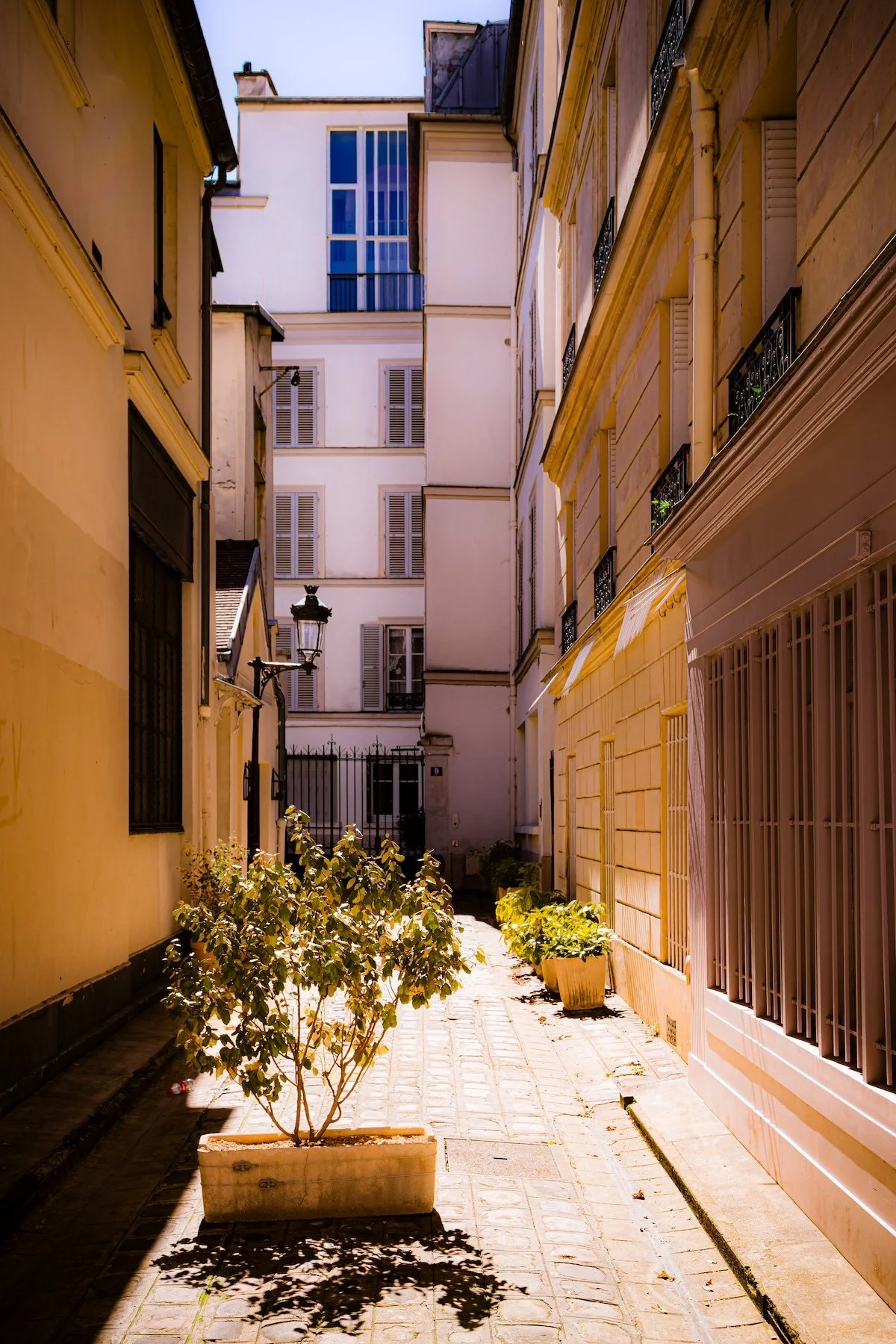
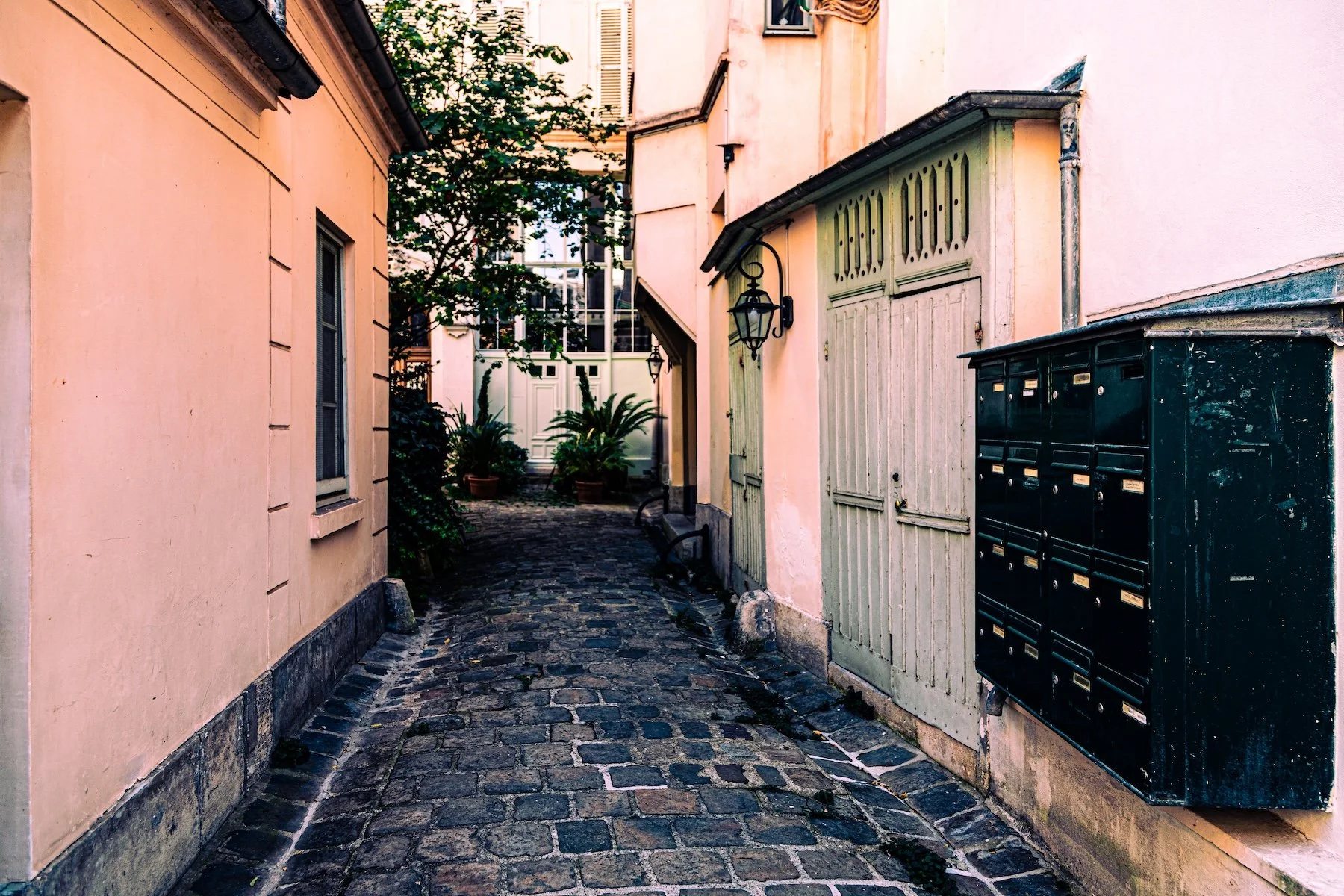
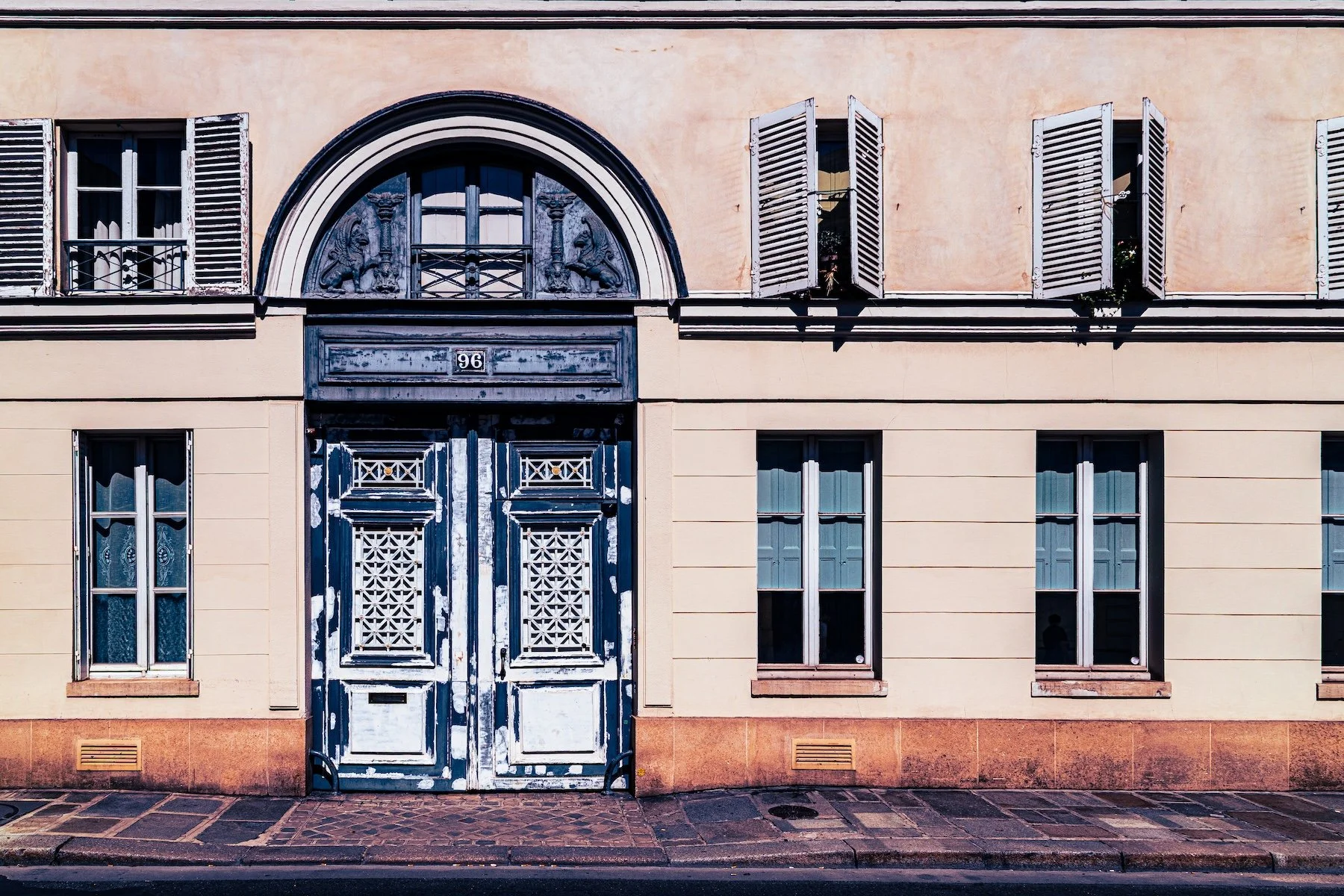
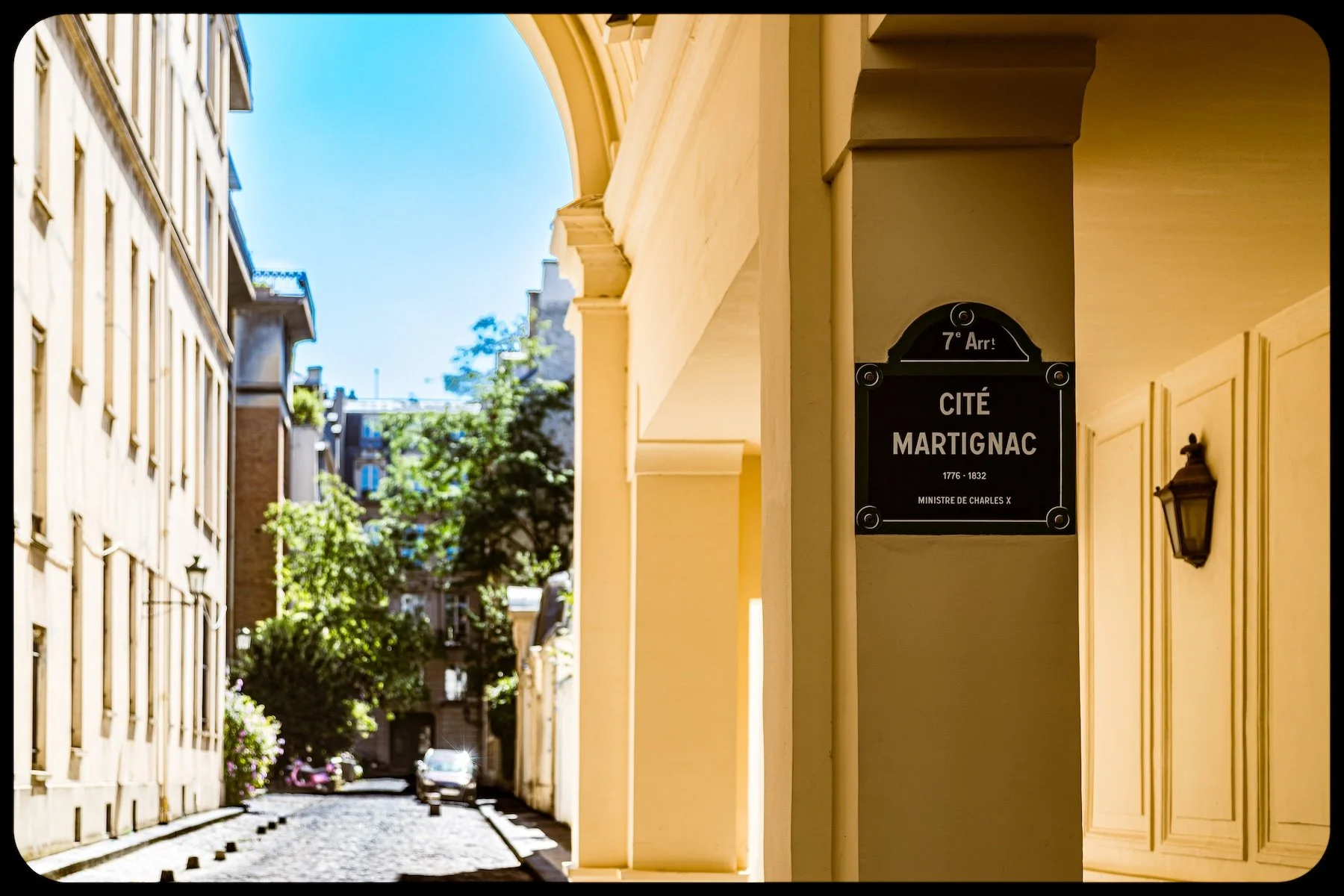
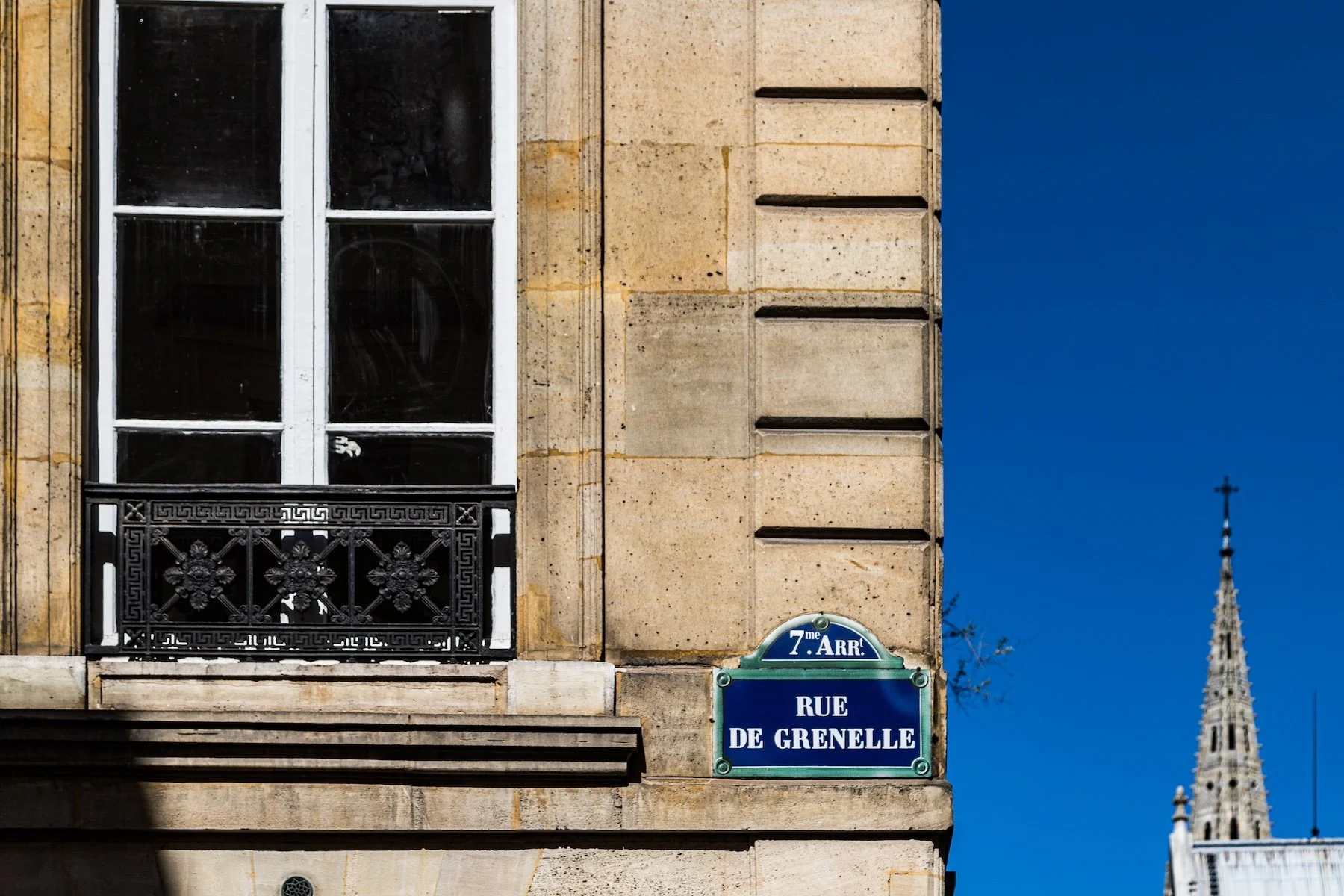
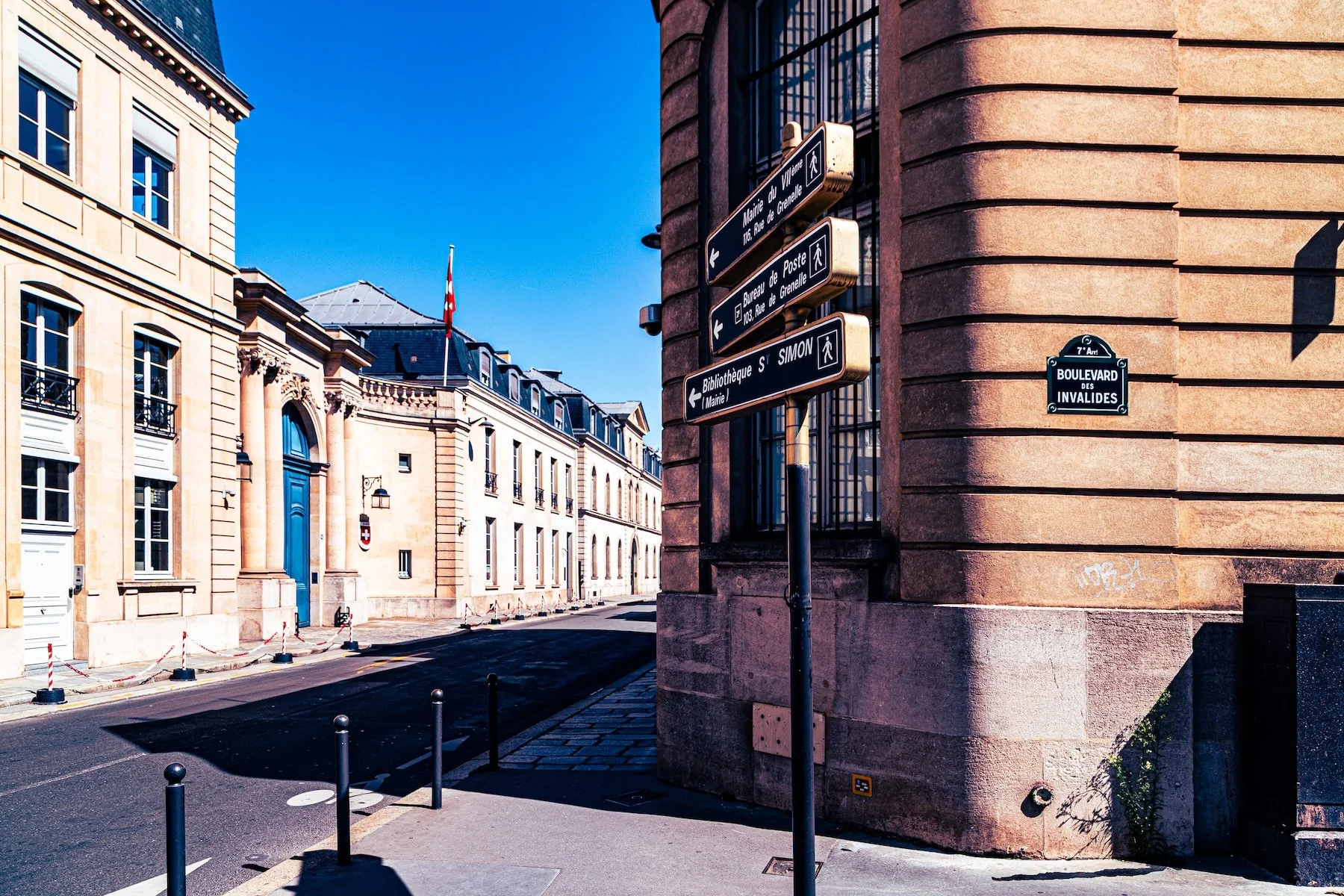
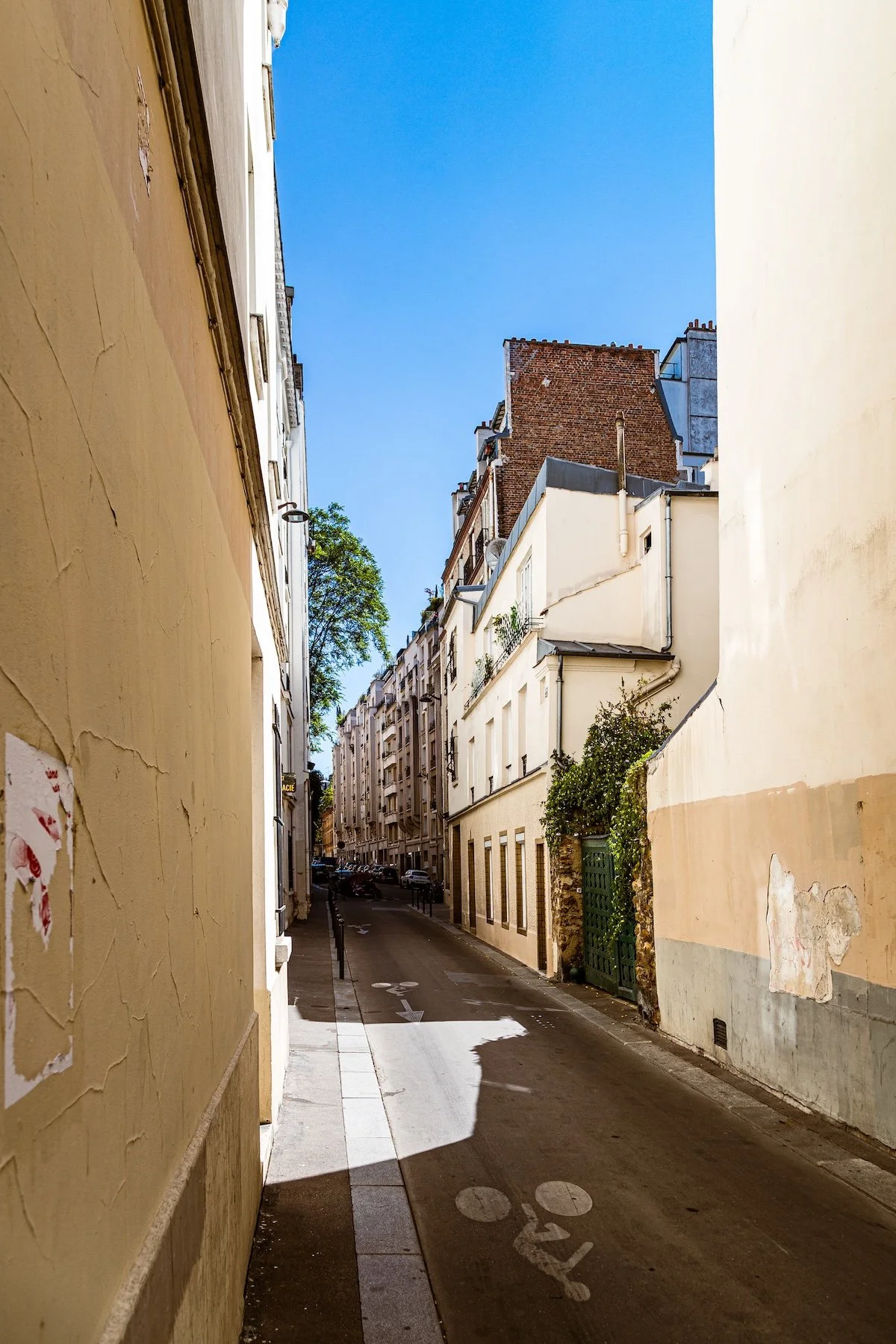
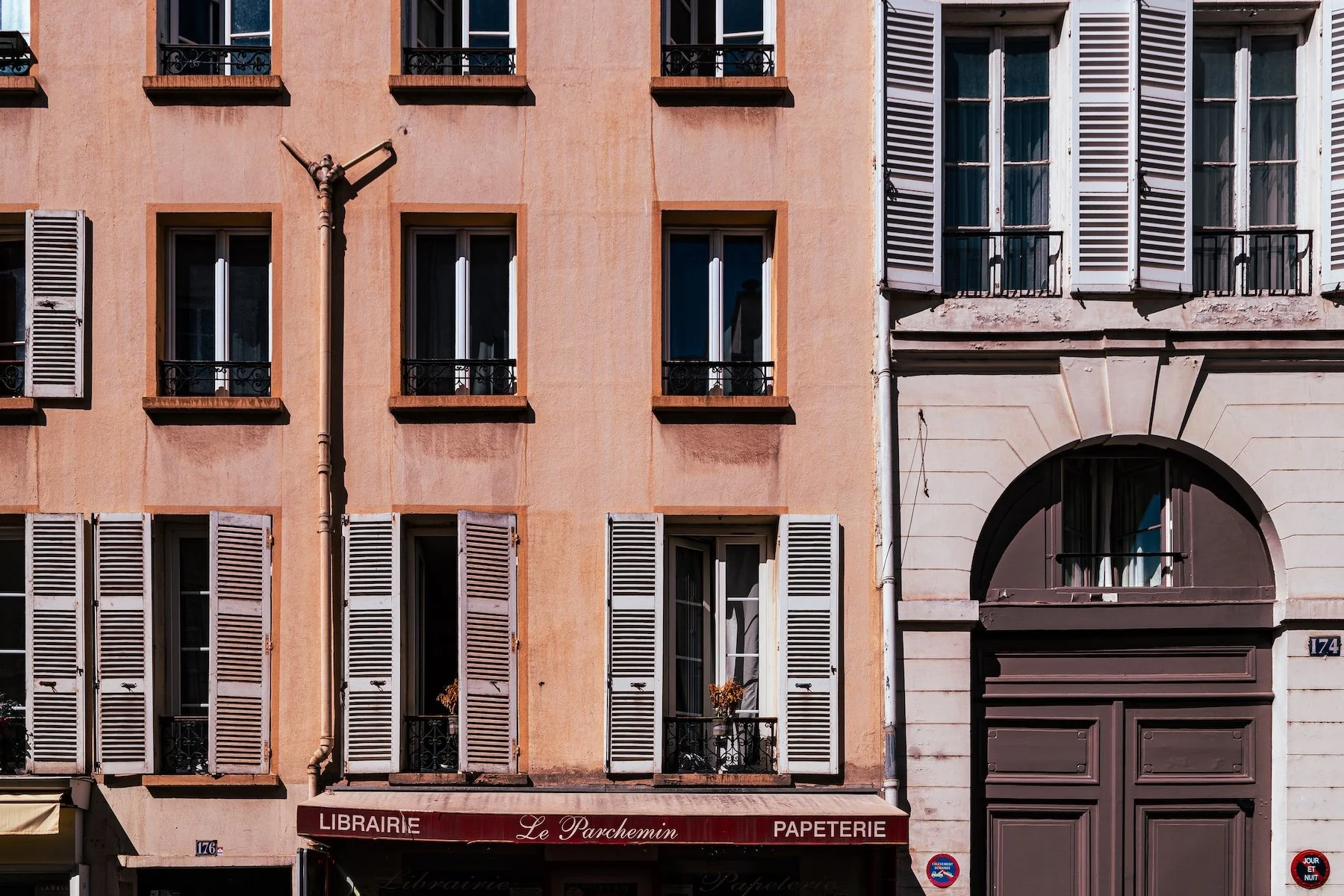
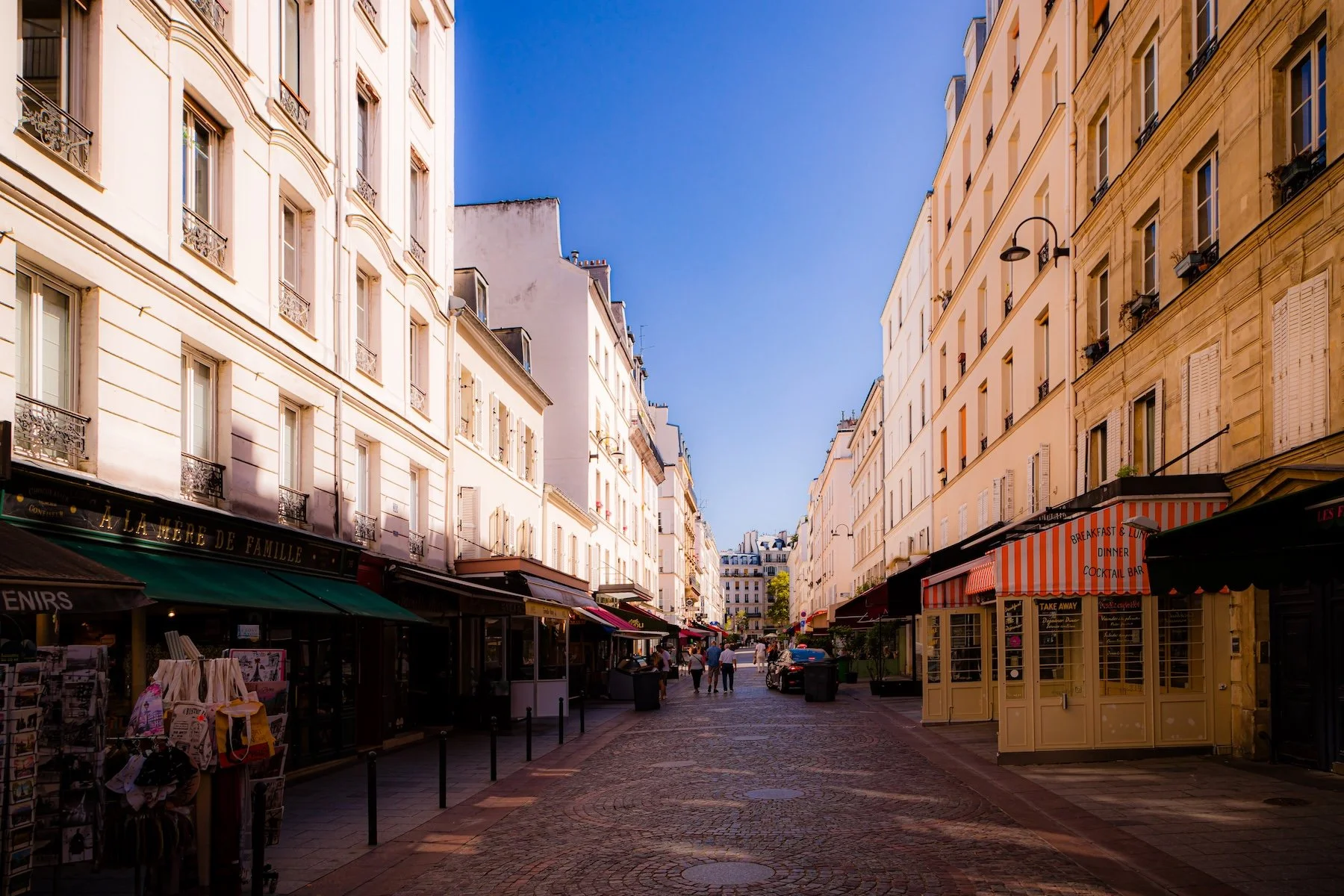
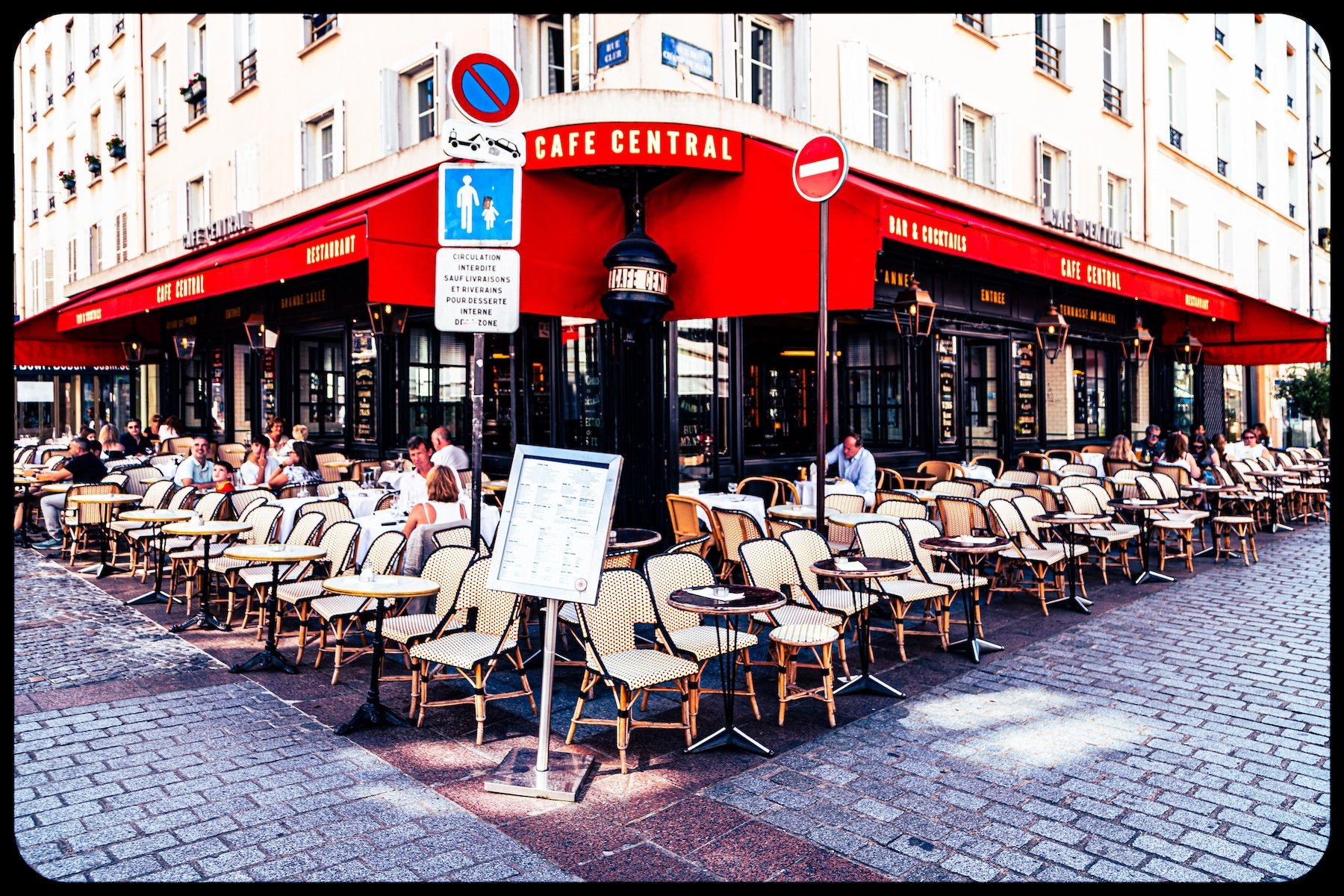
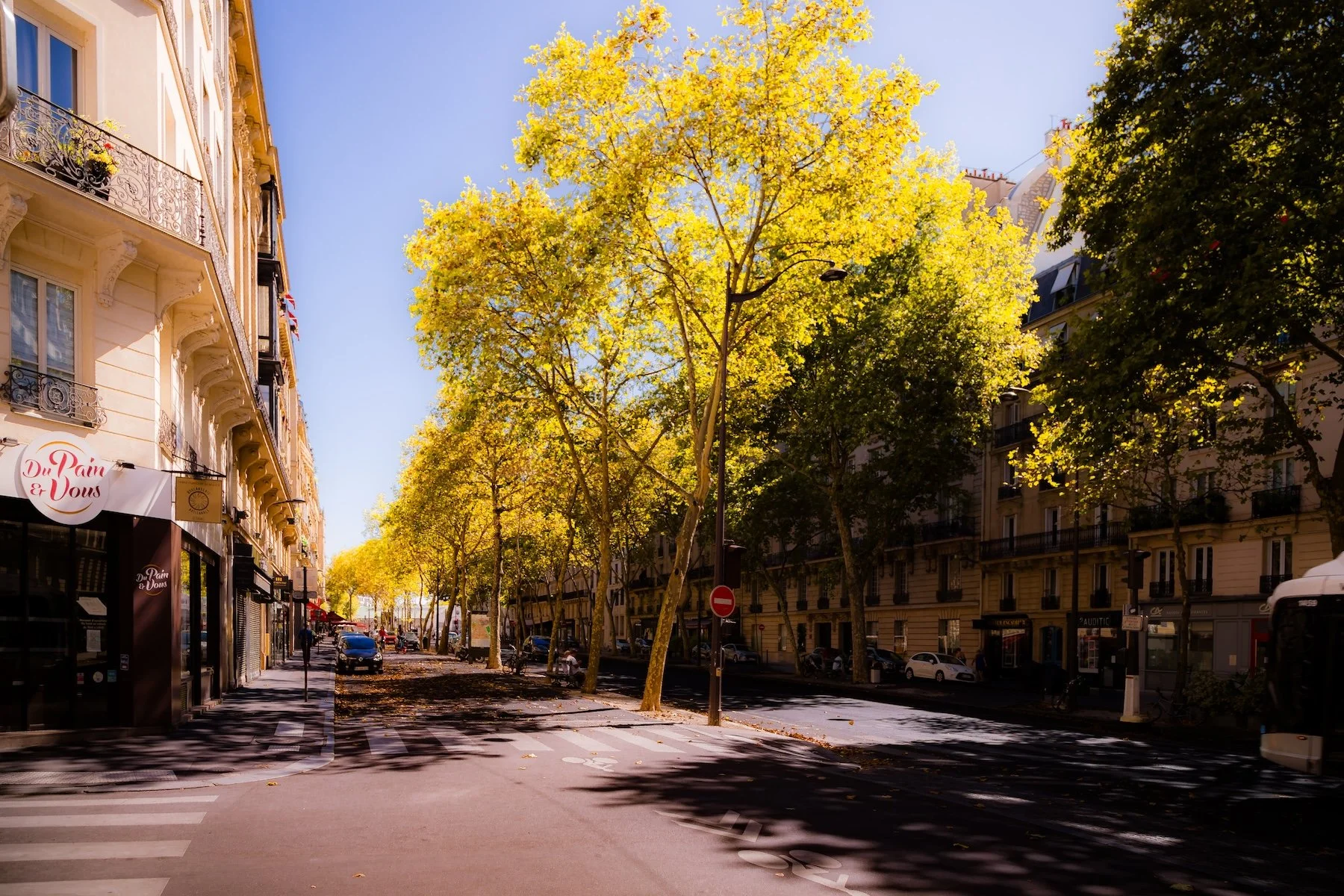
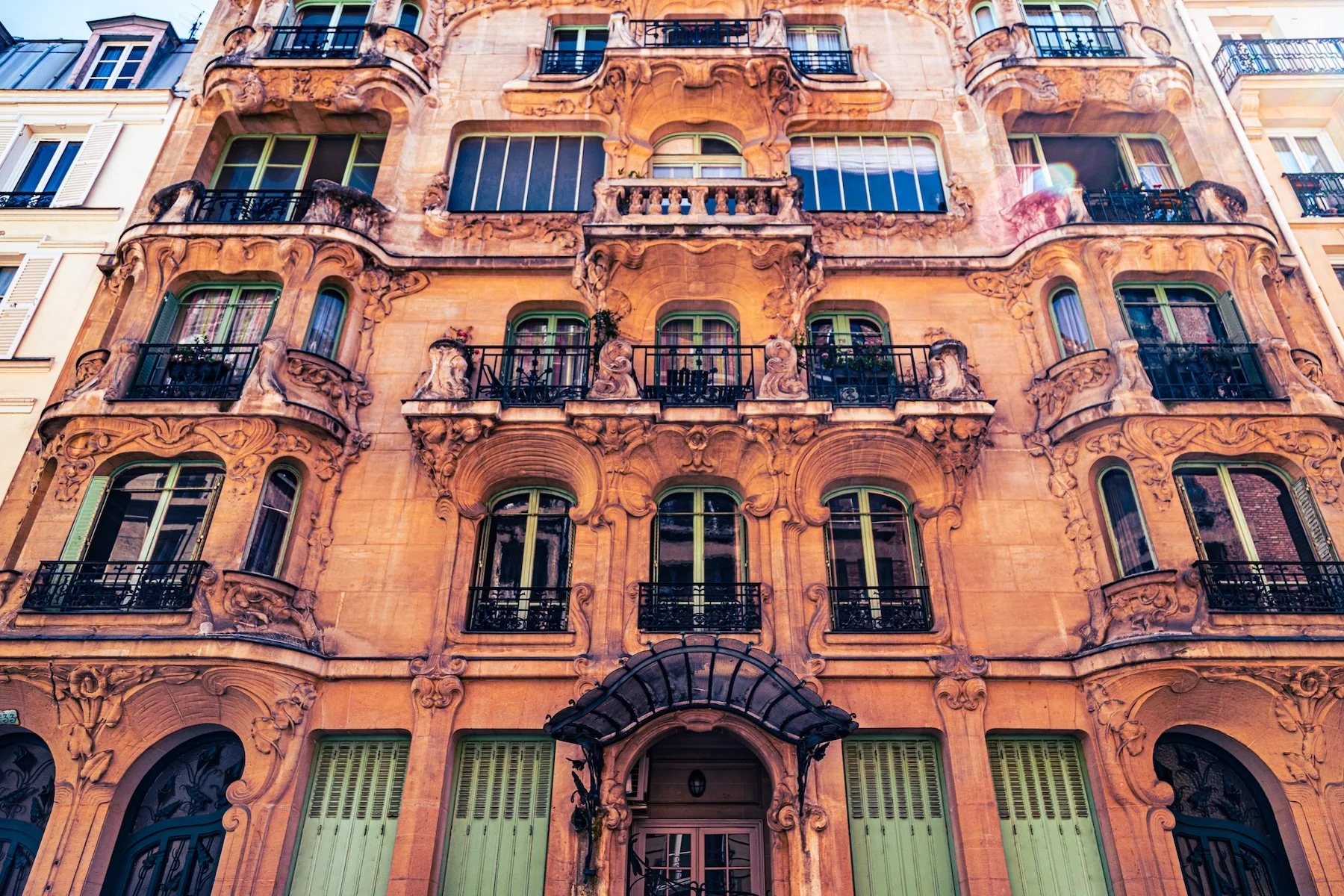
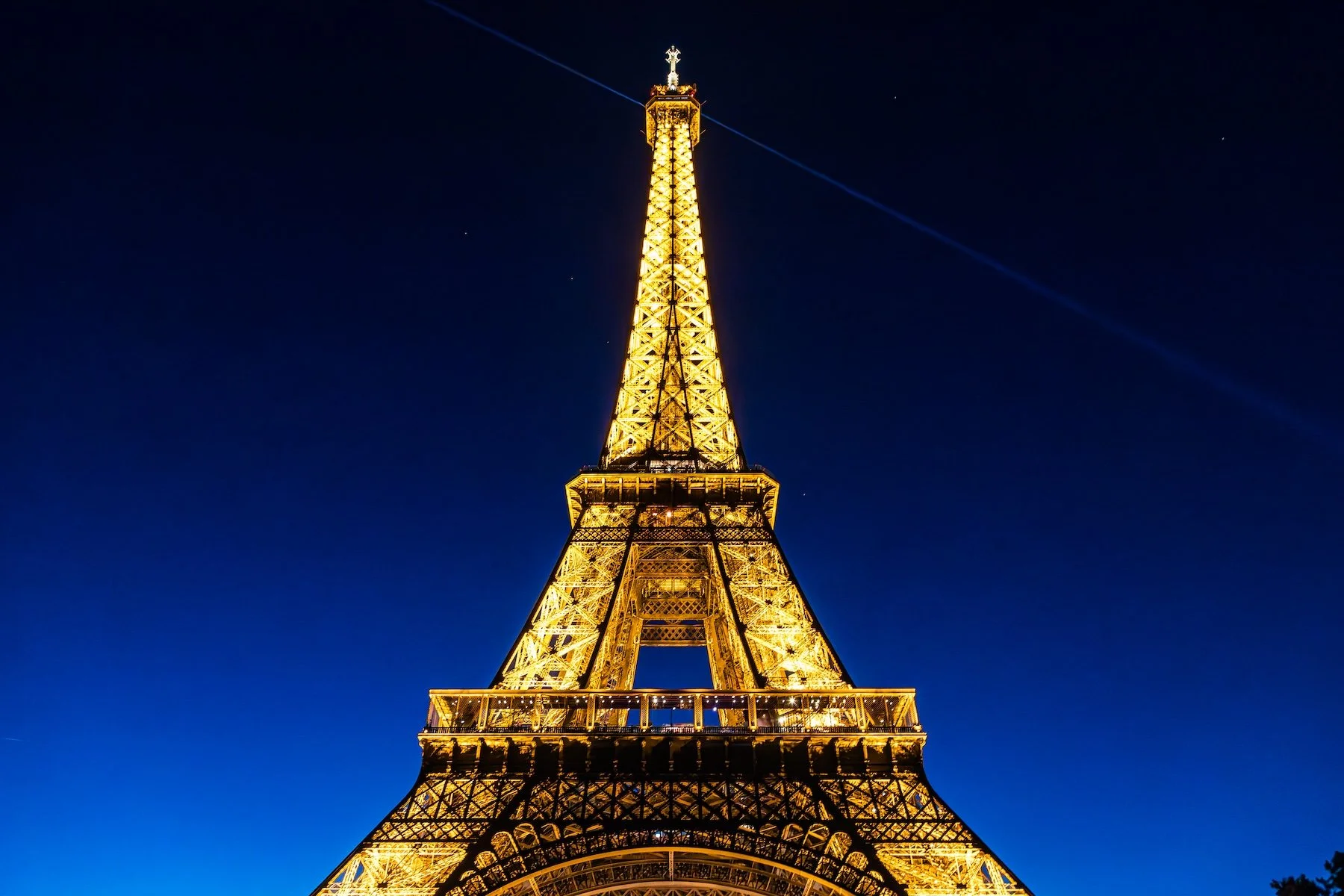
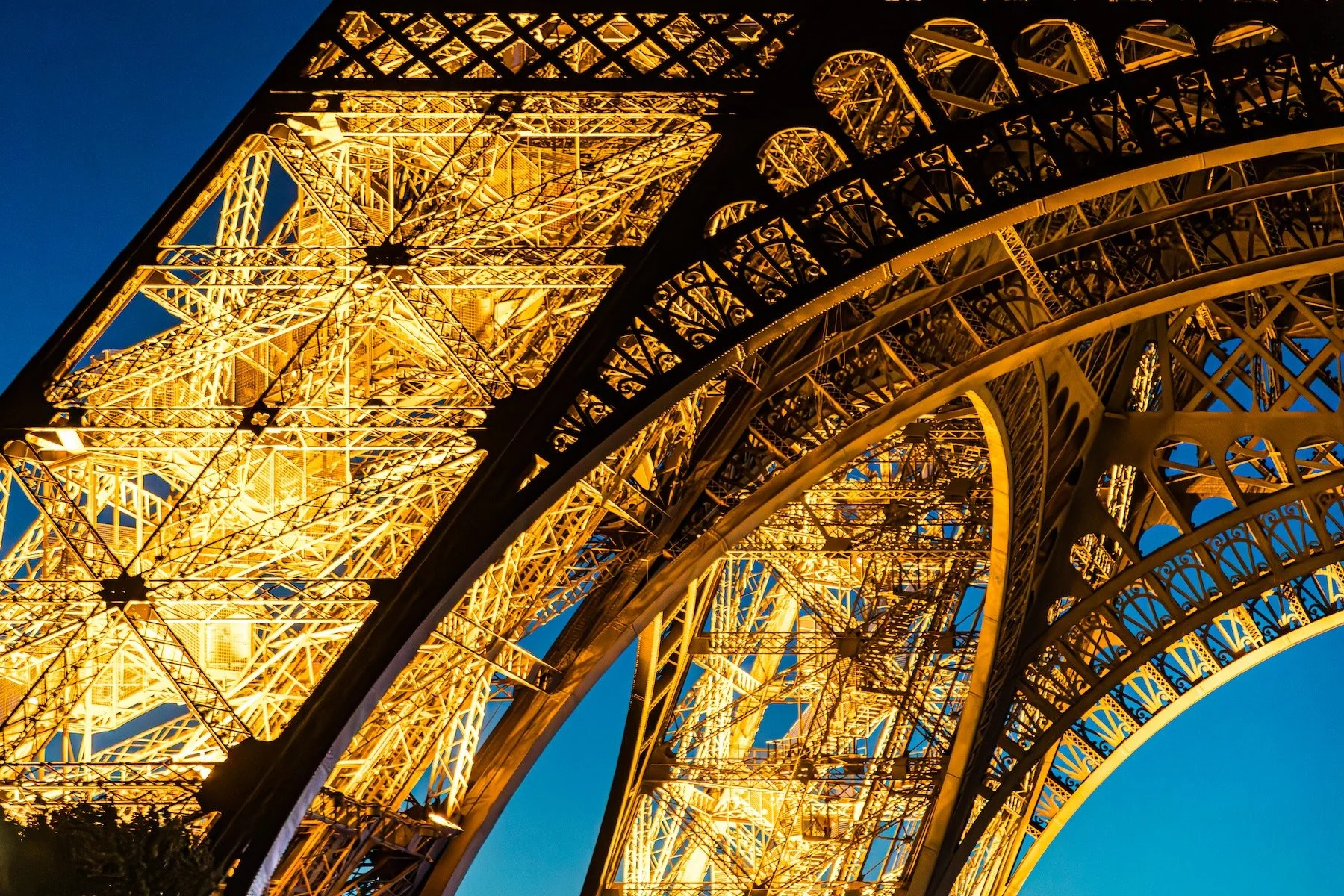
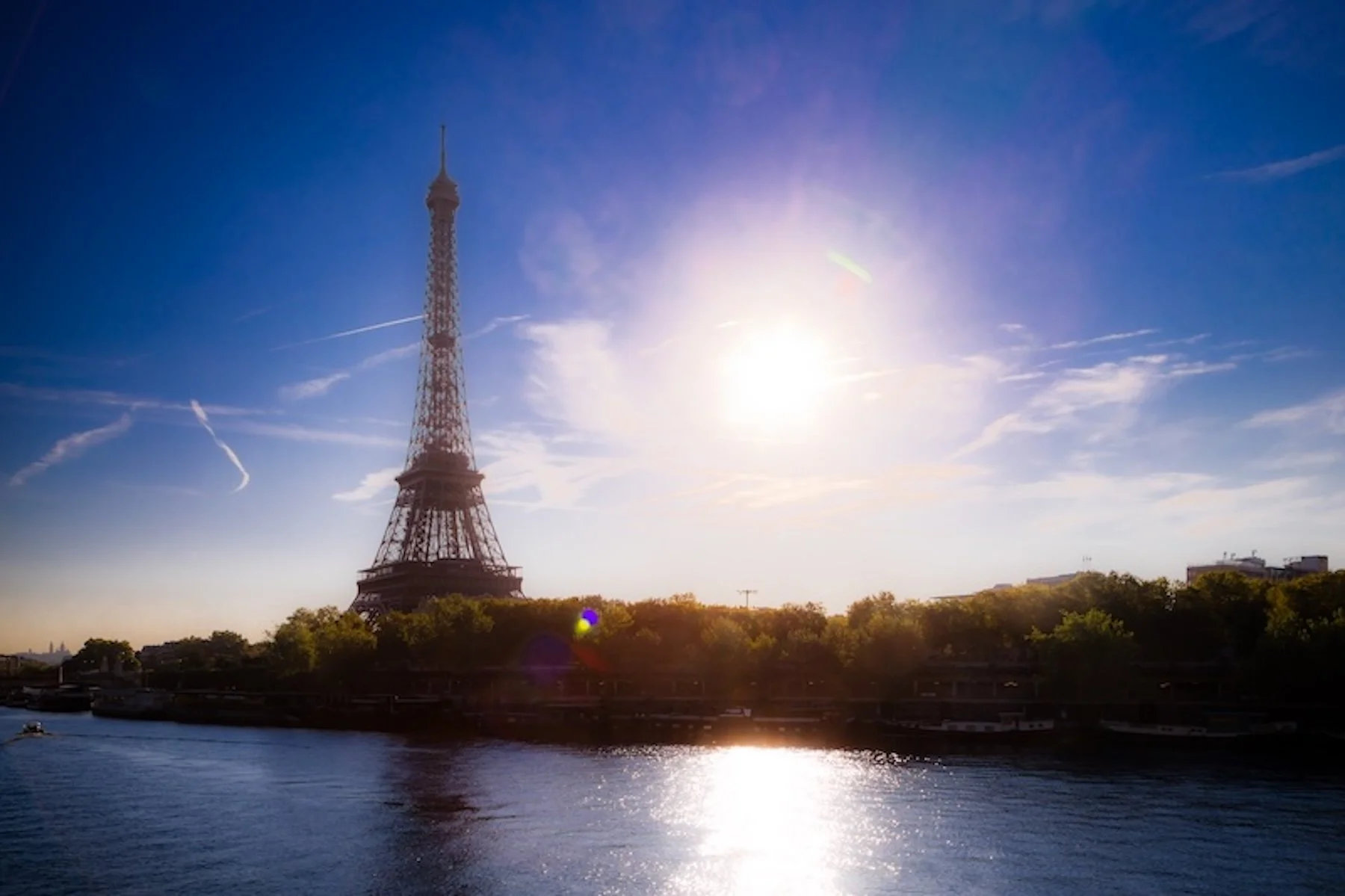
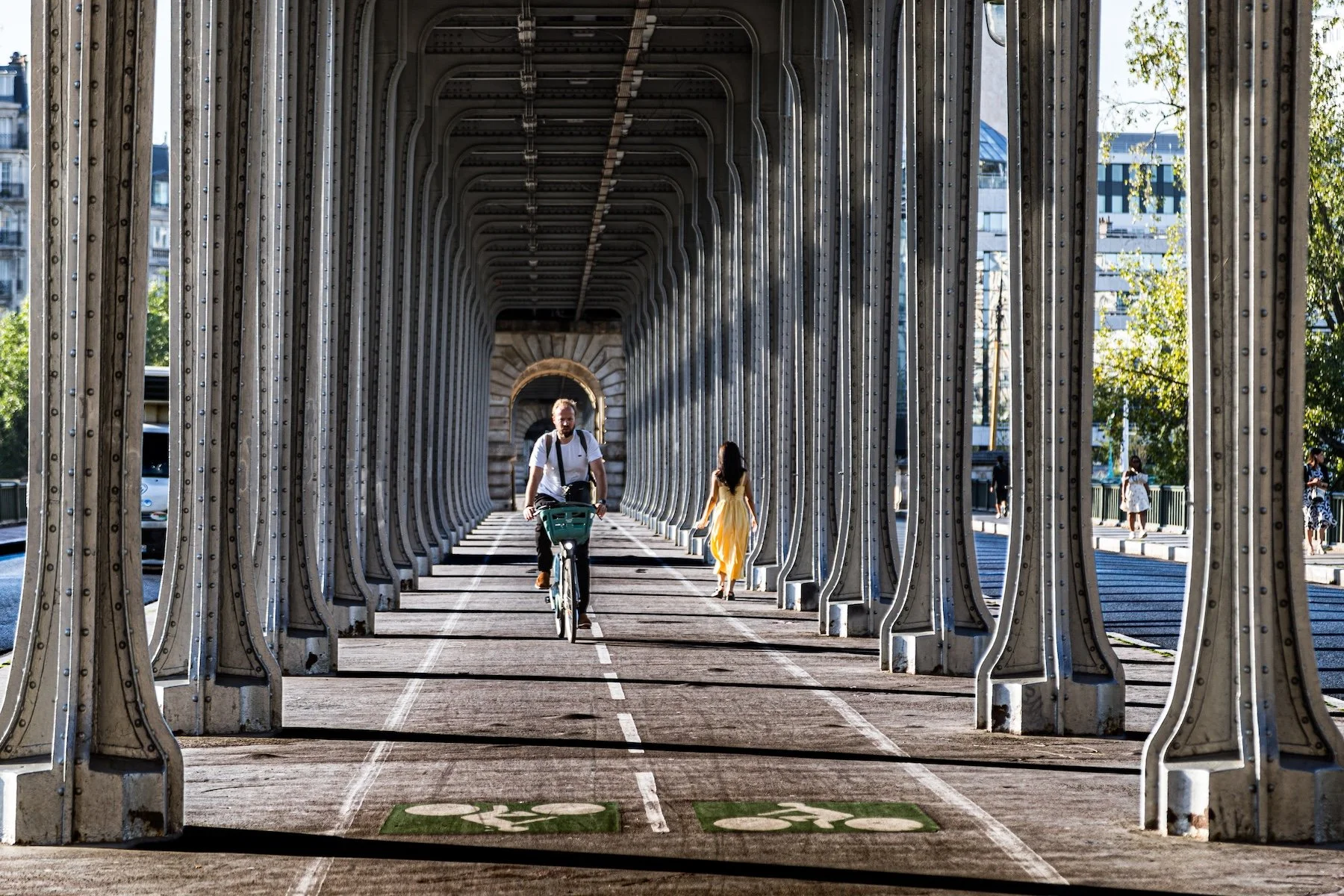
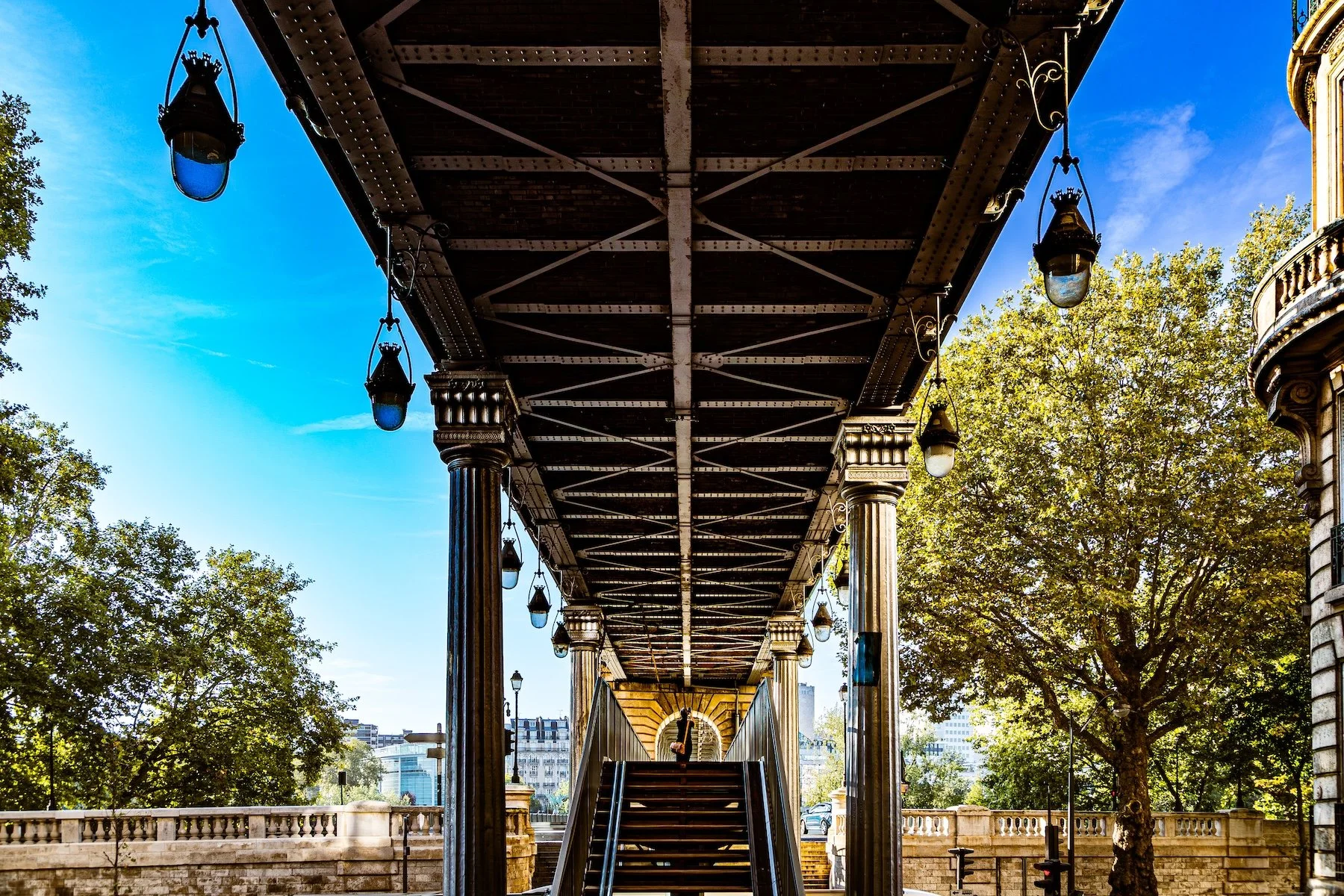
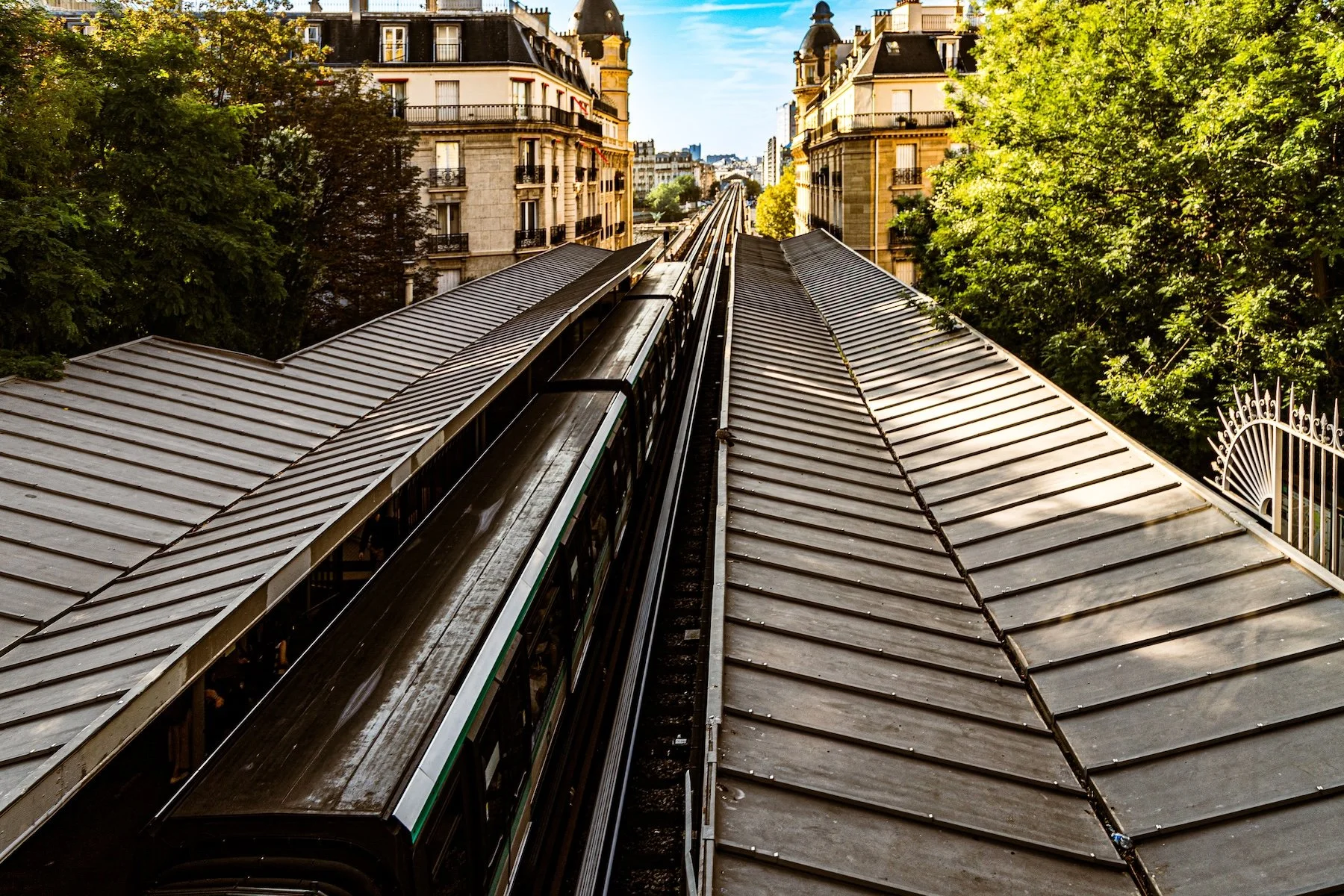
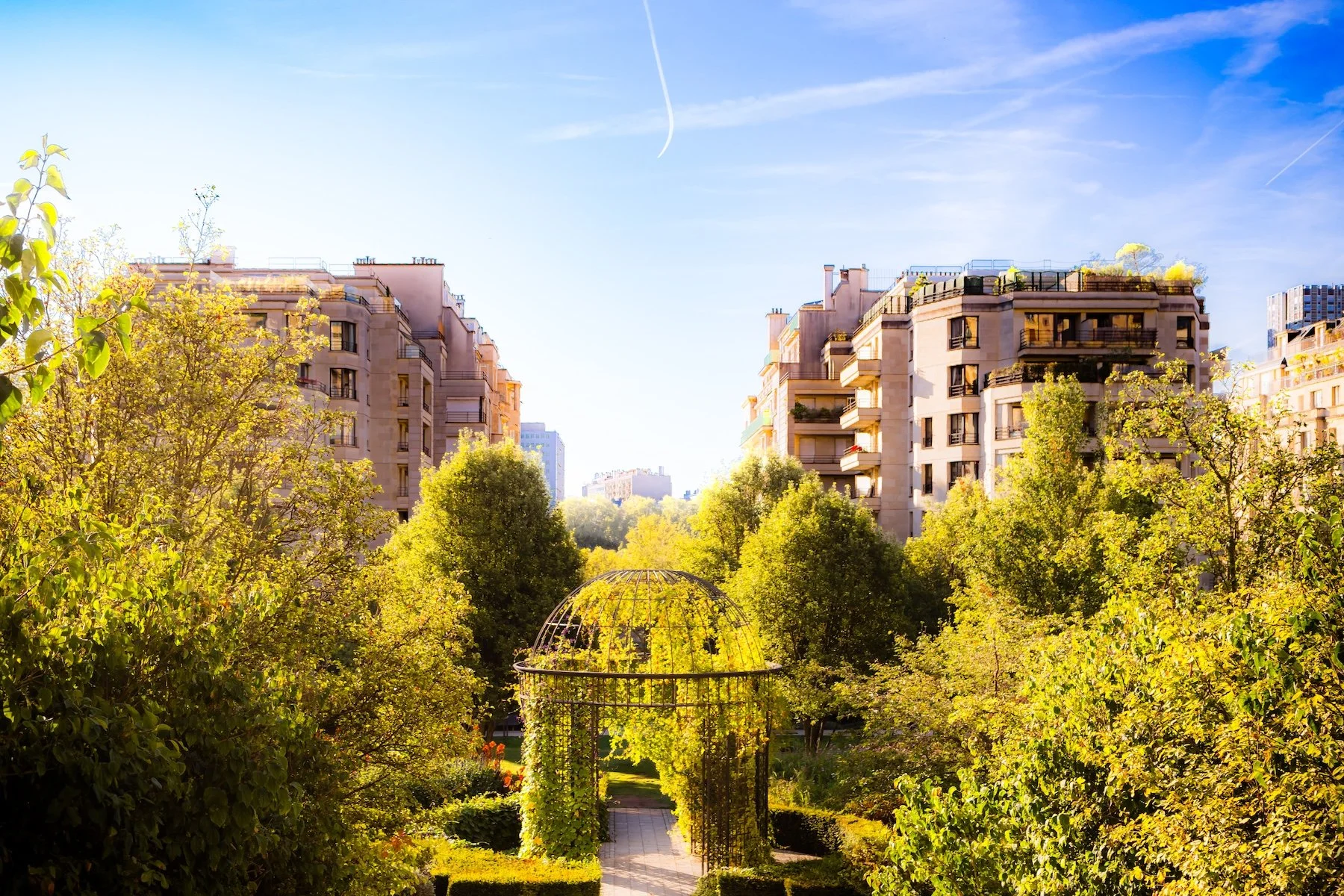
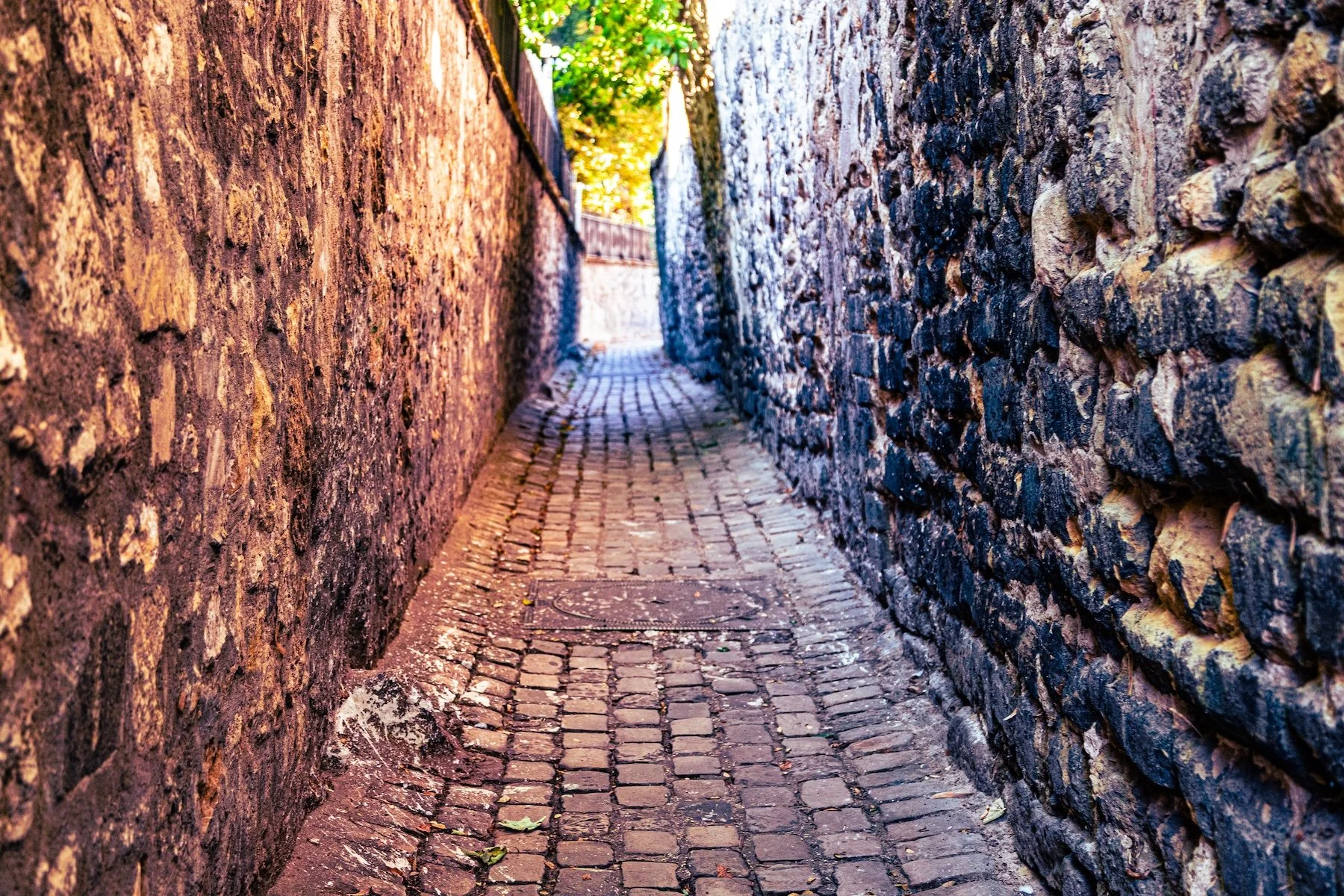
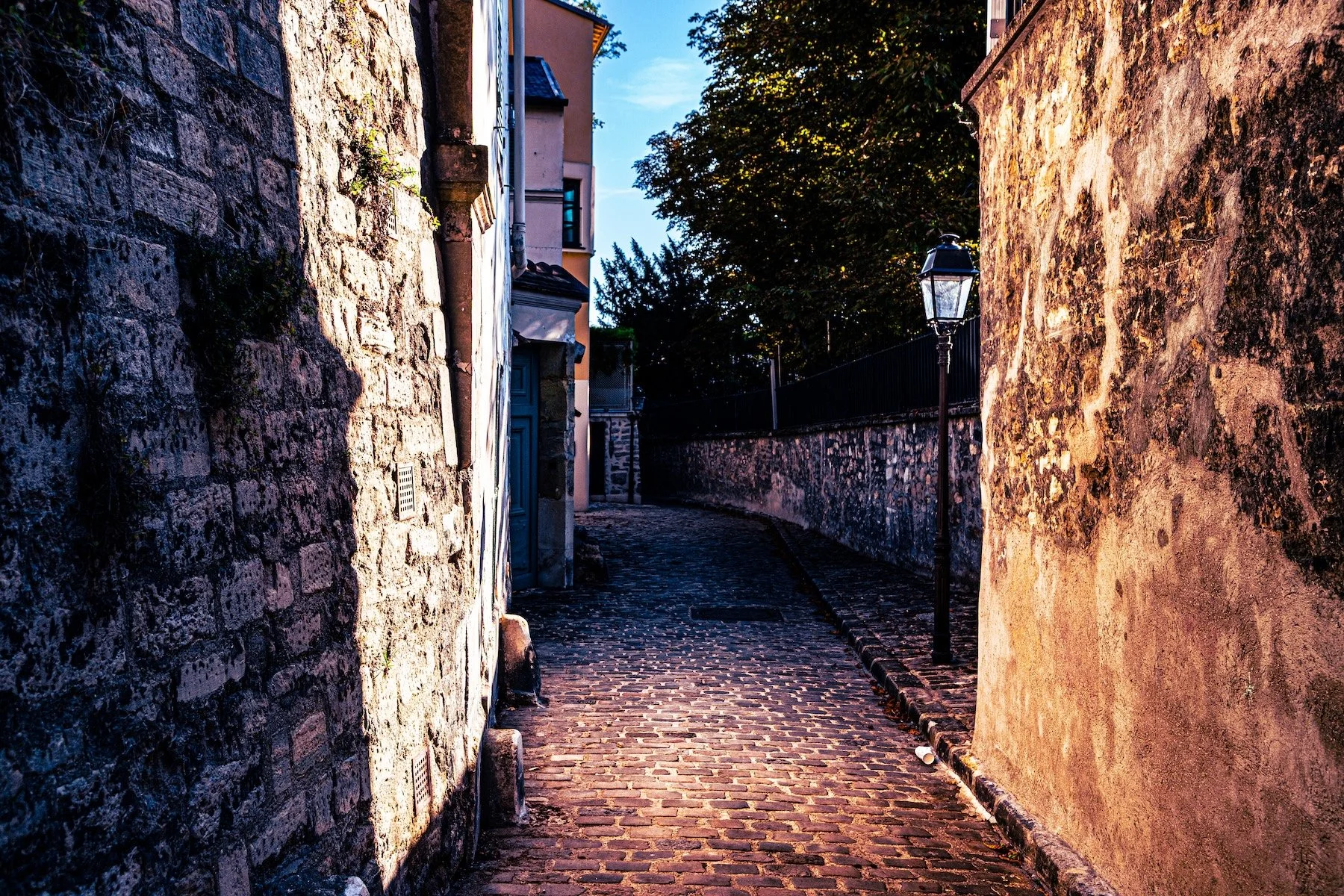
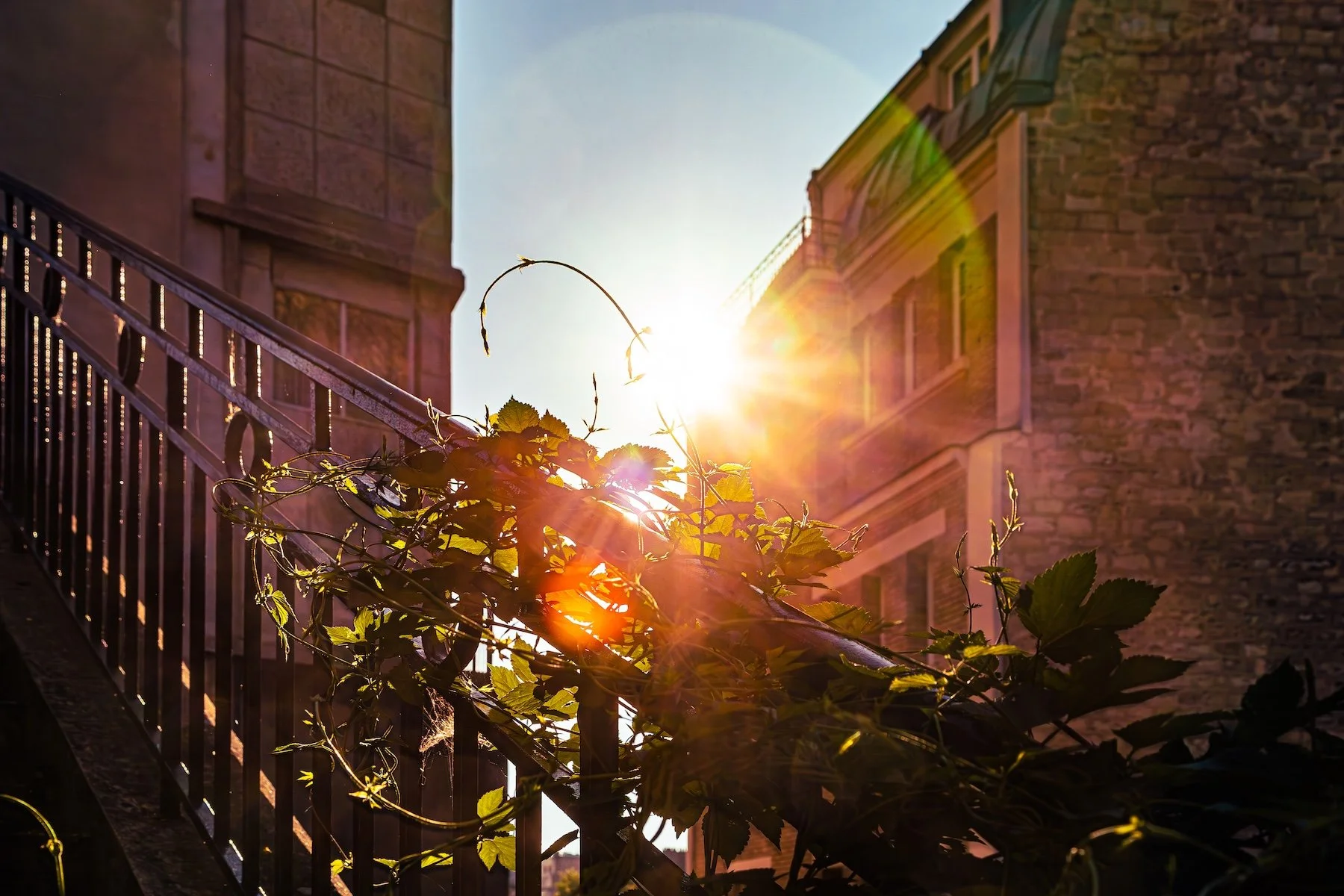
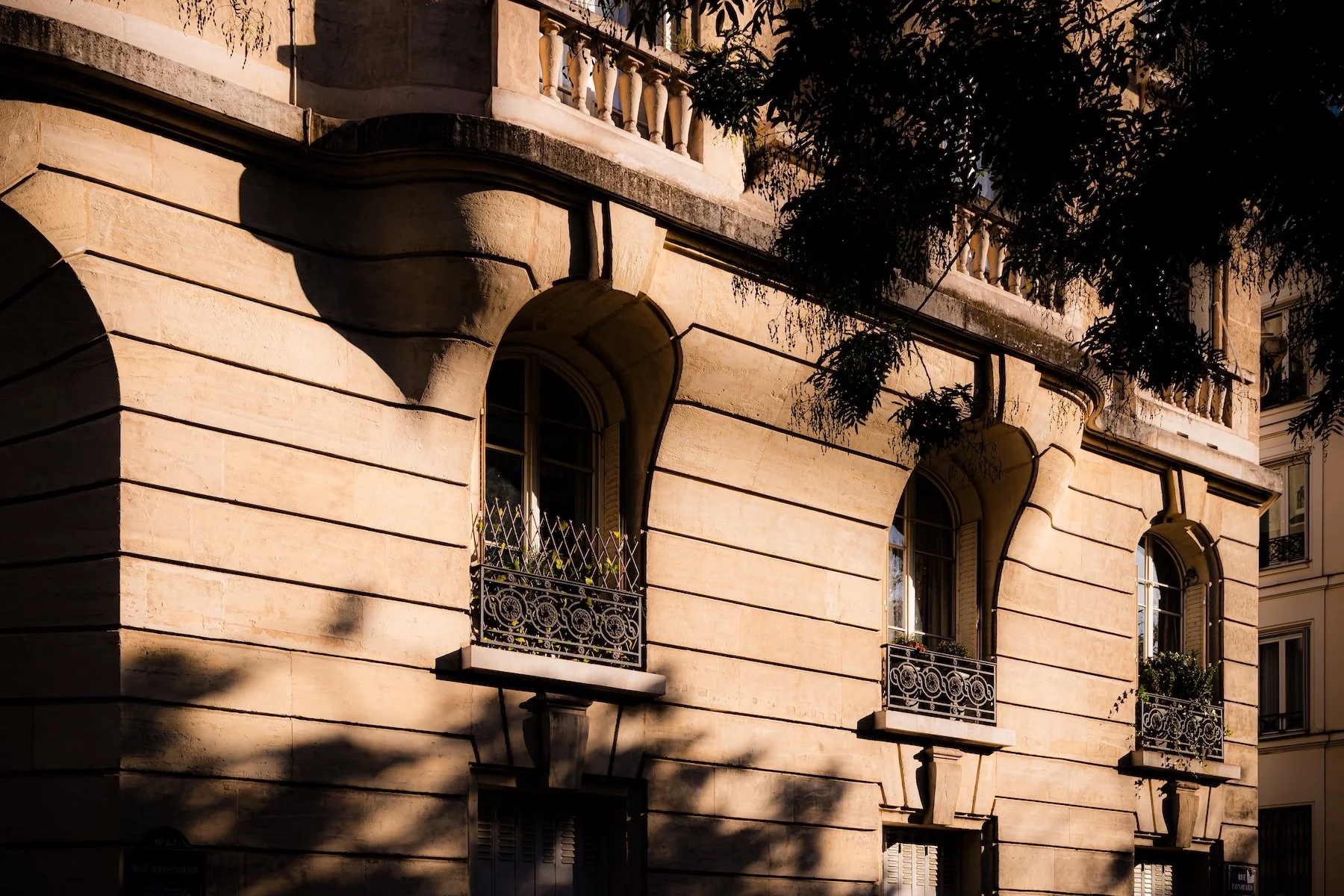
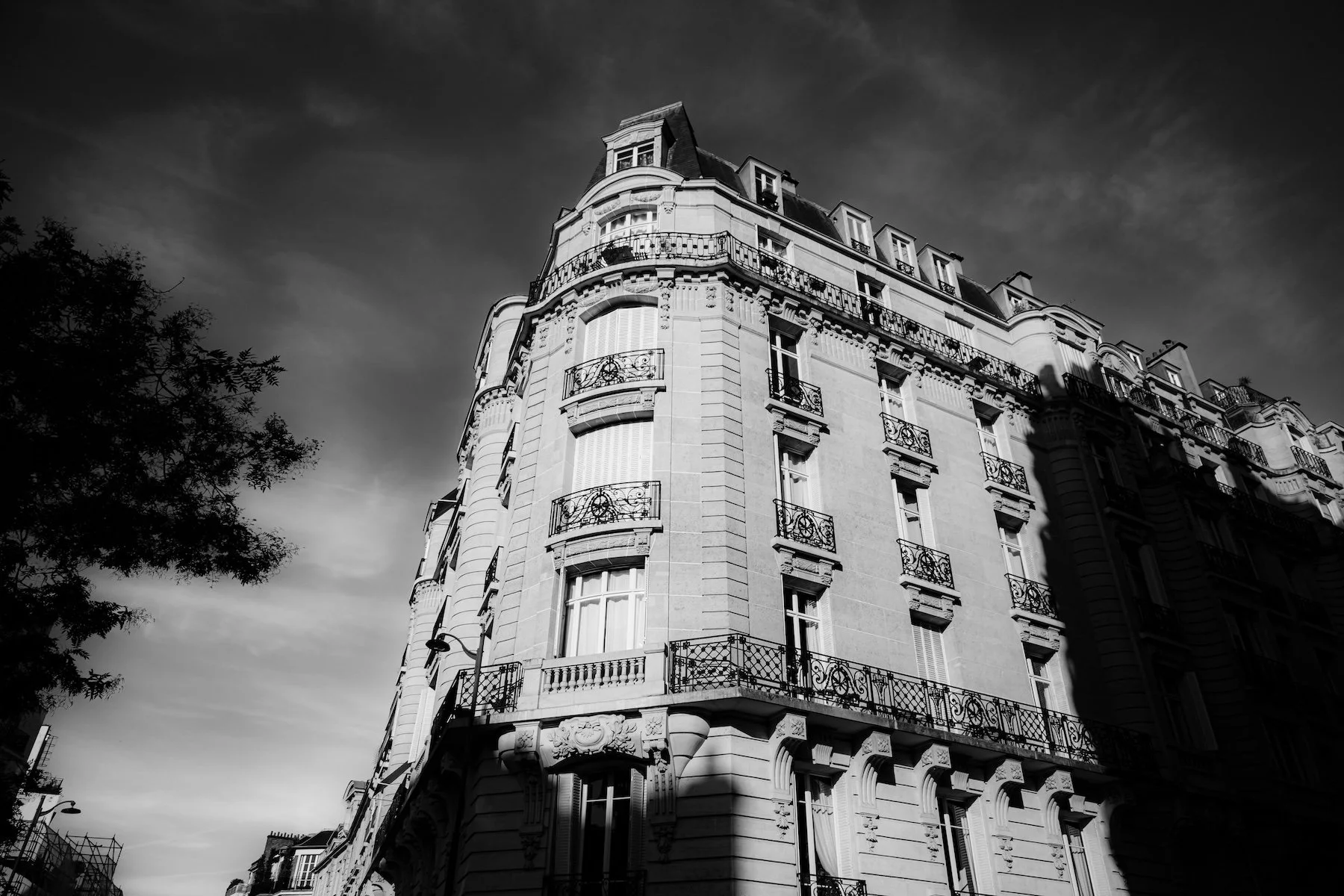
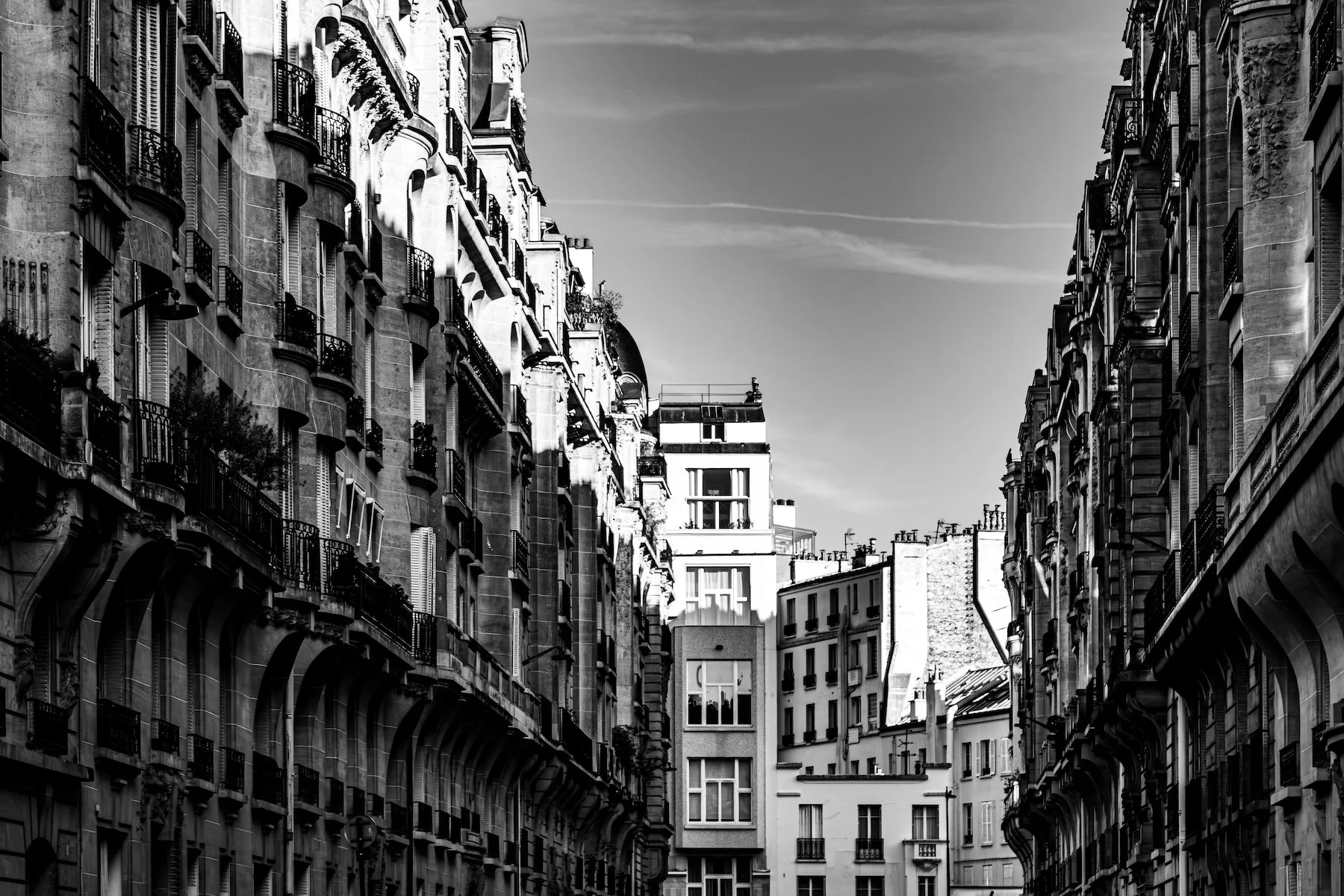
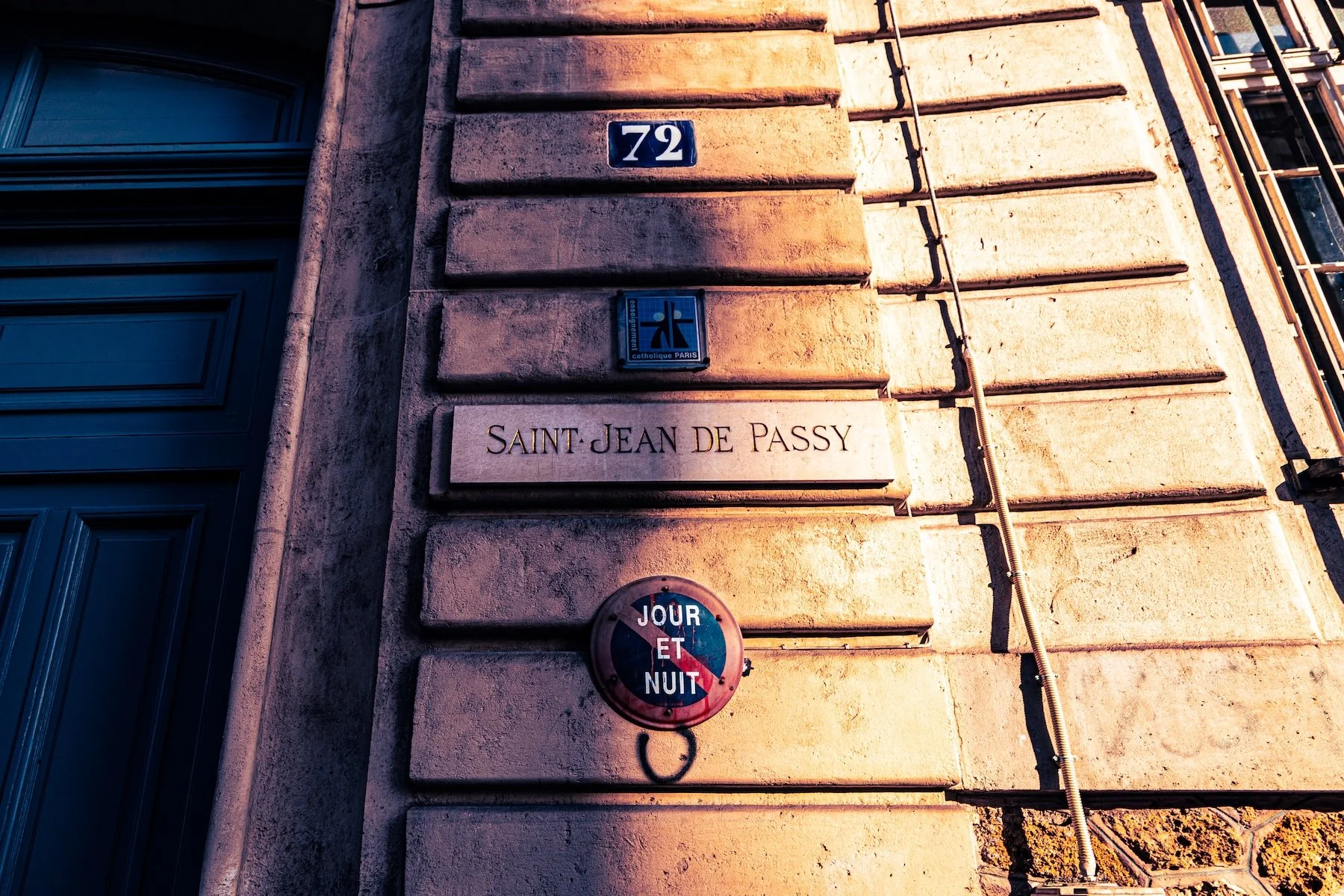
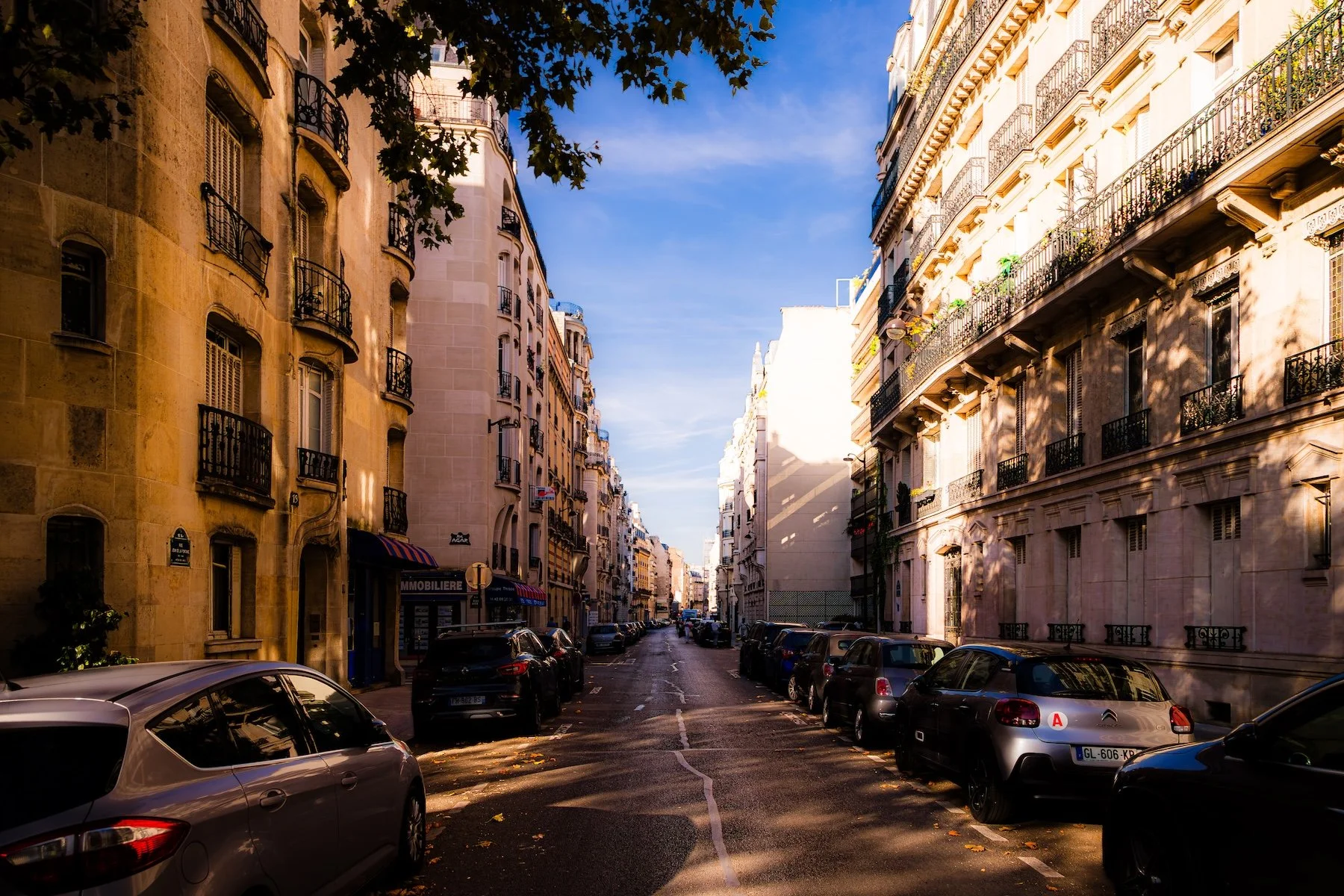
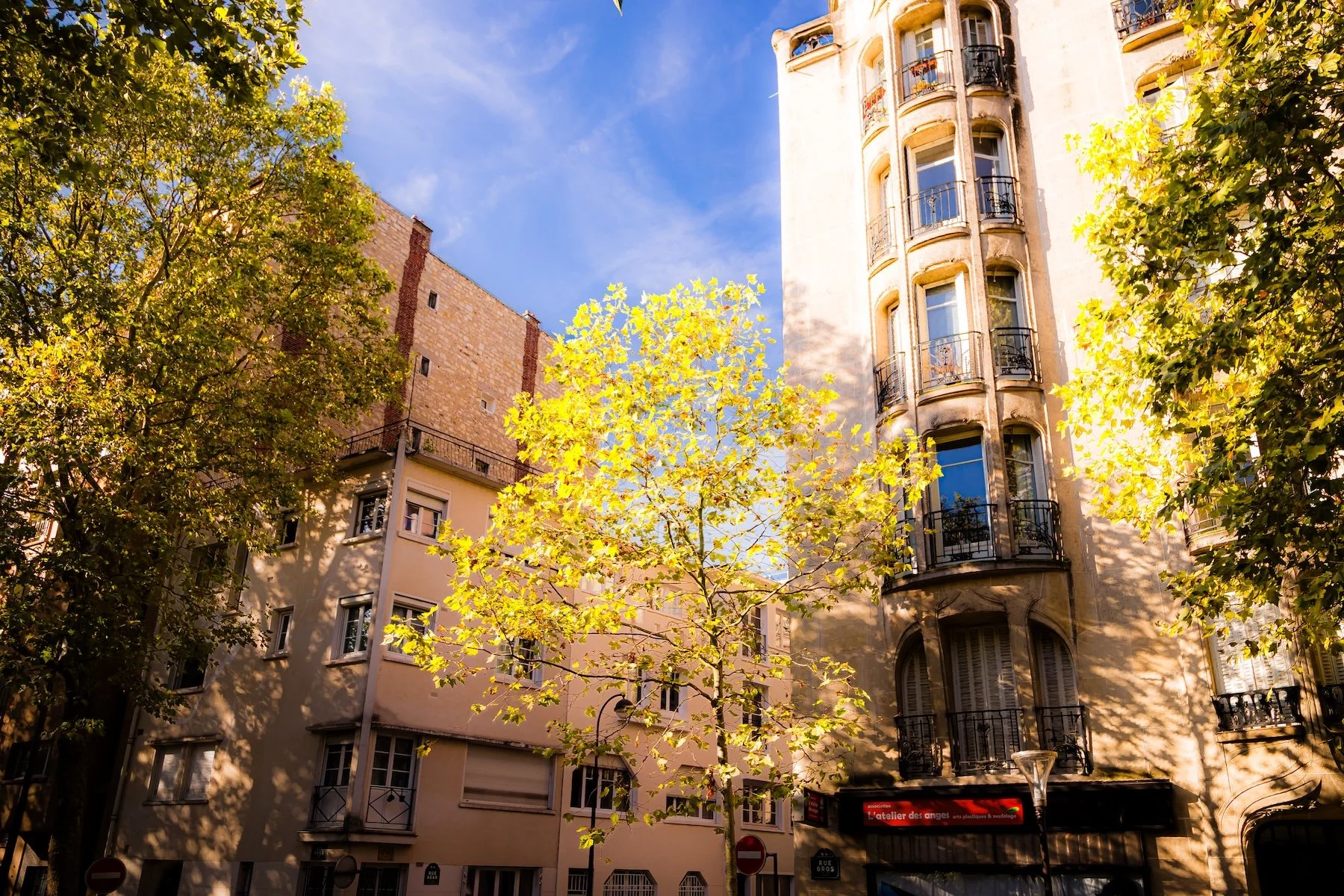
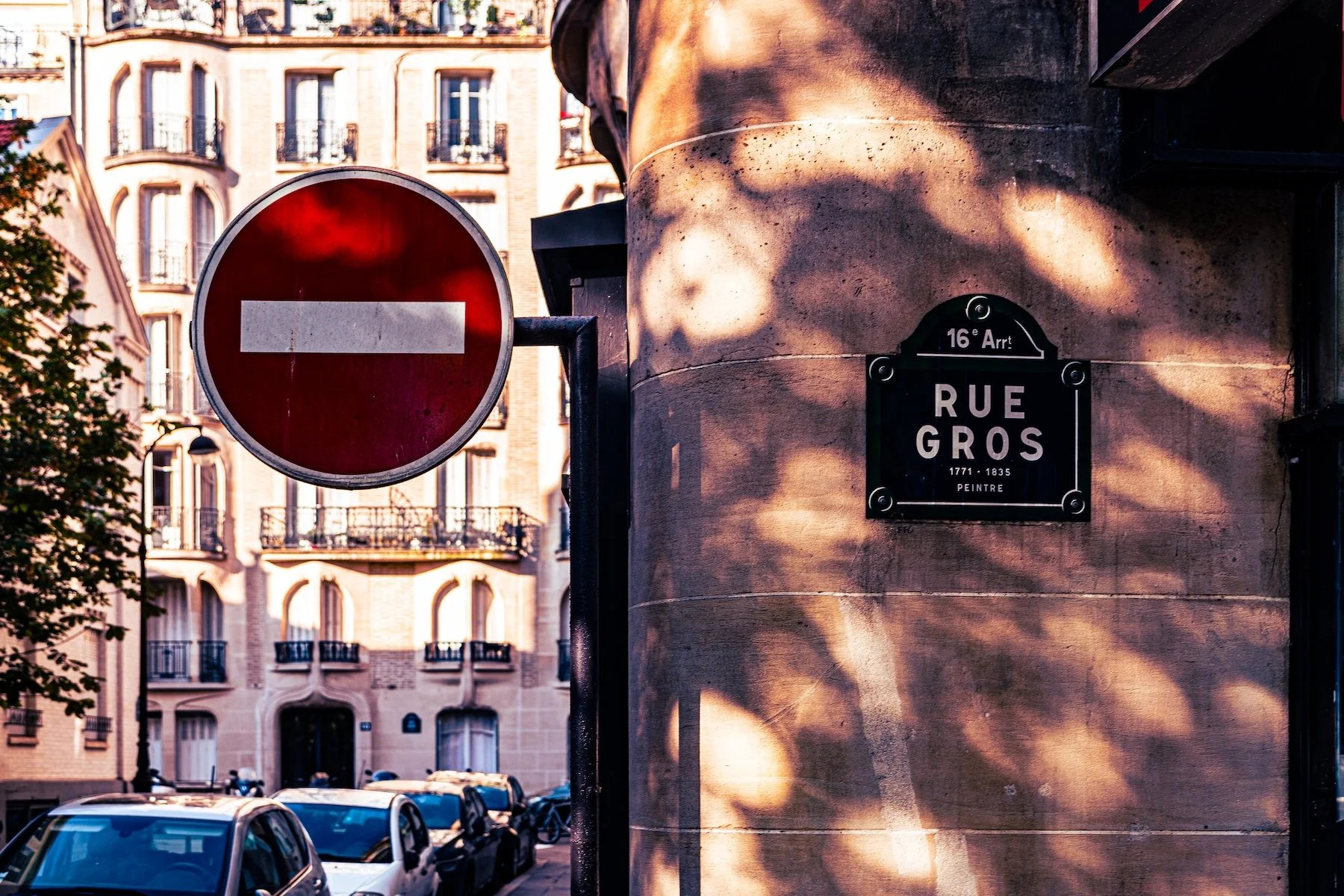
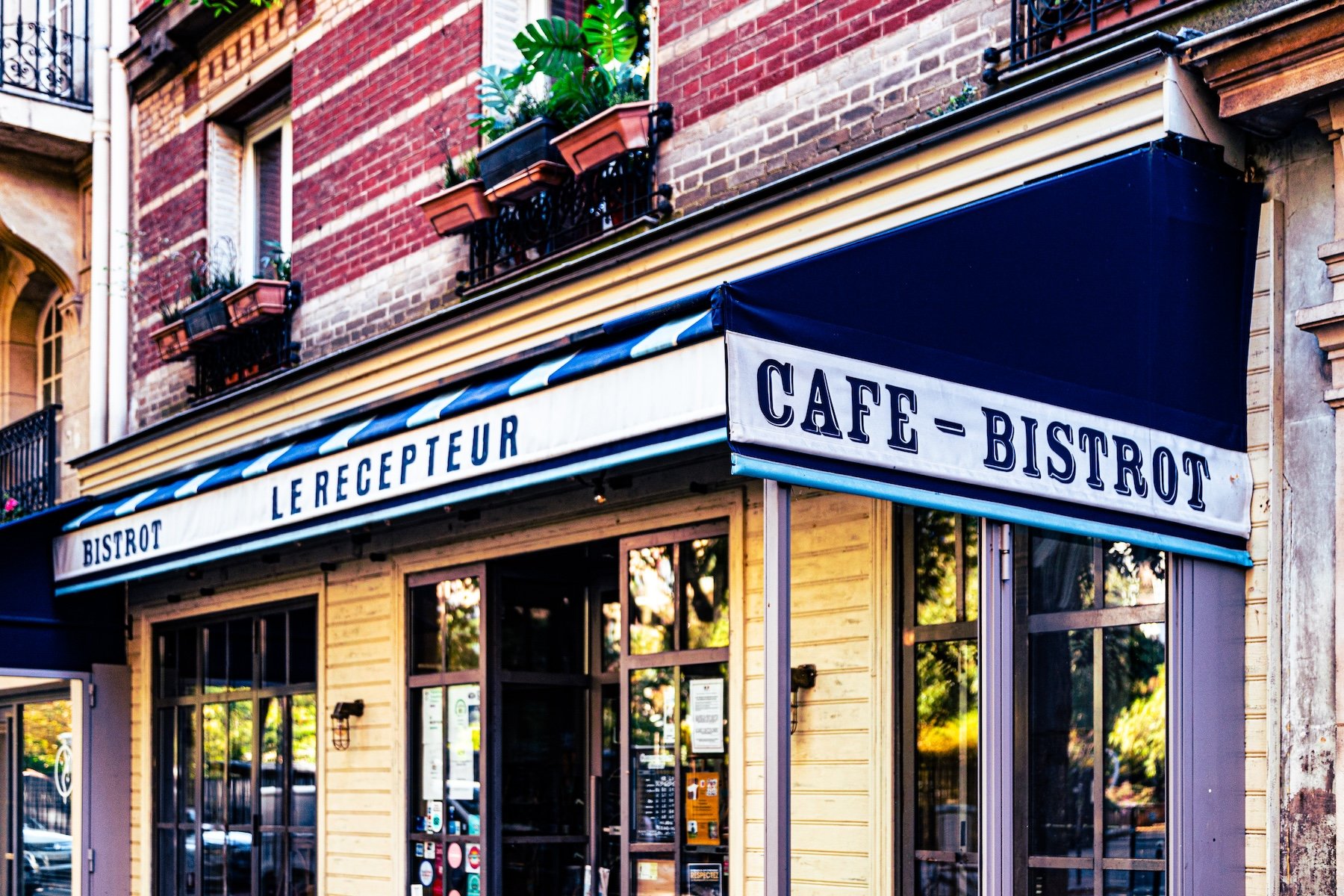
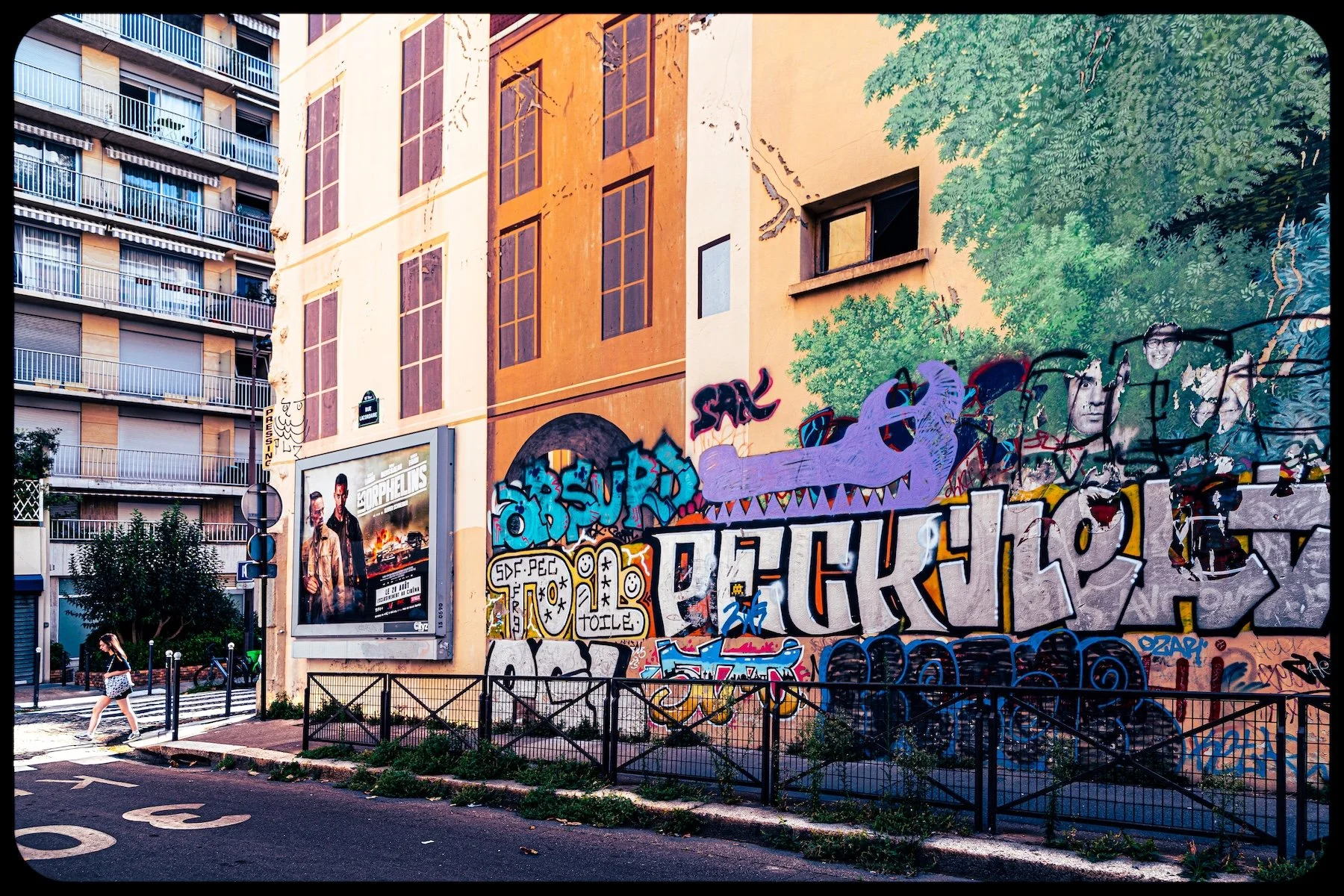
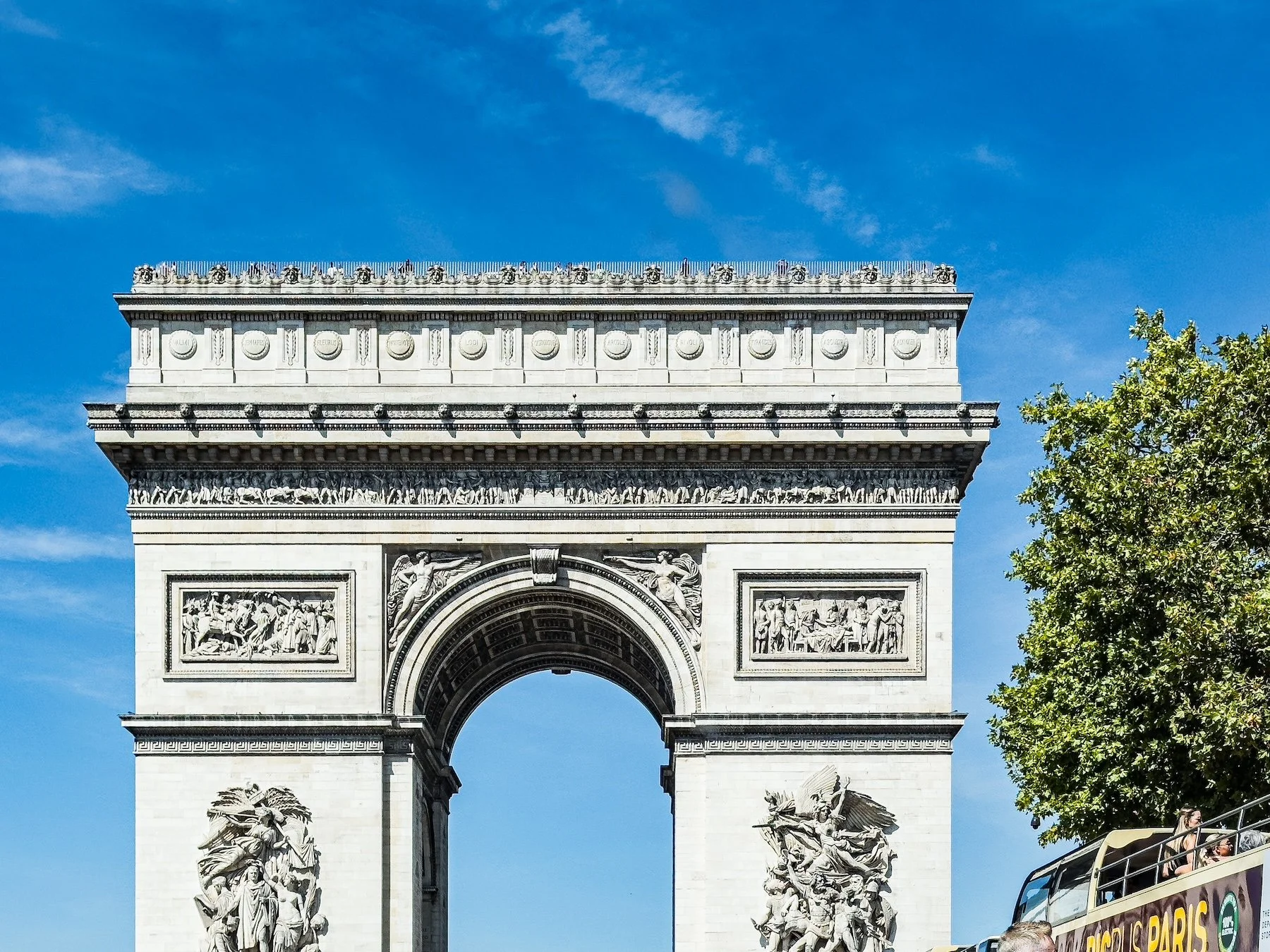
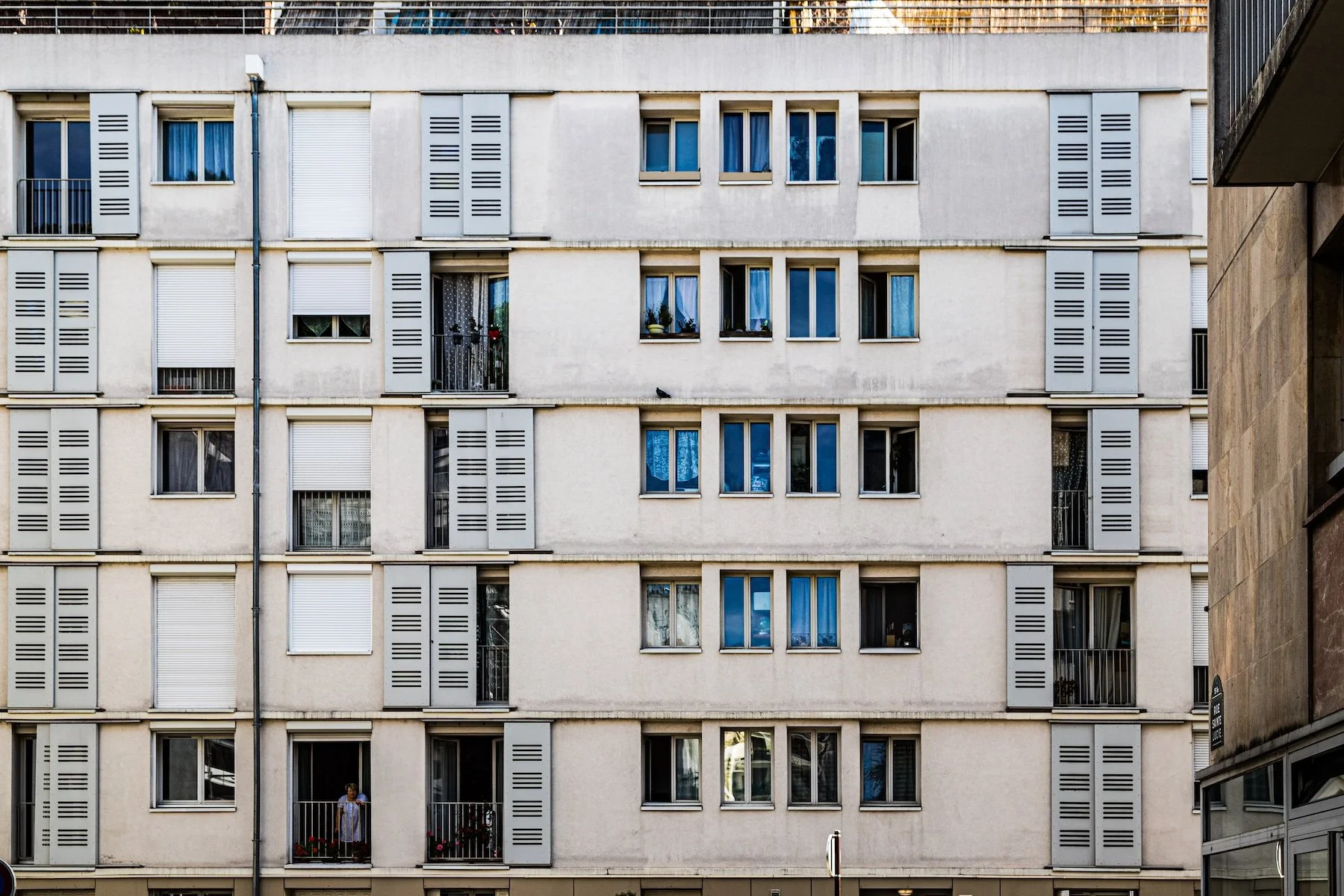
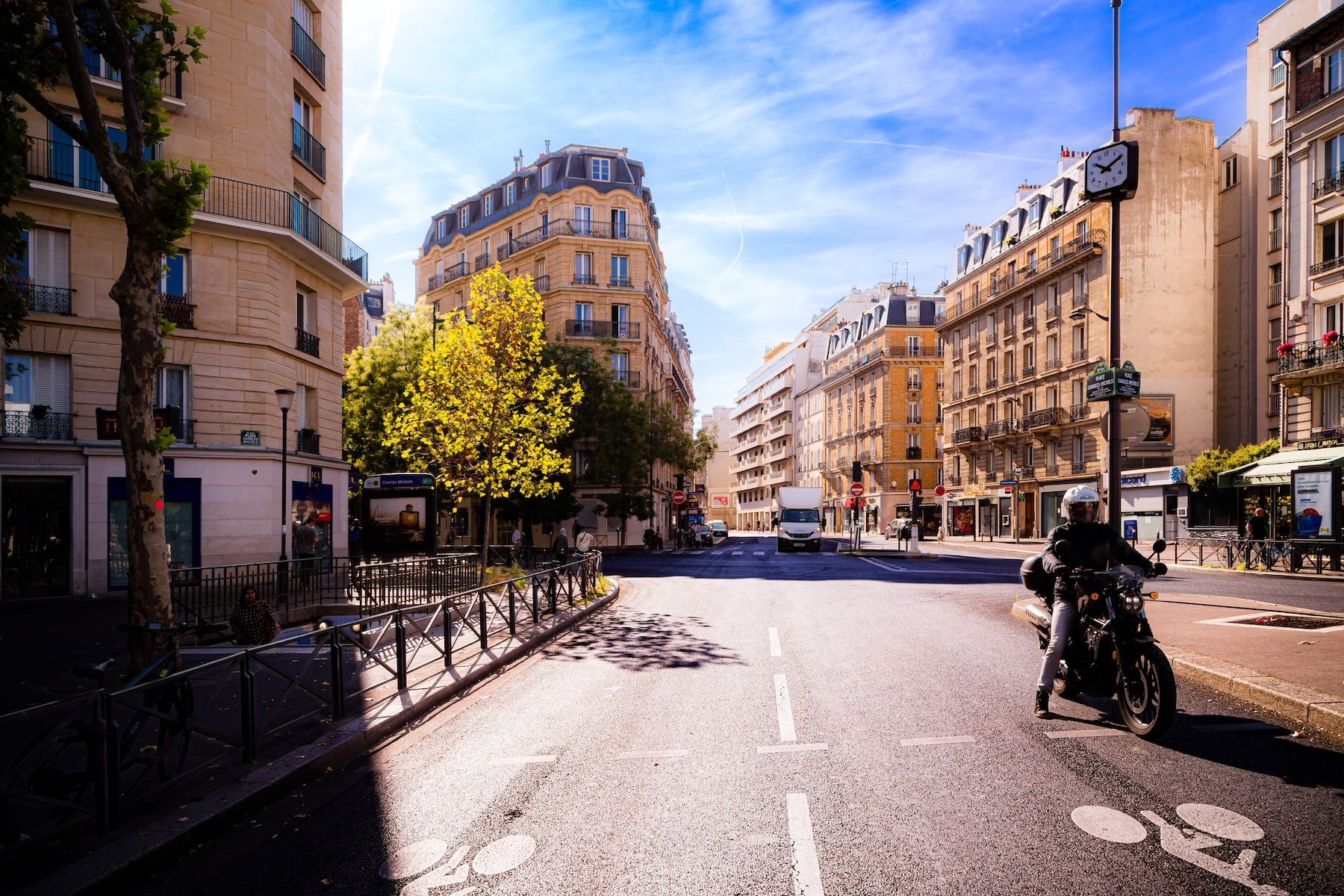
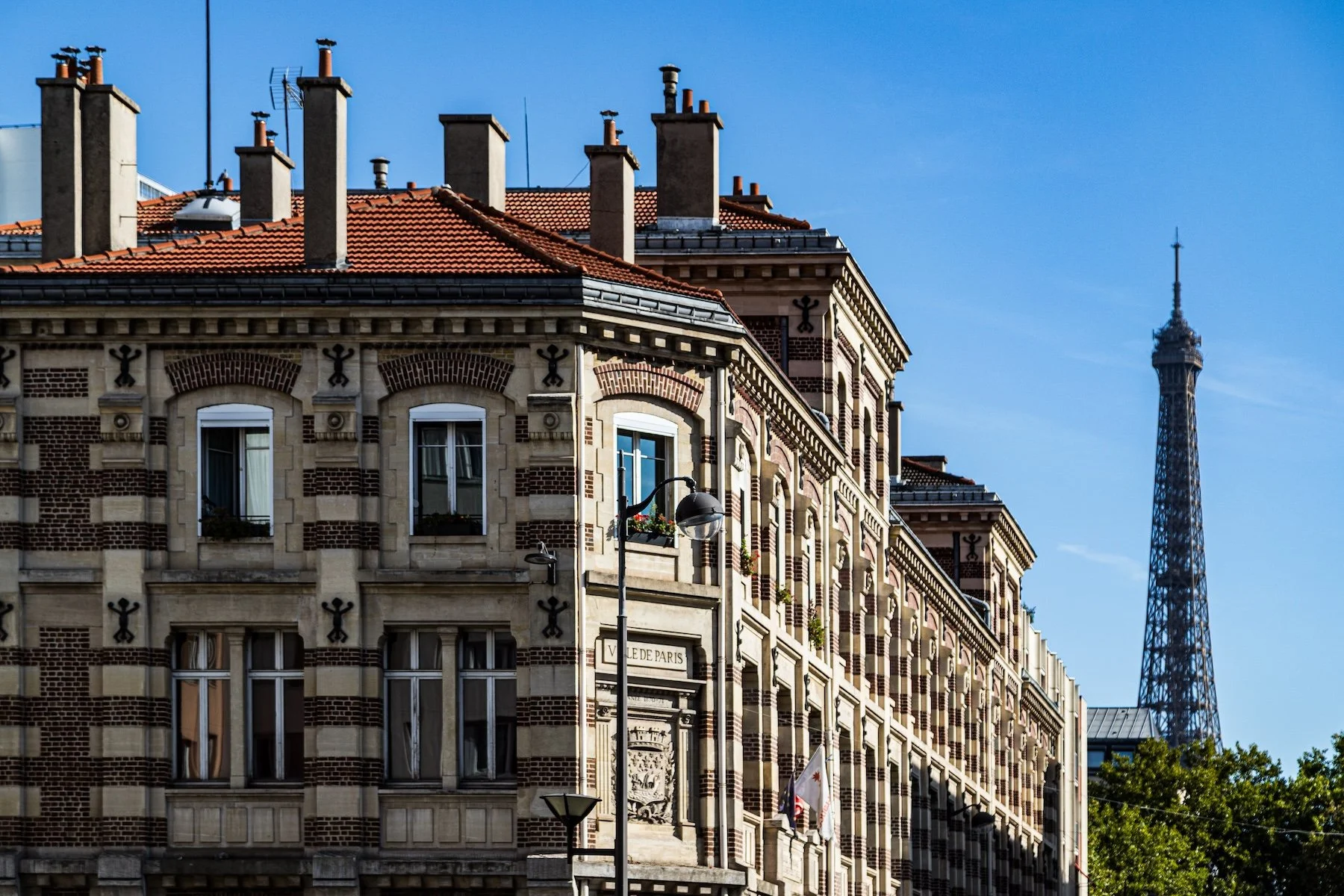
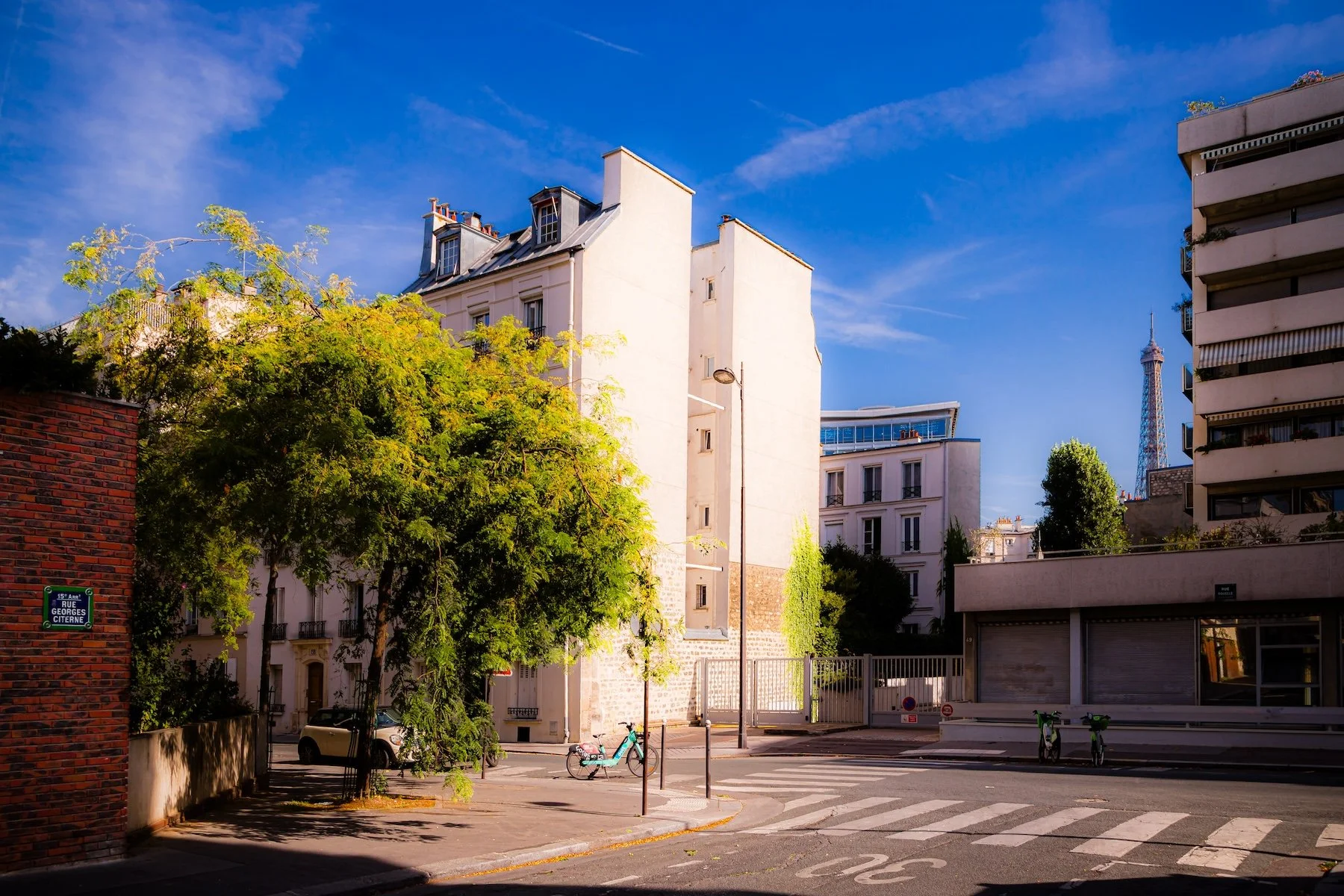
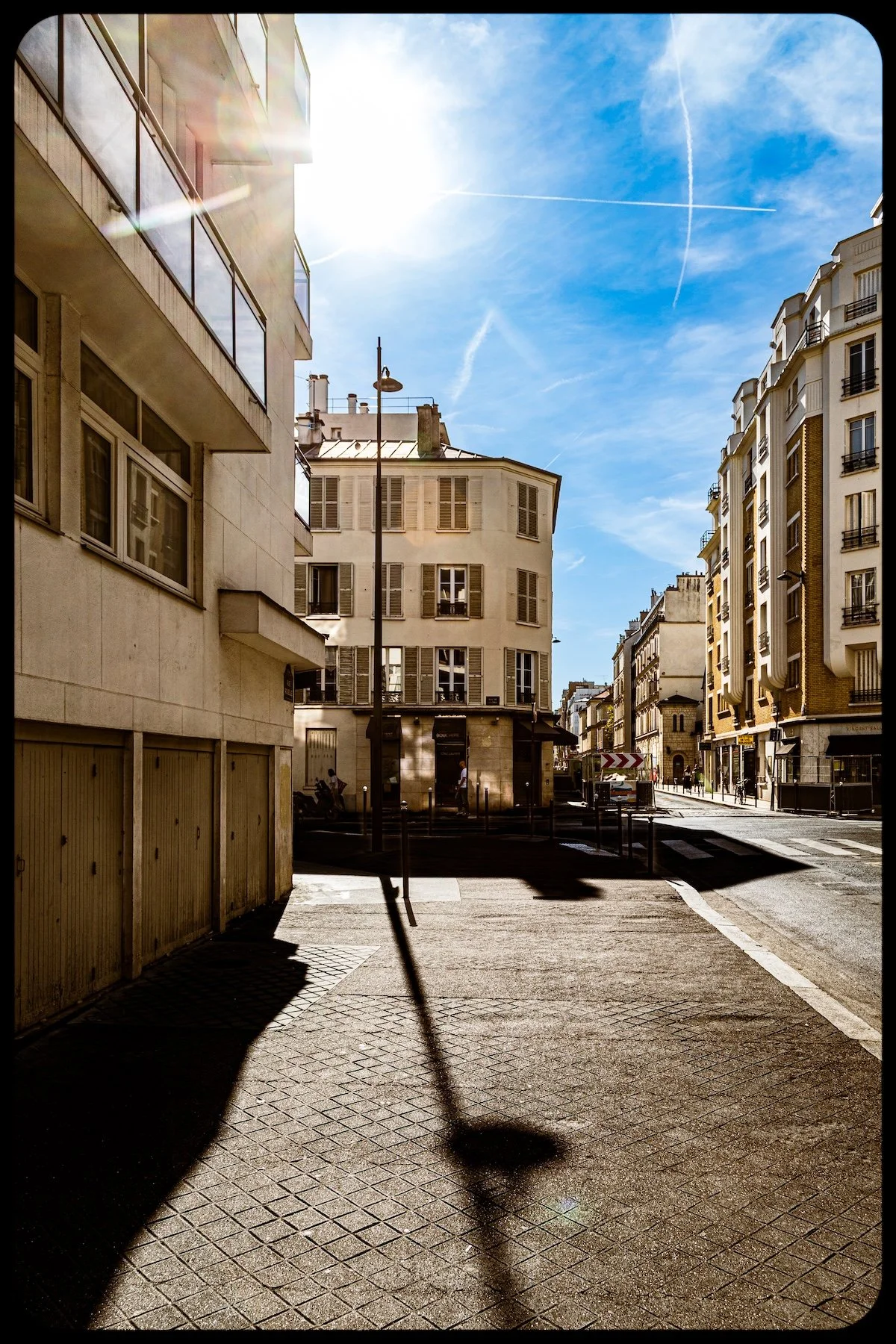
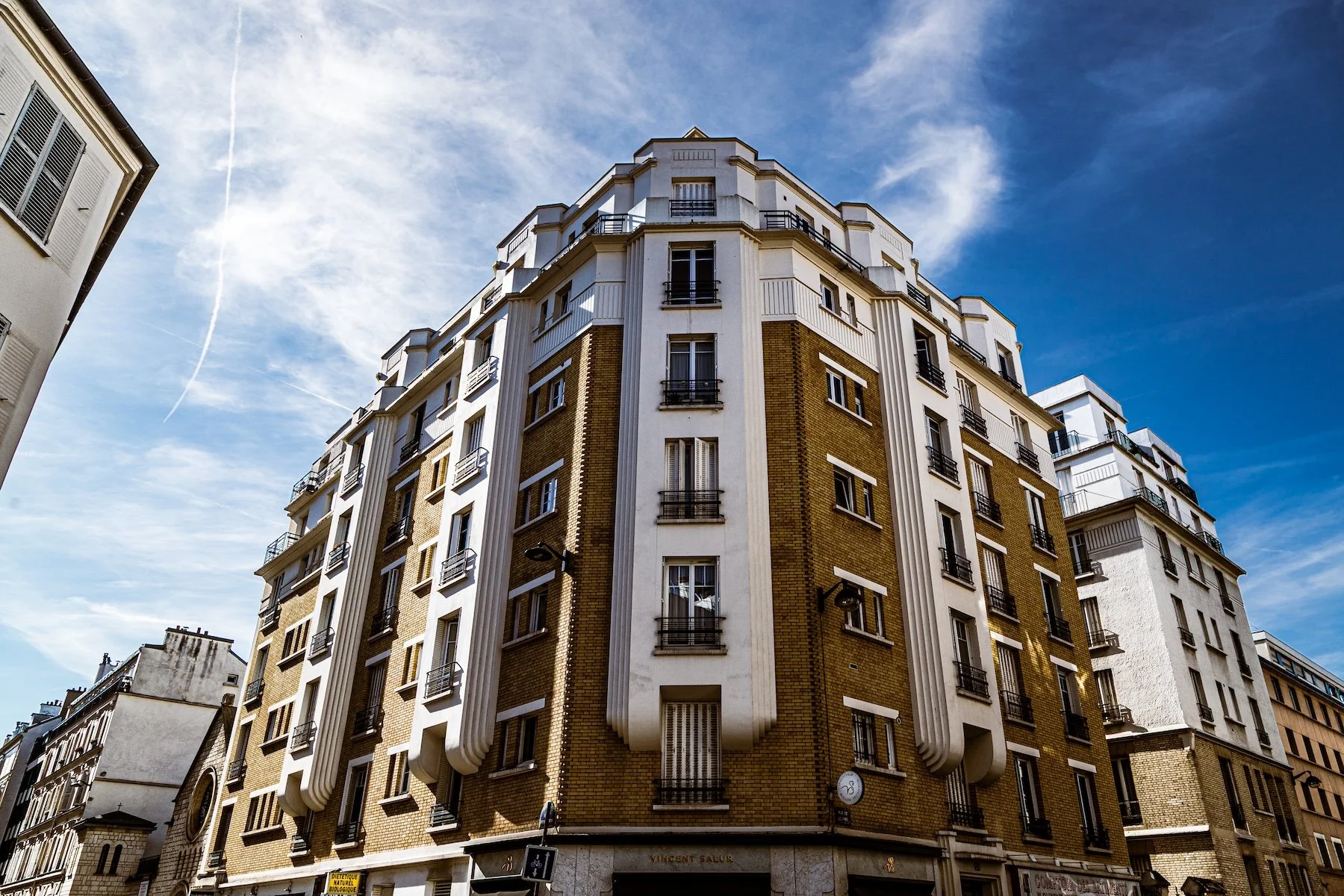
As the photographic archive grows, this section will continue to develop through images gathered on foot. Streets, façades, monuments, markets, parks, river edges, passages, signs, textures, and everyday details will gradually reveal how each district presents itself visually. The goal is not only to show what a place looks like, but to trace how its identity becomes visible through form, atmosphere, memory, and use.
Through The Lens
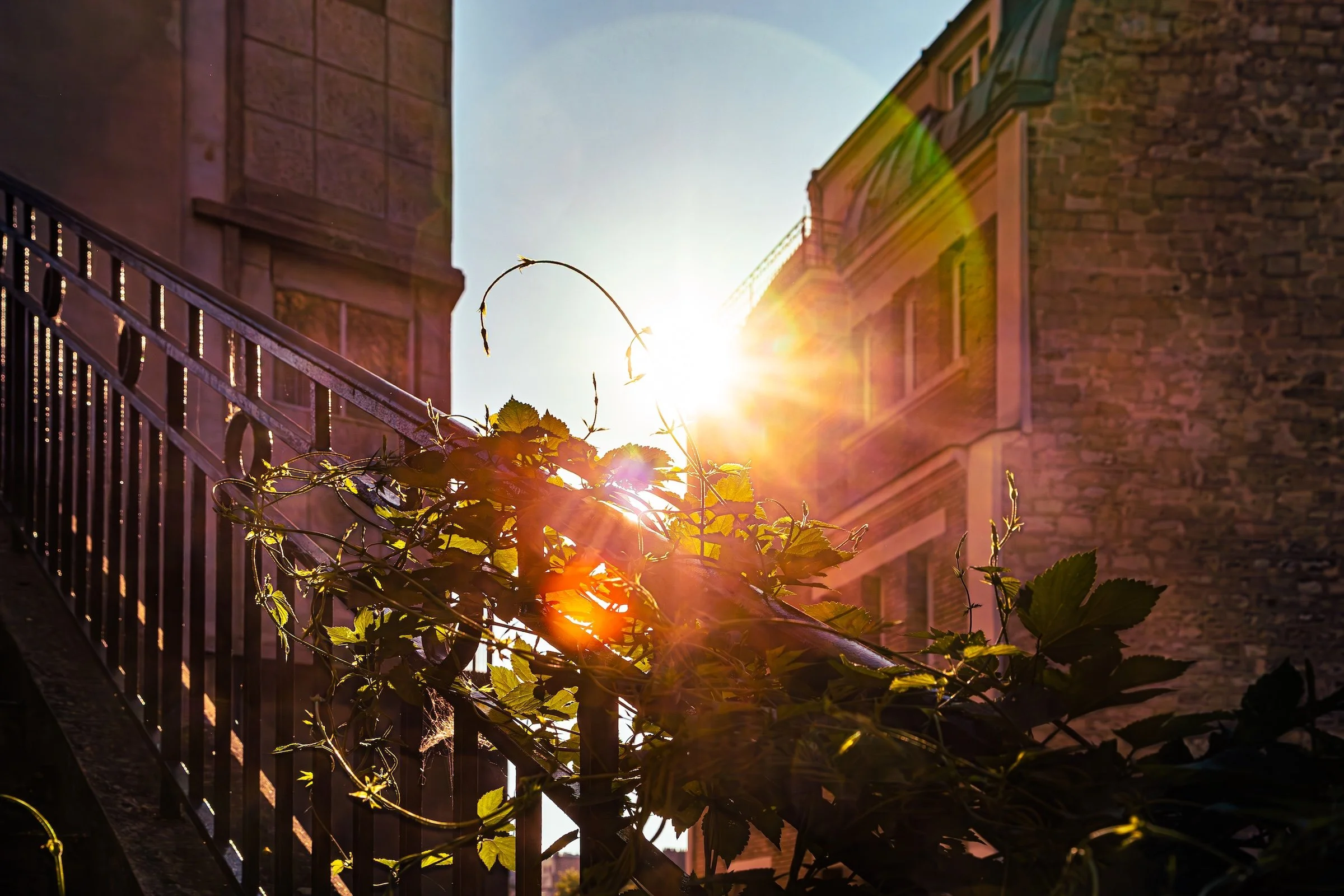
CityNeighborhoods Paris is built from walking, looking, and returning. Each district is approached through photography as a way of paying attention: to the obvious landmarks and the quieter details, to historic structures and ordinary streets, to the moments where civic geography becomes lived experience. The camera becomes a tool for noticing how Paris changes from one district to the next, and how each place holds its own relationship to the larger city.
As photographs are processed and added, this section will become a more specific visual record of the district. Future updates may include dated field notes, galleries, and reflections from individual walks. For now, the page remains part of the larger CityNeighborhoods effort to document every Paris neighborhood through maps, history, identity, and photography — one district, one walk, and one visual encounter at a time.
If you visit Paris, these ideas can help inspire your own photography.
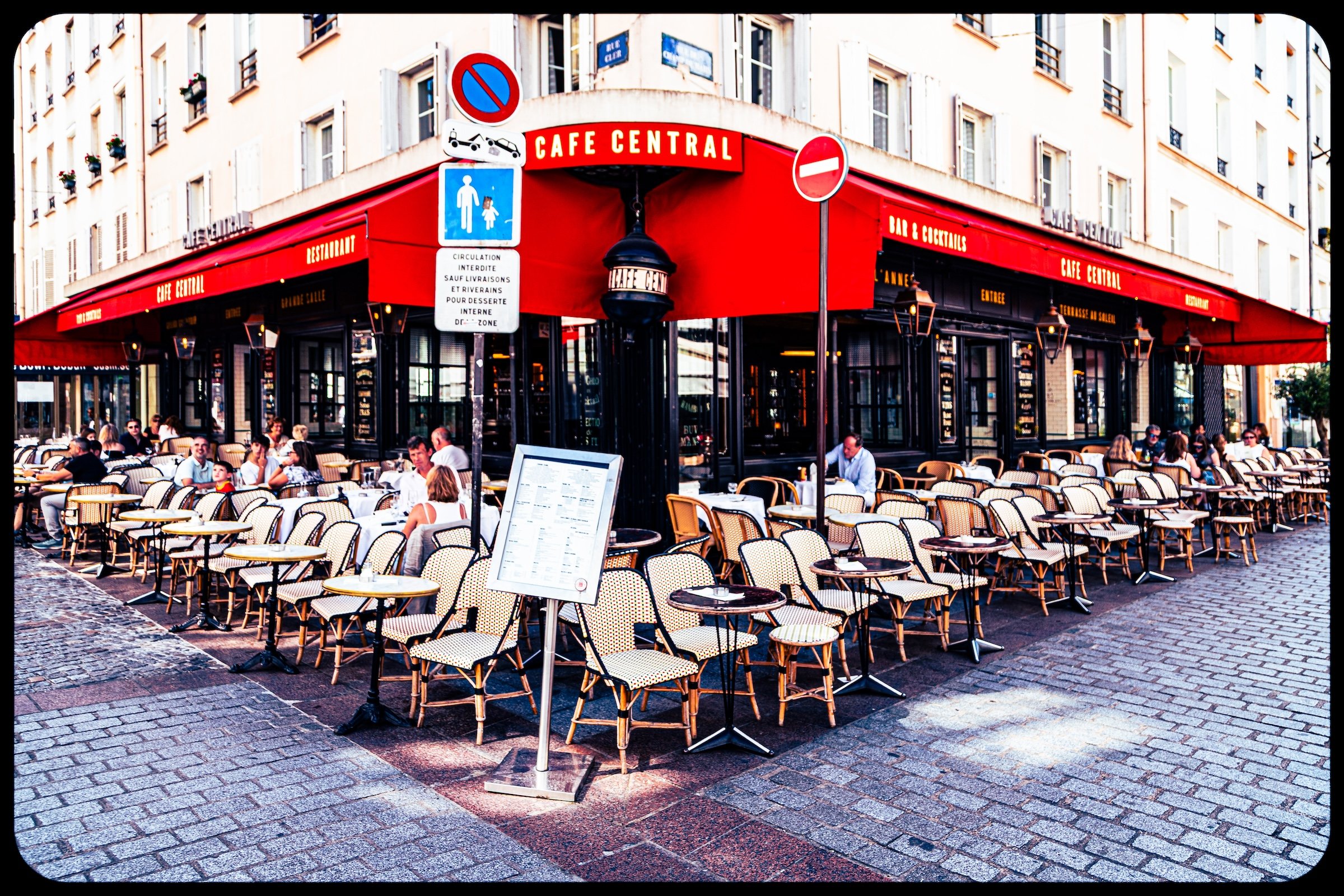
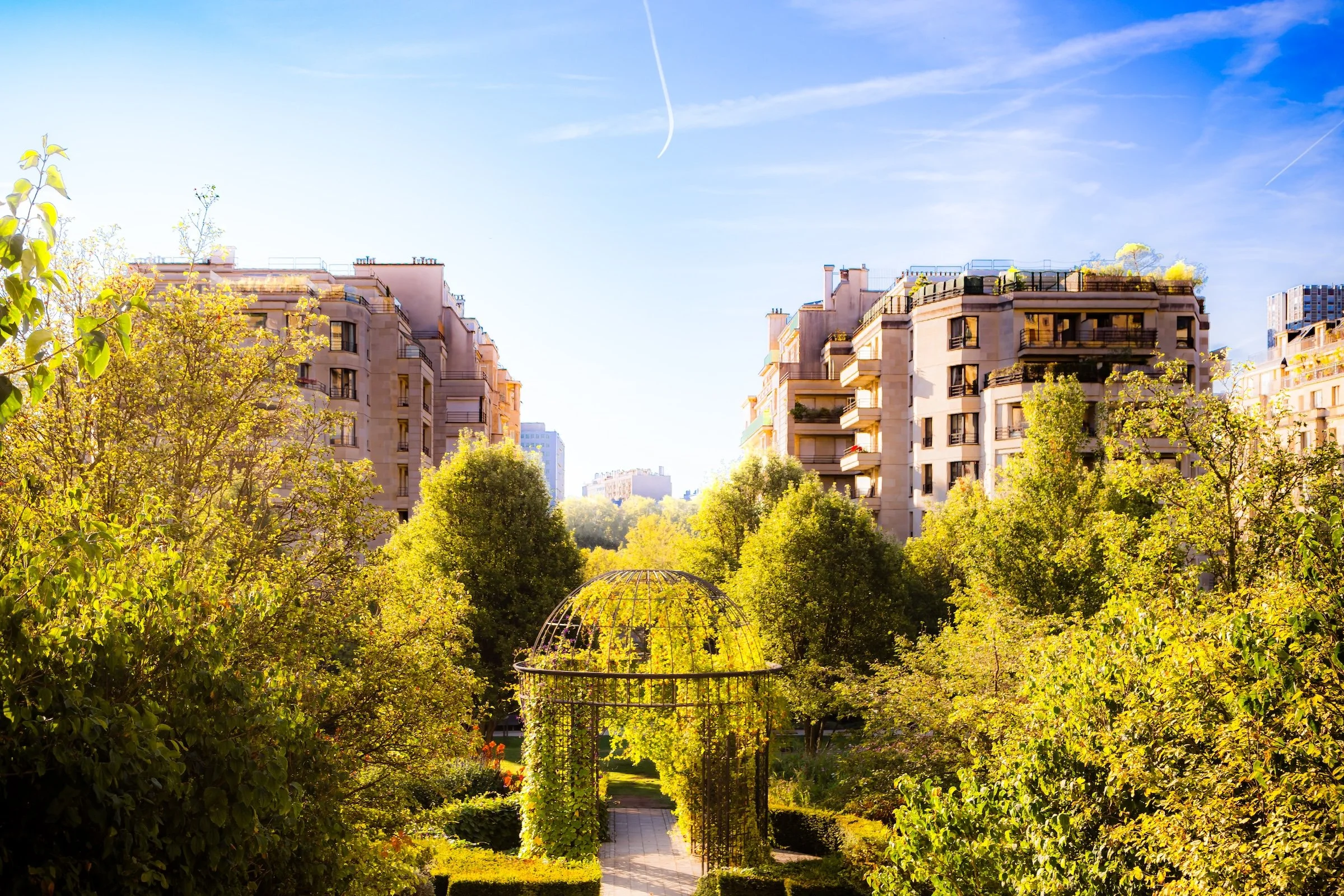
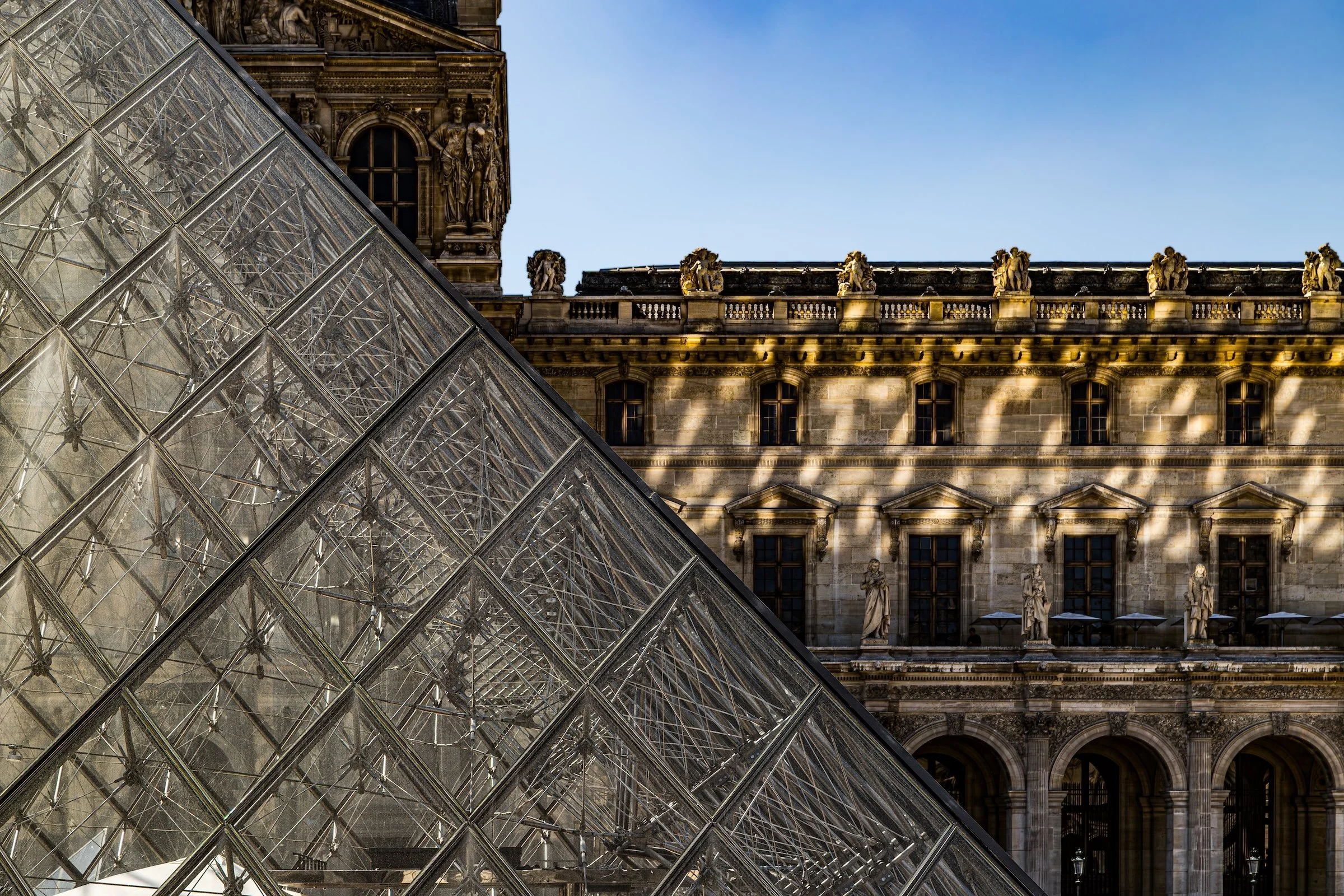
Paris: J’Espere, Je Rêve, Je Vive
Paris Photo Gallery
Paris Flâneur Notes
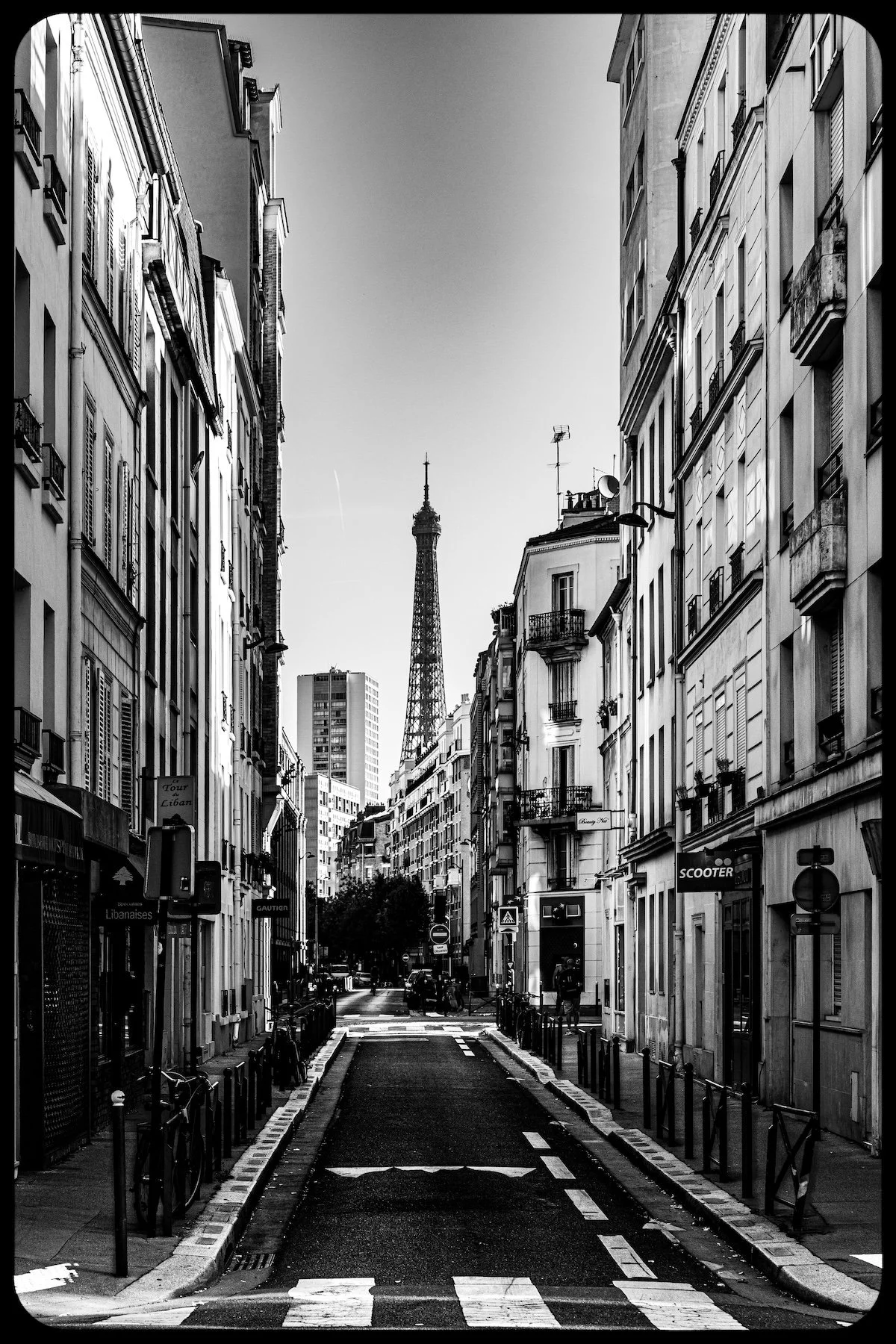
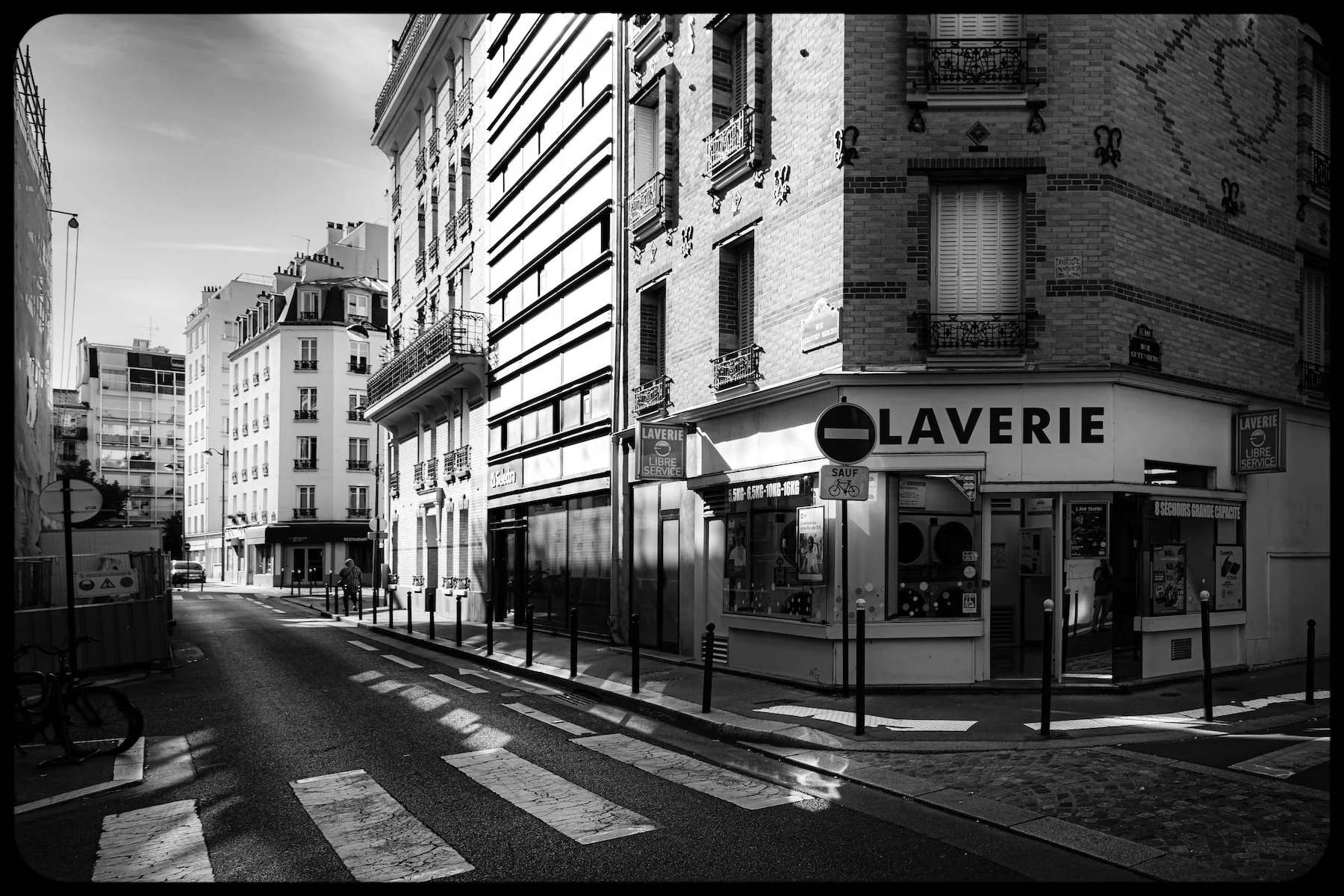
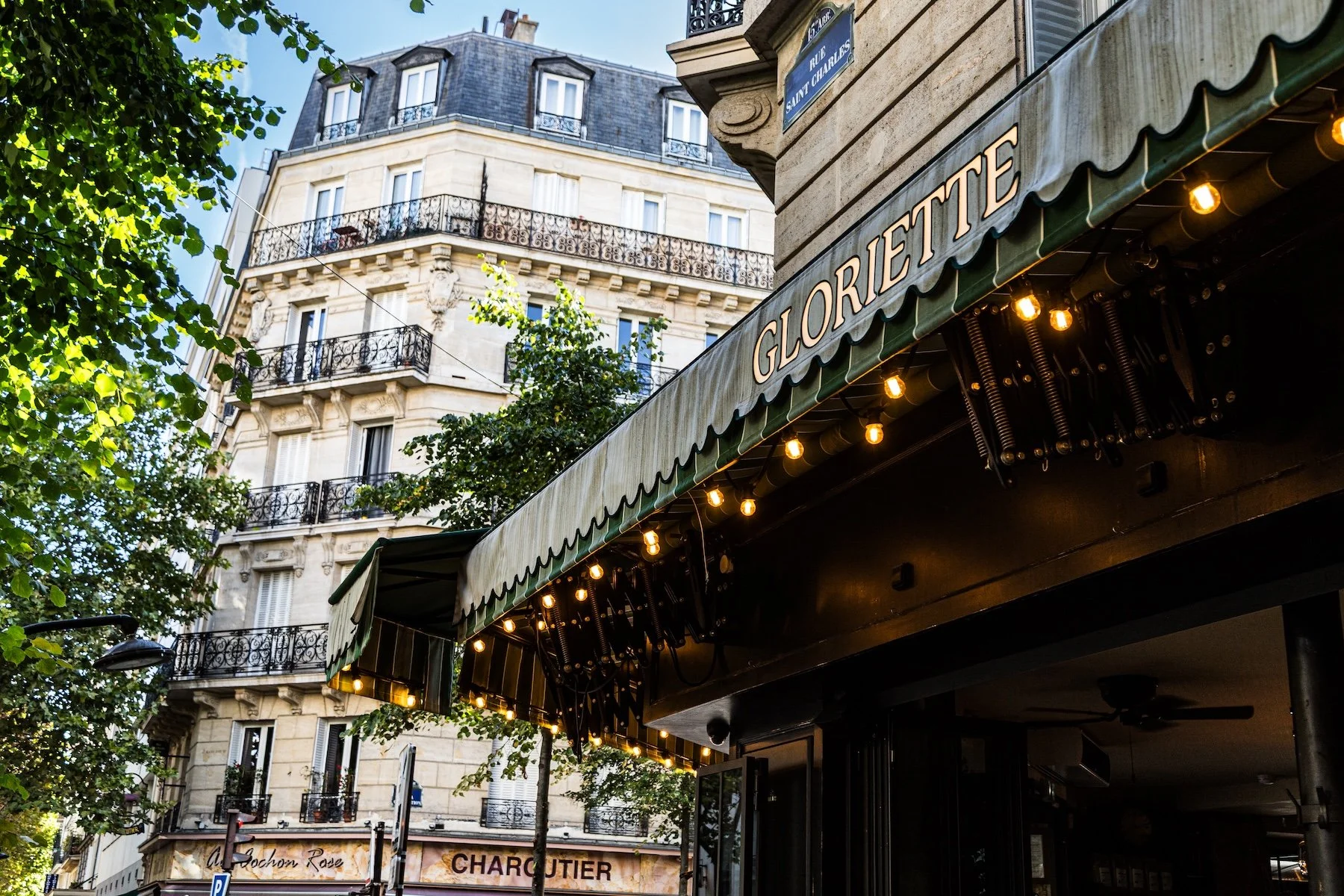
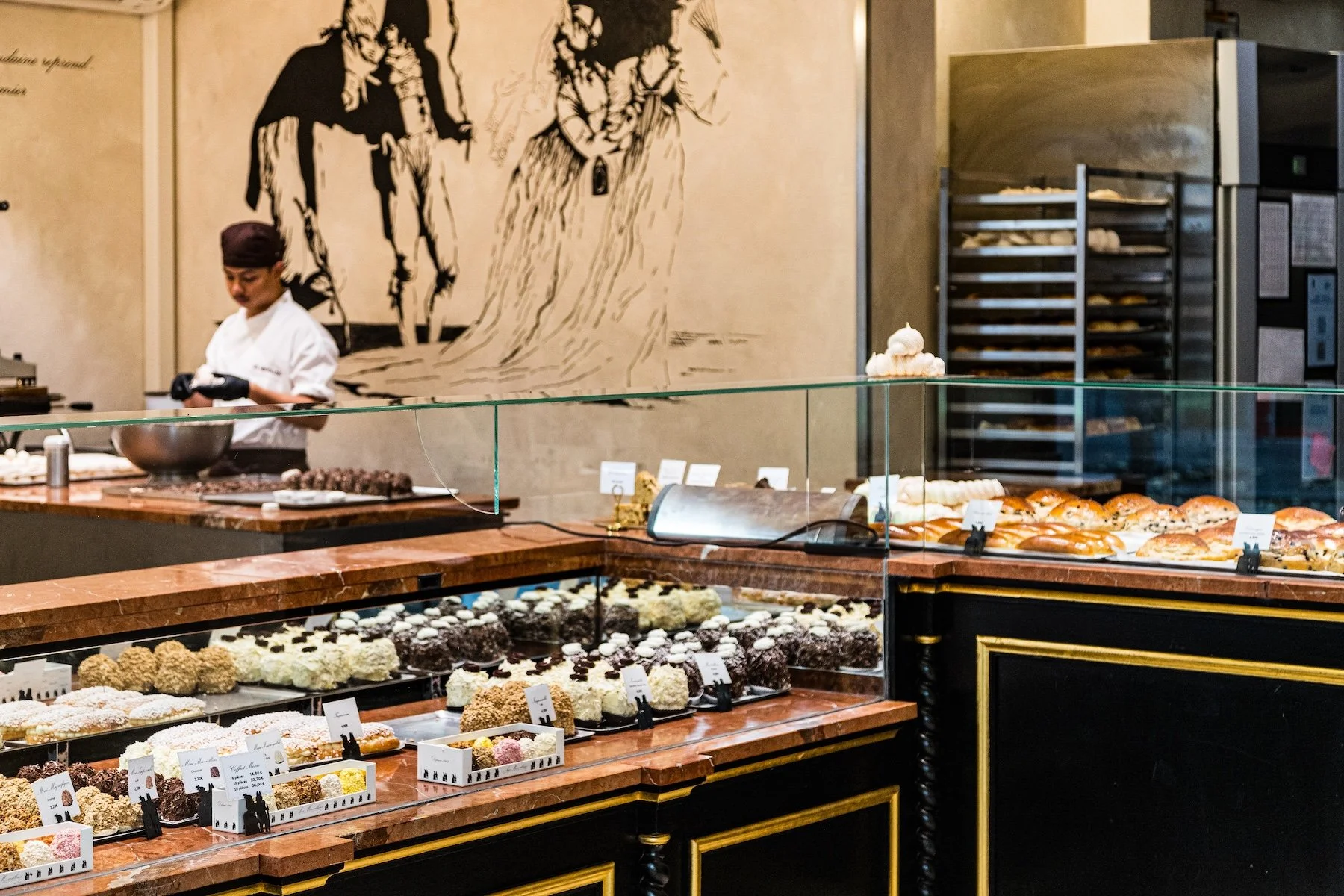
Flâneur Notes document the walks, photographs, light, and street-level observations behind this neighborhood entry. Learn more about the Spirit of the Flâneur.

Explore Paris
-

The twenty arrondissements form the civic spiral of Paris, organizing the city into its broad local districts of government, identity, and daily life.
-

Each arrondissement is divided into four official administrative quarters, giving Paris a more precise civic and geographic framework.
-

The conseils de quartier bring participation to street level, giving residents a voice in neighborhood needs, public space, and local civic life.
-

Les Deux Rives trace Paris through the Seine’s two banks, revealing how the Rive Droite and Rive Gauche shaped the city’s civic power, commerce, learning, art, and cultural identity.
-

Cultural neighborhoods reveal the Paris people recognize through history, cafés, architecture, memory, atmosphere, and local belonging.