
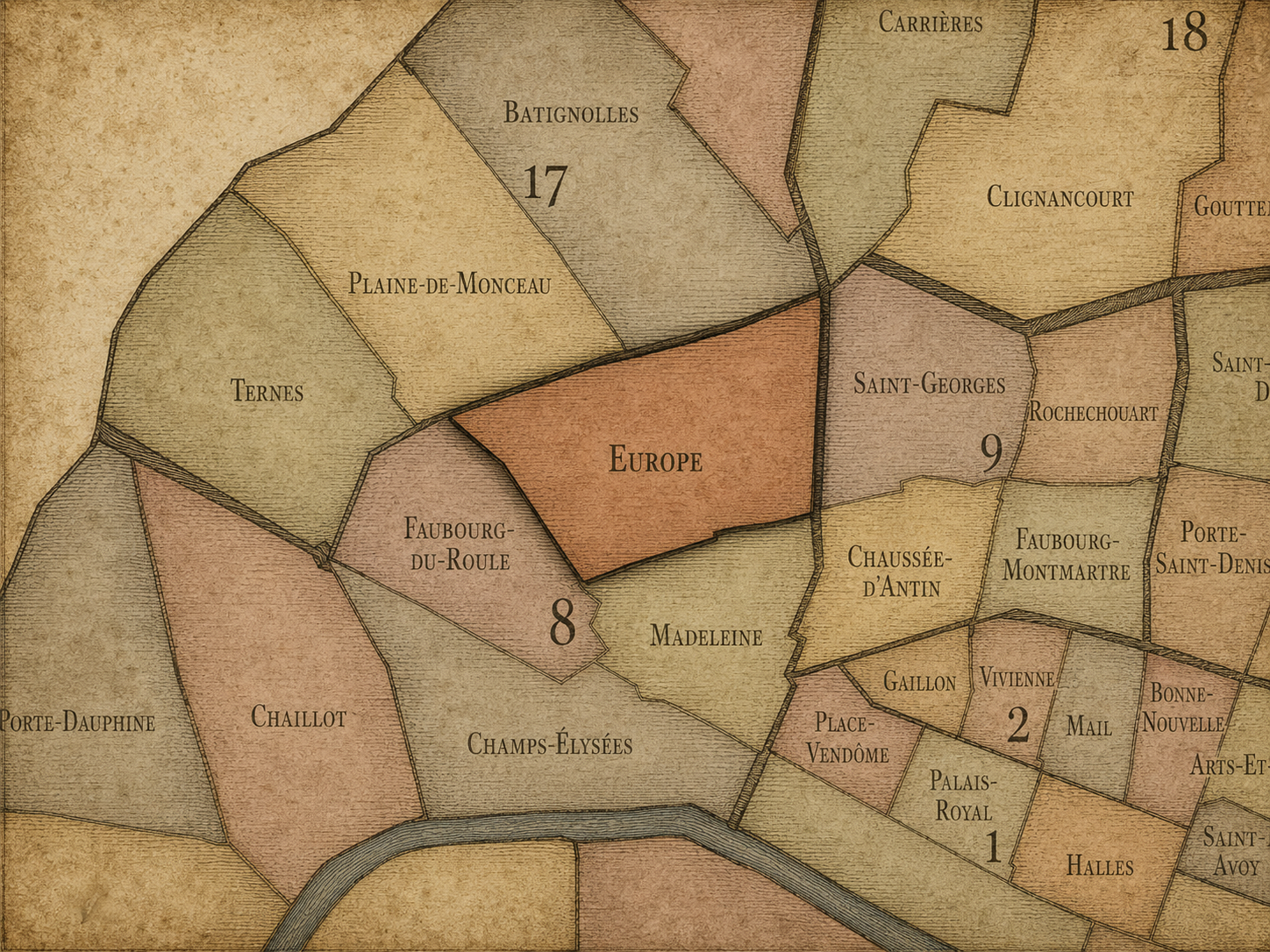
8e - EUROPE
Quartiers Administratifs
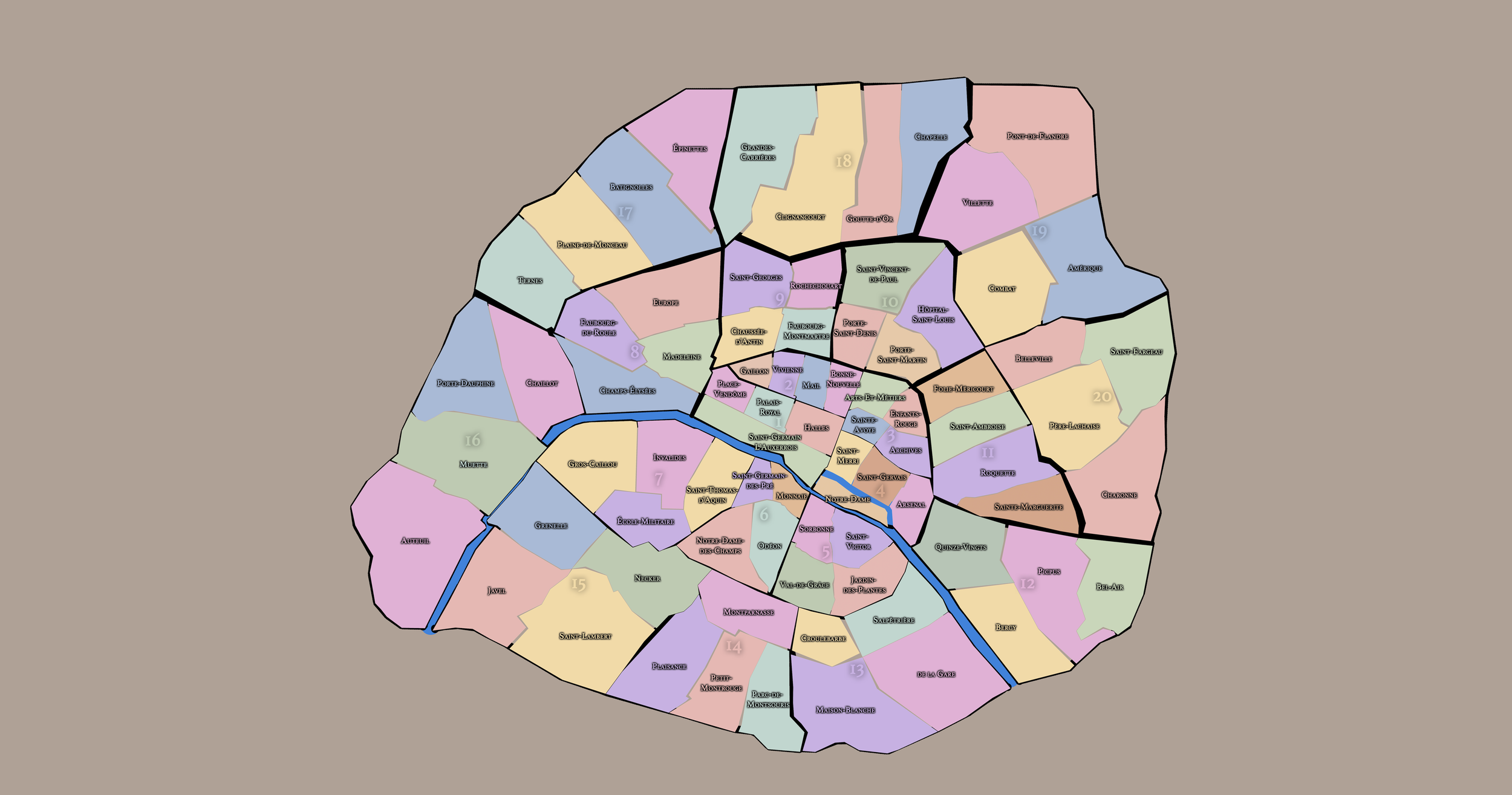
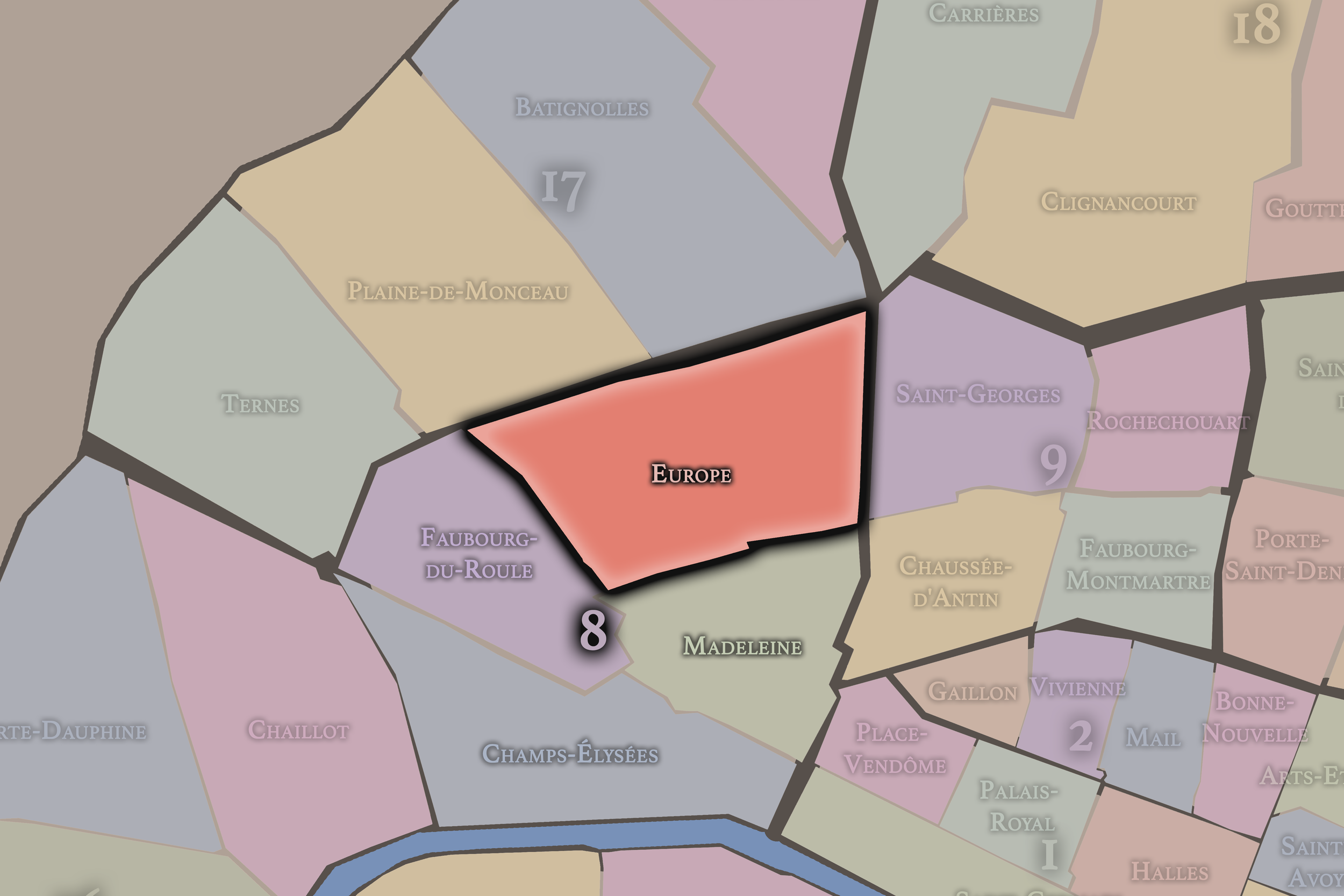
Welcome to the Europe neighborhood page! Europe is a quartier administratif — the 32nd administrative quarter — one of 80 such districts across Paris. As a quartier administratif of the 8e Arrondissement - Élysées, Europe belongs to a formal layer of Parisian geography and takes its identity from the railway-era streets around Gare Saint-Lazare. This is where avenues named for European cities, Haussmannian blocks, offices, theaters, and transport infrastructure define a restless urban landscape.
Part of an ongoing project to walk and photograph every neighborhood in Paris, this page explores 8e Europe through maps, district identity, history, and photography.
The Map
Geographic Setting
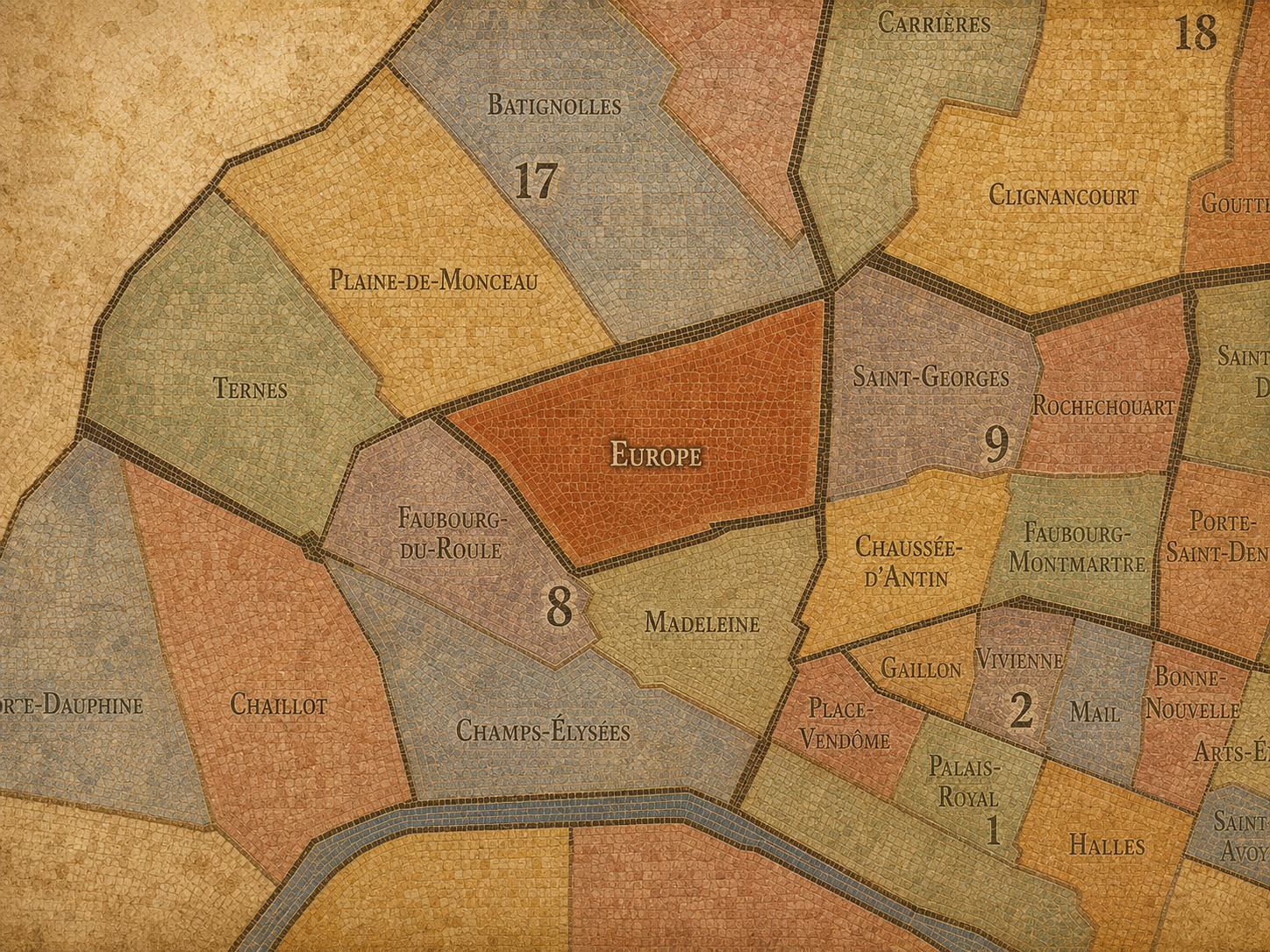
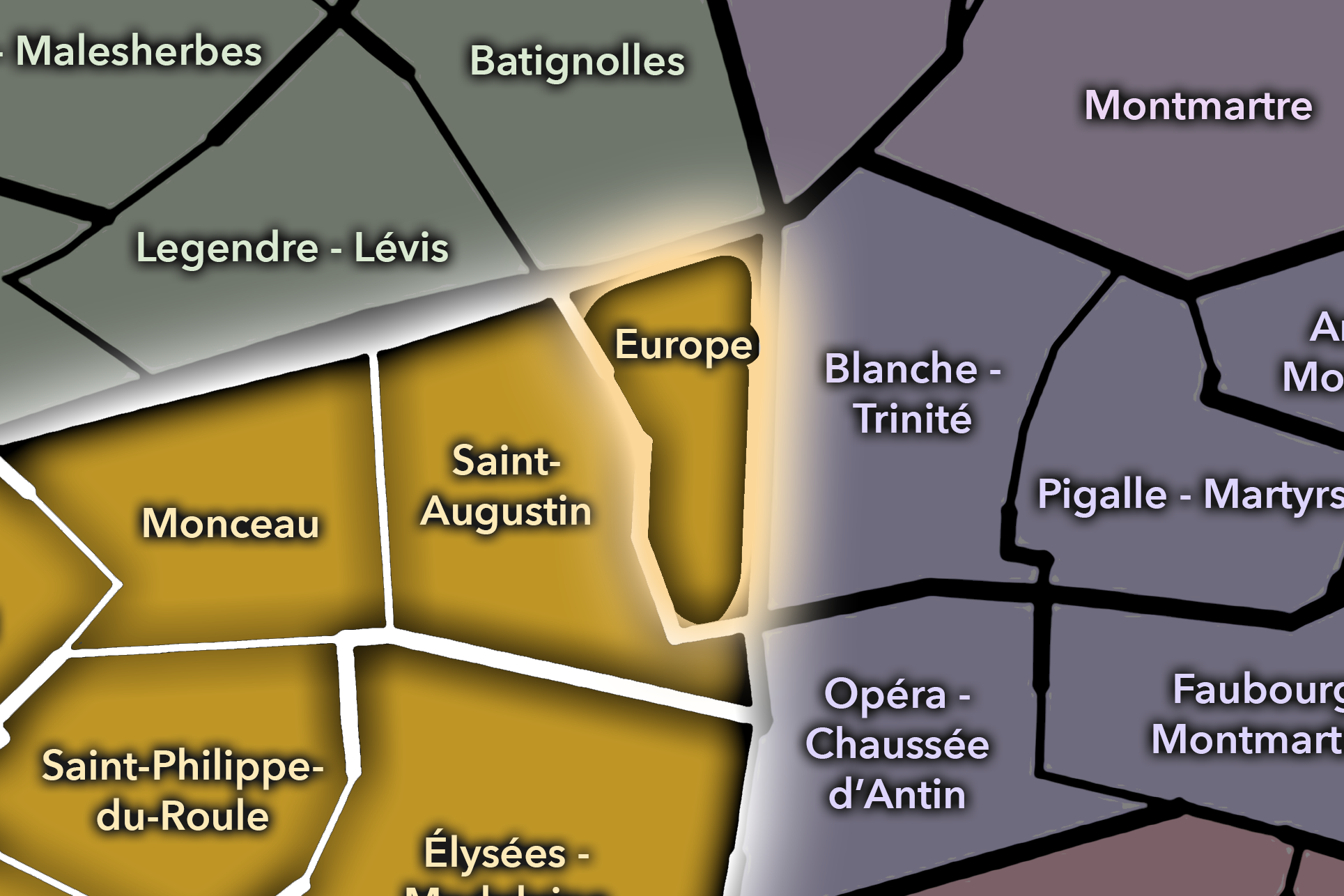
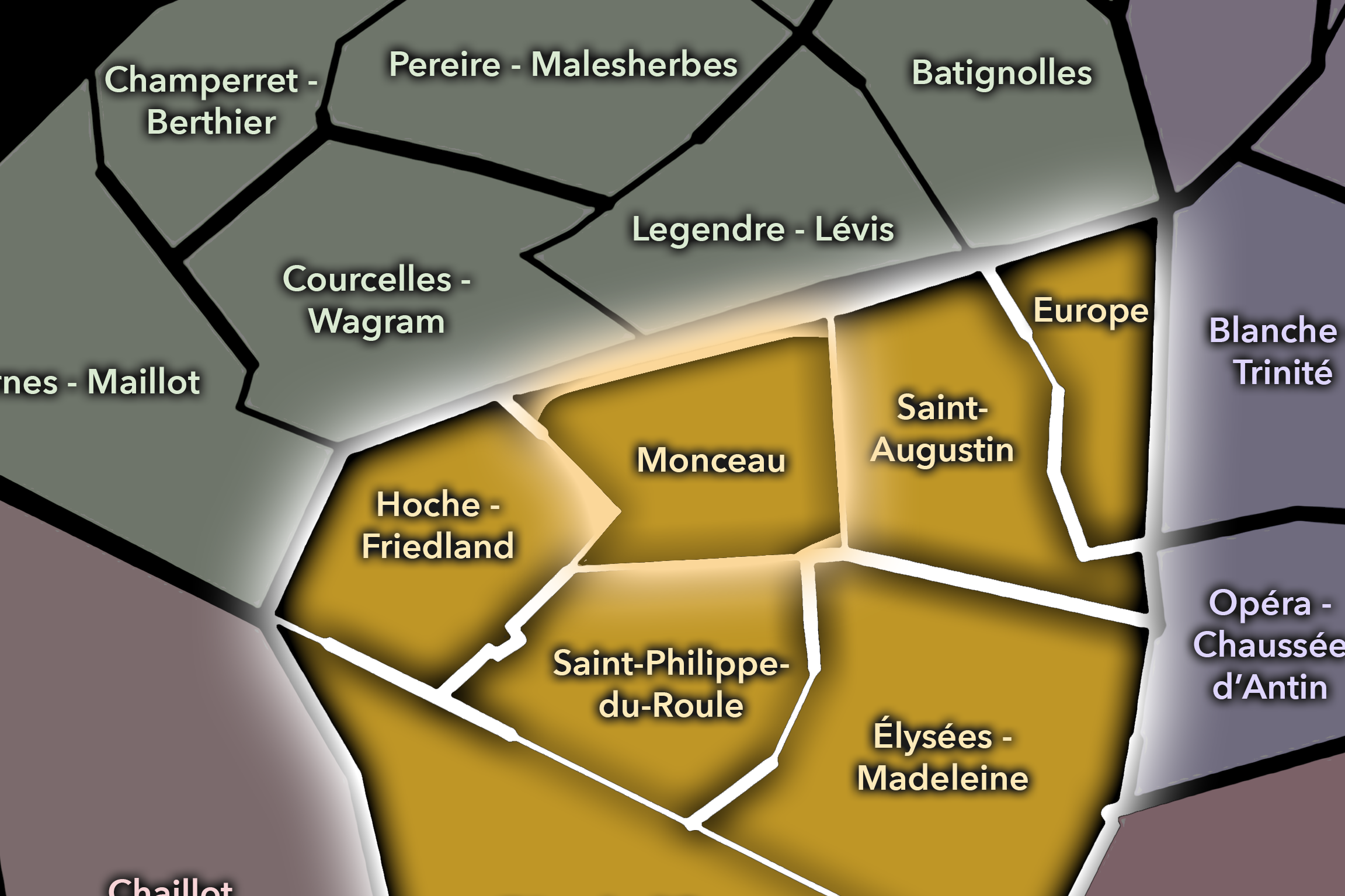
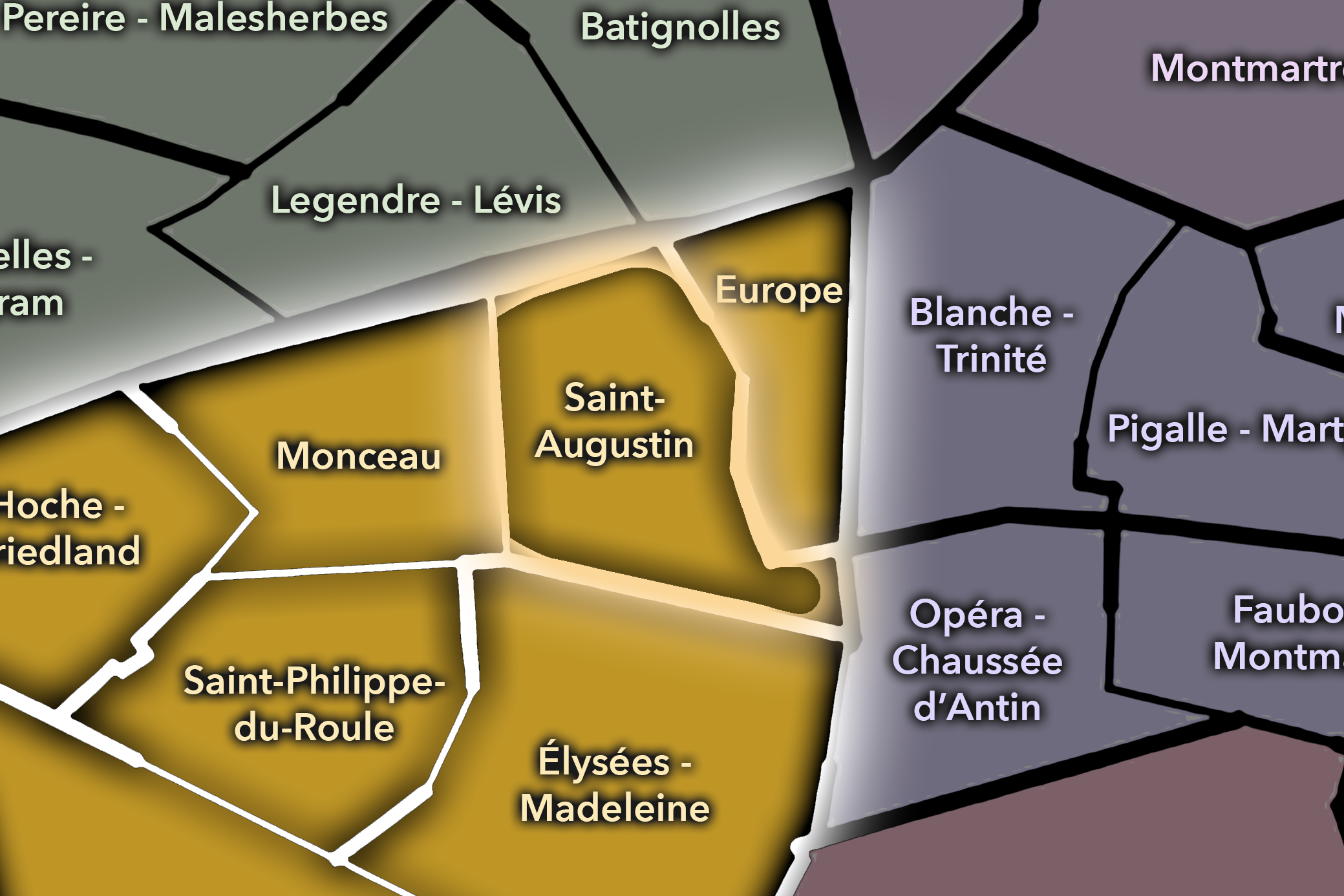
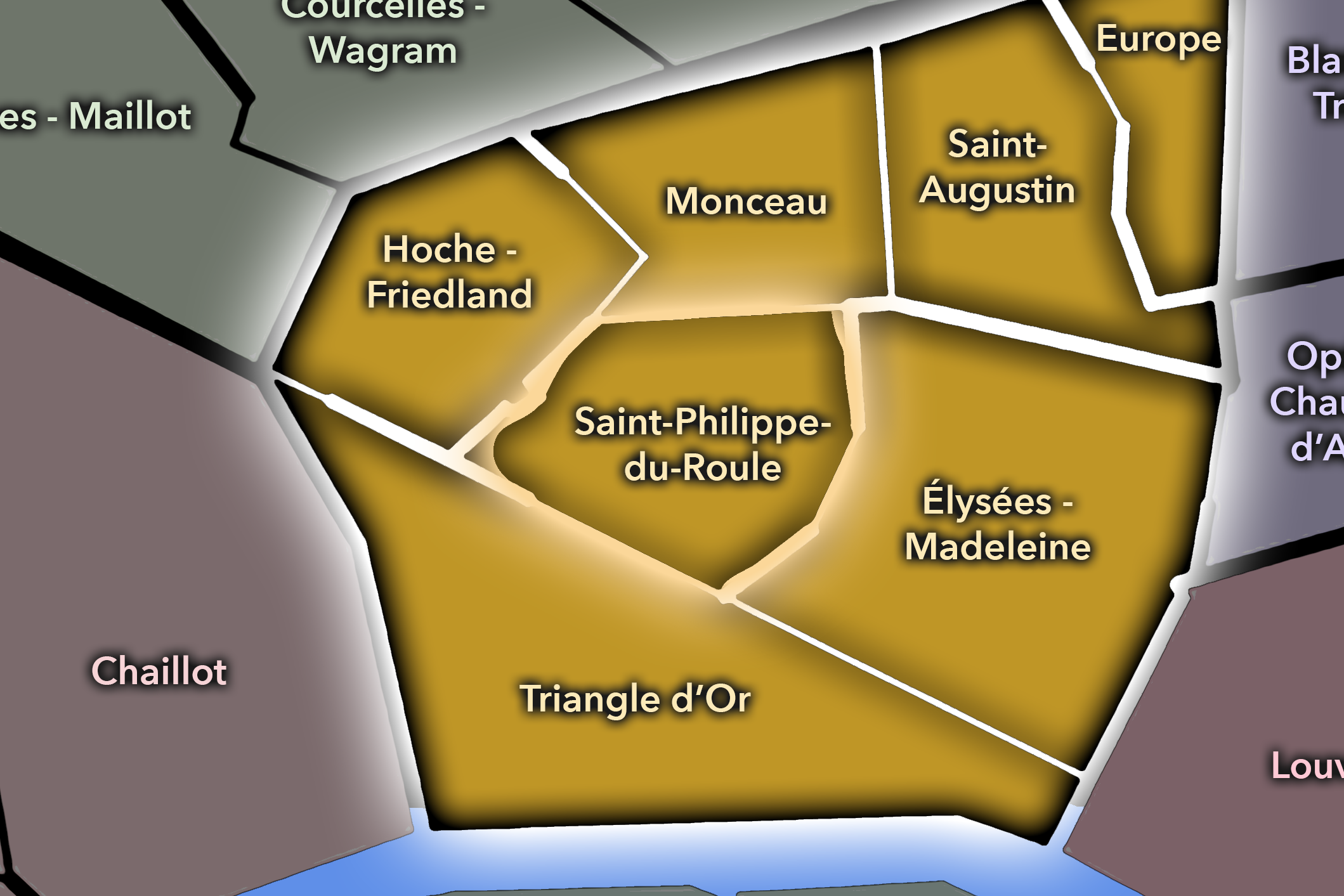
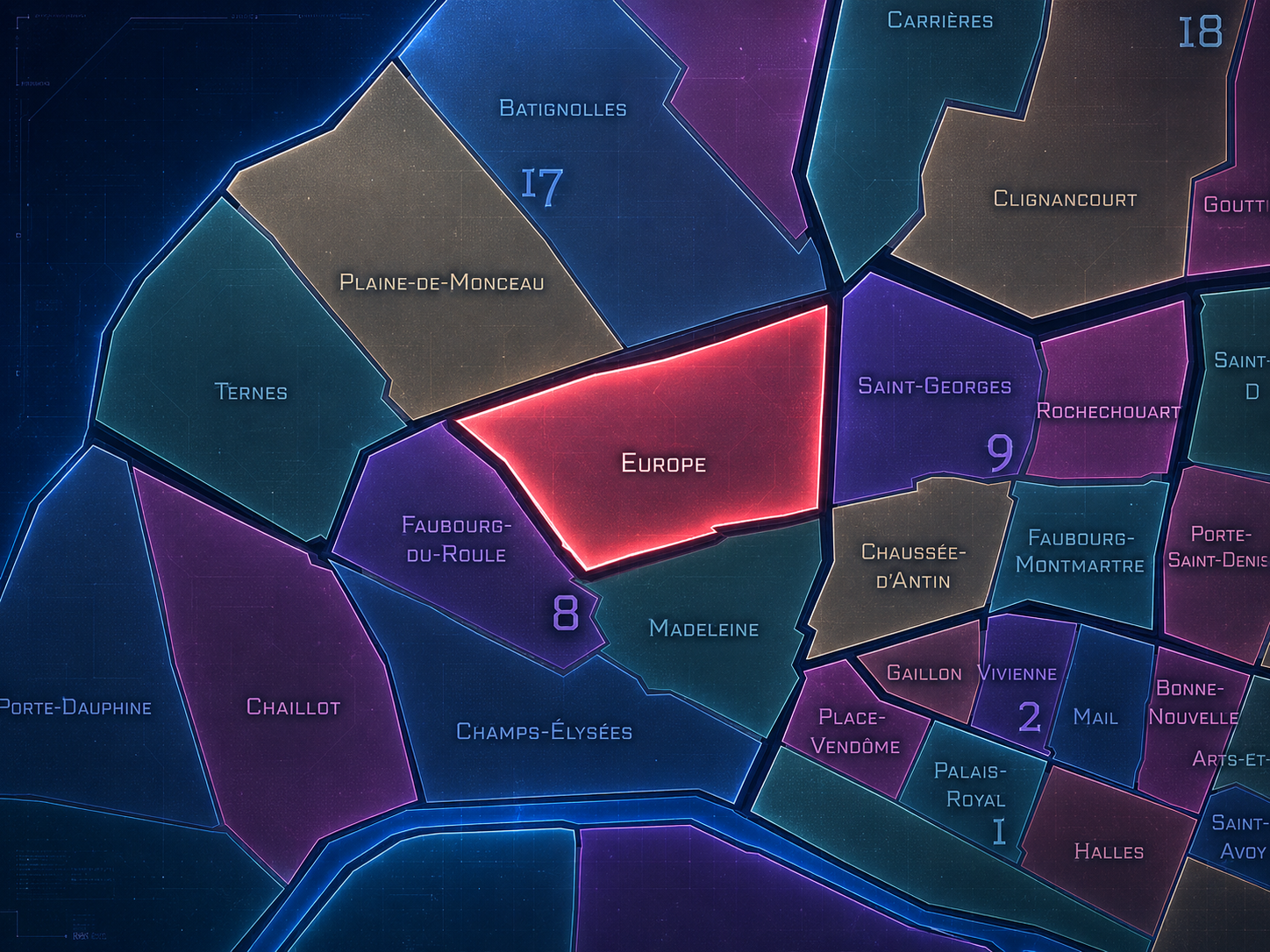
Europe occupies the northeastern portion of the 8th arrondissement, where the formal prestige of western Paris meets the railways, boulevards, apartment blocks, and 19th-century urban expansion around Saint-Lazare. Set north of Madeleine, east of Faubourg-du-Roule, and above the more ceremonial landscapes of Concorde and Champs-Élysées, Europe is one of the 8th arrondissement’s most structurally revealing quarters: a district shaped not by a single monument, but by streets, tracks, stations, bridges, and the disciplined geometry of modern Parisian development.
The quarter’s geography is defined by its relationship to the Gare Saint-Lazare and the distinctive street pattern around Place de l’Europe — Simone Veil, where roads named for European cities gather above and around the railway cut. Rue de Rome, Rue de Madrid, Rue de Vienne, Rue de Londres, Rue d’Amsterdam, Rue de Saint-Pétersbourg, Rue de Constantinople, Rue de Liège, and related streets give the district its unmistakable nomenclature. The result is a quarter where the map itself announces a continental imagination: Paris using the names of Europe to organize one of its great 19th-century railway landscapes.
Unlike Champs-Élysées, whose identity is ceremonial and axial, or Madeleine, whose character is shaped by formal elegance, church, luxury commerce, and the Opéra-Concorde world, Europe is more infrastructural and residential. It belongs to the Paris of rail movement, apartment façades, Haussmannian streets, offices, schools, and the everyday density surrounding a major transportation hub. Its monumentality is less symbolic than structural: the station, the tracks, the bridges, and the street grid all reveal the city as a machine for movement.
Administrative Quarter Identity
Etymology and Origins
The name Europe comes from Place de l’Europe and the surrounding streets named after European cities. This naming system gives the quarter one of the most distinctive identities among Paris’s administrative quarters. Rather than being named for a church, palace, market, saint, former village, or single institution, Europe is named for a geographic idea: the continent itself, translated into a Parisian street network.
The name reflects the 19th-century imagination of Paris as a capital connected outward by rail, commerce, diplomacy, and modern urban planning. Around Saint-Lazare, the names of European cities formed a symbolic geography above the practical geography of train lines. The quarter’s street names turned infrastructure into a map of cultural ambition: Paris as node, gateway, and metropolitan center within a larger European world.
That makes Europe a particularly modern quarter name. It is not rooted in medieval parish life or aristocratic ownership. It belongs to an era of stations, mobility, national capitals, international reference, and urban expansion. The quarter’s name suggests not enclosure, but connection — Paris looking beyond itself while reorganizing itself from within.
Civic Framework
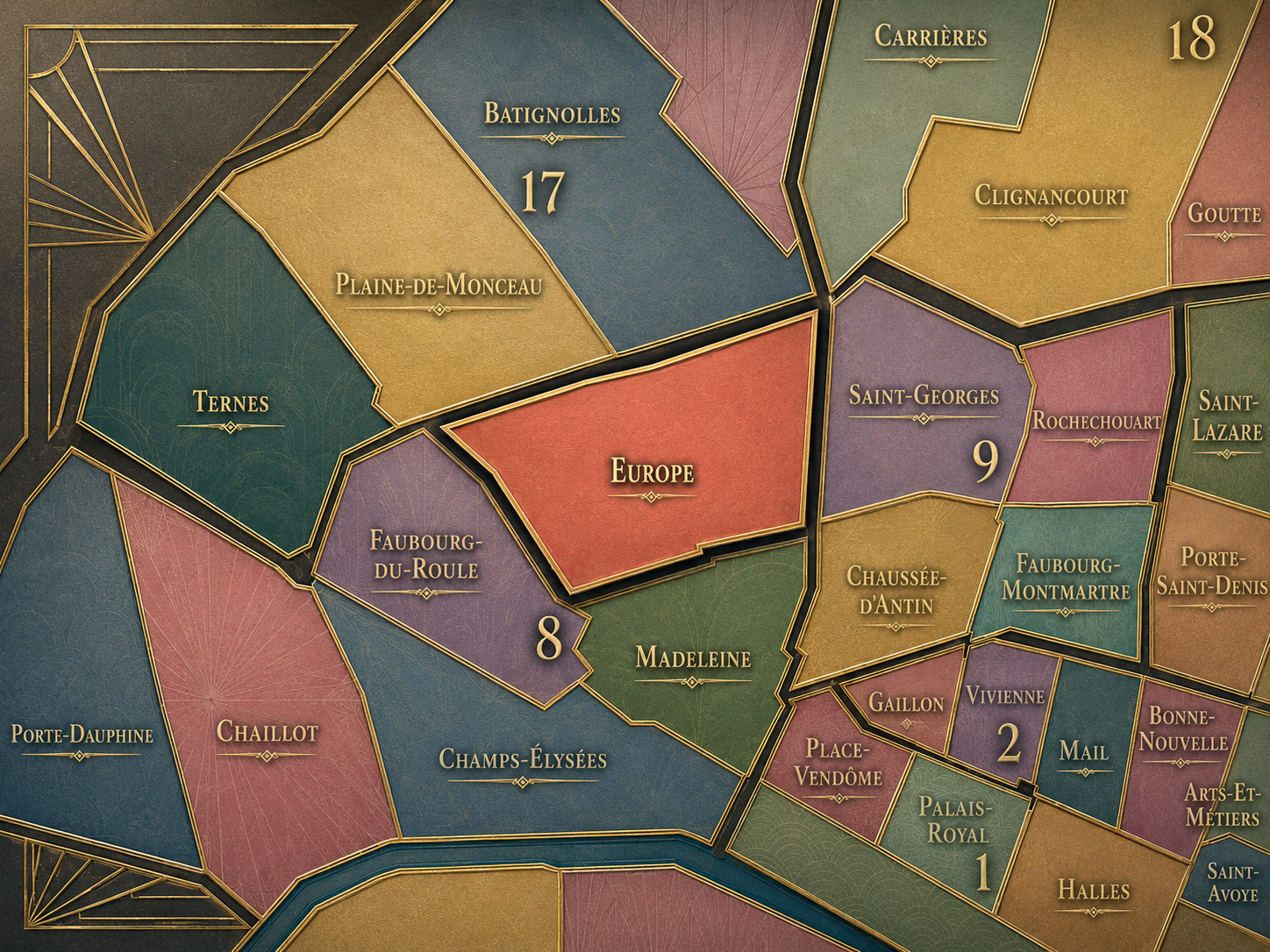
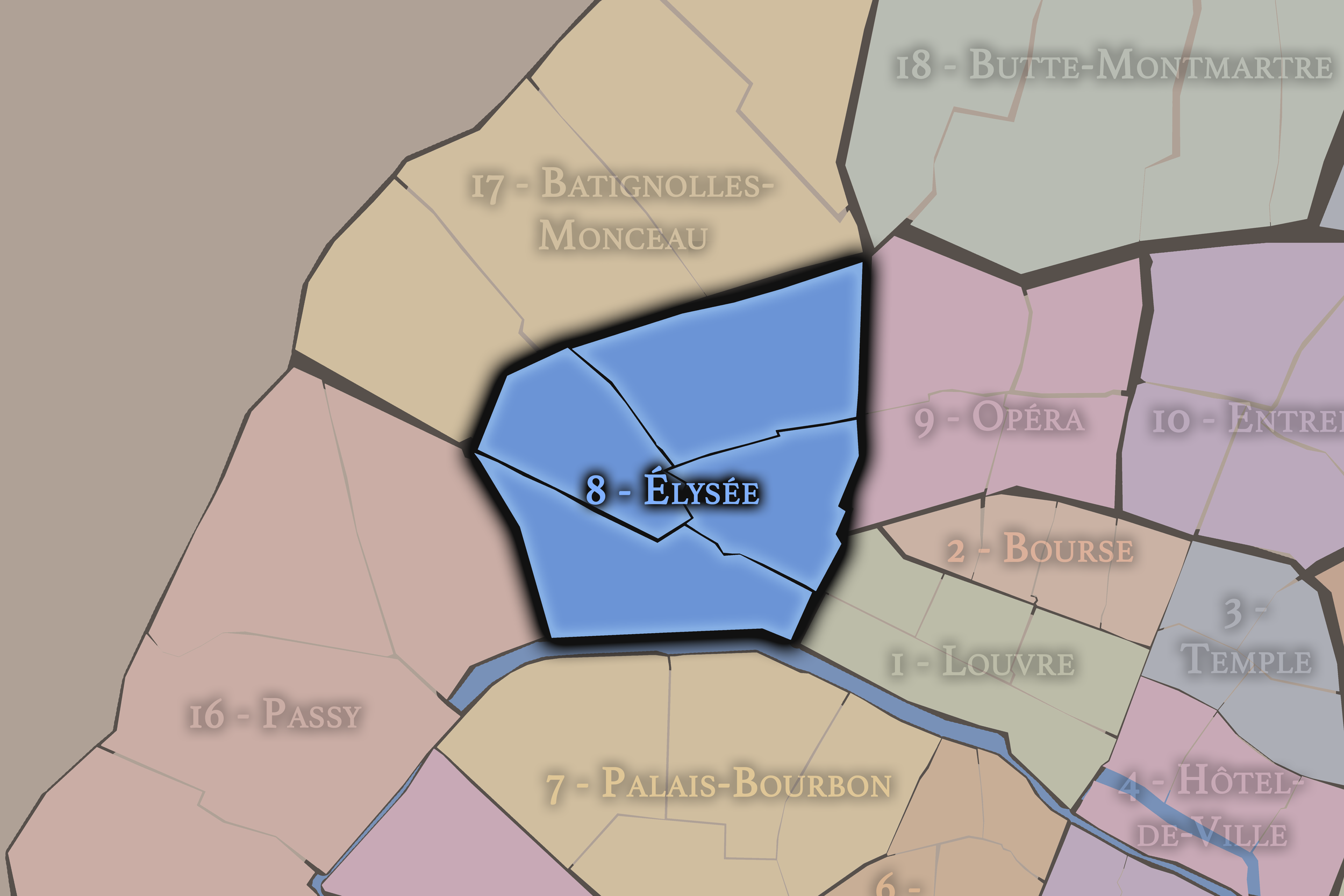
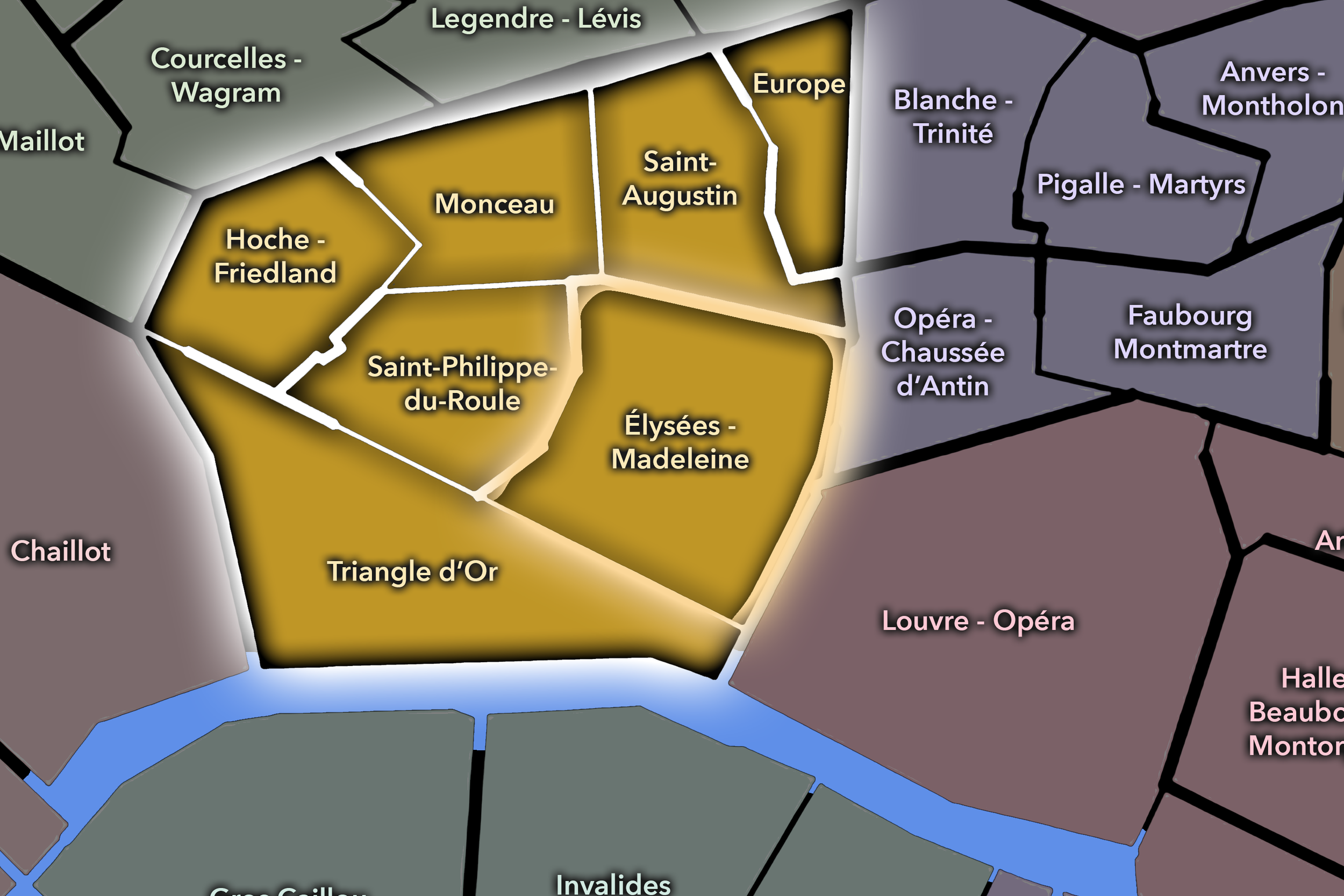
Within the official geography of Paris, Europe is one of the four administrative quarters of the 8th arrondissement, alongside Champs-Élysées, Faubourg-du-Roule, and Madeleine. It occupies the arrondissement’s northeastern sector, bordering the 9th arrondissement to the east and the 17th arrondissement to the north, while connecting southward toward Madeleine and westward toward the residential and prestige corridors of Faubourg-du-Roule.
As an administrative quarter, Europe gives formal civic shape to a district that might otherwise be described through nearby names: Saint-Lazare, Place de l’Europe, Liège, Rome, Villiers-adjacent Paris, the eastern 8th, or the railway quarter. The official name gathers these pieces into one mapped unit, making visible a part of the 8th arrondissement often overshadowed by the Champs-Élysées, the Arc de Triomphe, and the luxury landscapes farther south and west.
Its civic role is especially important because Europe shows another side of the 8th arrondissement. The 8th is often imagined through power, prestige, luxury, diplomacy, and ceremony. Europe adds movement, infrastructure, residence, rail, and 19th-century metropolitan expansion to that picture. It is the quarter that reminds us the 8th is not only an image of grandeur; it is also a working piece of the modern city.
Neighborhood Distinction
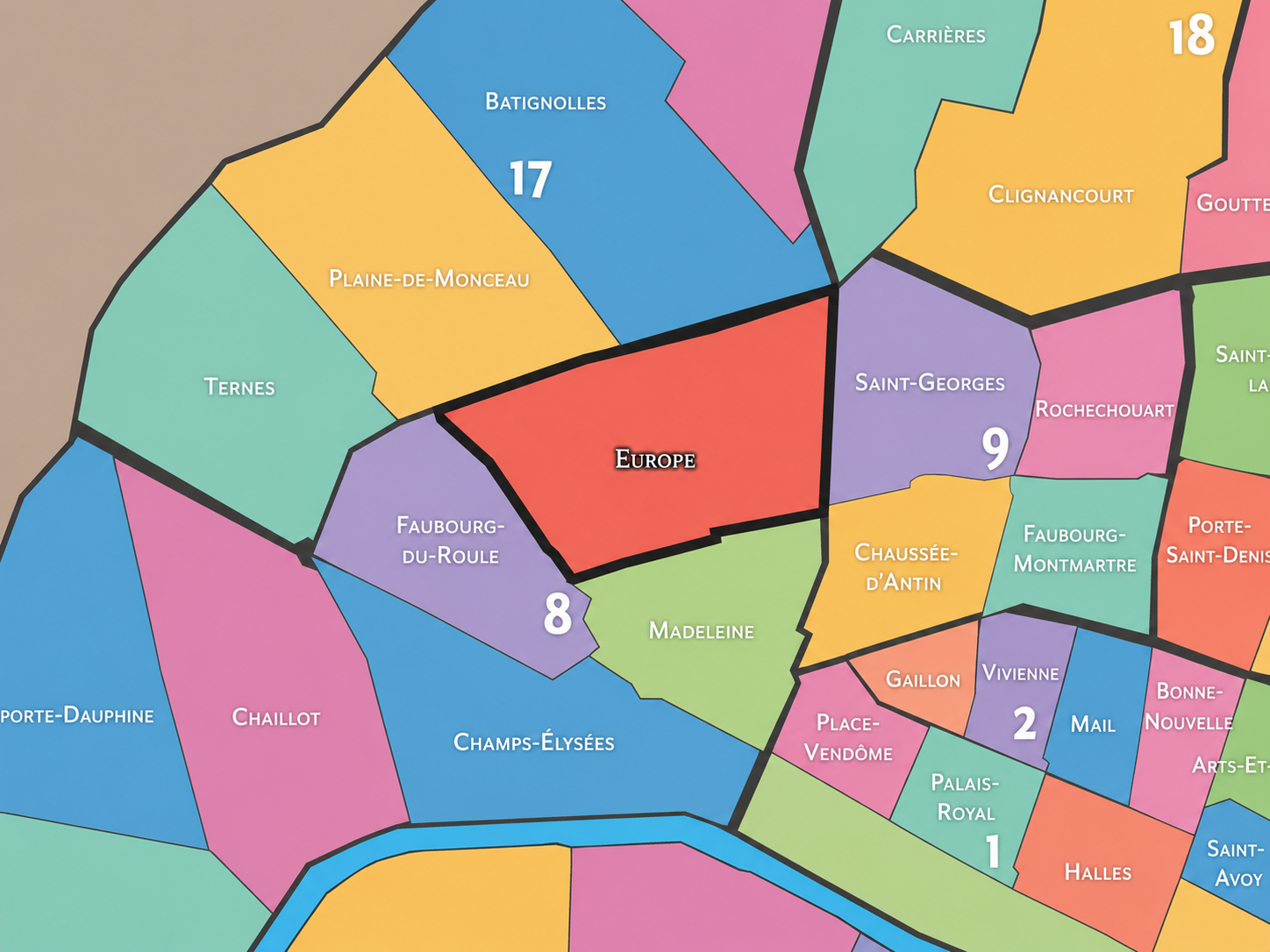
Europe differs from the other quarters of the 8th arrondissement through its railway identity, residential-commercial fabric, and continental street nomenclature. Champs-Élysées is the arrondissement’s ceremonial stage, shaped by axis, parade, tourism, commerce, and national image. Madeleine is compactly formal, tied to the church, luxury food, Opéra-Concorde elegance, and the western edge of the Grands Boulevards. Faubourg-du-Roule is more closely associated with the upper Champs-Élysées, prestige residential streets, offices, and the transition toward the Arc de Triomphe.
Europe is more infrastructural and urbanistic. Its distinction lies in the way it converts rail geography into neighborhood form. The Gare Saint-Lazare and its tracks cut, organize, and animate the surrounding district. Streets cross and frame the railway landscape, while city names from across Europe turn the local map into a symbolic network. The quarter is not built around one picturesque center, but around movement, connection, and modern urban order.
It should also be distinguished from the broader Saint-Lazare district. Saint-Lazare is a transportation and commercial identity that spills into the 8th and 9th arrondissements, especially around the station, department stores, offices, hotels, and commuter flows. Europe is the official quarter on the 8th arrondissement side of that world, giving administrative precision to a larger zone of rail-driven central Paris.
Parisian Identity
Europe expresses Paris as a city of connection. It is one of the places where the capital’s identity is shaped not by stillness, but by departure and arrival. The railways near Saint-Lazare brought suburbs, Normandy routes, commuters, travelers, goods, workers, and new rhythms into the western side of central Paris. The quarter’s streets and bridges did not merely surround the station; they translated the age of rail into urban form.
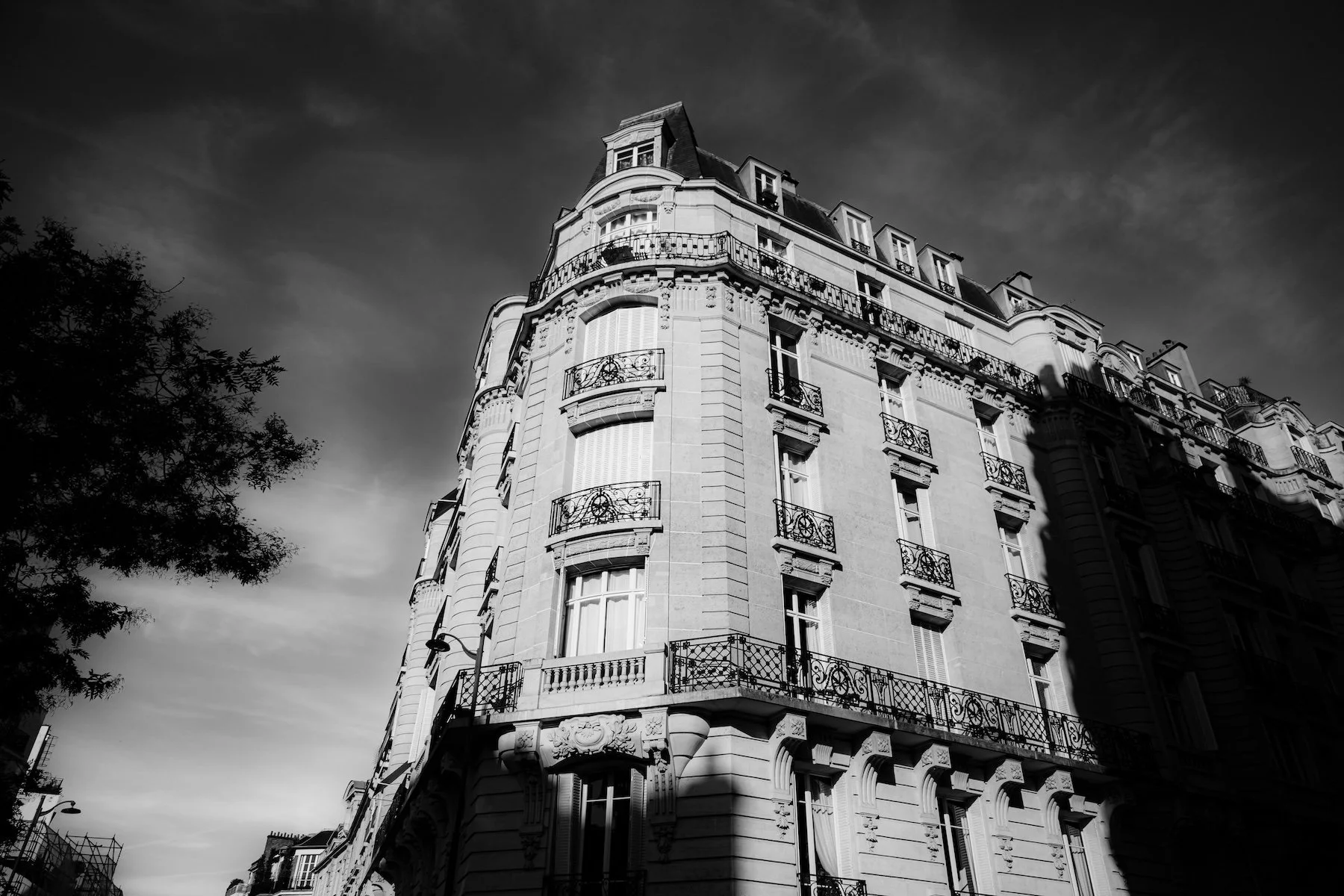
This gives Europe a Parisian identity unlike the more ceremonial quarters of the 8th. It is refined, but not primarily grand. Central, but not mythic in the same way as Champs-Élysées. It is a quarter where Haussmannian order meets the energy of modern movement: apartment buildings, office blocks, school buildings, hotels, shops, cafés, railway cuts, iron bridges, and the constant sense that the city is being crossed.
The quarter is also deeply visual. The railway trenches and bridges around Place de l’Europe attracted 19th-century artists because they revealed modern Paris with unusual clarity: steam, iron, stone, sky, platforms, signals, and movement. Europe is a quarter where infrastructure became scenery, and where the modern city learned to see itself as beautiful.
Neighborhood Connections
Every neighborhood belongs to a wider Parisian fabric.
-
8e — Élysée
-
Élysée-Madeleine
-
Europe
-
Monceau
-
Saint-Augustin
-
Saint-Philippe du Roule
-
Rive Droite
The History
Origins
The origins of Europe lie in the northern and western expansion of Paris beyond the older aristocratic and royal core. Before the quarter took on its modern form, this area belonged to the outer landscape north of the Faubourg Saint-Honoré and west of the Grands Boulevards, a zone of fields, roads, estates, gardened properties, and gradual development at the edge of the growing city.
The quarter’s decisive transformation came with the arrival and expansion of rail around Saint-Lazare. The railway required space, engineering, bridges, cuts, and new approaches. It changed not only transportation, but also the surrounding urban fabric. Streets were laid out, real estate developed, and the district became part of the modern metropolitan geography of Paris.
Europe’s origin story is therefore one of conversion from edge to connector. Land that had once stood outside the densest city became a district organized by the technologies and ambitions of the 19th century. Its official name preserves that shift: Paris no longer looking only inward toward court, church, and market, but outward toward a continent of cities.
16th–17th Century
In the 16th and 17th centuries, the future Europe quarter lay beyond the most densely urbanized parts of Paris. The area north of the Seine and west of the older Right Bank center remained comparatively open, shaped by roads, religious lands, estates, and the gradual outward movement of the city. It did not yet possess the strong identity it would acquire in the 19th century.
This relative openness is important. Many later districts of western Paris were made possible because land beyond the older city could be reorganized at a larger scale. Europe would eventually become one of these planned and infrastructural landscapes, where streets, stations, and bridges could be fitted into a city expanding under modern pressures.
During this early period, the quarter’s future identity was not yet visible. There was no railway, no Place de l’Europe, no network of European city names. But the conditions existed: outer land, proximity to growing elite districts, and enough room for later urban planning to impose a new order.
18th Century
In the 18th century, the area that would become Europe became increasingly drawn into the expansion of western and northwestern Paris. The development of nearby faubourgs, aristocratic residences, roads, and commercial corridors gradually shifted this landscape from outer edge toward urban district. Yet it remained less symbolically defined than the great squares, boulevards, and palace-related spaces to the south.
This was also the century in which Paris’s western growth became increasingly important. The Faubourg Saint-Honoré, the Madeleine area, and the approaches toward the future 8th arrondissement gained status and structure, while land farther north prepared for later development. Europe’s future would depend on this transition: from peripheral ground to planned modern quarter.
The French Revolution and early modern administrative reorganizations altered the political and civic structure of Paris, but the quarter’s most decisive identity would arrive later, in the railway century. The 18th century laid the groundwork; the 19th gave the quarter its name and form.
19th Century
The 19th century created Europe as a modern Parisian quarter. The expansion of the Gare Saint-Lazare and the railway lines serving western France transformed the area physically and symbolically. Tracks cut through the district, bridges crossed them, and new streets were laid out around Place de l’Europe. The naming of streets for European cities gave the district a unified identity and turned the local street grid into a continental reference map.
This was also the century when the quarter entered the artistic imagination. The Gare Saint-Lazare and its surroundings became subjects for painters interested in modern life, including Claude Monet’s celebrated series of Saint-Lazare station paintings. Nearby, artists such as Gustave Caillebotte depicted the modern streets, bridges, and urban perspectives of this part of Paris, helping make railway-era infrastructure part of the visual language of the city.
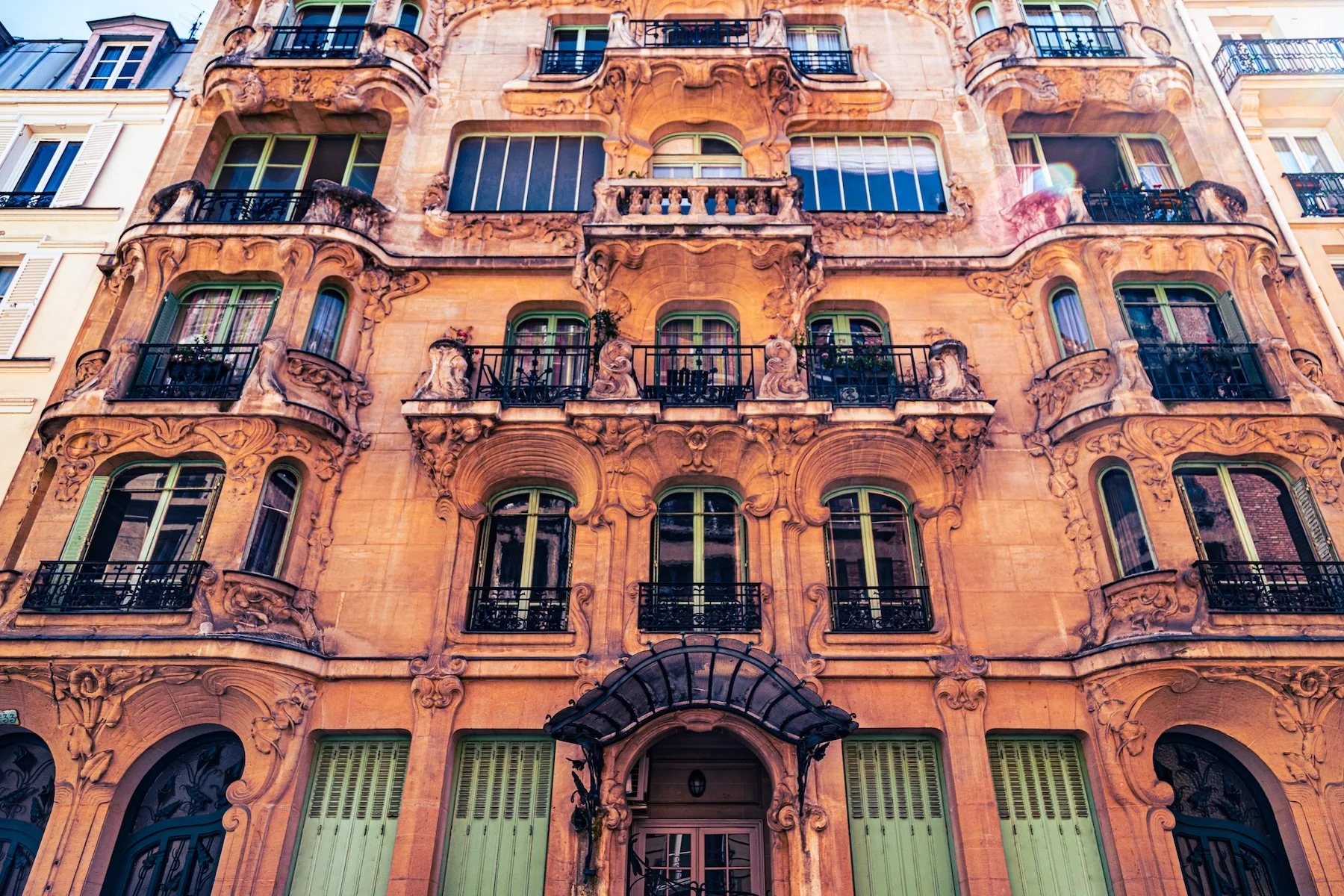
Haussmannian development and private real estate also shaped the quarter. Apartment buildings, broad streets, offices, and commercial spaces gave Europe the architectural order associated with modern western Paris. The district was not merely the backside of a station; it was a new urban landscape built around the infrastructure of the age.
Early–Mid 20th Century
In the early and mid 20th century, Europe remained strongly tied to Saint-Lazare, commuter movement, offices, hotels, shops, and the residential life of the eastern 8th arrondissement. The station continued to bring flows of people through the district, while the surrounding streets settled into a mixture of bourgeois residence, commercial activity, and institutional use.
The quarter’s railway identity gave it a different rhythm from the more ceremonial spaces of the 8th. It was not only a place to admire; it was a place to pass through, arrive in, commute from, and work around. The railway made Europe modern in a practical sense, structuring daily time through timetables, platforms, departures, and returns.
During the upheavals of war, occupation, liberation, and postwar recovery, Saint-Lazare and its surrounding district remained part of the city’s essential infrastructure. Europe’s identity as a place of movement did not pause. Even under pressure, the quarter continued to function as one of Paris’s important nodes of transport and urban circulation.
Late 20th Century
In the late 20th century, Europe adapted to the changing role of Saint-Lazare and the surrounding business district. Rail travel remained central, but the neighborhood also absorbed new office uses, commercial activity, hotels, and the evolving rhythms of a service-based economy. The quarter’s Haussmannian apartment blocks and institutional buildings continued to give it architectural coherence, while the station area intensified as a hub of movement and commerce.
The district also became part of a broader reconsideration of 19th-century urban heritage. Railway stations, bridges, and Haussmannian streets, once simply signs of modernity, were increasingly valued as historical landscapes in their own right. Europe’s railway cuts, bridges, and named streets gained a more reflective identity: not just infrastructure, but heritage of modern movement.
At the same time, the quarter remained less touristic than Champs-Élysées or Madeleine. Its importance lay in function as much as image. That balance gave Europe a durable urban character: central, elegant, busy, and used, but not overwhelmed by a single monumental attraction.
21st Century
In the 21st century, Europe remains one of the 8th arrondissement’s most revealing quarters for understanding modern Paris. The Gare Saint-Lazare continues to anchor the district’s movement, while the surrounding streets support offices, residences, schools, hotels, shops, cafés, and institutions. The quarter’s European city names still give the map a distinctive identity, making the urban fabric itself feel like a miniature atlas.
Today, Europe sits at the intersection of heritage and everyday infrastructure. Its 19th-century buildings and railway structures are historic, but they are not obsolete. They continue to organize daily life. Commuters still arrive and depart. Streets still bridge the tracks. Businesses still gather around the station. The quarter remains what it was designed to be: a district of connection.
For CityNeighborhoods: Paris, Europe is essential because it shows how neighborhood identity can be formed by infrastructure without becoming impersonal. Its streets are named for faraway cities, but its identity is deeply local. It is Paris as network — a quarter where rail, architecture, naming, and daily movement turn the modern city into a place.
Spirit and Legacy
Europe is the quarter where Paris looks outward. Its spirit is metropolitan, mobile, and precise. It belongs to railway bridges and apartment façades, station clocks and street names, ironwork and stone, commuters and travelers, departures and returns. It is the 8th arrondissement not as ceremonial grandeur, but as urban connection.
Its legacy is the transformation of infrastructure into identity. Rail lines became neighborhood structure. Street names became a continental map. Bridges became viewpoints. A transportation district became one of the clearest expressions of 19th-century Parisian modernity. Europe shows that the city’s beauty is not only in monuments, gardens, or churches, but in the systems that move people through it.
To walk Europe is to encounter Paris as a capital in motion. The quarter reminds us that neighborhoods are not only made by origins, memory, or enclosure. They can also be made by movement — by the tracks beneath the street, the cities written onto the map, and the countless journeys that turn infrastructure into urban life.
The Photography
Visual Identity
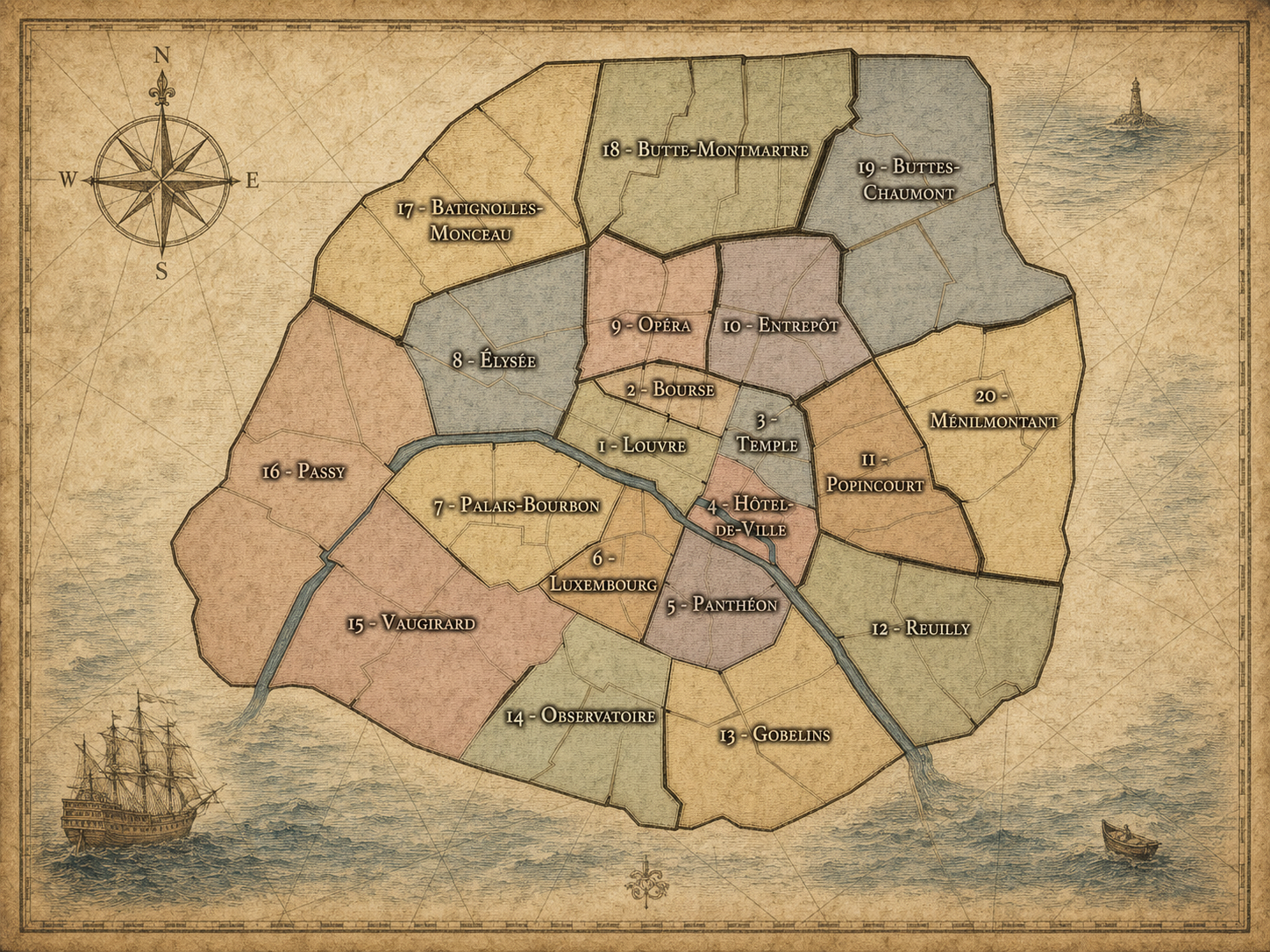
The visual identity of each Paris district begins with its position in the city’s layered geography. Before the photographs arrive, the maps establish a first way of seeing: where the district sits, what civic layer it belongs to, which boundaries define it, and how it connects to the surrounding fabric of Paris. In CityNeighborhoods Paris, cartography is not merely orientation; it is part of the visual language of the project.
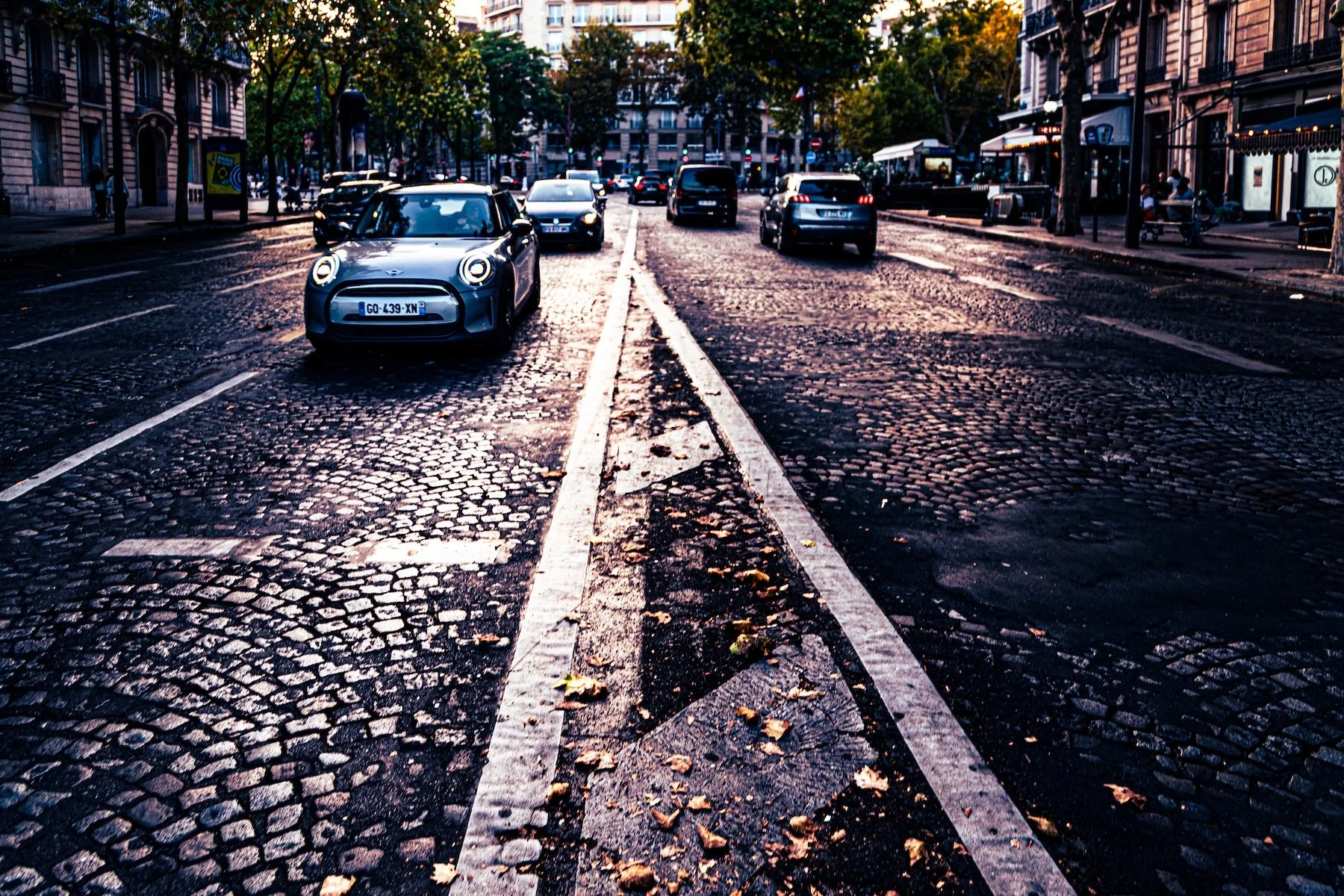
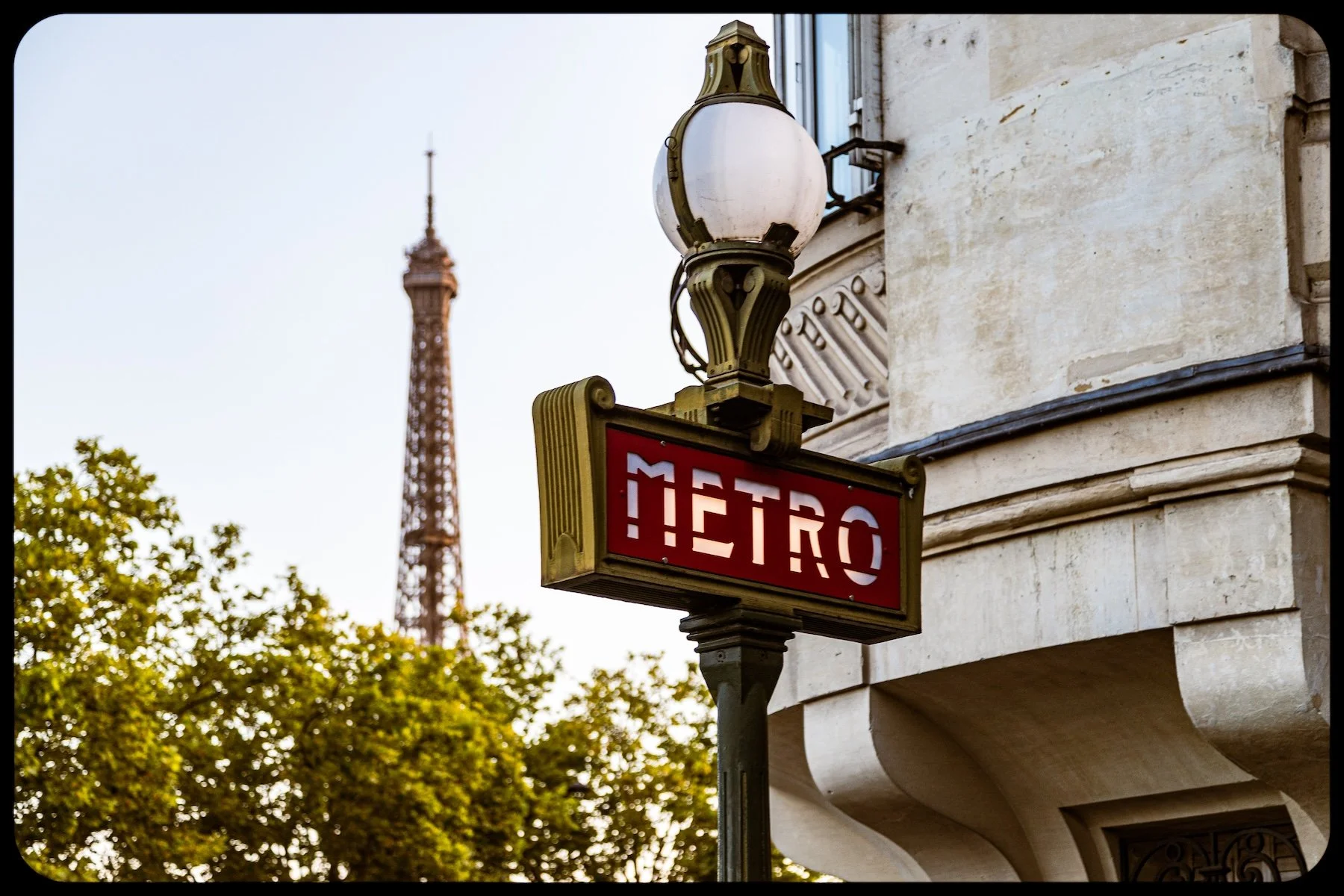
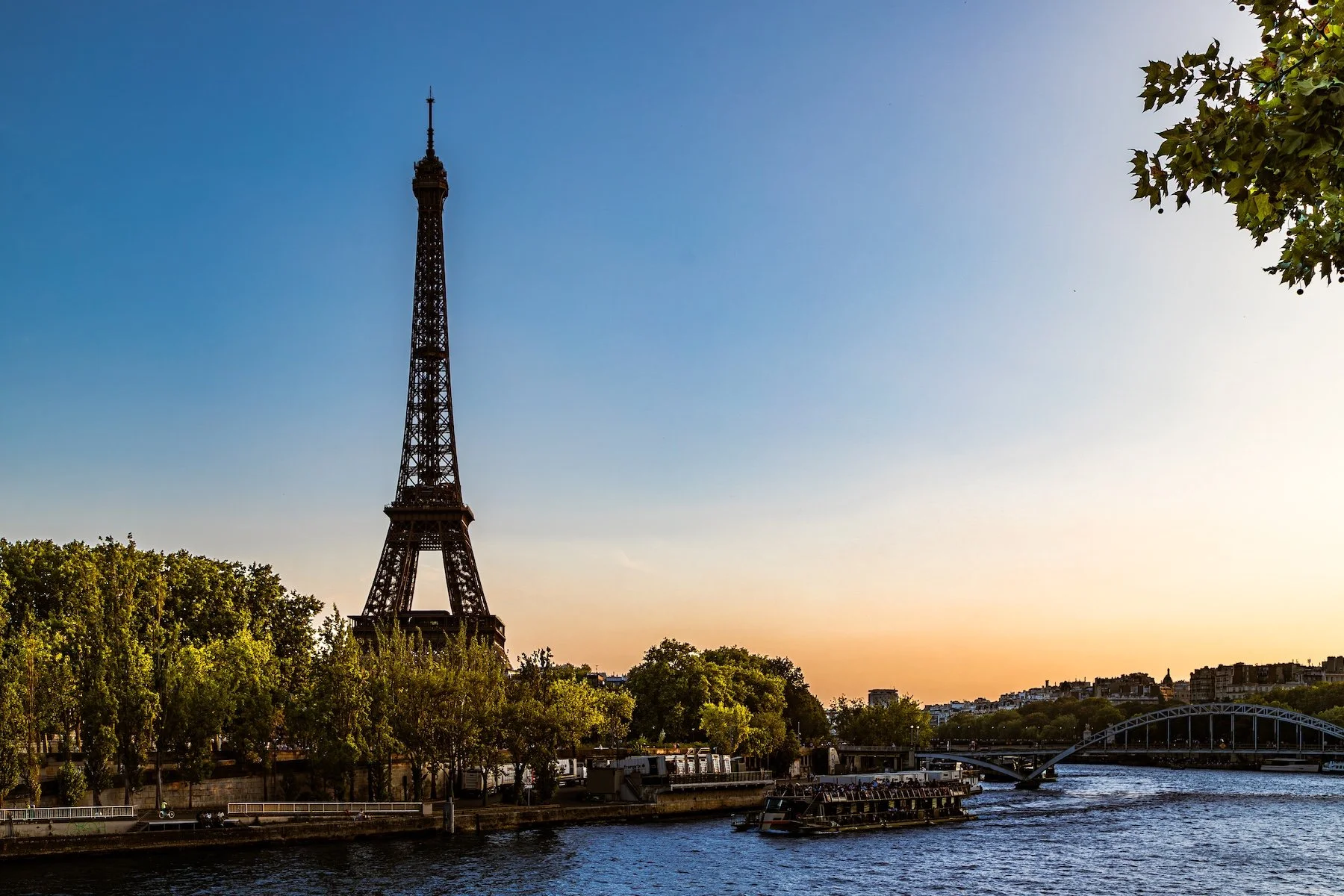
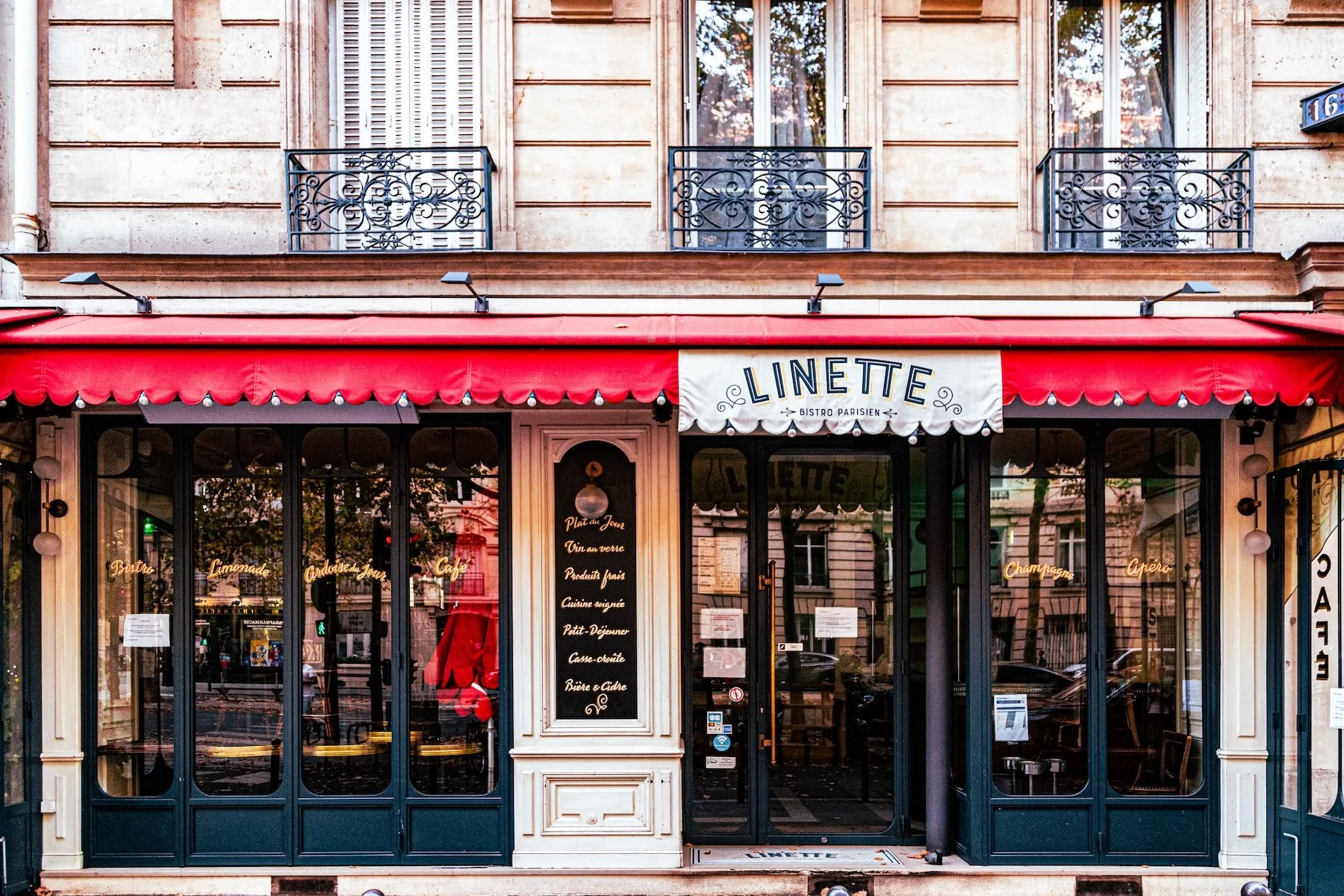
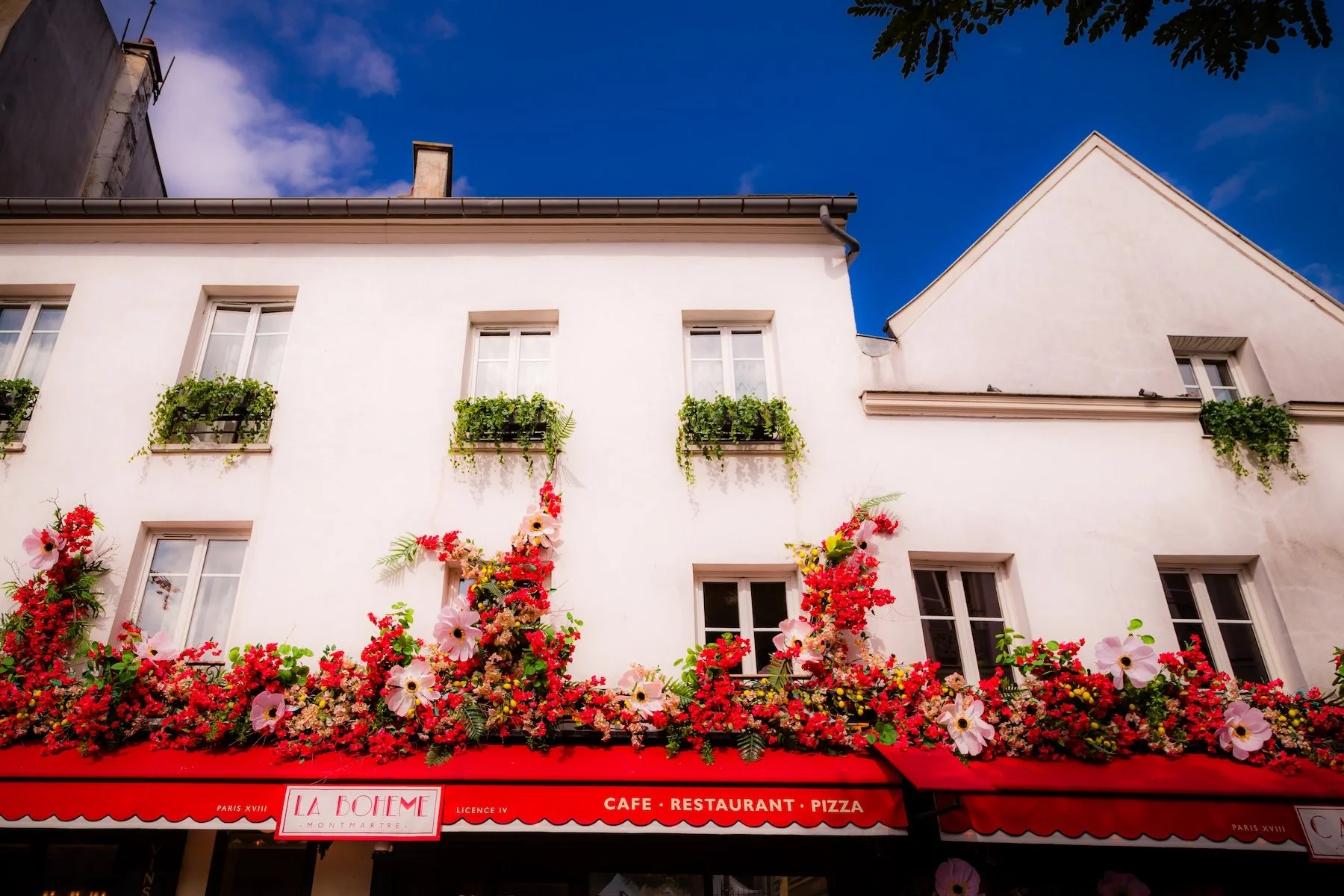
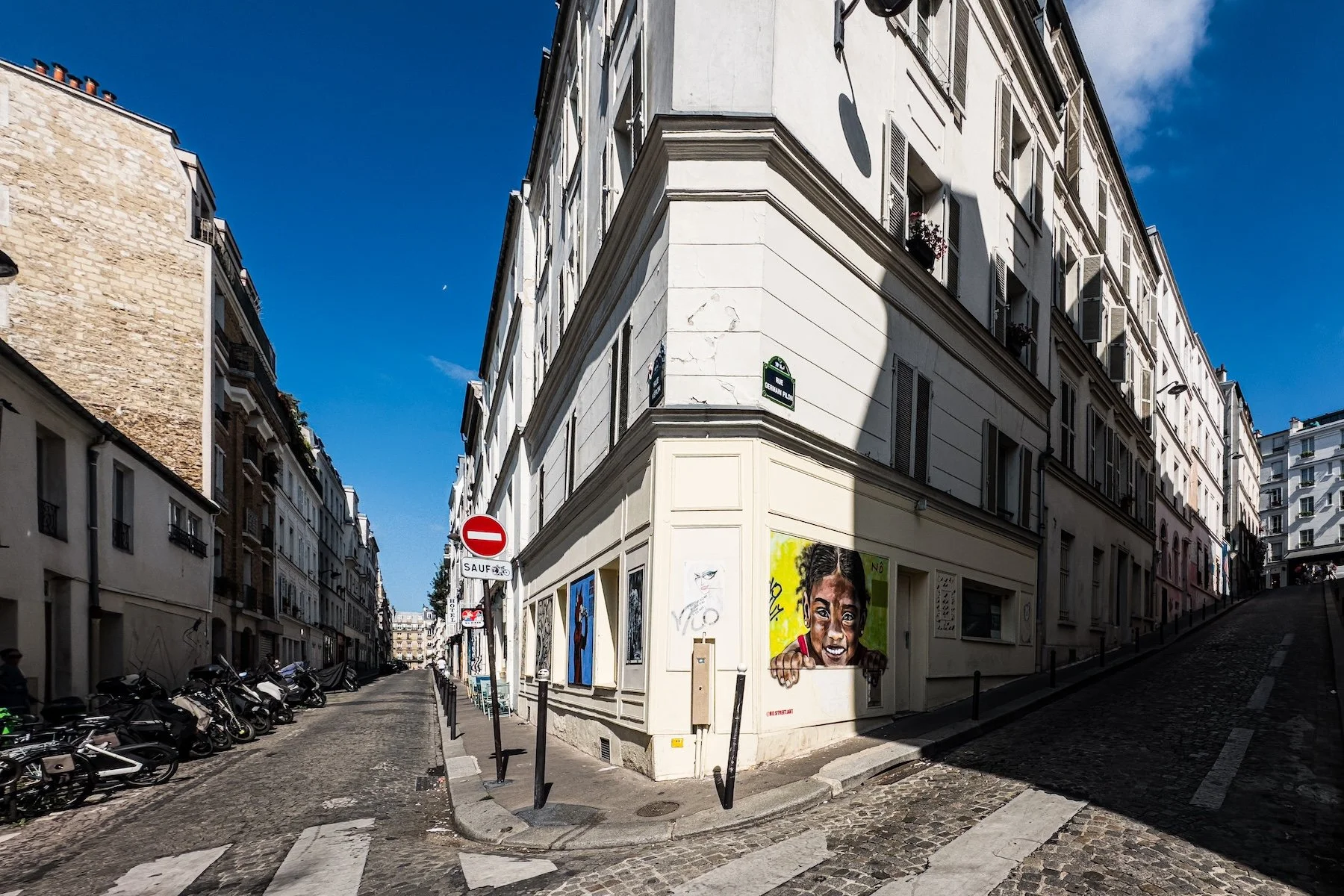
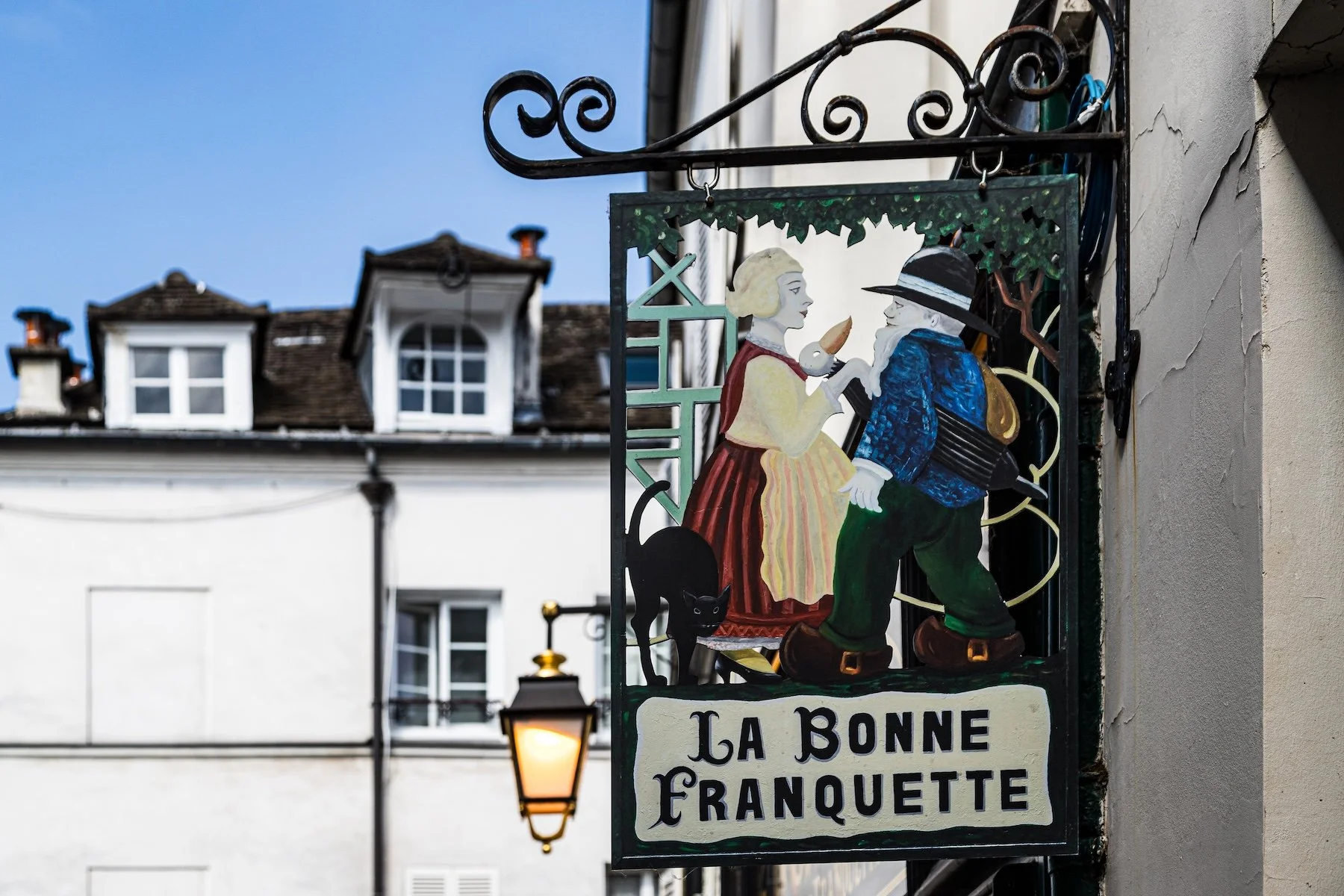
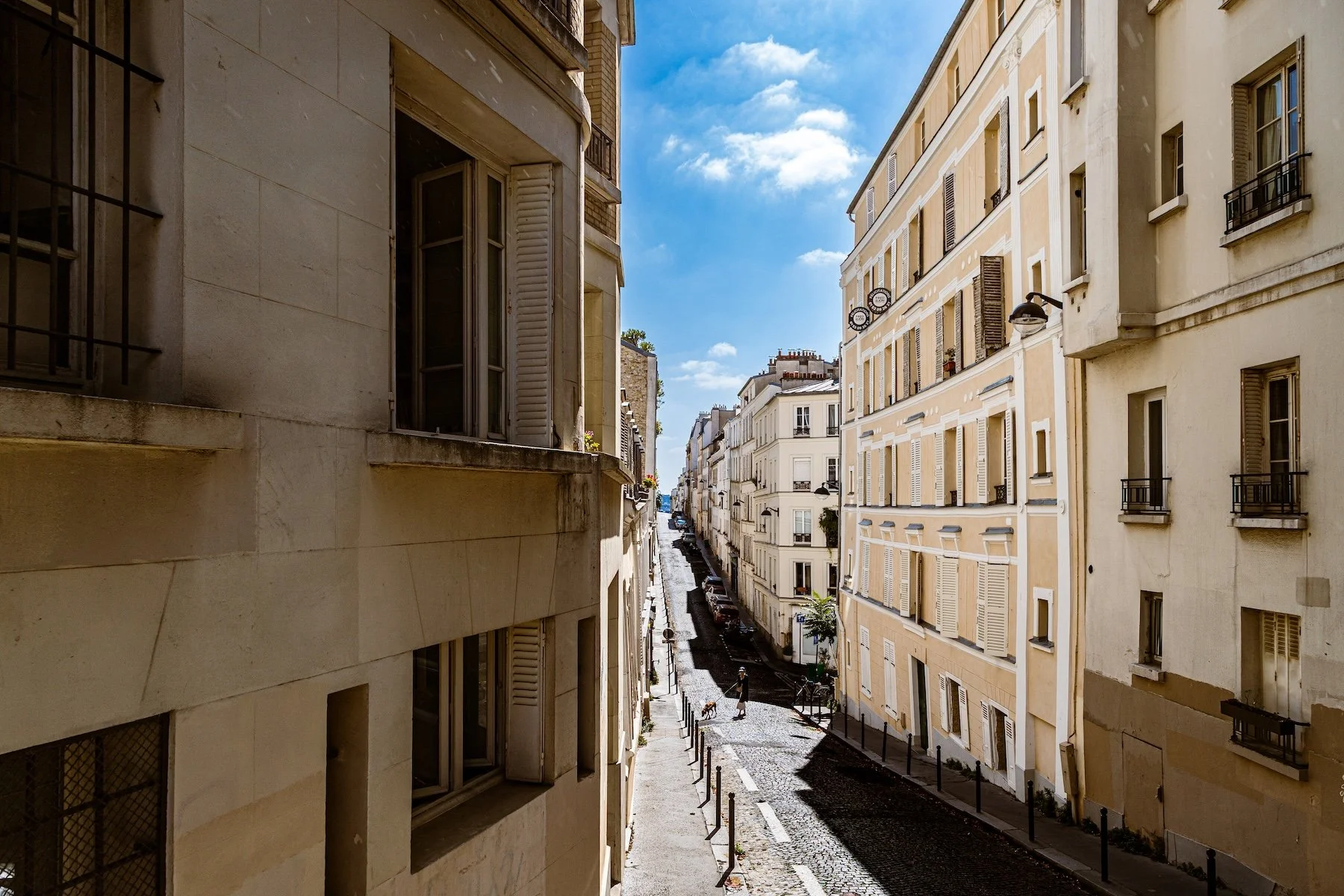
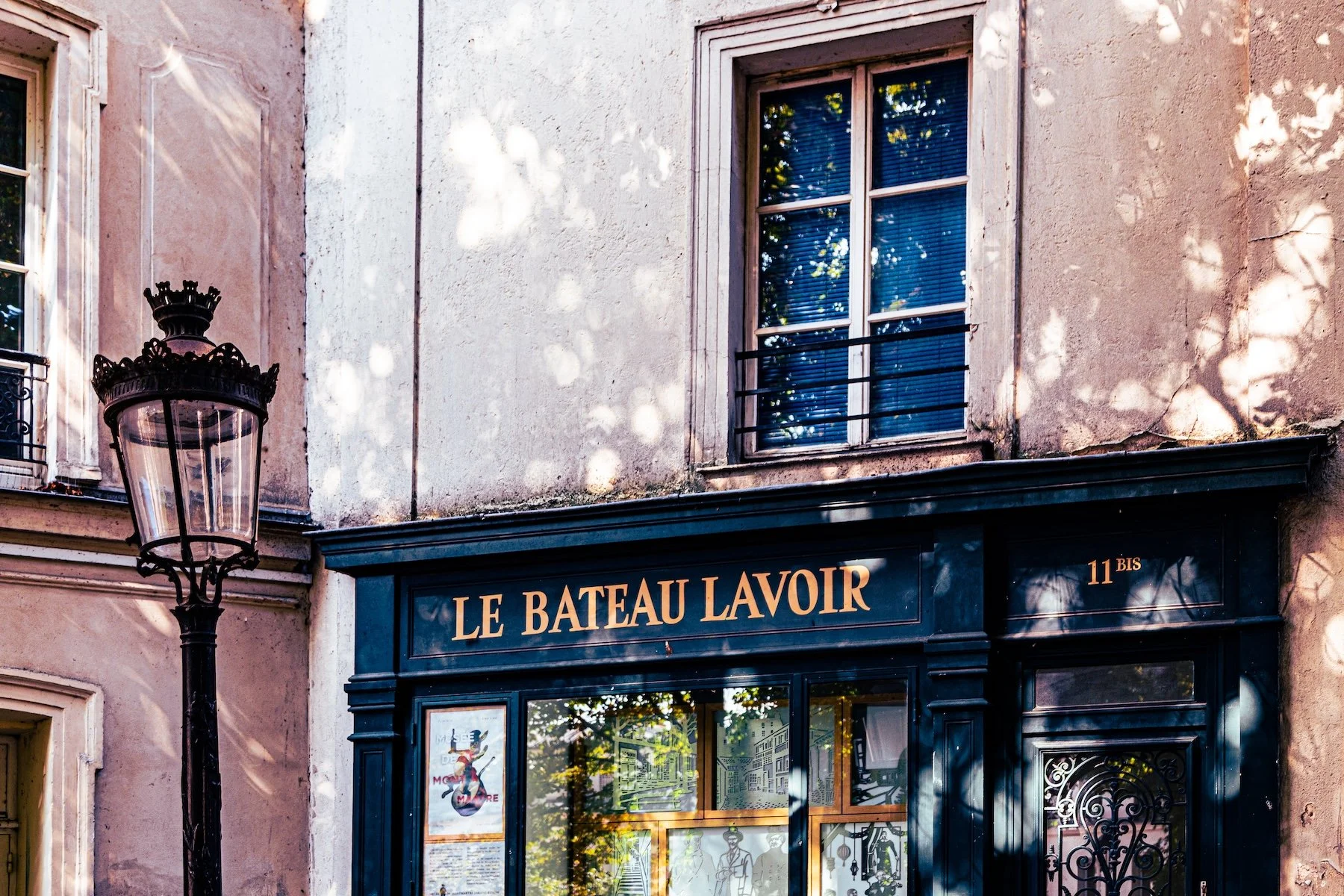
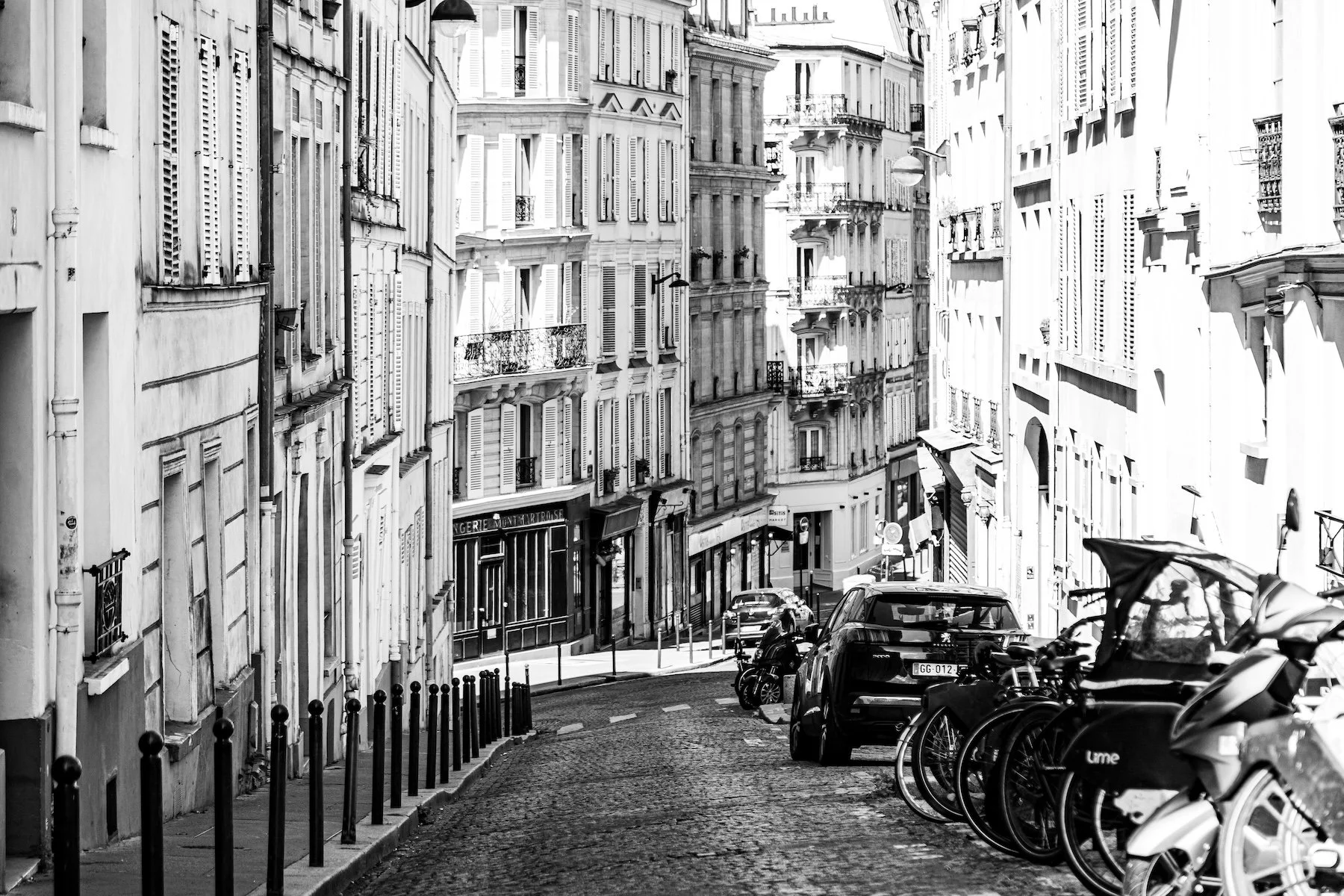
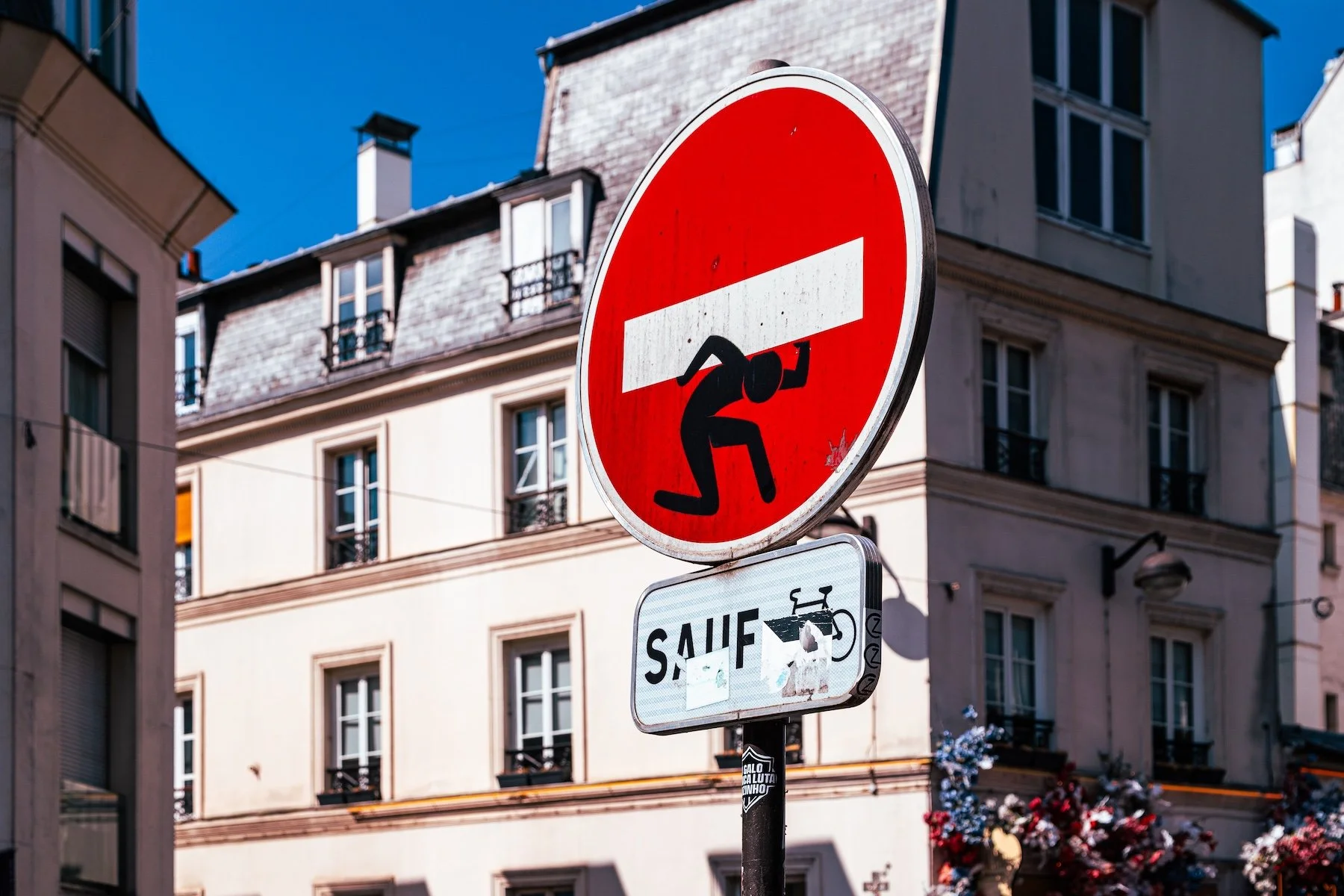
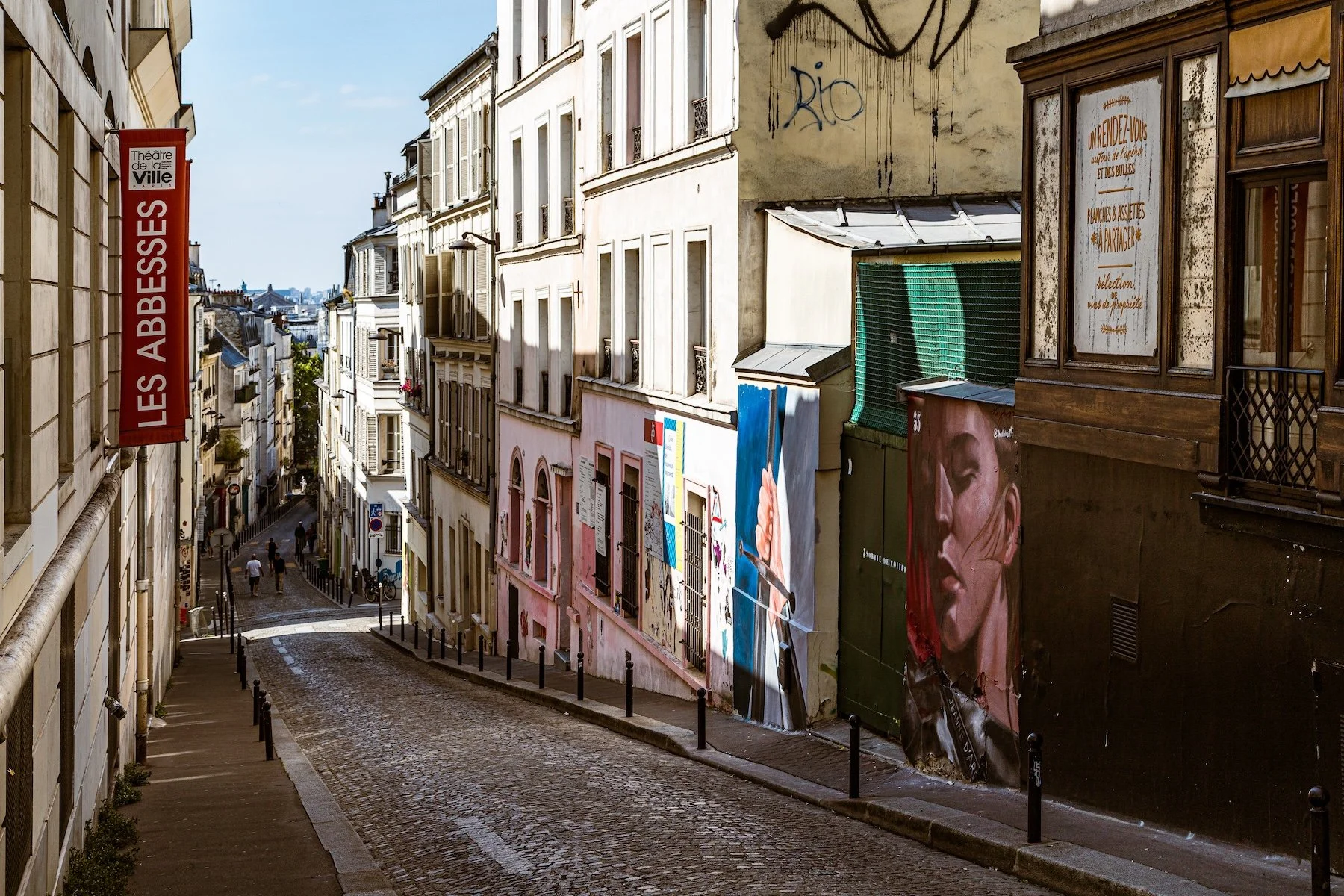
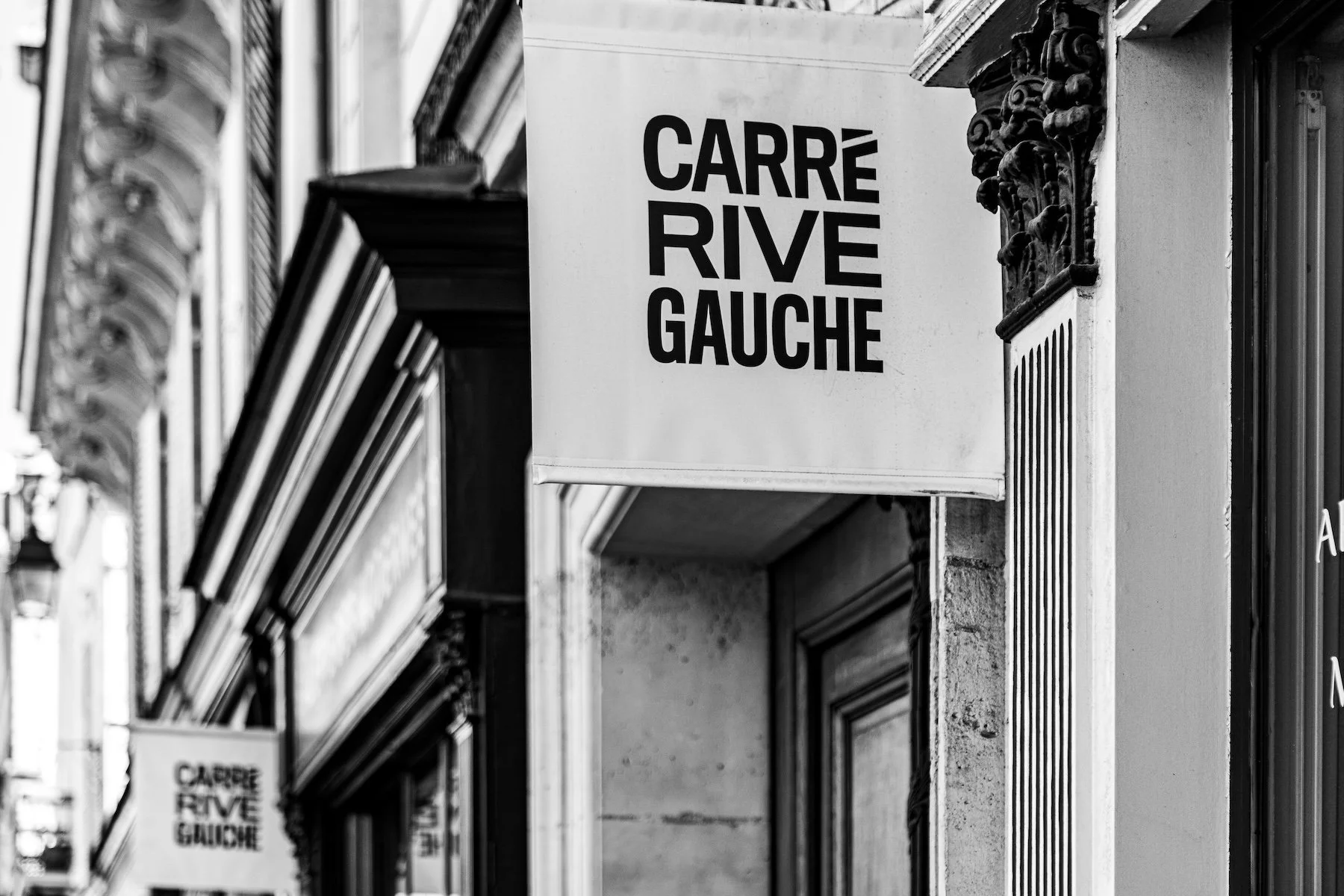
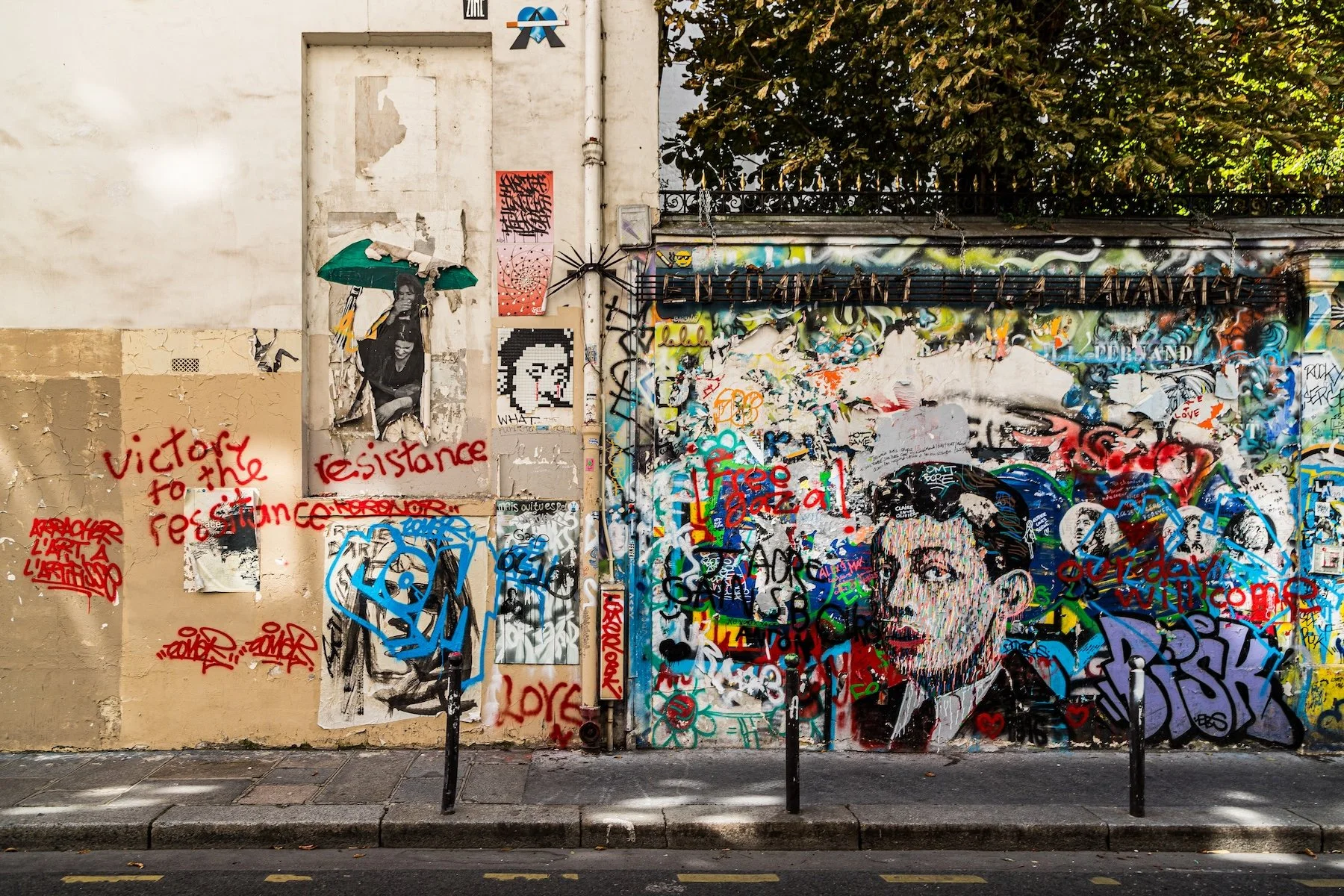
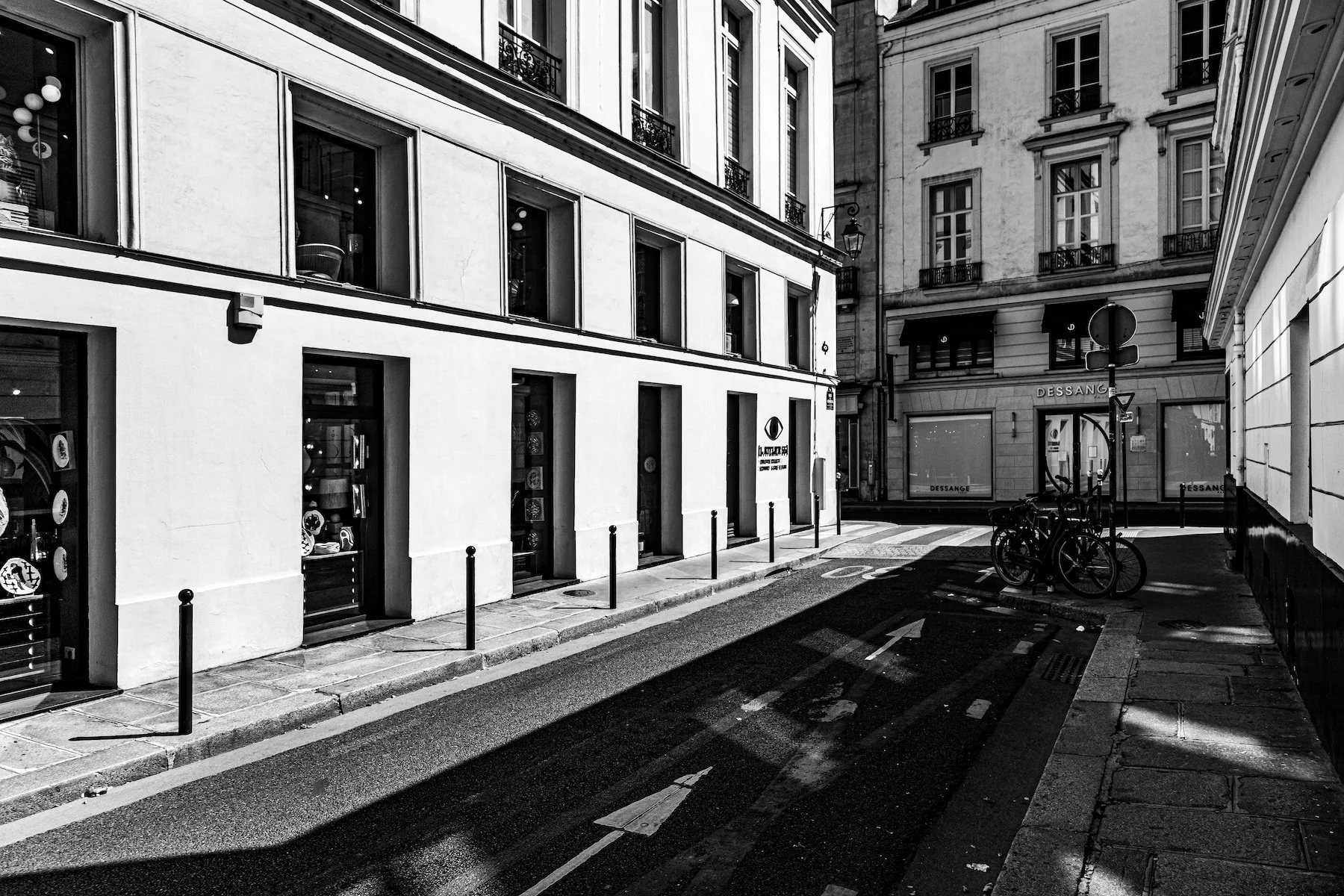
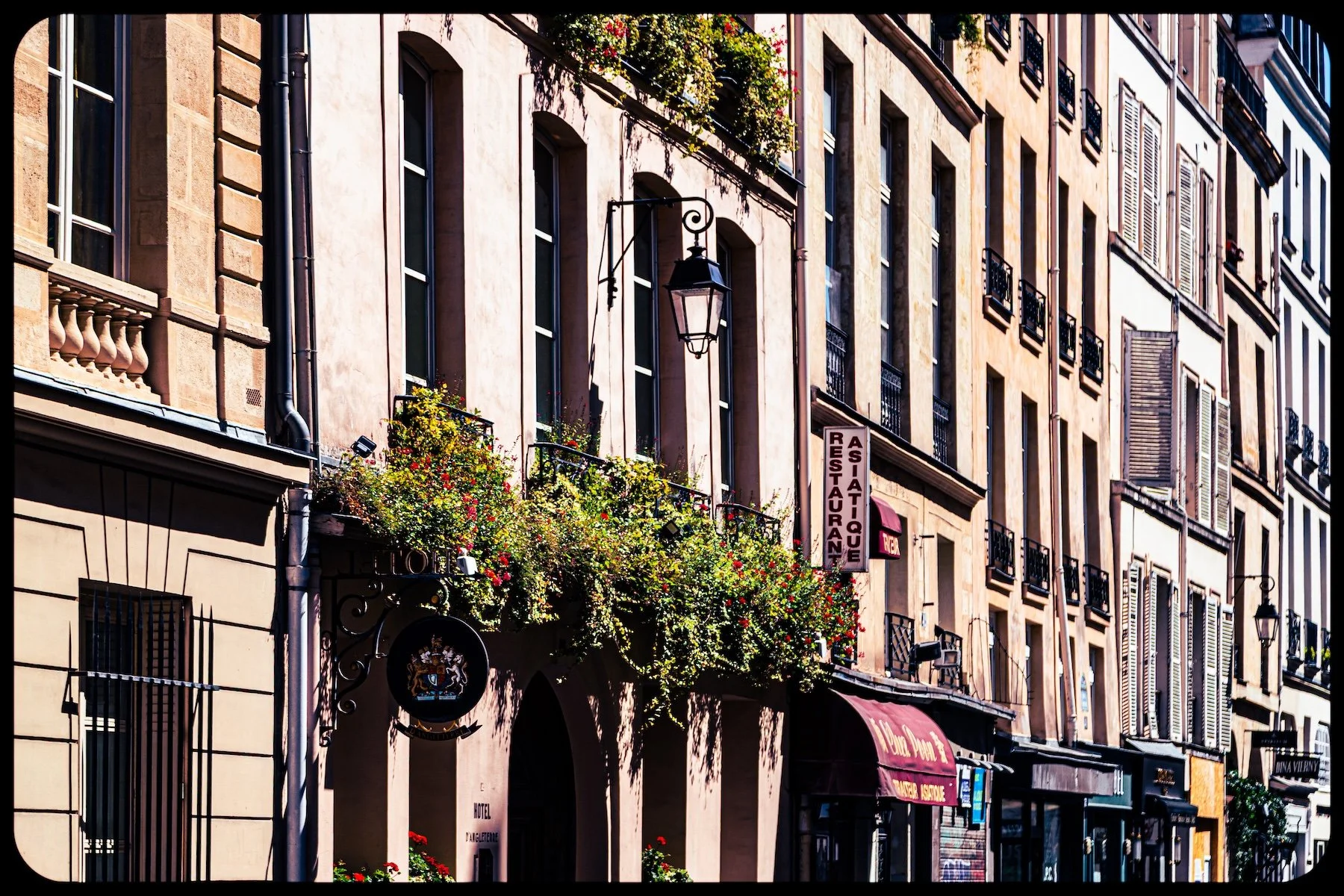
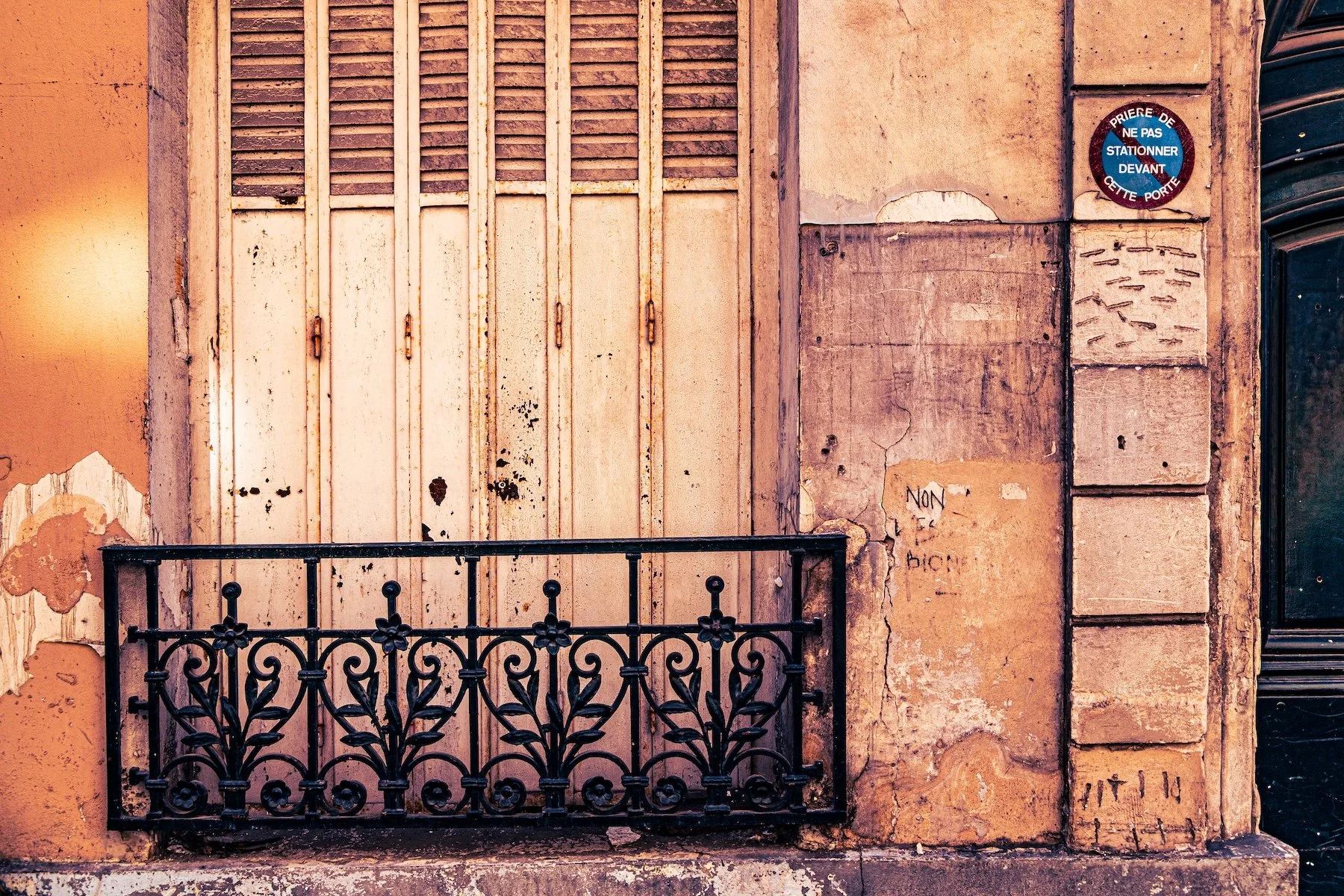
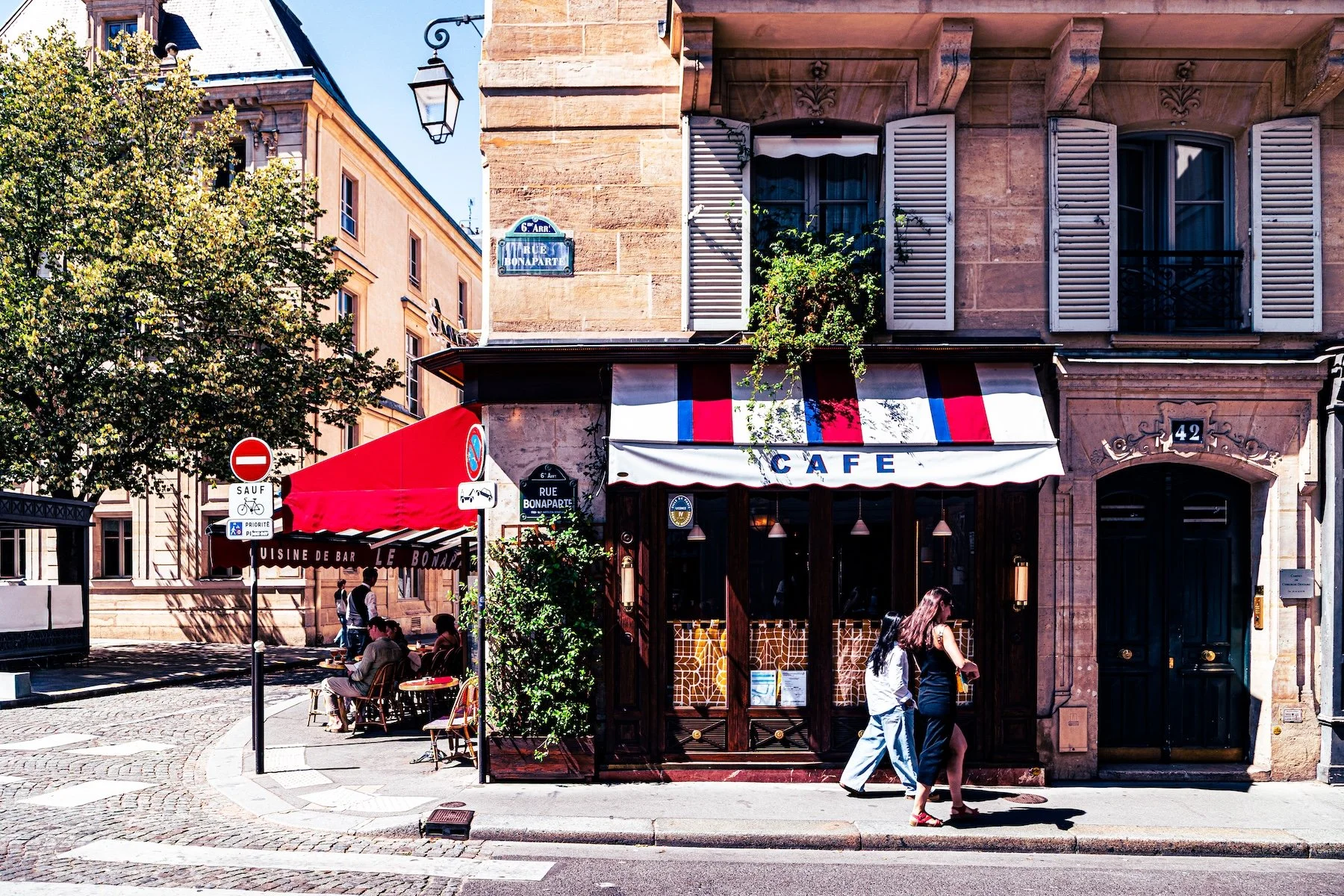
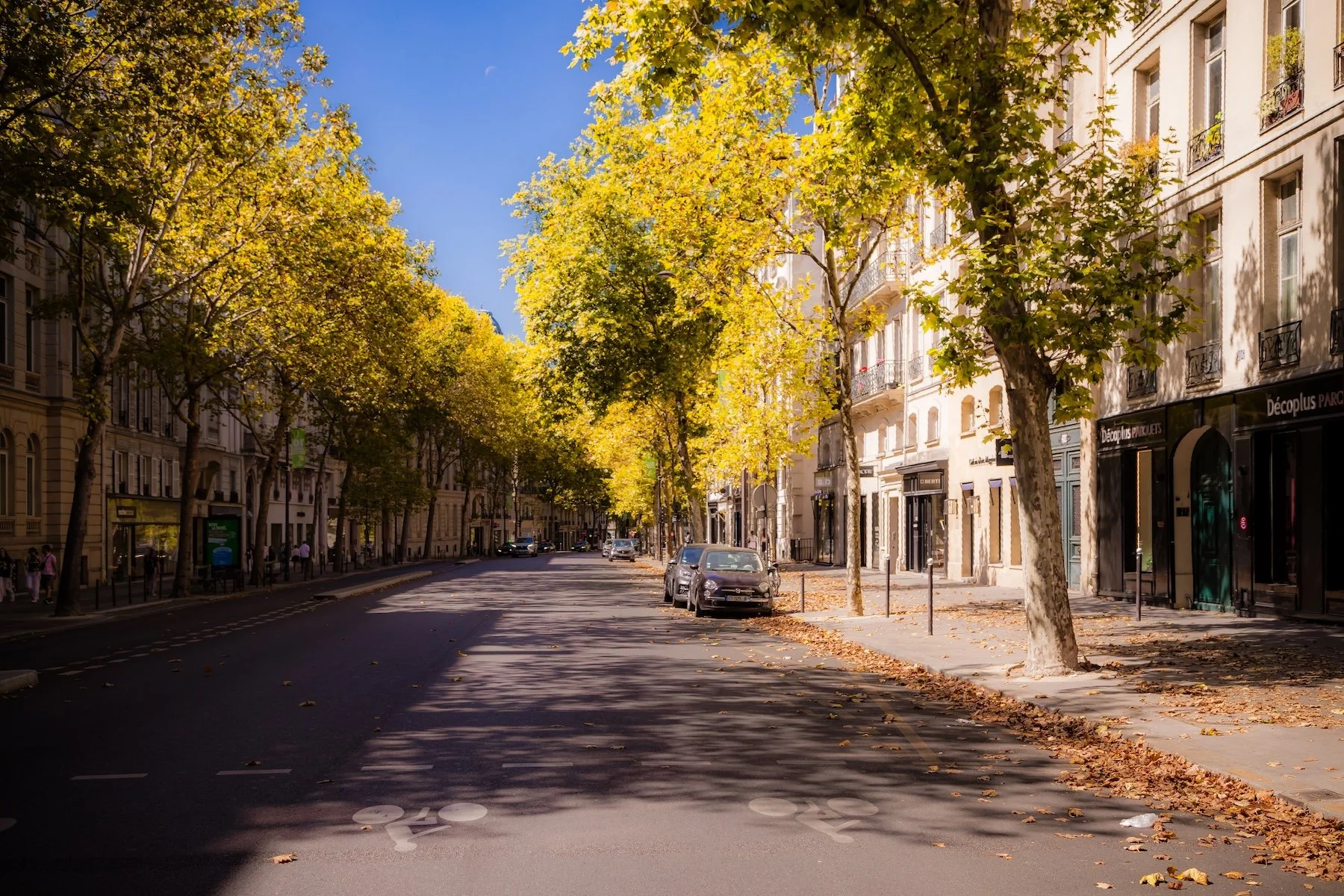
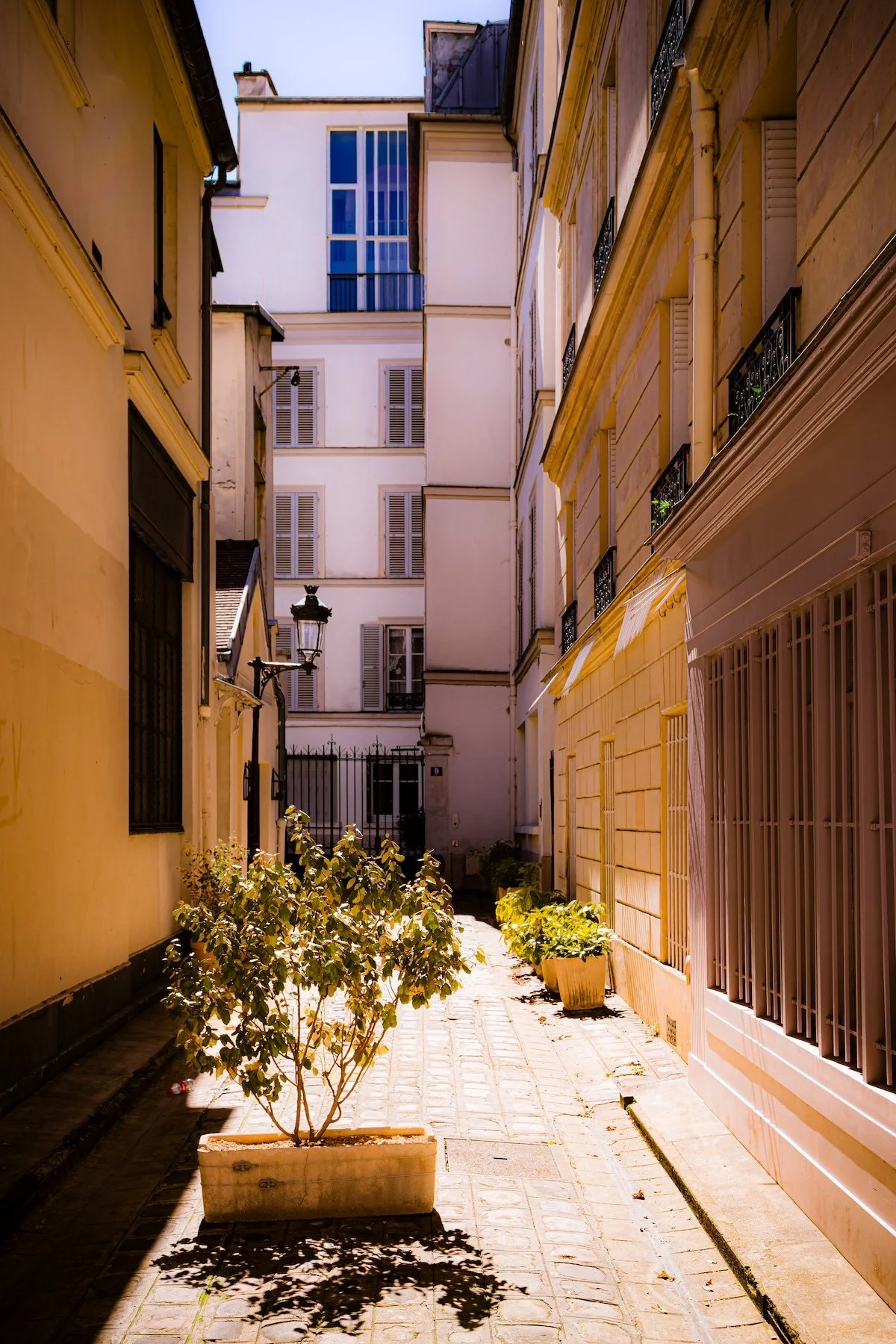
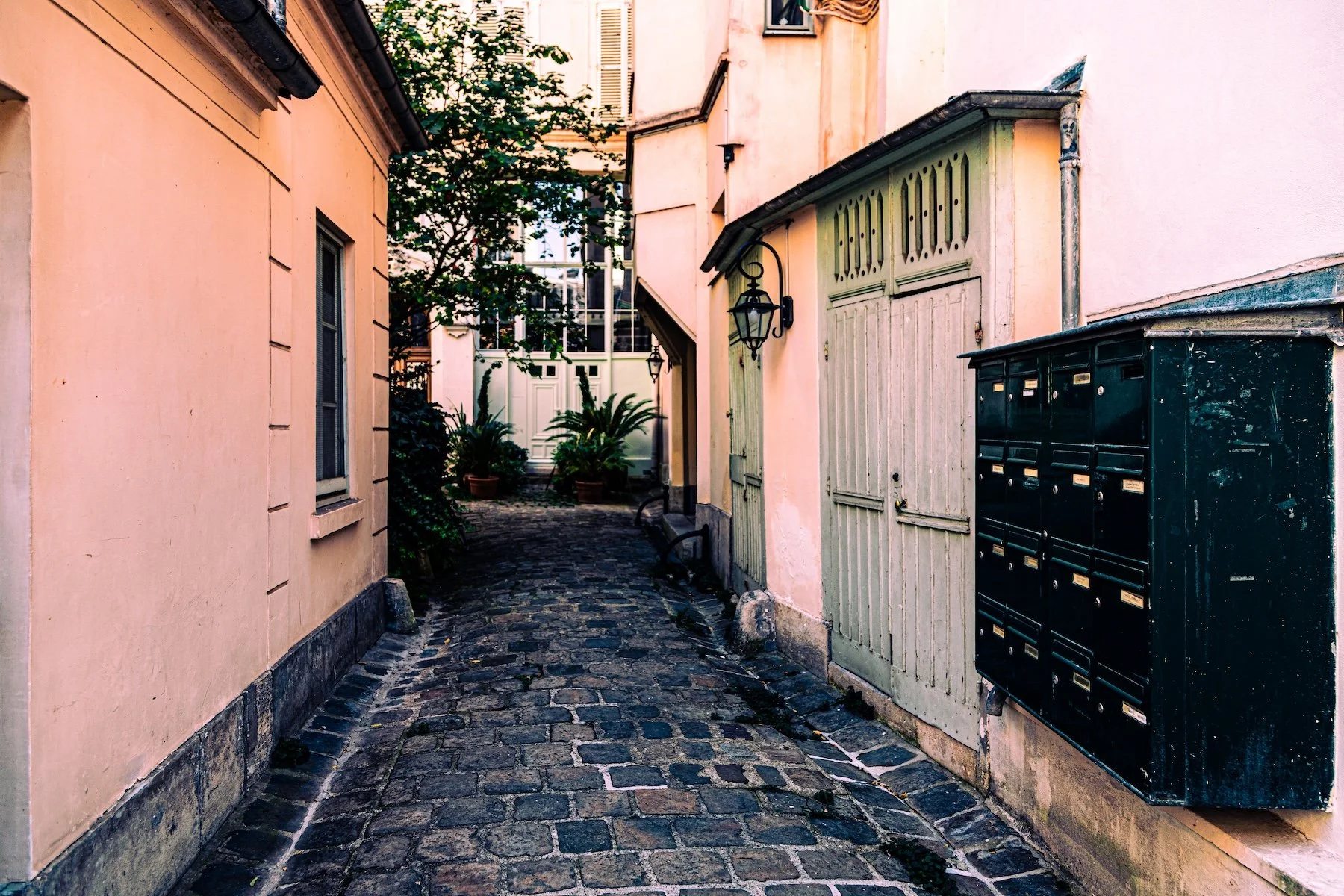
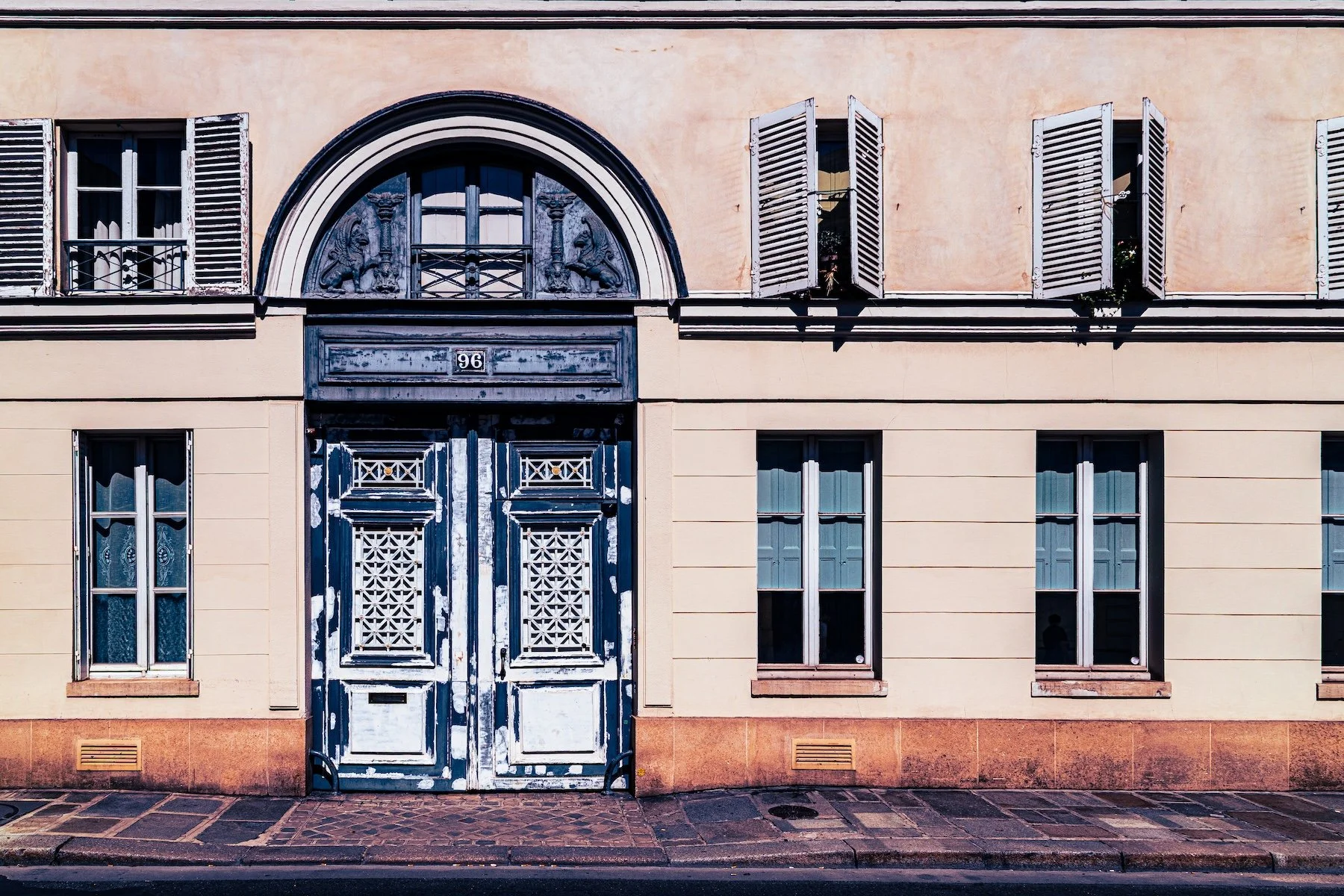
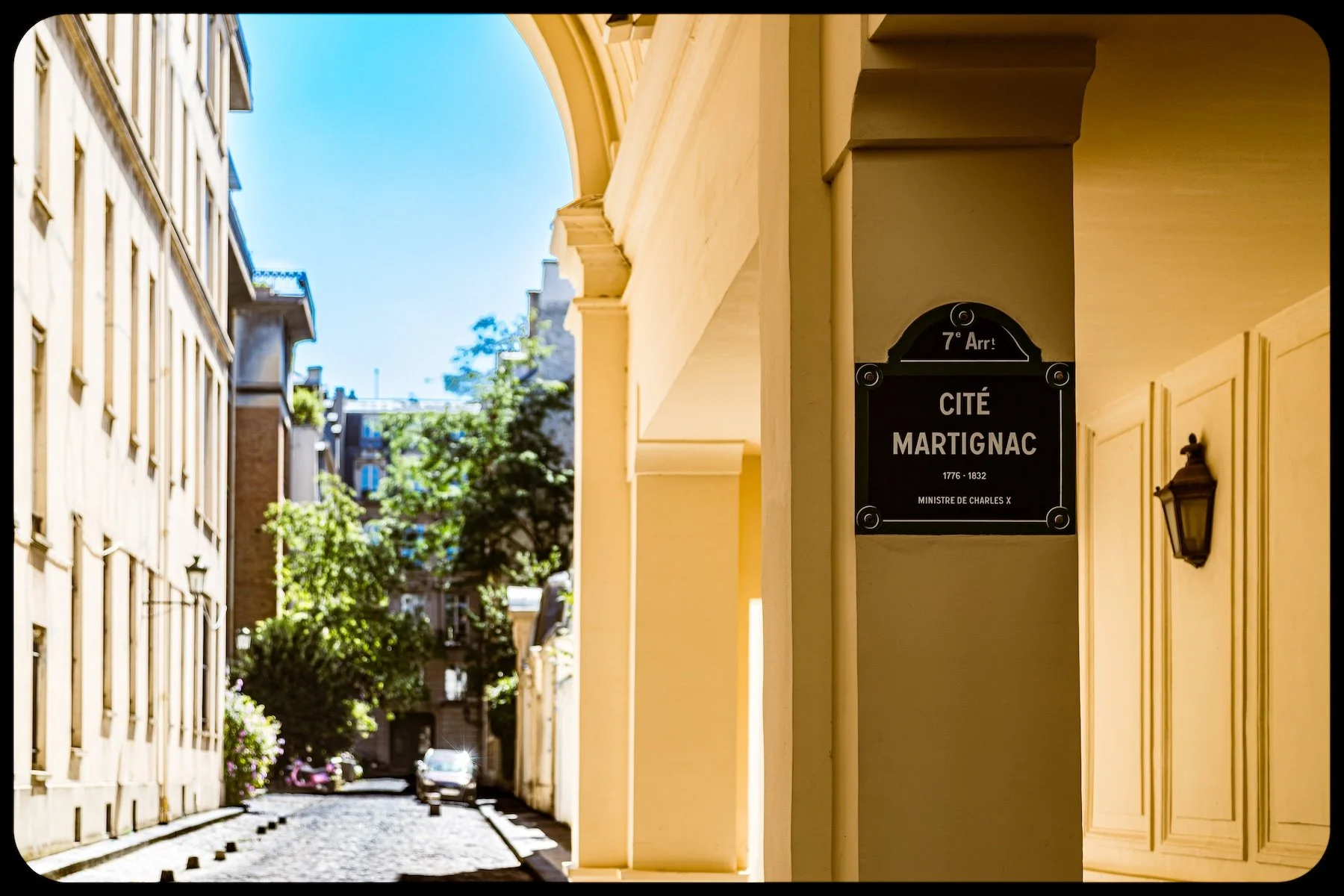
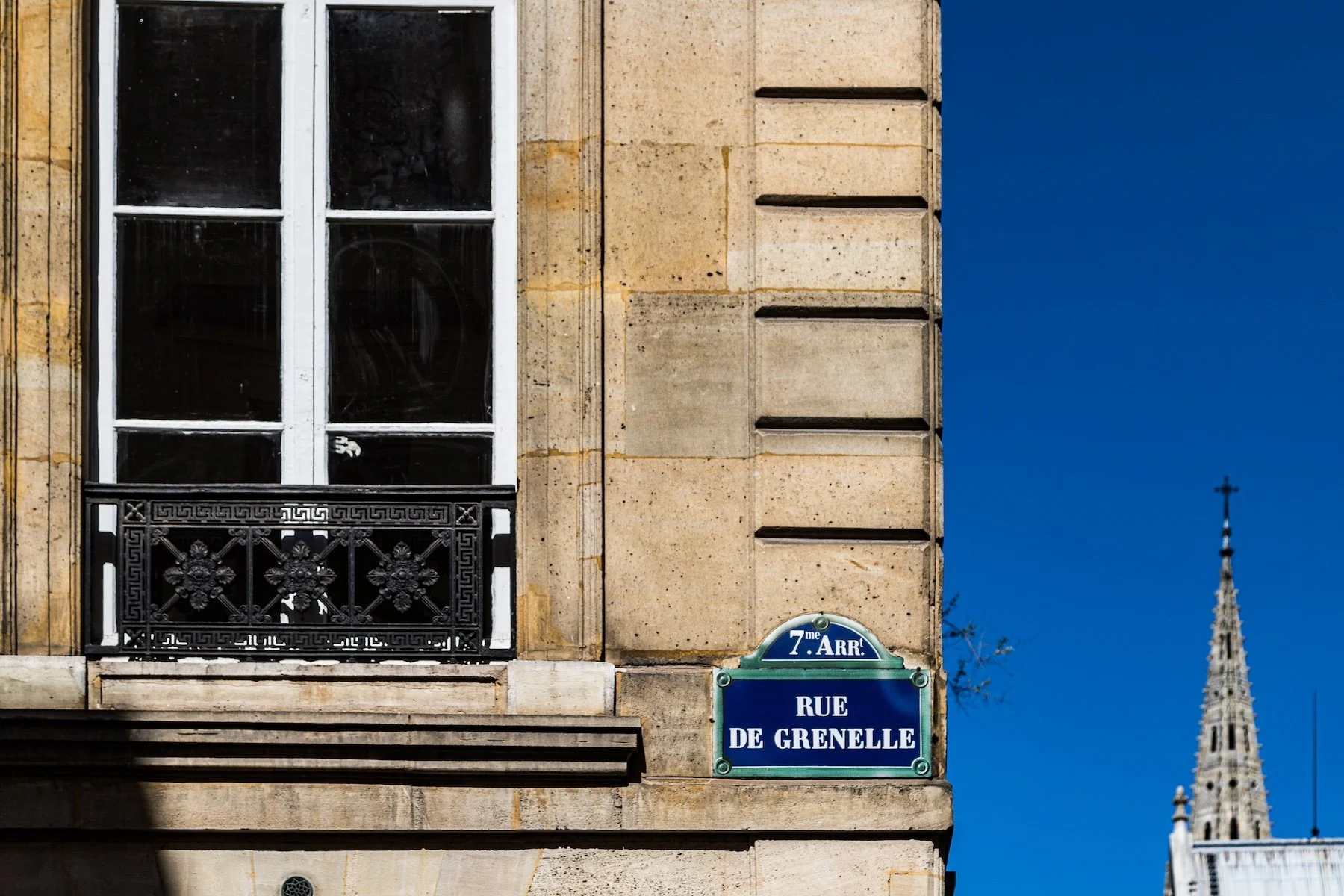
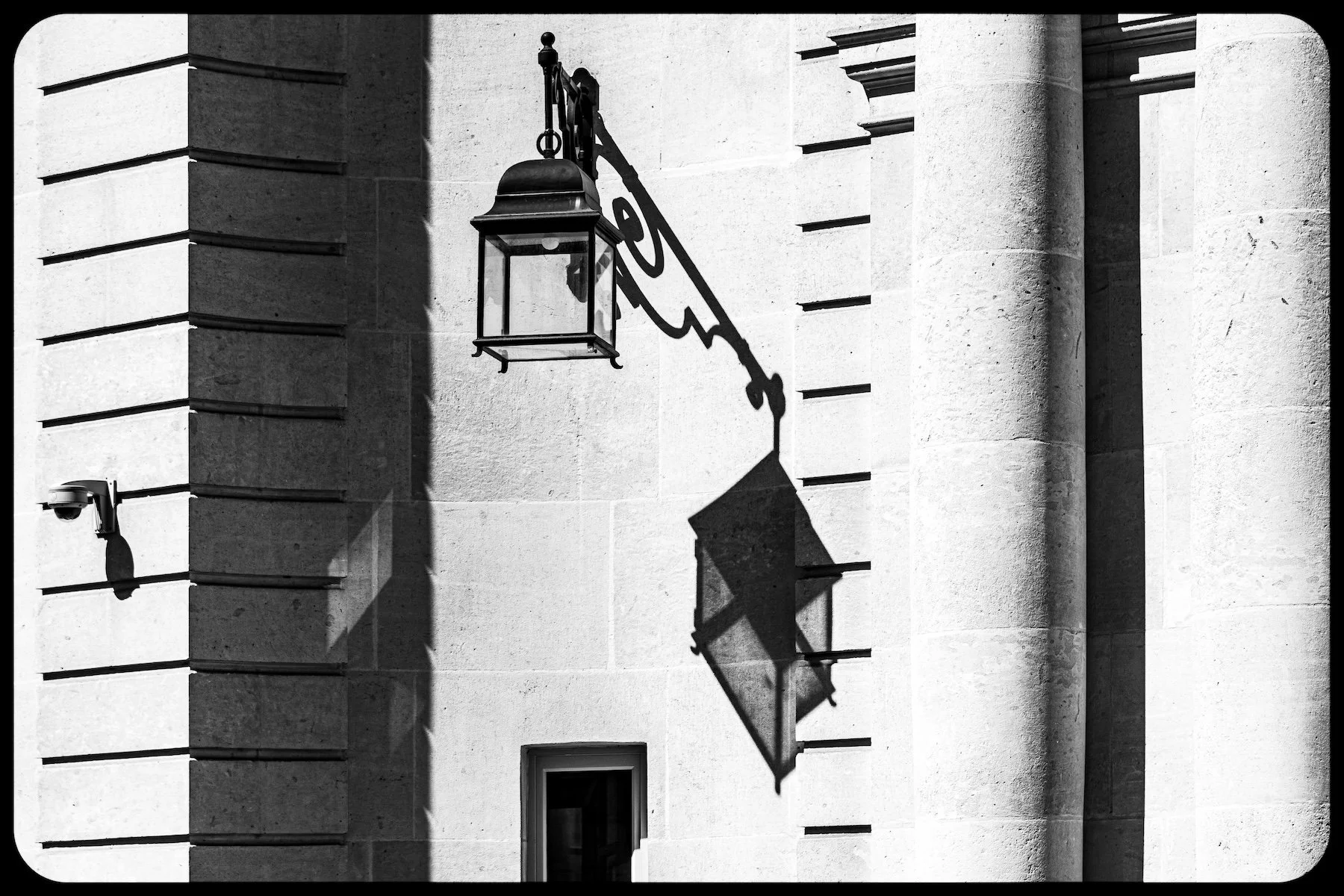
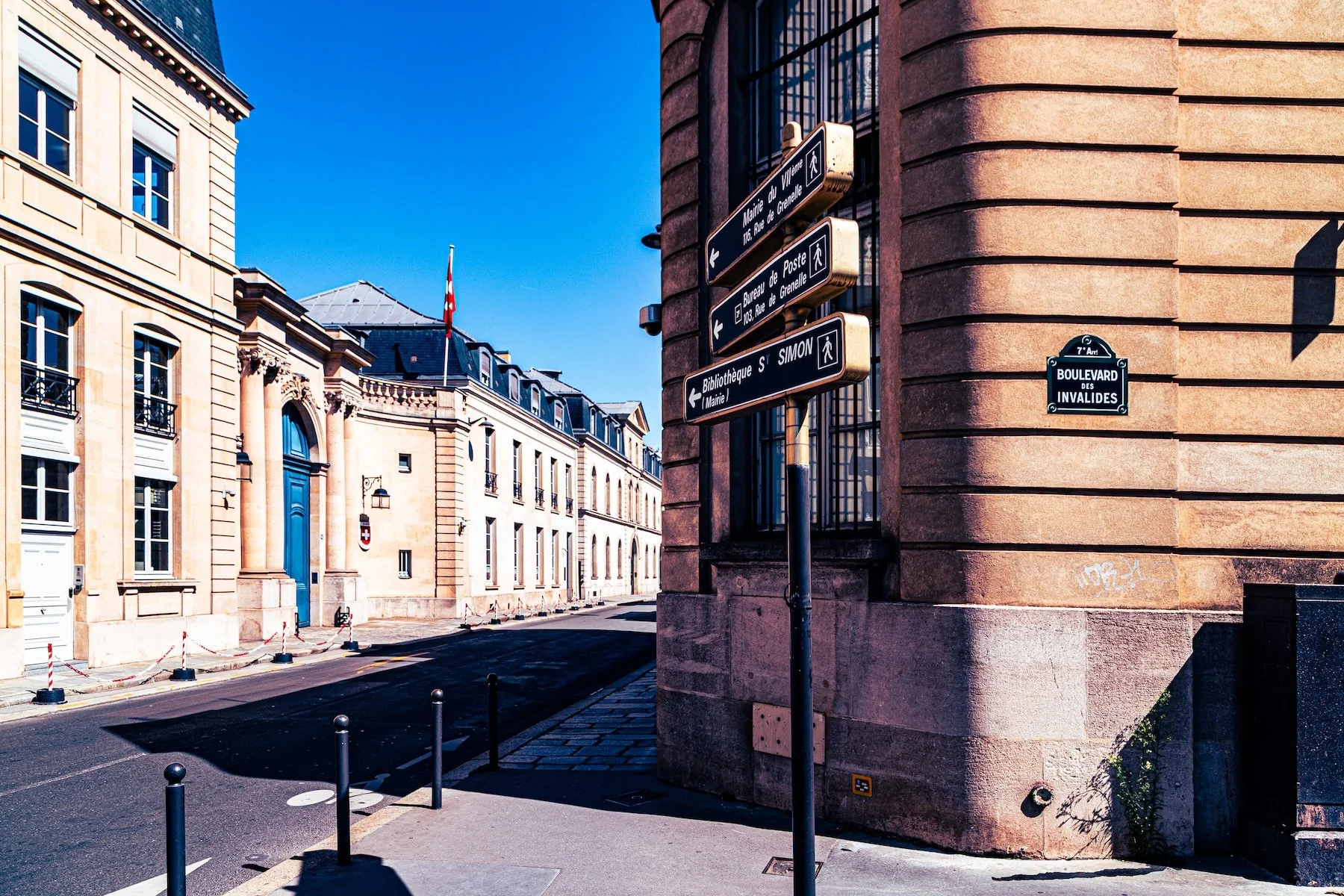
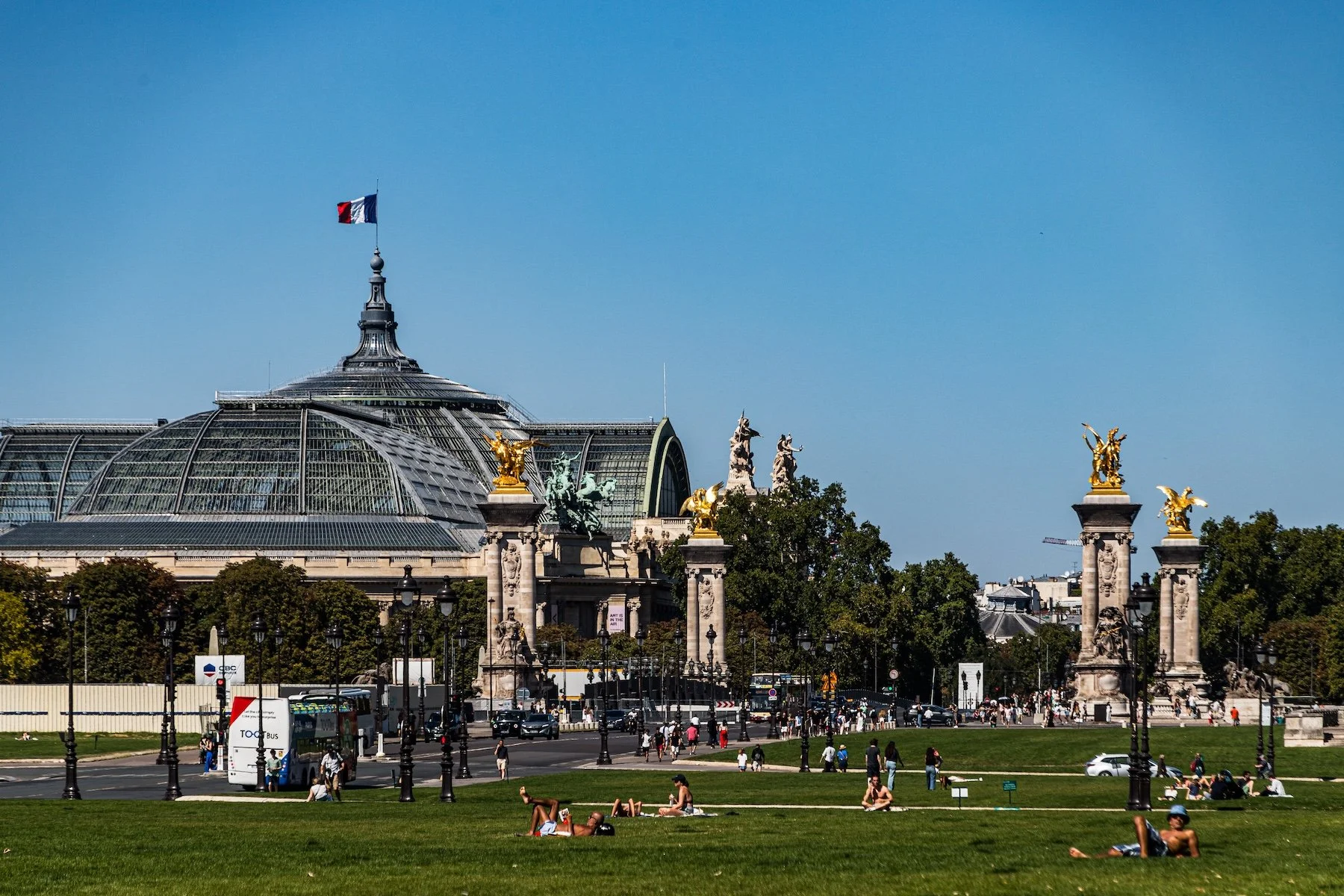
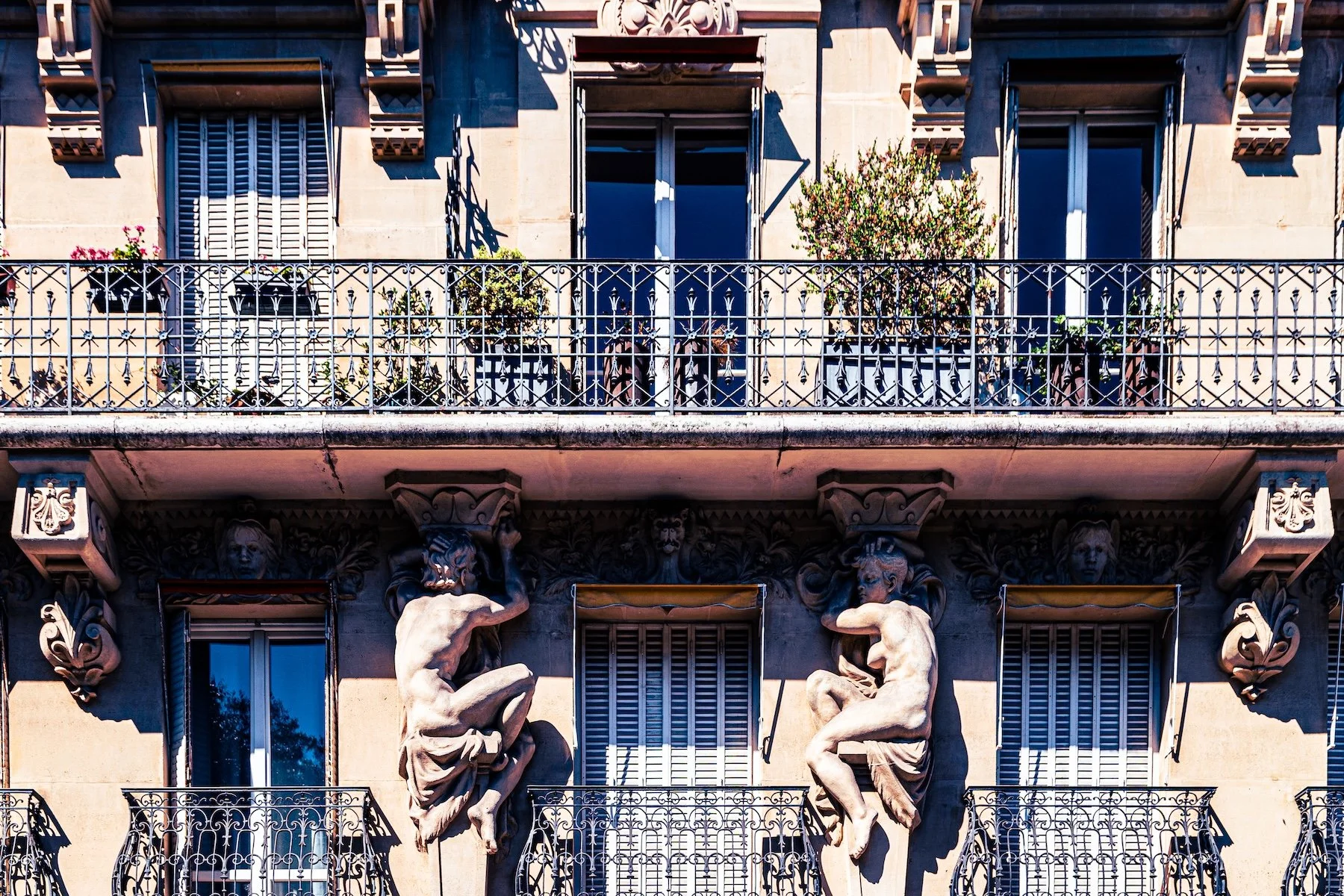
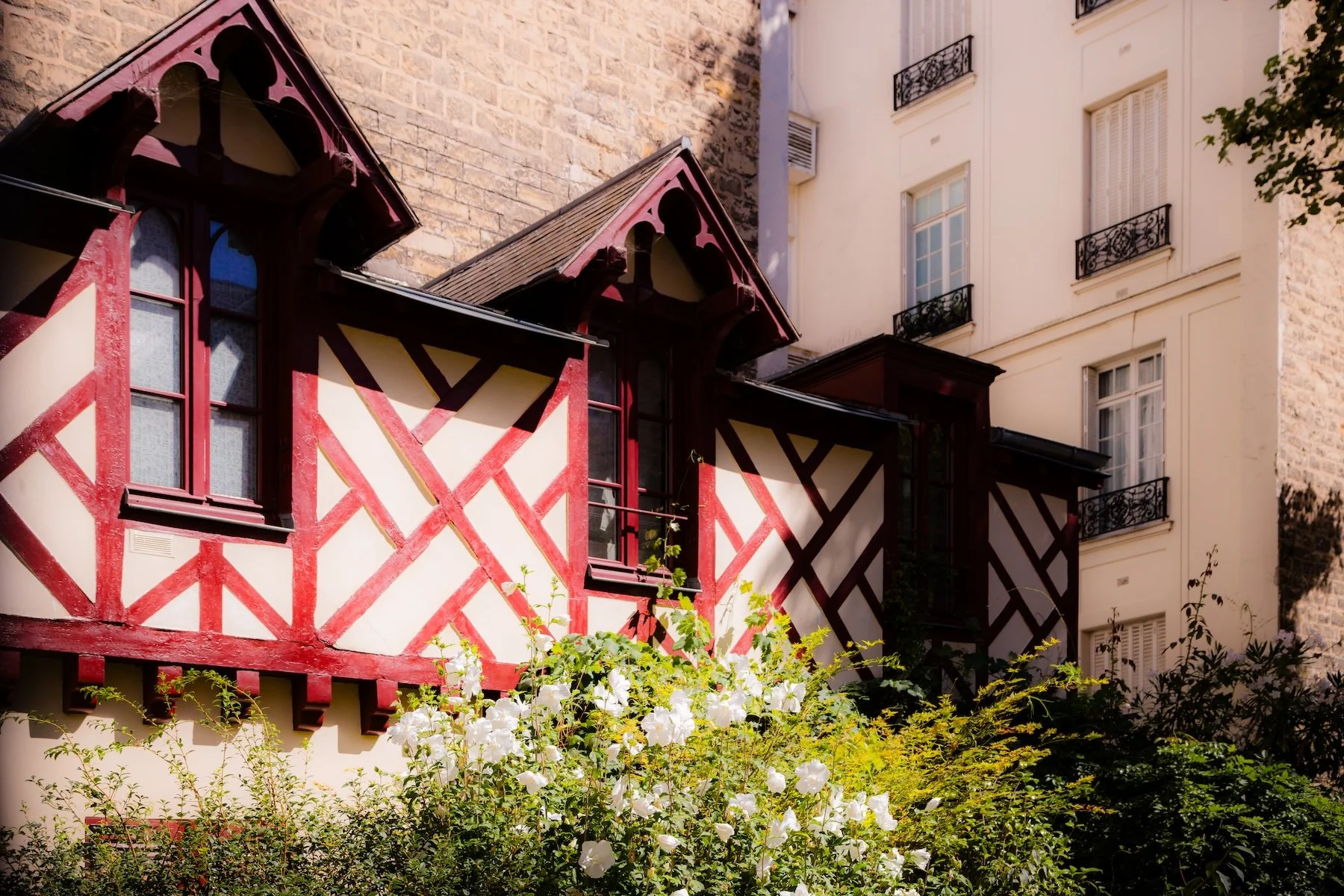
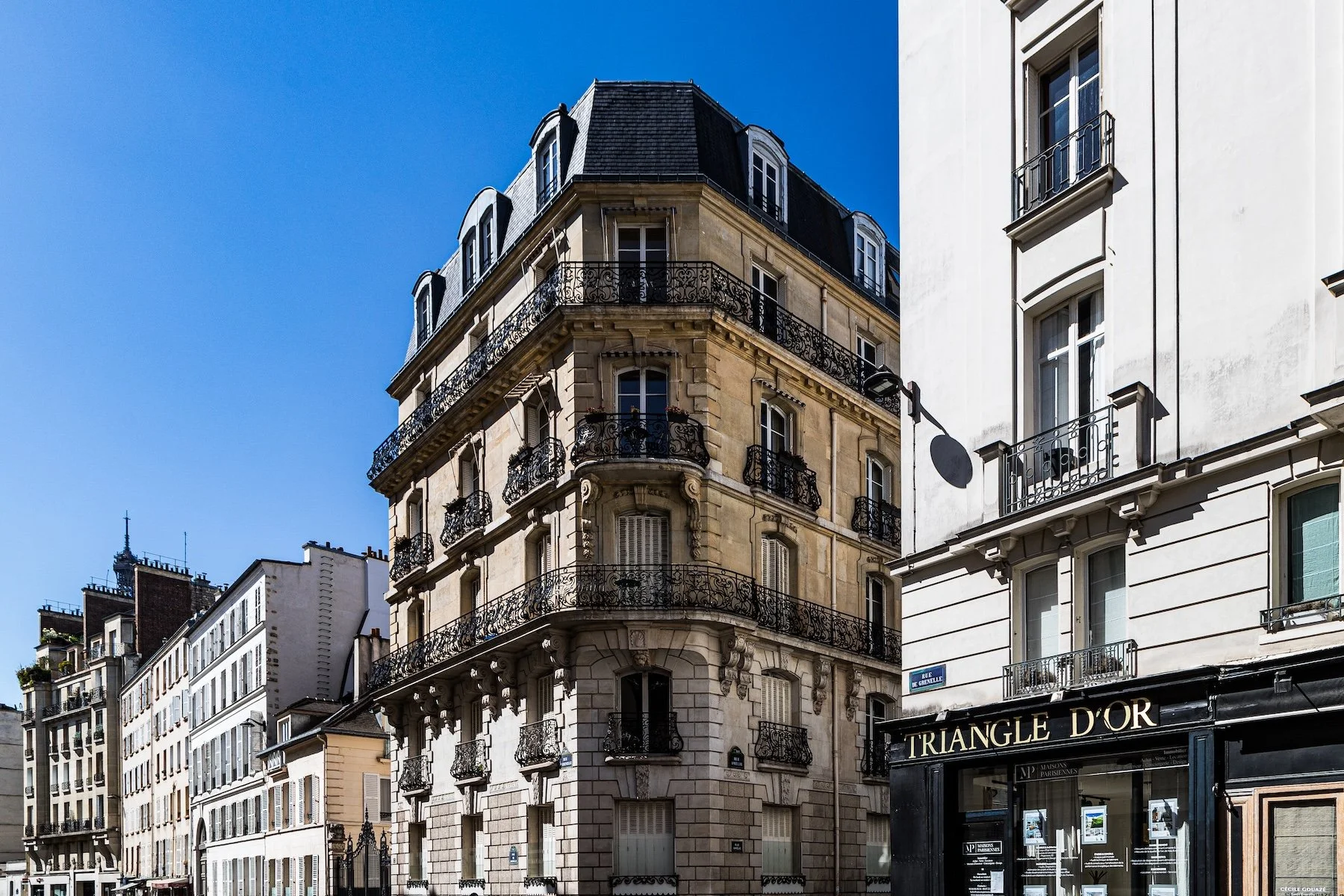
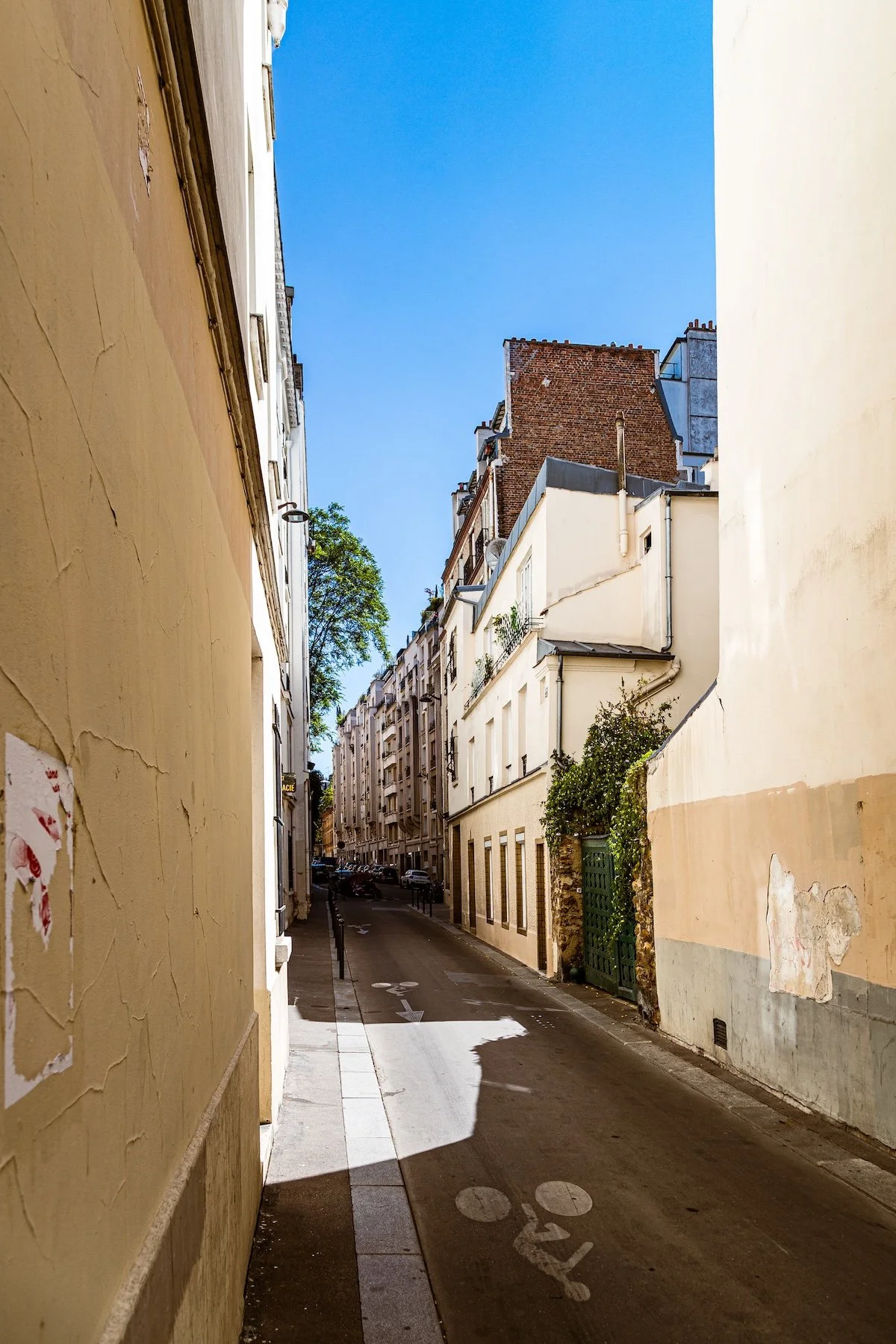
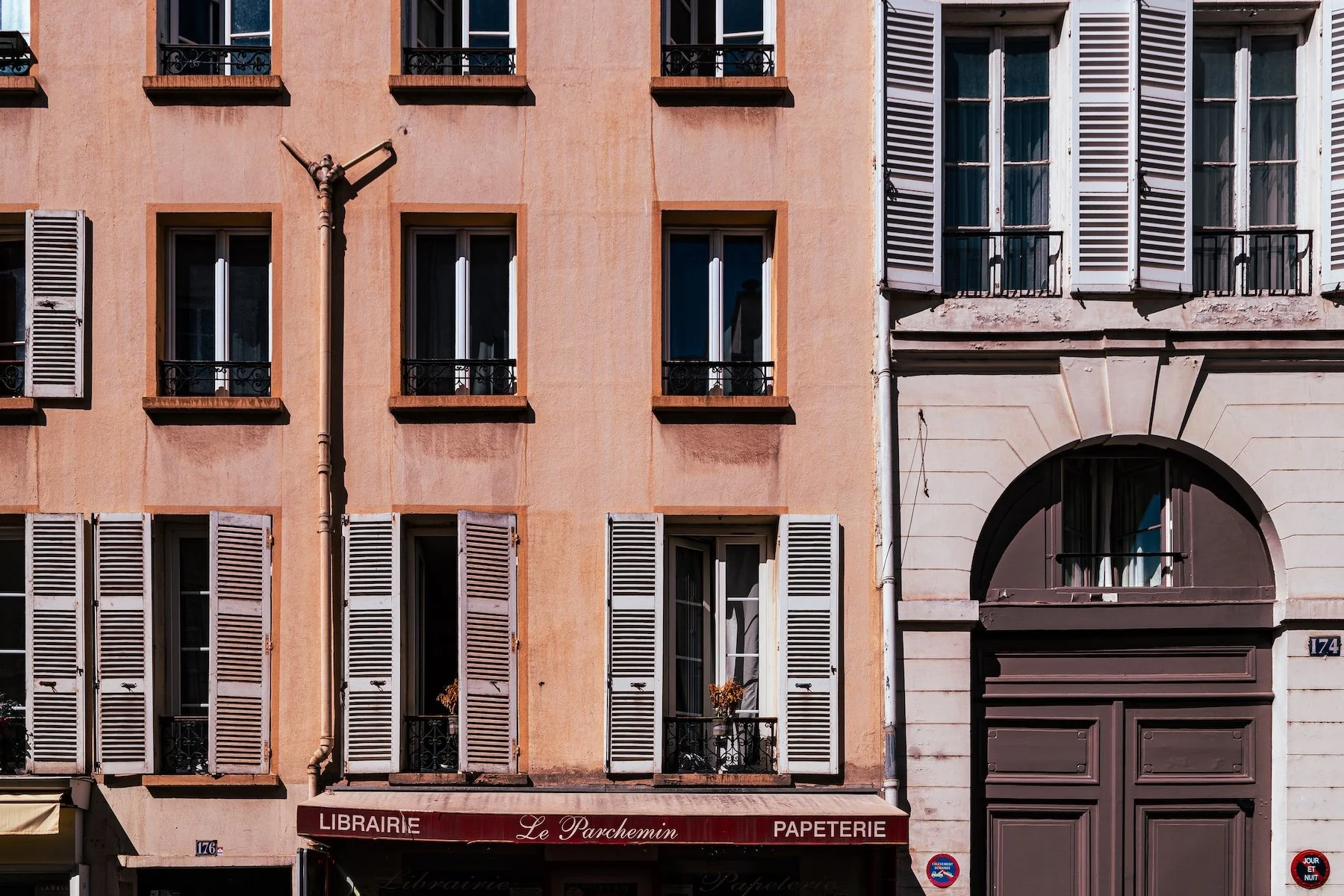
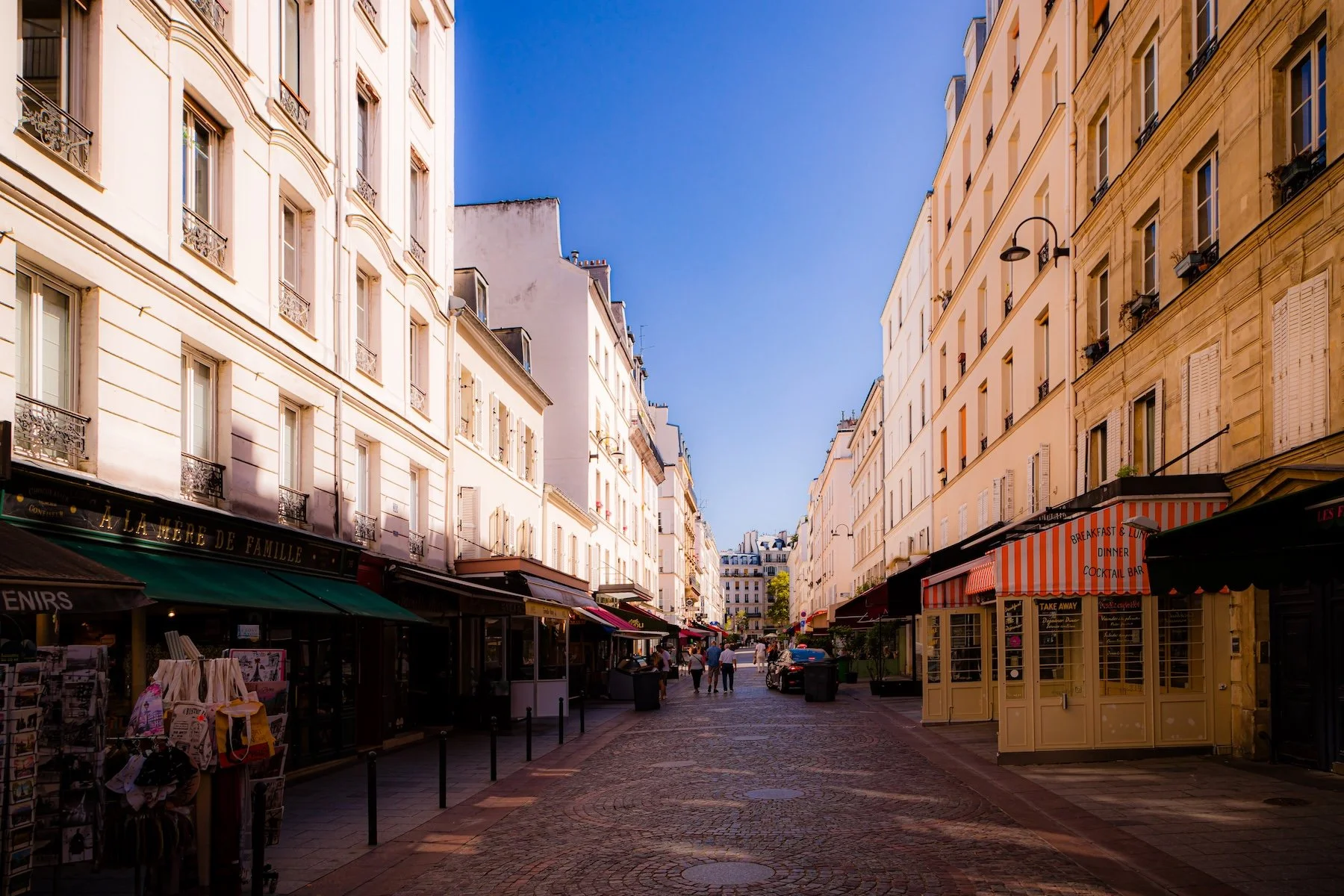
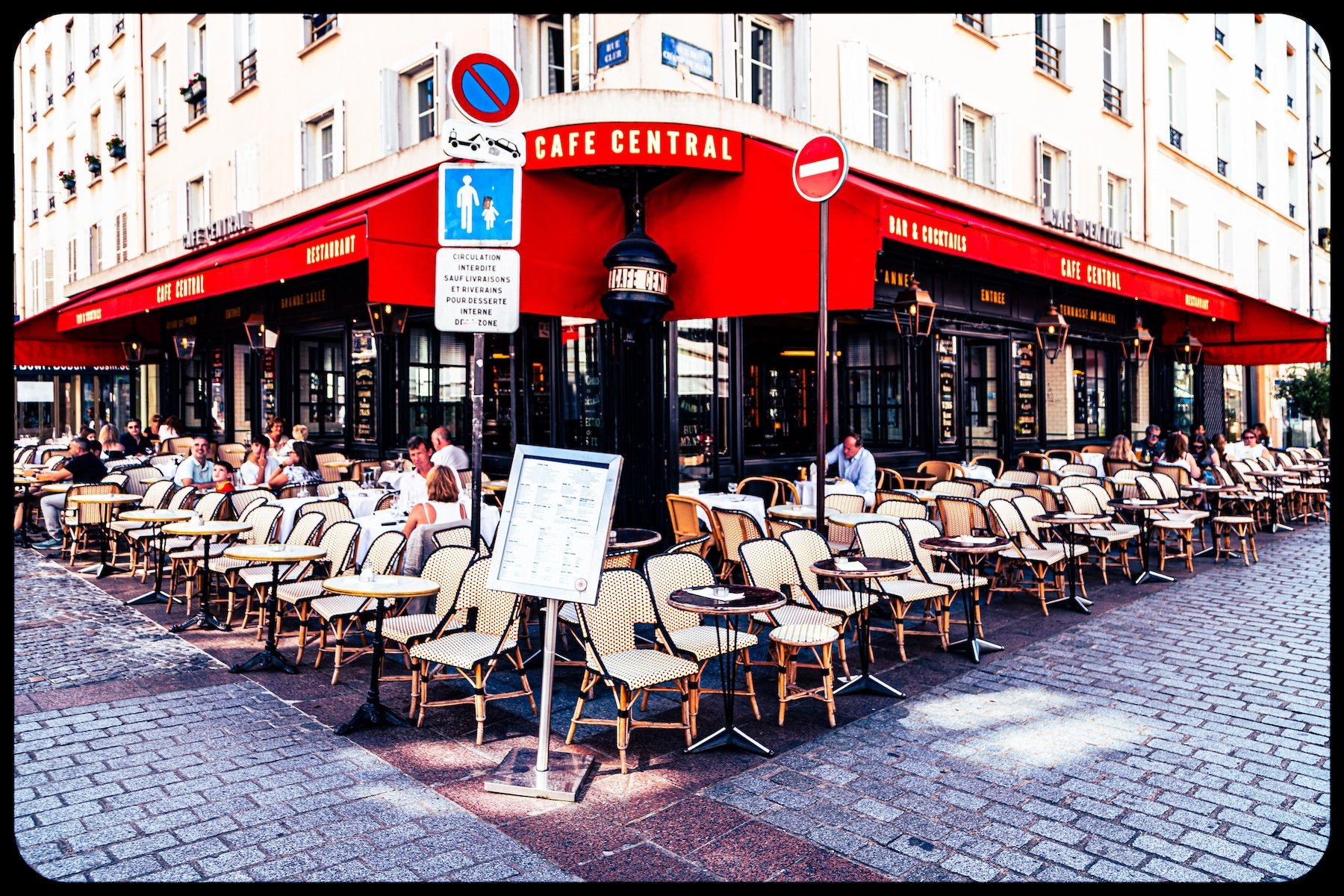
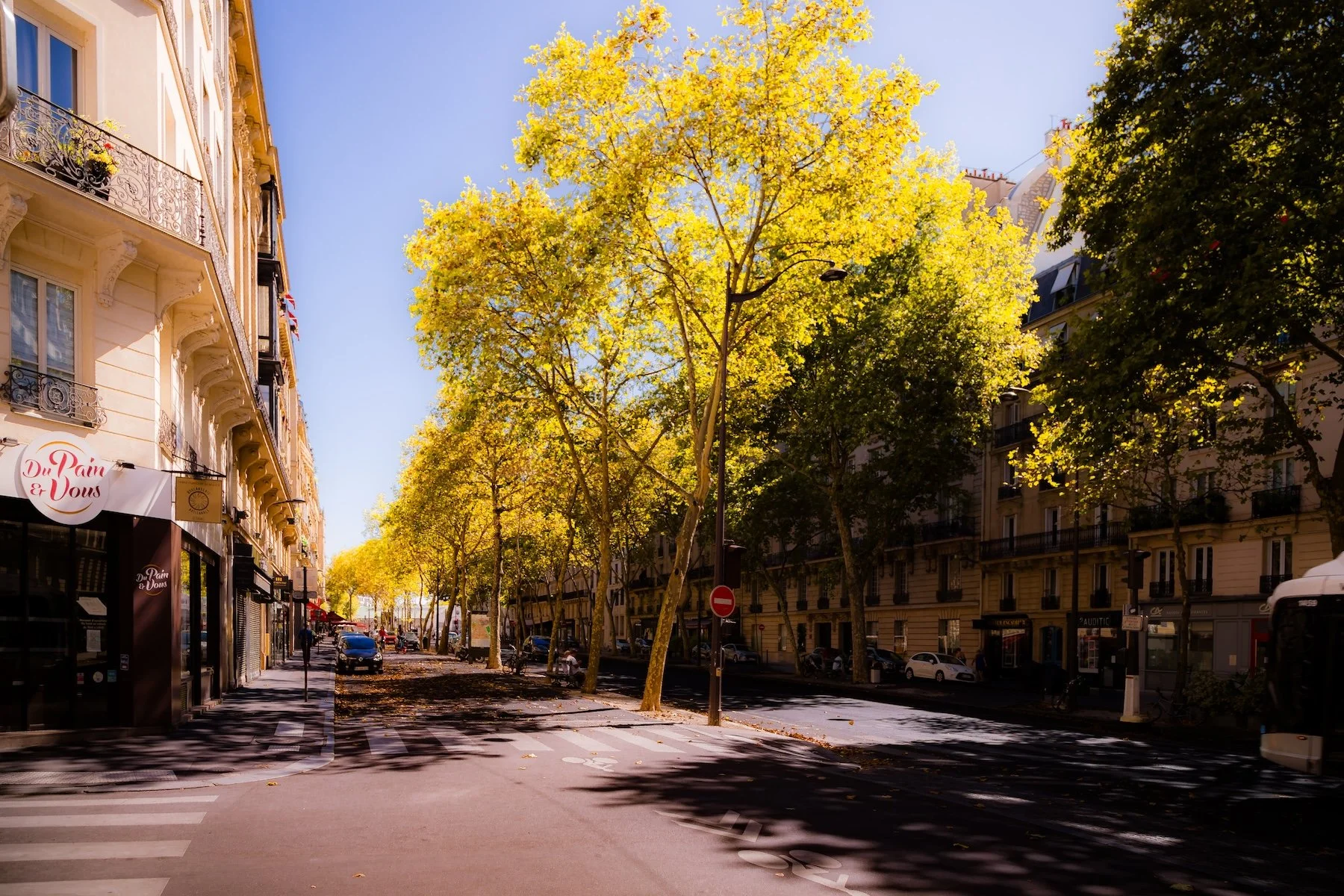
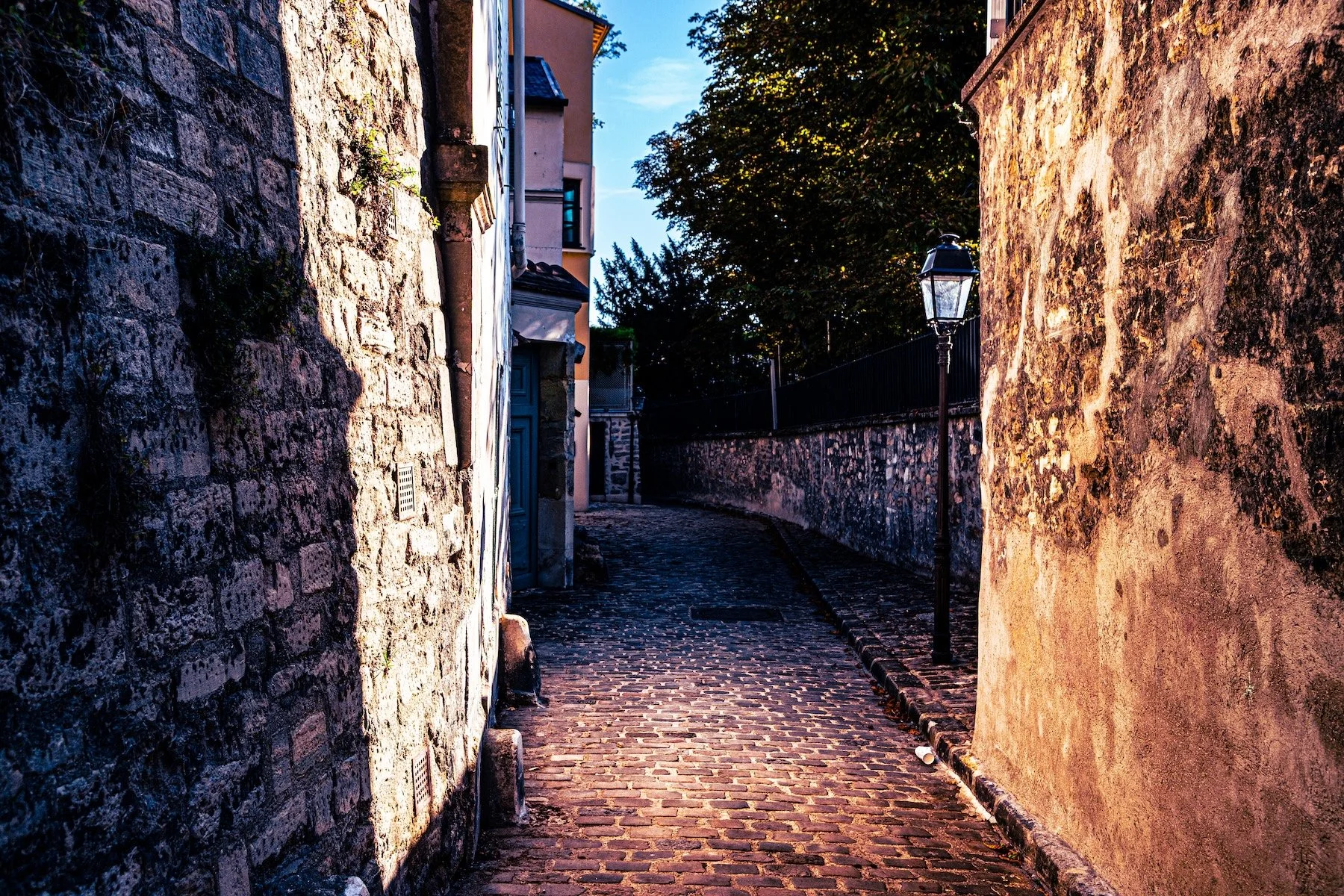
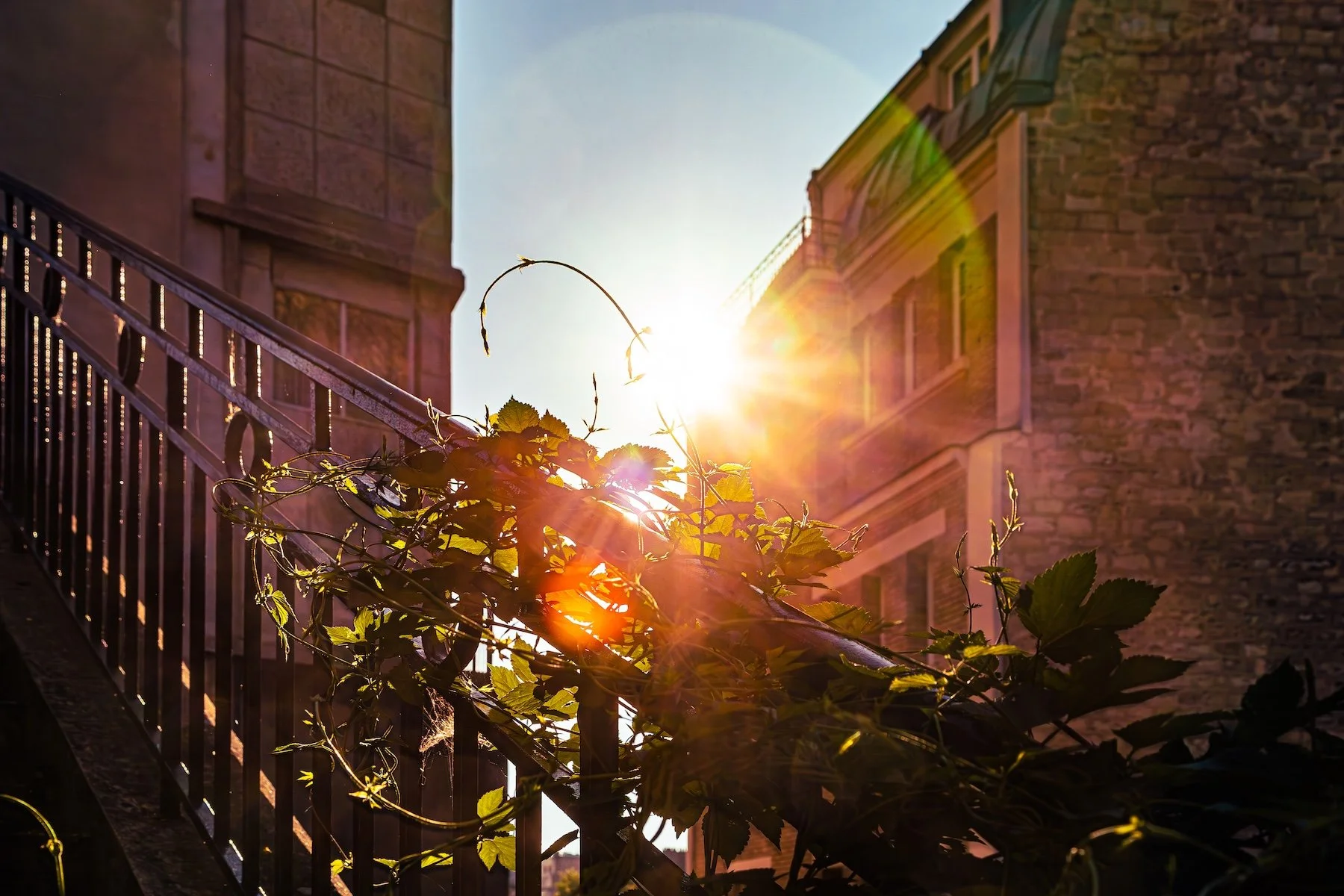
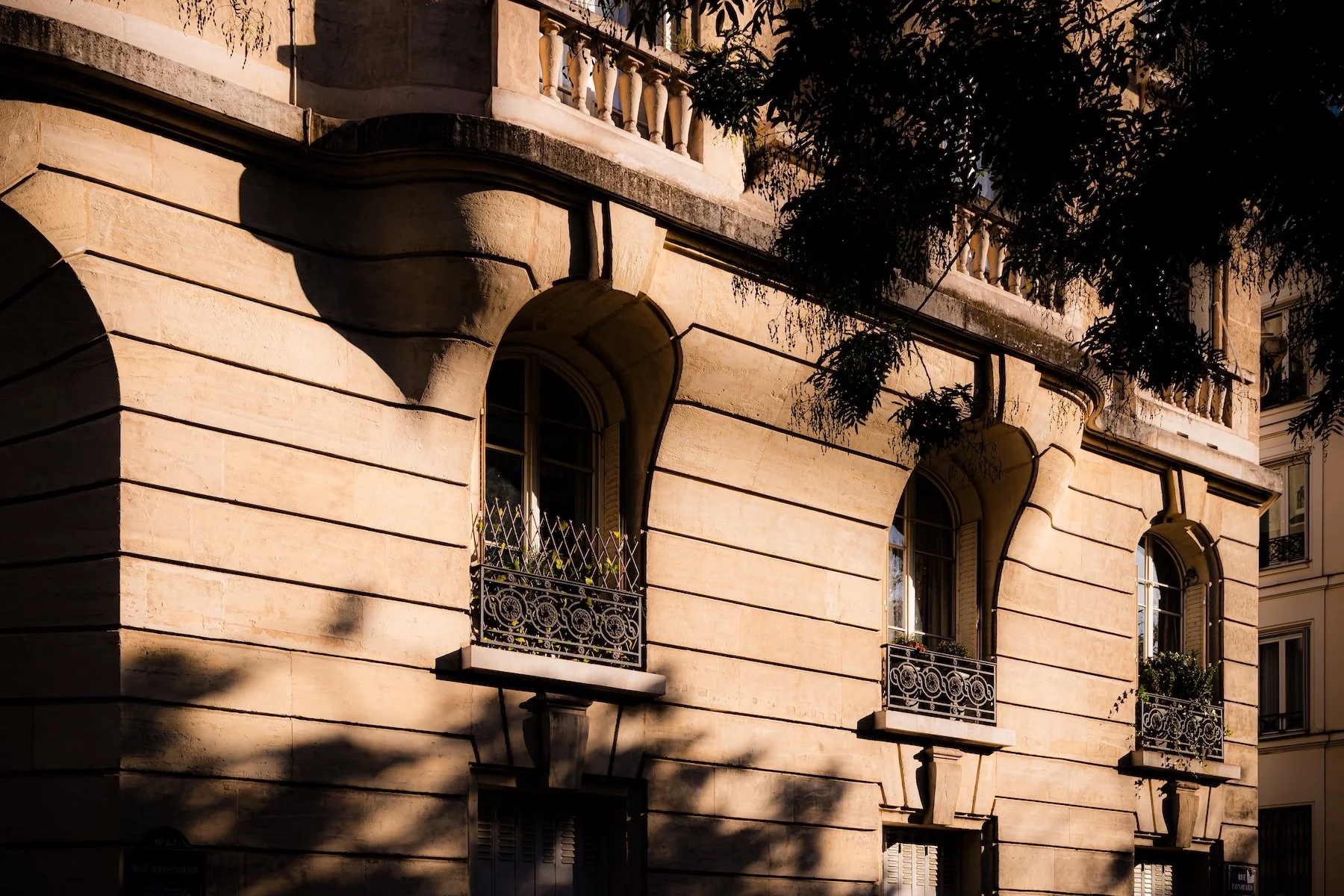
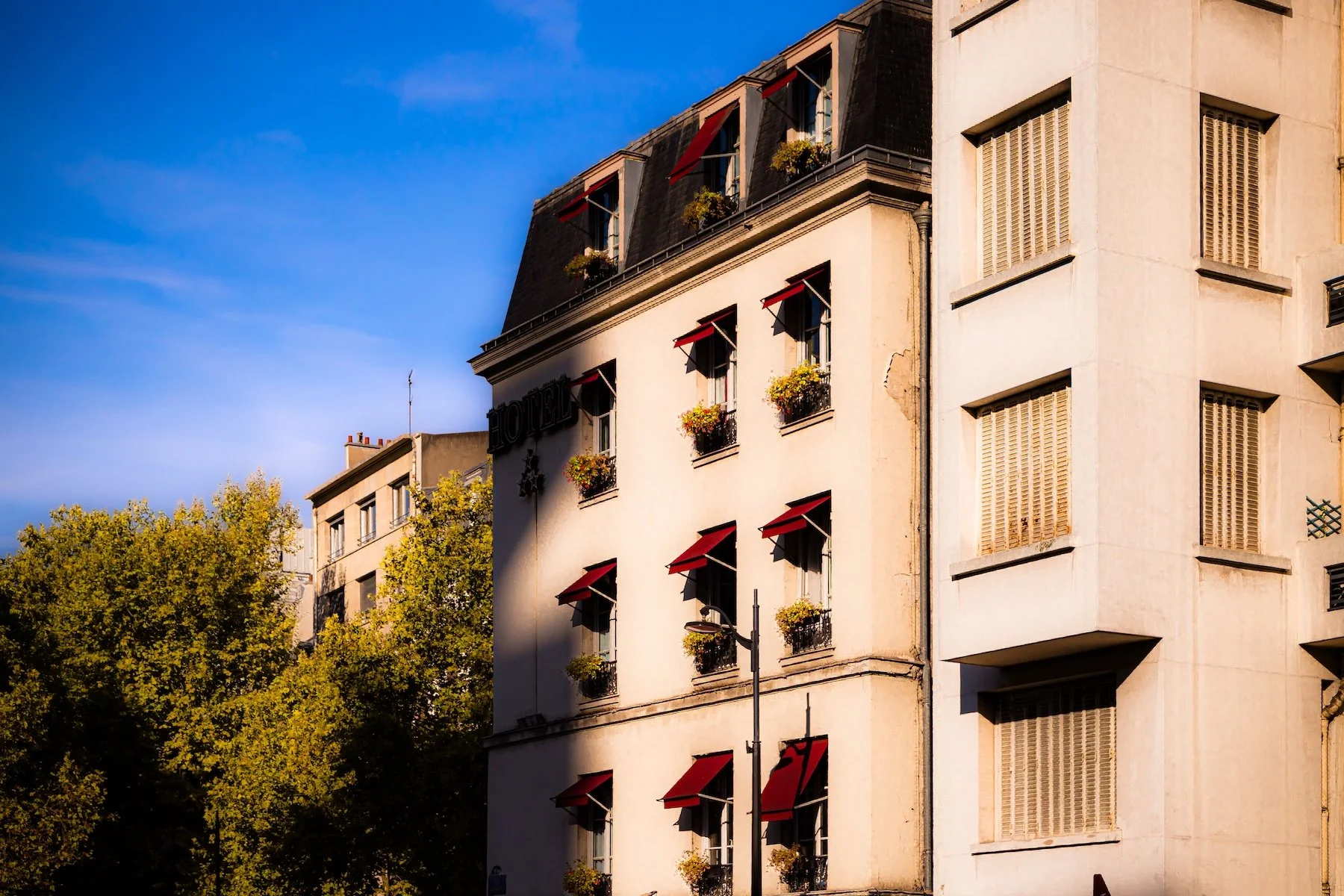
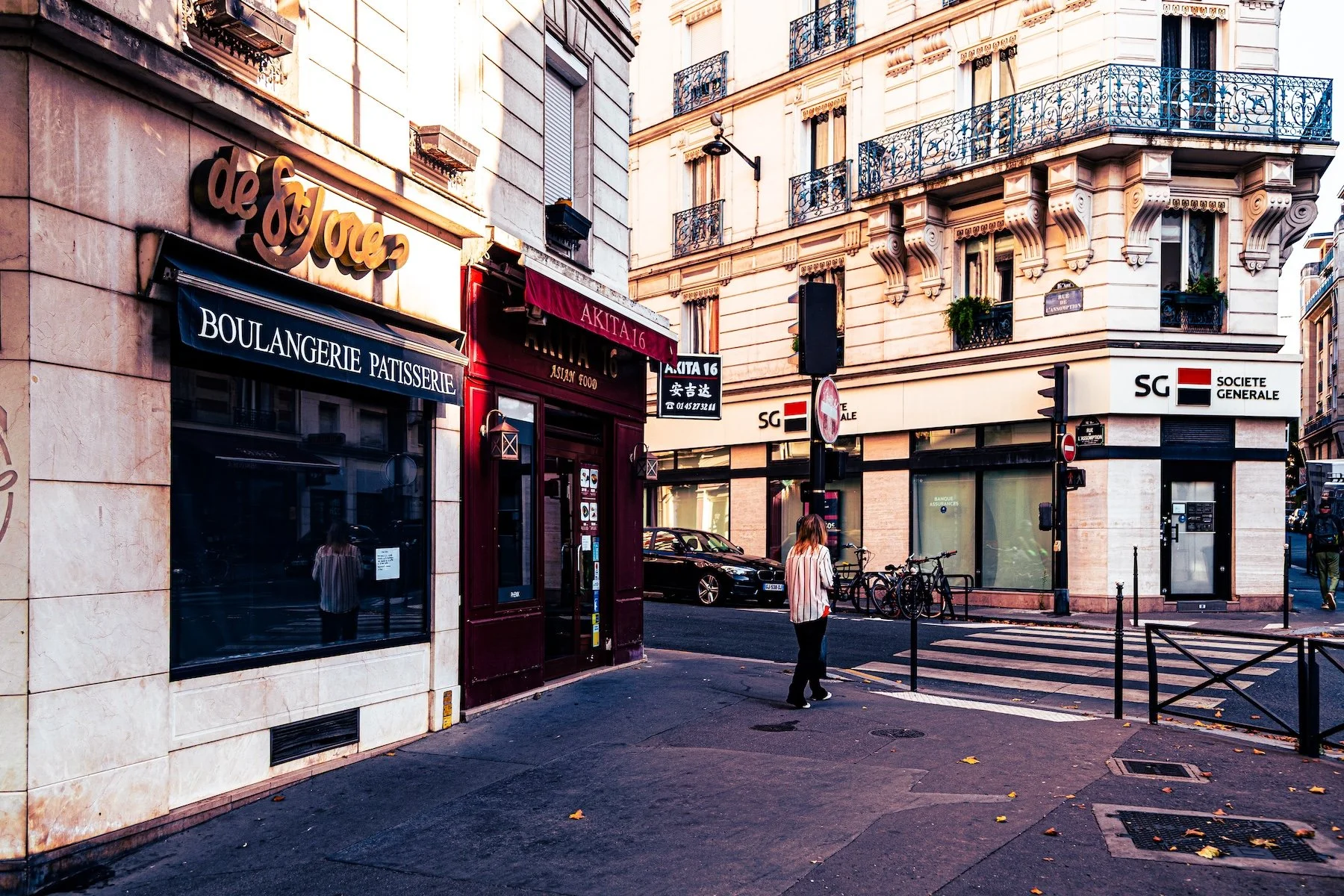
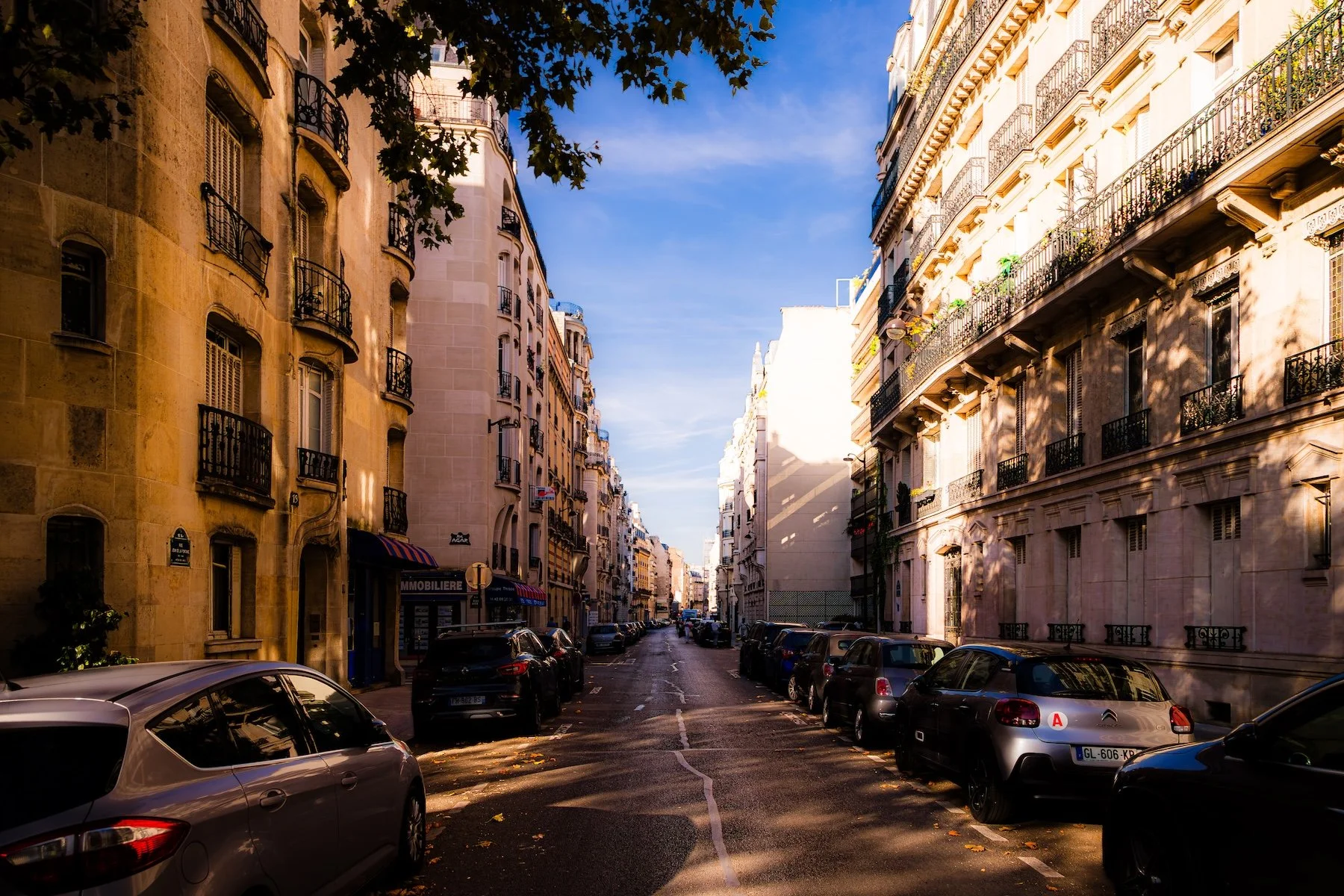
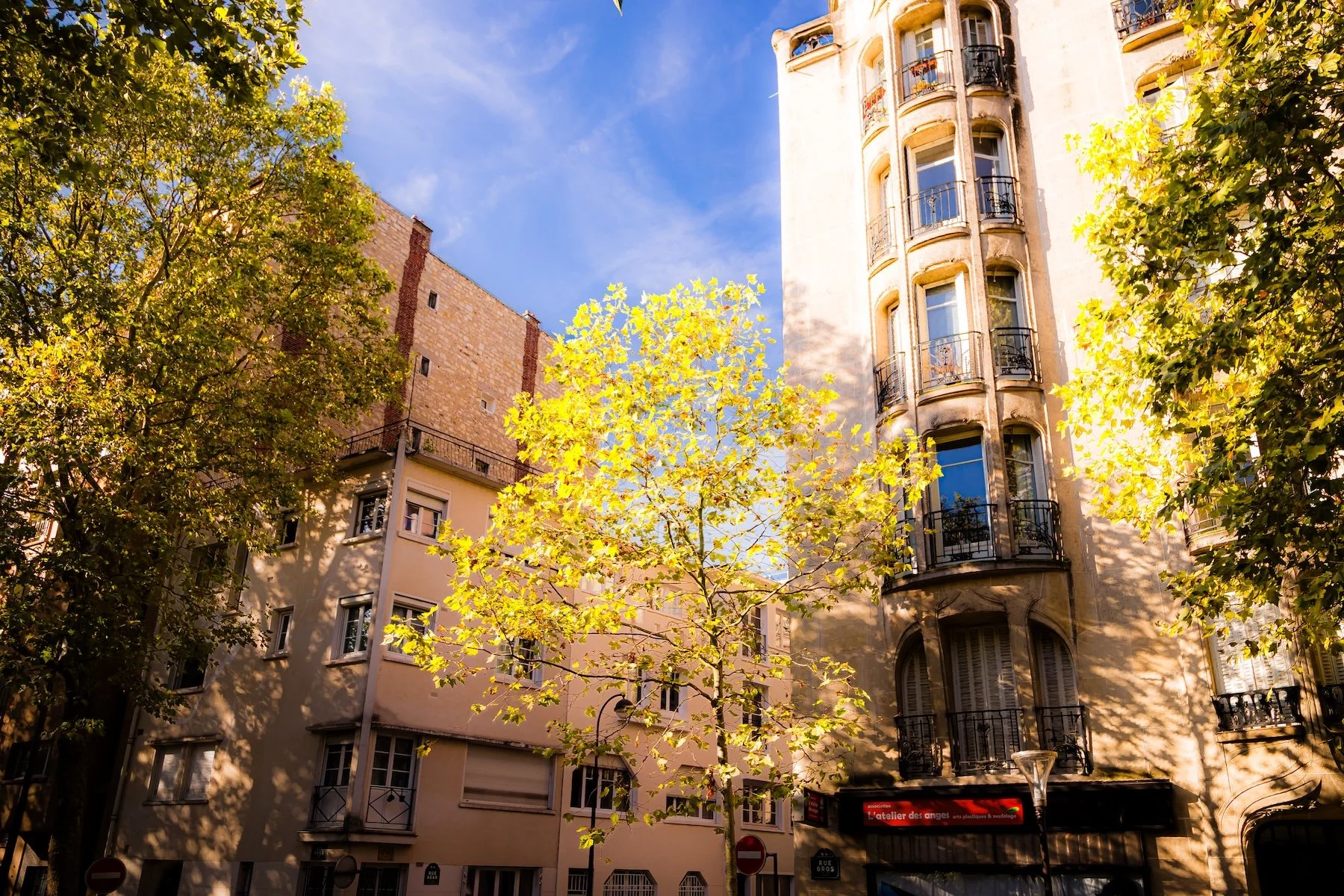
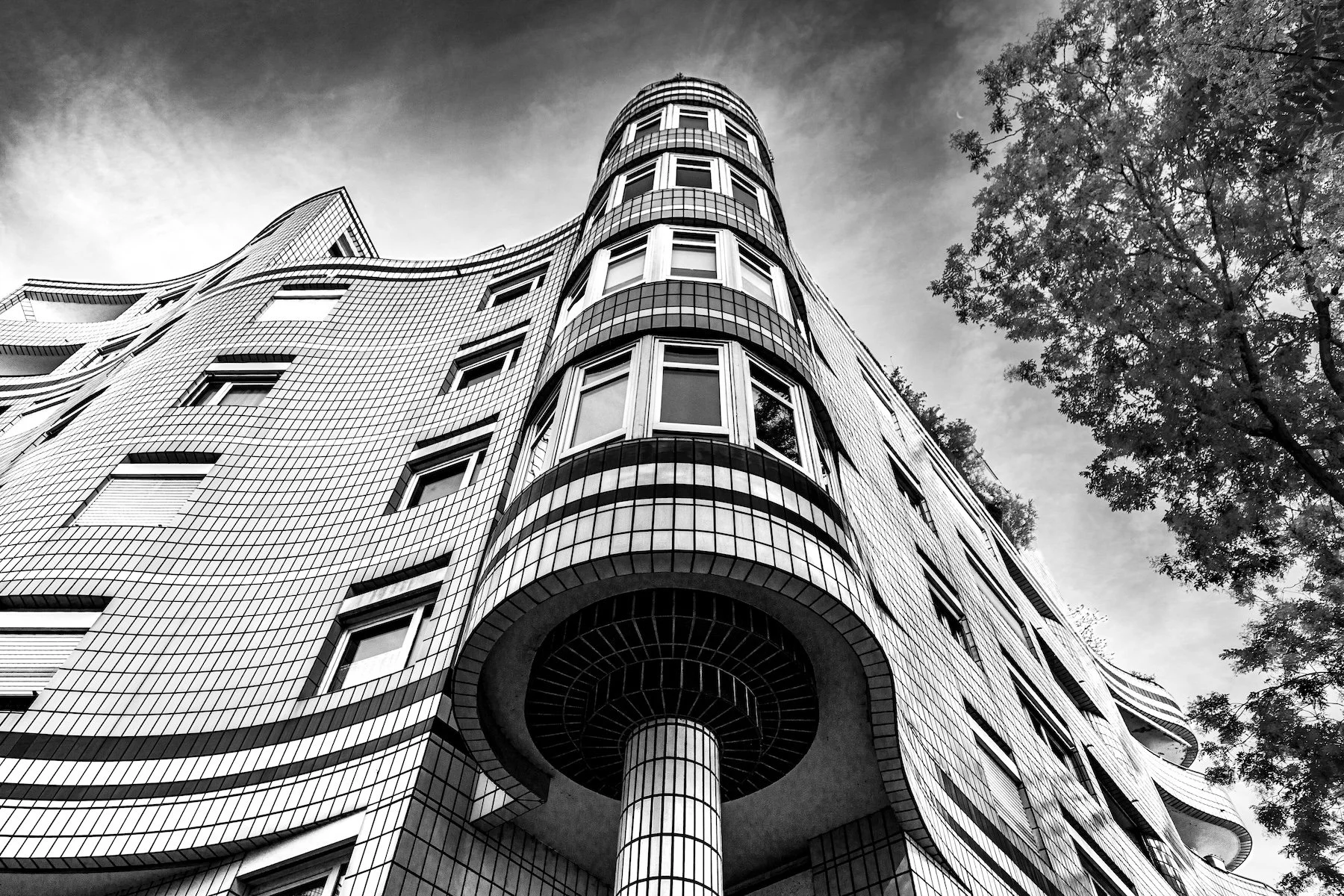
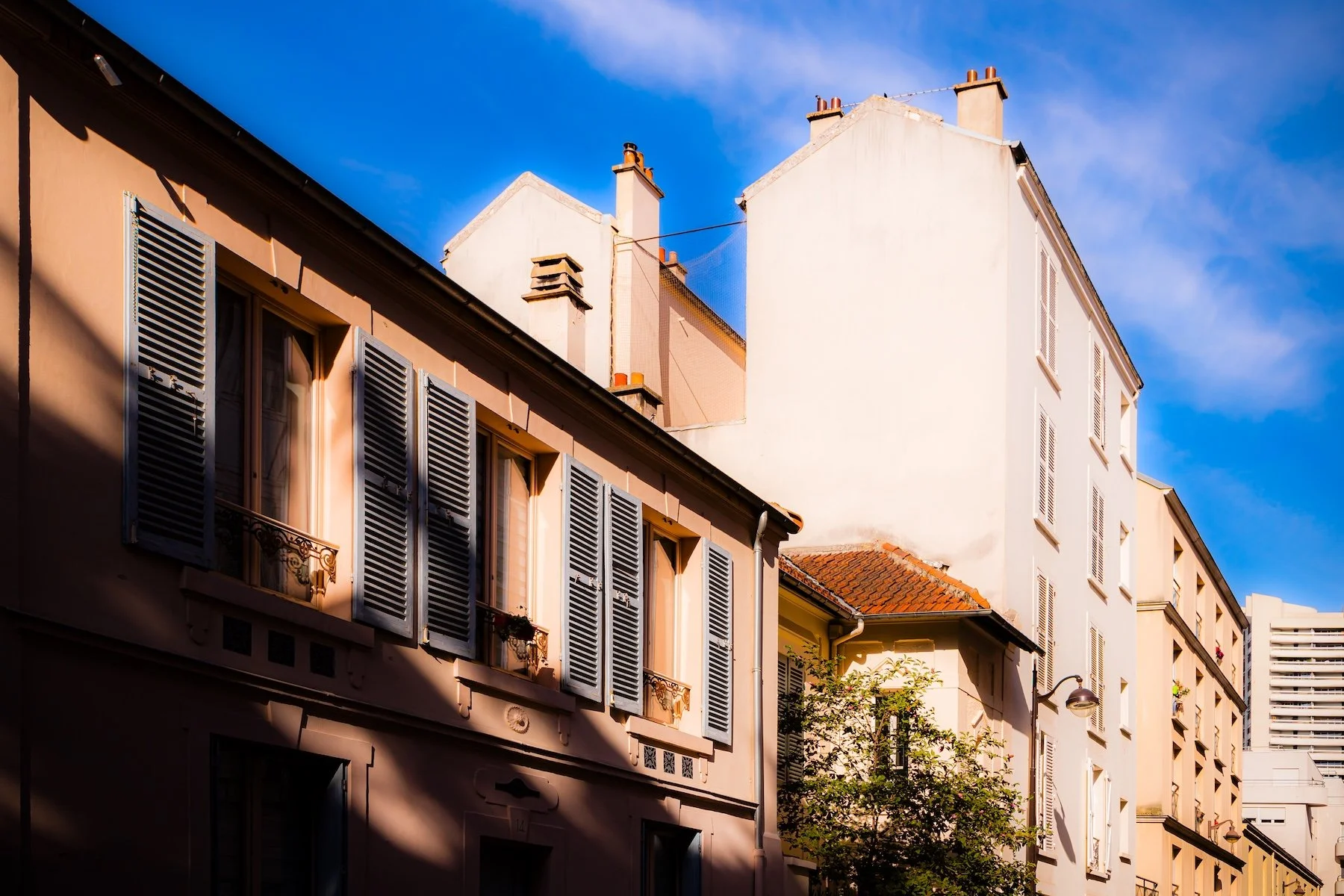
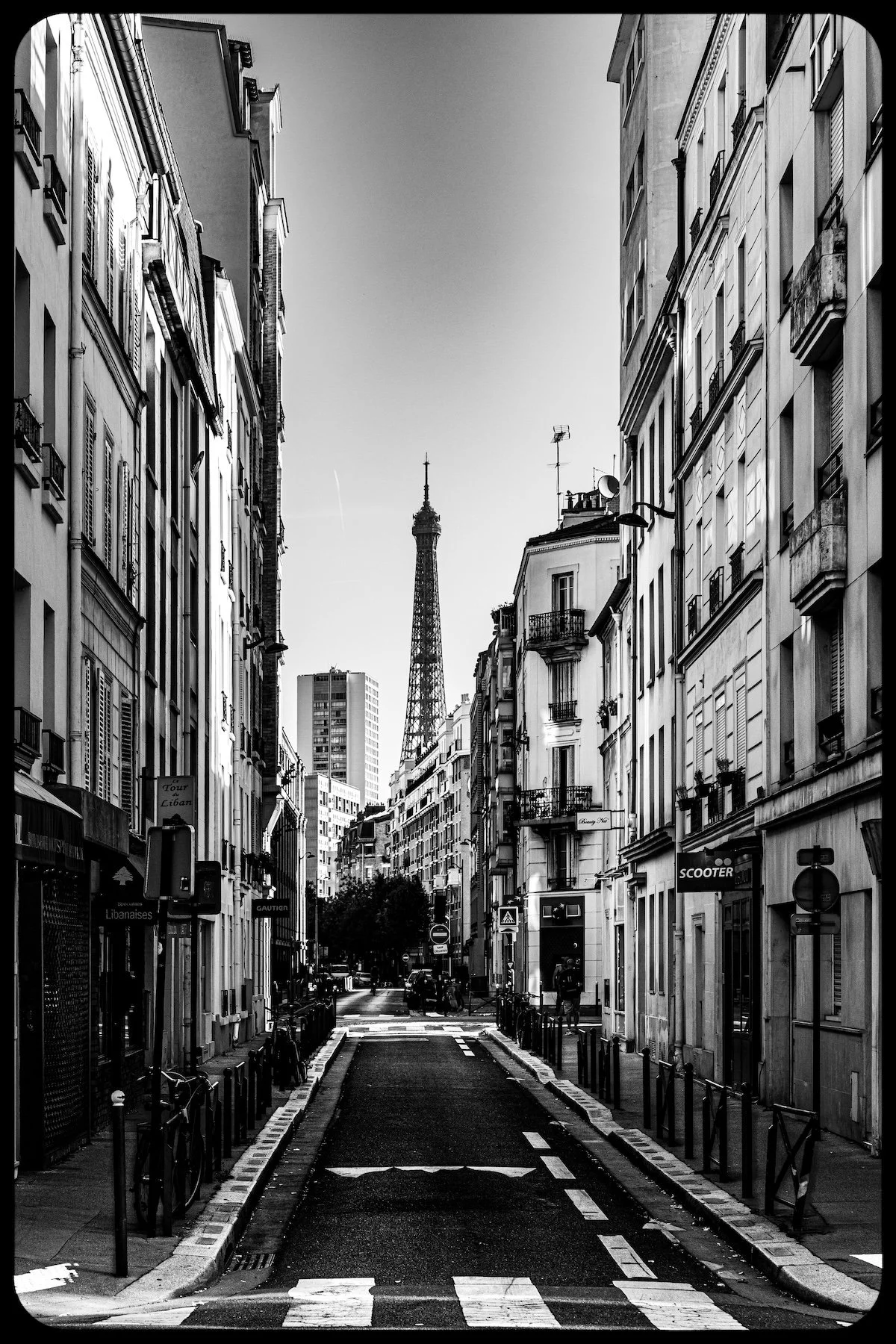
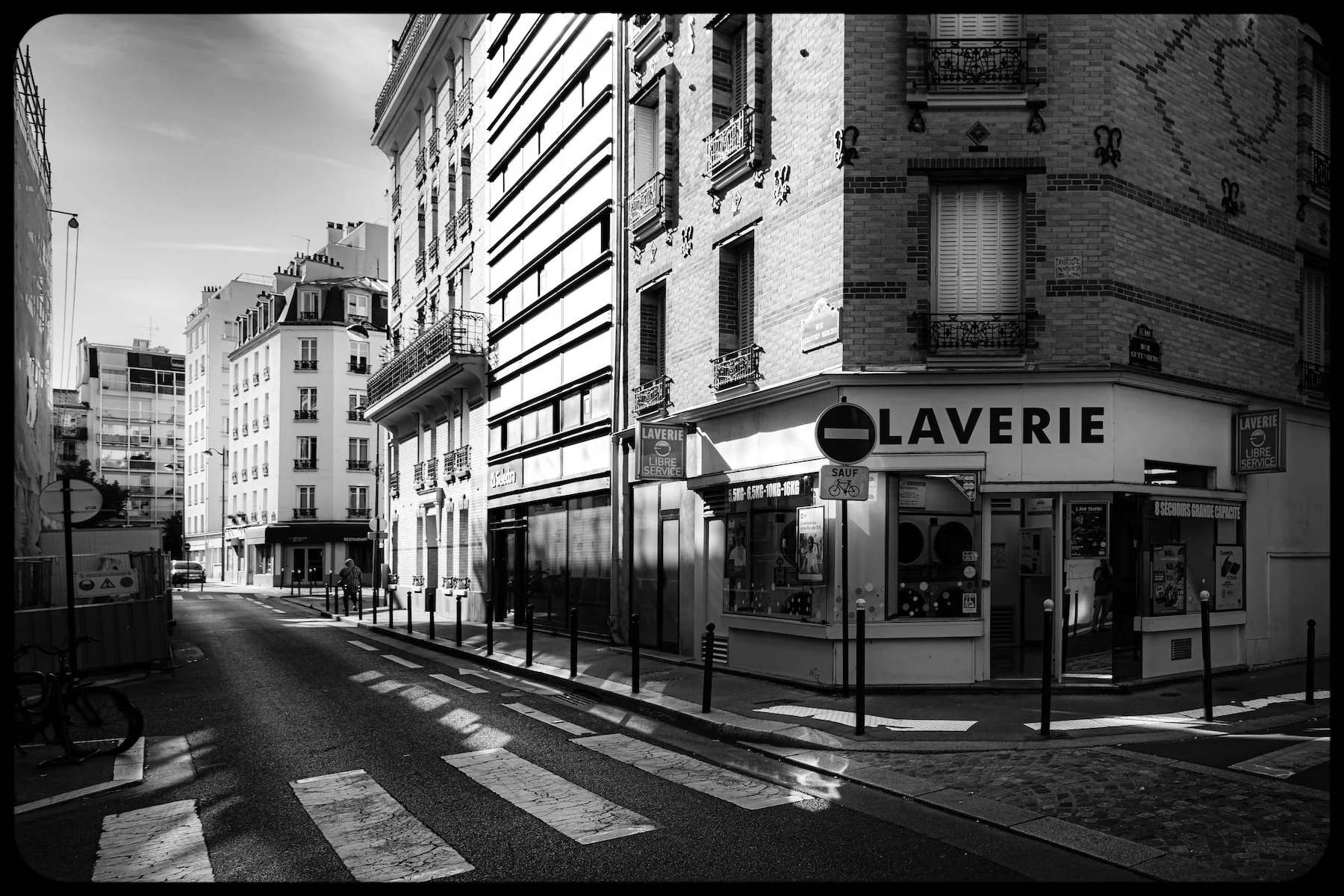
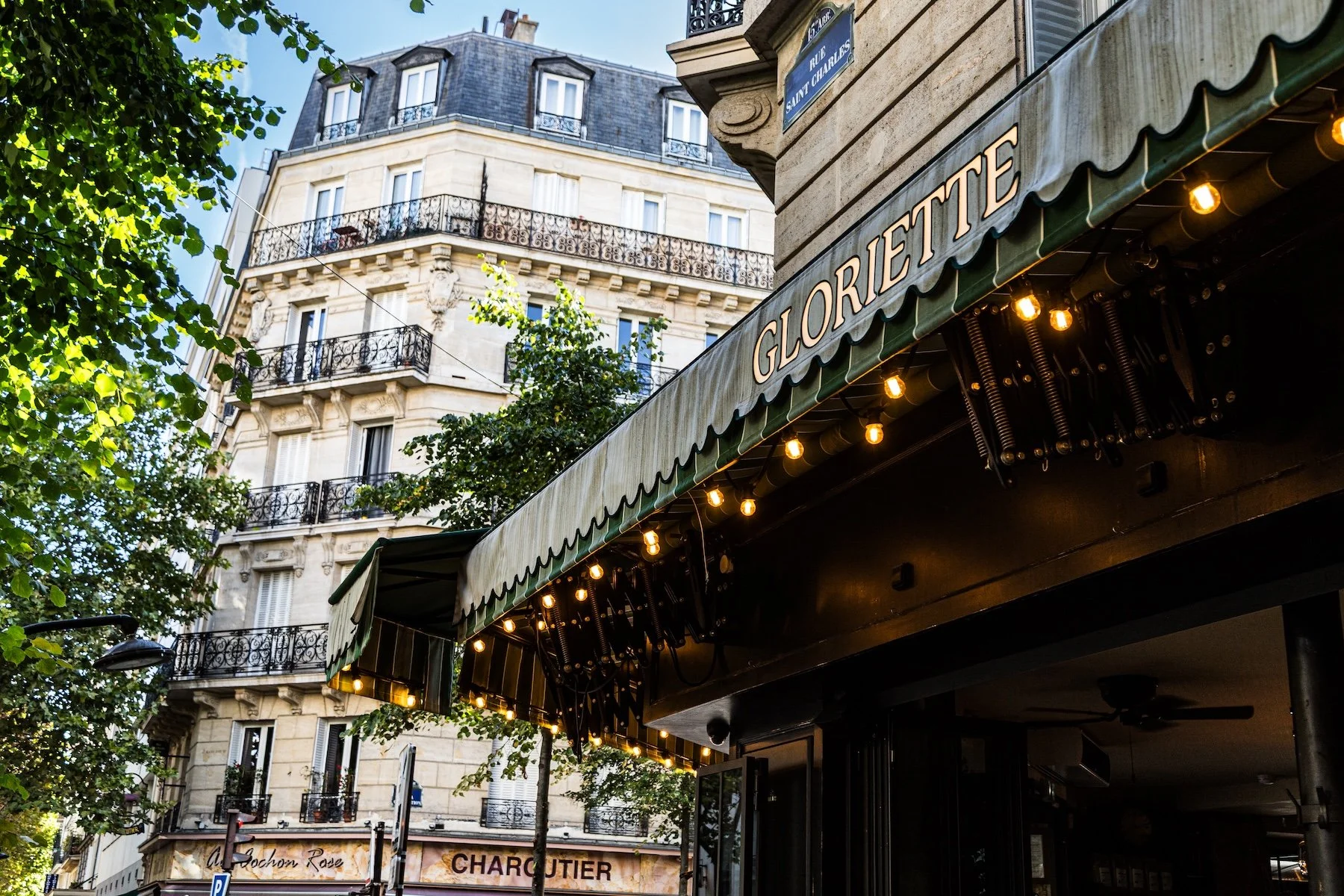
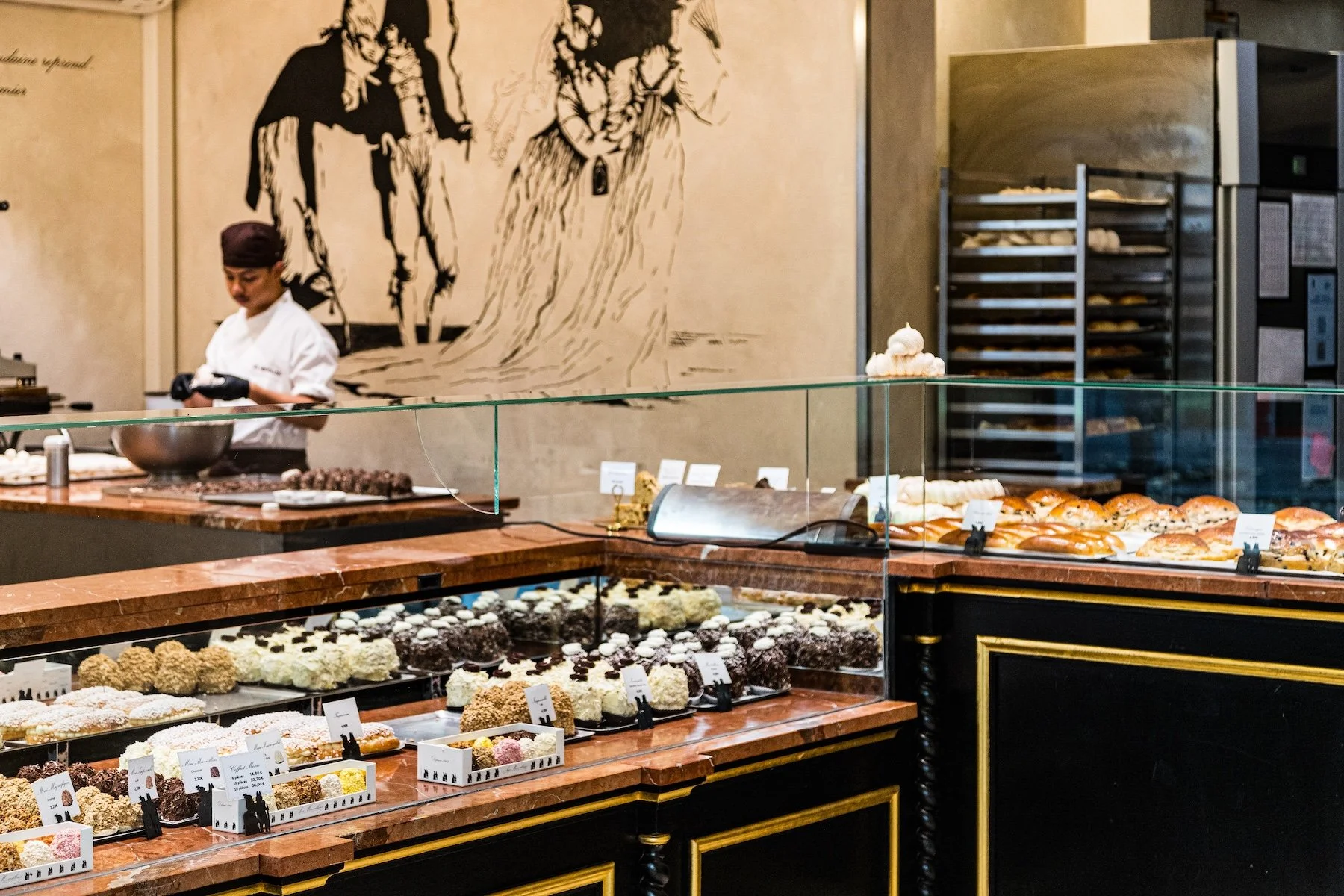
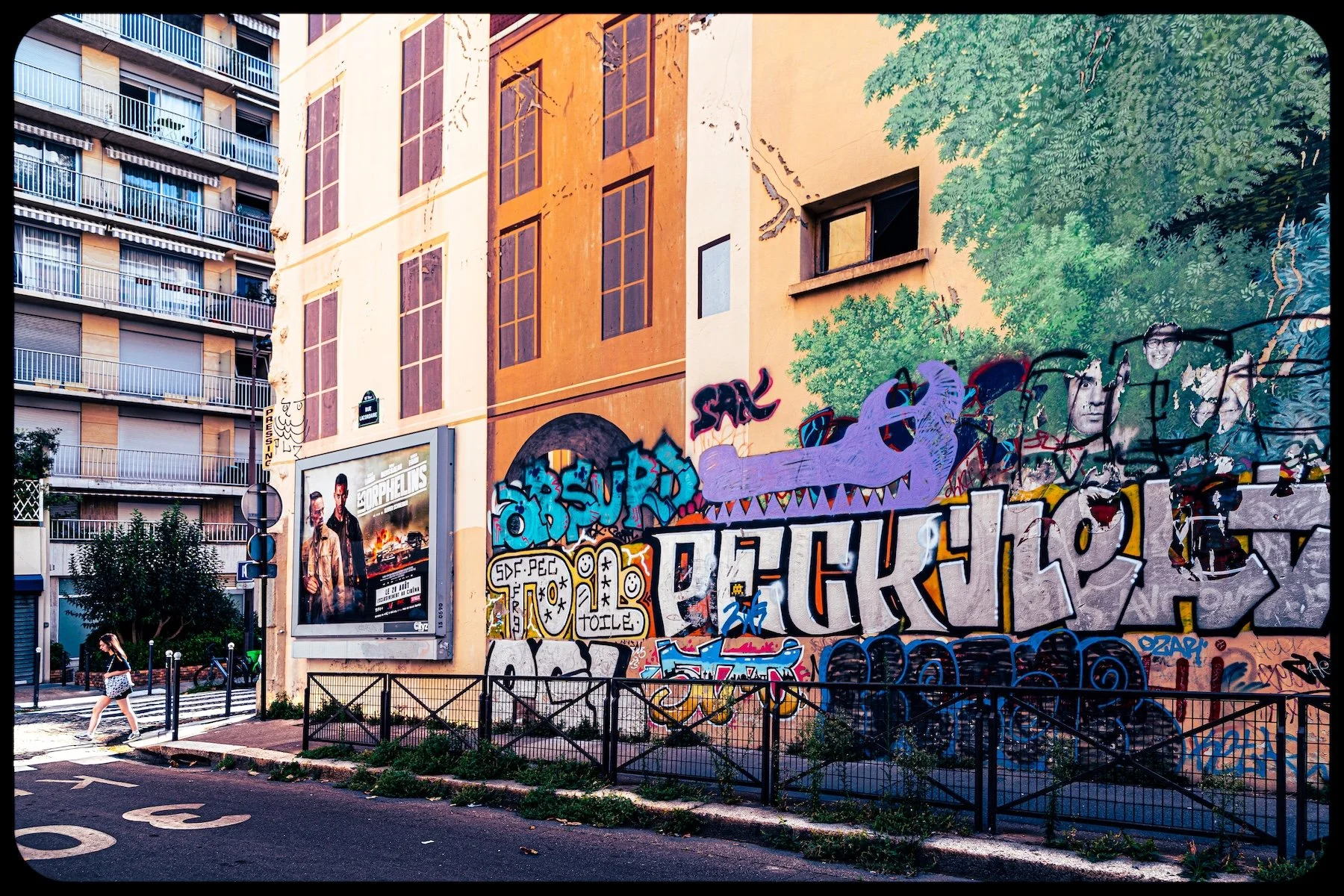
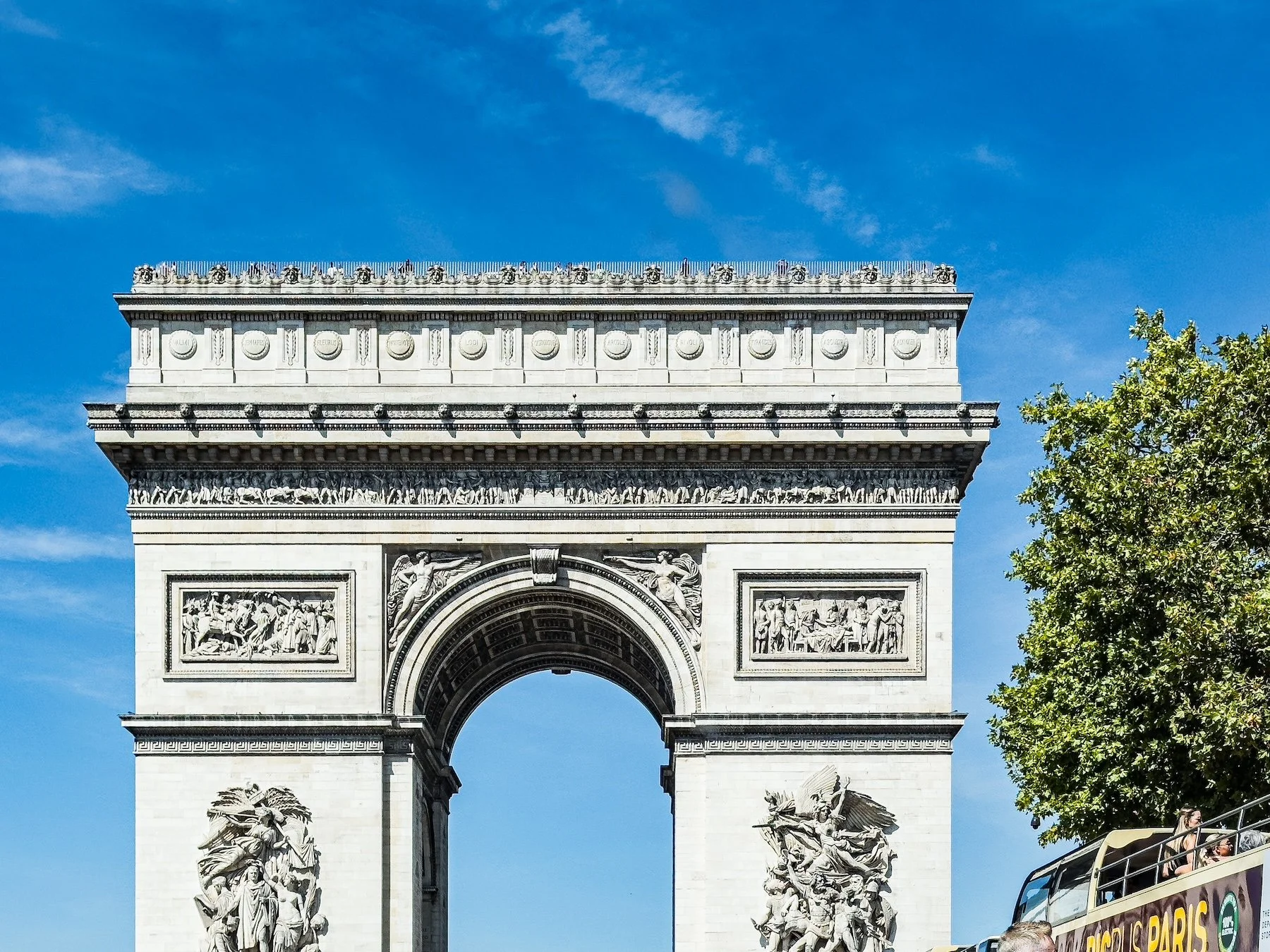
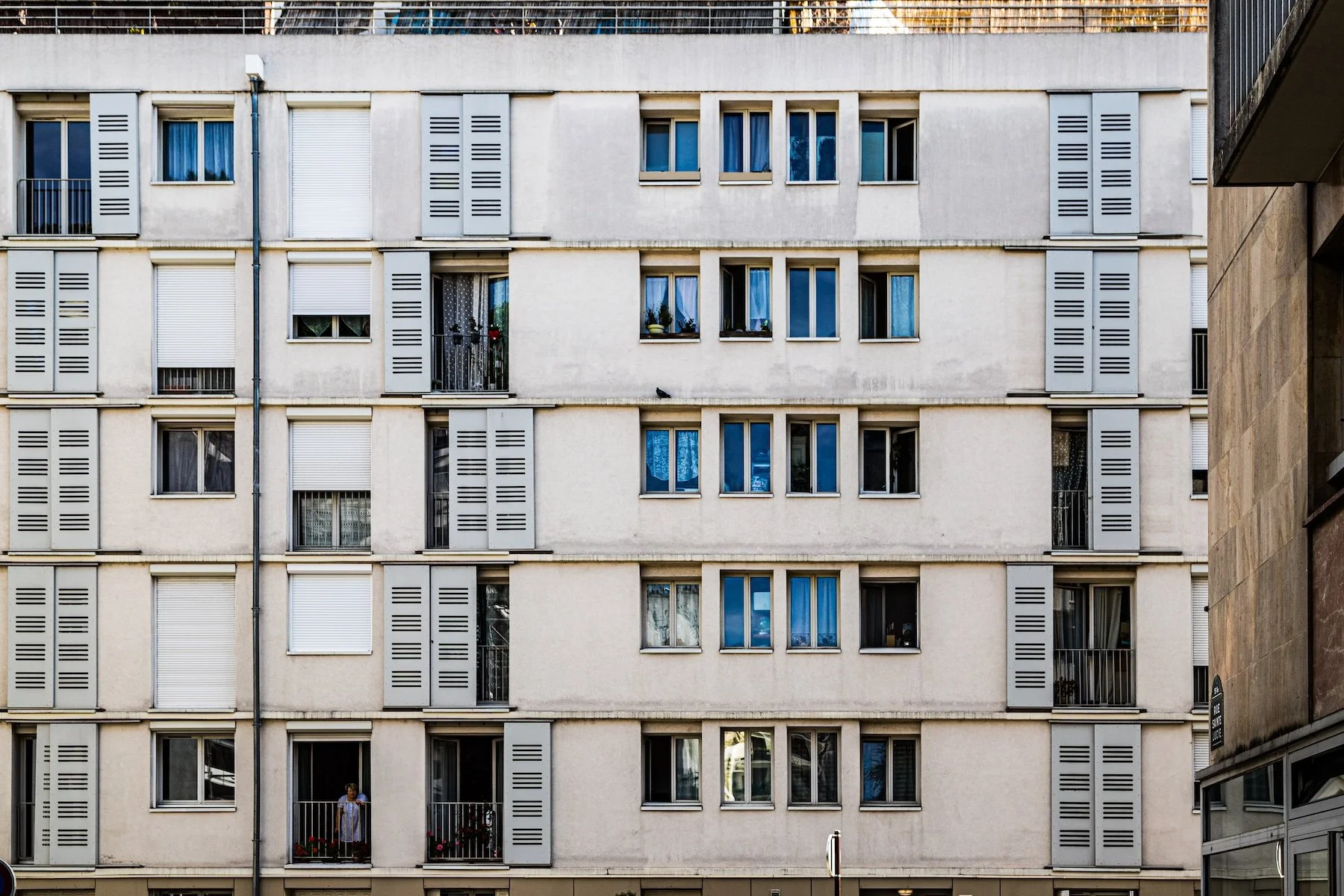
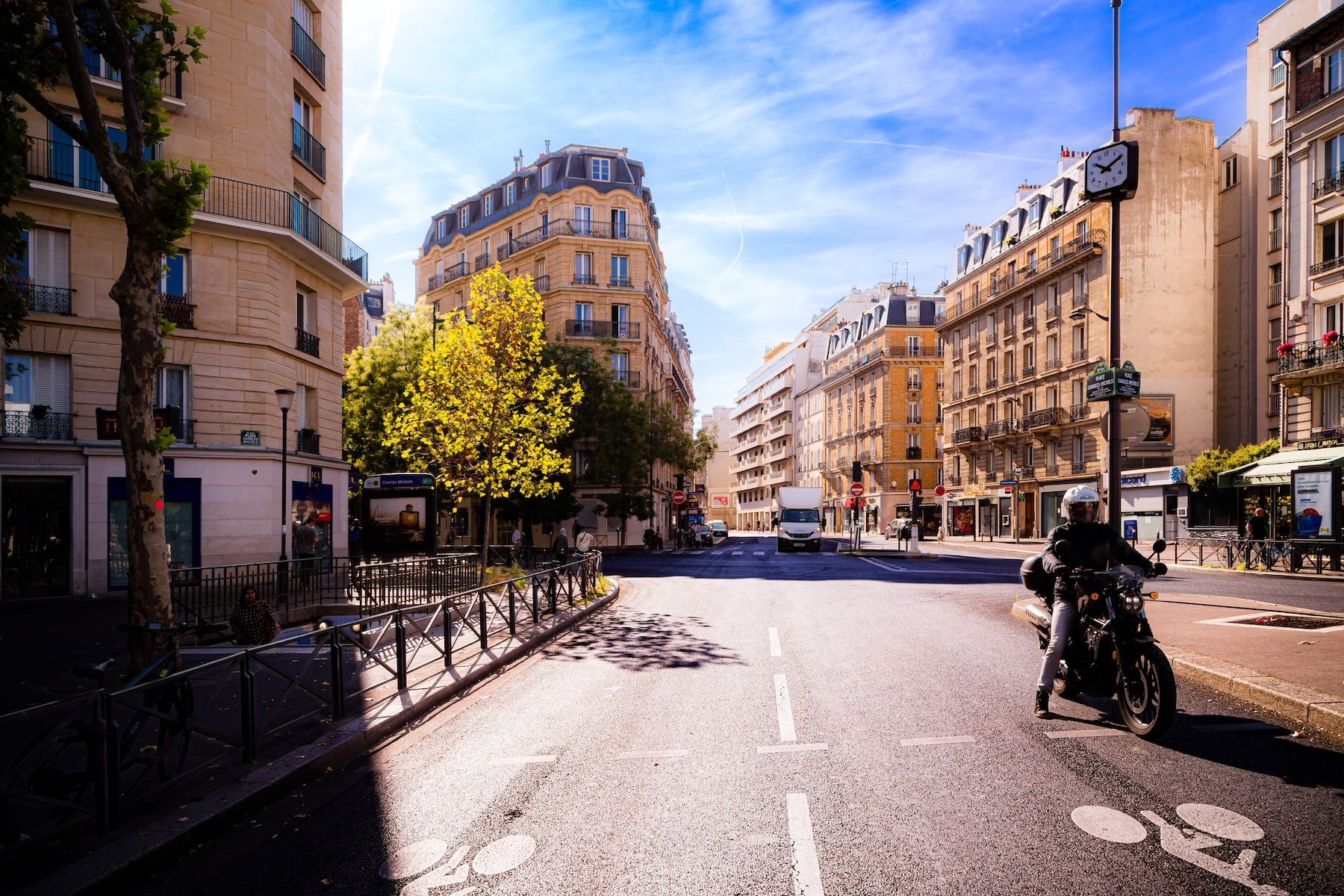
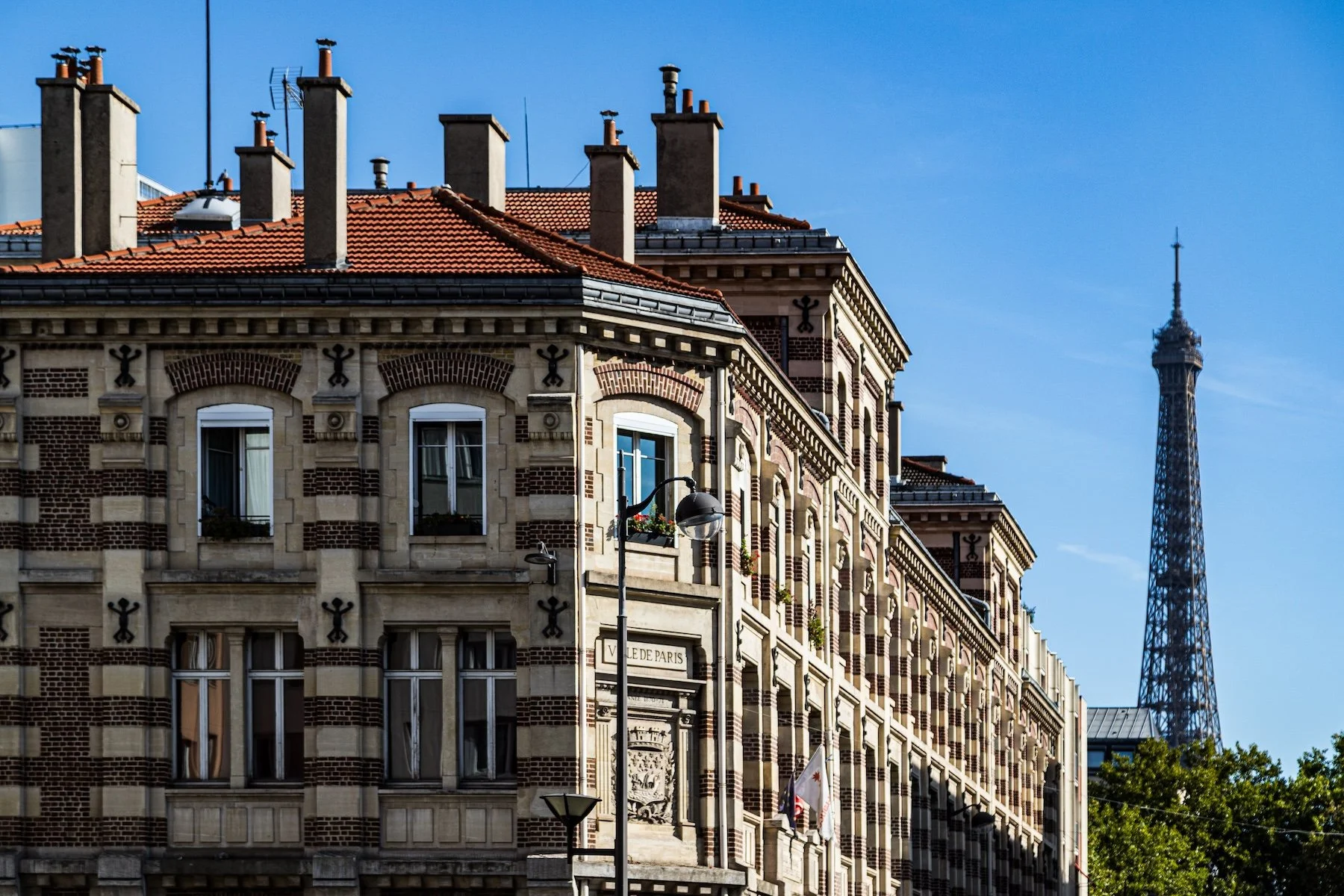
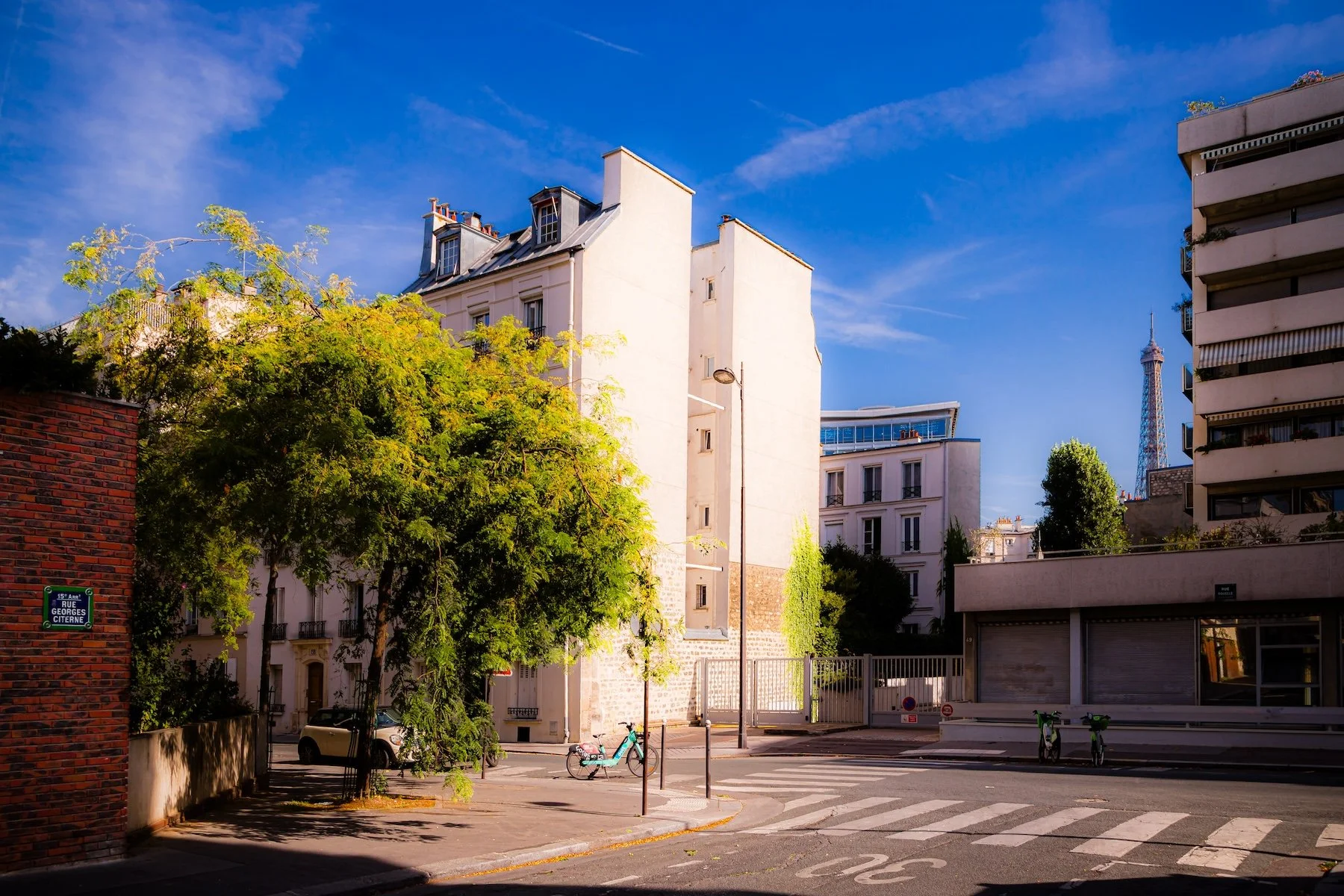
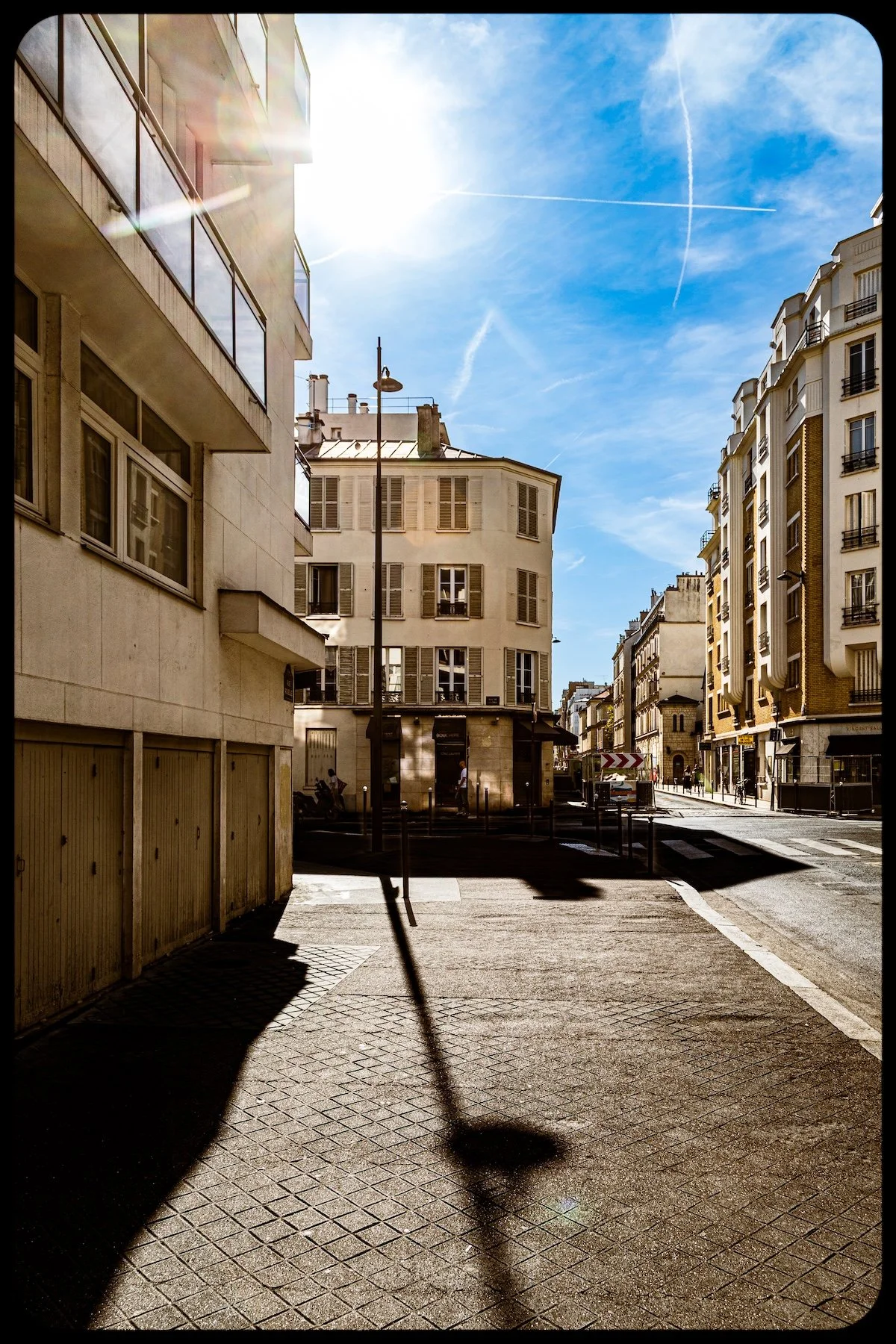
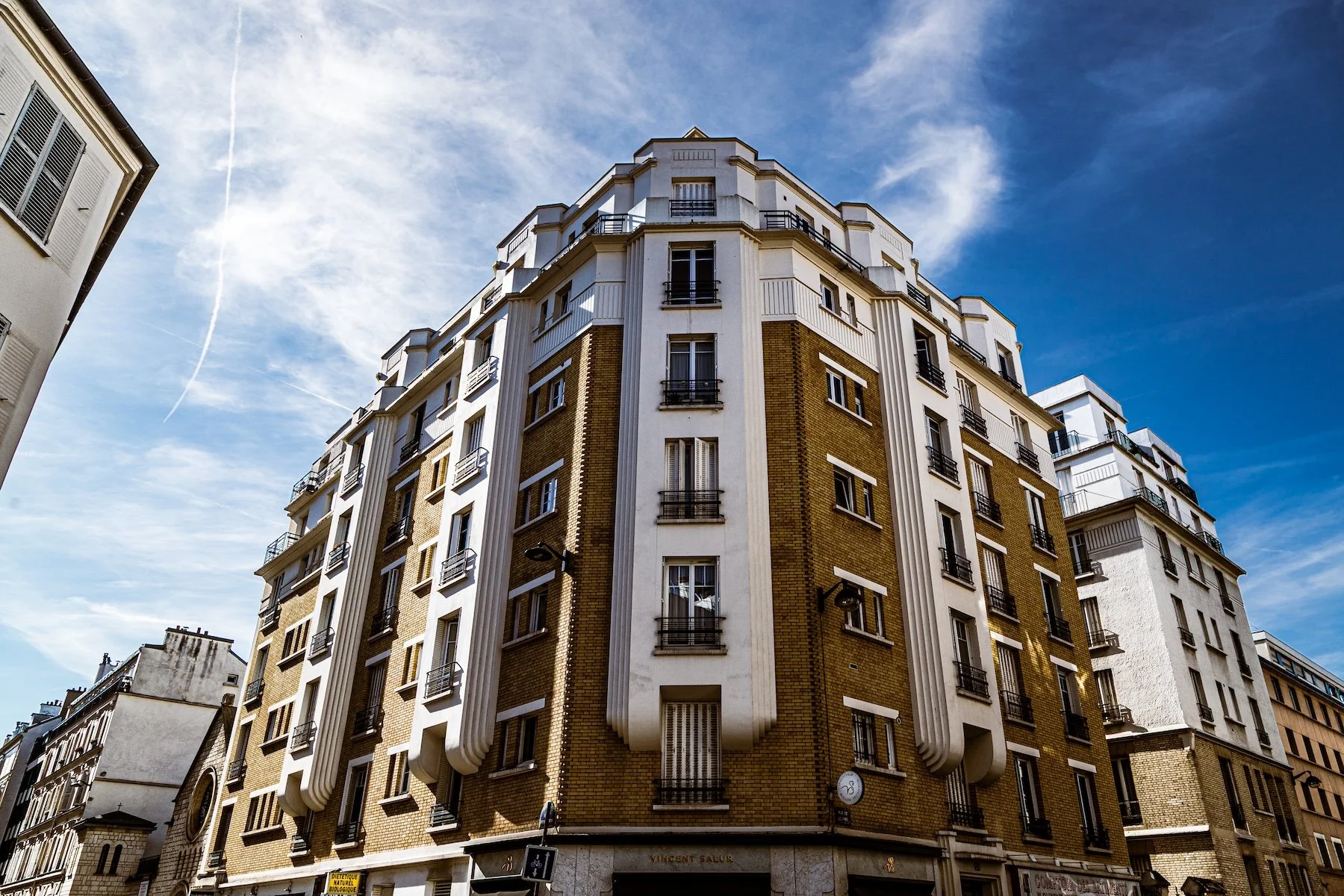
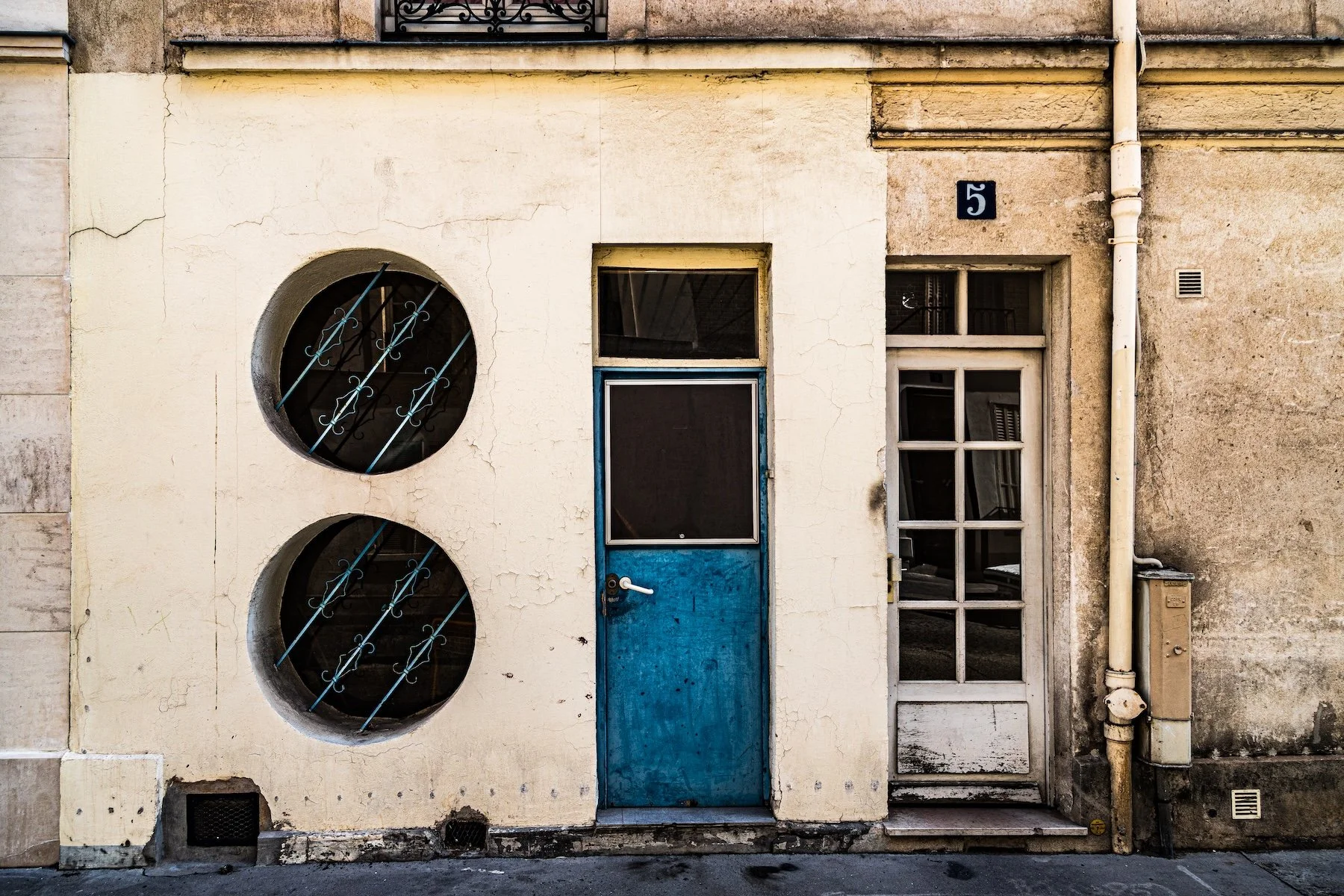
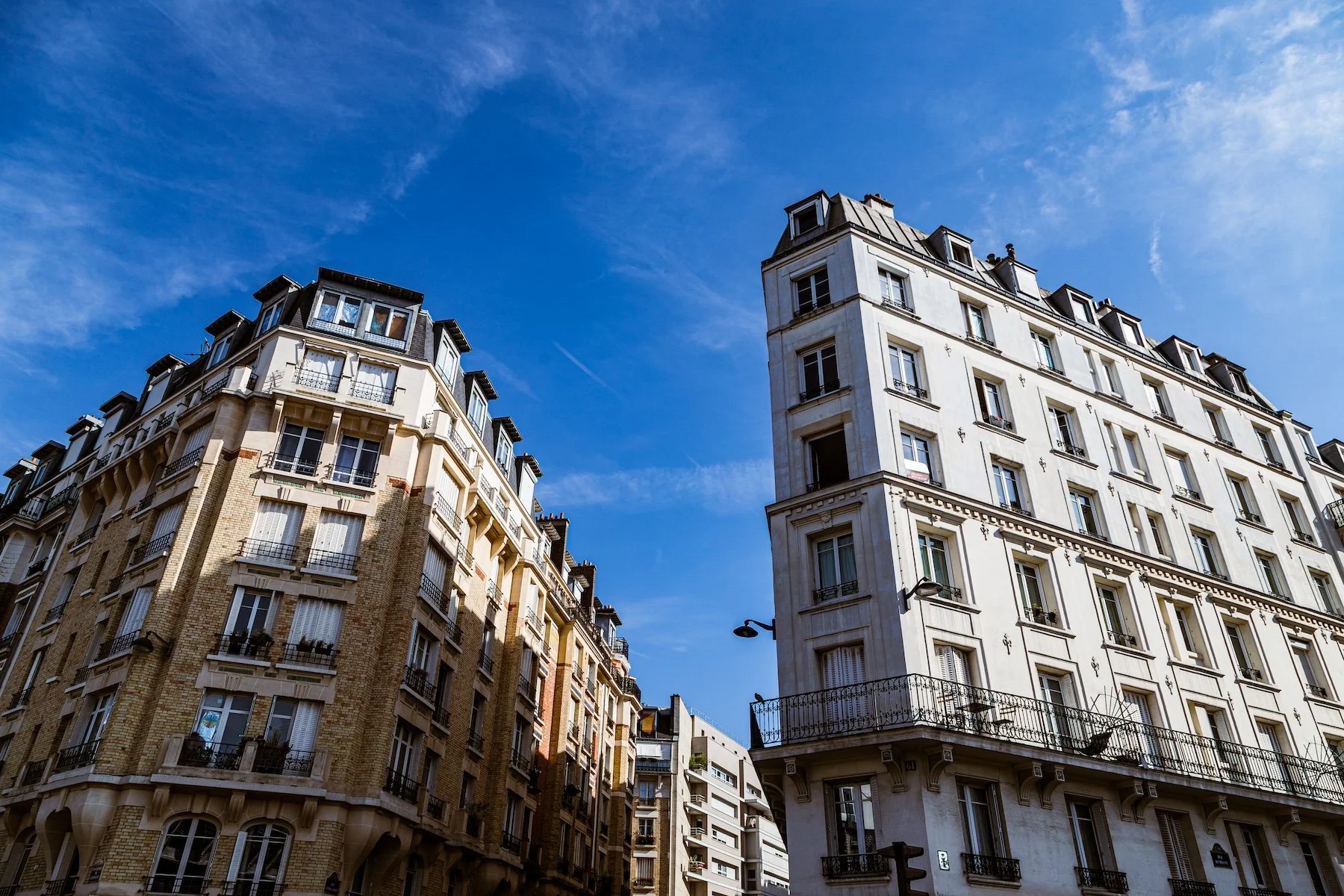
As the photographic archive grows, this section will continue to develop through images gathered on foot. Streets, façades, monuments, markets, parks, river edges, passages, signs, textures, and everyday details will gradually reveal how each district presents itself visually. The goal is not only to show what a place looks like, but to trace how its identity becomes visible through form, atmosphere, memory, and use.
Through The Lens
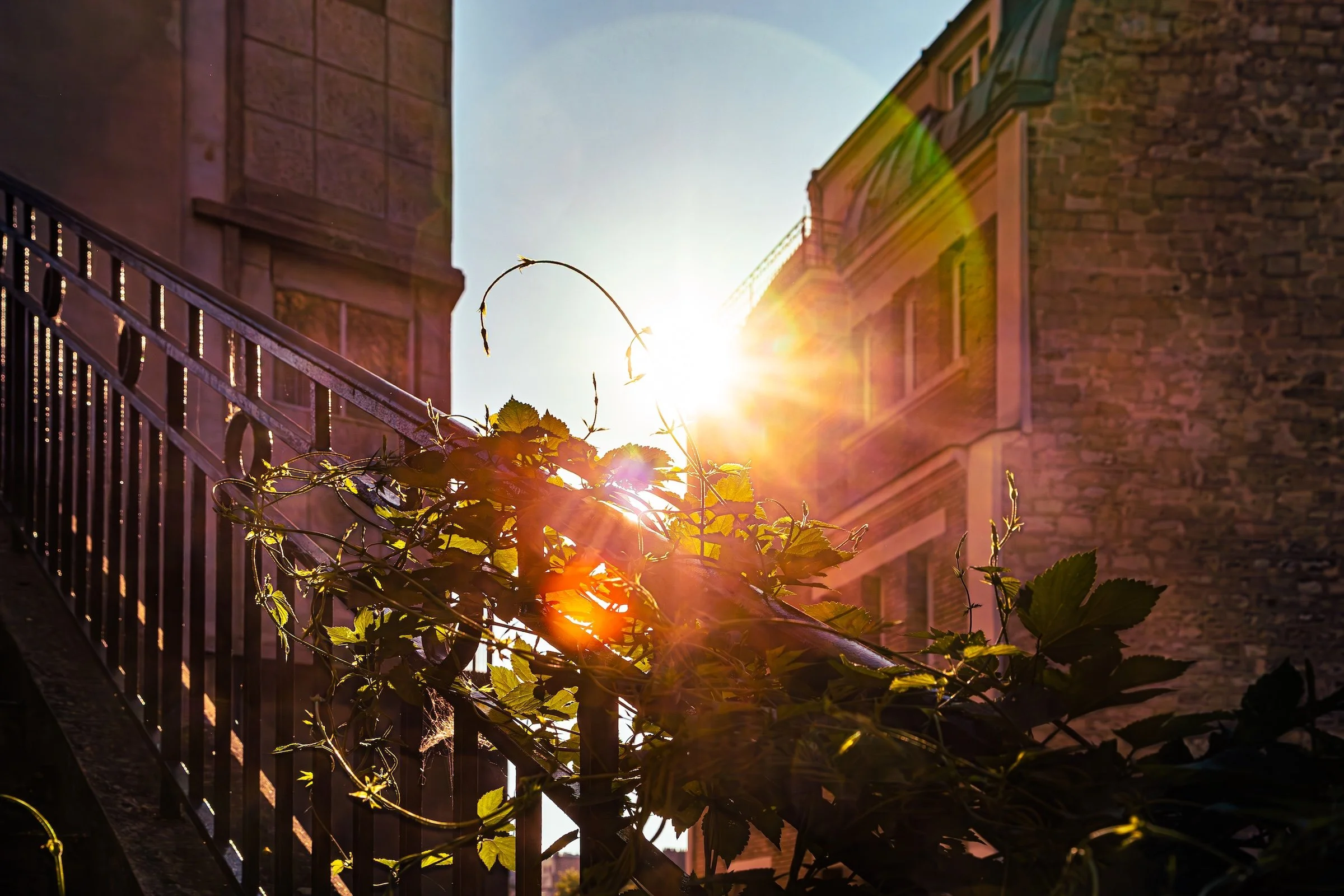
CityNeighborhoods Paris is built from walking, looking, and returning. Each district is approached through photography as a way of paying attention: to the obvious landmarks and the quieter details, to historic structures and ordinary streets, to the moments where civic geography becomes lived experience. The camera becomes a tool for noticing how Paris changes from one district to the next, and how each place holds its own relationship to the larger city.
As photographs are processed and added, this section will become a more specific visual record of the district. Future updates may include dated field notes, galleries, and reflections from individual walks. For now, the page remains part of the larger CityNeighborhoods effort to document every Paris neighborhood through maps, history, identity, and photography — one district, one walk, and one visual encounter at a time.
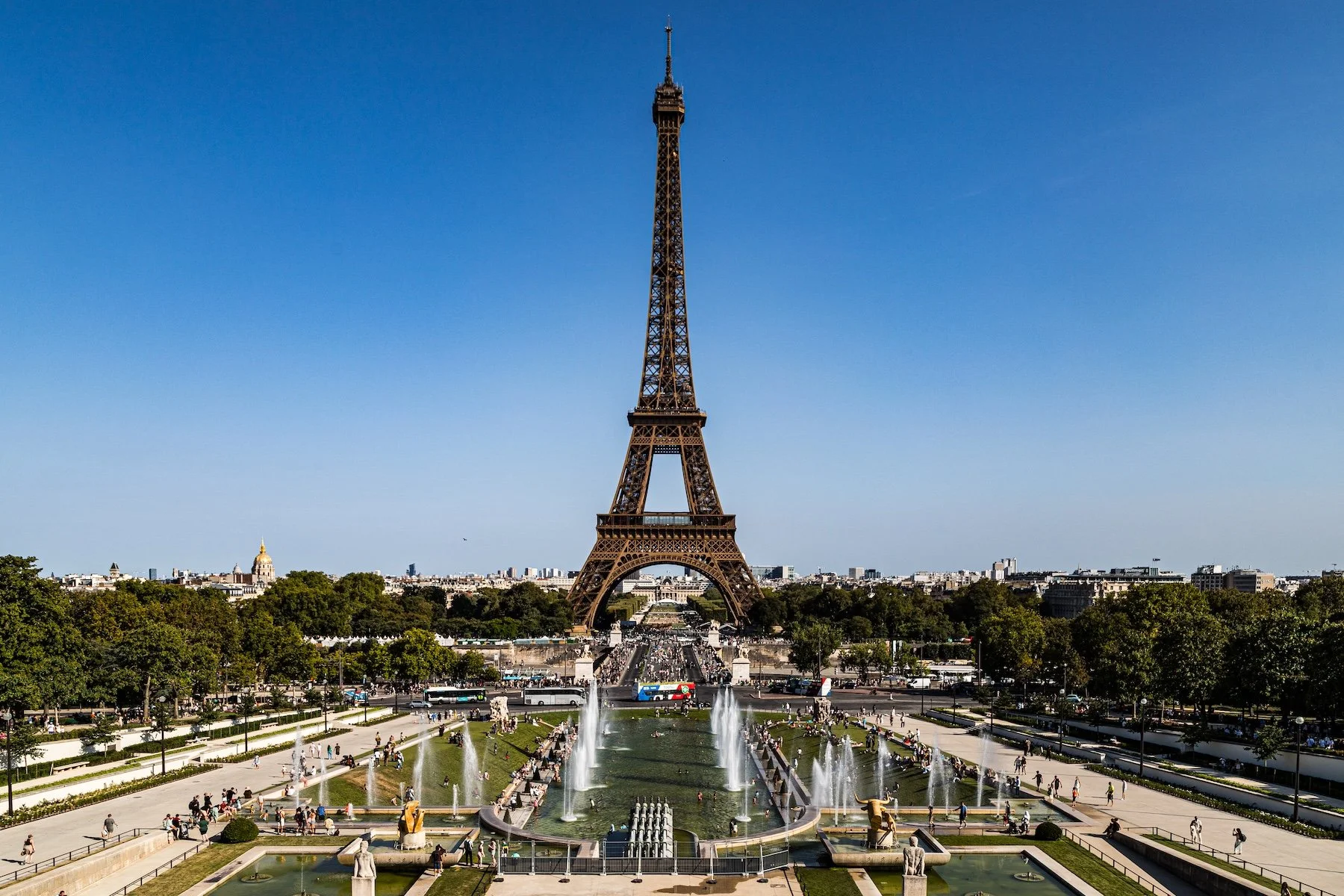
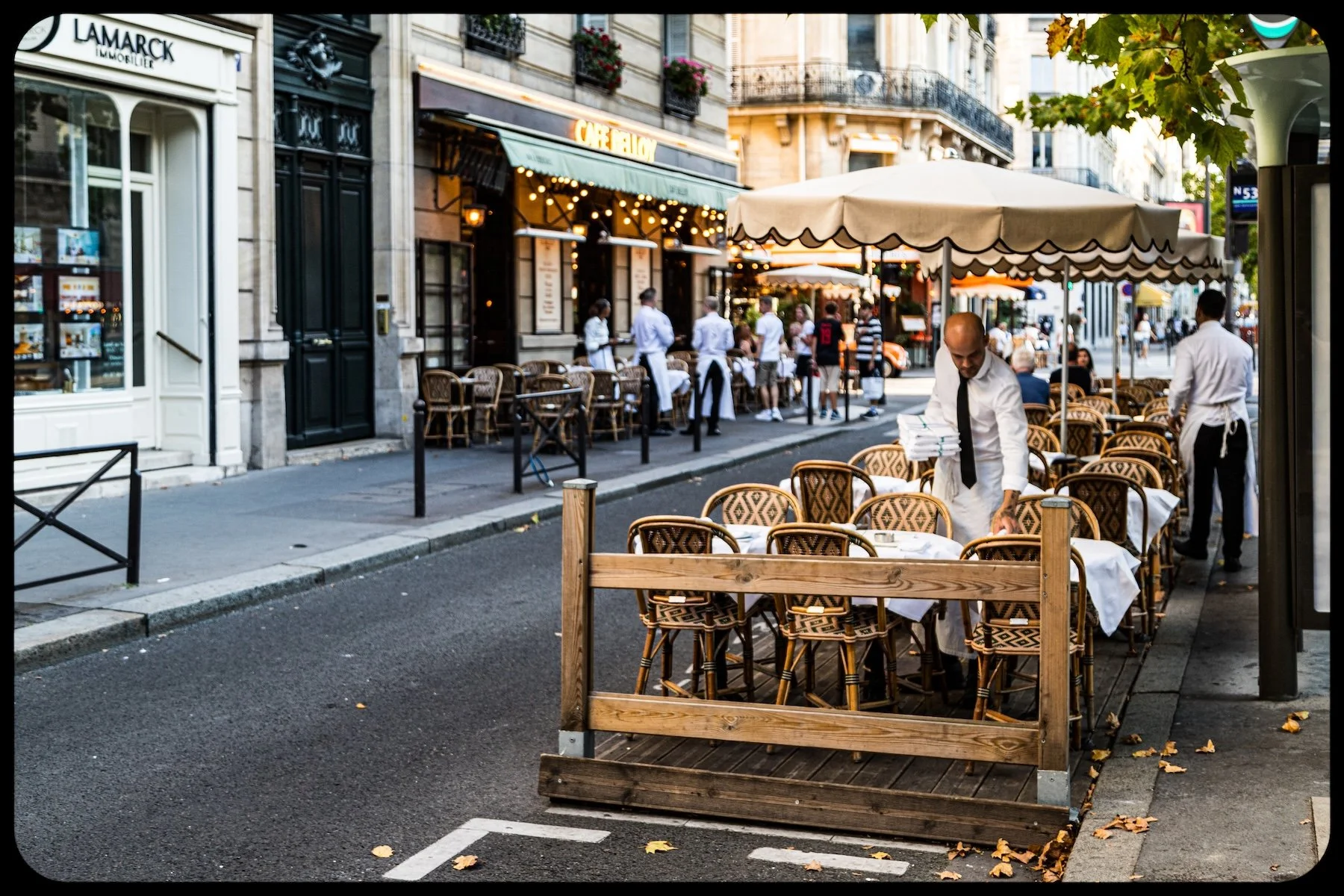
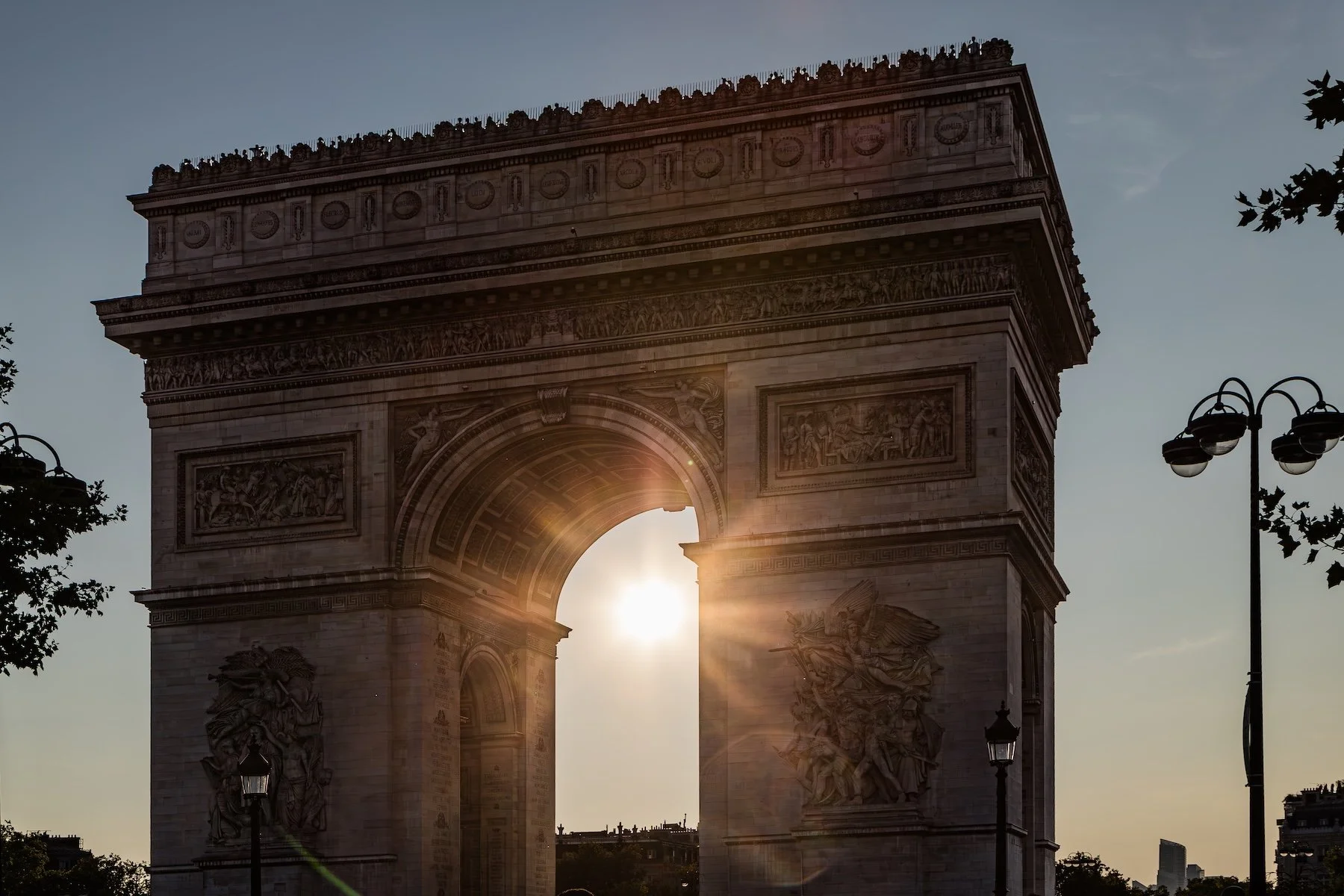
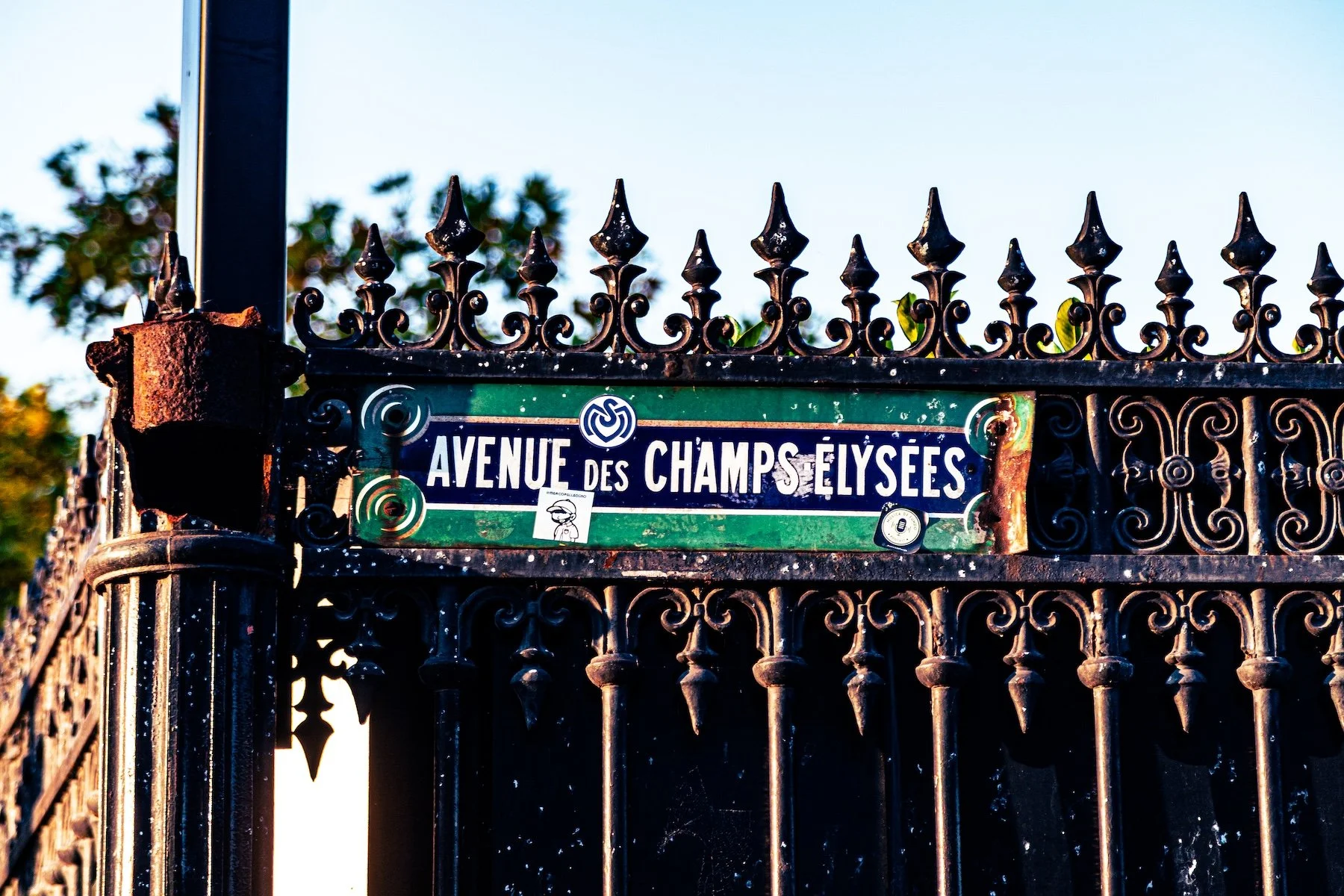
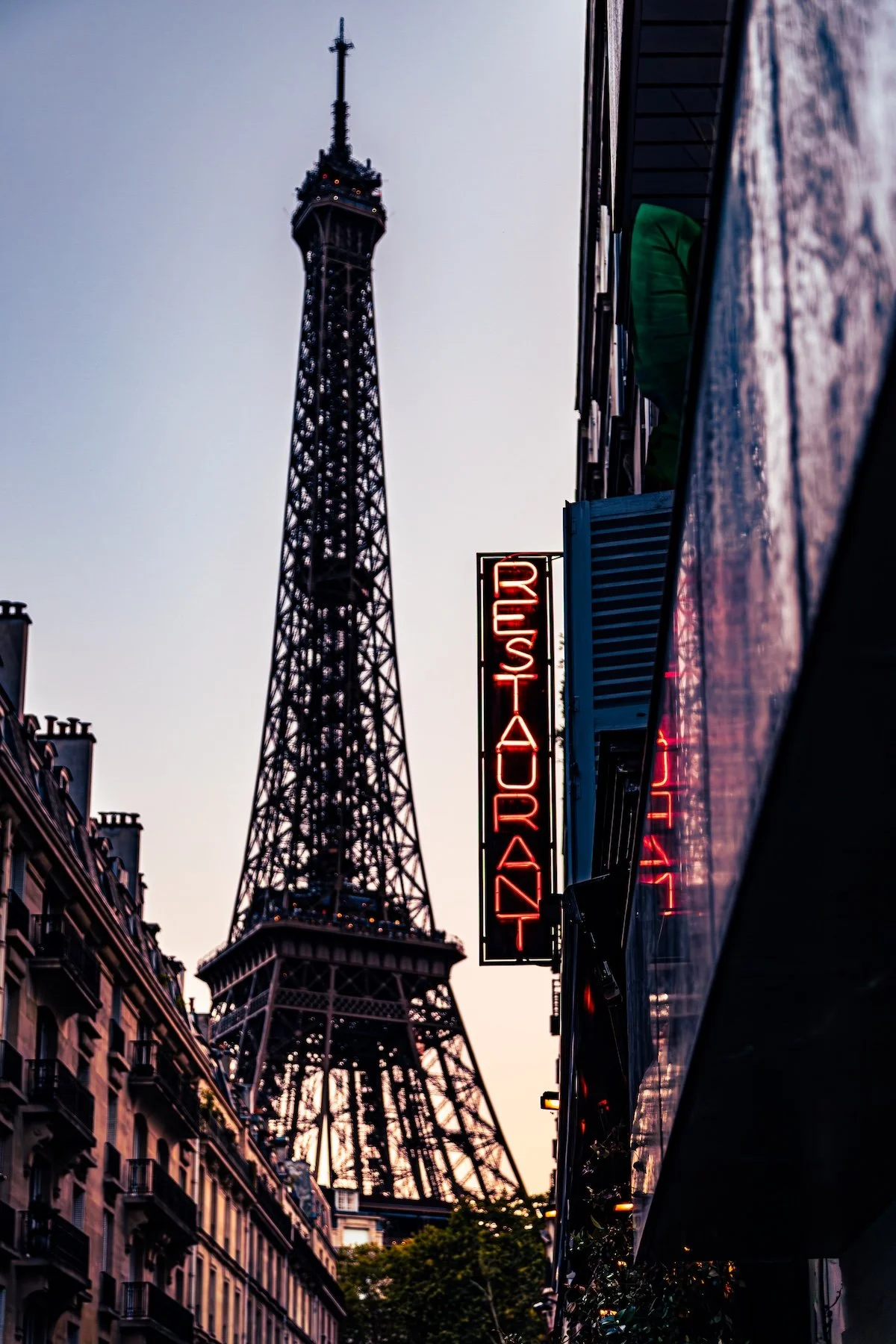
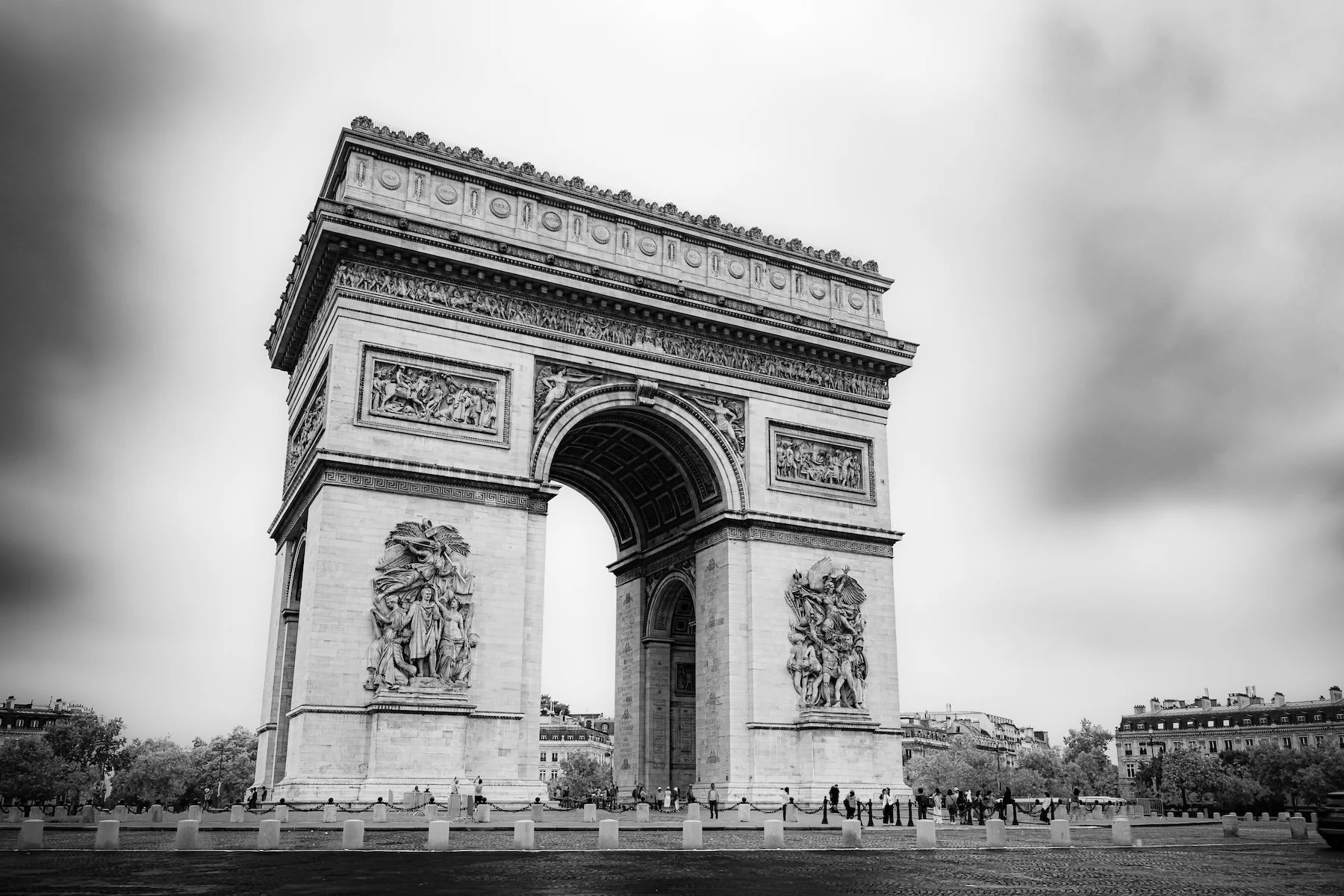
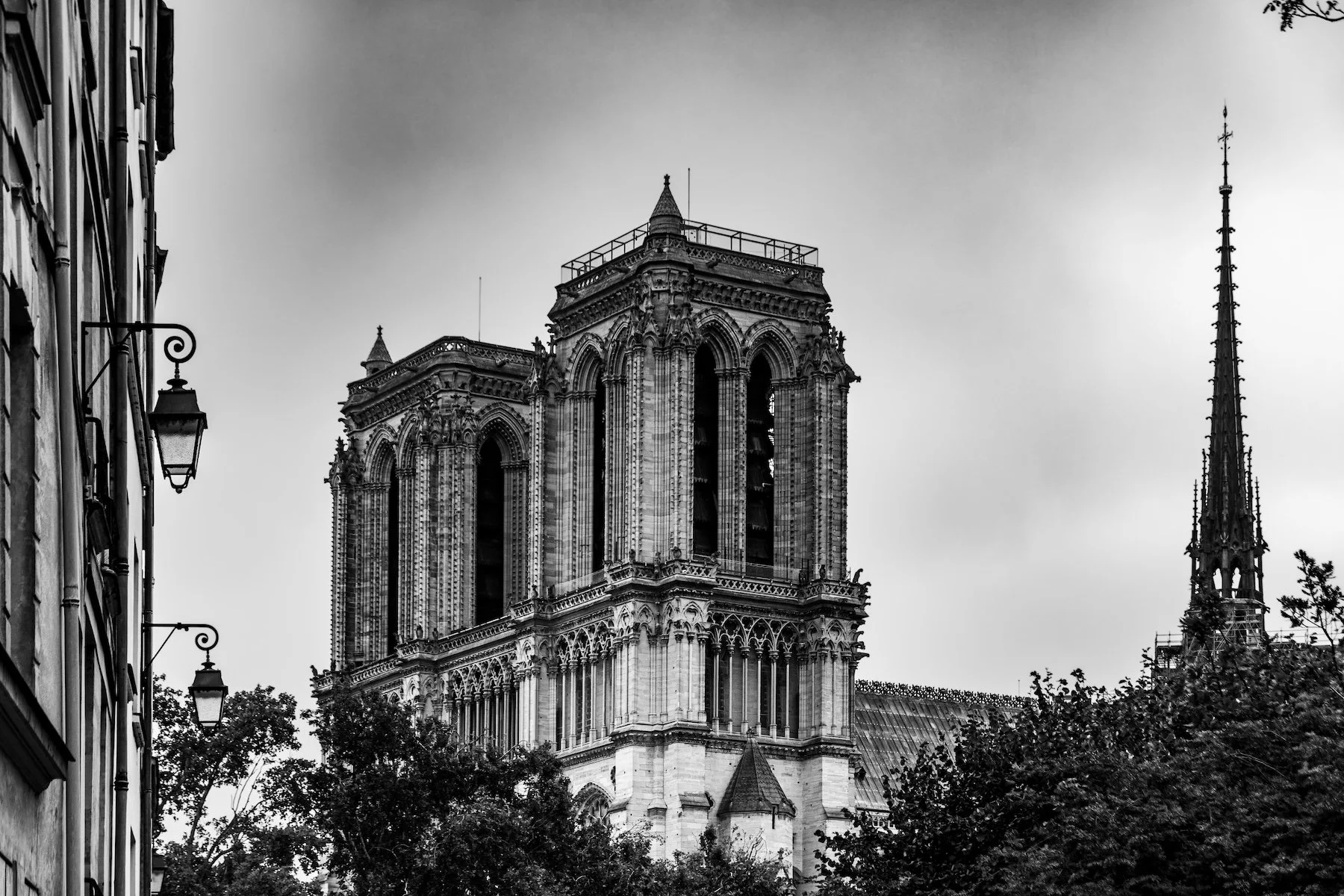
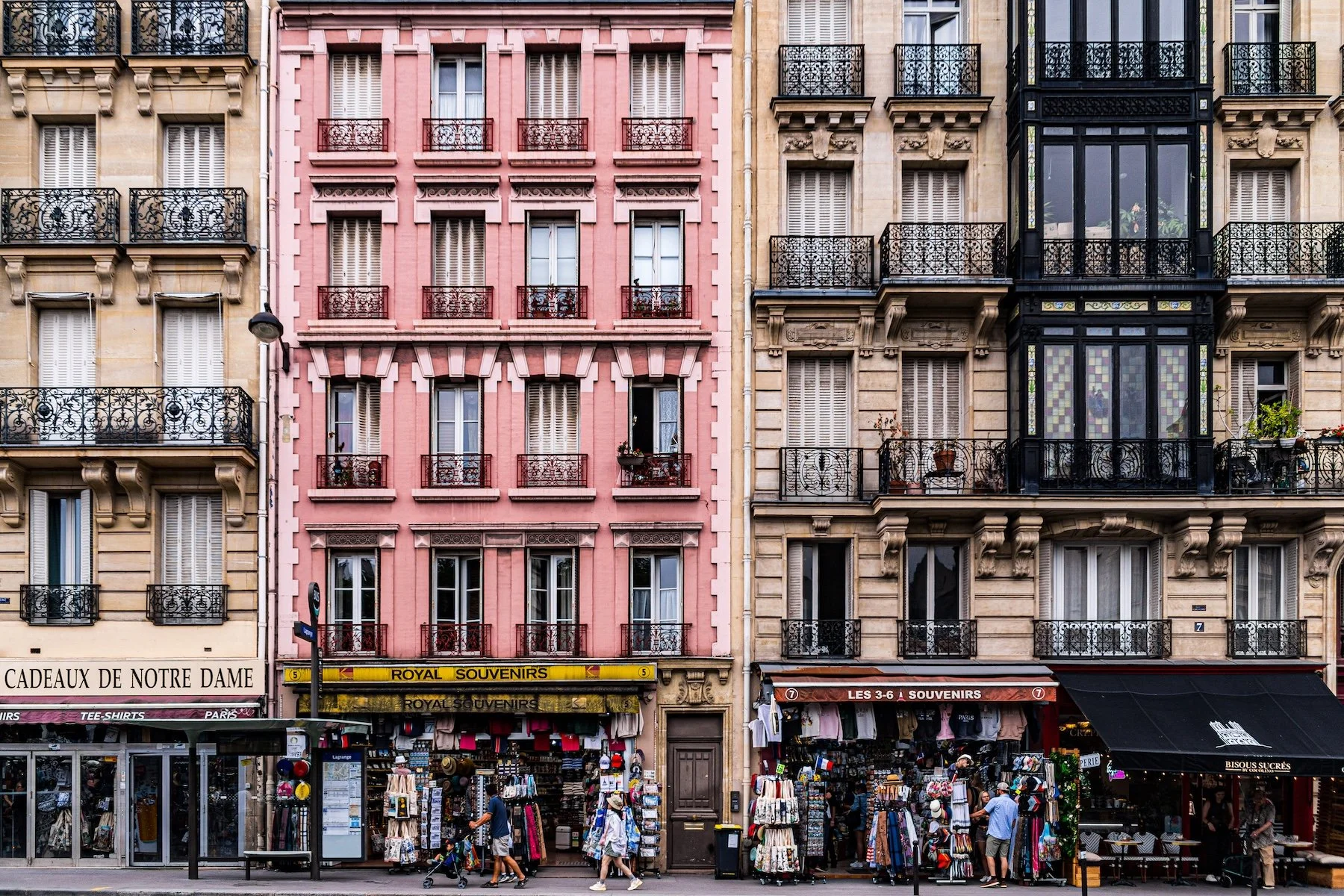
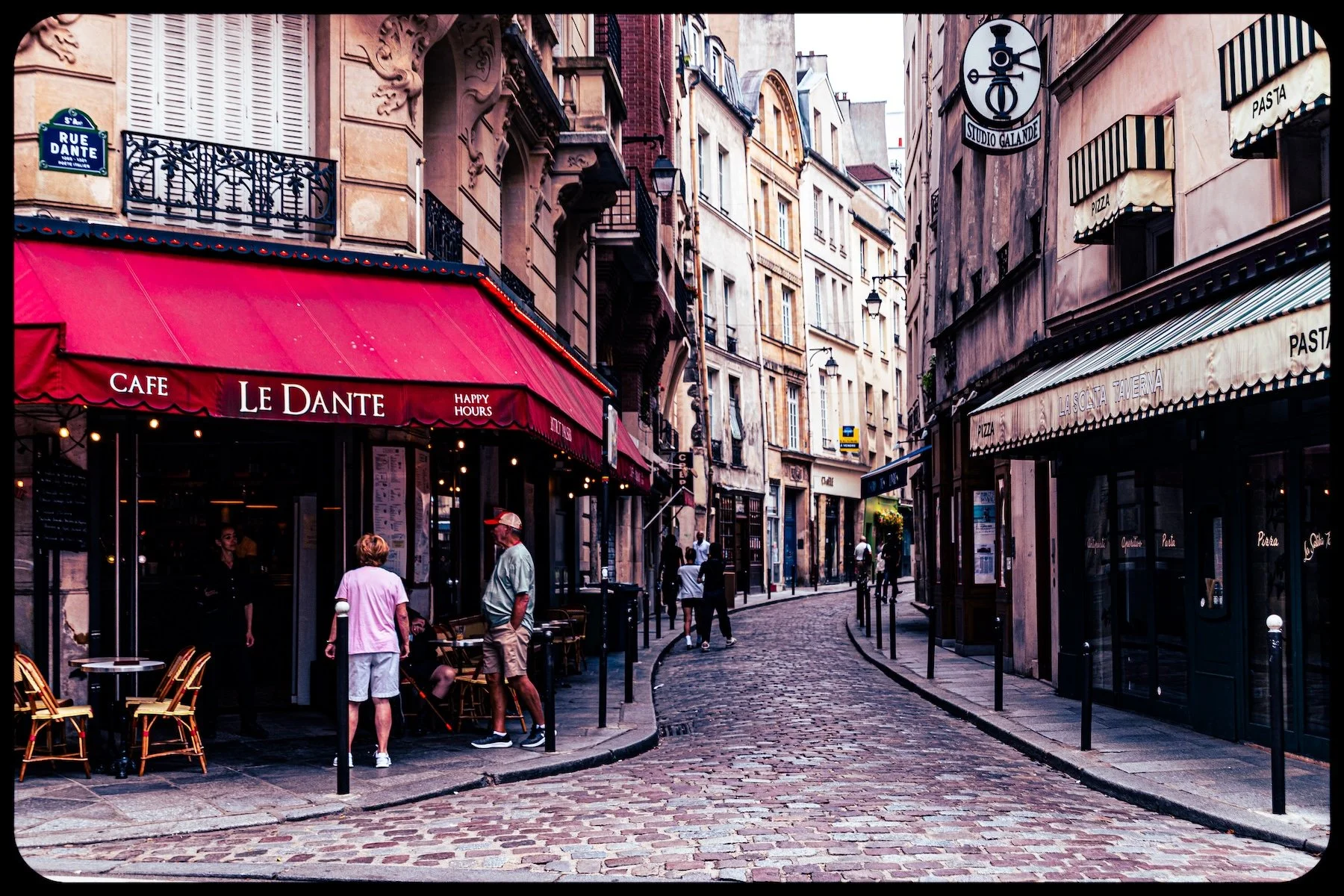
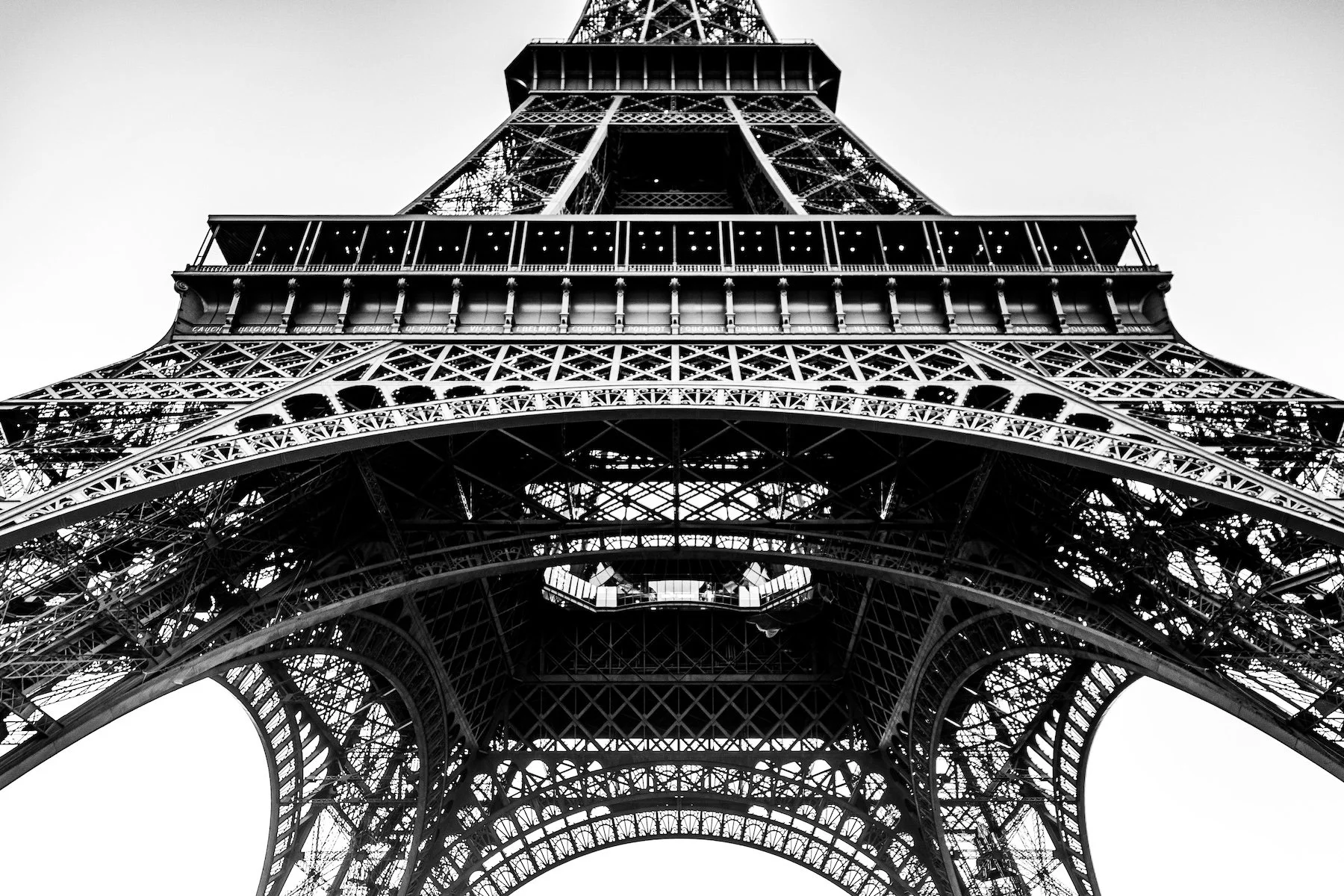
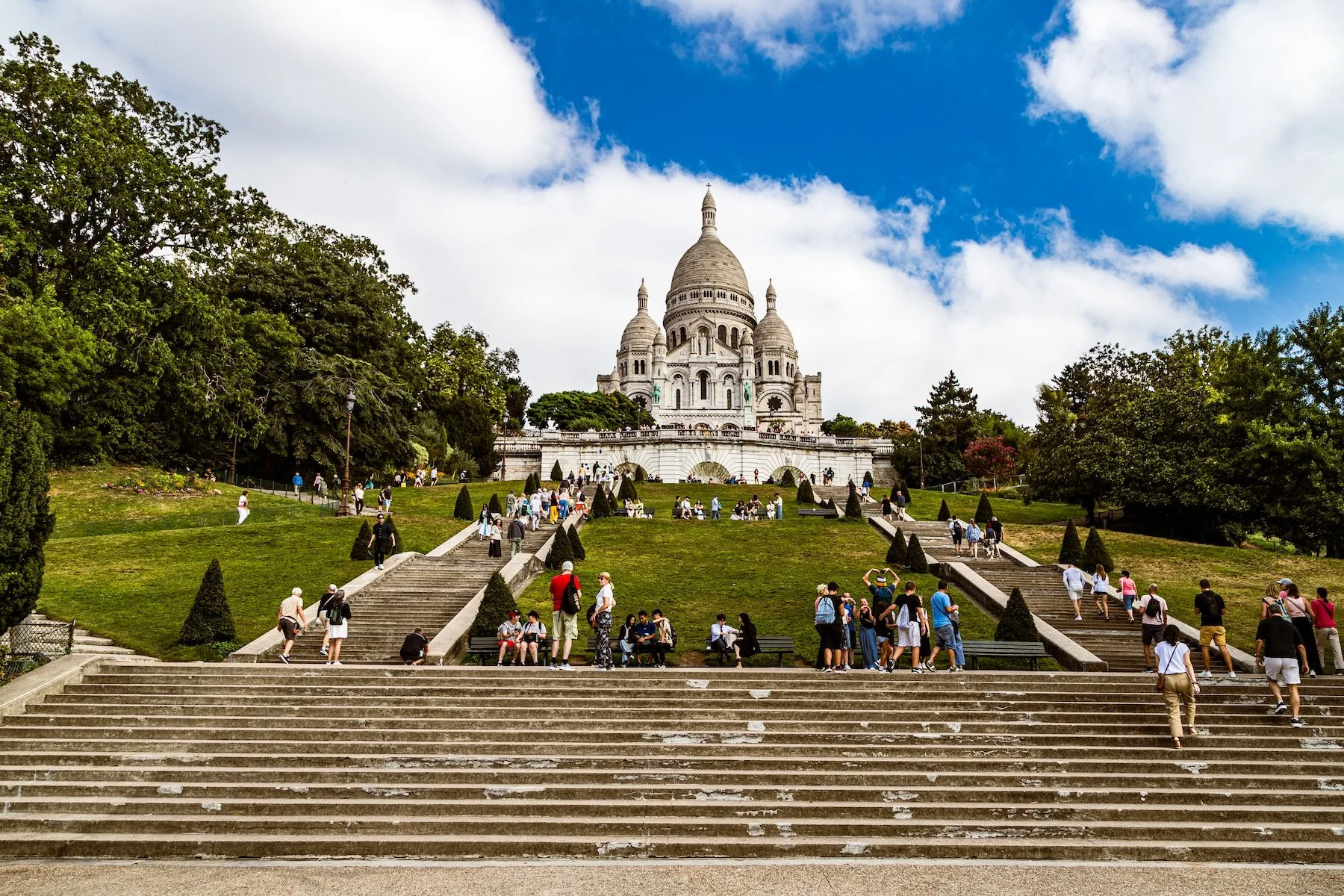
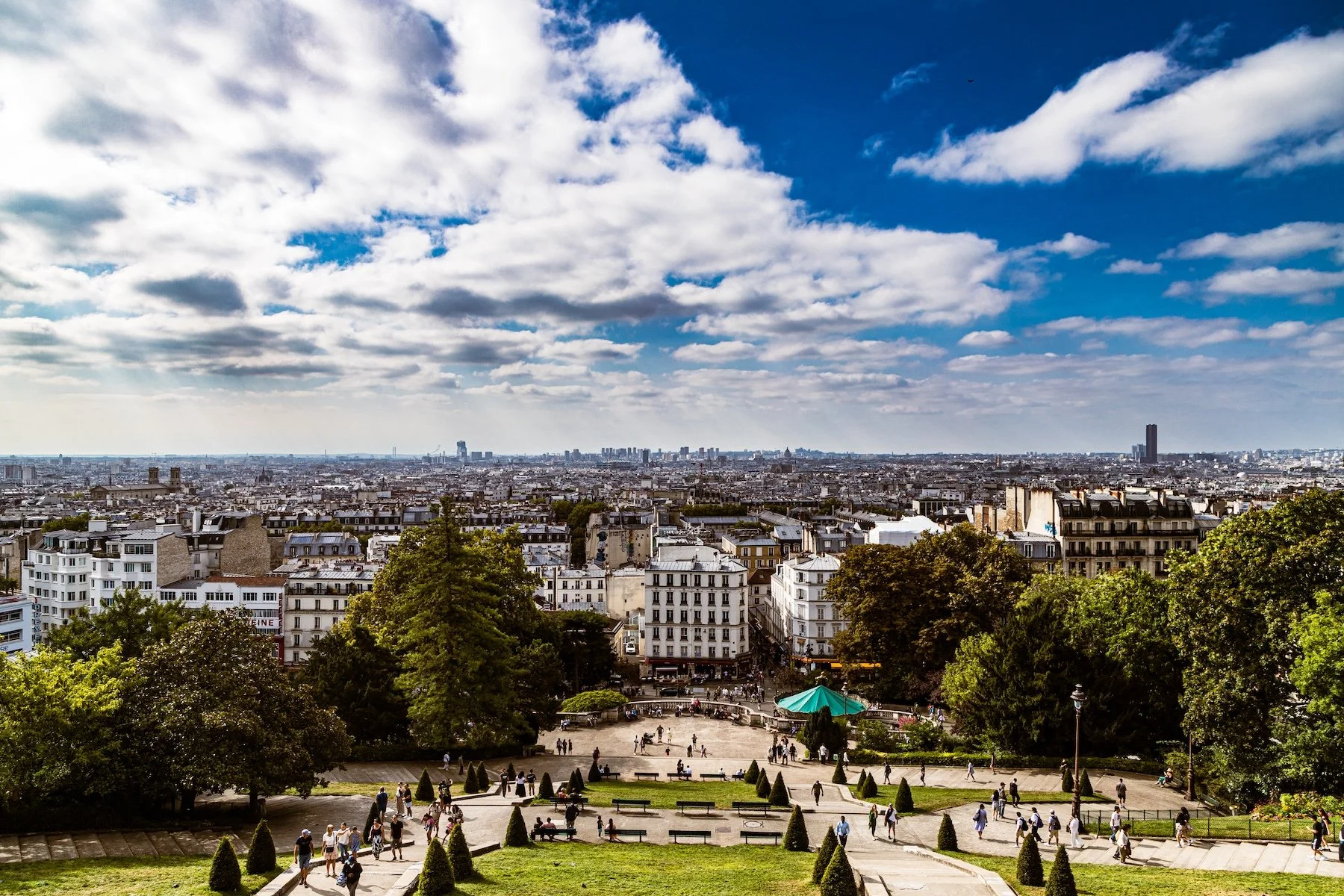
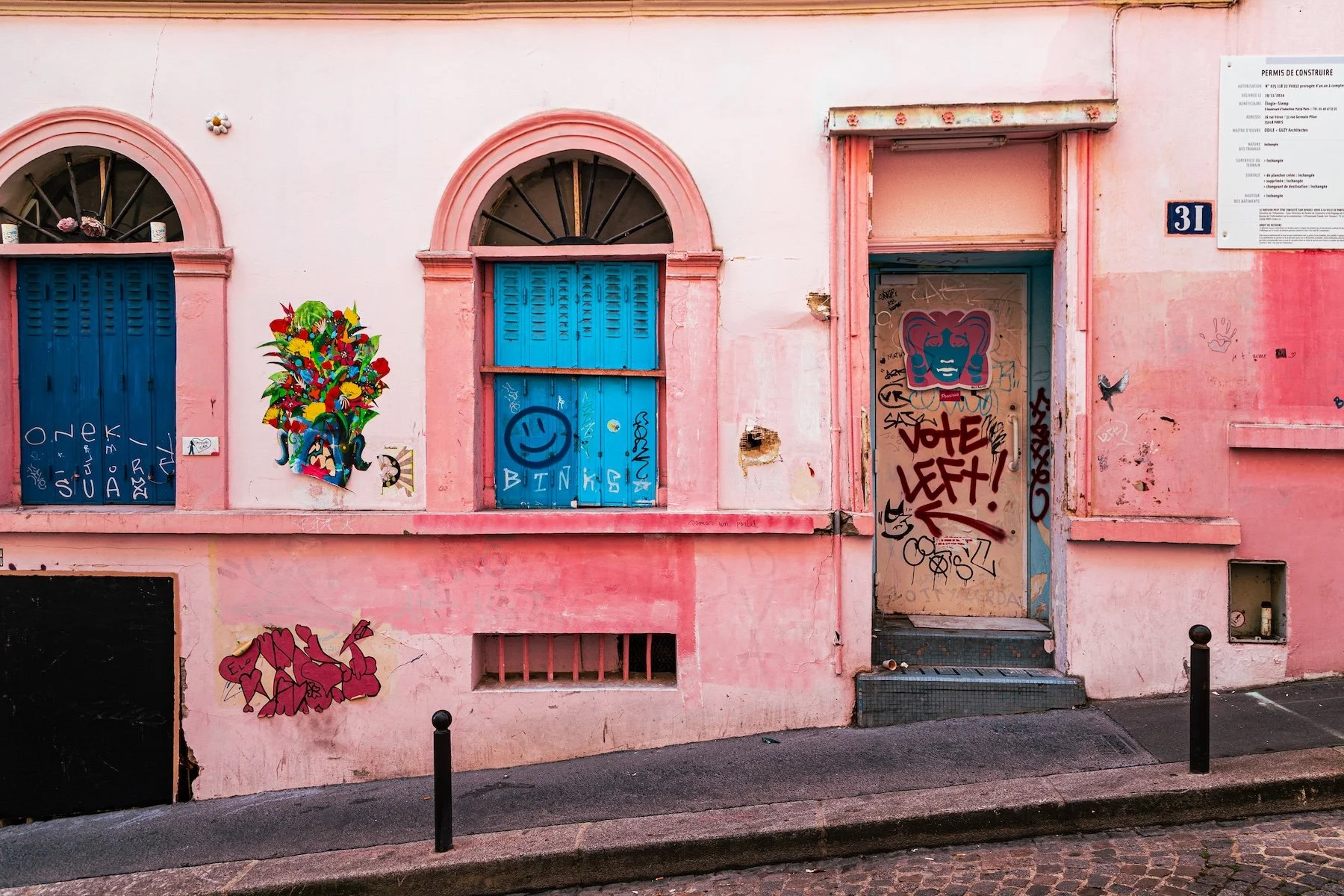
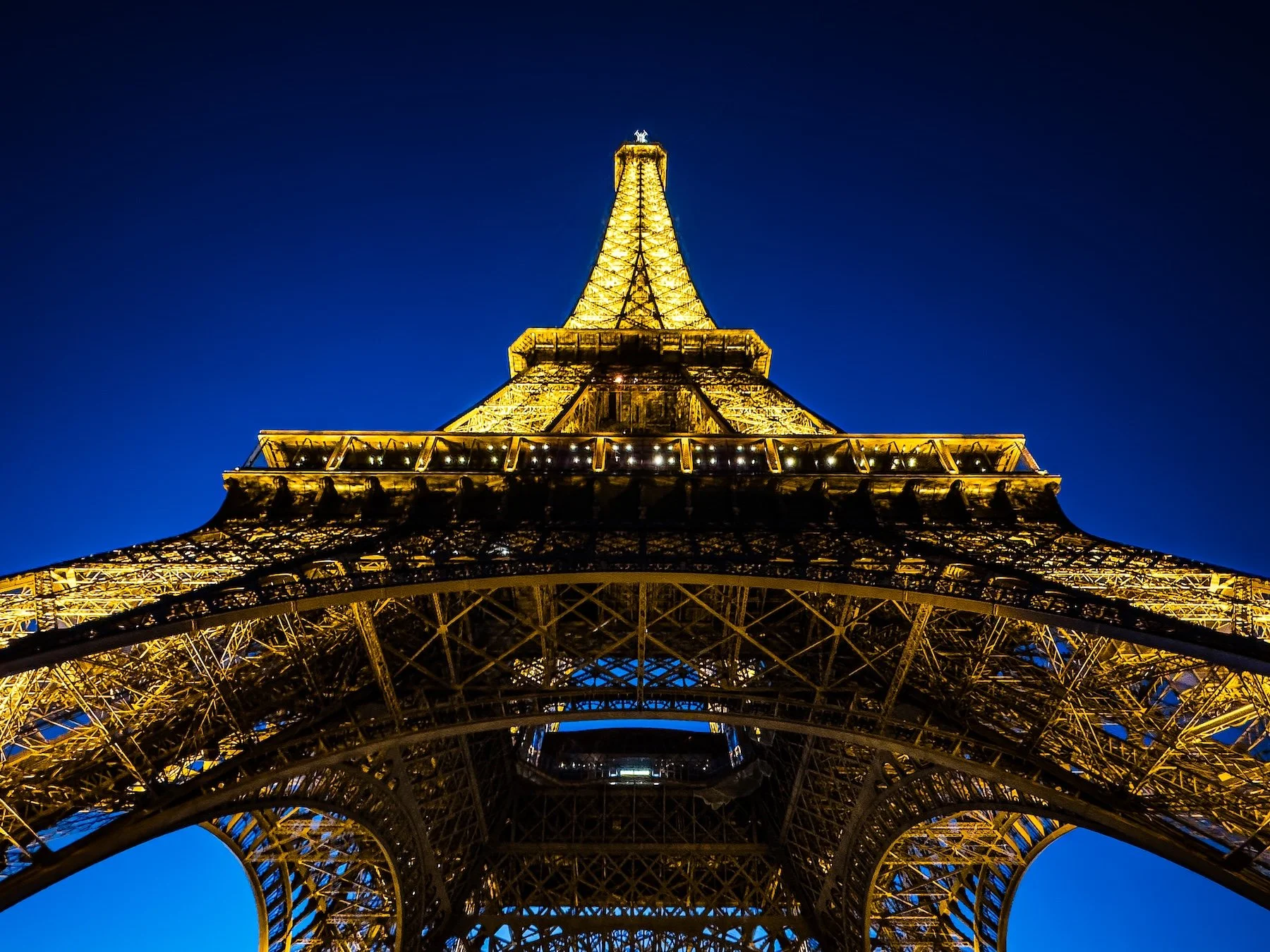
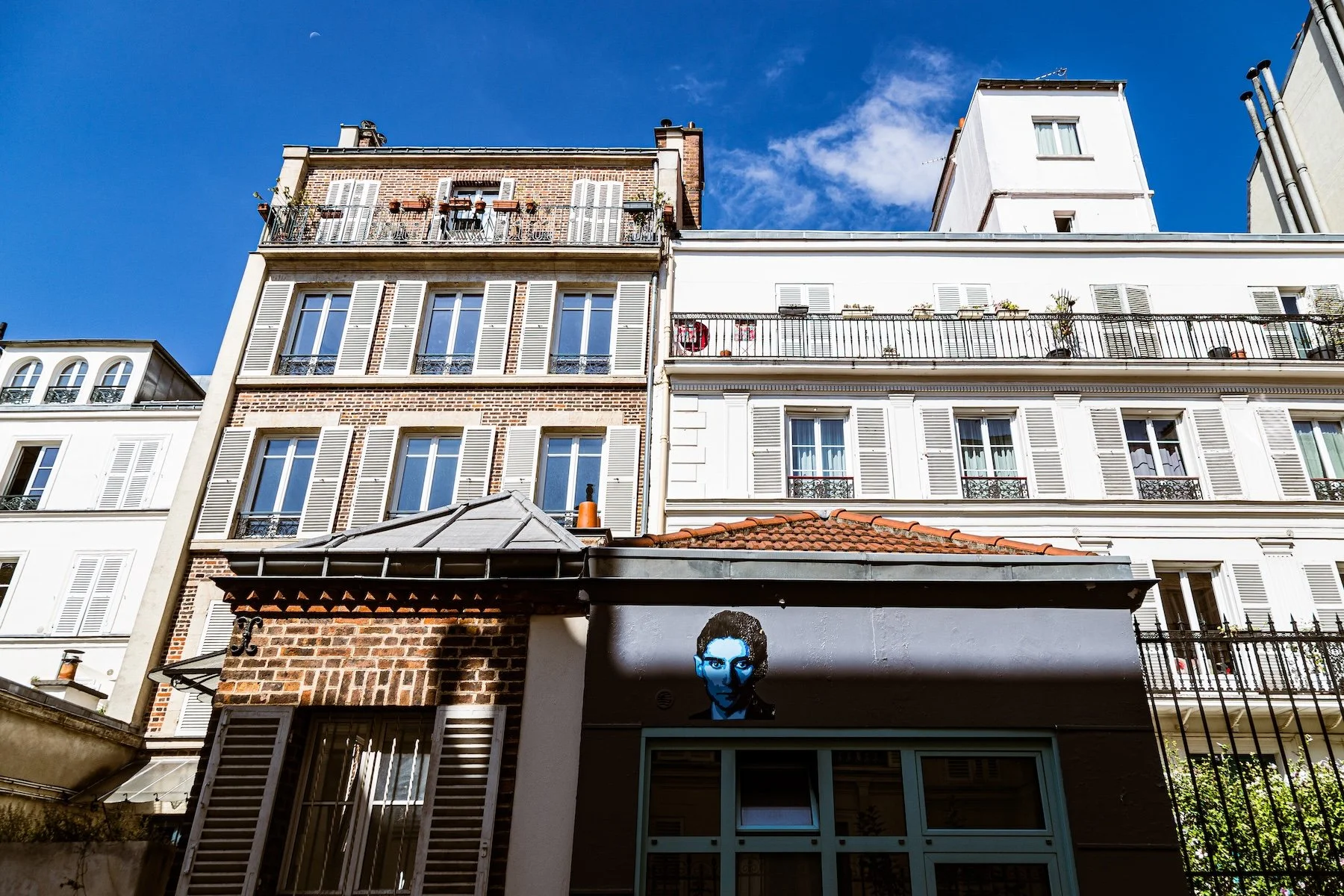
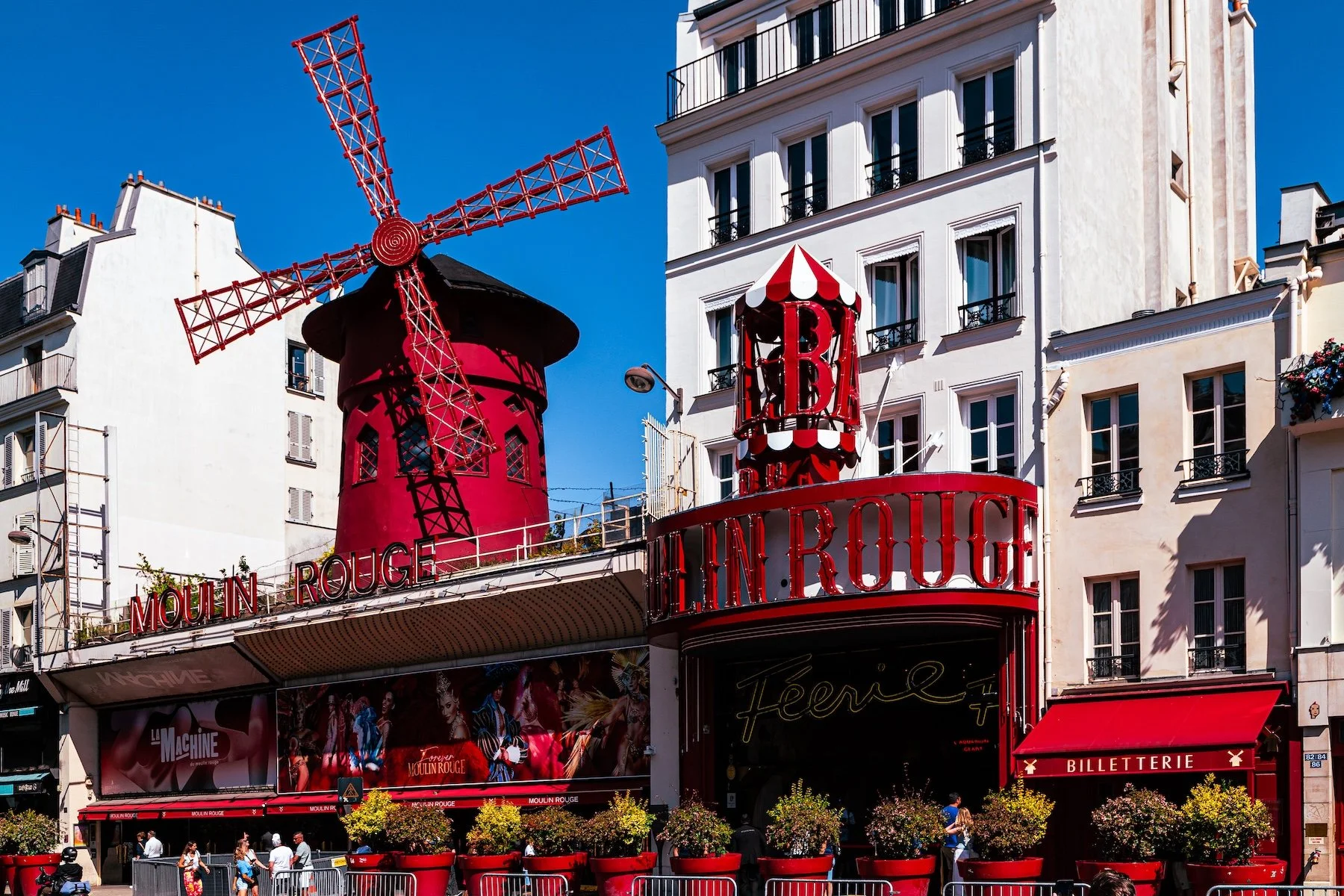
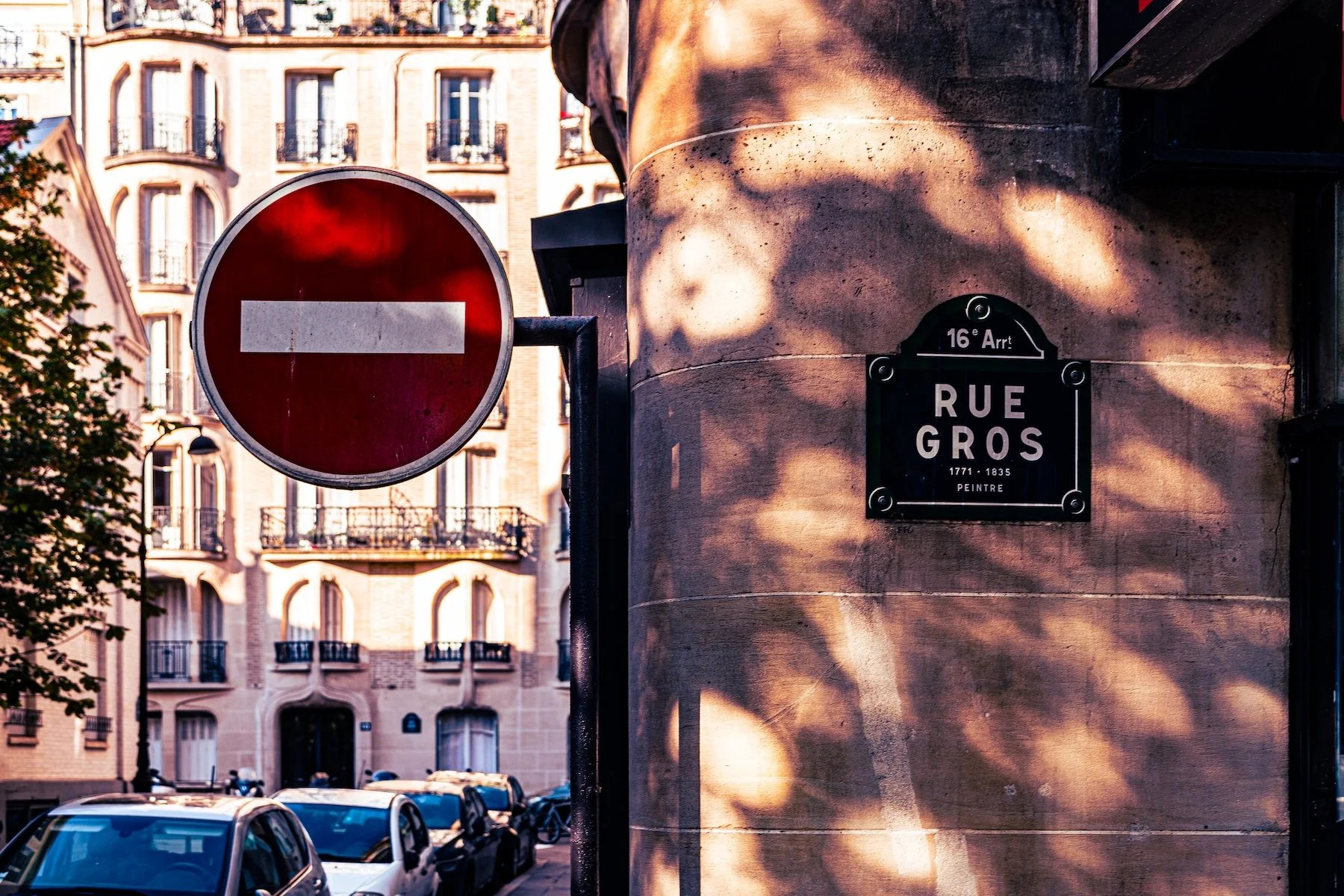
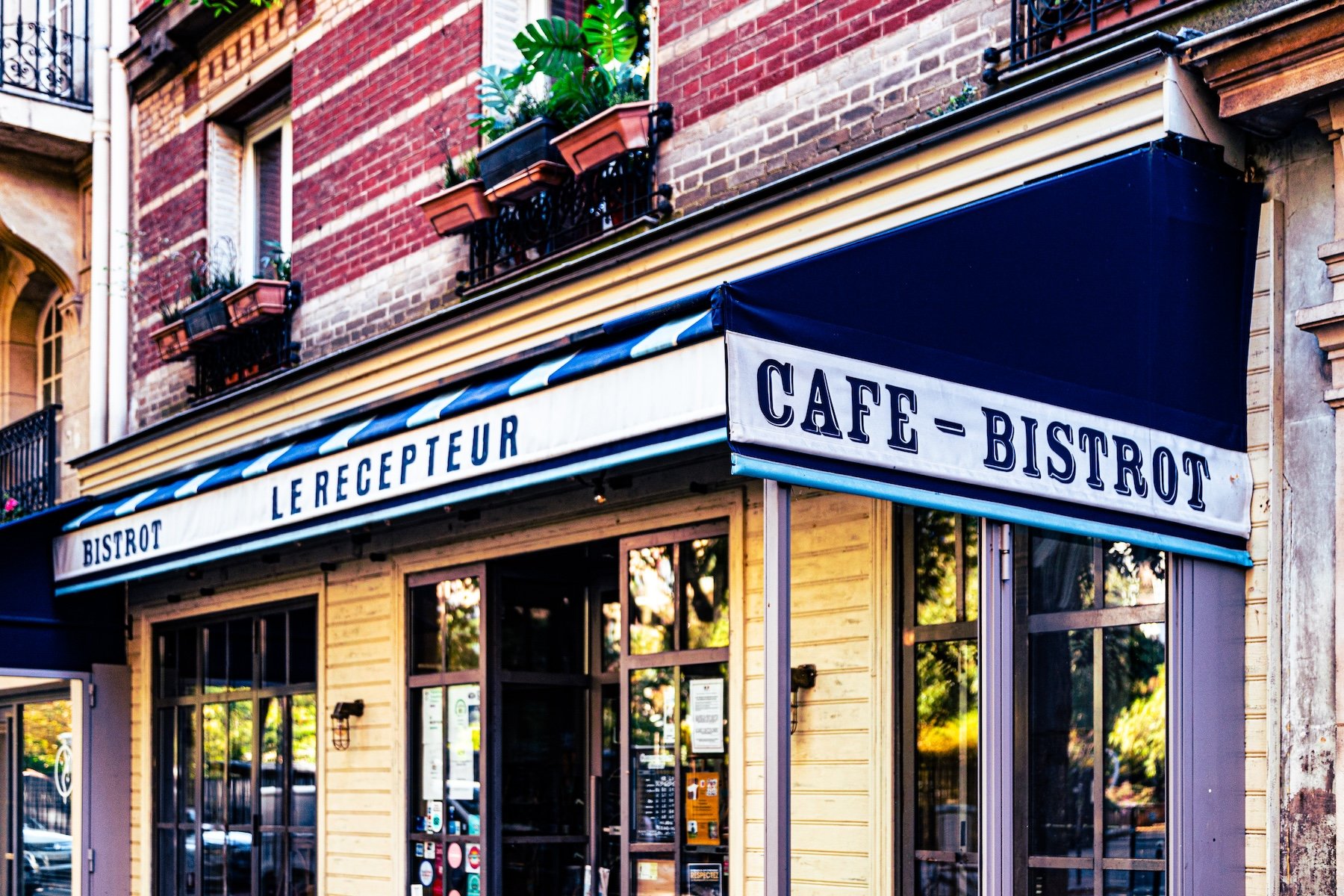
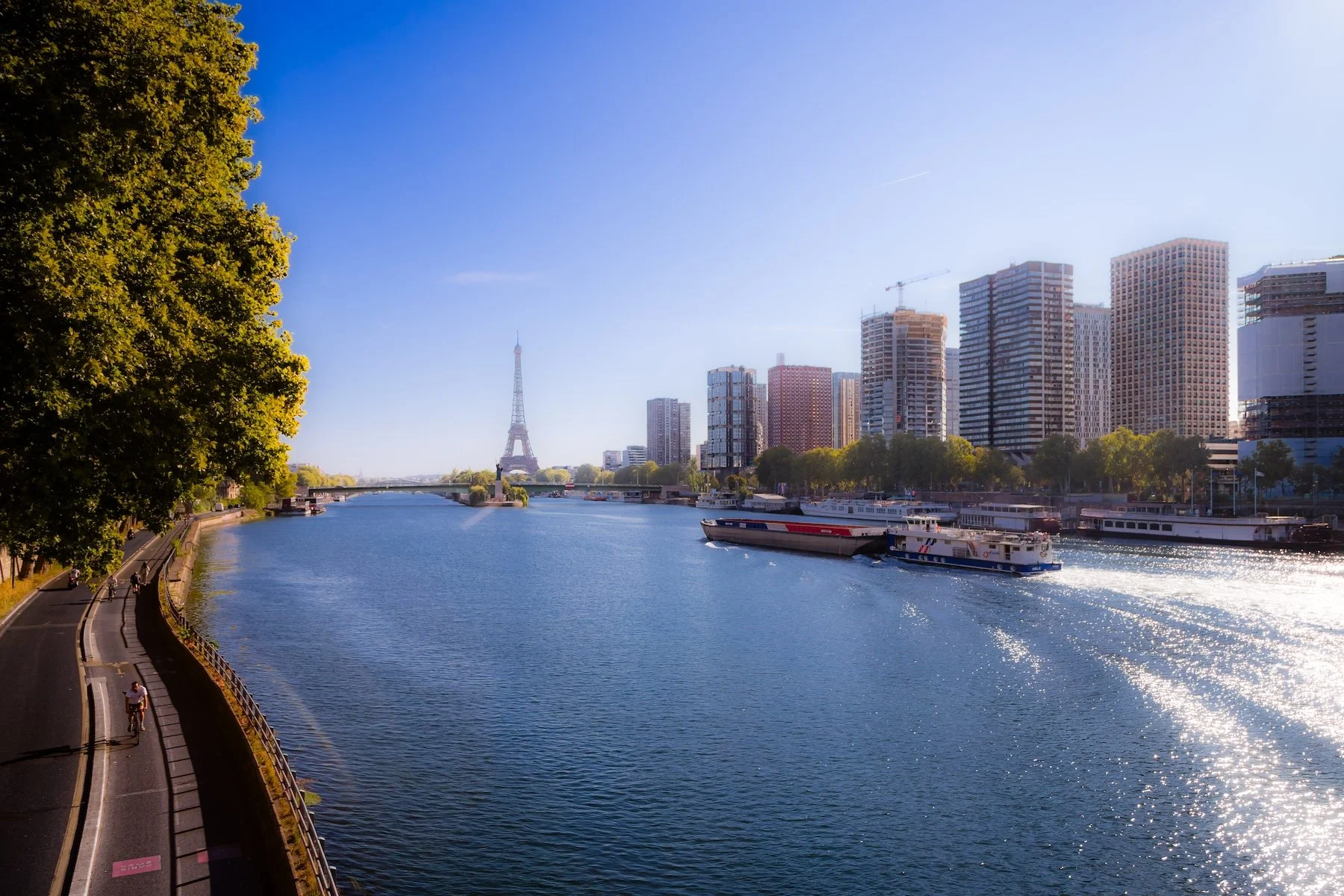
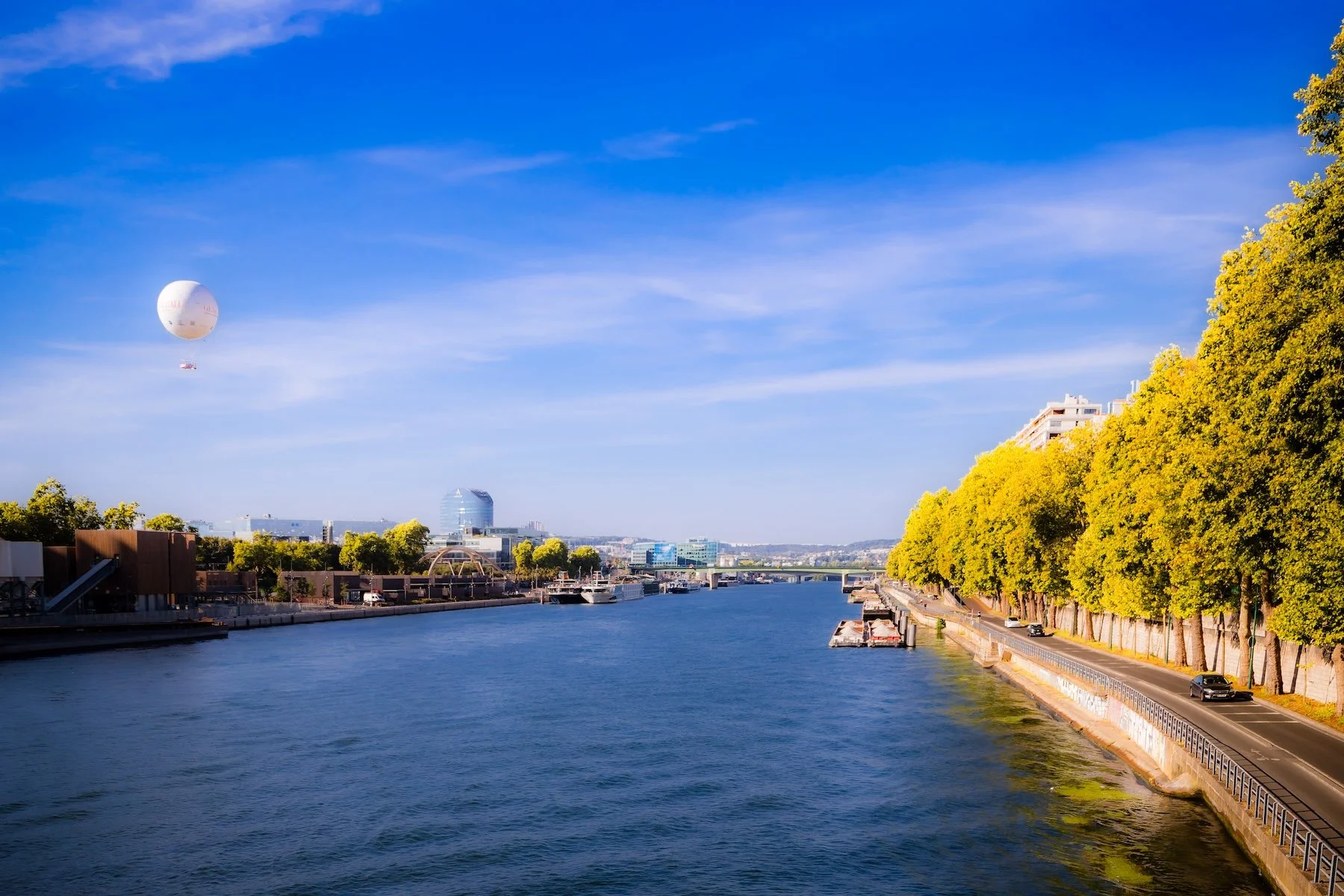
If you visit Paris, these ideas can help inspire your own photography.
Paris: J’Espere, Je Rêve, Je Vive
Paris Photo Gallery
Paris Flâneur Notes
Flâneur Notes document the walks, photographs, light, and street-level observations behind this neighborhood entry. Learn more about the Spirit of the Flâneur.
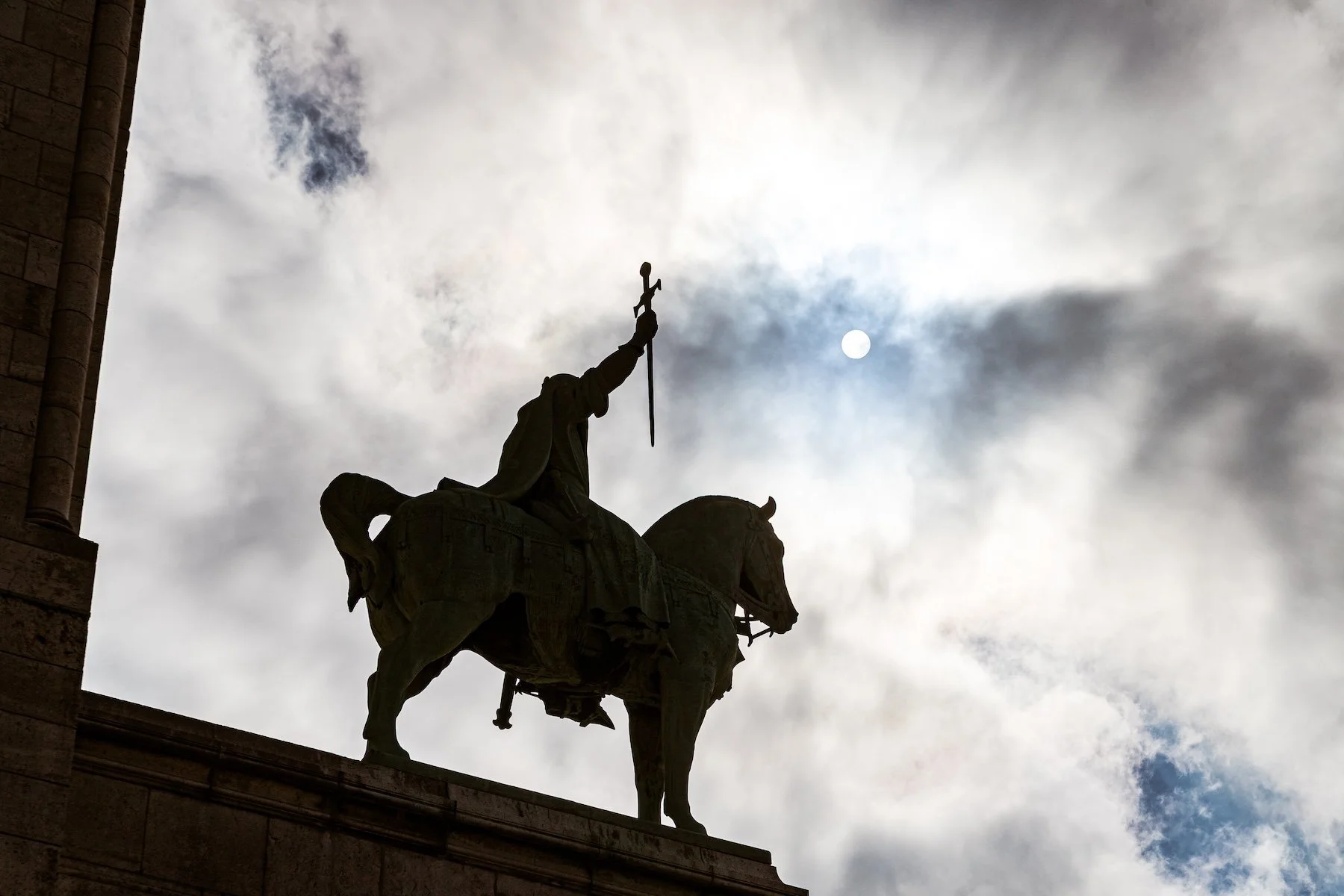
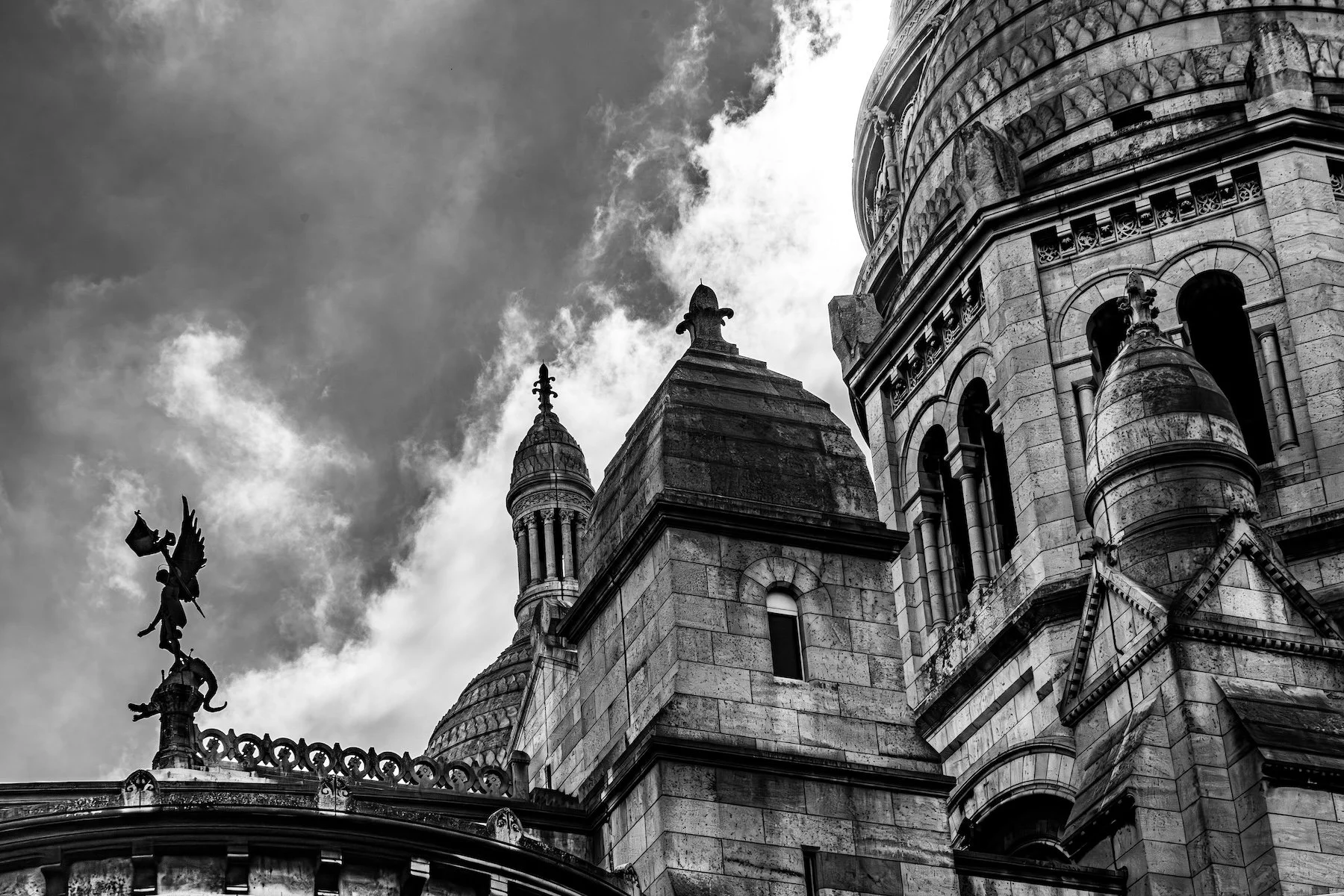
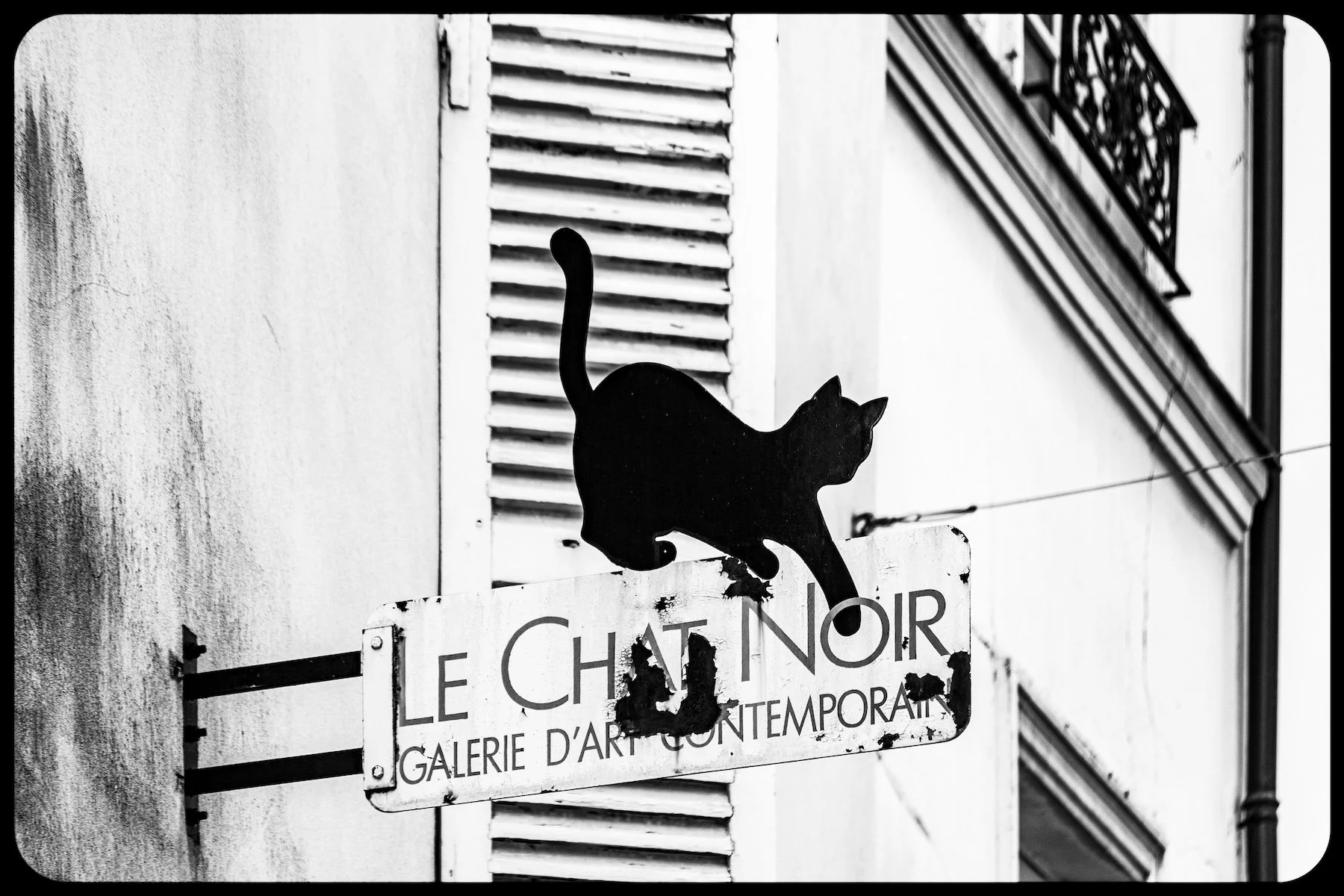
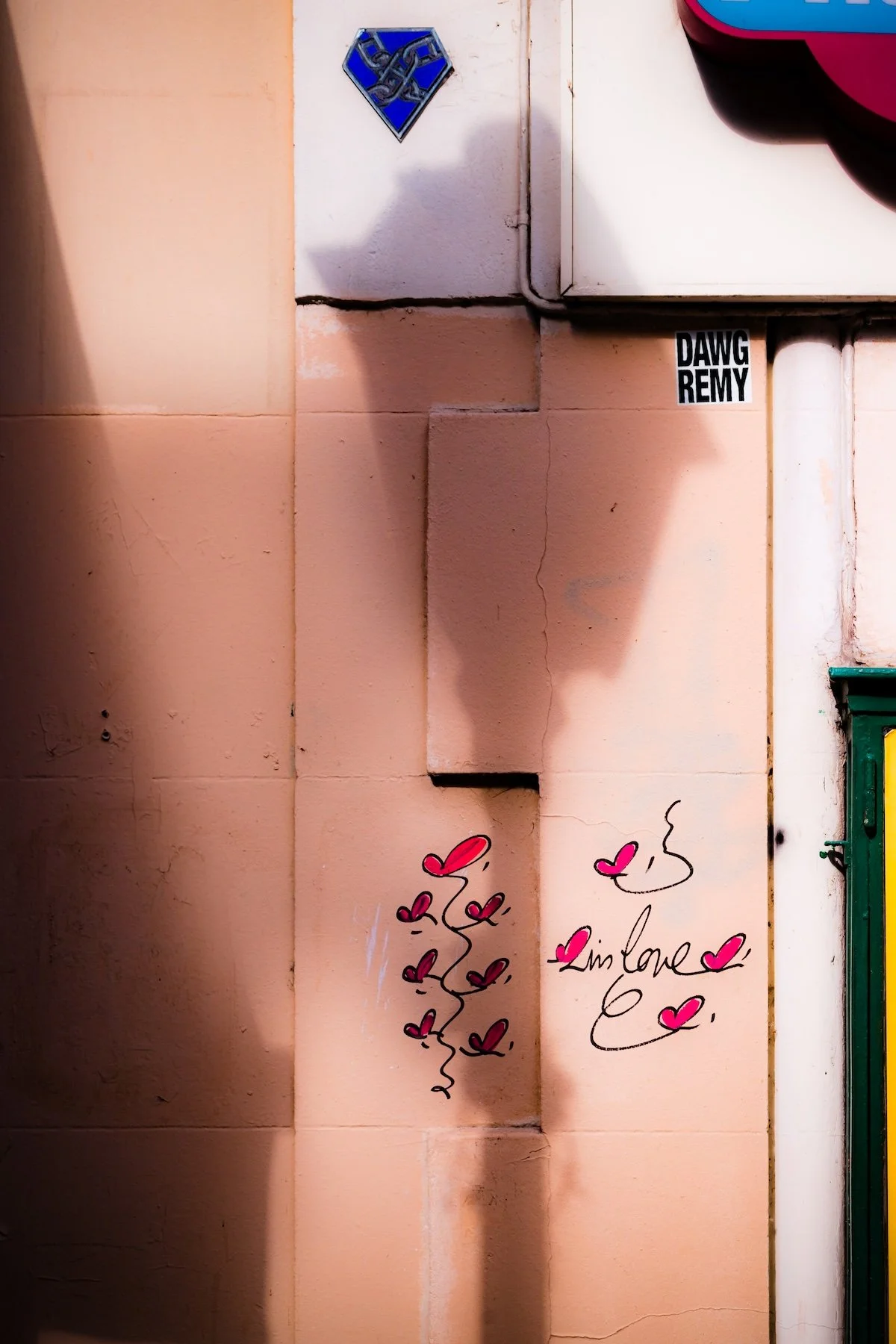
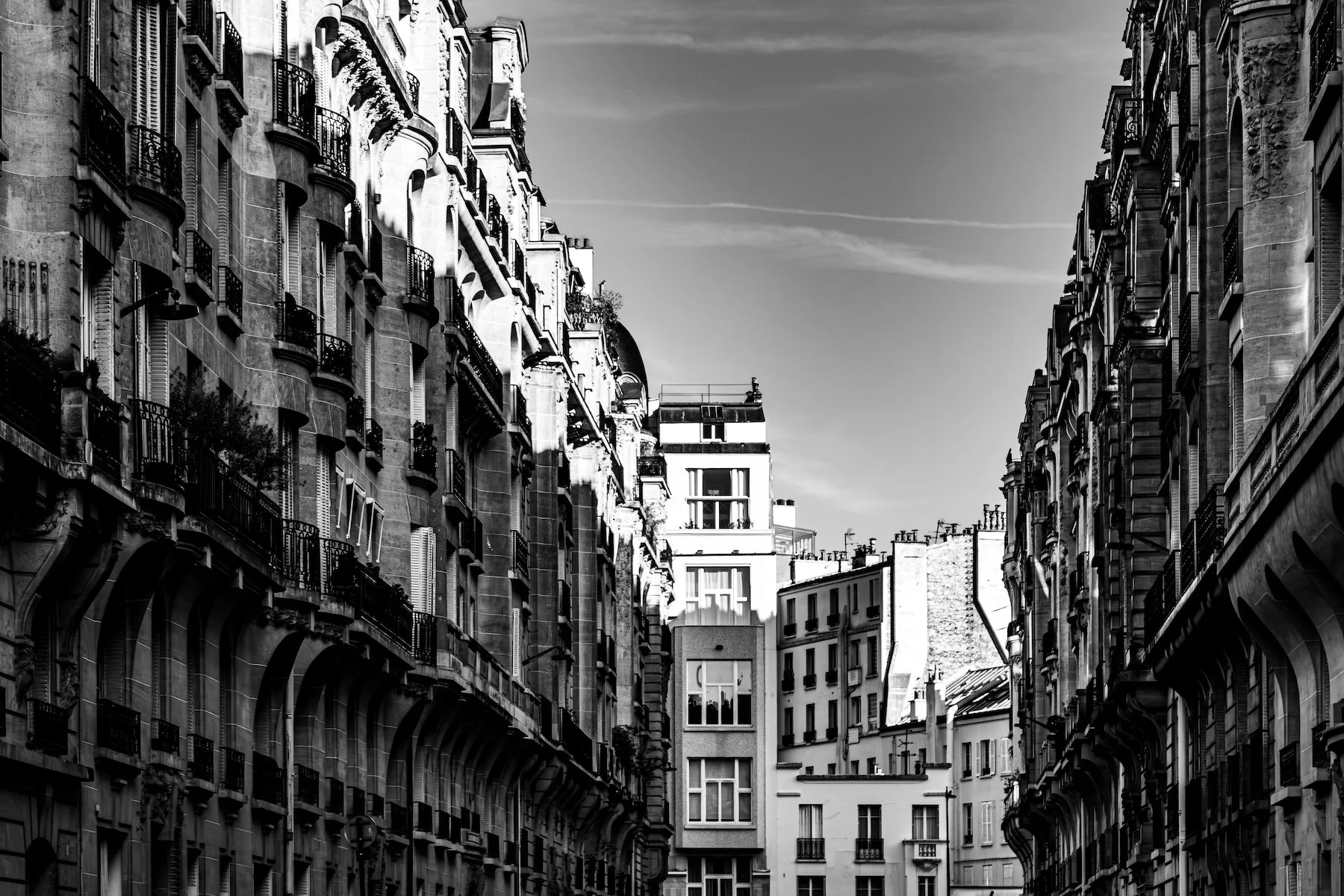
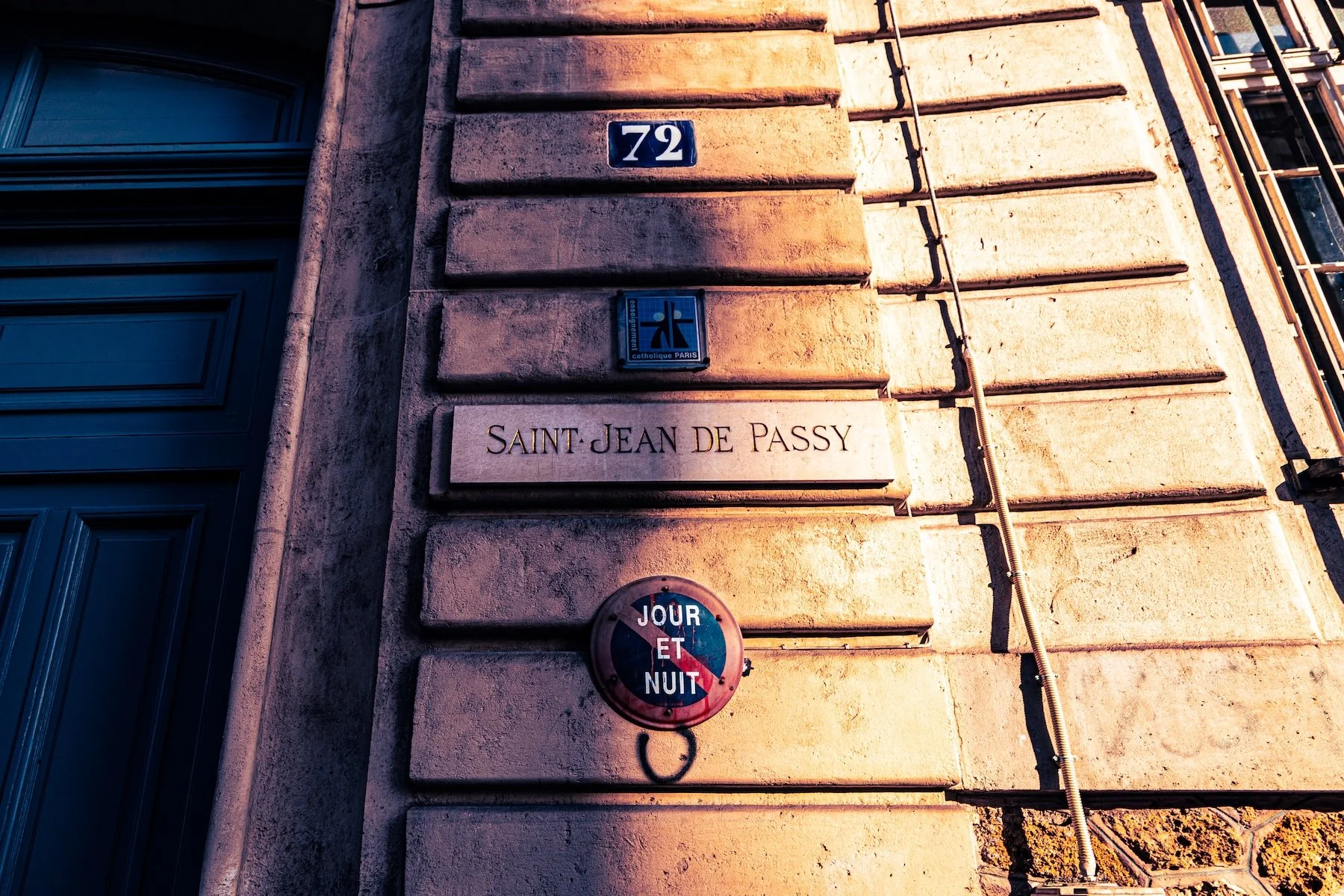
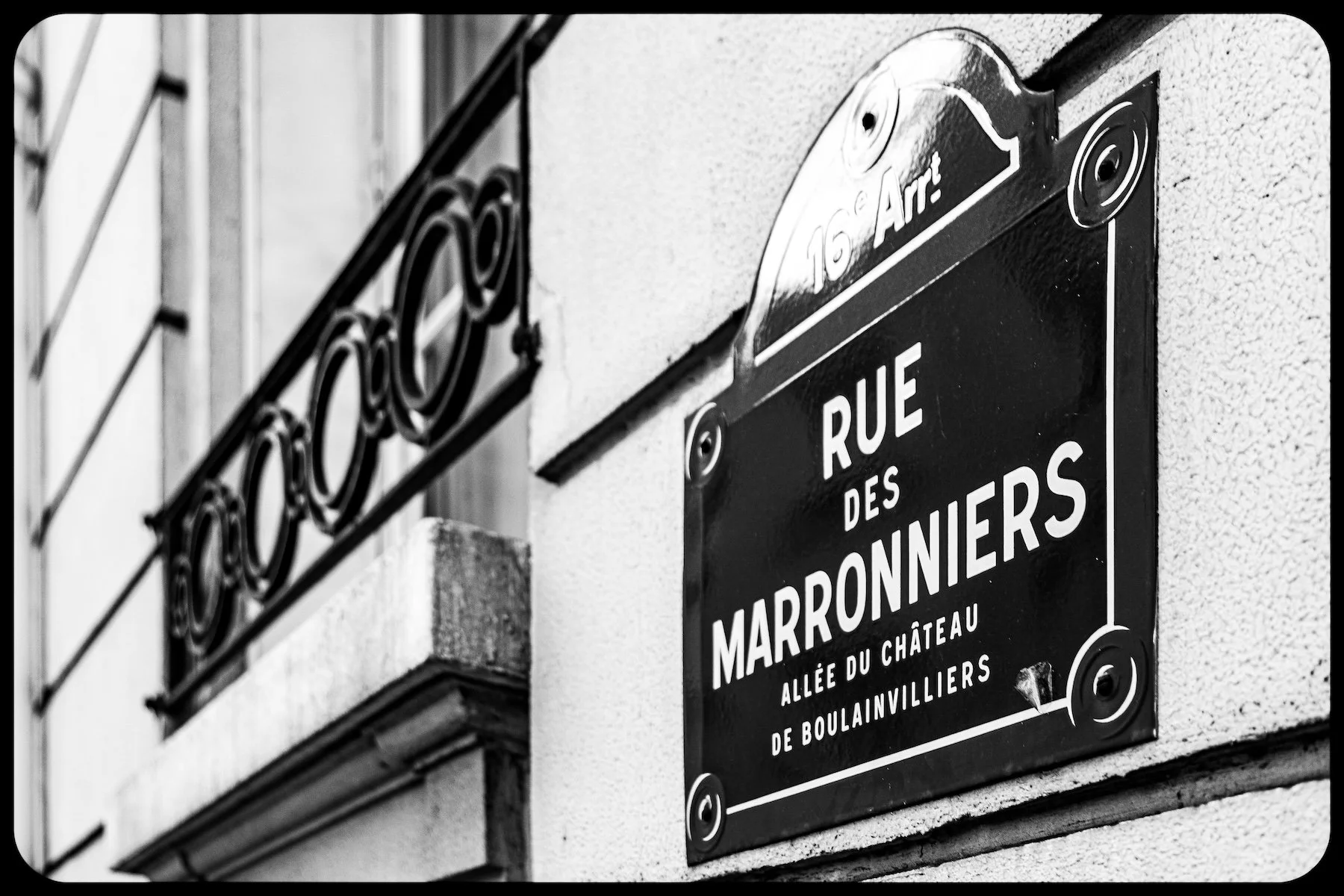
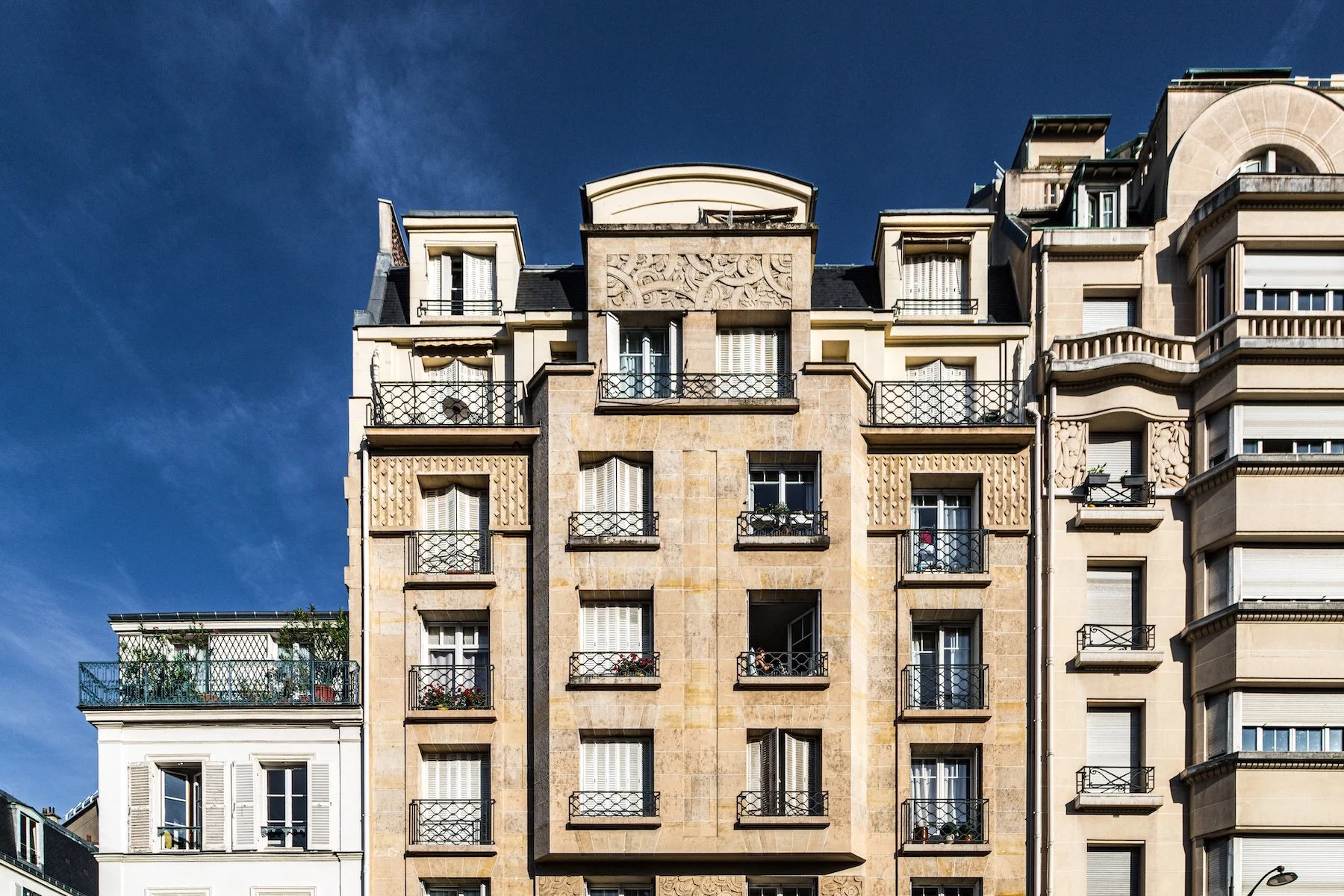

Explore Paris
-

The twenty arrondissements form the civic spiral of Paris, organizing the city into its broad local districts of government, identity, and daily life.
-

Each arrondissement is divided into four official administrative quarters, giving Paris a more precise civic and geographic framework.
-

The conseils de quartier bring participation to street level, giving residents a voice in neighborhood needs, public space, and local civic life.
-

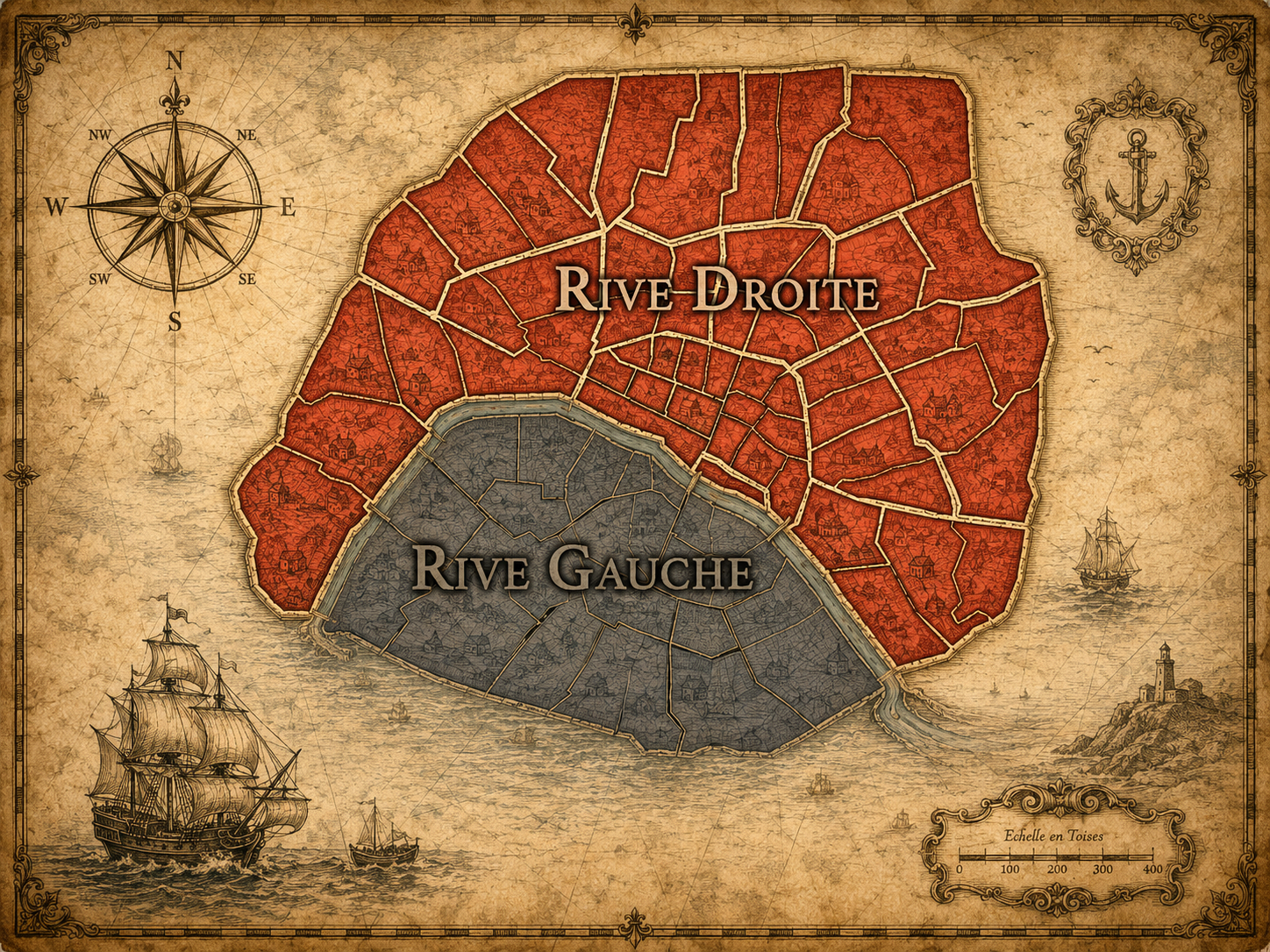
Les Deux Rives trace Paris through the Seine’s two banks, revealing how the Rive Droite and Rive Gauche shaped the city’s civic power, commerce, learning, art, and cultural identity.
-

Cultural neighborhoods reveal the Paris people recognize through history, cafés, architecture, memory, atmosphere, and local belonging.