

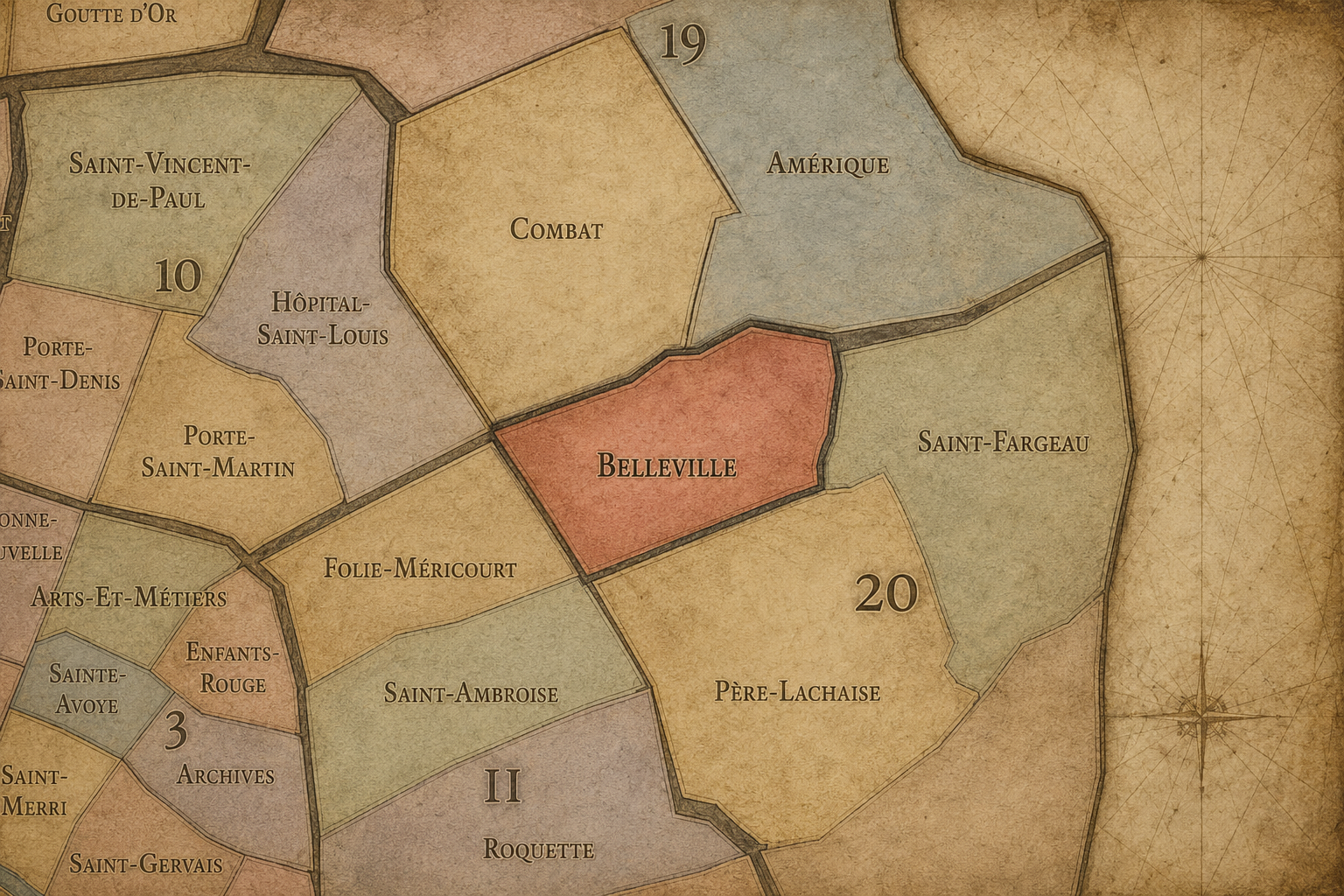
20e - BELLEVILLE
Quartiers Administratifs
Welcome to the Belleville neighborhood page! Belleville is a quartier administratif — an administrative quarter — one of 80 such districts across Paris. As a quartier administratif of the 20e Arrondissement - Ménilmontant, Belleville belongs to a formal layer of Parisian geography and carries one of eastern Paris’s strongest identities, with hillside streets, immigrant communities, artists’ spaces, Parc de Belleville, and long histories of popular life and political memory.
Part of an ongoing project to walk and photograph every neighborhood in Paris, this page explores 20e Belleville through maps, district identity, history, and photography.
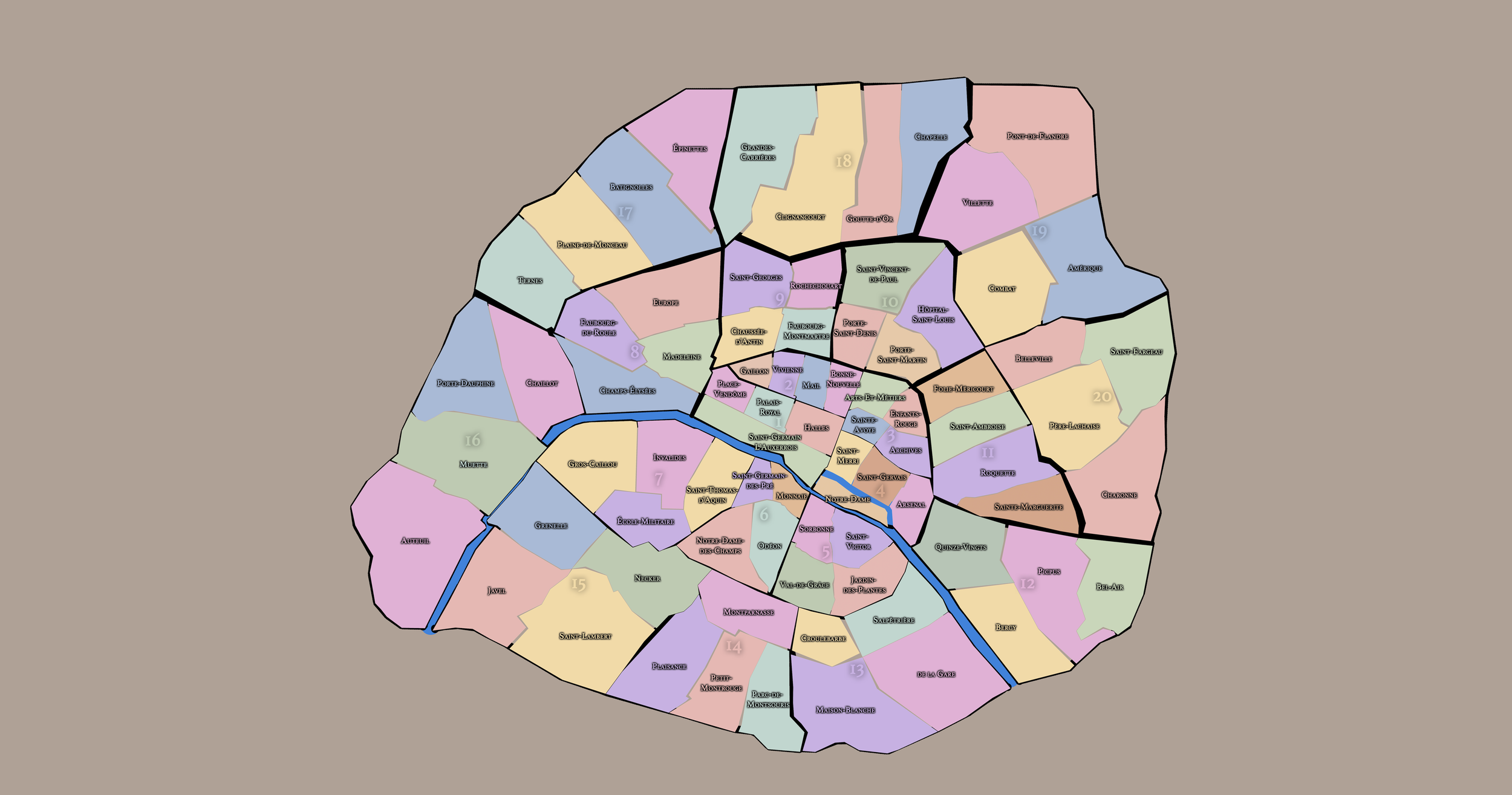
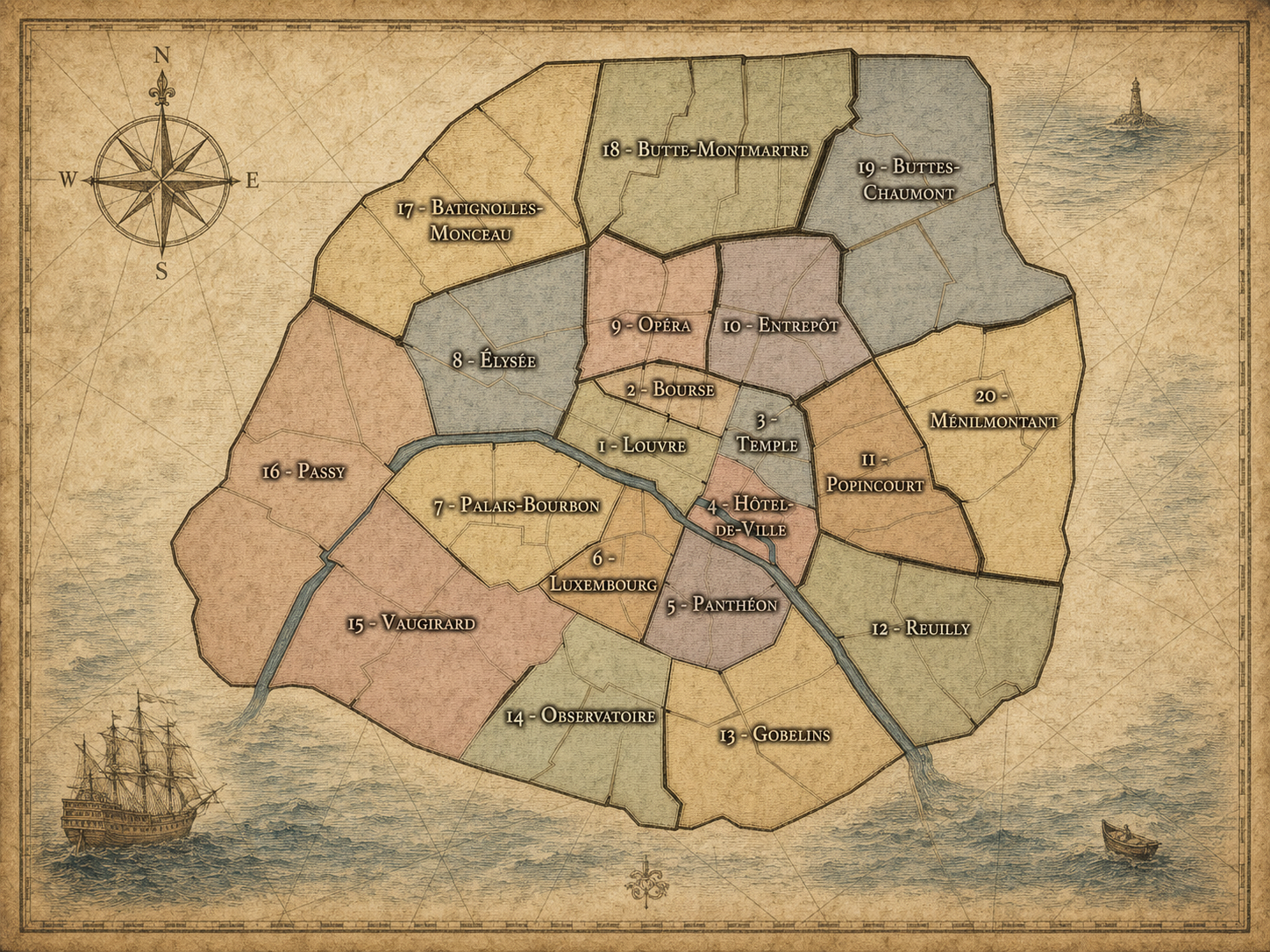
The Map
Geographic Setting
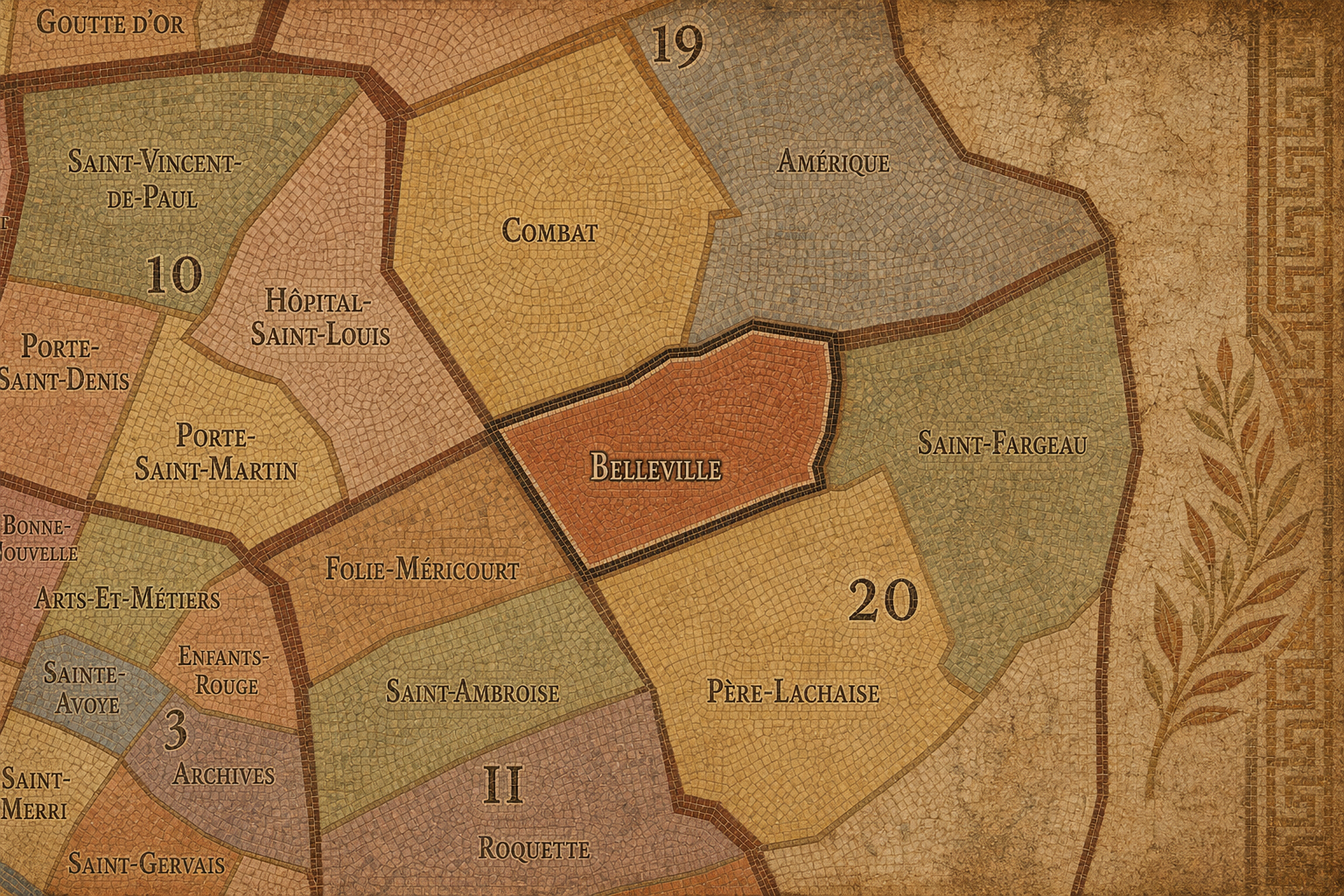
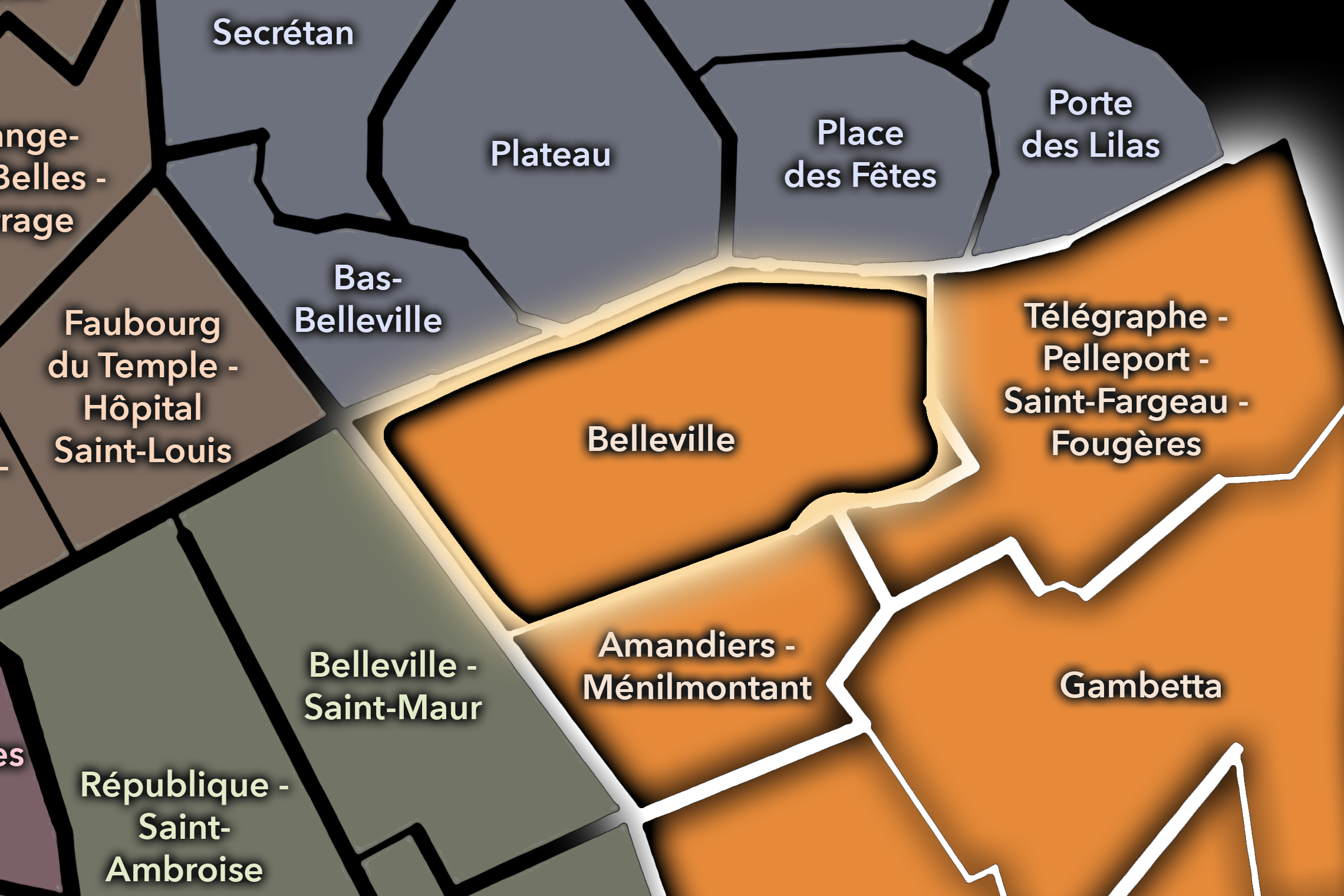
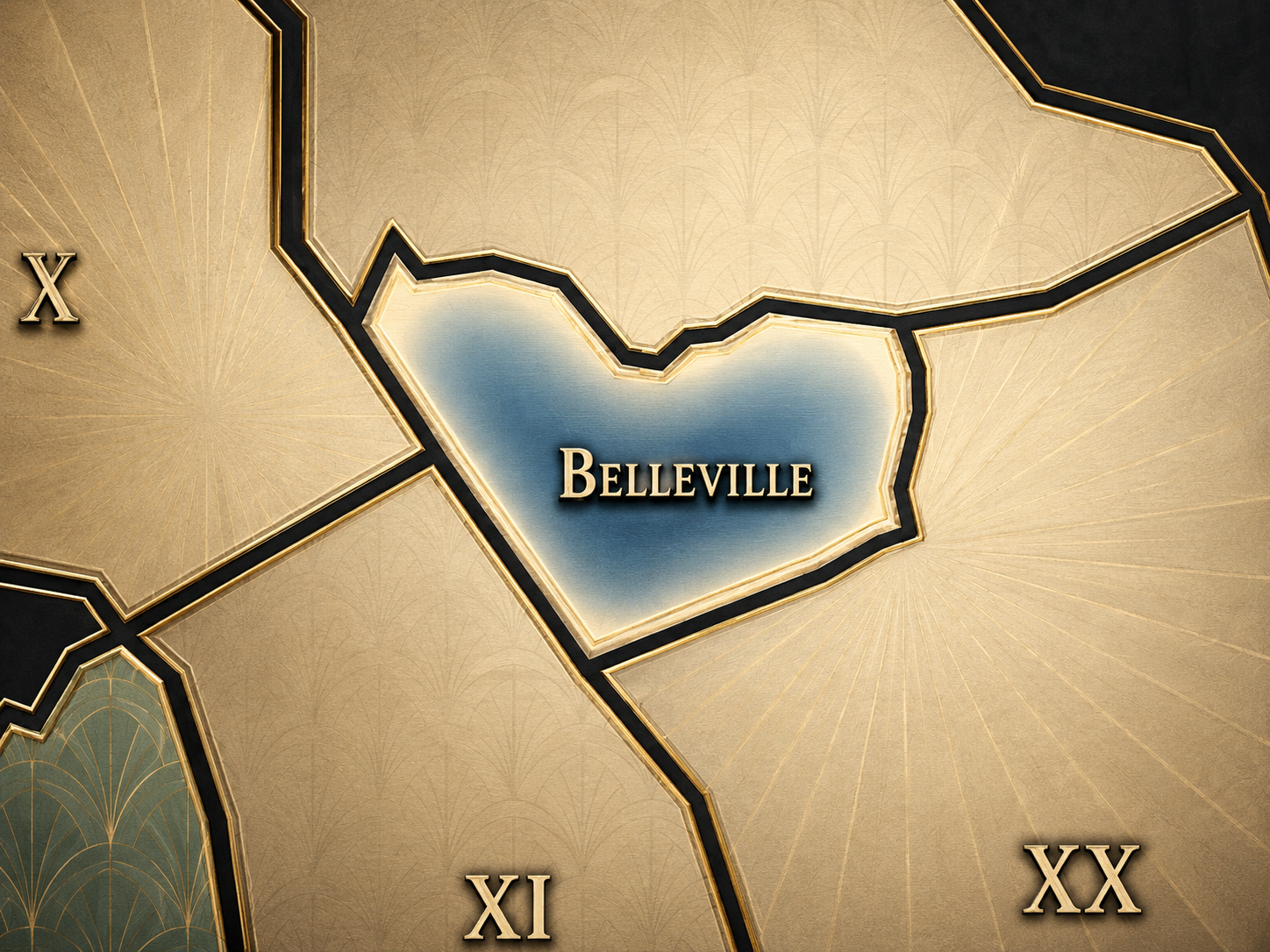
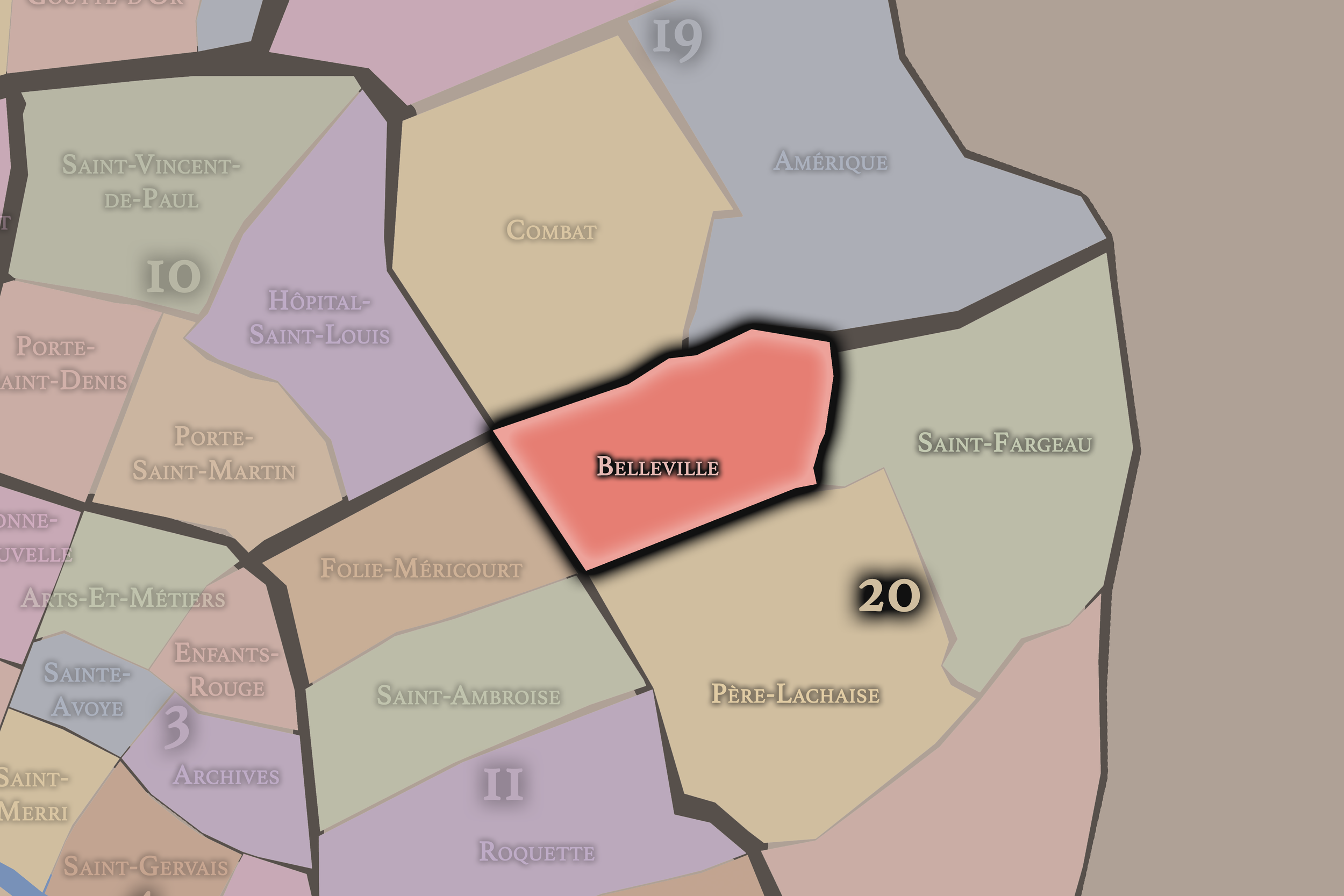
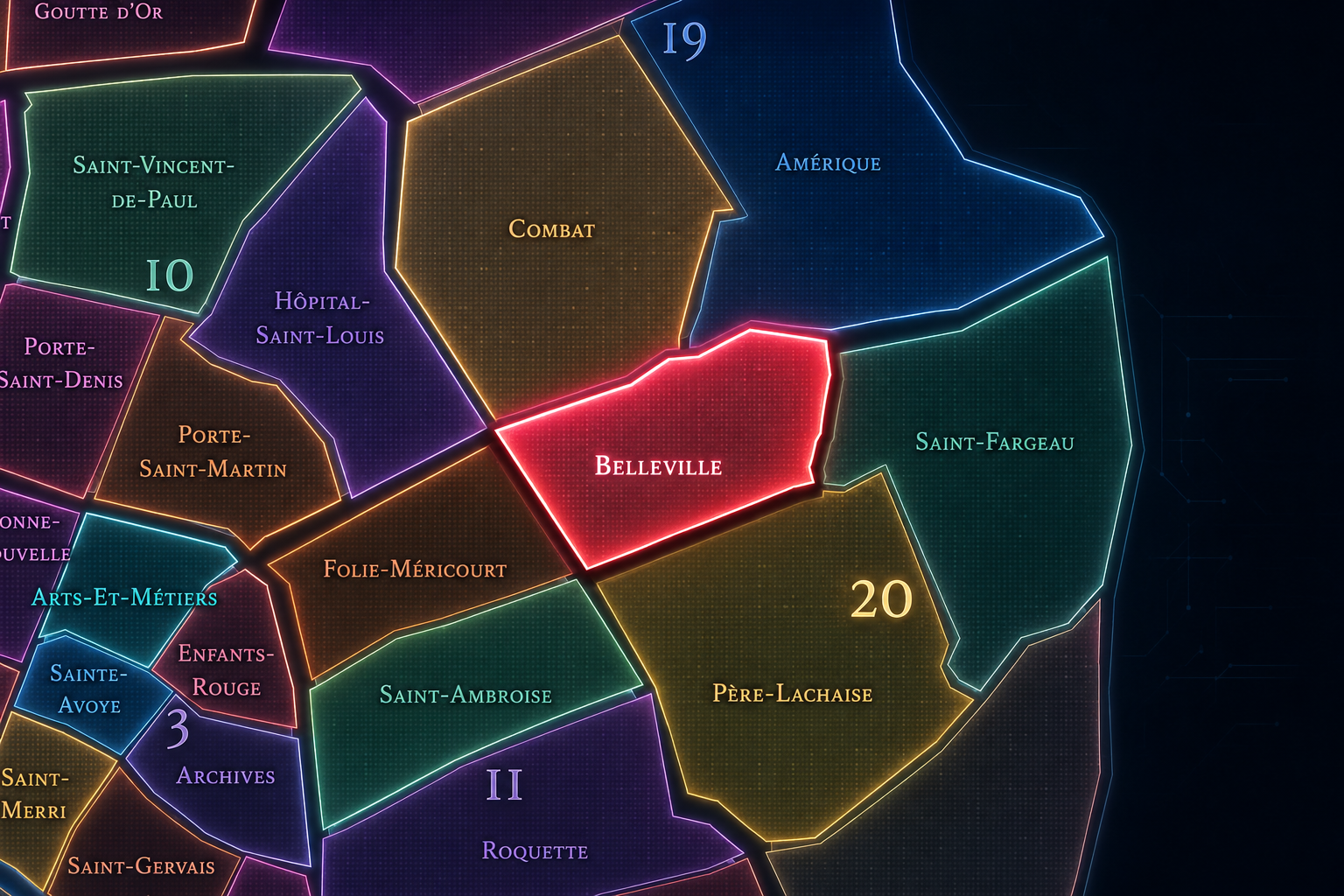
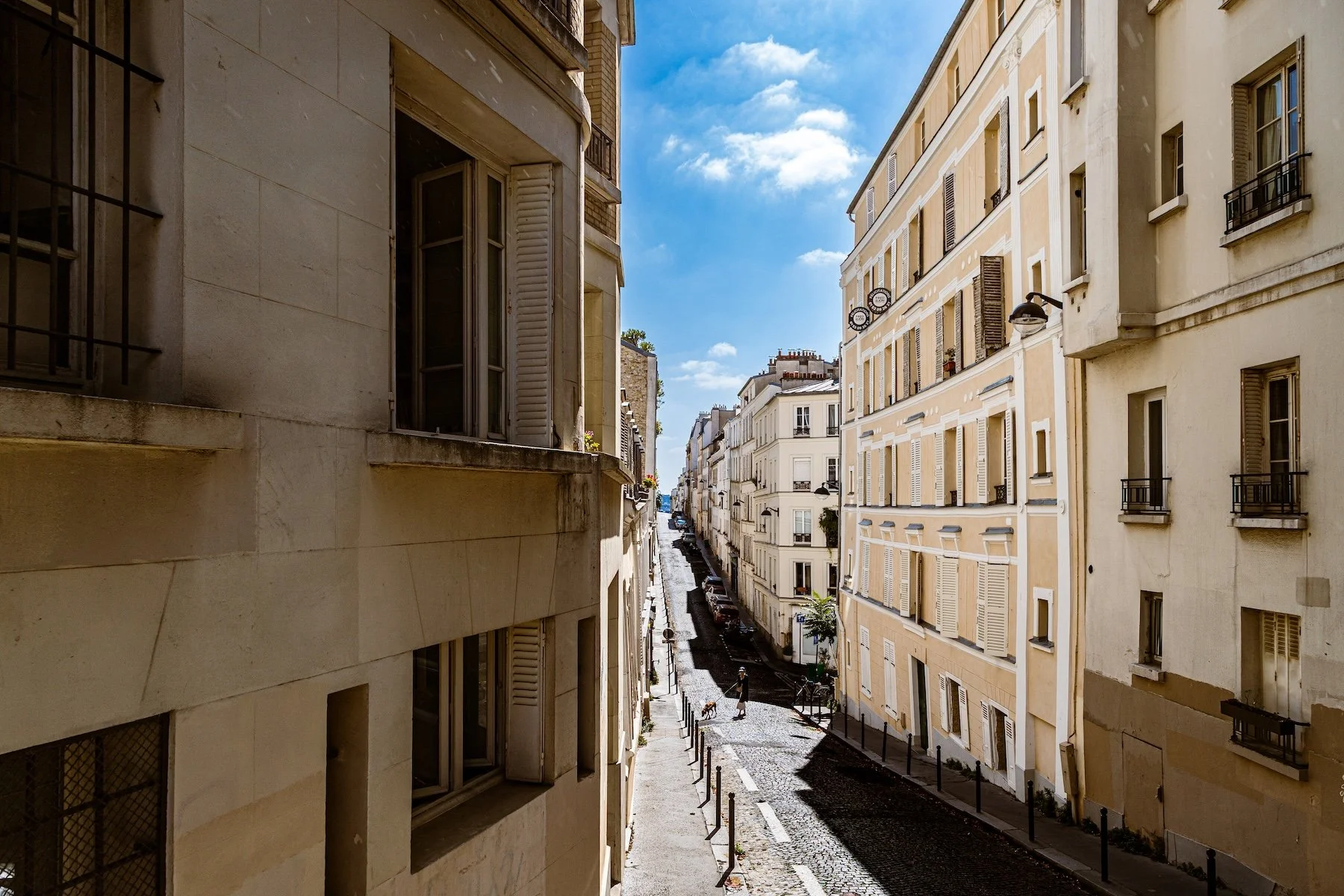
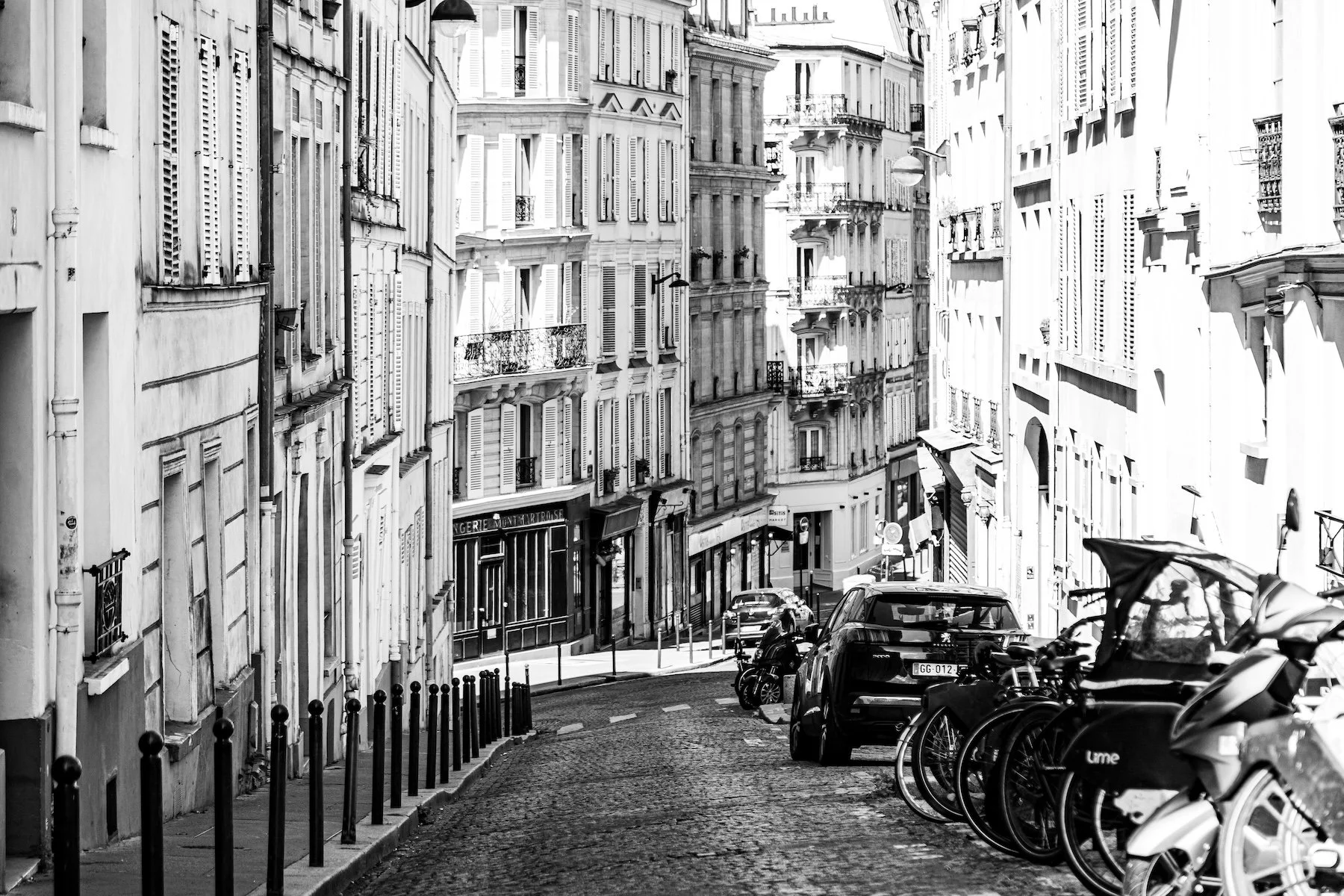
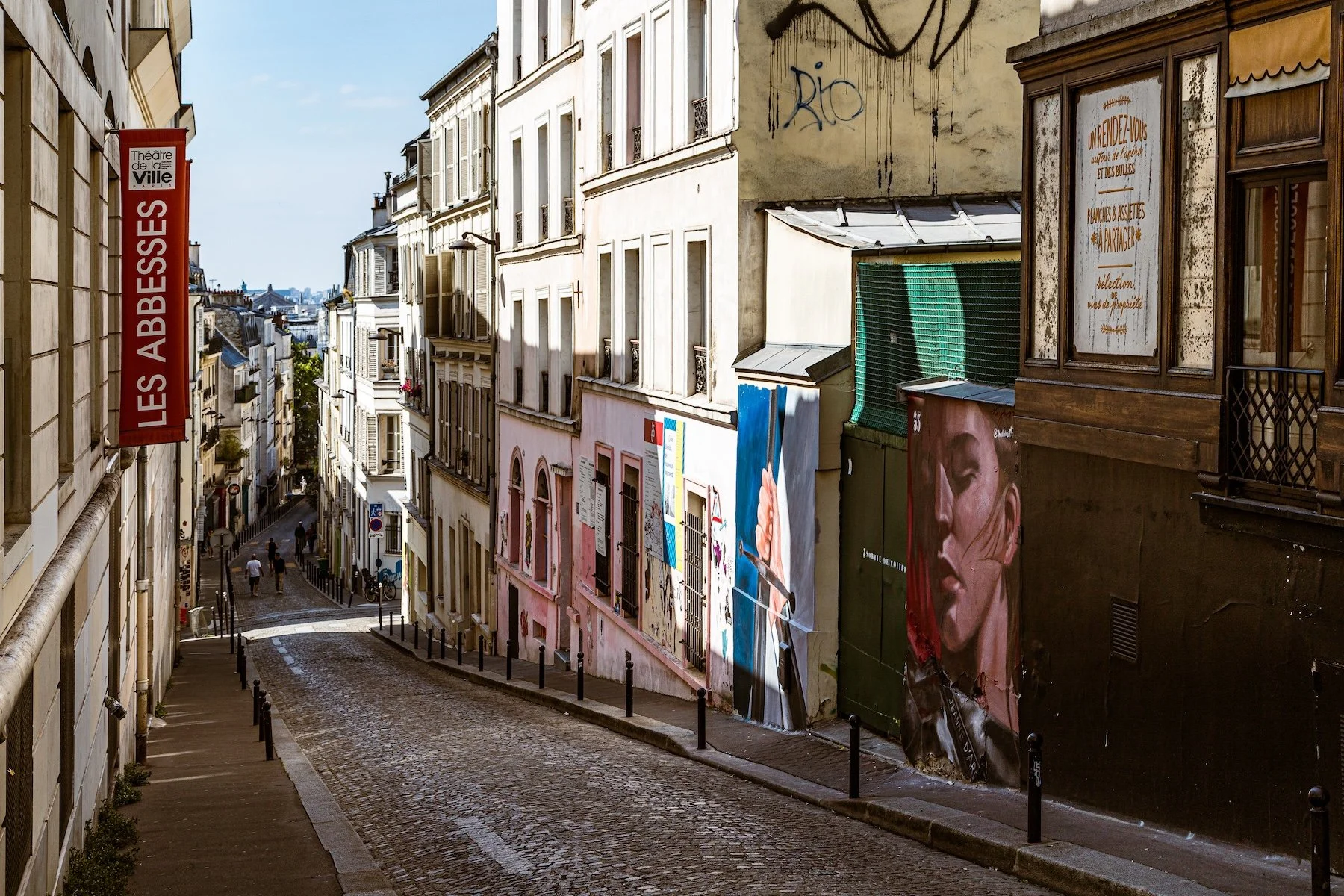
Belleville occupies the northwestern portion of the 20th arrondissement, where the eastern heights of Paris rise above the older central city and connect the 20th to the 19th arrondissement, Ménilmontant, the Parc de Belleville, and the long urban ridge that once formed one of the capital’s most important village landscapes beyond the walls. It lies north of Père-Lachaise, west and northwest of Saint-Fargeau, east of the 11th arrondissement’s Folie-Méricourt and Saint-Ambroise edges, and south of the 19th arrondissement’s Combat and Amérique quarters. It is one of the great hill quarters of eastern Paris: steep streets, long views, immigrant commerce, artists’ studios, public housing, cafés, community spaces, murals, and the layered memory of a former village absorbed into the city.
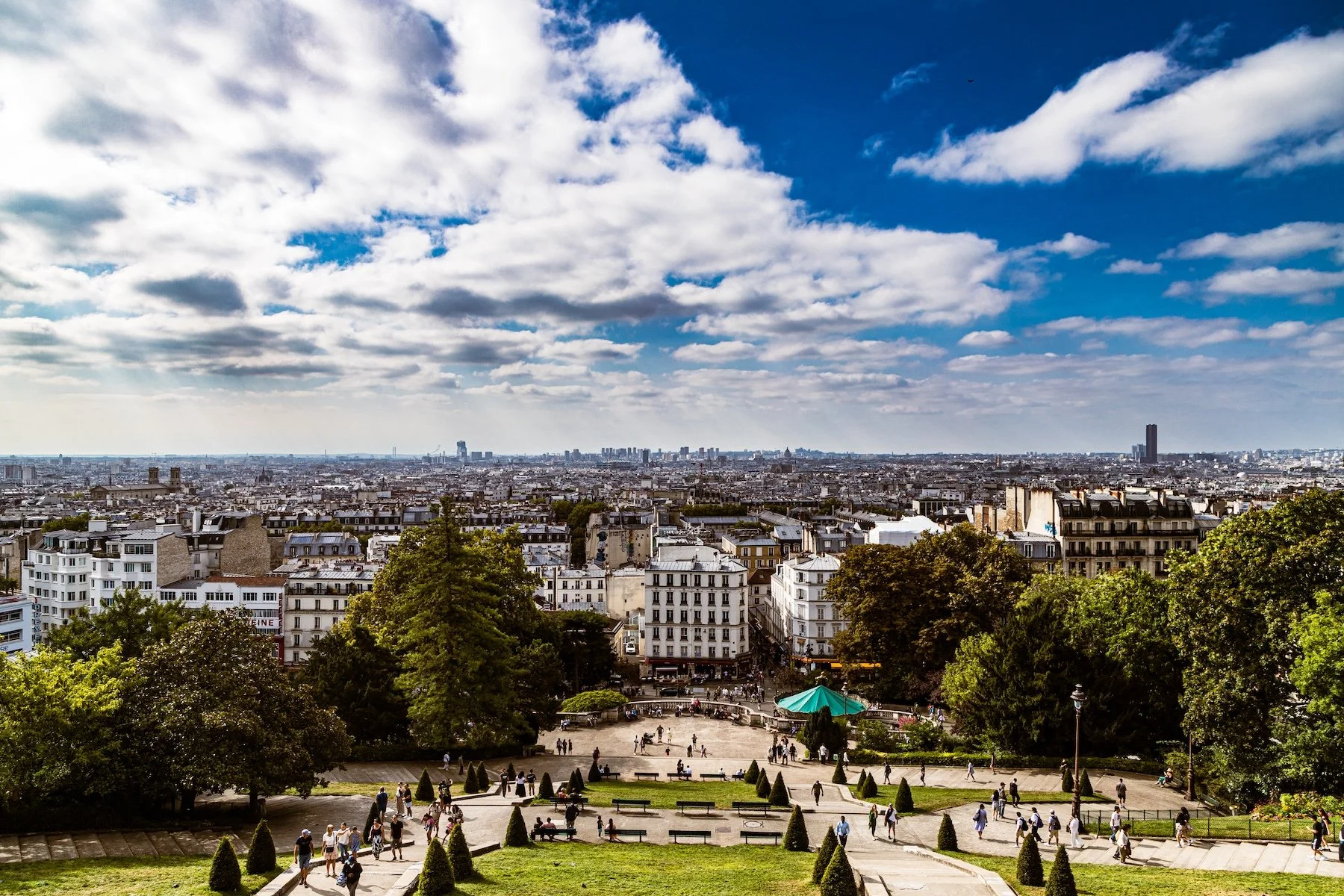
The quarter’s geography is shaped by Rue de Belleville, Boulevard de Belleville, Rue des Couronnes, Rue Piat, Rue des Envierges, Rue Ramponeau, Rue de Tourtille, Rue Julien-Lacroix, Rue de Ménilmontant, Boulevard de la Villette, and the heights around Parc de Belleville. The land itself is central to the quarter’s identity. Belleville is not a flat district of boulevards and squares; it is a neighborhood of climb and descent, where views toward central Paris appear suddenly between apartment blocks, stairways, gardens, and street corners.
Unlike Père-Lachaise, whose identity is strongly shaped by the cemetery, memorial landscape, and the eastern slopes around Gambetta, or Charonne, whose history is tied to an old village core, parish memory, and the southeastern working edge, Belleville is more explicitly hilltop, multicultural, and politically charged. It is the 20th arrondissement as height and arrival: popular, immigrant, artistic, rebellious, and open to the sky.
Administrative Quarter Identity
Etymology and Origins
The name Belleville means “beautiful town” or “beautiful village,” and it preserves the memory of the former village of Belleville before its incorporation into Paris. The name is both simple and revealing. It suggests a settlement with its own identity, set on high ground beyond the older city, known not merely as an extension of Paris but as a place with a distinct social, geographic, and visual character.
Belleville’s beauty was not originally the polished beauty of monuments or aristocratic squares. It was the beauty of height, distance, air, vineyards, gardens, taverns, work, and views over Paris. The name carries the older geography of the eastern hills, when this area stood outside the capital and offered both practical ground and a certain freedom from the constraints of the inner city.
Over time, Belleville became one of the most resonant names in popular Paris. It came to evoke workers, migrants, artists, political radicals, cafés, street life, affordable housing, music, Chinese and North African commerce, Jewish memory, and the everyday creativity of communities that made a home on the slopes. The “beautiful town” became a Parisian quarter without losing the force of having once been something more independent.
Civic Framework
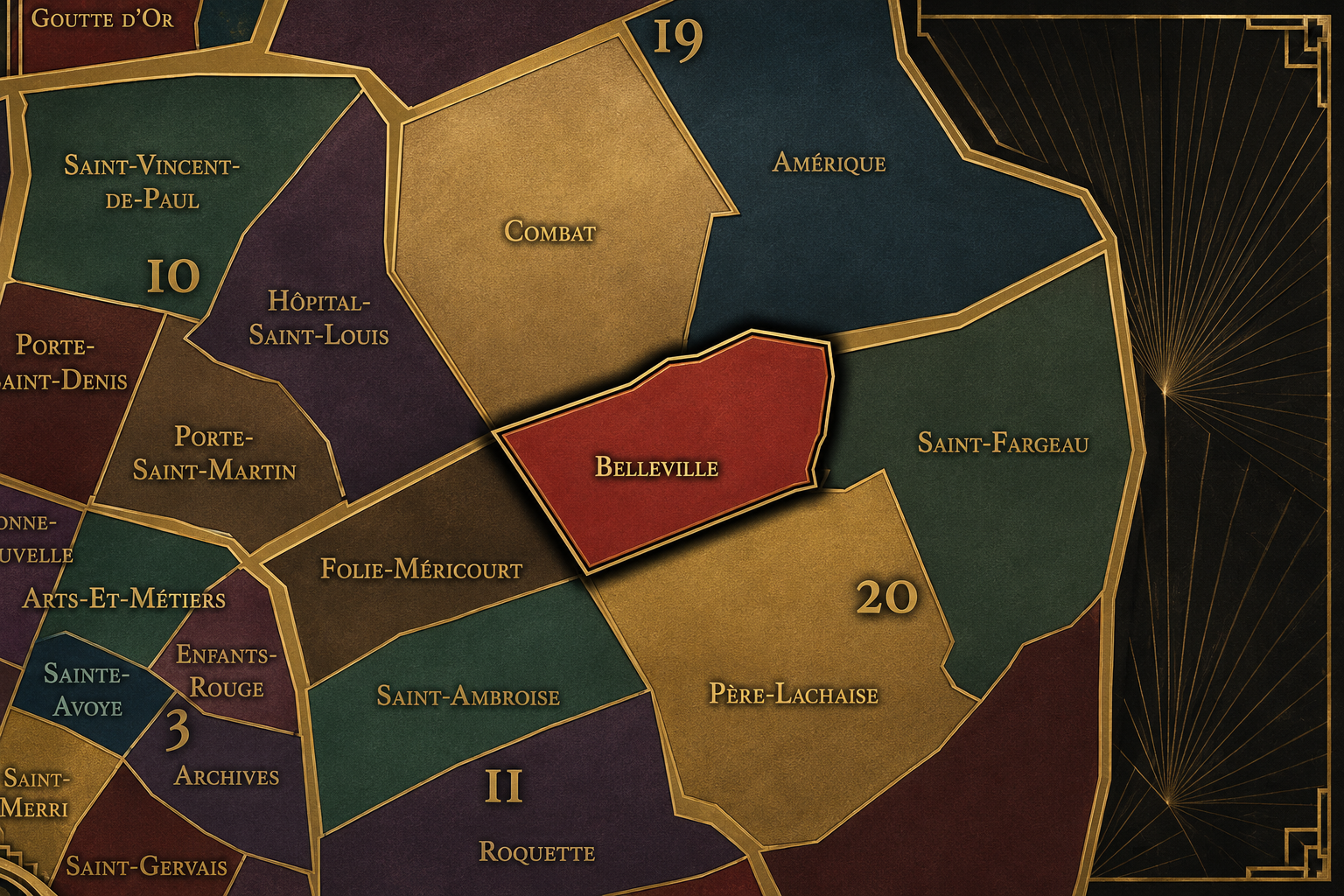
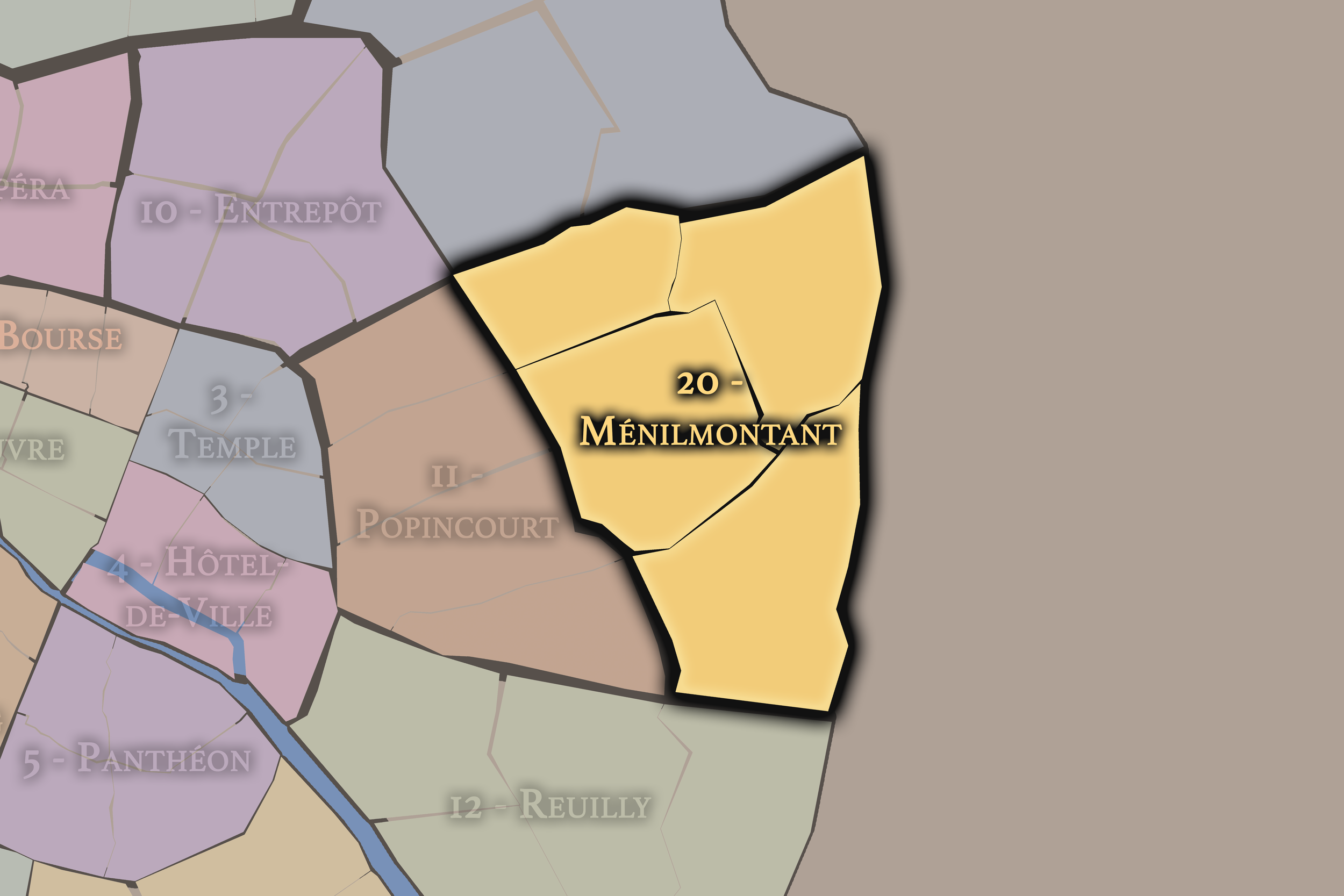
Within the official geography of Paris, Belleville is one of the four administrative quarters of the 20th arrondissement, alongside Père-Lachaise, Saint-Fargeau, and Charonne. It occupies the arrondissement’s northwestern sector and gives civic shape to the 20th-arrondissement portion of a larger Belleville landscape that historically and culturally extends across arrondissement lines, especially into the 19th.
As an administrative quarter, Belleville helps clarify a name that is larger than its official boundaries. Cultural Belleville is often understood broadly: around Rue de Belleville, Boulevard de Belleville, the Belleville metro area, the slopes toward the 19th, the streets near Parc de Belleville, and the boundary with Ménilmontant. The administrative quarter is the official Parisian layer within that wider cultural geography. It does not contain all of Belleville’s meaning, but it gives the 20th arrondissement’s part of that meaning a civic frame.
This distinction is especially important because Belleville is one of the strongest examples of layered neighborhood identity in Paris. It is an administrative quarter, a former commune, a cultural district, an immigrant and working-class landscape, a political memory, and a hilltop atmosphere all at once. The official quarter gives structure to a name that otherwise spills beyond the map.
Neighborhood Distinction
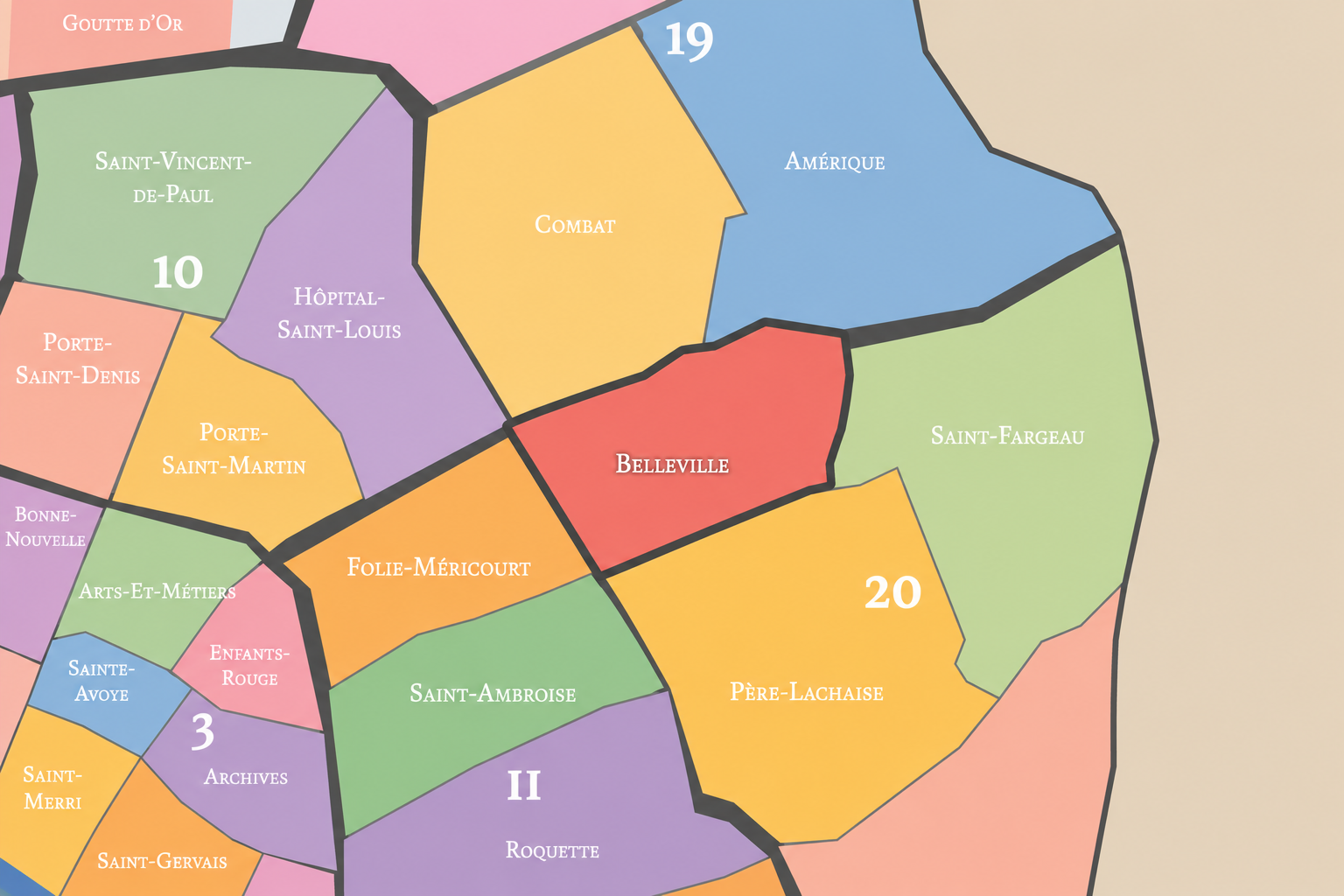
Belleville differs from the other quarters of the 20th arrondissement through its hilltop geography, its former-commune identity, its multicultural street life, and its long association with popular politics and artistic life. Père-Lachaise is more memorial and cemetery-centered, shaped by the great burial landscape and the streets around Gambetta and Philippe-Auguste. Saint-Fargeau is more eastern and residential, tied to the heights near Télégraphe, the outer boulevards, and the later urban development toward Porte des Lilas and Bagnolet. Charonne is more village-rooted and southeastern, preserving one of the old parish landscapes absorbed into Paris.
Belleville is more openly urban, noisy, and socially mixed. Its distinction lies in the energy of the street: markets, restaurants, cafés, religious institutions, associations, artists’ spaces, public housing, immigrant commerce, murals, and the dense overlap of communities. It has never been only one thing. It is village memory and global arrival, working-class inheritance and creative reinvention, political edge and neighborhood home.
It should also be distinguished from Ménilmontant. The two names are often paired, and their cultural geographies overlap along the eastern hills. But Belleville has a stronger identity as former commune, multicultural crossroads, and hilltop market-street district, while Ménilmontant often carries a slightly more intimate, village-slope, cemetery-adjacent, and chanson-inflected atmosphere. Together they form one of the great popular landscapes of eastern Paris, but each deserves its own frame.
Parisian Identity
Belleville expresses Paris as a city of arrivals and resistance. It is one of the places where the capital’s identity has been made not from official grandeur, but from people finding space at the edge: workers, migrants, refugees, artisans, artists, political exiles, families, shopkeepers, and communities that brought new languages, foods, religions, music, and street life into the city. Belleville’s Parisian identity is not inherited from monarchy or monument. It is made through settlement.
The quarter also carries a strong political memory. Eastern Paris has long been associated with working-class life, republican politics, radicalism, and collective struggle, and Belleville stands among the most symbolic of those landscapes. Its hilltop streets were part of the geography of popular Paris: the Paris that organized, resisted, demanded, mourned, celebrated, and kept memory alive outside the more polished western narrative of the capital.
At the same time, Belleville is one of Paris’s great cultural crossroads. Chinese, North African, Jewish, sub-Saharan African, and many other communities have shaped the neighborhood’s commerce, foodways, religious spaces, and everyday atmosphere. The quarter’s identity is therefore not frozen in a nostalgic image of old working-class Paris. It remains alive because it continues to receive, absorb, and express change.
Neighborhood Connections
Every neighborhood belongs to a wider Parisian fabric.
-
20e — Ménilmontant
-
Belleville
-
Rive Droite
-
Belleville
The History
Origins
The origins of Belleville lie in the eastern hills beyond old Paris, where villages, vineyards, quarries, fields, gardens, roads, windmills, and taverns developed outside the city’s dense core. Before Belleville became part of Paris, it was a settlement with its own local life, connected to the capital but not fully governed by its urban rhythms. Its elevation gave it both practical and symbolic distance.
This outer position shaped the village’s early identity. Belleville supplied and served Paris, but it also stood apart from it. The area offered space for agriculture, wine production, quarrying in the wider hill landscape, popular leisure, and settlement less constrained by the central city. Taverns and guinguettes became part of the culture of the eastern hills, where Parisians could come for drink, music, views, and temporary escape.
Belleville’s origin story is therefore one of proximity and independence. It was close enough to Paris to be tied to its economy and imagination, but separate enough to develop a distinct popular identity. That tension remains central to the quarter even after annexation: Belleville is Paris, but it still feels like a place that remembers having been outside.
16th–17th Century
In the 16th and 17th centuries, Belleville remained outside the dense urban fabric of Paris. It belonged to the eastern hill country beyond the city, with vineyards, fields, gardens, quarries in the broader region, roads, religious lands, windmills, and scattered settlement. The village developed along routes that connected the capital to the higher ground and surrounding countryside.
The area’s elevation and relative distance from the center gave it a different atmosphere from the old city. Belleville was not shaped by royal squares, universities, or courtly institutions. It was shaped by productive land, local settlement, and the practical life of the outskirts. Its relationship to Paris was close, but not subordinate in the same way as an inner quarter.
By the end of the 17th century, Paris was growing outward, and the eastern hills were increasingly connected to the city’s needs. Belleville remained distinct, but the pressures of urban expansion were already beginning to pull it more tightly into the capital’s orbit.
18th Century
In the 18th century, Belleville became more closely tied to the popular life of Paris while retaining its village identity beyond the city. Its vineyards, taverns, guinguettes, gardens, and hilltop views made it part of the leisure geography of the eastern outskirts. People could leave the dense city and climb toward Belleville for air, drink, music, and sociability.
The area also became more densely settled and more connected to working populations. As Paris expanded, its outskirts absorbed people and activities that could not easily fit within the older center. Belleville’s affordability, distance, and loose urban structure helped make it a place for workers, artisans, and modest households. This popular character would become one of the defining features of the future quarter.
The French Revolution and later administrative changes altered the political relationship between Paris and surrounding communes, but Belleville remained outside the capital until the 19th century. By the end of the 18th century, however, it was no longer a remote village. It was an increasingly urbanized hill settlement tied deeply to Parisian life.
19th Century
The 19th century transformed Belleville from village and commune into Parisian quarter. Belleville grew rapidly as a working-class suburb of the capital, attracting workers, artisans, small industries, migrants from other parts of France, and people seeking affordable housing near Paris. Its steep streets, dense settlement, and popular culture gave it a distinct identity even before annexation.
In 1860, Belleville was divided and incorporated into Paris, with much of its territory becoming part of the new 20th arrondissement and another portion entering the 19th. This annexation made Belleville officially Parisian, but the former commune identity remained powerful. The name continued to signify more than an administrative unit; it signified a whole eastern hill culture.
The Paris Commune of 1871 gave Belleville lasting political significance. The neighborhood and surrounding eastern districts were among the strongholds of popular resistance, and the repression of the Commune marked the quarter’s memory deeply. Belleville’s 19th-century identity therefore became inseparable from working-class politics, barricades, radical republicanism, and the memory of collective struggle.
Early–Mid 20th Century
In the early and mid 20th century, Belleville remained a densely populated working-class quarter with strong immigrant, artistic, and popular traditions. Its streets held modest housing, workshops, cafés, markets, small factories, schools, religious institutions, and the social networks of people living close together on the eastern slopes. It was a neighborhood of labor and neighborhood solidarity rather than prestige.
Belleville also became an important place of arrival. Jewish communities, Armenians, Greeks, North Africans, and others contributed to the neighborhood’s social and cultural life, alongside long-established working-class Parisian families. The quarter’s identity was shaped by migration well before the later waves of postwar and late-20th-century immigration. It was a place where newcomers could find footholds in the city.
During the wars, occupation, liberation, and postwar recovery, Belleville carried difficult histories of poverty, resistance, persecution, displacement, and rebuilding. Its Jewish memory, working-class networks, and political traditions all shaped the neighborhood’s experience of the 20th century. The quarter’s streets held both trauma and resilience.
Late 20th Century
In the late 20th century, Belleville became one of Paris’s most visibly multicultural and artistically active quarters. Chinese and Southeast Asian communities, North African communities, artists, students, activists, and long-time residents all contributed to a changing social landscape. Restaurants, groceries, textile shops, cafés, studios, associations, and informal cultural spaces gave the quarter a strong street identity.
At the same time, Belleville underwent urban renewal, demolition, public housing construction, and social change. Older working-class buildings and courtyards disappeared in some areas, while new housing and public spaces altered the neighborhood’s form. Parc de Belleville, created on the hillside, gave the quarter a major green space and one of the most striking views over Paris. This introduced a new public landscape while preserving the importance of height and panorama in Belleville’s identity.
The late 20th century also brought gentrification pressures. The qualities that made Belleville distinctive — diversity, street life, affordability, artistic energy, and hilltop atmosphere — also made it increasingly attractive to new residents. The quarter became a site of negotiation between preservation, change, displacement, and renewal.
21st Century
In the 21st century, Belleville remains one of Paris’s most dynamic and symbolically rich quarters. It is multicultural, artistic, residential, political, and deeply tied to the everyday life of eastern Paris. Its streets continue to hold Chinese and Southeast Asian commerce, North African cafés, artist studios, murals, community organizations, schools, public housing, older apartment buildings, newer developments, and one of the strongest street-level identities in the 20th arrondissement.
Today, Belleville balances memory and reinvention. It is still associated with working-class and immigrant Paris, but it is also increasingly shaped by cafés, galleries, renovated apartments, creative workers, and the broader desirability of eastern Paris. The neighborhood remains socially mixed, but that mixture is under pressure. Belleville’s challenge is how to remain itself while continuing to change — a question that sits at the heart of many Parisian neighborhoods.
For CityNeighborhoods: Paris, Belleville is essential because it shows how an administrative quarter can hold a cultural landscape larger than its own borders. Belleville is not merely a mapped unit of the 20th arrondissement. It is a former village, a political memory, an immigrant crossroads, a hilltop viewpoint, an artistic district, and one of the clearest expressions of popular Paris still visible in the city.
Spirit and Legacy
Belleville is the quarter where eastern Paris rises into voice. Its spirit is steep, popular, restless, and generous. It belongs to village roads and hilltop views, to workers and migrants, to cafés and markets, to murals and stairways, to public housing and artist studios, to revolutionary memory and the daily reinvention of belonging.
Its legacy is the transformation of a village outside Paris into one of the capital’s defining popular landscapes. Vineyards became streets. Taverns became neighborhood culture. A commune became an arrondissement quarter. Working-class memory became political identity. Migration became one of the quarter’s strongest creative forces. Belleville did not simply enter Paris; it changed what Paris could mean.
To walk Belleville is to encounter the city as ascent. The climb matters. The views matter. The layers matter. The quarter reminds us that Paris is not only made from monuments and avenues, but from people who arrive, struggle, build, remember, and make the streets speak in many voices. In Belleville, neighborhood identity becomes elevation — not only of ground, but of memory, community, and the living energy of the eastern city.
The Photography
Visual Identity
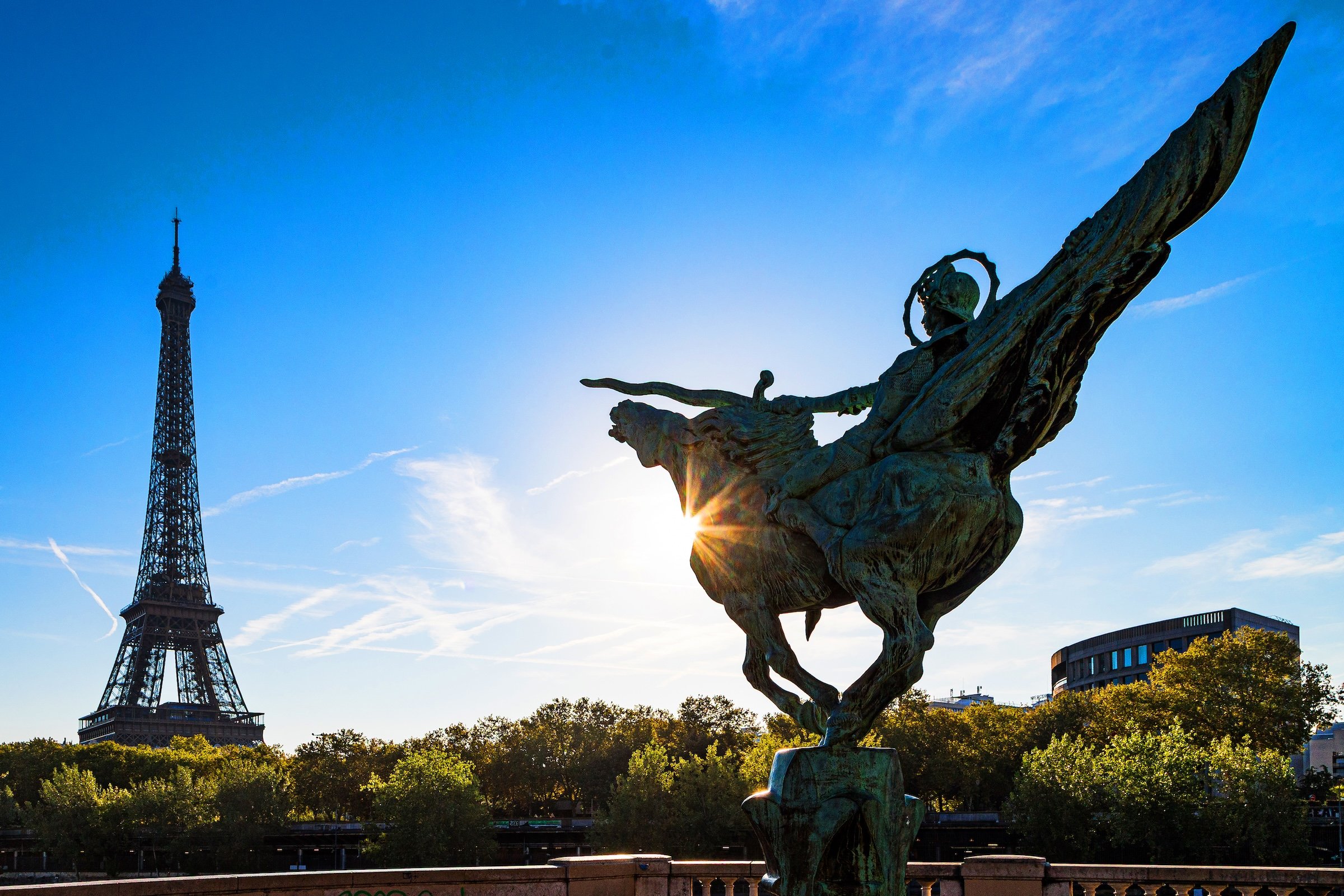
The visual identity of each Paris district begins with its position in the city’s layered geography. Before the photographs arrive, the maps establish a first way of seeing: where the district sits, what civic layer it belongs to, which boundaries define it, and how it connects to the surrounding fabric of Paris. In CityNeighborhoods Paris, cartography is not merely orientation; it is part of the visual language of the project.
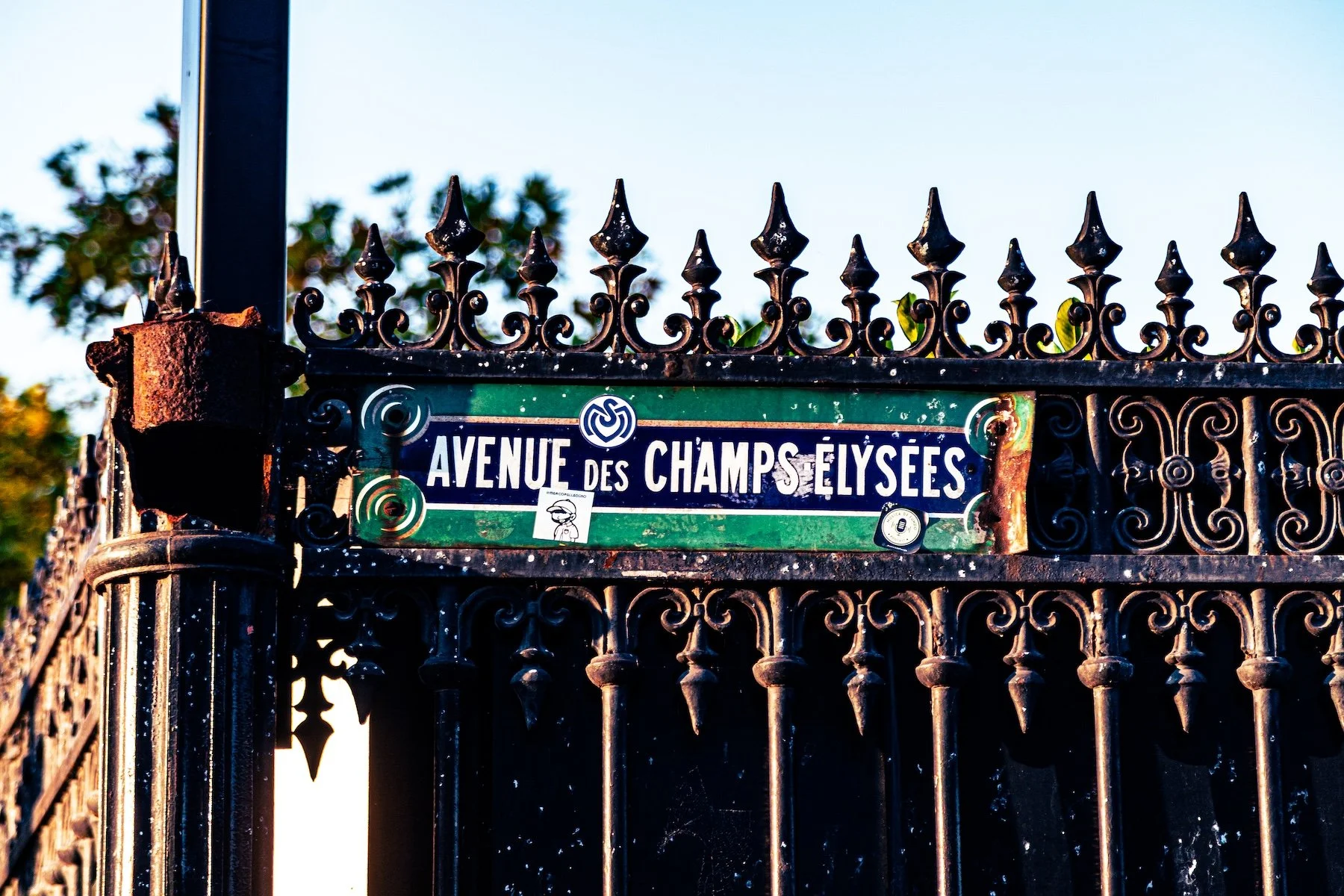
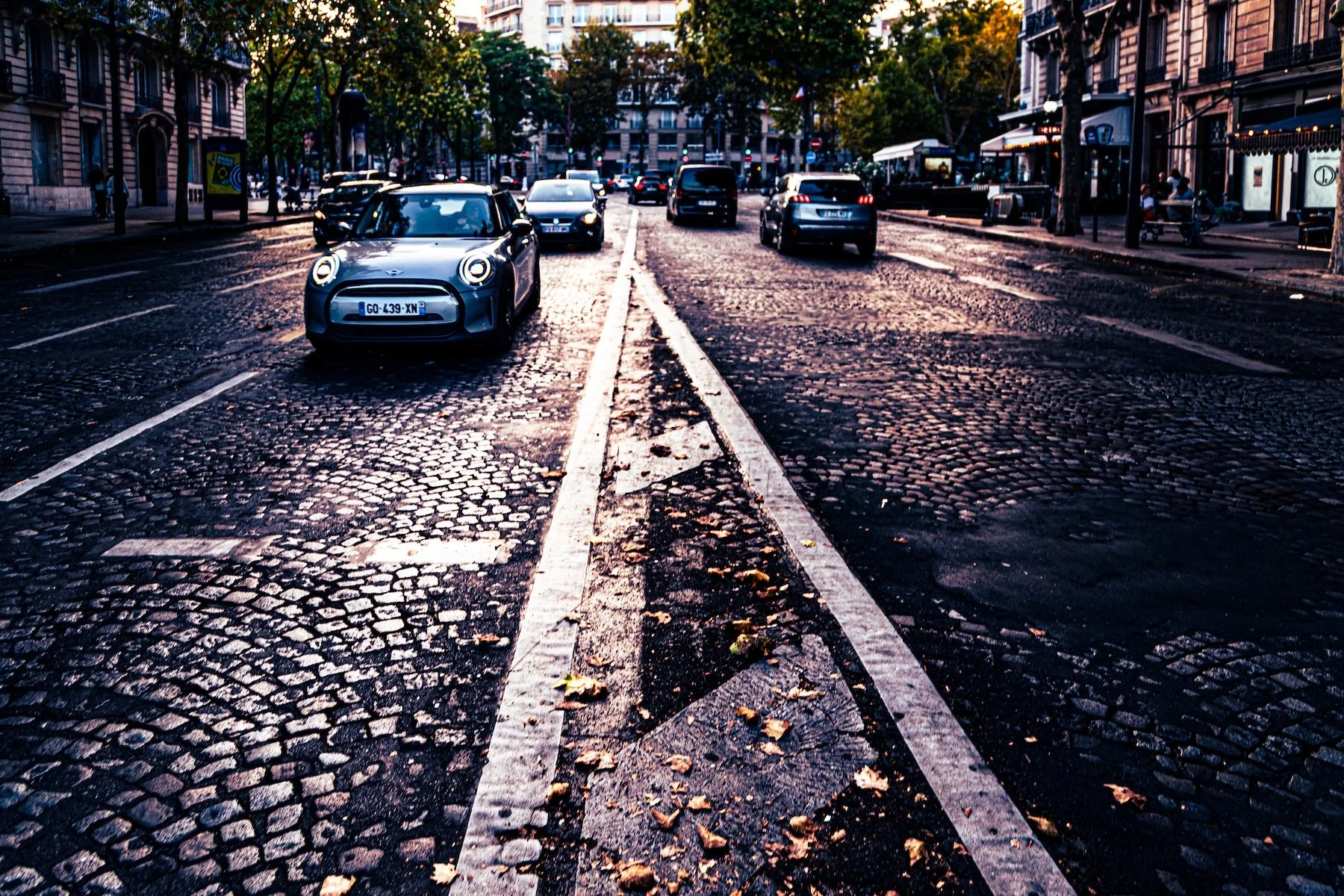
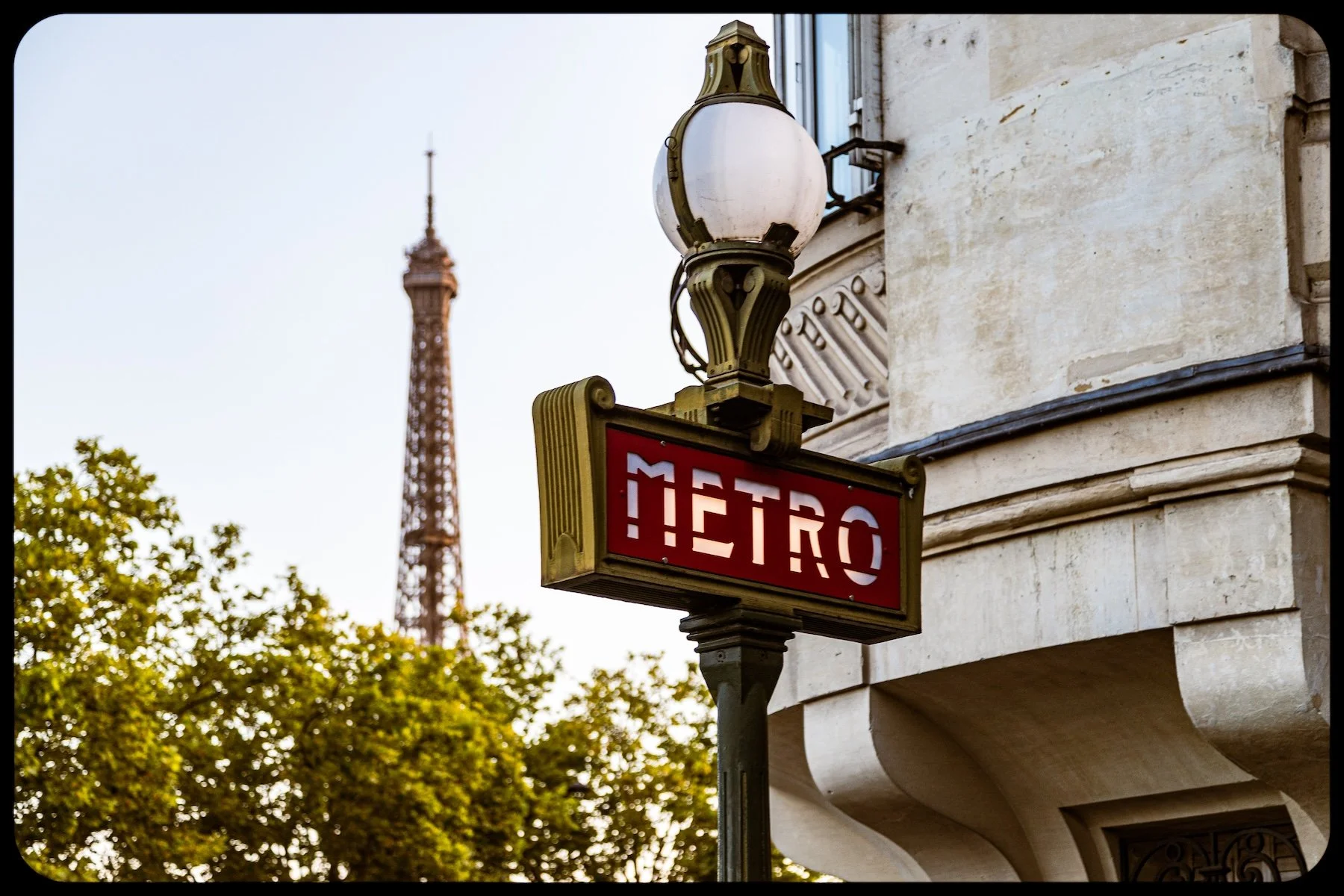
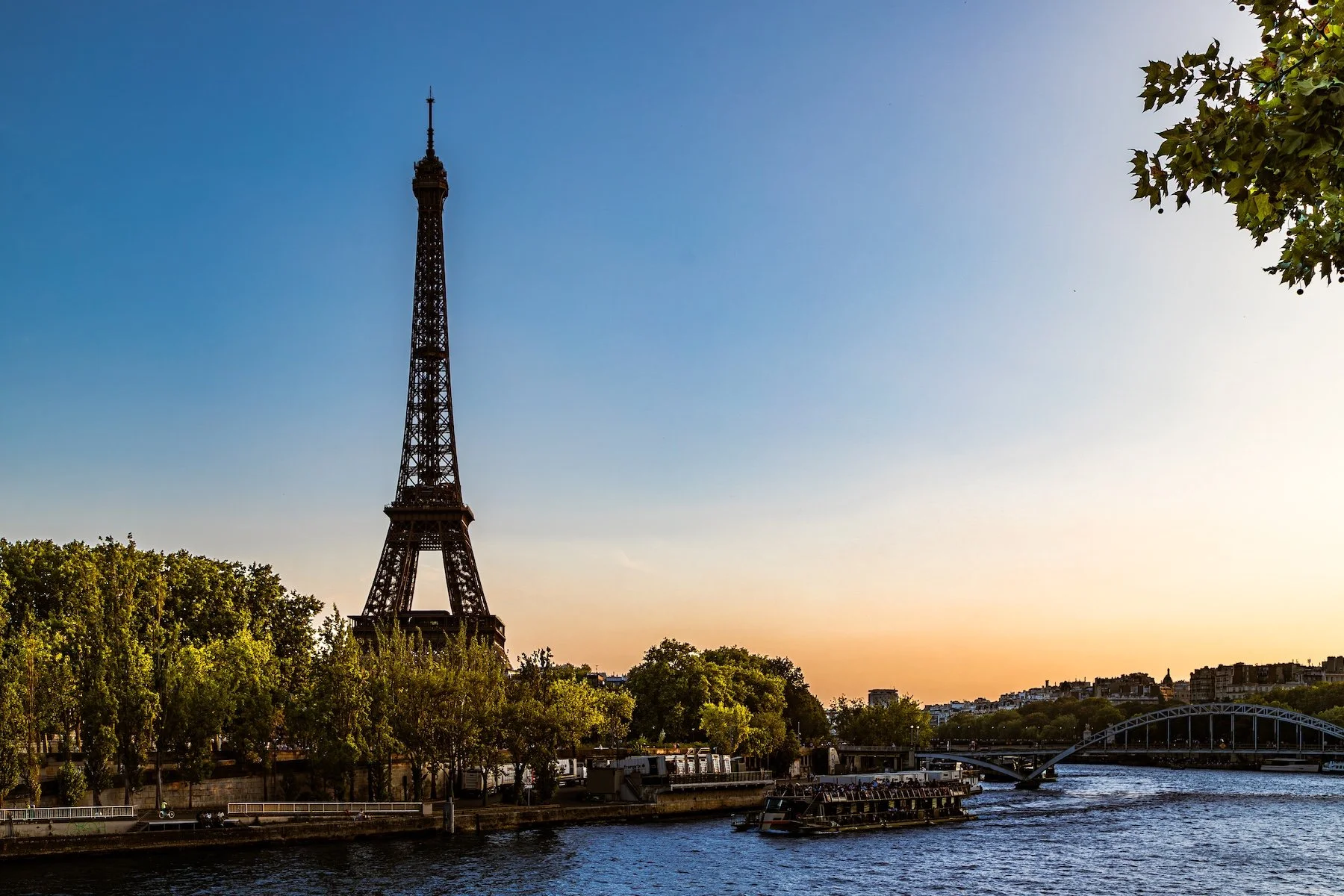
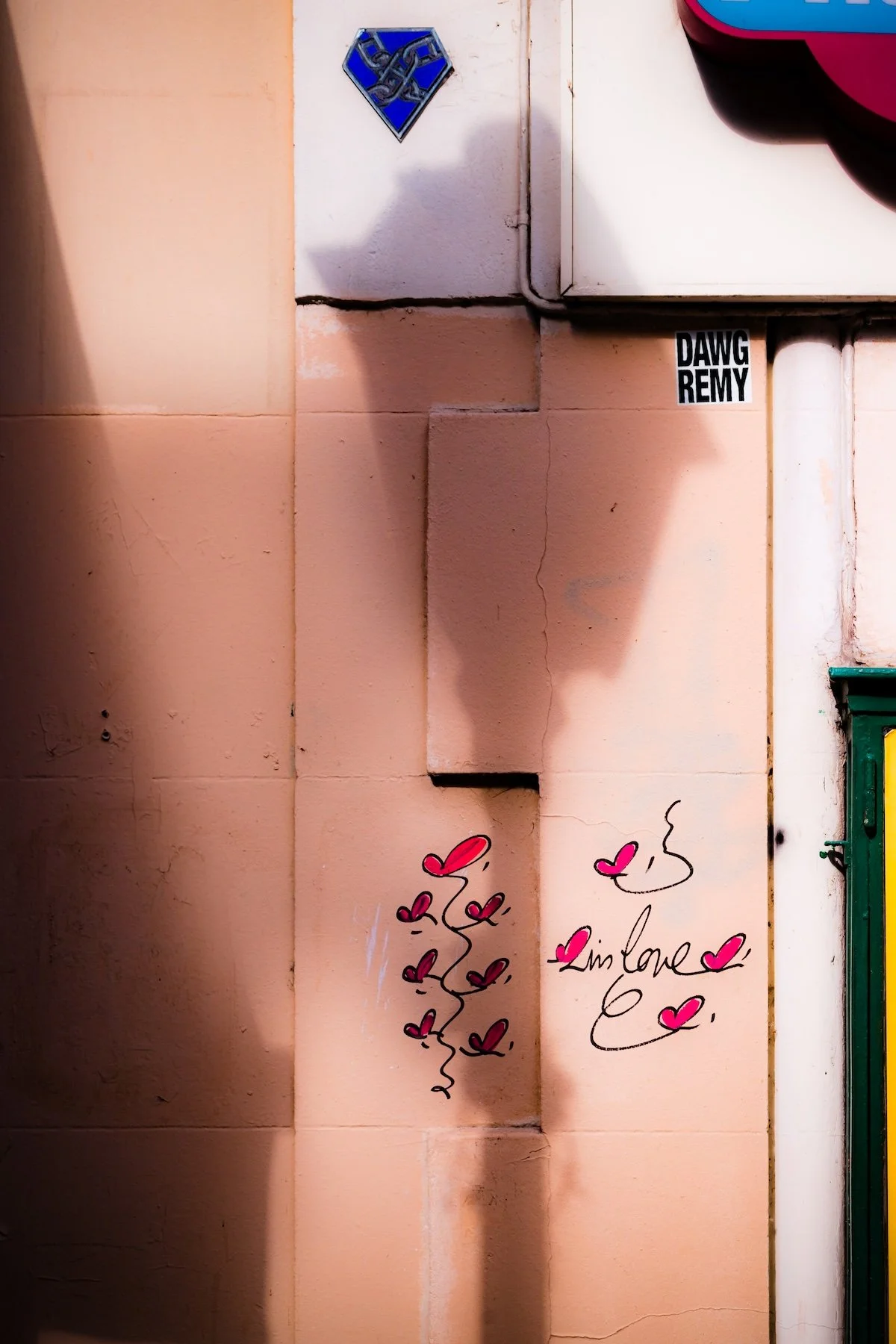
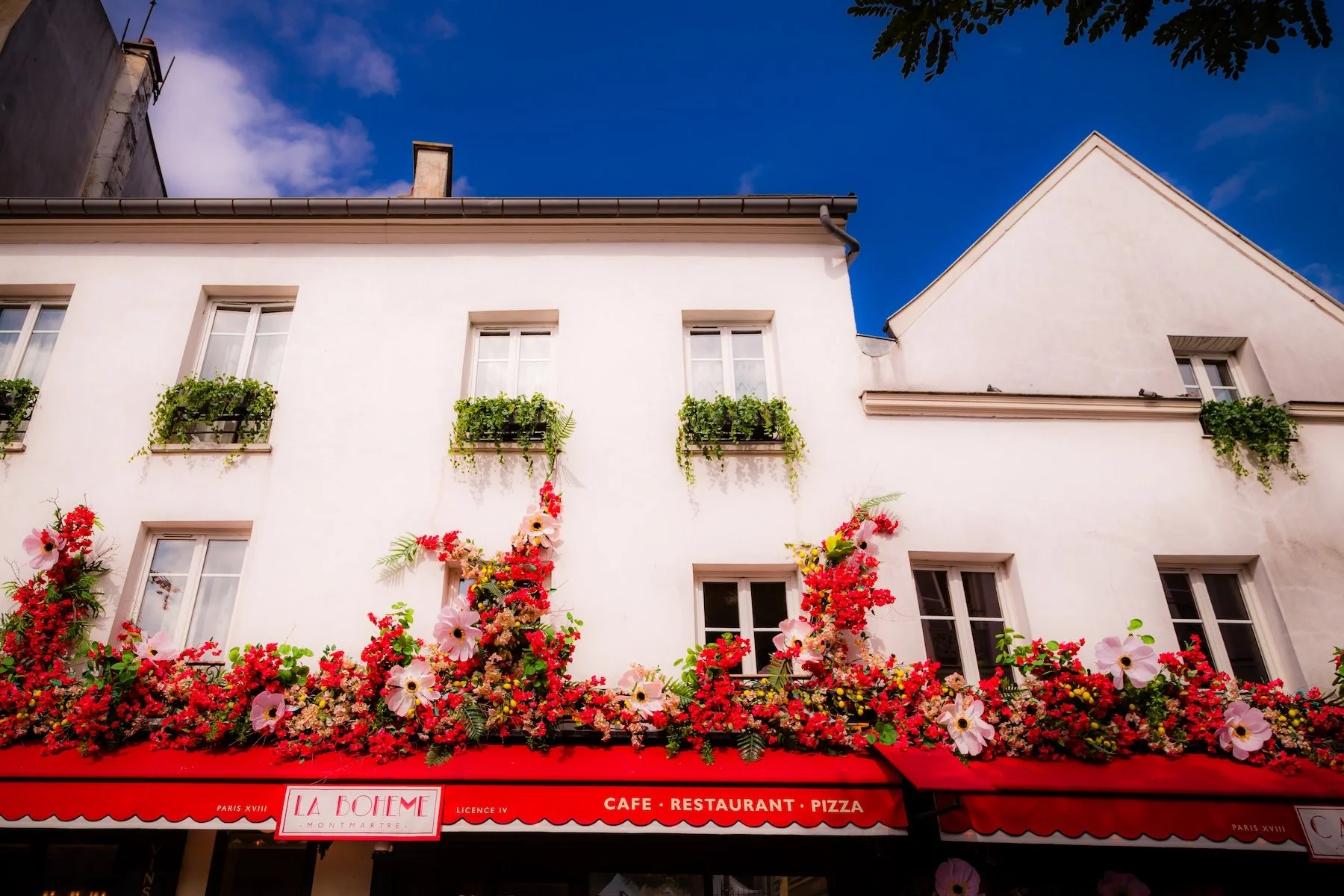
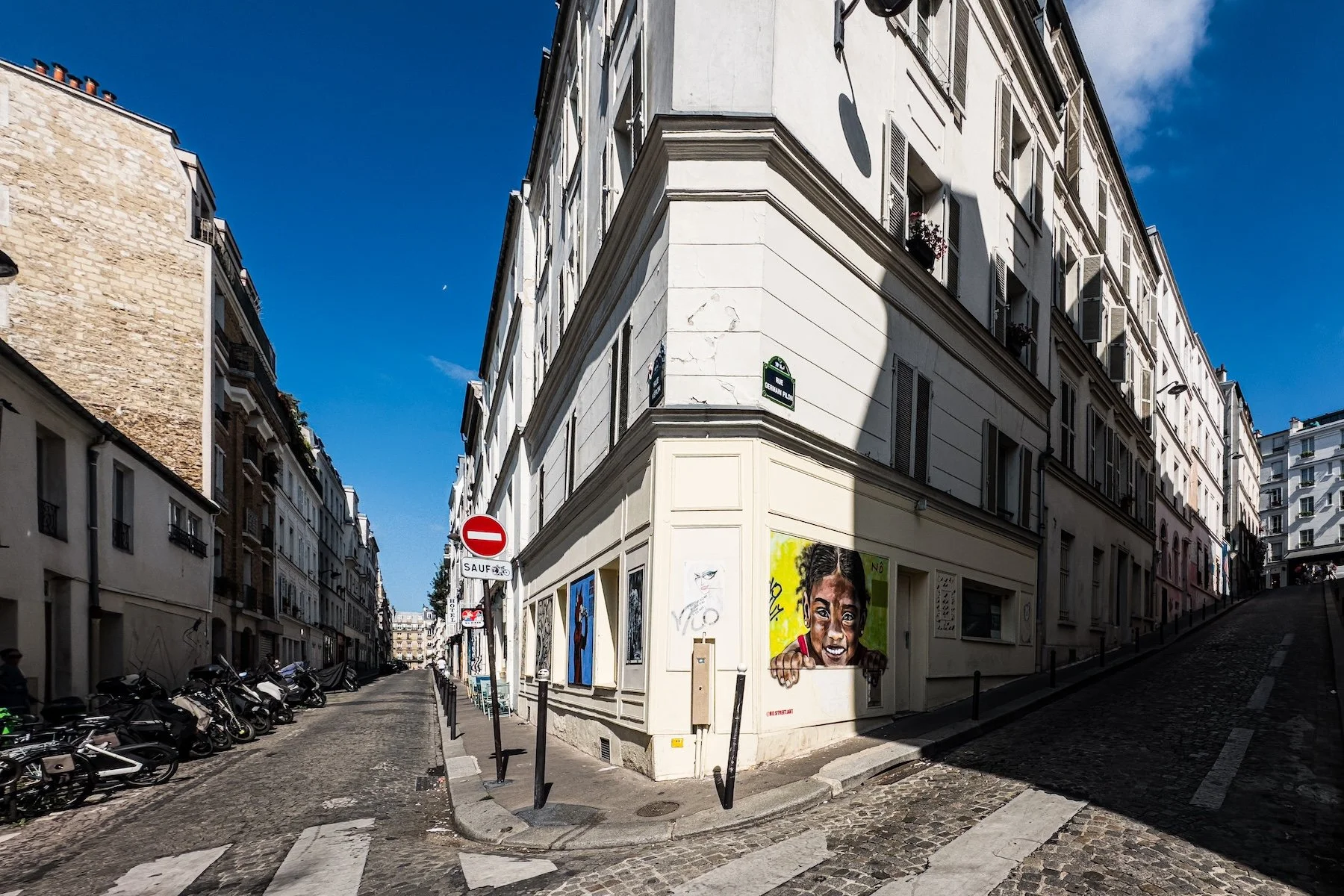
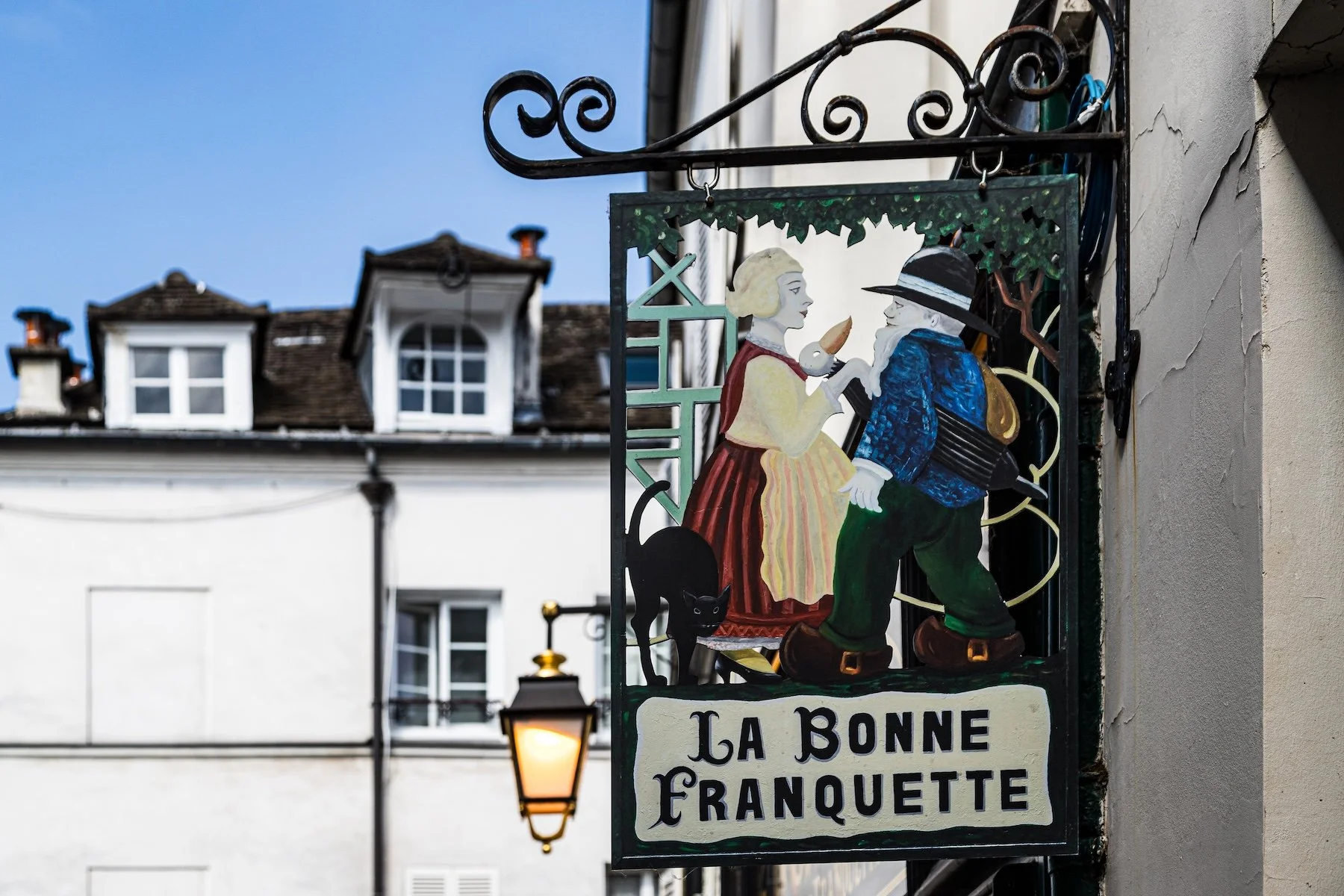
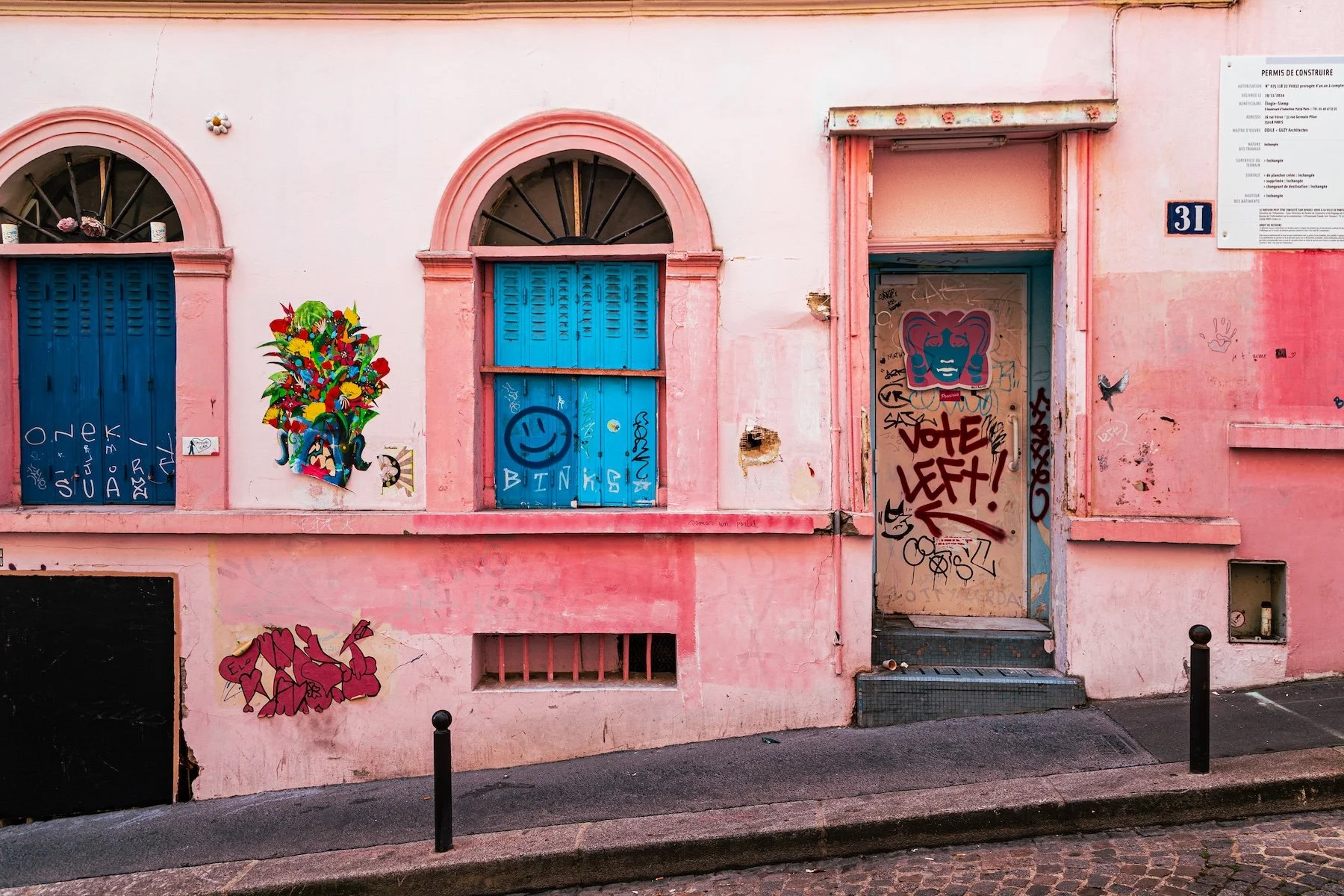
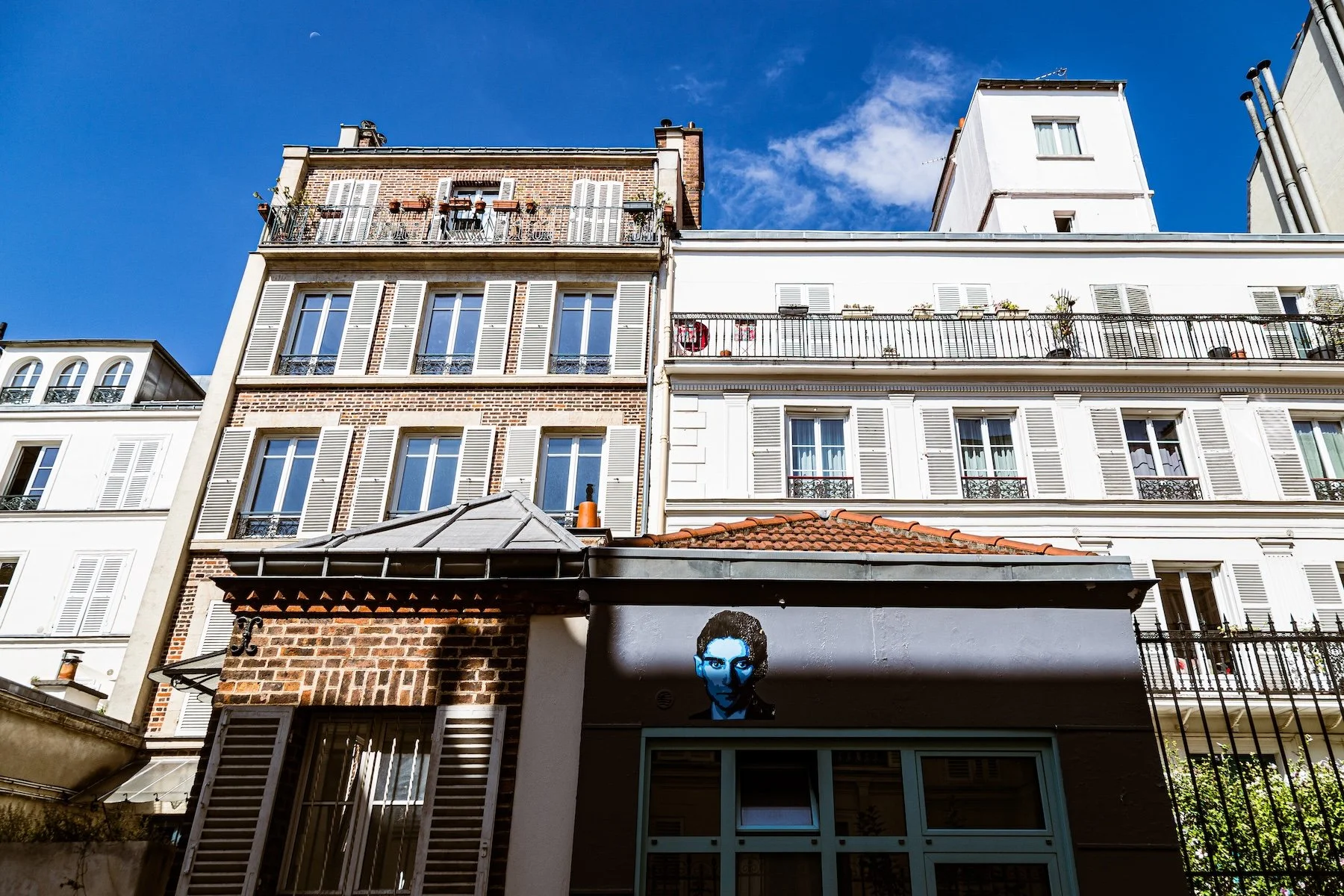
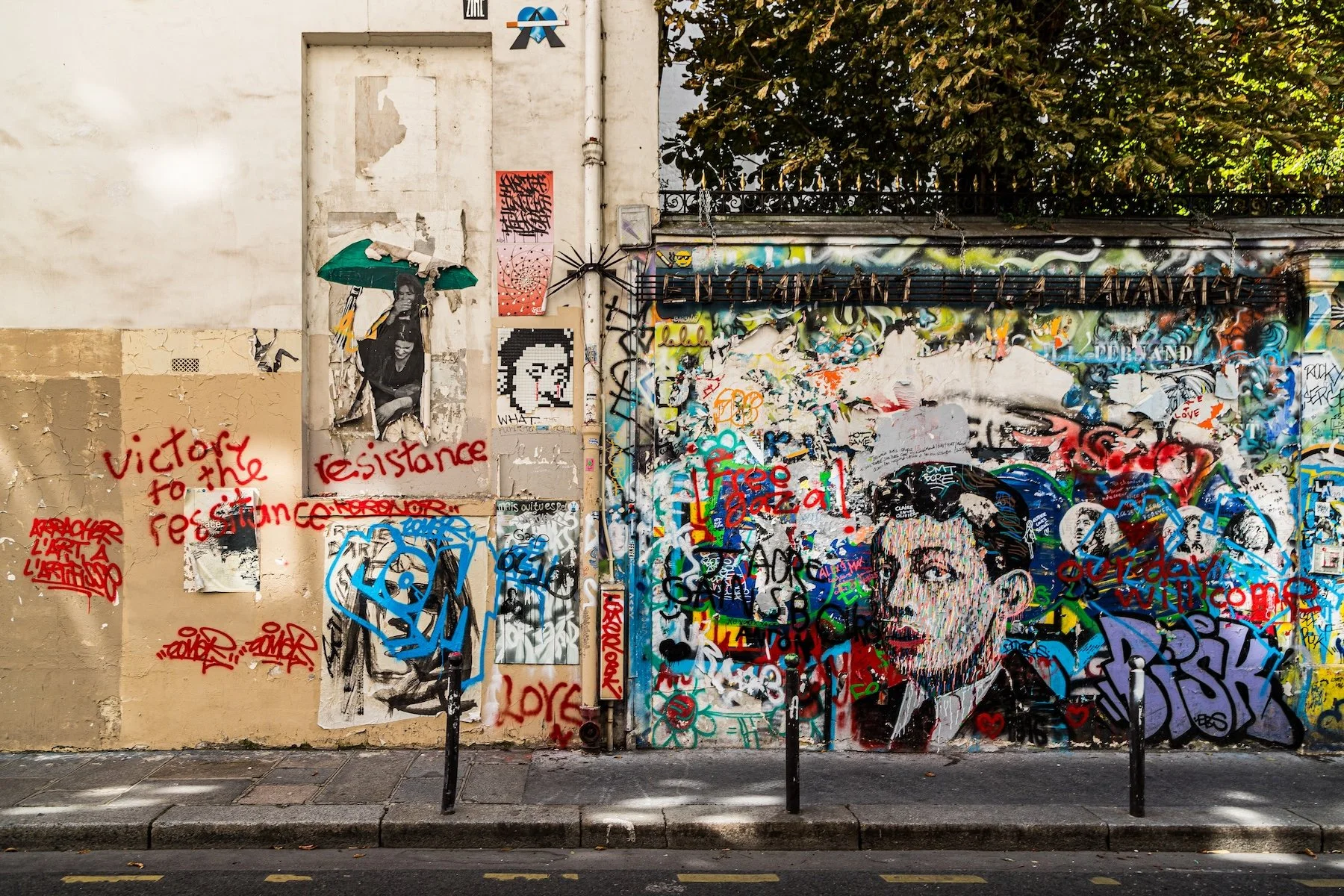
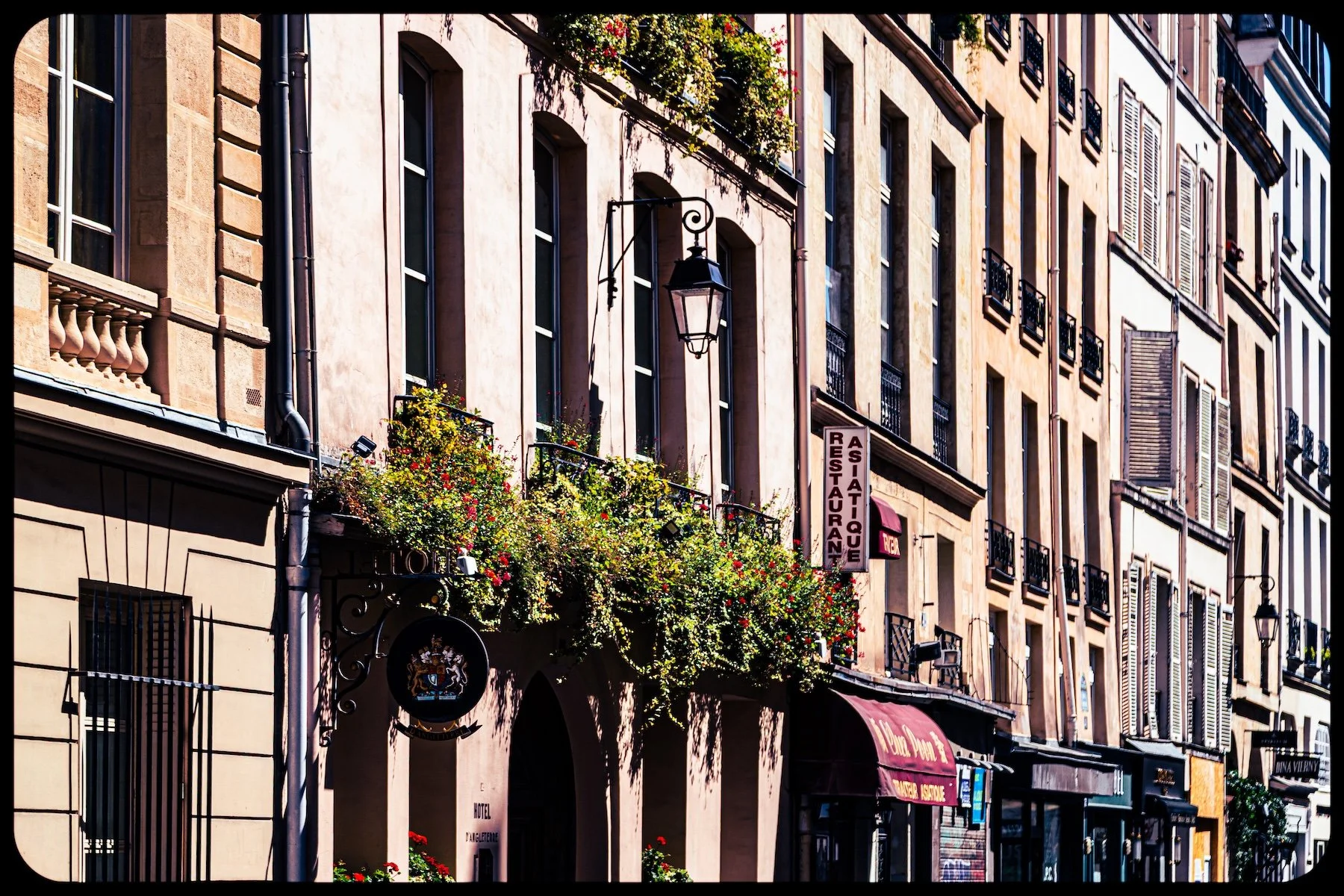
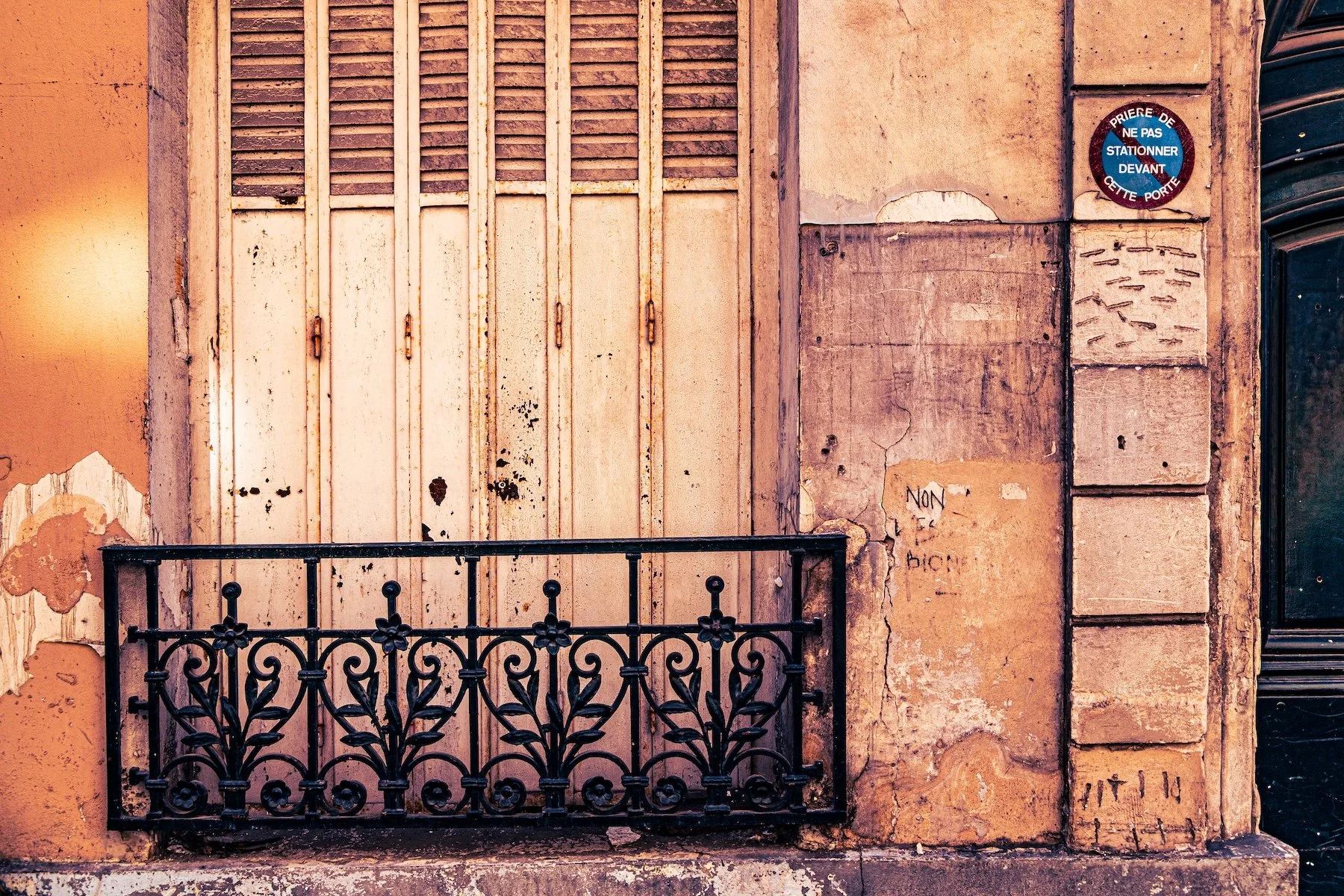
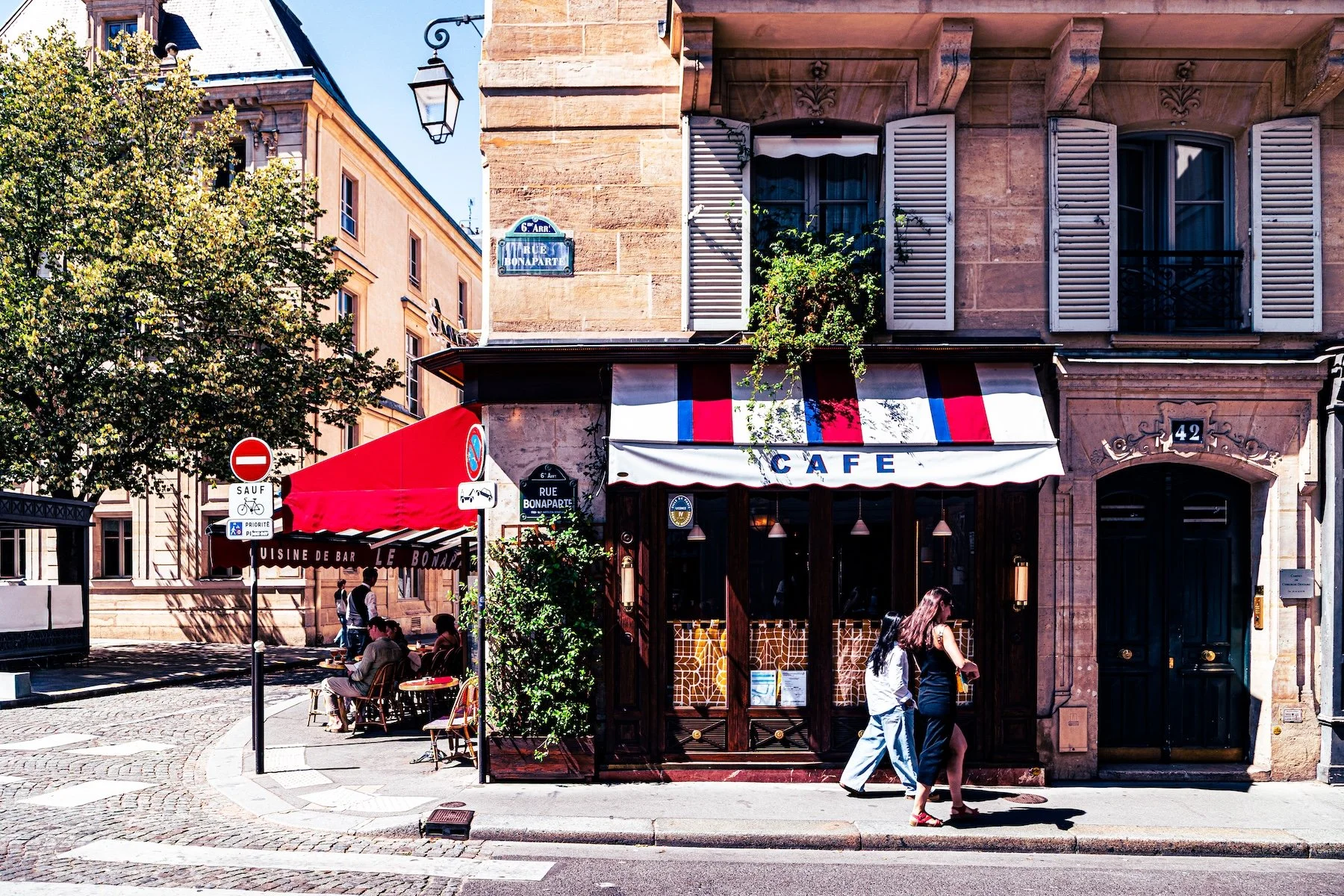
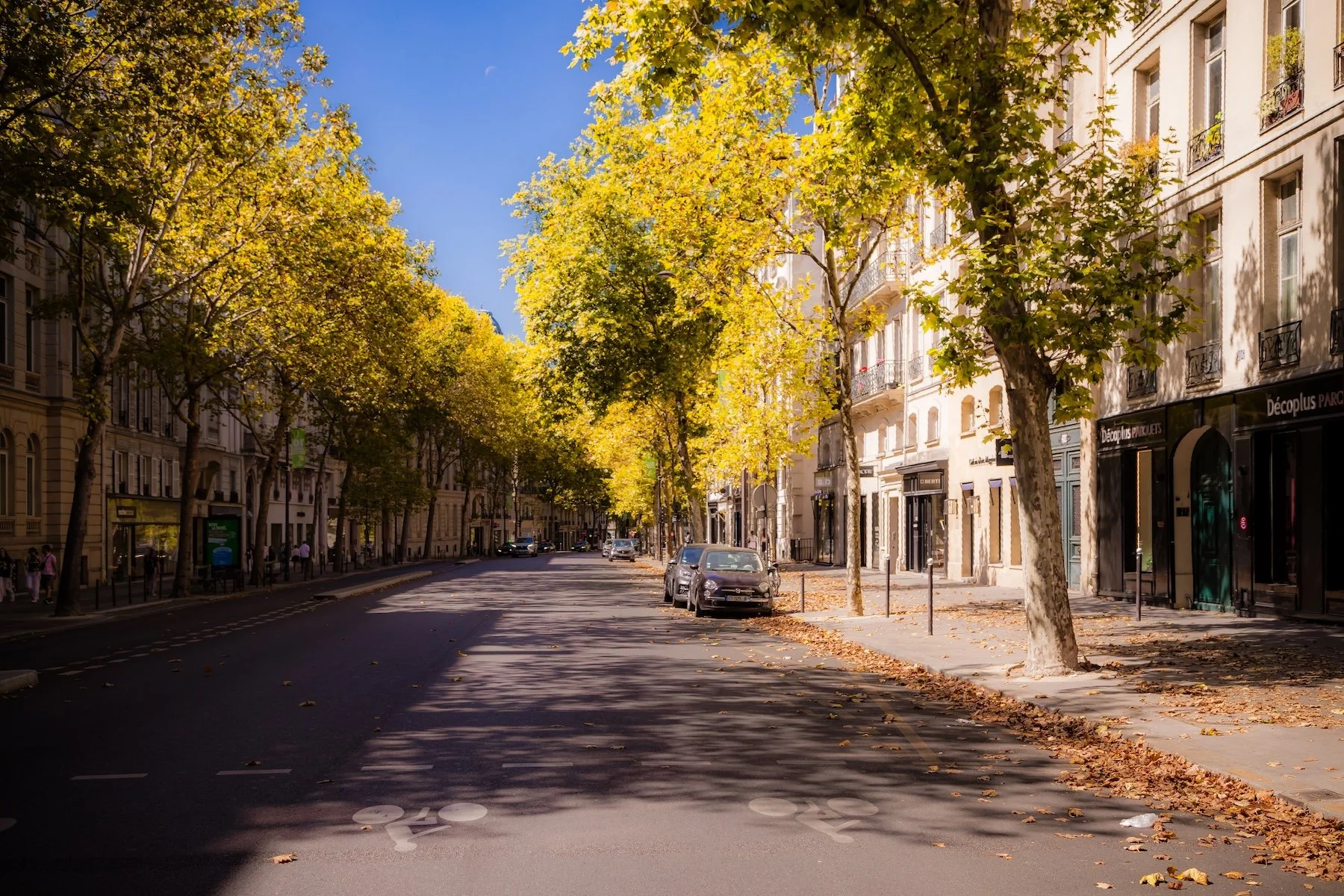
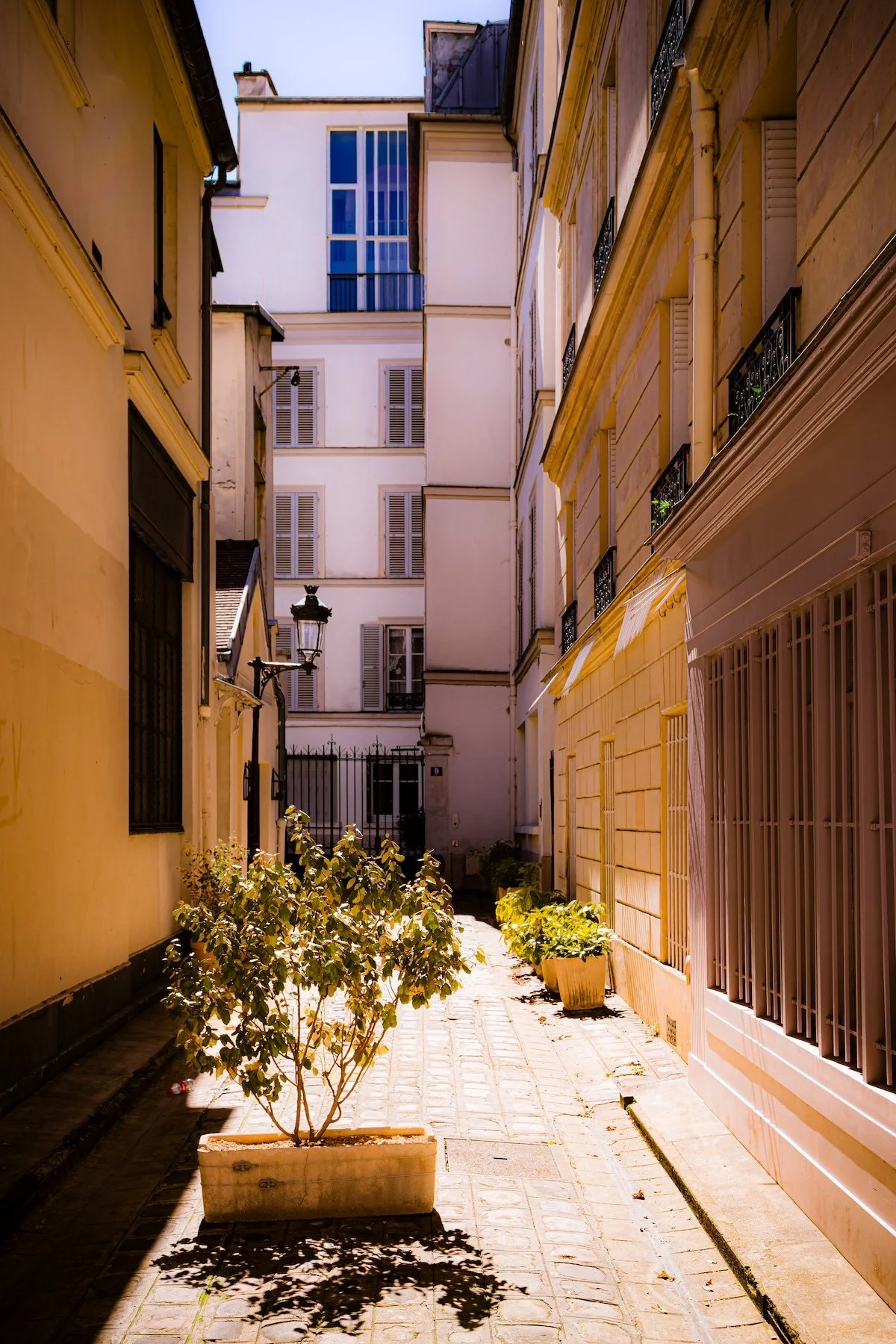
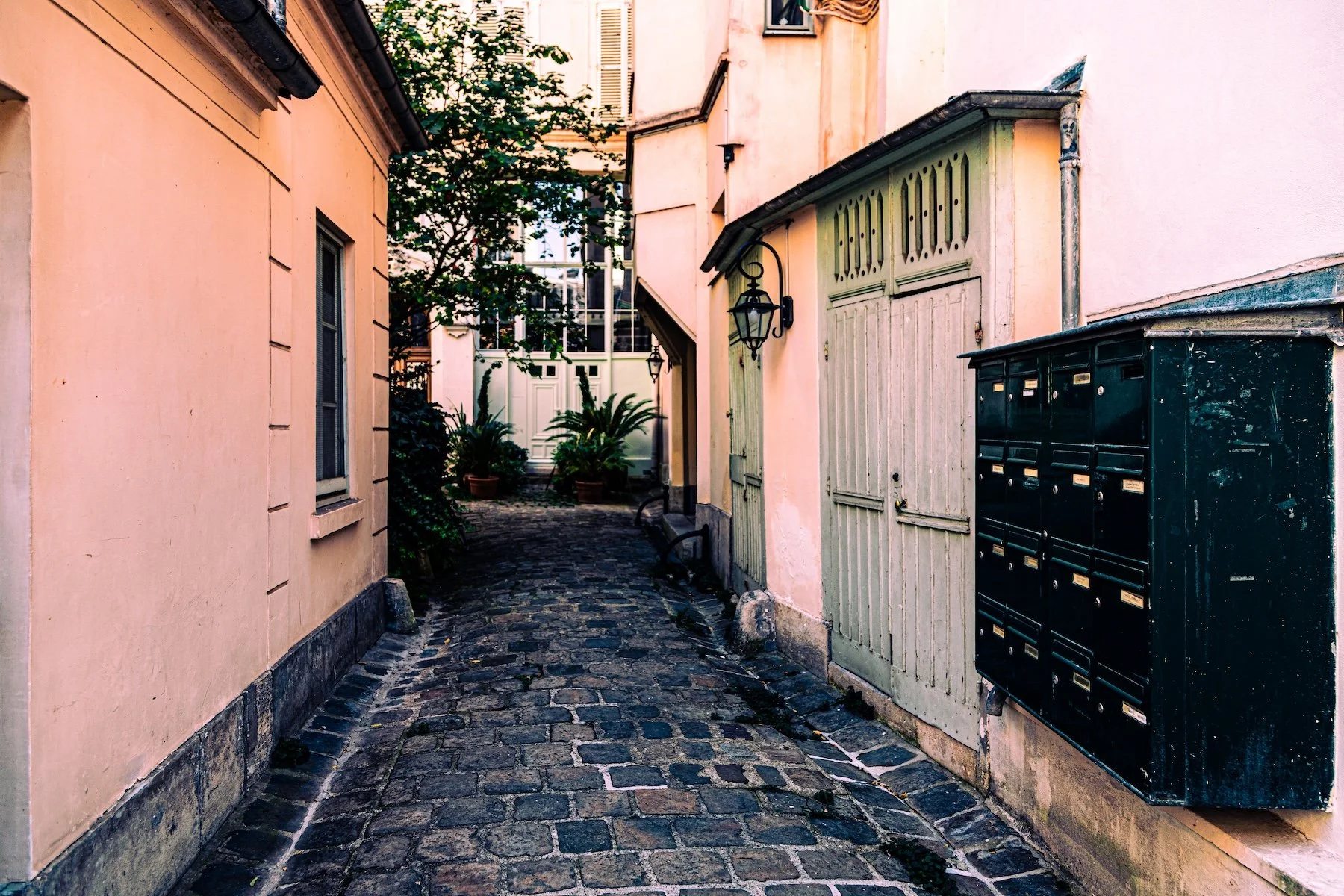
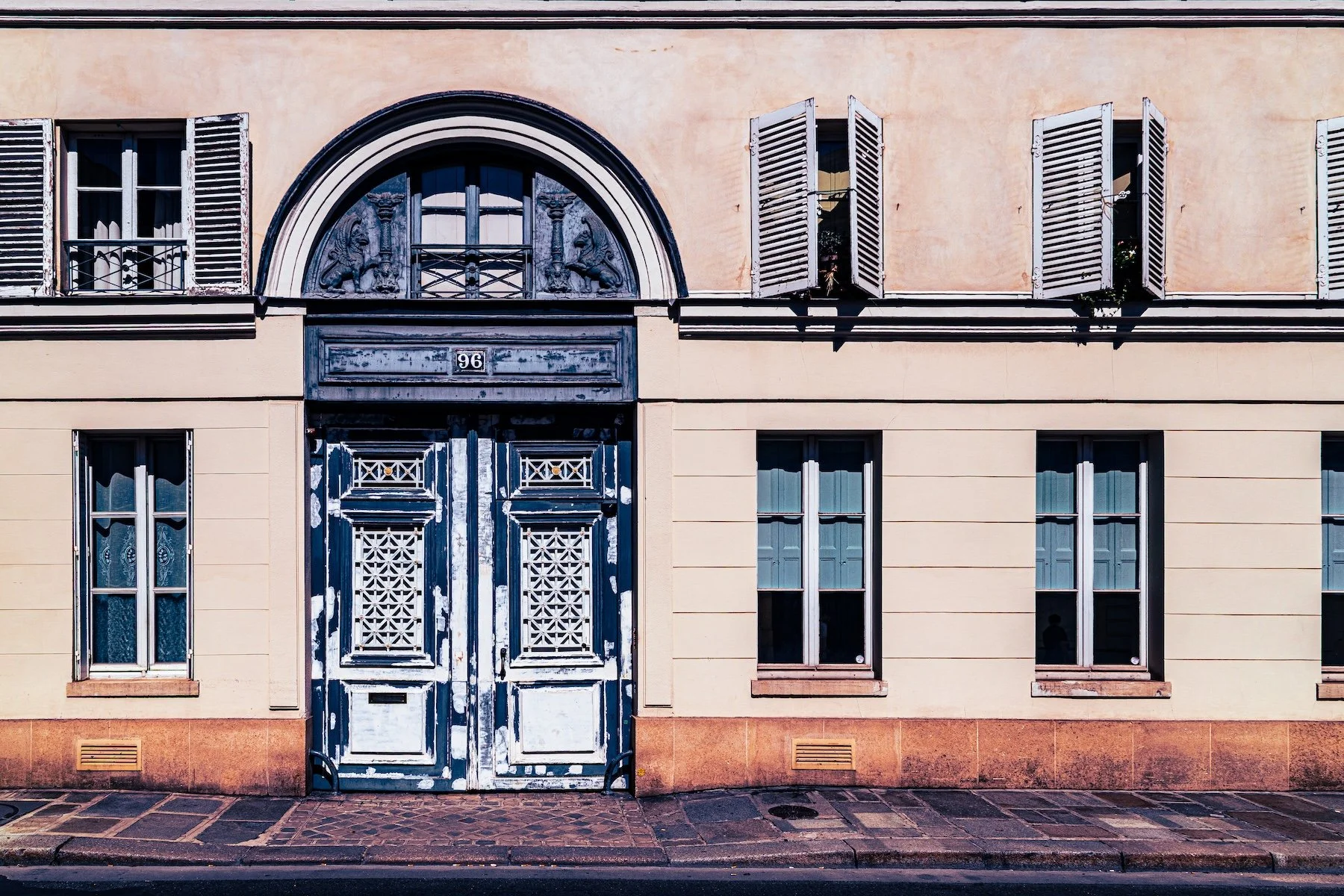
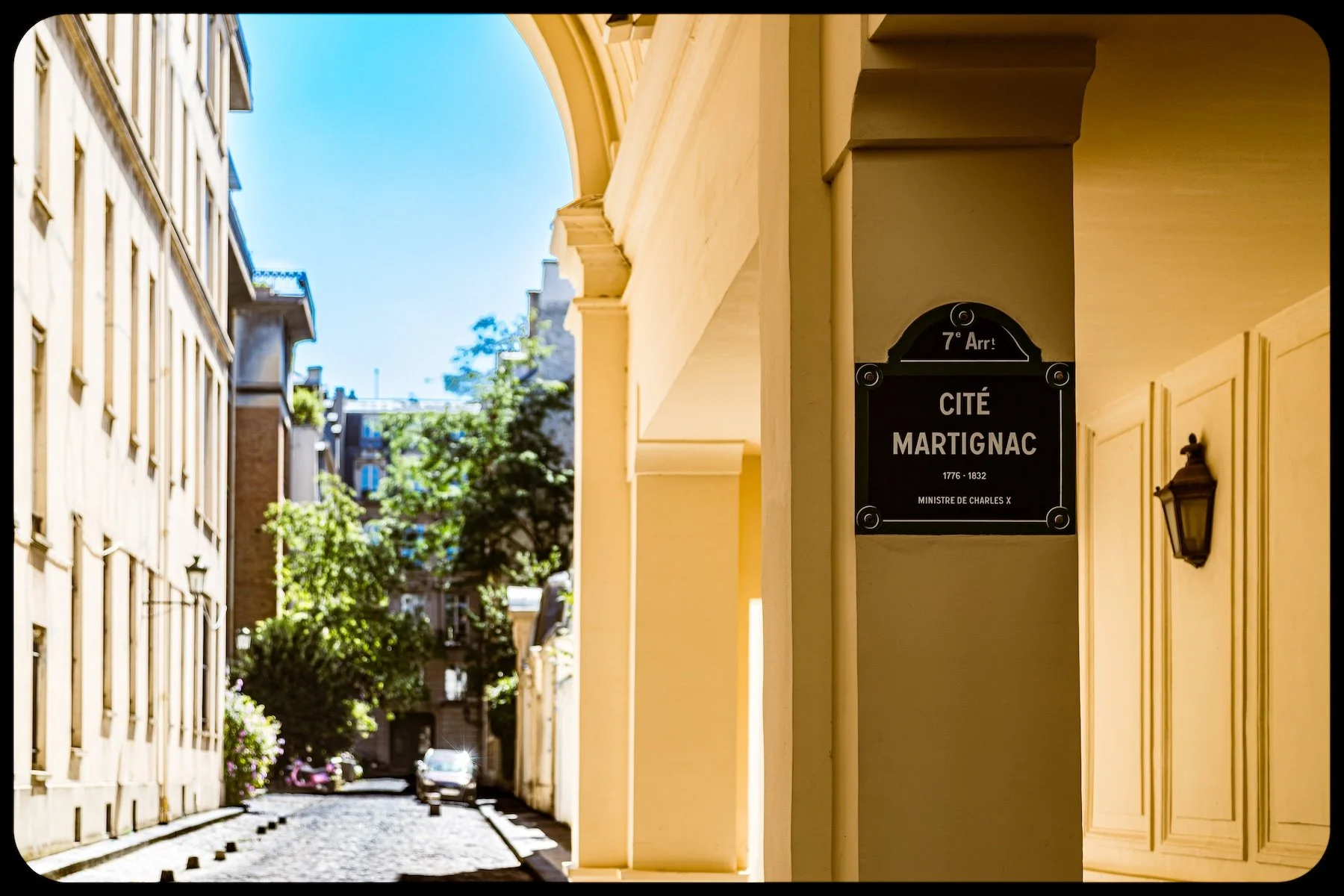
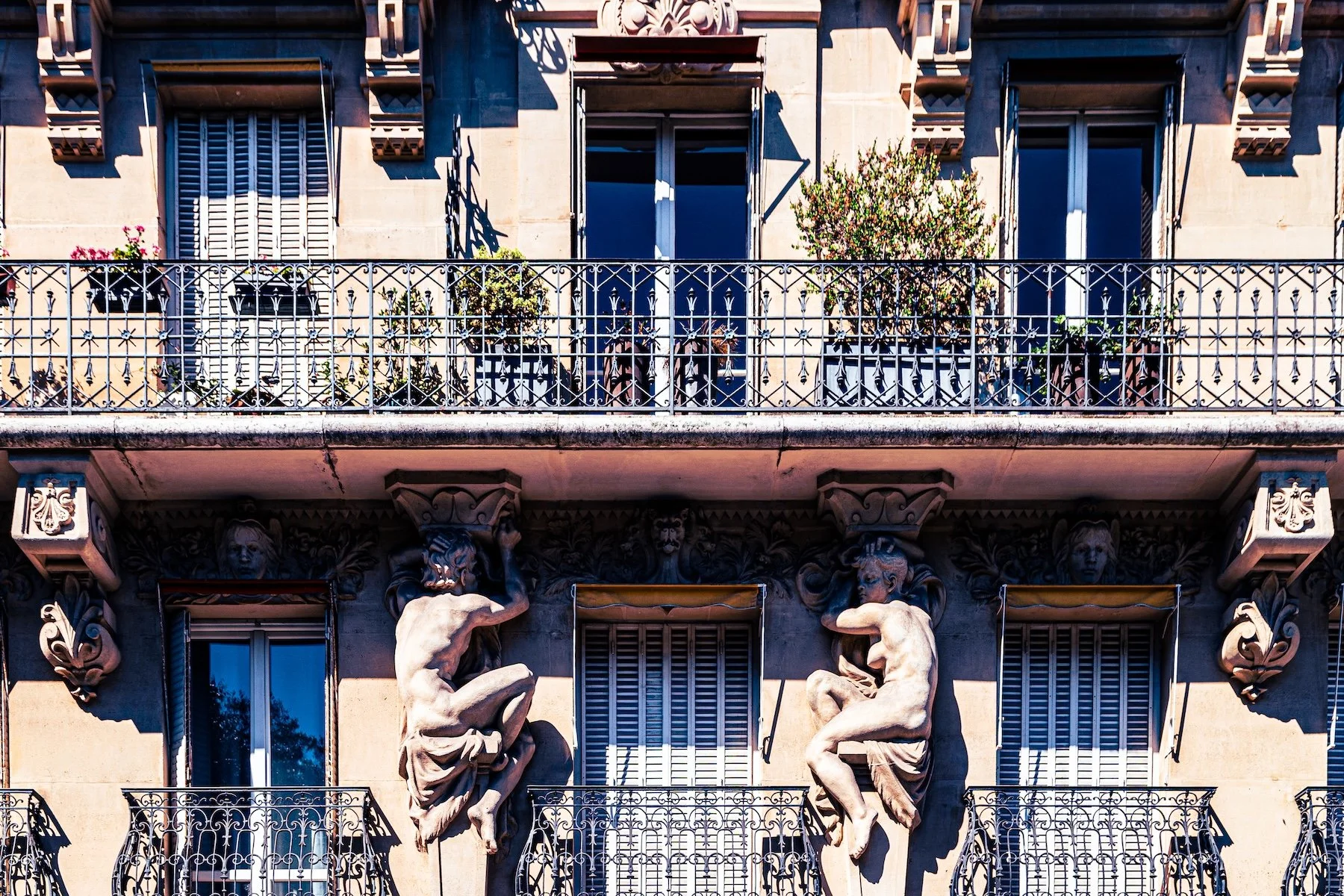
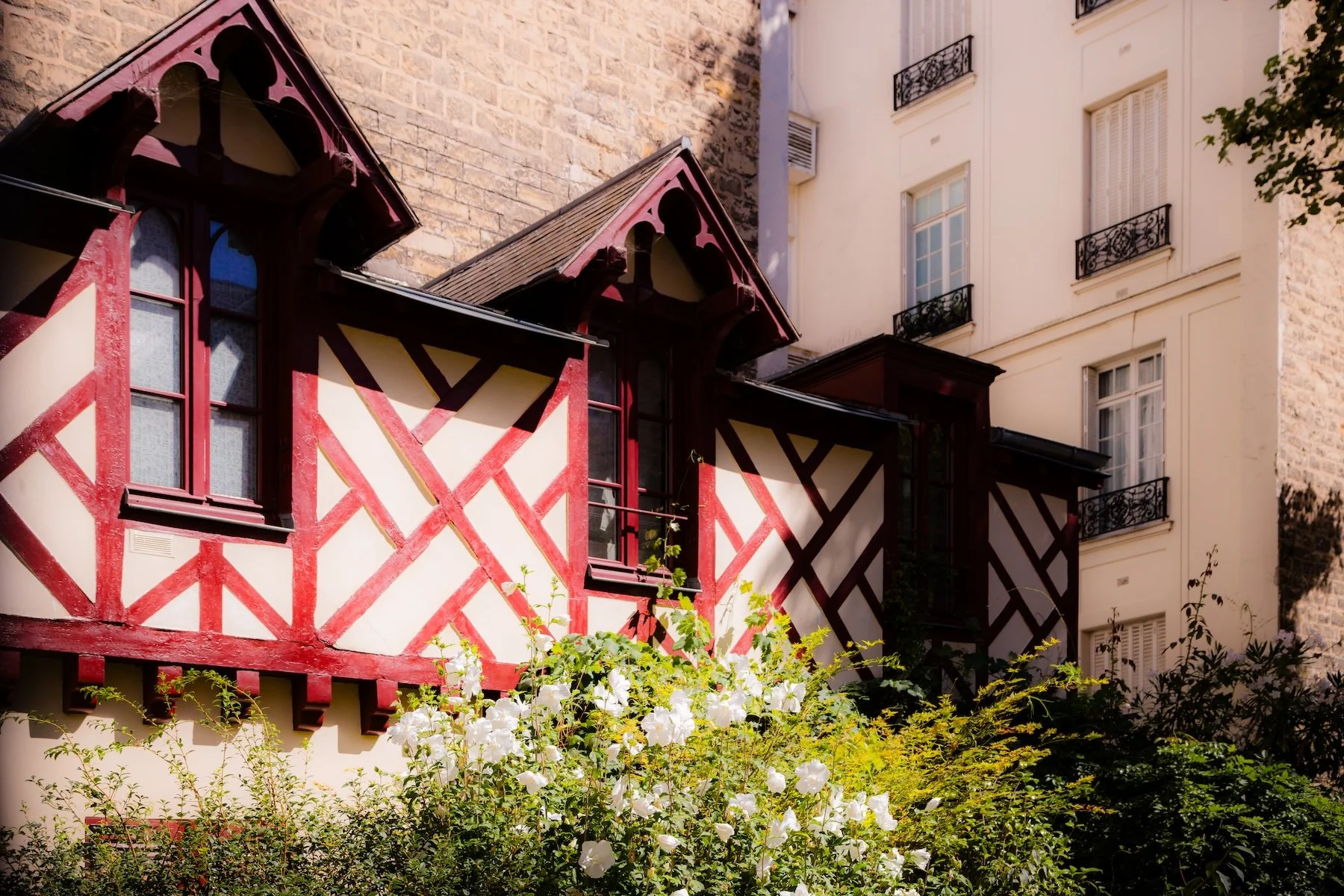
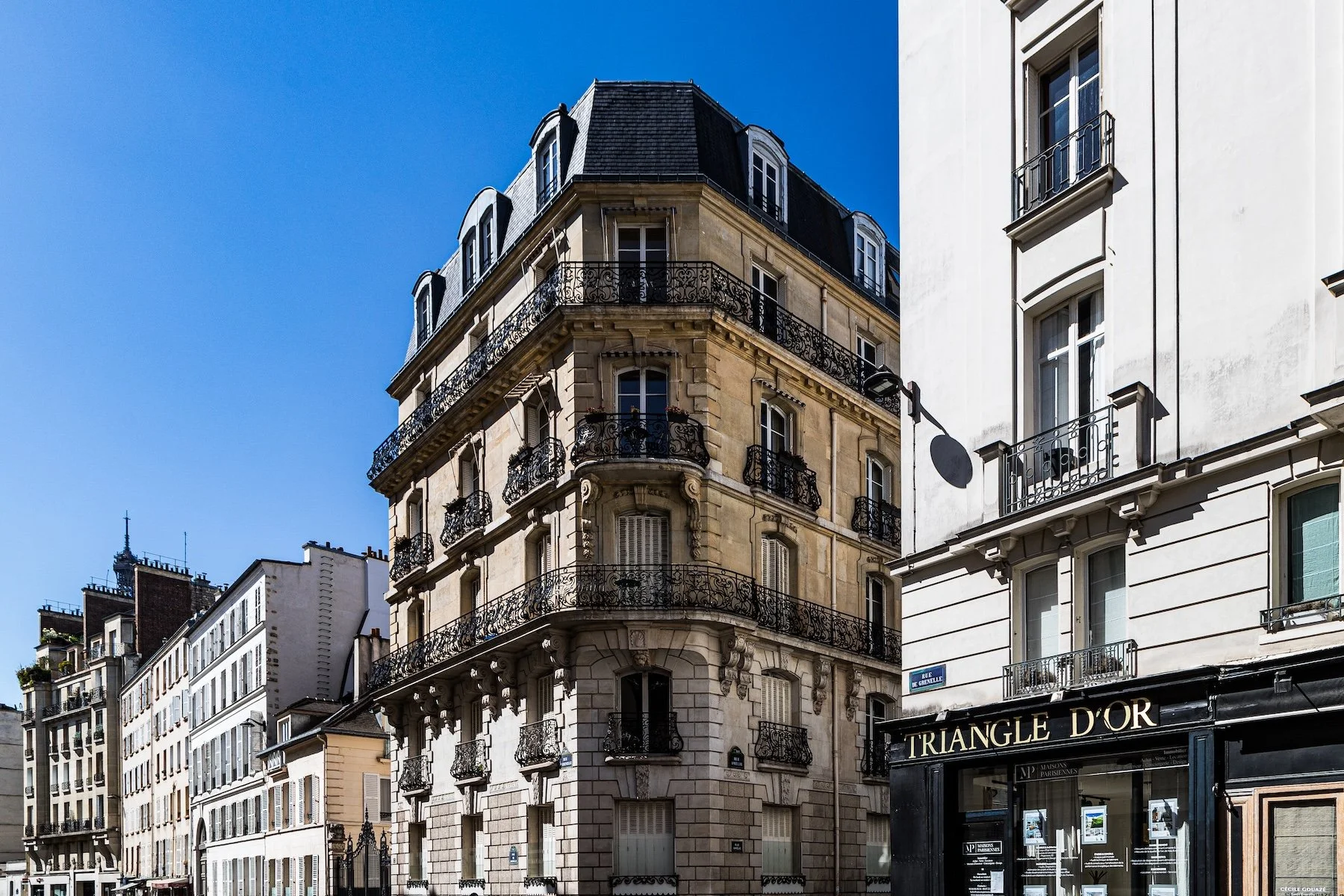
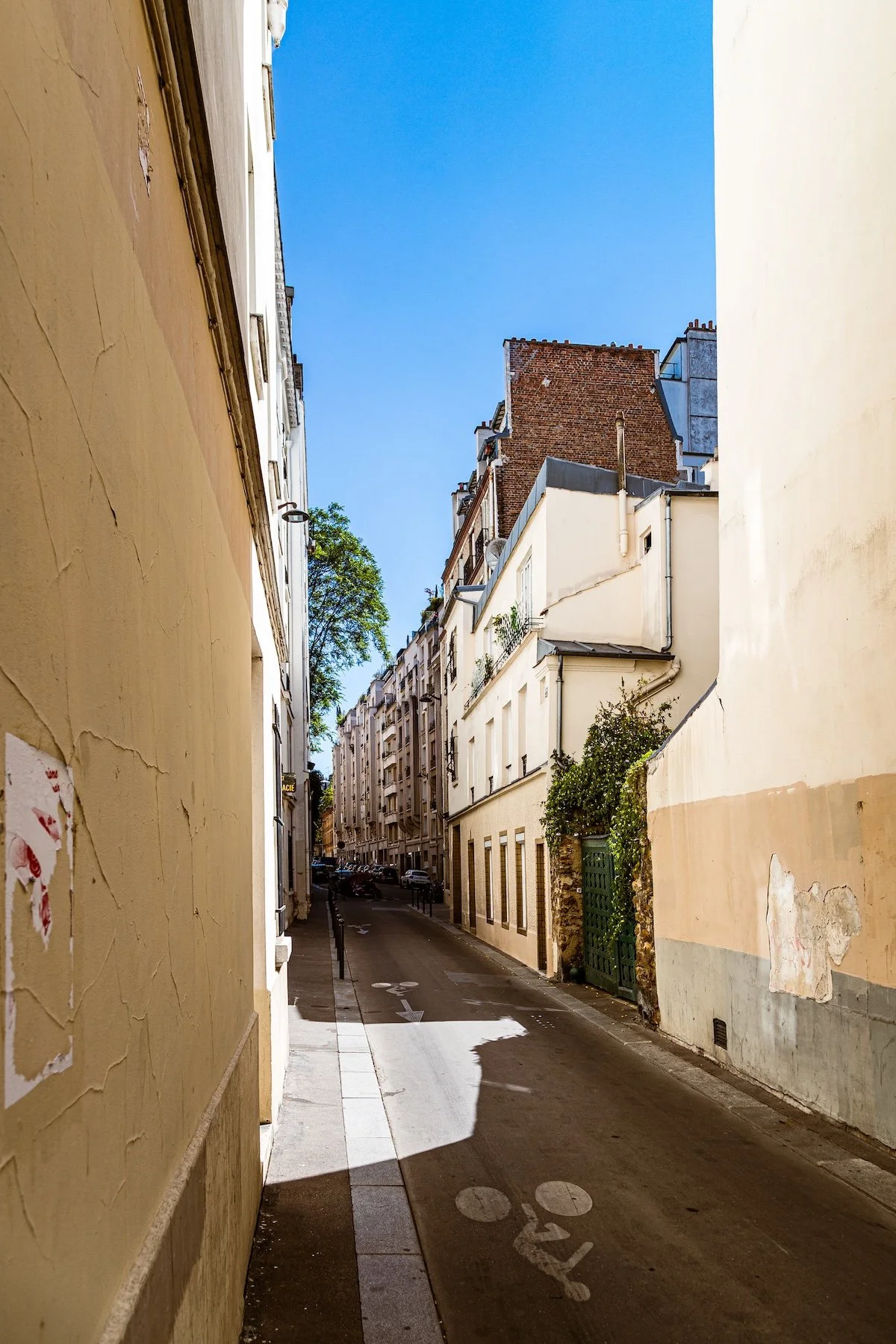
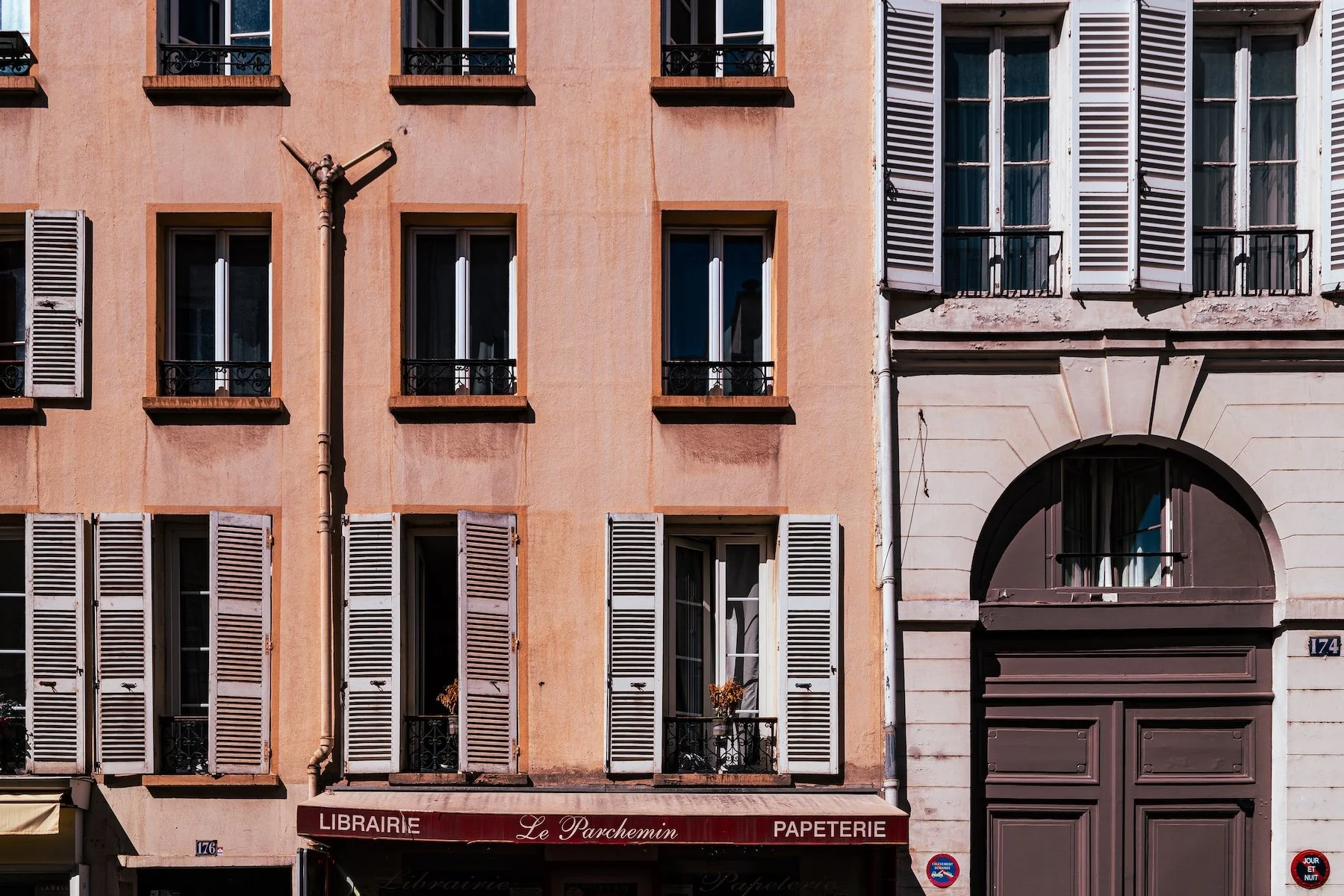
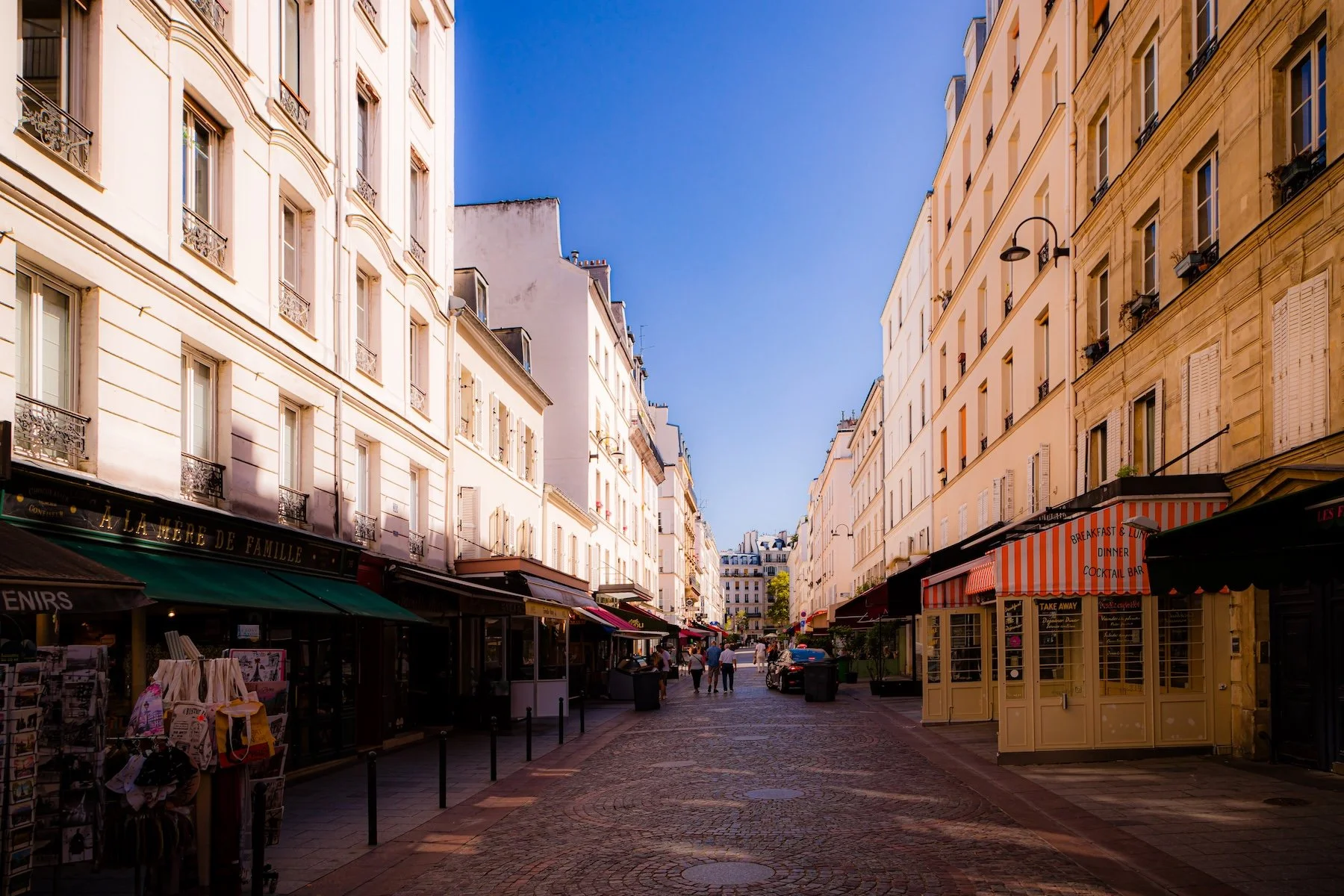
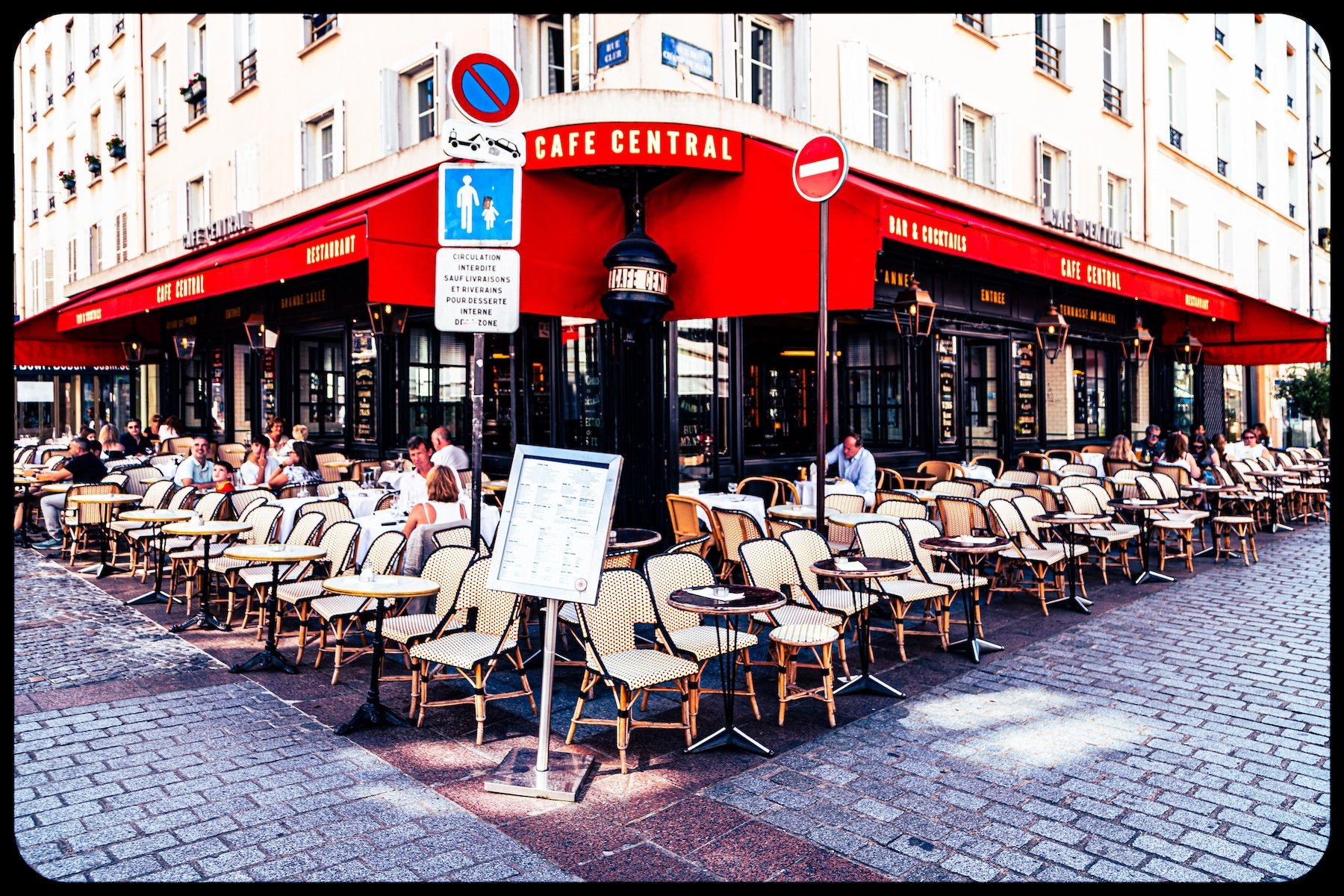
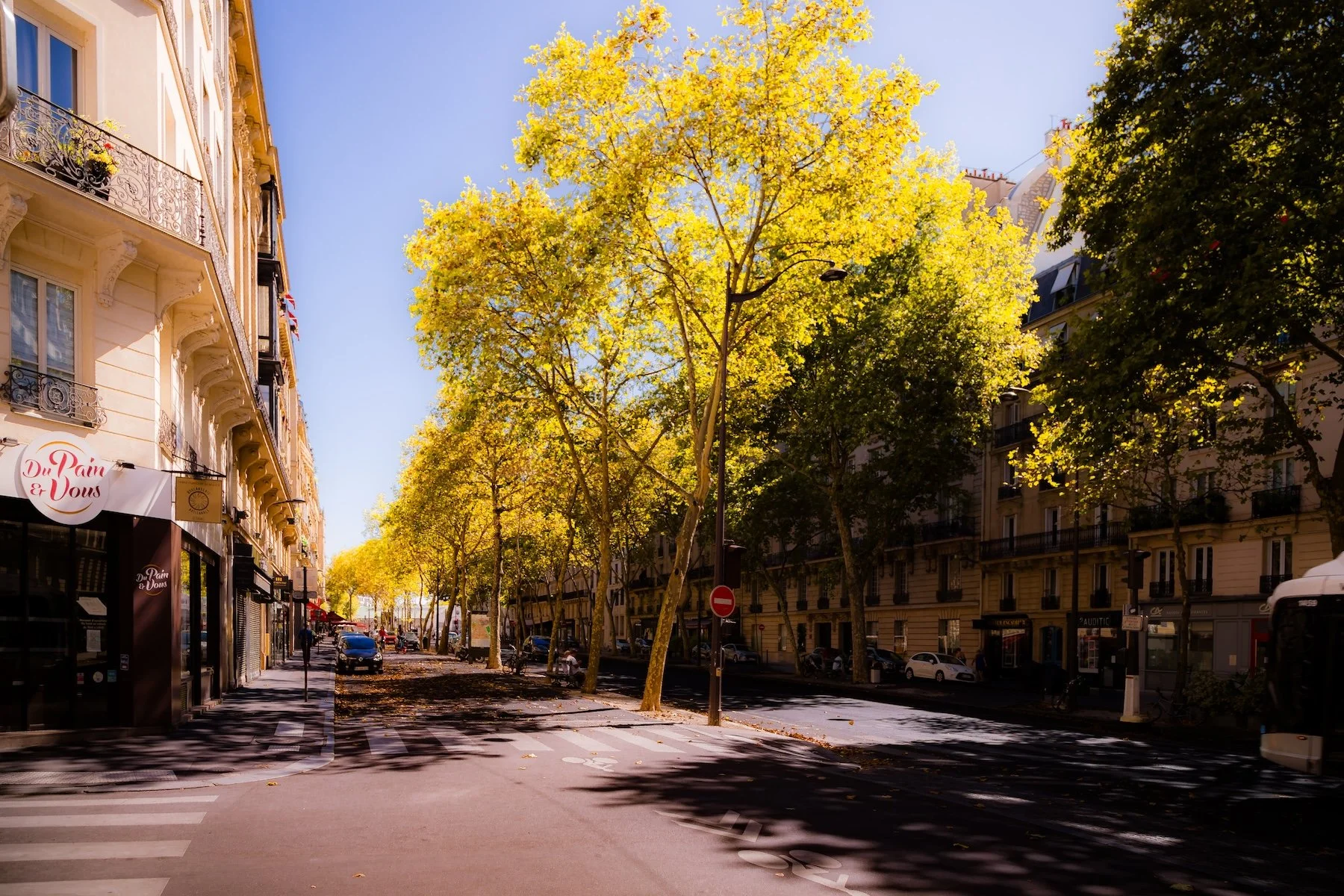
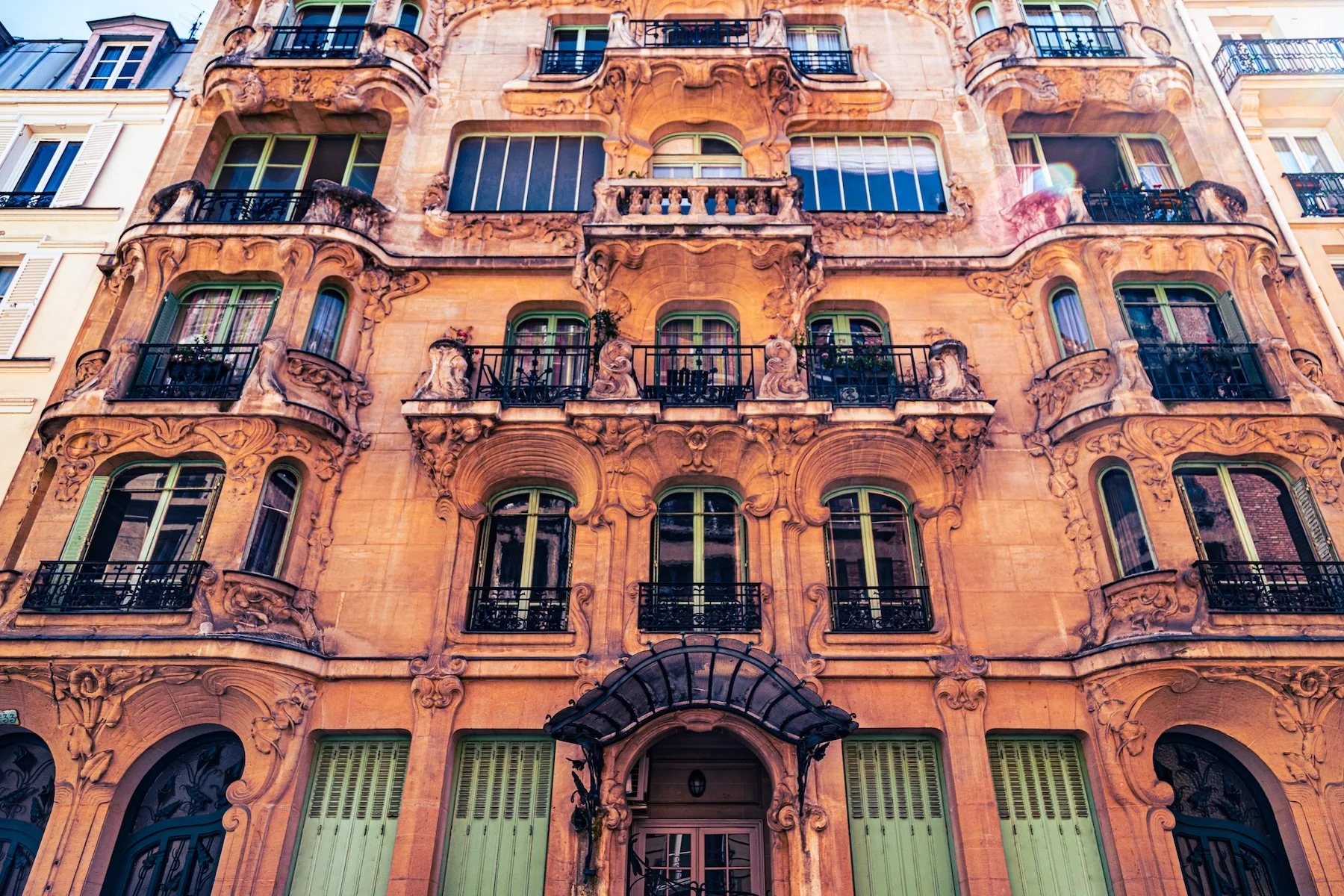
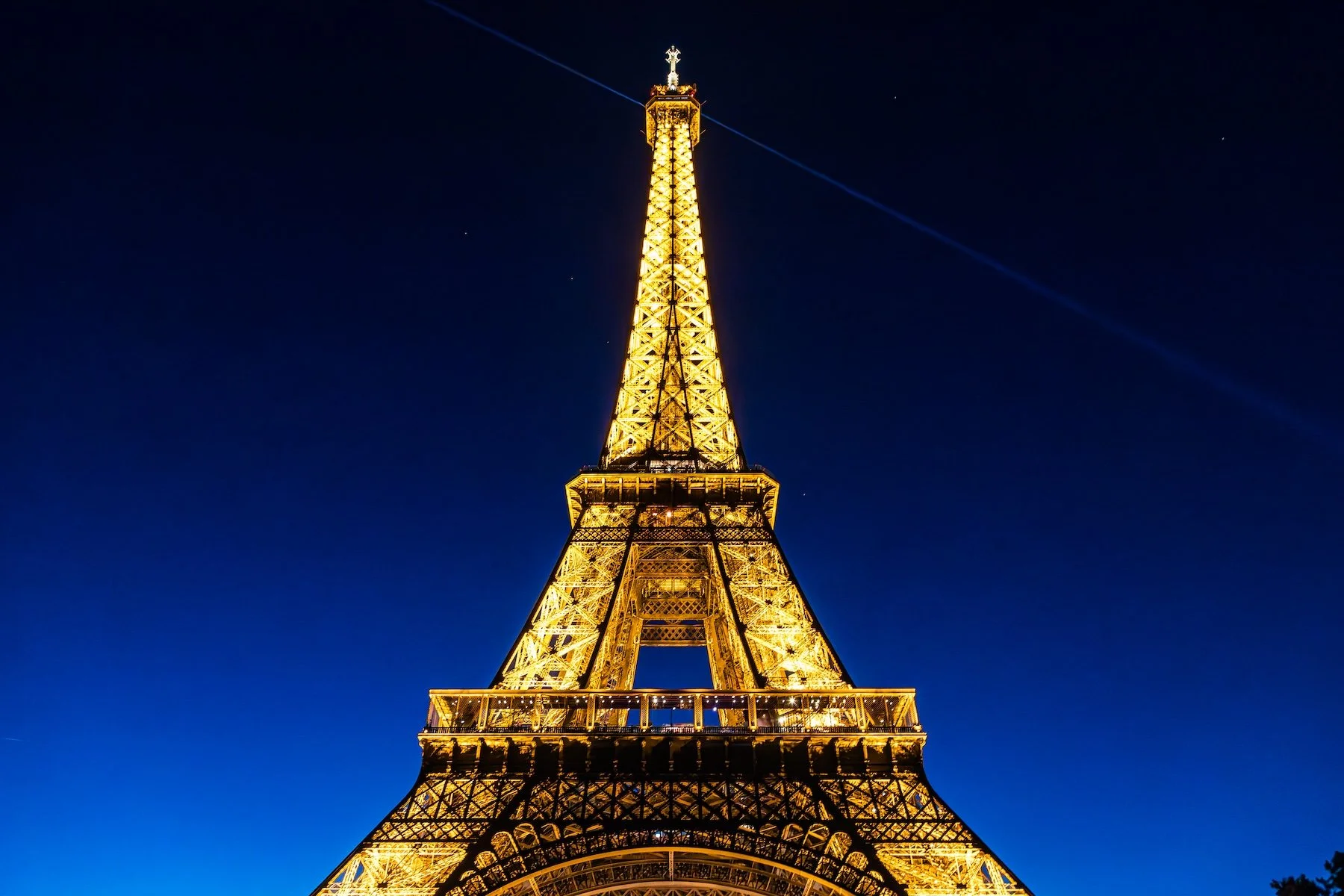
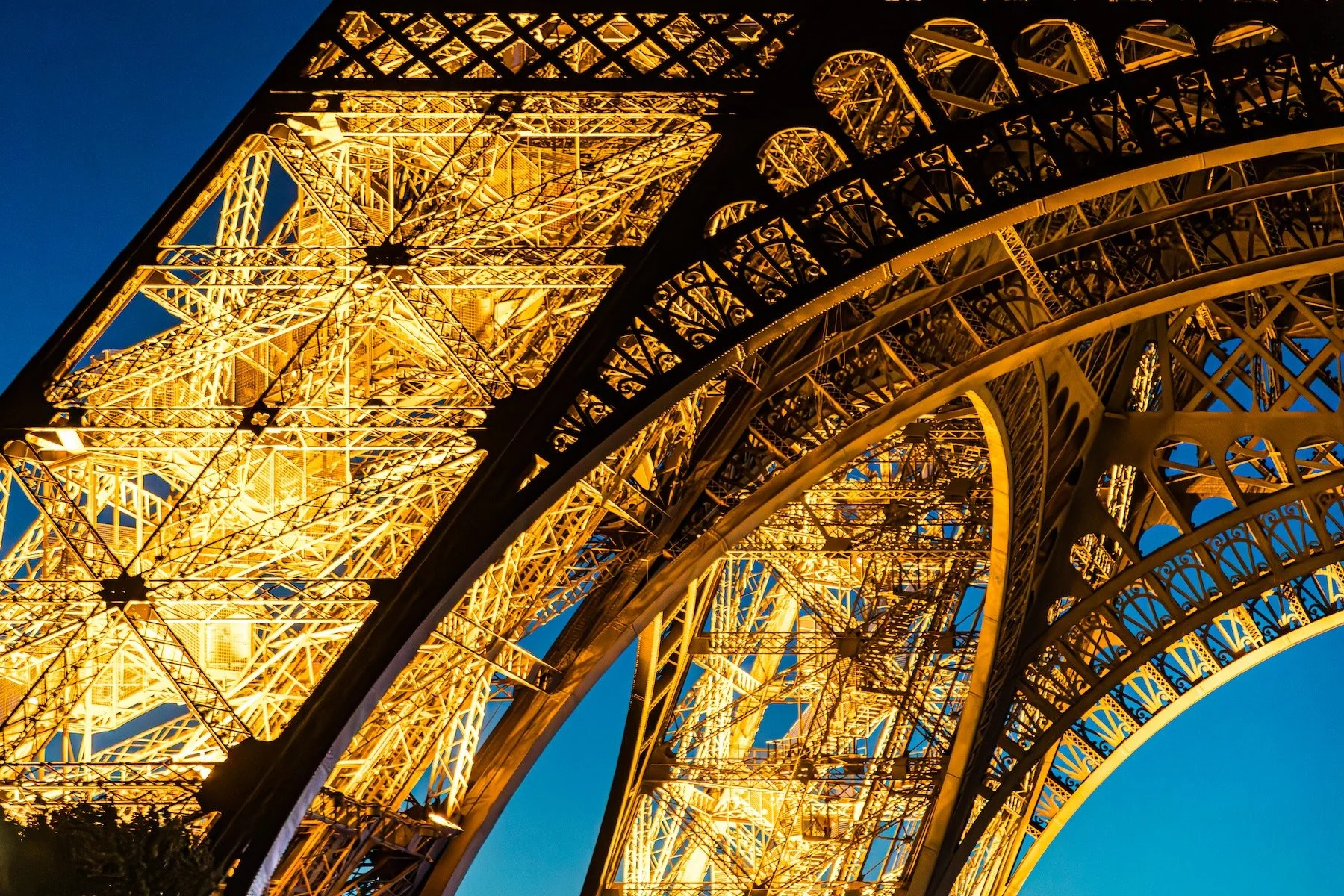
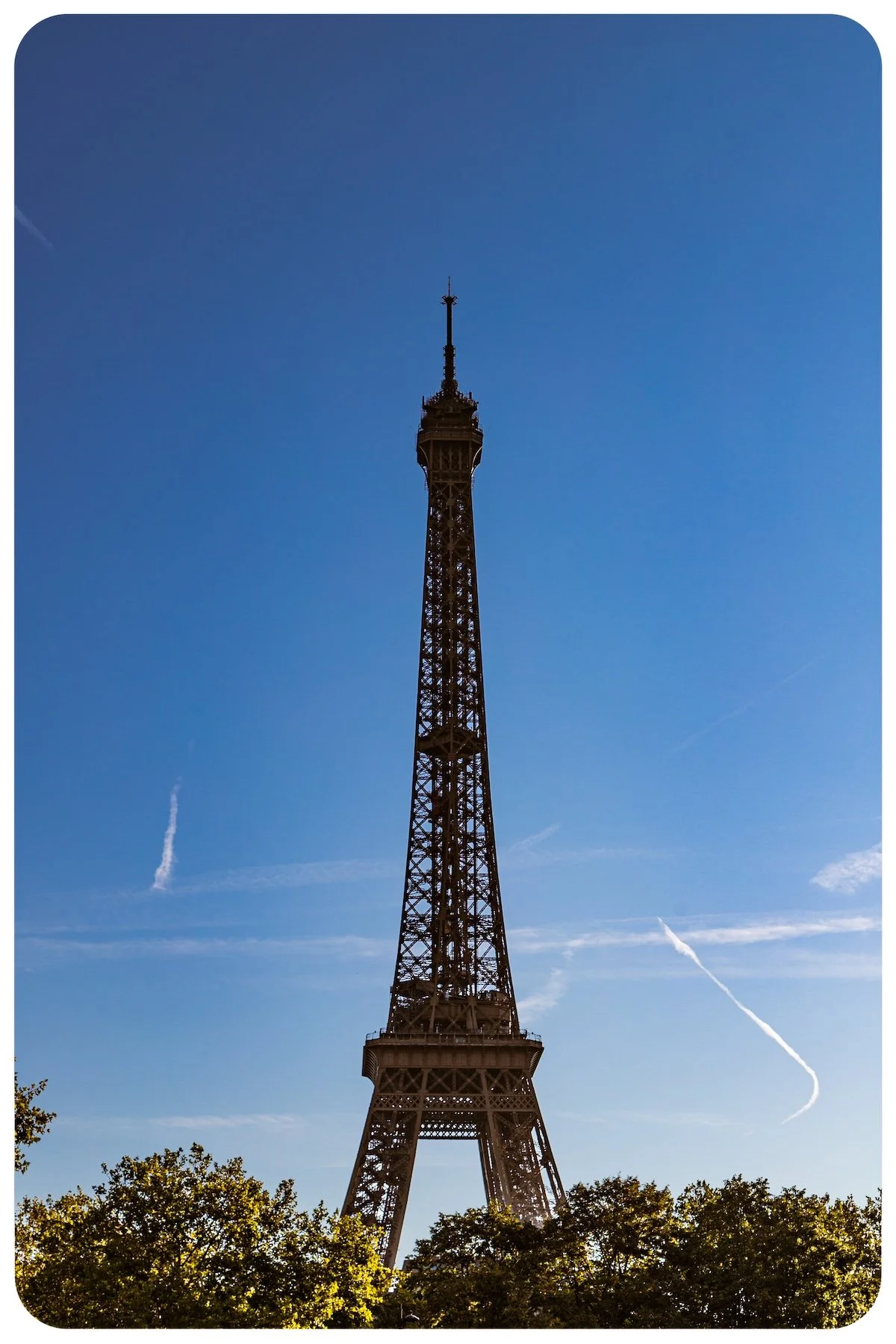
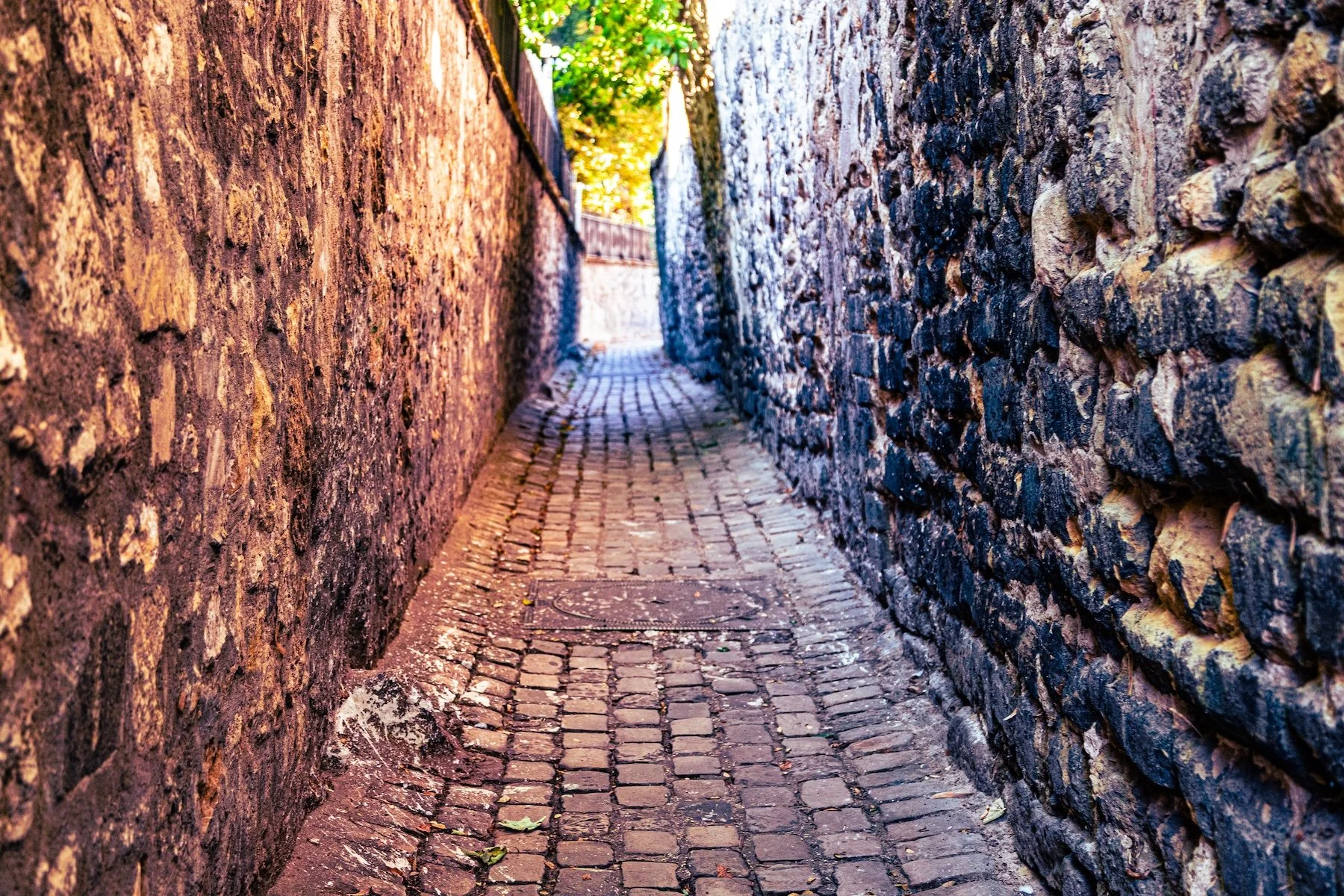
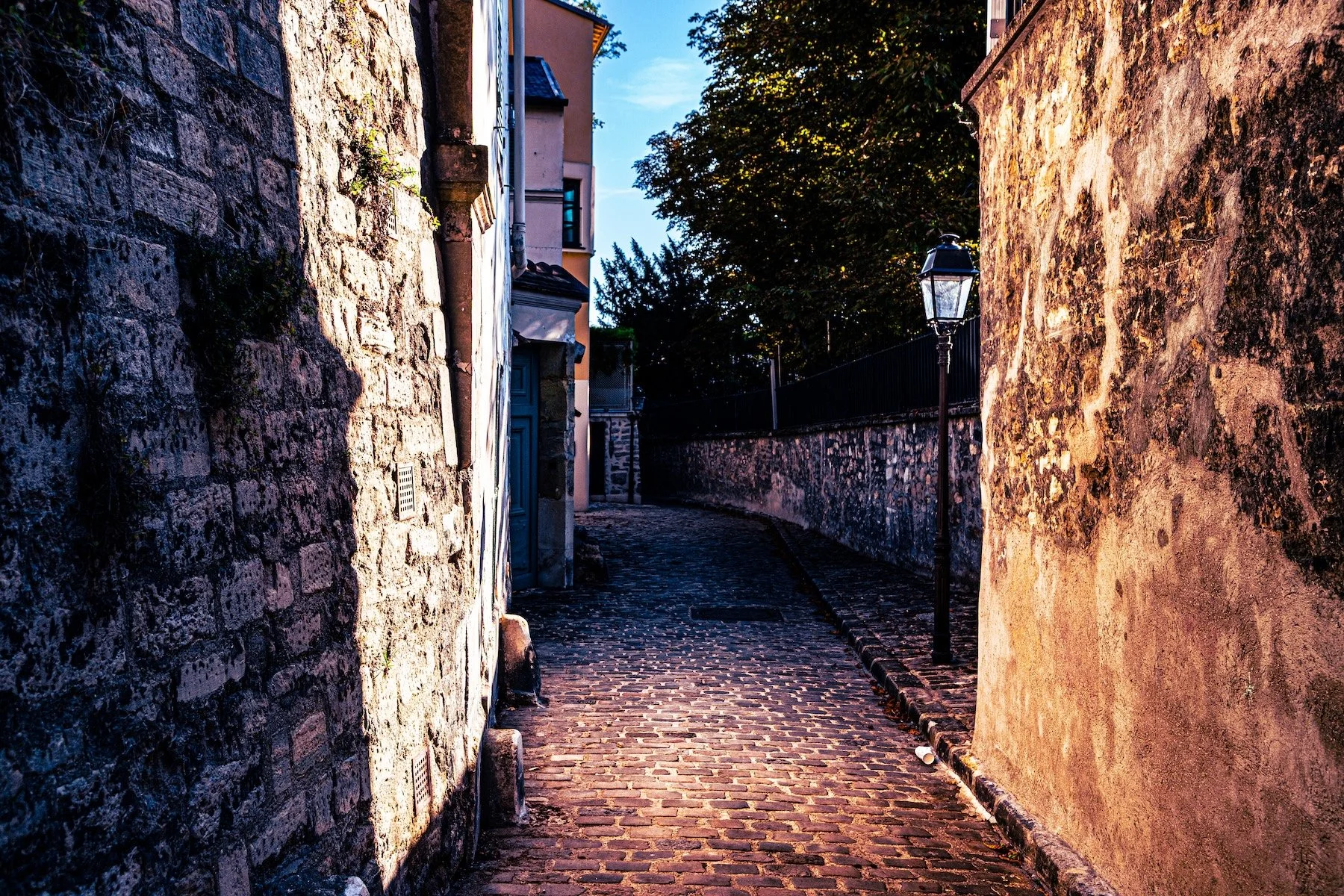
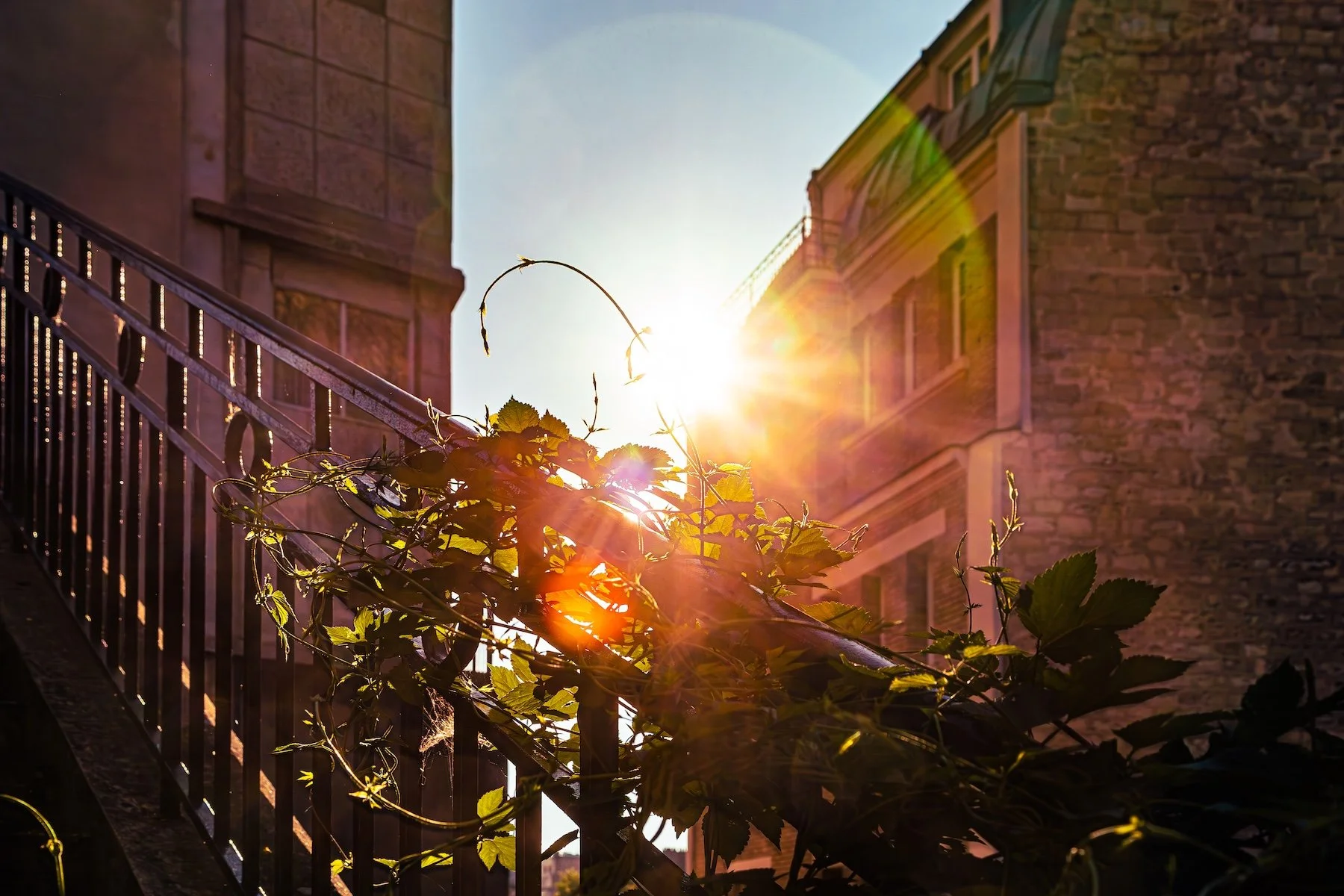
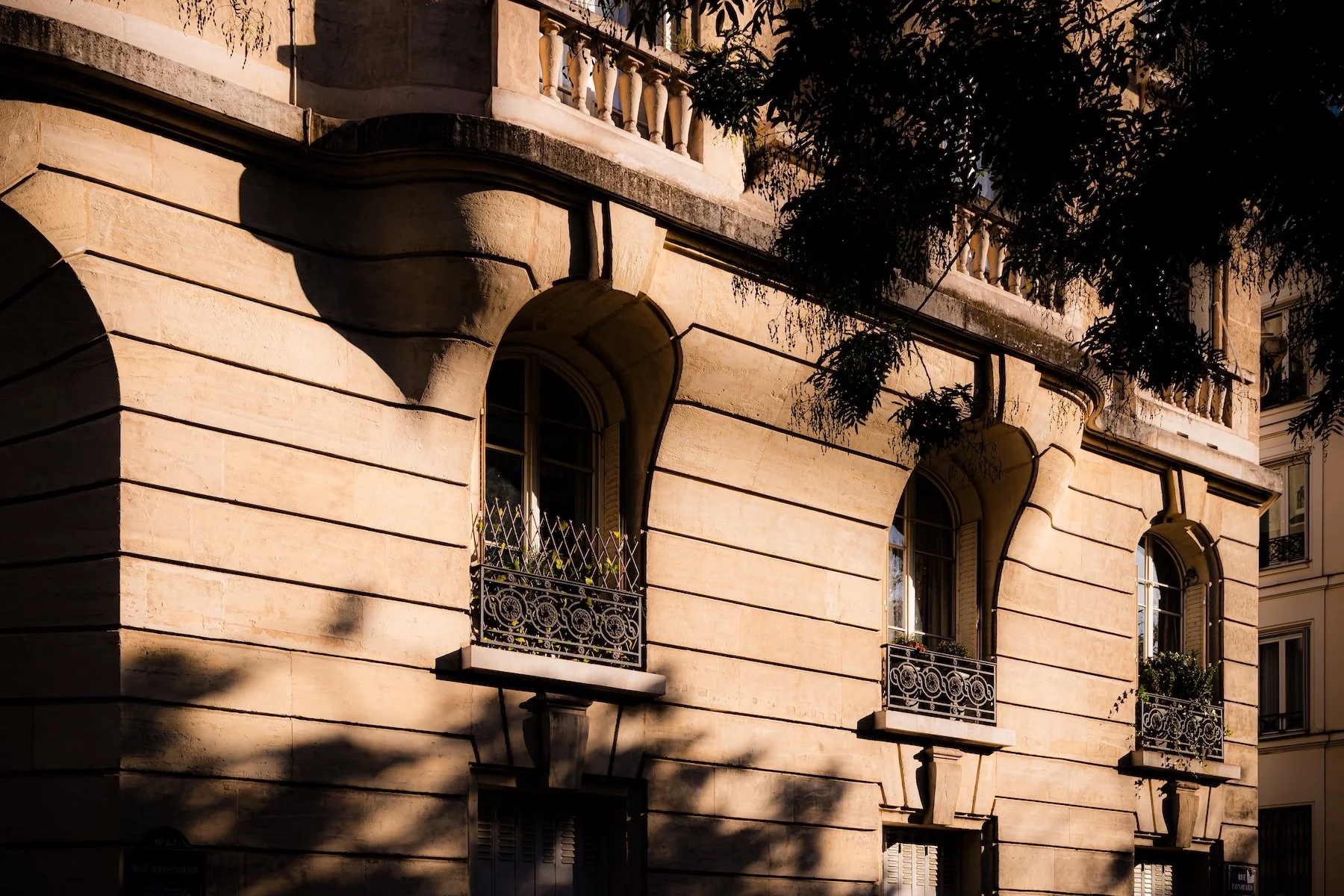
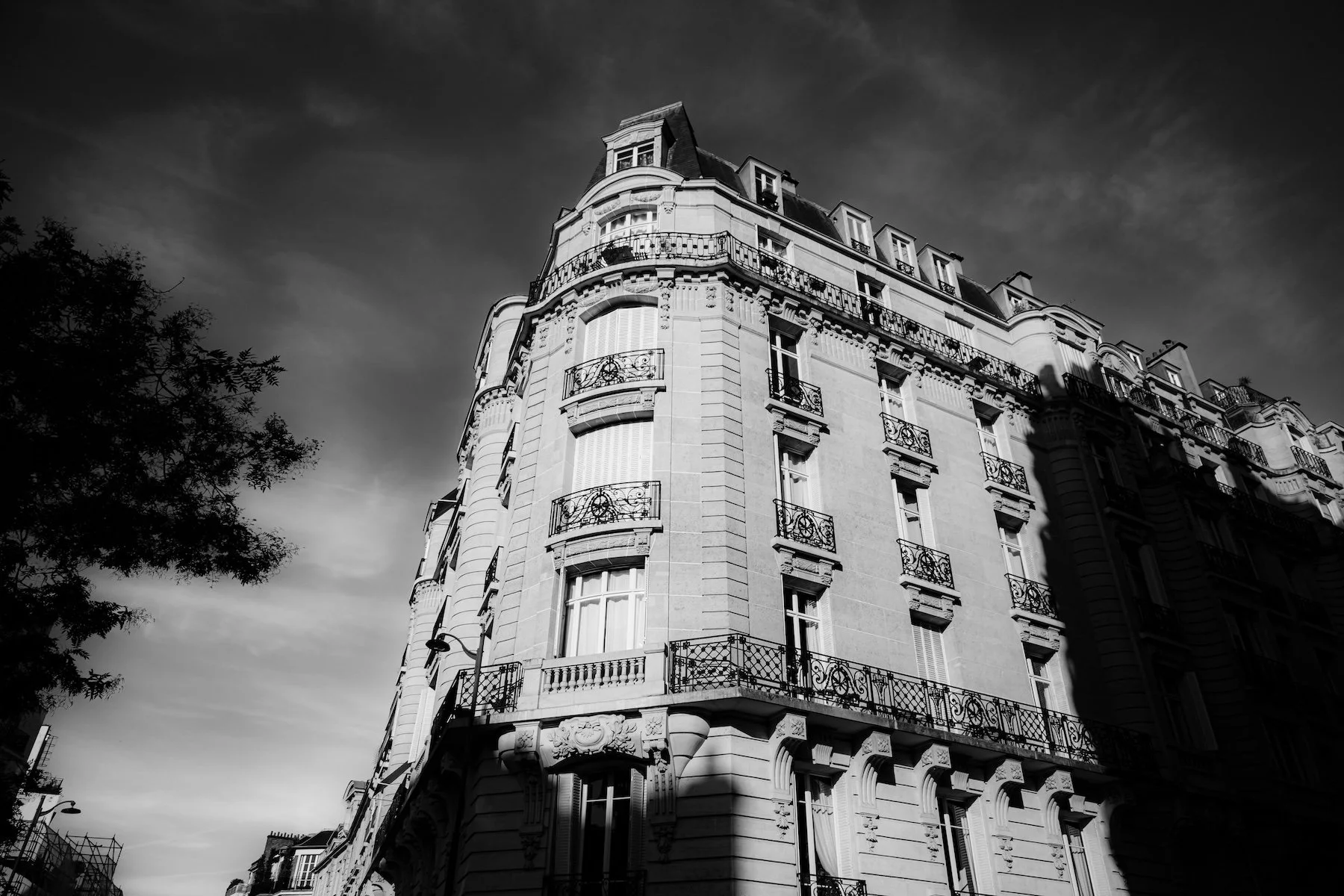
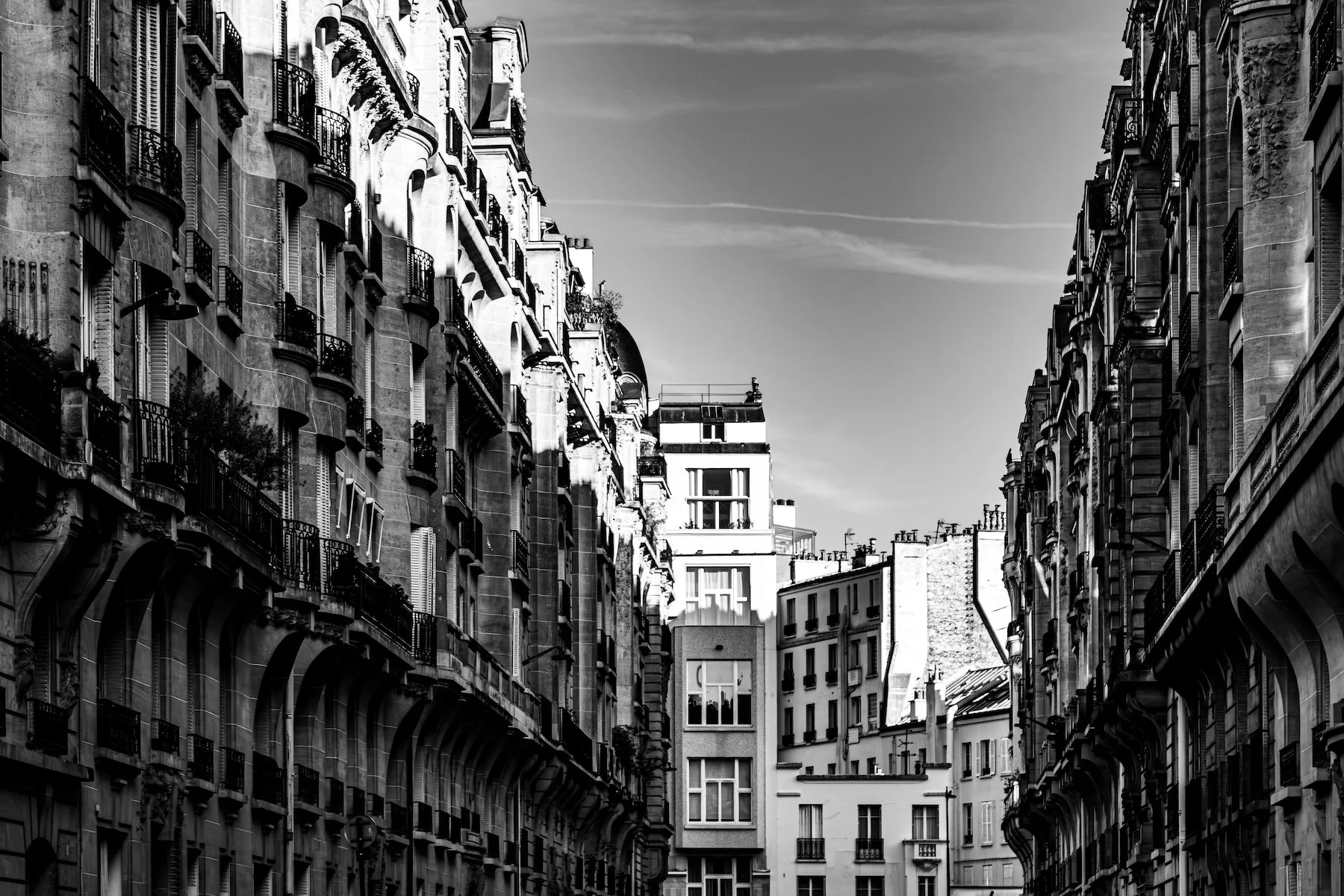
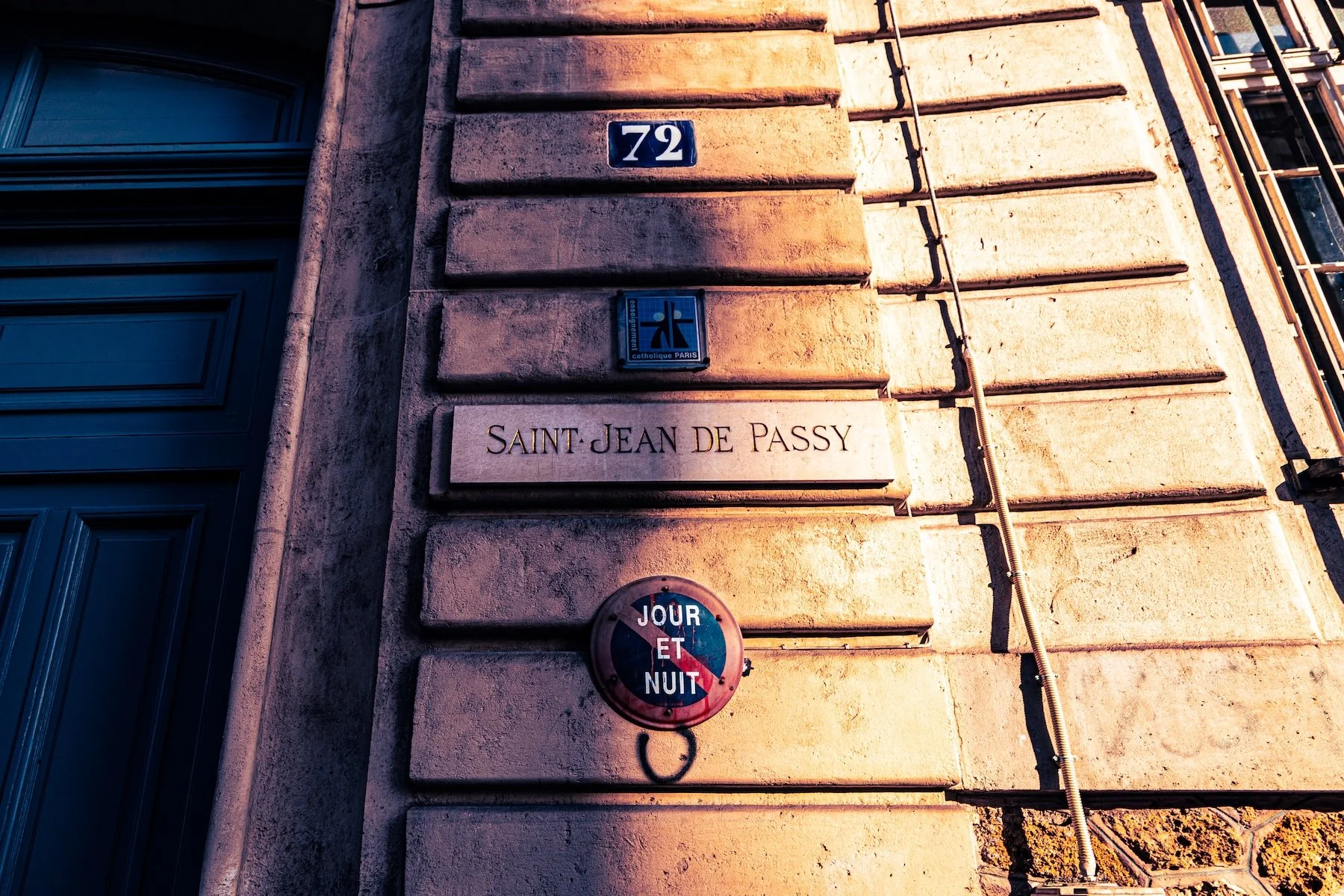
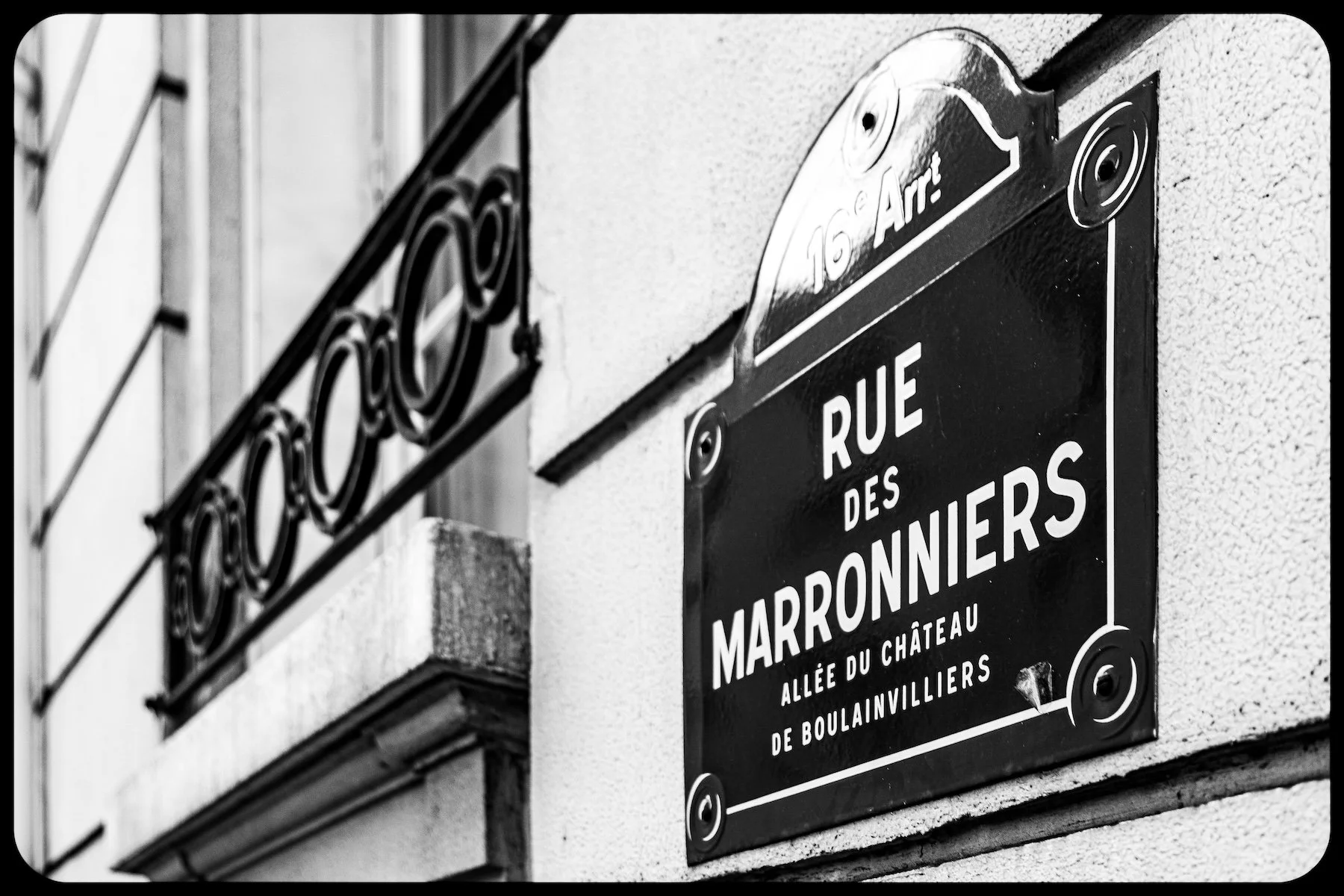
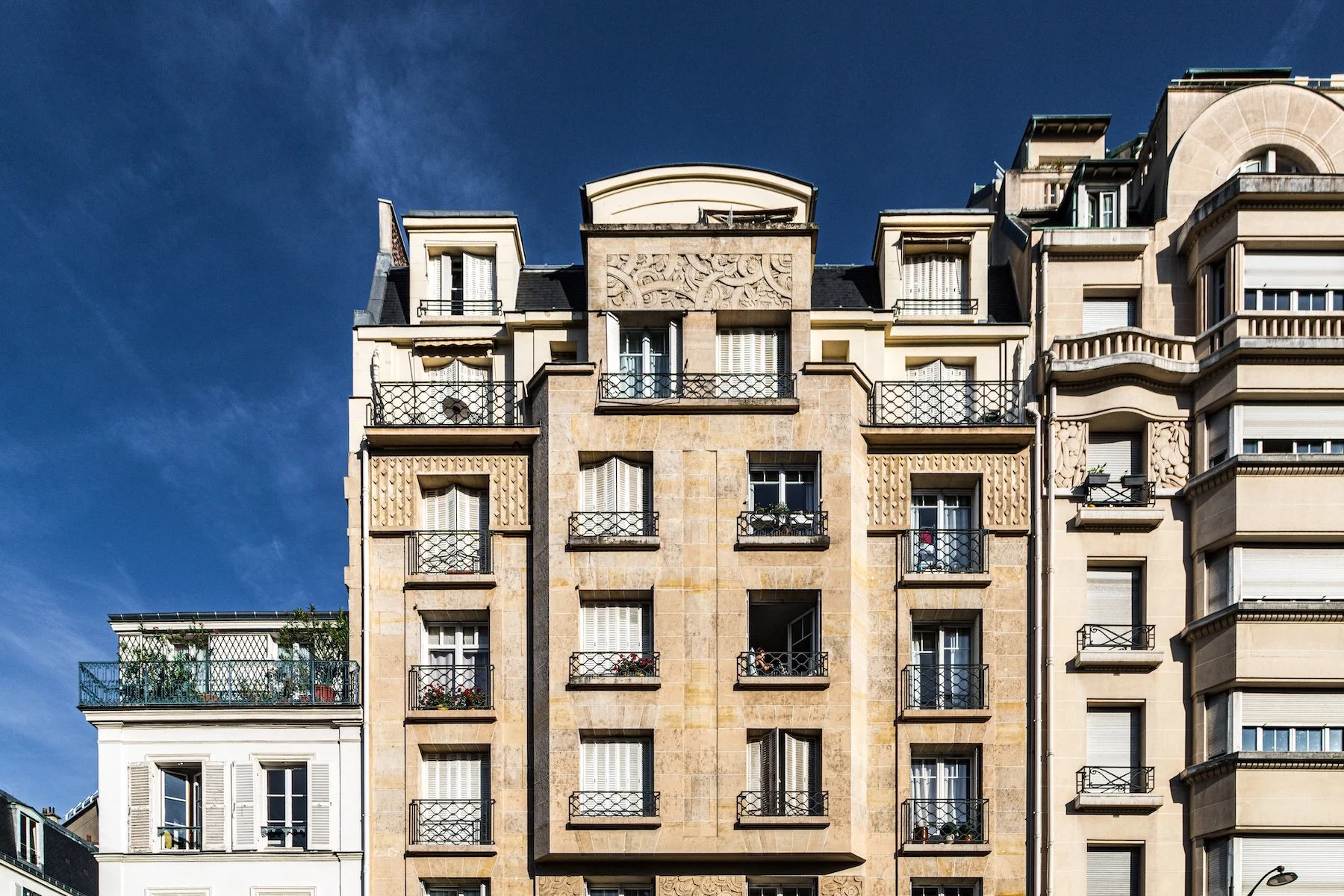
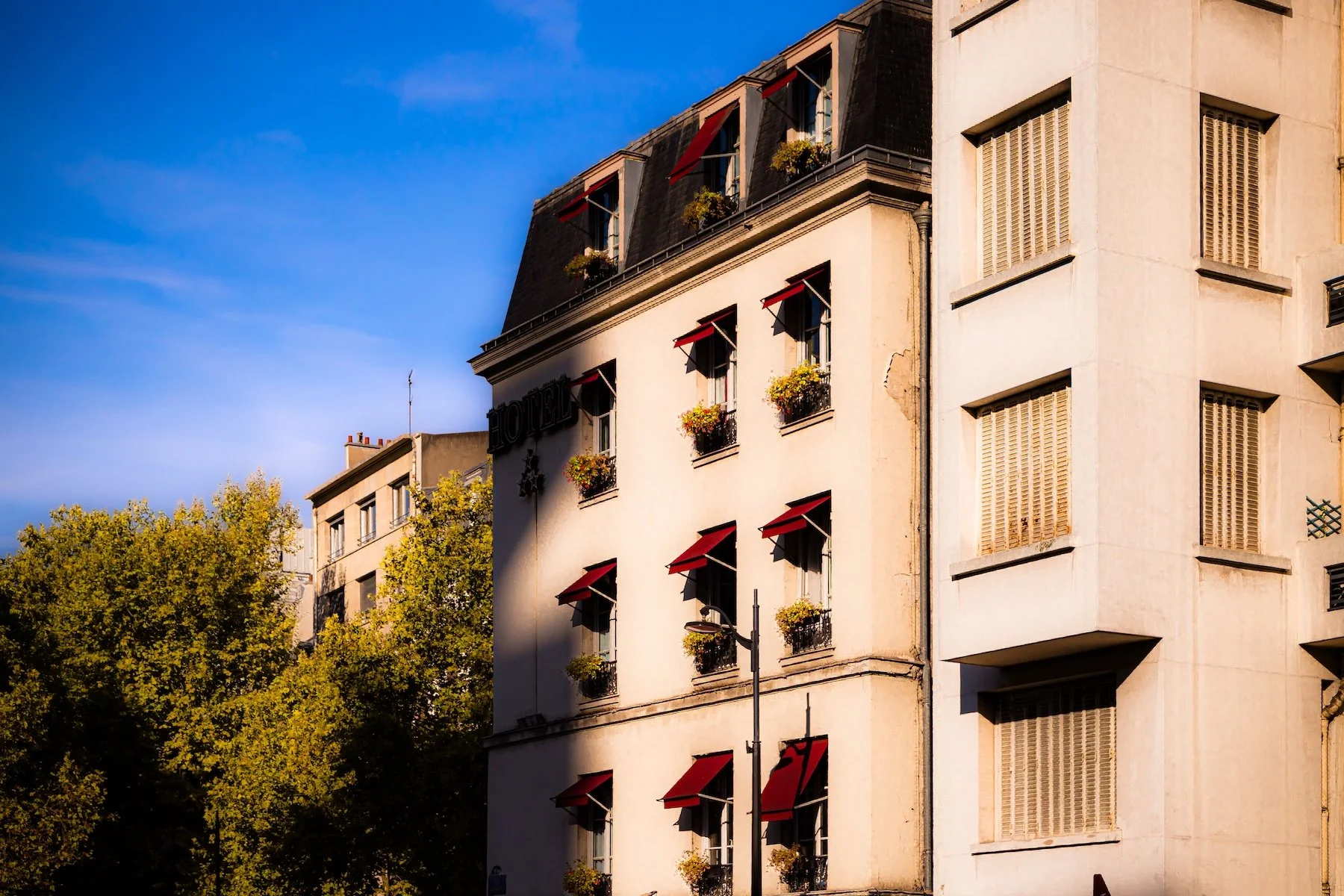
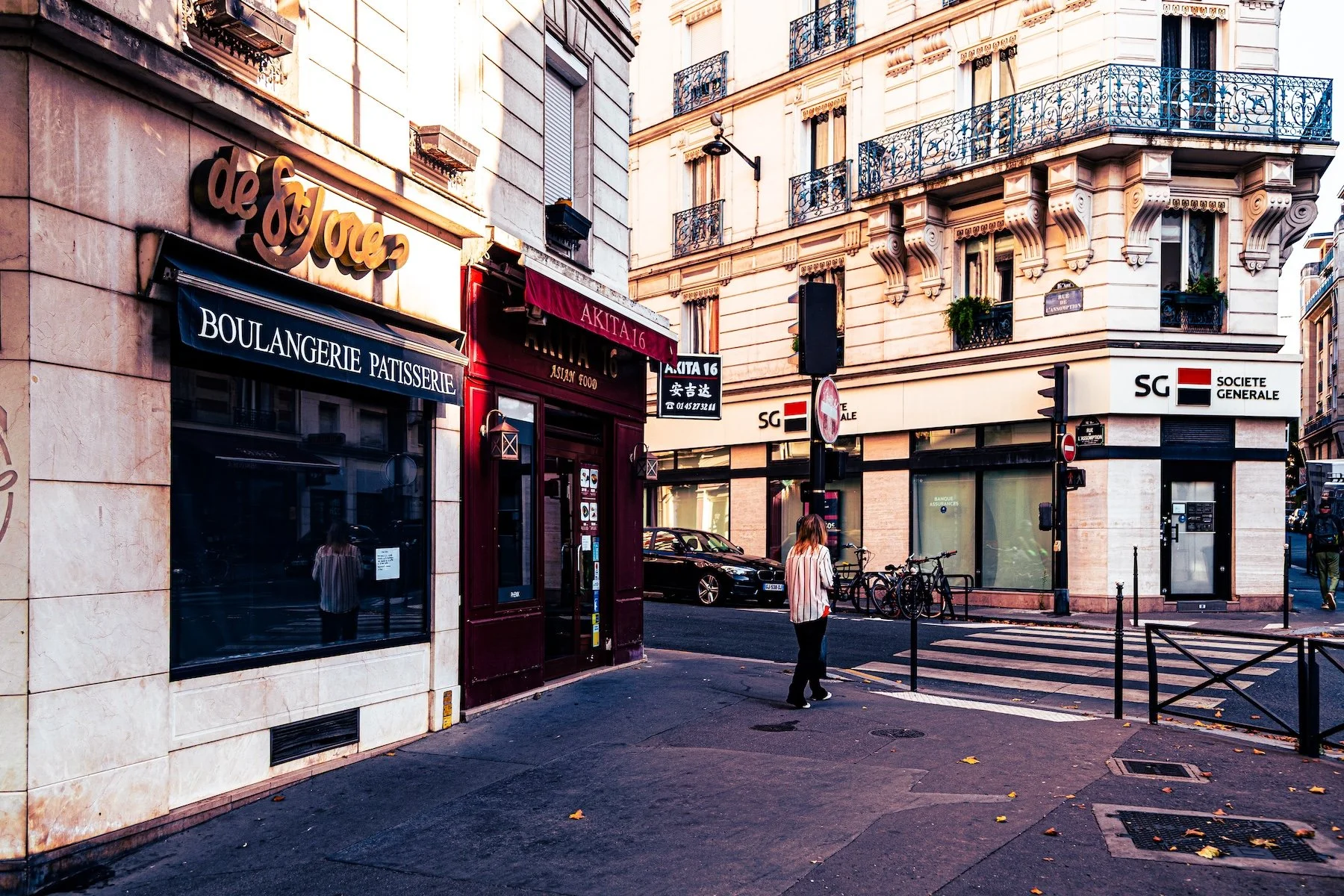
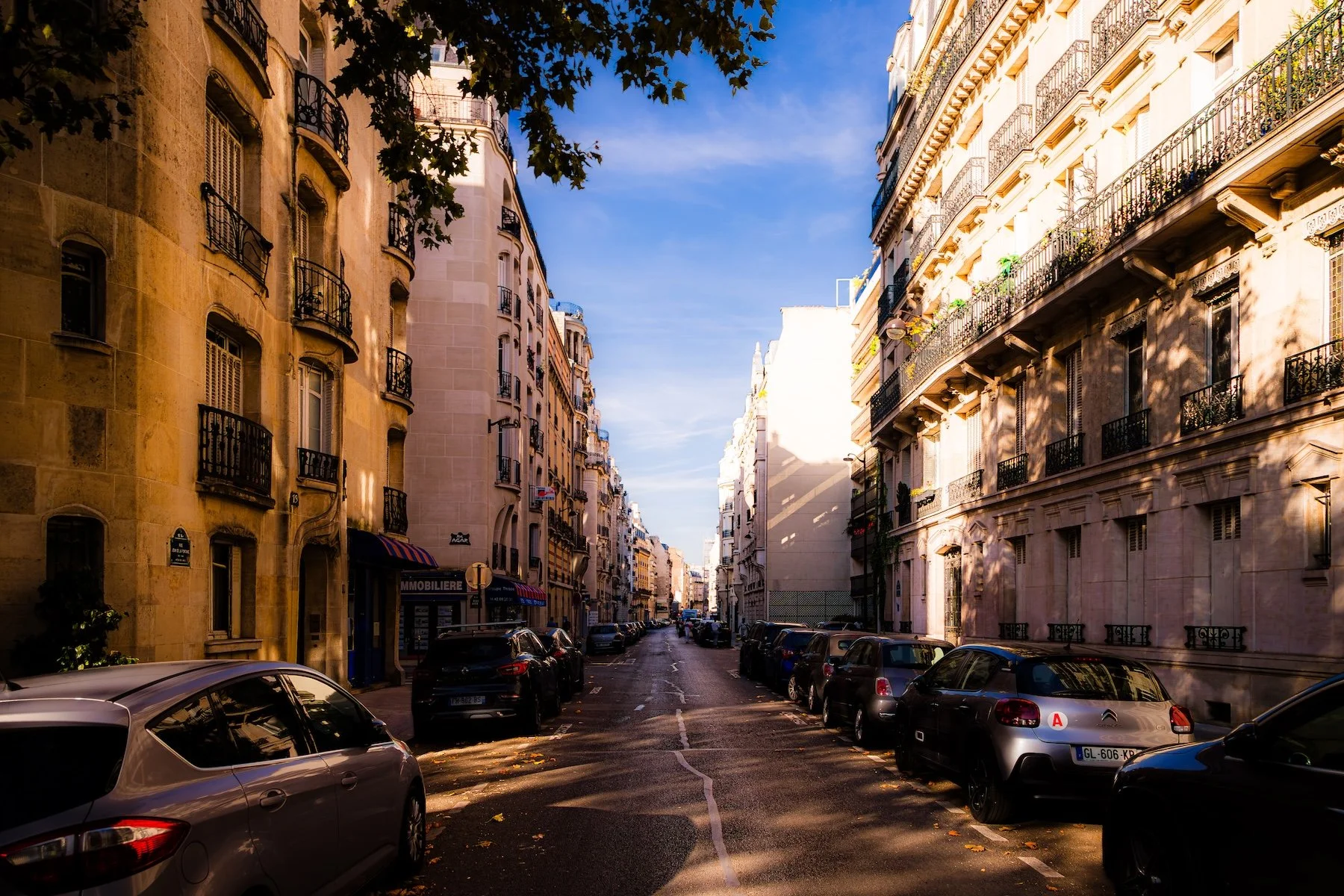
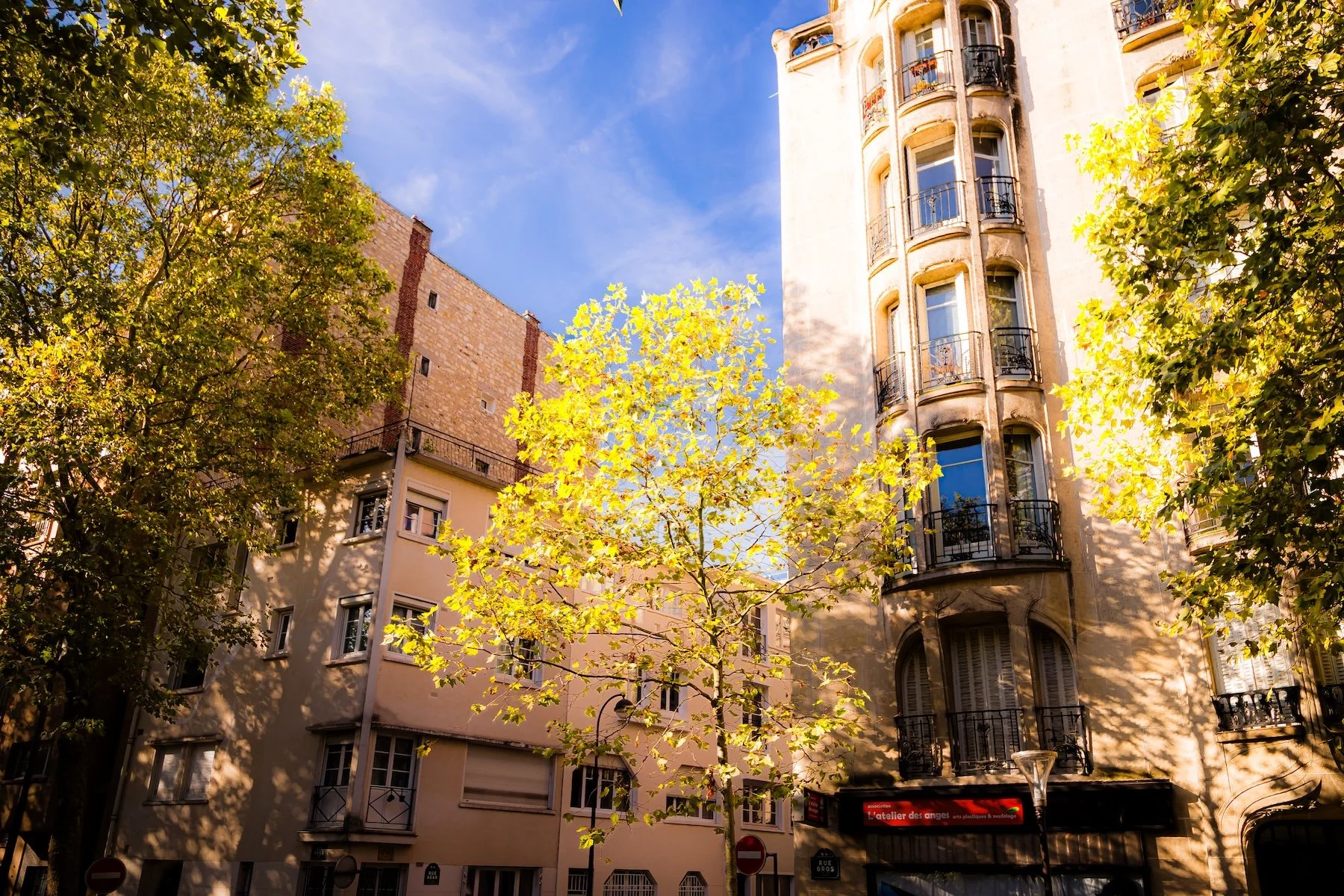
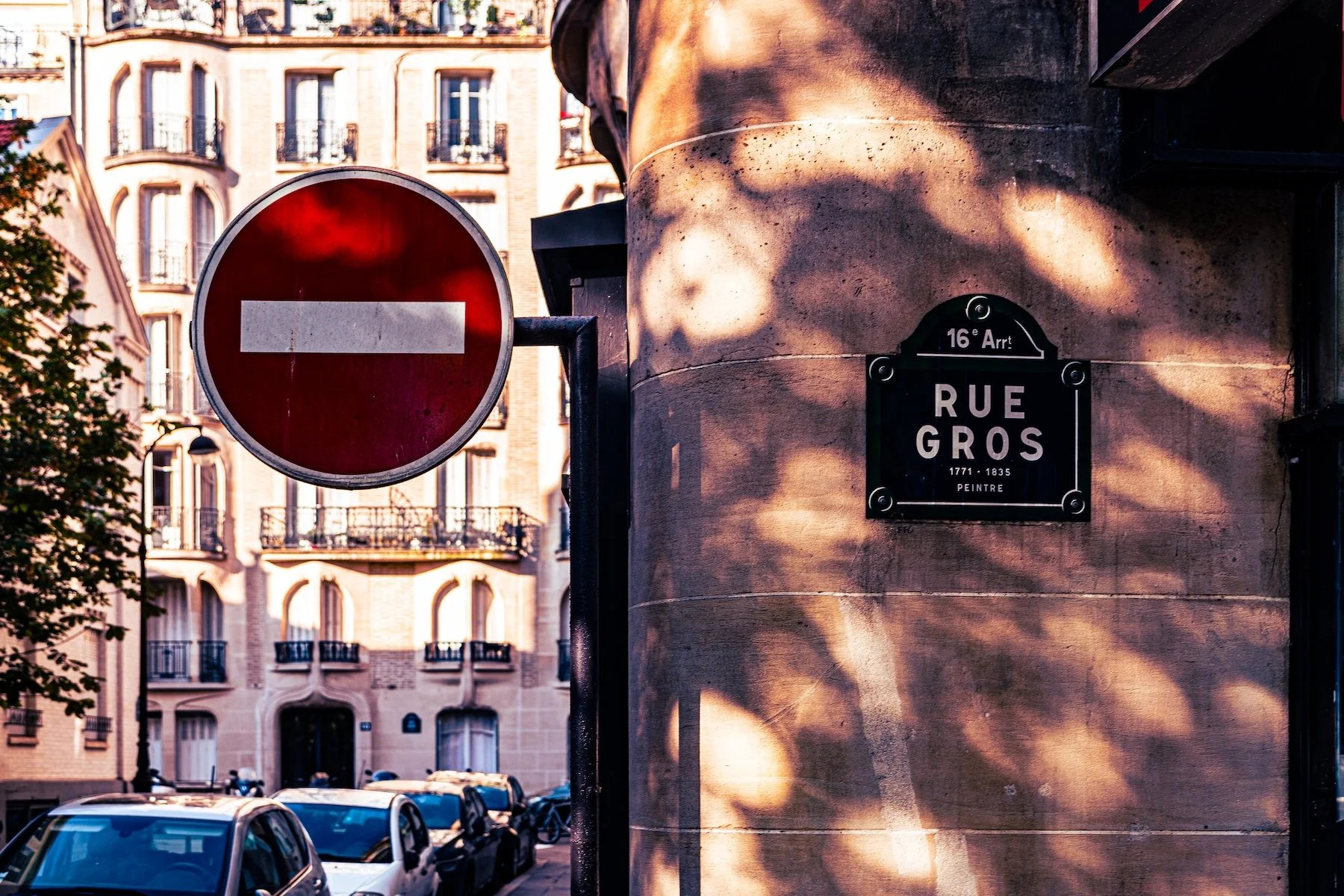
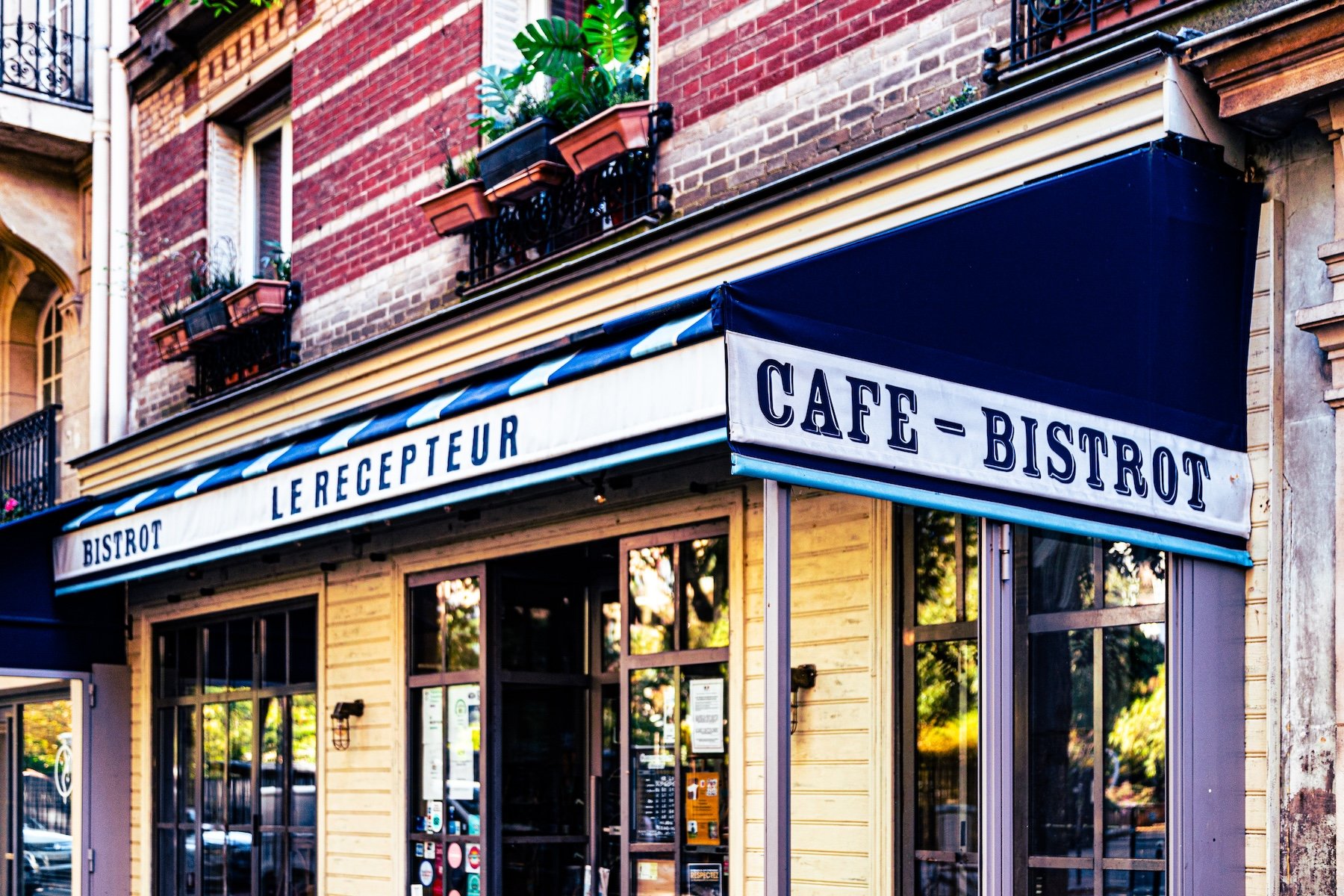
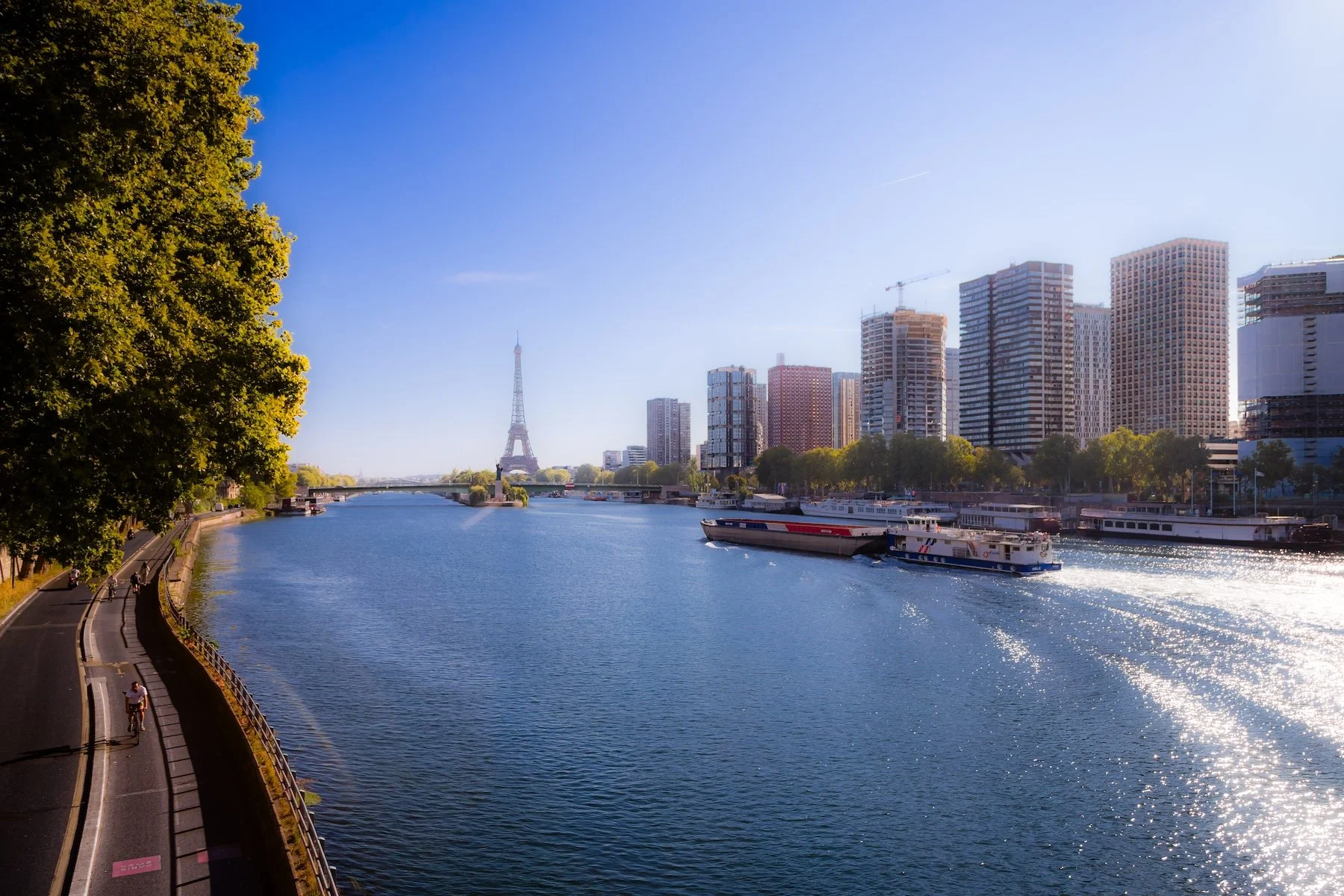
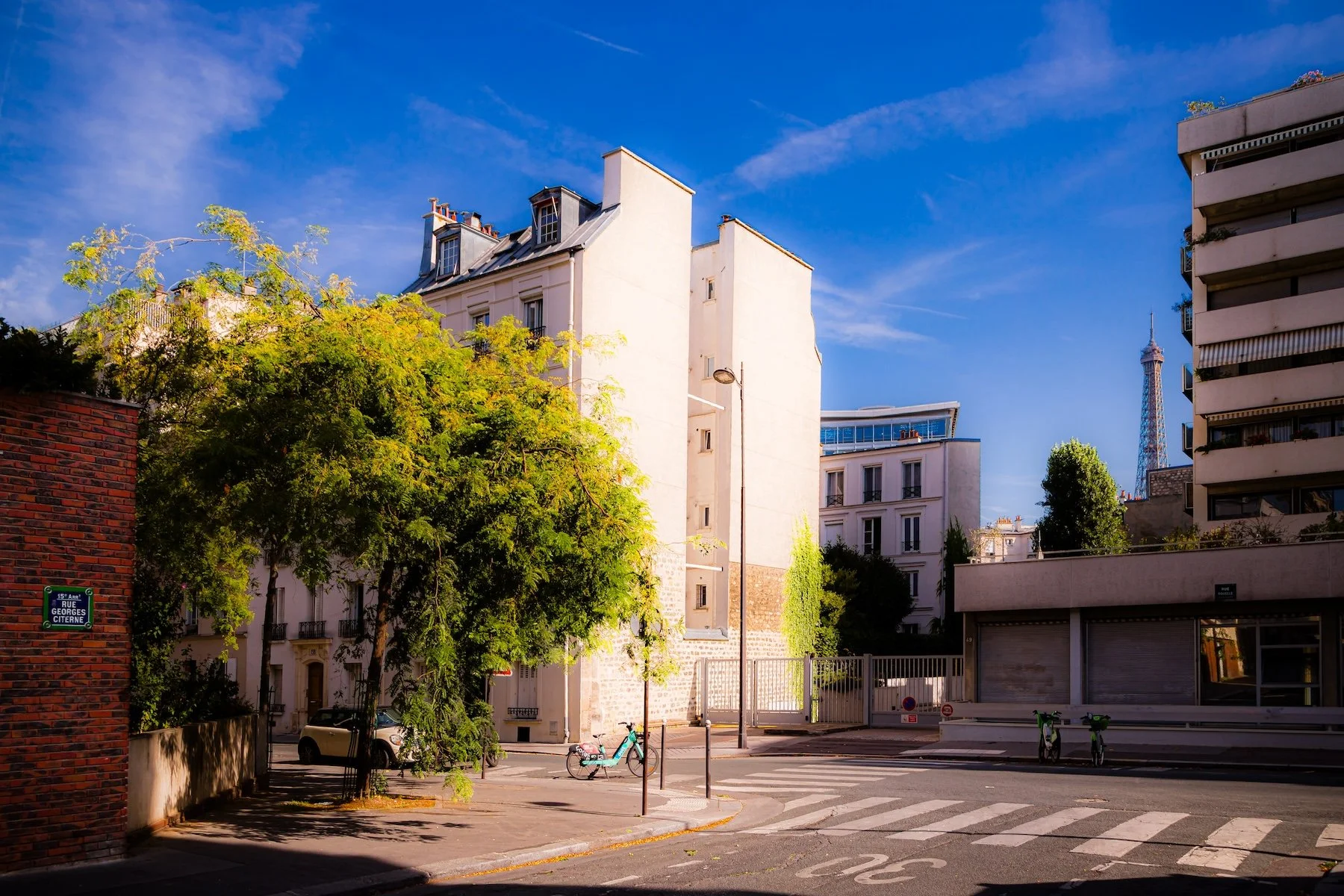
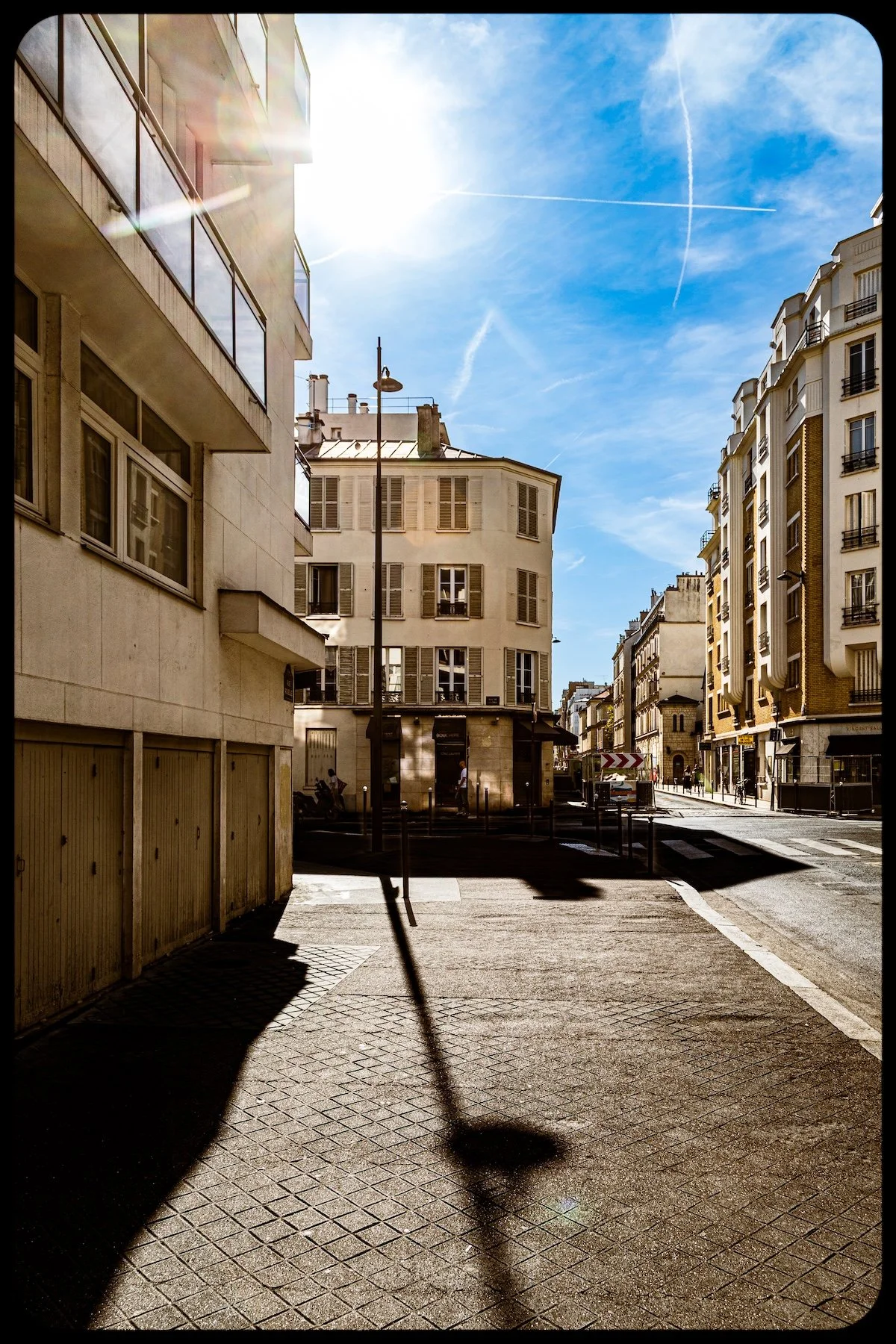
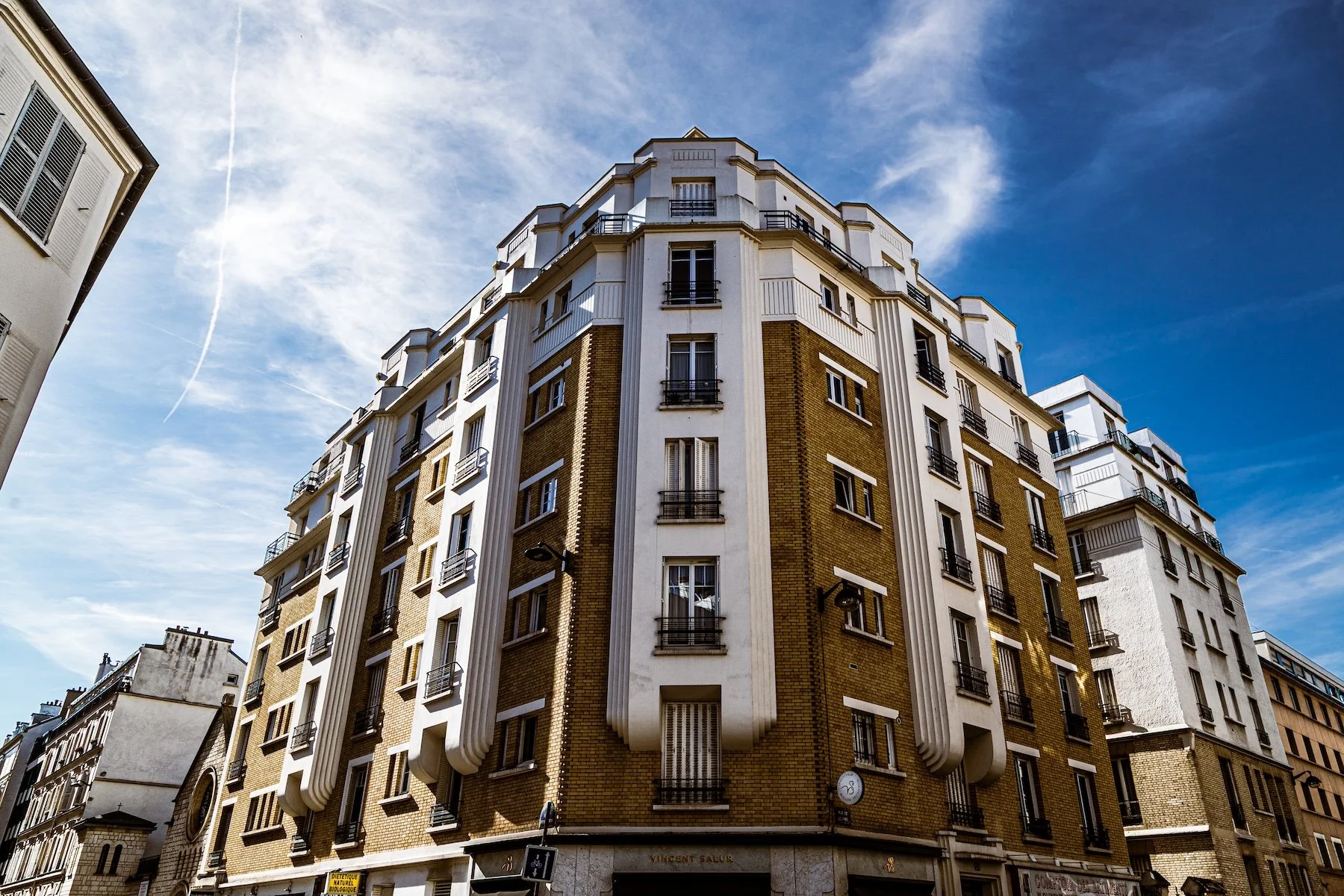
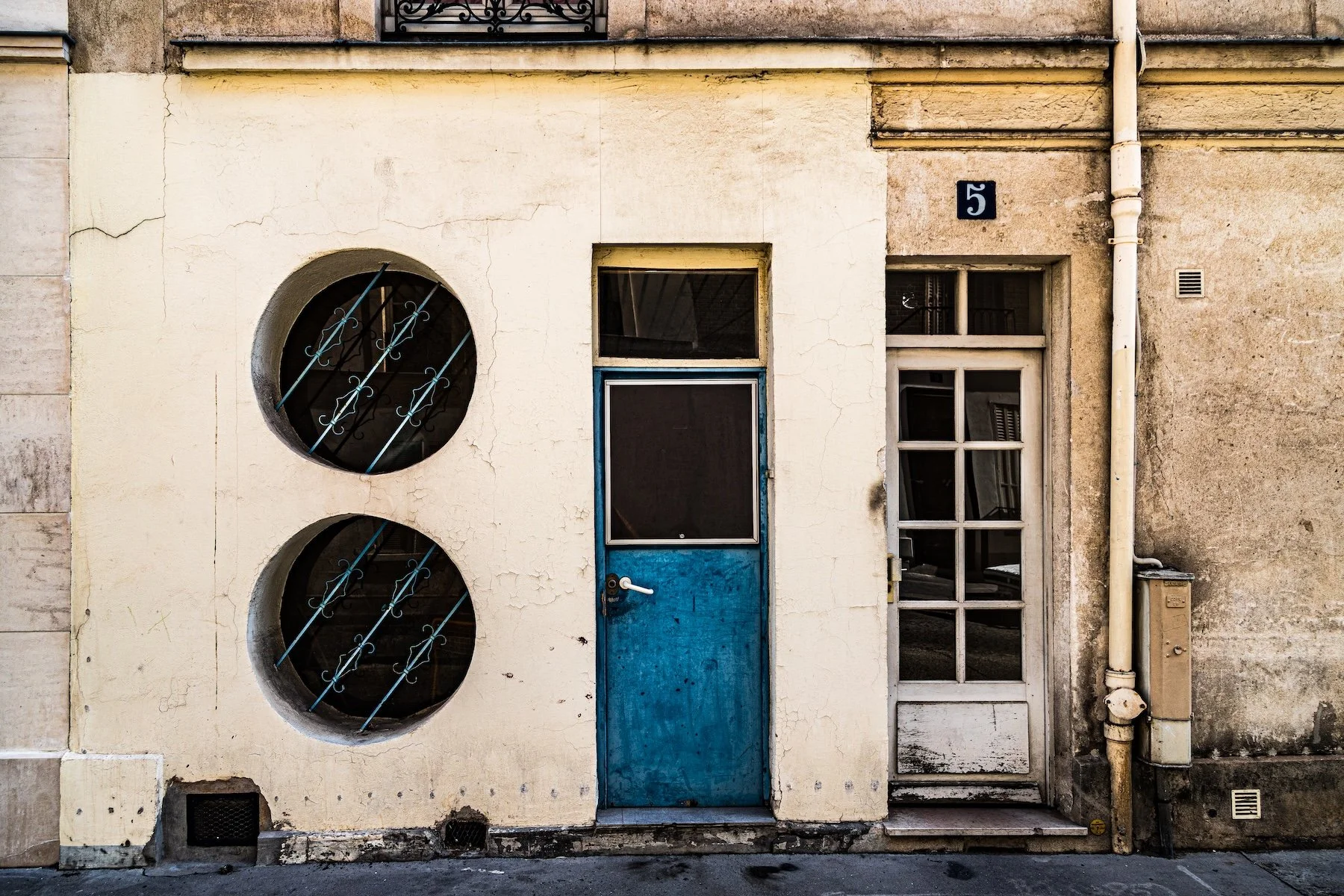
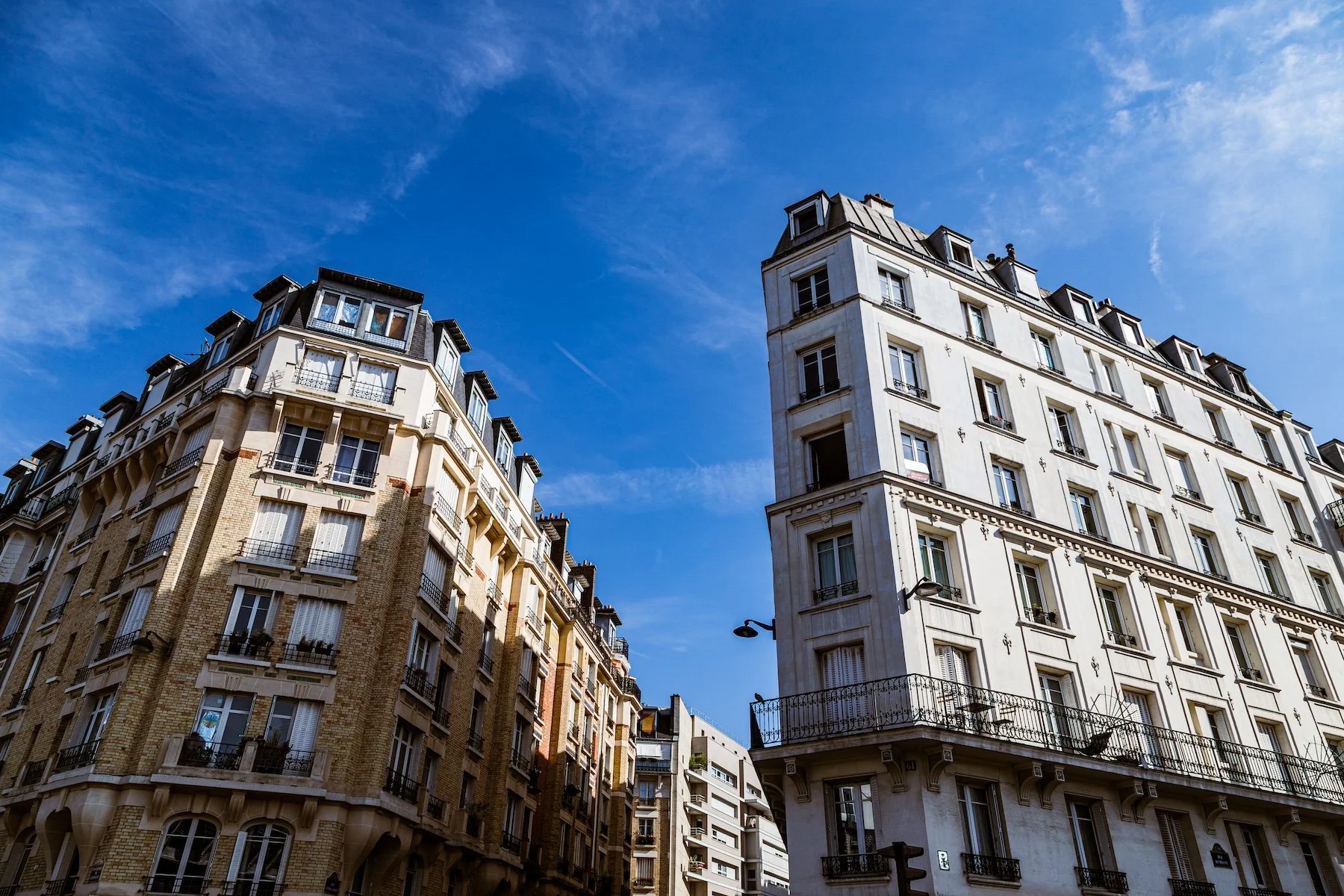
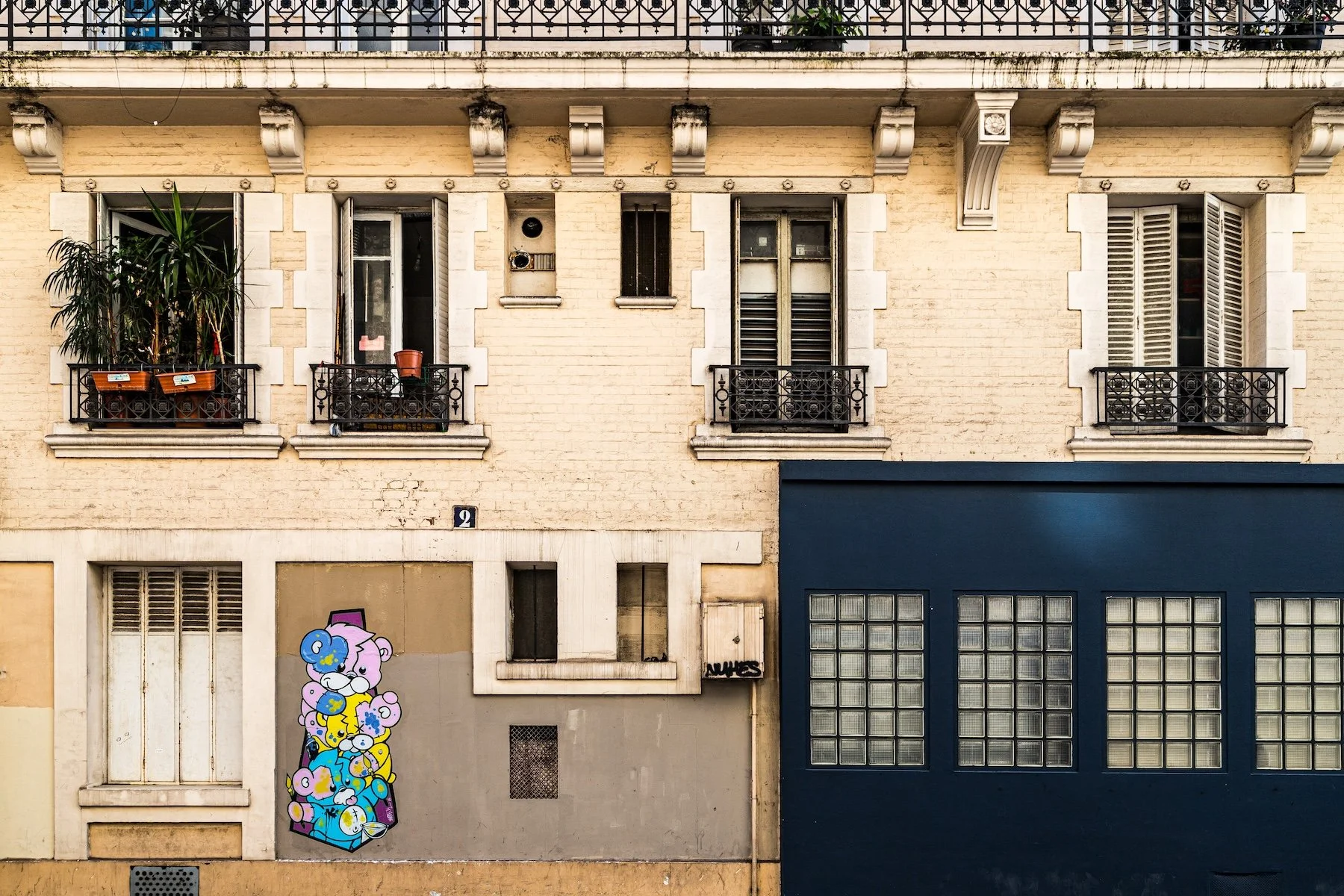
As the photographic archive grows, this section will continue to develop through images gathered on foot. Streets, façades, monuments, markets, parks, river edges, passages, signs, textures, and everyday details will gradually reveal how each district presents itself visually. The goal is not only to show what a place looks like, but to trace how its identity becomes visible through form, atmosphere, memory, and use.
Through The Lens
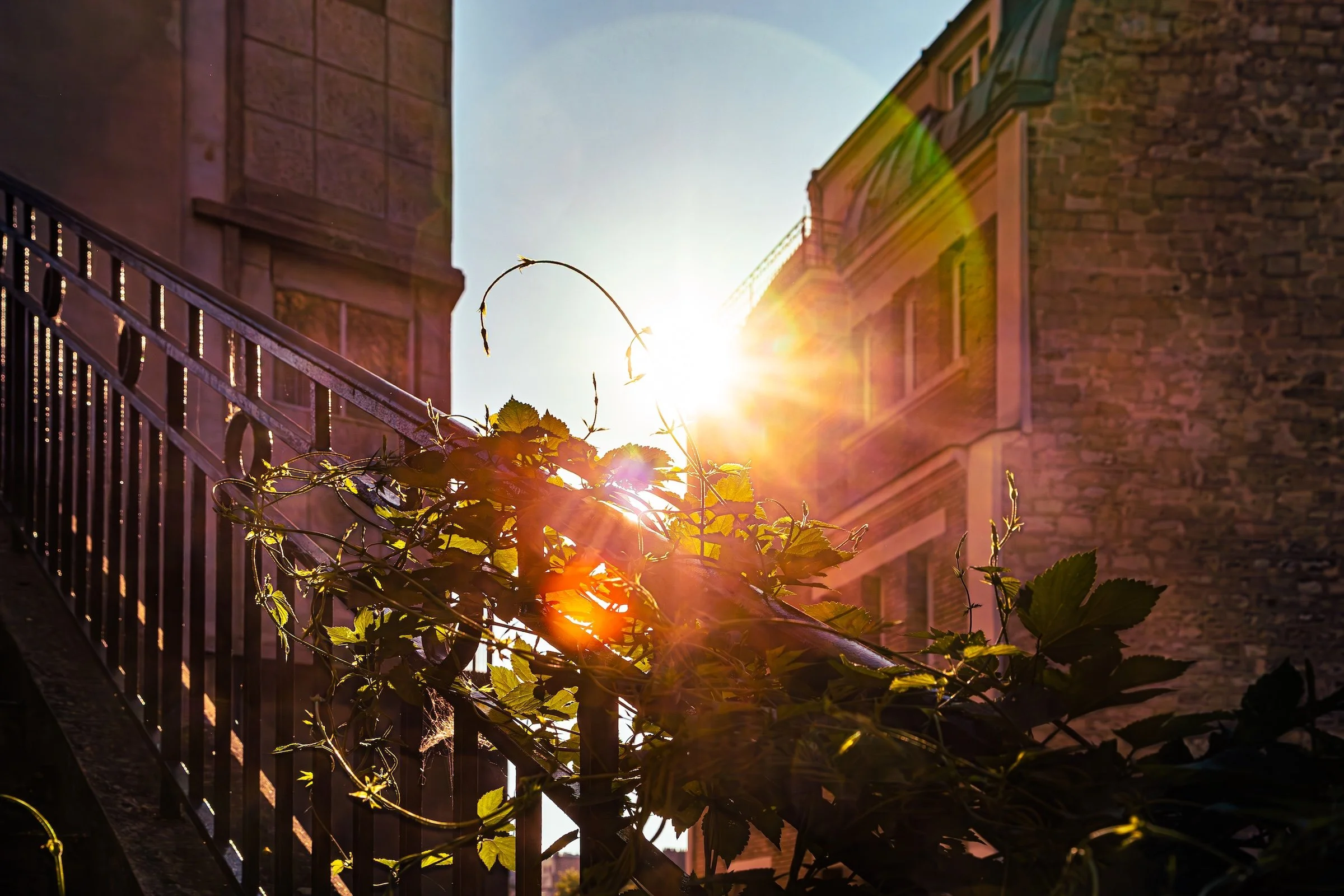
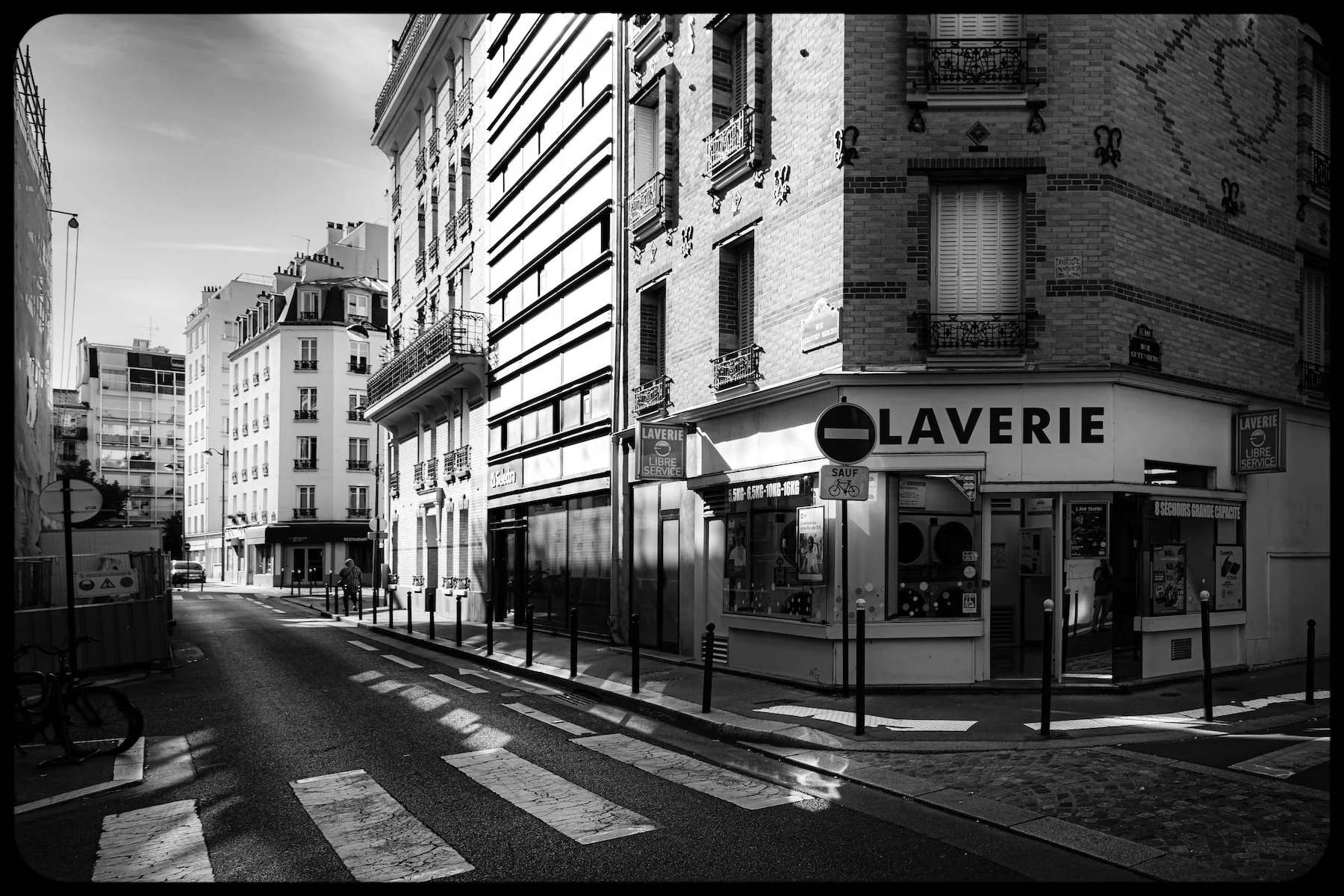
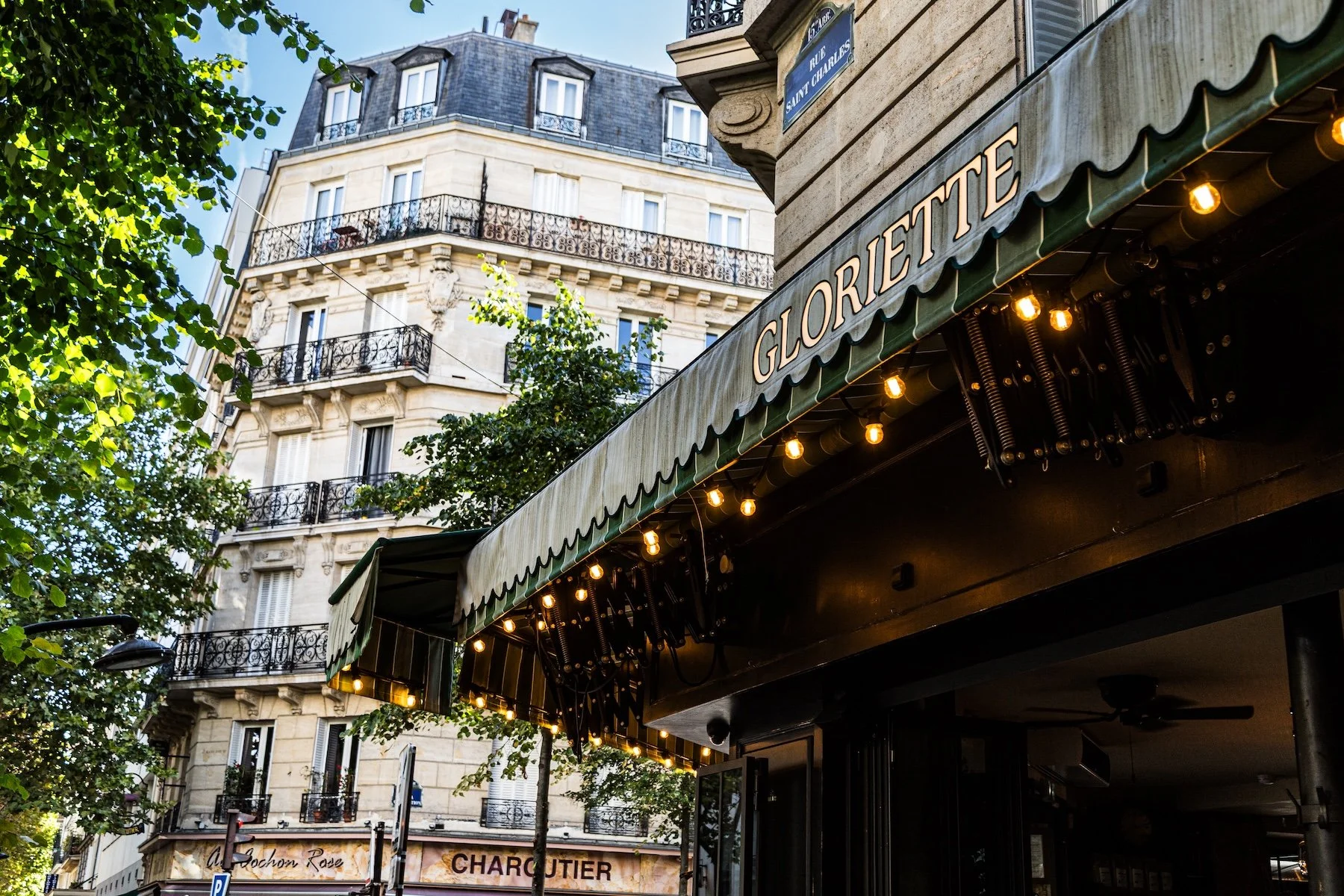
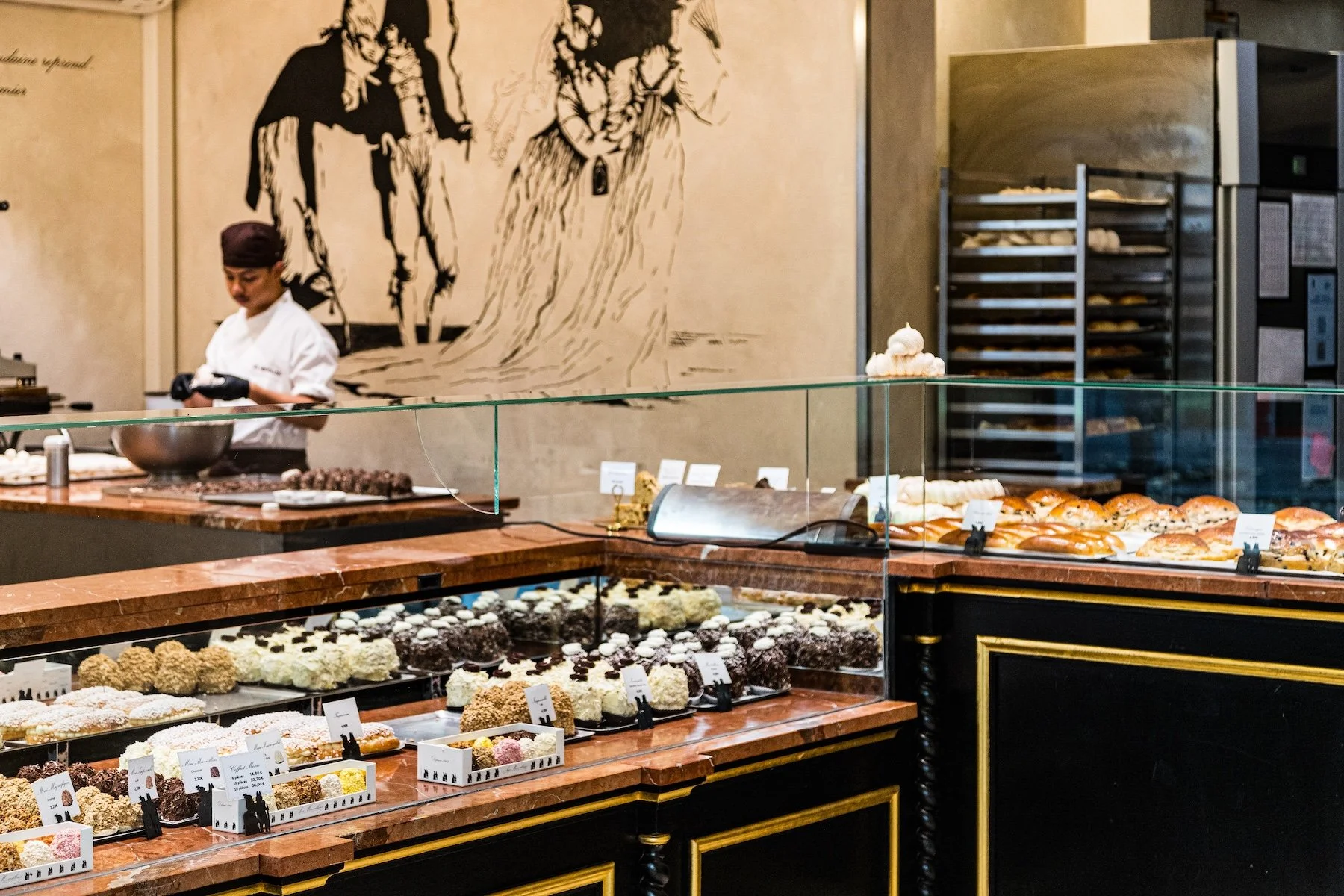
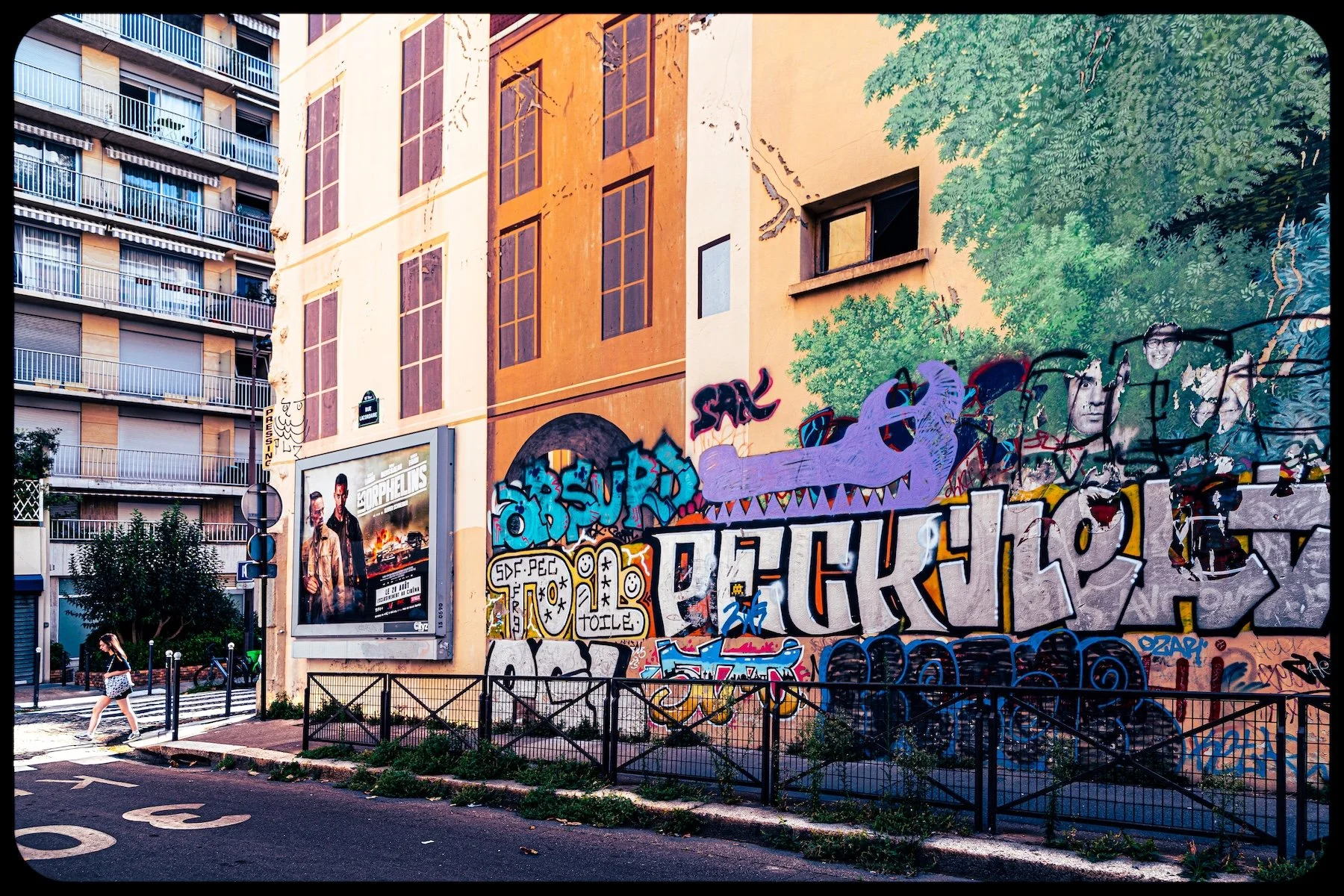
CityNeighborhoods Paris is built from walking, looking, and returning. Each district is approached through photography as a way of paying attention: to the obvious landmarks and the quieter details, to historic structures and ordinary streets, to the moments where civic geography becomes lived experience. The camera becomes a tool for noticing how Paris changes from one district to the next, and how each place holds its own relationship to the larger city.
As photographs are processed and added, this section will become a more specific visual record of the district. Future updates may include dated field notes, galleries, and reflections from individual walks. For now, the page remains part of the larger CityNeighborhoods effort to document every Paris neighborhood through maps, history, identity, and photography — one district, one walk, and one visual encounter at a time.
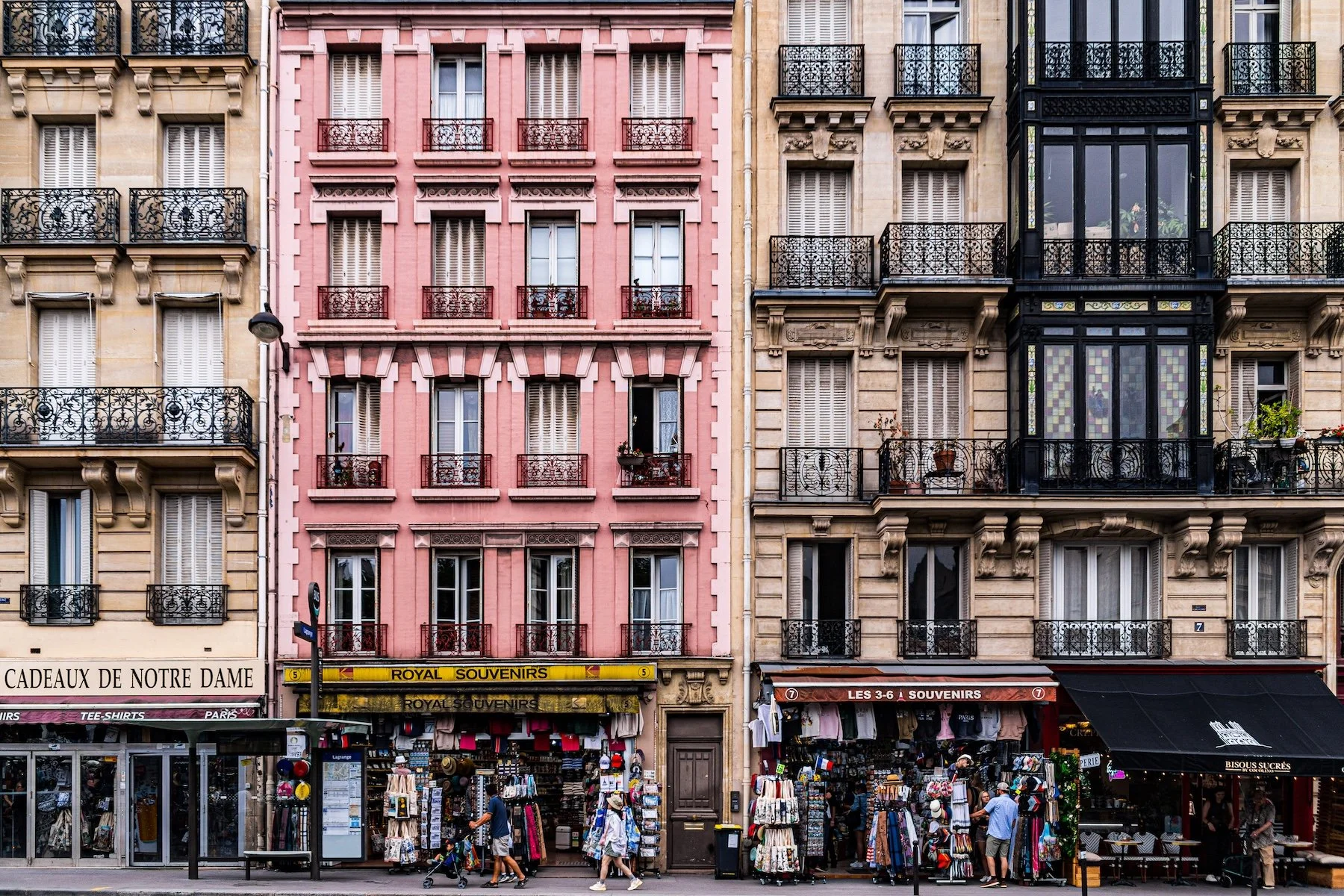
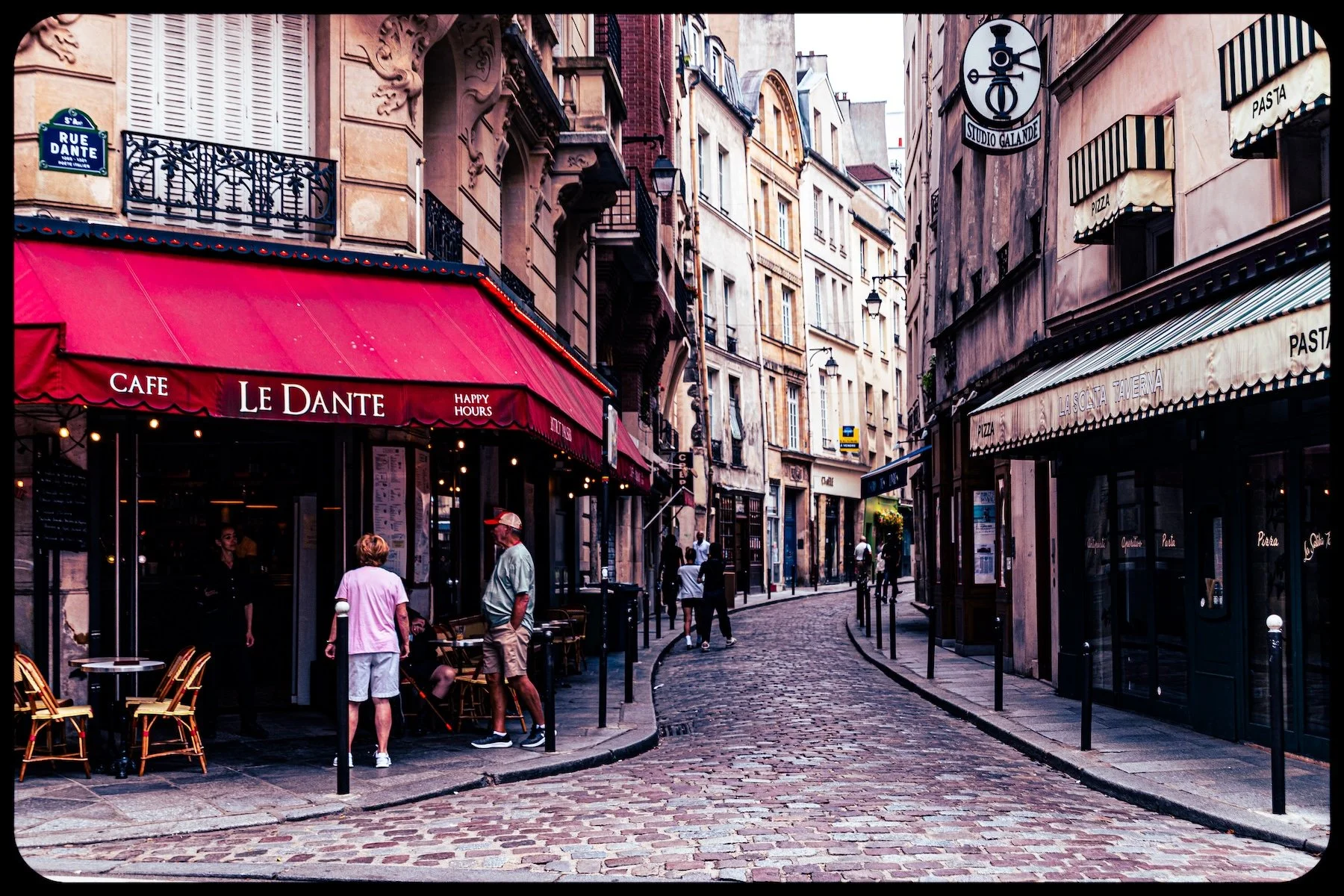
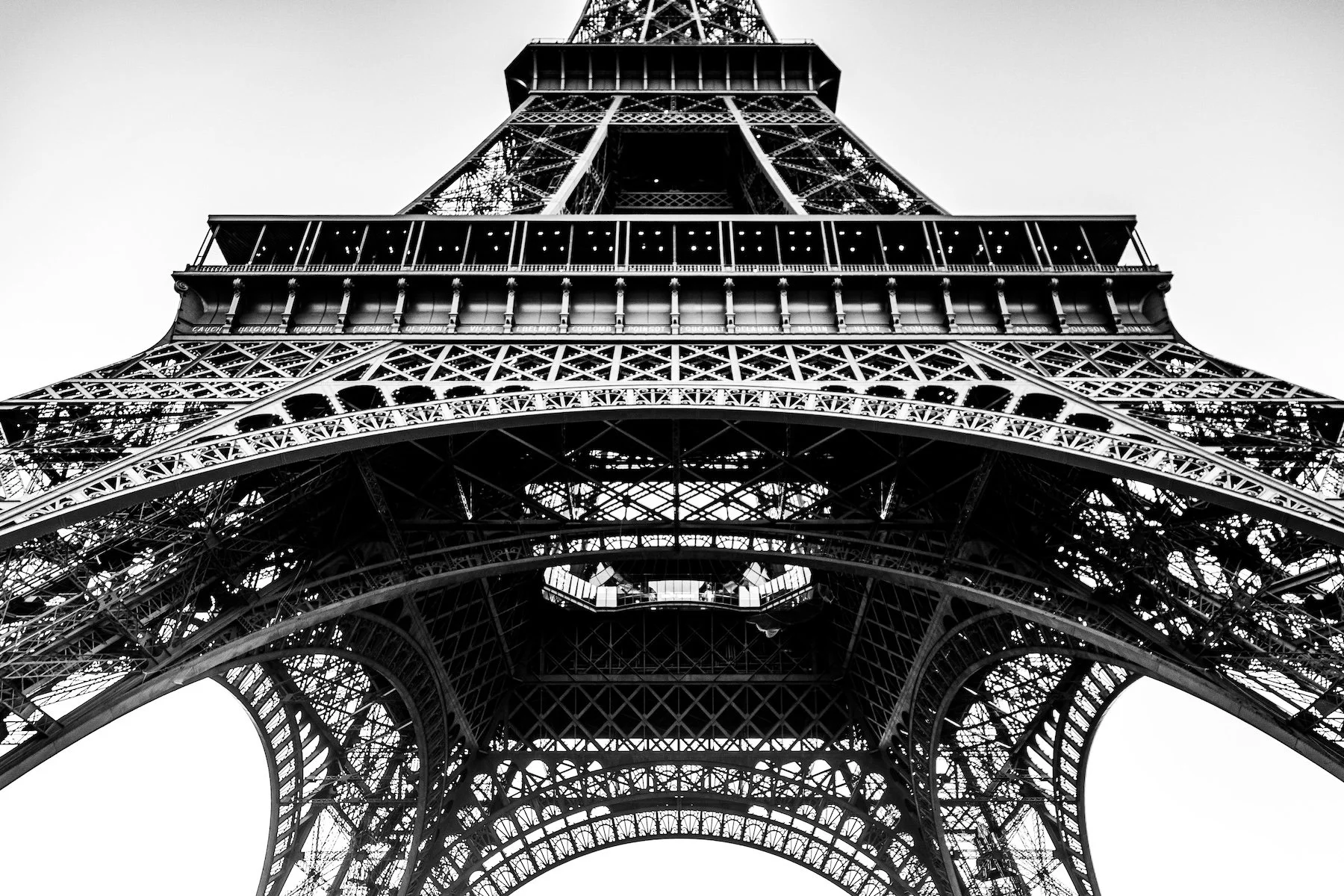
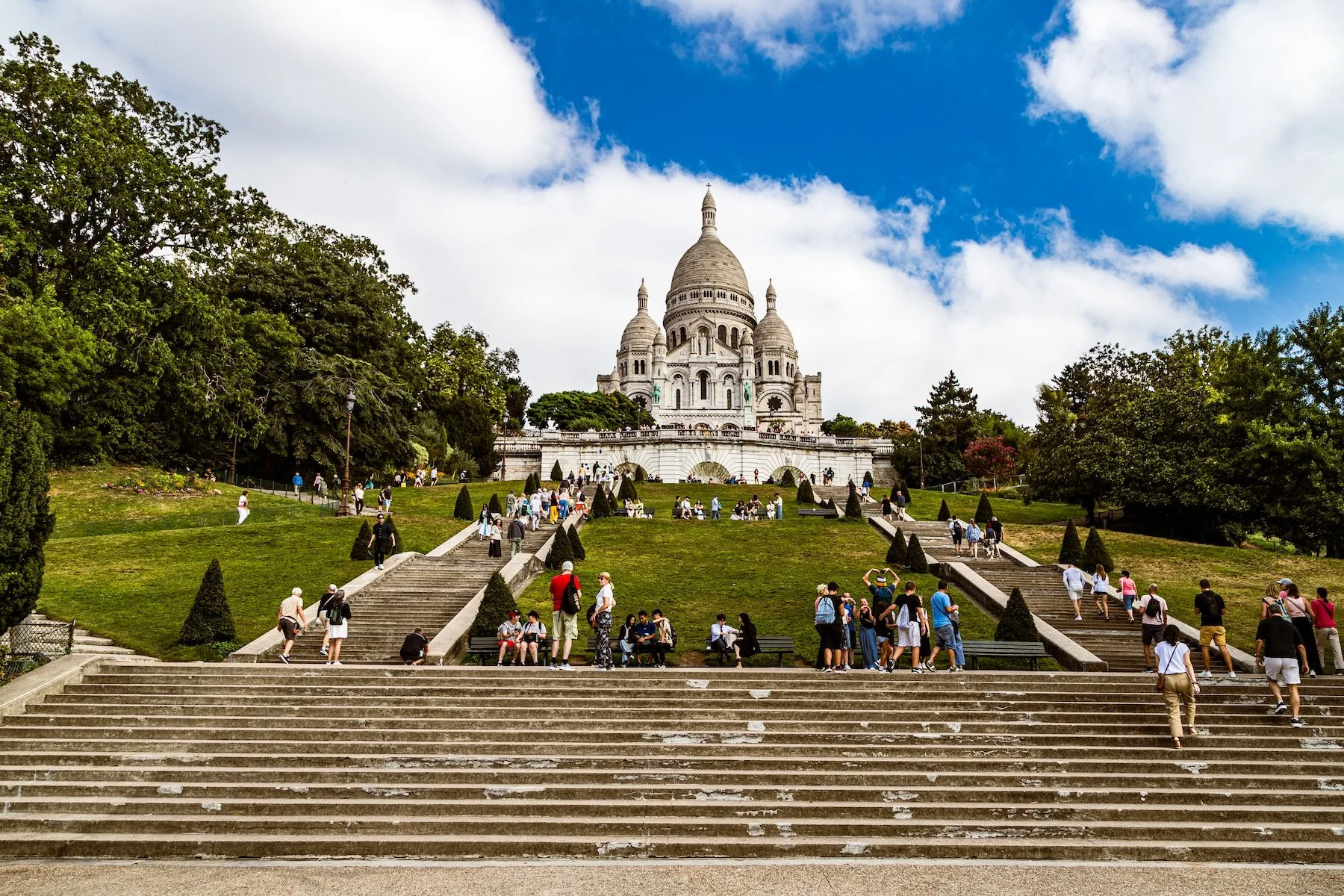
If you visit Paris, these ideas can help inspire your own photography.
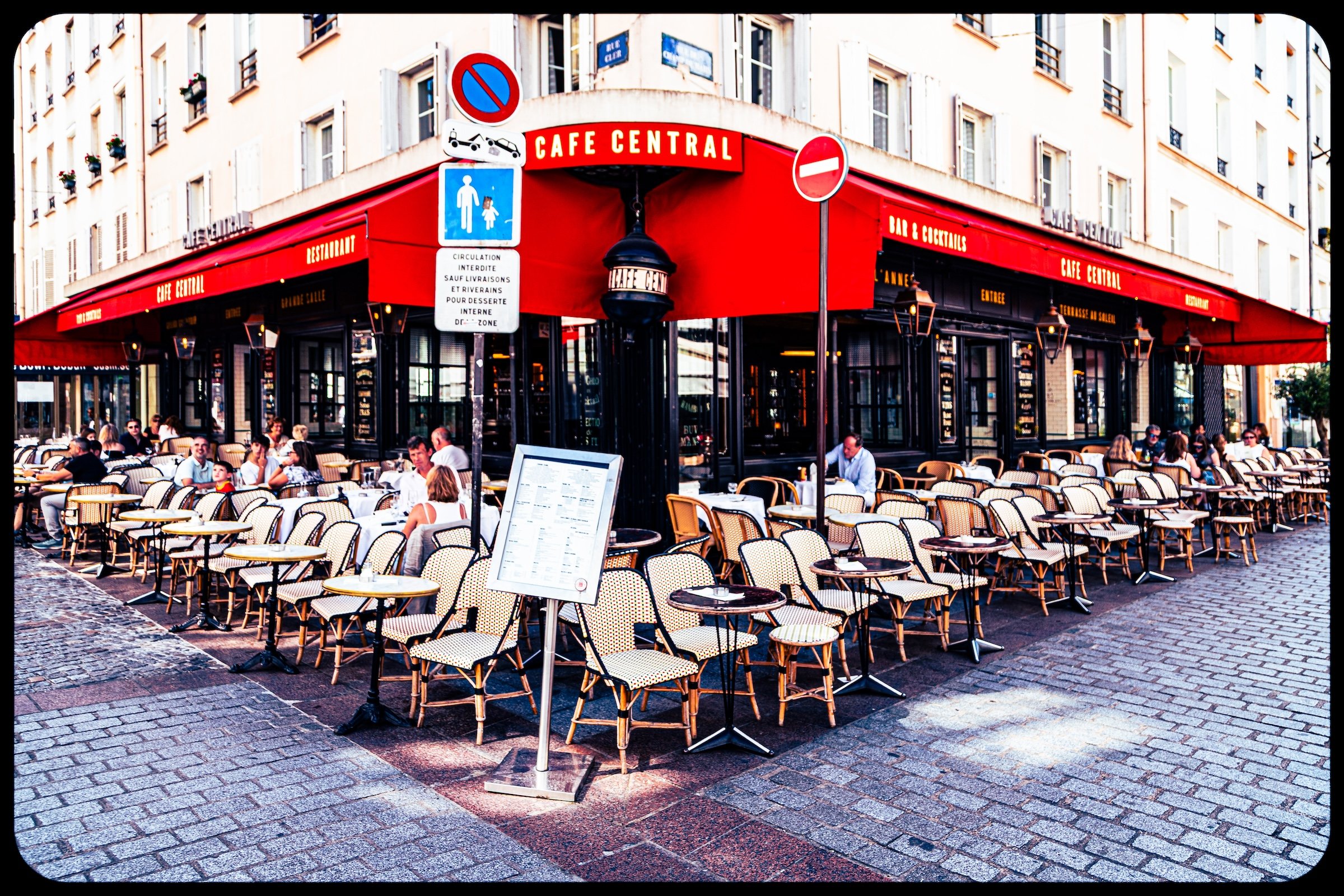
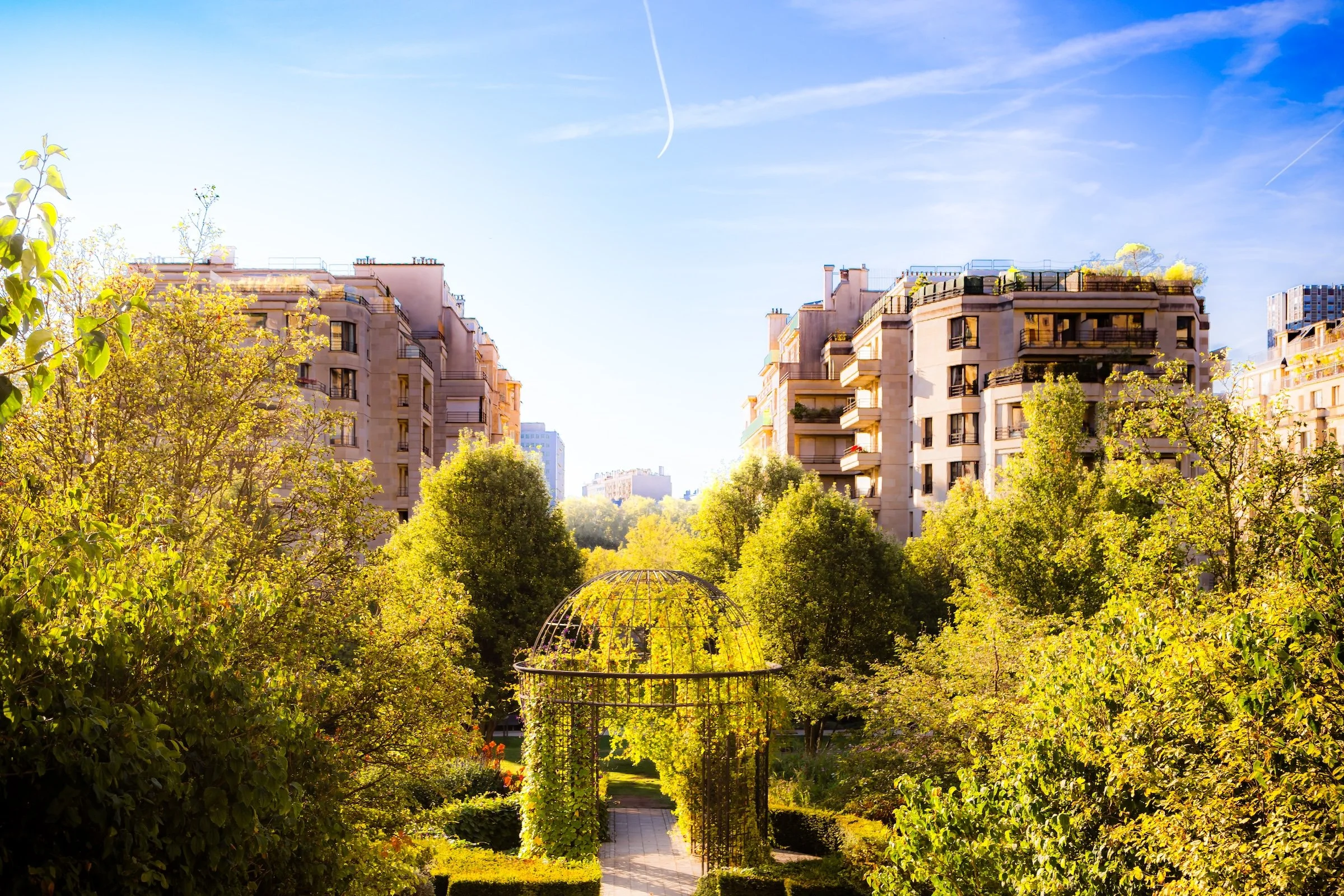
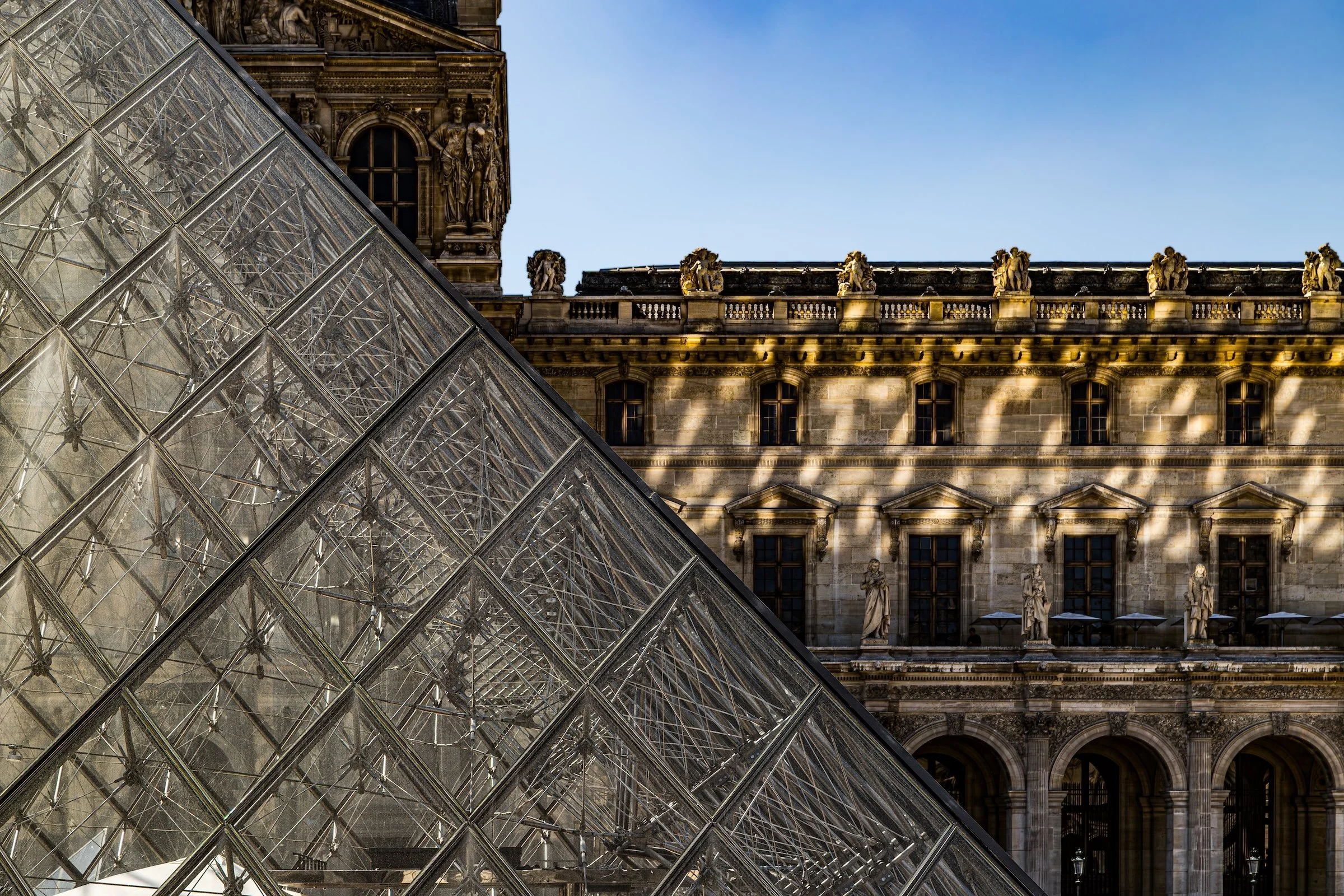
Paris: J’Espere, Je Rêve, Je Vive
Paris Photo Gallery
Paris Flâneur Notes
Flâneur Notes document the walks, photographs, light, and street-level observations behind this neighborhood entry. Learn more about the Spirit of the Flâneur.

Explore Paris
-

The twenty arrondissements form the civic spiral of Paris, organizing the city into its broad local districts of government, identity, and daily life.
-

Each arrondissement is divided into four official administrative quarters, giving Paris a more precise civic and geographic framework.
-

The conseils de quartier bring participation to street level, giving residents a voice in neighborhood needs, public space, and local civic life.
-

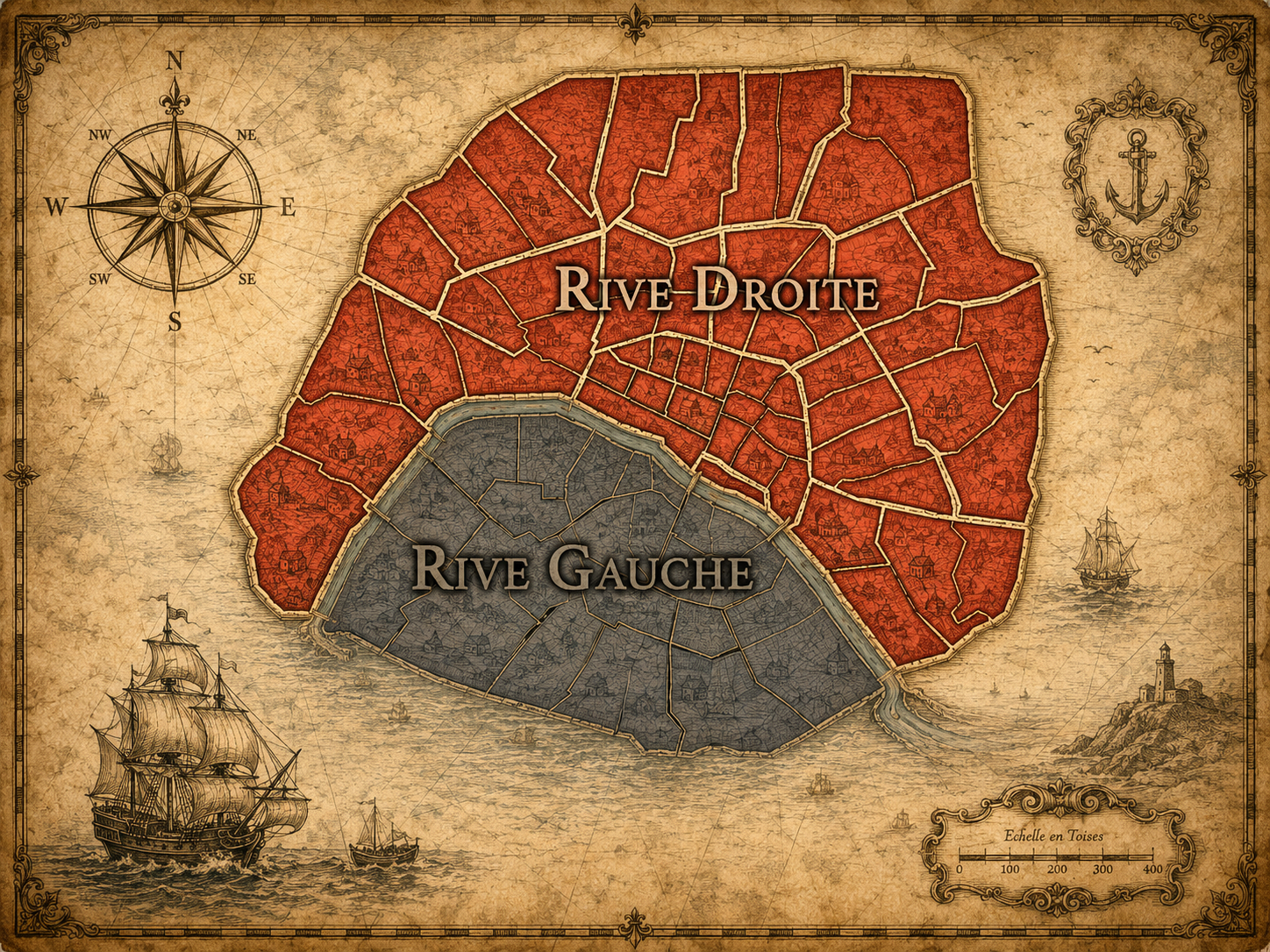
Les Deux Rives trace Paris through the Seine’s two banks, revealing how the Rive Droite and Rive Gauche shaped the city’s civic power, commerce, learning, art, and cultural identity.
-

Cultural neighborhoods reveal the Paris people recognize through history, cafés, architecture, memory, atmosphere, and local belonging.