
13e - GOBELINS
Arrondissements
Welcome to the 13th - Gobelins neighborhood page! Here at CityNeighborhoods Paris, we explore 13th - Gobelins as an arrondissement, one of 20 primary civic districts in Paris — the broad organizing layers that contain administrative quarters, neighborhood councils, cultural neighborhoods, histories, monuments, and lived local identities.The 13th Arrondissement - Gobelins is known for the Butte-aux-Cailles, the Manufacture des Gobelins, Paris’s principal Asian quarter, and the contemporary urban fabric around Bibliothèque François-Mitterrand. Across its hills, towers, village streets, and riverfront developments, the district shows Paris continually reinventing itself. Part of an ongoing project to walk and photograph every neighborhood in Paris, this page explores 13th - Gobelins through maps, district identity, history, and photography.
Part of an ongoing project to walk and photograph every neighborhood in Paris, this page explores the 13th - Gobelins through maps, district identity, history, and photography.
The Map
Geographic Setting
13e - Gobelins Neighborhood Maps
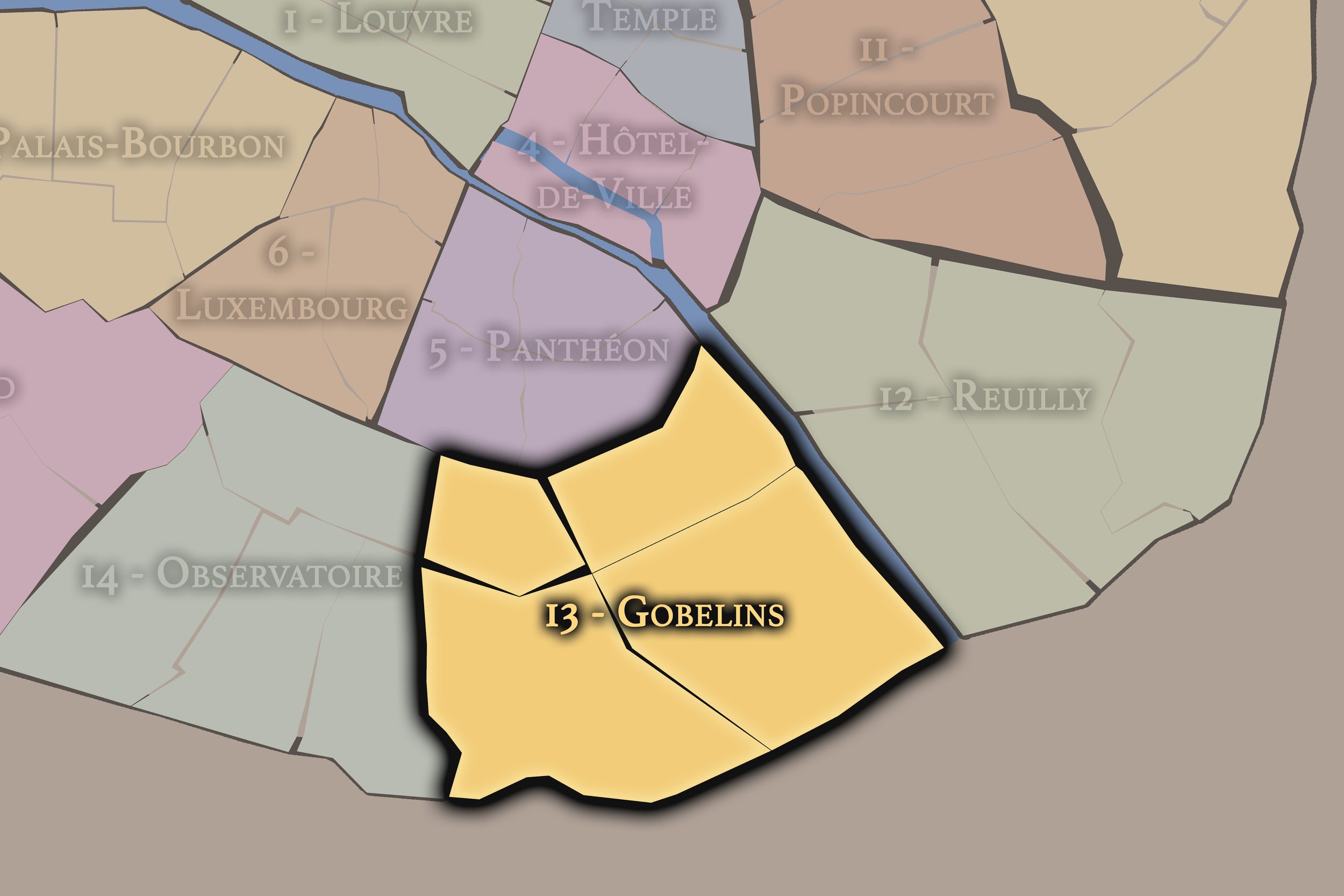
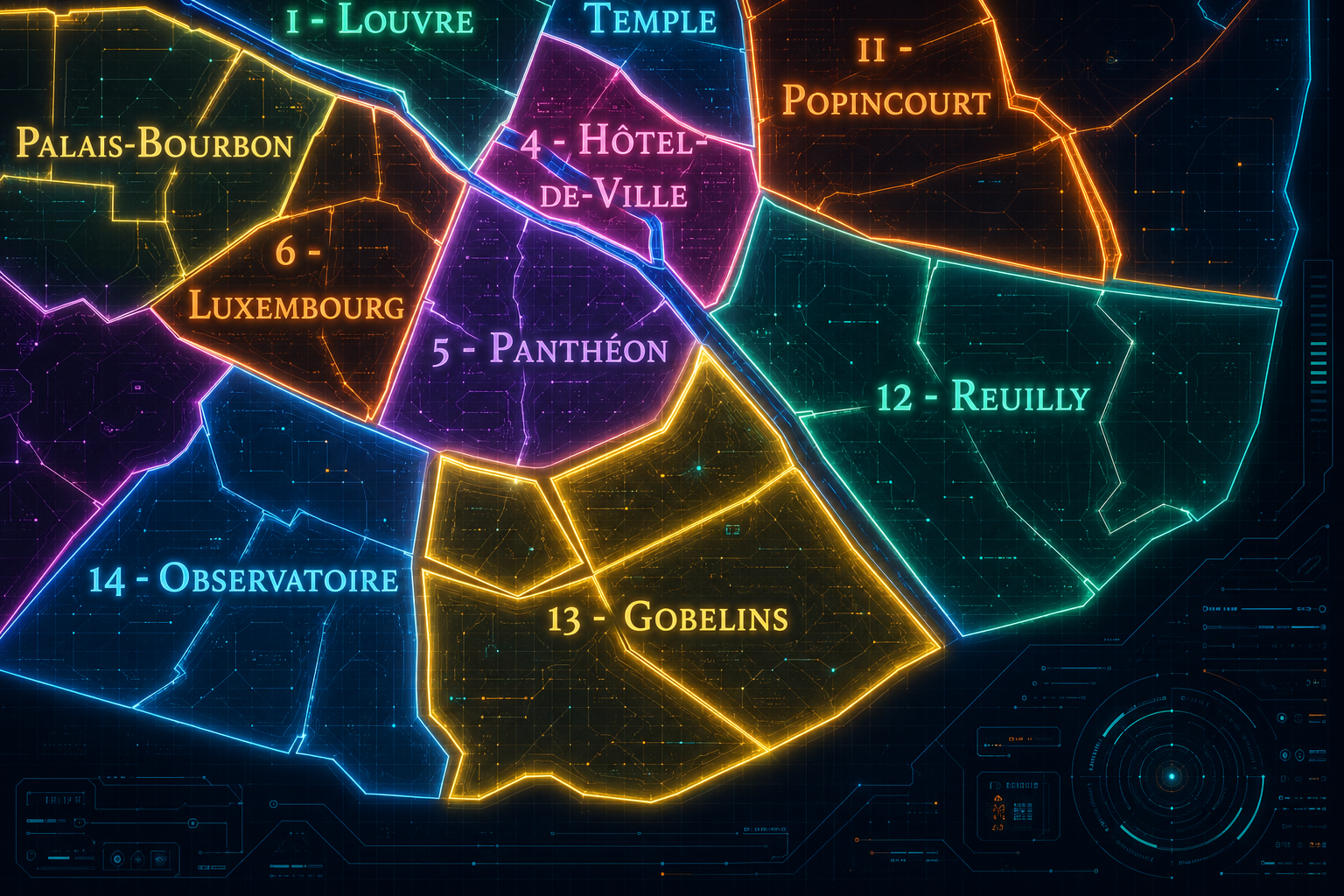
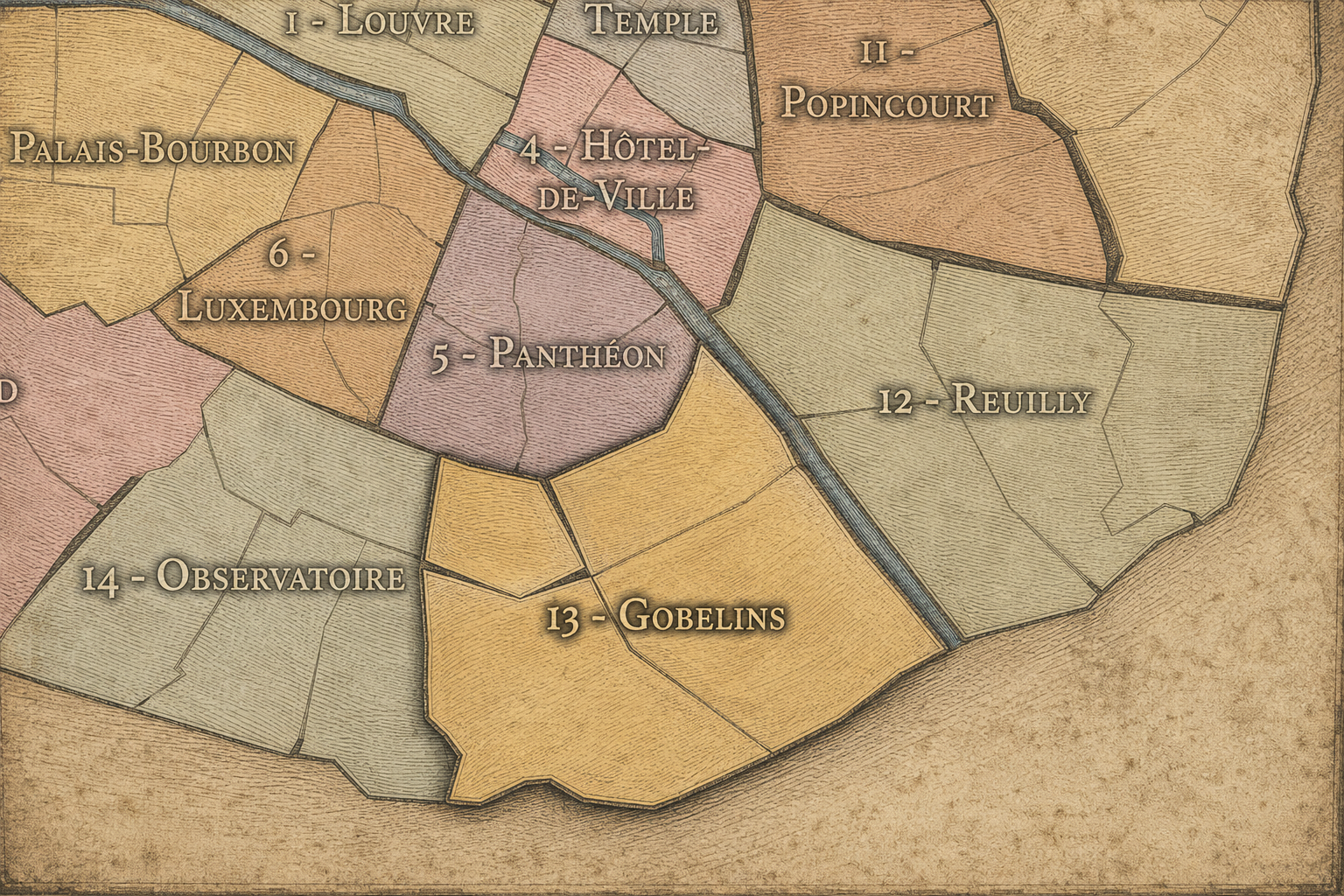
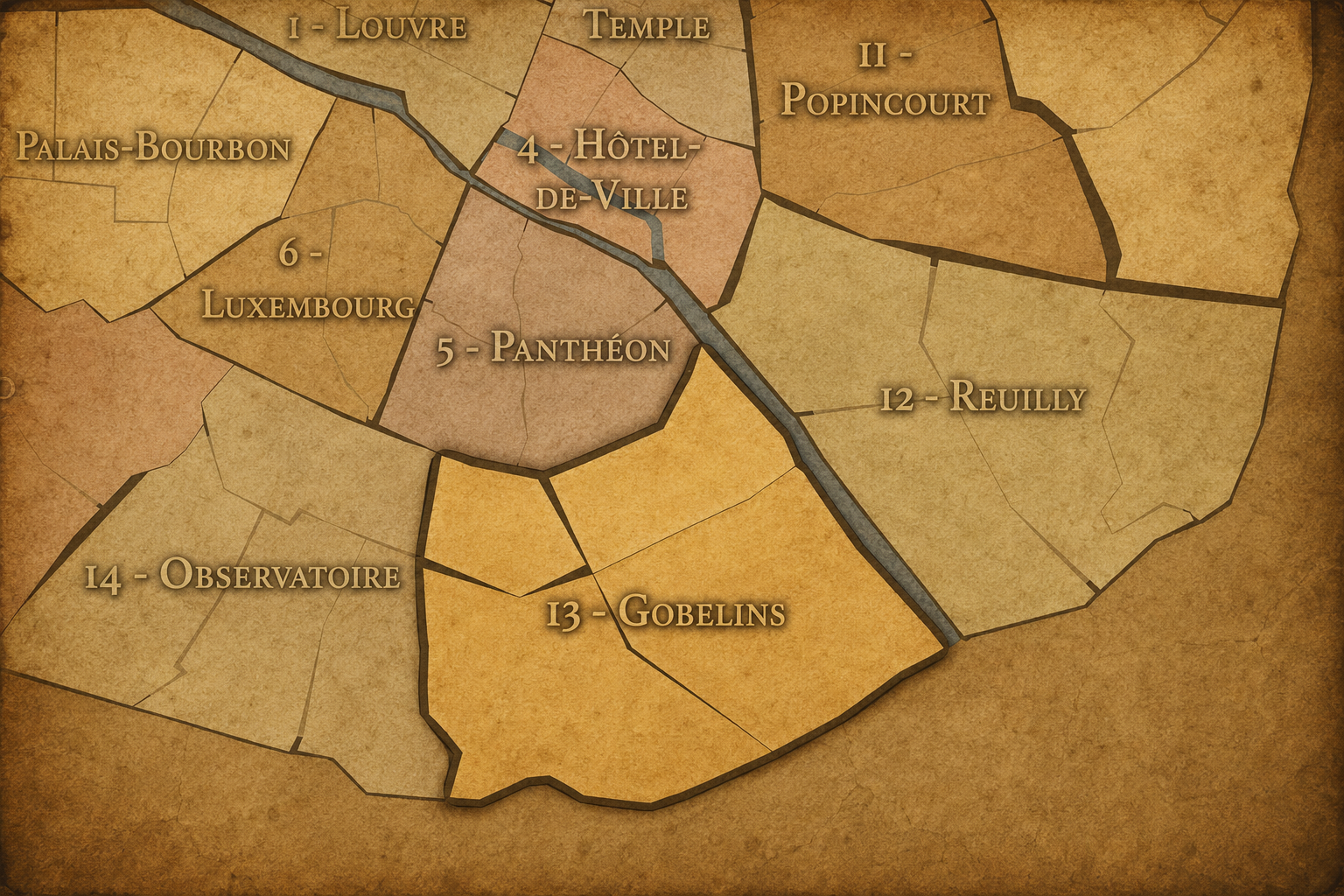
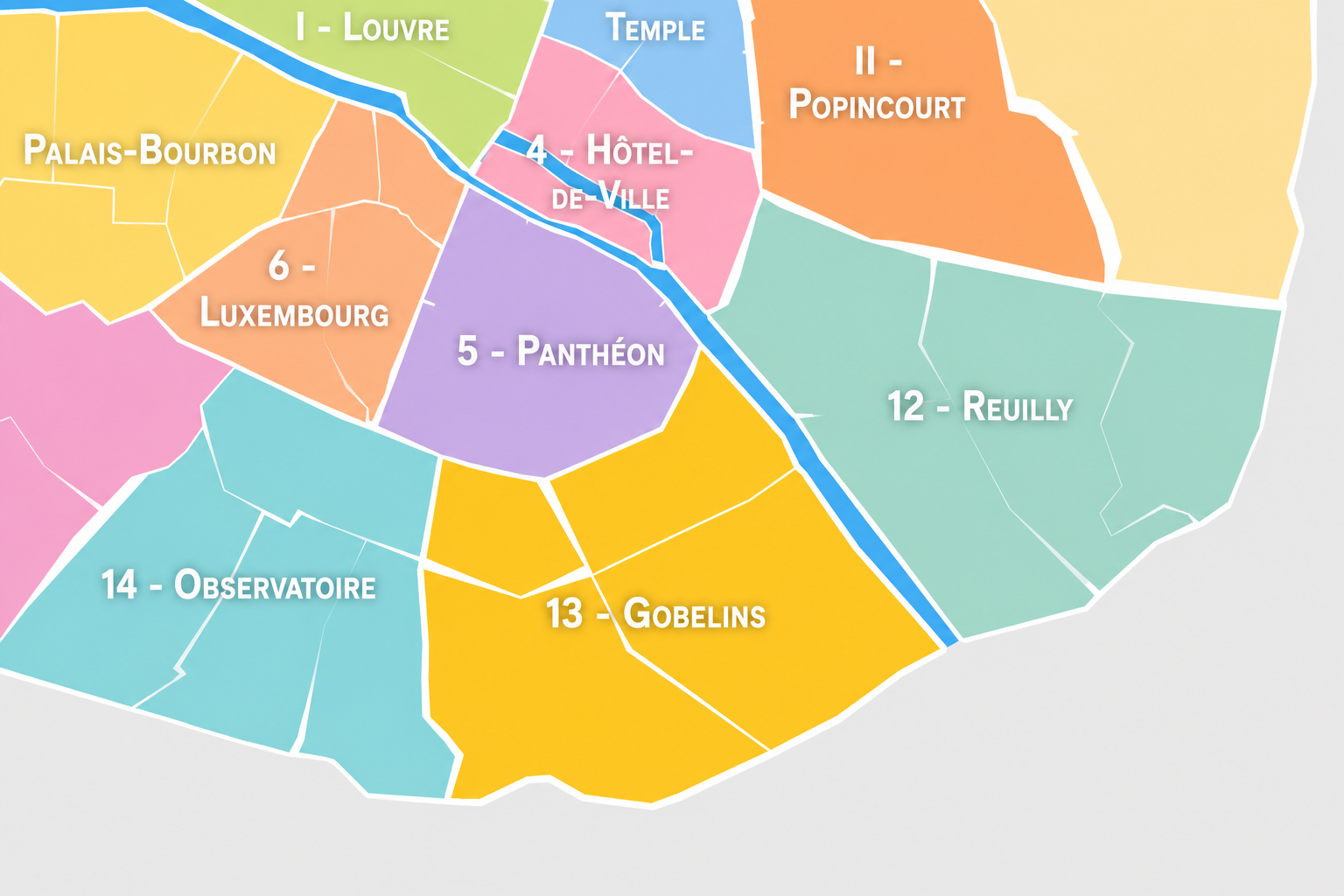
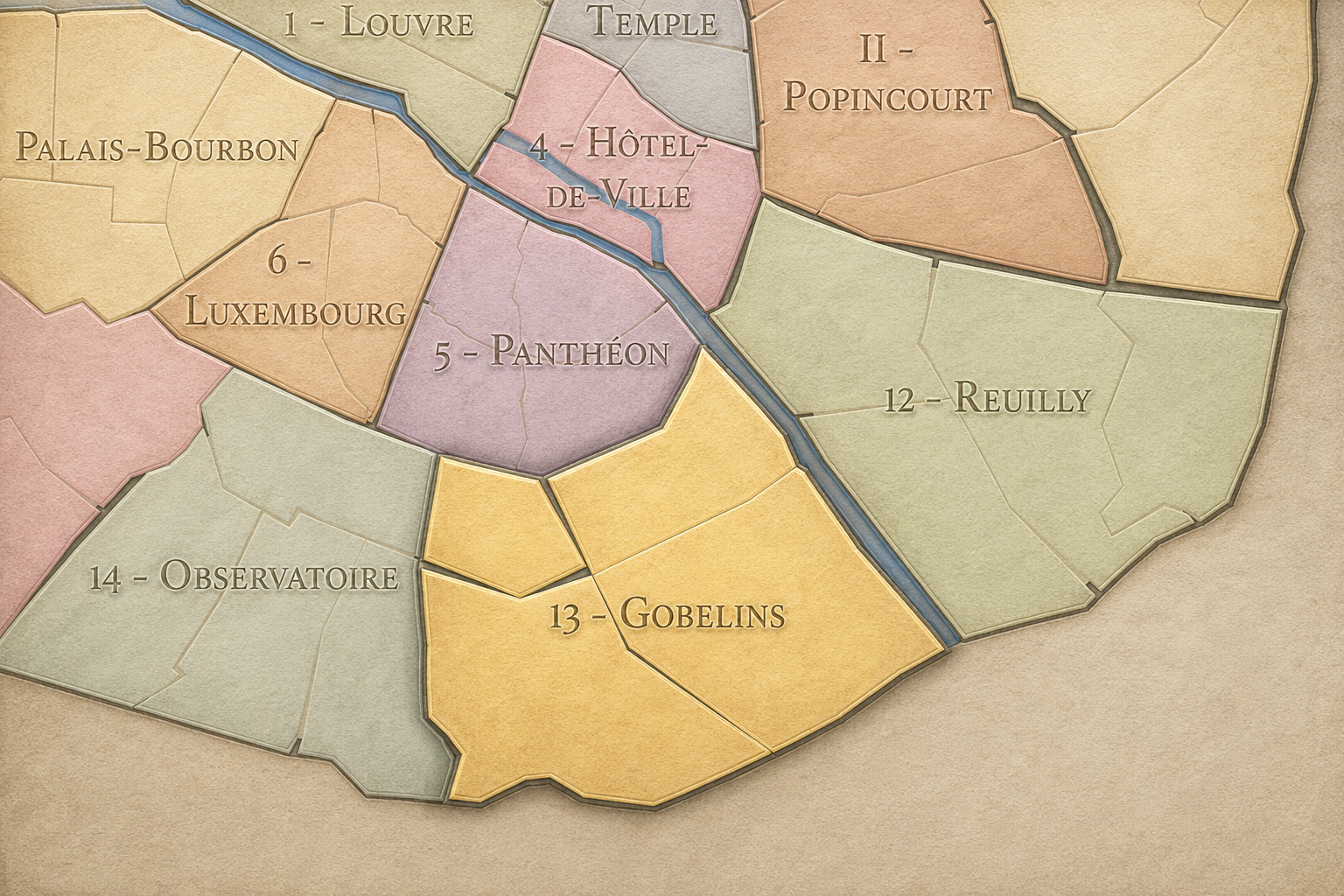
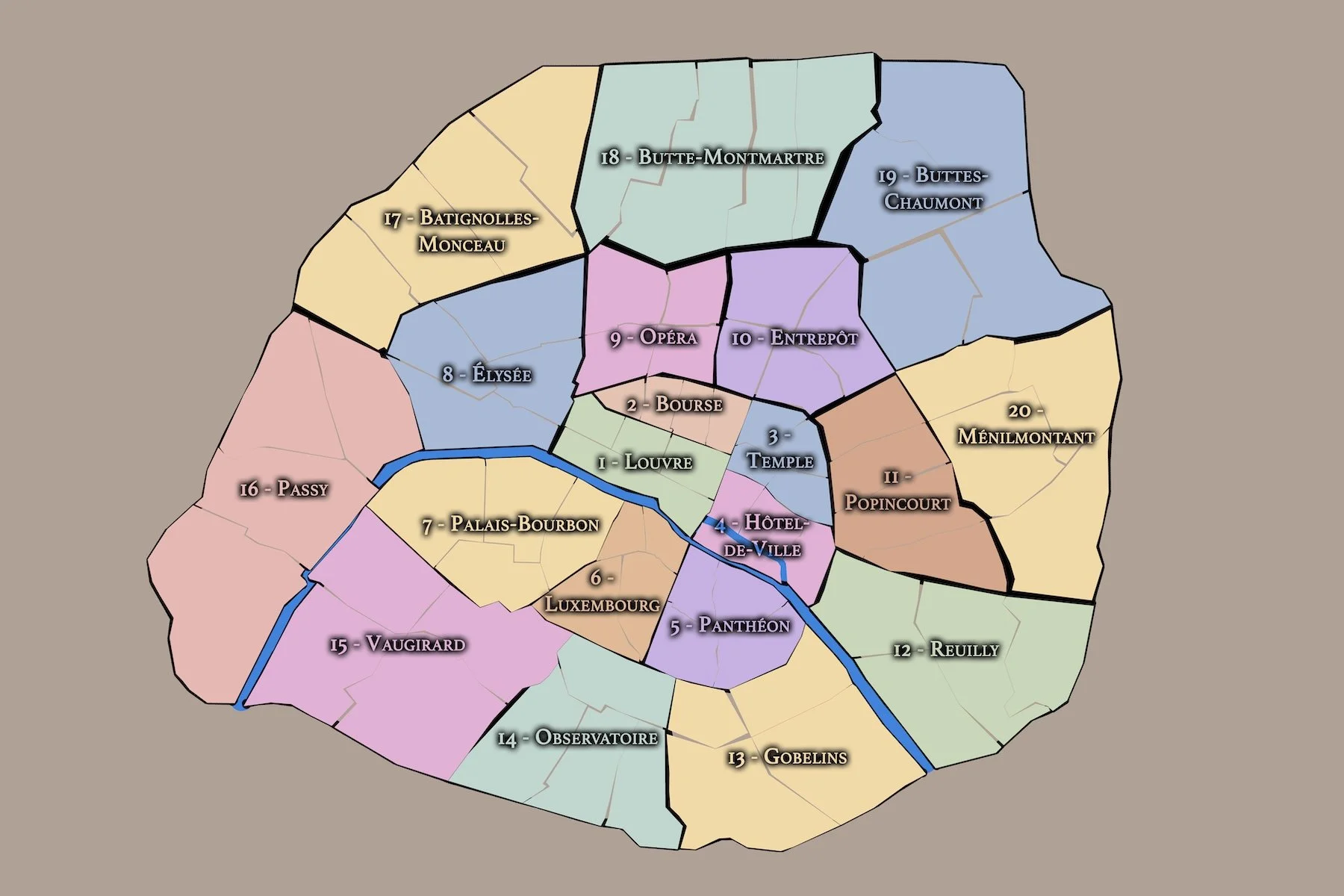
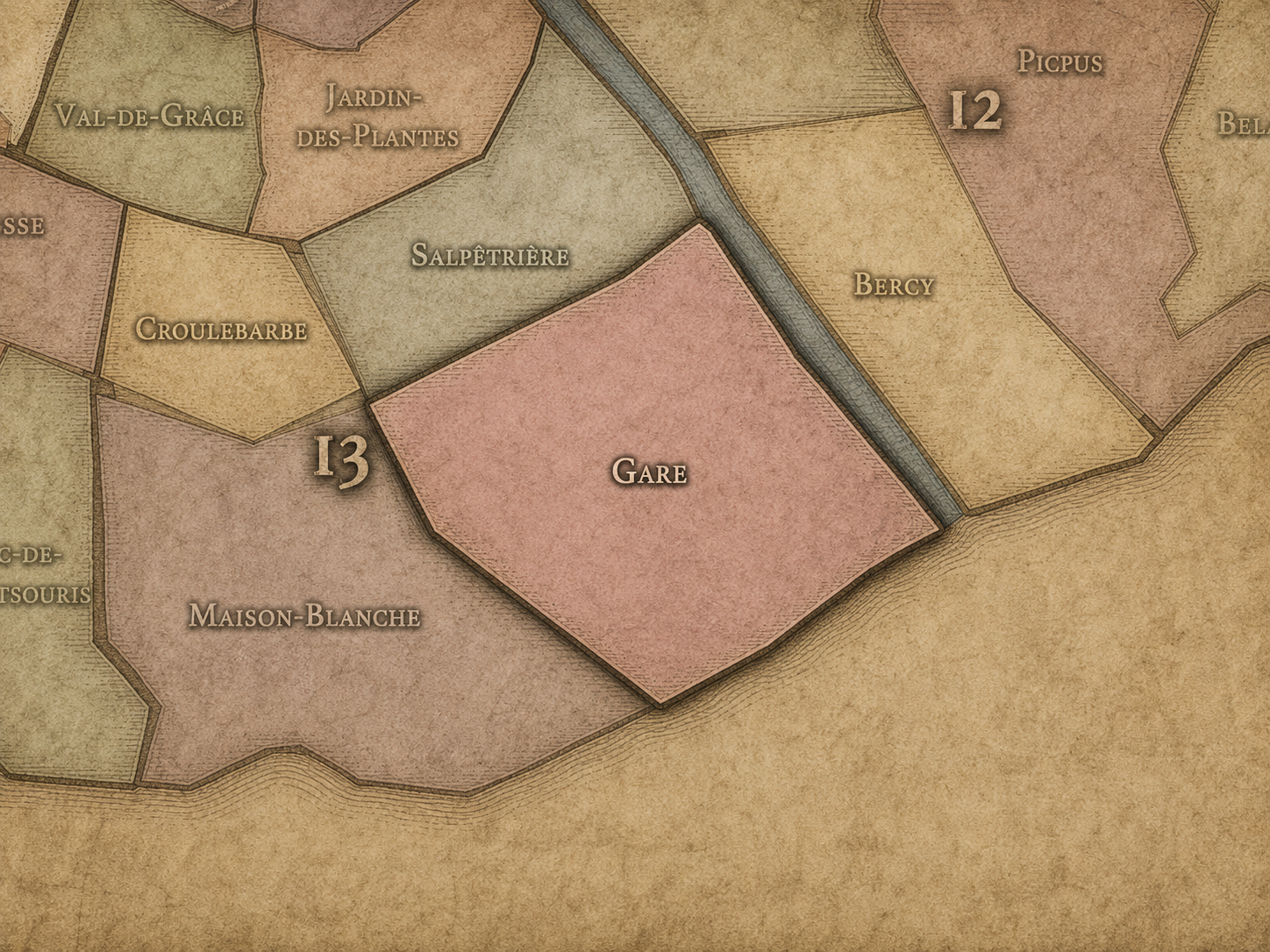
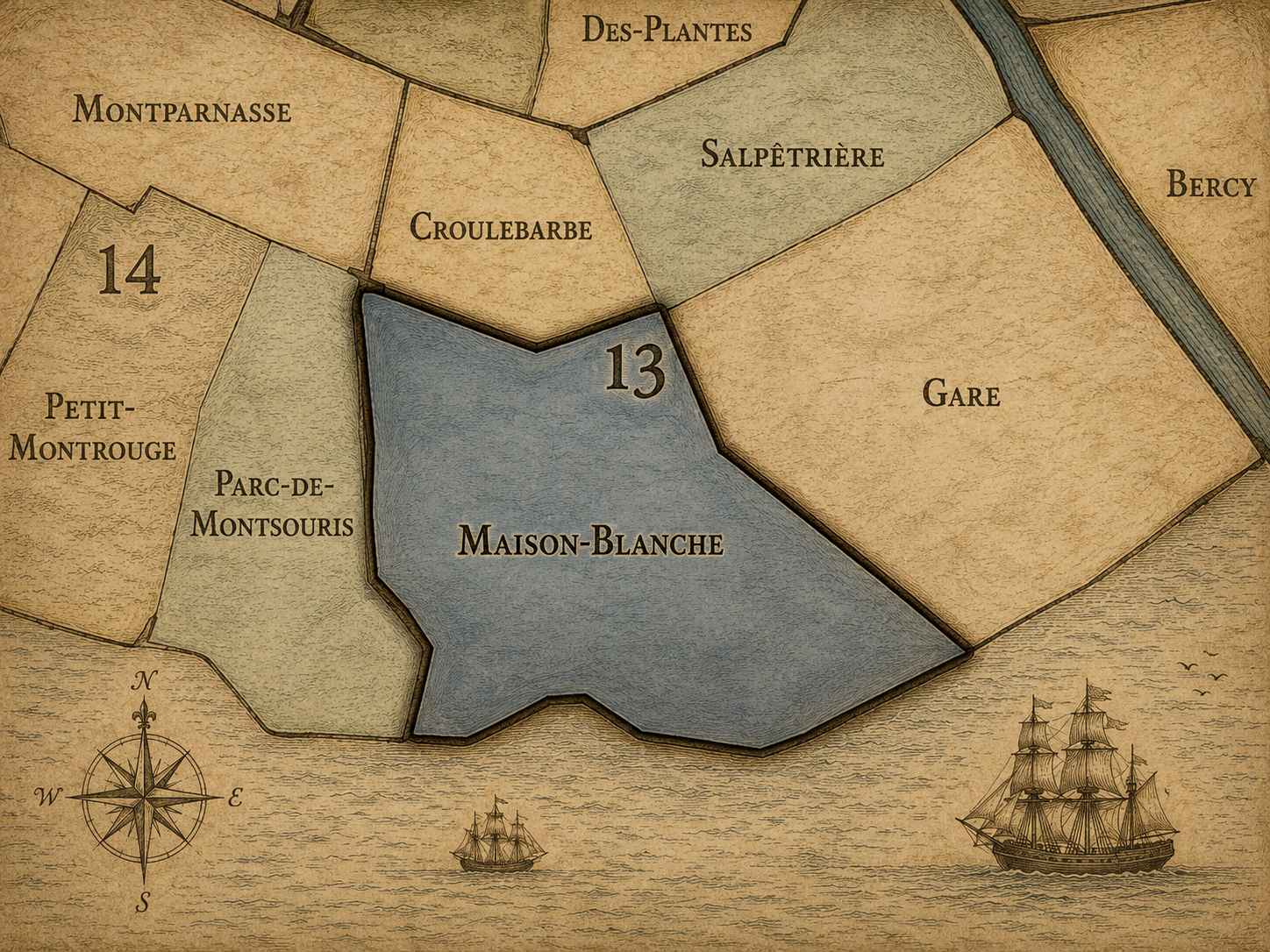
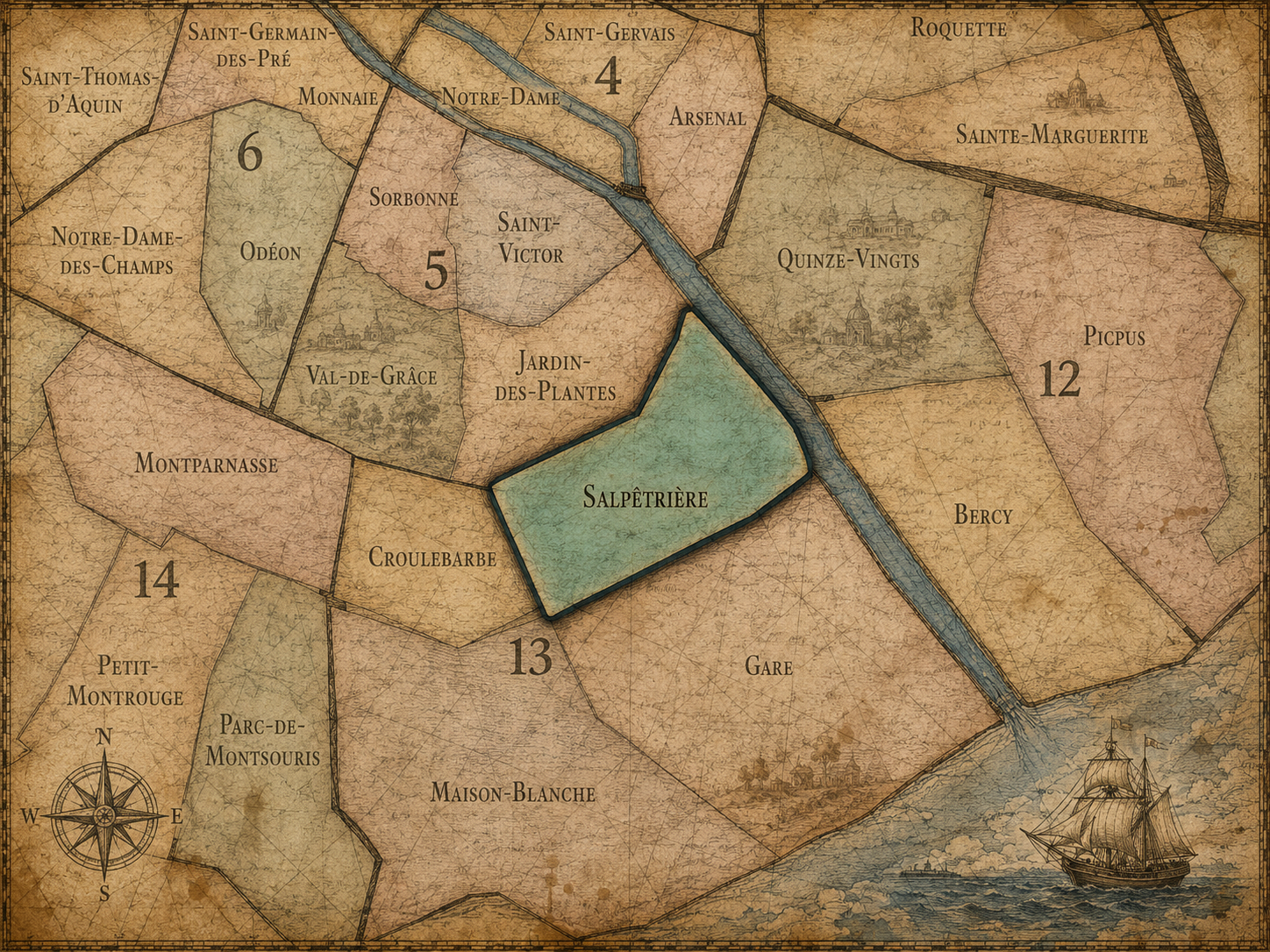
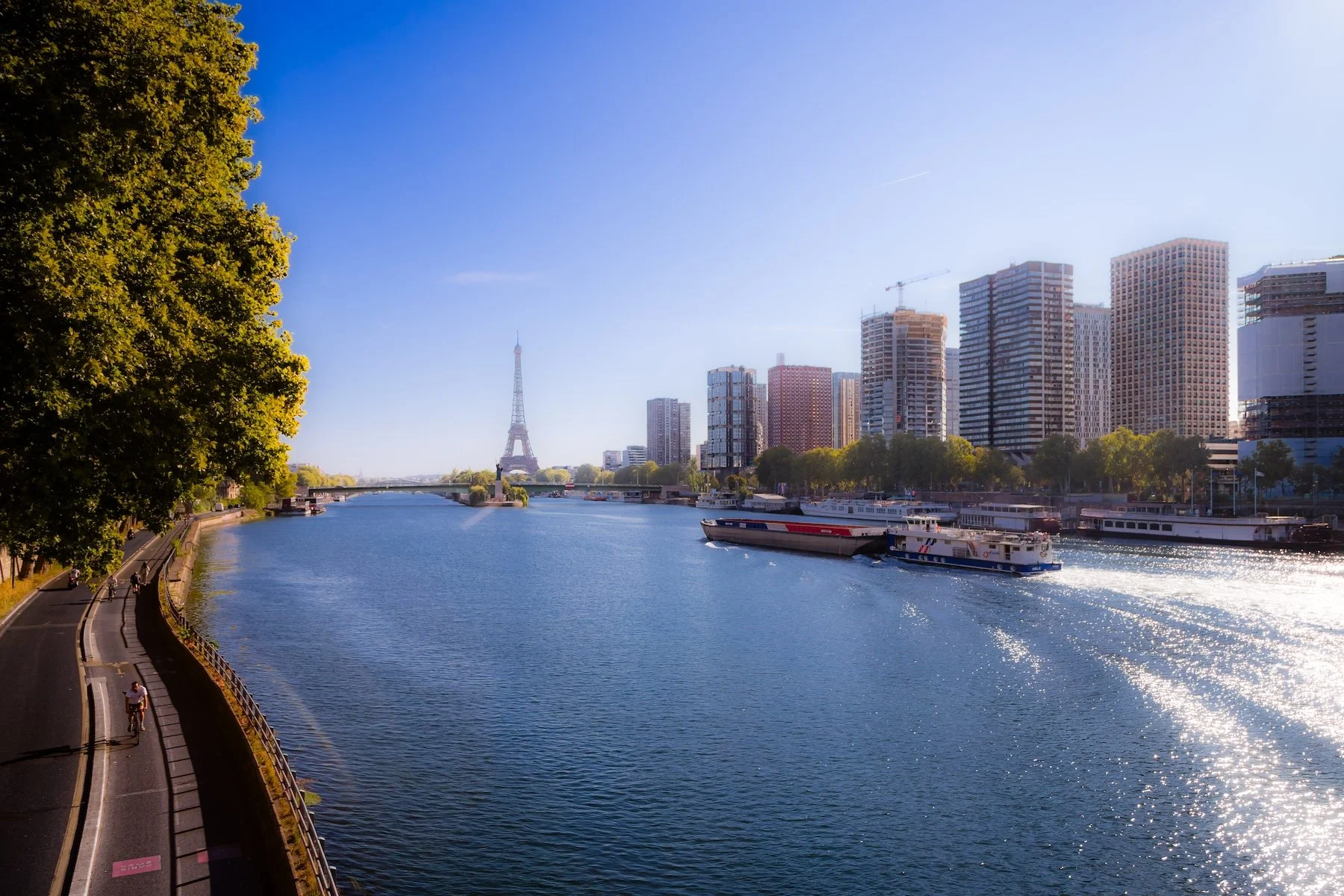
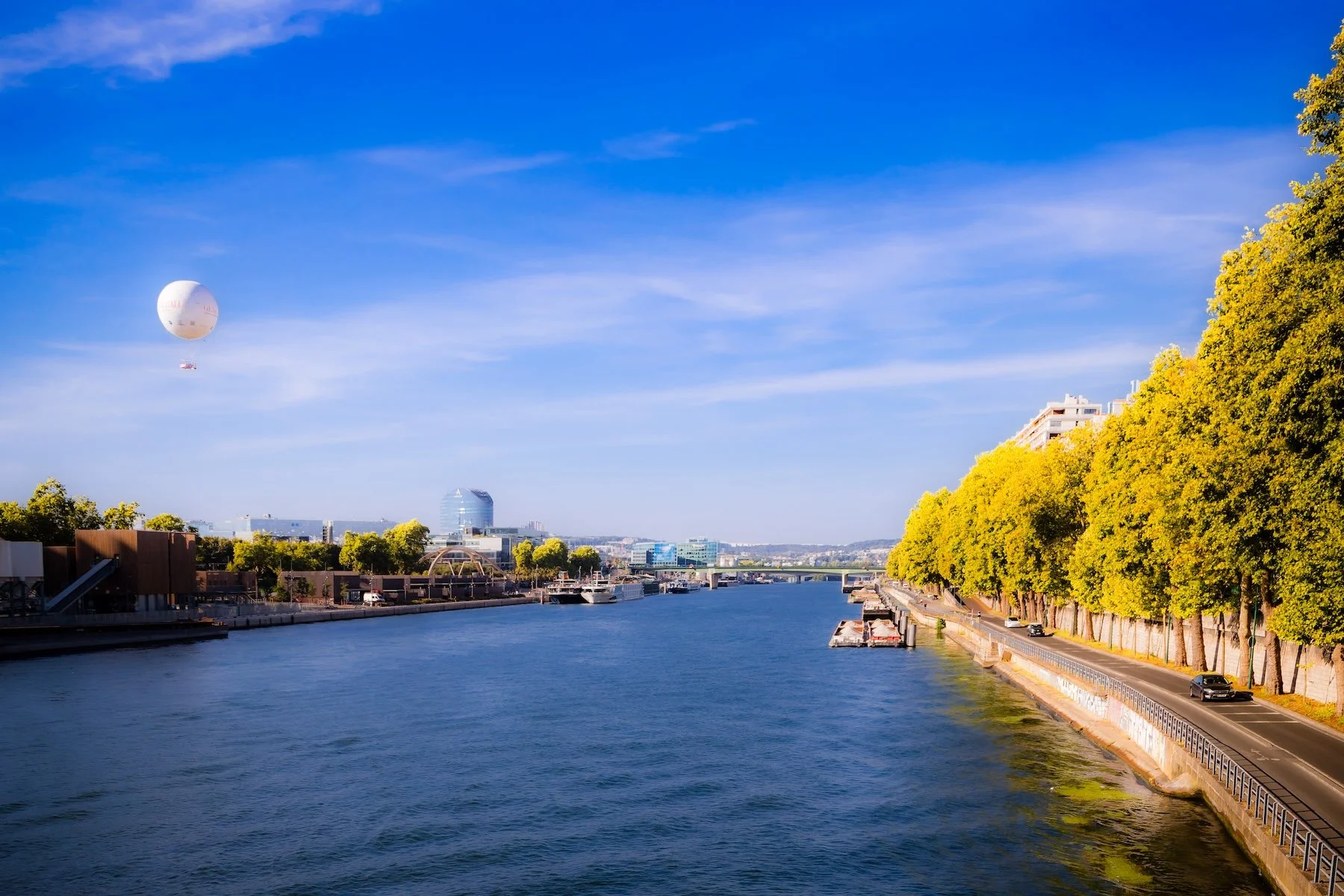
The 13th arrondissement occupies the southeastern Left Bank of Paris, where the historic city slopes away from the Latin Quarter and opens toward the Seine, the Bièvre valley, the southern boulevards, and the modern urban landscapes of Paris Rive Gauche. It is bordered by the 5th arrondissement to the northwest, the 14th to the west, the 12th across the Seine to the northeast, and the suburban communes beyond the city’s southern edge. Its geography places it at a meeting point between old Left Bank streets, working-class districts, industrial memory, immigrant neighborhoods, high-rise modernism, and large-scale contemporary redevelopment.
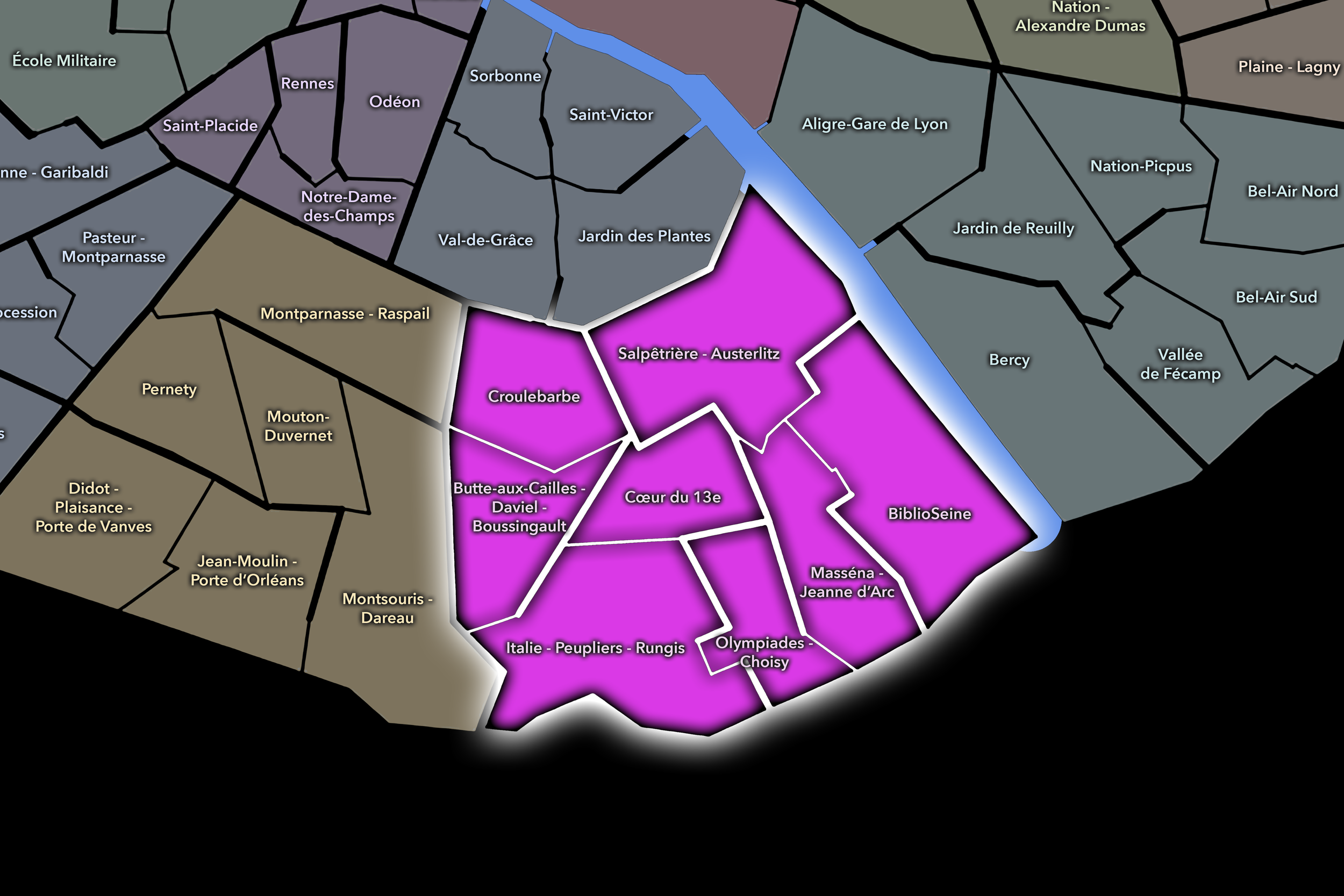
The arrondissement is unusually varied in form. Around the Gobelins and Croulebarbe, it retains older streets, river-valley traces, institutional buildings, and connections to the former course of the Bièvre. Around Butte-aux-Cailles, it rises into one of Paris’s most distinctive village-like hill neighborhoods. Around Maison-Blanche and the southern edge, it becomes broader, more residential, and more connected to the city gates and outer boulevards. Along the Seine at Gare and Paris Rive Gauche, it becomes one of the most visibly modernized landscapes in Paris, shaped by rail yards, towers, university buildings, libraries, offices, and new streets.
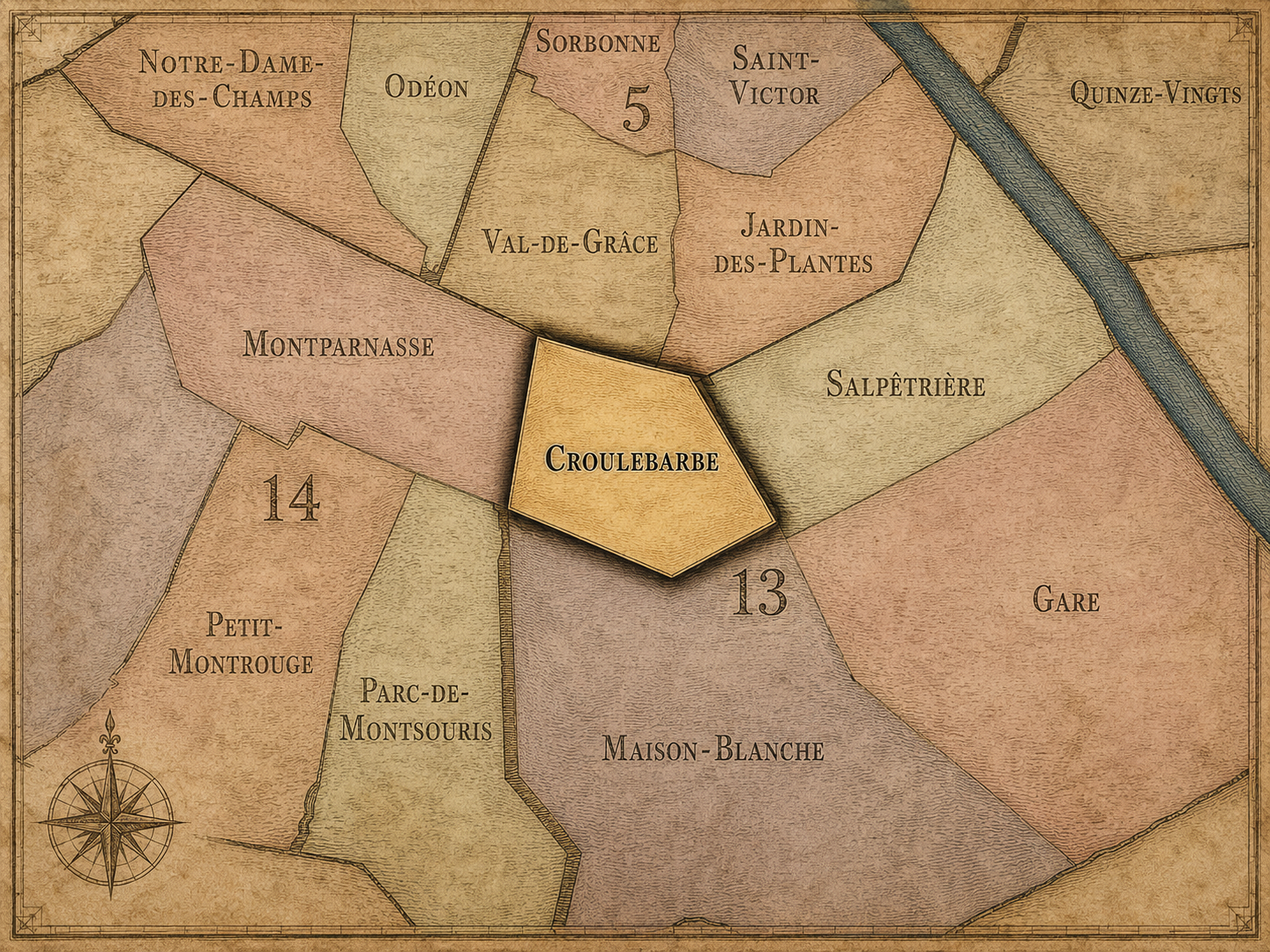
The 13th arrondissement is divided into four administrative quarters: Salpêtrière, Gare, Maison-Blanche, and Croulebarbe. Together, they form one of the most complex urban geographies in the city. Salpêtrière connects the arrondissement to medical, institutional, and river-adjacent history. Gare holds the memory of rail, industry, warehouses, and the contemporary transformation of Paris Rive Gauche. Maison-Blanche gives the arrondissement its southern residential, immigrant, and high-rise identity. Croulebarbe links it to the Gobelins, the Bièvre, Butte-aux-Cailles, and some of the older textures of the southeastern Left Bank.
The 13th is therefore an arrondissement of transformation. It is not defined by one monument or one historic image of Paris. It is a district where old industries, hidden rivers, worker housing, hospitals, immigrant communities, modern towers, village streets, and new urban development all exist within the same administrative frame.
Arrondissement Identity
Etymology and Origins
The 13th arrondissement’s administrative name, Gobelins, comes from the Gobelins manufactory and the family of dyers whose name became attached to this part of the Left Bank. The Gobelins were associated with dyeing and tapestry production along the Bièvre, whose waters supported industrial and artisanal activity in the district. Over time, the name came to represent one of the most important centers of decorative arts, textile production, and royal manufacturing in France.
The name is especially fitting because the 13th arrondissement has long been shaped by work, production, and material transformation. Unlike names such as Panthéon, Opéra, or Élysée, which point toward monument, performance, or state power, Gobelins points toward craft and industry. It identifies the arrondissement through the making of things: dye, wool, tapestry, manufacture, labor, and technical skill.
Yet the deeper origins of the arrondissement extend beyond the manufactory itself. The future 13th developed along the southeastern edge of the Left Bank, near the Bièvre valley, old roads, mills, religious lands, working settlements, quarries, and later industrial and railway landscapes. Its identity emerged from terrain and labor: the valley, the hill, the watercourse, the workshops, the hospital, the railway, and the city’s gradual extension toward the south and east.
Civic Framework
The 13th 3e arrondissement is one of the twenty municipal arrondissements of Paris and remains a distinct local civic unit with its own mairie. Its civic identity is shaped by its size, social diversity, residential density, institutional presence, and major redevelopment zones along the Seine.
The arrondissement’s four administrative quarters — Salpêtrière, Gare, Maison-Blanche, and Croulebarbe — provide its official internal structure. These quarters are especially important because the 13th is often understood through several separate identities: the Gobelins, Butte-aux-Cailles, Chinatown and the Olympiades, Paris Rive Gauche, the Bibliothèque François-Mitterrand, Place d’Italie, the Salpêtrière, and the old Bièvre valley. The official quarters help organize these overlapping geographies into a clearer civic framework.
For this project, the 13th is treated as both an official geographic layer and a cultural-historical district. Its civic framework helps distinguish the arrondissement from the Latin Quarter identity of the 5th, the Montparnasse and residential landscapes of the 14th, and the eastern rail-and-river transformations across the Seine in the 12th. The 13th is the southeastern Left Bank in motion: historically working, socially diverse, architecturally experimental, and repeatedly remade.
Parisian Identity
The 13th arrondissement holds a distinctive place in Paris because it does not fit neatly into the postcard image of the city. It is one of the places where Paris appears most varied, modern, and socially layered. It contains old artisan memory, village-like streets, major hospitals, high-rise housing, Asian commercial districts, contemporary university buildings, riverfront redevelopment, and some of the city’s most ambitious experiments in modern urban planning.
Its Parisian identity is tied to transformation rather than preservation alone. The Gobelins recall Paris as a city of craft and manufacture. The Bièvre recalls a hidden industrial watercourse now mostly buried but still present in the district’s historical imagination. Butte-aux-Cailles preserves a hilltop, small-scale urban texture unlike the grand boulevards of central Paris. The Olympiades and Italie 13 towers represent a period when Paris experimented with vertical modernism. Paris Rive Gauche represents the contemporary city’s attempt to build a new district from rail and industrial land.
The 13th also represents a multicultural Paris. Its Asian communities, restaurants, shops, supermarkets, associations, and festivals have made parts of the arrondissement among the most visible expressions of Asian Paris. This identity sits alongside older French working-class histories, university populations, hospitals, artists, families, and new residents drawn by redevelopment. The 13th is not one Paris; it is many Parises layered together.
Neighborhood Distinction
The 13th arrondissement is distinguished by its contrasts. It contains some of the oldest industrial and artisanal memories of the Left Bank, but also some of the most modern urban landscapes in the city. It contains intimate village streets and large tower complexes, hidden waterways and broad avenues, working-class histories and major research institutions, immigrant commerce and new cultural infrastructure.
Its four administrative quarters express this range. Salpêtrière gives the arrondissement a major institutional and medical identity, centered on one of Paris’s most important hospital complexes and the northern edge near the Seine and Gare d’Austerlitz. Gare carries the memory of rail yards, warehouses, industry, and the vast redevelopment of Paris Rive Gauche around the Bibliothèque François-Mitterrand. Maison-Blanche gives the arrondissement its southern and southeastern residential identity, including major housing developments, the Olympiades area, and the Asian commercial landscapes often associated with the 13th. Croulebarbe preserves the older Gobelins, Bièvre, and Butte-aux-Cailles identities, connecting the arrondissement to craft, water, hilltop streets, and older Left Bank urban fabric.
The arrondissement’s distinction also comes from its openness to reinvention. The 13th has never been frozen into one prestigious historical image. It has been a place of manufacture, social housing, migration, medical care, industrial land, rail infrastructure, modernist planning, and contemporary redevelopment. Its identity is elastic, practical, and experimental.
Neighborhood Connections
Every neighborhood belongs to a wider Parisian fabric.
-
Croulebarbe
-
Gare
-
Maison-Blanche
-
Salpêtrière
-
13e — Gobelins
-
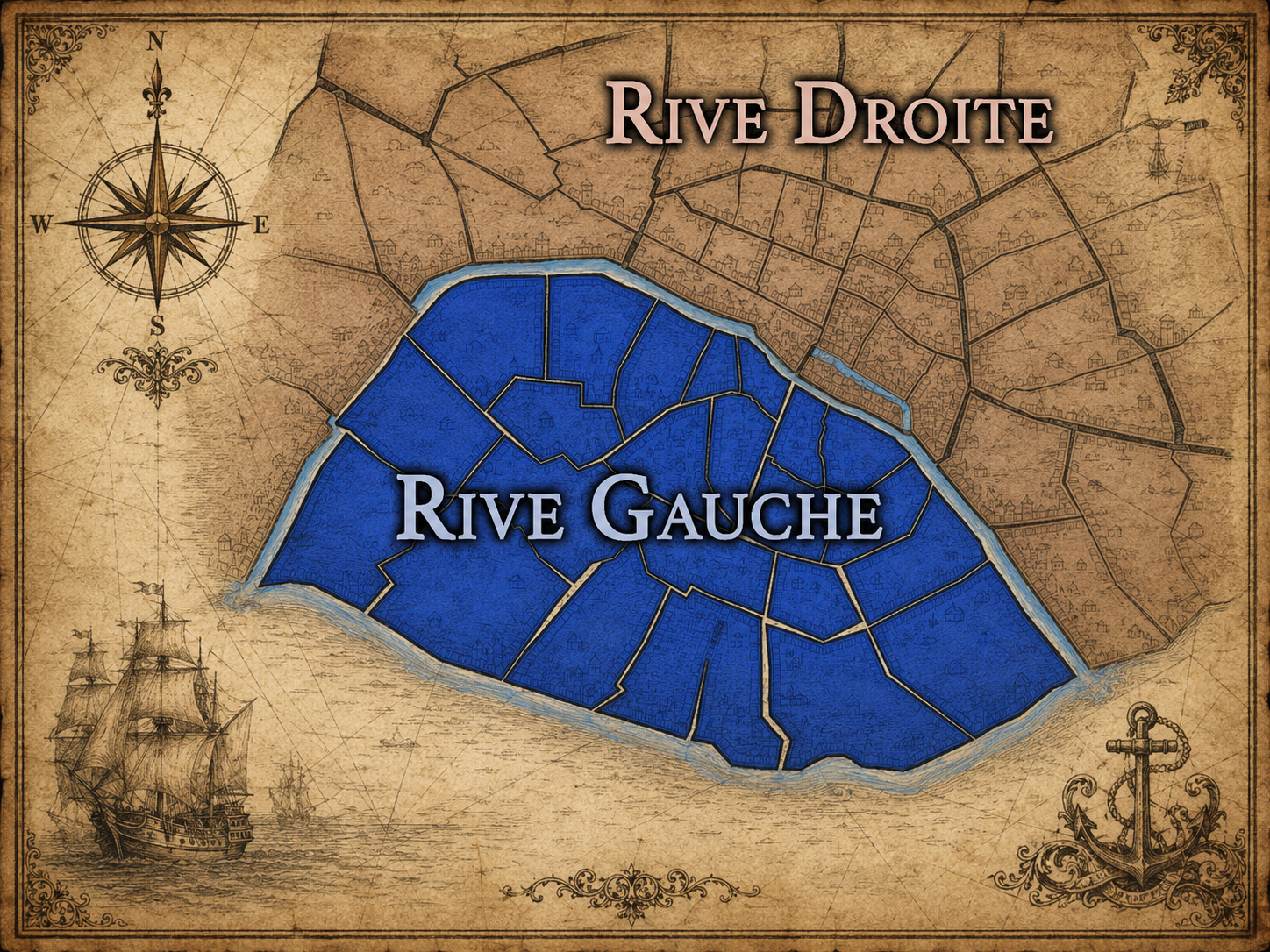
Rive Gauche
The History
Origins
The origins of the 13e arrondissement lie in the southeastern expansion of the Left Bank beyond the ancient and medieval core of Paris. The area was shaped by the Bièvre valley, roads leading south and east, religious lands, mills, quarries, fields, workshops, and scattered settlements beyond the dense center.
The Bièvre was especially important. This small river flowed through the district before joining the Seine, and its waters supported mills, dyeing, tanning, washing, and other trades. The future 13e therefore developed as a landscape of practical production, where water and labor shaped the urban form before the area was fully absorbed into Paris.
The terrain also mattered. The Butte-aux-Cailles rose above the surrounding land, while lower areas followed the Bièvre and the approaches toward the Seine. Before the arrondissement was associated with the Gobelins, modern towers, or Paris Rive Gauche, it was a working and semi-rural edge of the Left Bank — a place of slopes, streams, roads, and useful land.
16th–17th Century
During the 16th and 17th centuries, the future 13e arrondissement became increasingly associated with craft and production. The Gobelins name emerged from dyeing activity along the Bièvre, where water supported textile work and related industries. This craft landscape would eventually be formalized through the development of the royal tapestry manufactory, giving the district one of its most enduring identities.
The Bièvre valley remained central to the area’s economy. Mills, workshops, and small industries used the river, while nearby streets and settlements connected the district to the growing city. The future arrondissement remained less dense and less prestigious than the central Left Bank, but its practical importance grew through manufacture, water use, and the movement of goods and materials.
The 17th century also brought stronger institutional presence nearby, especially through the development of major hospital and charitable landscapes in the eastern Left Bank. The district’s identity during this period was therefore shaped by work, water, care, and royal or institutional intervention — not as a ceremonial center, but as a productive edge of Paris.
18th Century
In the 18th century, the future 13e arrondissement continued to develop as a district of manufacture, workshops, institutions, and semi-rural settlement. The Gobelins manufactory gave the area national importance in the decorative arts, linking the district to royal production, technical skill, and the prestige of French craftsmanship.
At the same time, the Bièvre’s industrial uses intensified. Dyeing, tanning, washing, milling, and other activities made the river valley a working landscape, but also one increasingly associated with pollution, odor, and the environmental costs of urban production. The hidden and difficult history of the Bièvre would become one of the key historical undercurrents of the arrondissement.
The surrounding areas remained varied. Some parts were still relatively open, with gardens, roads, religious properties, and small settlements, while others grew denser through workshops and housing. By the end of the 18th century, the future 13e had a strong identity as a productive southeastern edge: useful, industrious, less polished than central Paris, and deeply tied to the material processes that supported the city.
19th Century
The 19th century transformed the 13e arrondissement into a major urban district of industry, infrastructure, hospitals, and residential expansion. The incorporation of surrounding areas into Paris and the creation of the modern arrondissement structure brought the district fully into the capital’s administrative geography.
Industrial activity remained important, especially around the Bièvre and the Gobelins. At the same time, the river’s condition worsened as urban pollution and industrial use intensified, eventually leading to its covering and disappearance from much of the visible city. The buried Bièvre became one of the arrondissement’s defining hidden histories: a river that shaped the district and then vanished beneath it.
The 19th century also strengthened the institutional and transportation identity of the arrondissement. Gare d’Austerlitz and rail infrastructure connected the southeastern Left Bank to broader regional movement. The Salpêtrière continued to occupy a major place in the medical and institutional life of Paris. Residential and working-class districts expanded around Place d’Italie, Butte-aux-Cailles, Maison-Blanche, and the southern edge of the city.
By the end of the century, the 13e had become a district of intense urban mixture: manufacture, rail, medicine, working-class housing, hidden water, and expanding city streets.
Early–Mid 20th Century
In the early and mid 20th century, the 13e arrondissement retained a strong working-class, institutional, and industrial identity. The Gobelins, the Bièvre memory, workshops, small factories, hospitals, rail yards, and dense residential streets all shaped the district’s daily life. It was not among the most prestigious or touristic parts of Paris, but it was deeply embedded in the city’s practical functioning.
The Butte-aux-Cailles maintained a distinct village-like character within the arrondissement. Its hilltop streets, smaller buildings, and neighborhood atmosphere contrasted with the broader avenues and industrial zones elsewhere in the 13e. This contrast between intimate local fabric and large-scale urban systems would become one of the arrondissement’s enduring features.
The Salpêtrière and other institutions gave the district a strong medical and civic role, while the Gare and riverfront areas remained tied to infrastructure and labor. During the wars, occupation, and reconstruction periods, the arrondissement continued to absorb the pressures of urban change while maintaining a strong residential and working identity.
Late 20th Century
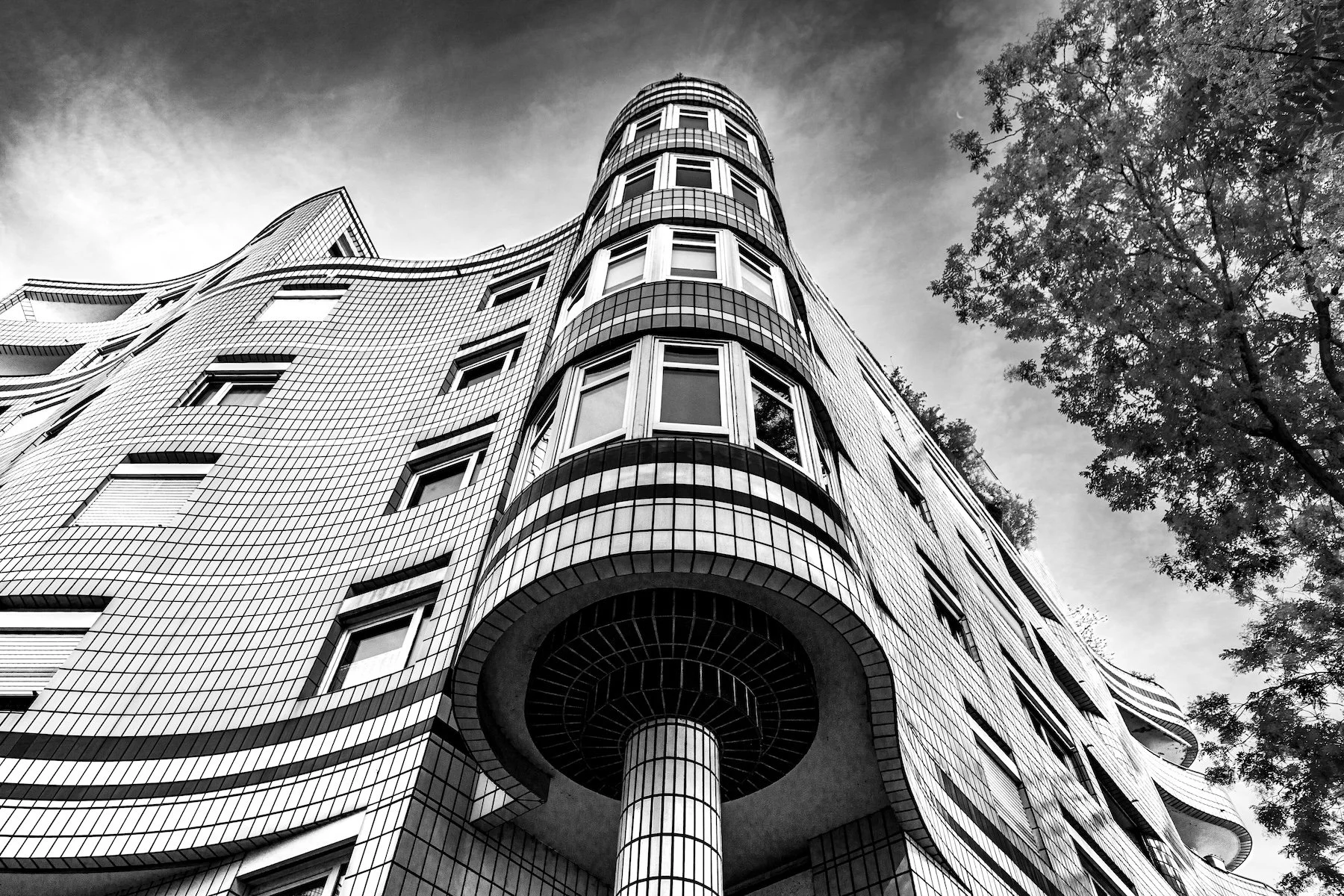
The late 20th century brought some of the most dramatic transformations in the history of the 13e arrondissement. The Italie 13 urban planning program and related high-rise developments reshaped large parts of the district, especially around Place d’Italie, Maison-Blanche, and the Olympiades. Towers, slabs, elevated walkways, shopping centers, and new housing forms created one of Paris’s most distinctive modernist landscapes.
This period also saw the growth of the arrondissement’s Asian communities, especially around Avenue de Choisy, Avenue d’Ivry, and the Olympiades. Chinese, Vietnamese, Cambodian, Laotian, and other Southeast and East Asian communities helped make the 13e one of the most visible centers of Asian Paris. Restaurants, supermarkets, associations, shops, and cultural events gave the district a new identity within the city.
Along the Seine and rail lands, the foundations were laid for the massive Paris Rive Gauche redevelopment. Former industrial and railway zones would begin to shift toward offices, housing, universities, cultural institutions, and new public spaces. The Bibliothèque nationale de France’s François-Mitterrand site became a major anchor for this transformation.
By the end of the 20th century, the 13e had become one of the most visibly experimental arrondissements in Paris: modernist, multicultural, redeveloping, and still carrying older layers of working-class and industrial memory.
21st Century
In the 21st century, the 13e arrondissement stands as one of Paris’s clearest districts of contemporary urban change. Paris Rive Gauche continues to transform the Seine edge and former rail-industrial lands into a major new urban quarter of housing, offices, universities, cultural institutions, public spaces, and the Bibliothèque François-Mitterrand. This gives the arrondissement one of the strongest relationships to large-scale urban planning in the city.
The Asian commercial and cultural landscapes of the 13e remain central to its identity. Around Avenue de Choisy, Avenue d’Ivry, the Olympiades, and nearby streets, the arrondissement continues to serve as one of the most important centers of Asian community life in Paris. Its restaurants, groceries, festivals, signs, associations, and everyday street life make the district visibly different from many other parts of the city.
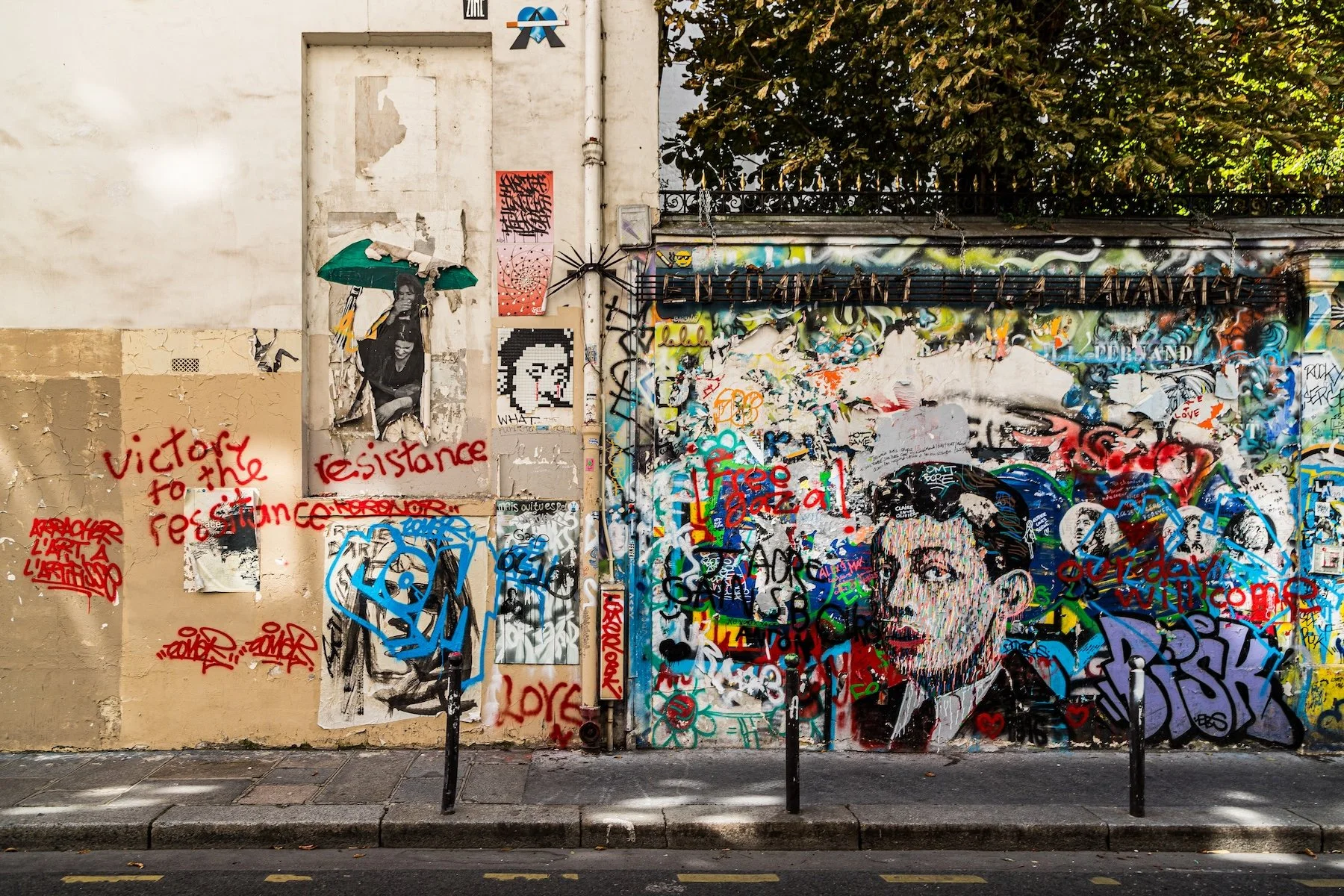
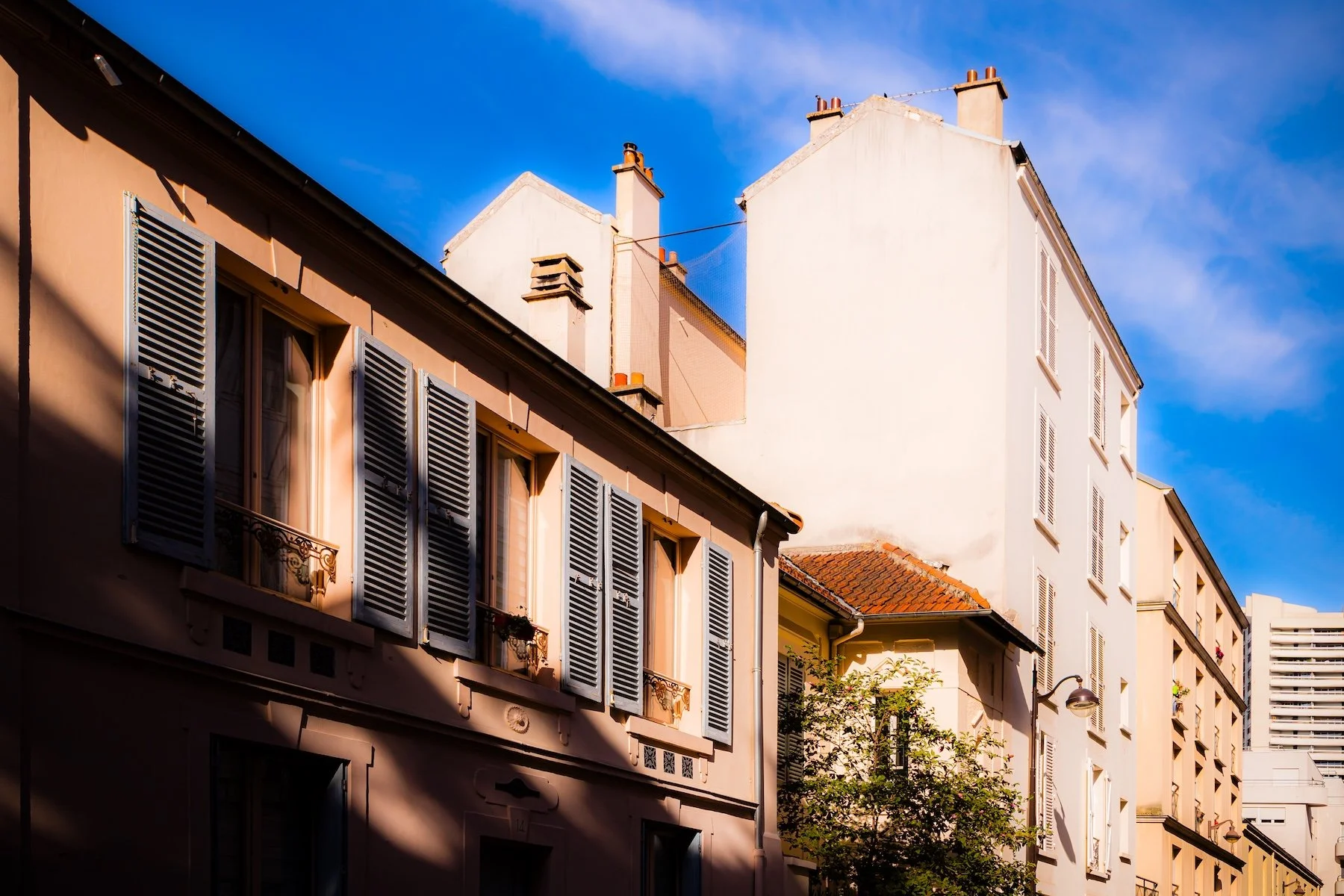
At the same time, older identities remain important. Butte-aux-Cailles has become highly valued for its village-like character, street art, cafés, and low-rise streets. The Gobelins continue to link the arrondissement to craft and decorative arts. The Salpêtrière remains a major medical institution. The buried Bièvre survives in memory, plaques, street names, and historical research.
The contemporary 13e is therefore one of Paris’s most layered and forward-facing districts. It is not simply old Paris preserved or new Paris imposed. It is an arrondissement where modernism, migration, infrastructure, craft, science, housing, and redevelopment all continue to shape one another.
Spirit and Legacy
The 13e arrondissement is Paris as transformation, labor, and reinvention. Its history is carried by the Bièvre, the Gobelins, the Salpêtrière, Butte-aux-Cailles, the Olympiades, Chinatown, Gare d’Austerlitz, Paris Rive Gauche, and the modern skyline along the southeastern Left Bank.
Its legacy is not the legacy of a single monument. It is the legacy of making and remaking. Water powered trades and then disappeared underground. Workshops became memory. Rail yards became university and cultural districts. Industrial land became a new riverfront. Towers became home to new communities. A hilltop village survived within the modern city.
The name Gobelins preserves the arrondissement’s connection to craft, skill, and material production. But the deeper spirit of the 13e is broader: it is one of Paris’s great laboratories of urban change. It shows the city not only as inheritance, but as experiment — a place where hidden rivers, immigrant streets, modern towers, old workshops, and new districts all belong to the same evolving Paris.
The Photography
Visual Identity
The visual identity of each Paris district begins with its position in the city’s layered geography. Before the photographs arrive, the maps establish a first way of seeing: where the district sits, what civic layer it belongs to, which boundaries define it, and how it connects to the surrounding fabric of Paris. In CityNeighborhoods Paris, cartography is not merely orientation; it is part of the visual language of the project.
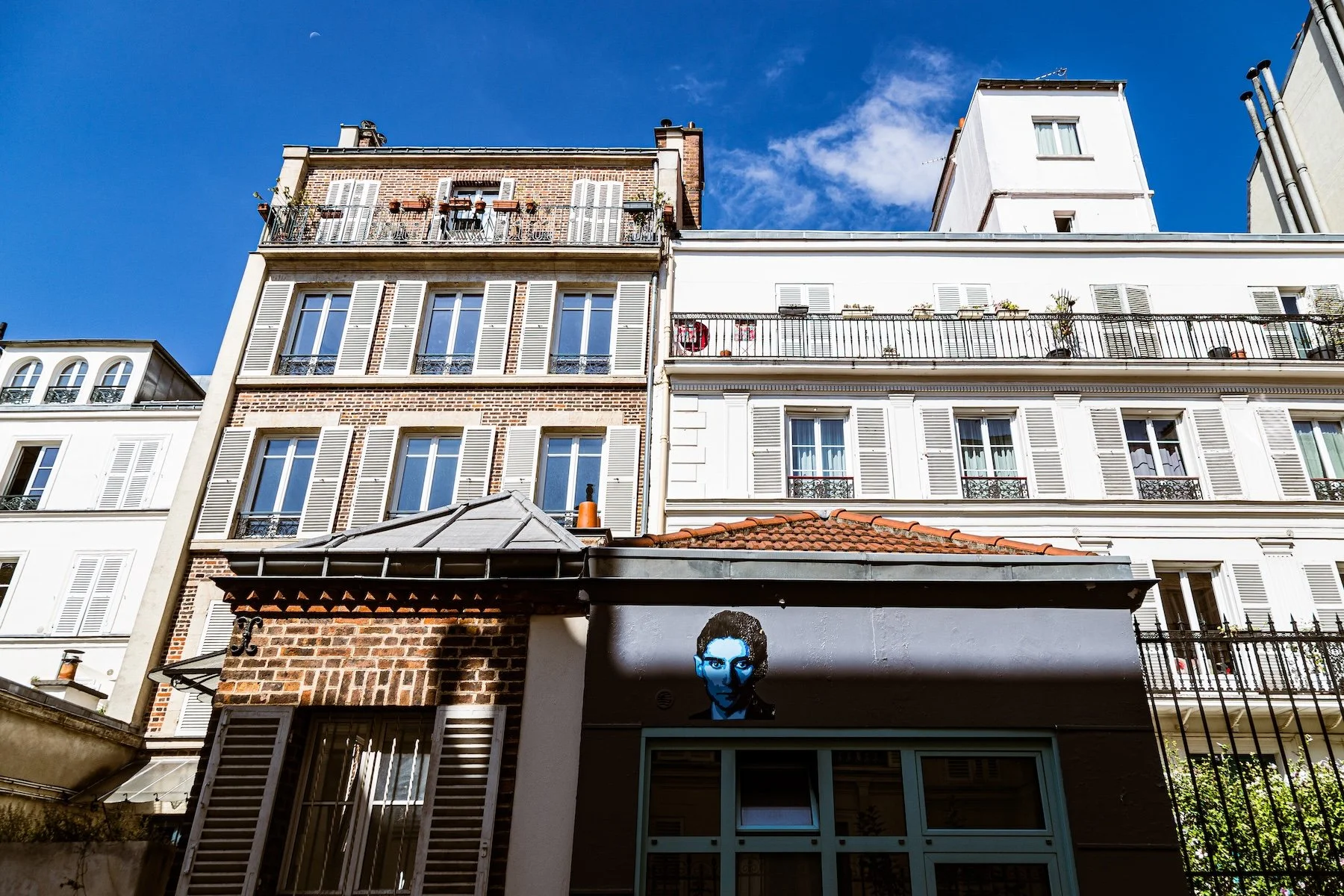
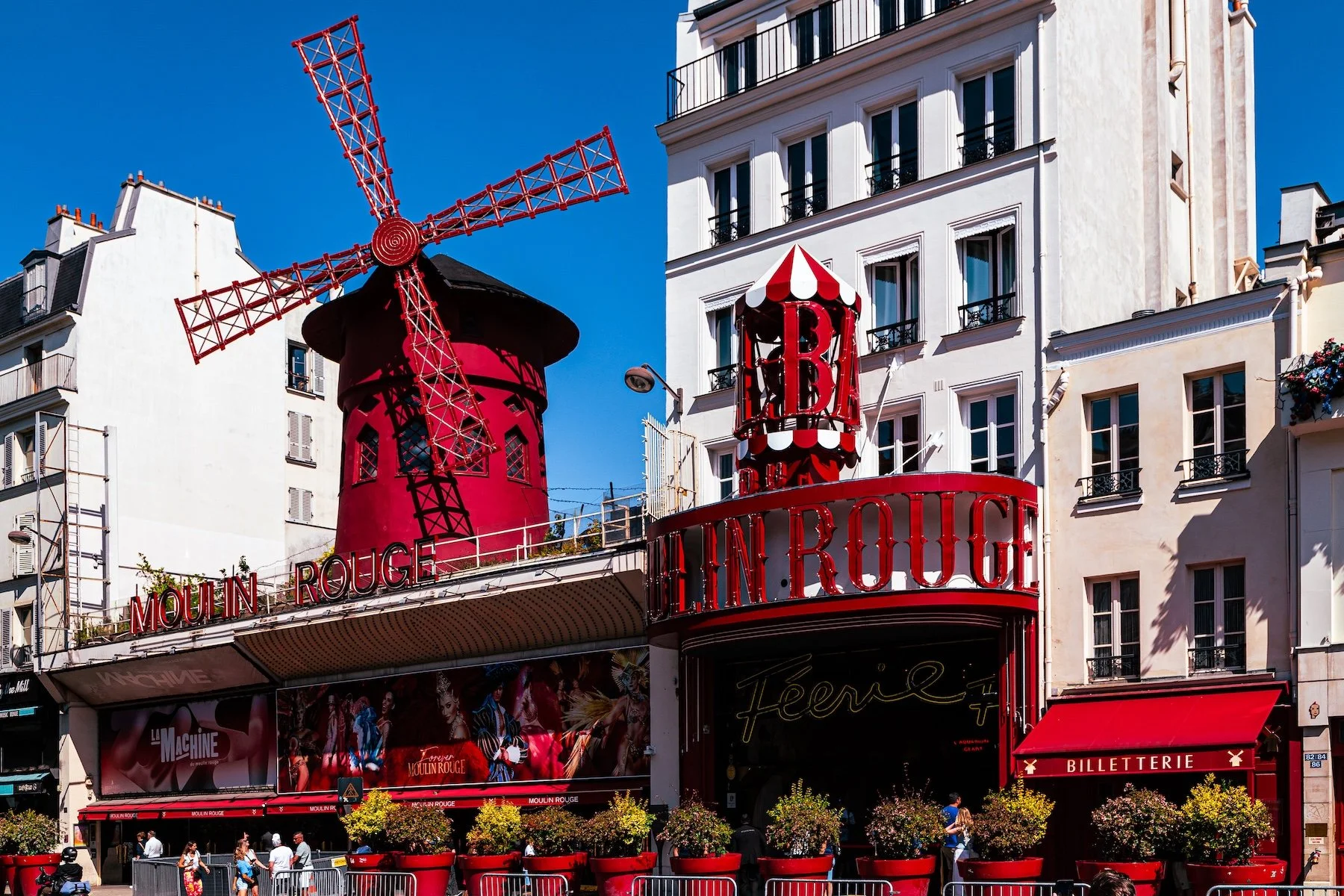
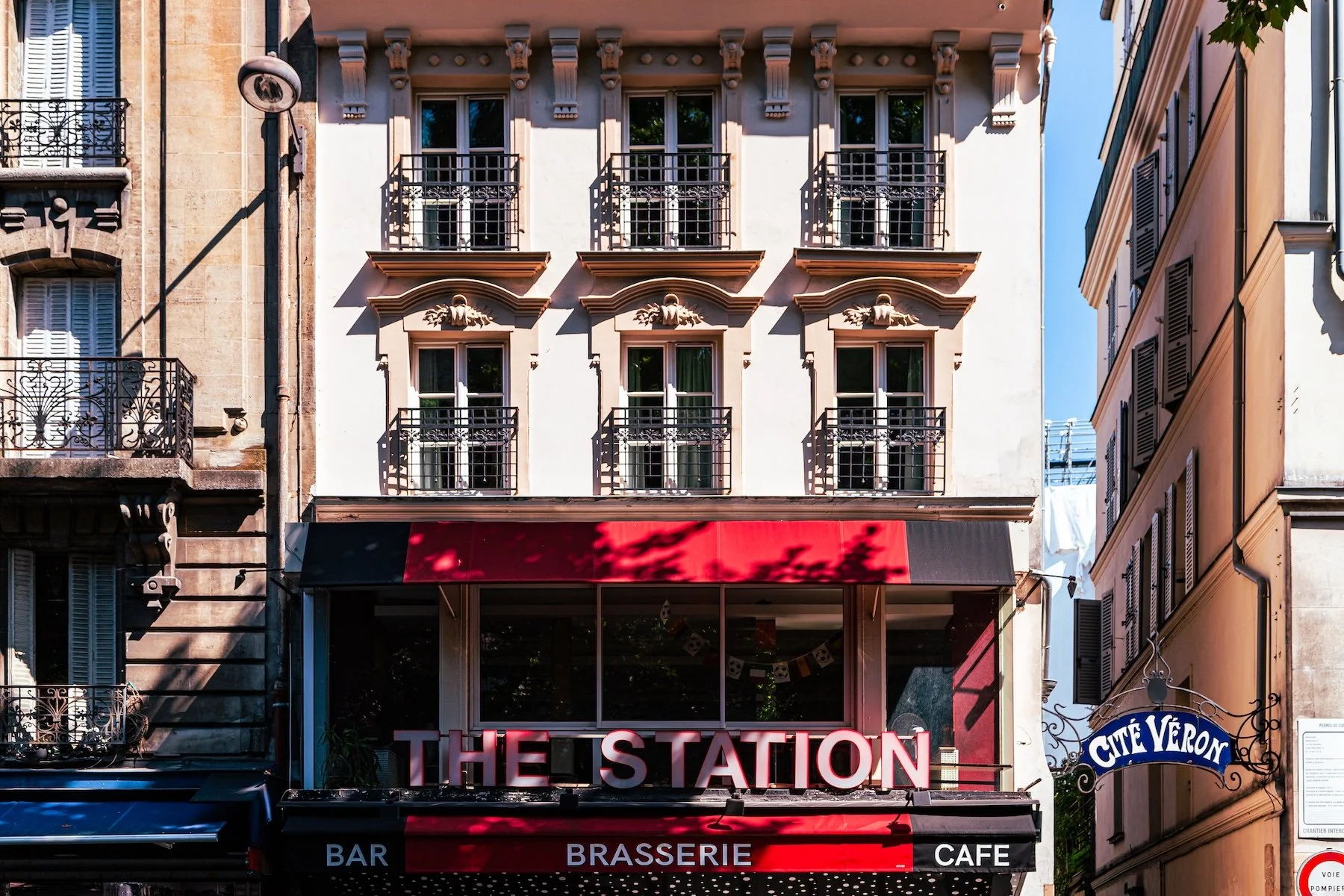
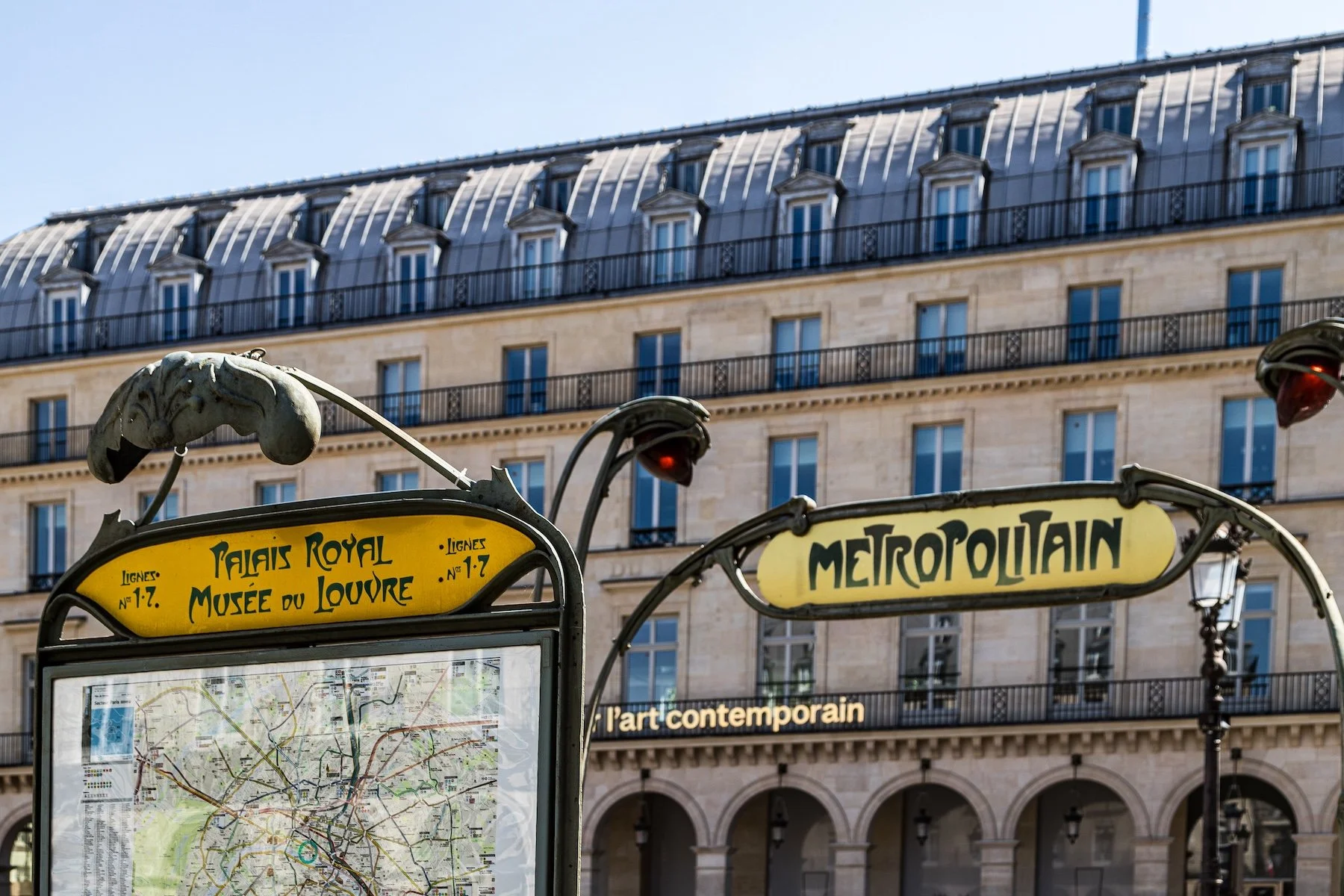
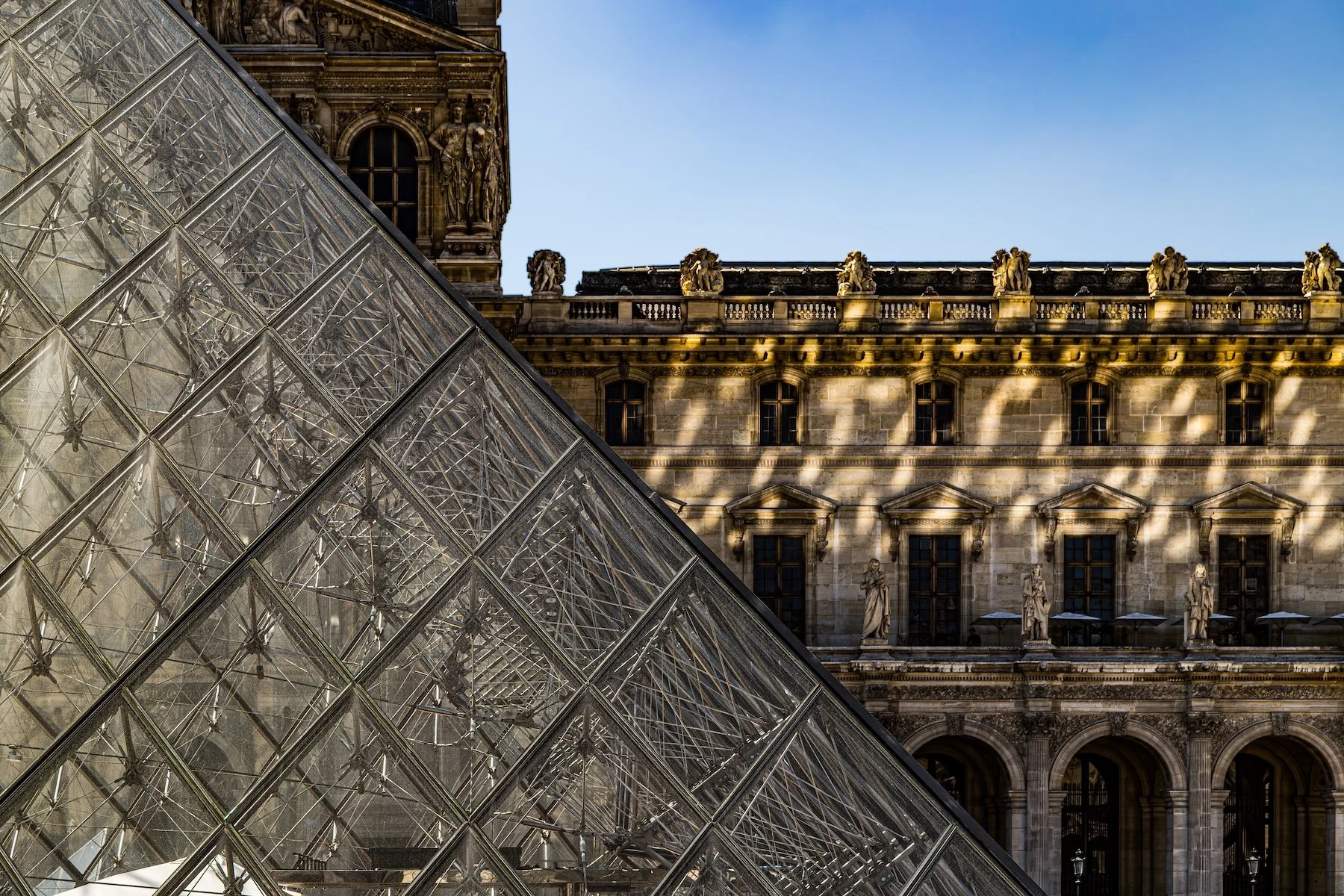
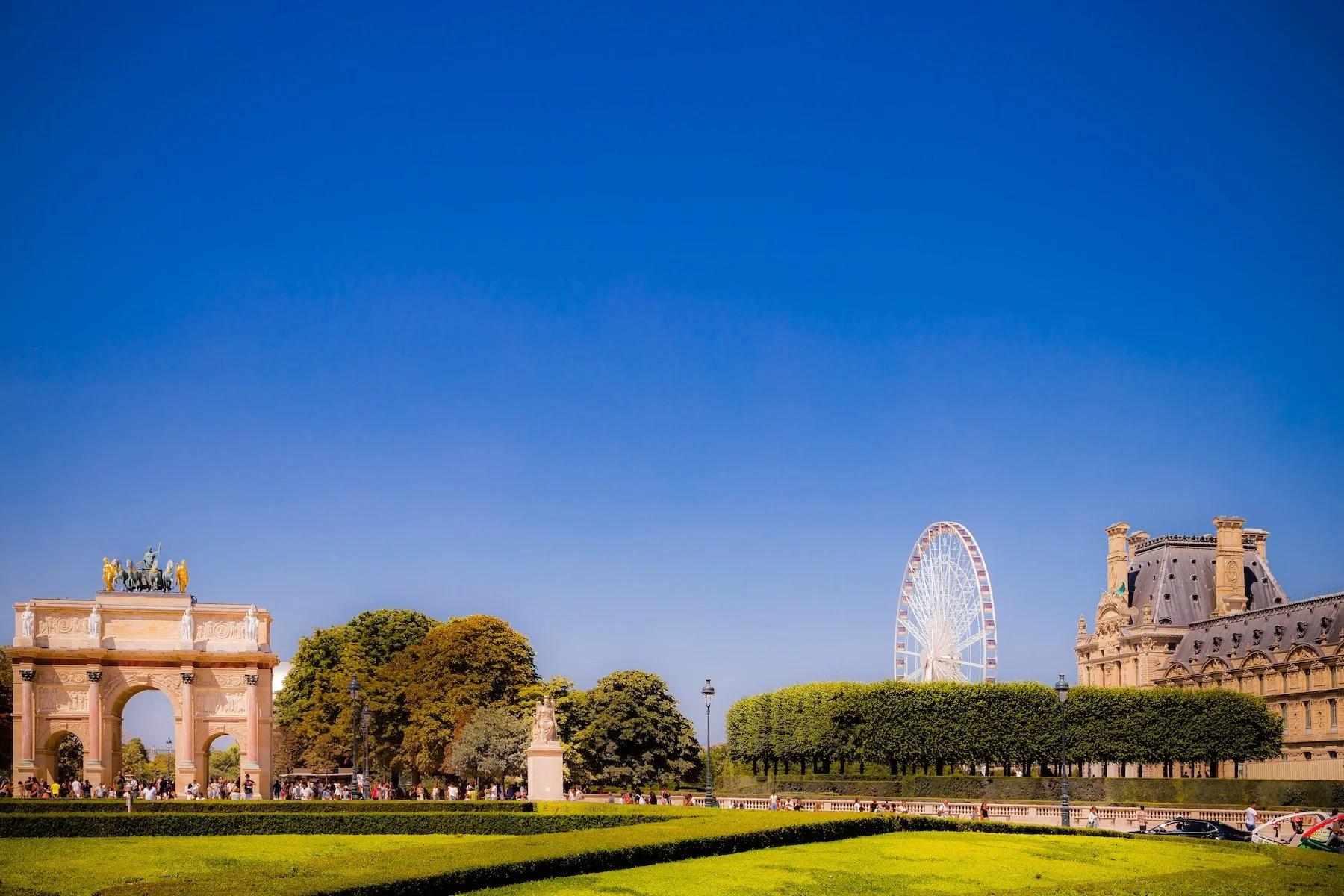
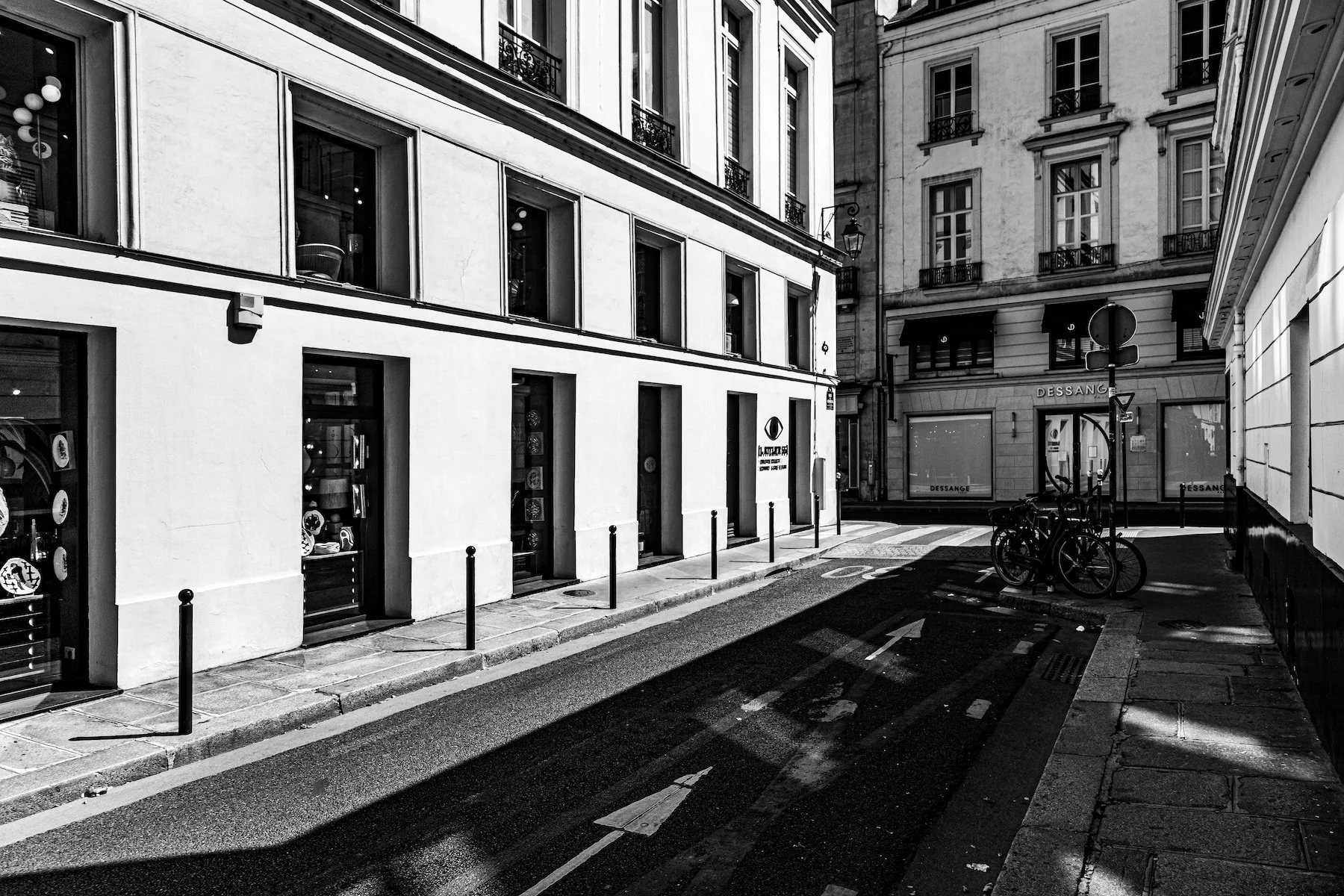
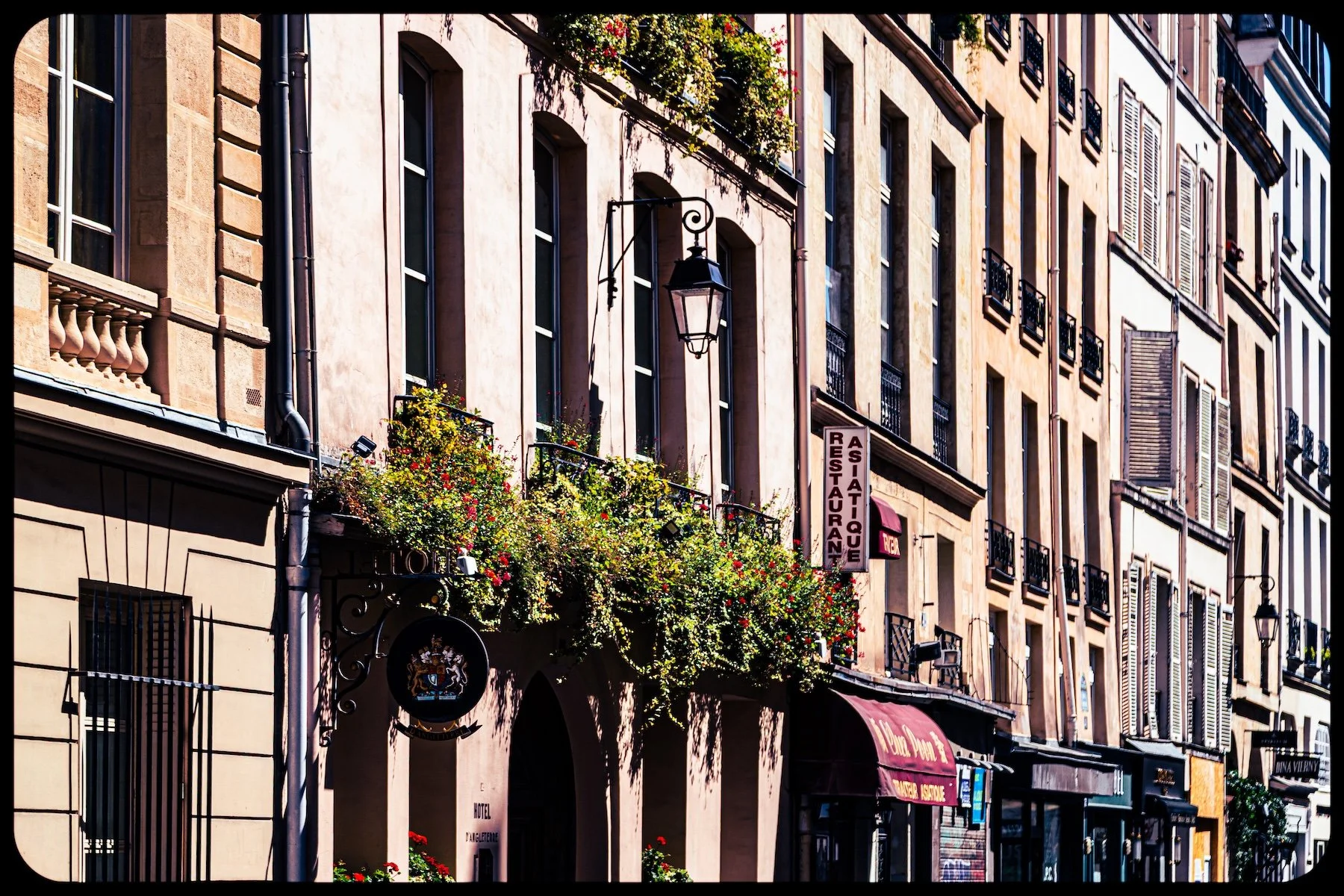
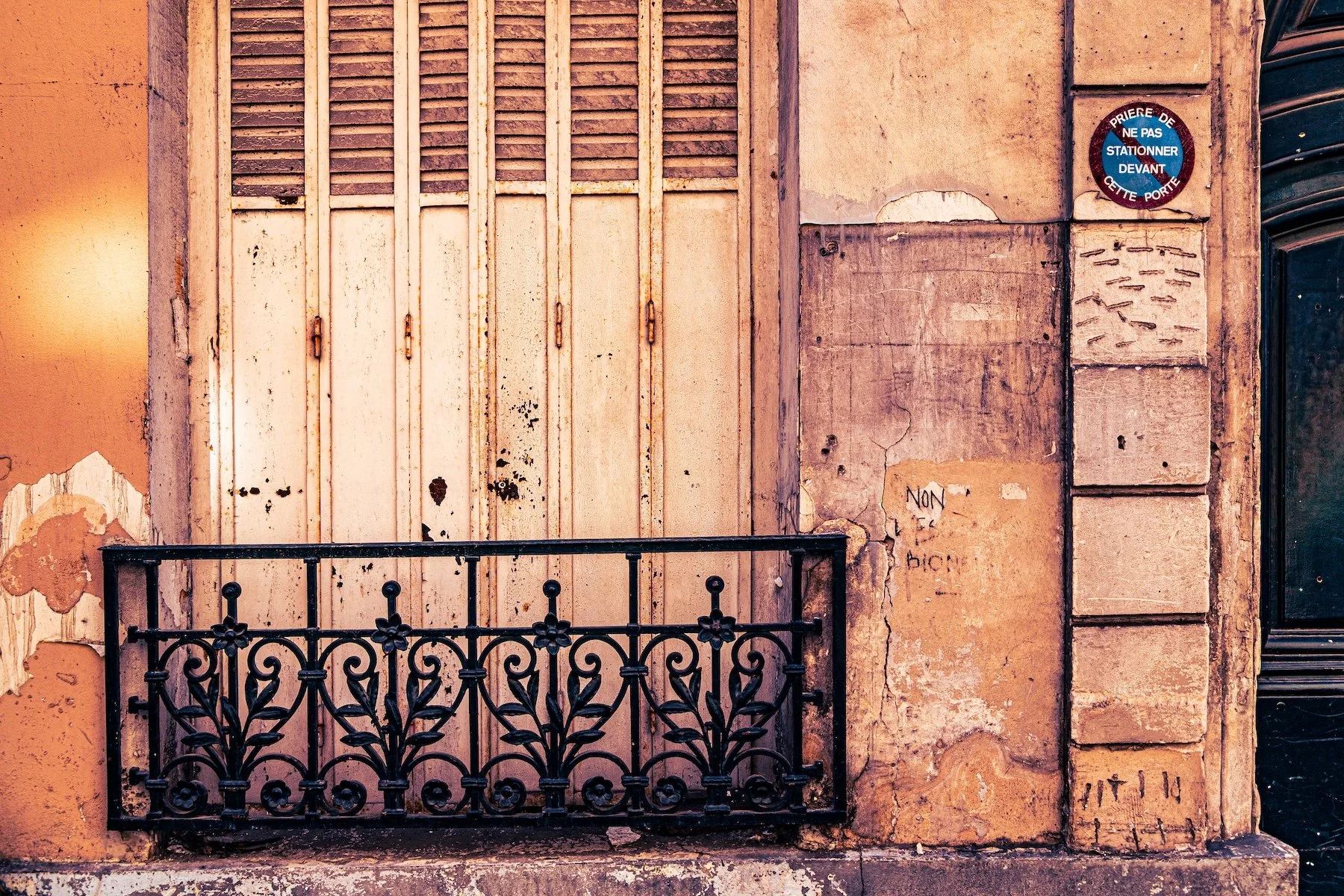
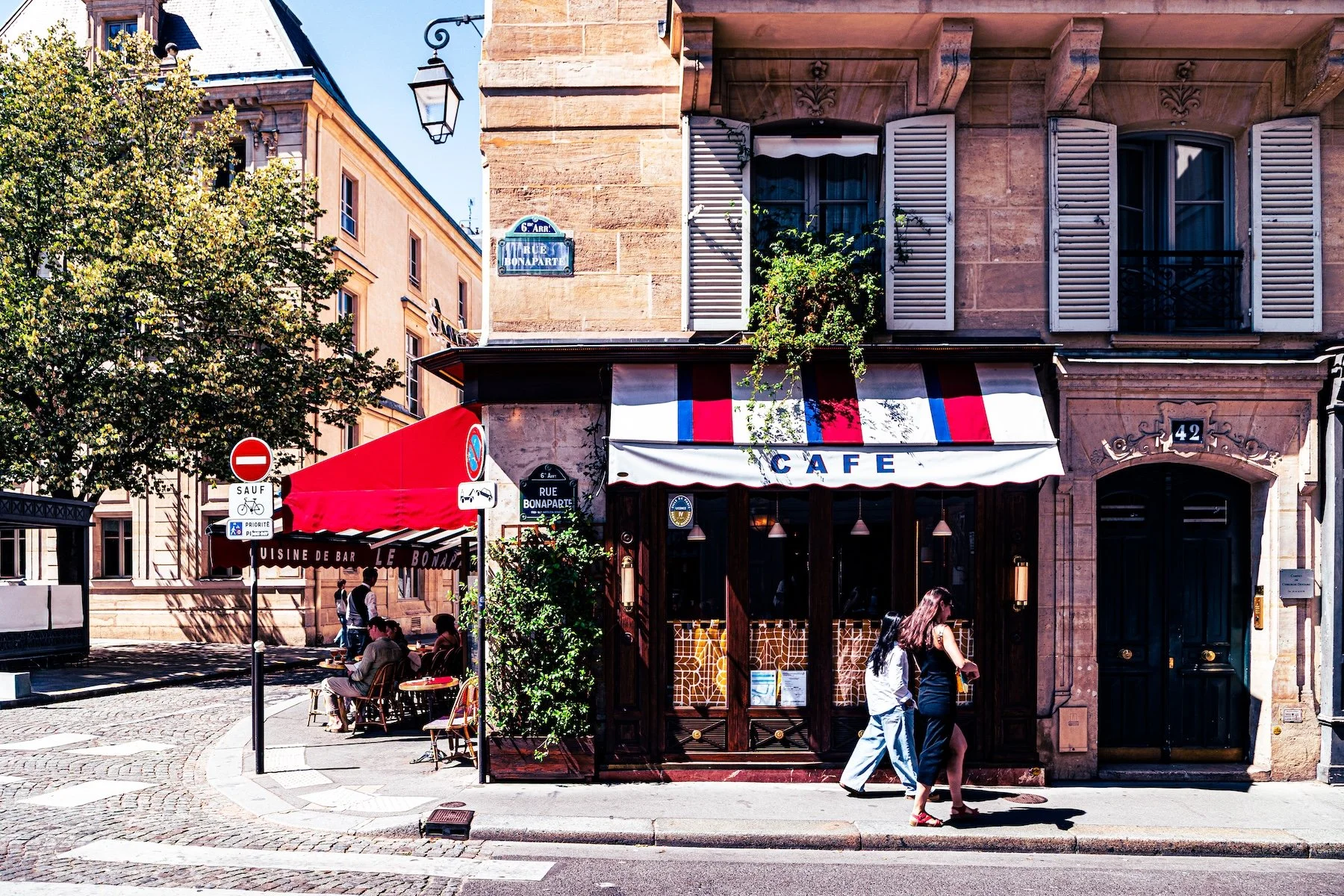
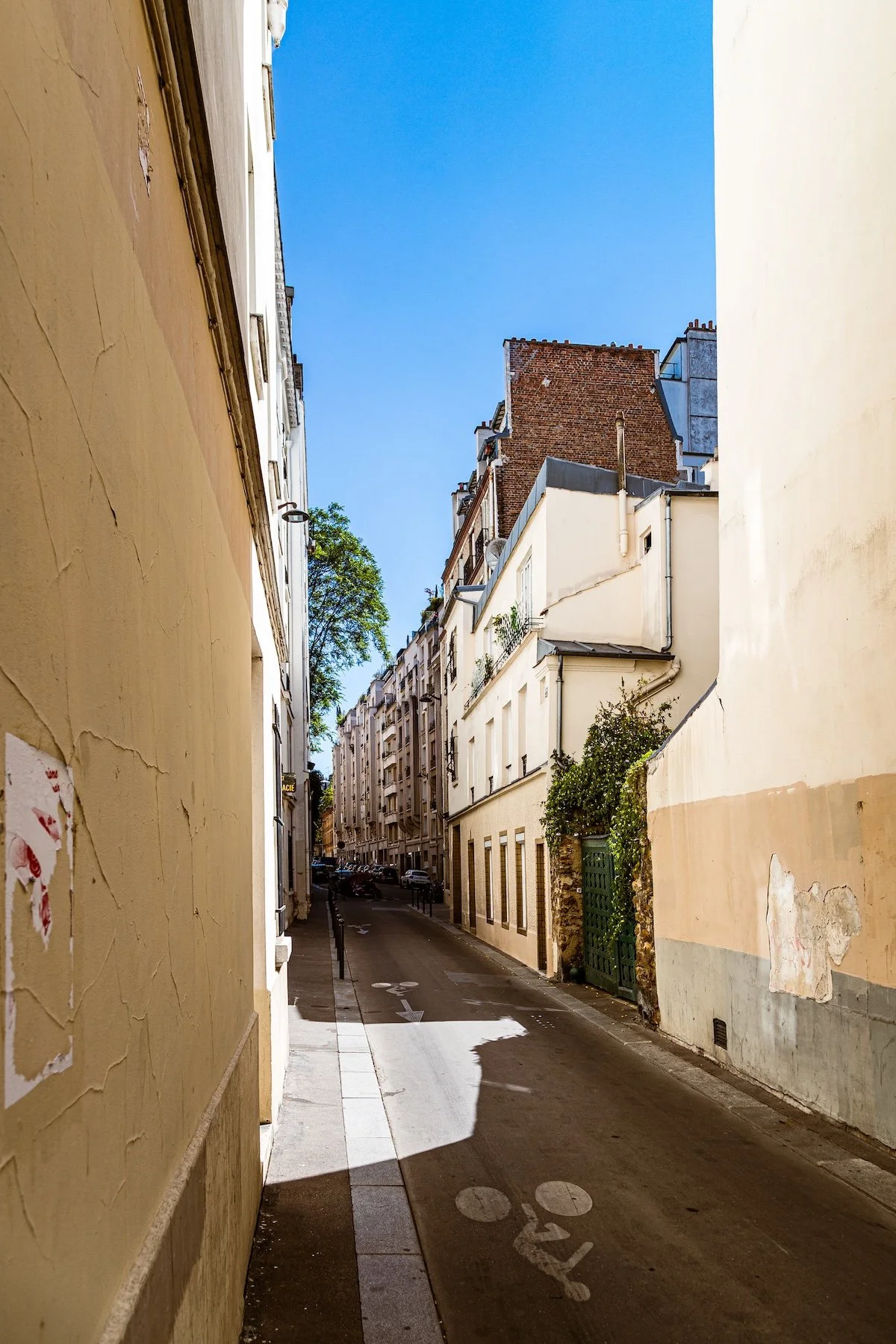
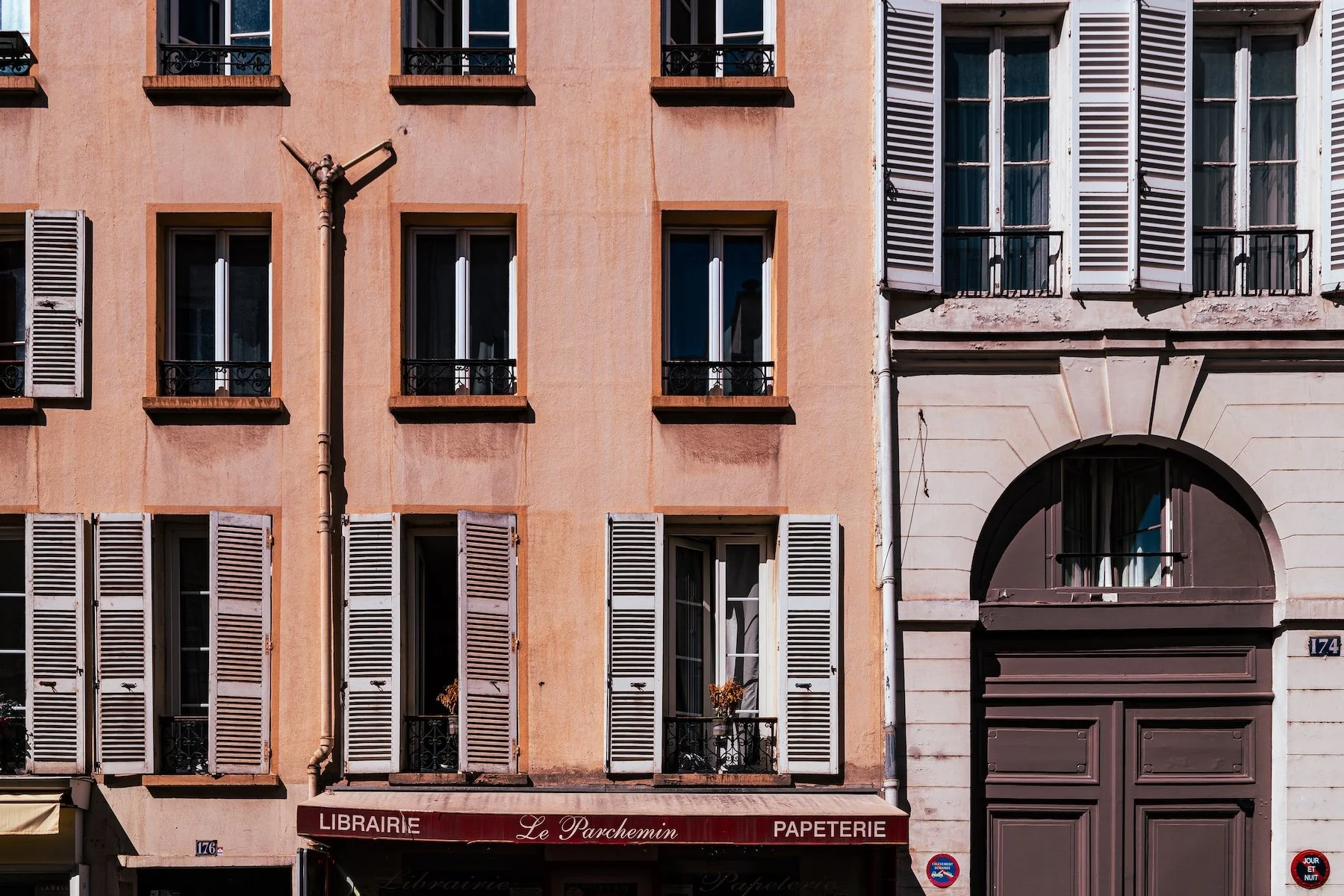
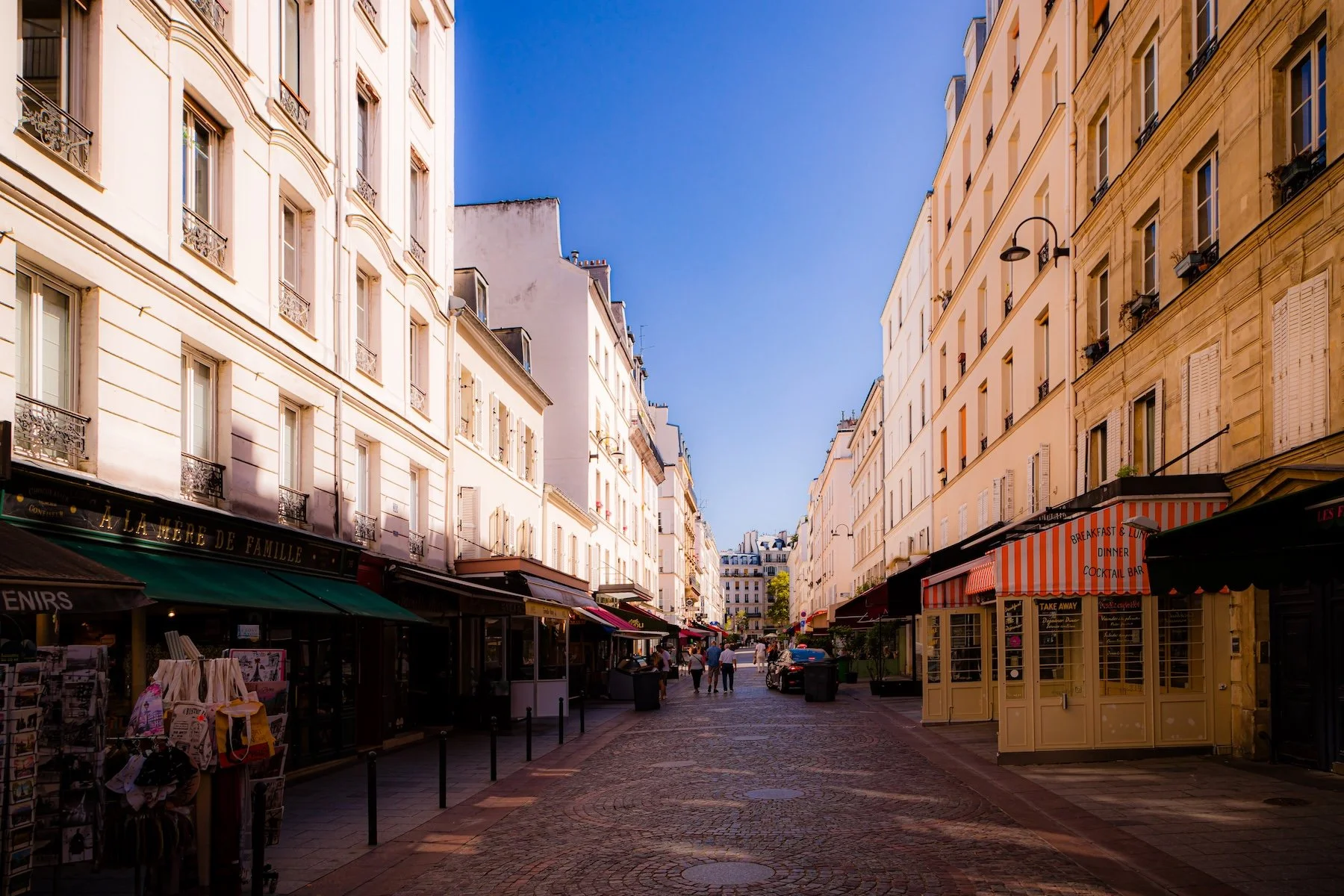
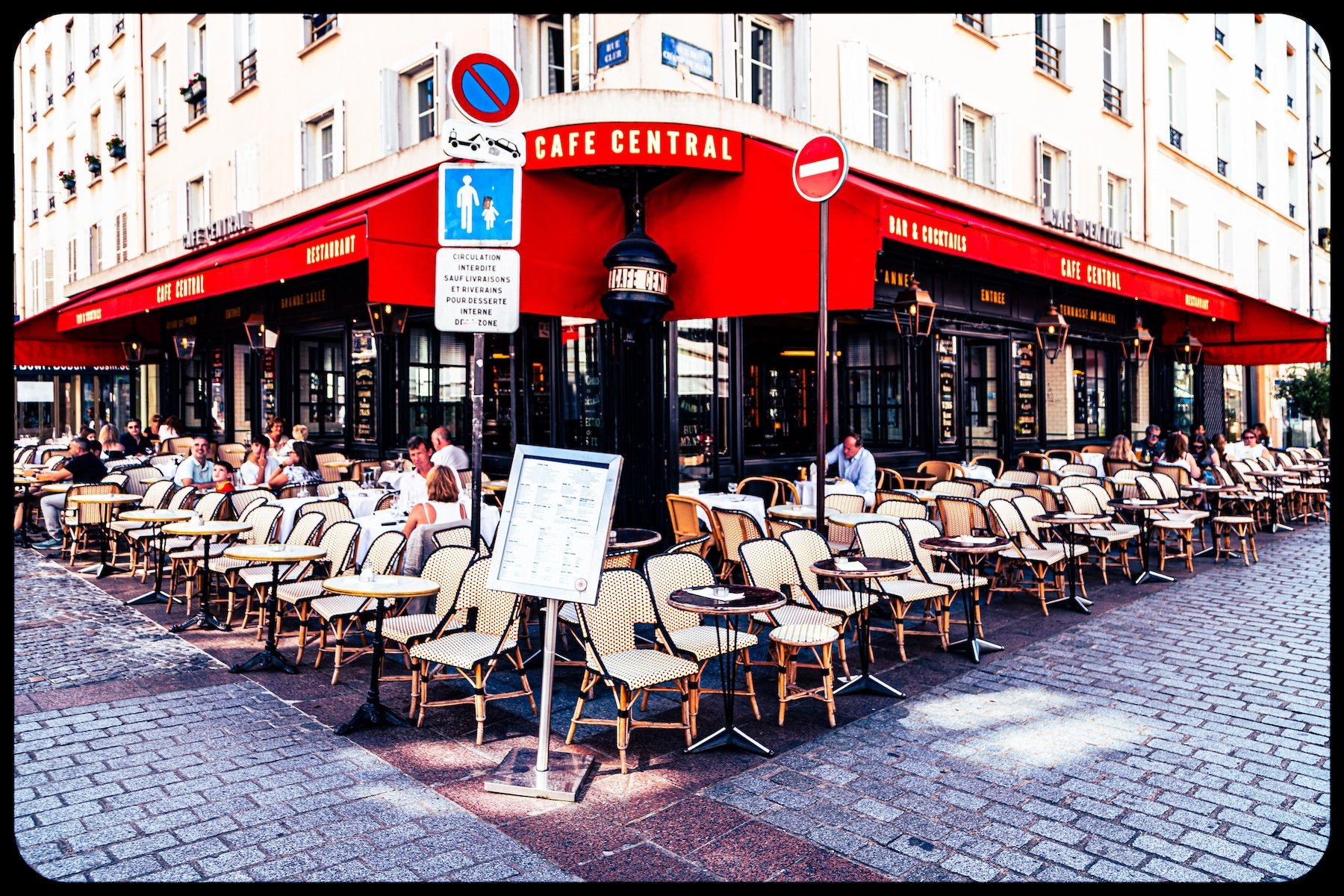
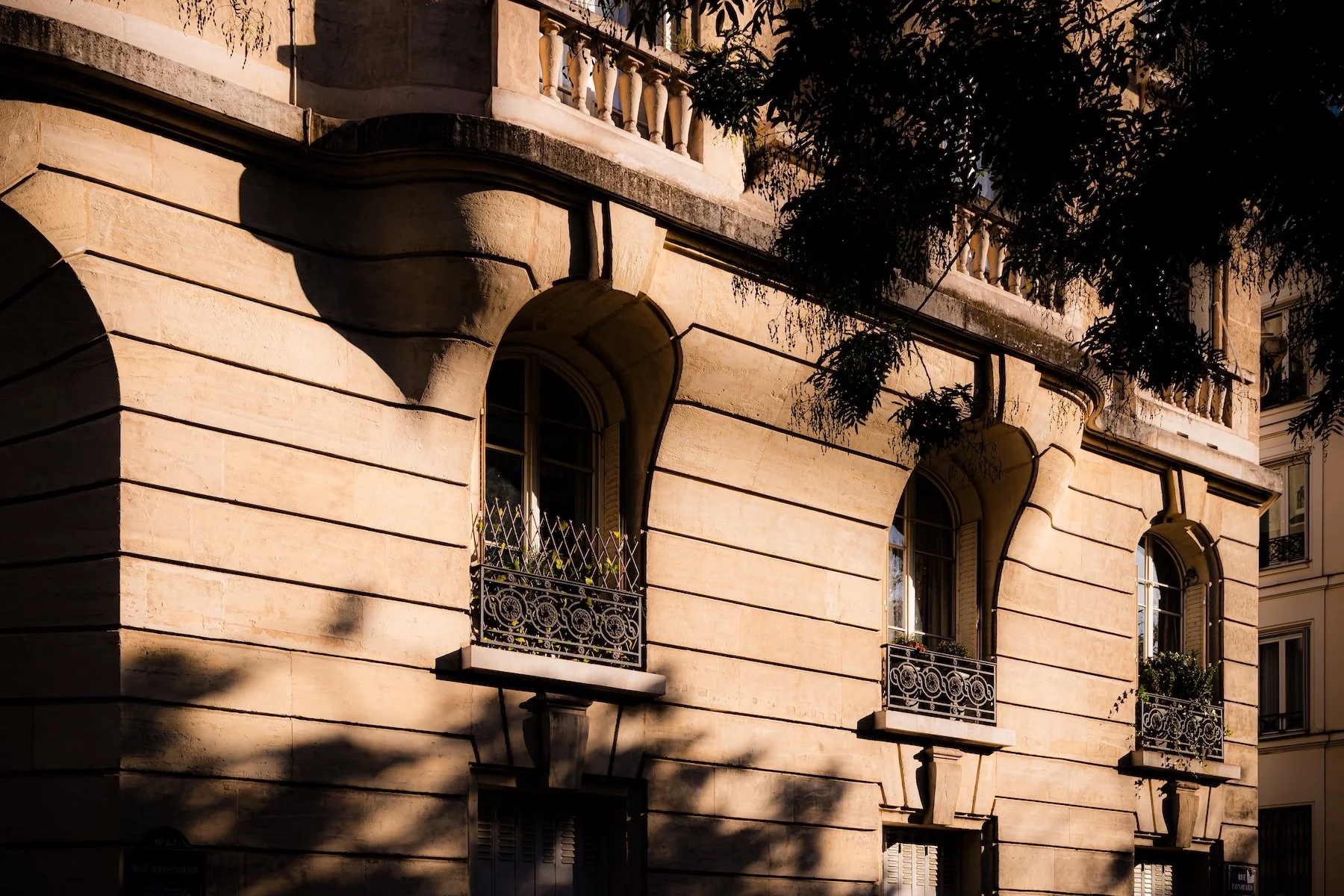
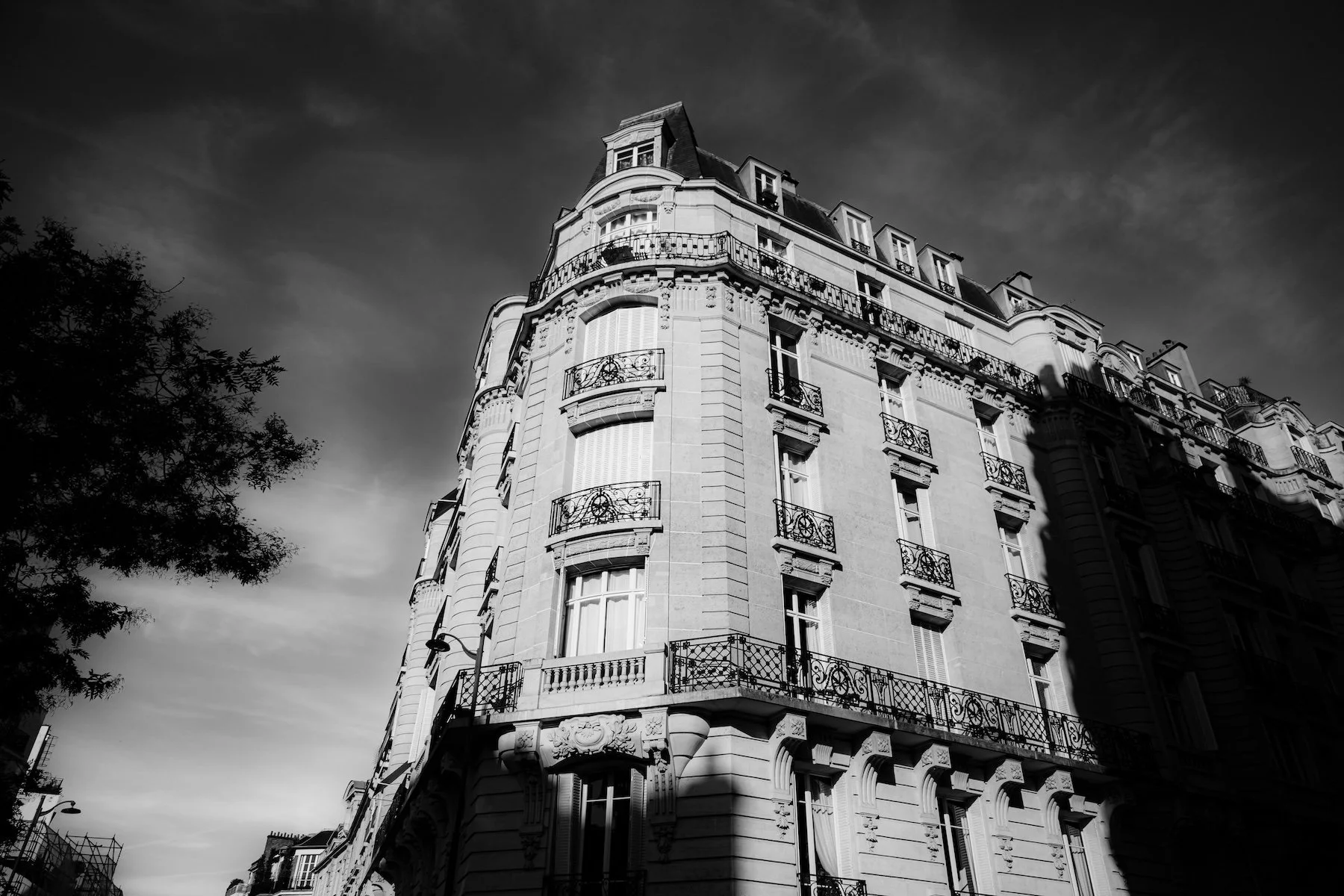
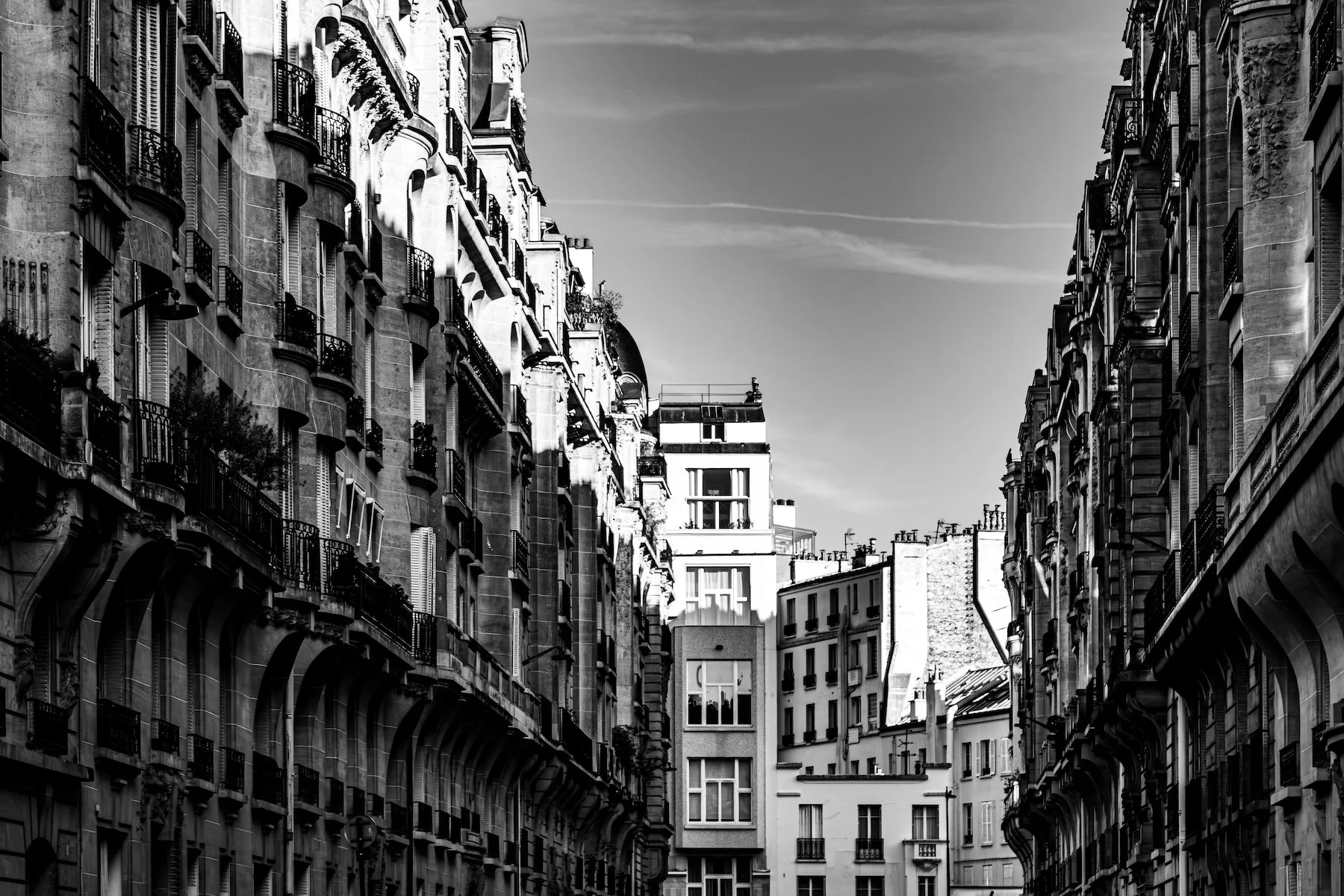
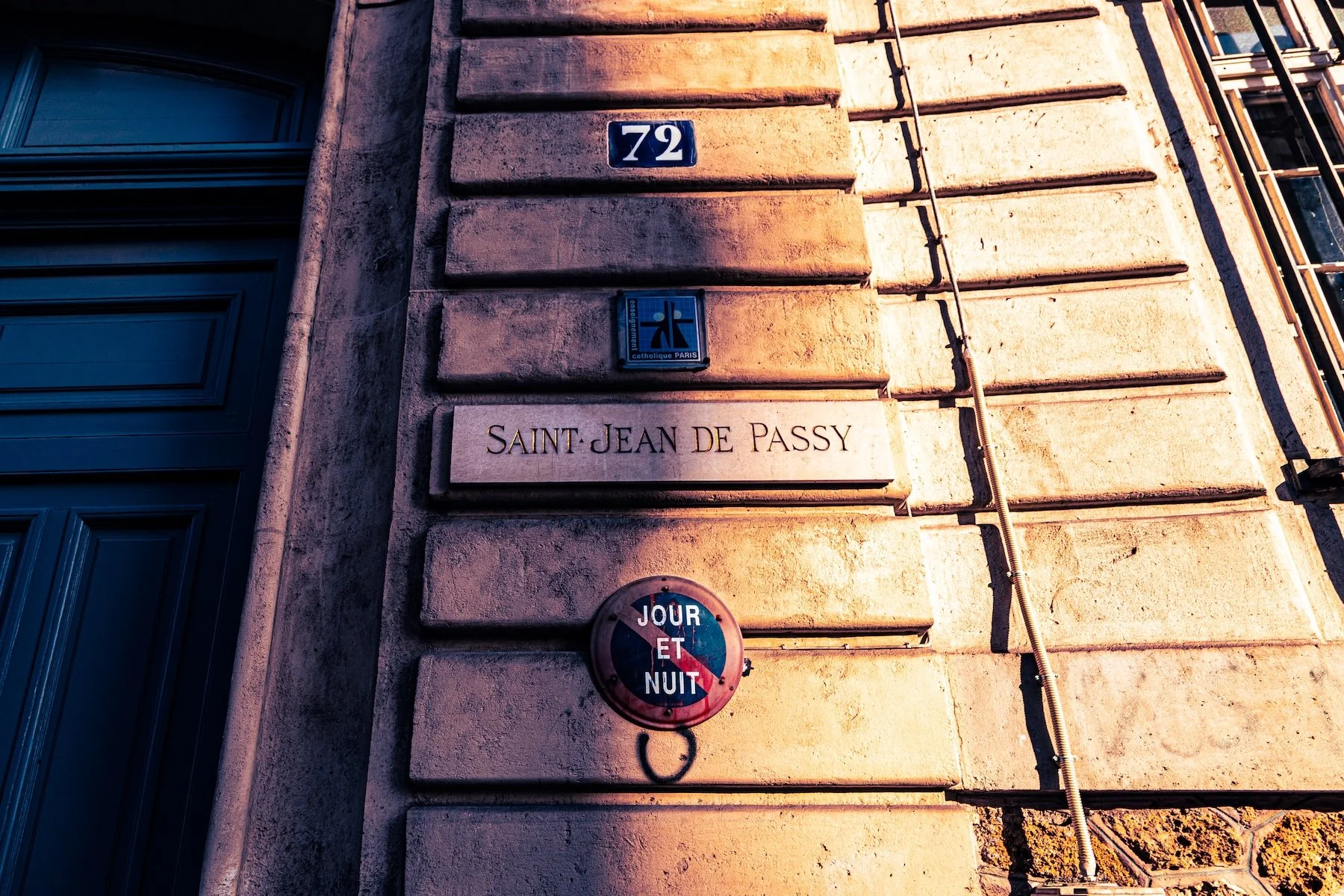
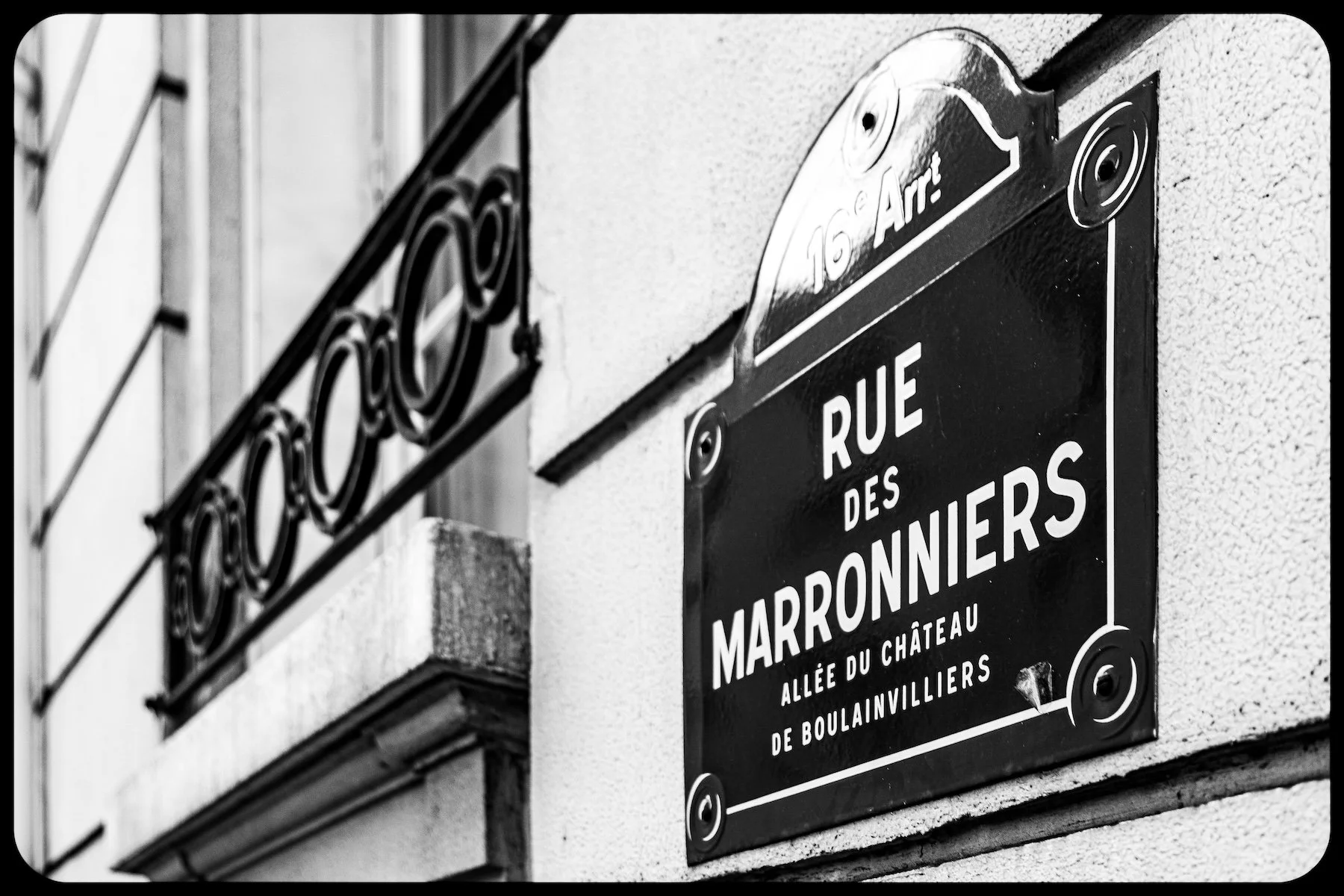
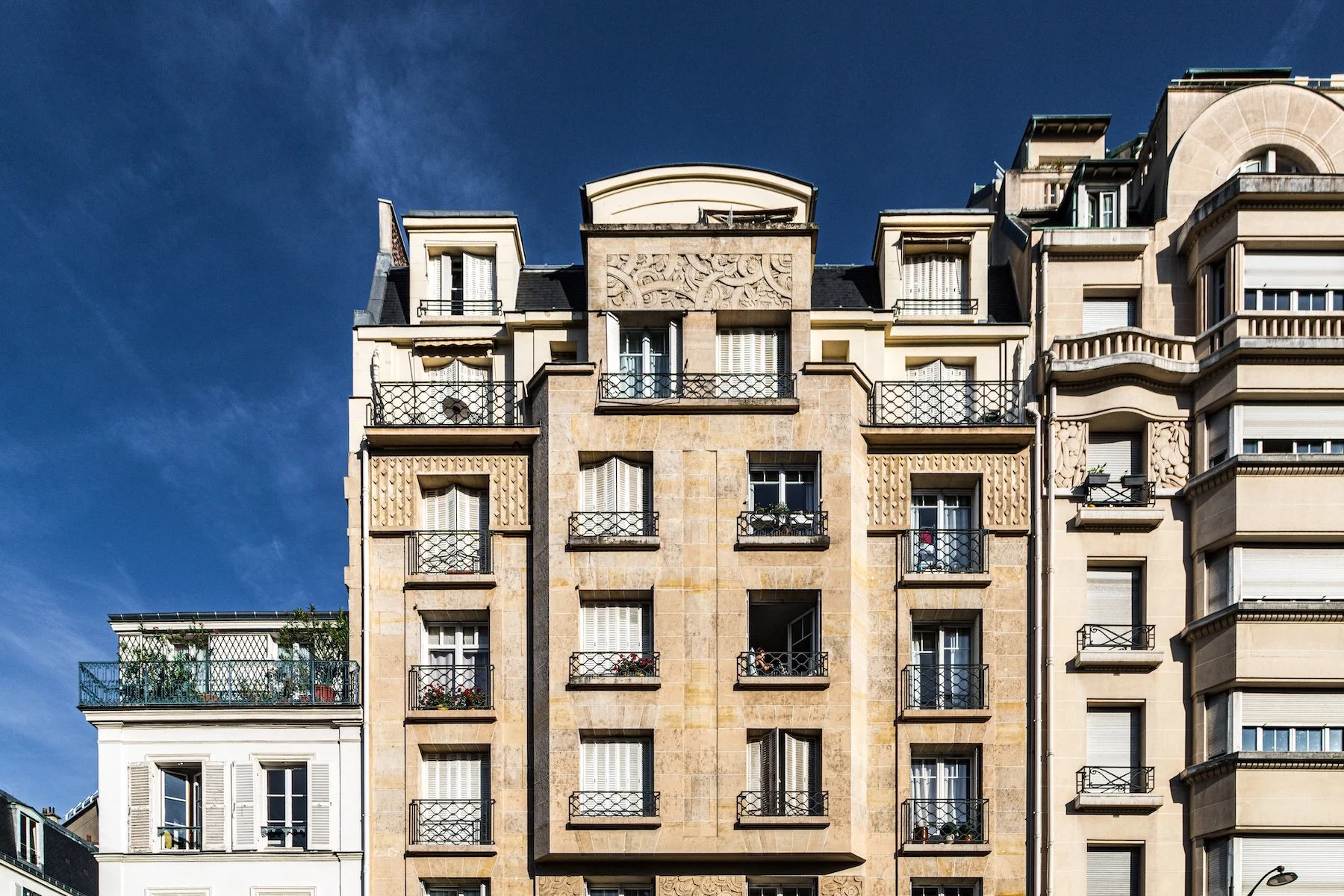
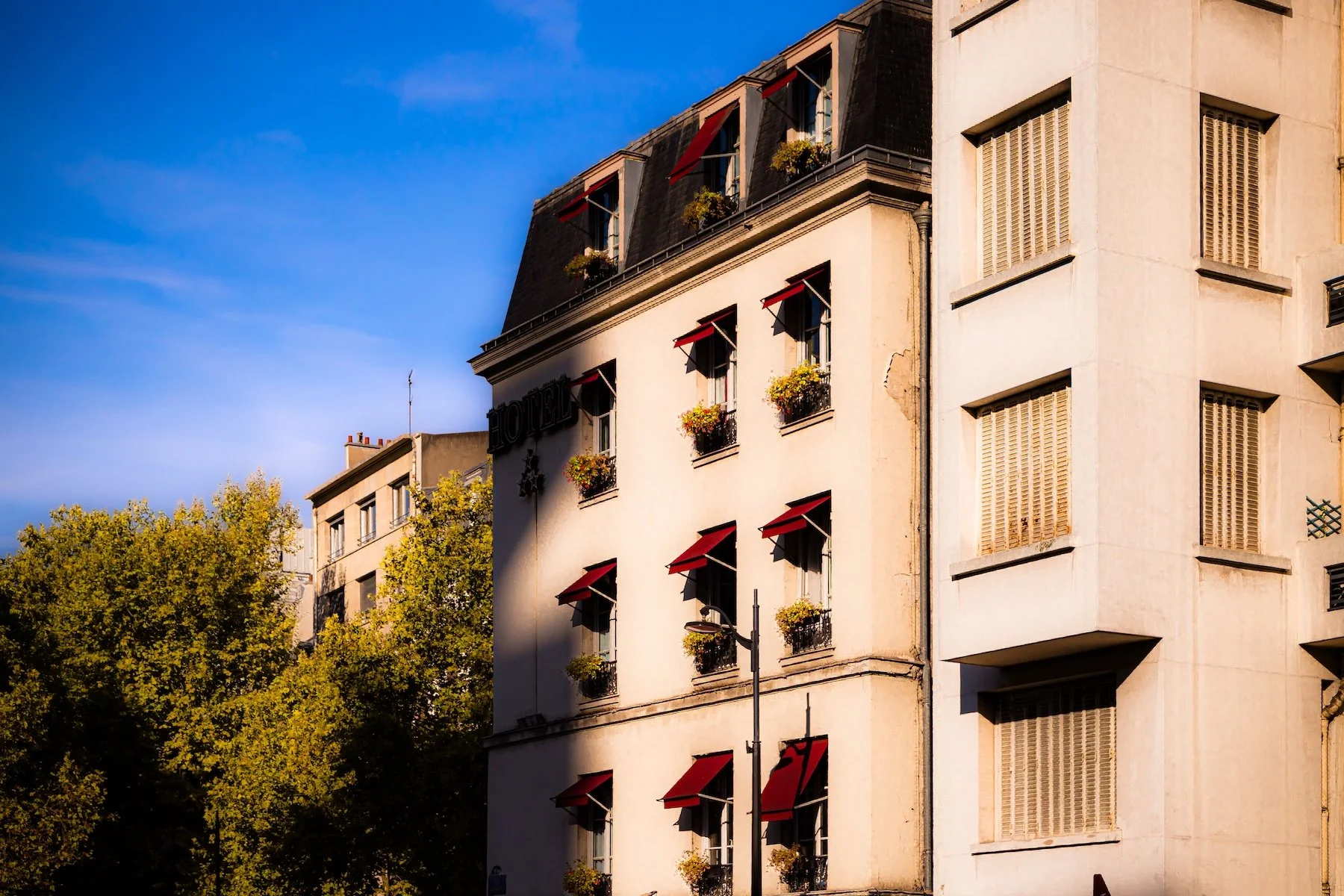
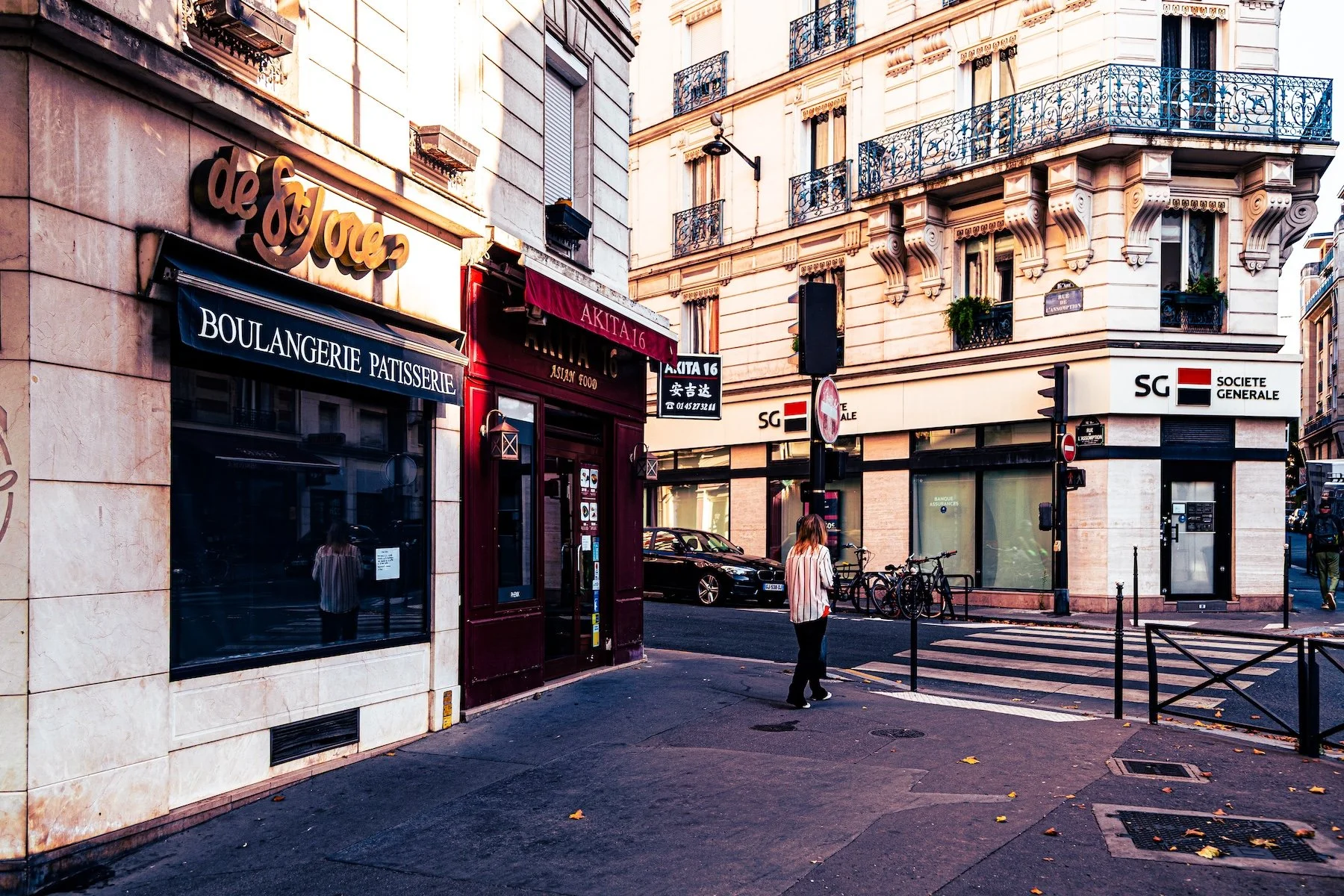
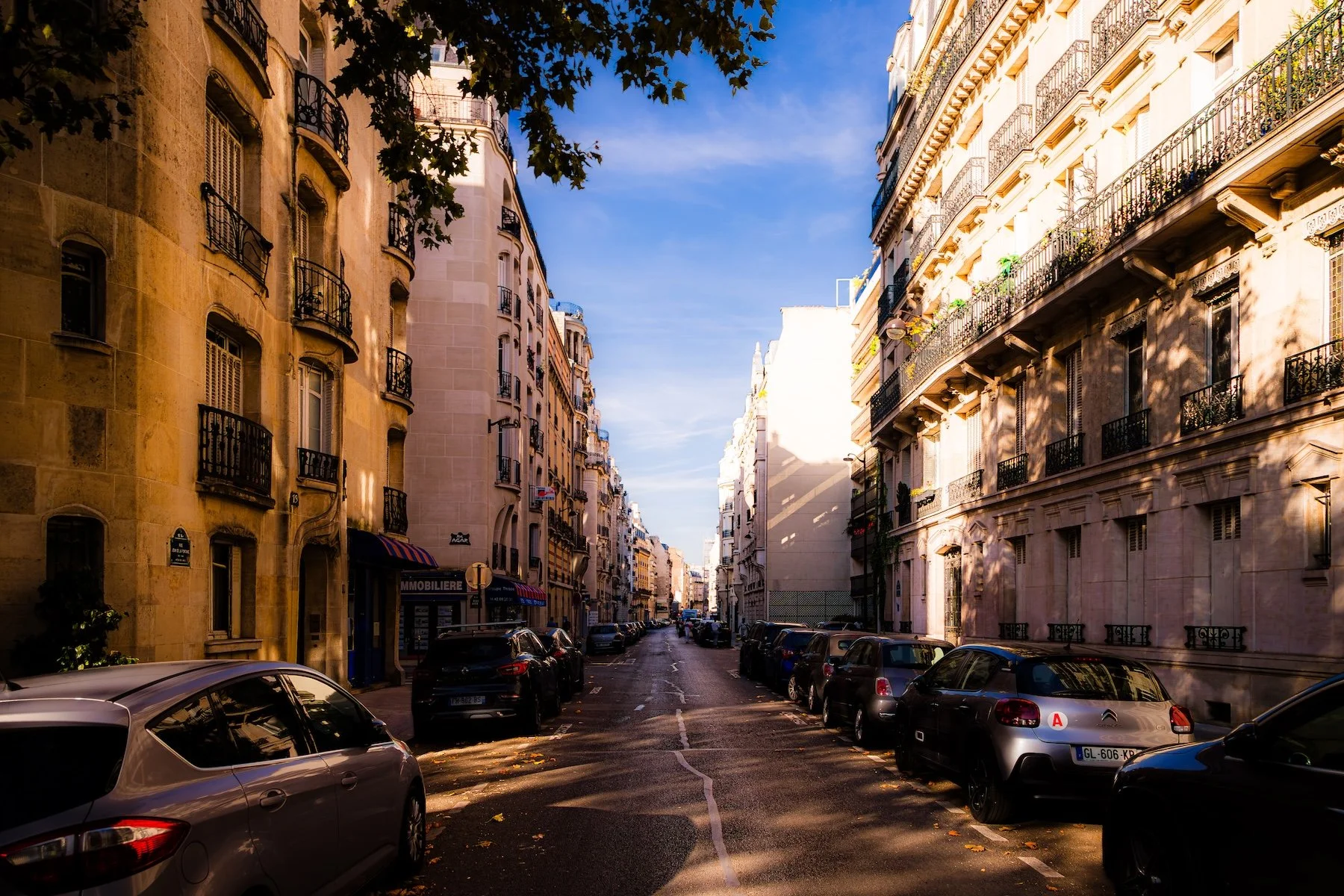
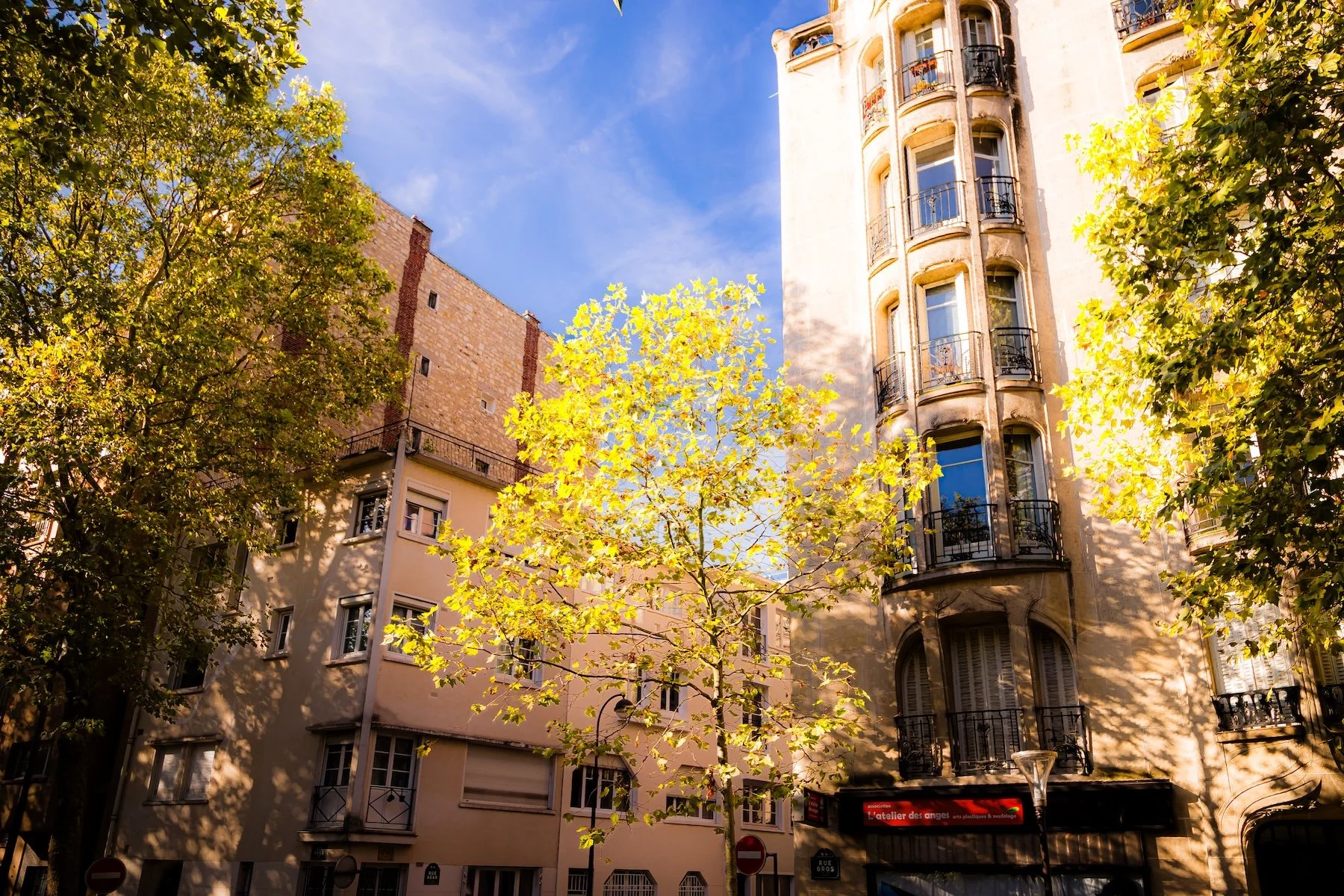
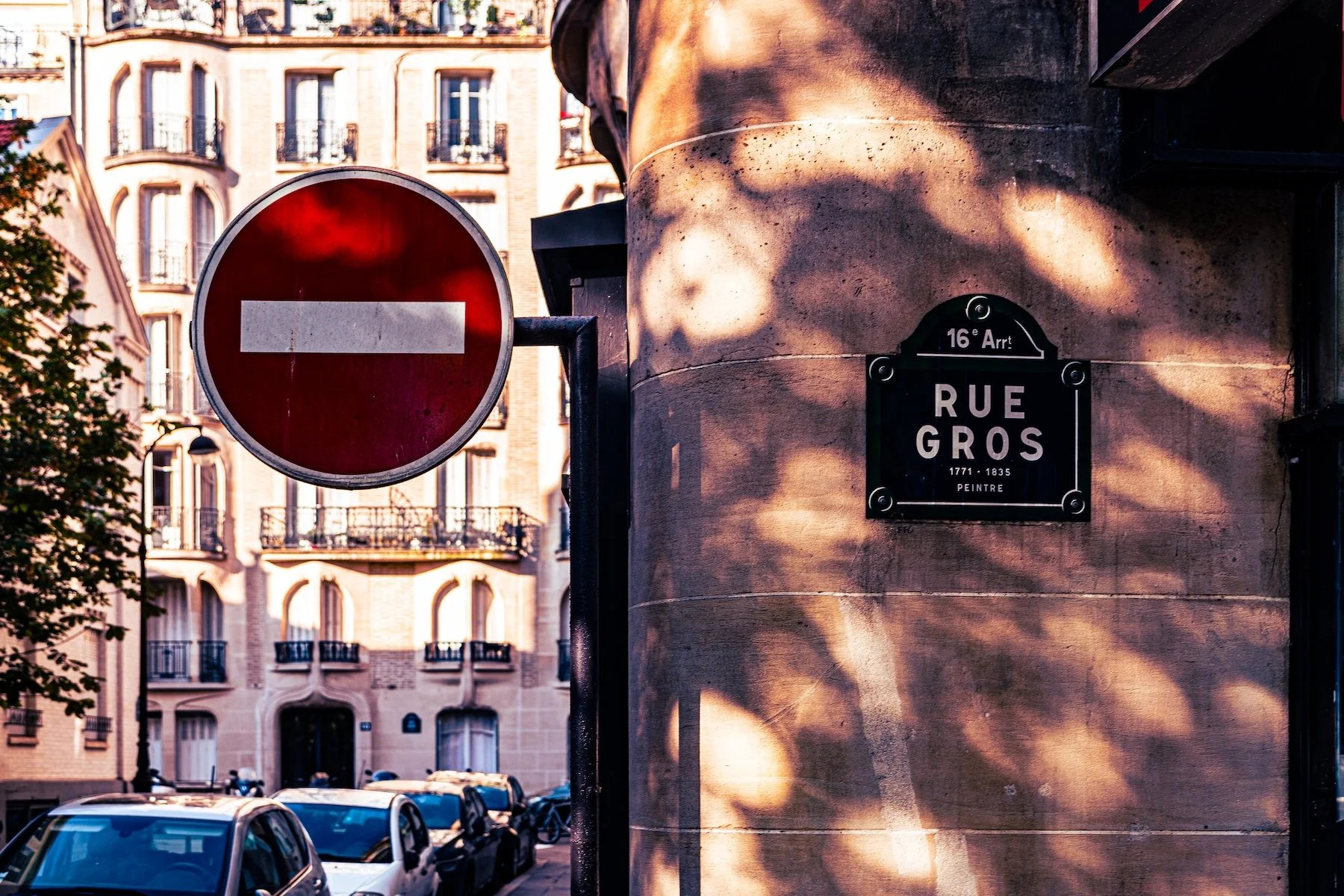
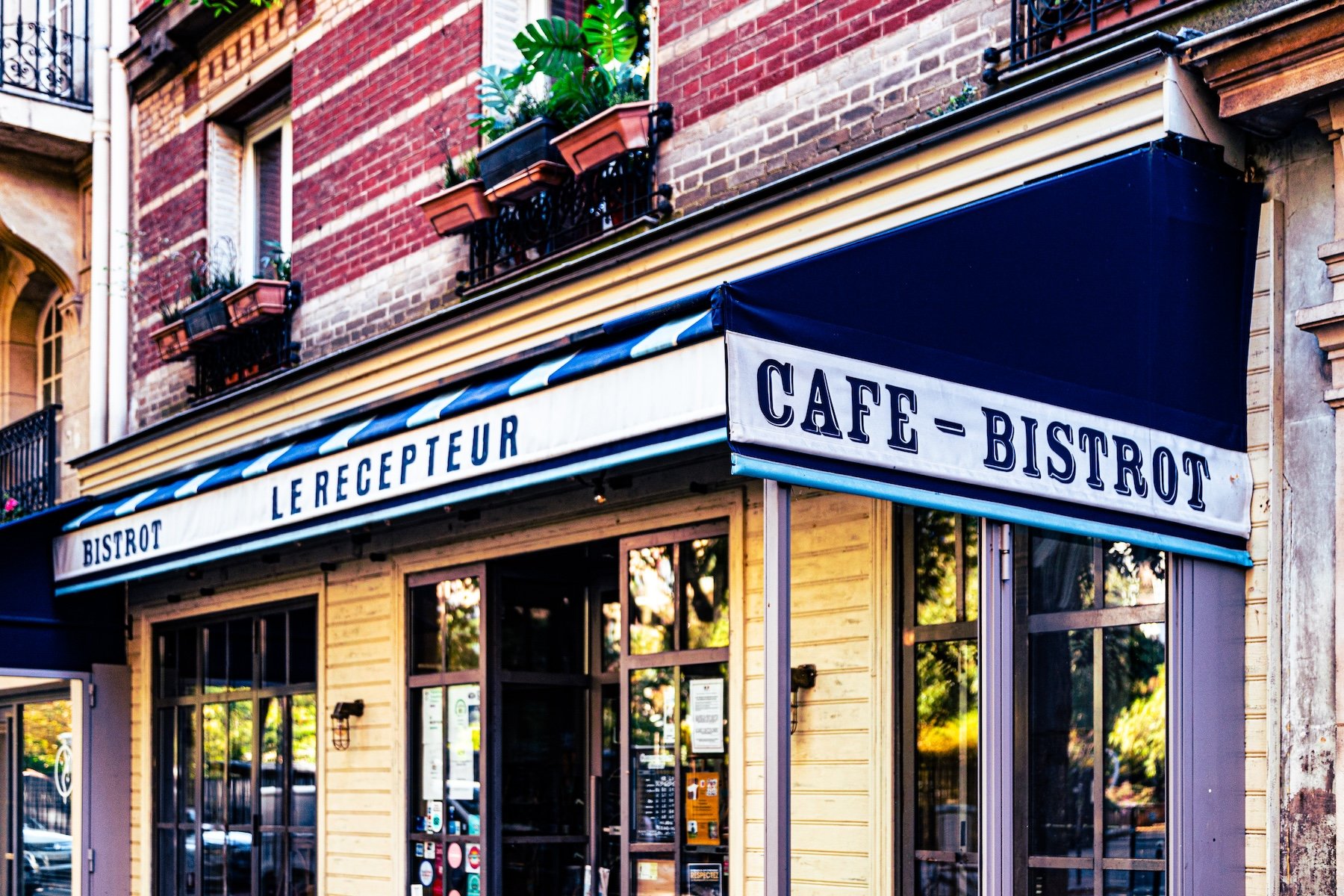
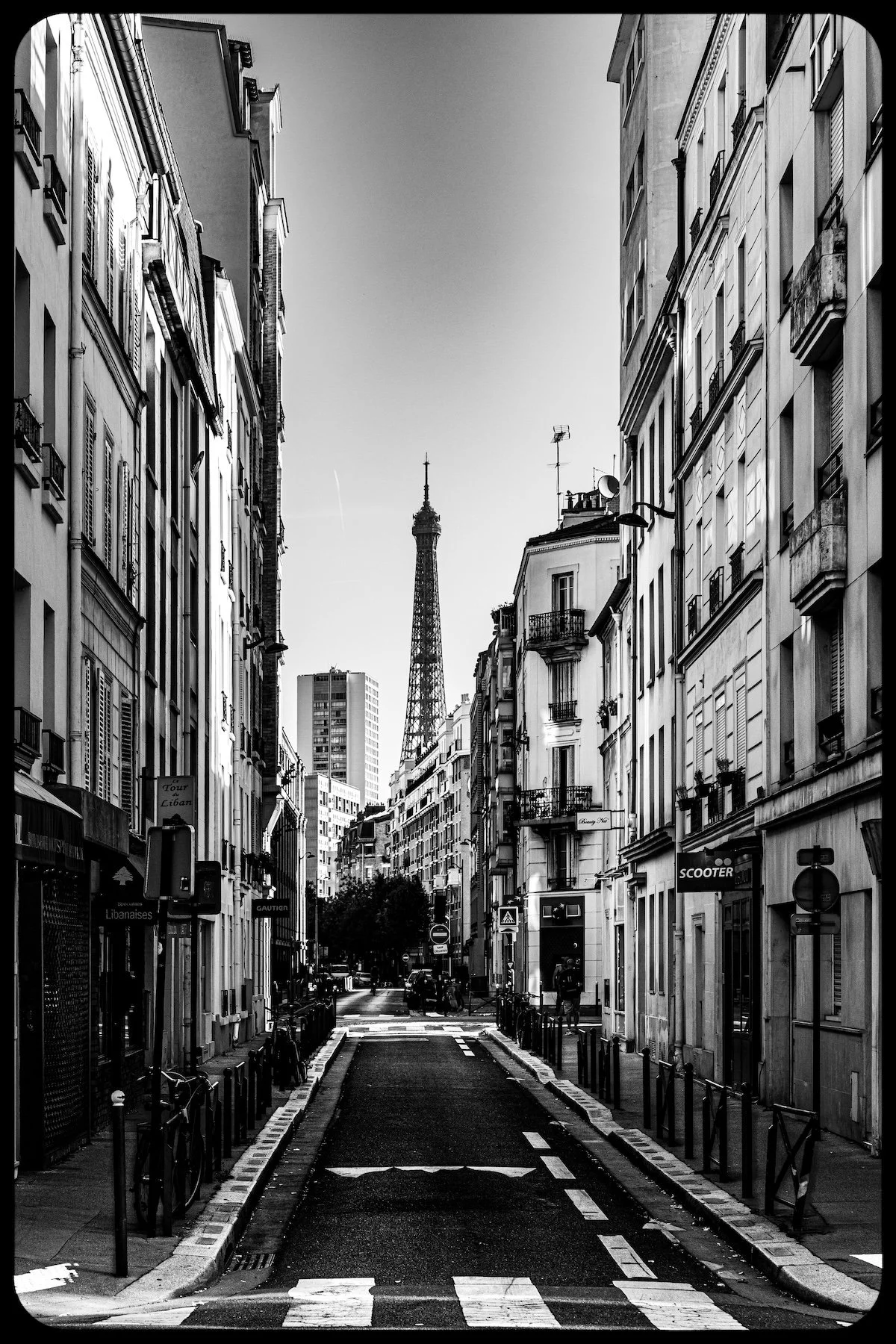
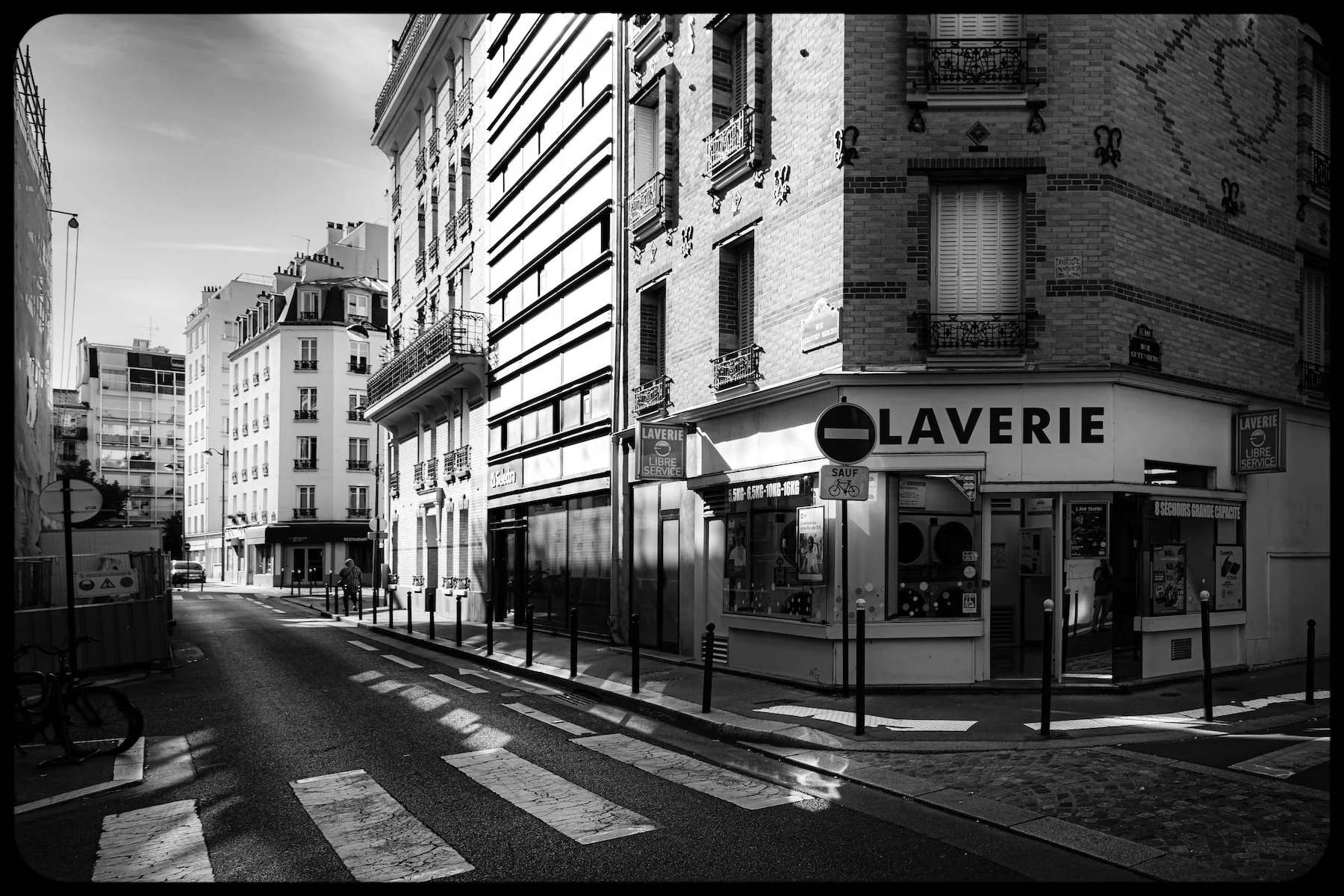
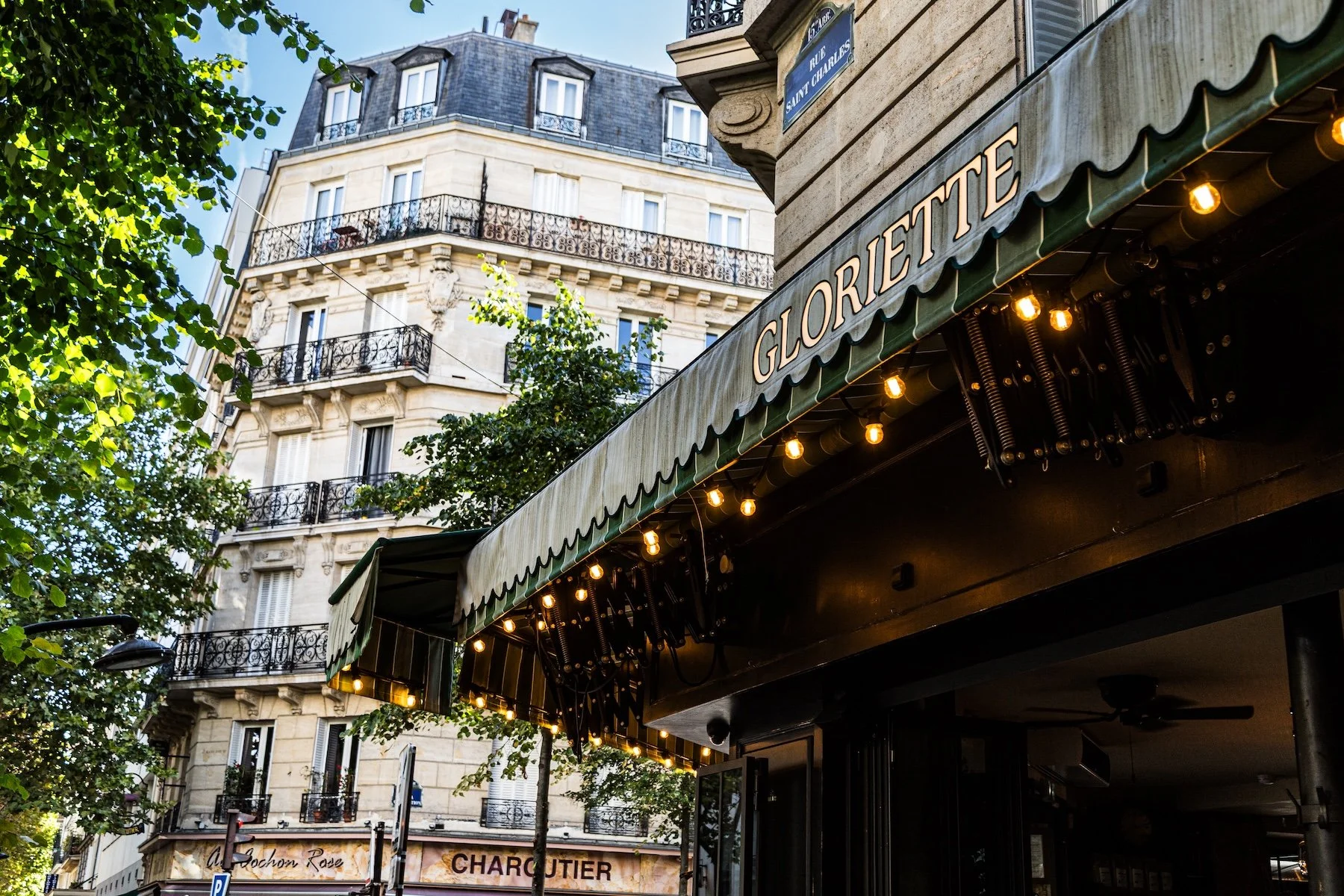
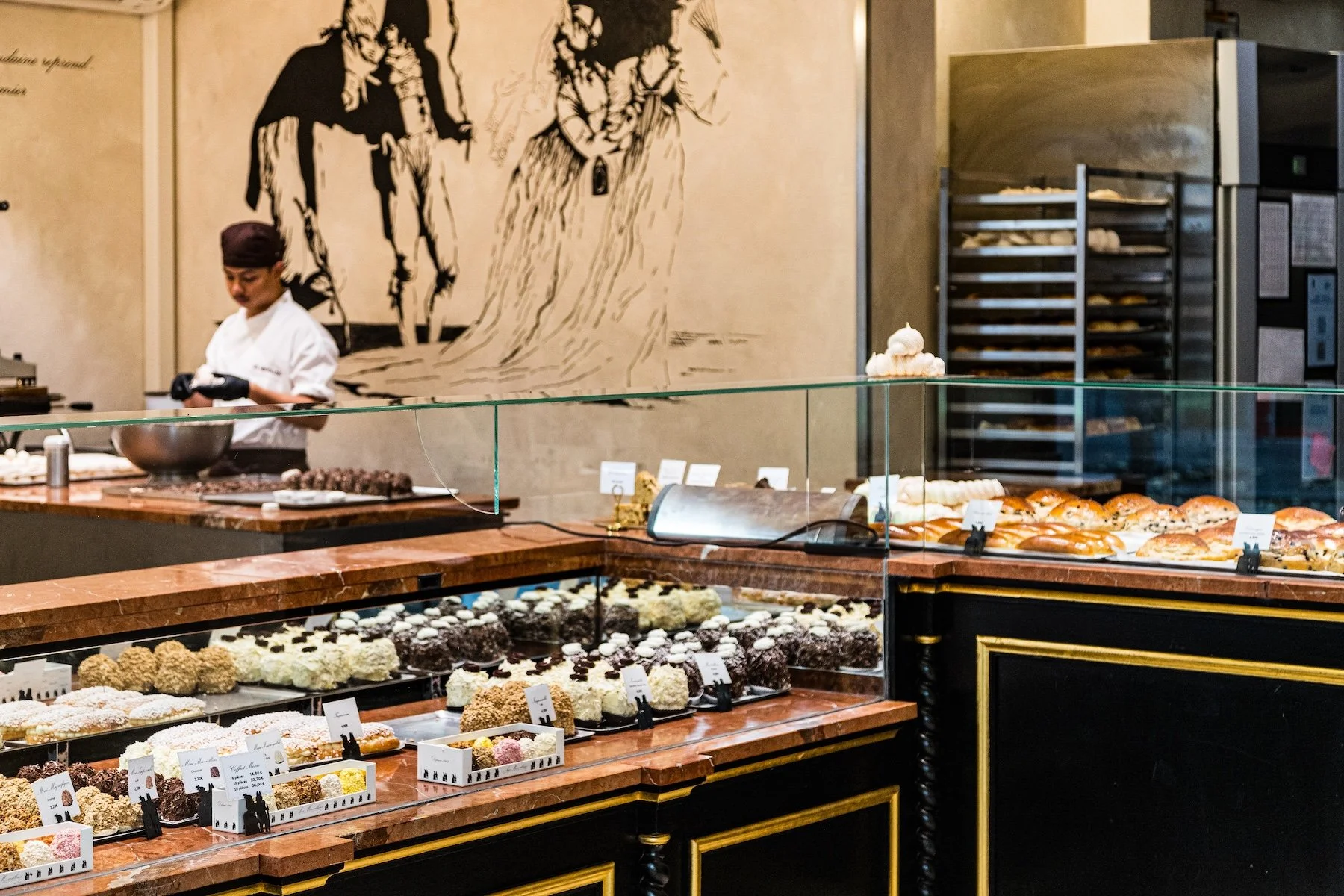
As the photographic archive grows, this section will continue to develop through images gathered on foot. Streets, façades, monuments, markets, parks, river edges, passages, signs, textures, and everyday details will gradually reveal how each district presents itself visually. The goal is not only to show what a place looks like, but to trace how its identity becomes visible through form, atmosphere, memory, and use.
Through The Lens
CityNeighborhoods Paris is built from walking, looking, and returning. Each district is approached through photography as a way of paying attention: to the obvious landmarks and the quieter details, to historic structures and ordinary streets, to the moments where civic geography becomes lived experience. The camera becomes a tool for noticing how Paris changes from one district to the next, and how each place holds its own relationship to the larger city.
As photographs are processed and added, this section will become a more specific visual record of the district. Future updates may include dated field notes, galleries, and reflections from individual walks. For now, the page remains part of the larger CityNeighborhoods effort to document every Paris neighborhood through maps, history, identity, and photography — one district, one walk, and one visual encounter at a time.
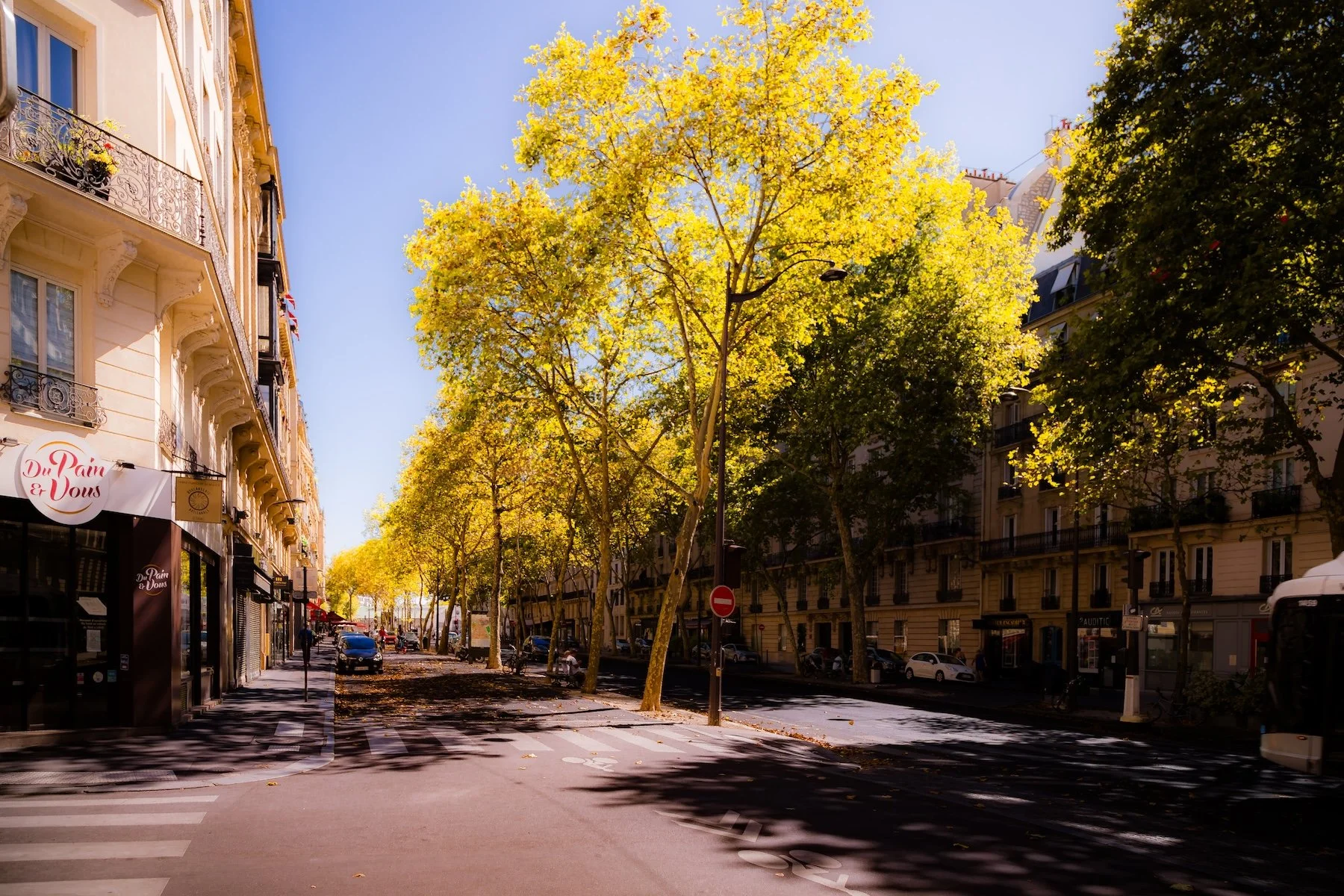
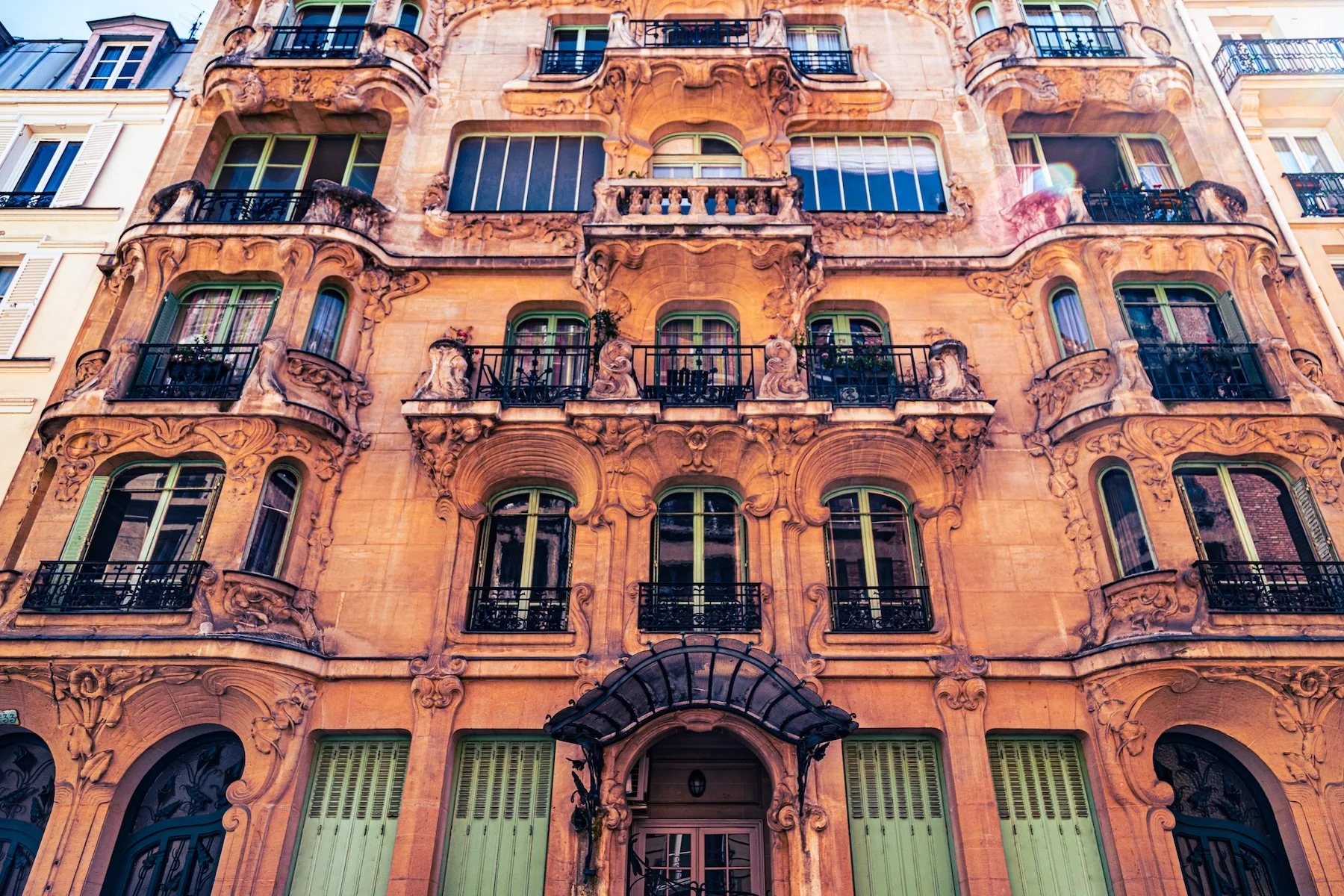
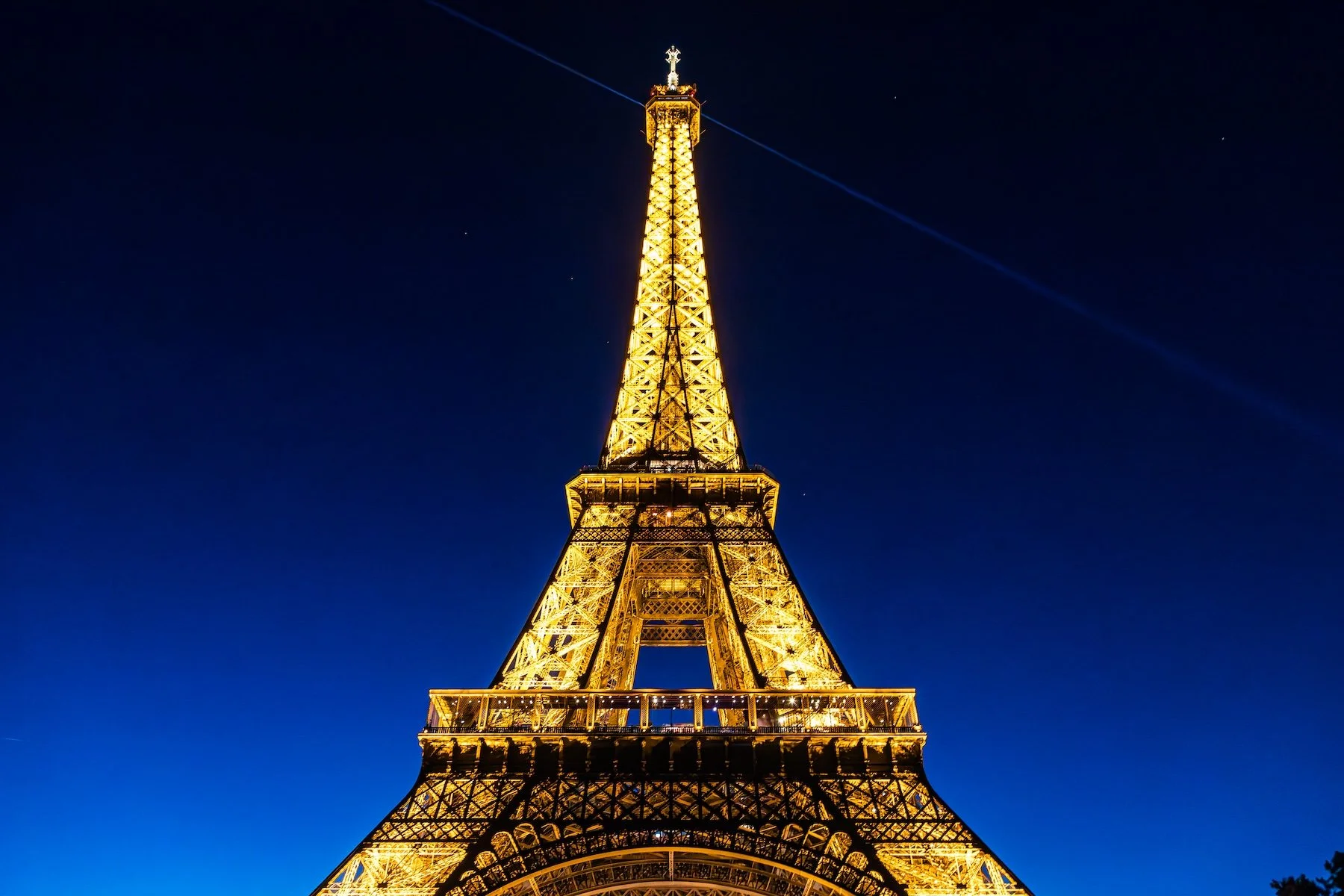
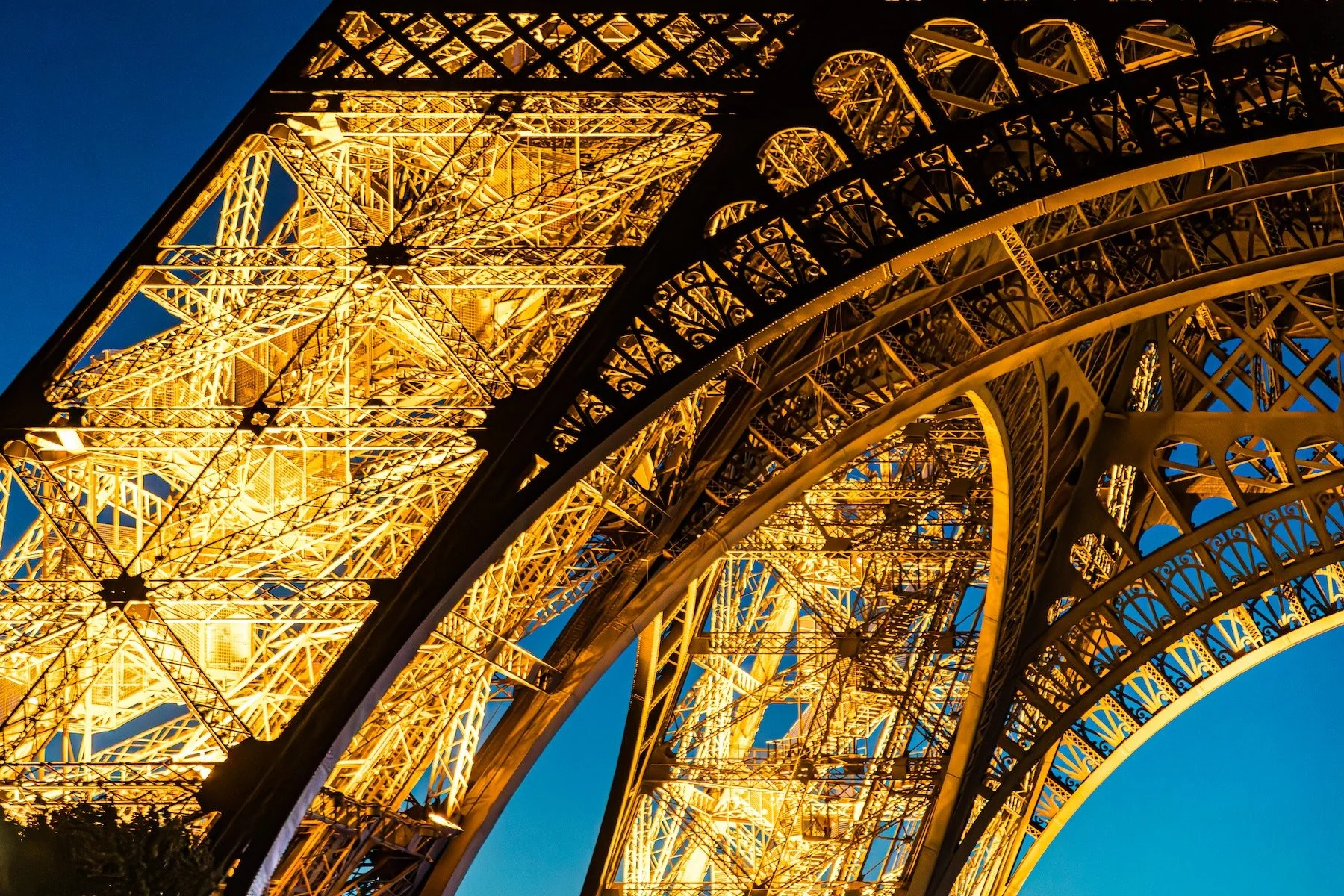
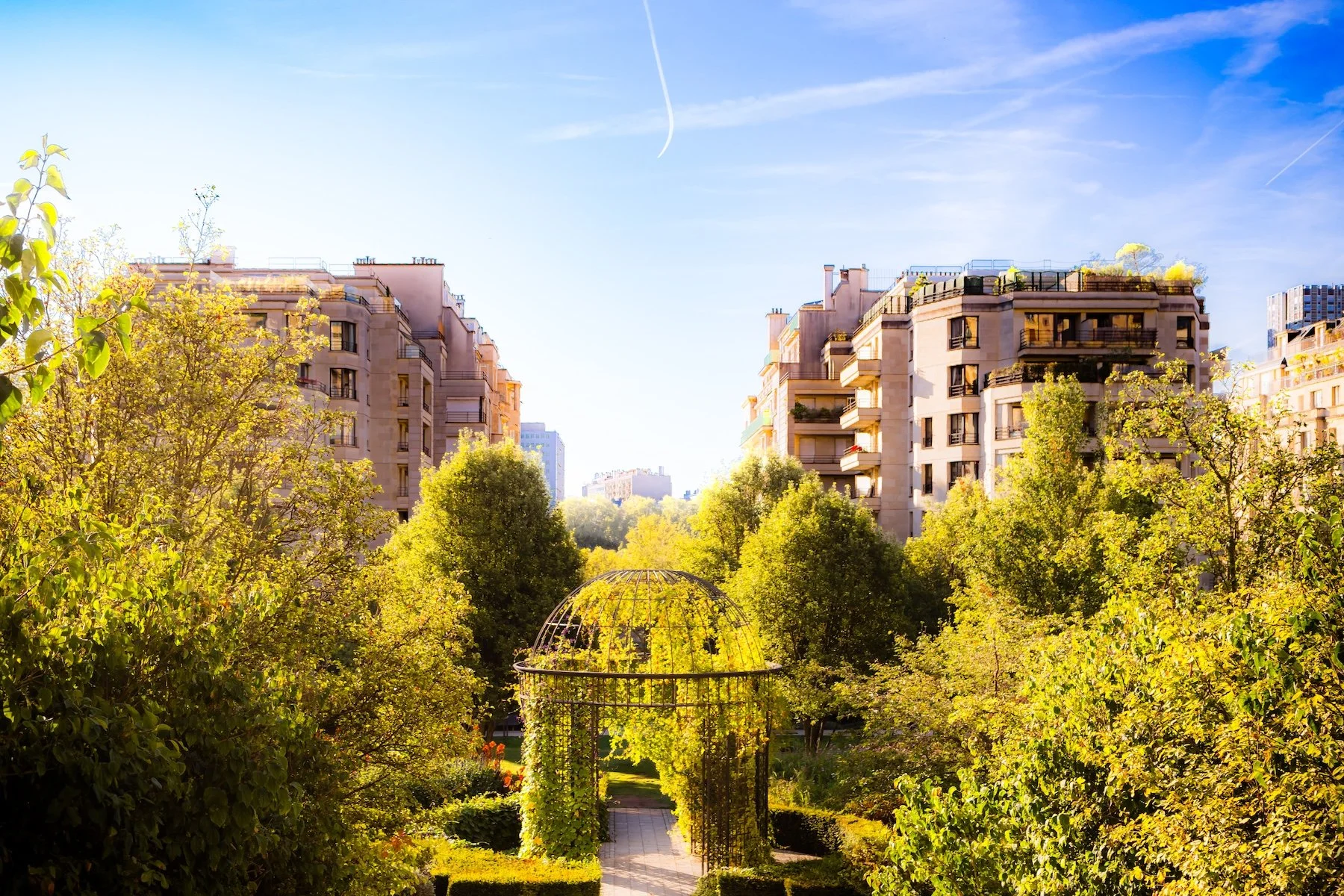
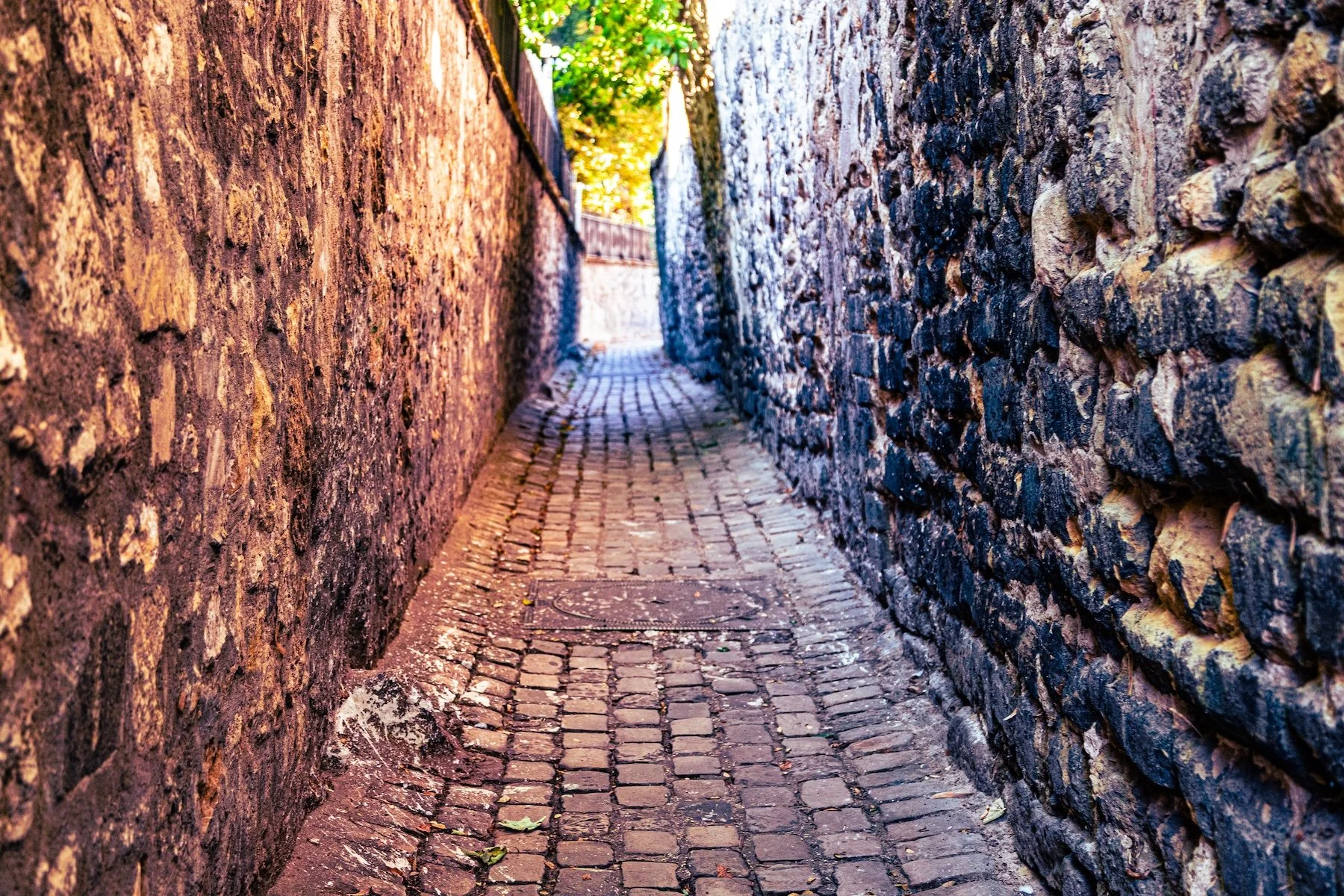
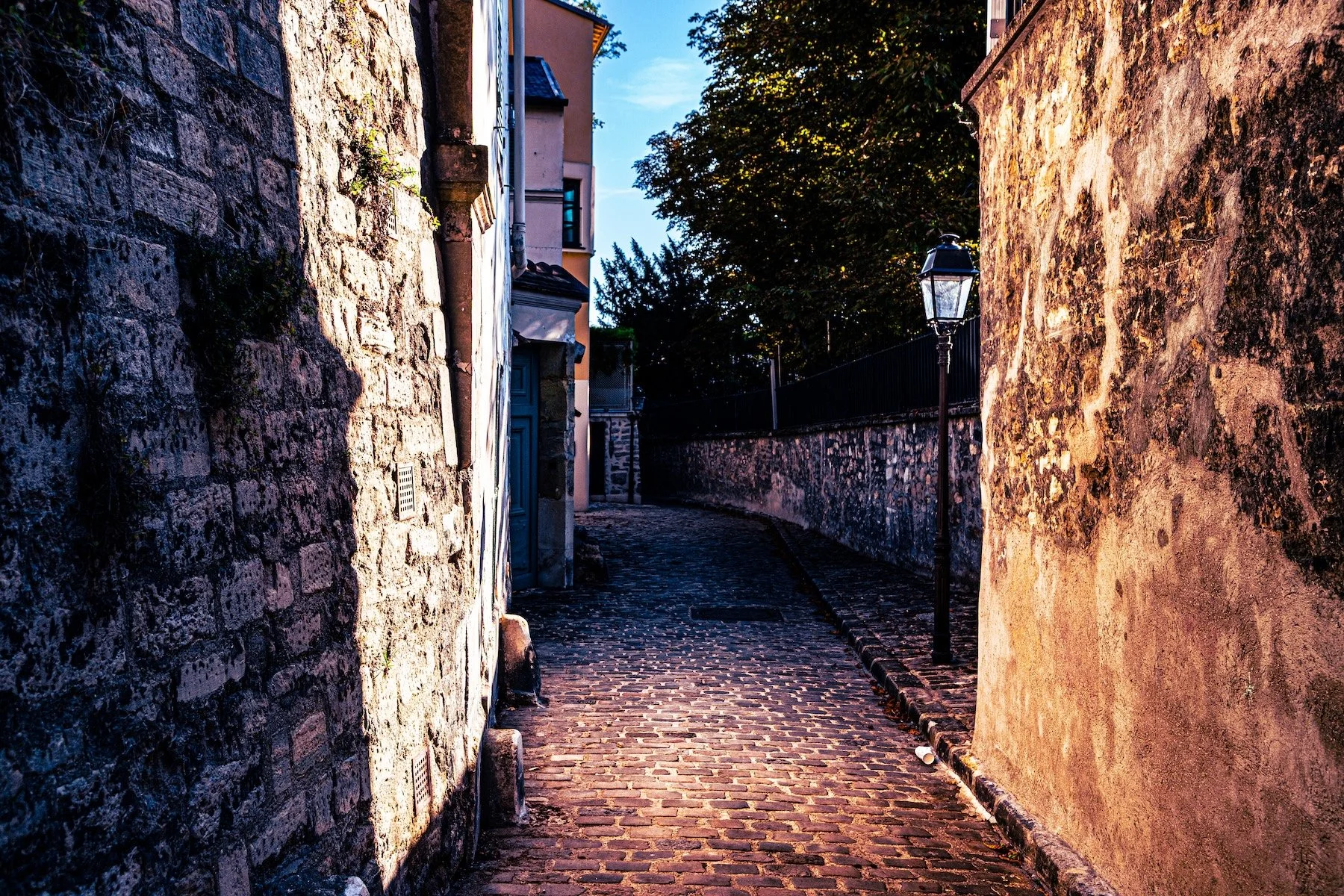
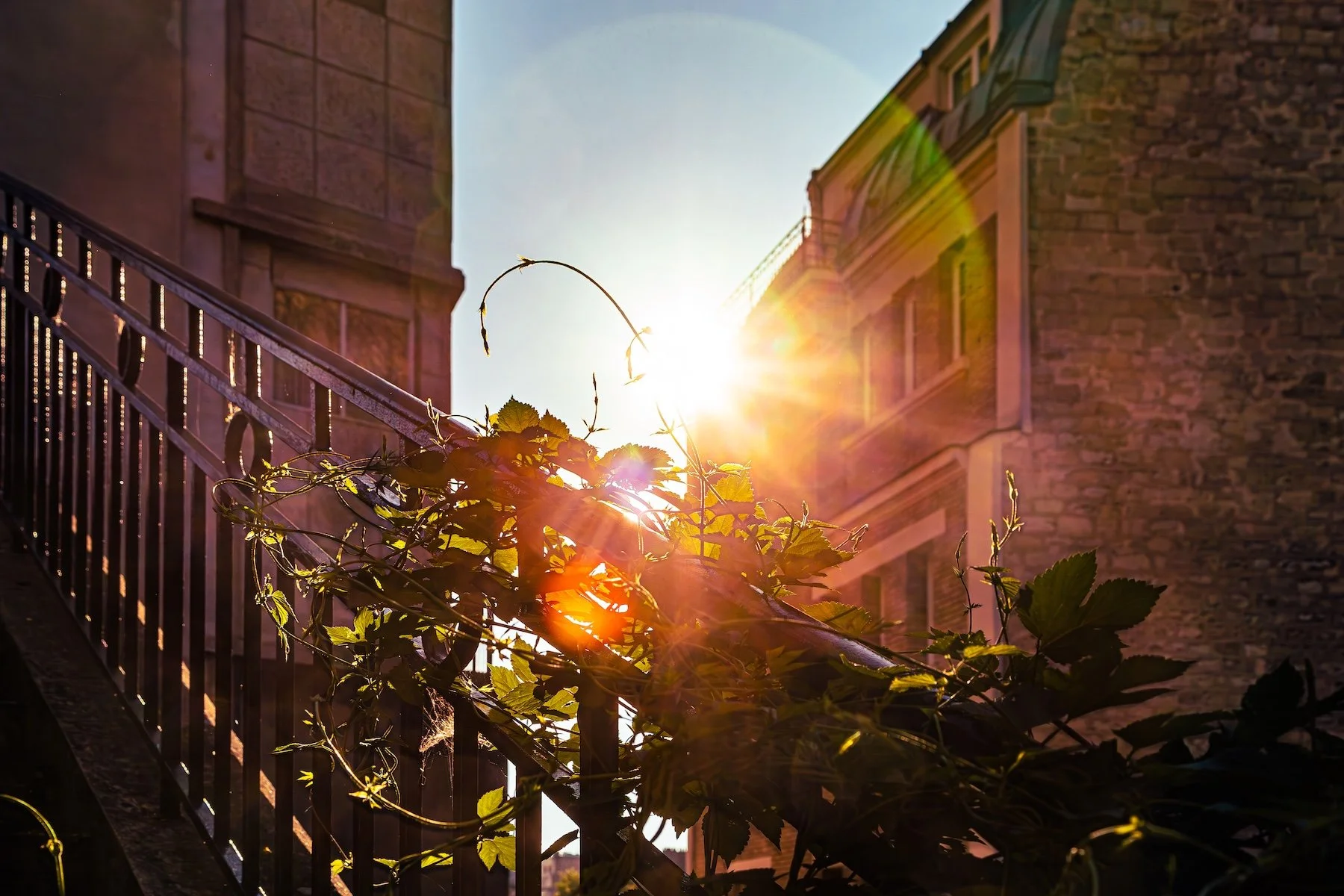
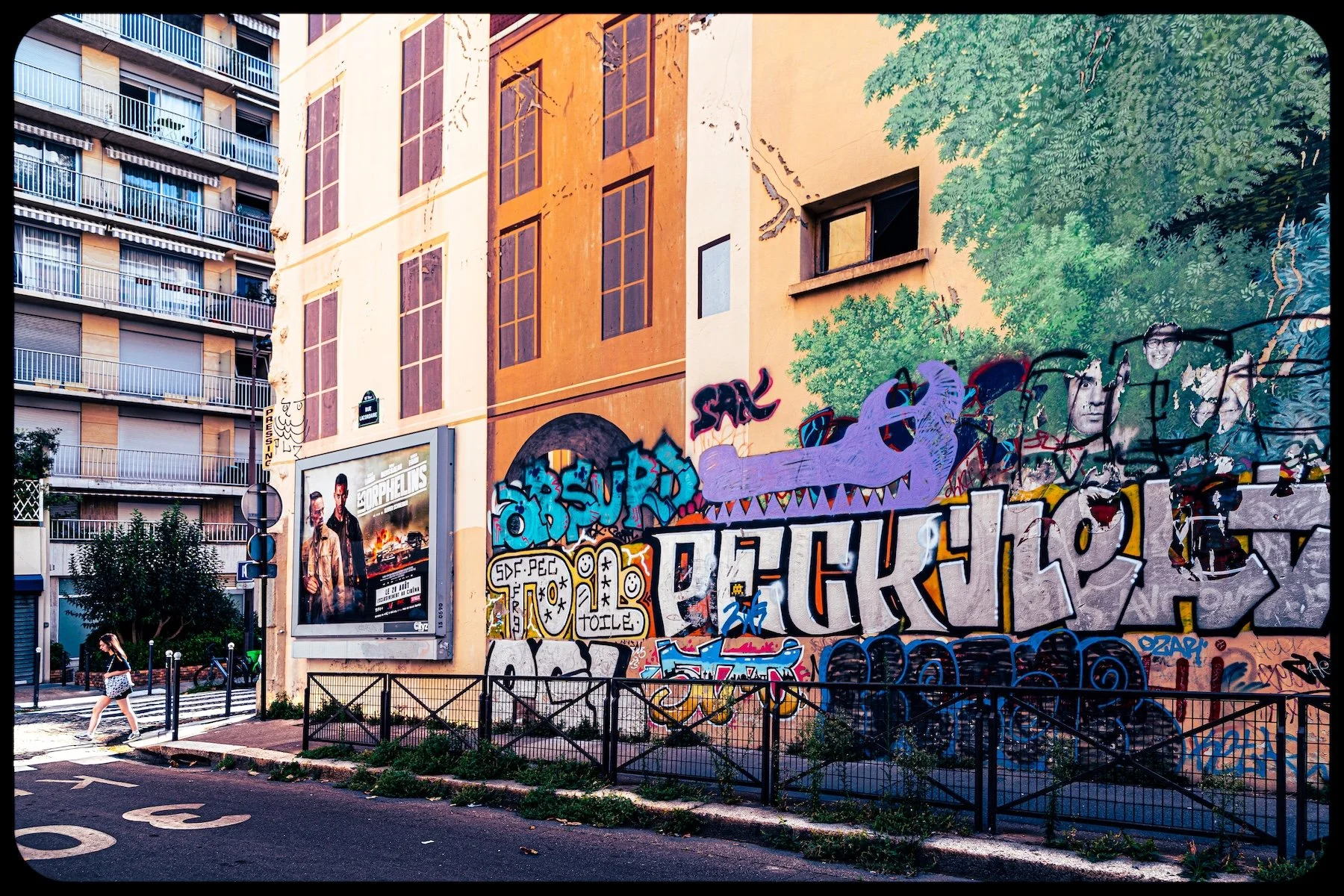
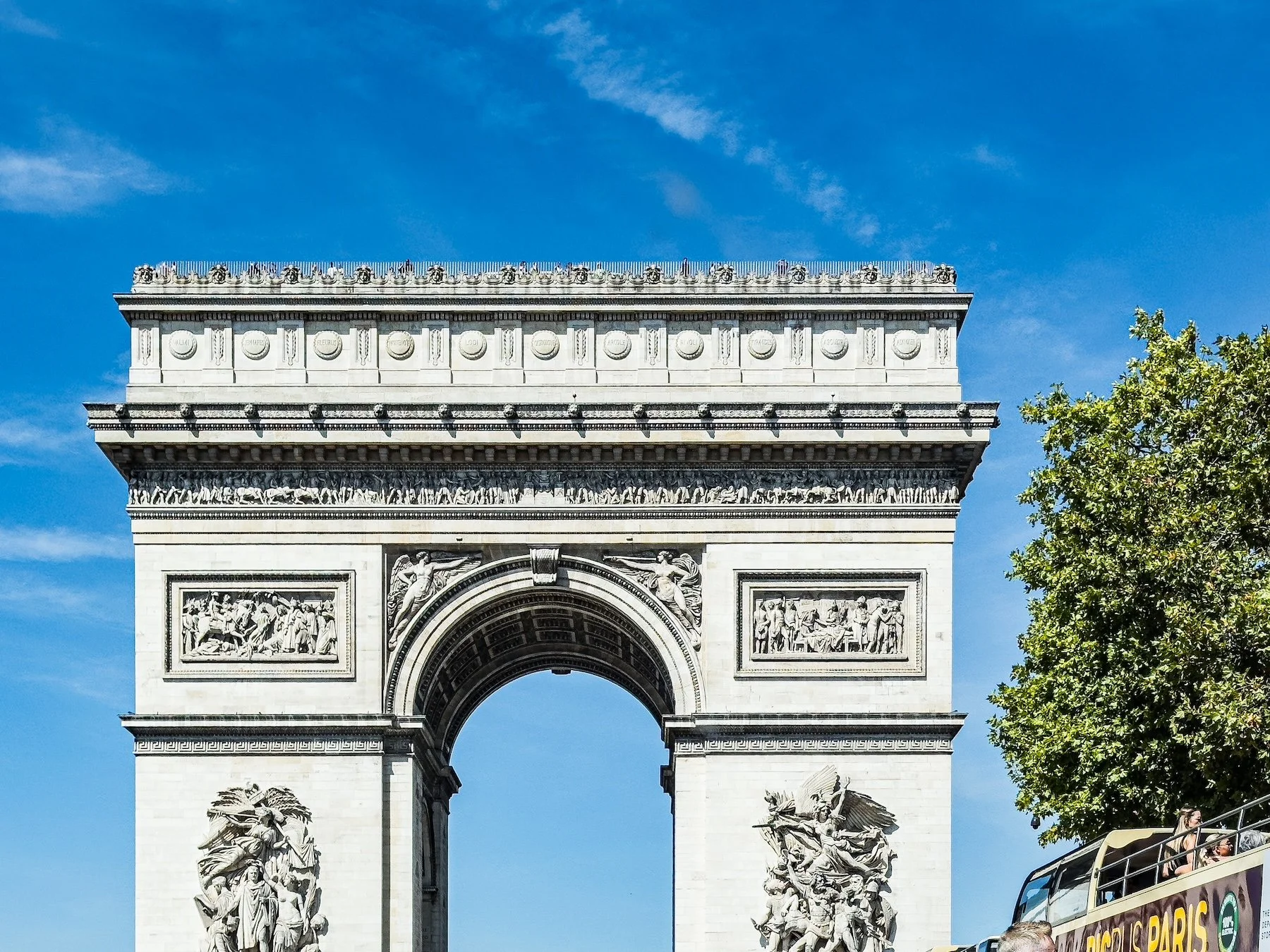
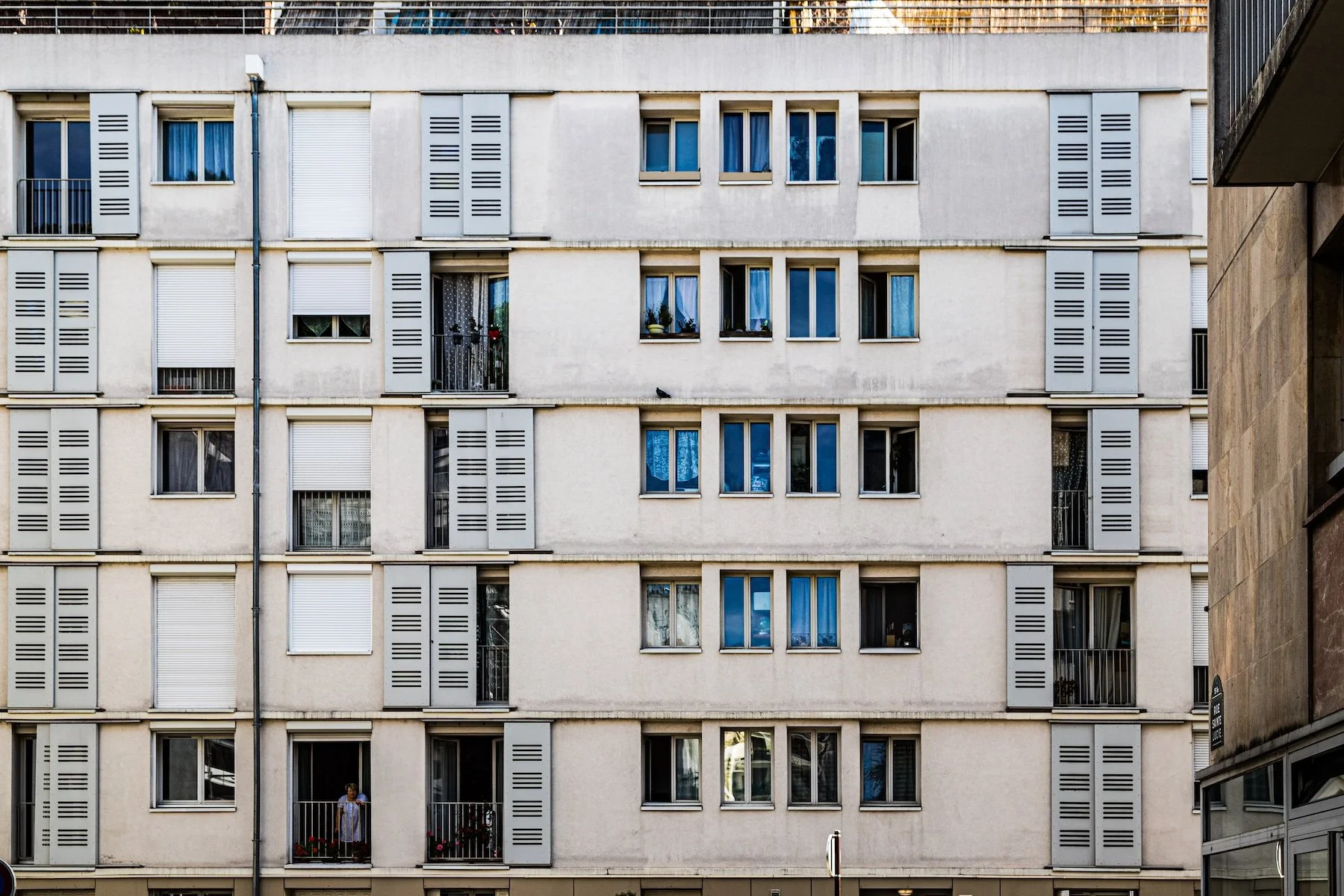
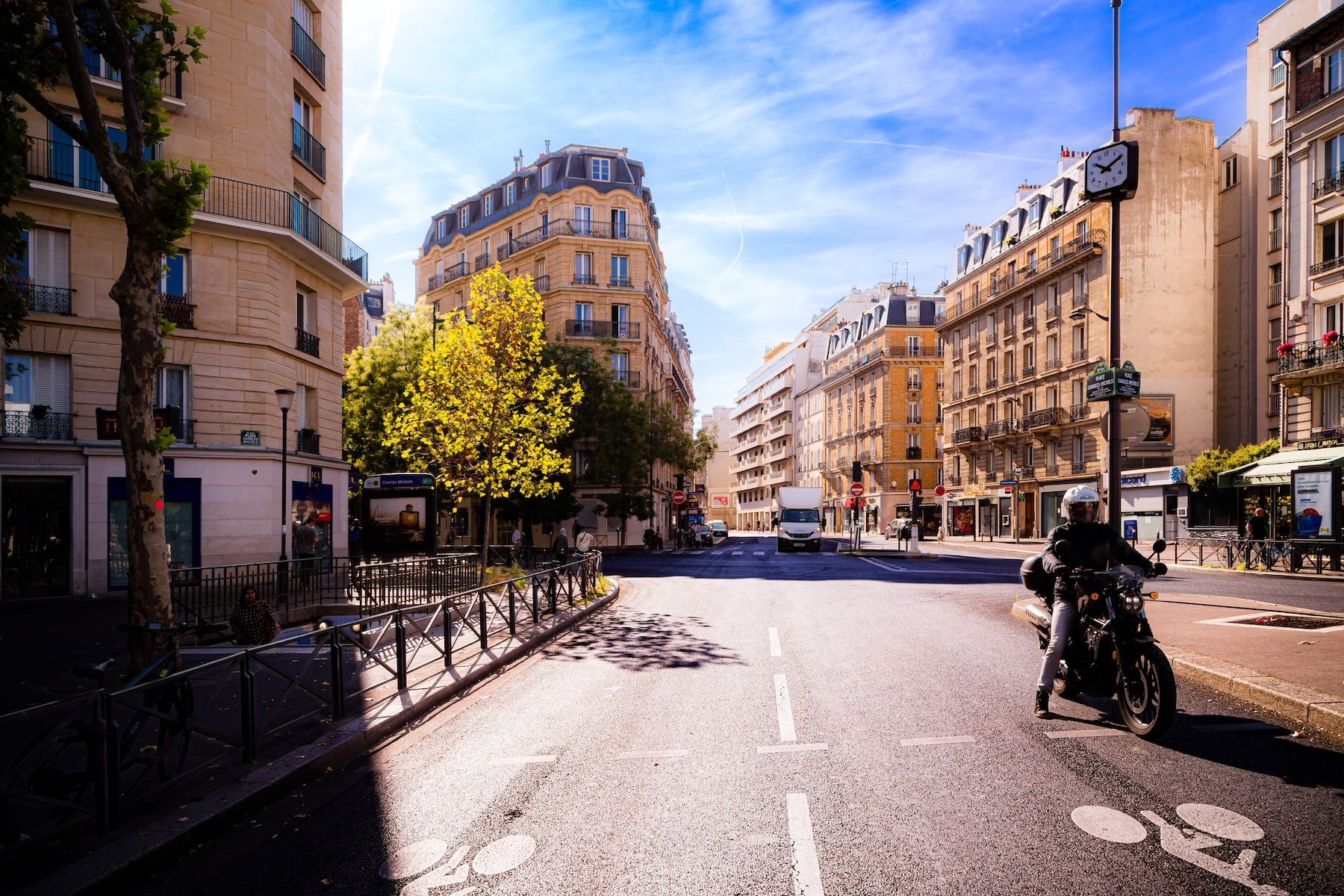
If you visit Paris, these ideas can help inspire your own photography.
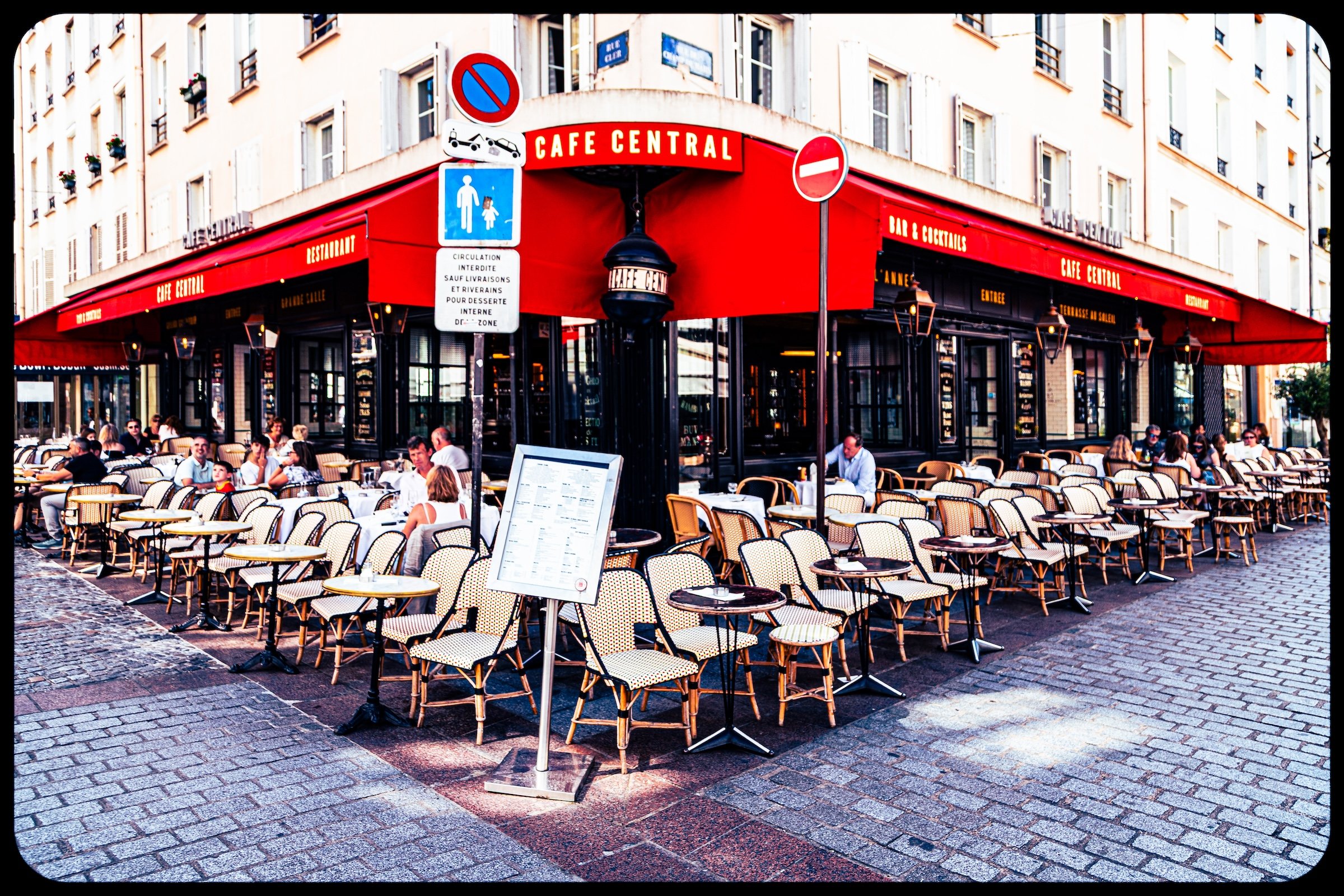
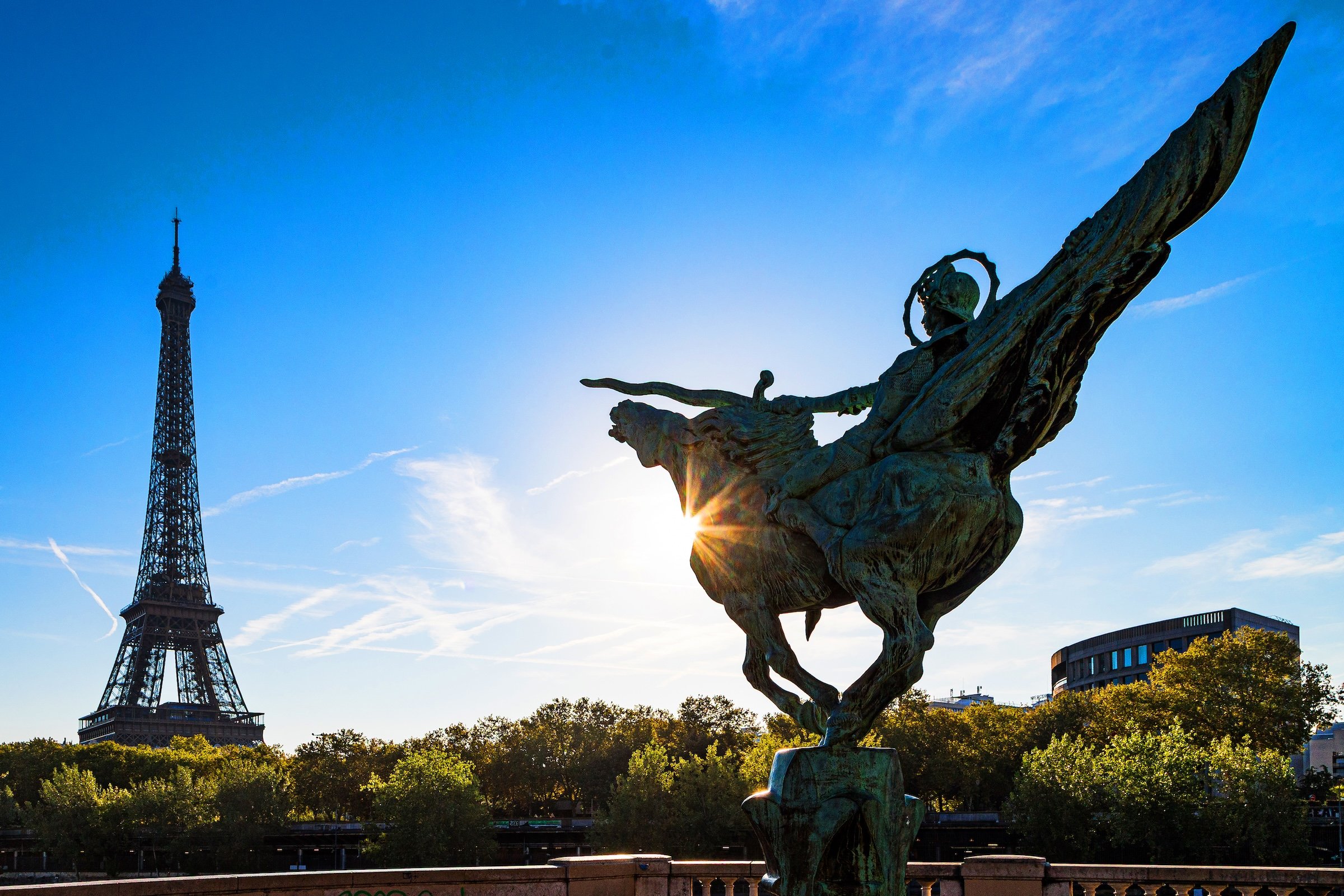
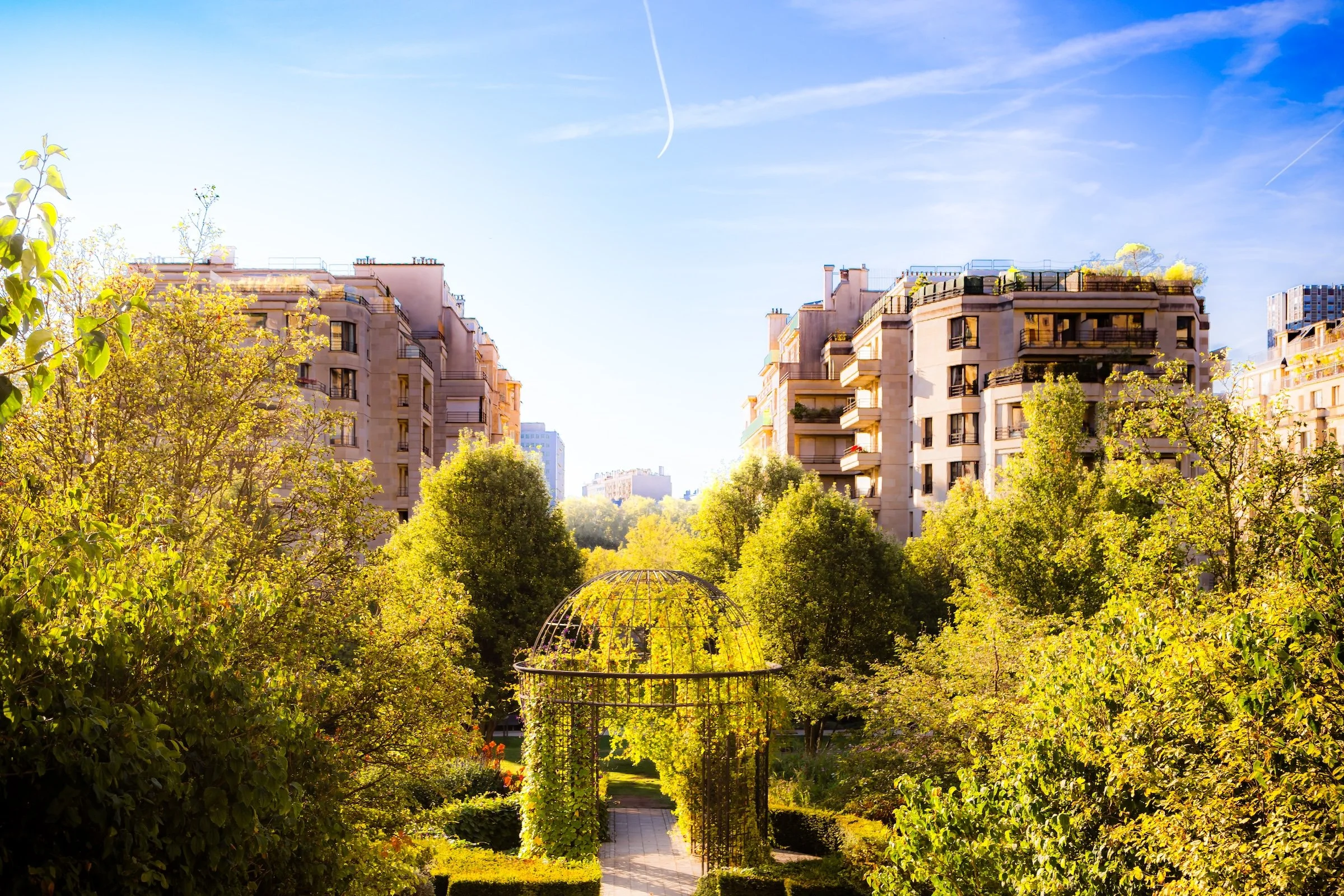
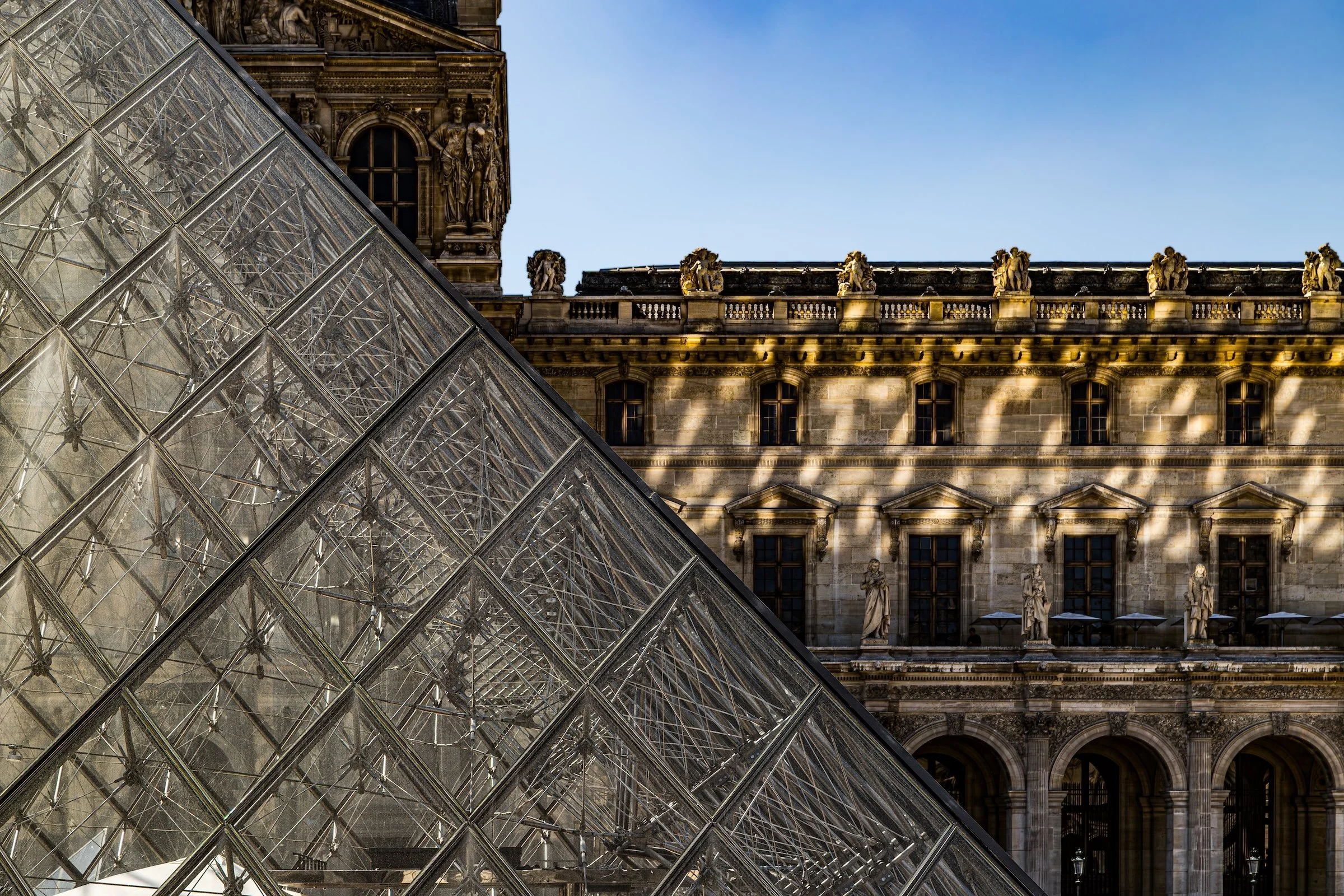
Paris: J’Espere, Je Rêve, Je Vive
Paris Photo Gallery
Paris Flâneur Notes
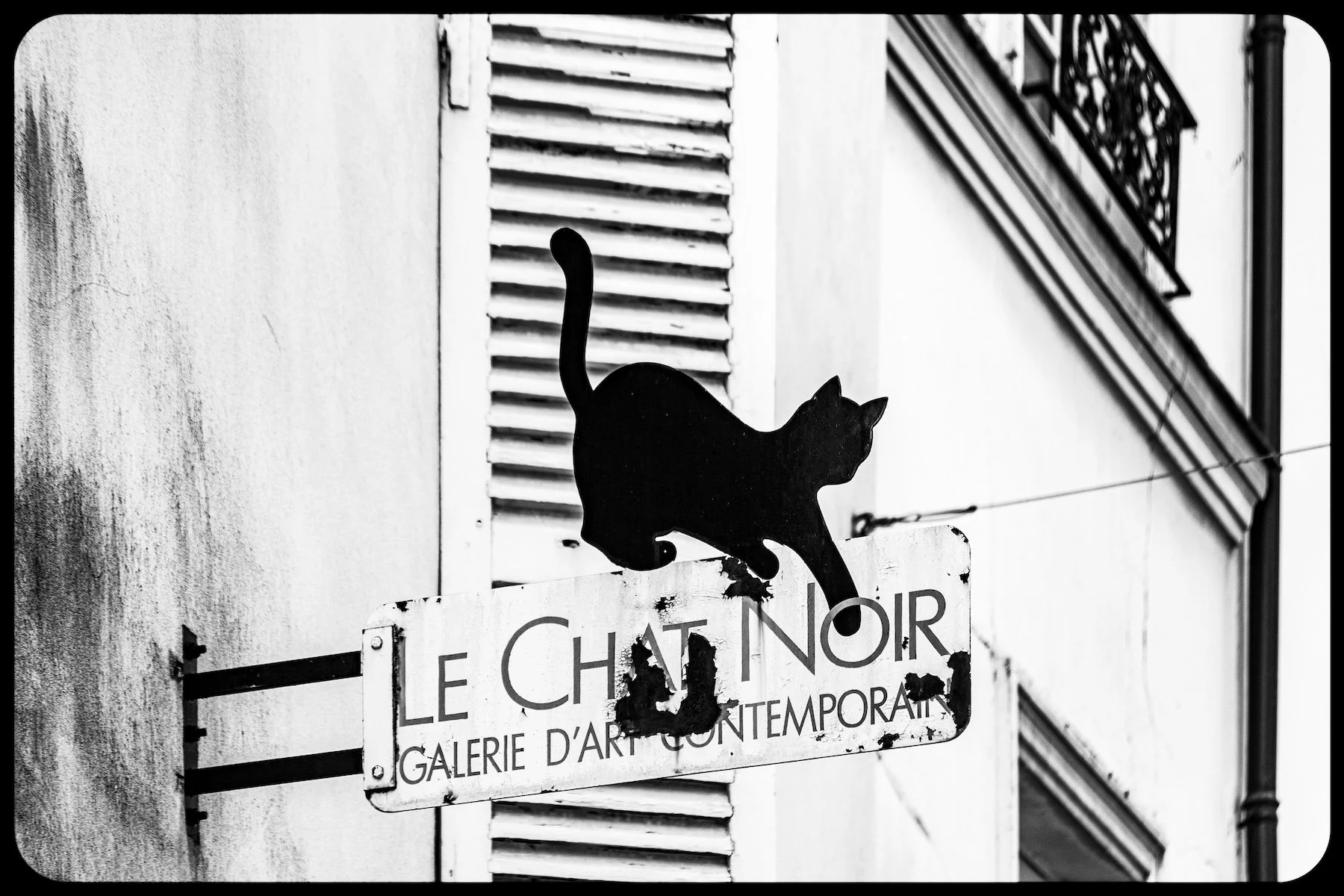
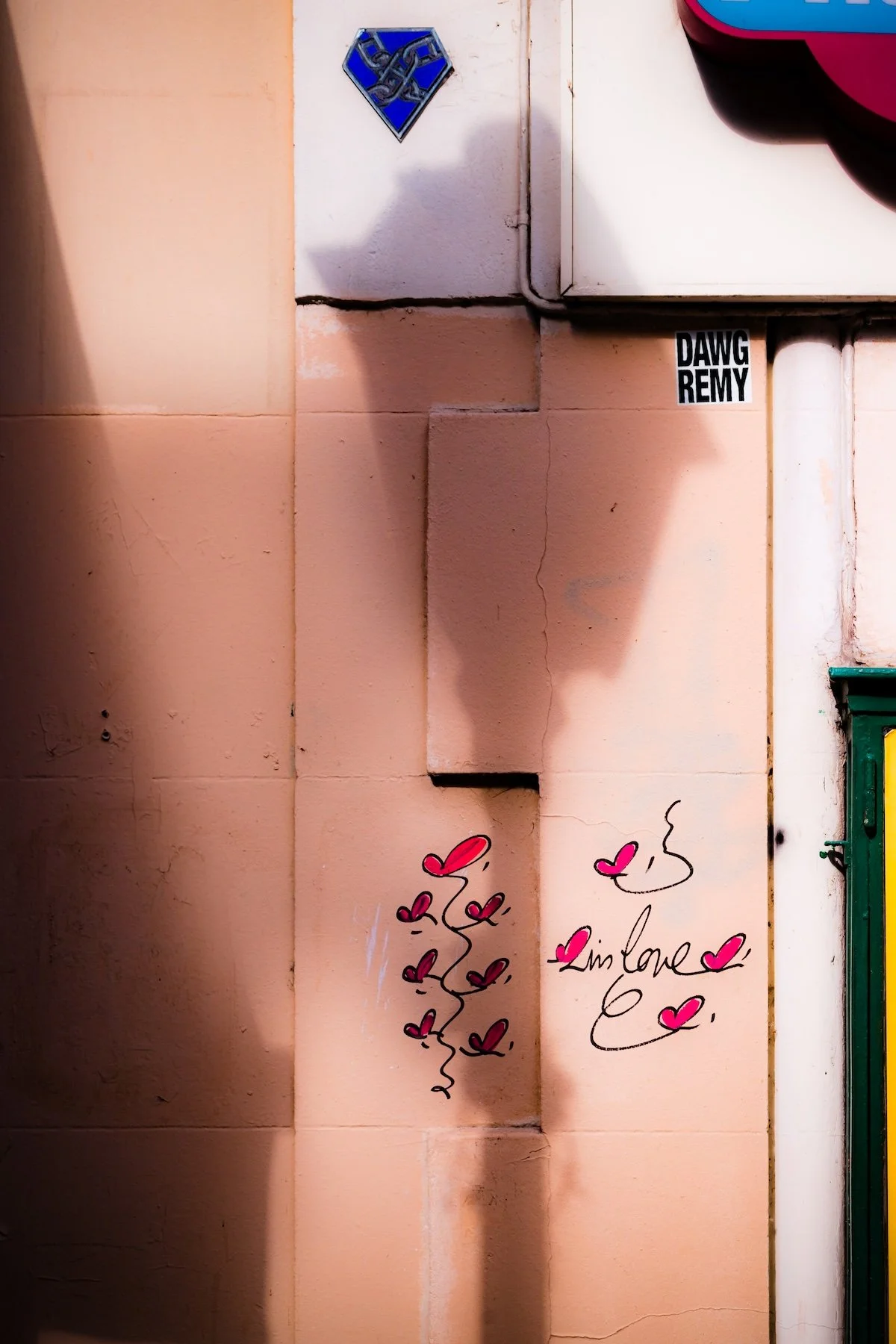
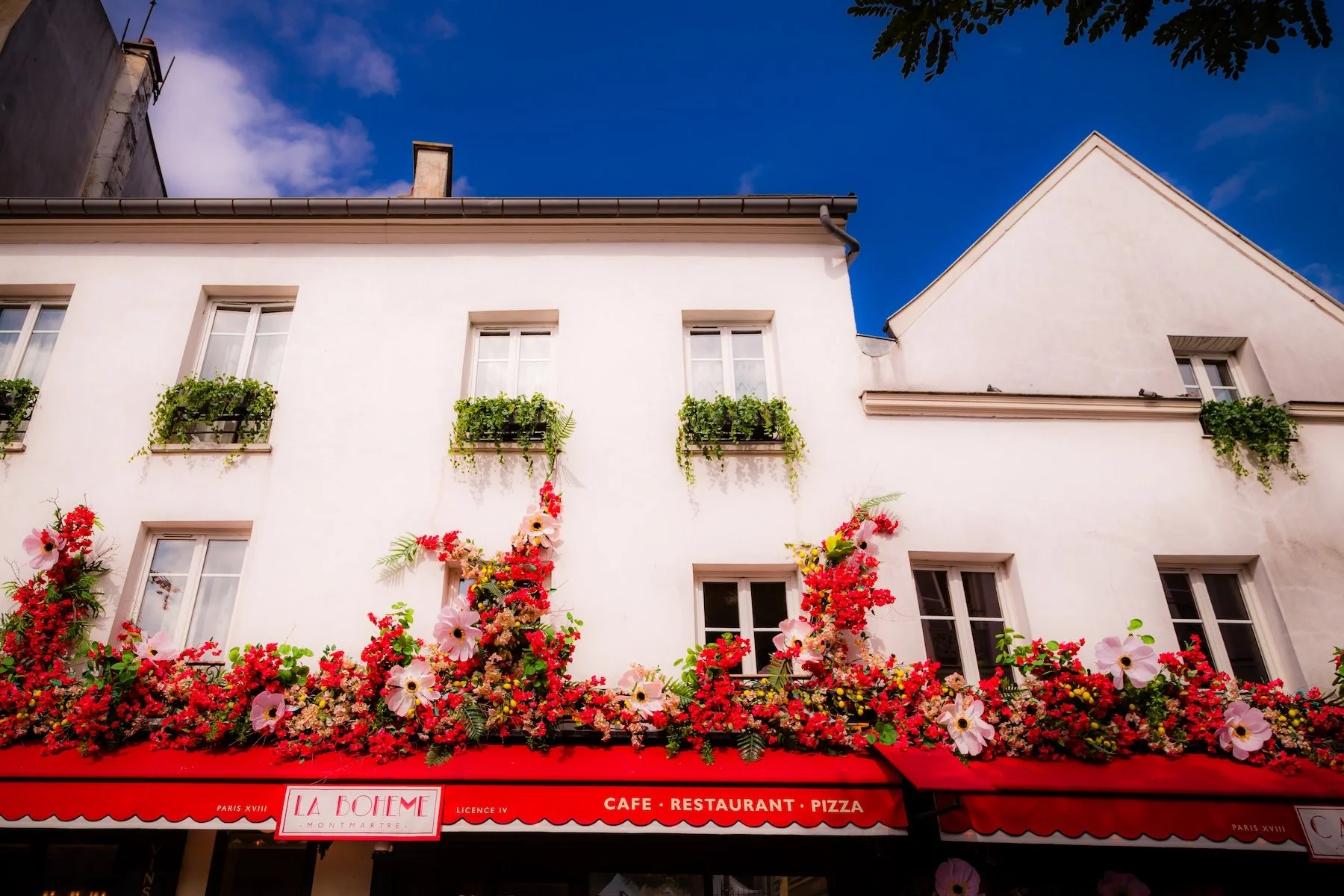
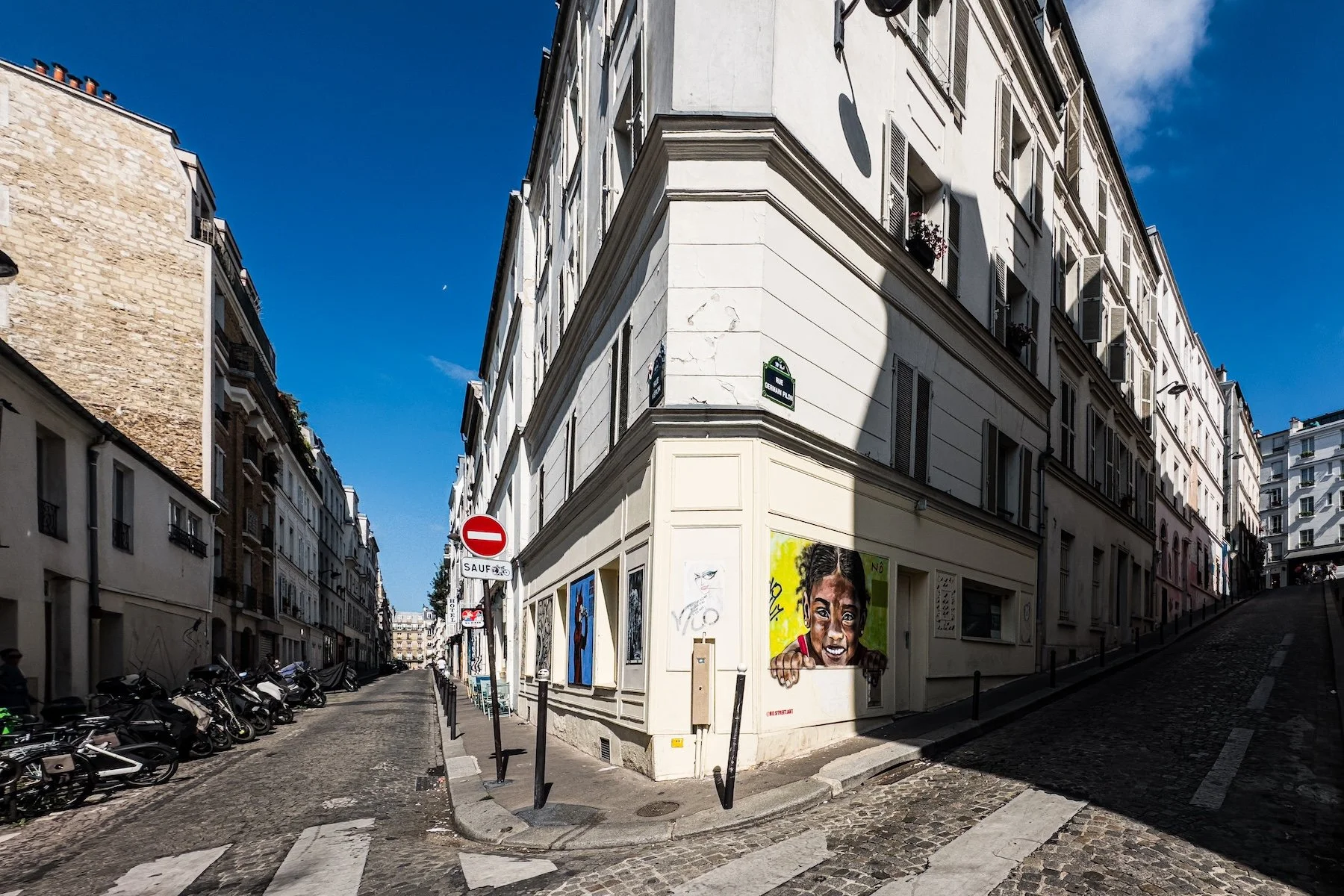
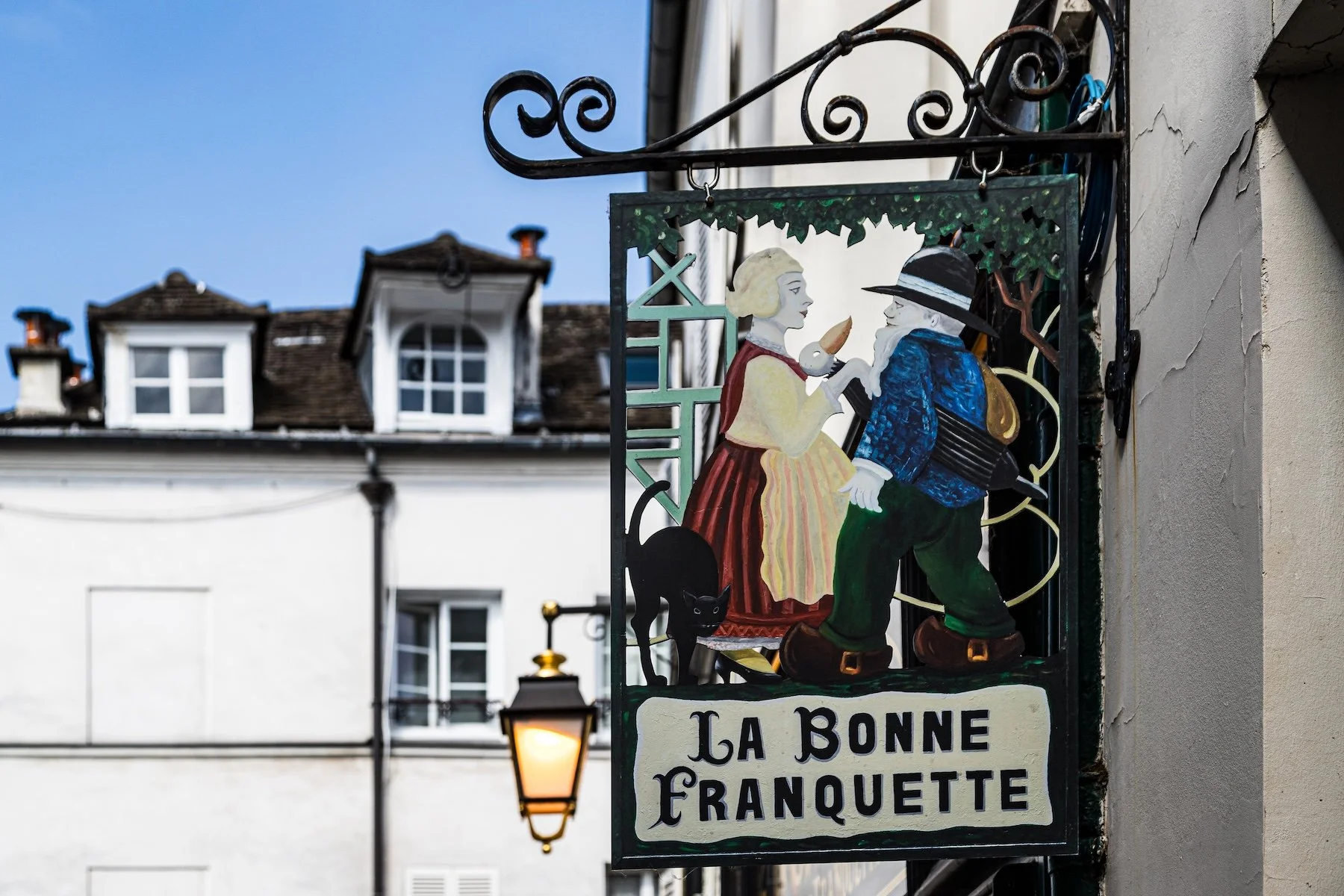
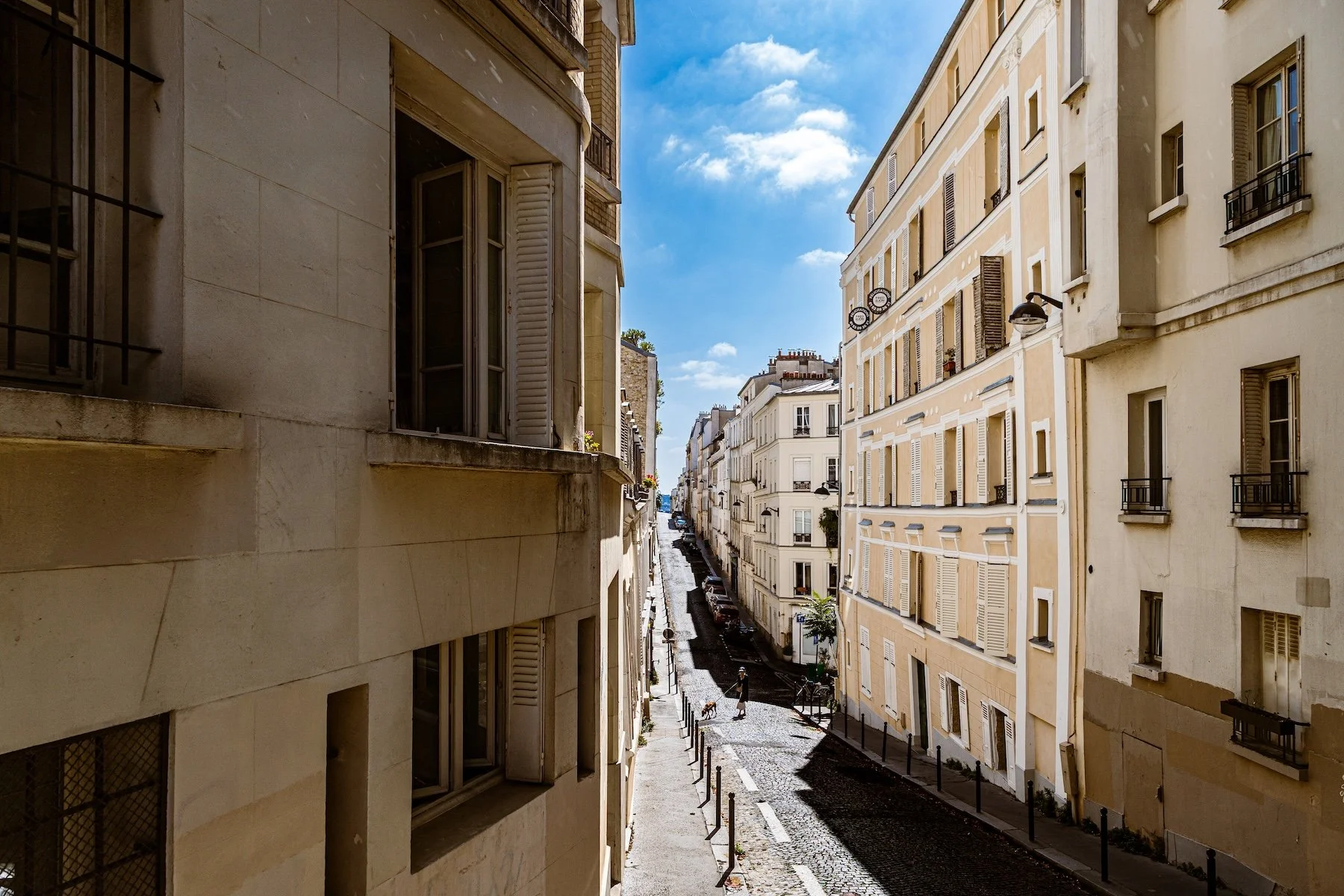
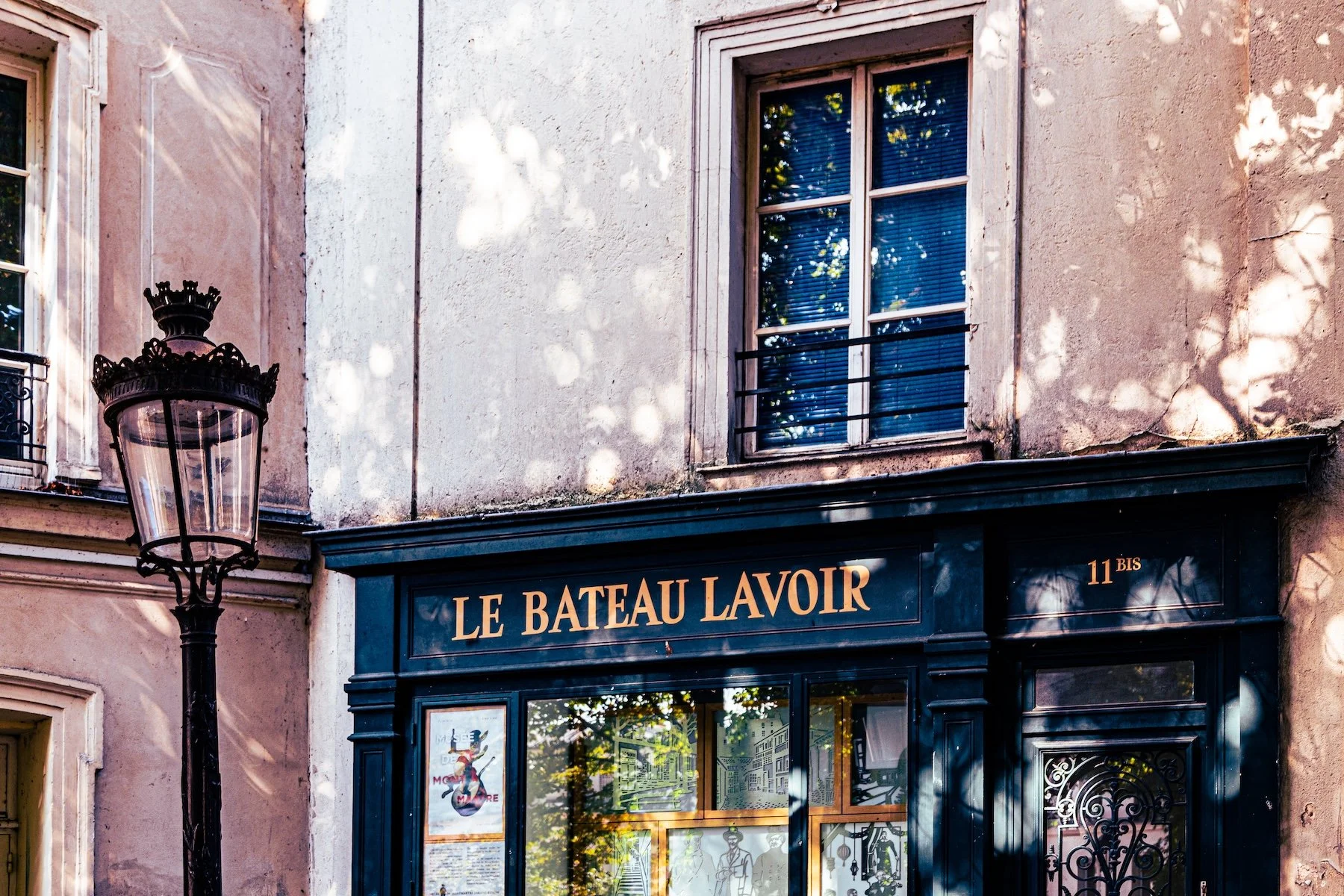
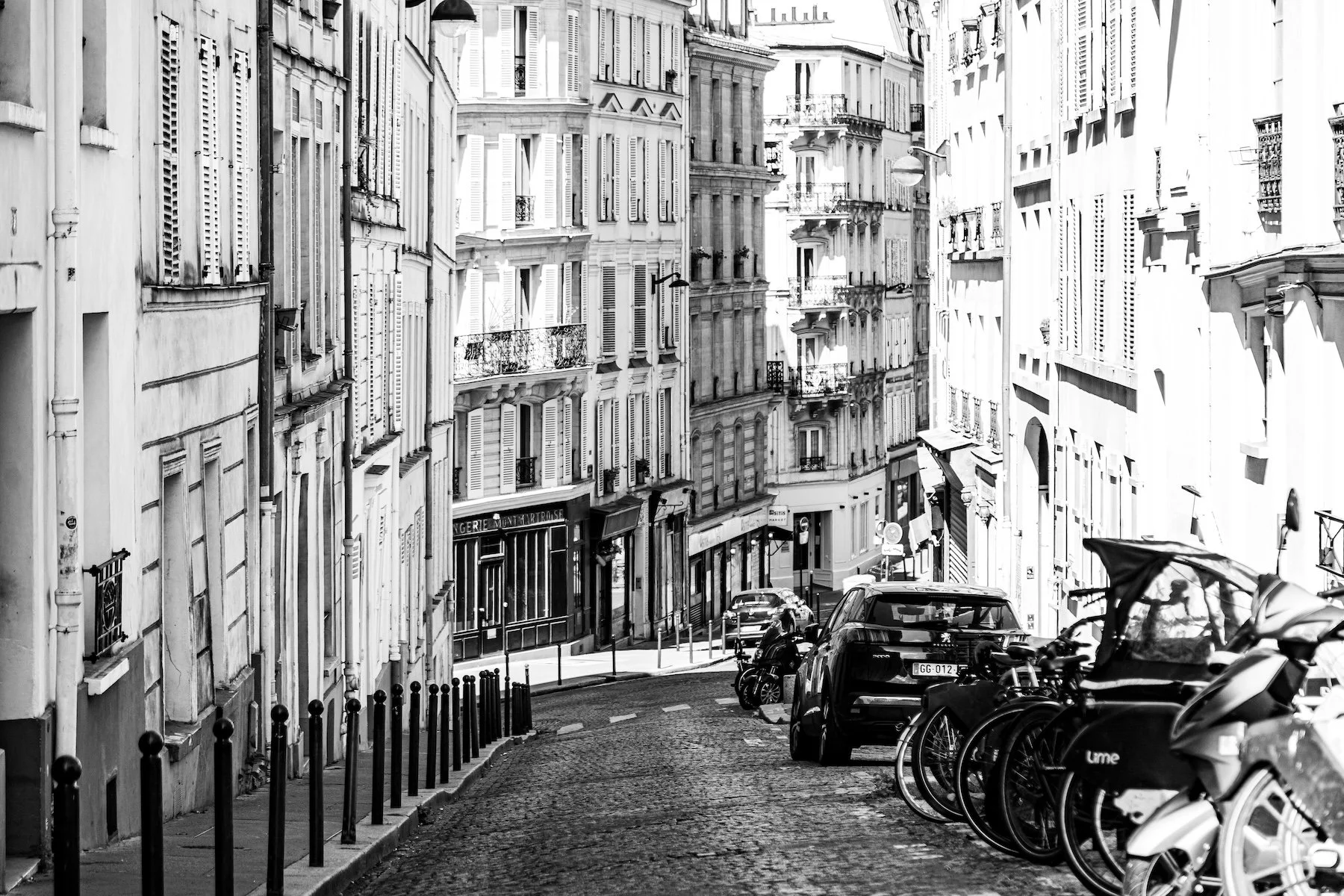
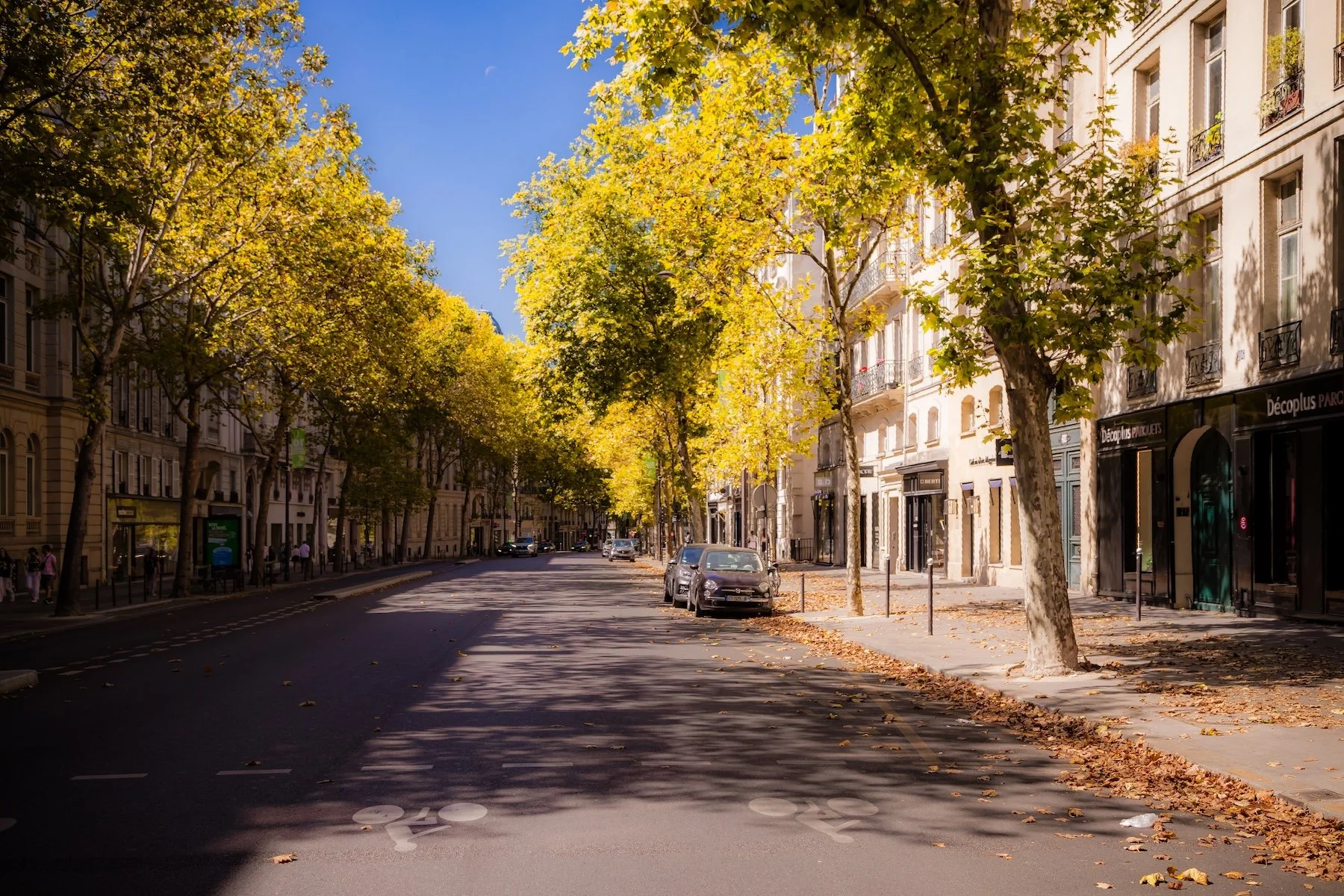
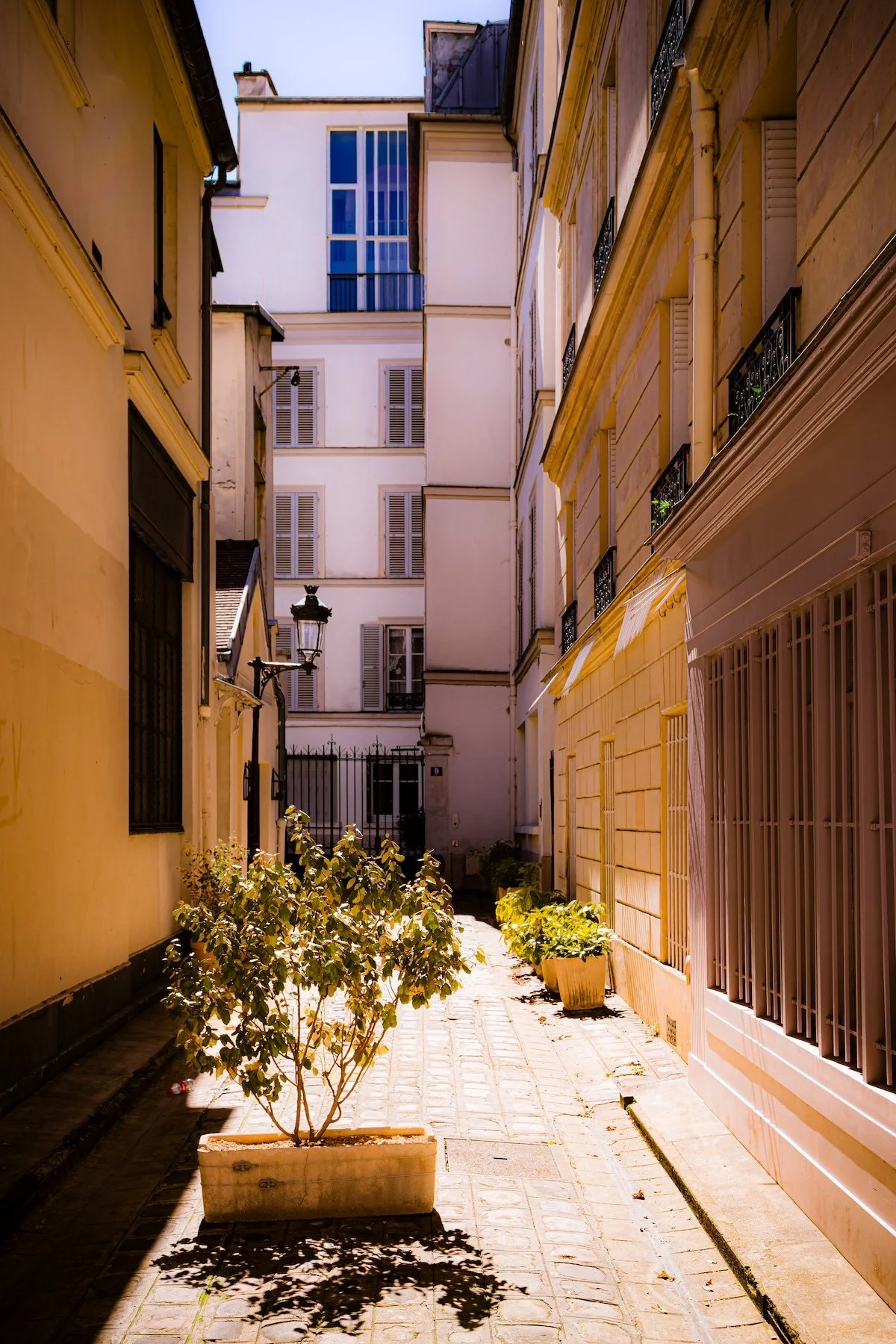
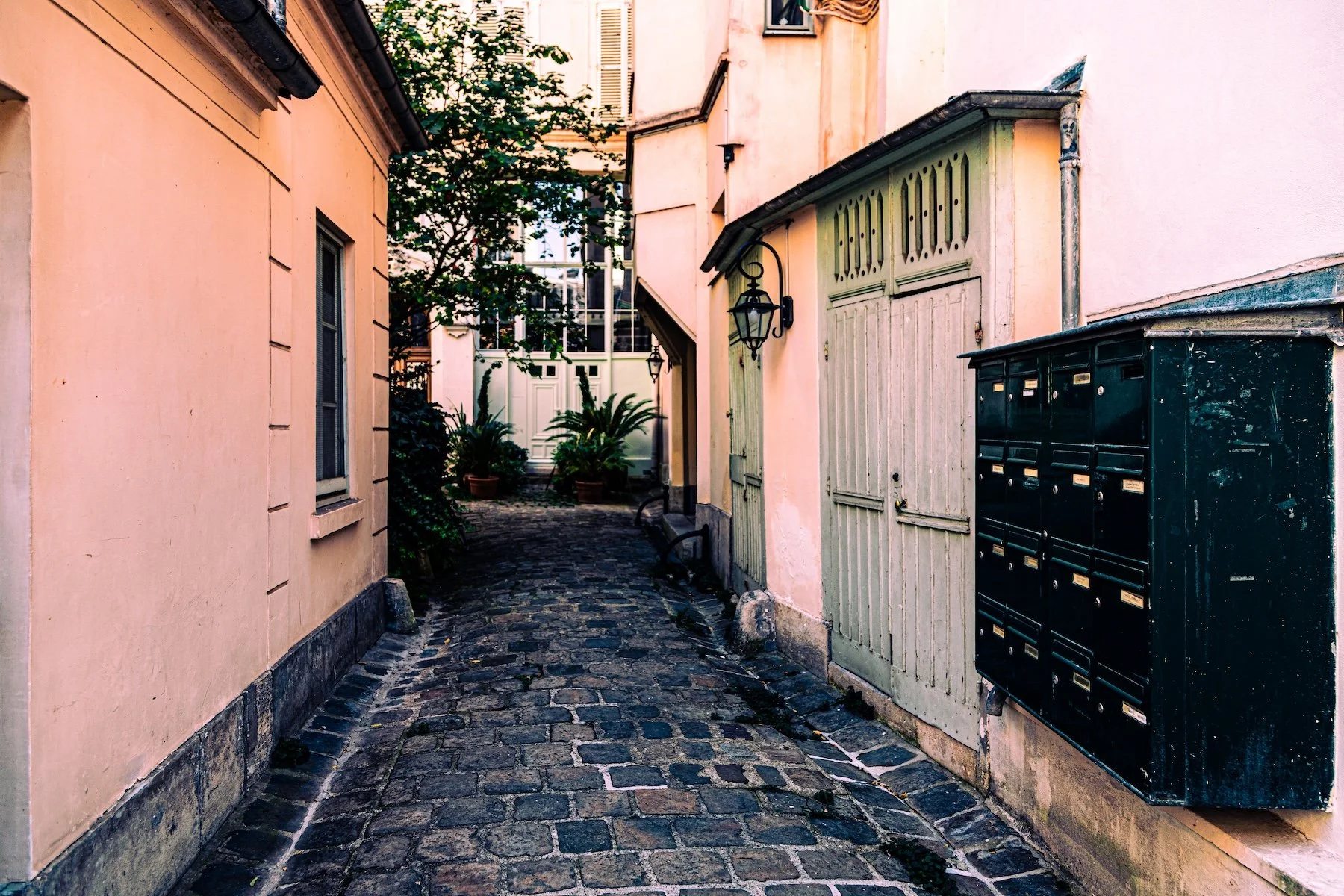
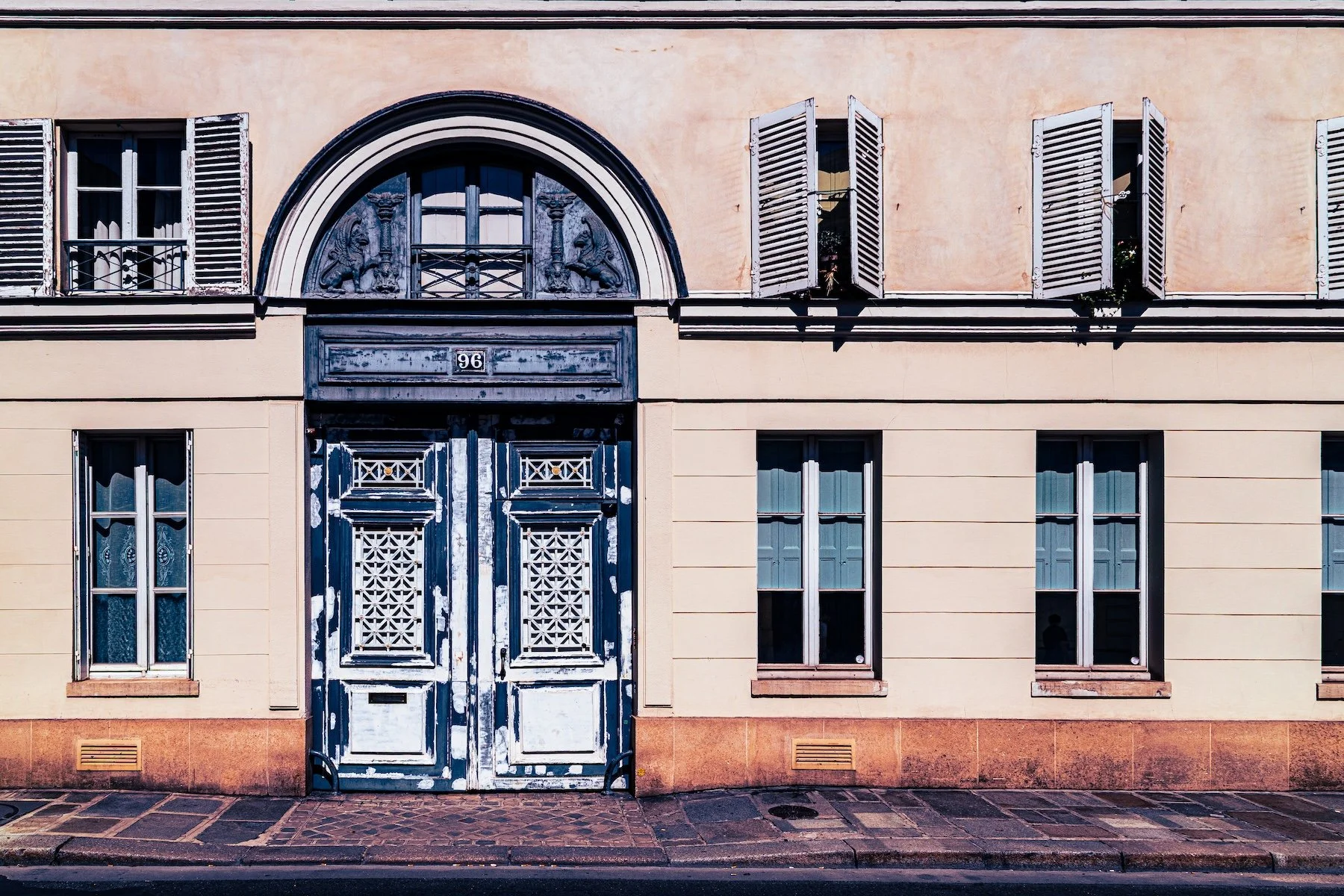
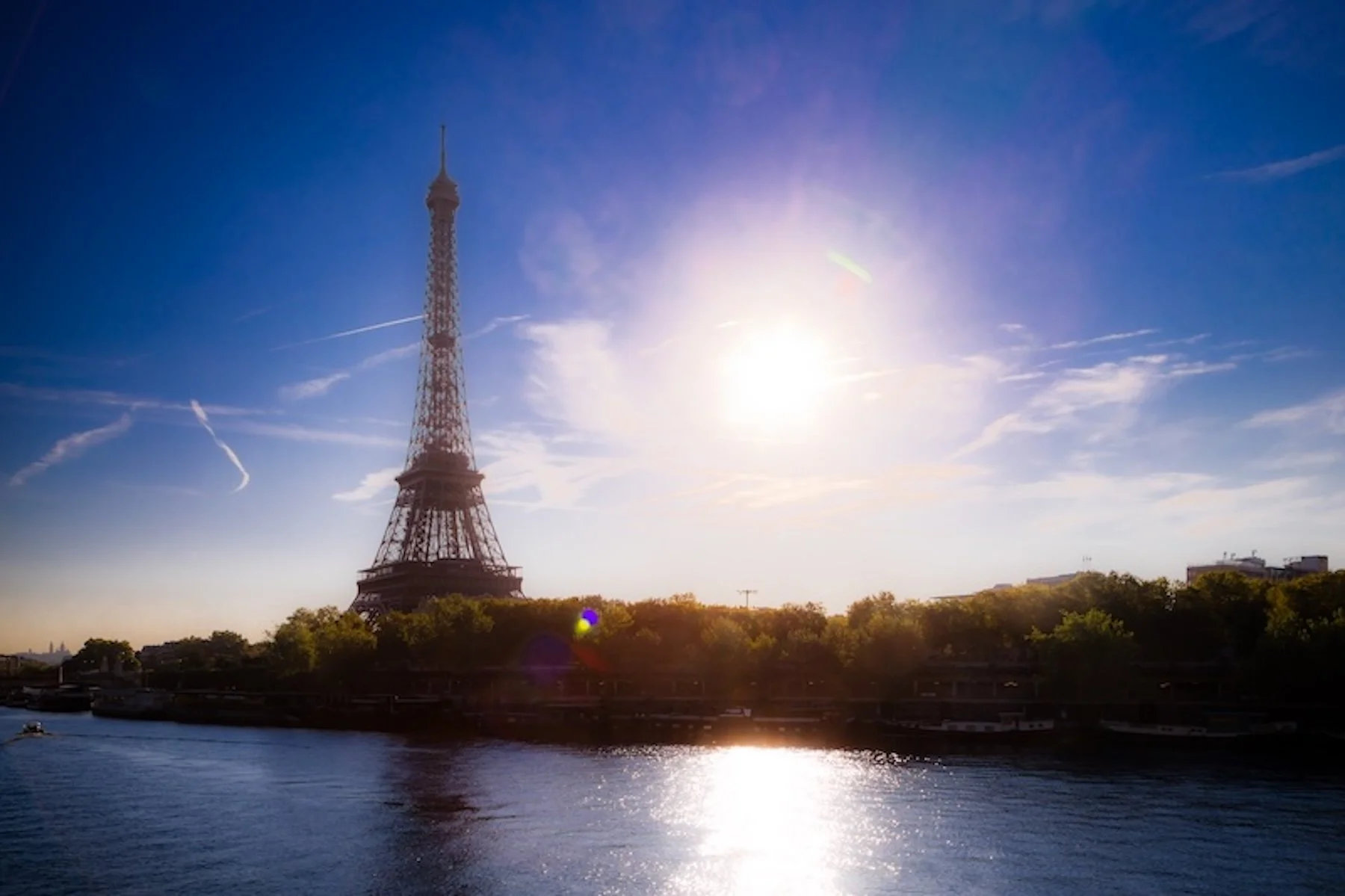
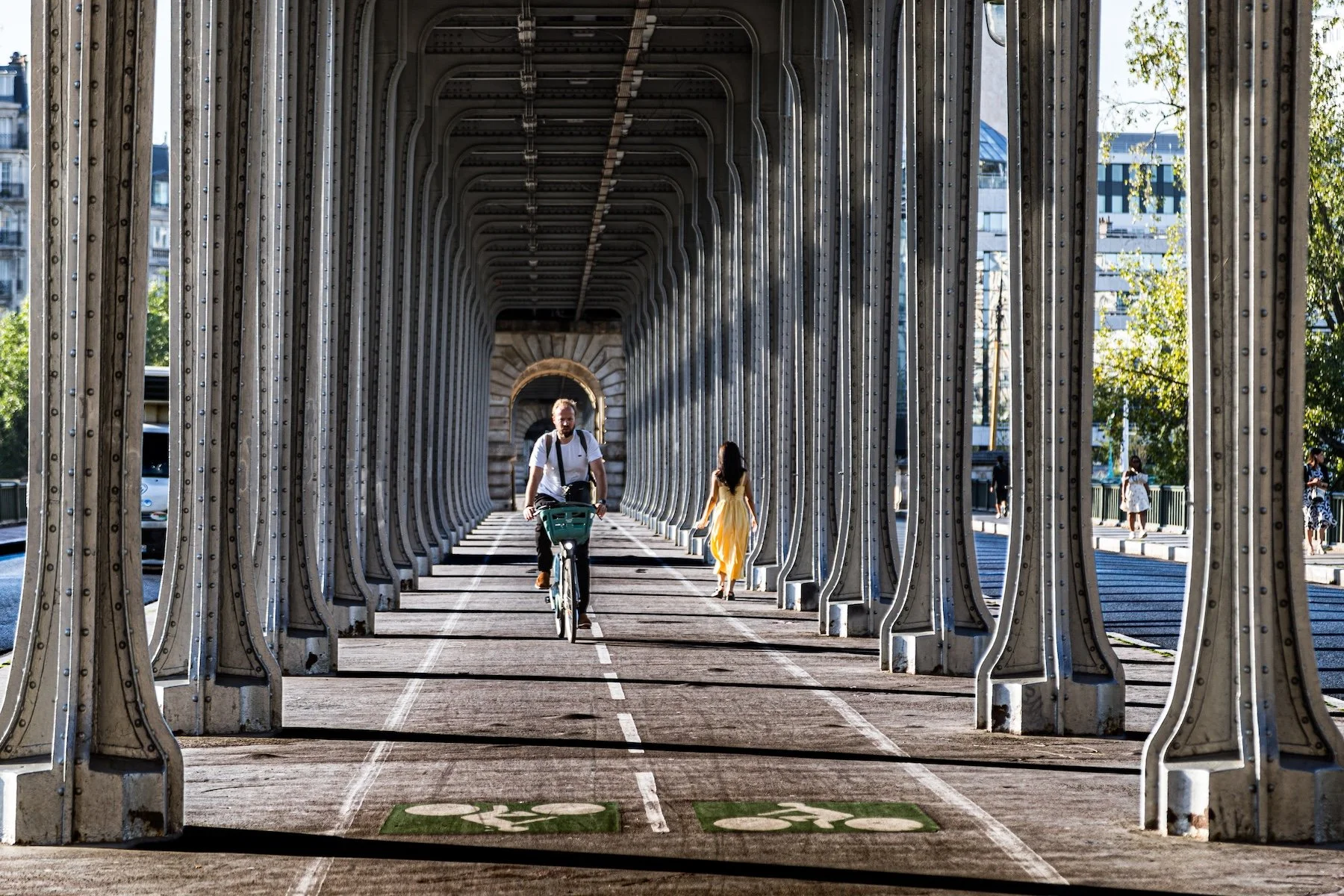
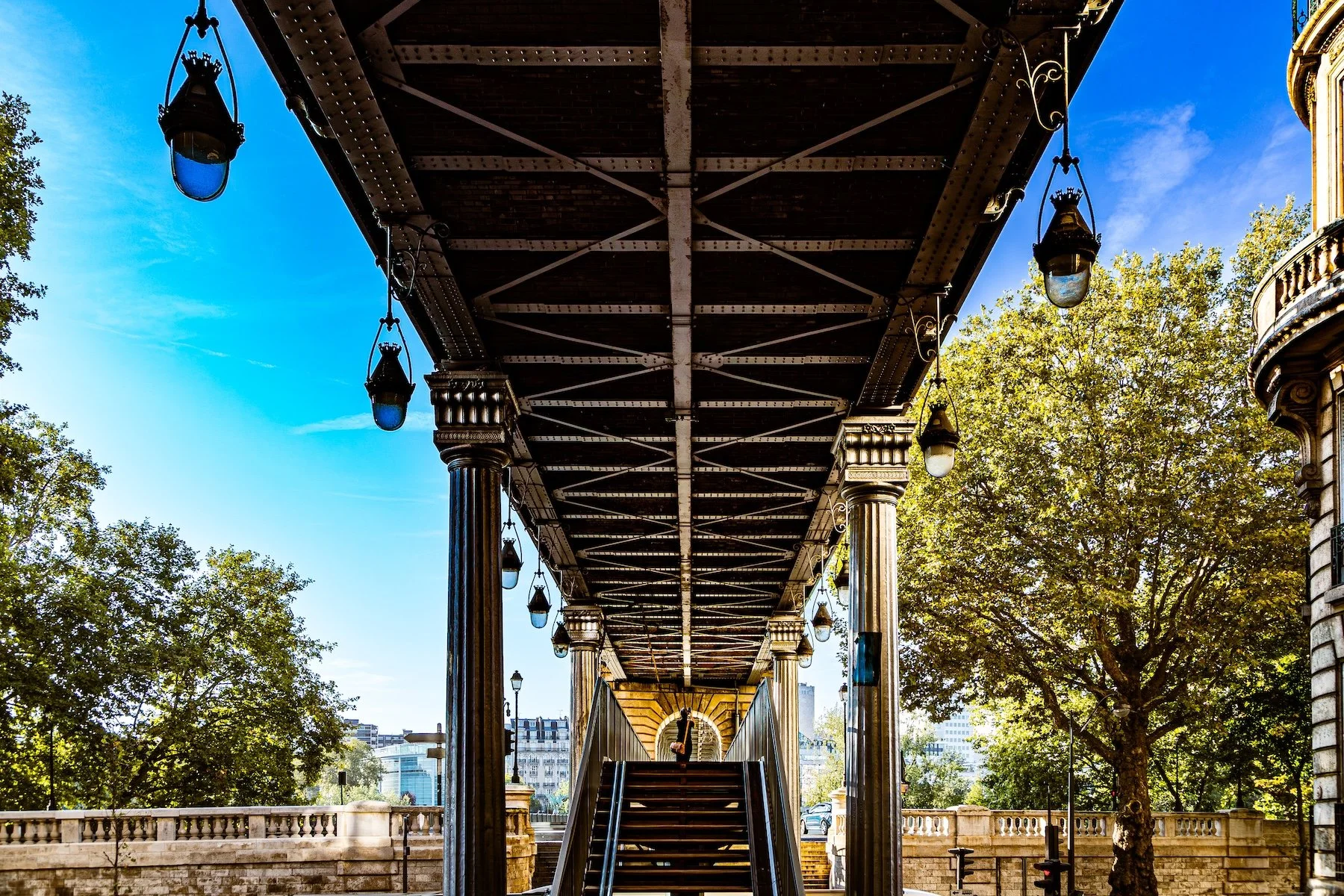
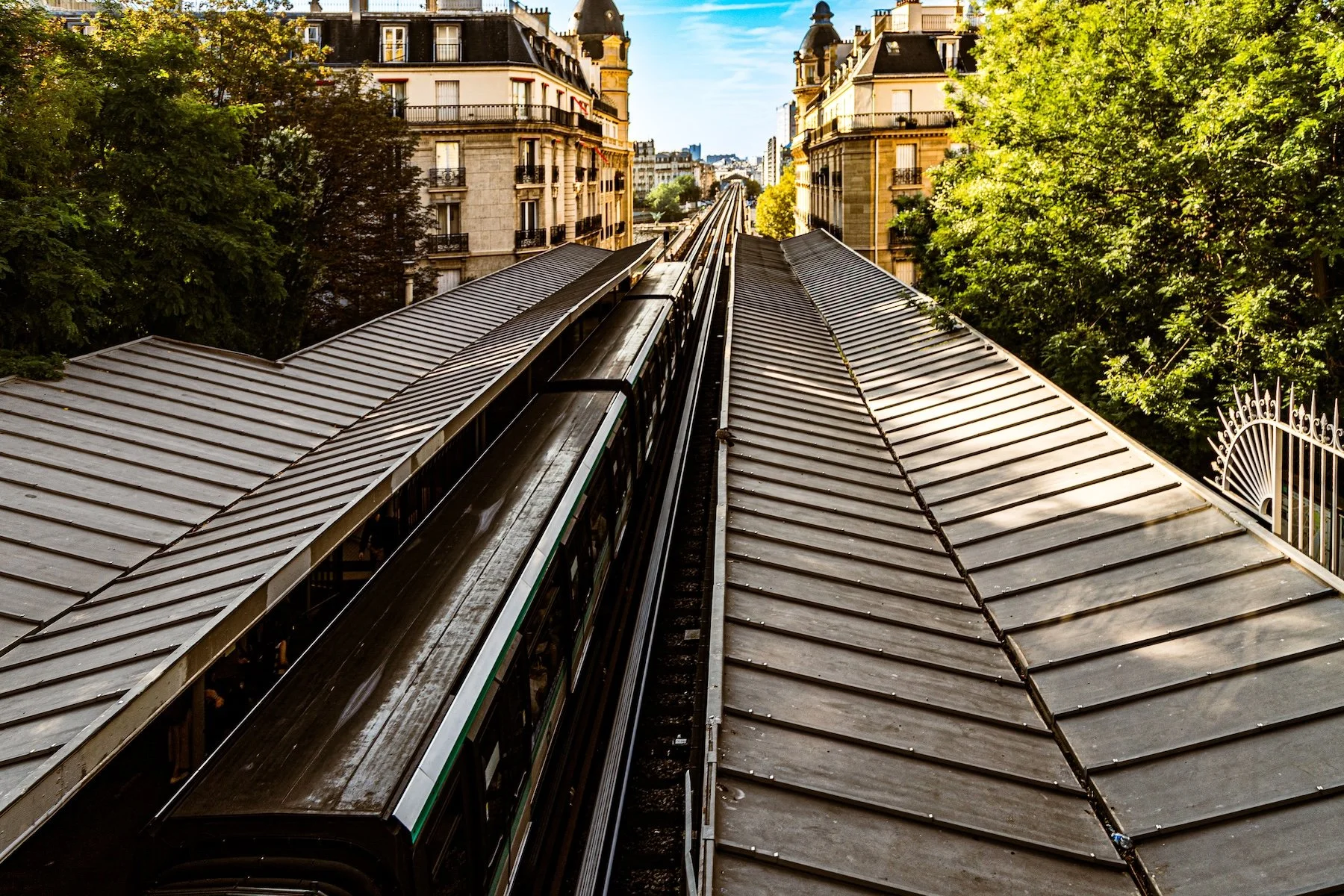
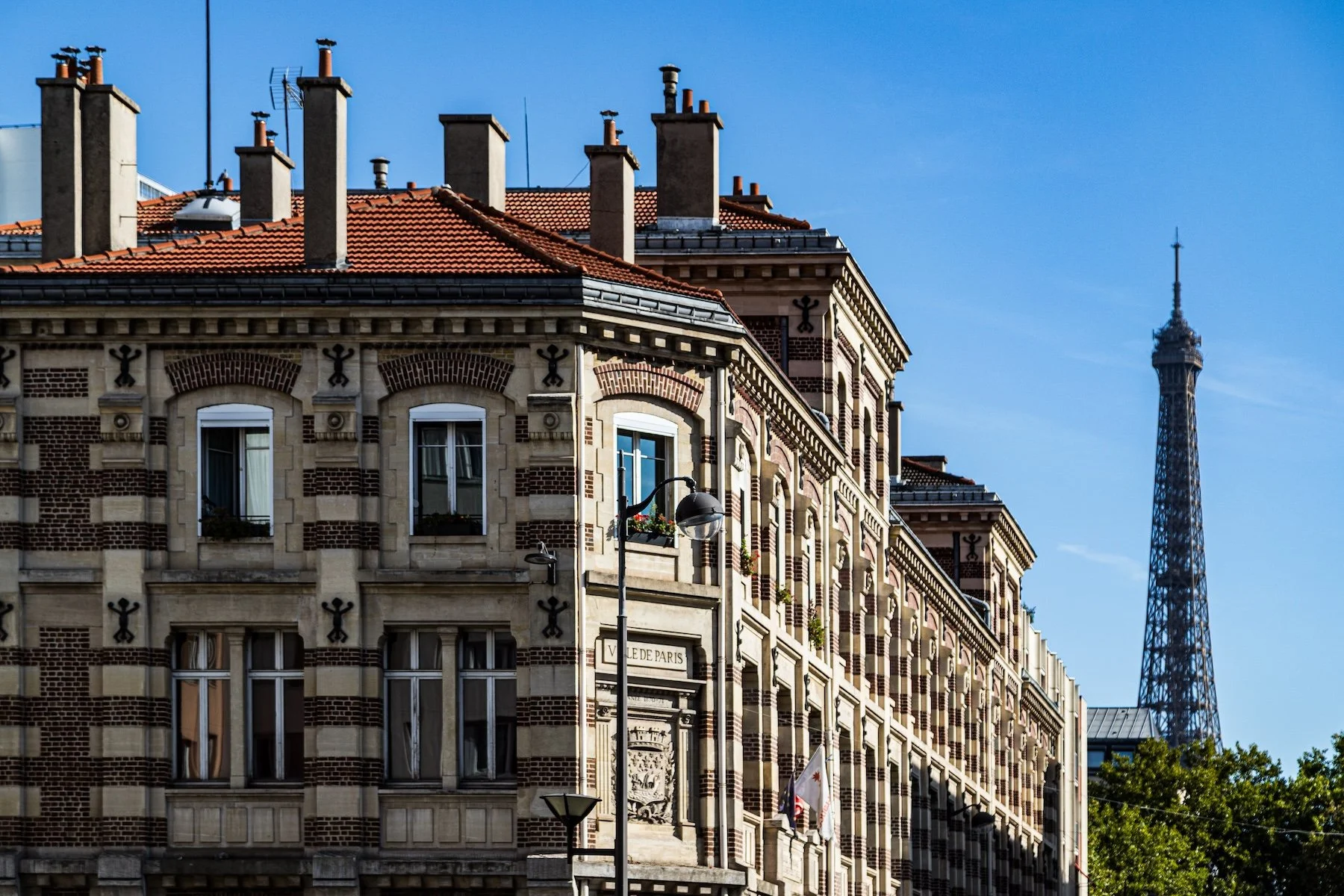
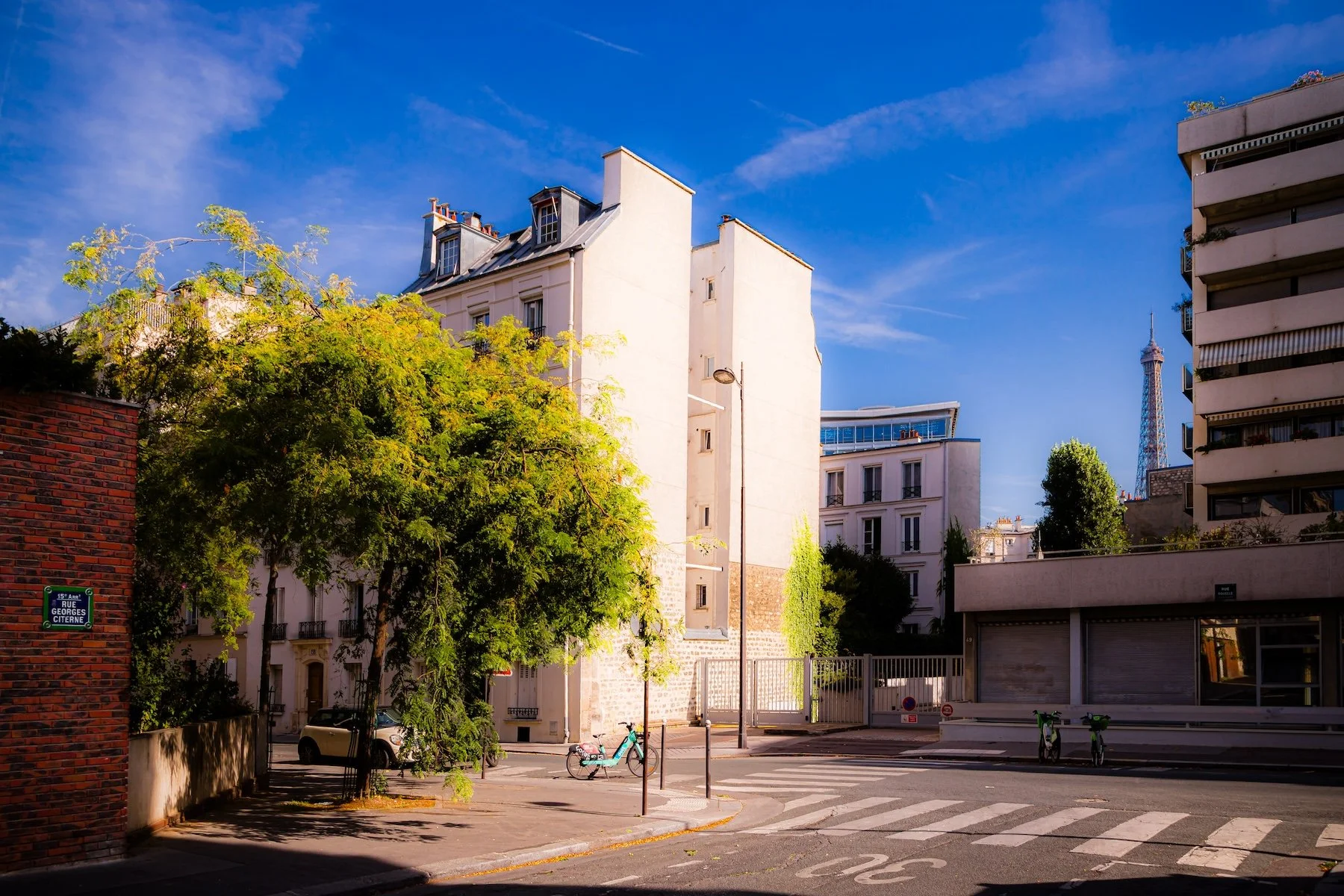
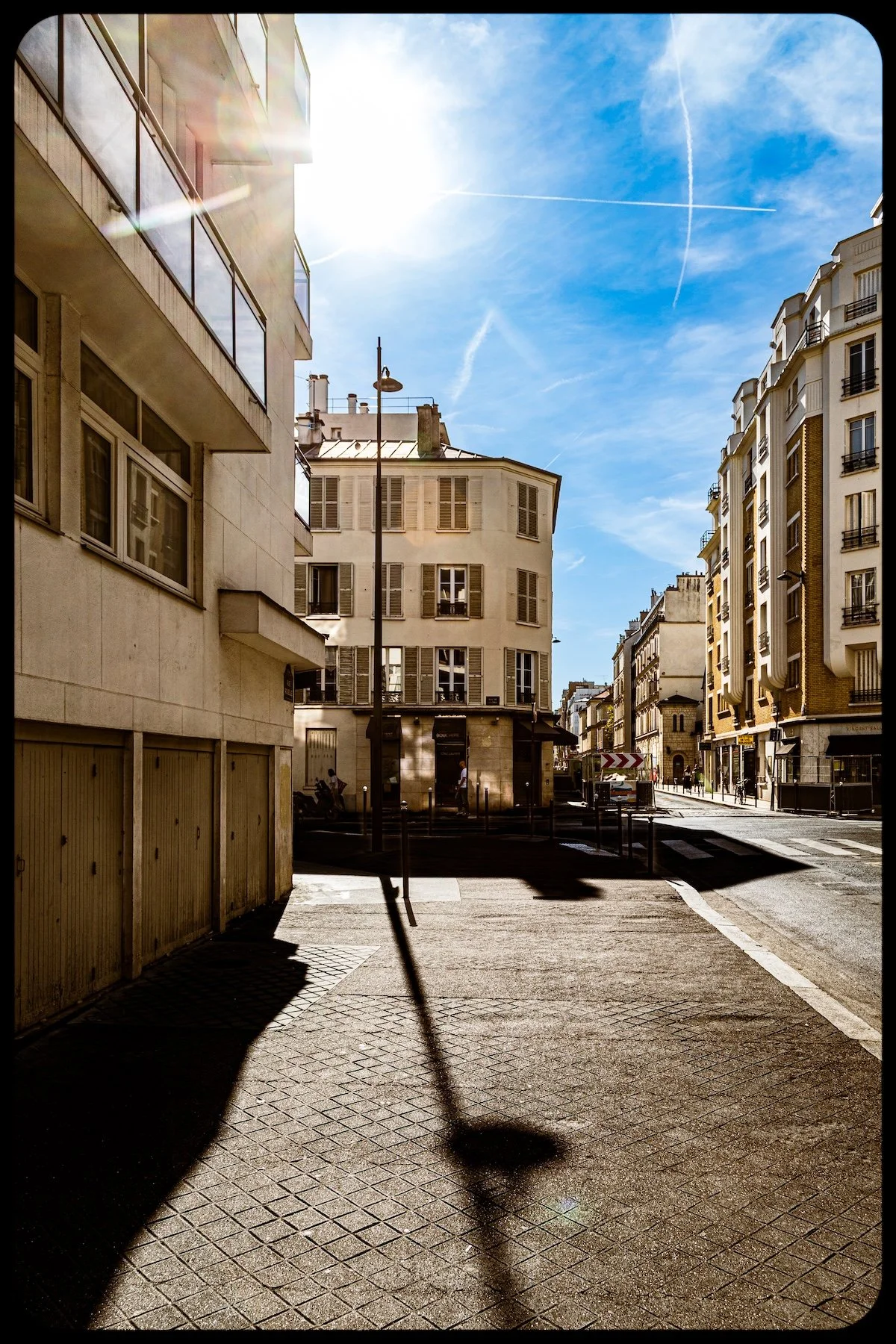
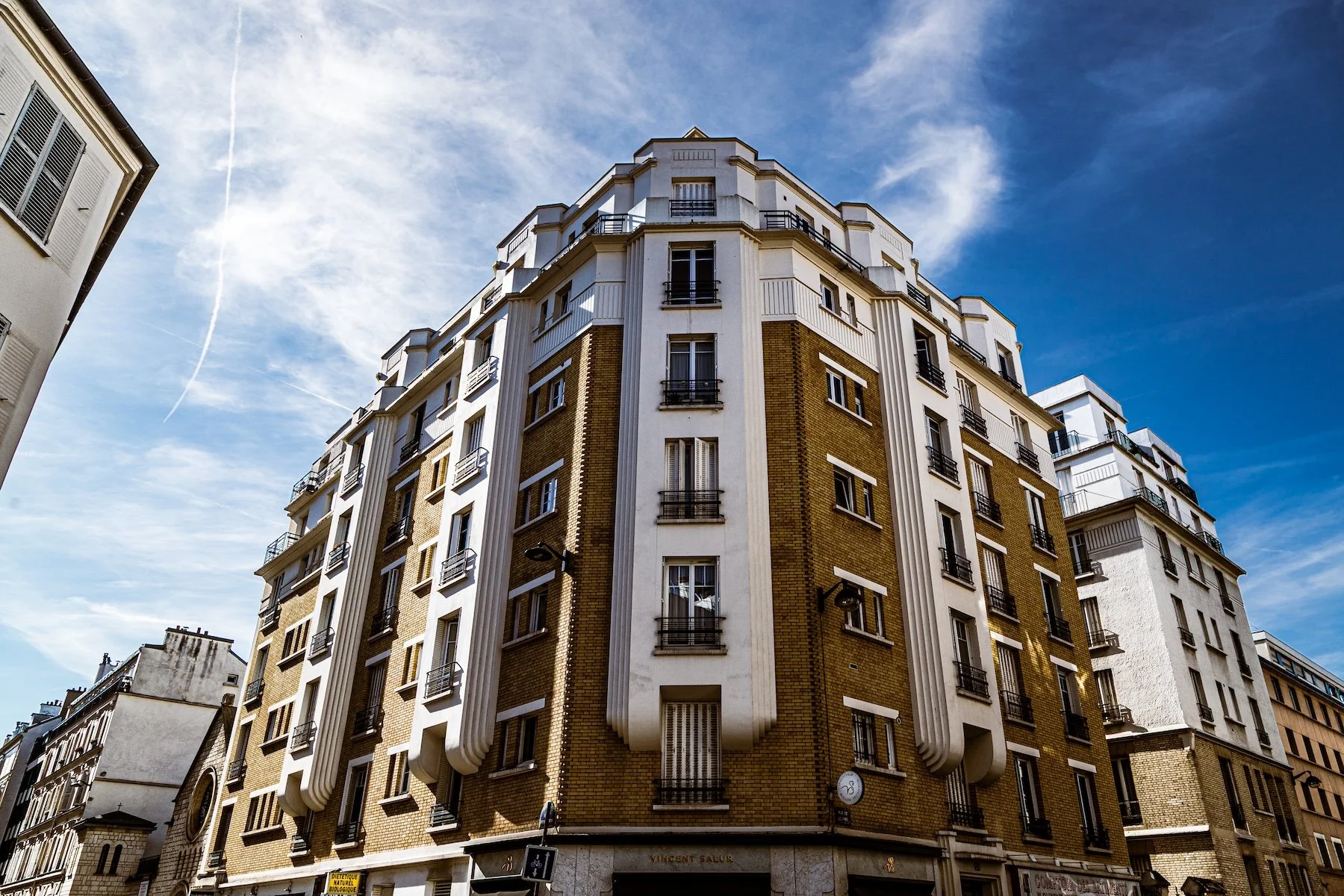
Flâneur Notes document the walks, photographs, light, and street-level observations behind this neighborhood entry. Learn more about the Spirit of the Flâneur.

Explore Paris
-

The twenty arrondissements form the civic spiral of Paris, organizing the city into its broad local districts of government, identity, and daily life.
-
Each arrondissement is divided into four official administrative quarters, giving Paris a more precise civic and geographic framework.
-

The conseils de quartier bring participation to street level, giving residents a voice in neighborhood needs, public space, and local civic life.
-

Les Deux Rives trace Paris through the Seine’s two banks, revealing how the Rive Droite and Rive Gauche shaped the city’s civic power, commerce, learning, art, and cultural identity.
-
Cultural neighborhoods reveal the Paris people recognize through history, cafés, architecture, memory, atmosphere, and local belonging.