
9e - FAUBOURG-MONTMARTE
Quartiers Administratifs
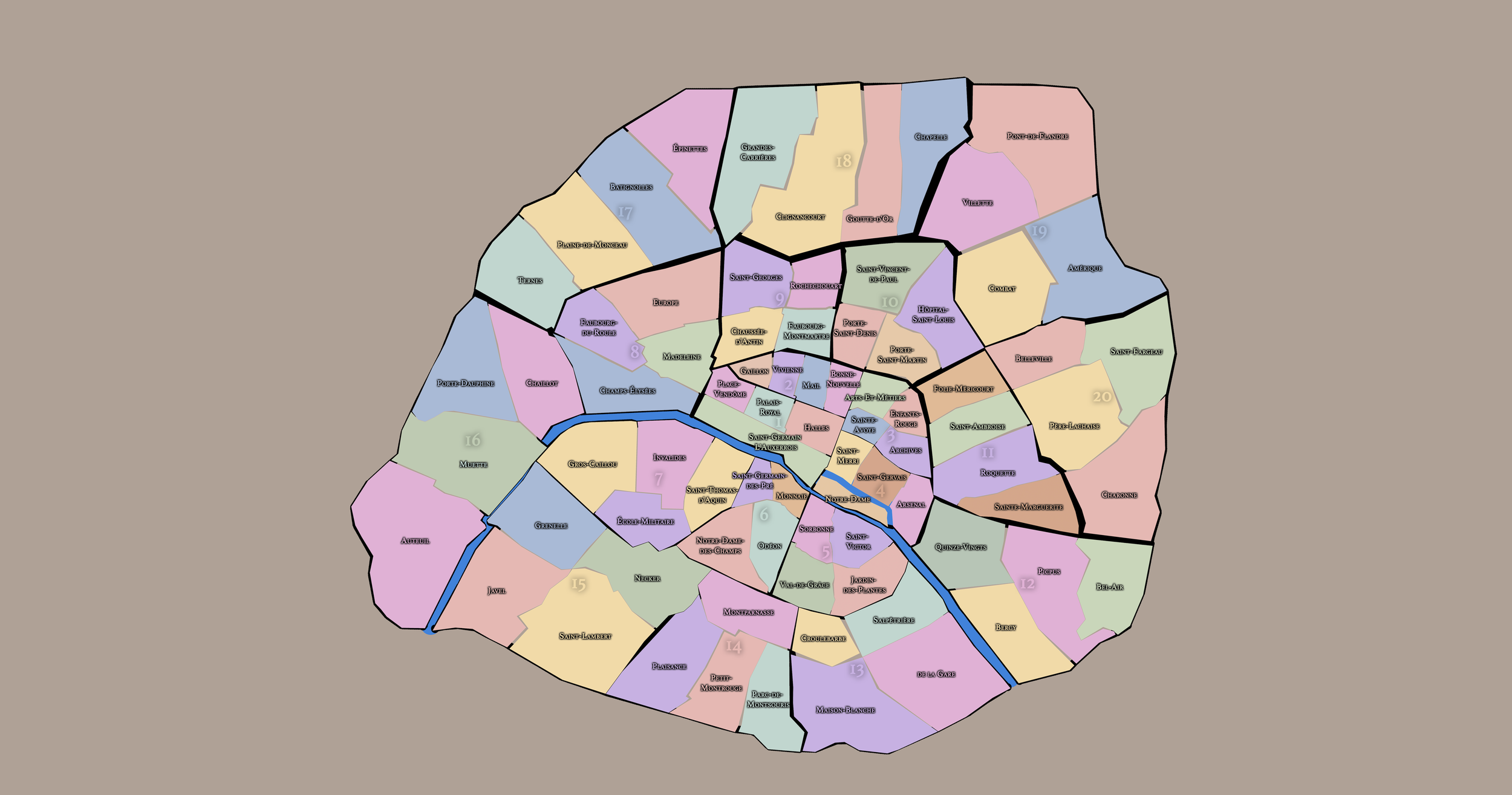
Welcome to the Faubourg-Montmartre neighborhood page! Faubourg-Montmartre is a quartier administratif — the 35th administrative quarter — one of 80 such districts across Paris. As a quartier administratif of the 9e Arrondissement - Opéra, Faubourg-Montmartre belongs to a formal layer of Parisian geography and gathers the passages, theaters, cafés, newspaper offices, and boulevard life that helped make the 9e one of Paris’s great districts of entertainment, commerce, and public spectacle.
Part of an ongoing project to walk and photograph every neighborhood in Paris, this page explores 9e Faubourg-Montmartre through maps, district identity, history, and photography.
The Map
Geographic Setting
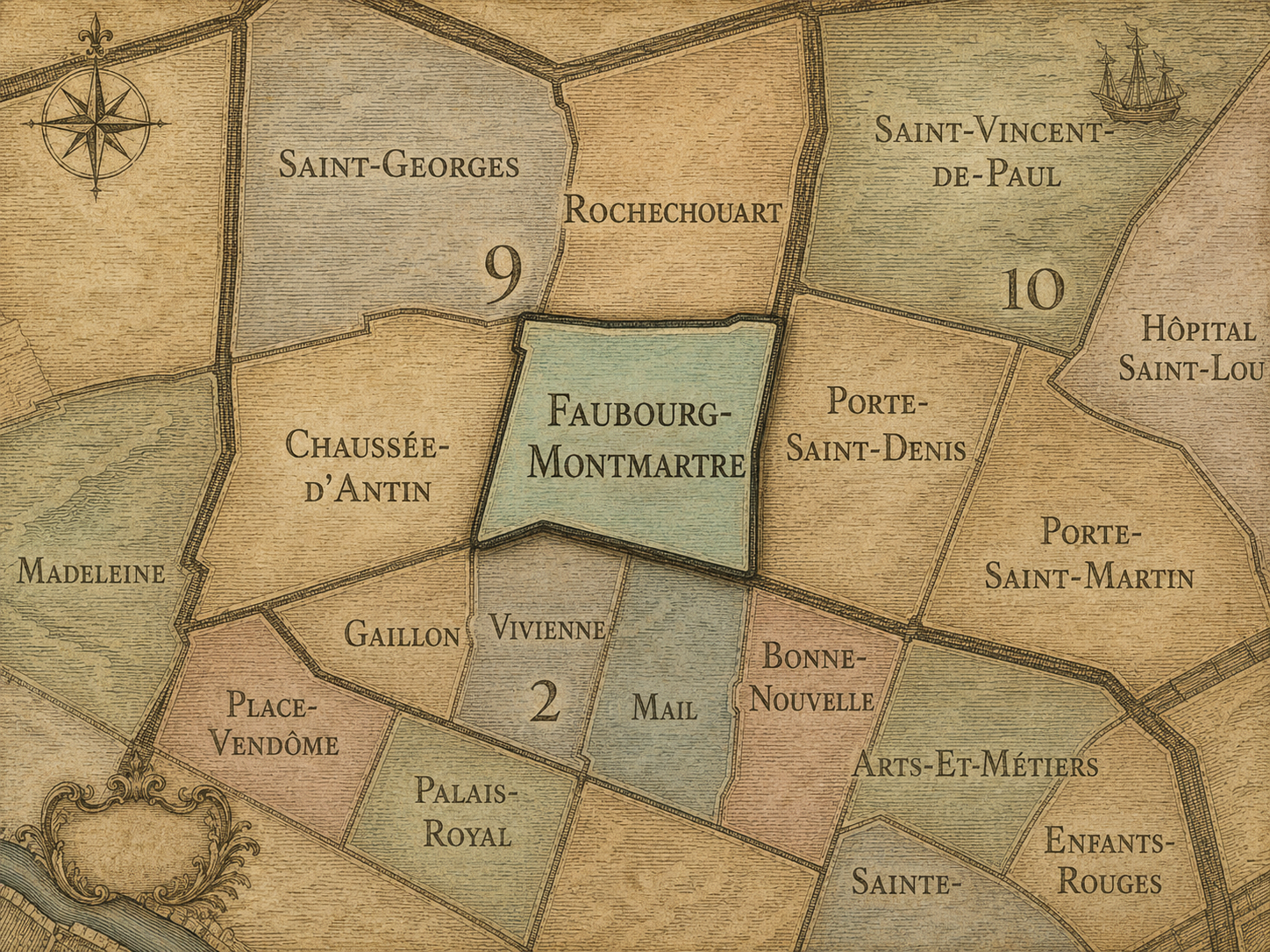
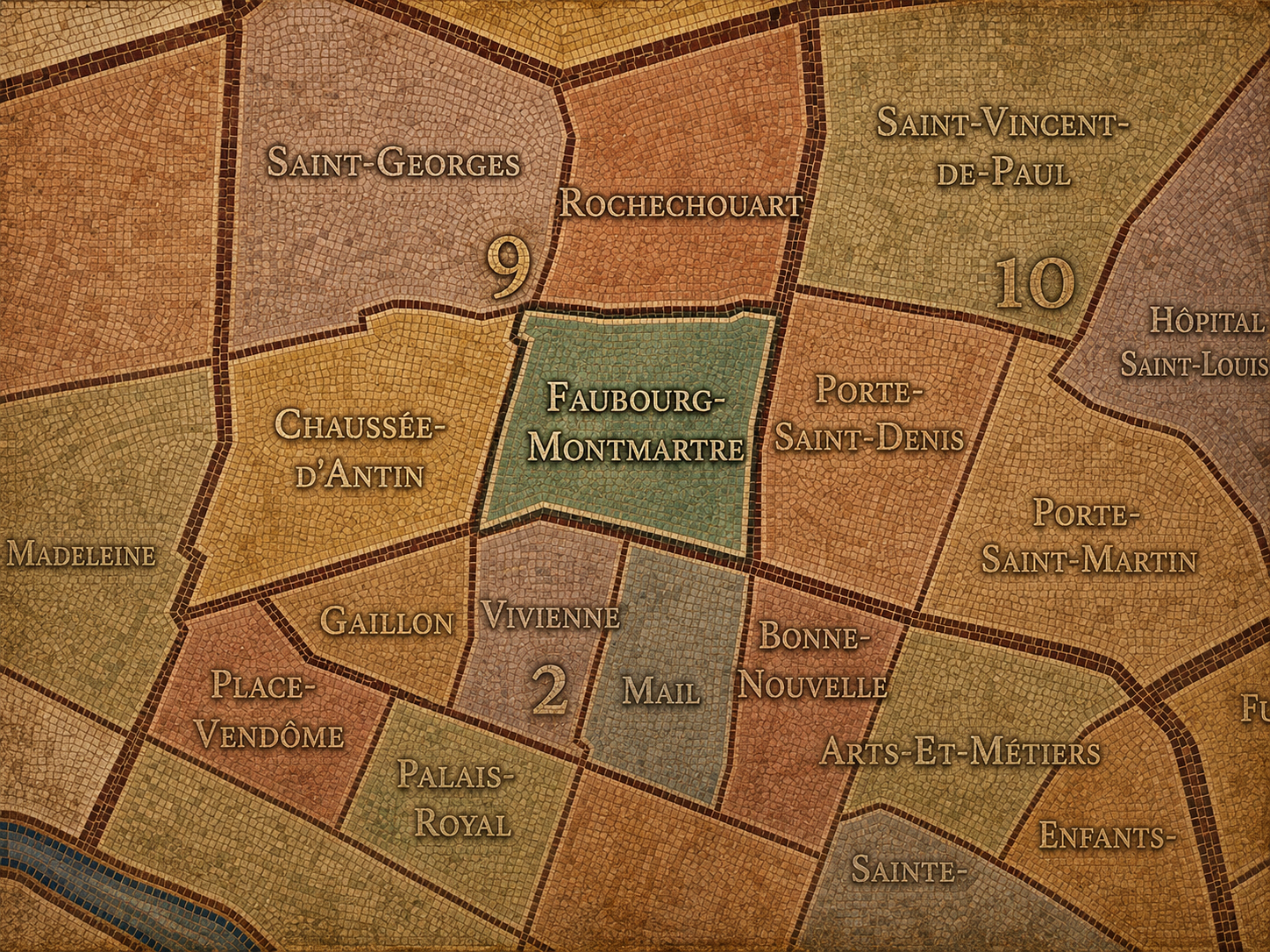
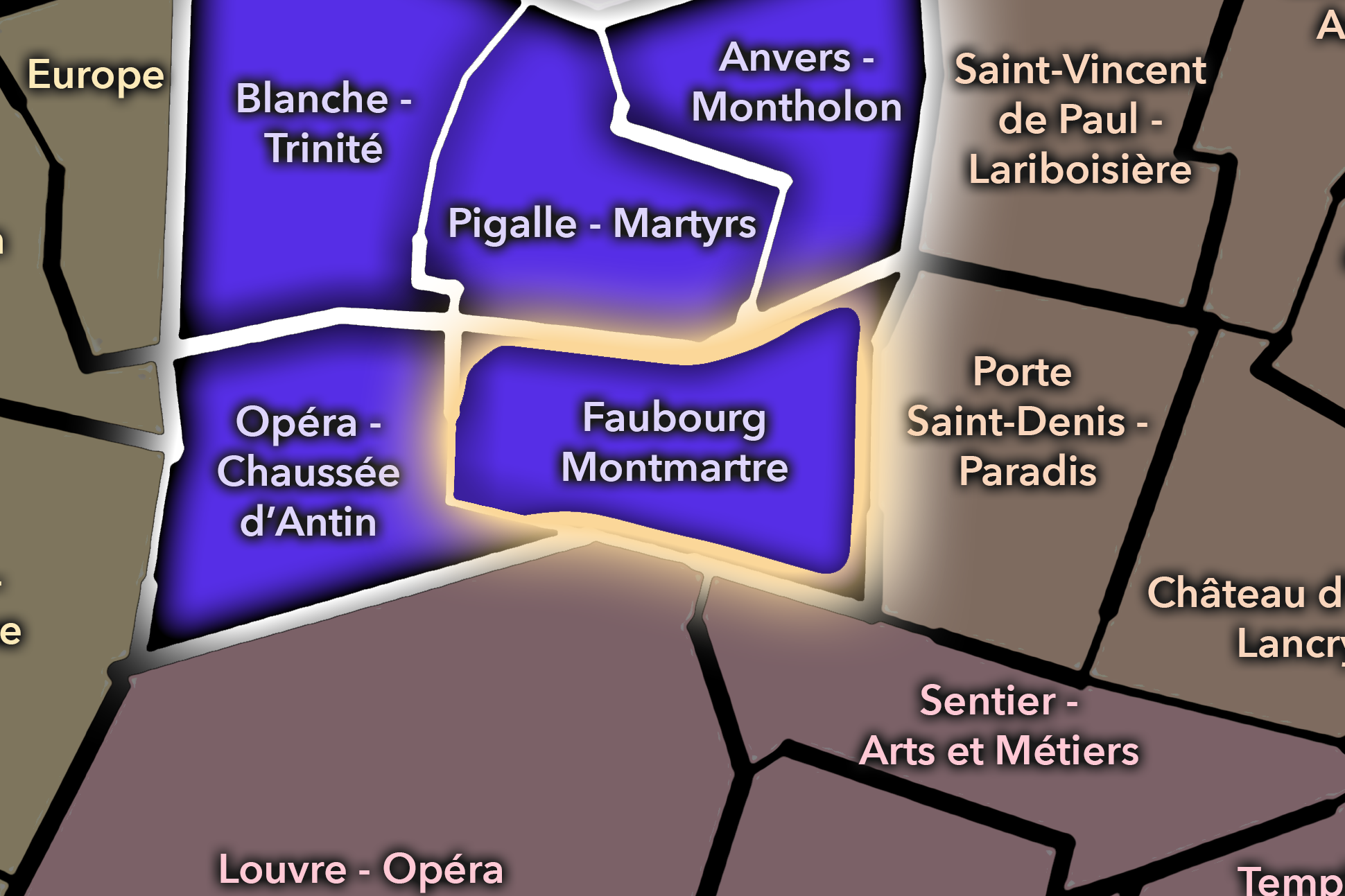
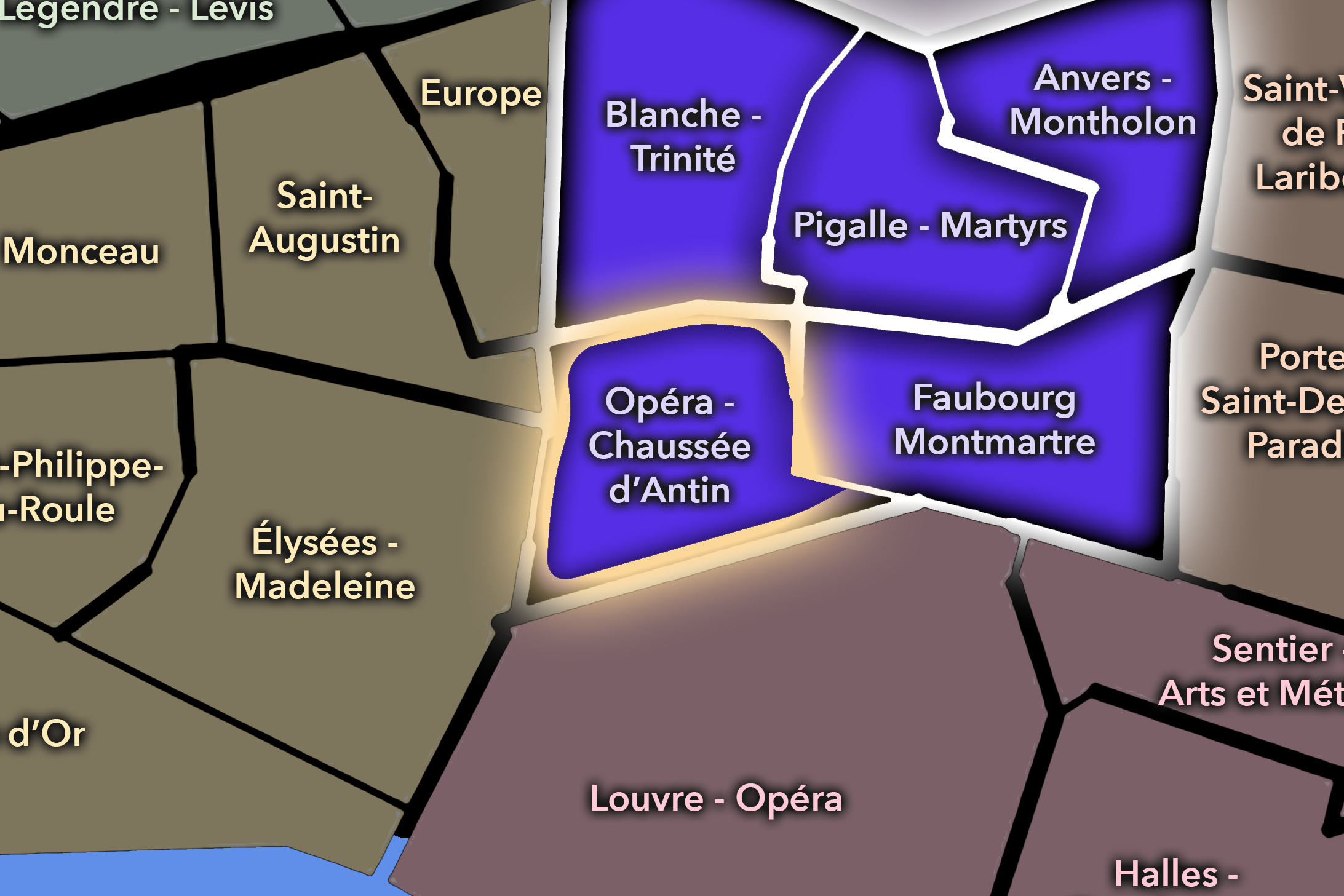
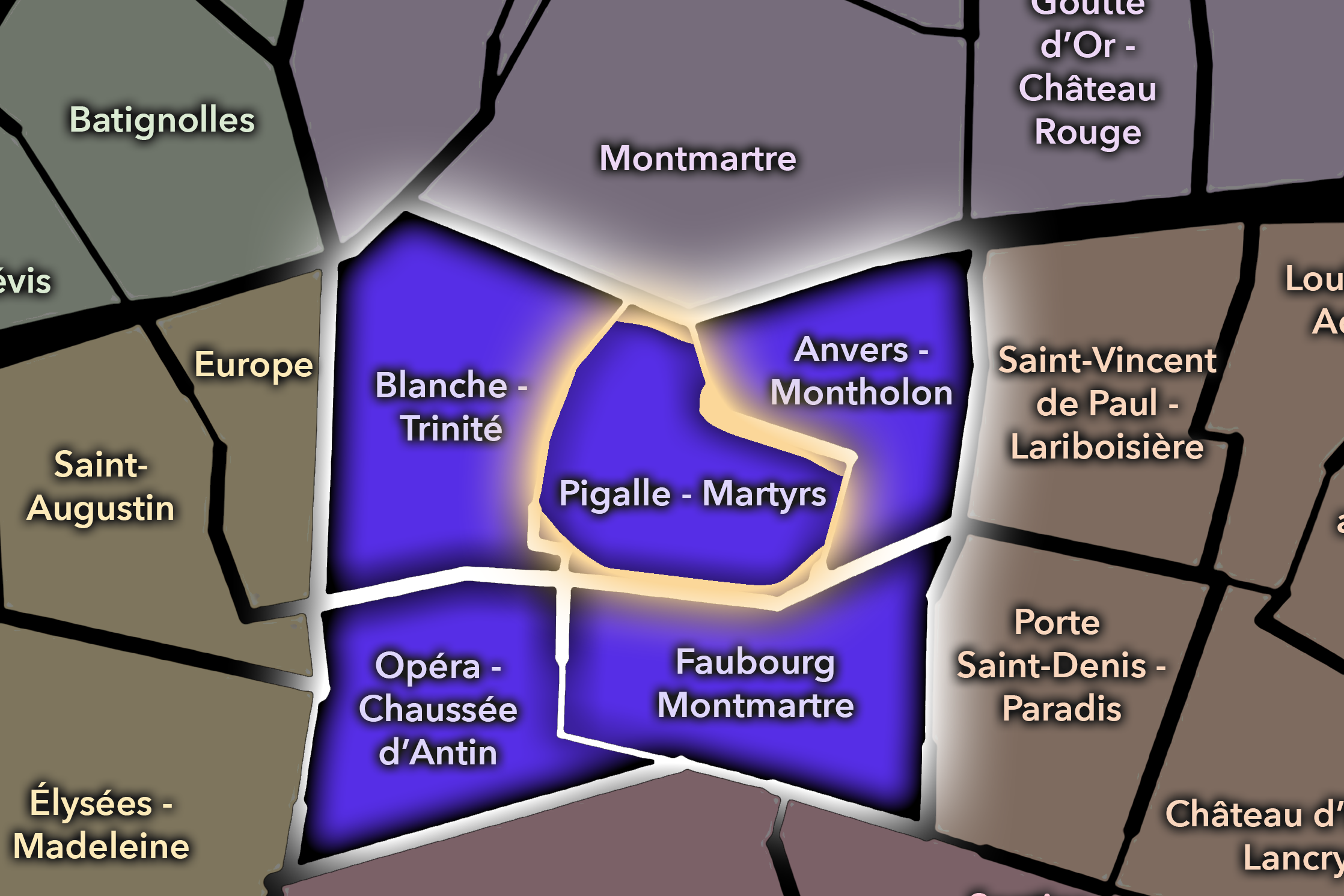
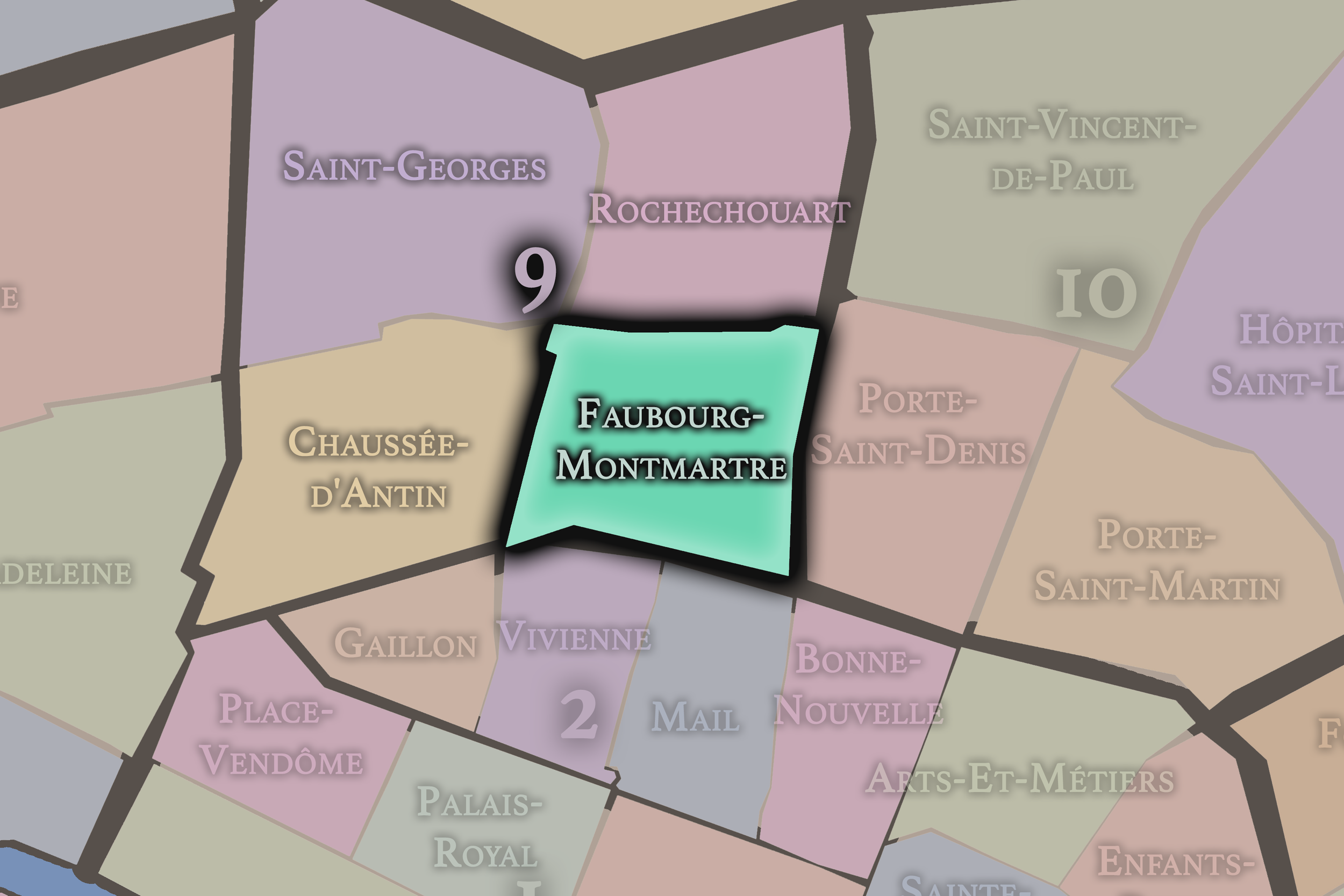
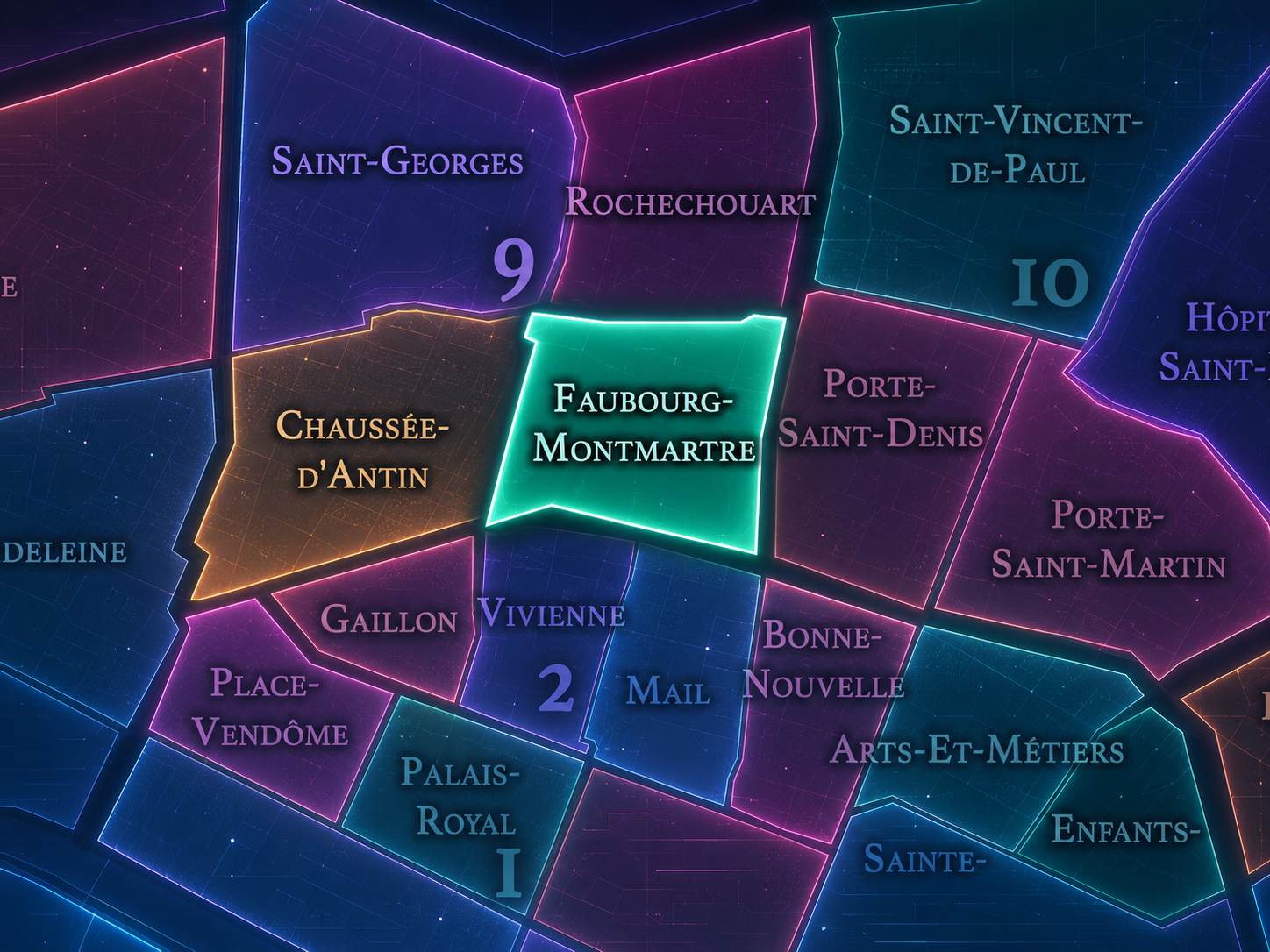
Faubourg-Montmartre occupies the southeastern portion of the 9th arrondissement, where the old northern approaches to Paris meet the Grands Boulevards, the Opéra-adjacent commercial city, and the lively corridors leading toward the lower slopes of Montmartre. It lies east of Chaussée-d’Antin, south of Saint-Georges and Rochechouart, north of the 2nd arrondissement’s Bonne-Nouvelle and Mail quarters, and west of the 10th arrondissement’s Porte-Saint-Denis and Porte-Saint-Martin landscapes. Its geography is shaped by movement, spectacle, commerce, and the historic roads that once led beyond the city toward Montmartre.
The quarter’s defining streets and landmarks include Rue du Faubourg-Montmartre, Rue Montmartre’s northern continuation, Boulevard Montmartre, Boulevard Poissonnière, Rue du Faubourg-Poissonnière, Rue Richer, Rue Bergère, Rue Drouot, Rue Le Peletier, the Folies Bergère, the Grévin Museum, the auction-house landscape around Hôtel Drouot, and the passages and commercial streets that link the 9th to the older Right Bank. This is a dense and animated quarter: theatrical, commercial, journalistic, popular, and metropolitan.
Unlike Chaussée-d’Antin, whose identity is shaped by the department stores, Opéra, Saint-Lazare, and the polished spectacle of modern retail, Faubourg-Montmartre has a more boulevard-driven and popular character. It is closer to the old entertainment spine of the Grands Boulevards, closer to the historic press and theater districts, and closer in spirit to the city of cafés, arcades, crowds, newspapers, passages, cabarets, and urban amusements. It is the 9th arrondissement as movement and performance — but with a sharper street-level energy than the grander Opéra-Haussmann world to the west.
Administrative Quarter Identity
Etymology and Origins
The name Faubourg-Montmartre comes from the old faubourg, or suburb, that developed along the road leading from Paris toward Montmartre. The word faubourg refers to a district beyond the former city walls, one of the urban edges that grew outside Paris before being absorbed into the expanding capital. “Montmartre” points toward the hill to the north, long associated with religious memory, village identity, quarries, windmills, and later artistic mythology.
The name therefore preserves a road relationship. Faubourg-Montmartre was not originally the hill of Montmartre itself, but the approach toward it — the corridor leading outward from the old Right Bank through gates, boulevards, and suburban settlement. Its identity began in direction: the way to Montmartre, the street beyond the city, the edge that gradually became interior.
This makes the quarter one of Paris’s many former thresholds. What was once outside the city became part of the city’s core. What was once a faubourg became an administrative quarter. The name still carries the memory of movement northward, even though the modern district now sits firmly within central Paris. Faubourg-Montmartre is a place where an old route became a neighborhood.
Civic Framework
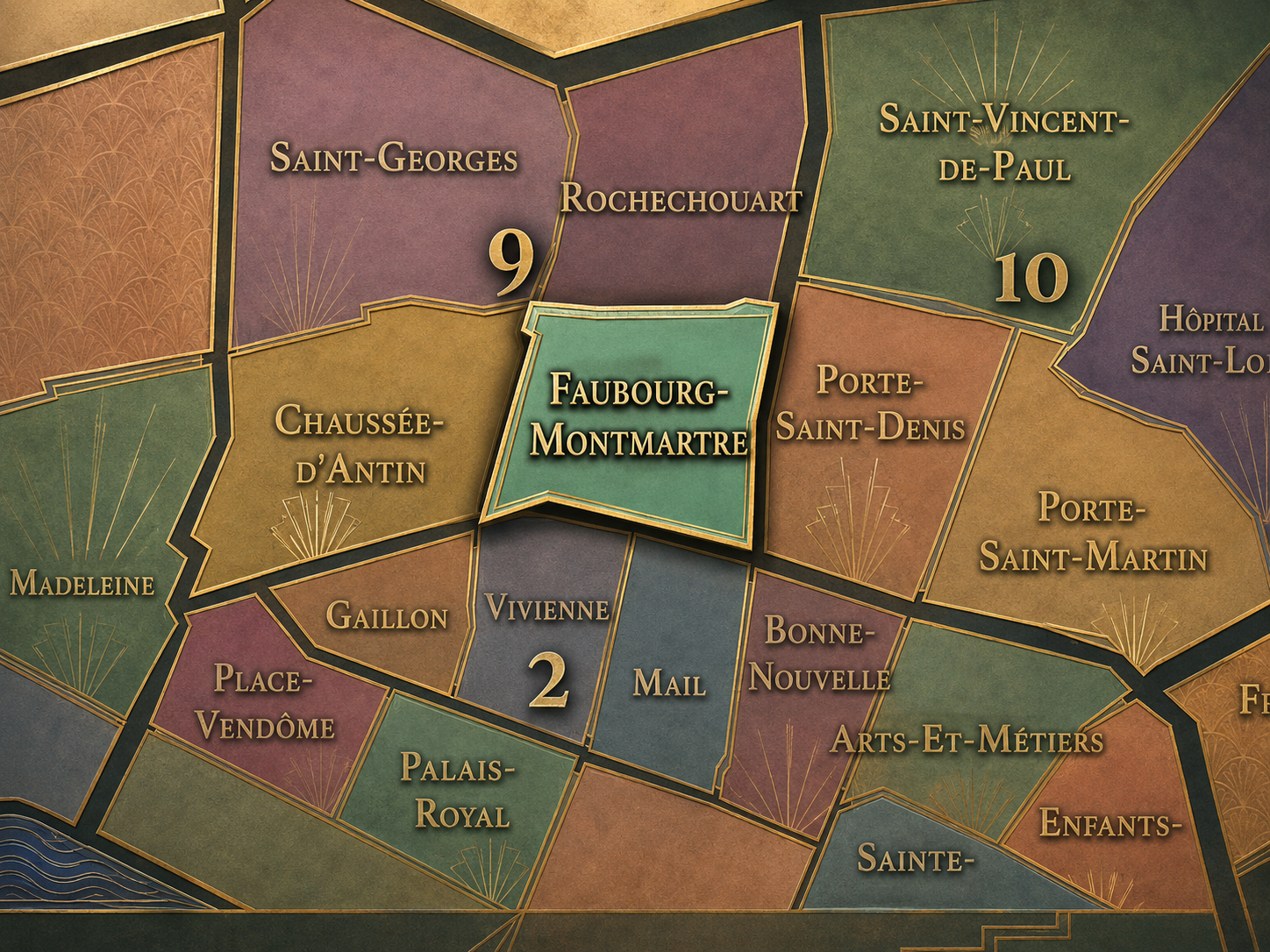
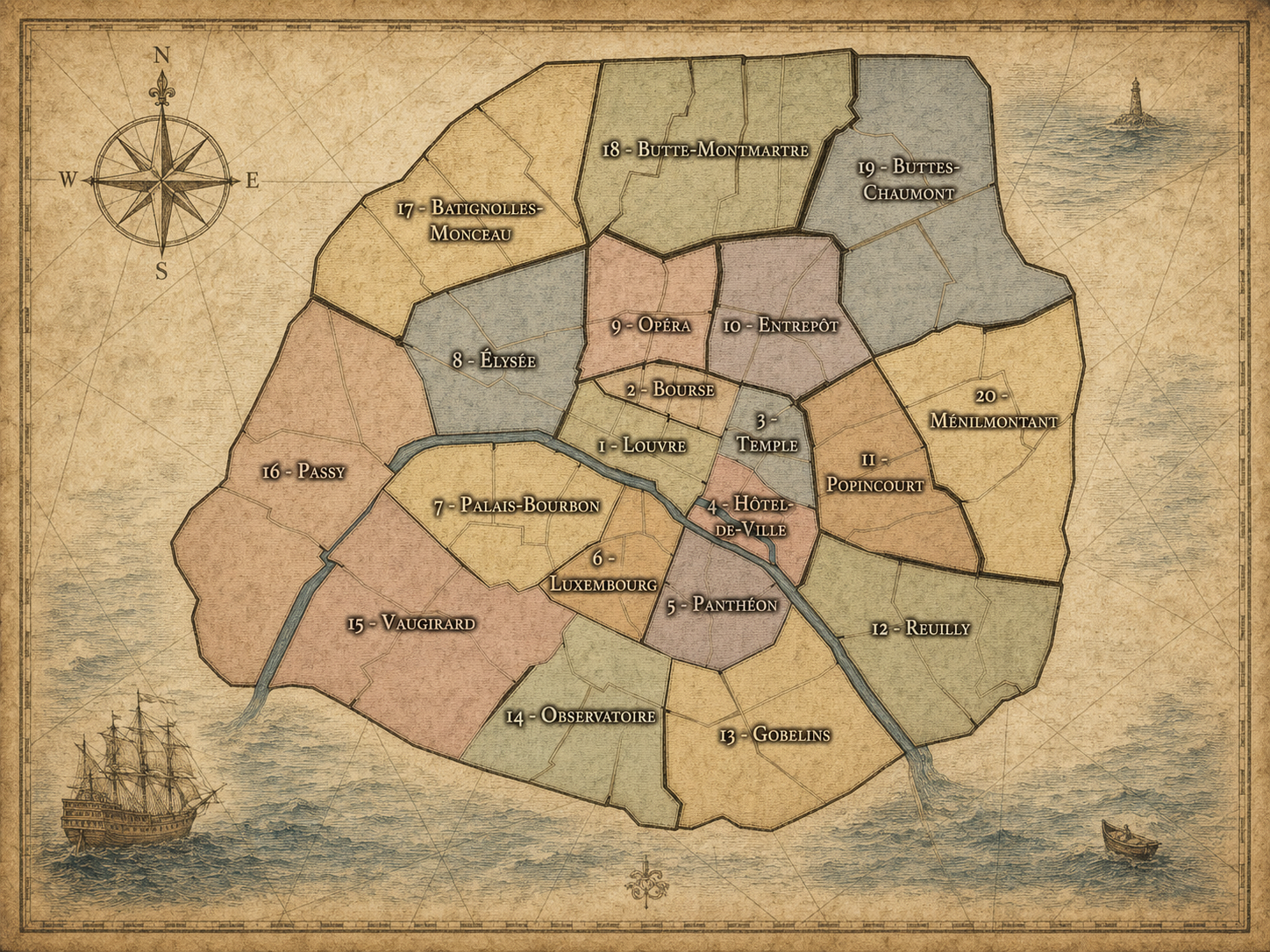
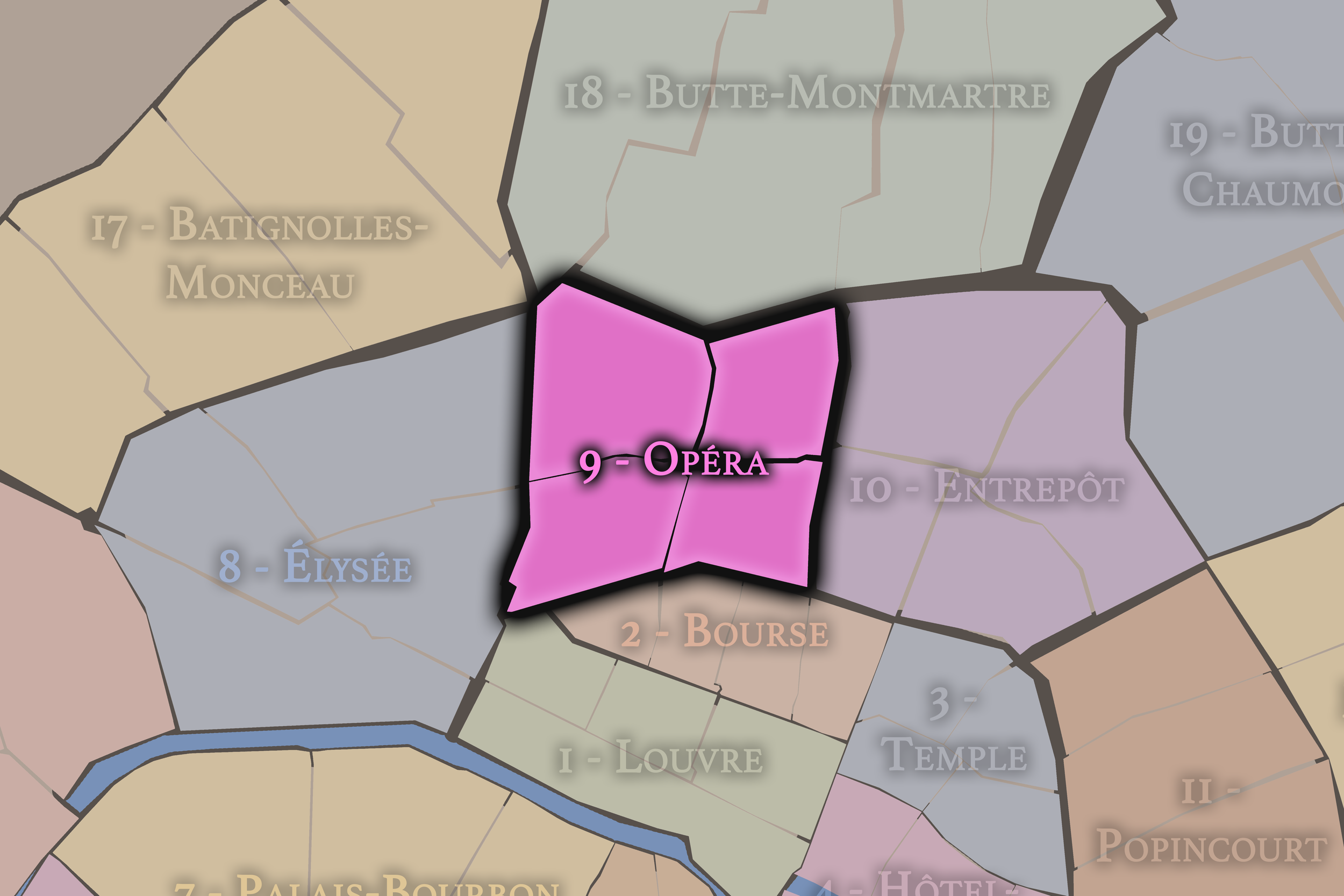
Within the official geography of Paris, Faubourg-Montmartre is one of the four administrative quarters of the 9th arrondissement, alongside Chaussée-d’Antin, Saint-Georges, and Rochechouart. It occupies the arrondissement’s southeastern sector and forms a bridge between the Grands Boulevards, the commercial streets of the 2nd arrondissement, the theater and newspaper districts of the old Right Bank, and the more residential and entertainment-oriented slopes leading northward toward Pigalle and Montmartre.
As an administrative quarter, Faubourg-Montmartre gives civic shape to a landscape that is often described through adjacent or overlapping names: the Grands Boulevards, Drouot, Folies Bergère, Boulevard Montmartre, Rue du Faubourg-Montmartre, or the lower approach to Montmartre. The official quarter name helps gather these fragments into one mapped district, rooted in the historic faubourg but shaped by the modern city’s entertainment and commercial life.
Its civic role is especially useful because the area can otherwise feel like a corridor rather than a neighborhood. People pass through it between Opéra, Grands Boulevards, Bonne-Nouvelle, Pigalle, Saint-Lazare, and the 10th arrondissement. The administrative quarter gives that passage a name. It shows that the act of moving through the city can itself create a durable urban identity.
Neighborhood Distinction
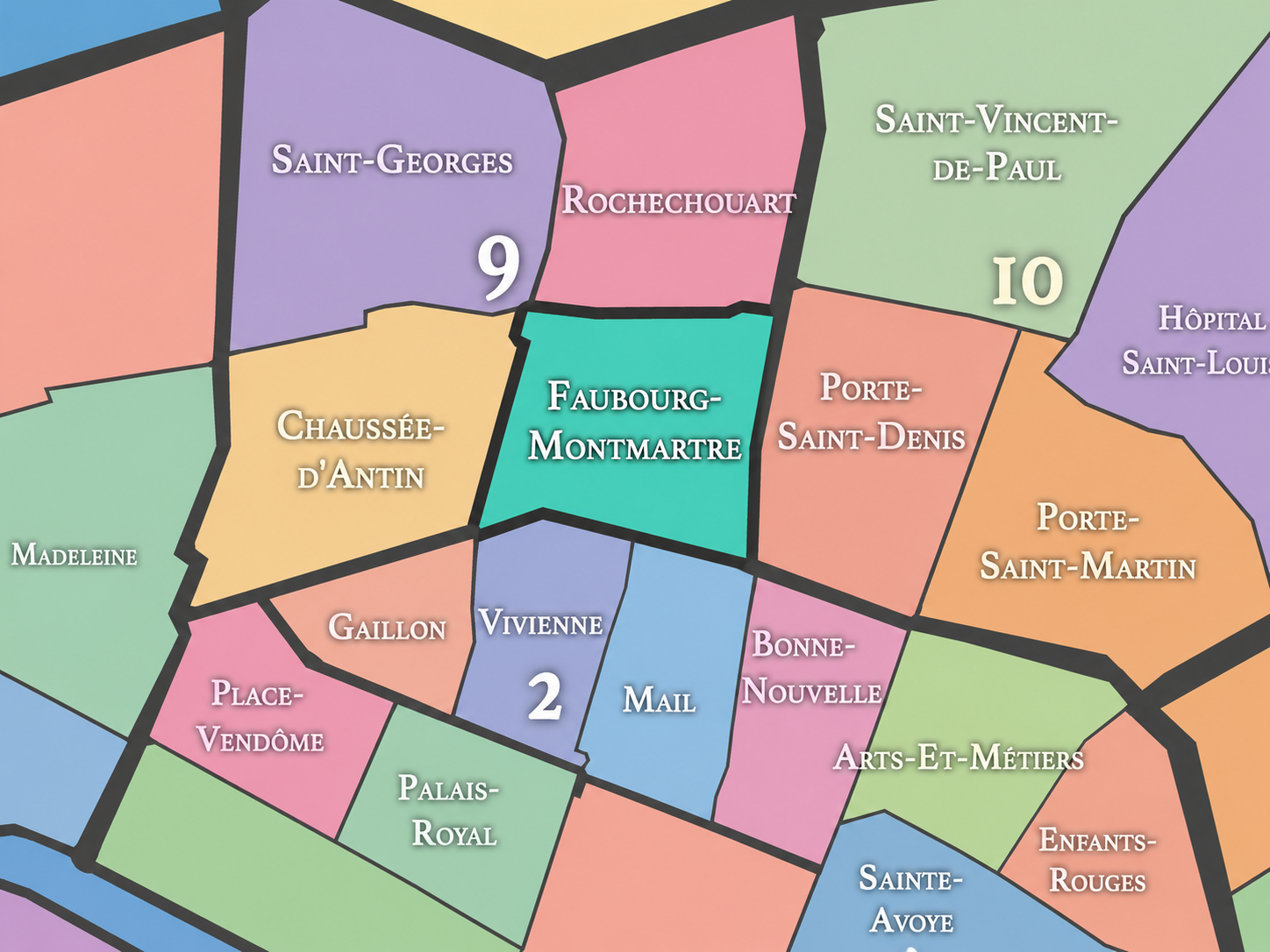
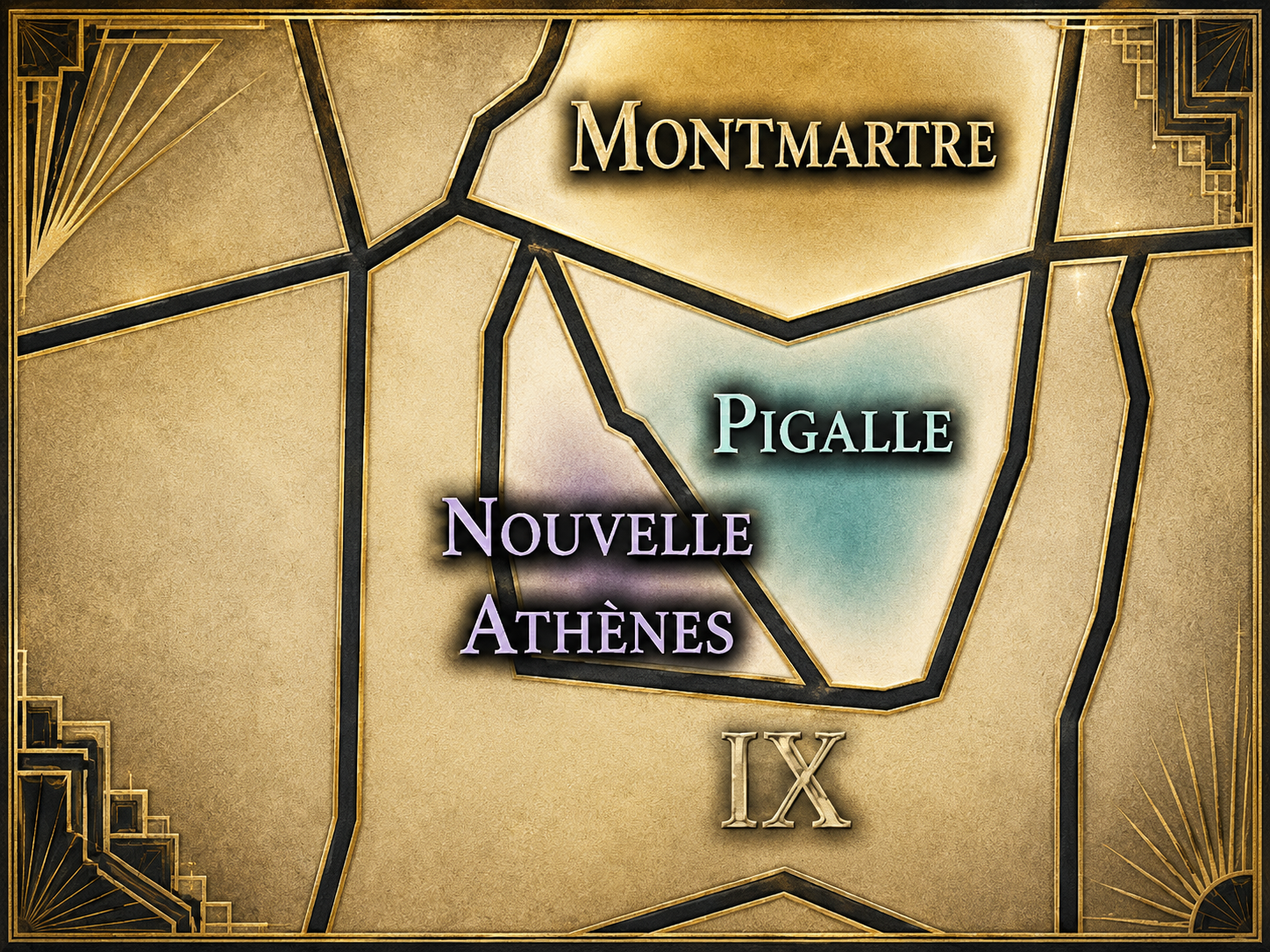
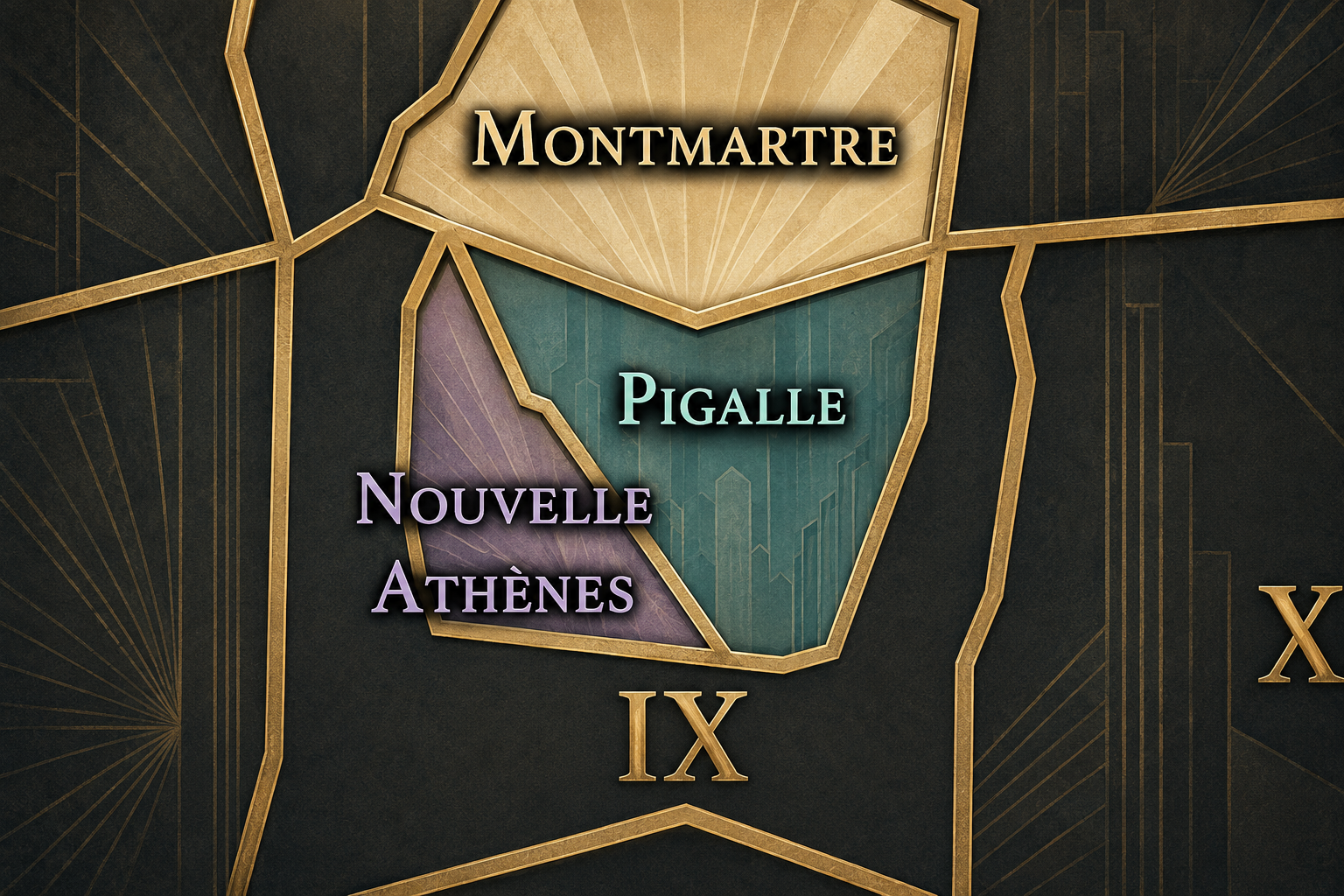
Faubourg-Montmartre differs from the other quarters of the 9th arrondissement through its strong relationship to the Grands Boulevards, popular entertainment, press history, passages, and old northern routes. Chaussée-d’Antin is more closely tied to Opéra, department stores, banks, and modern retail spectacle. Saint-Georges is more residential, romantic, and associated with the Nouvelle Athènes, artists, writers, and 19th-century private houses. Rochechouart turns north toward Pigalle, the lower Montmartre slopes, cabaret landscapes, and the transition into the 18th arrondissement.
Faubourg-Montmartre sits between these worlds. It is not as refined as Chaussée-d’Antin, not as intimate as Saint-Georges, and not as hill-bound or nocturnal as Rochechouart. Its identity is more boulevard and corridor: theaters, cafés, commercial rooms, passages, auction houses, restaurants, hotels, and streets where Parisian crowds have long gathered for information, amusement, buying, selling, and watching.
It should also be distinguished from Montmartre itself. Montmartre is the hill, the former village, the artistic and religious landscape of the 18th arrondissement. Faubourg-Montmartre is the approach below — central, commercial, and boulevard-oriented. It carries Montmartre in its name, but it belongs to the urban world at the foot of that ascent, where the older city’s edges became entertainment corridors.
Parisian Identity
Faubourg-Montmartre expresses Paris as a city of public appetite: for news, spectacle, theater, gossip, food, commerce, images, objects, and crowded urban life. It is one of the quarters where the city’s social energy feels especially visible. People have come here to read, watch, shop, dine, laugh, bargain, perform, and pass through. The neighborhood’s identity is not solemn. It is animated.
The Grands Boulevards are central to that identity. They turned former defensive lines into promenades and later into corridors of theaters, cafés, panoramas, newspapers, wax museums, arcades, shops, and nightlife. Faubourg-Montmartre belongs to that transformation. It shows how Paris turned its old boundaries into public stages.
The quarter also has a distinctive relationship to images and objects. The Grévin Museum turns celebrity, politics, and popular fascination into wax spectacle. The Hôtel Drouot auction landscape turns art, antiques, collections, and desire into public sale. The passages and boulevards turn window-shopping and wandering into urban experience. In Faubourg-Montmartre, Paris does not simply preserve culture. It circulates it, displays it, sells it, performs it, and makes a crowd around it.
Neighborhood Connections
Every neighborhood belongs to a wider Parisian fabric.
-
9e — Opéra
-
Anvers-Montholon
-
Faubourg Montmartre
-
Opéra-Chaussée d’Antin
-
Pigalle-Martyrs
-
Nouvelle Athènes
-
Pigalle
-
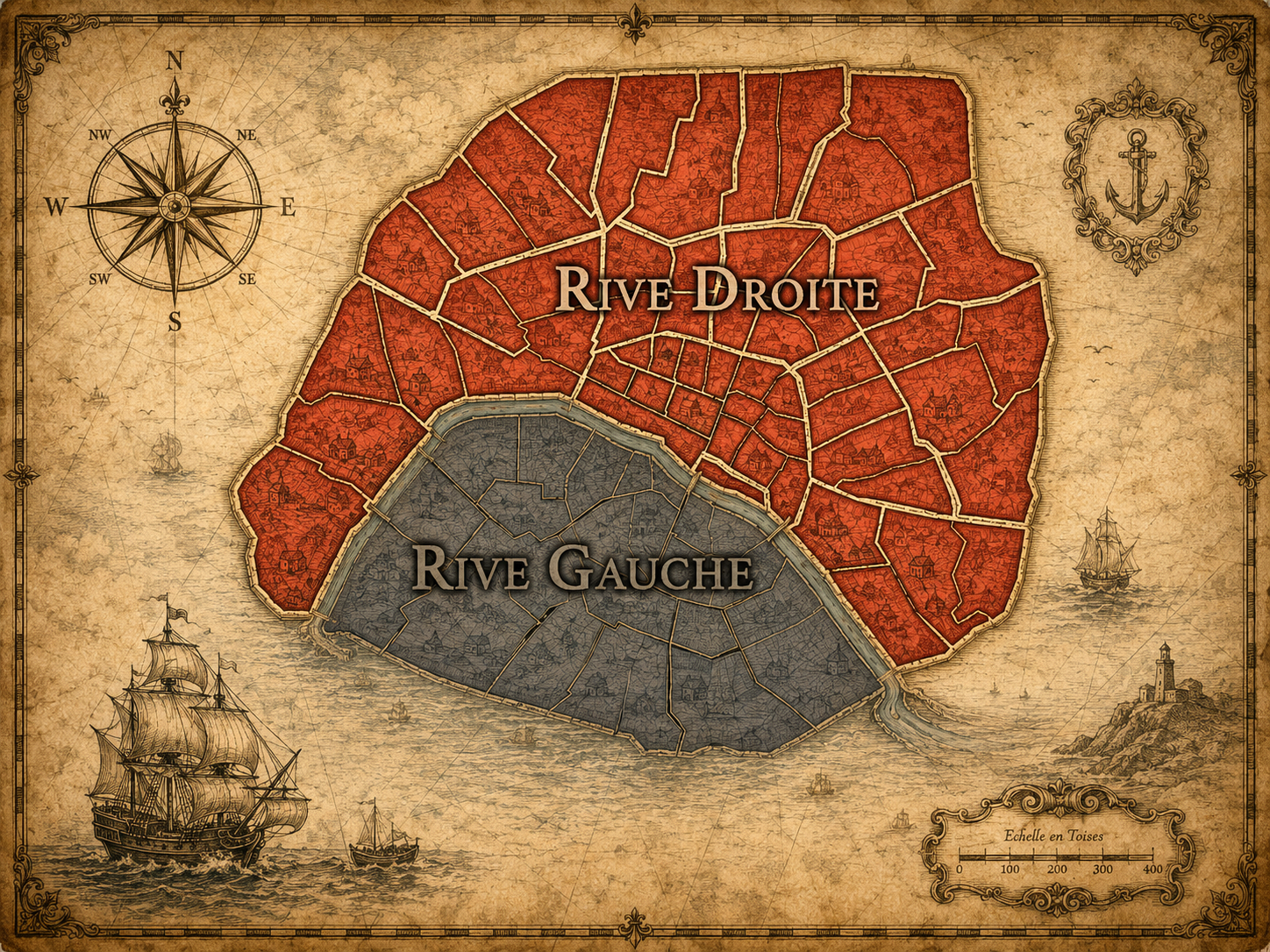
Rive Droite
The History
Origins
The origins of Faubourg-Montmartre lie along the road leading north from Paris toward Montmartre. Before the district was absorbed into the modern 9th arrondissement, it belonged to the outer geography beyond the old walls — a place of gates, roads, trades, inns, suburban houses, religious lands, and gradual settlement. Like many faubourgs, it developed because movement needed services: places to stop, trade, eat, lodge, work, and gather.
Its position outside the older city gave it a more flexible and sometimes more popular character than the formal quarters of royal or aristocratic Paris. Faubourgs often held activities that needed space or stood slightly apart from the regulations and densities of the inner city. They were thresholds, but also laboratories of urban life.
Faubourg-Montmartre’s origin story is therefore one of approach. The district grew along a line of movement rather than around a single monument. That beginning helps explain its later identity as a corridor of commerce and entertainment. The street came first; the neighborhood gathered around it.
16th–17th Century
In the 16th and 17th centuries, the future Faubourg-Montmartre quarter lay outside the densest central city, along the northern approaches to Paris. The route toward Montmartre and the surrounding faubourg landscape supported settlement, trades, religious properties, and the gradual extension of urban life beyond the old walls. The area was connected to Paris but not yet fully enclosed by it.
As the city grew, the northern faubourgs became increasingly active. Roads that once led outward began attracting denser development, and the areas beyond the gates took on distinct local identities. Faubourg-Montmartre’s role as an approach to the hill and to the northern countryside gave it both practical importance and social variety.
The 17th century also prepared the transformation of former defensive landscapes into boulevards. As fortifications lost their military function, the spaces along and beyond them became increasingly available for promenade, development, and public life. This shift would be decisive for Faubourg-Montmartre in the following centuries.
18th Century
In the 18th century, Faubourg-Montmartre became more deeply integrated into the life of the expanding city. The Grands Boulevards developed as spaces of promenade, entertainment, sociability, and commerce, turning the old edge of Paris into one of its liveliest public landscapes. The quarter’s location near Boulevard Montmartre and Boulevard Poissonnière placed it directly within this new urban world.
The area attracted theaters, cafés, shops, restaurants, and forms of popular amusement that would become central to the identity of the boulevards. It was a place where Parisians came to see and be seen, to read the crowd, to hear news, to encounter spectacle, and to participate in a more modern kind of public life. The old faubourg became a theater of movement.
The French Revolution intensified the importance of such public corridors. Boulevards, cafés, theaters, printing, rumor, and crowds all played roles in the political life of the city. Faubourg-Montmartre entered the modern era not as a quiet former suburb, but as part of a Paris where public opinion and urban spectacle increasingly shaped history.
19th Century
The 19th century made Faubourg-Montmartre one of the great districts of boulevard Paris. The Grands Boulevards reached a height of cultural importance, filled with theaters, cafés-concerts, panoramas, newspapers, passages, restaurants, and entertainment venues. The quarter became part of the modern public city, where leisure and commerce were organized for crowds.
The Folies Bergère, founded in the 19th century, became one of the most famous entertainment venues associated with the district, contributing to the quarter’s identity as a landscape of performance, music hall, spectacle, and nightlife. Nearby, the Grévin Museum opened in the late 19th century, turning contemporary fame, politics, and popular fascination into a public attraction. These institutions reinforced Faubourg-Montmartre as a place where the modern crowd could consume images of itself.
The quarter also participated in the rise of journalism, printing, and the commercial press around the boulevards. Newspapers, cafés, and theaters fed one another. News became entertainment; entertainment became news. Faubourg-Montmartre belonged to that lively urban ecosystem, where the public sphere was not only political or intellectual, but also theatrical and commercial.
Early–Mid 20th Century
In the early and mid 20th century, Faubourg-Montmartre remained a district of theaters, cafés, restaurants, hotels, offices, newspapers, auction rooms, and metropolitan circulation. The quarter’s popular entertainment identity continued, though forms changed with cinema, music halls, cabaret culture, and modern nightlife. It stood close enough to Pigalle and Montmartre to share in their nocturnal reputation, but remained more firmly tied to the boulevards and central Right Bank commerce.
The auction world around Drouot gave the quarter a different kind of theatricality. Objects, collections, artworks, furniture, books, and curiosities passed through public sale, creating a neighborhood culture of appraisal, display, desire, and exchange. This reinforced the quarter’s identity as a place where value was publicly performed, whether on a stage, behind a shop window, or in an auction room.
During the upheavals of war, occupation, liberation, and postwar recovery, Faubourg-Montmartre’s central position made it a witness to the changing life of Paris. Entertainment districts could become places of escape, propaganda, control, survival, and renewal. The quarter’s cafés, theaters, and commercial spaces carried the ambiguity of a city trying to live through crisis.
Late 20th Century
In the late 20th century, Faubourg-Montmartre adapted to changes in entertainment, commerce, tourism, and urban nightlife. Some older theaters and boulevard institutions survived as heritage or transformed into new uses. Others disappeared or lost centrality as television, cinema, new nightlife geographies, and changing consumer habits altered the social life of the boulevards.
The quarter retained a lively mixture of hotels, restaurants, offices, theaters, auction houses, and tourist-oriented attractions. Its central location made it useful and accessible, but also vulnerable to standardization. Chains, tourism, traffic, and changing retail patterns affected the atmosphere of the boulevards and surrounding streets. Yet the old identity did not vanish. The district remained theatrical by habit, even when the forms of theater changed.
This period also brought renewed appreciation for covered passages, 19th-century entertainment architecture, and the historical culture of the Grands Boulevards. Faubourg-Montmartre became increasingly readable as a heritage landscape of modern urban leisure — a place where the 19th-century city’s appetite for spectacle could still be felt beneath contemporary commerce.
21st Century
In the 21st century, Faubourg-Montmartre remains one of the 9th arrondissement’s most animated and layered quarters. It connects the Grands Boulevards, Drouot, the lower approach toward Montmartre, the commercial streets of the 2nd arrondissement, and the nightlife and entertainment corridors leading north. Its streets hold theaters, hotels, restaurants, offices, galleries, auction houses, museums, cafés, and the constant movement of residents, workers, visitors, and night crowds.
Today, the quarter’s identity lies in the overlap between heritage entertainment and contemporary urban use. The Folies Bergère and Grévin Museum remain visible markers of popular spectacle. Drouot continues to anchor the world of auctions and collections. The boulevards continue to carry movement and commerce. The old faubourg road still points toward Montmartre, even as the modern district has become fully central.
For CityNeighborhoods: Paris, Faubourg-Montmartre is essential because it shows how neighborhood identity can be built from public life in motion. It is not a quiet residential enclave, not a monumental state landscape, and not a single landmark district. It is a quarter of corridors, stages, salesrooms, cafés, crowds, images, and passages — a neighborhood made from the city’s desire to gather and watch.
Spirit and Legacy
Faubourg-Montmartre is the quarter where Paris turns the road outward into a boulevard of spectacle. Its spirit is bright, crowded, curious, commercial, and slightly theatrical. It belongs to old routes and modern crowds, to cafés and cabarets, to wax figures and auction rooms, to boulevard lights and the long approach toward the hill of Montmartre.
Its legacy is the transformation of edge into entertainment. A faubourg beyond the city became a central corridor. A road toward Montmartre became a district of theaters, shops, newspapers, cafés, and public amusements. The old boundary of Paris became one of the places where Paris learned to perform itself for the crowd.
To walk Faubourg-Montmartre is to encounter the city as appetite and display. It is a neighborhood of movement rather than stillness, of glimpses rather than enclosure, of public rooms and street-facing pleasures. In this quarter, Paris is not merely contemplated. It is watched, bought, sold, performed, laughed over, argued about, and carried onward into the night.
The Photography
Visual Identity
The visual identity of each Paris district begins with its position in the city’s layered geography. Before the photographs arrive, the maps establish a first way of seeing: where the district sits, what civic layer it belongs to, which boundaries define it, and how it connects to the surrounding fabric of Paris. In CityNeighborhoods Paris, cartography is not merely orientation; it is part of the visual language of the project.
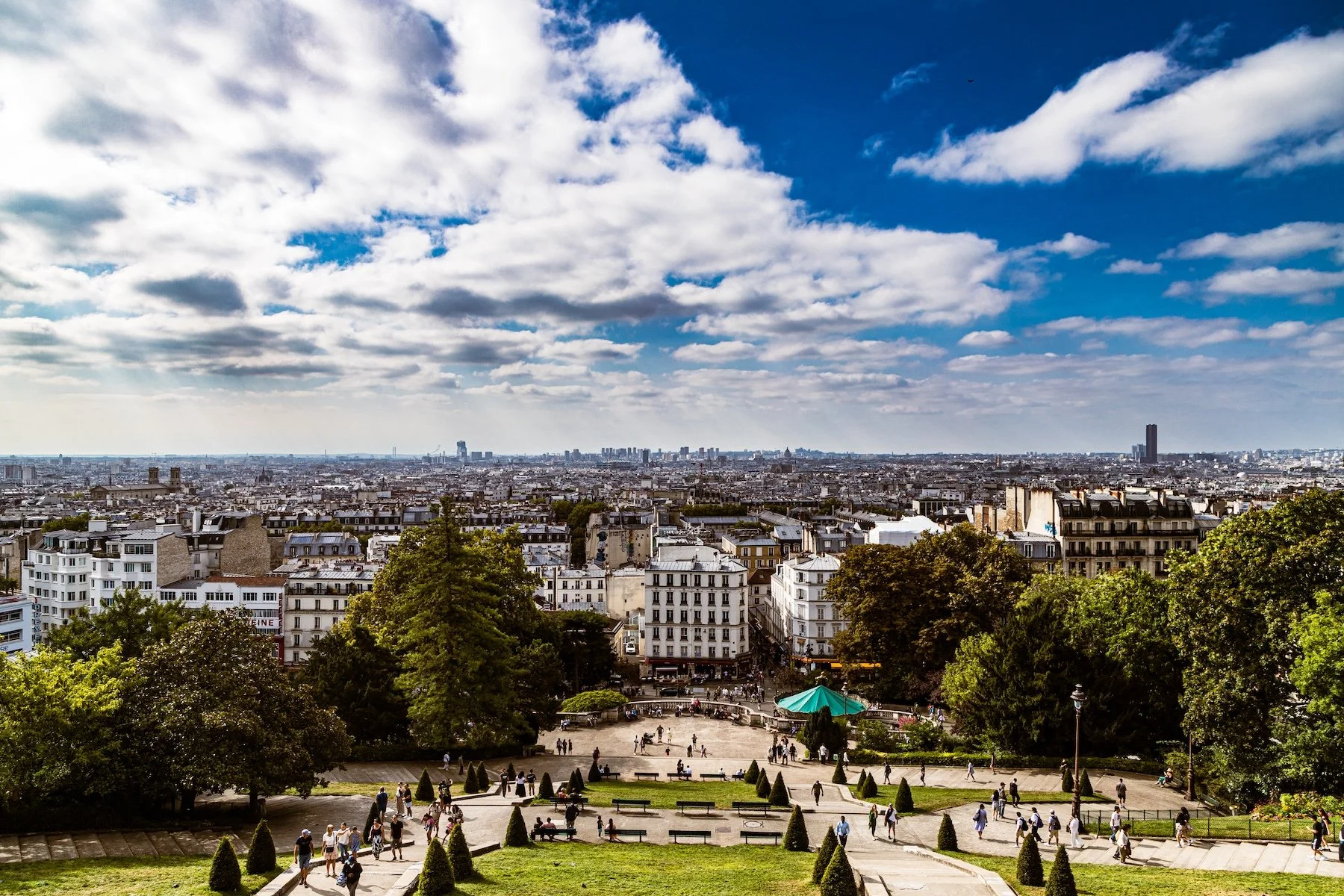
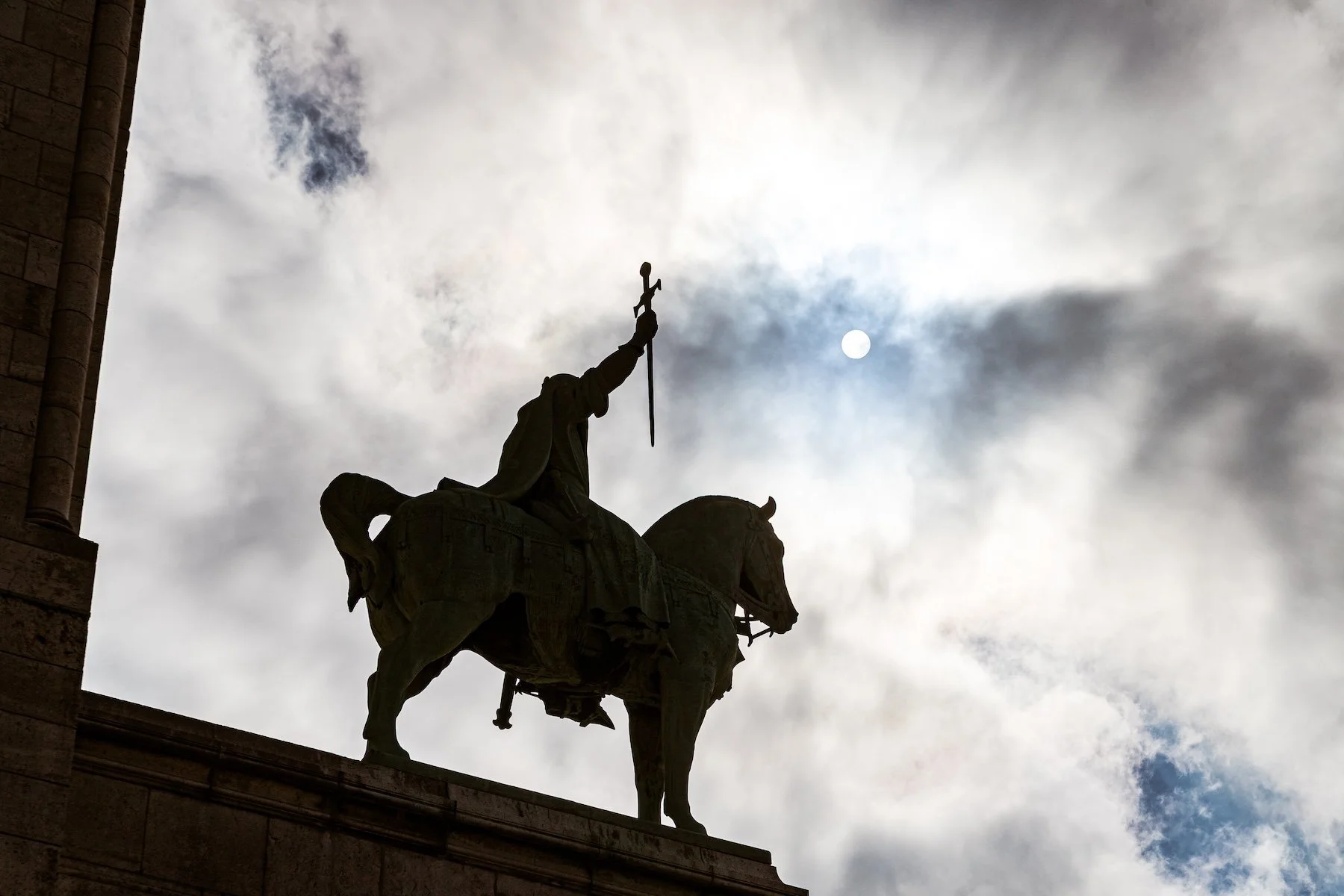
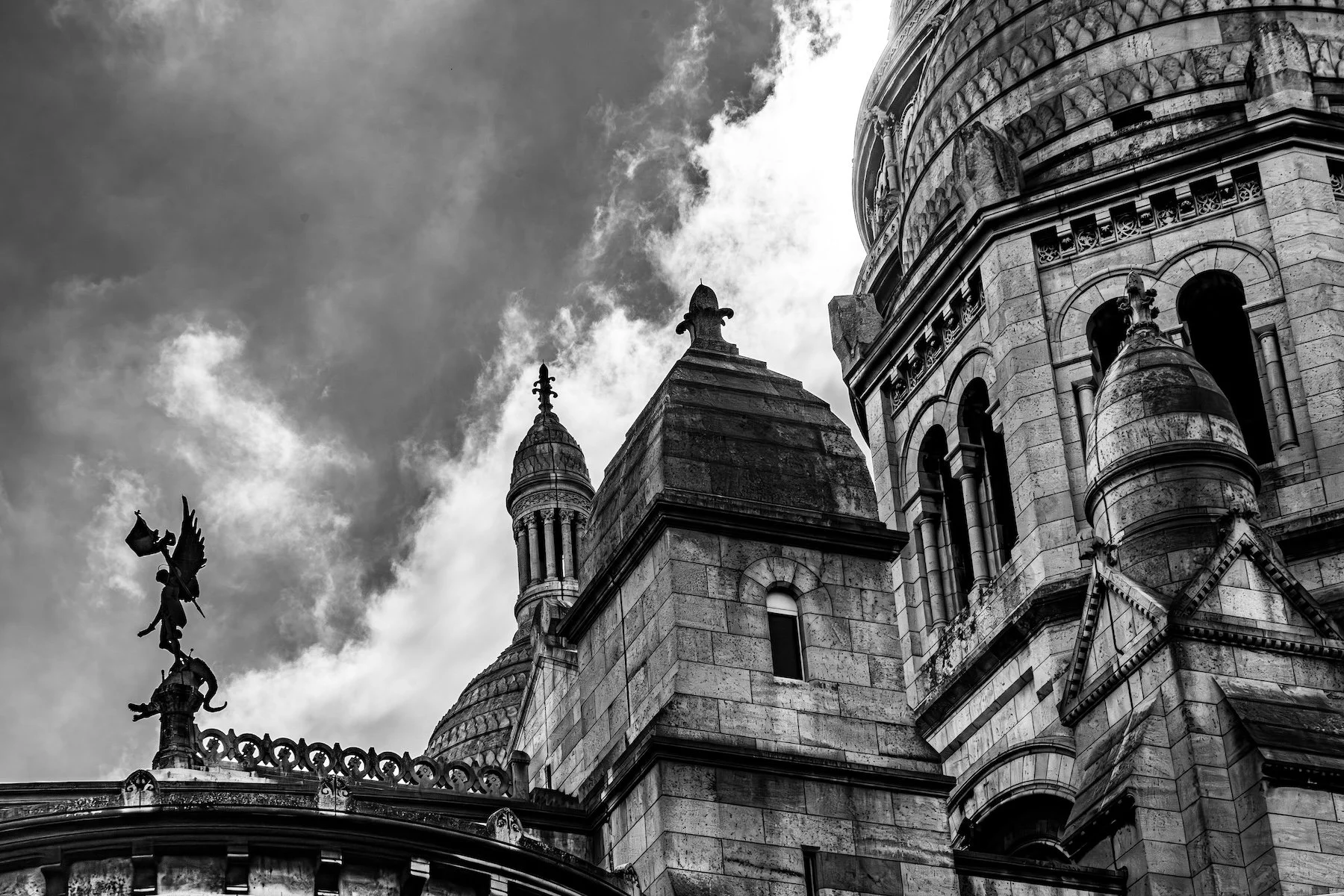
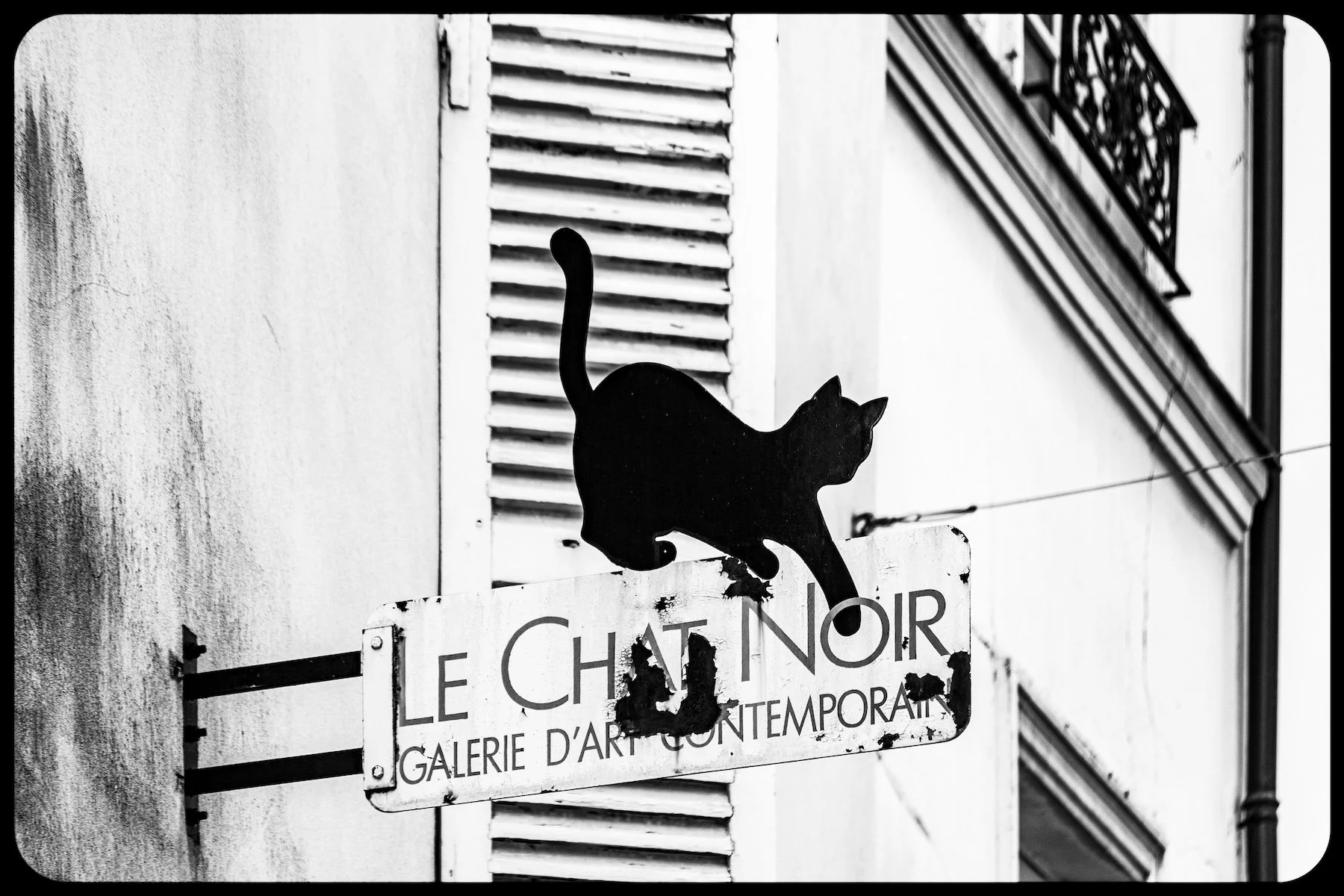
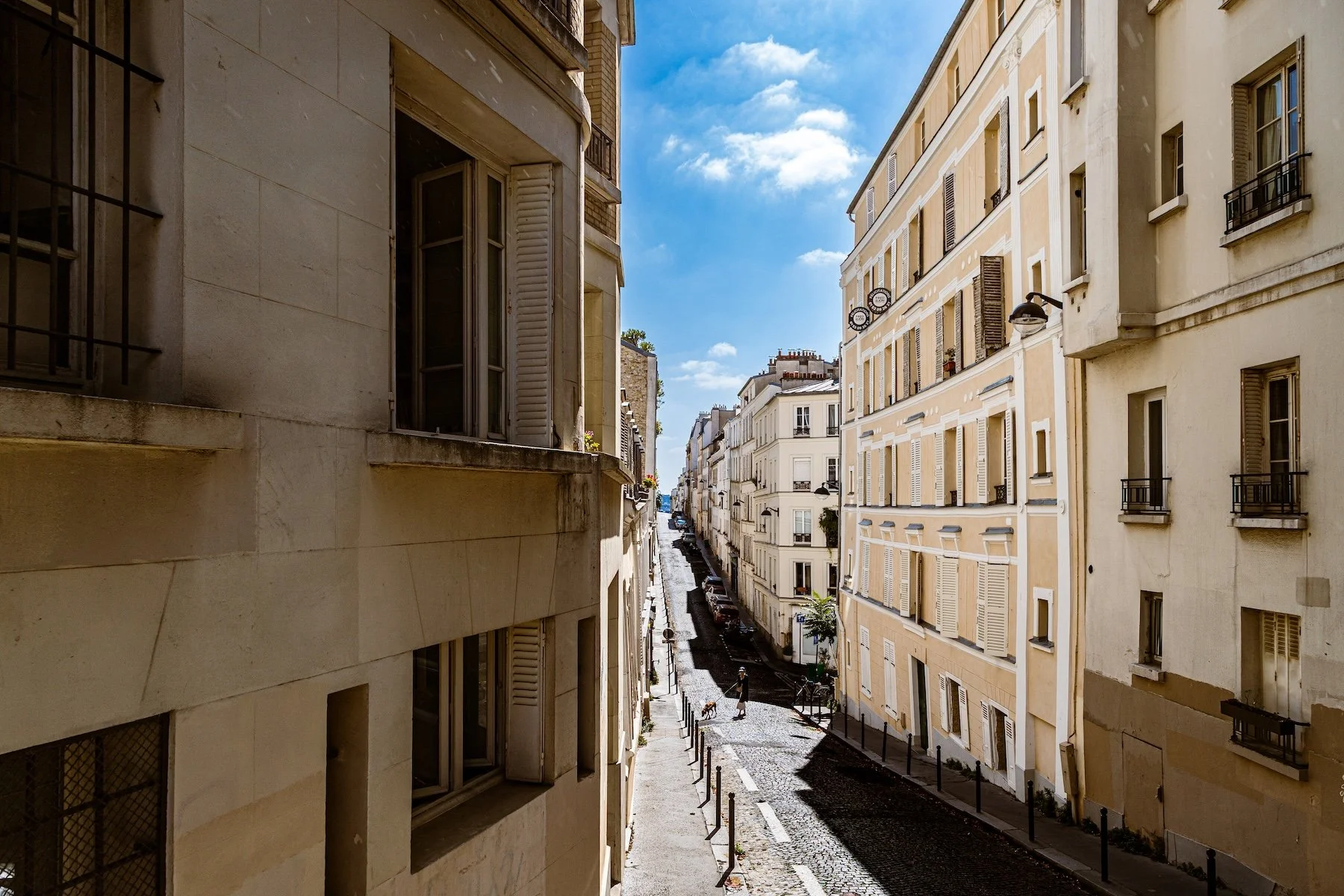
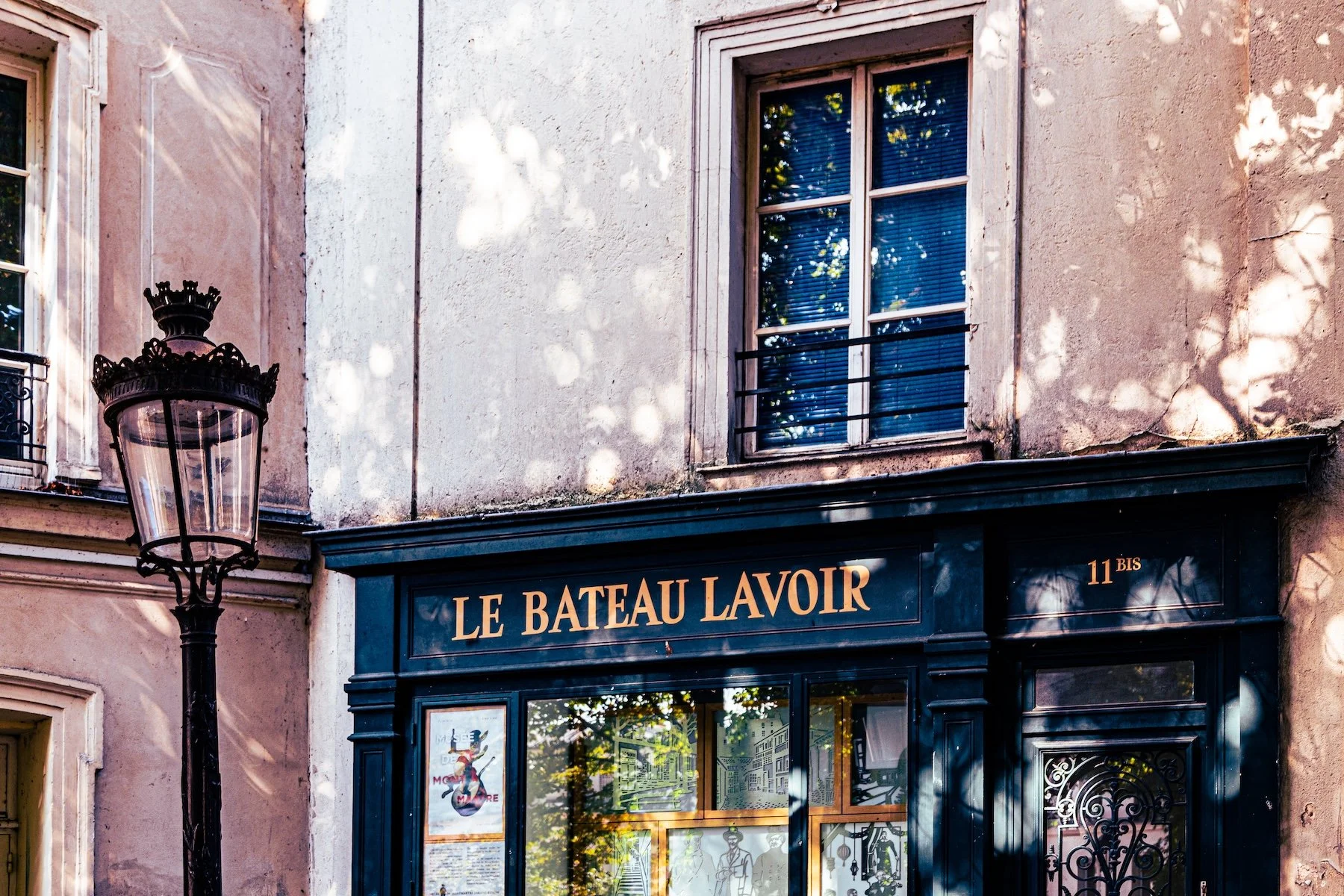
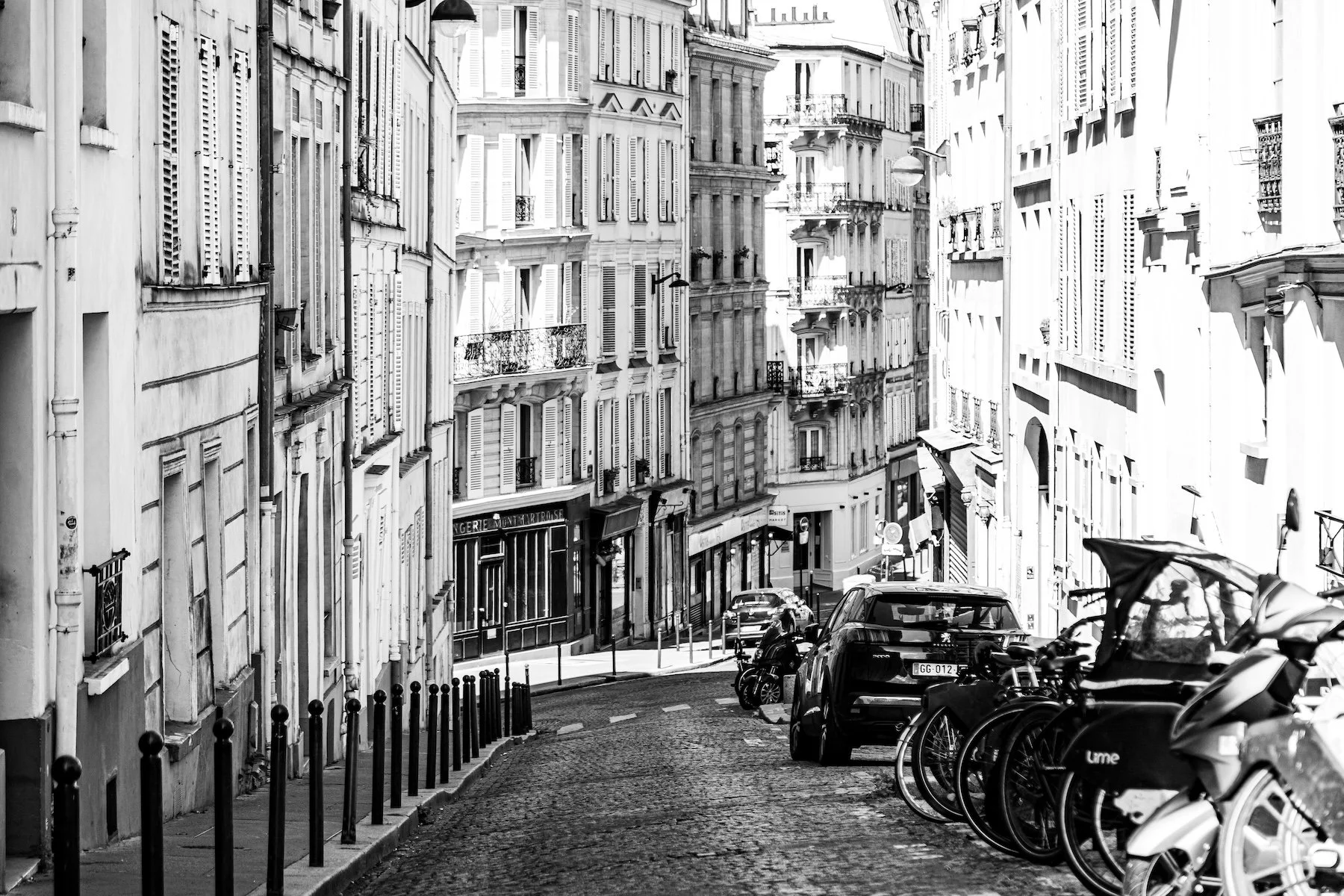
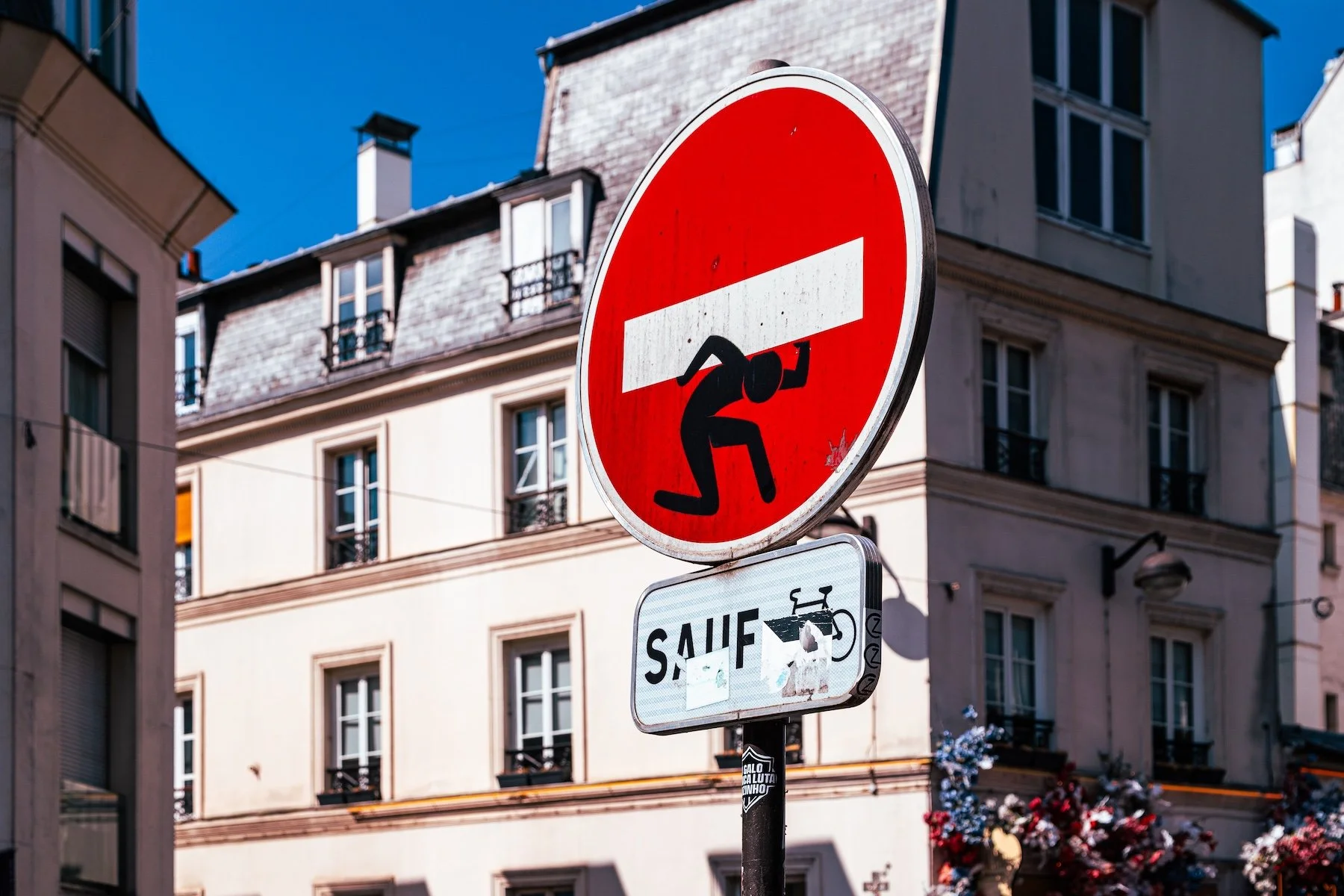
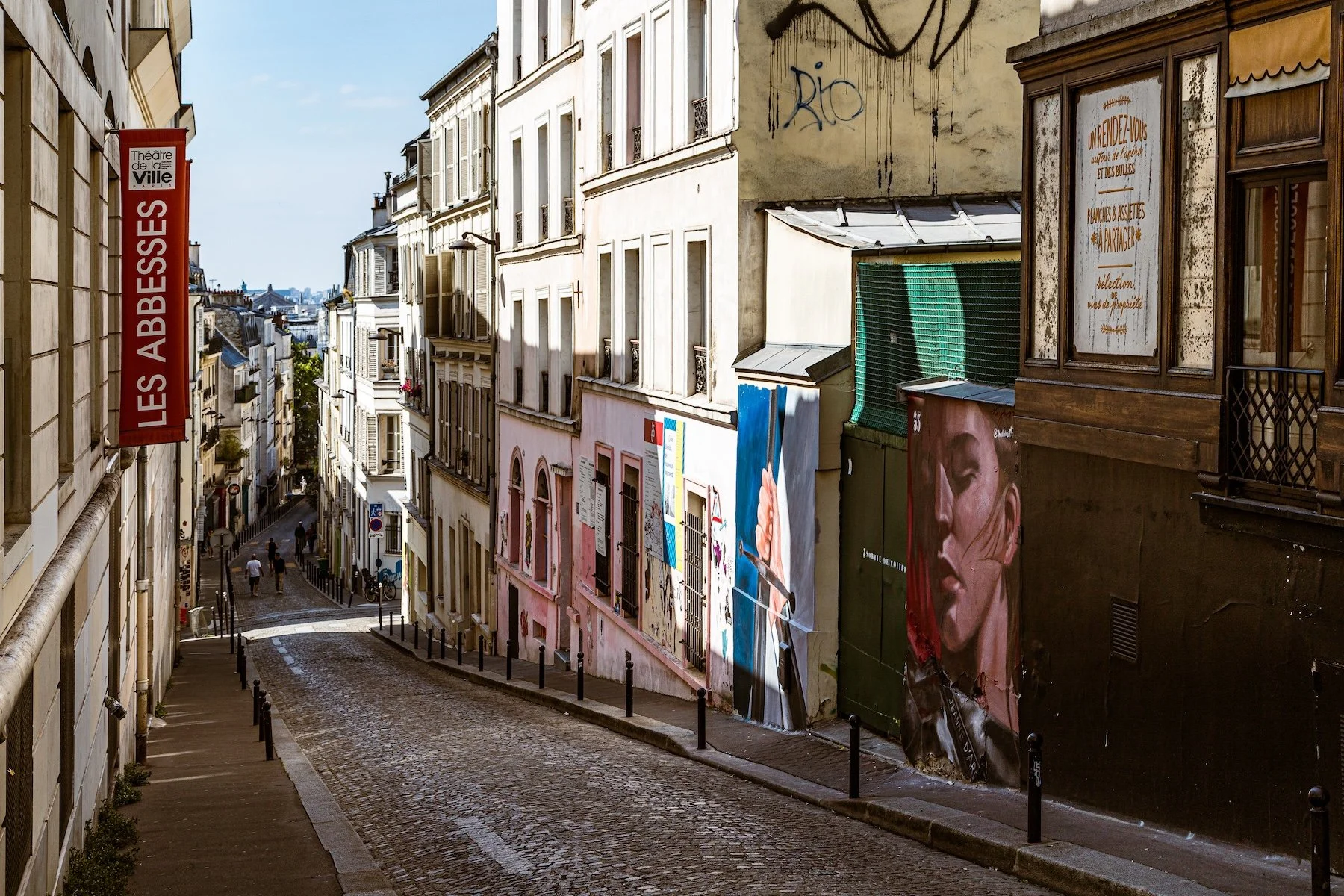
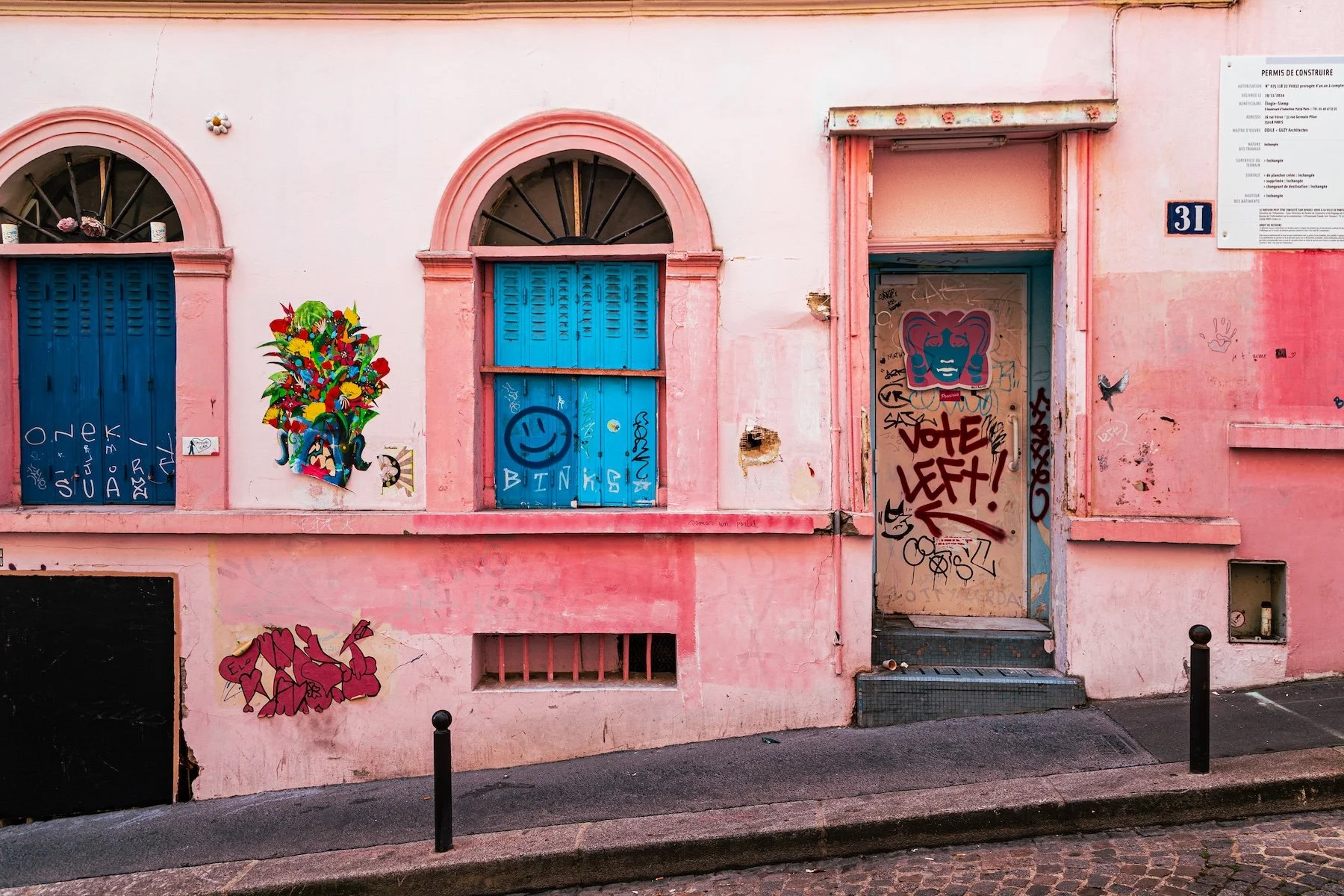
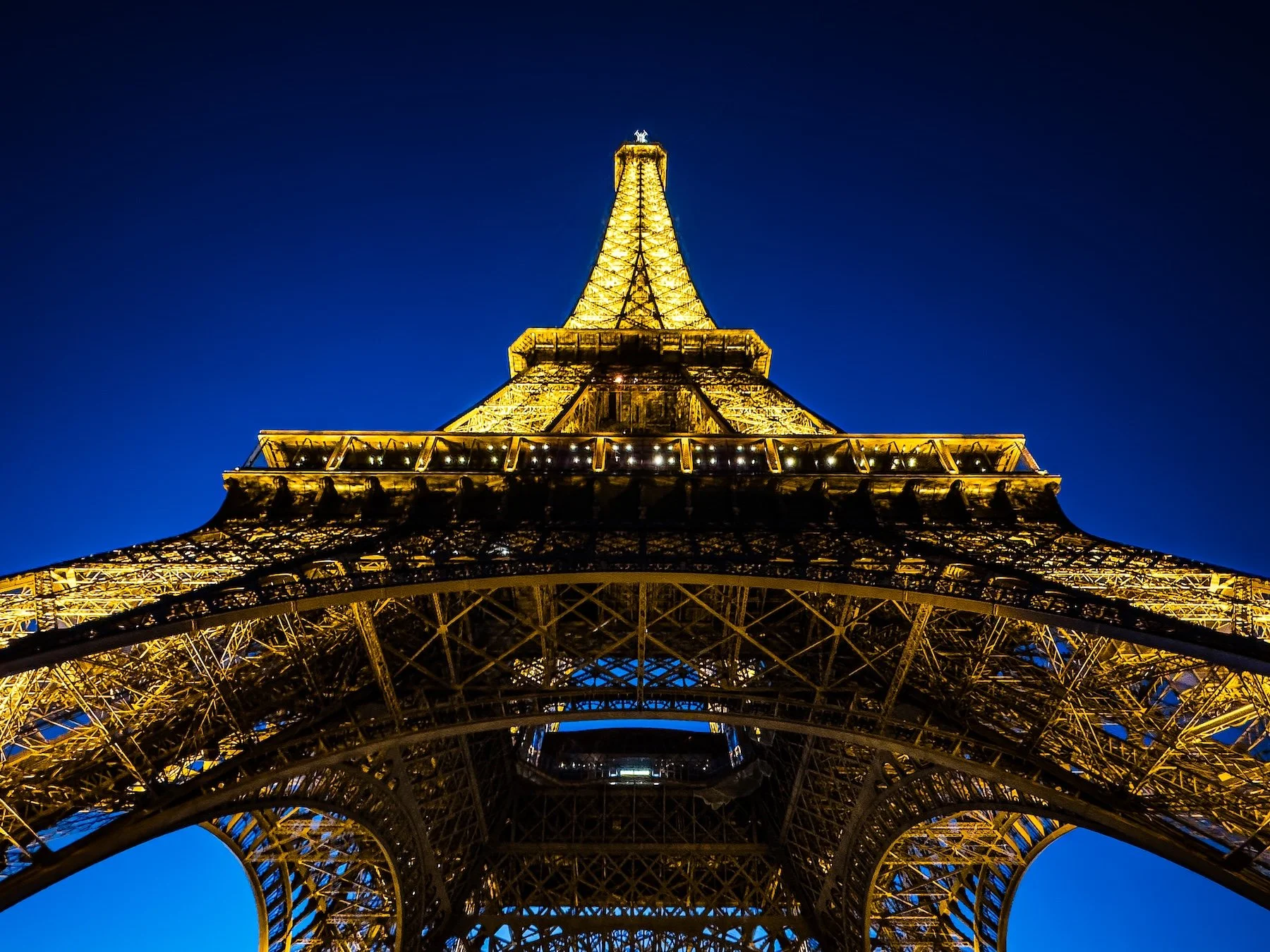
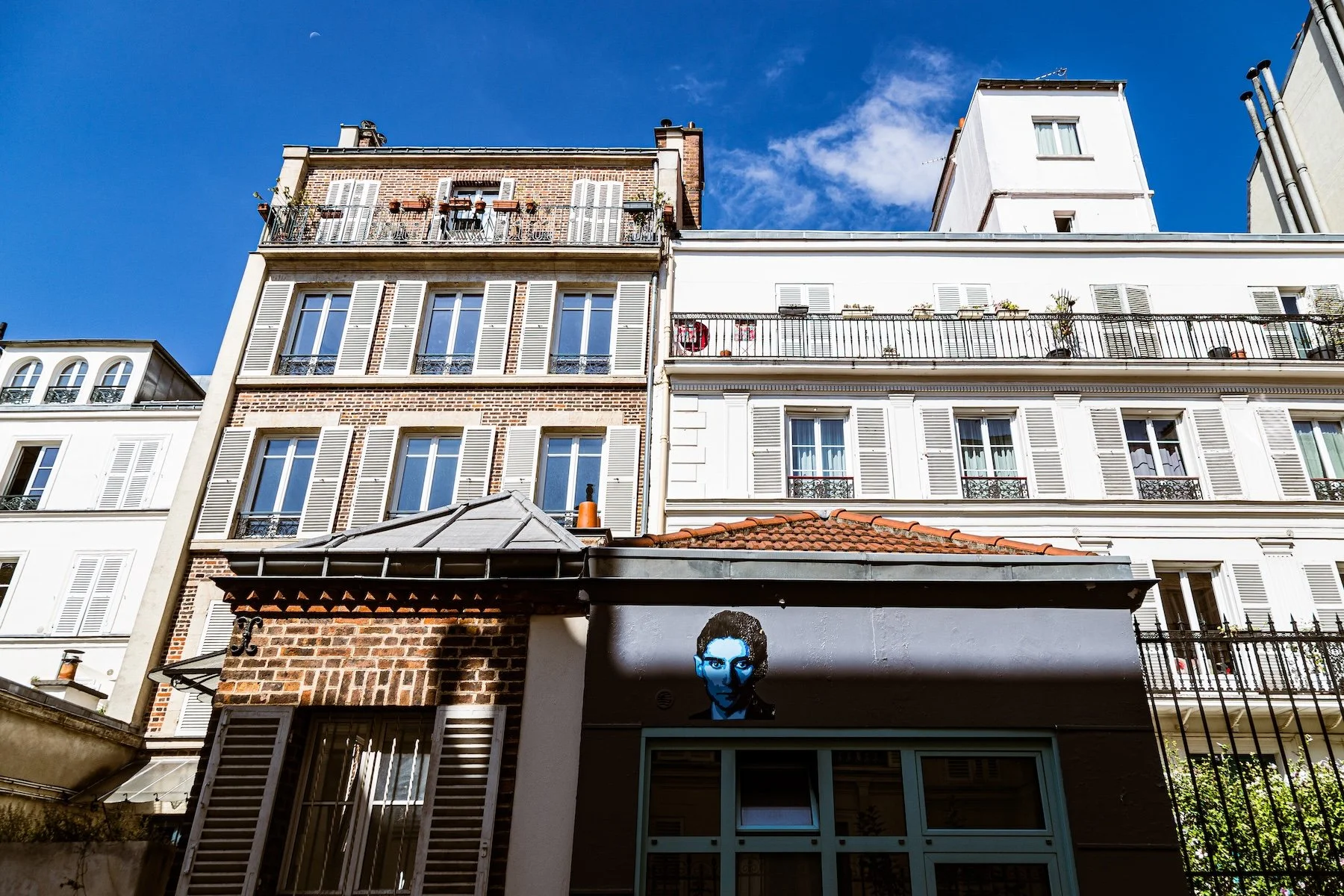
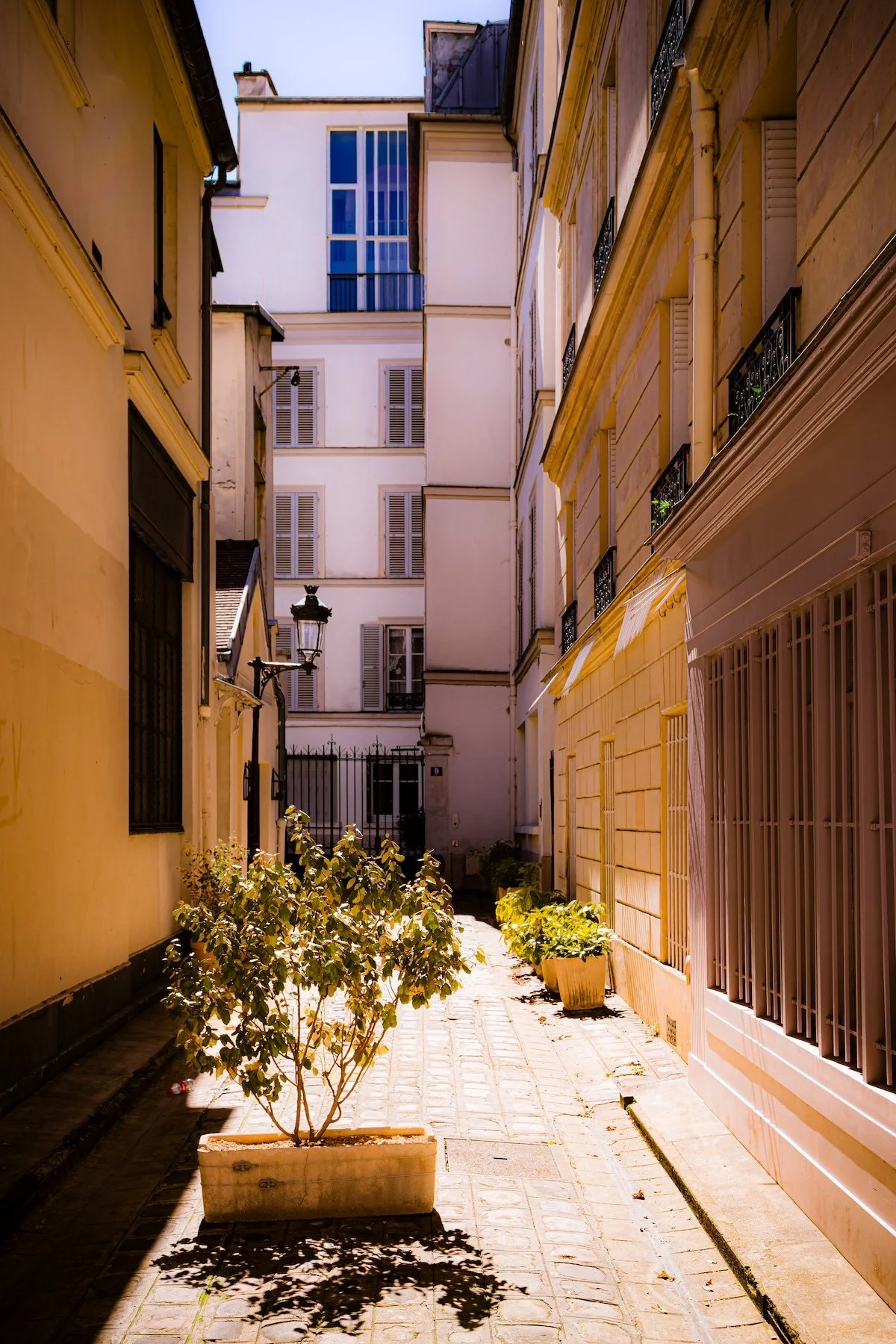
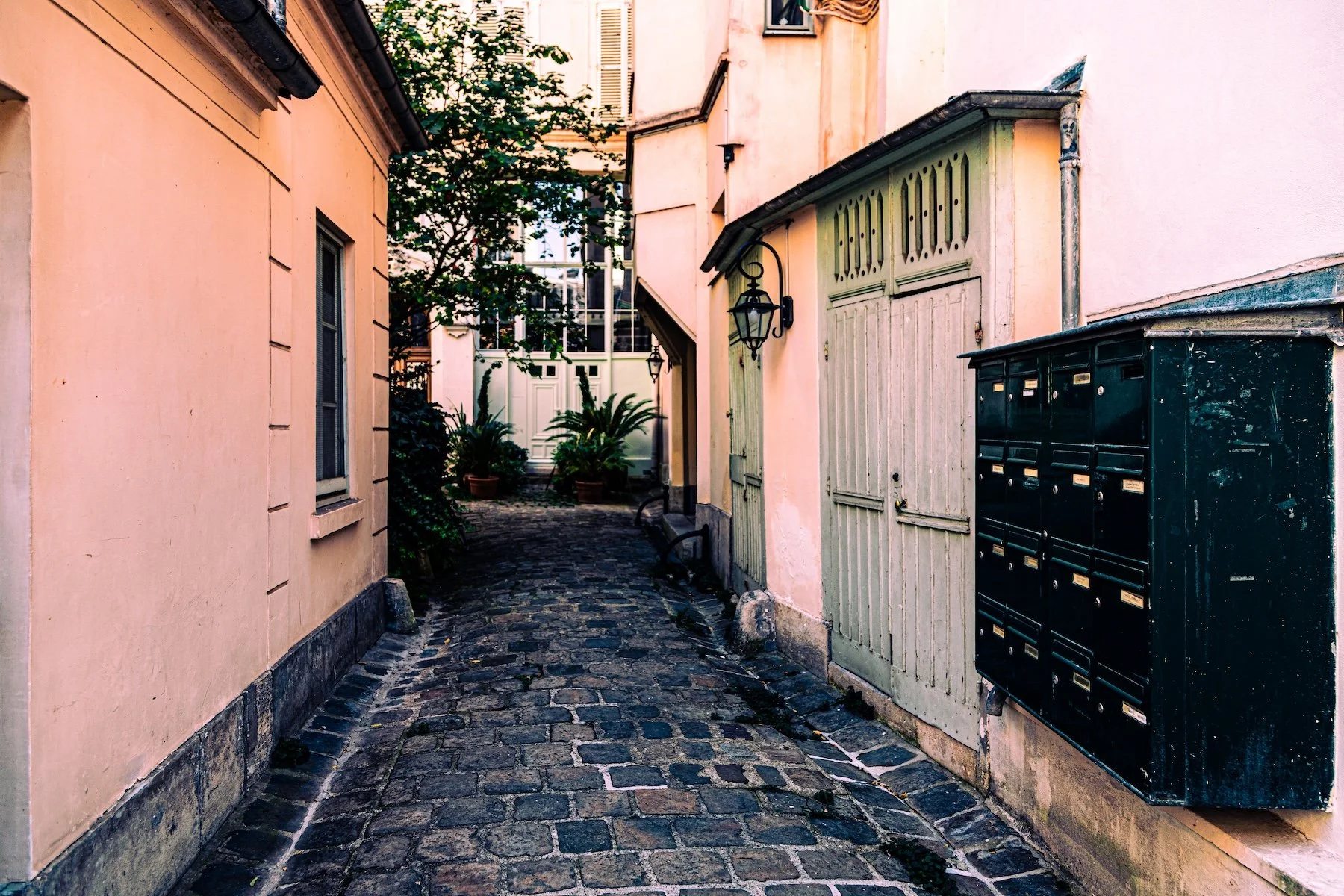
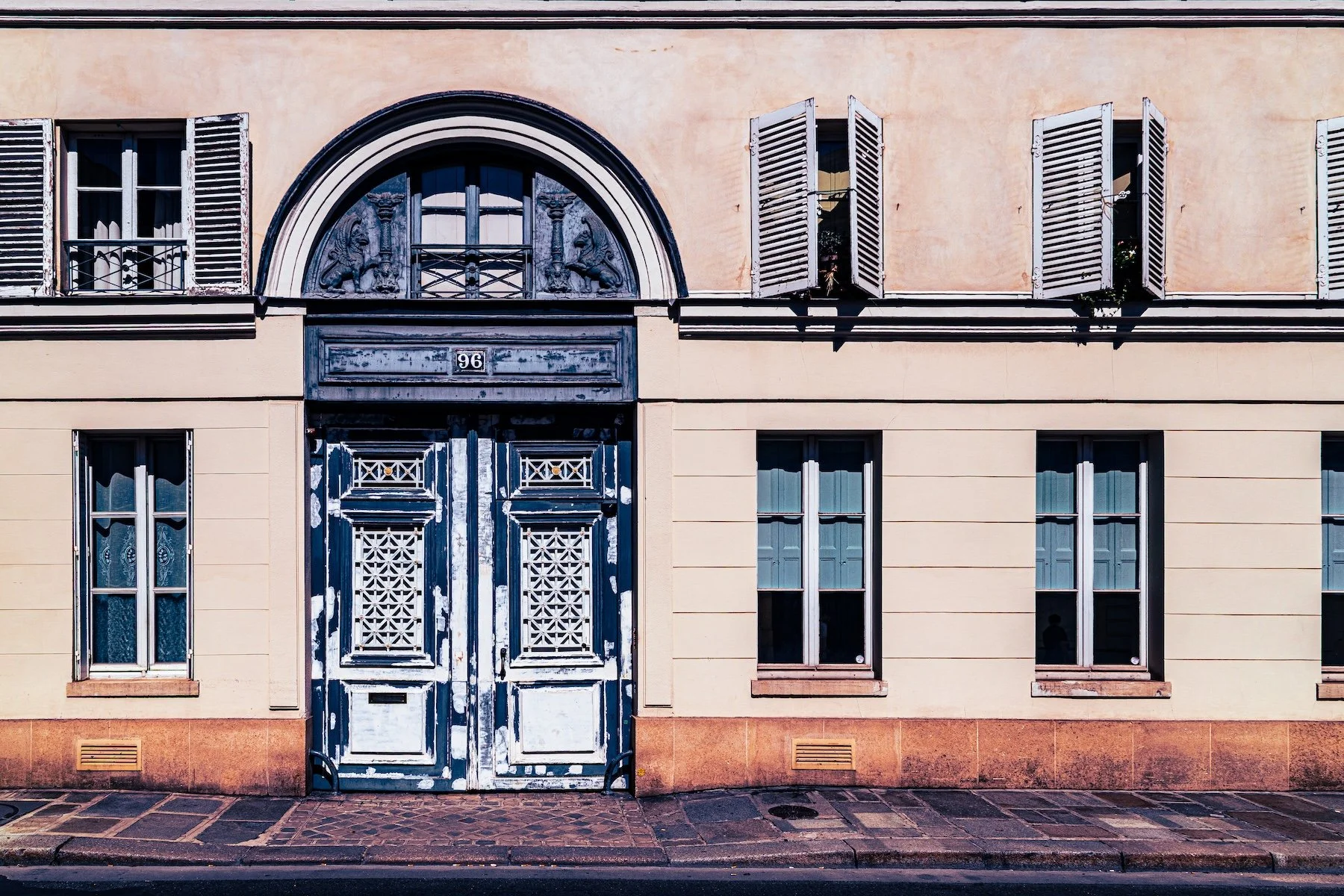
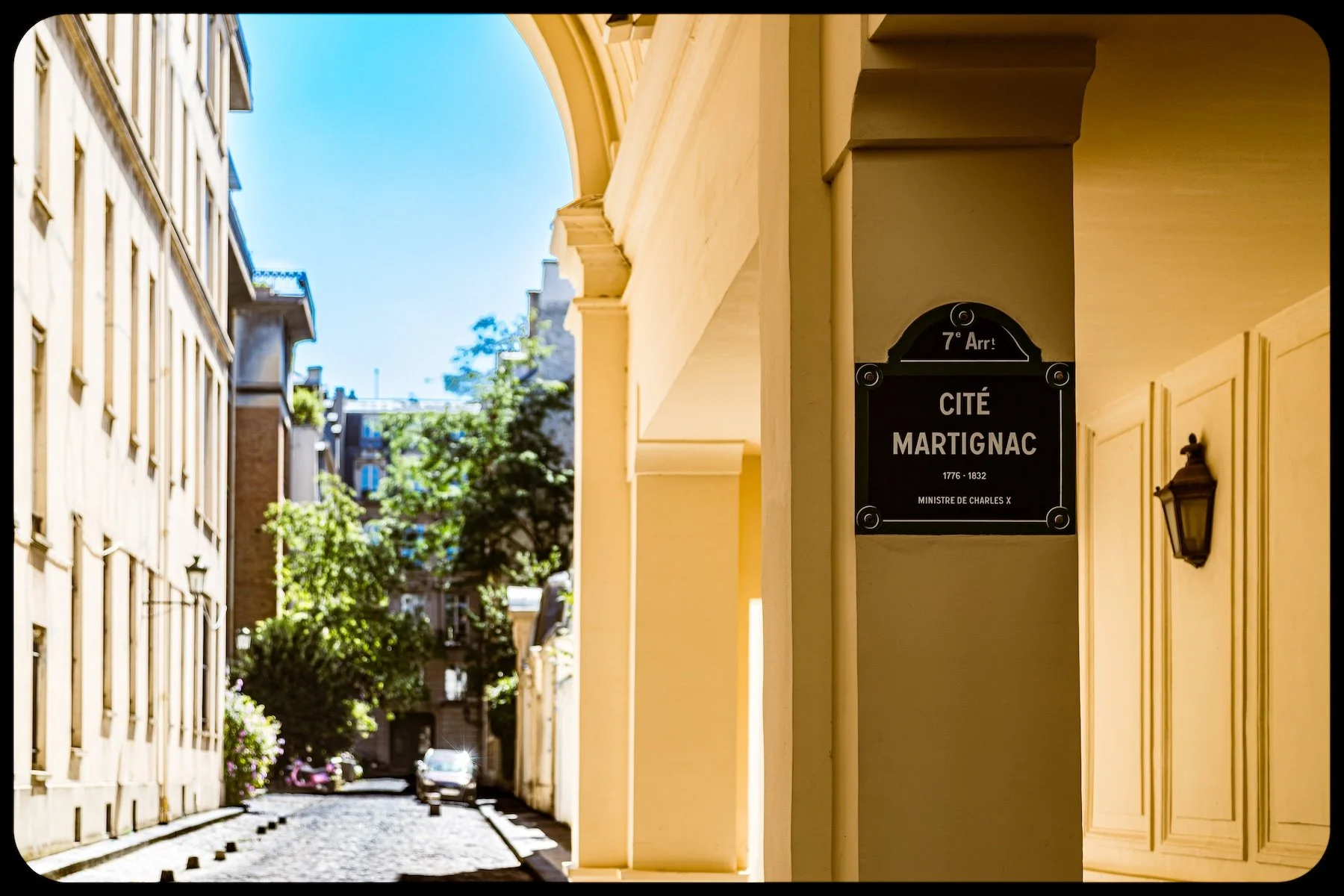
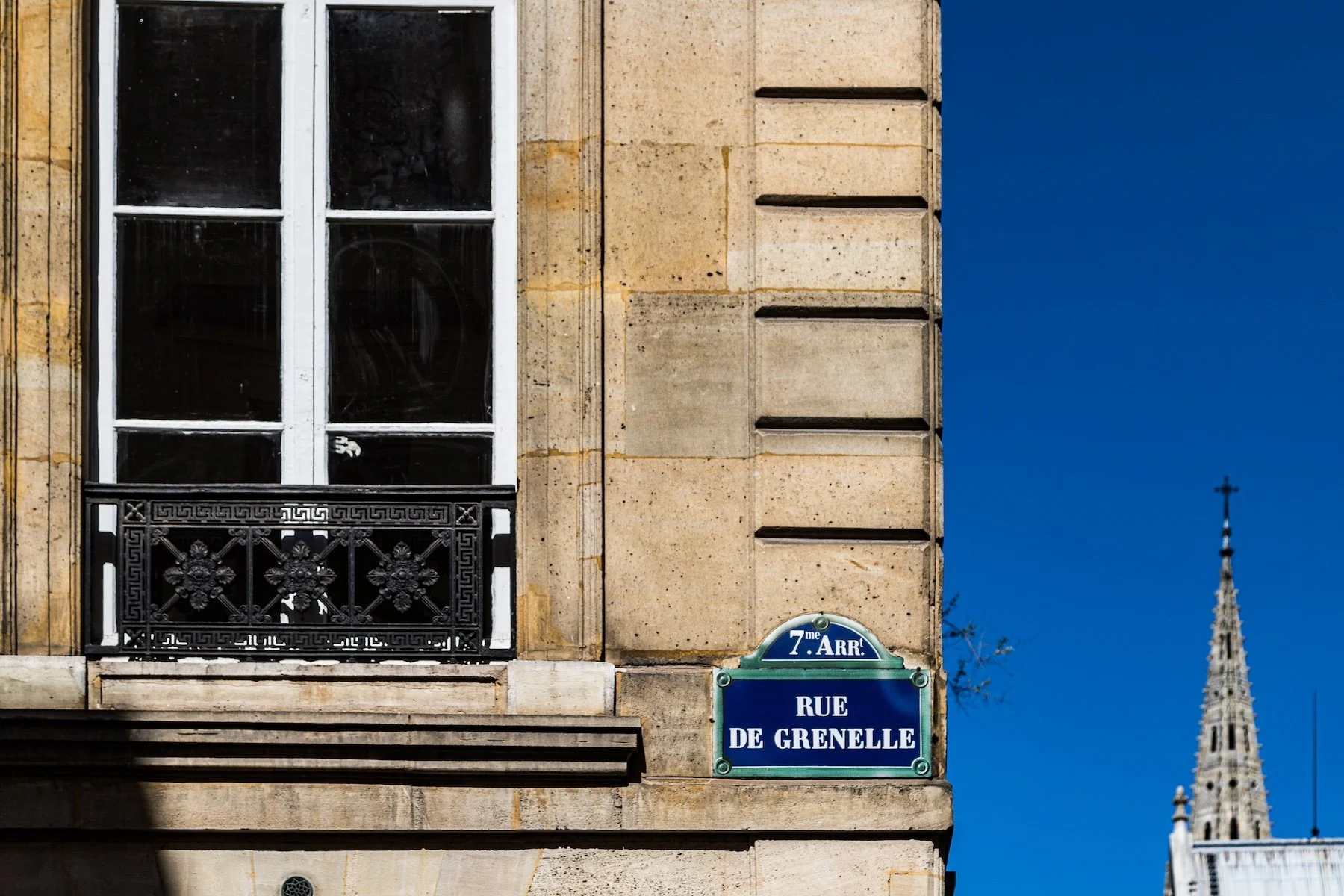
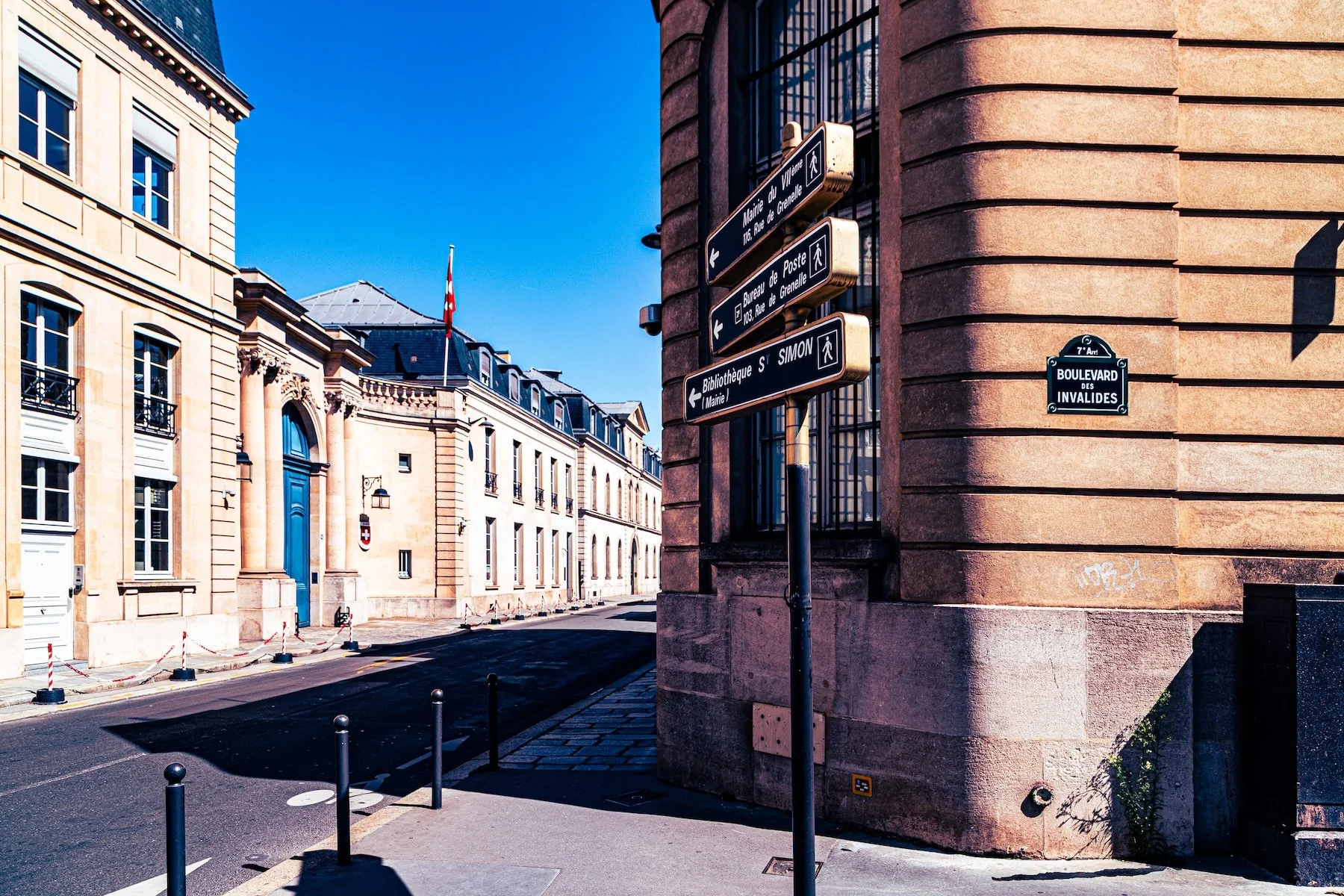
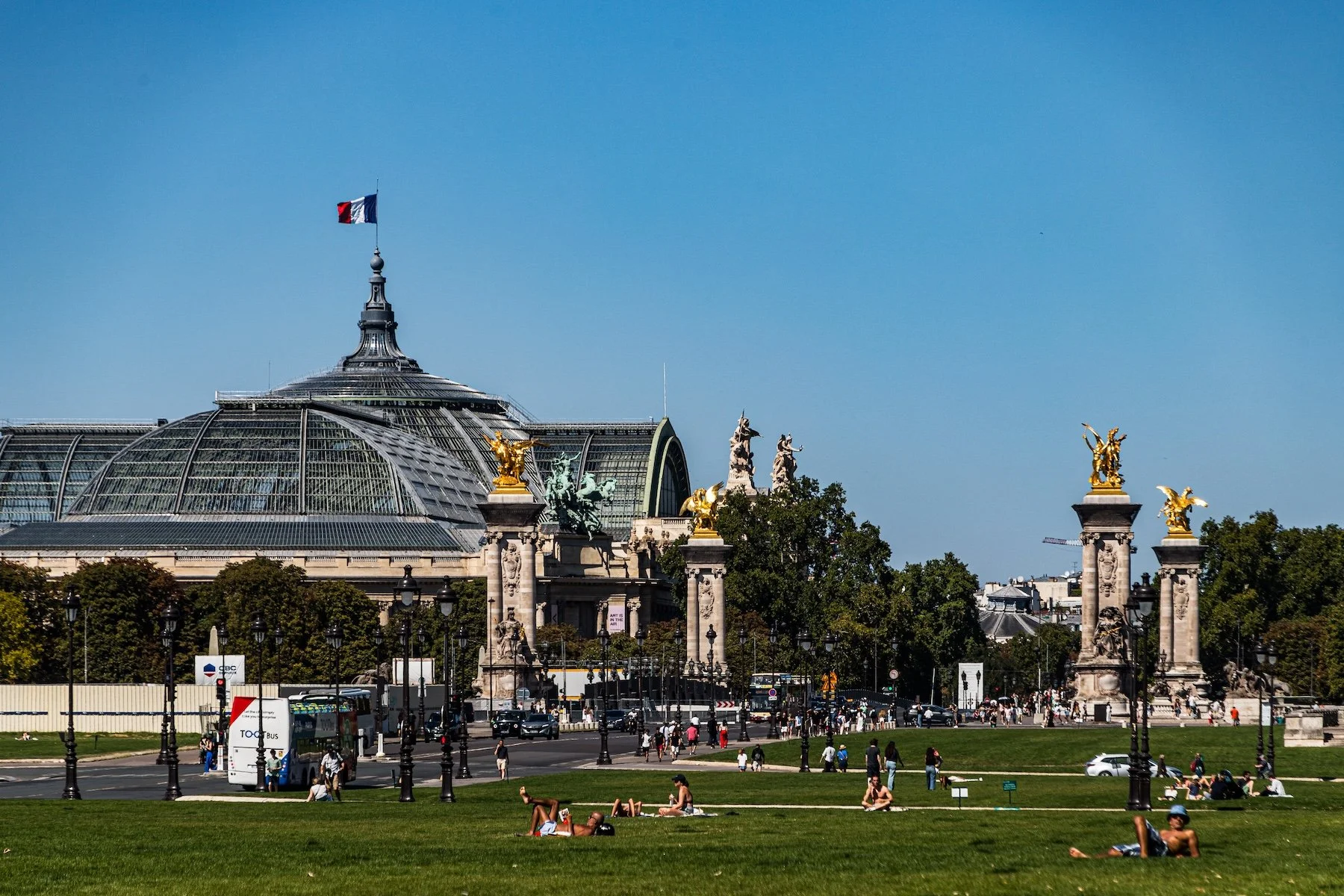
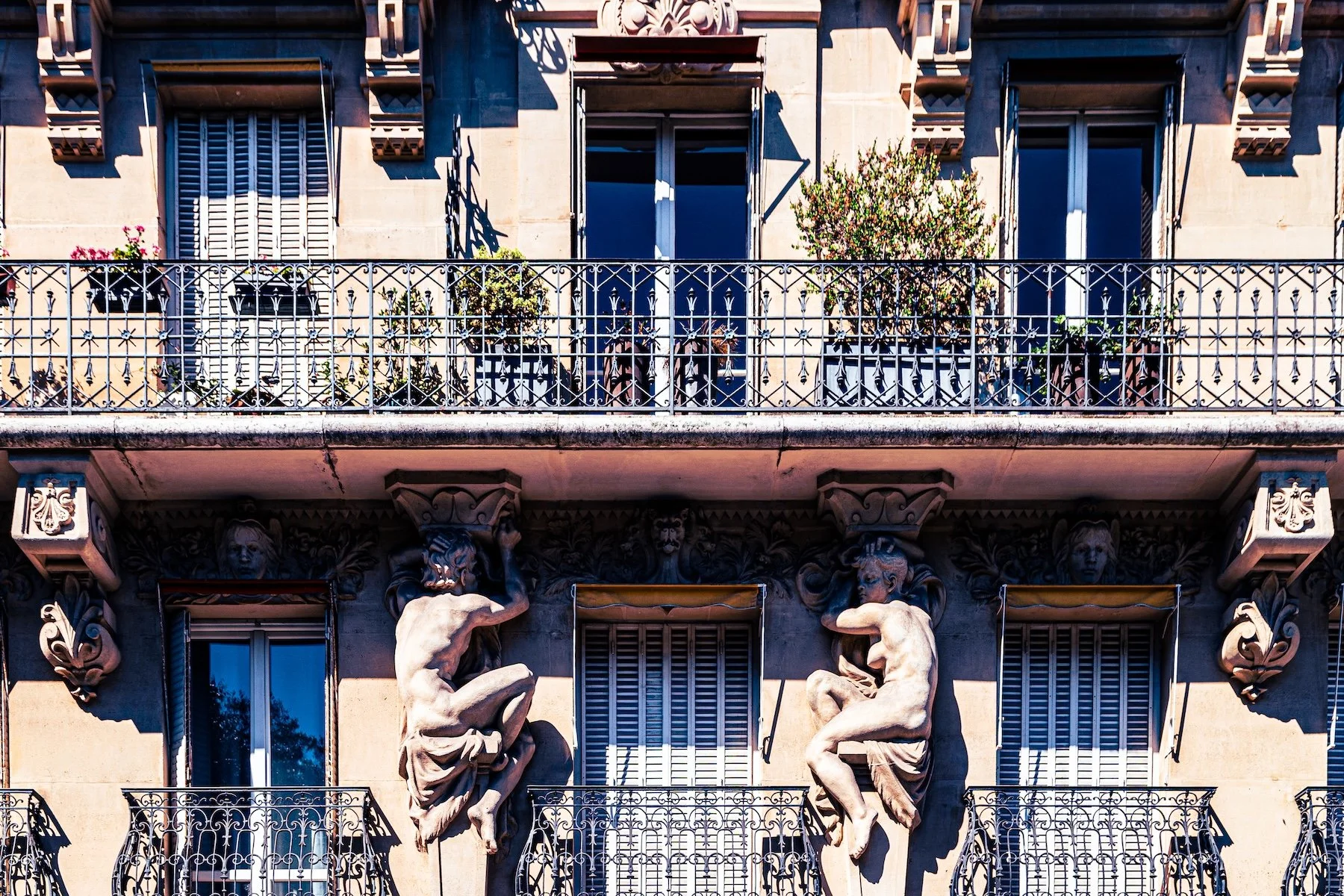
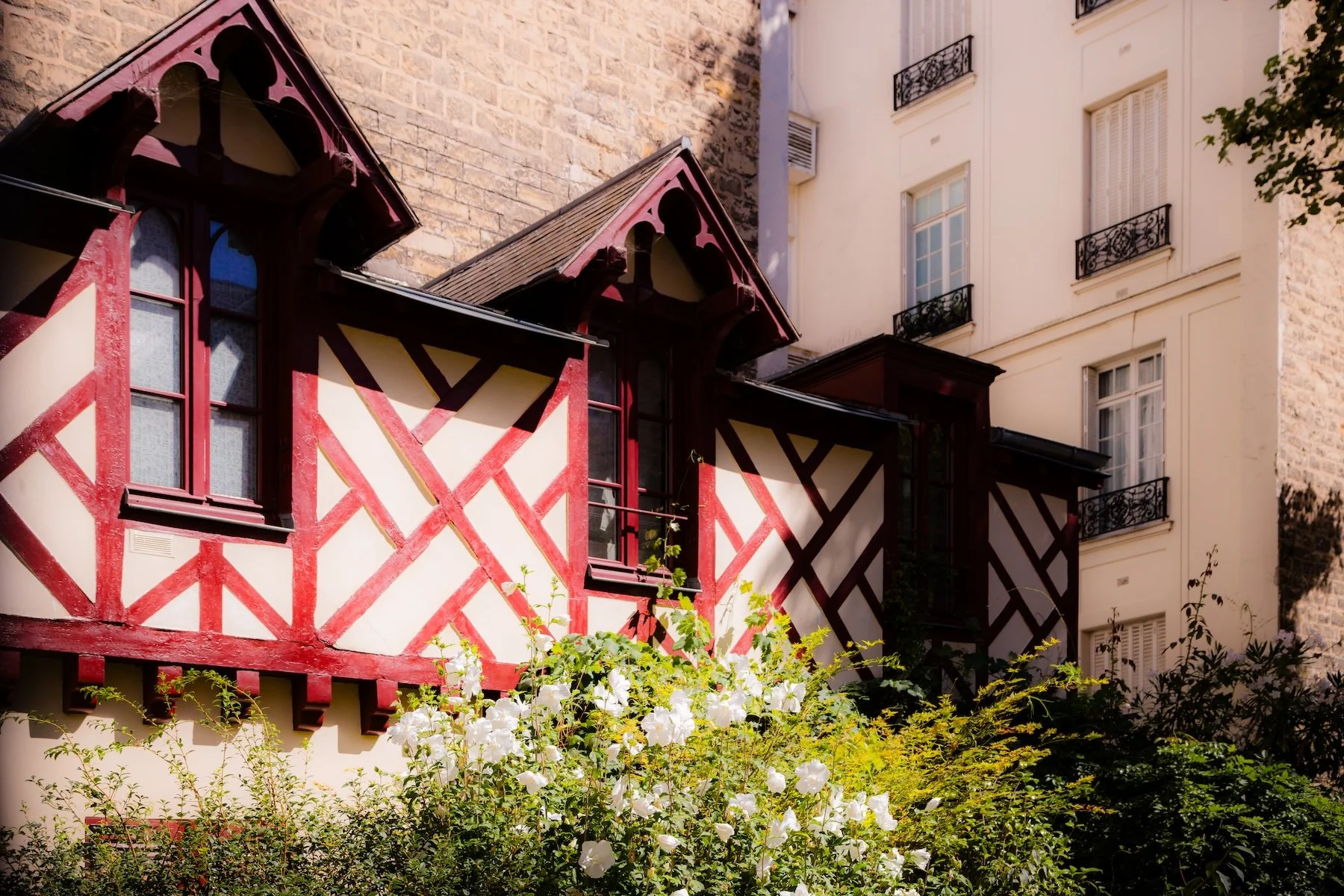
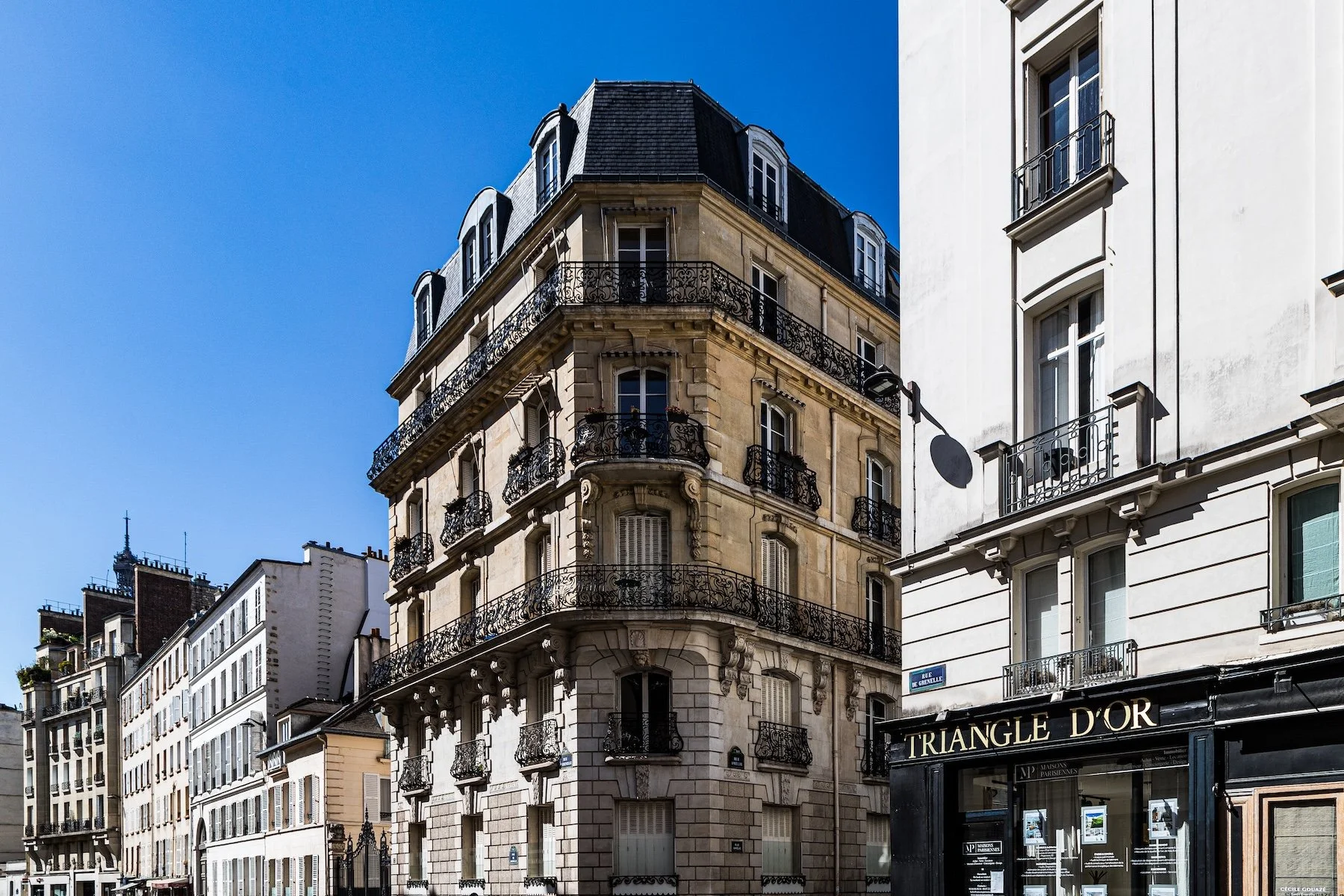
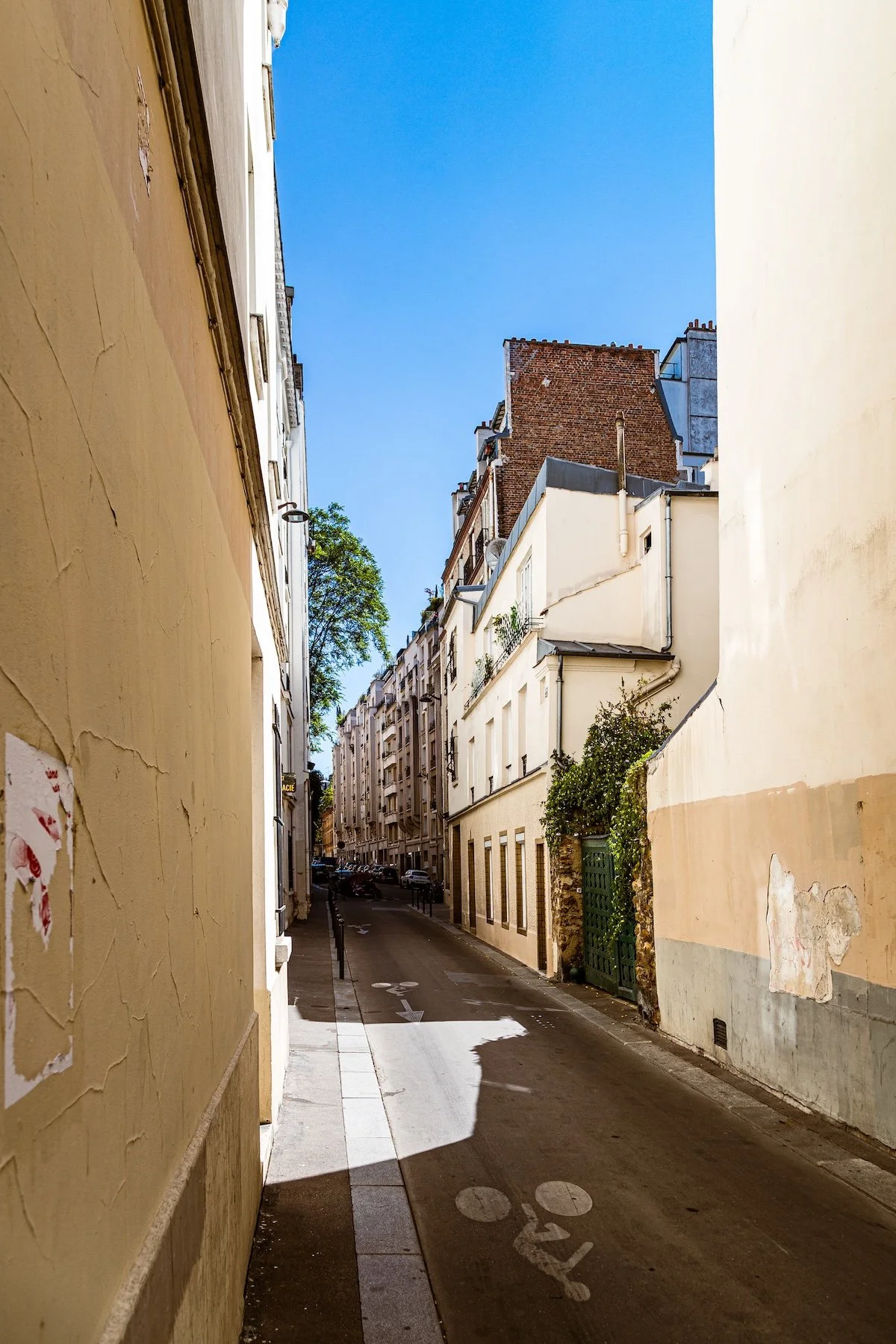
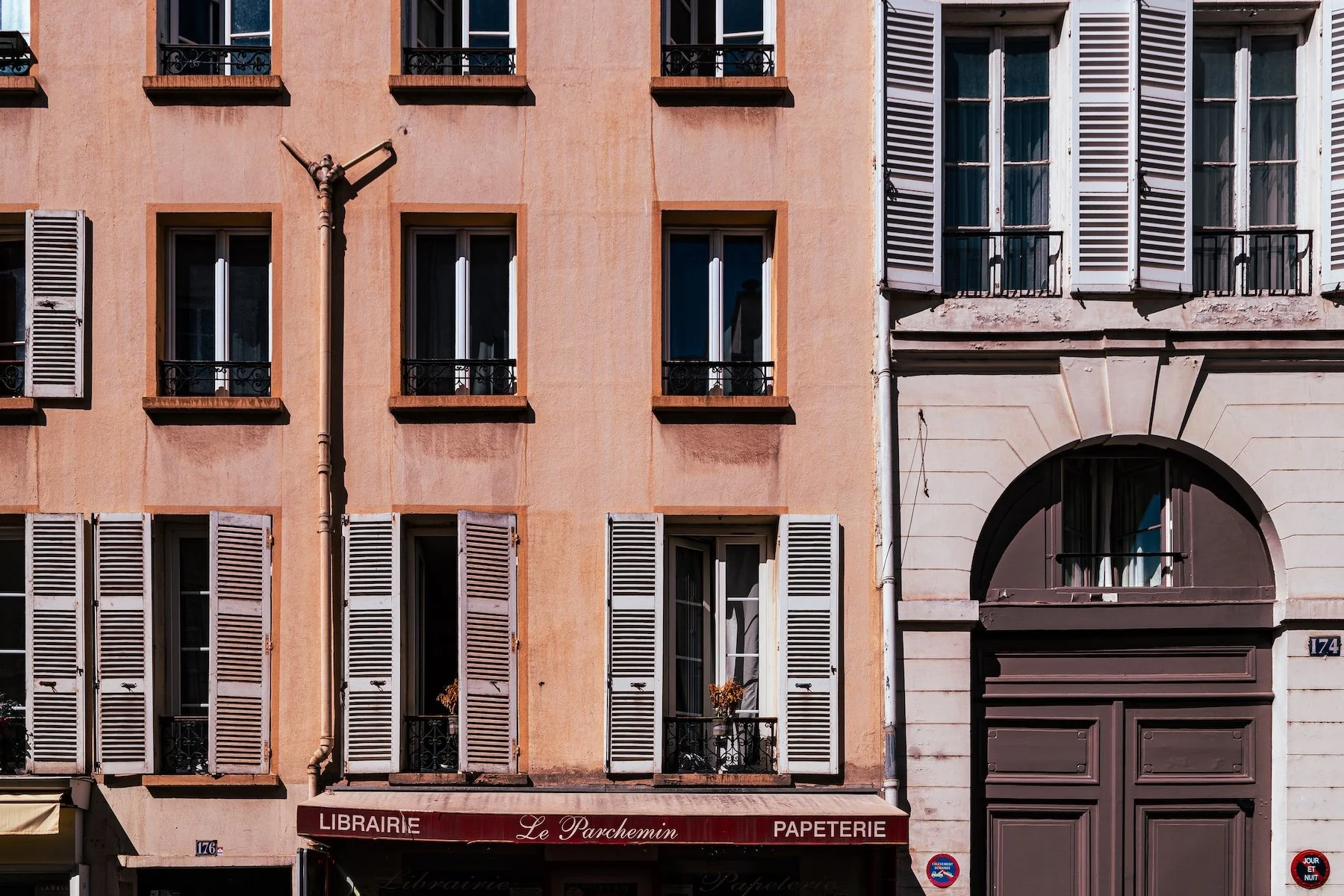
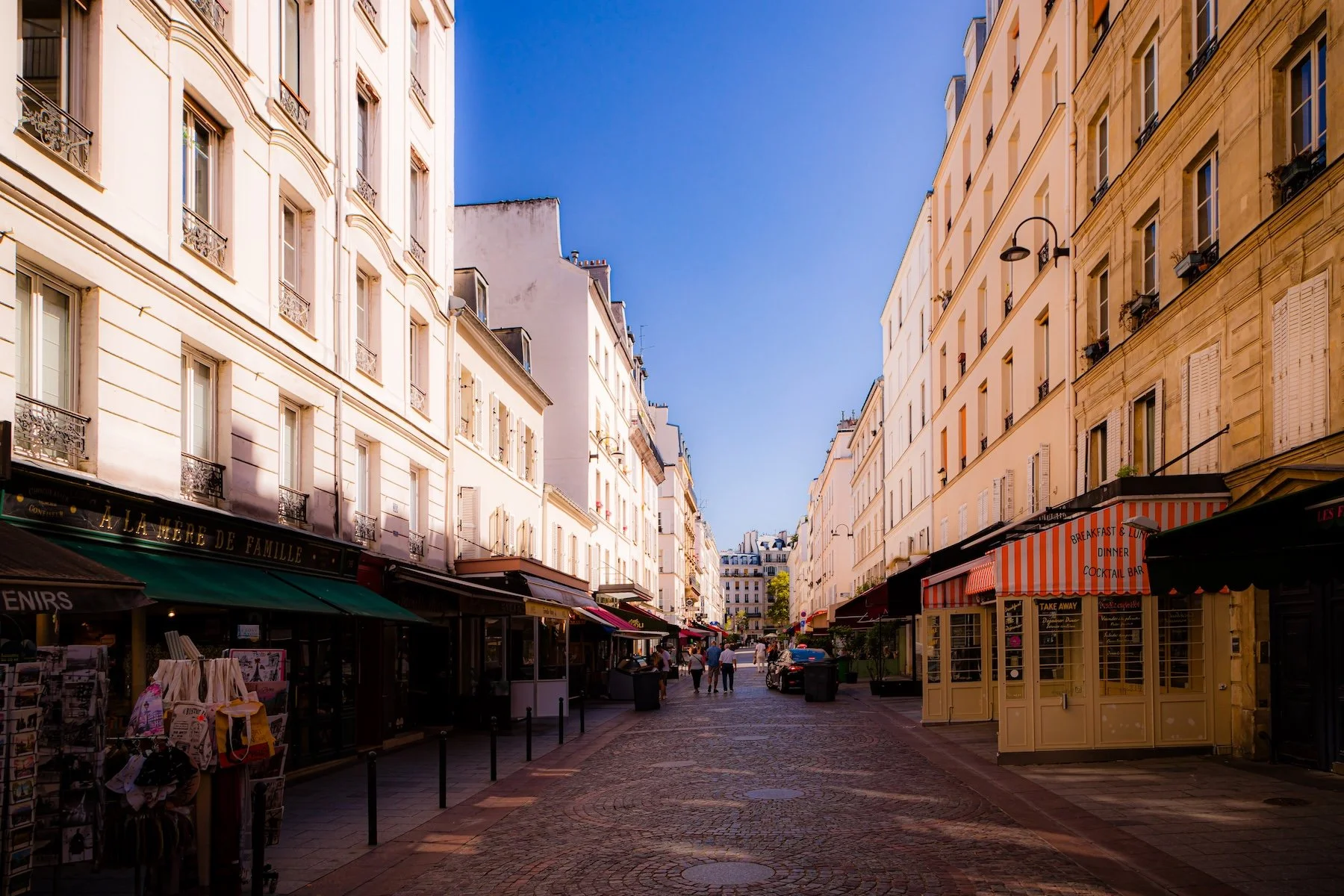
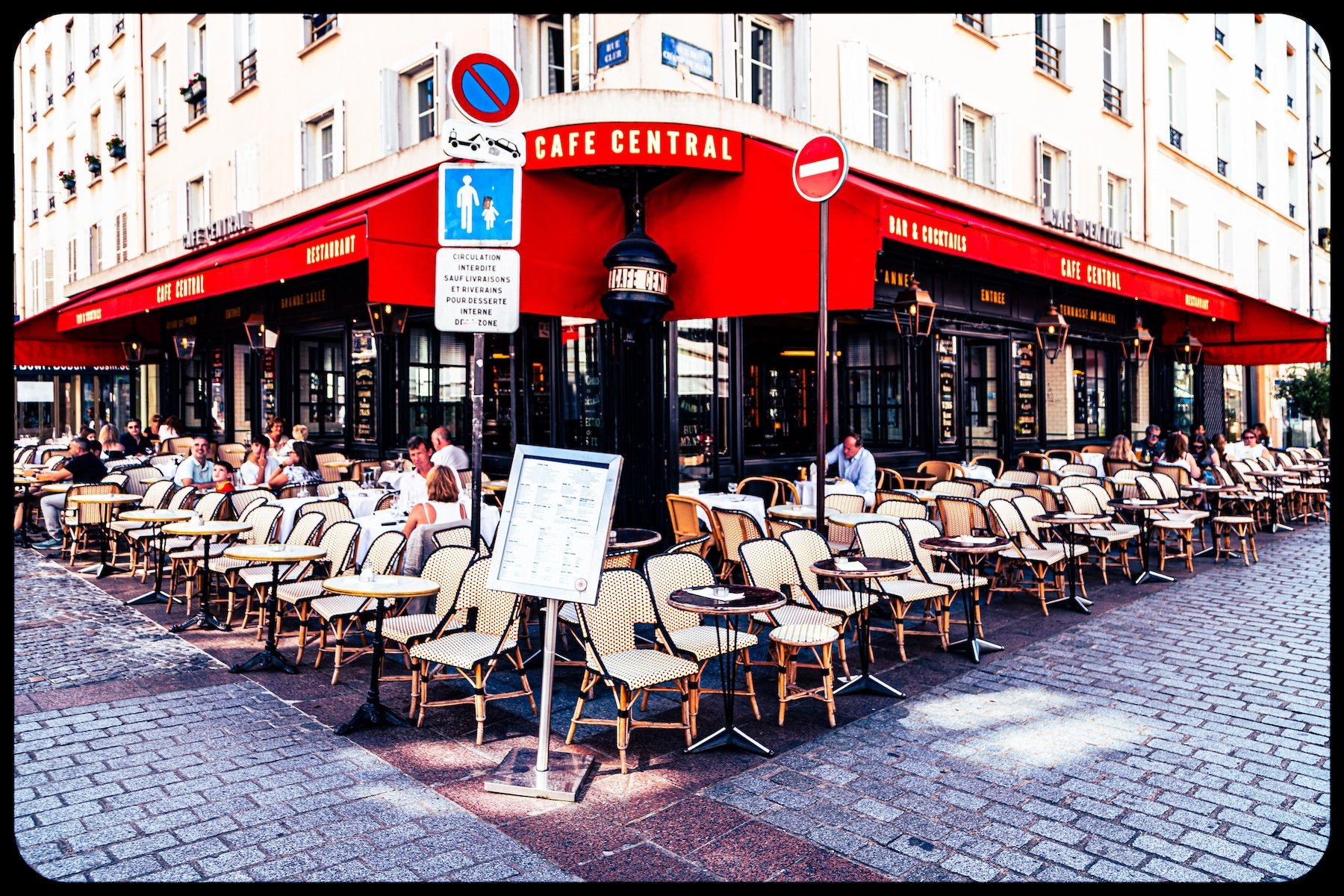
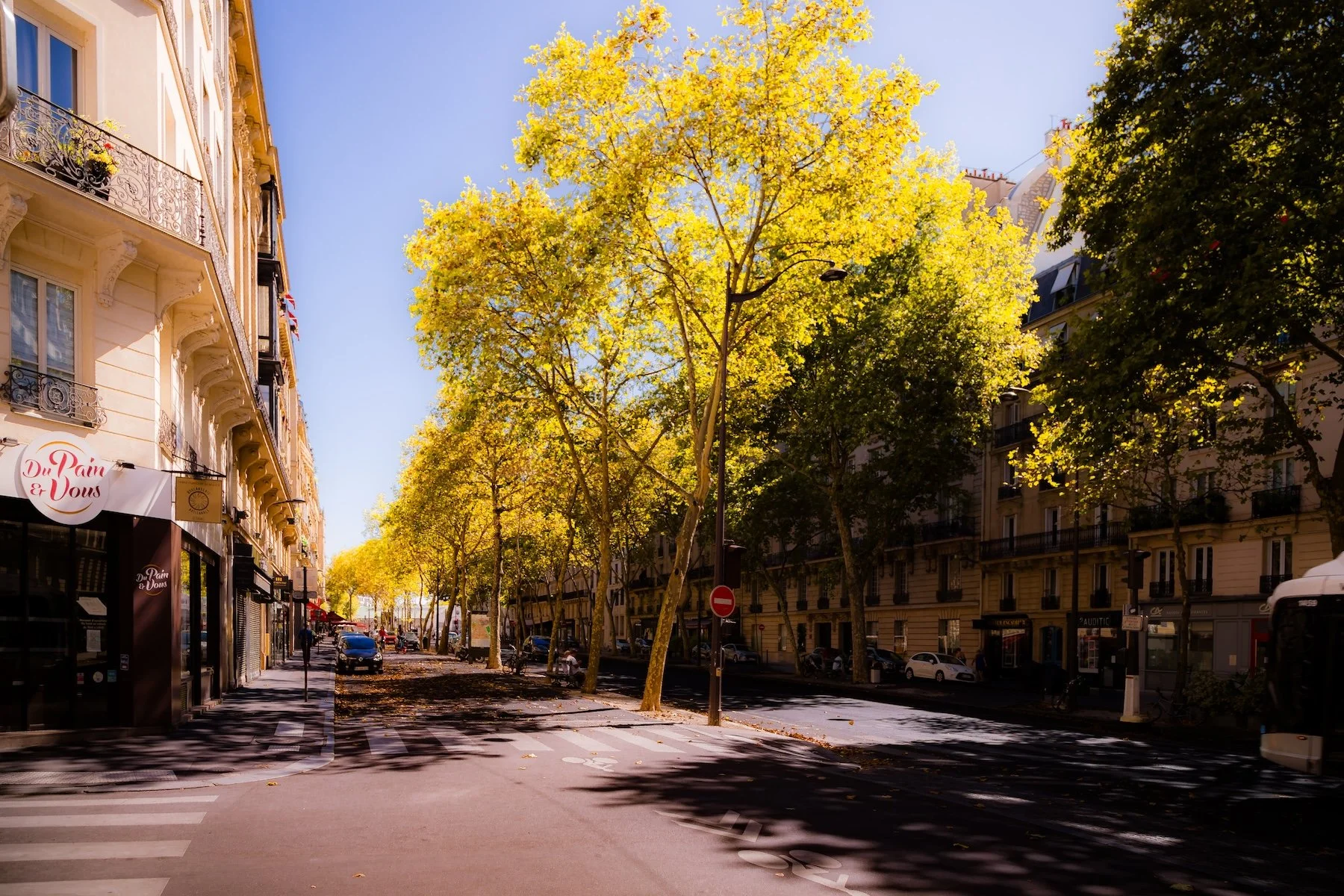
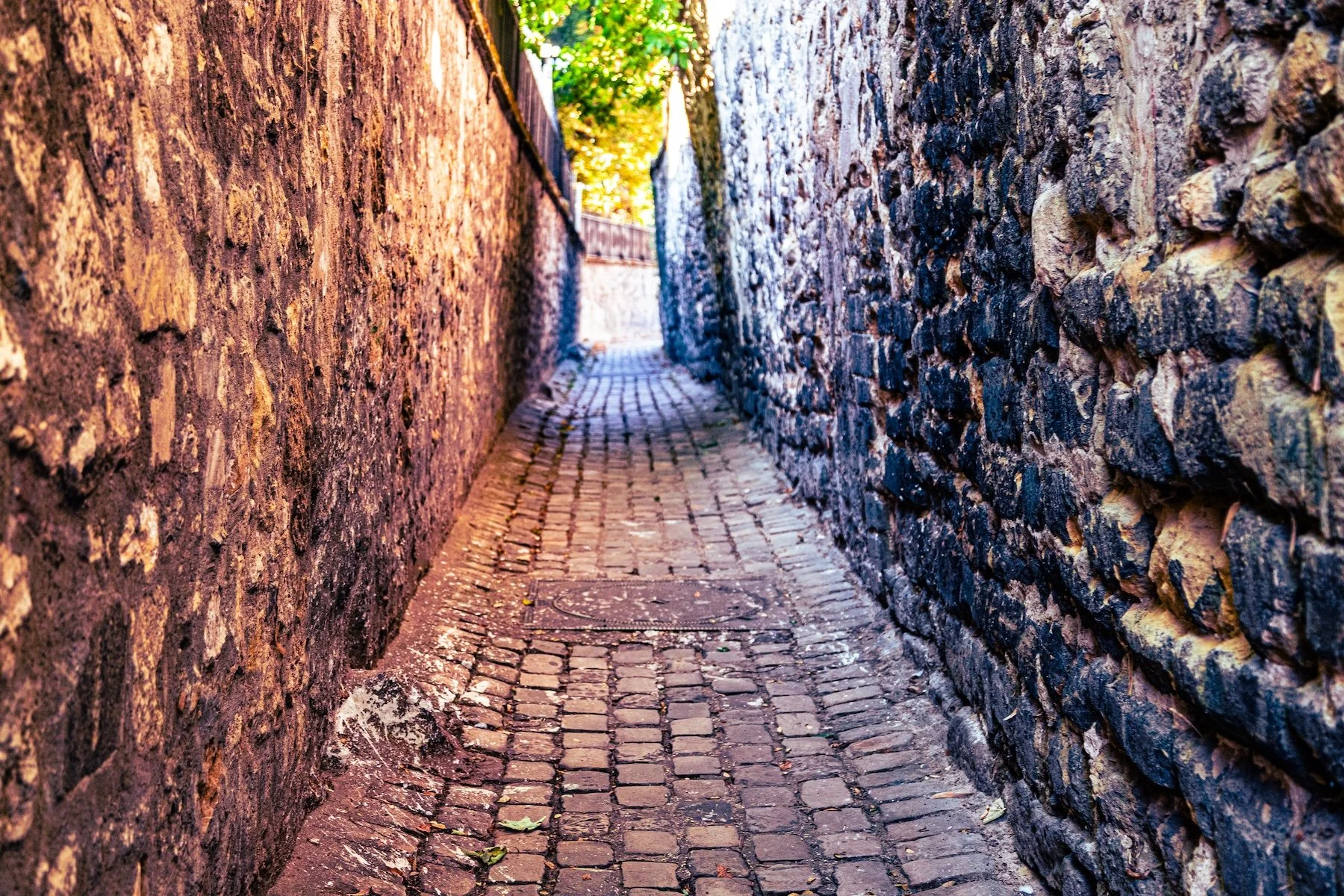
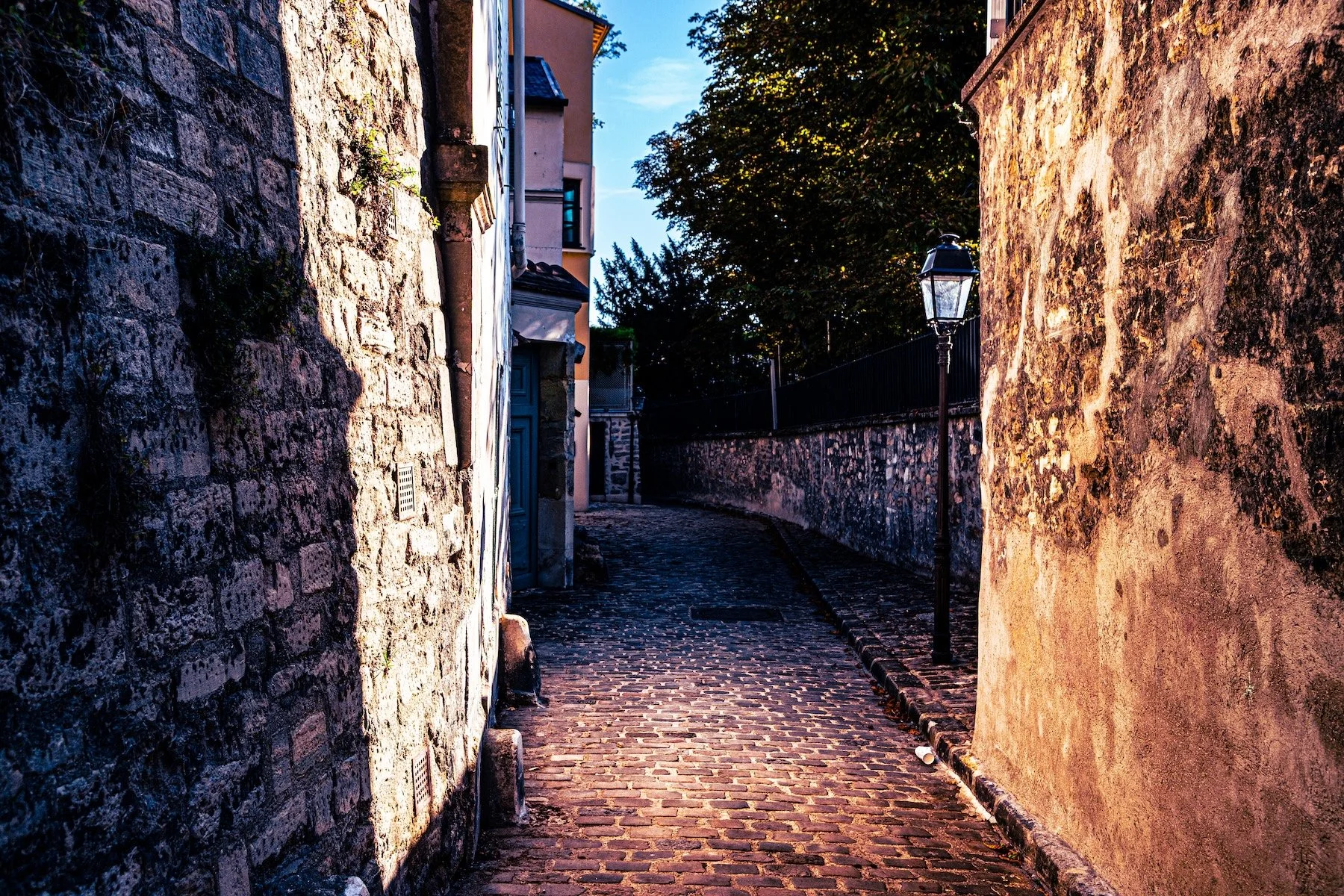
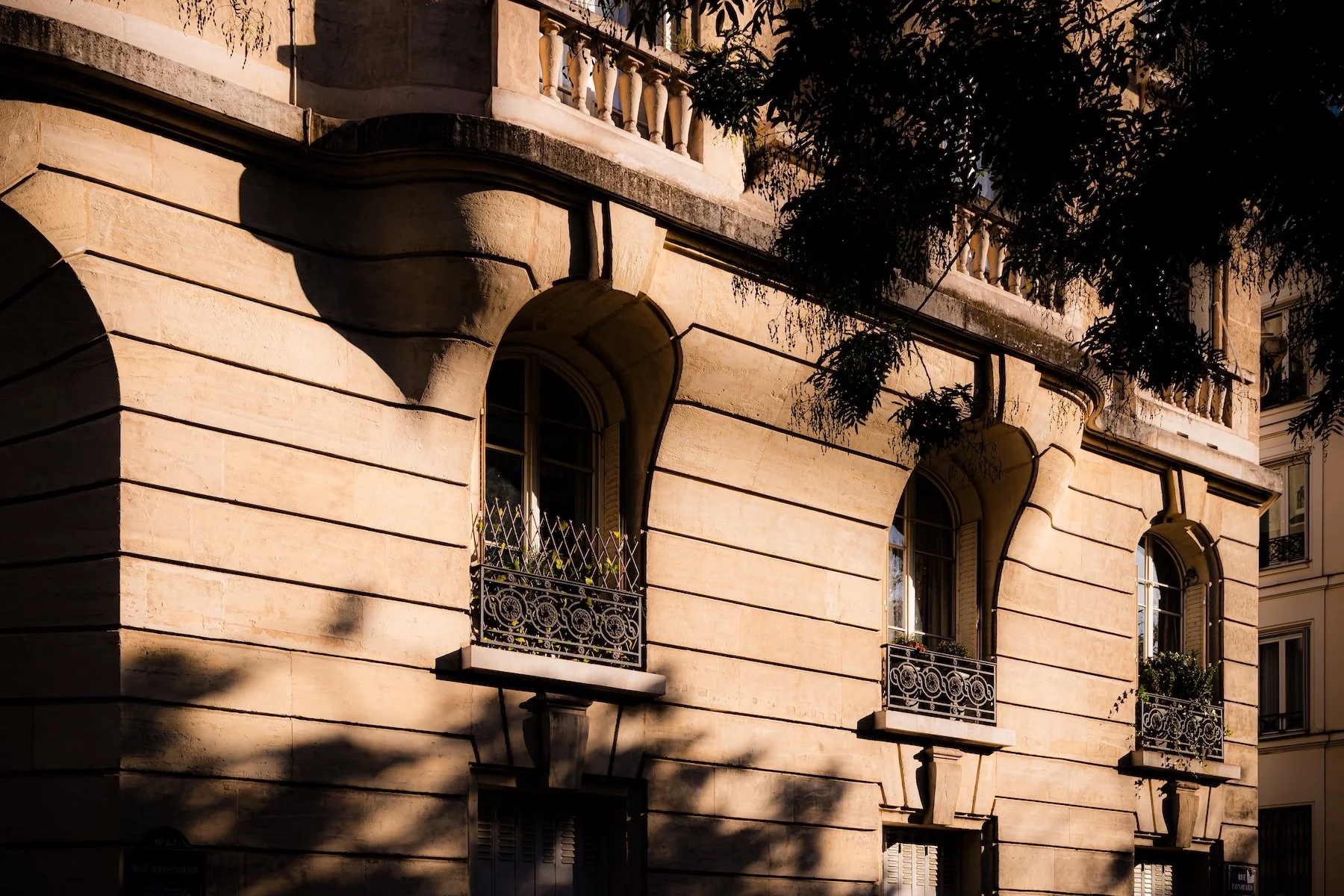
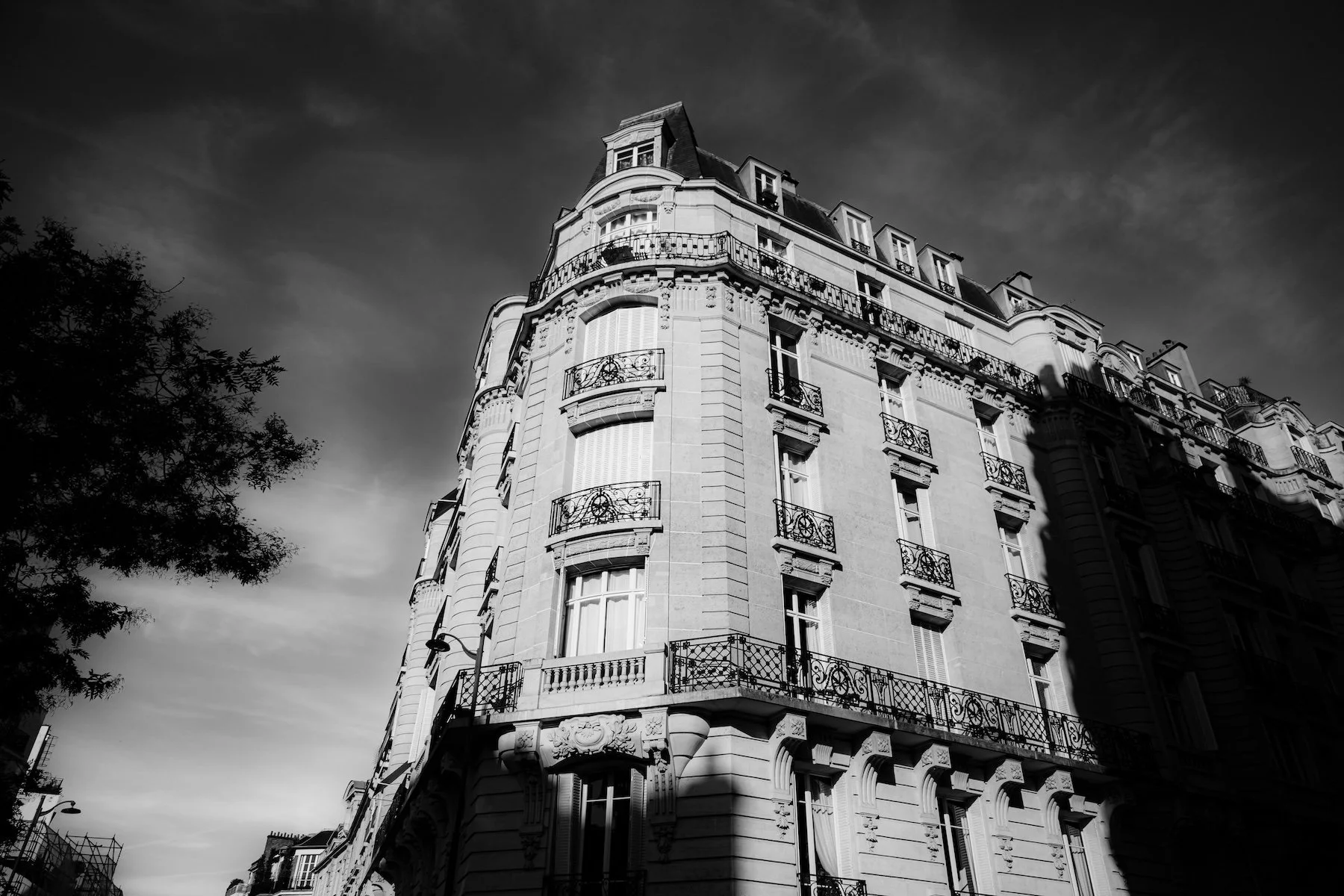
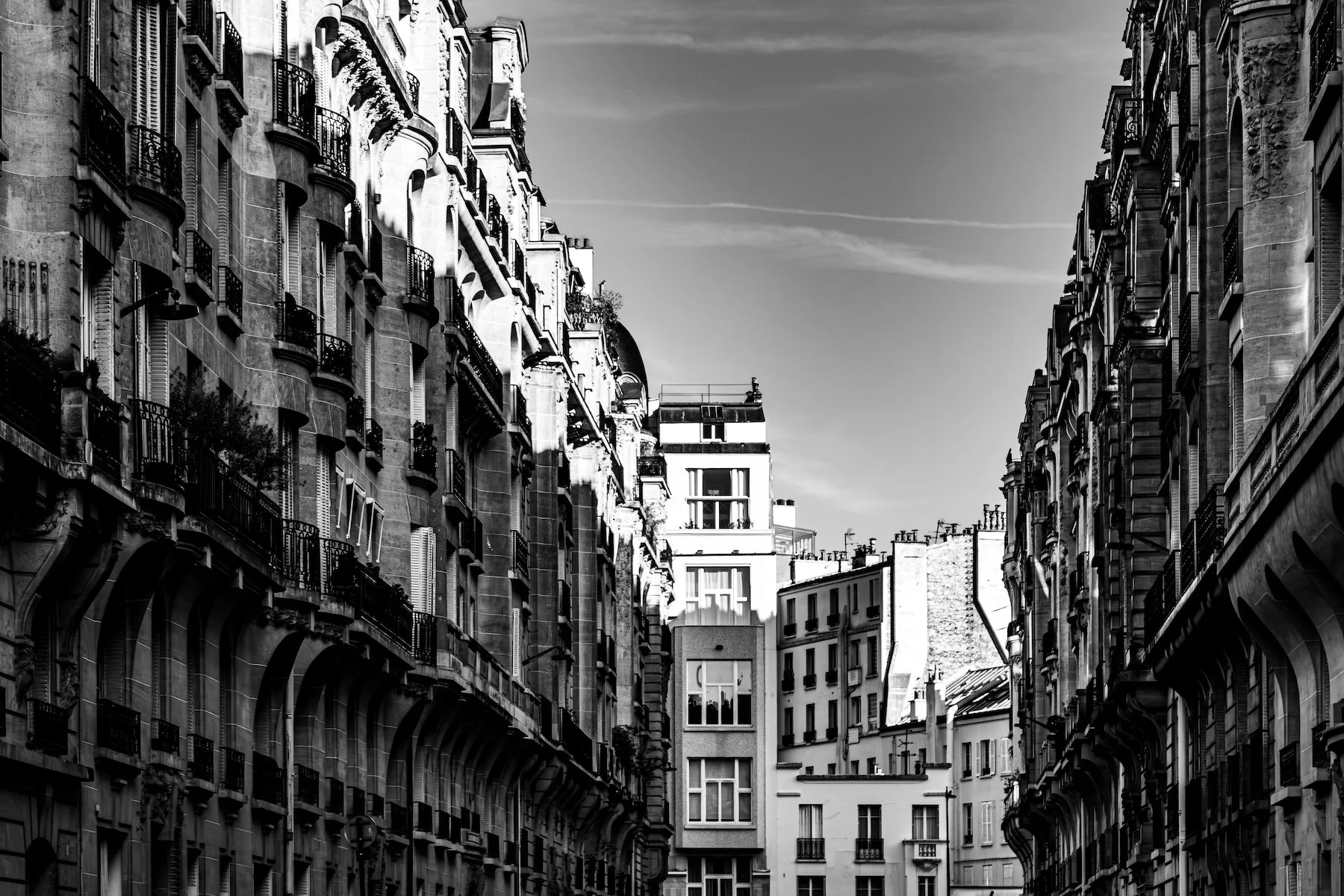
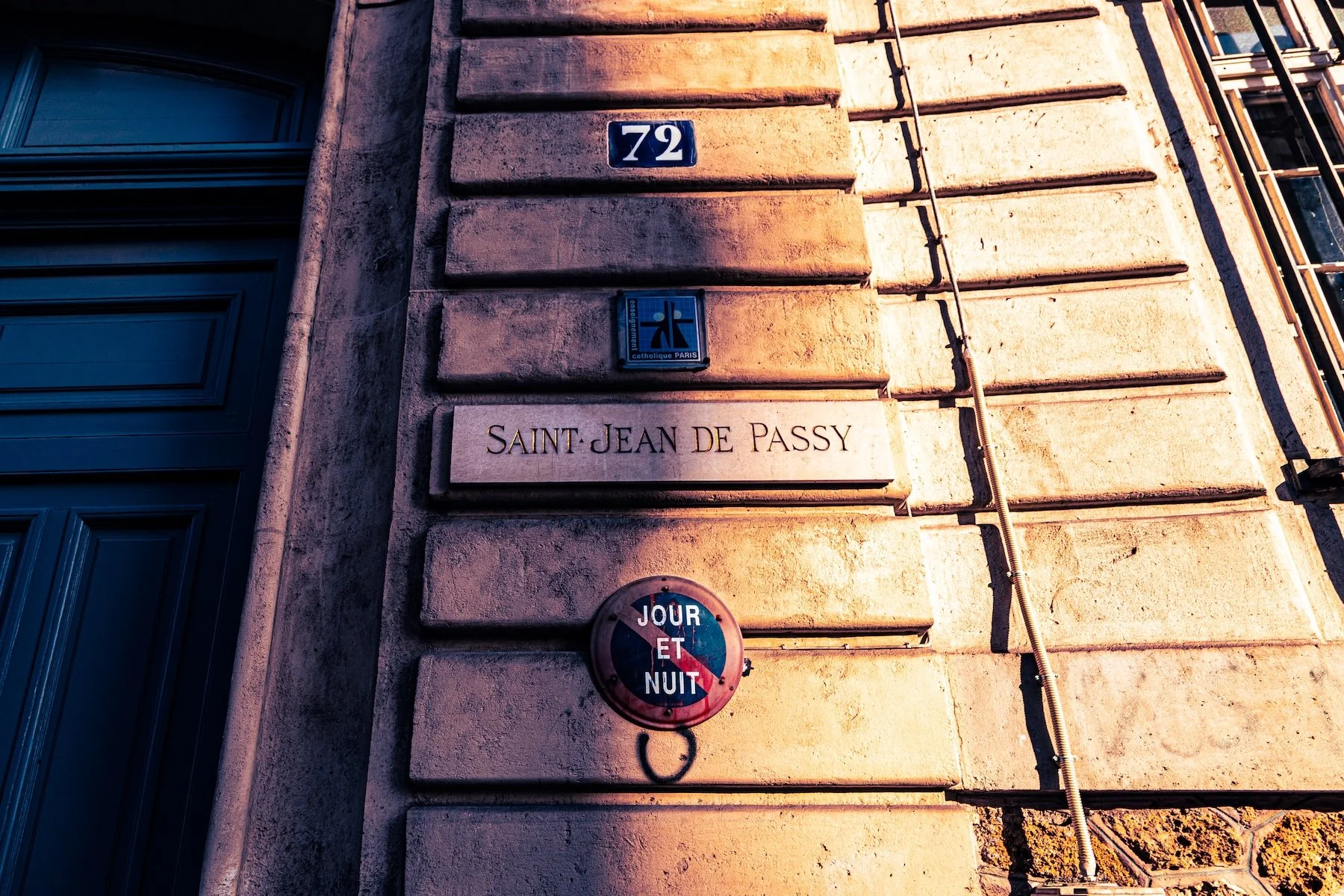
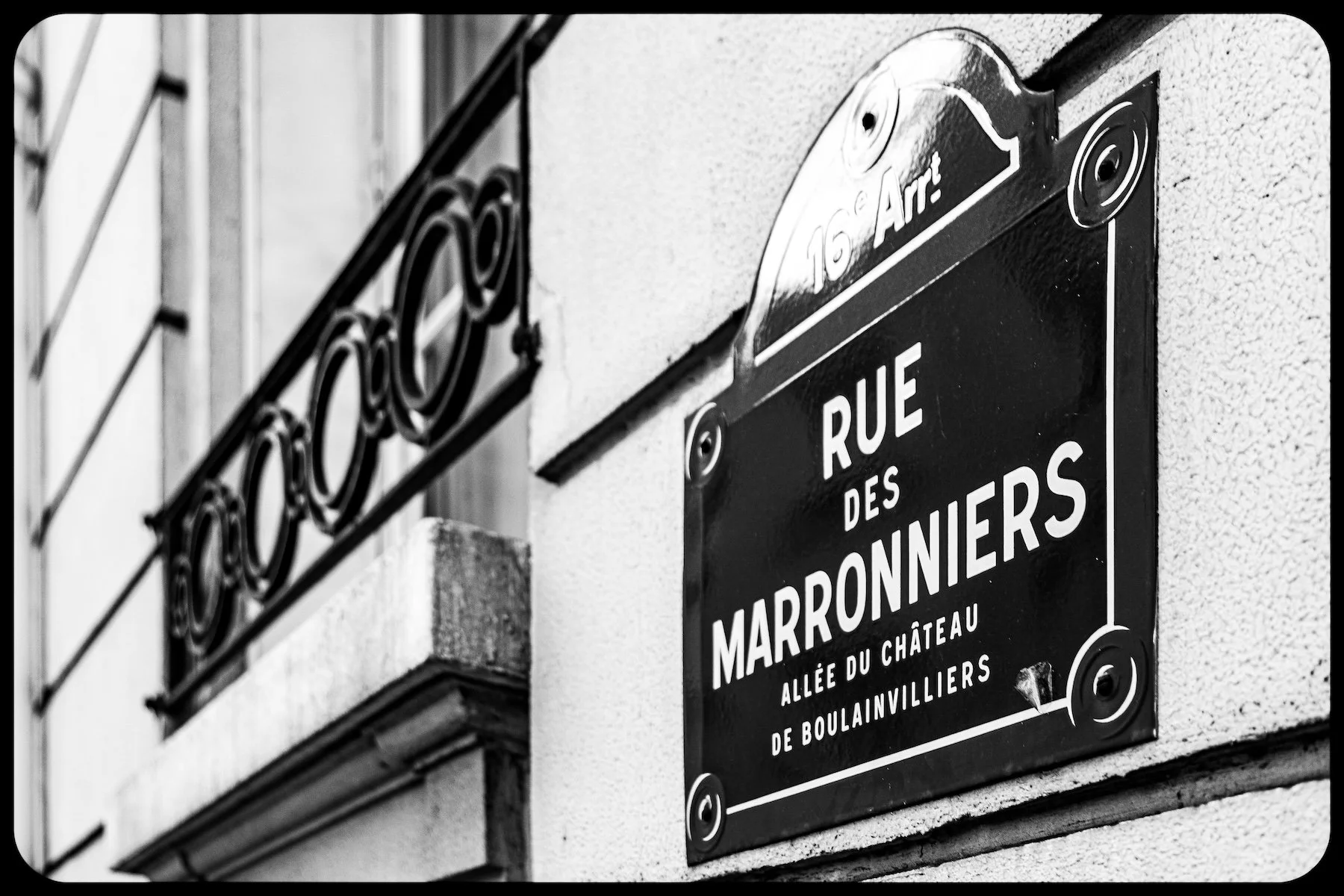
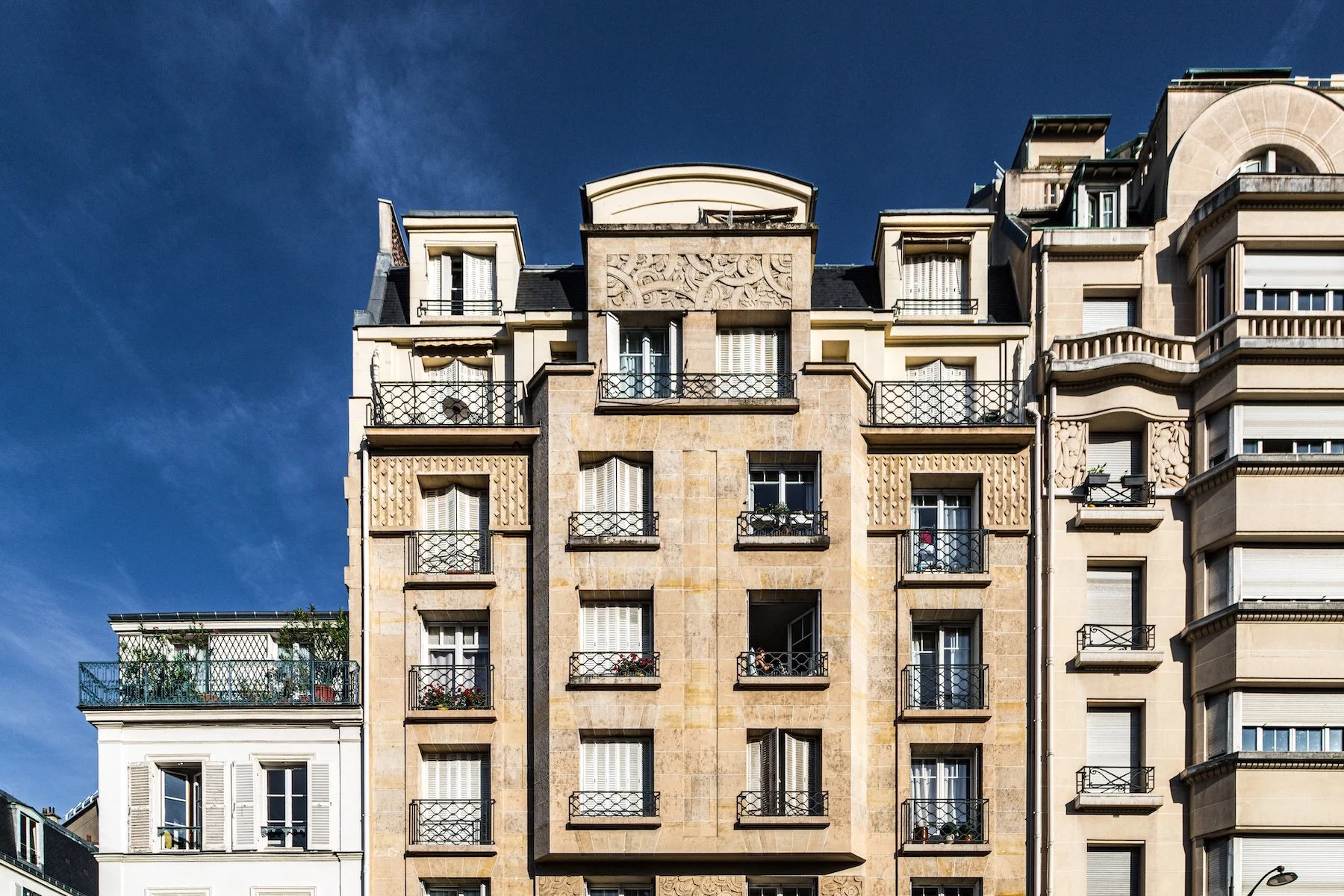
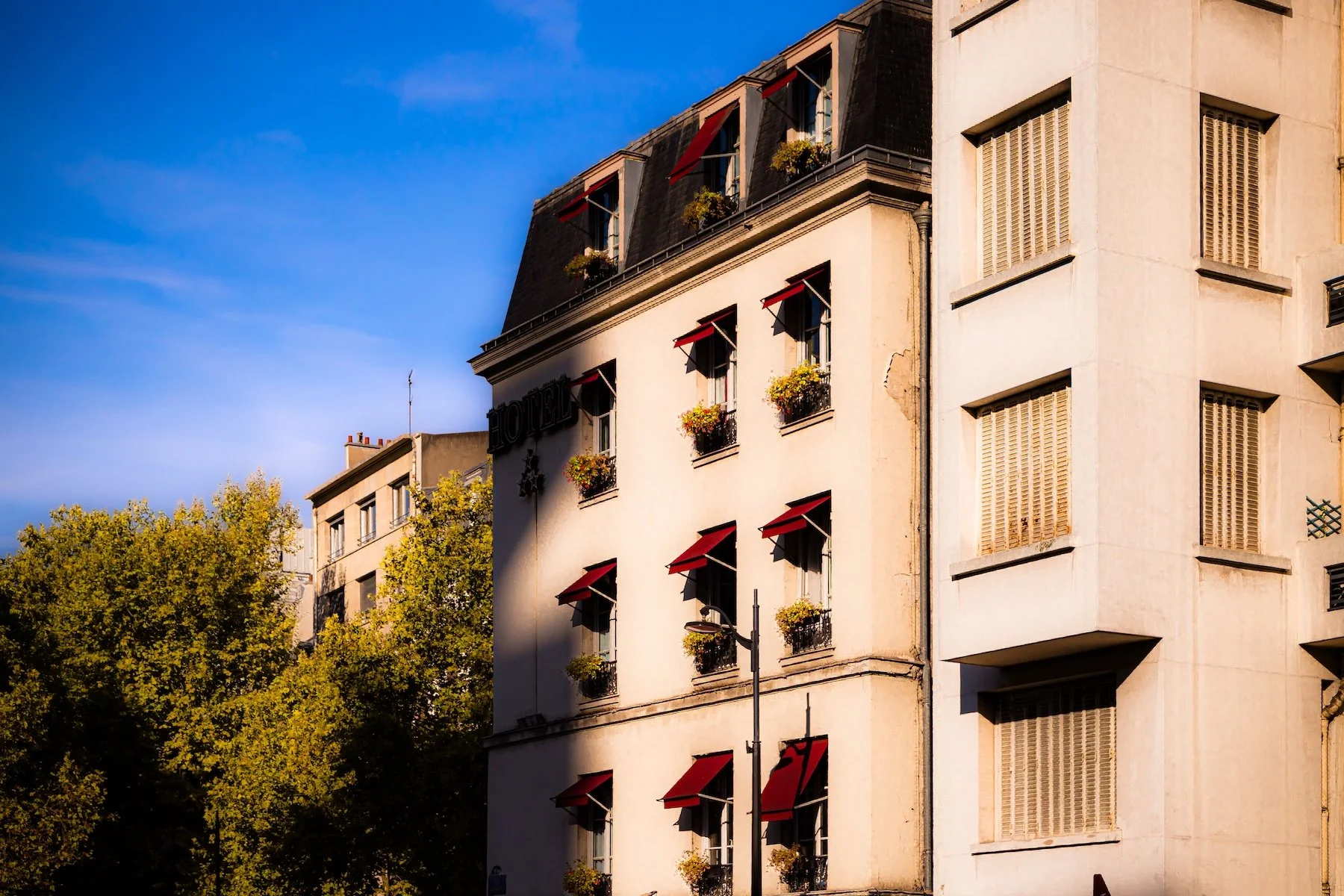
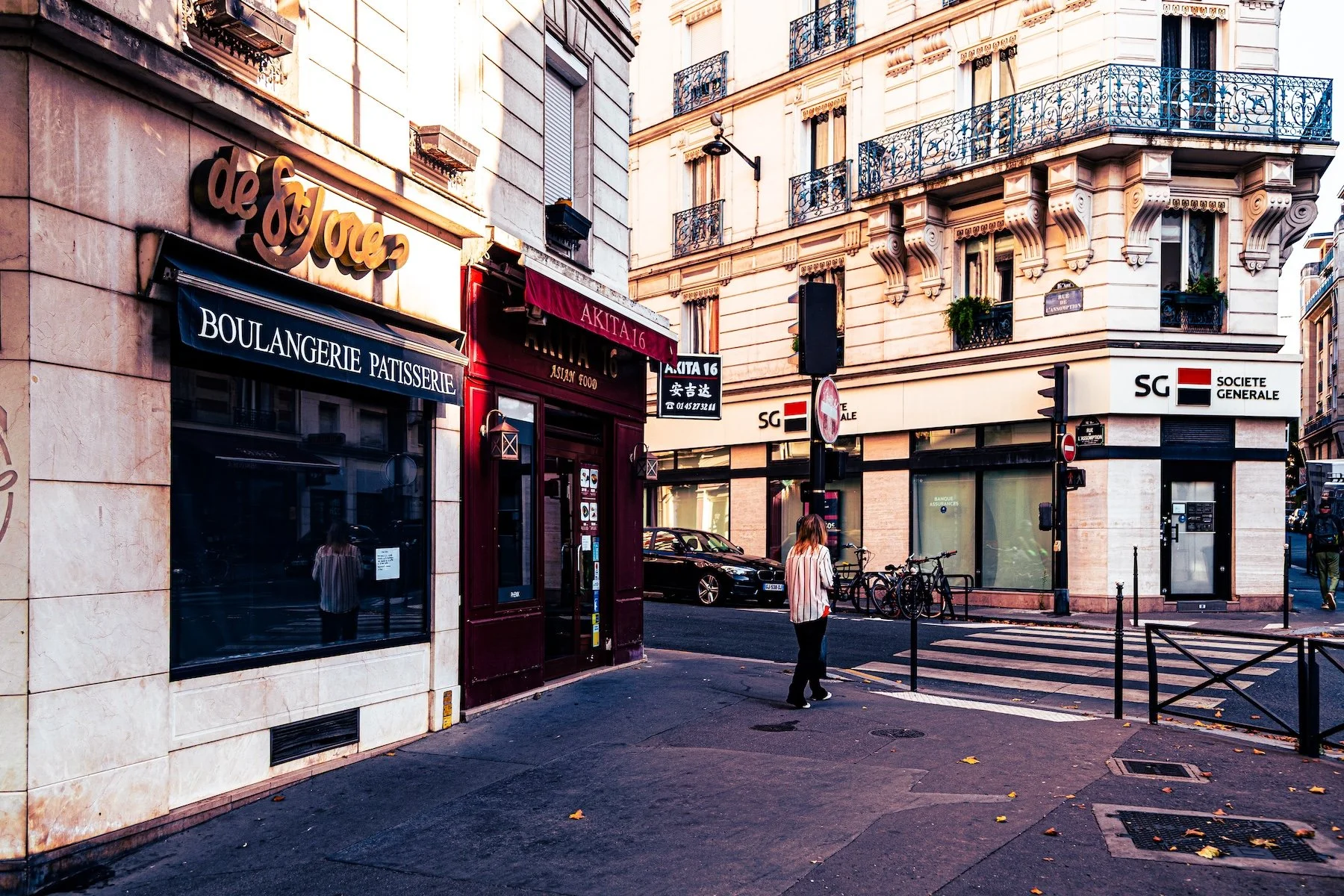
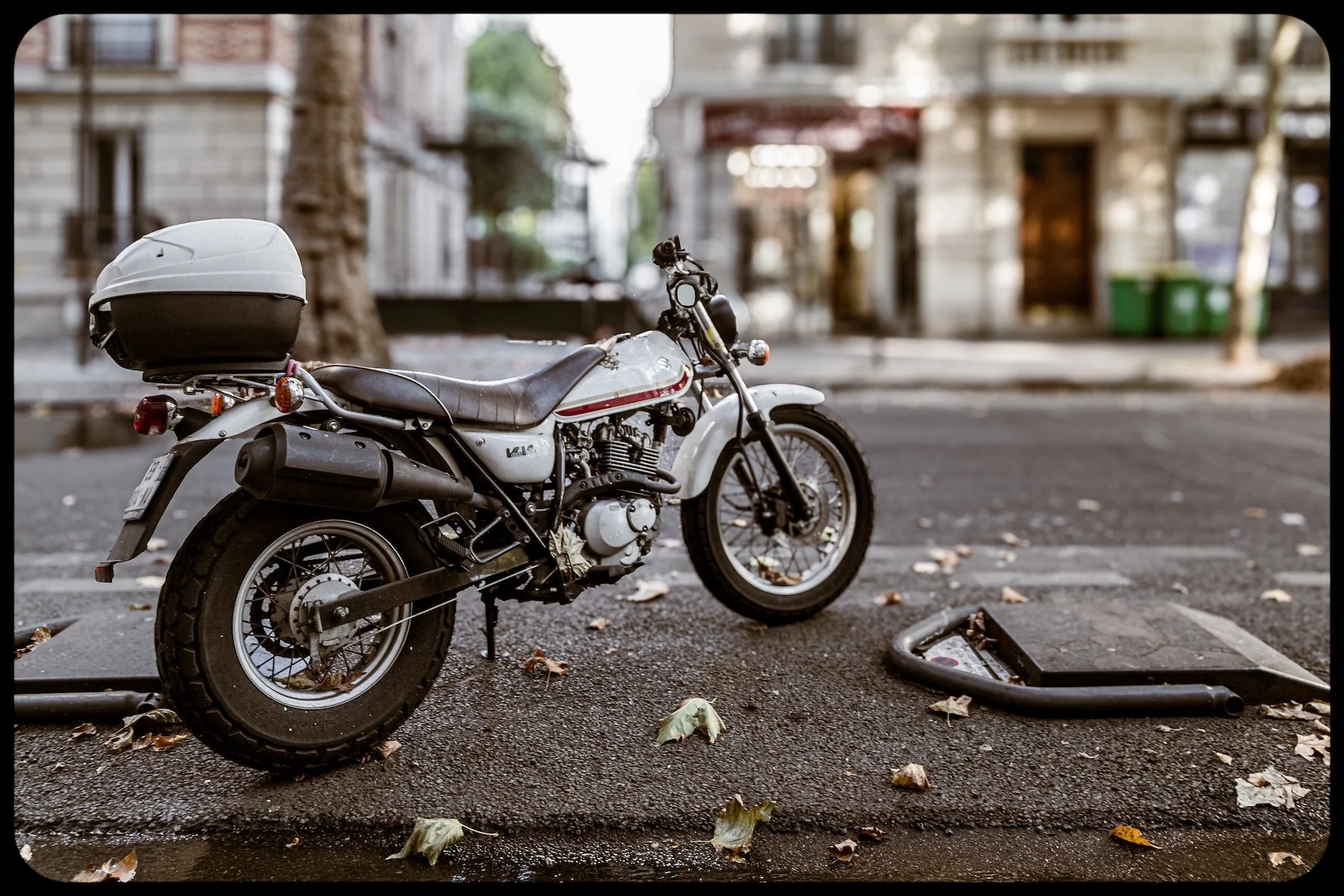
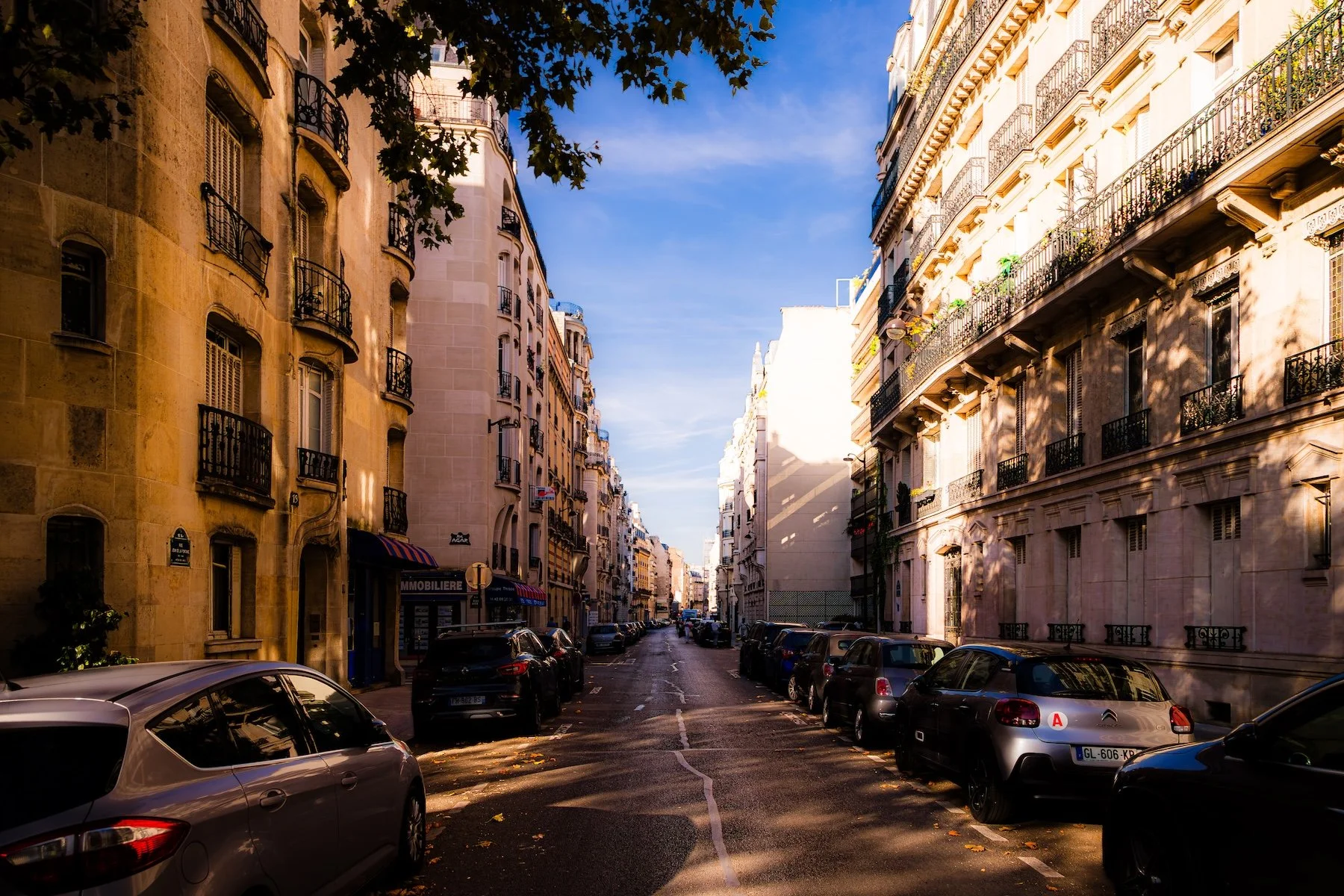
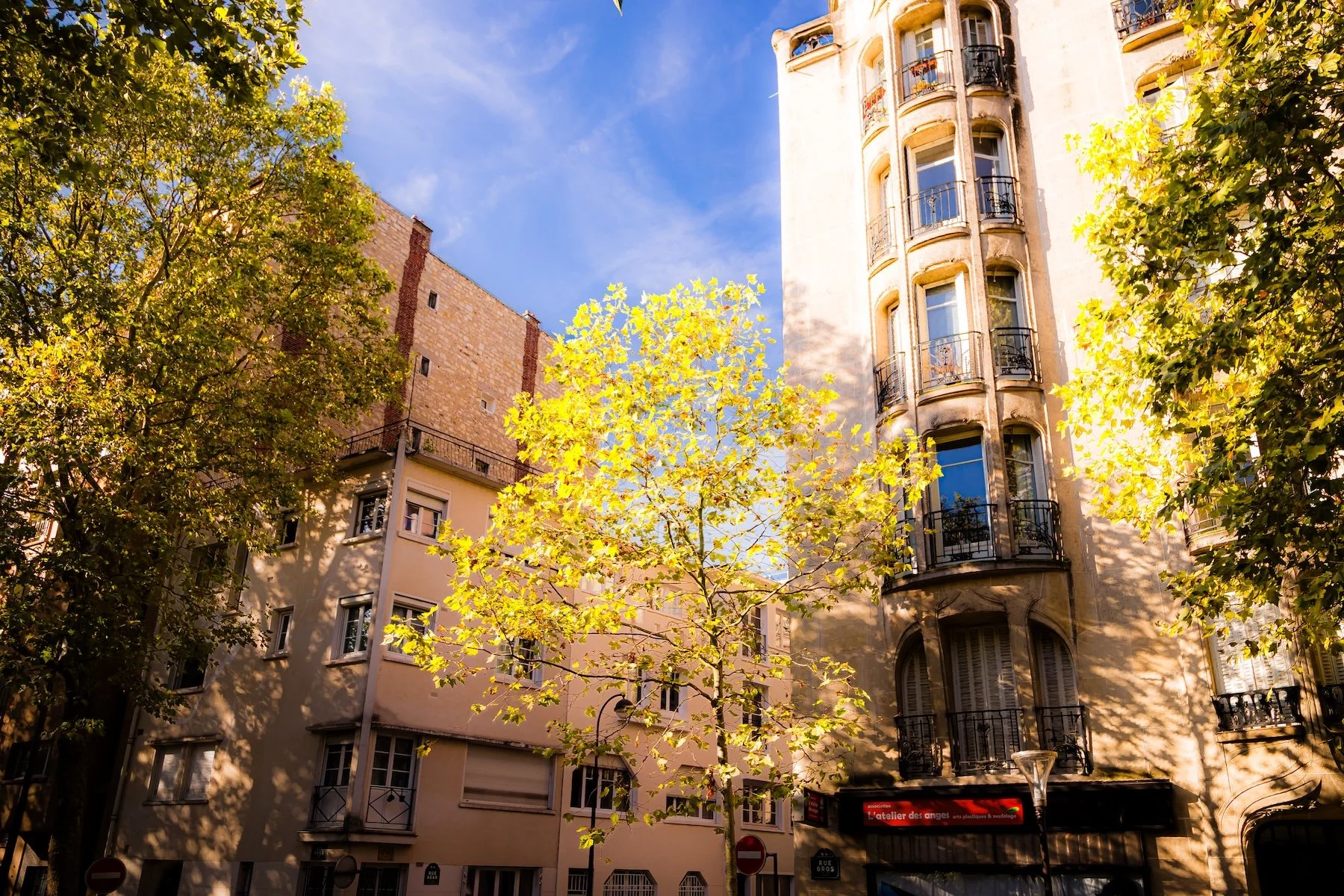
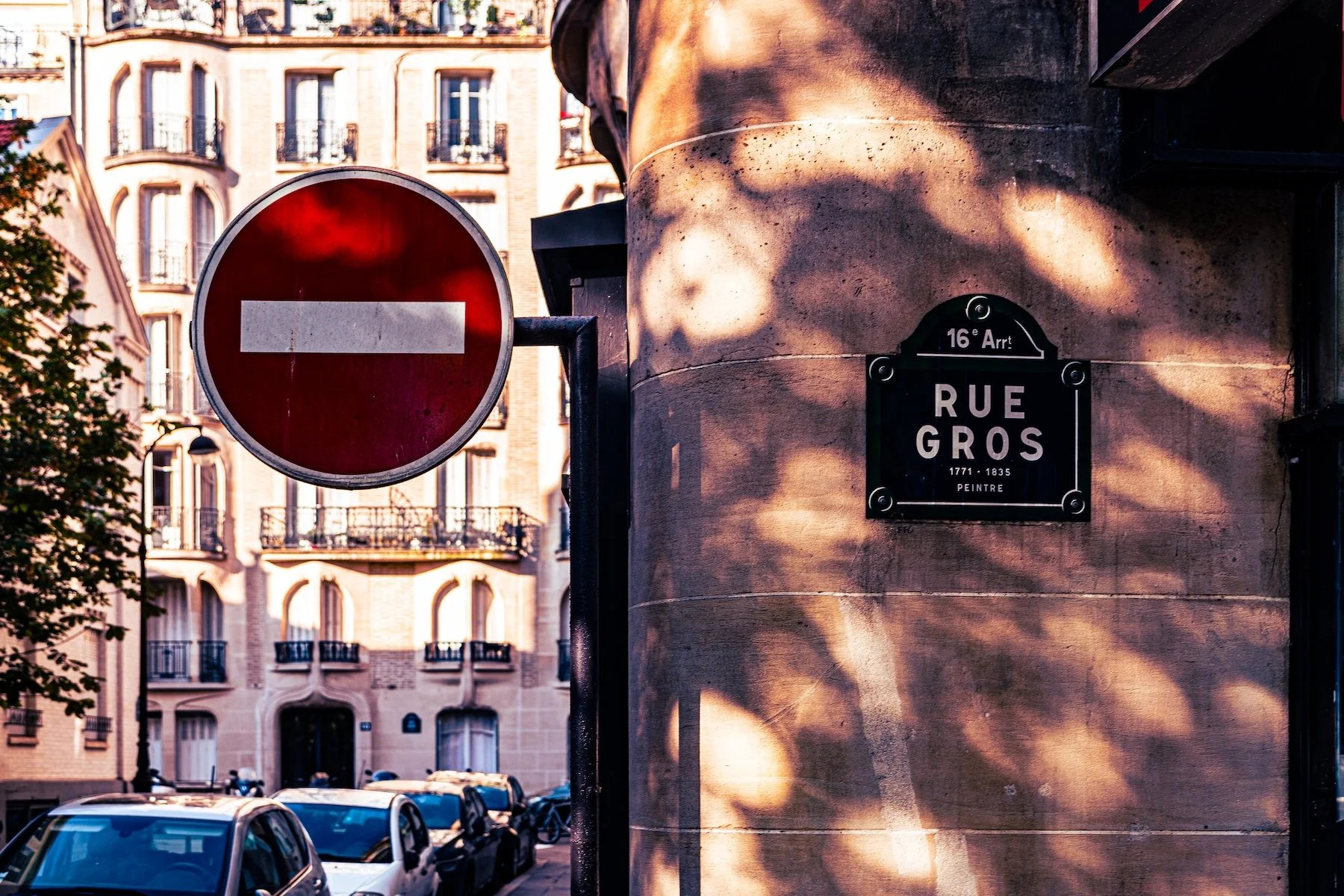
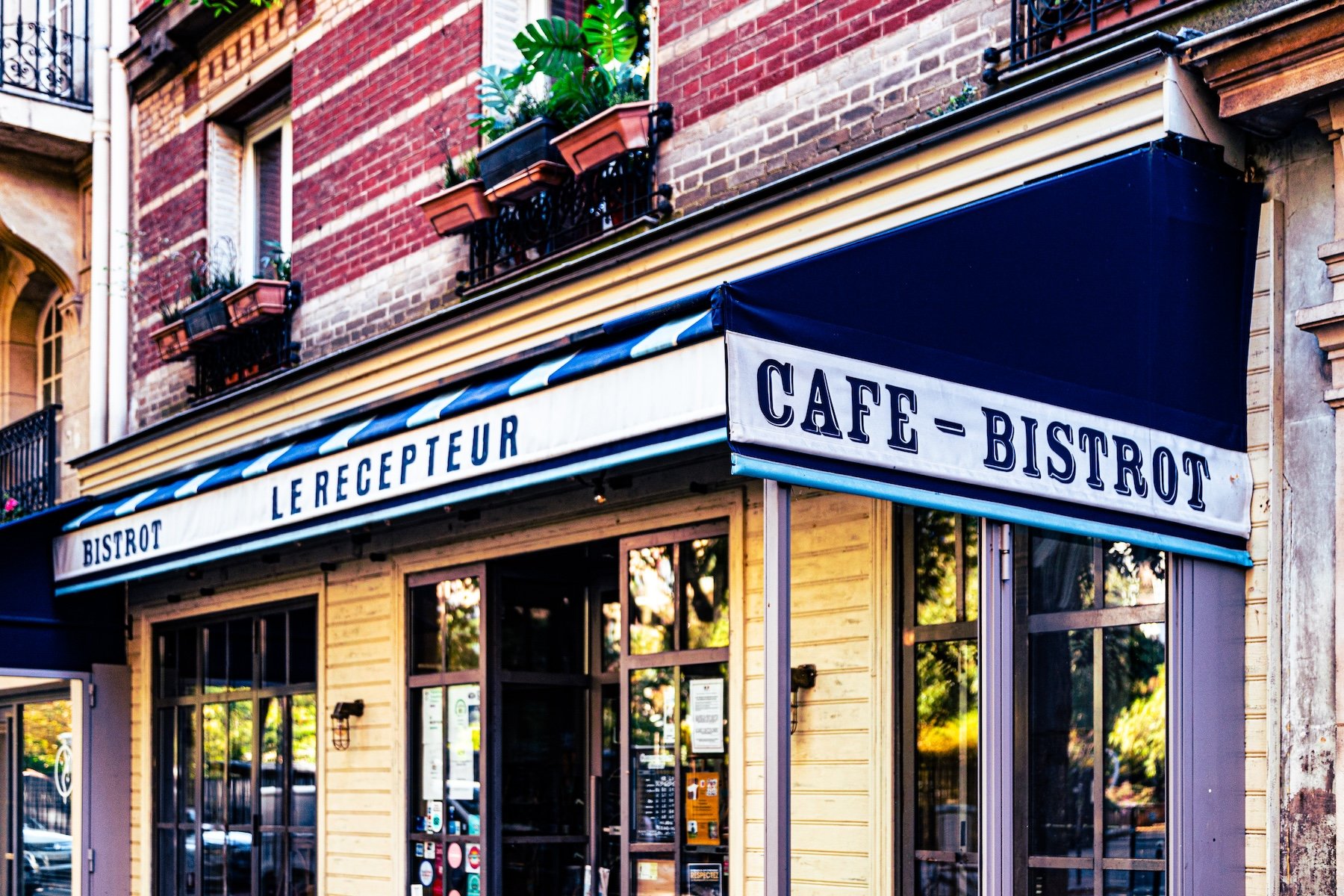
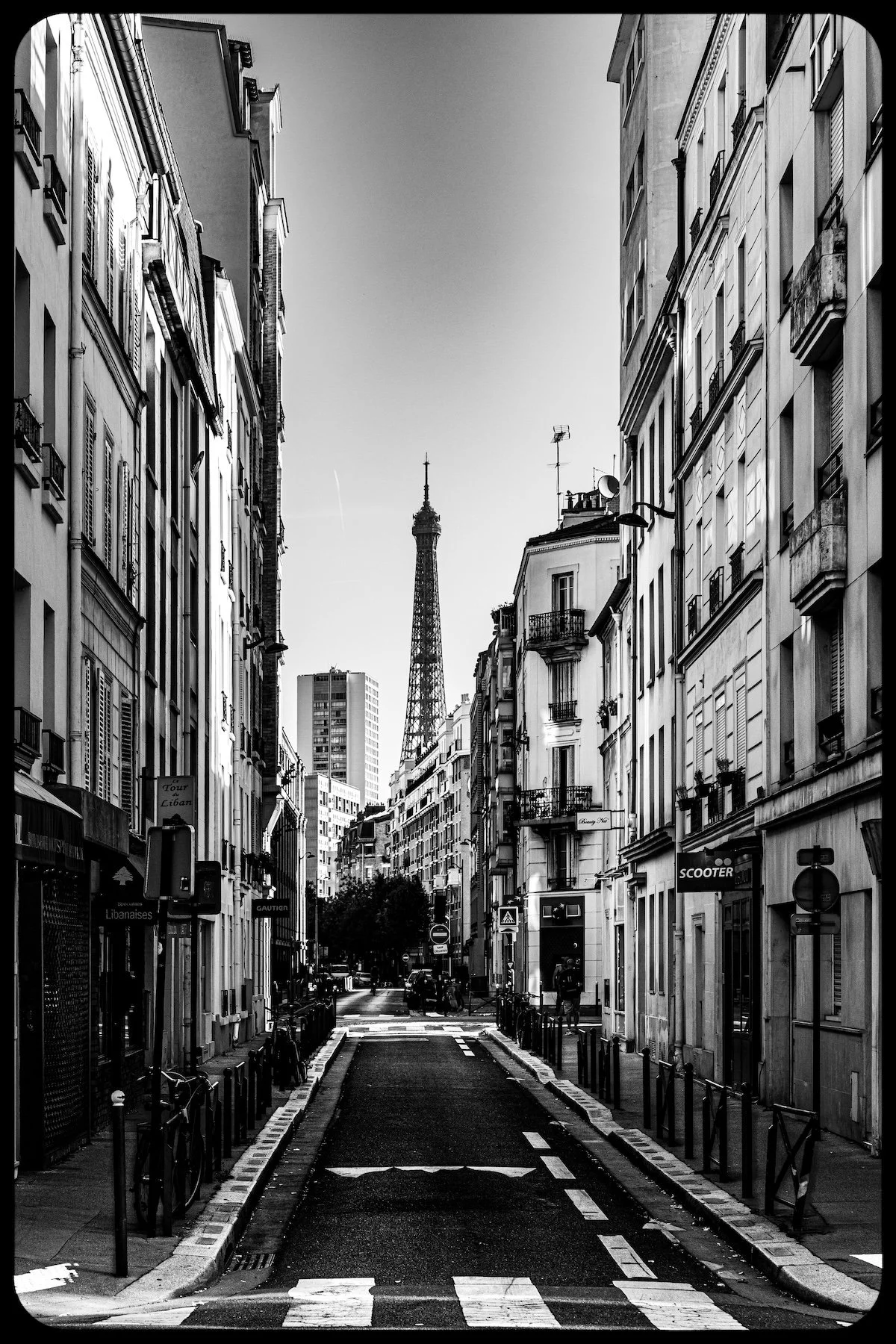
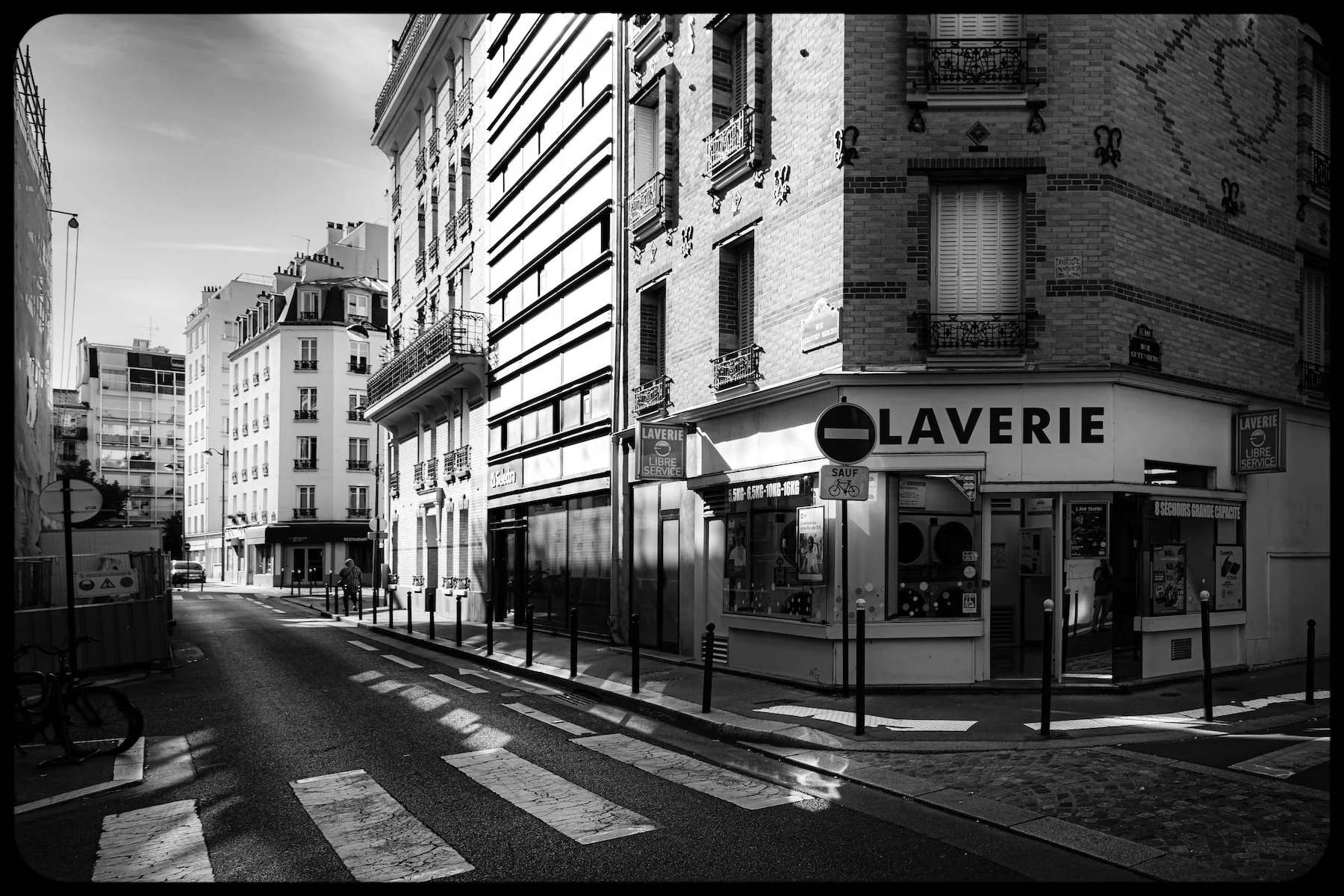
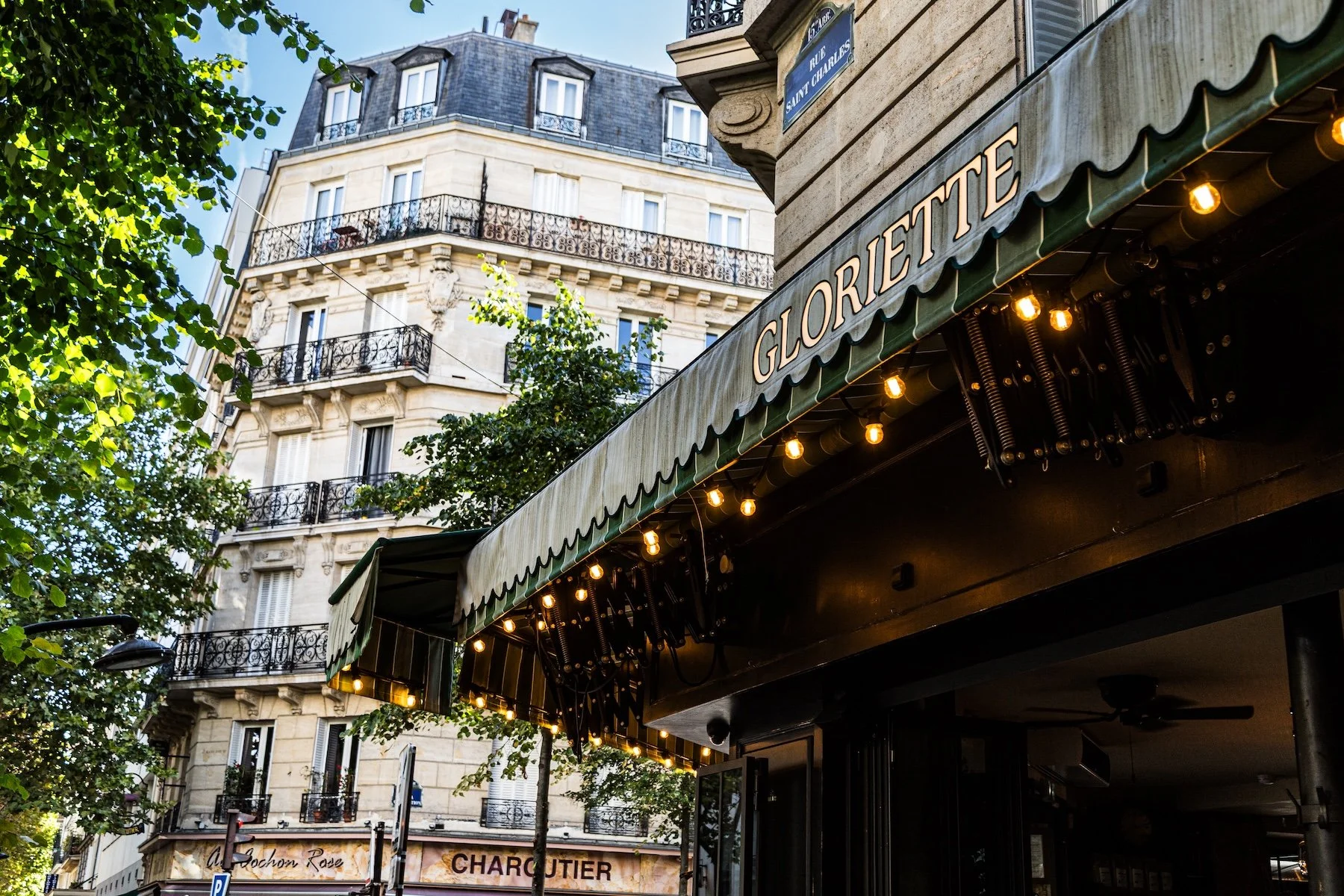
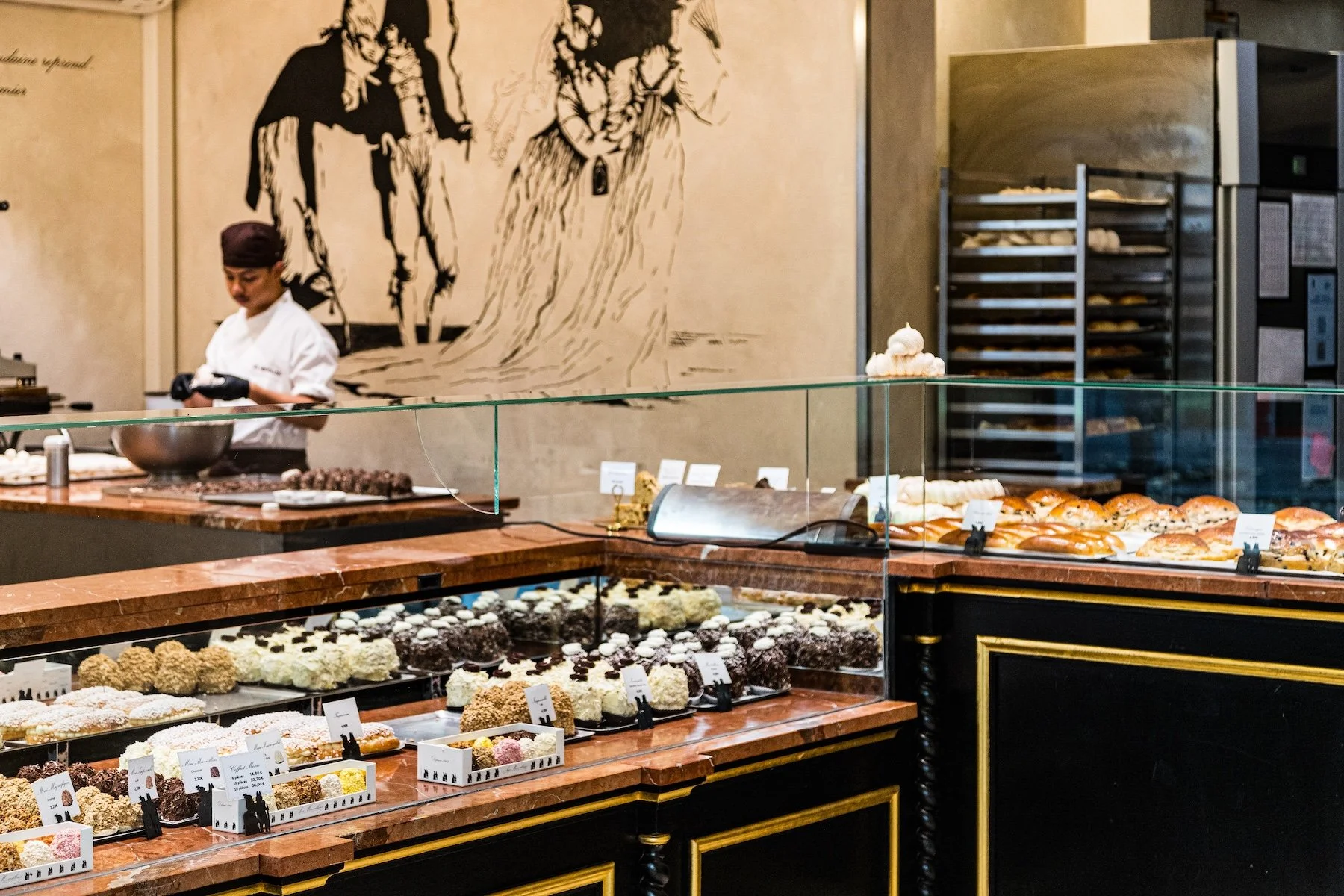
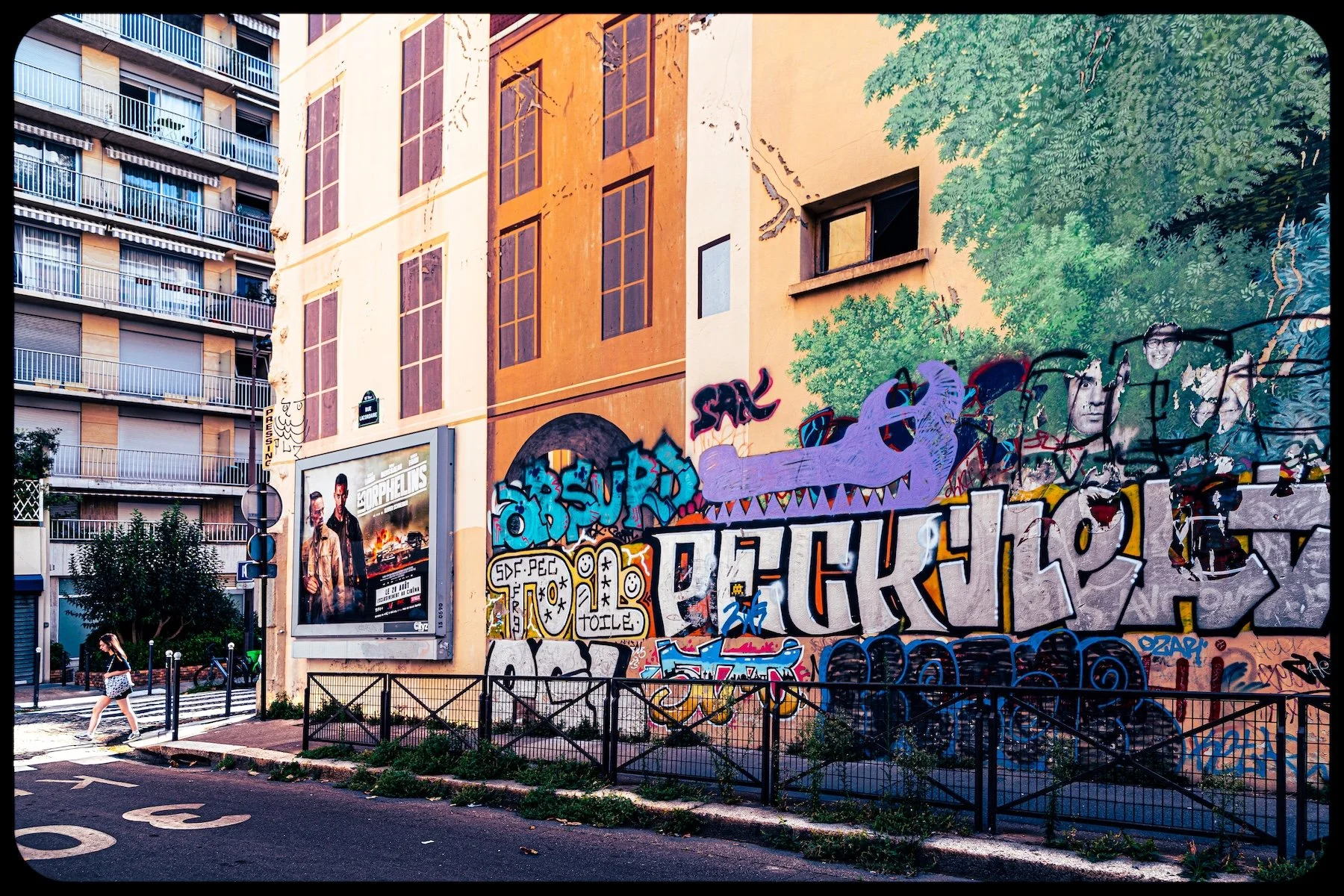
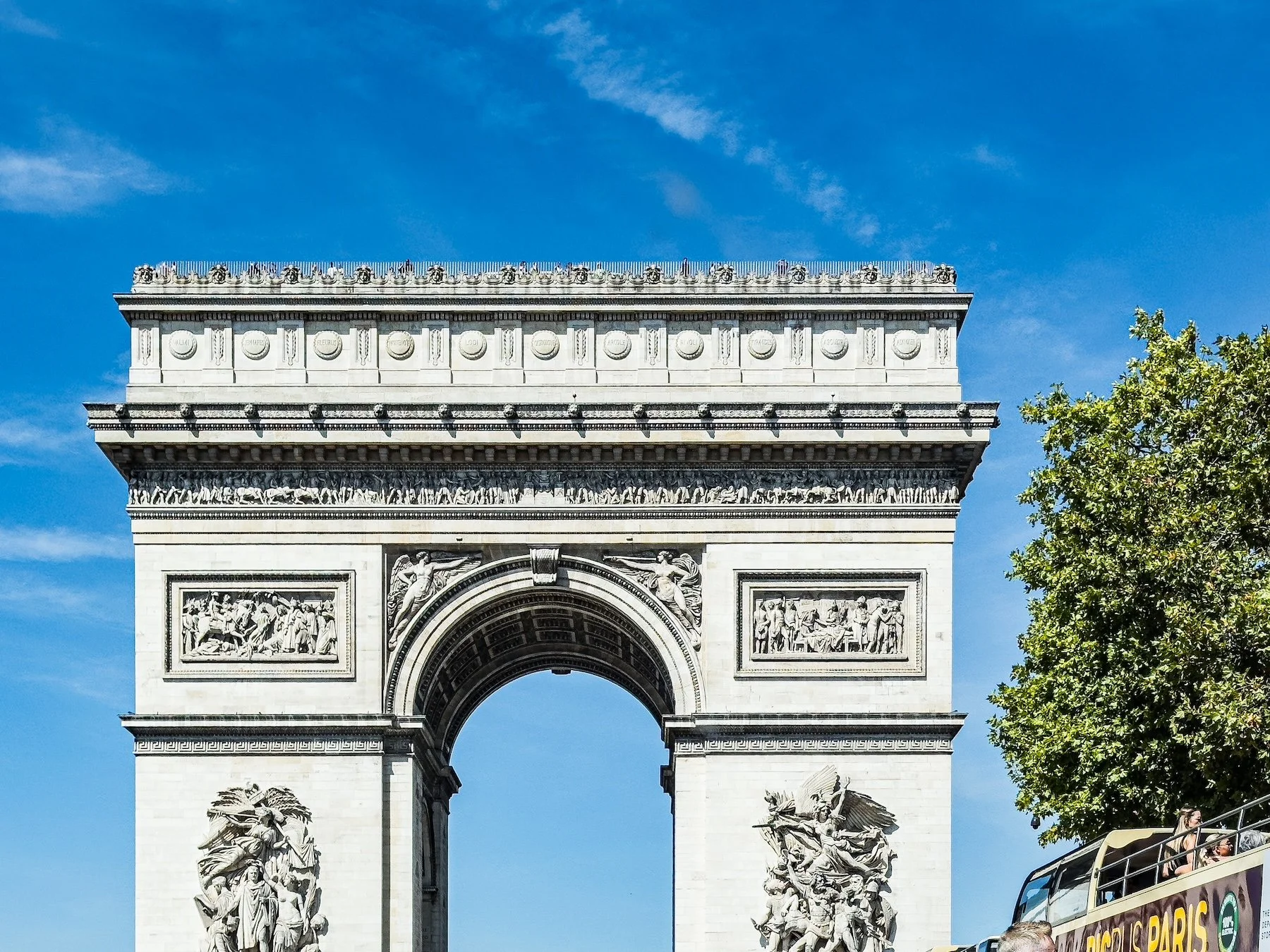
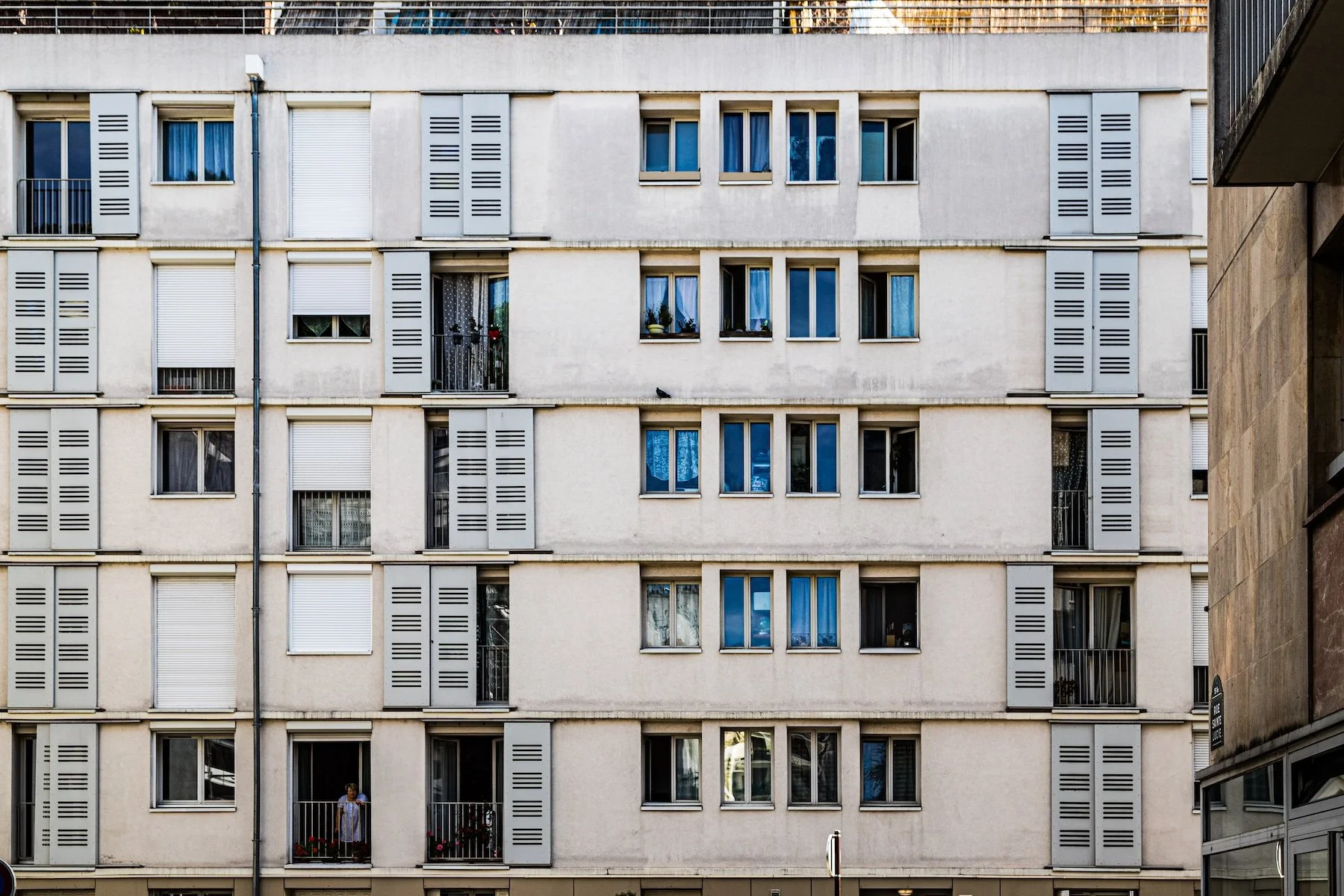
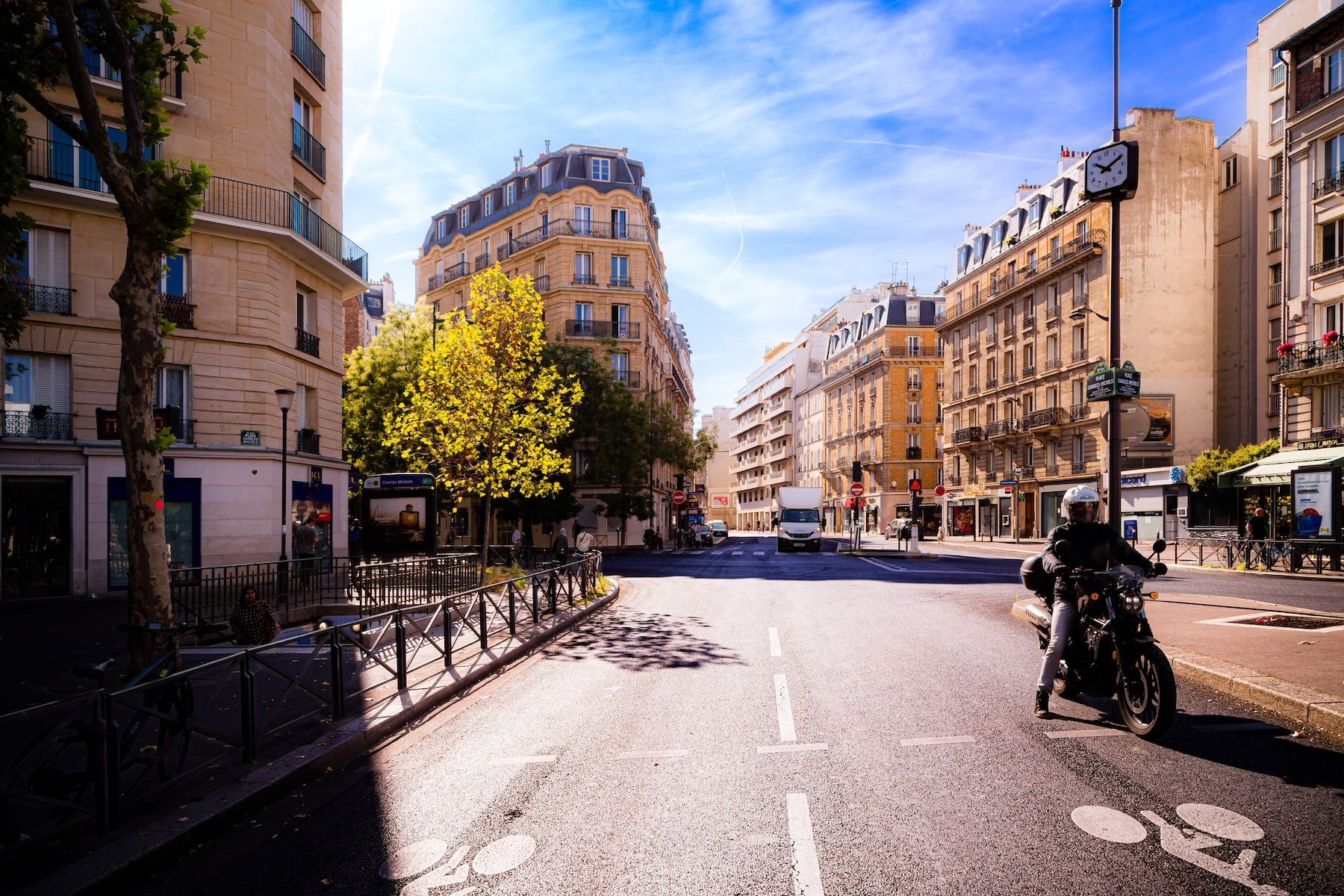
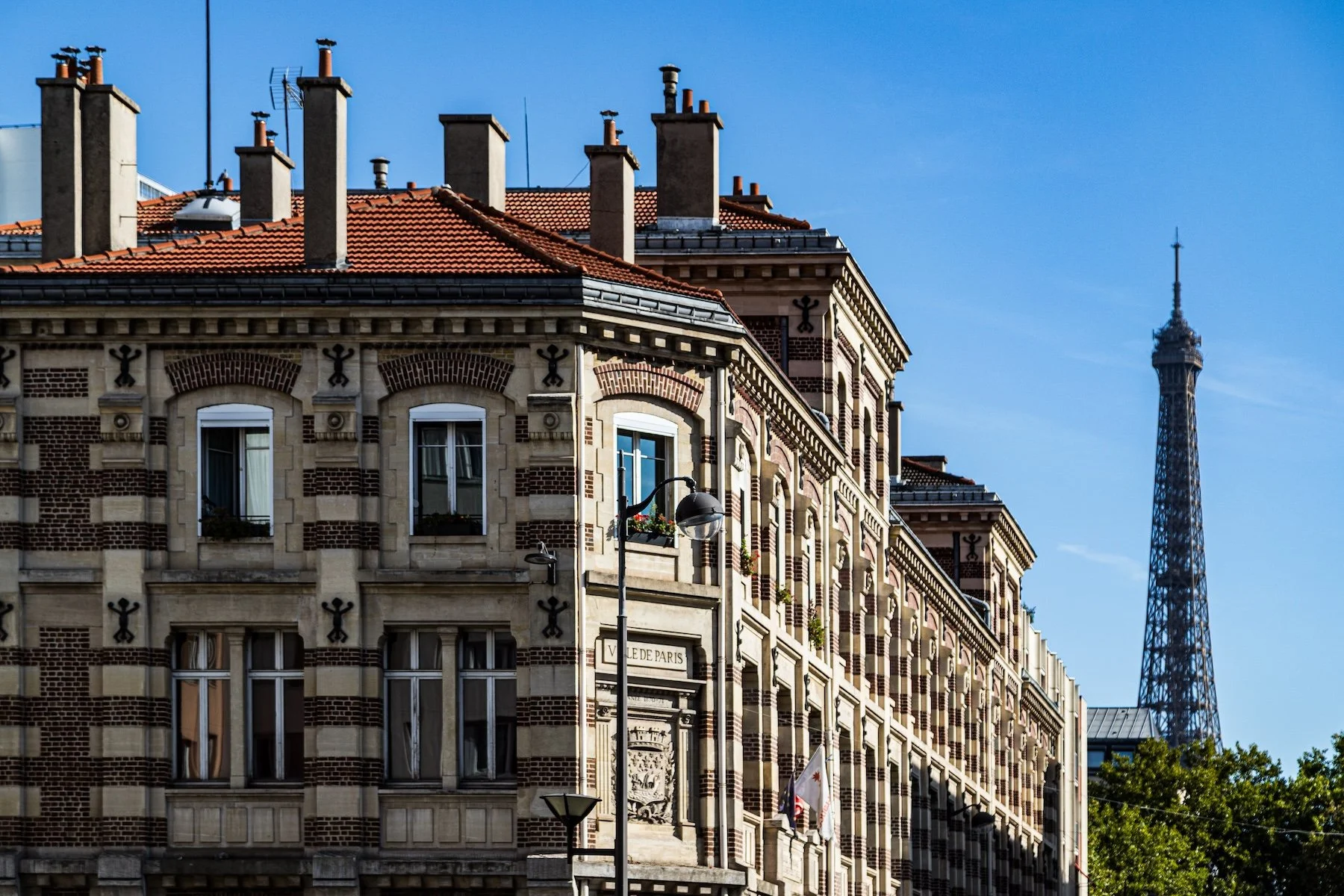
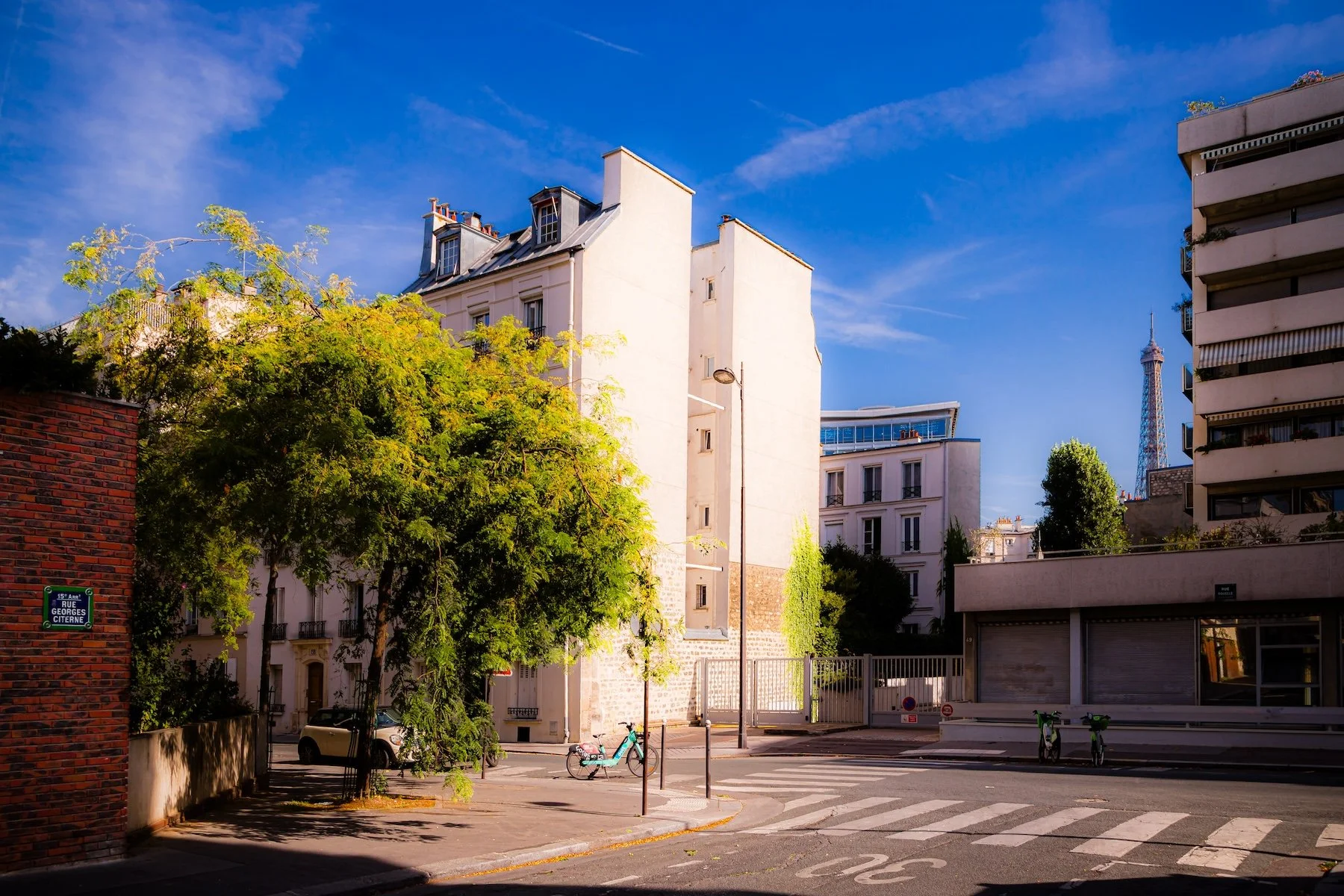
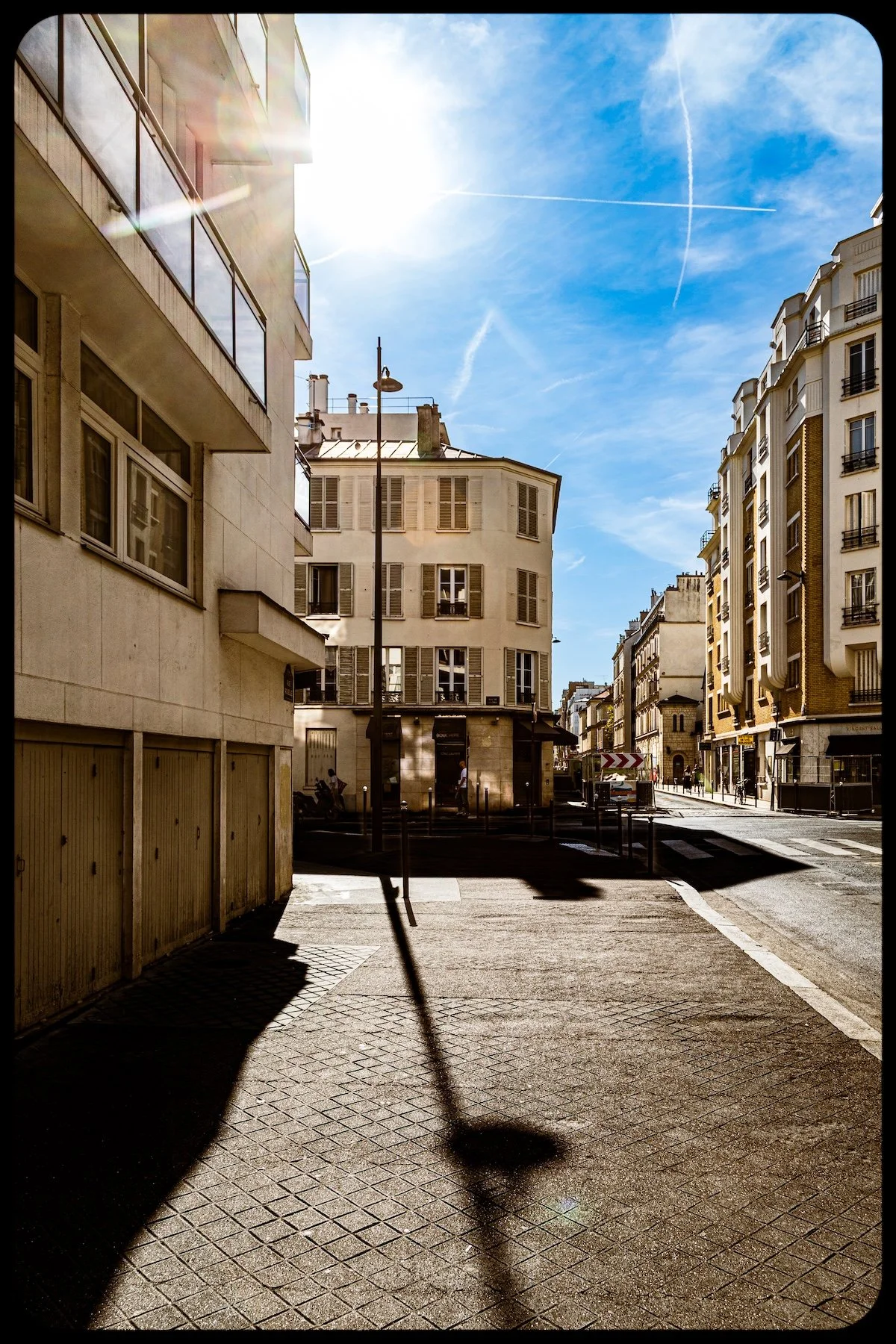
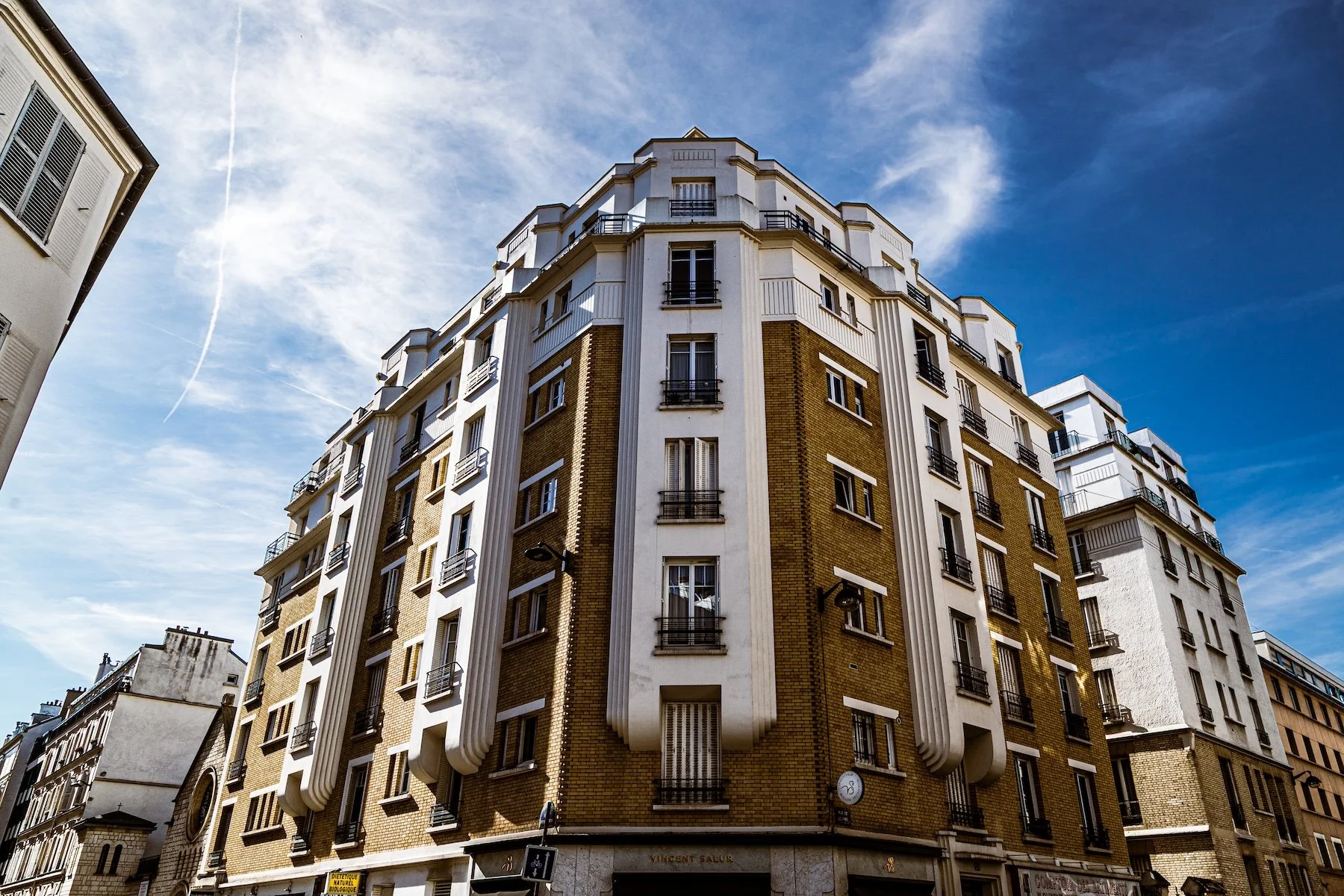
As the photographic archive grows, this section will continue to develop through images gathered on foot. Streets, façades, monuments, markets, parks, river edges, passages, signs, textures, and everyday details will gradually reveal how each district presents itself visually. The goal is not only to show what a place looks like, but to trace how its identity becomes visible through form, atmosphere, memory, and use.
Through The Lens
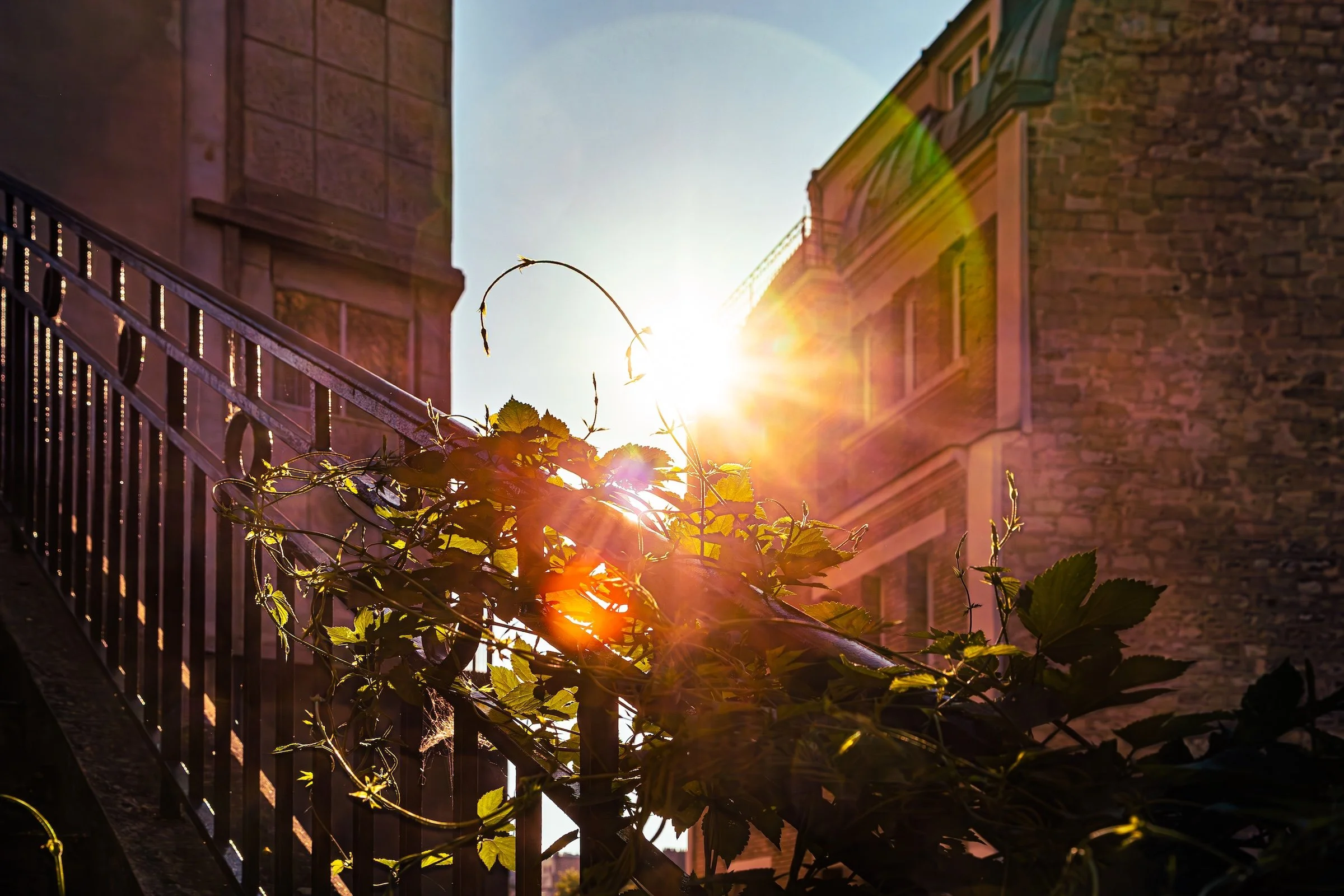
CityNeighborhoods Paris is built from walking, looking, and returning. Each district is approached through photography as a way of paying attention: to the obvious landmarks and the quieter details, to historic structures and ordinary streets, to the moments where civic geography becomes lived experience. The camera becomes a tool for noticing how Paris changes from one district to the next, and how each place holds its own relationship to the larger city.
As photographs are processed and added, this section will become a more specific visual record of the district. Future updates may include dated field notes, galleries, and reflections from individual walks. For now, the page remains part of the larger CityNeighborhoods effort to document every Paris neighborhood through maps, history, identity, and photography — one district, one walk, and one visual encounter at a time.
If you visit Paris, these ideas can help inspire your own photography.
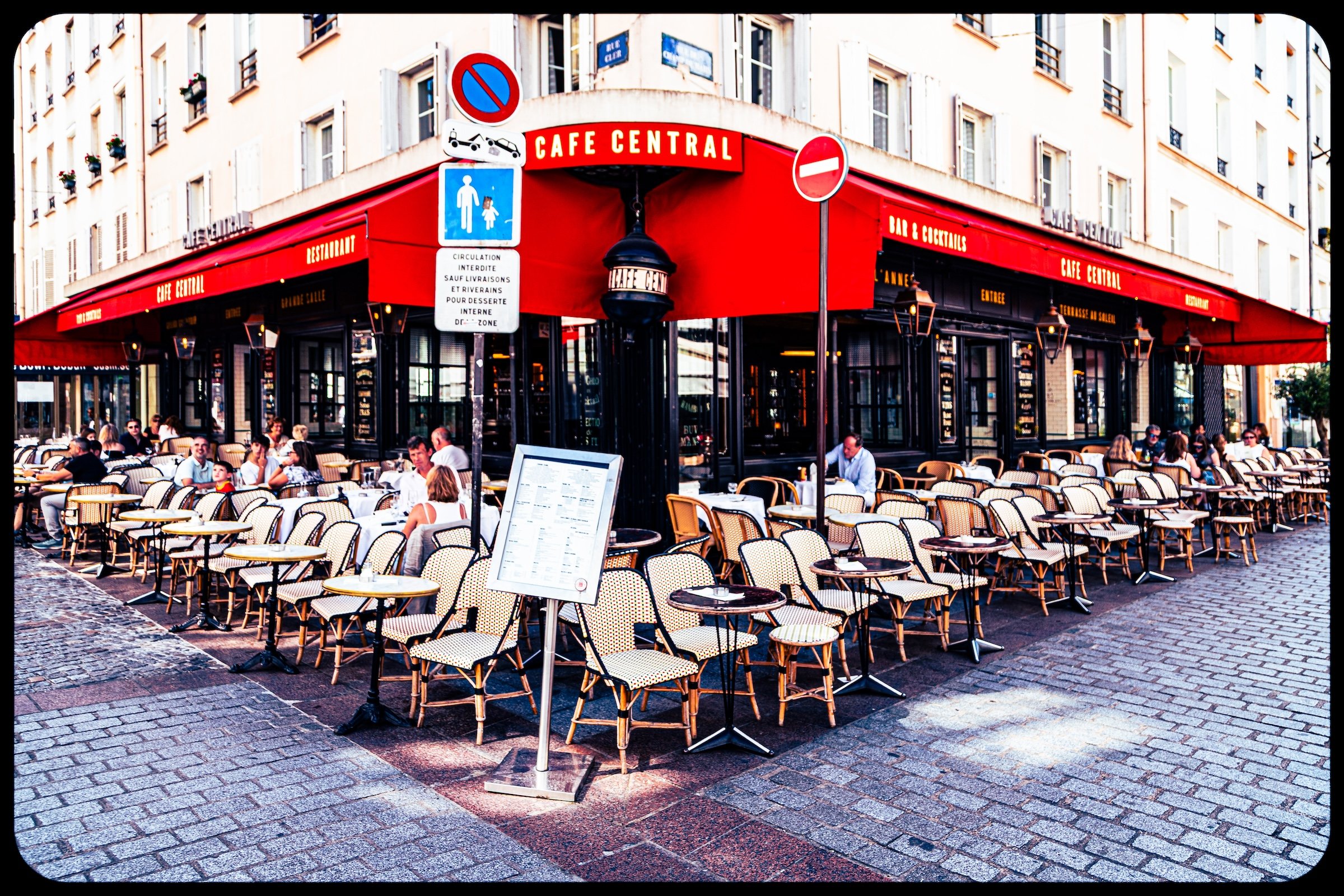
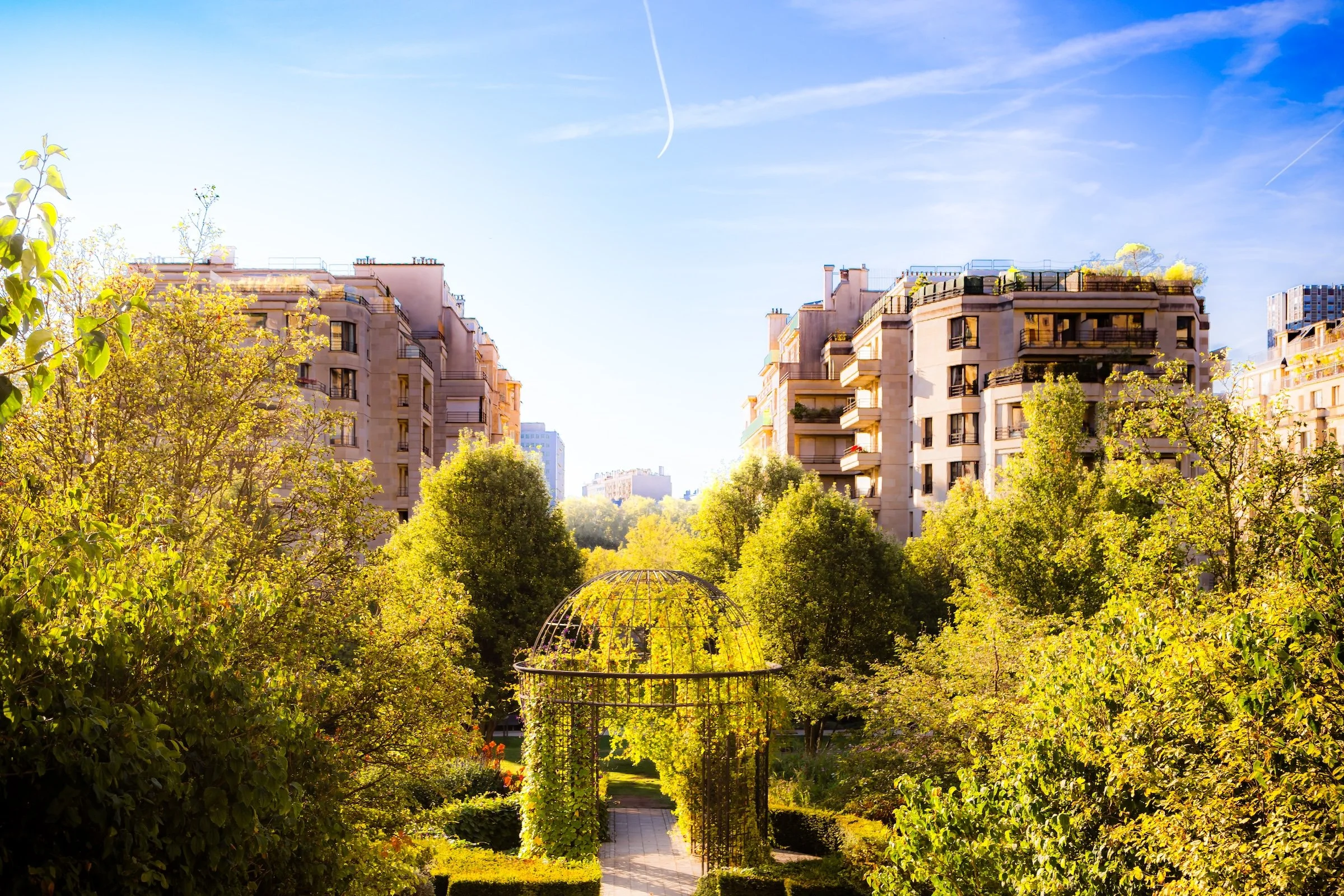
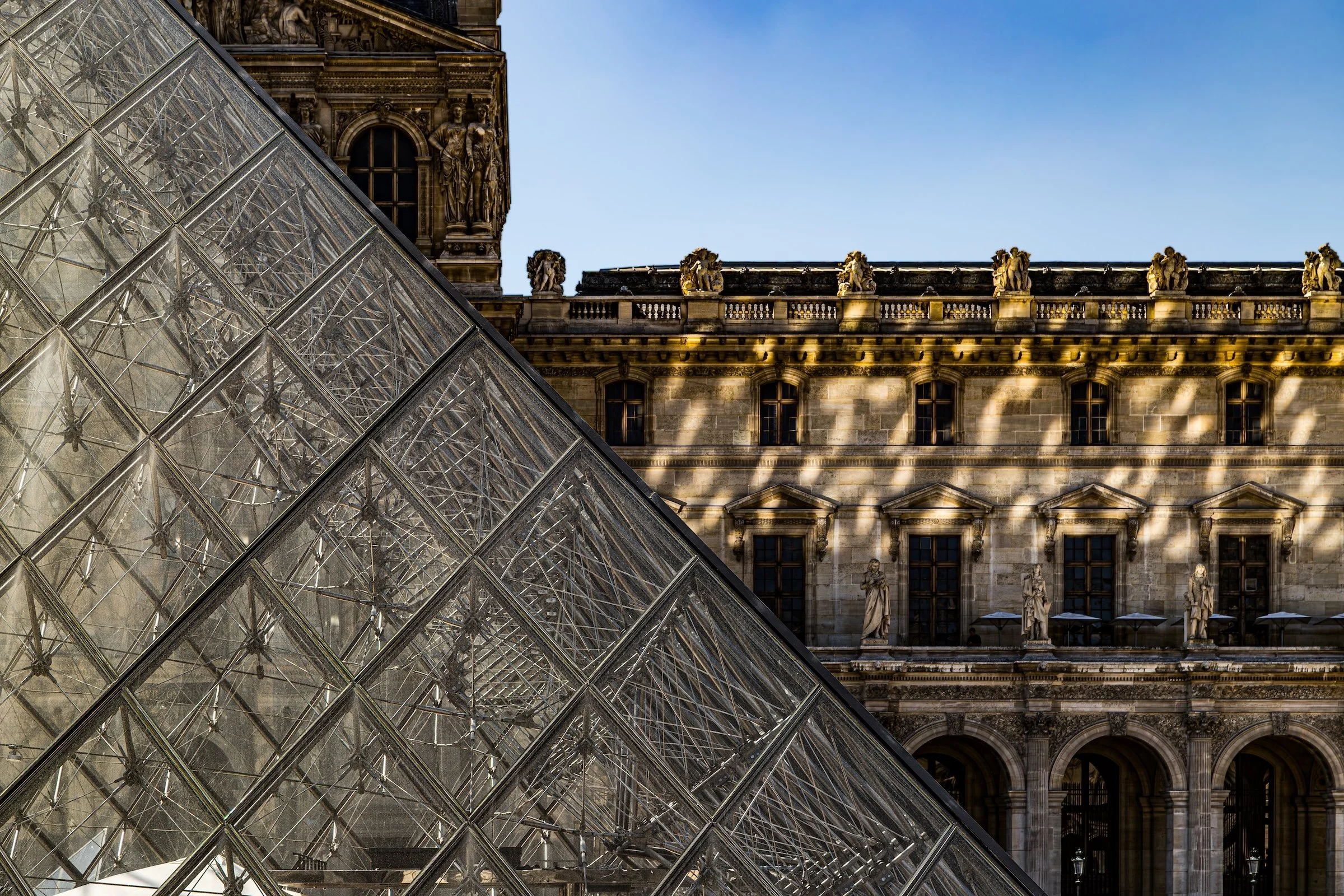
Paris Photo Gallery
Paris Flâneur Notes
Flâneur Notes document the walks, photographs, light, and street-level observations behind this neighborhood entry. Learn more about the Spirit of the Flâneur.
Explore Paris
-

The twenty arrondissements form the civic spiral of Paris, organizing the city into its broad local districts of government, identity, and daily life.
-
Each arrondissement is divided into four official administrative quarters, giving Paris a more precise civic and geographic framework.
-
The conseils de quartier bring participation to street level, giving residents a voice in neighborhood needs, public space, and local civic life.
-

Les Deux Rives trace Paris through the Seine’s two banks, revealing how the Rive Droite and Rive Gauche shaped the city’s civic power, commerce, learning, art, and cultural identity.
-
Cultural neighborhoods reveal the Paris people recognize through history, cafés, architecture, memory, atmosphere, and local belonging.