
NOUVELLE ATHÈNES
Milieux Culturels
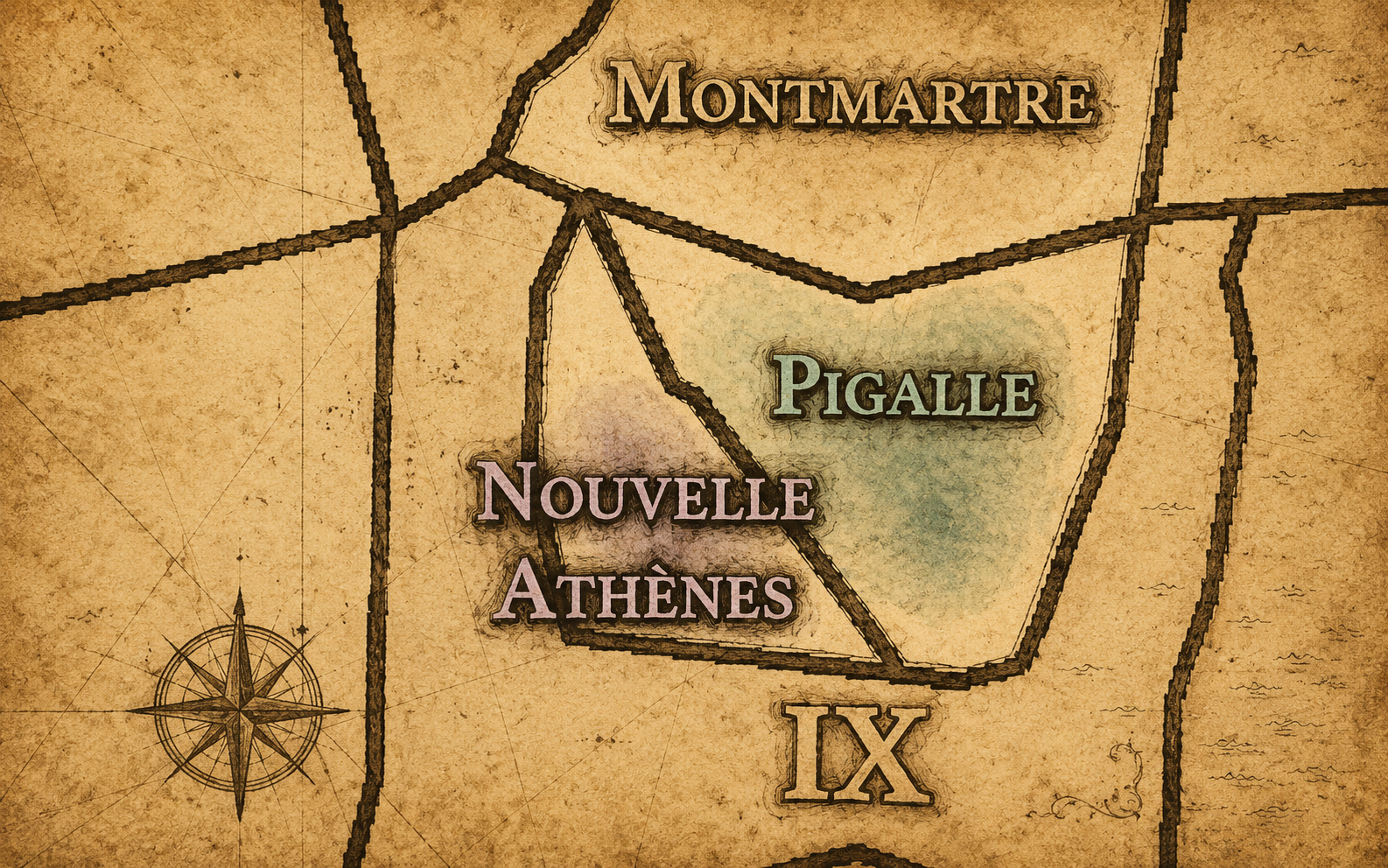
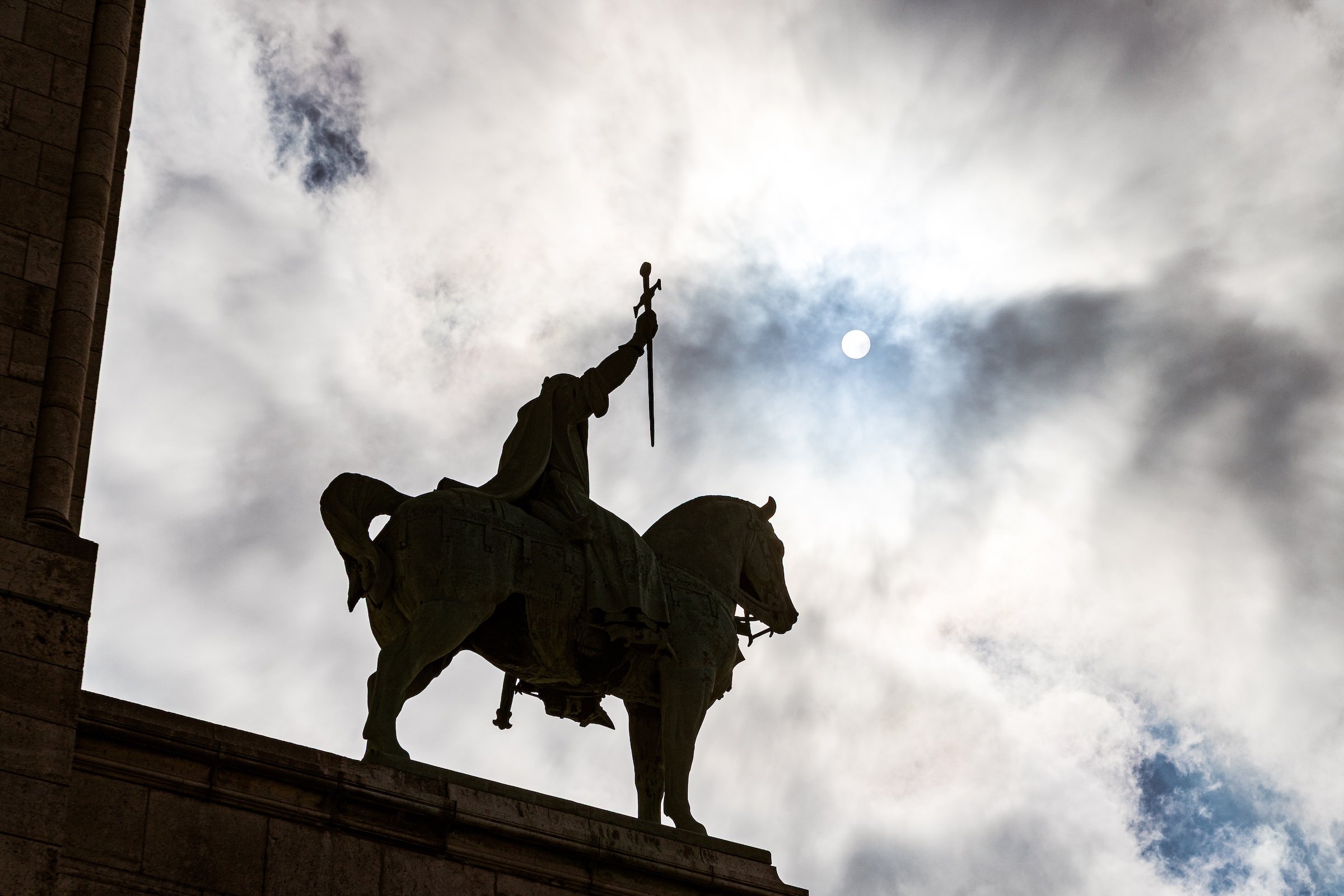
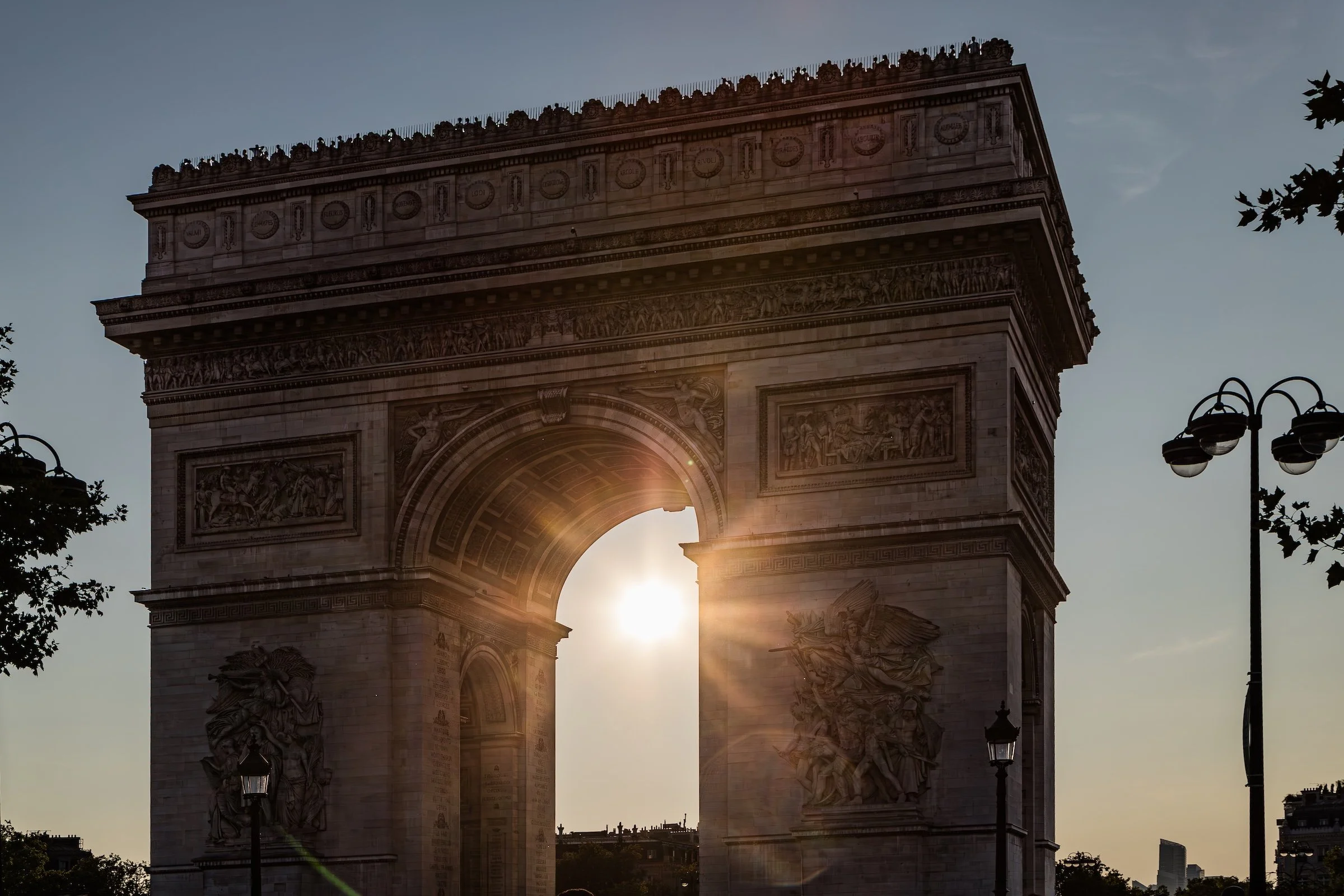
Nouvelle Athènes evokes the artistic and musical Paris of the 19th century, where elegant houses below Montmartre, the Musée de la Vie Romantique, Rue Saint-Georges, and the streets of the 9e became associated with painters, composers, writers, and Romantic-era culture. Part of an ongoing project to walk and photograph every neighborhood in Paris, this page explores Nouvelle Athènes as a milieu culturel through maps, cultural identity, history, and photography.
The Map
Cultural Boundaries
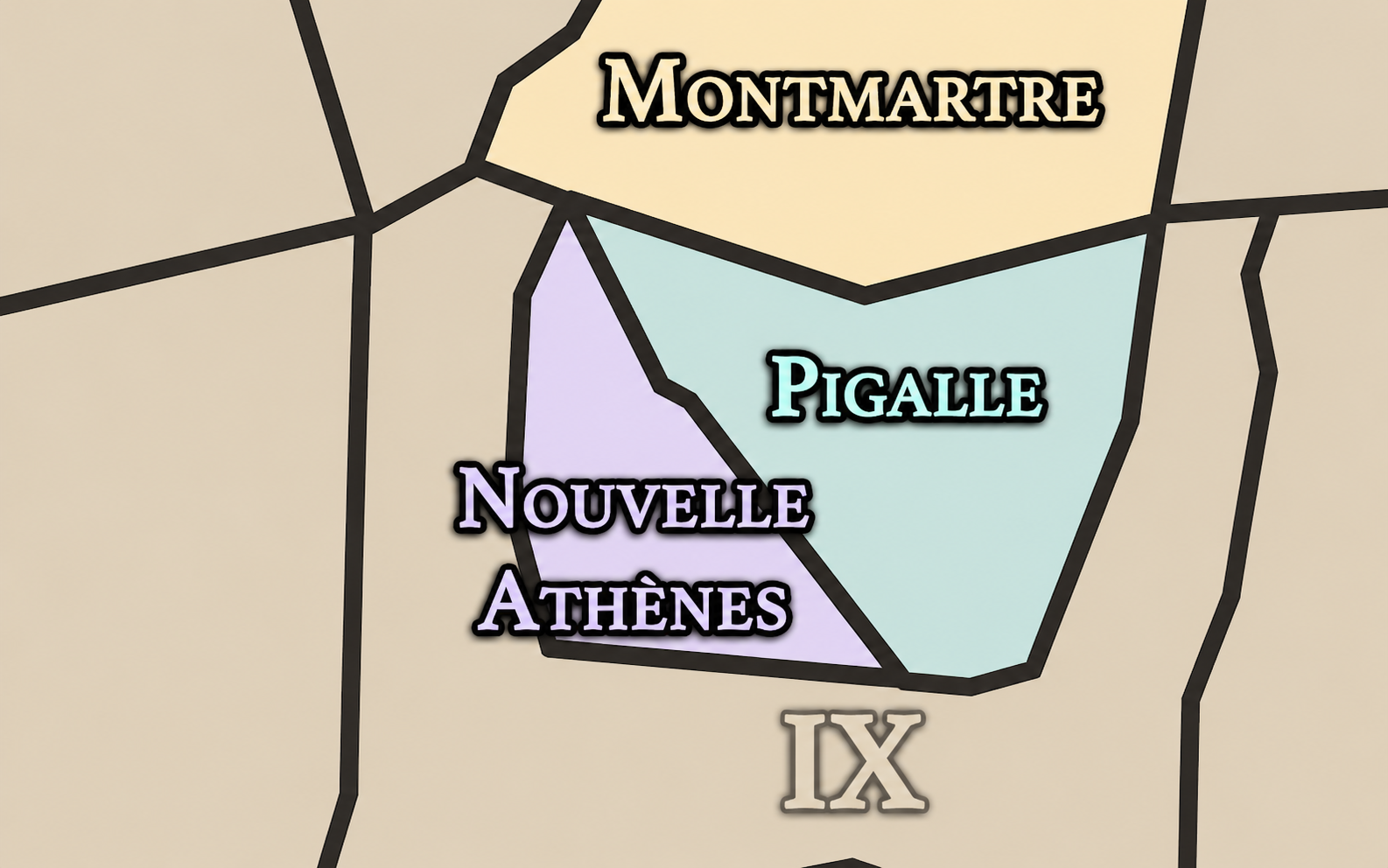
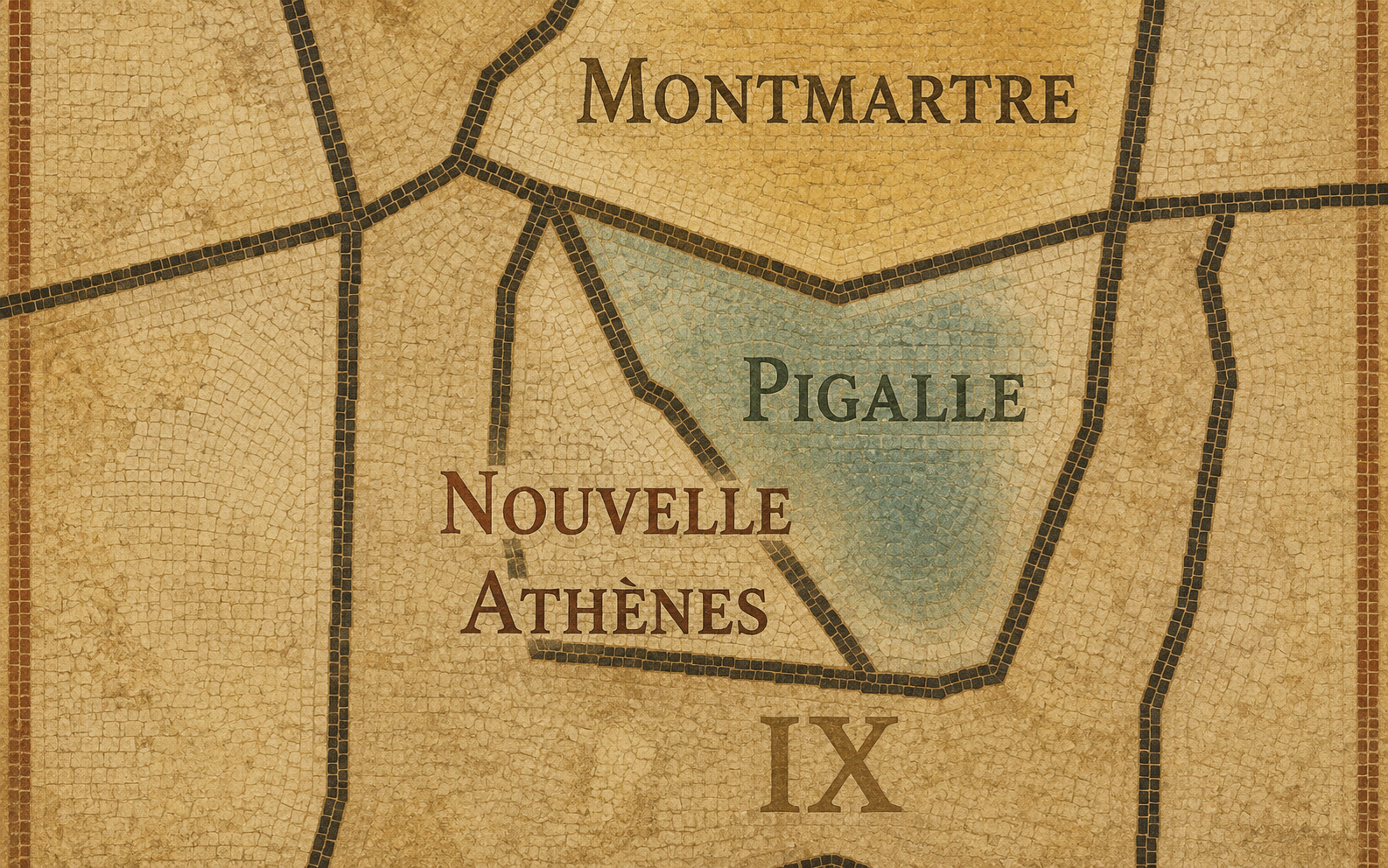
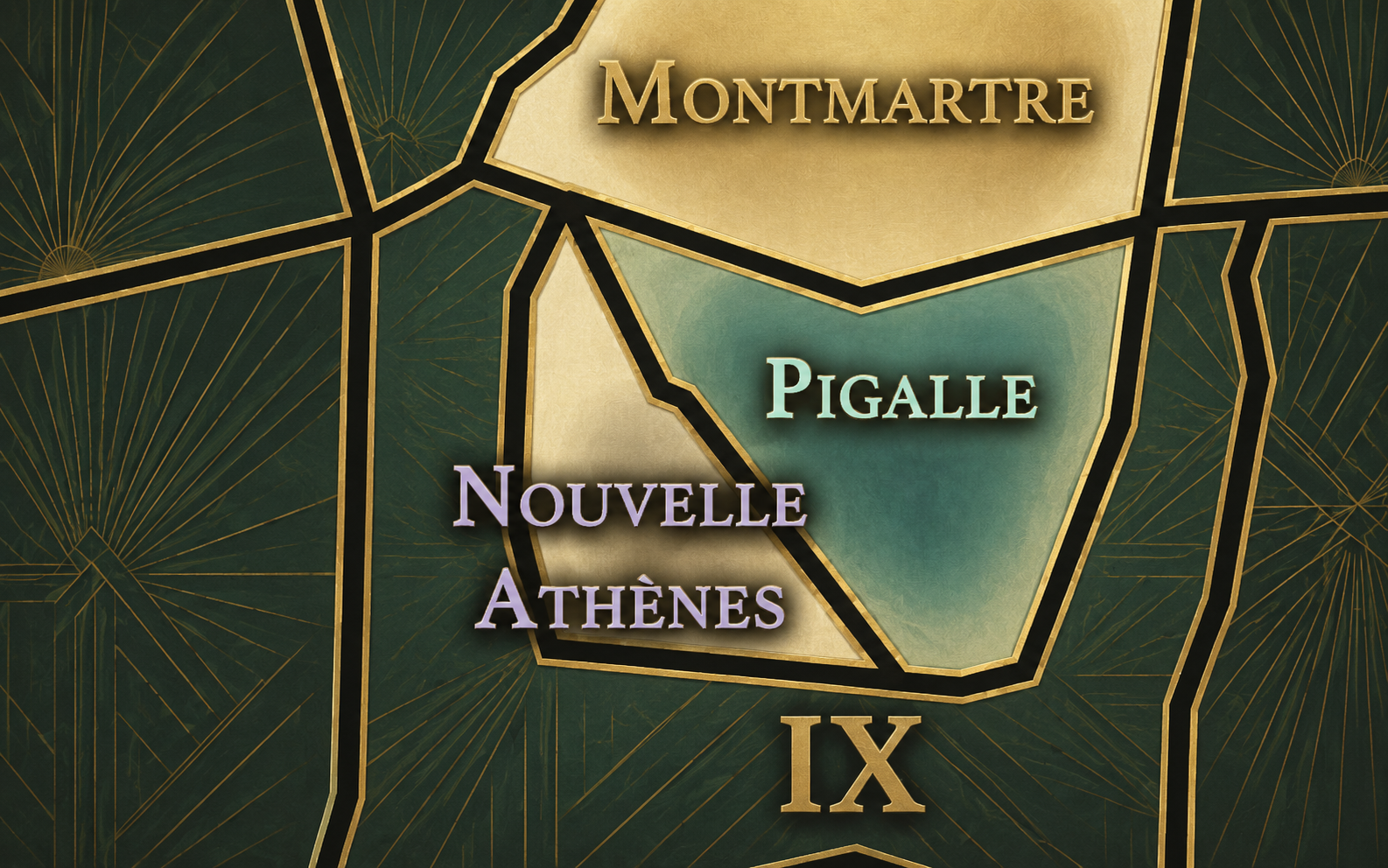
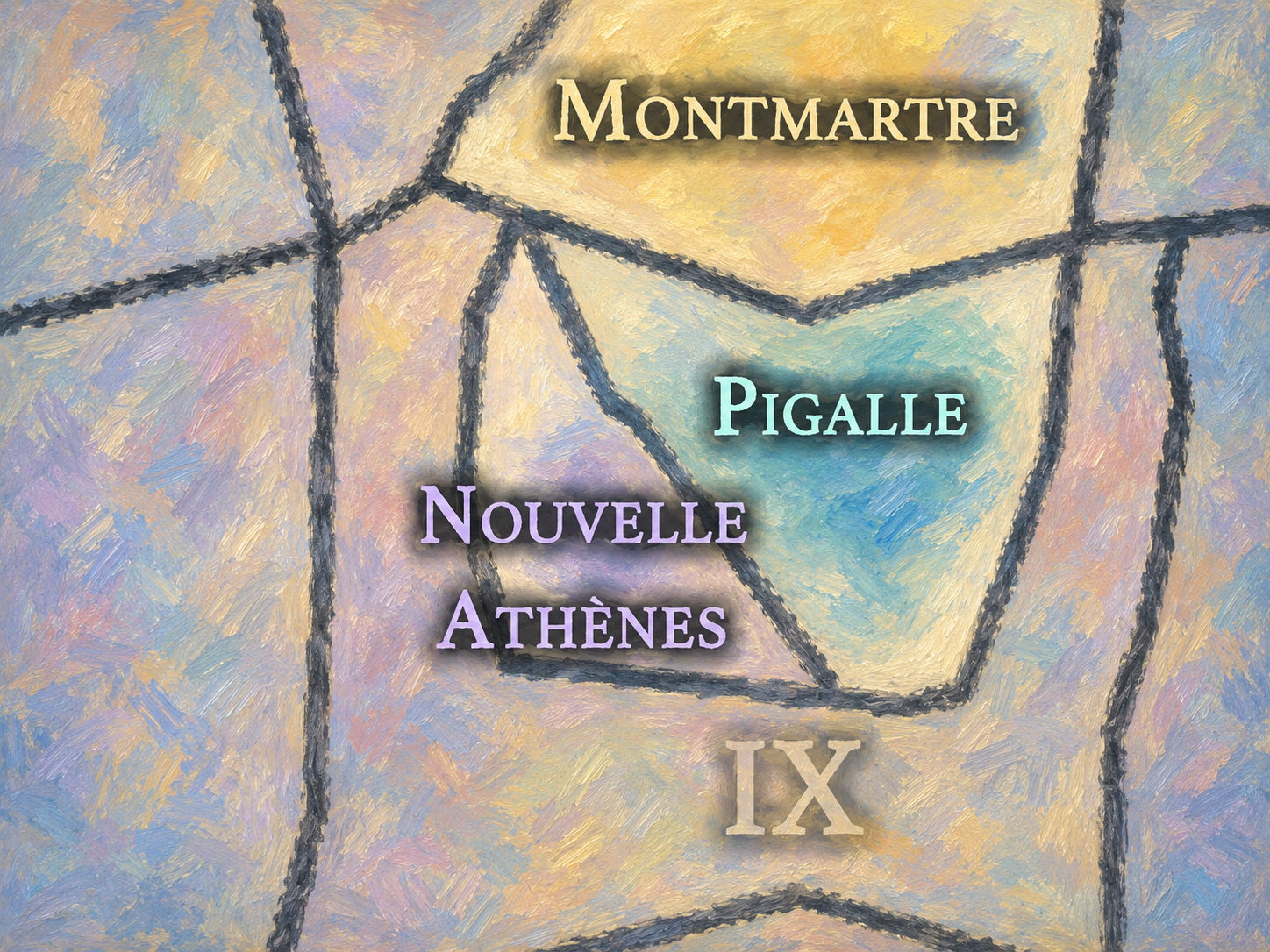
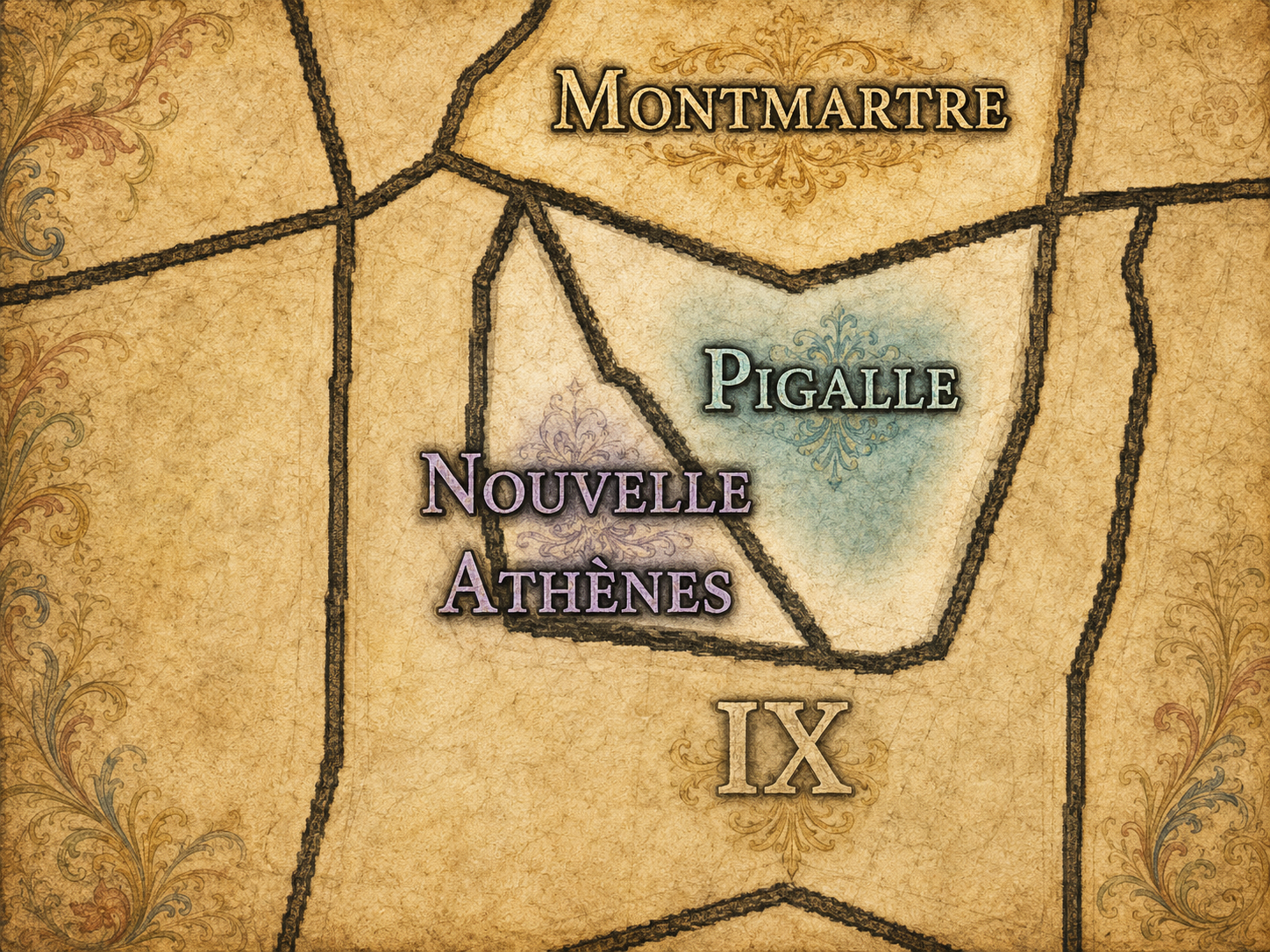
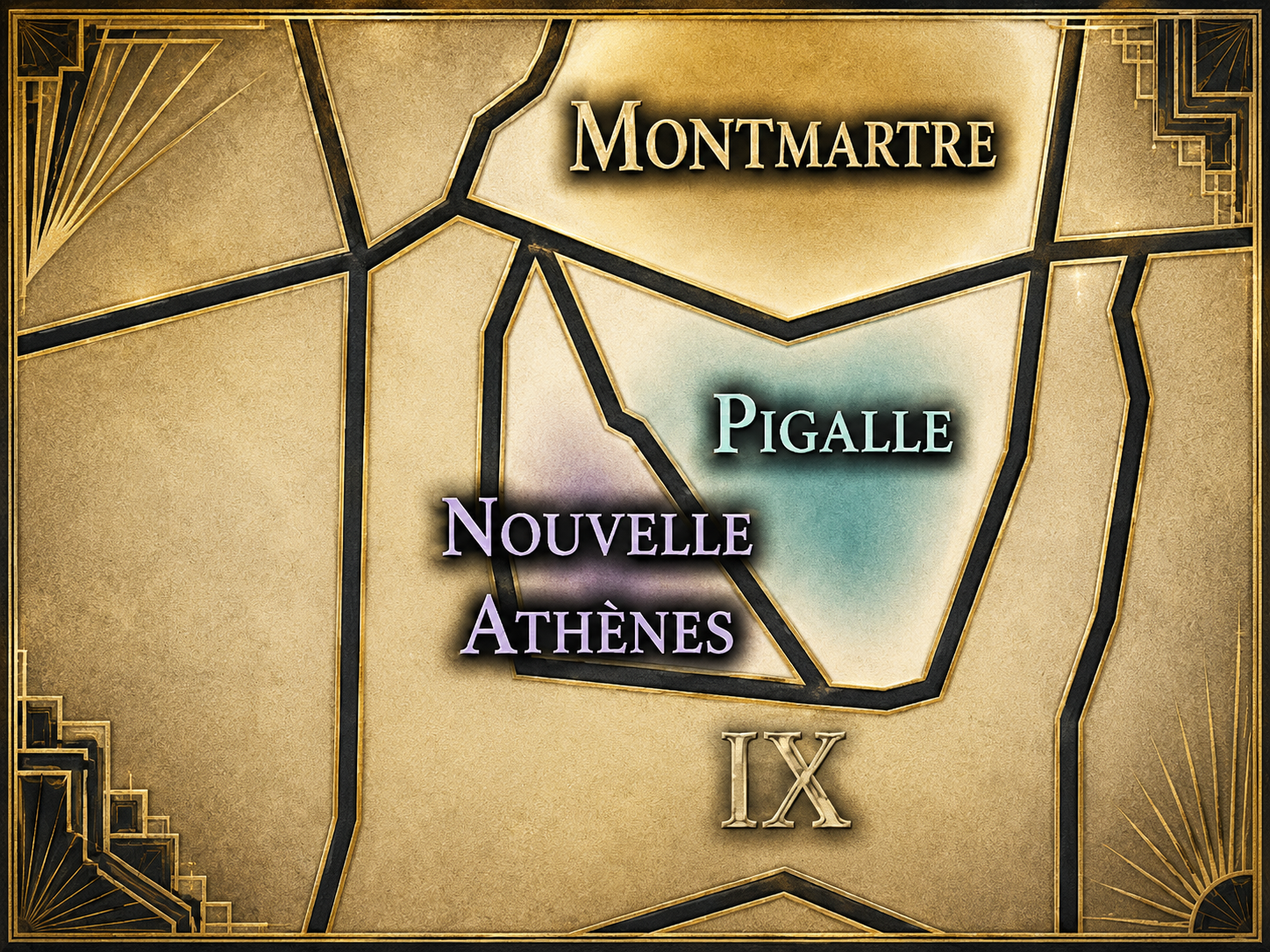
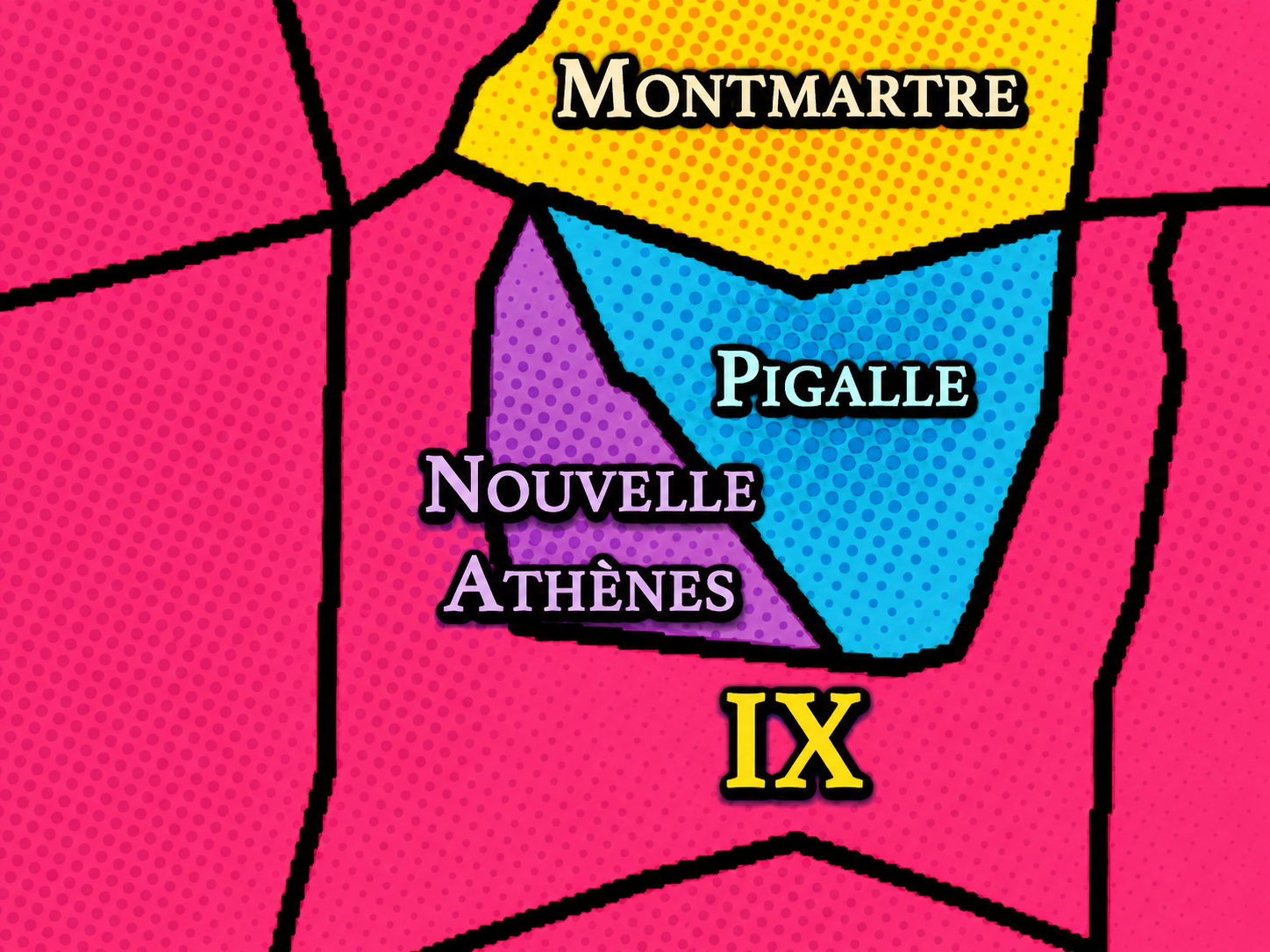
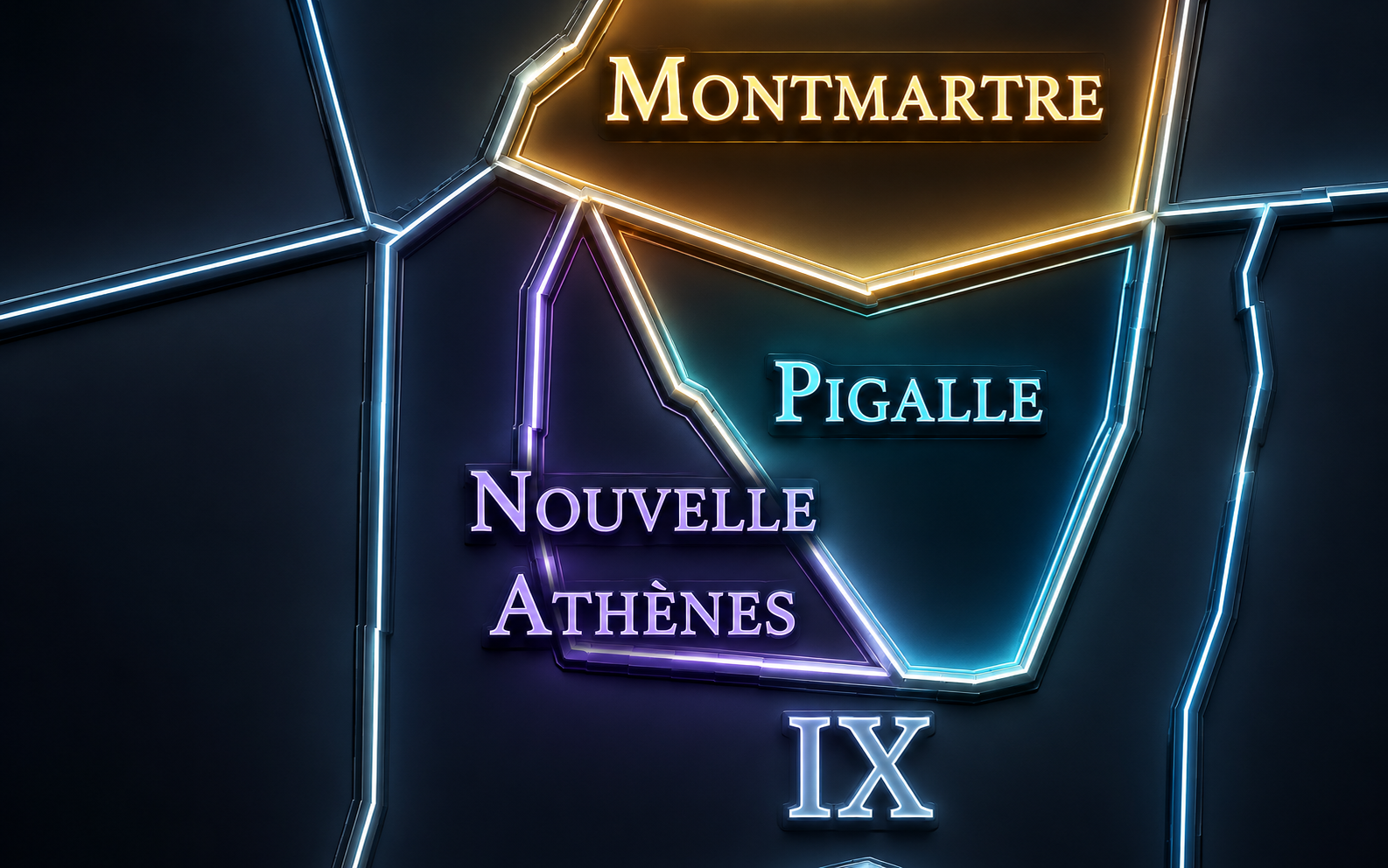
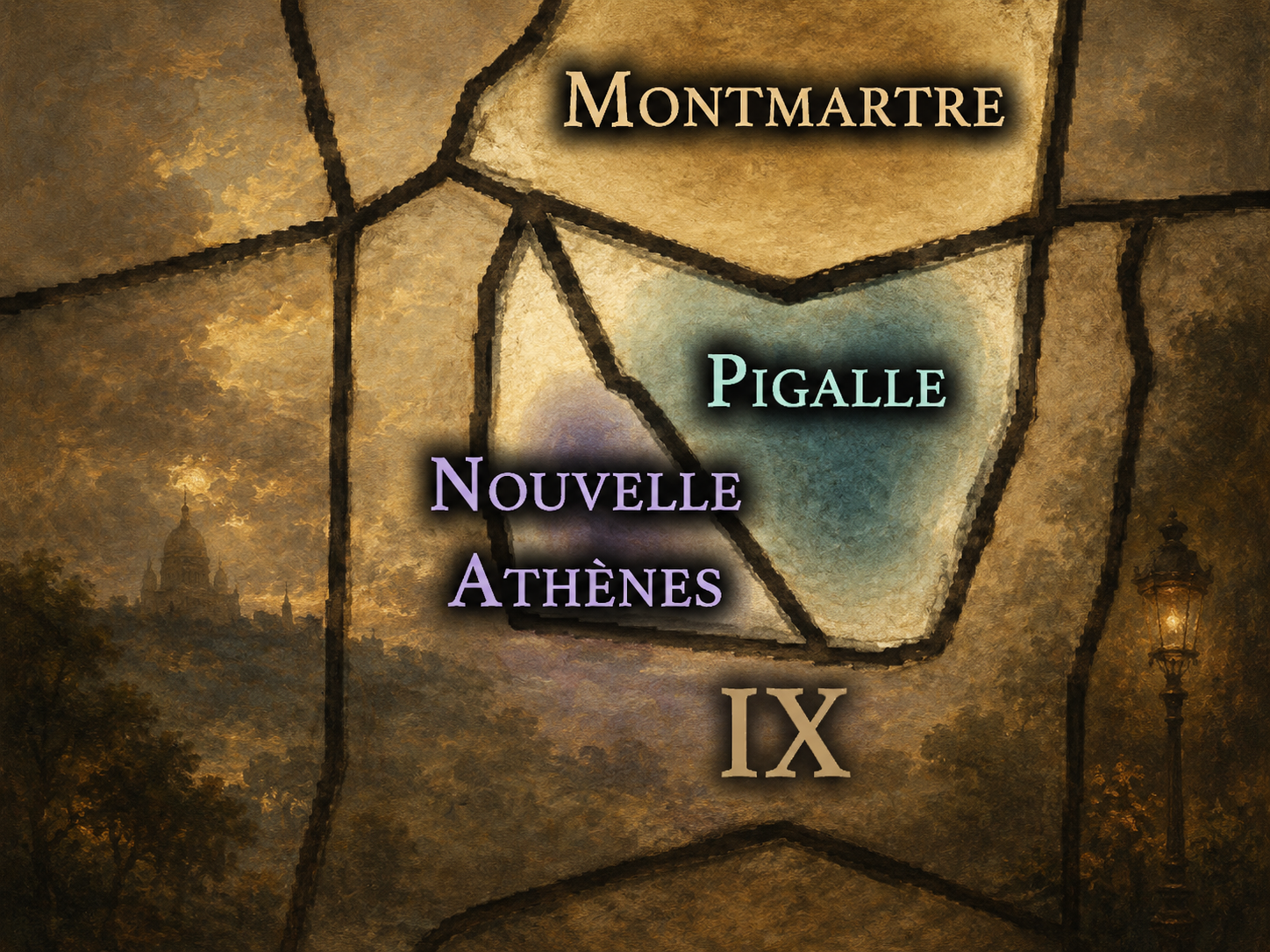
Nouvelle Athènes occupies a compact but culturally rich geography of the 9th arrondissement, on the lower slopes between Saint-Georges, Pigalle, Notre-Dame-de-Lorette, and the southern approaches to Montmartre. Its core is generally understood around place Saint-Georges, rue Notre-Dame-de-Lorette, rue La Bruyère, rue de La Tour-des-Dames, rue Blanche, rue Pigalle, and the streets of elegant 19th-century houses, studios, theaters, and artistic residences that gave the area its distinctive identity.
Its boundaries are cultural rather than absolute. Nouvelle Athènes overlaps with neighboring Parisian worlds: Pigalle to the north and west, the Grands Boulevards and theater districts to the south, Montmartre rising beyond it, and the broader artistic and residential geography of the 9th arrondissement. Depending on context, it may be defined narrowly as the Romantic-era quarter around Saint-Georges and Notre-Dame-de-Lorette, or more broadly as the artistic neighborhood of the lower northern Right Bank before Montmartre fully claimed the mythology of bohemian Paris.
For CityNeighborhoods, Nouvelle Athènes is best understood as a Cultural Neighborhood shaped by Romanticism, neoclassical taste, artistic sociability, theater, music, painting, literature, and the residential elegance of early 19th-century Paris. It is not as internationally mythologized as Montmartre or Saint-Germain-des-Prés, but it represents one of the city’s essential cultural moments: the Paris of Delacroix, George Sand, Chopin, salons, studios, and artistic modernity before the hill became legend.
Cultural Neighborhood Identity
Etymology and Origins
The name Nouvelle Athènes, or “New Athens,” reflects the neighborhood’s early 19th-century association with classical taste, artistic refinement, and the philhellenic spirit that followed the Greek War of Independence. It was a fashionable name for a district whose architecture, residents, and cultural atmosphere suggested a modern Parisian version of ancient artistic prestige.
The name also reflects the self-consciousness of Romantic Paris. This was not merely a residential development; it was a neighborhood imagined through culture. To call it “New Athens” was to place Parisian artistic life within a lineage of beauty, intellect, and creative aspiration. The name gave the district an identity before later cultural memory fully settled around Montmartre, the Latin Quarter, or Saint-Germain-des-Prés.
Nouvelle Athènes therefore carries a different kind of neighborhood origin. It is not named for a vanished marsh, a former village, a saint, or a hill. It is named for an idea: Paris as a modern capital of the arts.
Cultural Framework
Nouvelle Athènes is one of Paris’s great neighborhoods of Romantic-era culture. Its framework rests on the close relationship between residence, studio, salon, theater, music, painting, literature, and fashionable urban development. In the early 19th century, it became a favored district for artists, writers, composers, performers, critics, and patrons who helped define the cultural life of modern Paris.
Unlike the Latin Quarter, whose identity is rooted in schools and scholarship, or Saint-Germain-des-Prés, whose later mythology rests on cafés and literary conversation, Nouvelle Athènes was shaped by domestic and artistic proximity. Its cultural life unfolded in houses, salons, studios, theaters, and private interiors as much as in public institutions. The neighborhood’s artistic world was intimate, social, and performative.
Its identity is also tied to transition. Nouvelle Athènes belongs to the Paris between old aristocratic patronage and modern artistic celebrity, between neoclassical form and Romantic feeling, between private salon culture and the increasingly public culture of theaters, newspapers, exhibitions, and reputation. It is a neighborhood of artists becoming modern figures within the city.
Parisian Identity
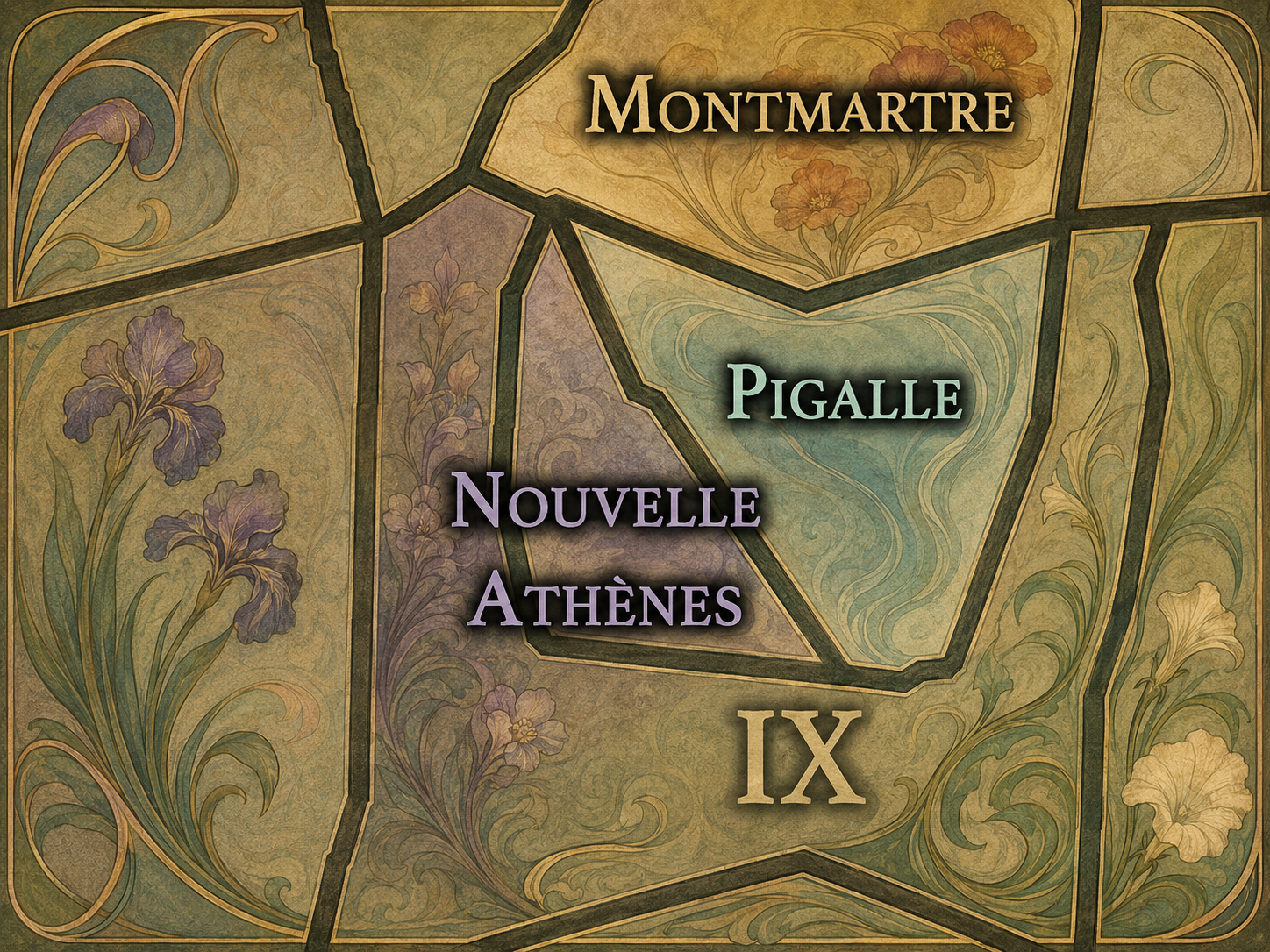
Nouvelle Athènes helps define Paris as a city where artistic life can become neighborhood life. It represents a version of Paris that is elegant, theatrical, musical, literary, and visually self-aware. Its streets suggest the city not as medieval university, aristocratic court, or bohemian hill, but as a Romantic cultural stage where private interiors and public fame met.
Its Parisian identity is especially important because it fills a gap between better-known cultural geographies. Before Montmartre became the great hill of bohemian myth, before Saint-Germain-des-Prés became the postwar café of intellectual Paris, Nouvelle Athènes was one of the places where artists and writers clustered into a recognizable urban milieu. It gives the Right Bank a refined artistic identity distinct from both the Grands Boulevards and the later nightlife of Pigalle.
Through Nouvelle Athènes, Paris appears as a city of cultivated emotion: music rooms, studio windows, theater-going, portraiture, literary friendships, artistic ambition, and the social choreography of Romantic culture. It is a quieter cultural neighborhood than Montmartre, but its influence reaches deeply into the city’s 19th-century imagination.
Neighborhood Distinction
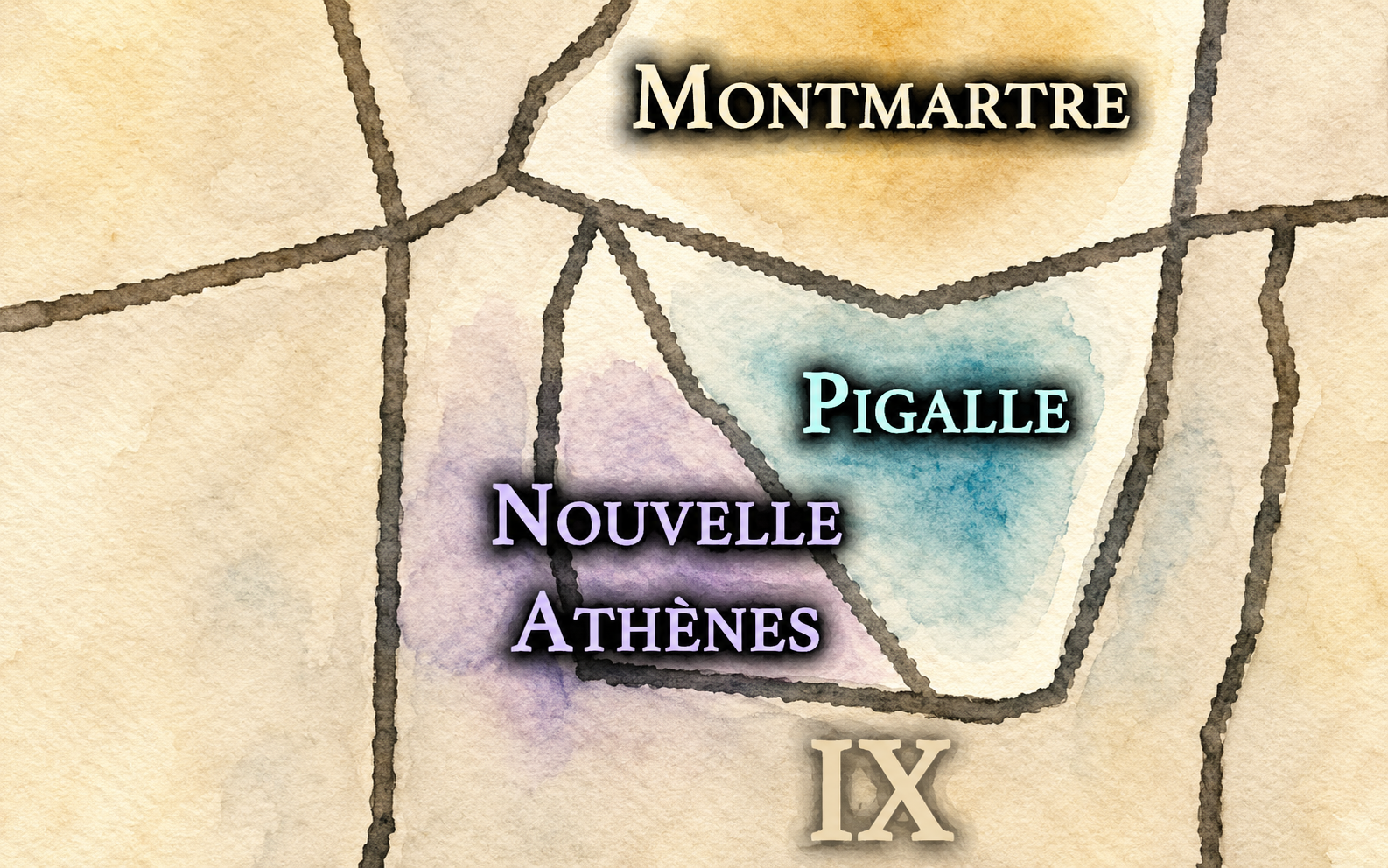
Nouvelle Athènes is distinct because it represents a highly specific moment in Parisian cultural history: the Romantic and early modern artistic quarter of the lower northern Right Bank. Its scale is modest, but its meaning is unusually concentrated. It is a neighborhood where architecture, naming, artistic residence, and cultural memory align around a particular Parisian atmosphere.
It also differs from nearby Pigalle and Montmartre. Pigalle is associated with nightlife, performance, erotic commerce, and the boulevard spectacle below the hill. Montmartre is associated with village memory, sacred height, cabaret, and bohemian mythology. Nouvelle Athènes, by contrast, is more residential, more salon-based, more tied to artists’ houses, music, painting, theater, and the cultivated world of Romantic Paris.
Its distinction lies in elegance rather than spectacle. It does not need the neon of Pigalle or the panorama of Montmartre to be culturally legible. It speaks through façades, studios, streets named for writers, former homes, theaters nearby, and the lingering sense that Parisian art once gathered here in rooms, salons, and private worlds.
Neighborhood Connections
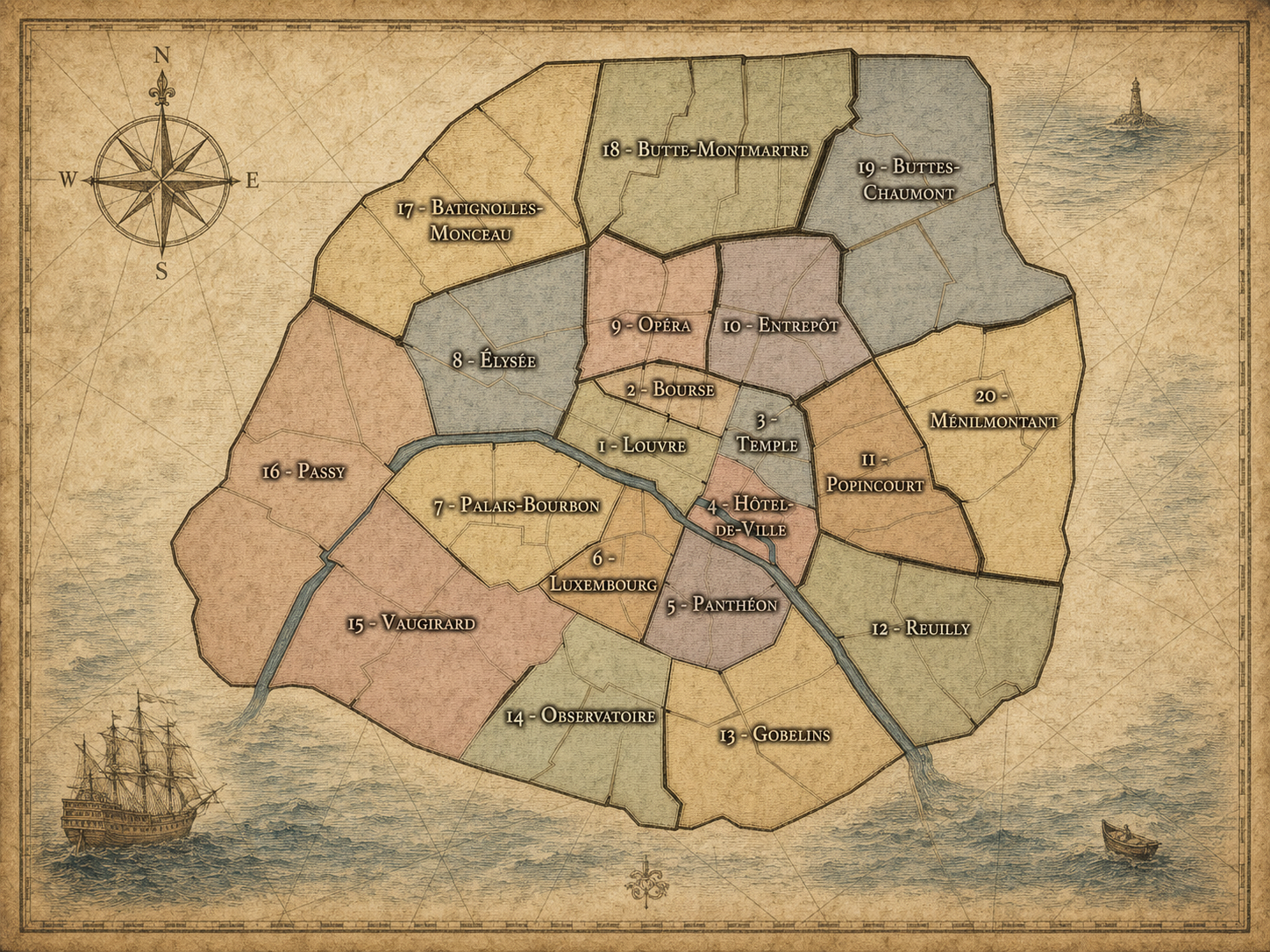
Paris neighborhoods are shaped by overlapping layers. This section shows how Nouvelle Athènes connects to the broader CityNeighborhoodsParis map — through its rive, arrondissement, administrative quarters, conseils de quartier, and related Cultural Neighborhoods.
Civic & Cultural Foundations
-
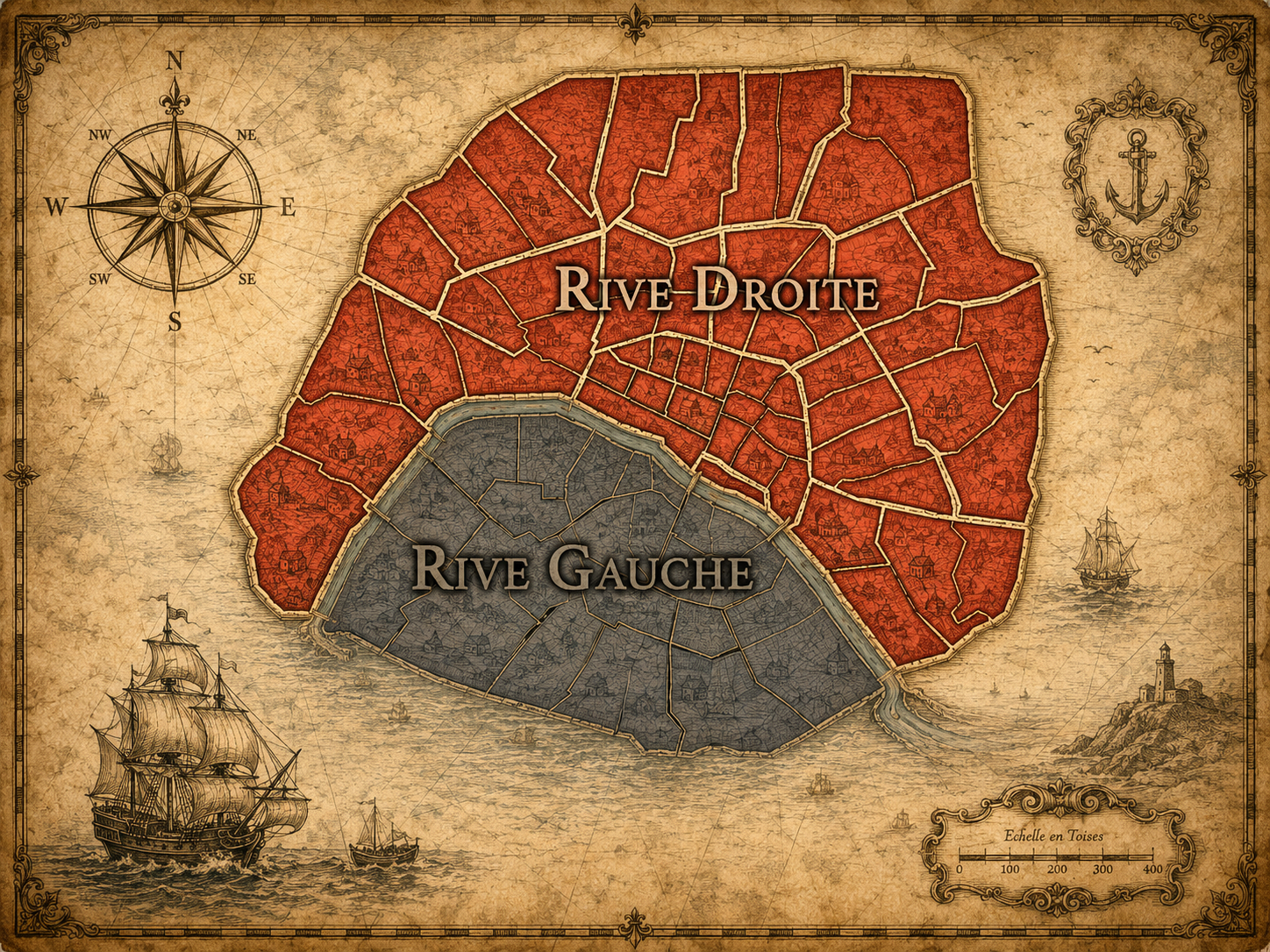
Rive Droite
-
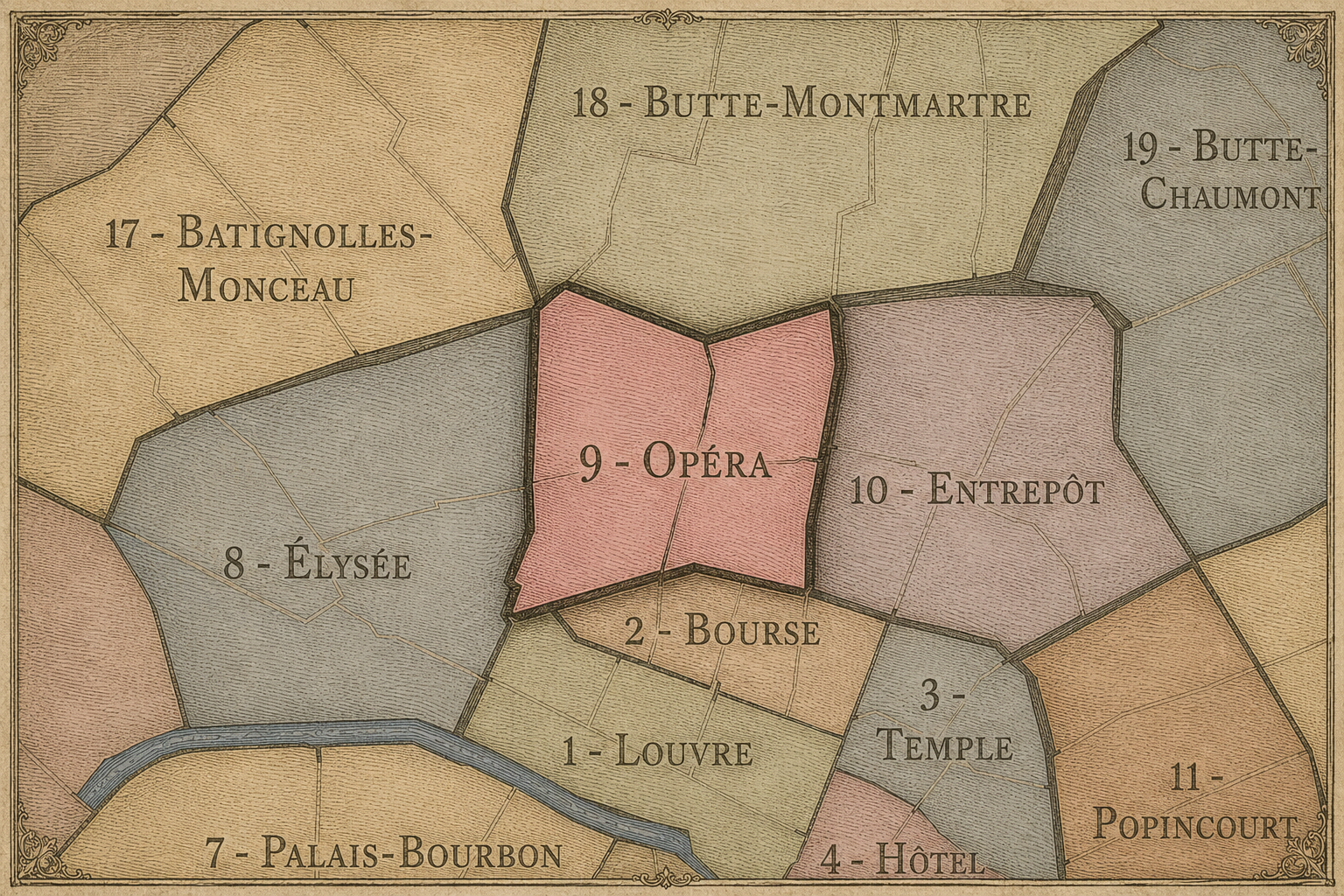
9e — Opéra
Administrative Quarters
-
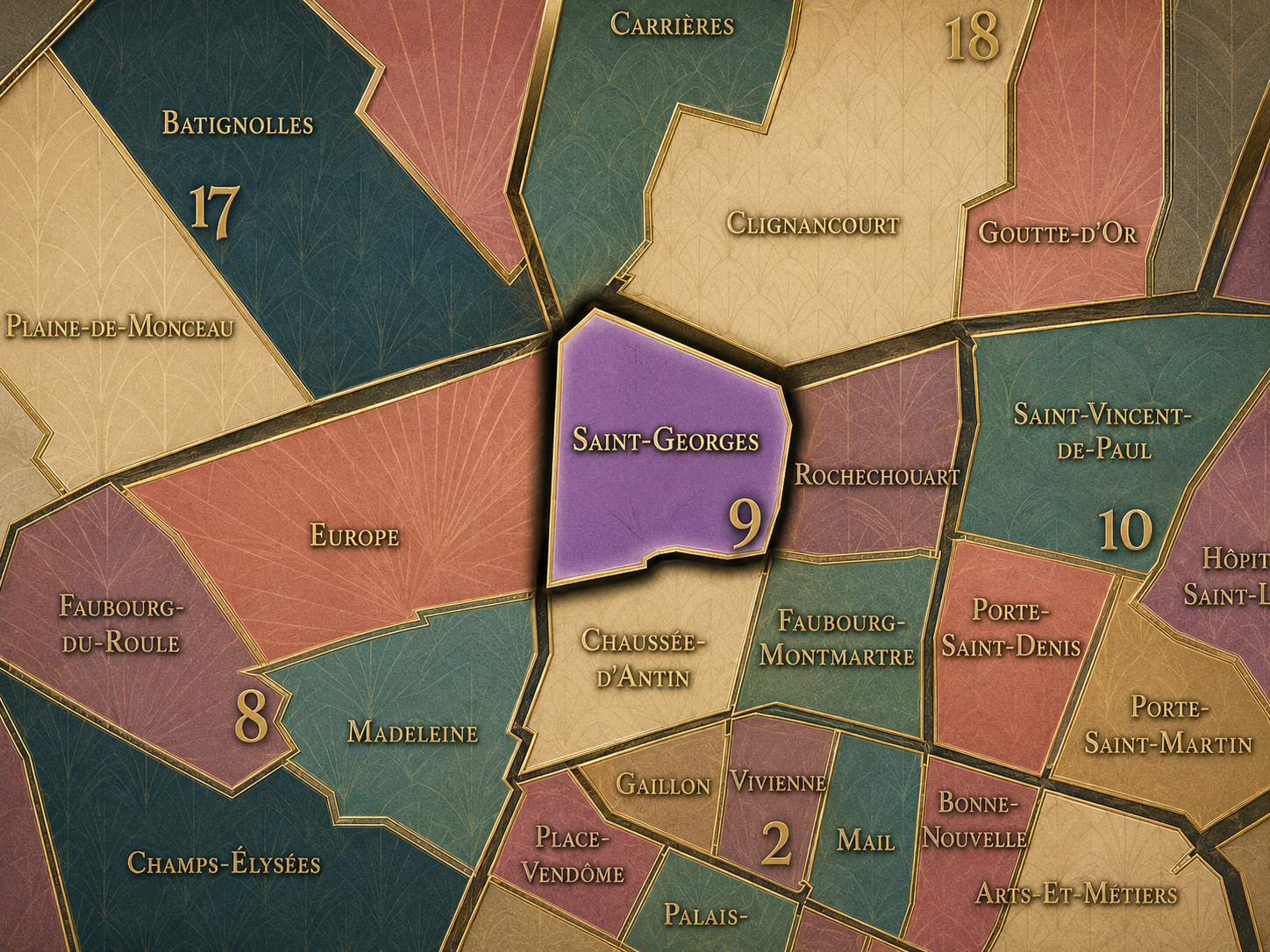
9e - Saint-Georges
Conseils de Quartier
-
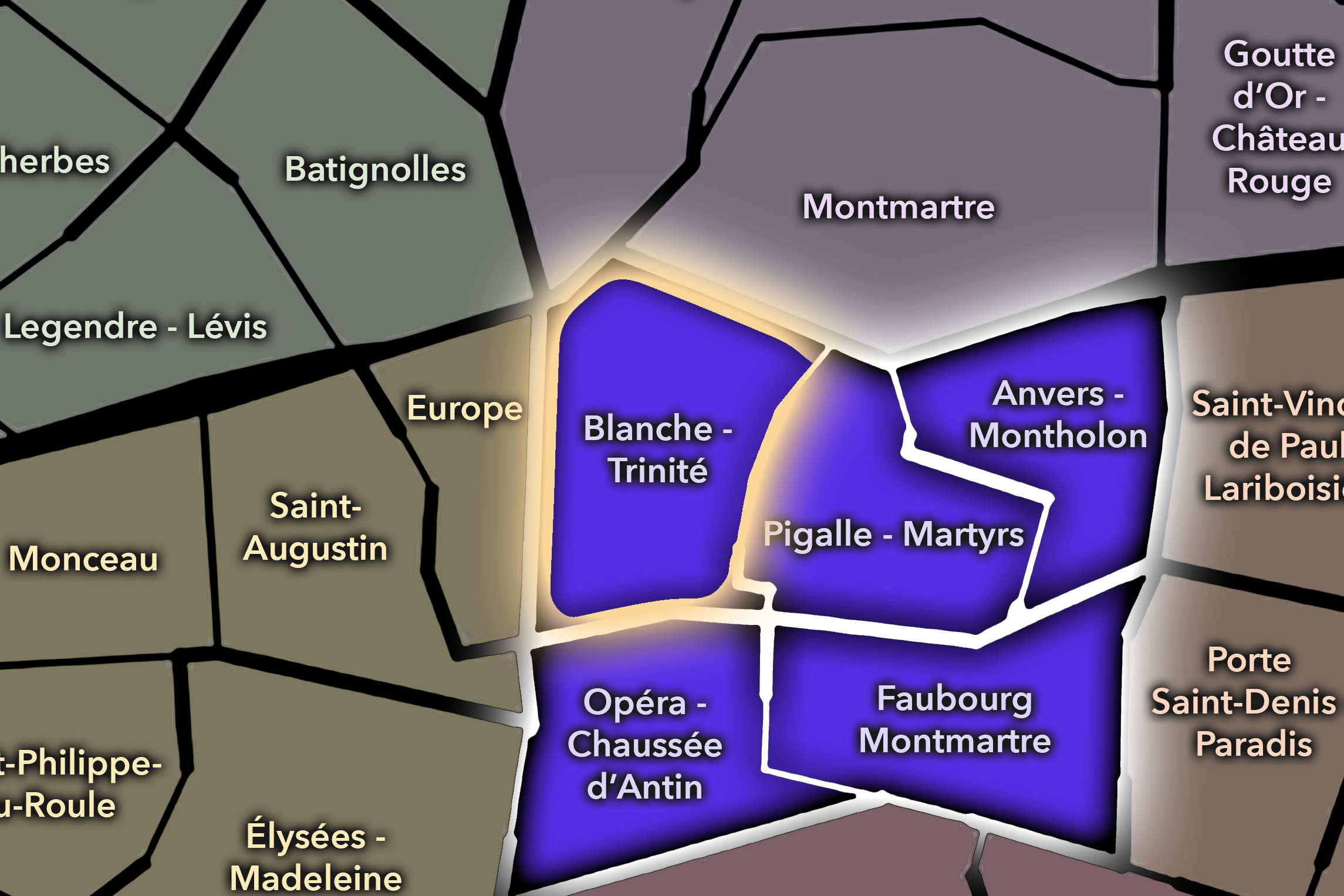
9e - Blanche-Trinité
-
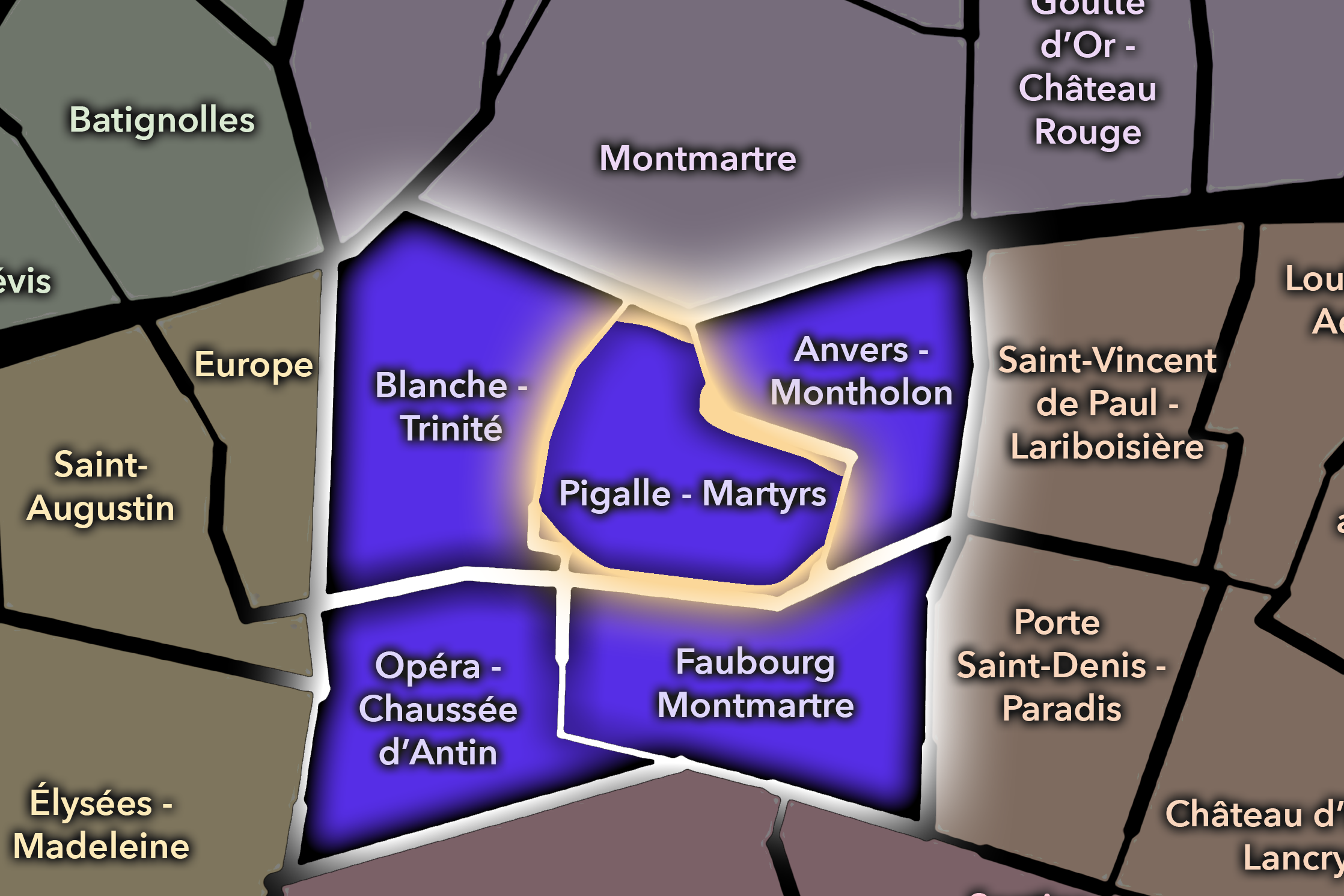
9e - Pigalle - Martyrs
The History
Origins
The origins of Nouvelle Athènes lie in the transformation of land north of the older central city and south of Montmartre. Before the neighborhood took on its 19th-century artistic identity, the area belonged to the broader geography of the northern edge of Paris: slopes, routes, religious lands, gardens, and gradually urbanizing spaces between the city and the village of Montmartre.
Its later significance depended on this position. It was close enough to the theaters, boulevards, and cultural institutions of Paris to participate in metropolitan life, but set apart enough to become a fashionable residential and artistic district. The neighborhood developed in the space between central Paris and the hill, between establishment and edge.
Medieval / Early Formation
During the medieval and early formation periods, the area that would become Nouvelle Athènes was not yet a distinct neighborhood. It lay within the wider northern approaches to Paris, shaped by roads, religious properties, cultivated land, and the proximity of Montmartre. The city’s main intellectual, royal, and commercial centers lay elsewhere.
This relative absence from the medieval map is part of the neighborhood’s later meaning. Nouvelle Athènes was not an ancient civic core like the Île de la Cité, nor a medieval scholastic district like the Latin Quarter. Its identity emerged later, with the expansion and modernization of Paris. It is a Cultural Neighborhood born not from medieval continuity, but from 19th-century cultural formation.
Early Modern Paris
In the early modern period, the future Nouvelle Athènes remained part of the city’s expanding northern fringe. The land between Paris and Montmartre became increasingly connected to roads, gardens, estates, religious institutions, and suburban development. It was a zone of transition, neither deeply rural nor fully urban in the later sense.
As Paris expanded, this northern geography became more attractive for new residences and cultural activity. Its proximity to the boulevards and theaters, combined with the relative openness of the area, prepared the ground for later development. The neighborhood’s eventual artistic identity would depend on this gradual urbanization.
The early modern period therefore gave Nouvelle Athènes its spatial conditions, though not yet its cultural name. It created the possibility of a new district: close to Parisian cultural life, but available for reinvention.
18th Century
In the 18th century, the area around the future Nouvelle Athènes became increasingly tied to the growth of the northern Right Bank. The city’s entertainment, theatrical, and social geographies were expanding, and the approaches toward Montmartre became more urbanized. Nearby boulevards, theaters, and residential developments helped shift cultural attention northward.
The district still had not fully become the Romantic artistic quarter it would later be, but the ingredients were assembling. The northern Right Bank offered proximity to performance culture, access to central Paris, and space for new forms of urban residence. Parisian society was becoming more mobile, more theatrical, and more public, setting the stage for the artistic clustering of the following century.
By the end of the century, revolutionary change and the reorganization of property, religion, and urban life opened new possibilities for development. The old structures of Paris were being unsettled, and new neighborhoods could emerge with new cultural meanings.
19th Century
The 19th century was the defining era of Nouvelle Athènes. During the Restoration and July Monarchy, the neighborhood developed as a fashionable artistic and residential quarter. Its name evoked classical Greece, artistic refinement, and the philhellenic imagination of the period, while its streets and houses attracted many of the leading figures of Romantic culture.
Painters, writers, composers, performers, and patrons helped make the area one of the cultural centers of Paris. Eugène Delacroix, George Sand, Frédéric Chopin, Théodore Géricault, Alexandre Dumas, and other figures associated with Romantic-era Paris lived, worked, visited, or moved through the neighborhood’s social world. The district became a place of salons, studios, musical gatherings, literary friendships, and artistic ambition.
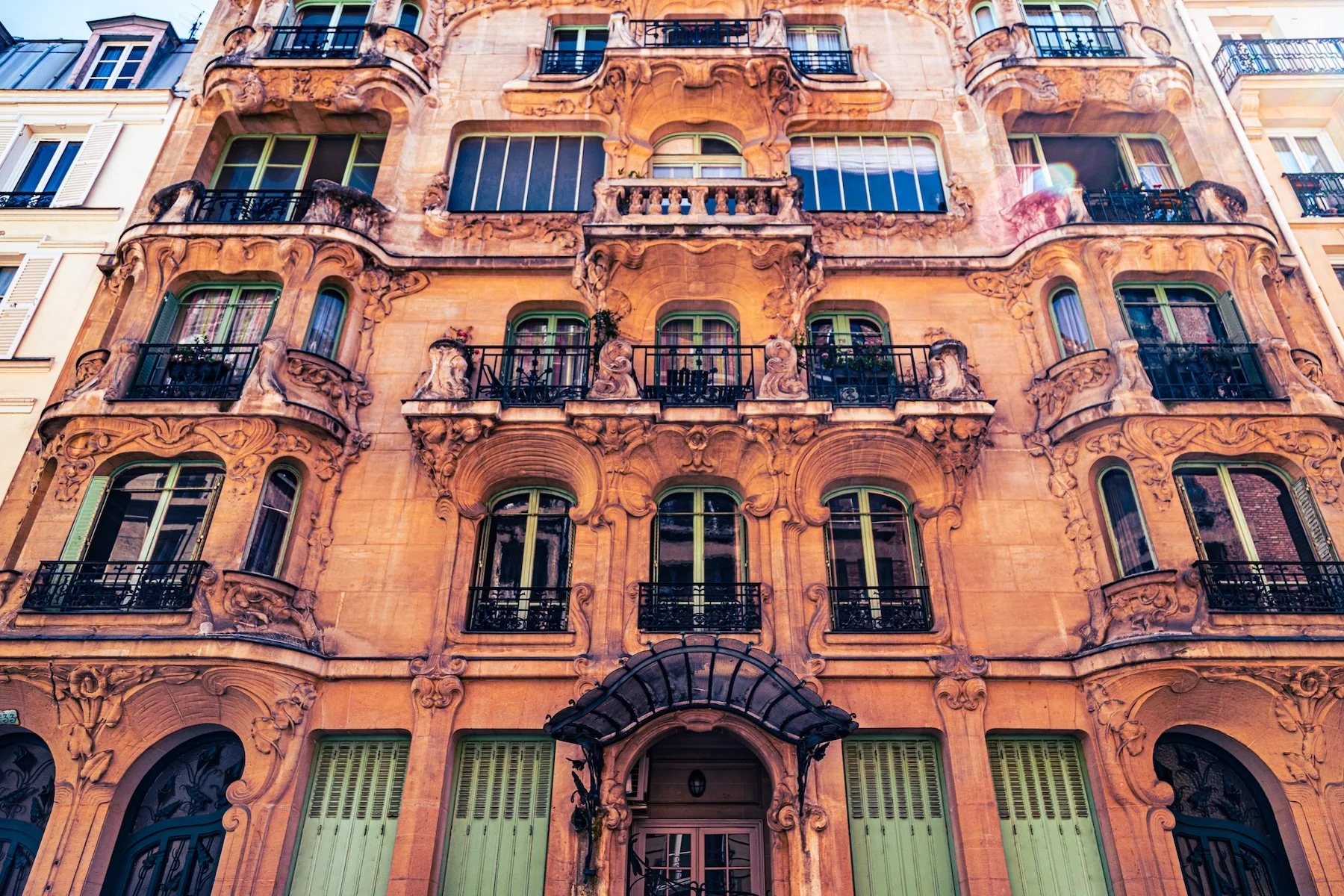
The neighborhood’s architecture reinforced this identity. Many houses and studios expressed the taste of the period: elegant, classical, and suited to an artistic bourgeoisie. Nouvelle Athènes became a neighborhood where the arts were not only exhibited or performed elsewhere, but lived as a social environment.
Yet its period of dominance was not permanent. As the century continued, other cultural geographies rose in prominence. Montmartre would later claim the mantle of bohemian artistic Paris, while the Grands Boulevards, Pigalle, and other districts shaped different forms of performance and modern entertainment. Nouvelle Athènes remained important, but its great moment belonged especially to the Romantic 19th century.
Early–Mid 20th Century
In the early and mid 20th century, Nouvelle Athènes no longer stood at the center of artistic innovation in the way it had during the Romantic era. The avant-garde had shifted elsewhere, especially toward Montmartre, Montparnasse, and other cultural districts. Still, the neighborhood retained its architectural and historical memory as a district of artists, musicians, writers, and cultivated residence.
Its location near Pigalle, Saint-Georges, and the lower slopes of Montmartre kept it tied to the broader cultural life of northern Paris. Theaters, music venues, studios, and artistic residences remained part of the surrounding urban fabric, even as the specific Romantic identity of Nouvelle Athènes became more historical than contemporary.
The wars and social changes of the first half of the 20th century altered the city around it, but the neighborhood’s built environment preserved traces of its earlier cultural world. Its legacy increasingly depended on memory, architecture, and the recognition of former homes and studios.
Late 20th Century
In the late 20th century, Nouvelle Athènes was increasingly appreciated as a heritage and cultural-memory district. As Paris became more attentive to preservation, architectural history, and the mapping of artistic lives, the neighborhood’s 19th-century identity became more visible again. Former residences, façades, plaques, museums nearby, and the texture of the Saint-Georges area helped reassert its distinctiveness.
At the same time, the neighborhood participated in the changing fortunes of the 9th arrondissement. It remained residential and urban, but also connected to the commercial, theatrical, touristic, and nightlife geographies surrounding it. Pigalle’s notoriety, Montmartre’s fame, and the Grands Boulevards’ entertainment history often overshadowed Nouvelle Athènes, but they also helped situate it within a broader cultural landscape.
This period made clear that Nouvelle Athènes is not a neighborhood of spectacle so much as a neighborhood of recognition. Its importance emerges when one reads the city carefully: through names, buildings, former occupants, and the cultural networks that once animated these streets.
21st Century
In the 21st century, Nouvelle Athènes remains one of Paris’s more understated Cultural Neighborhoods. It does not draw visitors in the same obvious way as Montmartre, Pigalle, Le Marais, or the Latin Quarter, but its cultural identity is deeply legible to those interested in Romantic Paris, artists’ houses, music, theater, and the history of the 9th arrondissement.
The area around Saint-Georges and Notre-Dame-de-Lorette continues to feel distinct: elegant, residential, theatrical, and slightly set apart from both the neon of Pigalle and the tourist ascent to Montmartre. Its streets preserve a sense of 19th-century cultural Paris without becoming a frozen museum district. The neighborhood remains lived-in, walked through, and quietly absorbed into the modern city.
For CityNeighborhoods, Nouvelle Athènes is important precisely because it expands the meaning of Cultural Neighborhood beyond the obvious. It shows that Parisian cultural geography is not only made by famous monuments or globally known districts. Sometimes it survives in a smaller area where architecture, memory, and artistic history still give the streets a coherent identity.
Spirit & Legacy
The spirit of Nouvelle Athènes lies in its cultivated intimacy. It is the Paris of salons, studios, composers, painters, writers, actors, and elegant houses; a neighborhood where Romantic culture became domestic, social, and architectural. Its beauty is quieter than Montmartre’s hilltop spectacle and less public than Pigalle’s nightlife, but it carries one of the city’s essential artistic inheritances.
Its legacy is the memory of Paris as a modern Athens: a city that saw itself as a capital of art, intellect, beauty, and expressive freedom. Nouvelle Athènes gave that ambition a neighborhood form. It gathered artistic lives not only into institutions, but into streets and homes, making culture part of the everyday geography of the city.
To walk Nouvelle Athènes is to encounter a Paris of traces. It asks for slower attention: to façades, plaques, street names, windows, theaters nearby, and the invisible social worlds that once connected room to room and artist to artist. That makes it one of the essential Cultural Neighborhoods of Paris — not because it shouts its identity, but because it preserves the atmosphere of a city learning to imagine itself through art.
The Photography
Visual Identity
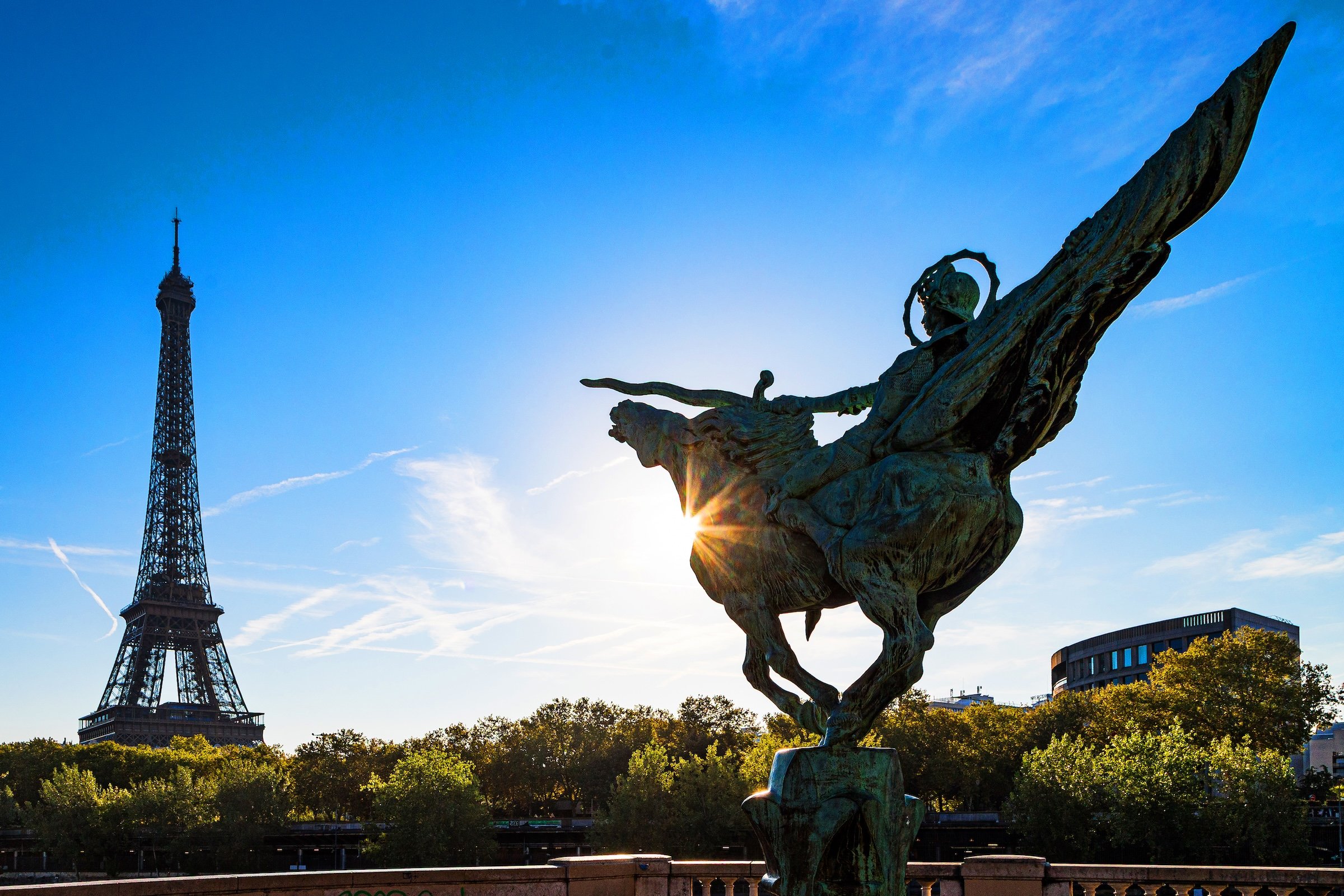
The visual identity of each Paris district begins with its position in the city’s layered geography. Before the photographs arrive, the maps establish a first way of seeing: where the district sits, what civic layer it belongs to, which boundaries define it, and how it connects to the surrounding fabric of Paris. In CityNeighborhoods Paris, cartography is not merely orientation; it is part of the visual language of the project.
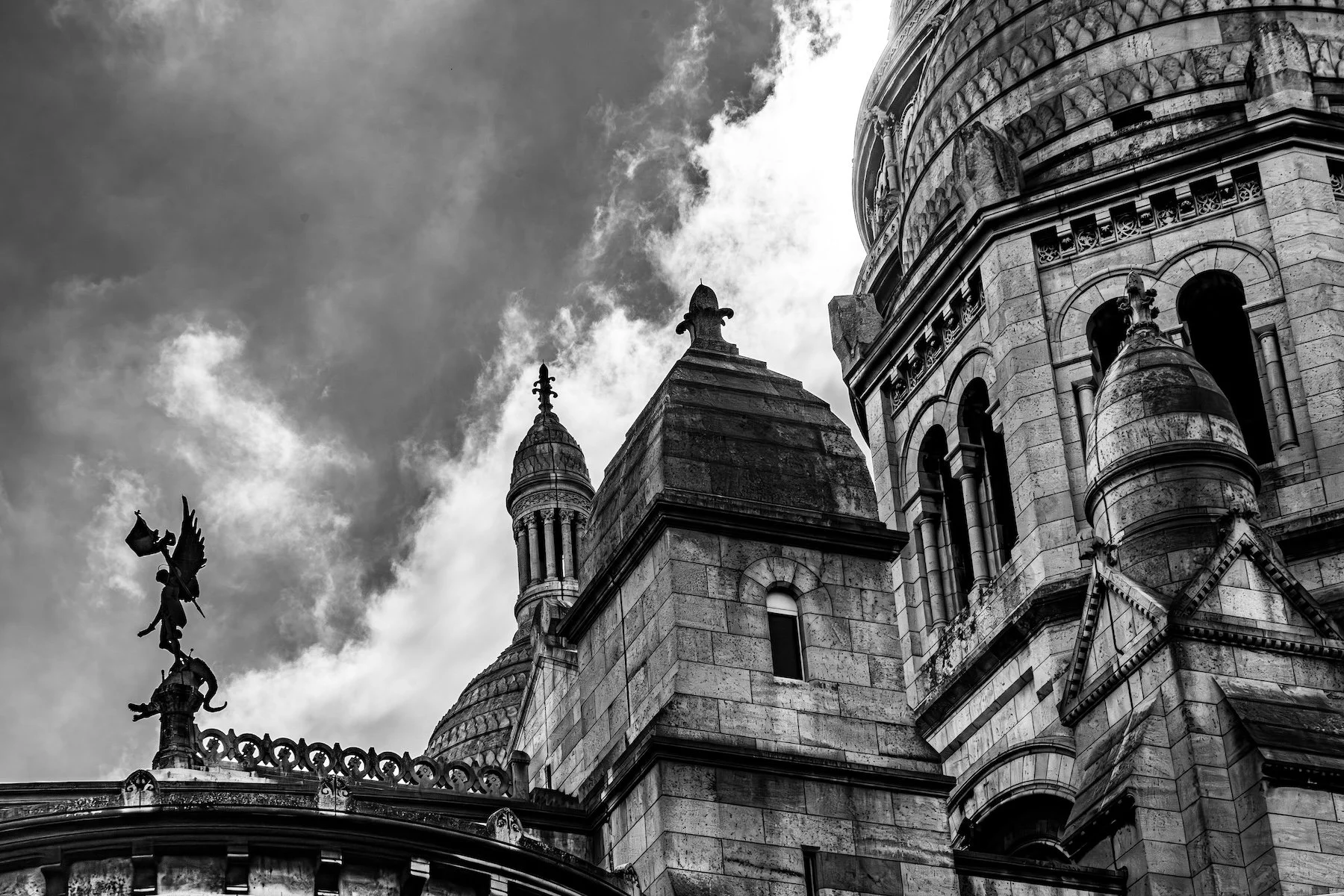
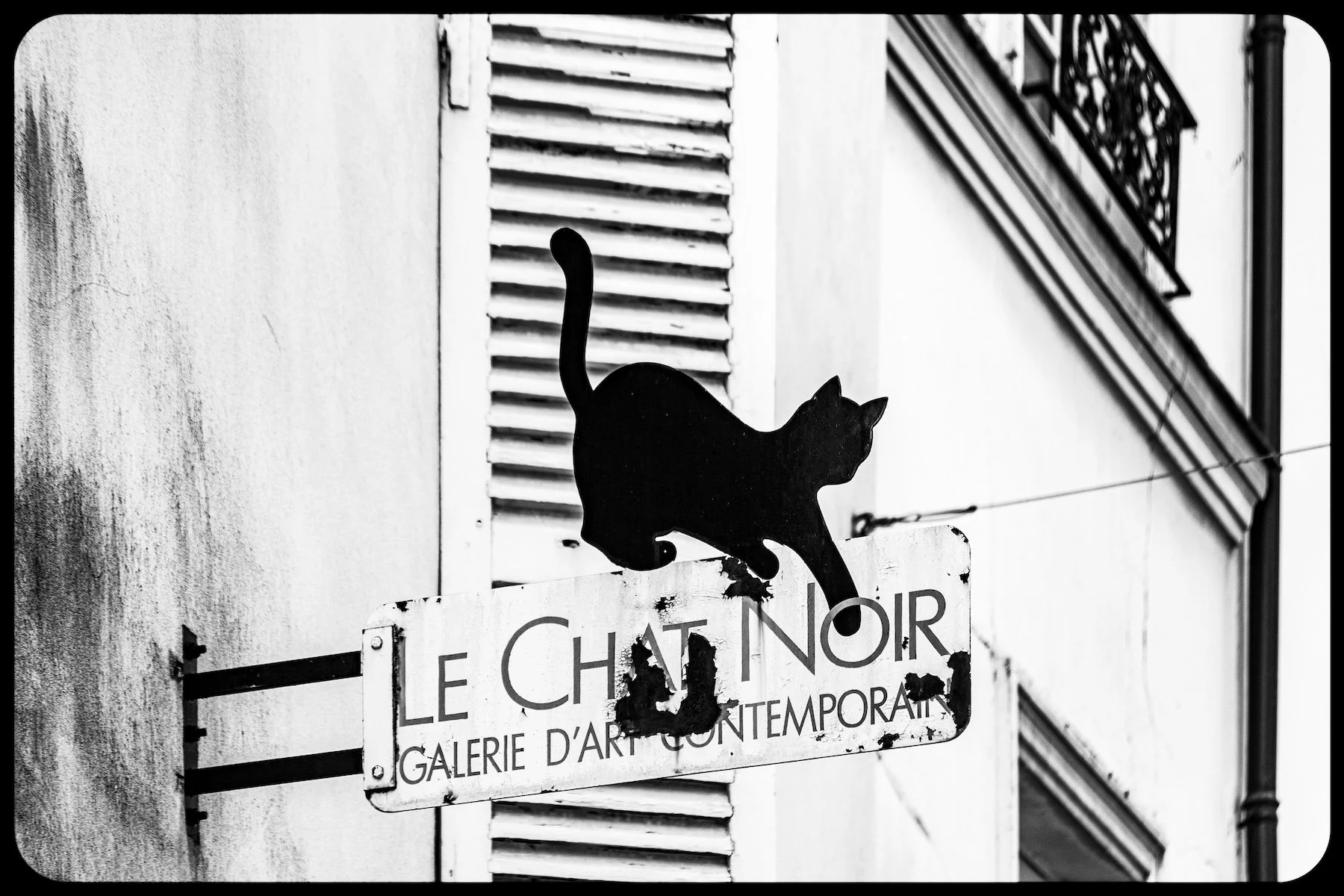
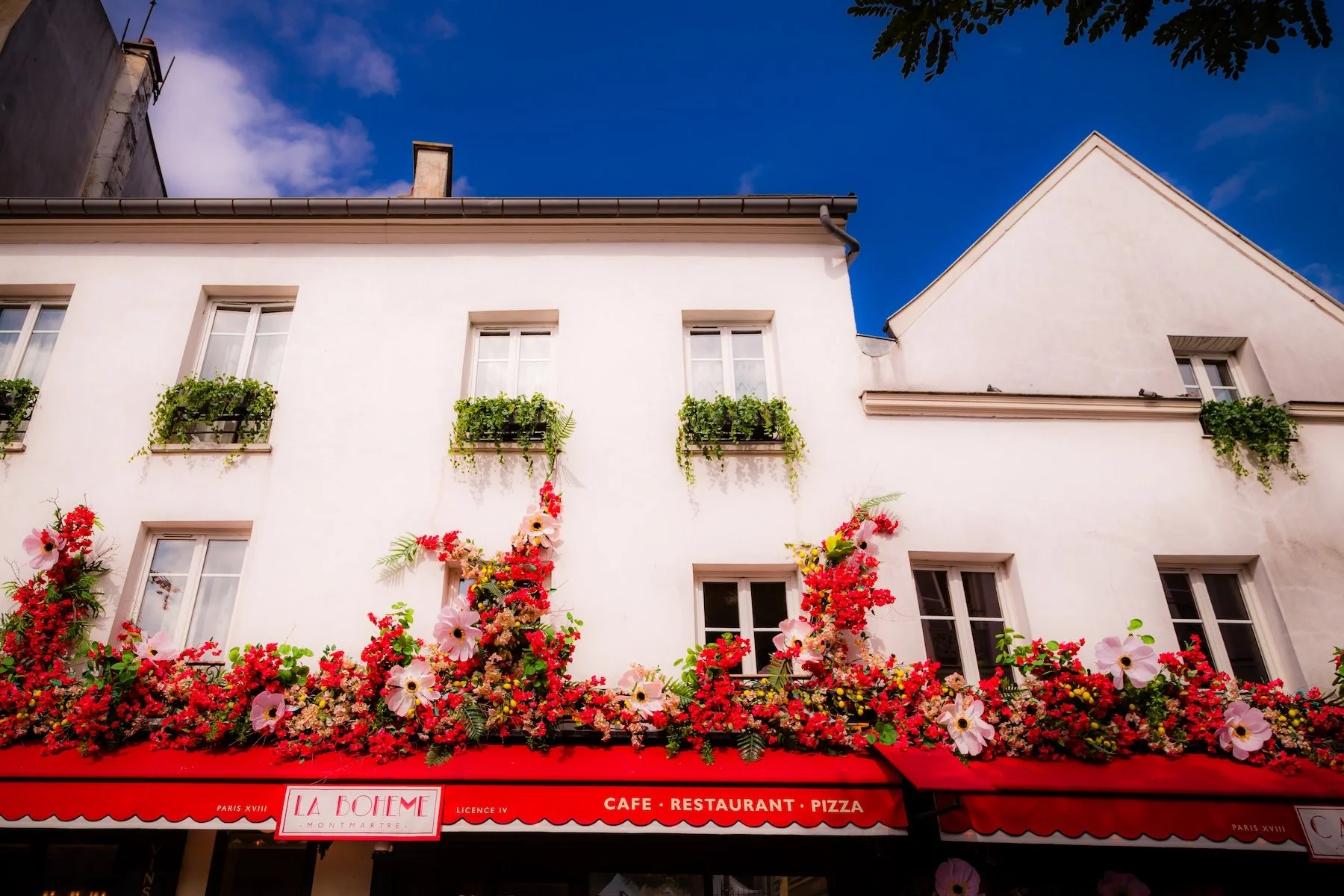
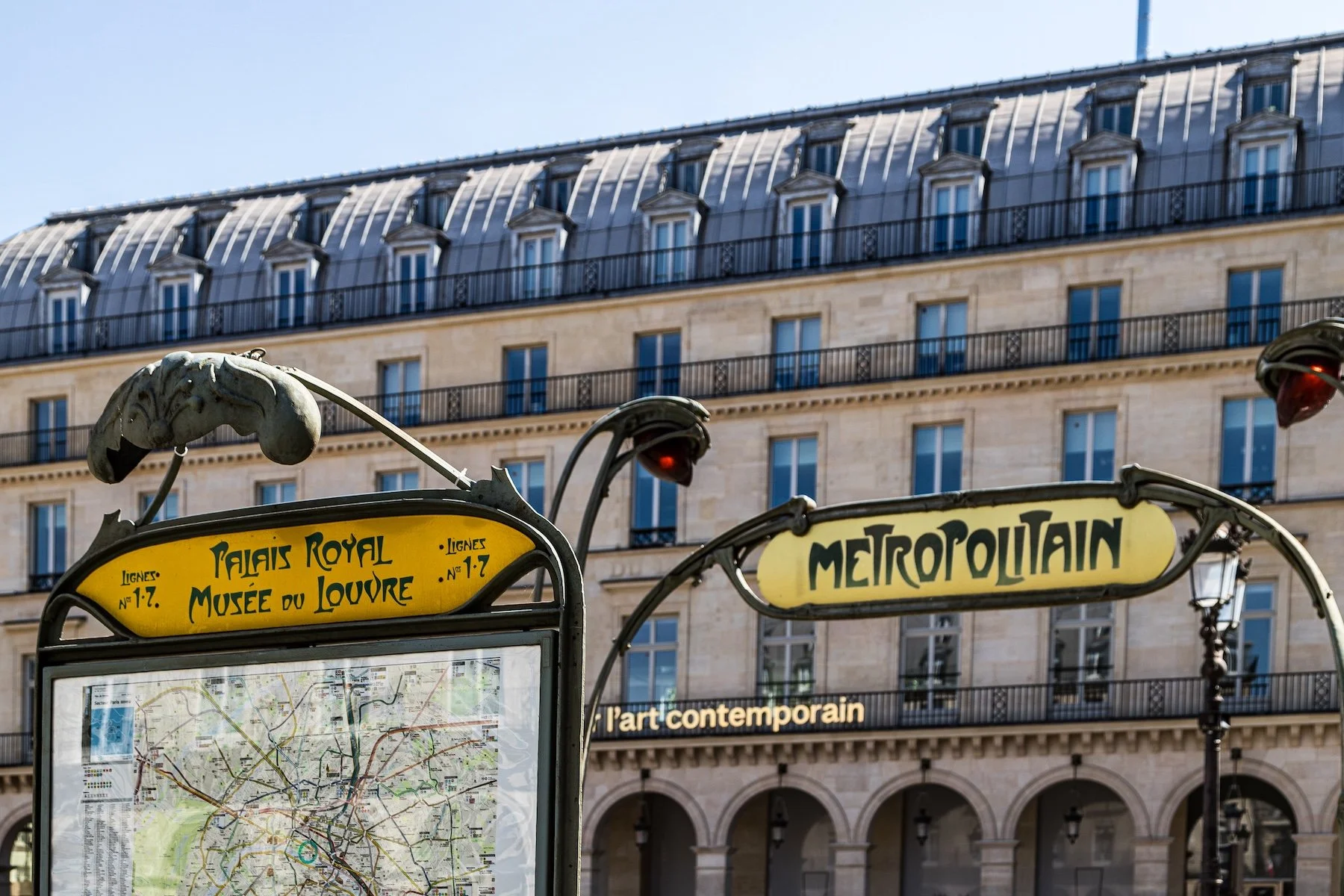
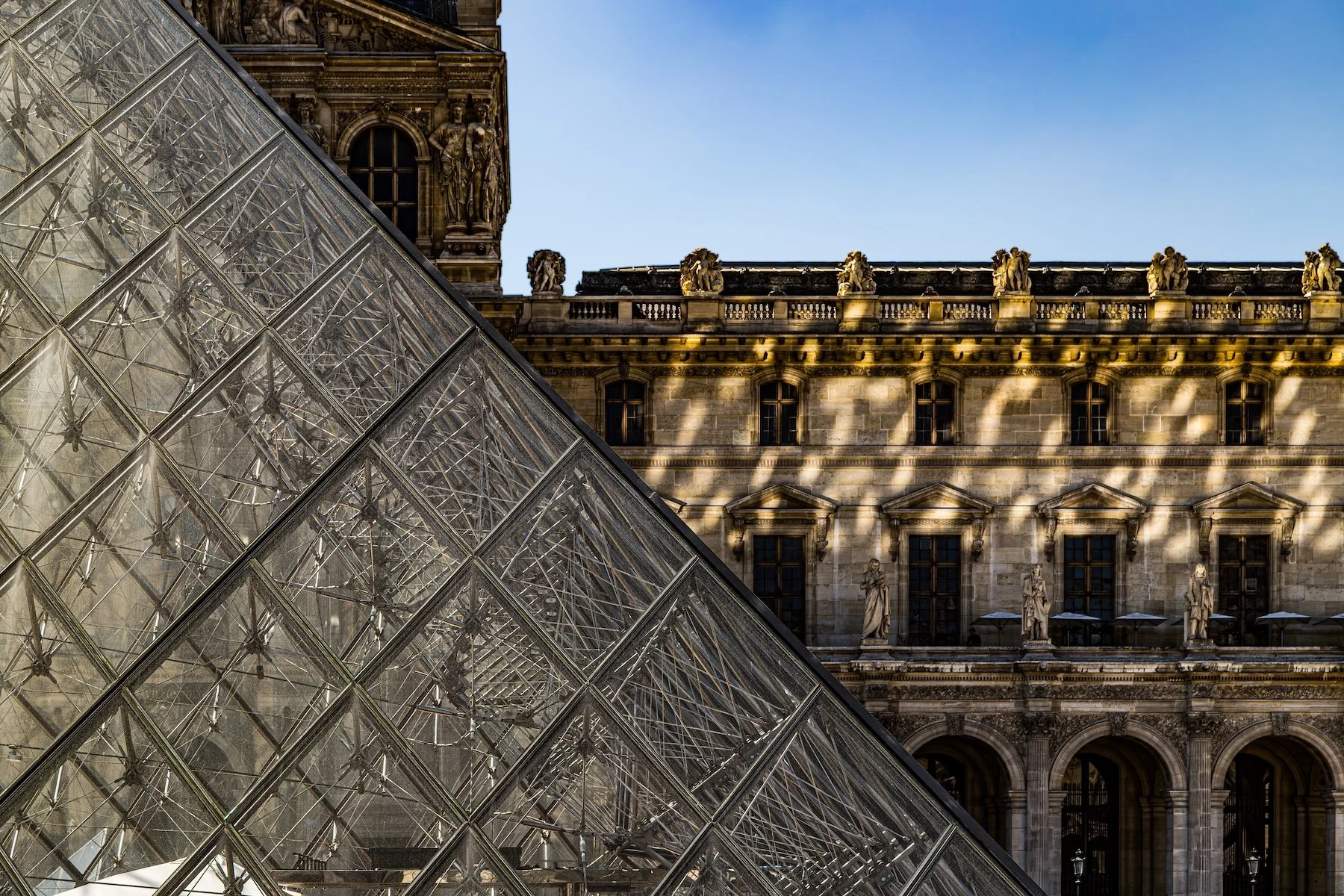
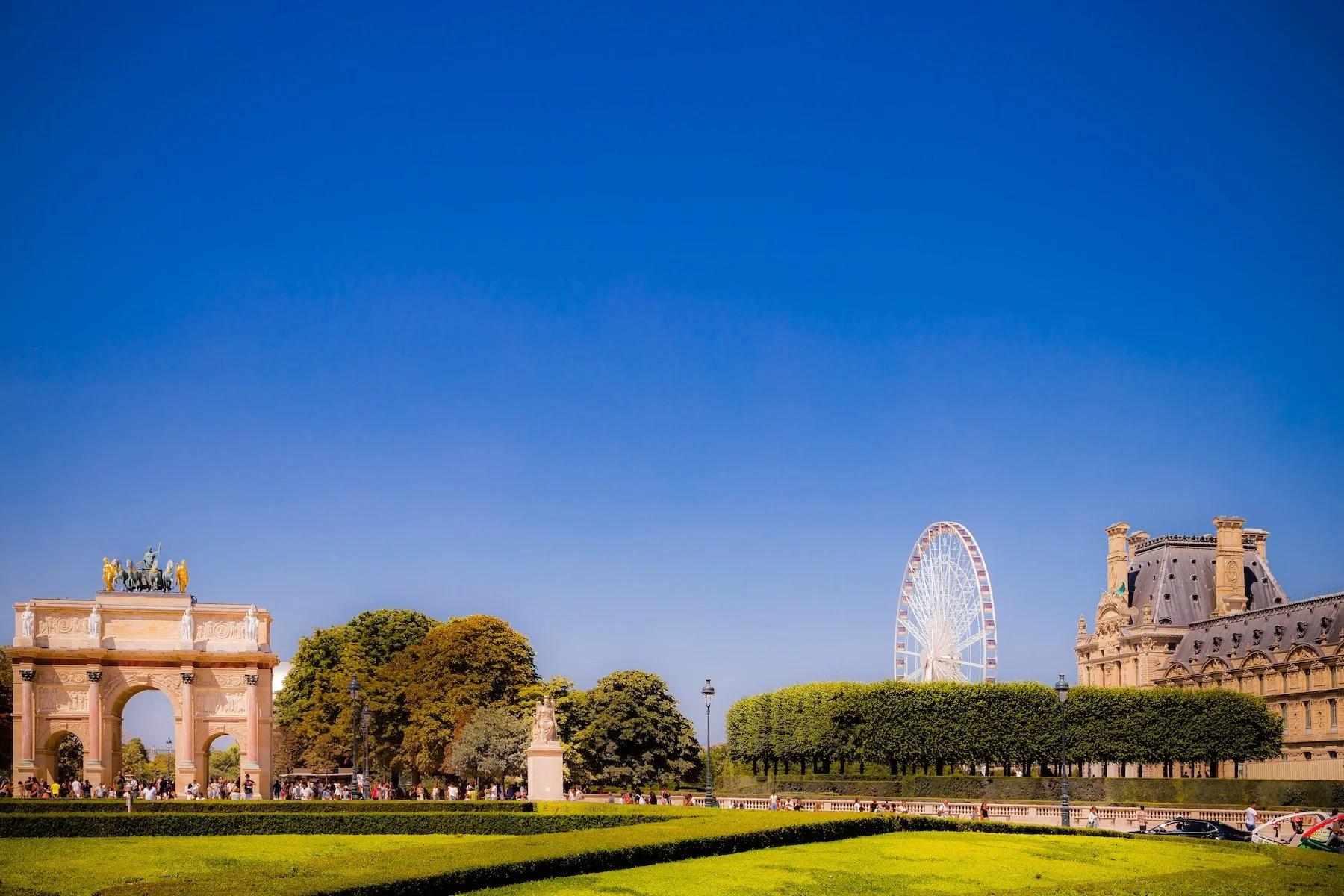
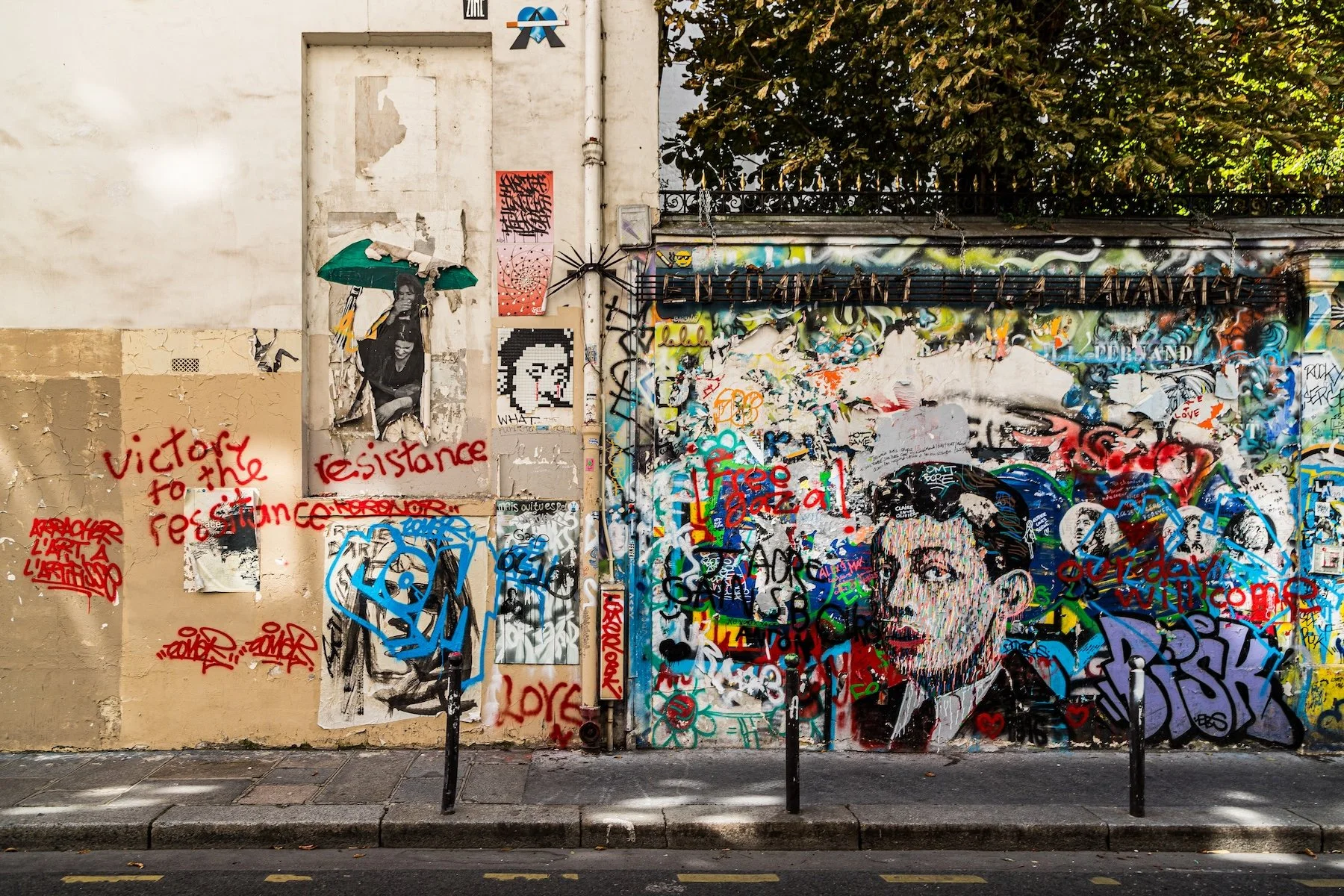
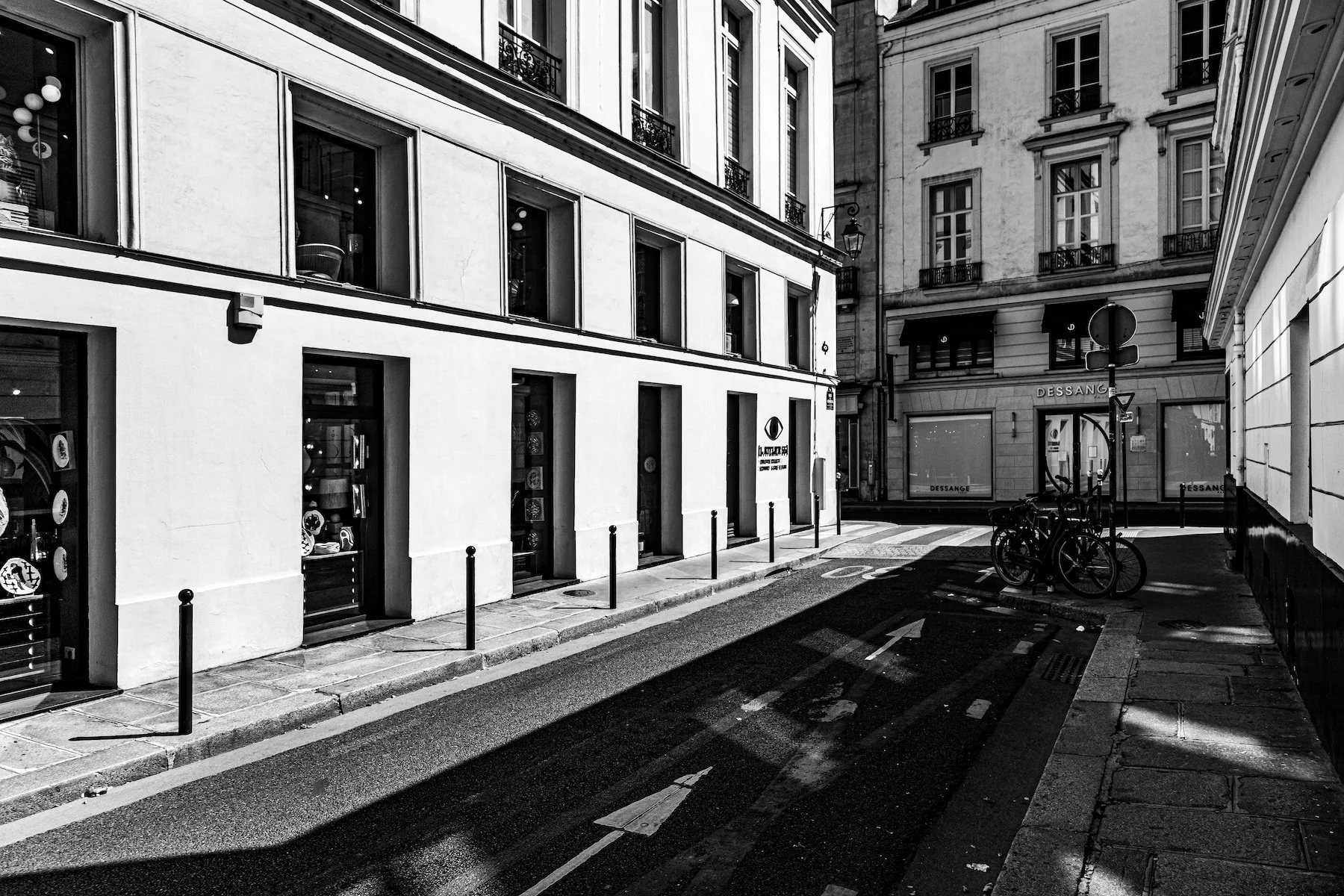
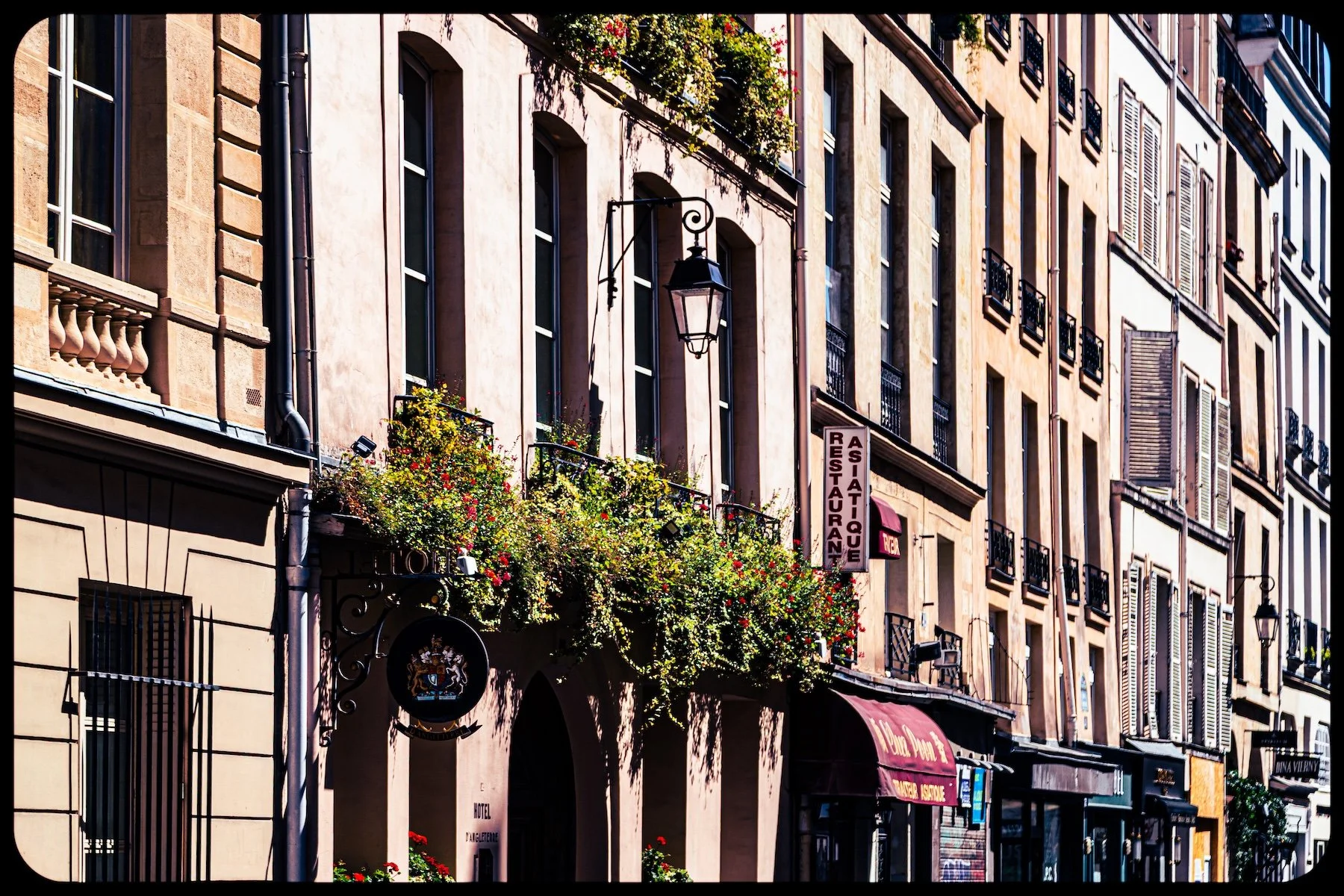
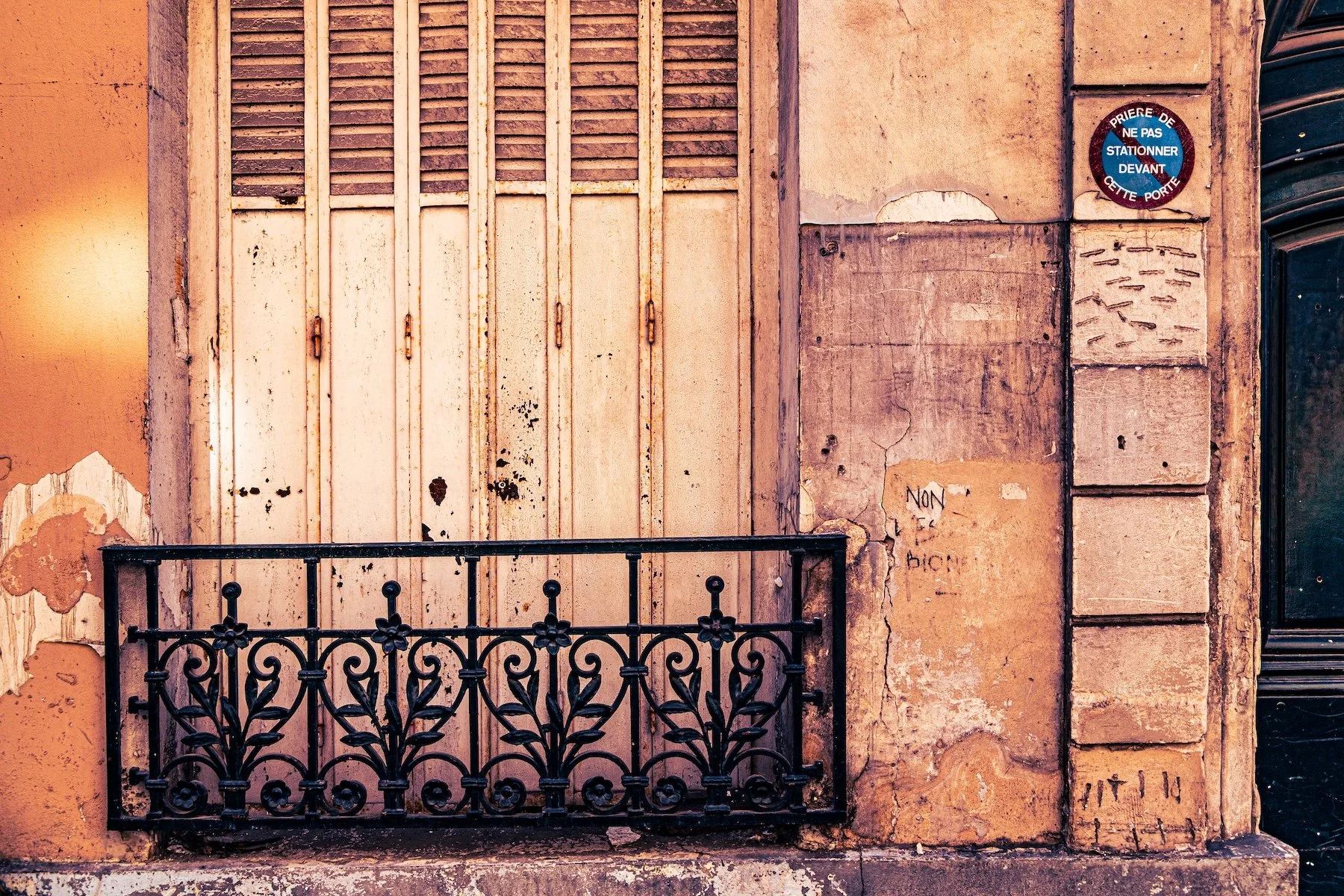
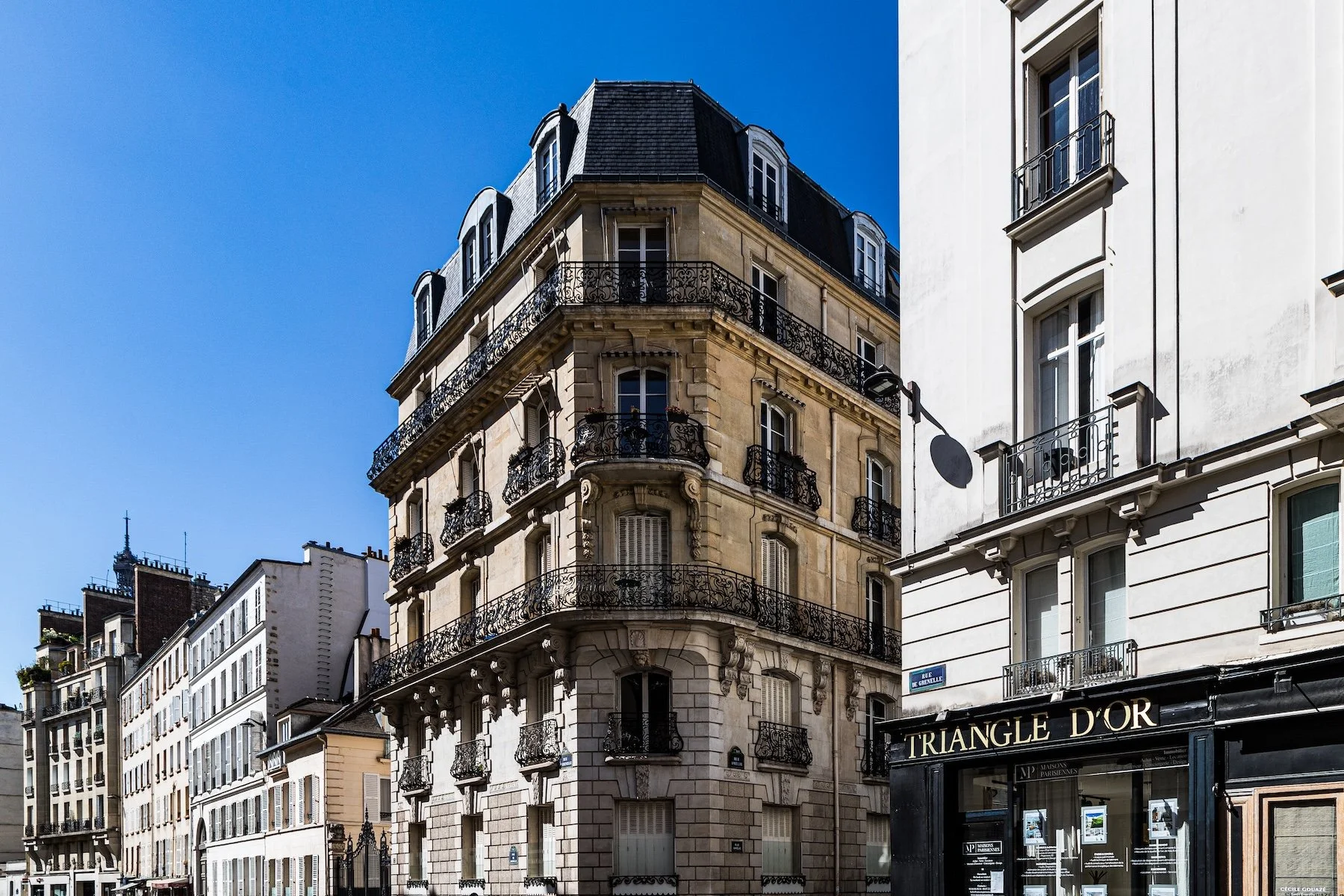
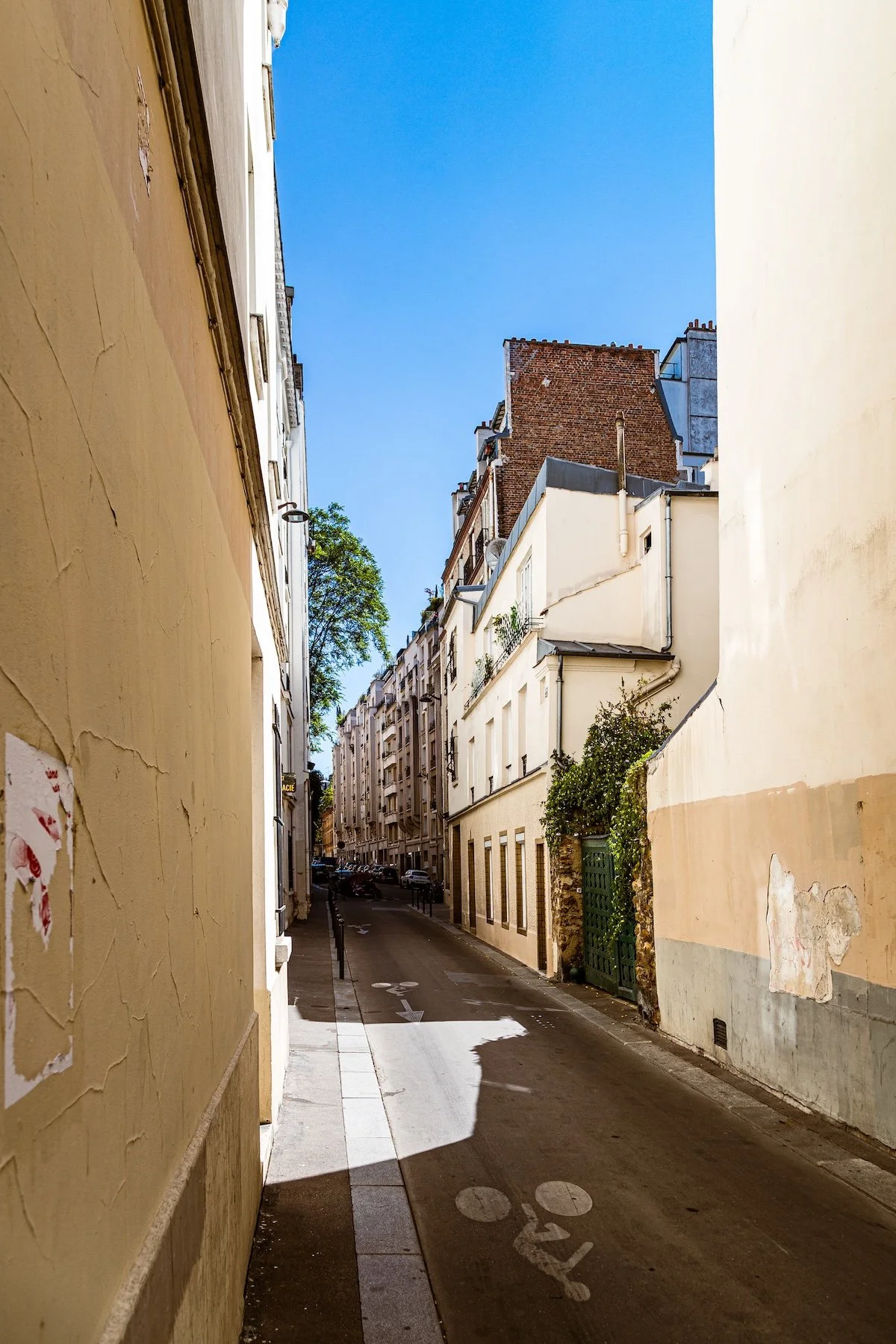
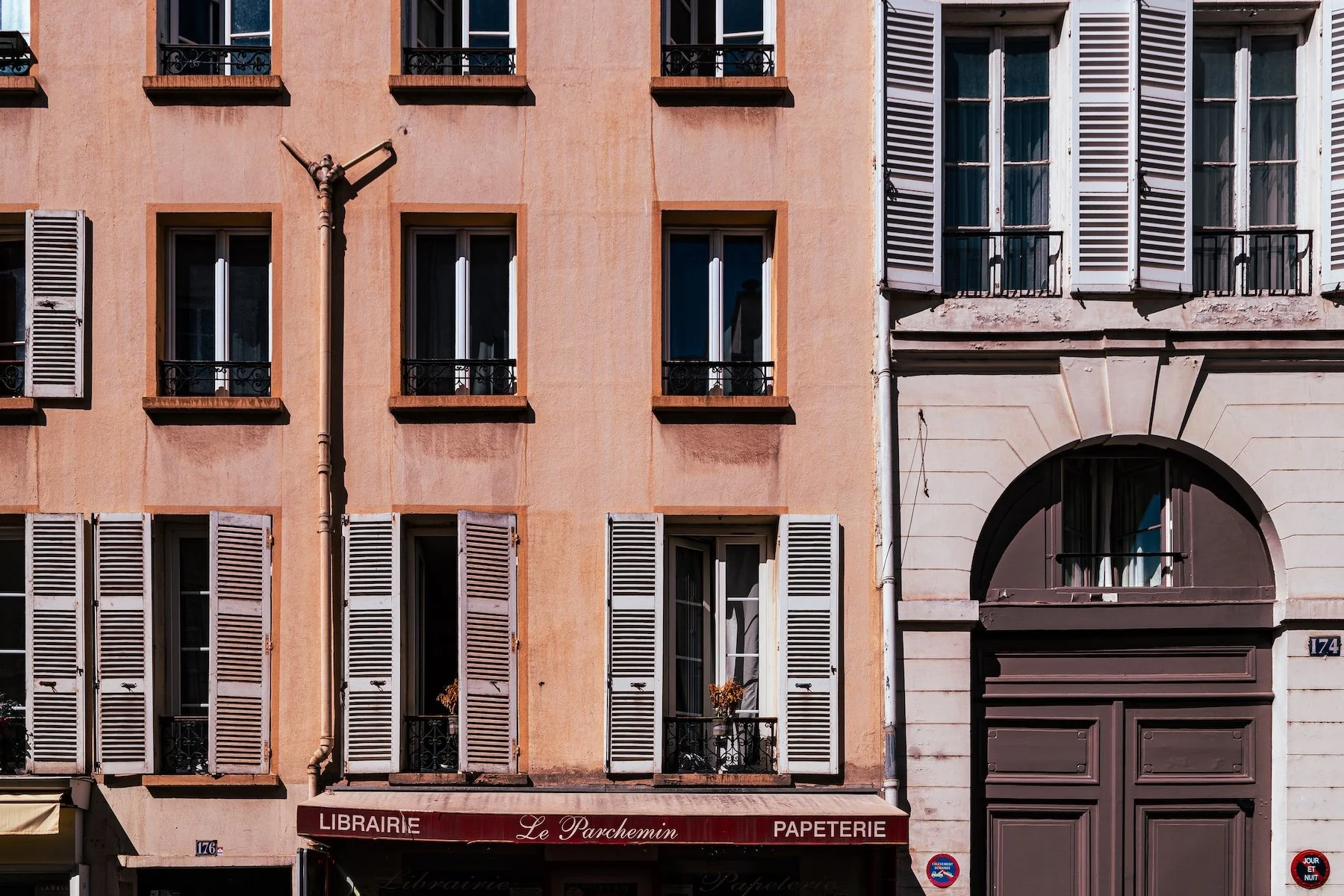
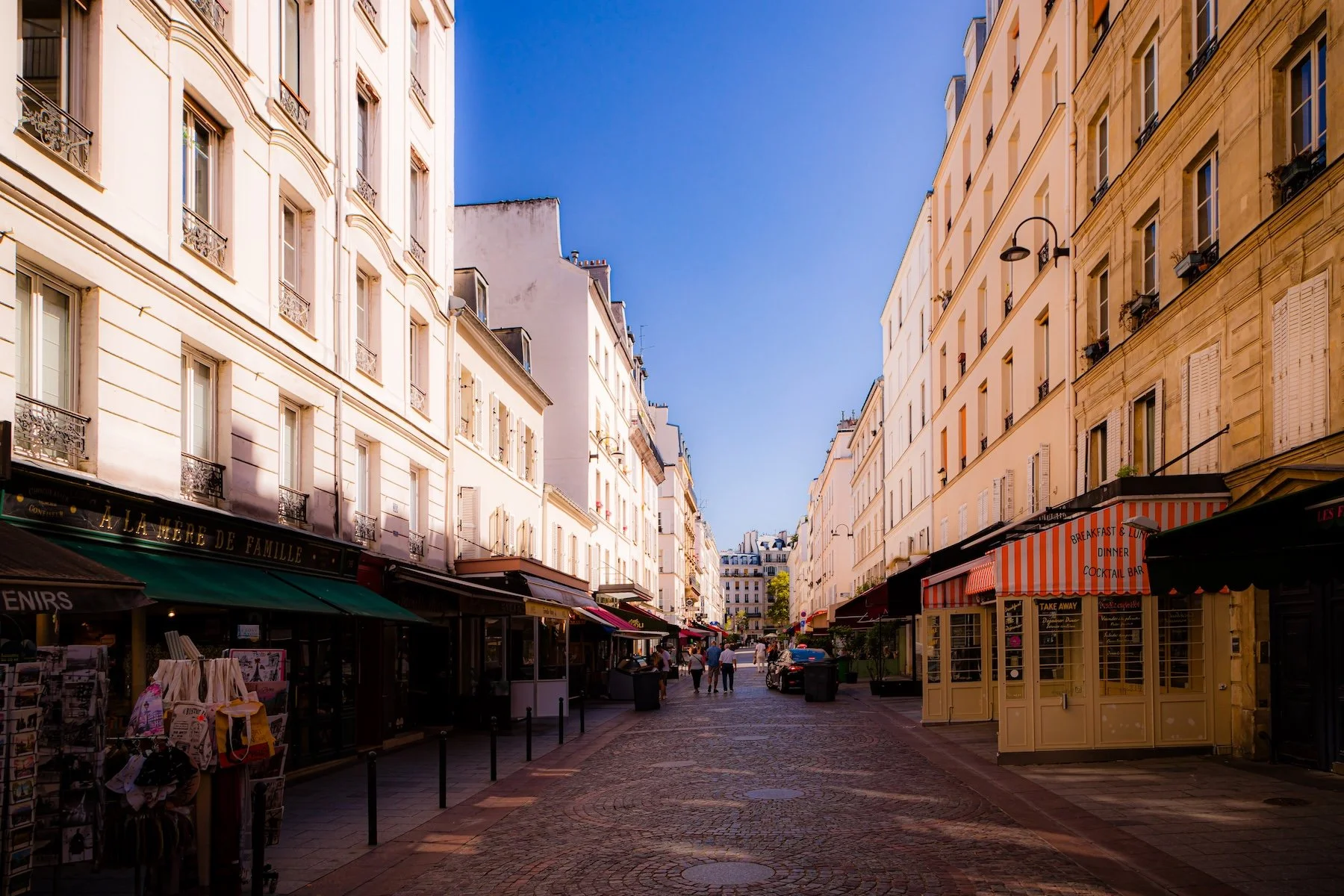
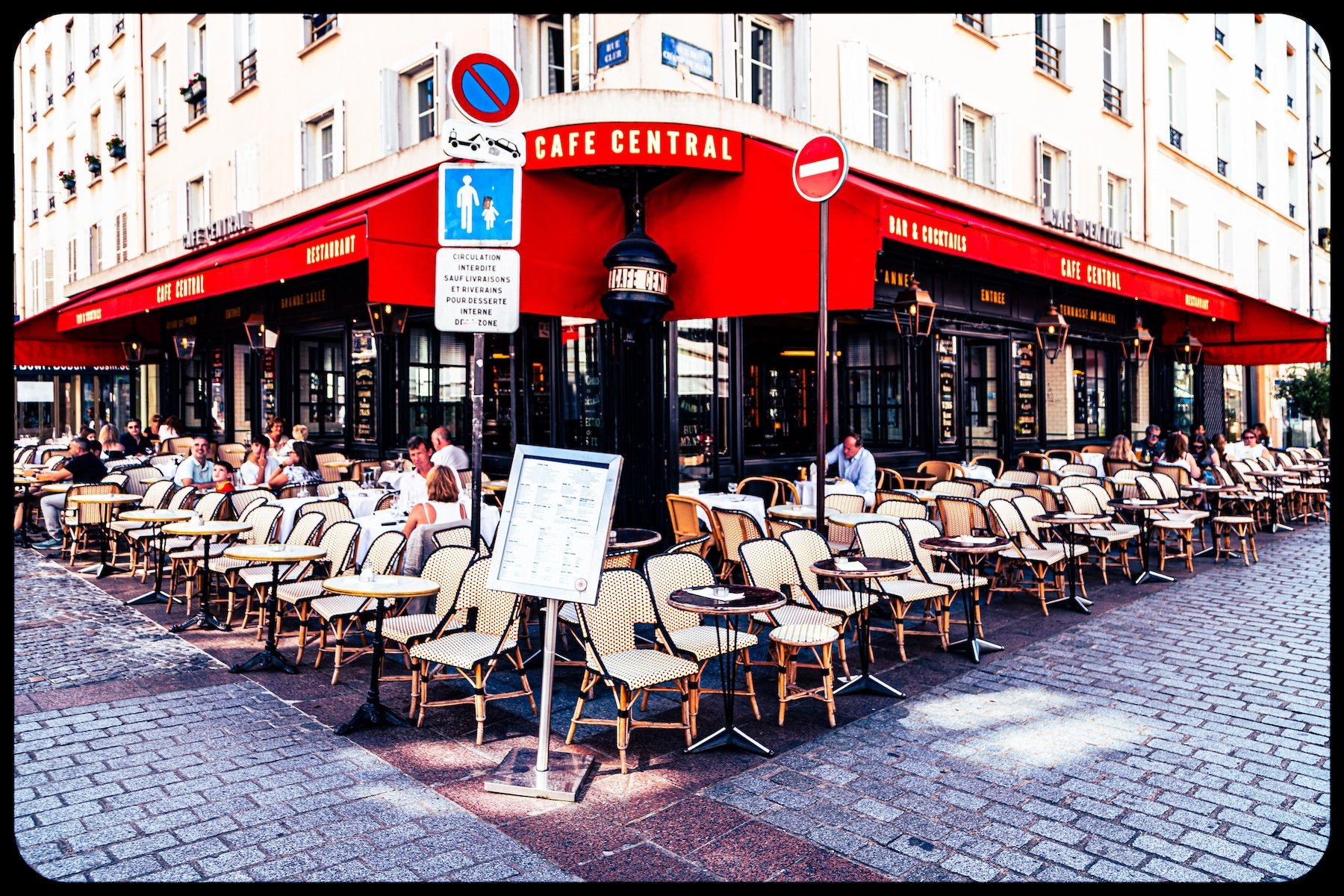
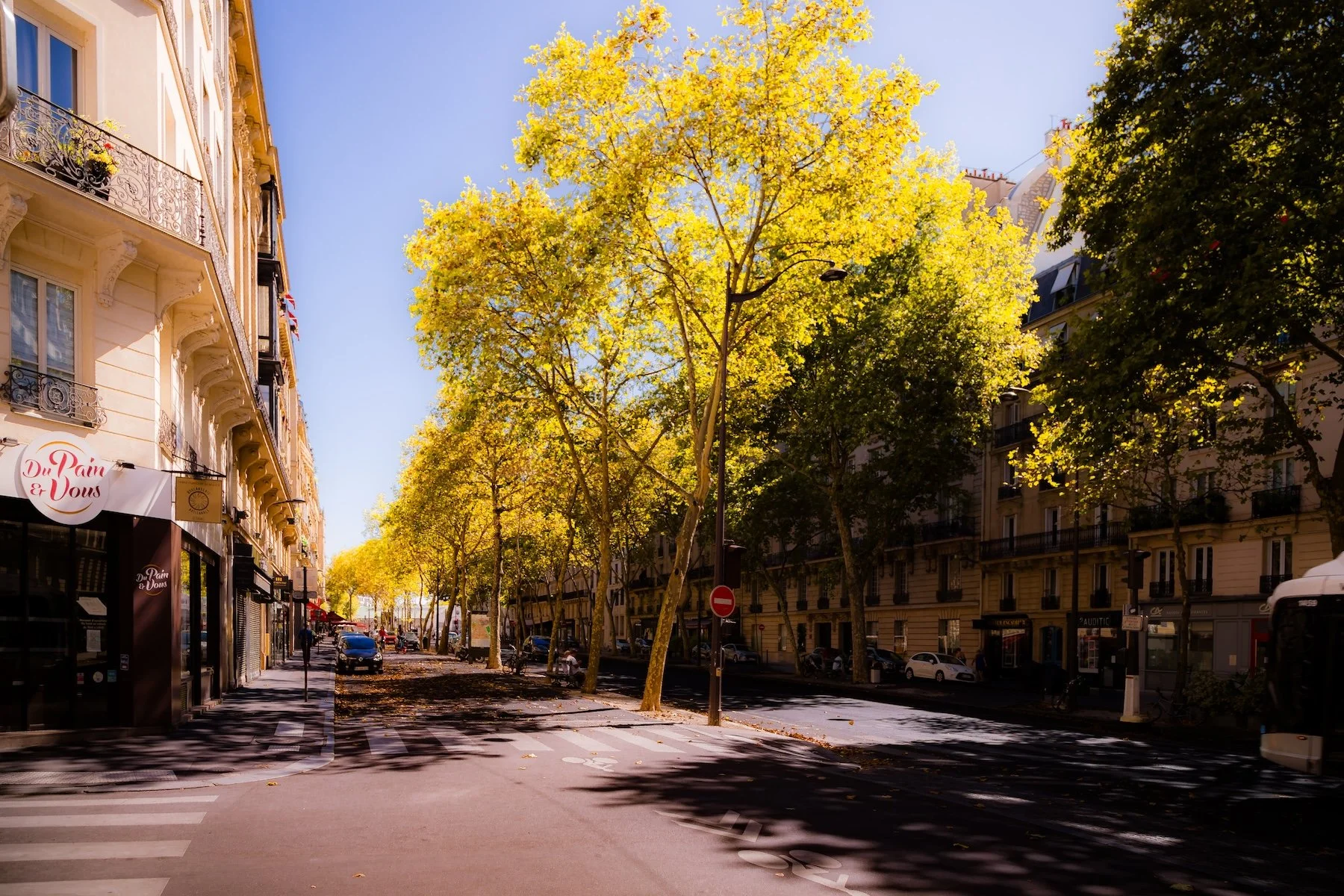
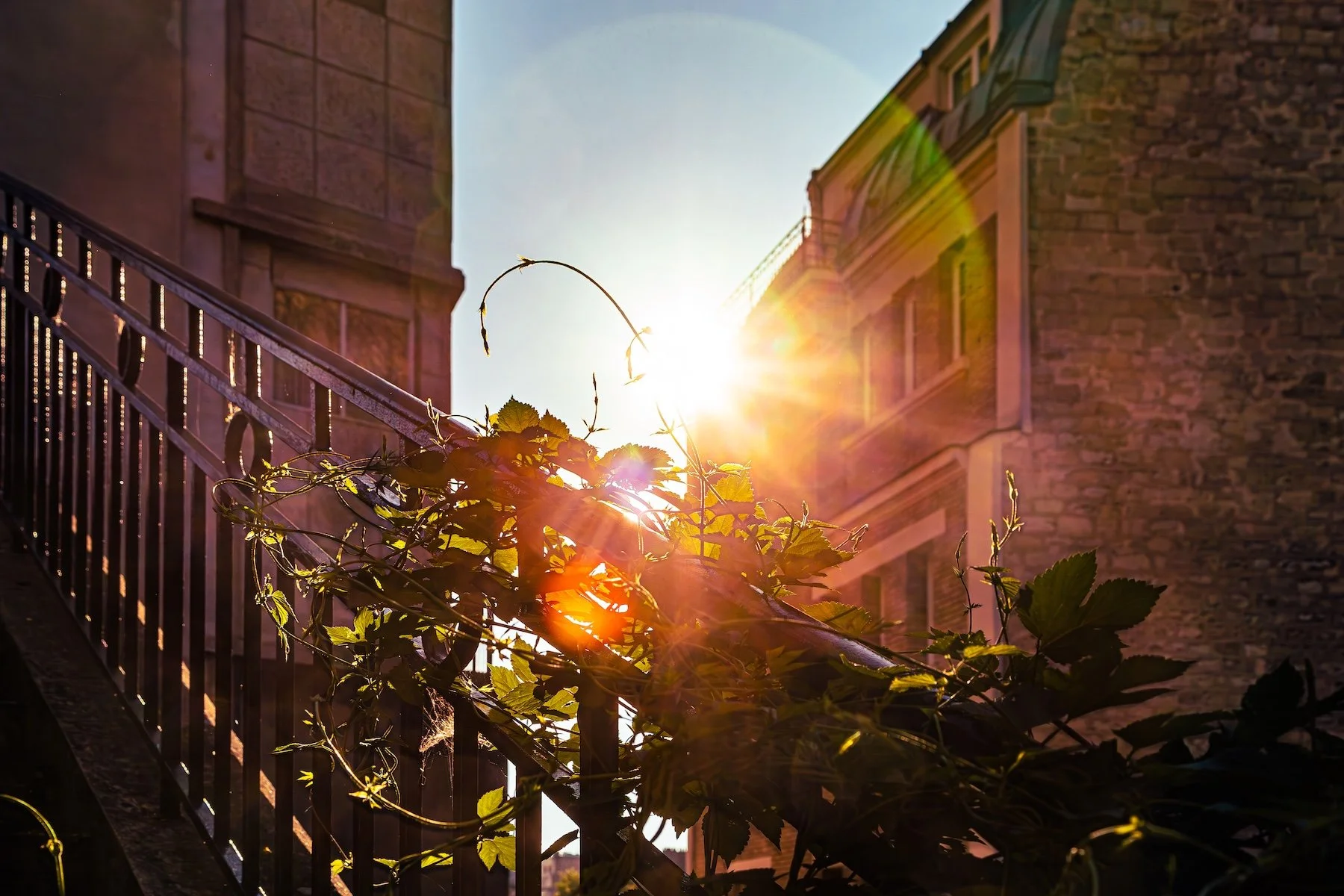
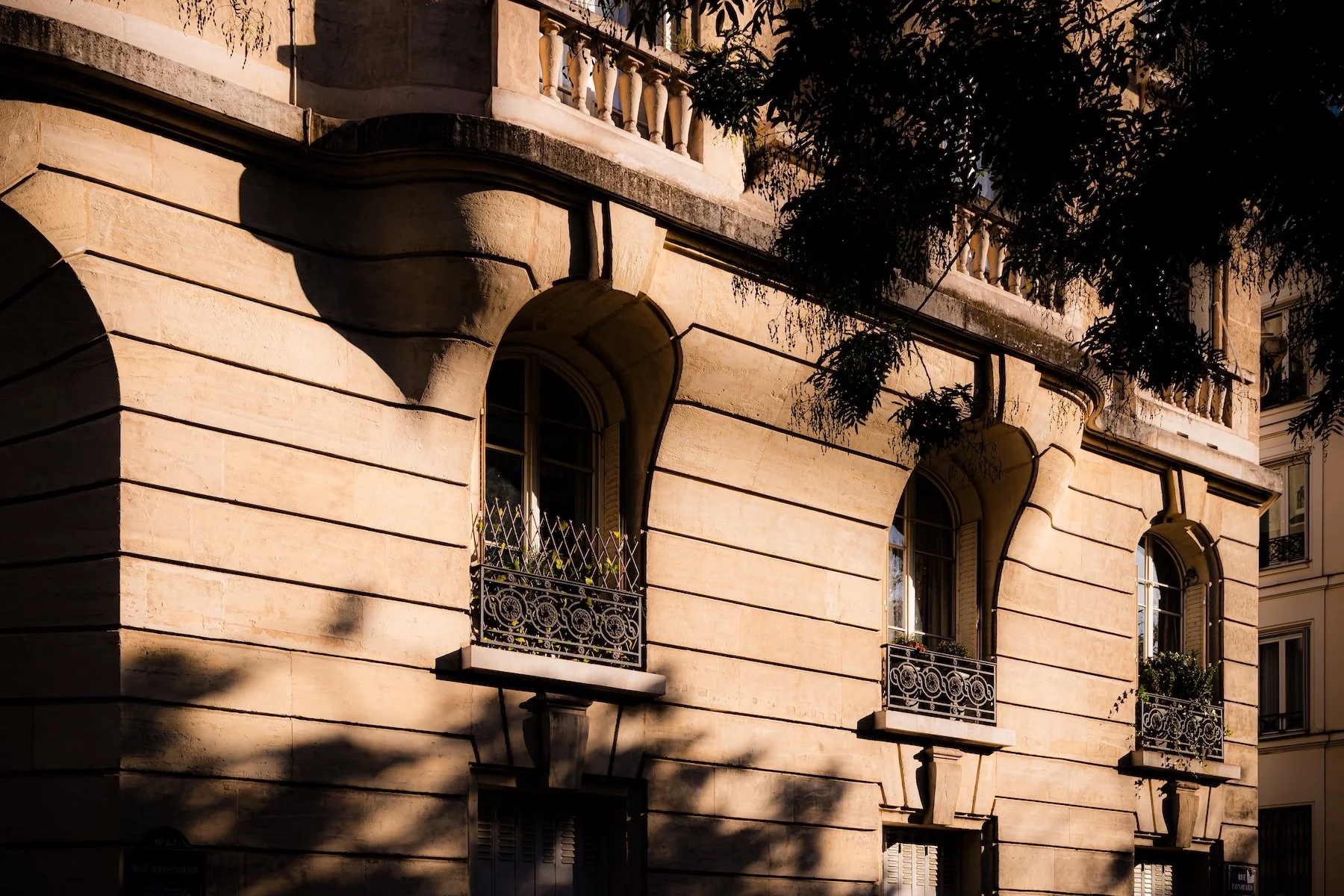
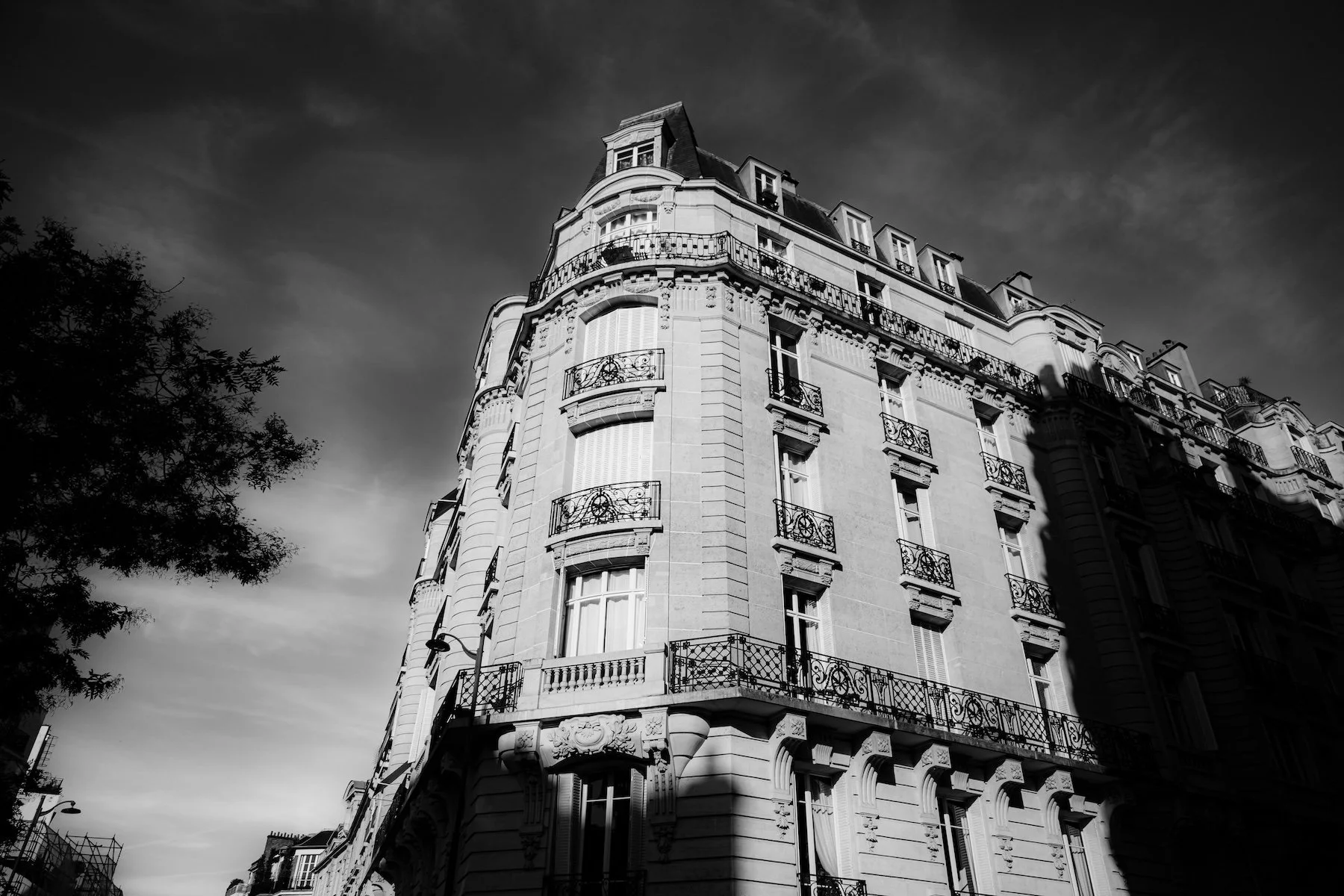
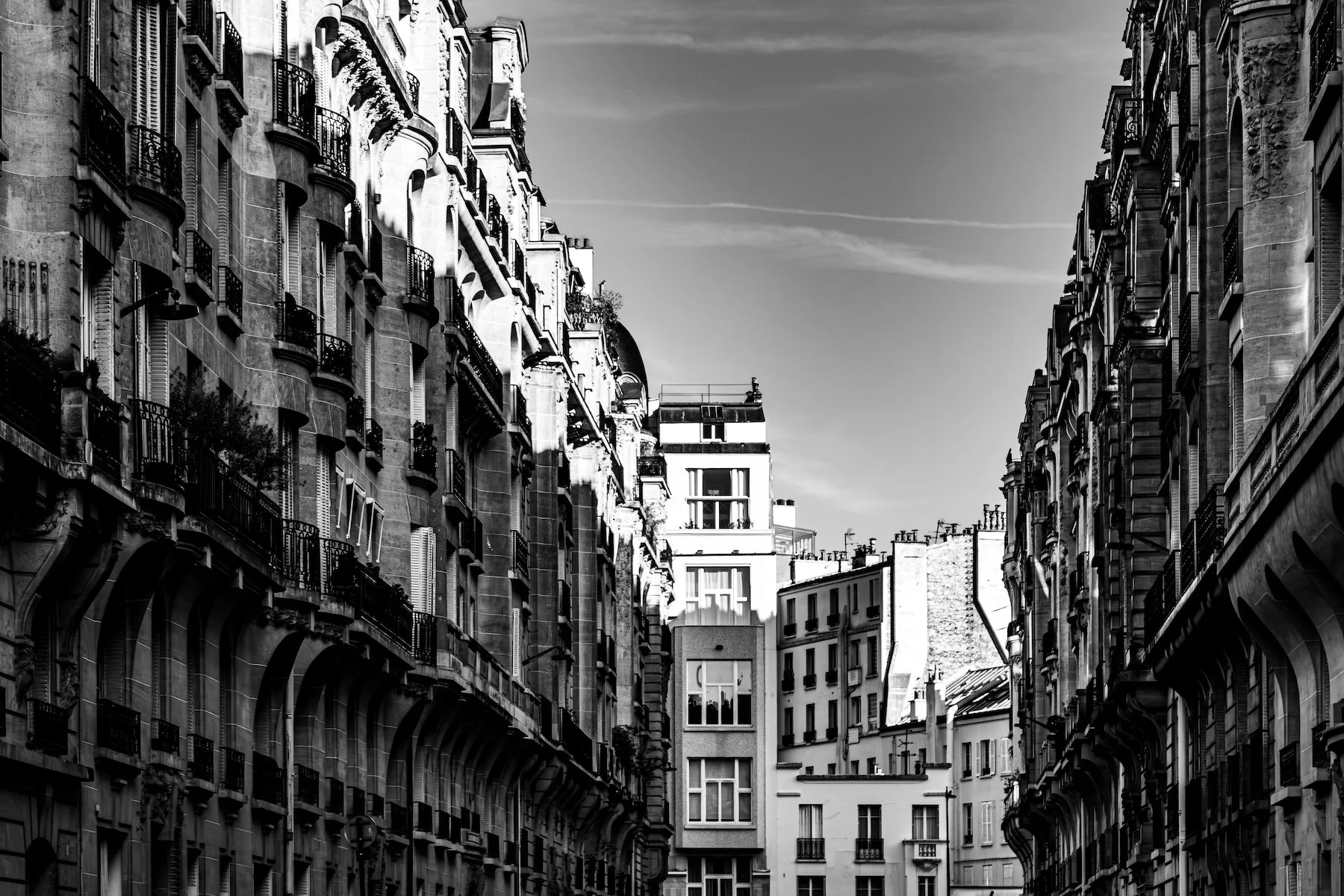
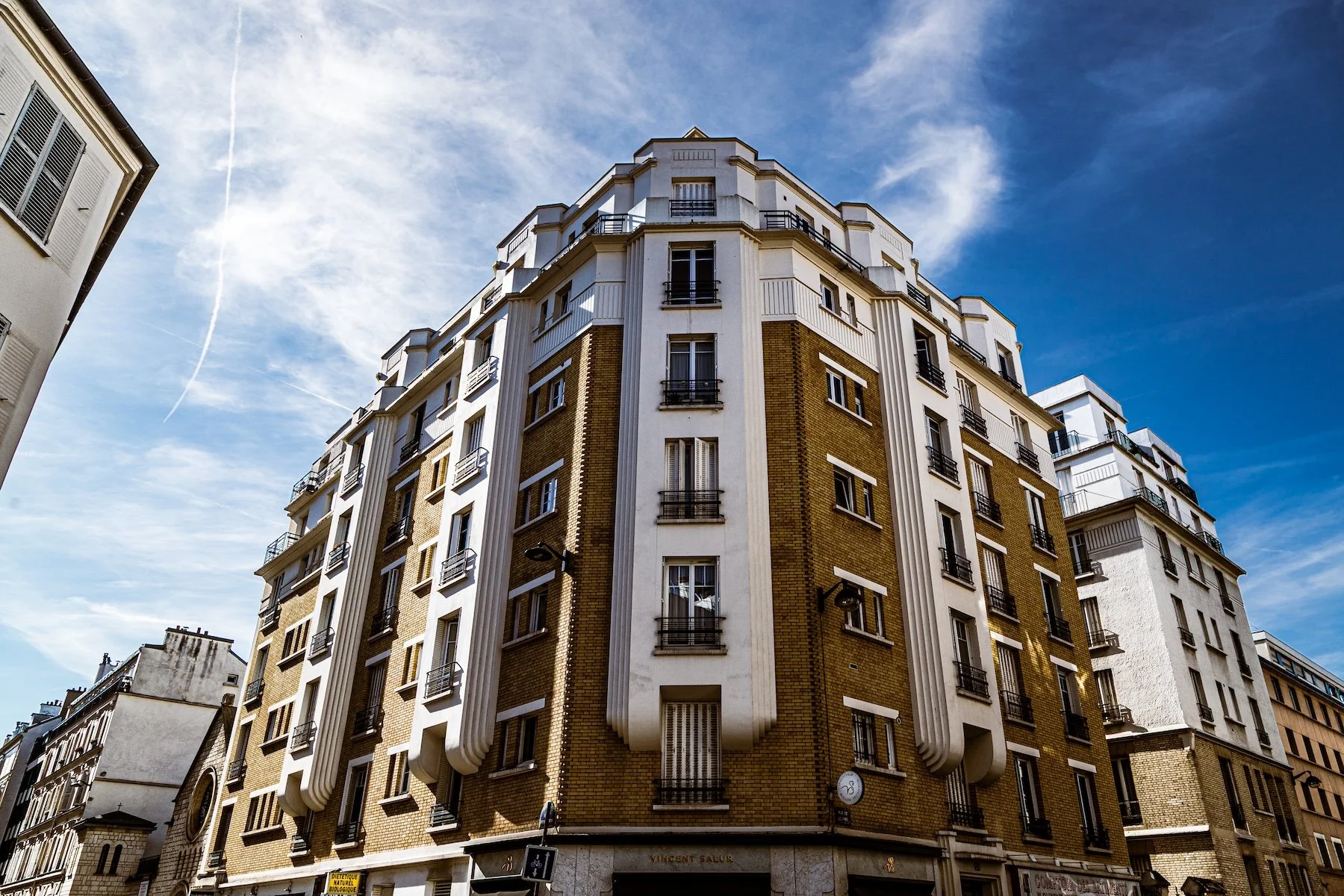
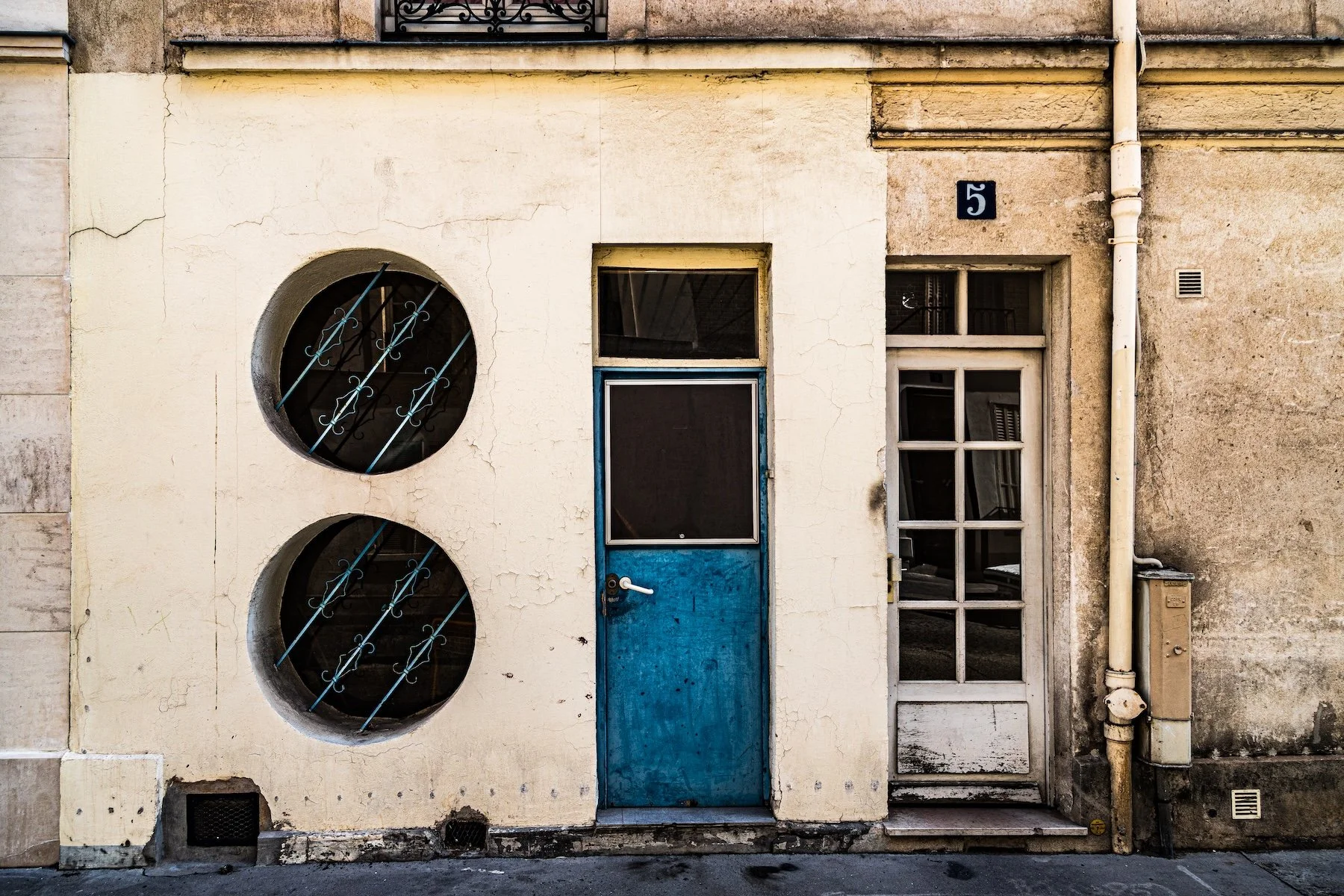
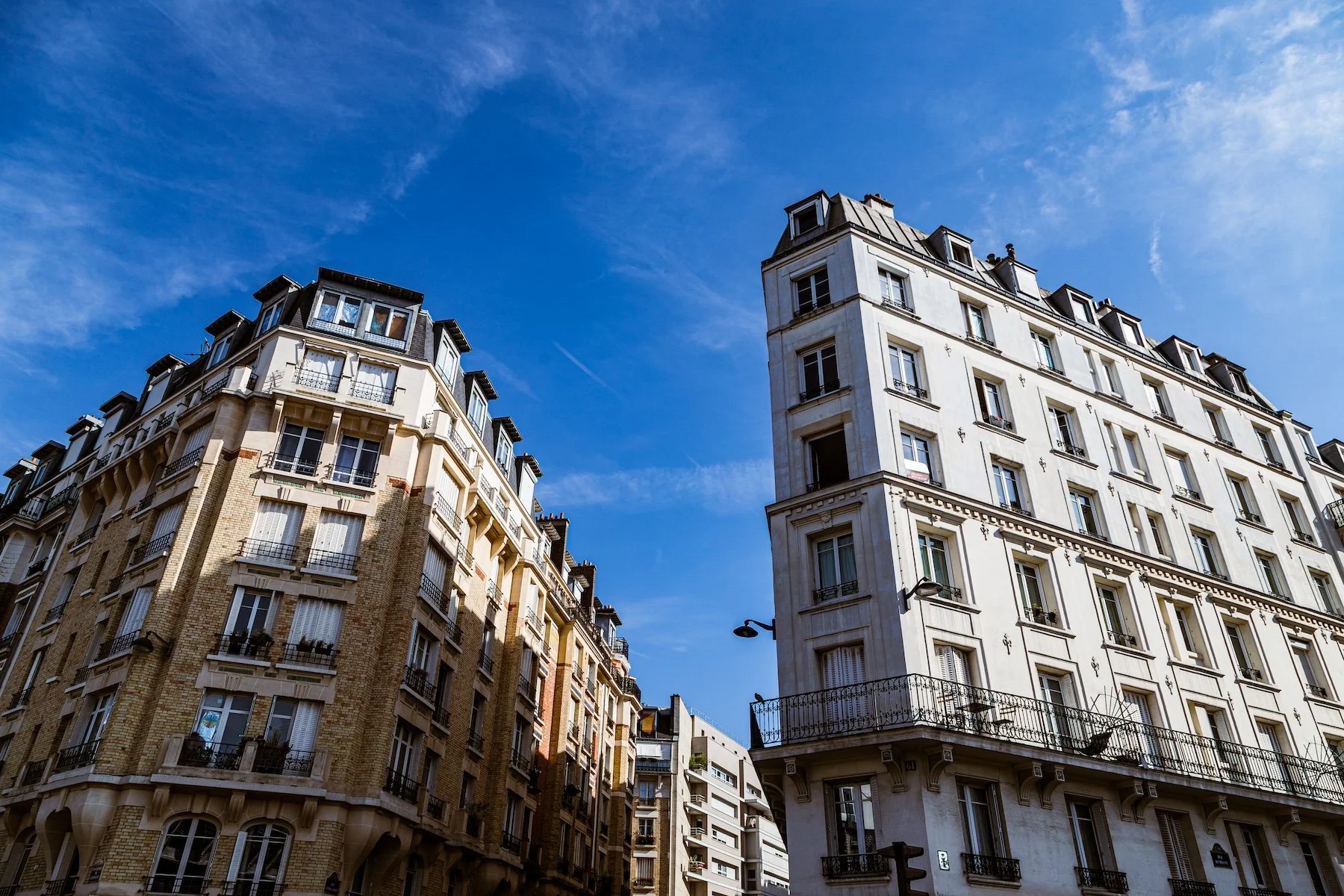
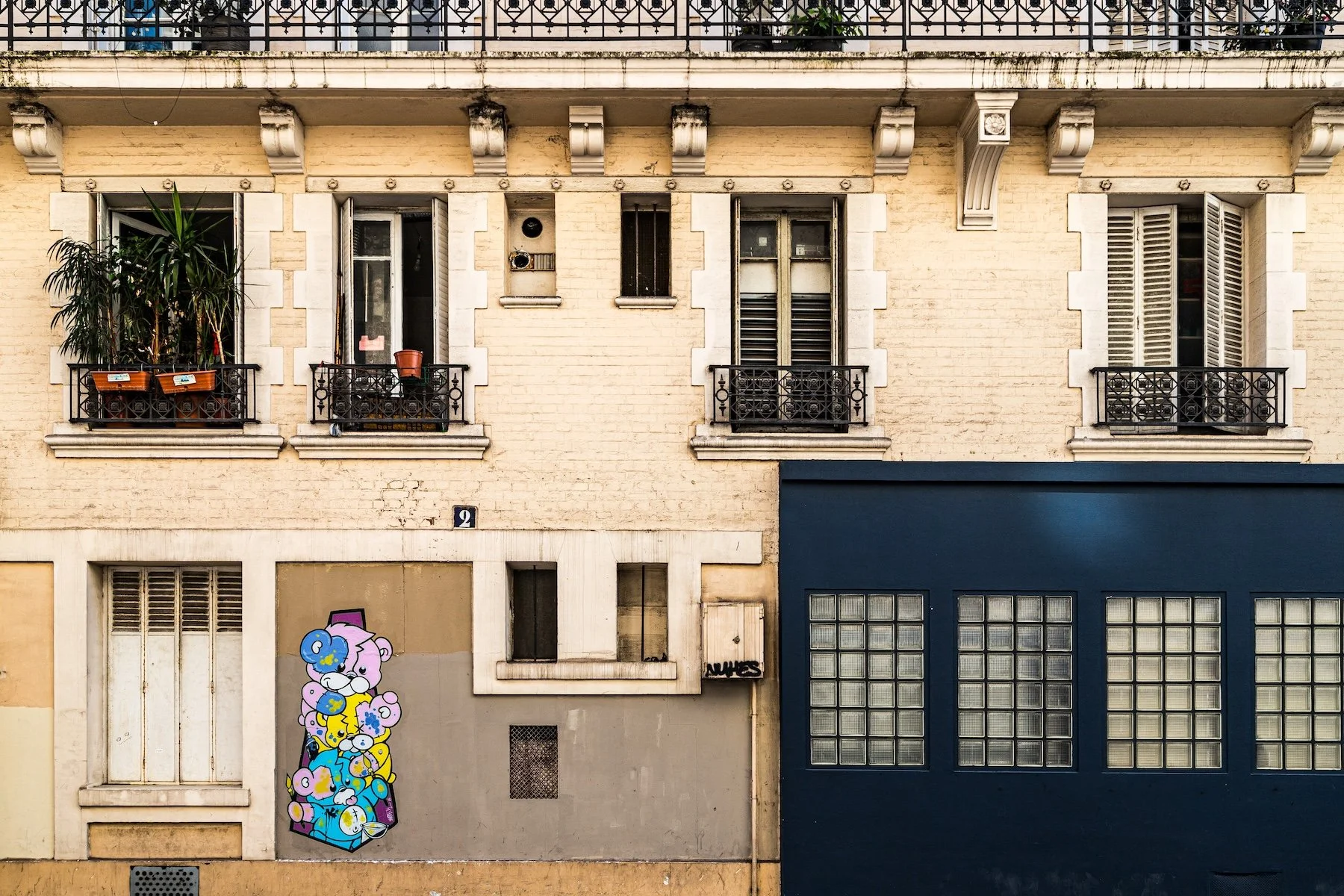
As the photographic archive grows, this section will continue to develop through images gathered on foot. Streets, façades, monuments, markets, parks, river edges, passages, signs, textures, and everyday details will gradually reveal how each district presents itself visually. The goal is not only to show what a place looks like, but to trace how its identity becomes visible through form, atmosphere, memory, and use.
Through The Lens
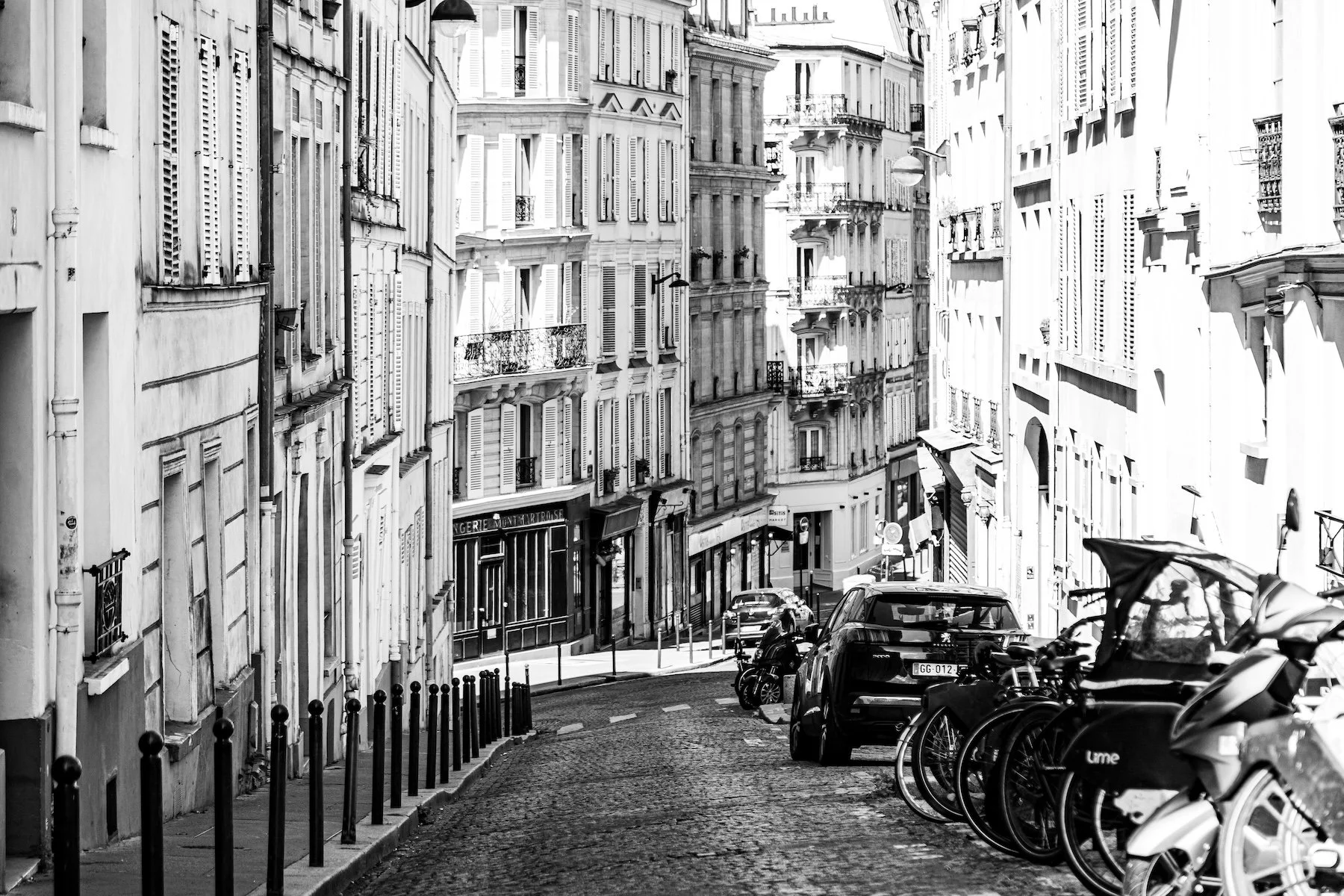
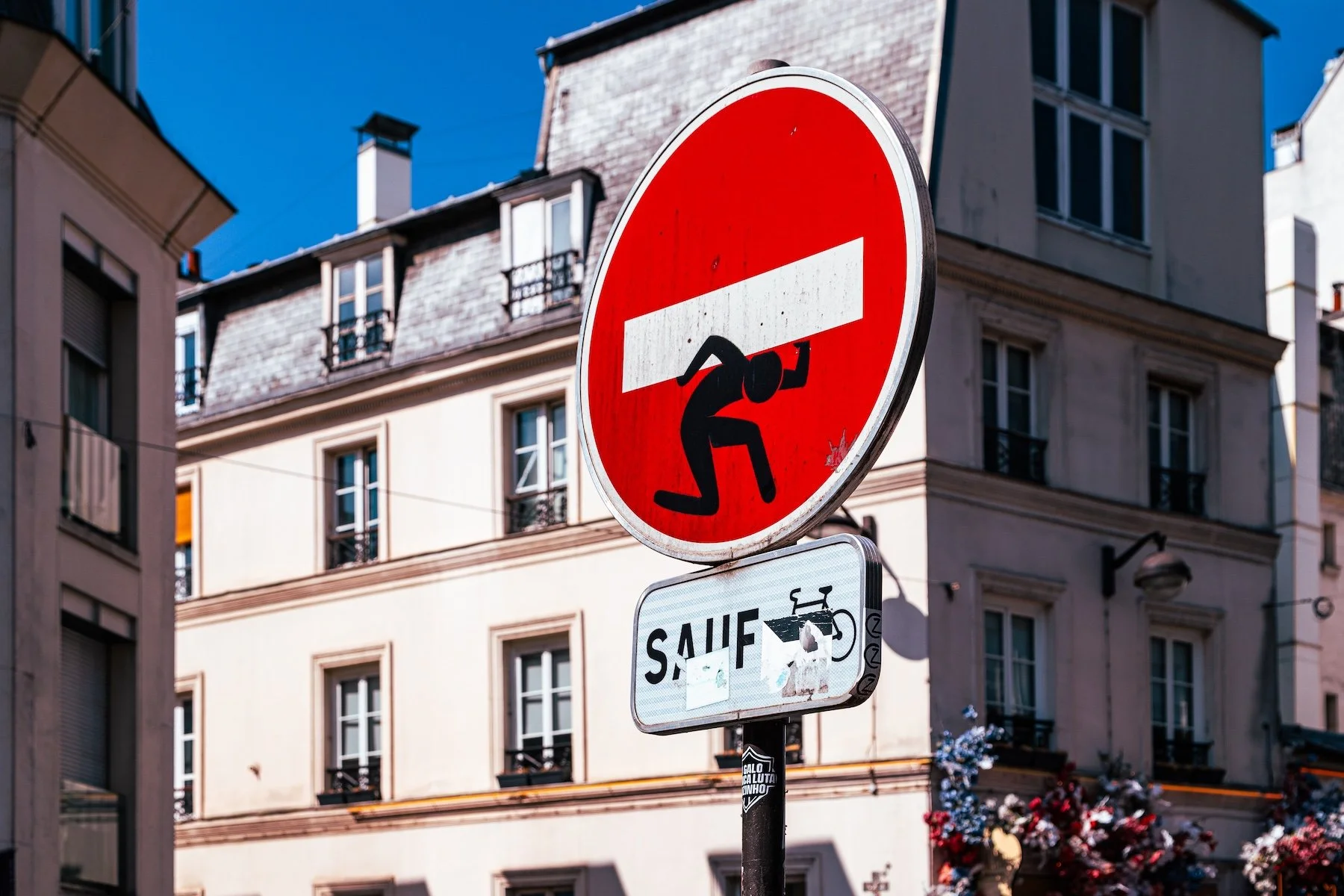
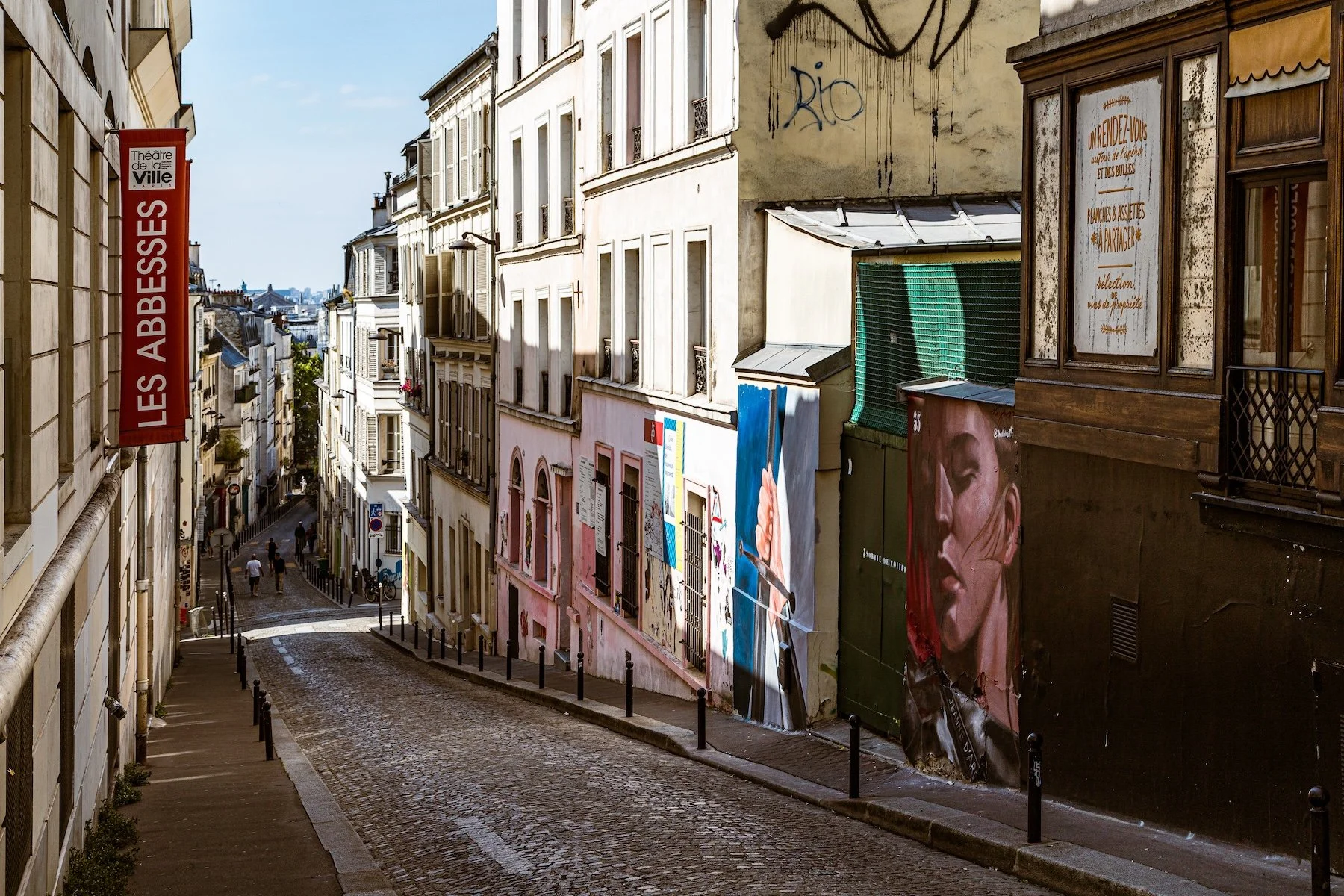
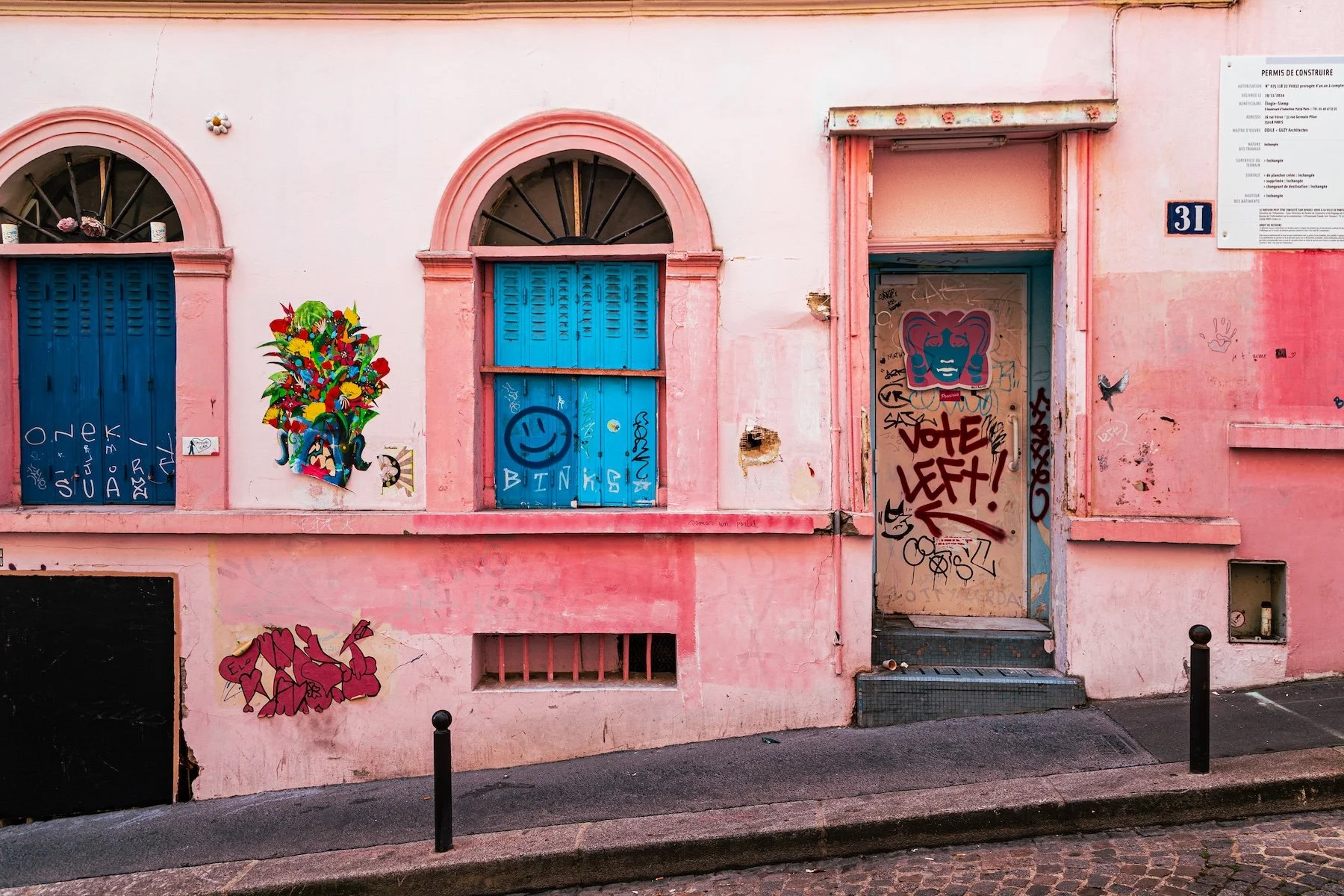
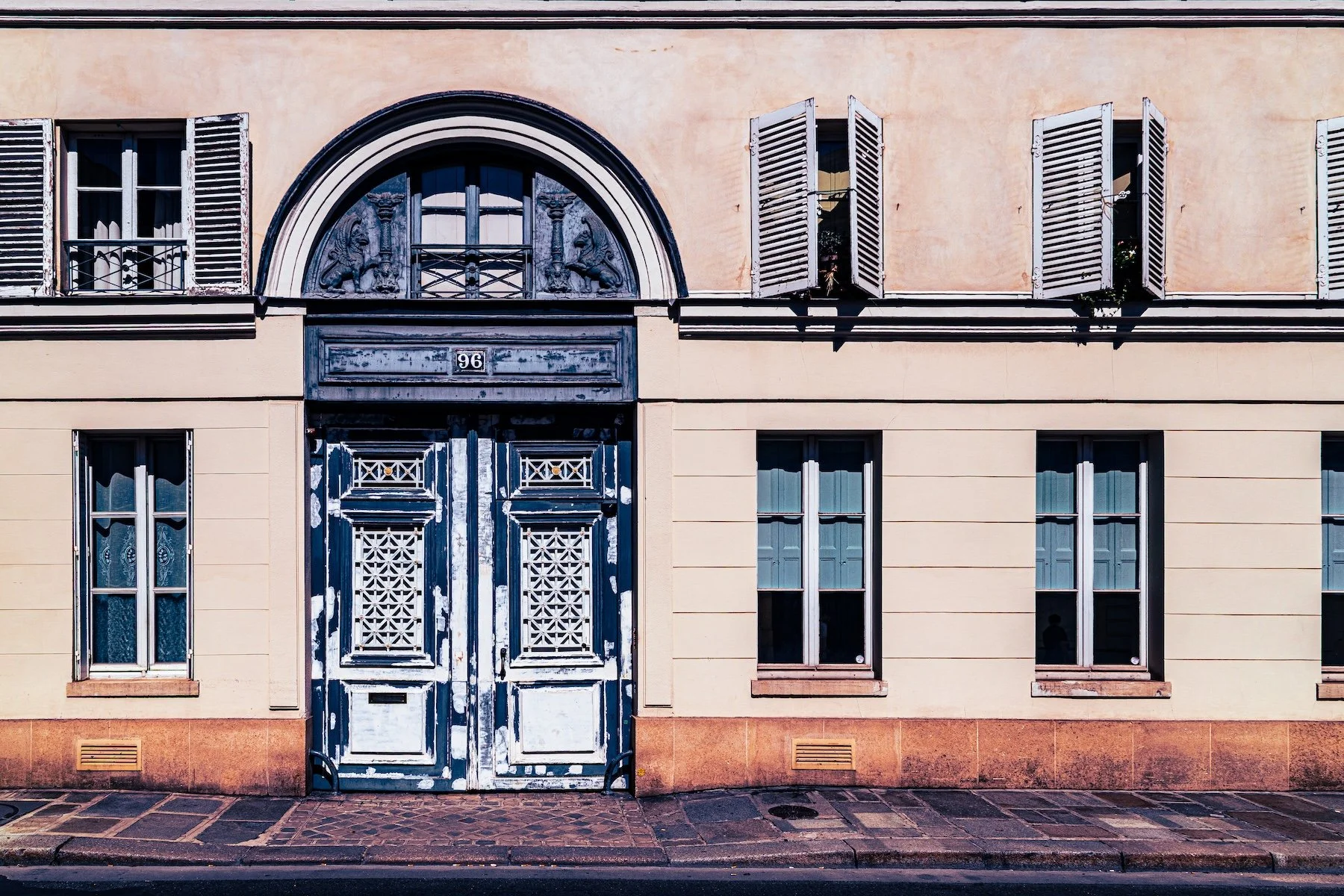
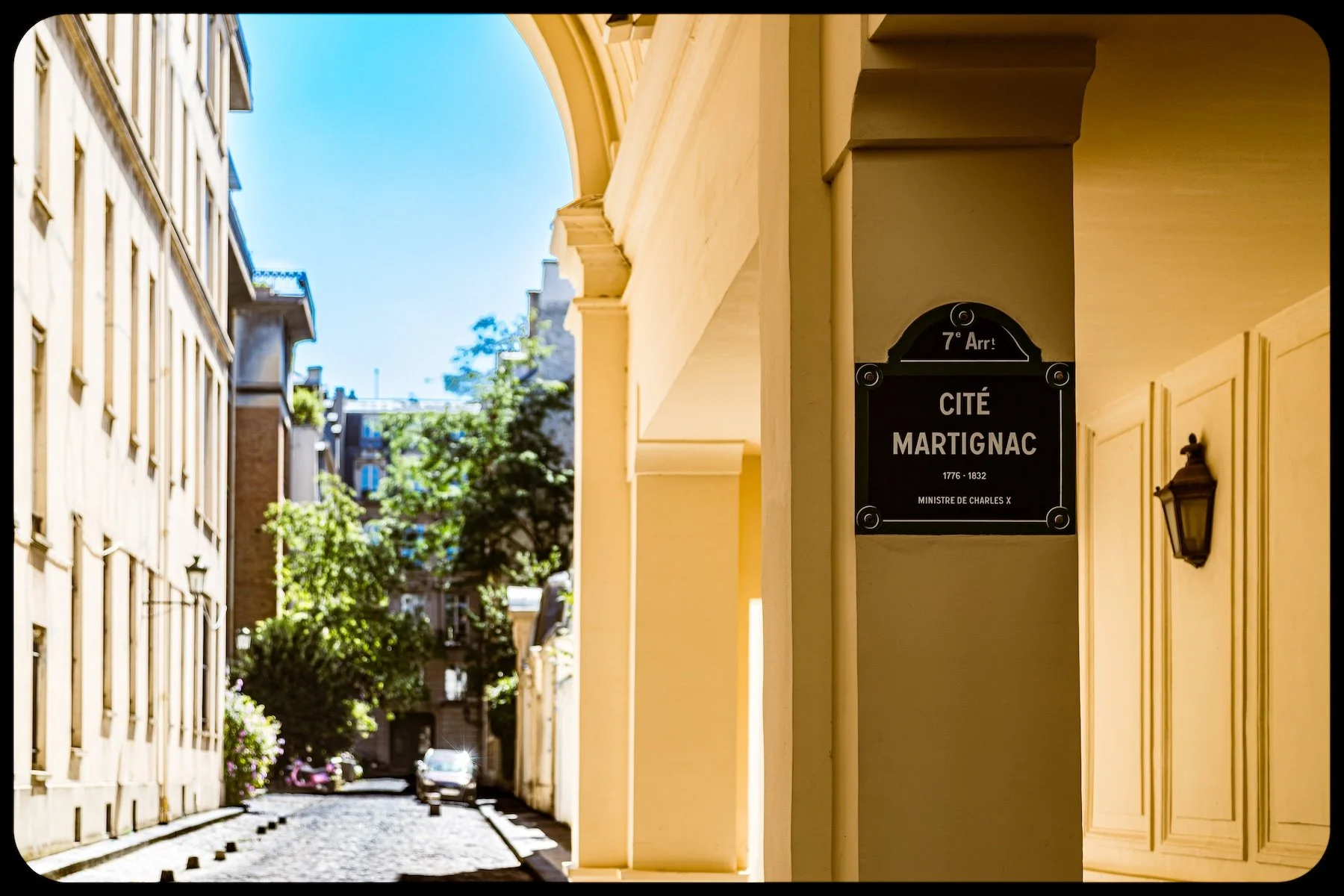
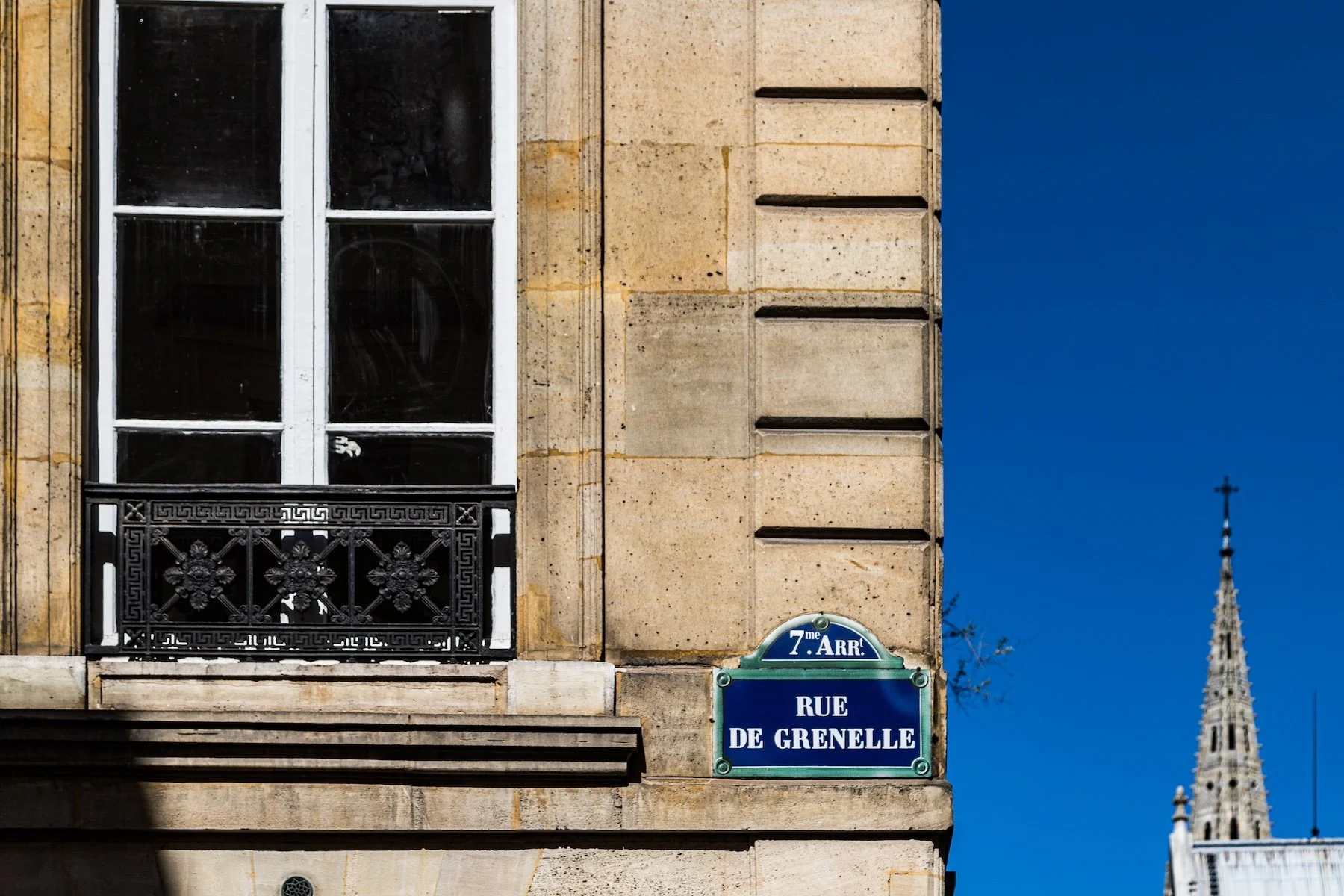
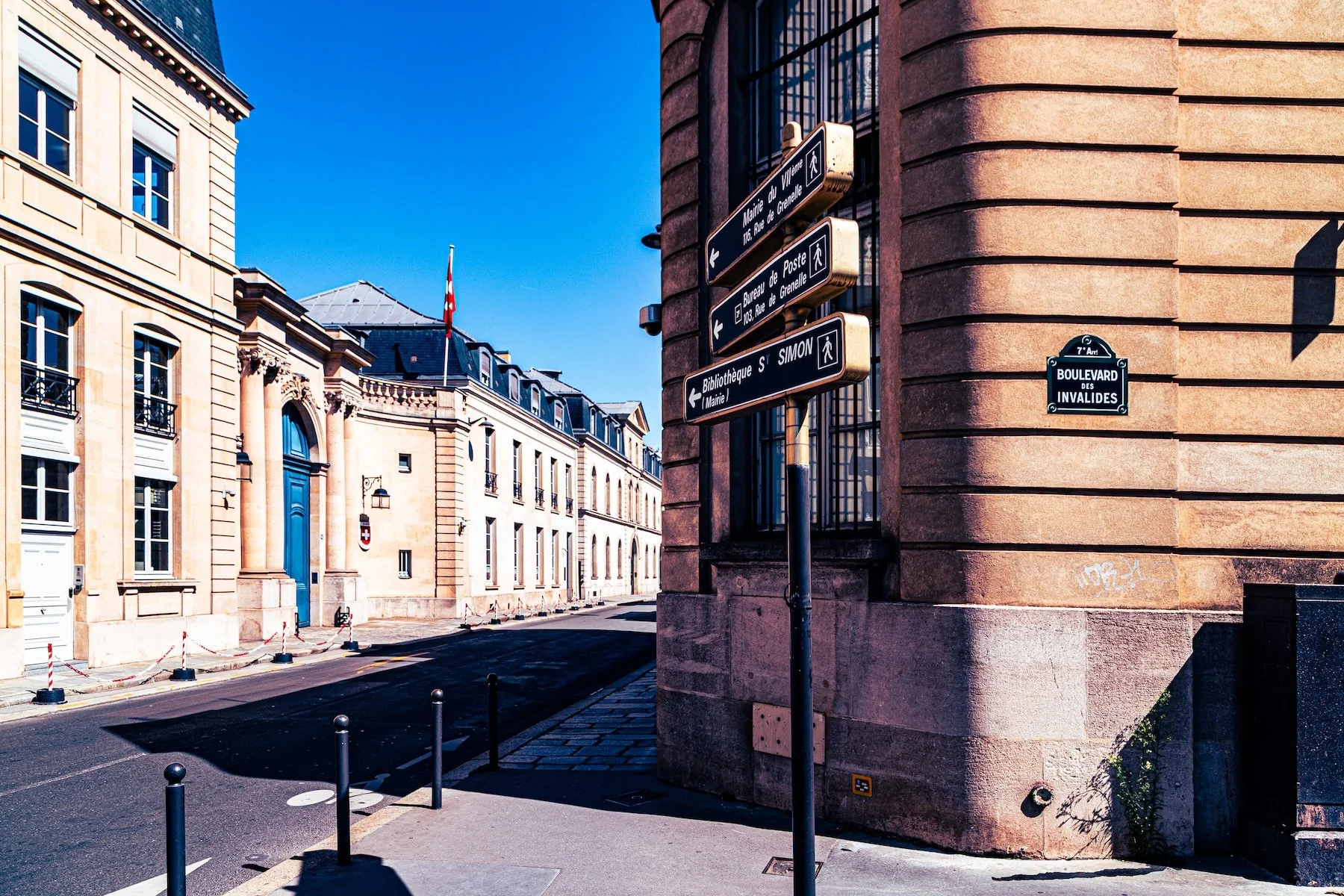
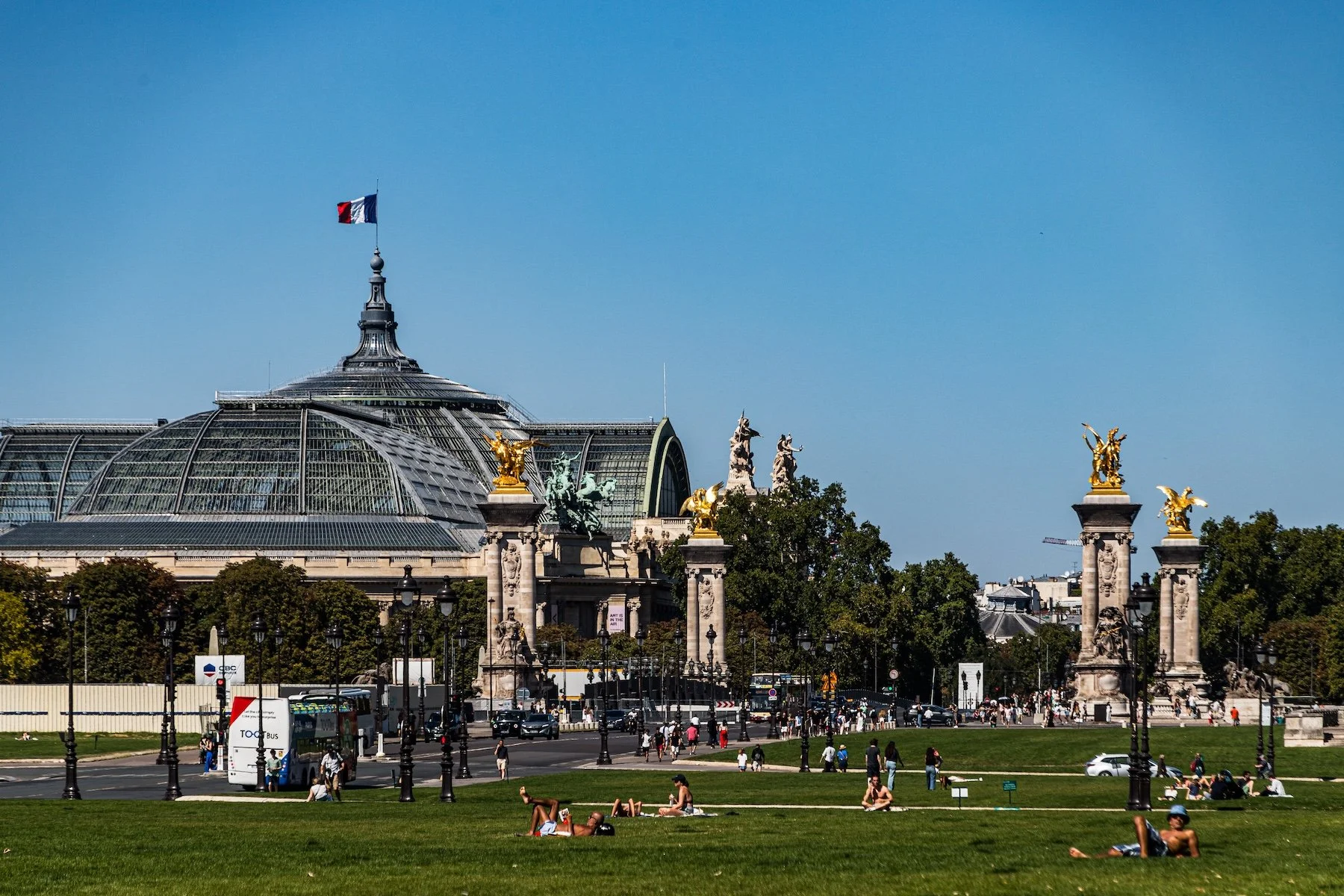
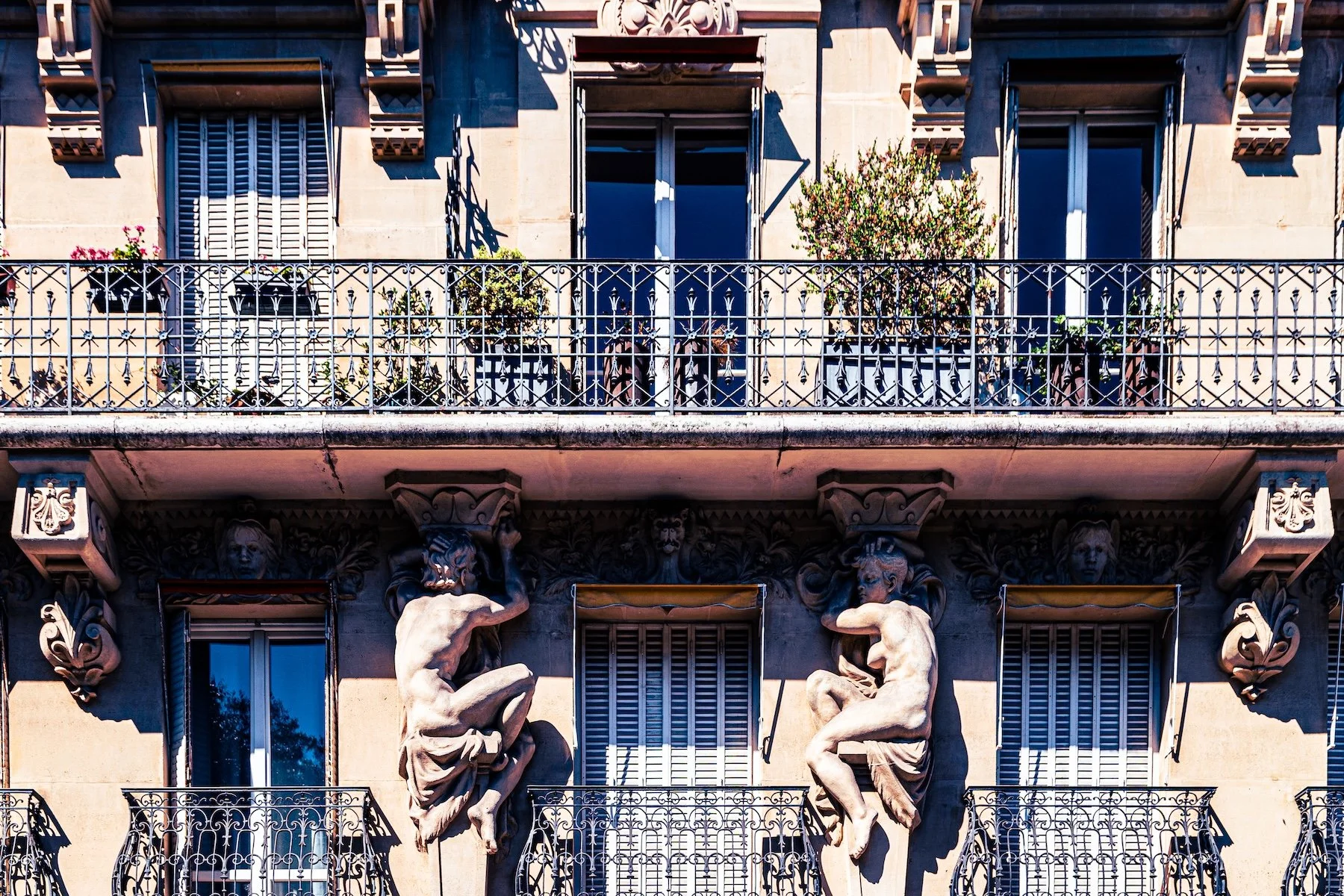
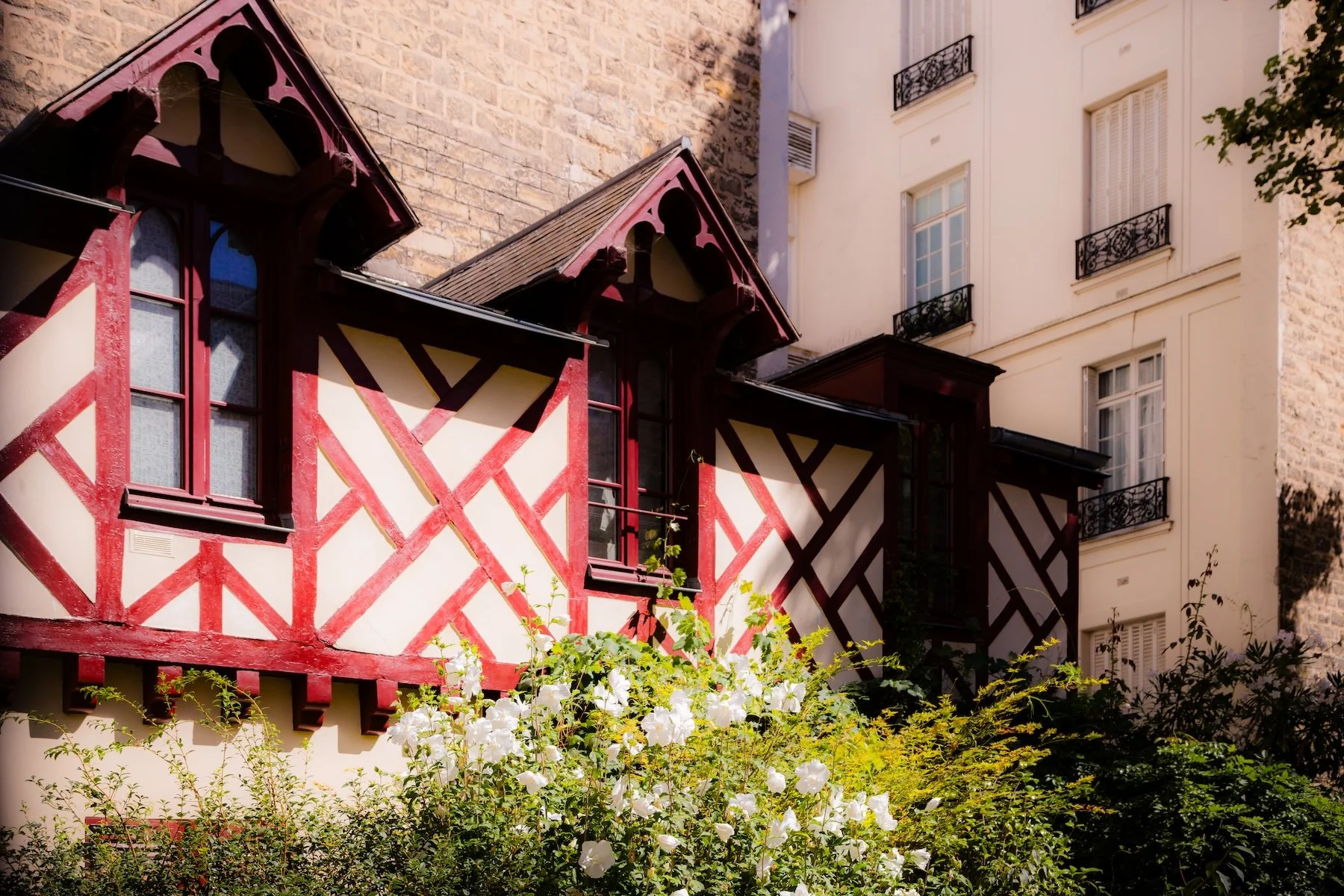
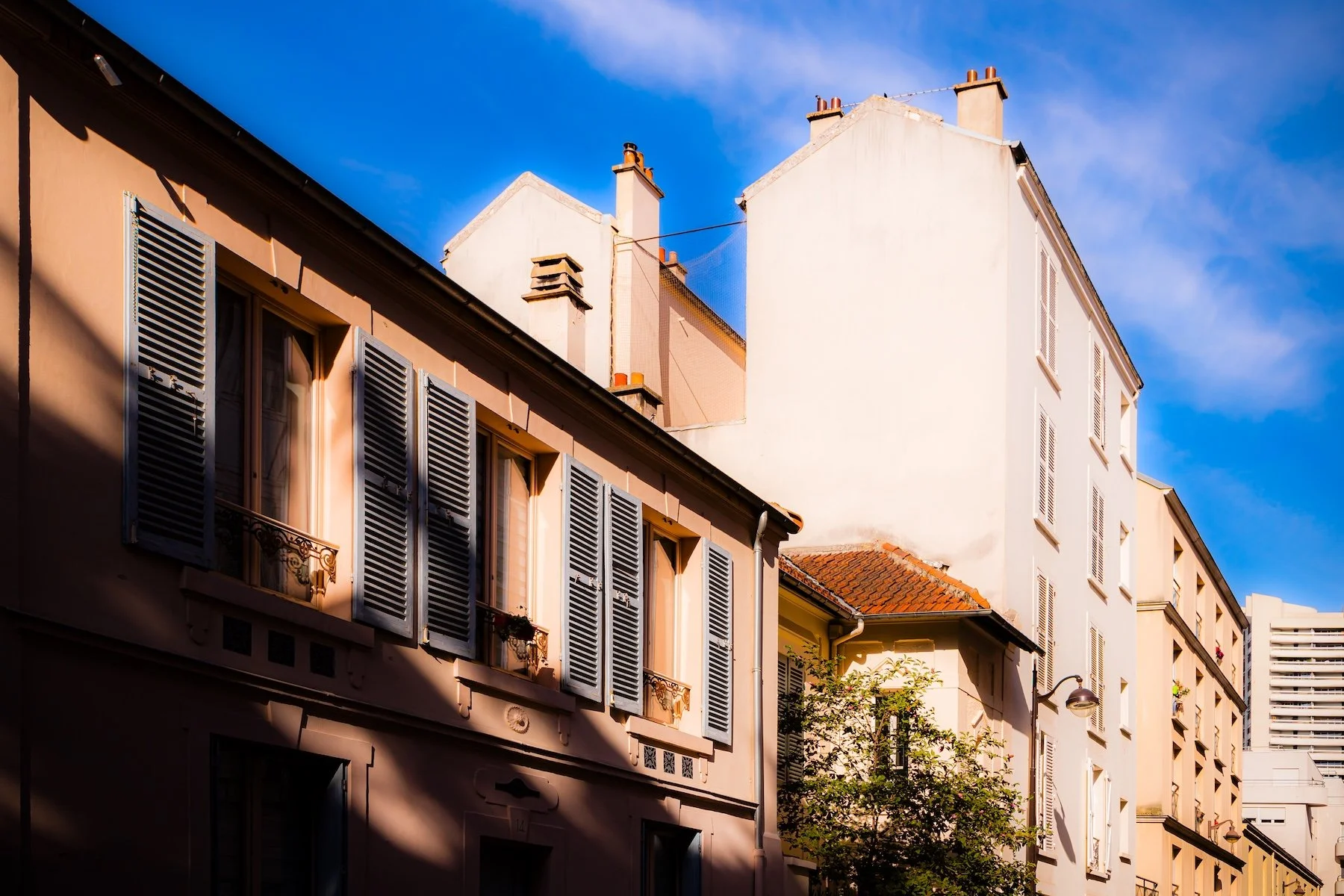
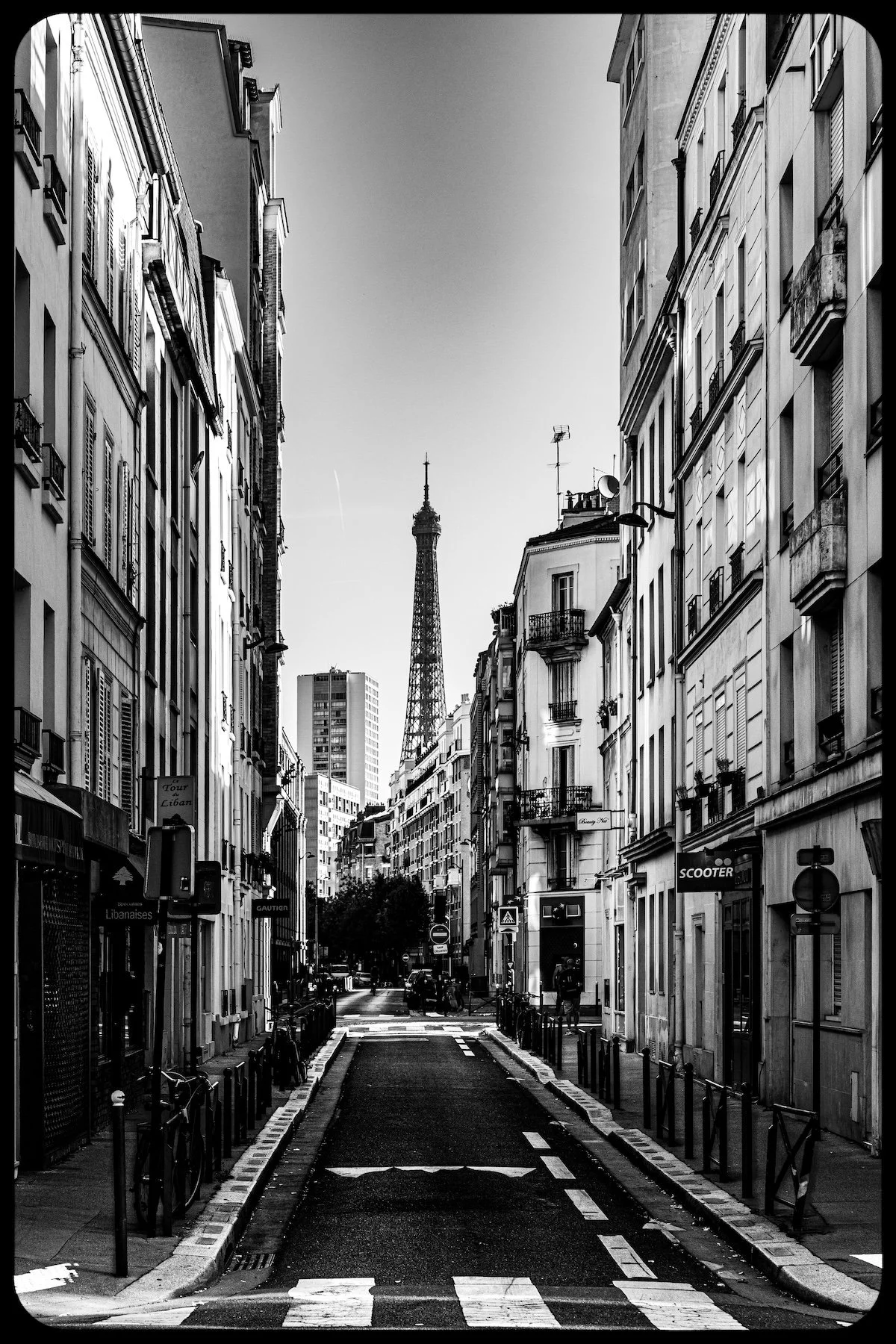
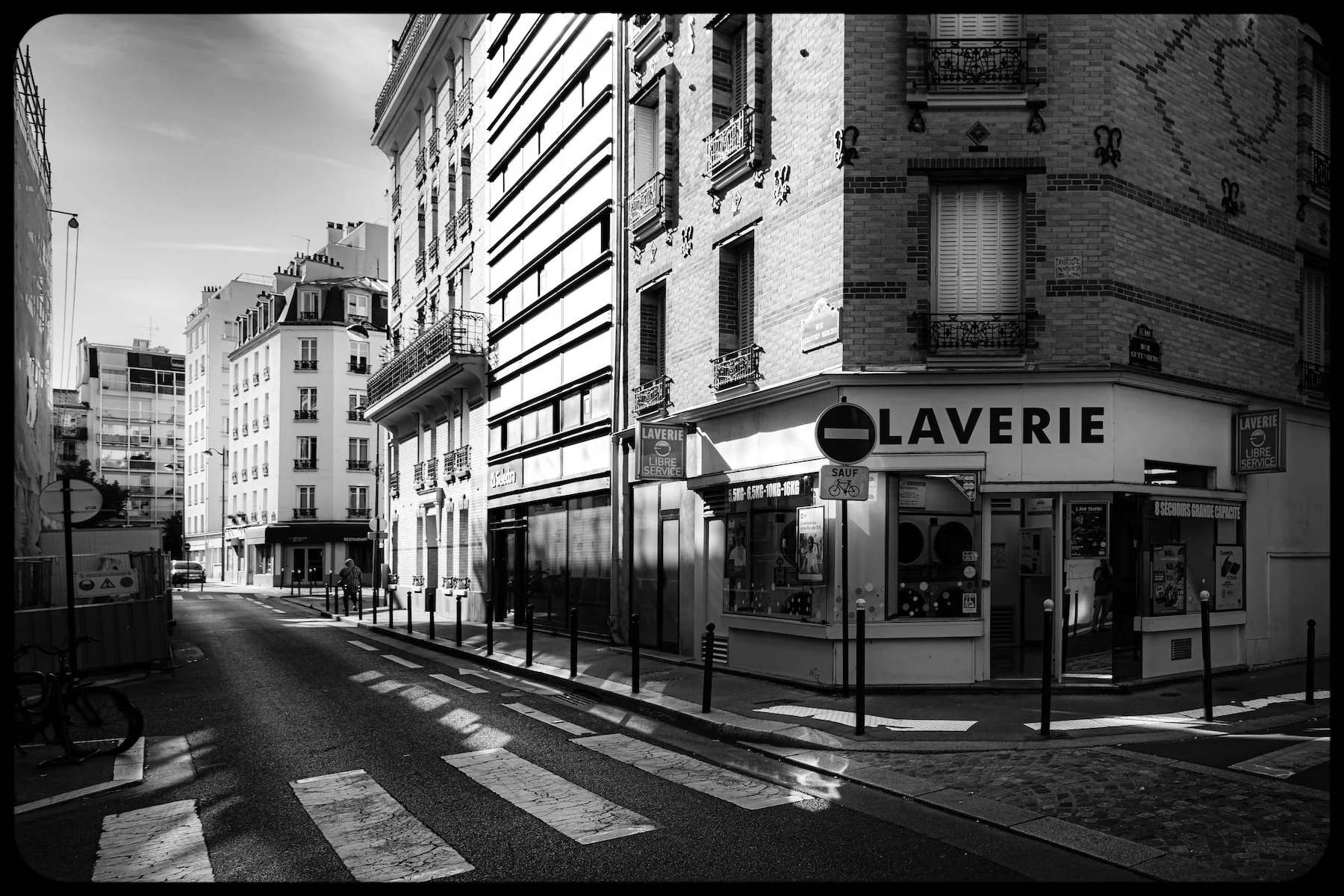
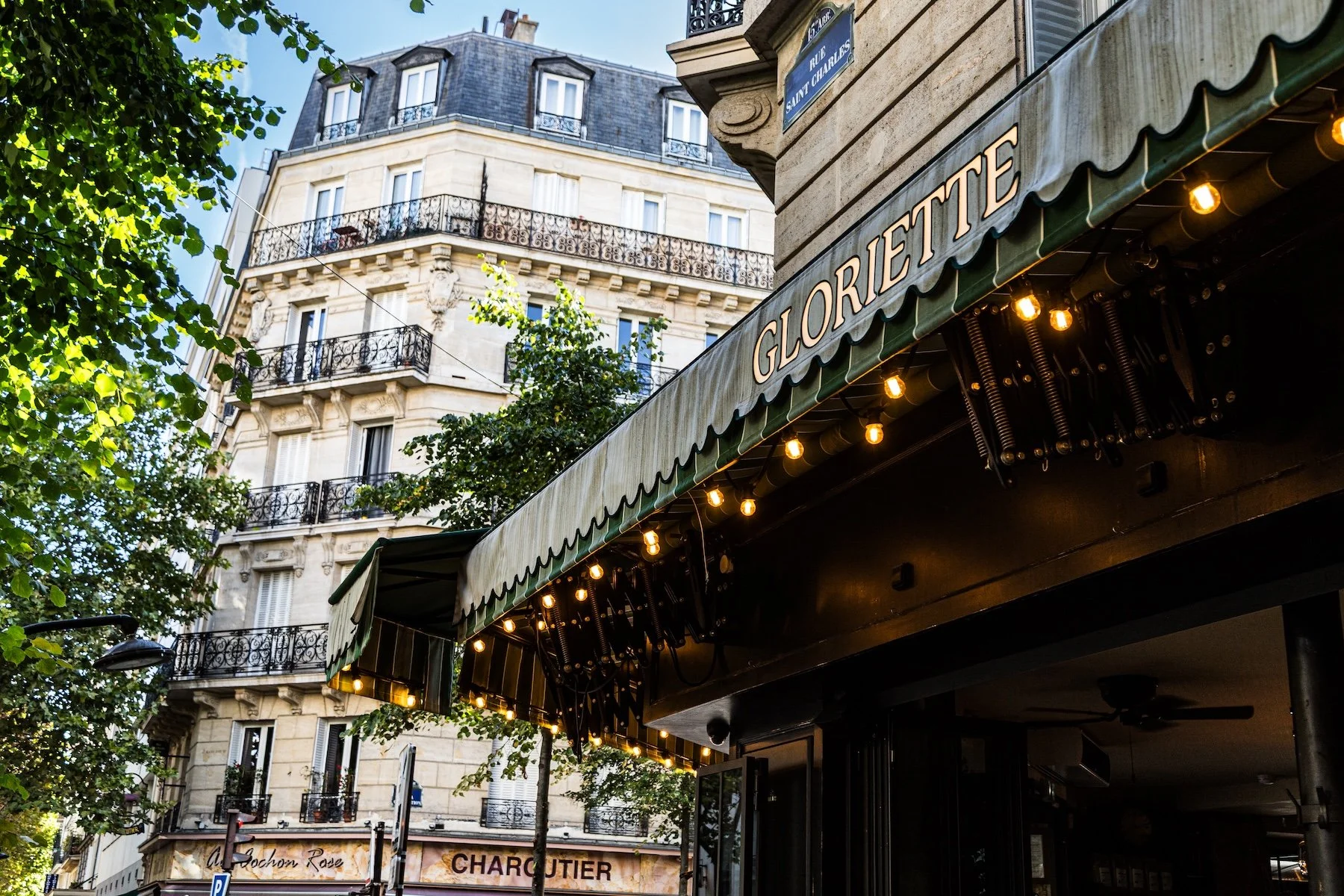
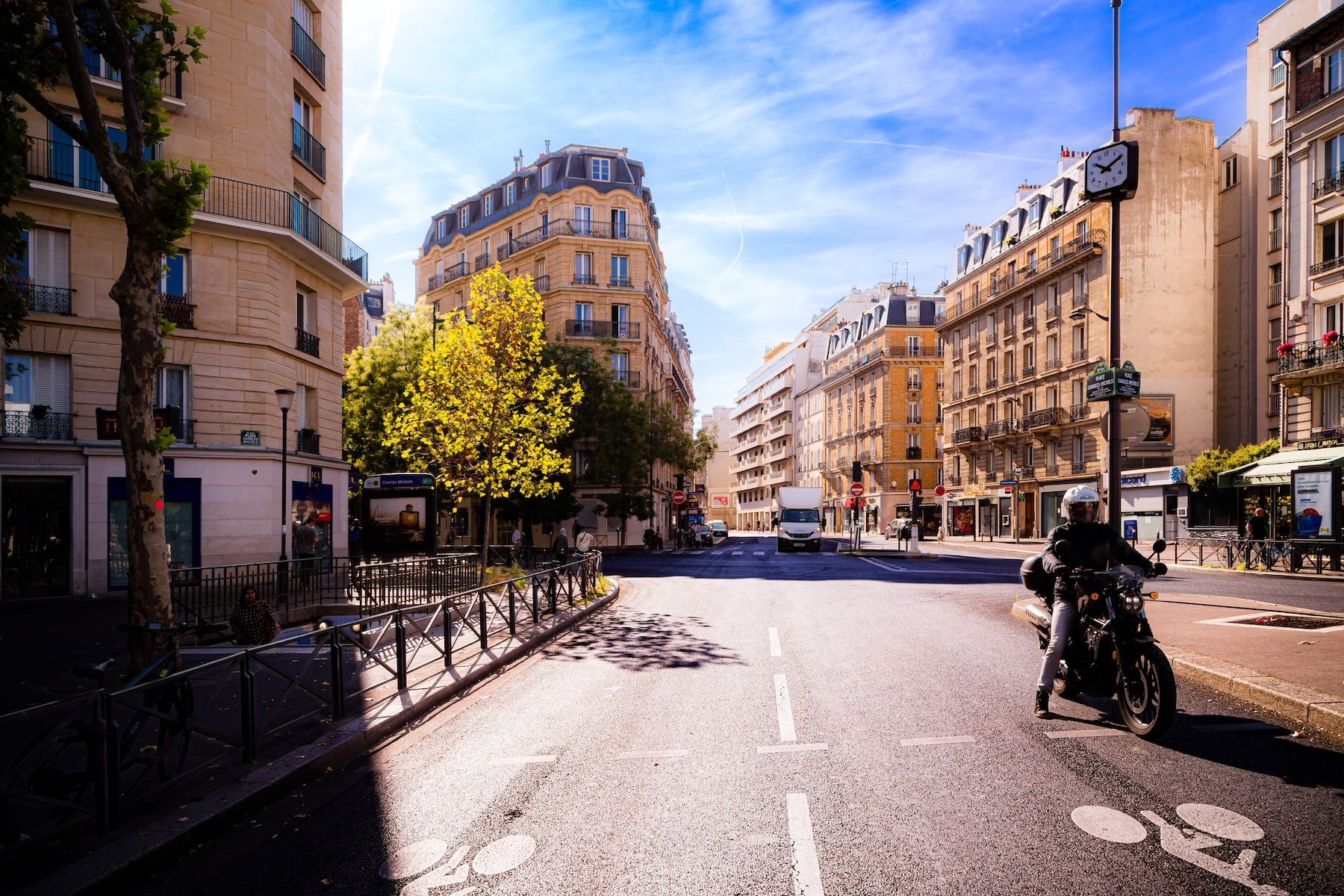
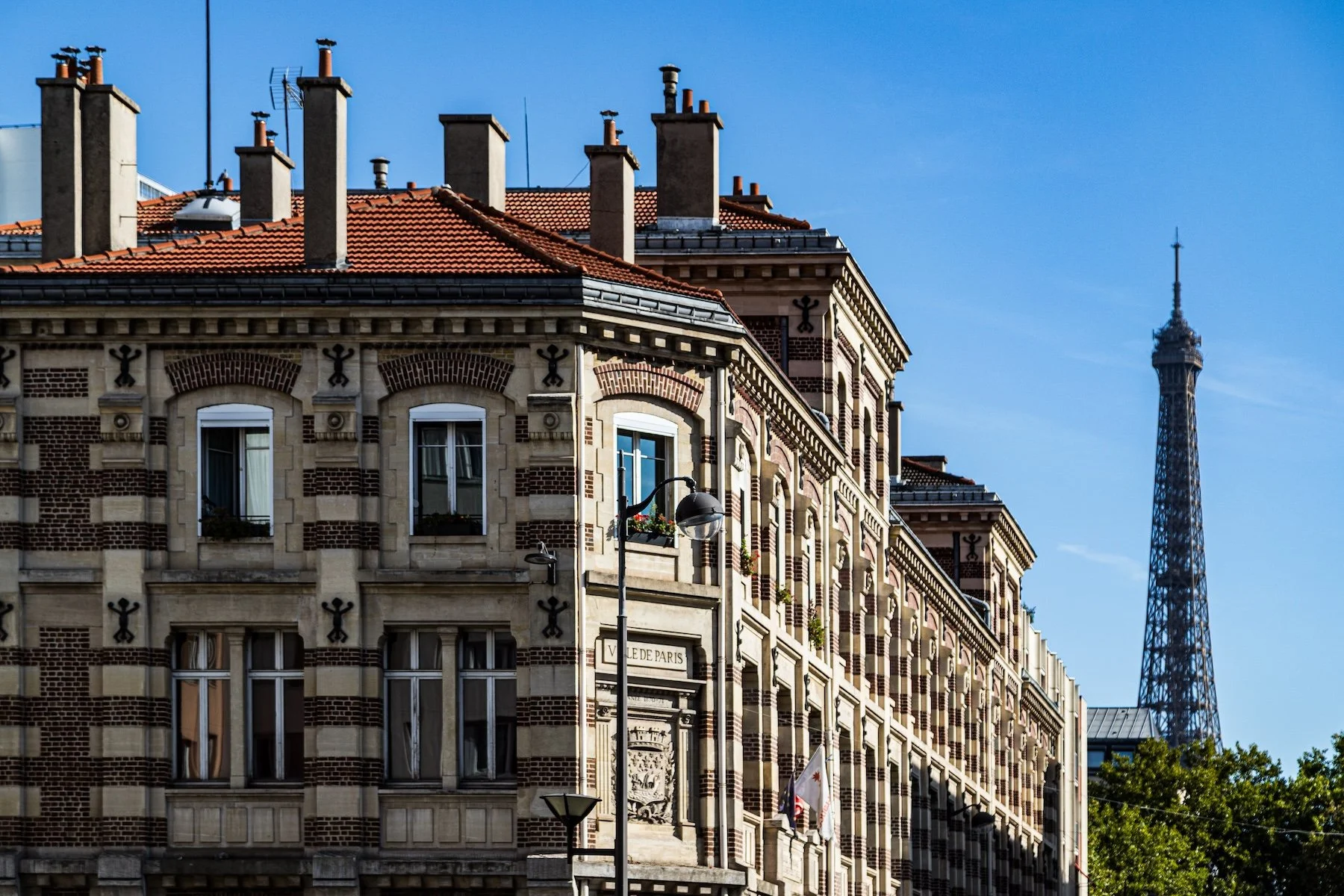
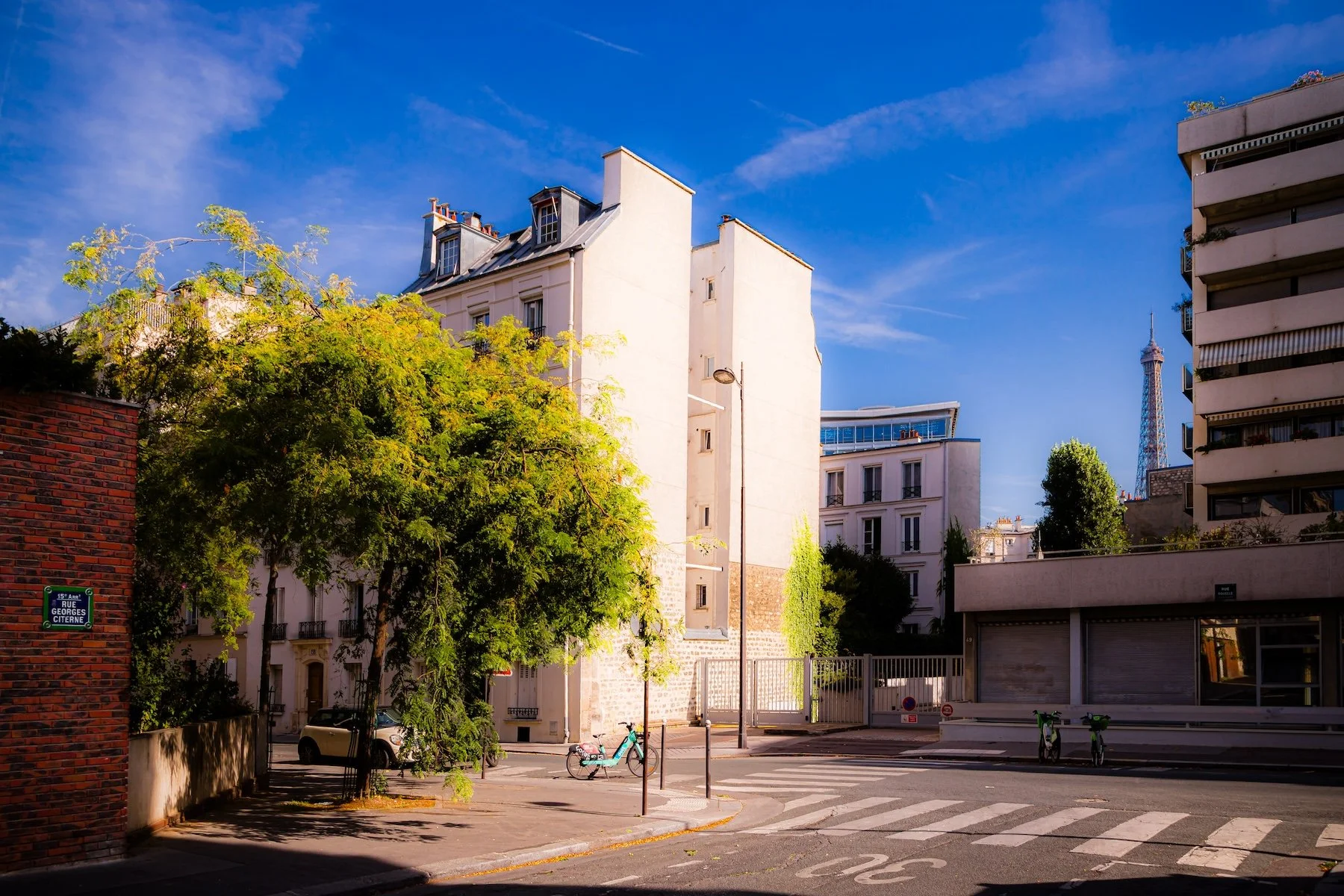
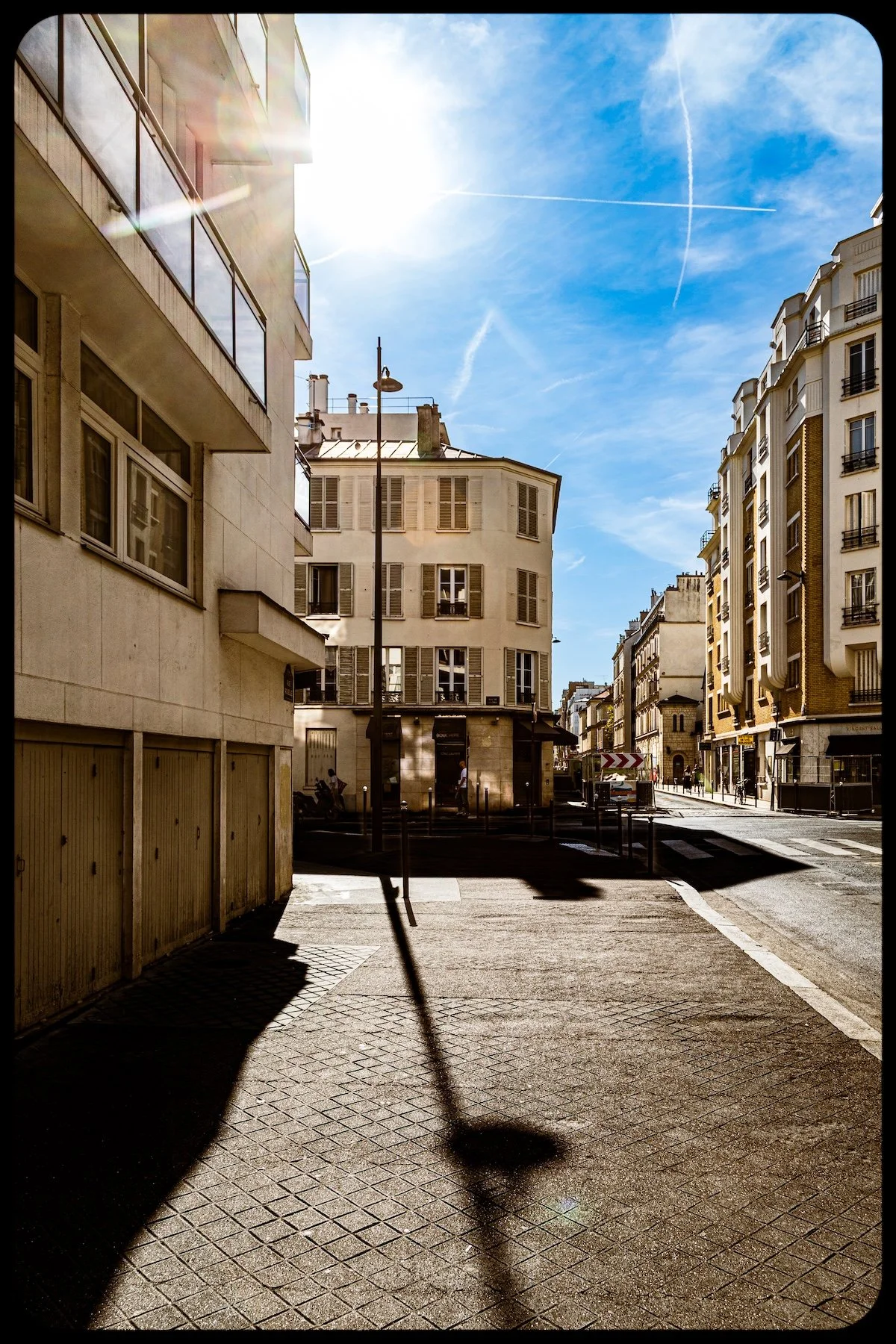
CityNeighborhoods Paris is built from walking, looking, and returning. Each district is approached through photography as a way of paying attention: to the obvious landmarks and the quieter details, to historic structures and ordinary streets, to the moments where civic geography becomes lived experience. The camera becomes a tool for noticing how Paris changes from one district to the next, and how each place holds its own relationship to the larger city.
As photographs are processed and added, this section will become a more specific visual record of the district. Future updates may include dated field notes, galleries, and reflections from individual walks. For now, the page remains part of the larger CityNeighborhoods effort to document every Paris neighborhood through maps, history, identity, and photography — one district, one walk, and one visual encounter at a time.
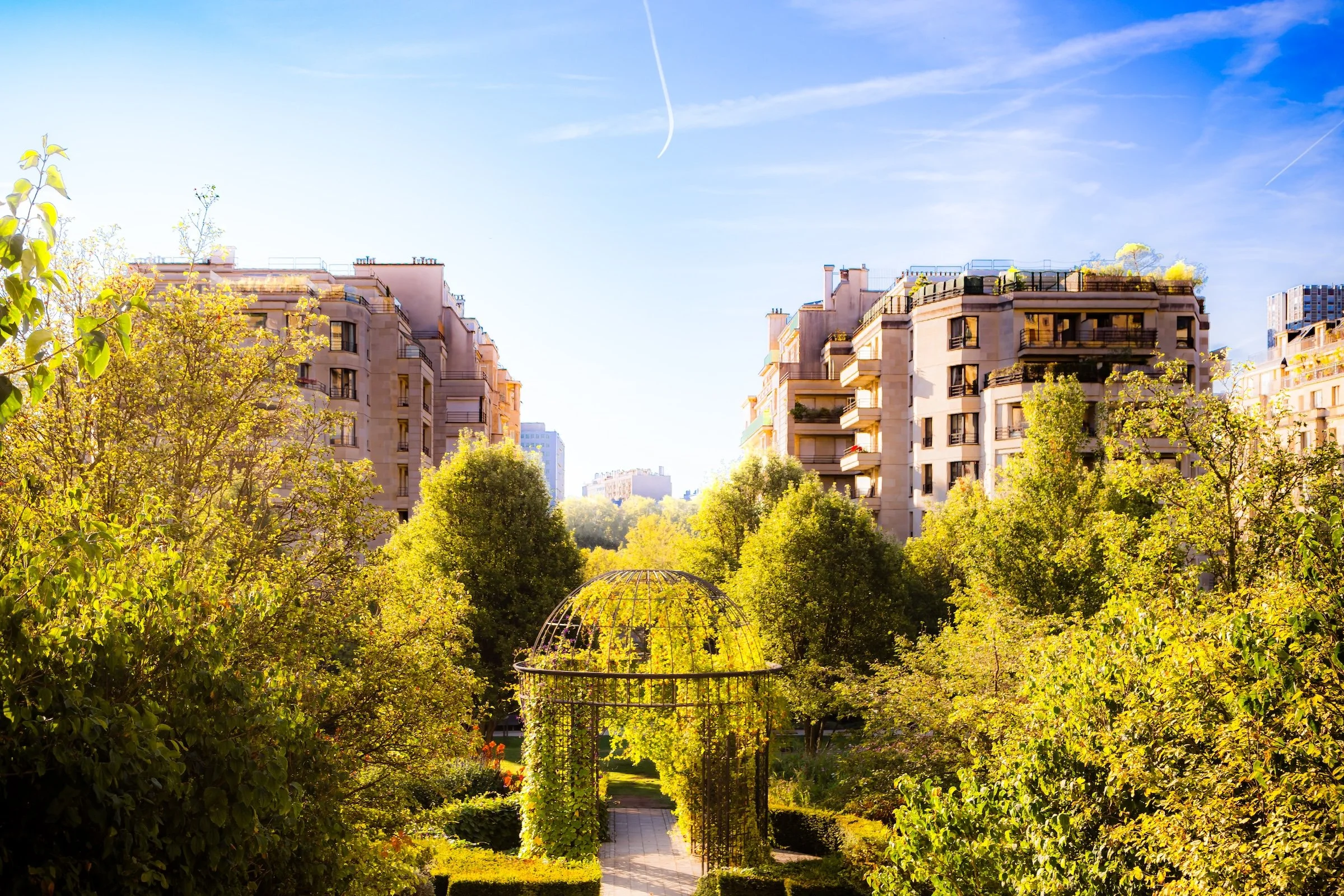
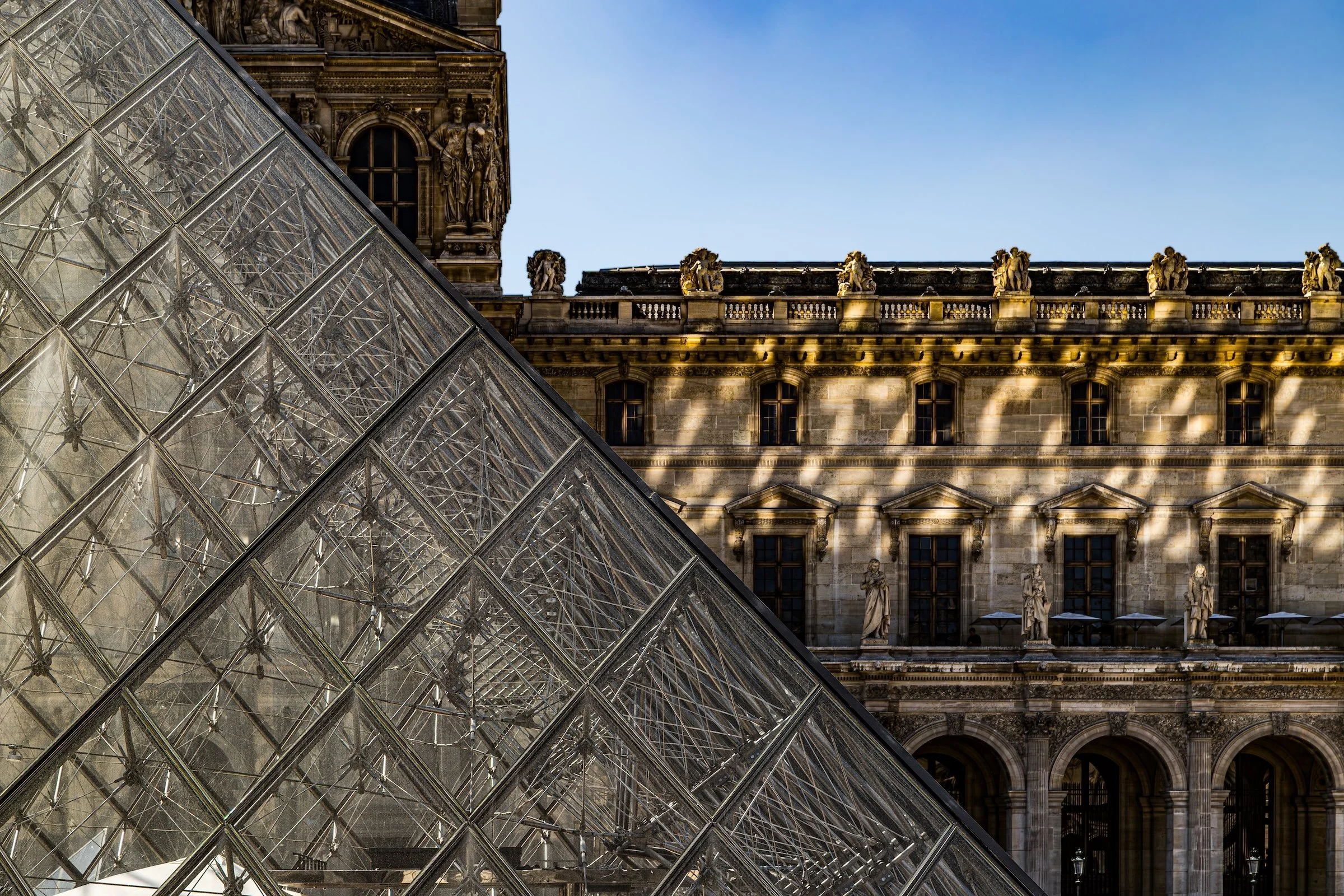
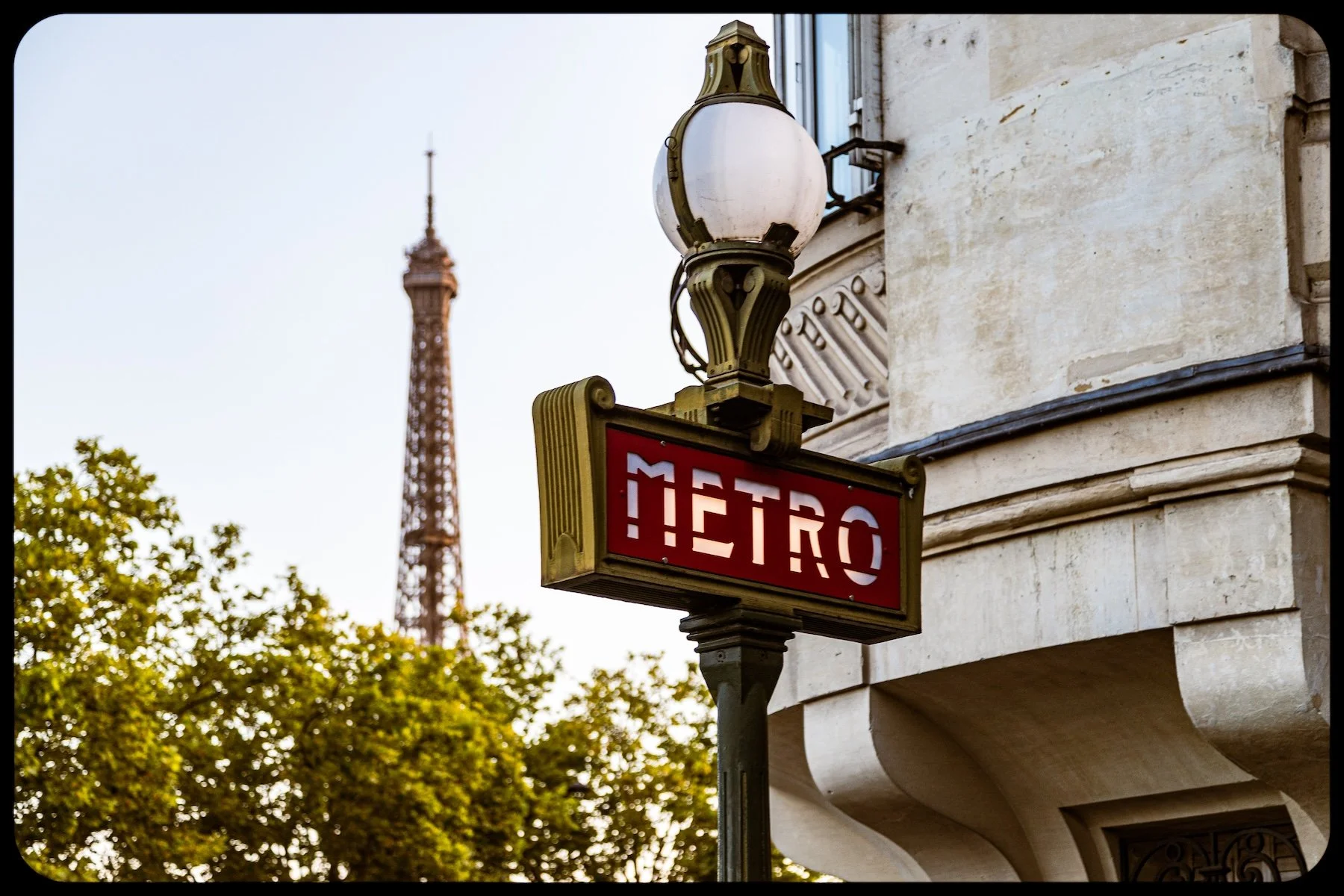
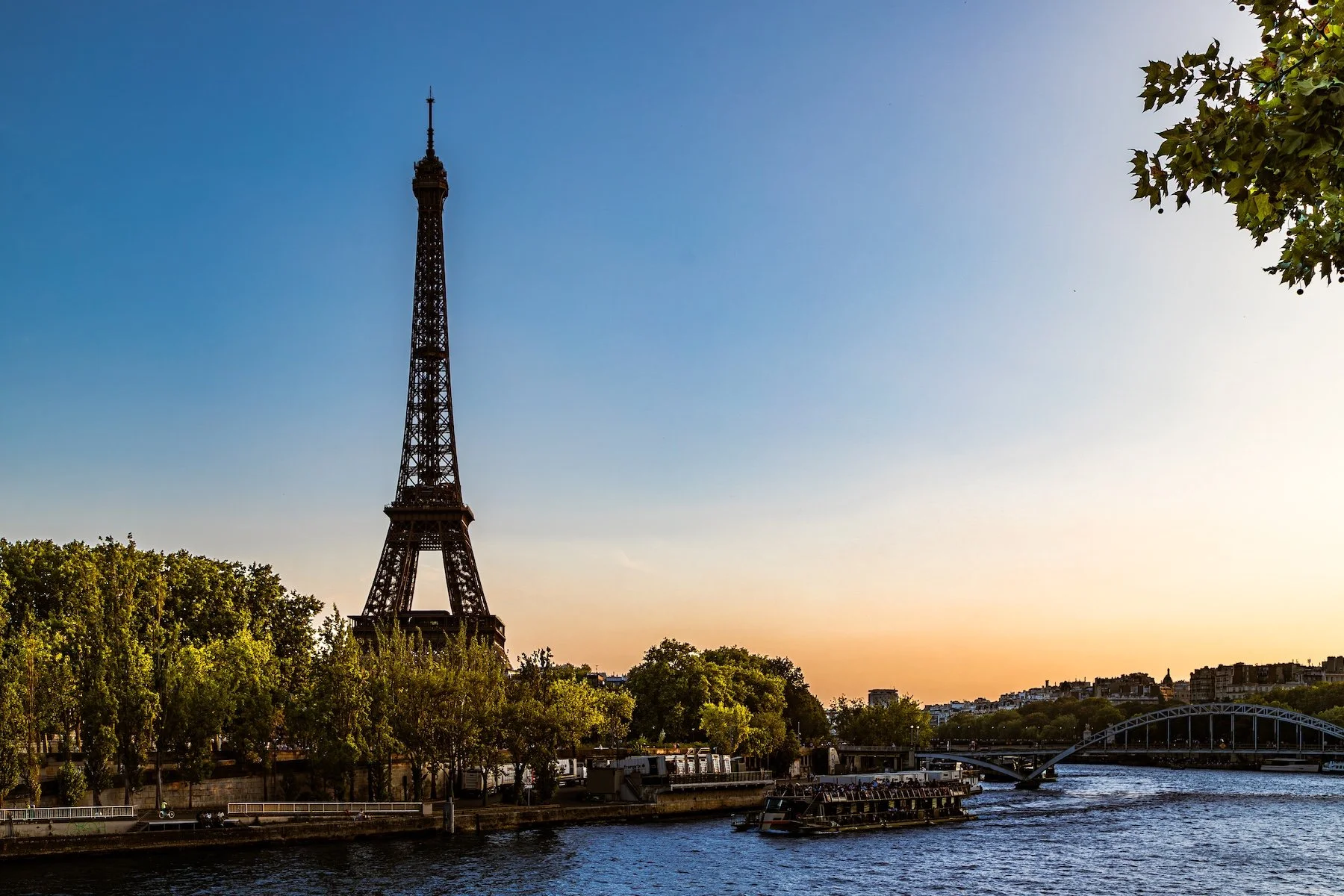
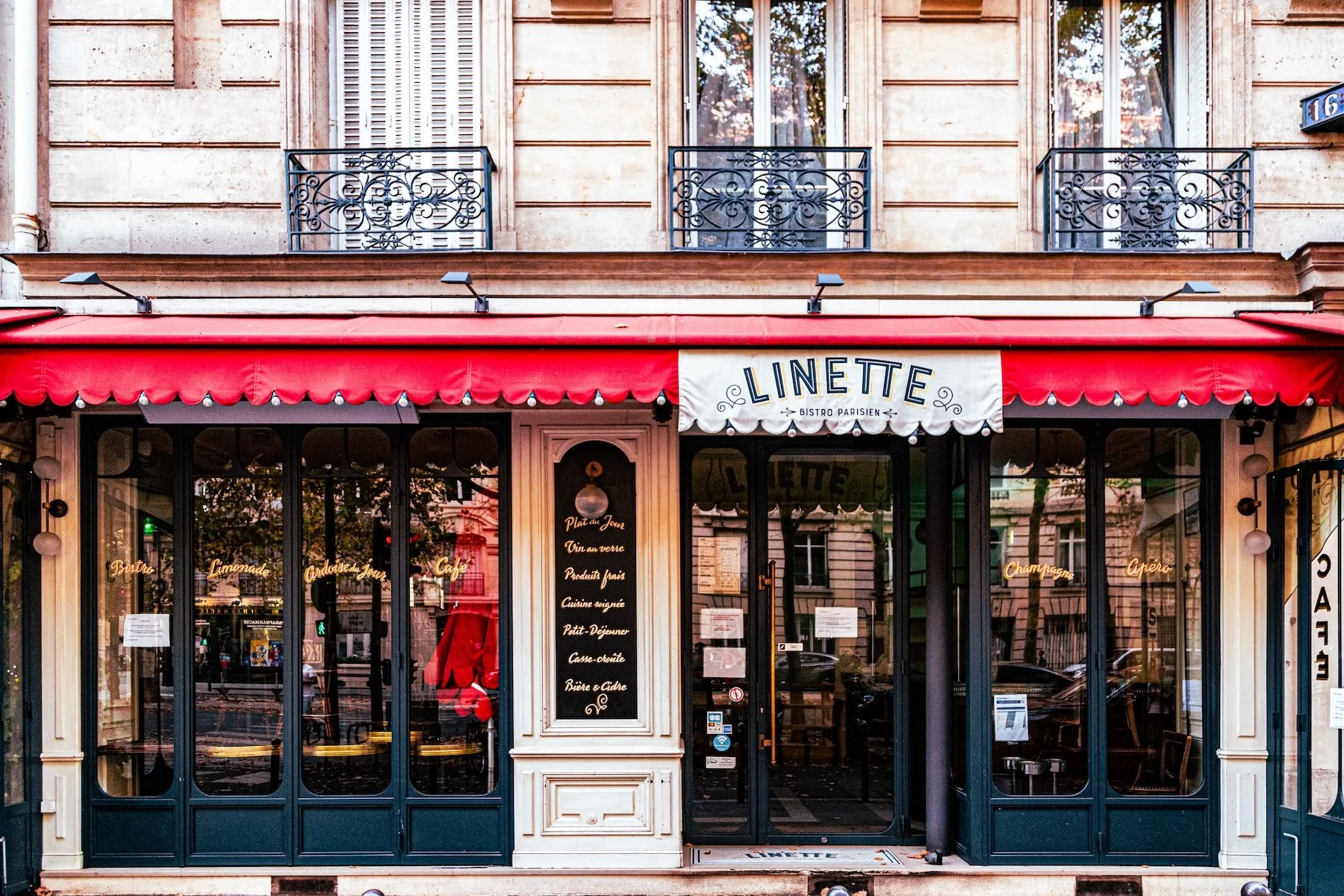
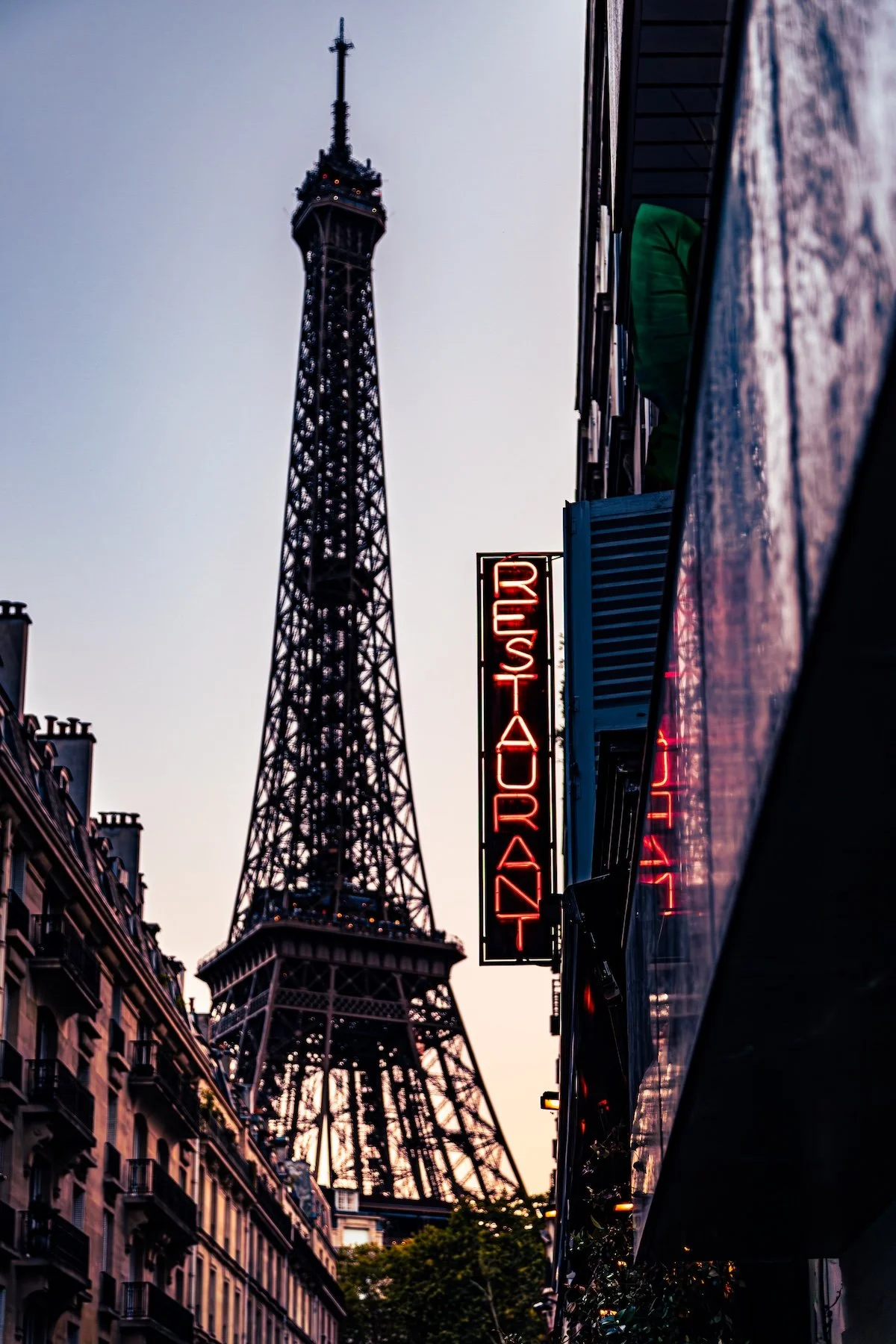
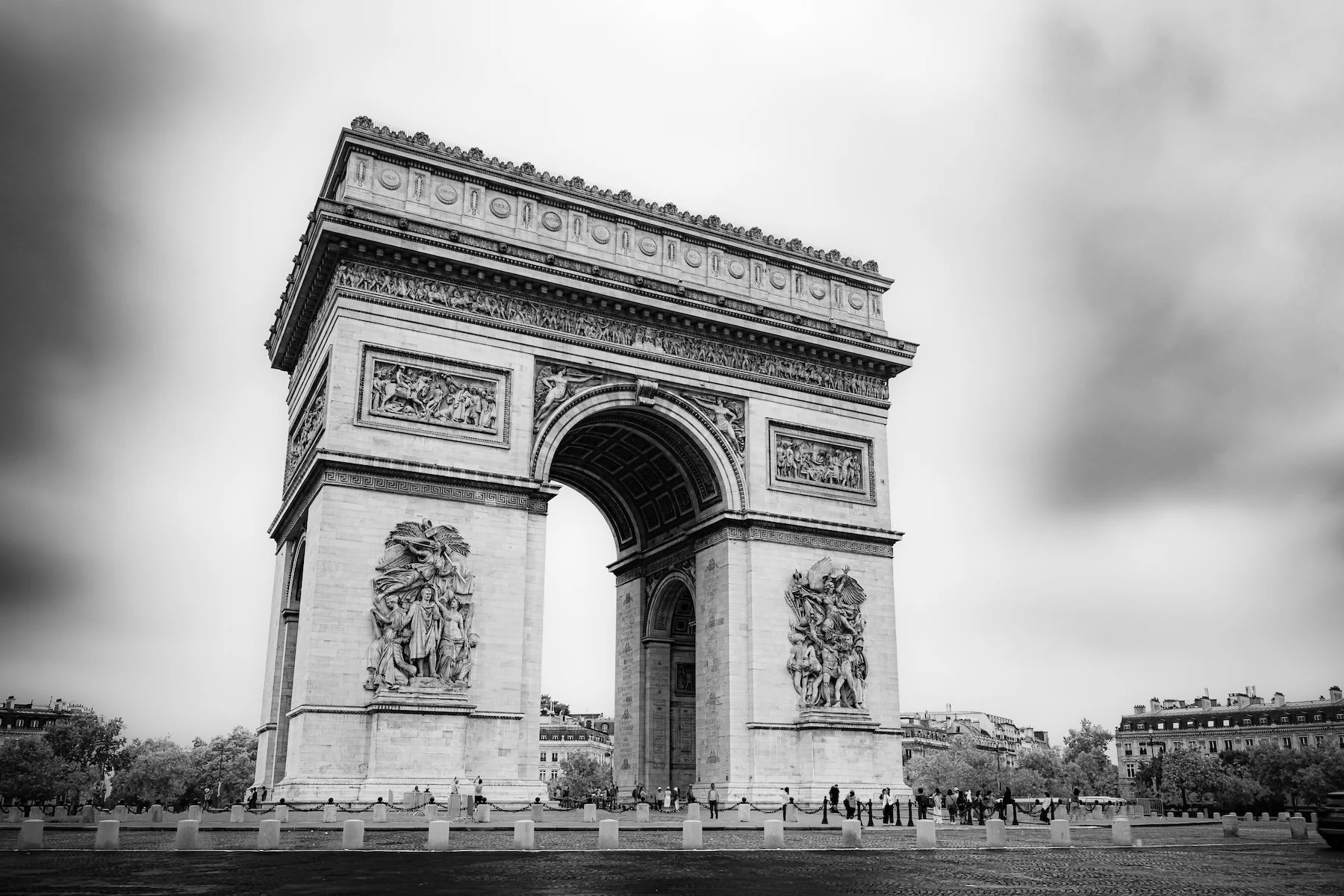
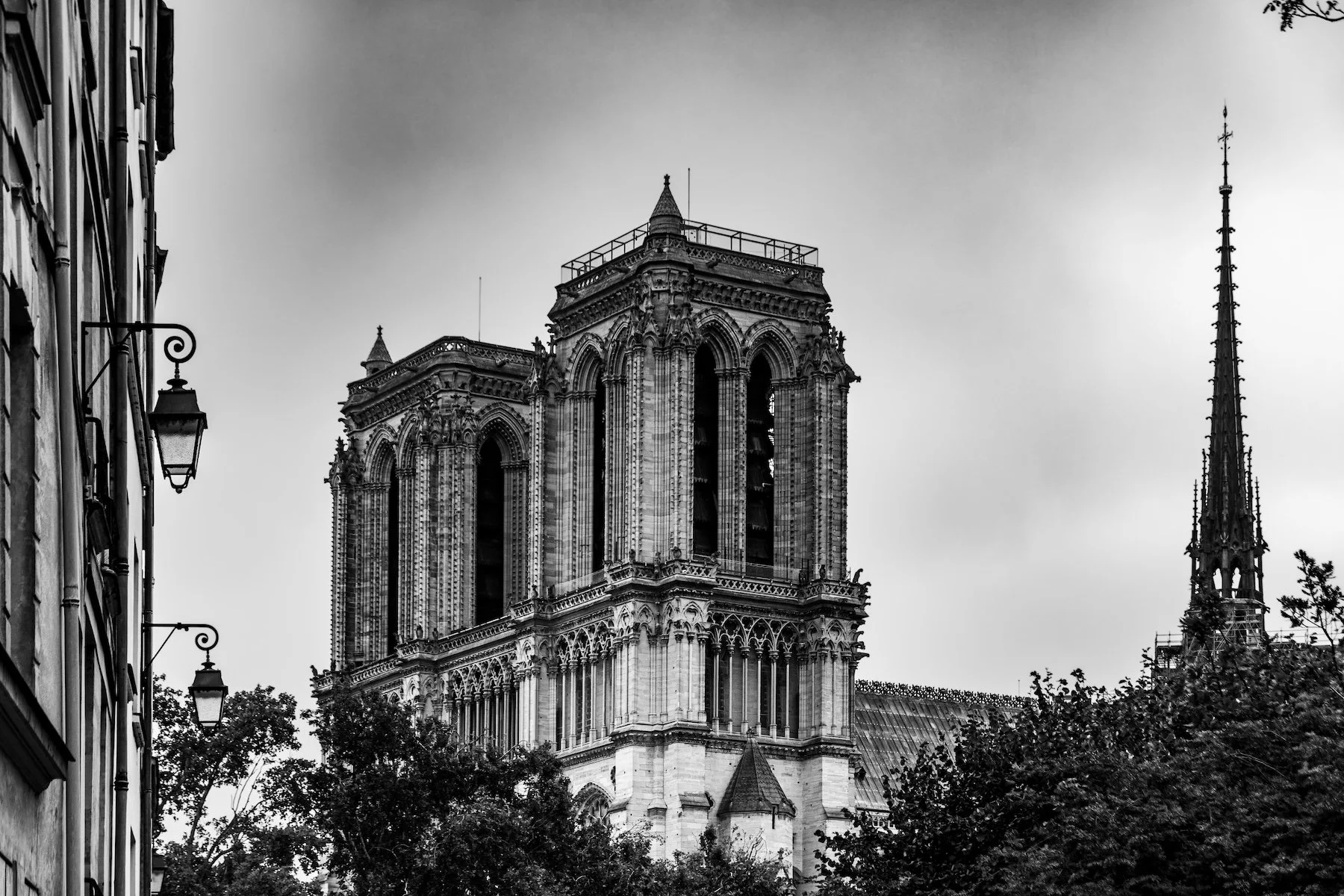
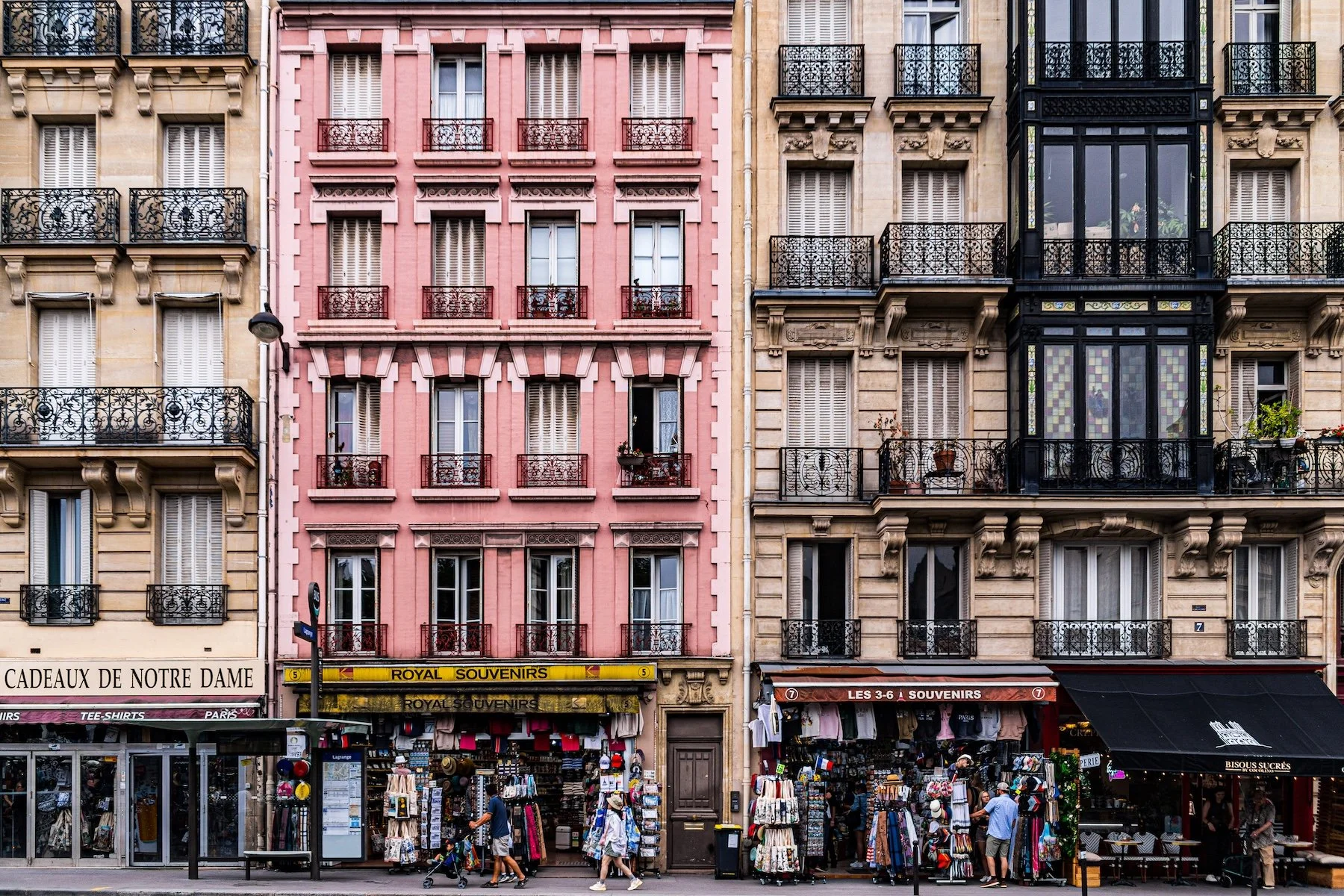
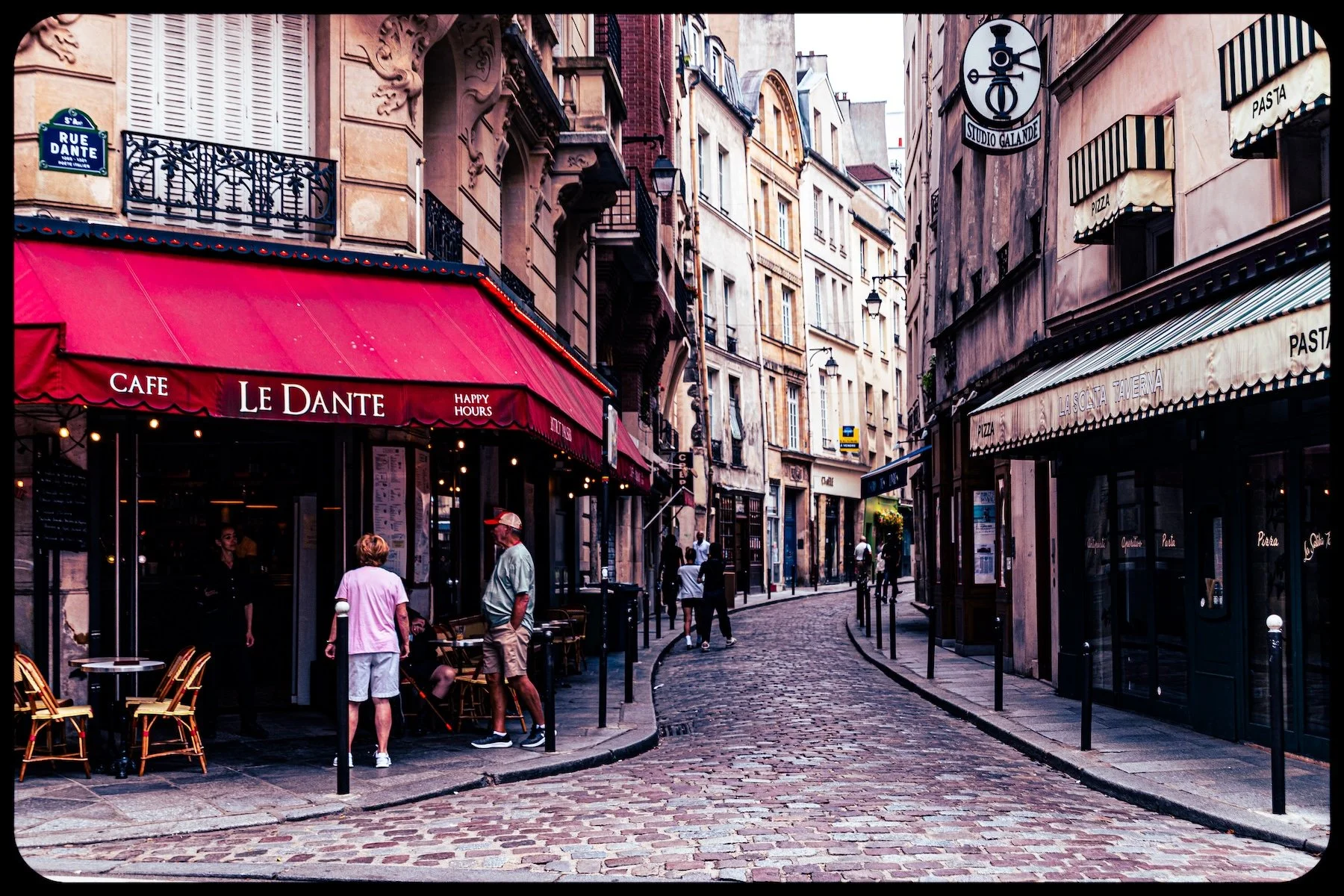
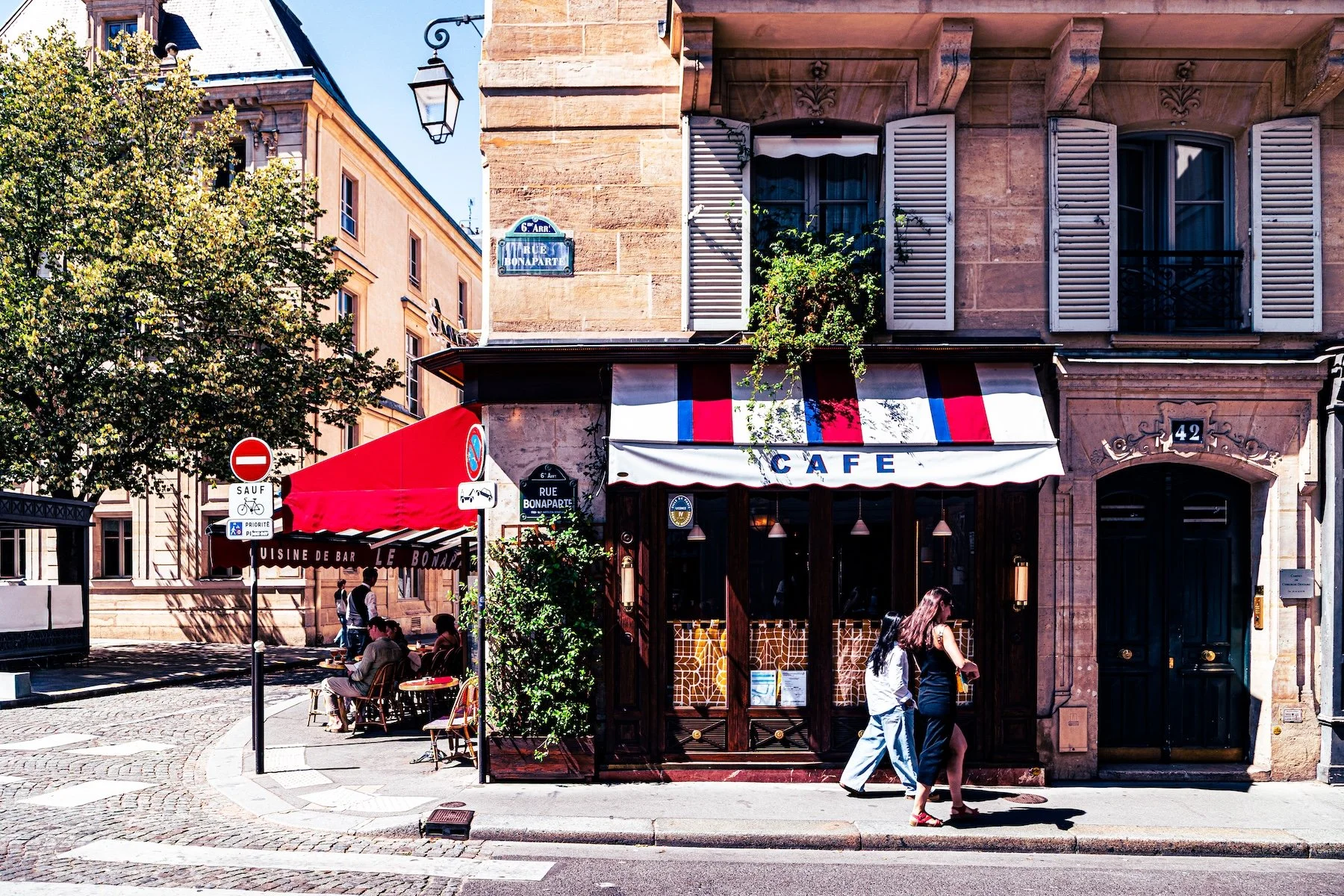
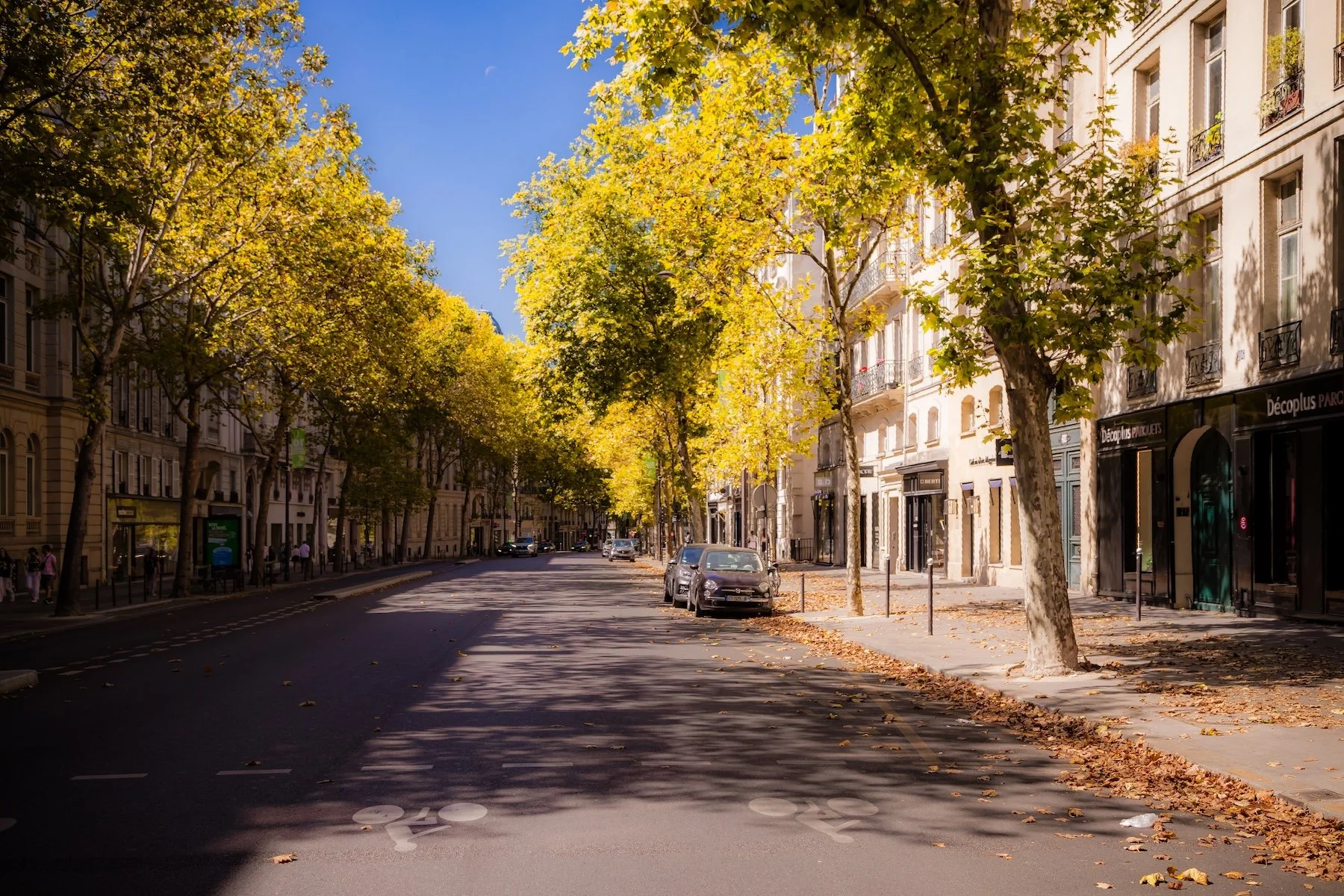
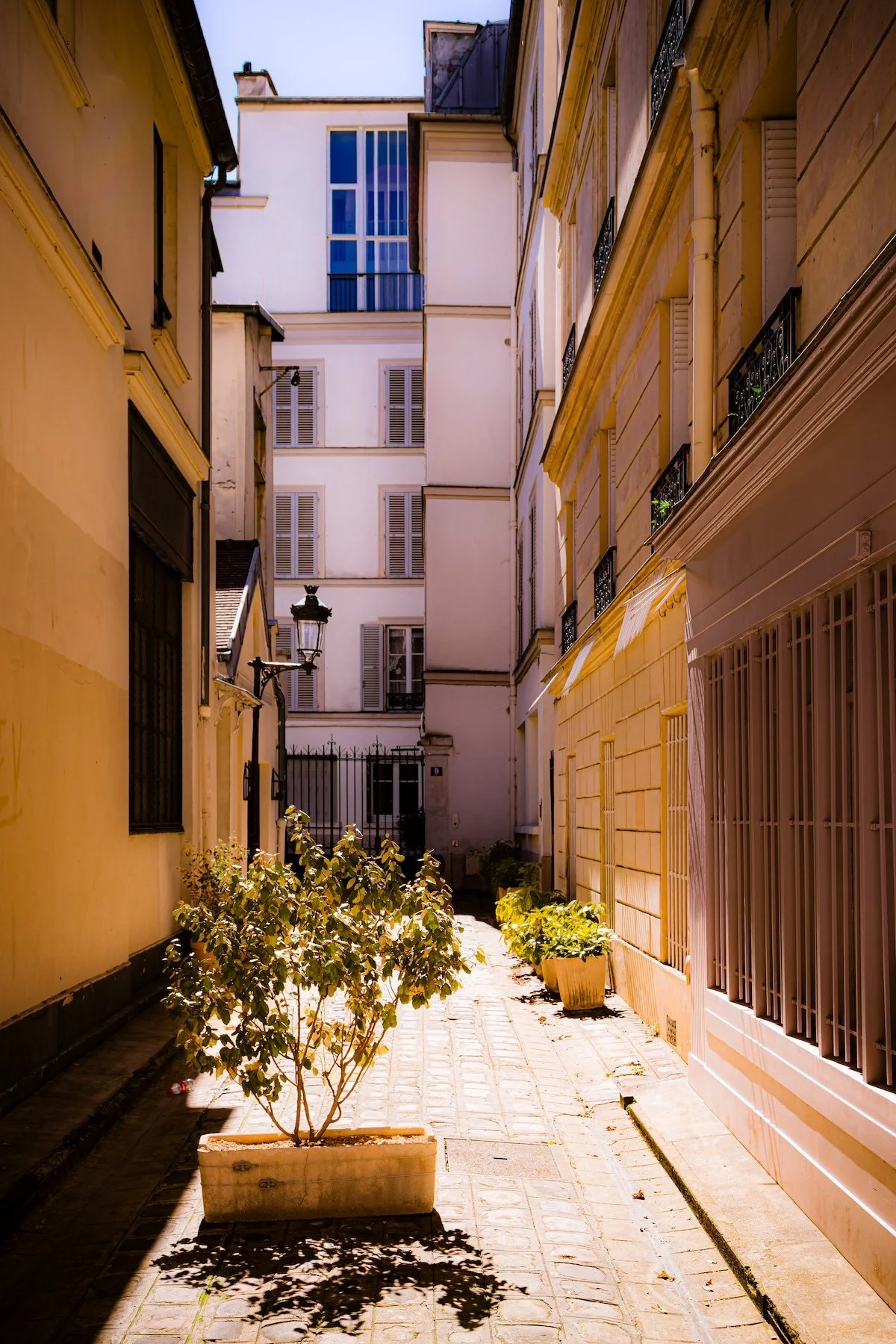
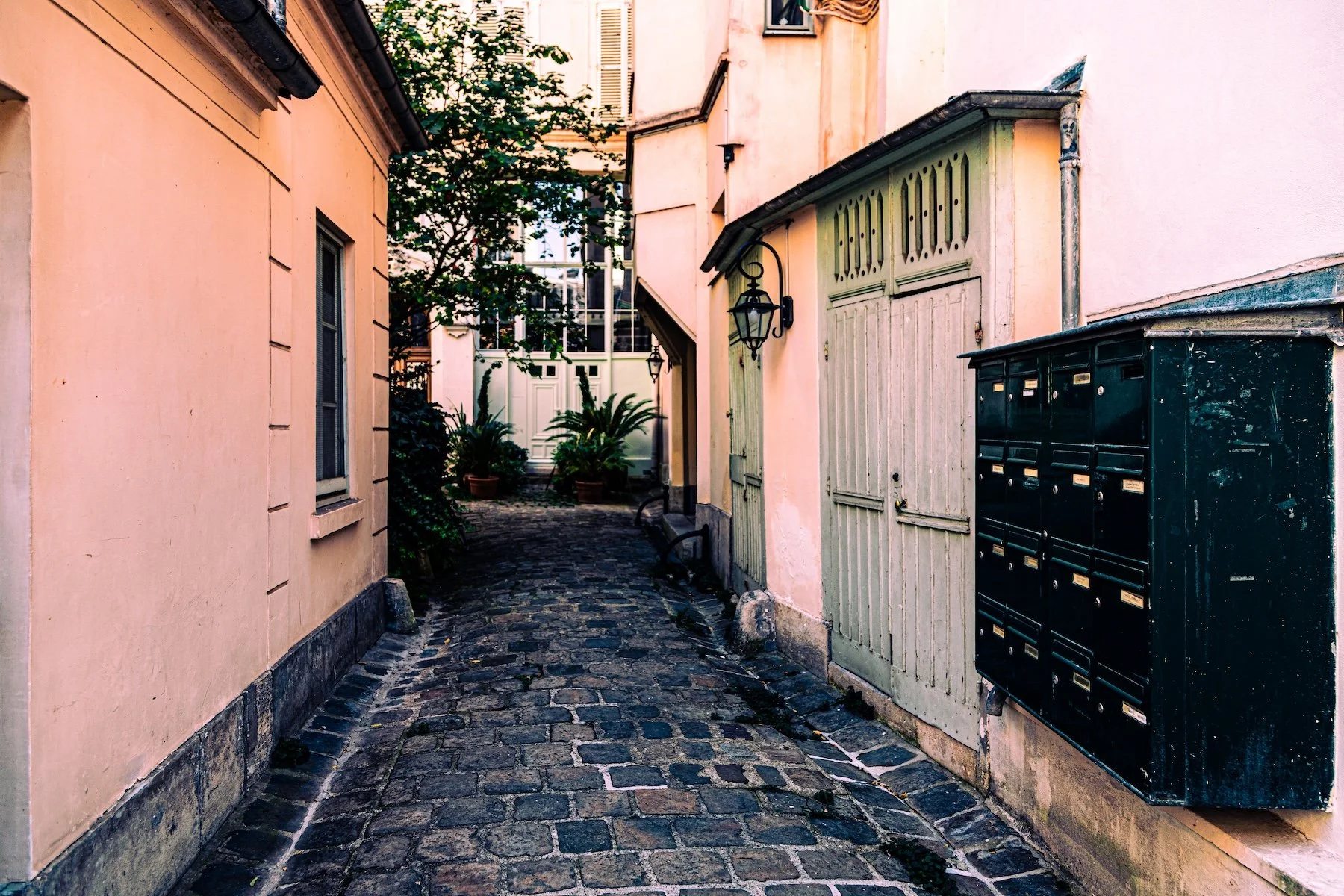
If you visit Paris, these ideas can help inspire your own photography.
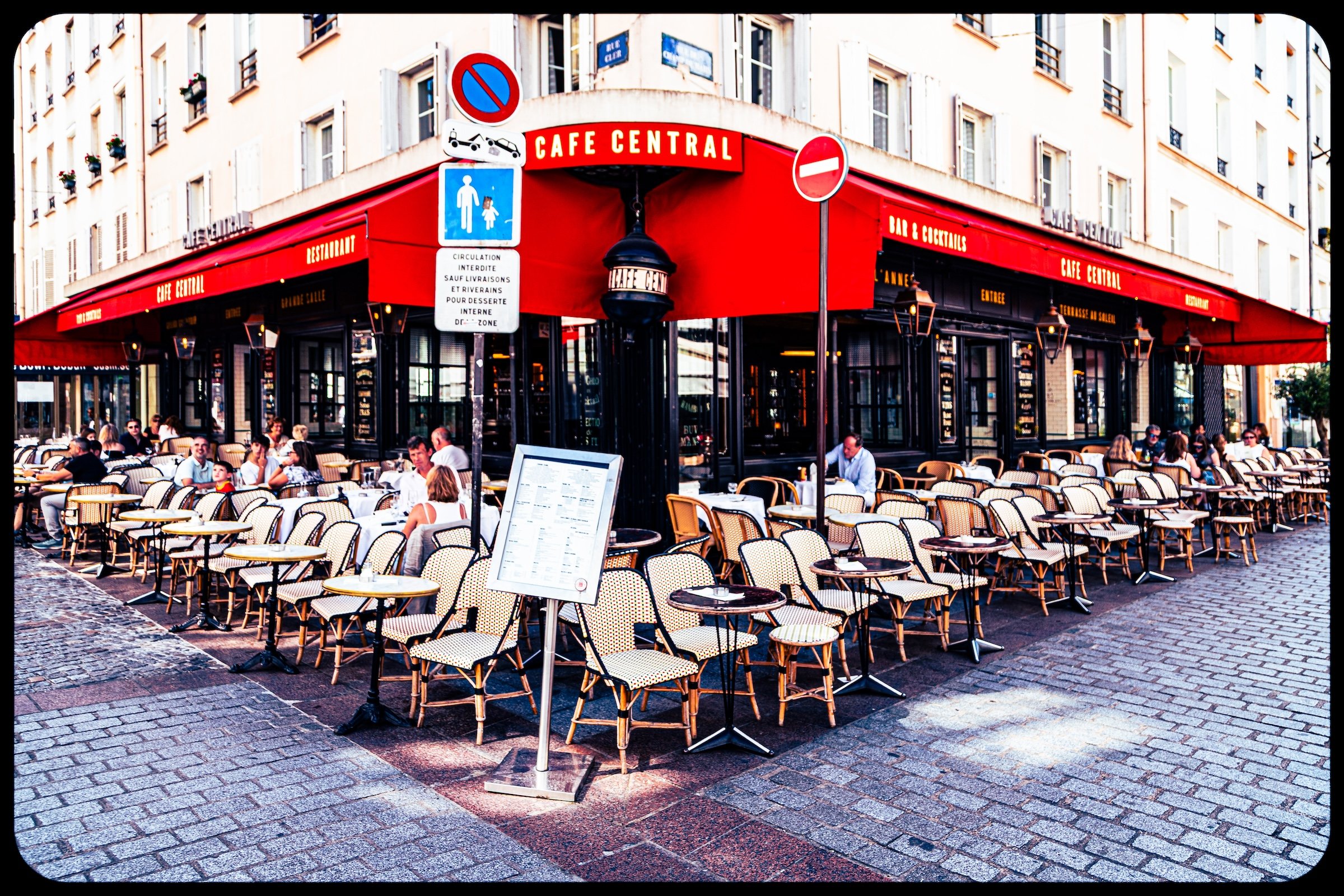
Paris: J’Espere, Je Rêve, Je Vive
Paris Photo Gallery
Paris Flâneur Notes
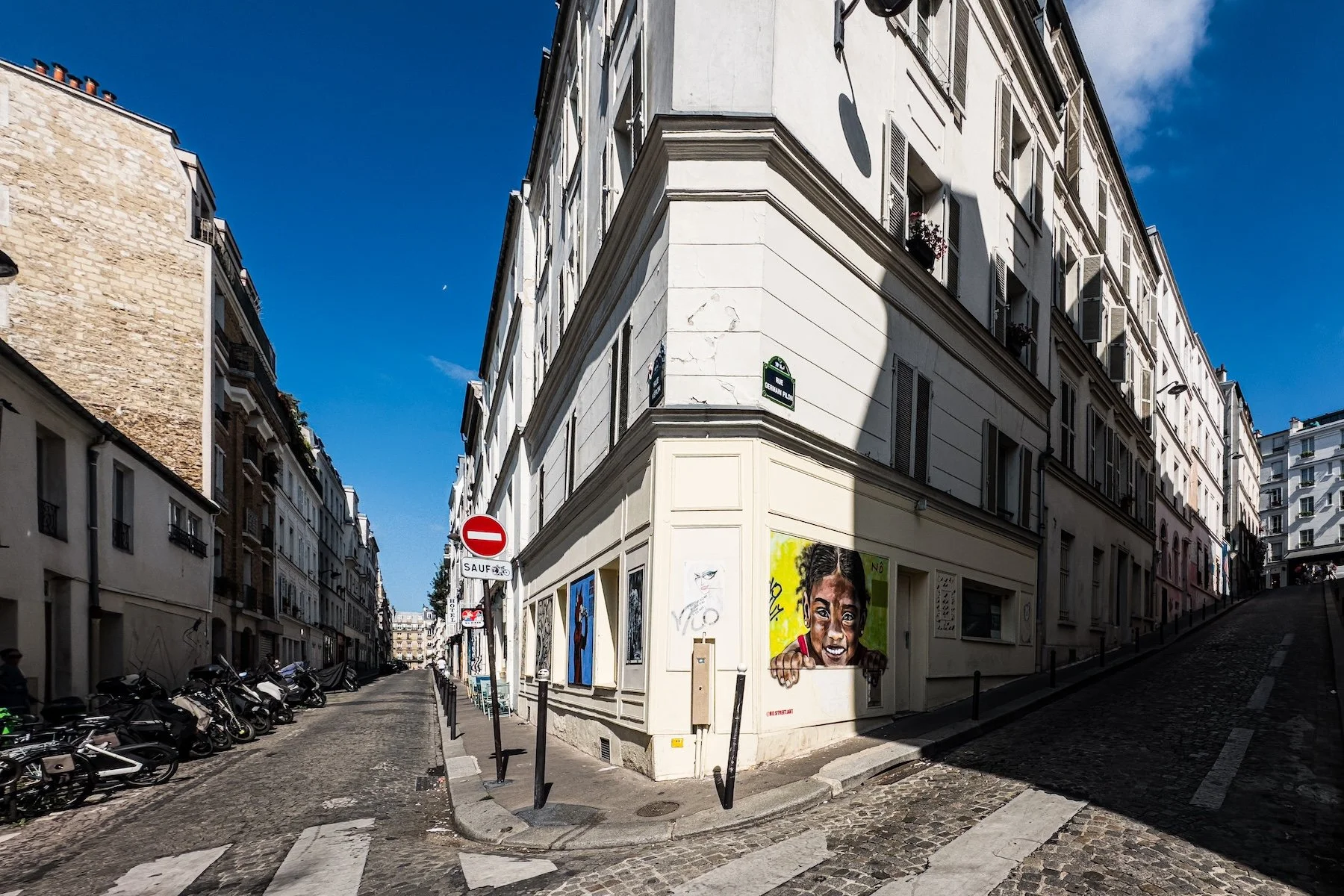
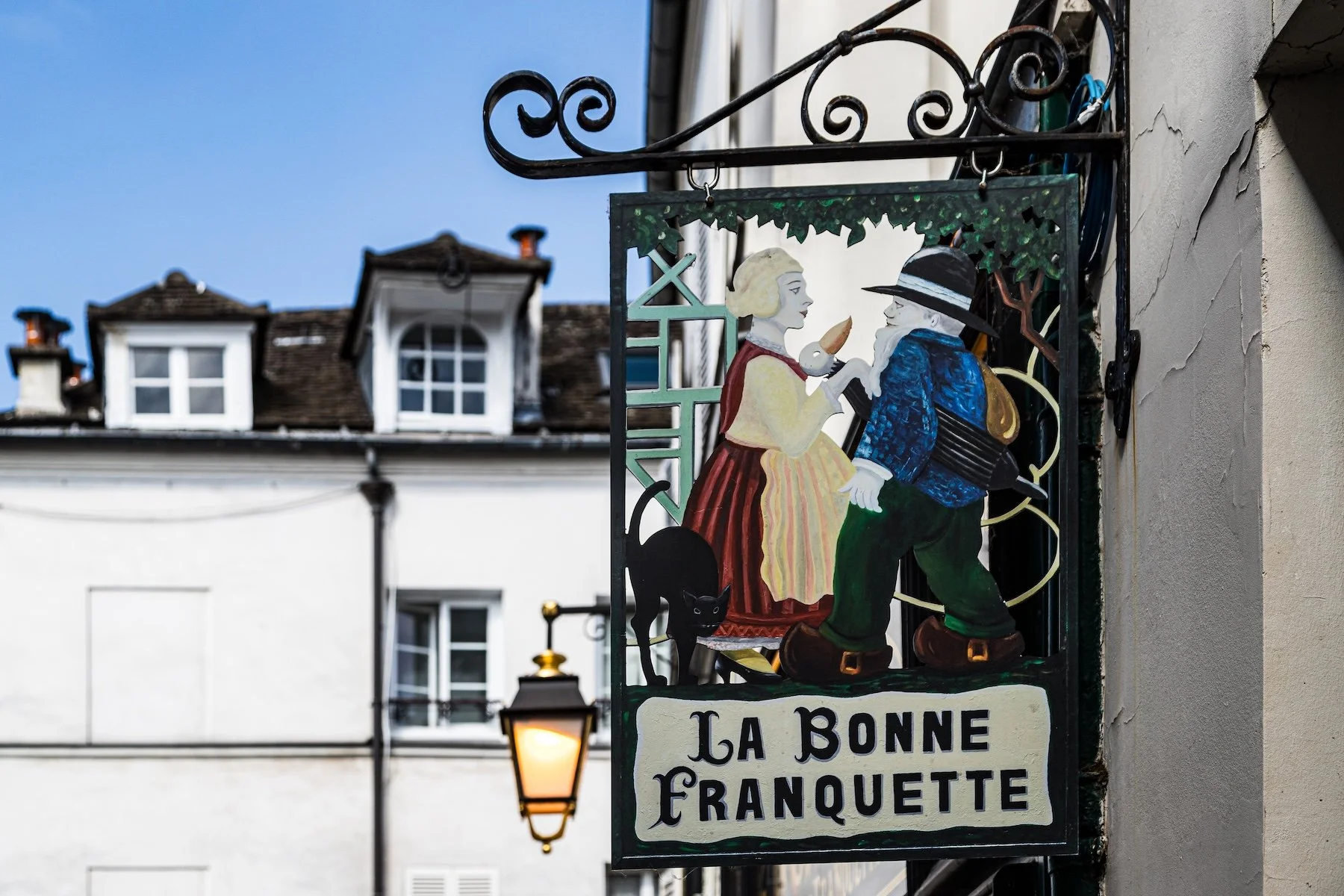
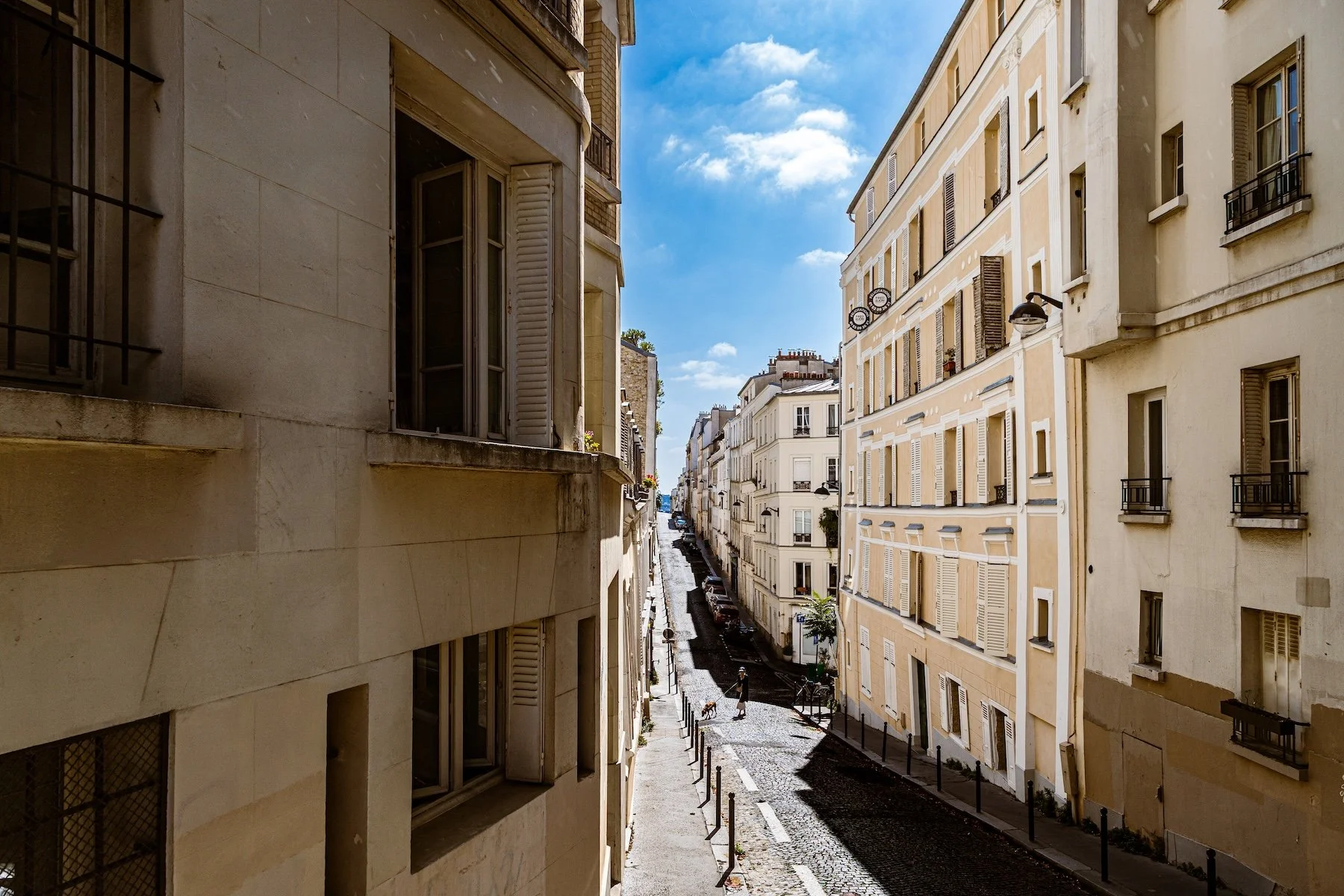
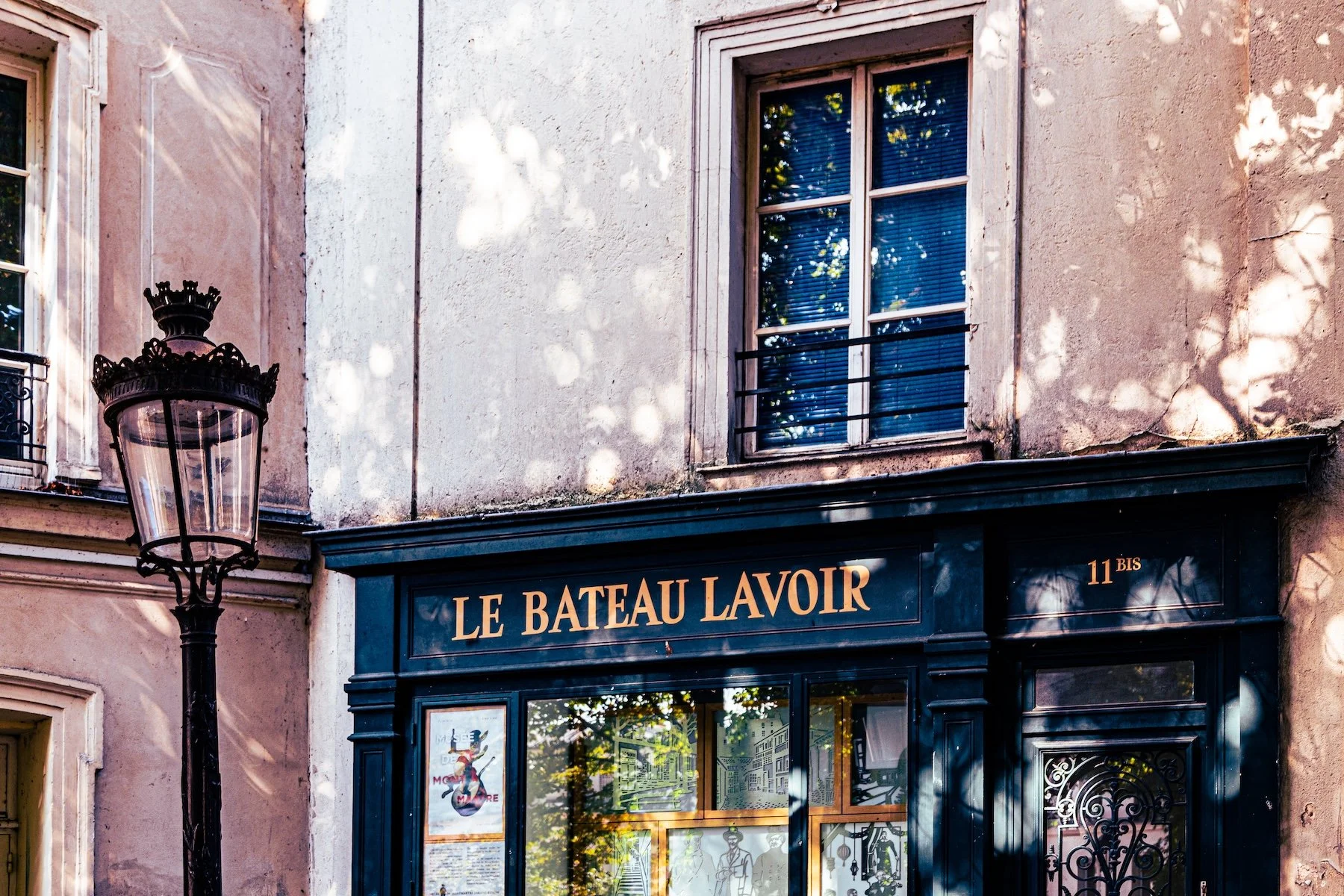
Flâneur Notes document the walks, photographs, light, and street-level observations behind this neighborhood entry. Learn more about the Spirit of the Flâneur.

Explore Paris
-

The twenty arrondissements form the civic spiral of Paris, organizing the city into its broad local districts of government, identity, and daily life.
-

Each arrondissement is divided into four official administrative quarters, giving Paris a more precise civic and geographic framework.
-

The conseils de quartier bring participation to street level, giving residents a voice in neighborhood needs, public space, and local civic life.
-

Les Deux Rives trace Paris through the Seine’s two banks, revealing how the Rive Droite and Rive Gauche shaped the city’s civic power, commerce, learning, art, and cultural identity.
-

Cultural neighborhoods reveal the Paris people recognize through history, cafés, architecture, memory, atmosphere, and local belonging.