
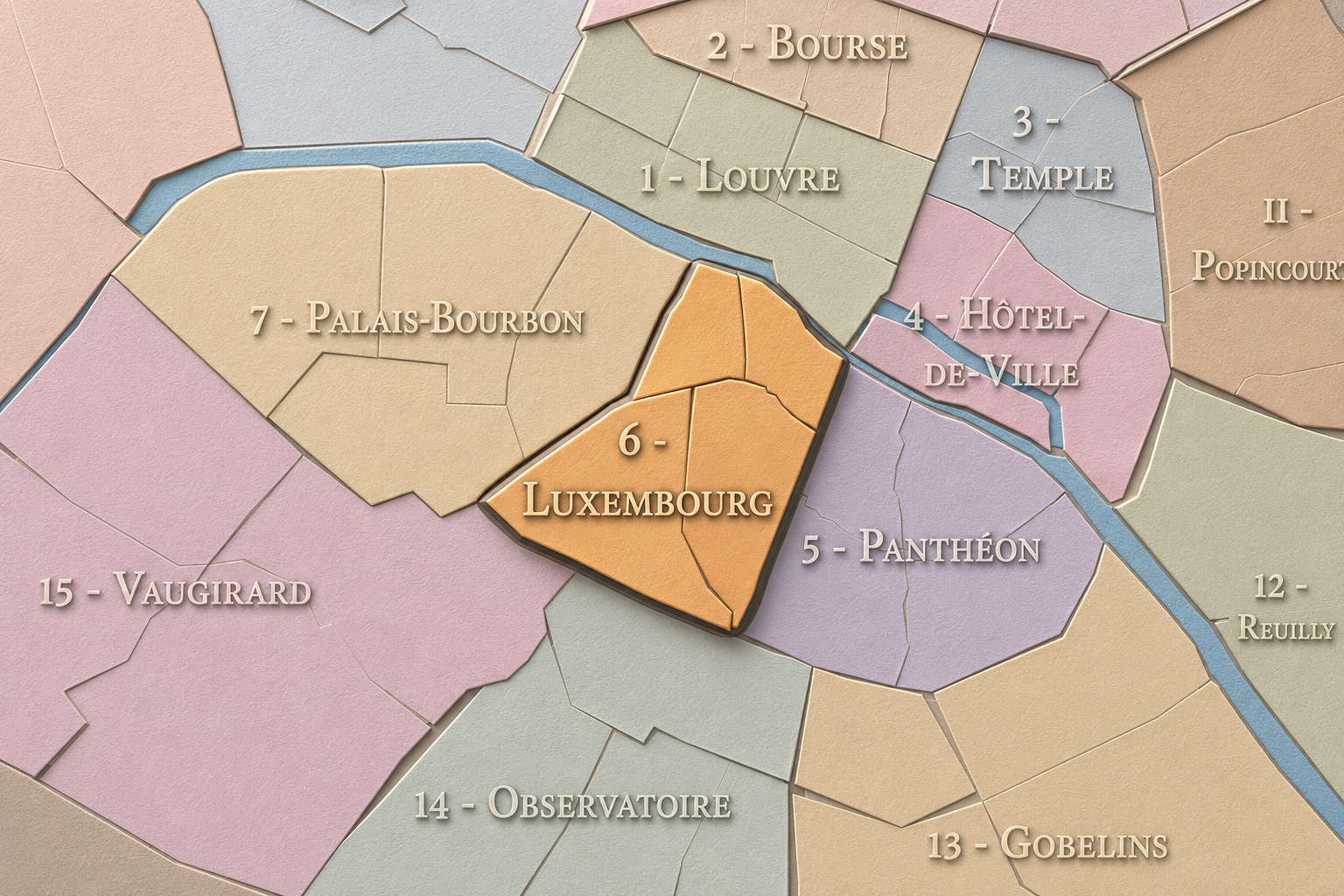
6e - LUXEMBOURG
Arrondissements
On the Left Bank, the 6th Arrondissement is defined by the Luxembourg Garden, Saint-Germain-des-Prés, and a long association with literature, cafés, publishing, and artistic life. Its identity lies in the balance between formal elegance, intellectual mythology, and the intimate scale of its streets. Part of an ongoing project to walk and photograph every neighborhood in Paris, this page explores 6th - Luxembourg through maps, district identity, history, and photography.
The Map
Geographic Setting
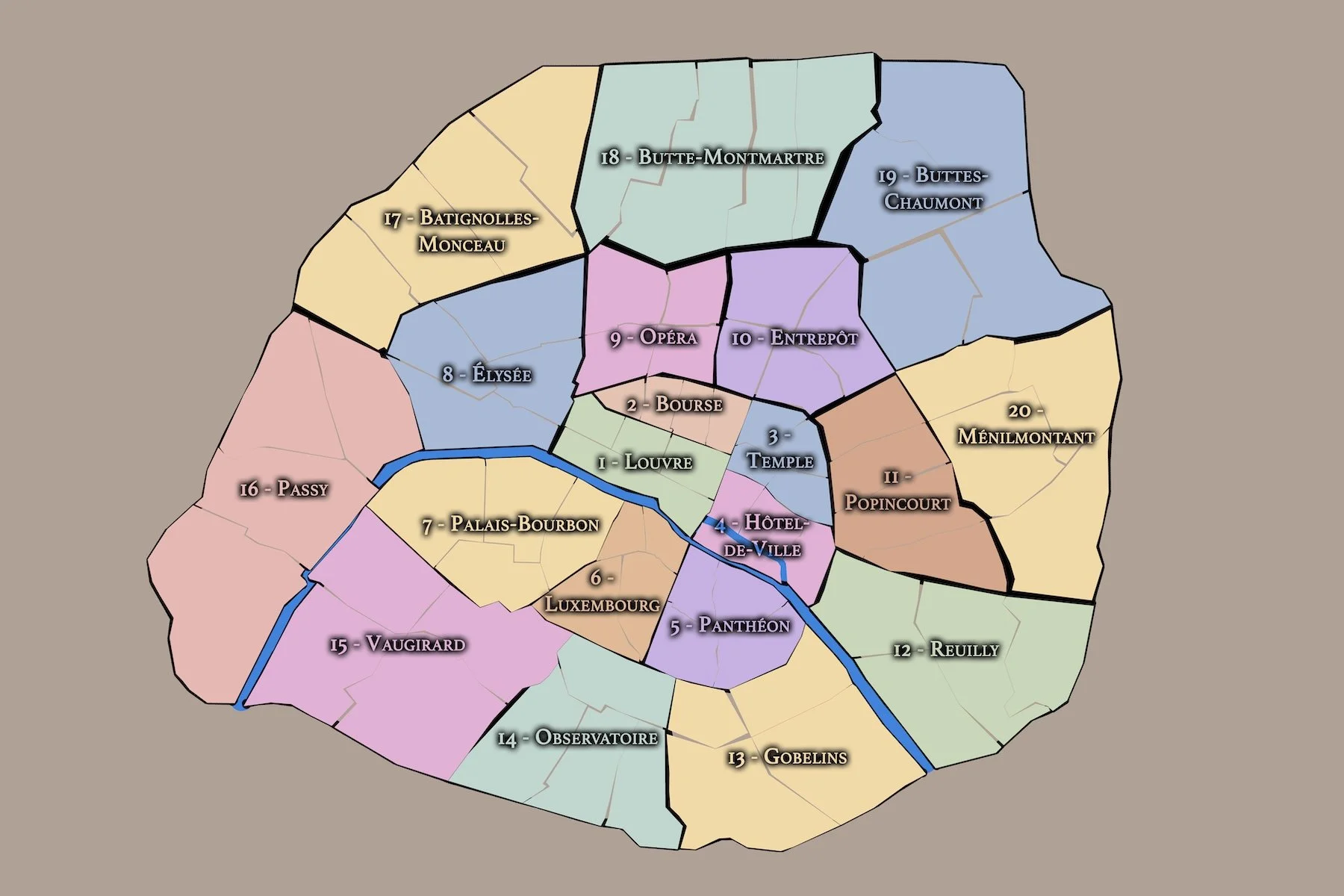
6e - Luxembourg Neighborhood Map
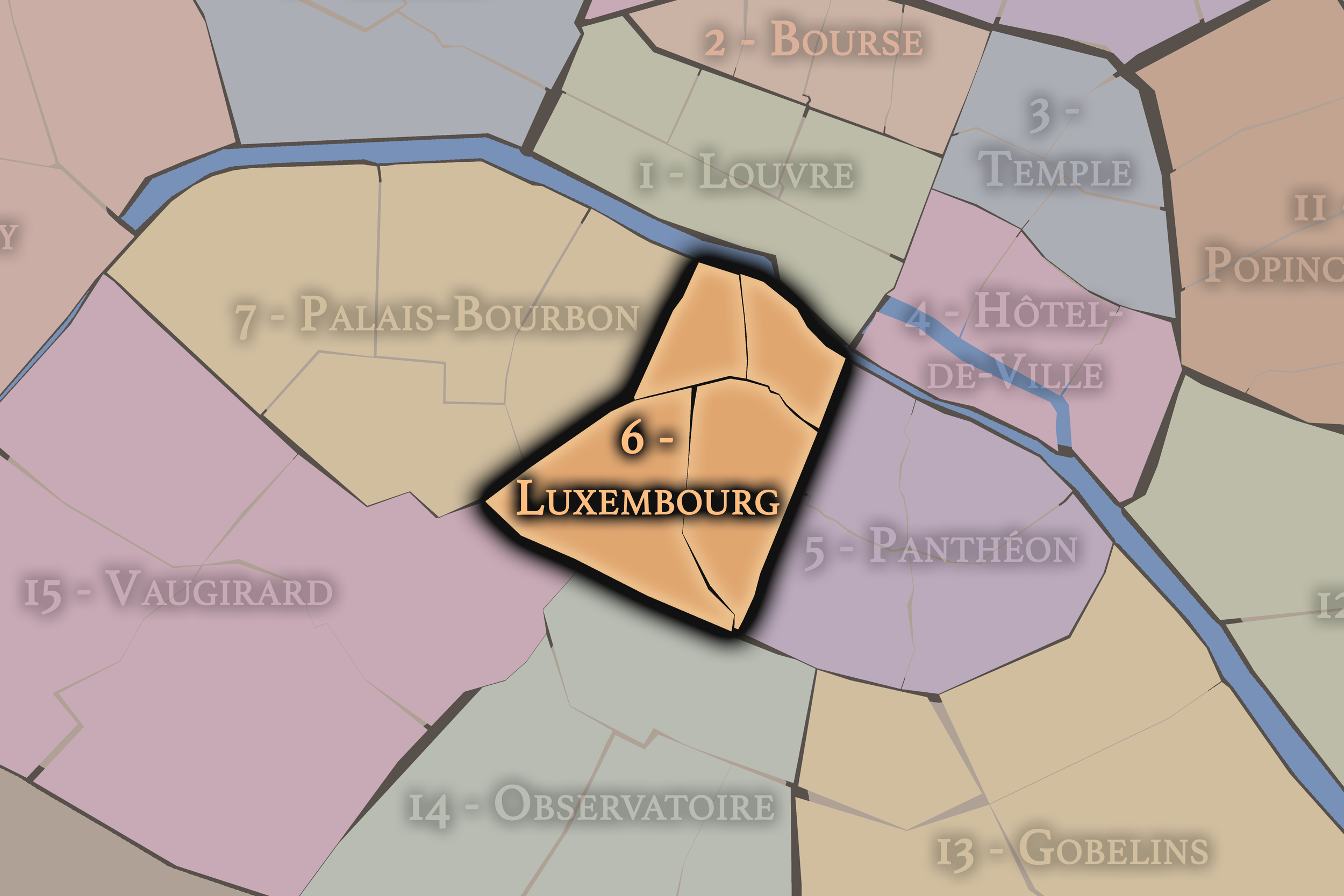
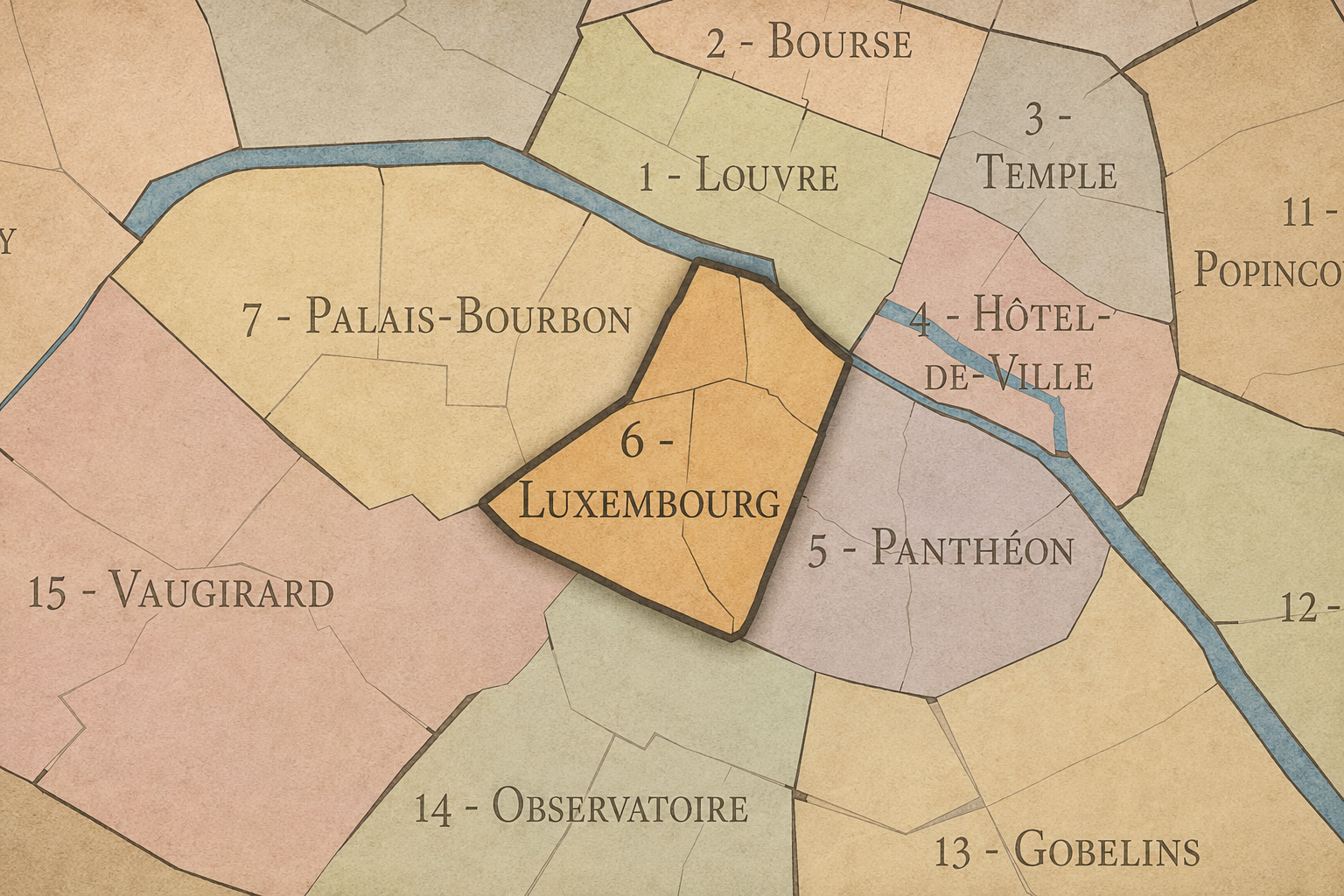
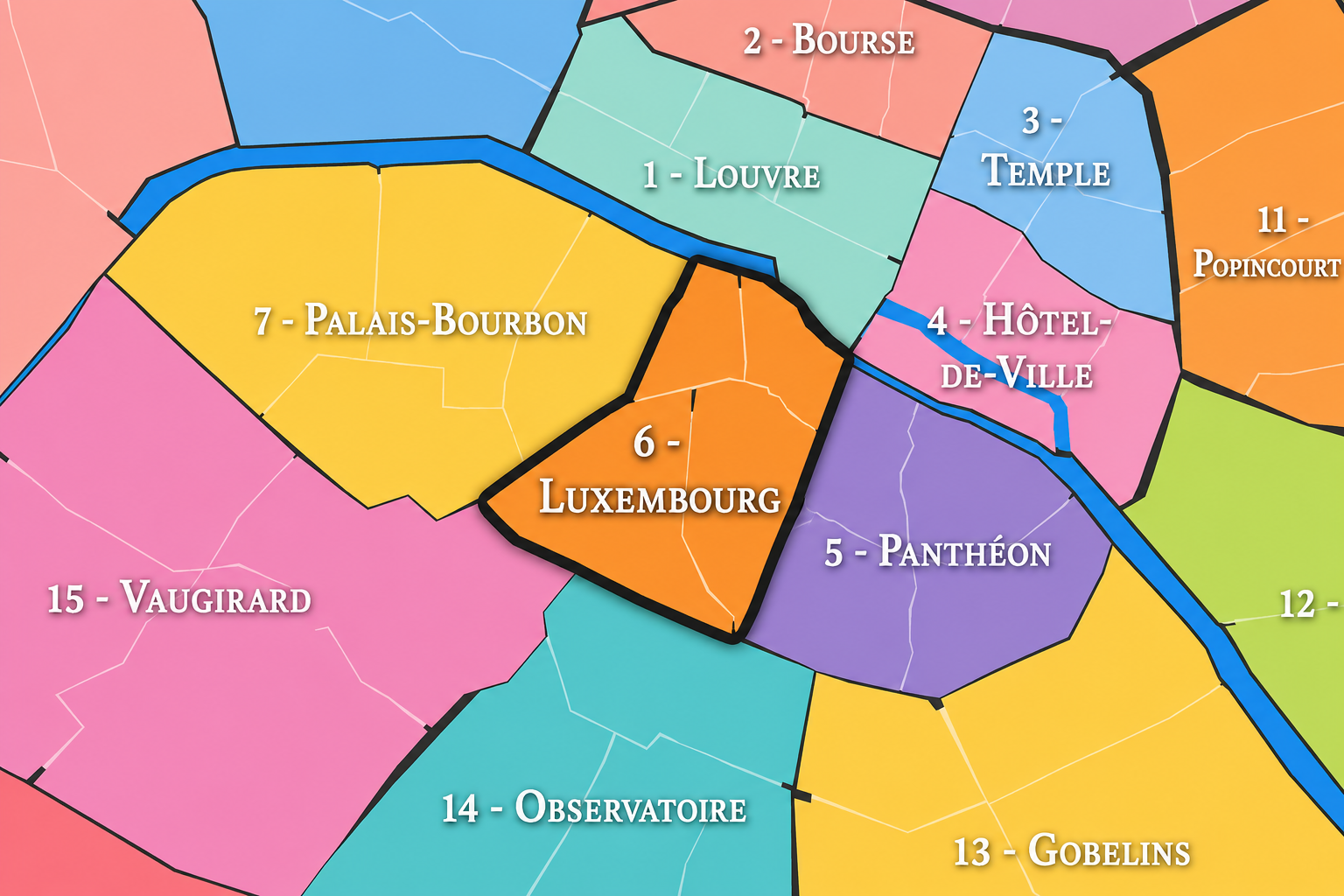
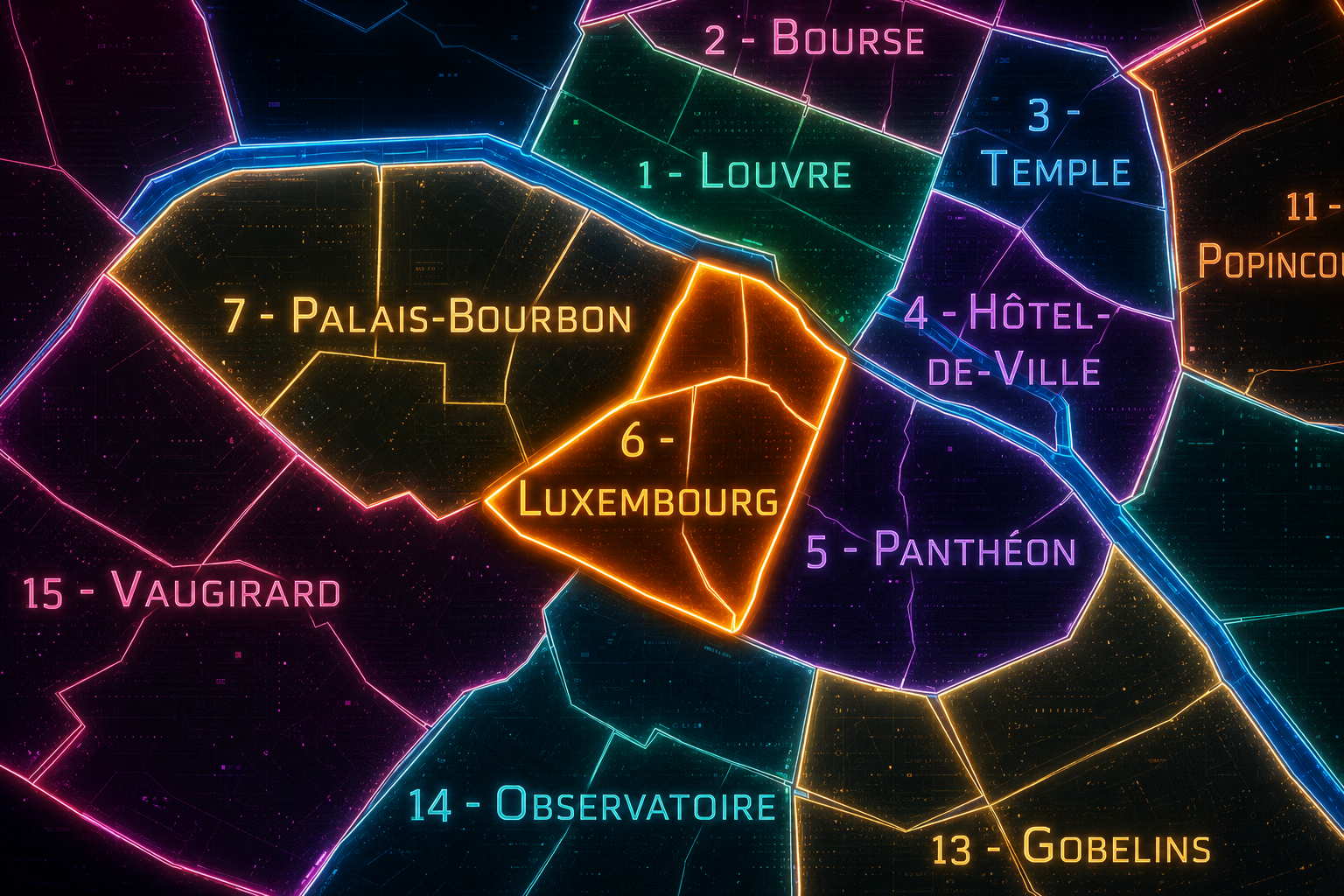
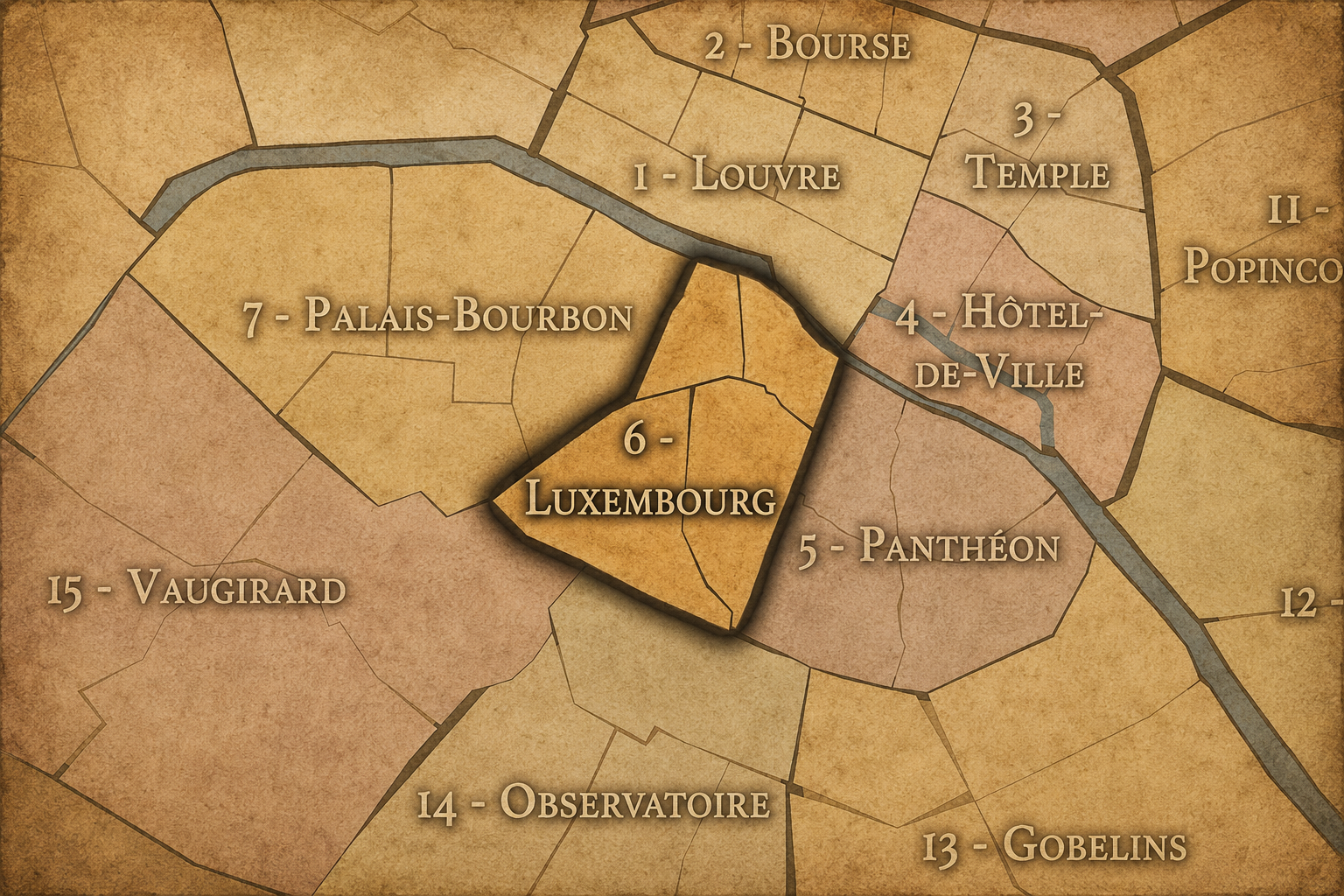
The 6th arrondissement occupies a central position on the Left Bank of Paris, directly south of the Seine and west of the 5th arrondissement. It is bordered by the 7e to the west, the 14th to the south, and the 5th to the east, with the river forming its northern edge across from the 1st and 4th arrondissements. Its geography places it between the intellectual world of the Latin Quarter, the political and institutional landscapes of the western Left Bank, and the artistic and literary identity of Saint-Germain-des-Prés.
The arrondissement is defined by a balance of riverfront, garden, monastery, palace, boulevard, and residential street. Along the Seine, the 6th includes quays, bridges, bookstalls, and the cultural corridors around the Institut de France and the École des Beaux-Arts. Farther south, the Luxembourg Garden and Luxembourg Palace create one of the great green and civic landscapes of the Left Bank. Between them lies a dense network of streets associated with publishing, cafés, galleries, churches, schools, literary life, and old aristocratic residence.
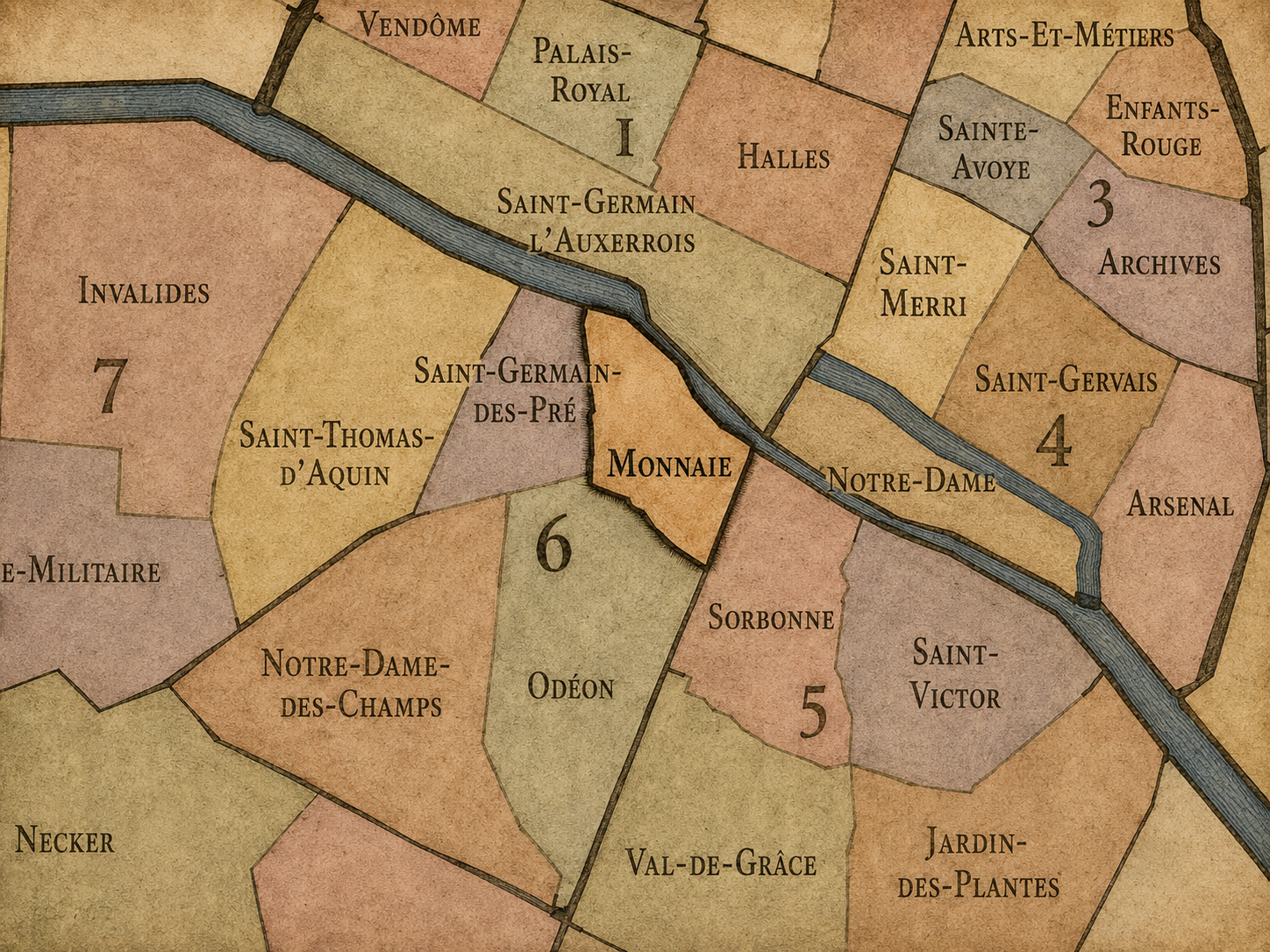
The 6th arrondissement is divided into four administrative quarters: Monnaie, Odéon, Notre-Dame-des-Champs, and Saint-Germain-des-Prés. Together, these quarters form one of the most culturally resonant districts in Paris. The 6th is not as ancient in urban origin as the 5th, nor as monumental in national symbolism as the 7th, but it has come to represent an essential image of Left Bank Paris: intellectual, elegant, artistic, literary, gardened, and deeply tied to the history of conversation, print, politics, and style.
Arrondissement Identity
Etymology and Origins
The 6th arrondissement’s administrative name, Luxembourg, comes from the Luxembourg Palace and Luxembourg Garden, which occupy a central and defining place in the district. The palace was built in the 17th century for Marie de’ Medici, who sought a residence inspired by the Italianate palaces and gardens of her youth. Over time, the palace and garden became one of the most important public landscapes of the Left Bank.
The name connects the arrondissement to a particular form of Parisian identity: cultivated, institutional, and gardened. The Luxembourg is not only a palace or a park; it is a civic and cultural landscape where leisure, education, politics, sculpture, walking, childhood, and public life all meet. The garden gives the 6th an open, breathing center, while the palace gives it a formal connection to state and senate life.
Yet the origins of the arrondissement reach beyond the Luxembourg alone. The northern portion of the 6th is tied to the old Abbey of Saint-Germain-des-Prés, one of the most important religious foundations of medieval Paris. The riverfront, the old fairs, the streets around the abbey, the later cafés and publishing houses, and the urban growth around Odéon and Notre-Dame-des-Champs all shaped the arrondissement’s identity before and alongside the palace. The name Luxembourg identifies the arrondissement administratively, but its deeper cultural identity also belongs to Saint-Germain-des-Prés, the Left Bank quays, and the long history of learning, faith, literature, and sociability.
Civic Framework
The 6th arrondissement is one of the twenty municipal arrondissements of Paris and remains a distinct local civic unit with its own mairie. Unlike the first four arrondissements, which are now grouped administratively into Paris Centre, the 6e retains its separate arrondissement administration and civic identity.
Its four administrative quarters — Monnaie, Odéon, Notre-Dame-des-Champs, and Saint-Germain-des-Prés — provide the official internal structure of the arrondissement. These quarters help organize a district whose cultural identity often exceeds administrative boundaries. “Saint-Germain-des-Prés,” for example, is frequently used in a broader cultural sense, while the administrative quarter of that name occupies only part of the arrondissement. Similarly, the Luxembourg identity radiates from the palace and garden but does not describe every part of the 6e equally.
For this project, the 6th is treated as both an official geographic layer and a cultural-historical district. Its civic framework grounds it in the municipal structure of Paris, while its older neighborhoods, institutions, gardens, churches, cafés, and literary associations reveal the arrondissement’s broader role in the history of the Left Bank.
Parisian Identity
The 6th arrondissement occupies one of the most cherished places in the Parisian imagination. It is the Paris of Saint-Germain-des-Prés cafés, Left Bank bookshops, galleries, publishers, river quays, students, philosophers, artists, elegant streets, and the Luxembourg Garden. Few districts have carried such a strong association with the idea of Paris as a city of thought, taste, conversation, and artistic life.
Its identity is not simply intellectual, however. The 6e is also deeply aesthetic. It is shaped by stone façades, quiet courtyards, old churches, garden paths, literary cafés, art schools, antique shops, cinemas, and residential streets that hold a sense of cultivated urban life. It is a district where Paris often appears composed: measured, graceful, historical, and intimate.
At the same time, the 6th is not a preserved literary stage set. It is a living district that has changed repeatedly. Religious institutions became urban quarters; aristocratic residences became schools, ministries, embassies, offices, galleries, and apartments; cafés that once housed radical debate became international symbols; publishing streets adapted to new cultural economies. The arrondissement’s Parisian identity lies in this tension between myth and lived city. It is one of the places where Paris most clearly became an idea — and where that idea continues to be negotiated in everyday streets.
Neighborhood Distinction
The 6th arrondissement is distinguished by its concentration of cultural prestige within a relatively compact Left Bank geography. It does not have the ancient Roman remains of the 5th, the monumental ministries of the 7th, or the dense commercial passages of the 2nd. Its distinction lies instead in the blending of intellectual life, garden space, religious memory, art, literature, and urban elegance.
Its four administrative quarters express this range. Monnaie connects the arrondissement to the Seine, the Institut de France, the old mint, the quays, and the bookish riverfront of the Left Bank. Odéon carries the theater, café, publishing, and literary life associated with the area between Saint-Germain and the Luxembourg. Notre-Dame-des-Champs stretches southward into quieter residential and institutional streets, linking the arrondissement toward Montparnasse and the 14th. Saint-Germain-des-Prés preserves the deepest symbolic identity of the 6th, rooted in the old abbey, the church, cafés, galleries, and the cultural mythology of the Left Bank.
The arrondissement’s distinction also comes from its human scale. The 6th is dense, but not overwhelming. It is central, but rarely monumental in the same way as the Right Bank ceremonial core. It is famous, but its most powerful experiences often happen at street level: a café corner, a bookshop window, a garden chair, a church façade, a quiet passage, a gallery doorway, a bridge over the Seine.
Neighborhood Connections
Every neighborhood belongs to a wider Parisian fabric.
-
Monnaie
-
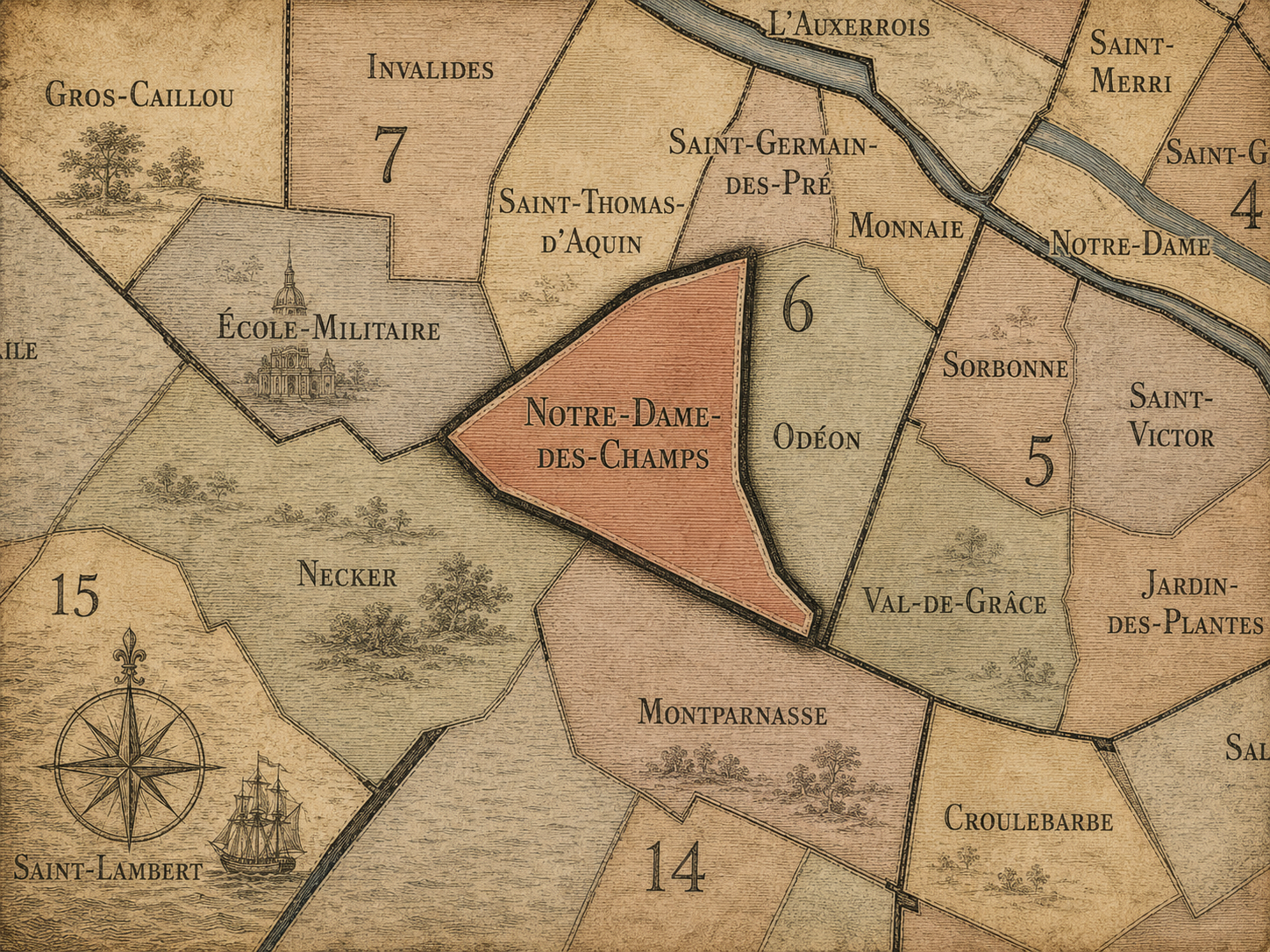
Notre-Dame-des-Champs
-
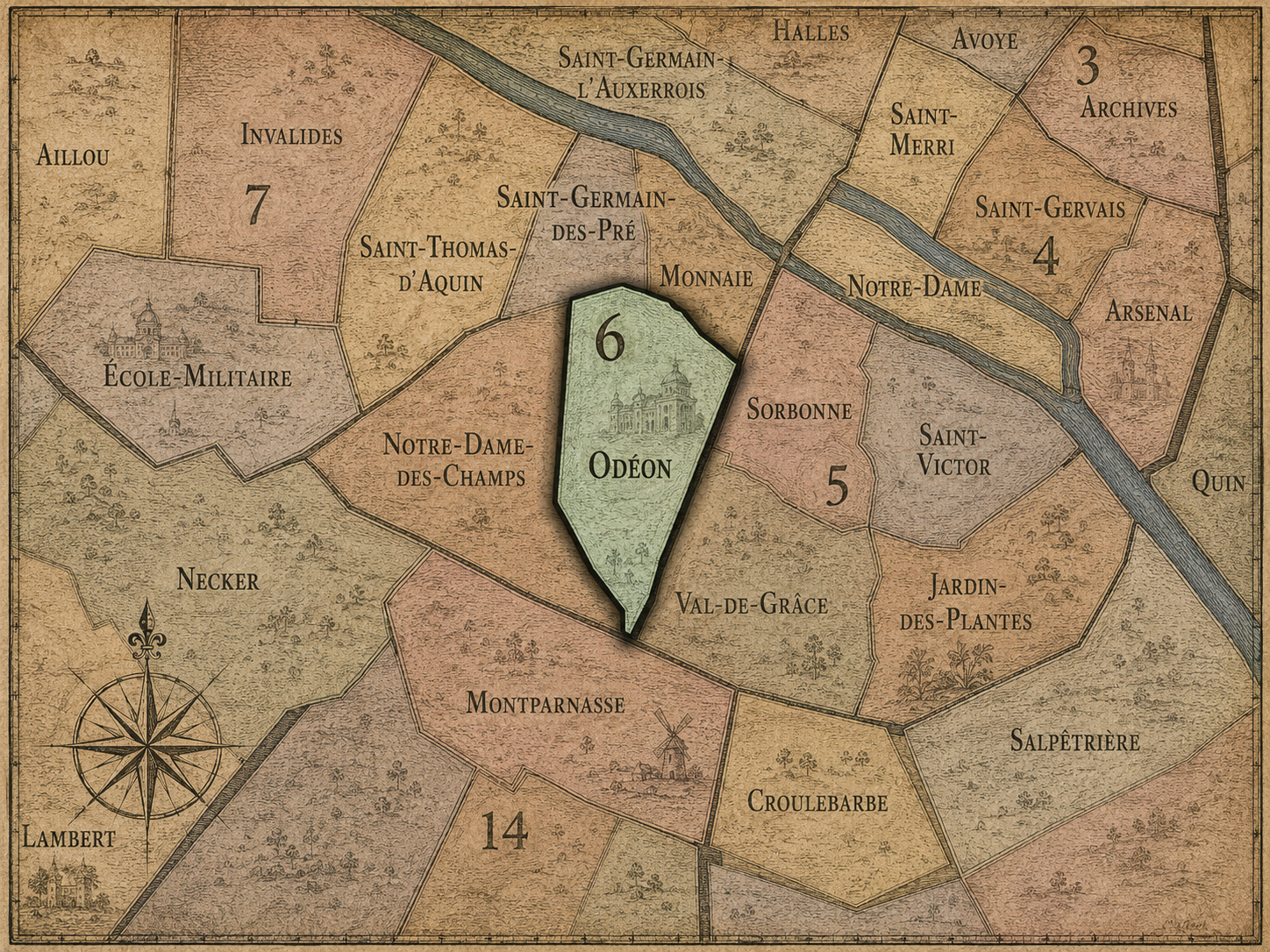
Odéon
-
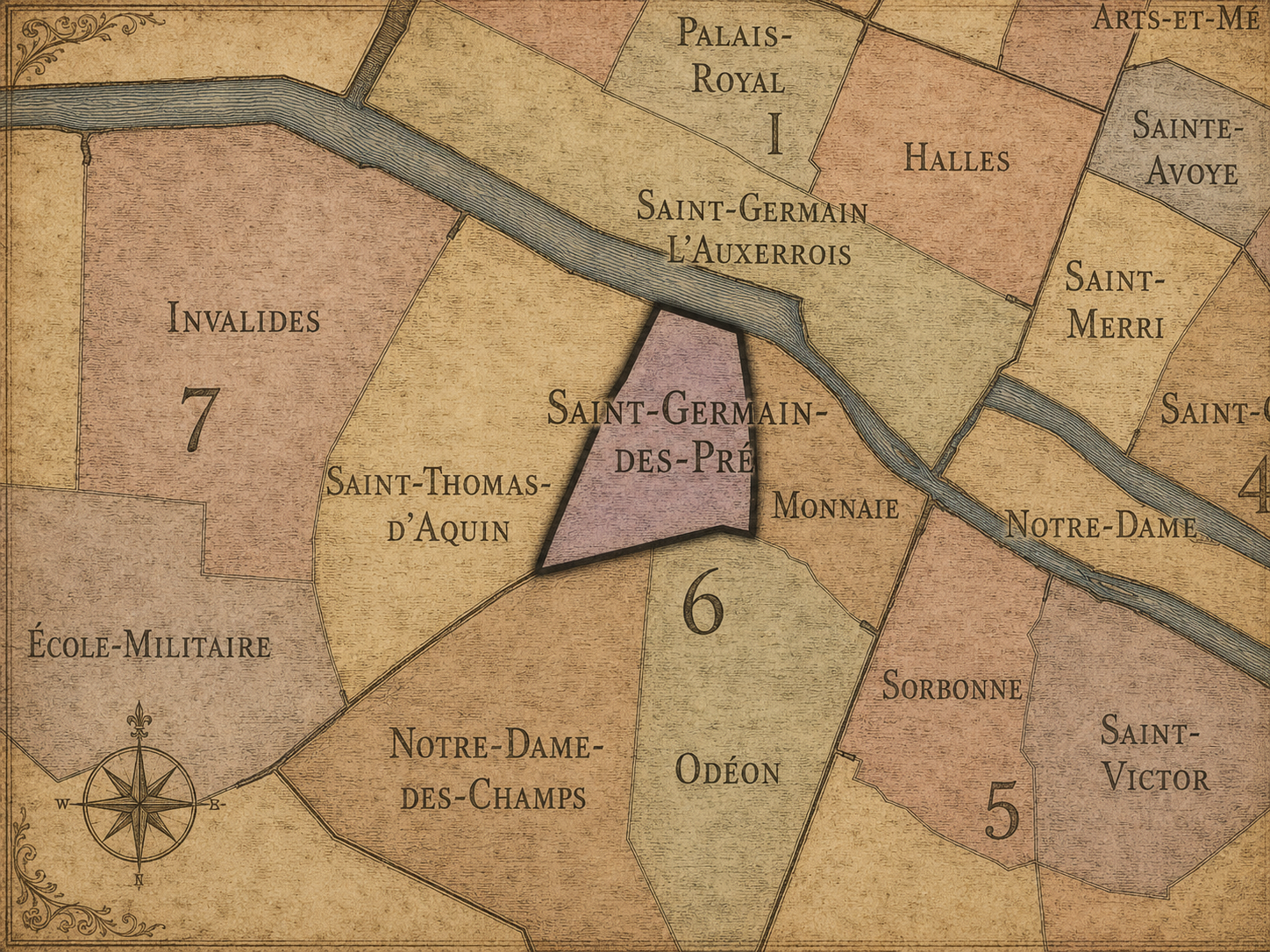
Saint-Germain-des-Prés
-
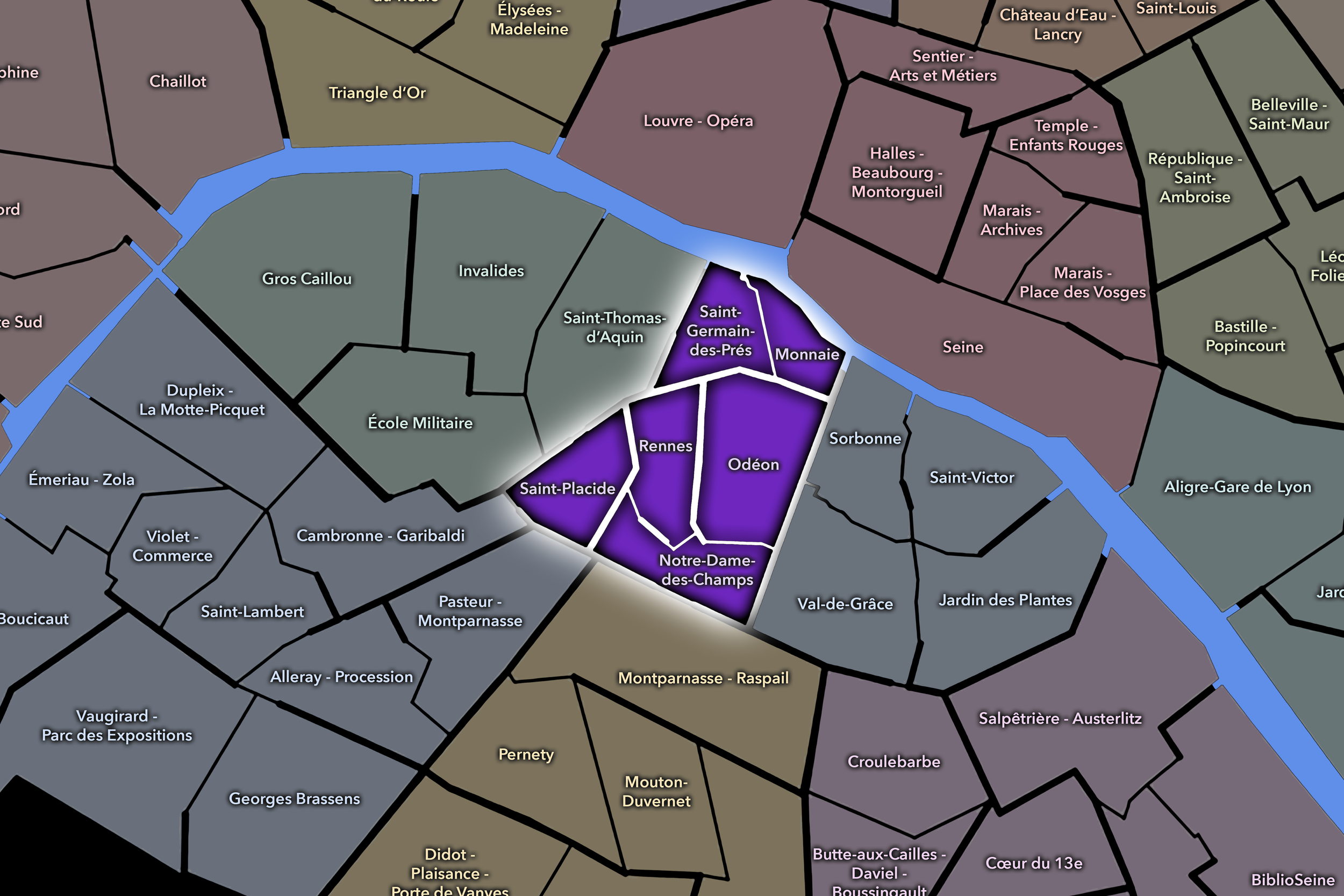
6e - Luxembourg
-
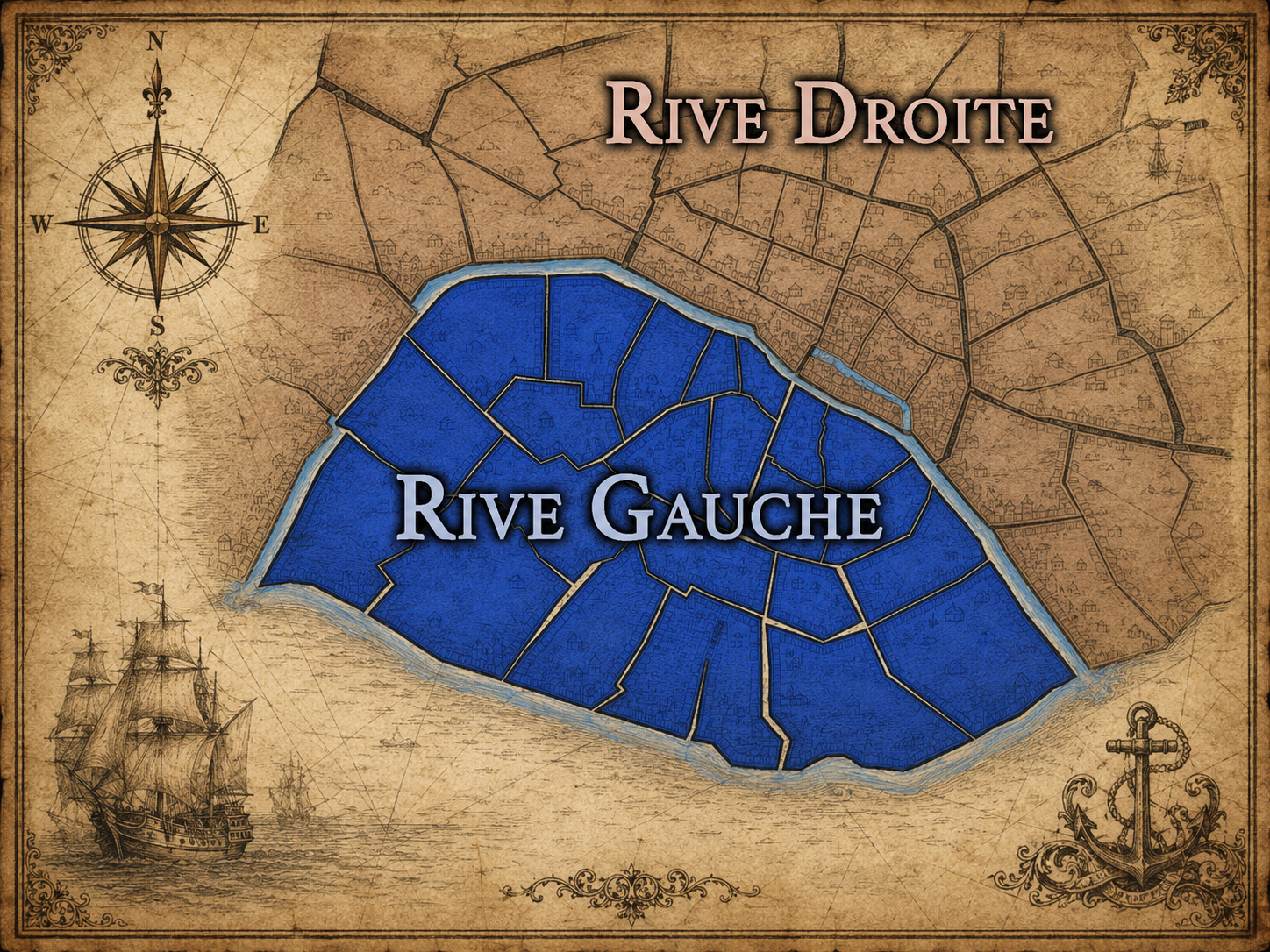
Rive Gauche
-
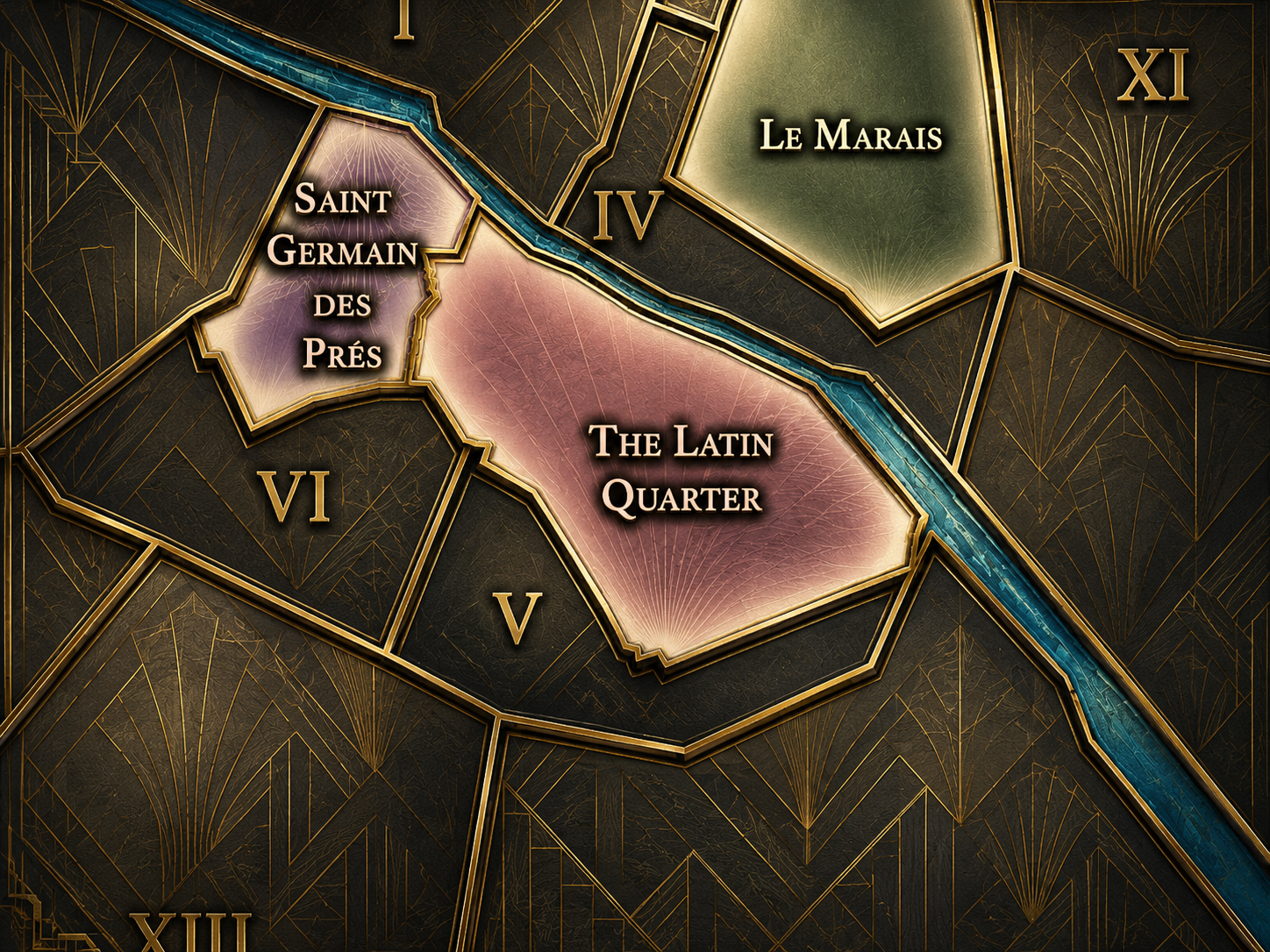
Latin Quarter
-
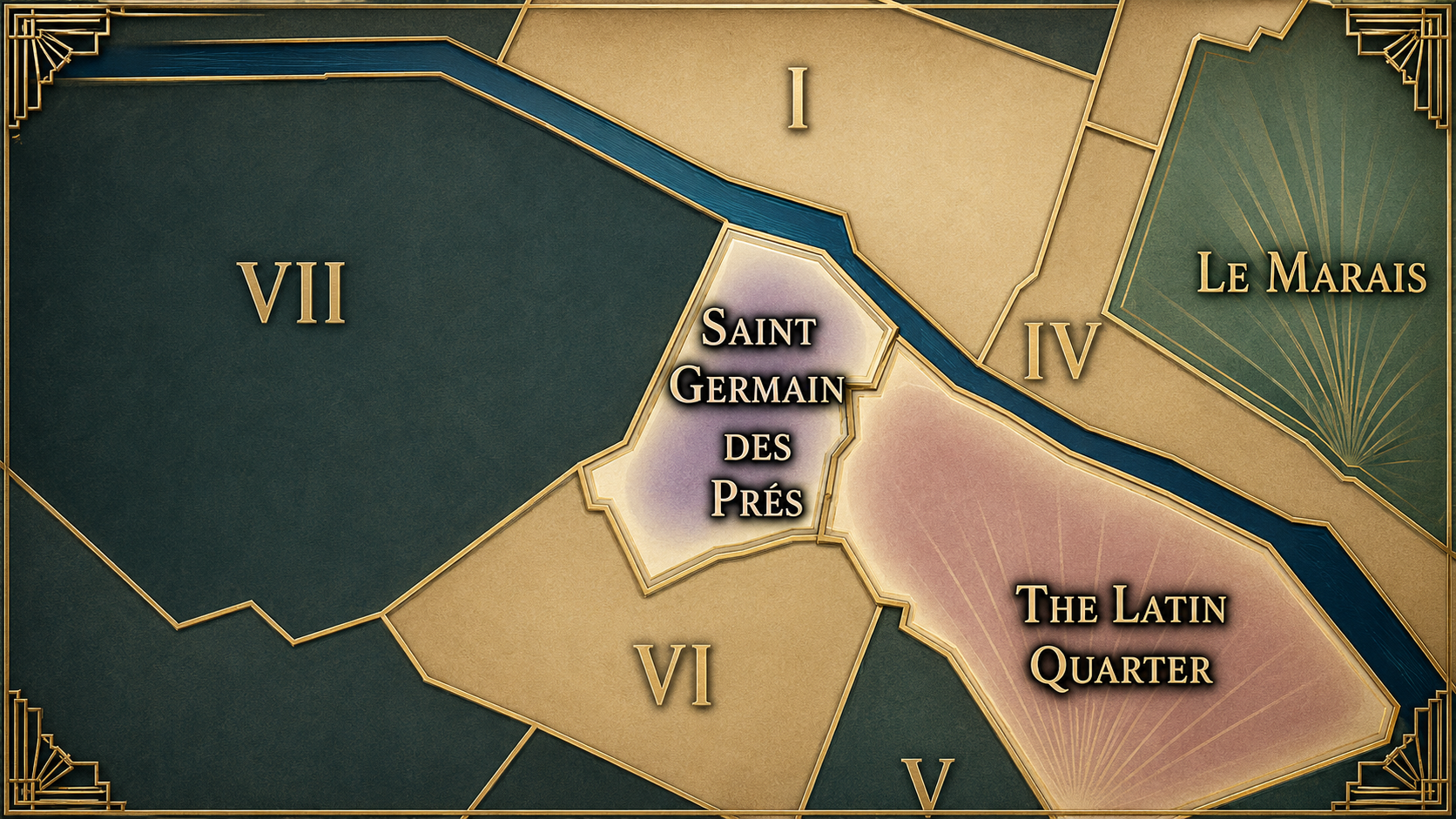
Saint-Germain-des-Prés
The History
Origins
The origins of the 6e arrondissement are closely tied to the religious and rural landscapes that developed west of the earliest Left Bank settlement. While the neighboring 5e contains the deeper Roman and Latin Quarter core, the future 6e emerged through monasteries, fields, river routes, and gradual urban expansion beyond the oldest center of Paris.
The Abbey of Saint-Germain-des-Prés was one of the most important foundations in the early history of the district. Established outside the earliest city walls, it gave the area a strong religious and territorial identity. Around the abbey, streets, markets, residences, and dependences gradually developed, creating one of the major anchors of the western Left Bank.
The Seine also shaped the district’s origins. The riverfront connected the future arrondissement to trade, movement, and the city across the water, while the land farther south remained less densely urbanized for a long period. Before the 6e became associated with cafés, literature, galleries, and the Luxembourg Garden, it was a landscape of abbey lands, fields, roads, river approaches, and gradual incorporation into the expanding city.
16th–17th Century
During the 16th and 17th centuries, the future 6e arrondissement became increasingly urban and increasingly prestigious. The religious and territorial influence of Saint-Germain-des-Prés remained important, but the surrounding area began to develop more fully as Paris expanded westward and southward on the Left Bank.
The construction of the Luxembourg Palace and Garden in the 17th century transformed the district’s identity. Built for Marie de’ Medici, the palace introduced a major aristocratic and garden landscape into the area. The Luxembourg gave the future arrondissement a formal center of elegance, power, and leisure, balancing the older religious identity of Saint-Germain with a new courtly and residential presence.
The district also became more closely connected to intellectual, artistic, and social life. Streets around Saint-Germain and the emerging urban fabric near the Luxembourg attracted residences, institutions, and cultural activity. By the end of the 17th century, the future 6e had become one of the key Left Bank landscapes where religion, aristocracy, learning, and urban refinement began to converge.
18th Century
In the 18th century, the future 6e arrondissement continued to develop as one of the most refined and intellectually active areas of the Left Bank. The Saint-Germain district retained its religious and aristocratic associations, while the Luxembourg Palace and Garden remained a defining landscape of the area.
The quarter also became increasingly tied to cafés, books, salons, and public discussion. The Left Bank’s intellectual identity was not confined to the institutions of the neighboring Latin Quarter; it spread through streets, residences, bookshops, and places of sociability. The 6e became a district where conversation, taste, politics, literature, and social life were woven into the urban fabric.
The 18th century also set the stage for the transformations of the Revolution. Religious institutions, aristocratic residences, and royal or noble landscapes would be reinterpreted through new civic uses and political meanings. The future 6e entered the modern era carrying an older world of abbeys and palaces alongside a growing culture of public thought and urban sociability.
19th Century
The 19th century gave the 6e arrondissement much of its modern urban form and cultural identity. The Luxembourg Palace became associated with state and parliamentary life, while the garden became one of the central public landscapes of the Left Bank. The area around Saint-Germain-des-Prés, Odéon, and the Seine quays continued to develop as a district of books, theaters, cafés, schools, and artistic exchange.
The arrondissement also absorbed the broader modernization of Paris. Boulevards, institutions, transportation, and changing patterns of residence altered the district, but many older streets and cultural associations remained intact. The 6e did not become a district of sweeping imperial monumentality in the same way as parts of the Right Bank; its modernity was more literary, institutional, and urban-intimate.
The Odéon area strengthened its association with theater and public culture, while Saint-Germain-des-Prés increasingly gathered literary, artistic, and publishing life. The École des Beaux-Arts and nearby galleries helped reinforce the arrondissement’s artistic identity. By the end of the 19th century, the 6e had become one of the essential landscapes of Left Bank culture: elegant, learned, artistic, and deeply associated with the written and spoken life of Paris.
Early–Mid 20th Century
In the early and mid 20th century, the 6e arrondissement became one of the symbolic centers of modern intellectual and artistic Paris. Saint-Germain-des-Prés, in particular, was associated with writers, philosophers, artists, musicians, publishers, students, and café life. The district’s cafés became more than places of leisure; they became stages for conversation, debate, performance, reputation, and myth.
The interwar and postwar periods strengthened this identity. The arrondissement drew literary and artistic figures from France and abroad, while its galleries, bookshops, cinemas, and cafés contributed to its reputation as a district of avant-garde and intellectual life. The Left Bank image of Paris — serious, bohemian, elegant, argumentative, and creative — became closely tied to the 6e.
At the same time, the arrondissement remained residential, institutional, and civic. The Luxembourg Garden continued to function as one of Paris’s great public spaces; the palace remained tied to political life; schools, churches, and cultural institutions sustained everyday continuity. The district’s mythology was powerful, but it rested on a real urban fabric of residents, workers, students, and institutions.
Late 20th Century
The late 20th century brought both preservation and transformation to the 6e arrondissement. The literary and artistic identity of Saint-Germain-des-Prés remained internationally famous, but the social and economic realities of the district changed. Rising property values, tourism, luxury retail, galleries, restaurants, and global recognition altered the texture of streets once associated with bohemian life and intellectual informality.
Even so, the arrondissement retained a strong cultural role. Bookshops, publishers, cinemas, cafés, schools, churches, the École des Beaux-Arts, the Institut de France, and the Luxembourg Garden continued to anchor the district’s identity. The 6e became increasingly understood as a heritage landscape of intellectual Paris — not only a place where culture happened, but a place where the memory of culture itself became part of the urban experience.
The late 20th century also intensified the district’s aesthetic prestige. Saint-Germain-des-Prés, Odéon, and the streets around the Luxembourg came to represent a polished and highly desirable Left Bank Paris. This brought new visibility but also new tensions, as the arrondissement balanced its lived neighborhood life with its growing role as an international symbol of elegance and culture.
21st Century
In the 21st century, the 6e arrondissement remains one of the most globally recognizable districts of Paris. Its identity continues to draw from Saint-Germain-des-Prés, the Luxembourg Garden, the Odéon, the Seine quays, the Institut de France, the École des Beaux-Arts, old churches, cafés, galleries, bookshops, and residential streets. It remains strongly associated with culture, taste, literature, and the cultivated image of the Left Bank.
Yet the contemporary 6e is also shaped by the pressures of central Paris: tourism, high property values, commercial change, heritage preservation, and the difficulty of sustaining everyday neighborhood life in a district so heavily mythologized. Some of the older bohemian and intellectual networks have faded or transformed, but the physical and symbolic landscape that supported them remains highly legible.
Today, the arrondissement functions as both place and idea. It is a civic district with residents, schools, institutions, and public gardens, but it is also an international image of Parisian refinement. Its challenge is to remain more than a beautiful memory of the Left Bank. Its strength lies in the fact that its history is not confined to one era. The 6e has been monastic, aristocratic, literary, political, artistic, residential, and touristic — and each layer still shapes the district.
Spirit and Legacy
The 6e arrondissement is one of Paris’s great landscapes of cultivated life. It is a district of abbey stones, palace gardens, cafés, bookshops, galleries, theaters, river quays, schools, and conversations carried across centuries. Its identity is not built from a single monument, but from a long accumulation of places where people gathered to read, argue, write, walk, paint, govern, worship, study, and be seen.
Its legacy is inseparable from the Left Bank imagination. Saint-Germain-des-Prés gave Paris one of its great cultural myths. The Luxembourg Garden gave the arrondissement its civic and green heart. Odéon gave it theatrical and literary energy. Monnaie tied it to the Seine and the city’s formal institutions. Notre-Dame-des-Champs carried its quieter residential and religious continuity.
The 6e is Paris as conversation and composition. It is a place where thought becomes social, where gardens become civic rooms, where cafés become cultural stages, and where old religious and aristocratic landscapes were transformed into one of the world’s most enduring images of urban intellectual life.
The Photography
Visual Identity
The visual identity of each Paris district begins with its position in the city’s layered geography. Before the photographs arrive, the maps establish a first way of seeing: where the district sits, what civic layer it belongs to, which boundaries define it, and how it connects to the surrounding fabric of Paris. In CityNeighborhoods Paris, cartography is not merely orientation; it is part of the visual language of the project.
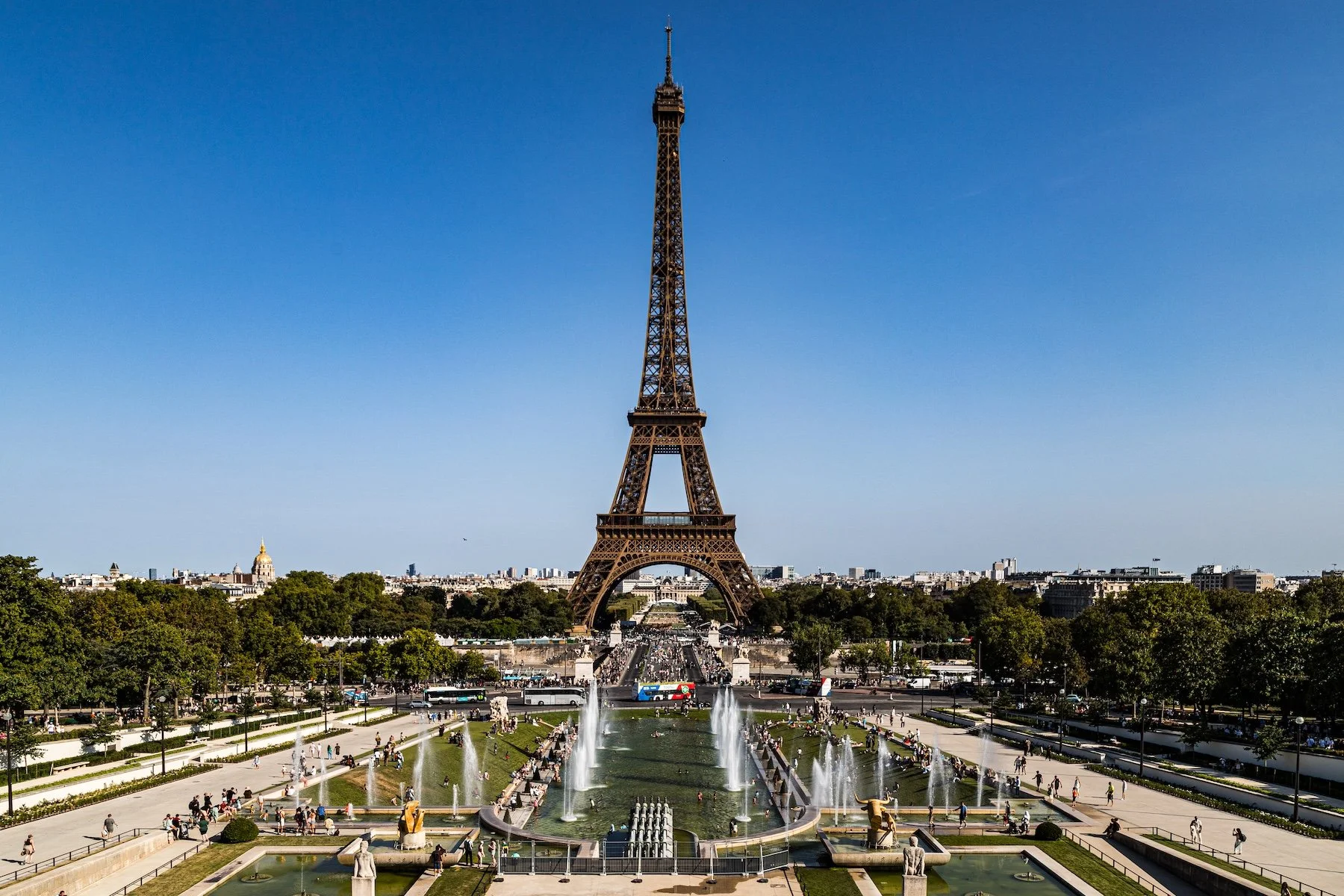
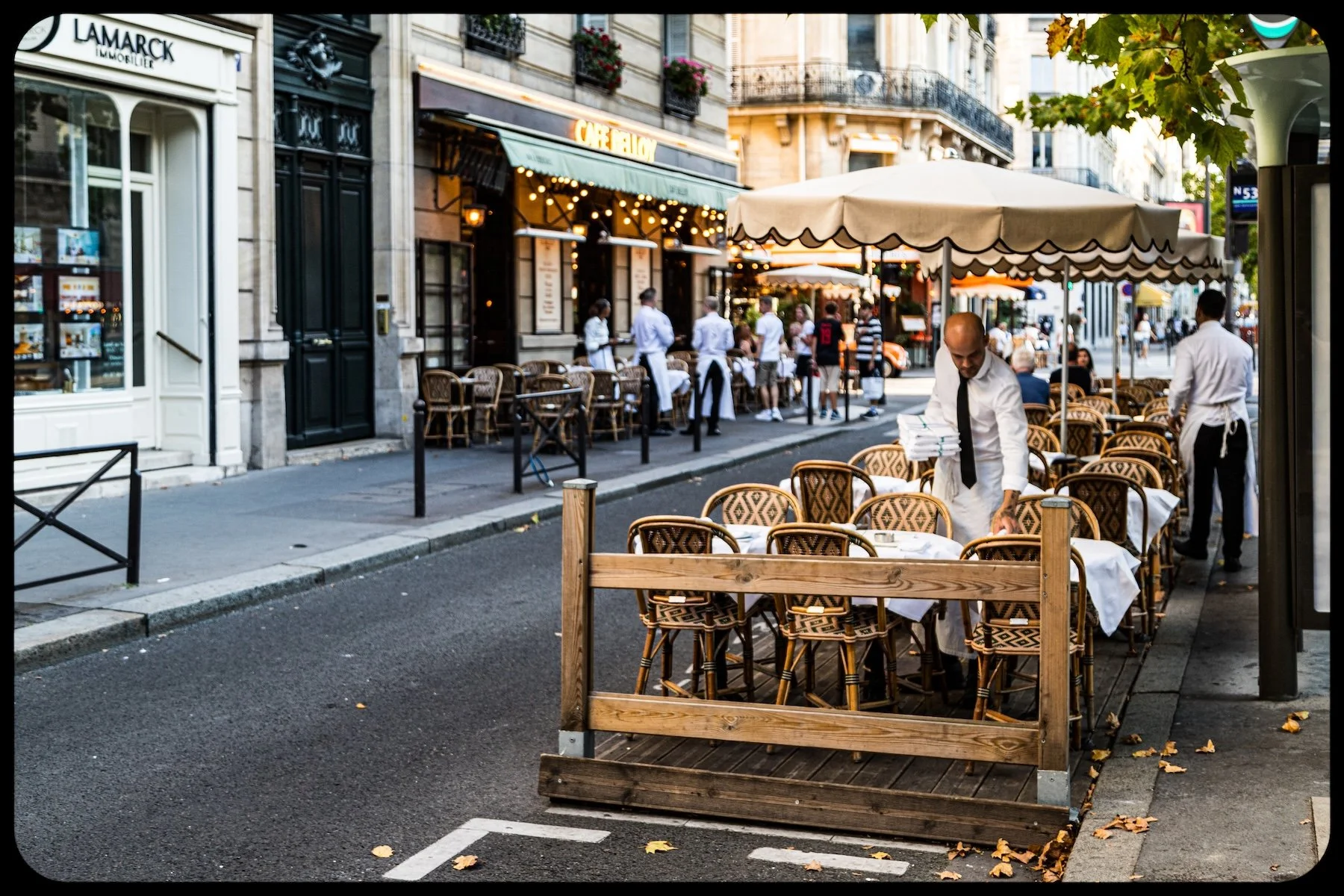
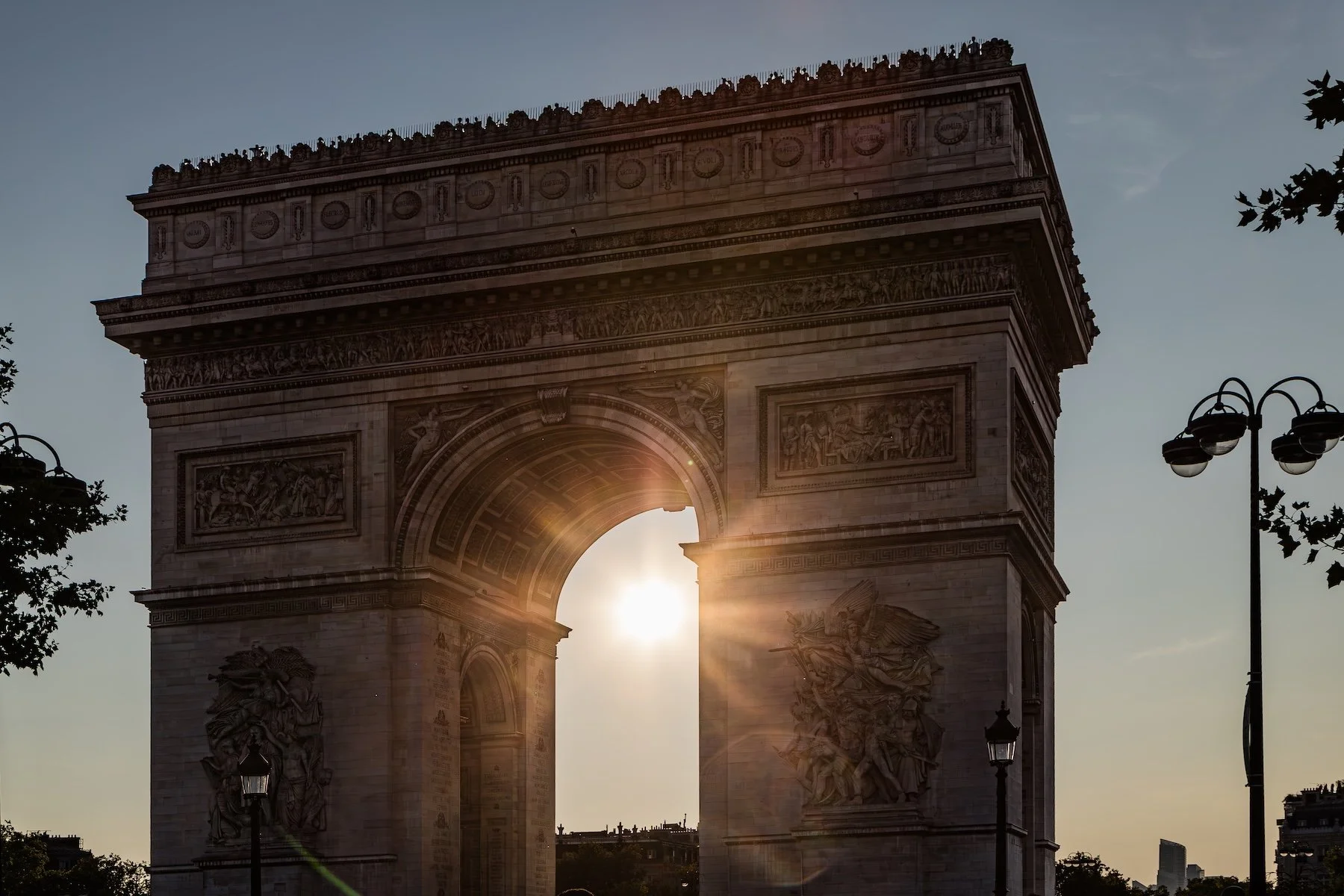
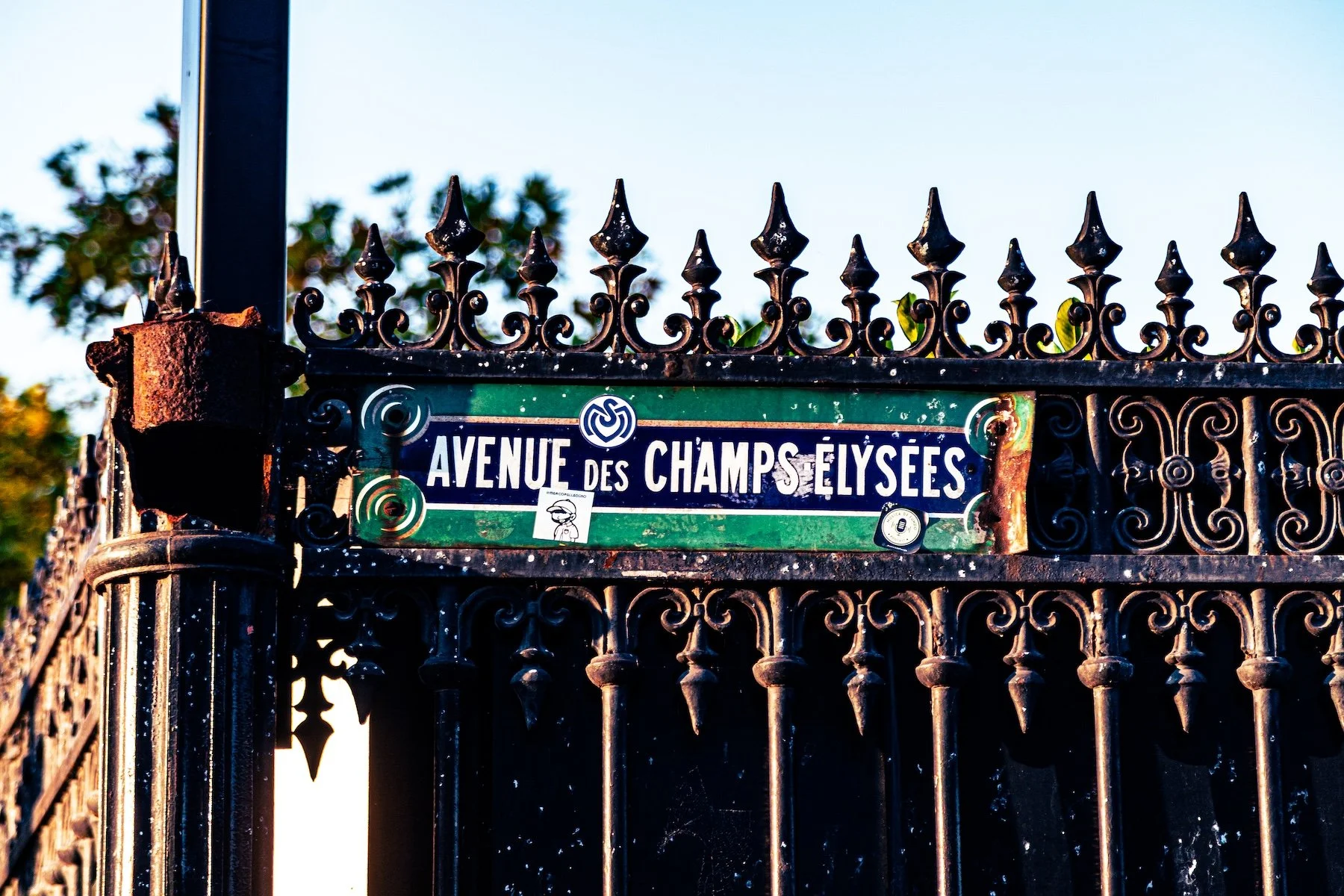
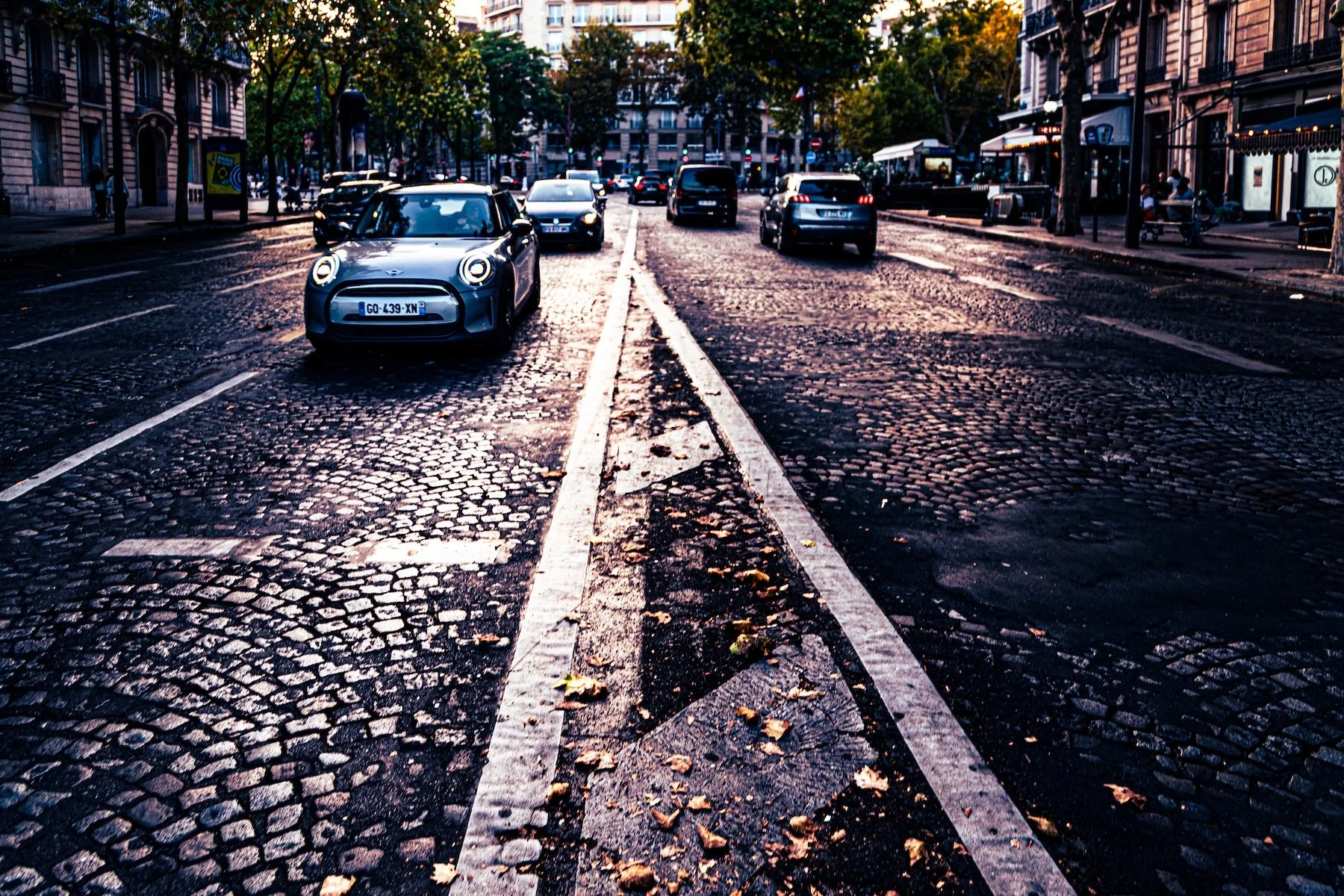
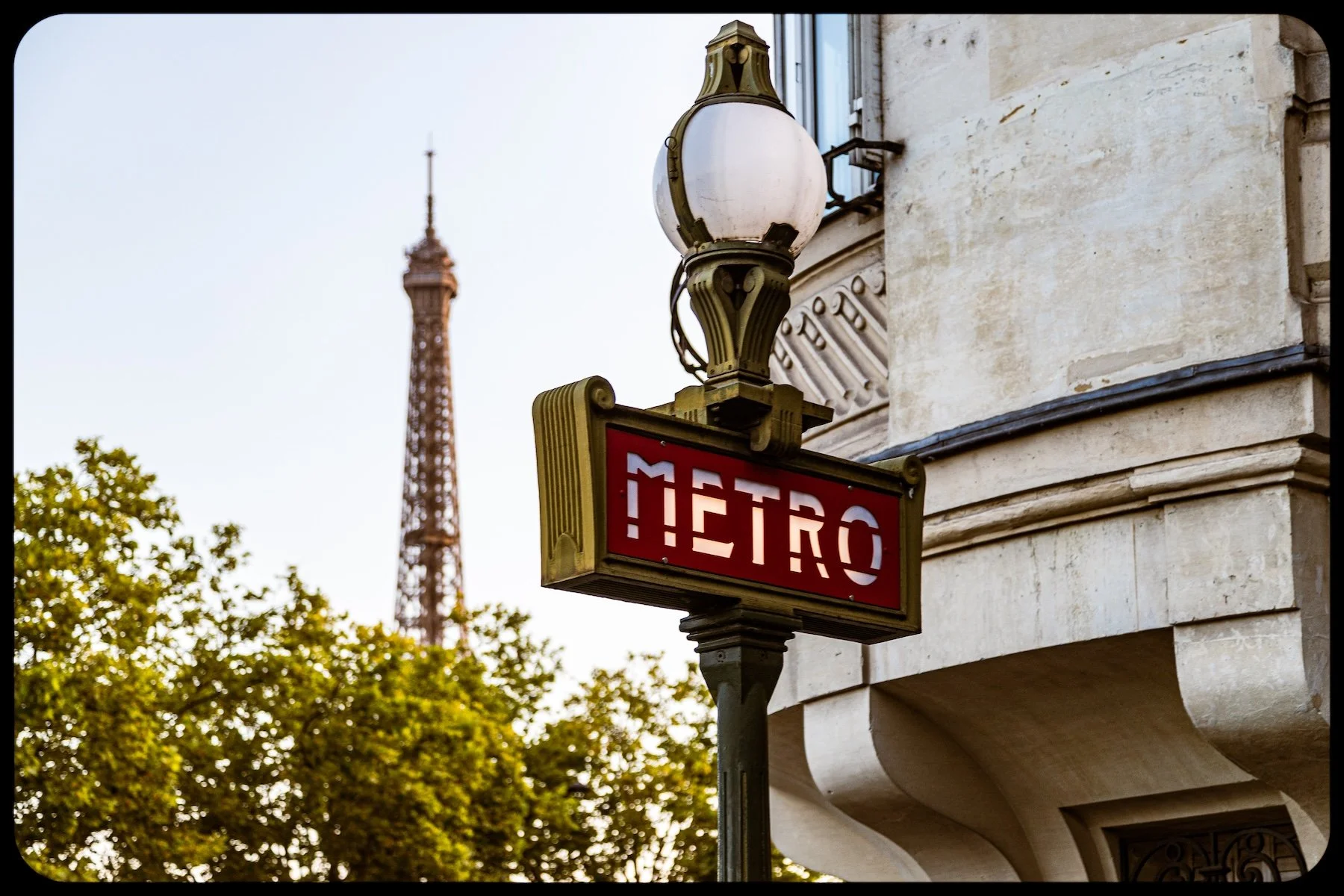
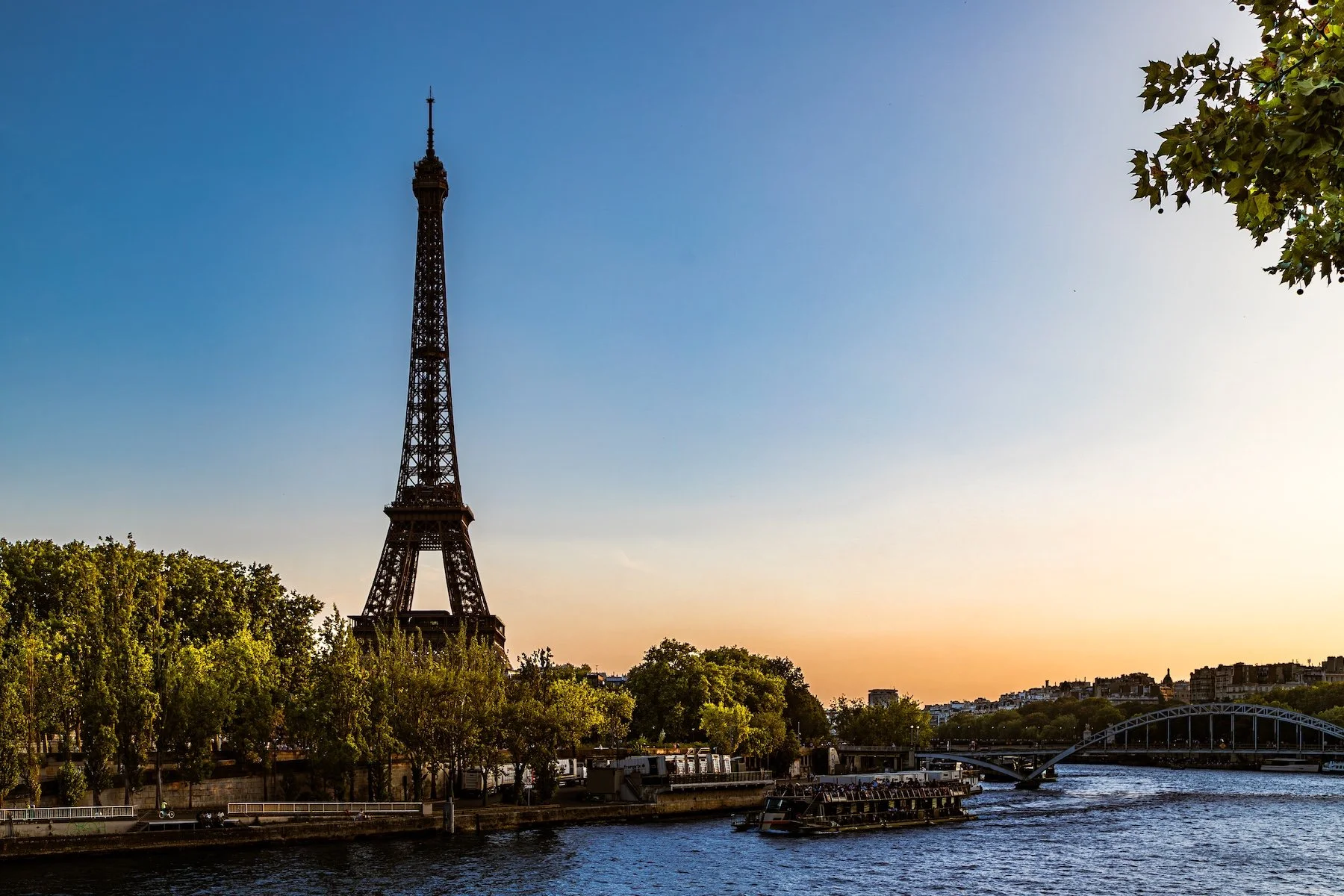
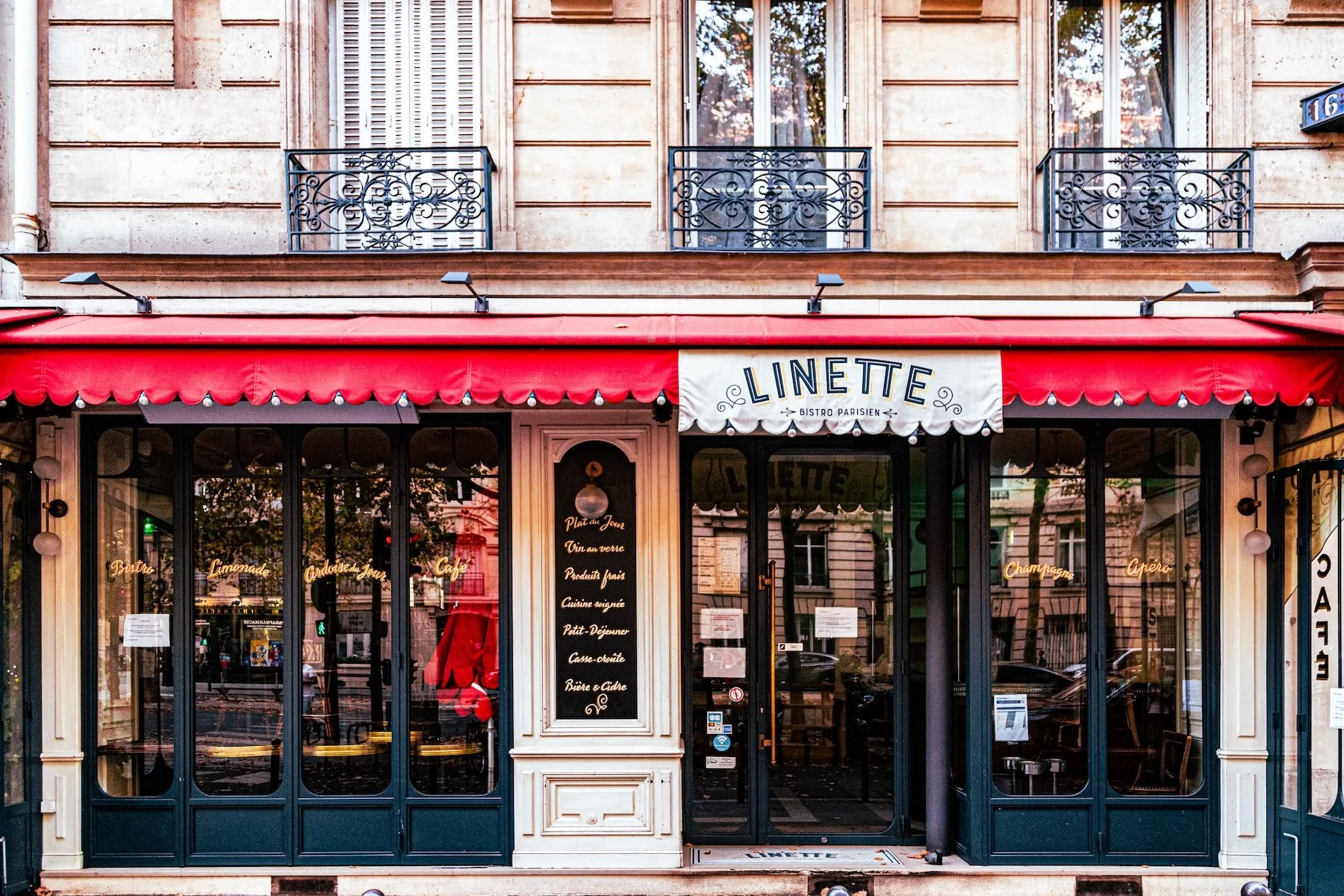
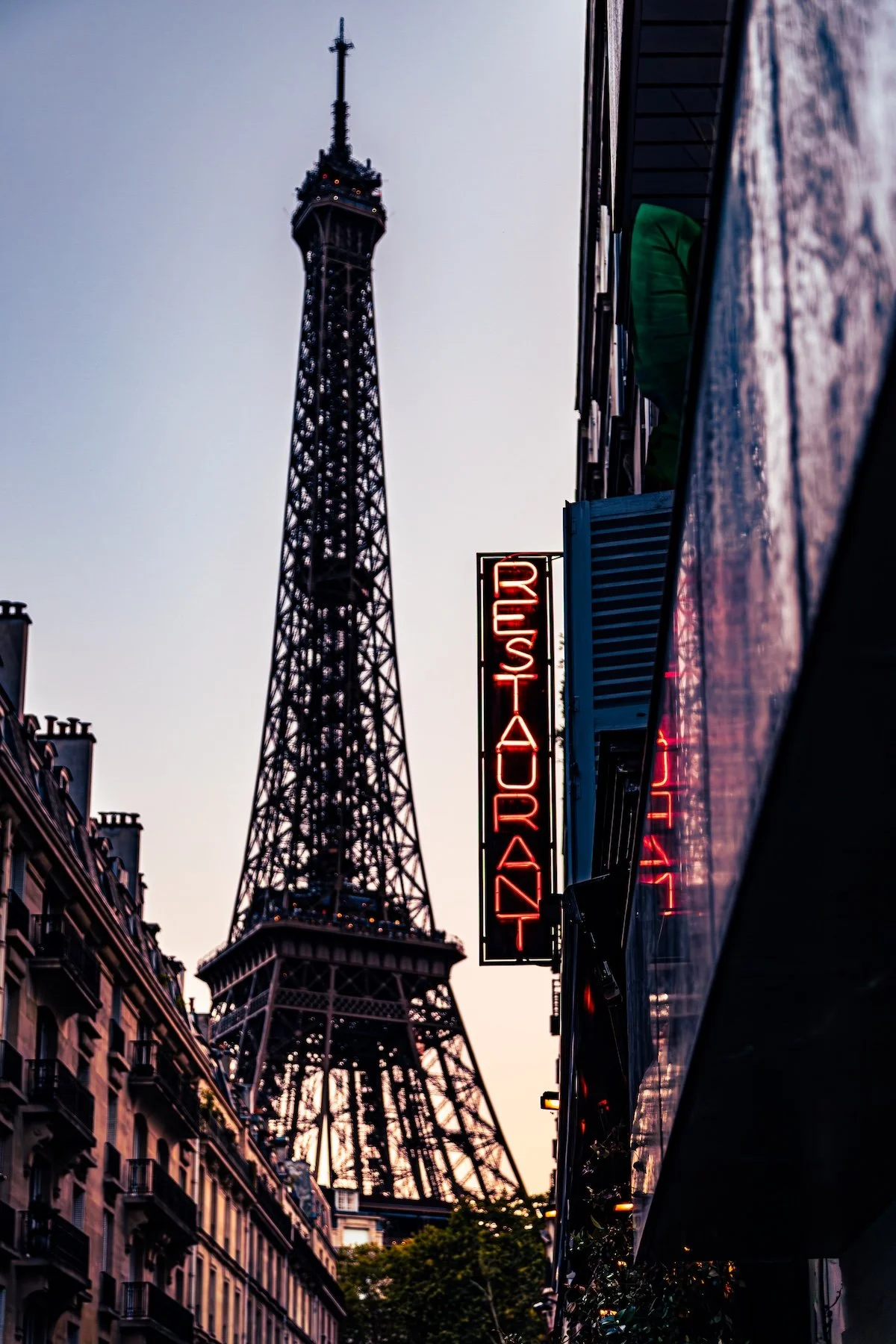
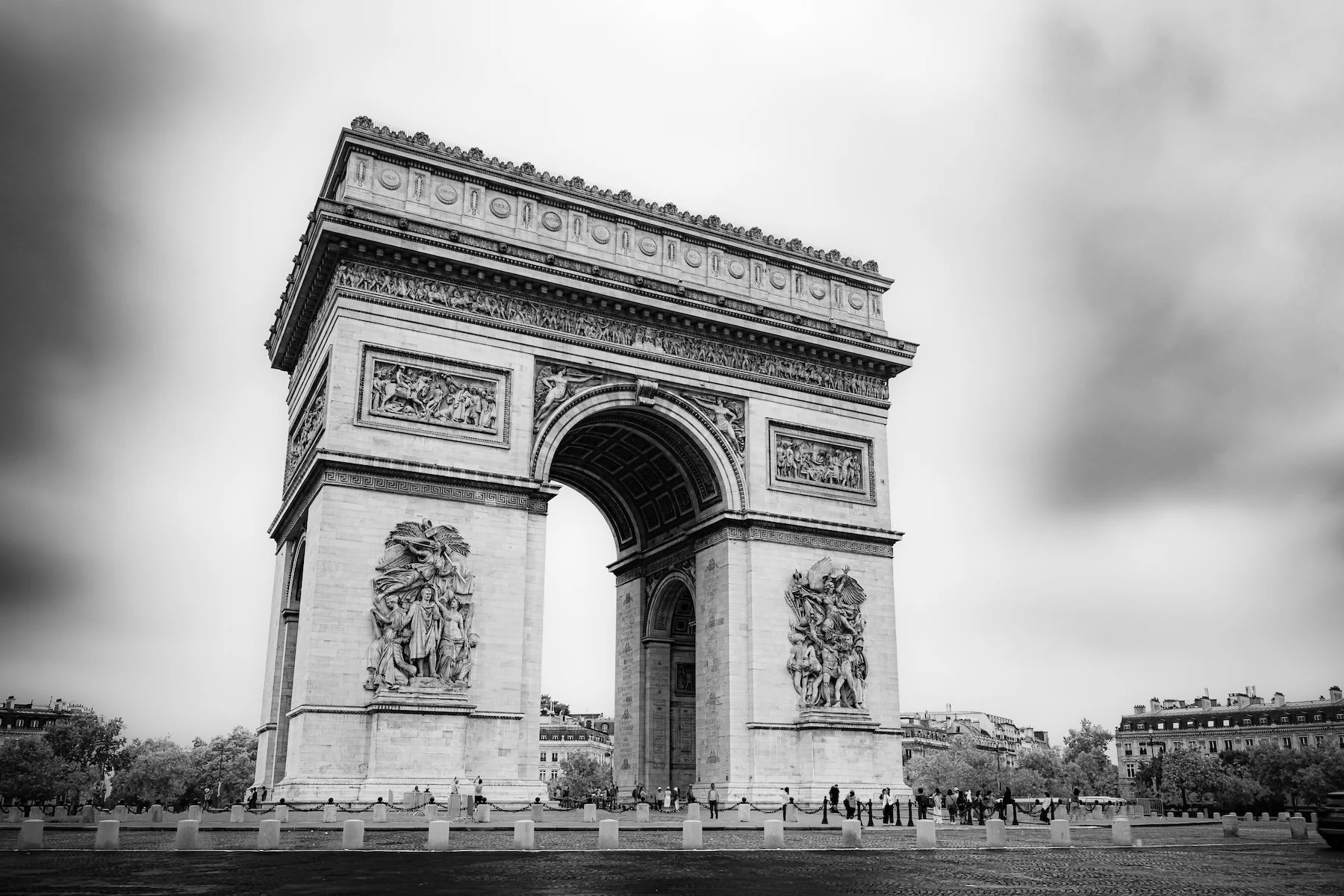
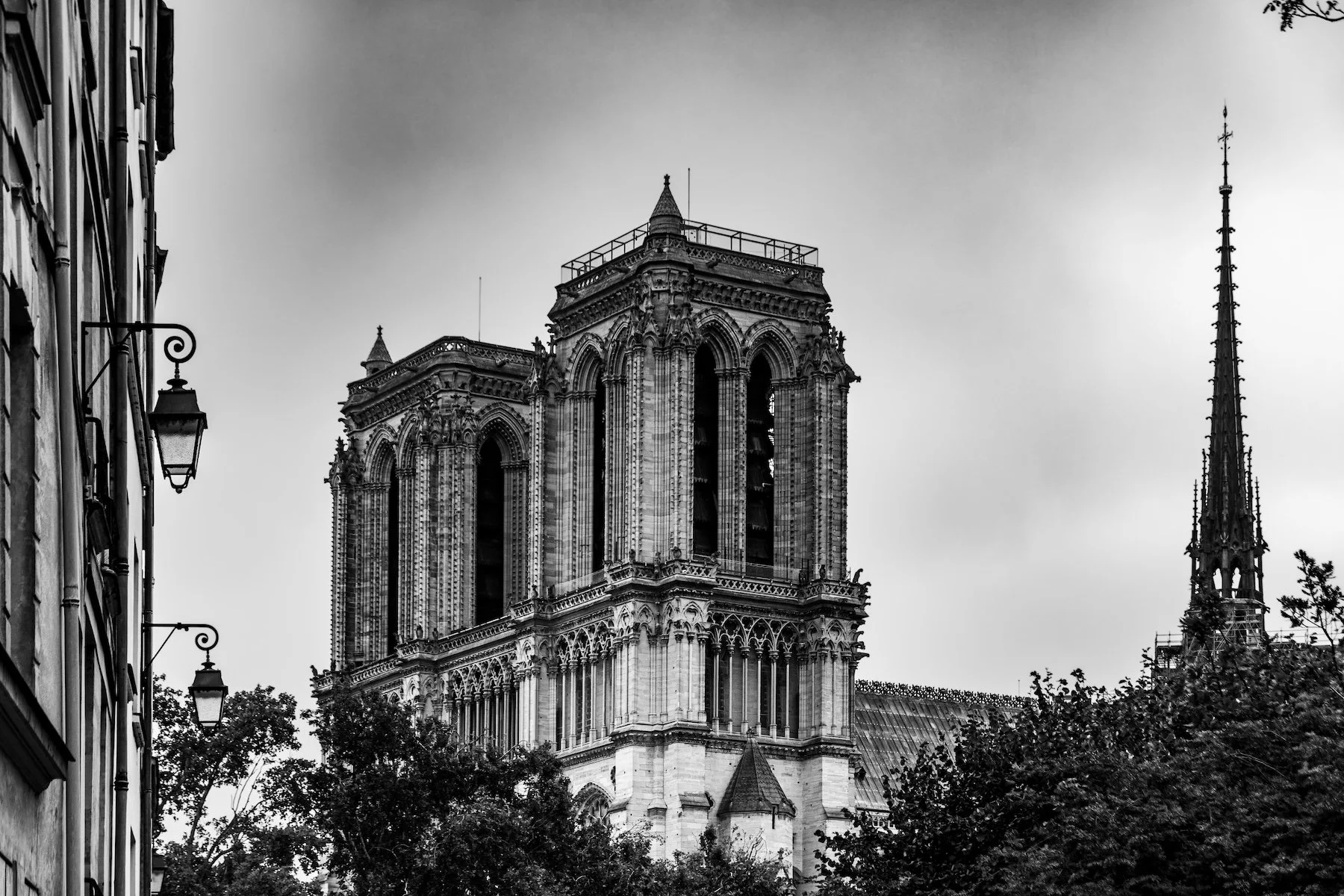
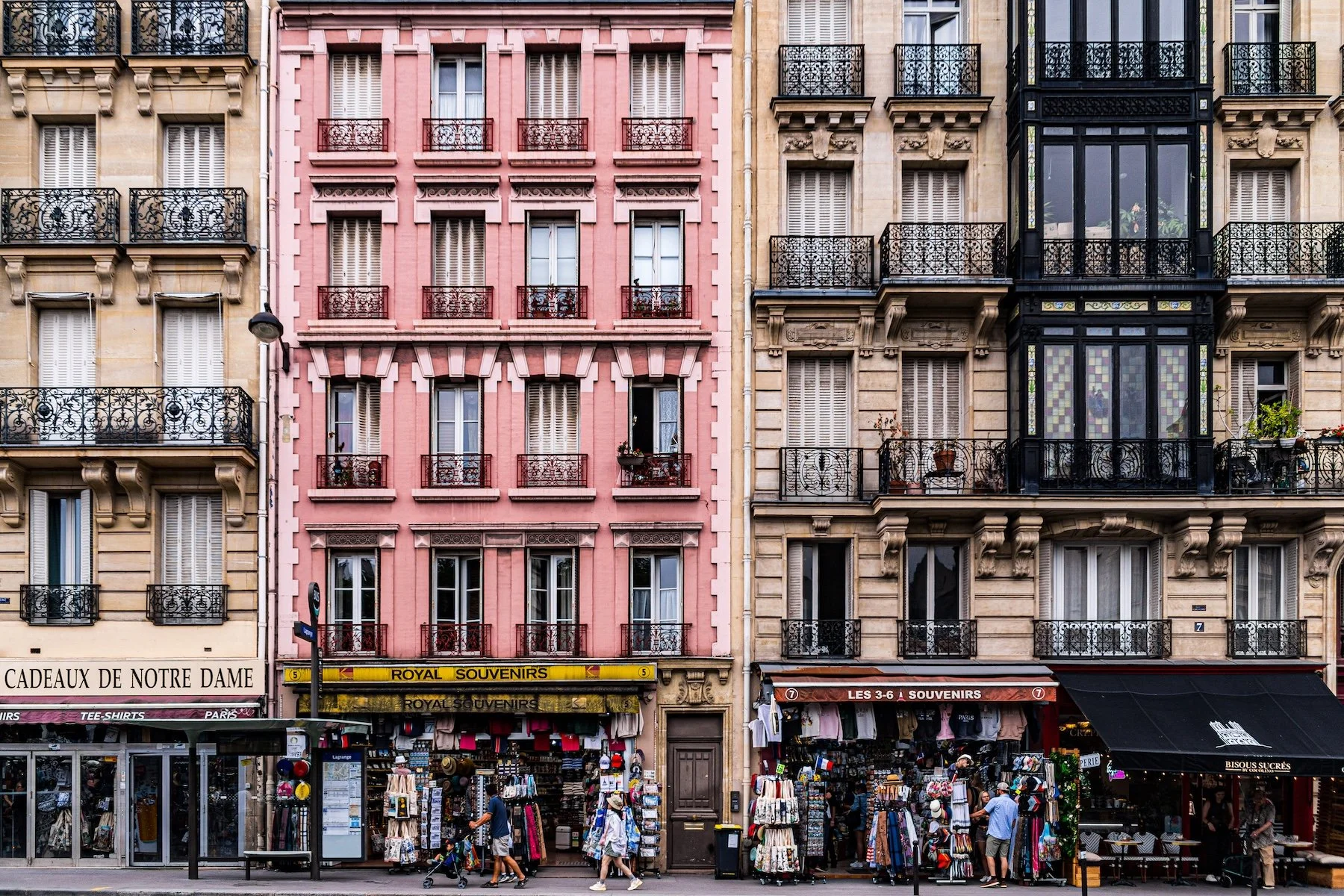
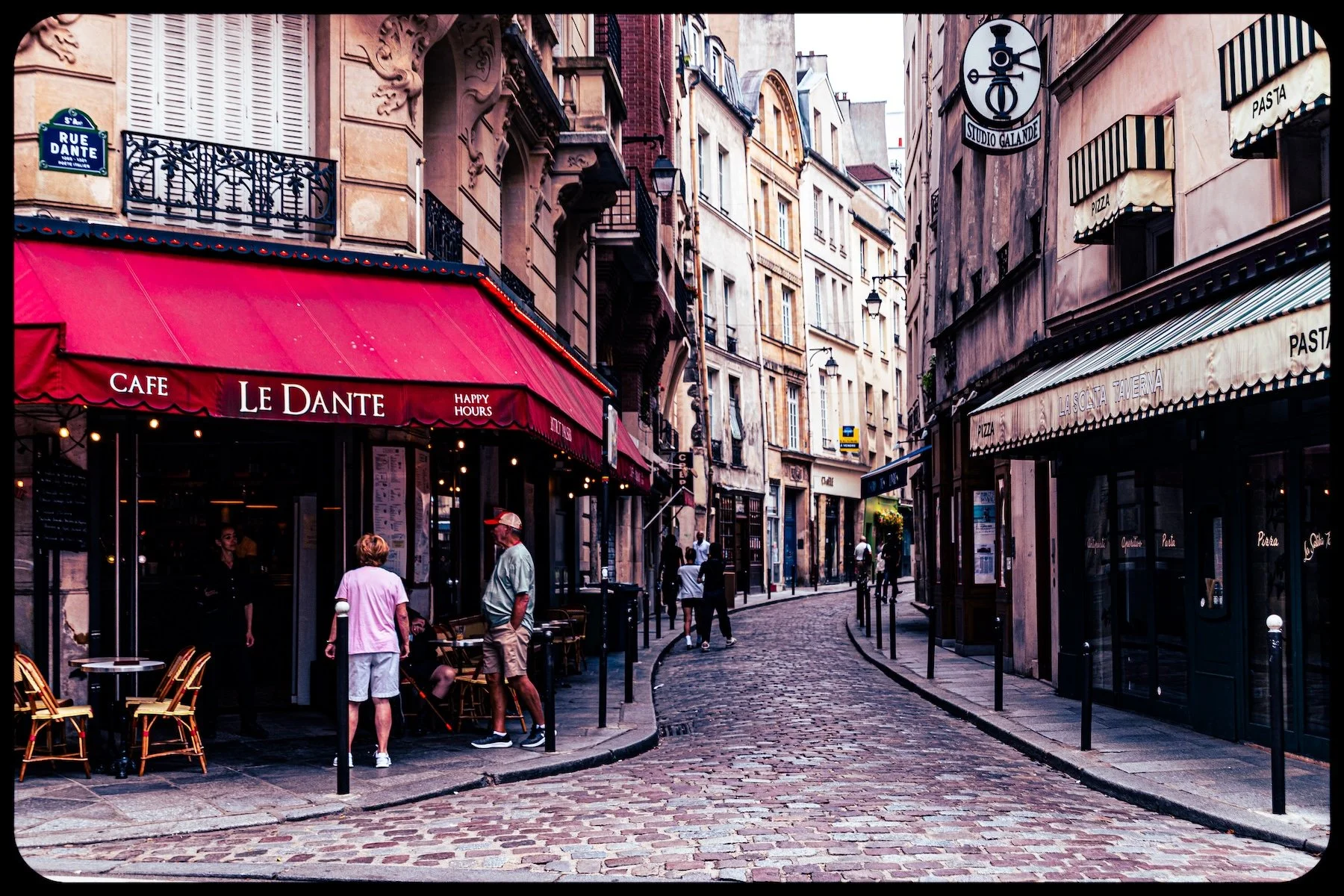
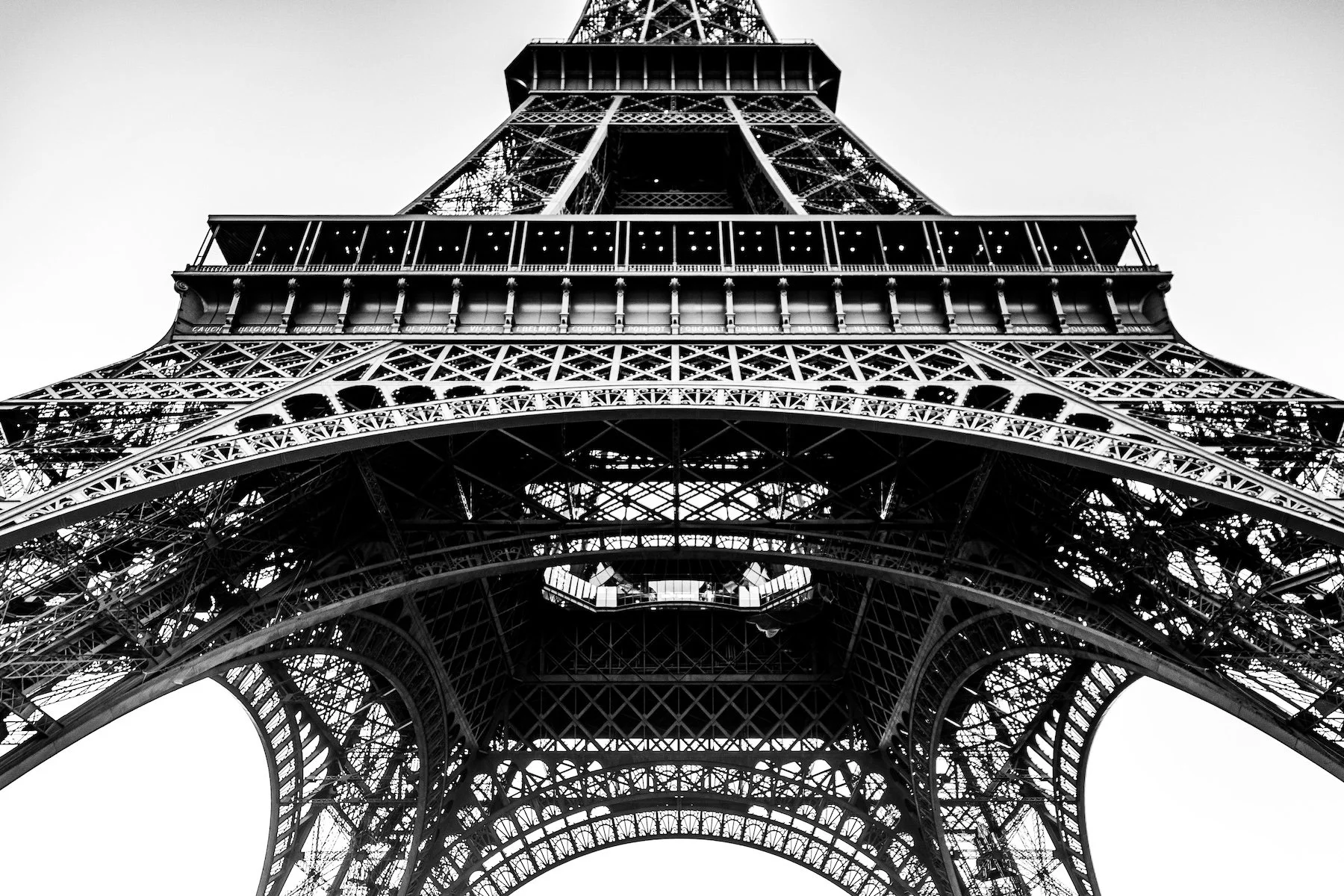
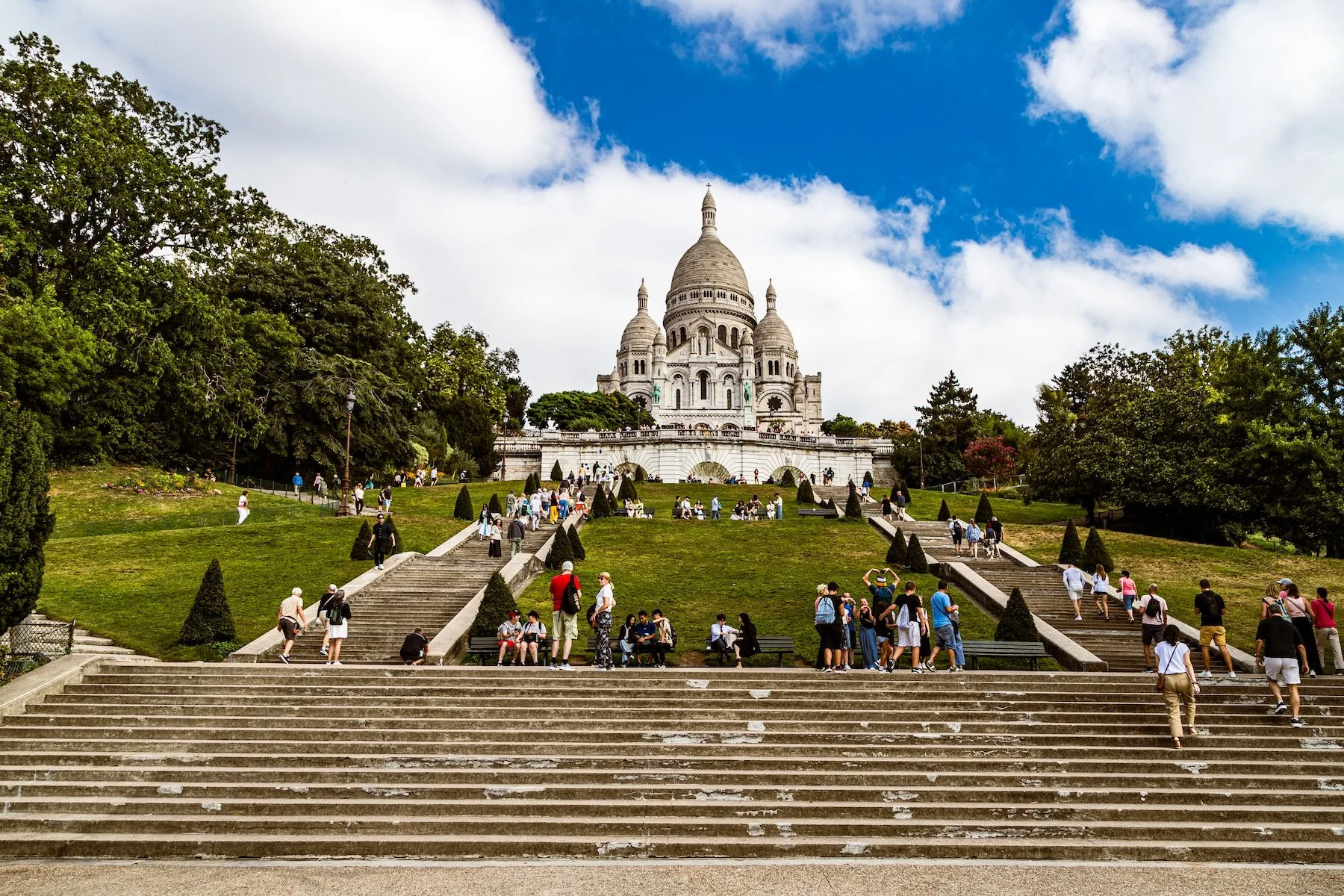
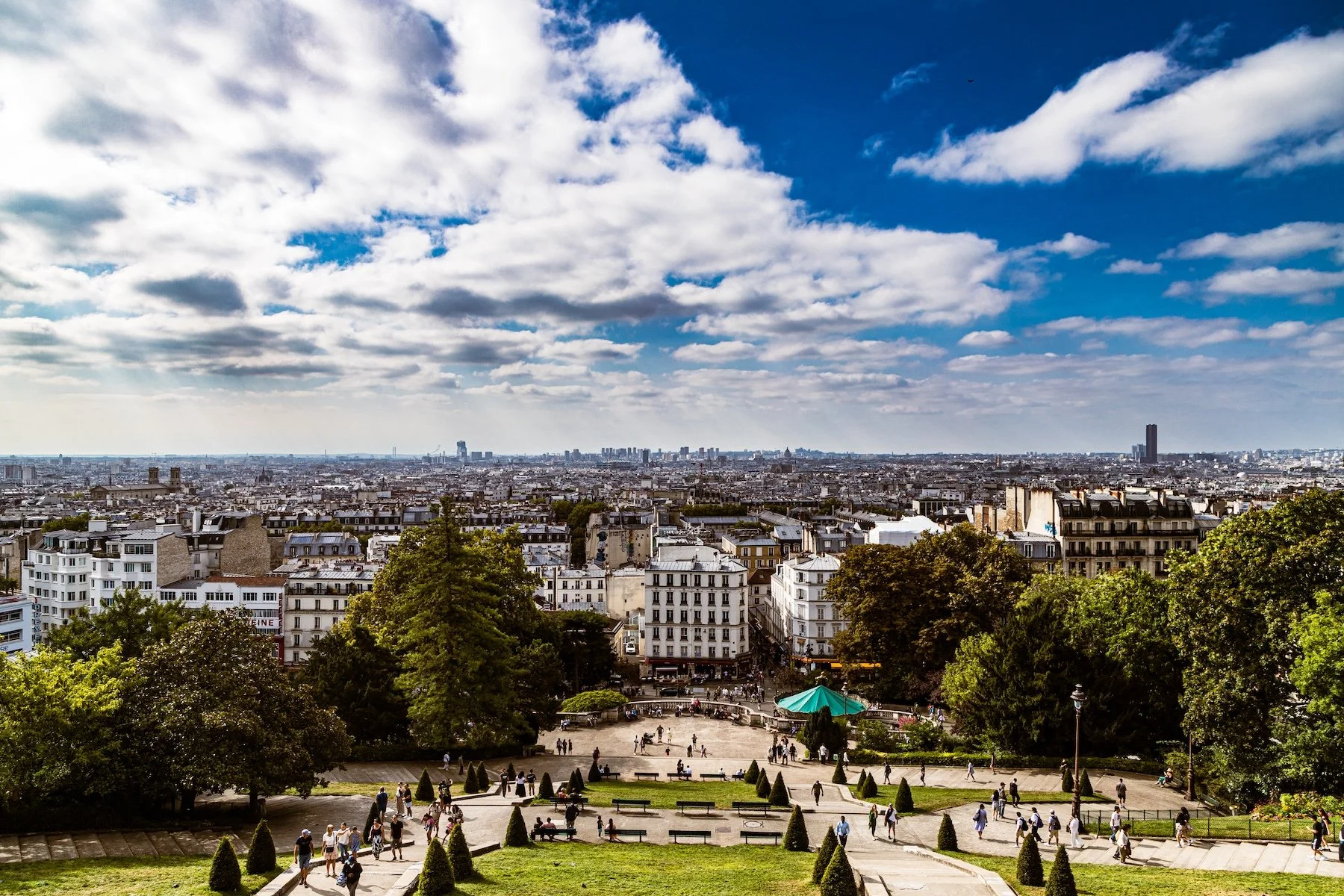
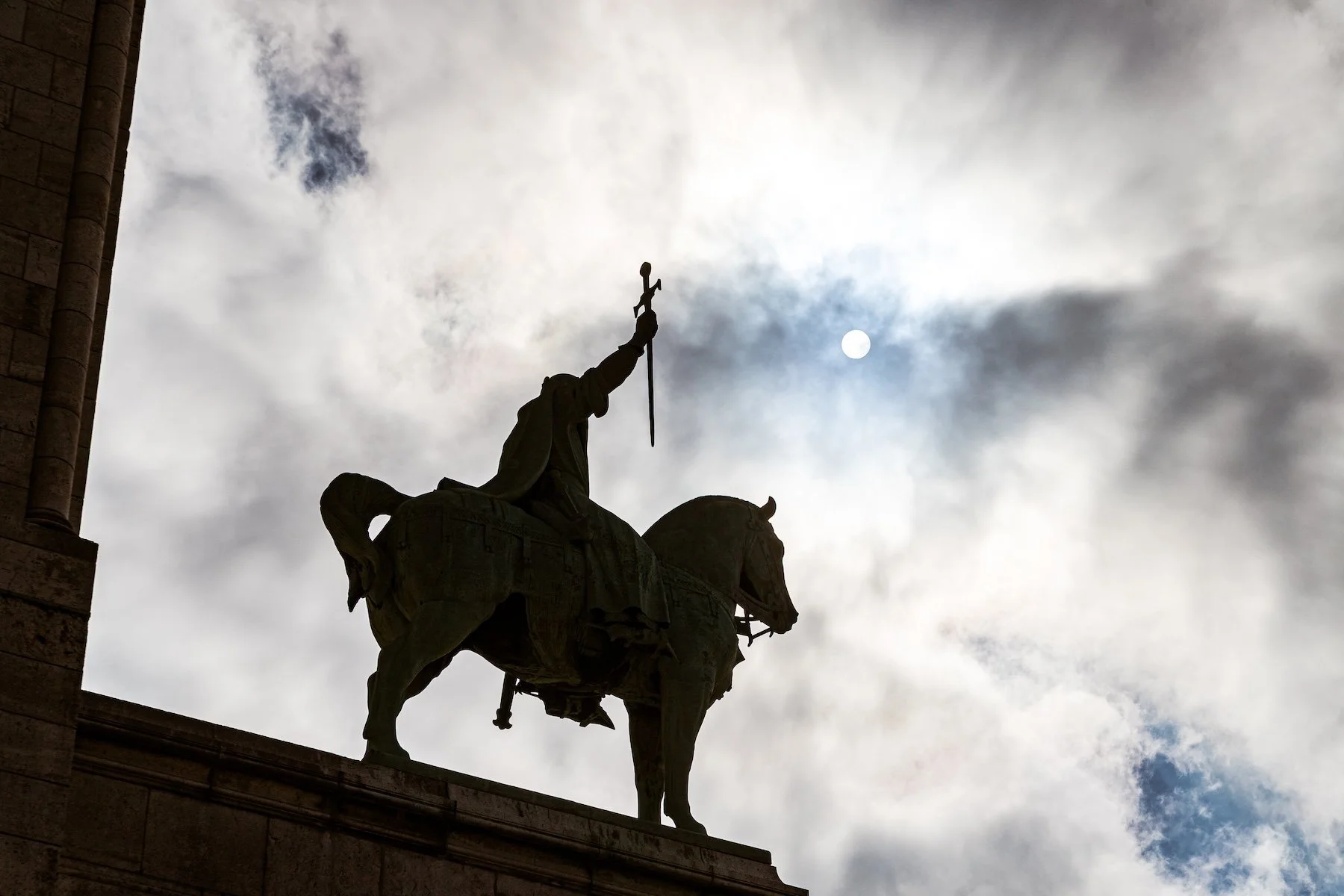
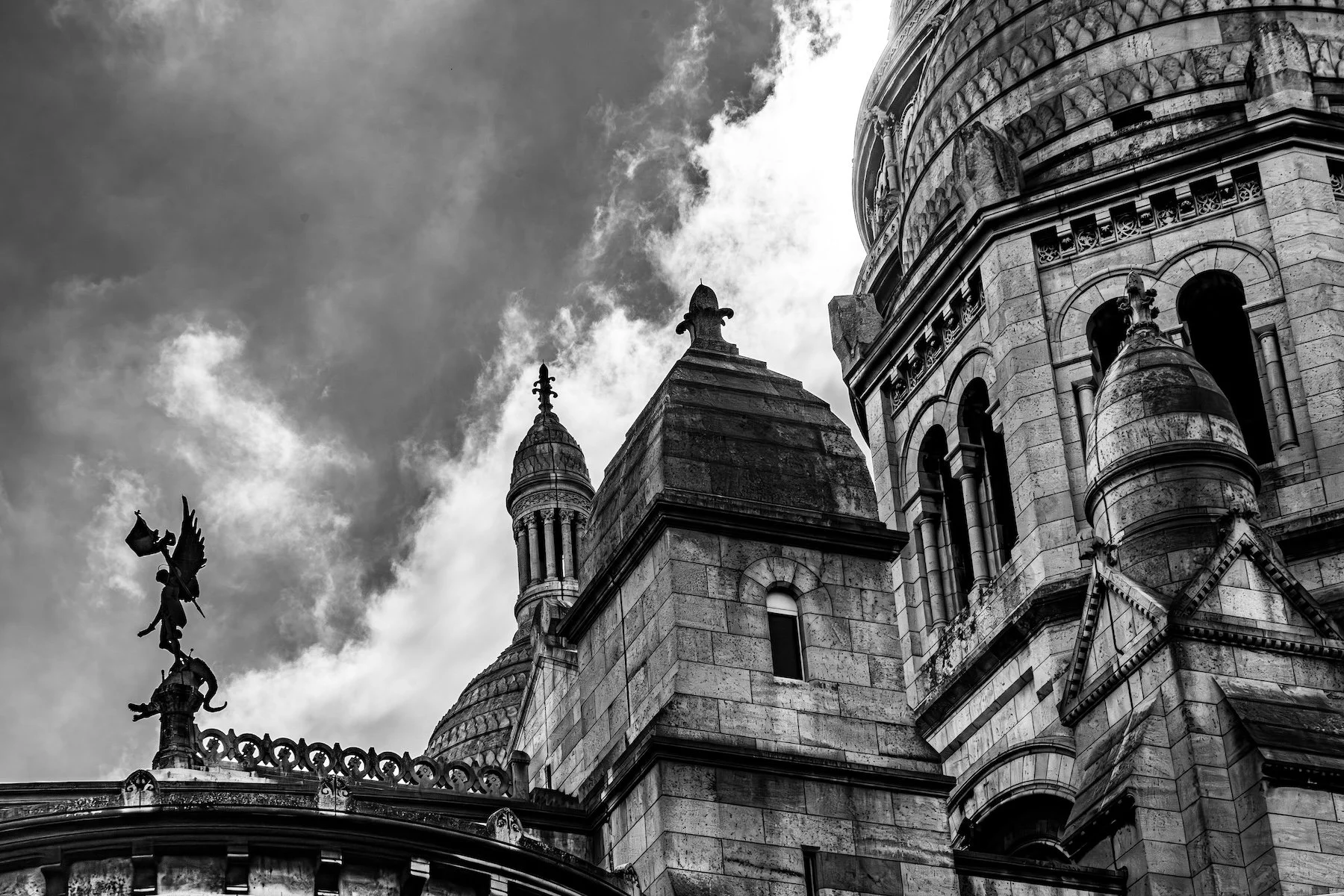
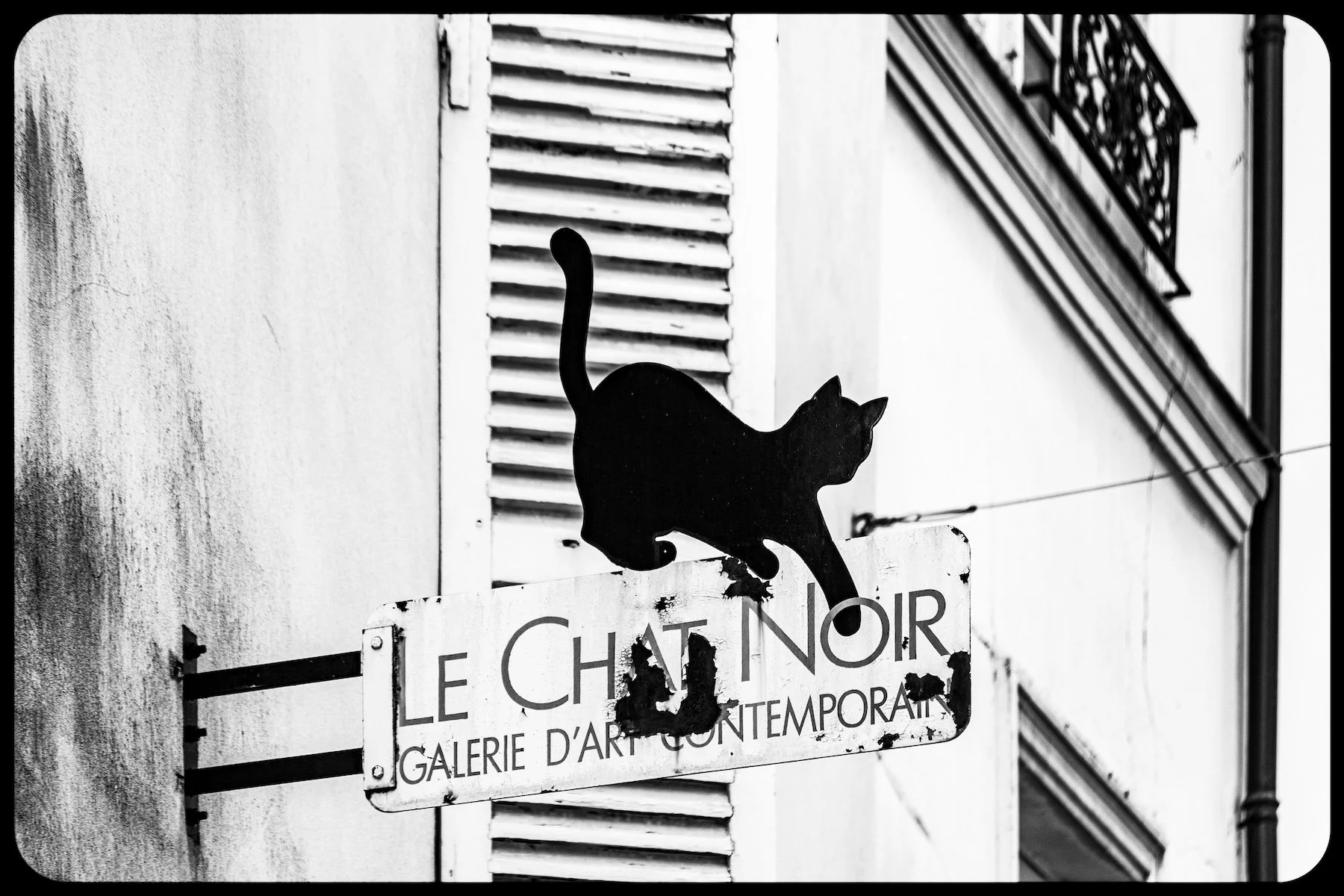
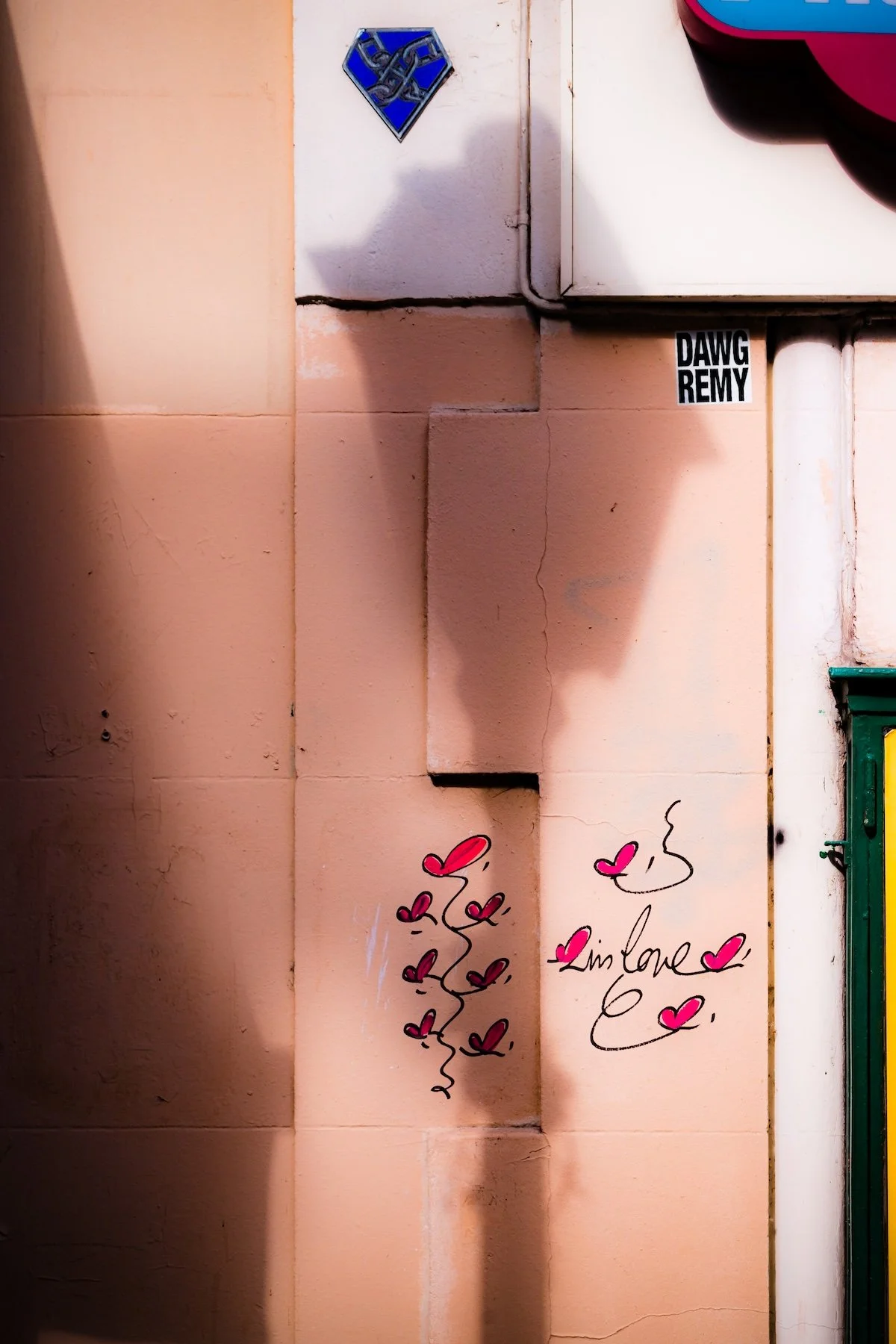
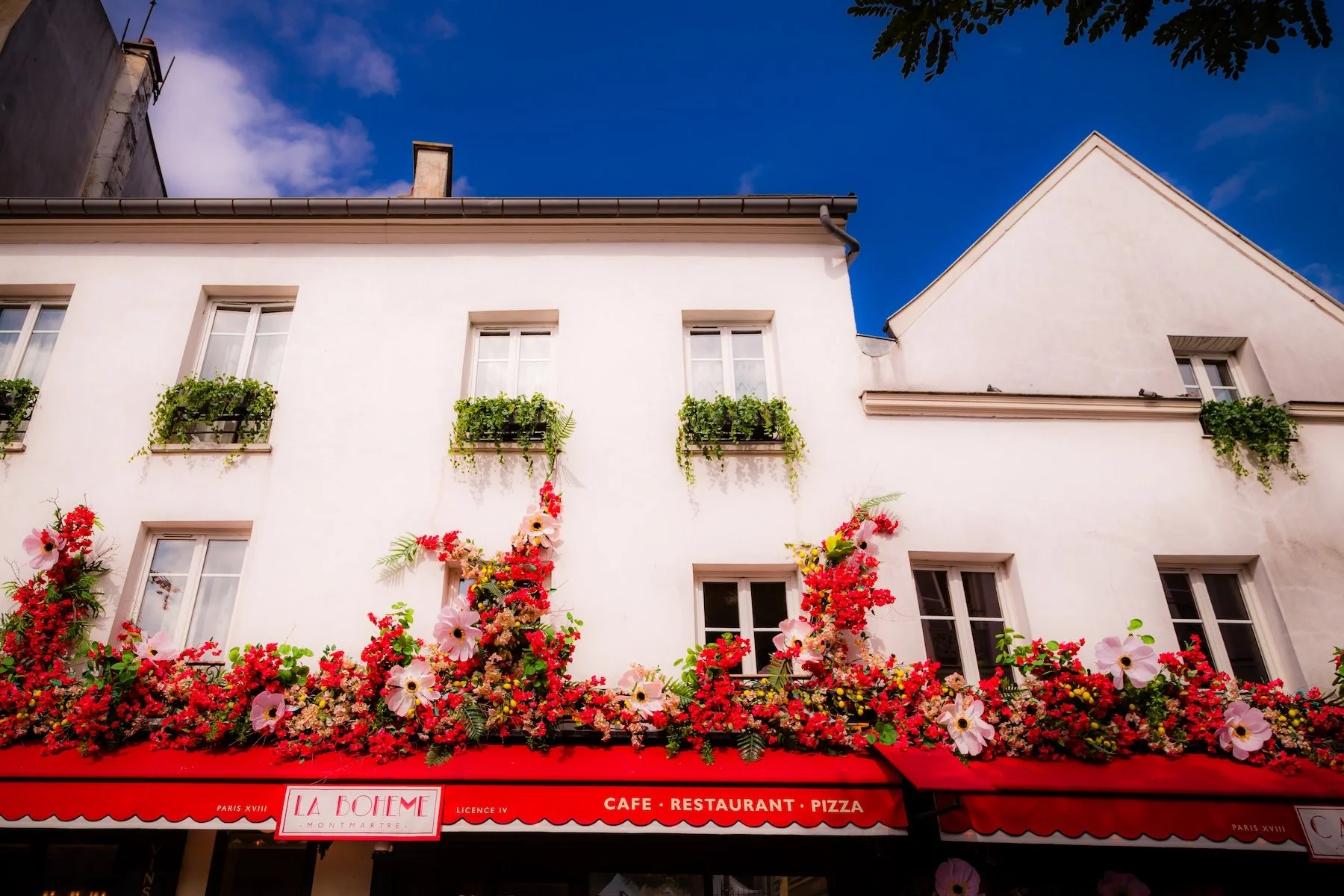
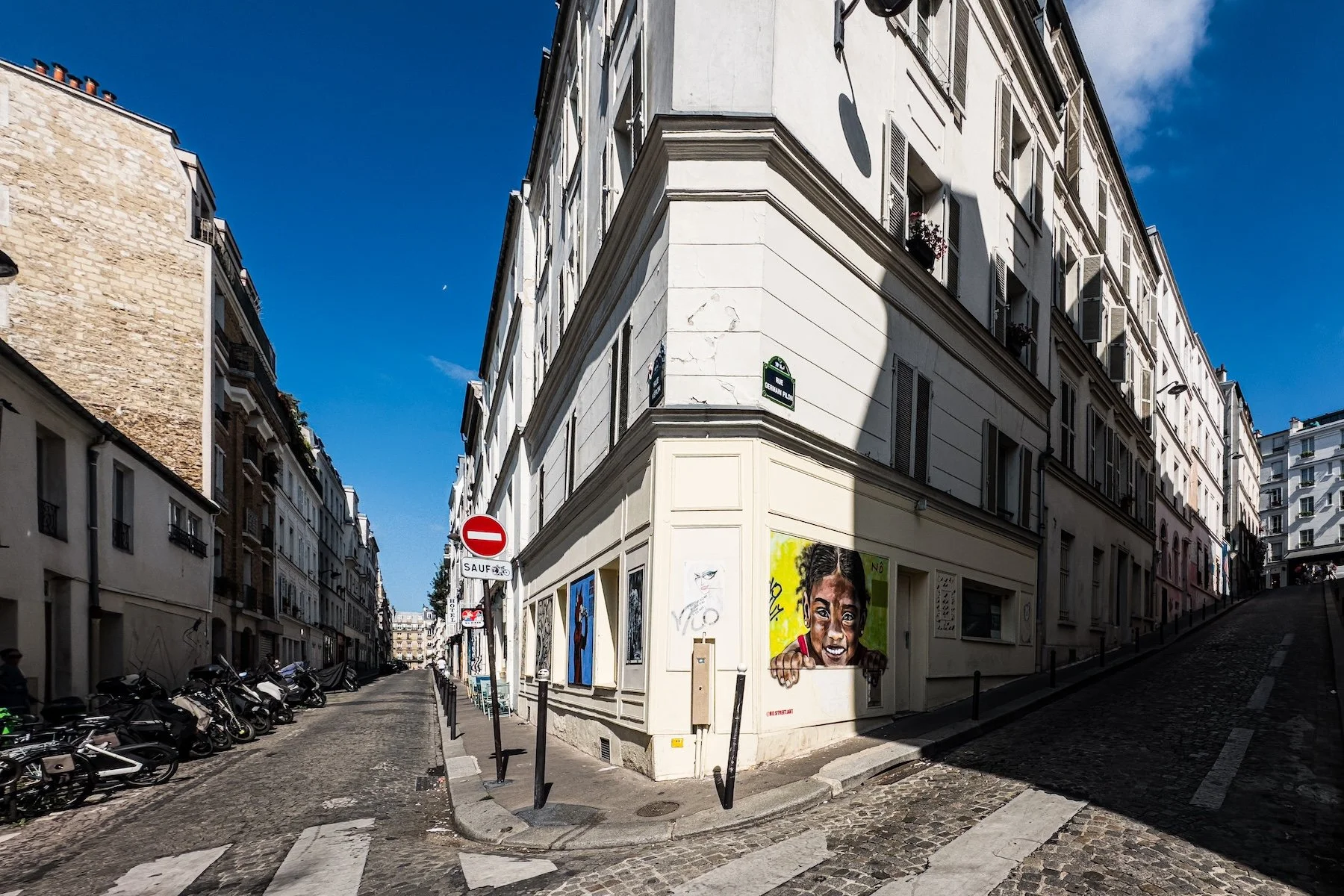
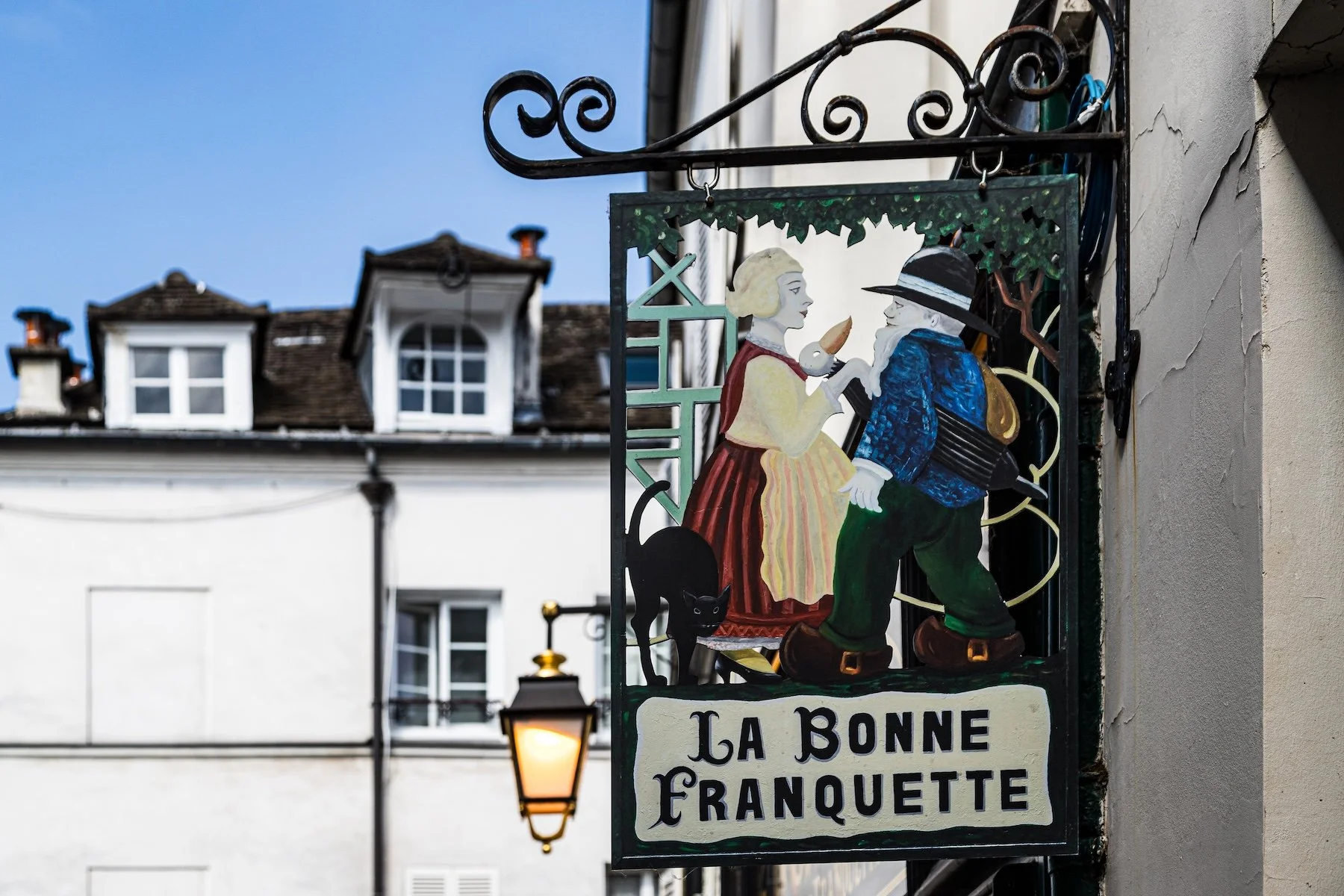
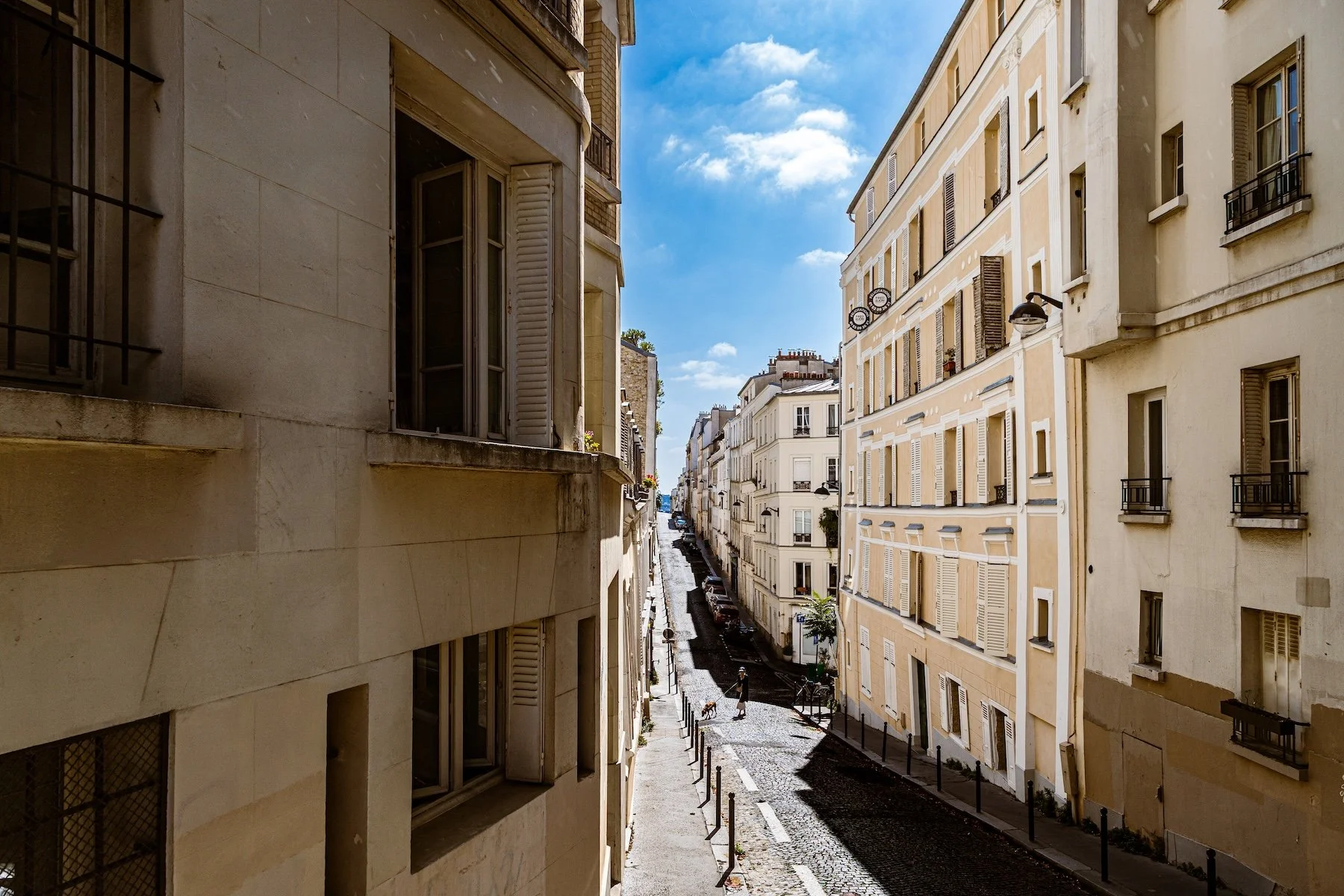
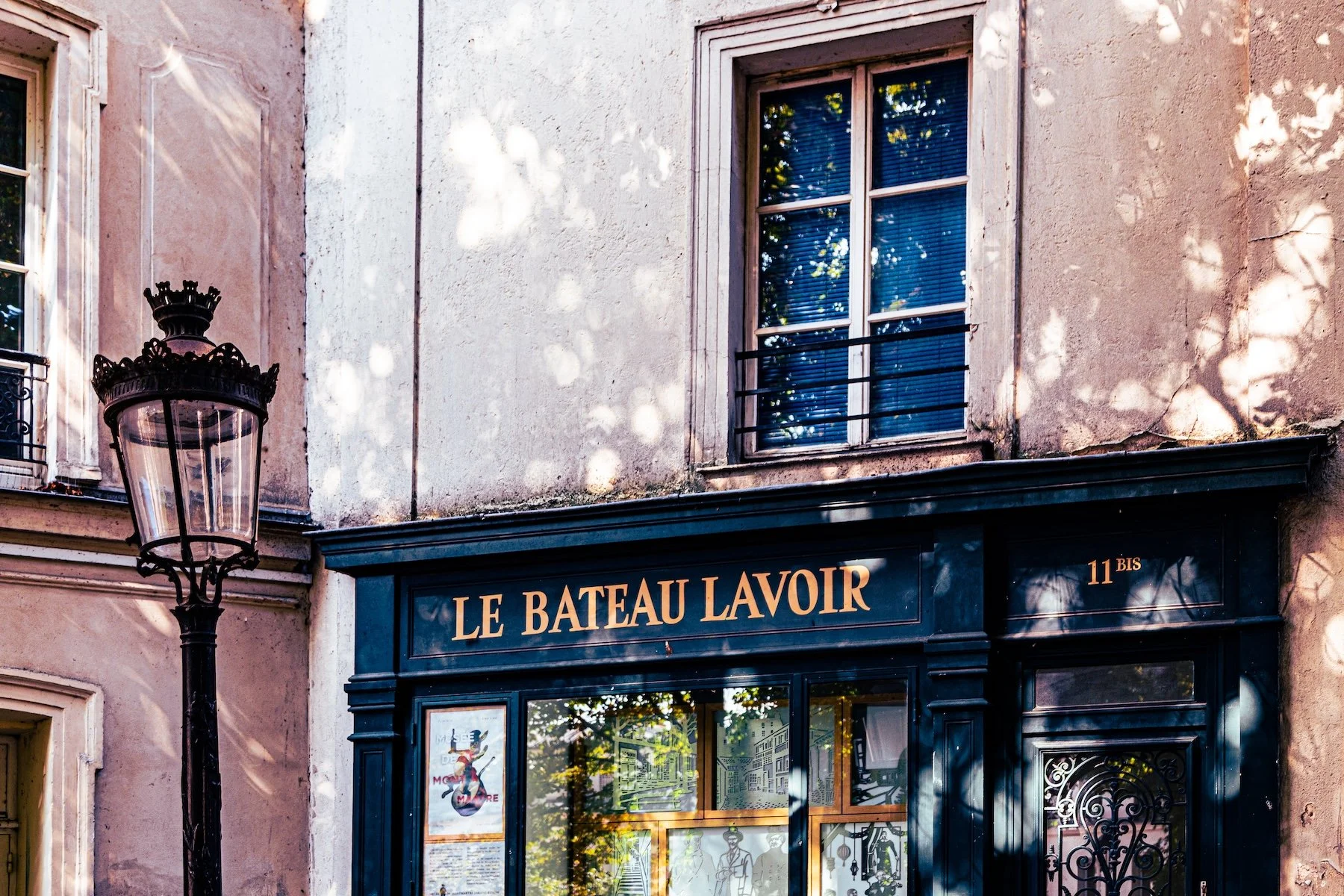
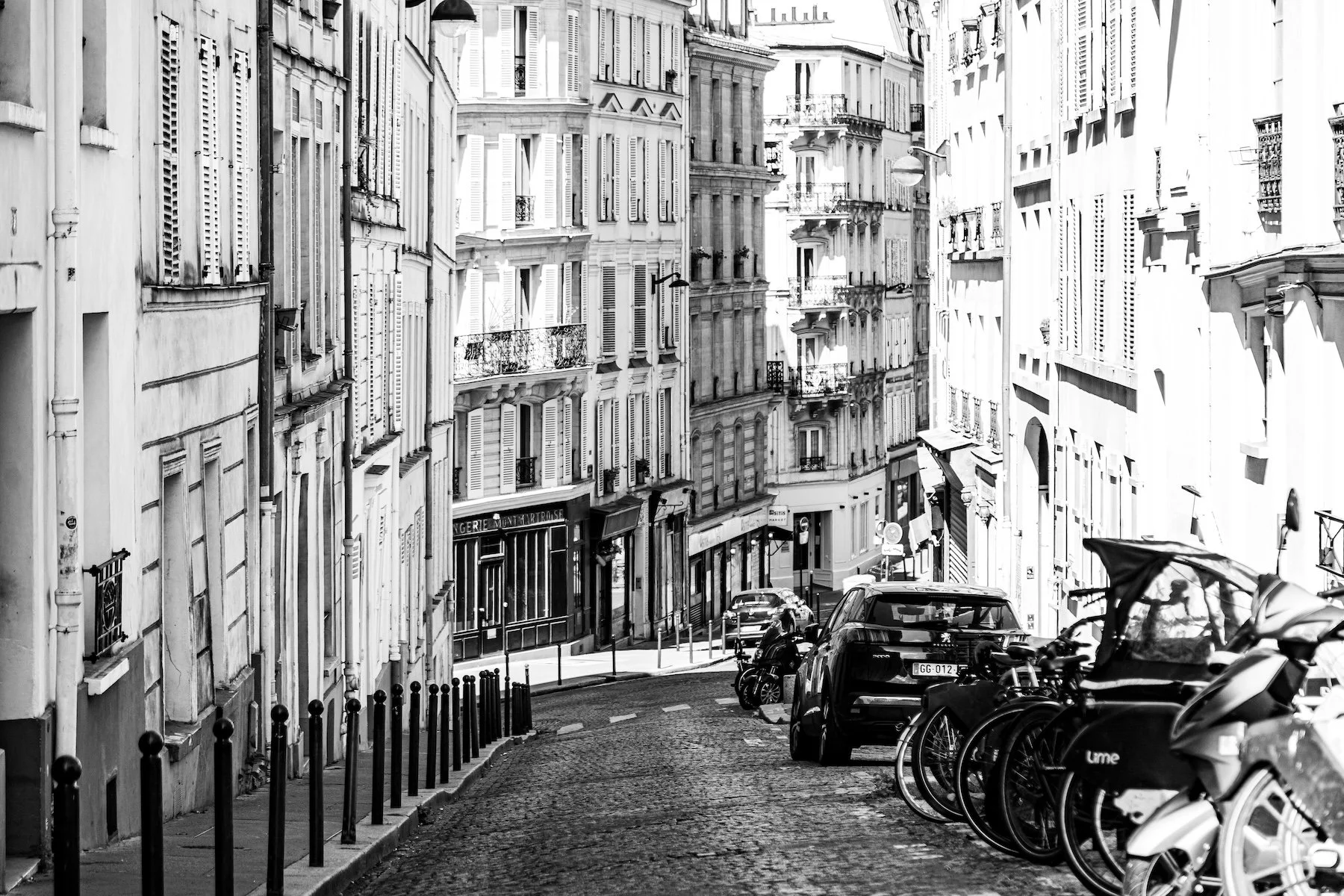
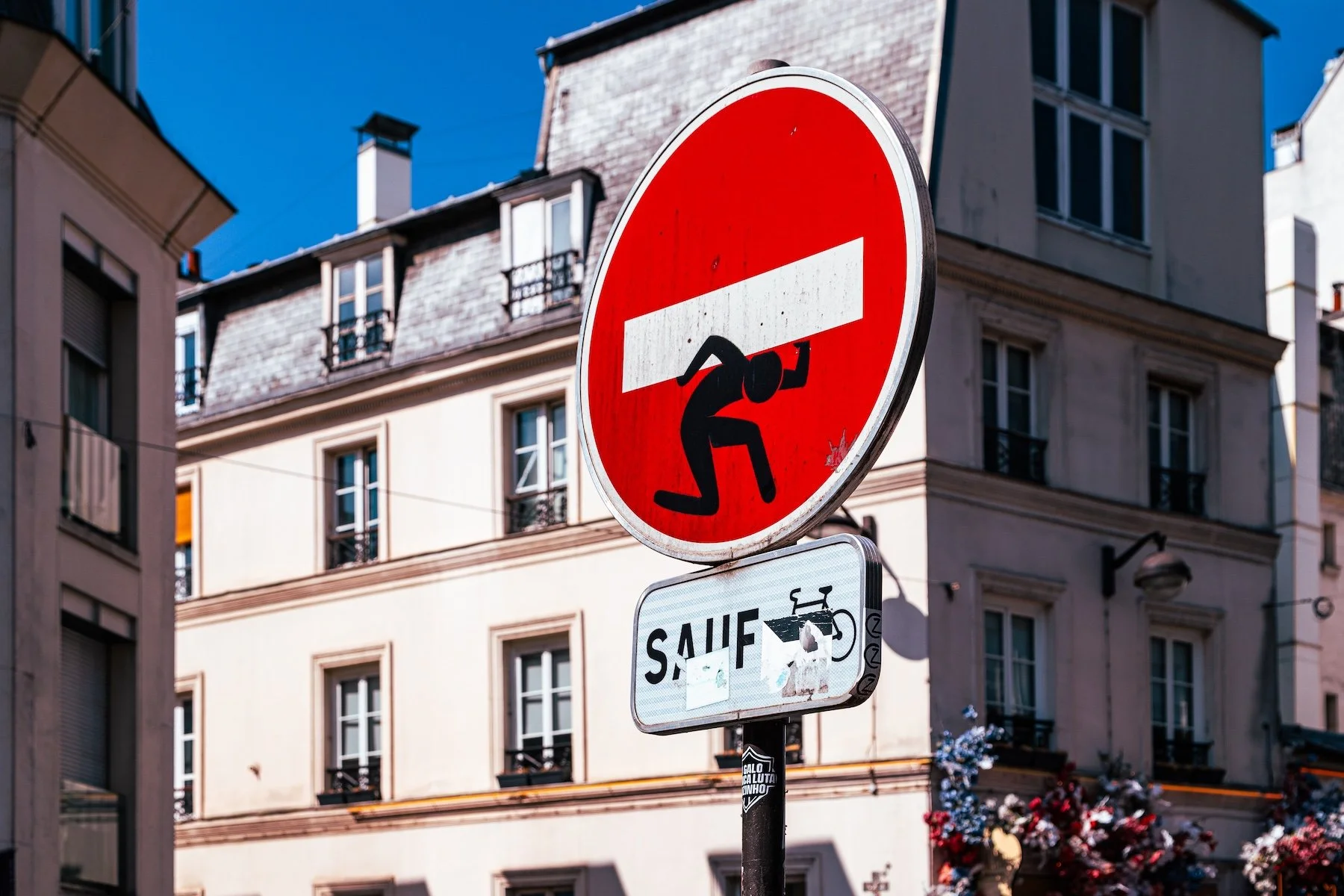
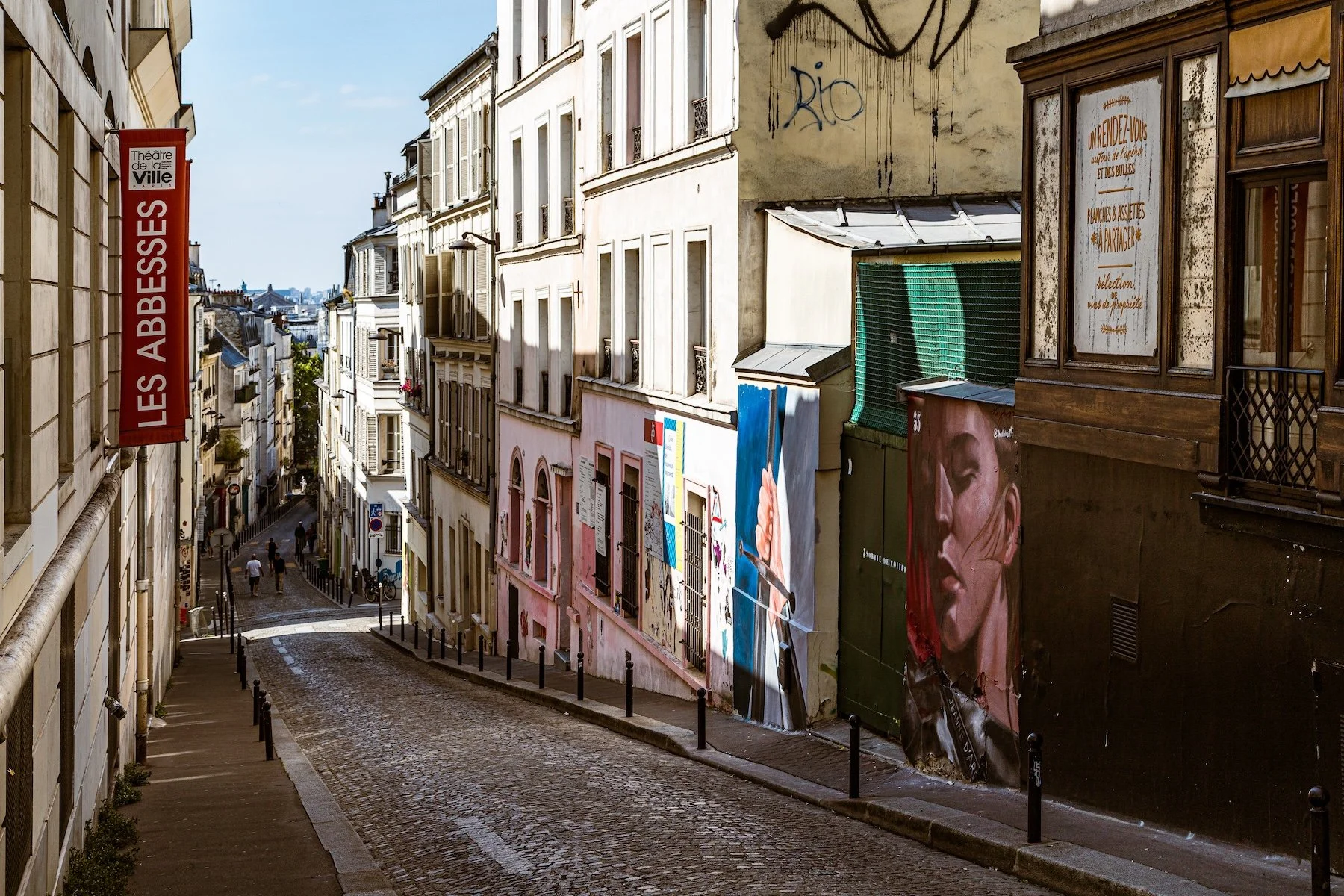
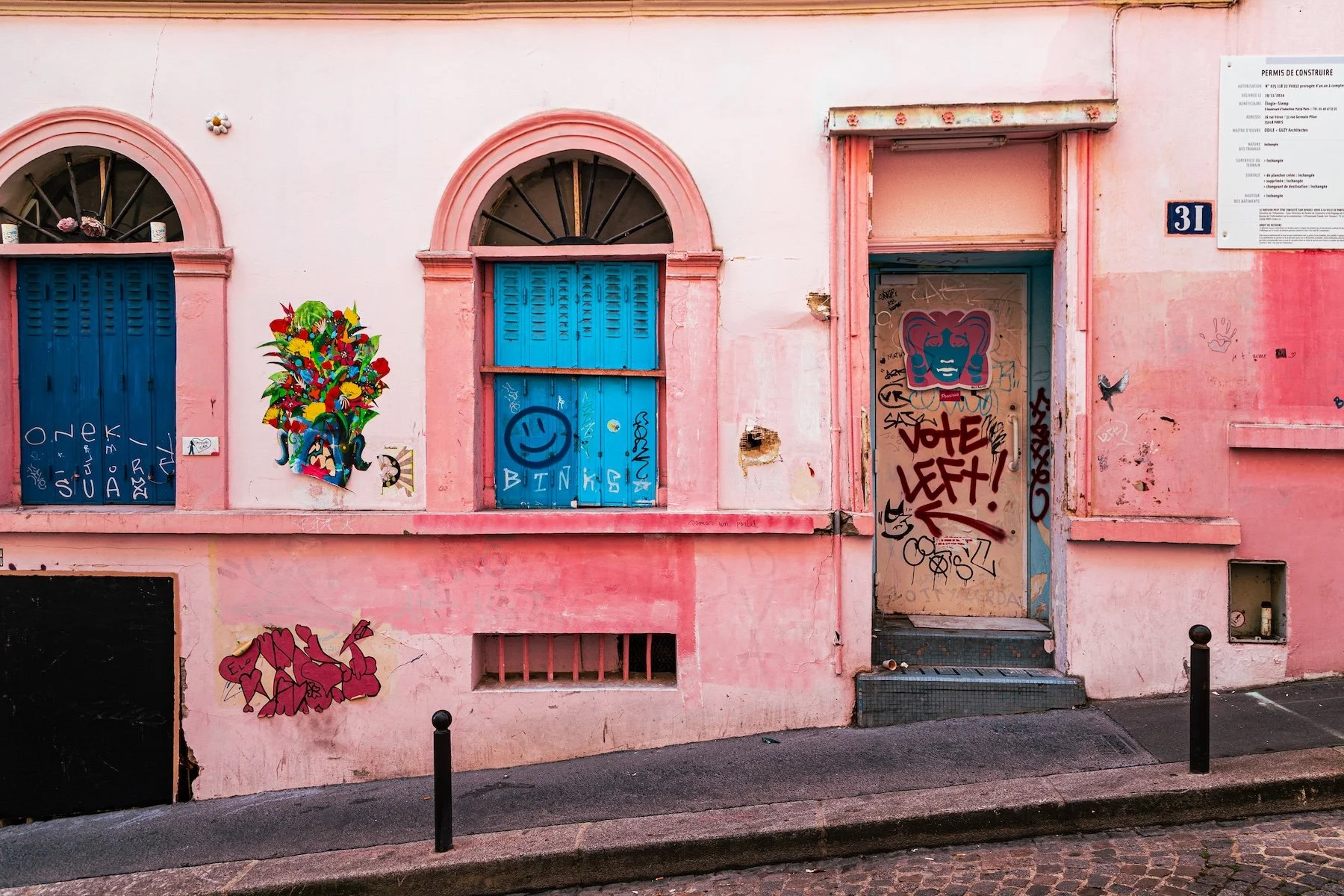
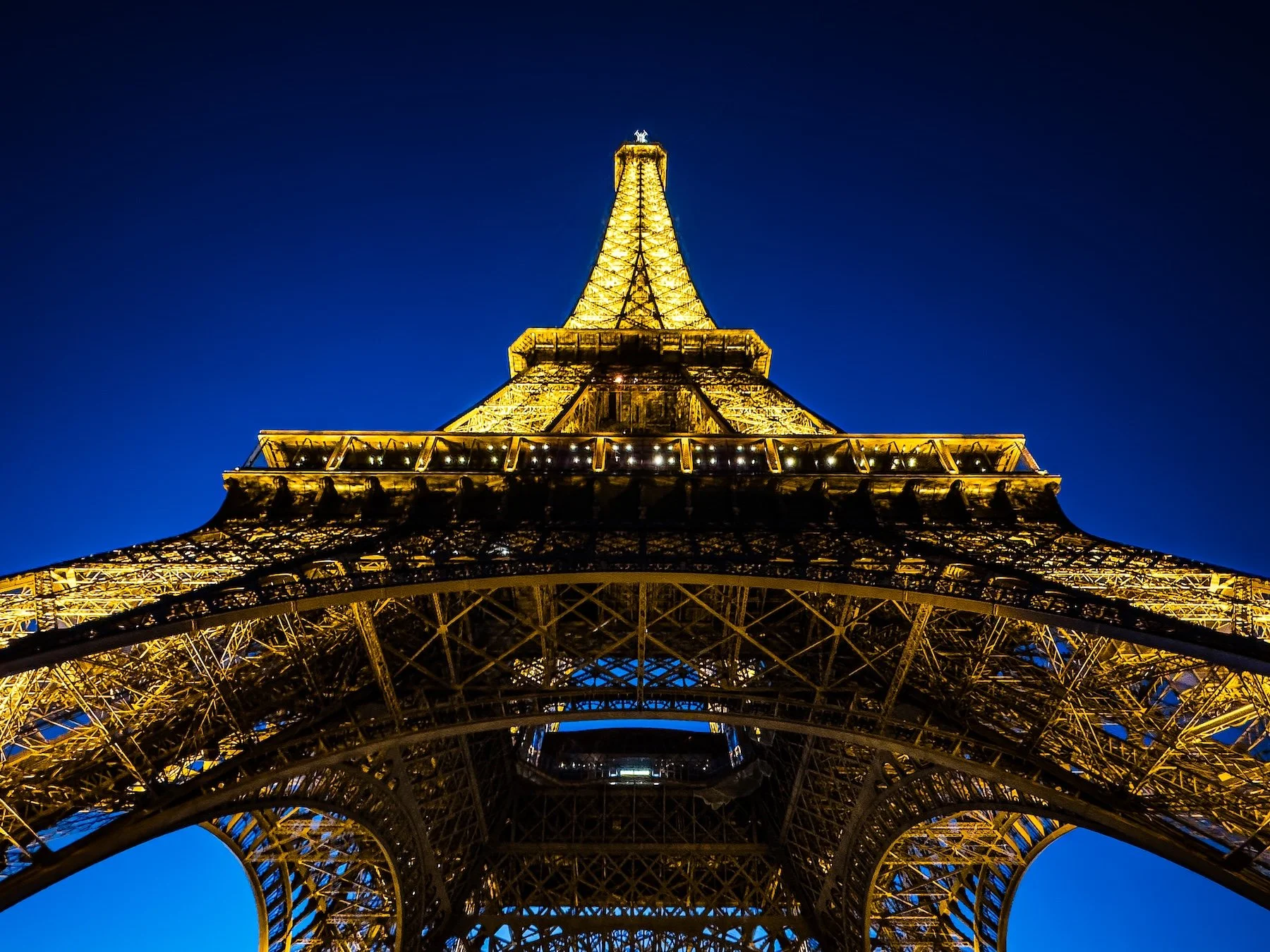
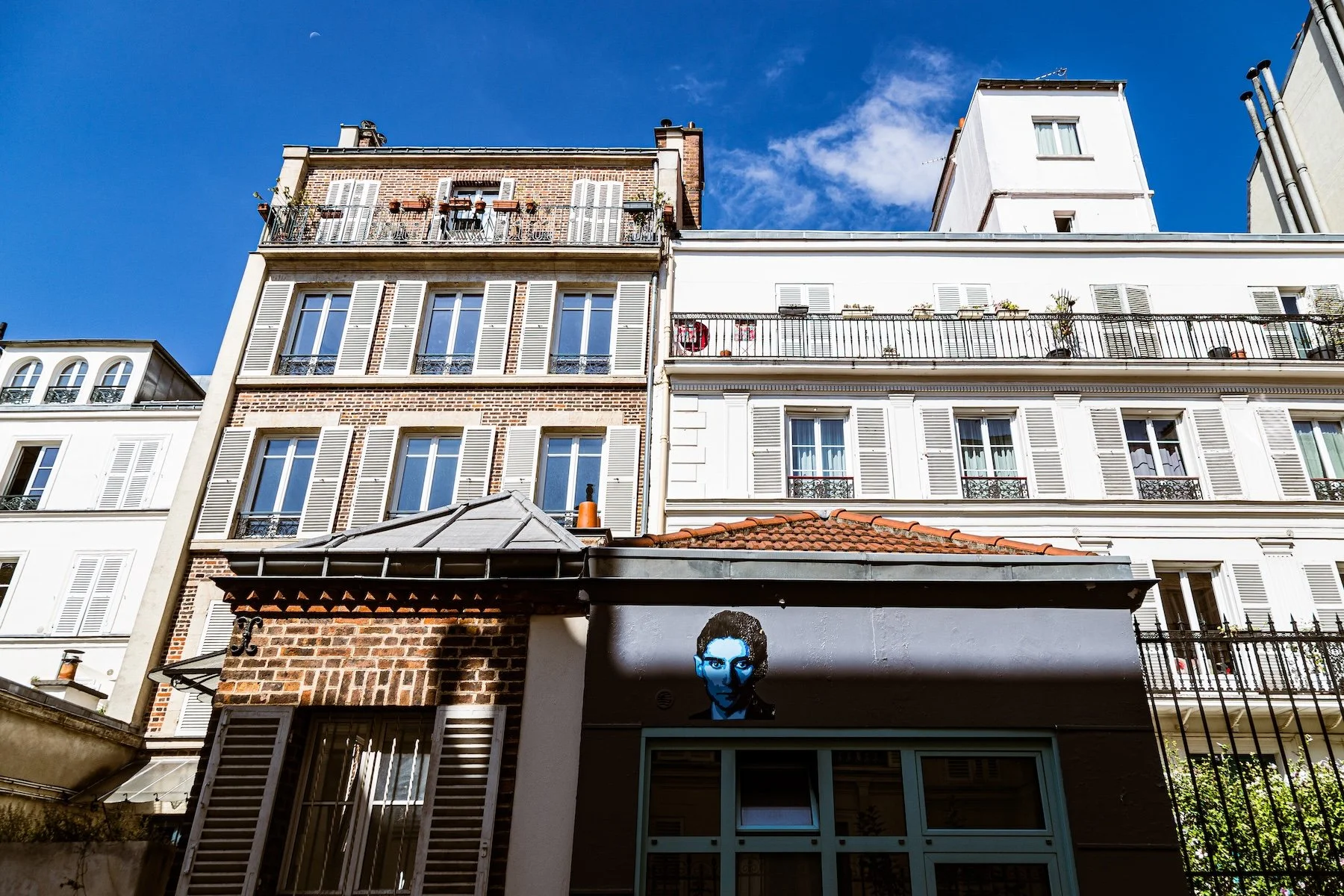
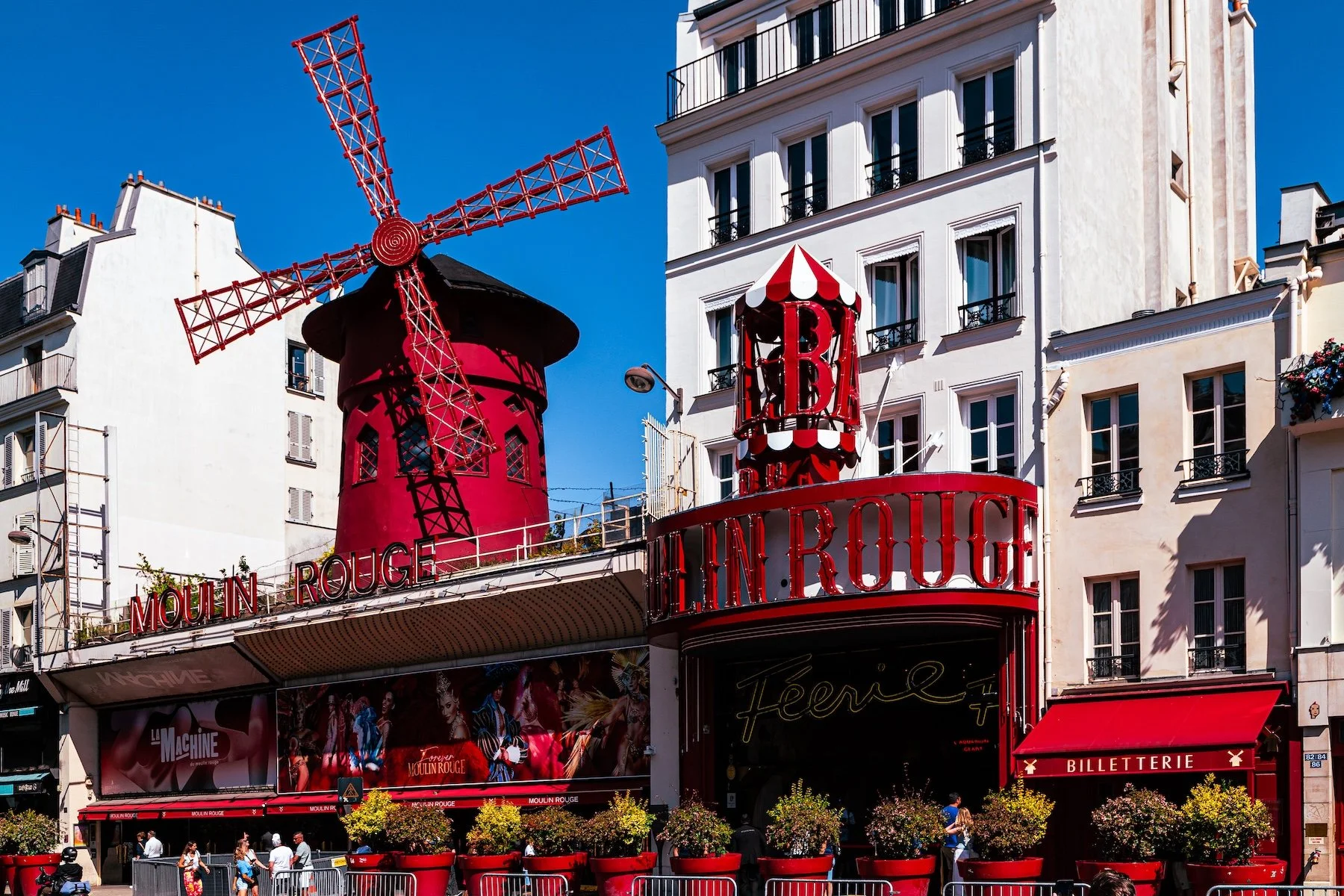
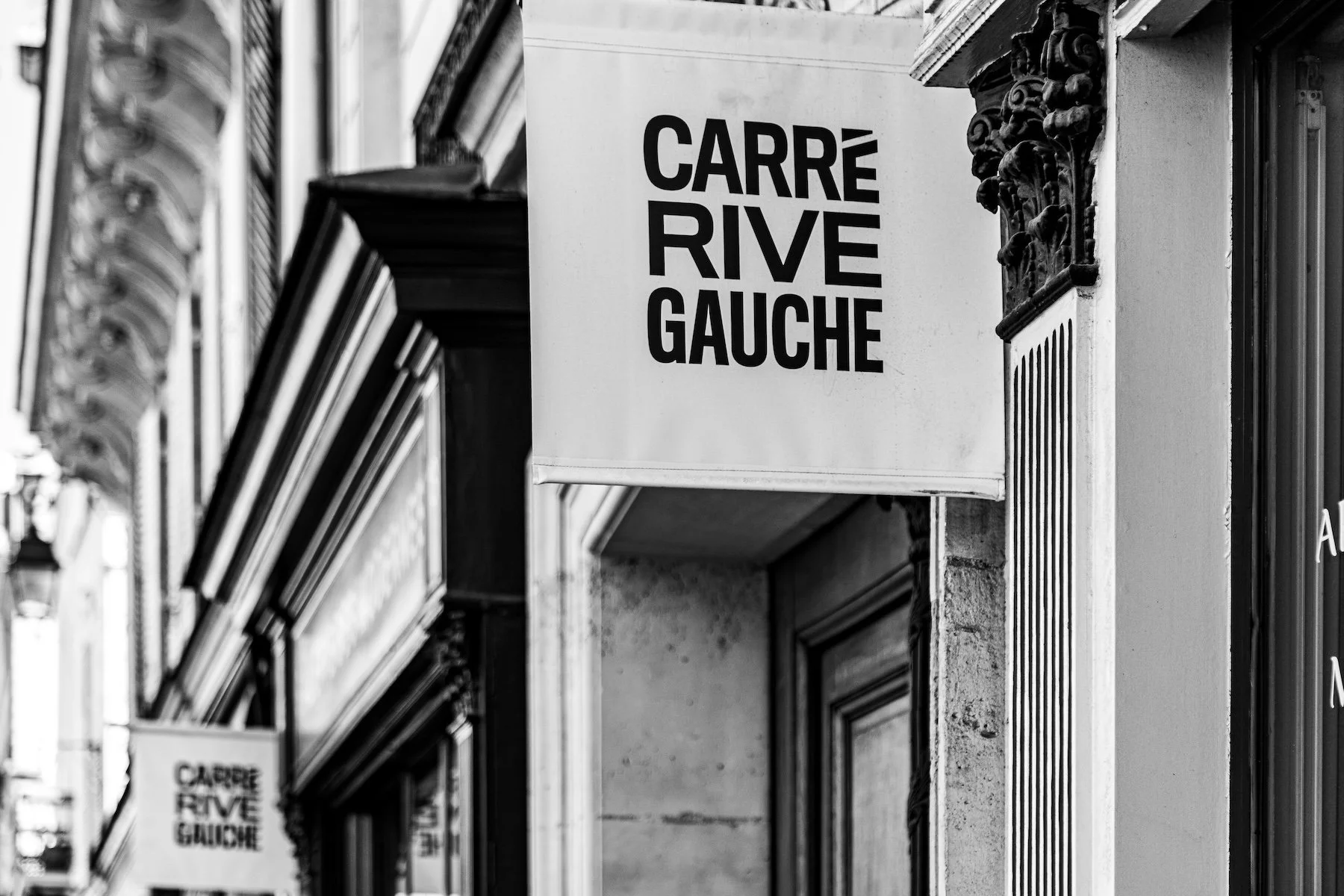
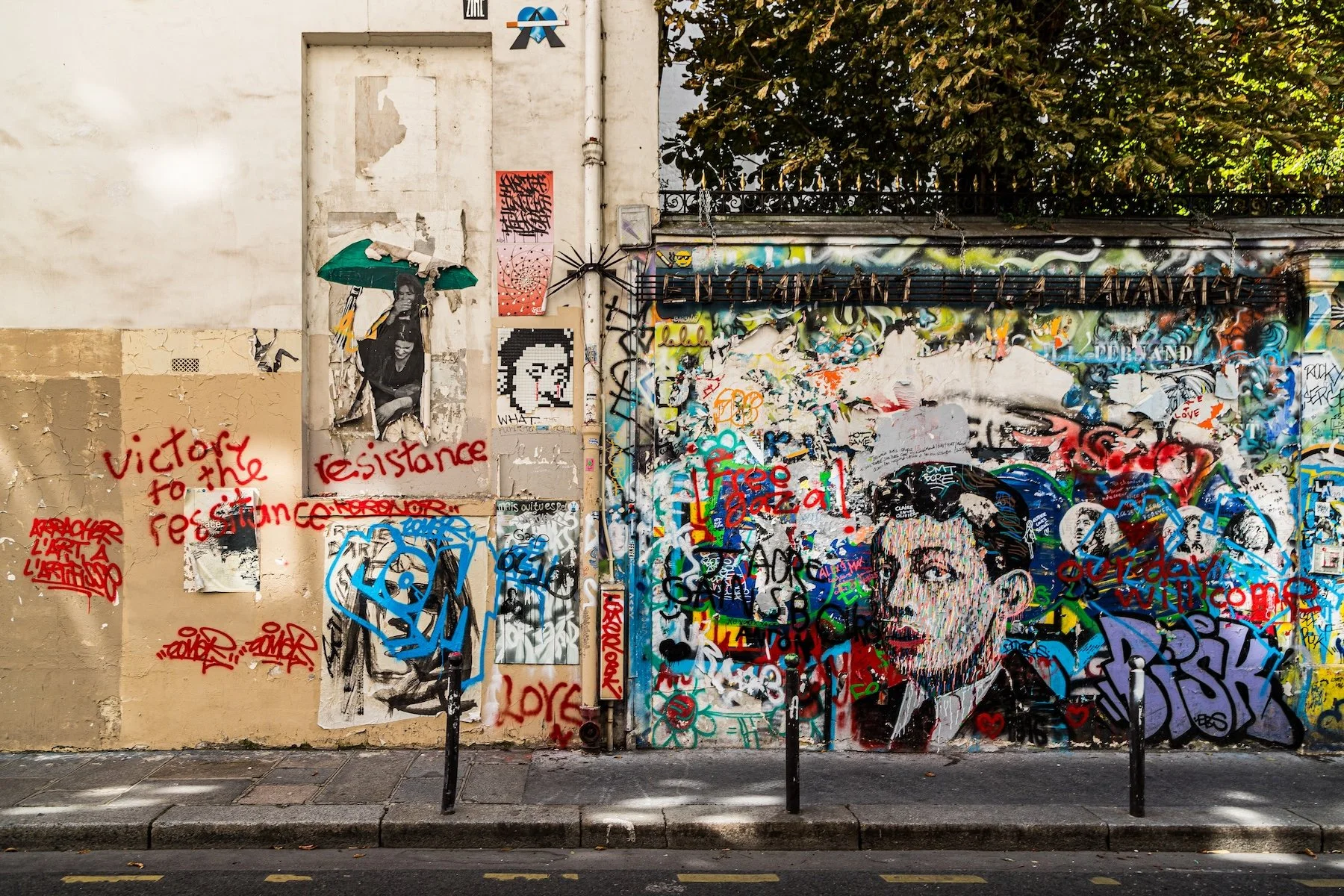
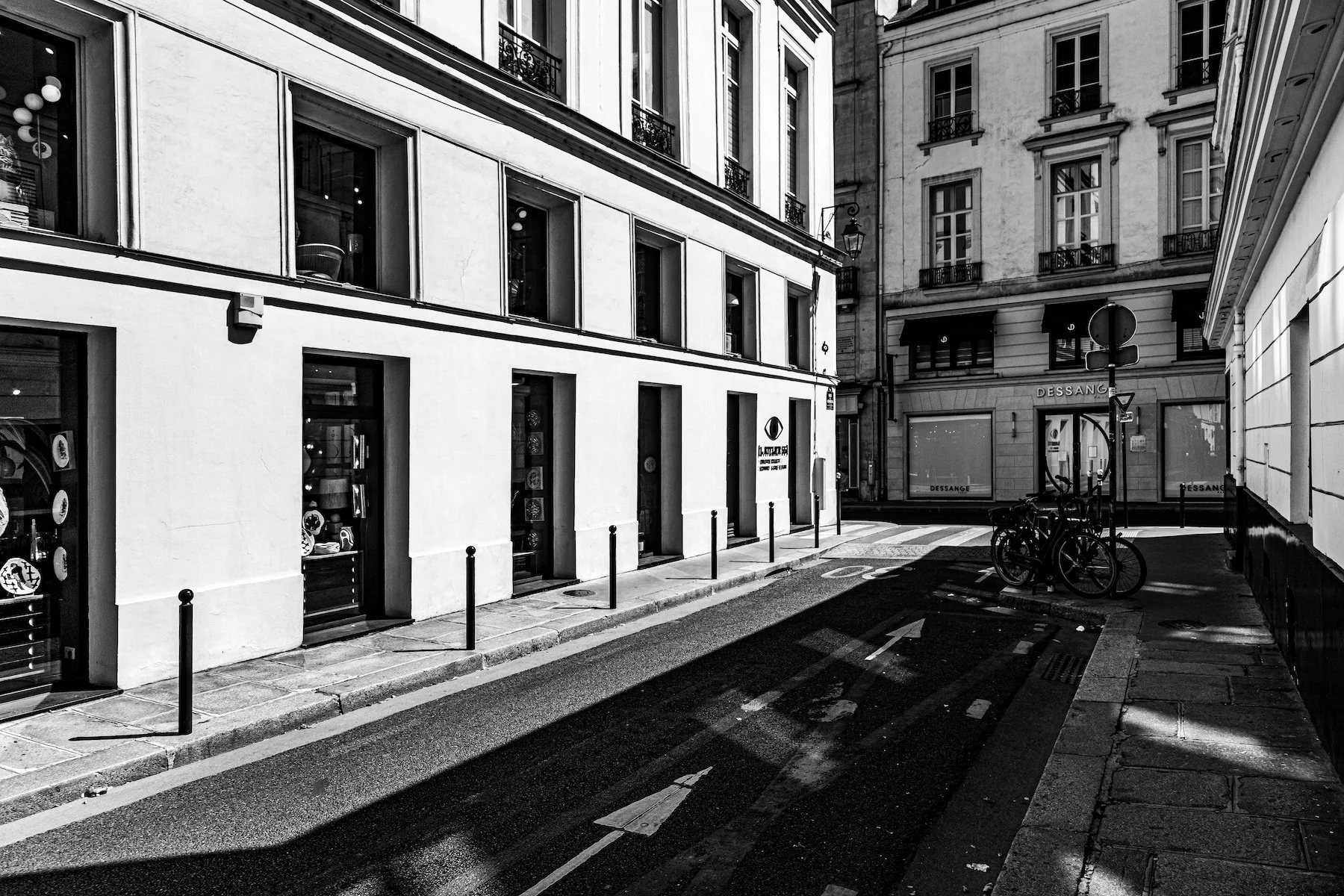
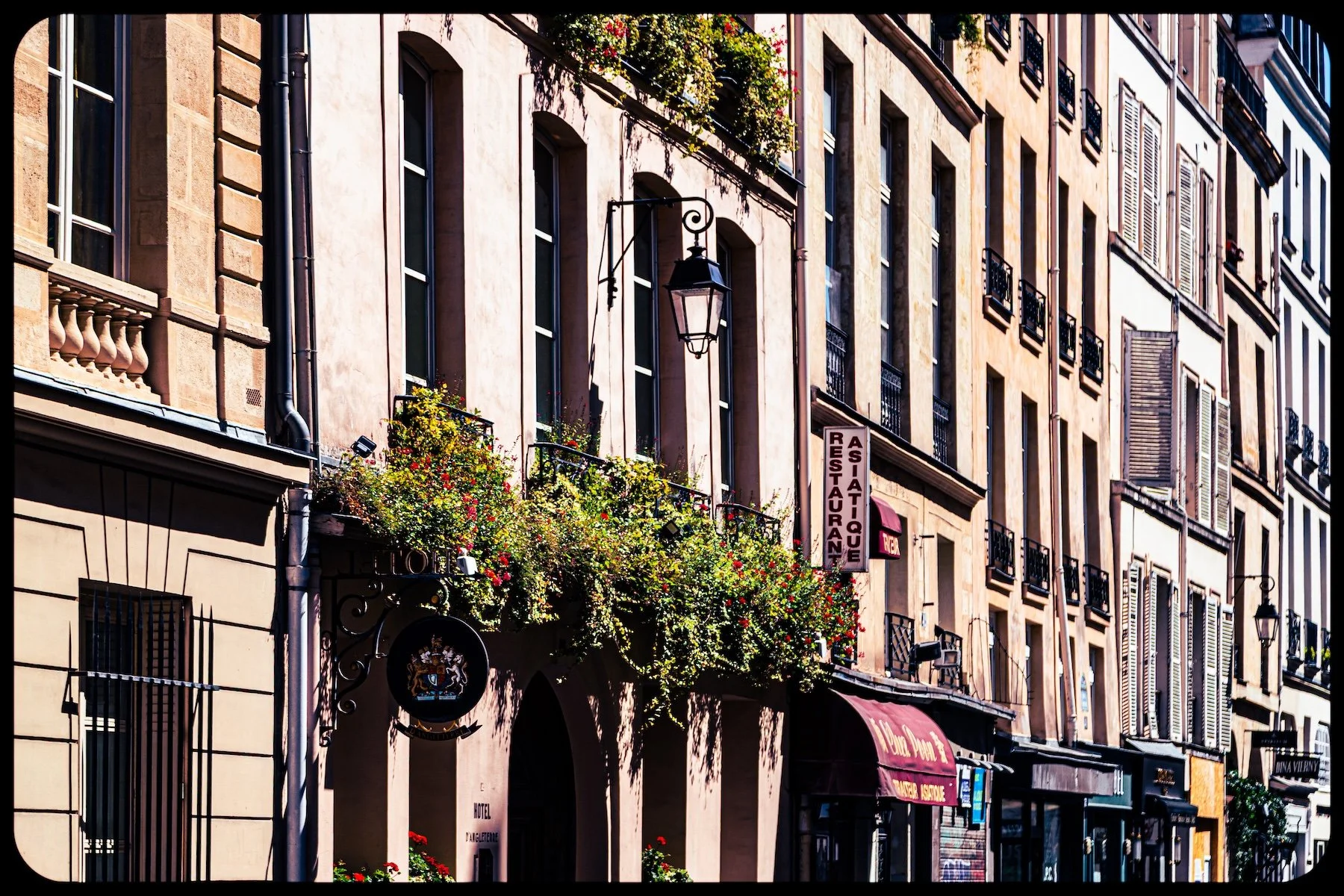
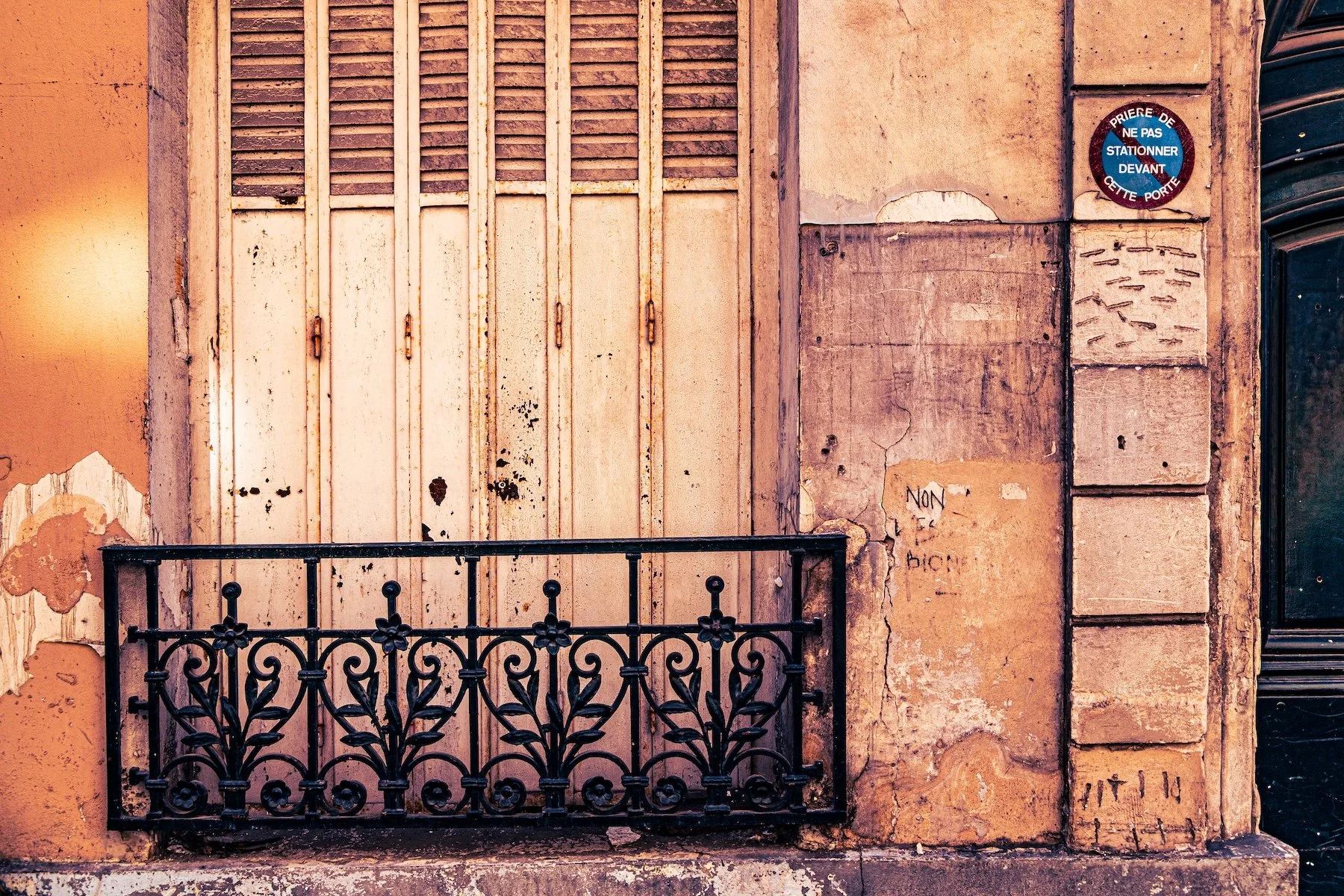
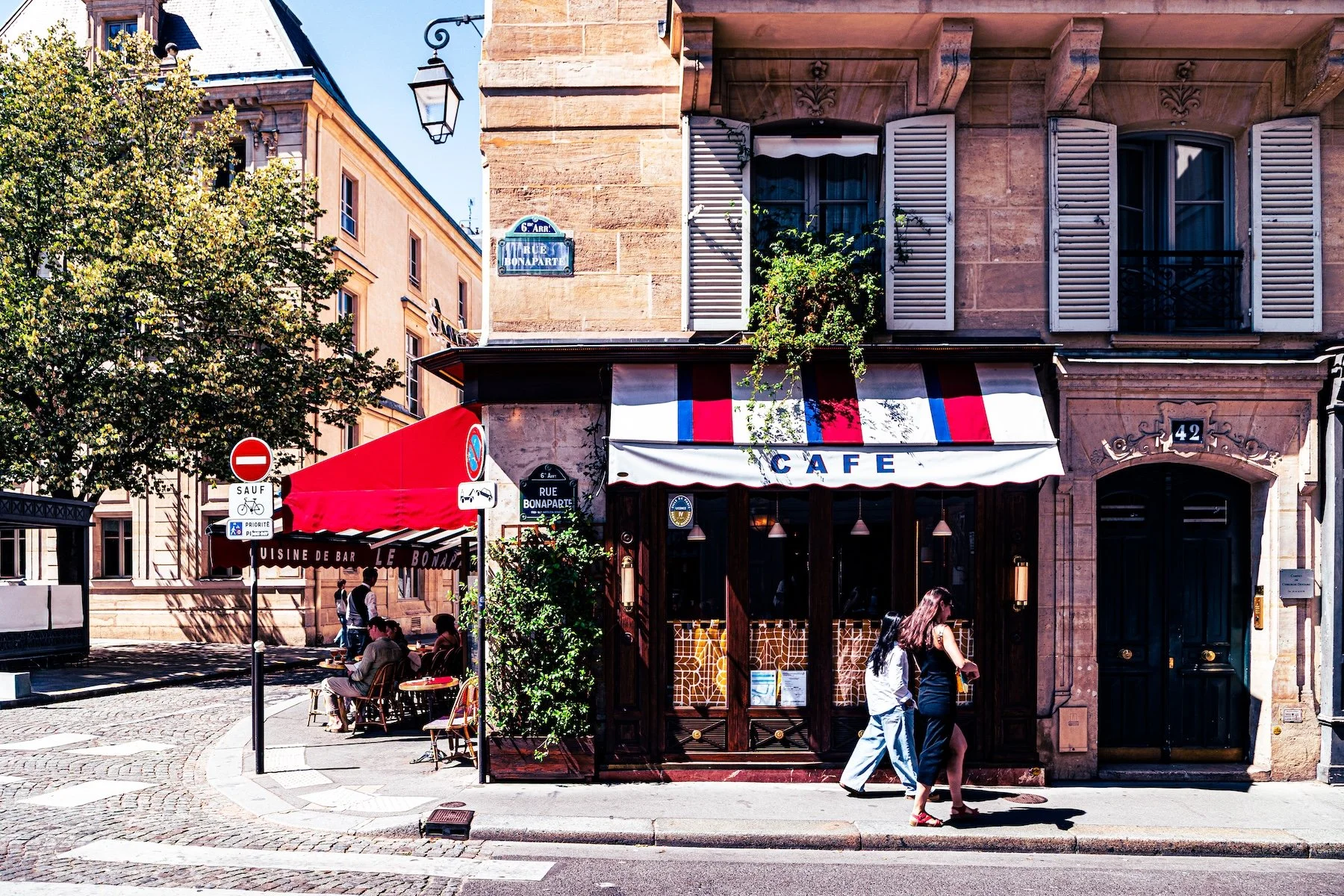
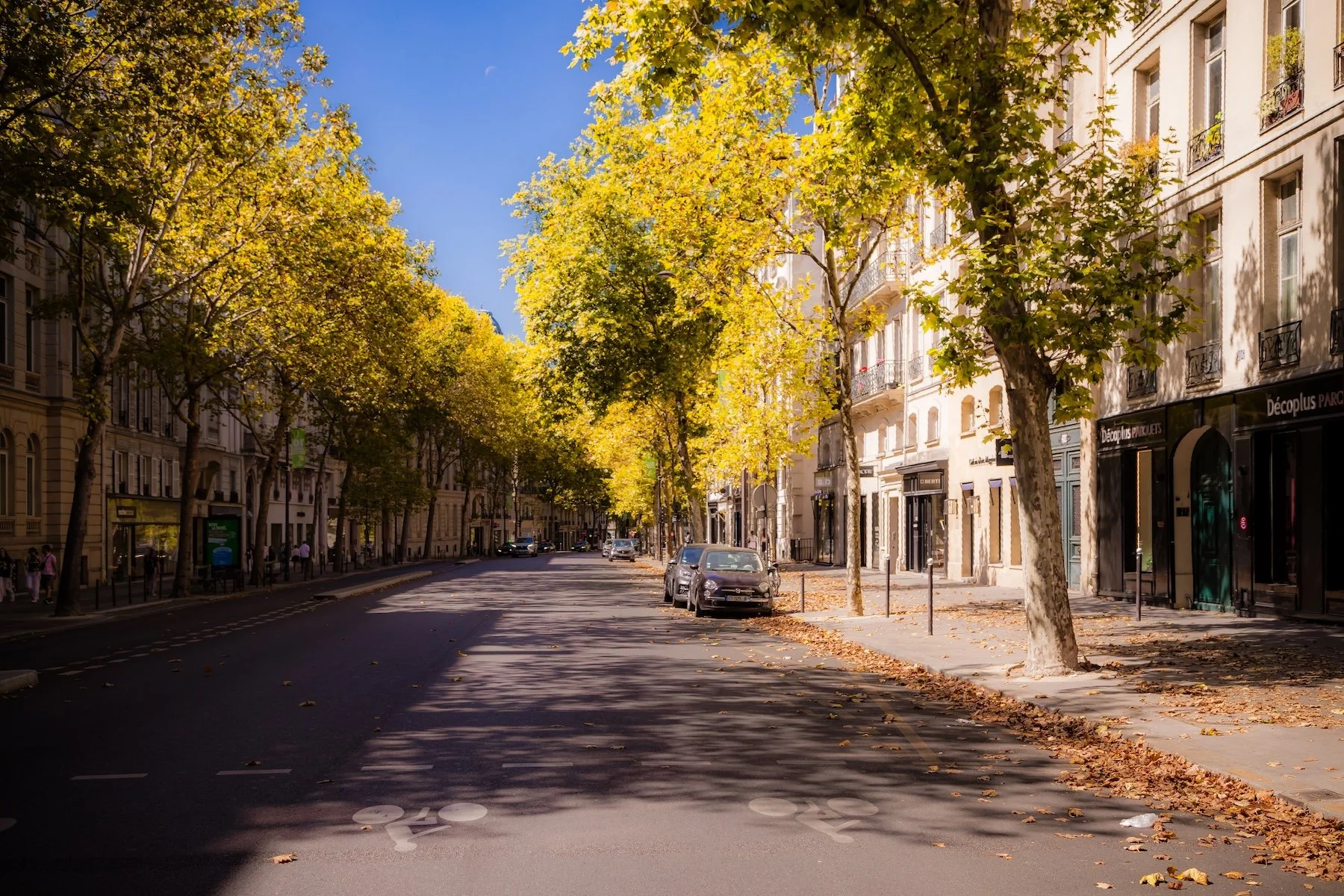
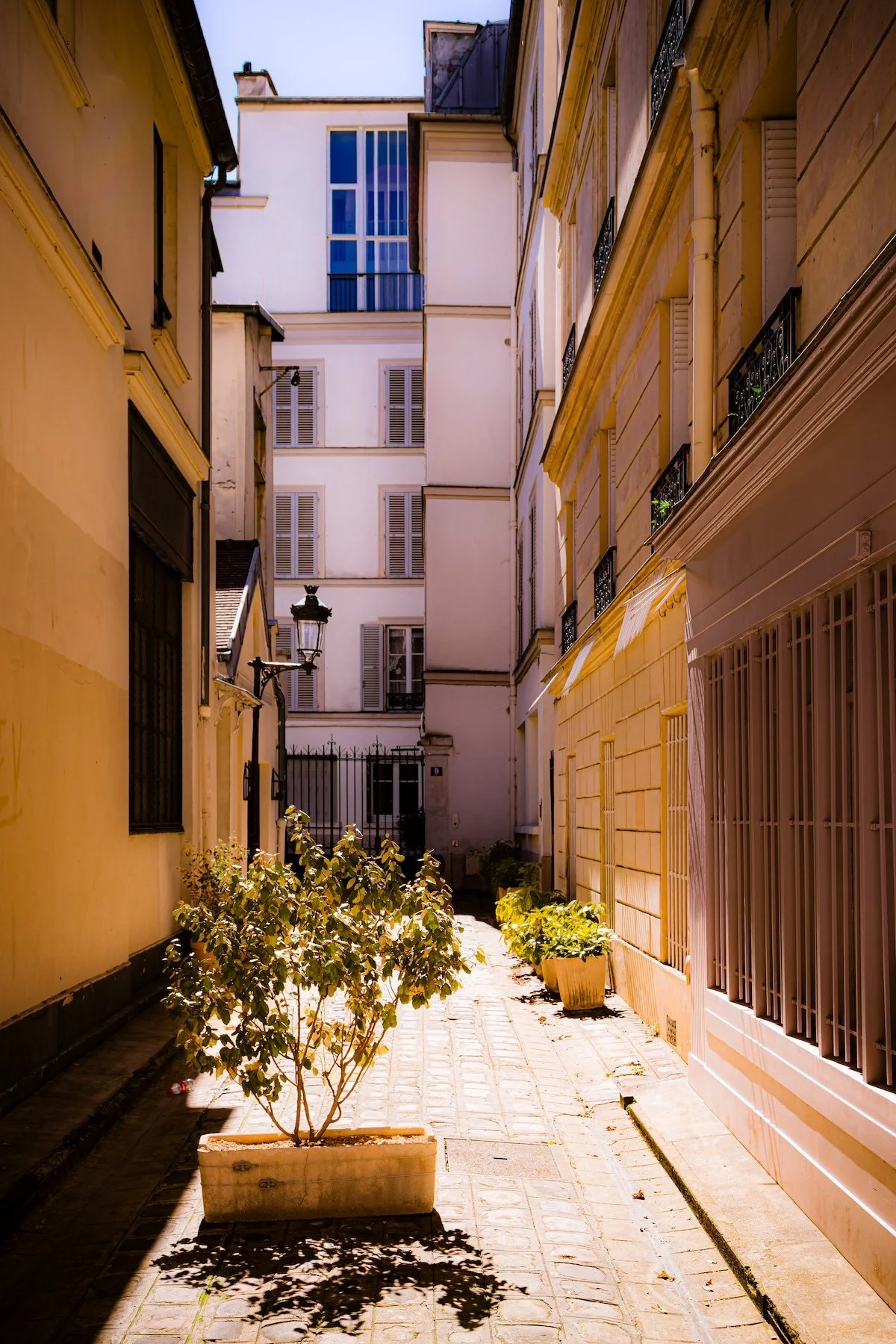
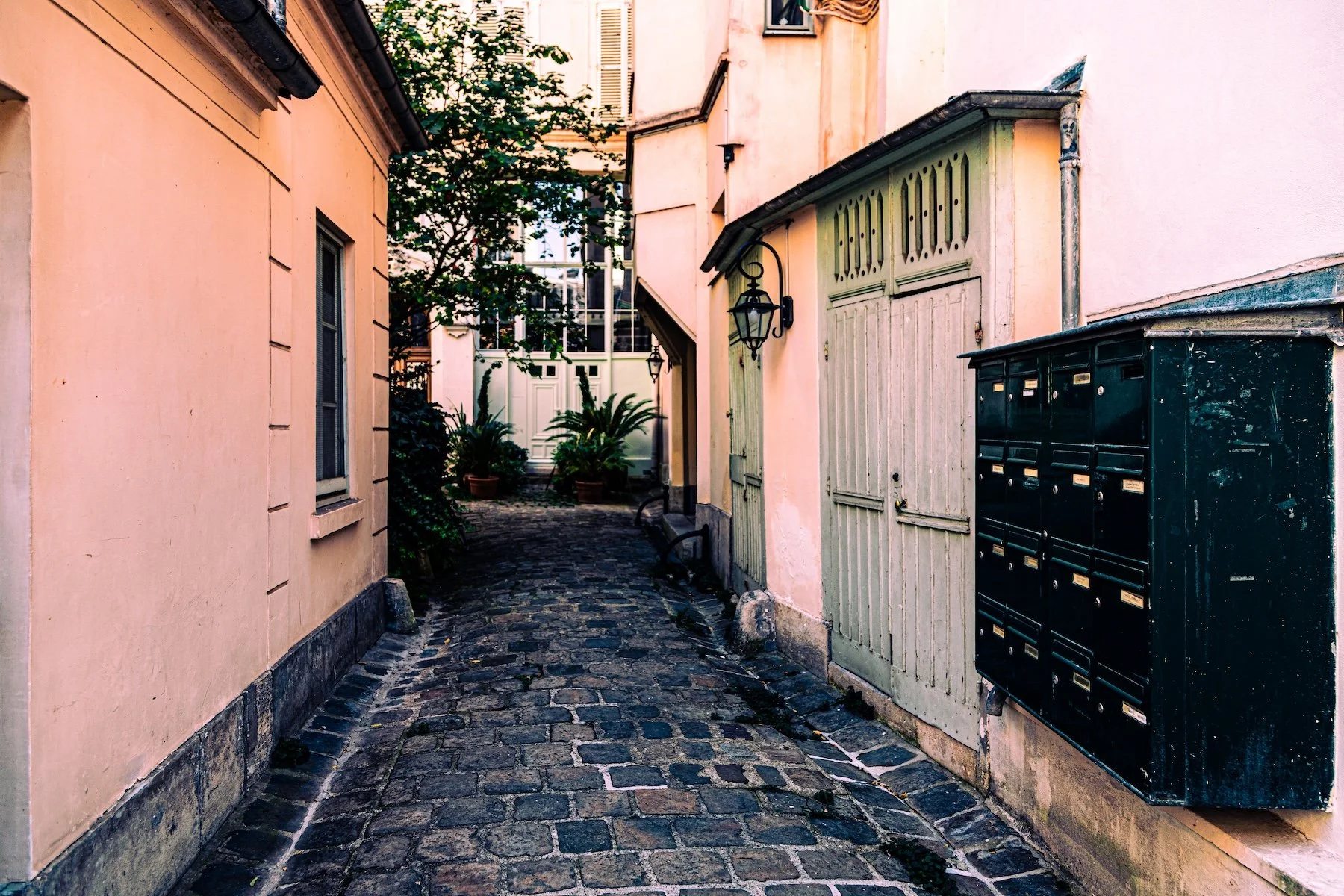
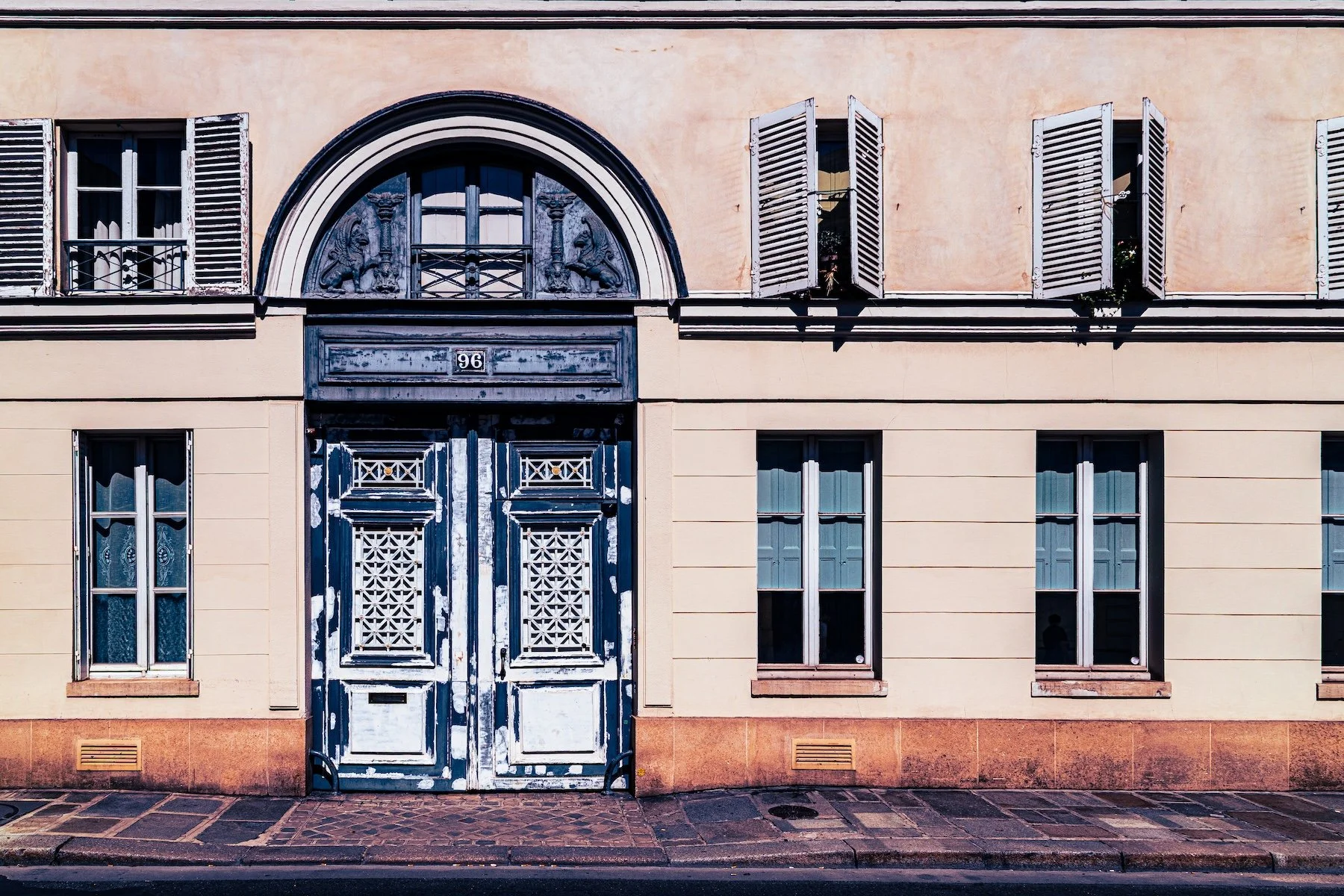
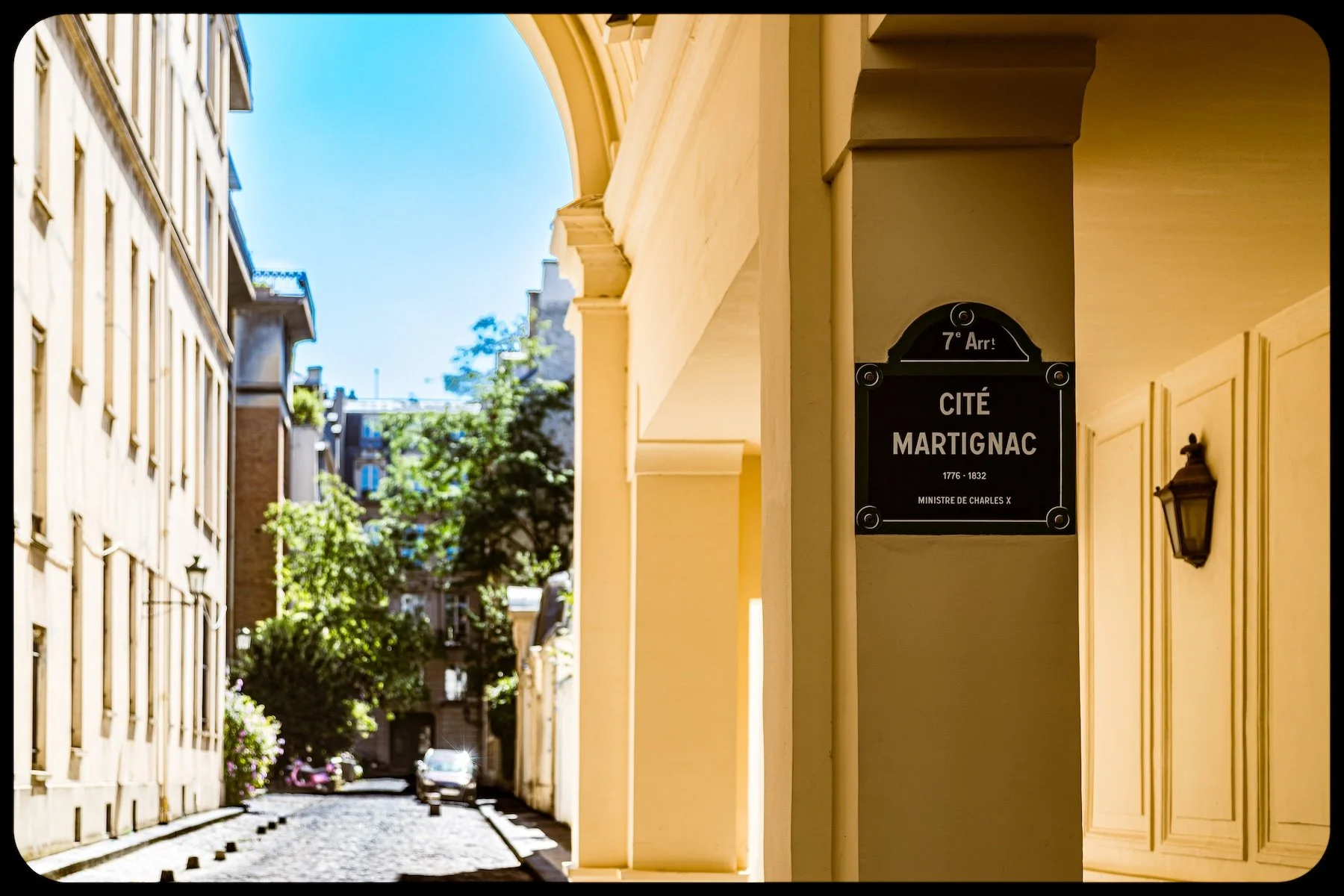
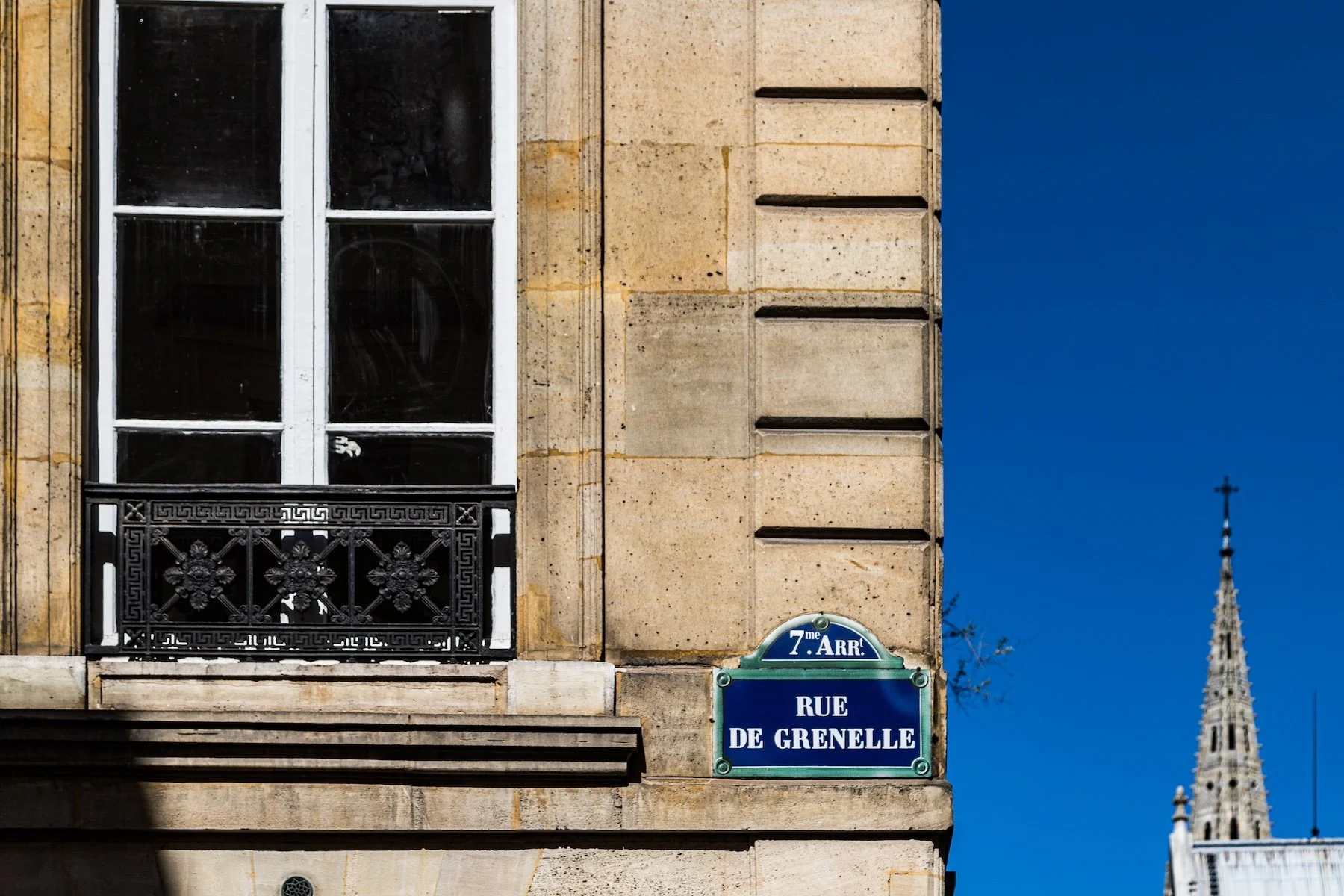
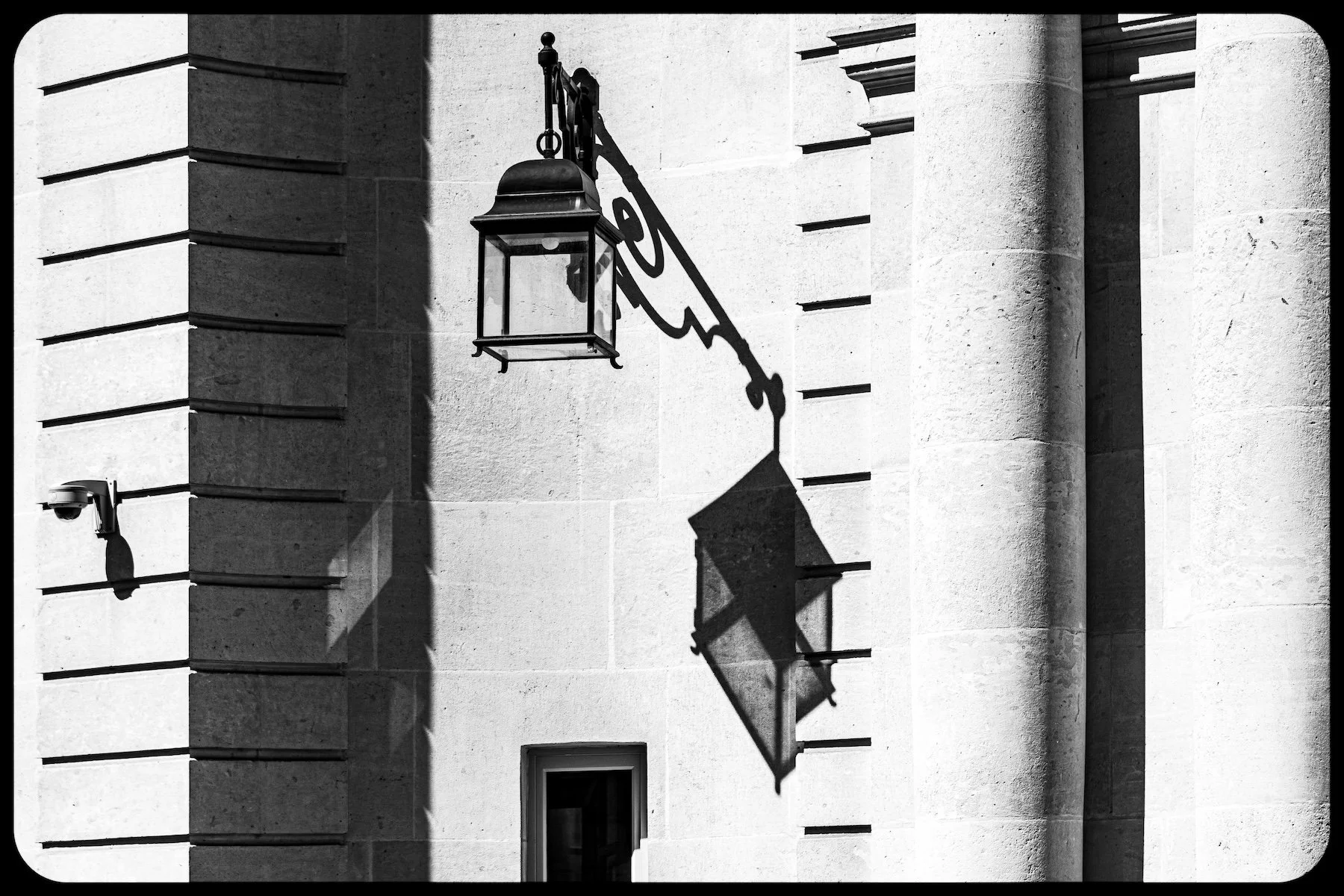
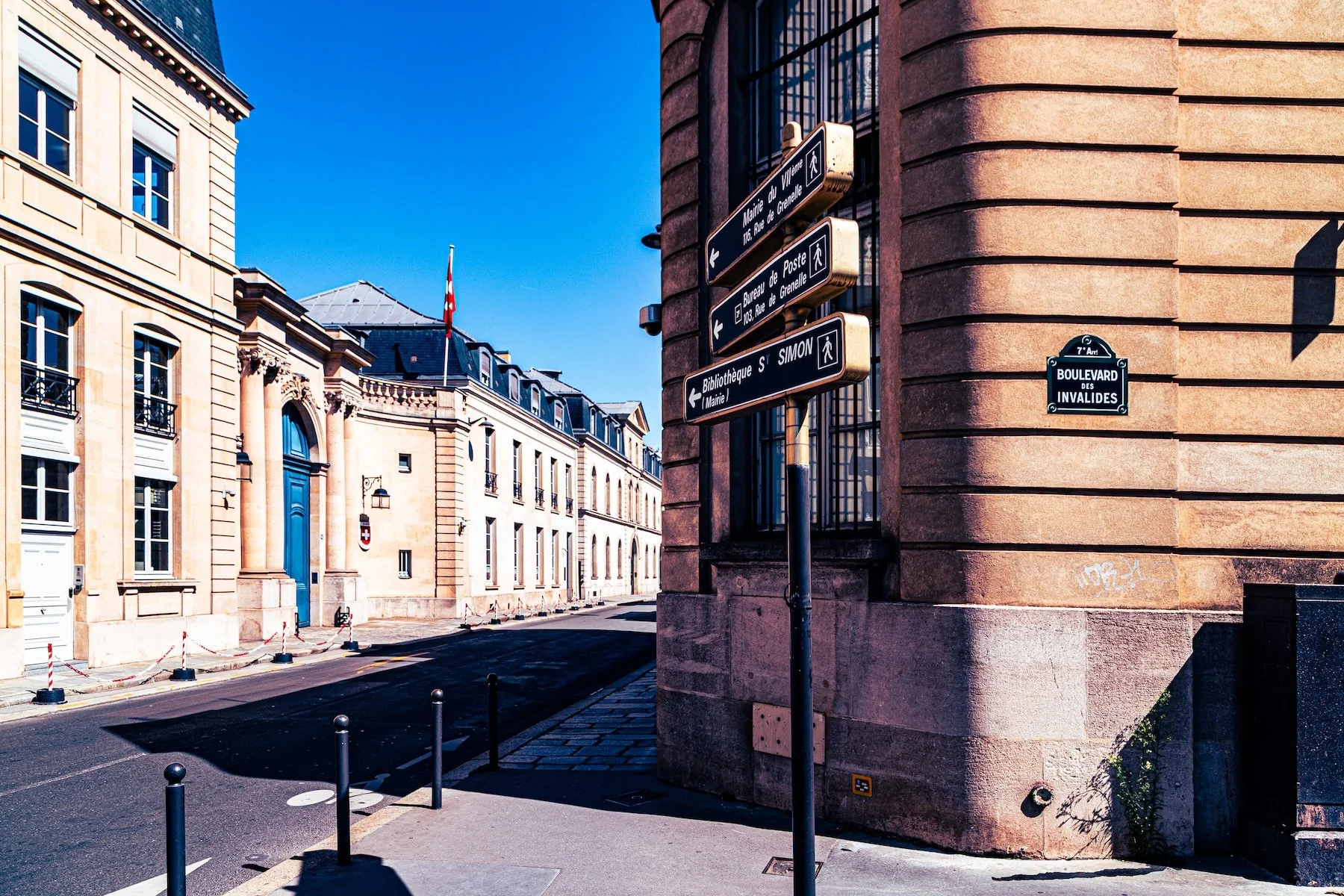
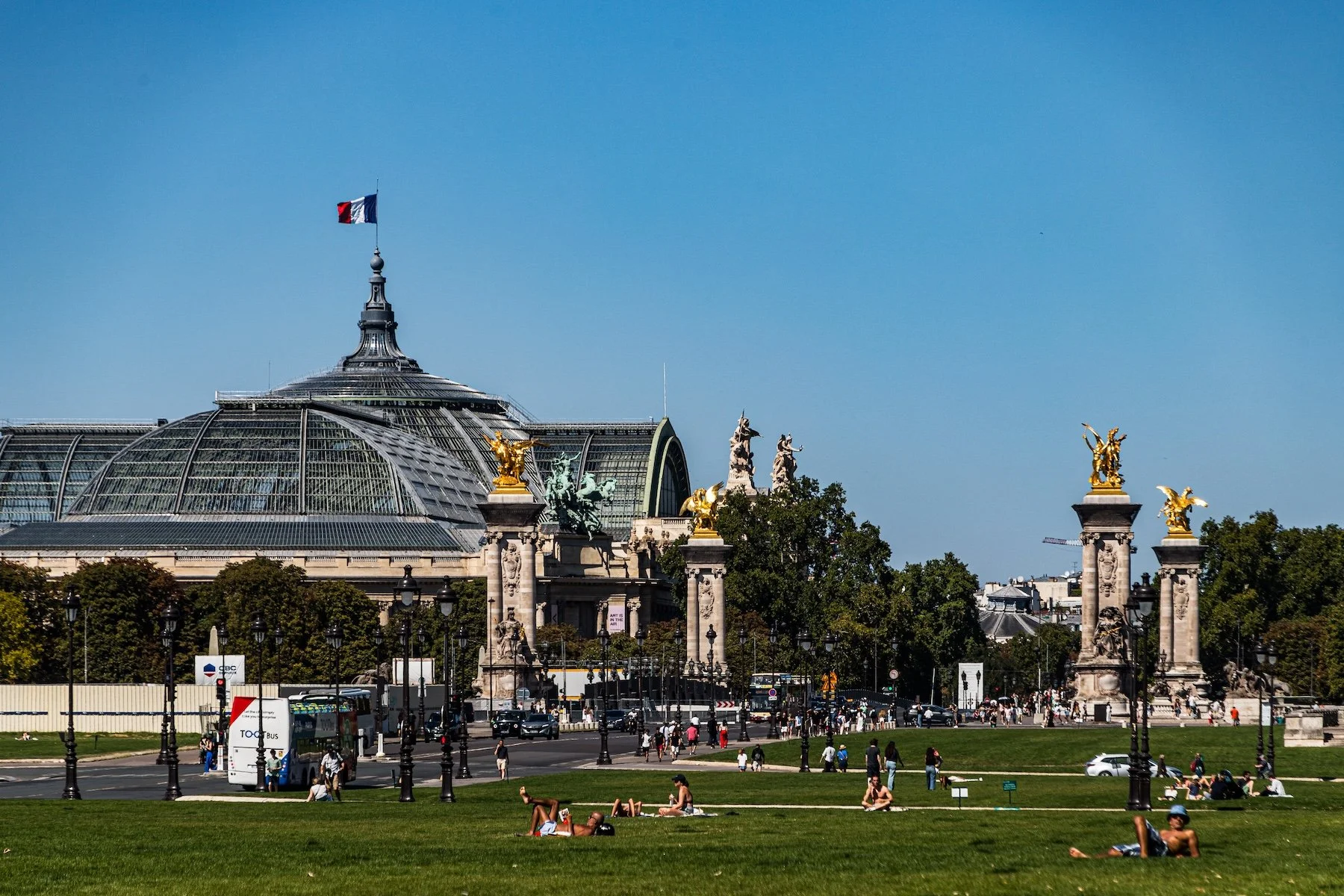
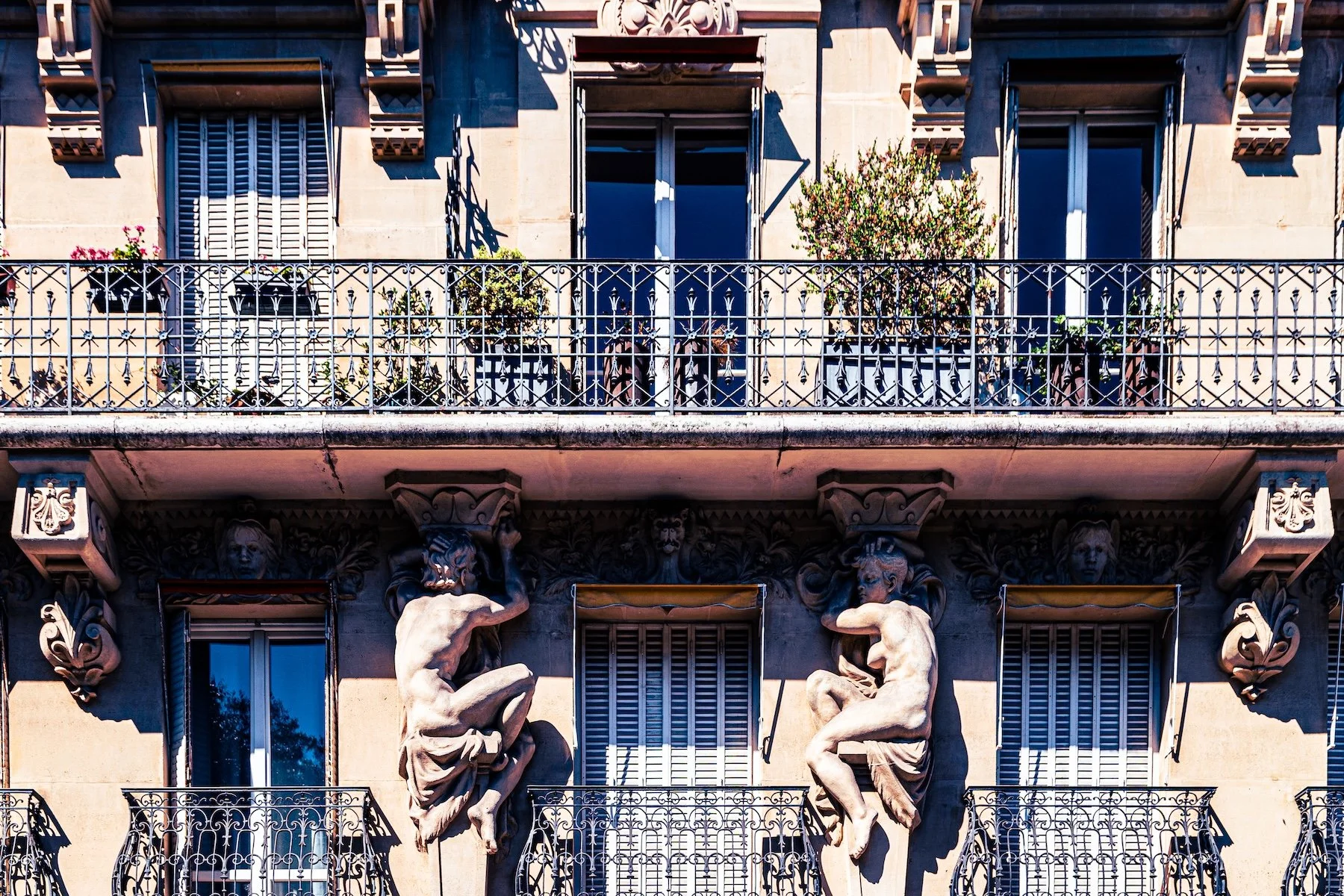
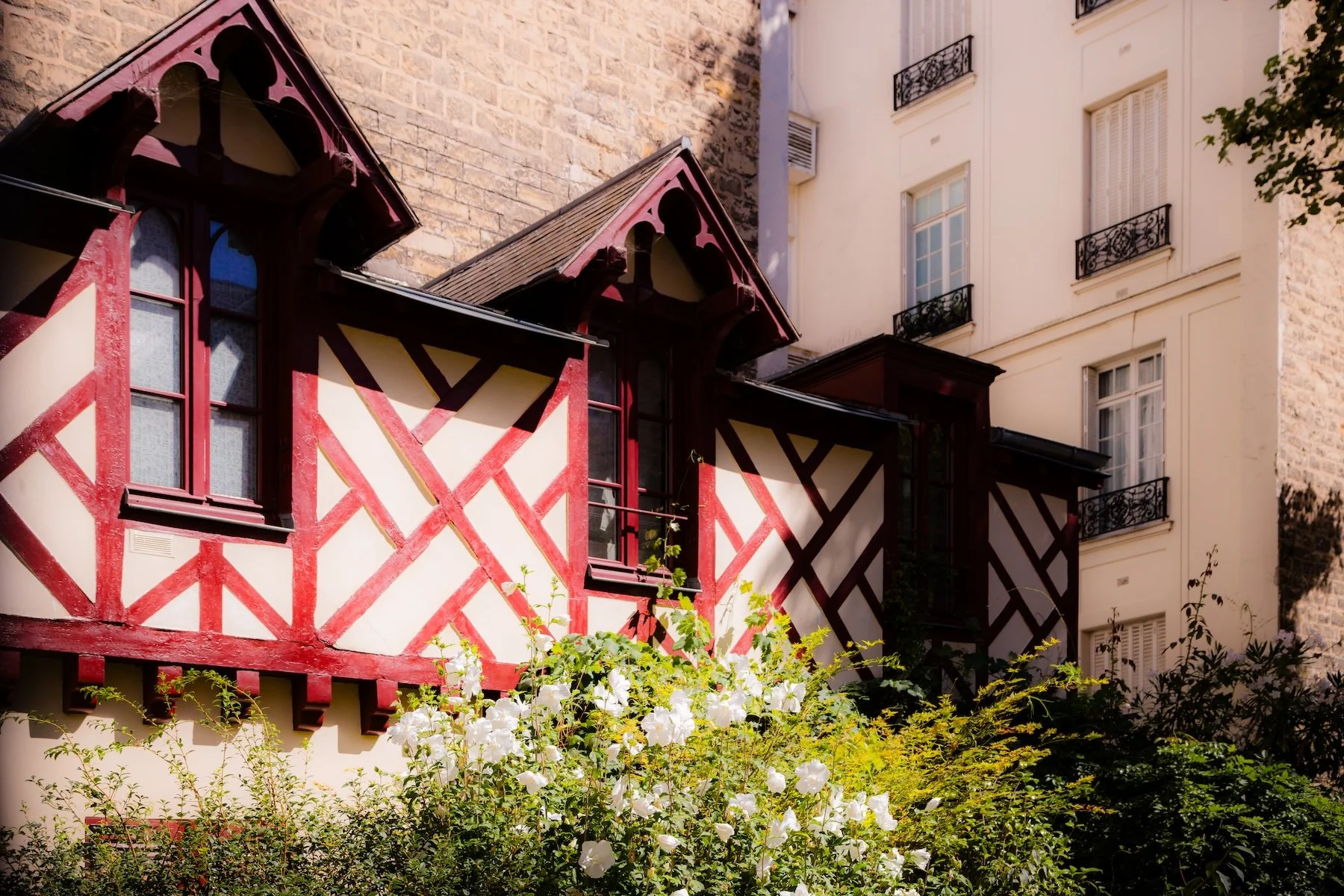
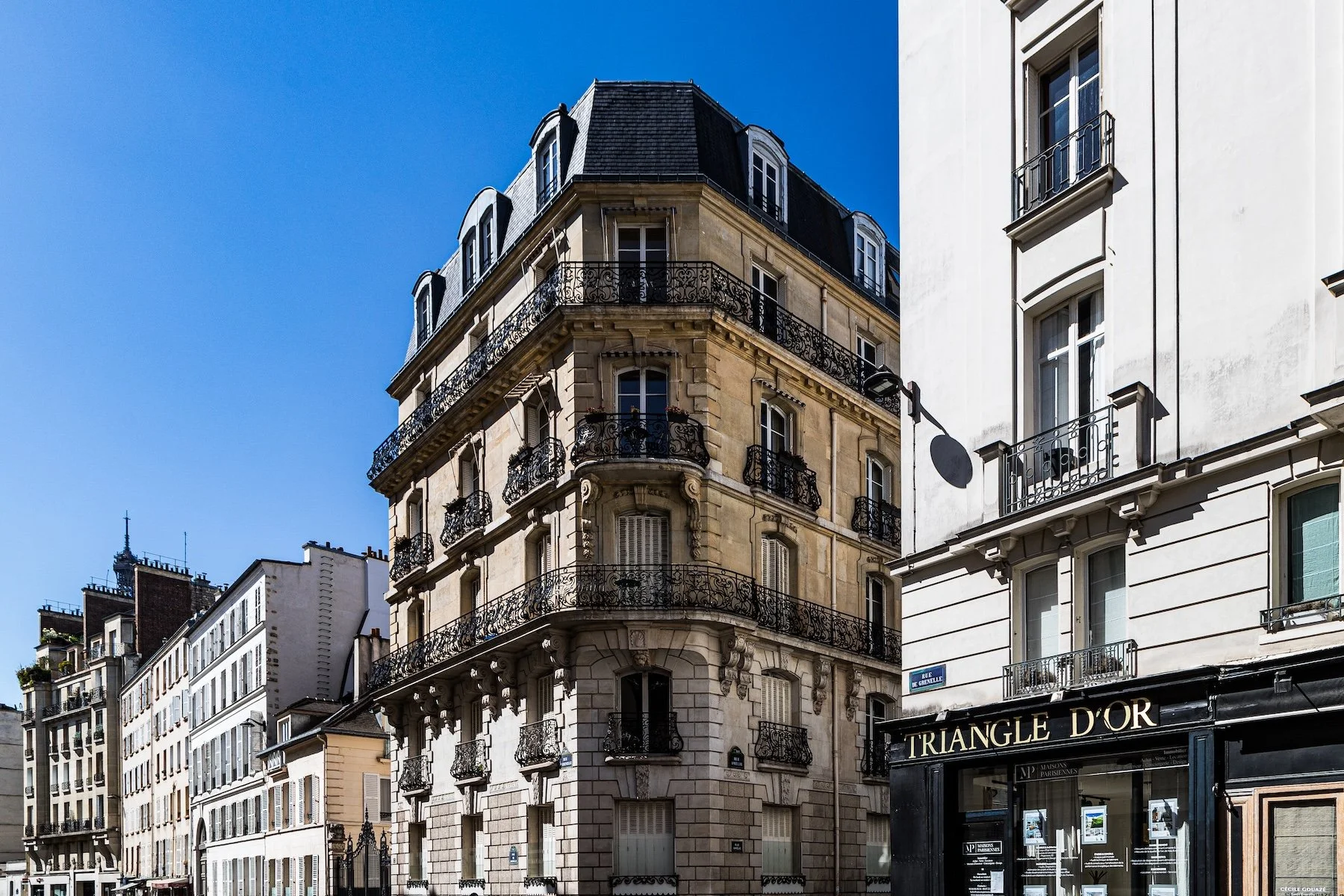
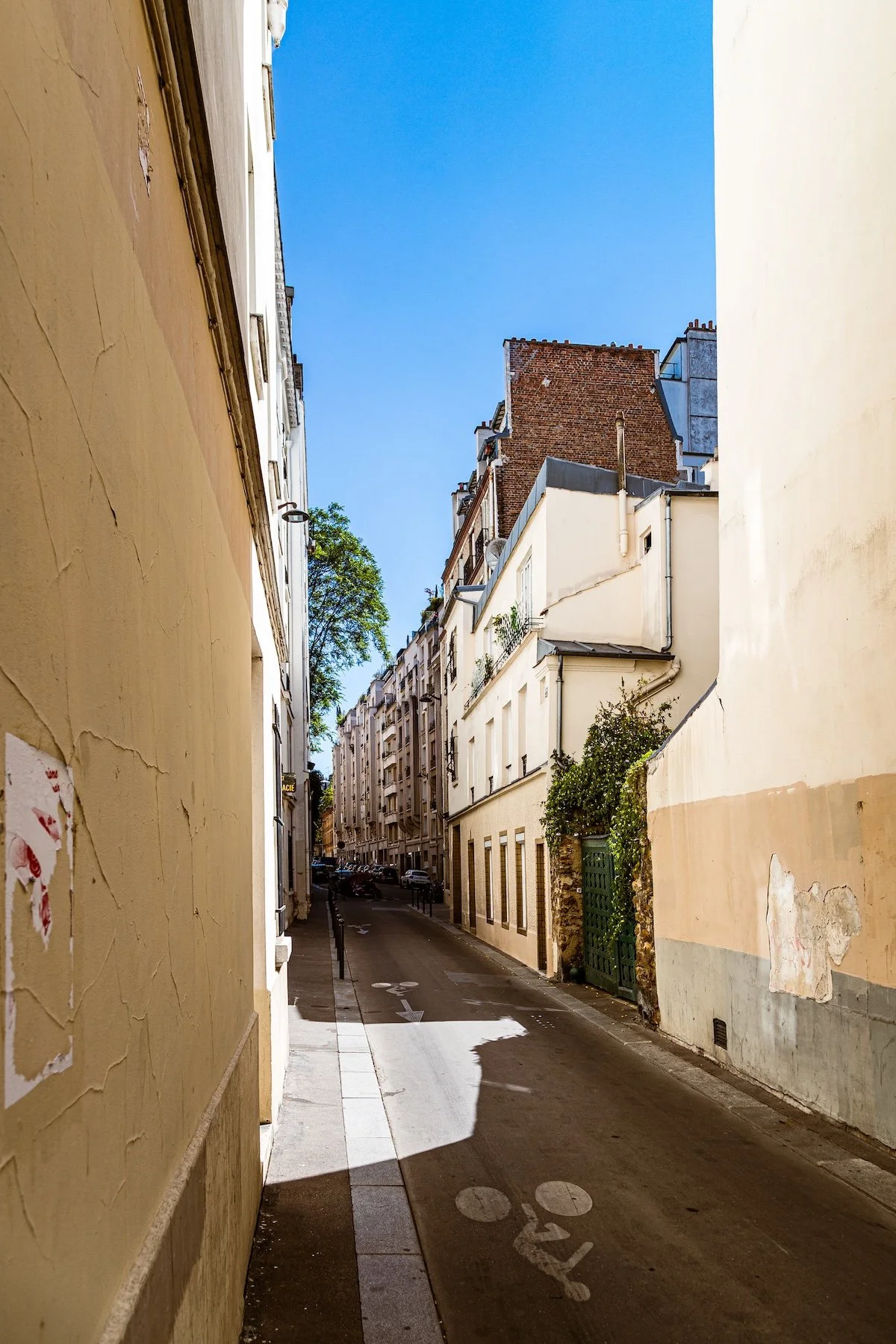
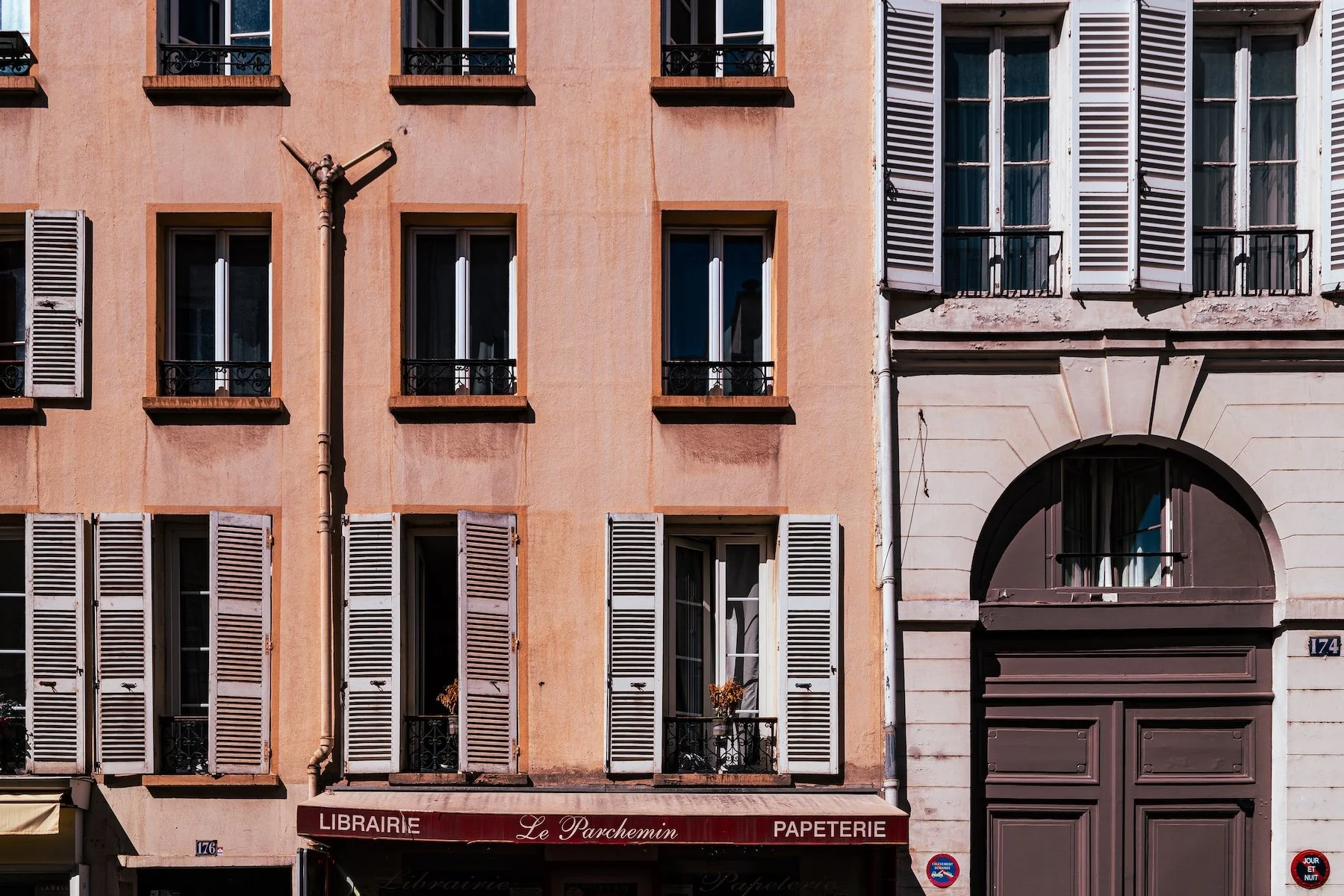
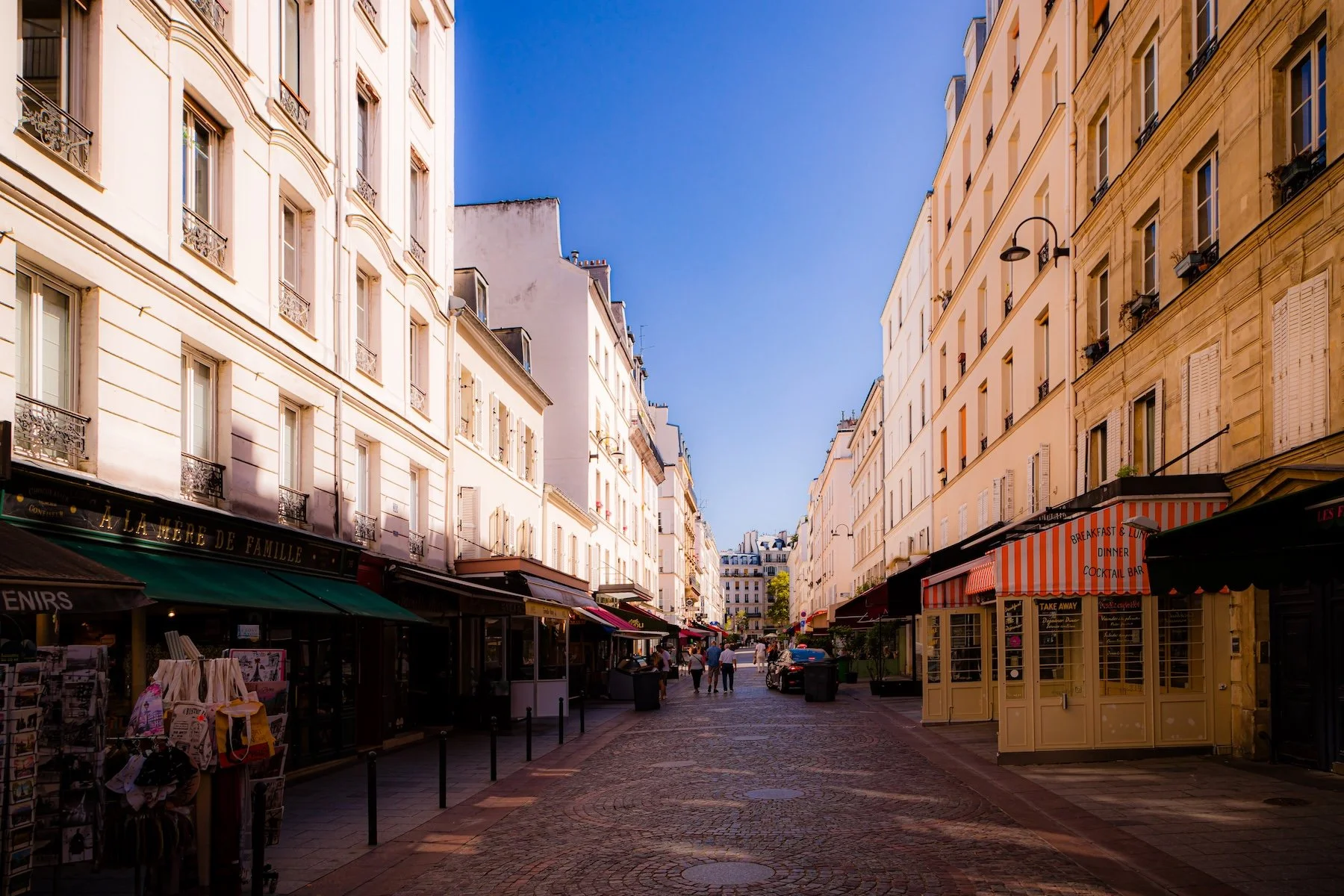
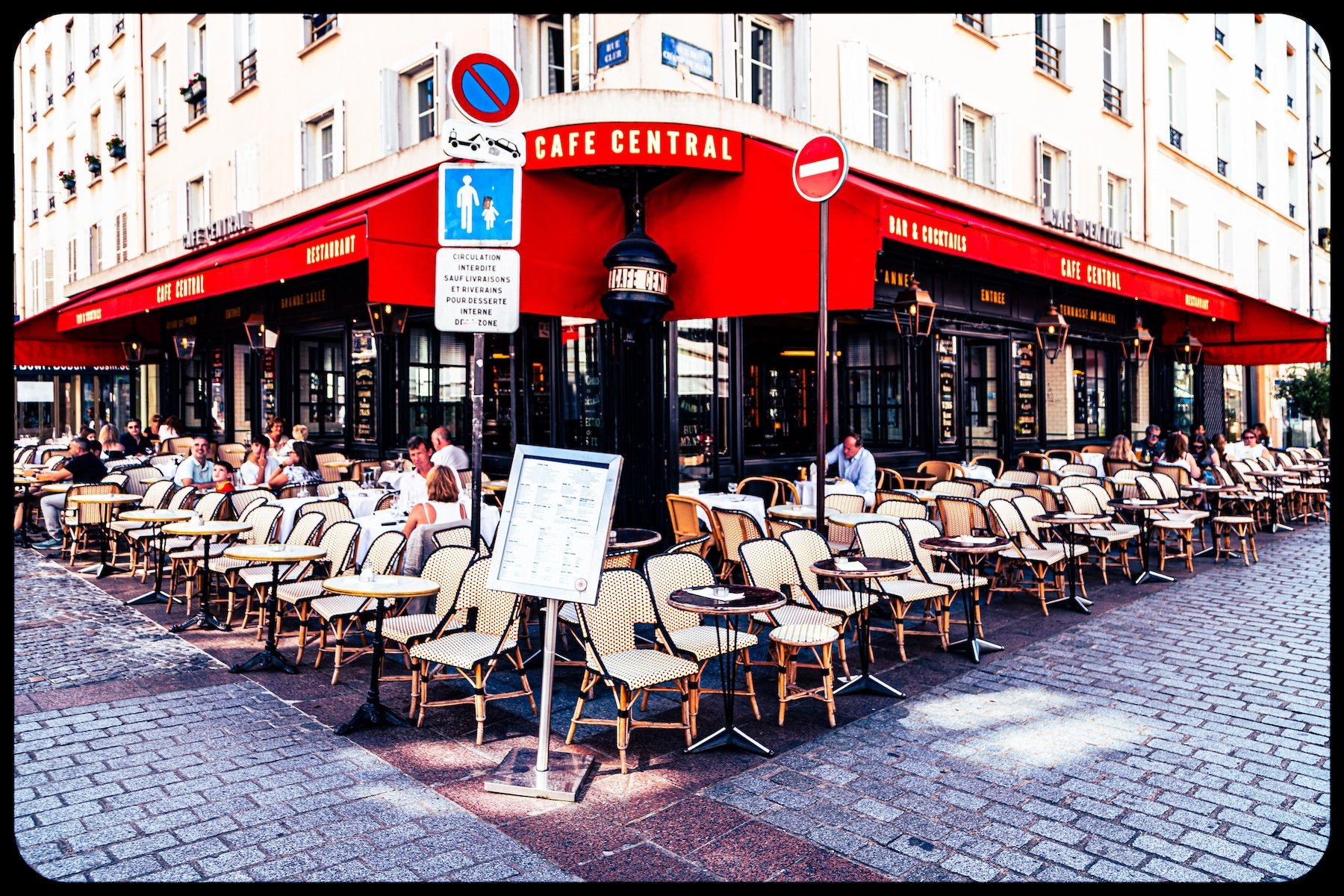
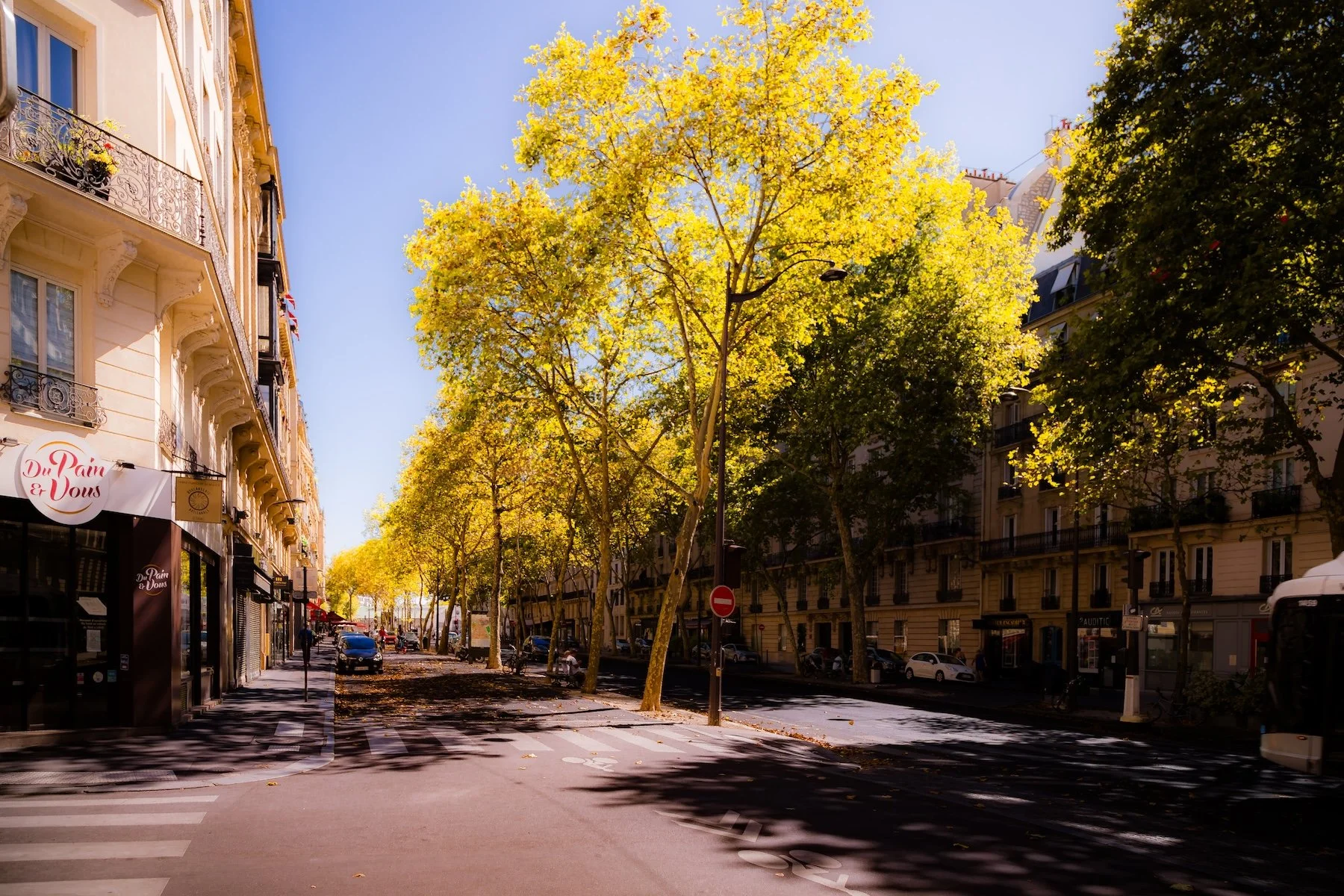
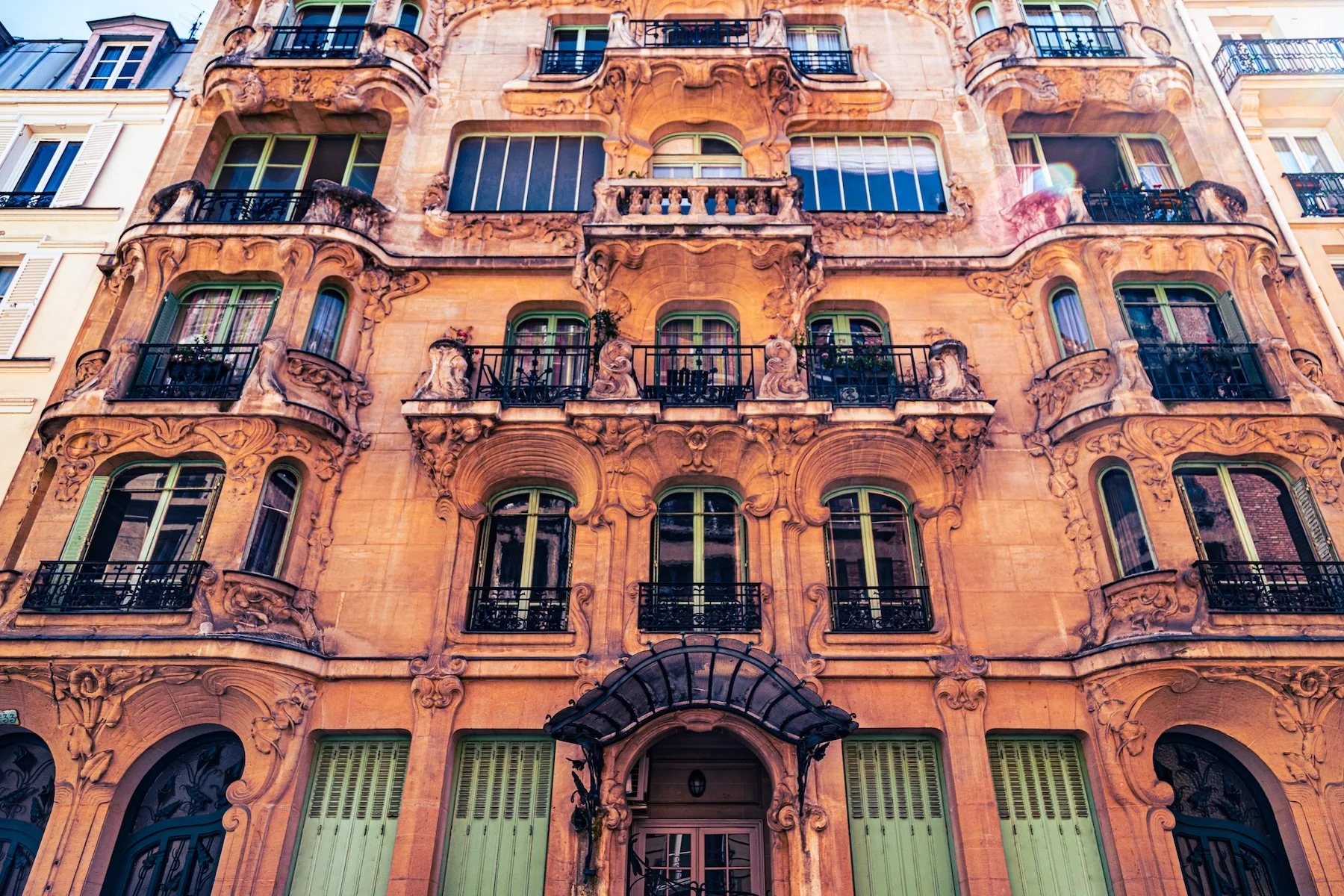
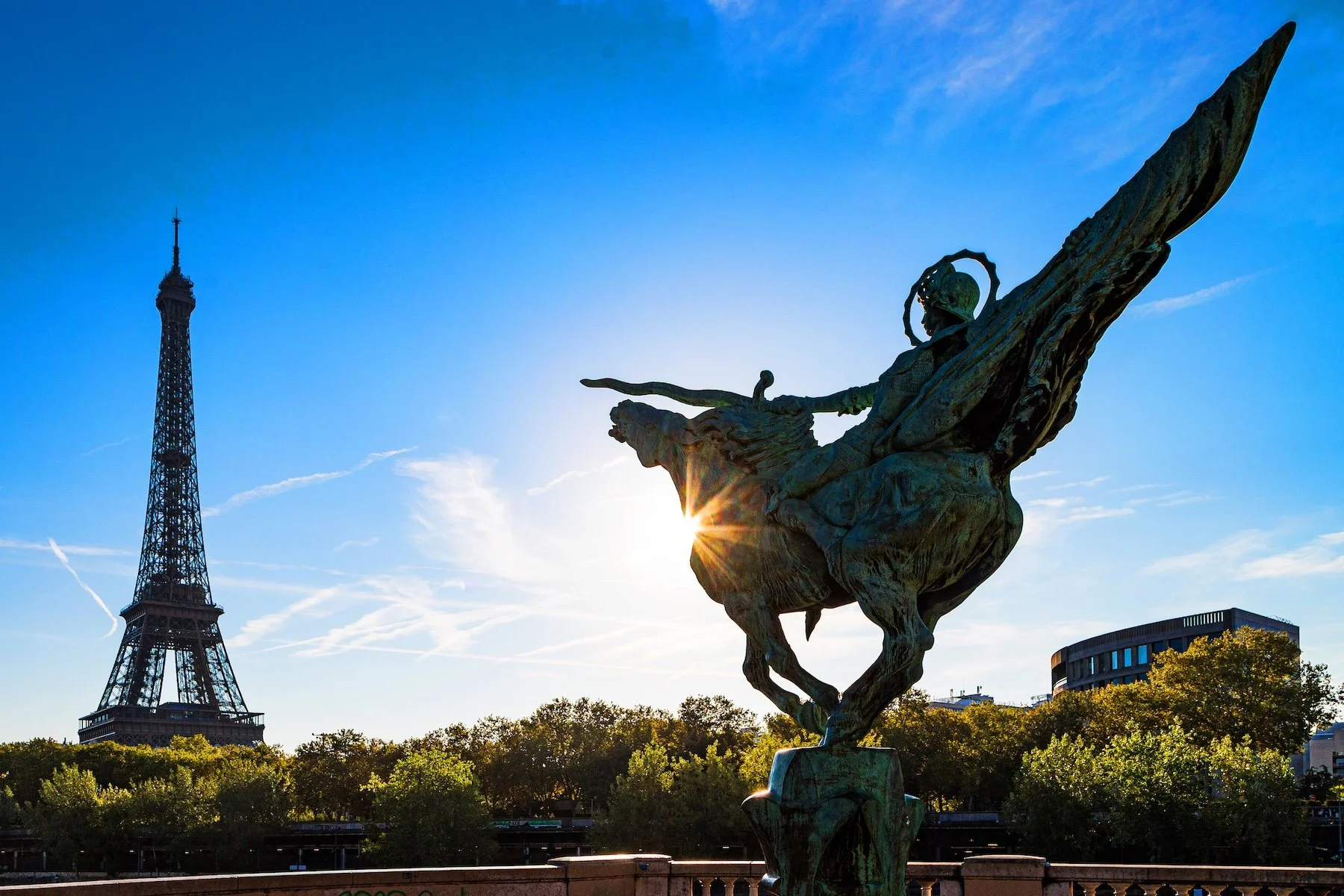
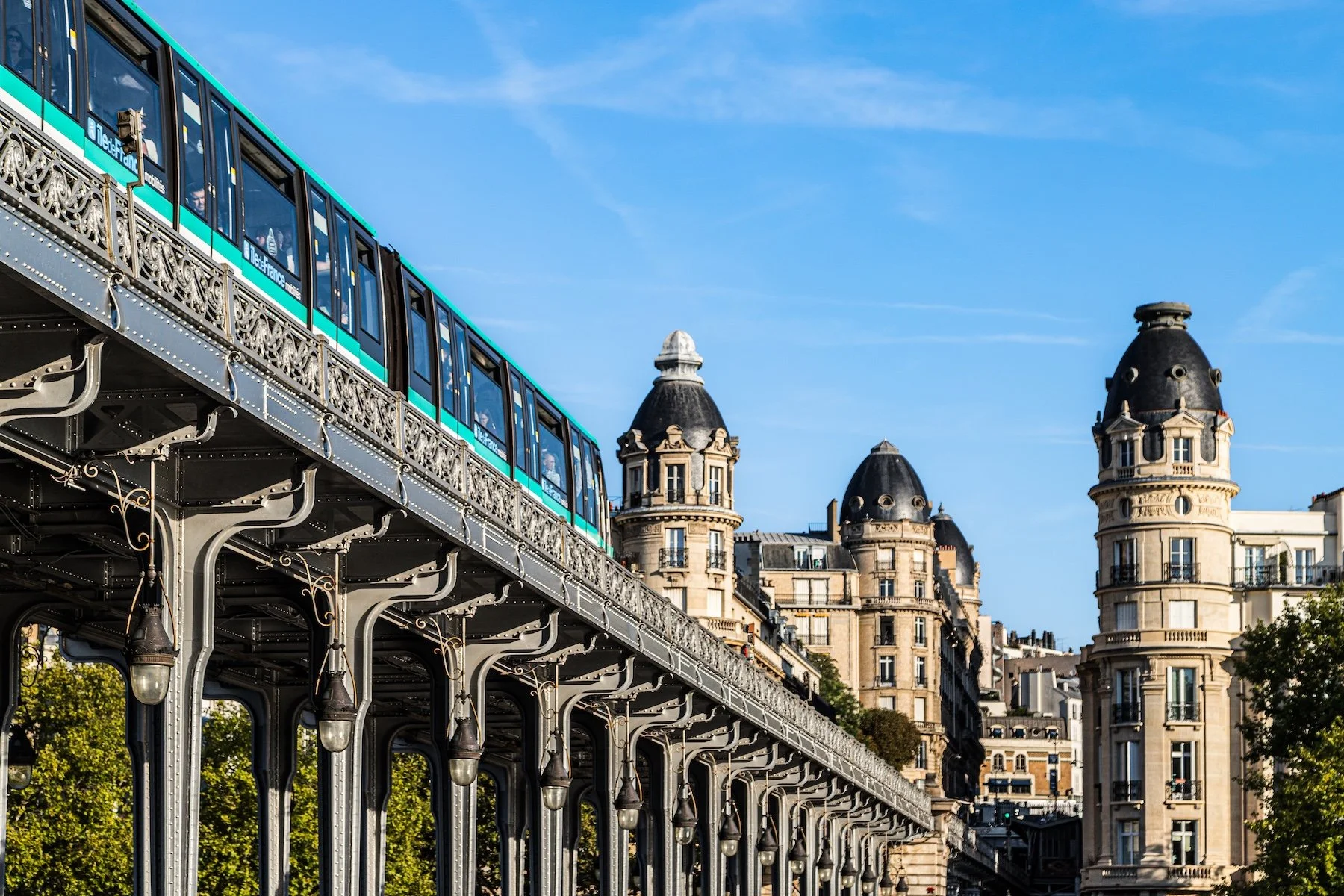
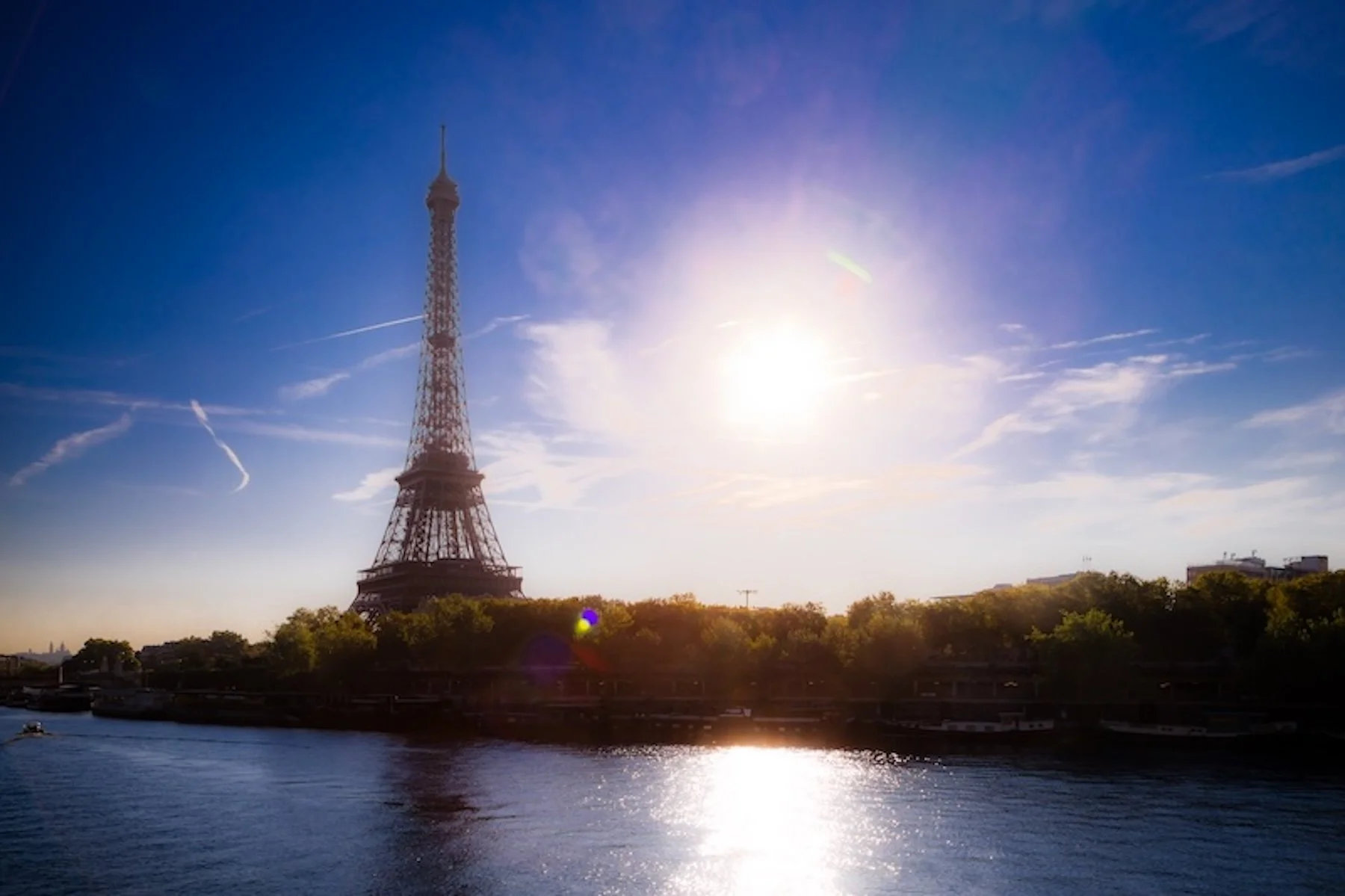
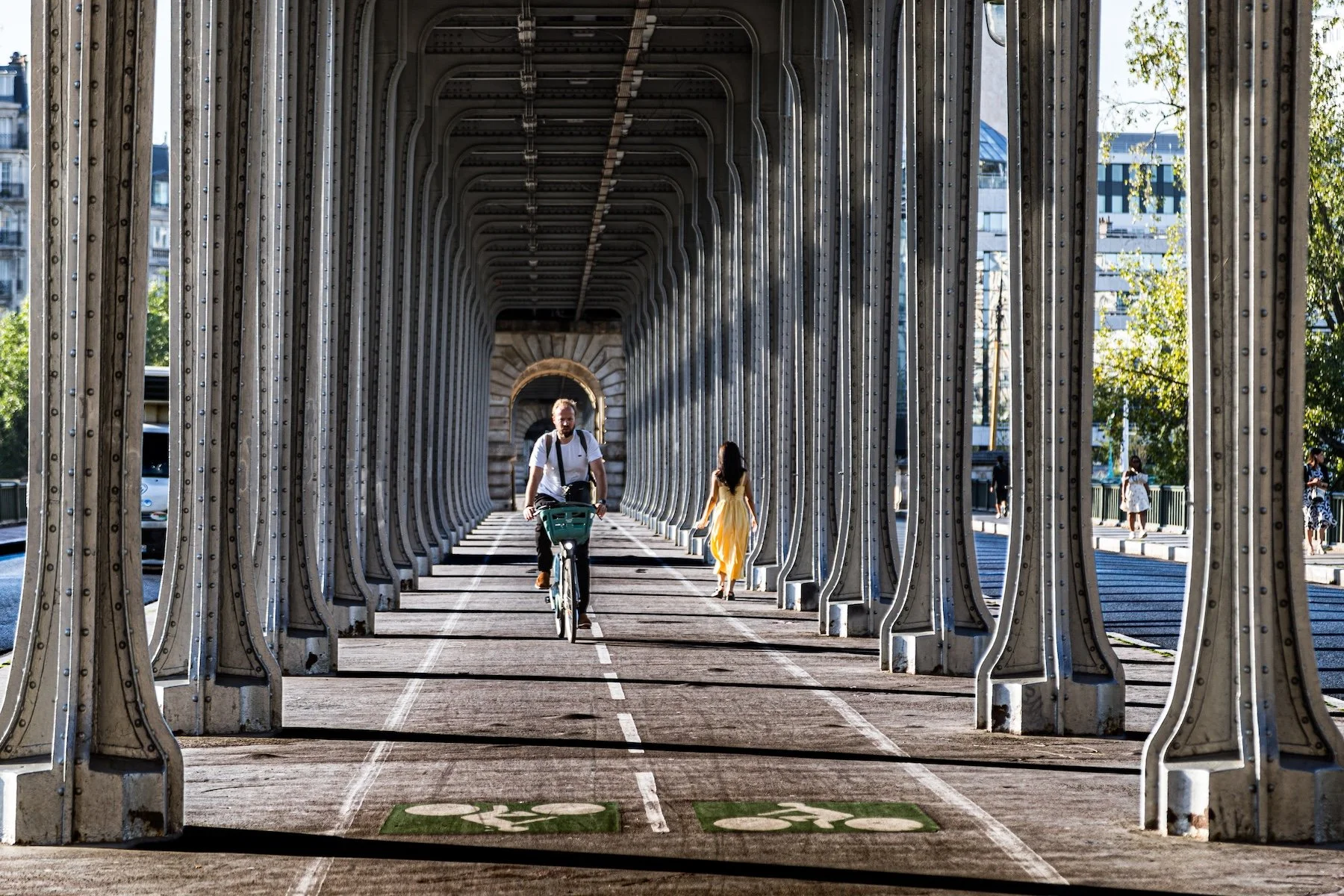
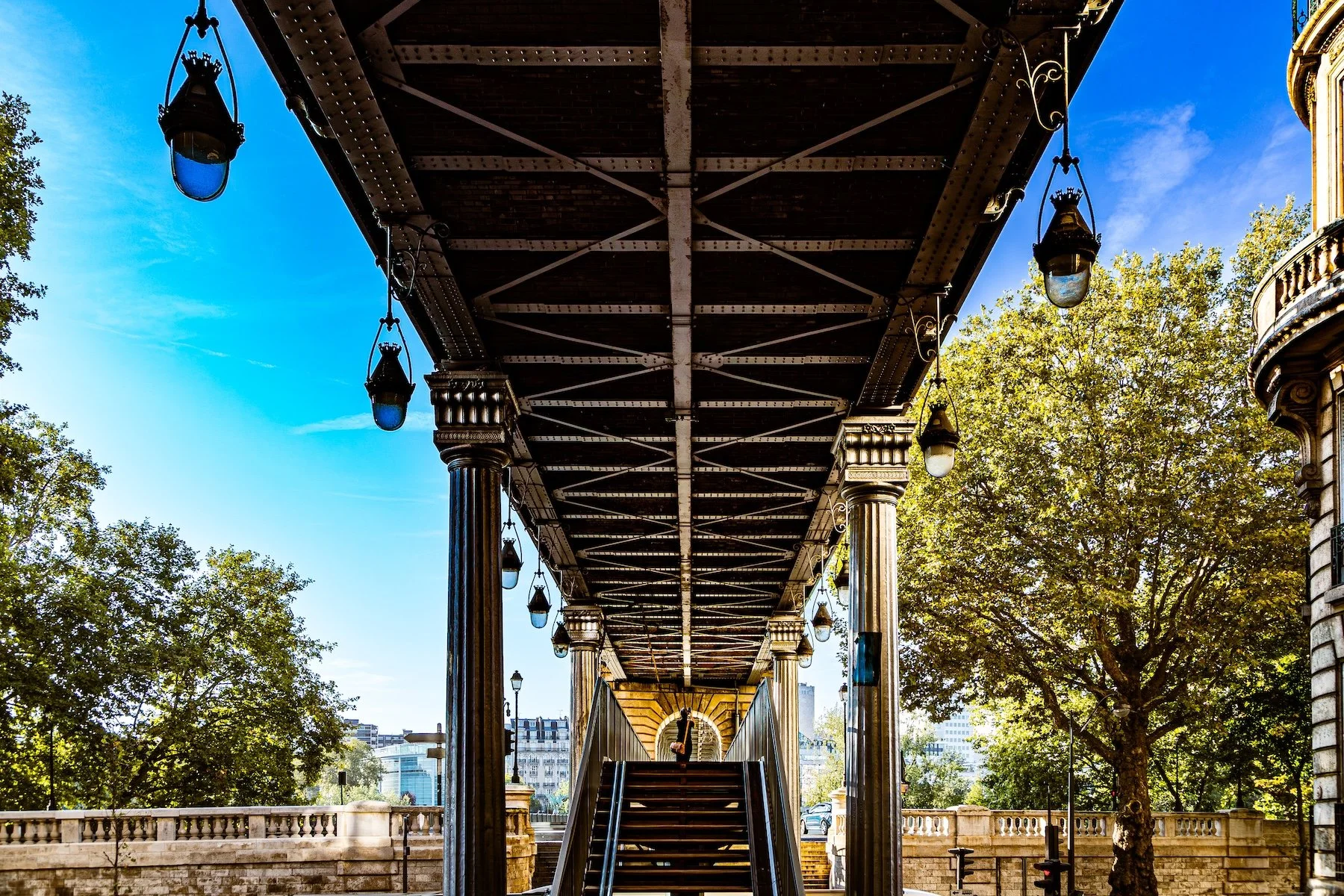
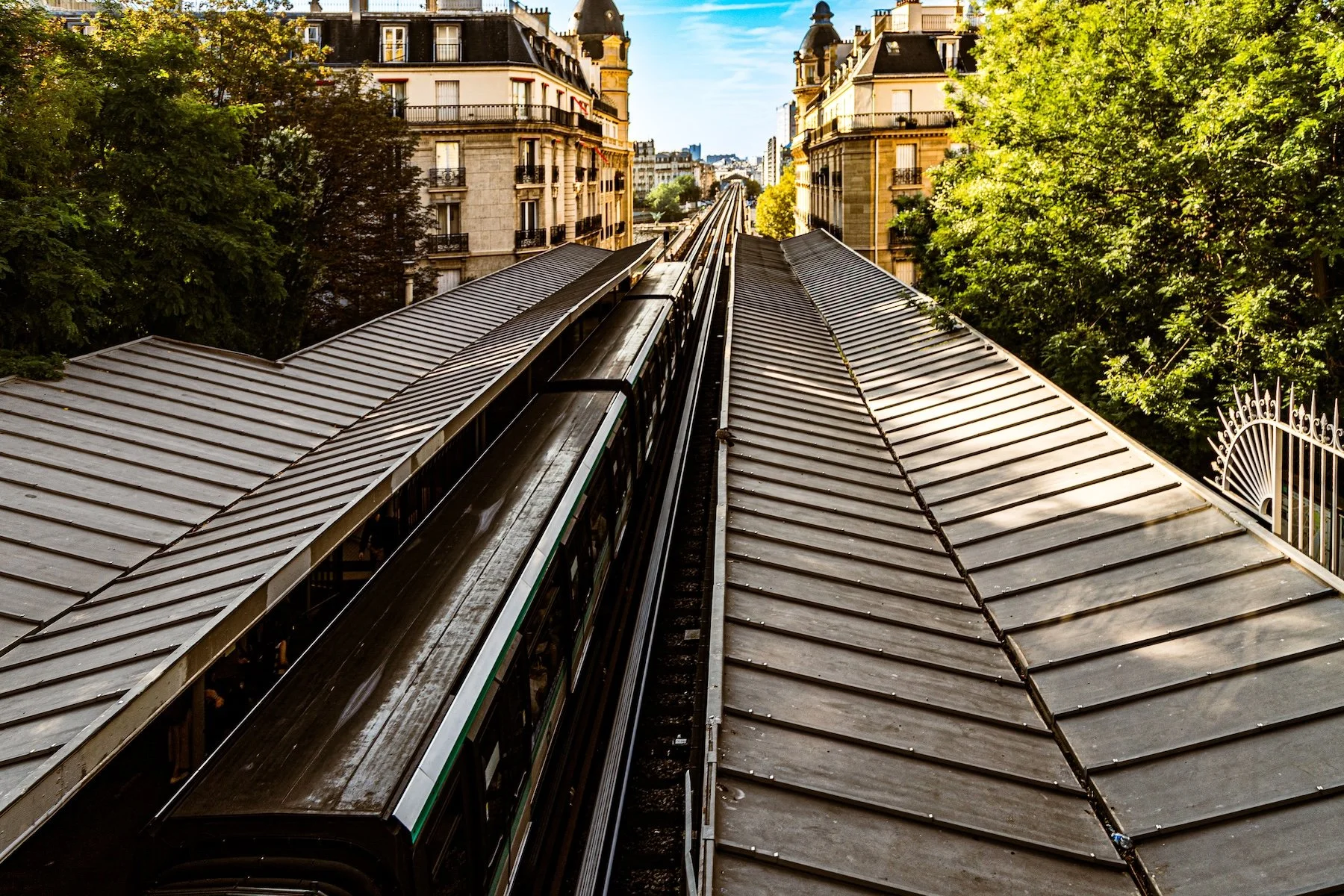
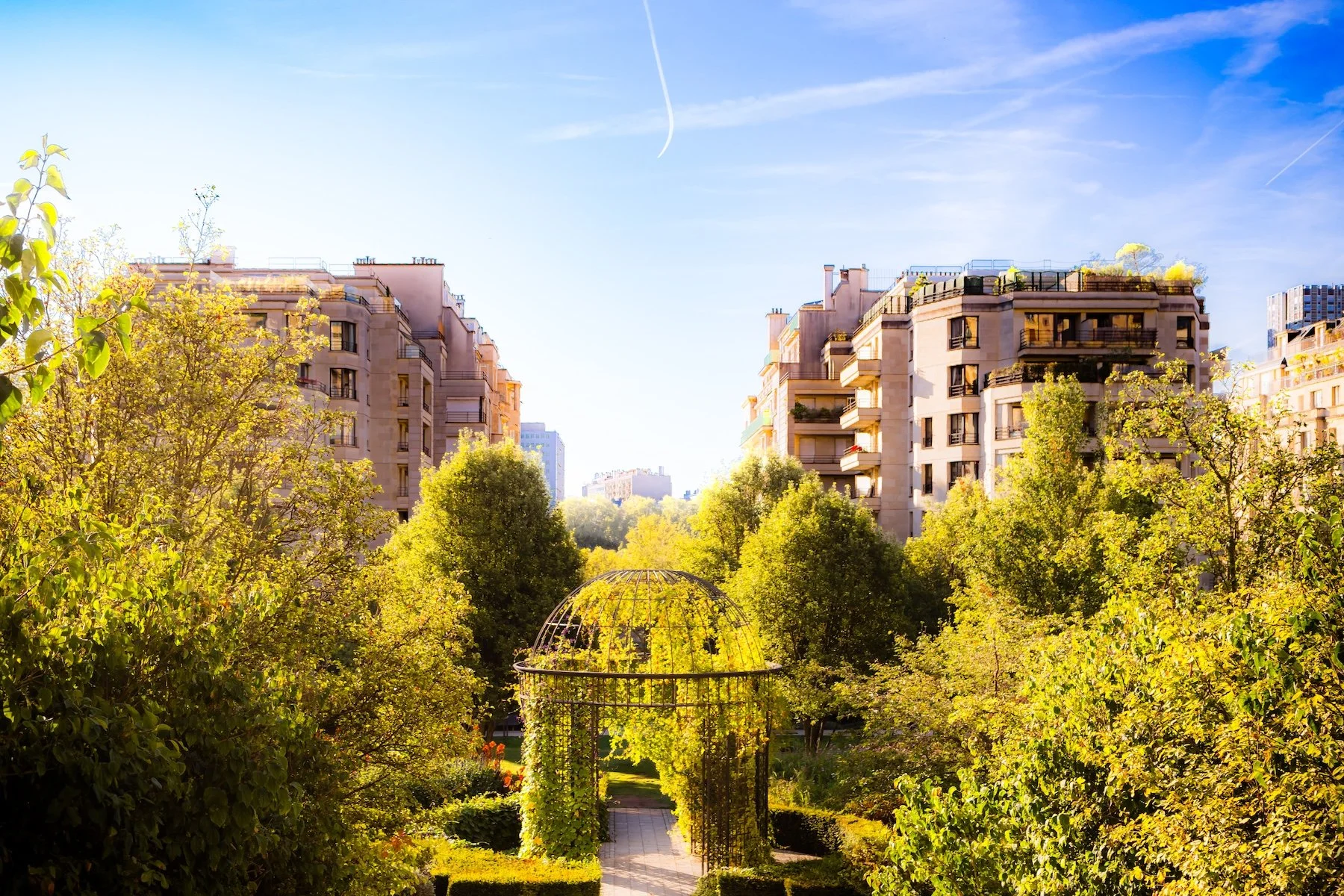
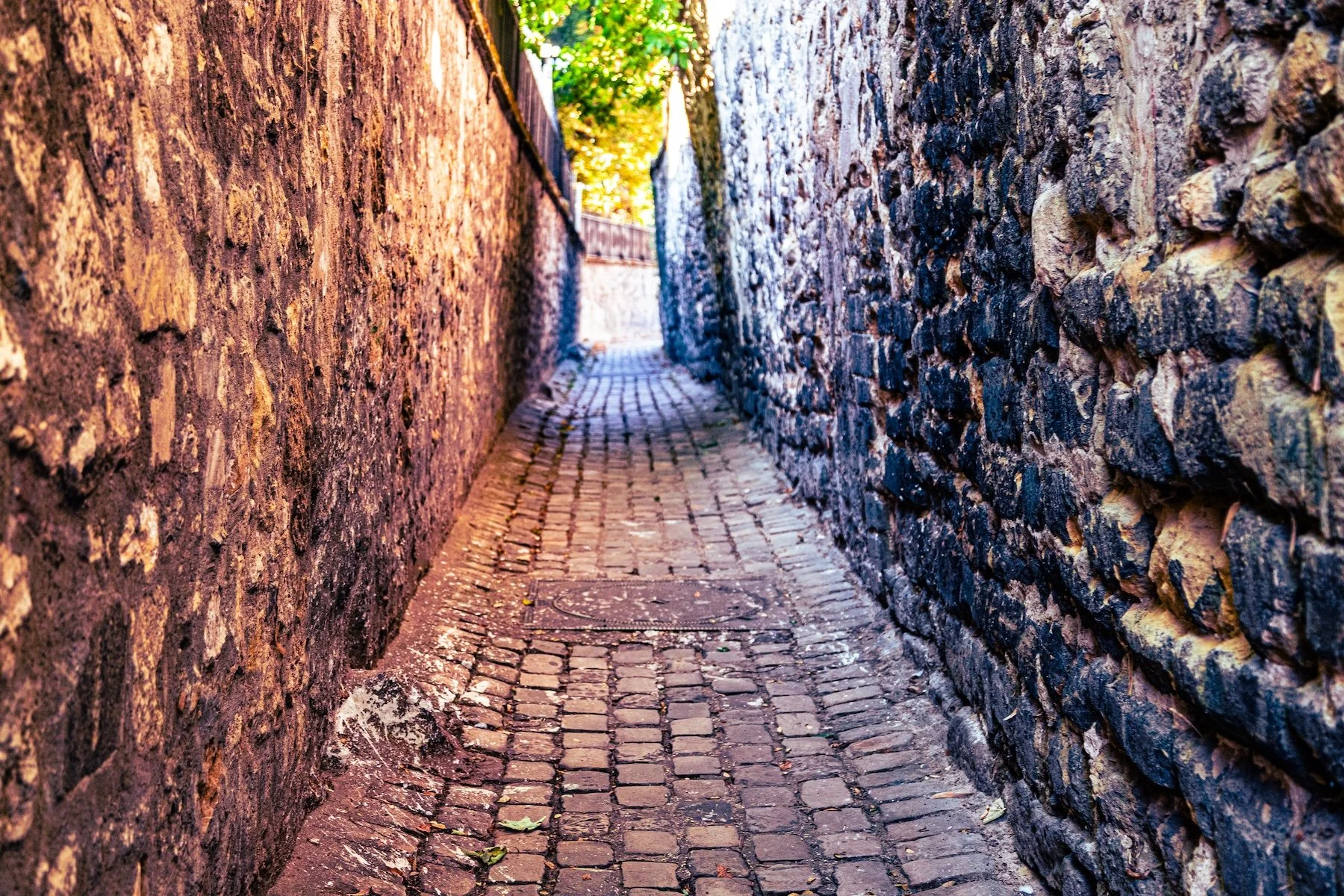
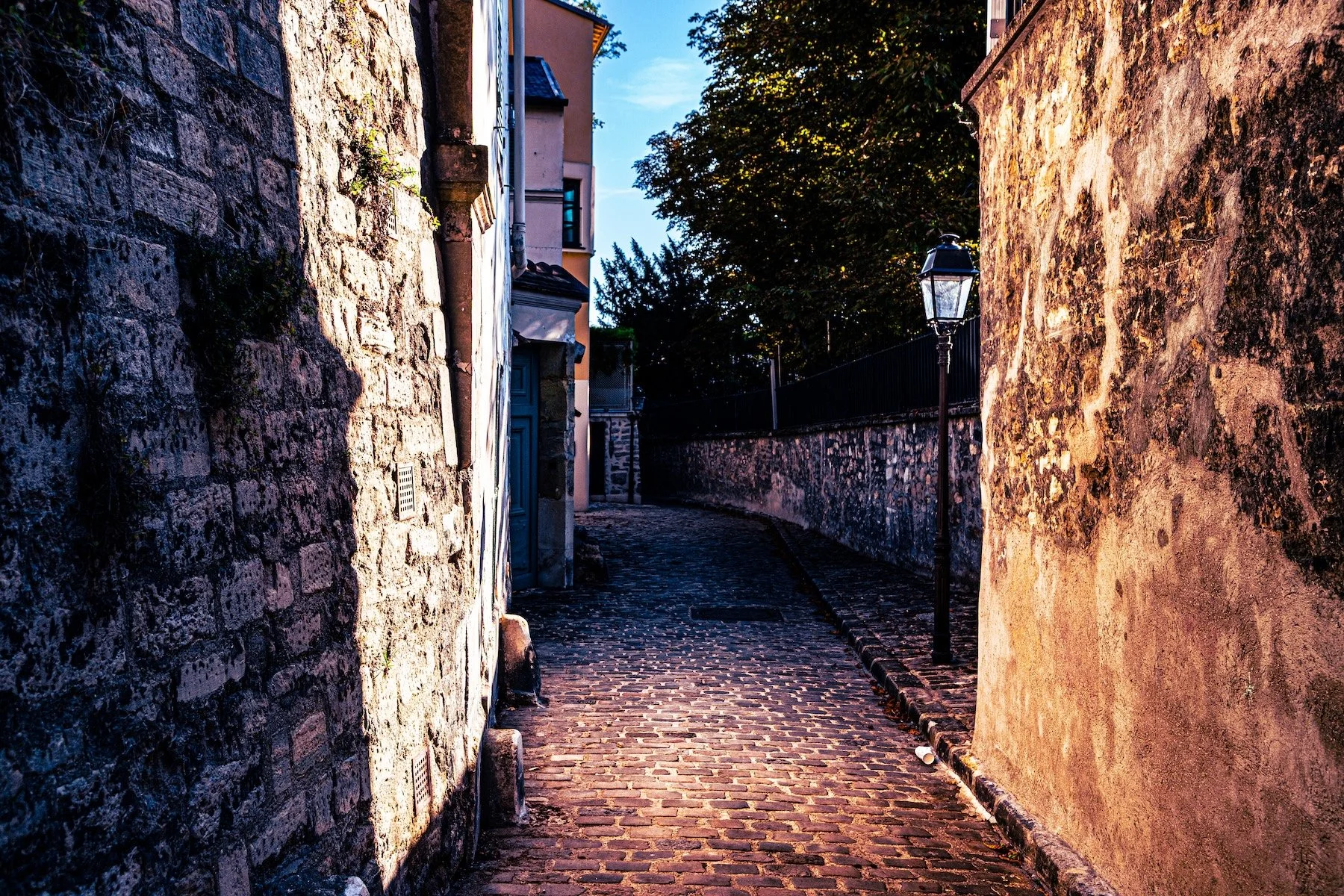
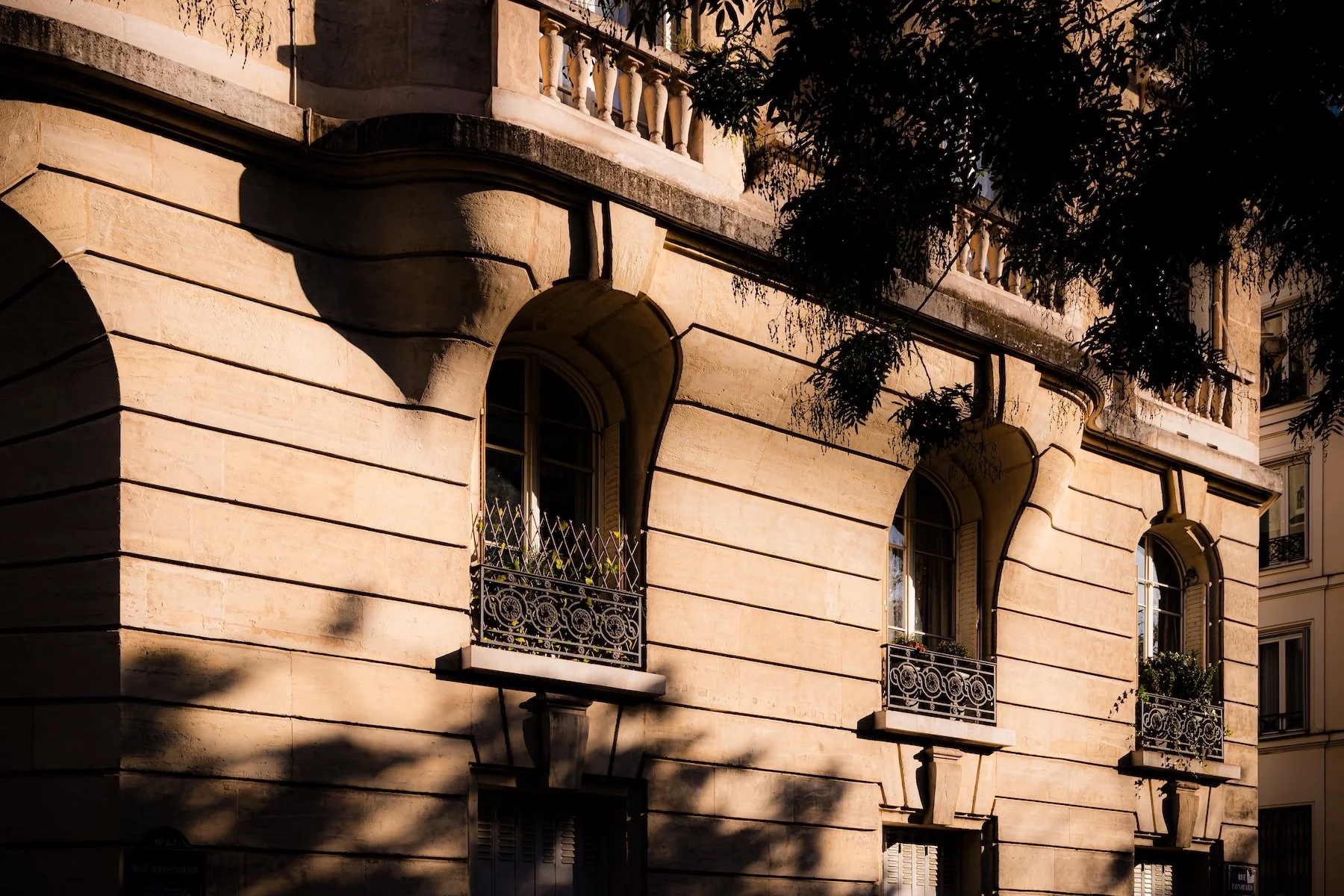
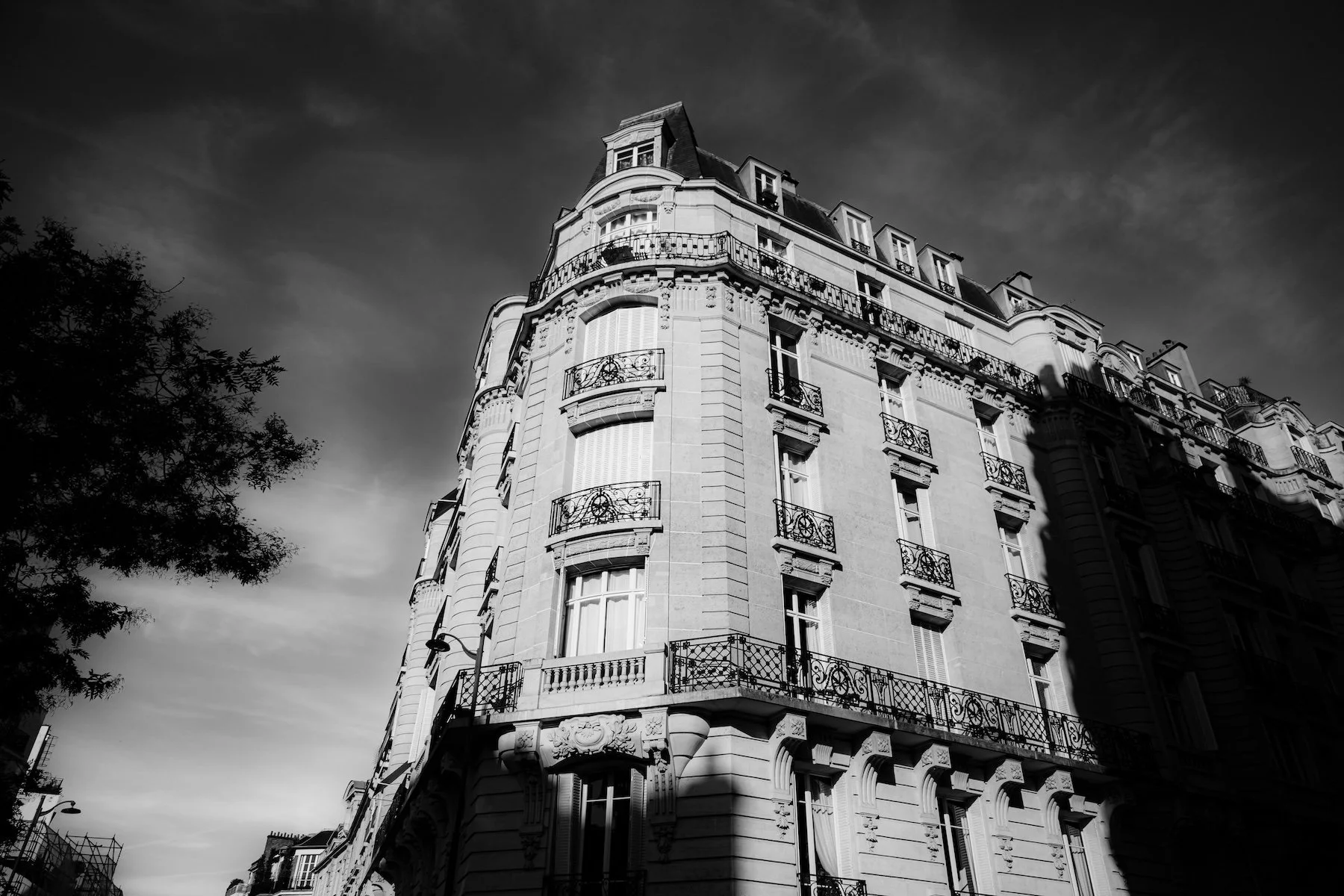
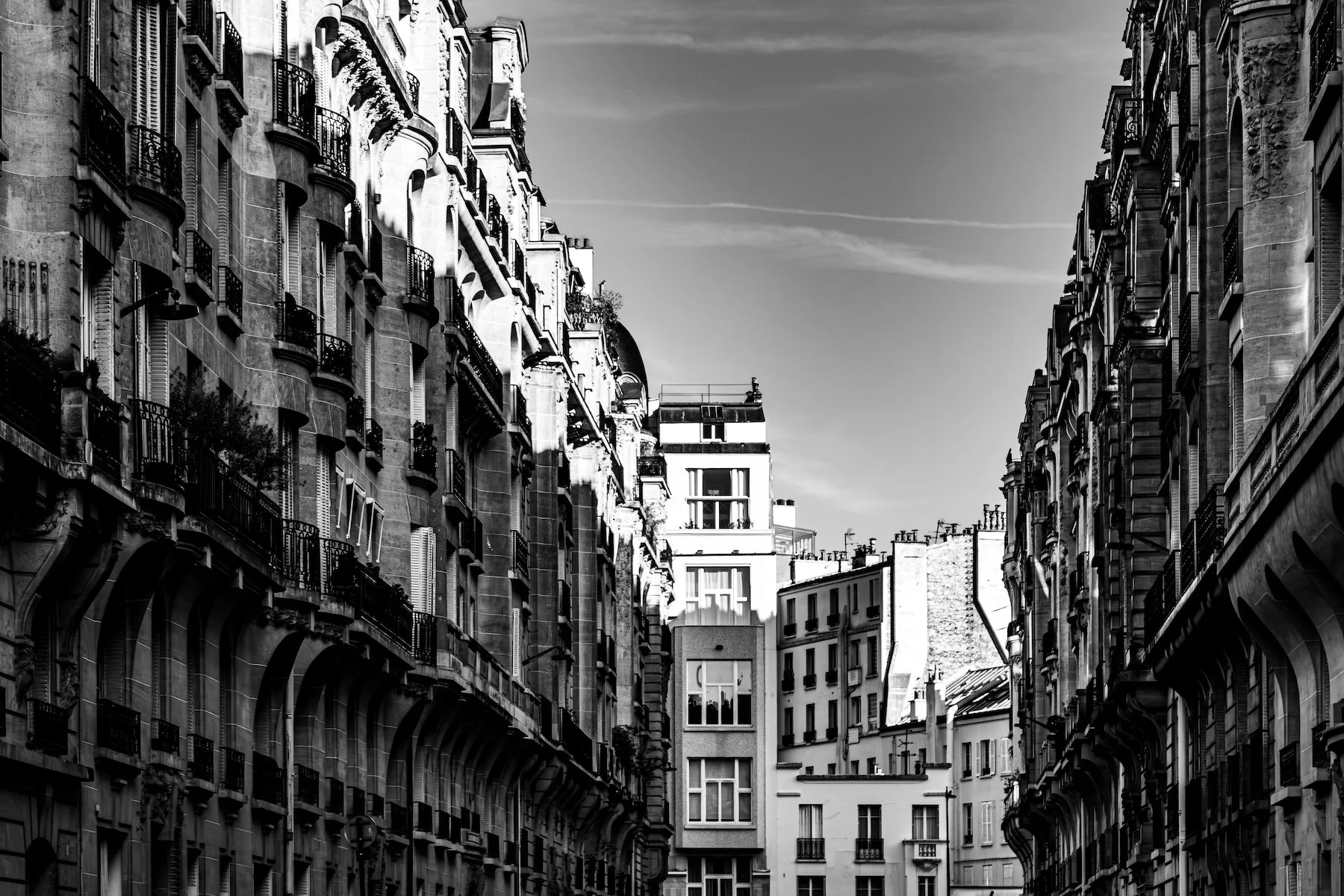
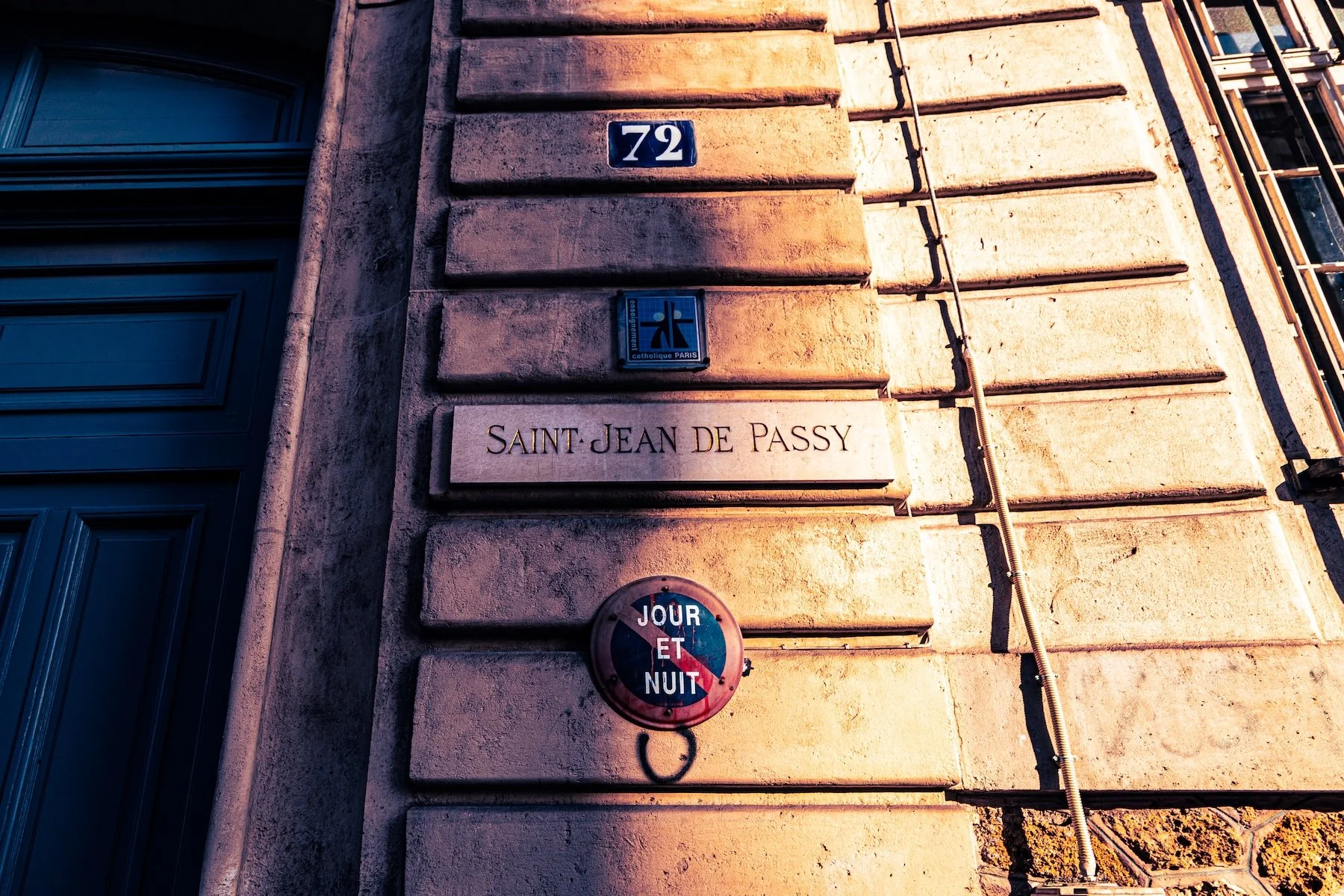
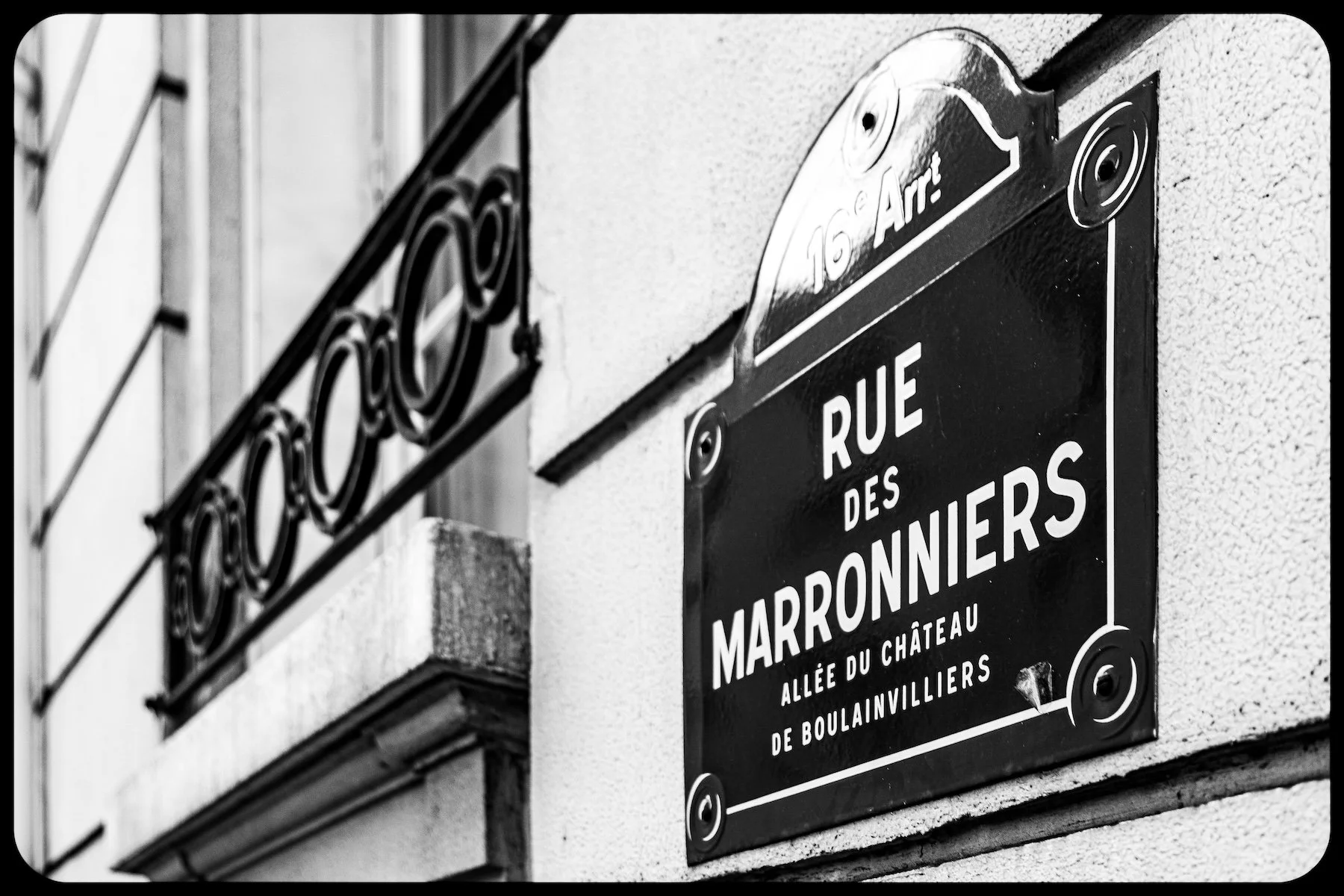
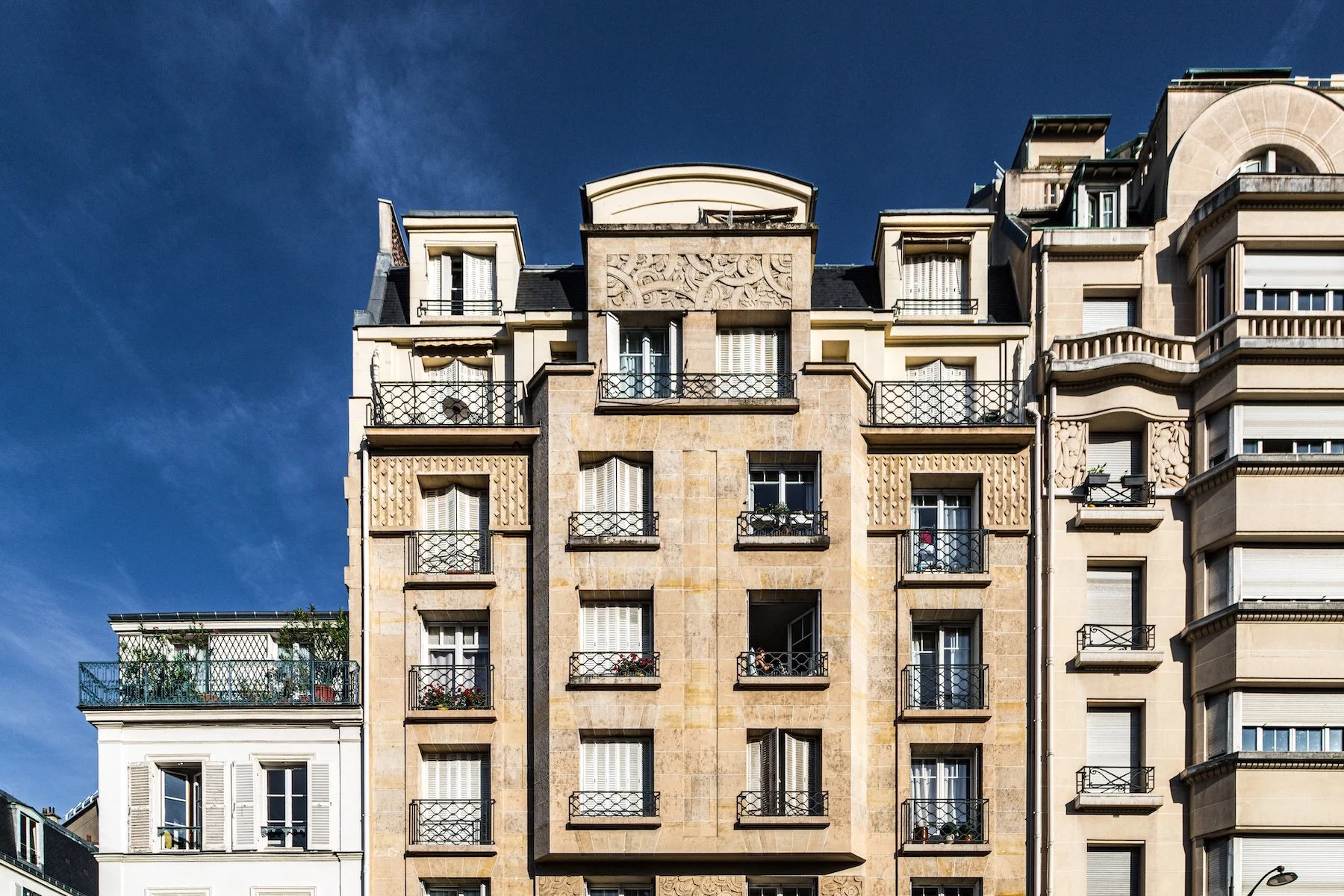
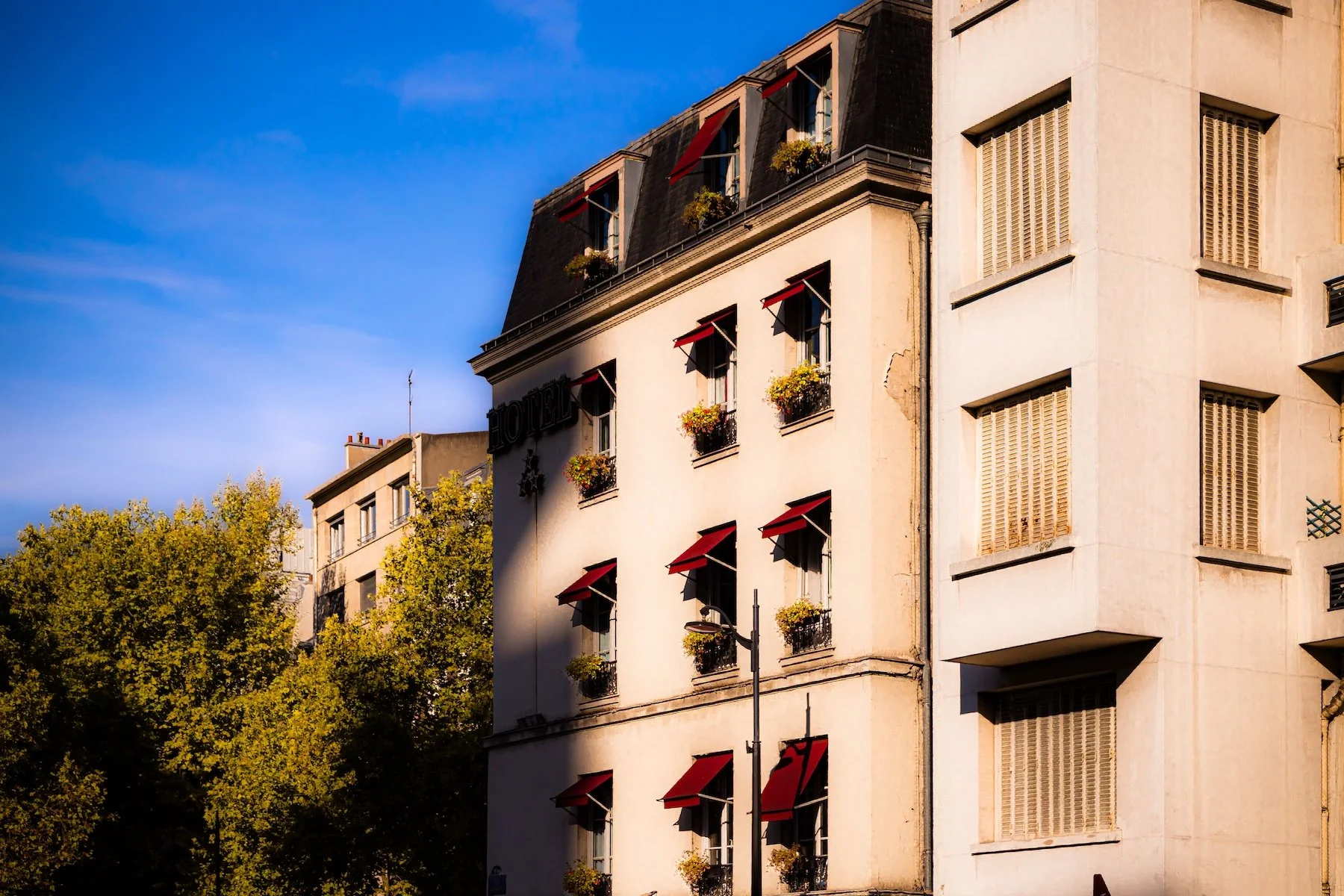
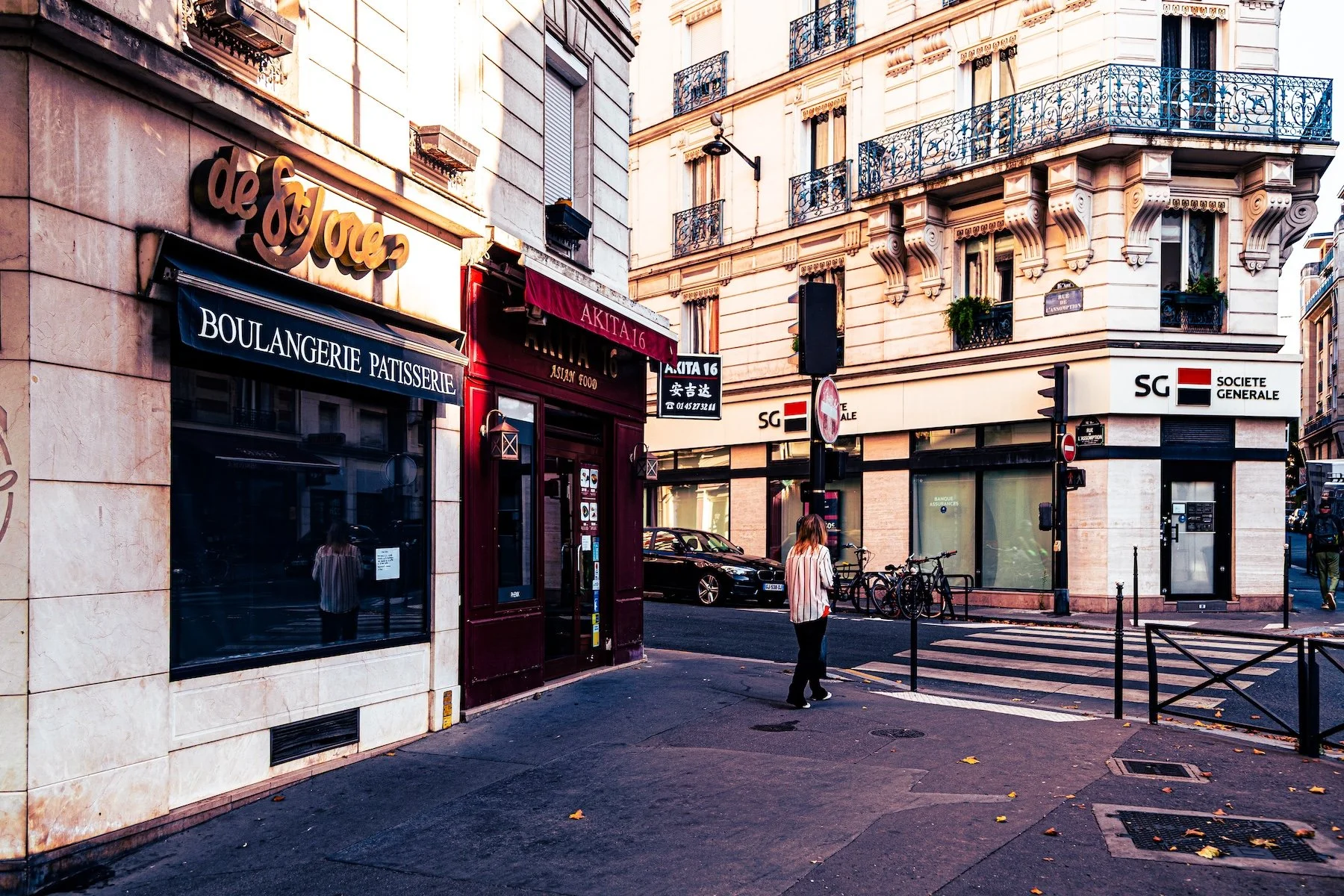
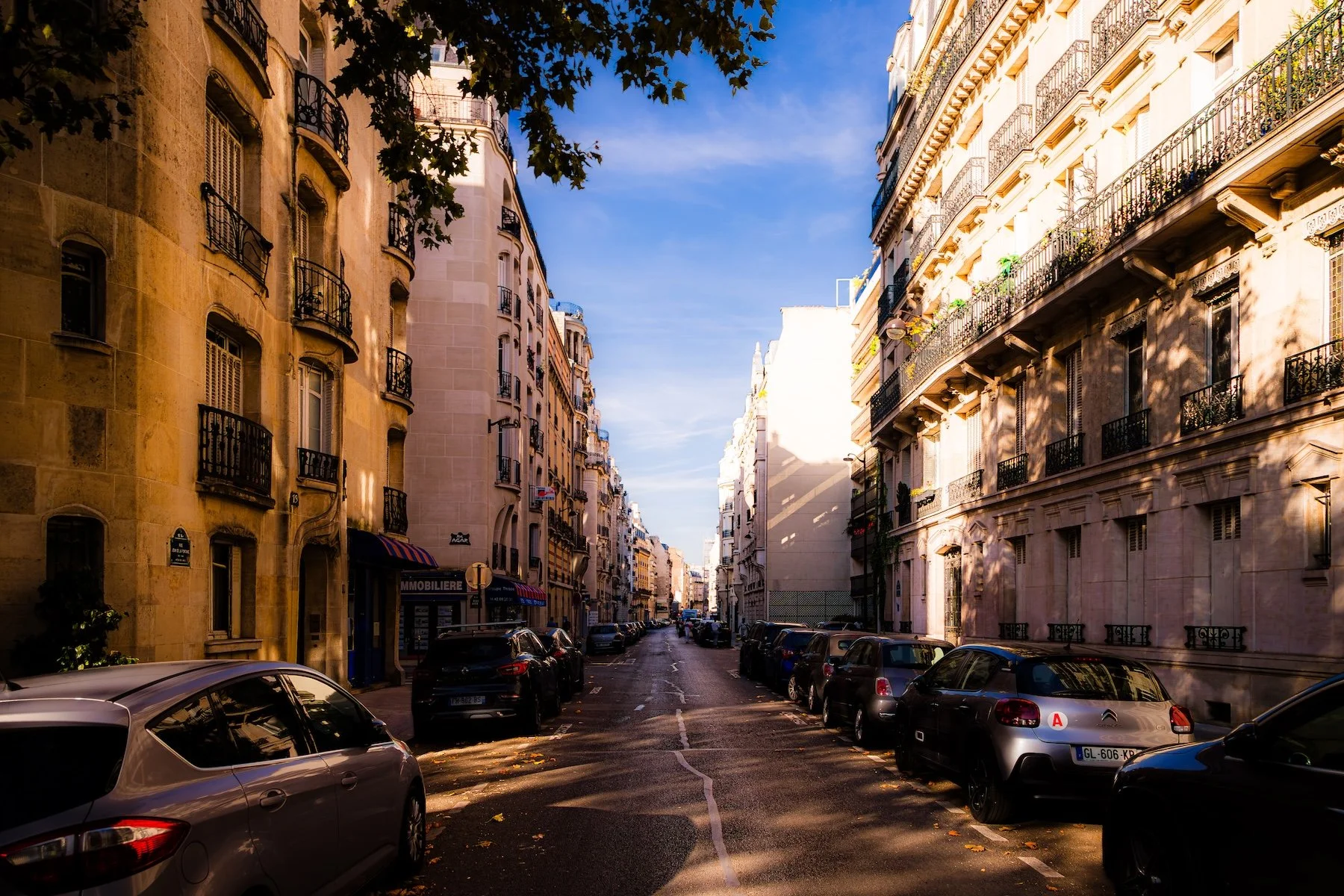
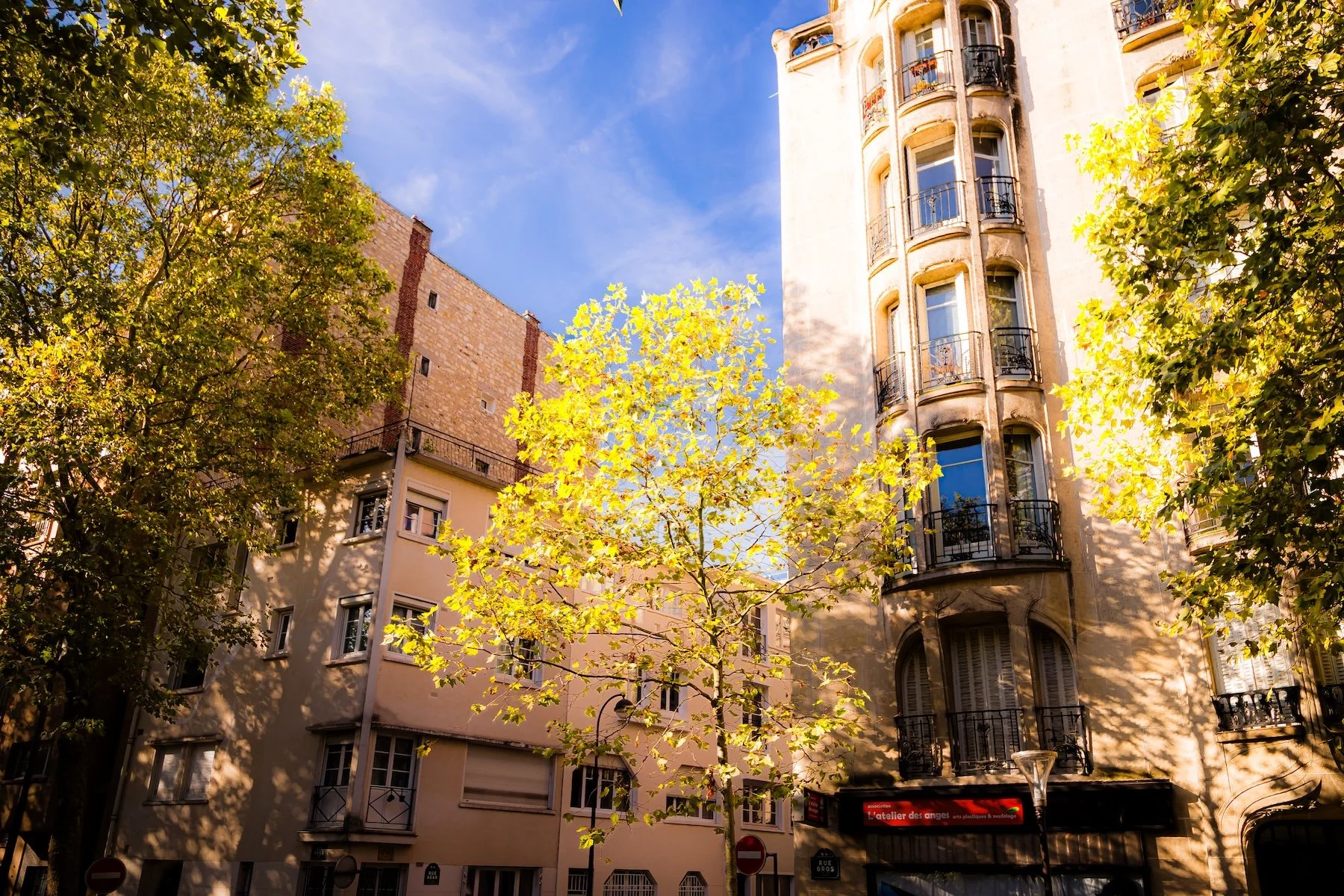
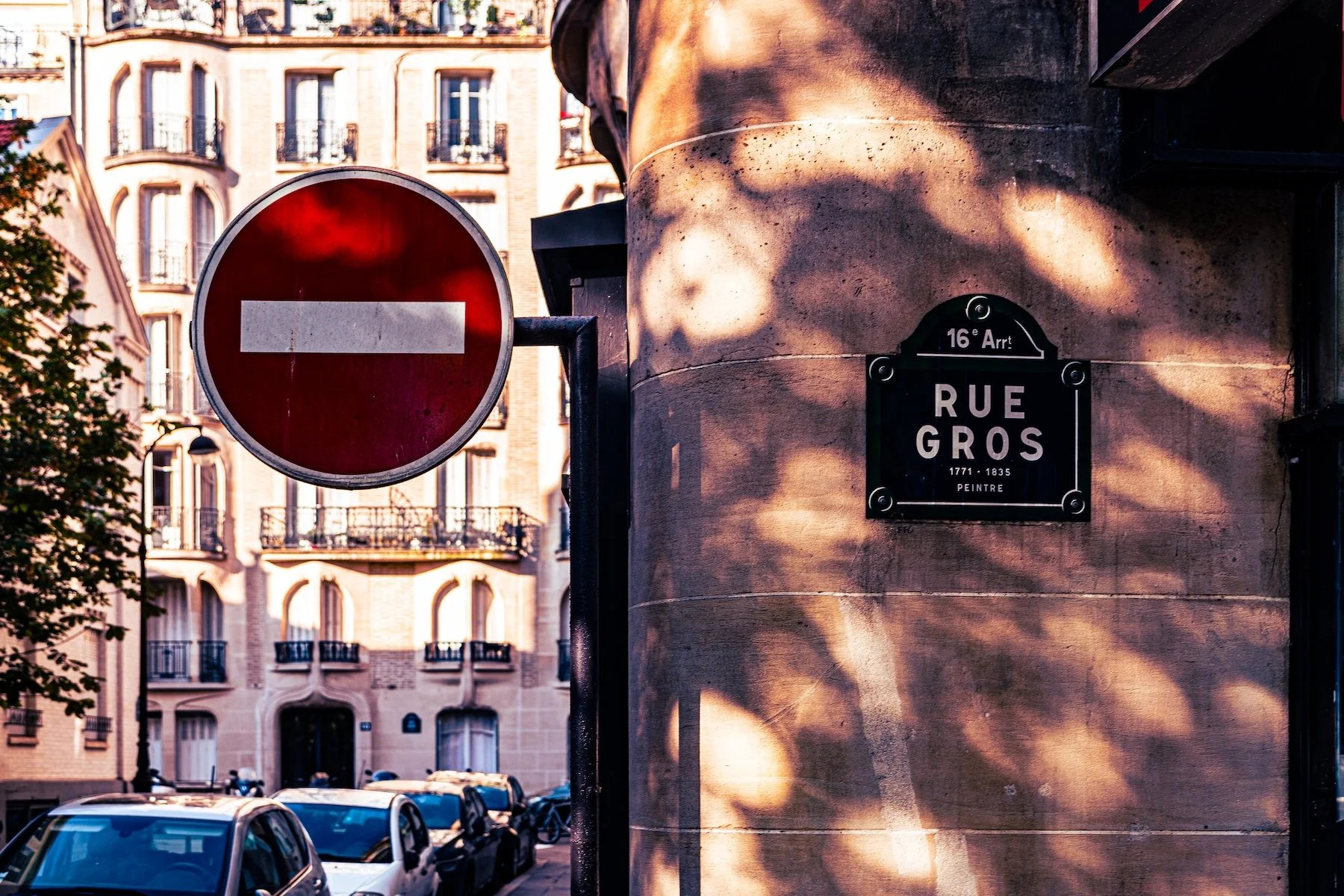
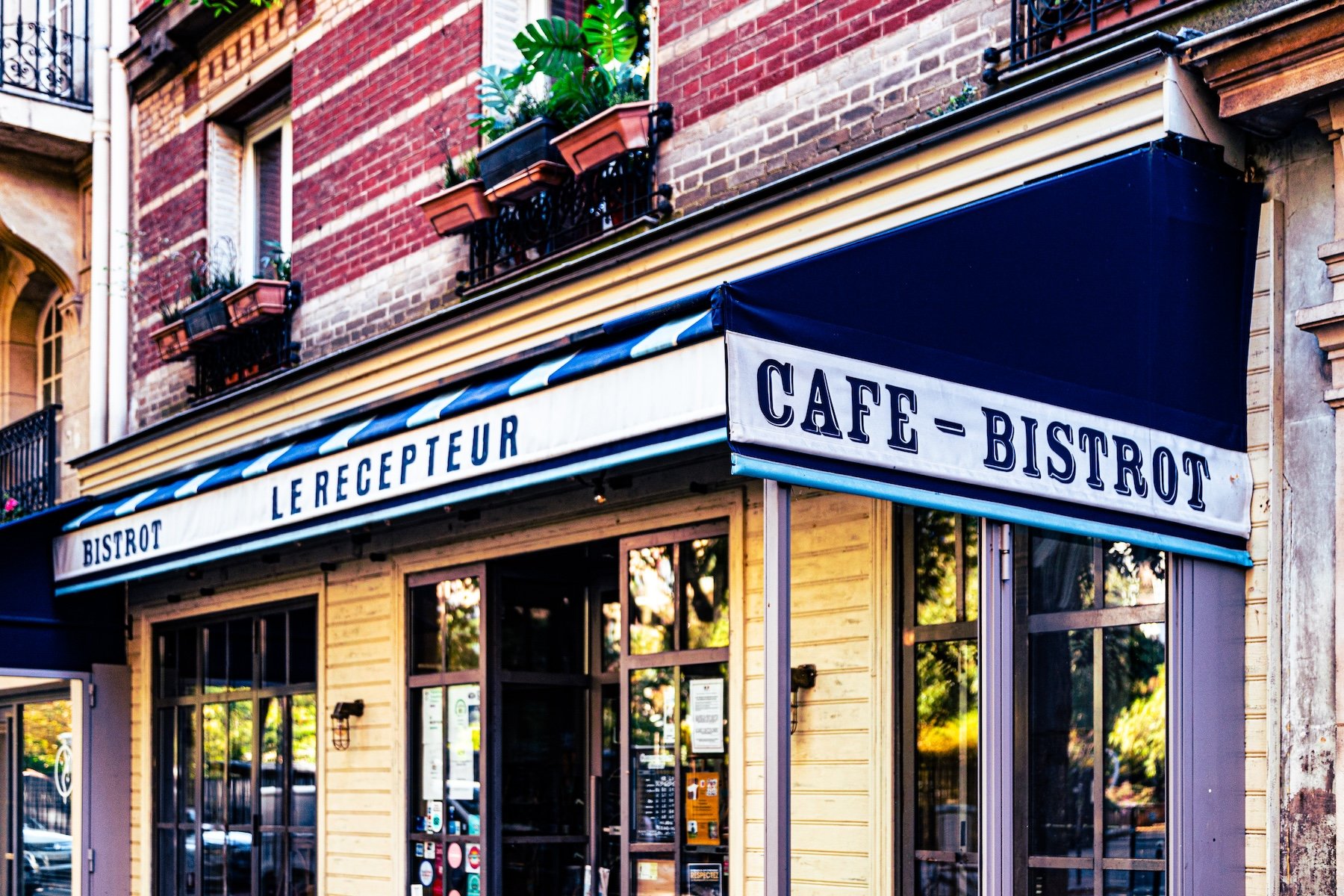
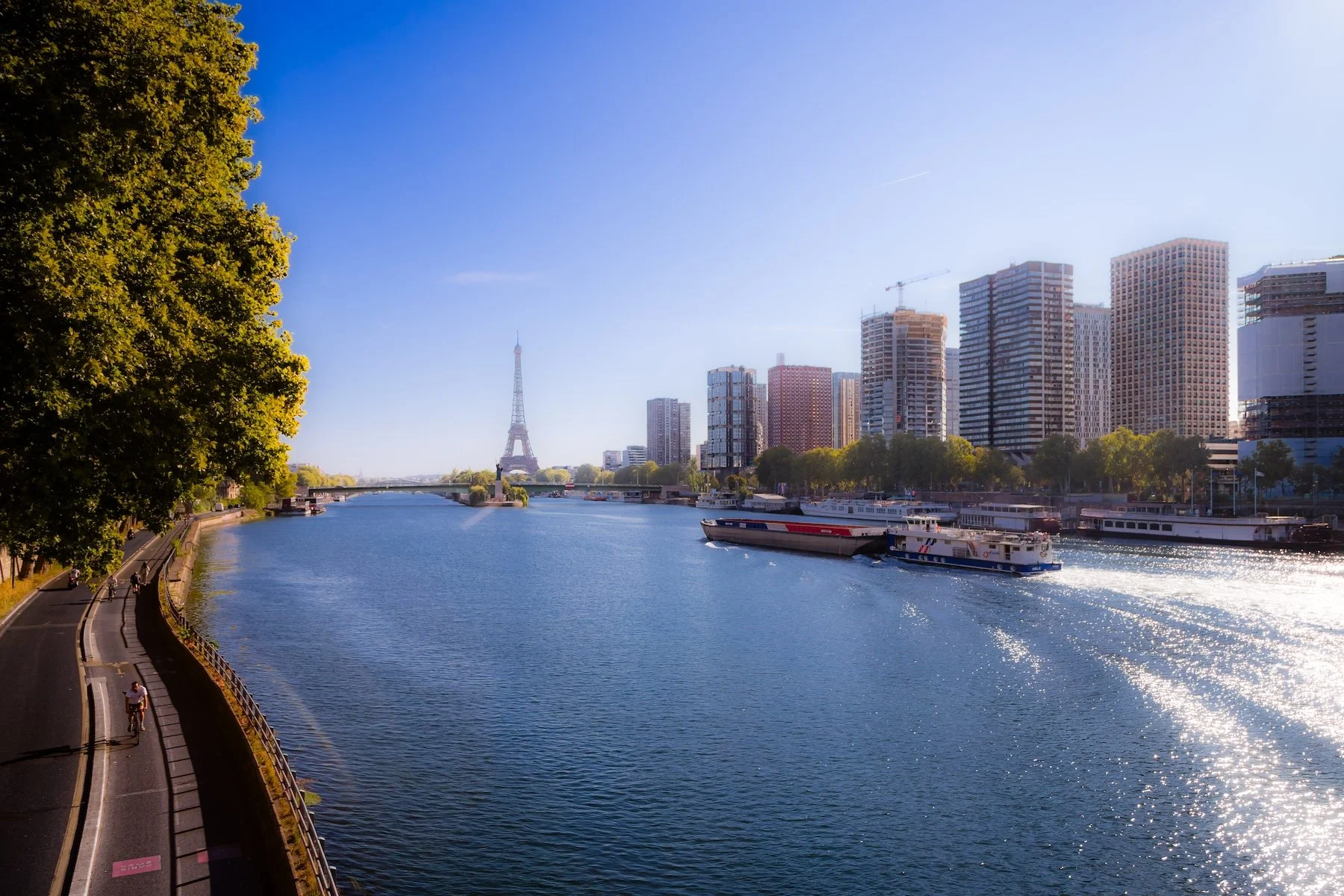
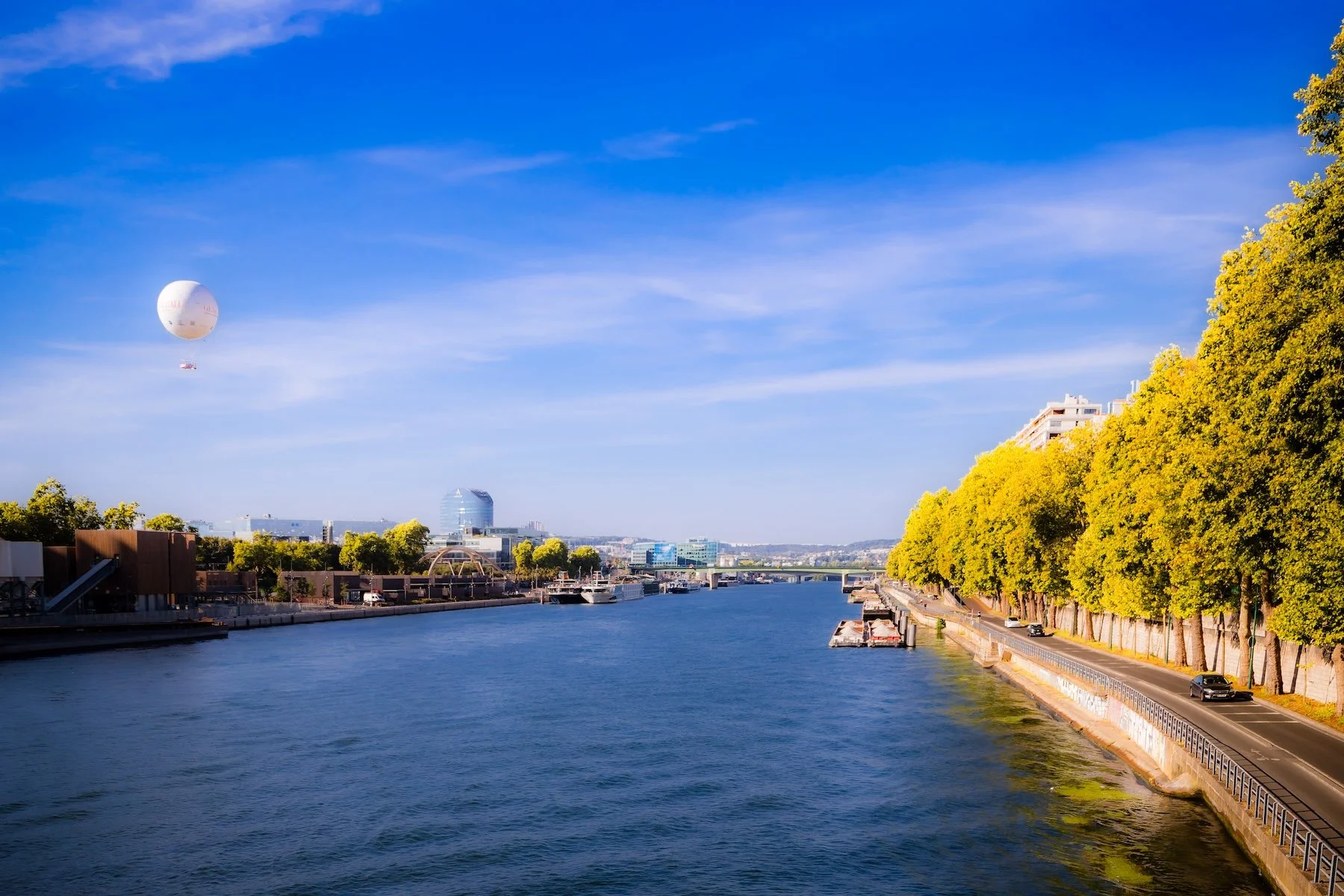
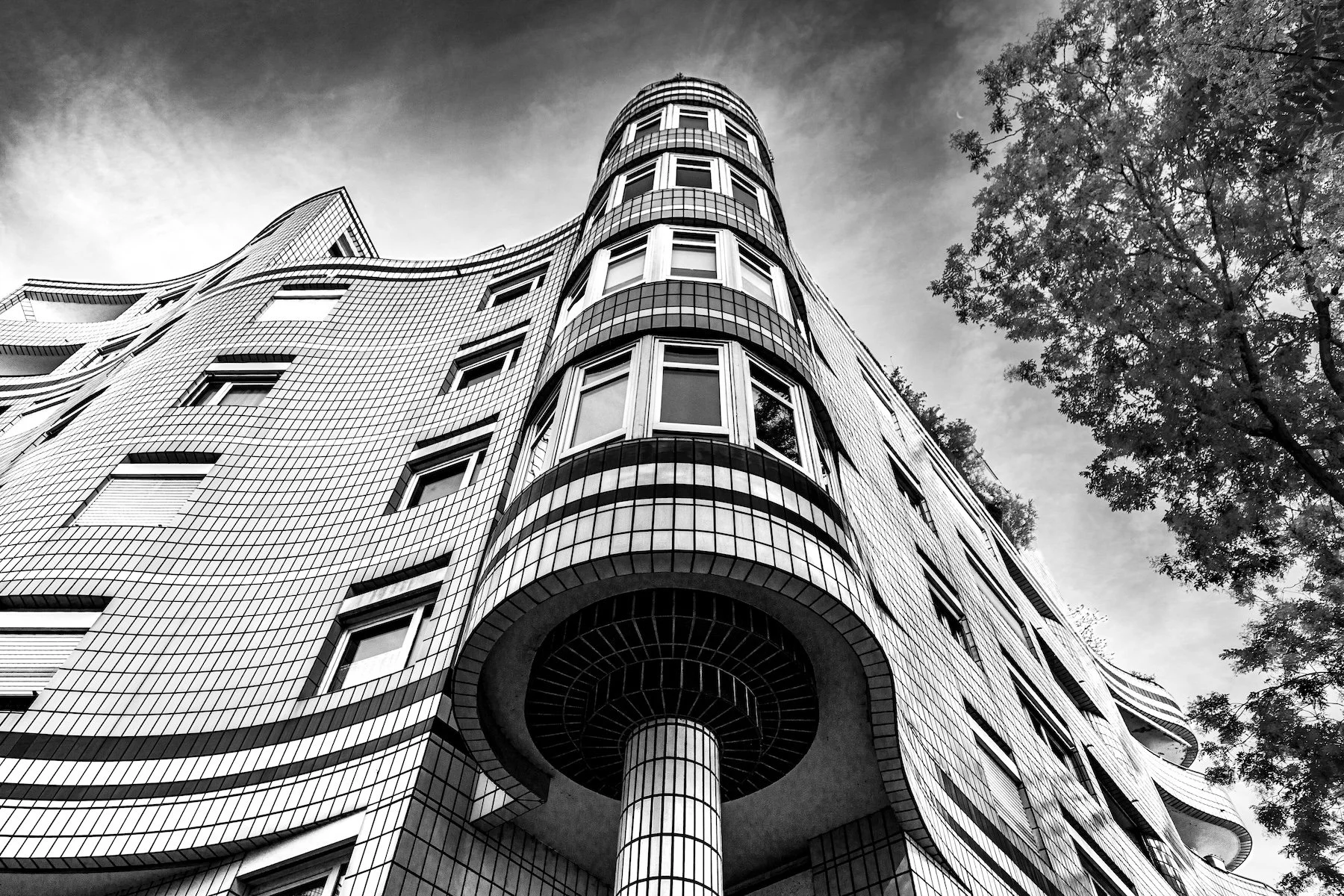
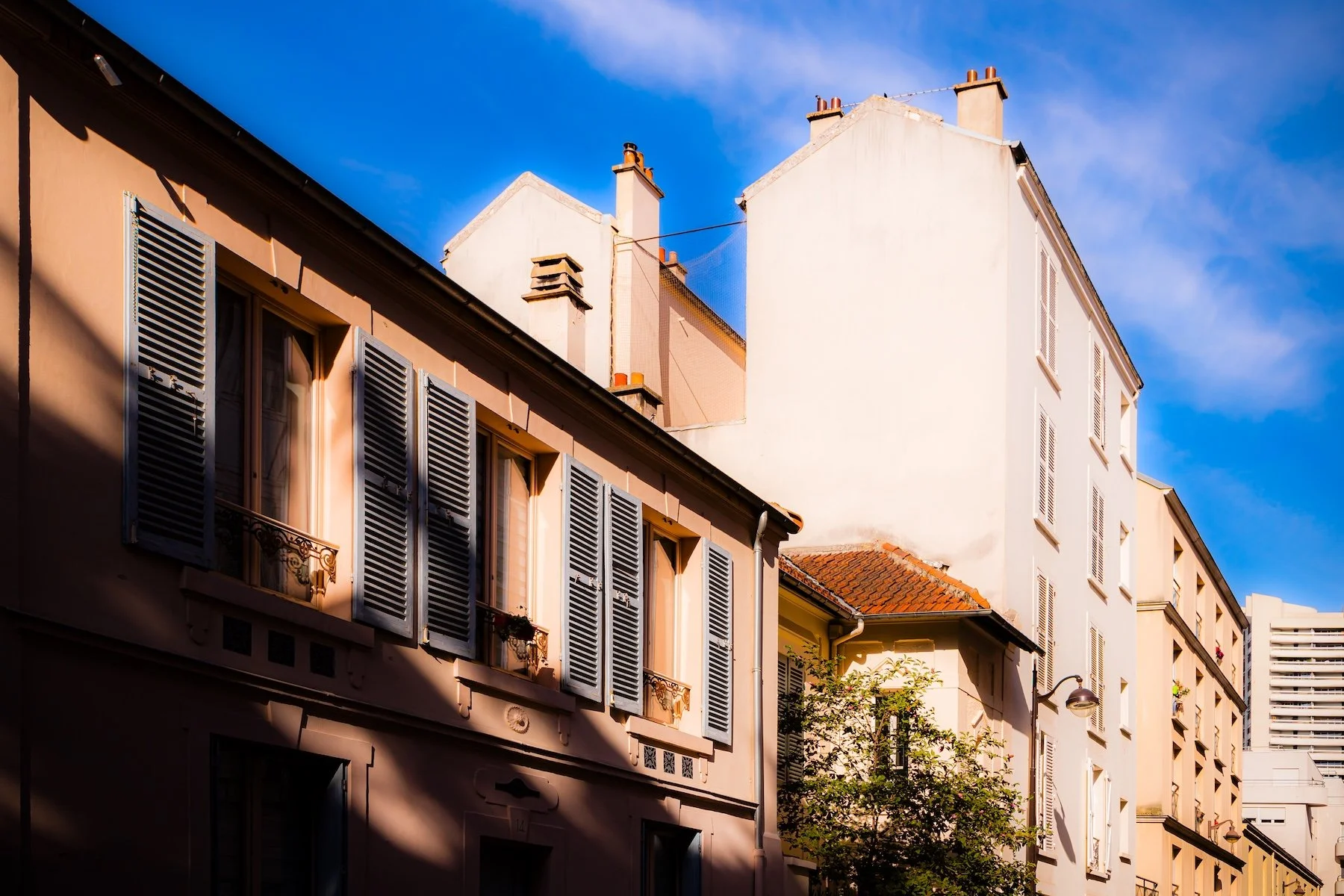
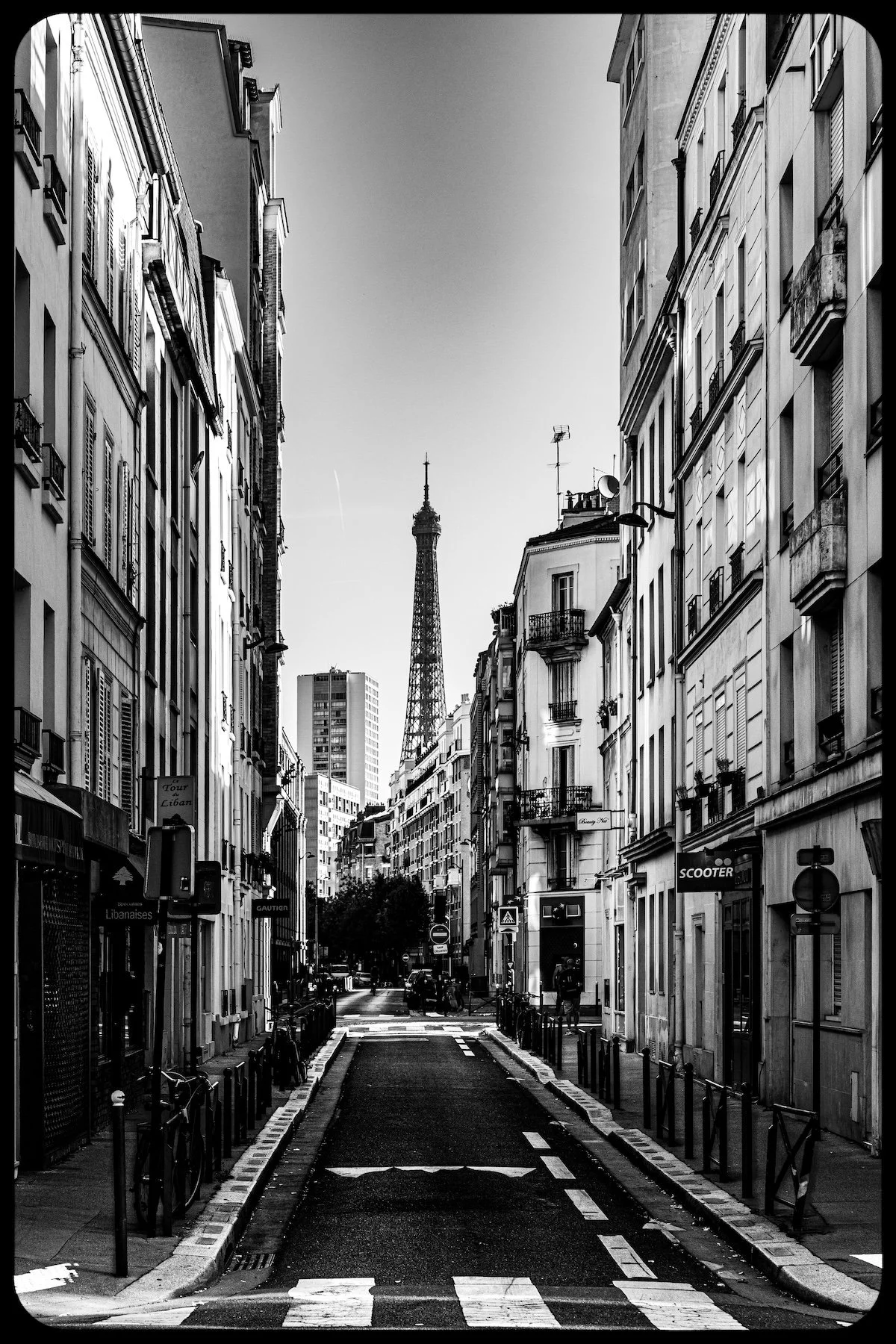
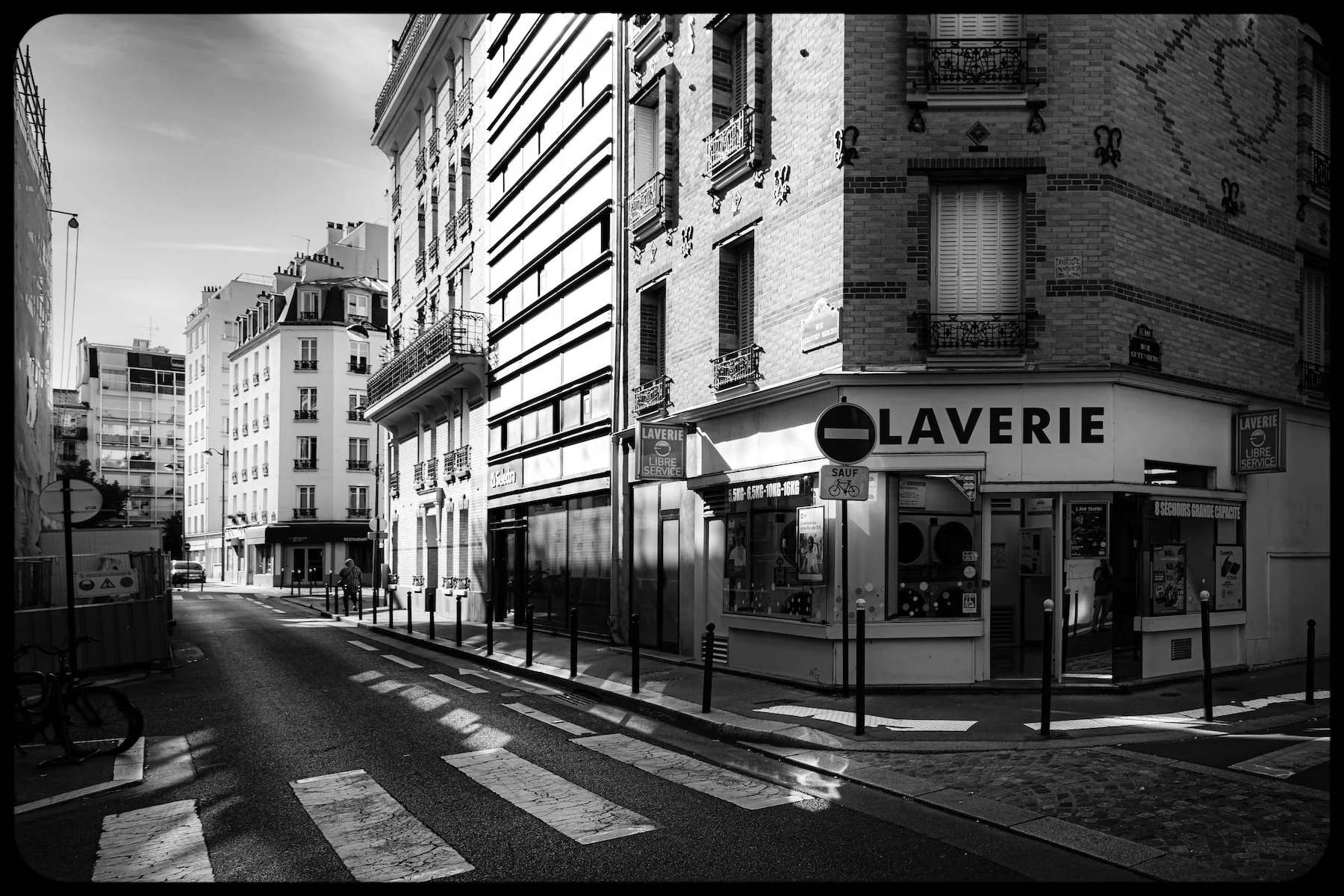
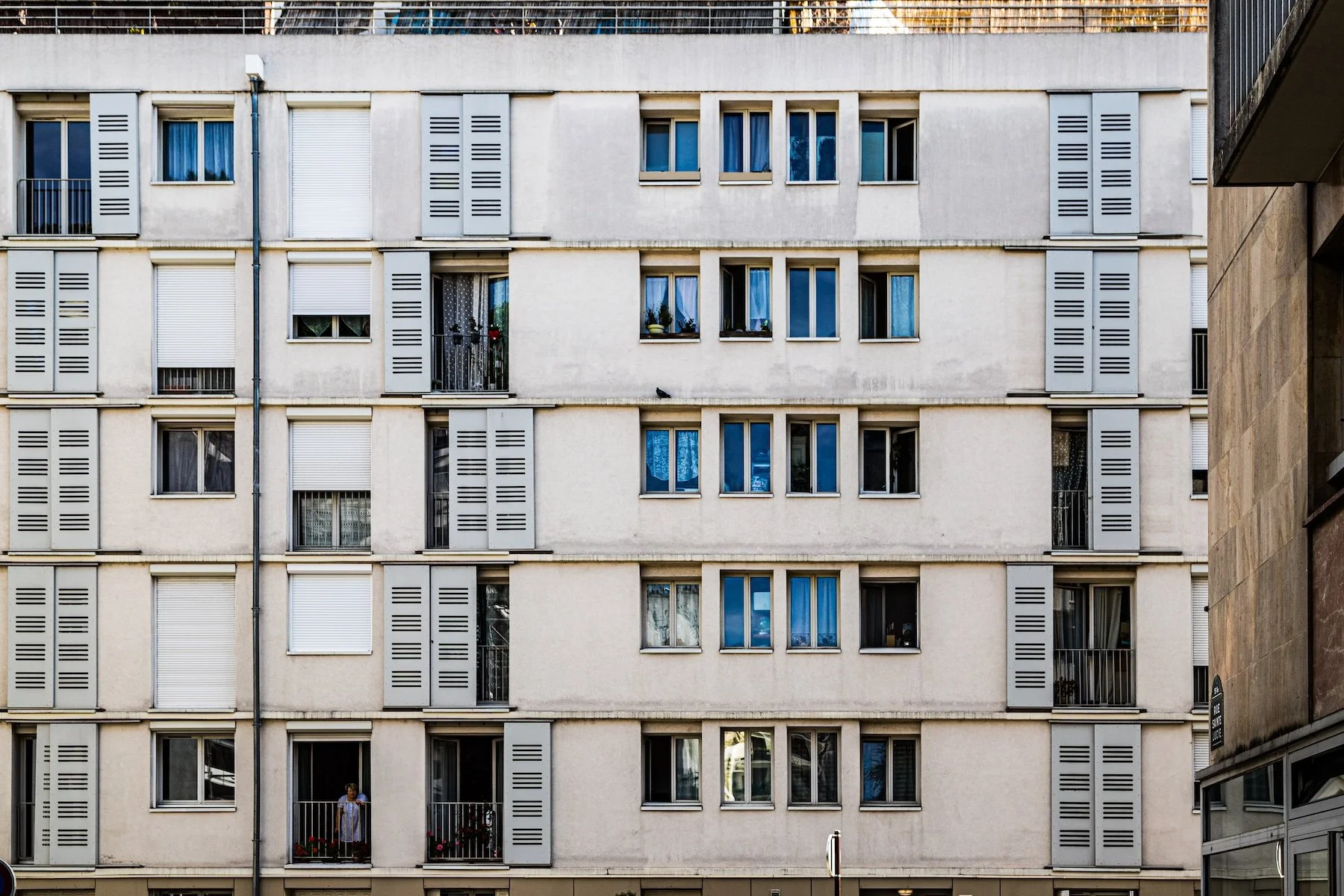
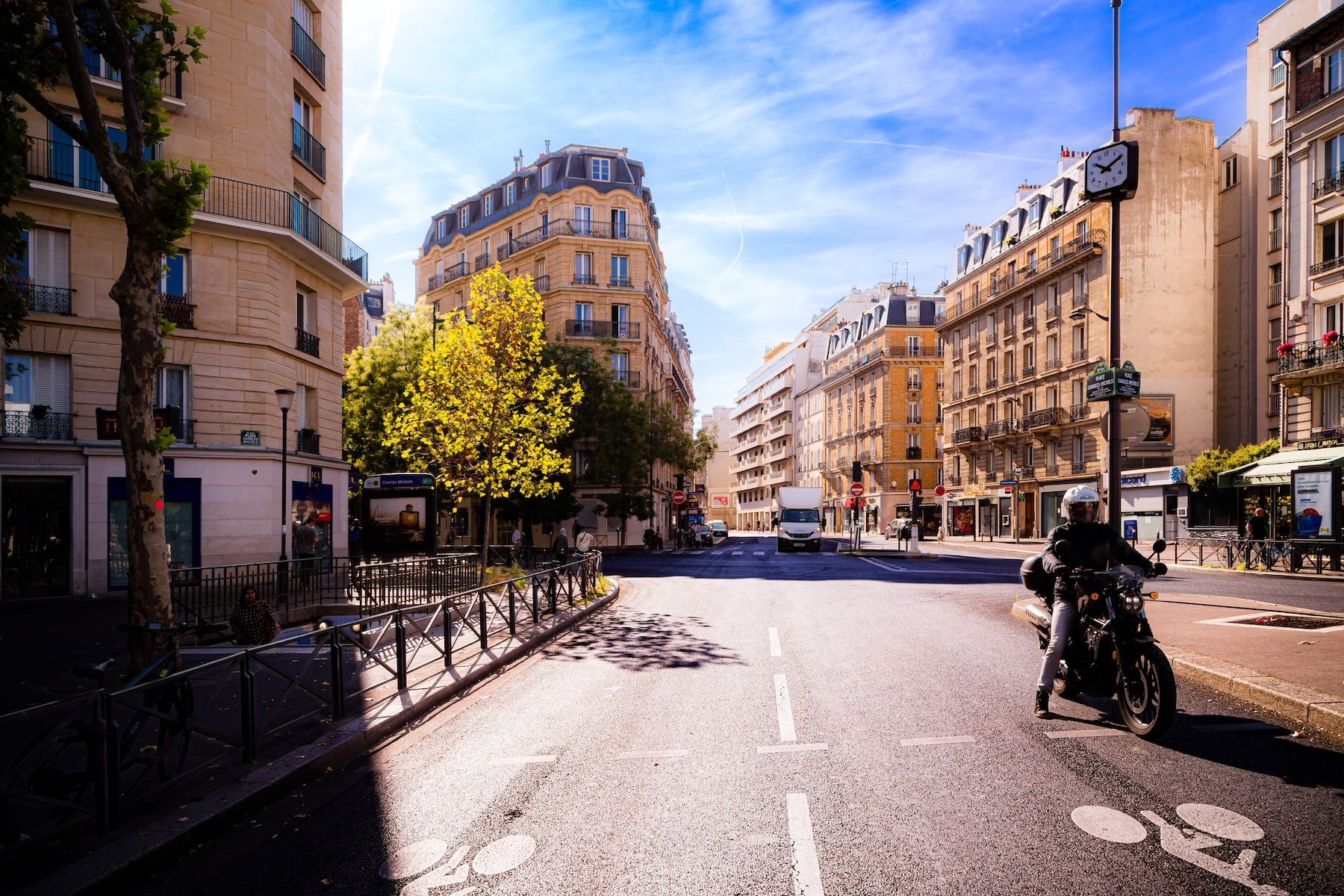
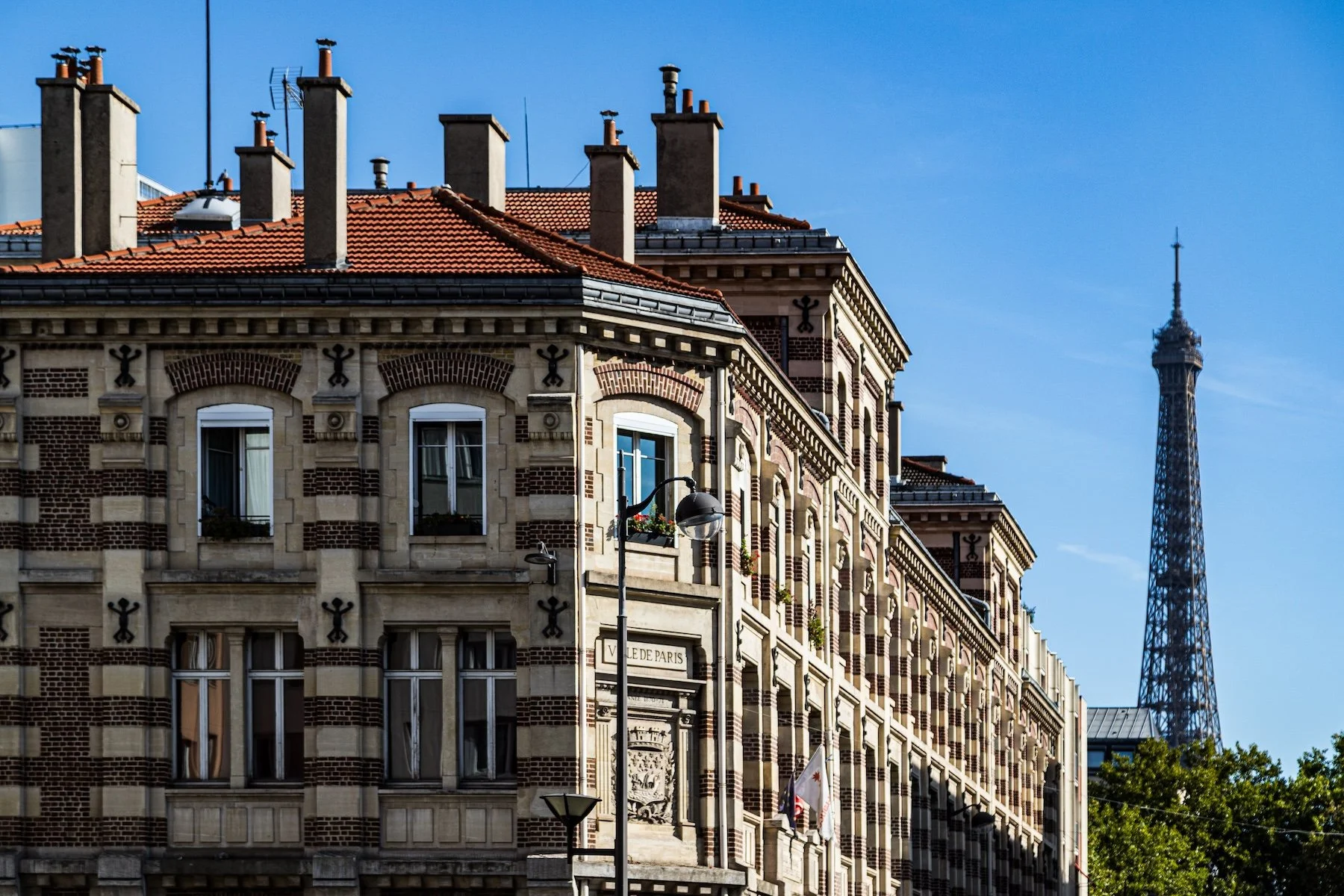
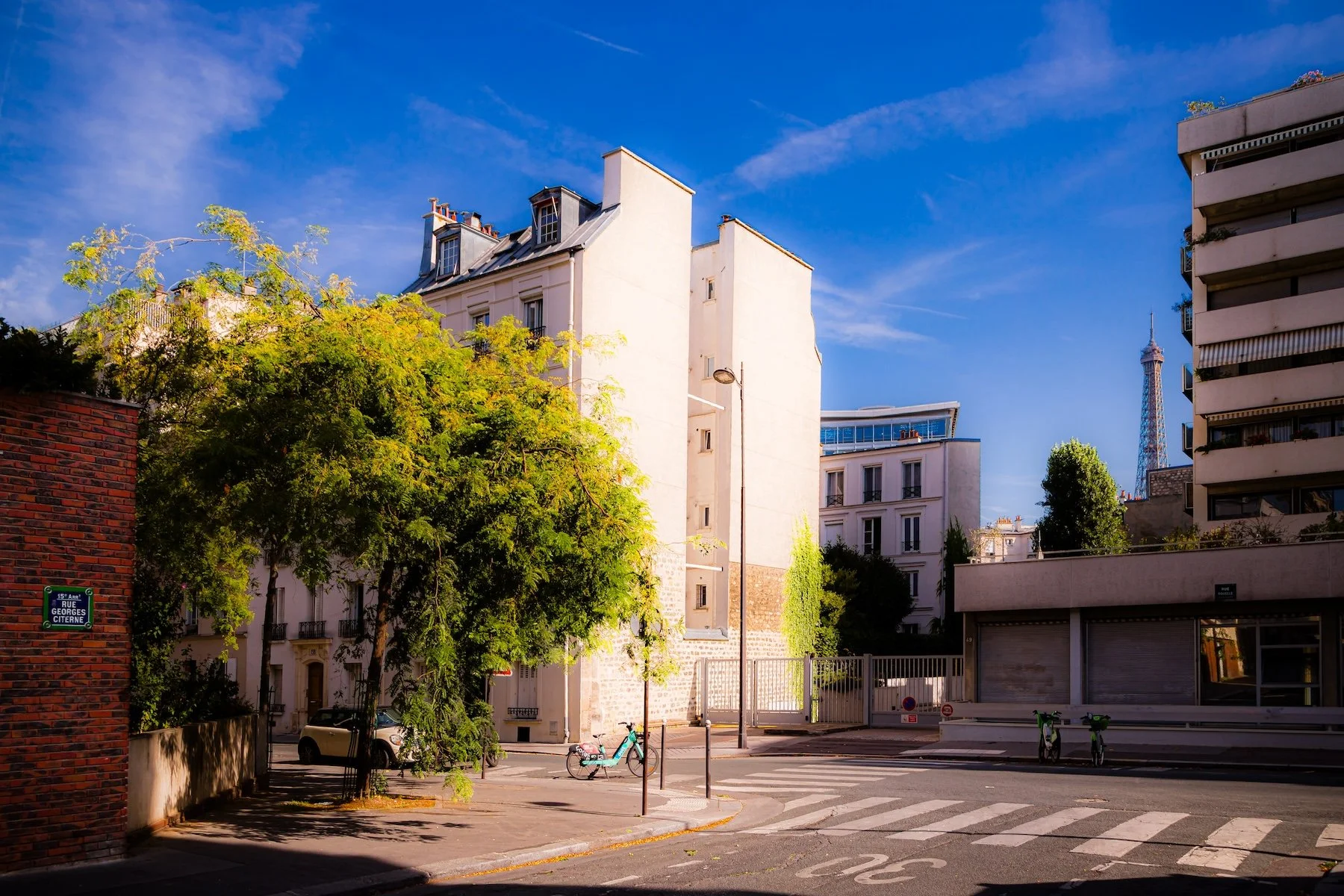
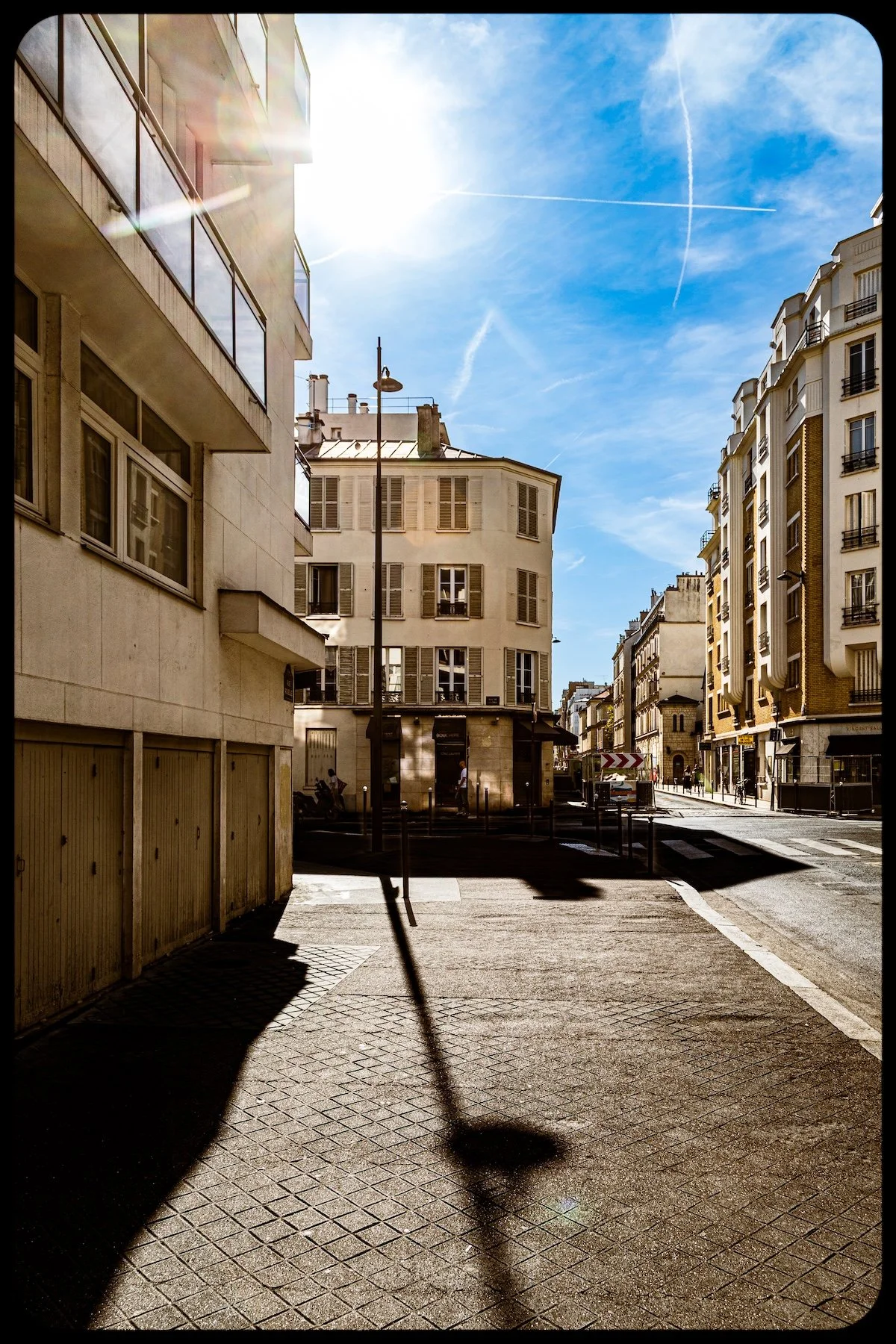
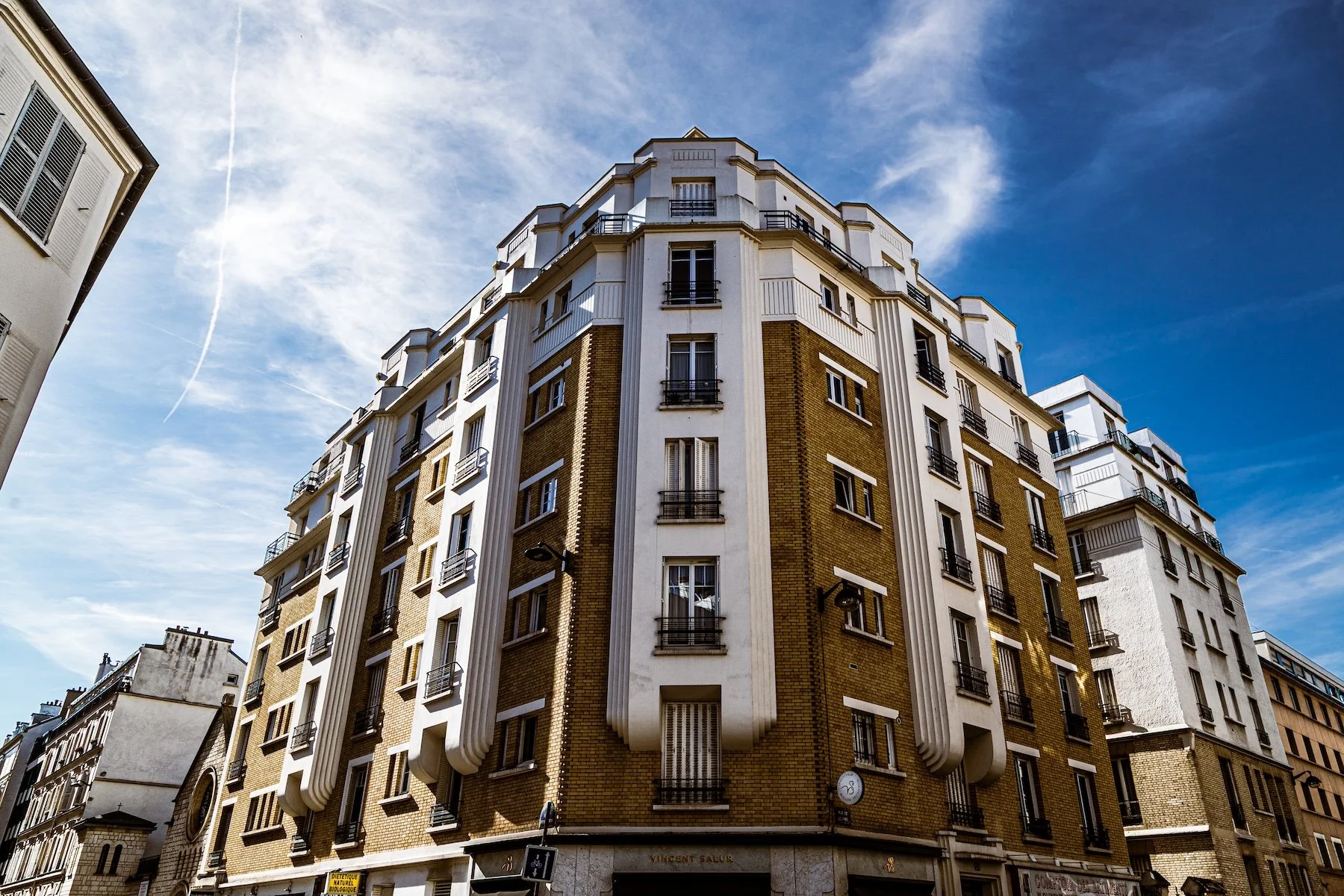
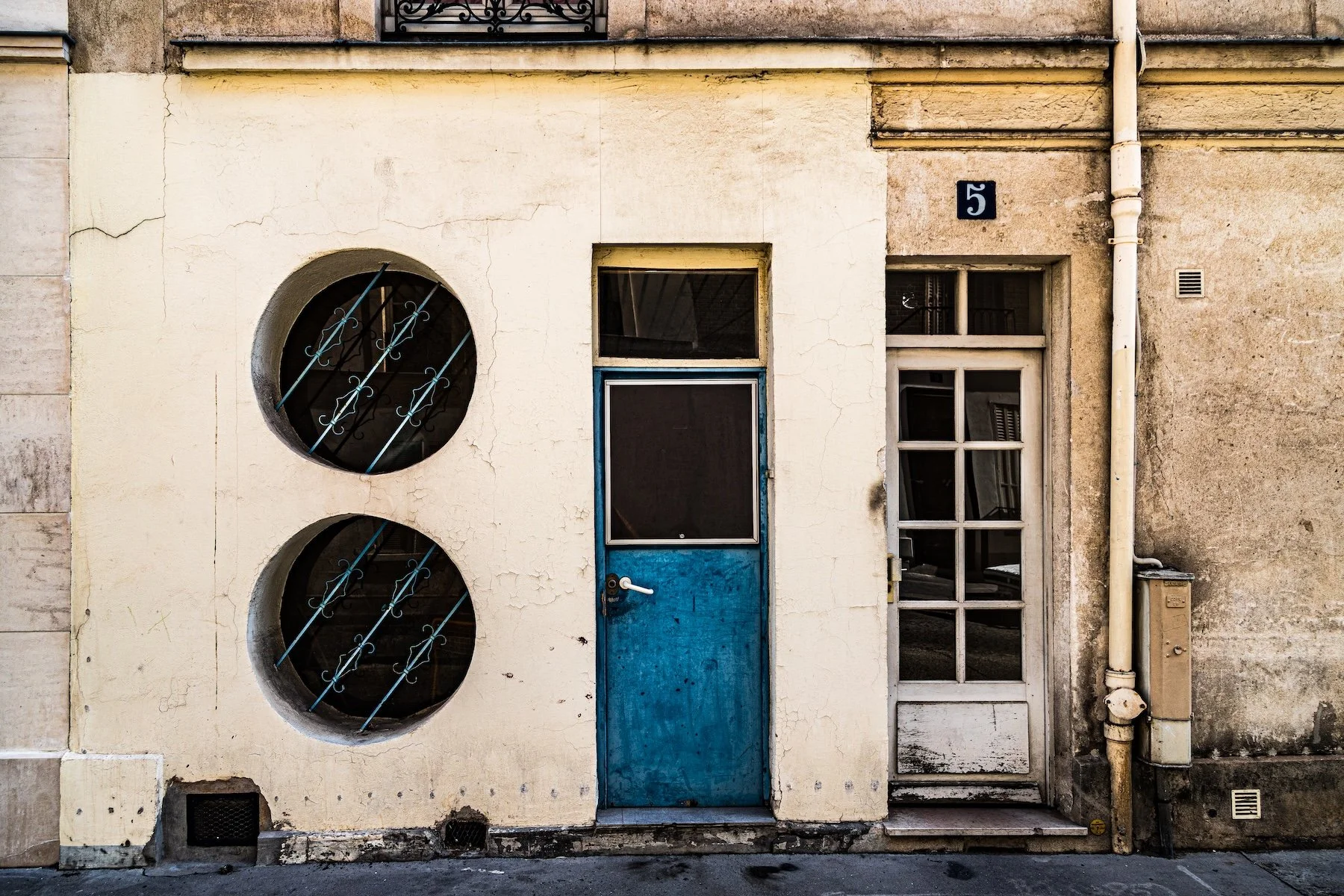
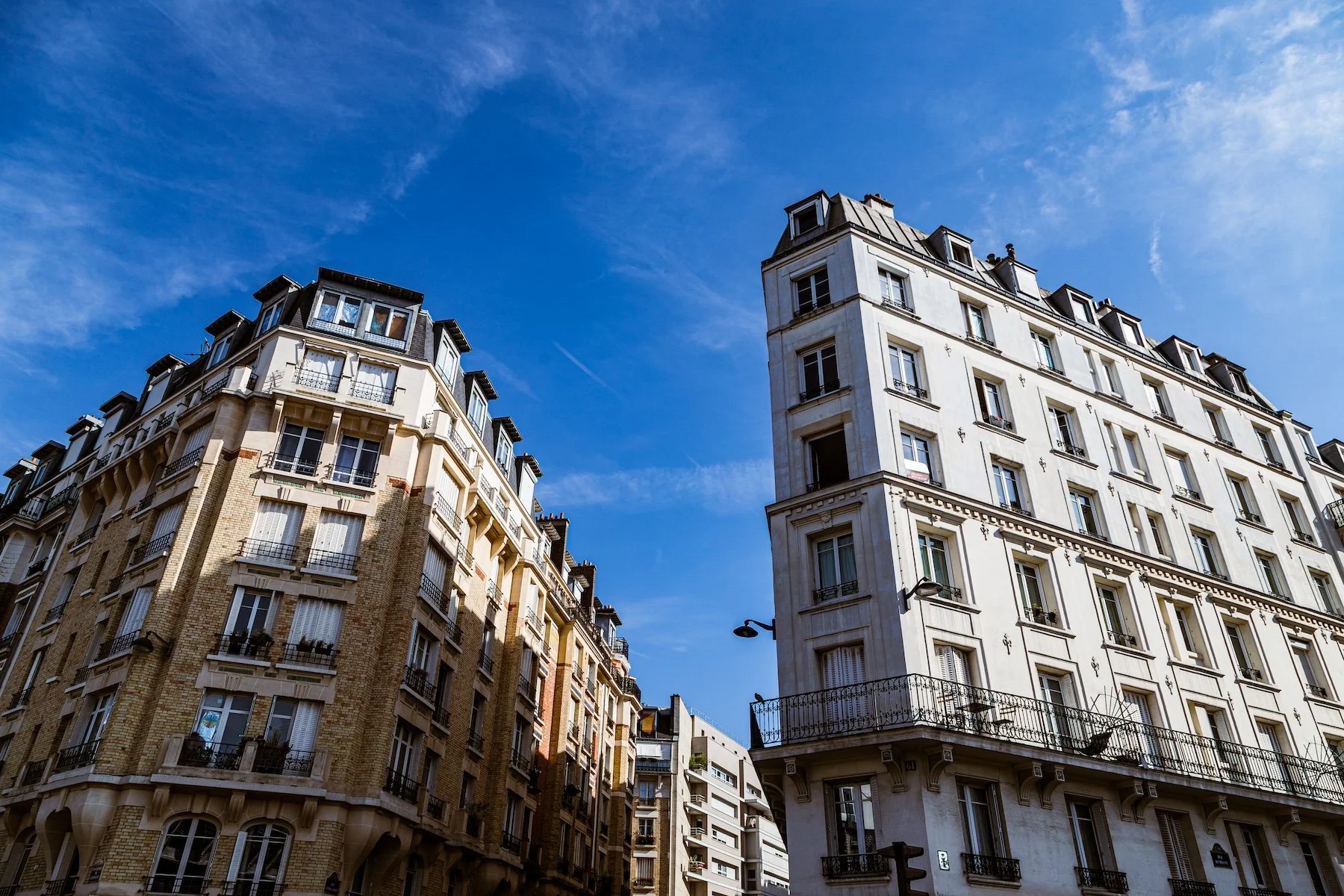
As the photographic archive grows, this section will continue to develop through images gathered on foot. Streets, façades, monuments, markets, parks, river edges, passages, signs, textures, and everyday details will gradually reveal how each district presents itself visually. The goal is not only to show what a place looks like, but to trace how its identity becomes visible through form, atmosphere, memory, and use.
Through The Lens
CityNeighborhoods Paris is built from walking, looking, and returning. Each district is approached through photography as a way of paying attention: to the obvious landmarks and the quieter details, to historic structures and ordinary streets, to the moments where civic geography becomes lived experience. The camera becomes a tool for noticing how Paris changes from one district to the next, and how each place holds its own relationship to the larger city.
As photographs are processed and added, this section will become a more specific visual record of the district. Future updates may include dated field notes, galleries, and reflections from individual walks. For now, the page remains part of the larger CityNeighborhoods effort to document every Paris neighborhood through maps, history, identity, and photography — one district, one walk, and one visual encounter at a time.
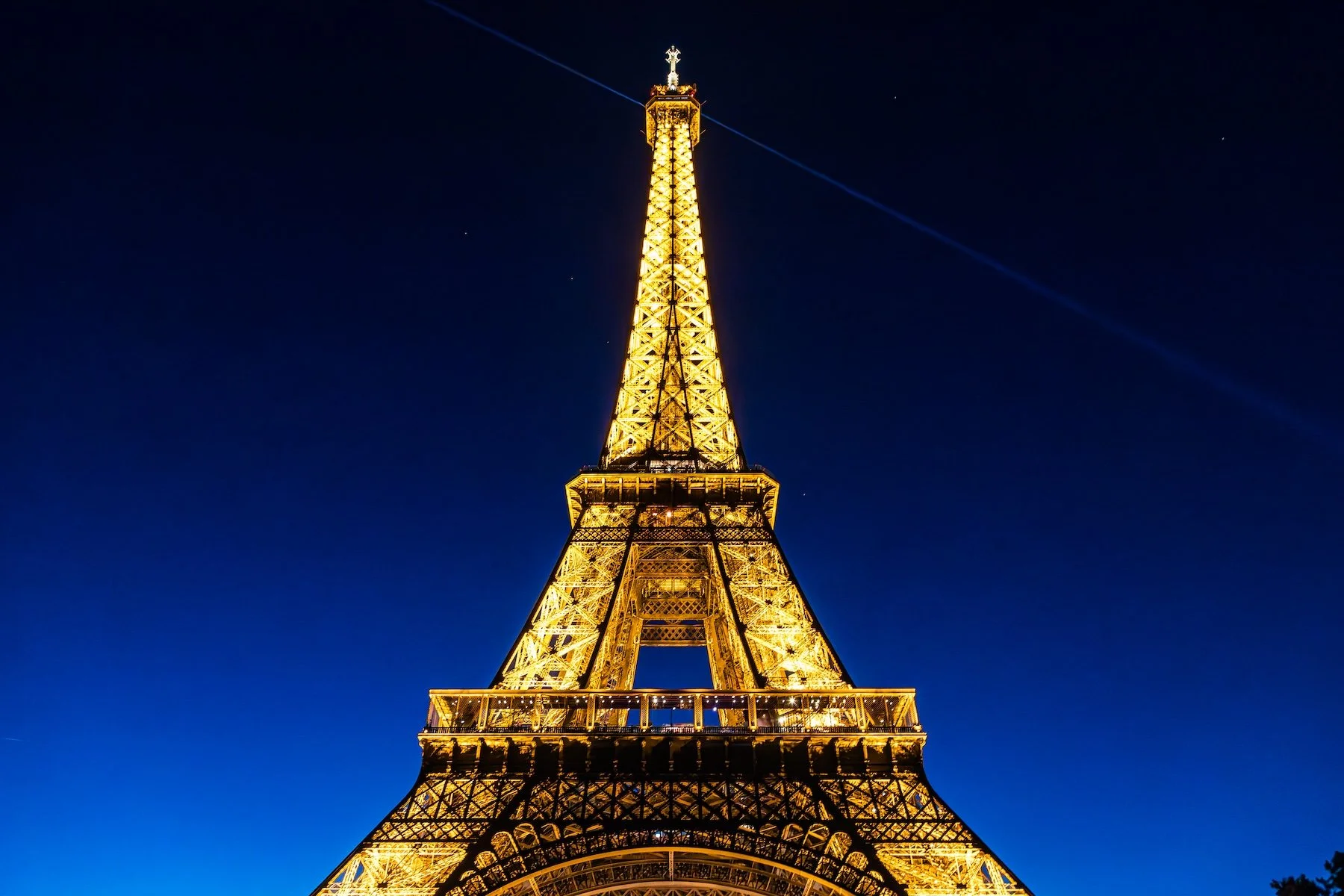
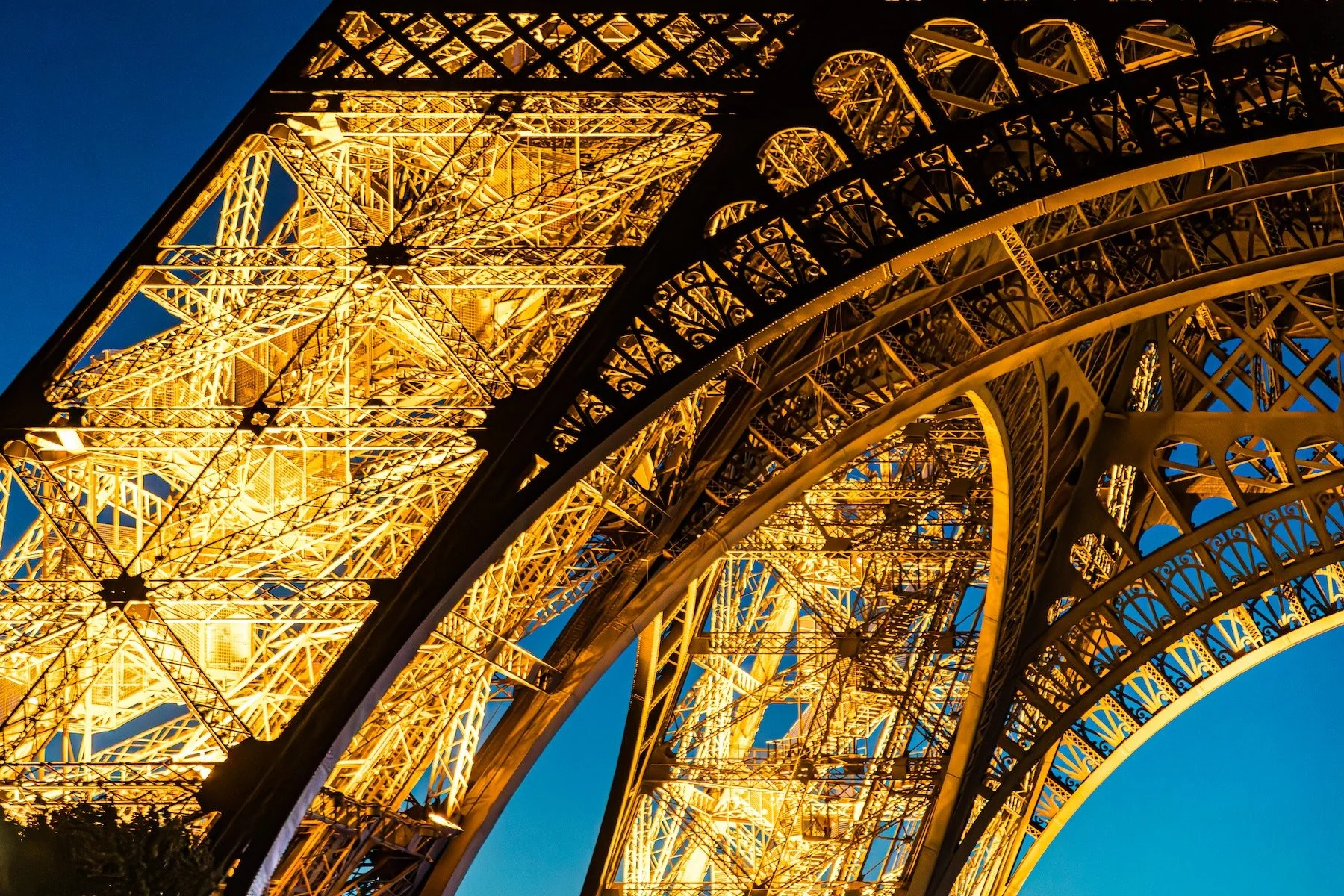
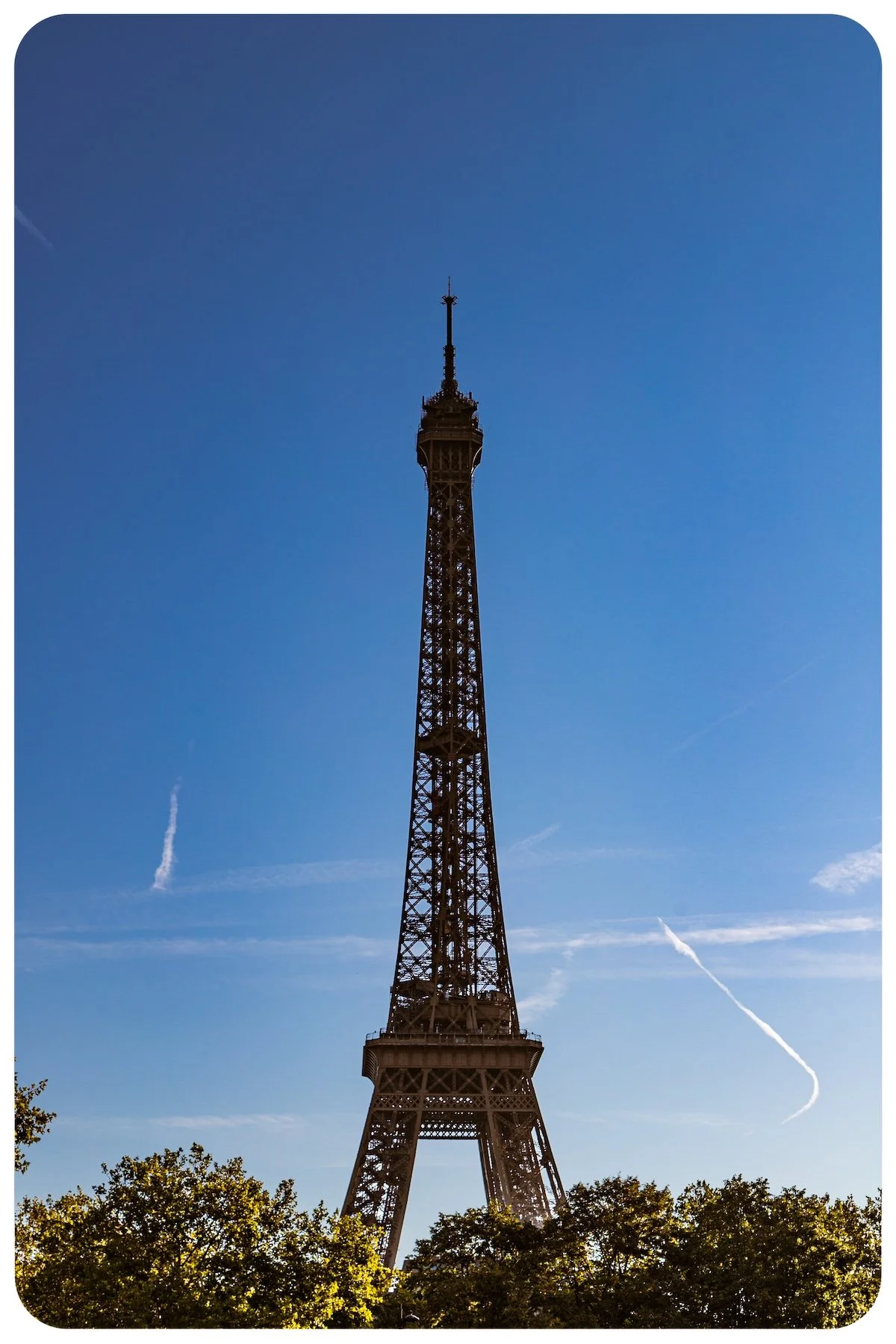
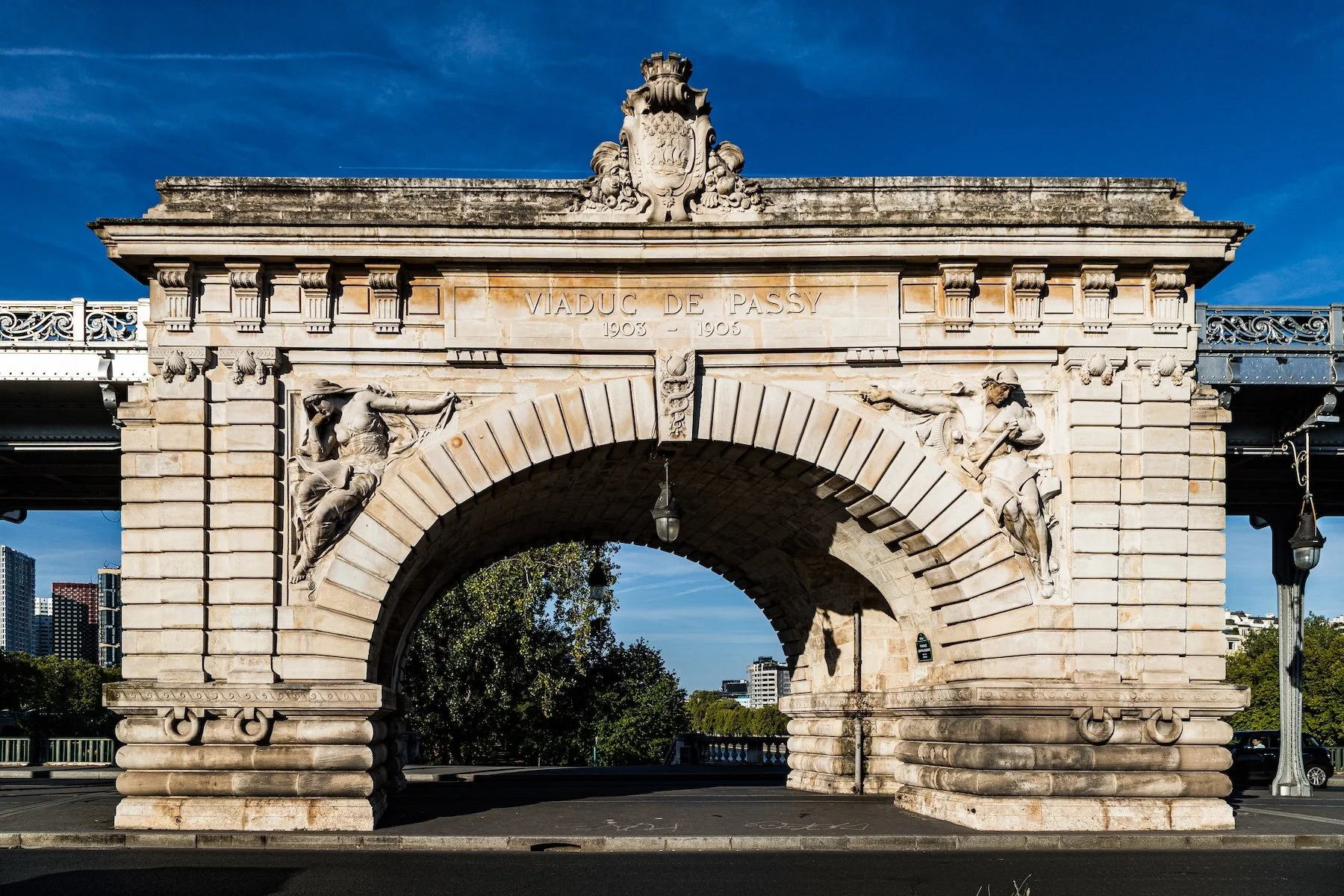
If you visit Paris, these ideas can help inspire your own photography.
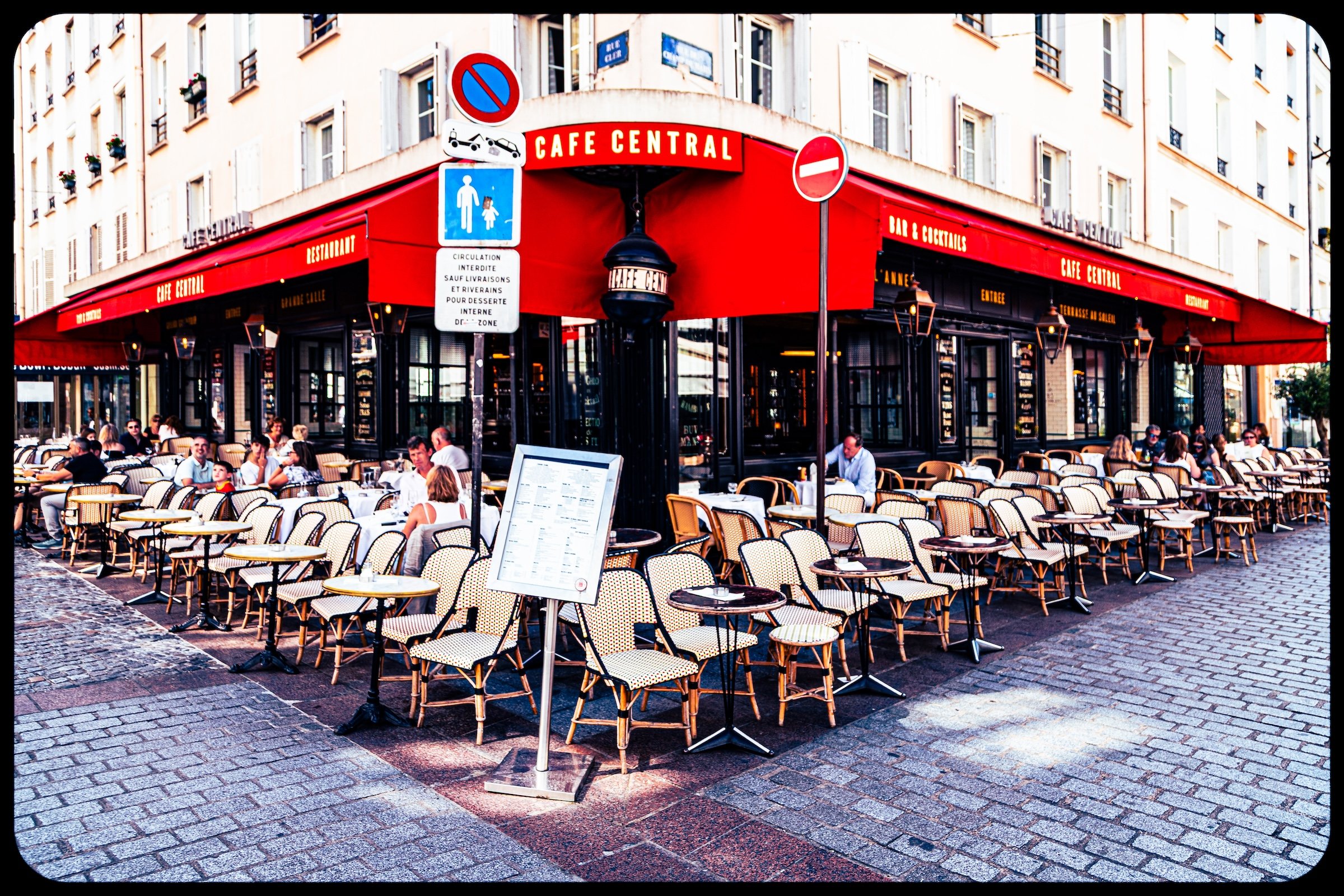
Paris: J’Espere, Je Rêve, Je Vive
Paris Photo Gallery
Paris Flâneur Notes
Flâneur Notes document the walks, photographs, light, and street-level observations behind this neighborhood entry. Learn more about the Spirit of the Flâneur.

Explore Paris
-

The twenty arrondissements form the civic spiral of Paris, organizing the city into its broad local districts of government, identity, and daily life.
-

Each arrondissement is divided into four official administrative quarters, giving Paris a more precise civic and geographic framework.
-

The conseils de quartier bring participation to street level, giving residents a voice in neighborhood needs, public space, and local civic life.
-

Les Deux Rives trace Paris through the Seine’s two banks, revealing how the Rive Droite and Rive Gauche shaped the city’s civic power, commerce, learning, art, and cultural identity.
-

Cultural neighborhoods reveal the Paris people recognize through history, cafés, architecture, memory, atmosphere, and local belonging.