
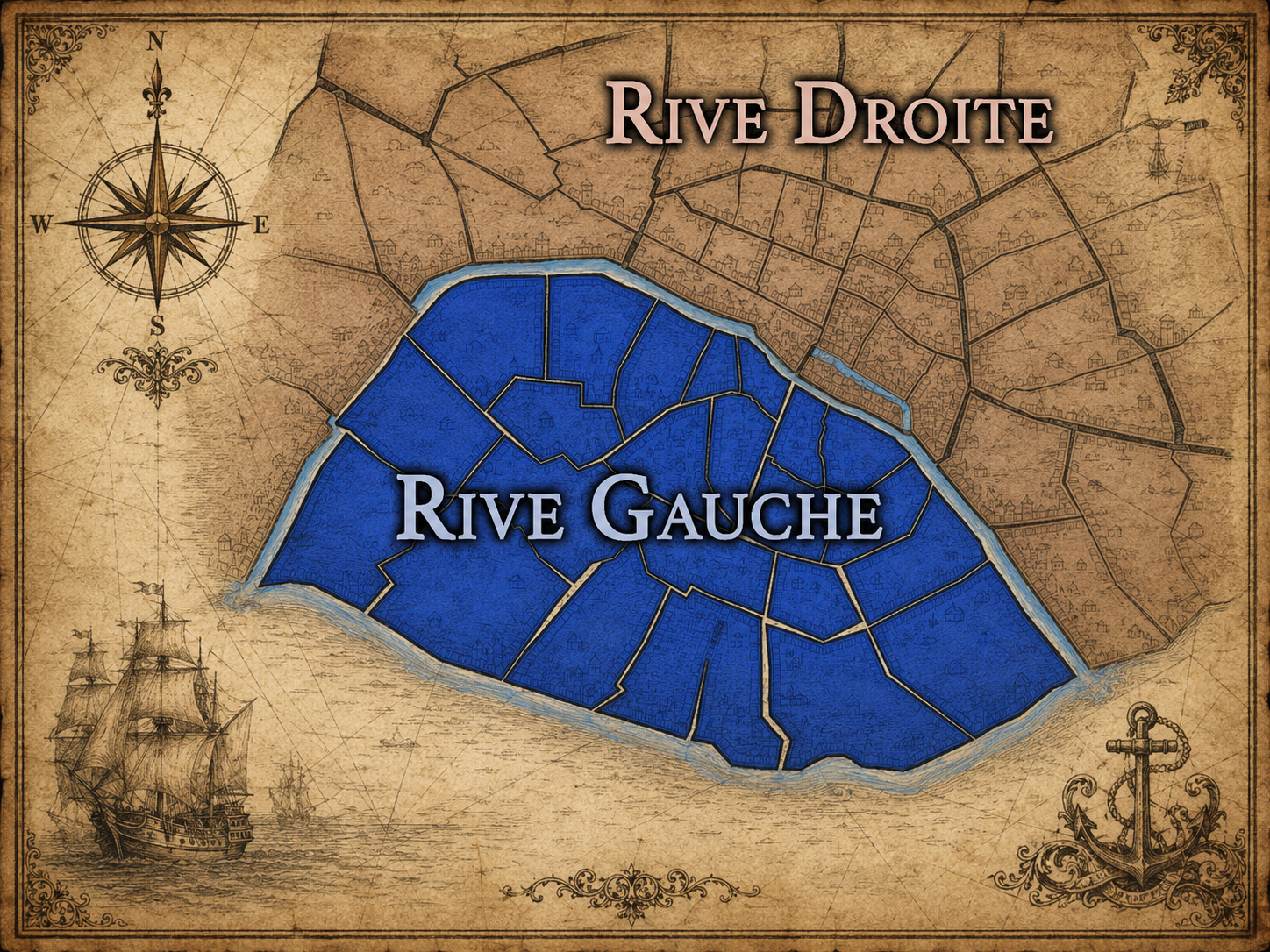
RIVE GAUCHE
Les Deux Rives
Part of an ongoing project to walk and photograph every neighborhood in Paris, this page explores the Left Bank through maps, district identity, history, and photography.
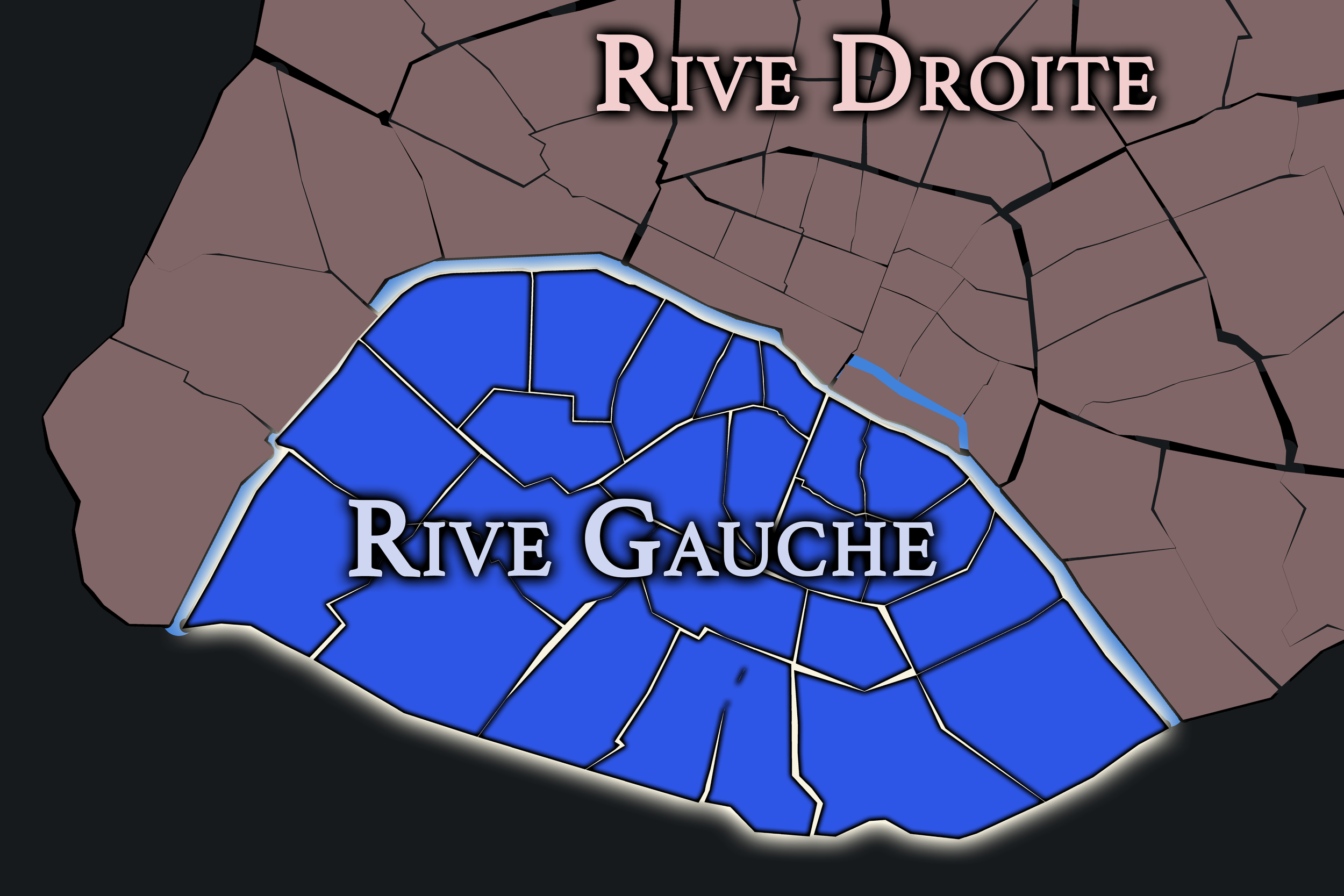
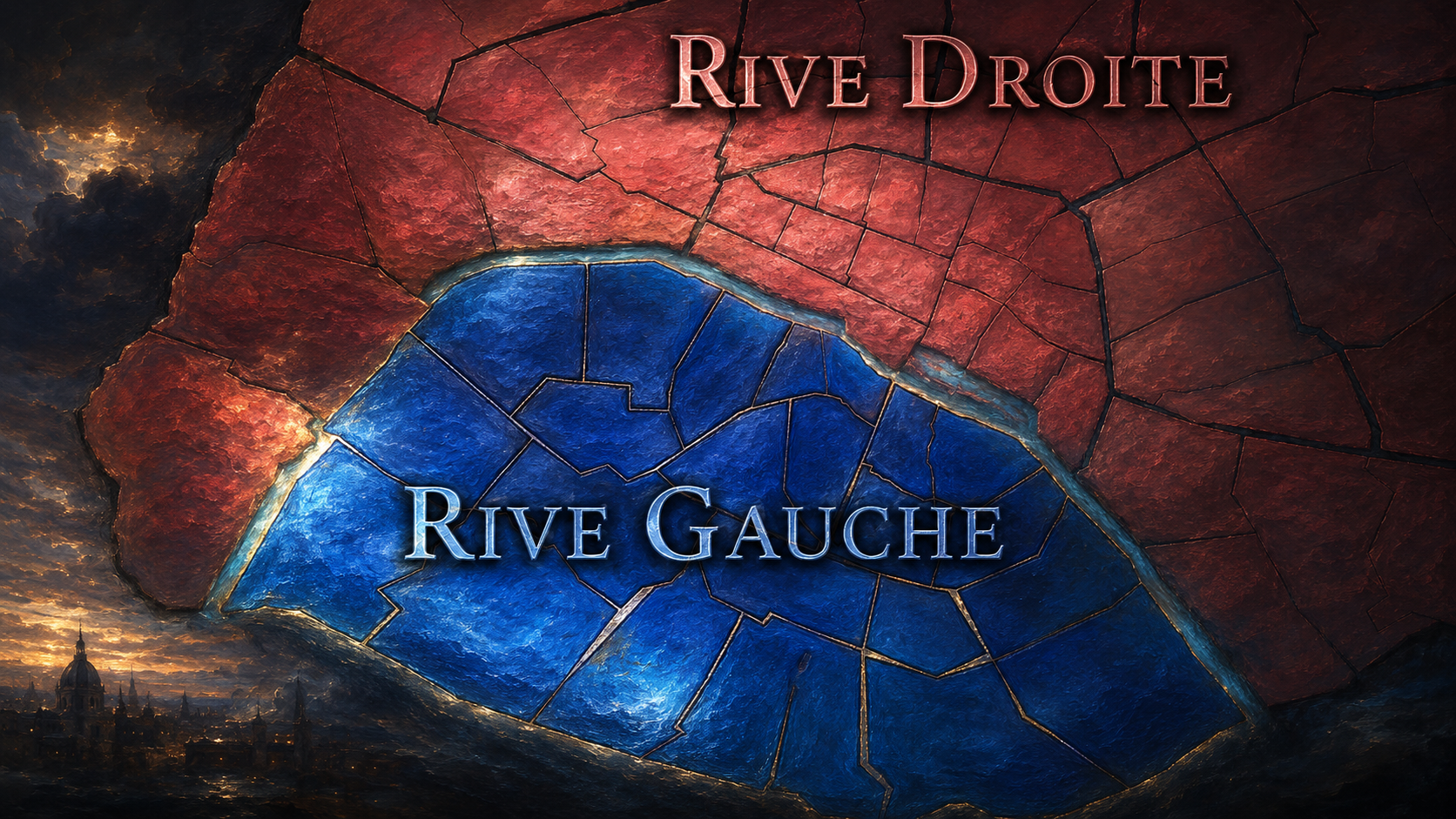
The Map
Geographic Setting
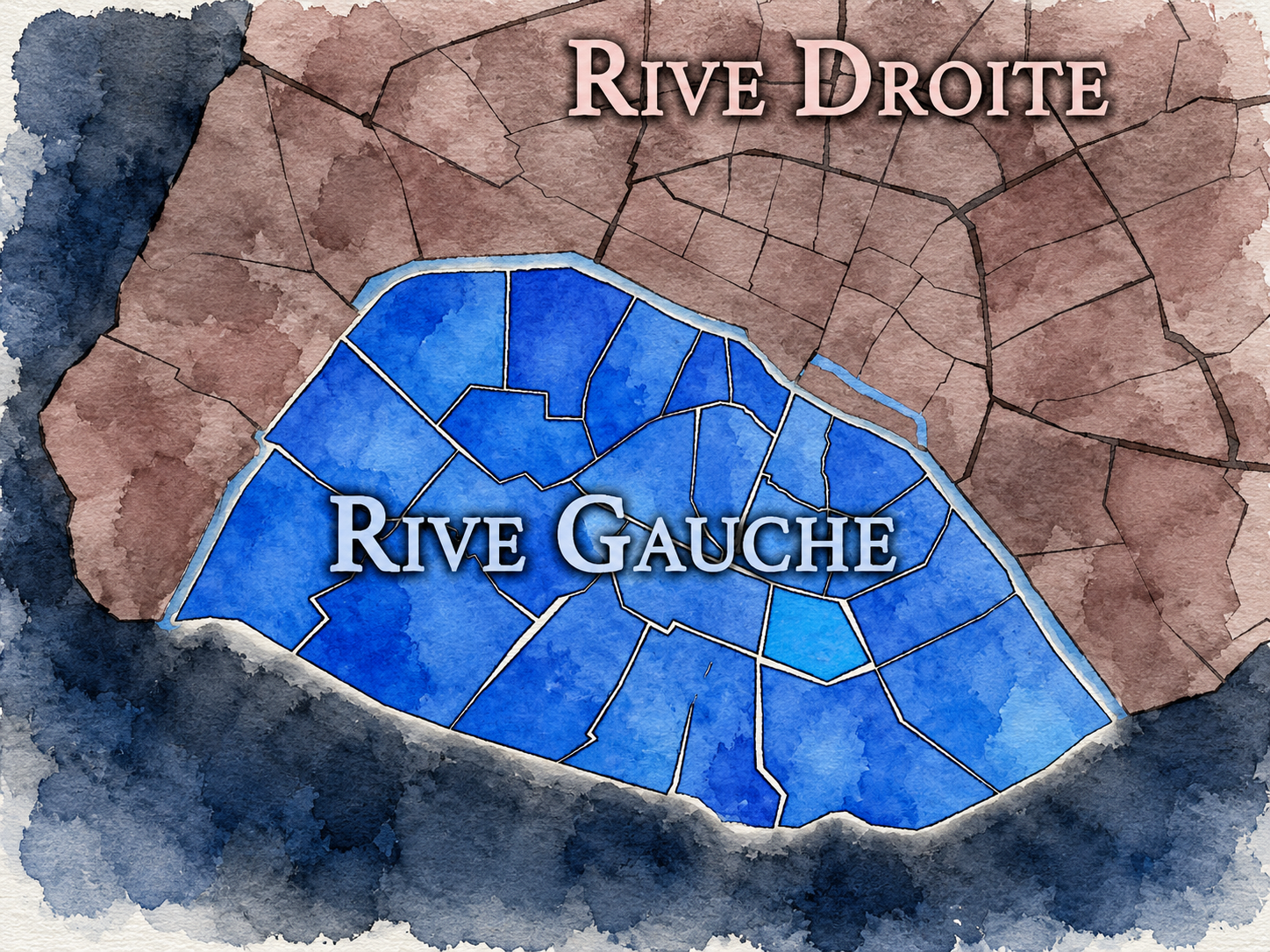
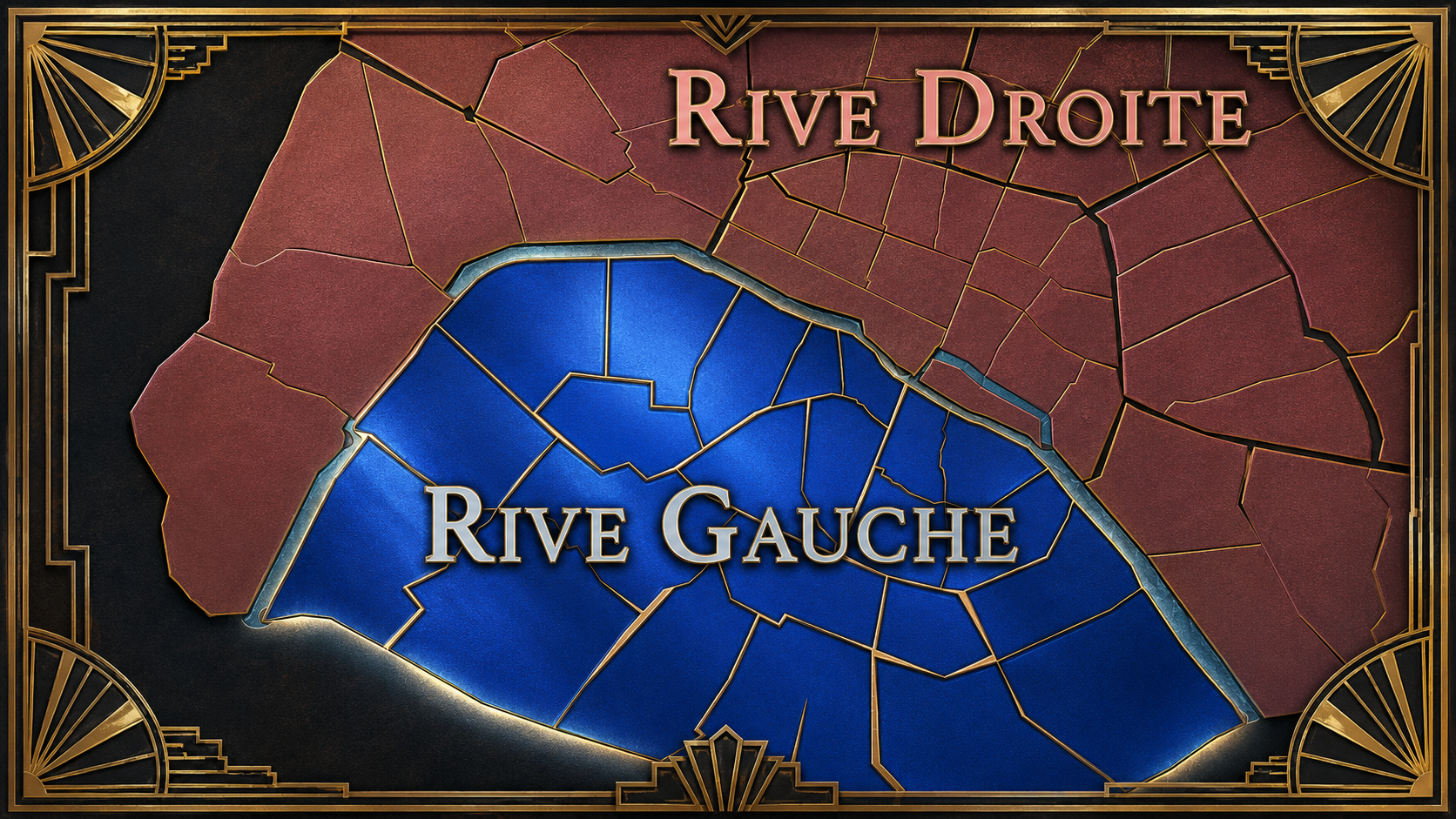
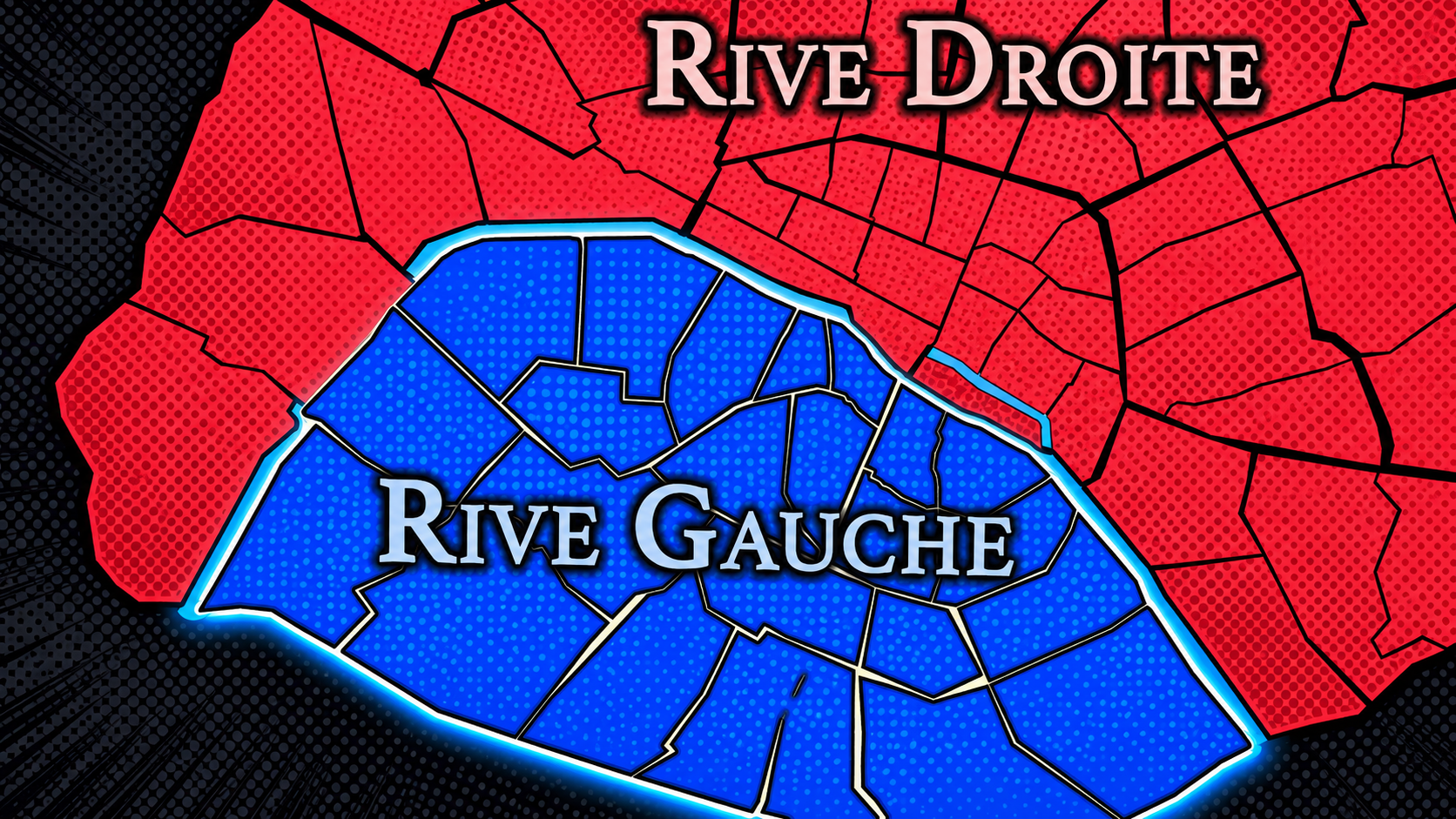
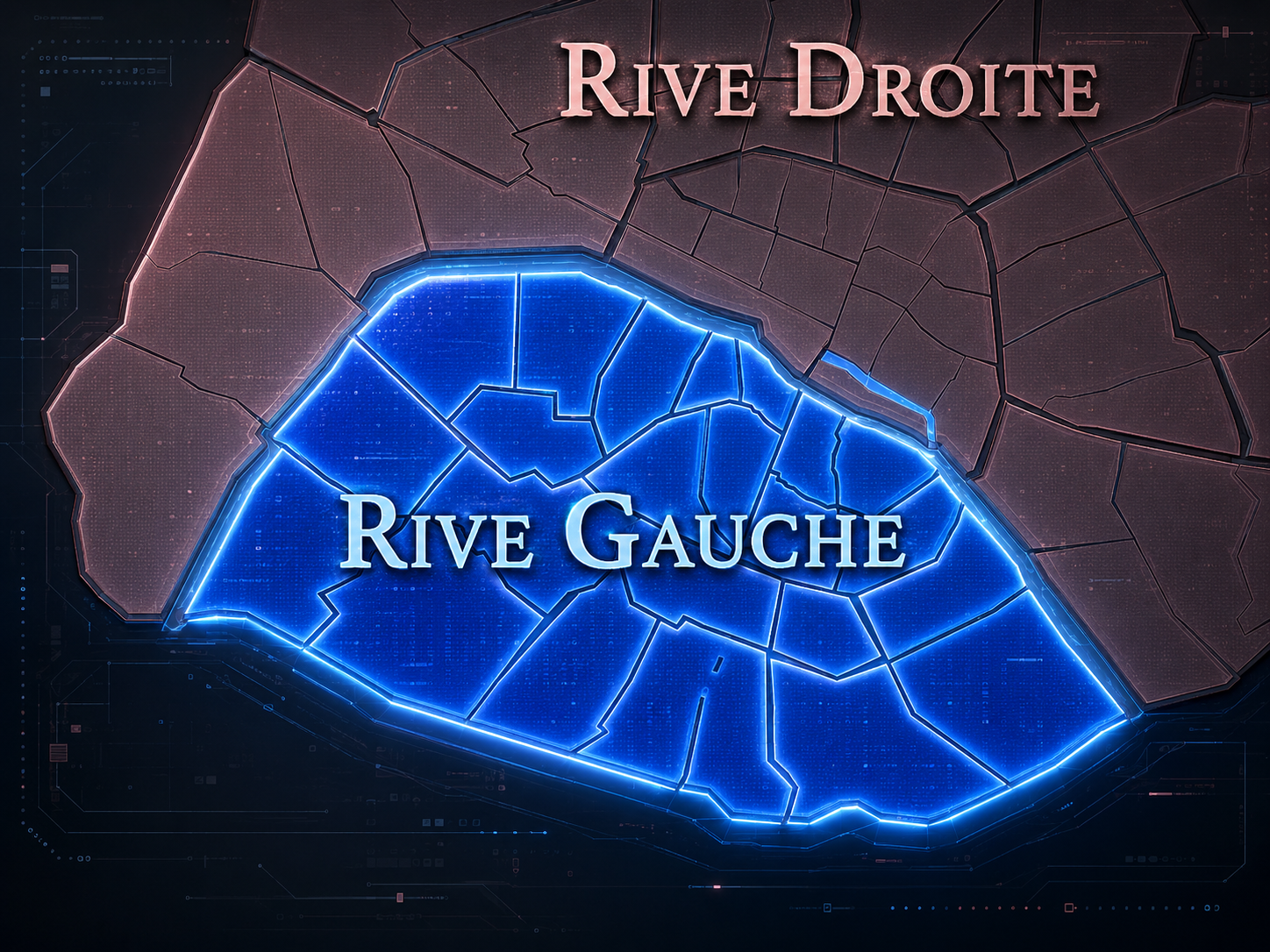
The Rive Gauche, or Left Bank, is the southern bank of the Seine as it flows westward through Paris. Facing downstream, the left-hand side of the river is the Rive Gauche; the right-hand side is the Rive Droite. What begins as a simple geographic orientation becomes, in Paris, one of the city’s most enduring cultural identities.
The Left Bank stretches across the southern side of central Paris and includes many of the city’s most storied landscapes of learning, religion, literature, art, gardens, and reflection. It contains the Latin Quarter, the Sorbonne, Saint-Germain-des-Prés, Montparnasse, the Luxembourg Garden, the Panthéon, the Invalides, the École Militaire, and the long residential, institutional, and cultural districts extending westward and southward from the Seine.
The Rive Gauche is often understood as the Paris of thought: universities, abbeys, publishers, cafés, students, writers, artists, philosophers, gardens, and intellectual argument. Yet this identity is only part of the bank’s story. The Left Bank has also held aristocratic power, military institutions, ministries, hospitals, working neighborhoods, modern redevelopment, tourism, and everyday residential life. Its influence lies not in purity, but in its ability to gather learning, memory, authority, art, and lived experience into one deeply layered cultural geography.
Rive Identity
Etymology and Origins
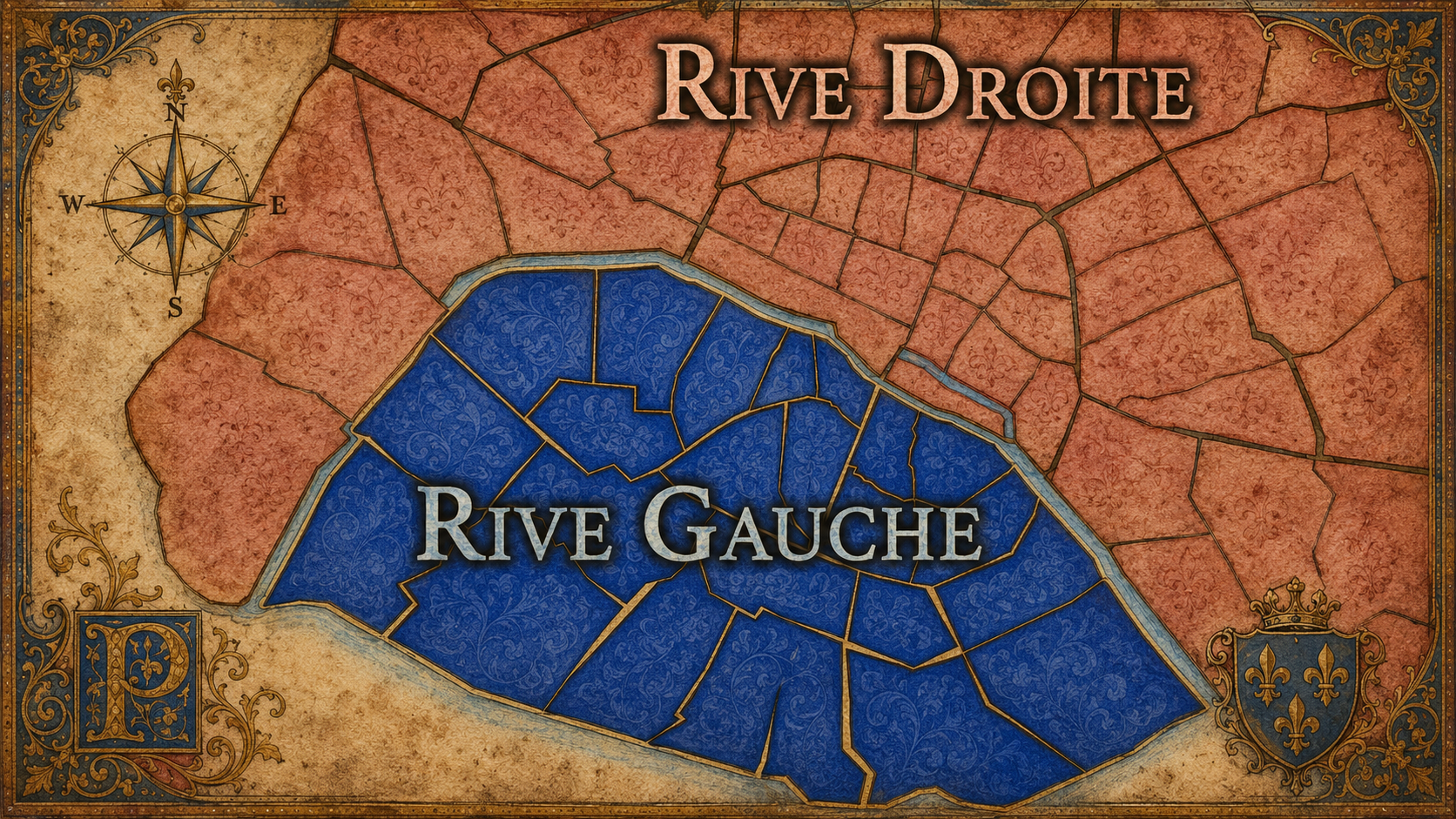
Rive Gauche means Left Bank. The term refers to the bank of the Seine located on the left-hand side when facing downstream. Because the Seine flows generally westward through Paris, the Rive Gauche lies south of the river.
The phrase began as orientation, but it became cultural shorthand. To say Rive Gauche is to evoke more than a side of the Seine. It suggests a landscape of schools, religious houses, students, booksellers, literary cafés, gardens, artistic communities, and intellectual life. It is one of the most recognizable names in the cultural vocabulary of Paris.
The origins of this identity reach back to the earliest development of the city. Roman Lutetia grew significantly on the southern bank, and later medieval Paris rooted much of its scholarly and clerical life there. Over time, the Left Bank became associated with education, theology, literature, philosophy, art, and critique — a geography where Paris learned not only to govern and trade, but to think, argue, write, and imagine.
Cultural Framework
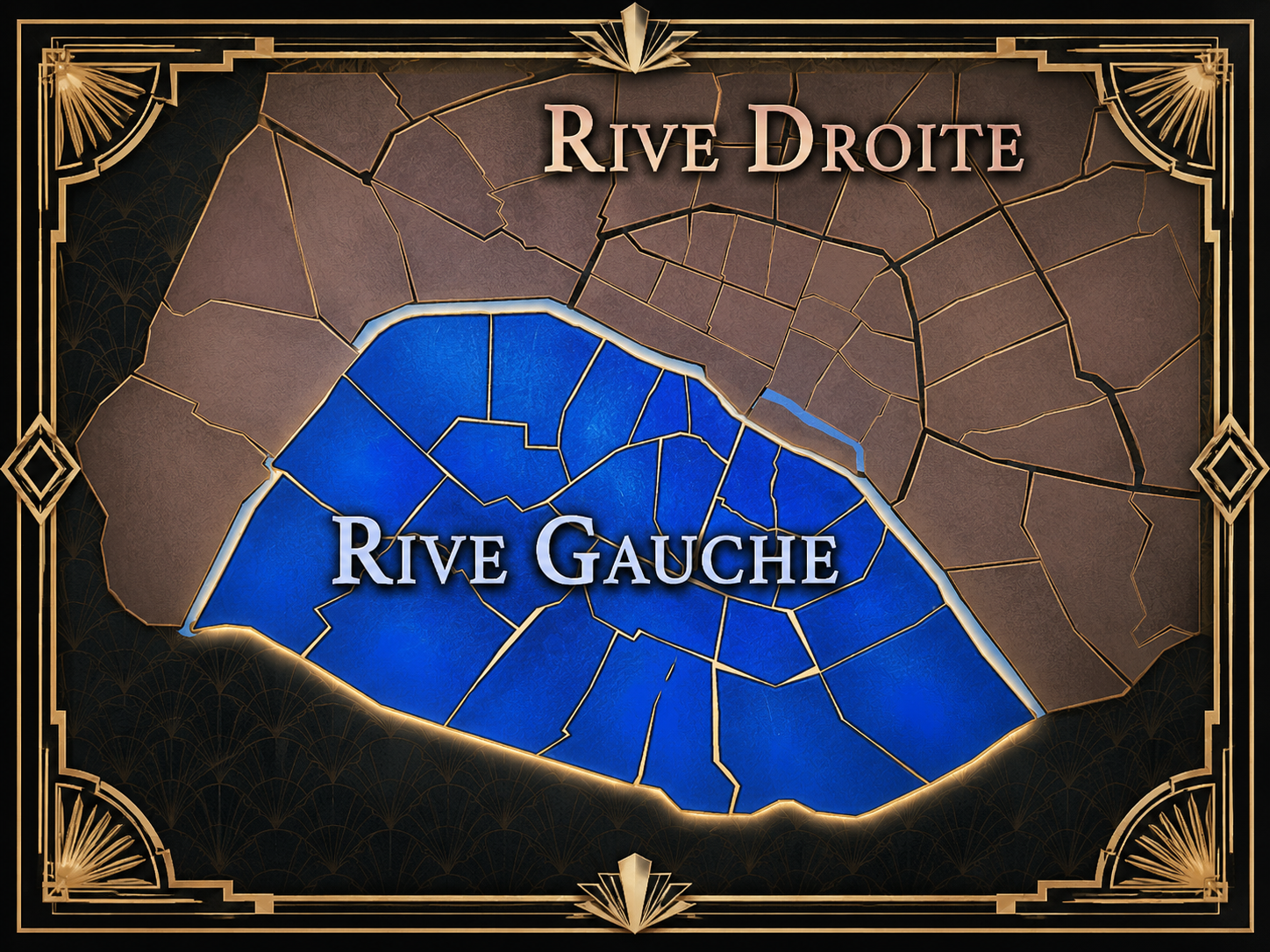
The Rive Gauche belongs to Les Deux Rives, the cultural-geographic framework formed by the Seine’s two banks. It is not an administrative district, and it does not replace the arrondissements, quartiers administratifs, conseils de quartier, or milieux culturels that also structure Paris. Instead, it offers one of the city’s most powerful ways of reading place through cultural inheritance.
Within that framework, the Left Bank has long carried associations of learning, religion, literature, philosophy, art, publishing, students, cafés, gardens, and political critique. The Sorbonne, the Latin Quarter, Saint-Germain-des-Prés, Montparnasse, the Luxembourg Garden, the Collège de France, and countless bookshops, schools, churches, studios, and cafés reinforce the image of the Rive Gauche as a landscape of intellectual and cultural production.
Yet the Left Bank should not be reduced to romance, bohemianism, or scholarship. It has also held aristocratic residences, state ministries, military institutions, elite schools, hospitals, infrastructure, tourism, wealth, and formal power. Its cultural framework is therefore complex. The Rive Gauche is not simply the opposite of the Right Bank. It is the bank where thought, memory, art, authority, and critique often occupy the same streets.
Parisian Identity
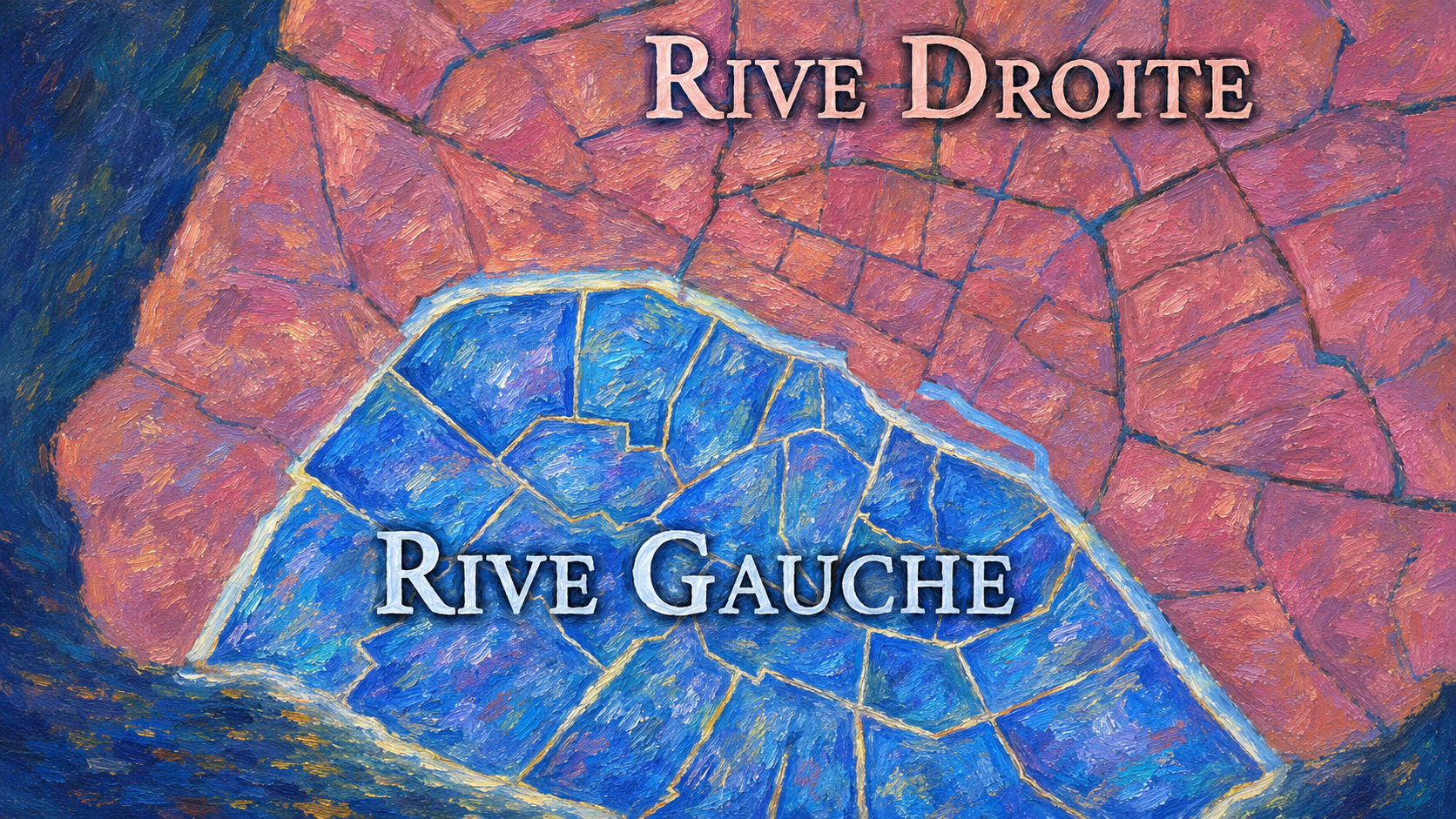
The Rive Gauche has shaped some of the most enduring myths of Paris. It is the Paris of students crossing old streets near the Sorbonne, writers sitting in cafés at Saint-Germain-des-Prés, artists gathering in Montparnasse, readers browsing along the quays, and gardens offering spaces for reflection within the city.
This identity is rooted in real institutions and lived traditions. The medieval university, the Latin Quarter, the abbeys, the publishing houses, the cafés, the studios, and the schools gave the southern bank a particular kind of cultural force. The Rive Gauche became associated with the inward life of Paris: learning, criticism, memory, belief, writing, art, and argument.
But the Left Bank’s Parisian identity is not only intellectual. It is also monumental and civic in its own way. The Panthéon, the Invalides, the Assemblée nationale, the École Militaire, and the ministries of the Faubourg Saint-Germain reveal a Left Bank deeply tied to state memory, military history, republican symbolism, aristocratic influence, and national institutions. Its power is often quieter than the public spectacle of the Right Bank, but it is no less significant.
Neighborhood Distinction
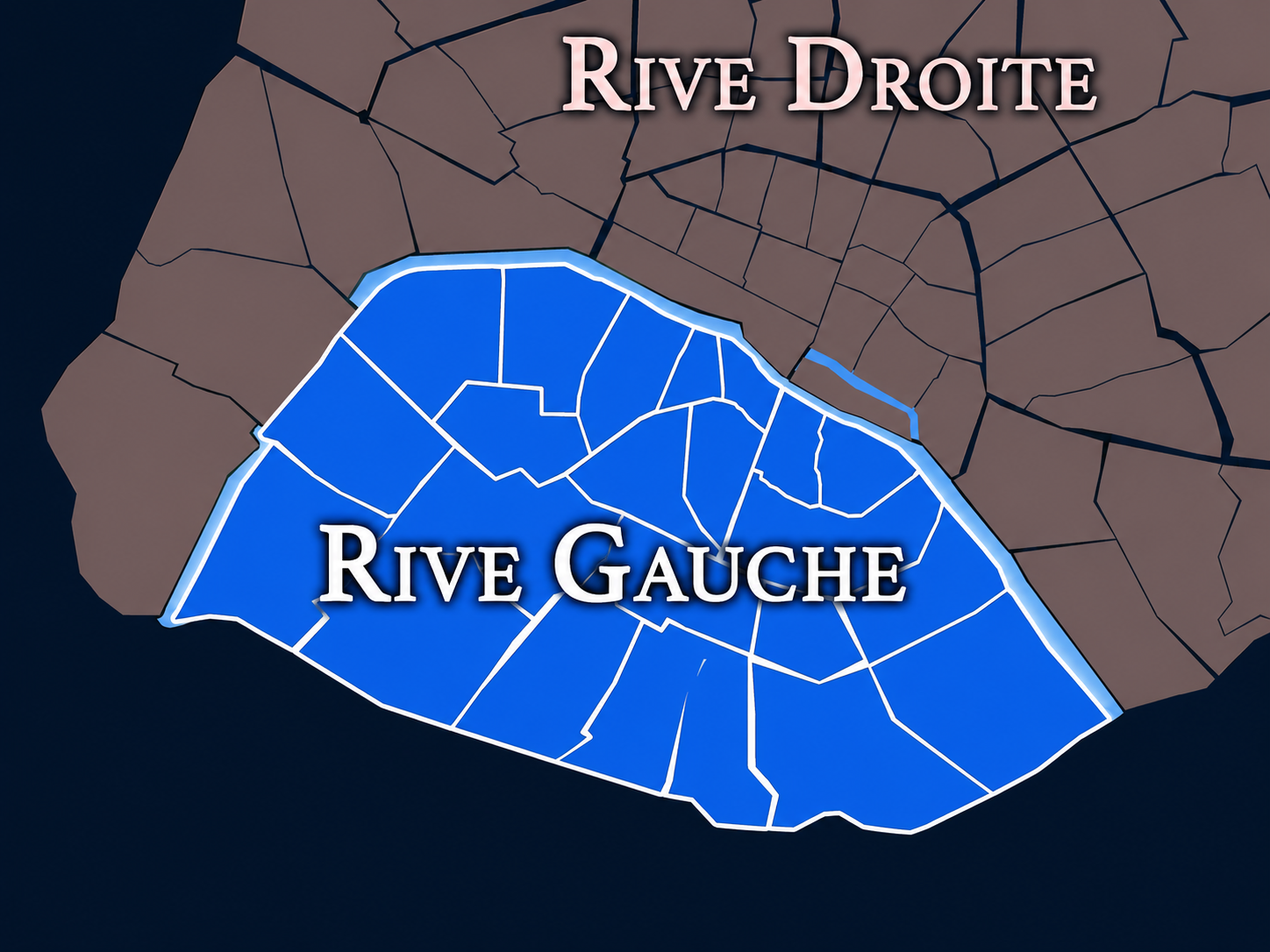
The Rive Gauche is not a neighborhood, but it shapes how neighborhoods are understood. A place on the Left Bank often carries a different inherited atmosphere than a place on the Right Bank, even when that place is more precisely defined by an arrondissement, quartier administratif, conseil de quartier, or milieu culturel.
This distinction is especially important because the Left Bank contains many different Parisian worlds. The Latin Quarter may be read through education, religion, and student life. Saint-Germain-des-Prés through literature, cafés, publishing, and postwar intellectual culture. Montparnasse through artists, studios, modernism, and exile. The 7e through aristocracy, ministries, diplomacy, and military memory. The 13e, 14e, and 15e through hospitals, working neighborhoods, modern housing, infrastructure, immigration, and contemporary urban life.
What joins these varied places is not sameness, but orientation. The Rive Gauche places them within the southern bank’s long history of learning, memory, critique, institutional depth, and cultural imagination. It is a framework that helps explain why the Left Bank can feel scholarly and aristocratic, bohemian and official, intimate and monumental, reflective and restless all at once.
The History
Origins / Pre-Roman and Roman Paris
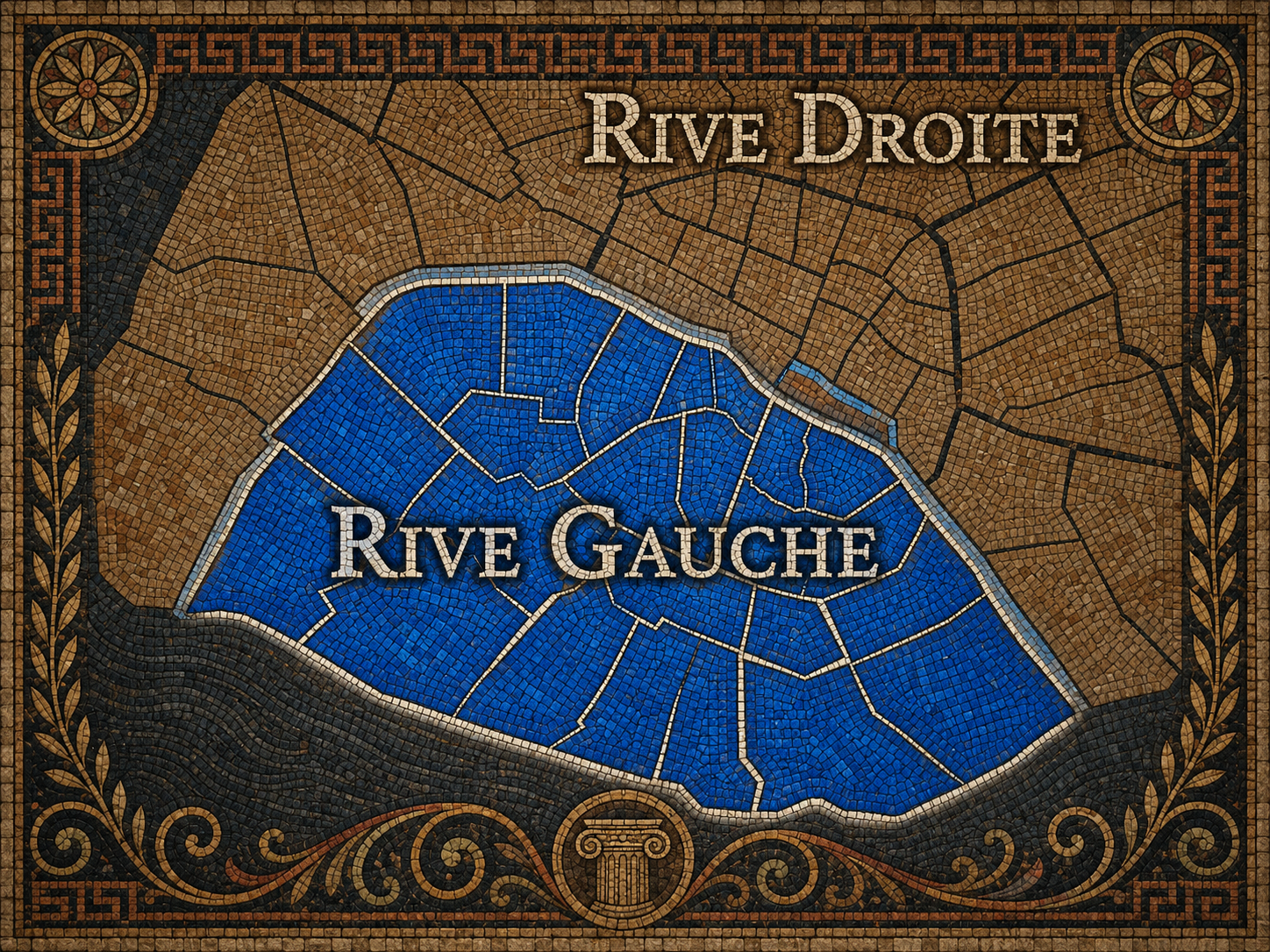
The oldest layer of the 1er arrondissement is tied to the earliest geography of Paris itself. The western end of the Île de la Cité connects the arrondissement to the ancient and medieval heart of the city, while the Right Bank areas that now contain the Louvre and Les Halles developed as Paris expanded beyond its island core.
In the medieval period, this part of the Right Bank was defined by defense, trade, and proximity to royal power. The Louvre began as a fortress under Philippe Auguste around 1190, built to help defend the city near the Seine. Les Halles, meanwhile, emerged as the central market district of Paris. Britannica identifies the Halles quarter as the city’s central market from 1183 to 1969, giving the area a commercial identity that lasted for nearly eight centuries.
From the beginning, then, the territory of the 1er was shaped by two forces that would define much of Parisian history: the protection and display of power, and the daily systems that fed and supplied the city.
Medieval Paris
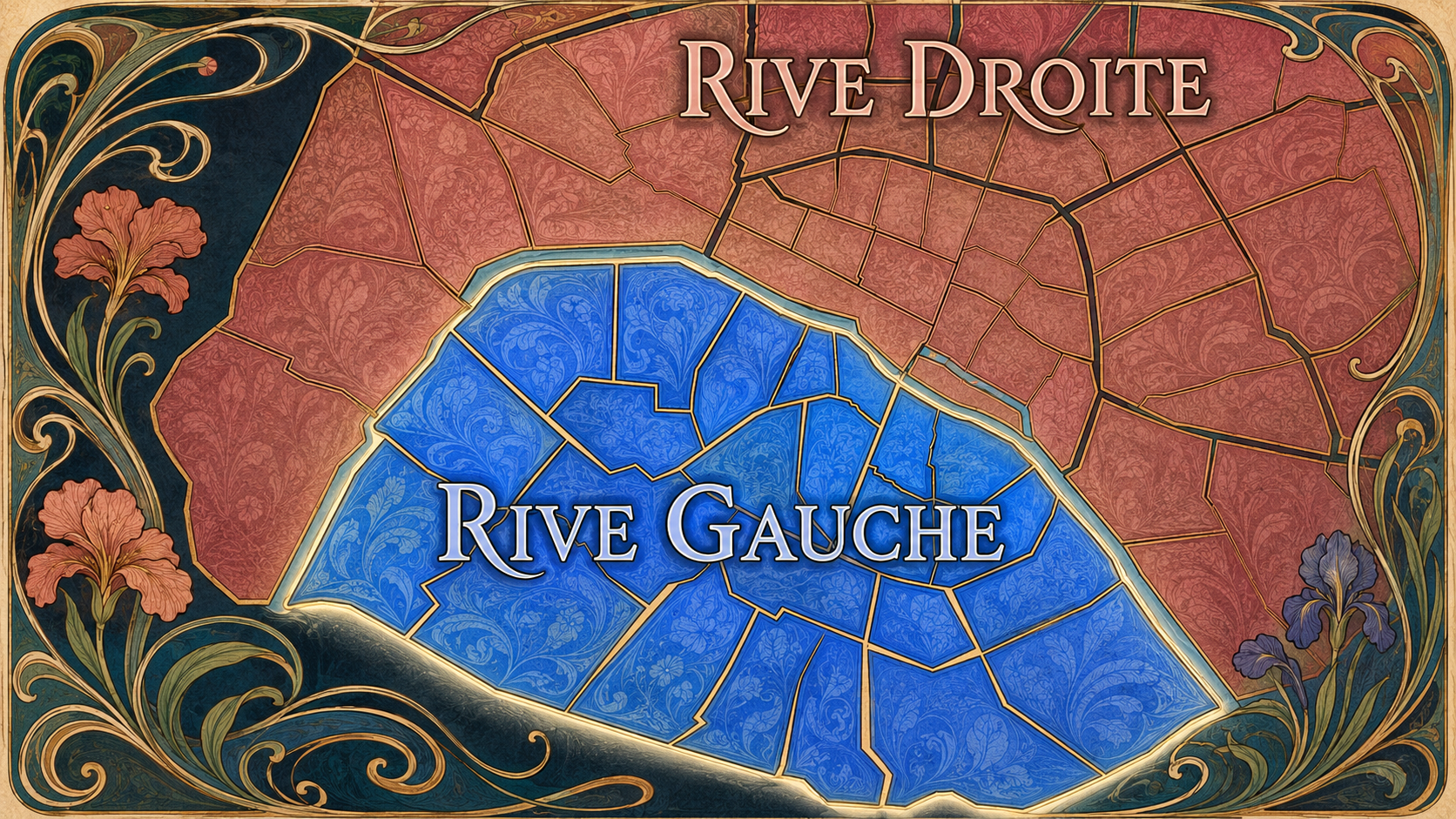
During the Middle Ages, the Rive Gauche became one of Europe’s great centers of learning. Schools, monasteries, colleges, and religious institutions gathered on the southern bank, eventually giving rise to the University of Paris and the world of the Latin Quarter. Latin, the language of scholarship and theology, gave the quarter its name and helped root the Left Bank in the intellectual life of medieval Europe.
Students, masters, clerics, scribes, booksellers, and theologians shaped the bank’s identity. The streets around the Montagne Sainte-Geneviève, the Sorbonne, and the Latin Quarter became associated with study, debate, doctrine, and argument. The Left Bank became a place where knowledge was produced, contested, preserved, and transmitted.
This medieval identity created a durable contrast with the Right Bank’s world of markets, guilds, civic authority, and royal presence. While the Rive Droite gathered much of the city’s commercial and public power, the Rive Gauche gathered its schools, cloisters, and intellectual institutions. The Seine made the distinction visible; medieval life made it meaningful.
Renaissance and Early Modern Paris
During the Renaissance and early modern period, the Rive Gauche retained its scholarly and religious identity while becoming increasingly layered with aristocratic, institutional, and residential power. Colleges, seminaries, abbeys, and religious houses continued to shape the southern bank, while learned culture remained central to its reputation.
The Left Bank also became a landscape of elite residence and quiet influence. The Faubourg Saint-Germain began to develop as one of the city’s most important aristocratic districts, giving the Rive Gauche a form of power different from the more public and commercial grandeur of the Right Bank. Here, authority often appeared through private hôtels particuliers, salons, religious patronage, and social networks rather than through marketplaces or grand commercial streets.
This period deepened the bank’s complexity. The Rive Gauche was not only the city of students and clerics. It was also a place of noble households, religious authority, cultural refinement, and emerging intellectual exchange. Its identity became increasingly tied to the quieter forces that shape a capital: education, belief, taste, residence, memory, and conversation.
16th–17th Century
In the 16th and 17th centuries, the Rive Gauche continued to develop as a bank of religious, educational, and aristocratic influence. Its colleges and seminaries sustained the older intellectual traditions of the Latin Quarter, while religious institutions shaped much of its urban landscape and daily life.
The Faubourg Saint-Germain grew in importance as an aristocratic quarter, adding another dimension to the Left Bank’s identity. Unlike the Right Bank’s more visible royal and commercial spaces, the power of the Faubourg Saint-Germain often appeared through residence, lineage, diplomacy, patronage, and social prestige. The Left Bank became a place where influence could be discreet, inherited, and deeply embedded.
At the same time, the Rive Gauche remained tied to scholarship and spiritual life. Its streets held students, priests, teachers, servants, artisans, and nobles in close proximity. This mixture gave the bank a distinctive character: less theatrical than the Right Bank, but dense with institutions, learning, belief, and social hierarchy.
18th Century
In the 18th century, the Rive Gauche became increasingly associated with Enlightenment thought, intellectual exchange, salons, books, education, and critique. Its older traditions of scholarship and religious learning intersected with new currents of philosophy, science, political debate, and literary culture.
The Left Bank’s cafés, schools, salons, and book networks helped support the culture of discussion that made Paris one of the intellectual centers of Europe. The southern bank became part of the landscape where ideas about authority, reason, equality, religion, reform, and society were debated with growing urgency.
Yet the Rive Gauche was not simply a revolutionary space. It also held aristocratic districts, religious institutions, and forms of inherited power. This tension is part of its significance. The Left Bank did not represent one single ideology; it held the collision of old authority and new thought. Its legacy came from the proximity of tradition and critique.
19th Century
The 19th century transformed the Rive Gauche while reinforcing many of its older associations. Haussmann’s renovation changed streets, infrastructure, public spaces, and institutions across Paris, but the Left Bank often retained a rhythm distinct from the monumental commercial spectacle of the Right Bank.
Universities, publishing houses, hospitals, gardens, cafés, ateliers, and schools continued to anchor the southern bank in intellectual and cultural life. The Latin Quarter remained a student landscape. Saint-Germain-des-Prés carried religious, literary, and artistic associations. Montparnasse began to emerge as a district of artists, studios, cafés, and modern urban life.
The Left Bank was also shaped by state memory and national symbolism. The Panthéon, the Invalides, the École Militaire, and the ministries of the 7e gave the Rive Gauche a strong institutional presence. Its identity therefore combined two forces that might seem opposed but often coexisted: critique and authority, bohemia and state memory, artistic experimentation and inherited prestige.
Early–Mid 20th Century
In the early and mid 20th century, the Rive Gauche became one of the most famous cultural landscapes in the world. Montparnasse drew painters, sculptors, photographers, poets, expatriates, and modernists. Saint-Germain-des-Prés became associated with writers, philosophers, jazz, publishing, existentialism, cafés, and postwar intellectual life.
The Left Bank became an image of Paris as a place of artistic seriousness and intellectual freedom. Its cafés and studios became symbols of conversation, experimentation, and critique. Students, writers, artists, political thinkers, and visitors from around the world helped turn the Rive Gauche into a global shorthand for cultural life.
But even during this period, the Left Bank remained more than its mythology. It also contained government ministries, military sites, hospitals, universities, residential neighborhoods, tourism, and wealth. Its cultural influence came not from escaping the realities of power, but from placing art, thought, and critique in close contact with institutions, memory, and public life.
Late 20th Century
In the late 20th century, the Rive Gauche changed as Paris changed. Older literary and artistic myths remained powerful, but the social and economic realities of the southern bank shifted. Gentrification, tourism, institutional expansion, university changes, modern redevelopment, and new cultural patterns transformed many Left Bank neighborhoods.
The development of areas such as Paris Rive Gauche in the 13e introduced a modern urban landscape of libraries, universities, offices, housing, infrastructure, and contemporary architecture. This expanded the meaning of the Left Bank beyond the older myth of Saint-Germain-des-Prés and the Latin Quarter. The Rive Gauche became both historical and contemporary, both inherited and newly built.
At the same time, the bank’s older identities persisted. Bookshops, cafés, schools, gardens, churches, museums, and cultural institutions continued to sustain the Left Bank’s reputation as a place of learning, memory, and artistic life. Its transformation did not erase its identity; it added new layers to it.
21st Century
In the 21st century, the Rive Gauche remains one of Paris’s most powerful cultural-geographic identities. It still carries the memory of the Latin Quarter, the Sorbonne, Saint-Germain-des-Prés, Montparnasse, the Luxembourg Garden, and the city’s literary and artistic mythology. But it also includes modern universities, new development, residential districts, ministries, hospitals, tourism, and everyday neighborhood life.
The old stereotypes no longer fully describe the Left Bank. It is not simply bohemian, student-centered, intellectual, or romantic. It is also wealthy, institutional, touristic, administrative, and modern. Yet the cultural inheritance remains meaningful because the Rive Gauche continues to represent Paris as a place where thought, art, memory, and public life meet.
Today, the Left Bank’s influence lies in its ability to hold continuity and reinvention together. It preserves the memory of ancient Lutetia, medieval scholarship, Enlightenment debate, artistic modernism, and postwar intellectual culture, while also adapting to the realities of a contemporary global city. It is one of the places where Paris most clearly shows that culture is not static. It is lived, inherited, questioned, and remade.
Spirit & Legacy
The spirit of the Rive Gauche lies in its power of reflection. More than any other broad zone of Paris, the Left Bank has shaped the city’s image as a place of learning, art, literature, critique, memory, and intellectual life. It is where Paris most often appears not as spectacle, but as thought: a city of books, classrooms, cafés, gardens, studios, arguments, and ideas.
Its legacy is not simply romantic. The Rive Gauche has given Paris many of its most enduring cultural institutions and myths, but it has also served as a landscape where authority could be questioned, inherited ideas could be tested, and new forms of artistic and political imagination could emerge. Students, writers, artists, philosophers, religious thinkers, scientists, publishers, and reformers all helped shape the Left Bank’s role as one of the city’s great engines of cultural production.
This makes the Rive Gauche essential to understanding the Parisian tension between memory and transformation. It has often represented continuity: Roman remains, medieval schools, abbeys, aristocratic houses, universities, ministries, monuments, and gardens. Yet within that continuity, it has also generated critique, experimentation, dissent, and reinvention. The Left Bank’s influence comes from that duality: it preserves the past while continually asking what the past means, who it serves, and how it should be challenged.
The Rive Gauche teaches that culture is not an ornament added to city life. Culture is one of the ways a city thinks about itself. A university becomes a neighborhood identity. A café becomes a forum. A garden becomes a civic interior. A bookshop becomes a passage between private reflection and public life. A studio becomes a place where the city learns to see itself differently.
As part of Les Deux Rives, the Rive Gauche stands in enduring conversation with the Rive Droite. It is not the opposite of power, nor merely the side of art. It is one of Paris’s great interpretive landscapes: scholarly, artistic, spiritual, critical, institutional, and reflective. Its legacy is the Paris of thought made visible — a city where learning, creativity, and critique do not remain abstract, but take root in streets, cafés, classrooms, gardens, and neighborhoods.
The Photography
Visual Identity
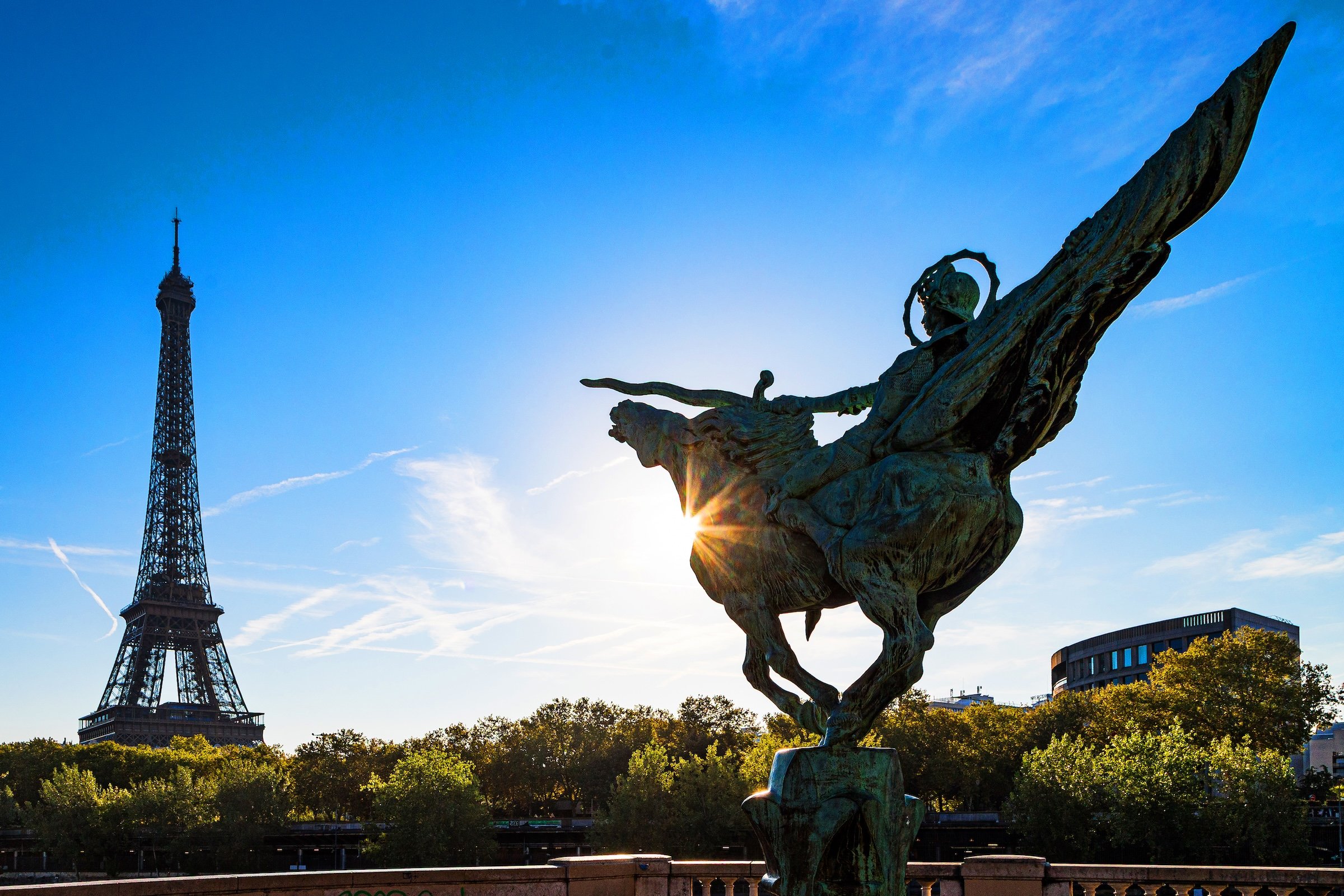
The visual identity of each Paris district begins with its position in the city’s layered geography. Before the photographs arrive, the maps establish a first way of seeing: where the district sits, what civic layer it belongs to, which boundaries define it, and how it connects to the surrounding fabric of Paris. In CityNeighborhoods Paris, cartography is not merely orientation; it is part of the visual language of the project.
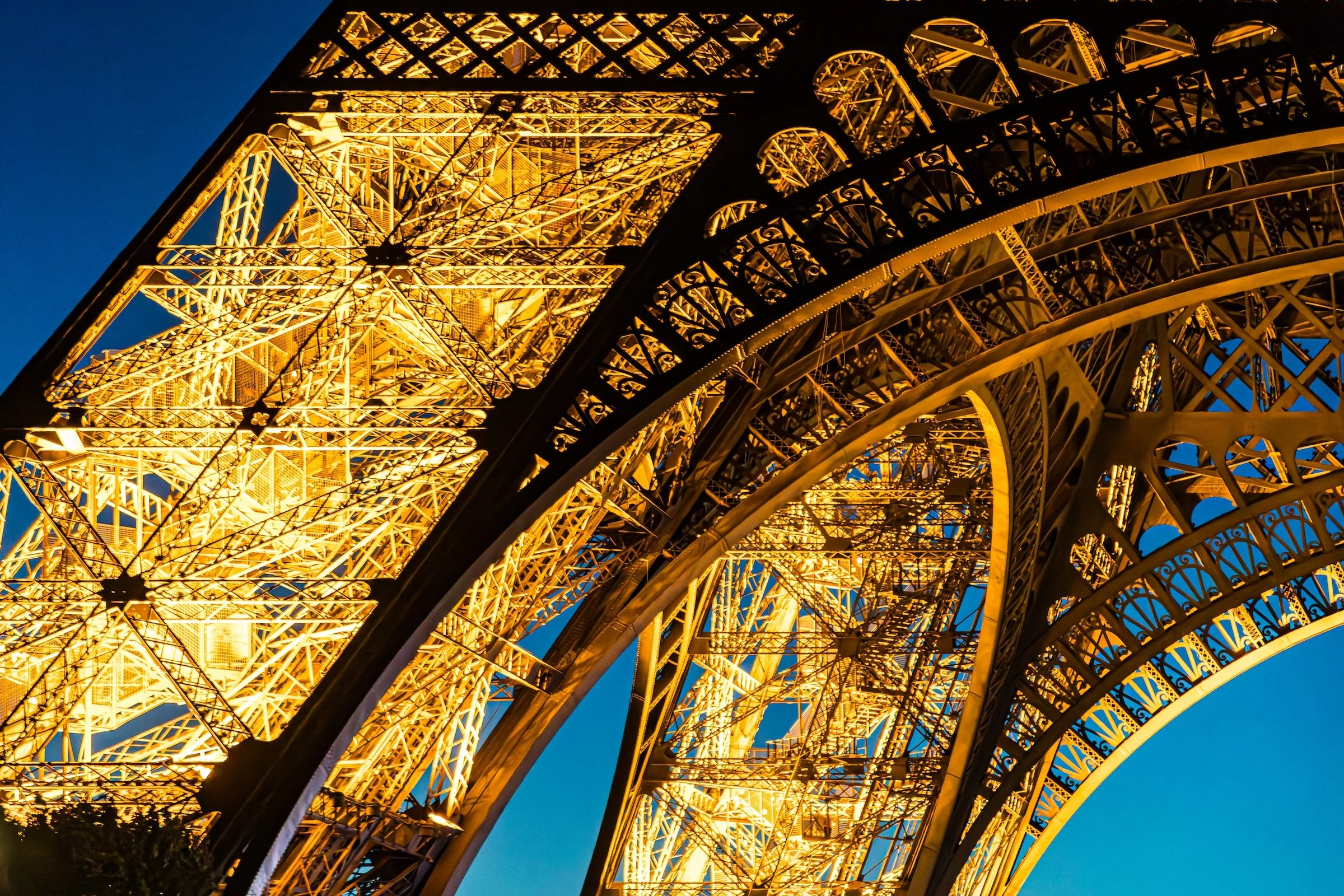
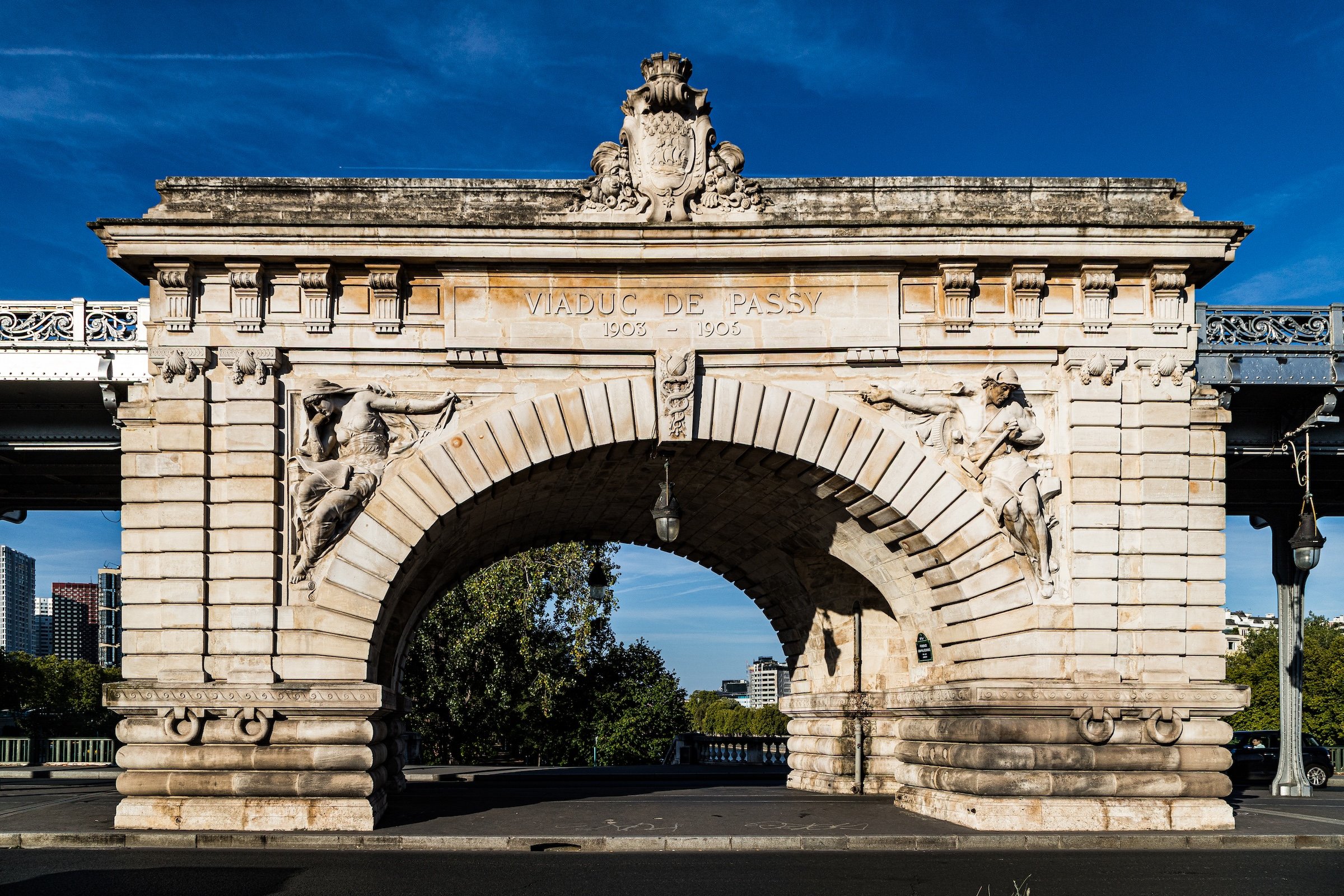
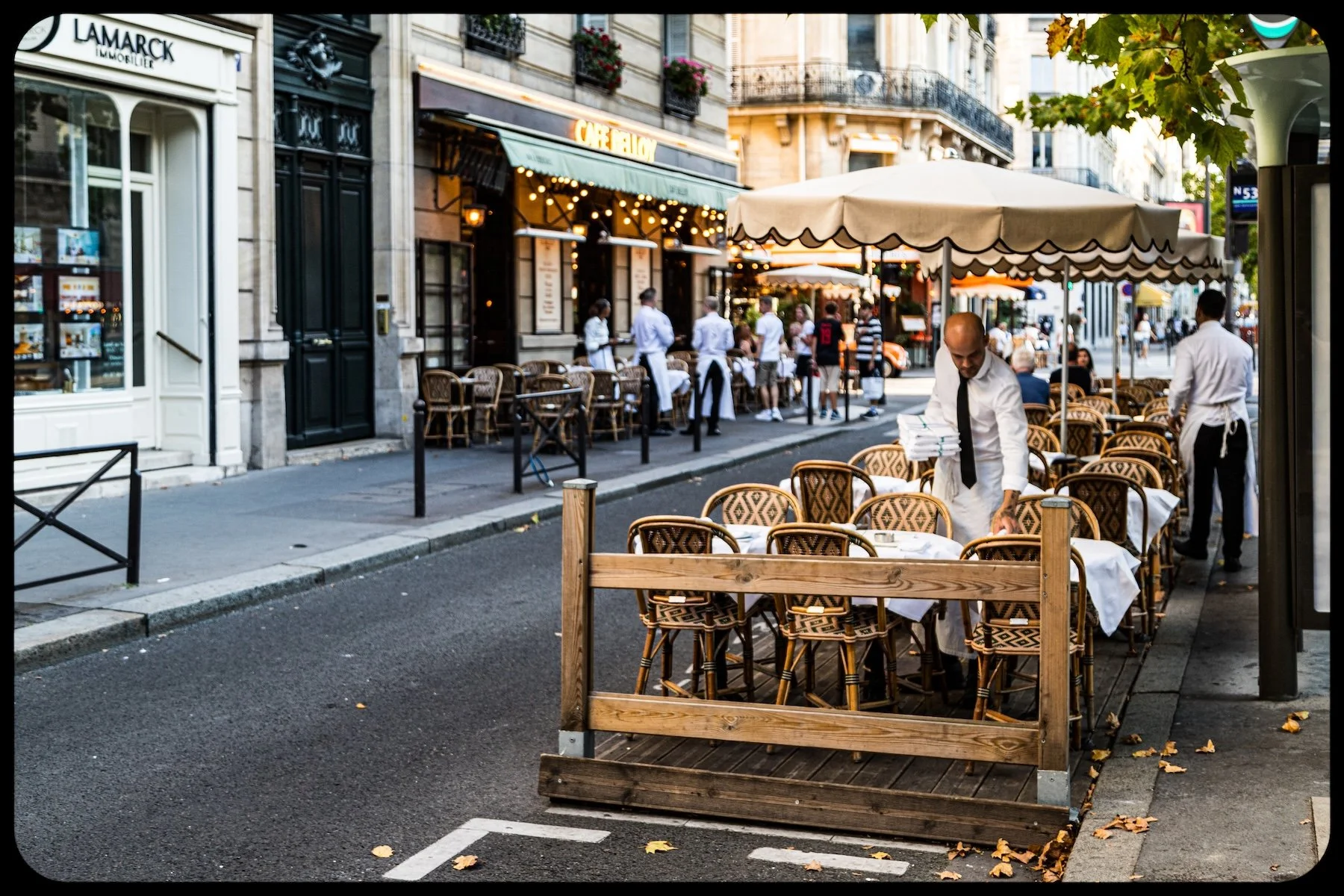
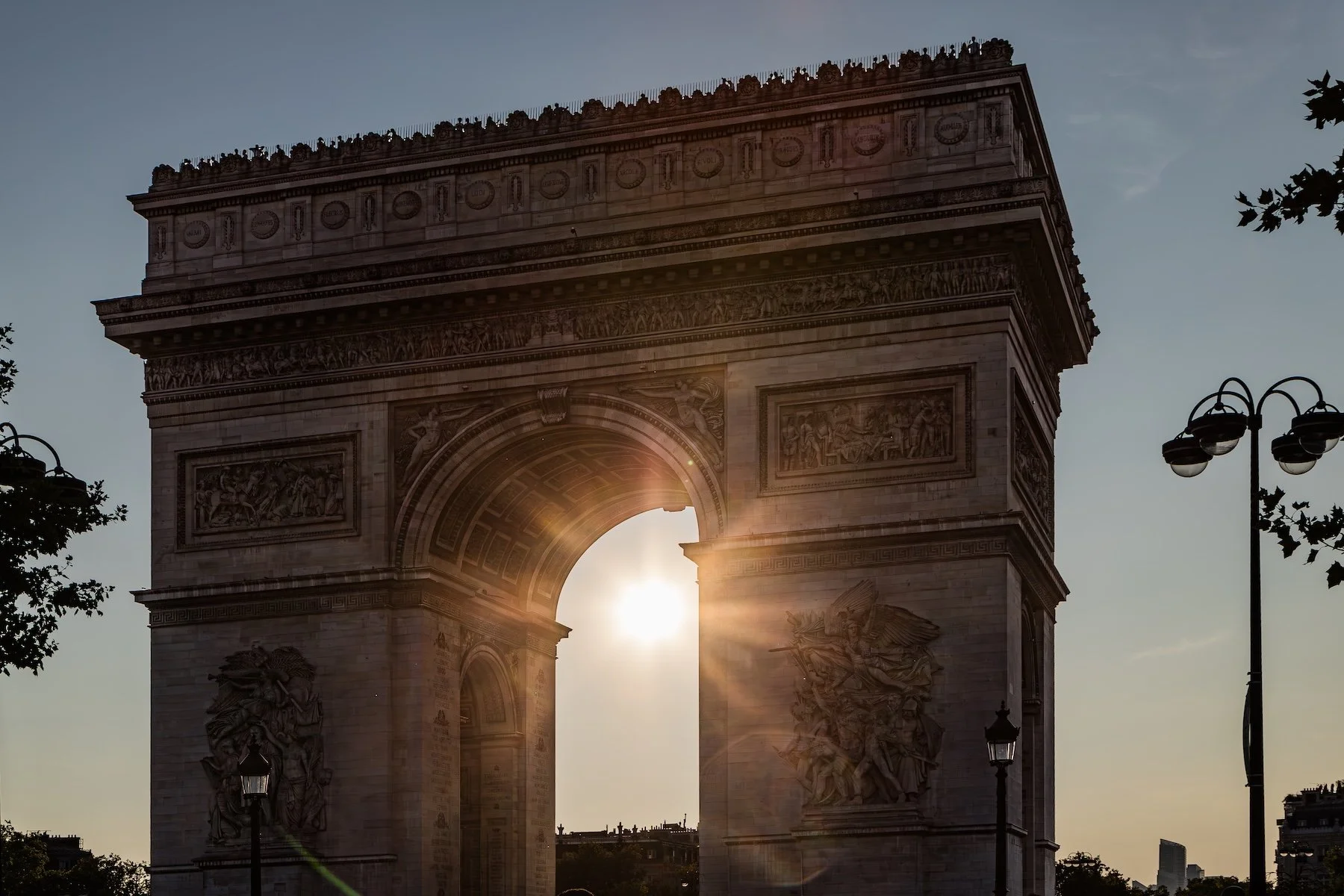
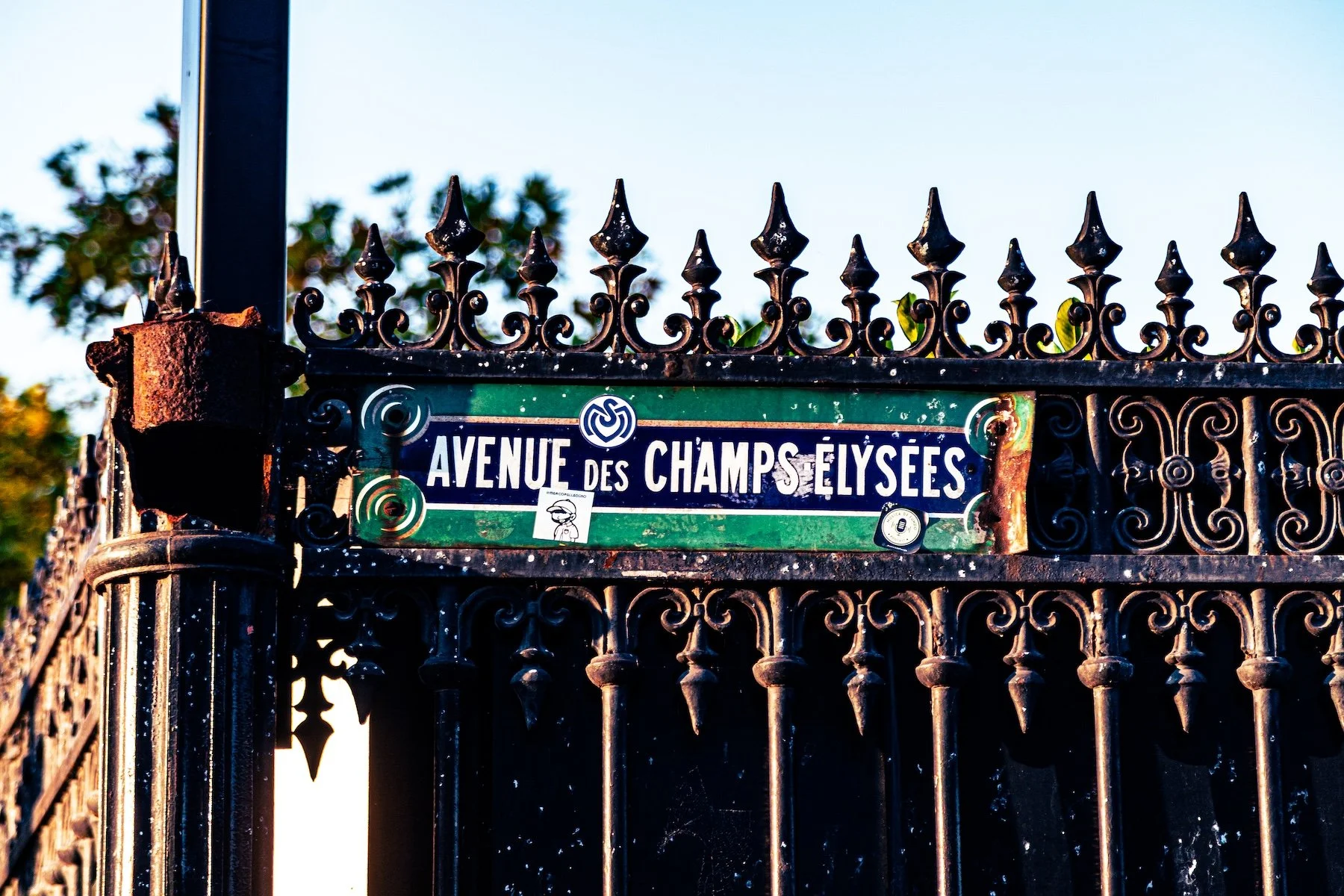
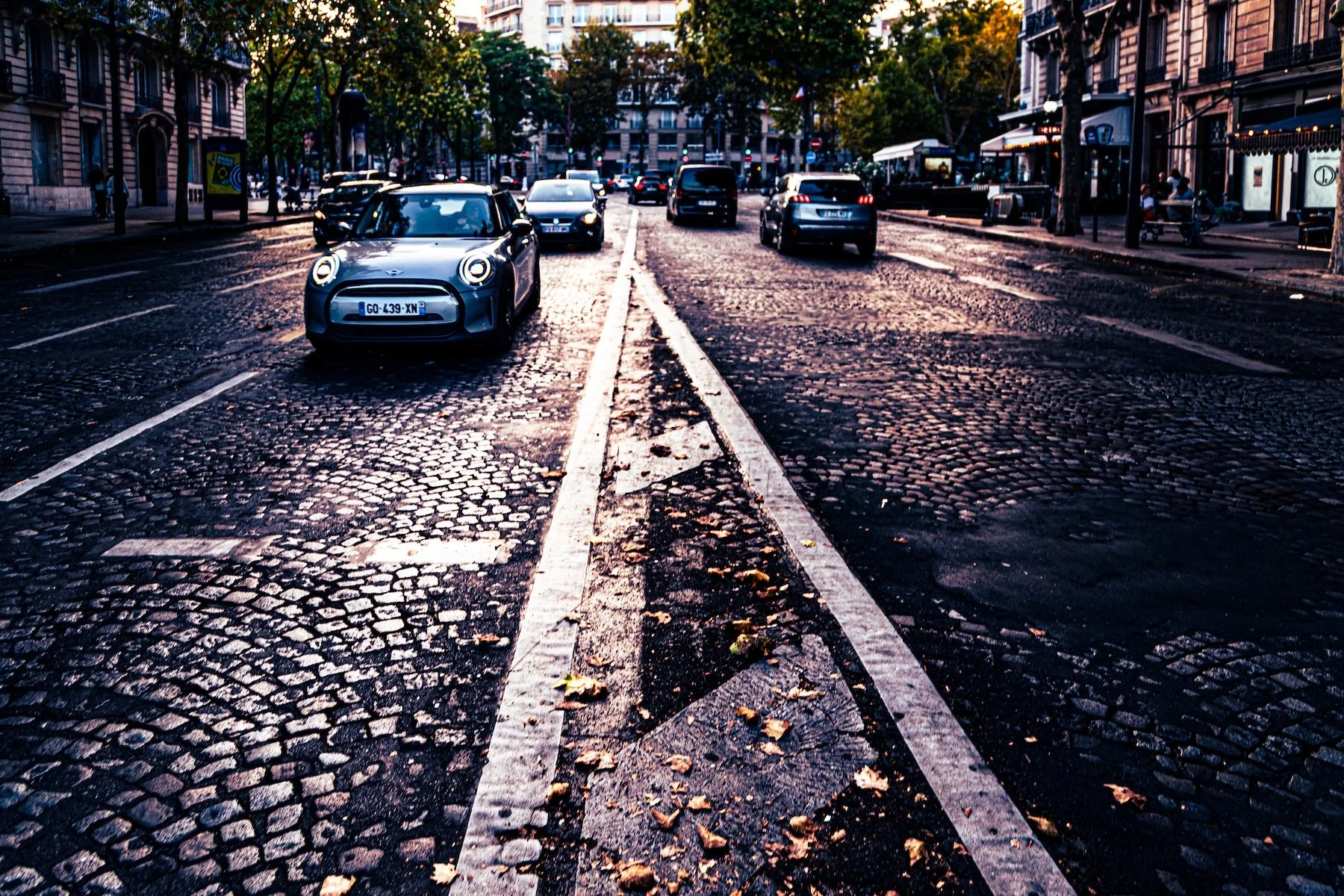
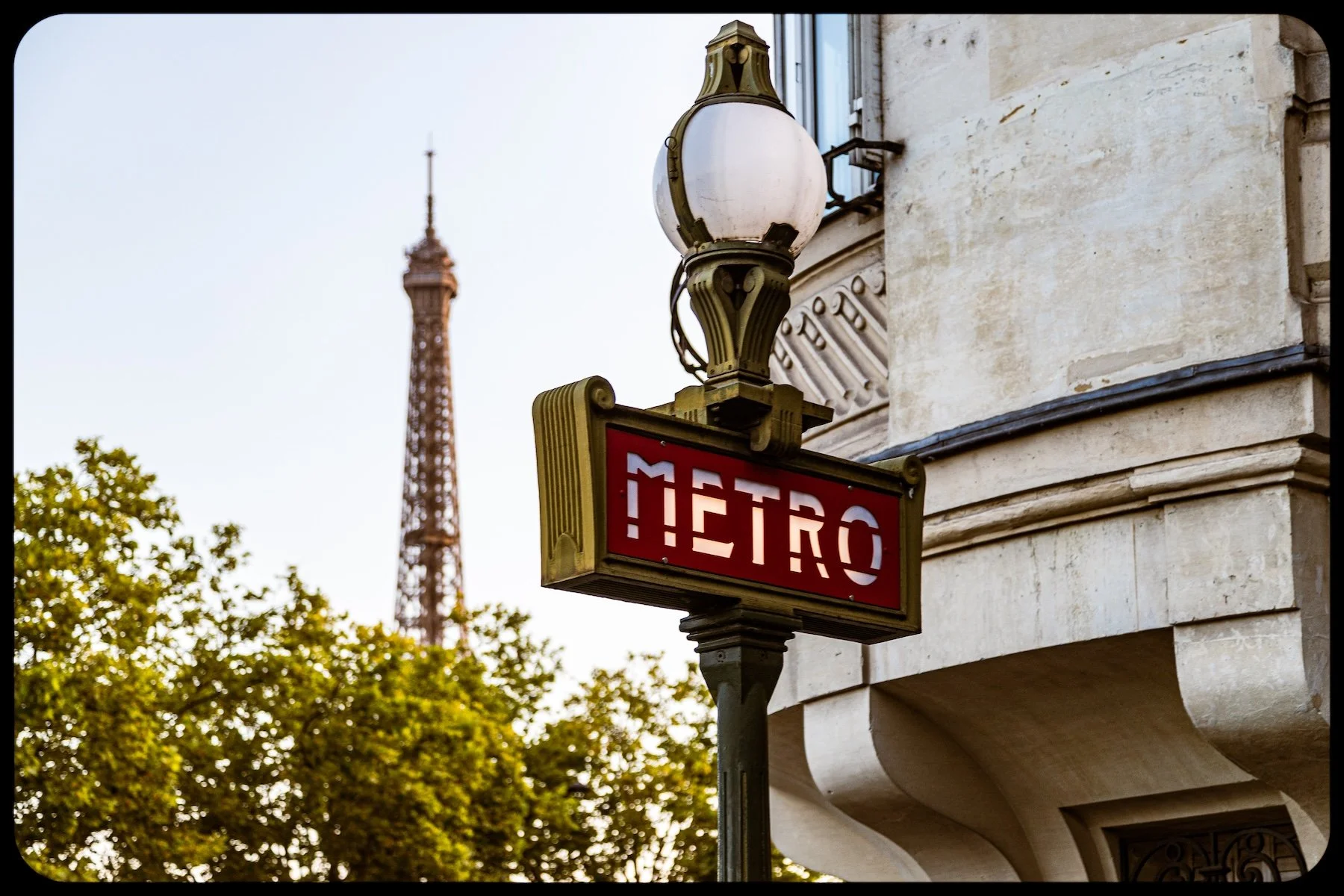
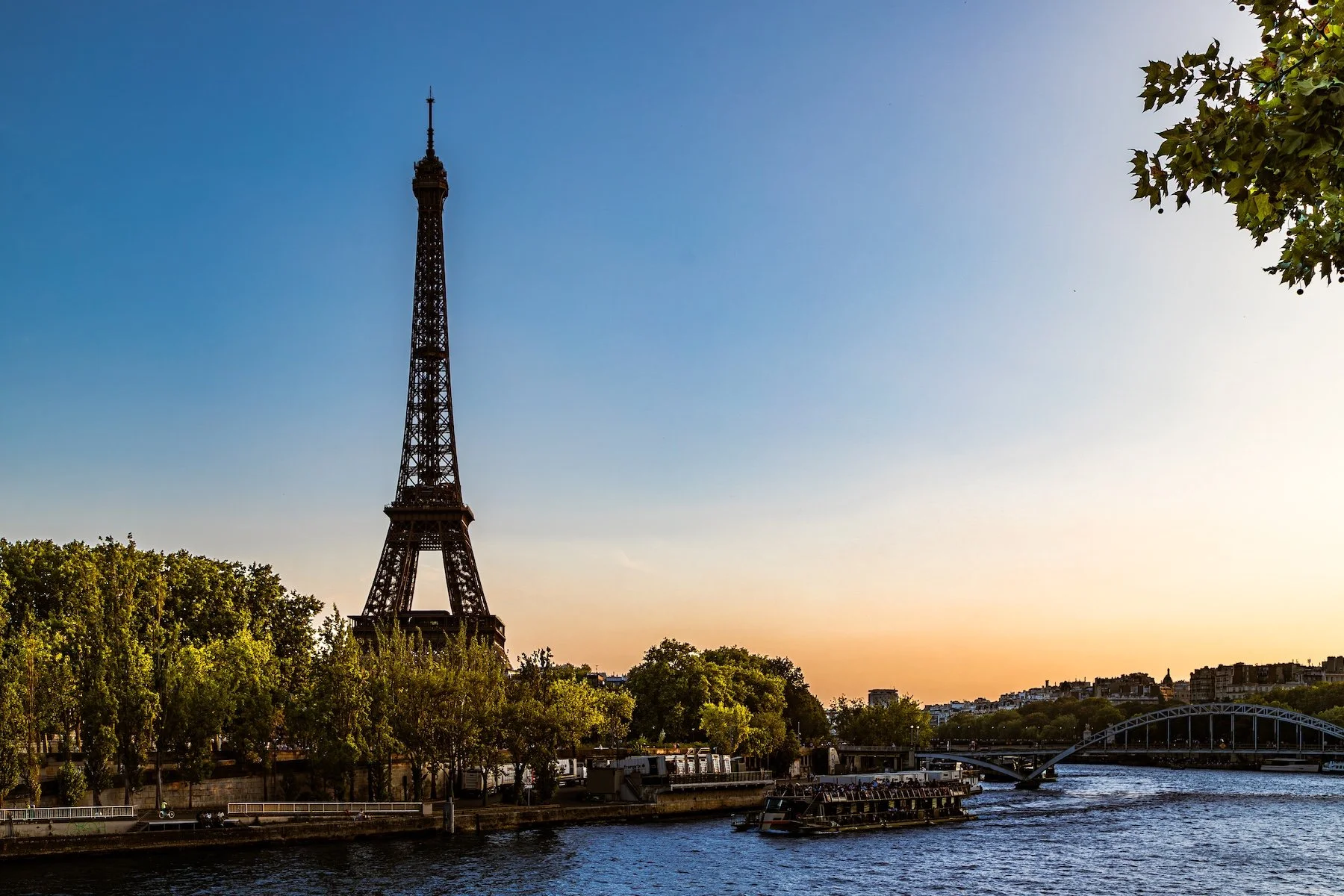
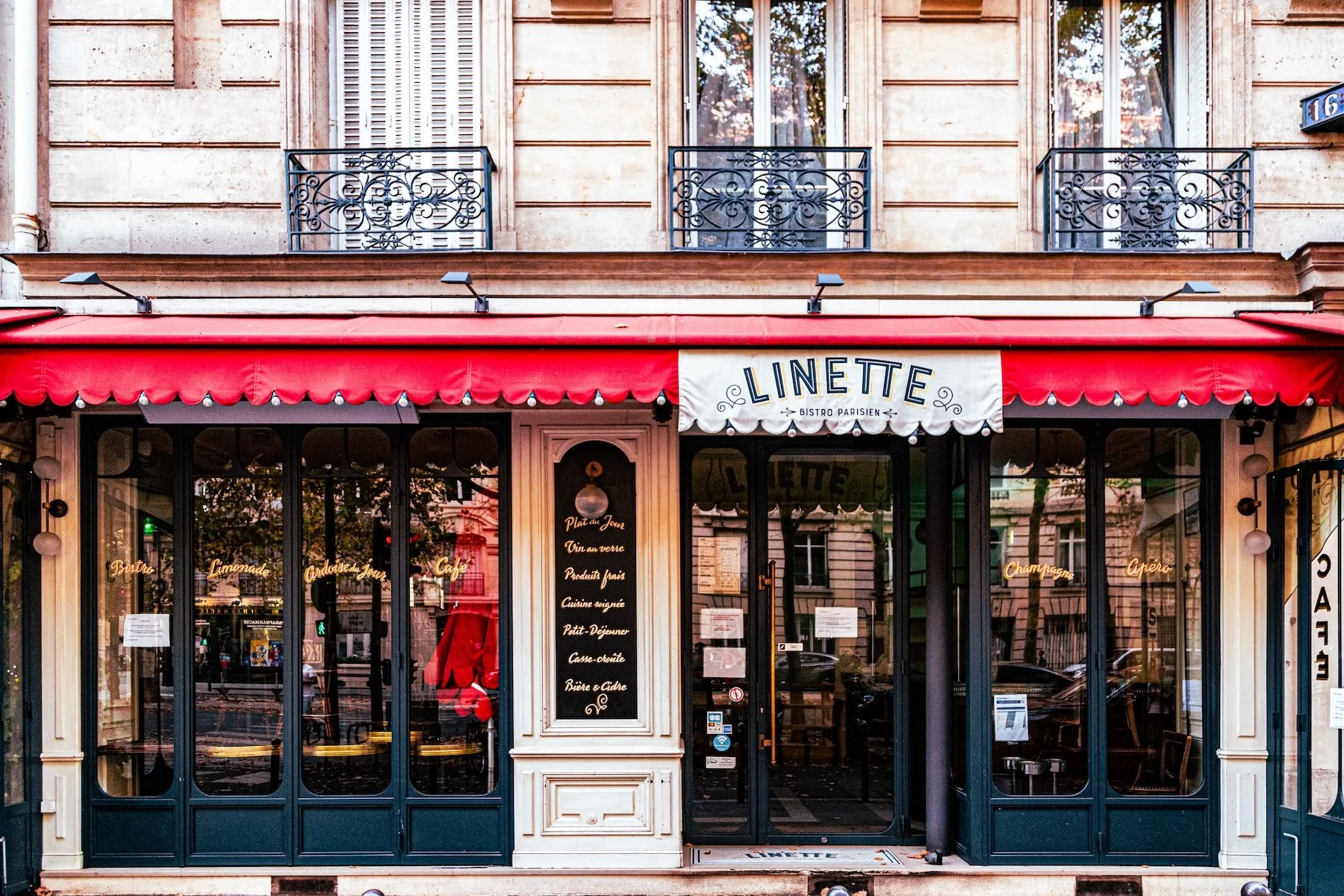
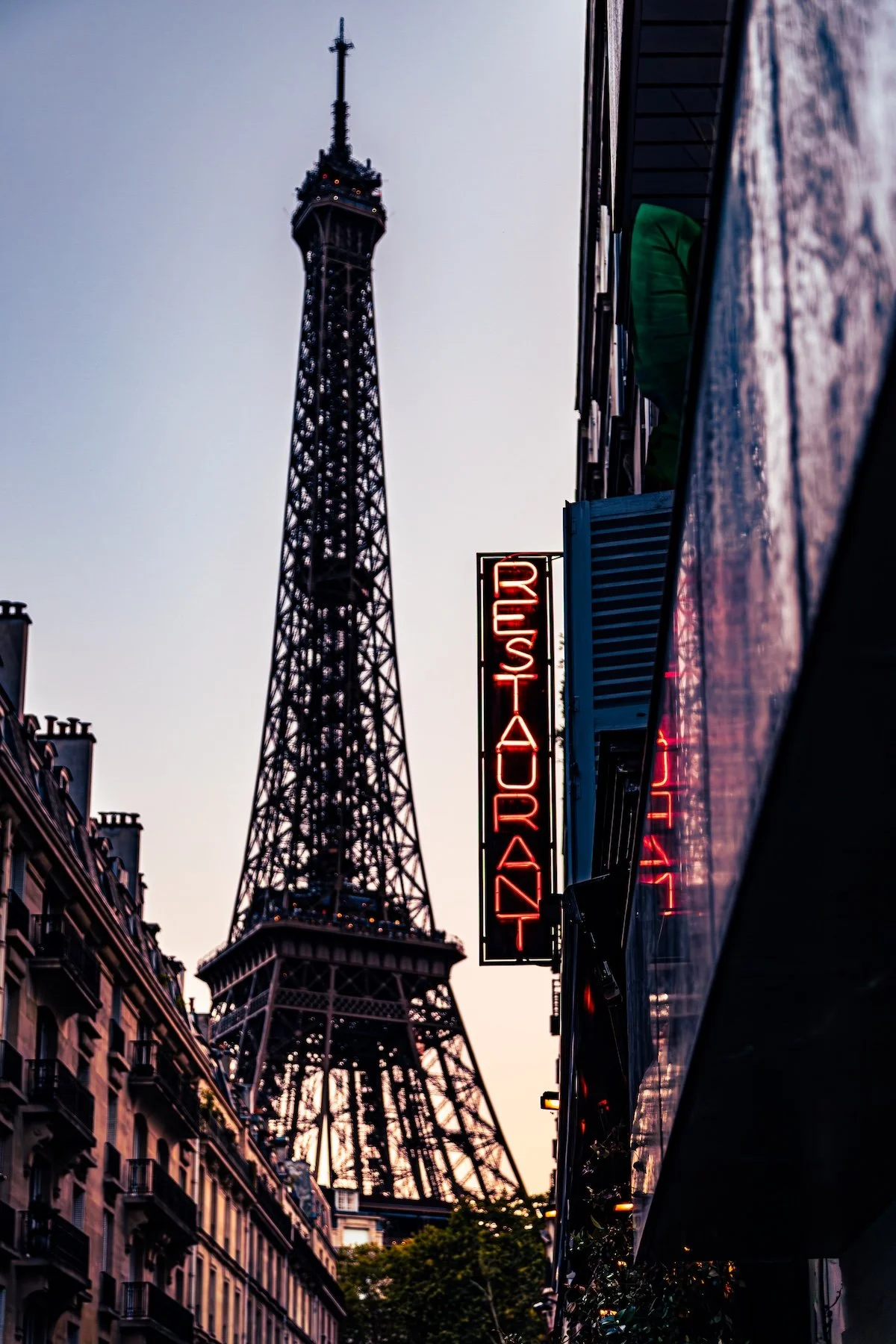
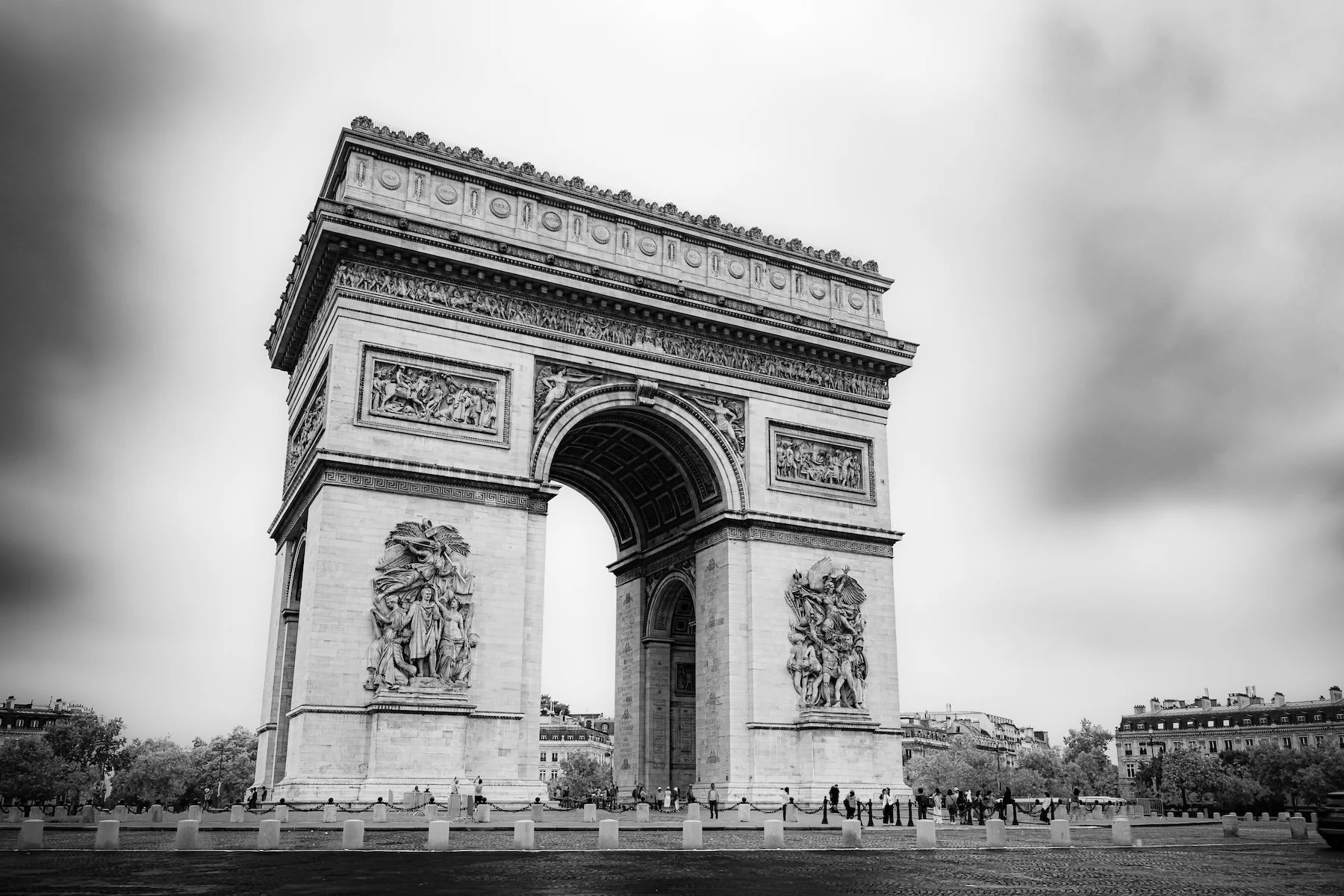
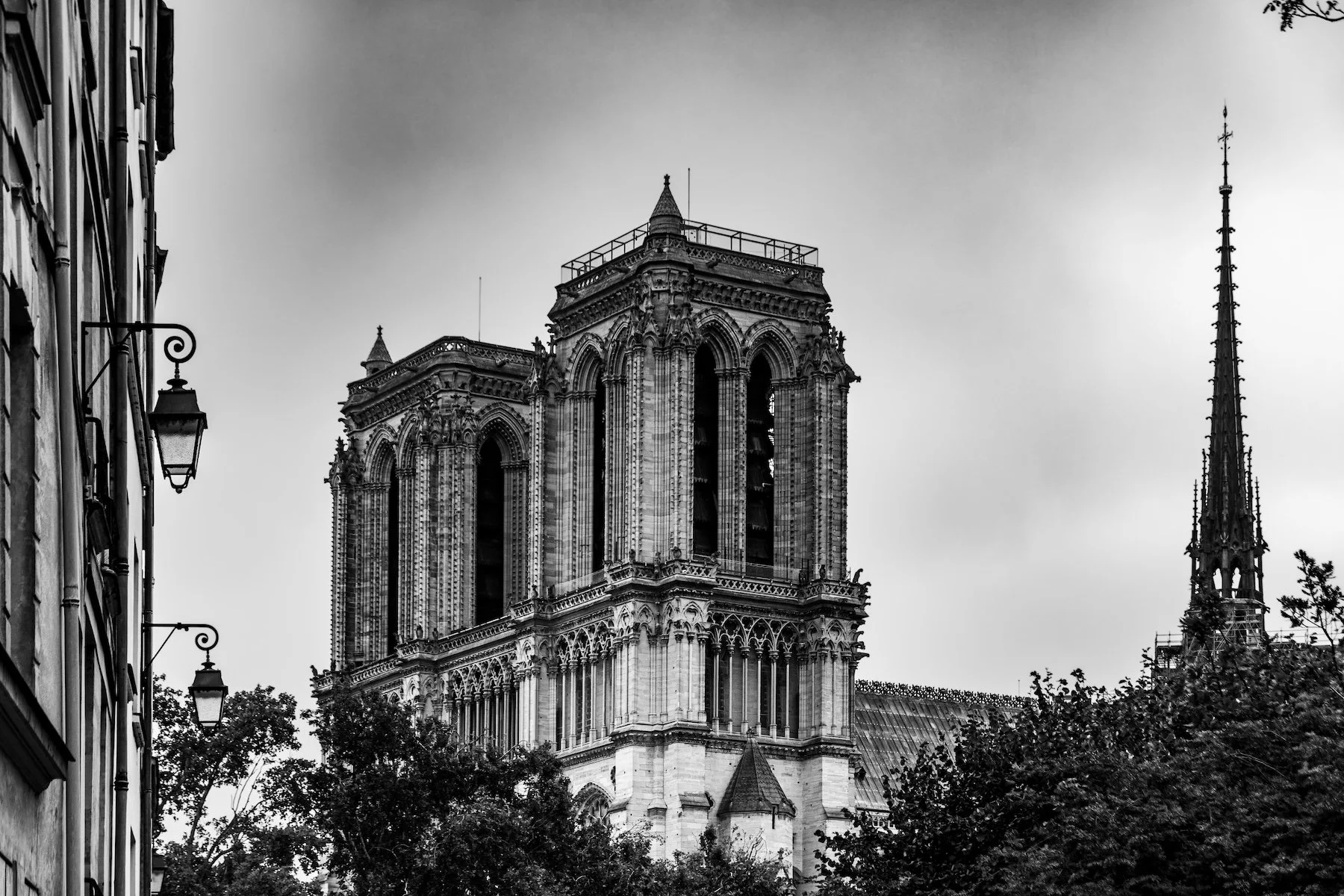
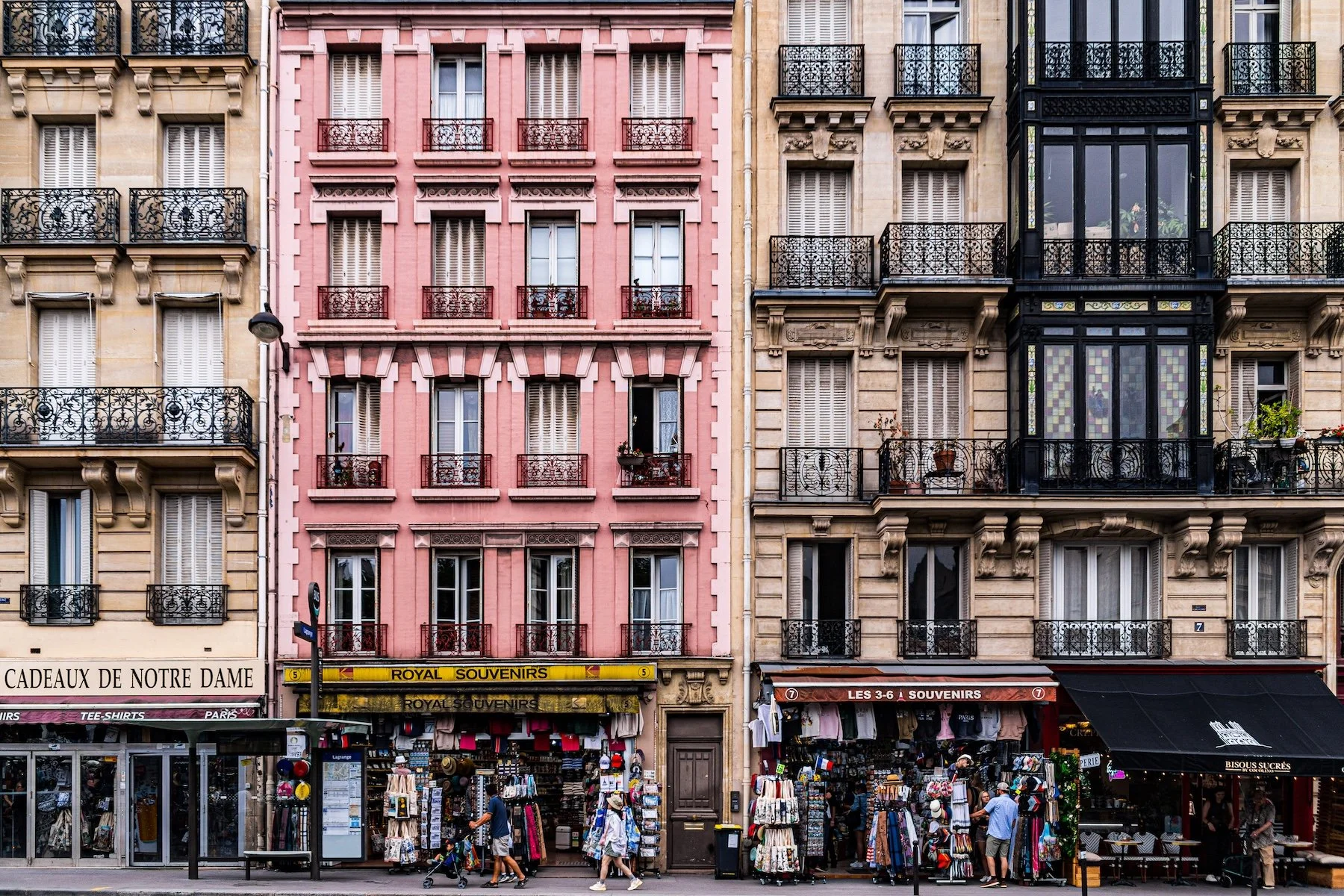
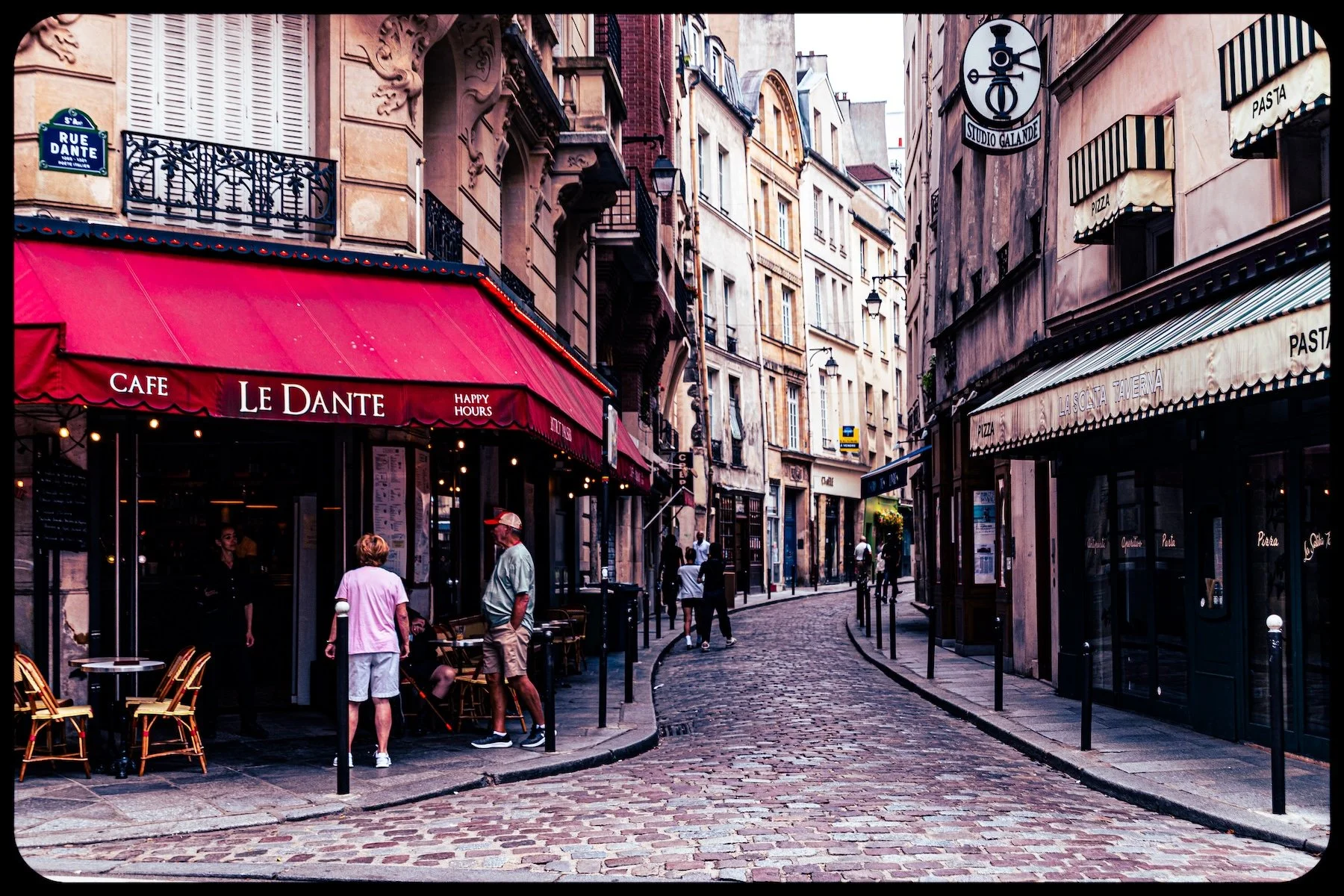
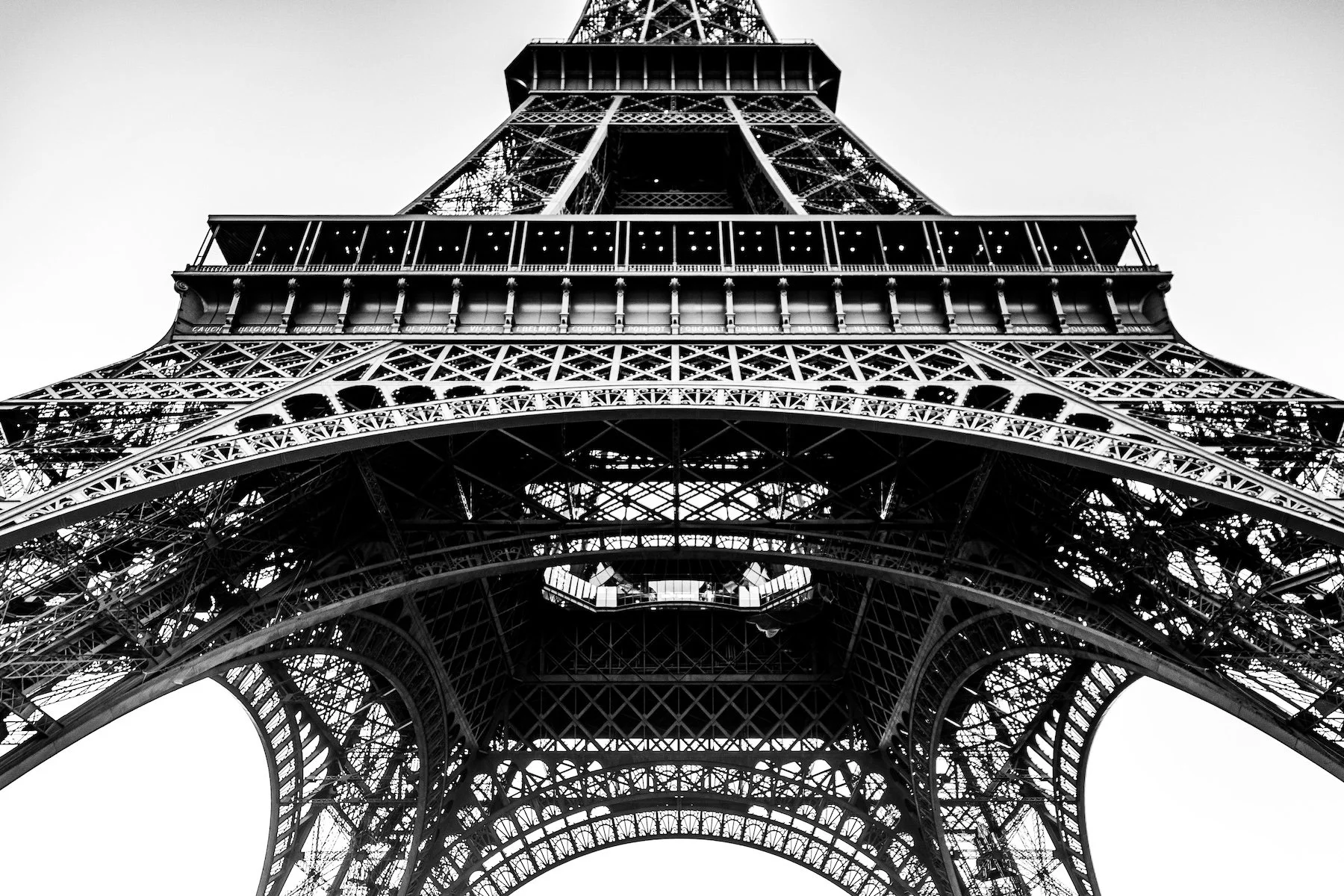
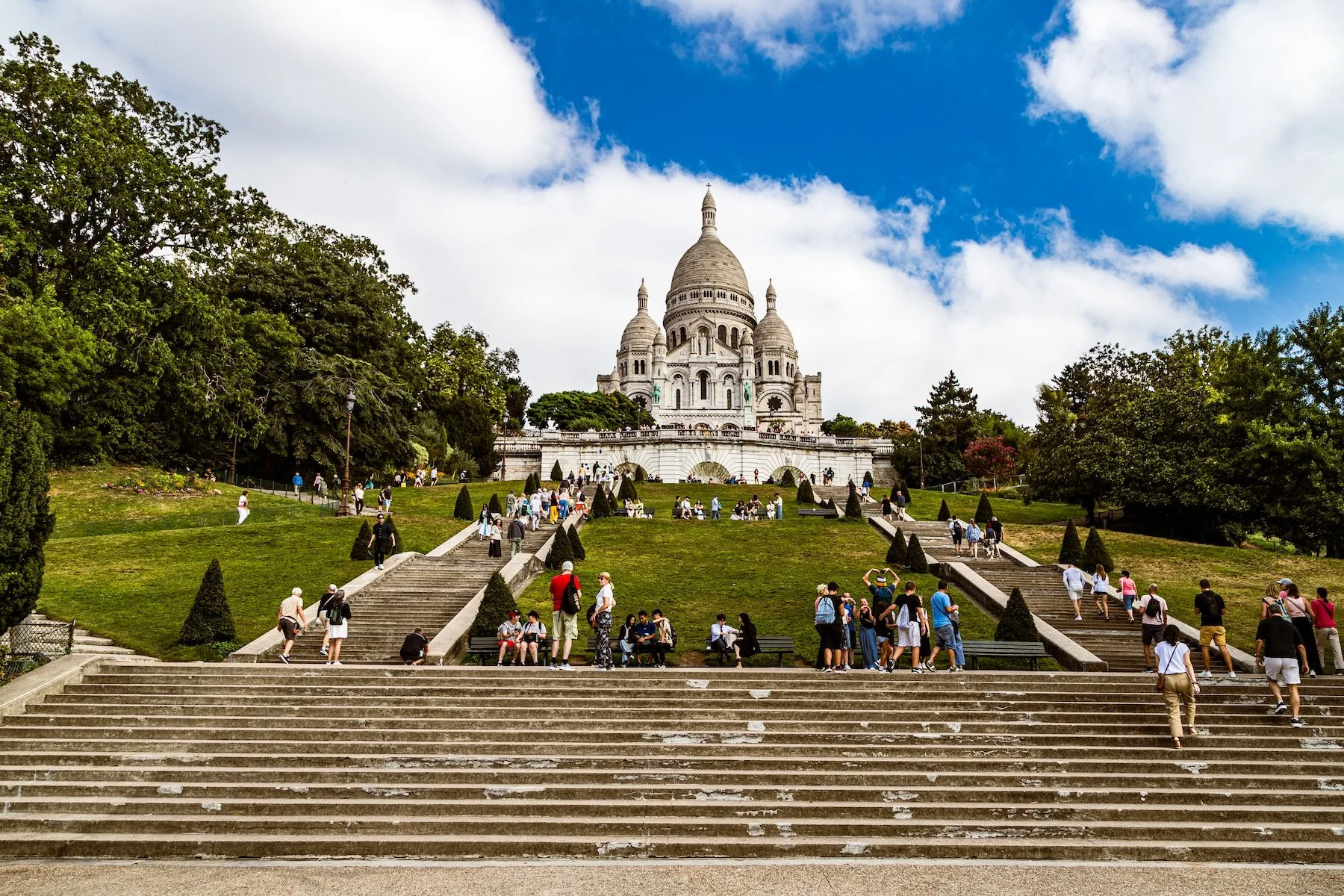
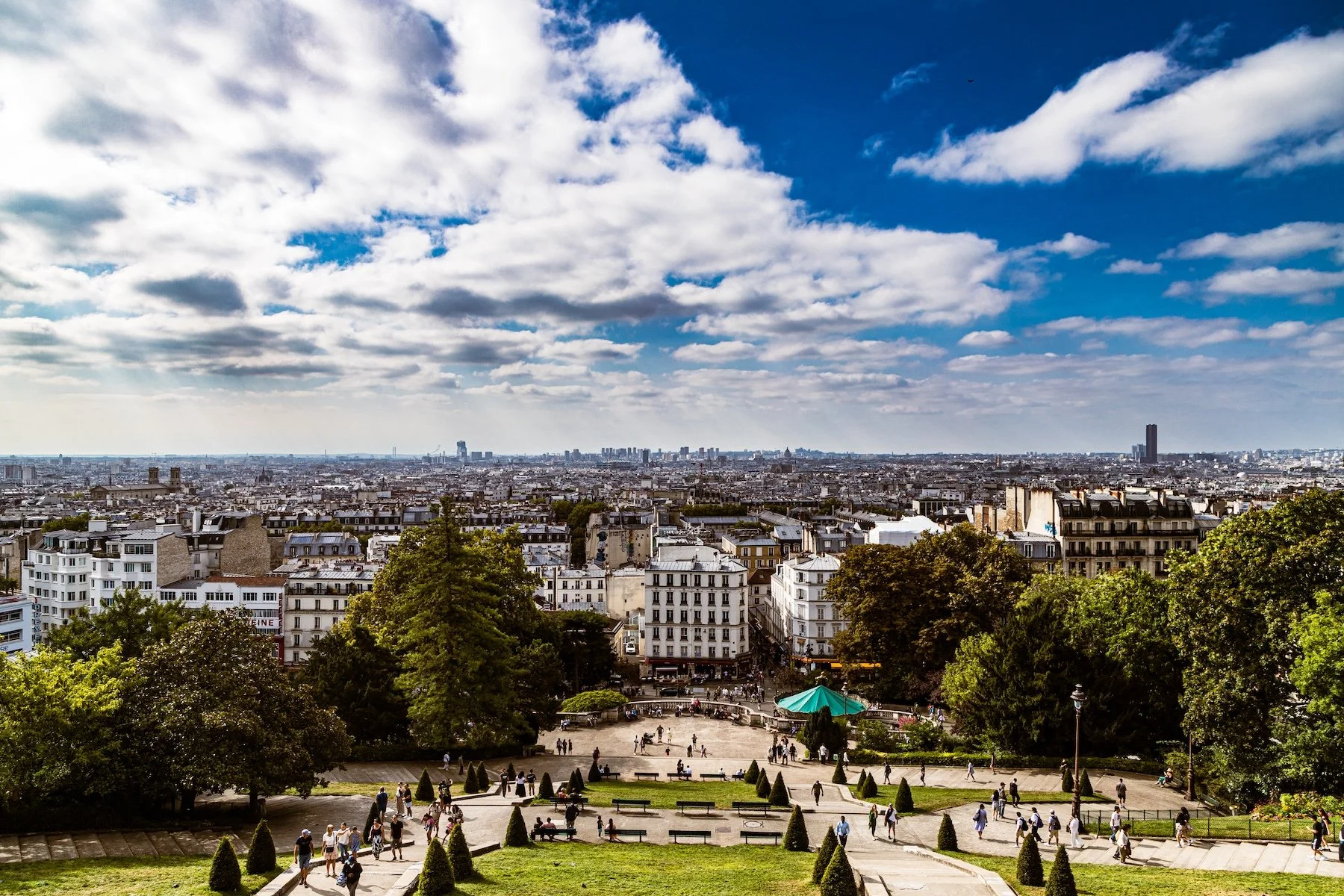
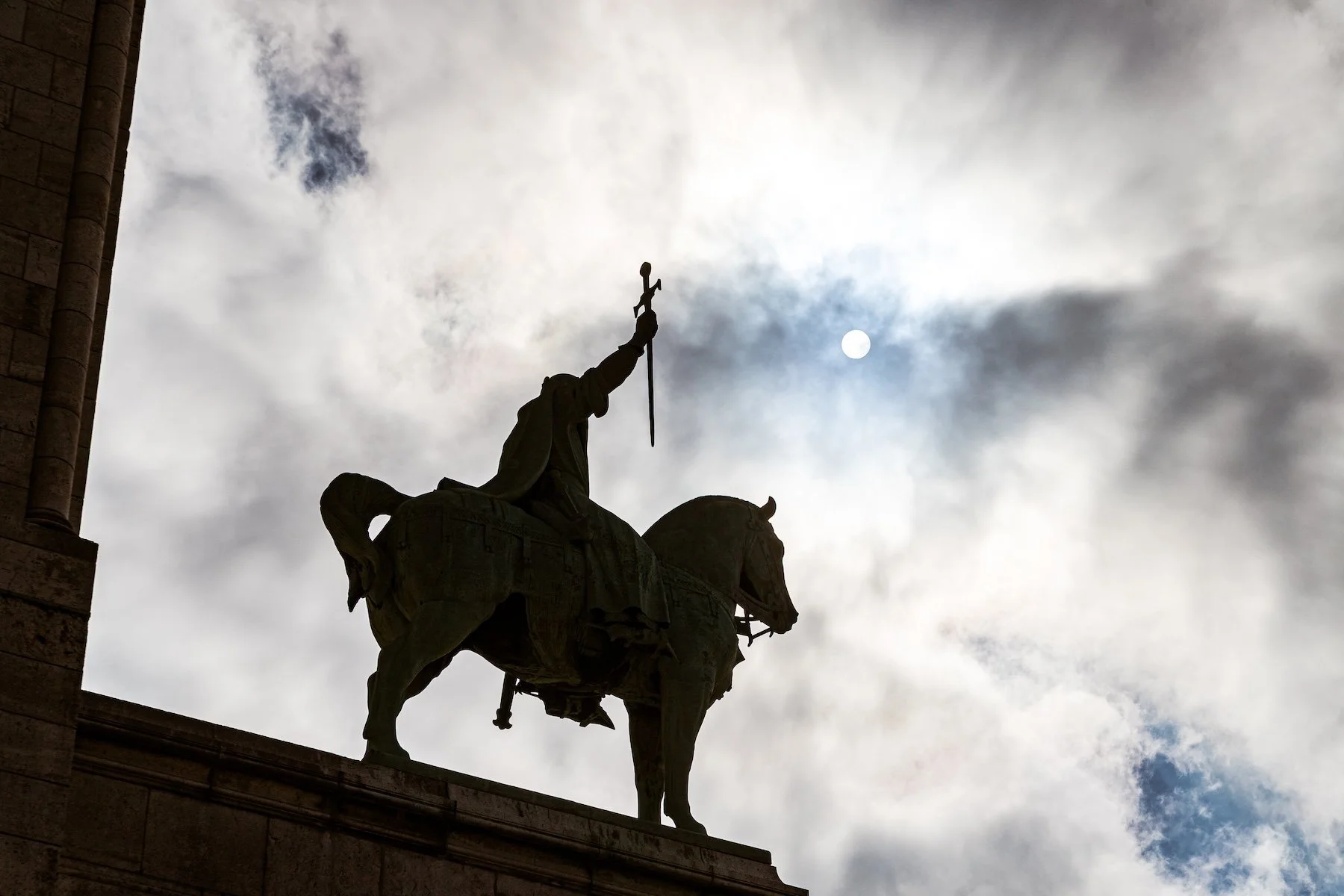
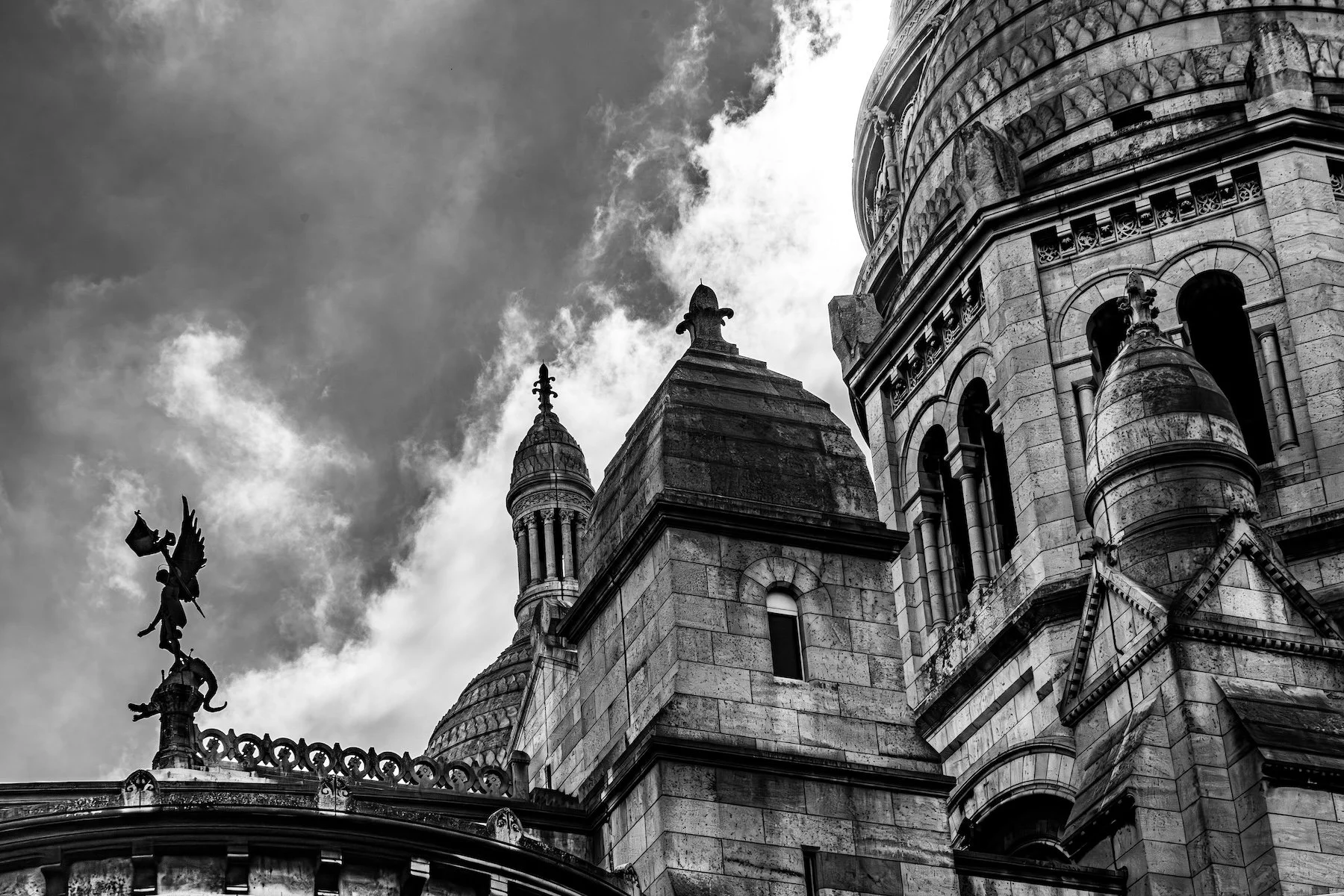
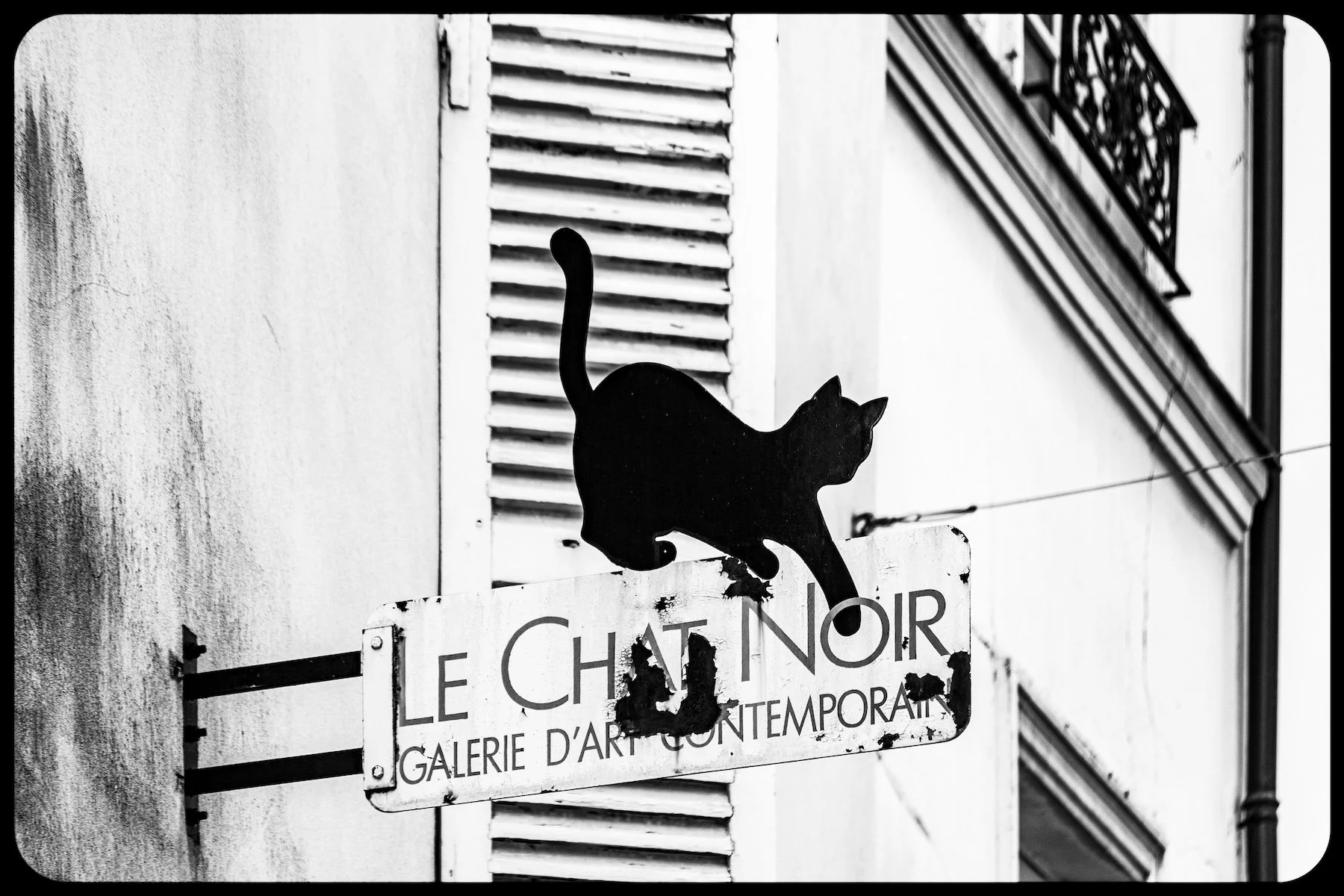
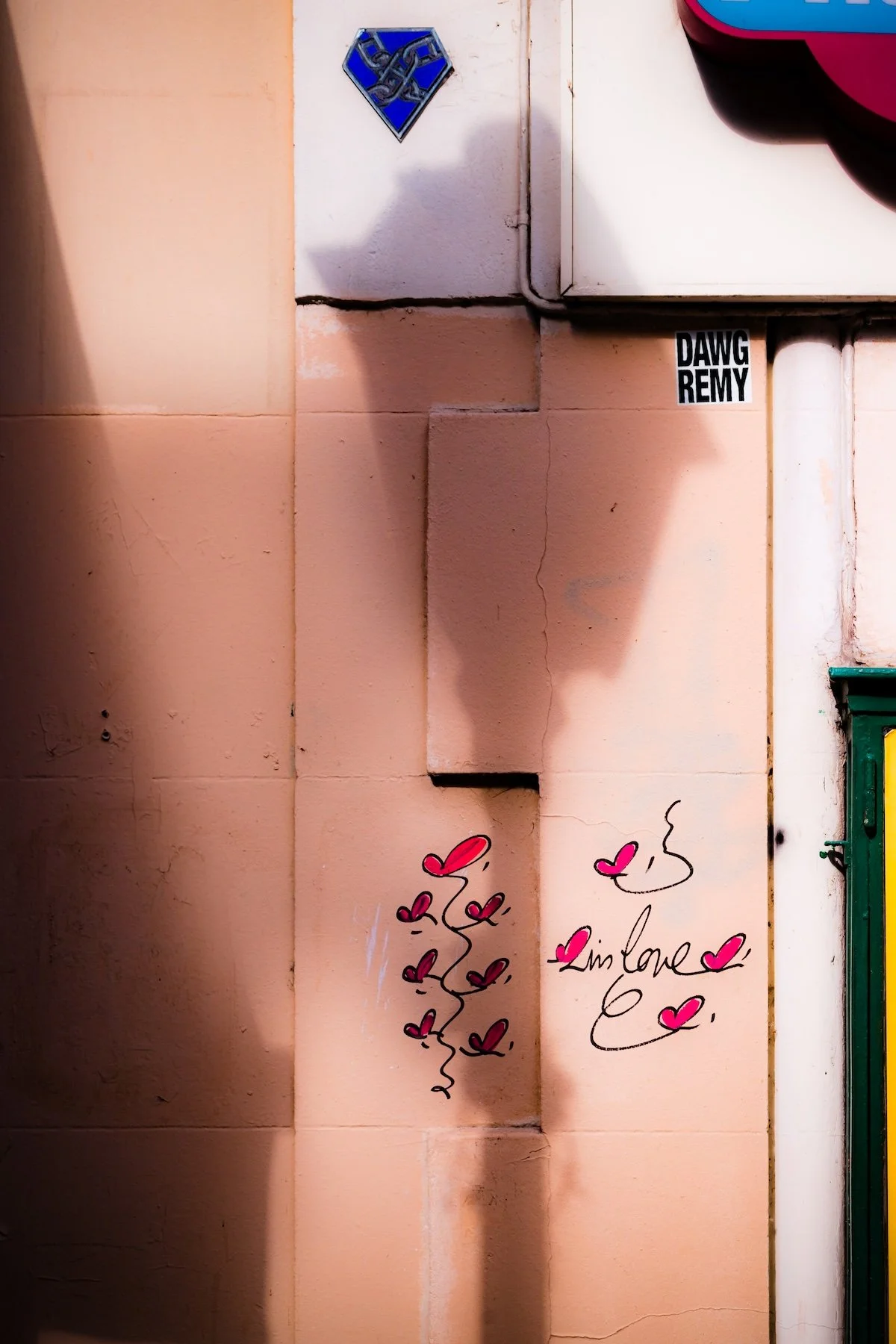
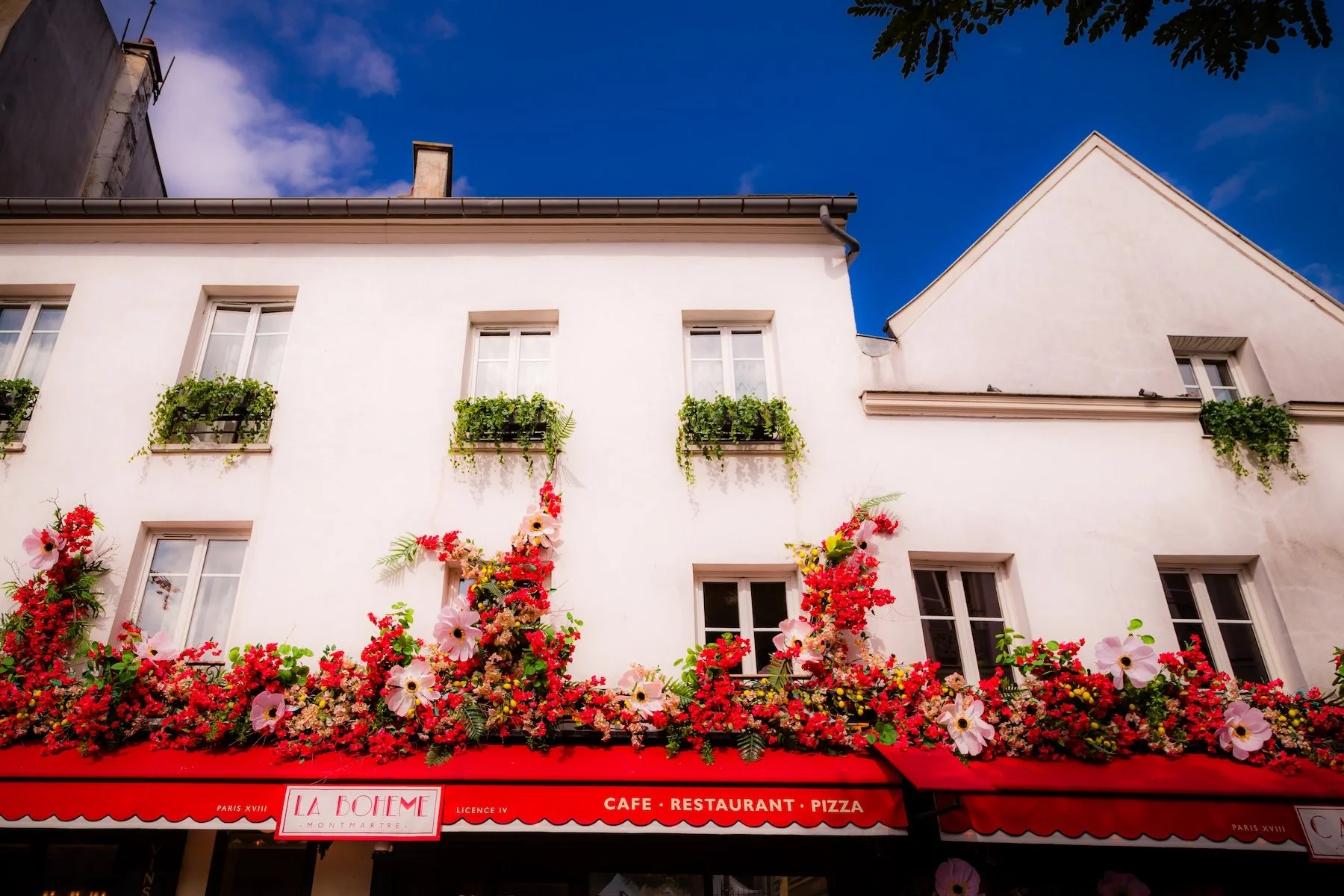
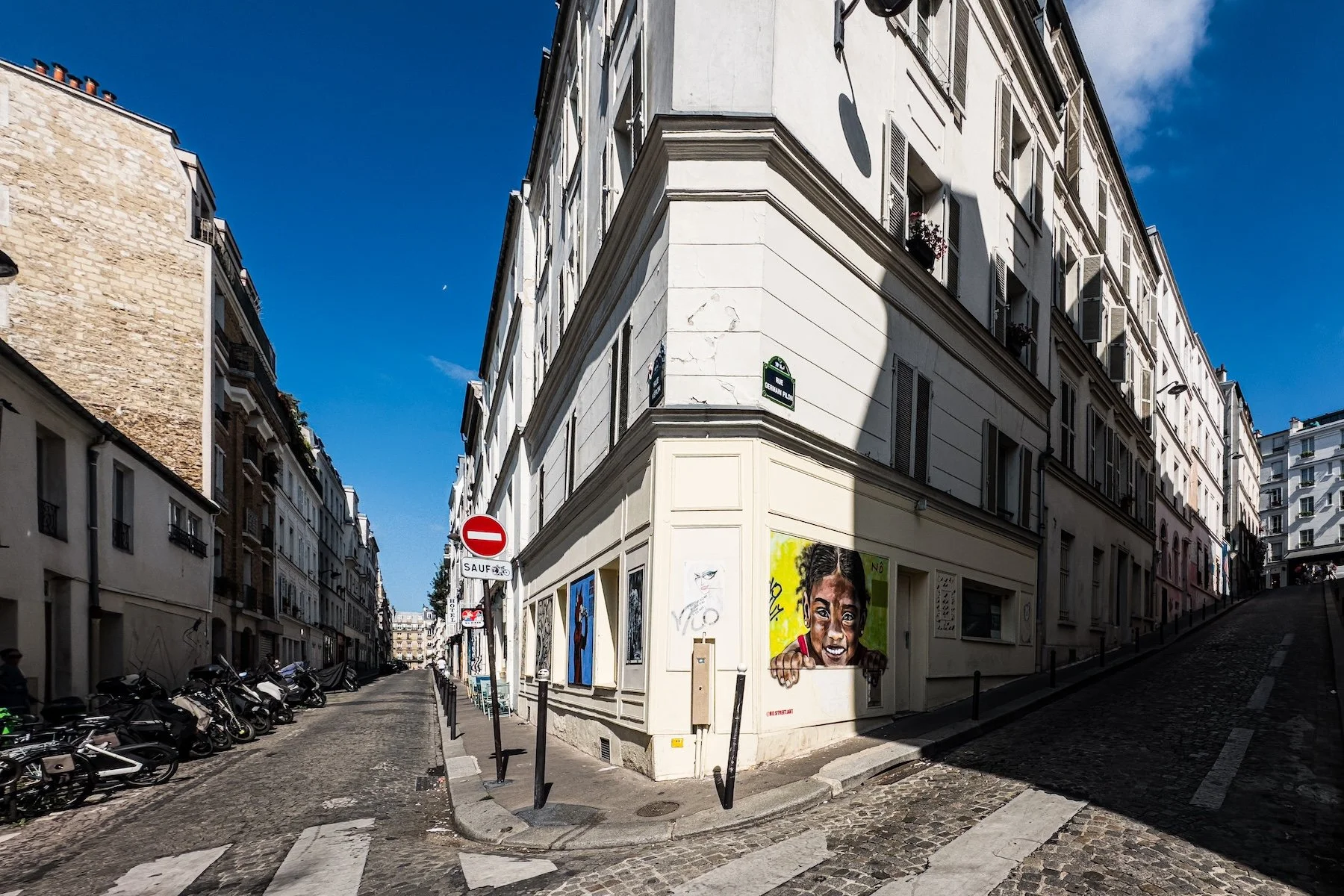
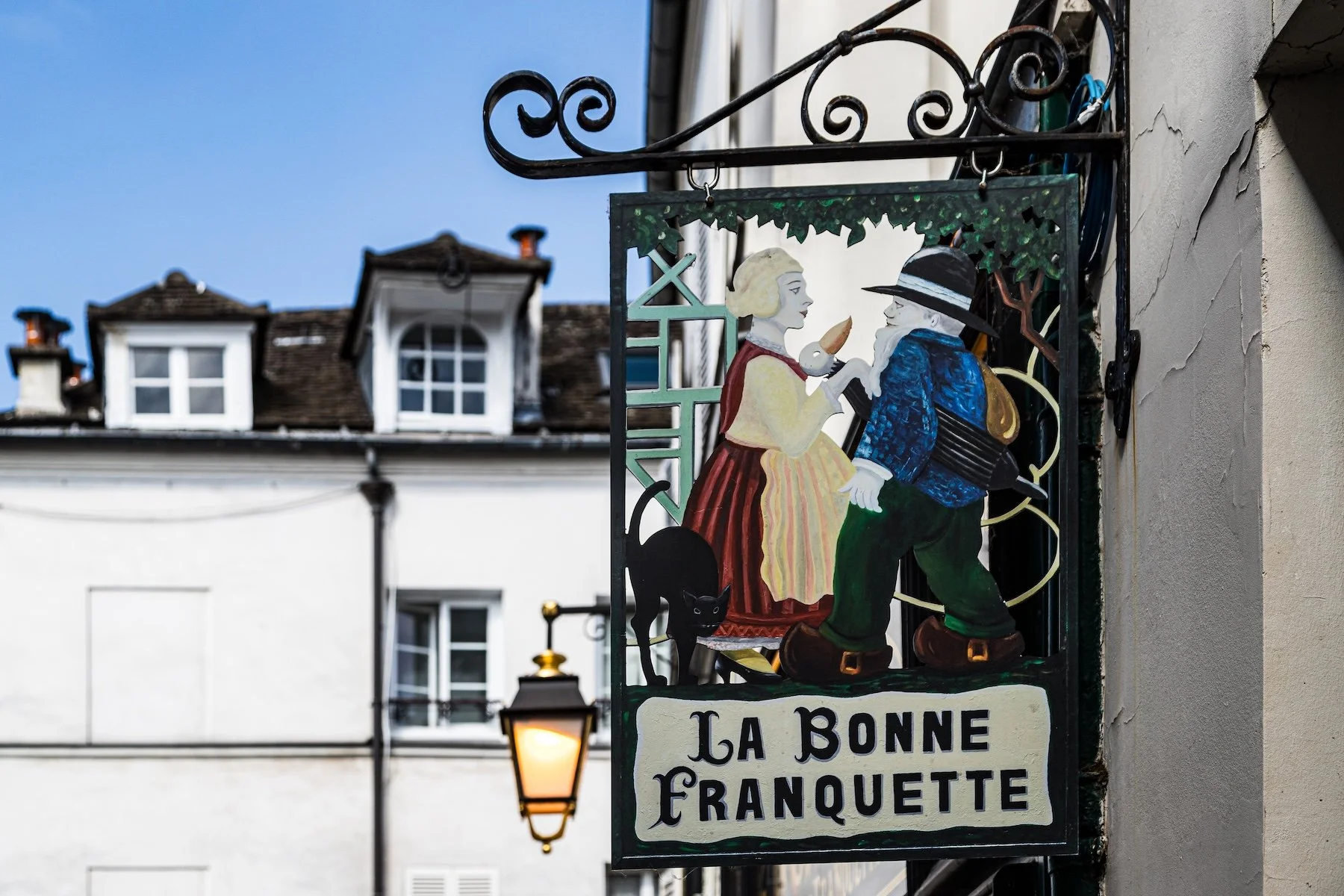
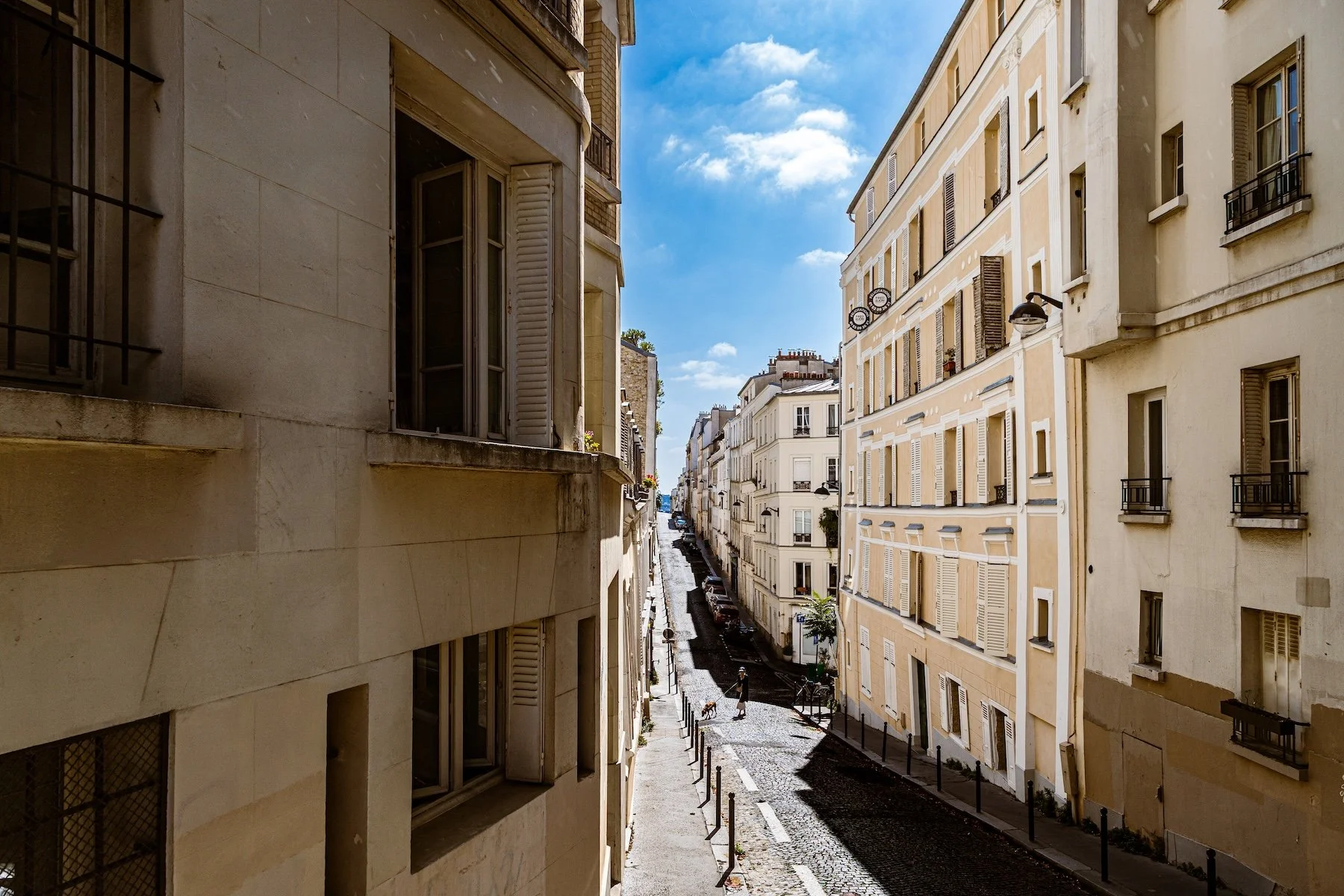
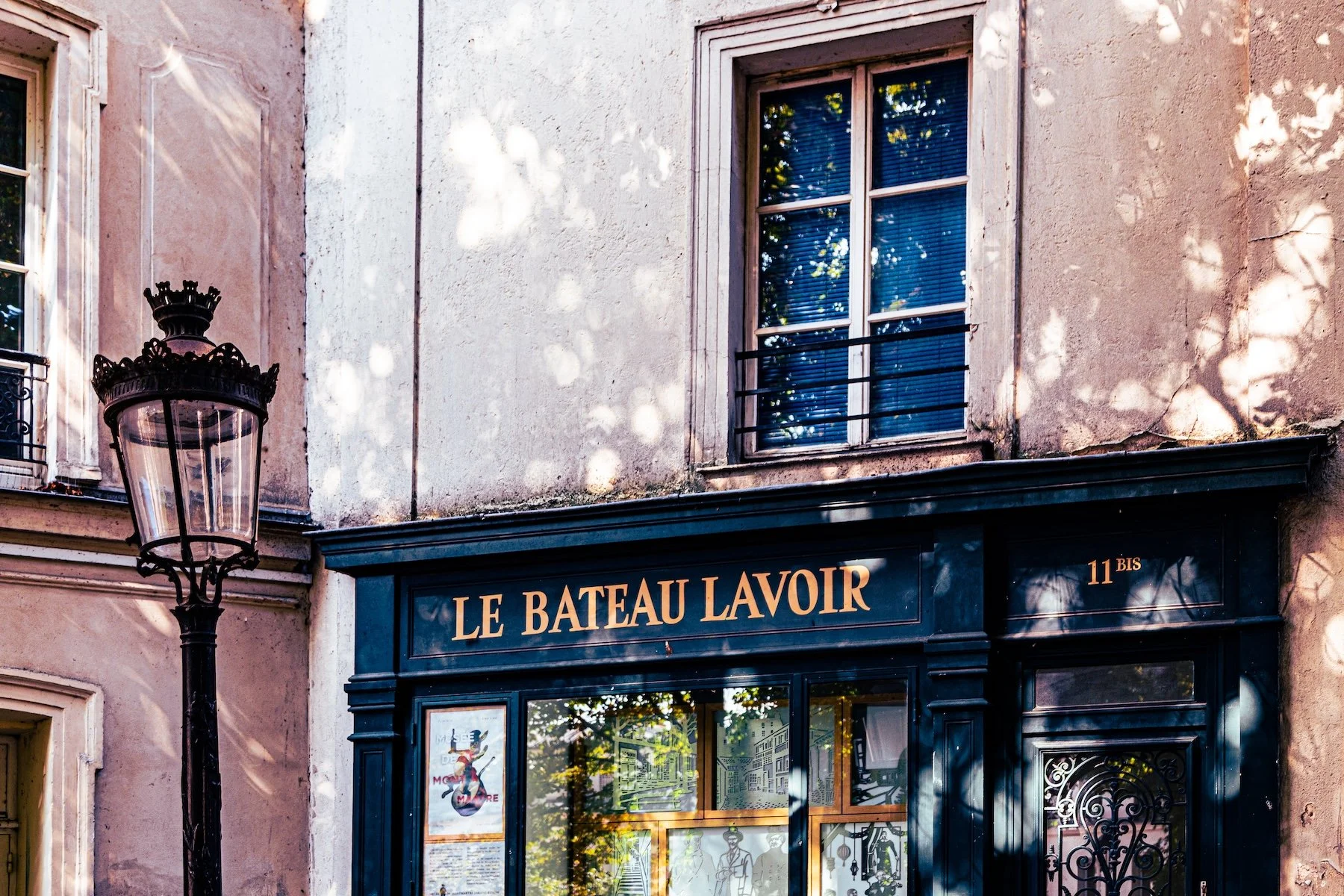
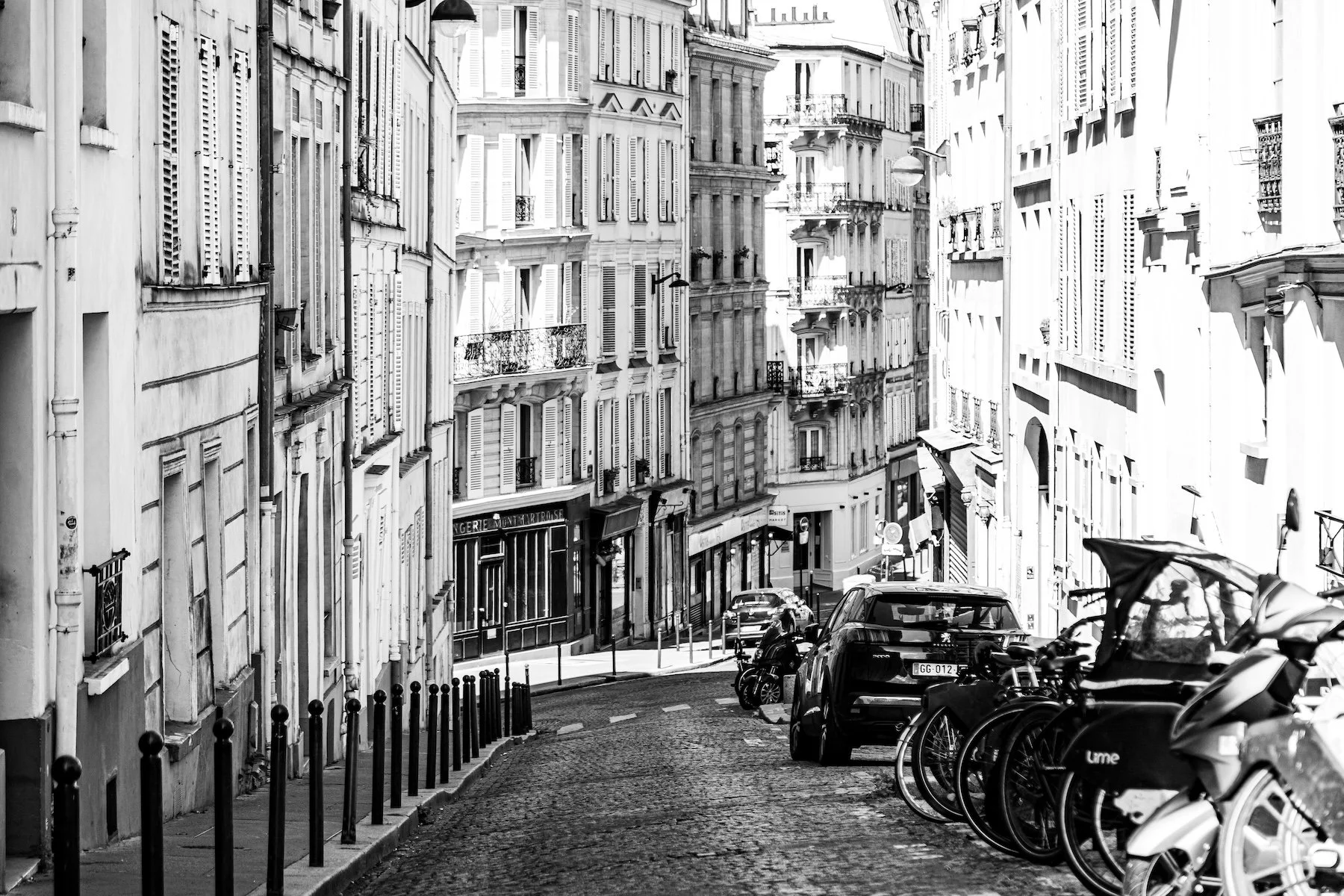
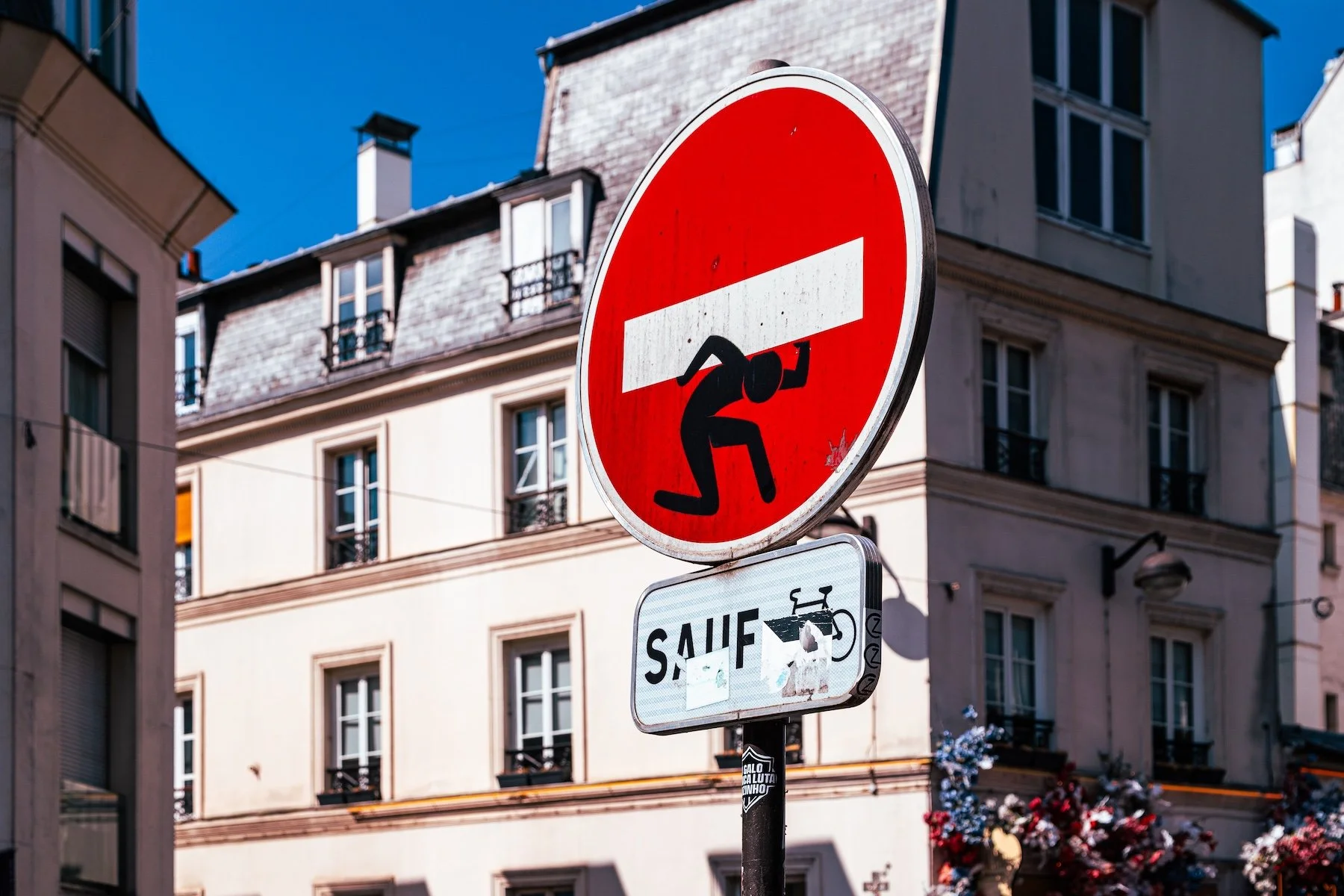
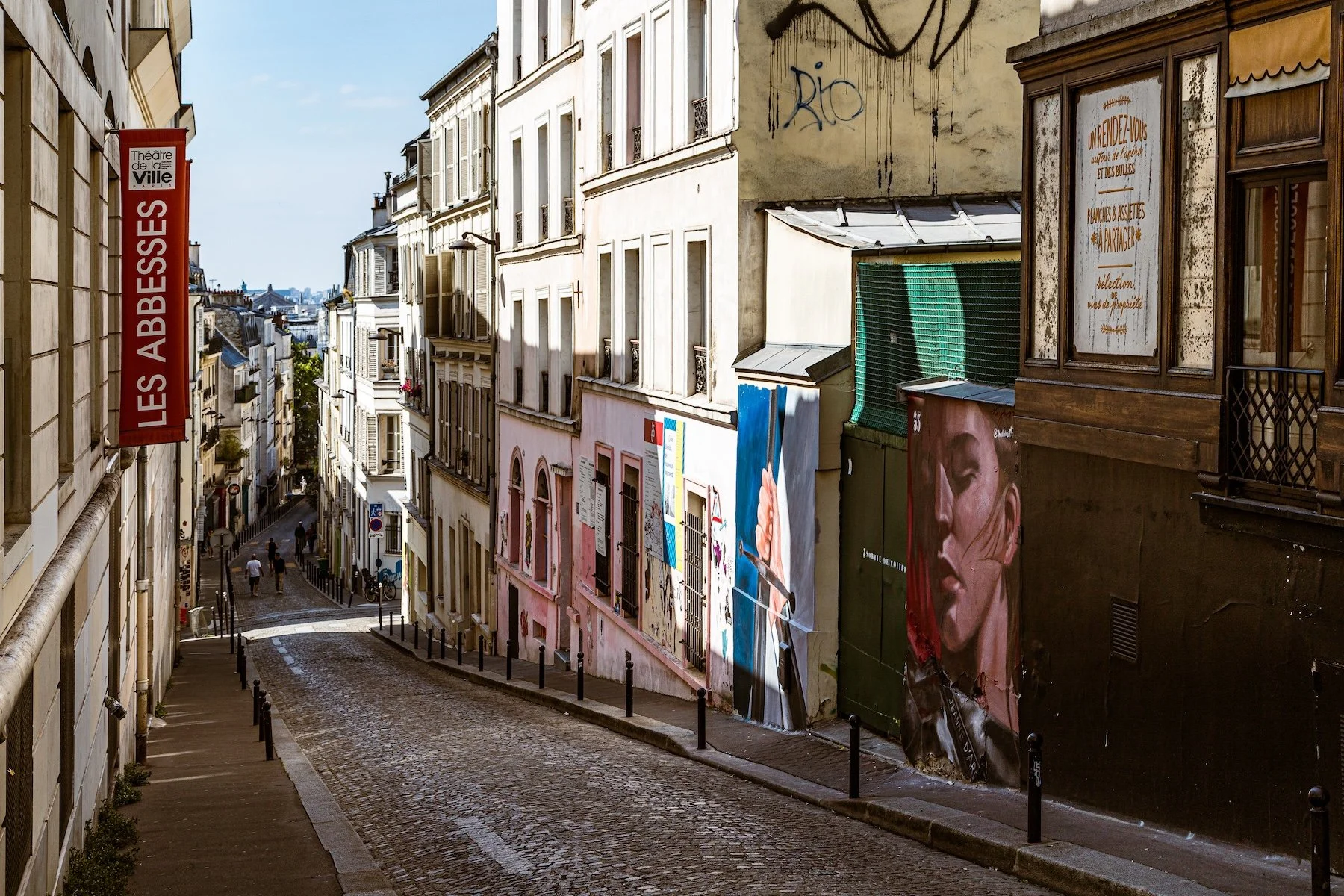
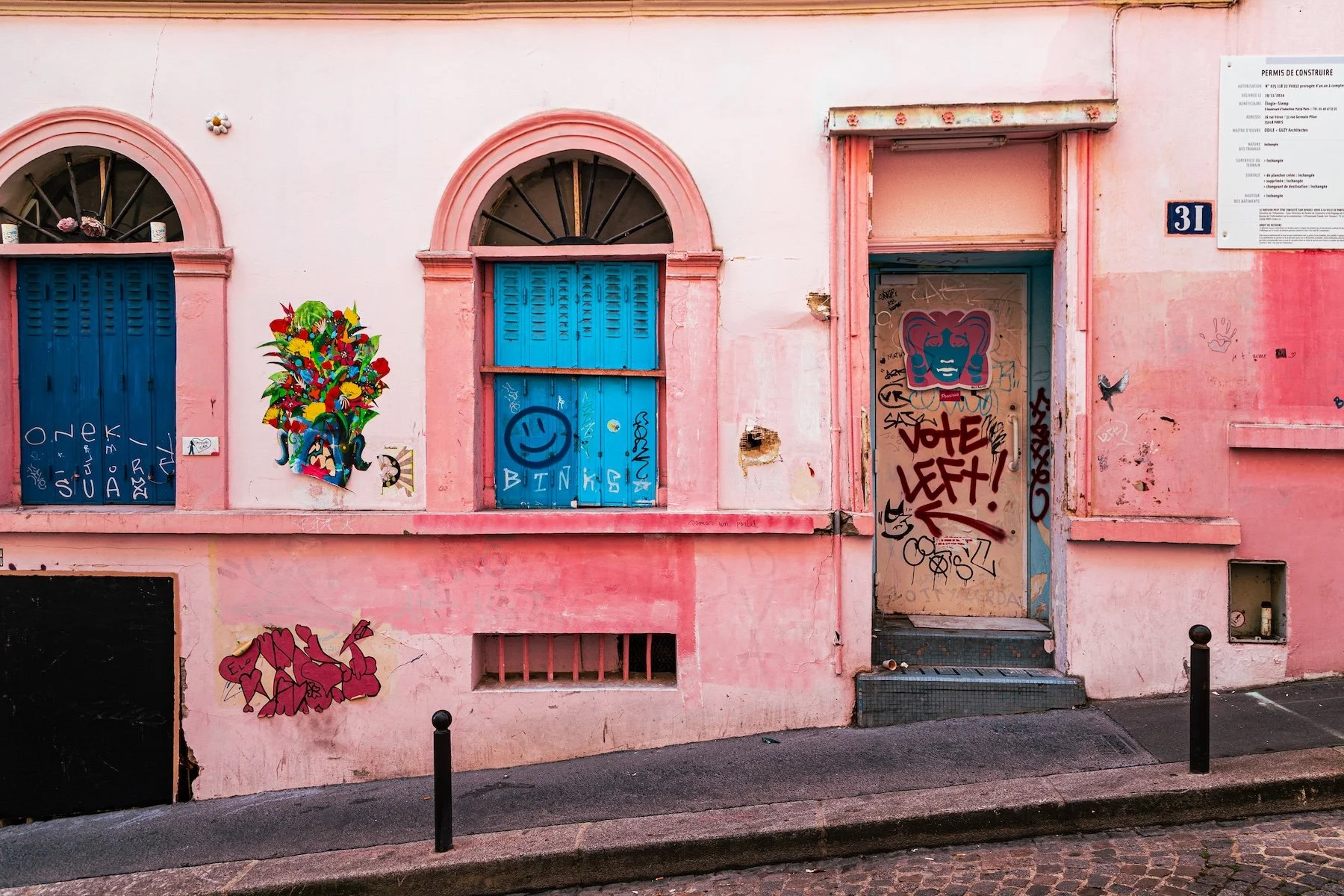
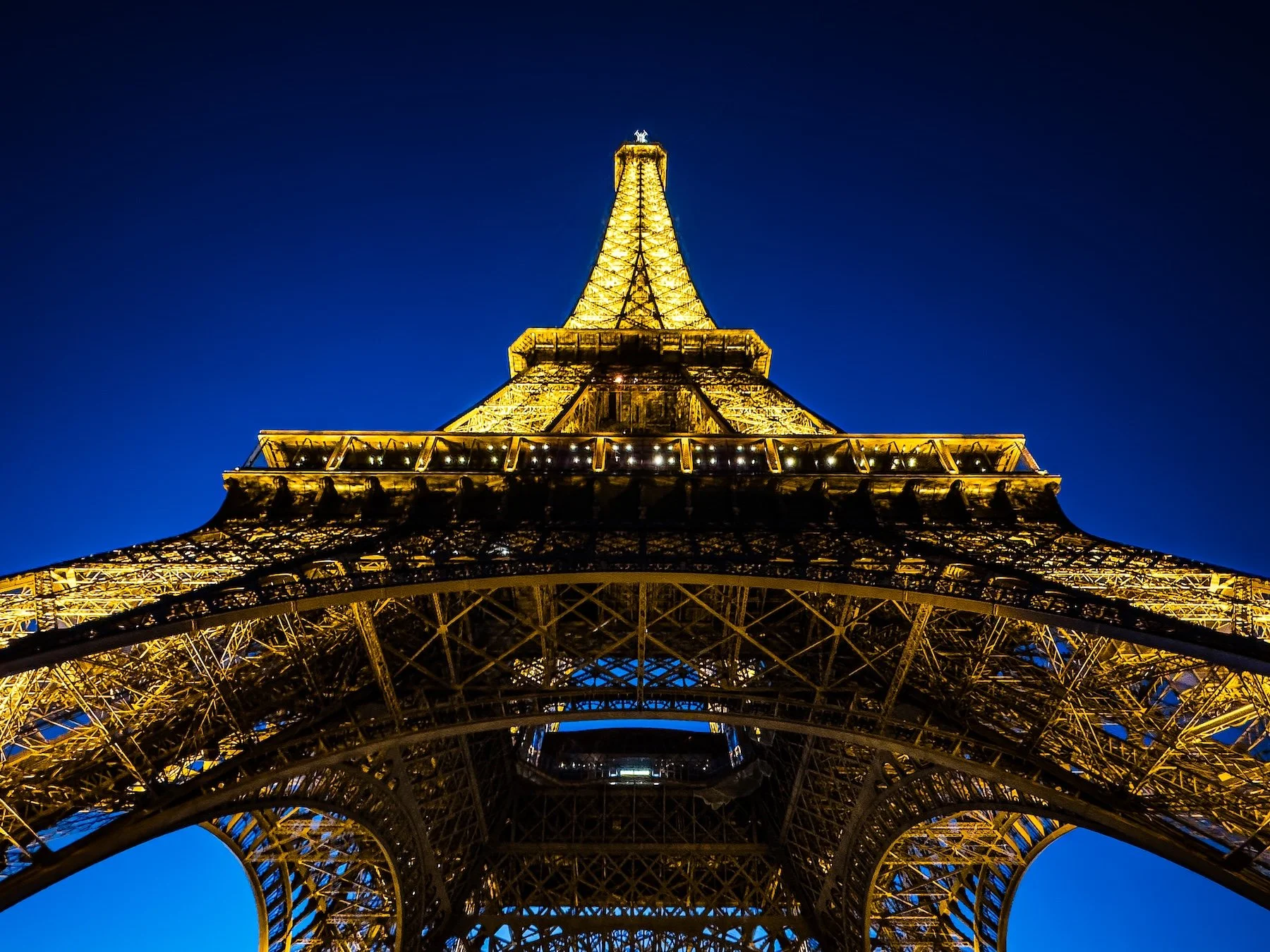
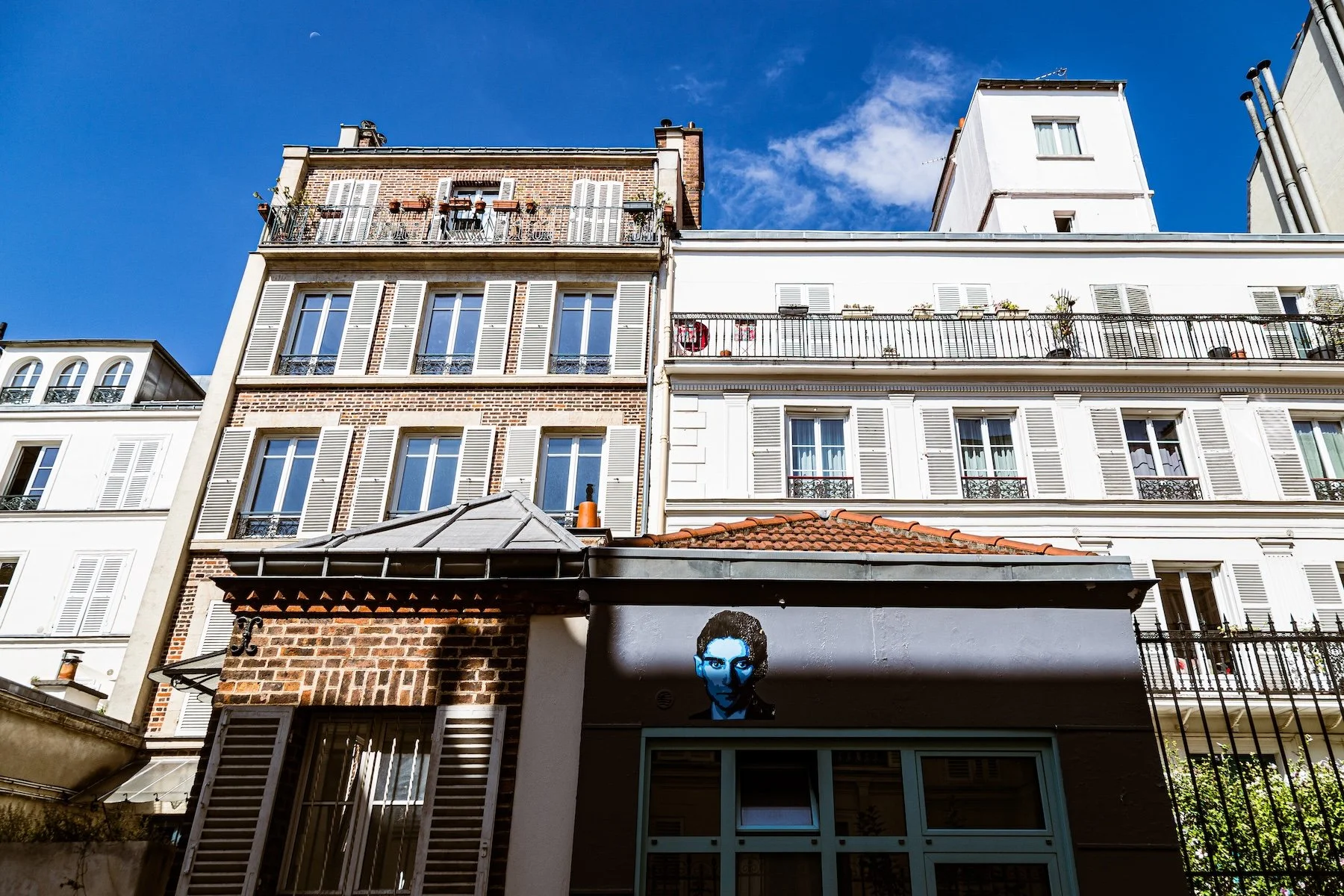
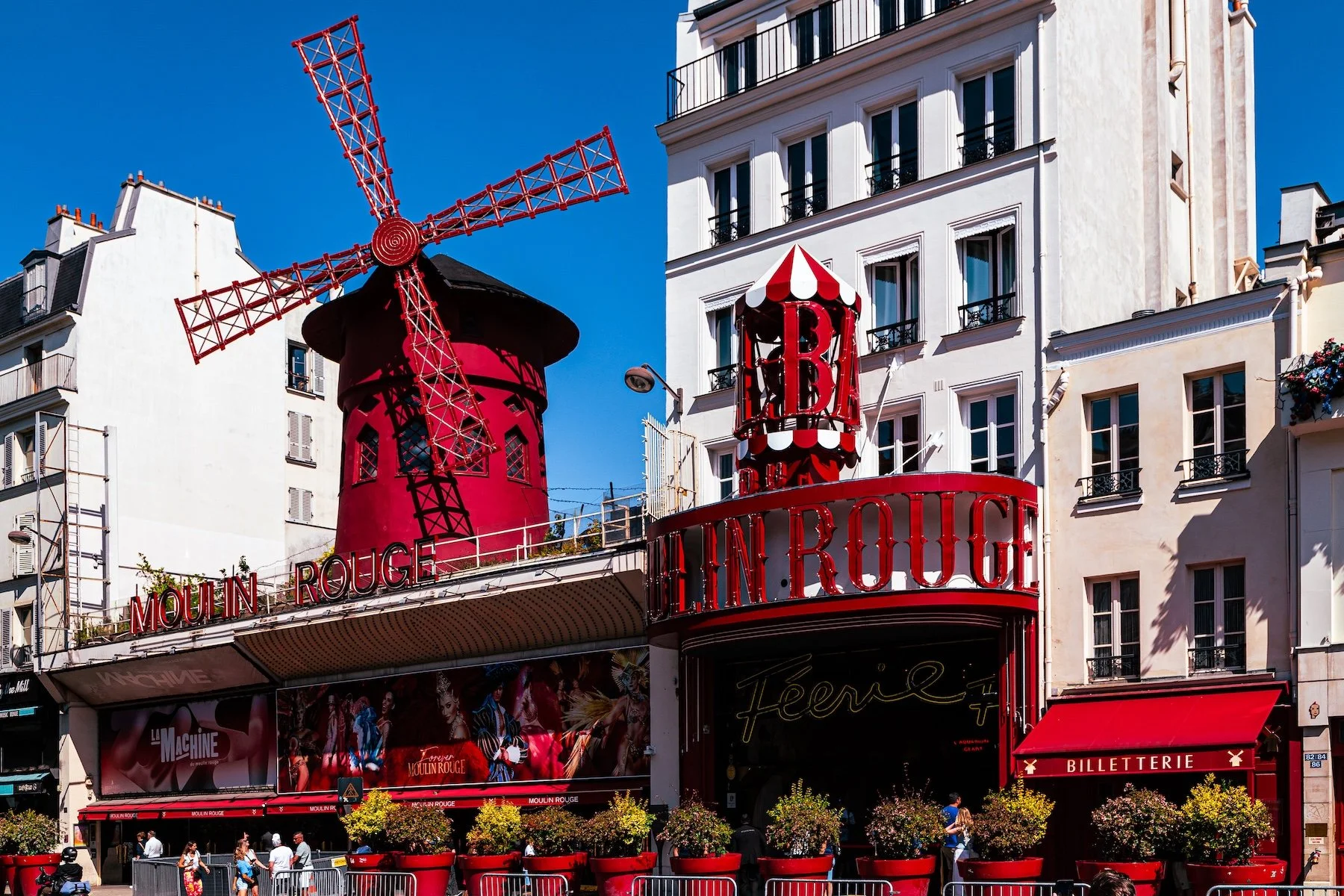
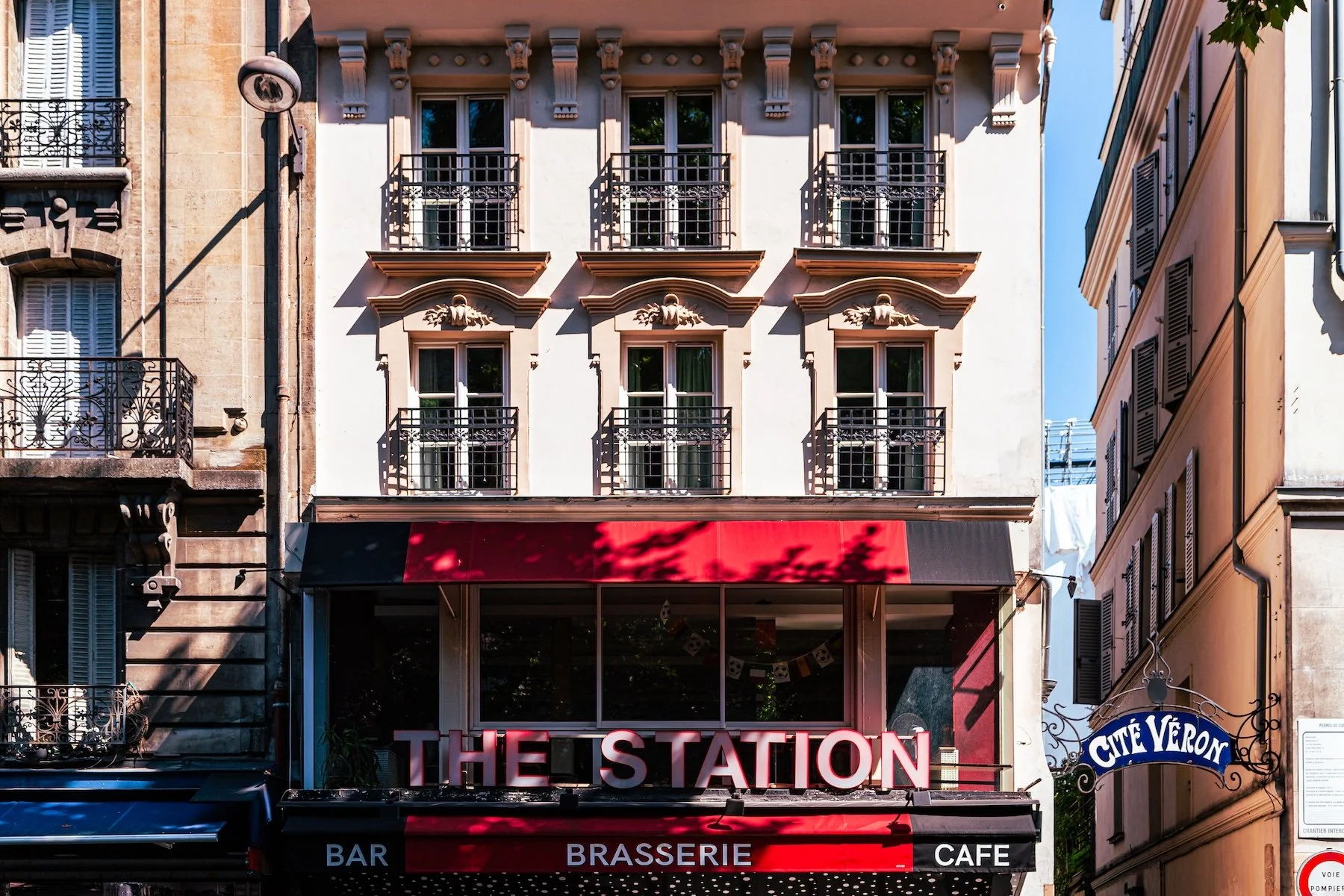
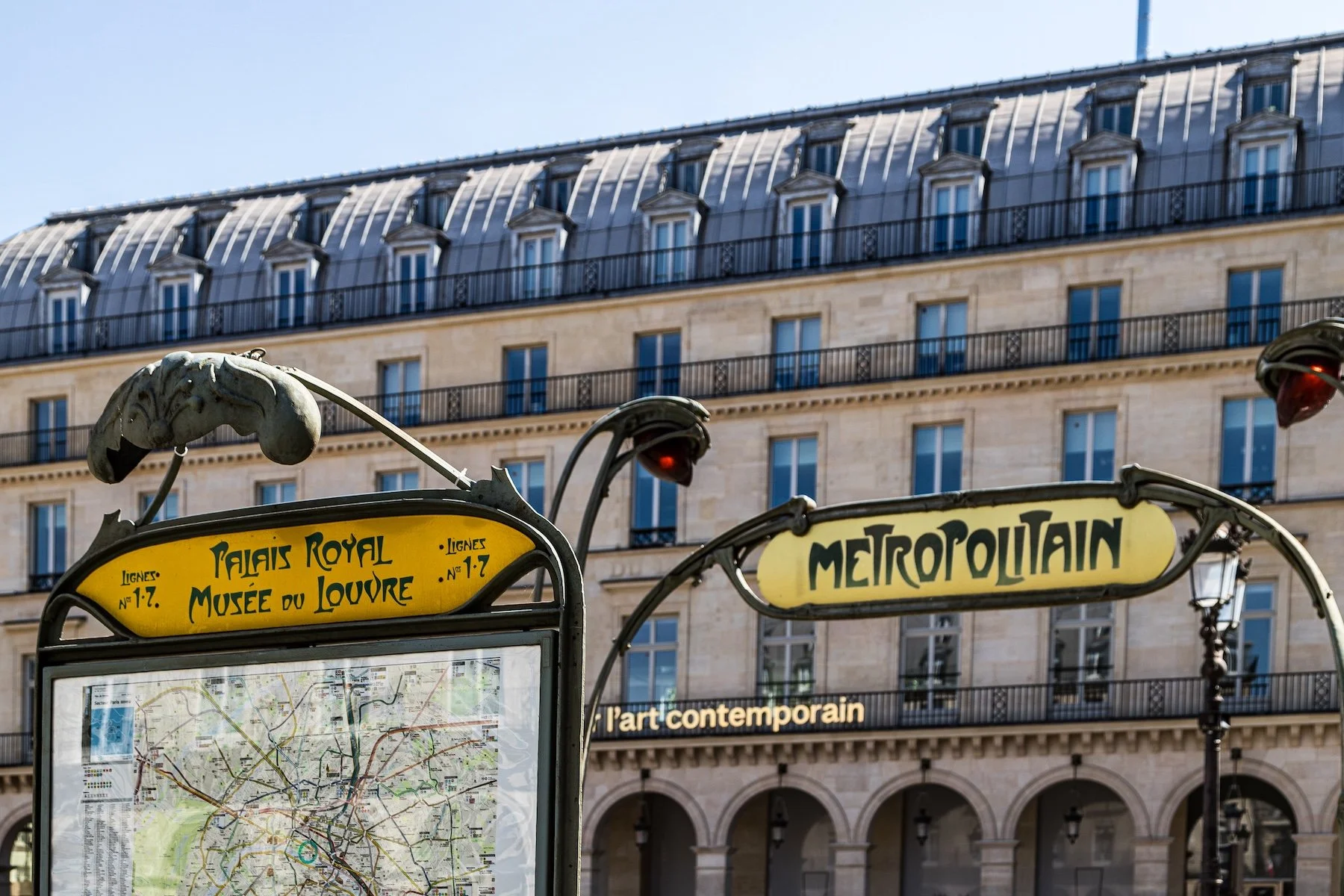
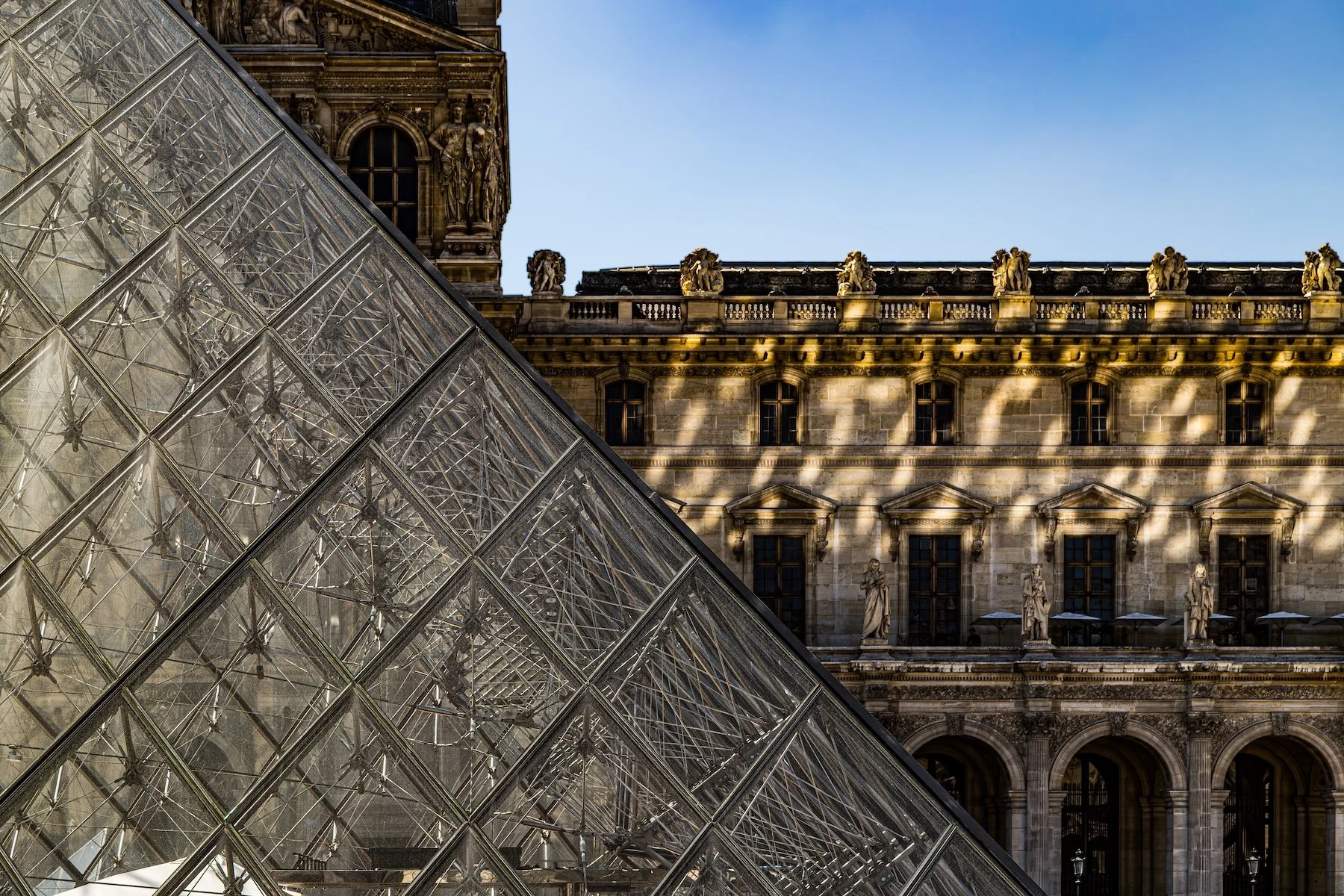
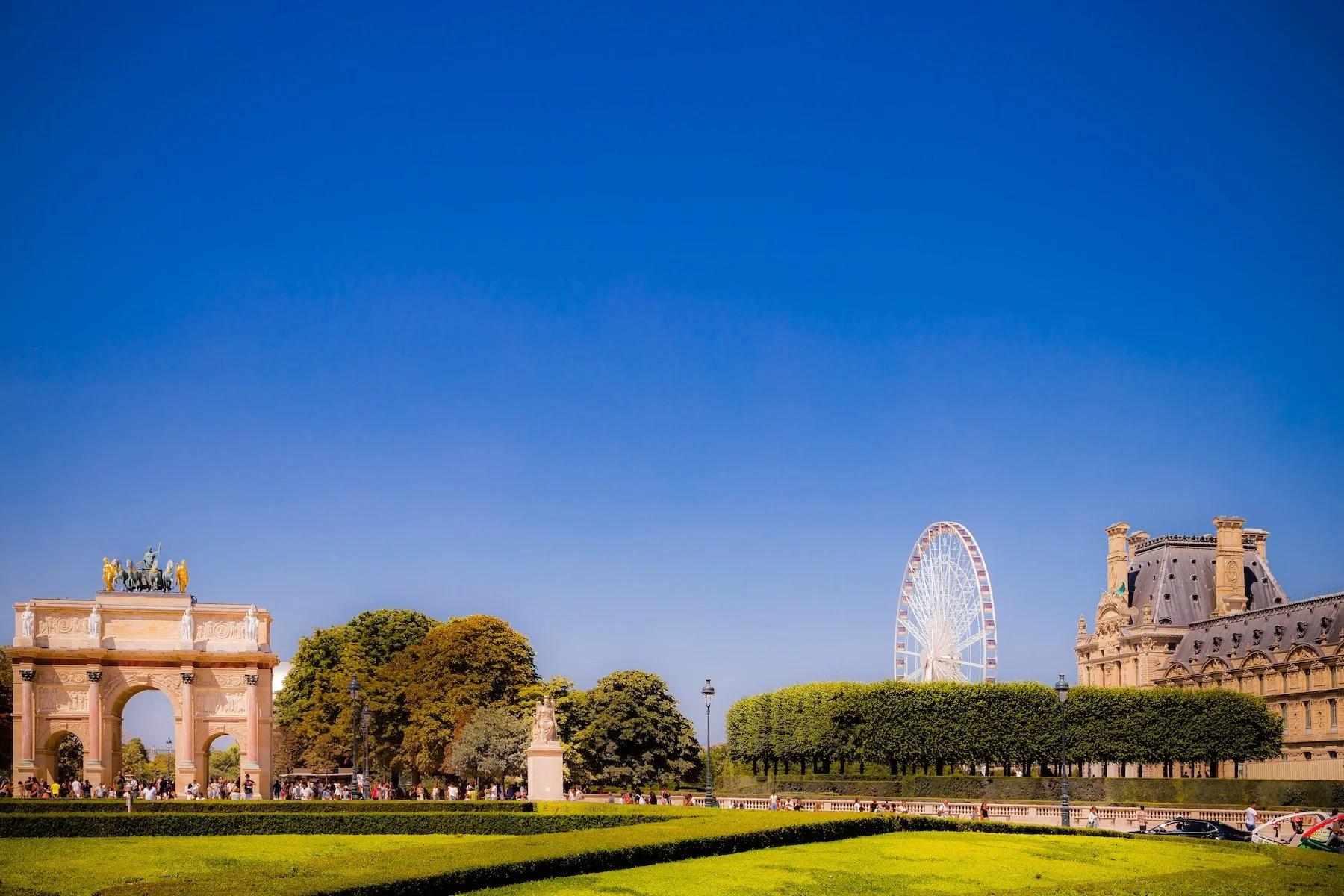
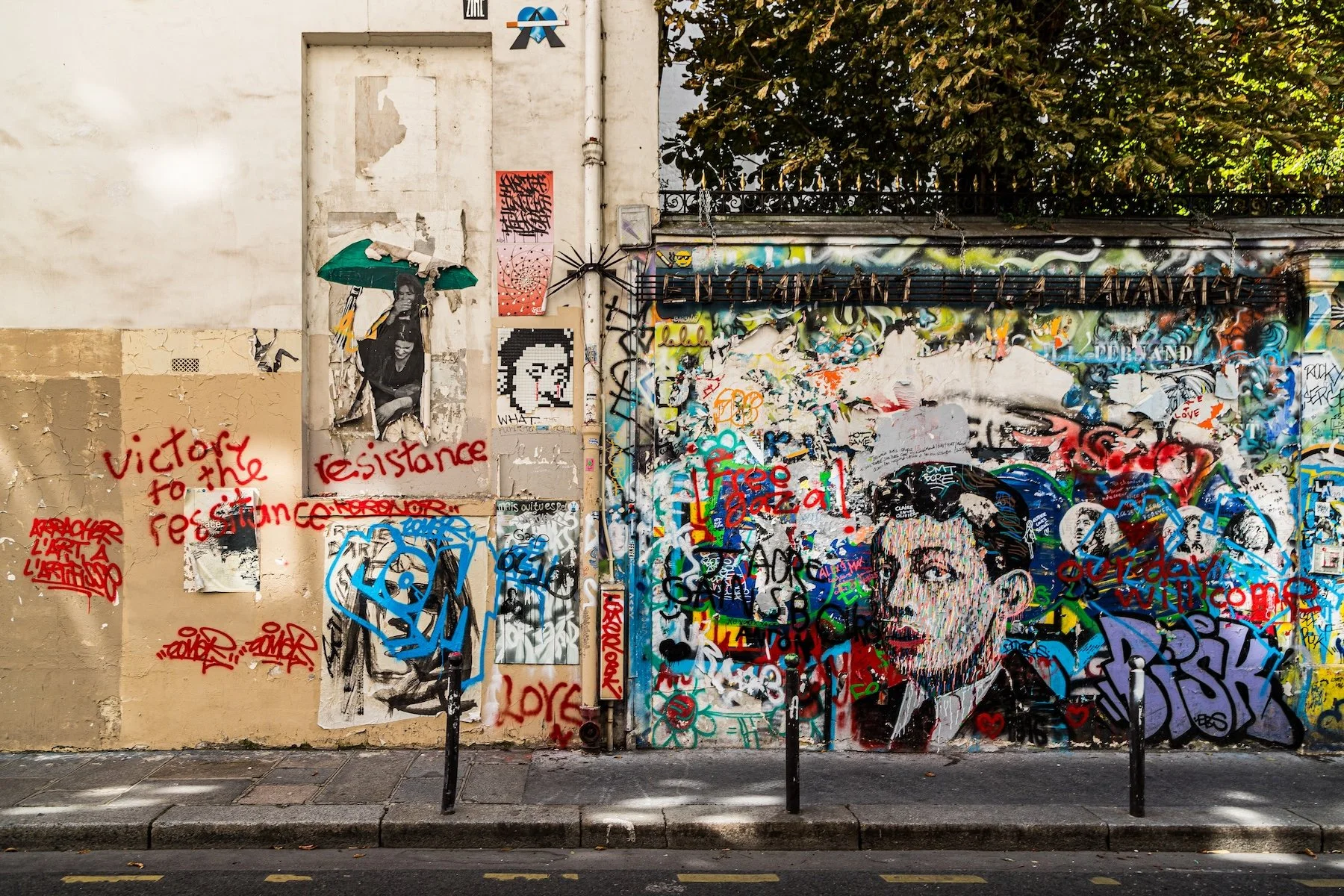
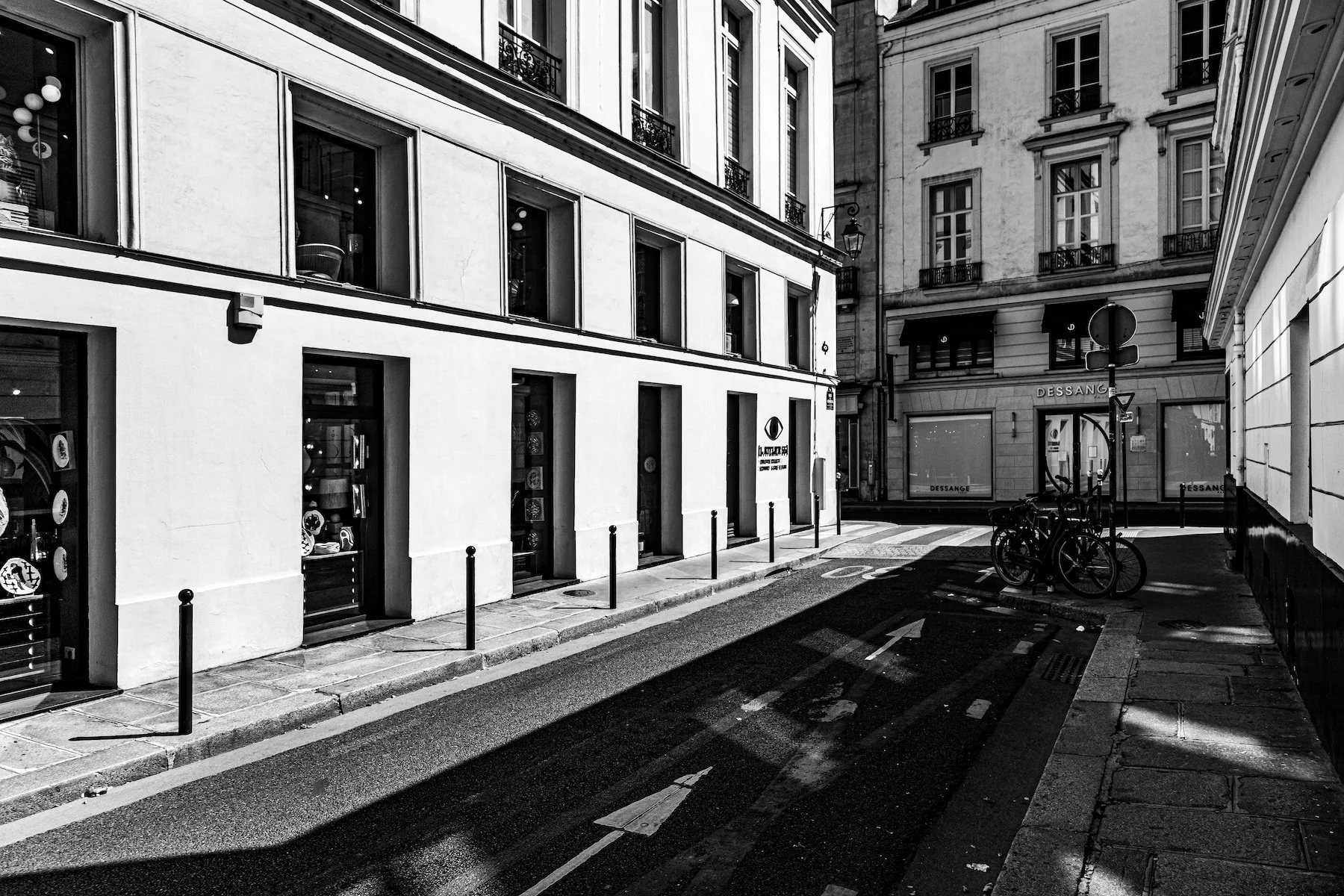
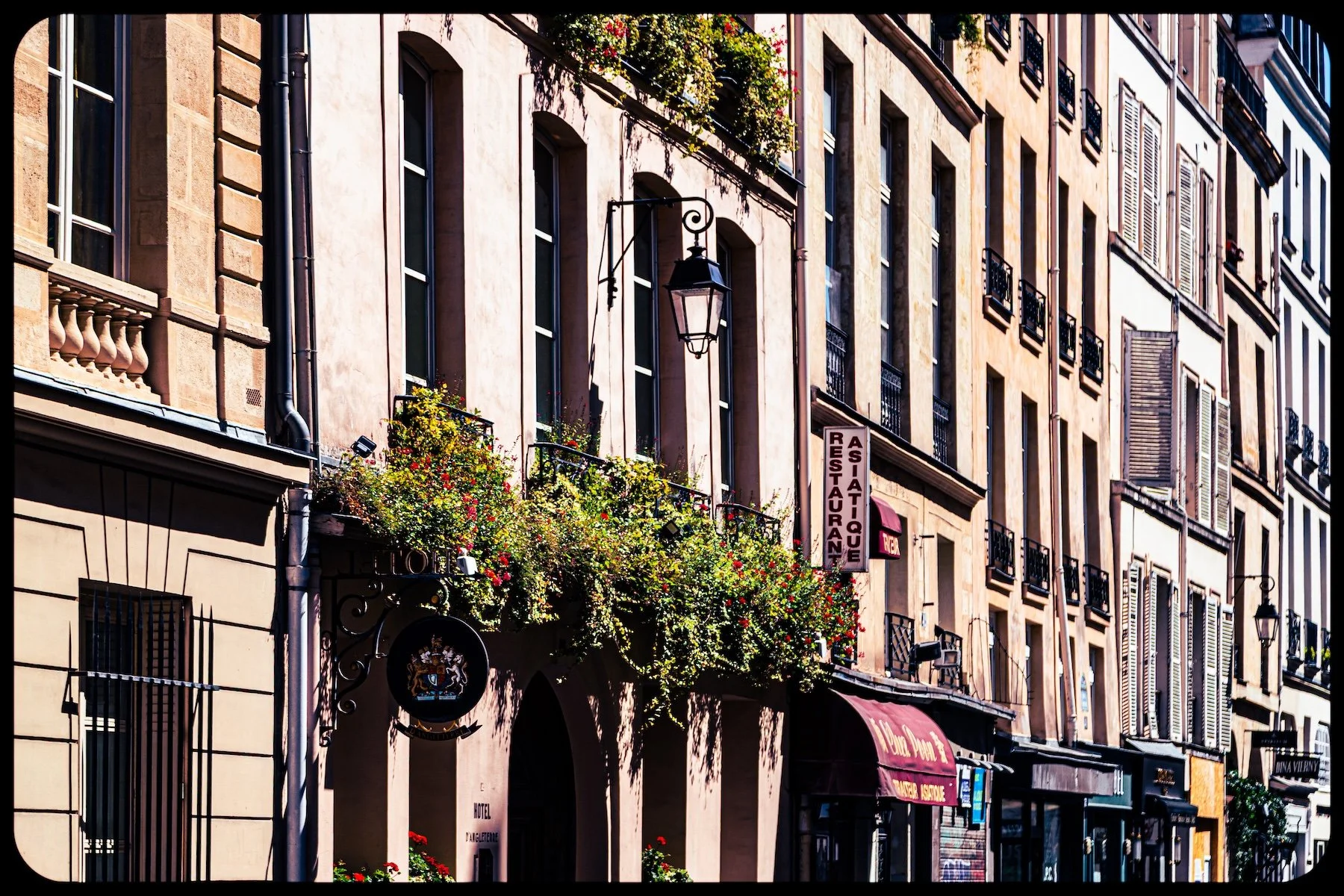
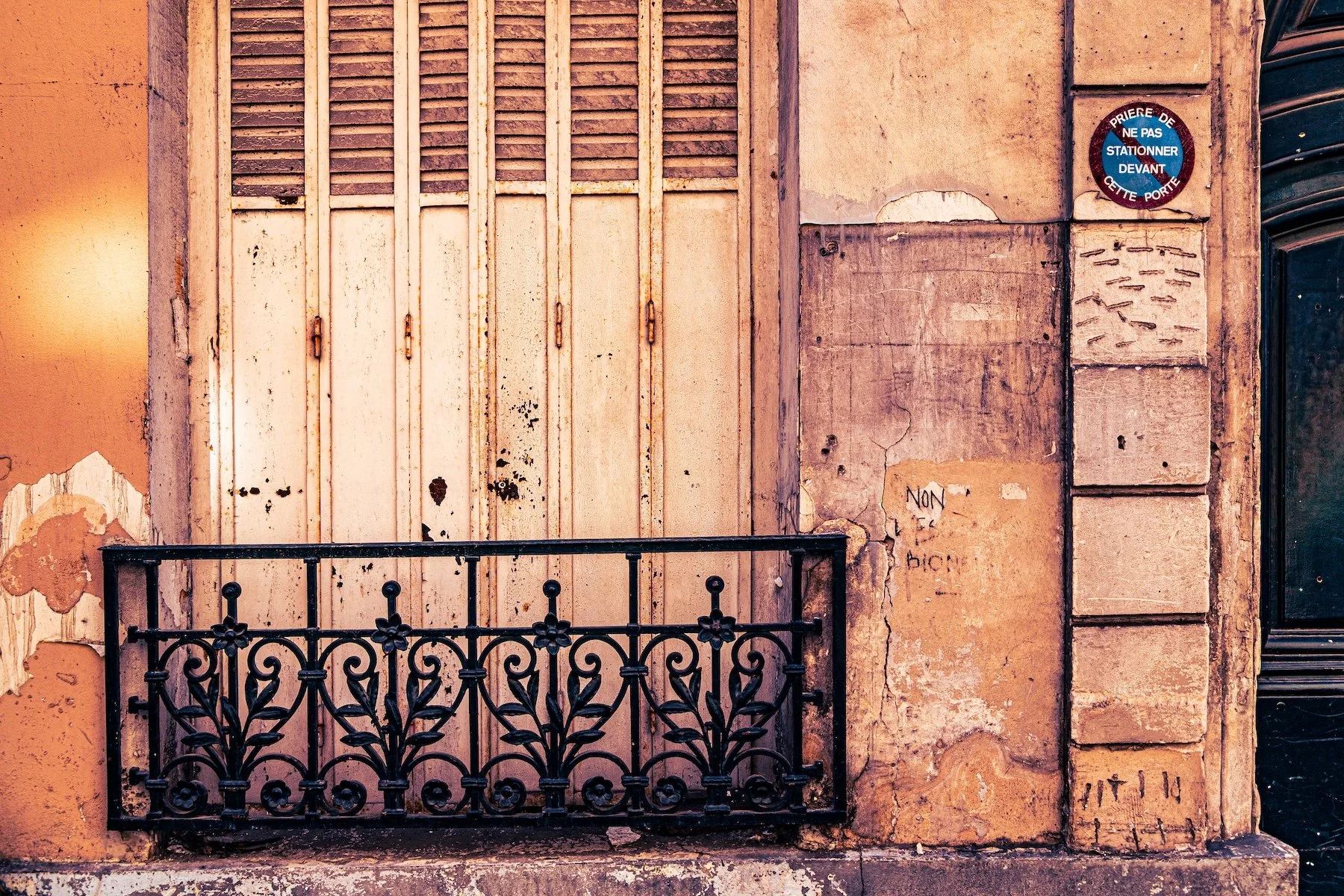
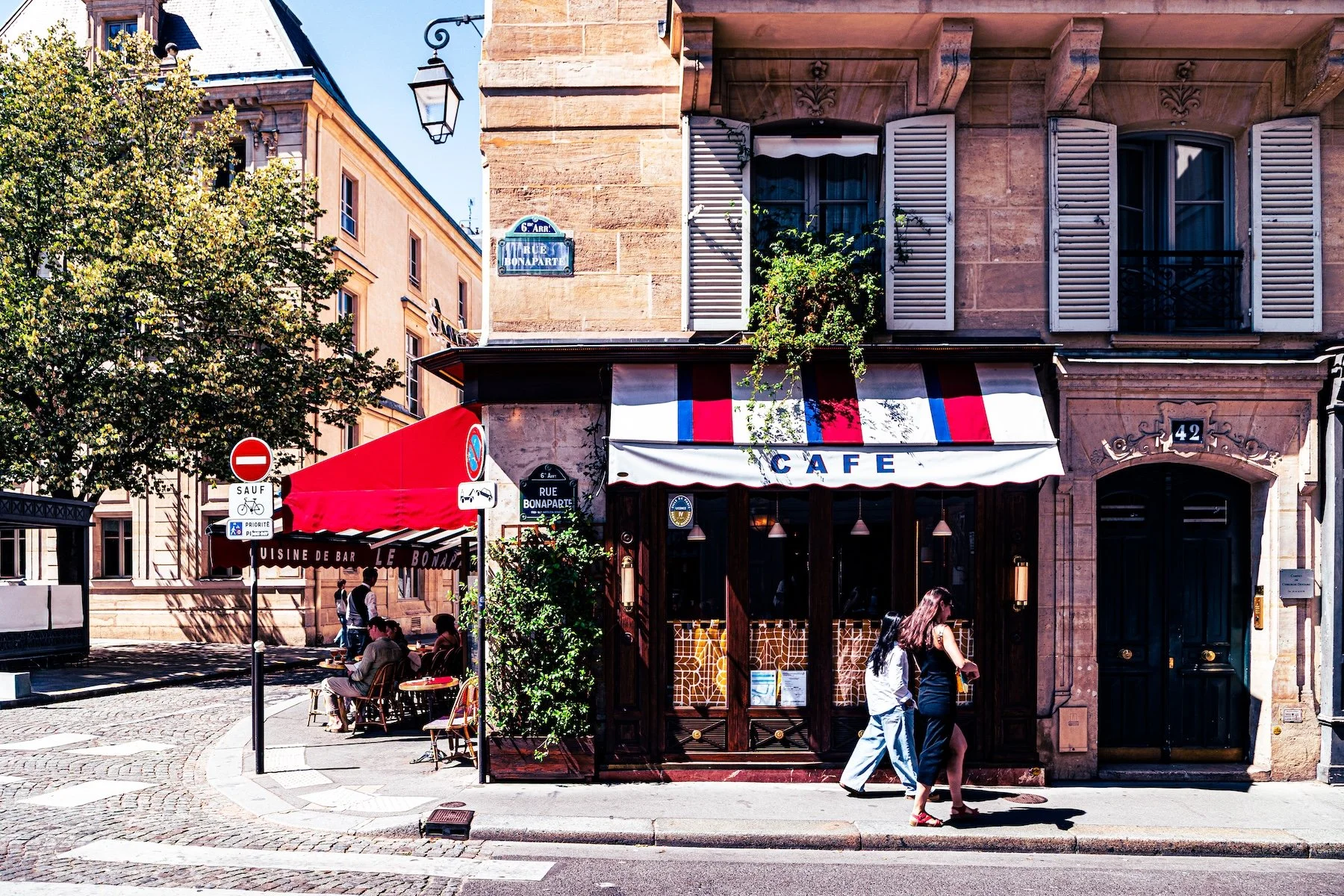
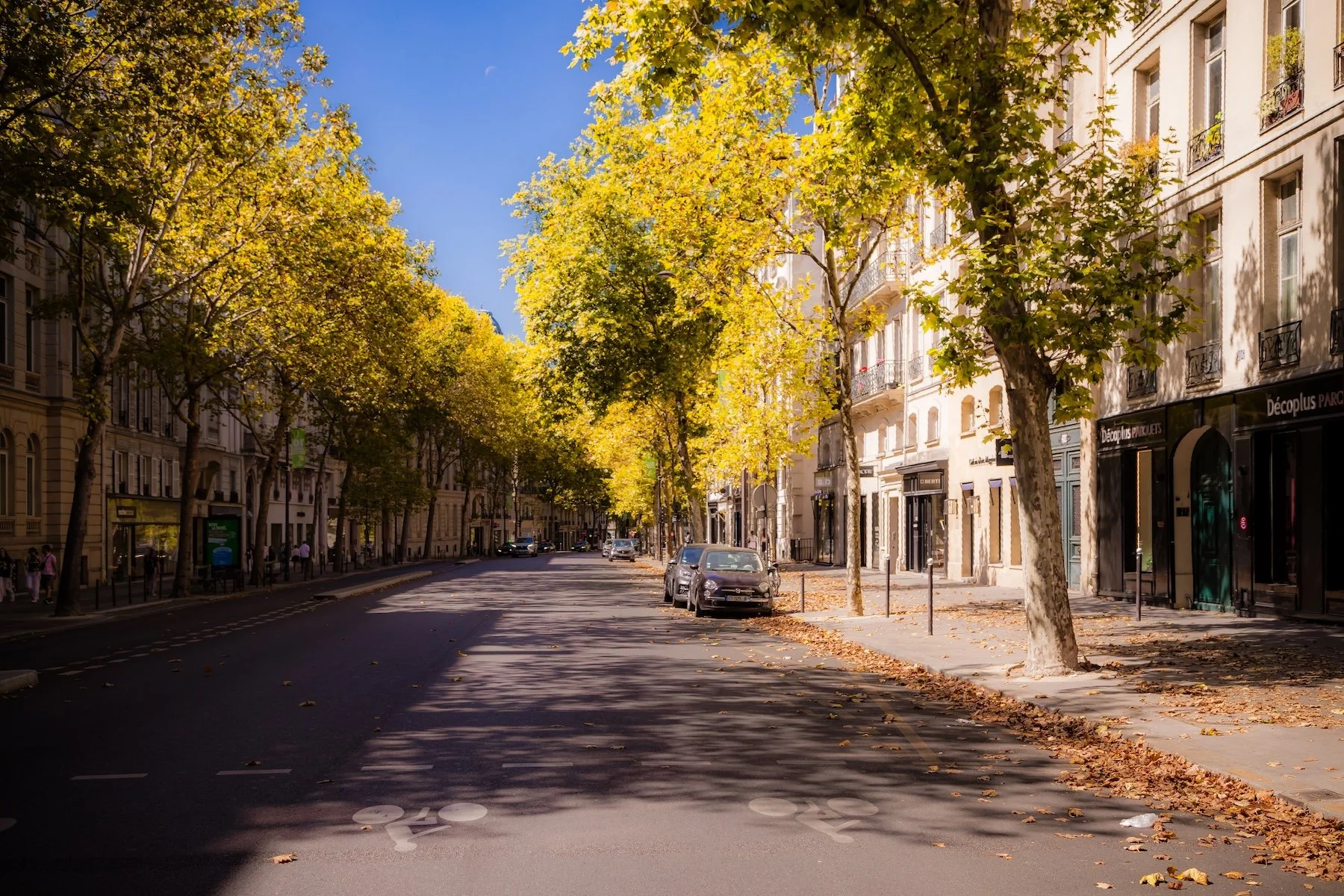
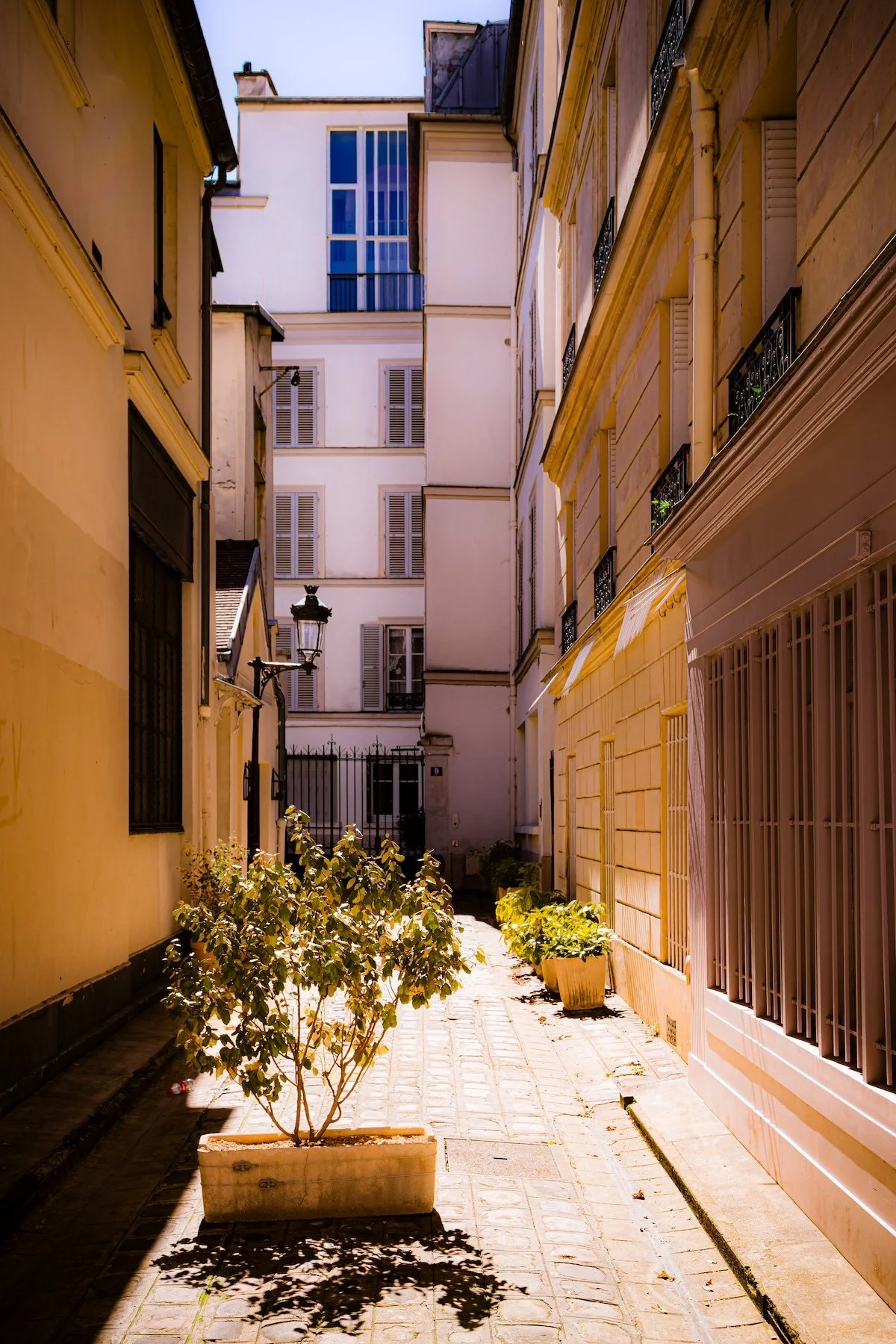
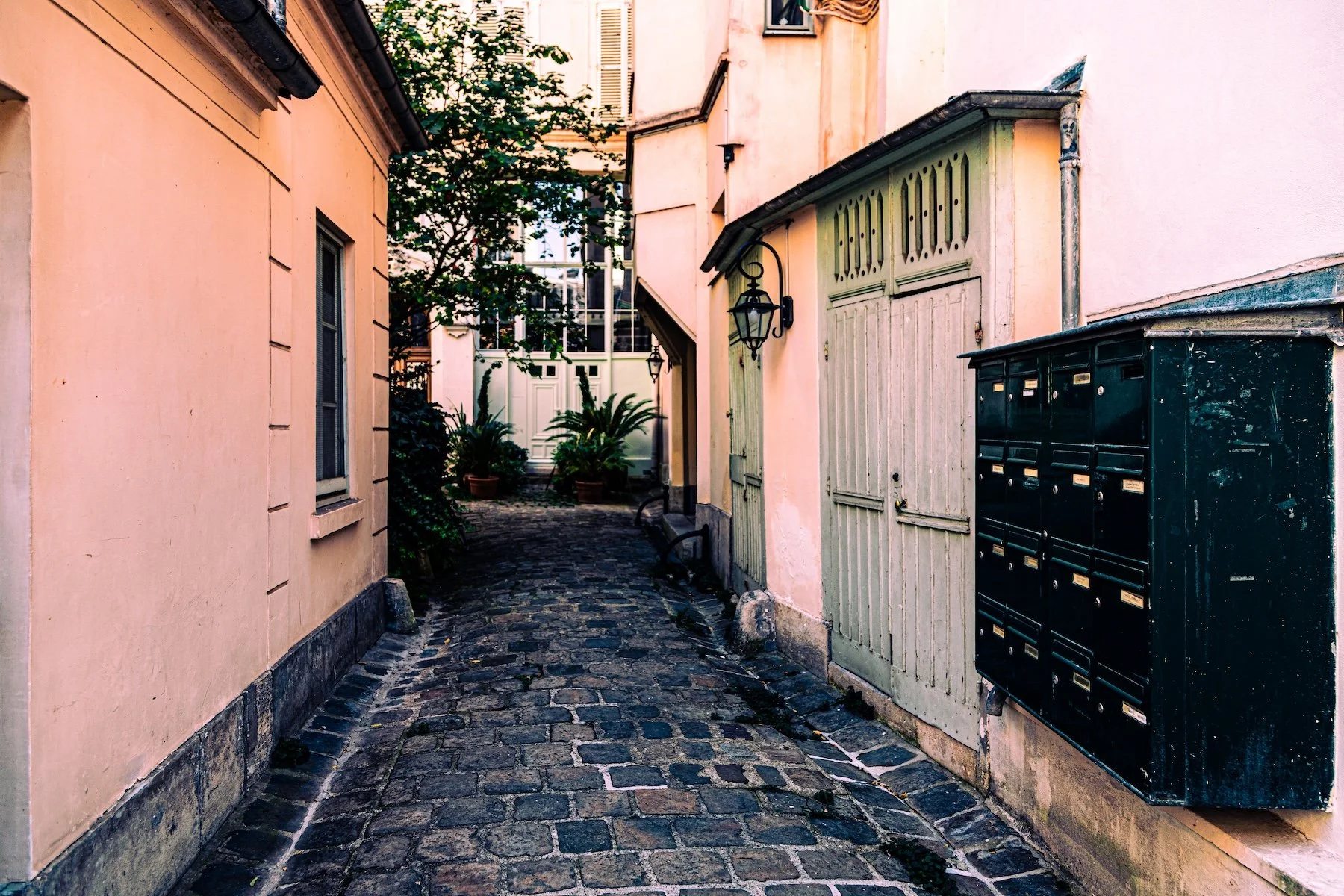
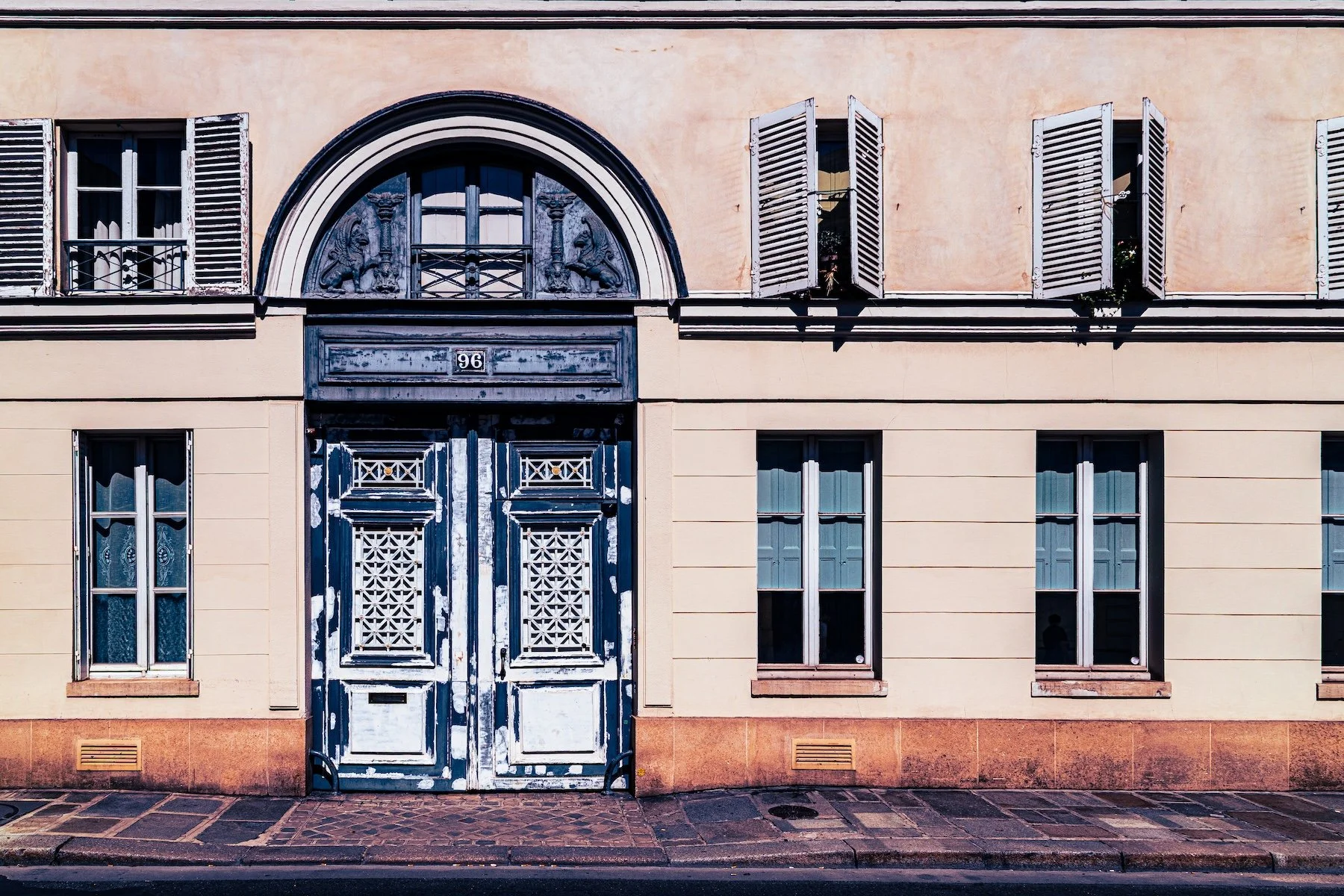
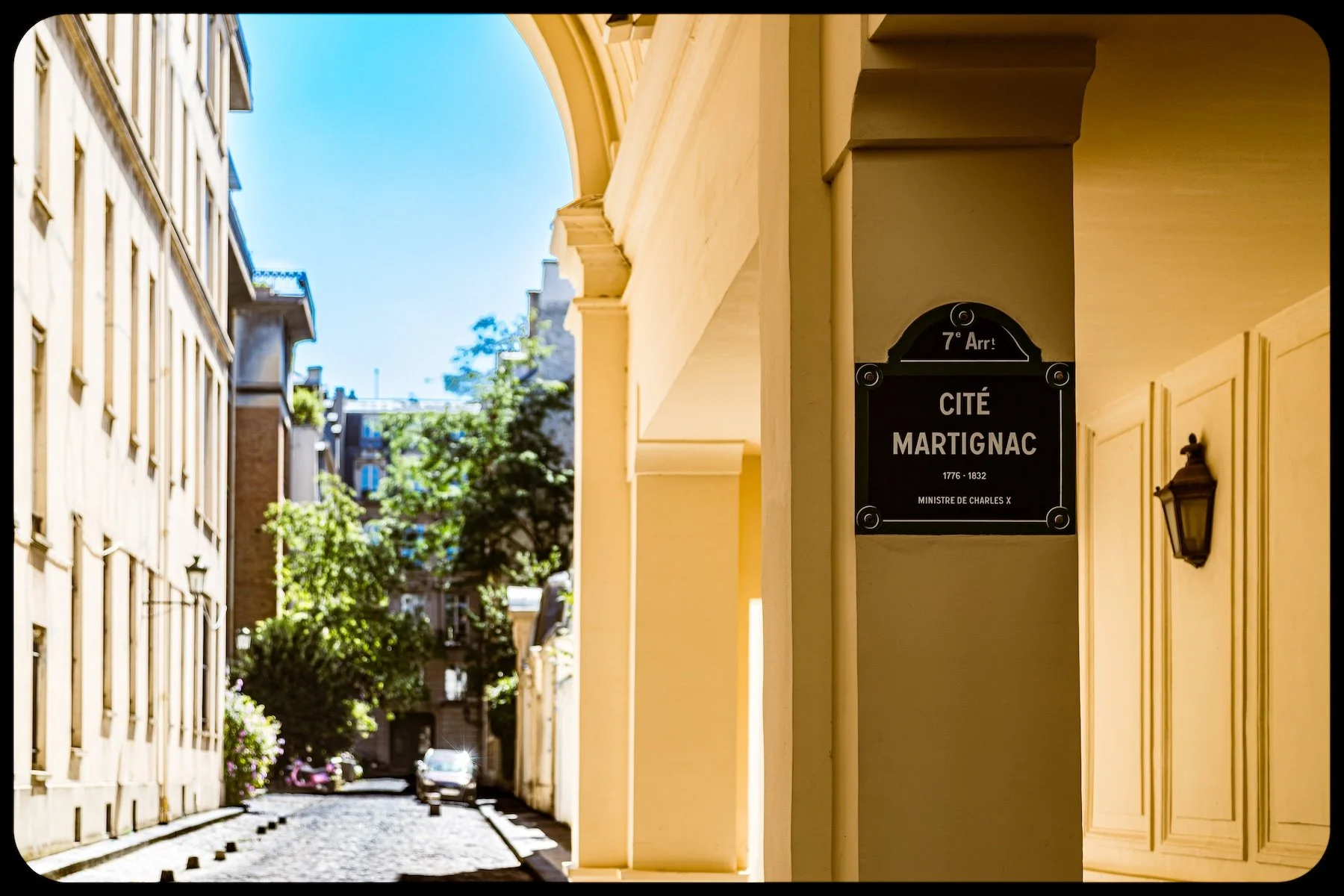
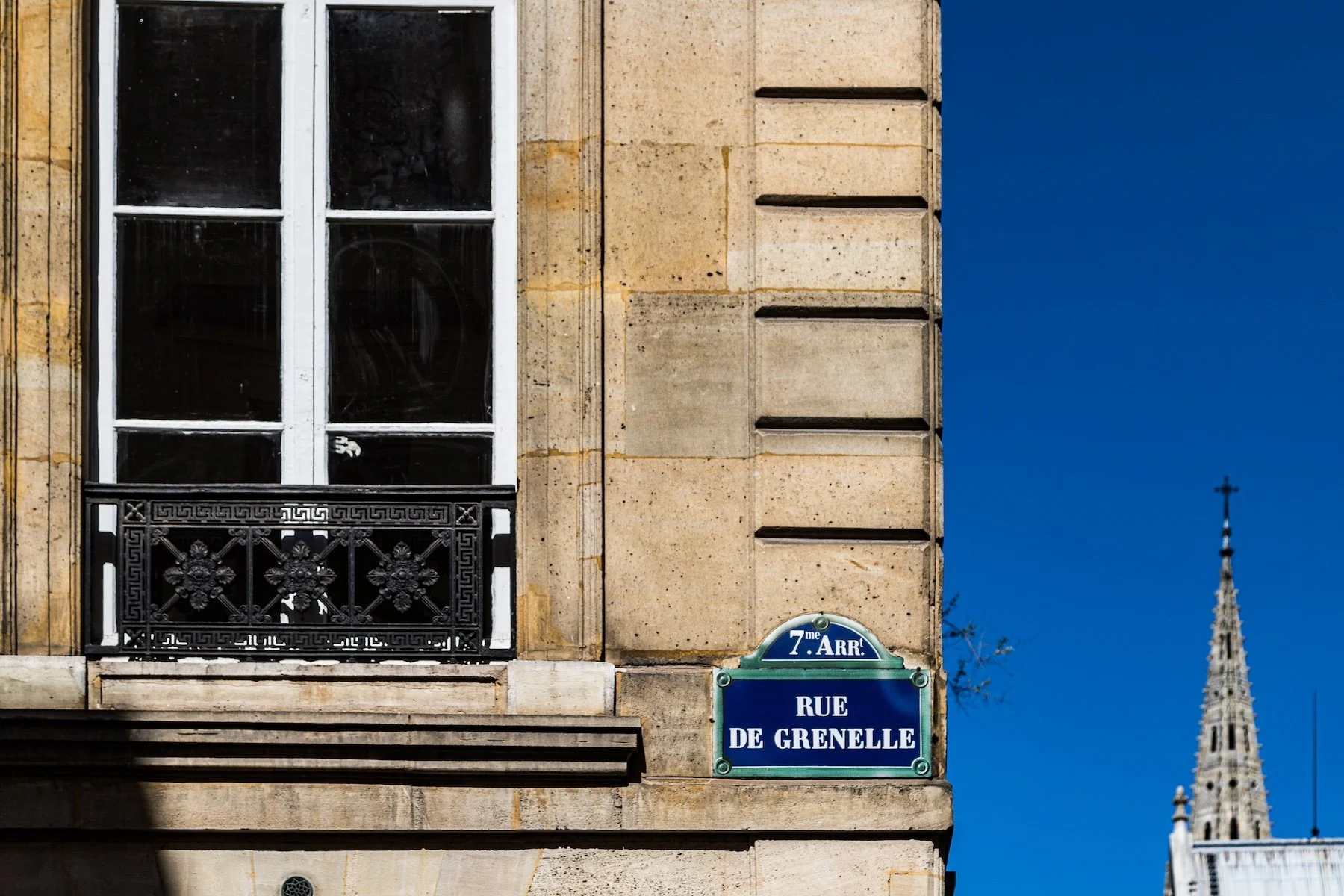
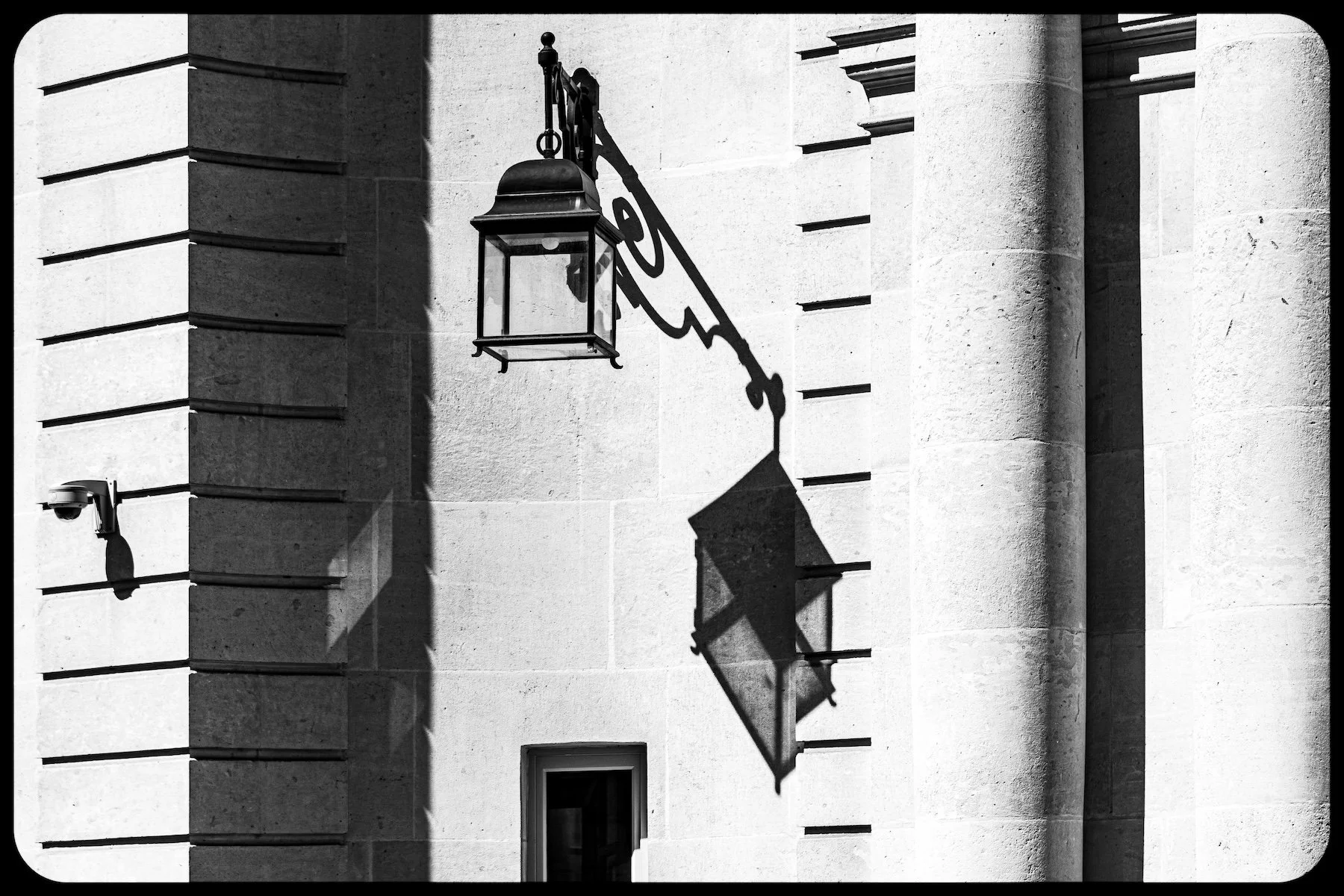
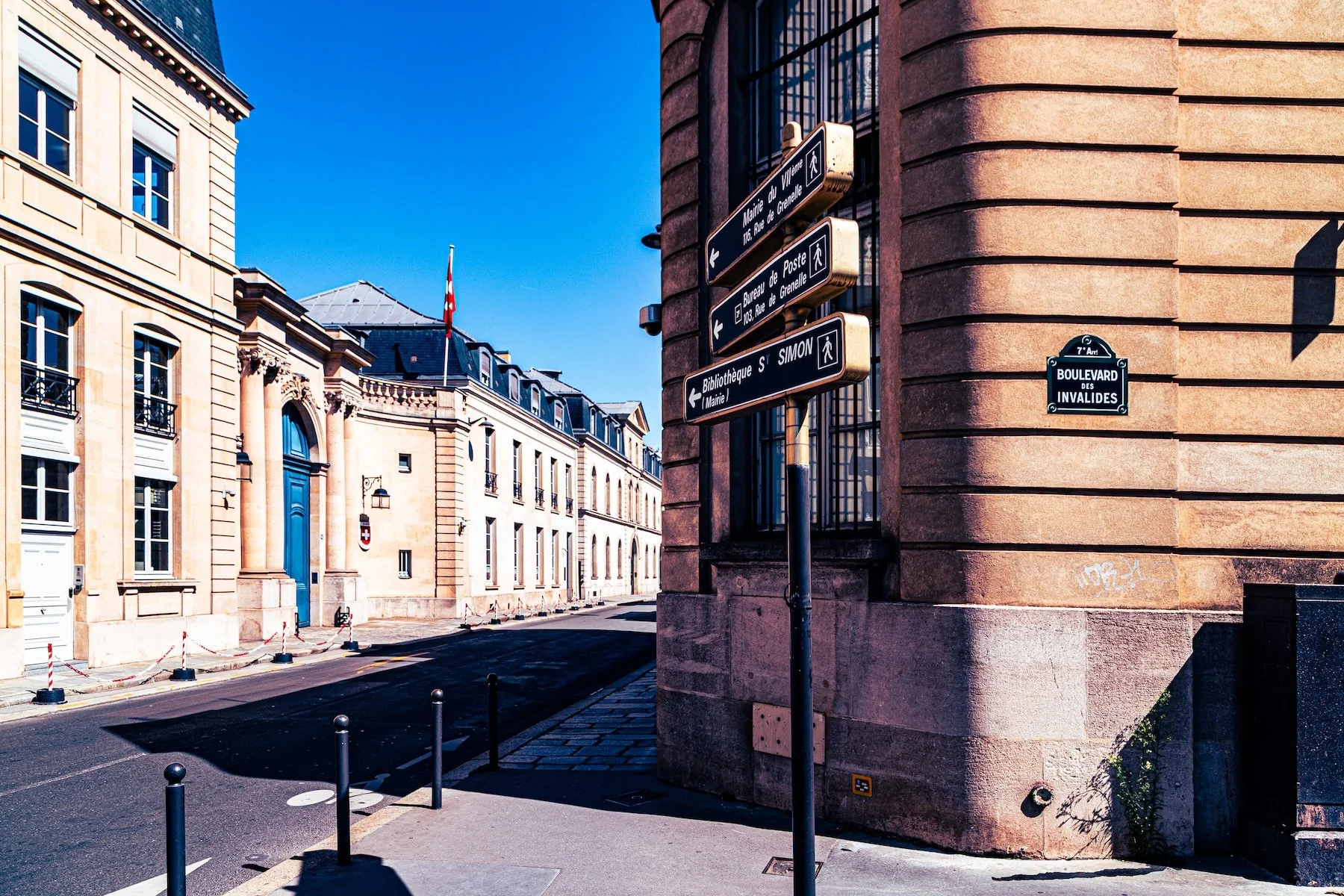
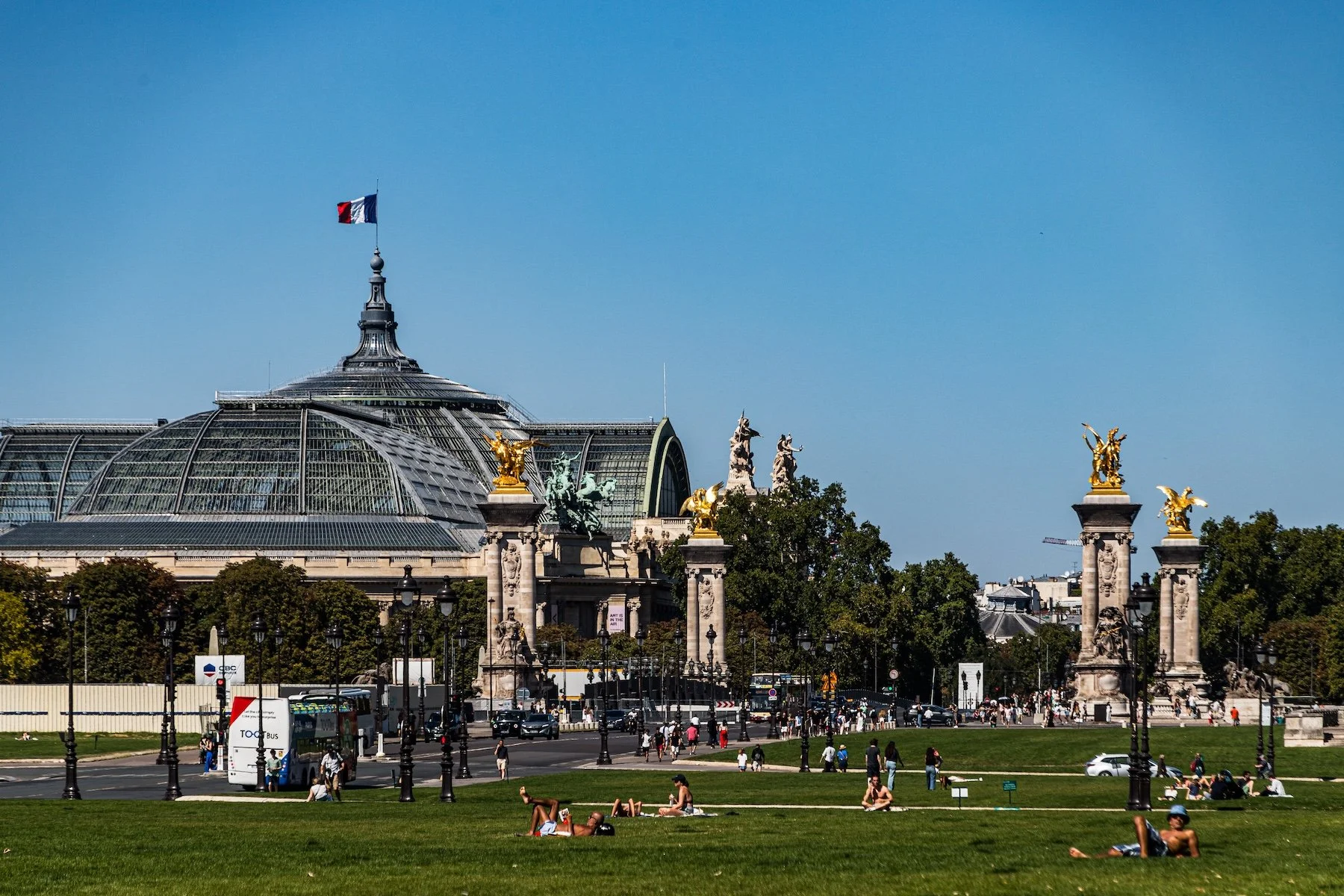
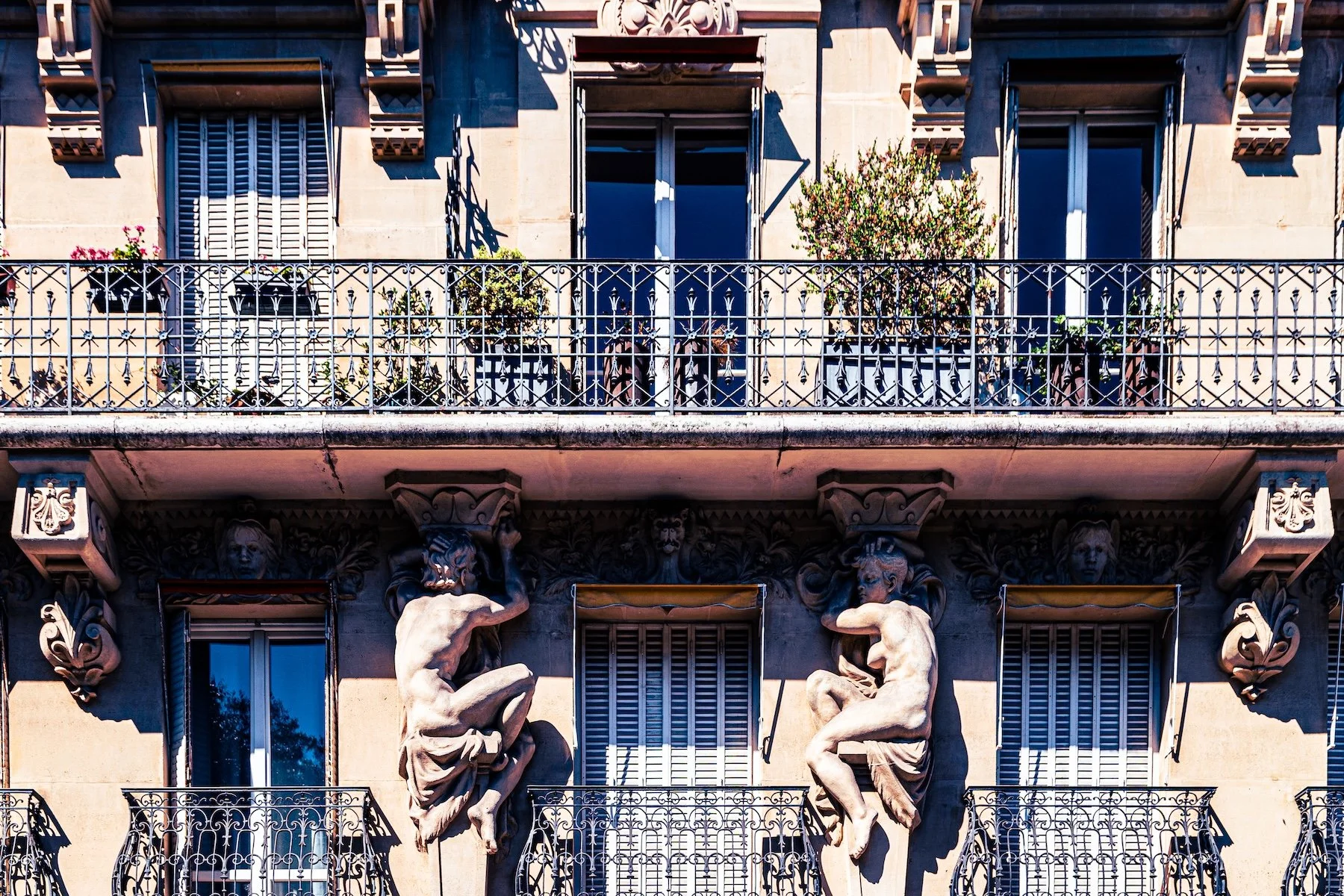
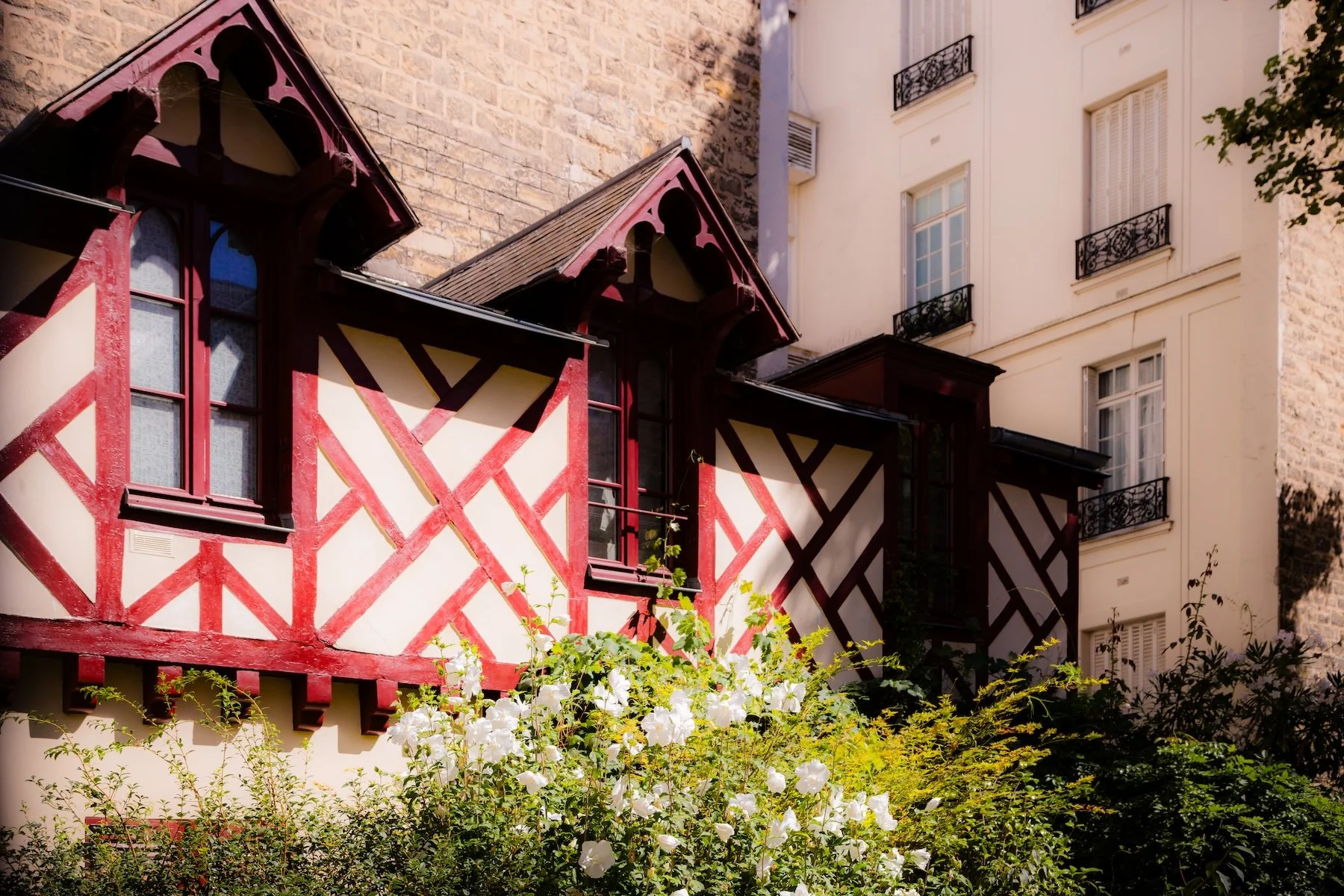
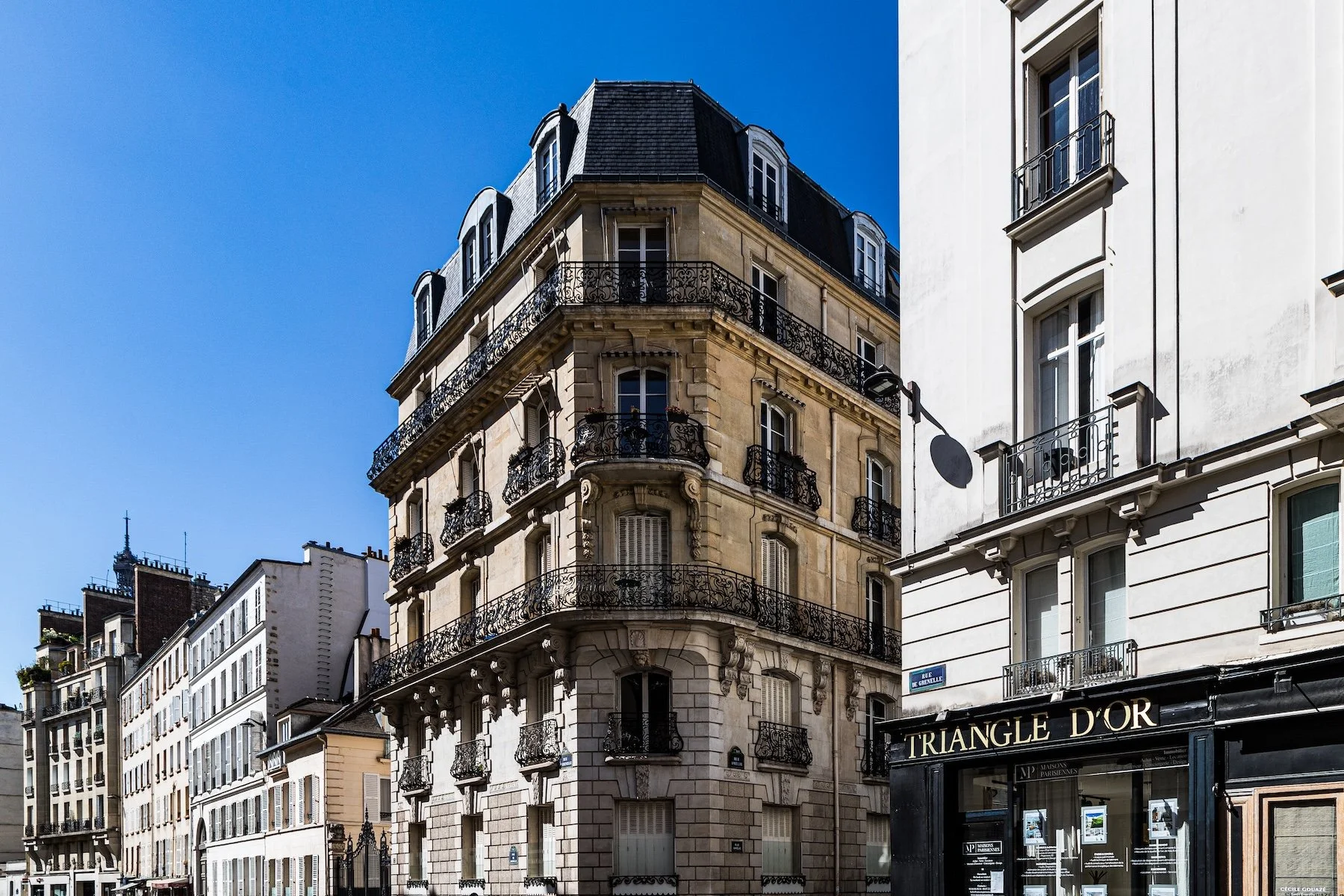
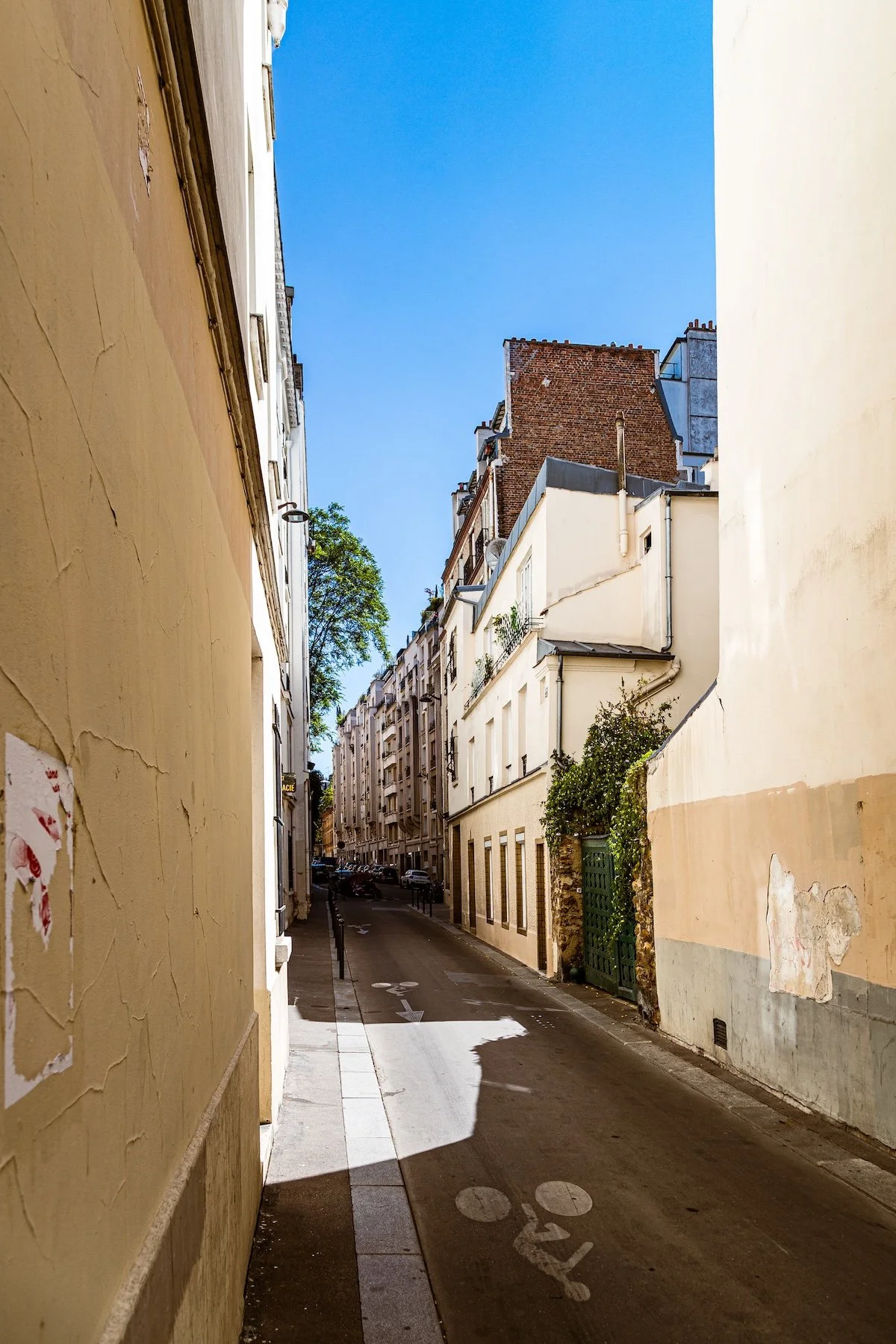
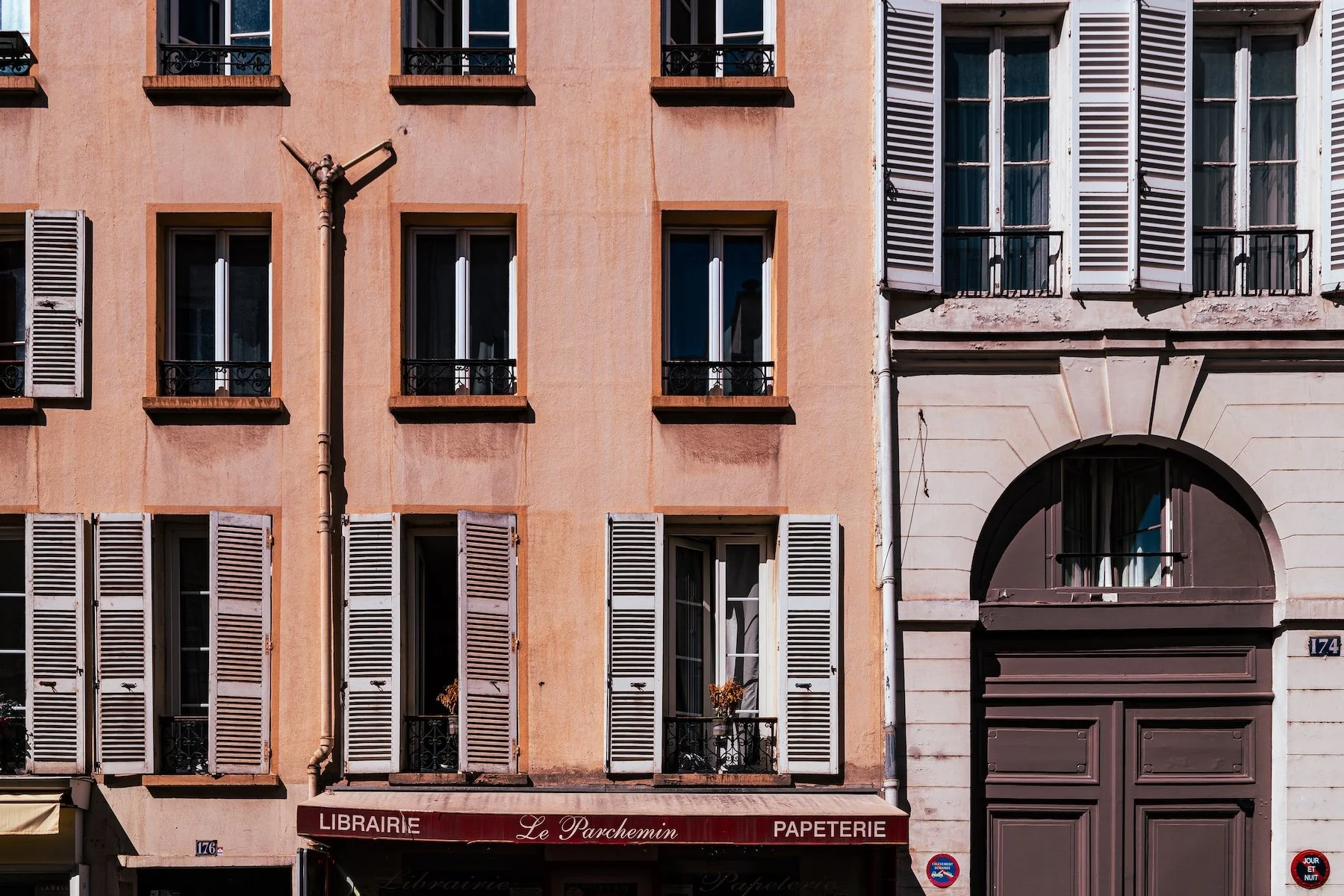
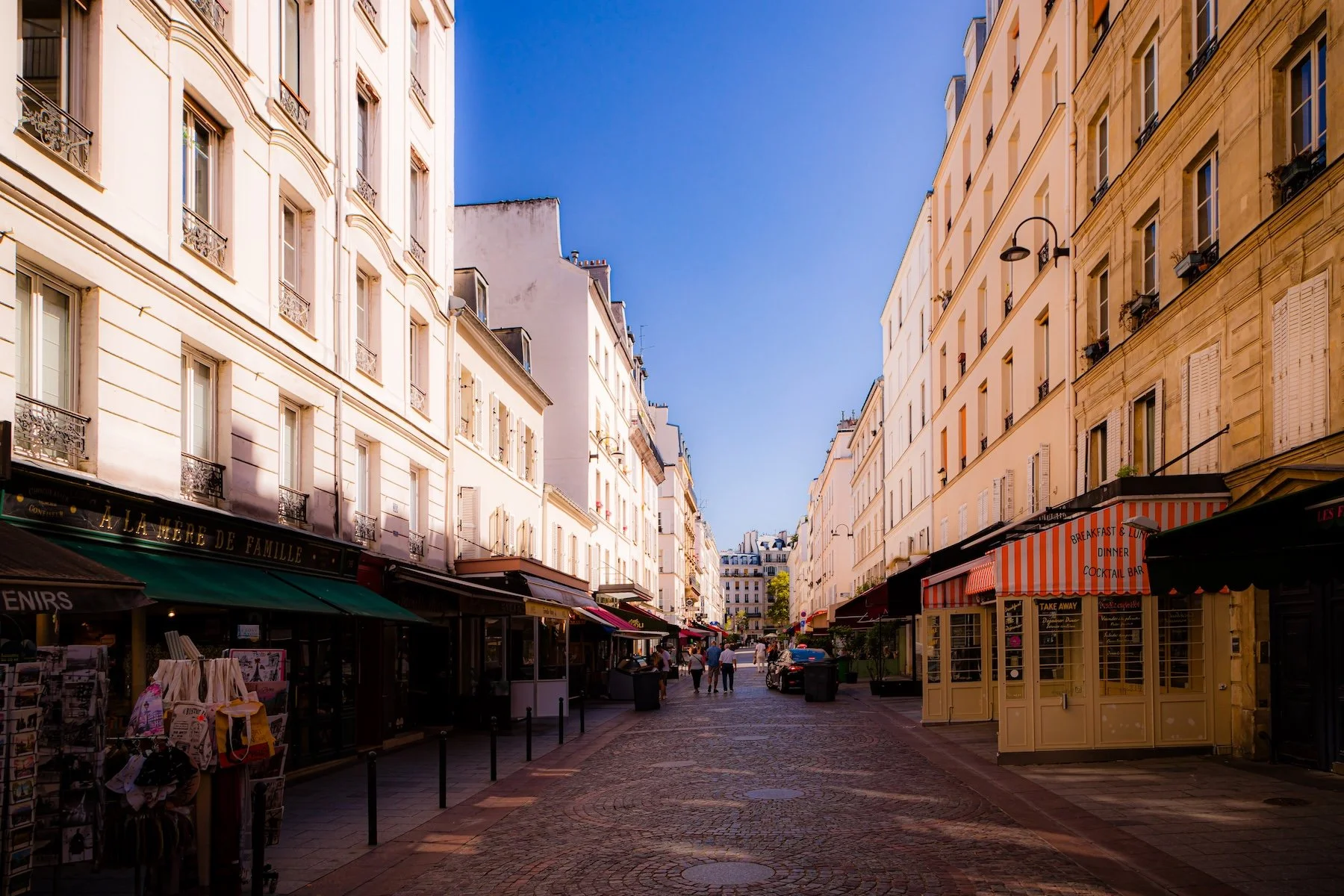
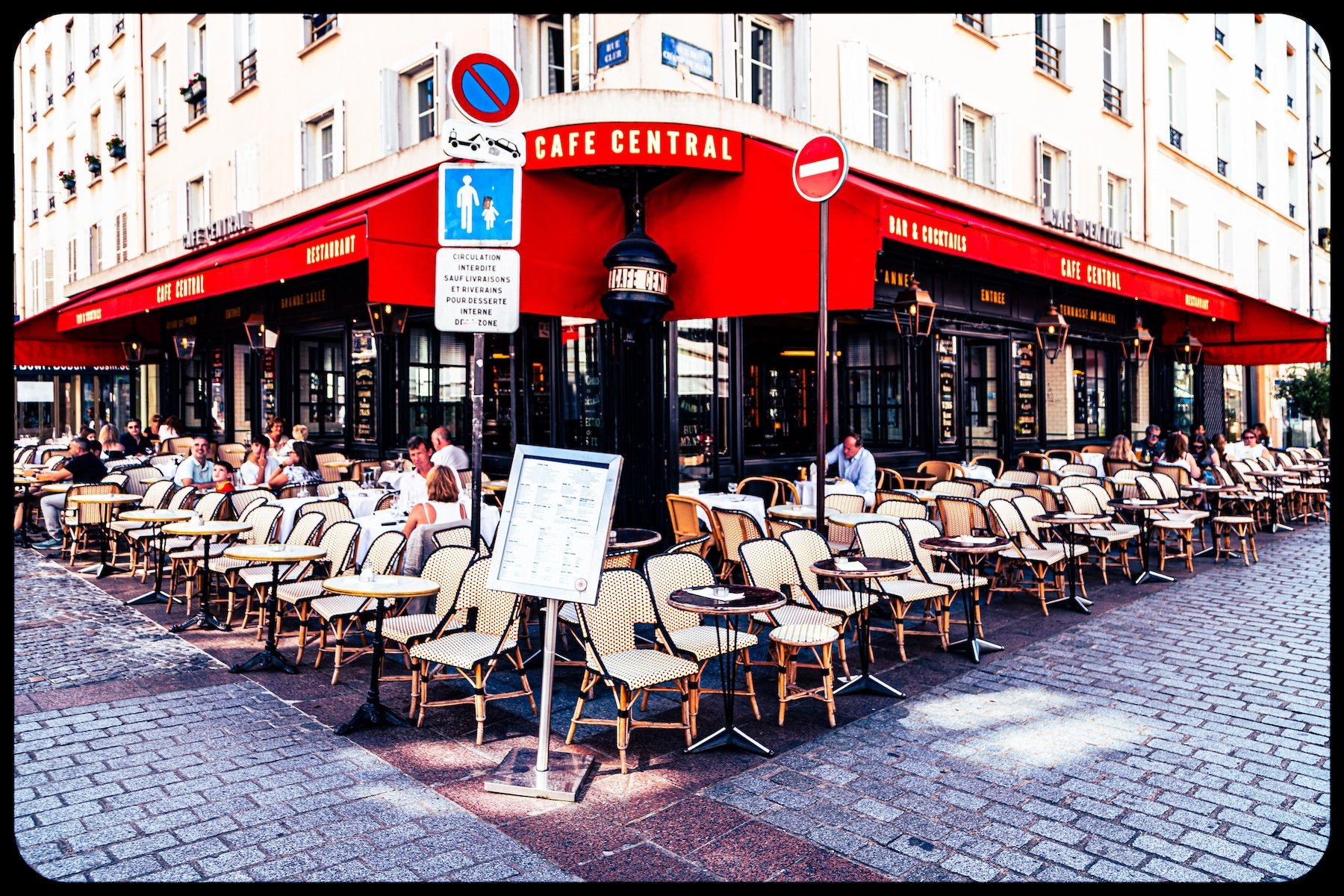
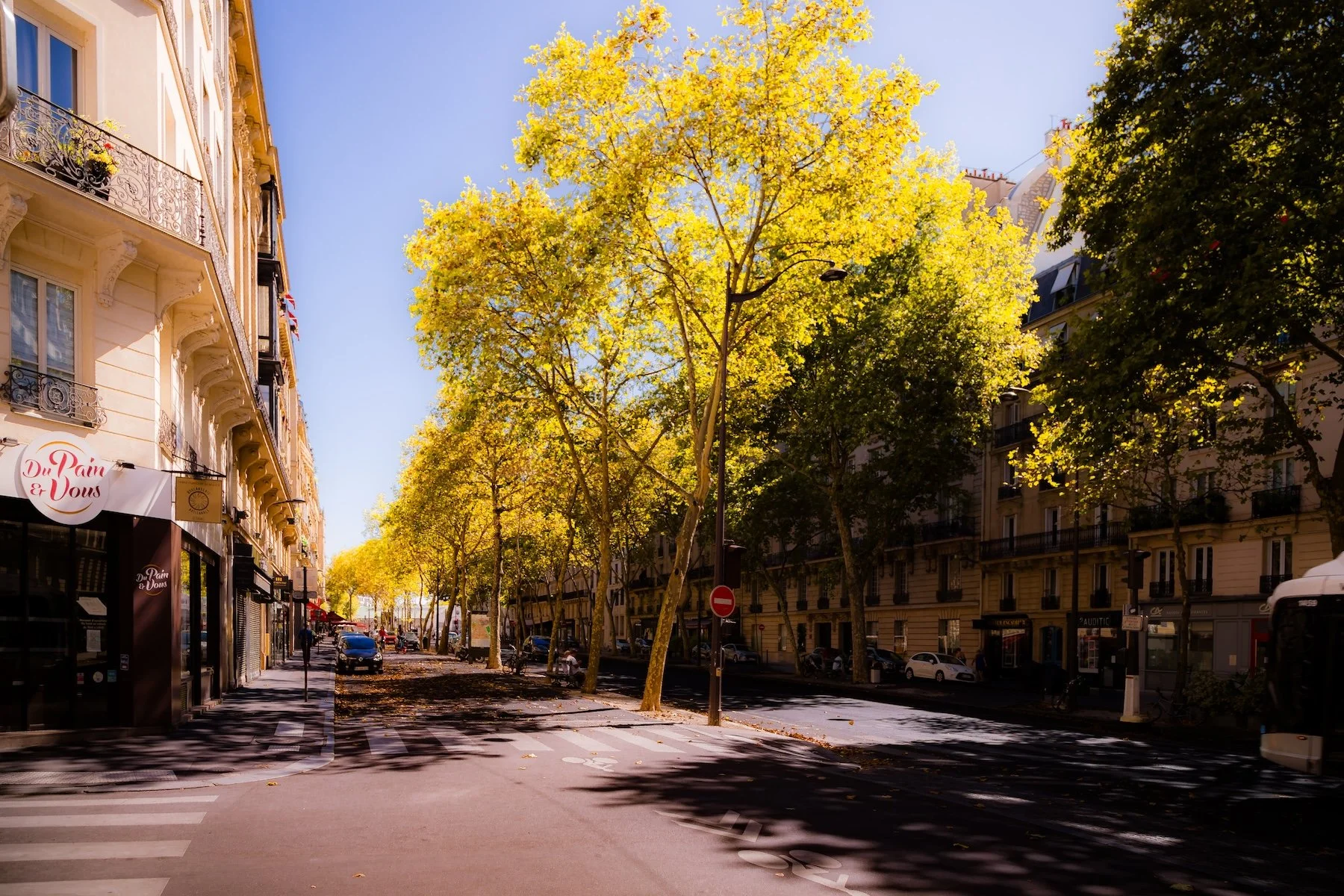
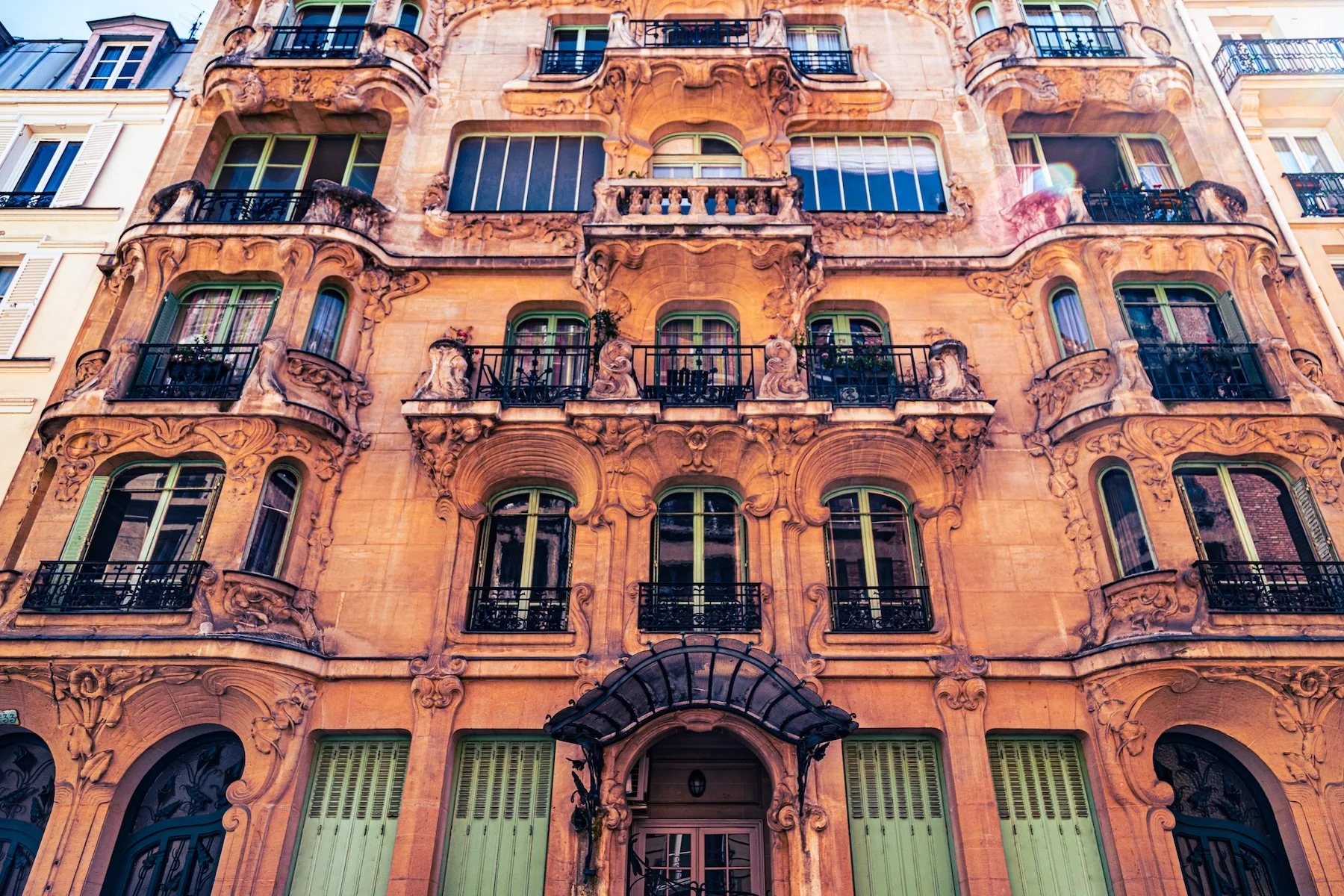
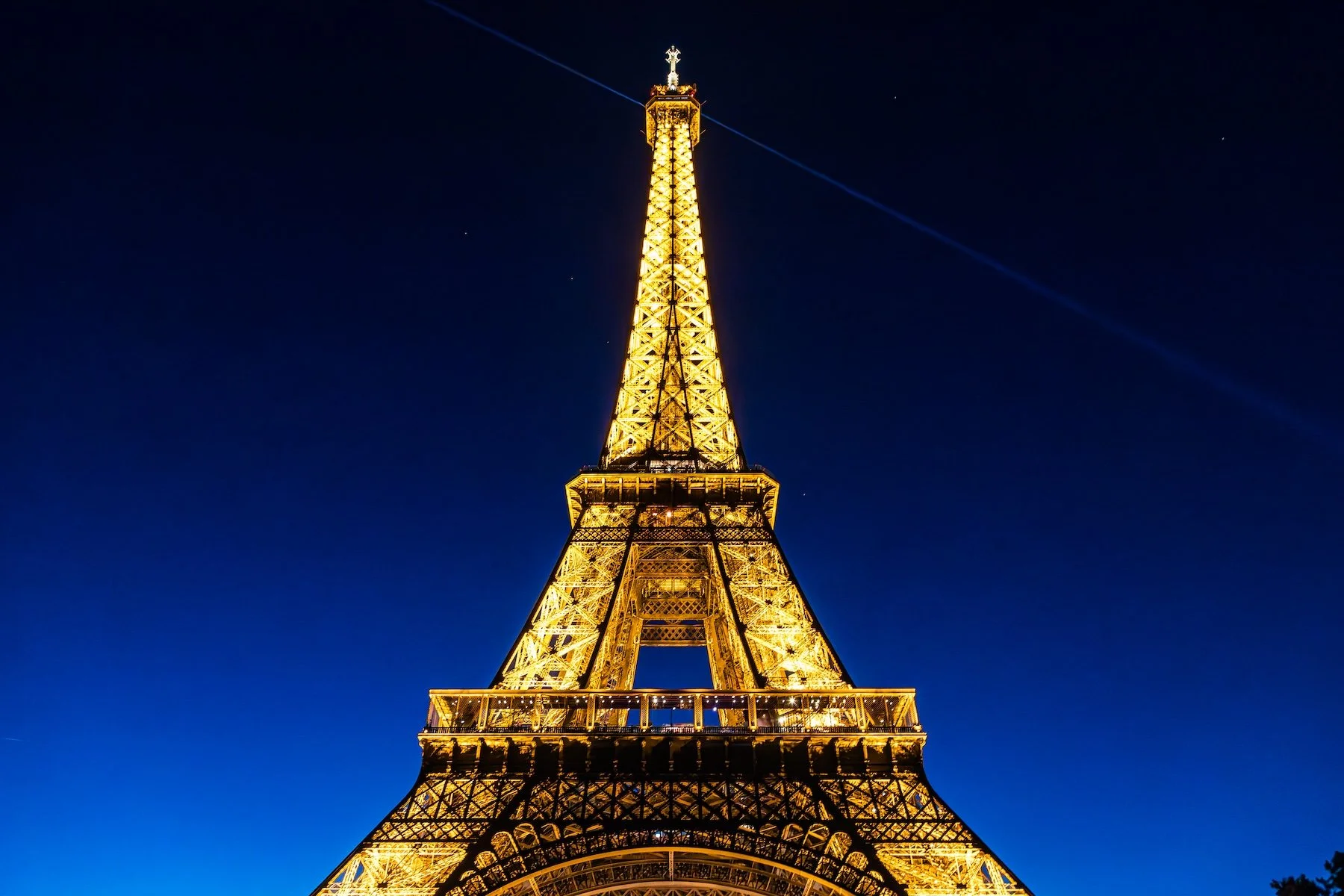
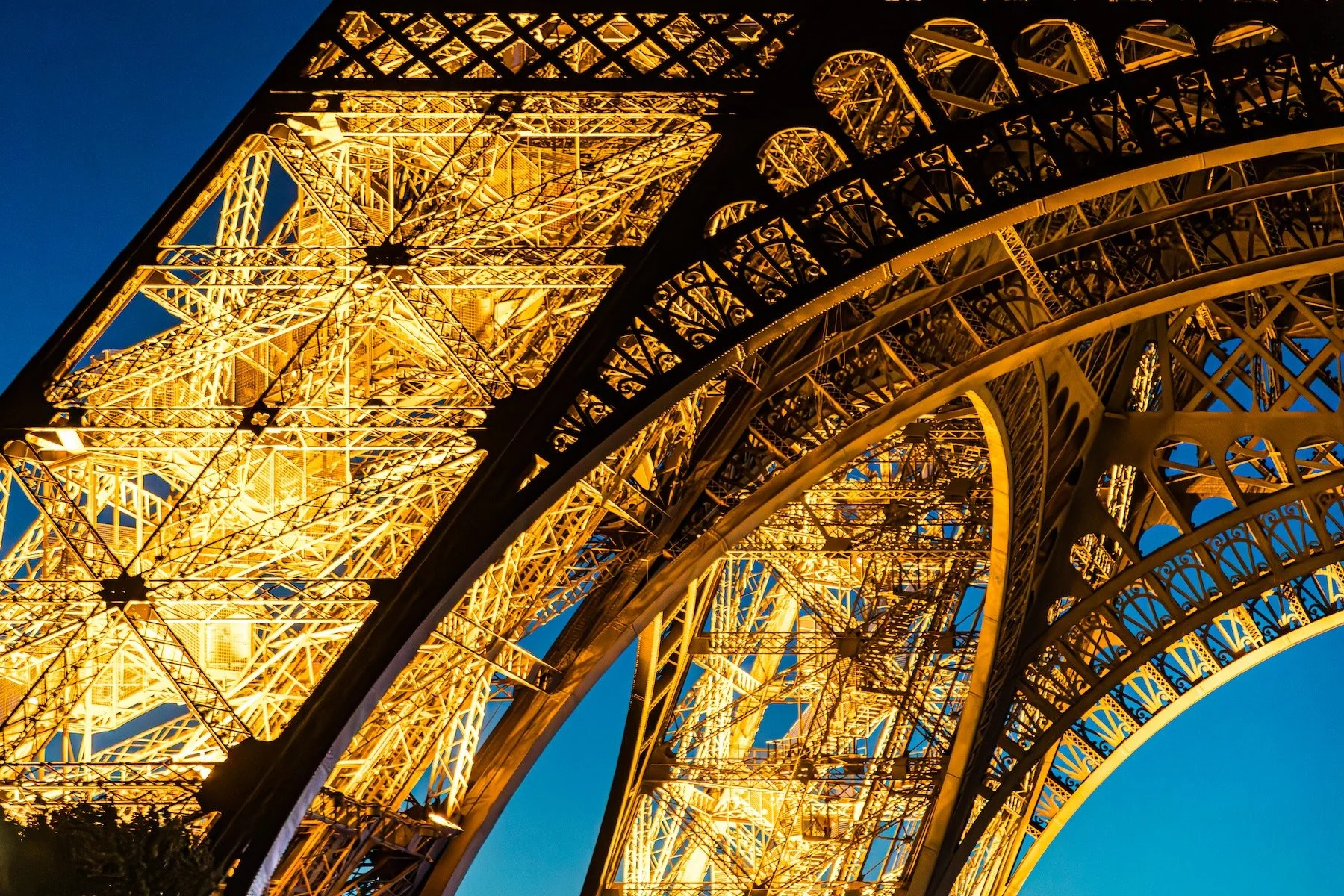
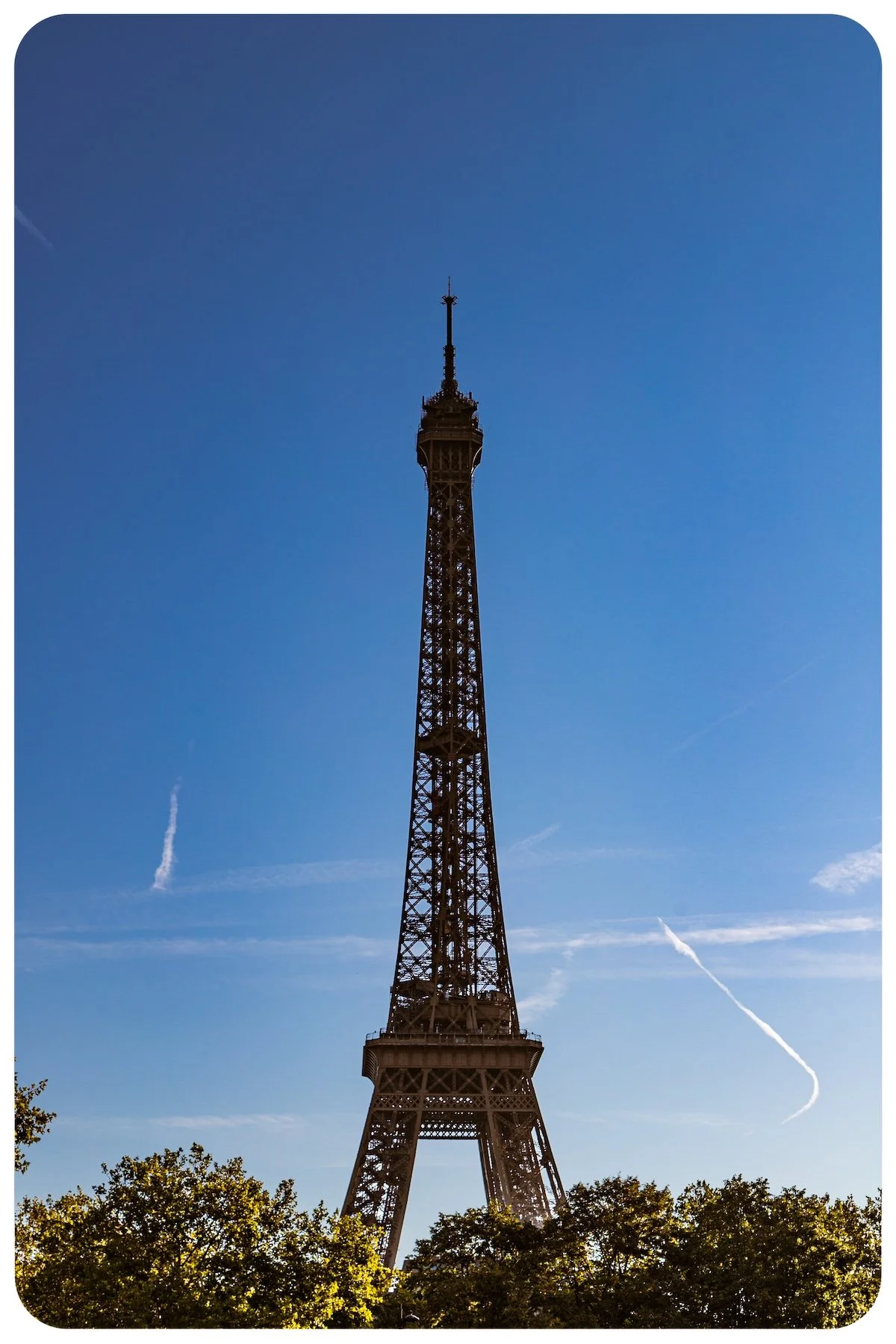
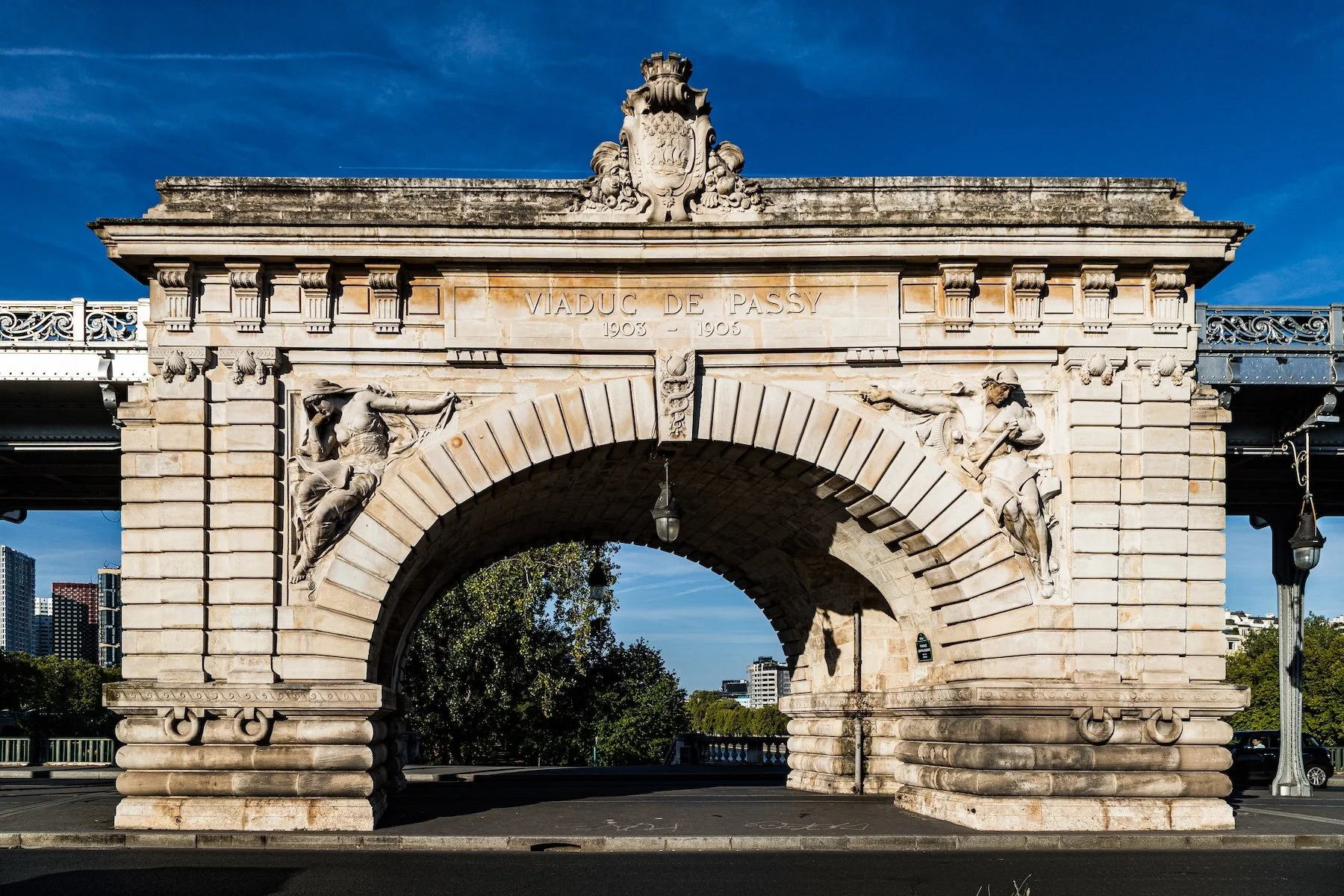
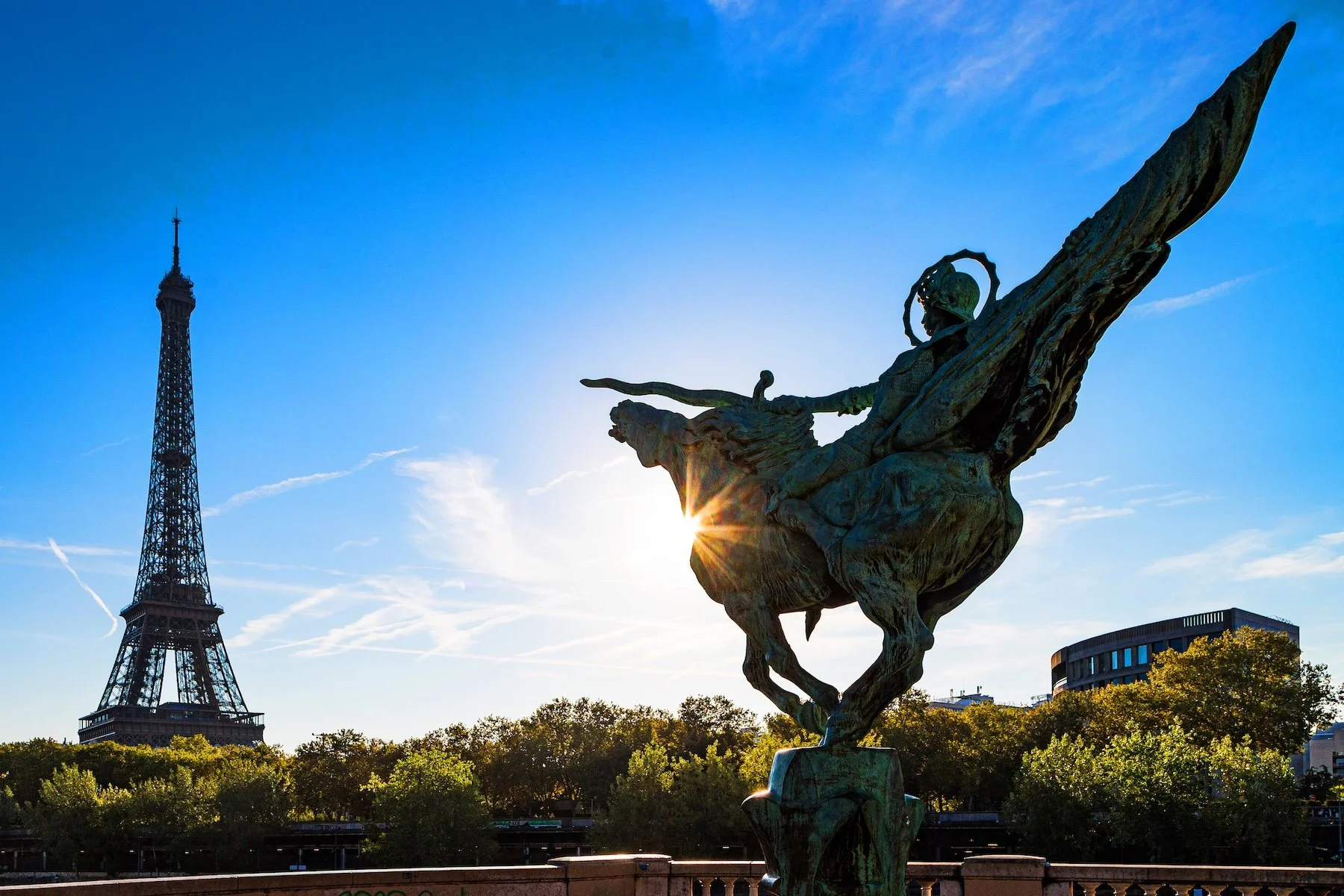
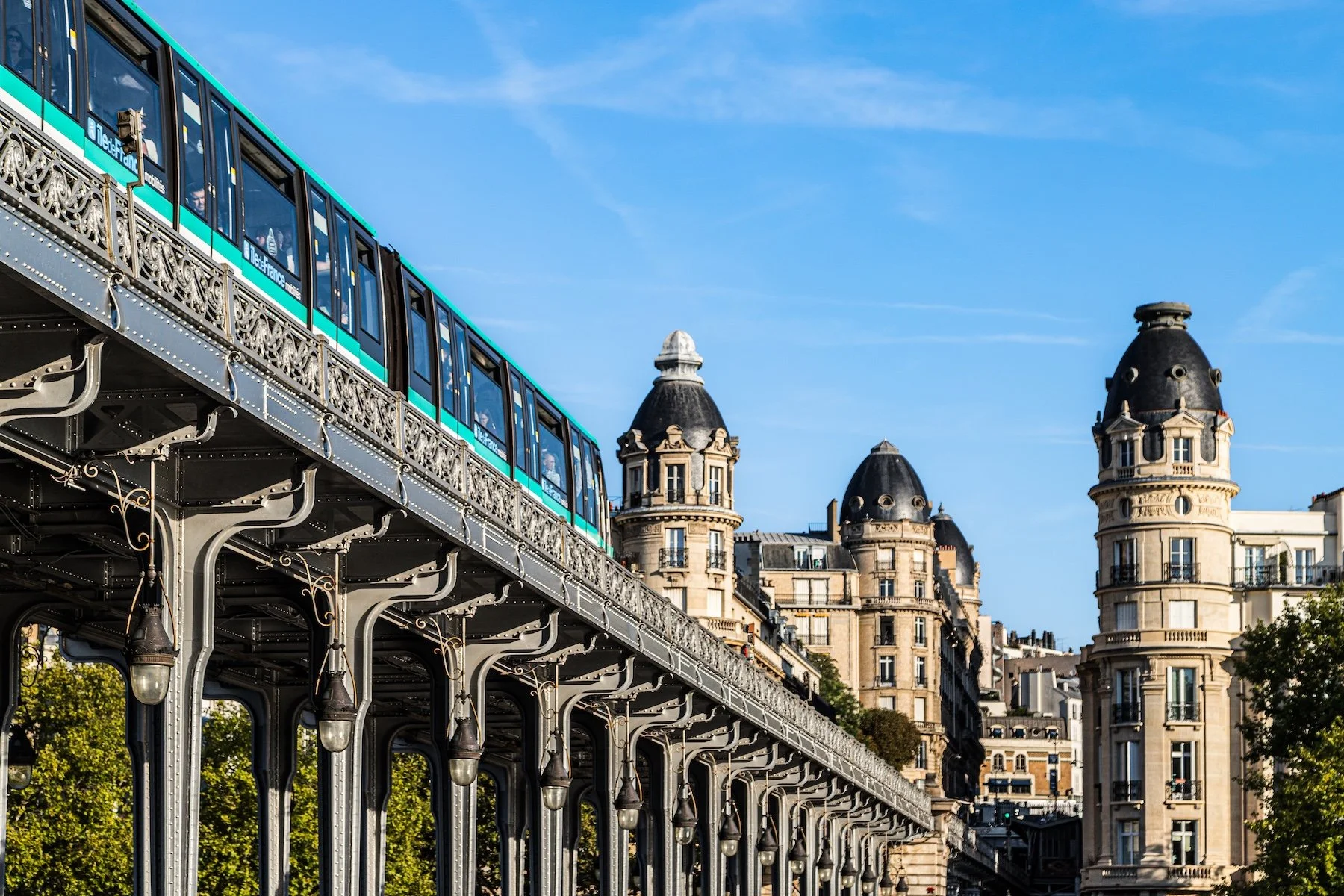
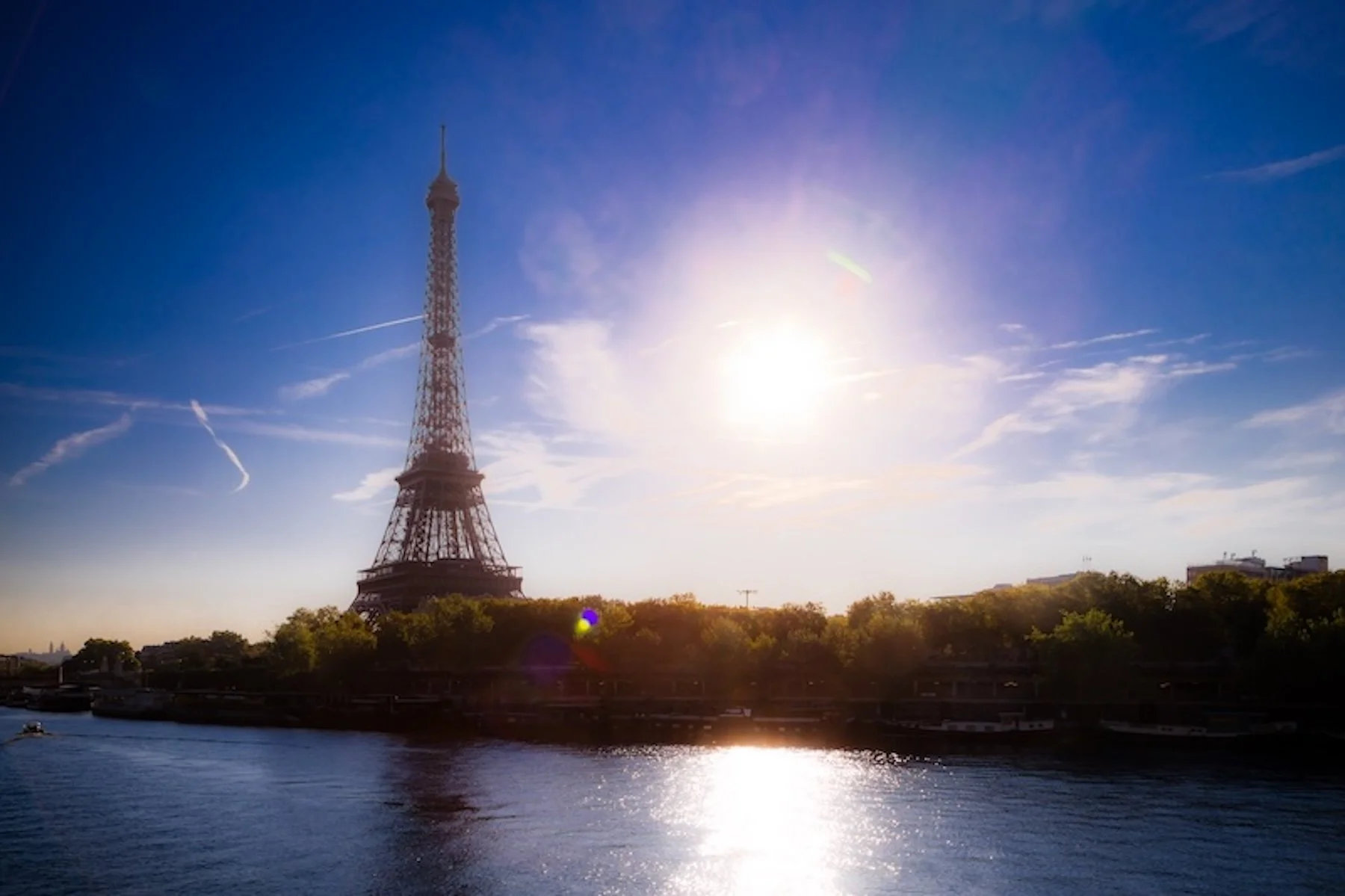
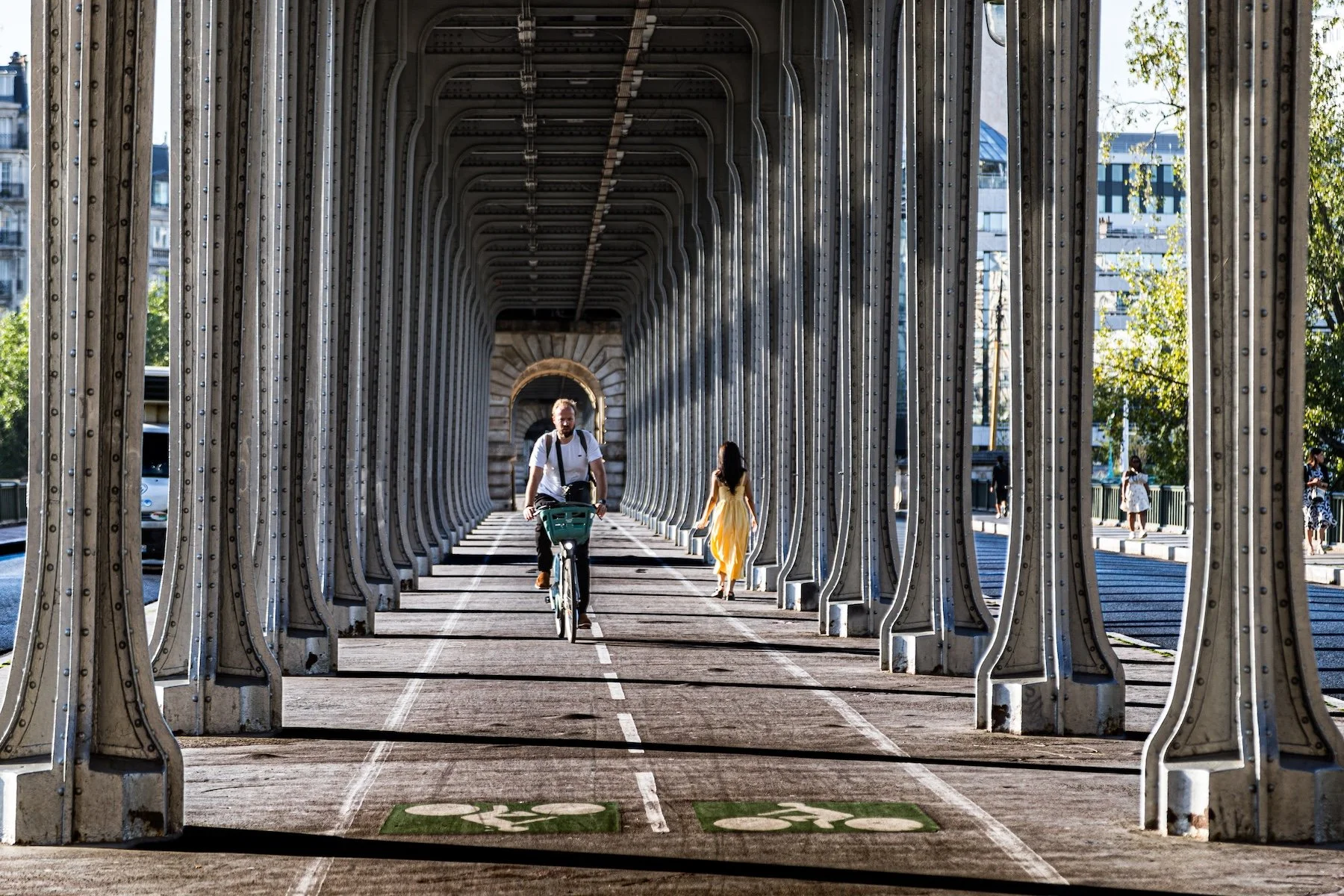
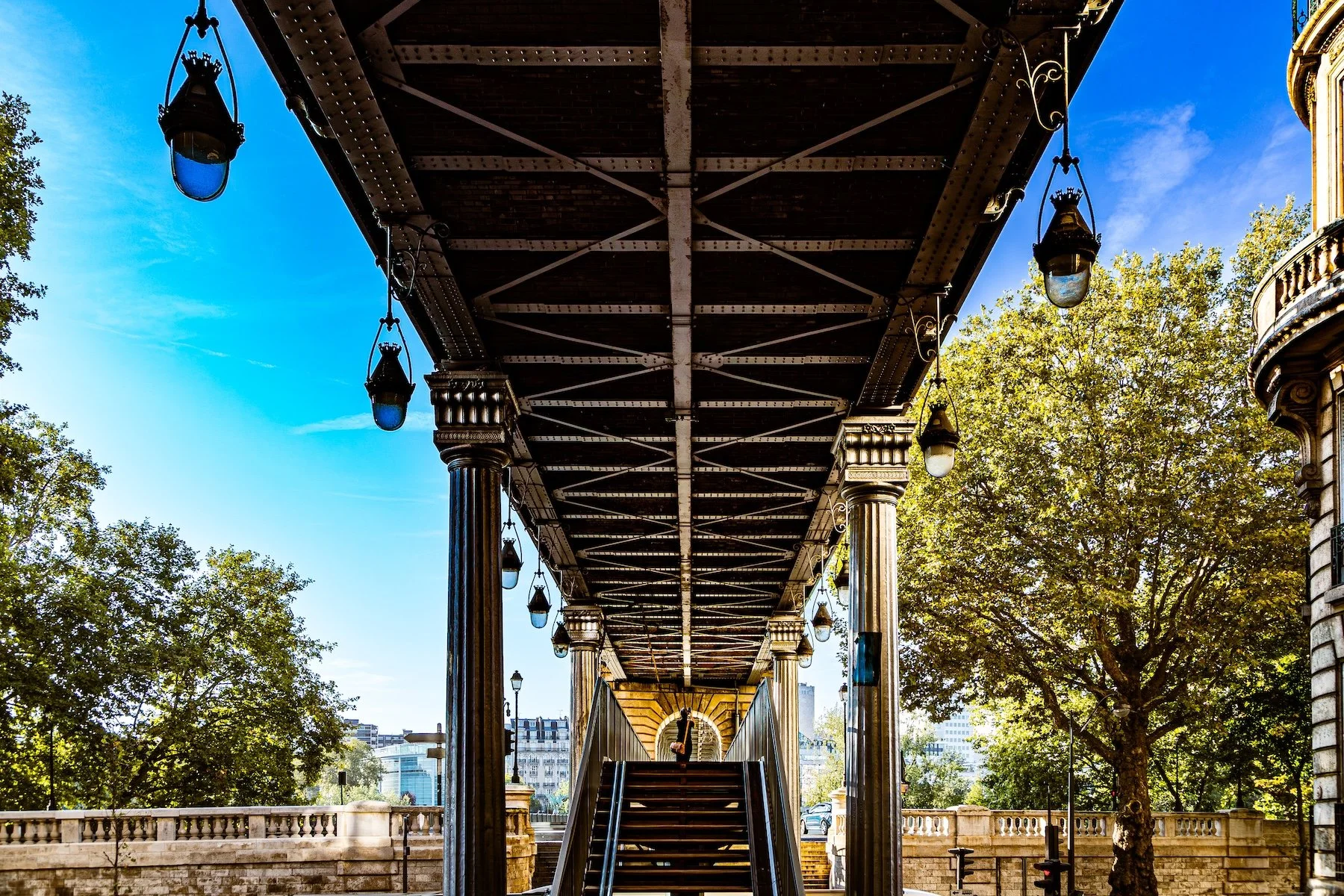
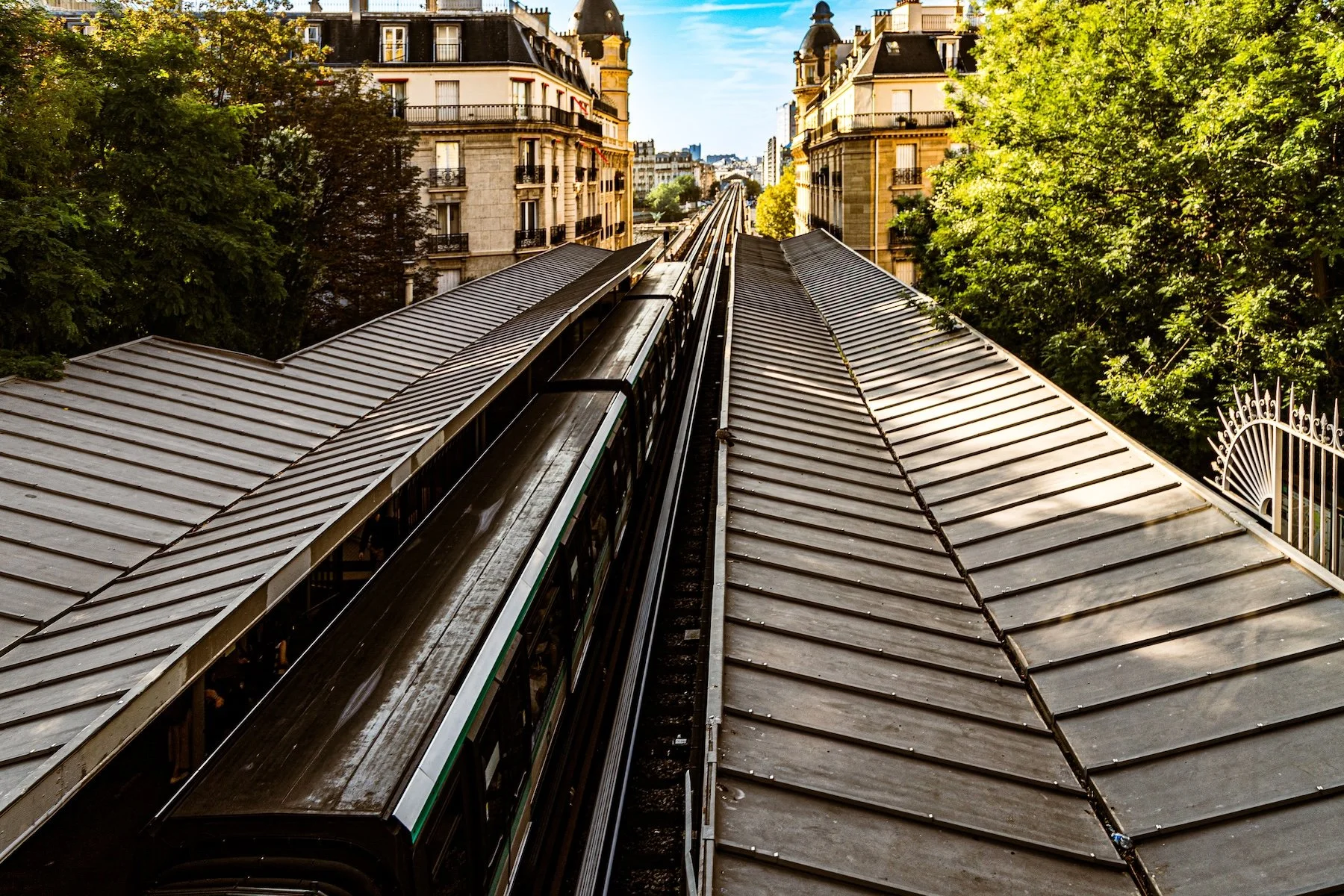
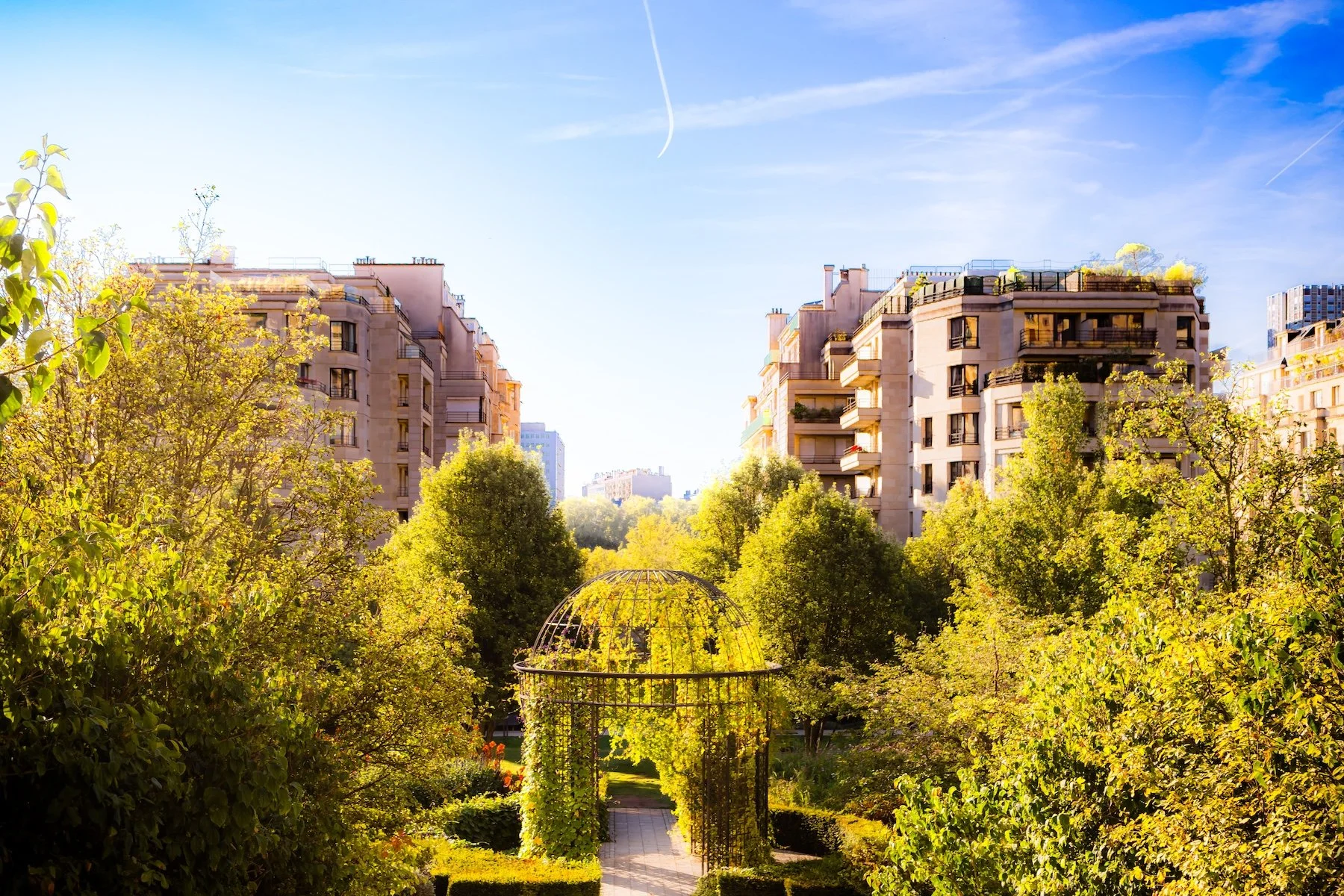
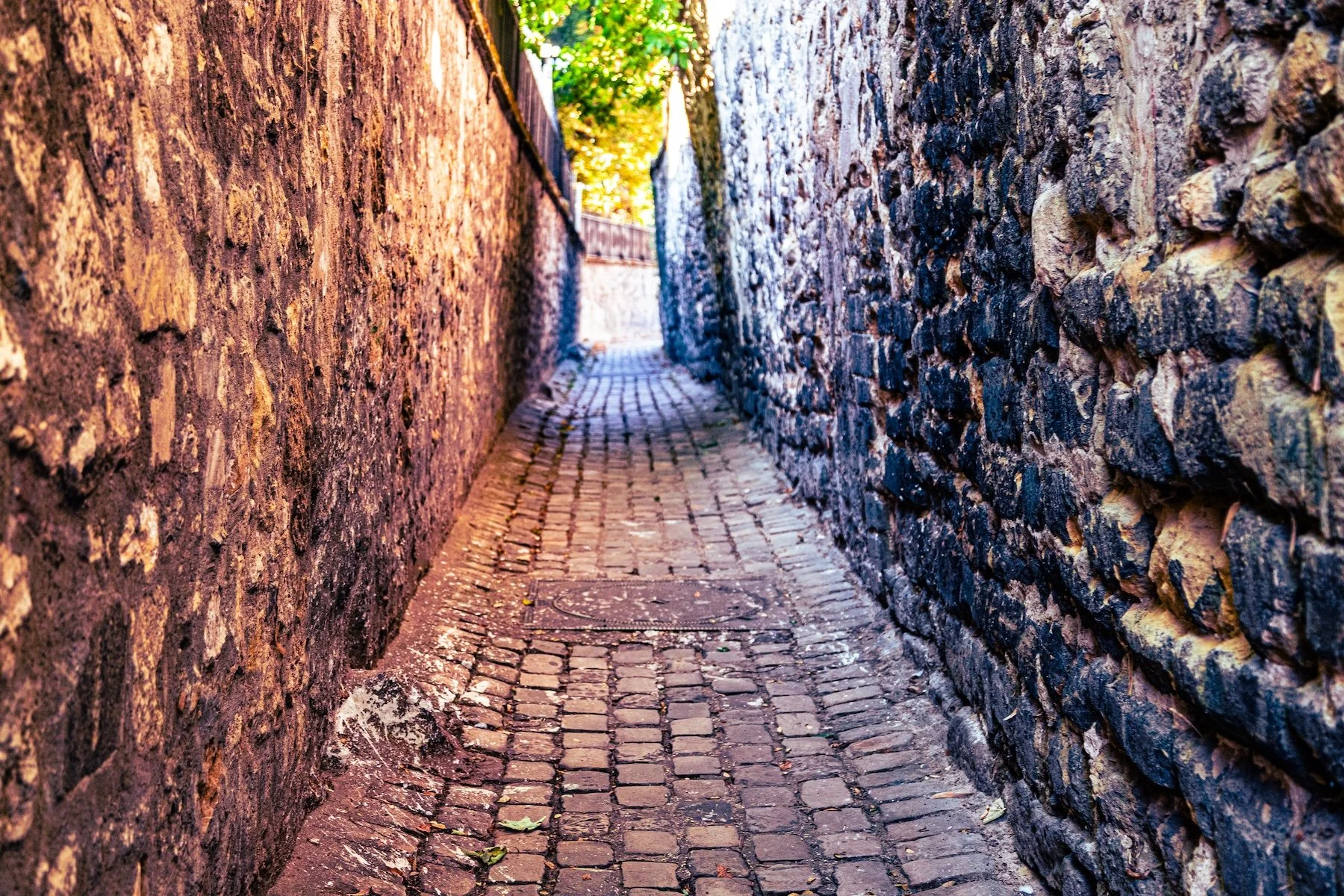
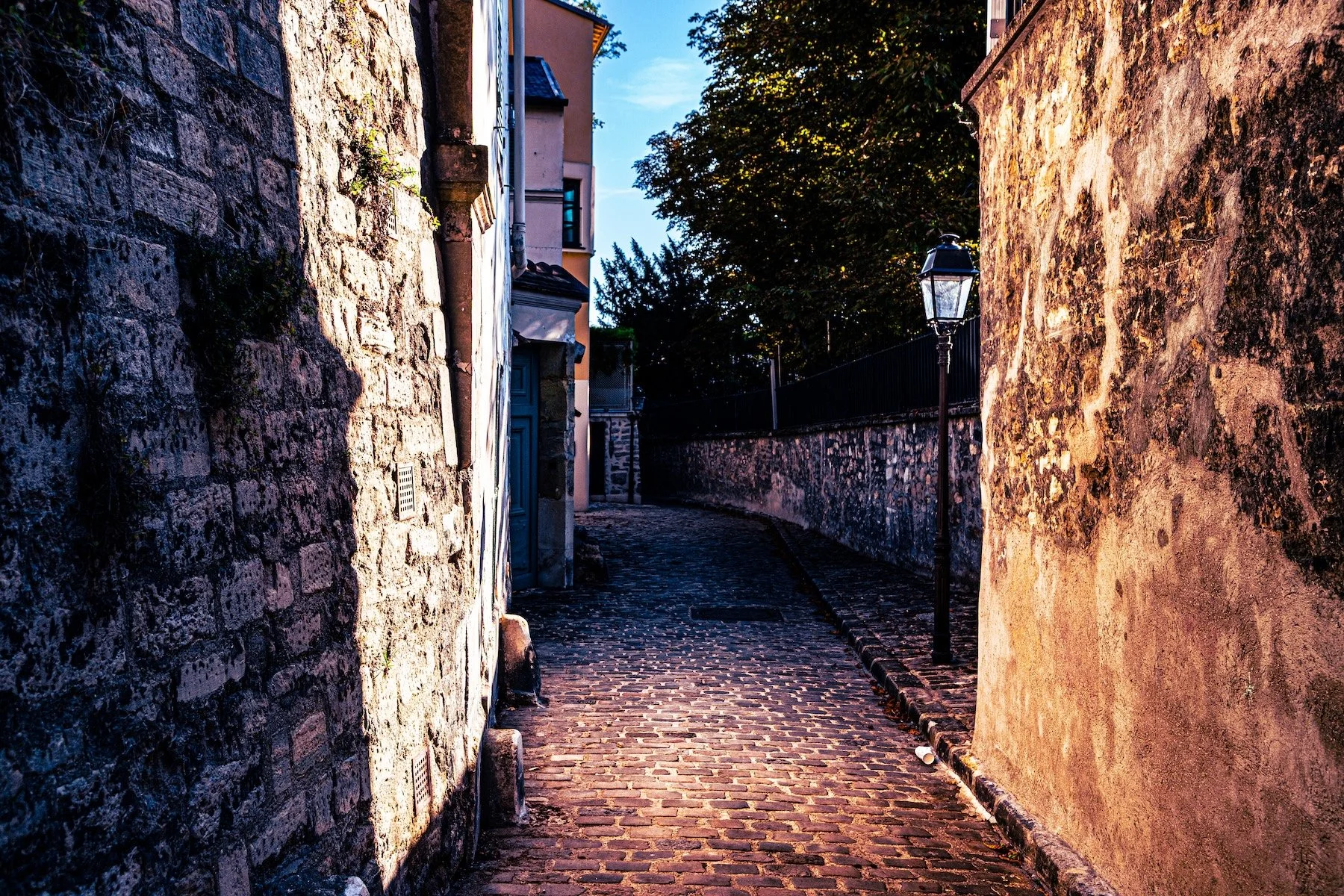
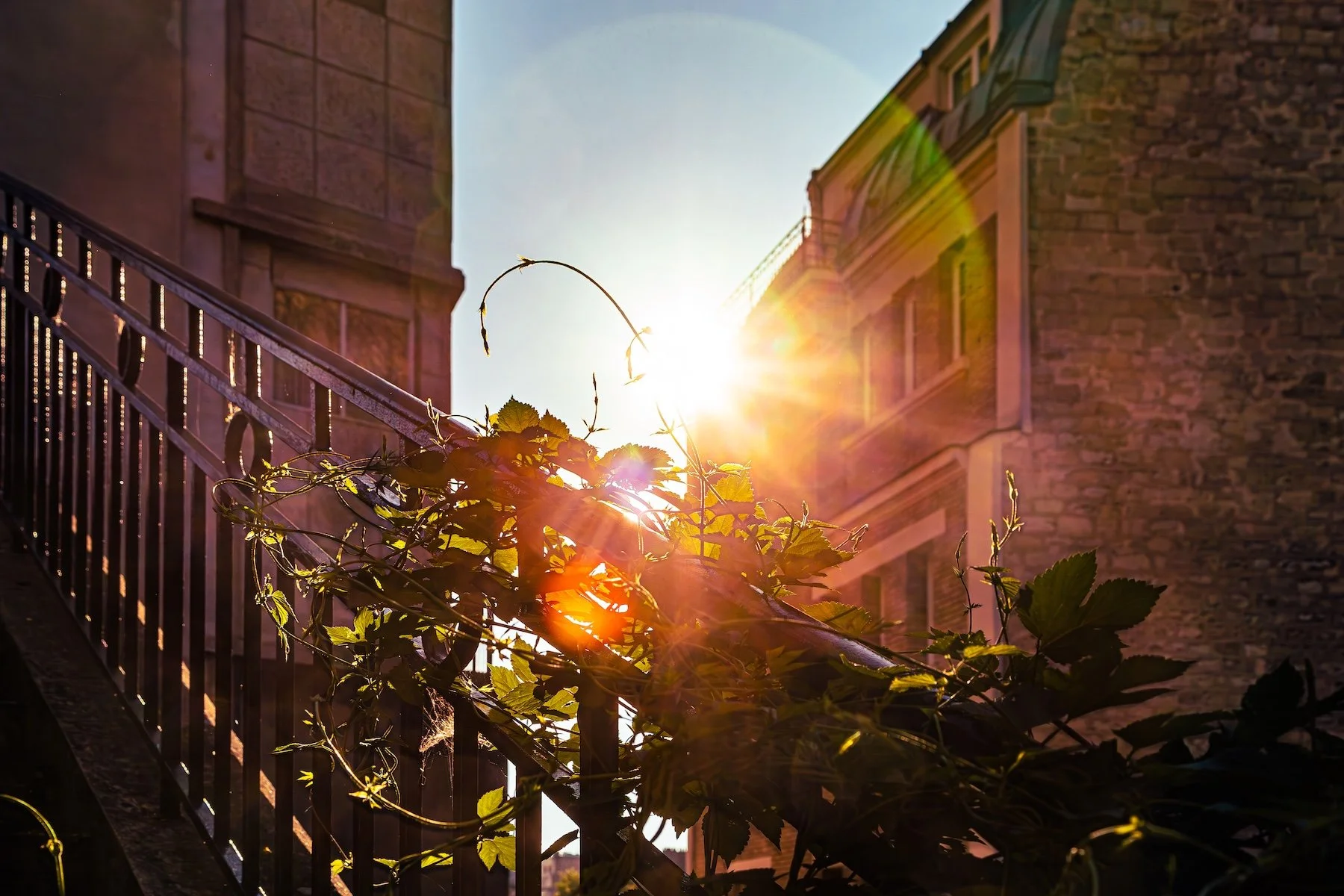
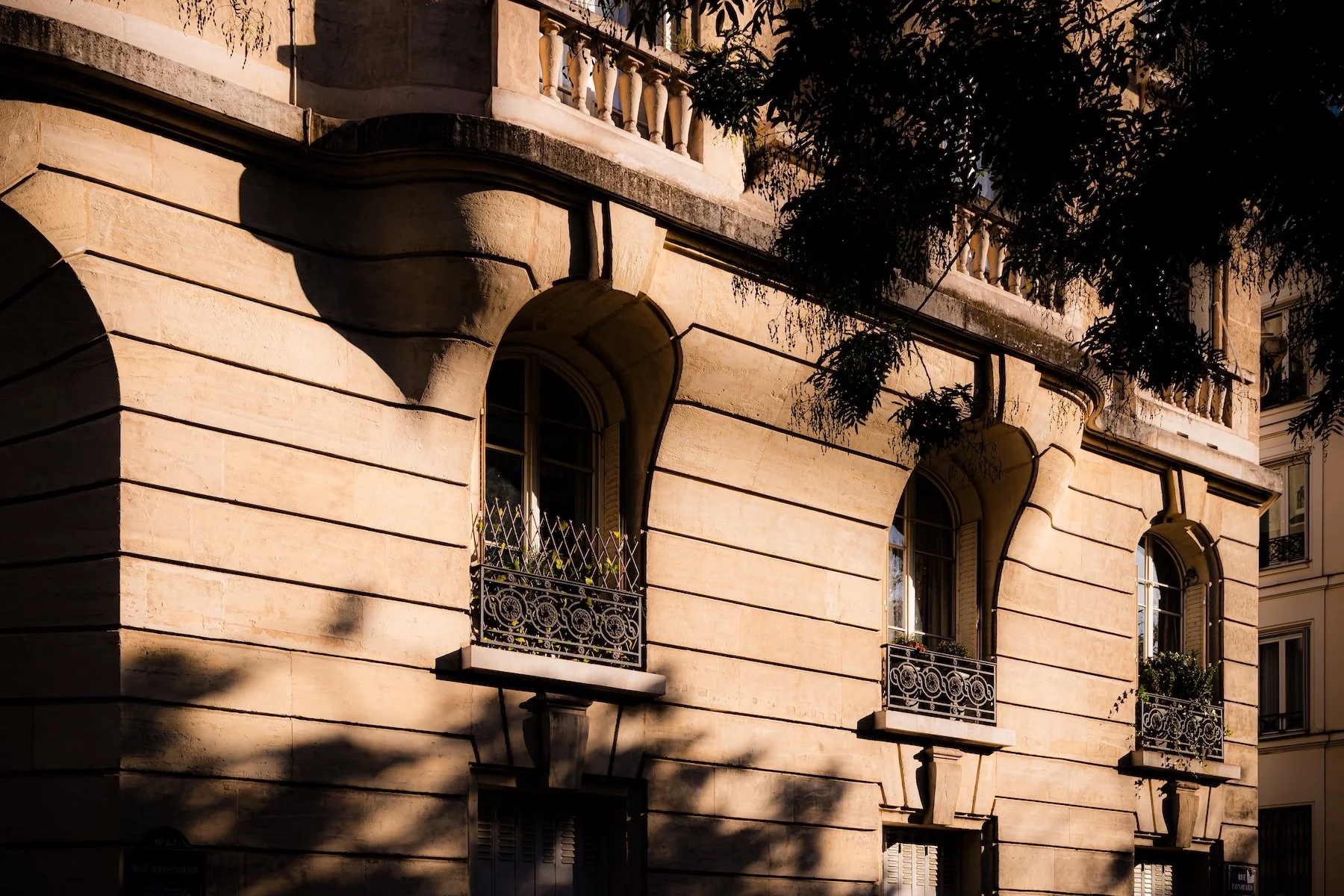
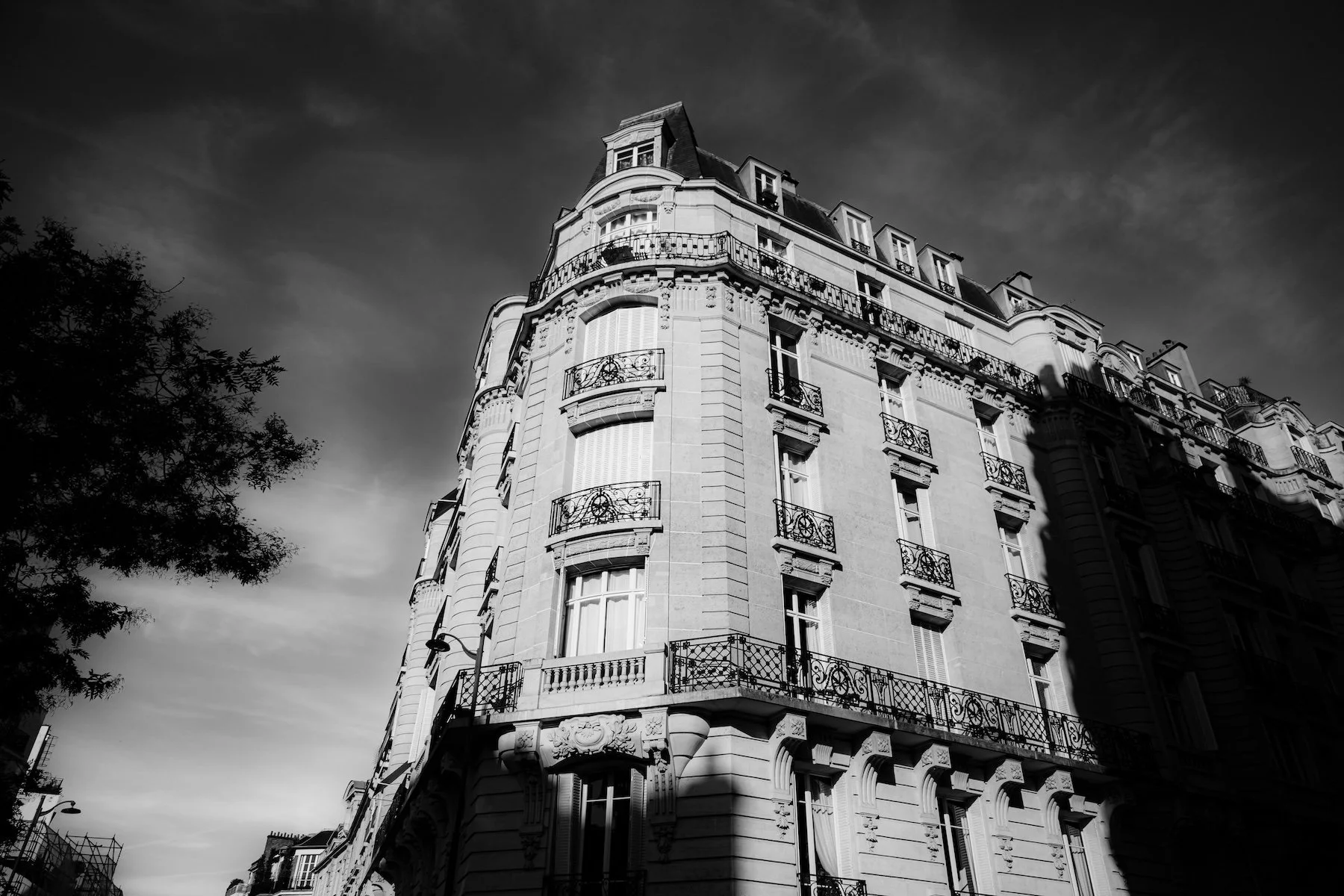
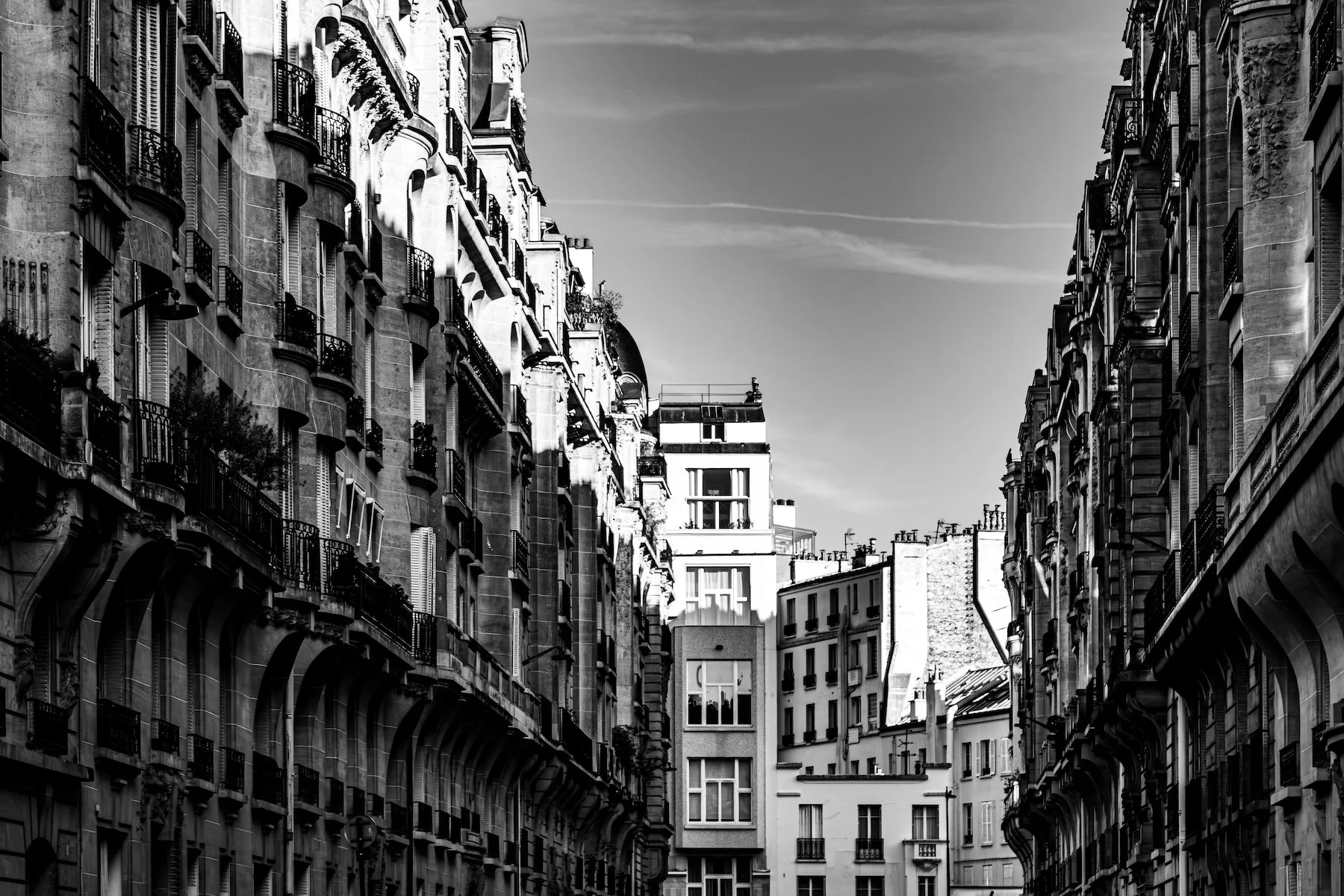
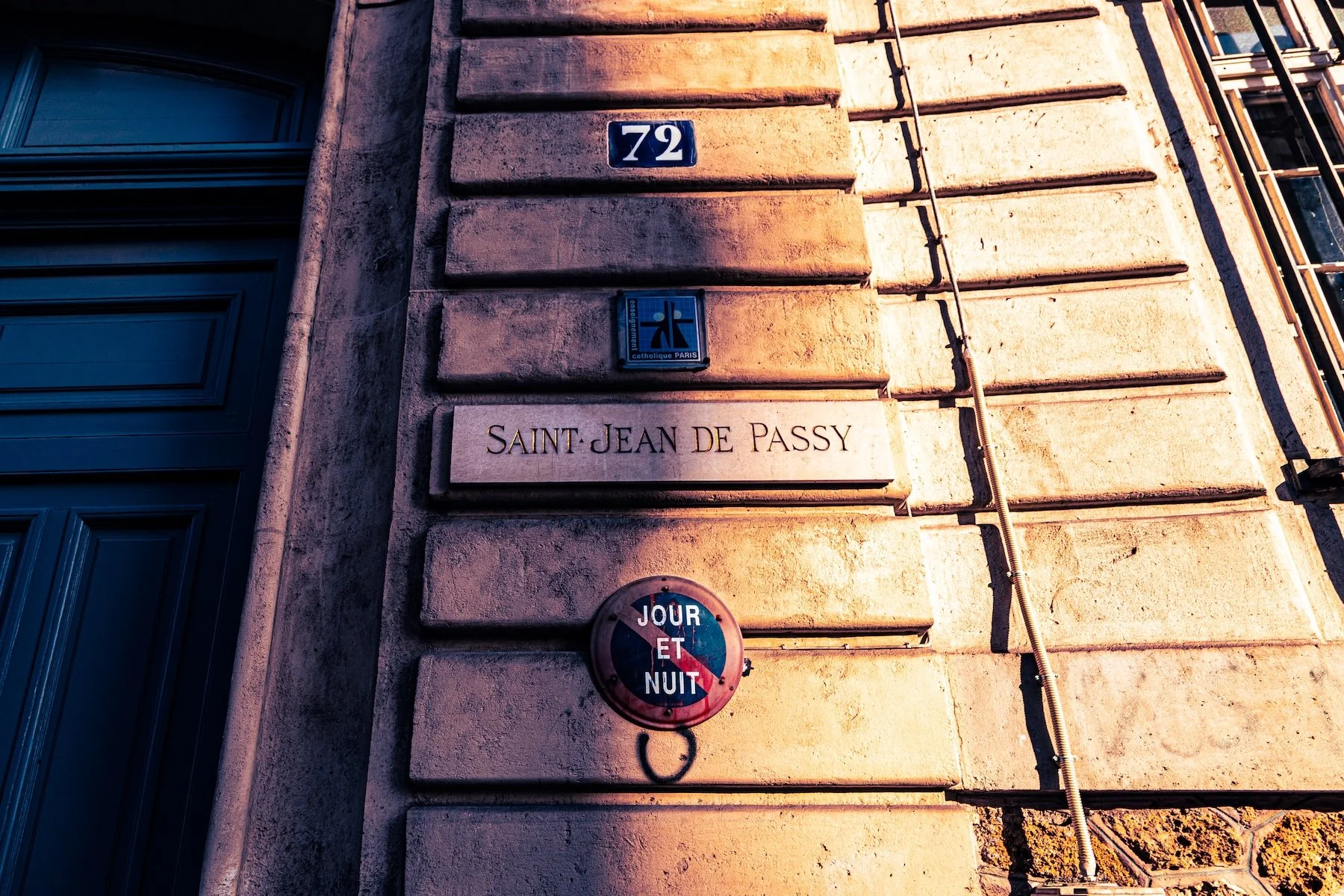
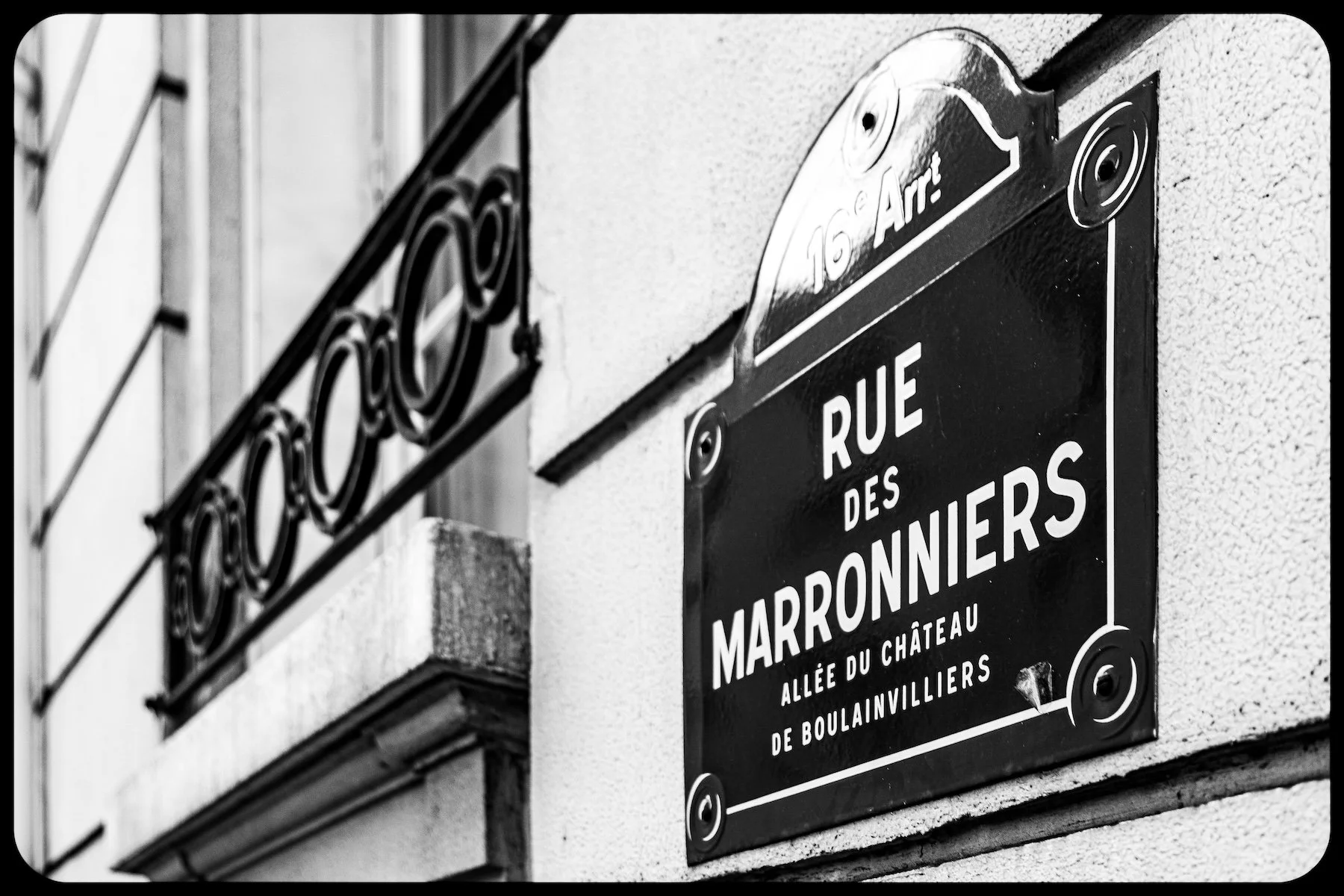
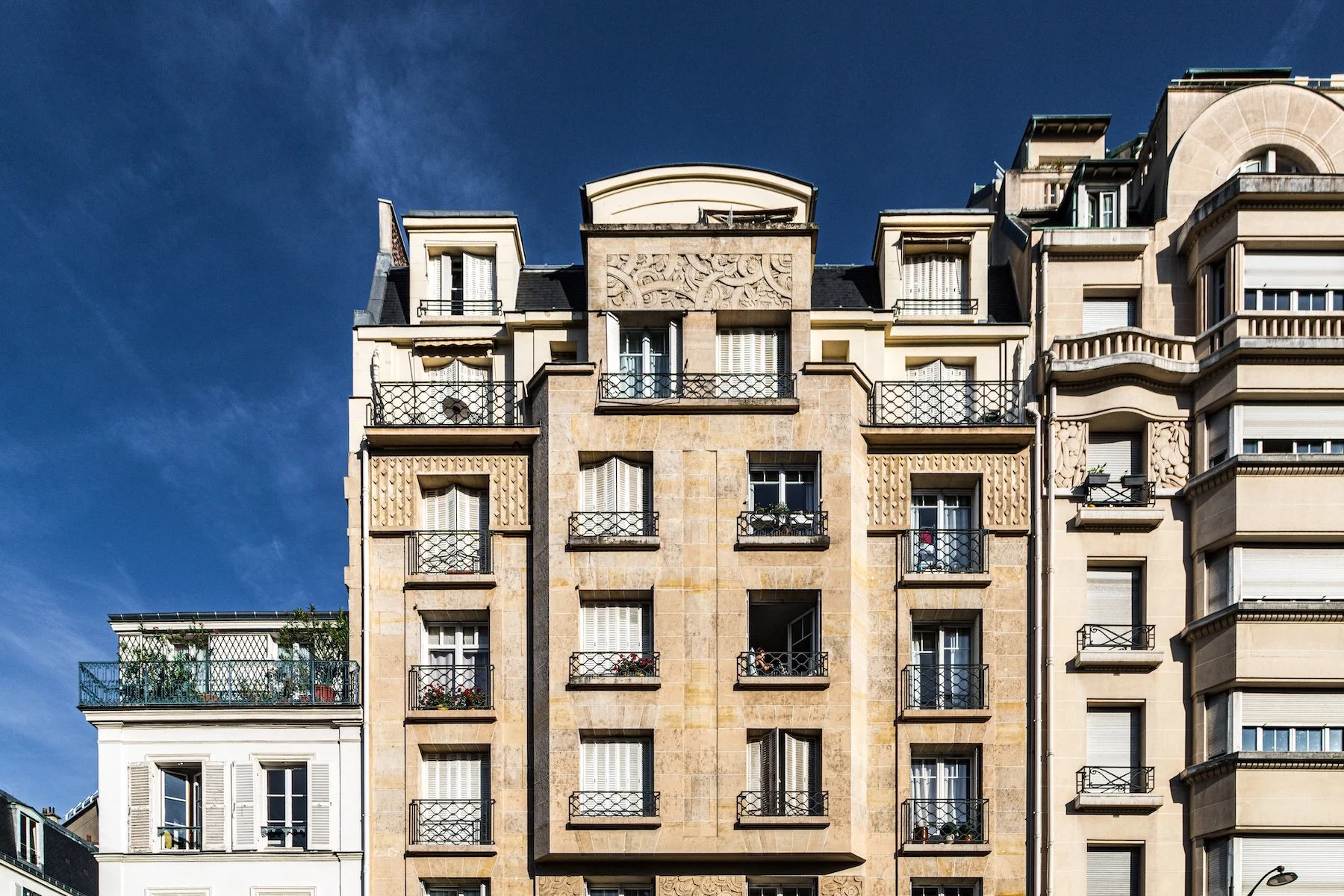
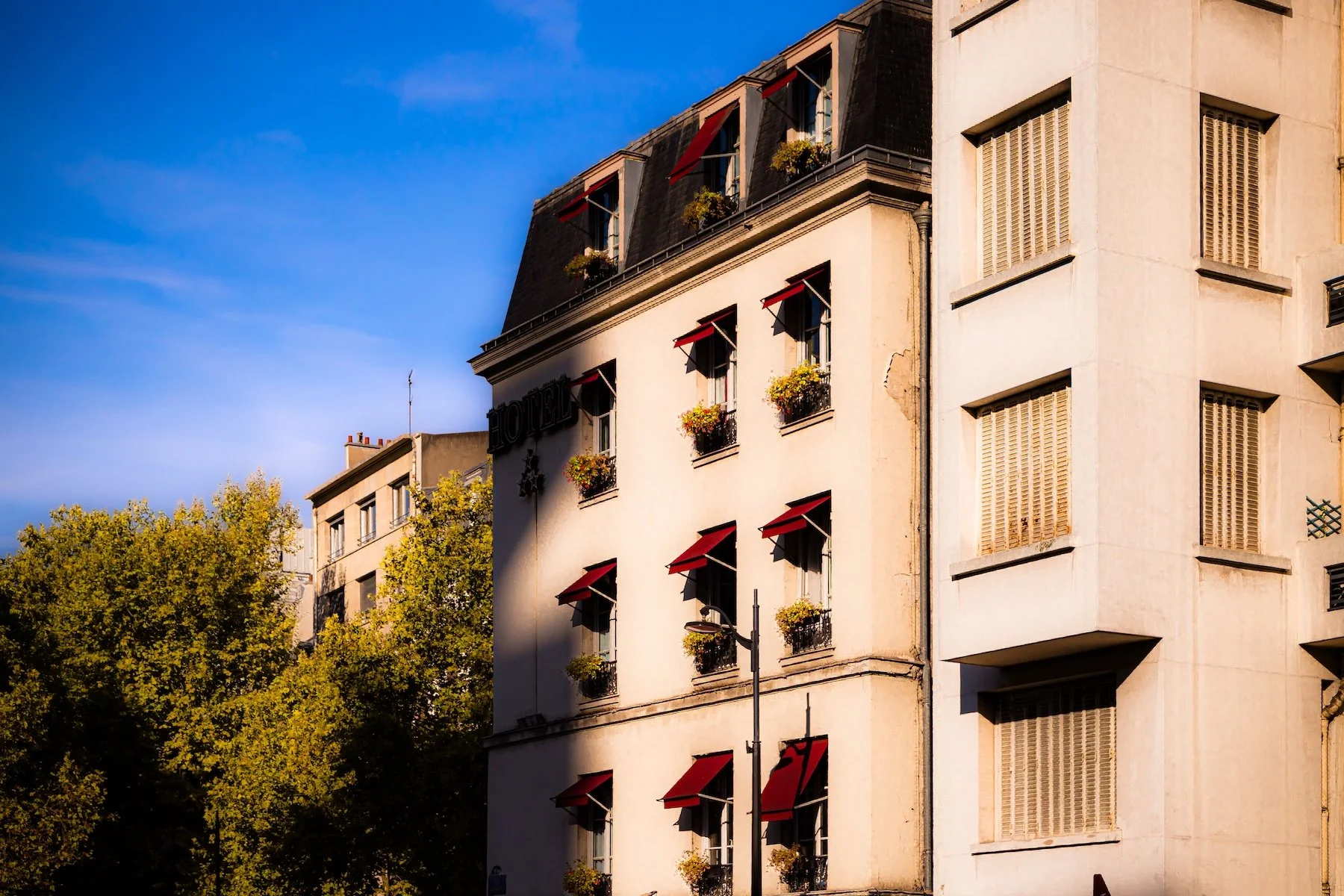
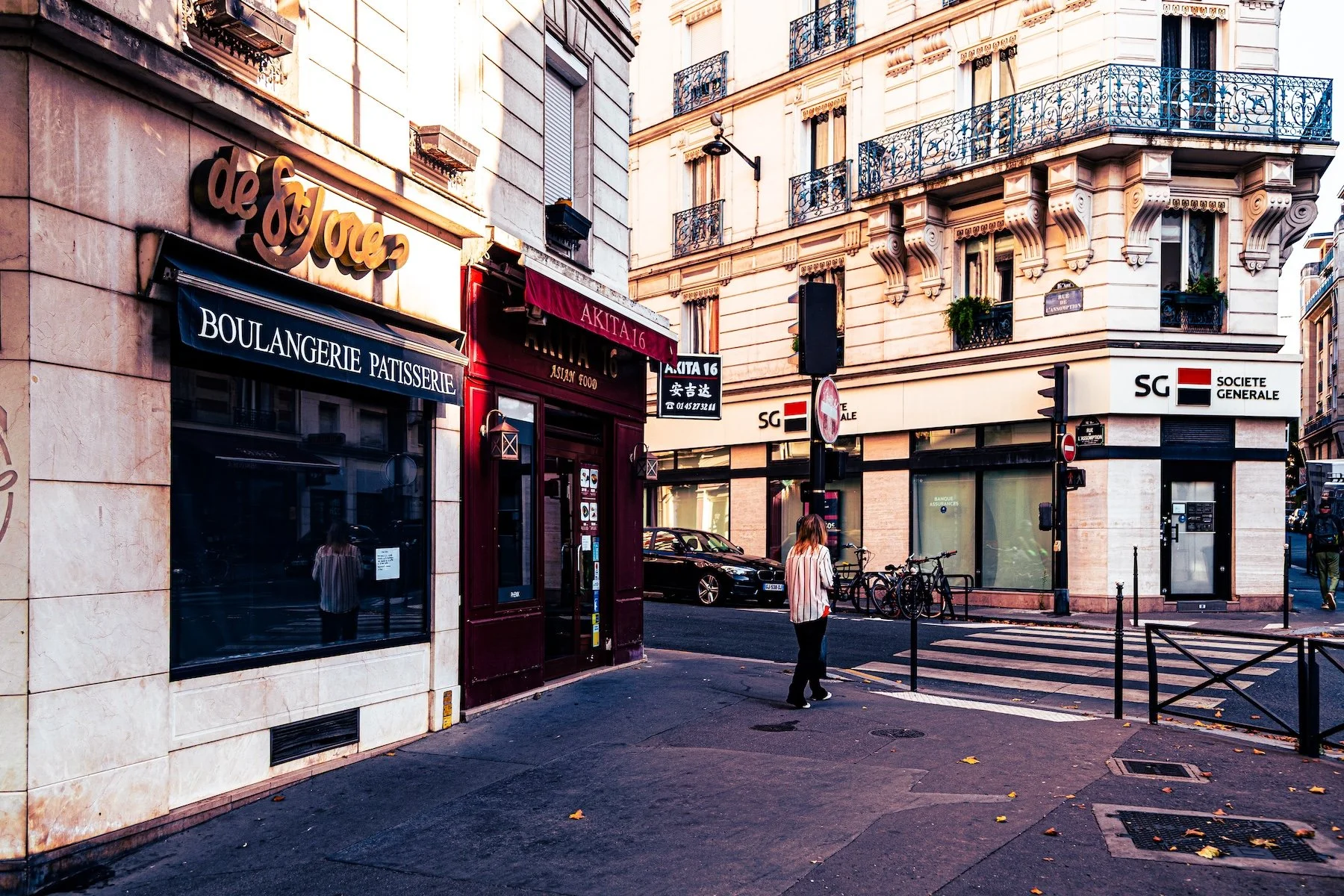
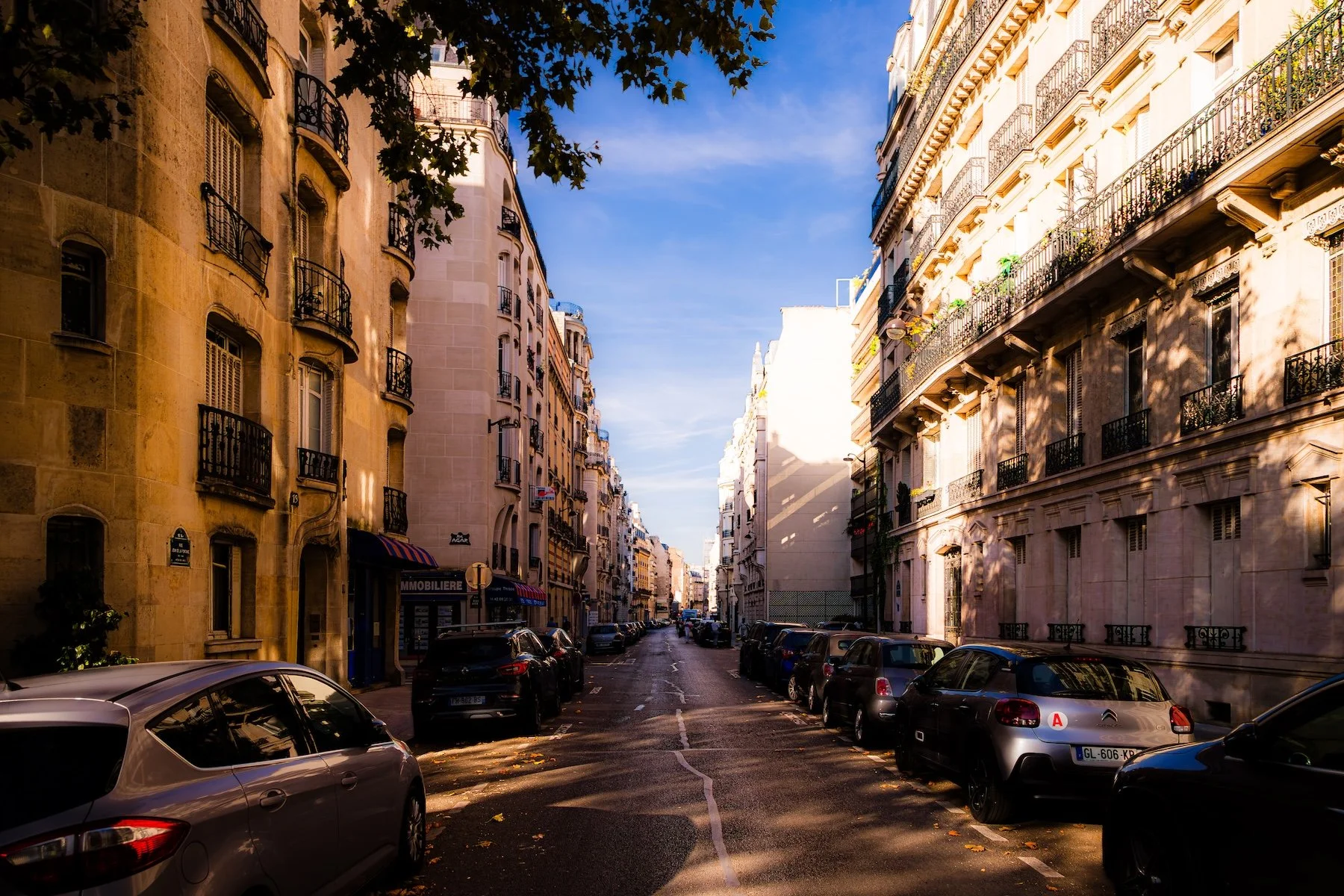
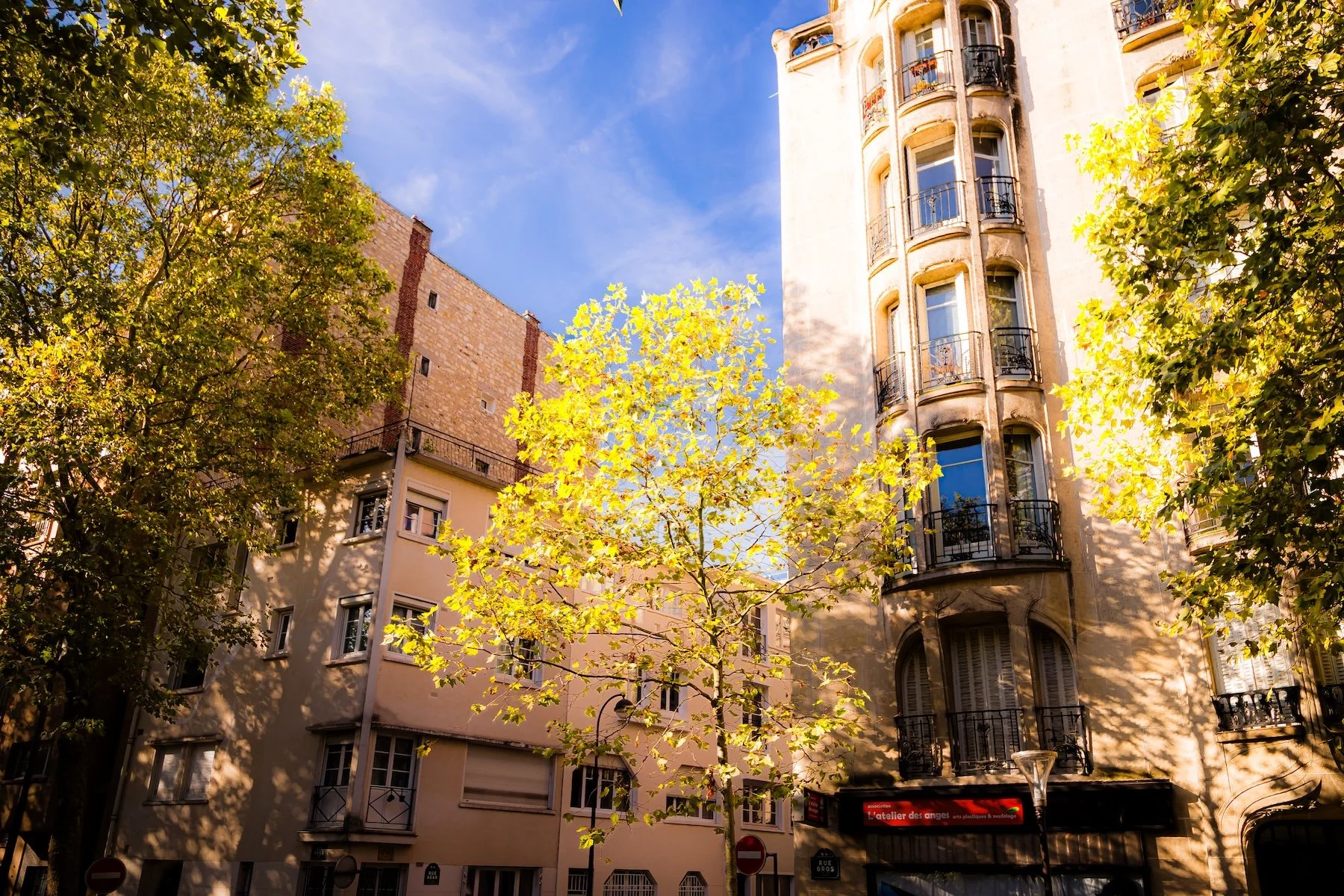
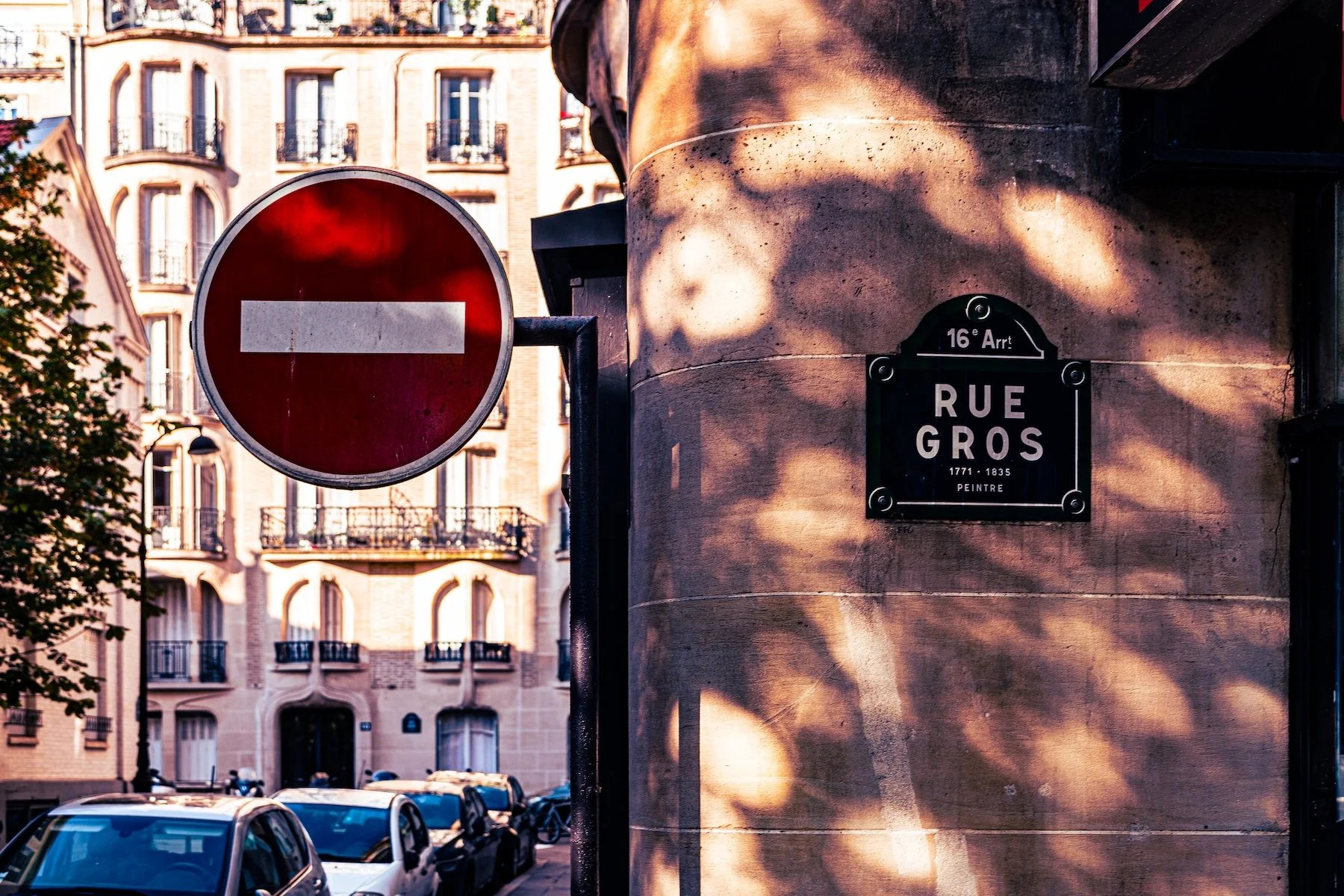
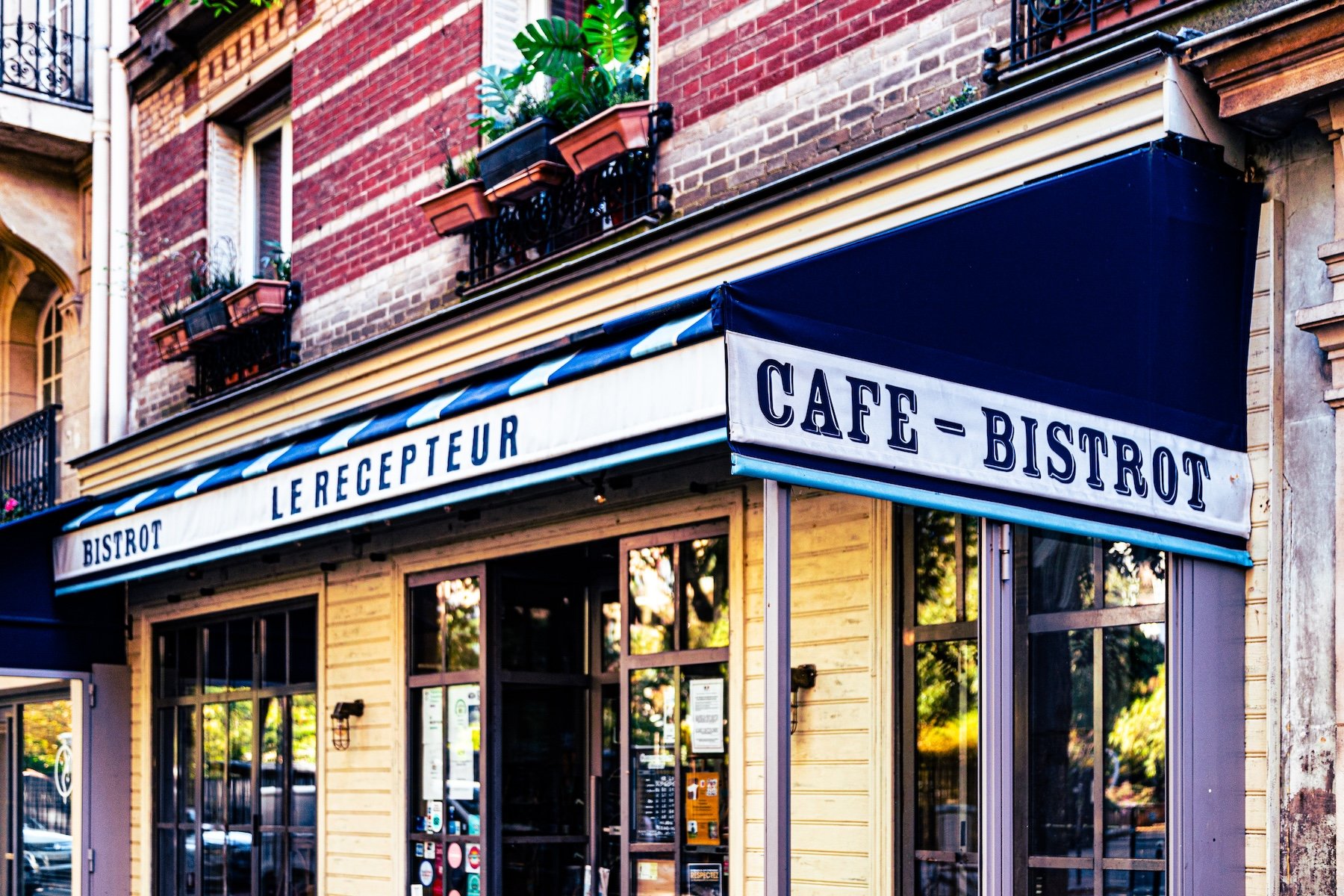
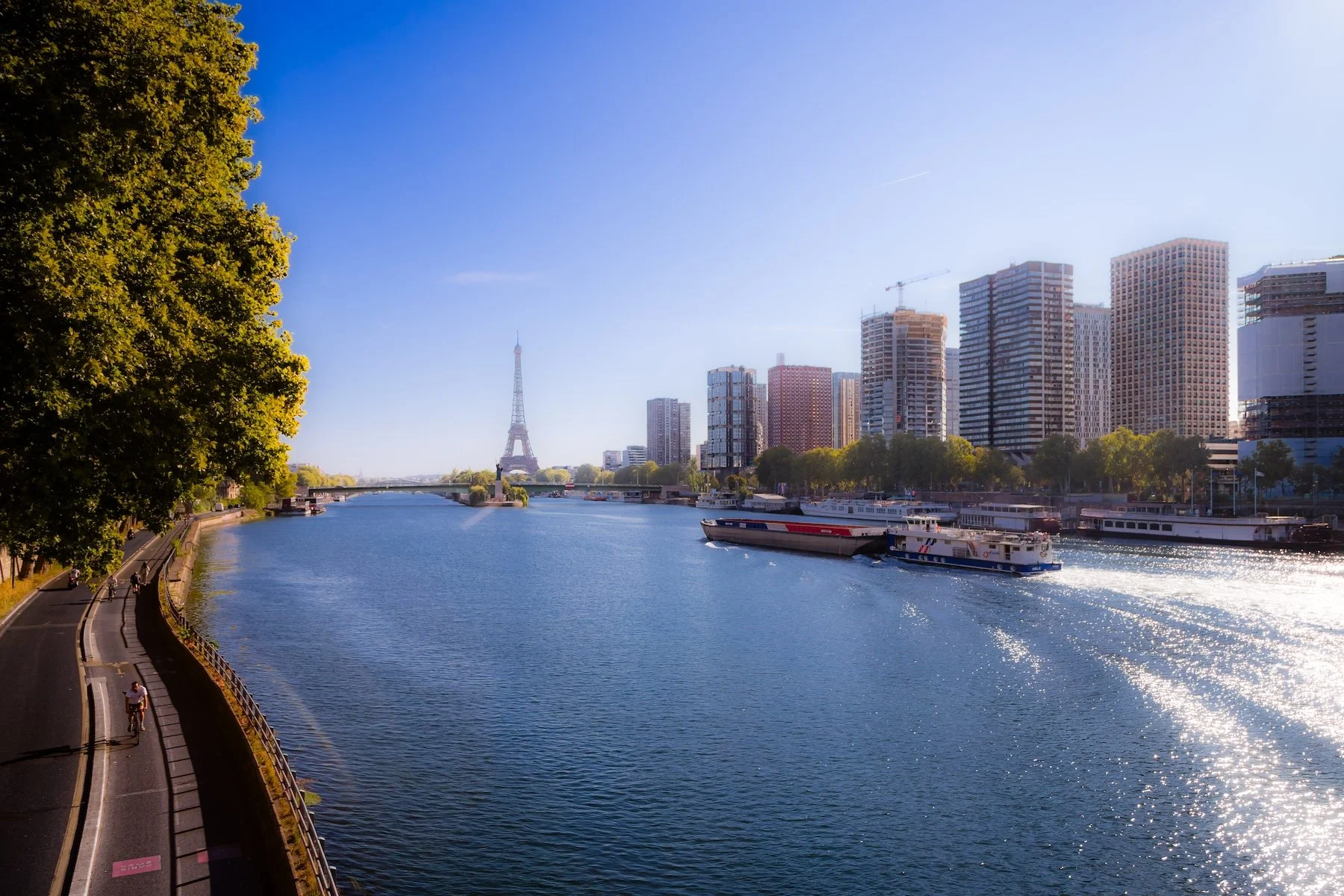
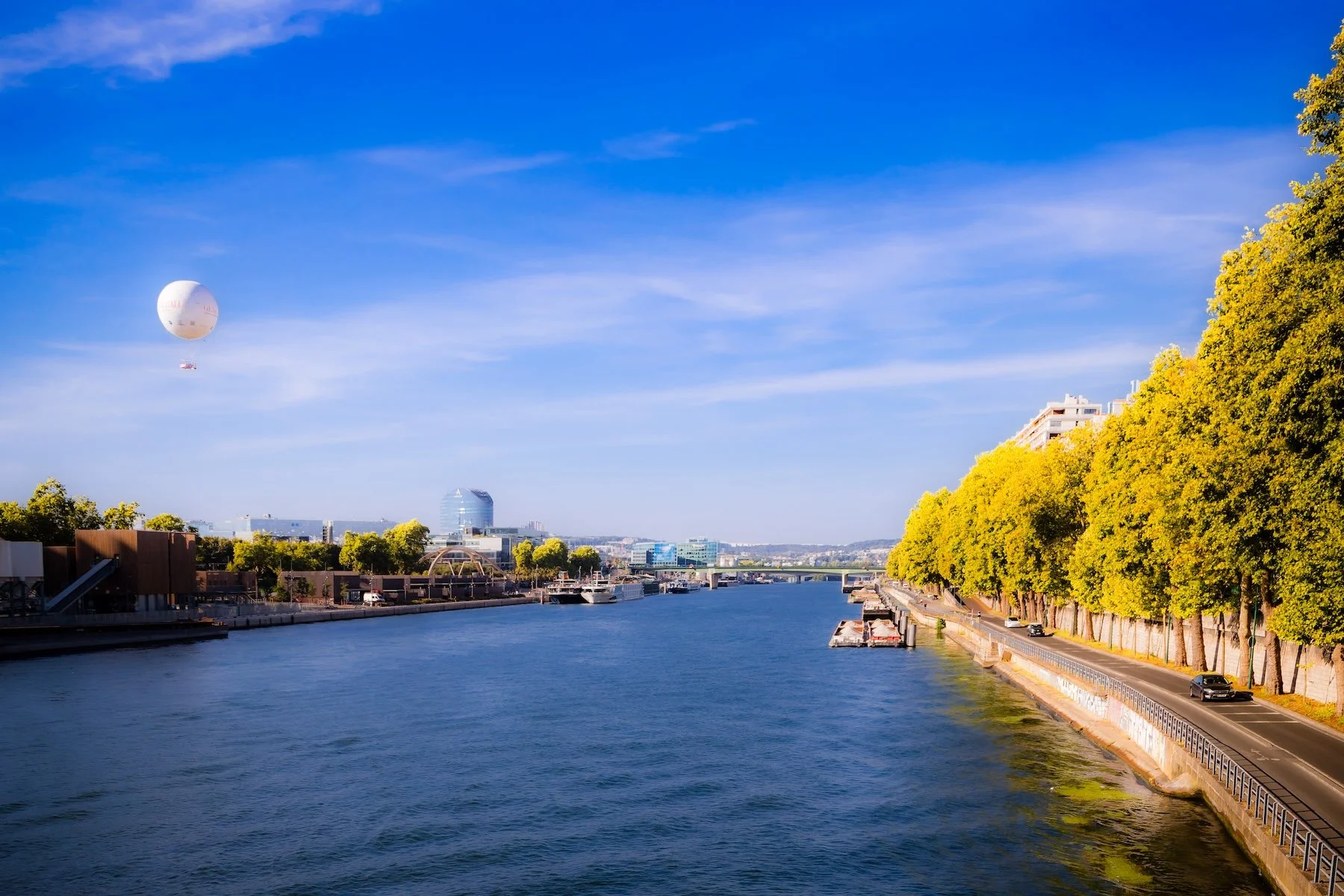
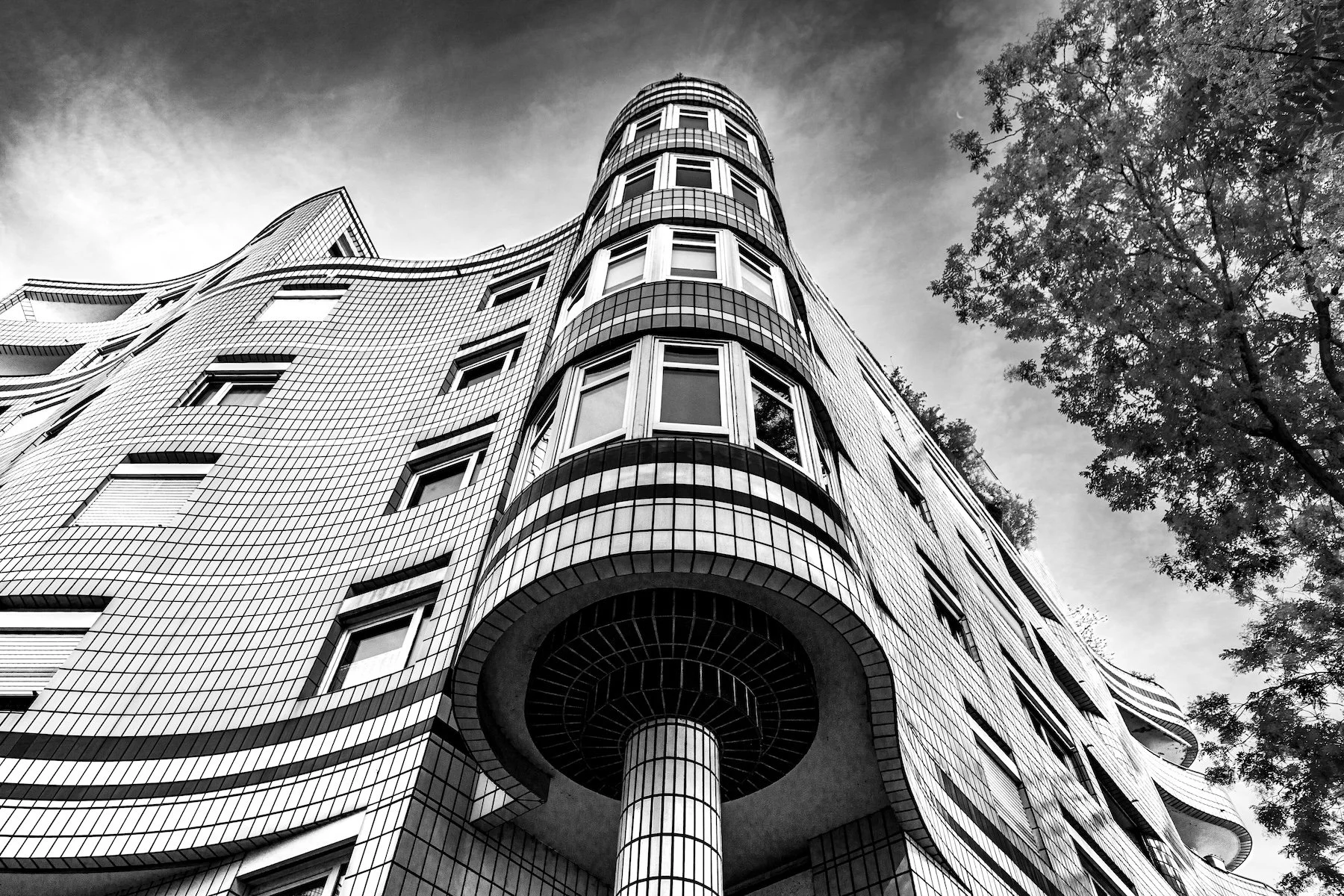
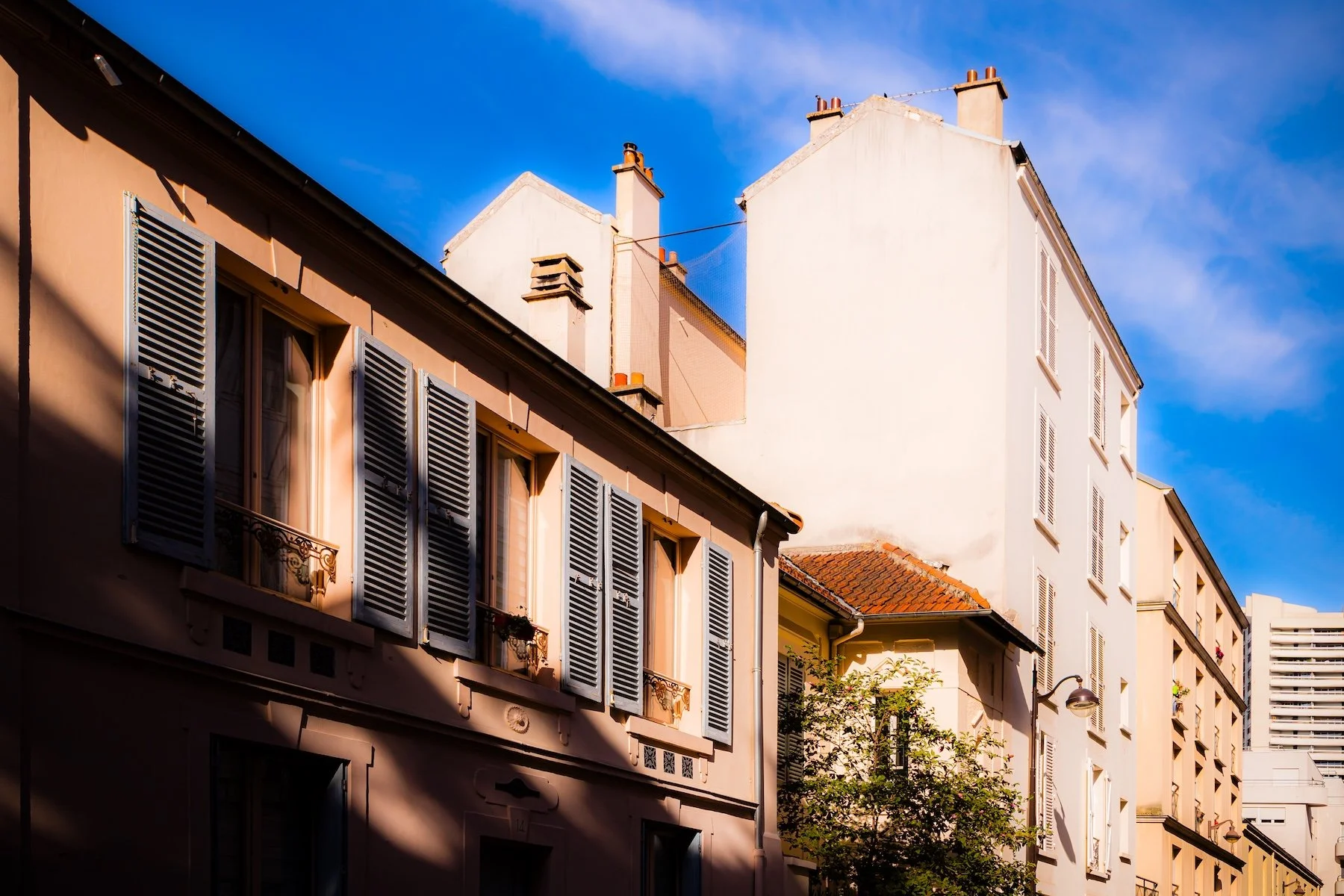
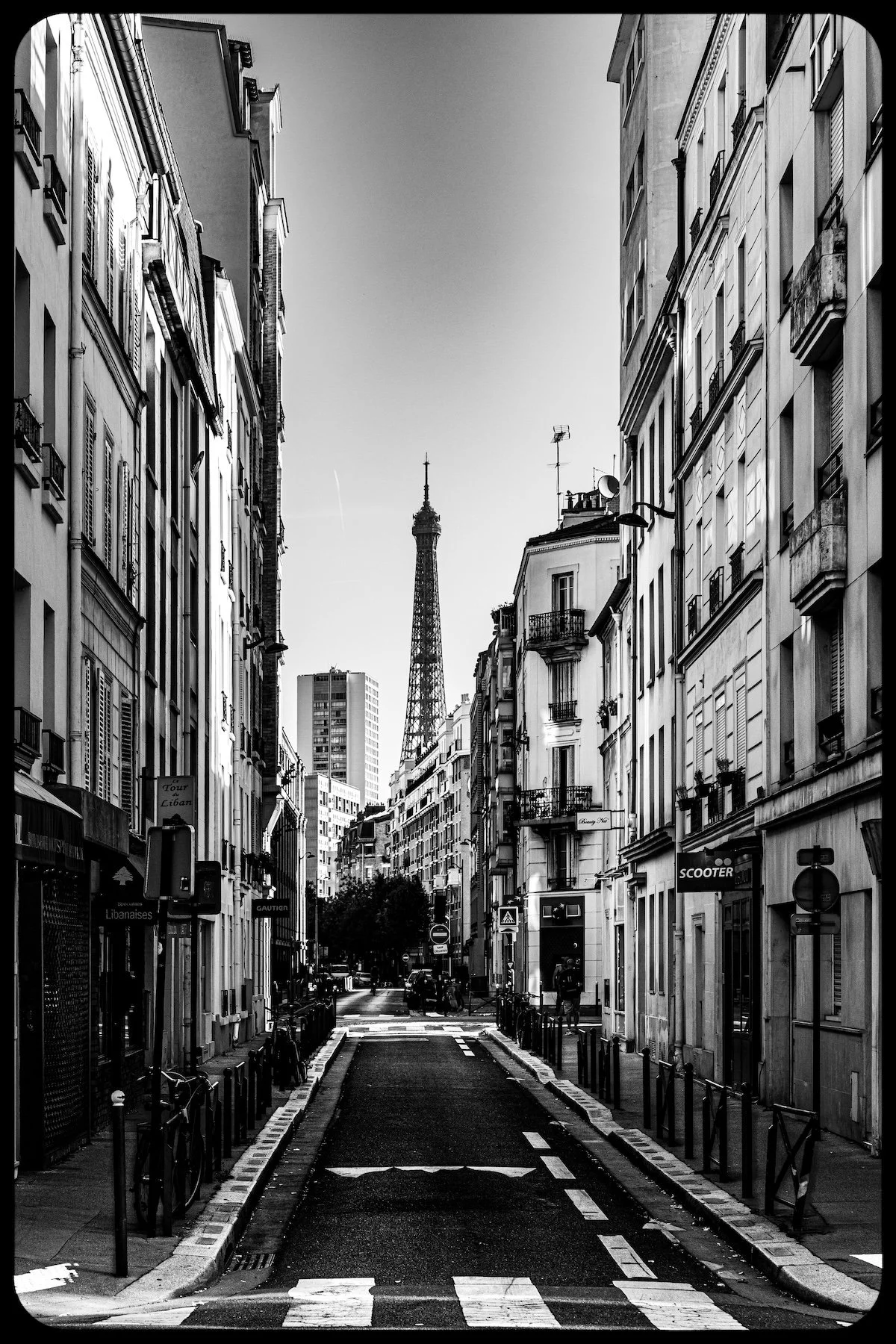
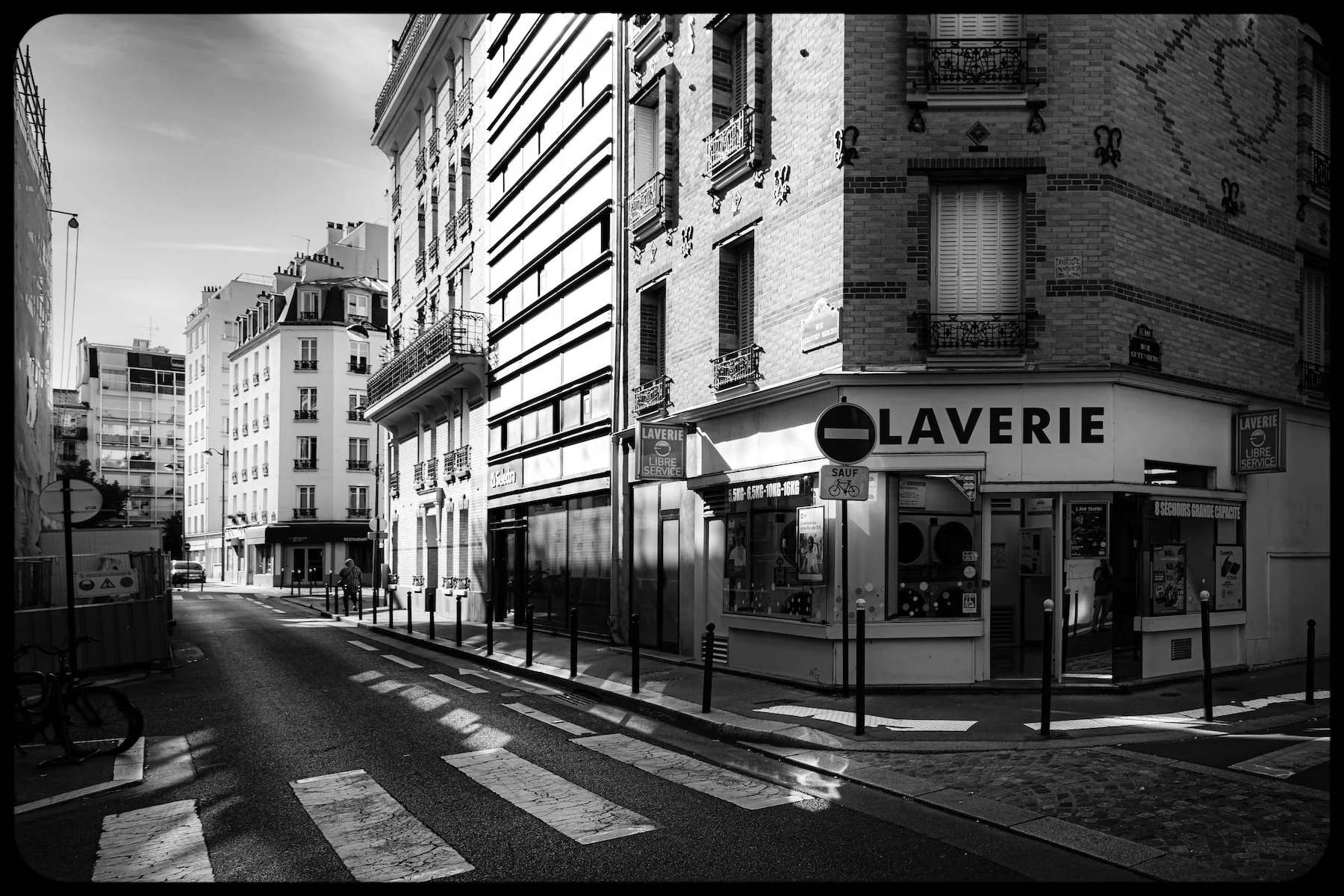
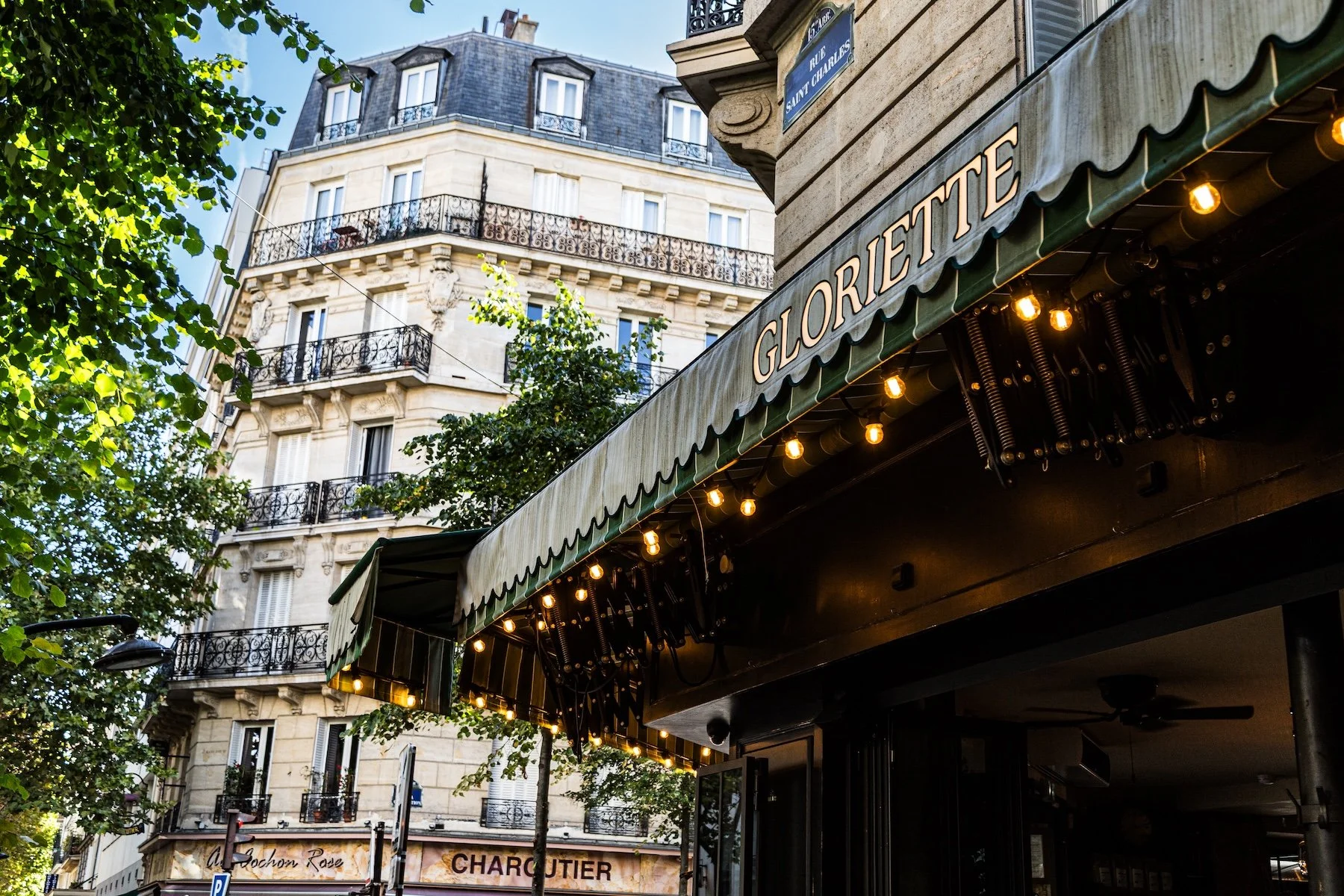
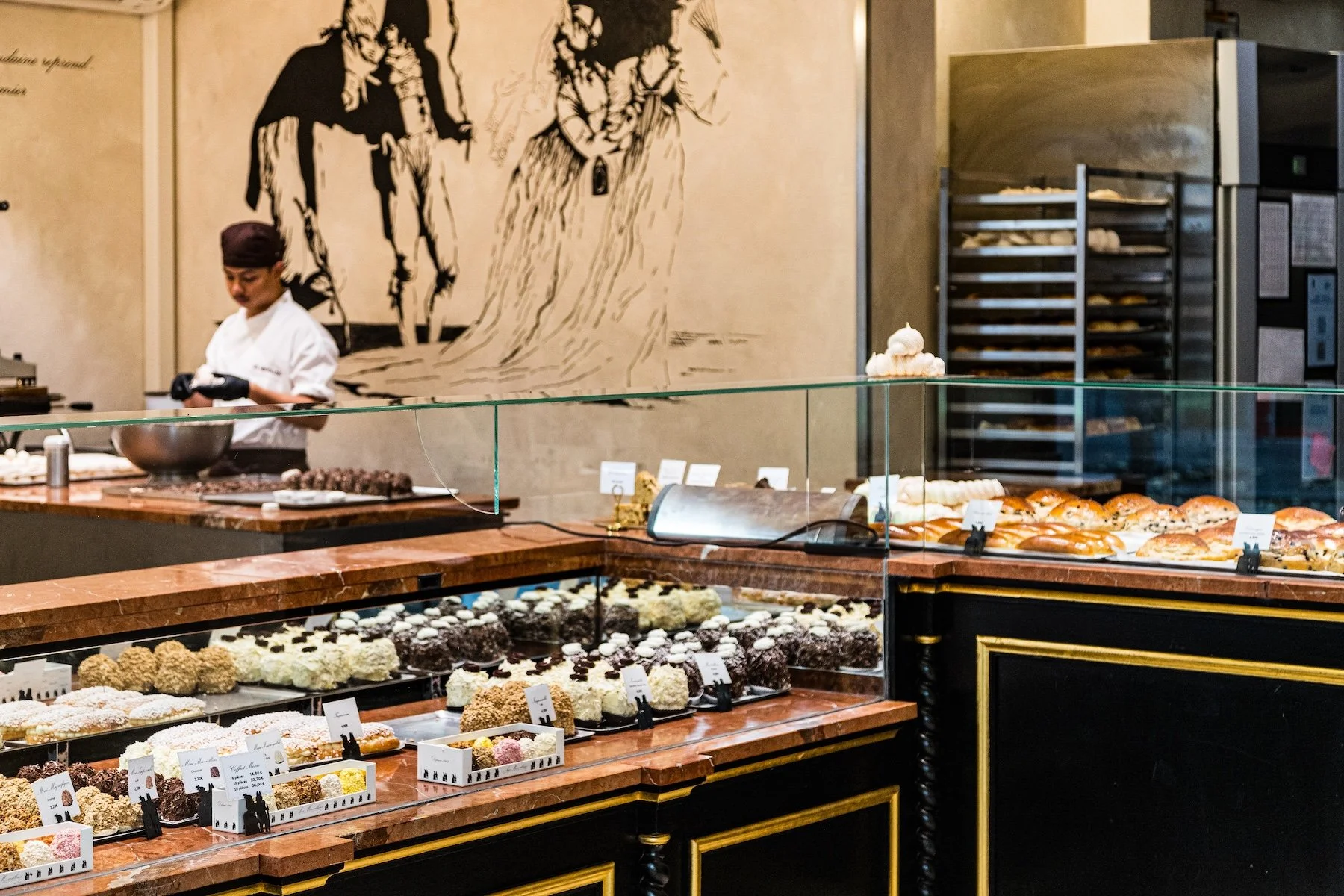
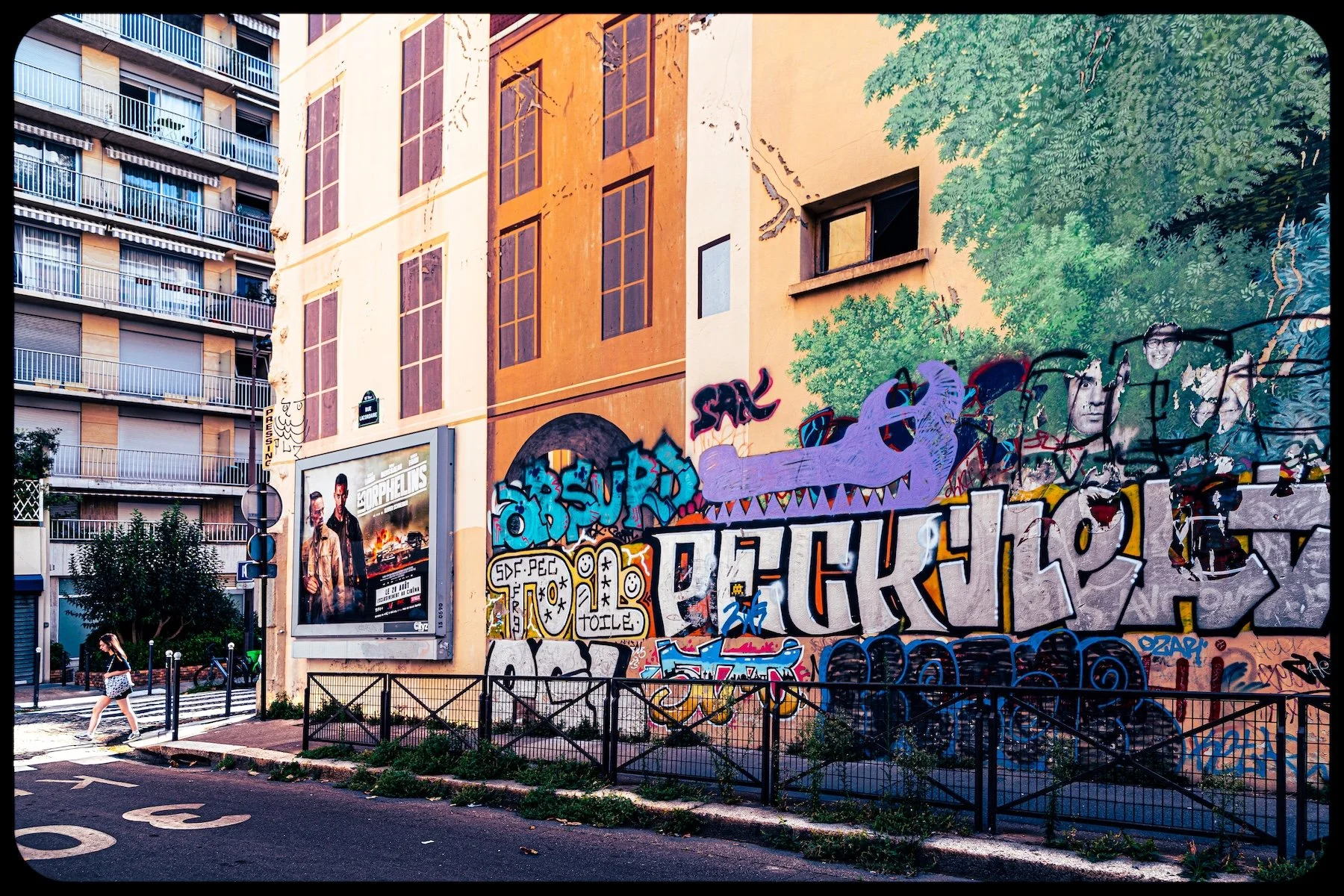
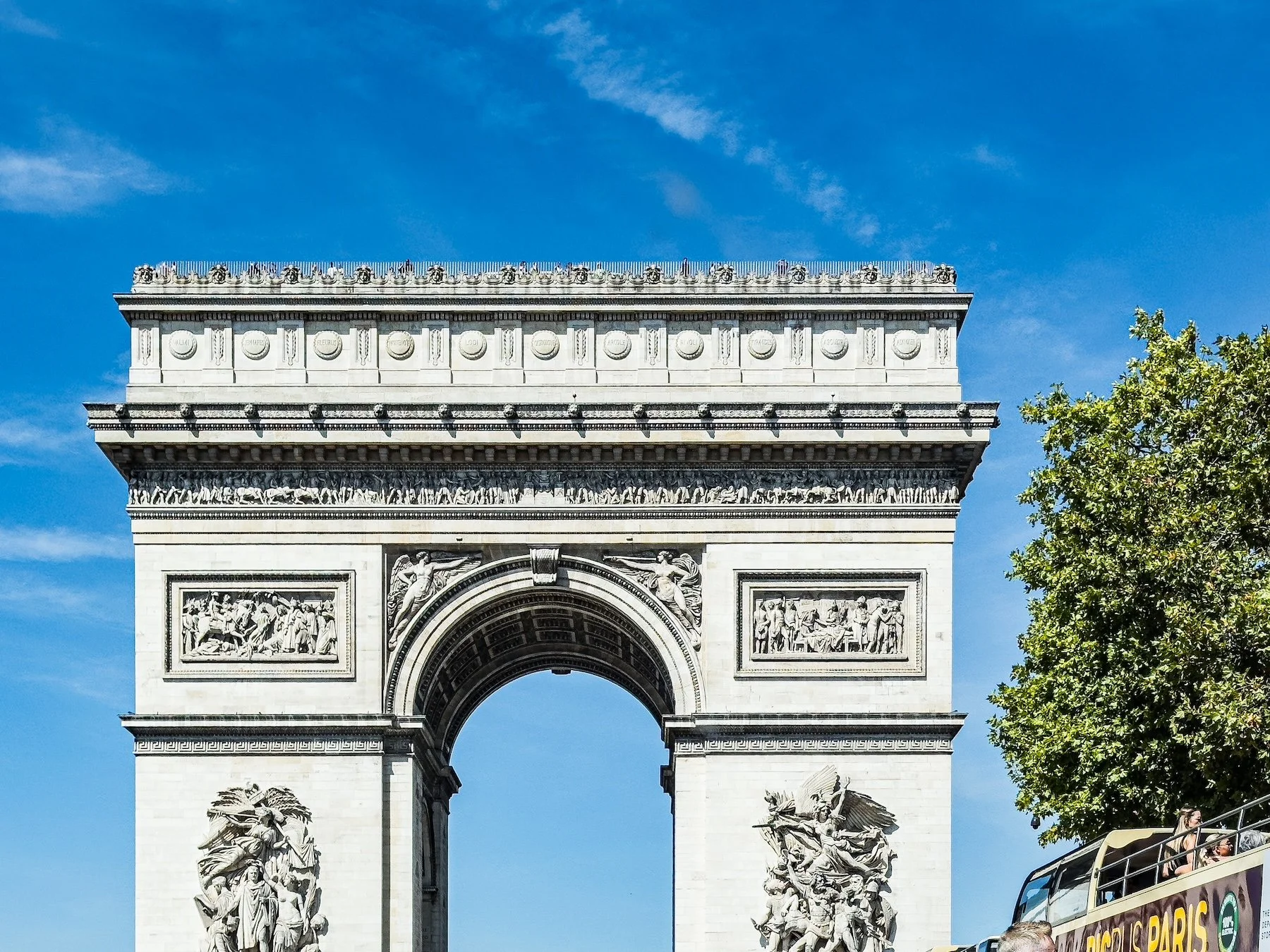
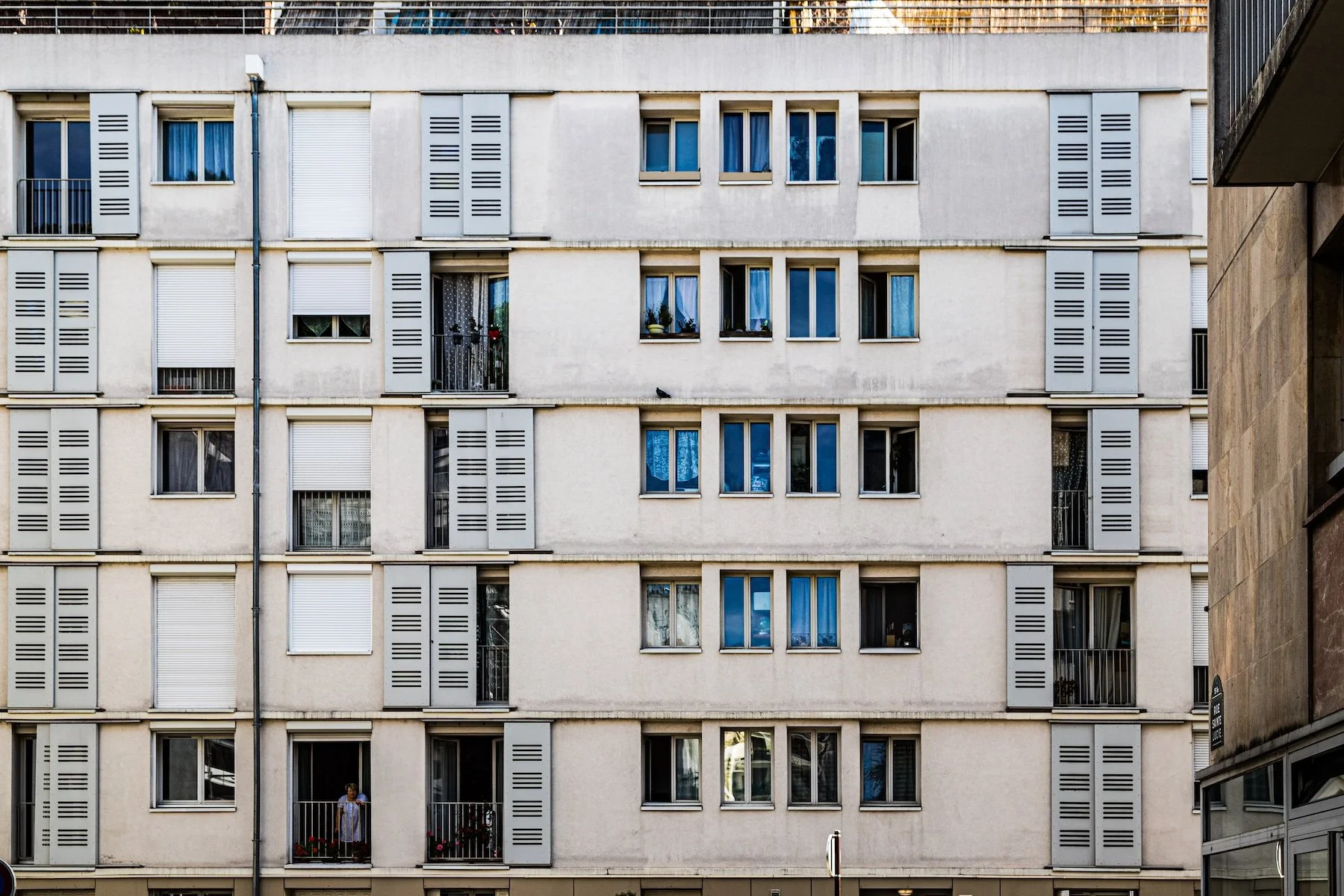
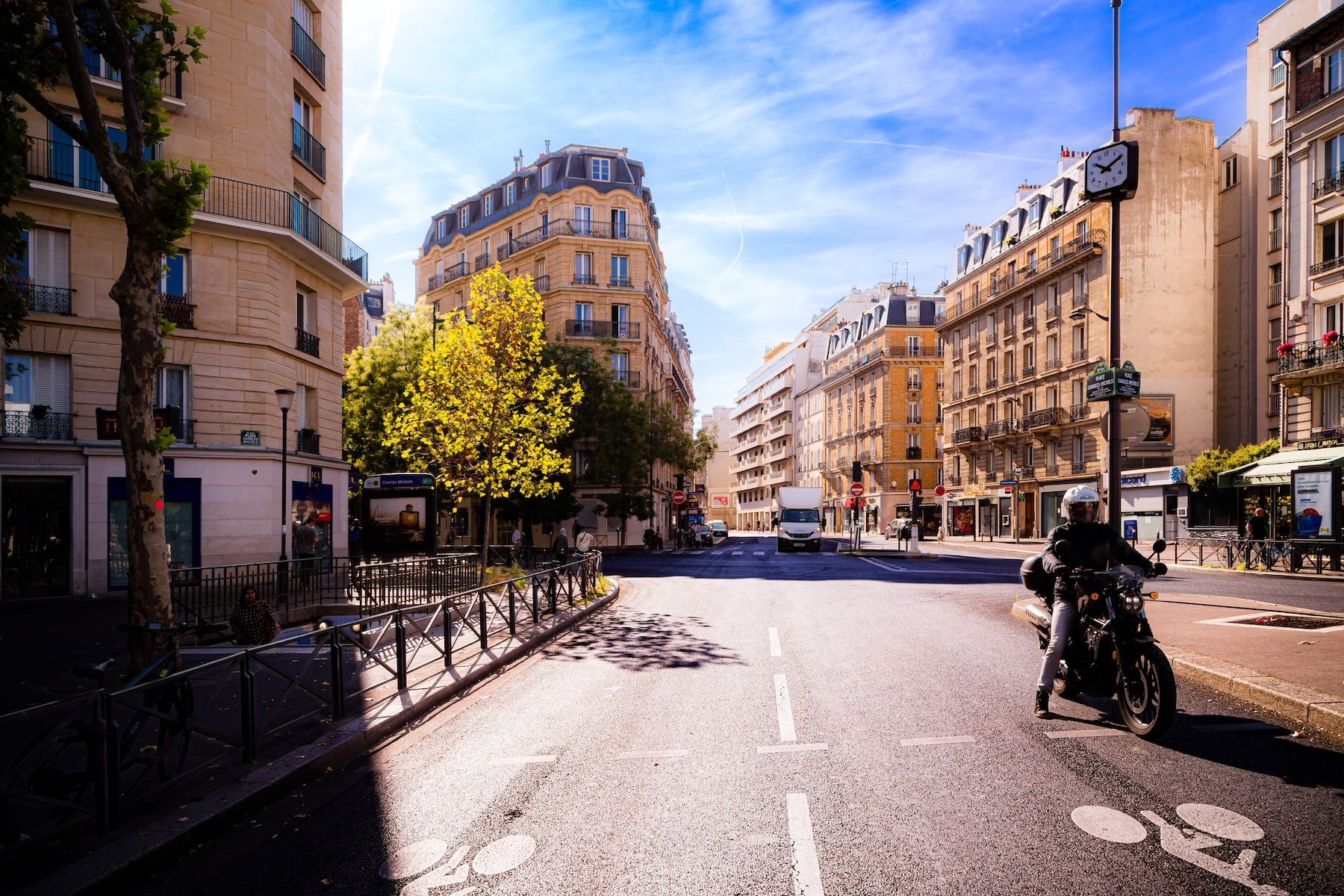
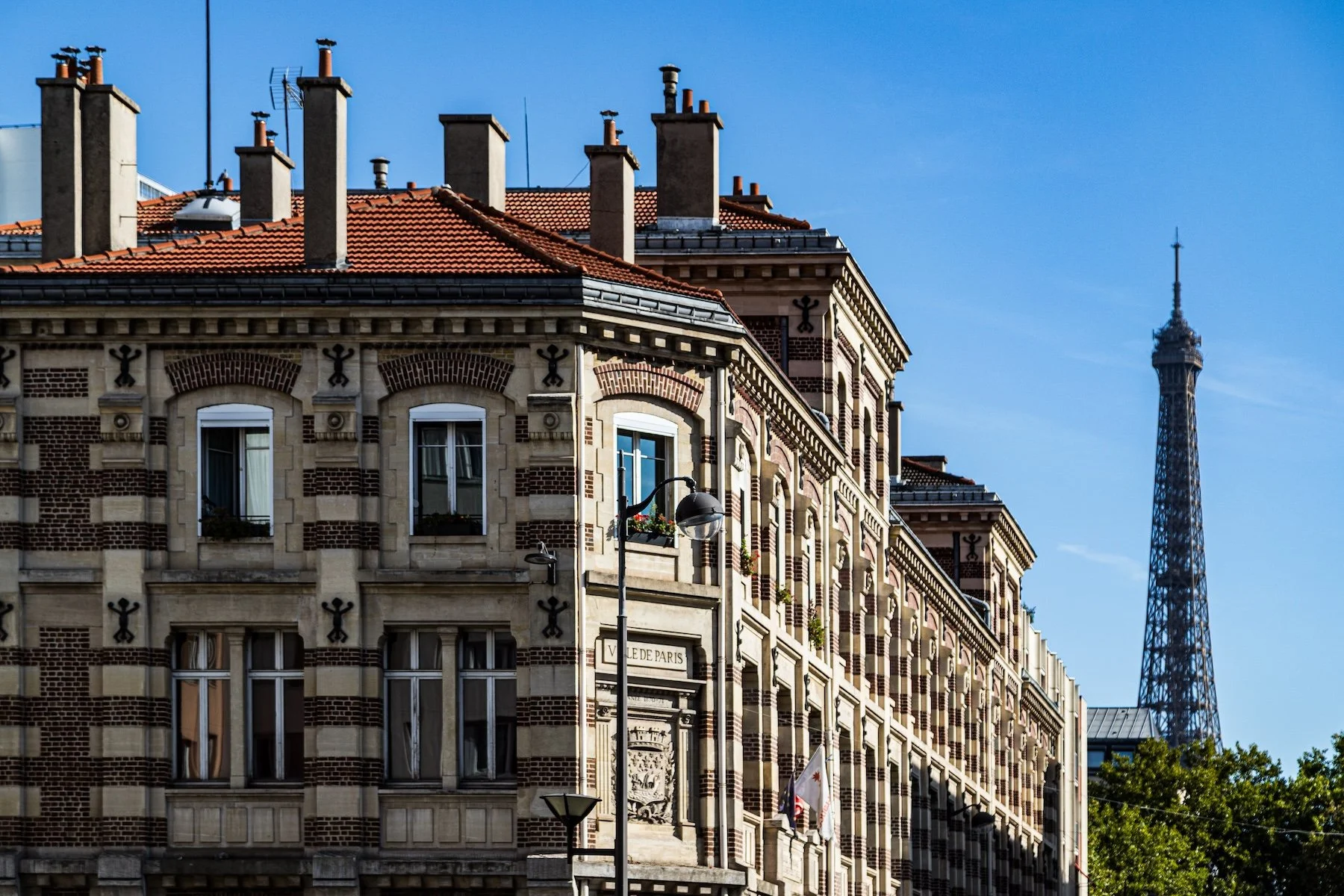
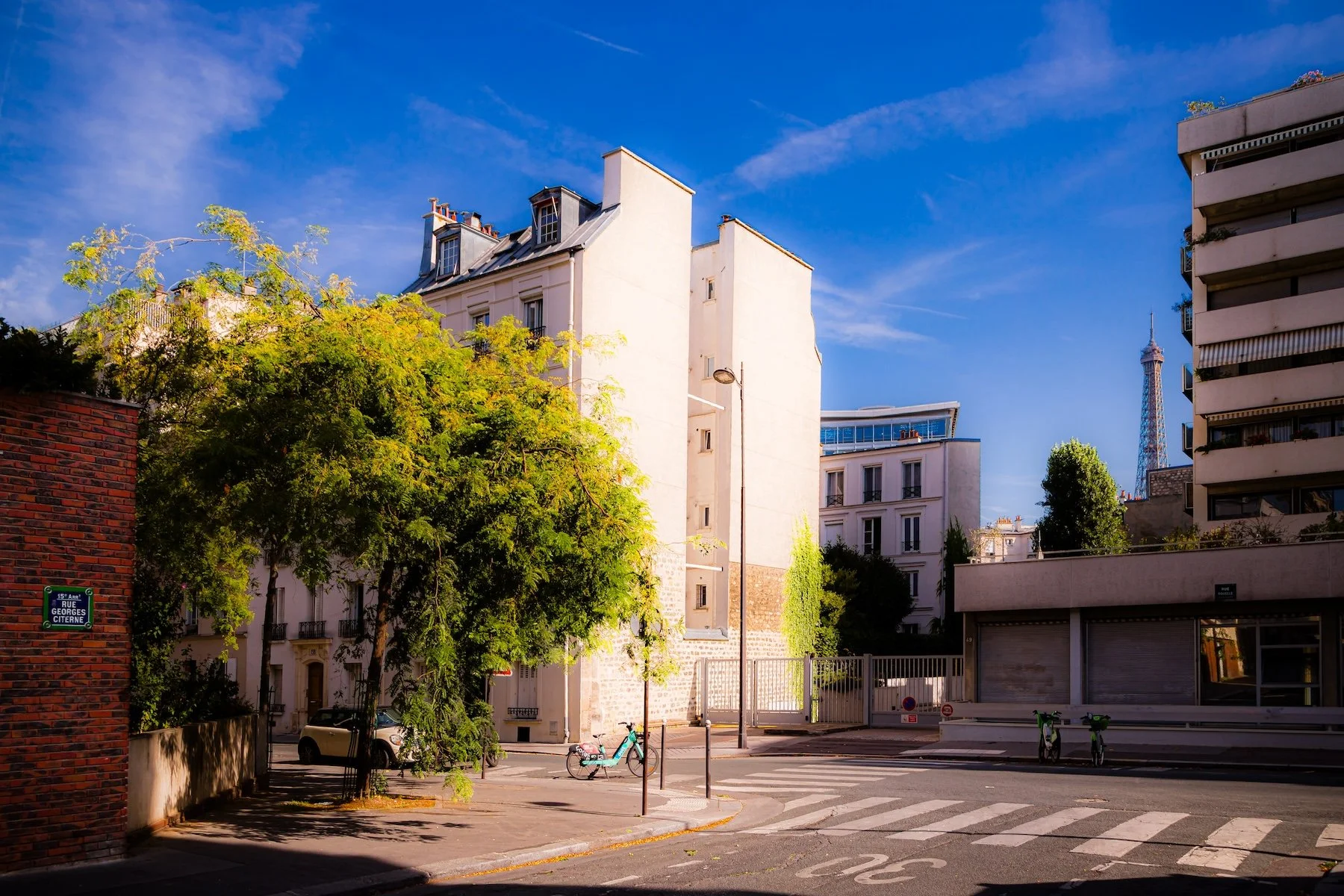
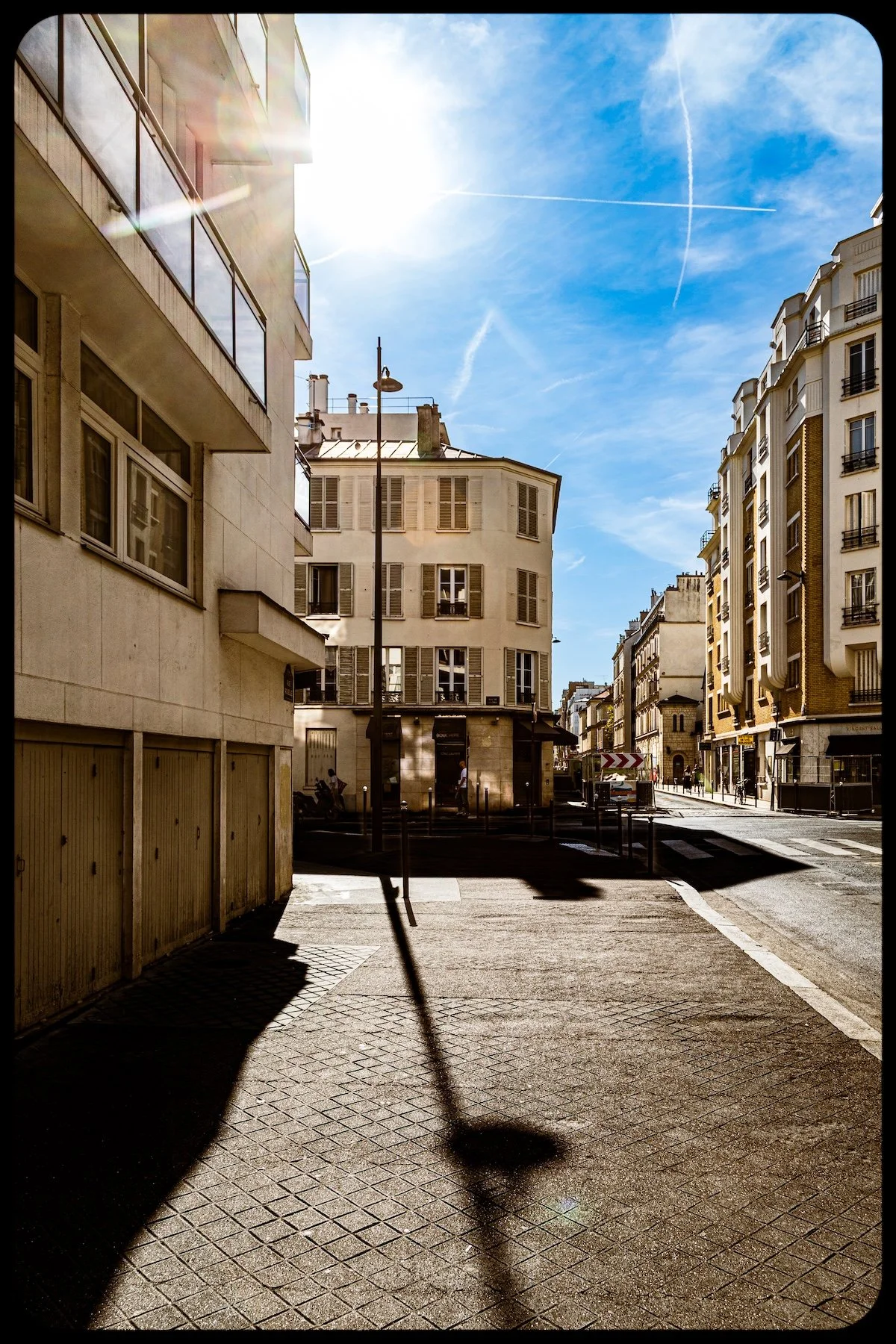
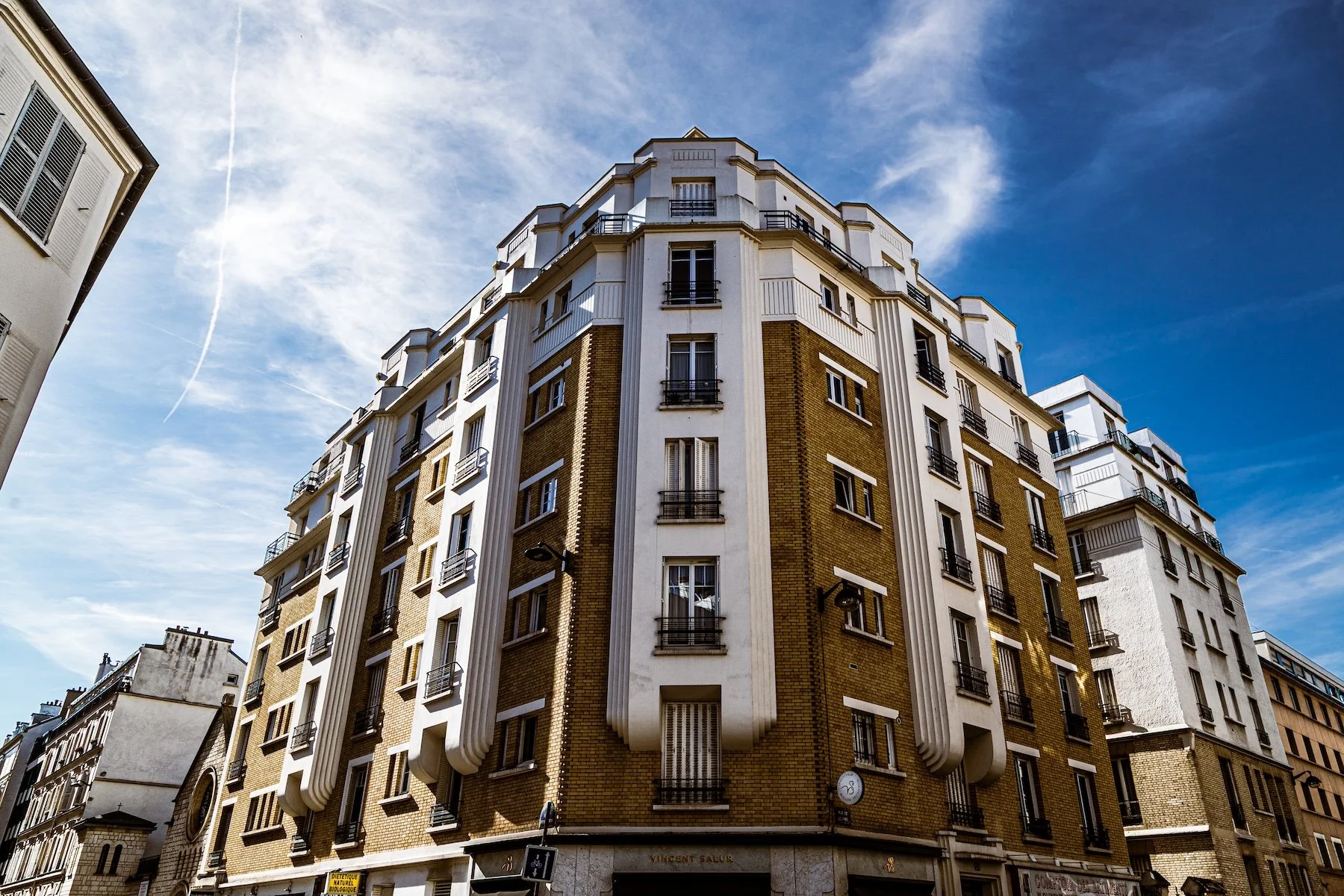
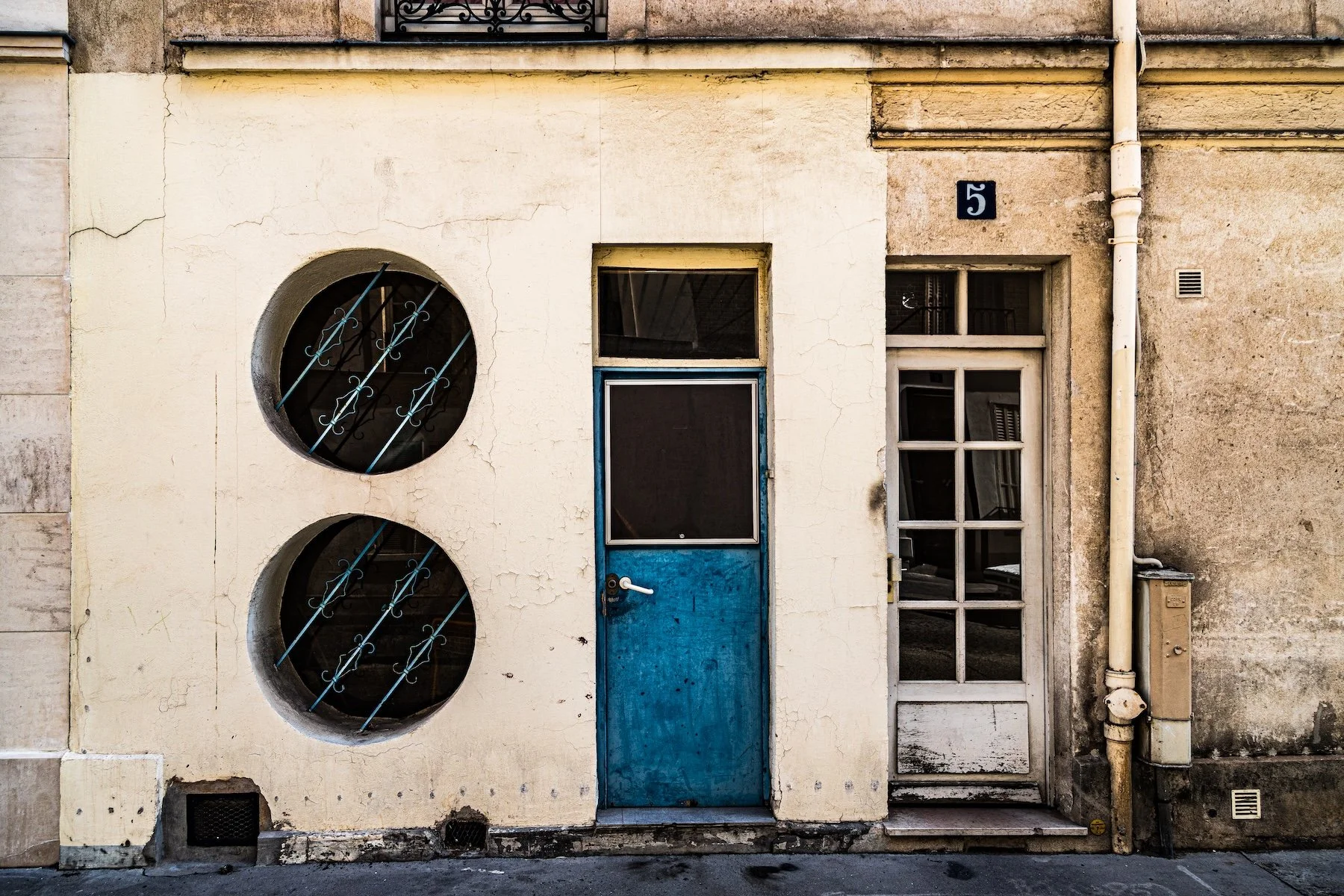
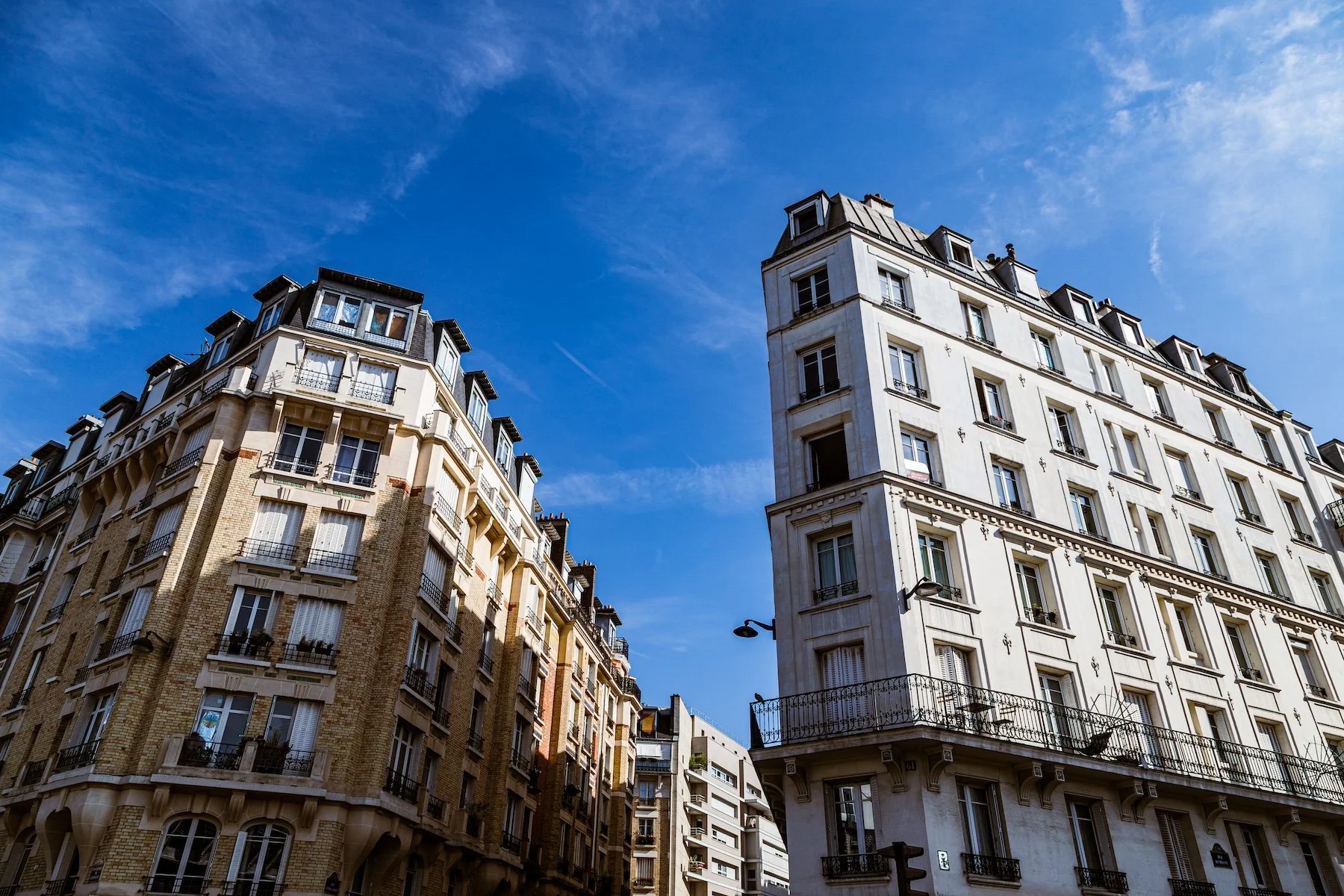
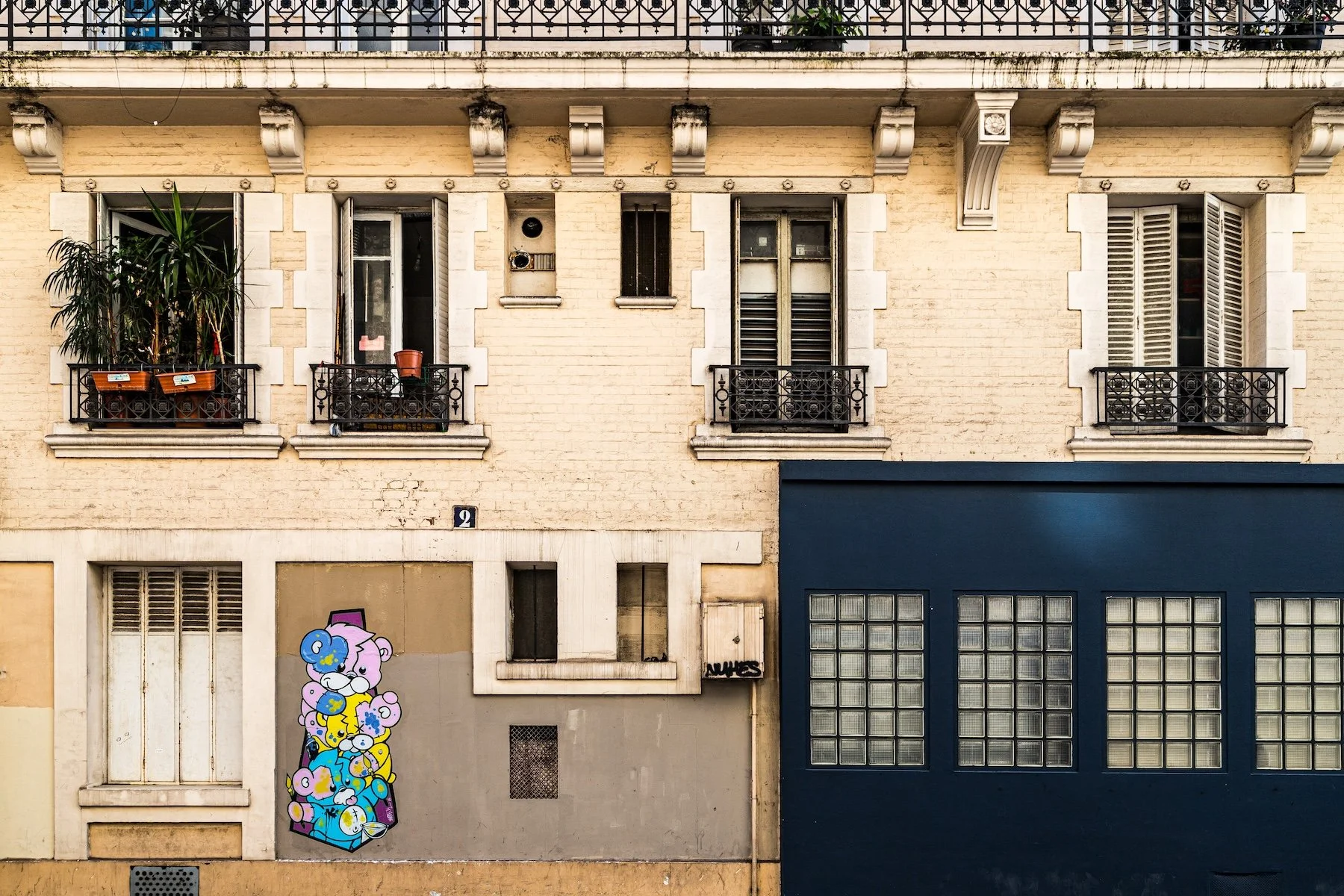
As the photographic archive grows, this section will continue to develop through images gathered on foot. Streets, façades, monuments, markets, parks, river edges, passages, signs, textures, and everyday details will gradually reveal how each district presents itself visually. The goal is not only to show what a place looks like, but to trace how its identity becomes visible through form, atmosphere, memory, and use.
Through The Lens
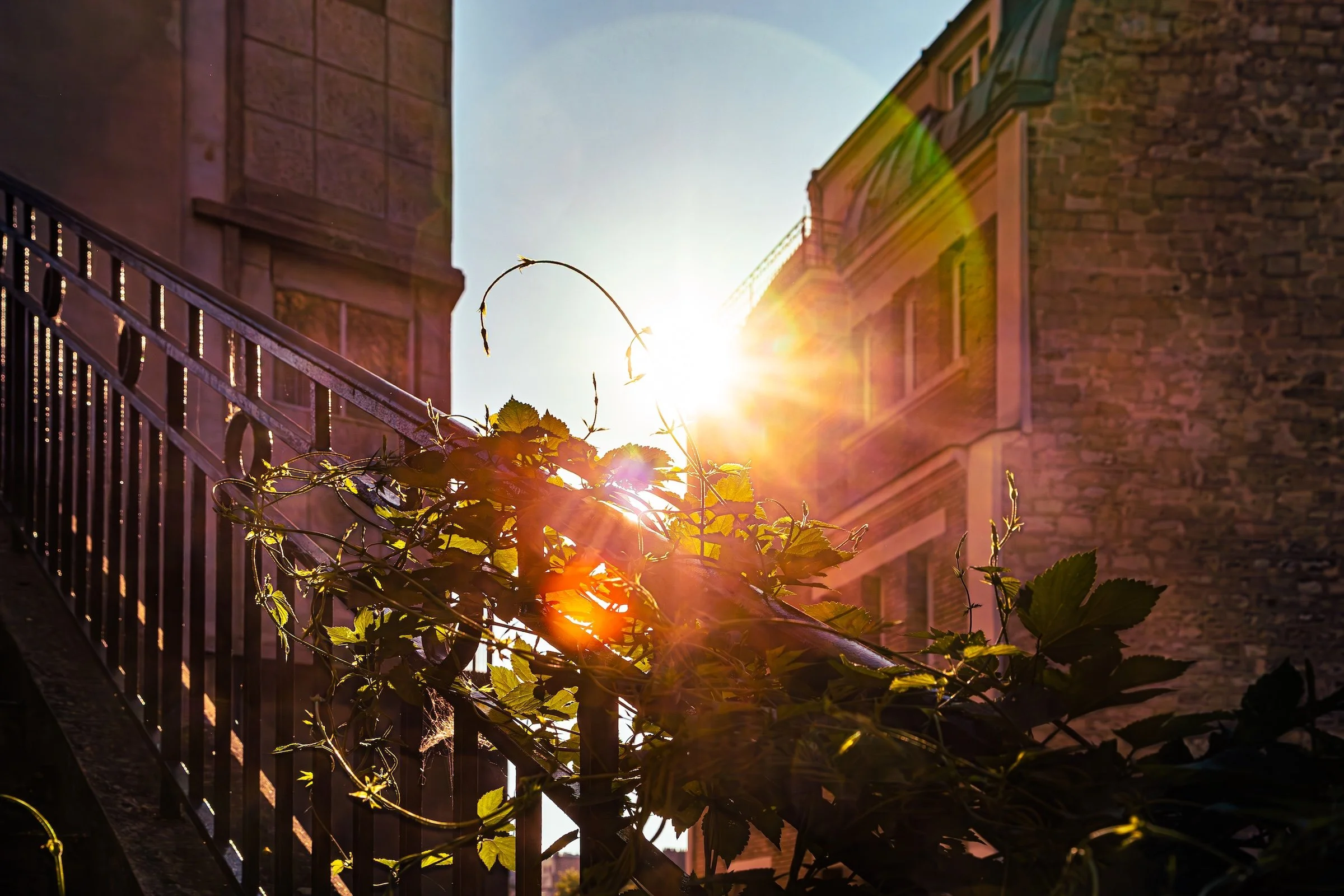
CityNeighborhoods Paris is built from walking, looking, and returning. Each district is approached through photography as a way of paying attention: to the obvious landmarks and the quieter details, to historic structures and ordinary streets, to the moments where civic geography becomes lived experience. The camera becomes a tool for noticing how Paris changes from one district to the next, and how each place holds its own relationship to the larger city.
As photographs are processed and added, this section will become a more specific visual record of the district. Future updates may include dated field notes, galleries, and reflections from individual walks. For now, the page remains part of the larger CityNeighborhoods effort to document every Paris neighborhood through maps, history, identity, and photography — one district, one walk, and one visual encounter at a time.
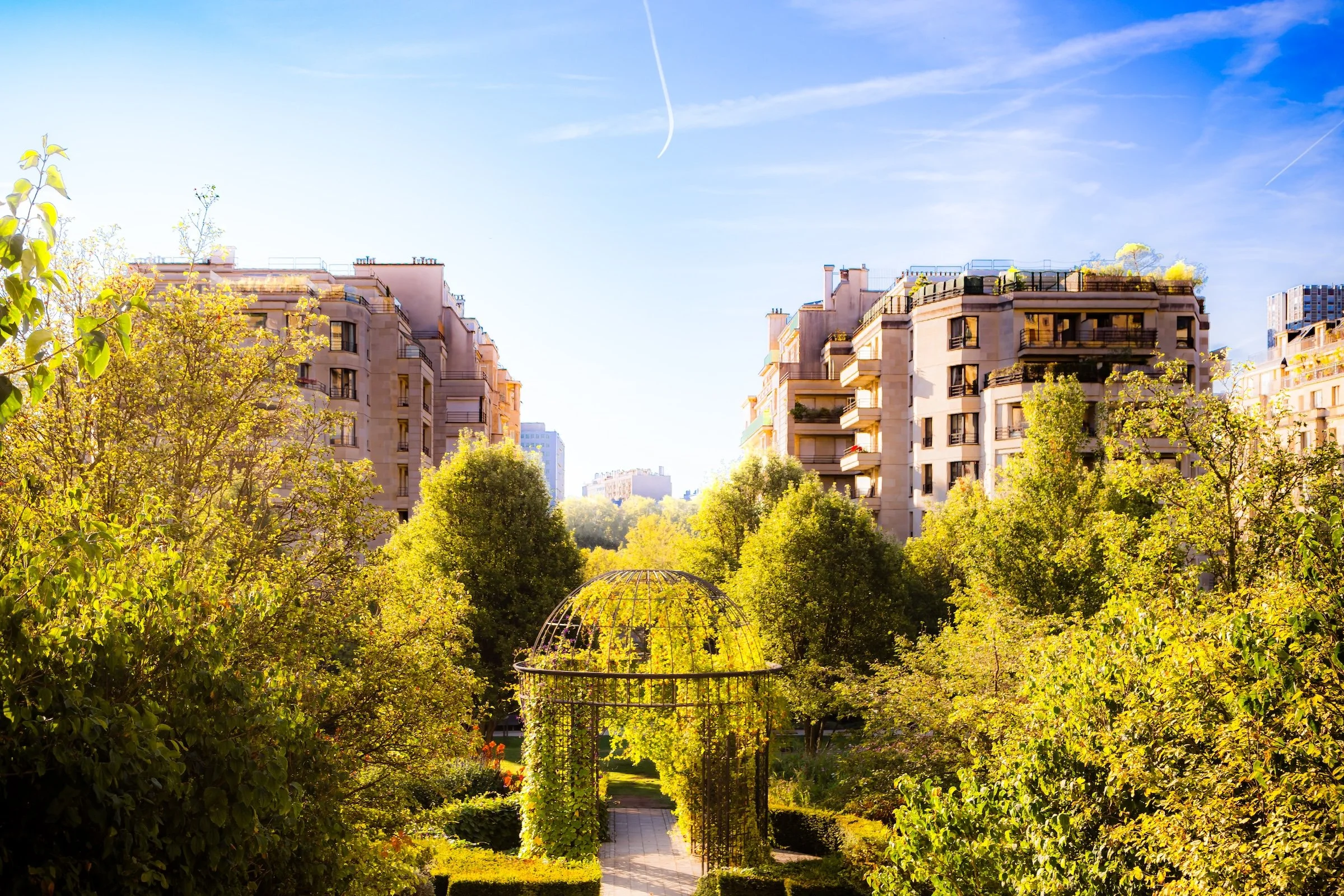
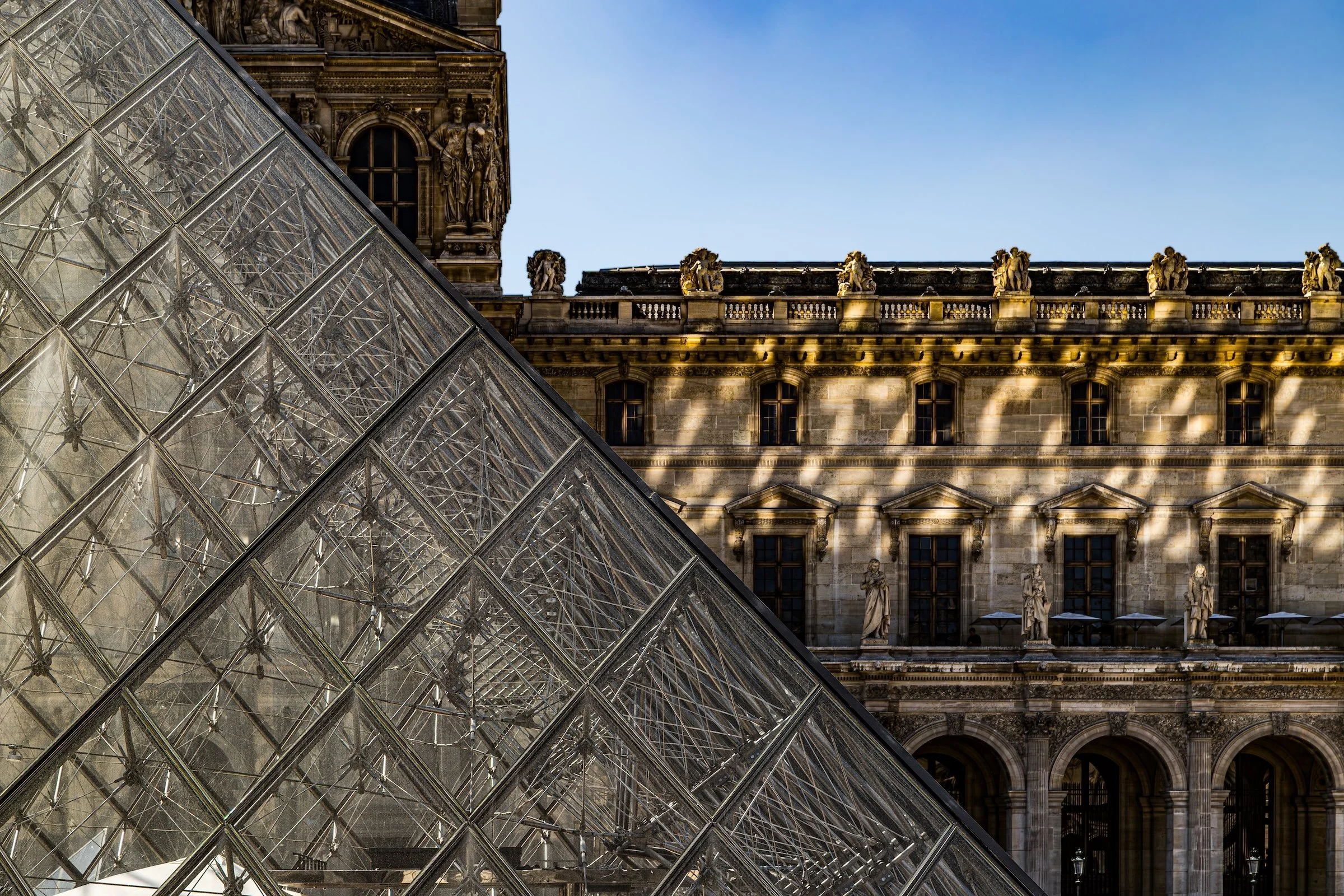
If you visit Paris, these ideas can help inspire your own photography.
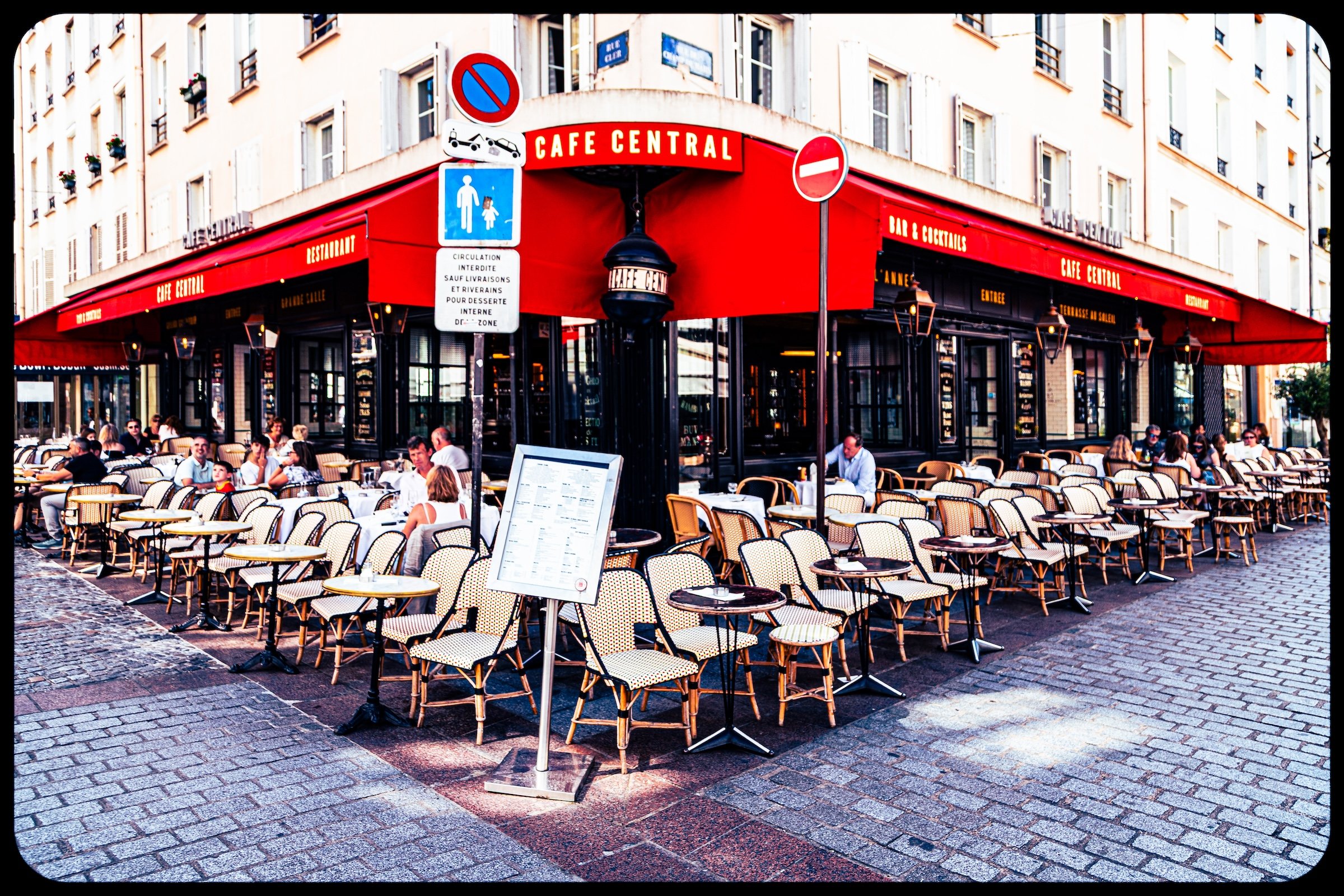
Paris: J’Espere, Je Rêve, Je Vive
Paris Photo Gallery
Paris Flâneur Notes
Flâneur Notes document the walks, photographs, light, and street-level observations behind this neighborhood entry. Learn more about the Spirit of the Flâneur.

Explore Paris
-

The twenty arrondissements form the civic spiral of Paris, organizing the city into its broad local districts of government, identity, and daily life.
-

Each arrondissement is divided into four official administrative quarters, giving Paris a more precise civic and geographic framework.
-

The conseils de quartier bring participation to street level, giving residents a voice in neighborhood needs, public space, and local civic life.
-

Les Deux Rives trace Paris through the Seine’s two banks, revealing how the Rive Droite and Rive Gauche shaped the city’s civic power, commerce, learning, art, and cultural identity.
-
Cultural neighborhoods reveal the Paris people recognize through history, cafés, architecture, memory, atmosphere, and local belonging.