
15e - SAINT-LAMBERT
Quartiers Administratifs
Welcome to the Saint-Lambert neighborhood page! Saint-Lambert is a quartier administratif — the 57th administrative quarter — one of 80 such districts across Paris. As a quartier administratif of the 15e Arrondissement - Vaugirard, Saint-Lambert belongs to a formal layer of Parisian geography and is rooted in the former village of Vaugirard. Saint-Lambert is where the church of Saint-Lambert, Convention, local markets, schools, and dense residential streets give the 15e much of its everyday Parisian character.
Part of an ongoing project to walk and photograph every neighborhood in Paris, this page explores 15e Saint-Lambert through maps, district identity, history, and photography.
The Map
Geographic Setting
Saint-Lambert Neighborhood Maps
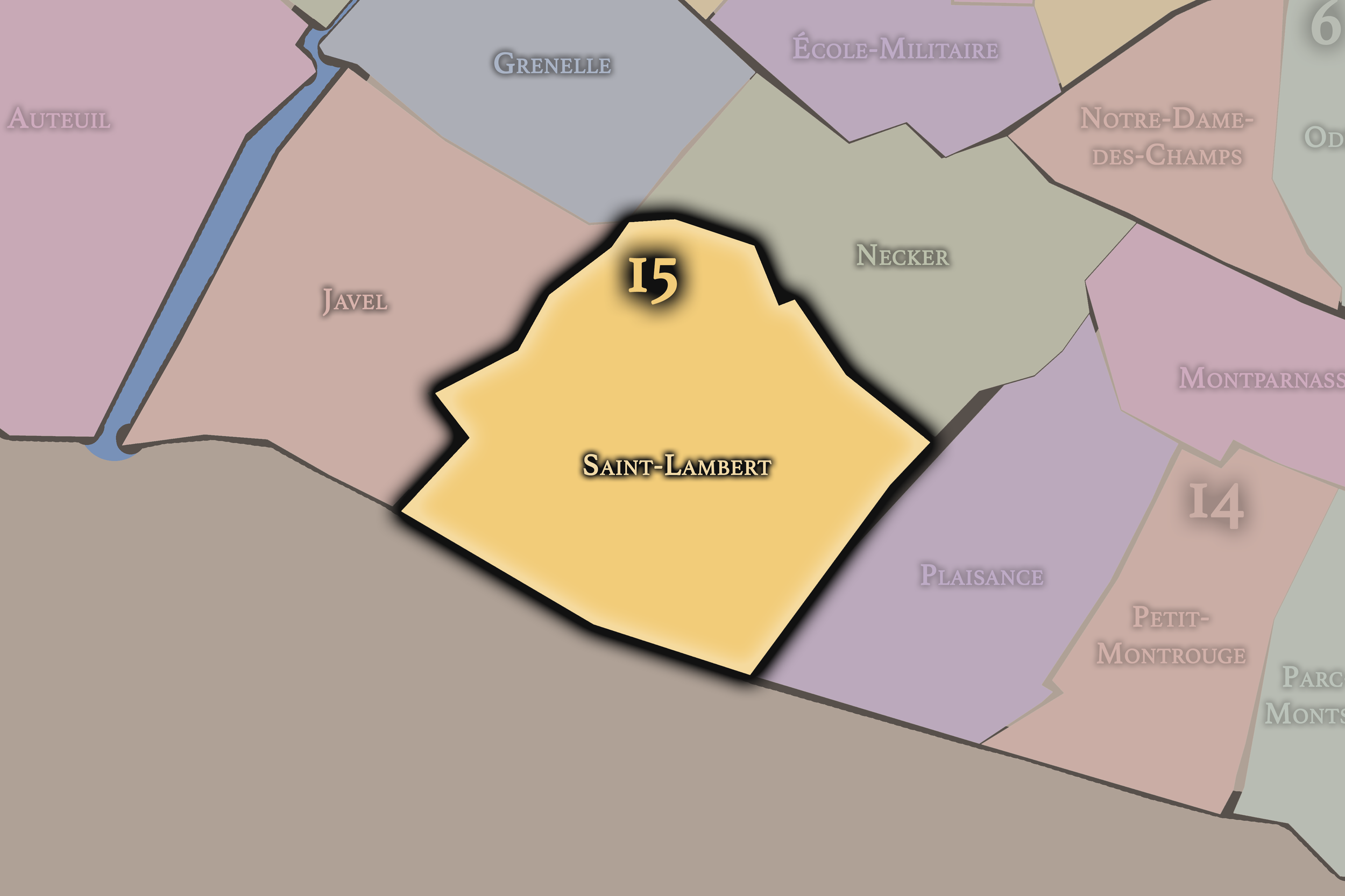
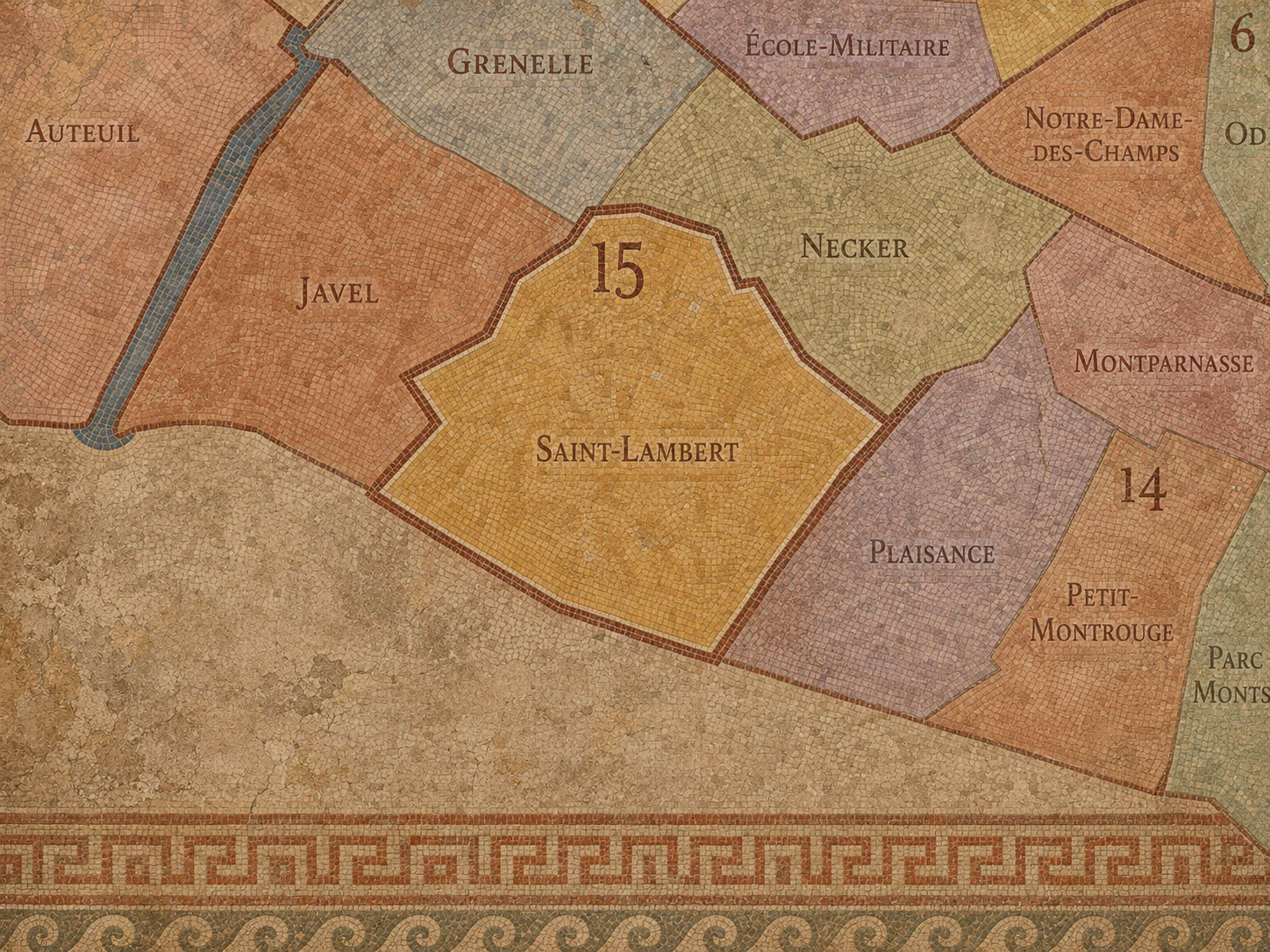
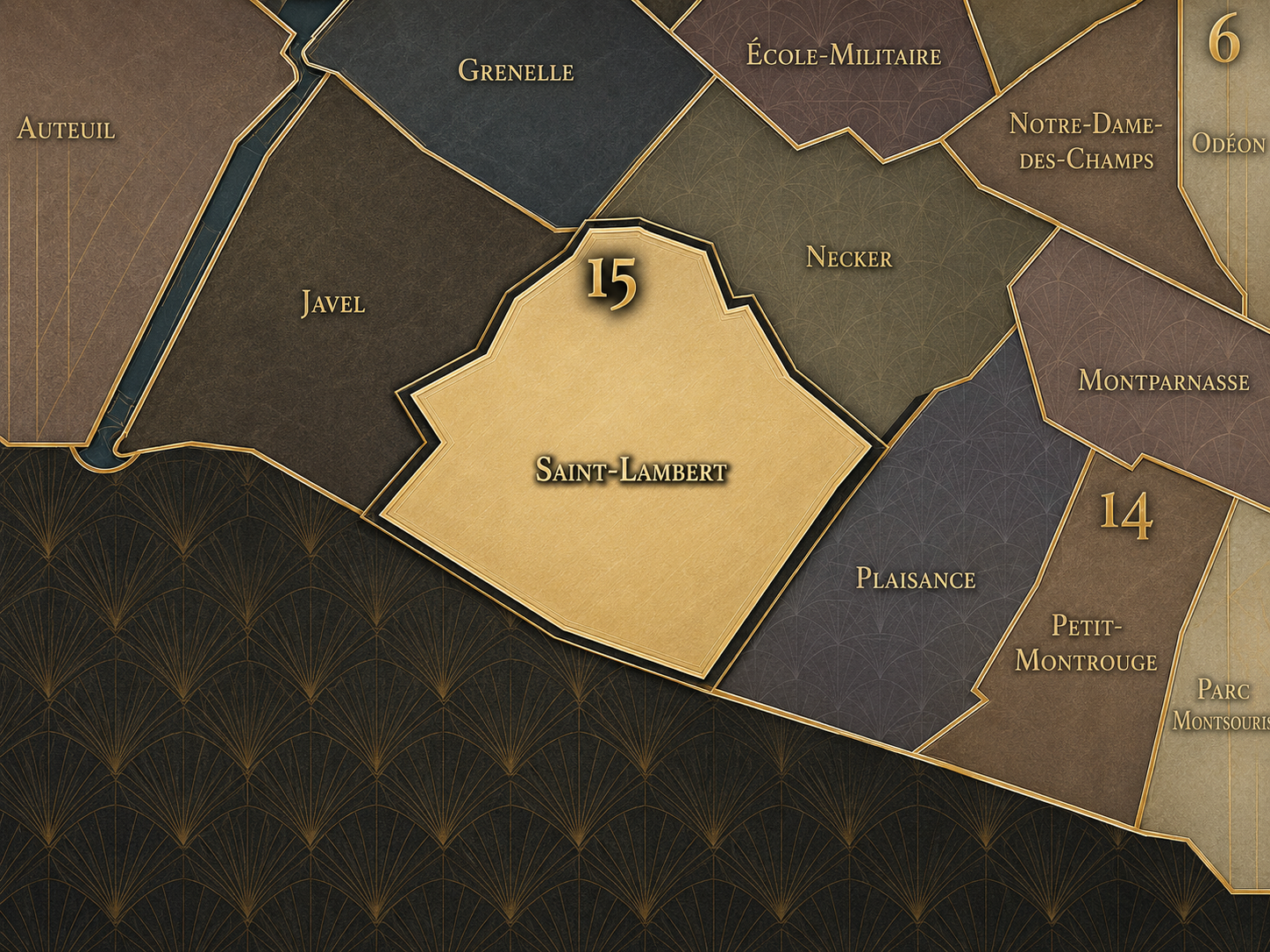
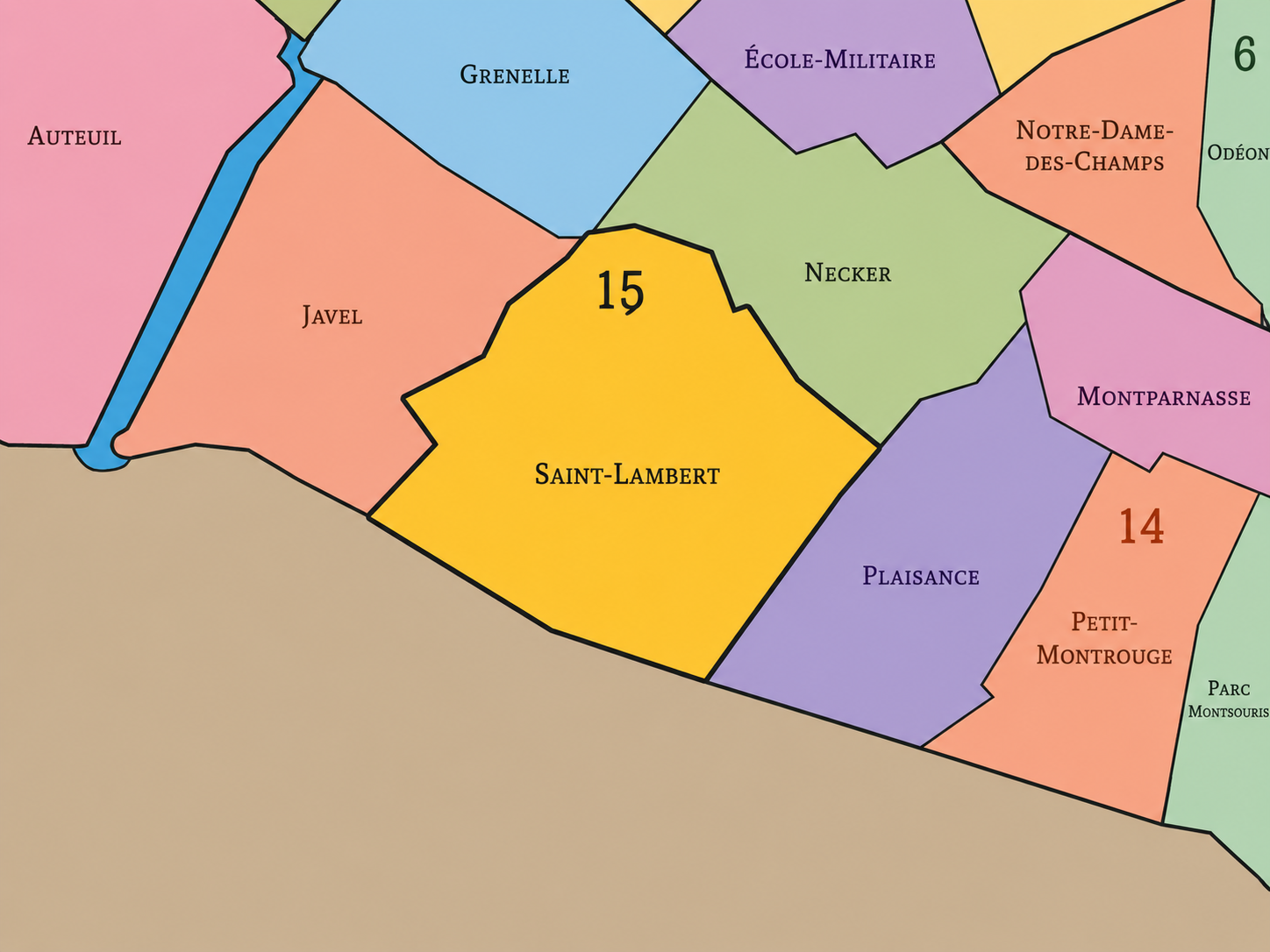
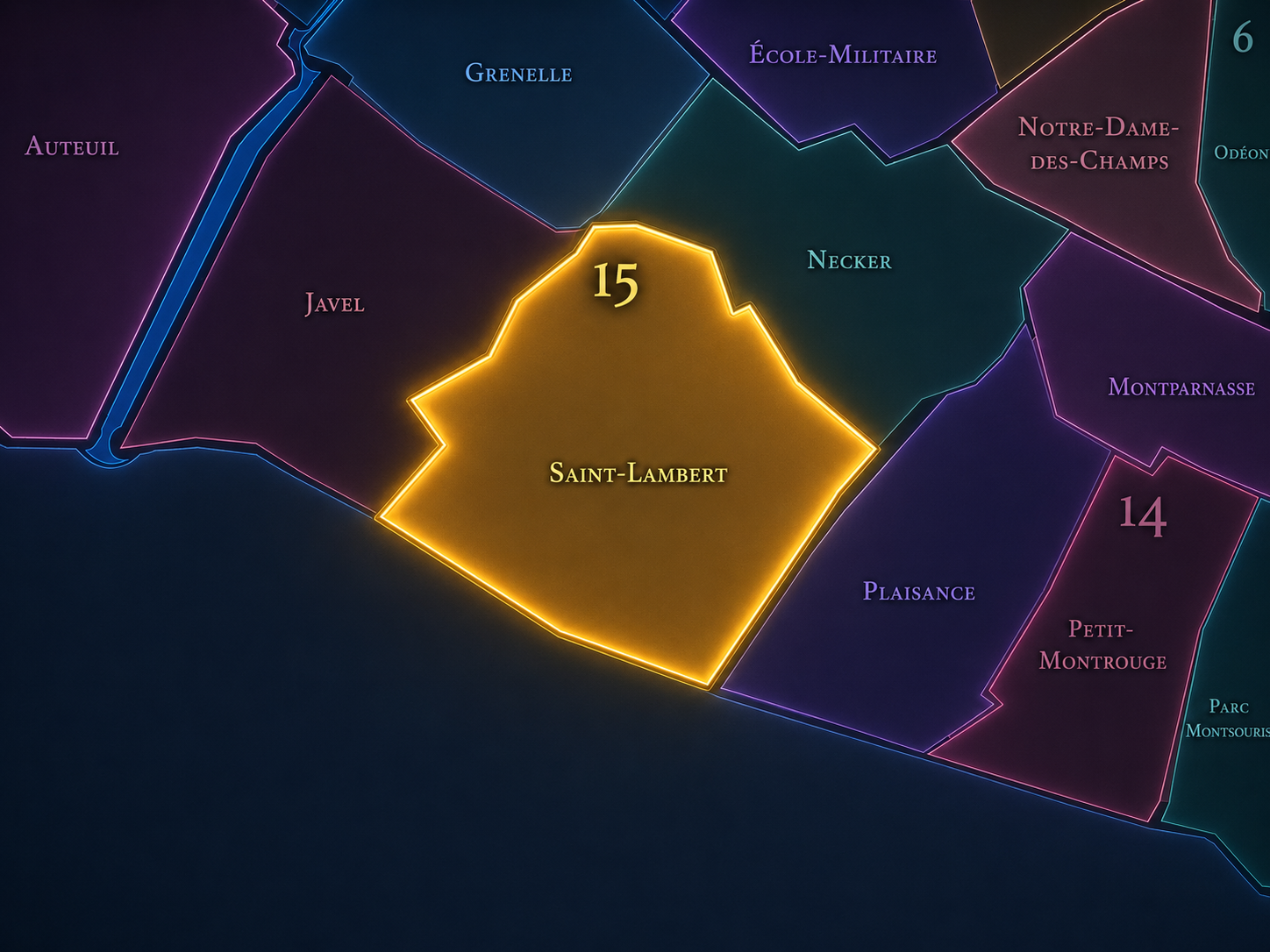
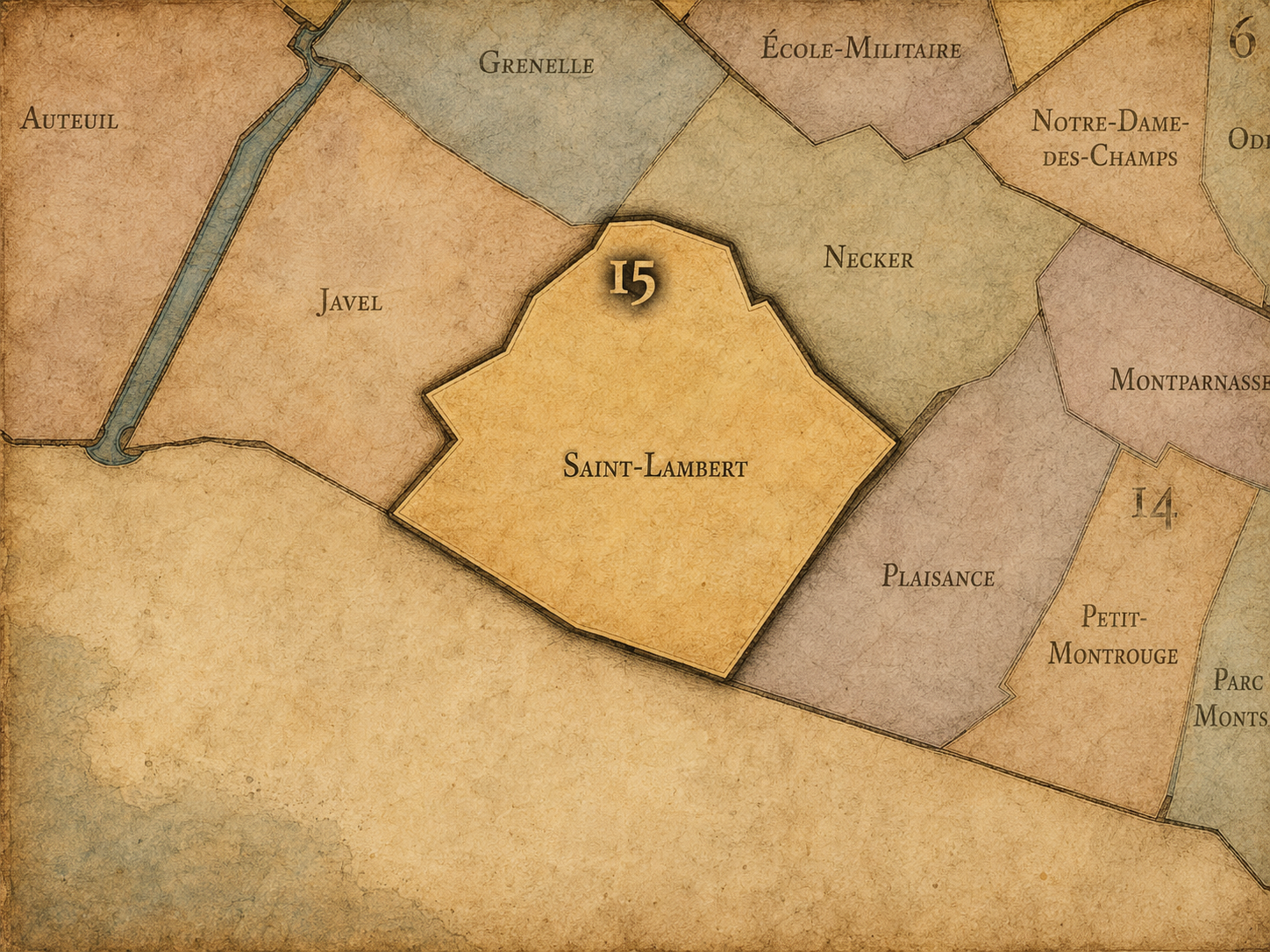
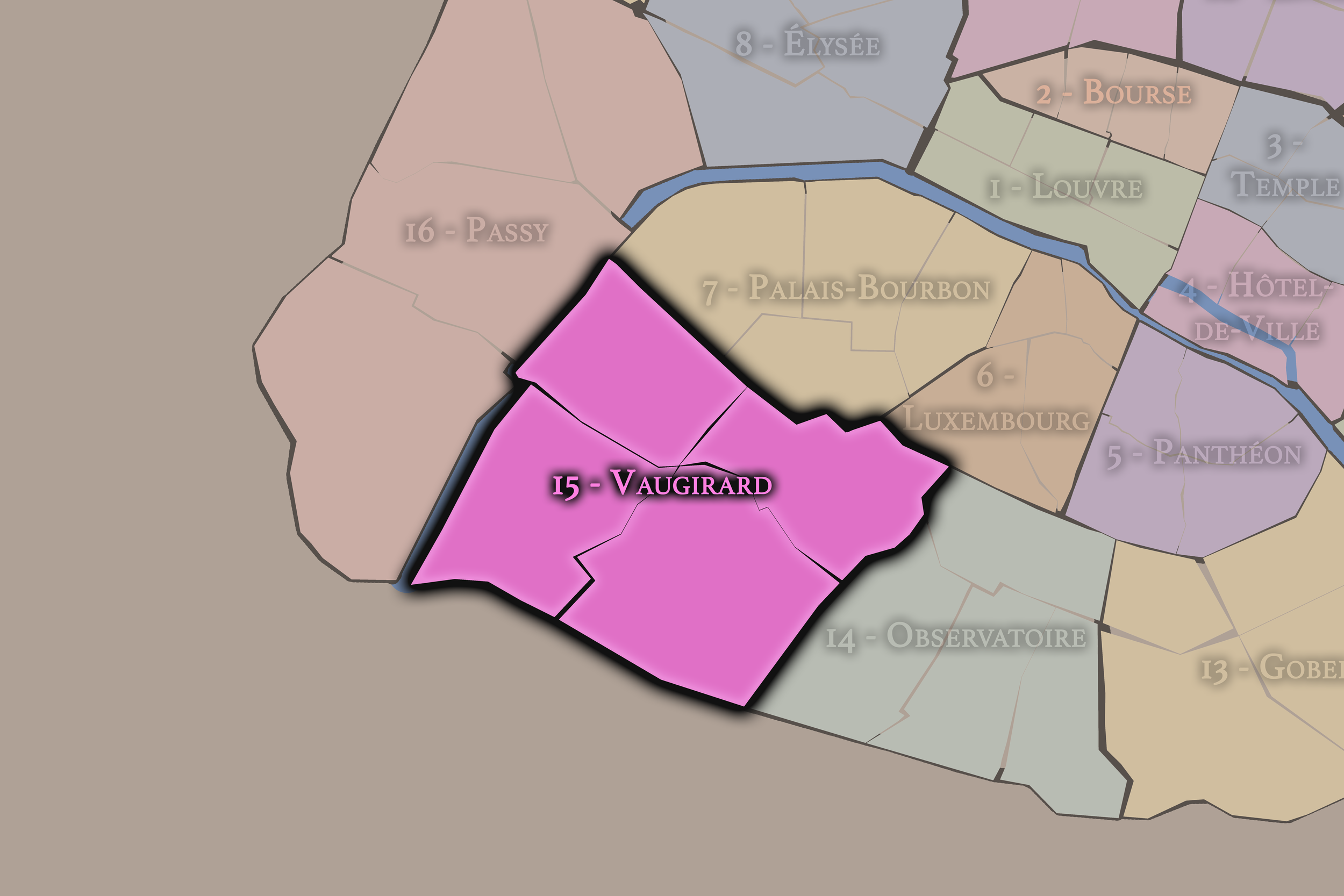
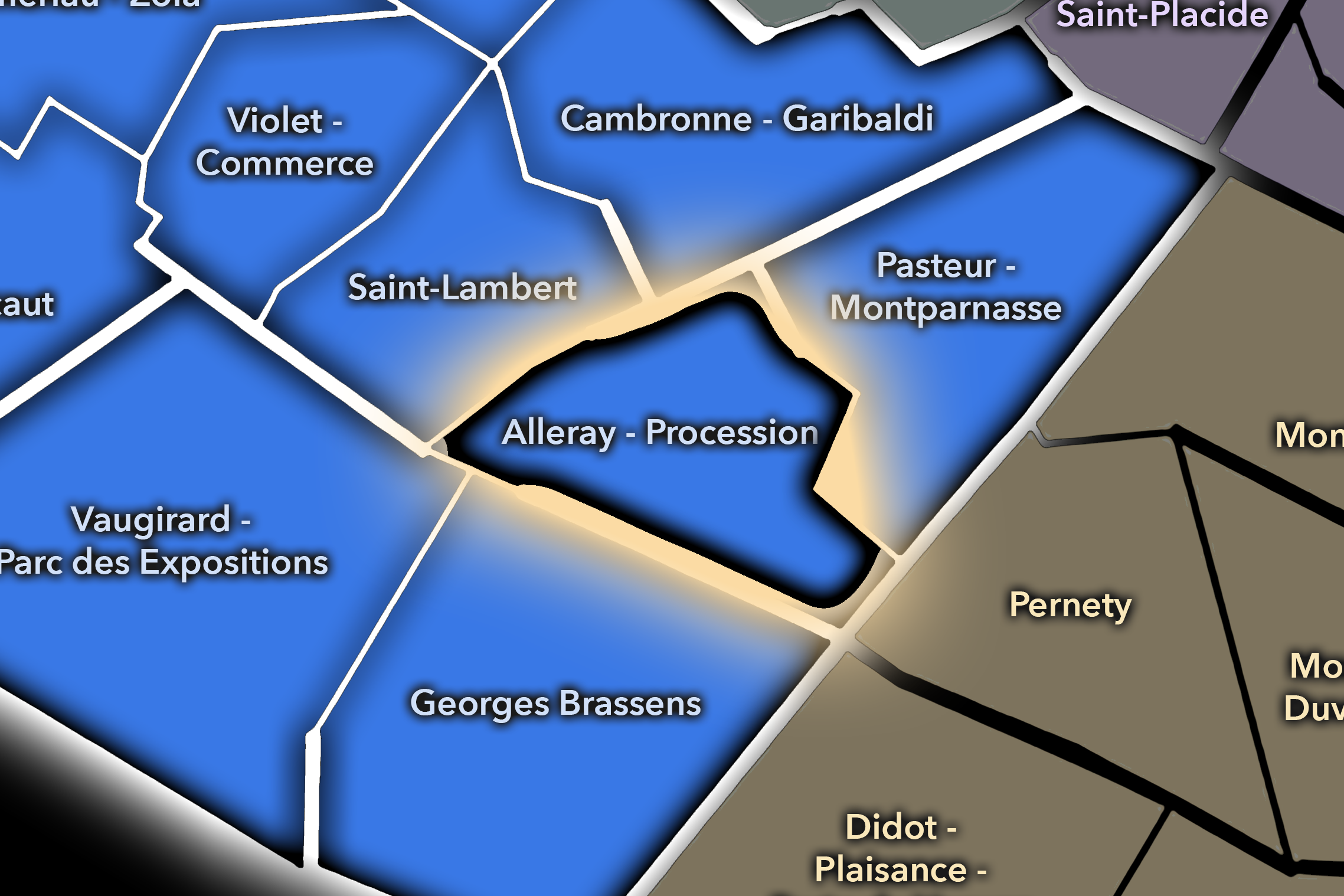
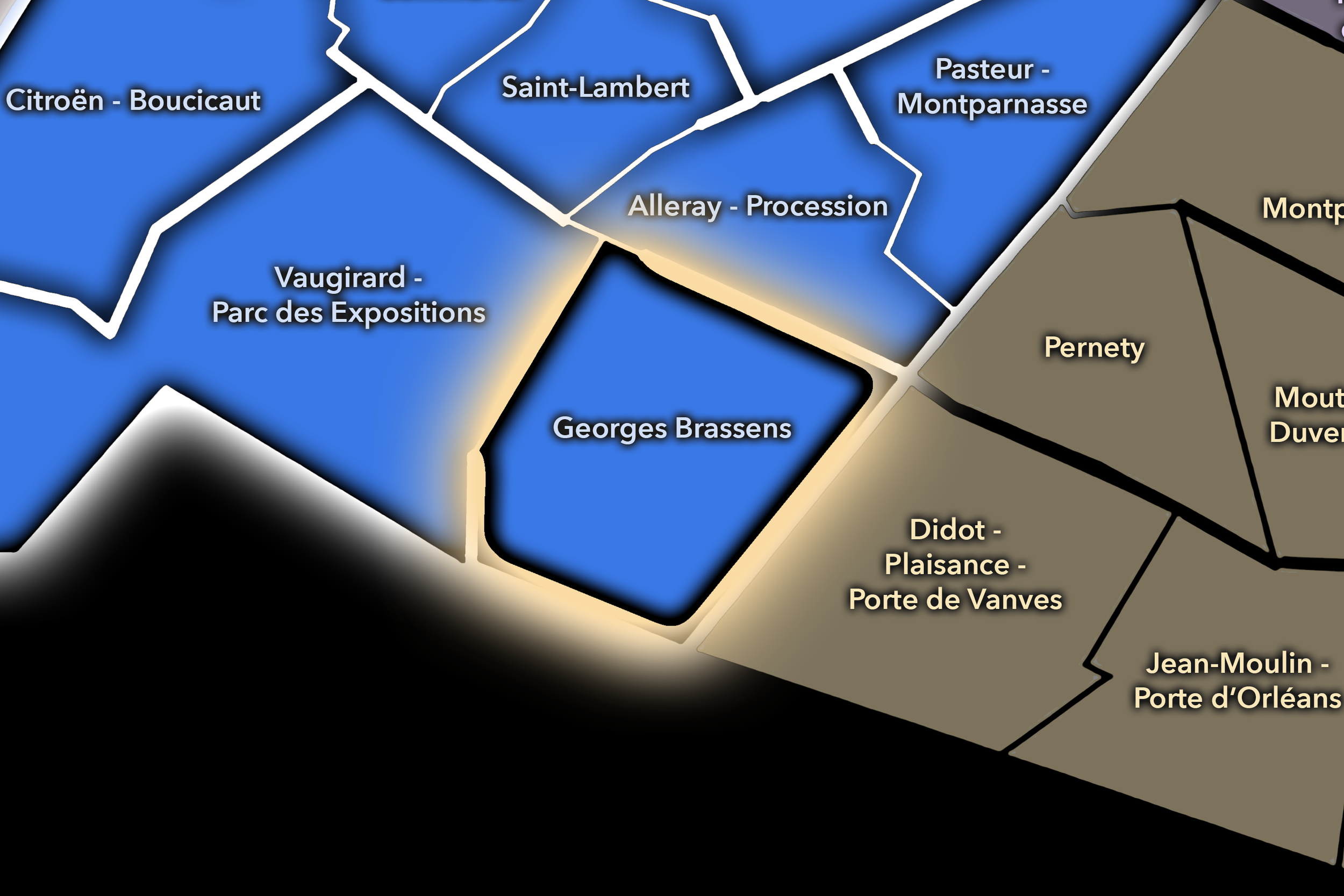
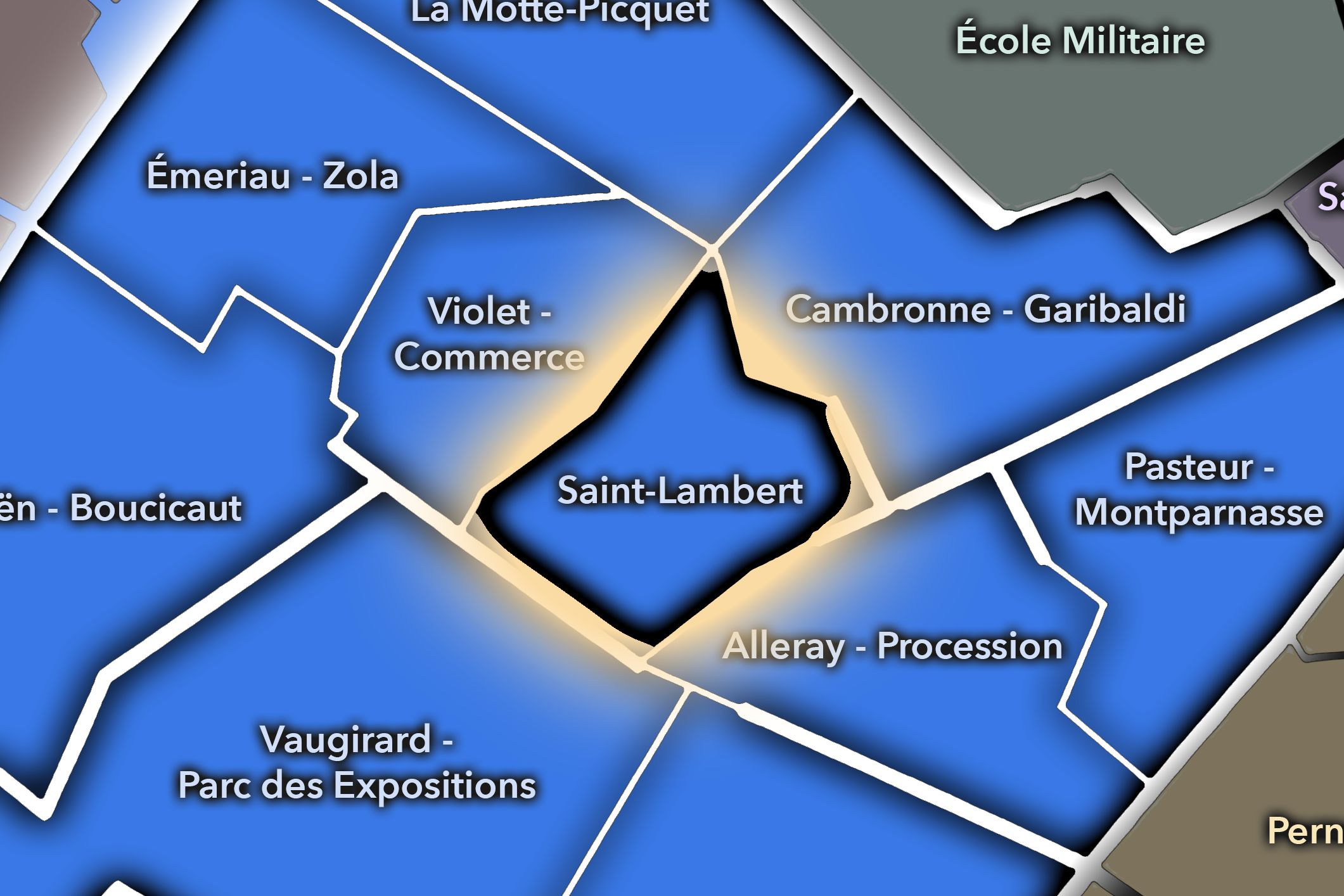
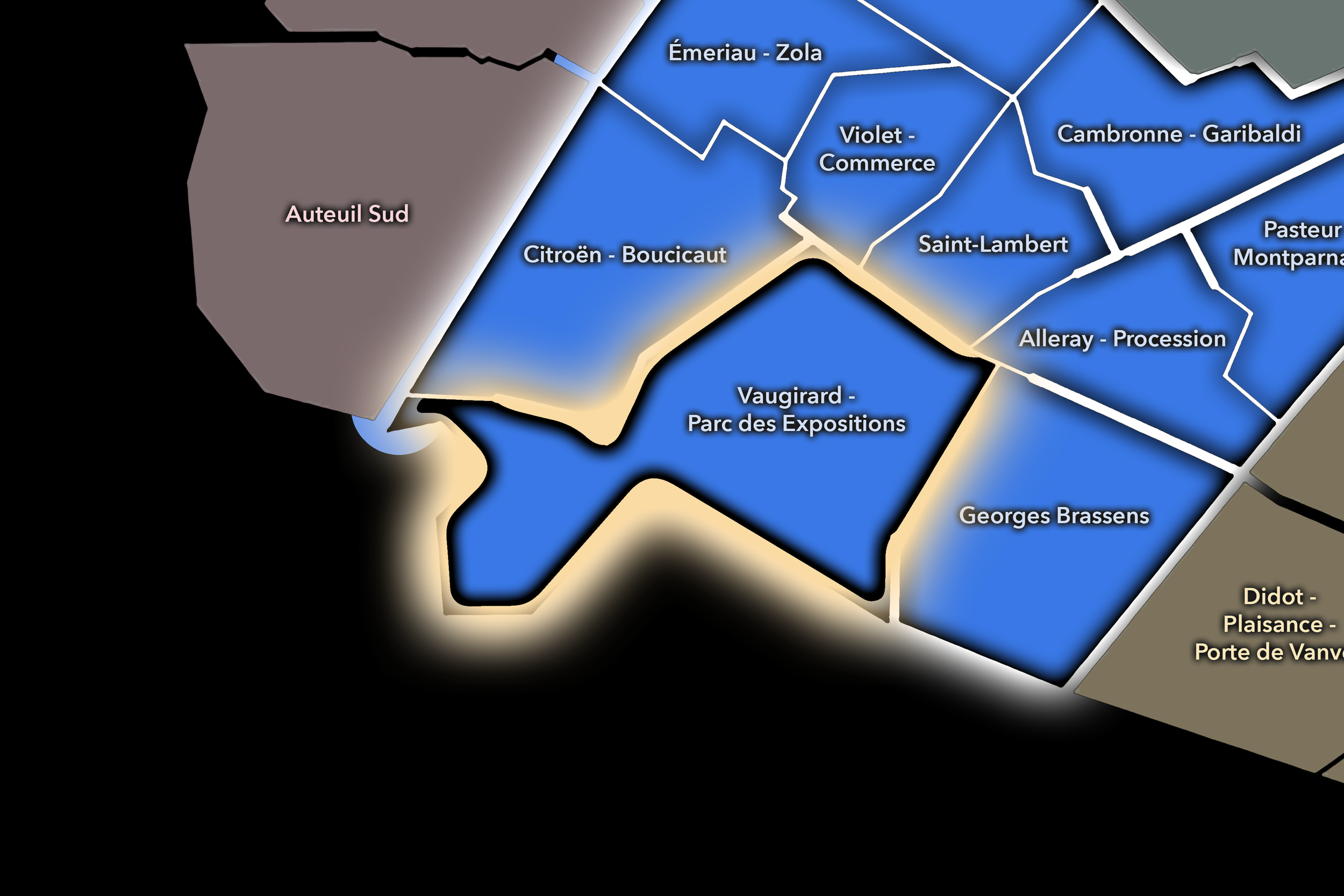
Saint-Lambert occupies the southern and southeastern interior of the 15th arrondissement, where the former village world of Vaugirard meets the broad residential fabric around Convention, Vaugirard, Brancion, Porte de Versailles, and Parc Georges-Brassens. It lies south of Necker, east of Javel, and southeast of Grenelle, forming one of the arrondissement’s most grounded residential quarters. If Grenelle is the 15th as planned commune and riverfront modernism, and Javel is the 15th as industrial edge and post-Citroën reinvention, Saint-Lambert is the 15th as lived neighborhood: local streets, schools, markets, parks, apartment buildings, and the long memory of Vaugirard.
The quarter’s geography is shaped by Rue de Vaugirard, Rue de la Convention, Rue Lecourbe, Rue Saint-Lambert, Rue des Morillons, Rue Brancion, Rue de Dantzig, Rue Olivier-de-Serres, Rue de Vouillé, and the approaches toward Porte de Versailles and the southern boulevards. Its most important green anchor is Parc Georges-Brassens, created on the site of the former Vaugirard slaughterhouses, whose earlier land history included vineyards and market gardens before the abattoirs opened in the 1890s.
Unlike Necker, whose identity is strongly tied to hospitals, research, and the Montparnasse edge, or Javel, whose history turns toward the Seine and industry, Saint-Lambert is more interior and residential. It is the quarter where the 15th arrondissement feels most like a city of daily continuity — not spectacular, not remote, but dense with ordinary Parisian life.
Administrative Quarter Identity
Etymology and Origins
The name Saint-Lambert honors Lambert of Maastricht, a 7th-century bishop and saint. In the Parisian administrative context, the name became attached to this quarter after the old village of Vaugirard was annexed into Paris in 1860. District references describe Saint-Lambert as the 57th administrative quarter of Paris and note that the former village of Vaugirard took the Saint-Lambert name in honor of the bishop after its incorporation into the capital.
This naming is revealing because the quarter’s deeper local identity is not only Saint-Lambert, but Vaugirard. The saint’s name gives the administrative quarter its official title, while the older village name survives powerfully in Rue de Vaugirard, the 15th arrondissement’s alternate arrondissement name, and the broader cultural memory of this southern Left Bank landscape. Saint-Lambert is therefore both a parish-like name and an annexation name — a way of giving civic form to a place whose older identity preceded Paris’s modern boundaries.
The result is a layered name. Saint-Lambert gives the quarter a formal, ecclesiastical, and administrative identity. Vaugirard gives it historical depth, village memory, and everyday recognition. Together, they make the quarter one of the clearest examples of the 15th arrondissement’s origins in former communities absorbed into Paris.
Civic Framework
Within the official geography of Paris, Saint-Lambert is one of the four administrative quarters of the 15th arrondissement, alongside Necker, Grenelle, and Javel. It occupies the arrondissement’s southern interior and gives civic shape to the areas around Vaugirard, Convention, Brancion, Porte de Versailles, and Parc Georges-Brassens.
As an administrative quarter, Saint-Lambert clarifies a district often described through stronger lived or functional names: Vaugirard, Convention, Georges-Brassens, Porte de Versailles, Brancion, or the southern 15th. Each of those names captures one layer. Saint-Lambert is the official frame that holds them together, linking the old village, the residential streets, the park, the exhibition grounds nearby, and the southern edge of the arrondissement into one mapped unit.
This civic frame is especially useful because the 15th arrondissement is large, residential, and often understood through practical local geographies rather than famous tourist landmarks. Saint-Lambert gives the southern 15th a formal identity while still allowing its older Vaugirard roots to remain visible.
Neighborhood Distinction
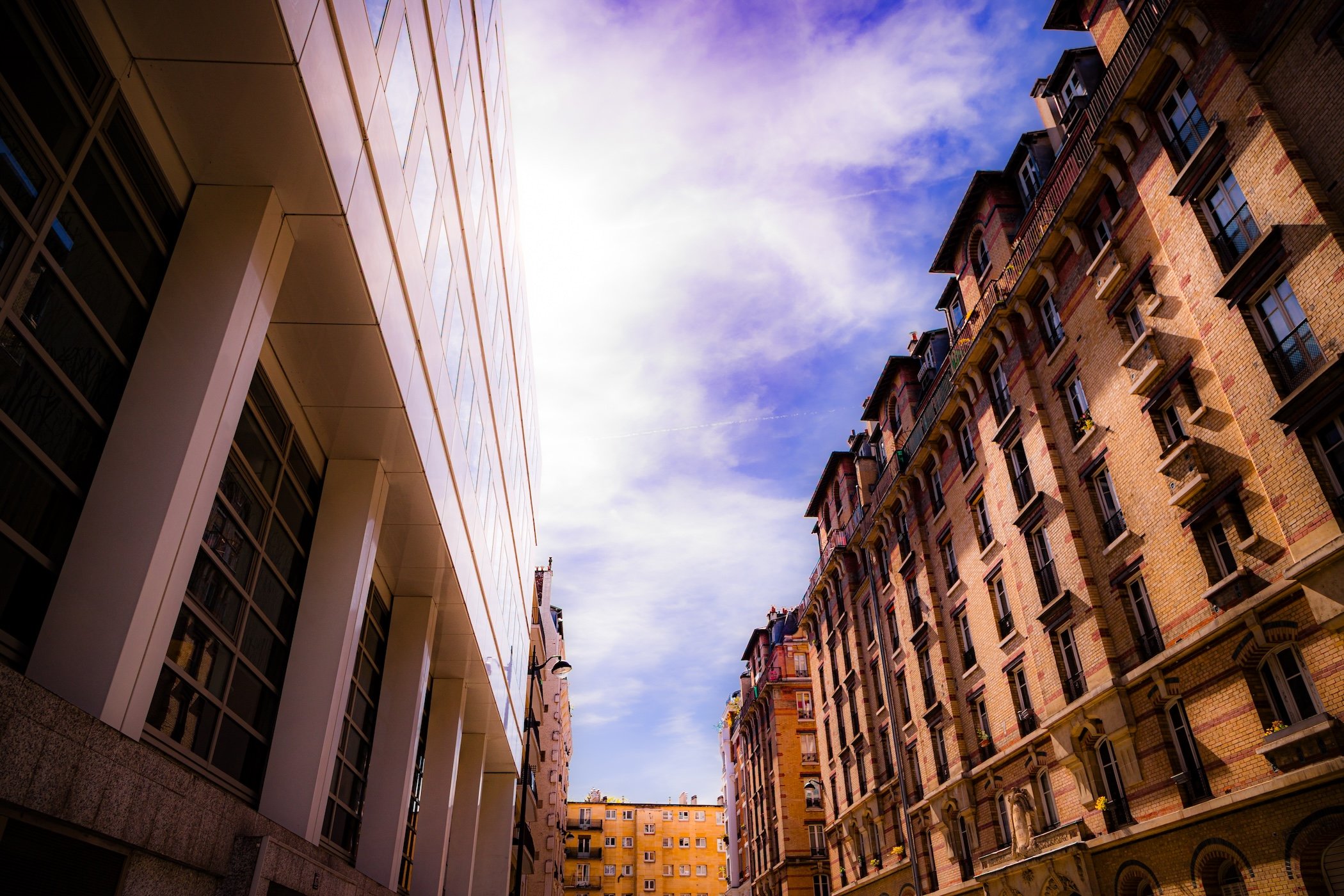
Saint-Lambert differs from the other quarters of the 15th arrondissement through its strong connection to Vaugirard, its residential depth, and its combination of local commerce, public parkland, and former industrial / market functions. Necker is more institutional and northeastern, shaped by hospitals, Pasteur, schools, and the Montparnasse rail edge. Grenelle is more northern and mixed between Rue du Commerce, Beaugrenelle, the former commune, and Front de Seine high-rise modernism. Javel is more industrial and river-facing, defined by chemical memory, Citroën, Balard, and Parc André-Citroën.
Saint-Lambert is less dramatic in skyline, but more central to the ordinary identity of the 15th. Its distinction lies in the lived fabric of Vaugirard and Convention: apartment blocks, shops, schools, cafés, markets, public gardens, and neighborhood institutions. It is a quarter that does not need a single global landmark because its importance lies in residential coherence.
It should also be distinguished from Vaugirard. Vaugirard is an older village name, a major street name, and the arrondissement’s broader historical identity. Saint-Lambert is the official administrative quarter that contains much of that old Vaugirard world within the modern map. The two names should be read together: Vaugirard as historical-cultural layer, Saint-Lambert as civic-administrative layer.
Parisian Identity
Saint-Lambert expresses Paris as a city of residential continuity. It is one of the quarters that quietly sustains the capital without constantly announcing itself to visitors. Its identity is made from local shops, school mornings, market routines, apartment courtyards, café terraces, municipal services, park walks, and the deep normalcy of people living in the city over time.
That normalcy is not a weakness. It is the quarter’s greatest strength. Paris cannot be understood only through its monuments, museums, royal squares, and mythic café districts. It must also be understood through quarters like Saint-Lambert, where the city is inhabited rather than staged. The 15th is one of Paris’s most populous arrondissements, and Saint-Lambert helps explain why: it offers a durable, practical, family-oriented, locally complete form of urban life.
The quarter also holds a powerful pattern of conversion. Vineyards became market gardens. Market gardens became slaughterhouses. Slaughterhouses became Parc Georges-Brassens. Industrial and service land became public green space. In Saint-Lambert, Paris is not only preserving old beauty; it is turning former working ground into neighborhood relief.
Neighborhood Connections
Every neighborhood belongs to a wider Parisian fabric.
-
15e — Vaugirard
-
Alleray - Procession
-
Georges Brassens
-
Saint-Lambert
-
Vaugirard - Parc des Expositions
-
Rive Gauche
The History
Origins
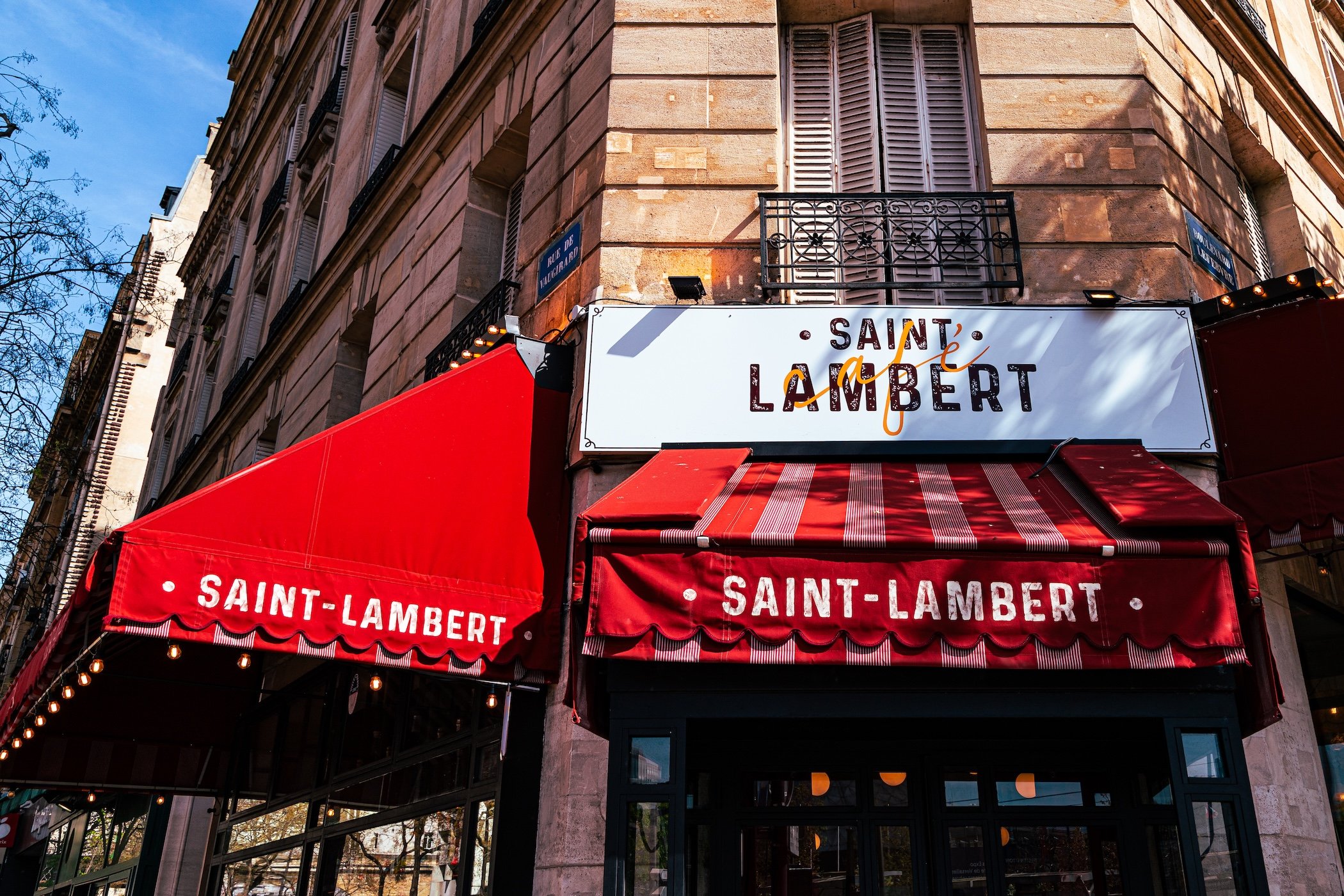
The origins of Saint-Lambert lie in the former village and commune of Vaugirard, south of the older Parisian core. Before the 15th arrondissement existed, this area belonged to a landscape of fields, vineyards, roads, gardens, quarries, modest houses, religious institutions, and gradual suburban settlement. It was close to Paris, but not yet fully part of it.
Vaugirard grew along the long road that connected the city to the southwest. The future Saint-Lambert quarter developed from this outer village and road landscape, where the rhythms of agriculture, local commerce, and proximity to the capital shaped everyday life. This was not the ceremonial Paris of royal axes or the dense medieval Paris of old parishes. It was outer Paris becoming urban through use.
The quarter’s origin story is therefore one of absorption. Vaugirard existed before annexation; Paris expanded around and into it. In 1860, Vaugirard was annexed into the capital and became part of the new 15th arrondissement, giving Saint-Lambert its place within the official city.
16th–17th Century
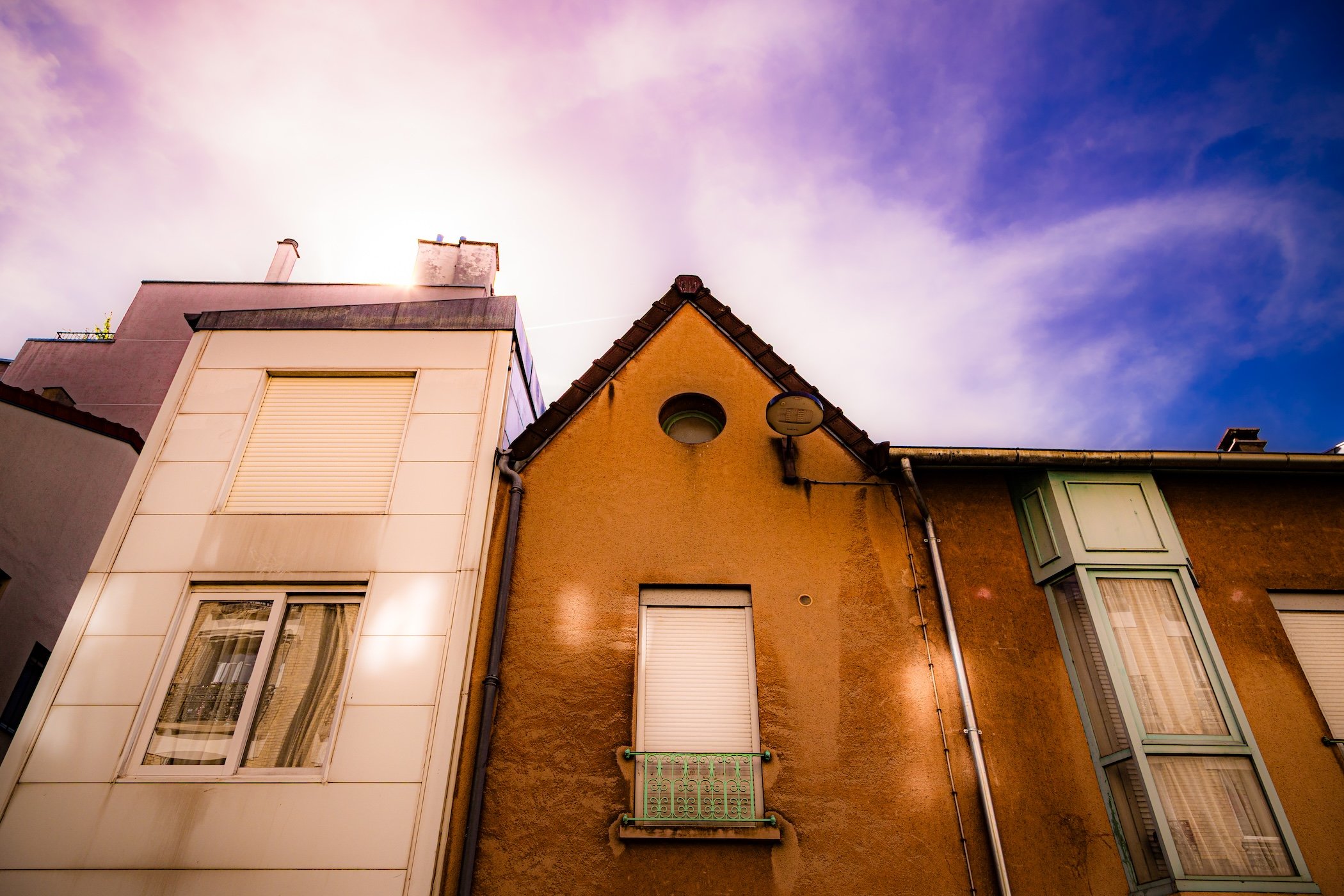
In the 16th and 17th centuries, the future Saint-Lambert quarter remained outside the dense fabric of Paris, within the southern and southwestern outskirts associated with Vaugirard. The landscape was shaped by roads, vineyards, gardens, cultivated land, quarrying, scattered houses, and the slow outward pressure of the capital.
This outer condition mattered. Vaugirard was close enough to Paris to be tied to its economy and population growth, but far enough away to retain its own local life. The area served the city without yet being swallowed by it. Fields, vines, and roads formed the basic geography from which the later quarter would emerge.
By the end of the 17th century, Paris’s growth was increasingly drawing these surrounding settlements into closer orbit. The future Saint-Lambert was still outside the city, but the boundary between village and capital was beginning to soften.
18th Century
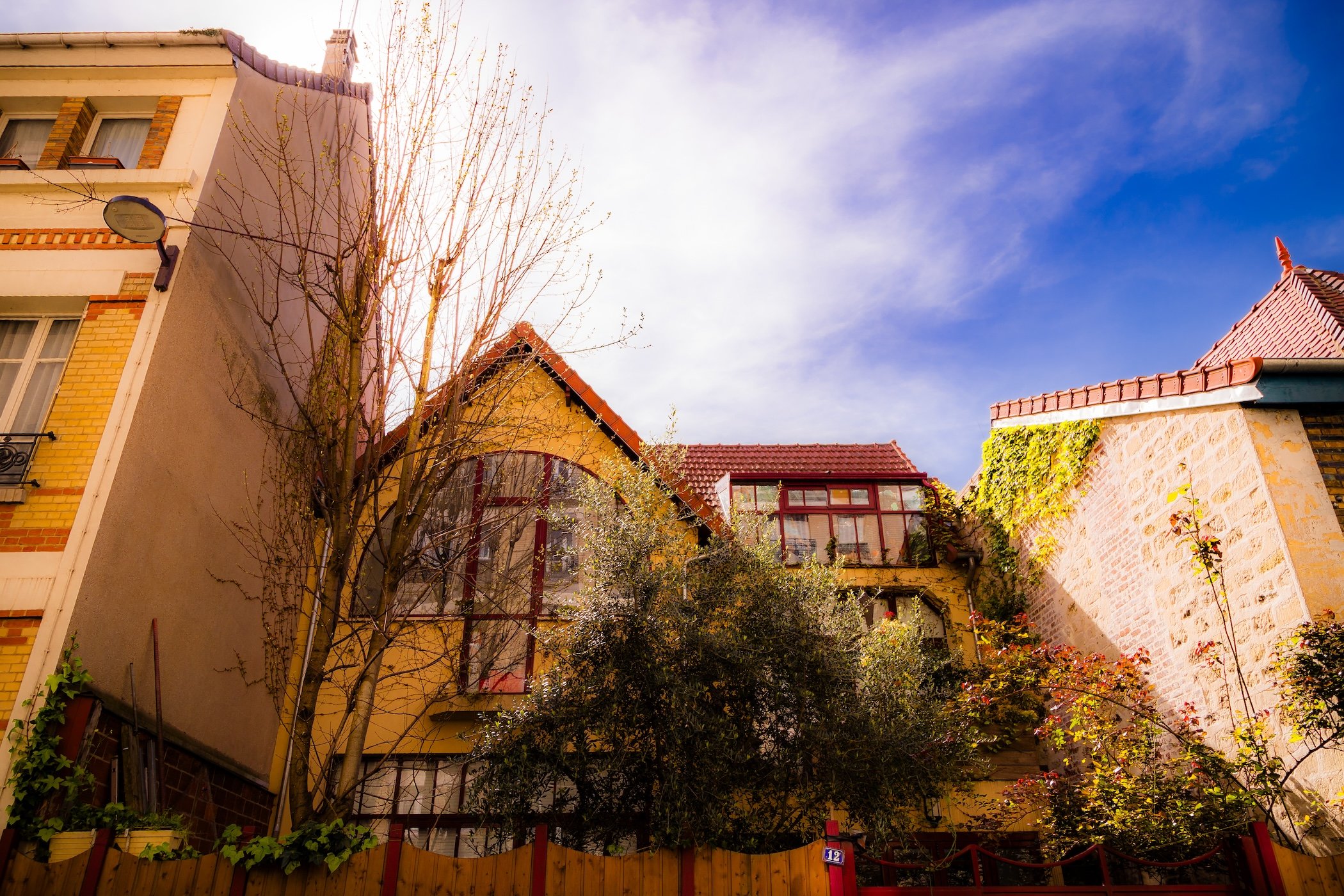
In the 18th century, Vaugirard grew more closely connected to Paris while preserving its outer-village identity. Roads became busier, settlement thickened, and the agricultural and garden landscape gradually adapted to the needs of the capital. The southern outskirts were not remote countryside; they were part of a productive belt that fed, supplied, and housed people connected to the city.
The area’s vineyards and gardens helped define its pre-urban character. Later histories of Parc Georges-Brassens note that the land around the future park was associated with vines before giving way to market gardens in the 19th century, a pattern that reflects the broader transformation of Vaugirard’s rural edge into urban support landscape.
The French Revolution and subsequent administrative changes altered the relationship between Paris and its surrounding communes, but Vaugirard remained outside the capital until the 19th century. By the end of the 18th century, however, it was already deeply tied to Paris’s expansion.
19th Century
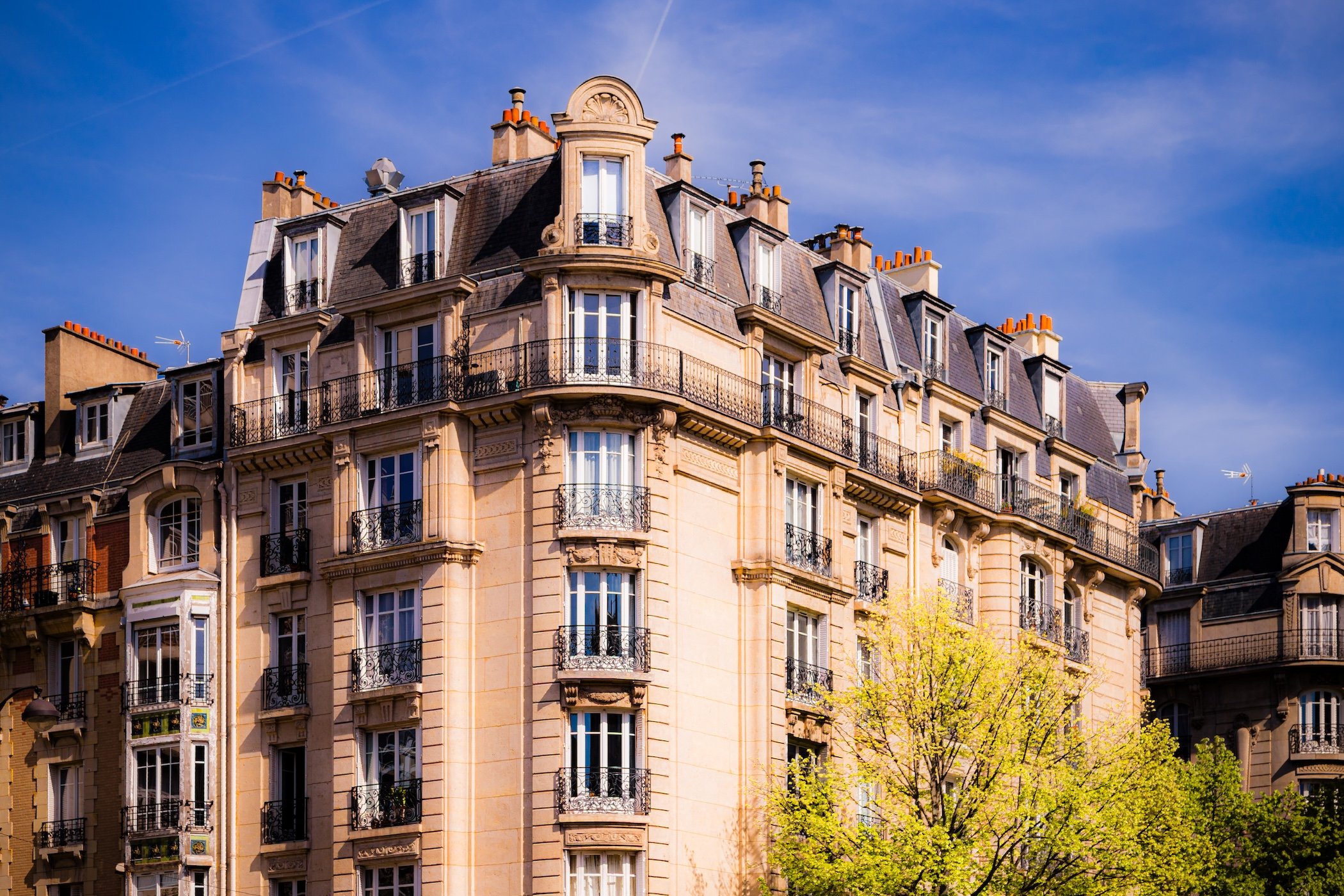
The 19th century transformed Saint-Lambert from former village landscape into Parisian quarter. In 1860, Vaugirard was annexed to Paris as part of the creation of the modern 15th arrondissement. This incorporation turned an outer commune into an urban district of the capital, while preserving the Vaugirard name in streets, institutions, and arrondissement identity.
The century also brought major changes to the land that would become Parc Georges-Brassens. The City of Paris notes that vines gave way to market gardens in the 19th century, and that the Vaugirard slaughterhouses opened there in 1894. These slaughterhouses gave the southern part of the quarter a strong working and service identity, connecting Saint-Lambert to the practical systems that fed and supplied Paris.
At the same time, apartment buildings, shops, schools, and civic infrastructure expanded across the quarter. Vaugirard’s former village fabric became increasingly urban, but the area retained a local and residential character distinct from the more monumental northern and western parts of the city.
Early–Mid 20th Century
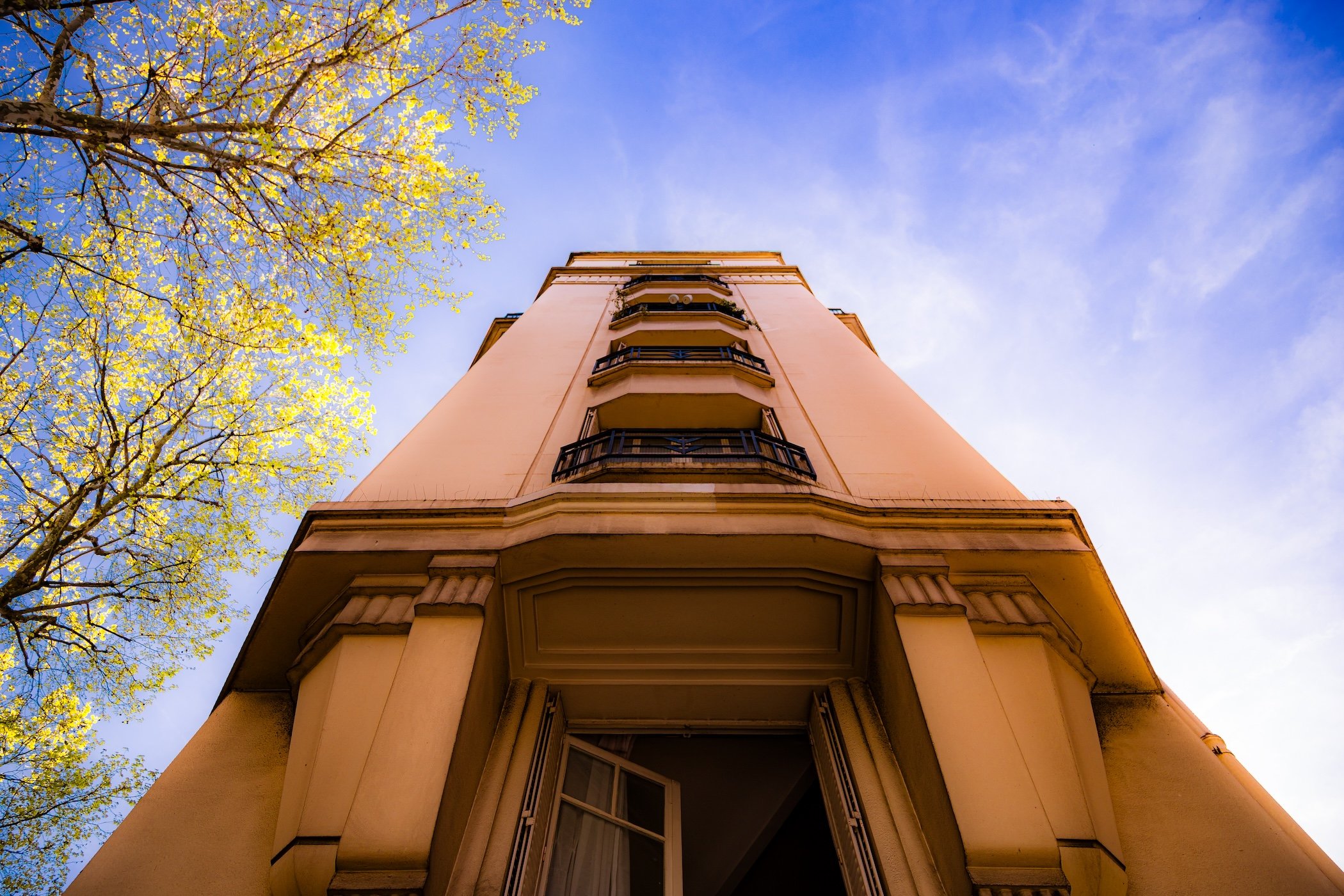
In the early and mid 20th century, Saint-Lambert consolidated its identity as a residential and working quarter of the 15th arrondissement. The streets around Convention, Vaugirard, Brancion, and Porte de Versailles carried a mixture of apartment life, local commerce, schools, workshops, public facilities, and the continuing activity of the Vaugirard slaughterhouses.
The slaughterhouse landscape gave part of the quarter a practical and sometimes rougher urban character. It connected Saint-Lambert to the food systems of the city, to labor, animals, markets, transport, and the less picturesque but essential work of provisioning Paris. This was not the polished Paris of postcard views; it was the city as metabolism.
During the wars, occupation, liberation, and postwar reconstruction, the quarter shared in the experiences of residential Paris: scarcity, rationing, neighborhood resilience, rebuilding, and the continuity of everyday routines. Saint-Lambert’s history in this period is written through the life of ordinary streets and essential services rather than through a single famous monument.
Late 20th Century
In the late 20th century, Saint-Lambert underwent one of its most important transformations through the closure of the Vaugirard slaughterhouses and the creation of Parc Georges-Brassens. The City of Paris records that the slaughterhouses were replaced by the park, preserving traces of the former site, including monumental gates and sculptural reminders of its earlier use.
The park opened a new chapter in the quarter’s identity. Former industrial and service land became public green space, giving the southern 15th a major neighborhood park and a new center of local life. The transformation anticipated a broader Parisian pattern: converting obsolete working infrastructure into public landscapes, as seen elsewhere in places such as Bercy, Javel, and La Villette.
This period also reinforced Saint-Lambert’s residential appeal. As the 15th became increasingly known as a livable, family-oriented arrondissement, the quarter’s combination of housing, shops, transit, schools, and green space became one of its defining strengths.
21st Century
In the 21st century, Saint-Lambert remains one of the 15th arrondissement’s most lived-in and locally coherent quarters. Its identity is shaped by Convention, Vaugirard, Parc Georges-Brassens, Rue de la Convention, Rue Lecourbe, schools, markets, local cafés, apartment streets, and the everyday routines of residents who make this part of Paris feel grounded and complete.
The quarter continues to benefit from the presence of Parc Georges-Brassens, which the City of Paris describes as containing reminders of its former slaughterhouse past as well as vineyards, a beehive, gardens, and neighborhood recreational spaces. This mixture of memory and use gives the park — and the quarter — a particularly strong local identity.
For CityNeighborhoods: Paris, Saint-Lambert is essential because it shows how administrative quarters can reveal the ordinary depth of the city. It is not only a former village, not only Vaugirard, not only Convention, not only Georges-Brassens. It is the official quarter where all of those layers meet: village memory, annexation, working service land, residential Paris, and contemporary neighborhood life.
Spirit and Legacy
Saint-Lambert is the quarter where Vaugirard becomes everyday Paris. Its spirit is residential, practical, and quietly generous. It belongs to local shops and school streets, apartment windows and market routines, old village memory and modern civic life, slaughterhouse gates and park paths, the long road of Vaugirard and the ordinary rhythm of the southern 15th.
Its legacy is the transformation of outer village into lived city. Vines and gardens became urban streets. Slaughterhouses became parkland. A former commune became a Parisian quarter. Through each change, Saint-Lambert retained a local groundedness that gives the 15th arrondissement much of its character.
To walk Saint-Lambert is to encounter Paris as daily continuity. The quarter does not ask to be understood through spectacle. It asks to be understood through use: the park bench, the bakery, the school gate, the apartment stair, the market bag, the familiar route home. In Saint-Lambert, neighborhood identity is not performed. It is lived.
The Photography
Visual Identity
-
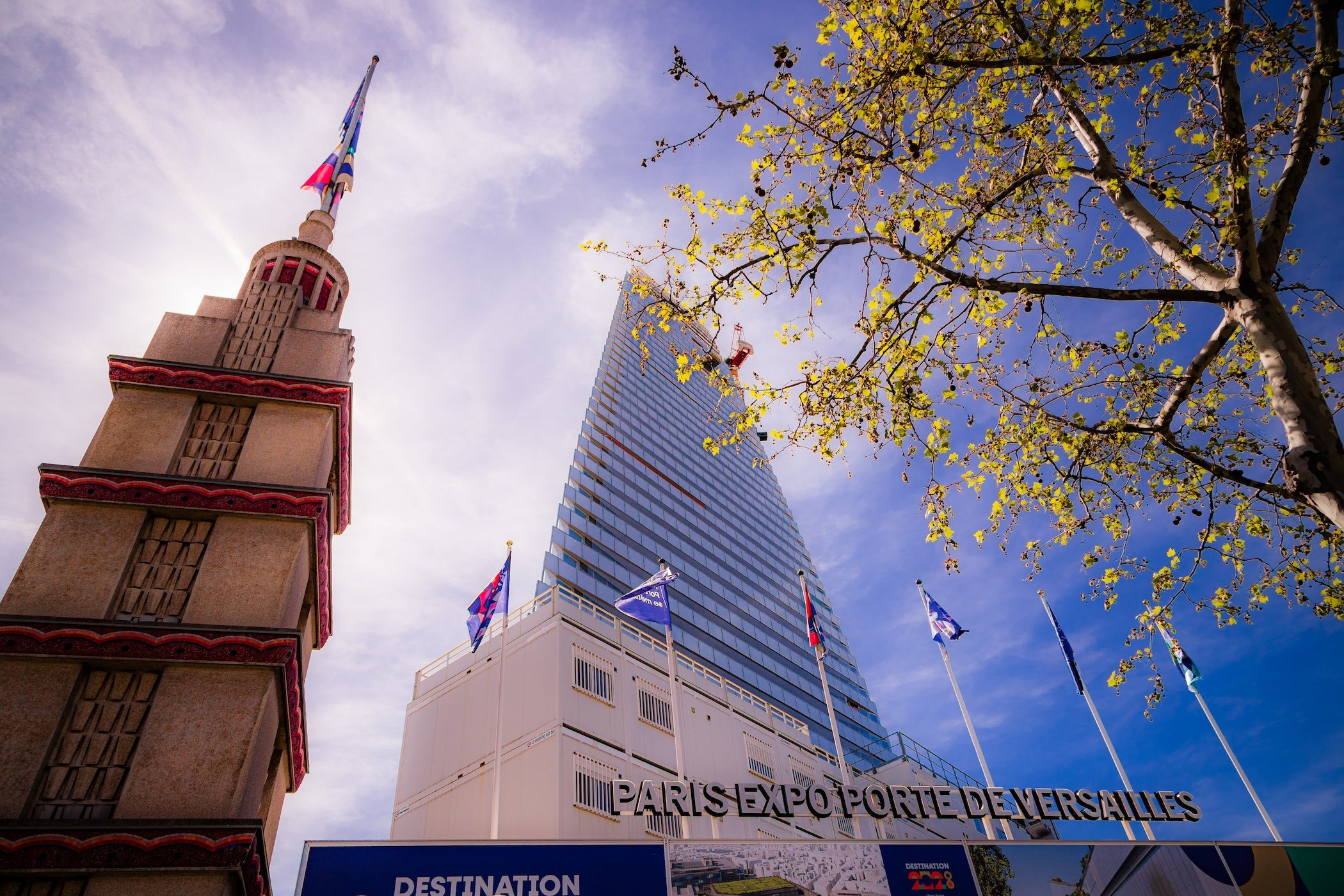
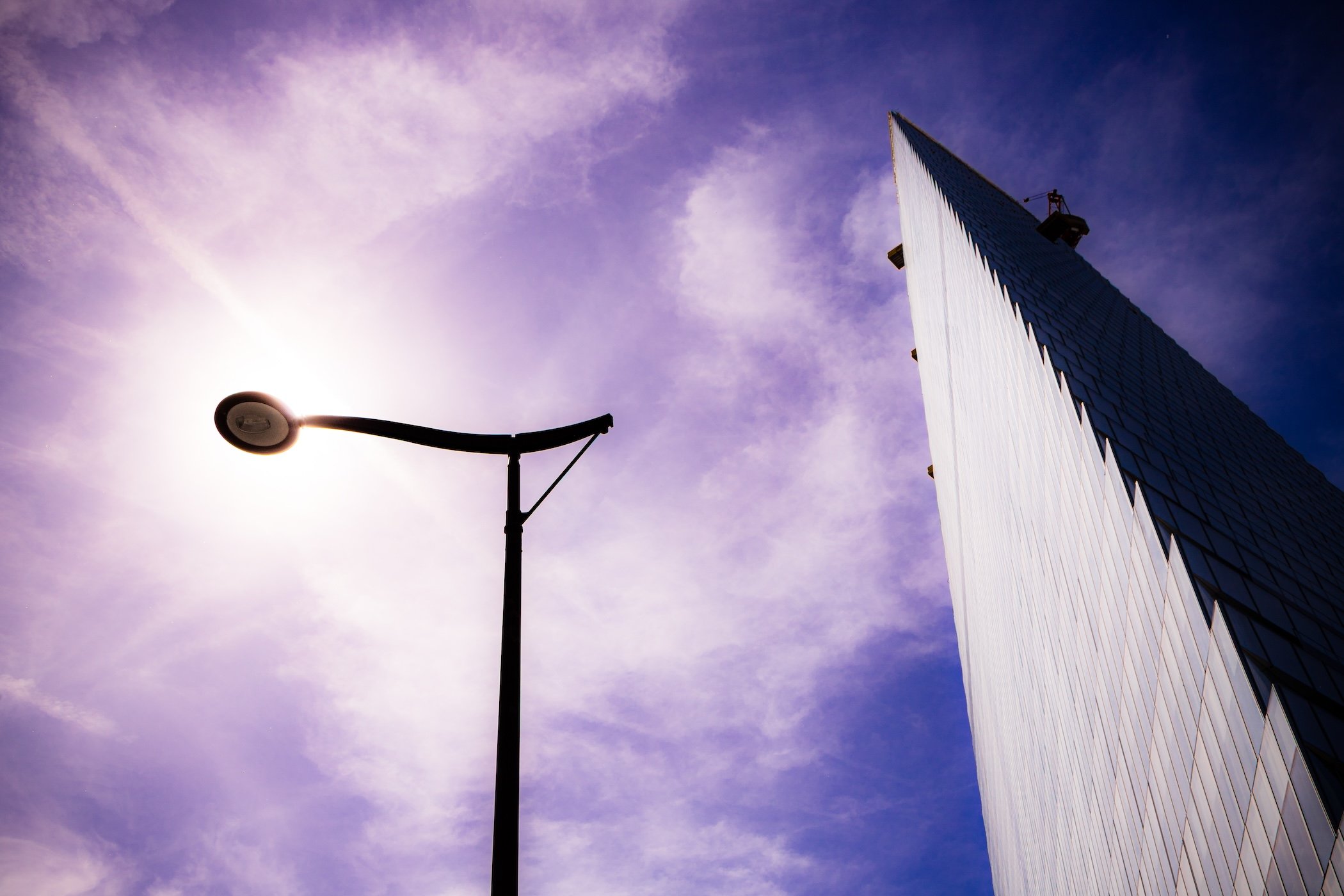
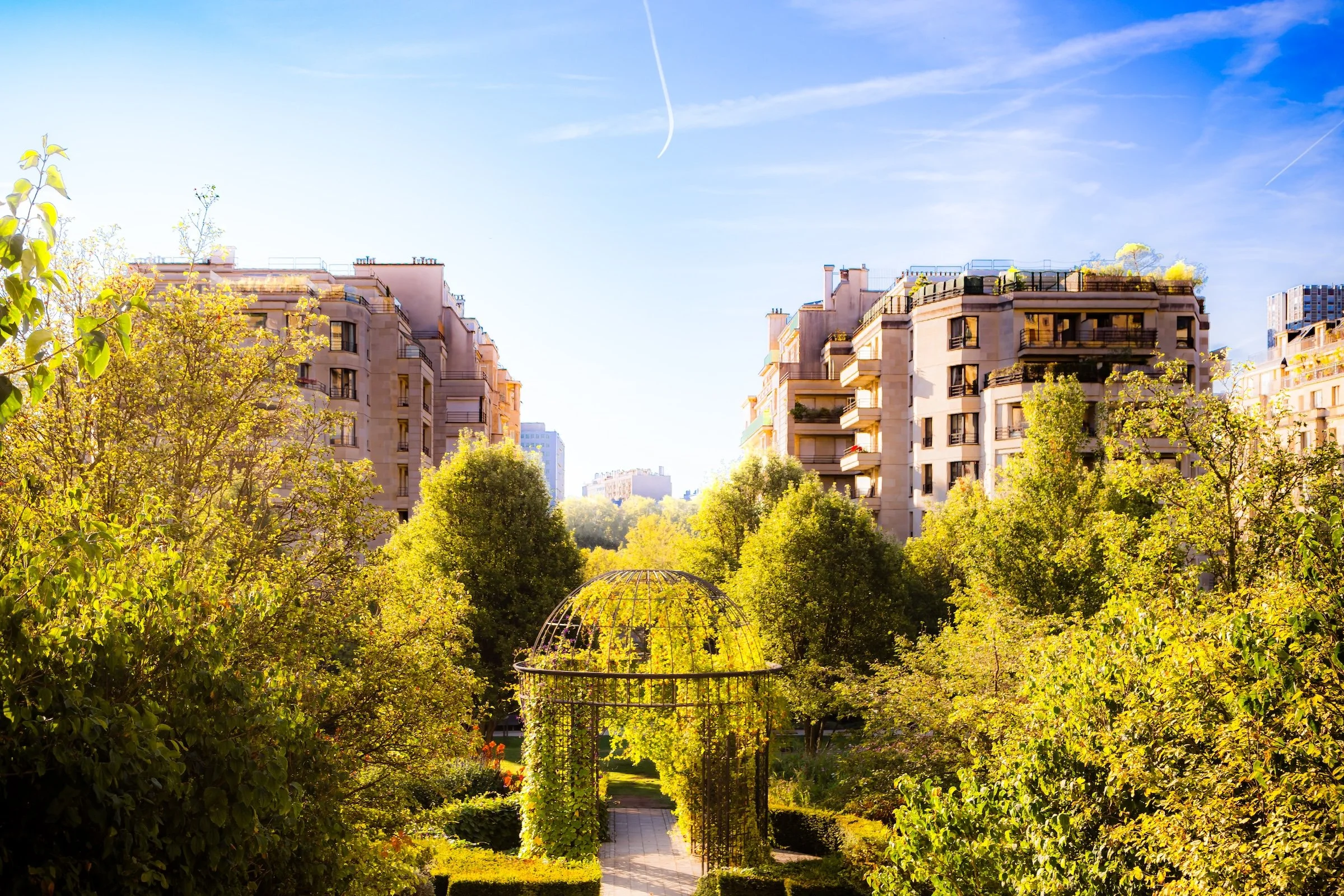
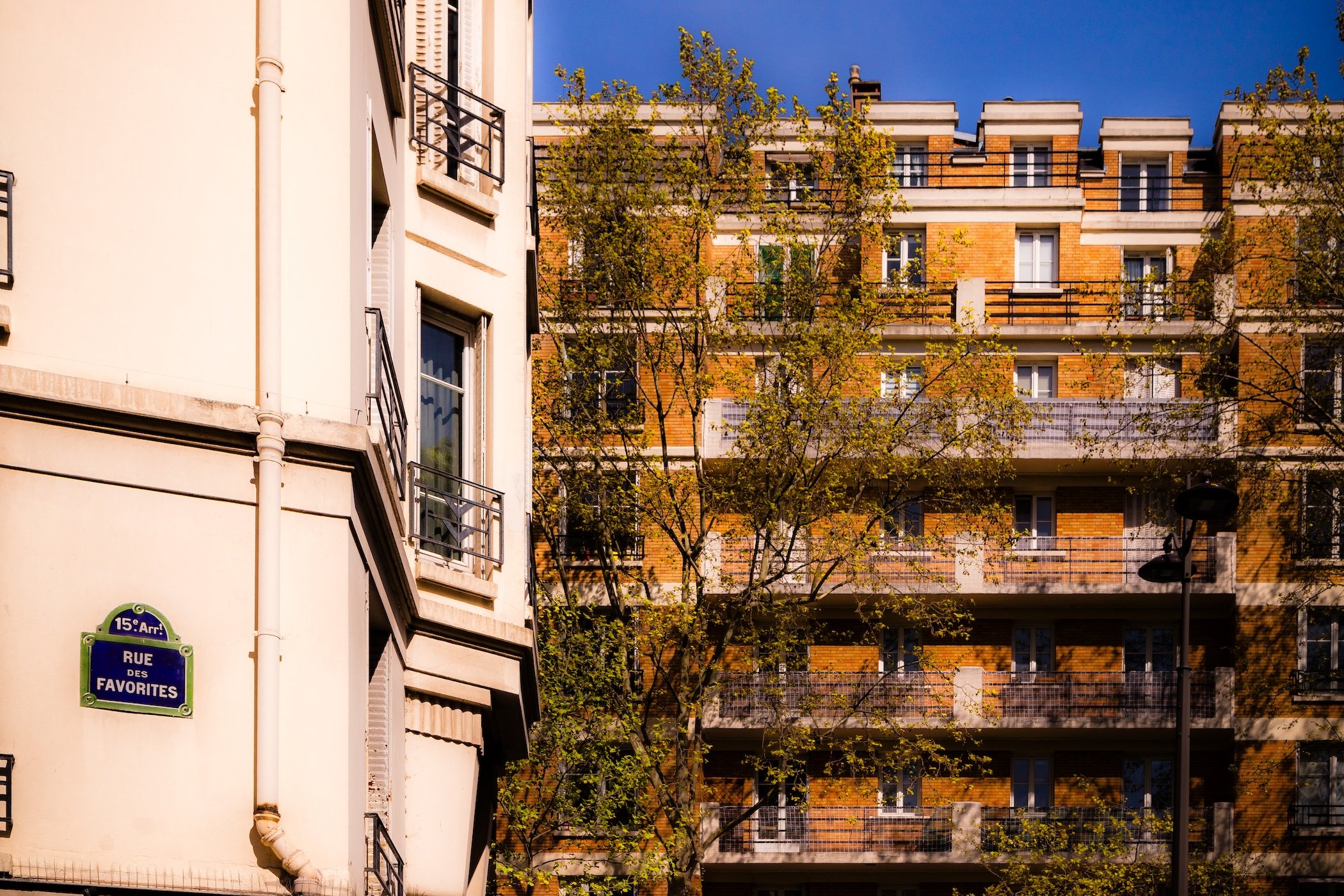
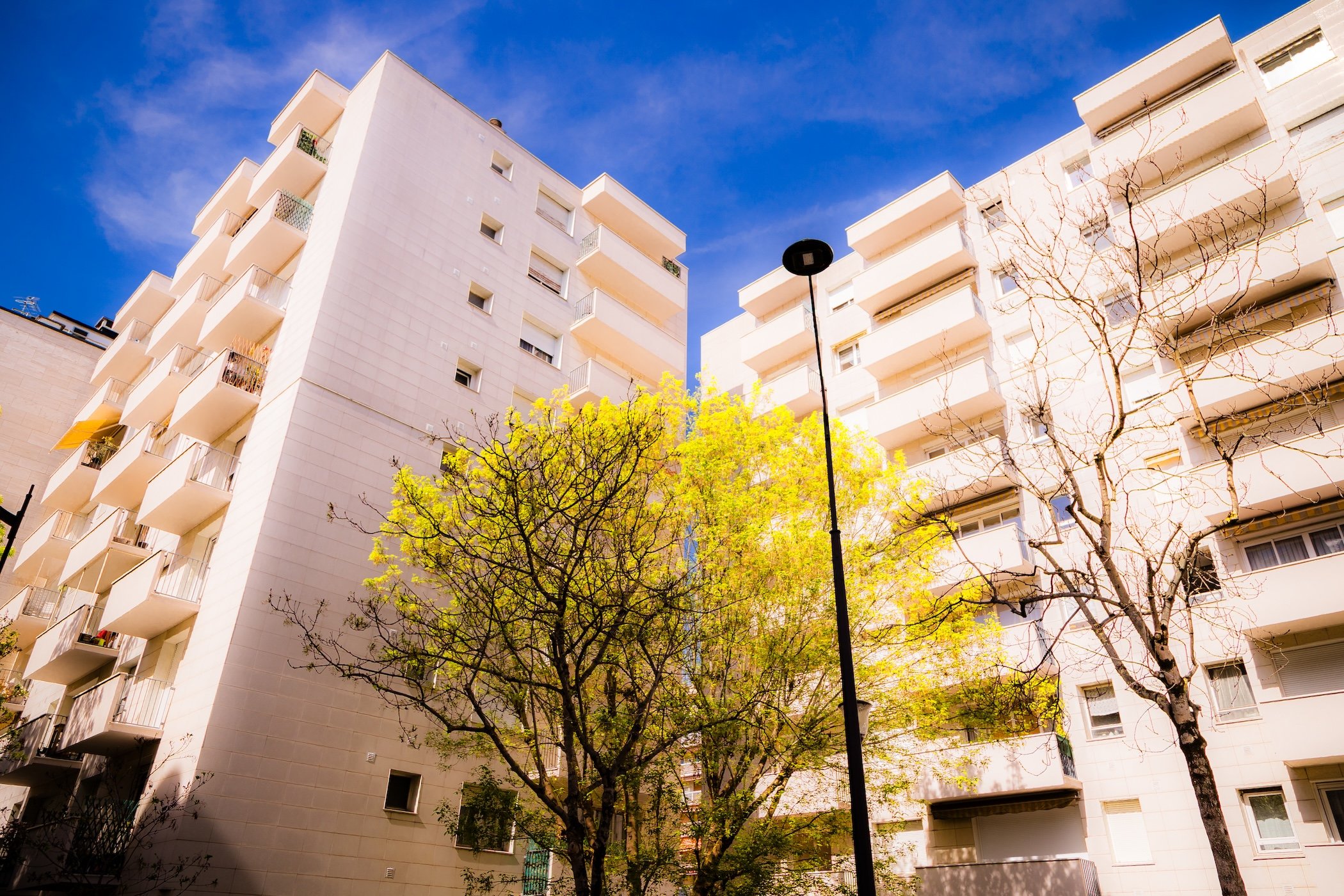
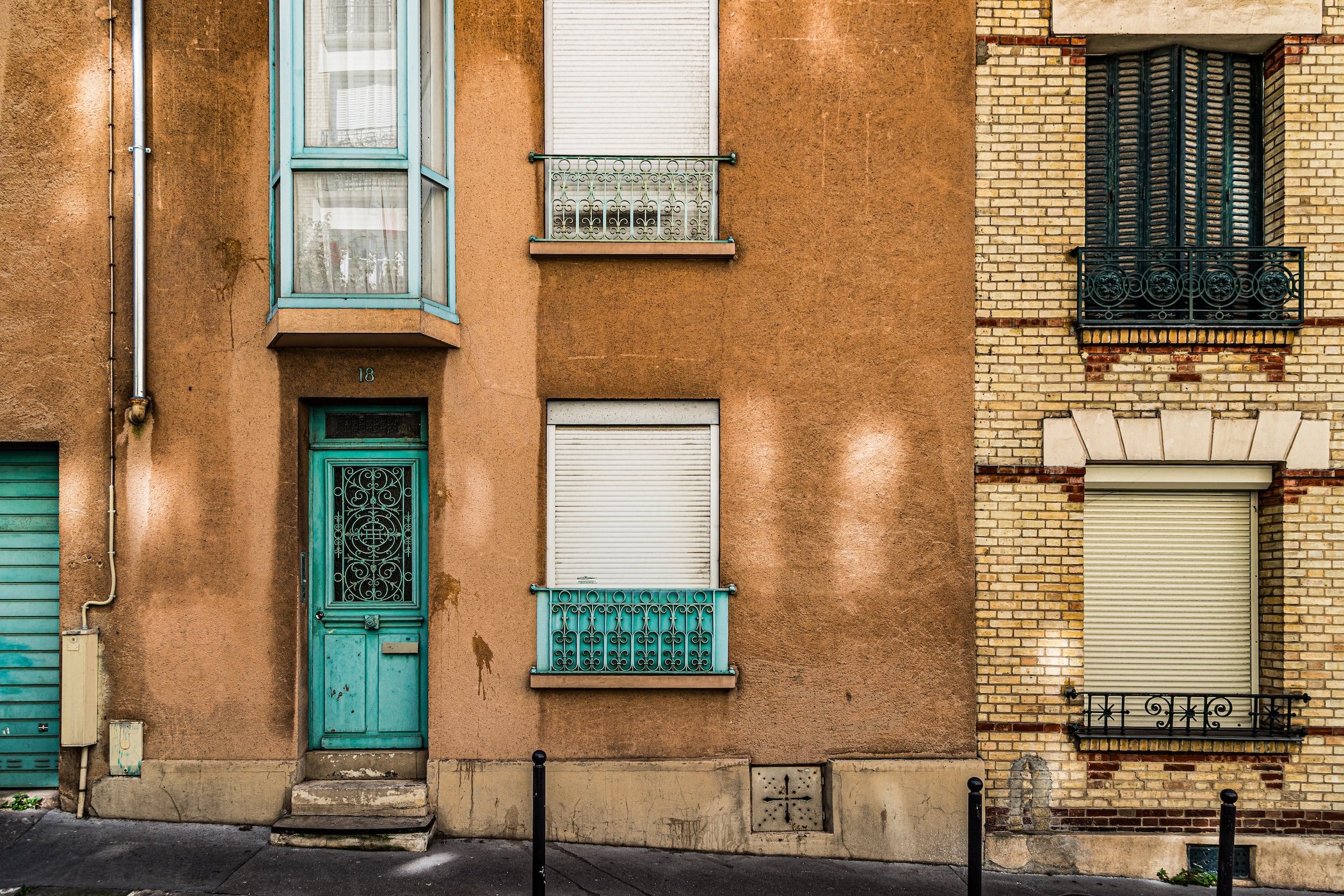
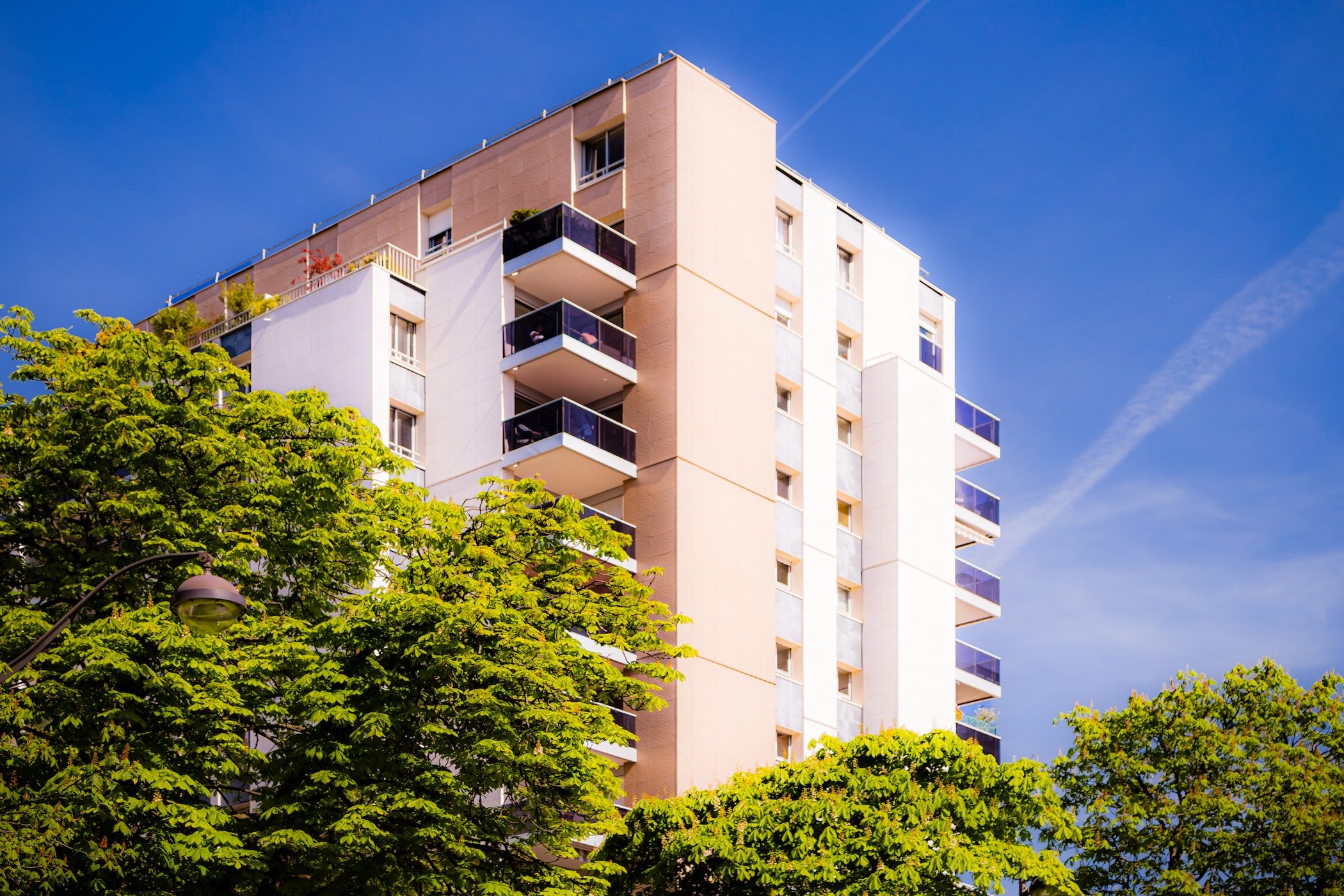
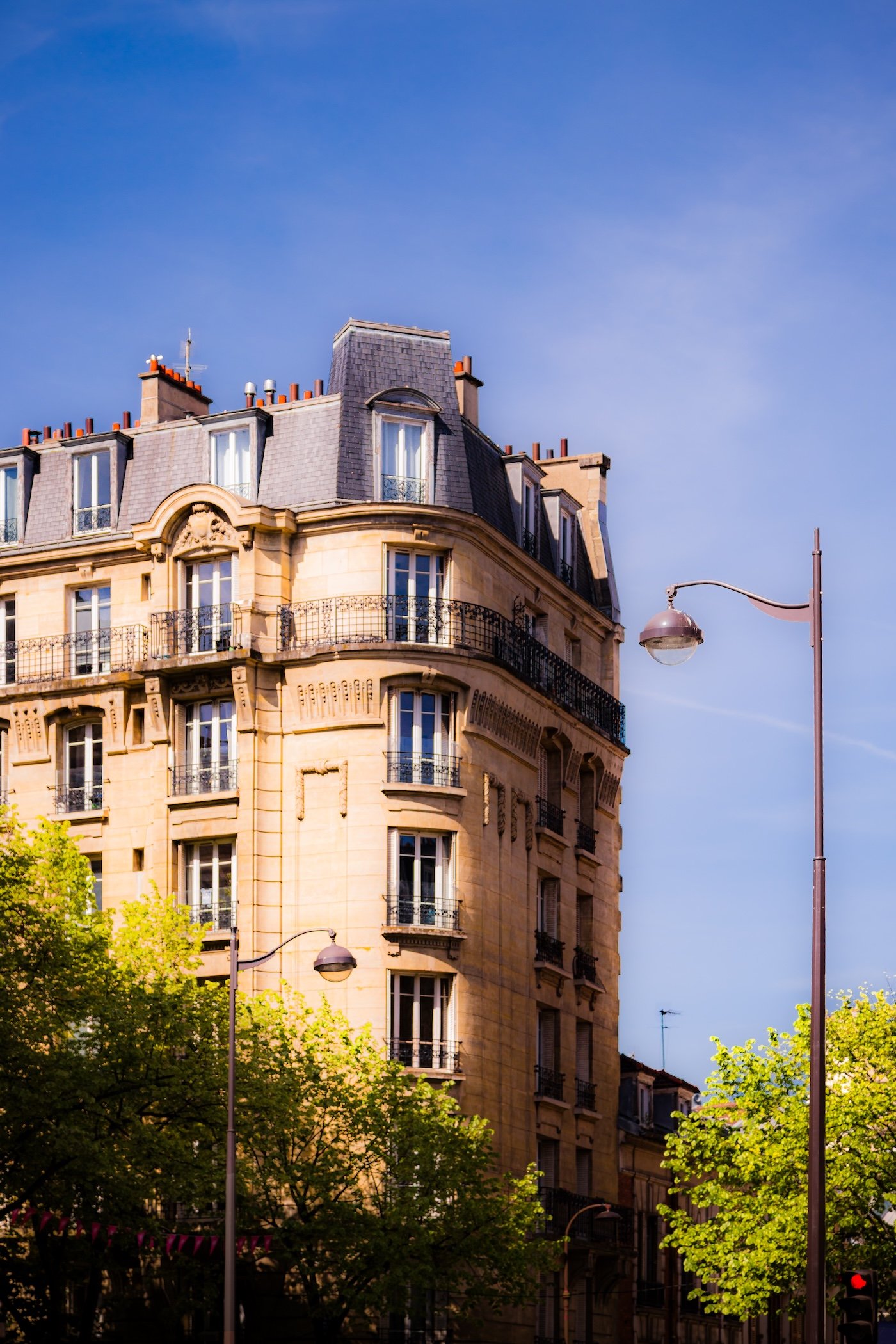
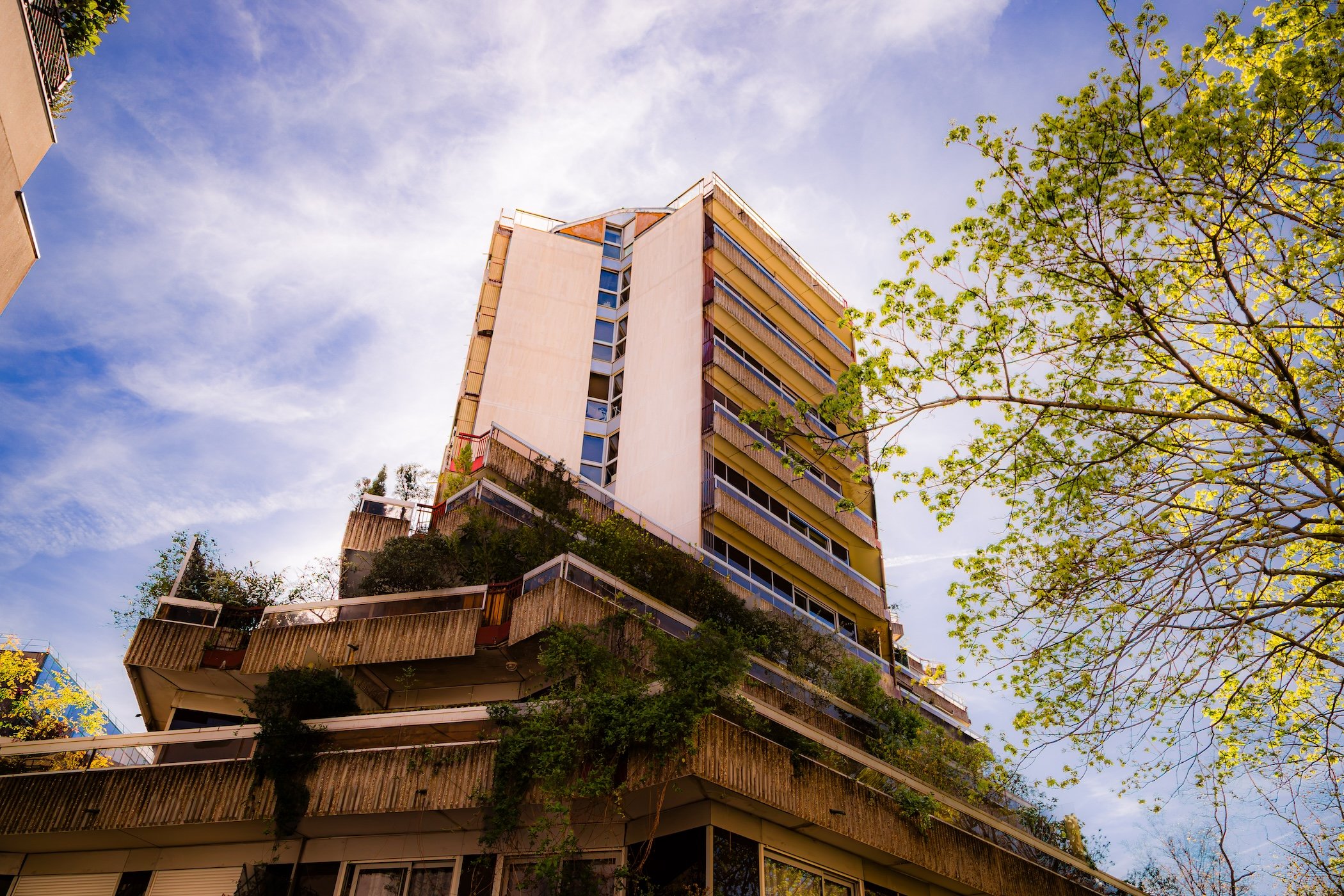
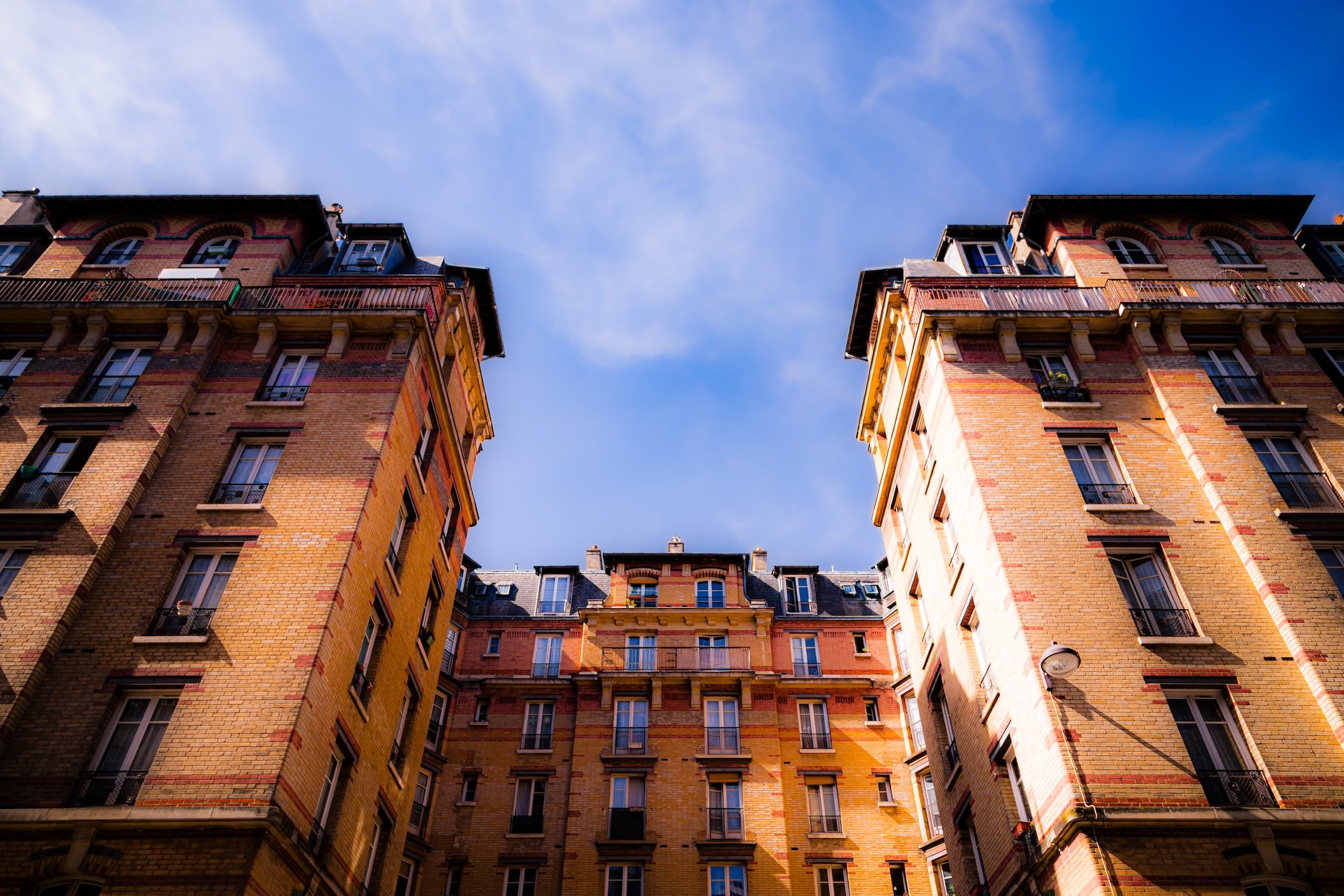
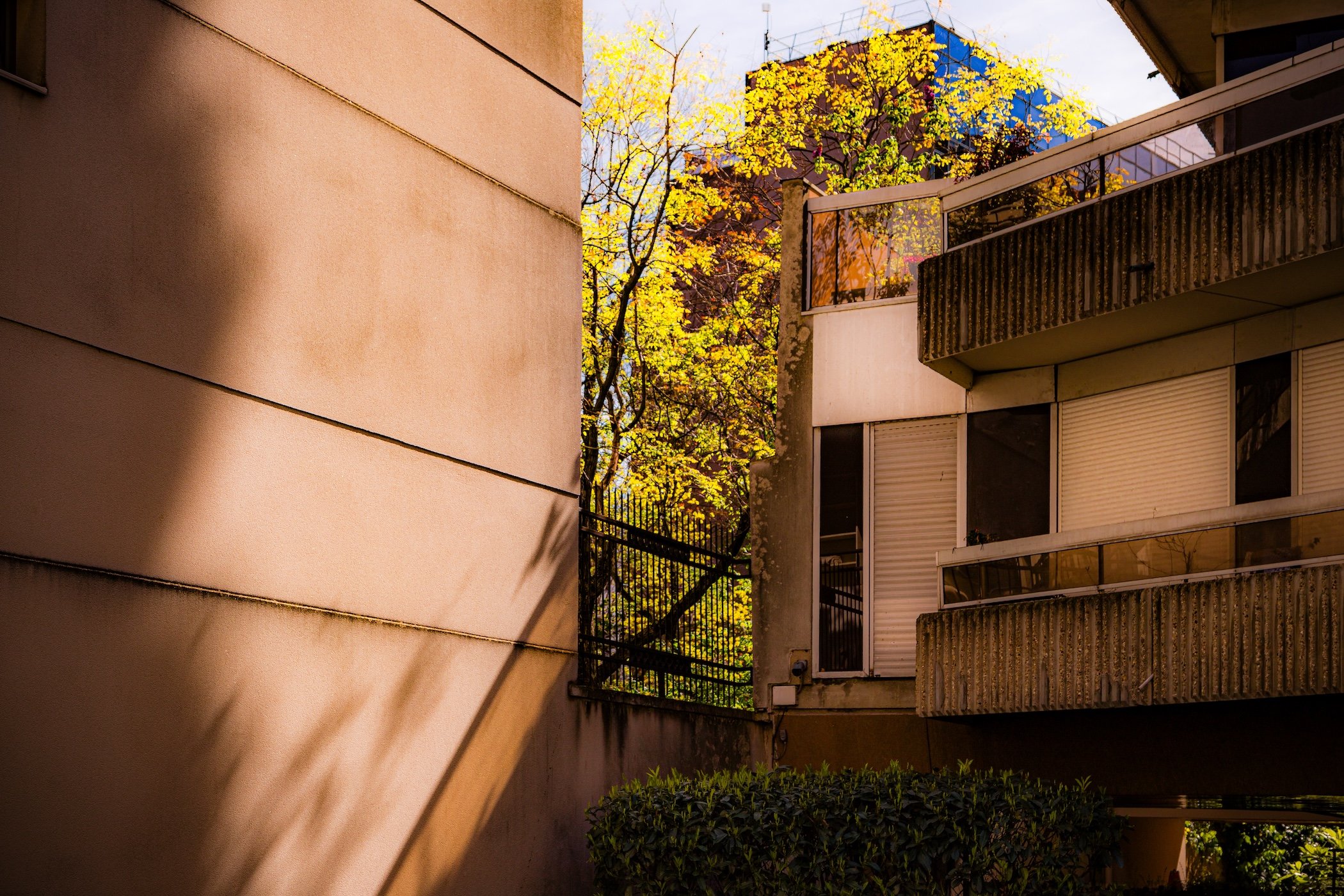
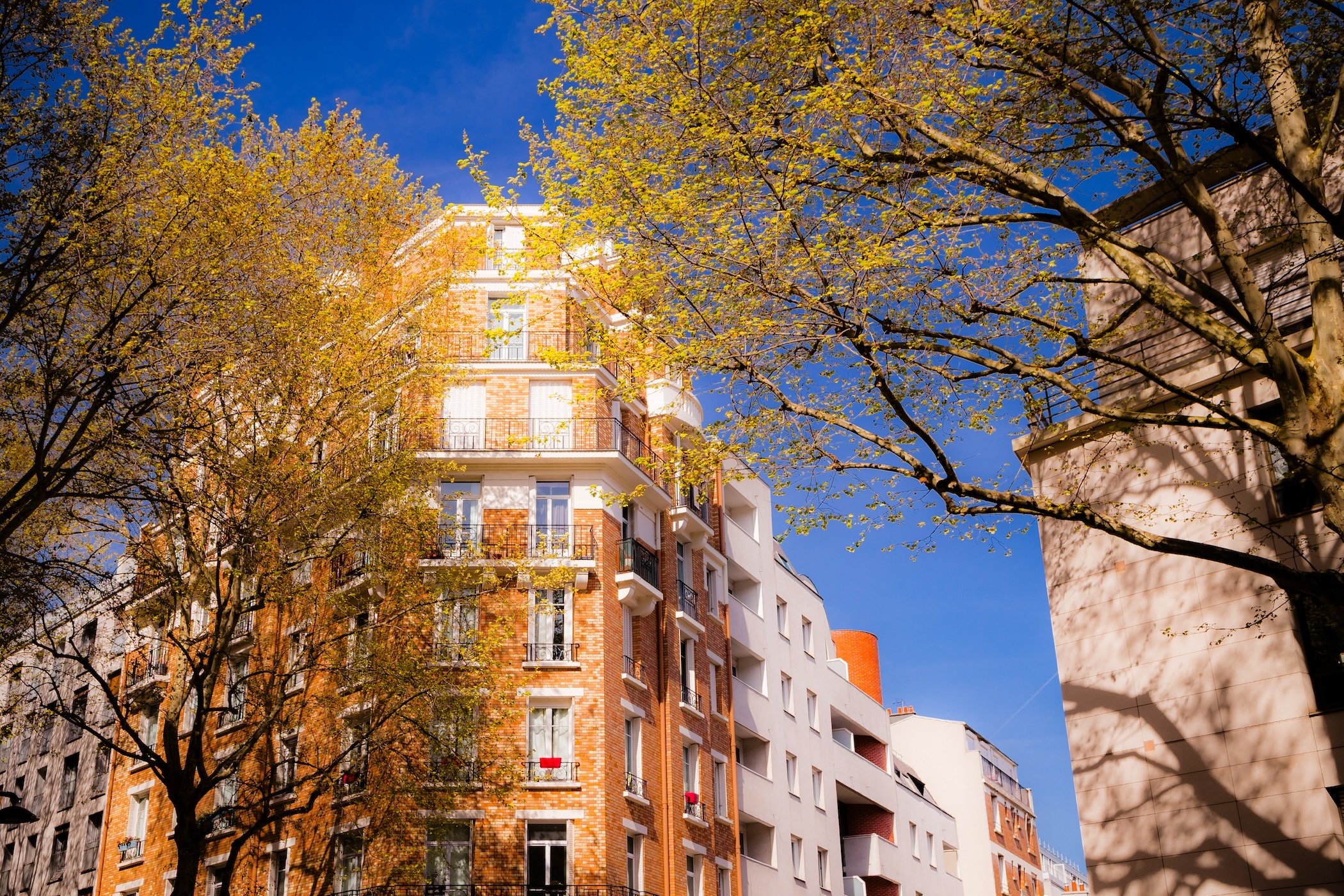
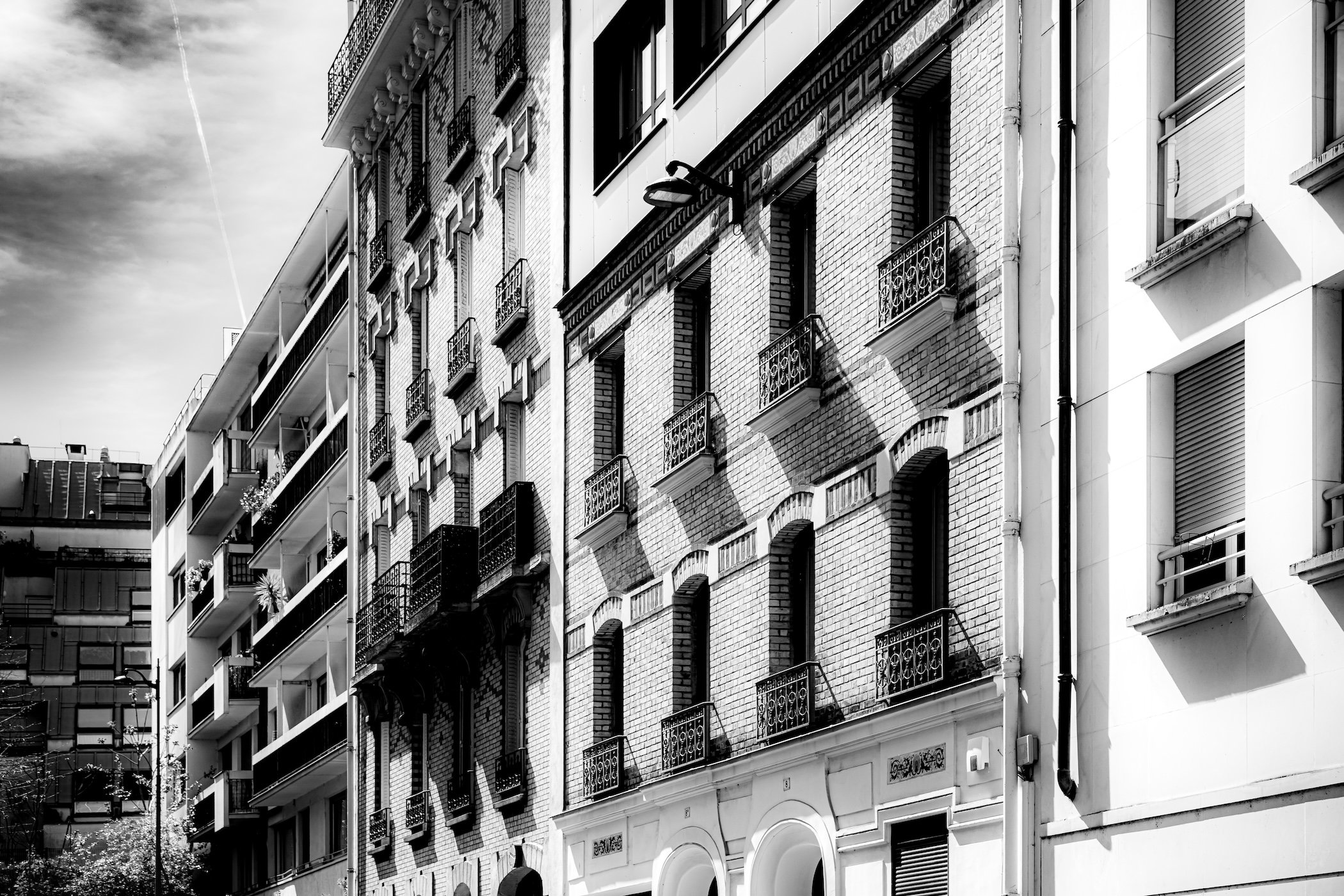
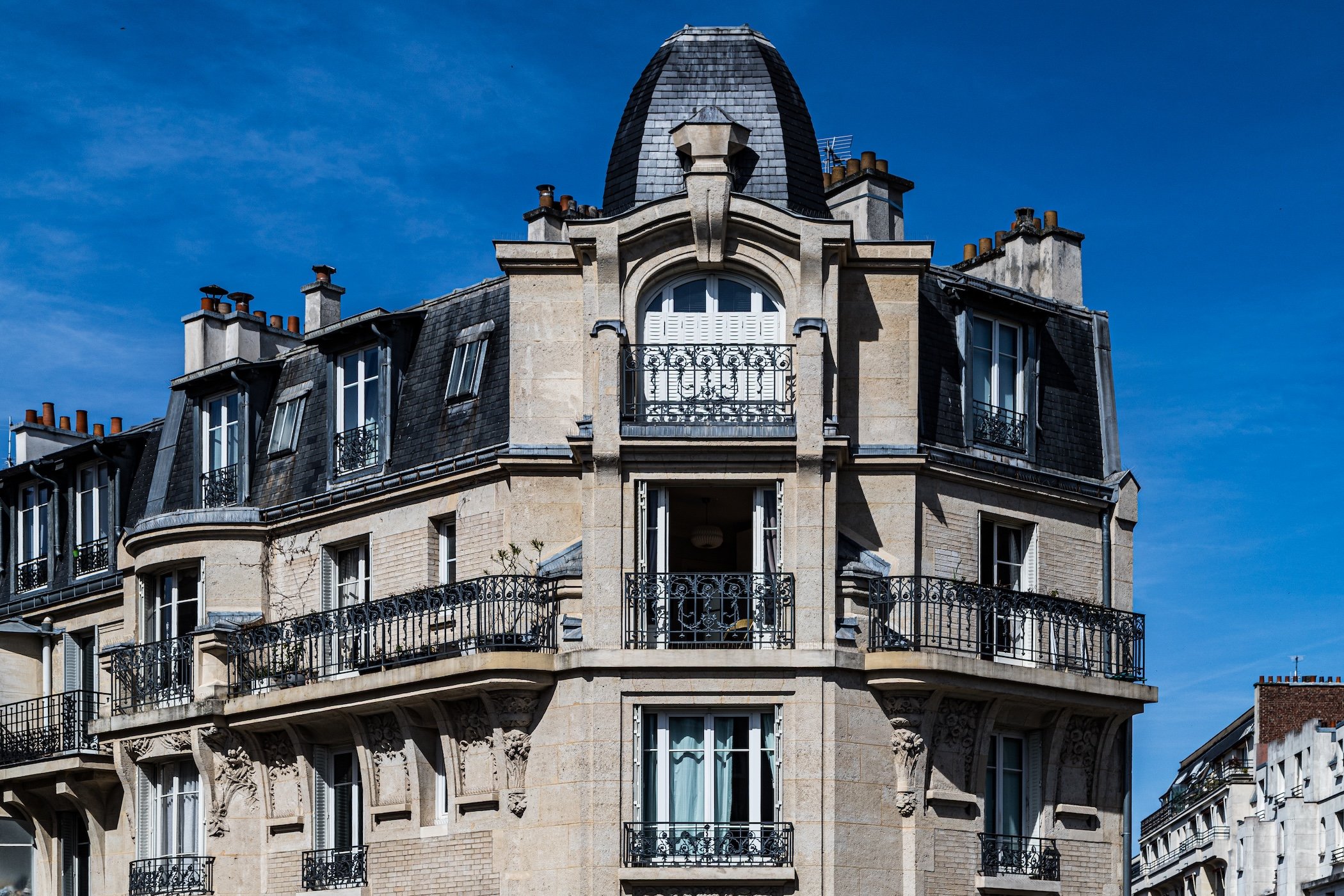
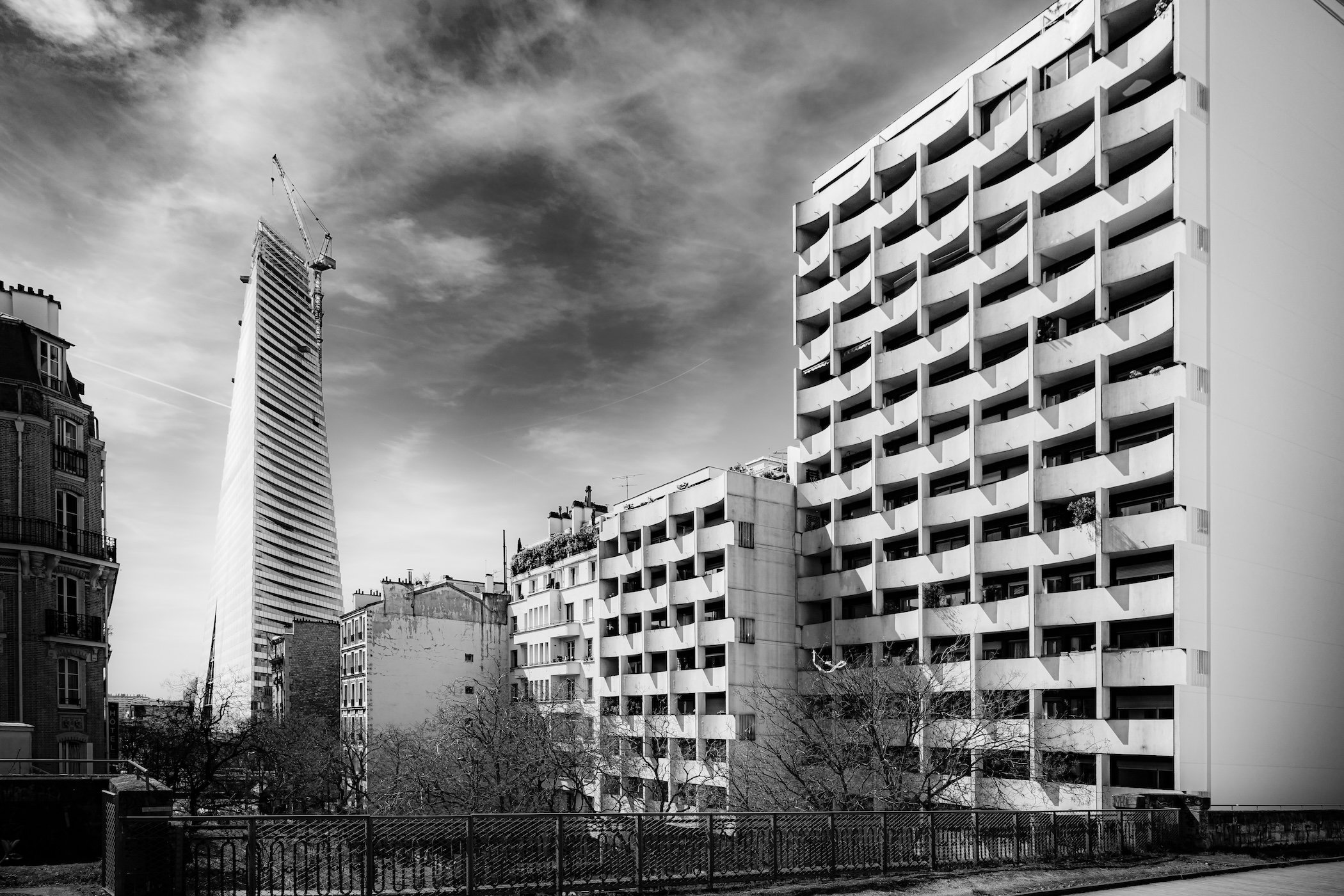
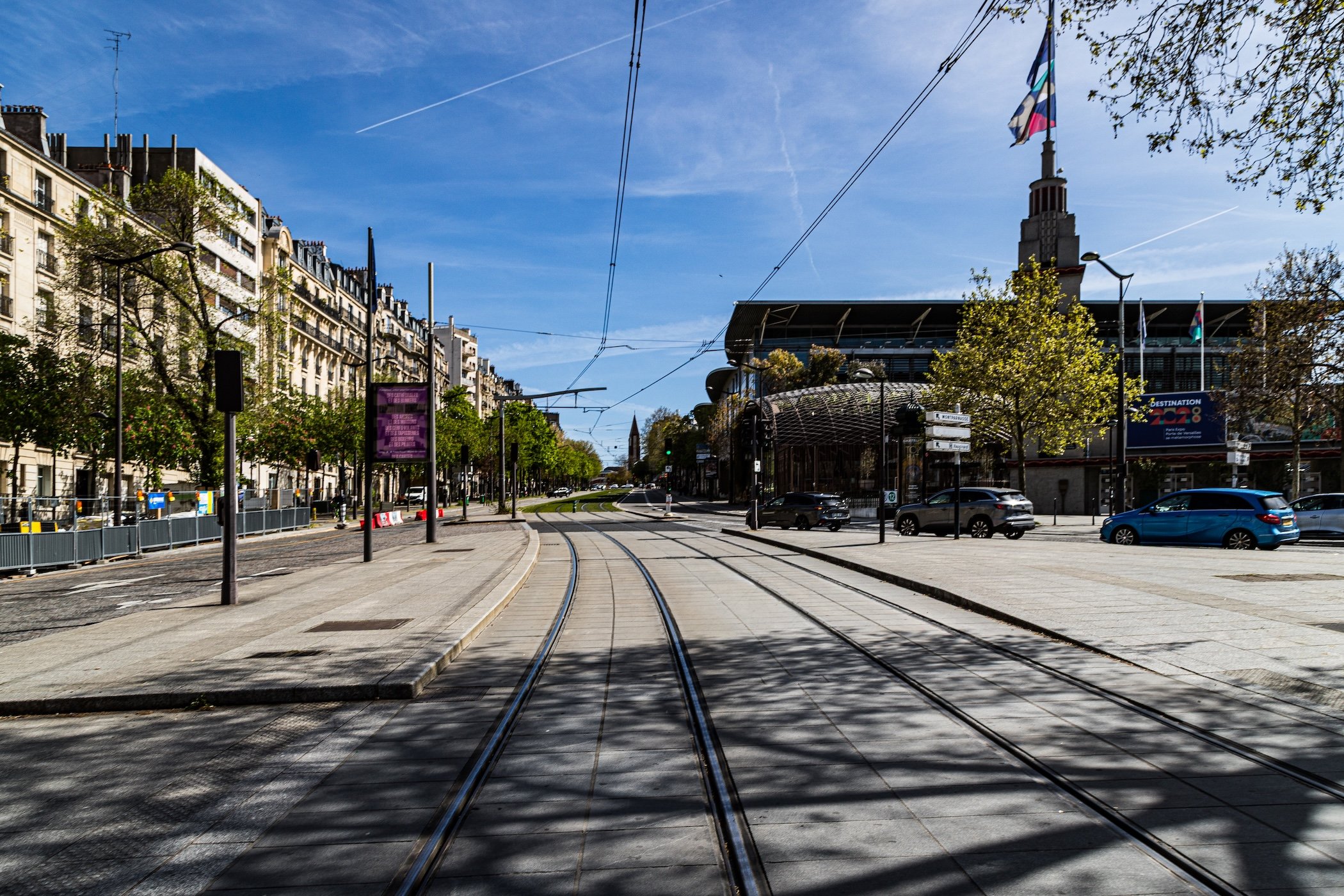
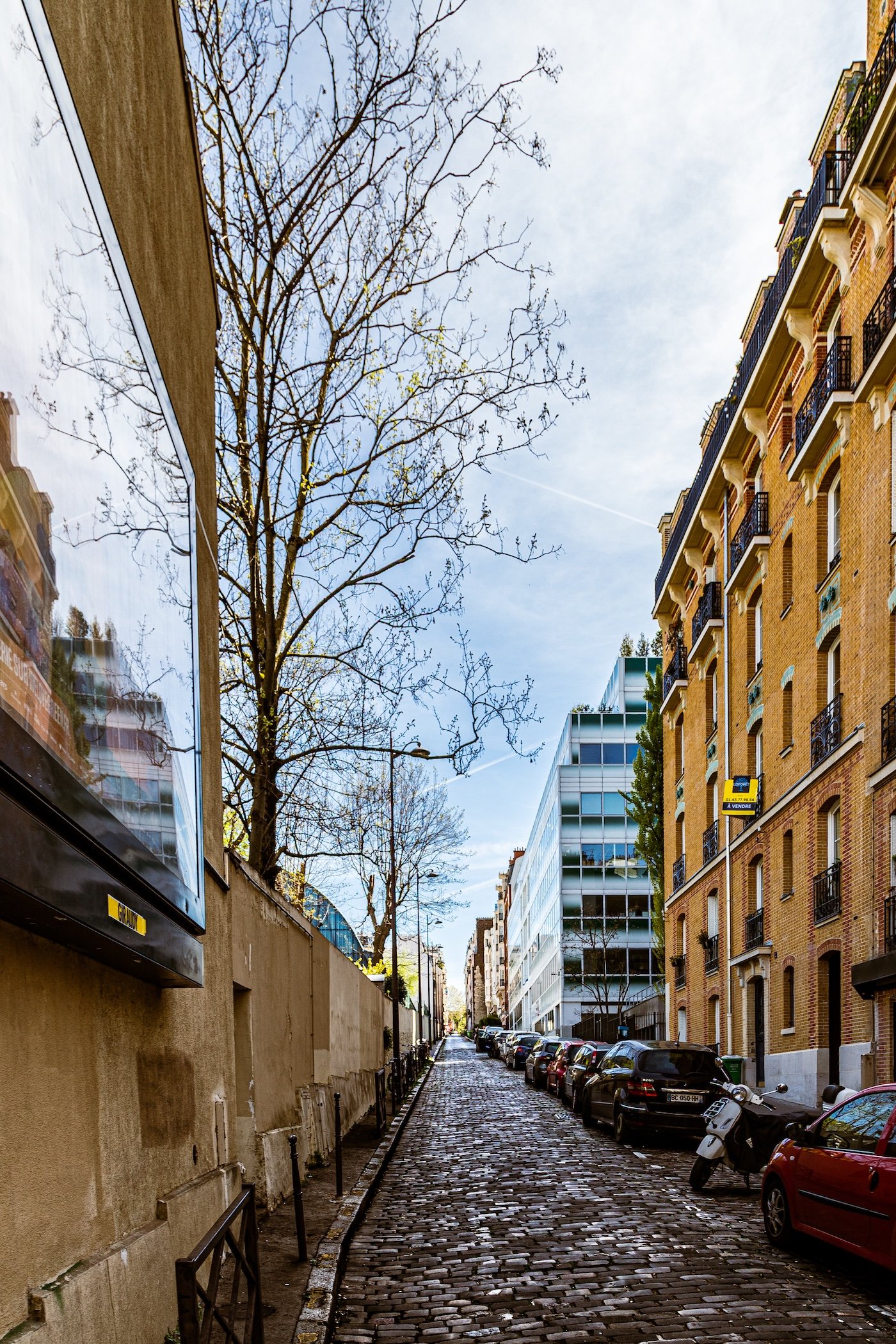
Saint-Lambert revealed a visual identity built upon juxtaposition. More than many Parisian quarters, it seemed to resist a single dominant architectural language. Instead, it presented itself through a continual sequence of contrasts: the historic guard towers of the Parc des Expositions set against the sharply contemporary mass of La Tour Triangle; quiet cobbled passages and older masonry giving way to broad walls of late-twentieth-century apartment buildings; modest neighborhood bakeries and cafés coexisting with powerful gestures of modern urban planning.
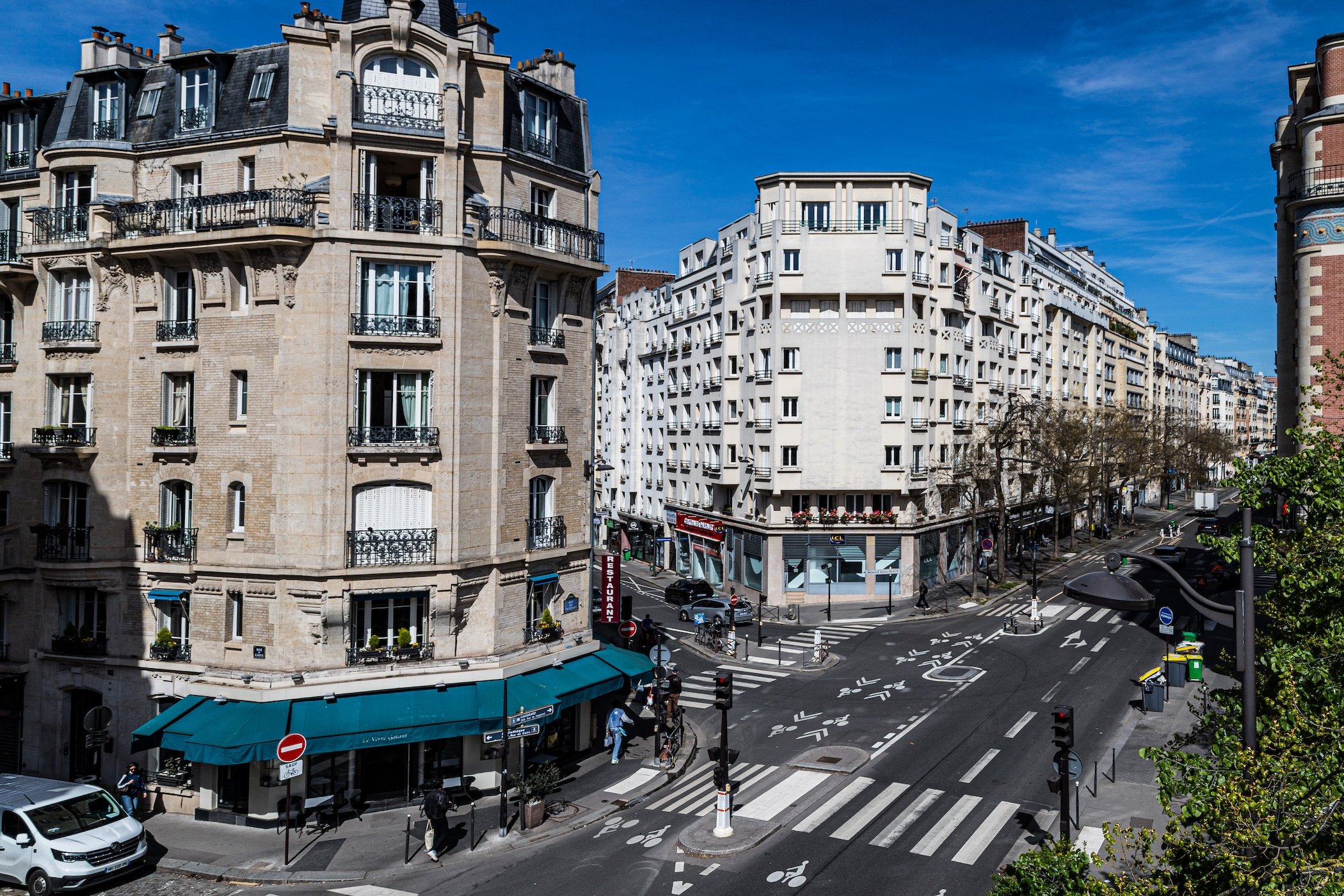
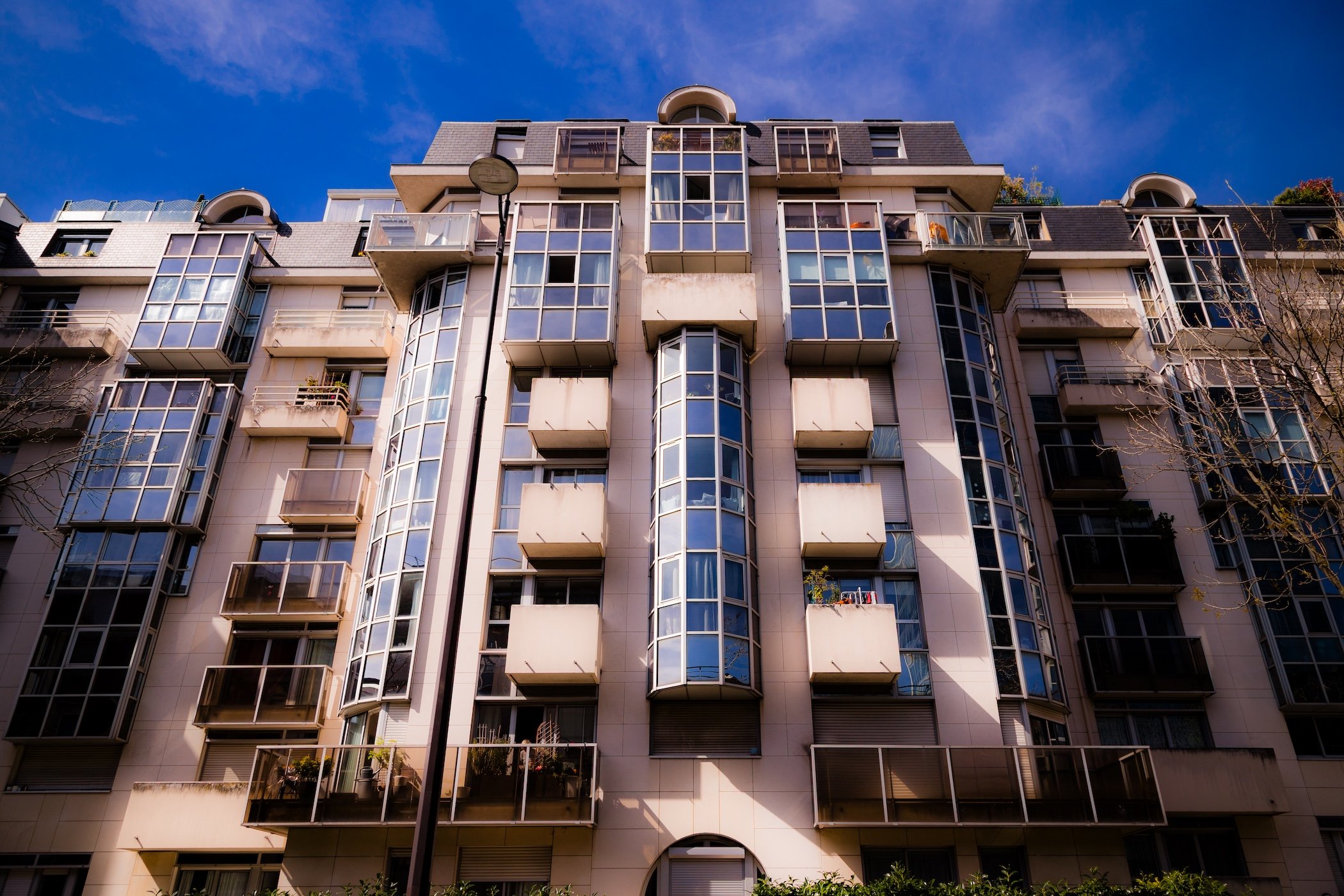
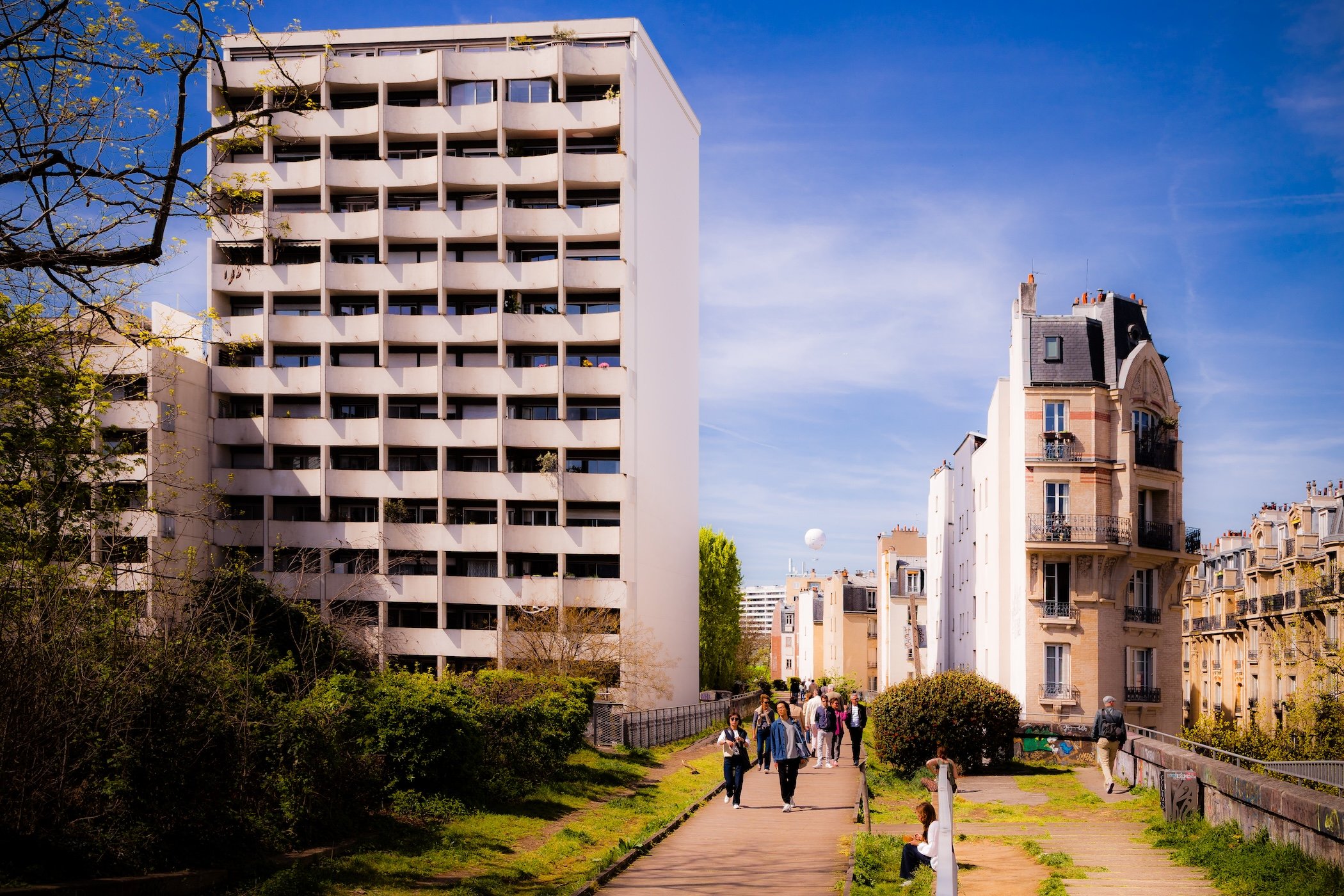
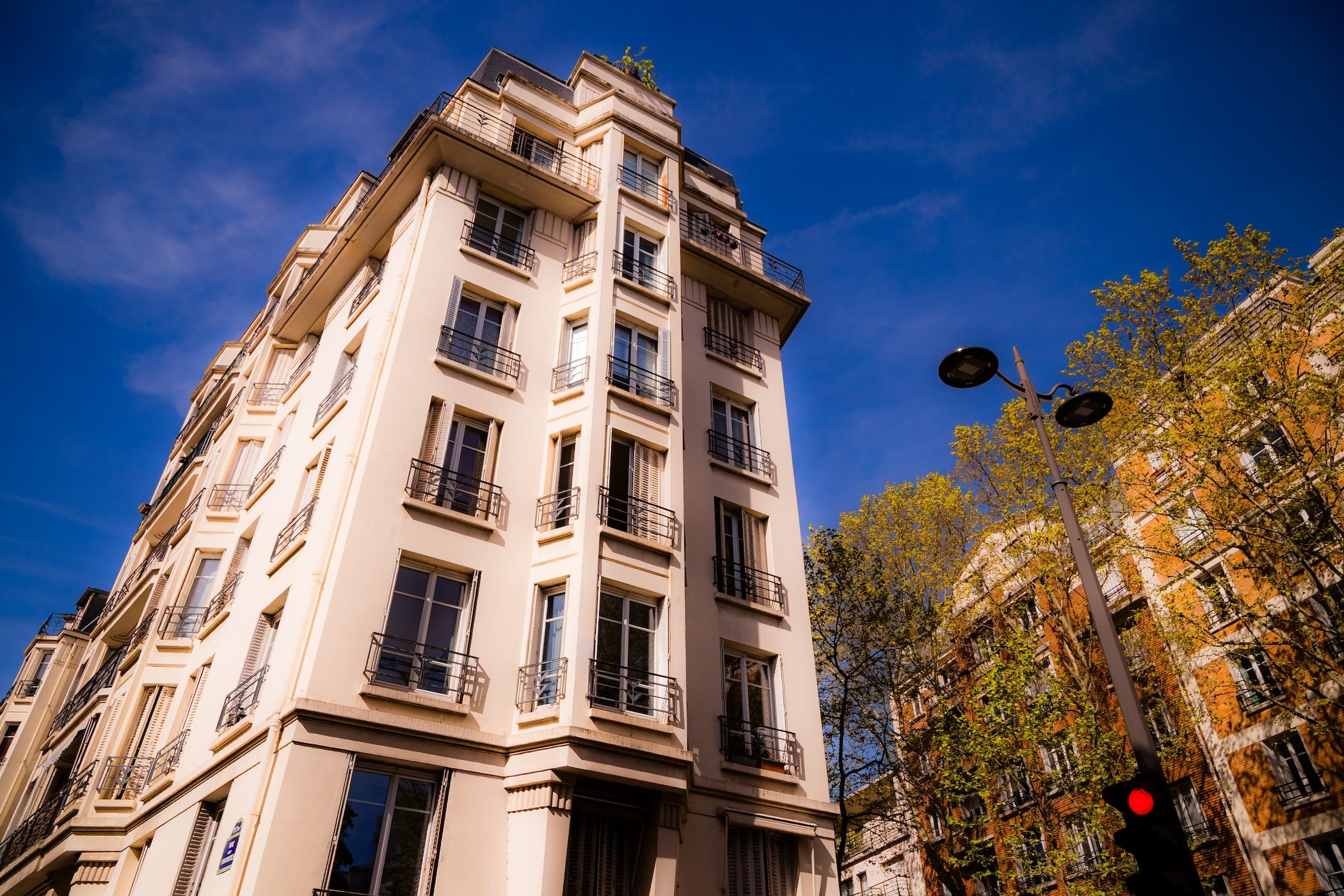
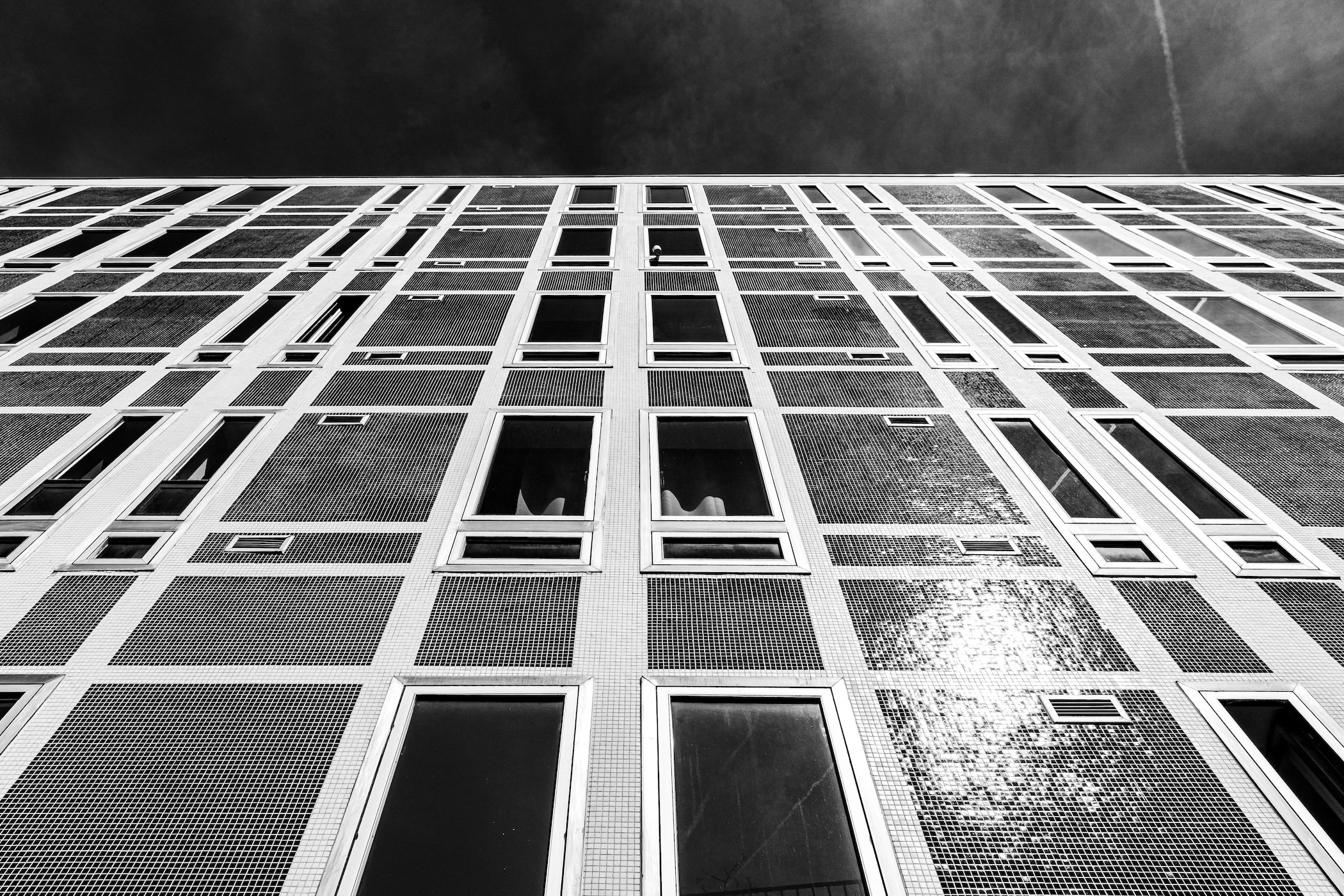
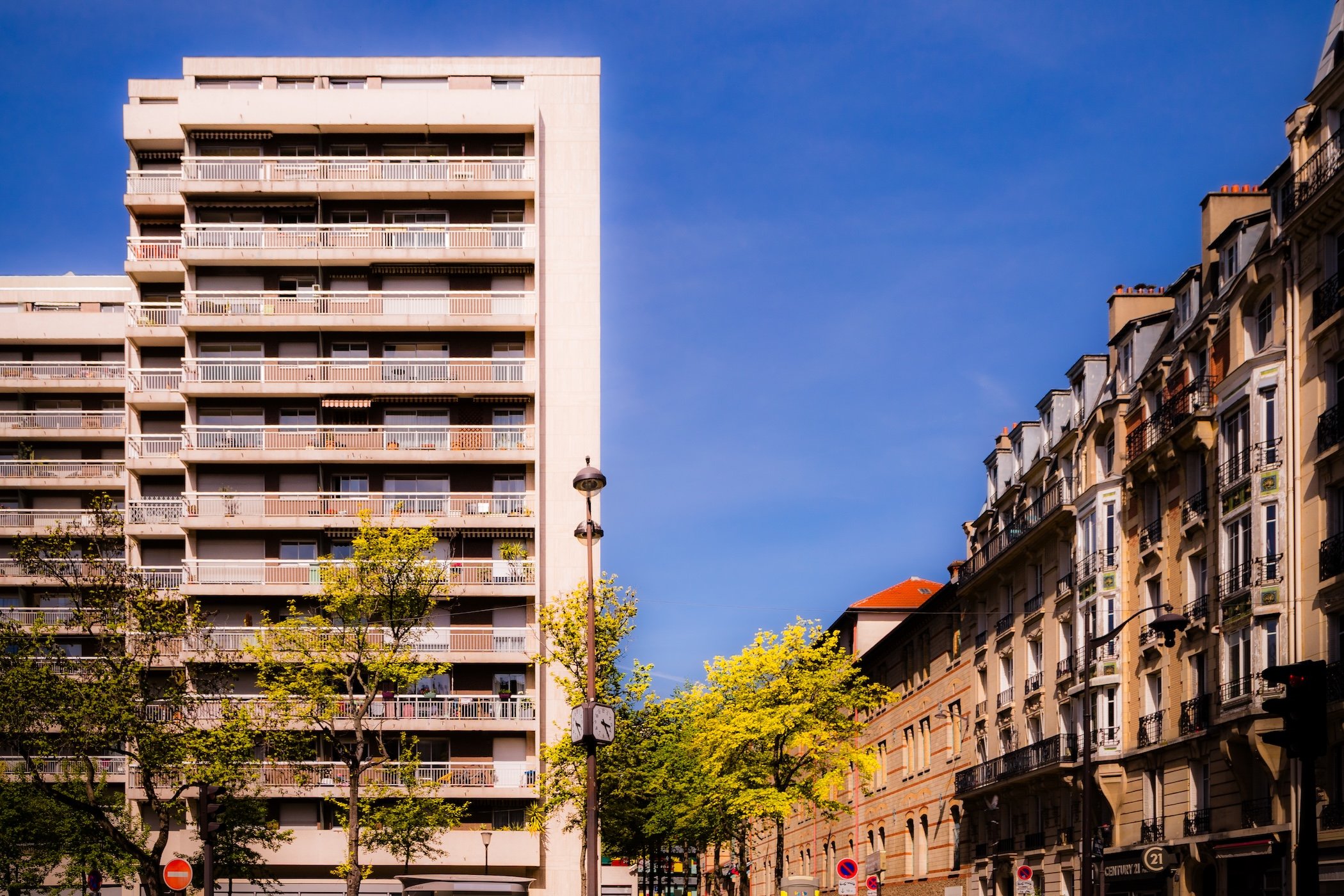
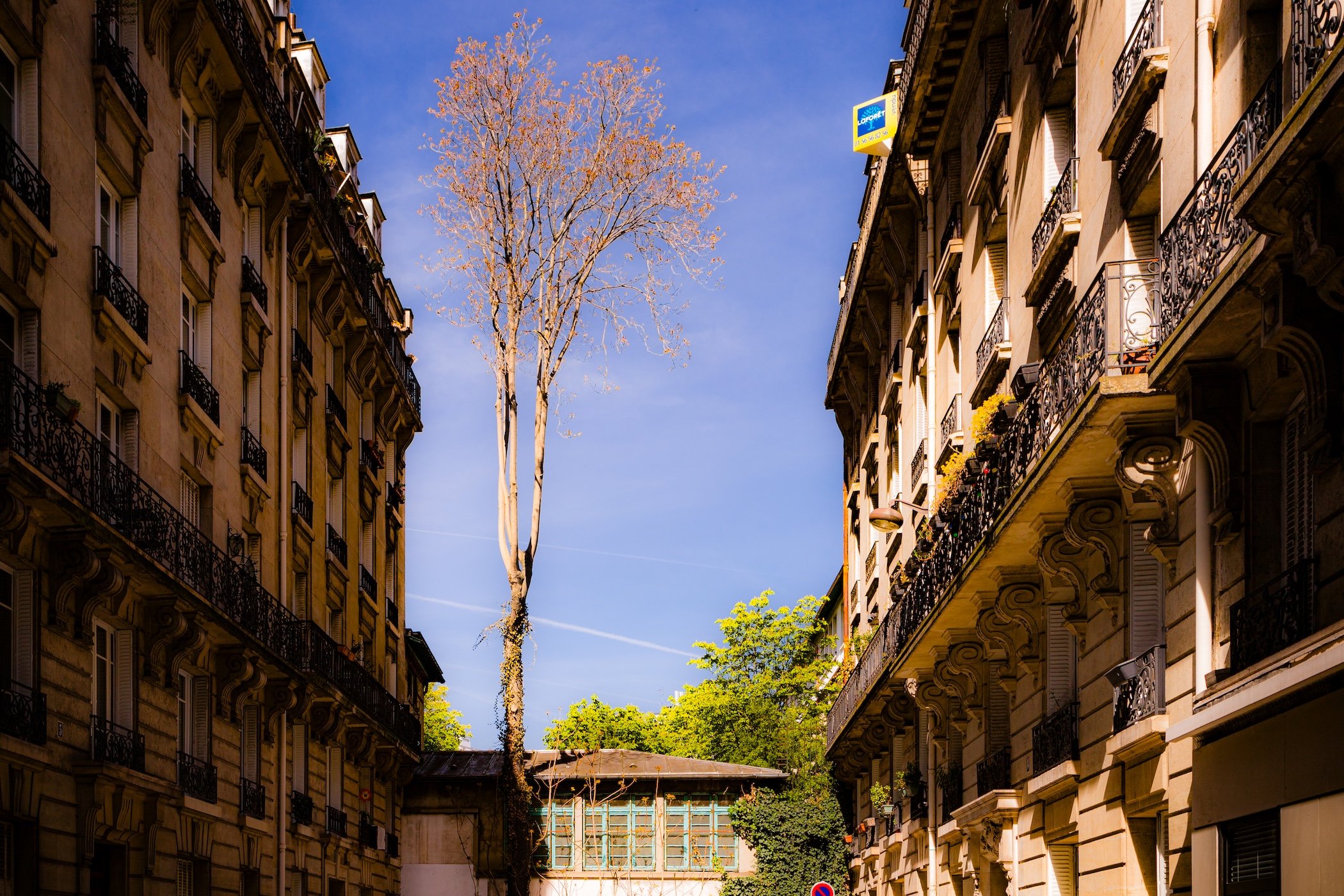
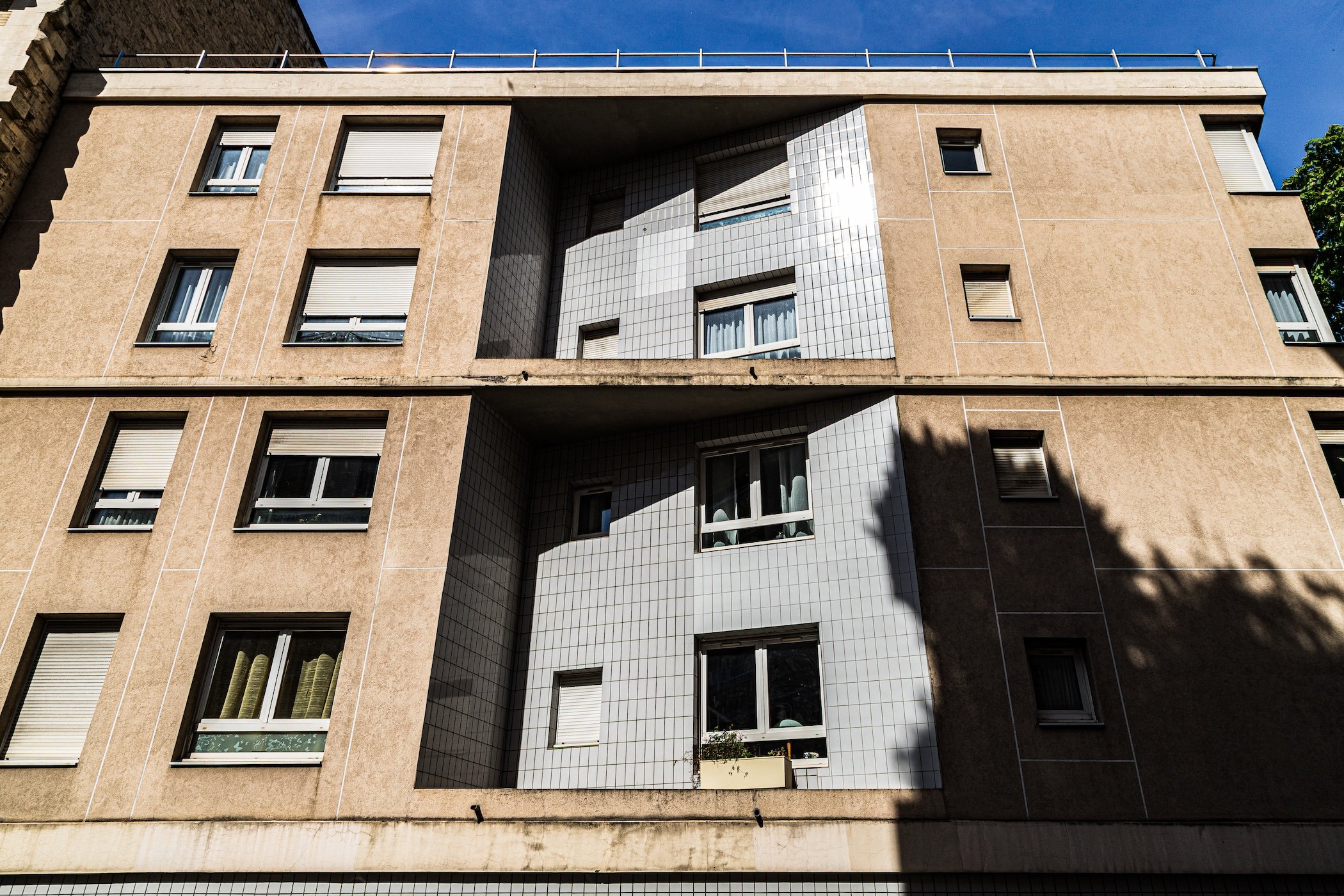
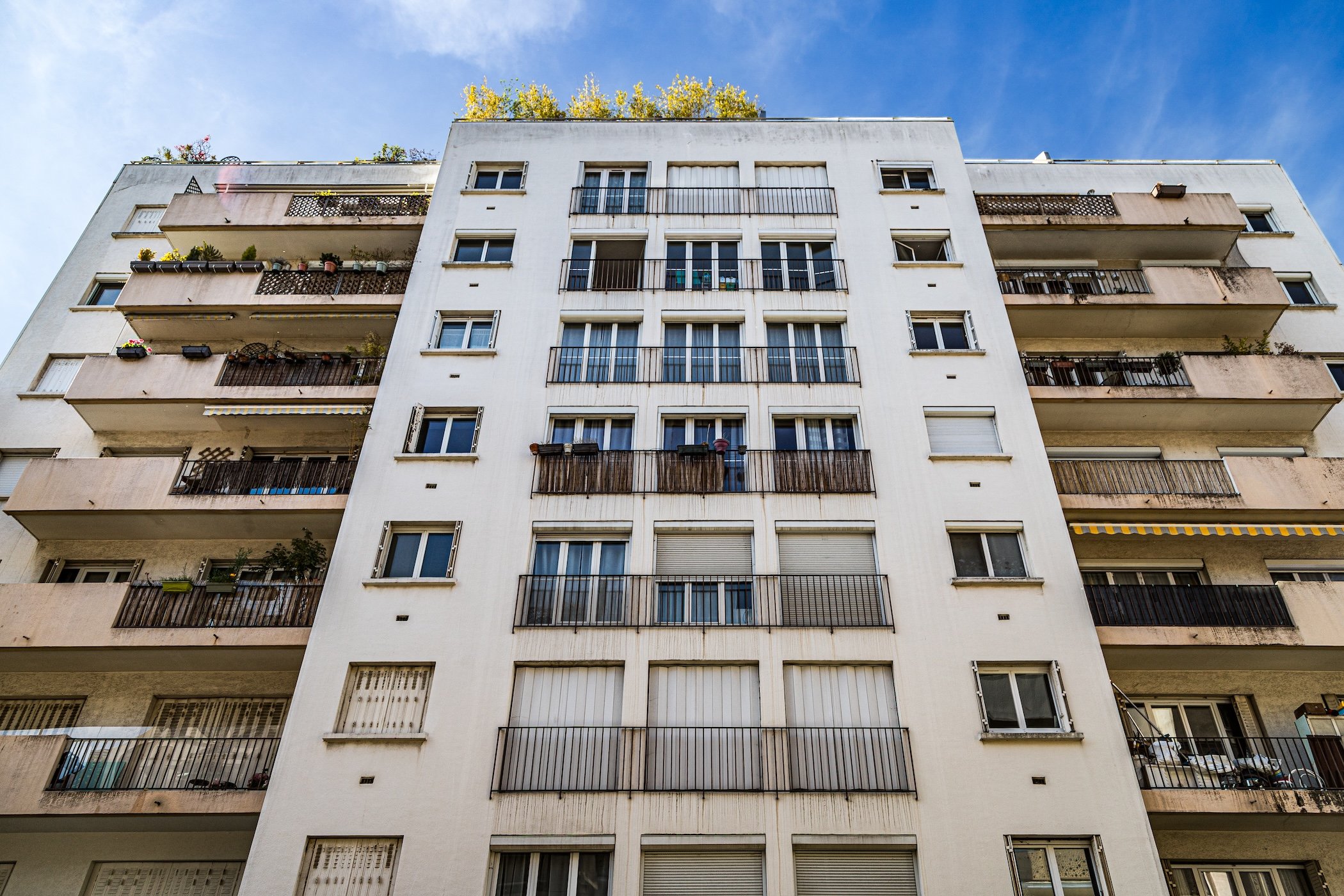
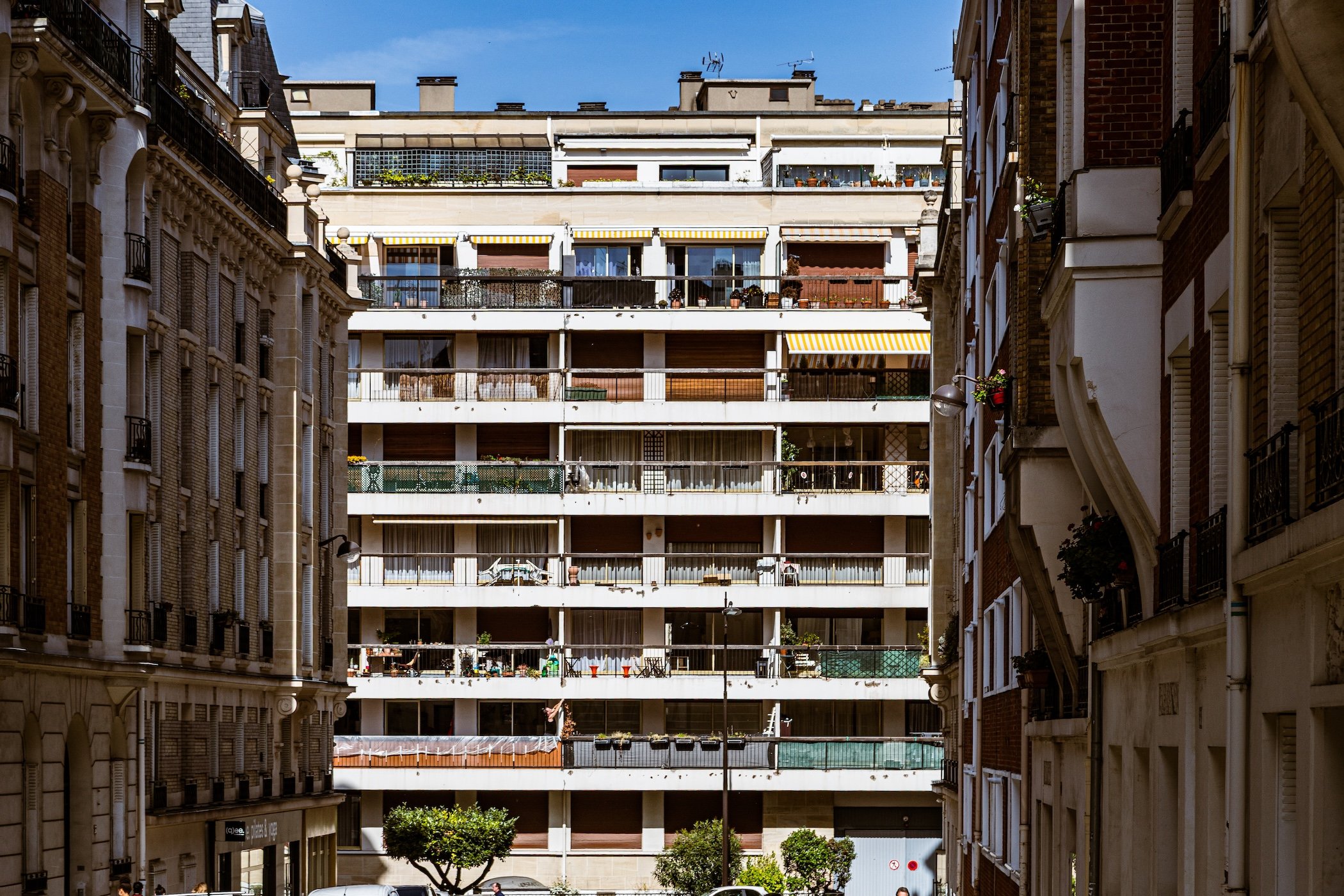
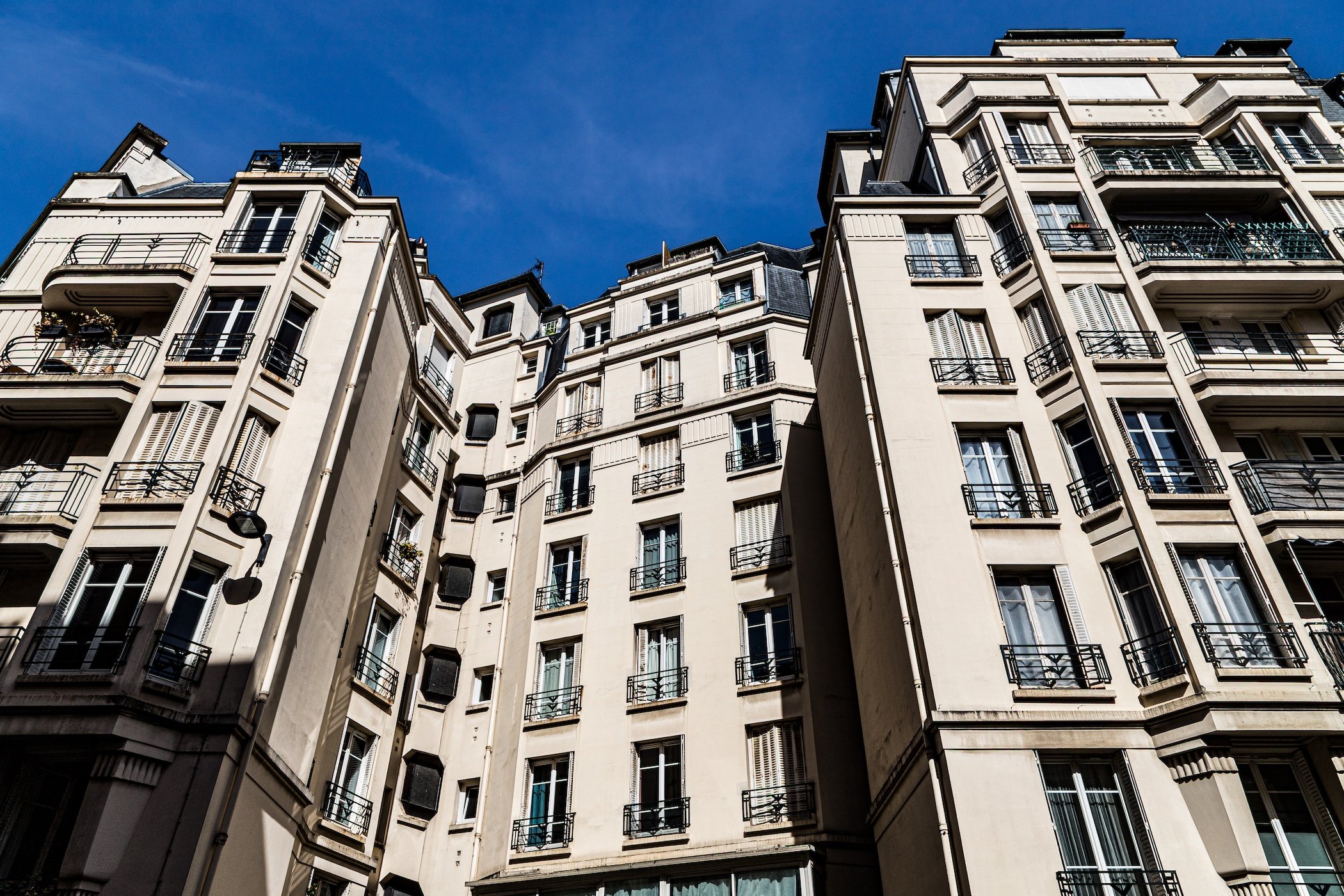
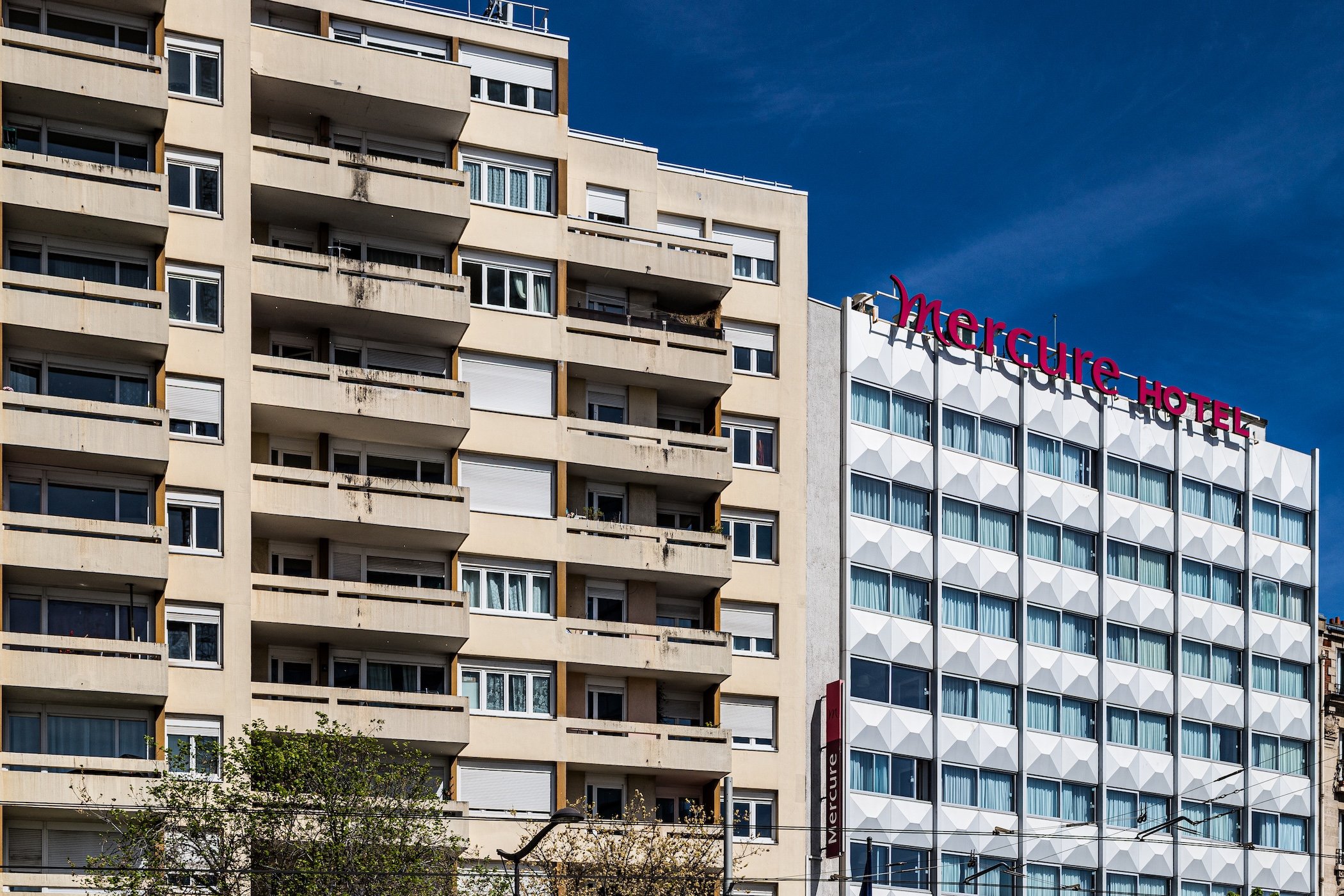
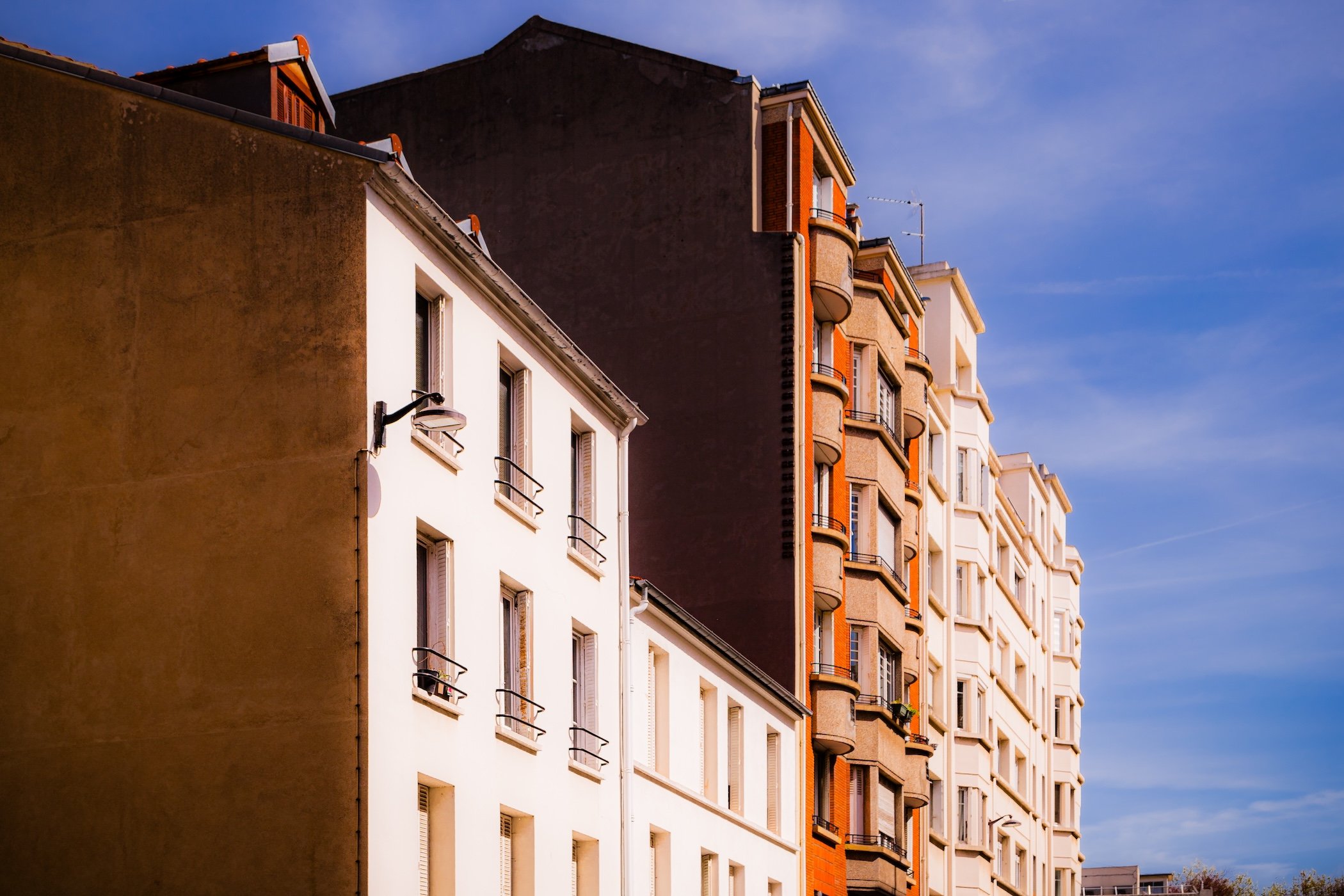
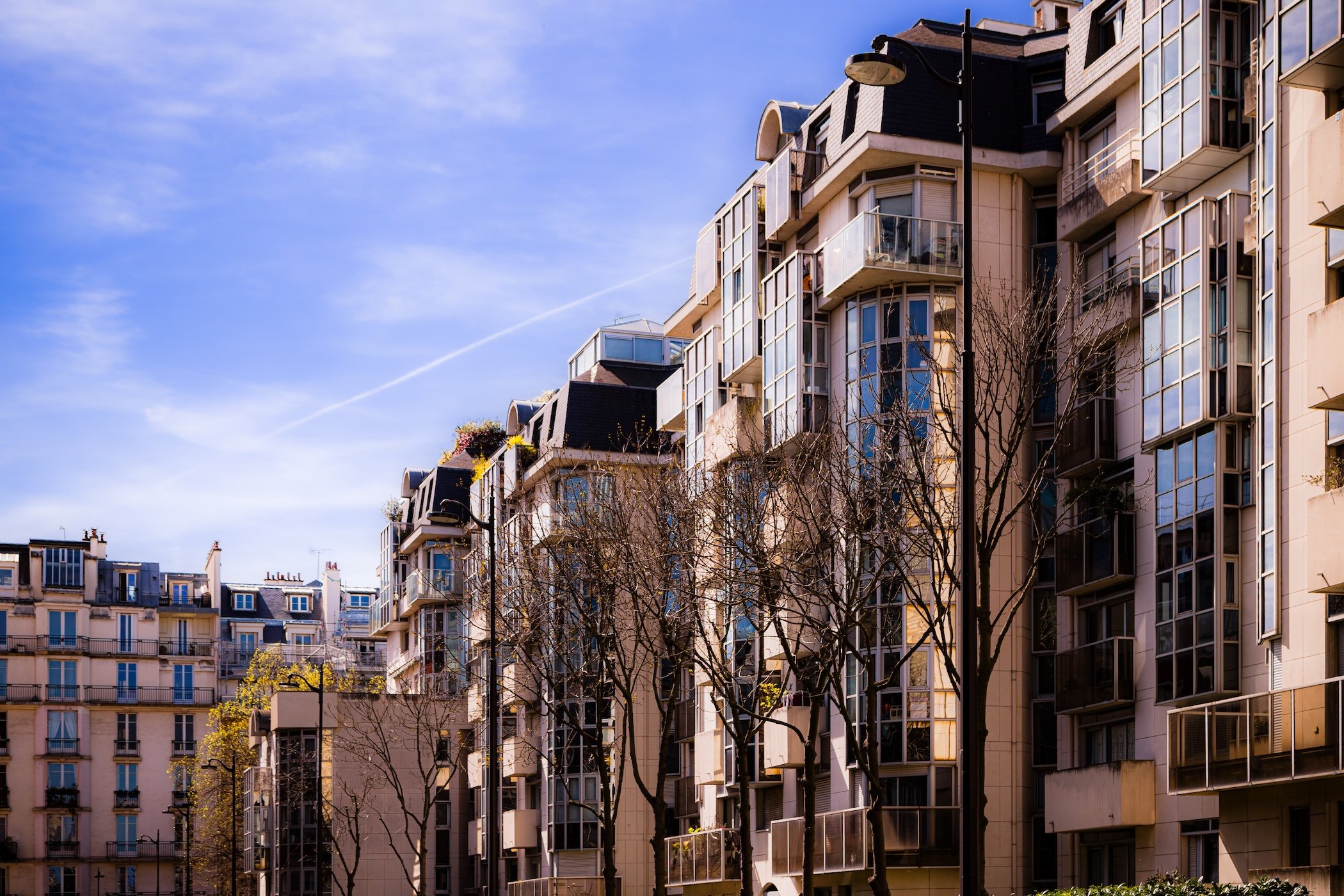
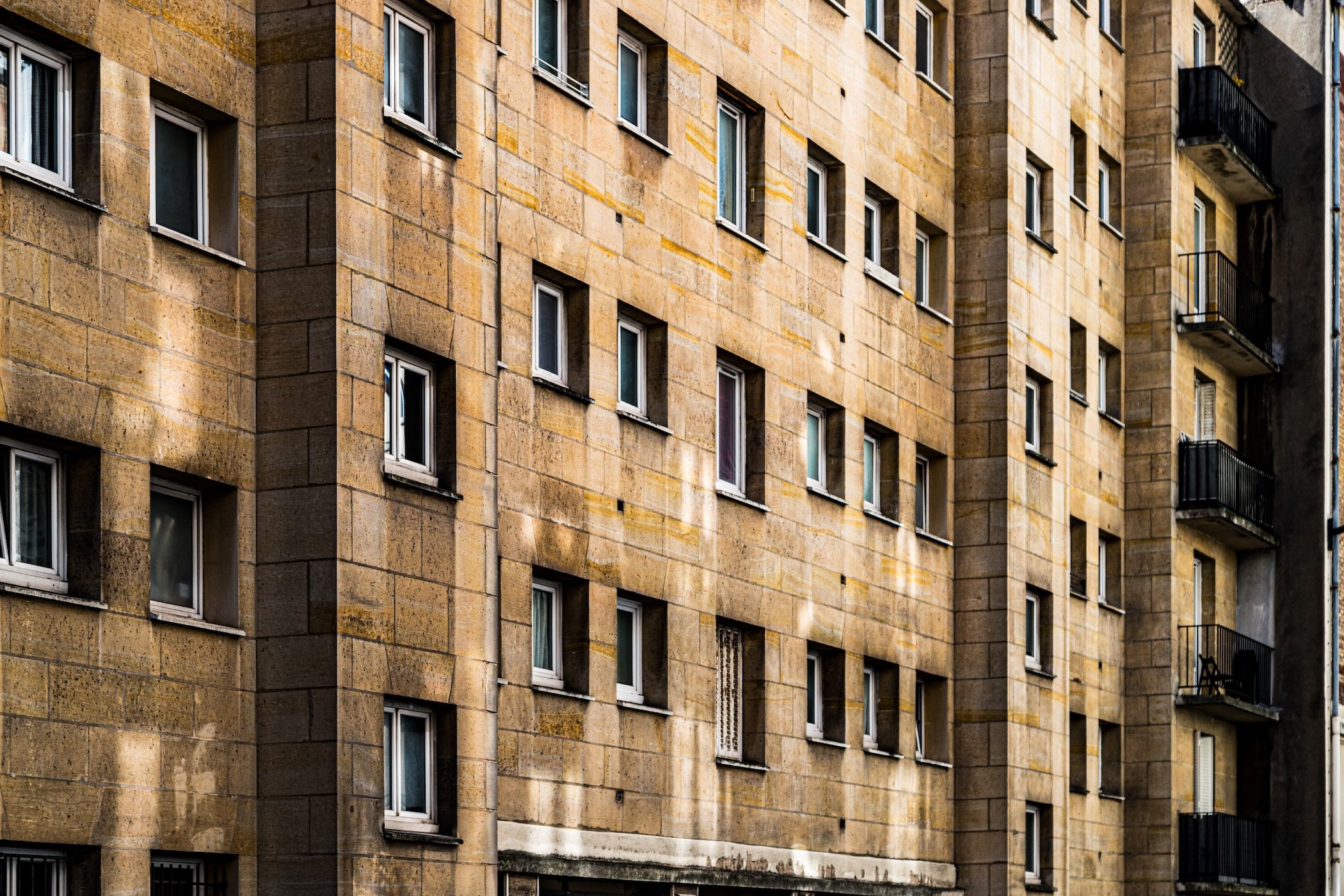
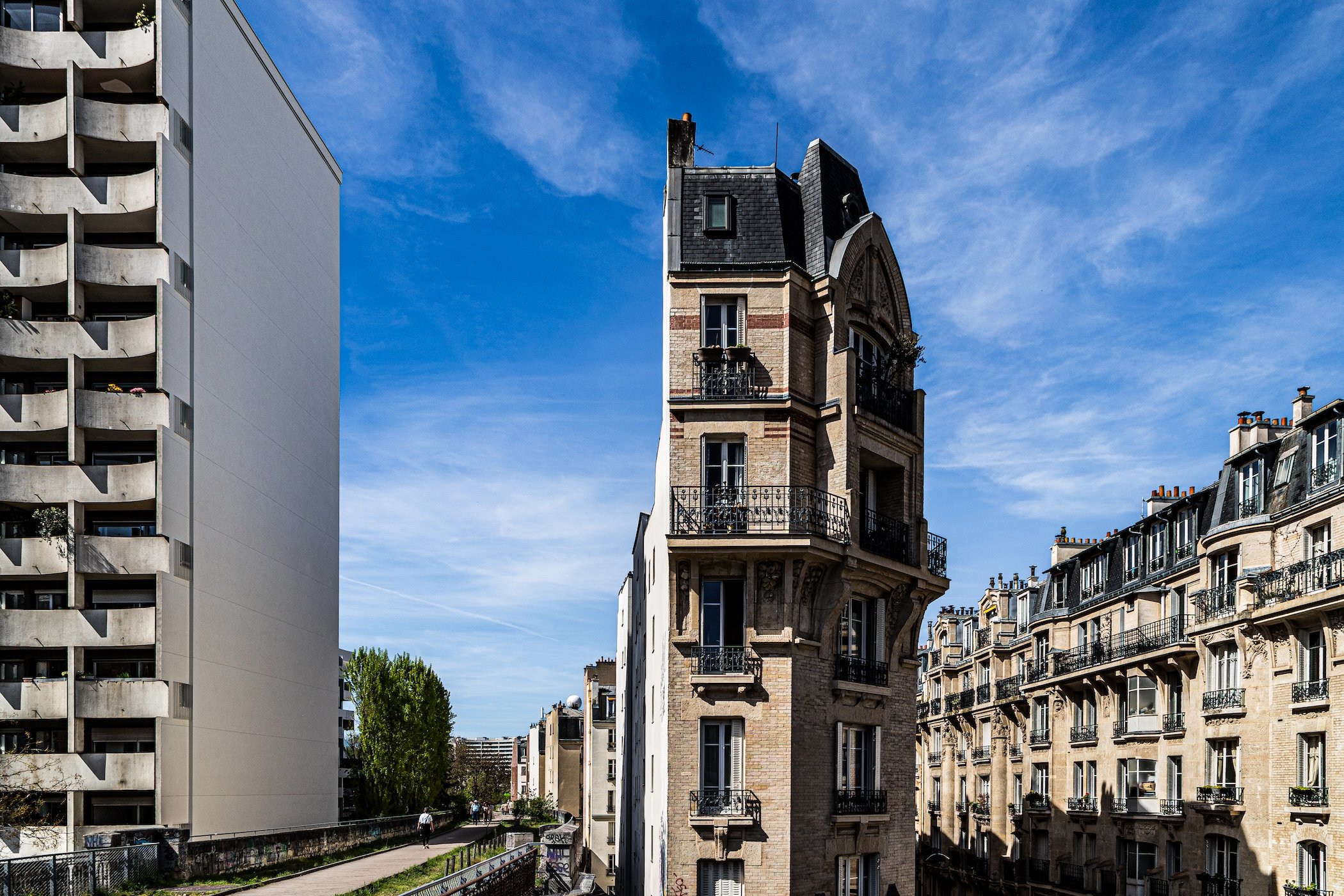
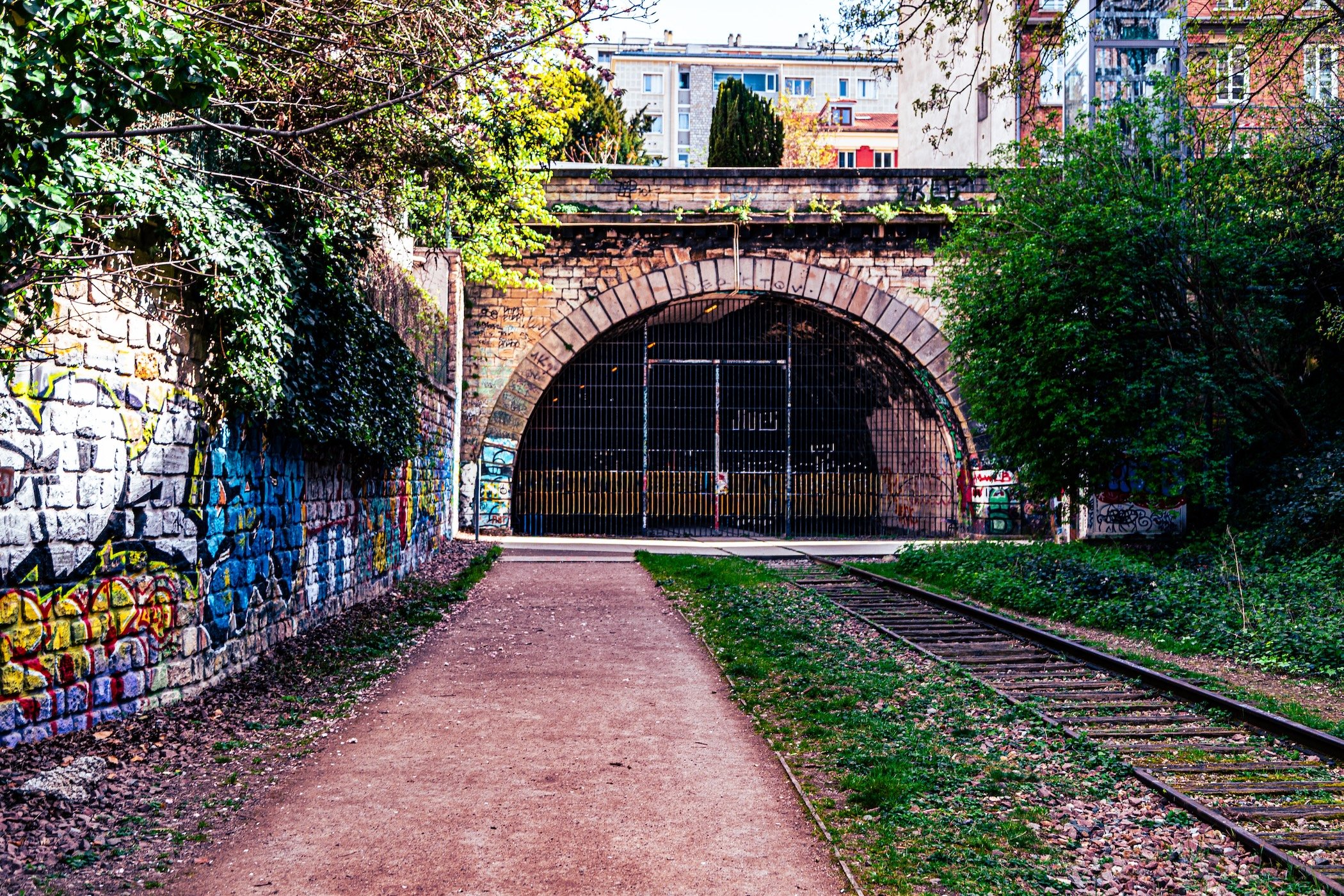
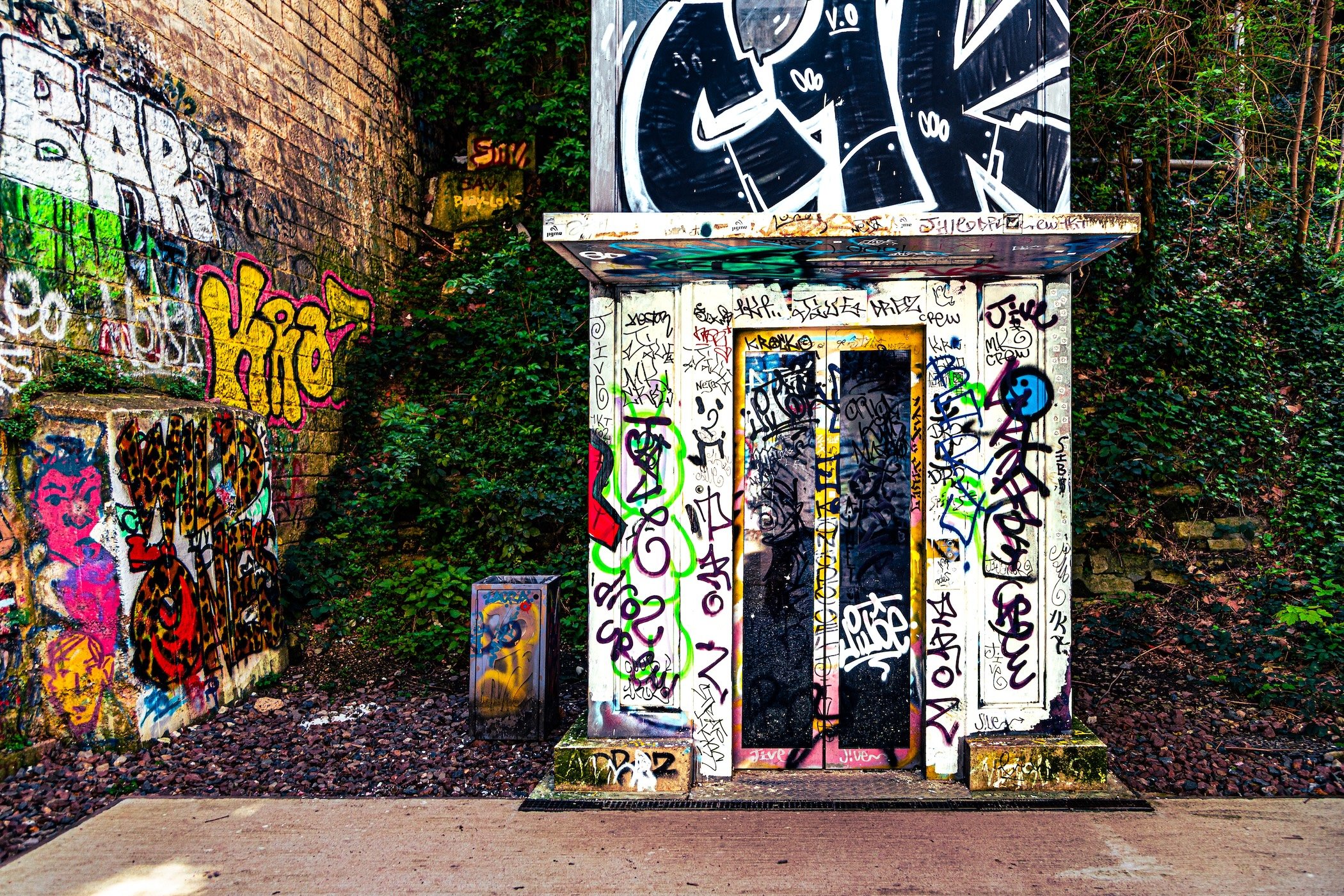
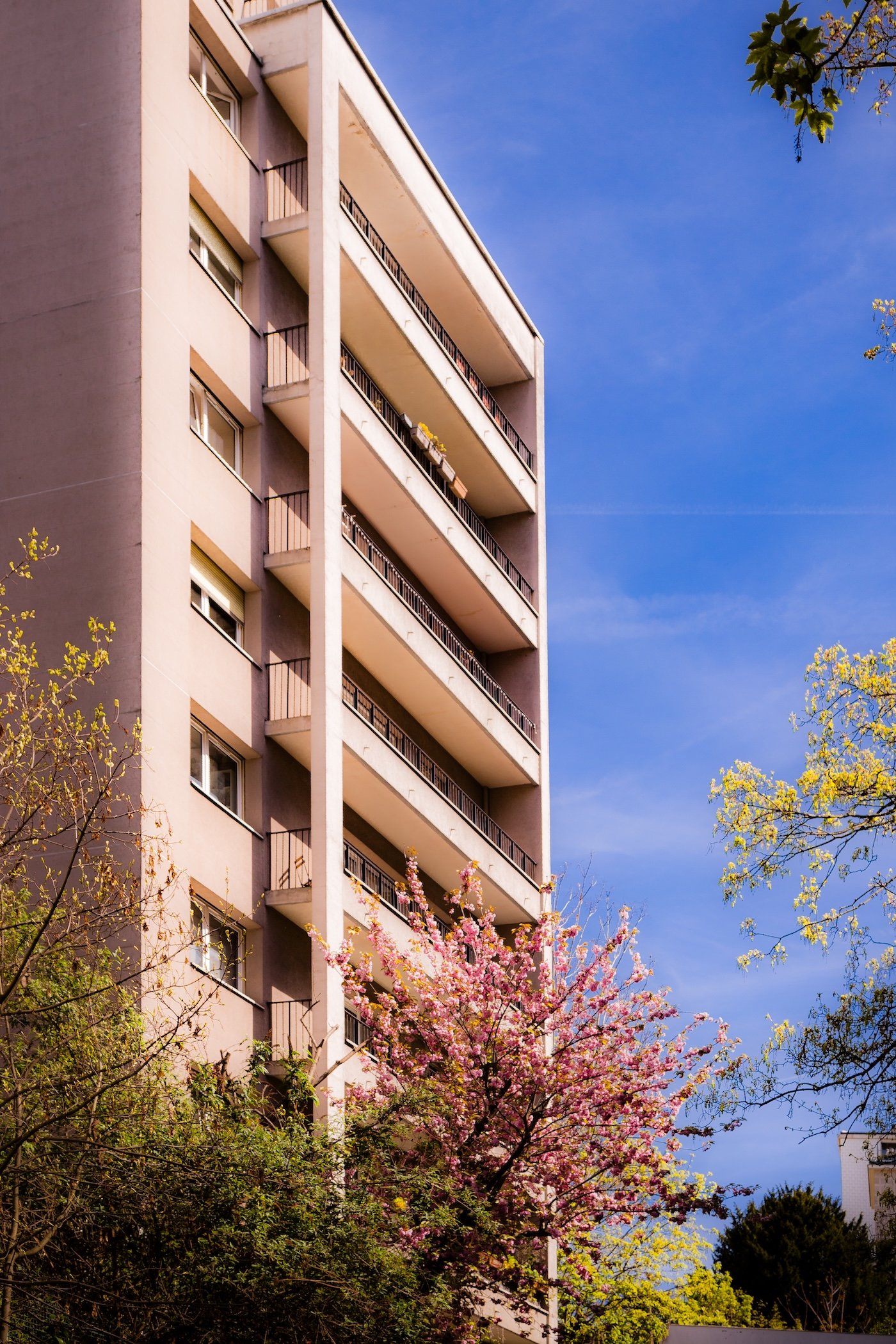
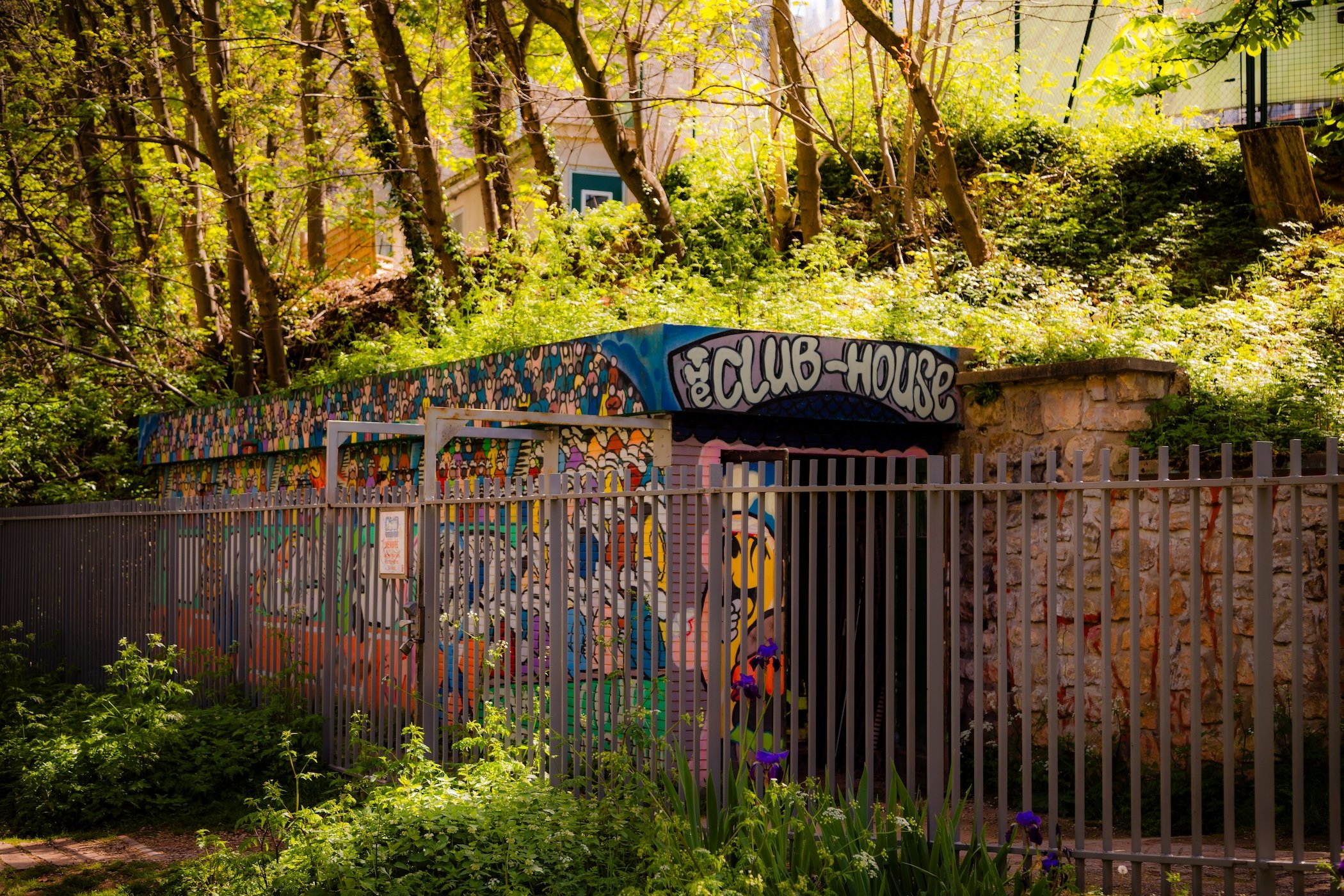
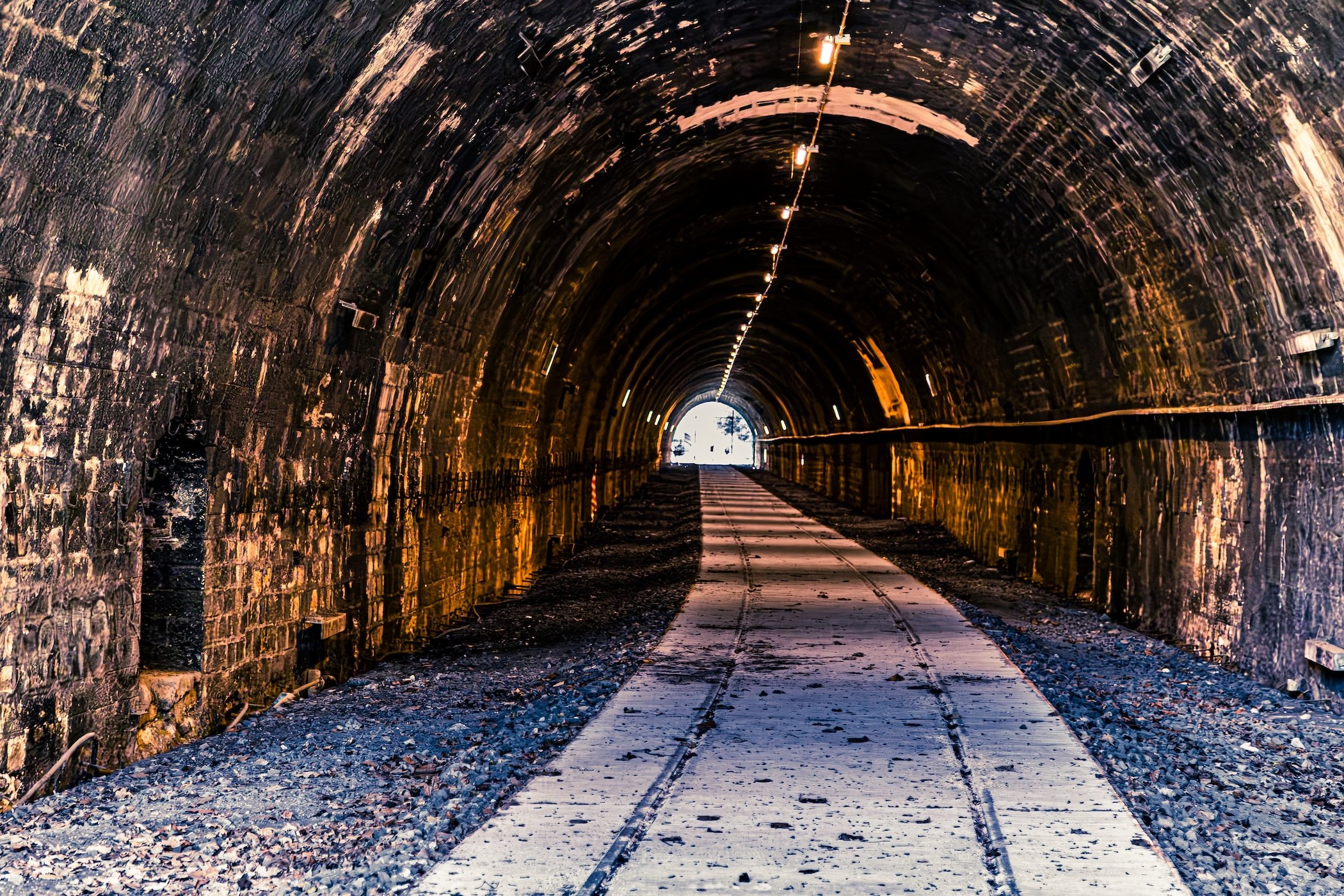
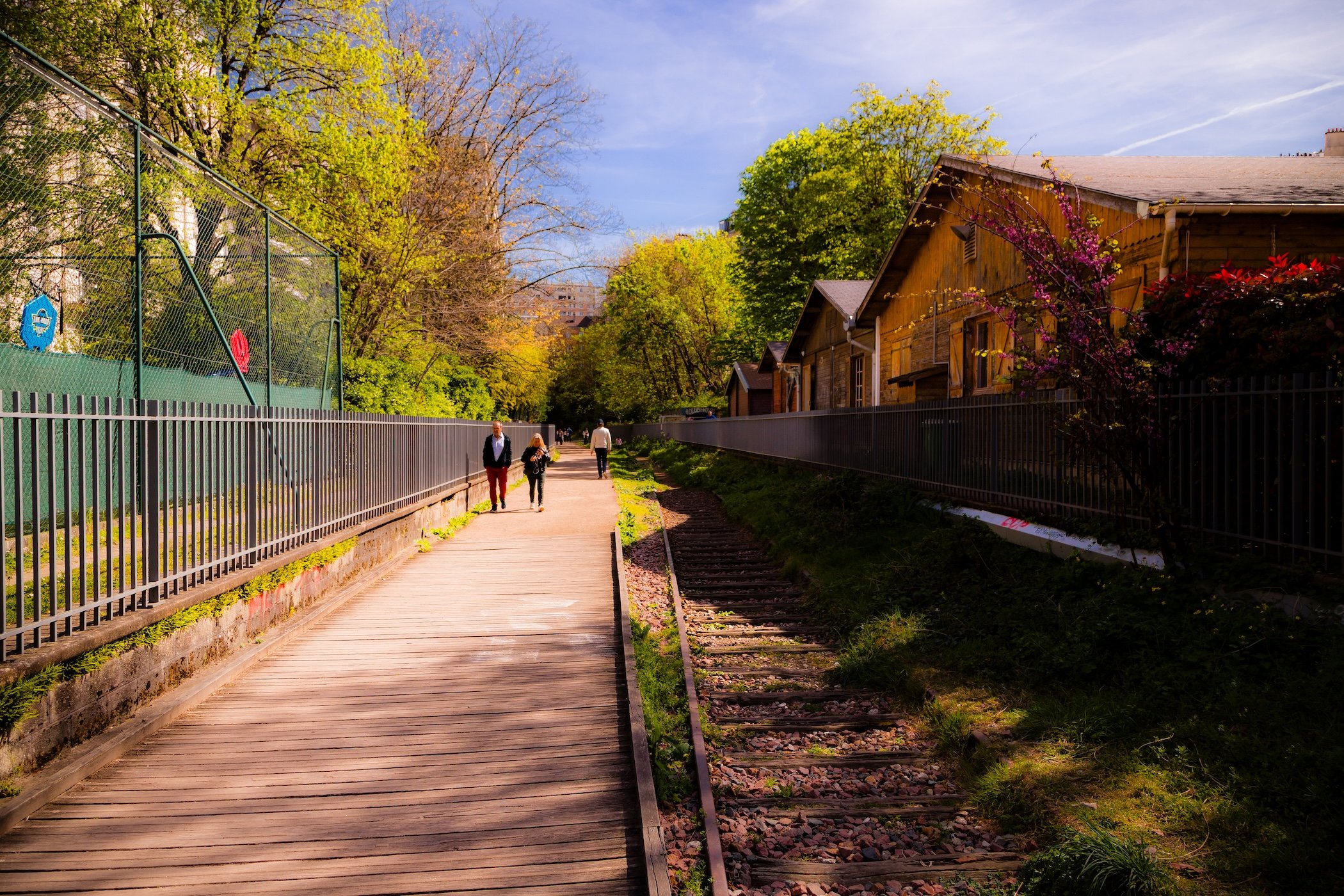
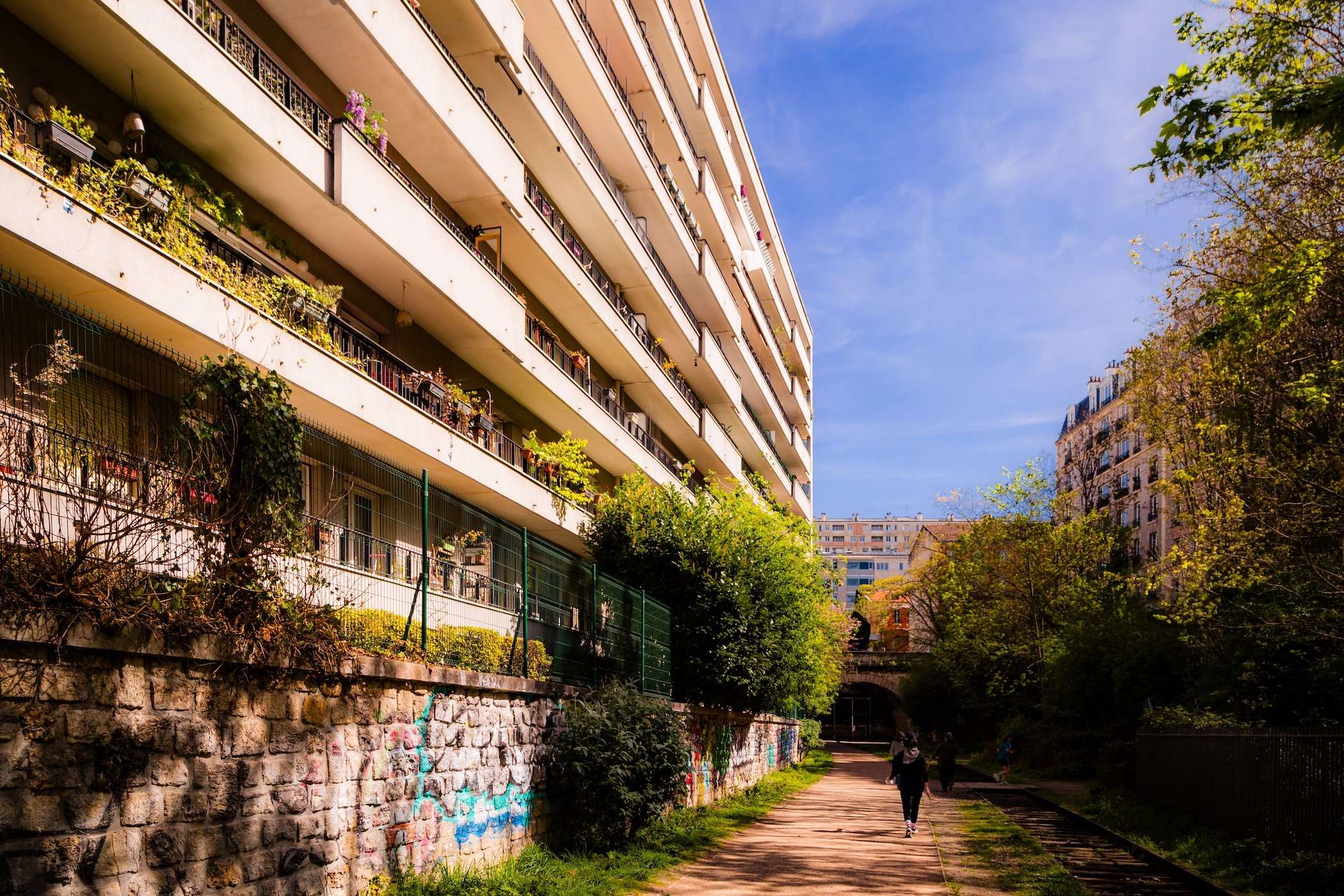
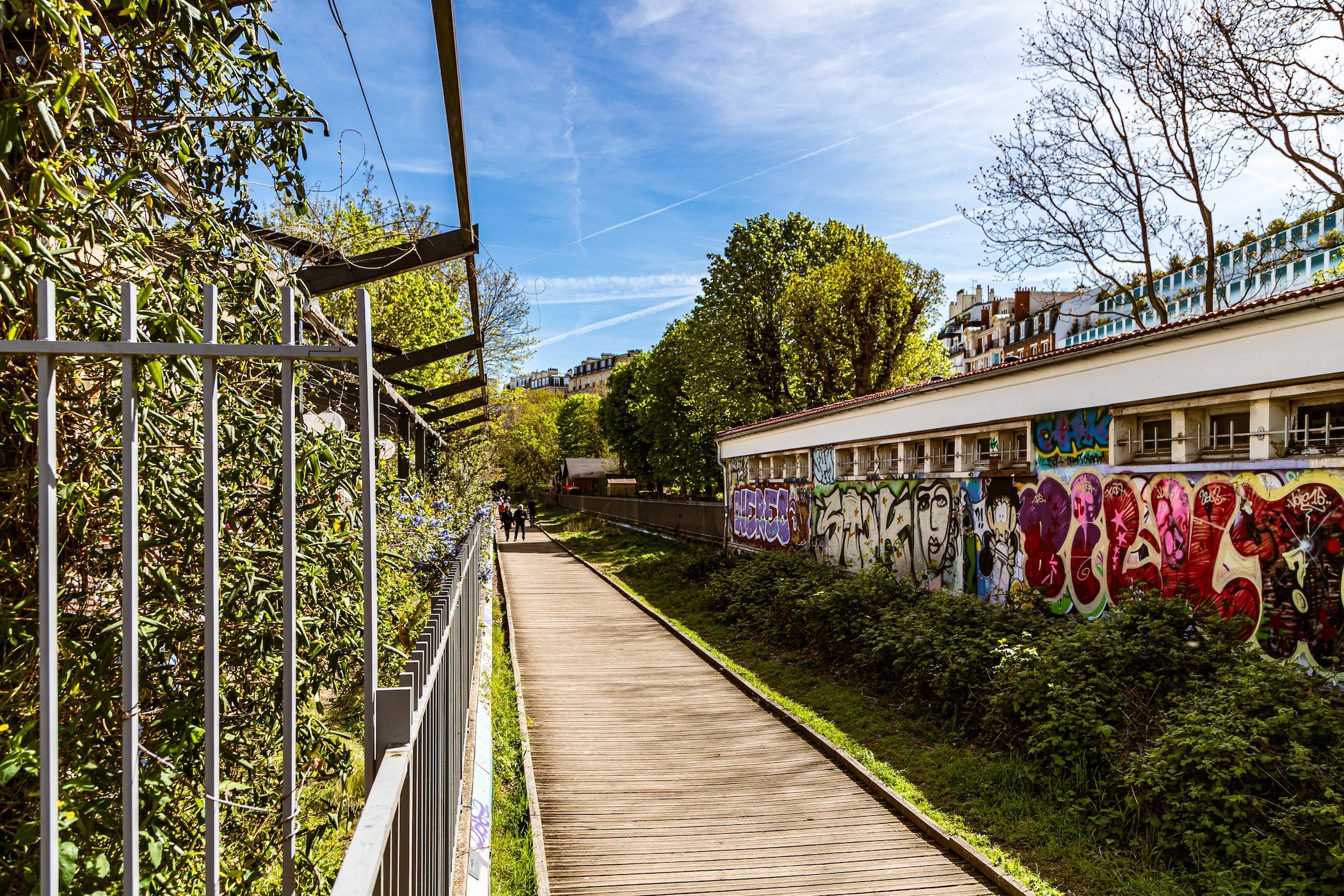
Rue de Vaugirard provided one of the quarter’s principal structural lines, but Saint-Lambert’s real personality emerged through the adjoining streets and smaller transitions. The Petite Ceinture du 15e introduced a different layer altogether: an elevated green corridor where foliage, graffiti, and open sky briefly lifted the quarter above the surrounding city. Nearby, Rue Pierre-Mille preserved a more intimate and historic scale, while Rue Vaugelas marked a dramatic shift into a more severe and monumental modernity, its apartment blocks forming an almost continuous concrete-and-glass plane.
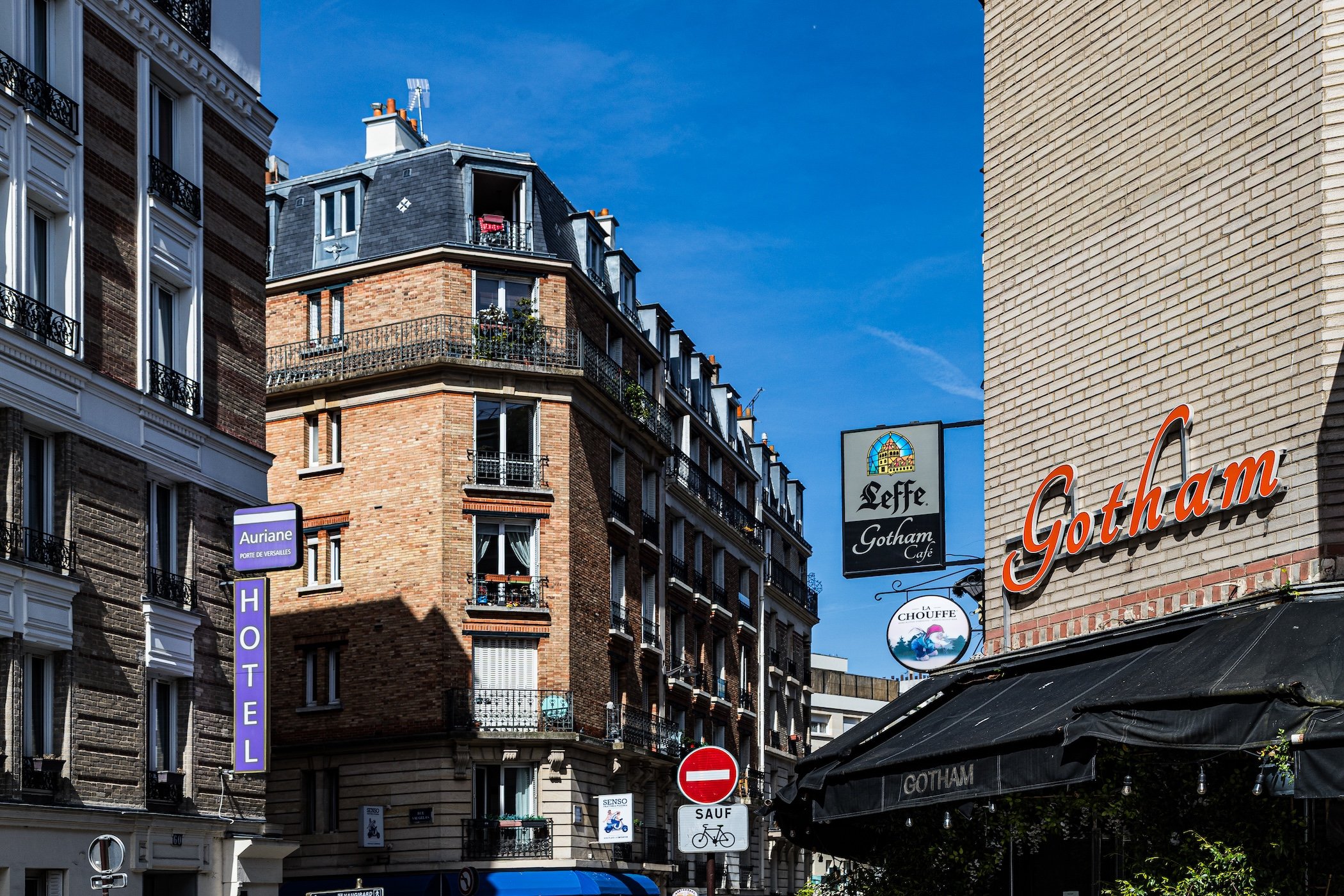
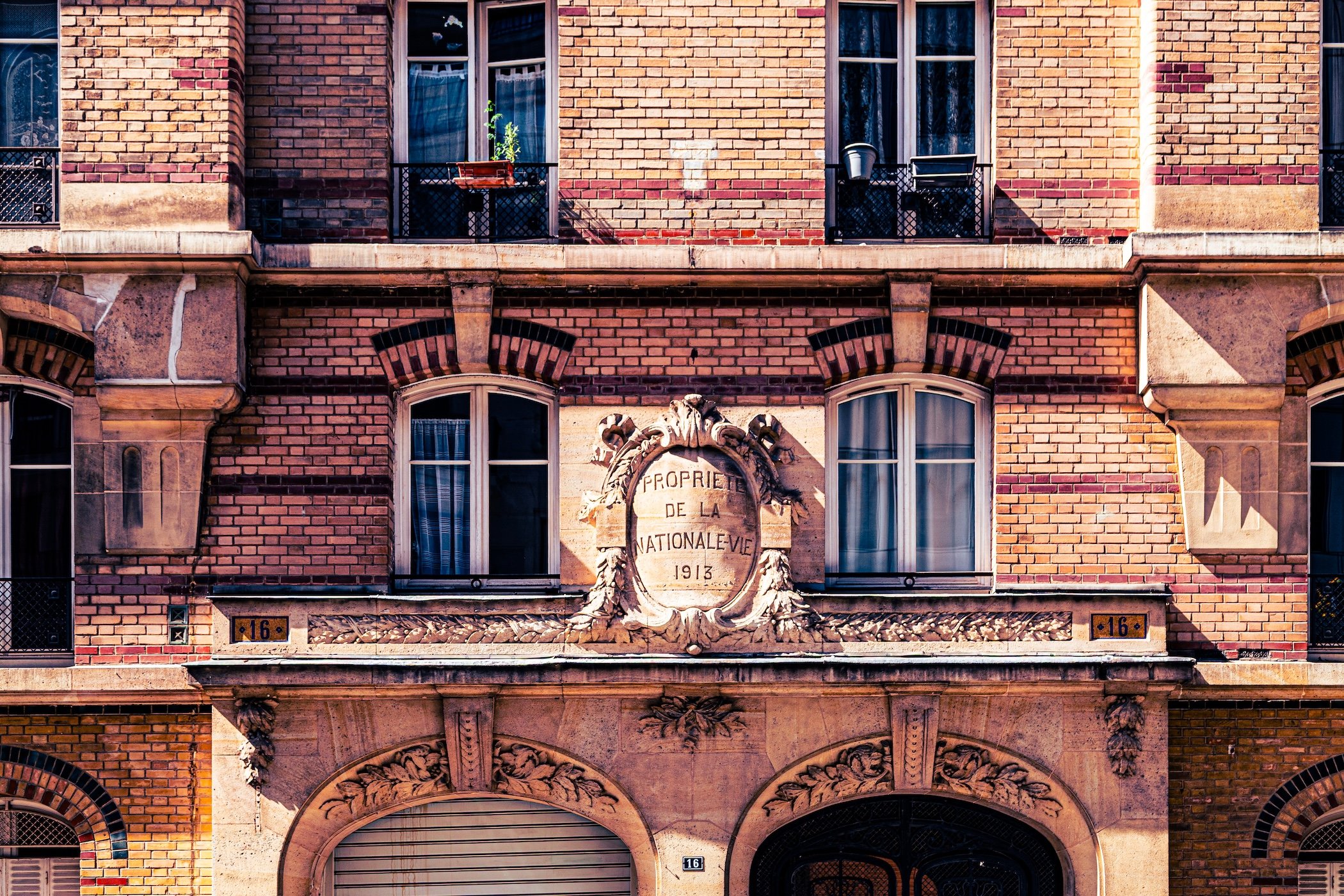
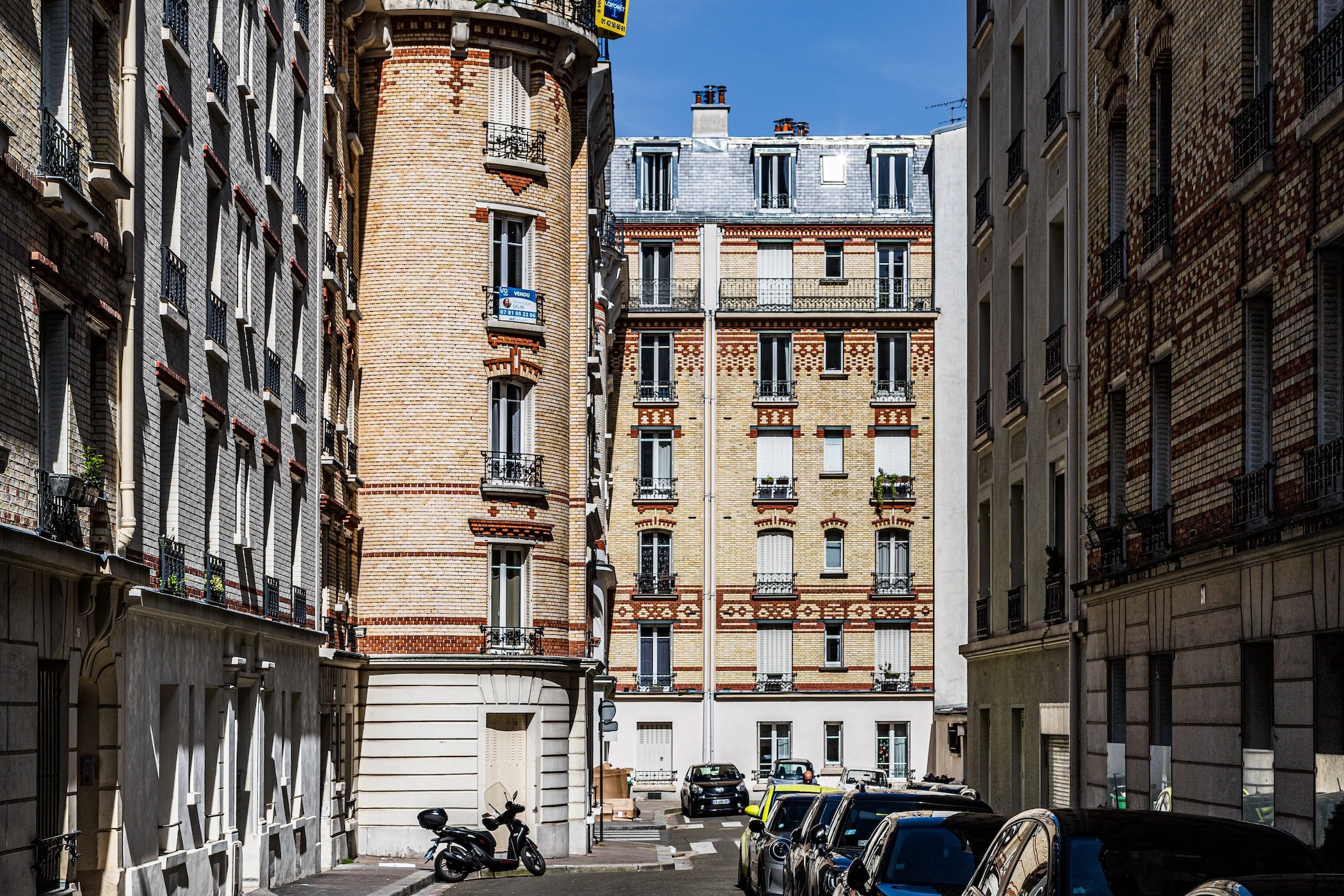
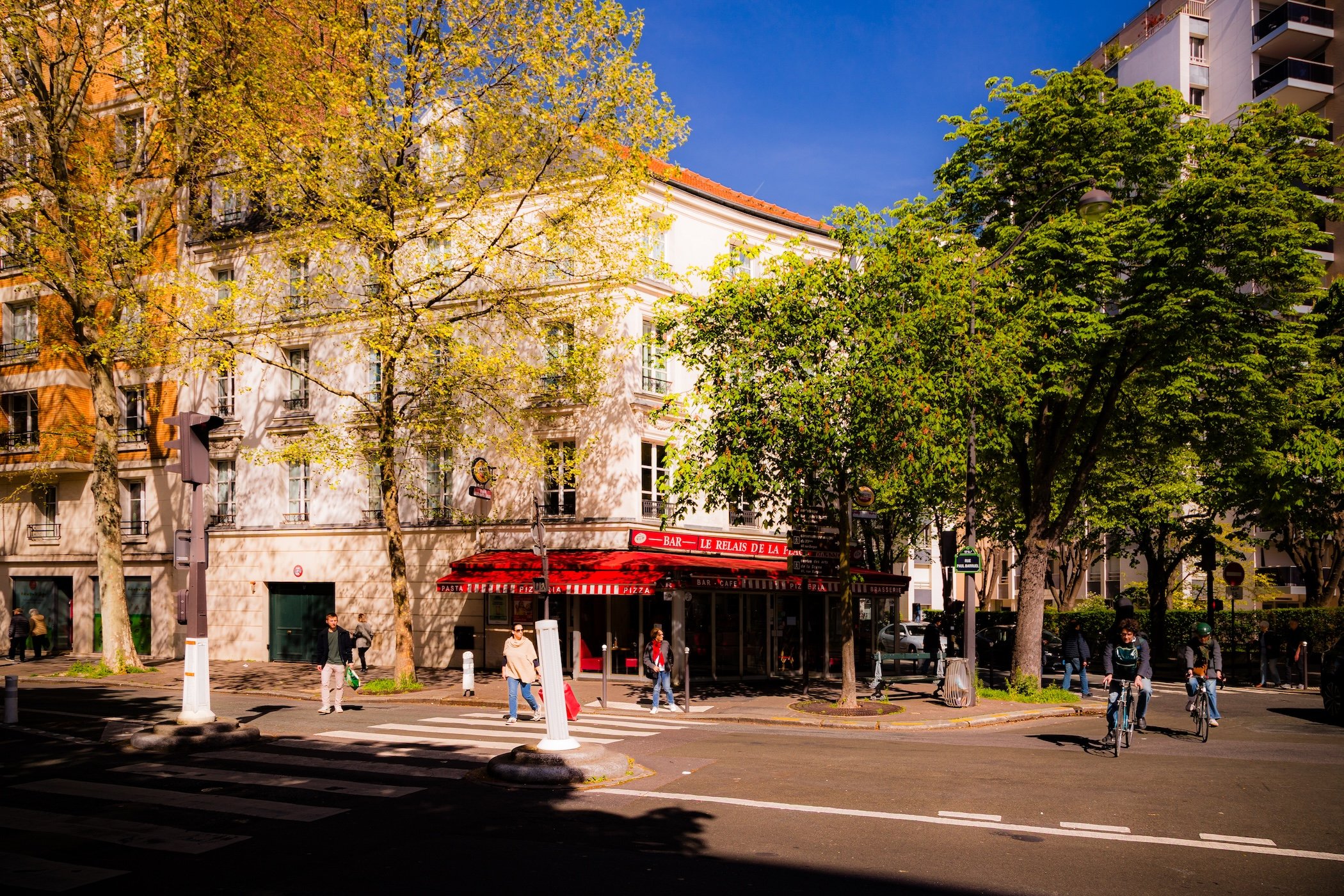
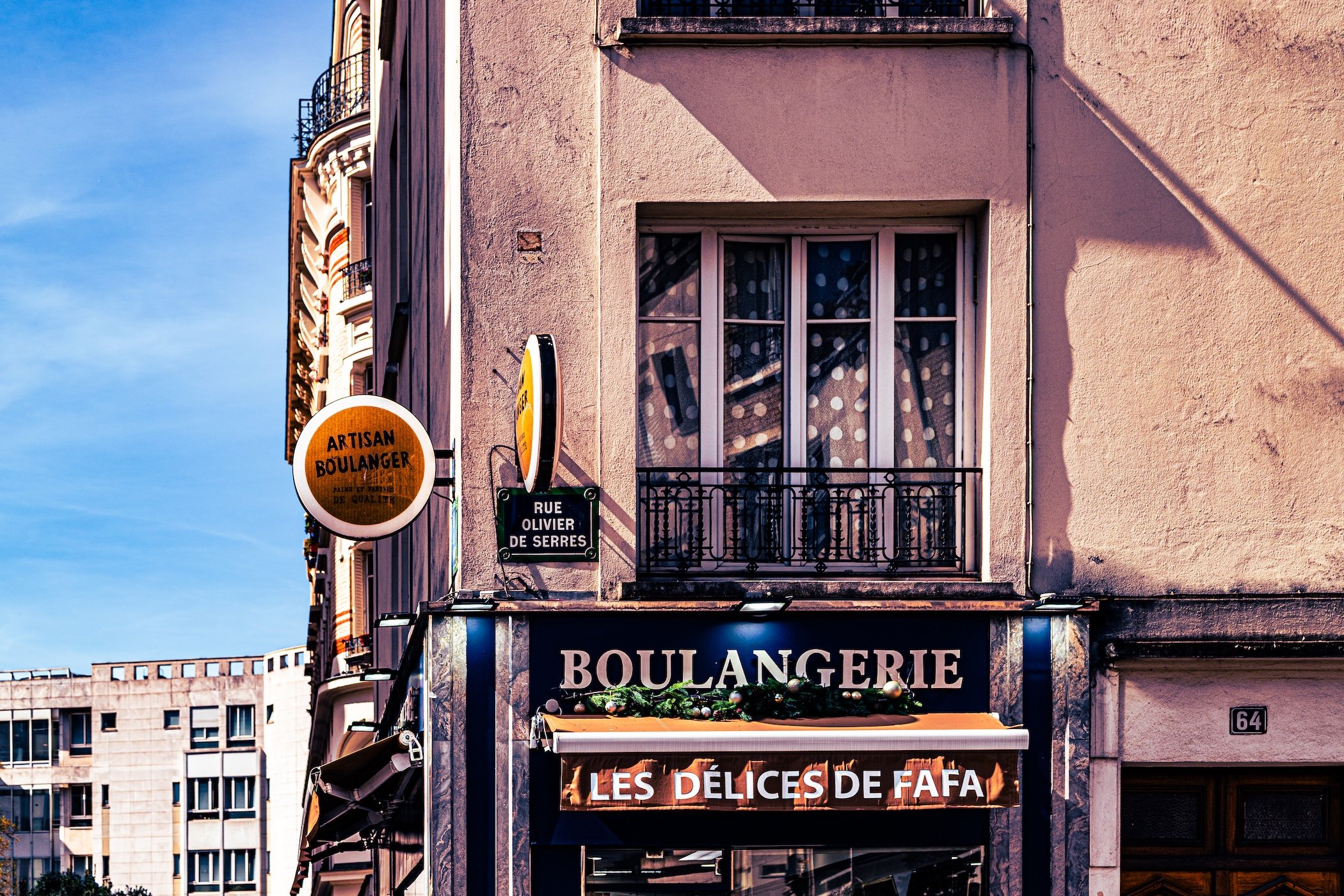
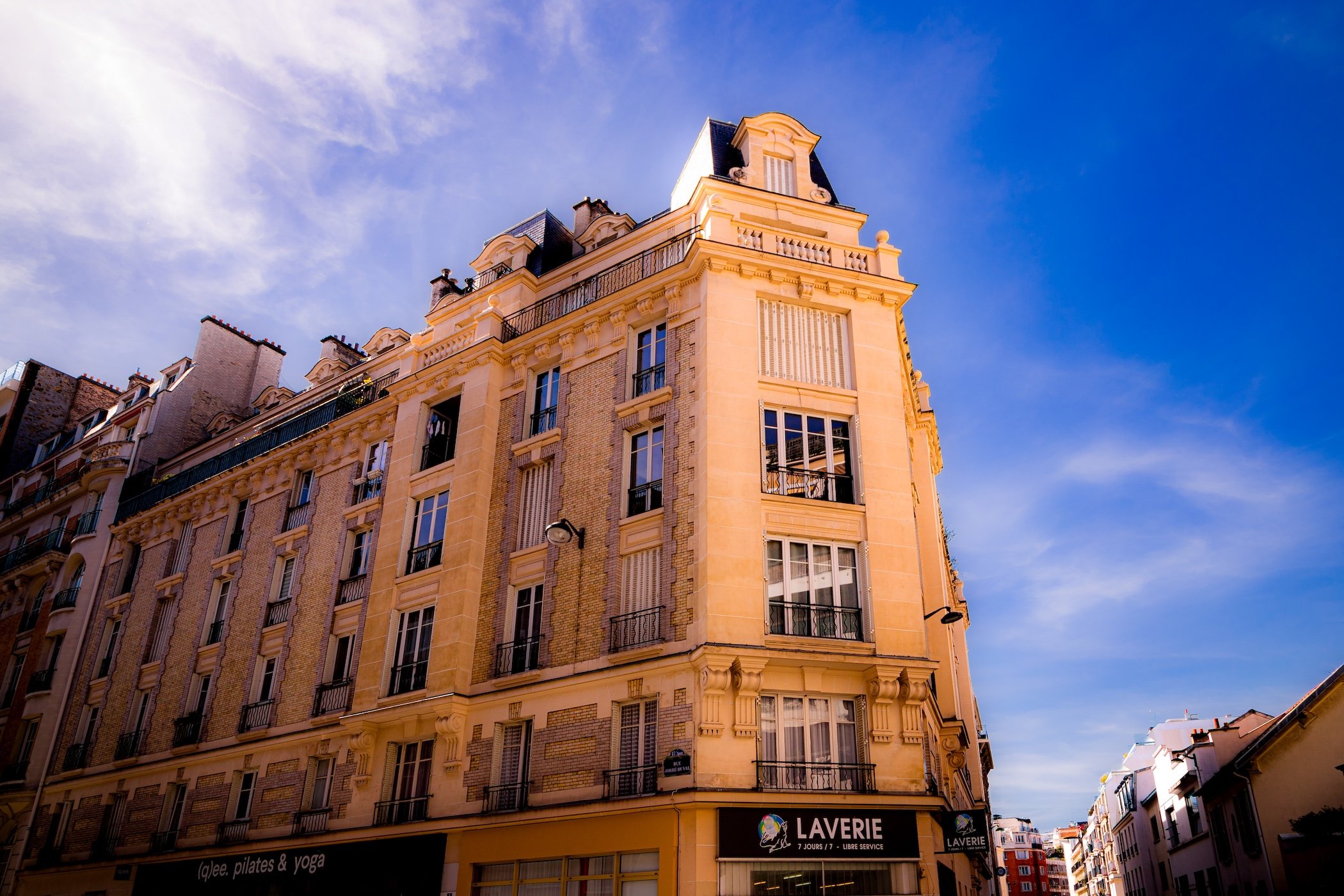
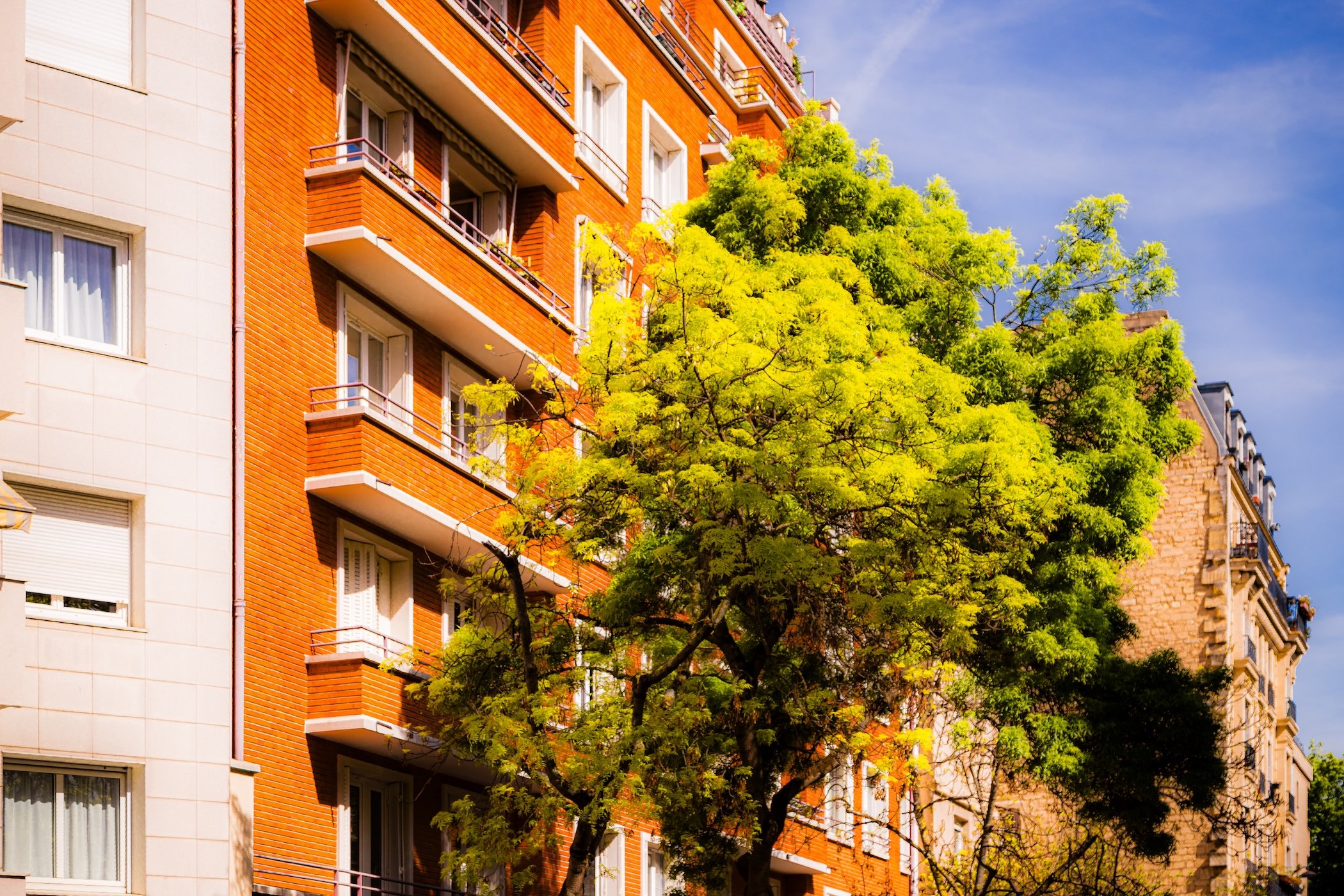
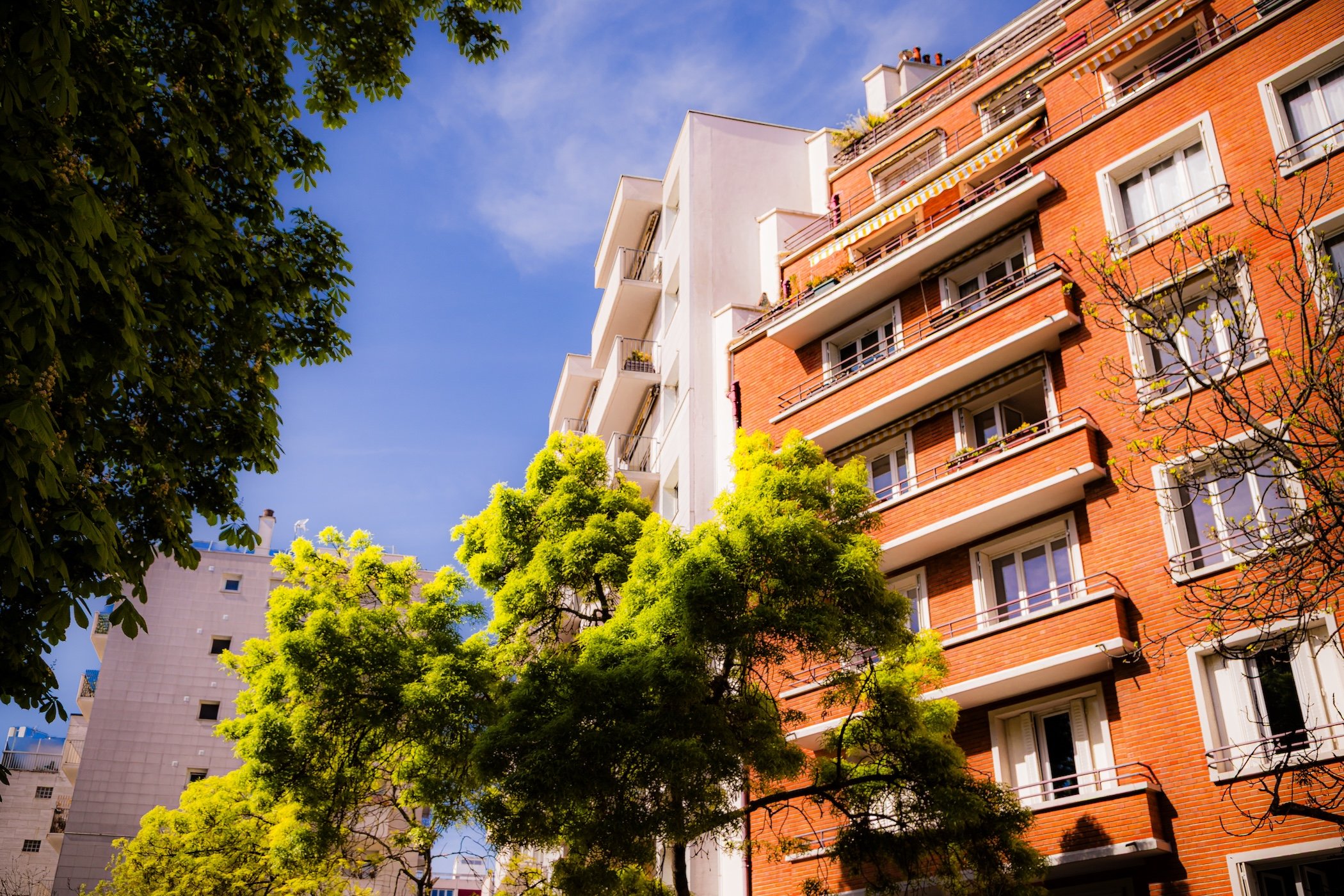
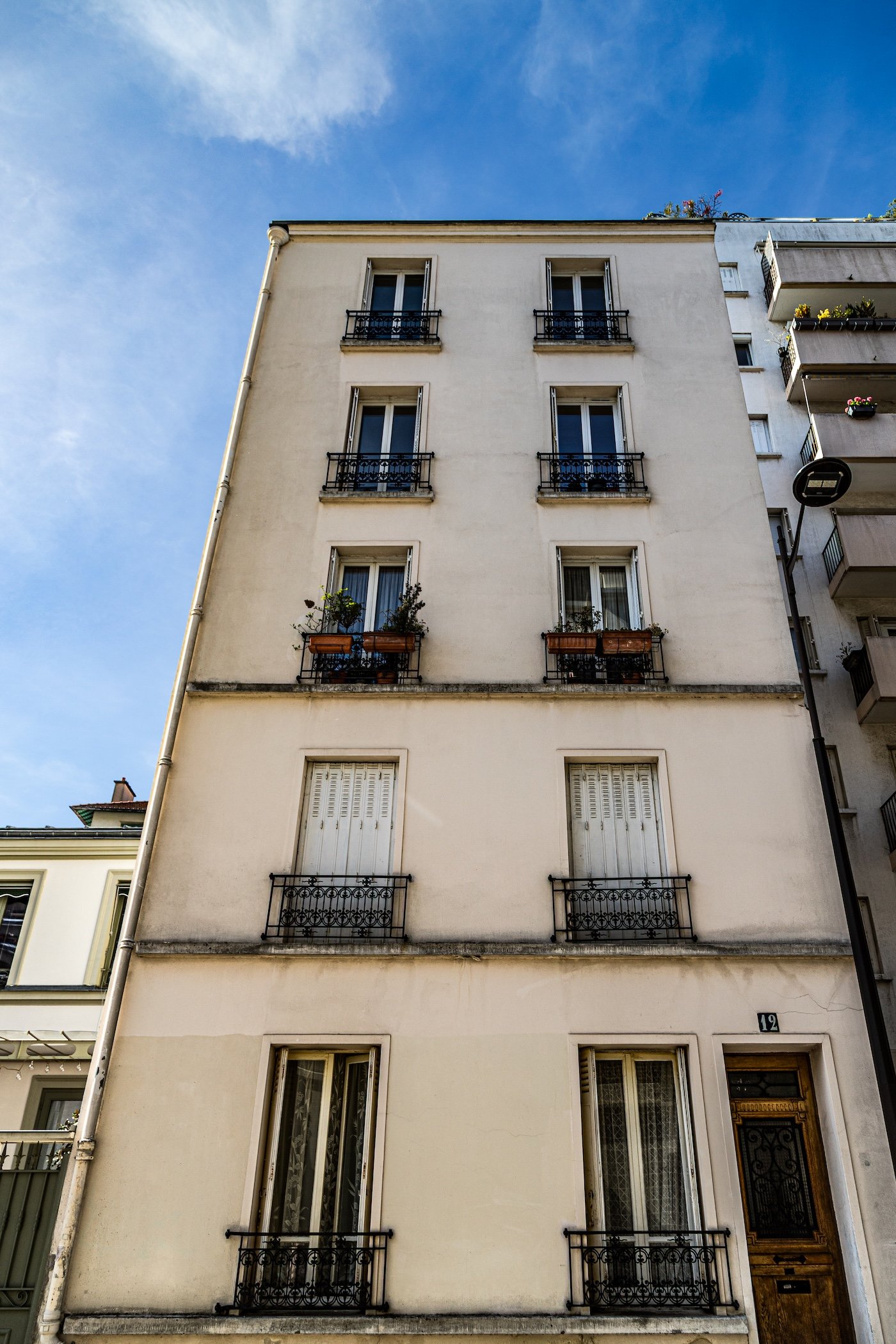
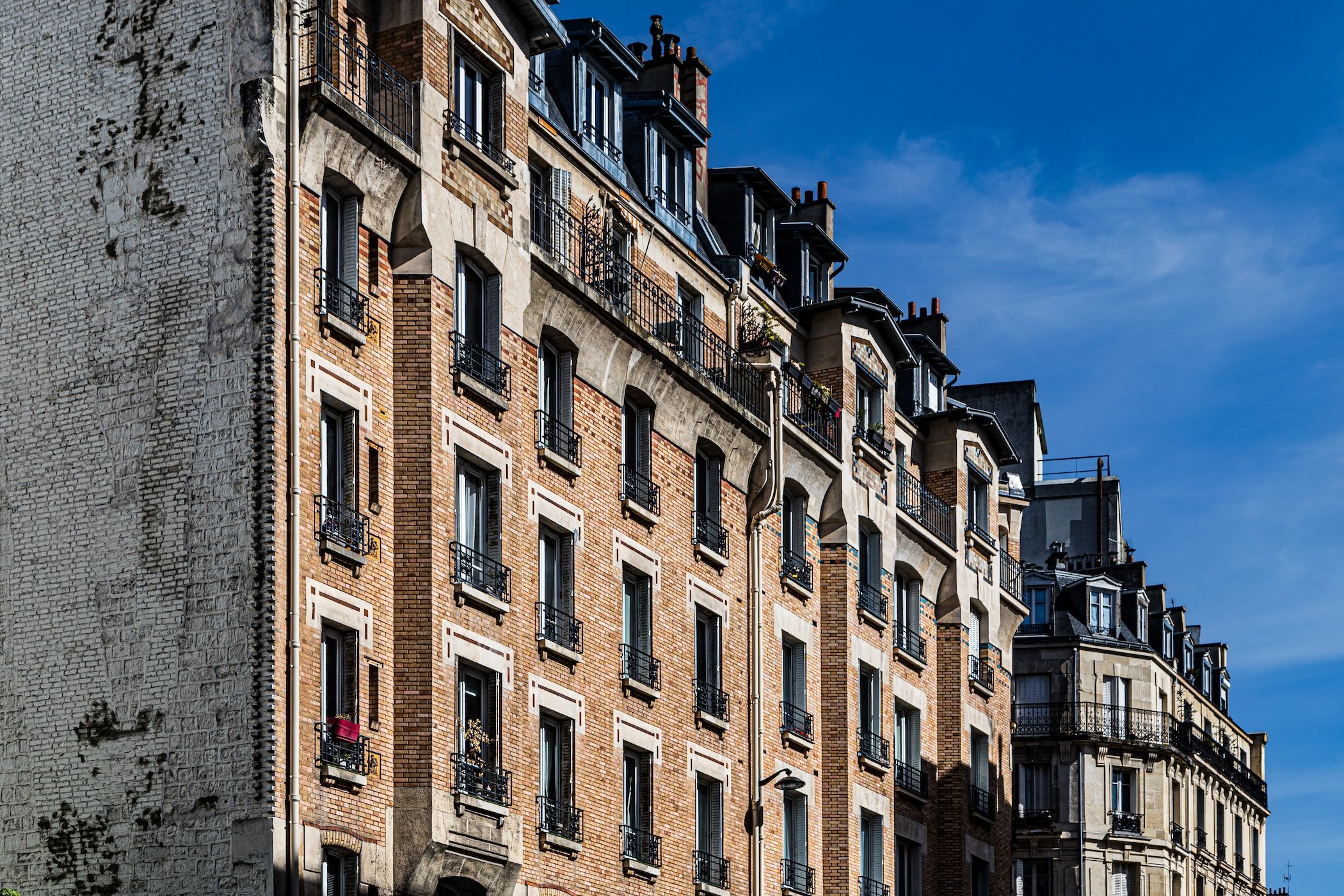
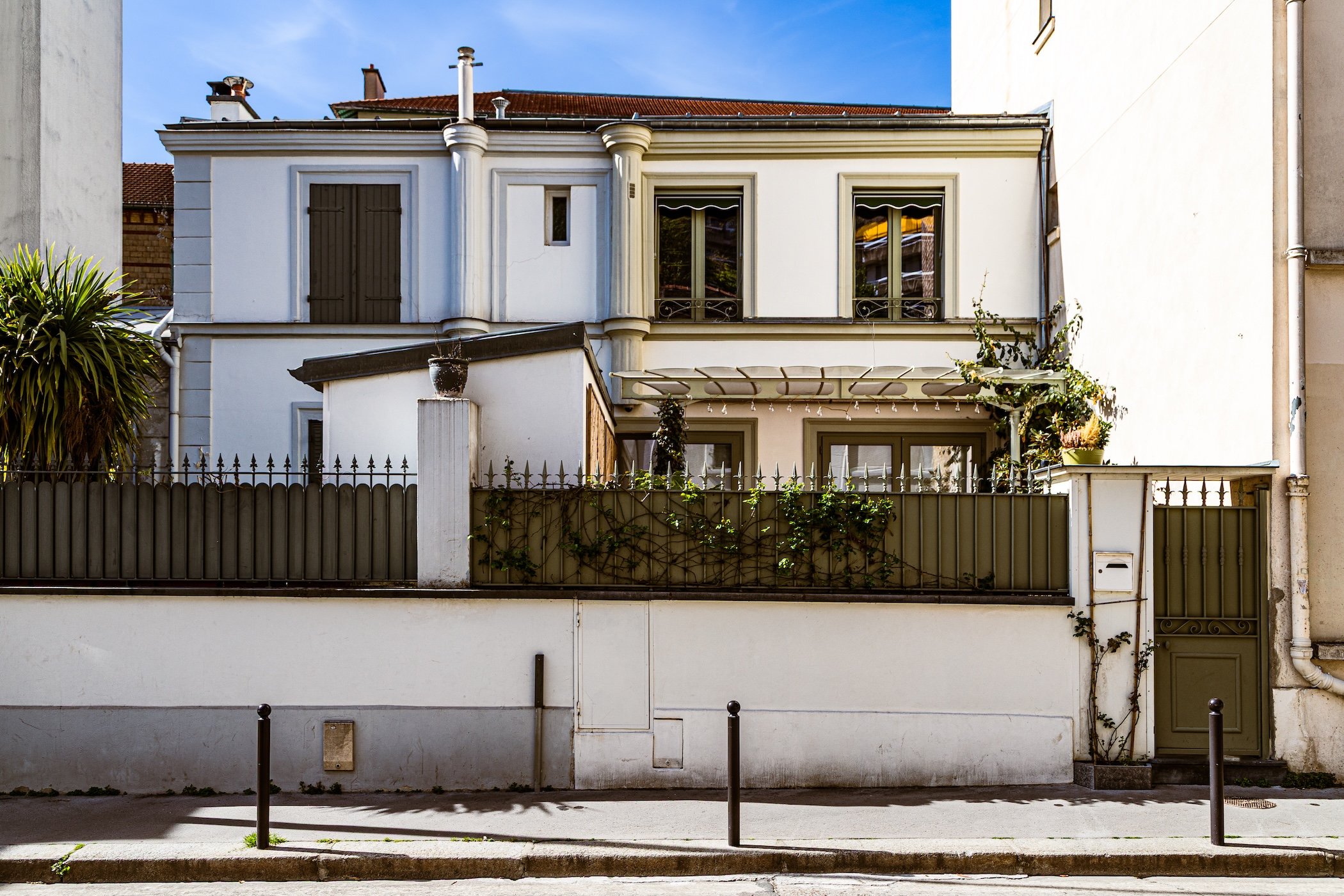
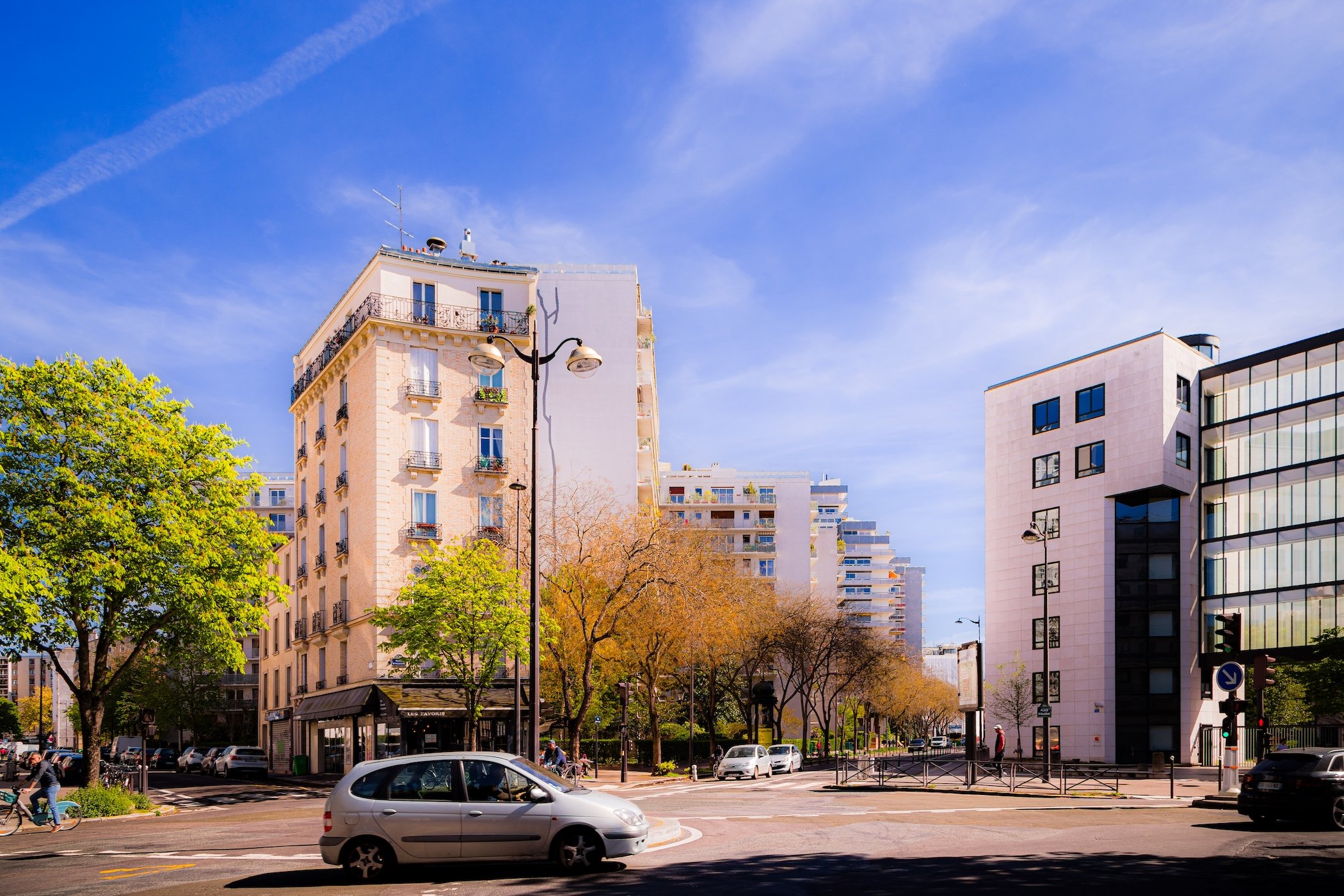
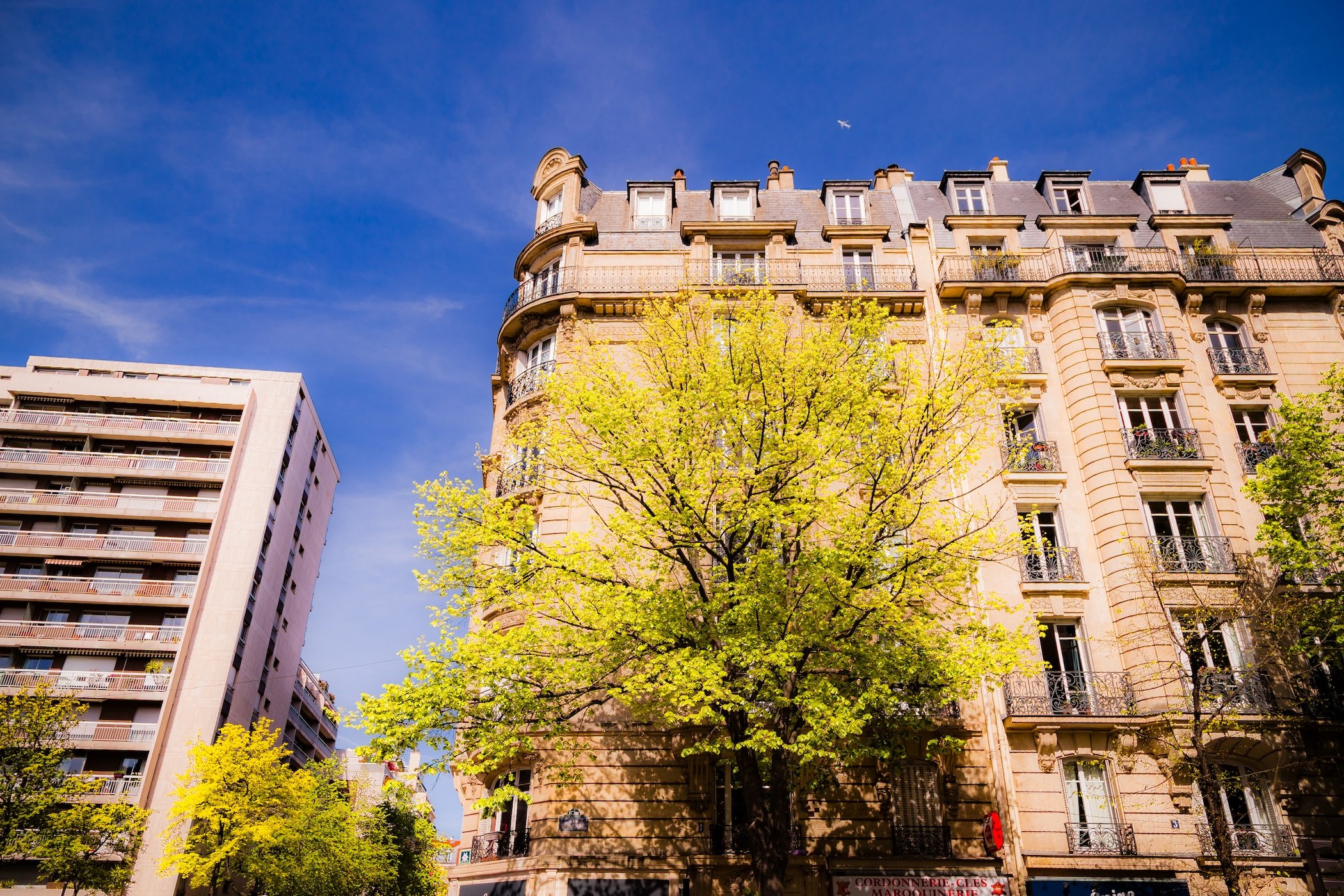
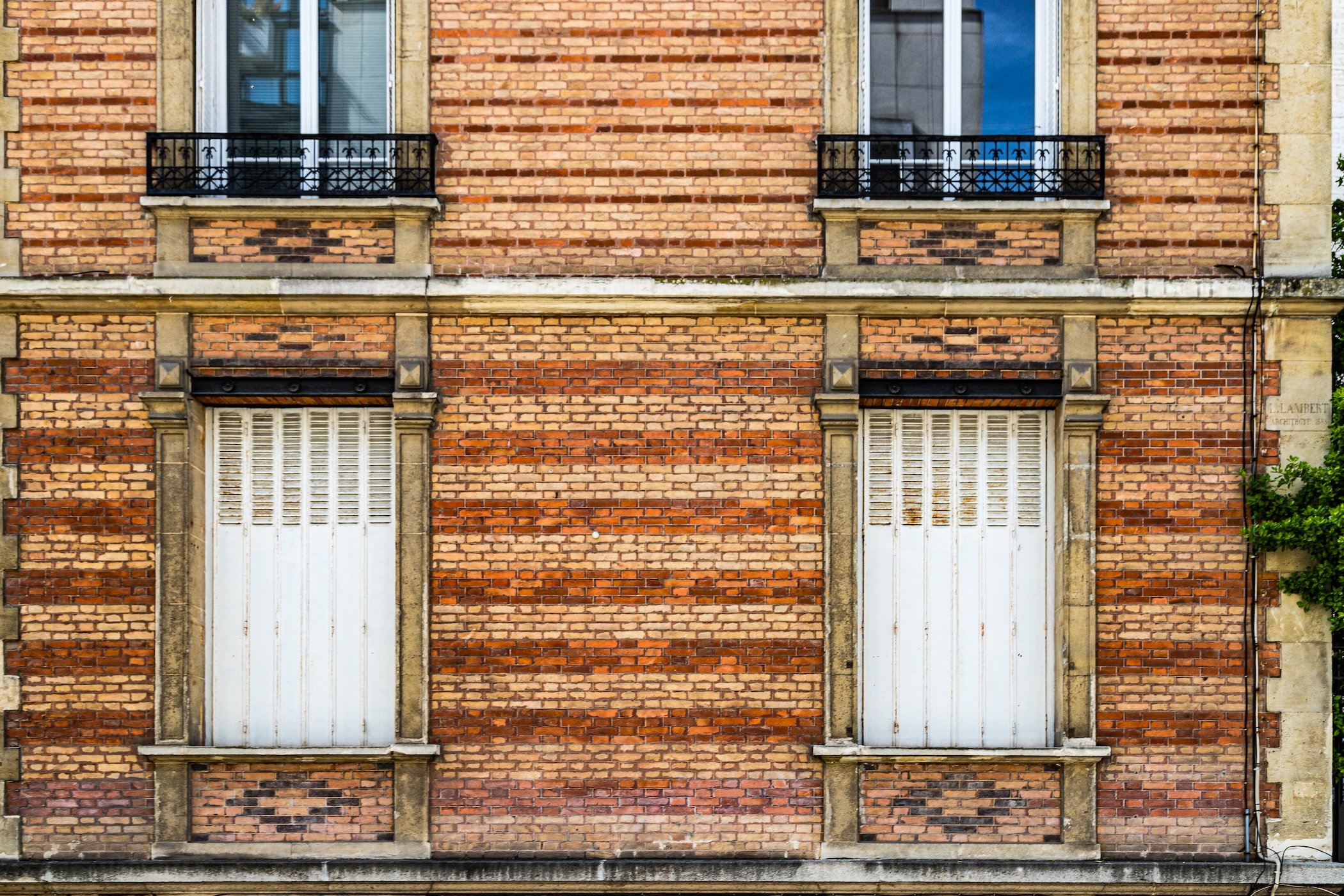
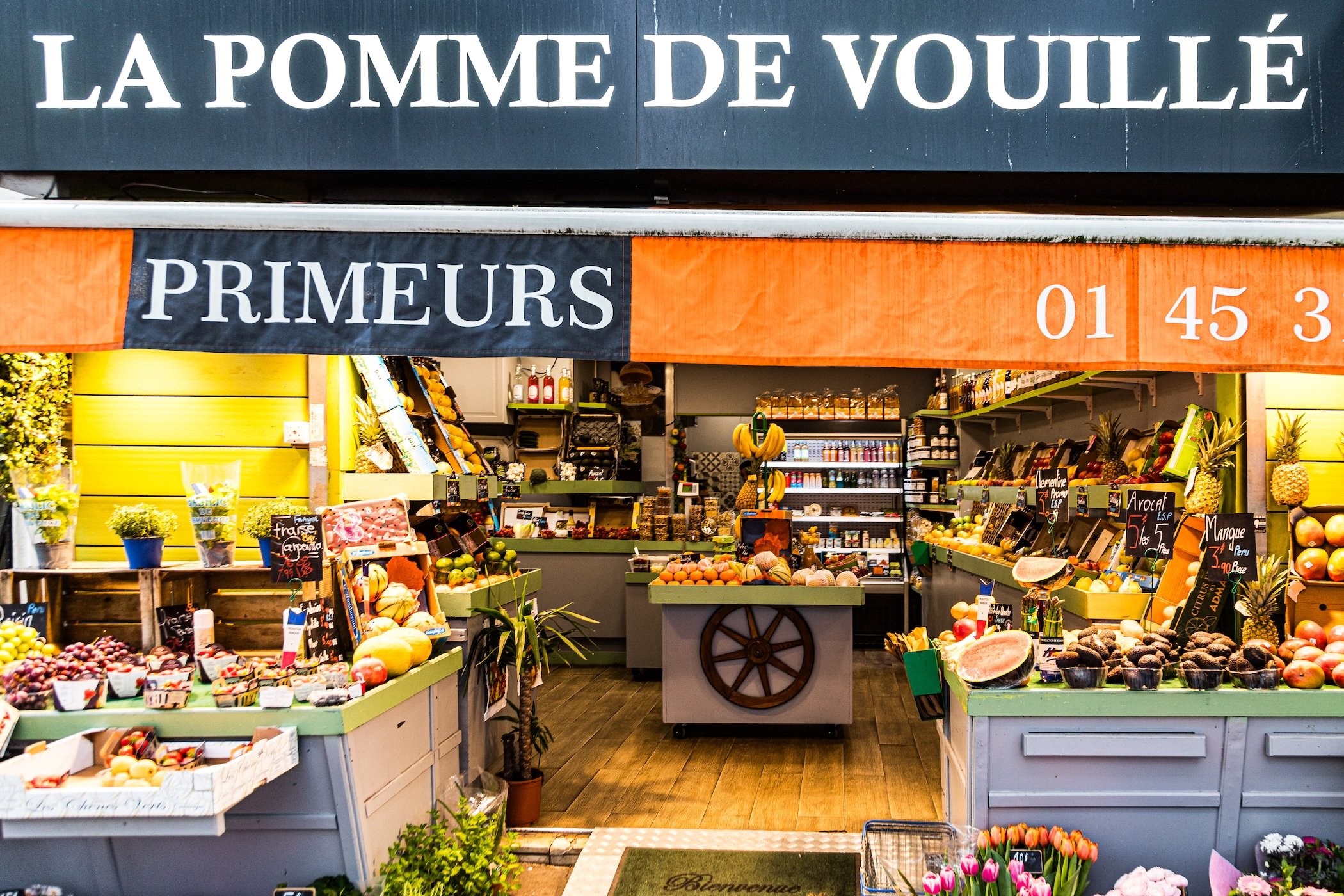
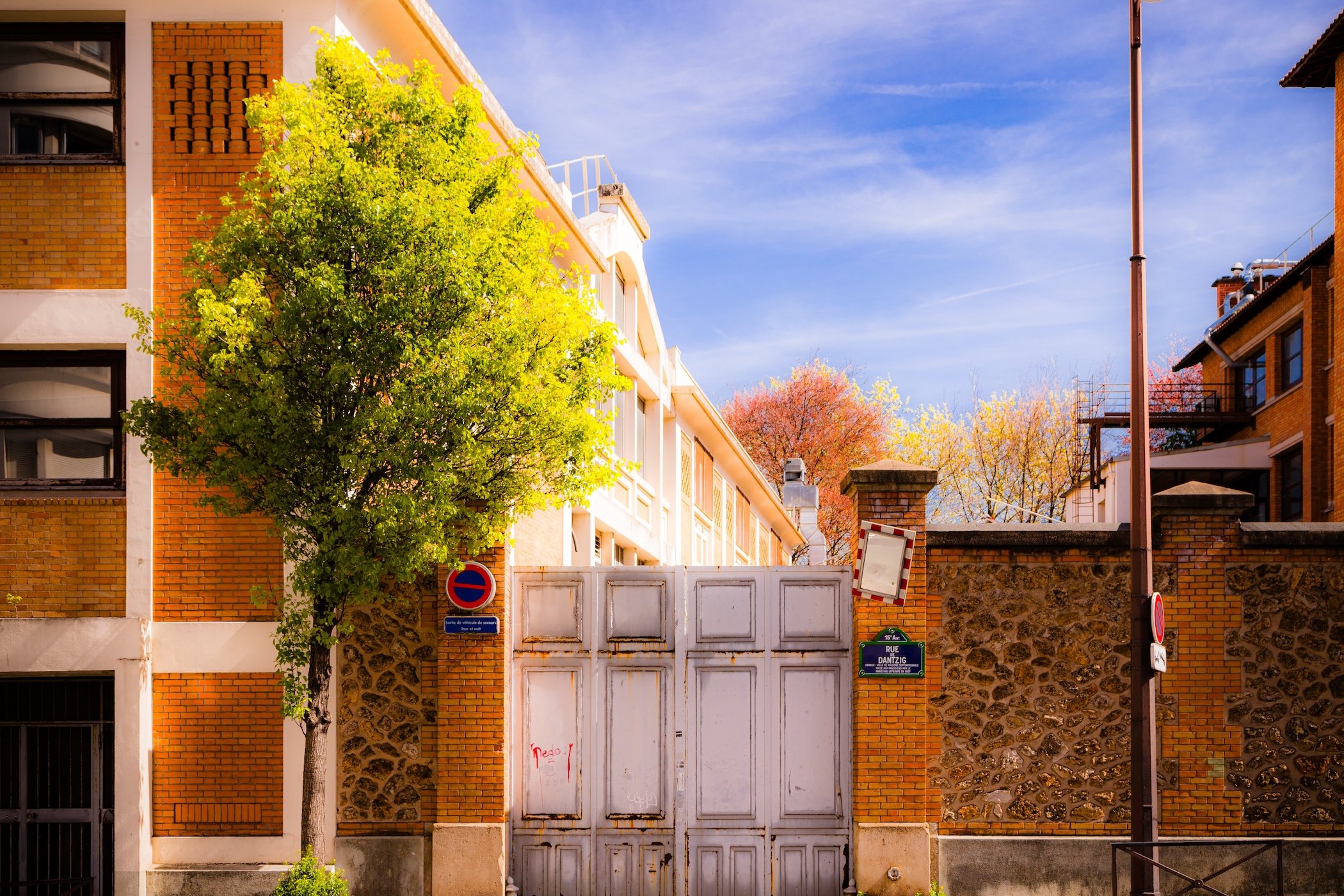
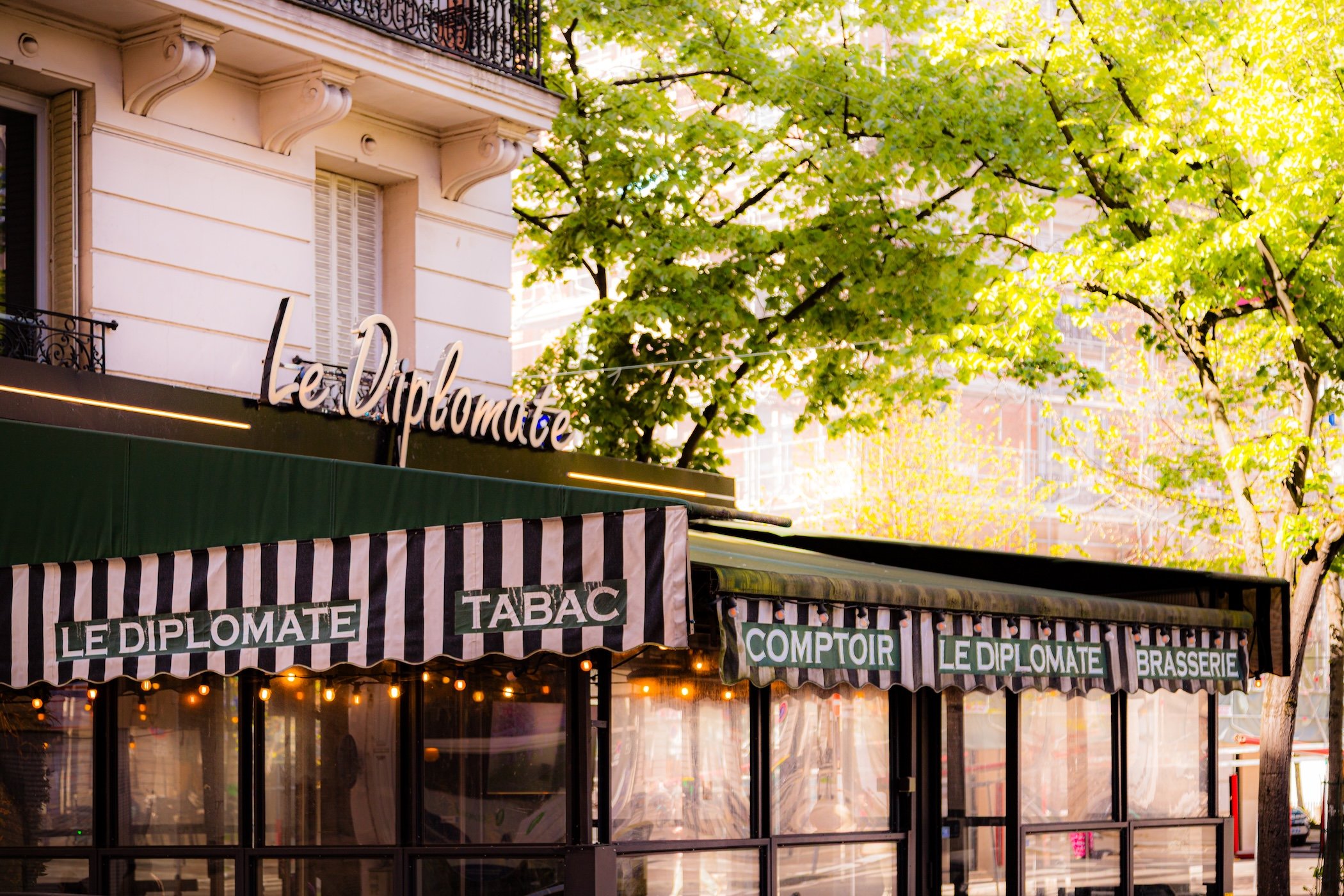
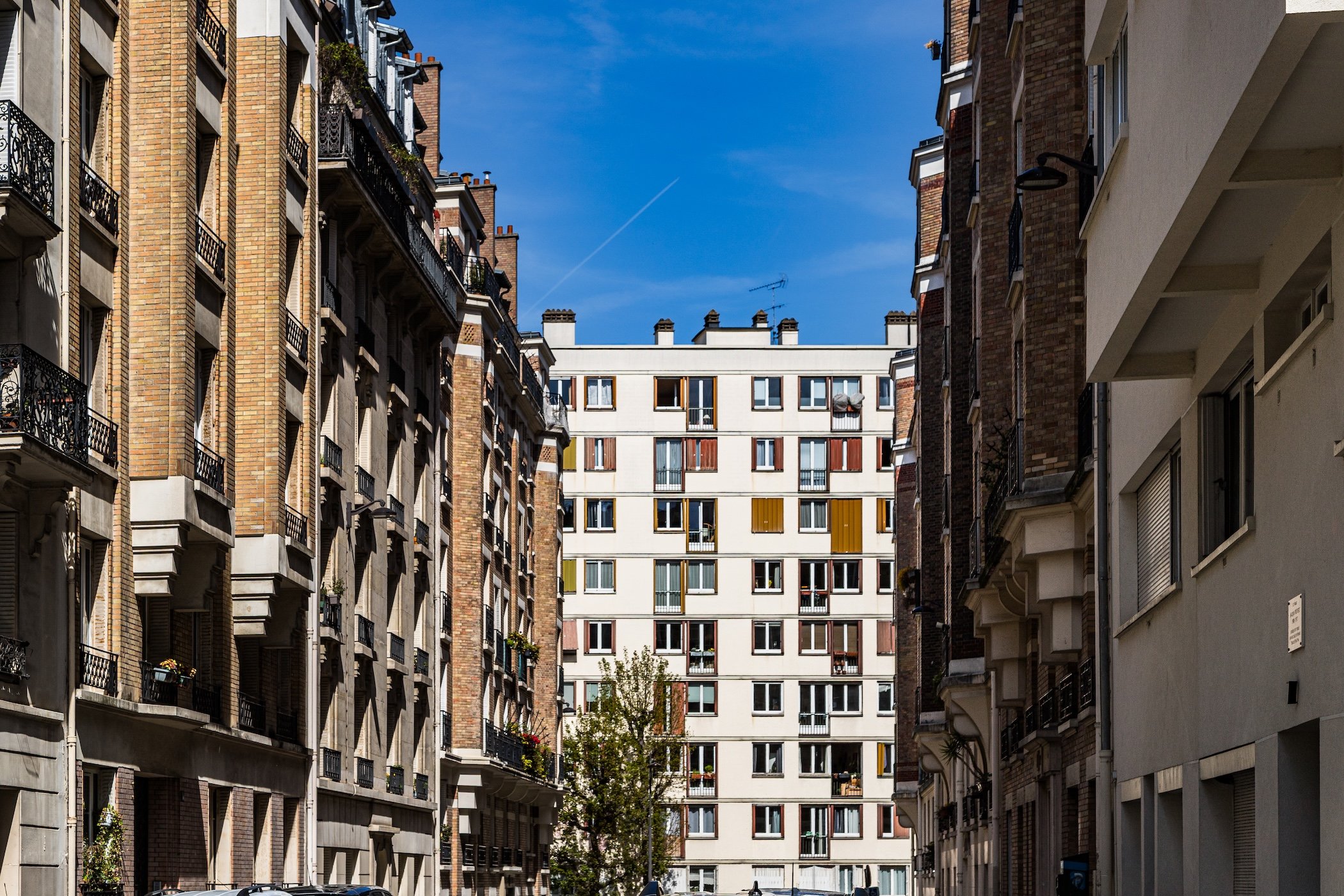
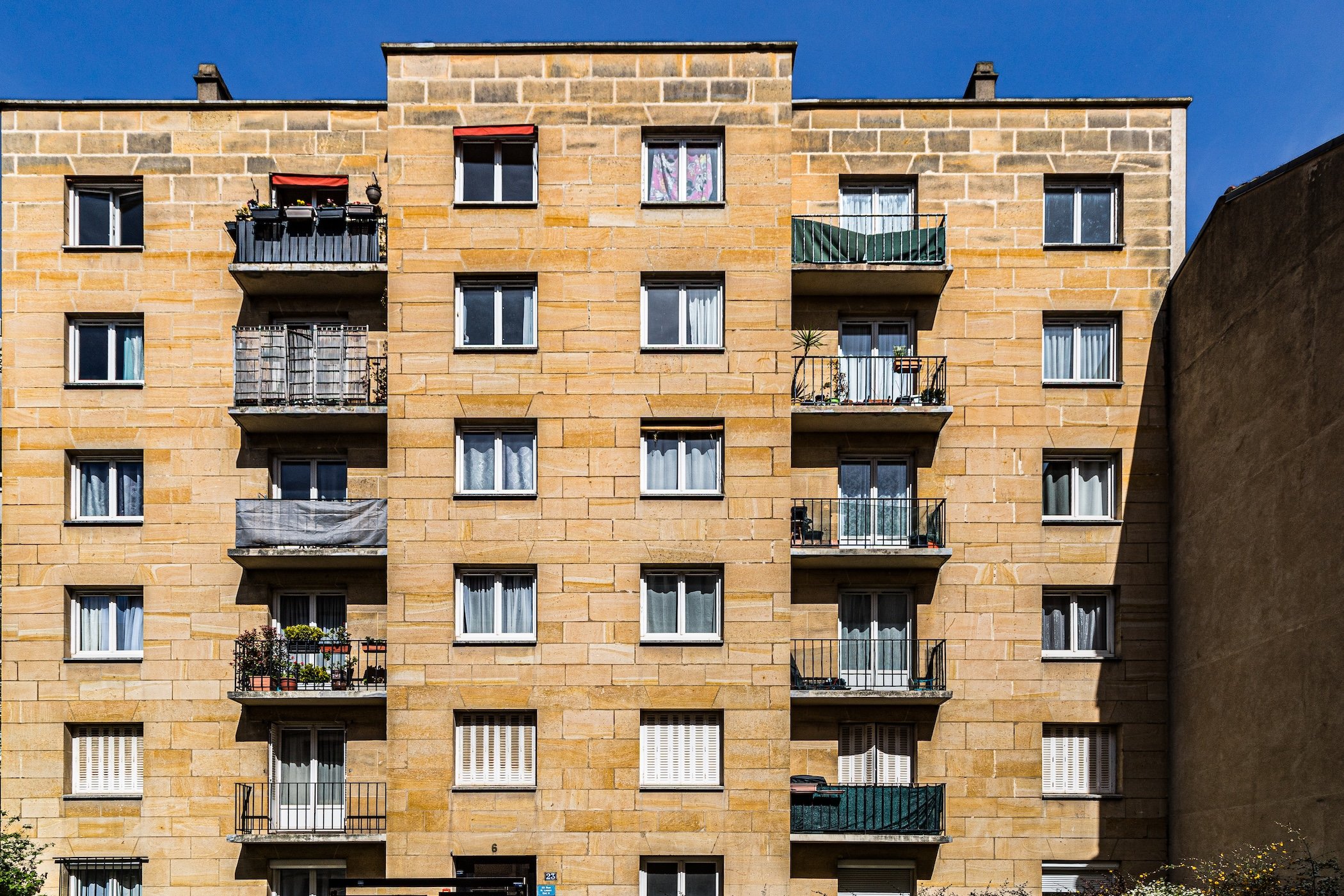
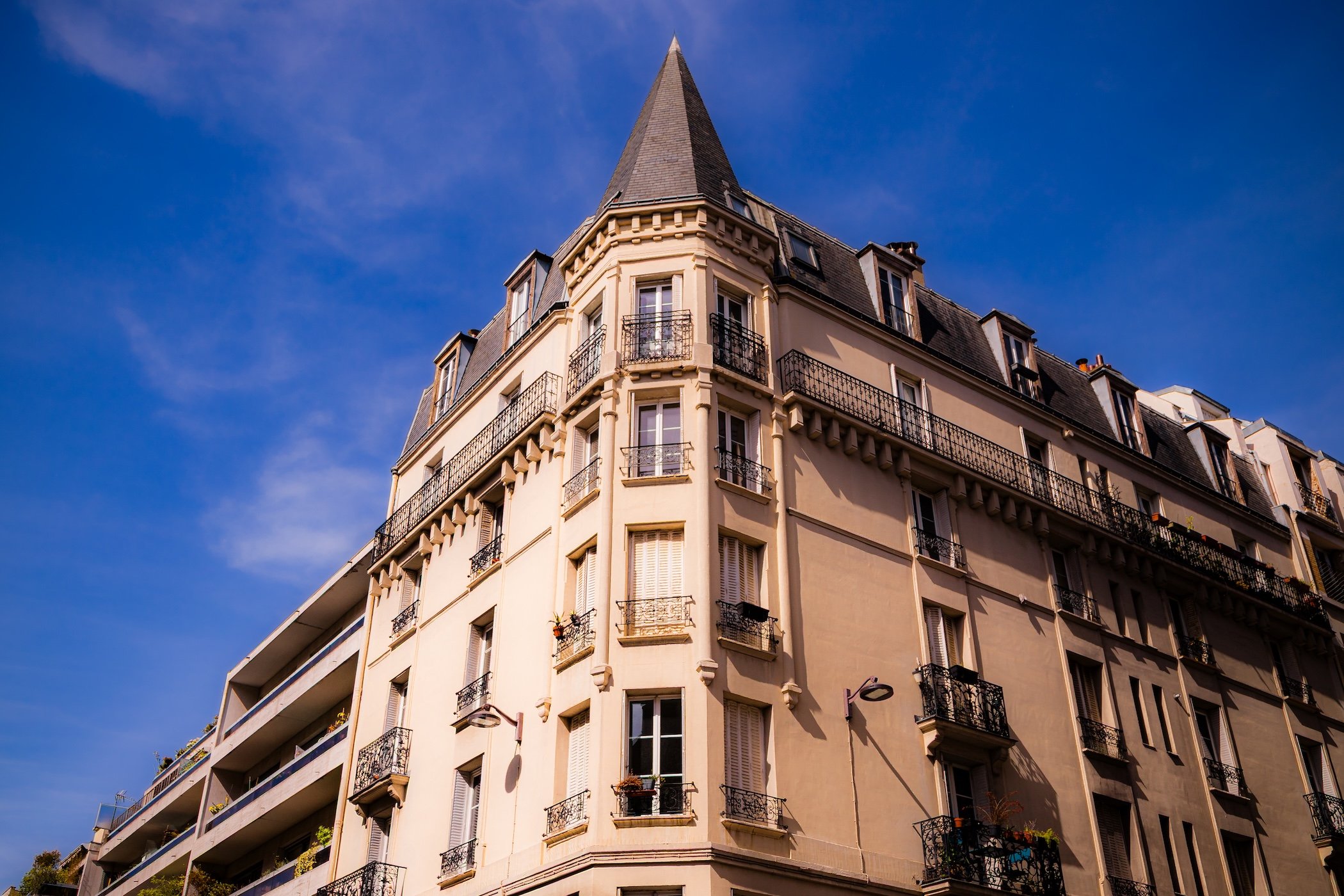
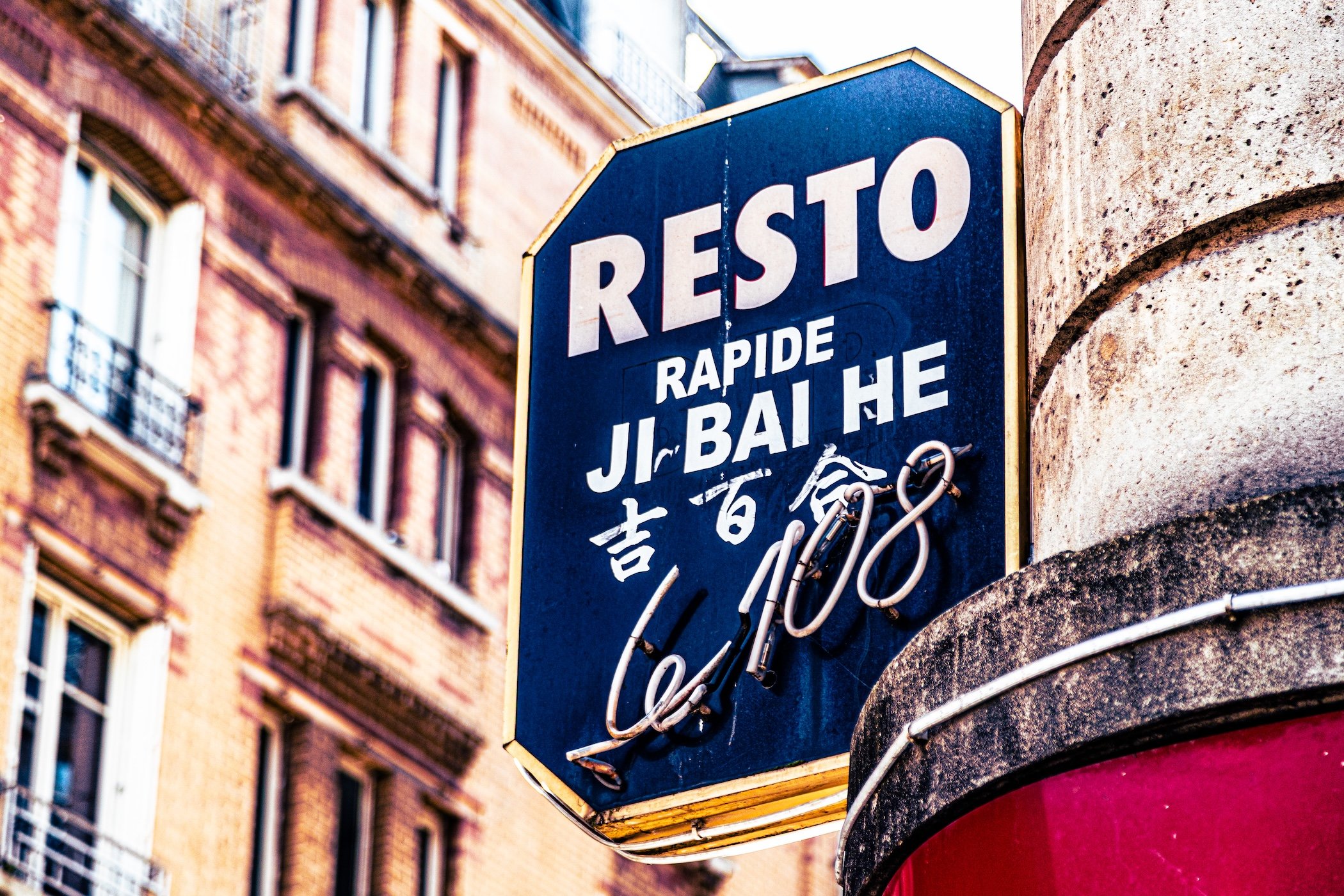
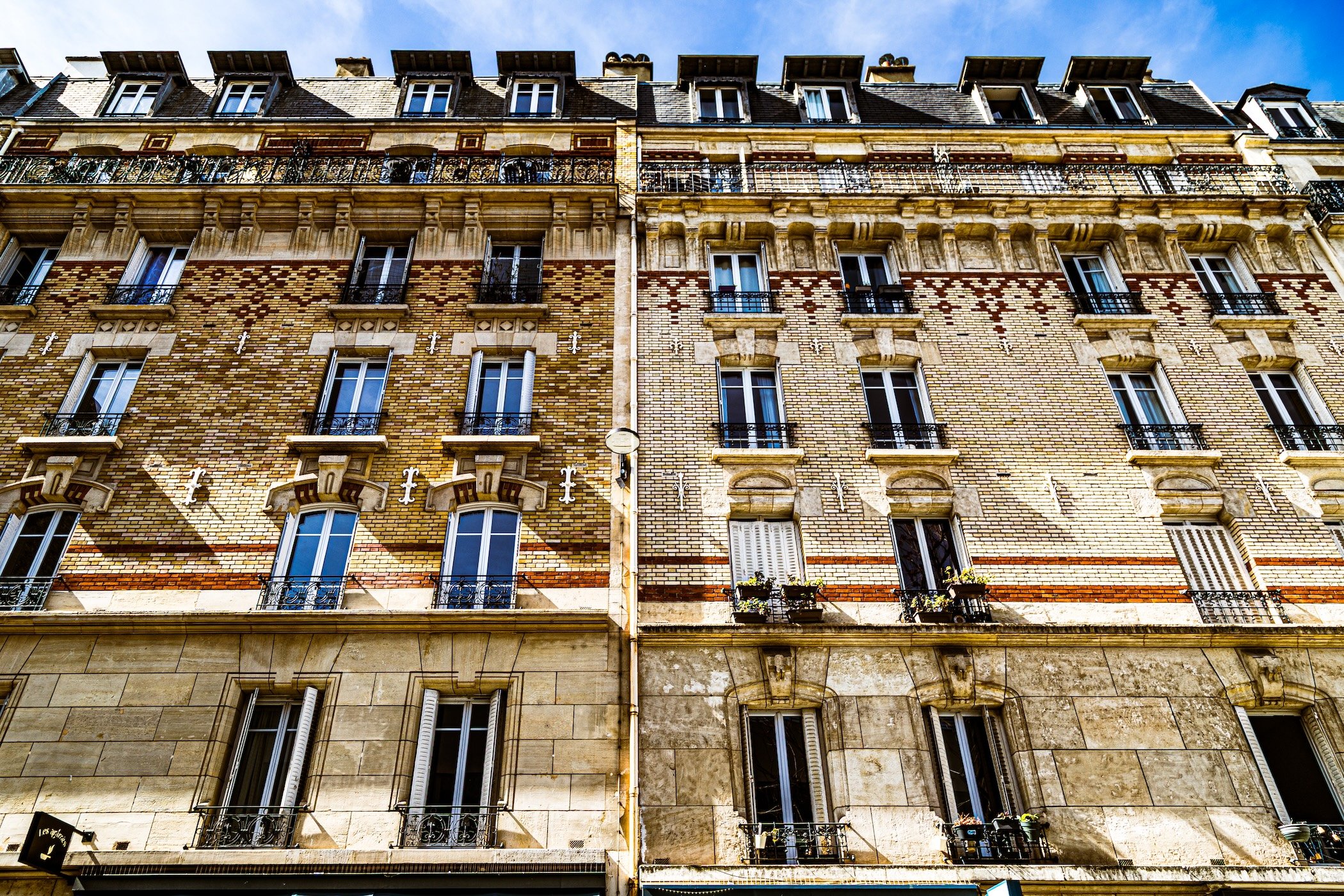
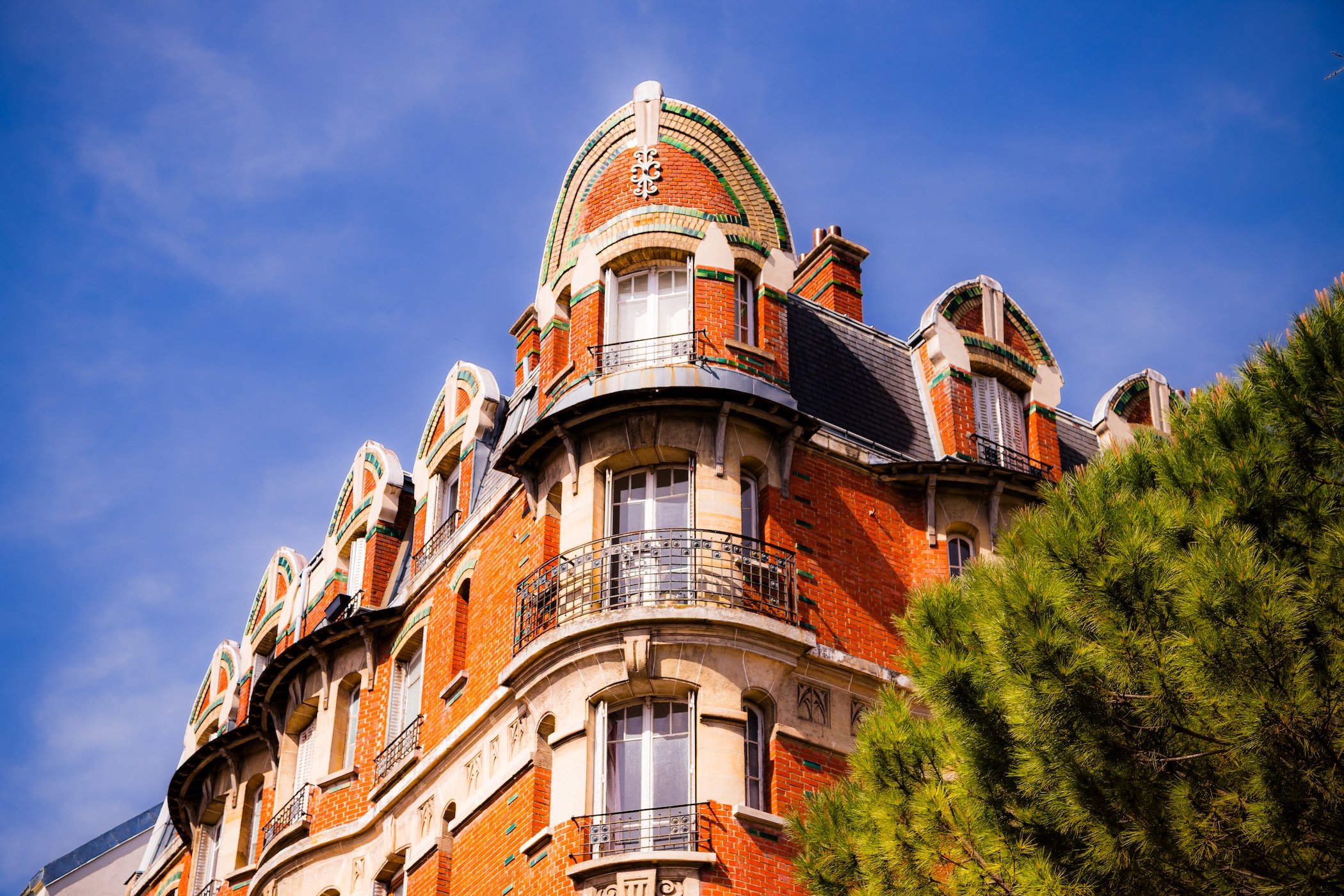
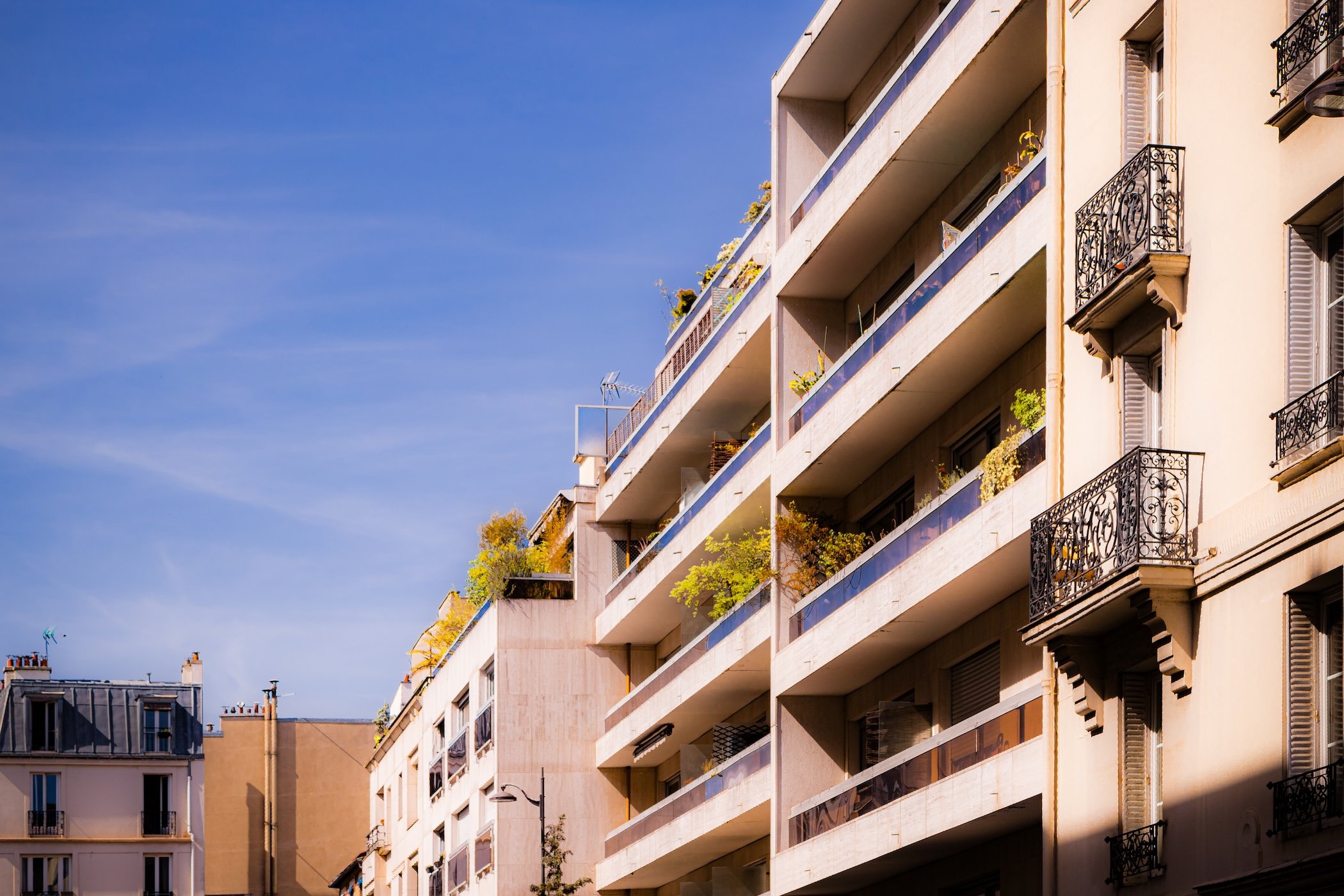
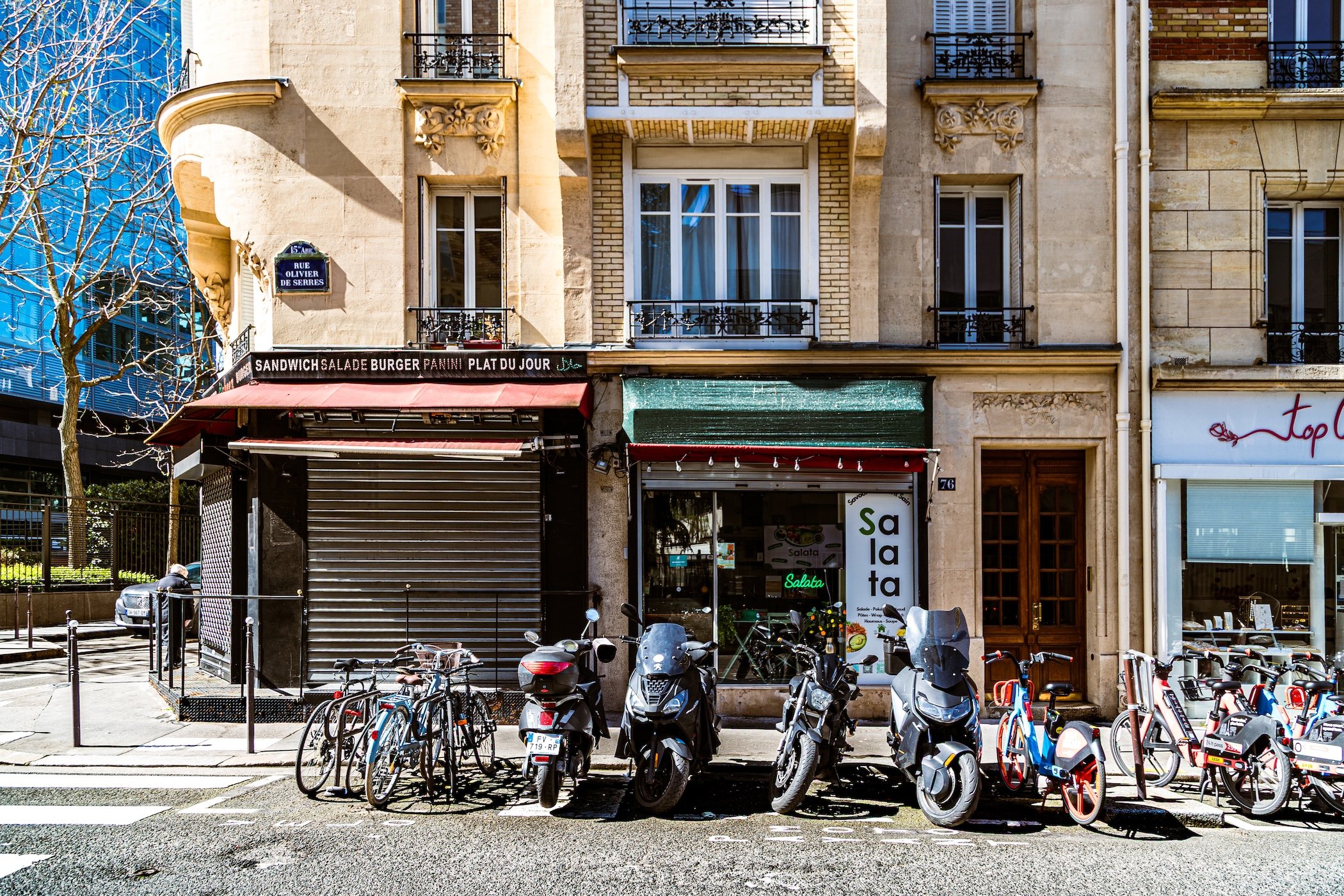
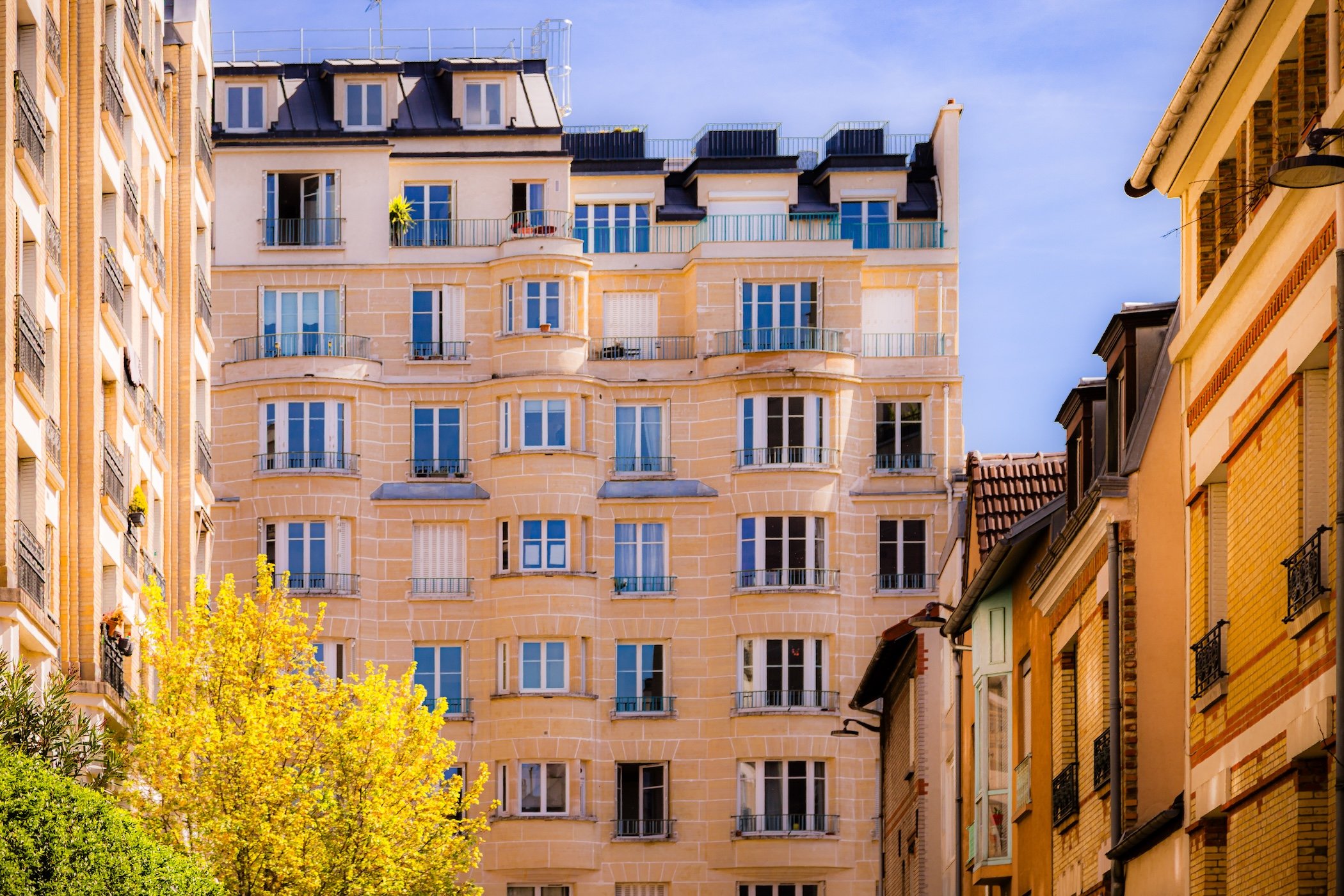
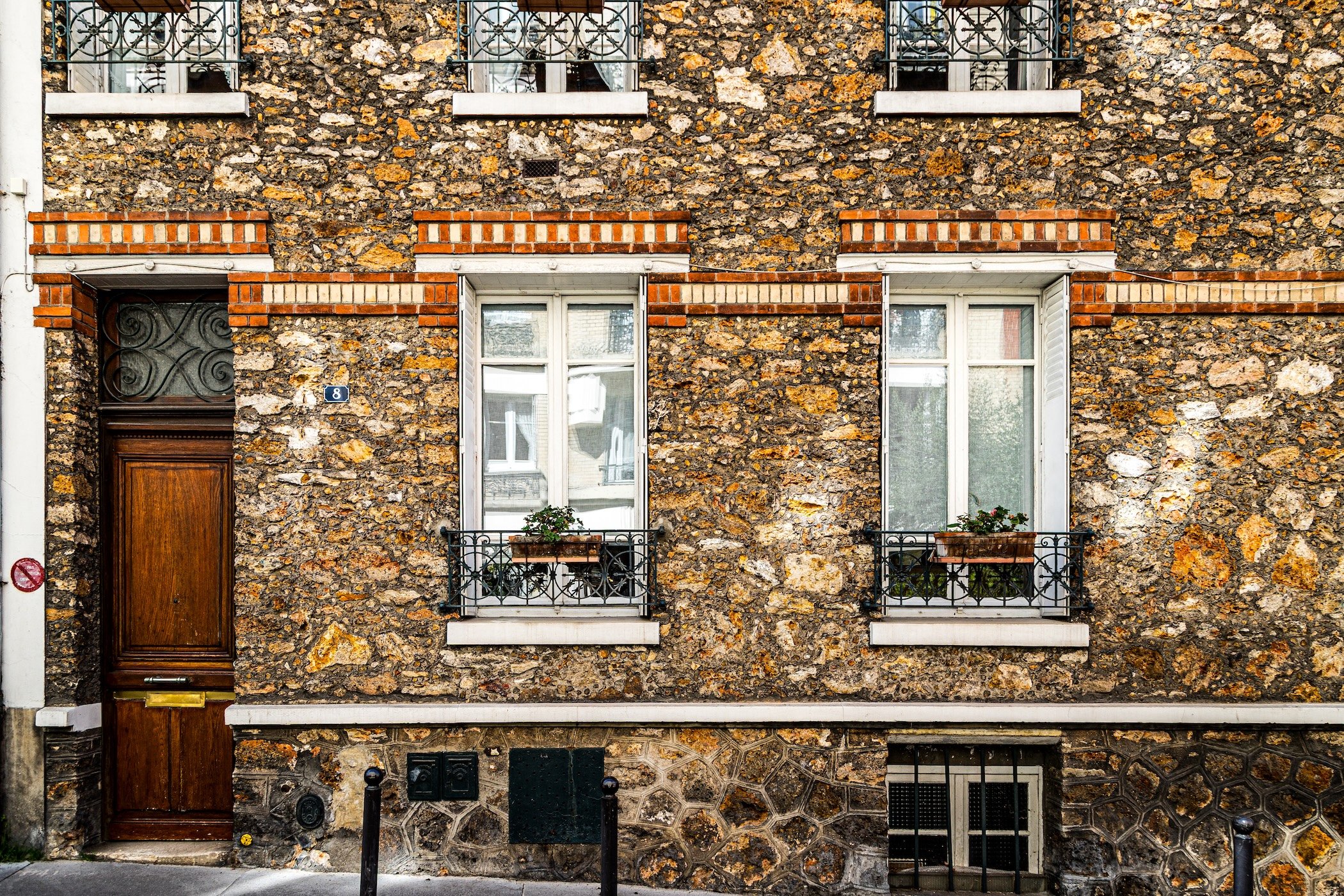
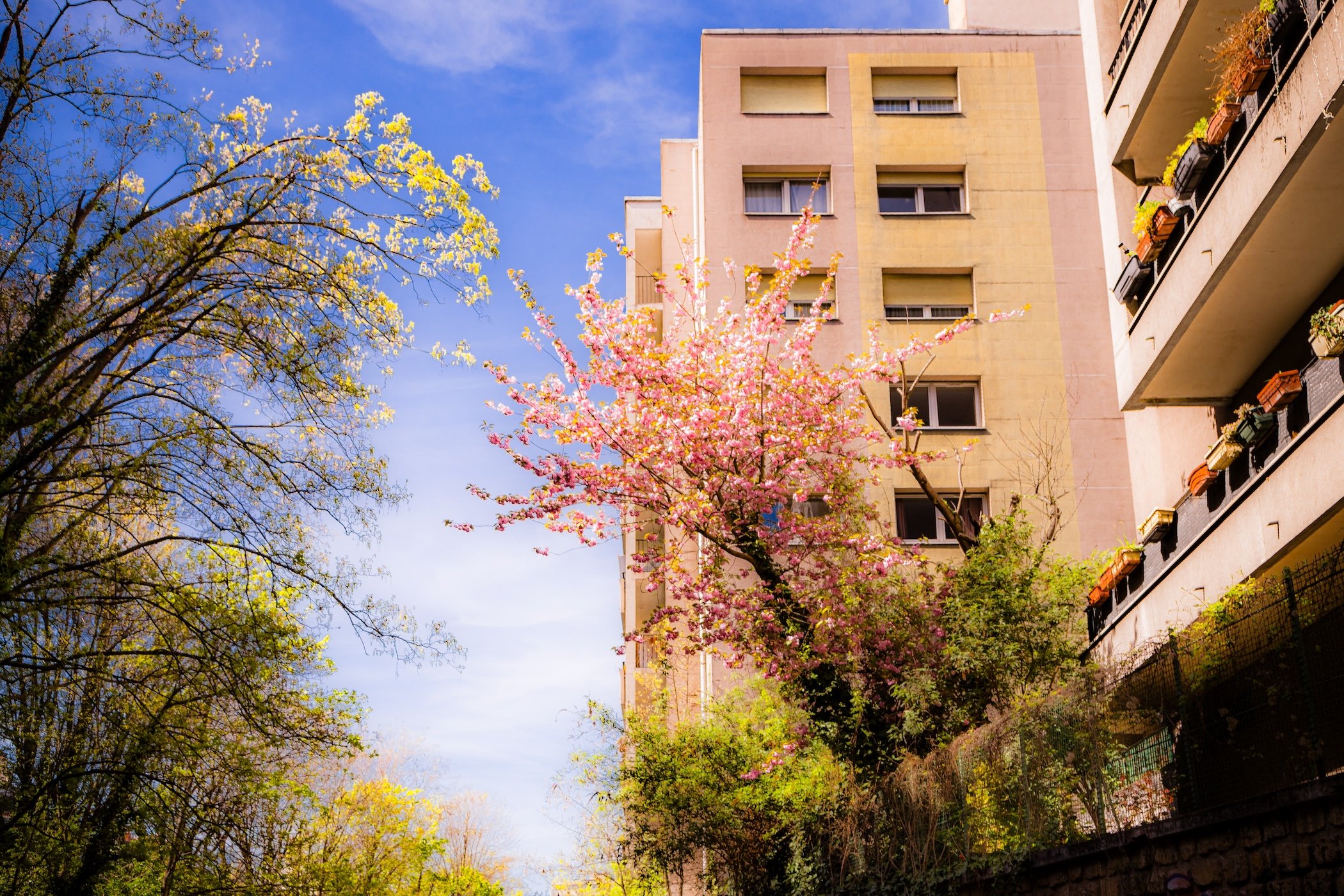
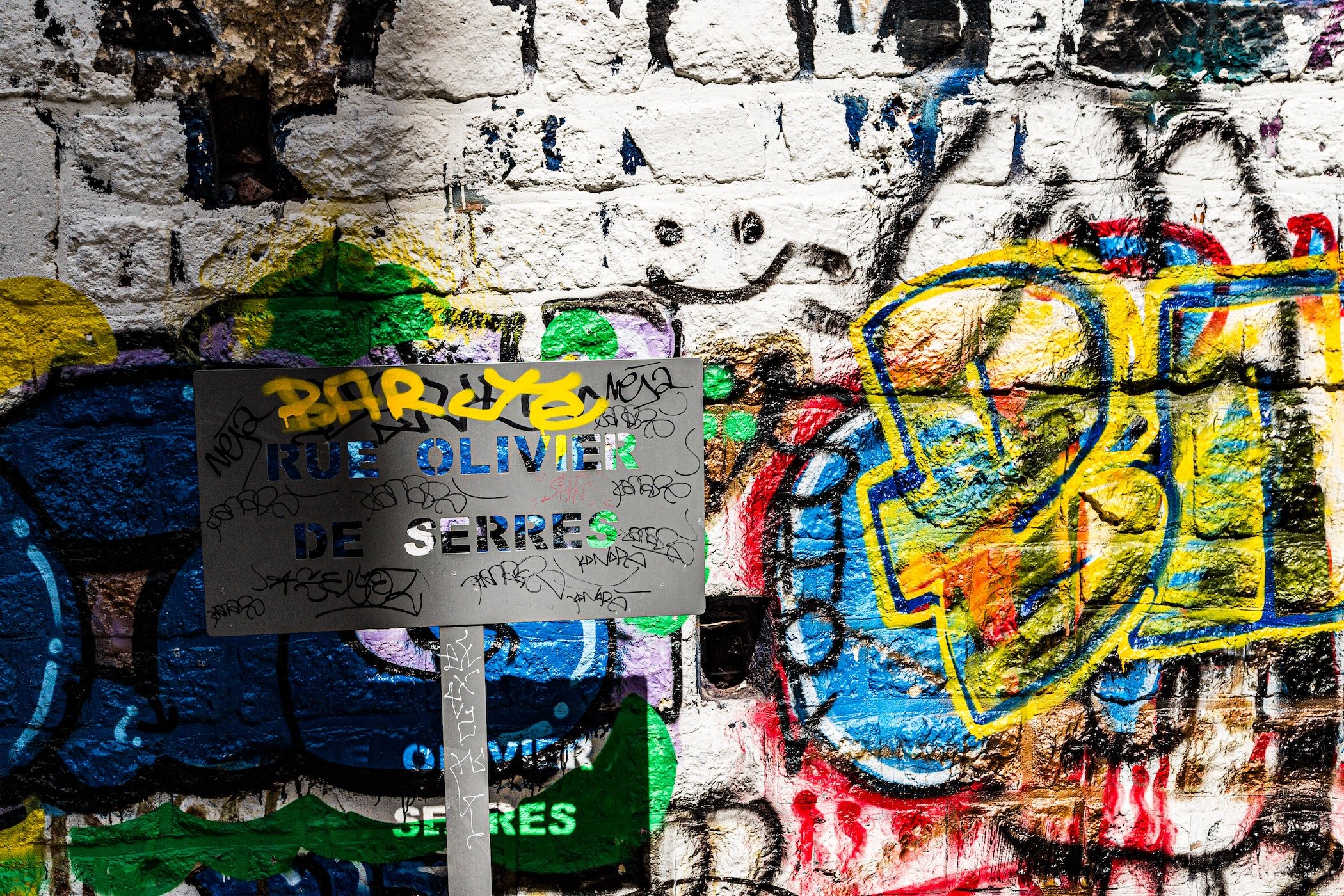
Farther north and west, the quarter softened again. Rue Olivier-de-Serres, Rue Robert-Lindet, Rue Dantzig, Rue des Morillons, Rue Jobbé-Duval, Rue Dombasle, and Rue Vouillé revealed a quieter residential Saint-Lambert composed of classic brick, pale stone, mid-century pragmatism, balconies, terraces, and small neighborhood commerce. Place d’Alleray condensed that diversity into a single urban node: a familiar Parisian meeting of streets, but one framed by a notably mixed architectural environment. Saint-Lambert’s visual identity ultimately lay in this richness of coexistence—a quarter where historical residue, neighborhood calm, infrastructural reuse, and modern residential Paris all remained visibly present within the same walk.
Through The Lens
-
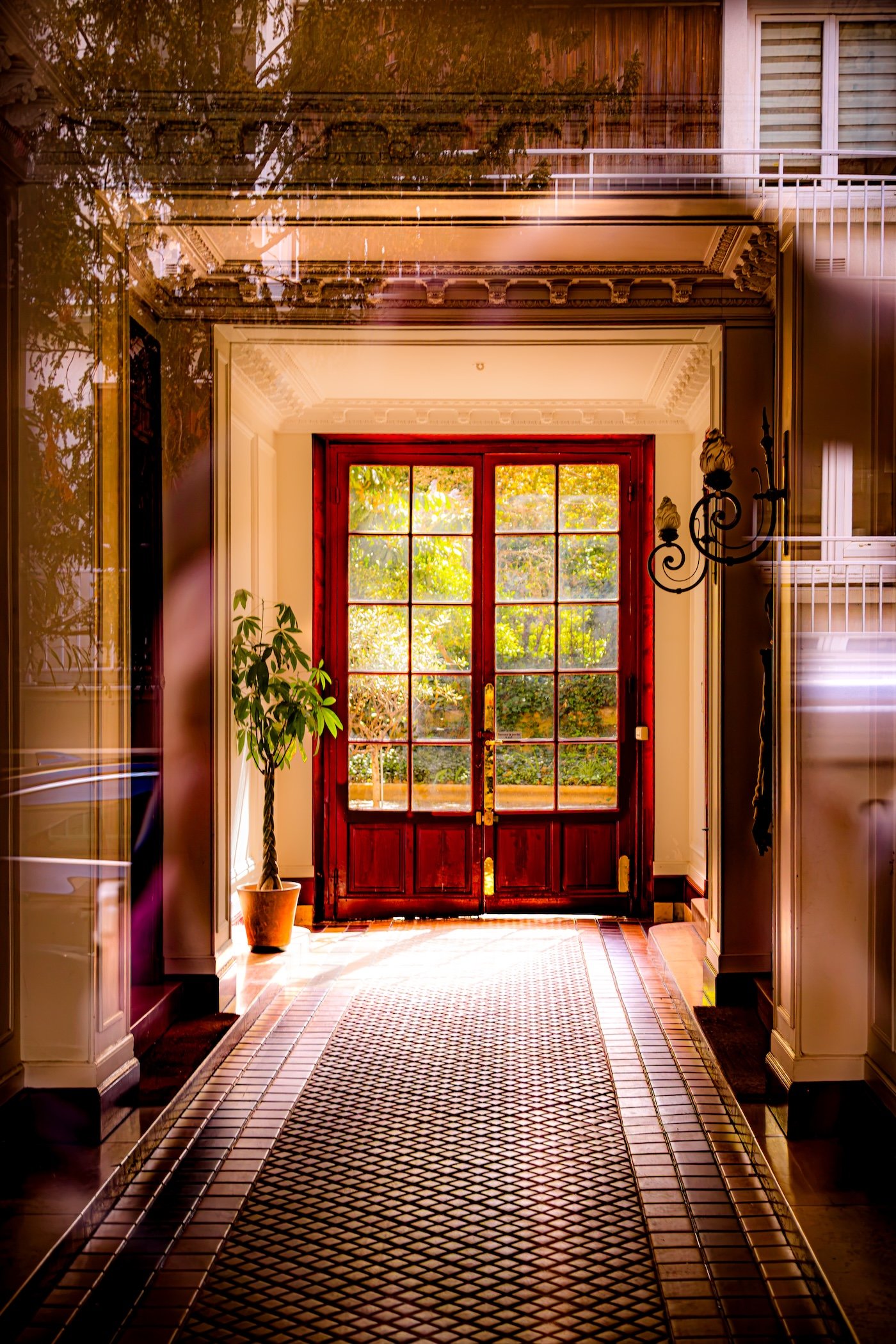
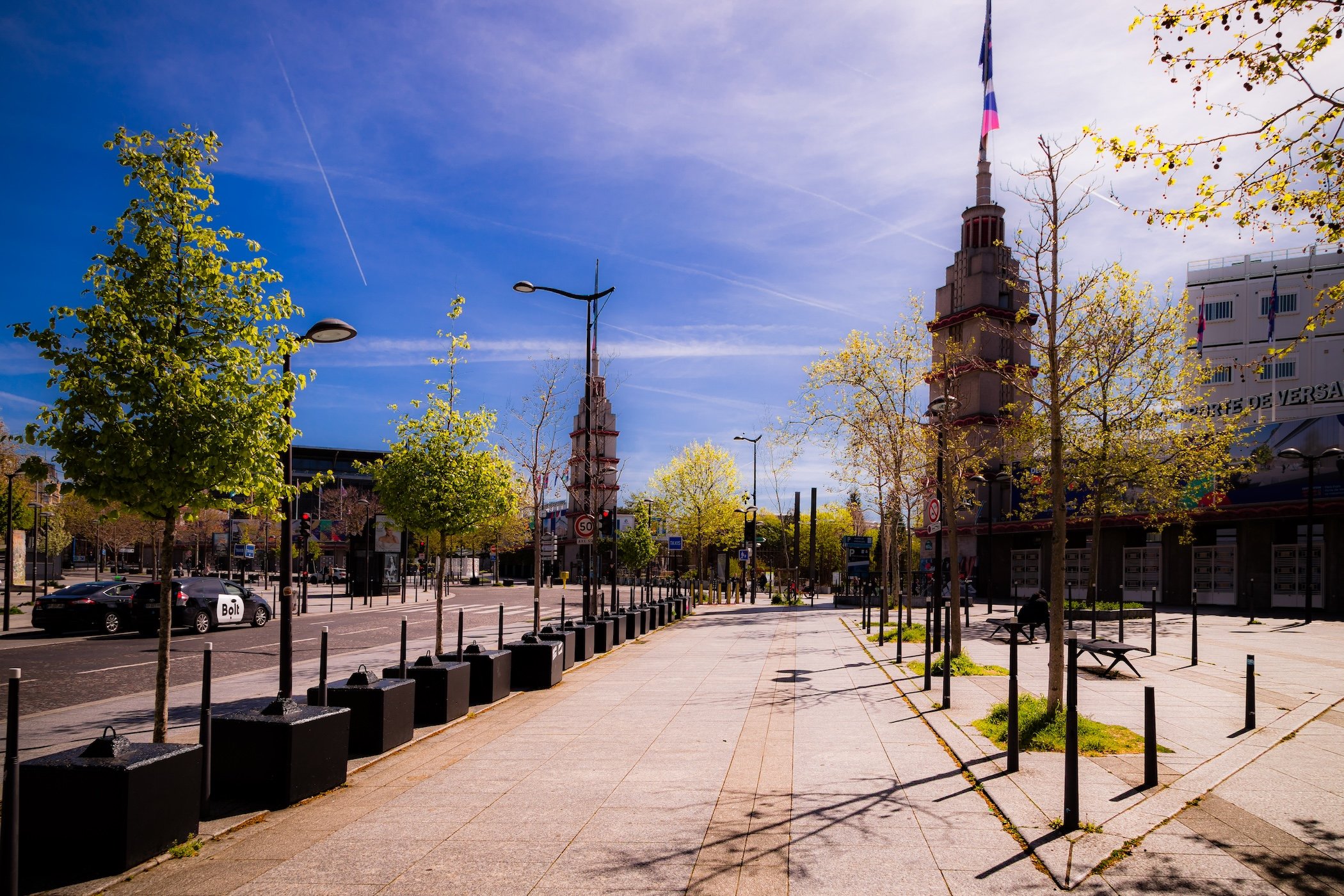
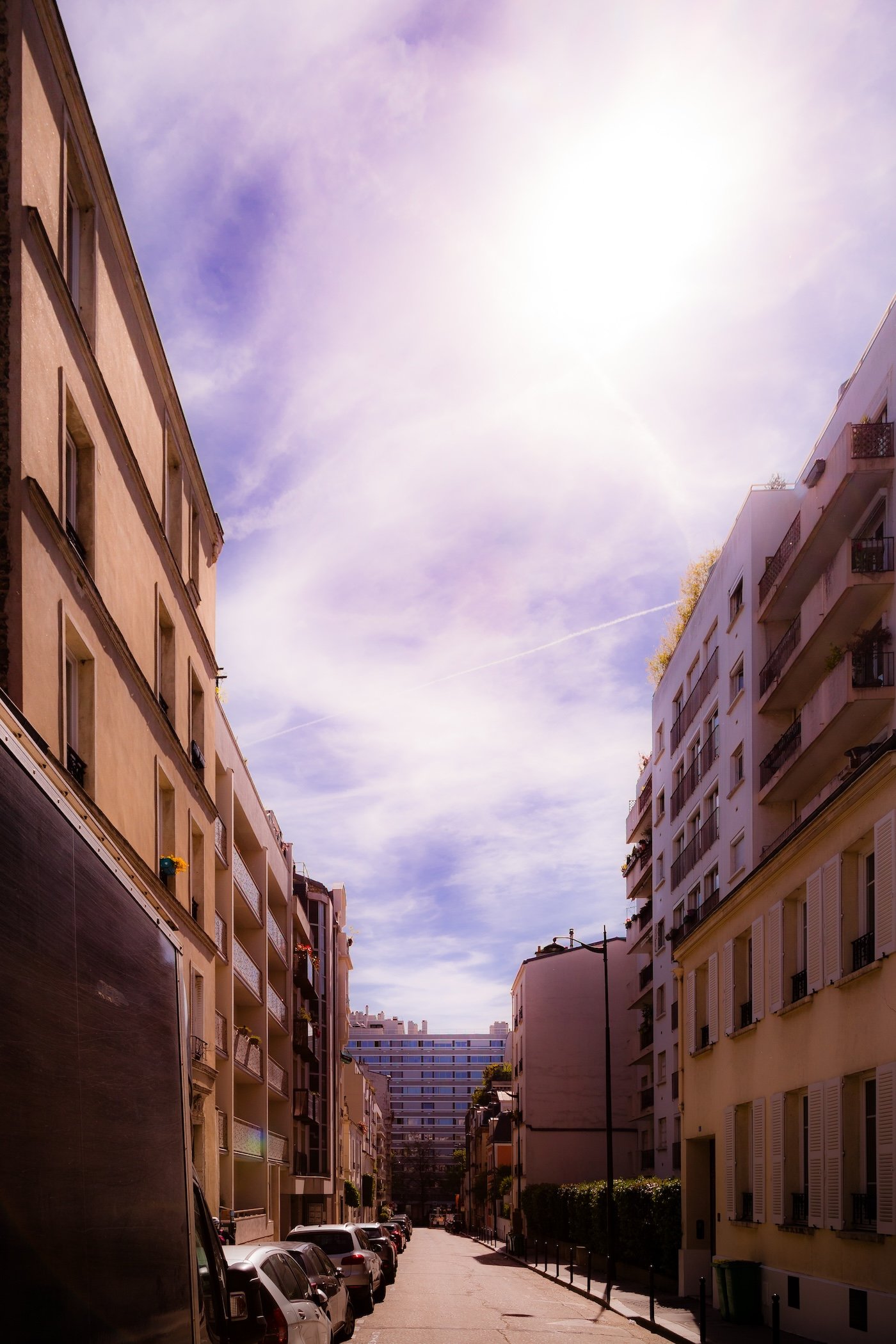
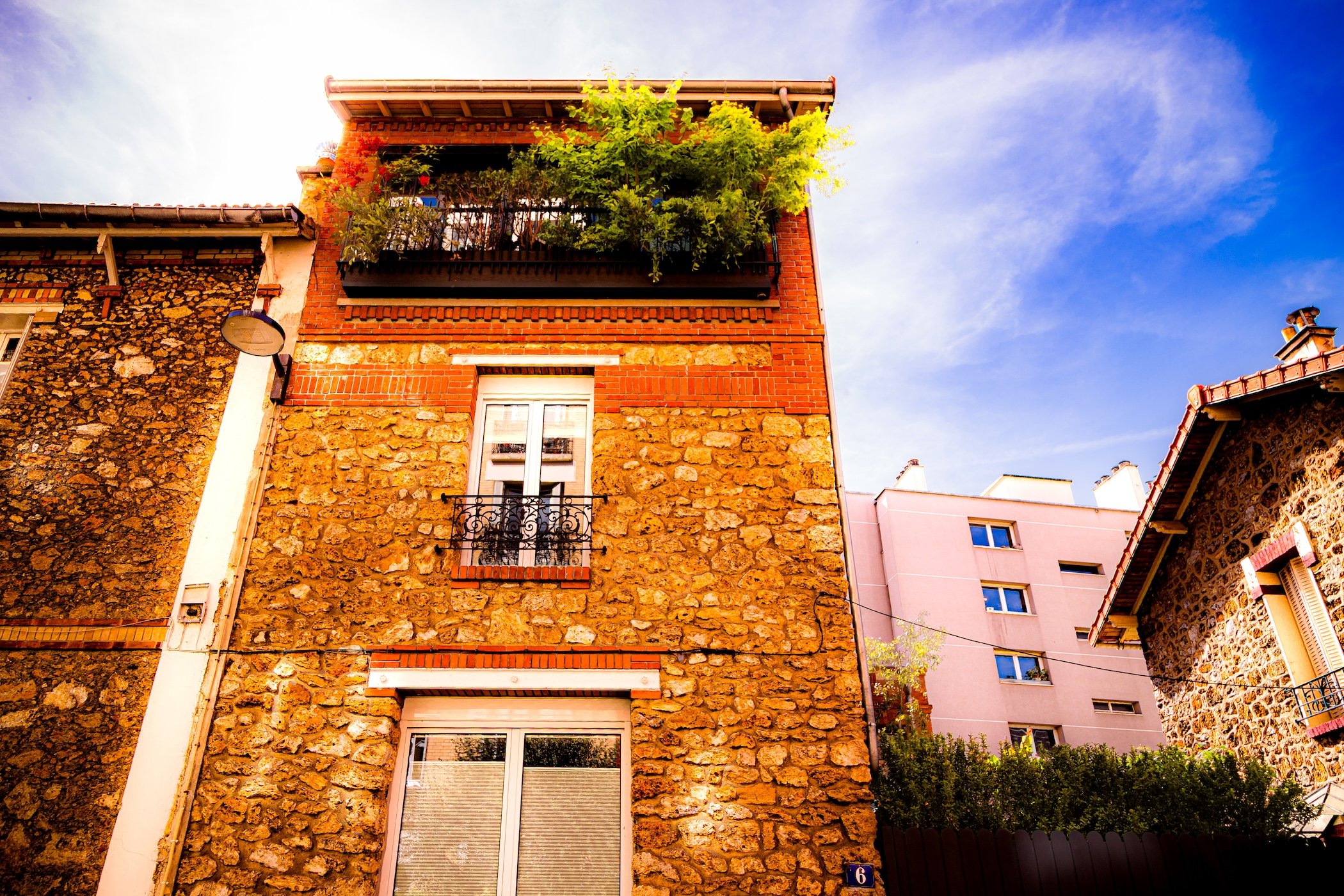
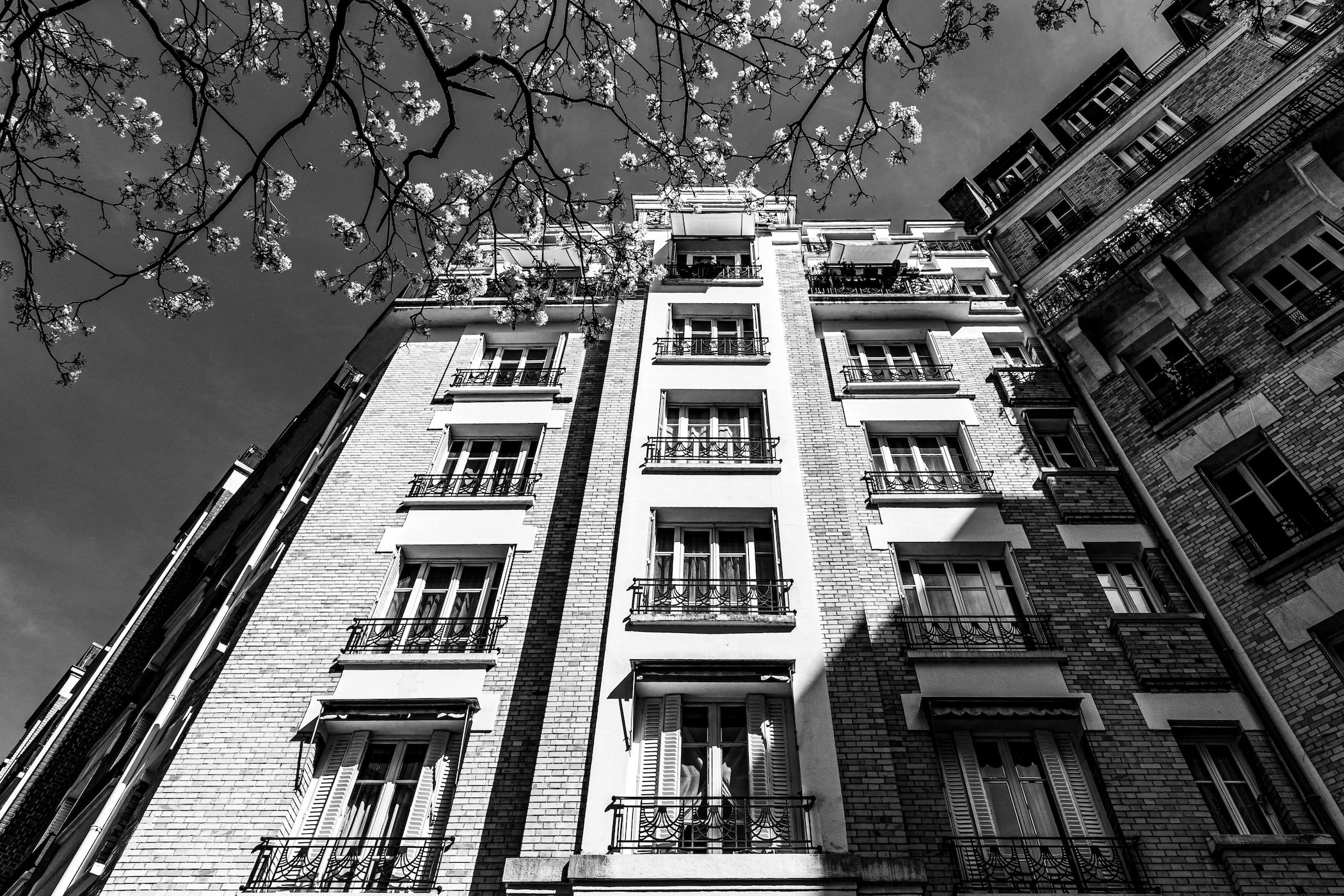
Through the lens, Saint-Lambert became a study in variation of scale, material, and light. The photographs seem consistently attentive to contrast: monumental modern forms against smaller traditional façades, narrow residential streets against open infrastructural or boulevard-like space, and older textures of brick and cobblestone against glass, concrete, and metal. At the Parc des Expositions, the camera responded to this immediately, pairing the historical suggestion of the guard towers with the assertive geometry of La Tour Triangle.
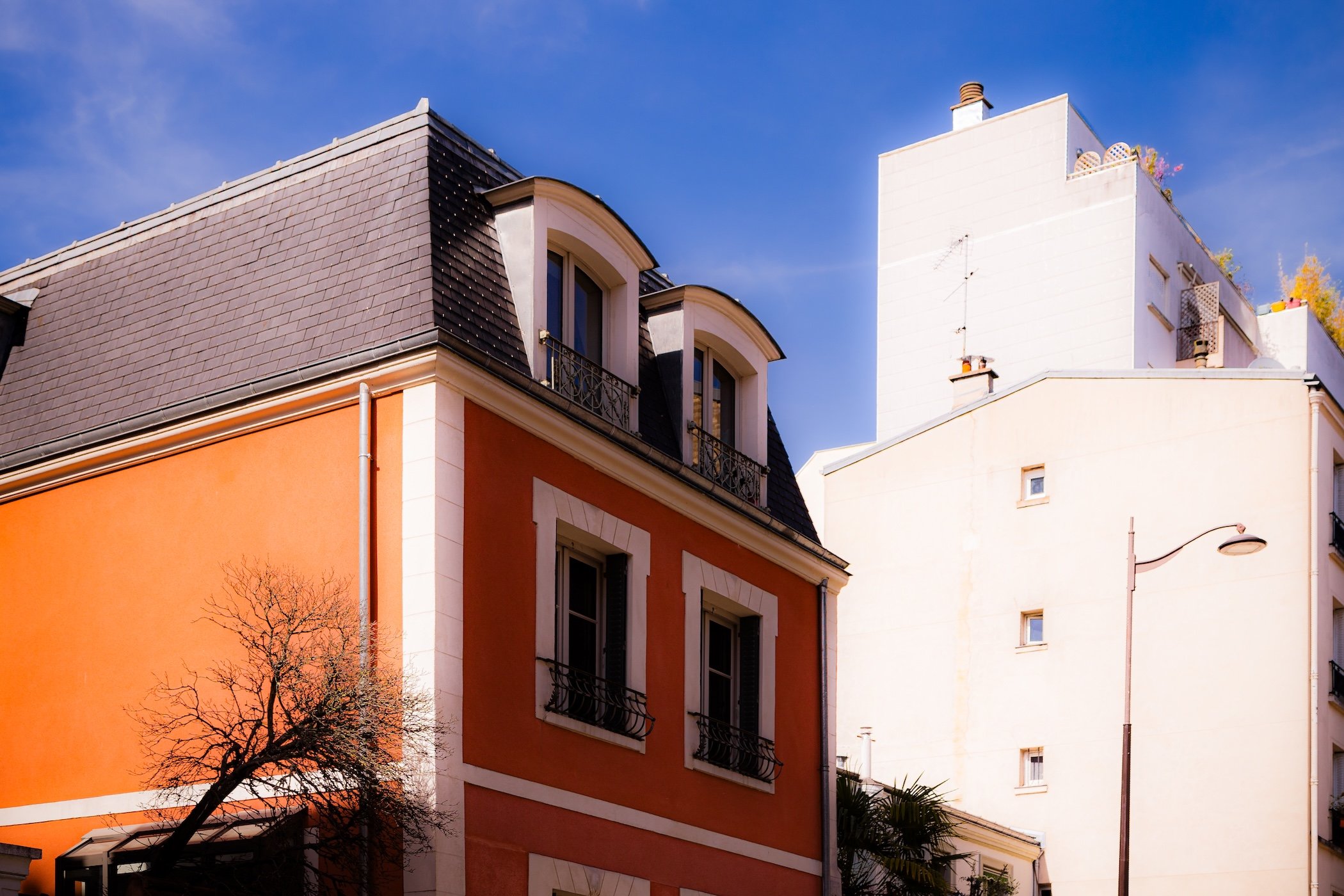
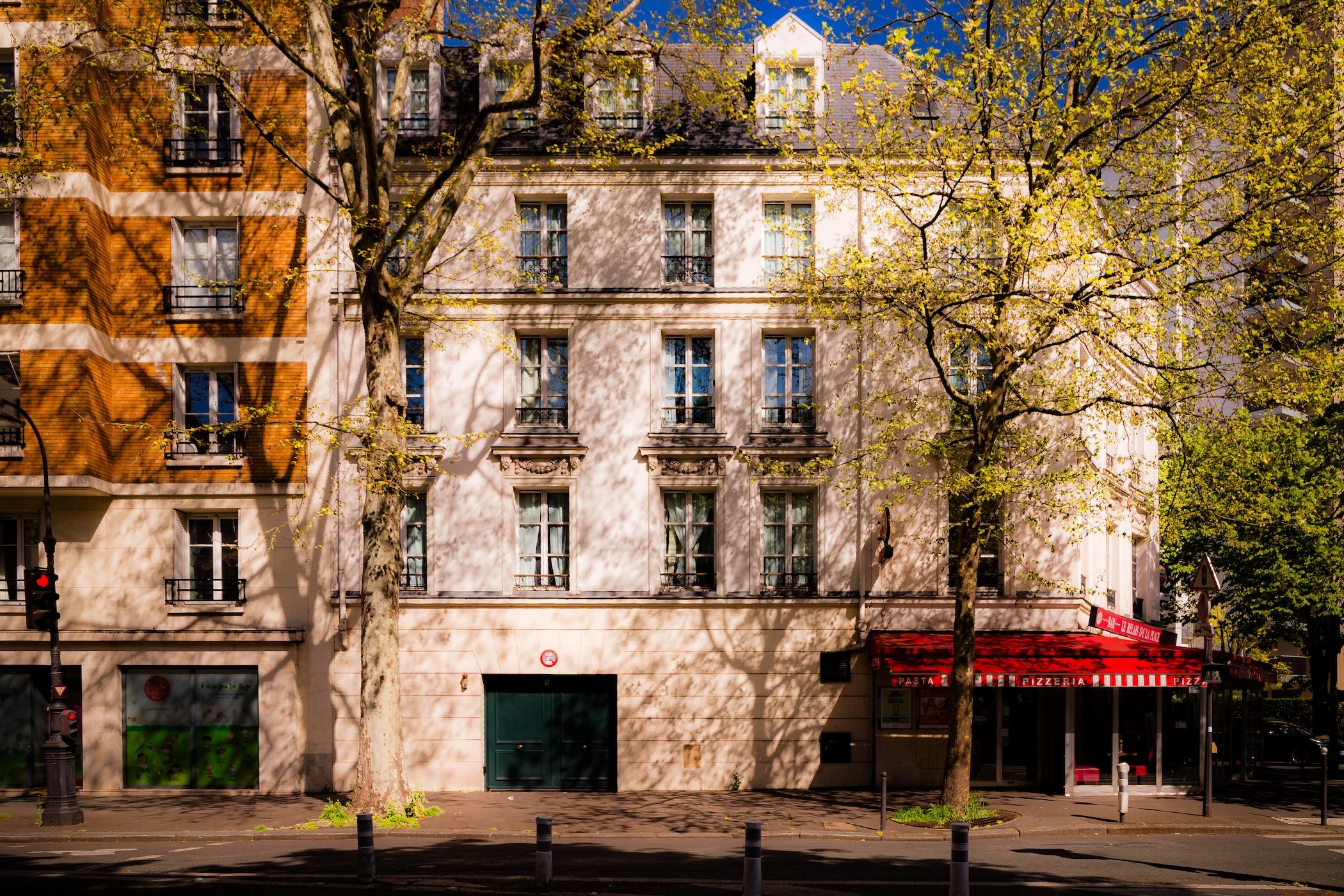
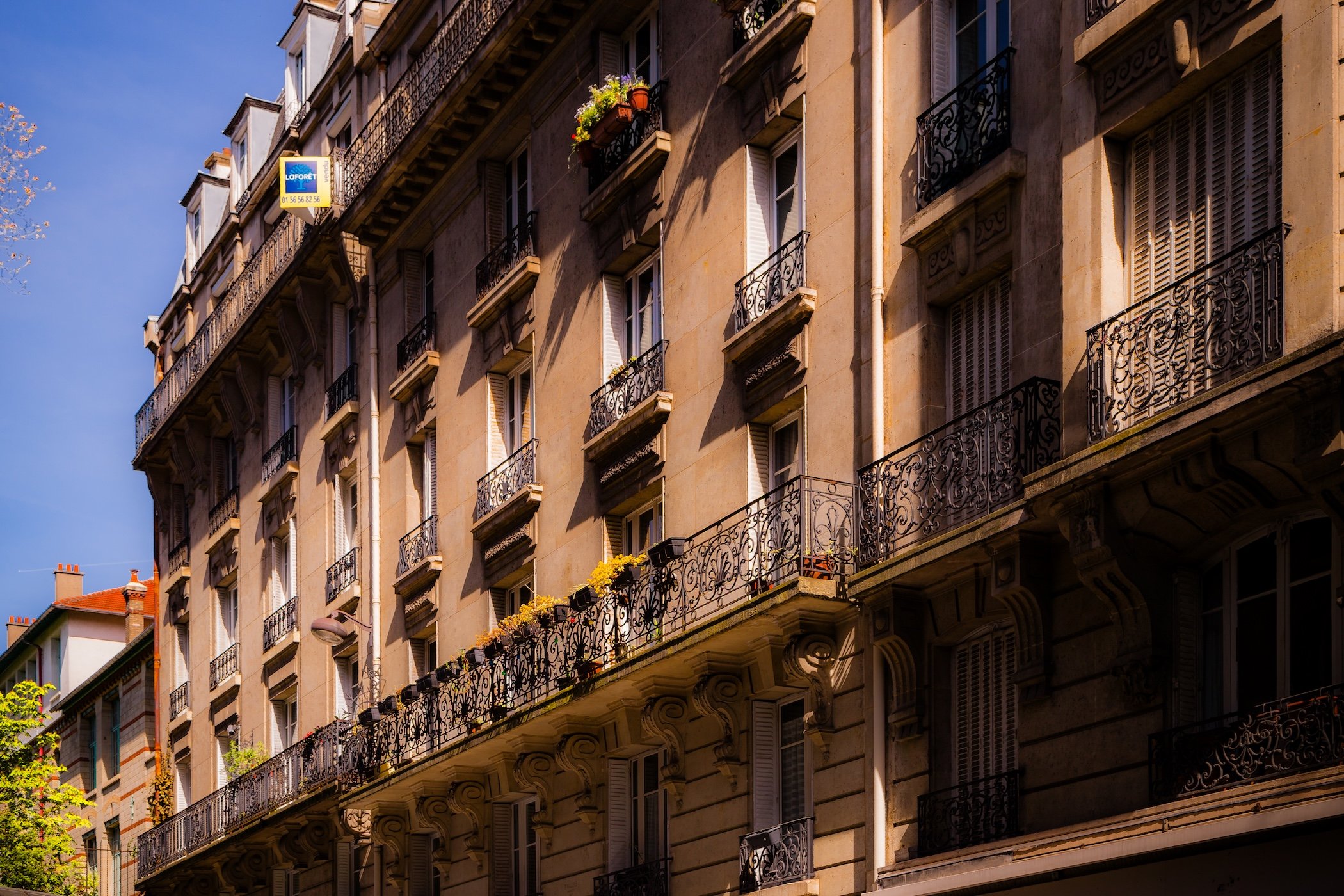
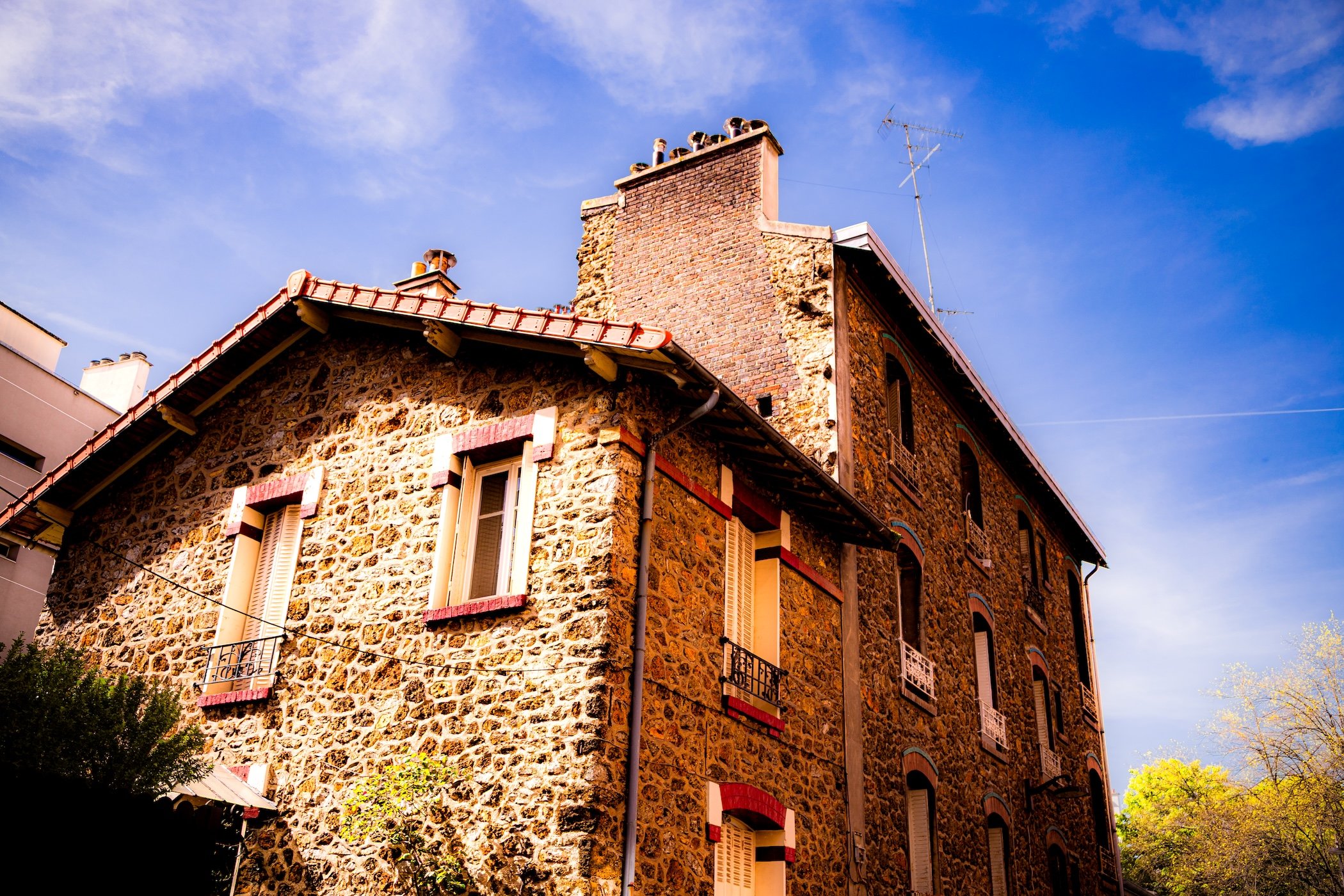
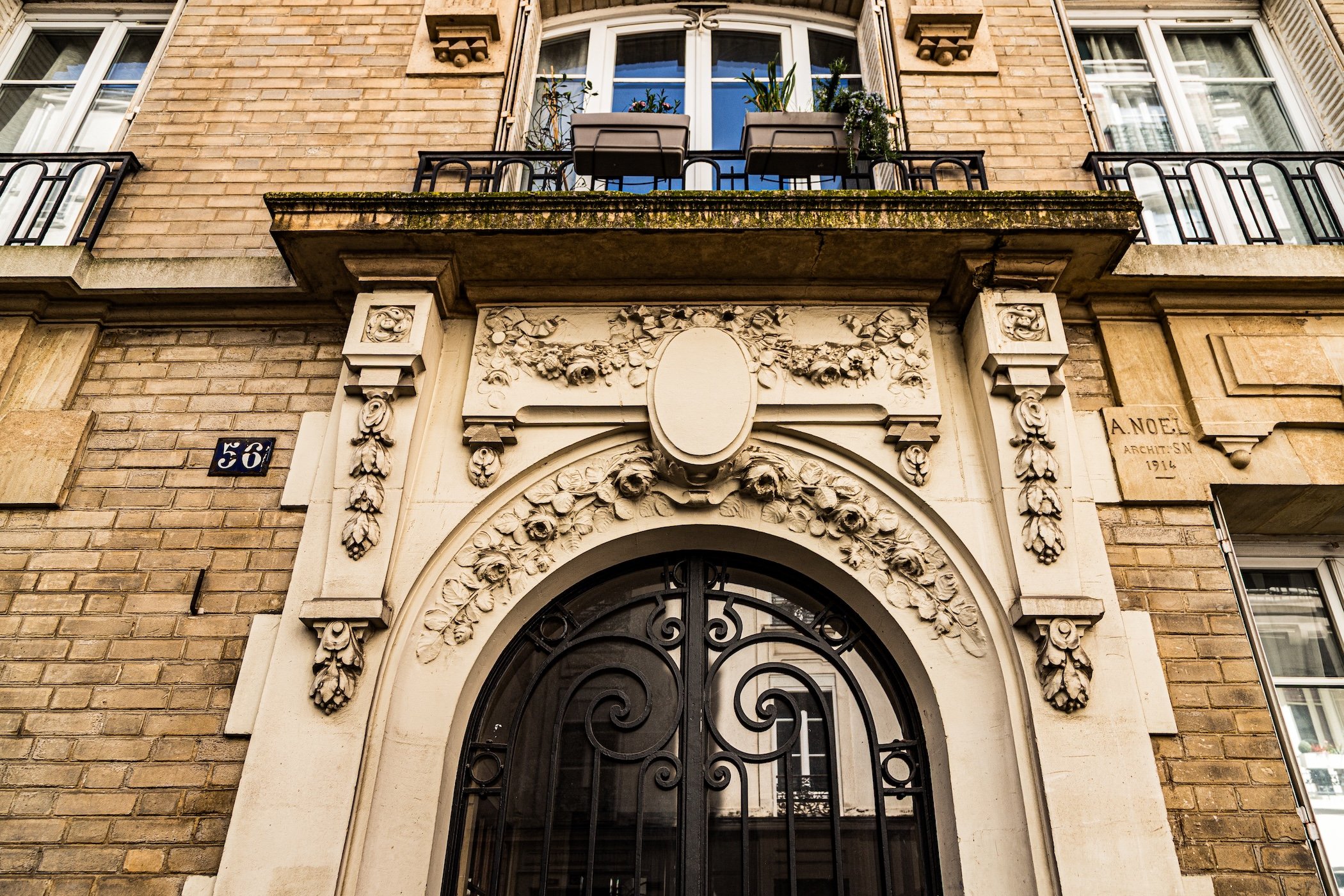
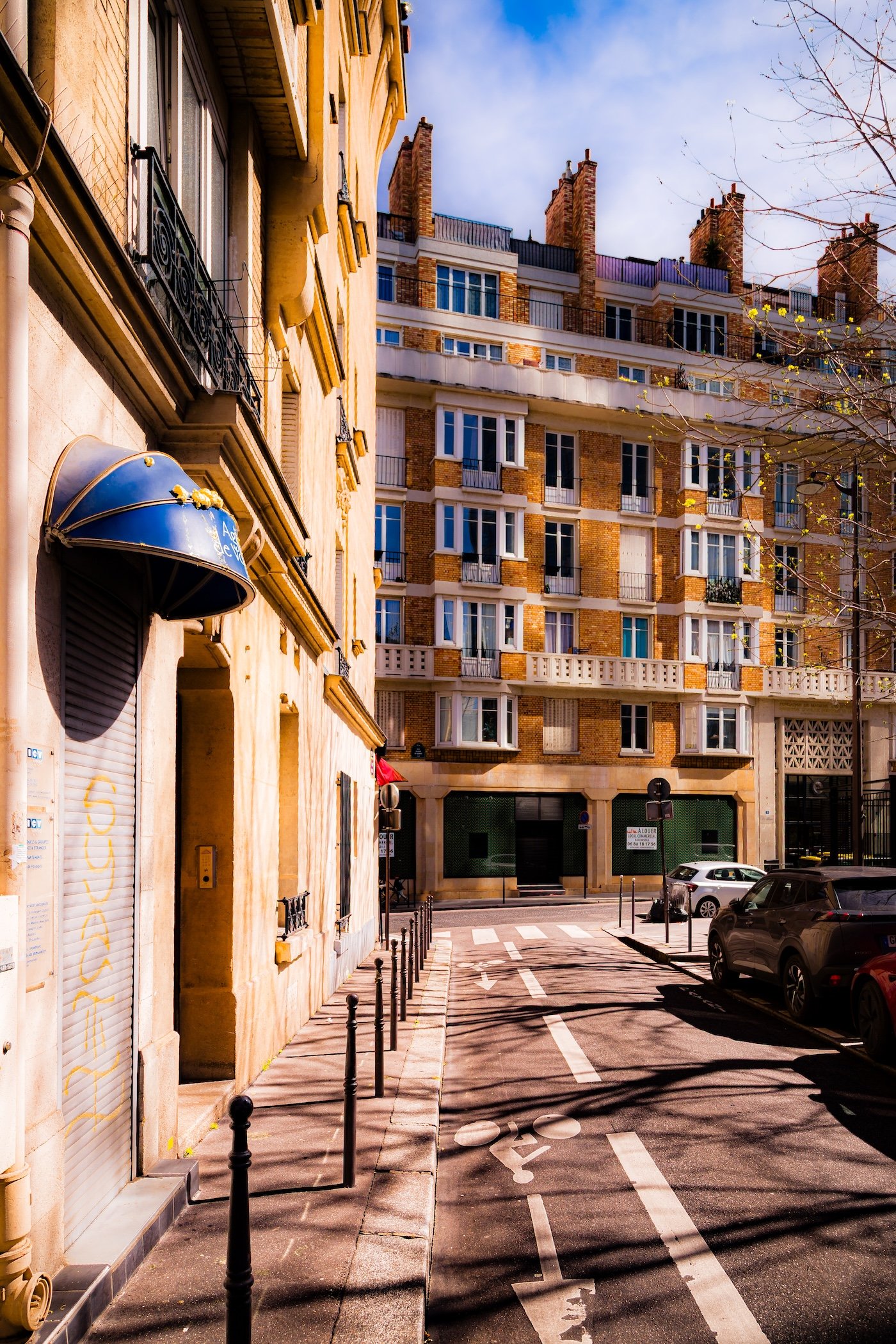
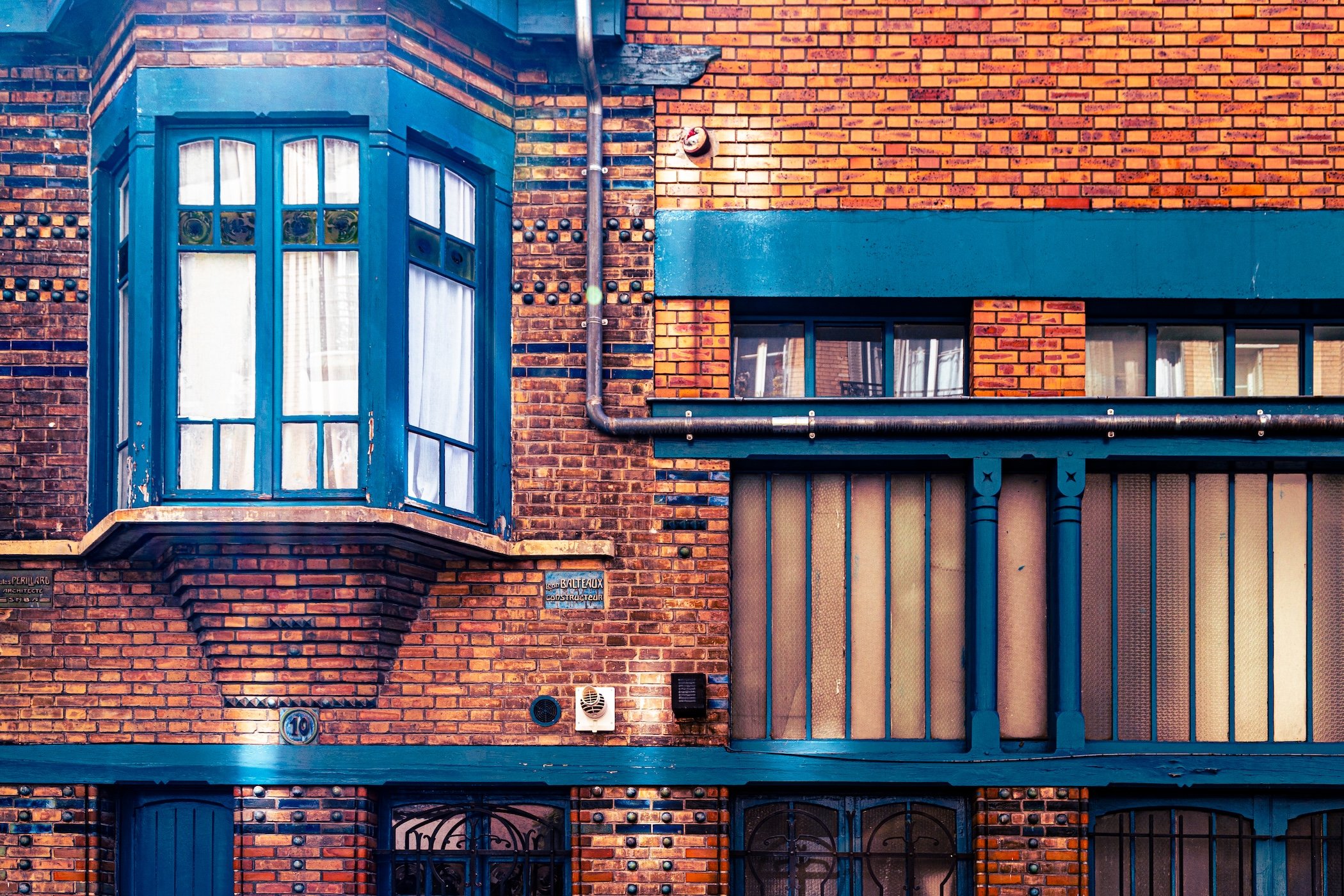
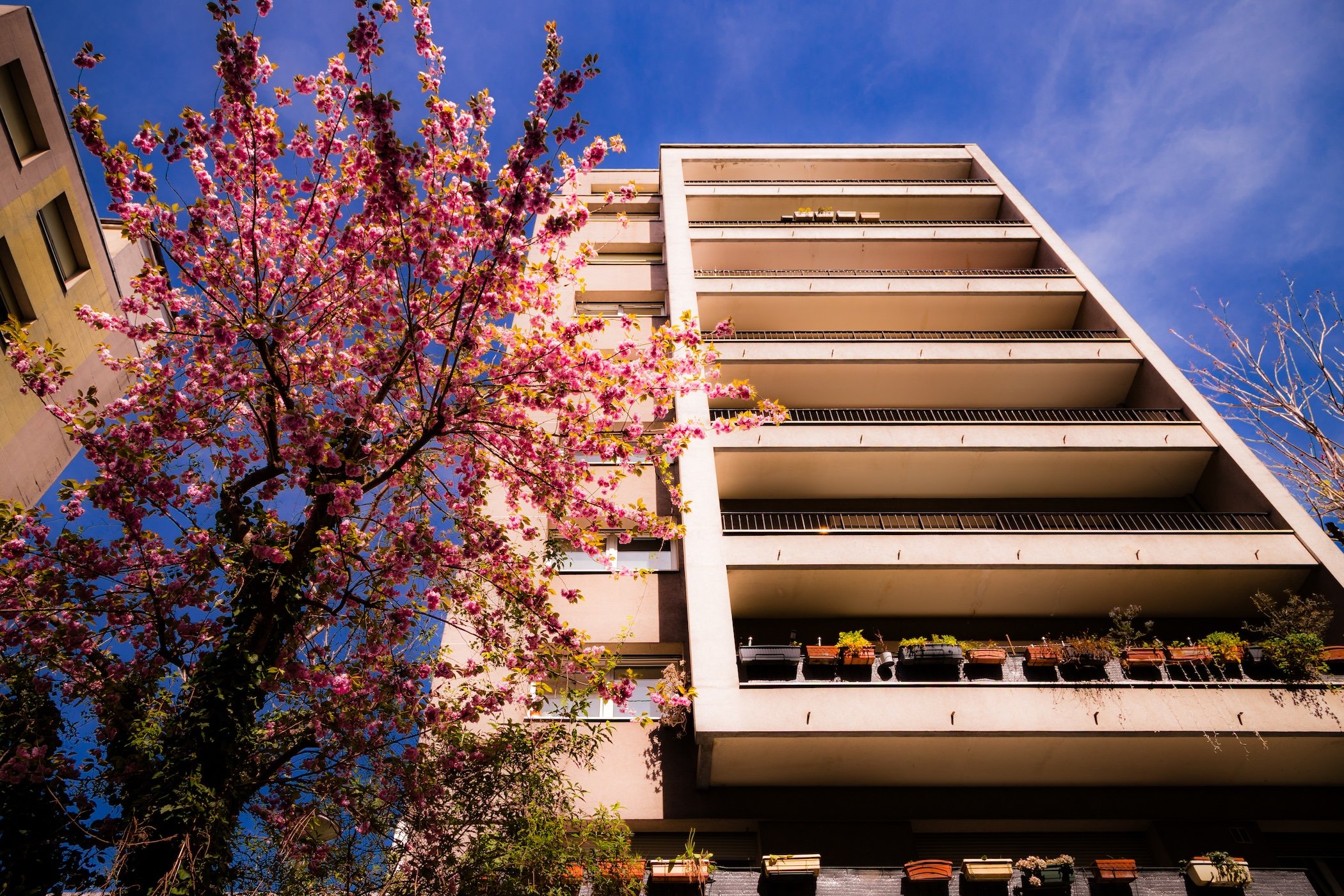
The Petite Ceinture shifted the photographic vocabulary toward elevation and pause. From there, the lens could look across foliage, graffiti, pathways, and the surrounding built environment with a certain contemplative detachment. The quarter briefly ceased to feel purely street-bound. That effect makes the later return to neighborhood scale even more striking. Rue Pierre-Mille and similar streets encouraged attention to sunlit façades, modest historic buildings, and the textural warmth of older surfaces, while Rue Vaugelas invited more graphic and vertical compositions emphasizing repetition, height, and the stark force of modern apartment blocks.
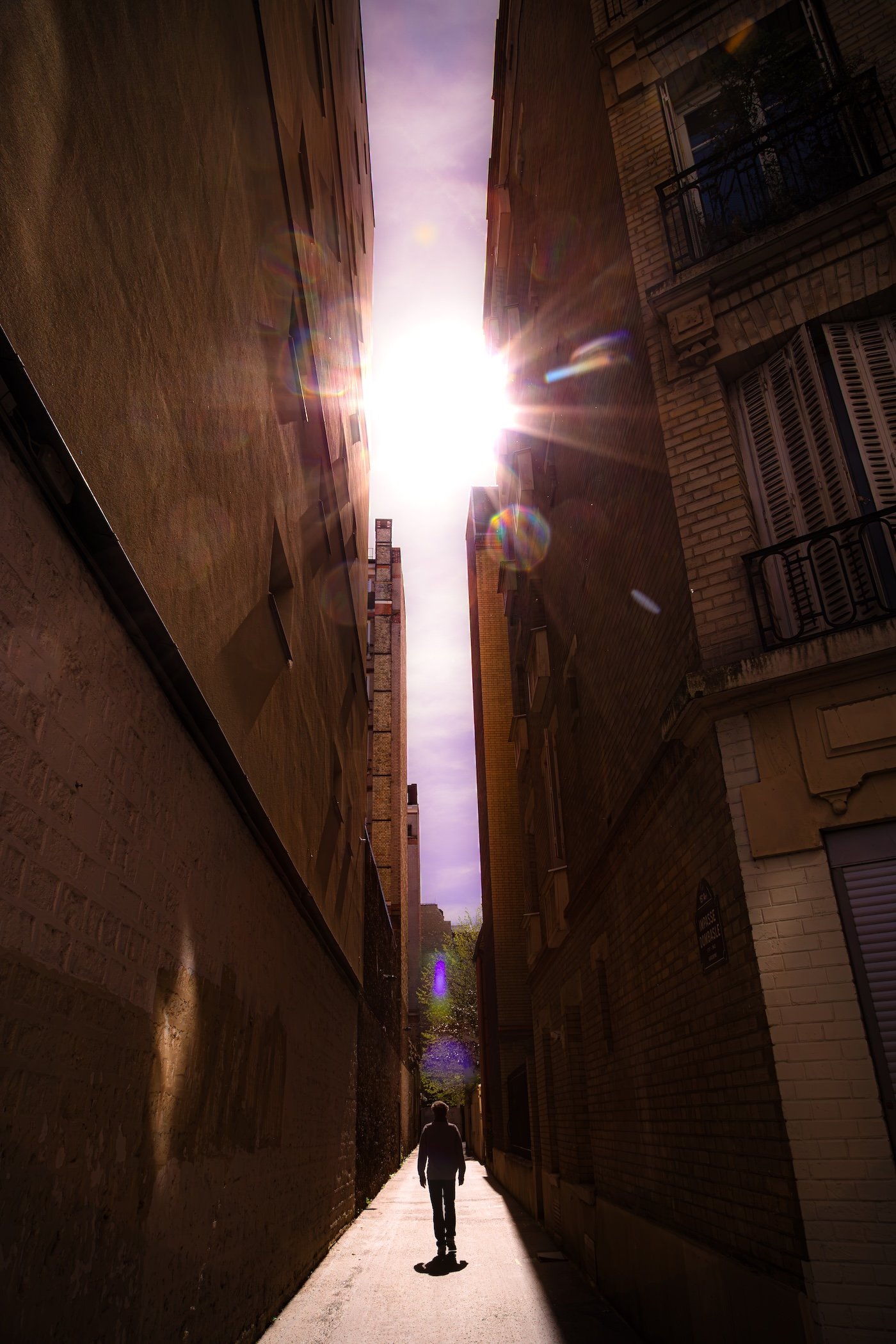
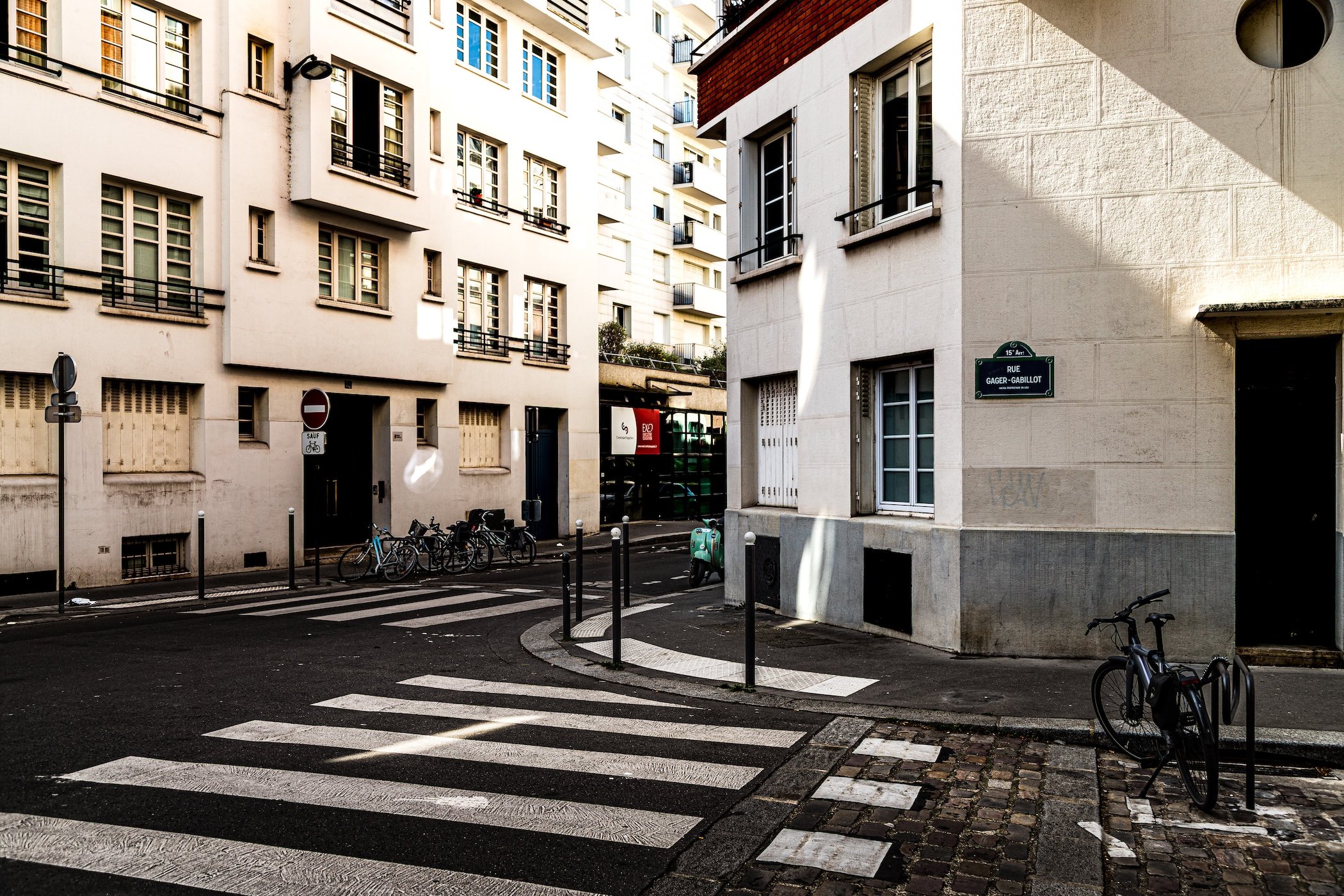
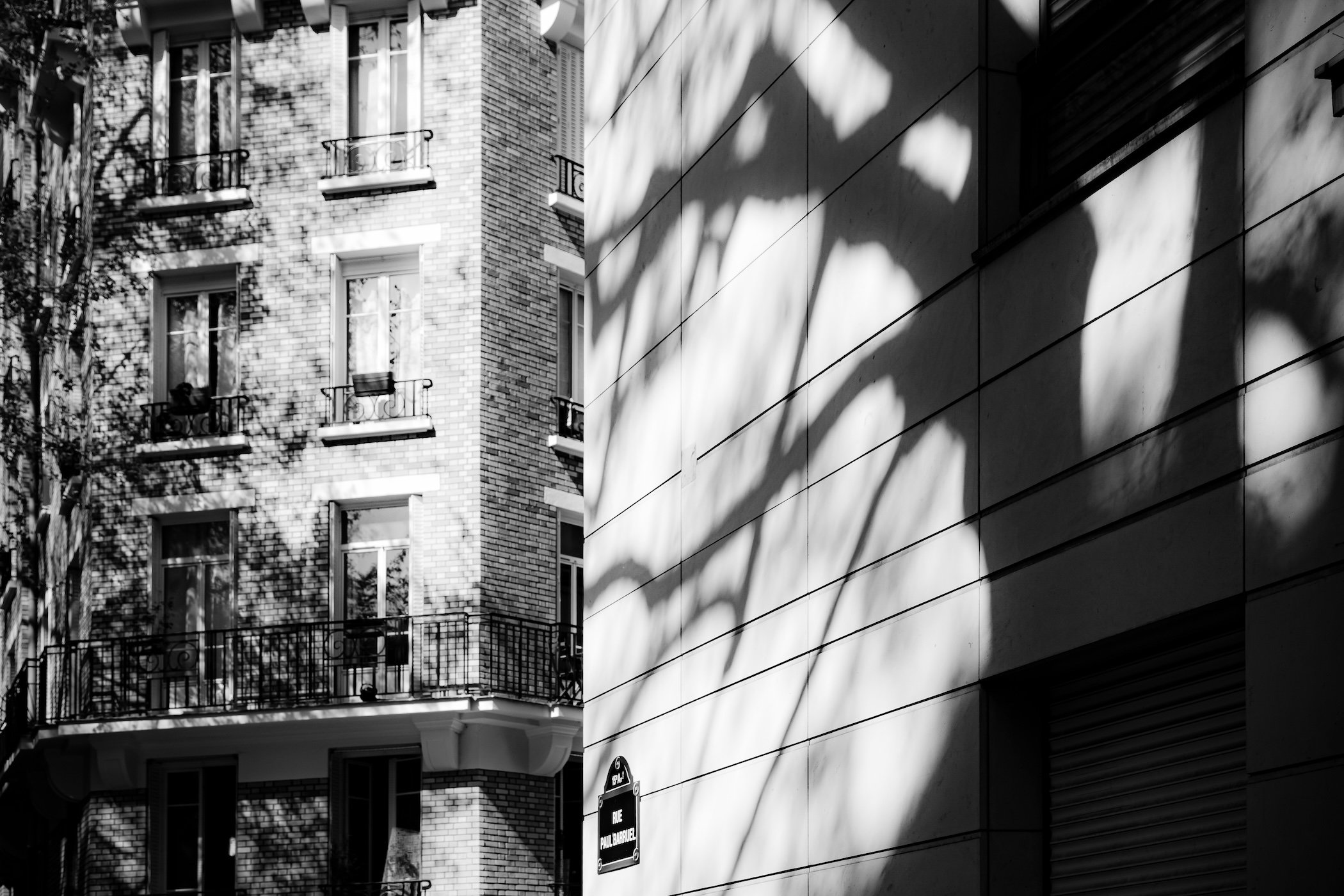
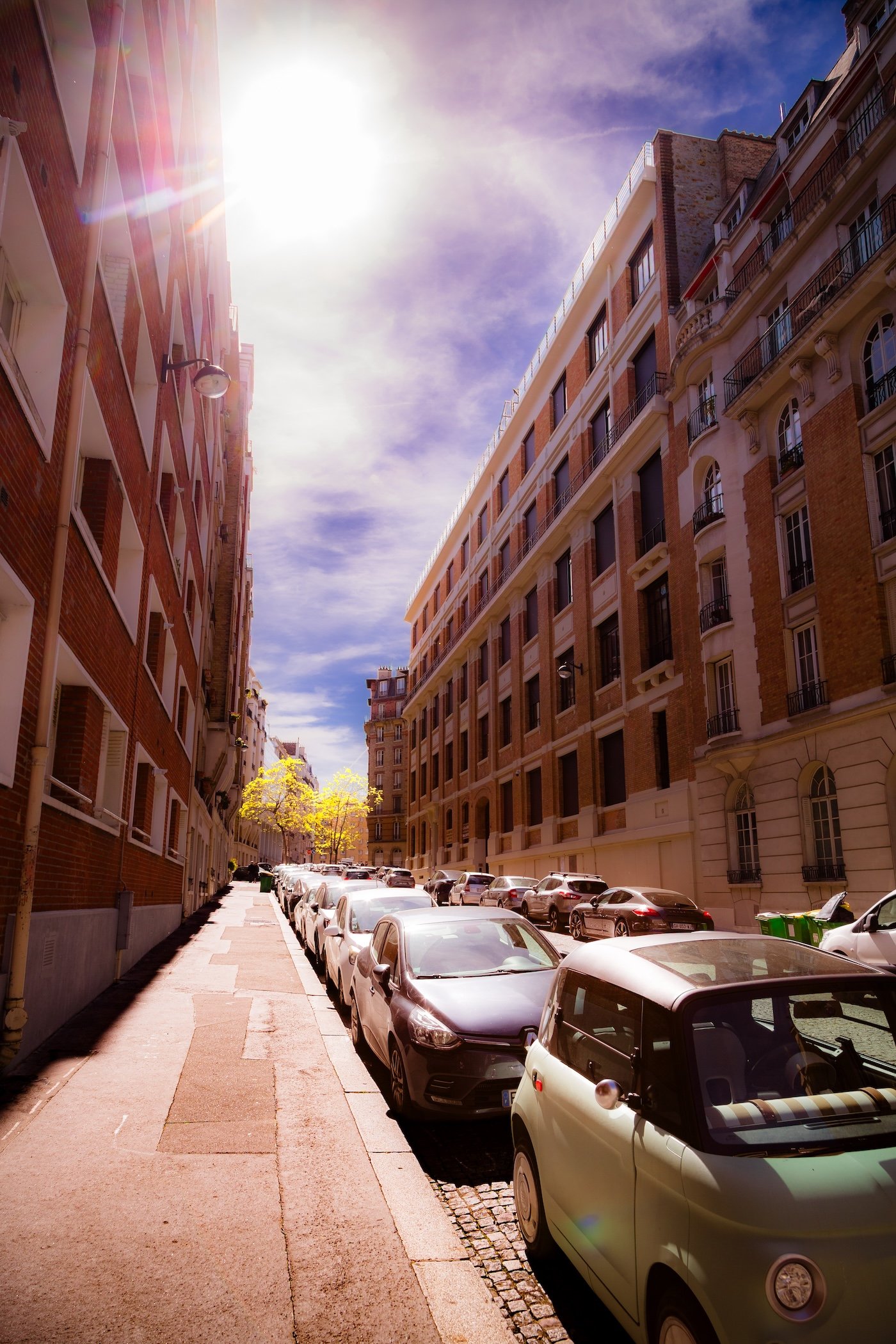
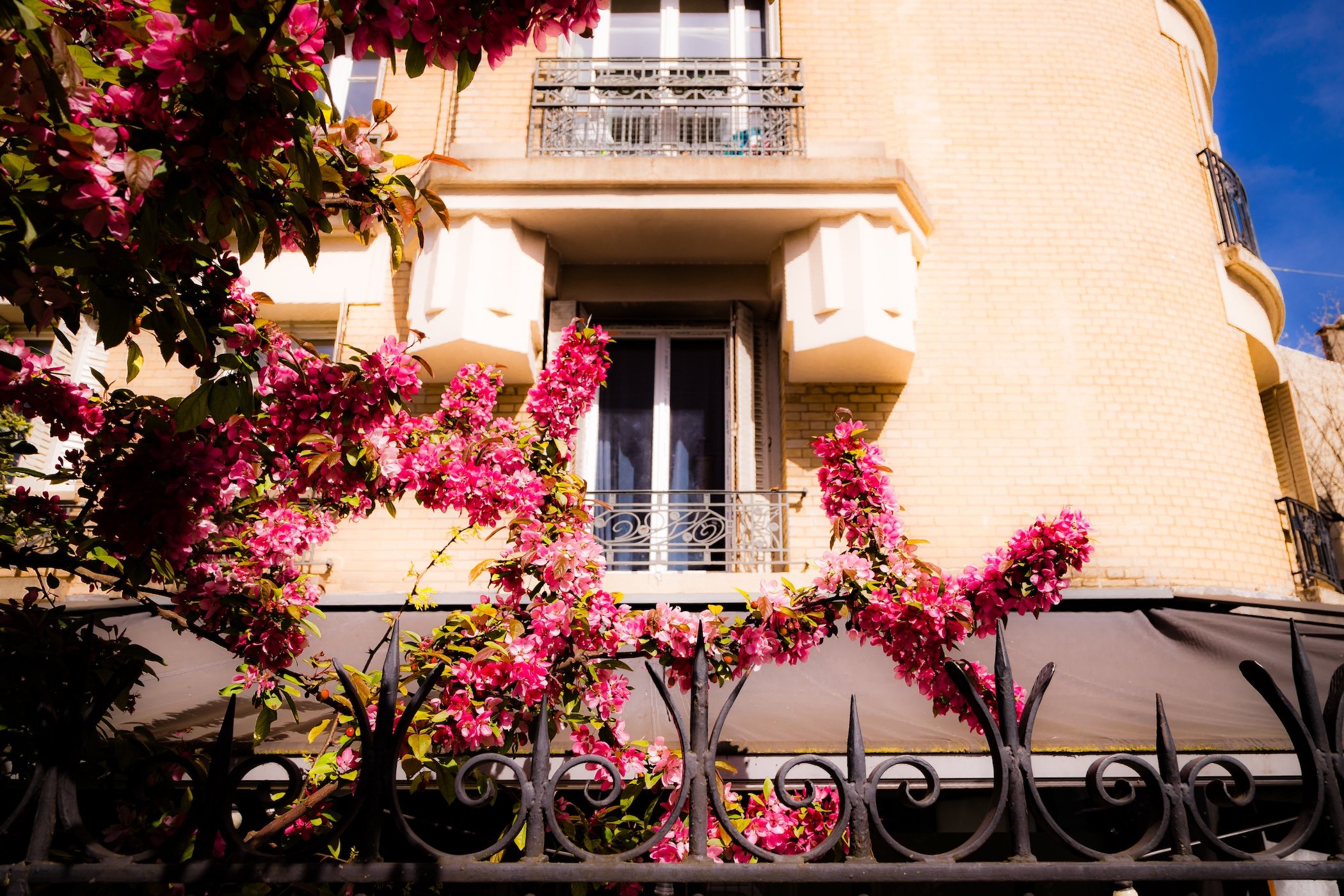
As the route progressed, afternoon light became increasingly important. The lens seems especially responsive to the way sunlight transformed ordinary residential streets into dramatic settings: façades catching warm illumination, shadows cutting sharply across walls, narrow streets channeling light into sudden vertical shafts, and the differing surfaces of brick, stucco, stone, and glass reacting in their own ways. Rue Jobbé-Duval, Rue Dombasle, Rue Vouillé, and Rue Gager-Gabillot appear to have offered some of the strongest of these effects. Across the full sequence, the photography records Saint-Lambert not as a quarter of singular landmarks, but as one of visual surprises, where formal variety and afternoon light continually redefined the character of the street.
If you visit Paris, these ideas can help inspire your own photography.
Paris: J’Espere, Je Rêve, Je Vive
Saint-Lambert Photo Gallery
Saint-Lambert Flâneur Notes
-
13:30–14:46 PM
Conditions: Sunny 15°C (59°F) | Humidity: 50%
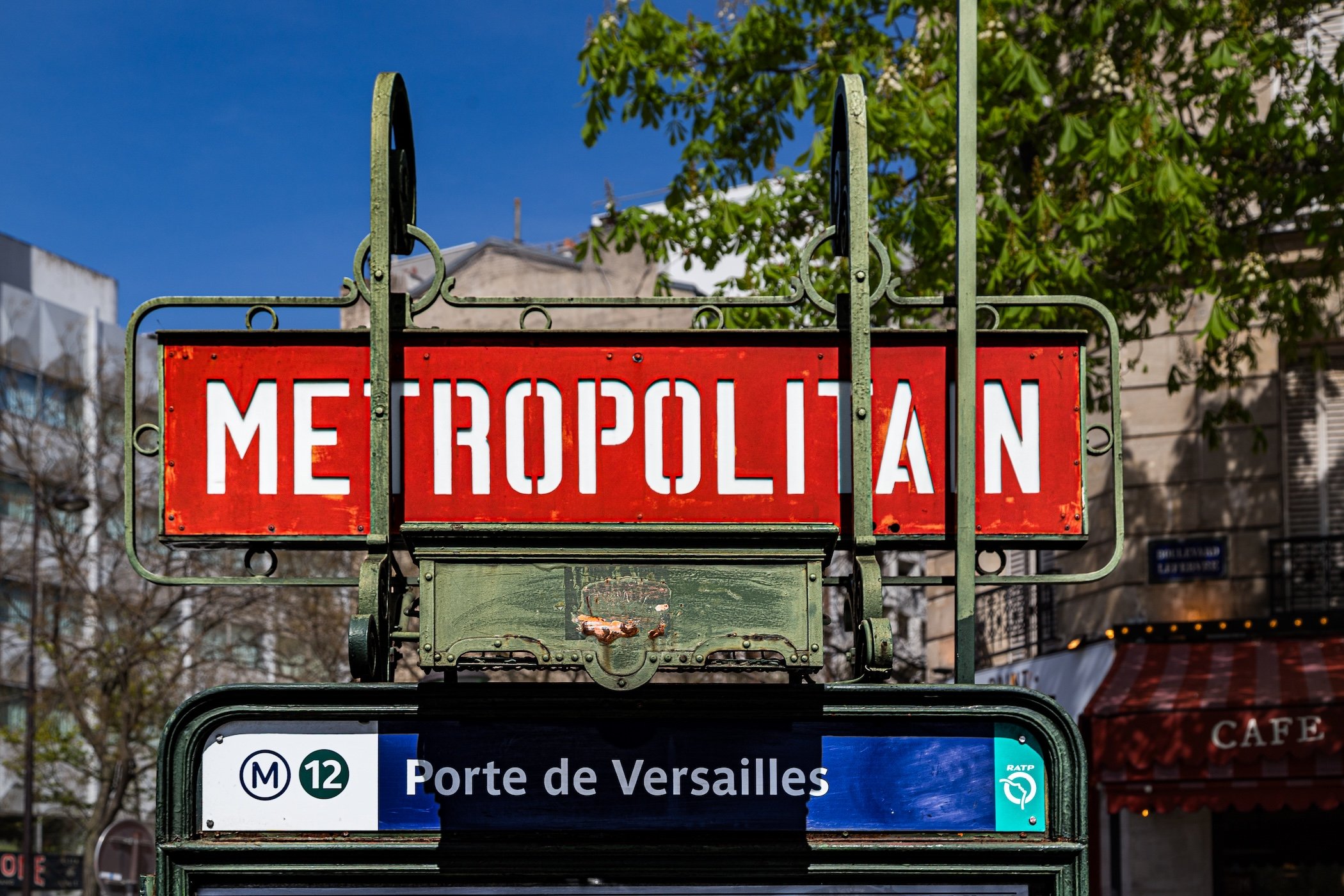
After spending the morning in the gardens of Versailles, returning to Paris through Porte de Versailles felt like an appropriate reentry by way of one of the city’s most visually diverse quartiers administratifs. Saint-Lambert announced that diversity immediately. At the Parc des Expositions, the old guard towers evoked one layer of the city’s past, while La Tour Triangle rose nearby with an entirely different ambition. The juxtaposition was striking: history and hyper-modernity not separated into different parts of the city, but meeting at the very entrance to the walk.
From there I headed north along Rue de Vaugirard, though not before encountering another unexpected modern amenity: the Petite Ceinture du 15e. The elevated railway park offered a brief removal from the street—a place of spring foliage, graffiti, and quiet perspective above the neighborhood below. It felt like a moment of repose within the city, one that allowed Saint-Lambert to be seen from above before being entered again at street level.
A short walk down Rue Pierre-Mille reintroduced an older, more intimate Paris. Cobblestones and historic buildings, bright beneath the midday sun, created a charming counterpoint to the contemporary forms encountered earlier. Then came Rue Vaugelas, where the atmosphere shifted dramatically. The late-twentieth-century apartment buildings lining the street formed a long and imposing wall of concrete and glass, giving the quarter a very different visual and emotional register—less picturesque, perhaps, but powerful in its own way.
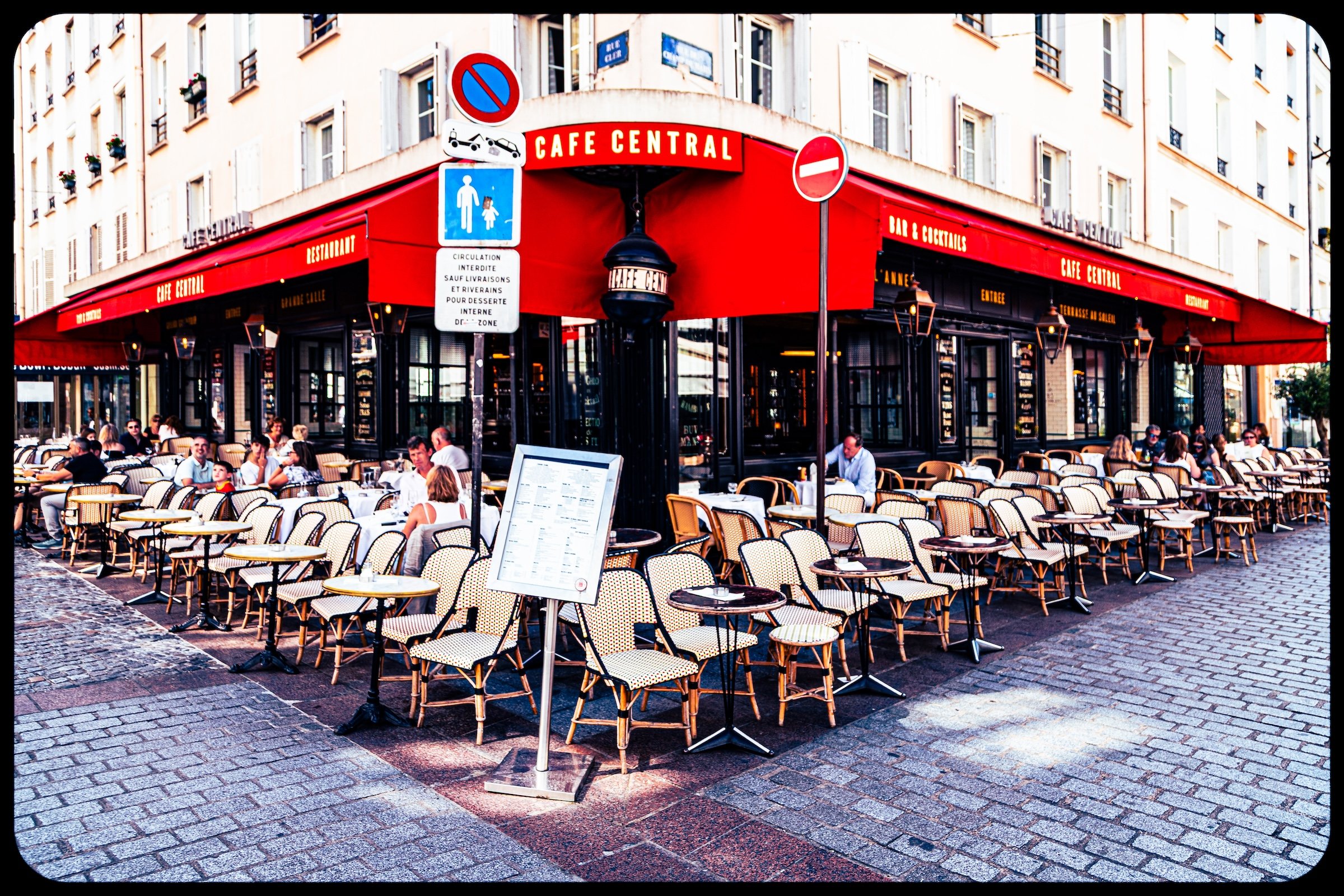
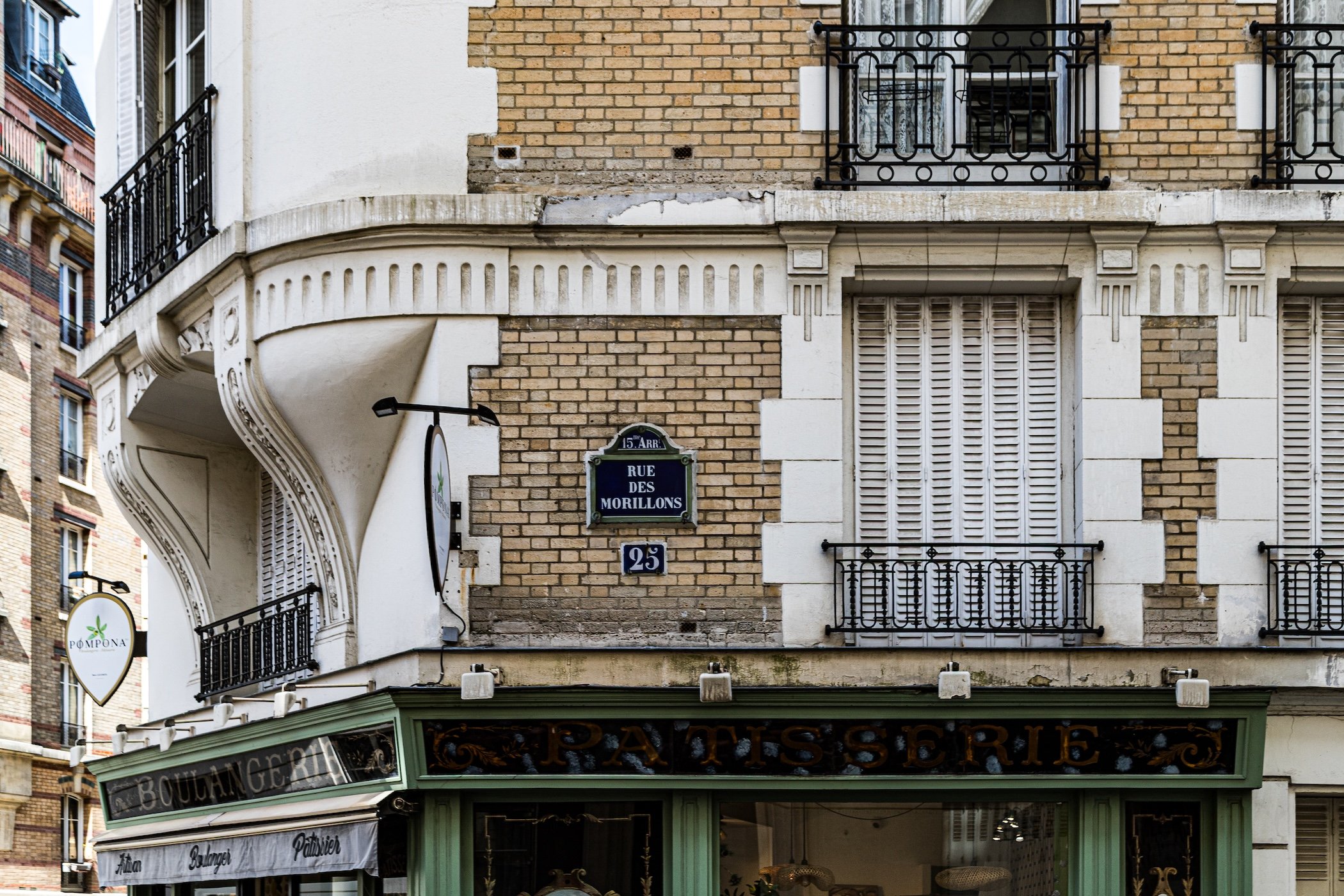
Turning north on Rue Olivier-de-Serres and east on Rue Robert-Lindet, the neighborhood softened once more. Here Saint-Lambert felt quiet and cozy, with a mix of classic architecture, modern practicality, bakeries, cafés, and restaurants. That mixture continued along Rue Dantzig and Rue des Morillons, confirming that the quarter’s character lay not in consistency, but in the ease with which it moved among different modes of urban life.
One of the most rewarding stretches came along Rue Jobbé-Duval, where the combination of varied architecture and the strengthening afternoon sun created some of the day’s most dramatic photographs. From there, Rue Dombasle and Rue Vouillé offered another calm and attractive sequence of terraces, brick façades, and luminous side streets. The neighborhood felt settled and lived-in, less concerned with spectacle than with the everyday beauty of residential Paris.
The final northward progression took me along Rue Thiboumery, east to Place d’Alleray, and then west to Rue Gager-Gabillot. Place d’Alleray felt like a classic Parisian convergence of streets, yet it too reflected the quarter’s architectural diversity rather than a single inherited style. By the time I completed the walk along Rue Gager-Gabillot, the sun had lowered enough to throw dramatic shadows across the façades, bringing the route to a fitting close.
Saint-Lambert ultimately felt defined by precisely these transitions. It was not a quarter of one face, one era, or one architectural vocabulary. Instead, it offered a layered and visually restless Paris: old and new, infrastructural and residential, quiet and imposing, cohesive not through uniformity but through the continual dialogue among its many forms.
Other neighborhoods visited:
Flâneur Notes document the walks, photographs, light, and street-level observations behind this neighborhood entry. Learn more about the Spirit of the Flâneur.
Explore Paris
-

The twenty arrondissements form the civic spiral of Paris, organizing the city into its broad local districts of government, identity, and daily life.
-

Each arrondissement is divided into four official administrative quarters, giving Paris a more precise civic and geographic framework.
-

The conseils de quartier bring participation to street level, giving residents a voice in neighborhood needs, public space, and local civic life.
-

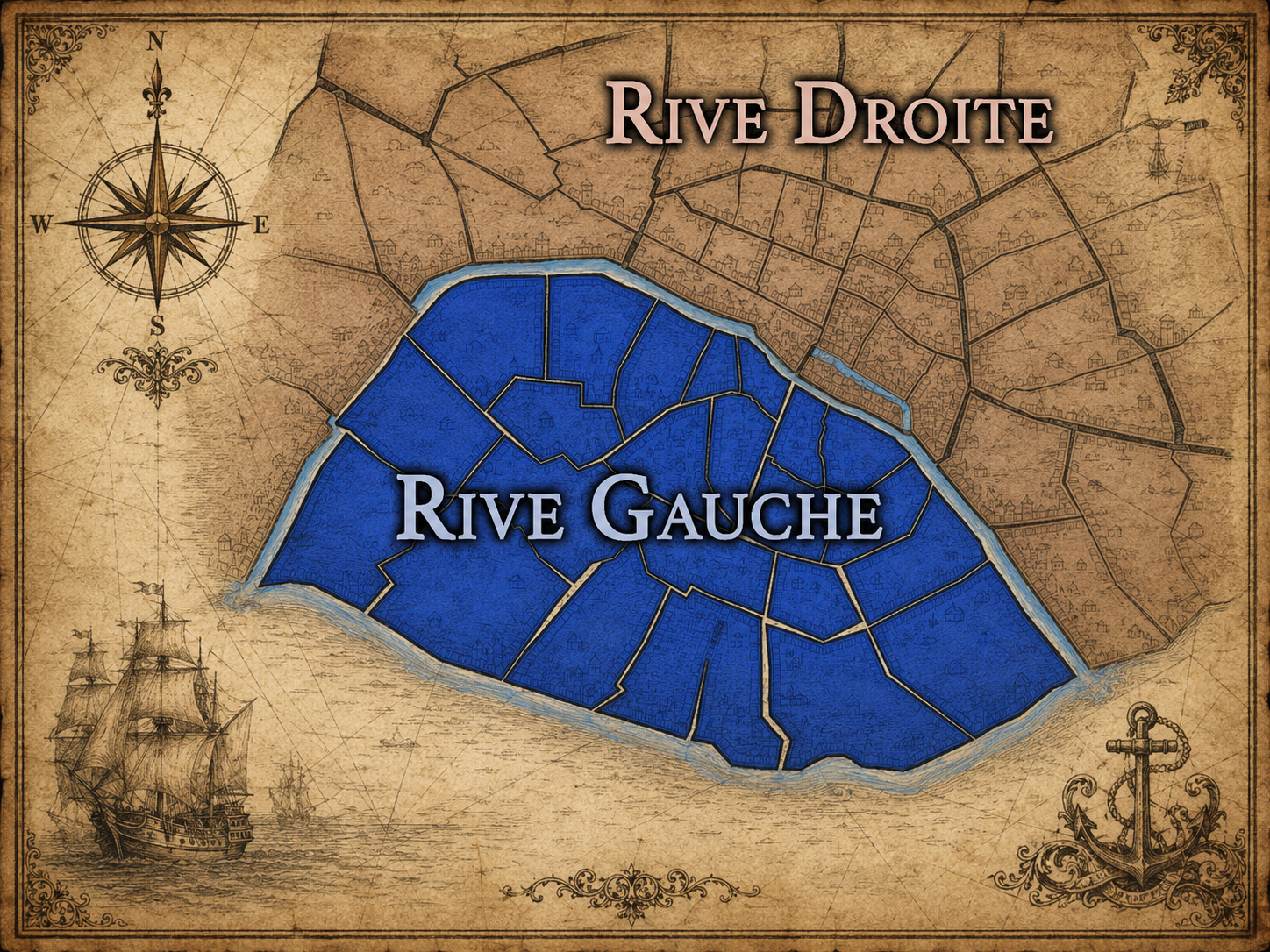
Les Deux Rives trace Paris through the Seine’s two banks, revealing how the Rive Droite and Rive Gauche shaped the city’s civic power, commerce, learning, art, and cultural identity.
-

Cultural neighborhoods reveal the Paris people recognize through history, cafés, architecture, memory, atmosphere, and local belonging.