
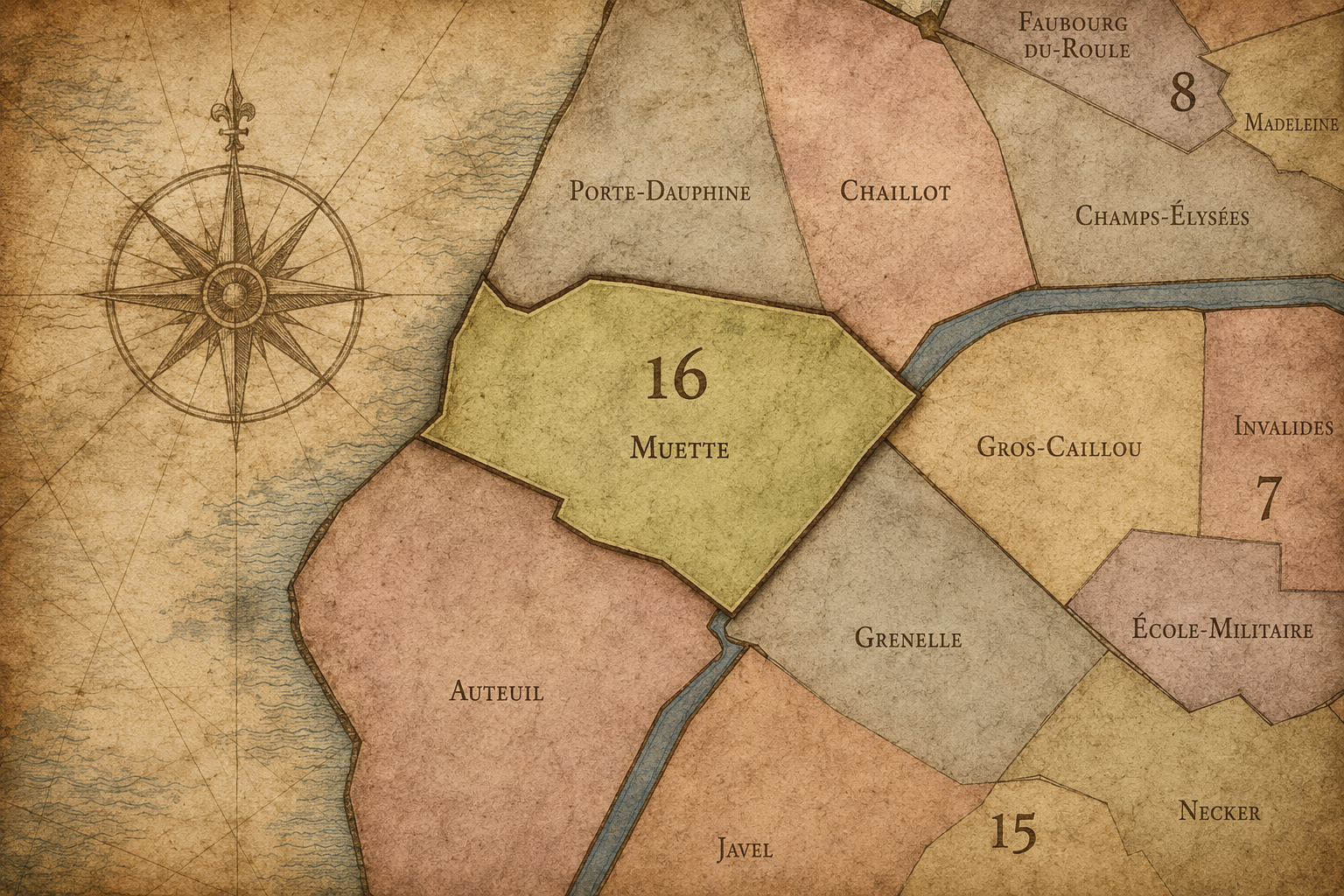
16e - MUETTE
Quartiers Administratifs
Welcome to the Muette neighborhood page! Muette is a quartier administratif — the 62nd administrative quarter — one of 80 such districts across Paris. As a quartier administratif of the 16e Arrondissement - Passy, Muette belongs to a formal layer of Parisian geography and gathers Passy, La Muette, the Ranelagh gardens, and the western Seine-facing slopes into a refined residential landscape of museums, embassies, apartment houses, and old village memory.
Part of an ongoing project to walk and photograph every neighborhood in Paris, this page explores 16e Muette through maps, district identity, history, and photography.
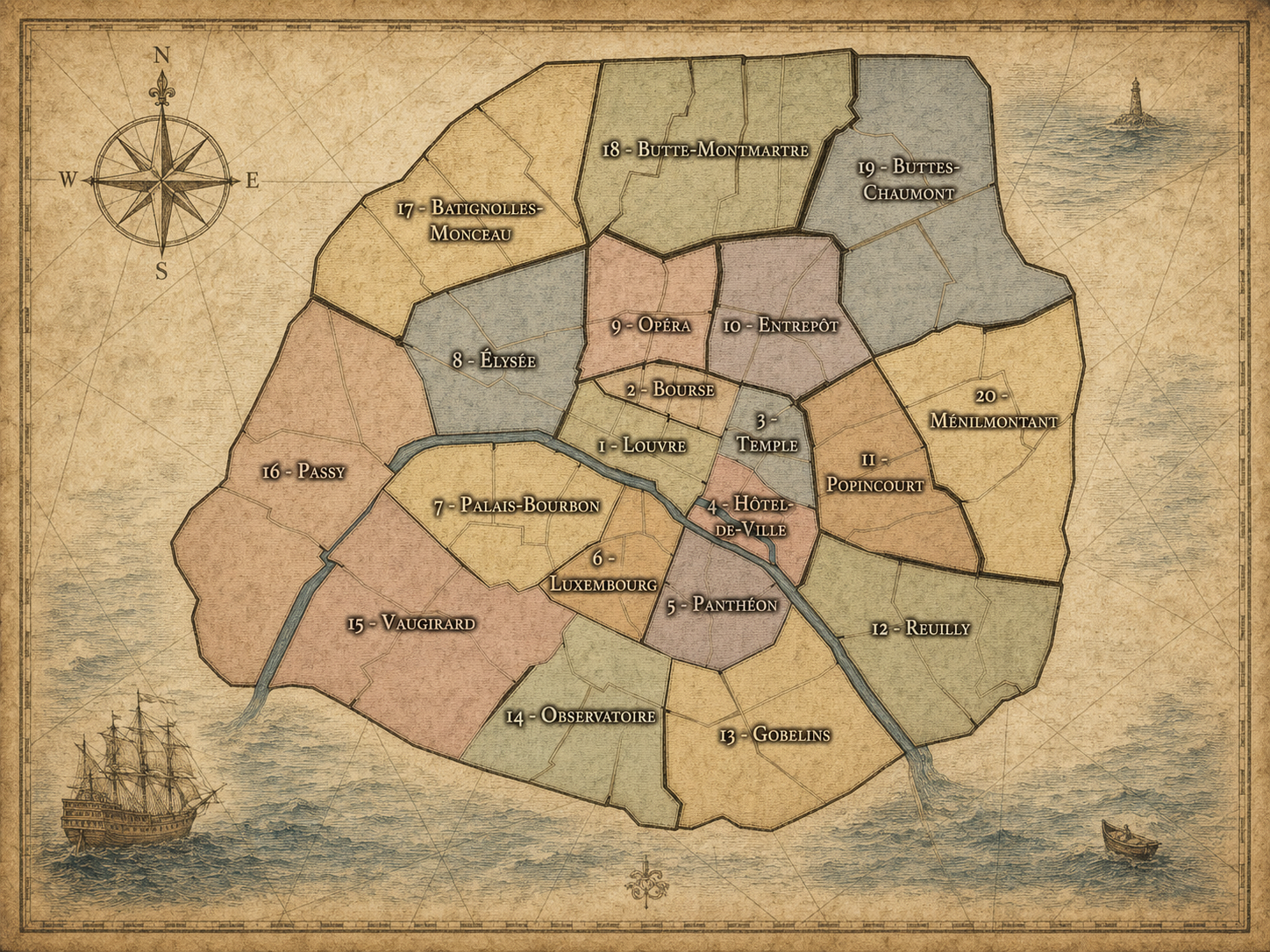
The Map
Geographic Setting
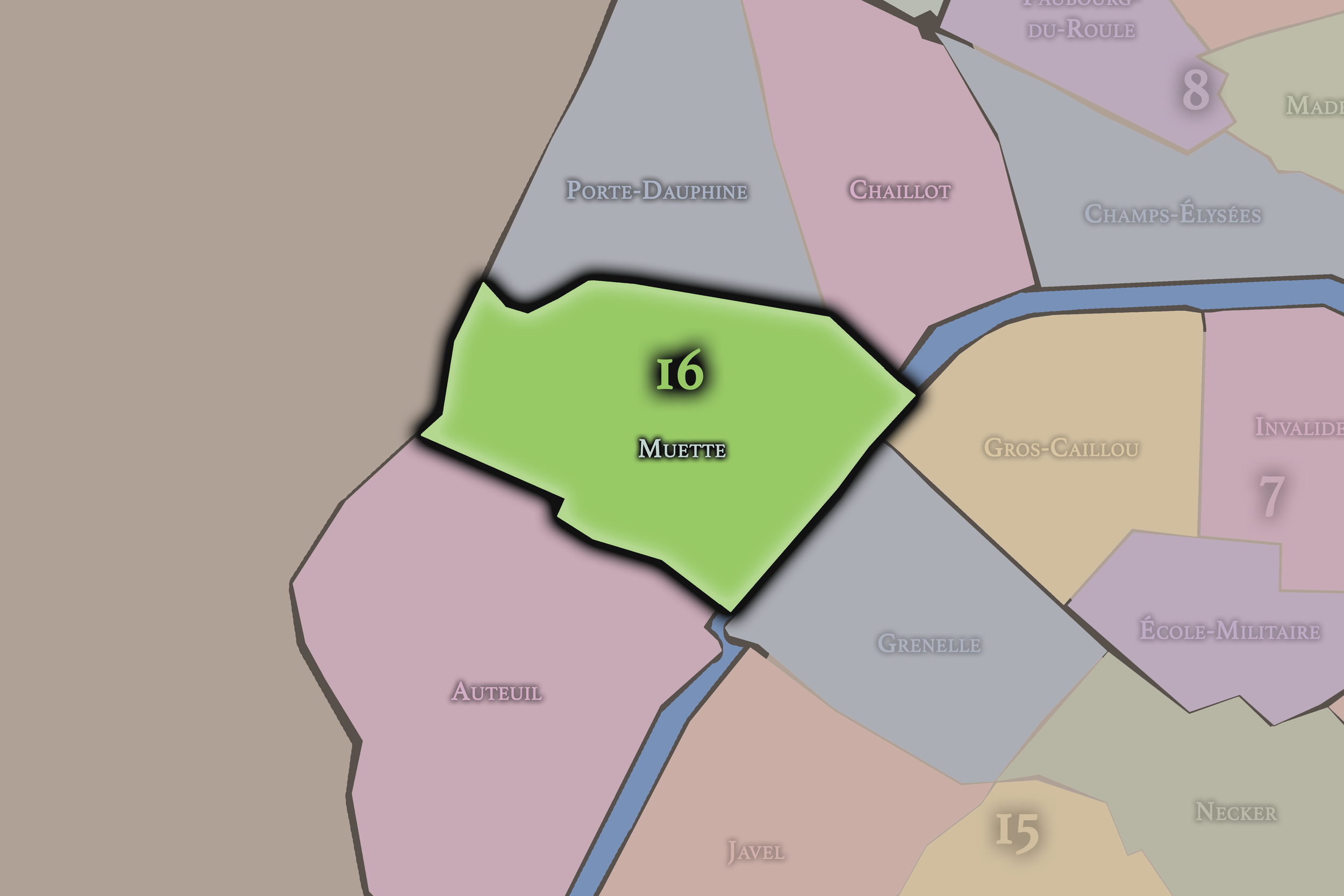
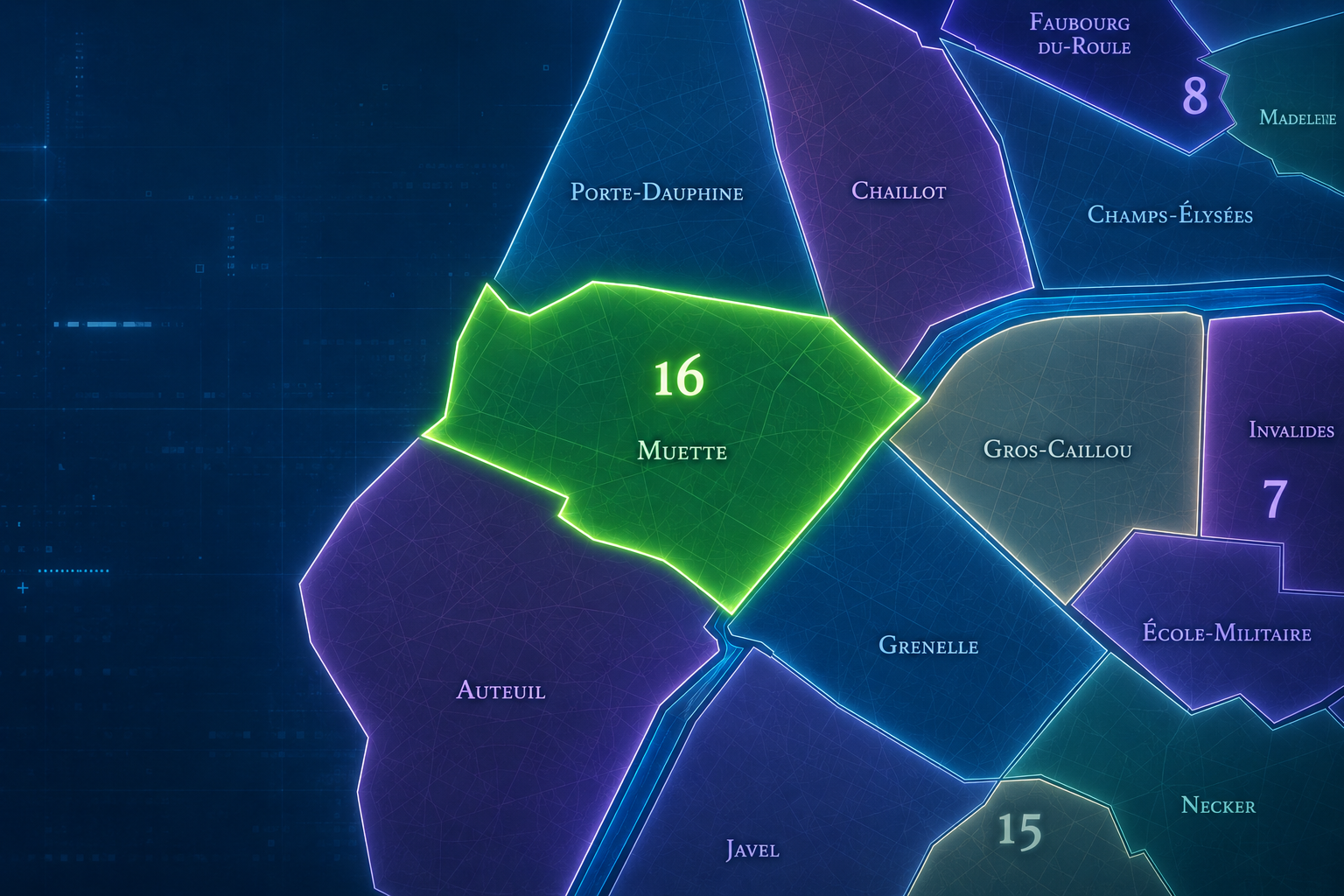
La Muette occupies the central-western portion of the 16th arrondissement, where the old village landscape of Passy meets the eastern edge of the Bois de Boulogne, the Ranelagh gardens, the OECD / Château de la Muette area, and the refined residential streets that stretch between Trocadéro, Auteuil, Porte-Dauphine, and the Seine. It lies west and northwest of Chaillot, north of Auteuil, south of Porte-Dauphine, and along the wooded edge that gives the western 16th its distinctive sense of air, space, and residential enclosure.
The quarter’s geography is shaped by Avenue Mozart, Rue de Passy, Chaussée de la Muette, Avenue Henri-Martin, Boulevard Suchet, Boulevard Émile-Augier, Rue de la Pompe, Avenue Ingres, Avenue Raphaël, Rue du Ranelagh, and the approaches to the Jardin du Ranelagh and the Bois de Boulogne. Its landscape includes some of western Paris’s most characteristic residential features: broad avenues, elegant apartment buildings, private streets, schools, gardens, embassies, cultural institutions, and quiet blocks that feel deliberately removed from the city’s heavier commercial and touristic pressures.
Unlike Chaillot, whose identity is monumental and outward-facing around Trocadéro and the Eiffel Tower view, or Auteuil, whose character is more village-like, green, and southern, La Muette is the 16th arrondissement as residential refinement and western composure. It is not without public landmarks, but its strongest atmosphere is one of cultivated privacy: garden edges, stone façades, diplomatic presence, discreet wealth, and the old Passy world transformed into one of Paris’s most prestigious residential quarters.
Administrative Quarter Identity
Etymology and Origins
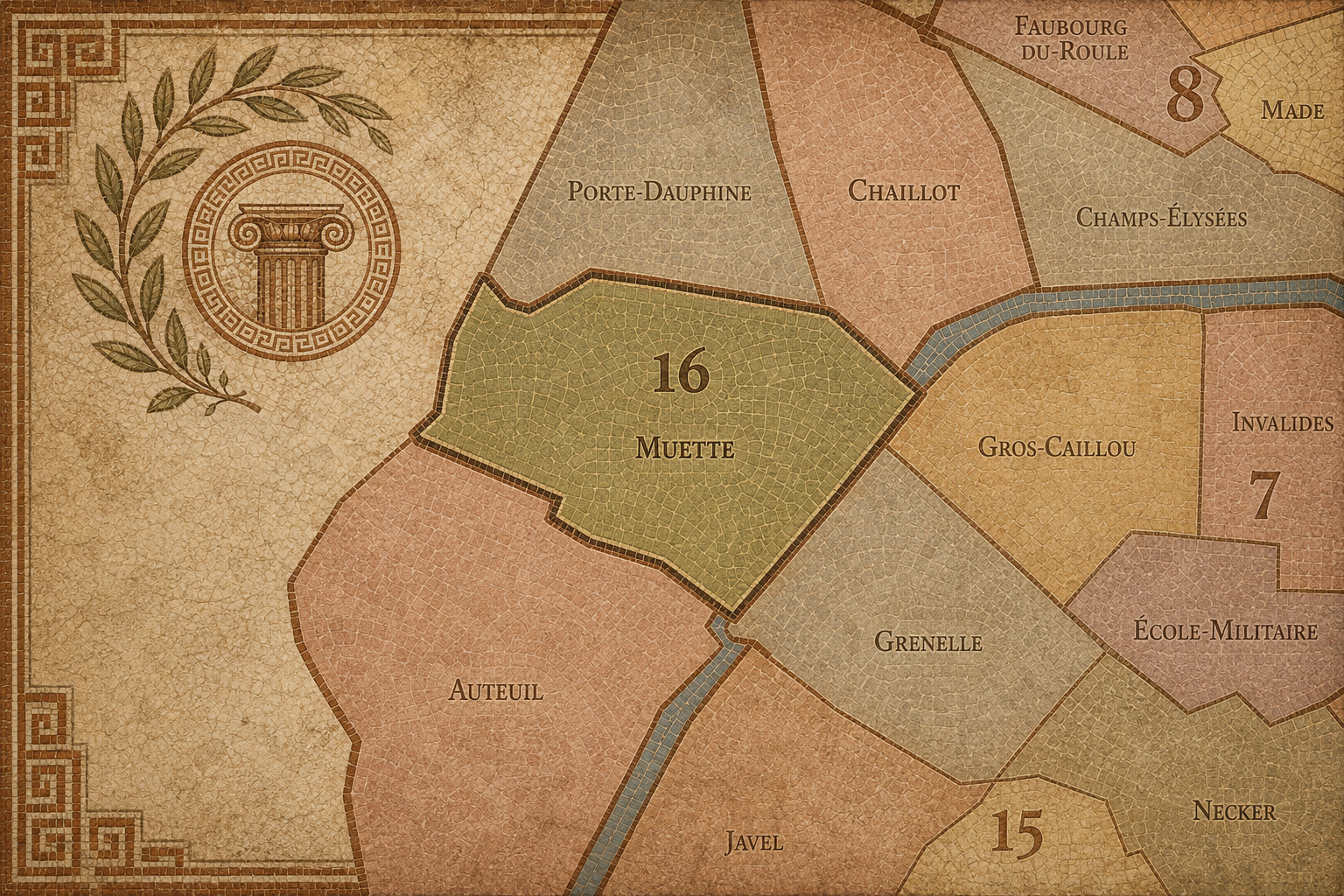
The name La Muette comes from the Château de la Muette, a royal hunting lodge and later château associated with the western edge of Paris and the Bois de Boulogne. The name is generally linked to the term used for the mew or enclosure of hunting birds, connecting the place to the aristocratic and royal hunting landscapes that once shaped the western outskirts of the city. Long before the quarter became a residential district, La Muette belonged to a geography of woods, game, retreat, and elite leisure.
This origin is important because La Muette is not named for a church, market, gate, or village center. It is named through the culture of retreat and hunt. The name preserves a time when this part of western Paris was not fully urban, but part of a landscape where royalty and aristocracy moved between city, château, forest, and country residence.
Over time, the name shifted from hunting lodge to quarter. The old royal association became attached to a broader residential and institutional district, especially through the Château de la Muette site and the surrounding Passy / Ranelagh landscape. The modern quarter’s name still carries that sense of seclusion: not wilderness, not suburb exactly, but a Parisian place shaped by the memory of withdrawal from the city’s intensity.
Civic Framework
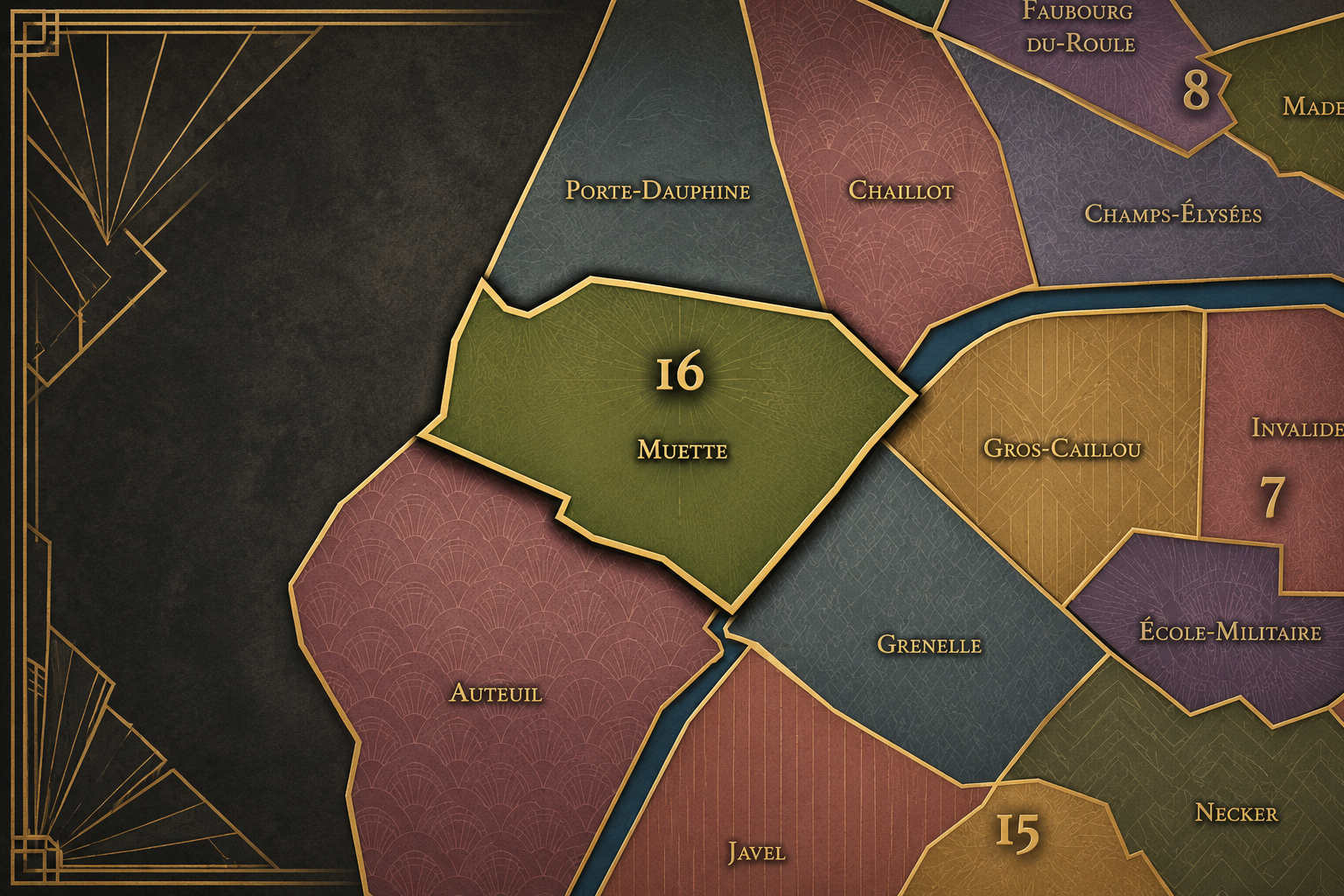
Within the official geography of Paris, La Muette is one of the four administrative quarters of the 16th arrondissement, alongside Auteuil, Chaillot, and Porte-Dauphine. It occupies the arrondissement’s central-western sector, giving civic shape to the area around Passy, Ranelagh, the eastern edge of the Bois de Boulogne, Avenue Henri-Martin, and the institutional landscape around the Château de la Muette.
As an administrative quarter, La Muette clarifies a district often described through other names: Passy, Ranelagh, Rue de Passy, OECD, Jardin du Ranelagh, Avenue Mozart, or the western 16th. Those names remain essential, but each captures only one part of the quarter. La Muette is the official frame that gathers the old château memory, Passy’s residential and commercial streets, Ranelagh’s gardened calm, and the Bois-facing western edge into one mapped civic unit.
This frame is especially useful because the 16th arrondissement is sometimes flattened into a single image of affluent western Paris. La Muette shows the need for more careful distinctions. It is not Chaillot’s ceremonial visibility, not Auteuil’s village retreat, and not Porte-Dauphine’s northern threshold. It is a quarter of Passy refinement, wooded proximity, institutional prestige, and residential discretion.
Neighborhood Distinction
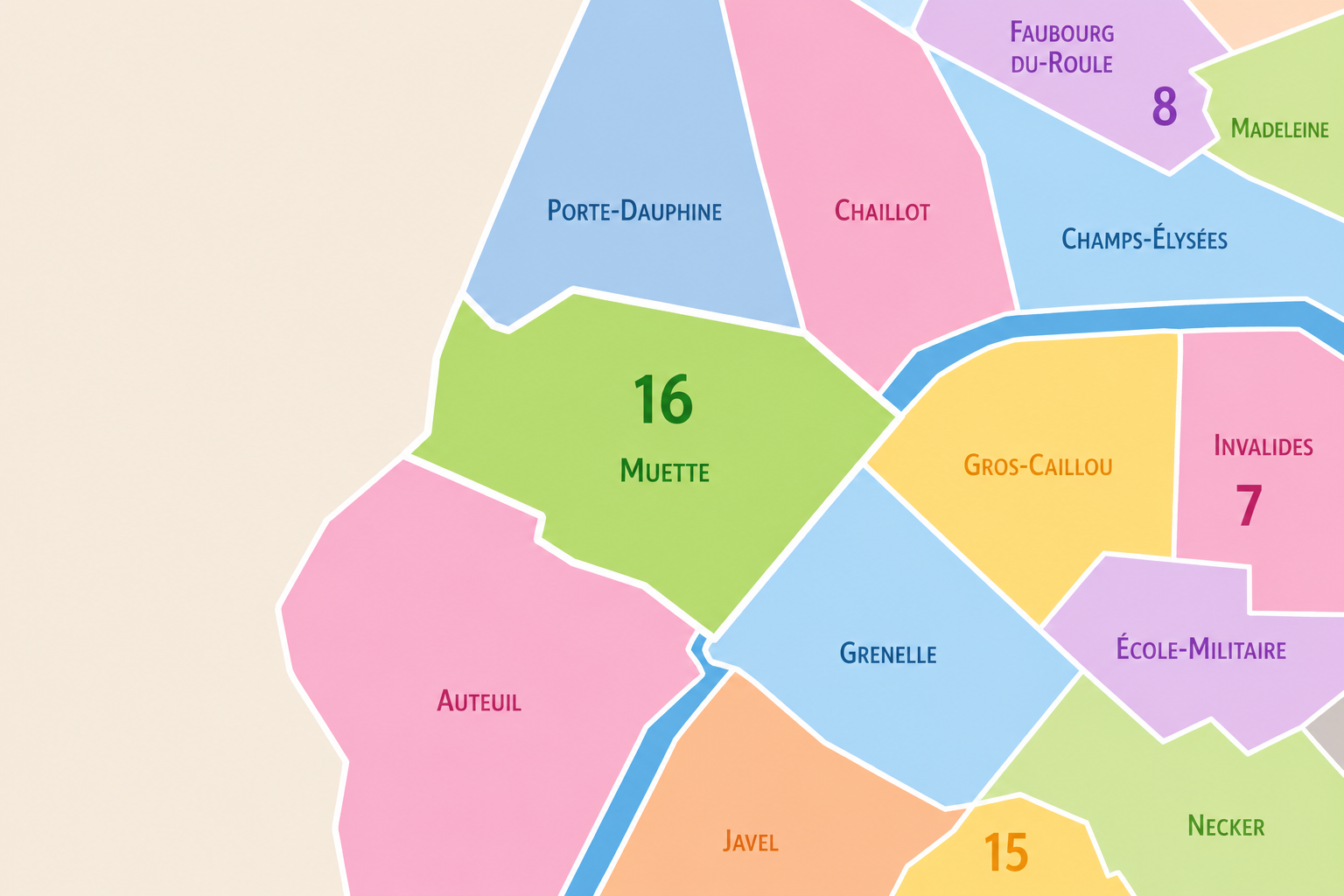
La Muette differs from the other quarters of the 16th arrondissement through its combination of Passy identity, Ranelagh garden atmosphere, Bois-facing residential life, and the institutional legacy of the Château de la Muette. Chaillot is the arrondissement’s great public face, shaped by Trocadéro, Palais de Chaillot, diplomatic avenues, and the Eiffel Tower view. Auteuil is more southern, village-like, and associated with villas, sports, the Serres d’Auteuil, and the quieter edge near Boulogne. Porte-Dauphine is more northern and threshold-oriented, linked to Avenue Foch, the Bois, the university edge, and the approach toward Neuilly.
La Muette is more centrally residential within the western 16th. Its distinction lies in the way it turns affluence into neighborhood atmosphere rather than spectacle. Rue de Passy provides commercial life and everyday movement, while the surrounding avenues and garden streets create a calmer, more enclosed world. Ranelagh gives the quarter a soft green identity; the Bois gives it an outer horizon; the château name gives it historical prestige.
It should also be distinguished from Passy. Passy is the older village and lived-cultural identity that extends across parts of the 16th, especially near Rue de Passy and the Seine-facing slopes. La Muette is the official administrative quarter that includes much of this world, but the two names operate differently. Passy is older, broader in feeling, and more village-commercial in memory. La Muette is the civic quarter and château-derived name that frames one of Passy’s most refined western landscapes.
Parisian Identity
La Muette expresses Paris as a city of cultivated privacy. It is one of the quarters where the capital’s density is softened by trees, large apartments, private institutions, schools, embassies, quiet streets, and the nearness of the Bois de Boulogne. The neighborhood is urban, but it carefully manages the feeling of urbanity. Its streets rarely feel accidental. They feel composed, buffered, and maintained.
This gives La Muette a Parisian identity based on restraint. The quarter is prestigious, but not theatrical in the same way as Chaillot. It is green, but not village-like in the same way as Auteuil. It is commercial in places, especially along Rue de Passy, but not defined by retail spectacle. It is a quarter where everyday life is shaped by access, address, education, residence, and discretion.
La Muette also reveals the layered western expansion of Paris. The old village of Passy, the royal hunting and château memory, the development of bourgeois apartment districts, the establishment of international institutions, and the preservation of green edges all meet here. In La Muette, Paris becomes less a city of public drama than a city of carefully held privilege, domestic continuity, and inherited landscape.
Neighborhood Connections
Every neighborhood belongs to a wider Parisian fabric.
-
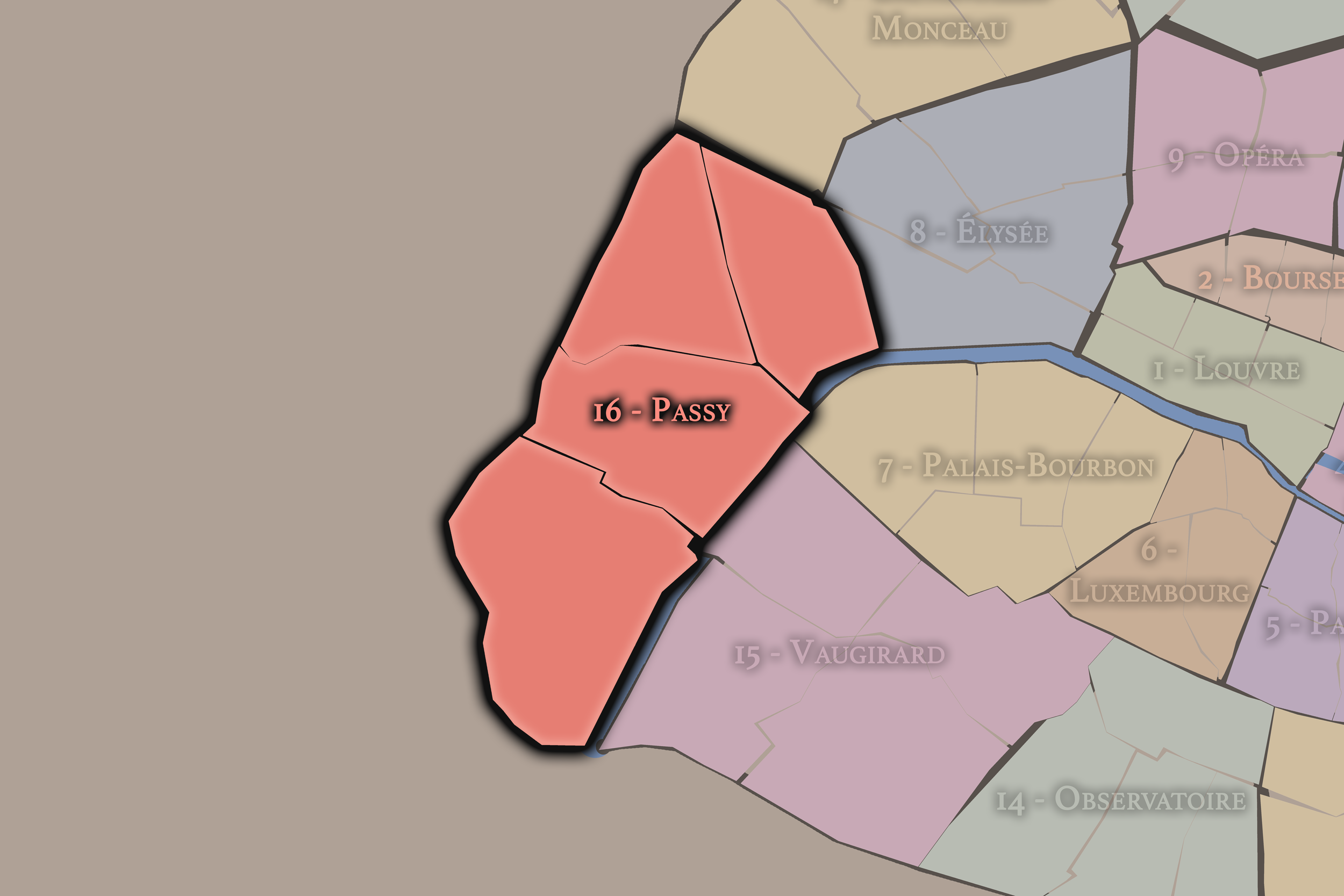
16e — Passy
-
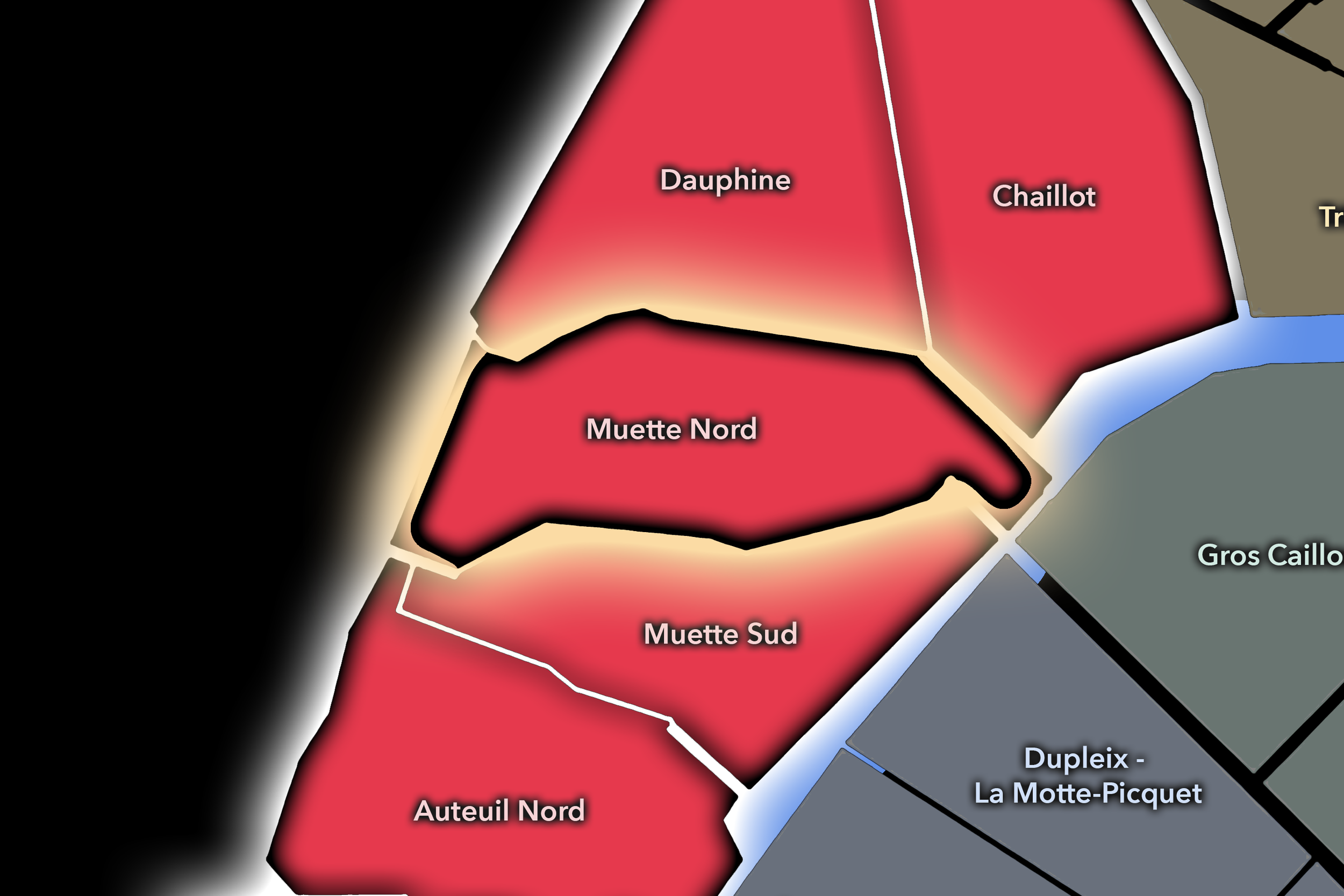
Muette Nord
-
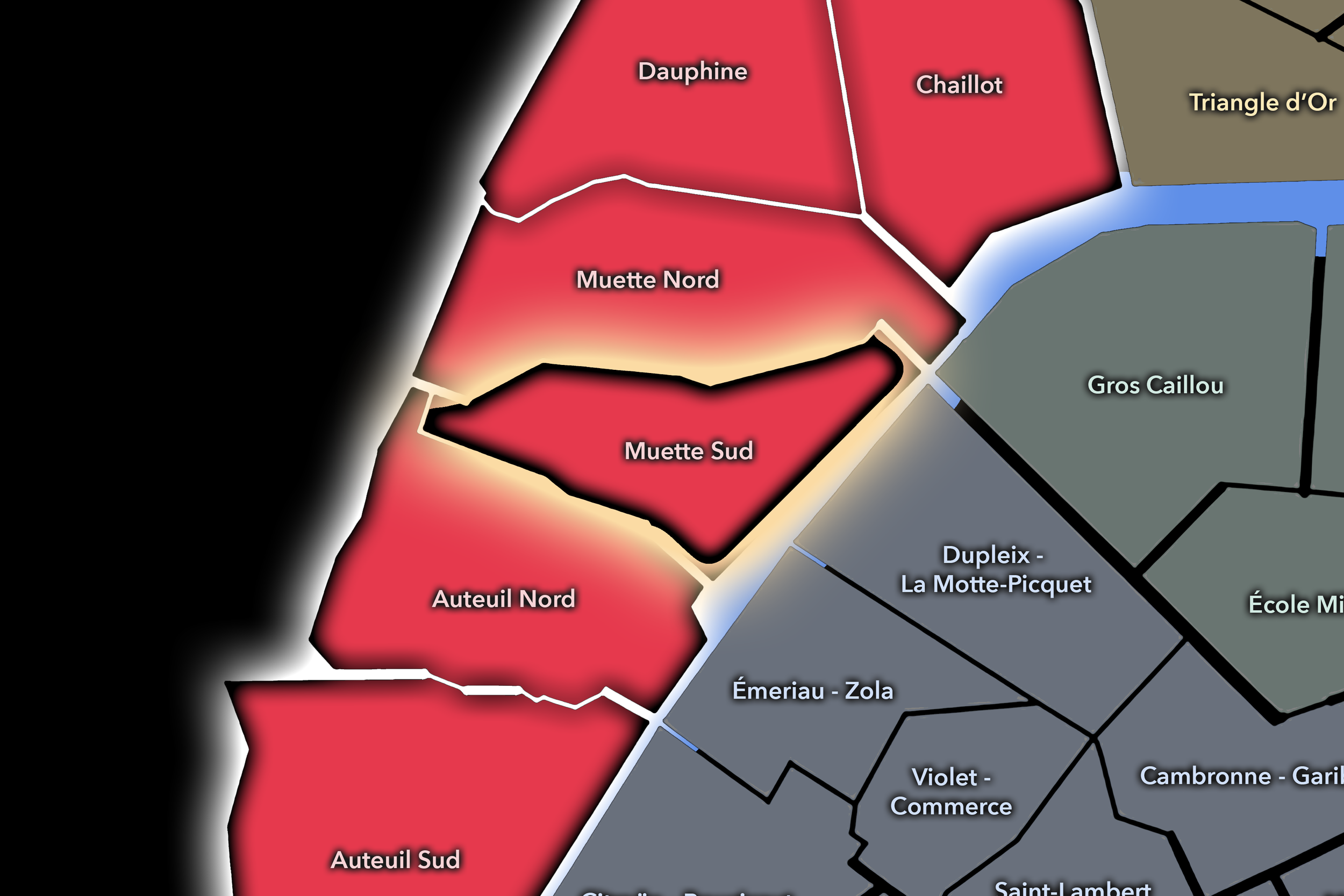
Muette Sud
-
Passy
-
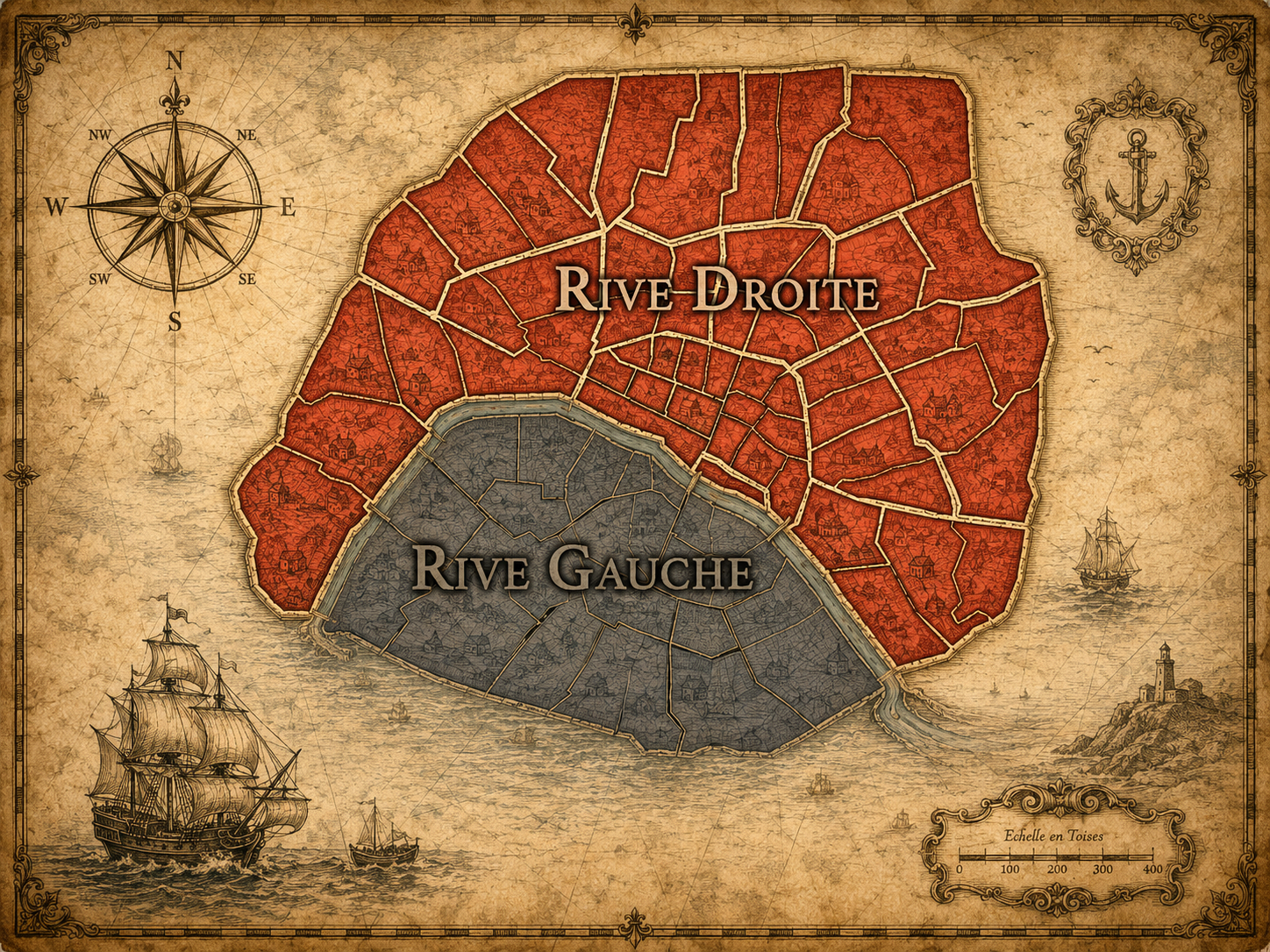
Rive Droite
The History
Origins
The origins of La Muette lie in the western outskirts of Paris, where the villages of Passy and Auteuil, the Bois de Boulogne, the Seine slopes, and royal hunting landscapes formed a world beyond the older city. Before the modern 16th arrondissement existed, this area was not dense Paris, but a semi-rural and aristocratic edge shaped by woods, estates, gardens, roads, and country residences.
The Château de la Muette gave the area its defining early name and social meaning. Its association with hunting and royal retreat placed the future quarter within the geography of elite leisure. The western woods were not simply nature; they were managed landscapes of power, movement, recreation, and display. La Muette began as part of that world.
Its origin story is therefore one of retreat before residence. The area became desirable because it offered distance from the center while remaining connected to the city. That balance — apart, but not remote — would remain central to the quarter’s identity even after annexation into Paris.
16th–17th Century
In the 16th and 17th centuries, the future La Muette quarter belonged to the western landscape beyond Paris, associated with Passy, the Bois de Boulogne, estates, gardens, and royal or aristocratic retreat. It was close to the capital, but not absorbed into its dense urban fabric. The woods and slopes created a different kind of space: greener, quieter, and more socially selective.
The Château de la Muette and its associated grounds helped establish the area’s elite identity. Hunting, country residence, and movement between the city and its western outskirts gave the place a role in the social geography of power. The quarter’s later refinement has roots in this early association with controlled withdrawal from the city.
During this period, La Muette was not yet a neighborhood in the modern sense. It was a named estate landscape within the wider Passy and Bois geography. But the essential pattern was already visible: western Paris as a place where the city’s powerful could seek air, space, and separation while remaining close to the capital.
18th Century
In the 18th century, La Muette became more deeply associated with aristocratic and royal residence, scientific curiosity, and western Parisian retreat. The Château de la Muette remained an important site, and the surrounding Passy landscape attracted people who valued its relative calm, gardens, views, and proximity to the city without the crowding of the center.
This period also strengthened Passy’s identity as a desirable village outside Paris. The area drew writers, diplomats, scientists, aristocrats, and wealthy residents who could enjoy a quieter life near the capital. La Muette belonged to this refined outer world: not countryside in the remote sense, but a cultivated margin where social and intellectual life could unfold away from the densest city.
The French Revolution disrupted royal and aristocratic property across the western outskirts. Estates, châteaux, and social hierarchies were transformed, but the attractiveness of the landscape remained. La Muette entered the modern era with its old regime associations altered, but not erased.
19th Century
The 19th century transformed La Muette from outer retreat into Parisian quarter. In 1860, Passy, Auteuil, and Chaillot were incorporated into Paris as part of the modern 16th arrondissement. This annexation brought the former village and château landscapes into the administrative city, but it did not eliminate their atmosphere of distinction. Instead, the area became one of the most desirable residential sectors of the expanding capital.
The development of broad avenues, apartment buildings, villas, schools, and gardened residential streets gave La Muette much of its modern urban form. The Bois de Boulogne, remade under Napoleon III as one of Paris’s great public parks, reinforced the quarter’s relationship to greenery and western leisure. The nearby Jardin du Ranelagh became another important landscape of refined public recreation.
Passy’s commercial and residential life also strengthened during this period. Rue de Passy became a local spine, linking everyday shopping and neighborhood life to the broader prestige of the western 16th. La Muette became Parisian not by losing its older separateness, but by converting that separateness into residential value.
Early–Mid 20th Century
In the early and mid 20th century, La Muette consolidated its identity as one of the most refined residential quarters of Paris. Large apartments, private schools, embassies, cultural institutions, and quiet streets gave the area a reputation for stability and privilege. The quarter’s atmosphere was shaped by controlled urbanity: close to central Paris, but insulated by wealth, greenery, and social continuity.
The Château de la Muette site gained new institutional significance in the 20th century. The modern château became associated with international economic and diplomatic functions, later housing the Organisation for Economic Co-operation and Development. This added a global institutional layer to a quarter already shaped by elite residence and historical prestige.
During the wars and upheavals of the early and mid 20th century, the western 16th carried complicated histories of occupation, privilege, displacement, and continuity. La Muette’s calm streets were not outside history, even when they appeared removed from its more visible turbulence. Like much of western Paris, the quarter’s quiet façades could conceal intense social and political change.
Late 20th Century
In the late 20th century, La Muette remained one of Paris’s clearest landscapes of bourgeois residential continuity. While other parts of the city underwent industrial decline, nightlife transformation, or major redevelopment, La Muette changed more subtly. Its identity rested on property values, schools, family residence, diplomatic presence, commercial refinement, and access to the Bois.
The quarter’s association with the OECD and other international institutions gave it an added layer of global importance. This was not the internationalism of tourist crowds or immigrant commercial streets, but the internationalism of diplomacy, policy, economics, and high-level institutional presence. La Muette became one of the places where global governance entered the residential fabric of Paris.
At the same time, the broader phrase “Auteuil-Neuilly-Passy” helped fix the social image of this part of western Paris in popular culture. La Muette, closely tied to Passy and the Bois edge, belonged to that imagination of affluence, conservatism, family life, private education, and discreet status. The quarter became both a real neighborhood and a social symbol.
21st Century
In the 21st century, La Muette remains one of the most stable and prestigious quarters of Paris. Its identity is shaped by Passy commerce, Ranelagh greenery, the Bois de Boulogne edge, large residences, schools, embassies, international institutions, and a street life that is active but carefully restrained. It is not a district of dramatic reinvention; its power lies in continuity.
Today, the quarter’s position within Paris is especially revealing. It is highly urban, but it maintains a sense of distance from the more compressed and tourist-heavy parts of the city. It is deeply Parisian, yet its proximity to the Bois and its quiet avenues give it an atmosphere almost closer to a gardened western enclave. La Muette remains one of the quarters where Paris protects space, silence, and address as forms of value.
For CityNeighborhoods: Paris, La Muette is essential because it shows how an administrative quarter can preserve the old western logic of retreat inside the modern capital. Its story moves from hunting lodge and village edge to bourgeois residence and international institution. It is not only a wealthy neighborhood. It is a quarter where the historical geography of privilege can be read through landscape, naming, and urban form.
Spirit and Legacy
La Muette is the quarter where western Paris turns retreat into residence. Its spirit is wooded, discreet, composed, and quietly powerful. It belongs to the old château name and the Passy village memory, to Ranelagh paths and Bois de Boulogne edges, to elegant avenues and guarded entrances, to schools, embassies, apartments, and the institutional calm of the western city.
Its legacy is the transformation of royal and village outskirts into one of Paris’s most cultivated residential landscapes. Hunting grounds became gardens. Village roads became prestigious streets. A château name became an administrative quarter. International institutions entered a district already defined by refinement, privacy, and controlled visibility.
To walk La Muette is to encounter Paris as restraint. The quarter does not seek the spectacle of Chaillot or the village charm of Auteuil. It offers a quieter grammar: trees, façades, gates, schools, gardens, and the soft pressure of inherited status. In La Muette, neighborhood identity becomes composed distance — Paris close at hand, but held behind a screen of green, stone, and discretion.
The Photography
Visual Identity
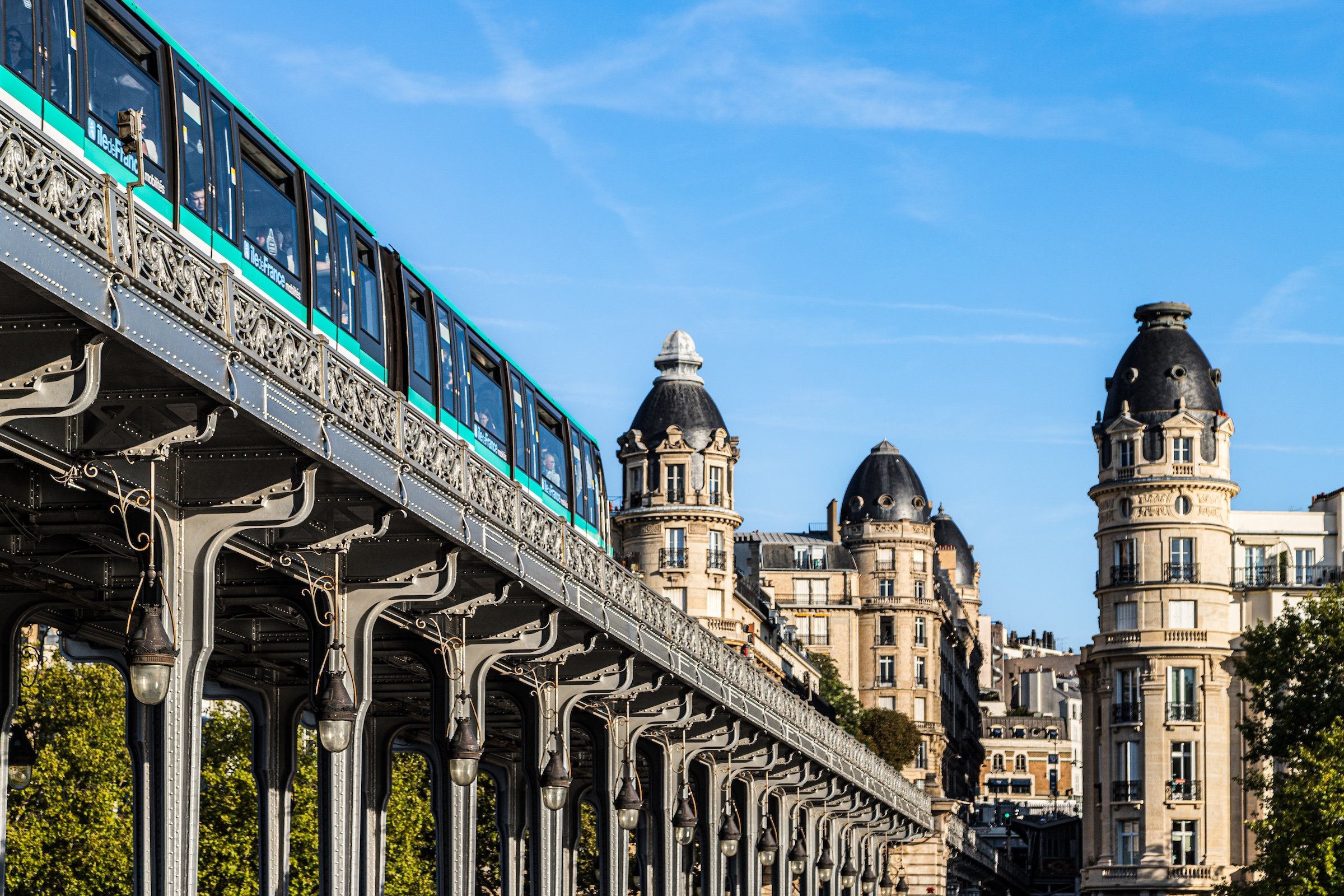
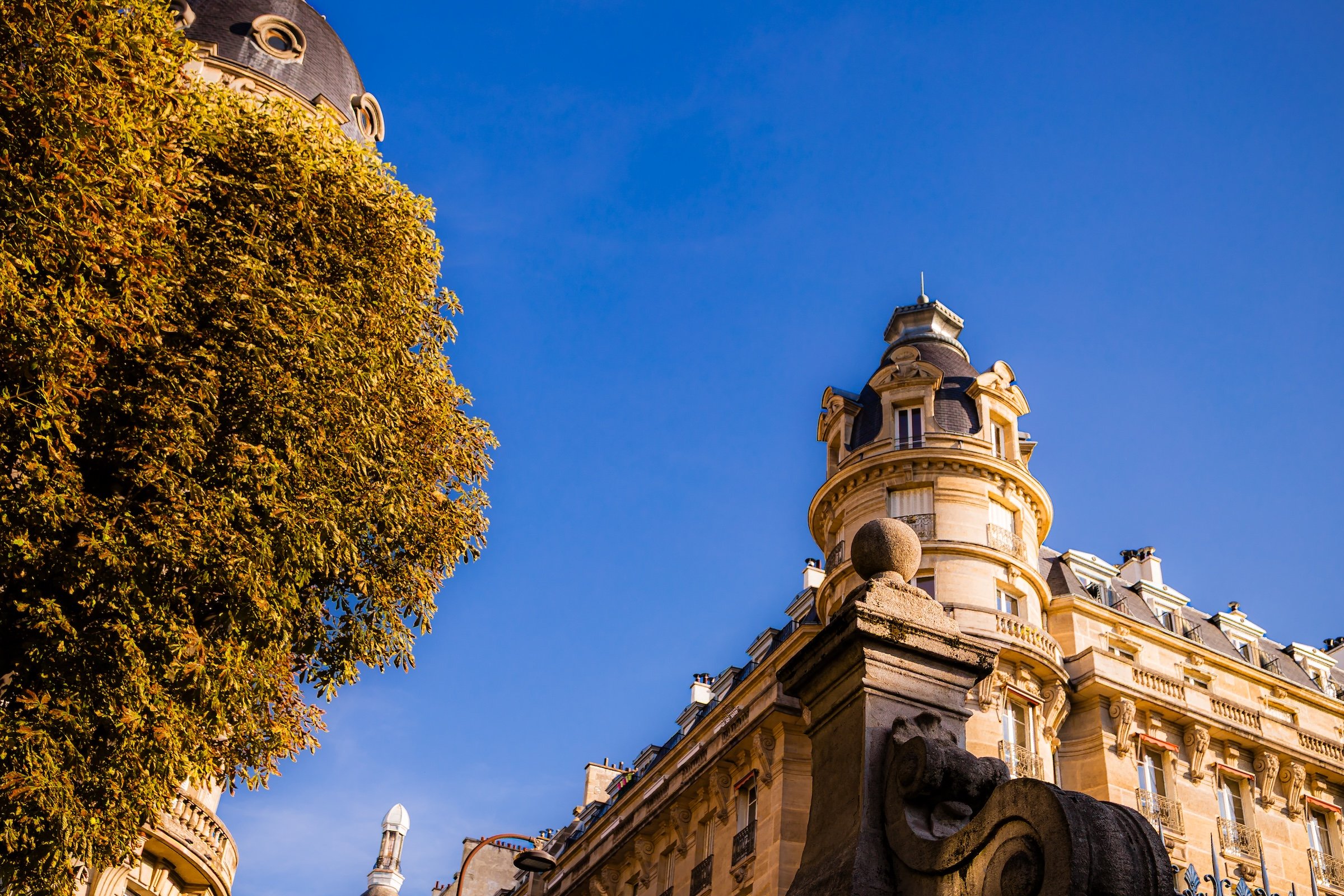
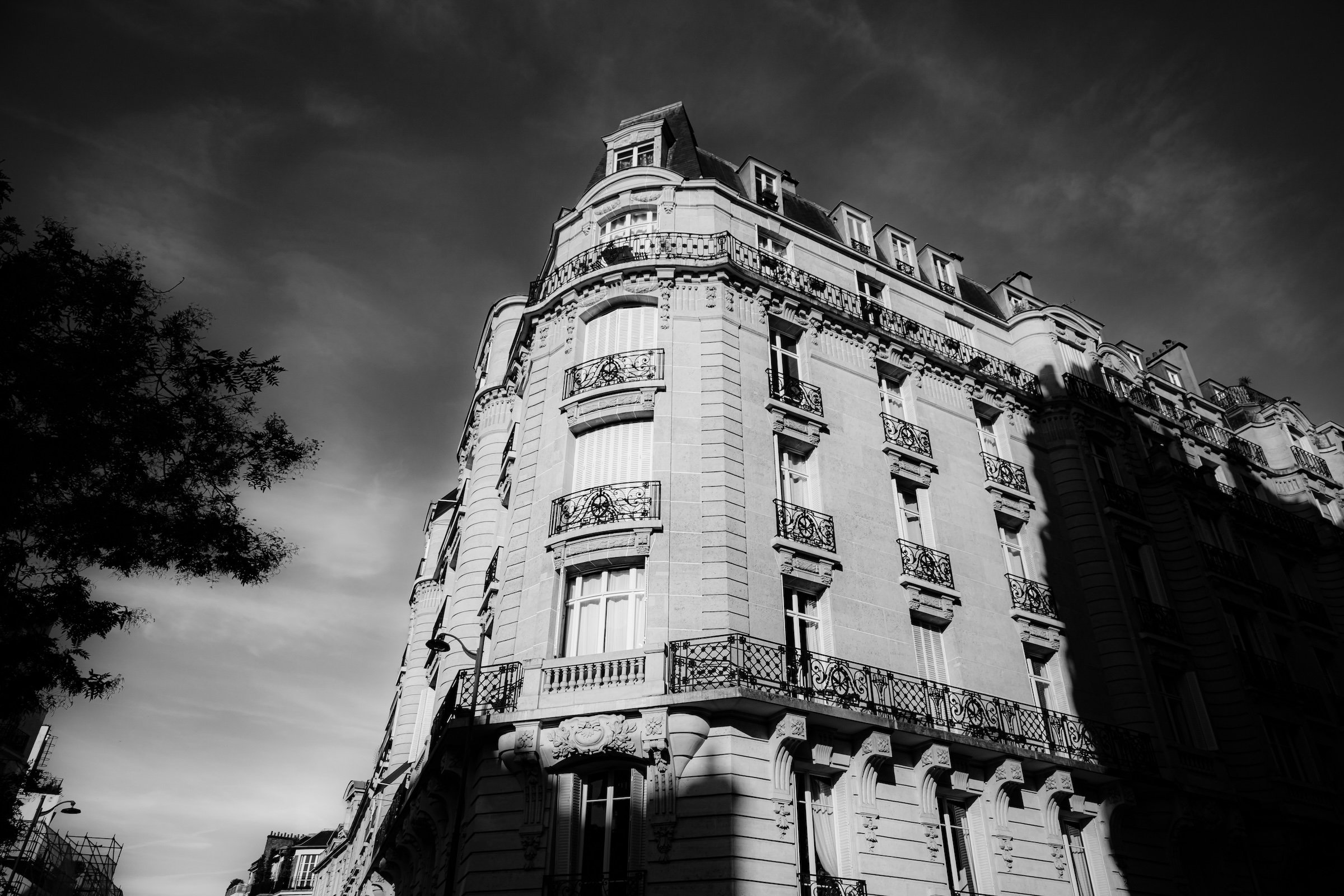
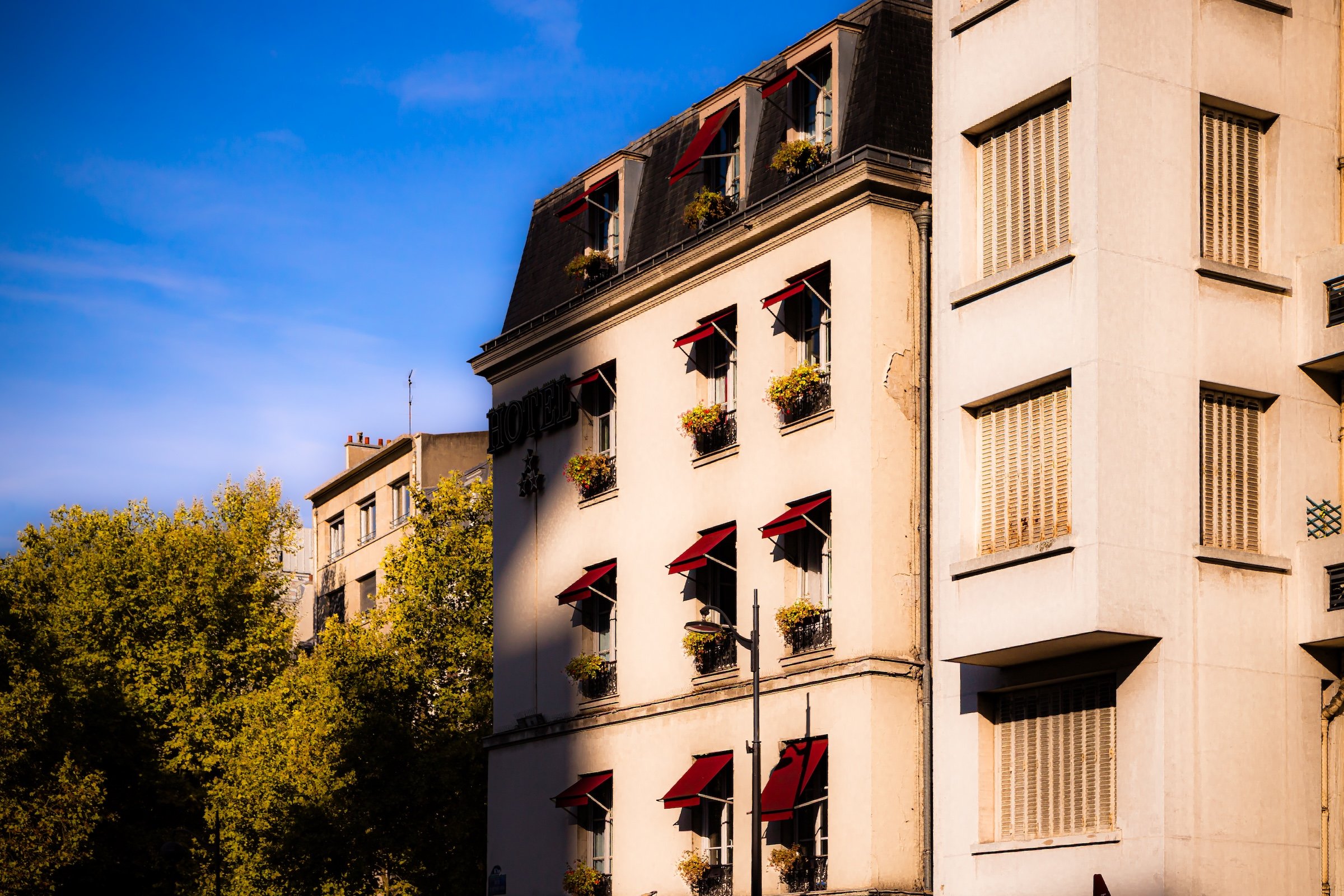
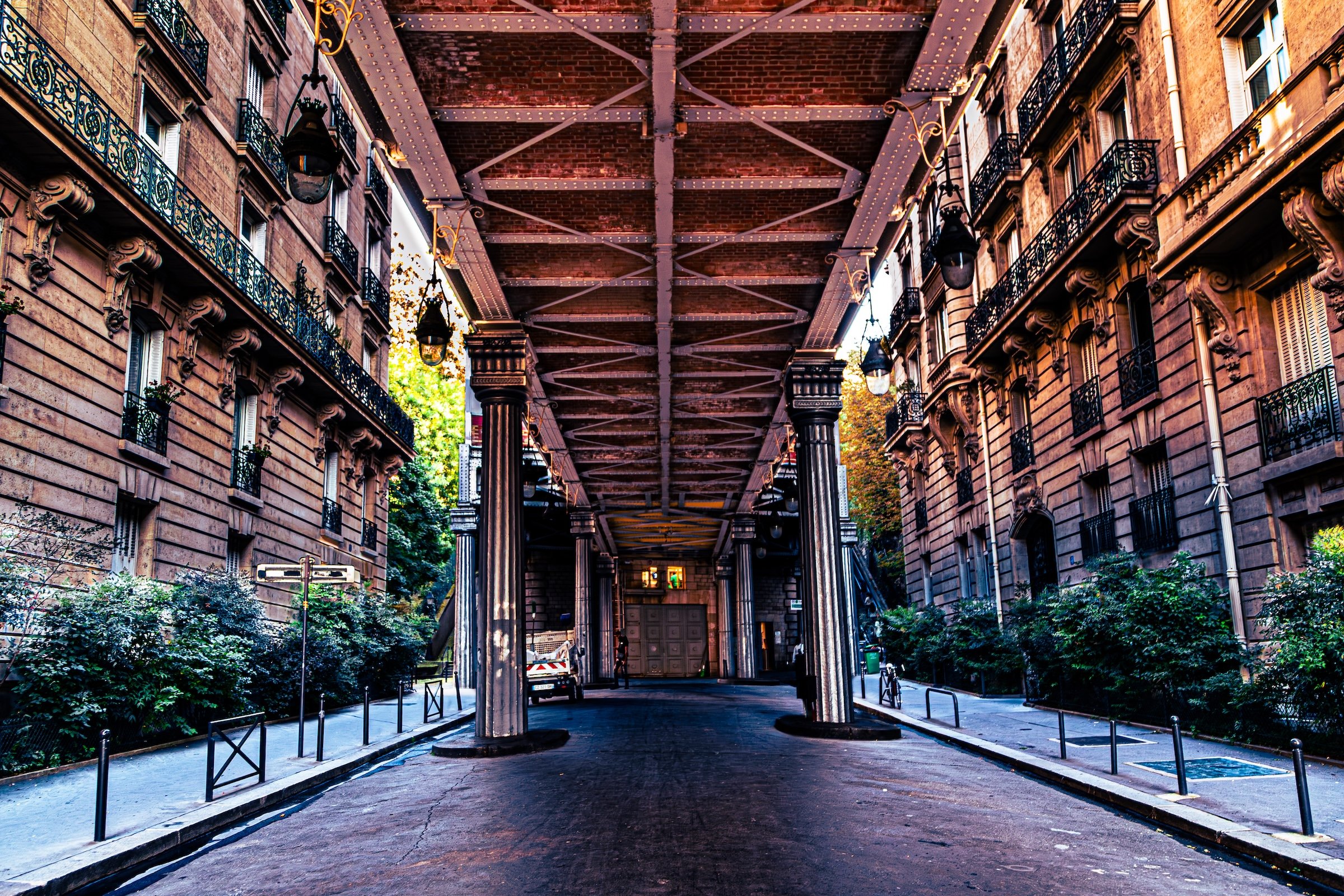
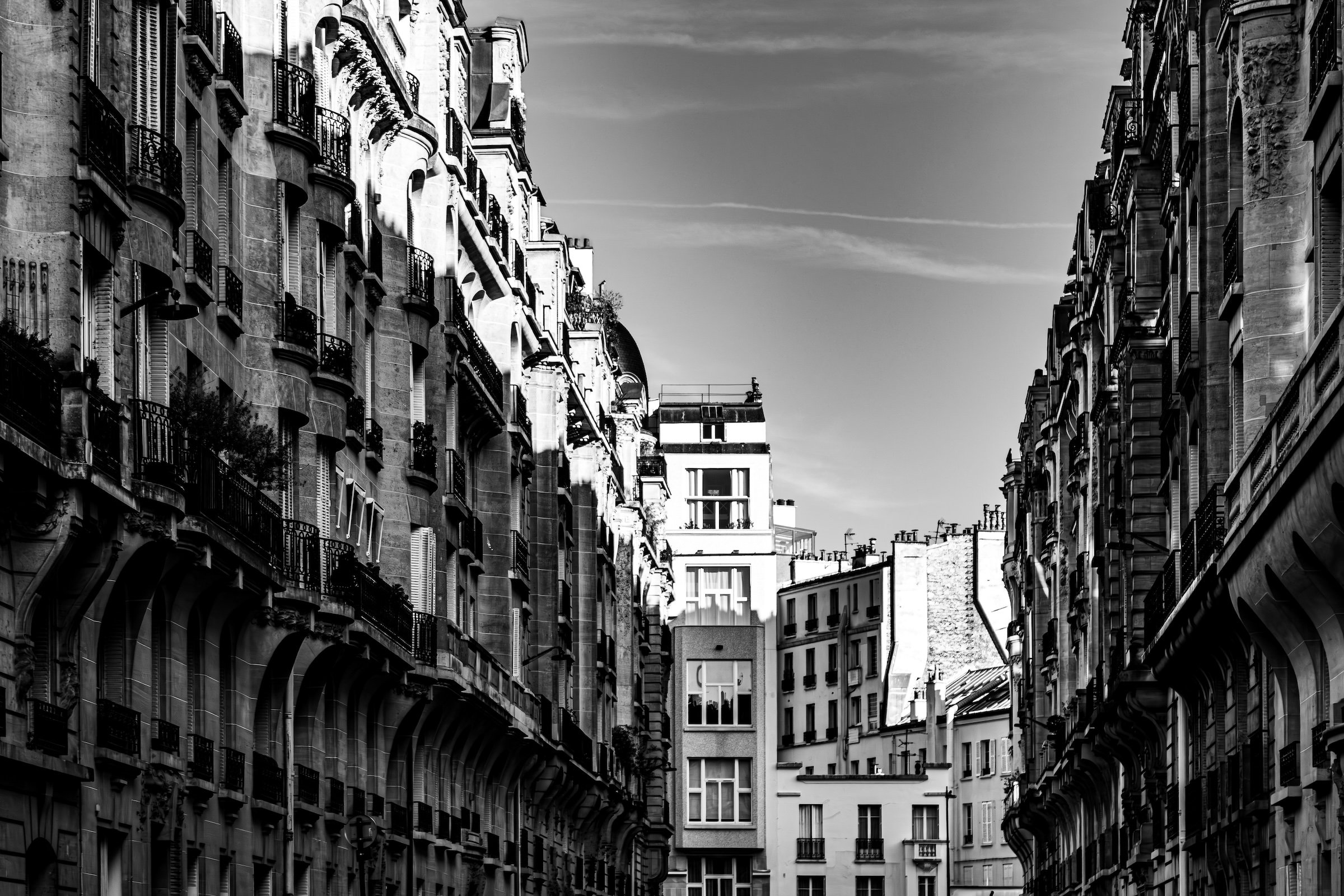
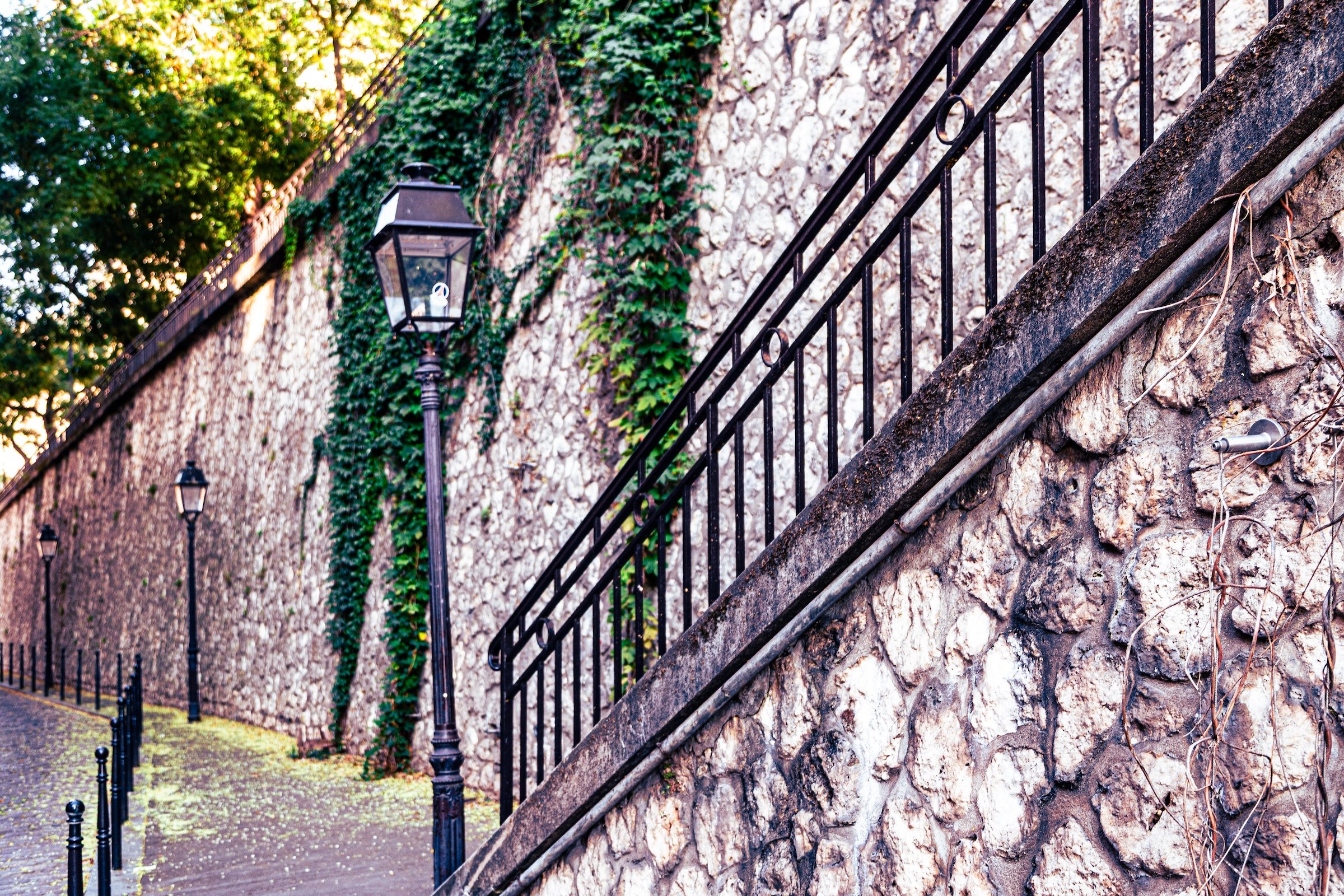
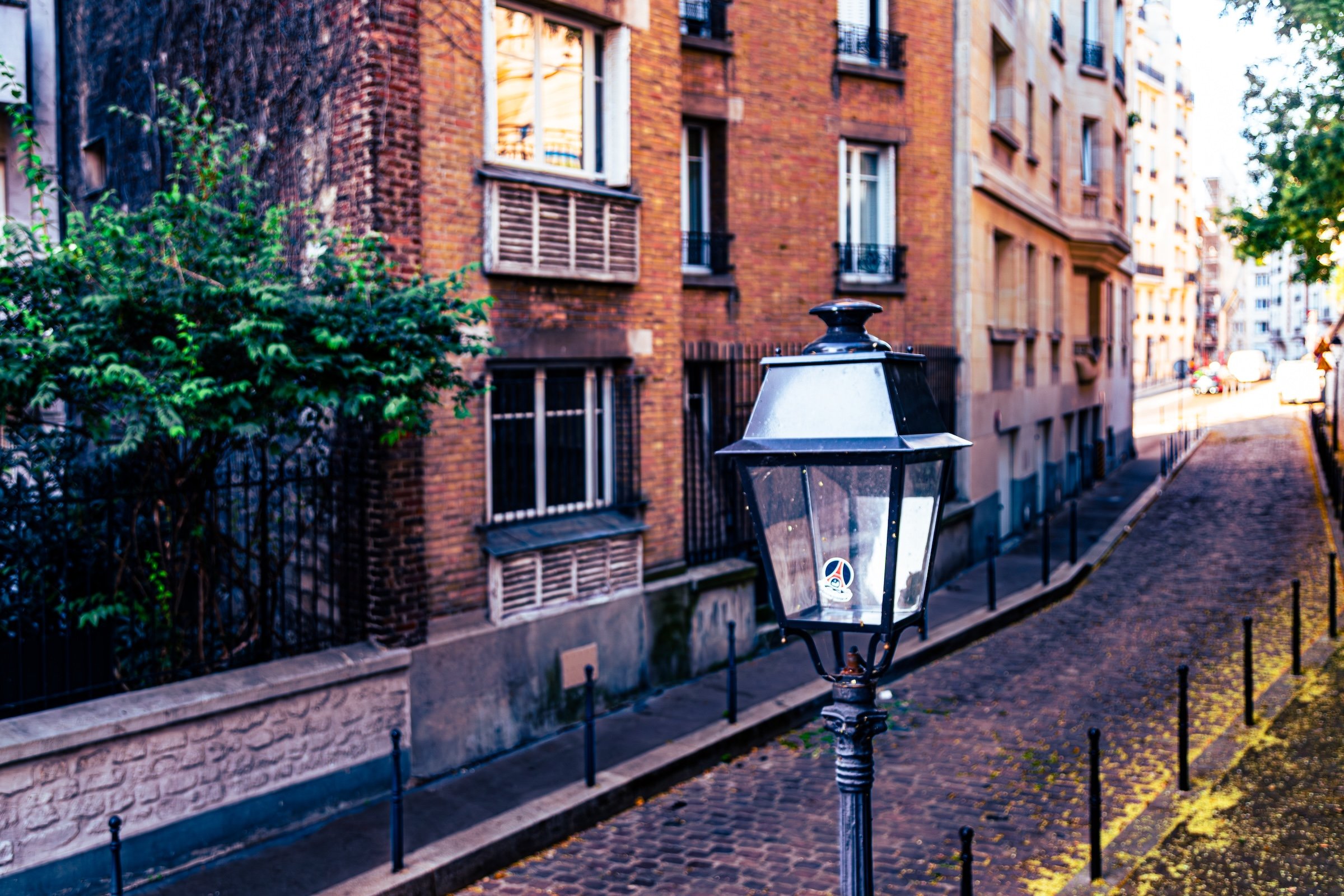
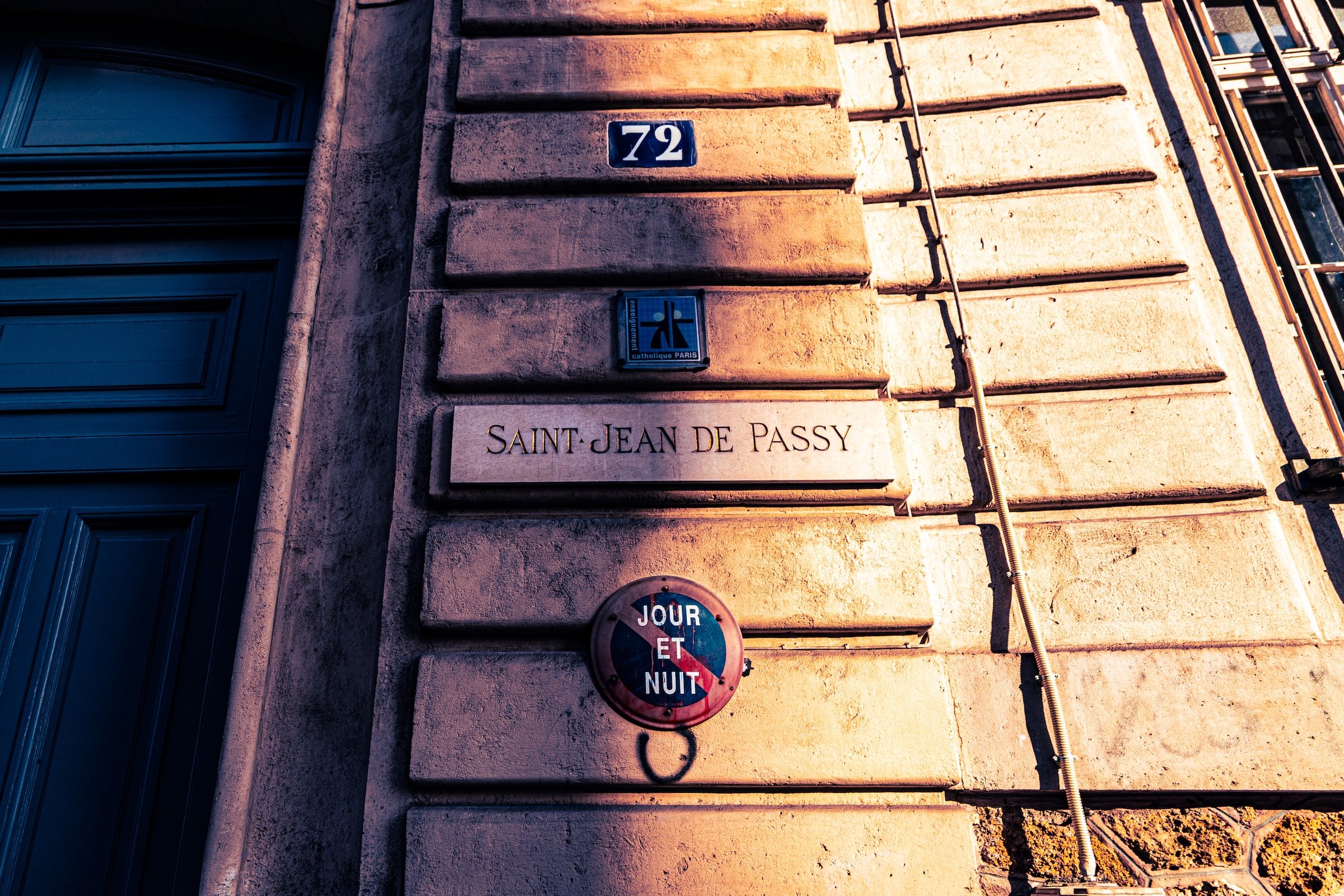
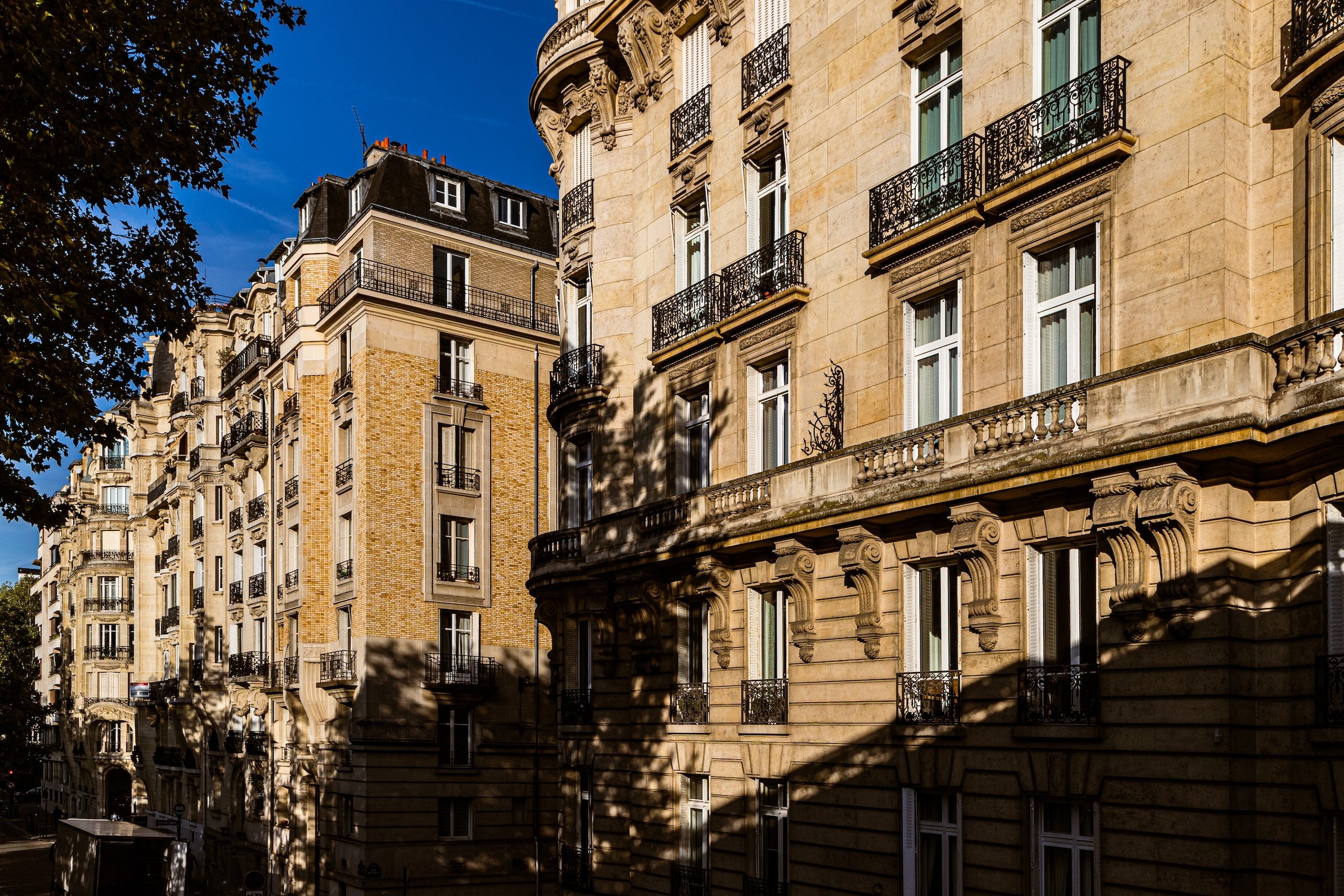
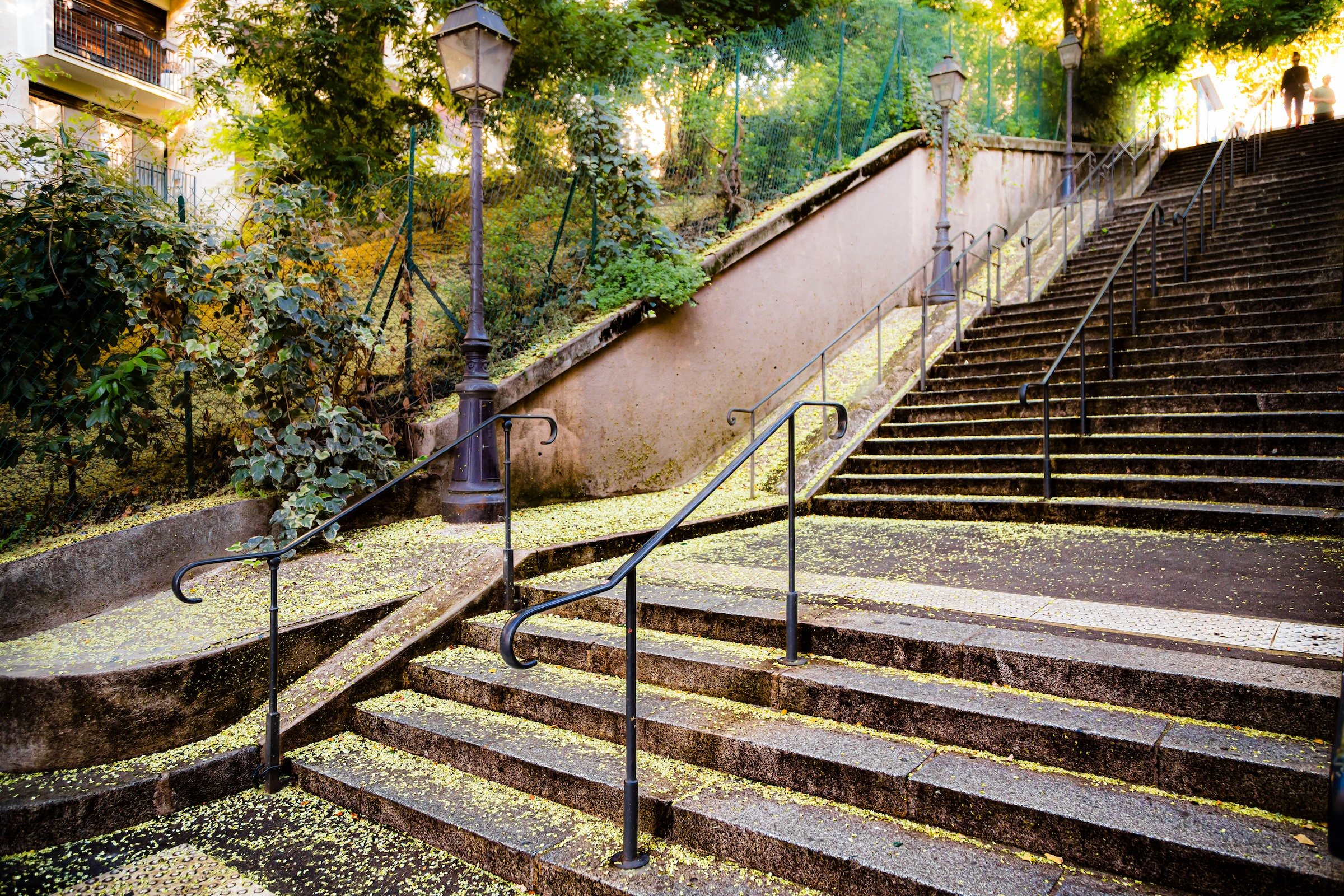
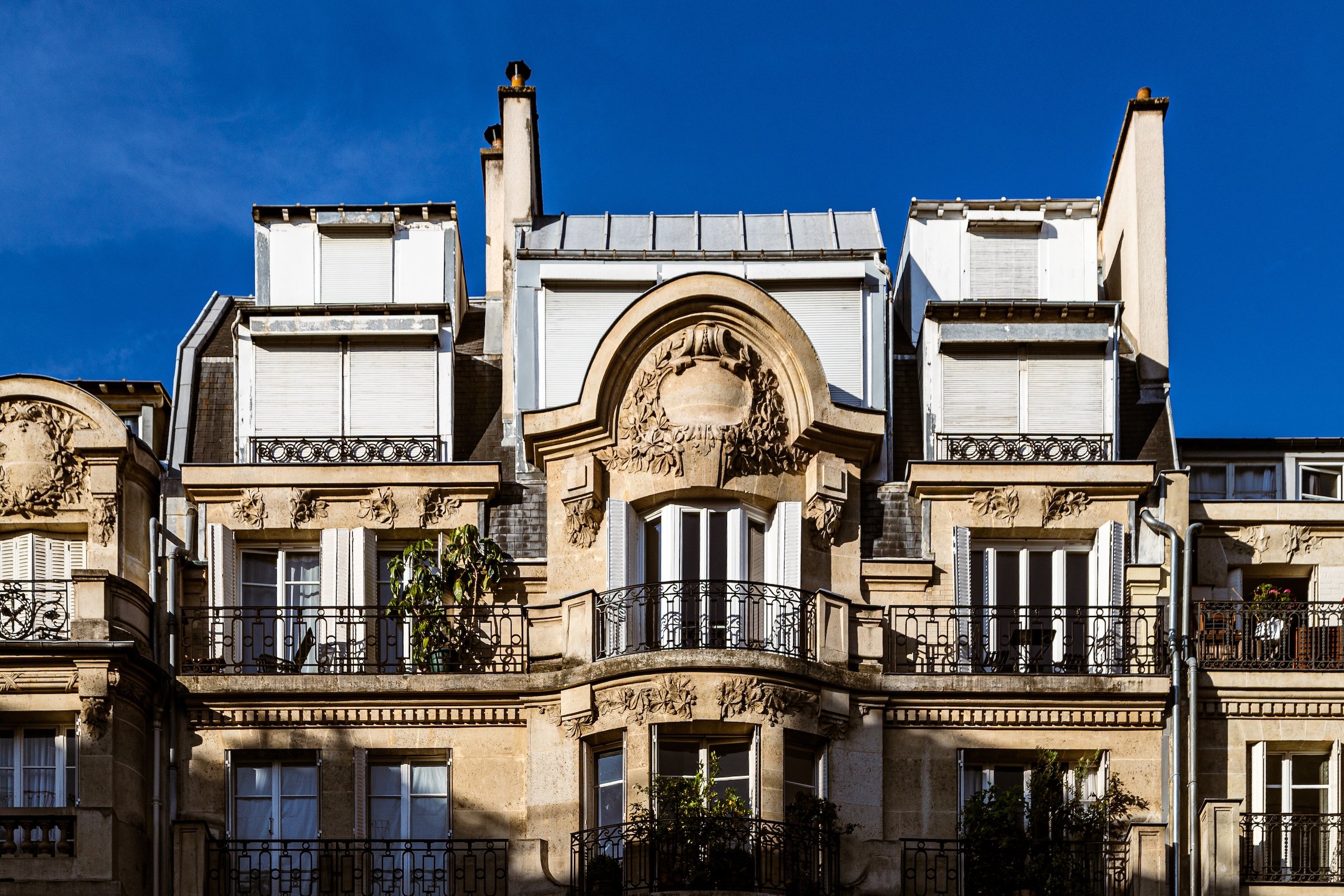
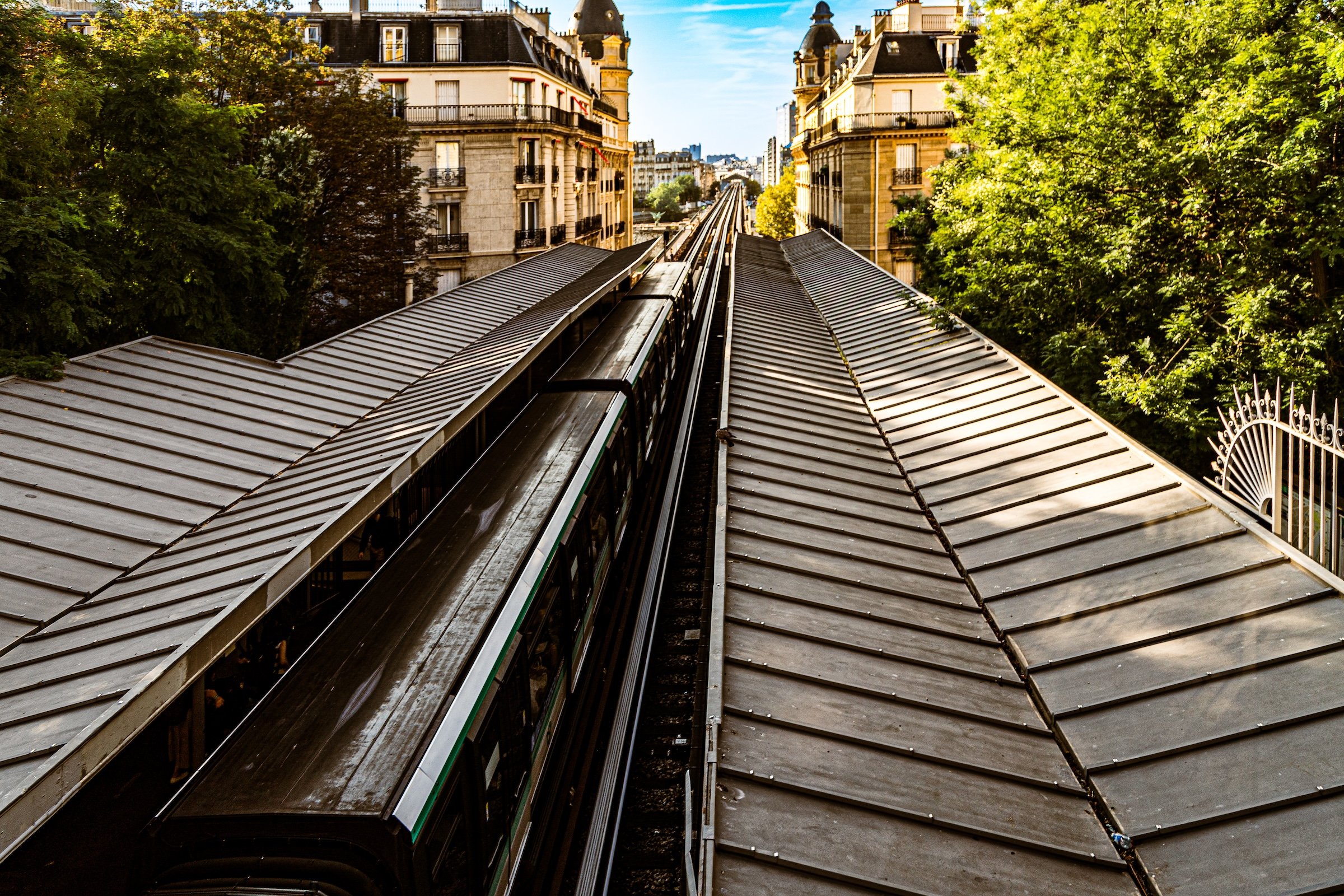
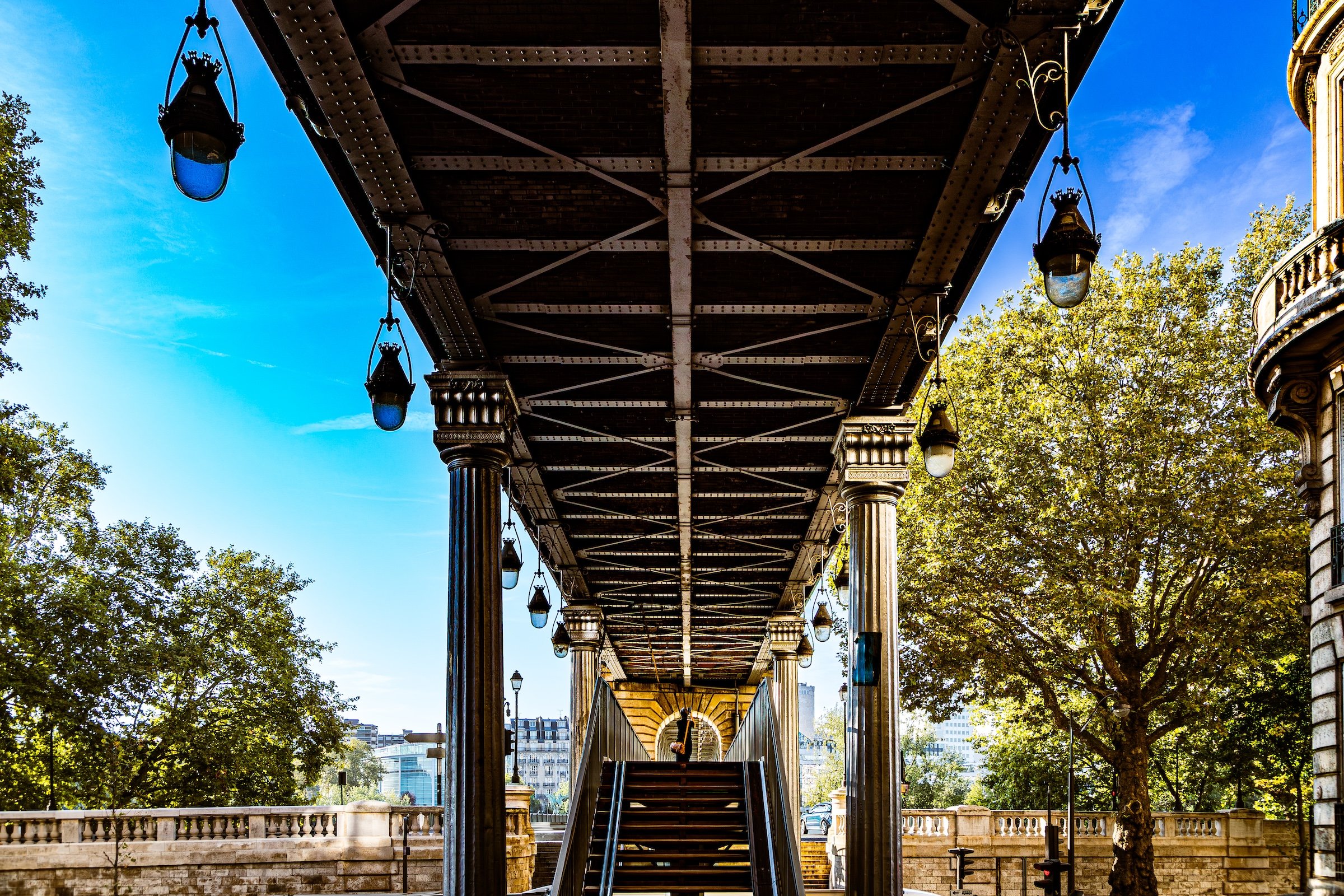
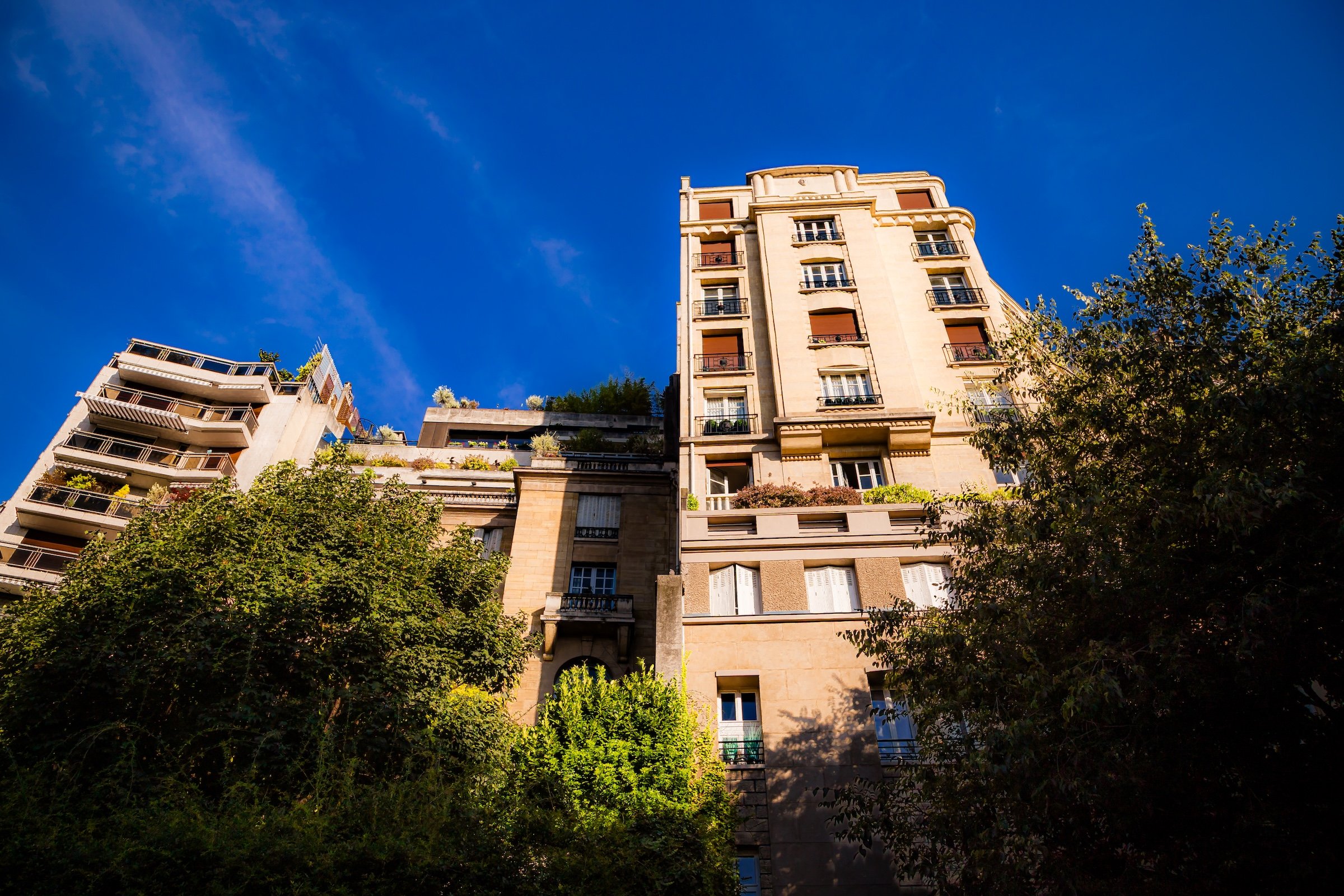
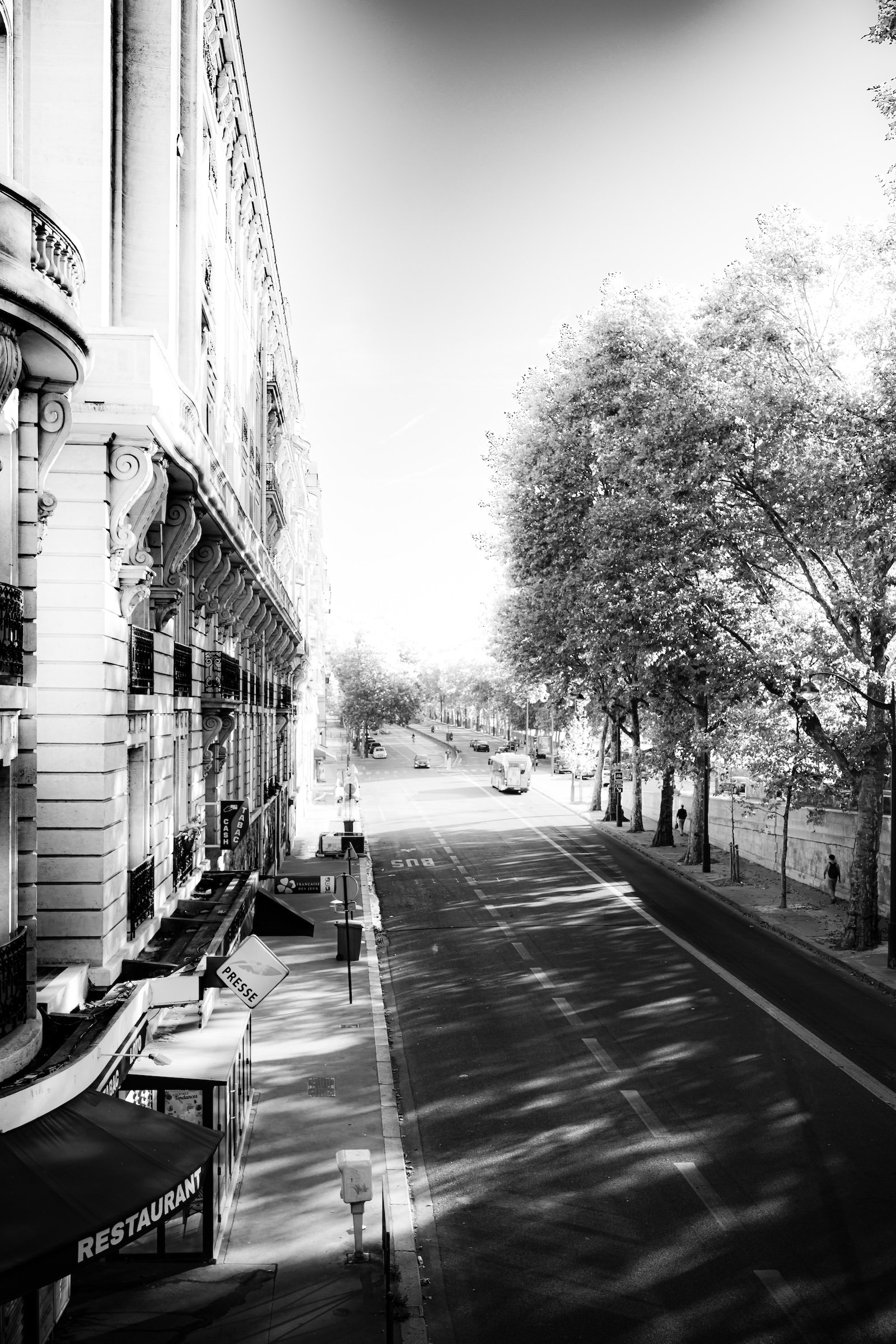
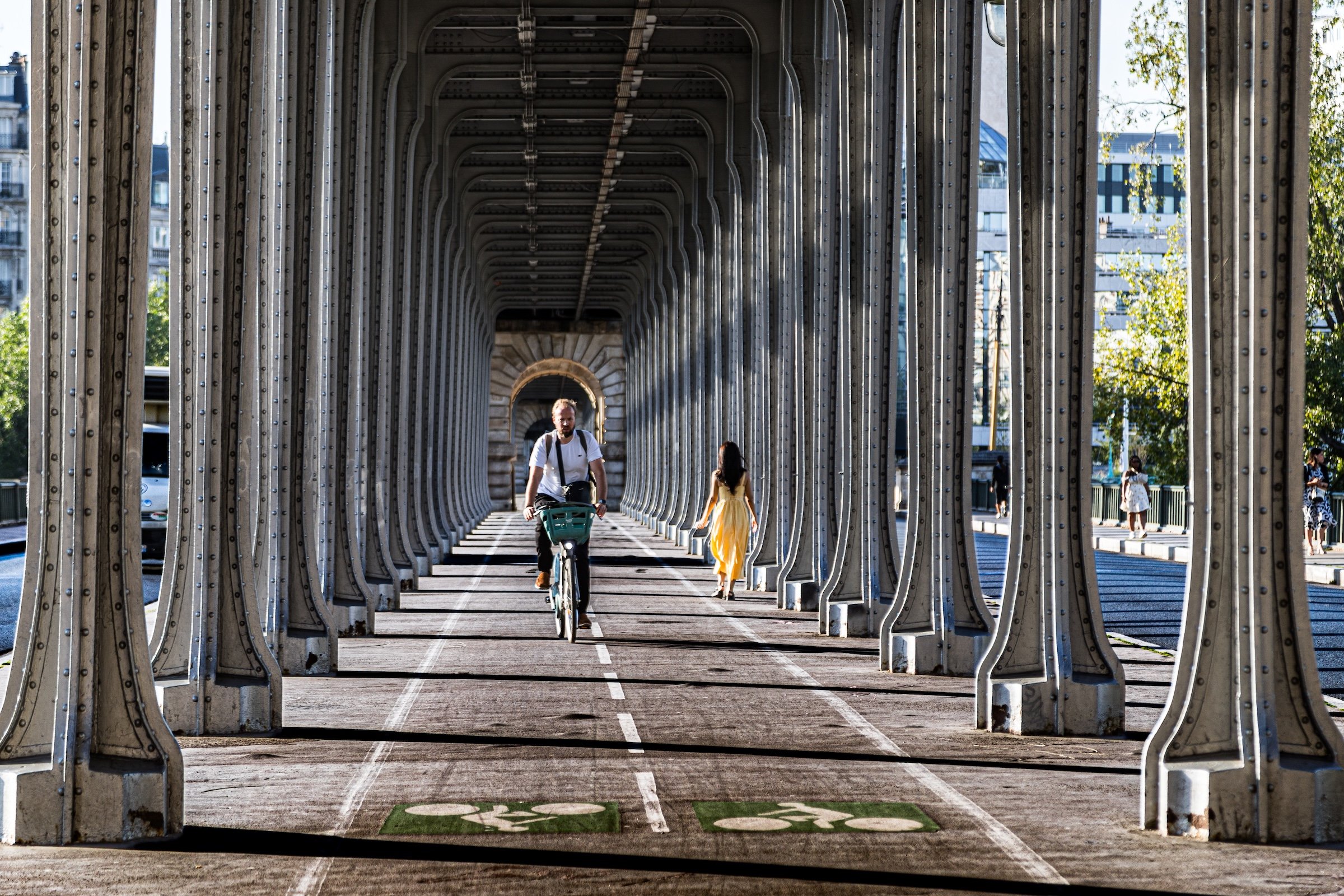
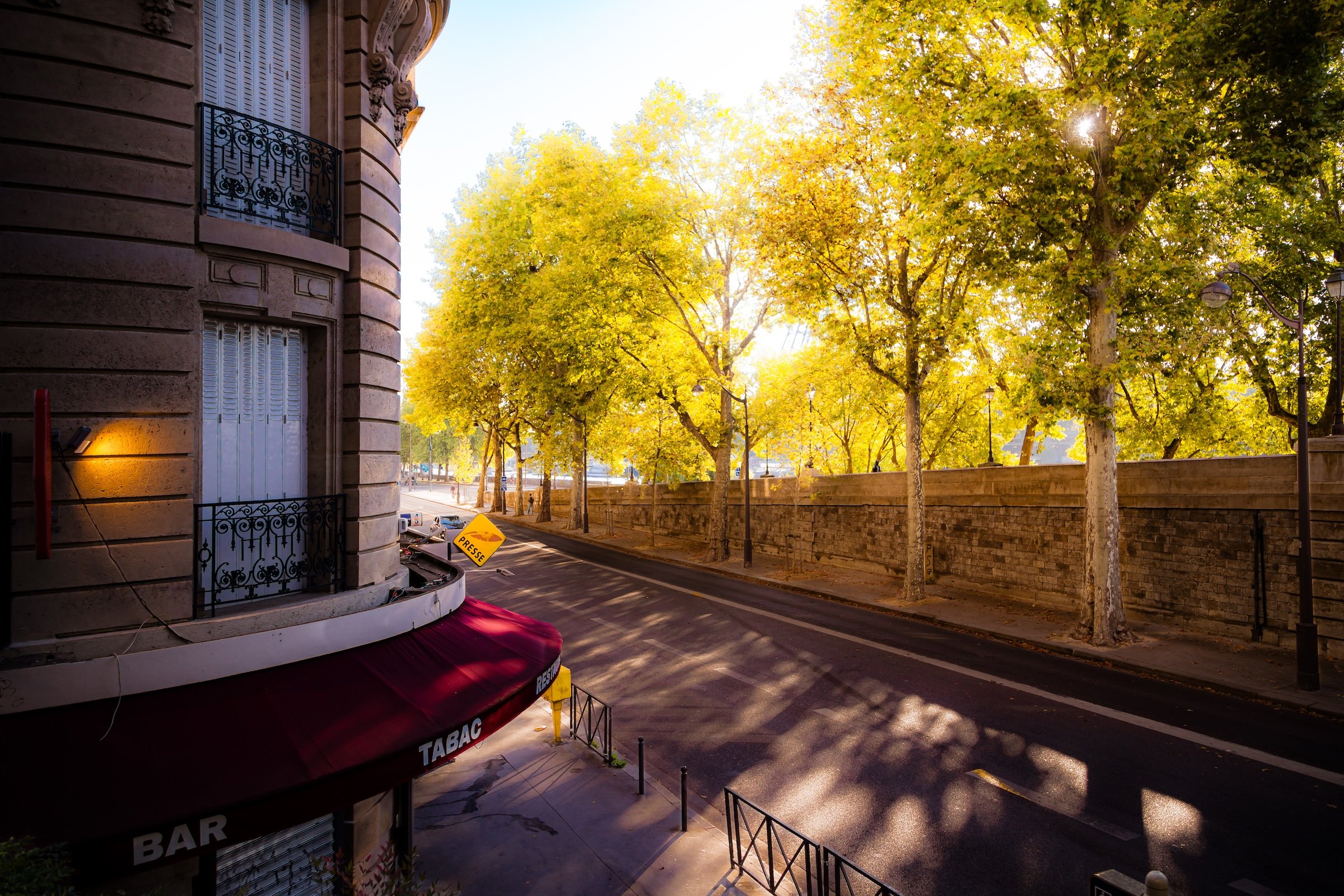
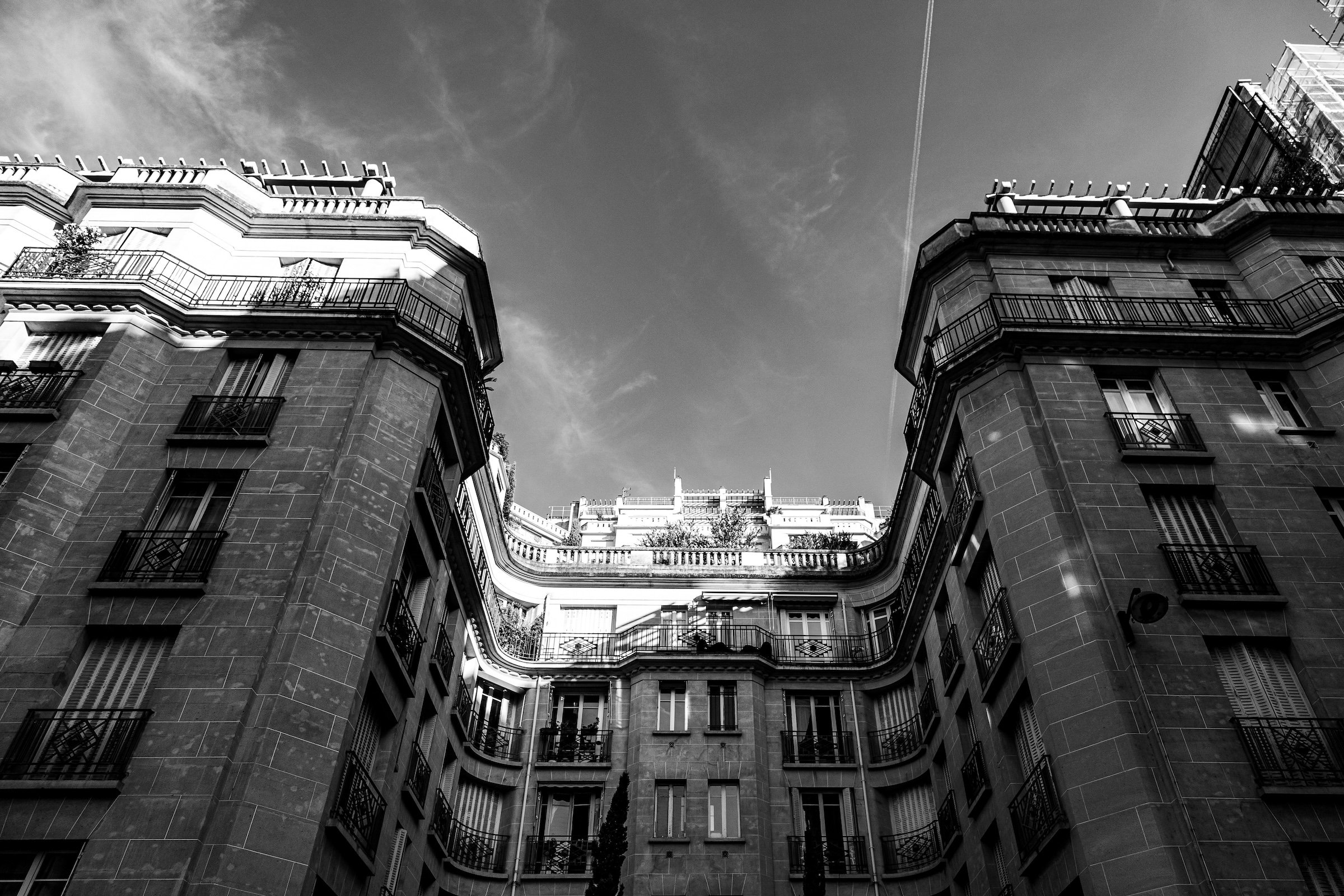
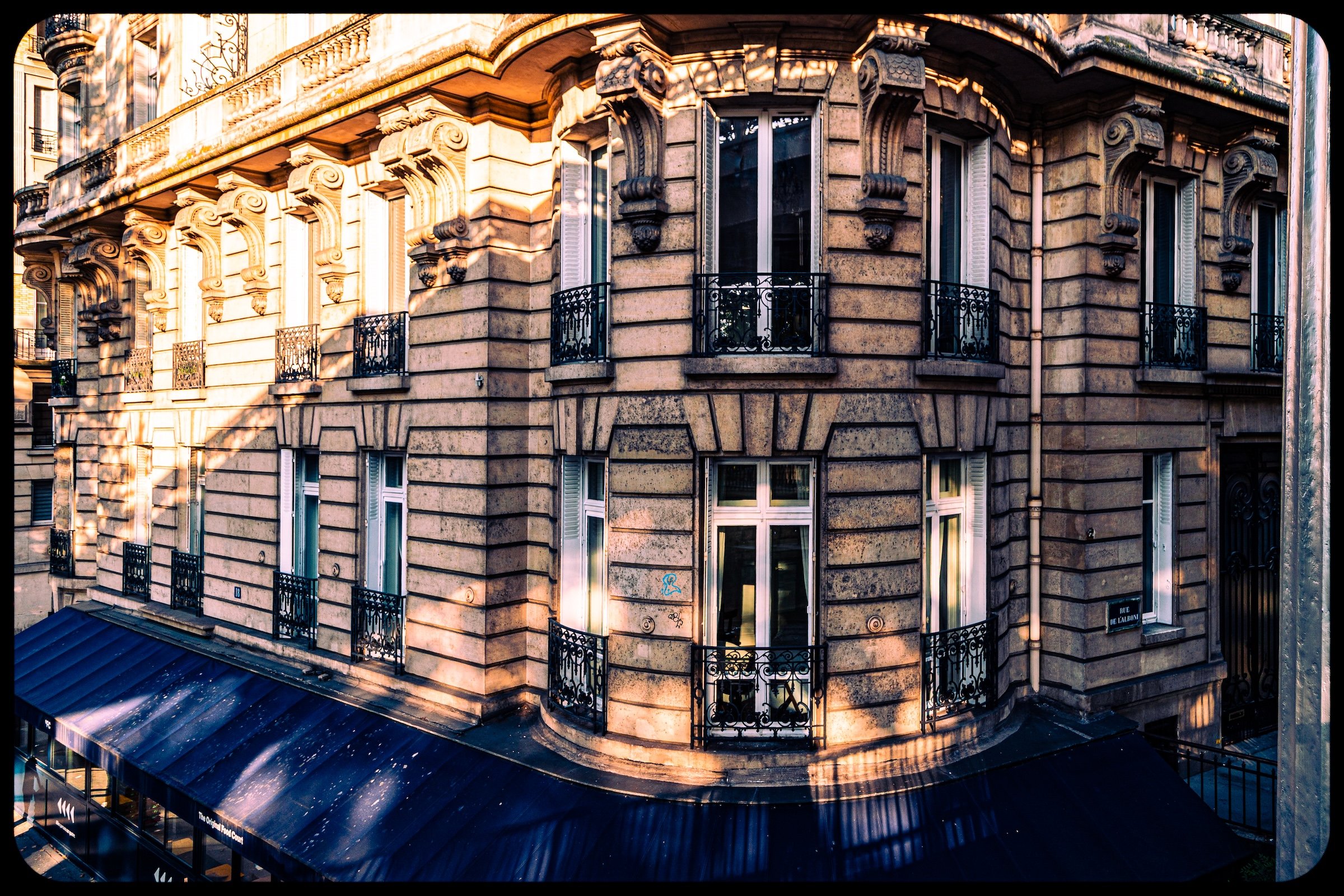
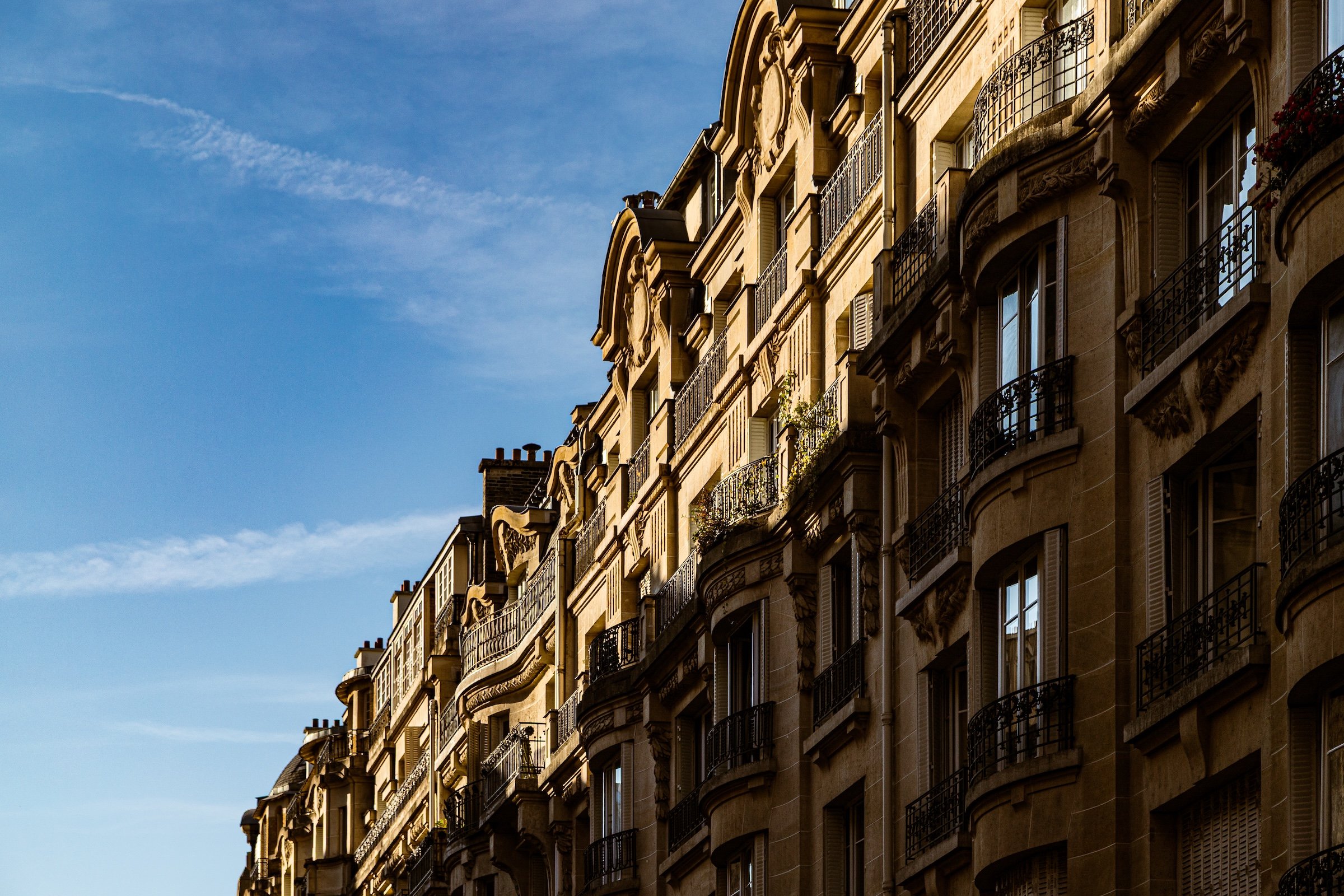
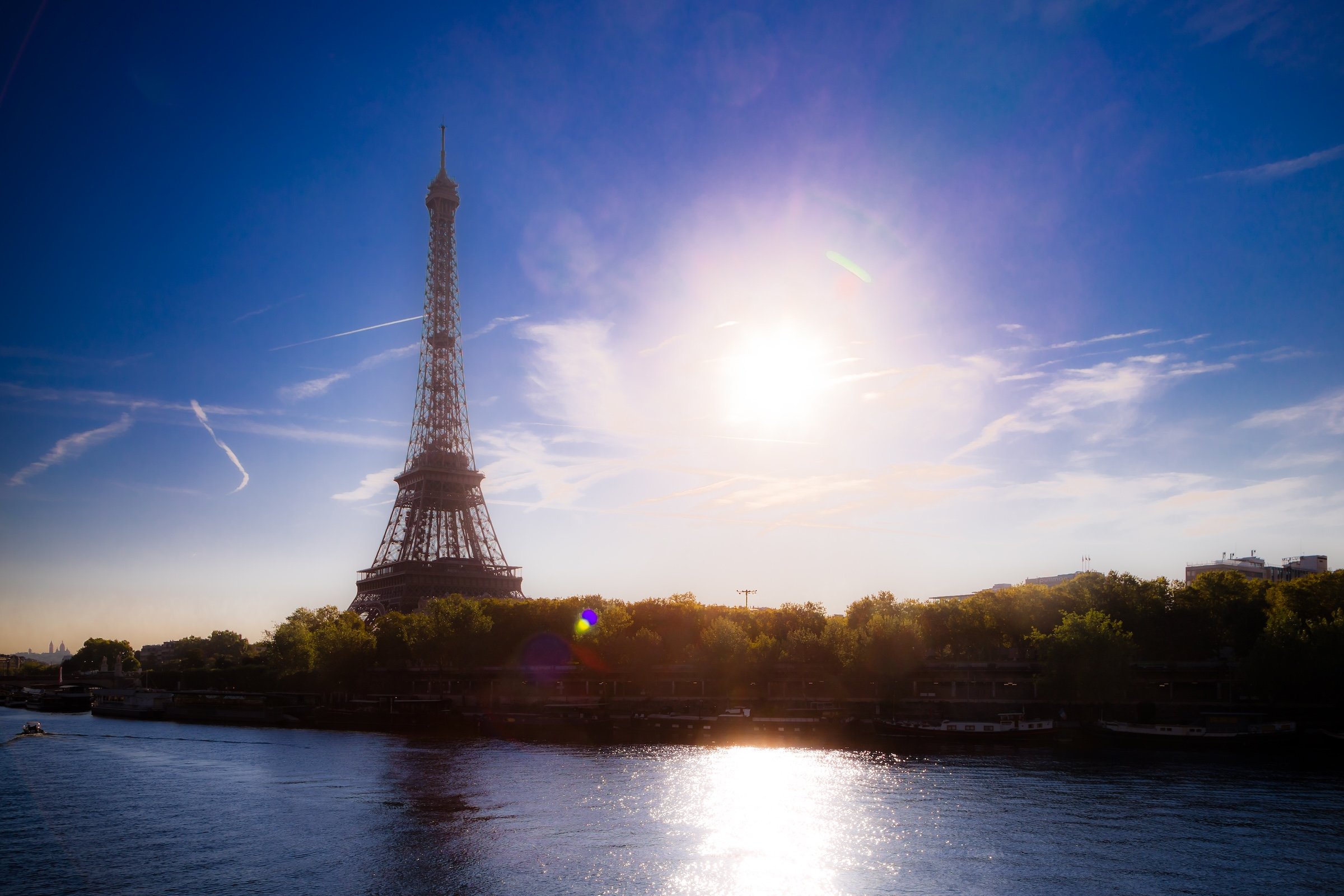
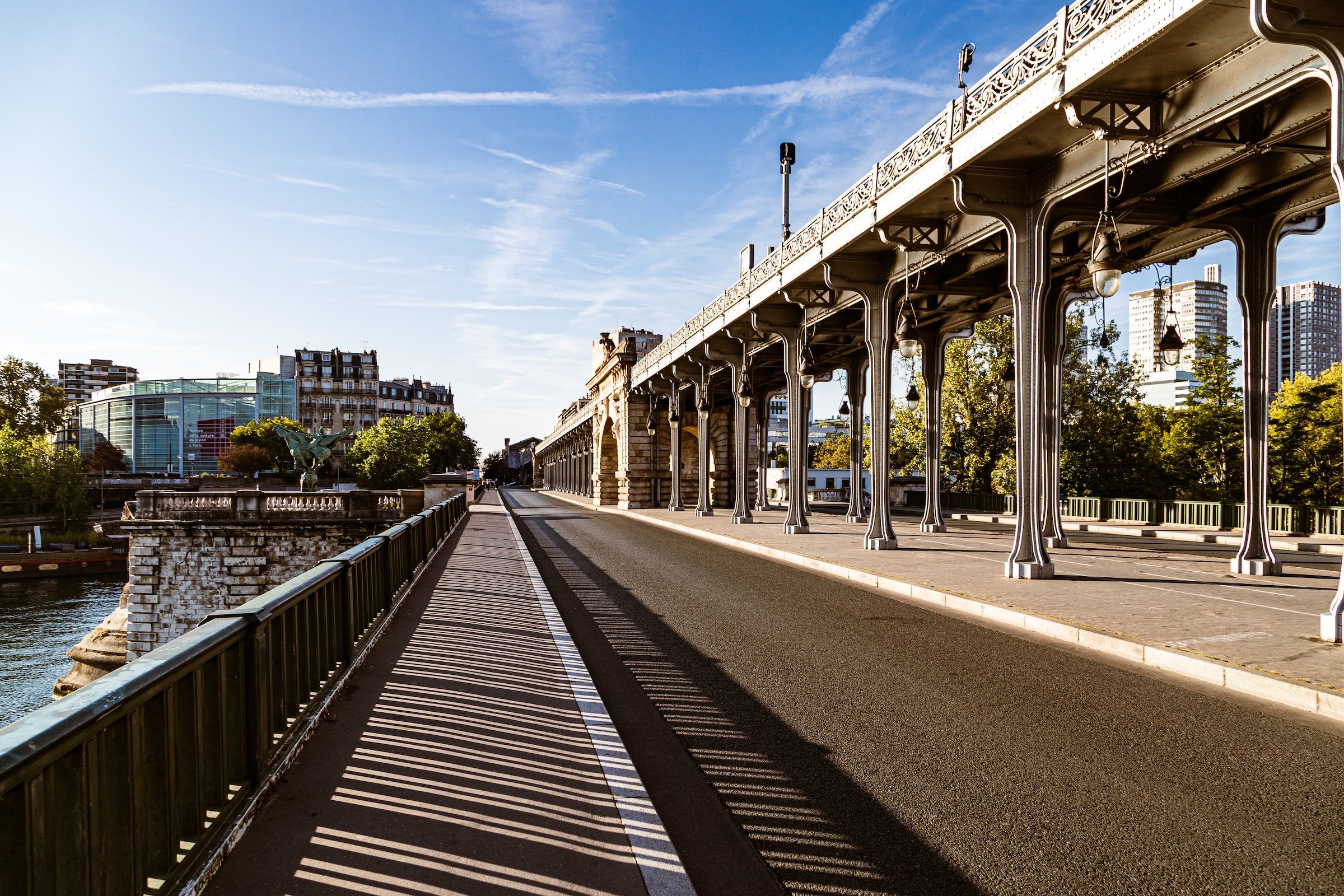
Muette’s visual identity is built around thresholds, enclosures, and sudden openings. Pont de Bir-Hakeim offers one of the district’s great cinematic frames: the elevated Métro, its columns and arches, the movement of cyclists and pedestrians, and the Eiffel Tower nearby create a layered composition of infrastructure, monument, and daily life. From there, Muette quickly shifts into quieter residential and historic textures, where streets, parks, walls, stairs, and narrow passages create a more intimate photographic language.
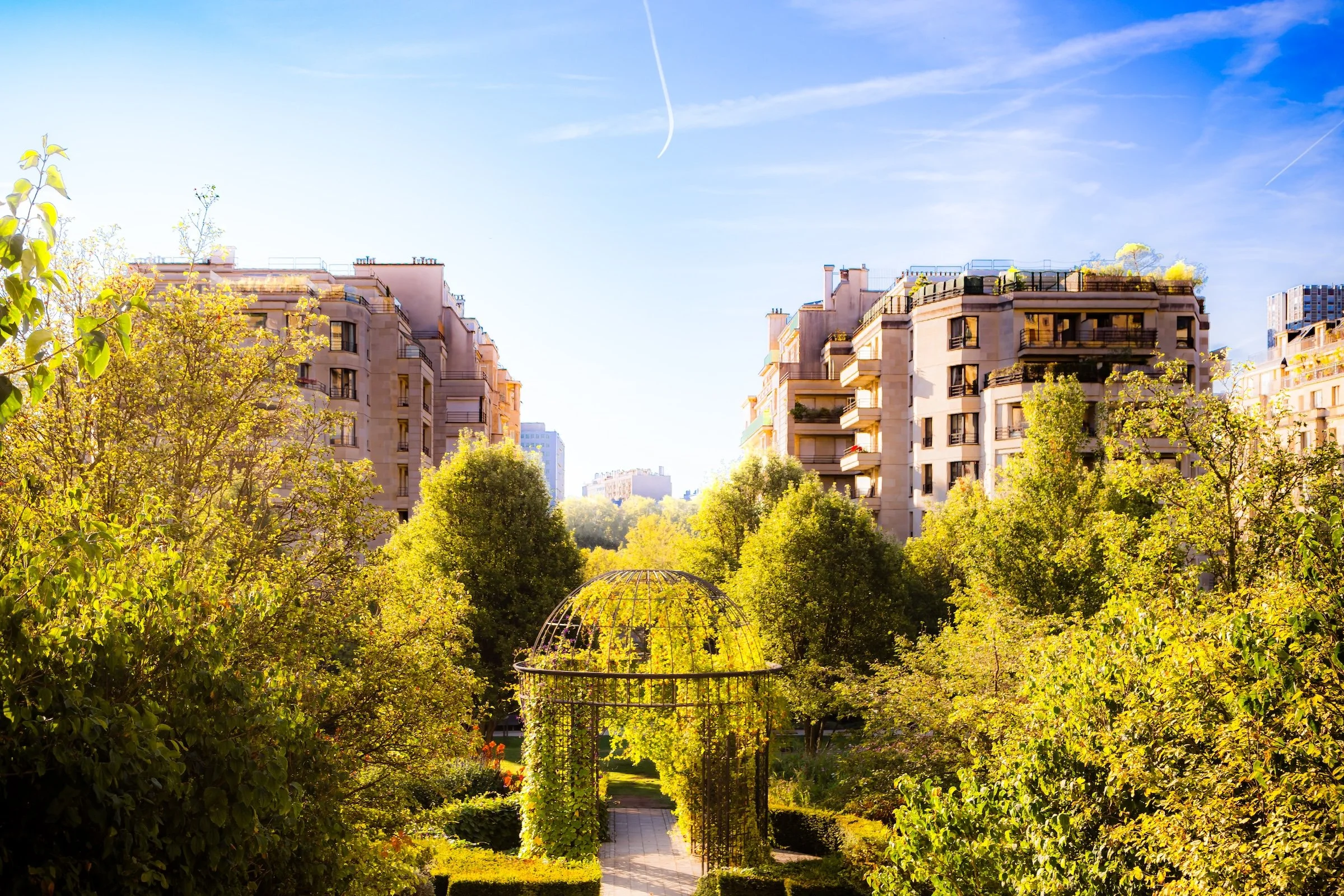
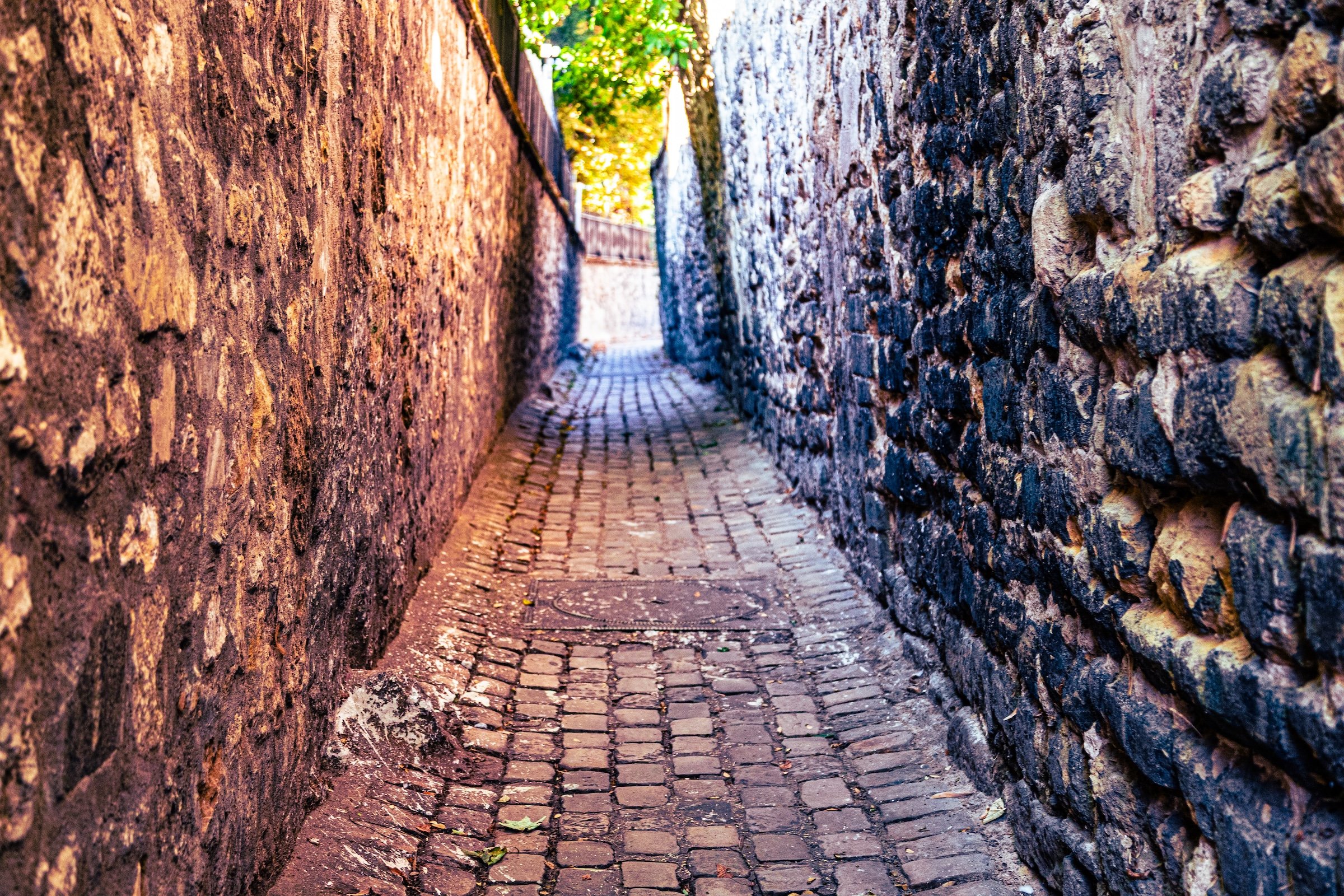
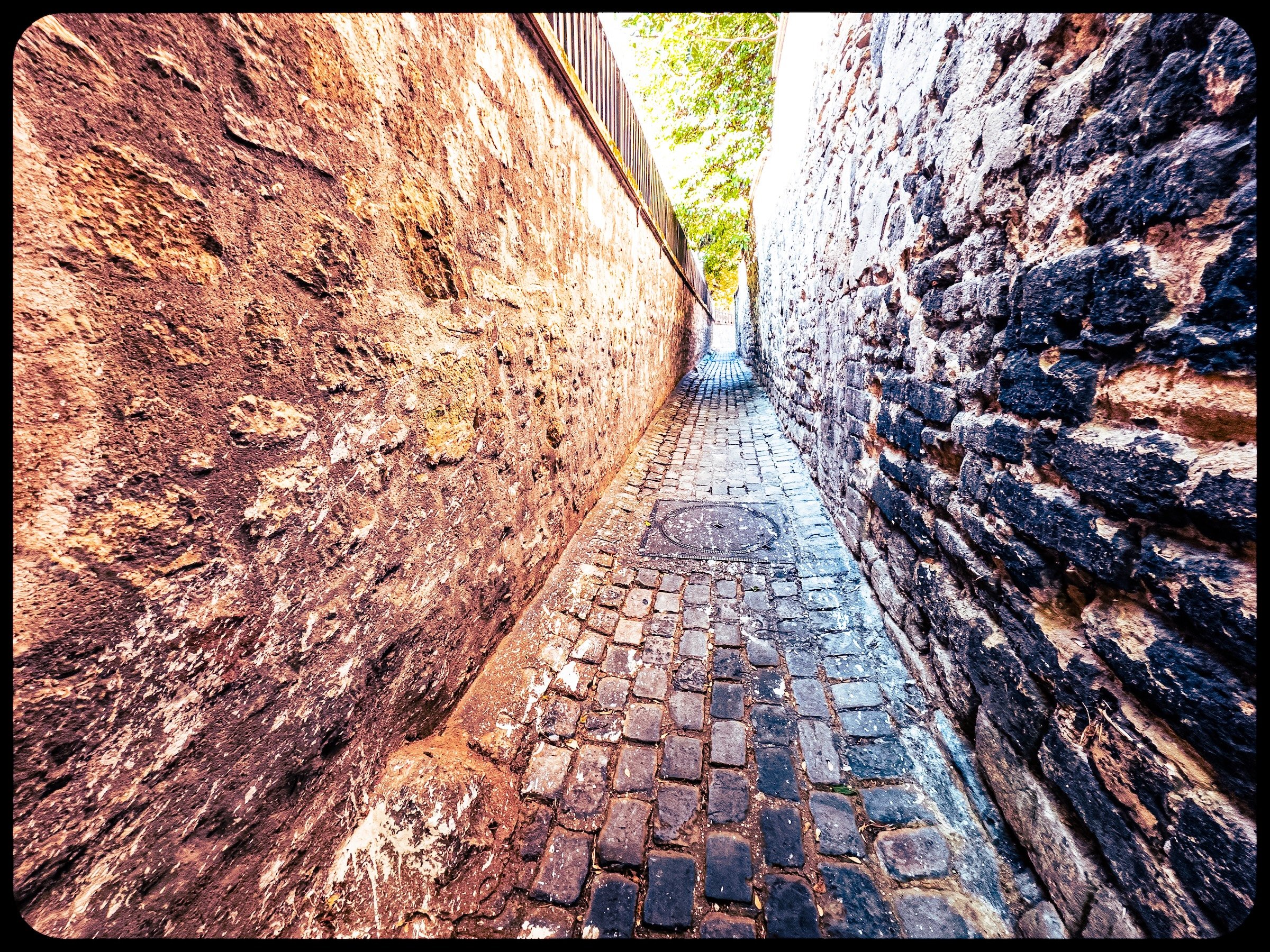
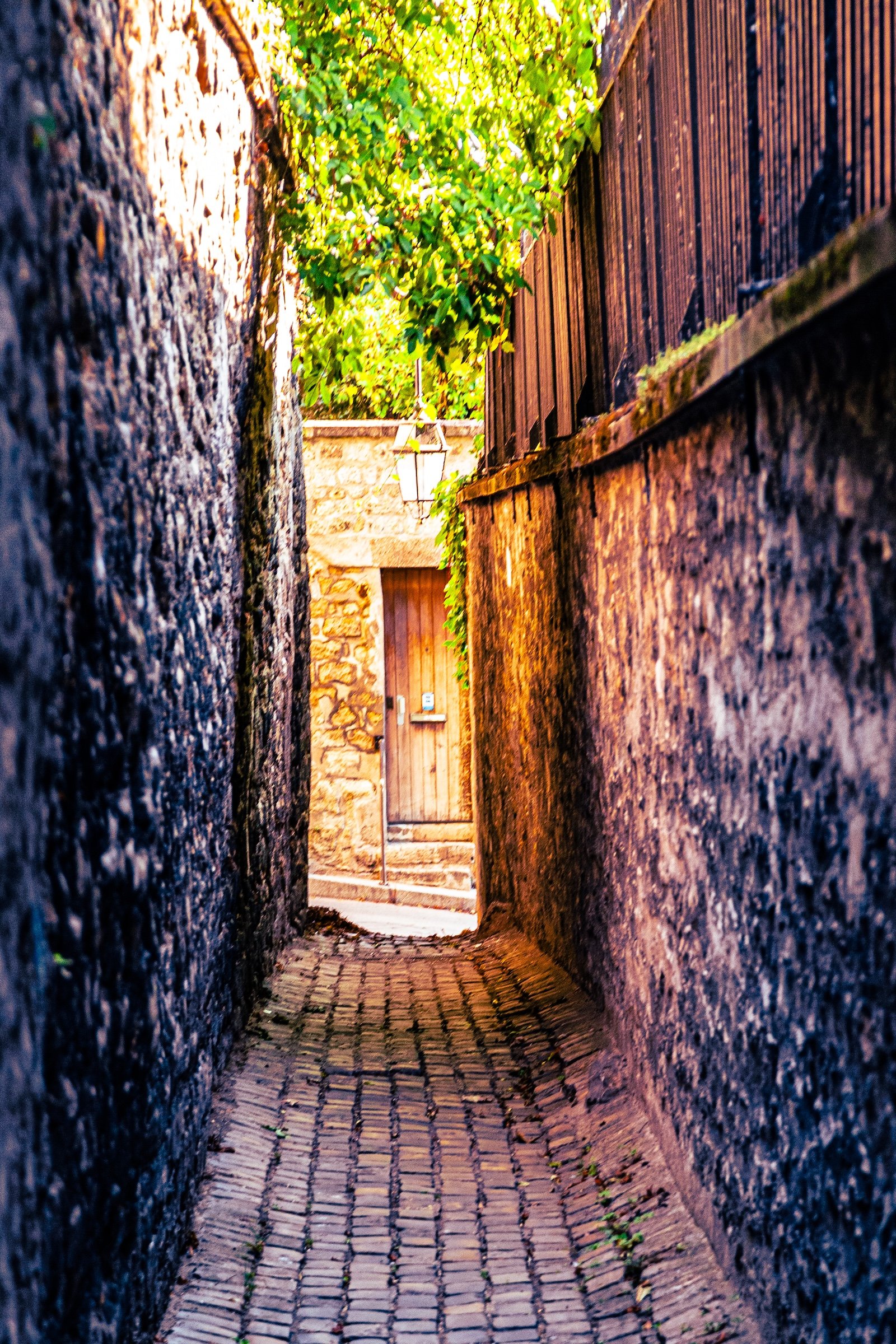
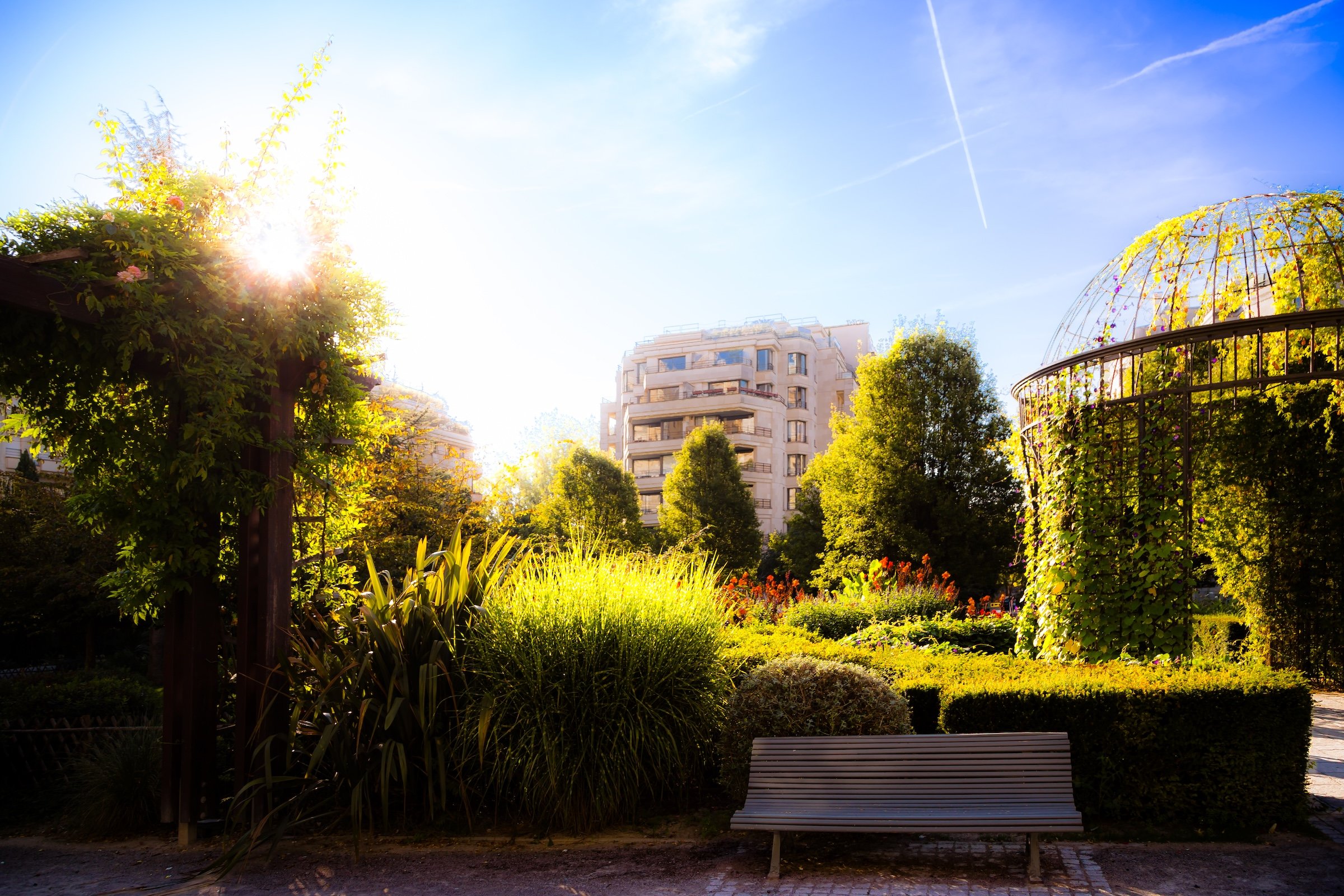
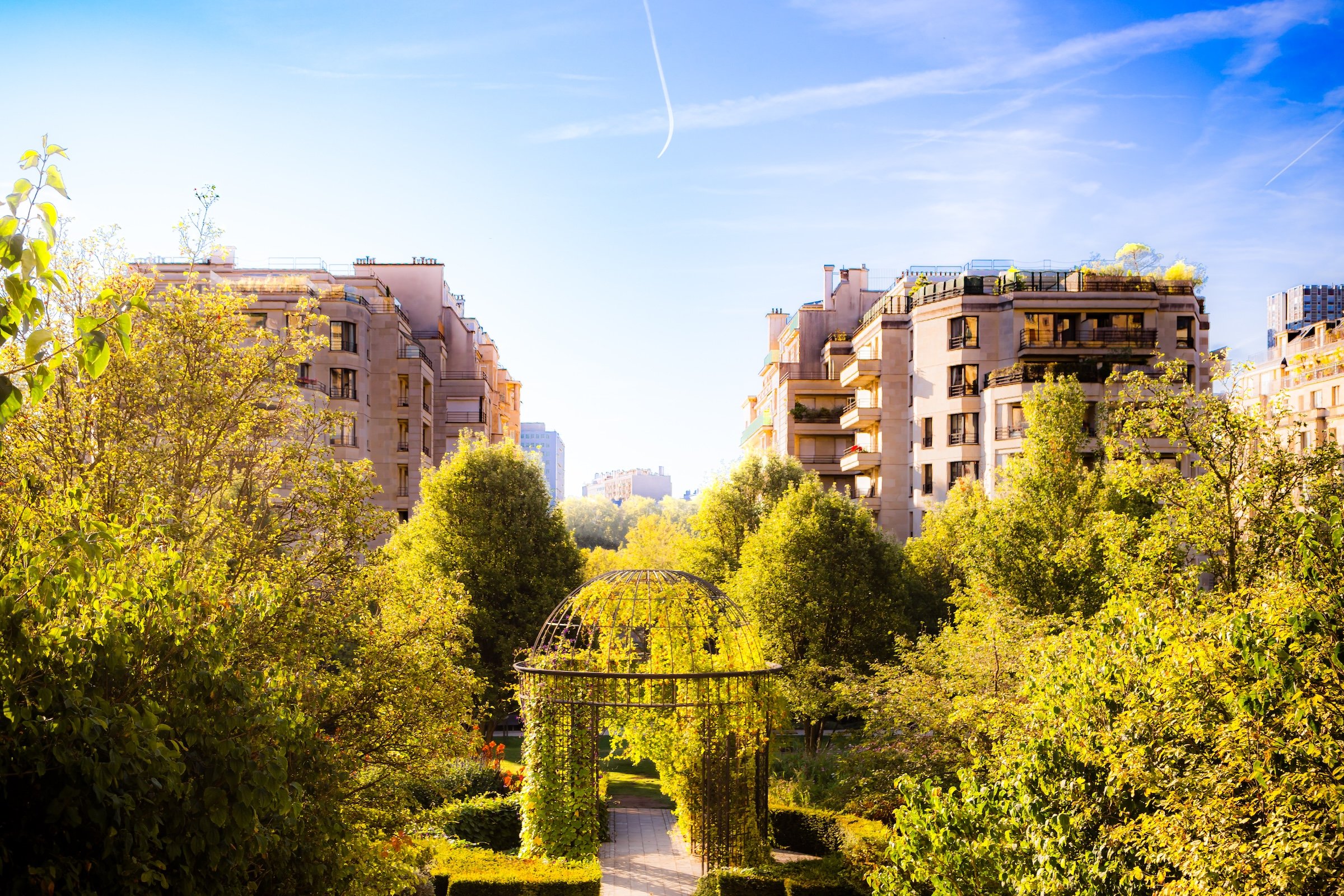
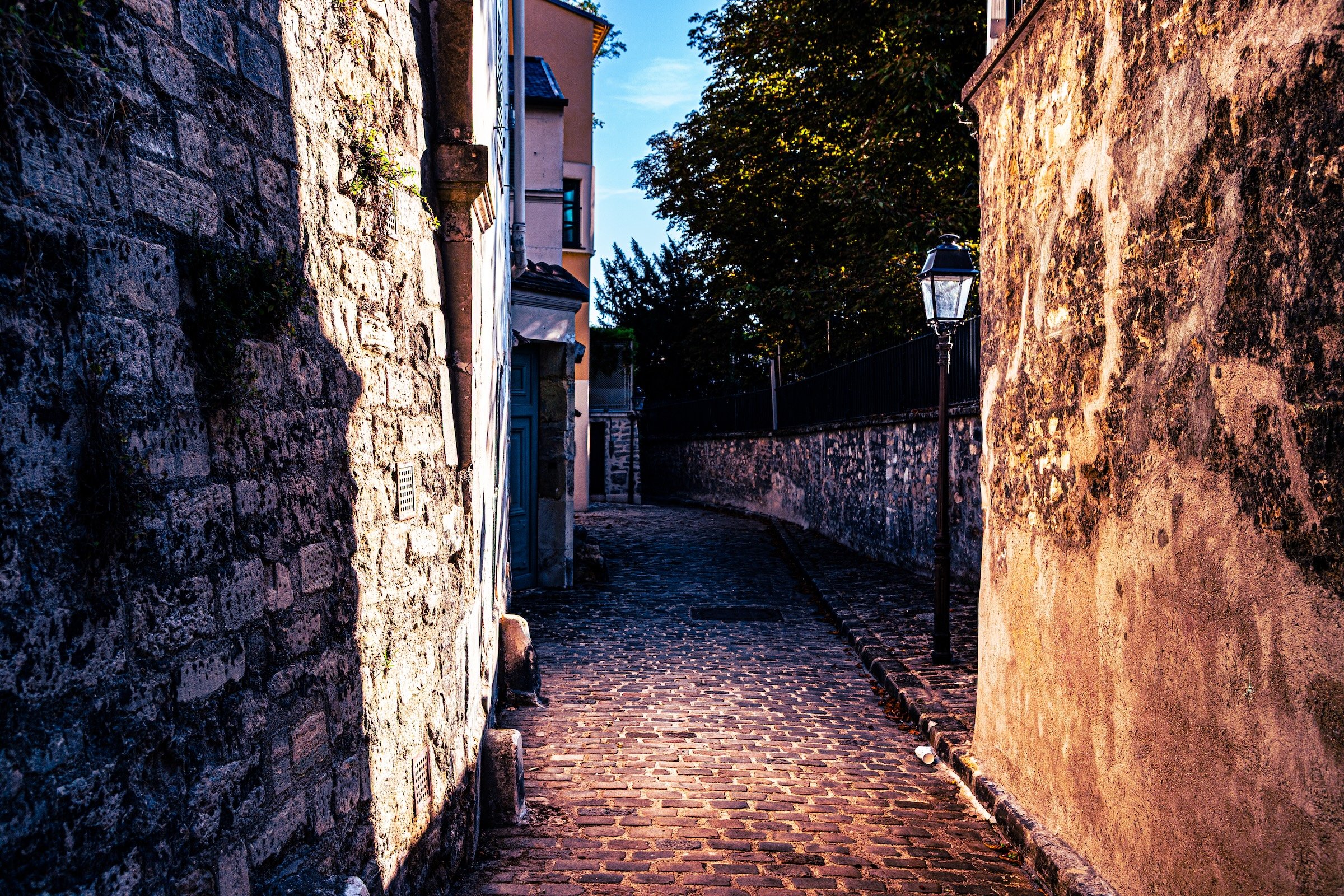
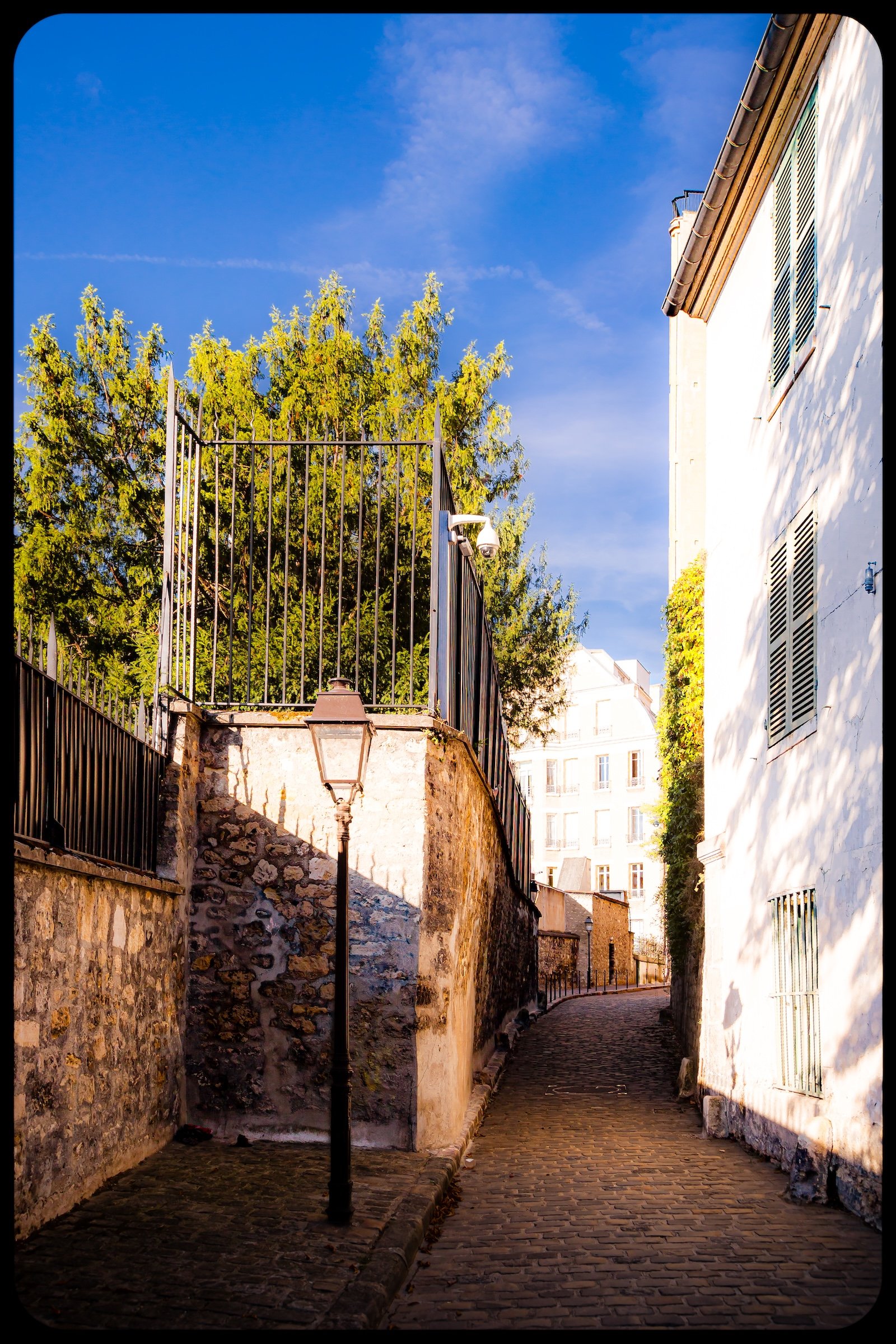
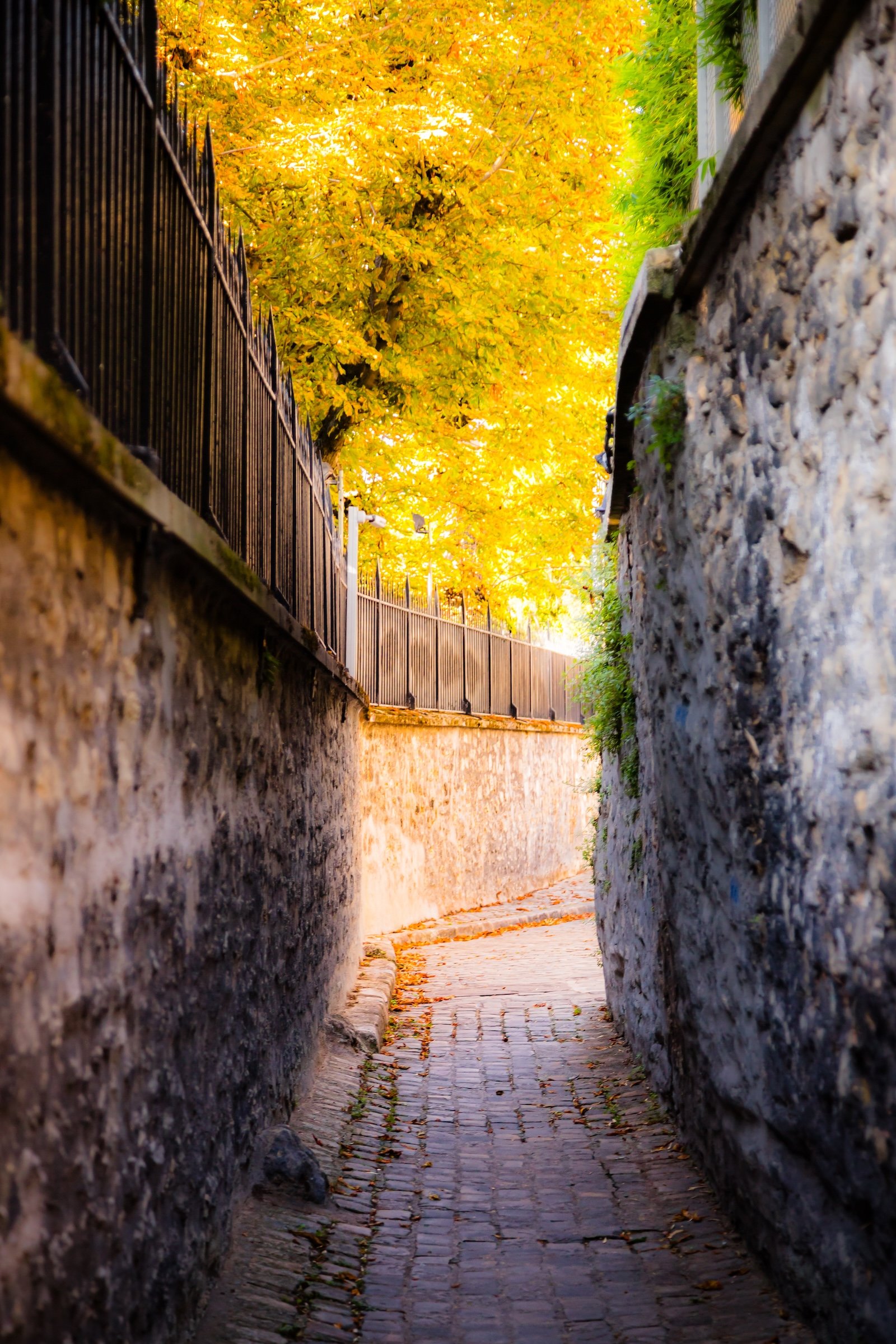
The district’s images are especially strong when they move between openness and concealment. Parc de Passy gives Muette sunlight, greenery, and spaciousness, while Rue Berton offers stone, shadow, cobblestones, and a hidden sense of age. Maison de la Radio et de la Musique adds a modern civic presence, broadening the district’s range from secluded alley to national institution. Visually, Muette is not a single mood but a sequence of discoveries: framed views, secretive lanes, green terraces, and architectural contrasts that reward a patient, wandering eye.
Through The Lens
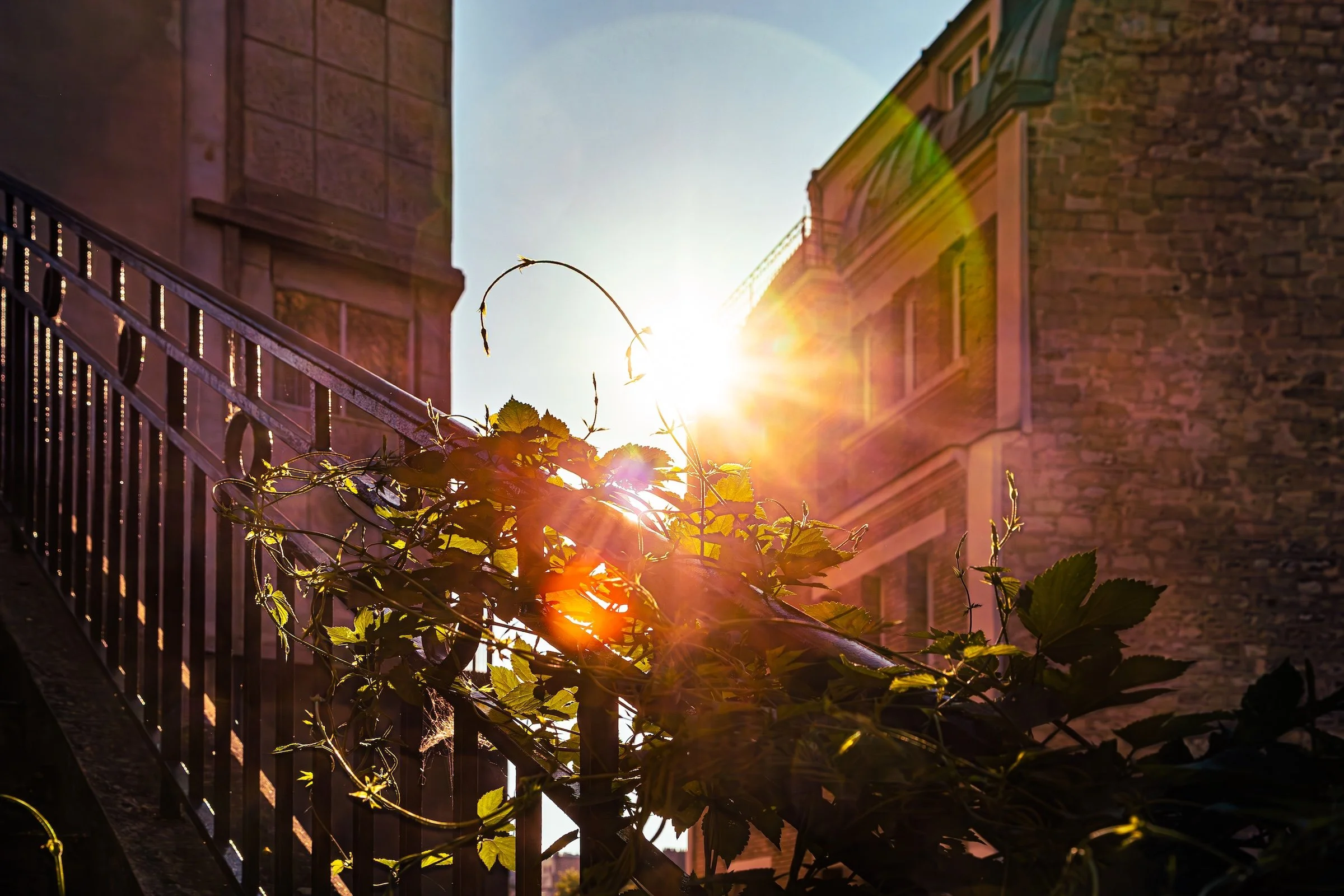
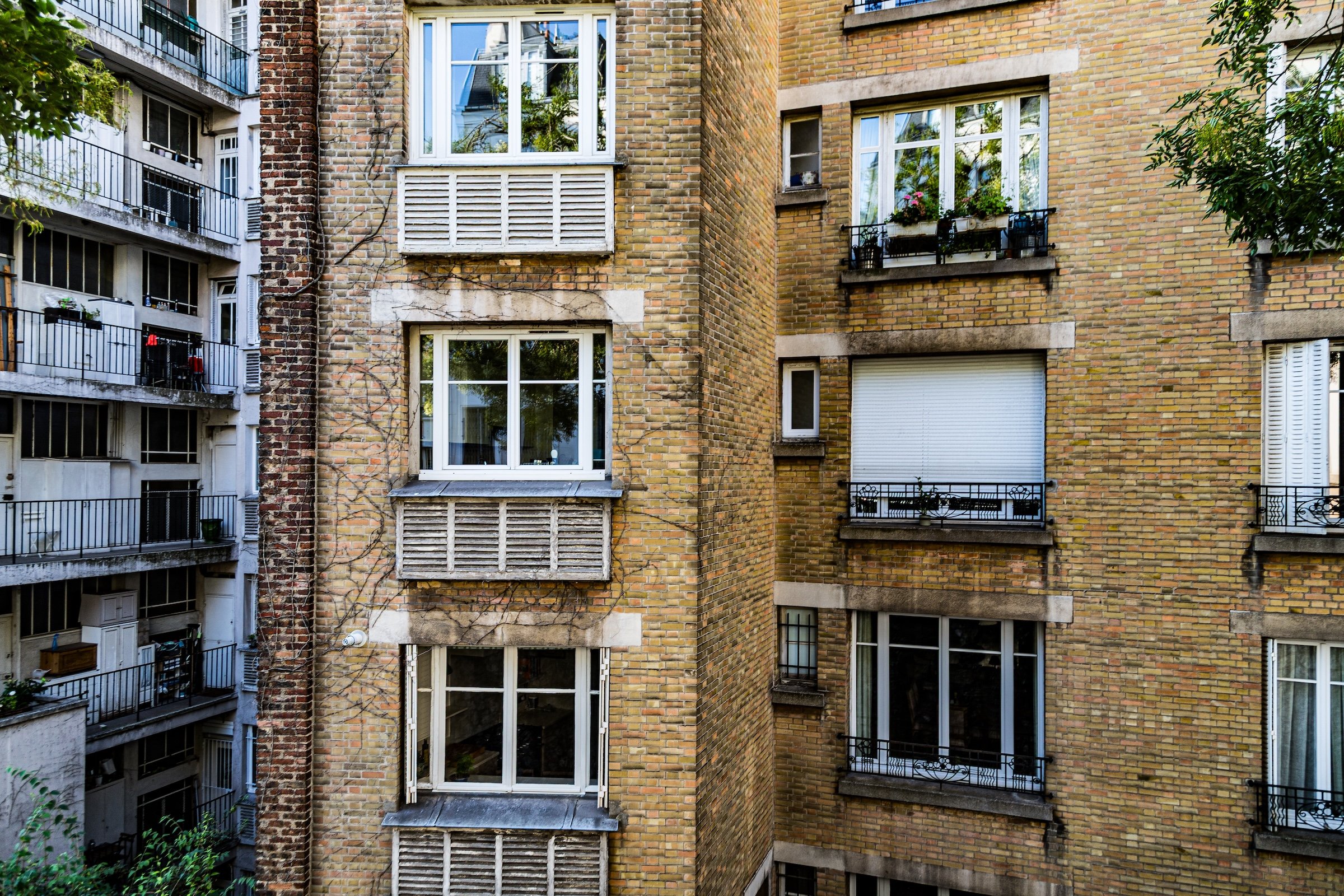
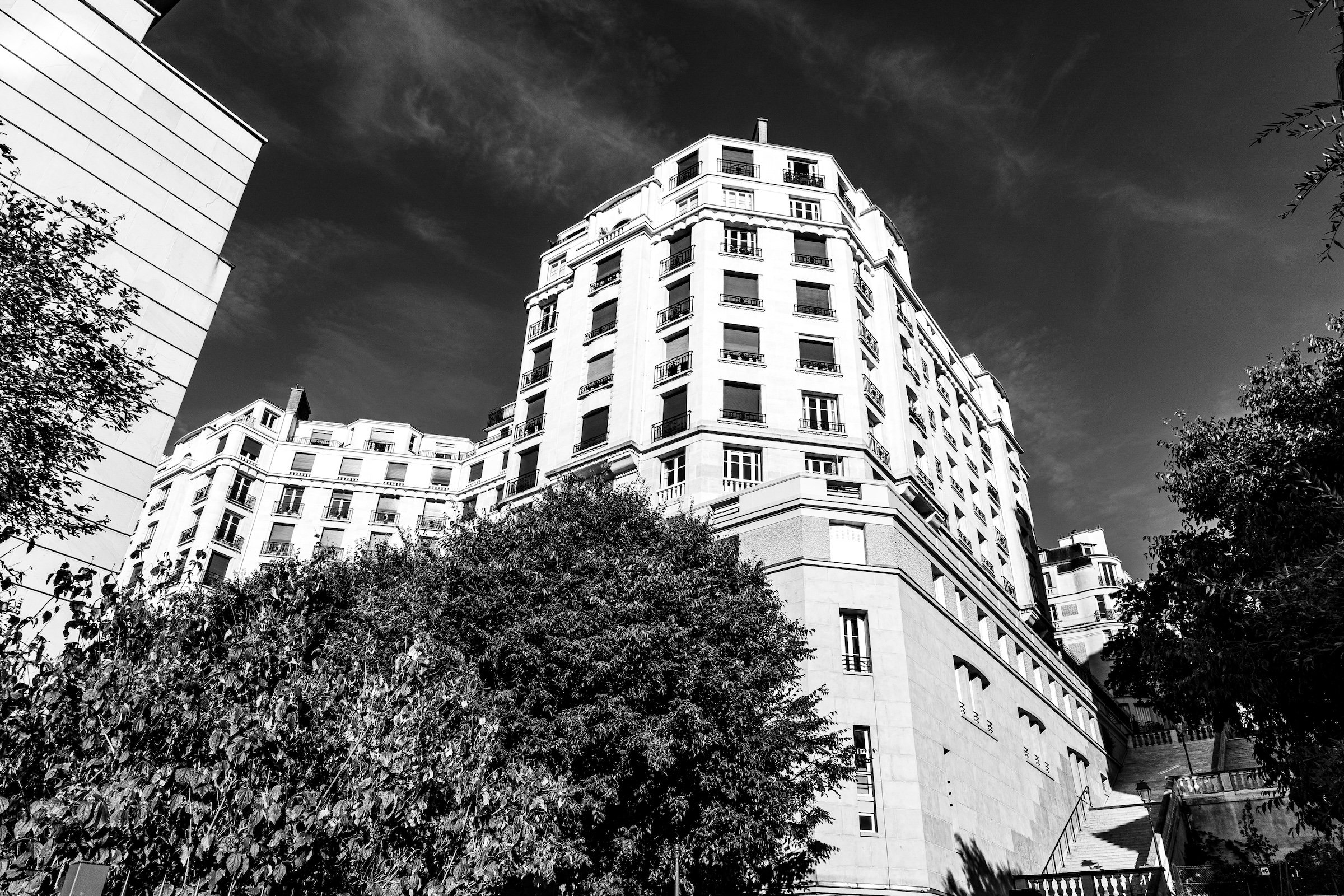
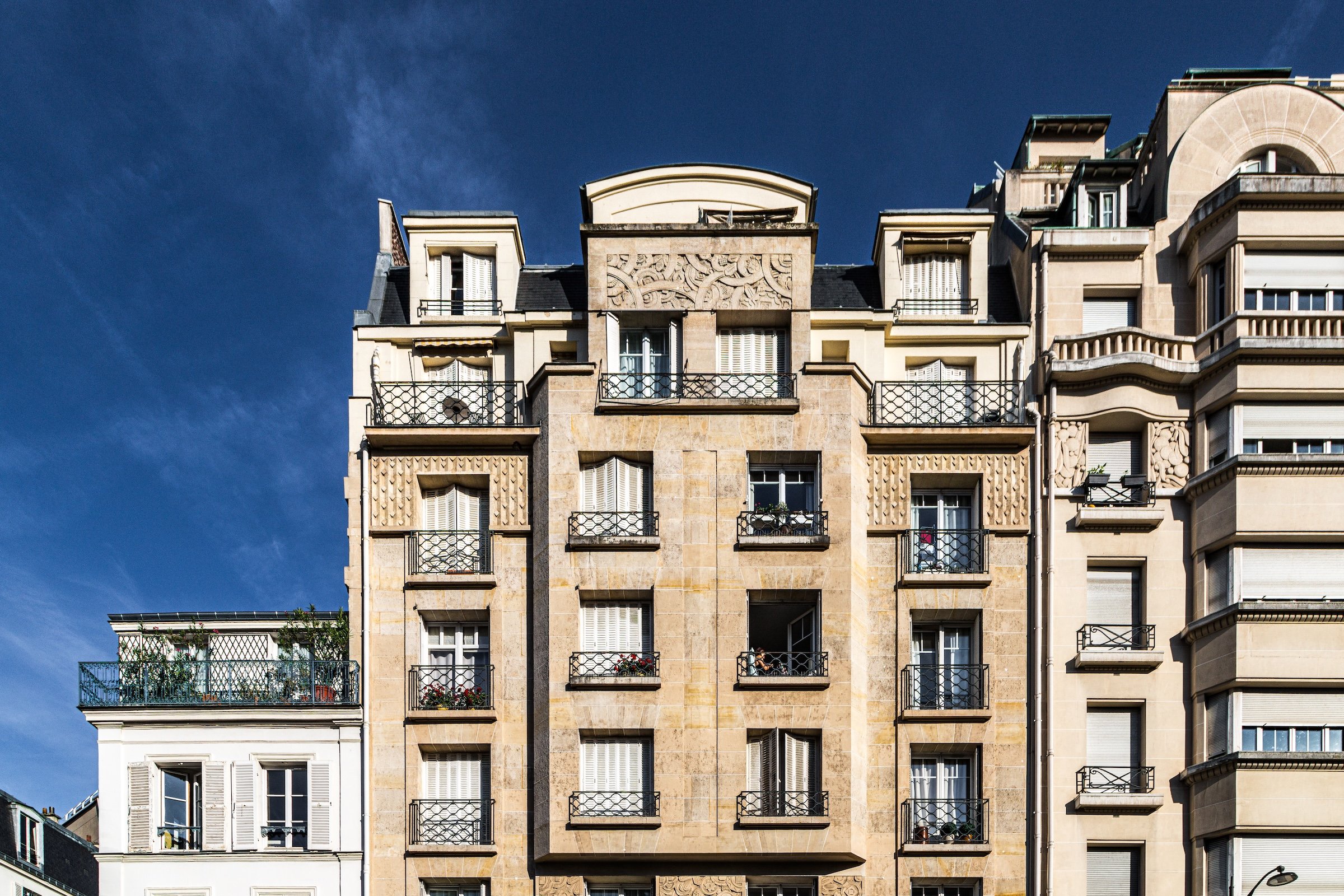
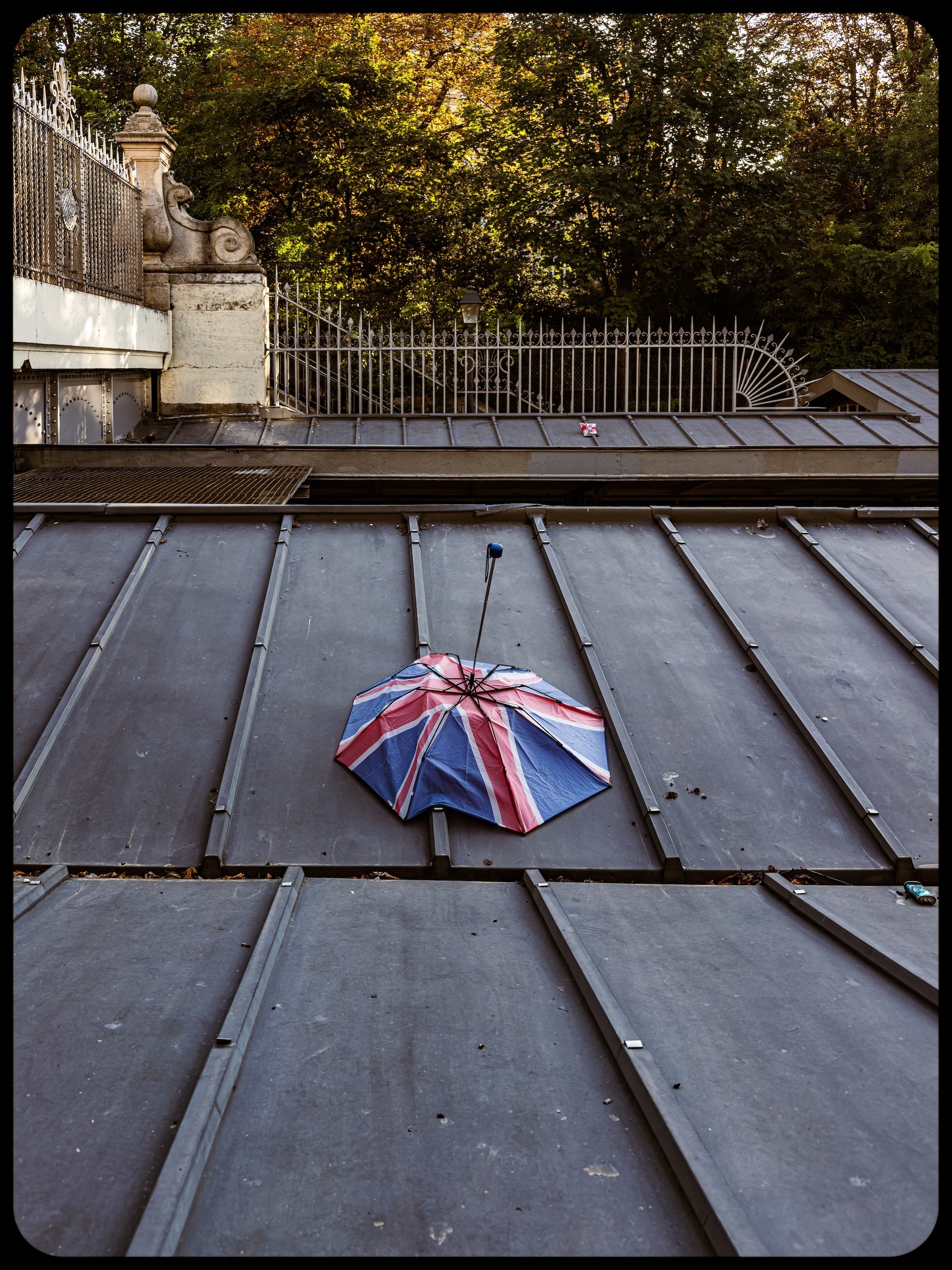
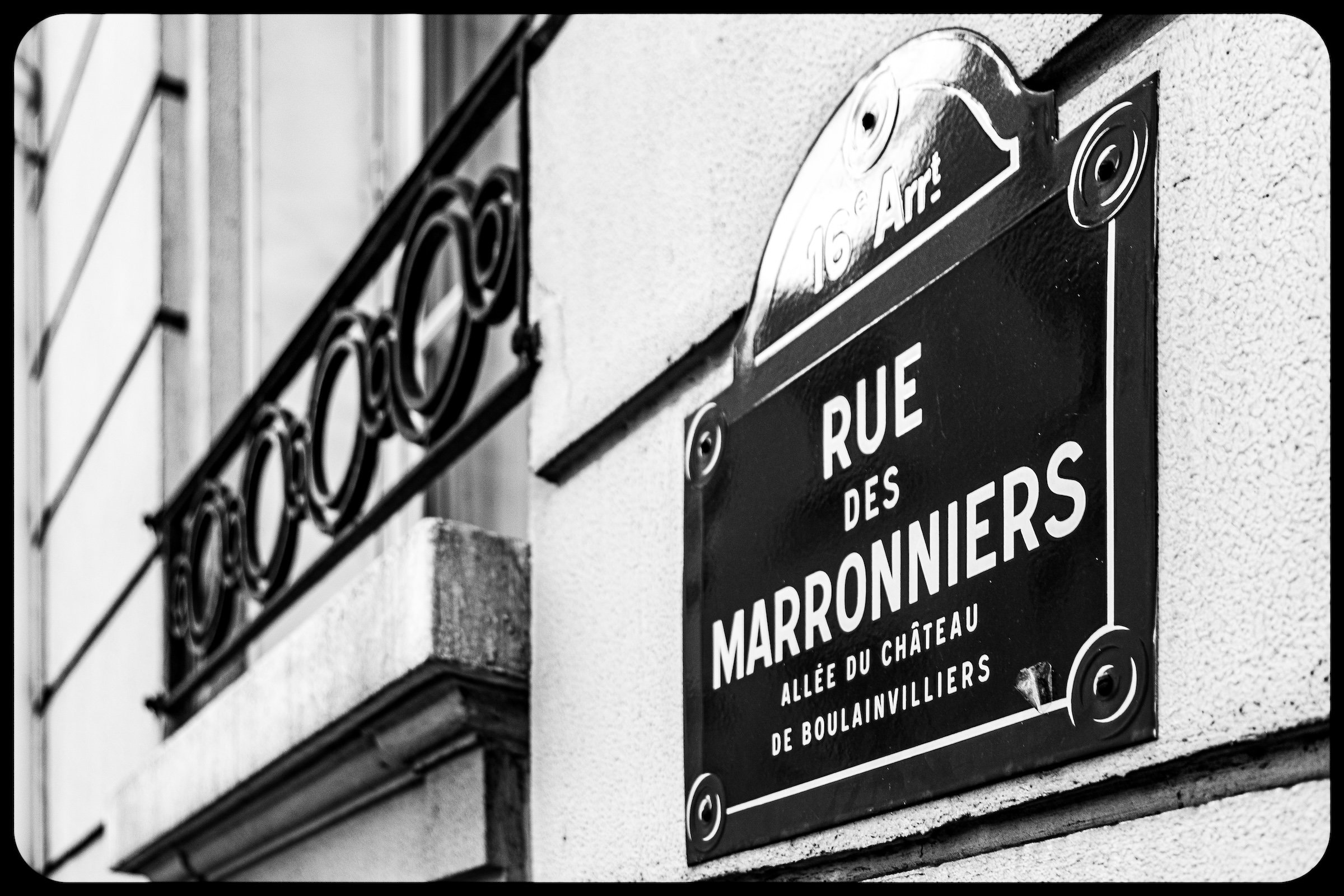
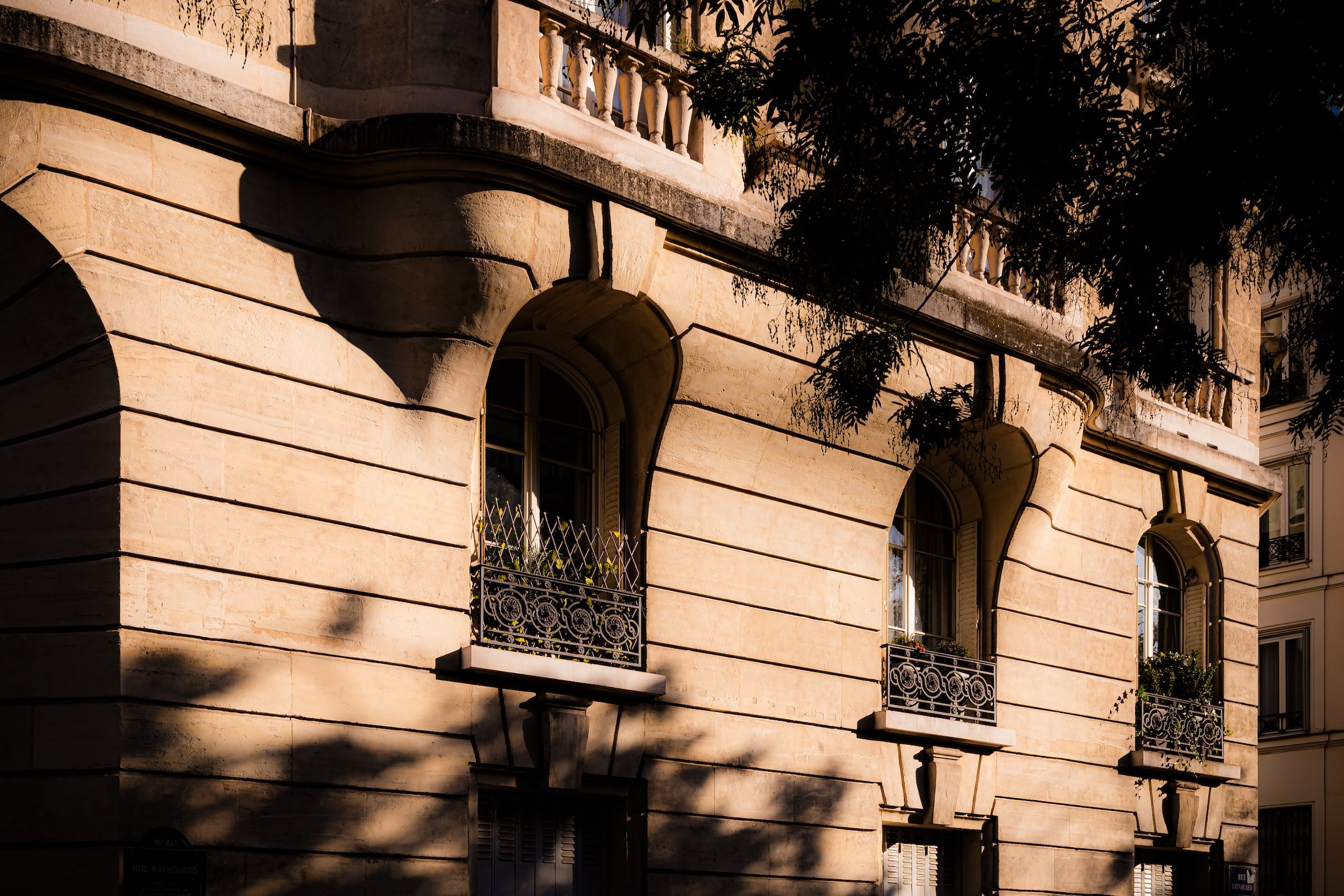
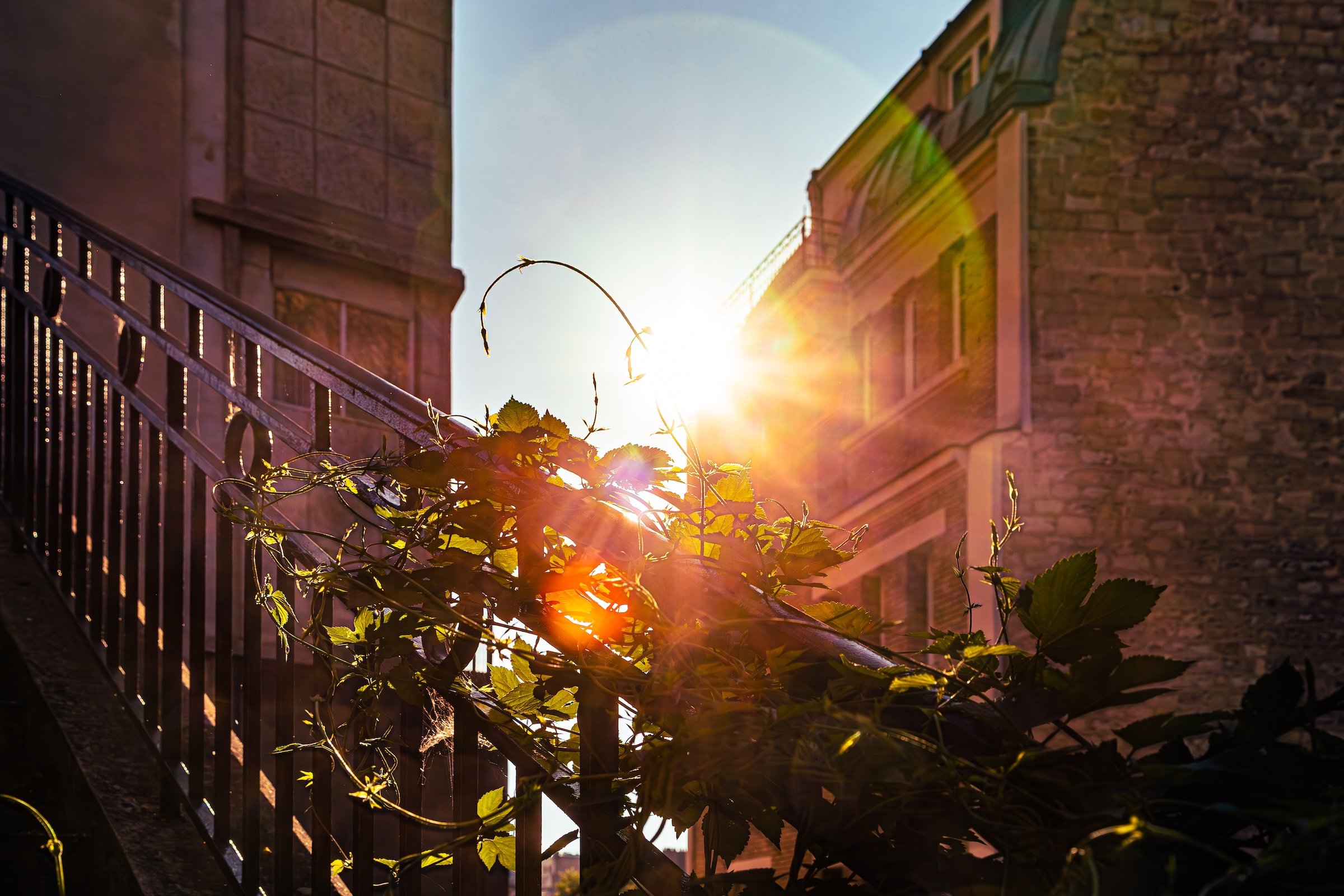
Muette offered some of the day’s richest photographic contrasts. The camera moved from the grandeur of Bir-Hakeim to the human scale of a cyclist under the Métro, from the sunlit openness of Parc de Passy to the enclosed mystery of Rue Berton, and finally toward the modern mass of Radio France. The contact sheet suggests a district photographed through thresholds: arches, alleys, stairs, walls, railings, and streets that seem to invite the eye inward. The best images are not merely of places, but of passages — Paris as something entered, crossed, discovered, and briefly possessed by morning light.
If you visit Paris, these ideas can help inspire your own photography.
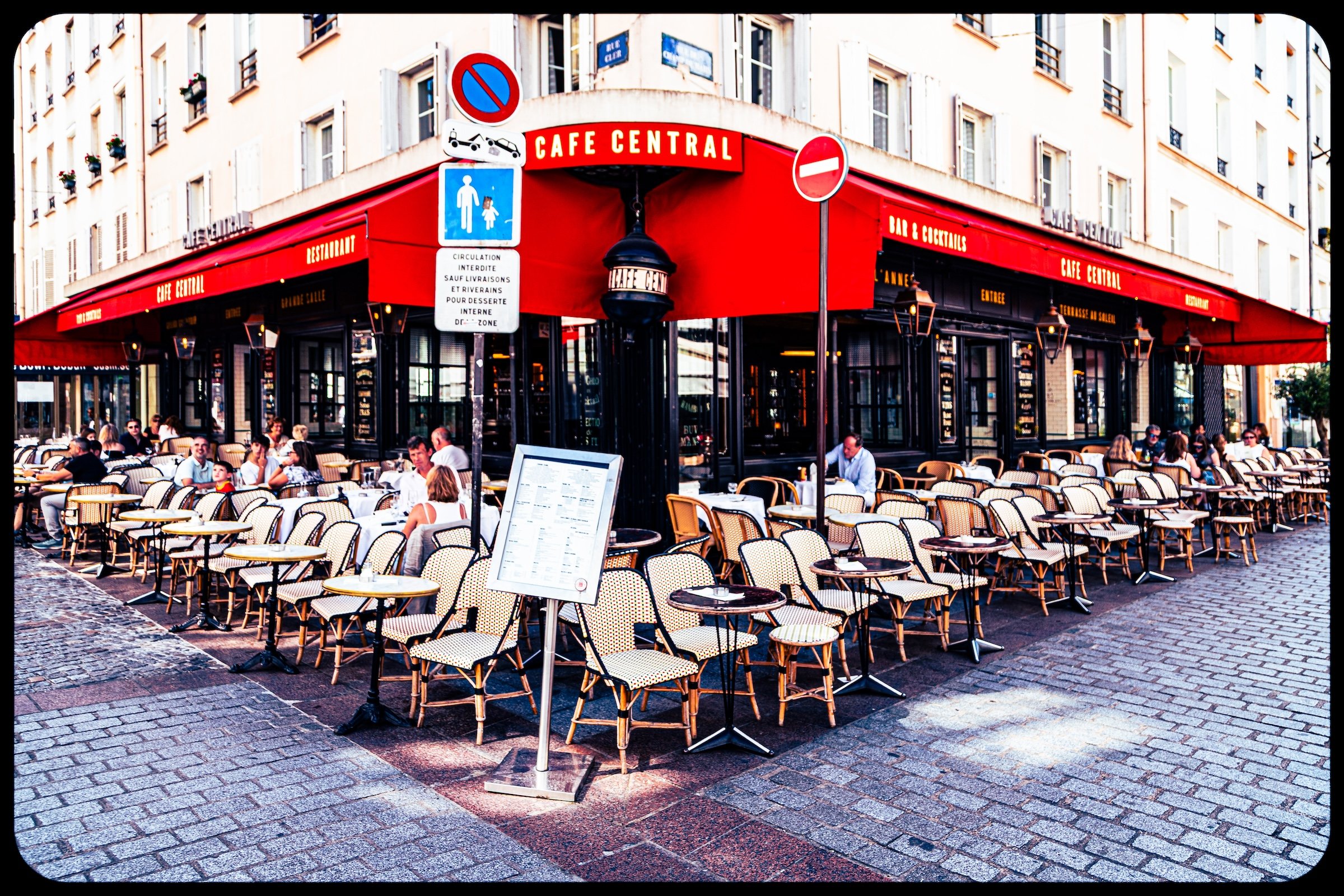
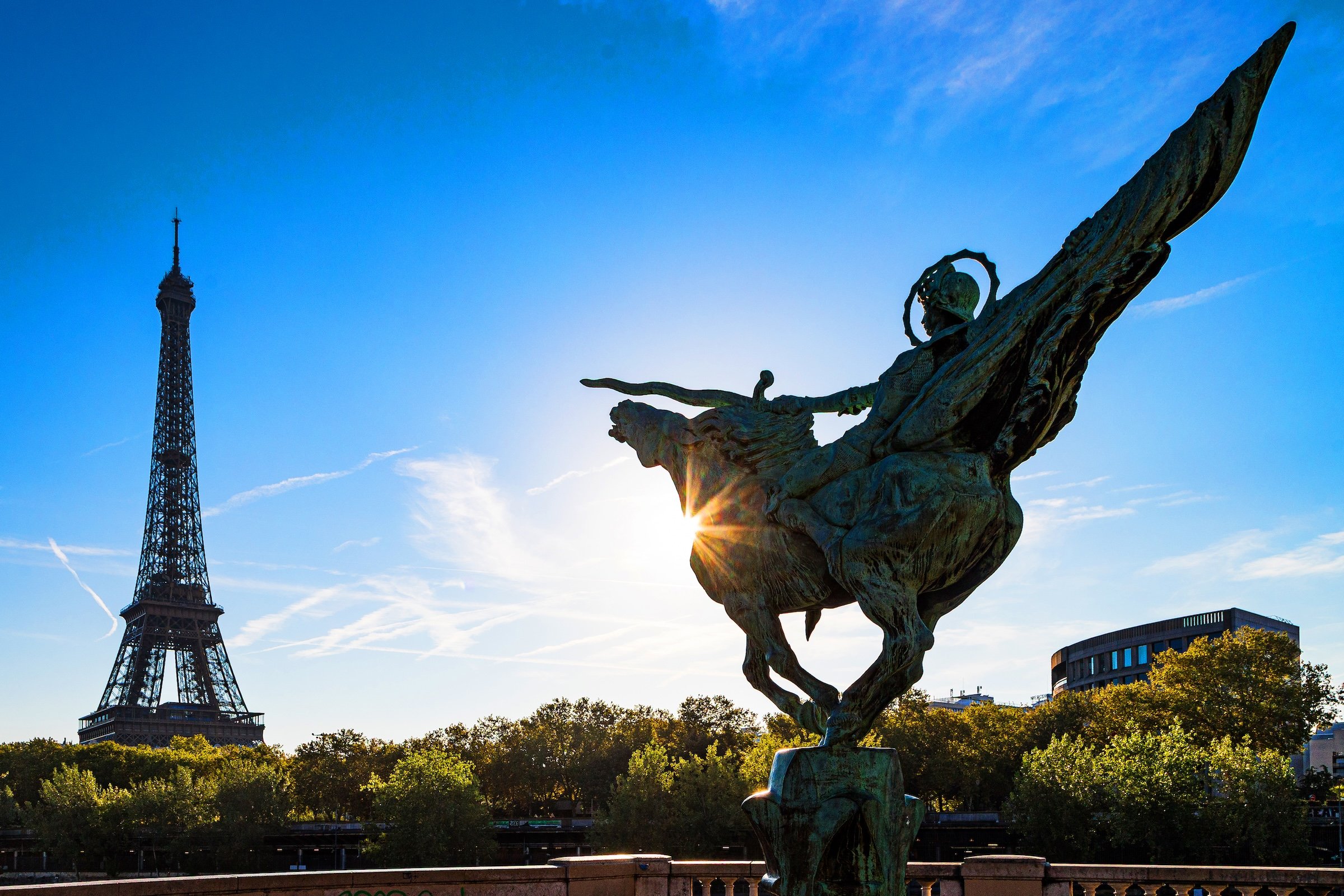
Muette: August 18, 2025
Muette Photo Gallery
Muette Flâneur Notes
-
Field Note: August 18, 2025 | 08:25-08:33 & 10:09-10:36 AM
Conditions: 21°C (70°F) to 26°C (78°F) | Humidity: 65%.
Crossing into Muette shifted the walk from monumental Paris into a quieter and more layered west-bank morning. Pont de Bir-Hakeim remained central at first, not only as an architectural crossing but as a frame: the elevated Métro, the arched underpass, the rhythm of columns, a cyclist, and a woman in yellow moving through the morning all created the sense of Paris as both infrastructure and theater. The bridge did not simply connect districts; it staged the passage between them.
From there, Muette opened into a sequence of light-filled discoveries. Parc de Passy was washed in brilliant summer sun, softening the city into terraces, trees, paths, and residential calm. Rue Berton offered the opposite kind of revelation: narrow, cobbled, enclosed, almost hidden. It felt like a preserved seam in the city, a place where history had not been presented as a monument but folded into texture, stone, shadow, and enclosure. The route then continued along Rue Raynouard toward Maison de la Radio et de la Musique, where the district’s quieter lanes gave way to a major civic and cultural landmark. Muette, in this passage, moved between the intimate, the residential, the historic, and the institutional without losing its morning stillness.
Other neighborhoods visited:
Flâneur Notes document the walks, photographs, light, and street-level observations behind this neighborhood entry. Learn more about the Spirit of the Flâneur.
Explore Paris
-

The twenty arrondissements form the civic spiral of Paris, organizing the city into its broad local districts of government, identity, and daily life.
-

Each arrondissement is divided into four official administrative quarters, giving Paris a more precise civic and geographic framework.
-

The conseils de quartier bring participation to street level, giving residents a voice in neighborhood needs, public space, and local civic life.
-

Les Deux Rives trace Paris through the Seine’s two banks, revealing how the Rive Droite and Rive Gauche shaped the city’s civic power, commerce, learning, art, and cultural identity.
-
Cultural neighborhoods reveal the Paris people recognize through history, cafés, architecture, memory, atmosphere, and local belonging.